



A good beginner gym schedule for women is boring in the best way. It gives you a lane, a time to show up, and a rough idea of what to do before you ever walk through the door.
The best beginner gym schedules for women do not look flashy. They look repeatable. Three days a week. Sometimes four. Enough lifting to get stronger, enough walking or easy cardio to feel better, and enough structure that you’re not wandering around the weight room pretending to know where the cable machines are.
That matters more than people admit. A lot of women walk into a gym with good intentions and leave with a random mash-up of treadmill, ab crunches, and a couple of half-hearted dumbbell moves they saw somewhere online. That is exhausting. It also does not give your body a clear signal to adapt. Strength comes from repetition, small progress, and a schedule that makes sense on a Tuesday when you’re tired and slightly annoyed at the world.
So let’s keep this practical. No circus acts. No six-day split that belongs to someone who already lives in the gym. Just 25 beginner gym schedules, each one simple enough to use and solid enough to build on.
1. Three-Day Full-Body Machine Start

Machines are the easiest place to begin because they remove a lot of the chaos. The seat is fixed, the path is fixed, and you can learn how hard a set should feel without also worrying about balance. If the gym still feels loud and a little intimidating, this schedule is the cleanest first step.
Weekly Layout
- Monday: Leg press, chest press, lat pulldown, seated row, plank
- Wednesday: Goblet squat machine or hack squat, shoulder press, hamstring curl, glute bridge, dead bug
- Friday: Repeat Monday or Wednesday, whichever felt smoother
Keep each lift to 2 sets of 8 to 10 reps. Rest 60 to 90 seconds between sets. The last two reps should feel hard, but not sloppy. If you can talk through the whole set, add a little weight next time.
The point here is rhythm. Same days, same room, same handful of movements. That repetition calms nerves fast. It also lets you notice tiny wins, like a leg press that feels less shaky or a lat pulldown that doesn’t yank your shoulders forward.
2. Dumbbell-and-Cable Confidence Builder

If machines feel a little too guided and barbells feel way too serious, this is the middle path. Dumbbells and cables teach control without throwing you into the deep end. They are forgiving, but not too forgiving, which is exactly why this schedule works so well for beginners.
Start with three workout days a week and use the same order each time: squat pattern, push, pull, hinge, core. A simple session might look like a goblet squat, dumbbell bench press, seated cable row, Romanian deadlift, and a plank hold. That is enough. You do not need a dozen exercises to make progress.
Use 2 to 3 sets of 8 to 12 reps. Choose weights that let you finish with one or two good reps still in the tank. If your grip starts failing before your legs or back do, lower the weight and clean up the form. Ugly reps are expensive.
The cable station deserves more credit than it gets. It keeps tension steady, which makes it easier to feel the working muscles. And that feeling matters early on, when you’re still learning the difference between “working hard” and “just surviving.”
3. Four-Day Upper-Lower Split
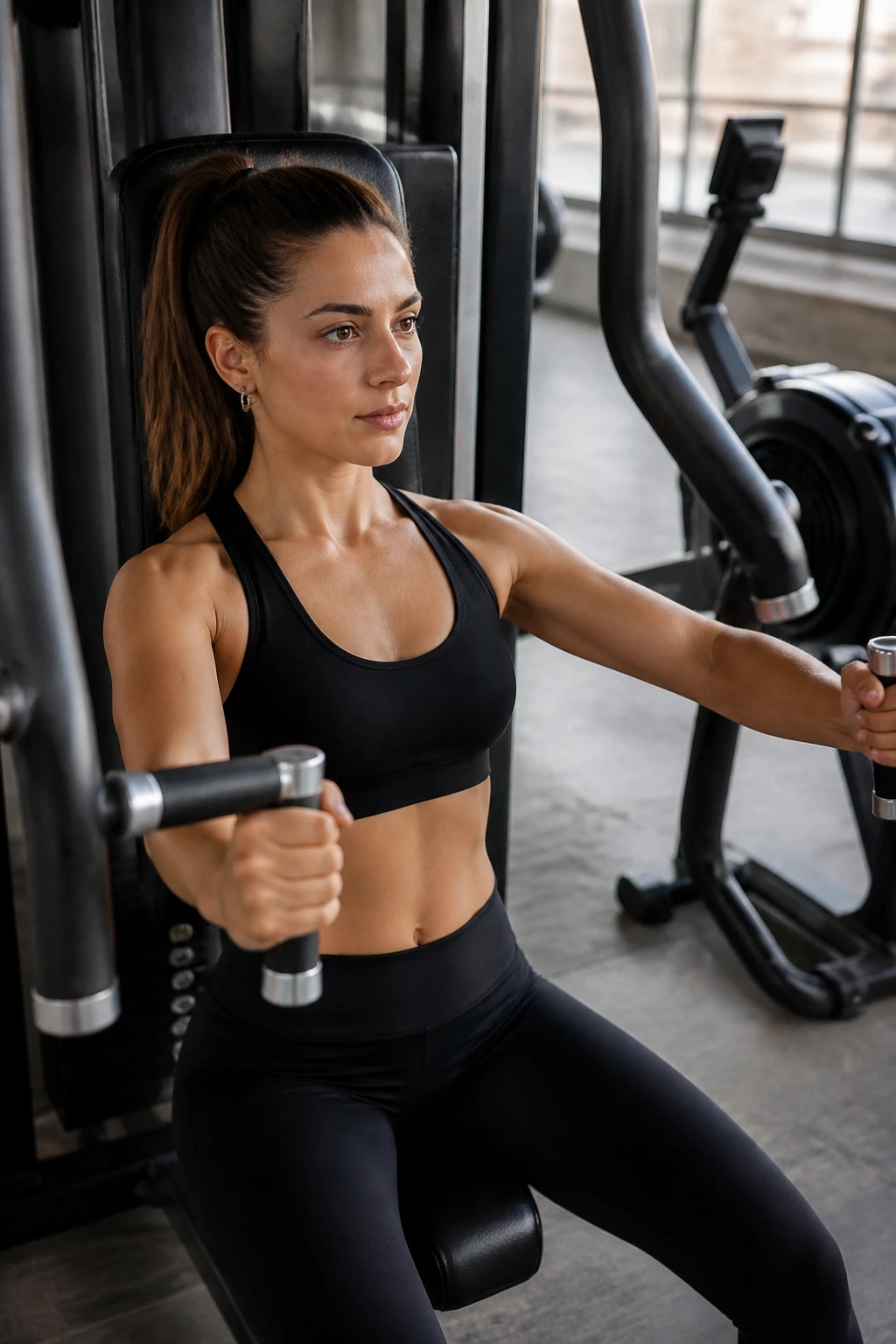
Four days is a sweet spot for a lot of beginners who enjoy routine and don’t want marathon workouts. Upper-lower splits are simple, but they do ask you to commit. That’s a good thing. You stop treating the gym like a weekly mystery and start treating it like part of your calendar.
How the Week Looks
- Monday: Upper body
- Tuesday: Lower body
- Thursday: Upper body
- Friday: Lower body
Each upper day can include chest press, row, shoulder press, lat pulldown, and curls. Each lower day can include leg press, split squat, hamstring curl, hip thrust, and calf raise. Stay around 2 sets for the first two weeks, then move to 3 sets if recovery feels fine.
This split works because each session is short enough to finish before your energy collapses. It also lets you focus. Legs get a real day. Upper body gets a real day. Nothing is rushed because you’re trying to cram everything into one workout and leave with jelly legs.
I like this plan for women who want visible progress without living in the gym. It builds shape, strength, and confidence in a way that feels steady, not dramatic.
4. Two-Day Starter Plus Walking
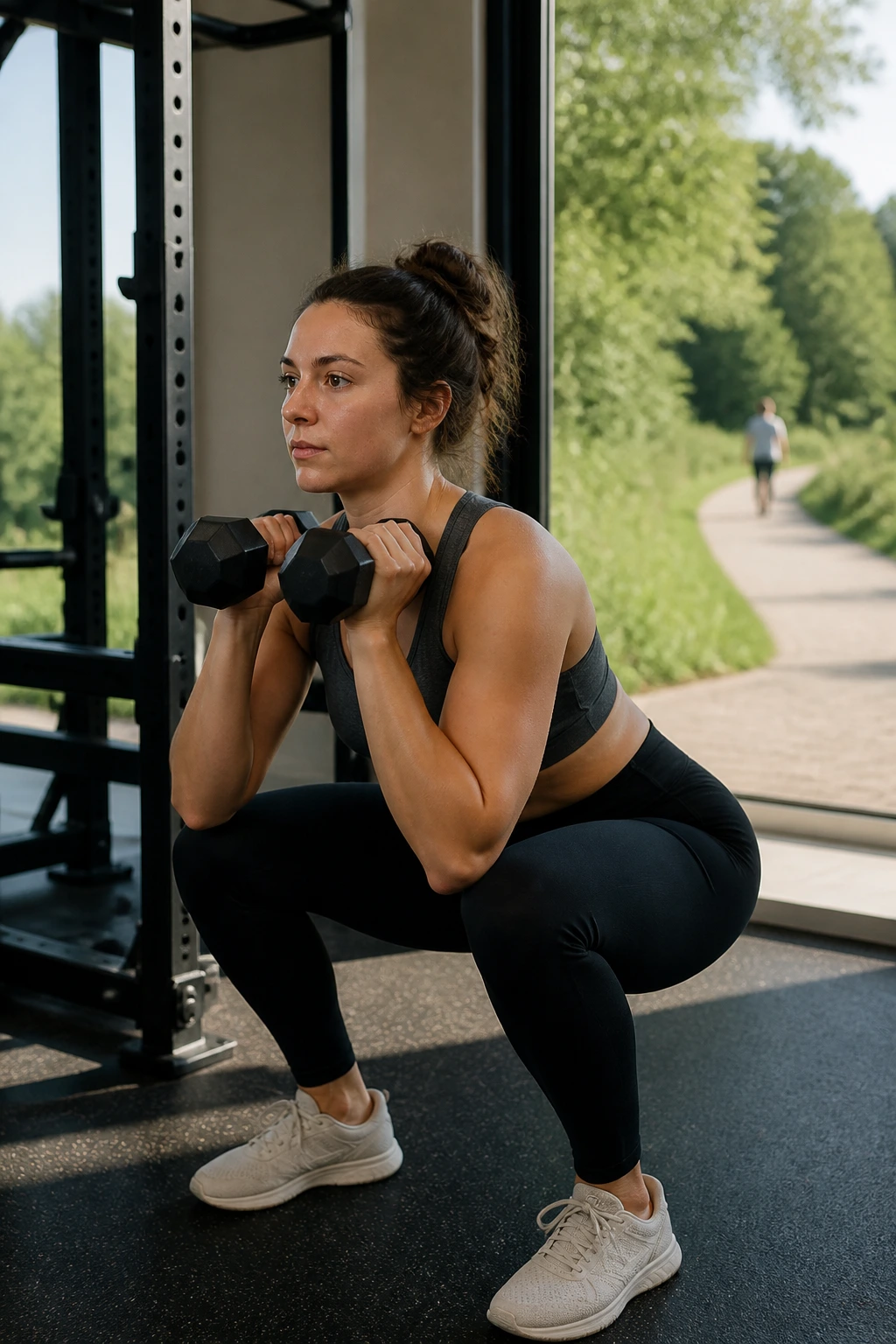
Not everyone needs four gym days. Some people need a schedule they can actually keep while life is doing its usual nonsense. Two lifting days, plus walking, is a serious plan if you stay consistent with it.
Pick Tuesday and Saturday, or any two days with at least one rest day between them. Each session should be a full-body mix: leg press, chest press, cable row, dumbbell Romanian deadlift, shoulder press, and a core move. Keep it to 5 or 6 exercises, 2 sets each, and leave with enough energy to come back next time.
On the other days, walk 20 to 40 minutes at an easy pace. Outdoor walking counts. Incline treadmill walking counts too. The goal is not to destroy yourself. The goal is to keep your body moving so the lifting days feel better and your recovery stays smooth.
This schedule is perfect when you are rebuilding the habit from scratch. It’s also good if the gym is only part of your life and not the center of it. Simple wins here.
5. 30-Minute Express Schedule

Thirty minutes is enough. That sentence annoys people who think real workouts have to be long, sweaty, and mildly theatrical, but it’s true. If your time is tight, a short session you can repeat beats a beautiful plan you never start.
Warm up for 5 minutes on a bike or treadmill. Then do two rounds of a simple circuit: squat machine, dumbbell press, seated row, Romanian deadlift, and a plank. Keep rest to 30 to 45 seconds between moves and 60 seconds between rounds. That’s it. No wandering.
The trick with express training is discipline, not intensity. You need to move with purpose and stop pretending you need “just one more” random exercise. A tight 30-minute session can still build strength, especially if you show up three times a week and keep the weights honest.
This is a good fit for women who want a schedule they can squeeze in before work, after work, or between all the other things that keep trying to eat the day alive.
6. Machines-Only First Month
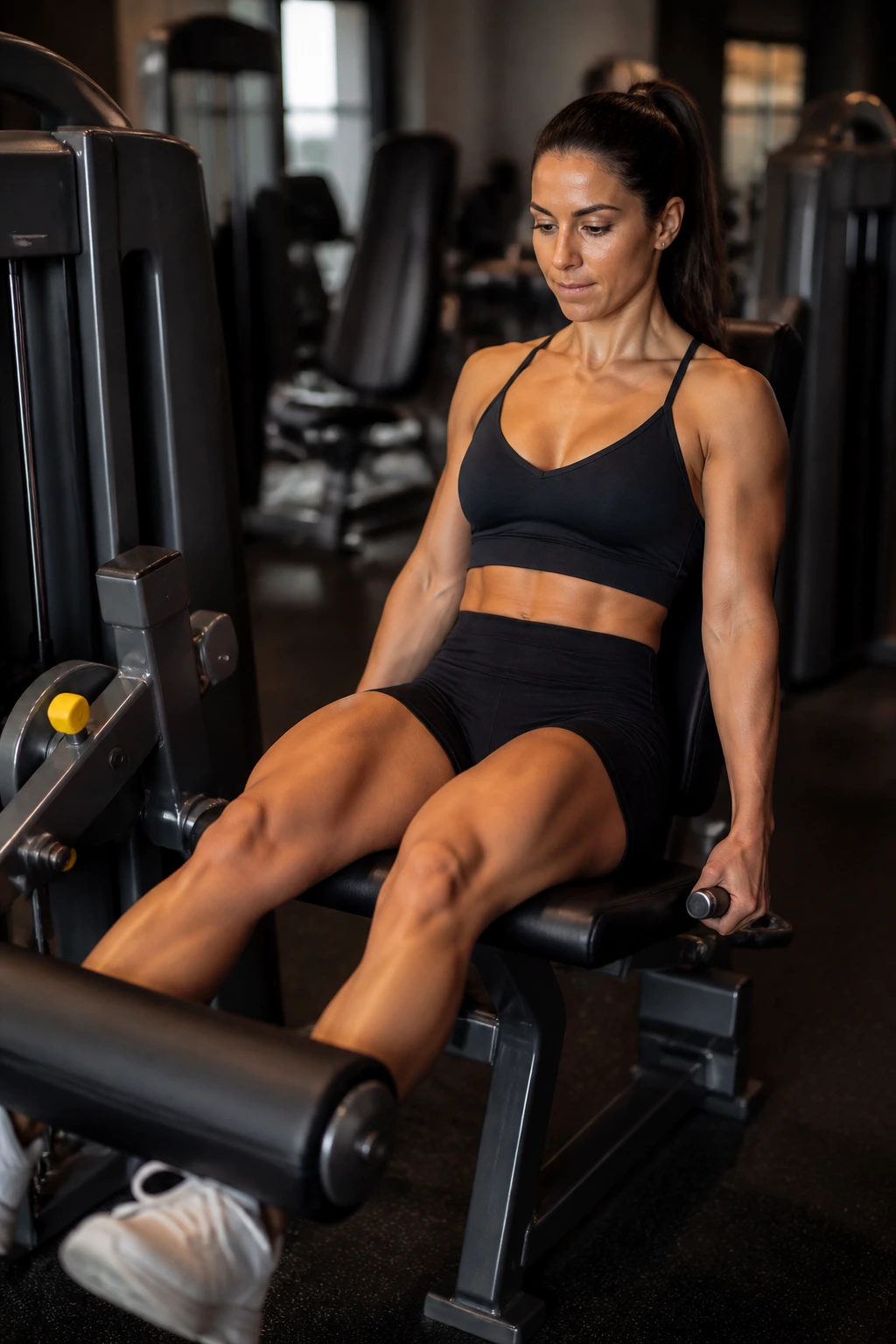
There’s nothing weak about starting on machines. Honestly, machines are underrated for beginners because they strip away the hardest part of lifting: figuring out where your body should go. You get to focus on effort and form without also juggling balance.
Use six machines per workout, three days a week. A clean layout is leg press, hamstring curl, chest press, lat pulldown, shoulder press, and seated row. Keep the reps at 10 to 12 and the sets at 2 for the first couple of weeks. Add a third set once the movements feel familiar and you can move without thinking so hard.
What to Watch For
- Adjust the seat so the handles line up with your joints, not your neck or knees.
- Move through a controlled range, not a half-rep shuffle.
- Stop one rep before your form falls apart.
- Keep the pin changes simple; small jumps are usually enough.
Machines are not a permanent crutch. They are a way to build a base. Once your confidence rises, you can start mixing in dumbbells and cables without feeling lost.
7. Incline Treadmill and Weights Blend

If you hate the idea of “just lifting” and need a little cardio baked in, this schedule gives you both. It’s a nice middle ground for beginners who want to feel their heart rate go up without turning every gym visit into a cardio class.
Begin each session with 8 to 10 minutes of incline treadmill walking at a pace that makes talking possible but not effortless. Then move into three strength exercises: one lower-body move, one push, one pull. A practical combo looks like leg press, dumbbell bench press, and cable row. Finish with 5 minutes on the treadmill again if you like the feeling of closing the loop.
Keep the strength work at 2 to 3 sets of 8 to 10 reps. The walking warms you up, but it also keeps the schedule from feeling too stiff. That matters more than people realize. When a workout feels approachable, you’re more likely to repeat it.
This is a good plan if you want better stamina, better leg endurance, and a routine that feels active without being punishing.
8. Glute-Focused Beginner Split
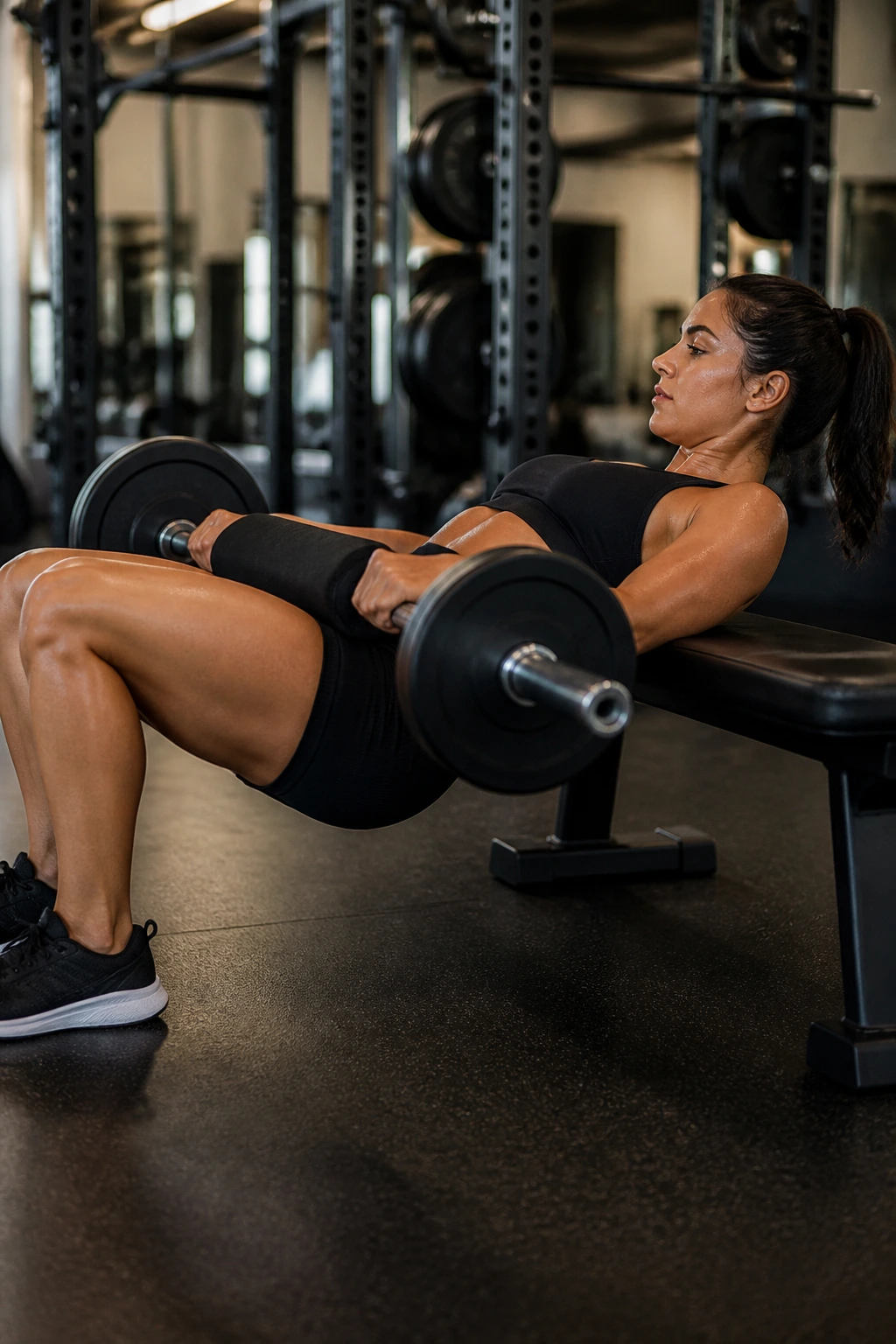
A glute-focused plan does not mean doing endless kickbacks until the cable stack gets on your nerves. It means putting smart lower-body work first and making sure the rest of the body keeps up. Strong glutes help with squats, deadlifts, walking, posture, and a lot of day-to-day movement.
Train three days a week. One day should center on hip thrusts, Romanian deadlifts, and leg press. Another can use split squats, hamstring curls, and step-ups. The third day should still include upper-body work — maybe lat pulldowns, dumbbell presses, and rows — because a balanced body is a more useful body.
Use 3 sets of 8 to 12 reps on the main glute lifts. Pause for 1 second at the top of hip thrusts. That tiny pause matters. It stops the set from becoming a bounce-fest and makes the glutes do the work.
Girls get sold a lot of nonsense about “toning” the lower body. Lift enough, and the tone takes care of itself. The schedule is the point.
9. Fat-Loss Friendly Mixed Plan
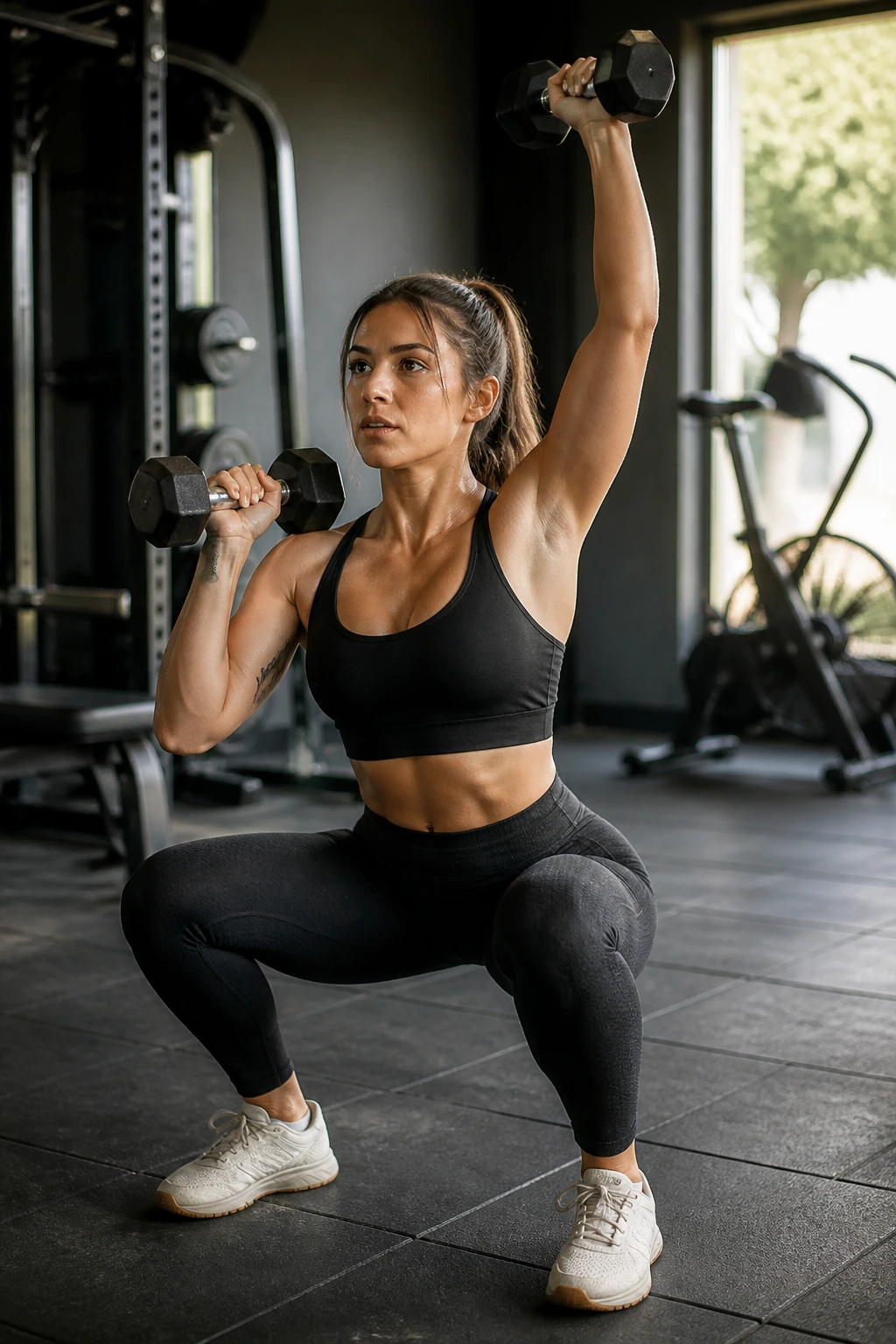
If your goal is fat loss, the schedule should help you stay active without burning you out. That means lifting to keep muscle, walking to raise weekly activity, and a little cardio to help your conditioning. Not chaos. Not punishment.
A solid week looks like three full-body lifting sessions and two lower-intensity cardio days. On lifting days, choose squat, press, row, hinge, and core patterns. Keep the sets moderate, around 2 or 3 per move, and rest long enough to keep the form clean. On cardio days, use the bike, incline treadmill, or elliptical for 20 to 30 minutes.
A Simple Weekly Pattern
- Monday: Full body
- Tuesday: Walk or bike
- Wednesday: Full body
- Thursday: Easy cardio
- Friday: Full body
- Weekend: Rest or light walking
This works because it gives your body enough stimulus to hold on to muscle while you’re in a calorie deficit. It also keeps you from trying to “earn” food with miserable workouts. That road gets old fast.
10. Muscle-Gain Beginner Schedule
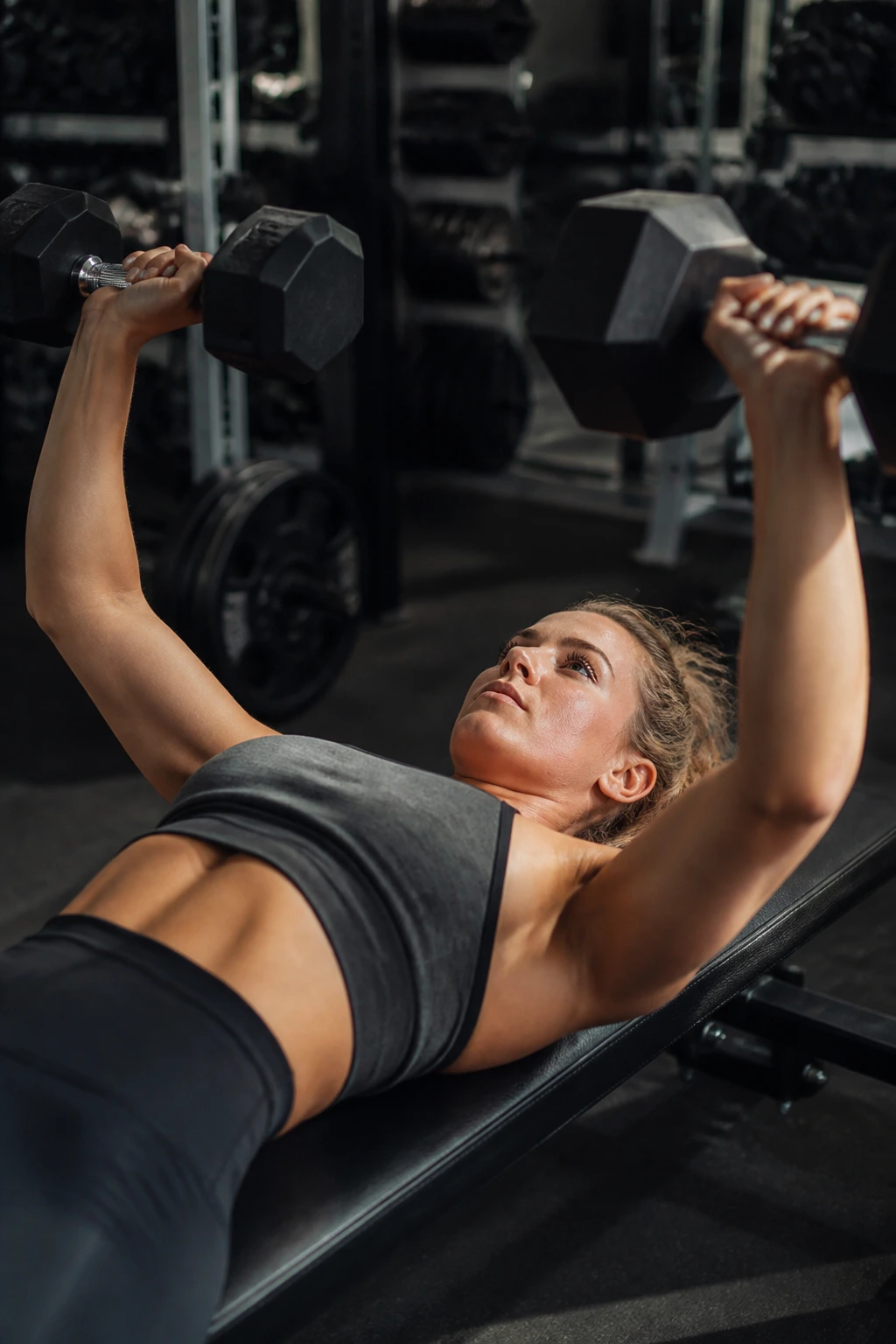
Beginners who want muscle need a little more volume, a little more patience, and a lot less random hopping around. You do not need to train like a bodybuilder to gain muscle, but you do need enough weekly work for the body to notice.
Use a four-day plan with a little more focus on the big lifts. Start each session with a compound movement like leg press, dumbbell bench press, seated row, or Romanian deadlift. Then add one or two smaller lifts, such as lateral raises, curls, triceps pressdowns, or calf raises. Keep the big moves at 3 sets of 6 to 10 reps and the smaller ones at 2 sets of 10 to 15 reps.
Rest matters here. Take 90 seconds or even 2 minutes on the heavier sets if needed. Rushing muscle-building work is a bad trade. You want enough recovery to push the next set with real effort.
This schedule suits women who want a firmer, fuller look over time and are willing to let strength lead the way.
11. Joint-Friendly Low-Impact Routine
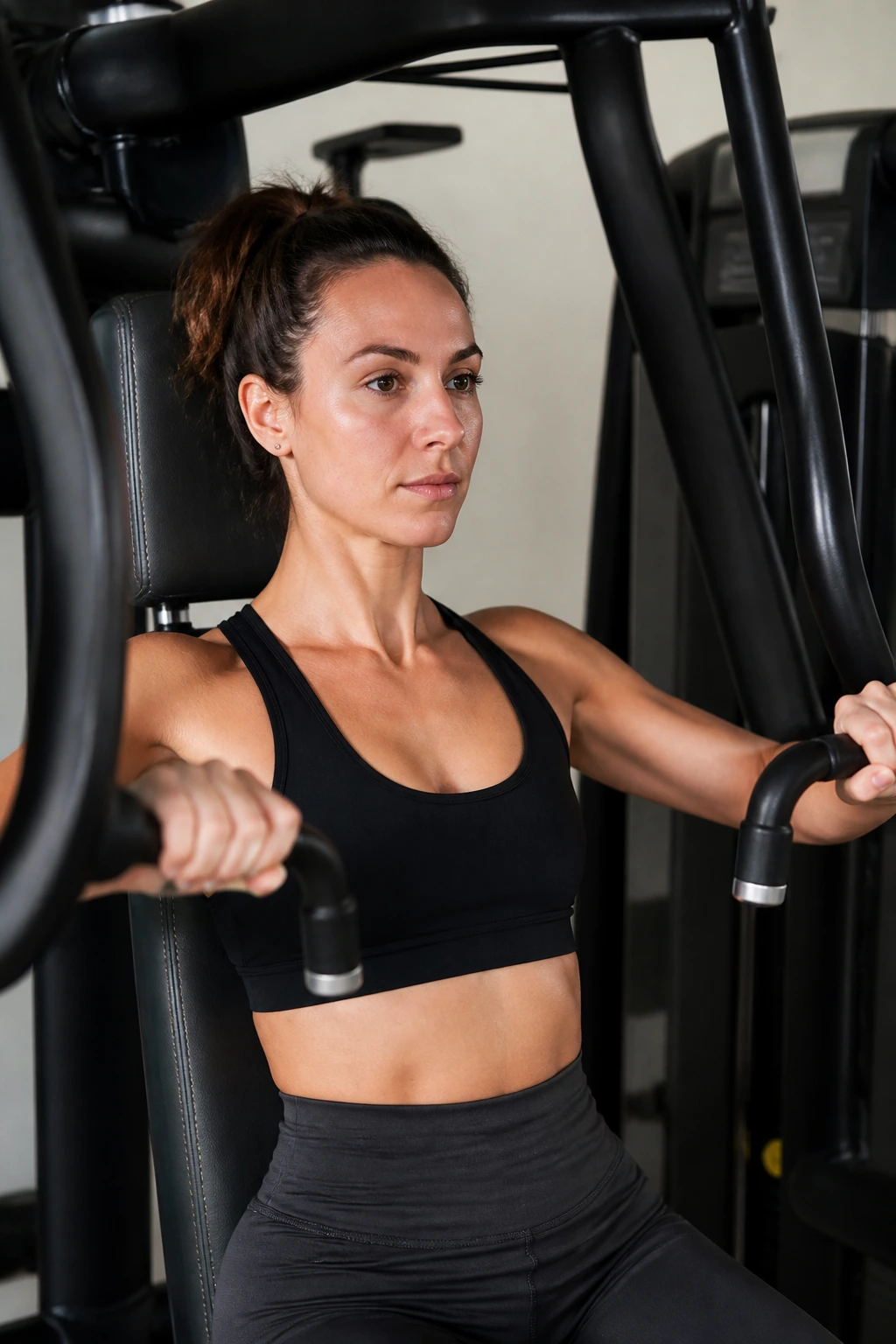
Some beginner plans act like everyone’s knees, hips, and shoulders arrived from the factory in perfect shape. That is nonsense. If your joints are cranky, your schedule should be kinder, not weaker.
Start with three workouts per week and use mostly supported movements: seated row, chest press machine, leg press, hamstring curl, cable pull-through, and bike intervals. Skip jumping. Skip high-impact conditioning. You can get a strong workout without pounding your joints.
Good Choices for This Plan
- Bike instead of running
- Machines instead of unstable free-weight moves
- Cable work instead of fast, jerky dumbbell swings
- Controlled step-ups instead of box jumps
Keep the reps in the 8 to 12 range and the effort at a solid but manageable level. If something pinches, swap it. If your range of motion is too deep, shorten it until it feels better.
This is the schedule I’d rather see than a tough-guy plan nobody can recover from. Sustainable beats heroic.
12. Two Short Weight Days for Busy Weeks
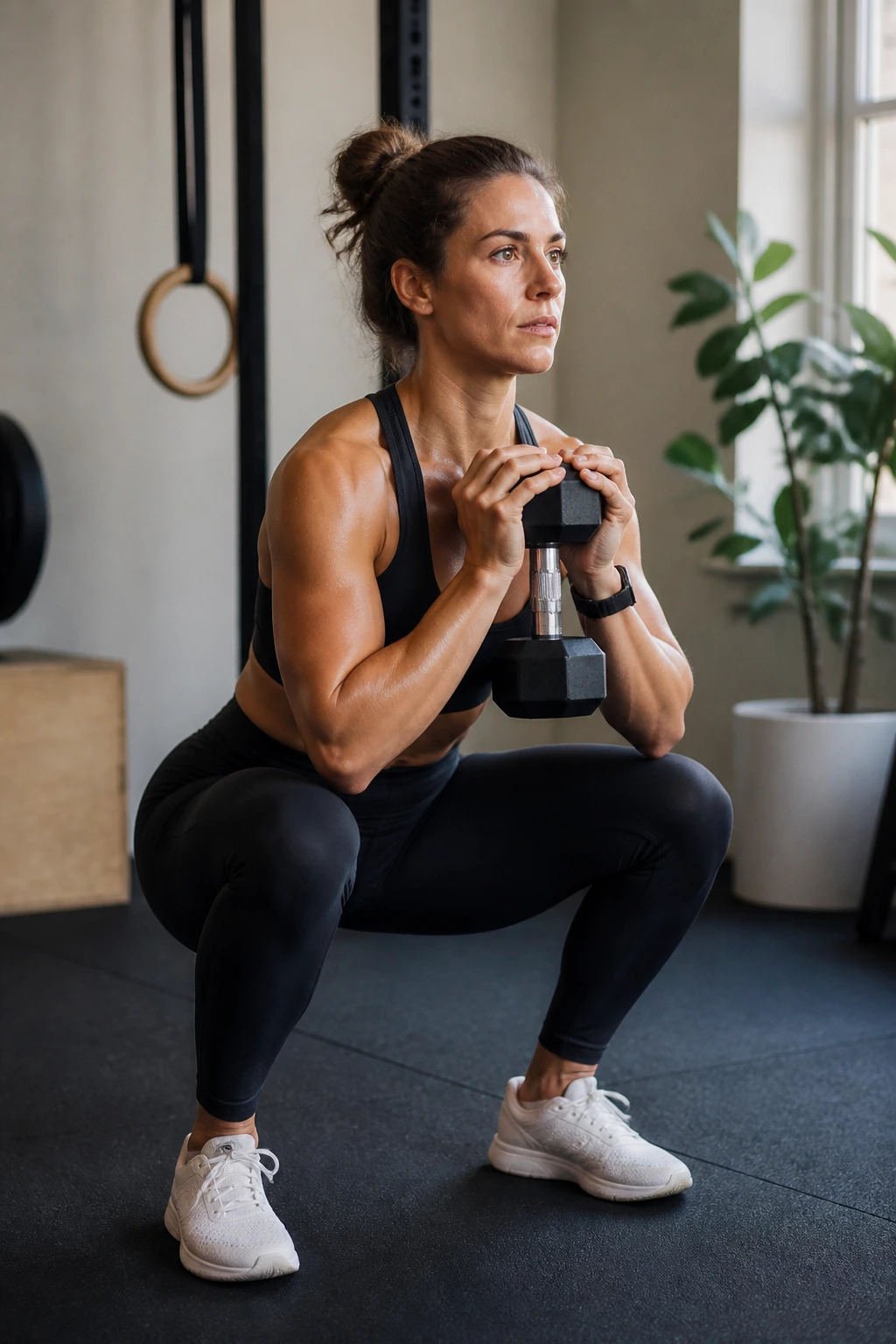
When life is full, the gym plan has to get smaller, not disappear. Two short sessions can keep your strength moving forward and stop the restart cycle that happens when people try to do too much.
Each workout should be 35 minutes or less. Pick five moves, and make them count: goblet squat, dumbbell press, cable row, glute bridge, and plank. Do 3 sets of 8 reps for the first three moves, then 2 sets for the last two. Work steadily, but don’t race.
The beauty of this schedule is that it trims the fluff. No overthinking. No “maybe I’ll just do more cardio.” You walk in, do the work, and leave before the session turns into a social event.
It’s a clean answer for women with packed calendars, unpredictable work hours, or families that seem to eat entire weeks. Two good workouts beat zero perfect ones.
13. Full-Body With Core Finishers
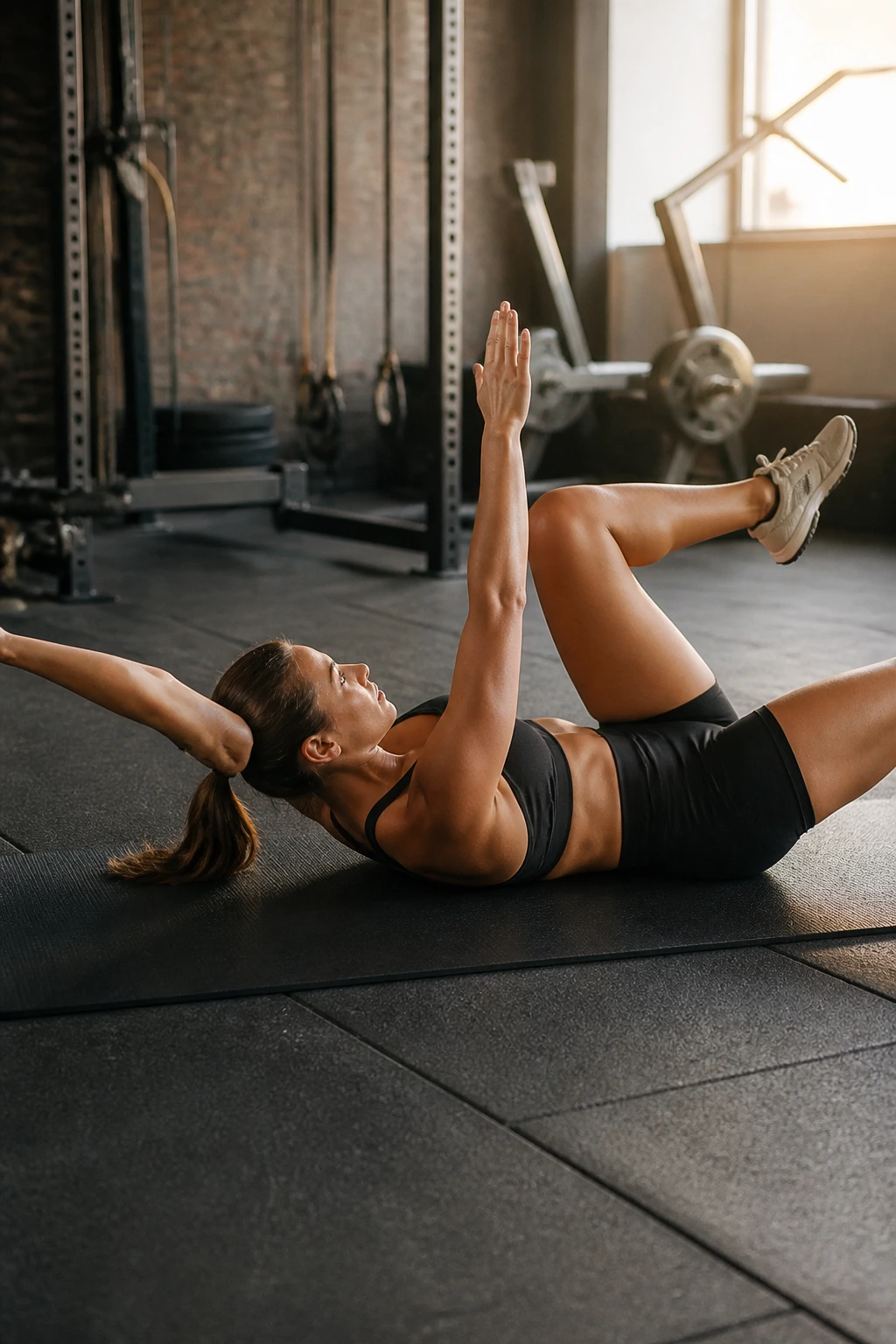
Some beginners want a little more core work because it helps them feel connected to the rest of the workout. Fine. Just do it at the end, after the big lifts, where it belongs.
Train three days a week. Start each workout with one lower-body lift, one push, and one pull. A day might be leg press, dumbbell bench press, and lat pulldown. Finish with a 5-minute core block: dead bugs, side planks, bird dogs, or Pallof presses. Keep the core work controlled. No flailing.
Why This Setup Works
The main lifts build strength. The core finisher builds control. That combination matters because beginners often think abs come from endless crunches. They don’t. Better trunk strength comes from resisting movement, not just making it happen.
Use 2 to 3 sets on the big lifts and 30 to 45 seconds on the core moves. If your lower back takes over during ab work, slow down. A cleaner rep is worth more than a faster one.
This schedule feels balanced without getting complicated. That’s a good place to live.
14. Progressive Overload Basic Schedule
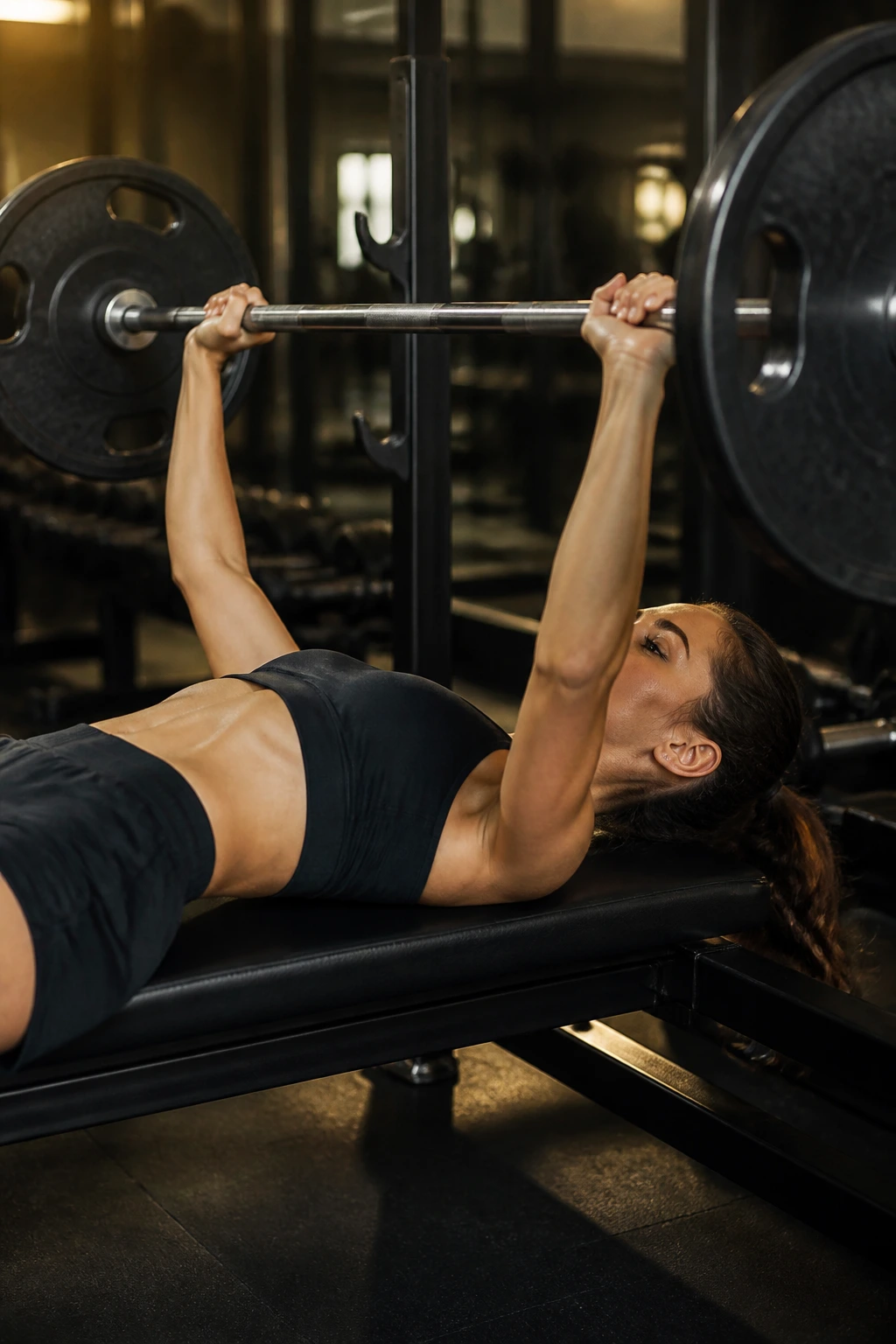
Progressive overload sounds fancy, but the idea is plain: do a little more over time. One more rep. Five more pounds. One cleaner set. That is how beginners change their bodies without turning every workout into a guessing game.
Pick six exercises and keep them stable for 4 to 6 weeks. For example: leg press, chest press, seated row, Romanian deadlift, shoulder press, and plank. Train them three times a week. Write down the weight, reps, and how the set felt. Then beat last week by a small margin.
Easy Ways to Progress
- Add 1 rep to each set
- Add 2.5 to 5 pounds when all sets feel smooth
- Slow the lowering phase to 3 seconds
- Add one extra set on the main lift
The power of this schedule is not excitement. It is clarity. You always know what to try next time. And that is a relief when you are still learning how the gym works.
15. Dumbbell-Only Gym Plan
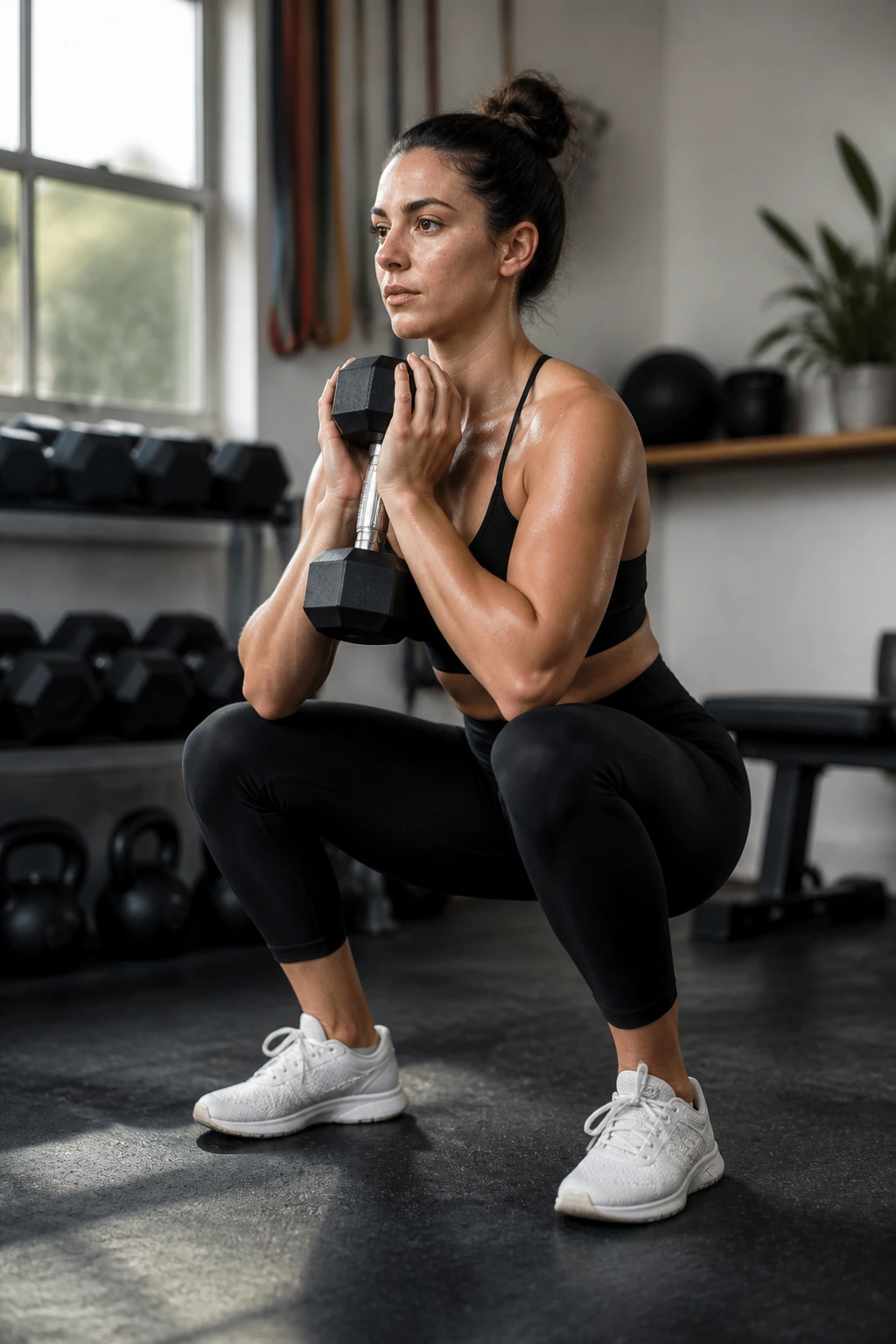
Not every beginner wants to spend half the workout adjusting machines. Dumbbells give you more freedom and teach your body to stabilize itself. They also make the gym feel less crowded, which is not a small thing.
Build the week around three dumbbell sessions. Use goblet squats, dumbbell Romanian deadlifts, bench presses, one-arm rows, overhead presses, and farmer carries. Keep the reps around 8 to 10 on the main lifts and 30 to 40 seconds on carries. A simple workout can fit in a small corner of the gym.
Dumbbells are honest. They expose weak links fast. If one side is weaker, you feel it. If your brace is sloppy, you feel that too. That can be humbling, but it’s useful. You learn your own movement patterns instead of hiding behind a machine.
This schedule suits women who want straightforward strength work and don’t mind a little challenge while they figure out their balance.
16. Barbell Introduction Schedule
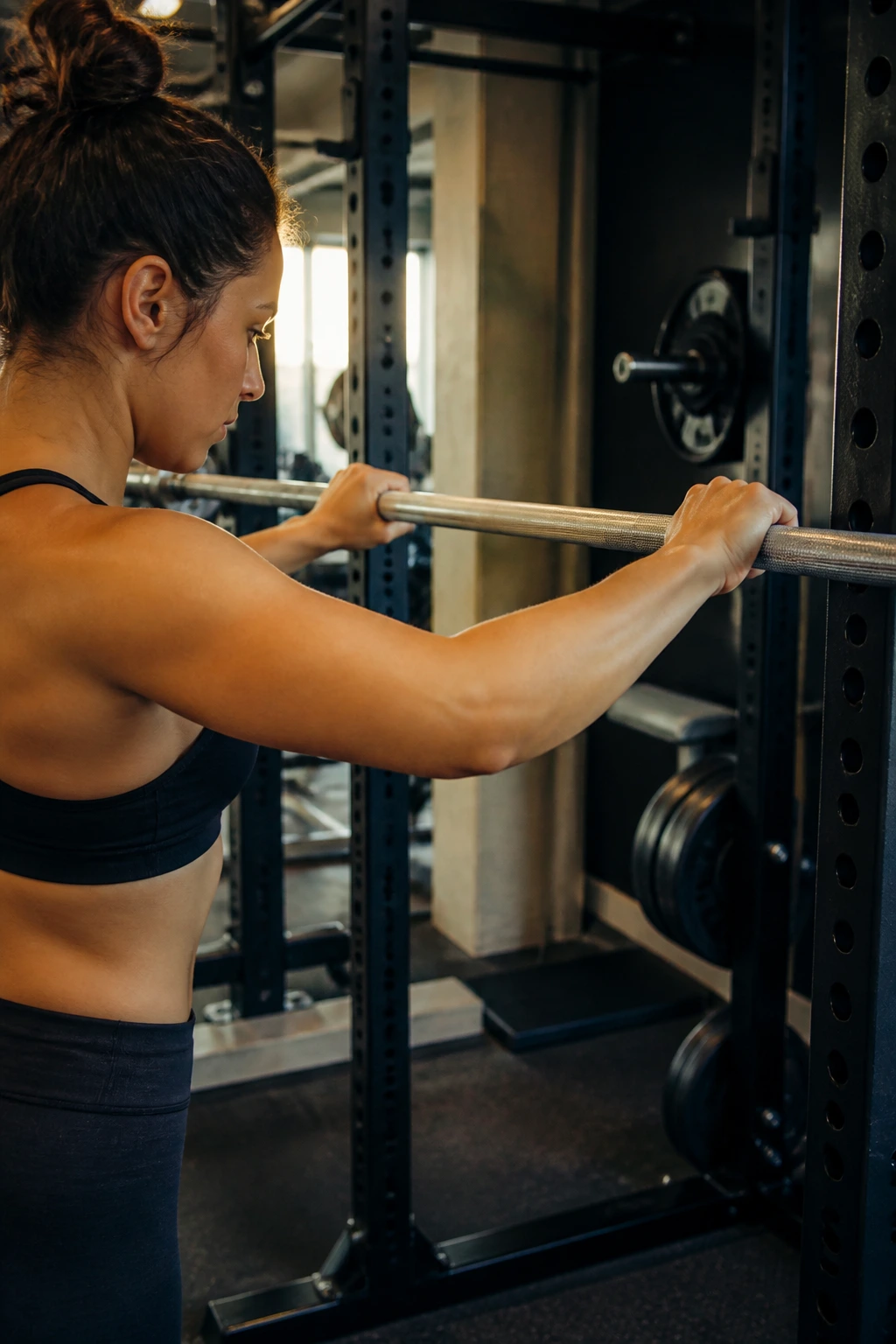
Barbells are not magical, and they are not reserved for people who look like they live under fluorescent lights and eat chicken out of plastic containers. They’re just another tool. A useful one. But you should earn the comfort level first.
Start with two or three barbell movements per week: a box squat or goblet squat progression, barbell hip hinge or deadlift variation, and a bench press or empty-bar press. Keep the first few sessions light enough that you can focus on the path of the bar, your breathing, and where your feet stay planted.
Keep These Rules
- Begin with the empty bar if the movement is brand new.
- Practice the setup before every set.
- Stop the set when your lower back or shoulders start doing weird things.
- Ask for a quick form check if the gym allows it.
Some women get pushed into barbells too fast. That’s backward. The bar should feel like a step up from control, not a leap from confusion. Once the setup feels normal, the barbell becomes one of the fastest ways to get stronger.
17. Machine-to-Free-Weight Transition Plan

This schedule is for the woman who’s done machines for a while and is ready to move on without tossing herself into chaos. You don’t need to abandon the machines. You just need to widen the menu.
Keep two machine exercises and add two dumbbell moves plus one bodyweight move each session. A lower-body day might be leg press, seated leg curl, dumbbell split squat, dumbbell Romanian deadlift, and a plank. A upper-body day might be chest press machine, seated row, dumbbell shoulder press, lat pulldown, and dead bug.
That gradual shift matters because free weights demand more balance and control. If you change everything at once, the workout gets messy. If you change one or two pieces at a time, you can actually learn what each movement feels like.
This is a smart bridge plan. It keeps the security of machines while you build the confidence to handle dumbbells like they’re no big deal.
18. Travel-Week Gym Schedule
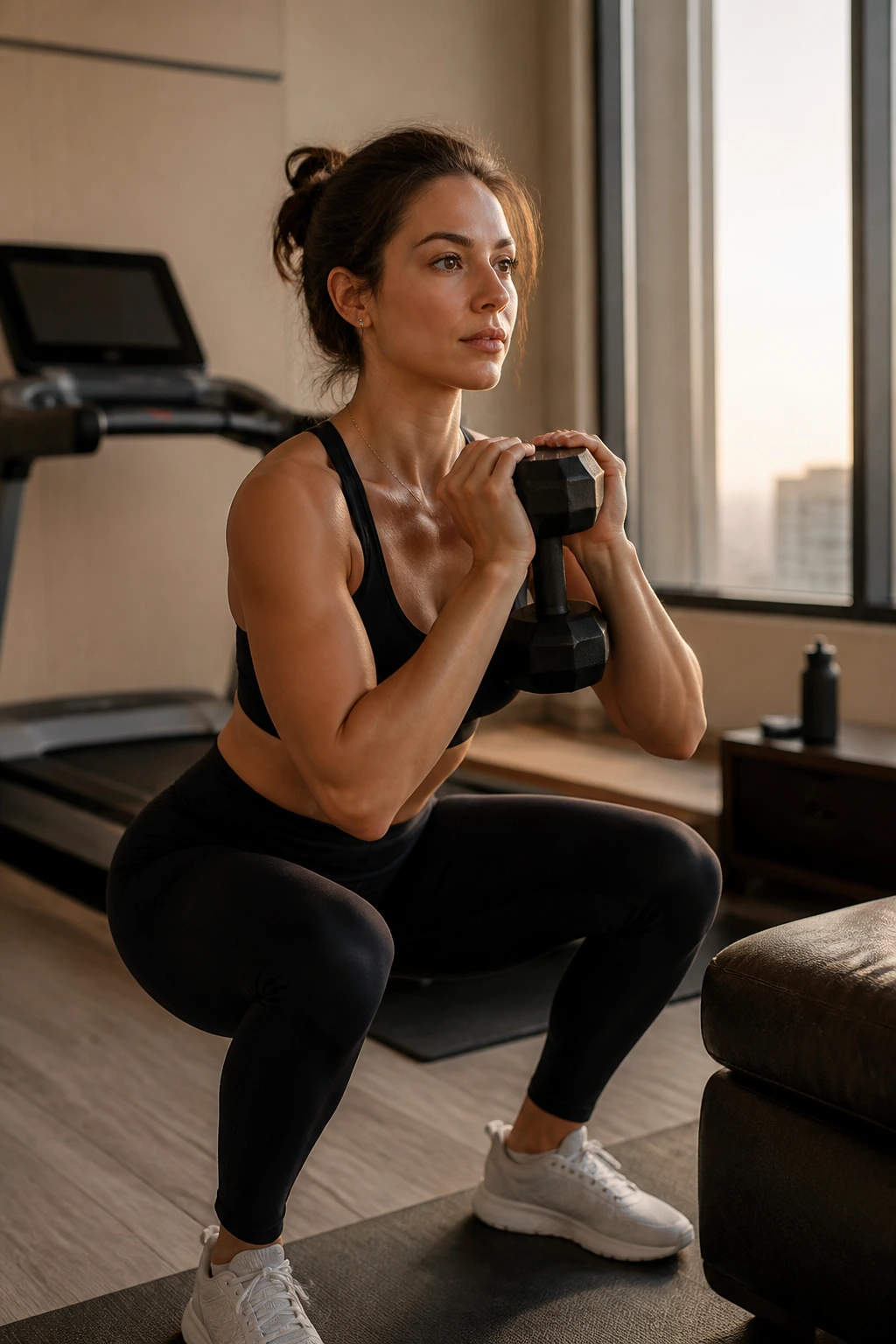
Travel can wreck a routine fast if the plan is too delicate. Hotel gyms are often tiny, weirdly laid out, and missing half the equipment you wanted. So make the schedule tiny on purpose.
Use two or three sessions that only need a treadmill, dumbbells, and maybe a cable station. Each workout can be 20 to 30 minutes. Do goblet squats, dumbbell presses, rows, RDLs, and suitcase carries. If the gym is basically two treadmills and a lonely bench, you can still do a bodyweight version and keep the habit alive.
The goal is not peak training during travel. The goal is to avoid the all-or-nothing trap. One decent workout keeps the rhythm intact. Three in a rough week can feel like a win.
This schedule is for women who need a plan that bends without breaking. Flexibility keeps people consistent.
19. Night-Shift or Irregular-Hours Schedule
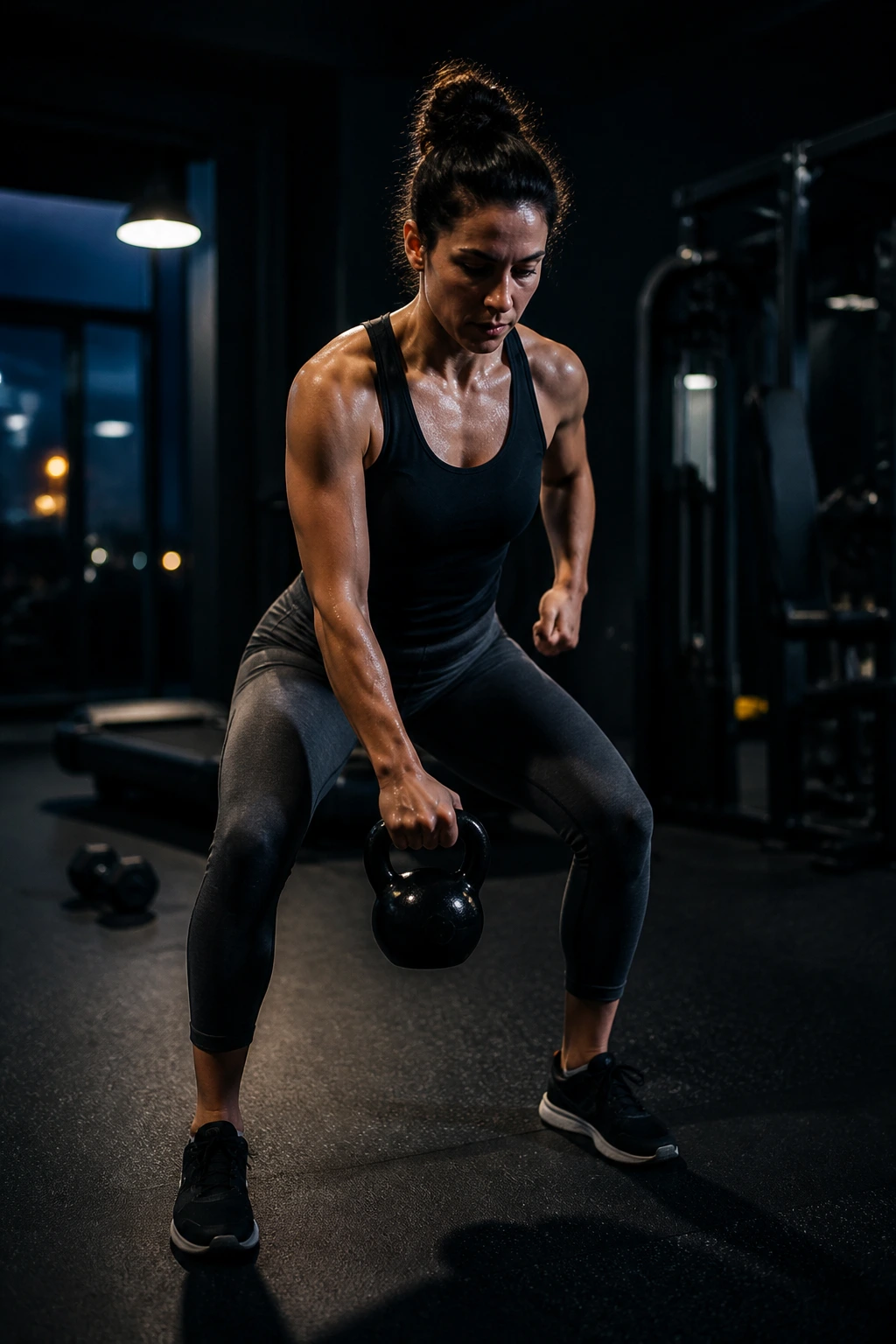
Unpredictable hours call for a schedule that cares more about energy than the calendar. If you work nights, swing shifts, or weird rotating days, forcing a rigid 6 a.m. routine can turn the gym into a fight.
Build a three-tier workout menu. On a strong-energy day, do a full-body session with 5 exercises and 3 sets each. On a middle-energy day, cut it down to 4 exercises and 2 sets. On a tired day, do a 20-minute walk plus mobility and one core move. That way you keep the habit alive without pretending every day has the same fuel tank.
The real win here is honesty. Some days, heavy lifting is perfect. Other days, your body wants movement, not a battle. If you listen to that, you stay more consistent over time.
This is one of the most practical beginner gym schedules for women with unpredictable work lives. It respects reality. Finally.
20. Posture and Back Support Schedule

If you sit a lot, carry a bag on one shoulder, or spend your day hunched over a laptop, your back probably has opinions. A beginner gym schedule can help with that by training the upper back, glutes, and core in a balanced way.
Use three workouts a week built around rows, reverse flyes, face pulls, hip hinges, glute bridges, and dead bugs. Add a pressing movement too, like dumbbell bench press or push-ups, so the shoulders stay balanced instead of living only in pulling mode.
The Main Targets
- Upper back: rows and face pulls
- Glutes: bridges and hinges
- Core: anti-extension moves like dead bugs and planks
- Chest and shoulders: light pressing to keep the front side honest
This plan won’t magically erase desk posture, because no workout does that alone. But it can make you stronger in the places that help you stand taller and feel less beat up after long days. That is worth a lot.
21. Push-Pull-Legs Intro
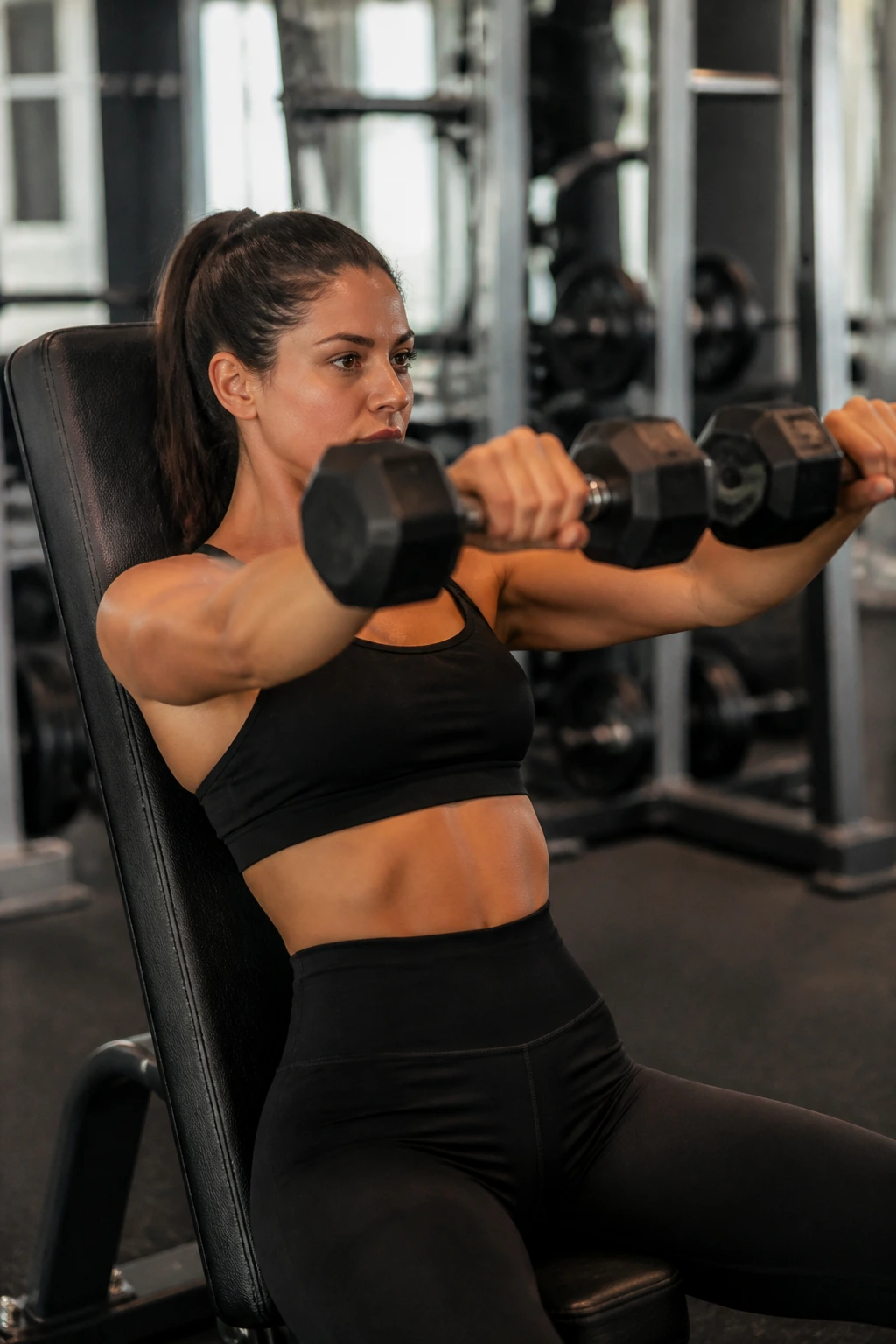
Push-pull-legs sounds like something for advanced lifters, but a stripped-down version works well for beginners too. You just need to keep the exercise count low and the ego lower.
Train three days a week. On push day, use chest press, shoulder press, and triceps pressdowns. On pull day, do lat pulldowns, seated rows, and curls. On legs day, choose leg press, Romanian deadlifts, and split squats. That’s enough to learn the pattern without turning the gym into a second job.
The advantage is clarity. Each day has a job. Push muscles recover while you train pull muscles. Legs get their own attention. It feels organized, and beginners tend to do better when the gym makes sense.
Some people think split routines are too fancy for beginners. Not if the volume is sensible. Keep the weights moderate, the sessions under an hour, and the movements repeatable. That’s the whole trick.
22. Cardio-First Beginner Schedule

If walking into the weights area makes you tense, start with cardio. That is not a failure. It is a way to get comfortable with the space while still building a real habit.
Begin every session with 10 minutes on the treadmill, bike, or elliptical. Then move to three or four simple strength machines: leg press, chest press, row, and hamstring curl. Finish with another 5 minutes of easy cardio if you want a cool-down that feels familiar.
This setup lowers the friction. You get to start with a machine that feels easy, then slide into the rest of the workout once your breathing settles. That small shift can make the gym feel less hostile, which matters more than people admit.
It’s also a good bridge for women who want to improve stamina and strength at the same time without feeling shoved into the deep end.
23. Core and Glute Foundation Schedule
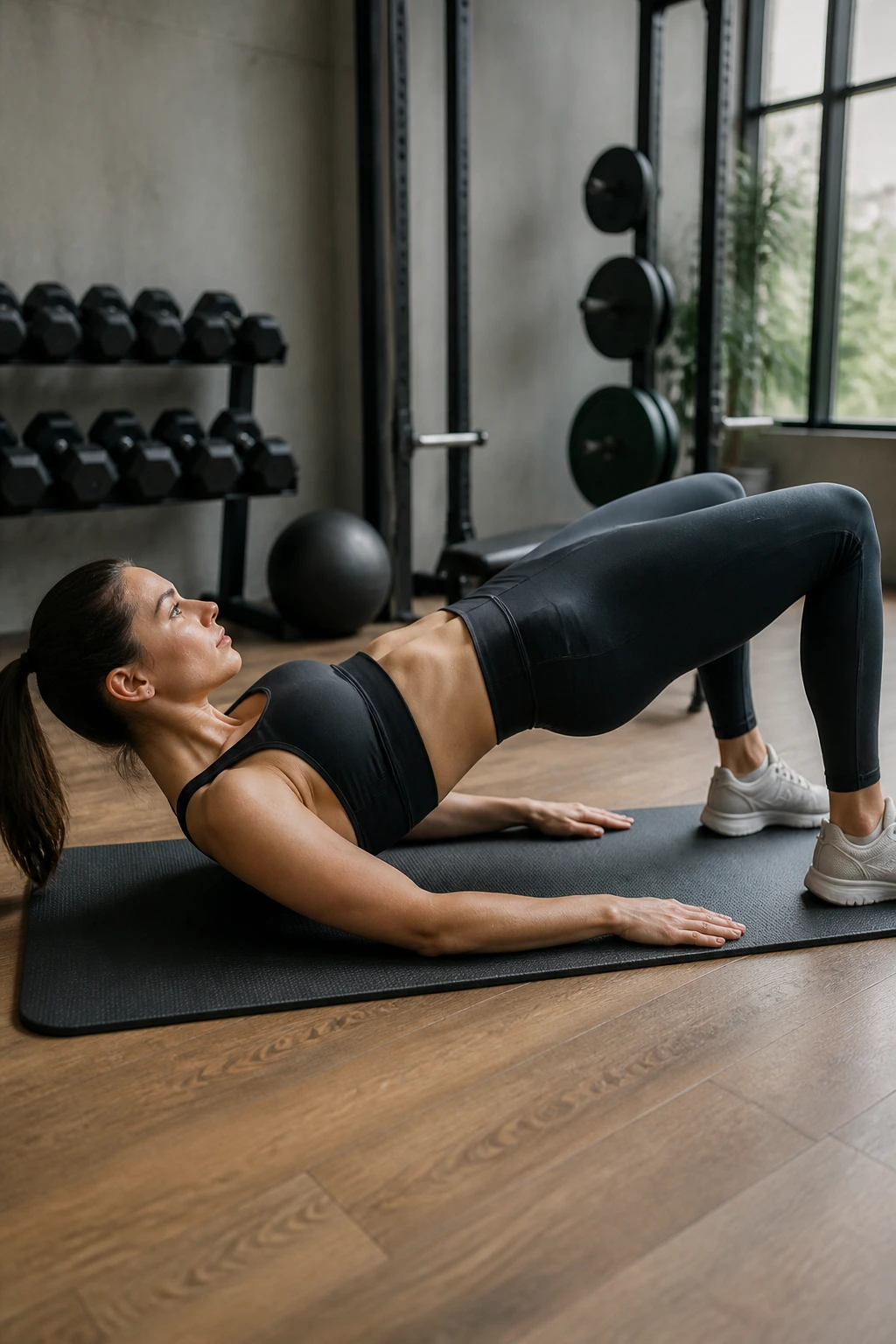
A lot of beginners chase arms or abs and miss the actual base: glutes, hips, and trunk control. That base affects how everything else feels. Squats. Walking. Stairs. Even how stable your shoulders feel during pressing.
Build three weekly sessions around glute bridges, hip thrusts, step-ups, split squats, Pallof presses, and side planks. Add one upper-body pull, like seated row or lat pulldown, so the plan stays balanced. Keep the sets at 2 to 3 and the reps in the 8 to 12 range.
The core work here is not flashy. It’s anti-rotation, side stability, and control. That sounds a little dry, I know. It also works. A trunk that resists twisting makes the rest of your lifts cleaner.
This is a strong schedule for women who want a sturdier base before chasing heavier weights or more complicated exercises. Foundation first. Always.
24. Six-Week Repeat-and-Progress Schedule
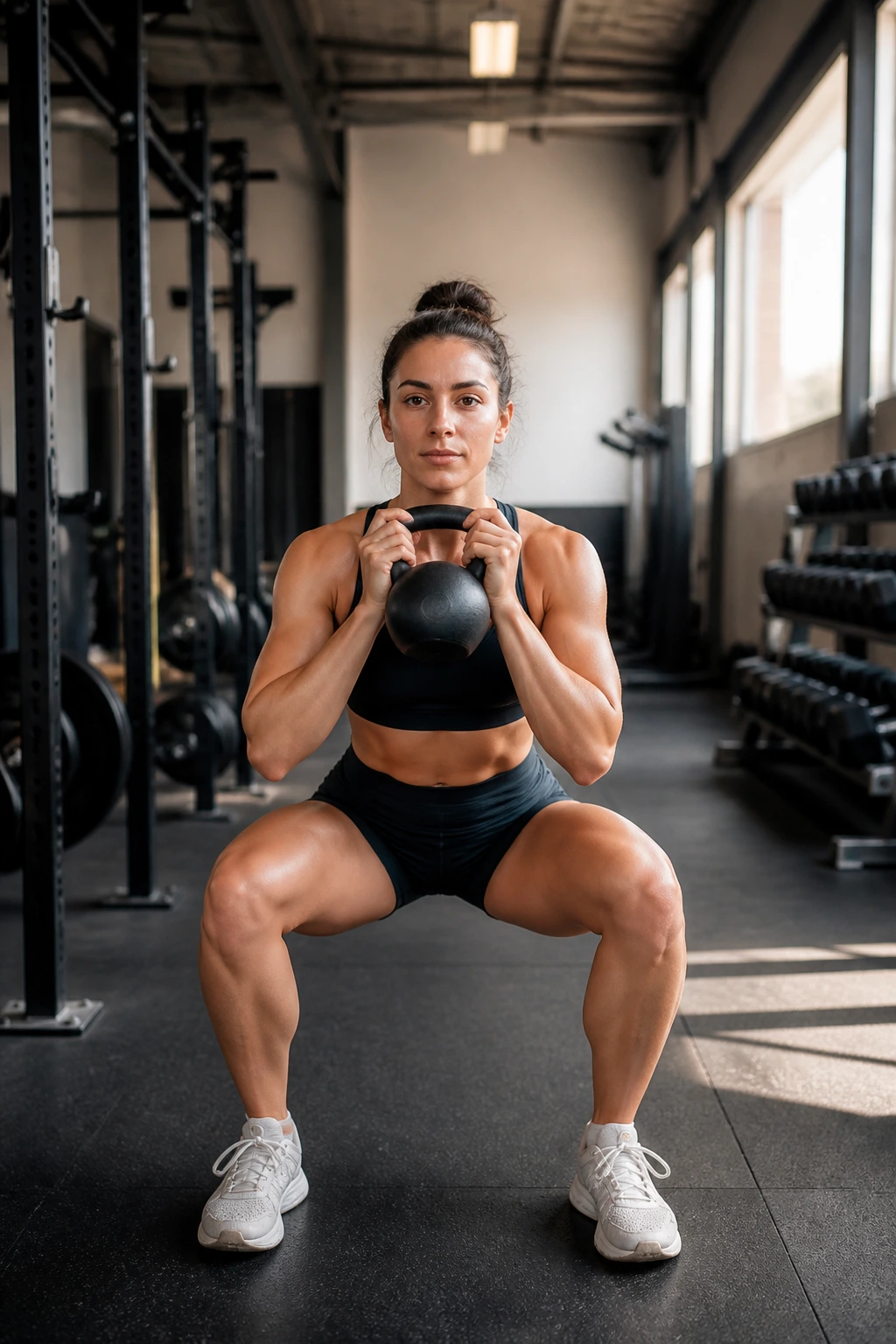
Repeating the same schedule for six weeks is not boring. It is efficient. Beginners often change workouts too fast, which means they never get good at anything before they switch to something else.
Pick one full-body workout for Day A and one for Day B. Use them across the whole six-week block. Day A might be leg press, chest press, row, glute bridge, and plank. Day B might be split squat, dumbbell shoulder press, lat pulldown, Romanian deadlift, and dead bug. Train three days a week, alternating A and B.
A Simple Progress Pattern
- Weeks 1-2: Learn the movements and keep the weights light
- Weeks 3-4: Add one rep per set
- Weeks 5-6: Add a little weight and hold the reps steady
That’s enough structure to build momentum without confusion. You stop asking, “What should I do today?” and start asking, “Did I beat last week?” That is a much better question.
25. Flexible Choice Menu Schedule

Some people do better with a menu than a fixed script. If you like options, this one is practical. It still has structure, but it gives you room to choose based on how you feel that day.
Pick one workout from three options each time you go:
- Option A: Lower body and core
- Option B: Upper body and posture work
- Option C: Full body and short cardio
Each option should stay under 45 minutes and use 4 to 5 exercises. Keep one lower-body move, one push, one pull, one accessory, and one short finisher. The exact exercise can change, but the shape stays the same.
That freedom helps on rough days. If your legs are sore, choose upper body. If you are short on time, choose the full-body version and leave. If you’re energized, take the lower-body option and push harder. The schedule bends with you, which is often what keeps beginners from quitting.
Final Thoughts
The best beginner gym schedule is the one you can repeat without arguing with yourself every time you pack your bag. Simple beats clever. Consistent beats intense. And a plan that feels calm in week one usually survives week six.
If you want the shortest path to progress, start with three full-body days, keep the exercises basic, and add a little weight when the last reps stop feeling wobbly. That alone will carry most beginners farther than they expect.
Pick the schedule that fits your life, not the one that looks impressive on paper. The gym rewards people who keep showing up, and that part is a lot less dramatic than the internet makes it sound.
