



A beginner gym schedule for women should feel almost boring. If every workout leaves you wiped out, confused, or secretly dreading the next session, the plan is doing too much. The first win is not a perfect body-part split or a five-day routine that looks impressive on paper. The first win is showing up again next week.
Most women who stick with training do it because the schedule fits real life: work, family, energy swings, crowded gyms, sore legs, and the occasional day when the only thing you want to lift is your water bottle. A solid starter plan usually means 2 to 4 lifting days, a couple of easy movement days, and at least one real rest day. That leaves room to learn the machines, find your footing with dumbbells, and figure out how hard “hard” should feel without turning every session into a survival test.
Fancy is overrated.
The sweet spot for a beginner is usually simple movements, repeatable days, and enough recovery to feel human the next morning. Two sets can be enough at first. So can 30 to 45 minutes. You do not need to crawl out of the gym. You do need a schedule you can keep when the week gets messy and motivation stops being cute.
The 20 schedules below cover a lot of different situations: short weeks, machine-only confidence builders, glute-focused plans, upper-body-heavy splits, lunch-break workouts, and a few setups for people who hate being locked into exact weekdays. Pick the one that matches your life, then make it smaller before you make it bigger. That part matters.
1. Three-Day Beginner Gym Schedule for Women Using Machines

Machines are underrated for first-timers. They cut down on balance problems, make the movement path easier to learn, and let you focus on how your muscles feel instead of wondering whether the dumbbell is drifting left. If the gym floor makes you tense, this is the calmest place to start.
Weekly layout
- Monday: Leg press, chest press, lat pulldown, seated row, plank
- Wednesday: Hack squat or goblet squat, shoulder press, seated leg curl, cable row, dead bug
- Friday: Repeat Monday, then add 1 rep per set or 2.5 to 5 pounds if form stays clean
Start with 2 sets of 8 to 12 reps for each lift. Rest 60 to 90 seconds between sets. After two or three weeks, some people can move to 3 sets, but there is no prize for rushing that.
Why this works
The machine setup keeps the learning curve low. You still build legs, back, chest, and shoulders, but you remove a lot of the wobble that makes beginners feel clumsy. That matters more than people think. Confidence is not fluff here; it keeps you coming back.
Tip: spend 5 minutes on a treadmill or bike before the first lift, then do one very light warm-up set for the first two exercises. Your working sets will feel smoother, and your knees will thank you later.
2. Three-Day Dumbbell Confidence Builder

Dumbbells teach coordination fast, and that’s a good thing. They force each side of your body to do its own job, which is useful if one side is stronger, tighter, or more stubborn than the other. They also take up less space and feel less intimidating than walking up to a loaded barbell station.
The schedule is simple: Monday, Wednesday, Friday. Keep the workout to five moves. Use a goblet squat, a dumbbell bench press, a one-arm row, a Romanian deadlift, and a farmer carry. That’s enough. More is not always better for a beginner; more often just means more wandering.
Start light enough that the last two reps look a little slow but still clean. If your lower back starts doing the work during the deadlift, the weight is too heavy or your hinge needs a reset. I’d rather see someone use 15-pound dumbbells with good control than 30-pound dumbbells and a grimace that lasts all week.
One nice thing about this plan: it scales with you. The same five movements can last months. You just raise the weight in tiny jumps, maybe 2.5 pounds per dumbbell, once the top of the rep range feels easy. That’s enough progress to matter.
3. Four-Day Upper and Lower Split That Still Leaves You Fresh

Why do so many beginners like an upper/lower split? Because it feels organized without getting fussy. You train each half of the body twice a week, which is plenty, and you get built-in recovery between hard lower-body sessions. That helps when your legs still feel like someone borrowed them after squats.
Upper day
- Chest press or dumbbell bench press, 2 to 3 sets of 8 to 10
- Lat pulldown or assisted pull-up machine, 2 to 3 sets of 8 to 10
- Seated shoulder press, 2 sets of 8 to 12
- Cable row, 2 sets of 10 to 12
Lower day
- Leg press or squat variation, 2 to 3 sets of 8 to 12
- Romanian deadlift, 2 sets of 8 to 10
- Leg curl, 2 sets of 10 to 12
- Glute bridge or hip thrust, 2 sets of 10 to 12
A good weekly rhythm is Monday upper, Tuesday lower, Thursday upper, Saturday lower. That spacing gives your legs time to recover before they get hit again. It also keeps the sessions short enough that you do not need a whole mood shift before walking into the gym.
The trap here is trying to make every upper day a chest day or every lower day a squat day. Don’t. Balanced work keeps shoulders happier and keeps your hips from feeling like they live in one giant pattern.
4. Two-Day Beginner Gym Schedule for Women on Busy Weeks

Some weeks only give you two clean slots. Fine. Use them. A two-day beginner gym schedule for women can work far better than a five-day fantasy plan you never finish.
The trick is making both sessions full body. Each day should hit a squat pattern, a hinge pattern, a push, a pull, and one core move. That’s it. You are not trying to impress the internet. You are trying to make steady progress when work, errands, and life keep stomping on your calendar.
A simple layout looks like this: Tuesday and Friday. On Tuesday, use a leg press, a chest press, a seated row, a dumbbell Romanian deadlift, and a plank. On Friday, swap in a goblet squat, a shoulder press, a lat pulldown, a hip thrust, and a dead bug. Two sets each is enough for the first stretch of time. Three if you recover well.
This plan works because the sessions are dense without being long. You leave with a little muscle fatigue, not a full-body collapse. And that matters. If you know a workout can be finished in 35 to 45 minutes, you’re far more likely to actually go.
5. Three Strength Days and Two Easy Cardio Days

Cardio does not need to chew up your lifting days. A lot of beginners push hard on the treadmill, then arrive at squats with tired legs and a bad attitude. That’s avoidable.
Use three lifting days and two low-impact cardio days. Monday, Wednesday, and Friday can stay focused on strength. Tuesday and Thursday can be 20 to 30 minutes of incline walking, stationary bike, or the elliptical. Keep the cardio at a pace where you can talk in short sentences. You should feel warm and breathy, not punished.
Cardio that helps instead of steals
- Incline walk at 3.0 to 3.5 mph for 20 minutes
- Bike at a steady pace with moderate resistance
- Elliptical with a smooth stride and no sprinting
The point is recovery and stamina, not turning every session into a contest. If your legs are dead on Friday because Tuesday became a hill climb death march, the plan has drifted off course.
One small thing I like here: keep the cardio days short enough that they feel useful, not endless. Twenty-five minutes is often enough. You can always add a few minutes later if you want.
6. A Glute-Focused Schedule That Still Trains the Whole Body
A glute-focused schedule is not the same thing as living on the hip thrust machine. Beginners sometimes think “glutes” means three variations of the same bridge and not much else. That’s a fast way to annoy your lower back and neglect everything above your waist.
Here’s the cleaner version: Monday = glutes and hamstrings, Wednesday = upper body and core, Friday = glutes and quads. That gives the lower body more attention without turning the week into one long leg burn.
On Monday, start with a Romanian deadlift, hip thrust, seated leg curl, and cable kickback. Wednesday can be chest press, lat pulldown, row, and a plank variation. Friday can use goblet squats, walking lunges, glute bridges, and a step-up. Keep the reps in the 8 to 12 range and stop with one or two good reps still in the tank.
What makes this schedule work is the balance. Glutes grow and get stronger when they’re trained often enough, but they also need support from quads, hamstrings, and a decent upper back. That’s the part people skip when they chase one body area too hard.
If you want more lower-body shape and strength, this is a smart place to start. Just do the boring parts too.
7. A Machines-Only Confidence Plan for Crowded Gyms
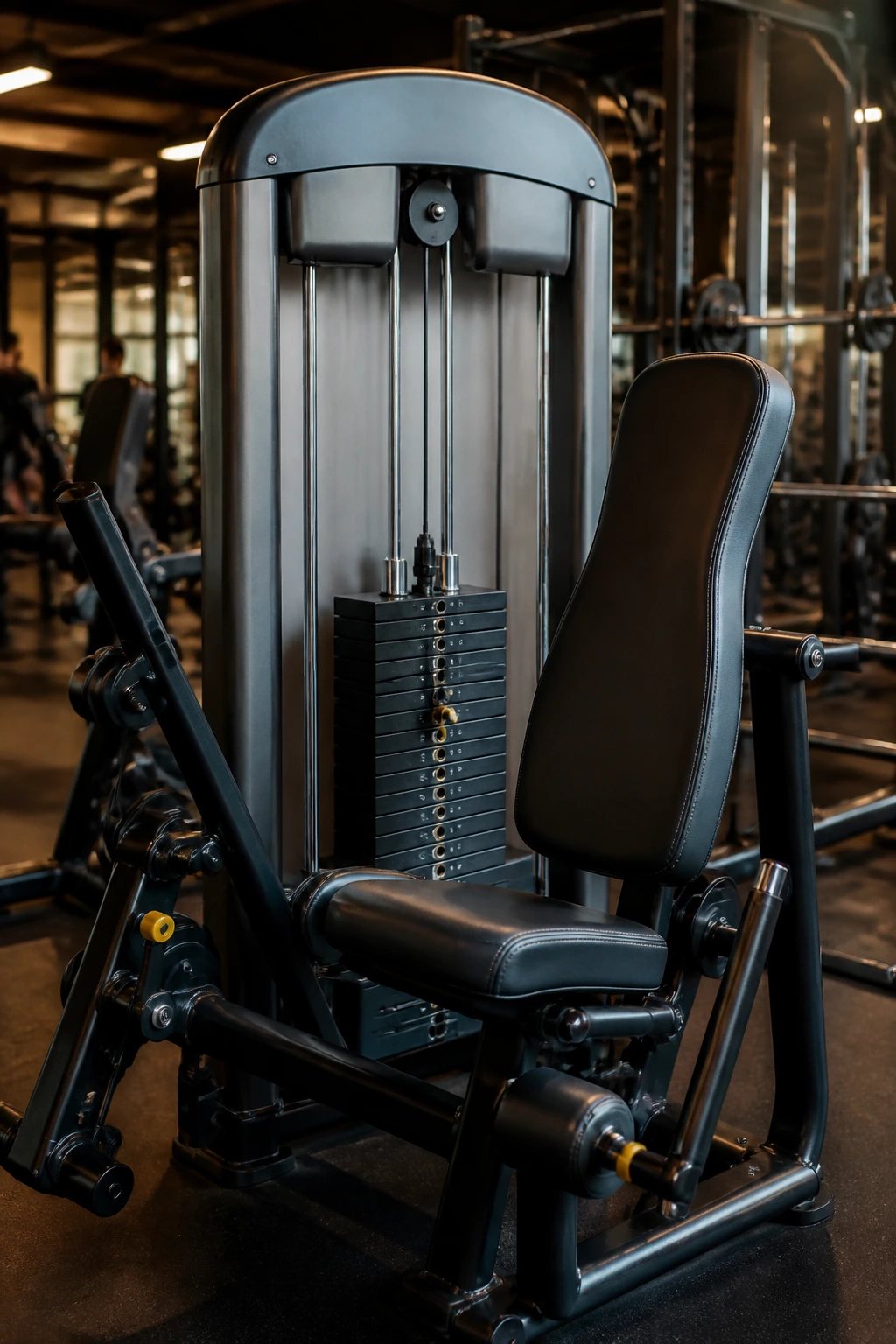
If the free-weight area feels like a language you have not learned yet, machines are a fine place to start. Actually, they are more than fine. They are useful. The fixed path makes the movement feel less chaotic, and that alone can reduce the mental friction that keeps people from training.
Try a three-day machines-only schedule. Use the leg press, leg curl, leg extension, chest press, seated row, lat pulldown, shoulder press, and cable woodchop. Two sets of 10 to 12 reps is enough at first. Add a third set only when the first two start feeling easy and your form stays tidy.
A simple three-day circuit
- Day 1: Leg press, chest press, seated row, cable crunch
- Day 2: Leg curl, shoulder press, lat pulldown, glute machine or hip thrust machine
- Day 3: Leg extension, incline chest press, machine row, Pallof press
The win here is not glamour. It’s repeatability. You can walk into the gym, find the same stations, and build a rhythm without feeling rushed or watched. That’s a bigger deal than people admit.
Machines also make it easier to learn what a hard set feels like. You want the last two or three reps to slow down. You do not want to fling the stack around and pray.
8. Beginner Push Pull Legs Without the Overkill

The beginner version of push/pull/legs is much smaller than the one you see online. No marathon sessions. No 17-exercise upper day. Just three clean training days that each focus on a movement family.
Push day covers chest, shoulders, and triceps. Pull day handles back and biceps. Leg day takes care of quads, glutes, hamstrings, and calves. That split is tidy, easy to remember, and friendly to people who like a clear theme to the workout.
Push
- Chest press
- Shoulder press
- Cable triceps pressdown
Pull
- Lat pulldown
- Seated row
- Dumbbell curl
Legs
- Goblet squat
- Romanian deadlift
- Leg curl
Use 2 sets of 8 to 12 reps on each exercise. If you are new, that’s enough volume to learn the pattern without turning the workout into a grind. Rest about 60 seconds between smaller moves and a little longer after the lower-body lifts.
This split suits women who get bored easily but still want structure. It also works well if you prefer to separate upper and lower body without committing to a four- or five-day routine. Small plan. Clear job.
9. The 30-Minute Lunch Break Schedule
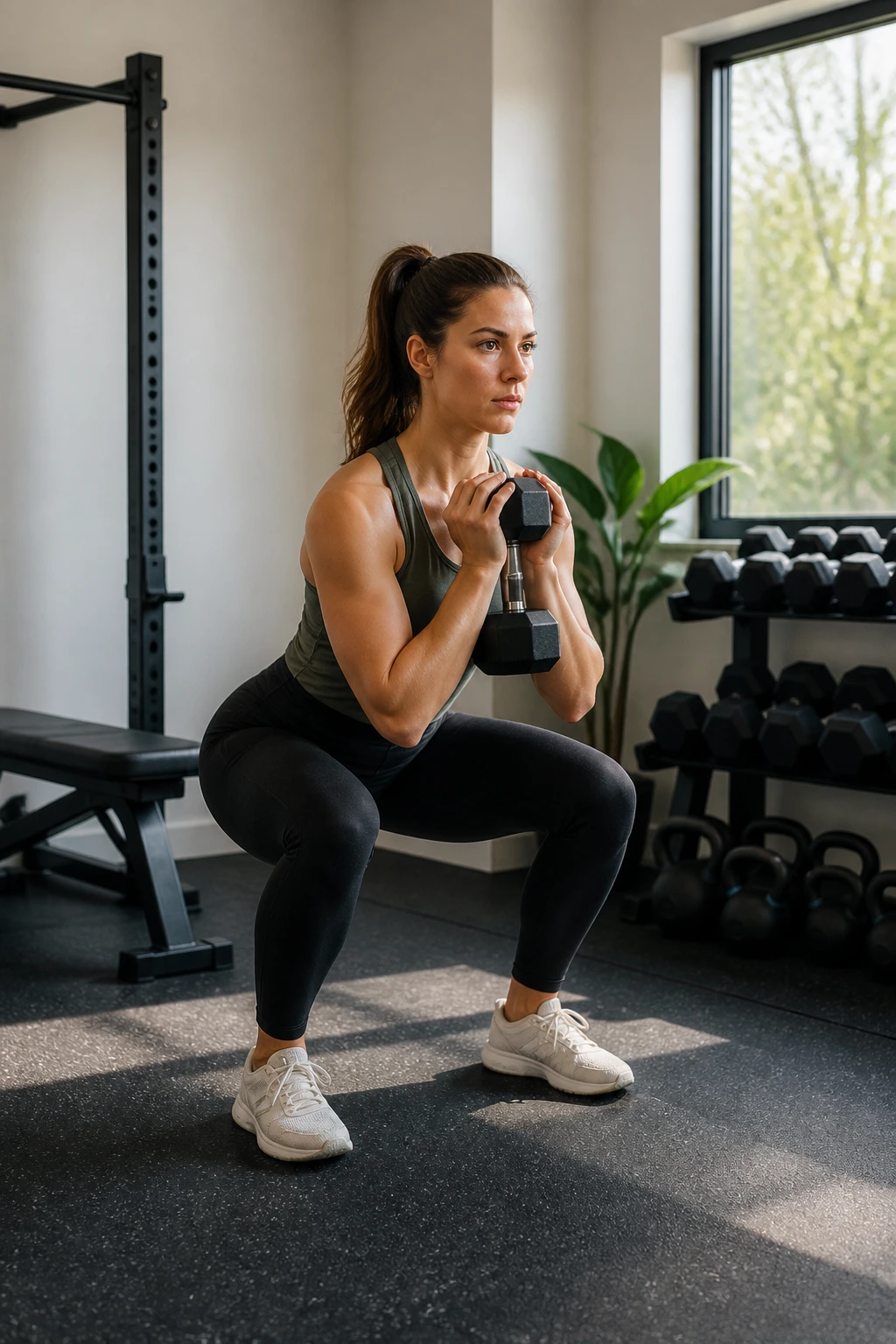
Thirty minutes is enough if you stop trying to do ten things. That’s the whole game. A lunch-break schedule needs to be tight, clean, and almost rude in how little fluff it allows.
The best version uses supersets. Pair two moves together, rest after both, and keep moving. For example: goblet squat paired with row, then dumbbell bench paired with Romanian deadlift. You’re saving time without turning the workout into a chaotic circuit.
Time blocks that actually fit
- 5 minutes: brisk walk or bike warm-up
- 20 minutes: 4 paired exercises, 2 sets each
- 5 minutes: stretch, breathing, quick walk
A plan like this is good for people who want a gym habit without turning every weekday into an event. It also removes the pressure to “make it count” with random extra work. It counts because you did it.
One thing to watch: don’t cram so much into the 20-minute lifting block that your form gets sloppy. If the room is crowded, choose simple moves that don’t require hunting for five pieces of equipment. Clean and efficient beats fancy every time.
10. The Weekend-Only Gym Plan for Women Who Can’t Train Midweek
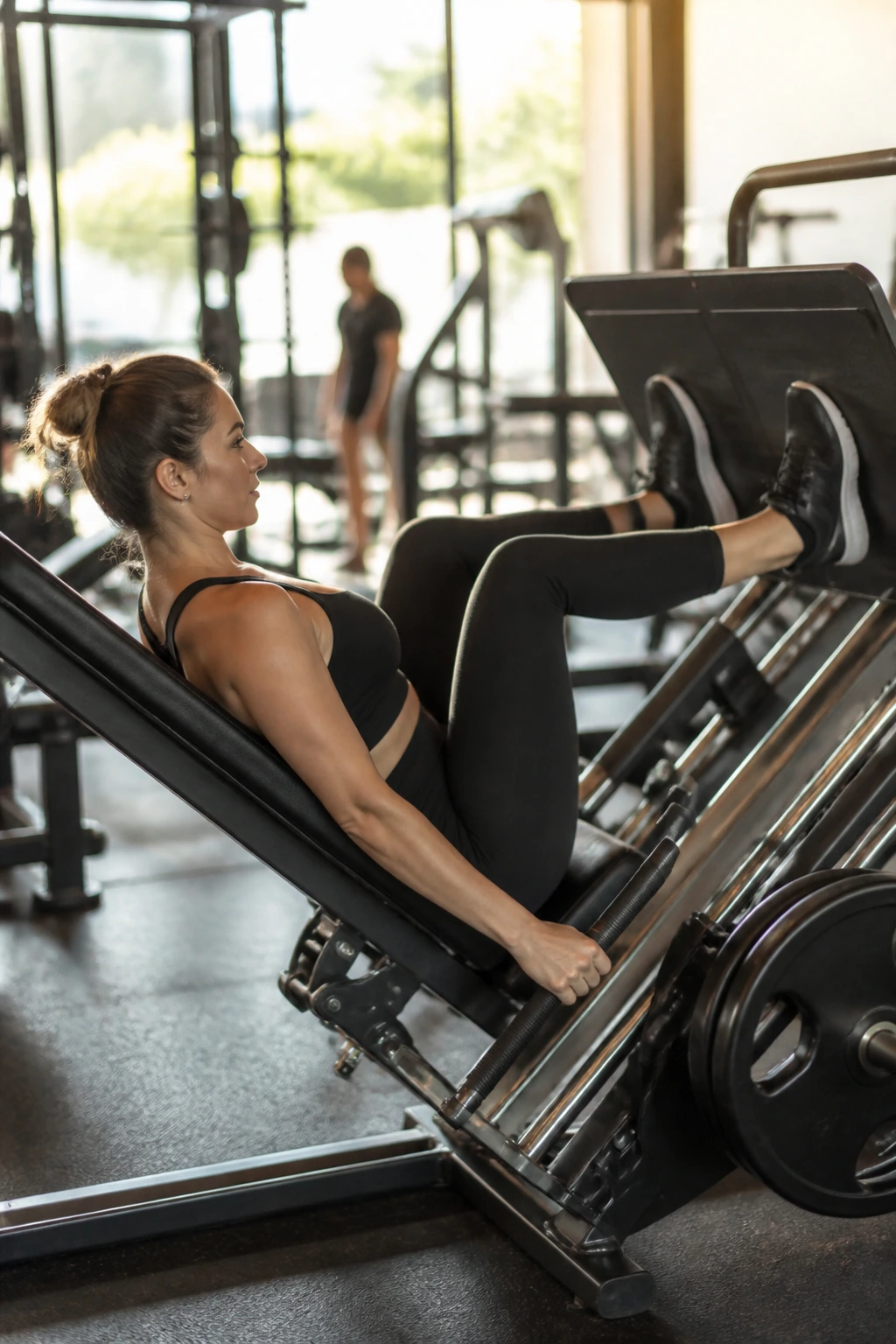
Some weeks, Saturday and Sunday are the only dates that survive. Not ideal. Still workable. A weekend-only plan is one of those setups that sounds awkward until you use it for a month and realize consistency matters more than perfect spacing.
The first session should be the heavier one. Think leg press, chest press, row, hinge, and a short core finisher. The second session can be a little lighter and more mobile: split squats, shoulder press, pulldowns, glute bridges, and a 10-minute incline walk. That gives you both strength and a bit of recovery work.
Saturday
- 5-minute warm-up
- 4 strength moves at 8 reps
- 1 core move at 10 to 12 reps
- 5-minute cool-down walk
Sunday
- 5-minute warm-up
- 4 moderate lifts at 10 to 12 reps
- 10 to 15 minutes of easy cardio
- Stretch hips, chest, and calves
This works best for people who know weekdays are chaos. It is not the prettiest schedule on paper, but it can keep your strength from sliding backward.
The caution is simple: don’t turn both weekend days into all-out leg days. That’s a rough way to spend Monday.
11. Light and Heavy Days That Keep Fatigue Under Control

Not every workout has to feel the same. In fact, that’s the point of alternating light and heavy days. The heavy day is where you push a little more load. The light day is where you move well, practice form, and leave the gym without feeling crushed.
For beginners, “heavy” does not mean maxing out or grinding ugly reps. It usually means using a weight you can handle for 6 to 8 controlled reps. Light days sit closer to 10 to 12 reps with less load and a cleaner tempo.
Heavy days
- Leg press
- Dumbbell bench press
- Row
- Romanian deadlift
Light days
- Goblet squat
- Shoulder press
- Lat pulldown
- Glute bridge
This style works because it gives your body different kinds of work. Your joints get a break from repeating the same stress all week, and your mind gets a break from doing the same thing at the same effort.
A lot of people assume progress means going hard every time. It doesn’t. Sometimes the smartest plan is one harder day, one easier day, then another solid day after that.
12. A Joint-Friendly Plan for Sore Knees, Tight Hips, or Wobbly Ankles
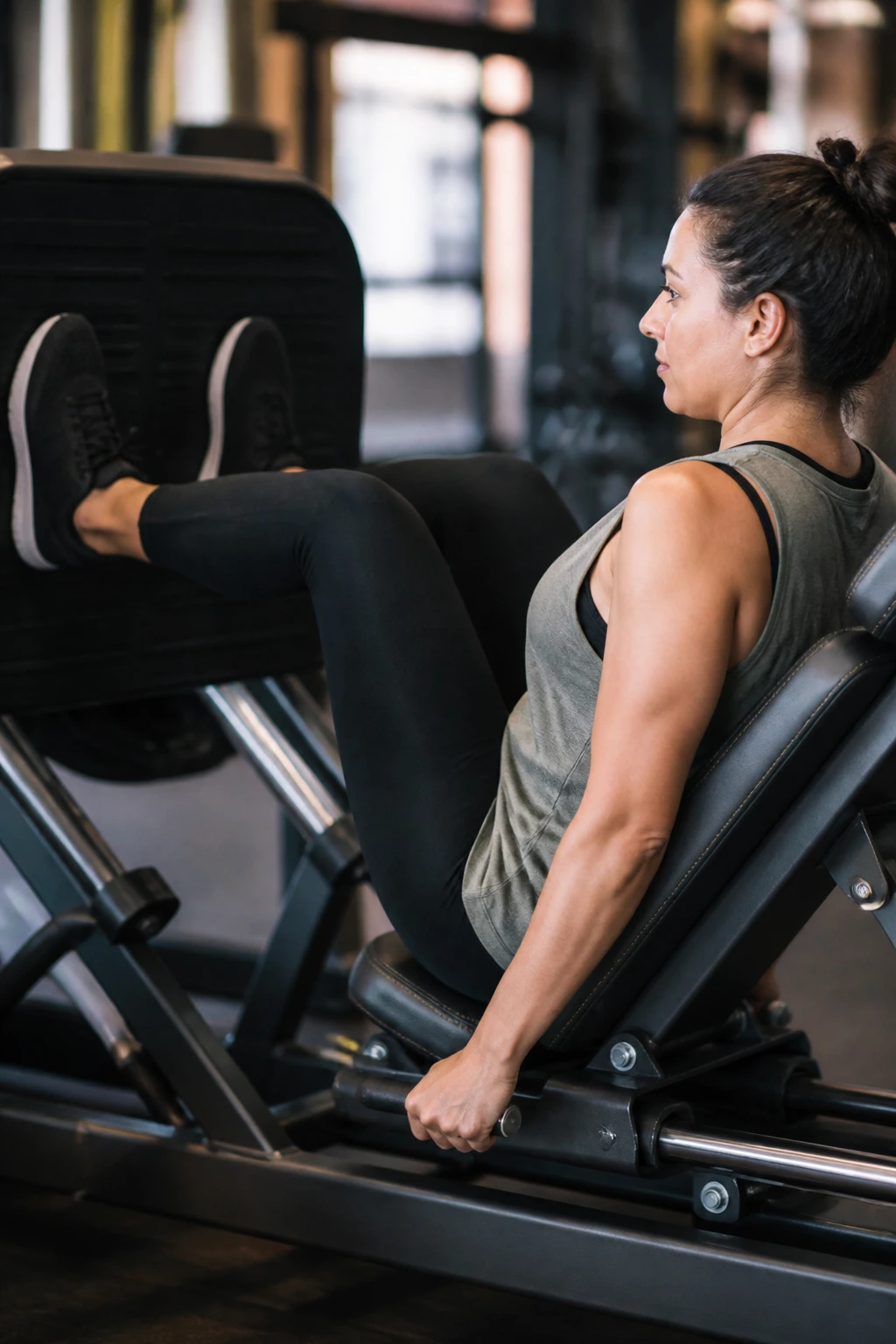
If your knees complain, your hips feel stiff, or your ankles hate deep bending, you do not need to give up on the gym. You need a schedule that respects the current state of your body. That’s a different problem.
Use machines and low-impact cardio. Leg press can often feel friendlier than barbell squats. Seated leg curl, hip thrust, cable row, chest press, and bike work well for a lot of beginners who need stability more than complexity. Skip jumping and high-speed changes of direction while you’re still learning what feels good.
A week might look like this: Monday = full-body machines, Wednesday = bike plus upper body, Friday = lower-body machines and core. Keep the sessions moderate, not punishing. If a move creates a sharp pain, stop and swap it. Sharp is a warning. Burn and effort are one thing; pain that changes your movement is another.
Good swaps:
- Squat hurts? Use leg press.
- Lunges feel unstable? Try split squats holding onto a rack.
- Planks irritate your wrists? Use an incline plank on a bench.
This is the kind of plan that builds trust. You leave the gym feeling like your body was trained, not bullied.
13. Core and Posture Work for Desk-Heavy Days

If you sit for work, why not train the muscles that hold you upright? A posture-focused plan is not about marching around with your shoulders pinned back like a soldier from a bad movie. It’s about making your back, trunk, and hips strong enough to keep you stacked and steady.
Use rows, face pulls, carries, dead bugs, and Pallof presses. Those moves teach your body to resist twisting and slumping. They also give beginners a break from endless crunches, which can be fine in small doses but are not the whole story.
The movement menu
- Seated row
- Face pull
- Farmer carry
- Dead bug
- Pallof press
- Back extension or glute bridge
A schedule like this can run on three days a week, with each day built around one upper-back move, one core move, one lower-body move, and one carry or stability drill. That’s enough to make a real difference in how your body feels after a long day at a desk.
The best part is that these exercises tend to improve how your other lifts feel too. Stronger upper back. Better bracing. Less flopping around when you pick up weight.
14. A Rotating Schedule for Shift Work and Weird Weeks

Your gym days do not need to live on the calendar. If your work hours change, if childcare changes, if life changes, use a rotating schedule instead of fighting the clock.
Label your workouts A, B, and C. Do them in order, then rest a day between each one when you can. If Monday gets wiped out, no big deal — just do Workout A on Tuesday and keep the sequence going. That small shift keeps the plan alive.
Workout A can be squat, press, row. Workout B can be hinge, pulldown, shoulder press. Workout C can be lunge, chest press, cable work, and core. Keep each workout to 4 or 5 moves, 2 sets each at first.
This setup works because it stops you from feeling like one missed day ruins the week. It doesn’t. The order matters more than the weekday.
And yes, this is the kind of plan I like for people with messy schedules. It’s less cute than a color-coded calendar, but it survives reality.
15. A Home-and-Gym Hybrid Plan That Saves Time and Money
Some women want the gym for equipment but don’t want to live there. Fair. A hybrid schedule lets you keep the machine work, dumbbells, and heavier loading at the gym while using home days for movement that costs nothing.
A simple week might be two gym sessions and two home sessions. Gym day one can cover lower body and back. Gym day two can cover upper body and glutes. Home days can be a brisk walk, a short mobility routine, or a 15-minute bodyweight session with squats, push-ups against a counter, dead bugs, and glute bridges.
Gym days
- Leg press or squat
- Row
- Chest press
- Hinge
- Core
Home days
- 20-minute walk
- Hip mobility
- Bodyweight squat
- Incline push-up
- Plank or dead bug
The hybrid model is useful if you get bored easily or if the gym is not always convenient. It also helps keep the habit alive on days when you do not have the energy for a full session.
One nice side effect: the home days often make the gym days feel better. Your joints warm up, your steps go up, and your body stops acting like a rusted hinge every time you sit down.
16. A First-90-Day Ramp-Up That Starts Small and Grows Slowly
A lot of beginners fail because they start at the volume they wish they had, not the volume they can keep. A ramp-up schedule fixes that. It begins small, then adds work in stages so your body has a chance to catch up.
Weeks 1 to 4
- 2 full-body gym days
- 4 exercises per session
- 2 sets of 8 to 10 reps
Weeks 5 to 8
- 3 gym days
- Add one accessory move per workout
- Keep reps in the 8 to 12 range
Weeks 9 to 12
- Maintain 3 days
- Add small weight jumps
- Add a fourth day only if recovery feels easy
This is a good plan for women who want to build a gym habit without face-planting in week two. The early phase is almost embarrassingly simple. That’s the point. You’re learning equipment, movement patterns, and recovery, not auditioning for a documentary about grit.
The smartest part is the pacing. By the time you earn the extra work, you’ll know whether your body likes more days, more weight, or more rest. That answer usually arrives from experience, not motivation quotes.
17. A Circuit Style Schedule for People Who Hate Standing Around
Circuits are useful when you want the room to feel less intimidating. You move from one station to the next, rest briefly, and keep the workout moving. For beginners, that can feel easier than staring at the clock between heavy sets.
Use 5 or 6 exercises, one after another, with 30 to 45 seconds of rest after each full round. Keep the weights moderate and the exercise list sensible. Leg press, row, chest press, Romanian deadlift, plank, and shoulder press make a fine circuit.
Do not turn this into a scramble. Form still matters. If your breathing gets frantic enough that your squat turns into a half-rep wiggle, slow the pace down. Circuit training should feel brisk, not sloppy.
A circuit-based beginner gym schedule for women works especially well if you’re short on time or nervous about spending too long in one area of the gym. You get in, do the work, and leave with your muscles warm and your head a little clearer. That’s enough.
I also like circuits for people who get bored fast. There’s less waiting, less overthinking, and less chance of wandering off to the treadmill “for a minute” and disappearing.
18. An Upper-Body Confidence Schedule for Women Who Avoid Pressing

What if your plan gave your back and shoulders more room to grow? A lot of beginner routines overemphasize legs and undertrain the upper body, which leaves women strong enough to squat but still unhappy with their pressing strength or posture.
Try two upper-body days and one lower-body day. That still keeps the body balanced, but it gives extra attention to the muscles people often neglect. Upper A can use chest press, row, shoulder press, and triceps pressdown. Upper B can use lat pulldown, incline dumbbell press, cable row, and curls. Lower day can be leg press, hinge, glute bridge, and calf raises.
Why this split helps
- Pressing and pulling practice happens twice a week.
- Back work can improve shoulder comfort.
- Lower body still gets enough attention to keep progress moving.
This is a good choice if you like the feeling of stronger arms, better posture, and fewer “I have no idea what to do with this machine” moments. It is also easier to recover from than an all-lower-body plan that turns every week into a quad festival.
If upper-body work has felt awkward, this layout makes it normal. You repeat the same few lifts until they stop feeling strange.
19. A Progressive Overload Schedule That Tracks One Small Change at a Time
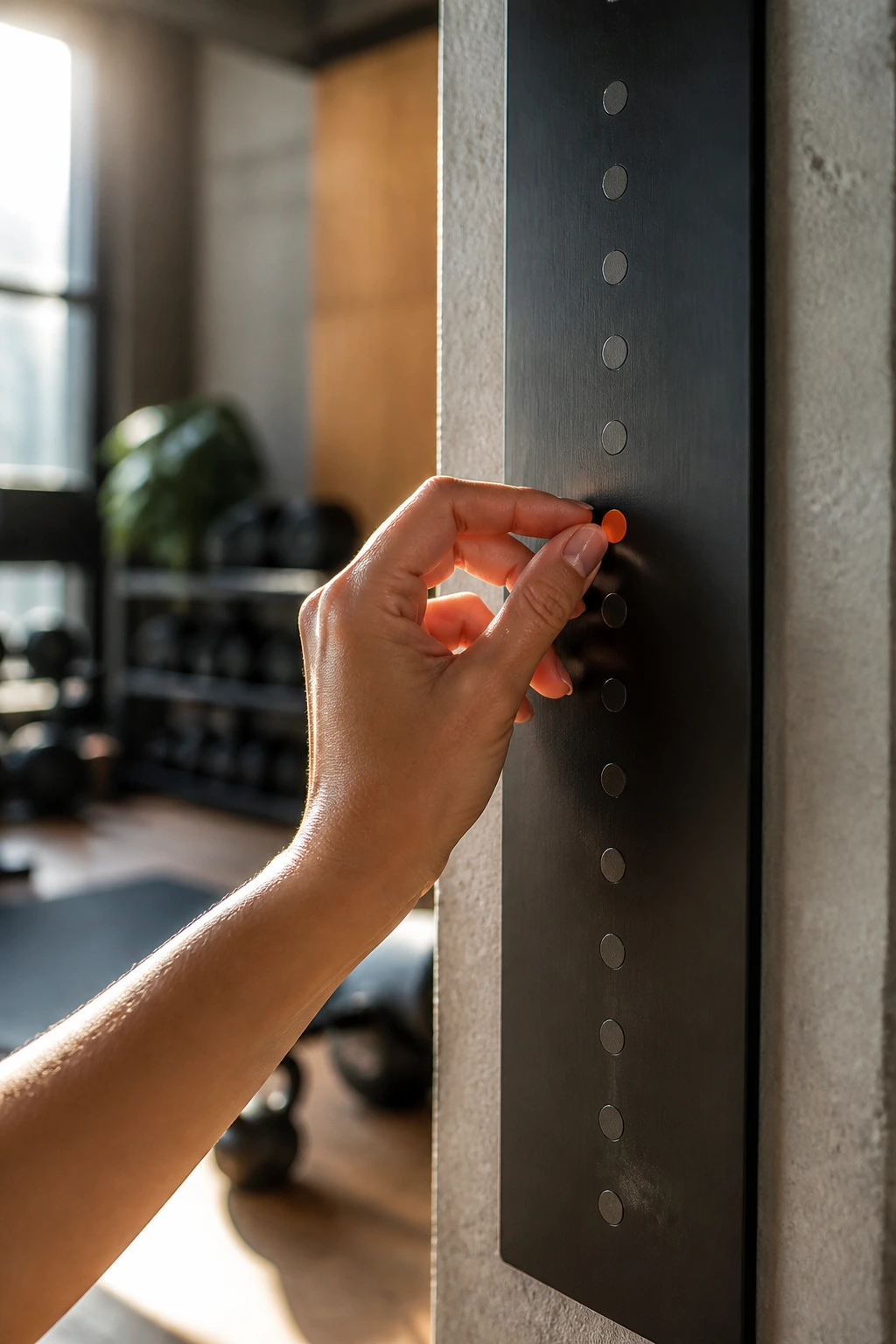
If you keep doing the same weight, the same reps, and the same pace forever, your body gets comfortable and stops adapting. That’s why a progression-based schedule matters. It does not need to be complicated. It just needs a notebook or a notes app.
Pick one change per week. Add 1 rep, or add 2.5 to 5 pounds, or add one extra set to one exercise, or slow the lowering phase to 3 seconds. Only one. Doing everything at once usually makes the workout messy and hard to recover from.
A simple week might be:
- Day 1: 2 sets of 10
- Day 2: 2 sets of 10 with cleaner form
- Day 3: 2 sets of 11, or slightly more weight
That looks small. It is small. Small works.
This schedule suits women who like checking boxes and seeing proof that they’re improving. The logbook tells the truth on weeks when motivation feels flat. You either did more, or you didn’t. No guessing.
And if a lift stalls for a couple of weeks, that’s not failure. Sometimes the fix is a lighter load, better sleep, or a cleaner warm-up. Annoying, sure. Also normal.
20. The Beginner Gym Schedule for Women You Can Repeat Without Thinking Too Hard
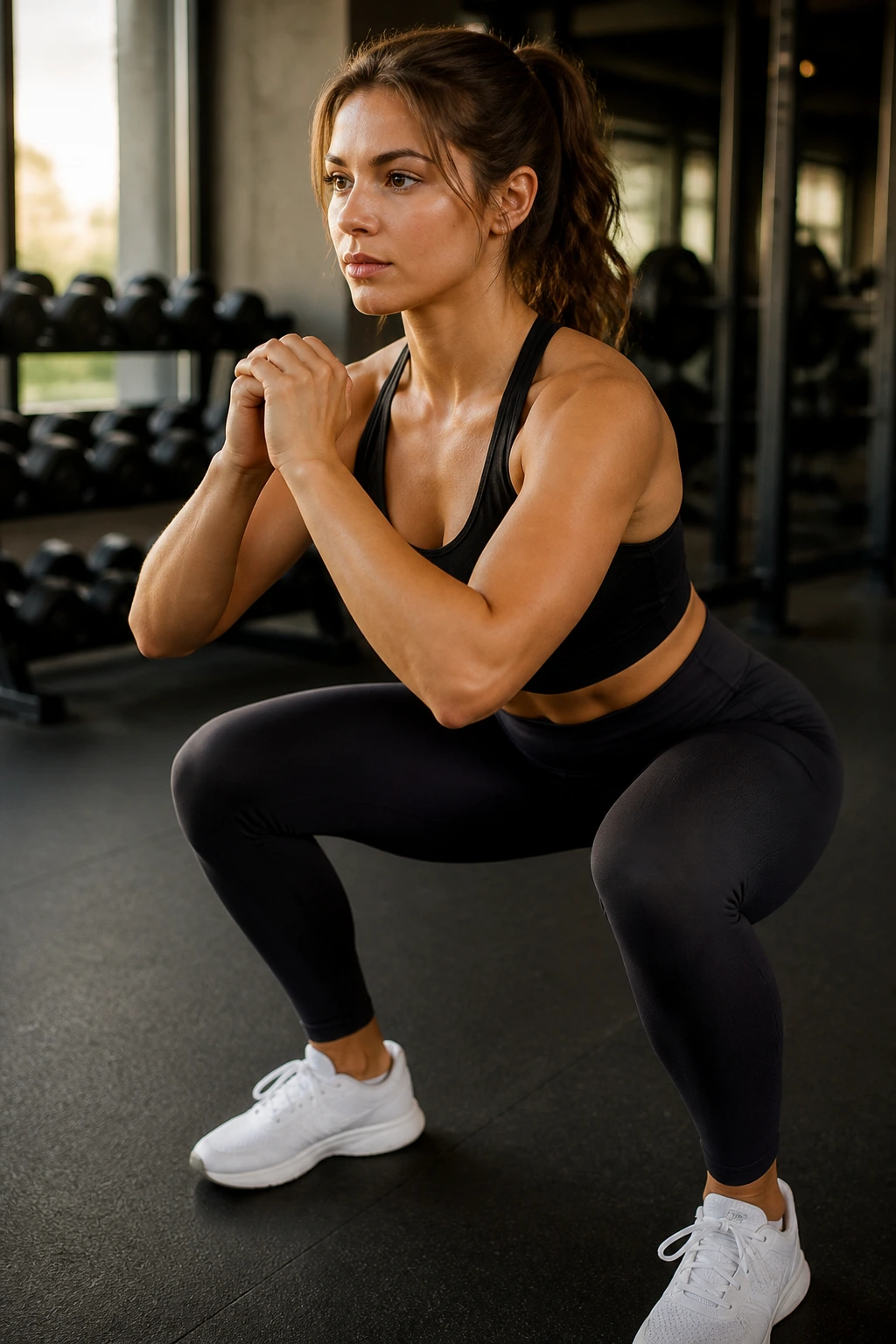
This is the plan I’d hand someone who wants the least drama possible. Three gym days. Two easy movement days. Two rest days. That’s the whole thing. No heroic energy. No weird rules.
The weekly rhythm
- Monday: Full body
- Tuesday: Walk or bike for 20 to 30 minutes
- Wednesday: Full body
- Thursday: Mobility, steps, or a short walk
- Friday: Full body
- Saturday: Rest or light stretching
- Sunday: Rest
On the lifting days, use one squat pattern, one hinge, one push, one pull, and one core move. Keep the first month at 2 sets per exercise. If you still feel good, move to 3 sets later. If you feel wrecked, stay at 2. There is no medal for adding volume too fast.
The beauty of this setup is that it leaves you room to live. Miss a walk? Fine. Need a rest day? Take it. The lifting stays the anchor, and the rest of the week supports it instead of competing with it.
That’s the schedule I trust most for beginners because it does not require perfect energy, perfect confidence, or perfect weeks. It just asks for repeatable effort, which is a much better deal anyway.
If you want, save one schedule, run it for a month, and ignore the rest for now. The best plan is the one you’ll still be using after the excitement wears off, and that part is usually much simpler than people expect.
