



There is a specific moment in every barre class that tells you everything you need to know about the practice. It usually happens about twenty minutes in, right as you are holding a tiny, pulsing plié. Your legs start to tremble. It is not a graceful shake; it is a raw, involuntary vibration that makes you question why you signed up for this in the first place. That “shake” is the gold standard of barre. It signifies that your muscles have reached their fatigue point, and that is where the real change happens. Barre is deceptively simple. From the outside, it looks like a series of gentle movements, maybe some ballet-inspired stretches, and a bit of balance work. But inside those tiny, high-repetition movements lies an intense capacity for muscle endurance, core stability, and postural correction.
Most people struggle not with the moves themselves, but with the consistency required to see the results they want. A calendar helps solve that problem by taking the guesswork out of the equation. Whether you are looking to fix your posture, build lean muscle, or simply find a routine that fits into a chaotic work schedule, having a roadmap changes the game. It stops you from wandering around your living room wondering which video to click or which exercise to do next. When you have a plan, you show up. When you show up, the results follow.
1. The Foundation Builder
This is where every beginner starts. If you have never gripped a barre—or even a sturdy kitchen chair—this calendar is designed to teach you the fundamentals of alignment and engagement. The first week focuses purely on identifying your neutral spine and learning how to tuck your pelvis without clenching your lower back.
Key Focus Areas
- Neutral Spine: Learning to keep the back flat during hinges.
- Plié Technique: Ensuring knees track over toes to prevent strain.
- Relevé Strength: Building ankle stability without rolling the feet.
Pro tip: Do not worry about how high you can lift your leg right now. It is far more impressive to hold a low, shaking leg with perfect form than to kick high with a collapsing core. Spend these first four weeks establishing the mind-muscle connection. You are building a base that will support everything else you do later.
2. The Posture and Alignment Intensive
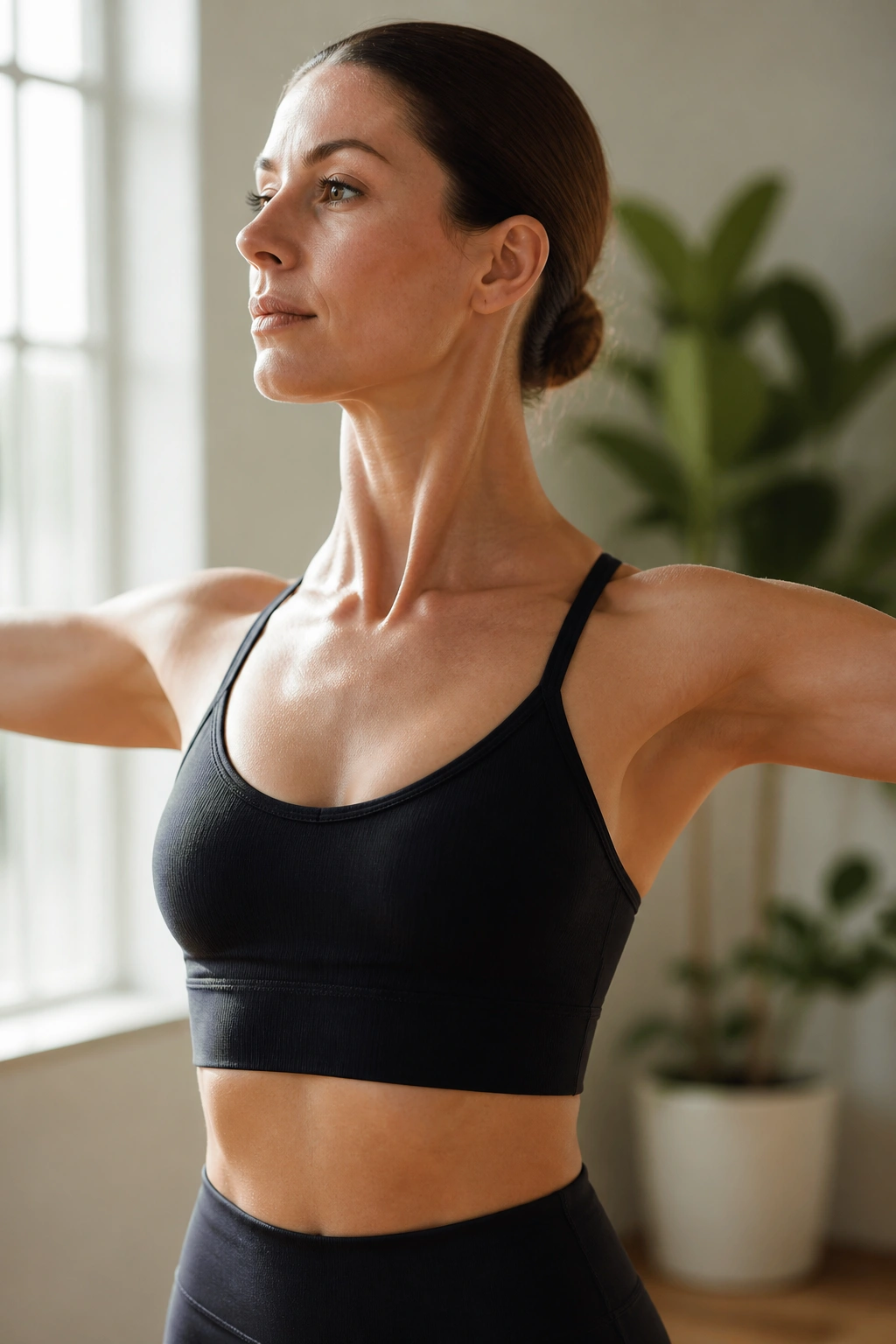
Modern life forces us into a rounded, forward-leaning position. We hunch over laptops, gaze down at phones, and sit in cars. This calendar is the antidote to the “tech-neck” era. Each daily routine includes at least fifteen minutes dedicated to opening the chest, engaging the mid-back, and resetting the shoulder blades.
Instead of focusing on heavy leg work, this routine emphasizes isometric holds in the back. You will be doing a lot of “arm circles” and “posture pulses.” Expect to feel a significant release in your upper back by the end of the second week. It is a slow, methodical process, but it is one of the most rewarding calendars to complete because the physical difference in how you carry yourself is visible even outside of the workout.
3. The Lower Body Sculpt
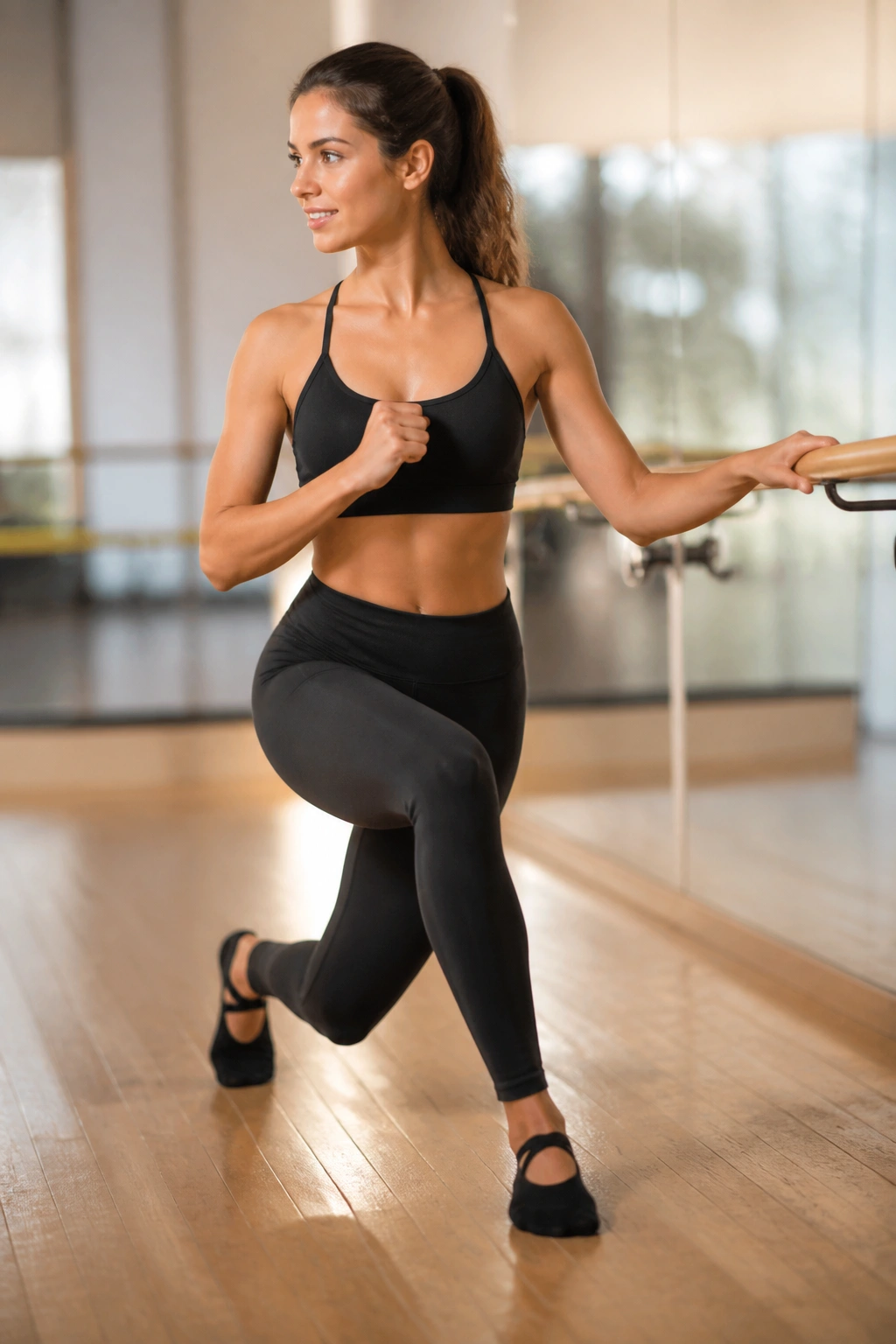
If you want to focus on the glutes, quads, and hamstrings, this is your calendar. This is not about building bulky mass; it is about creating the long, lean muscle definition that barre is famous for. You will spend a disproportionate amount of time at the barre—or holding onto your kitchen counter—performing arabesques and lateral lifts.
The Weekly Structure
- Monday: Heavy glute focus (curtsy lunges, standing seat work).
- Tuesday: Quad-dominant (parallel pliés, narrow squats).
- Wednesday: Active recovery (stretching and mobility).
- Thursday: Hamstring focus (standing extensions, hinge work).
- Friday: Total leg burnout (high repetitions).
- Weekend: Rest or light walking.
This calendar requires you to really push into that “shake” we talked about earlier. When your legs are burning during the side-lying leg series, that is when you need to resist the urge to drop the leg. Hold it for two more seconds. That is where the sculpting happens.
4. The Core-Centric Challenge
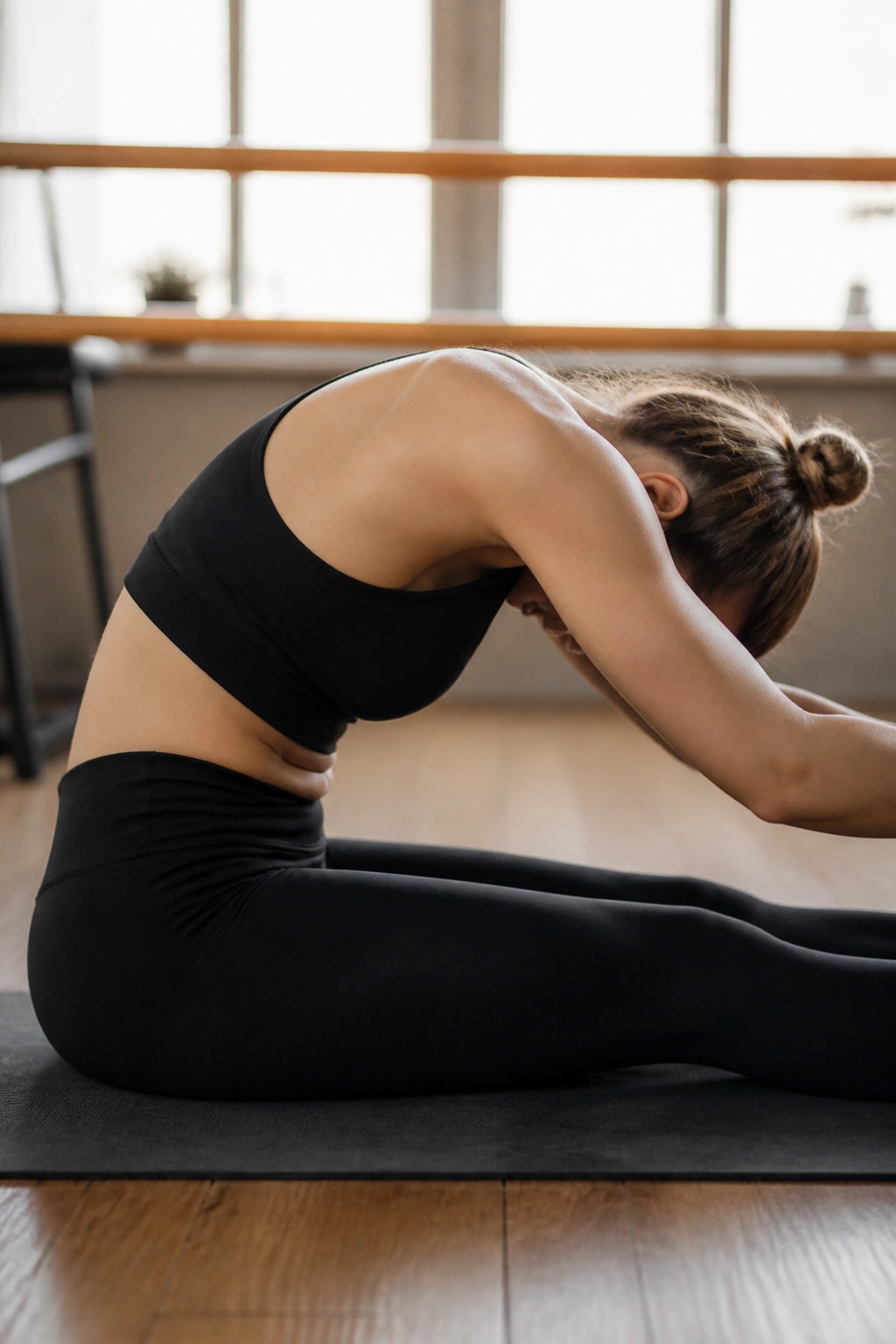
Barre core work is fundamentally different from traditional sit-ups. Traditional crunches often engage the hip flexors, leading to strain. In this calendar, we focus on deep, transverse abdominis engagement. You will spend a lot of time on the mat, doing what we call “C-curve” work.
The goal here is to maintain a C-shape with your spine, scooping the belly button toward the spine, and finding that deep connection. You will notice that your ability to balance standing improves significantly once your core is effectively engaged. Do not rush these movements. If you fly through the motions, you lose the tension that makes the exercise effective. Slow it down. Feel every millimeter of the movement.
5. The Arm Sculptor
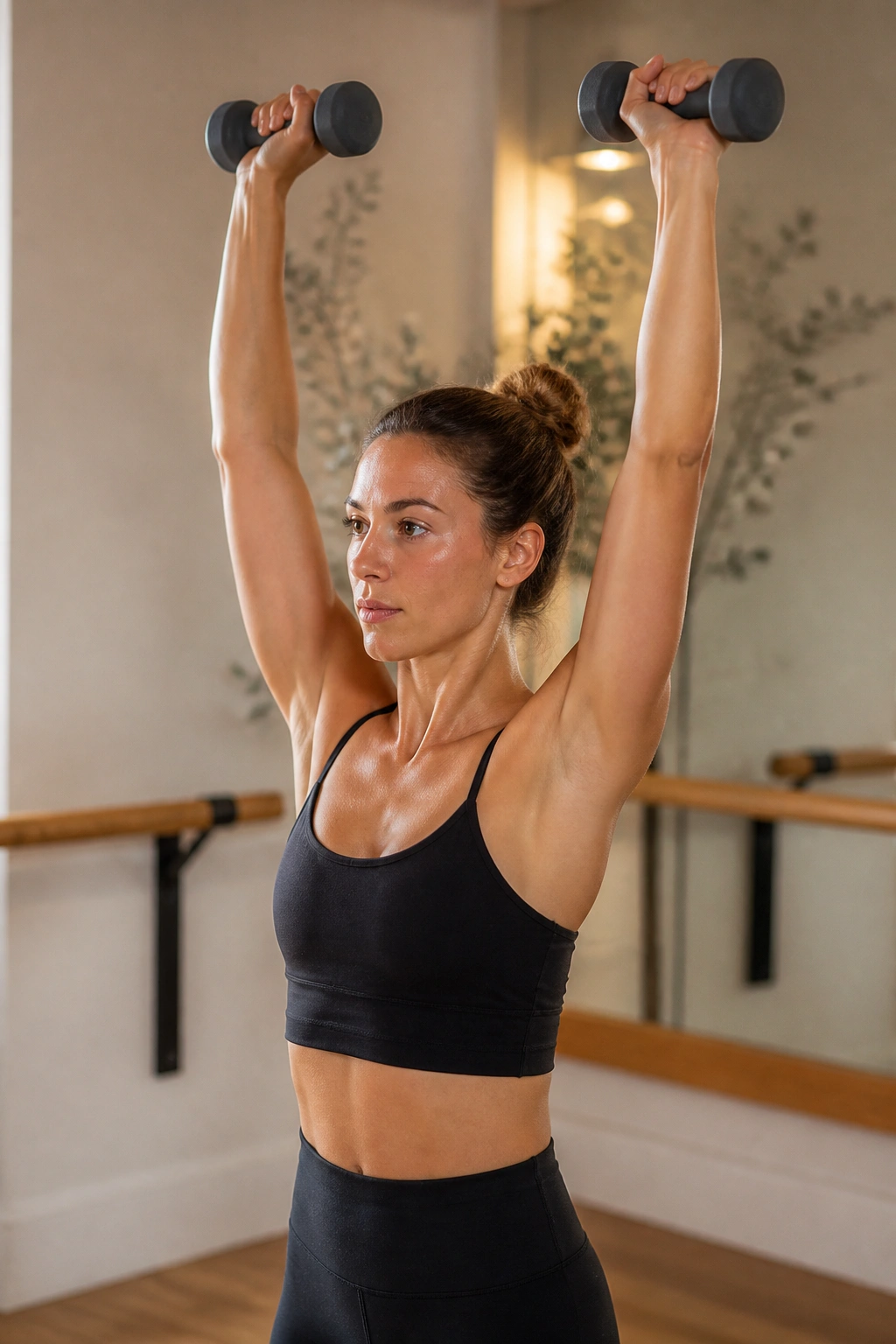
We often forget that barre is a total-body workout. While the legs get most of the attention, the arm work is brutal in the best way possible. This calendar utilizes light weights—think two to three pounds—to fatigue the muscles through high repetitions.
If you do not have weights, use two cans of soup or water bottles. The weight does not matter as much as the resistance you create yourself. You will be doing endless pulses, arm circles, and overhead presses. It burns, it fatigues, and it creates that beautiful definition in the shoulders and triceps that you see on long-distance swimmers or dancers.
6. The 15-Minute Daily Routine
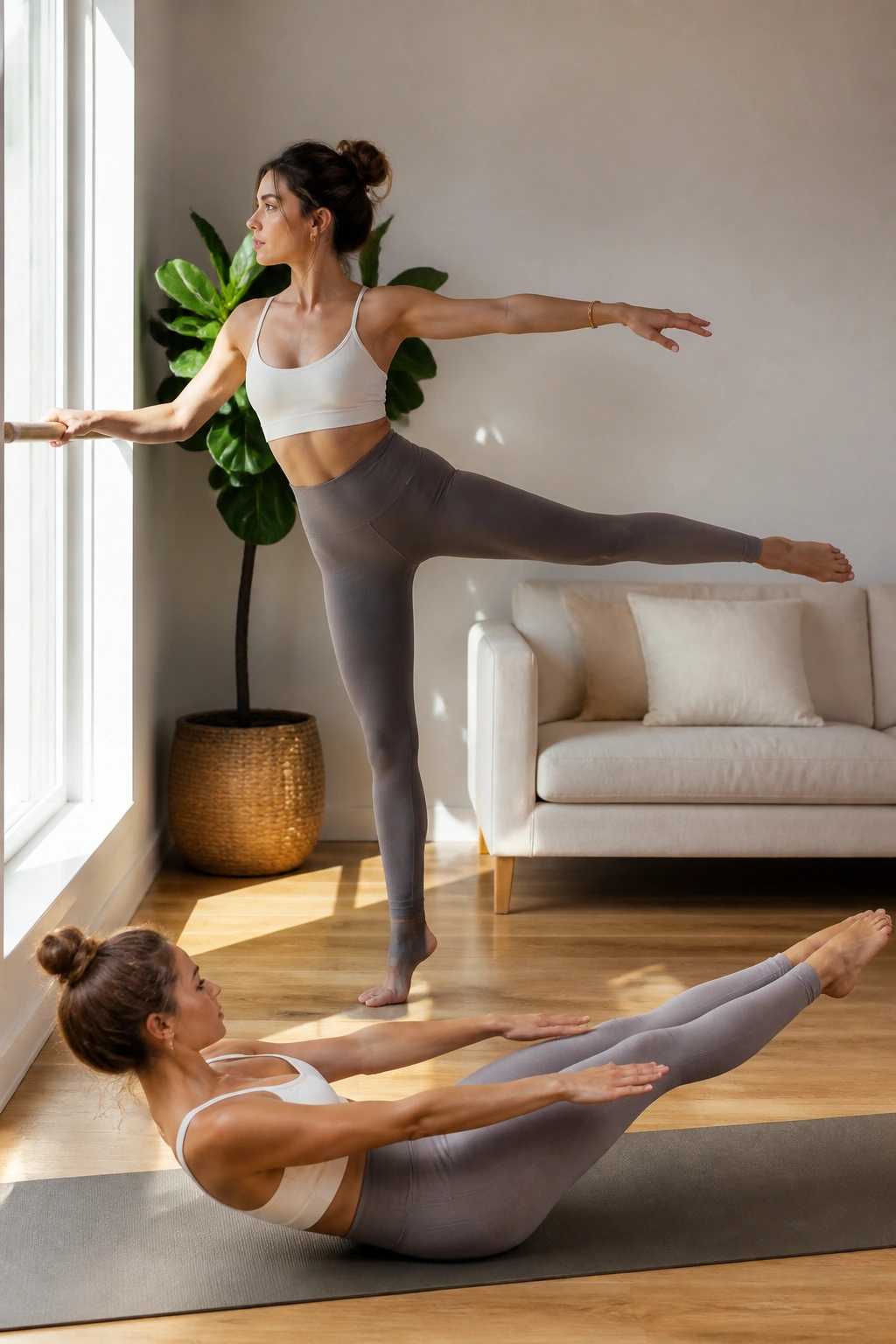
Consistency beats intensity every single time. This calendar acknowledges that you are busy. It is built around a short, punchy 15-minute daily commitment. You do not need to set aside an hour. You just need to find fifteen minutes when you can be uninterrupted.
Because the time is limited, the intensity is higher. There is very little rest between sets. You move from a warmup directly into a standing series, then to a floor core series, and finally a quick stretch. It is efficient, it is sweaty, and it is entirely doable.
7. The Prenatal Safe Flow
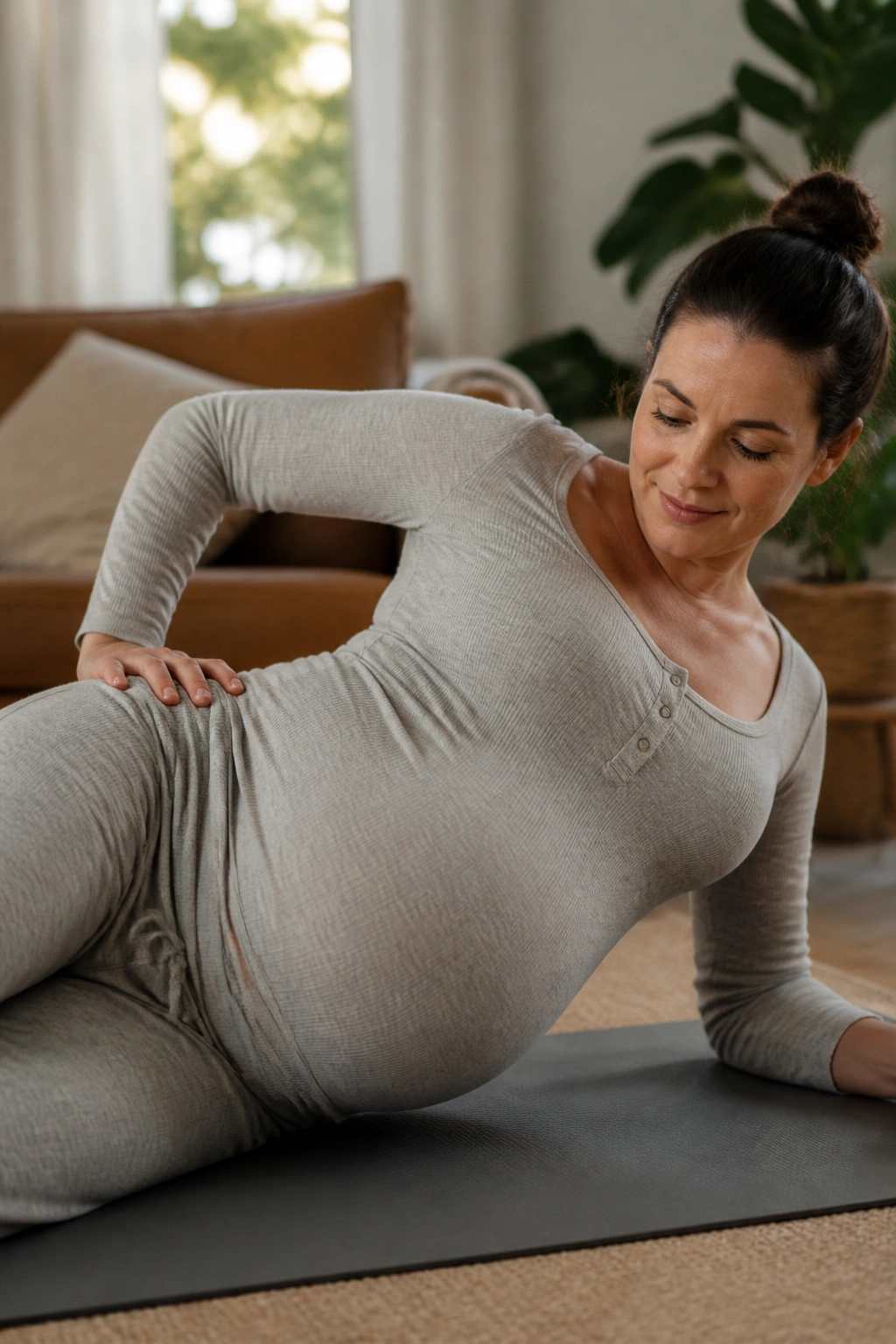
Safety is the absolute priority here. This calendar is designed for expecting mothers who want to maintain strength and flexibility without putting excessive strain on the abdominal wall or the joints. The focus shifts toward pelvic floor health, gentle stabilization, and opening the hips.
You will see fewer movements that require lying flat on your back, especially as the pregnancy progresses. We swap those for side-lying or supported standing work. Always remember that your body produces relaxin, a hormone that loosens your ligaments. Be careful not to overstretch. Focus on control, not on achieving a new personal best in flexibility.
8. The Post-Partum Gentle Return

Coming back to movement after having a baby is a tender process. This calendar is not about “bouncing back.” It is about reconnecting. We start with very basic pelvic floor activations and deep breathing. We do not jump into heavy jumping or intense core work until the body is ready.
Give yourself grace. If a day feels like too much, do the breathing exercises and call it a success. The goal of this calendar is to celebrate what your body can do, not to punish it for how it looks. Listen to your physical cues; if something does not feel right, stop immediately.
9. The Flexibility and Mobility Deep Dive
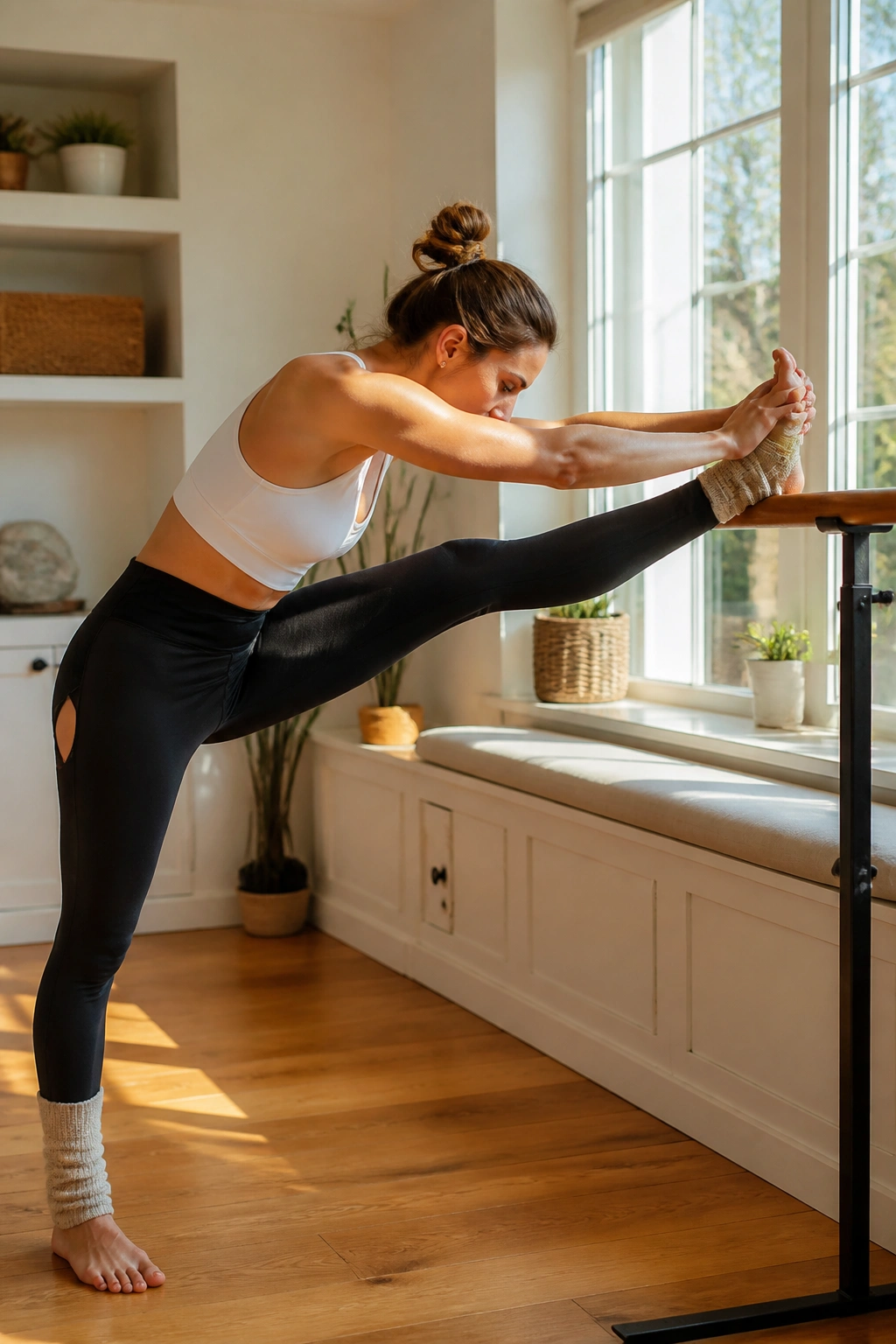
Sometimes, you do not need more muscle endurance; you need more range of motion. This calendar integrates barre-inspired stretching into every single session. It is perfect if you feel stiff from sitting or if you simply want to improve your posture and fluid movement.
We use the barre for support, allowing us to safely deepen stretches that would be difficult to hold on the floor. Think deep lunges, hamstring stretches with the foot elevated on the barre, and gentle backbends. It feels like a massage for your joints.
10. The High-Intensity Cardio Barre Mix
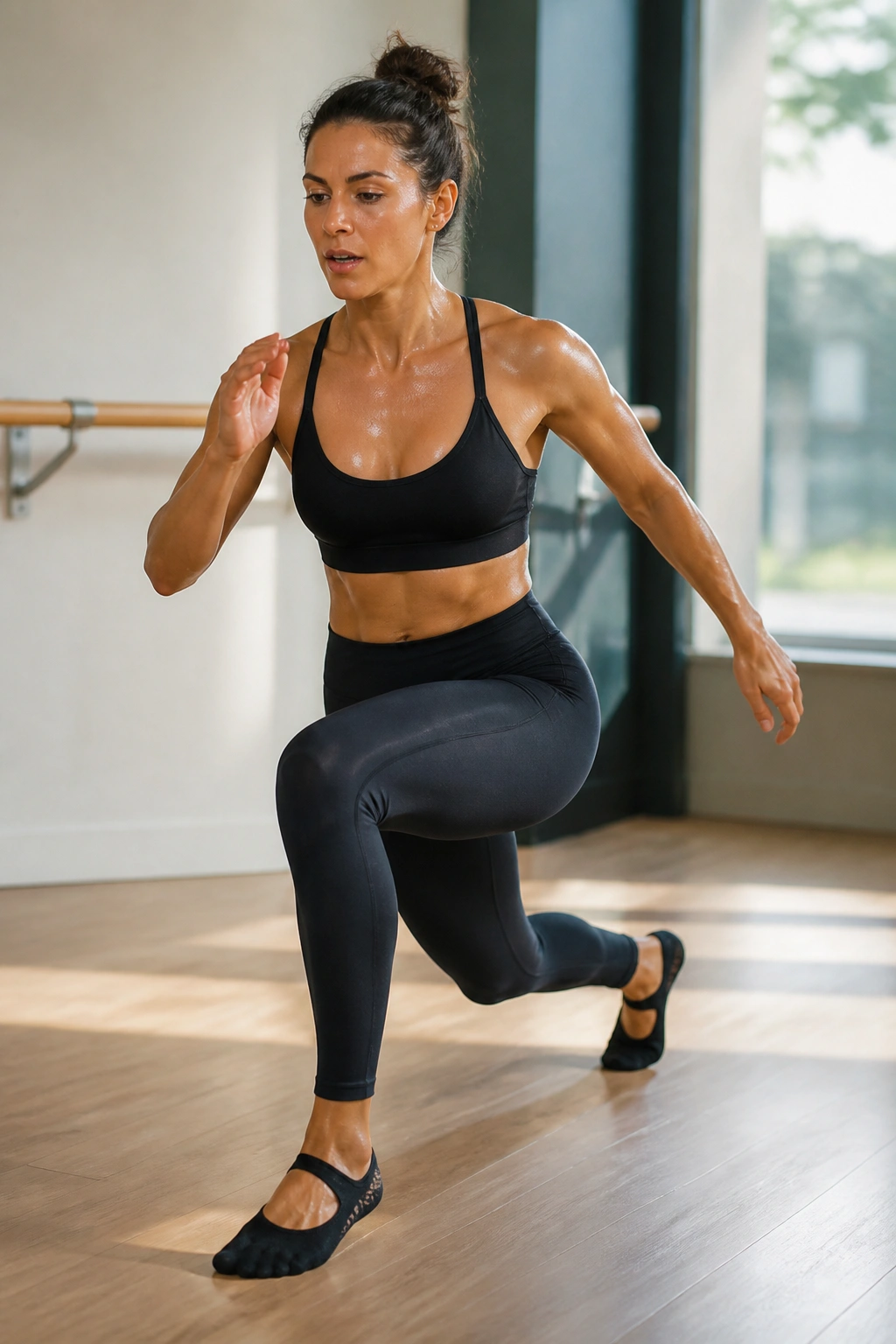
If you miss the feeling of being breathless, this calendar is for you. We take standard barre movements and inject cardio intervals. Instead of just holding a lunge, you might do pulsing lunges with a jump. Instead of a slow arabesque, you move with speed.
This is a sweat-heavy calendar. Keep a towel and water bottle nearby. The goal is to keep your heart rate up while maintaining the precision of the movements. It is a fantastic way to improve cardiovascular health without the repetitive impact of running on concrete.
11. The Busy Professional’s Weekend Warrior Plan
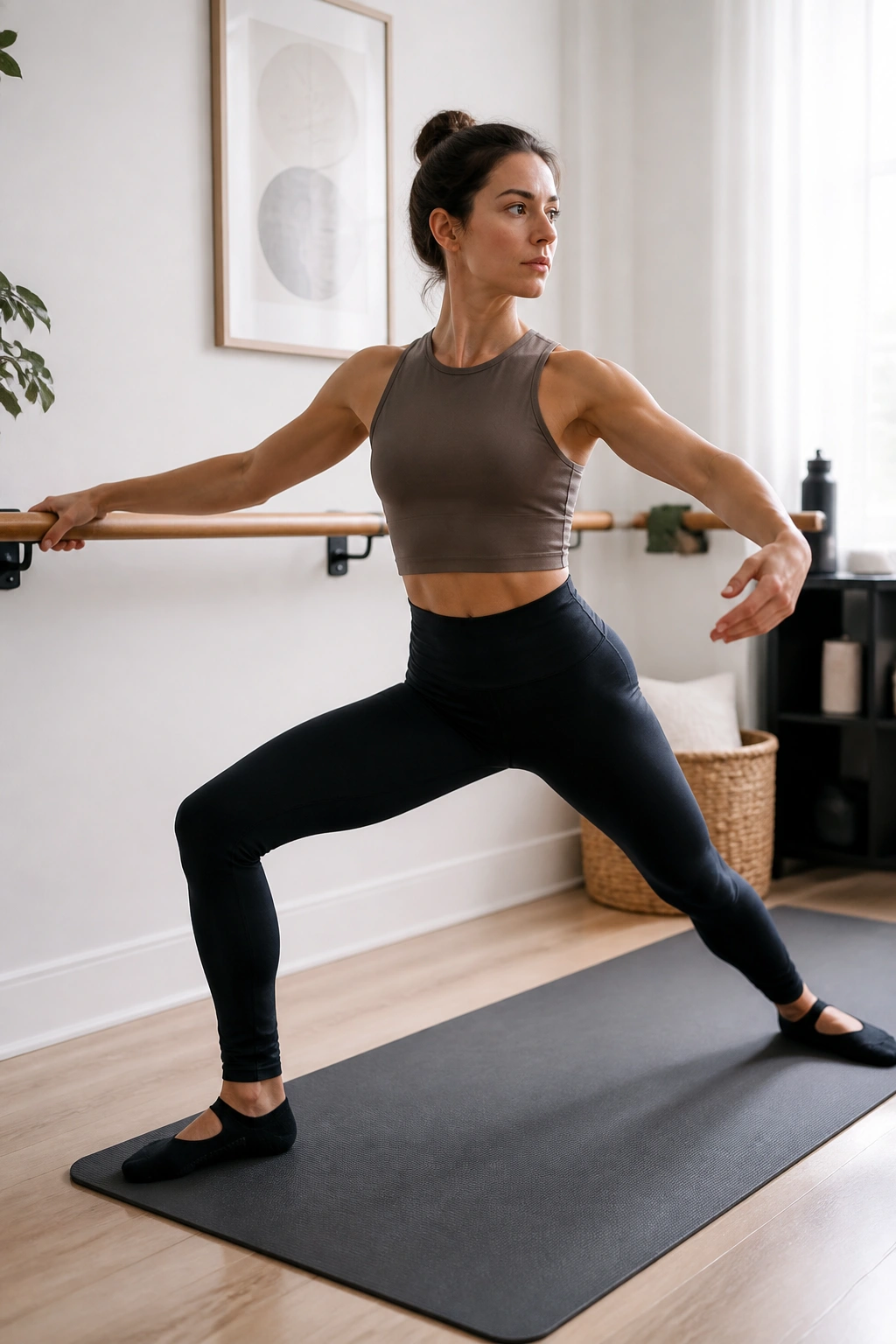
When your work week is back-to-back meetings, you cannot always squeeze in a workout. This calendar front-loads the effort to the weekend and keeps the weekdays light. It uses long, intense sessions on Saturday and Sunday, followed by “active recovery” days on Monday and Tuesday, and short 10-minute “maintenance” sessions mid-week.
This approach acknowledges the reality of the work-life balance. It allows you to feel productive and strong on your days off, so you don’t feel guilty when Wednesday is just too busy to fit in a full hour. It keeps the momentum going without adding stress to your schedule.
12. The “No Equipment” Travel Calendar
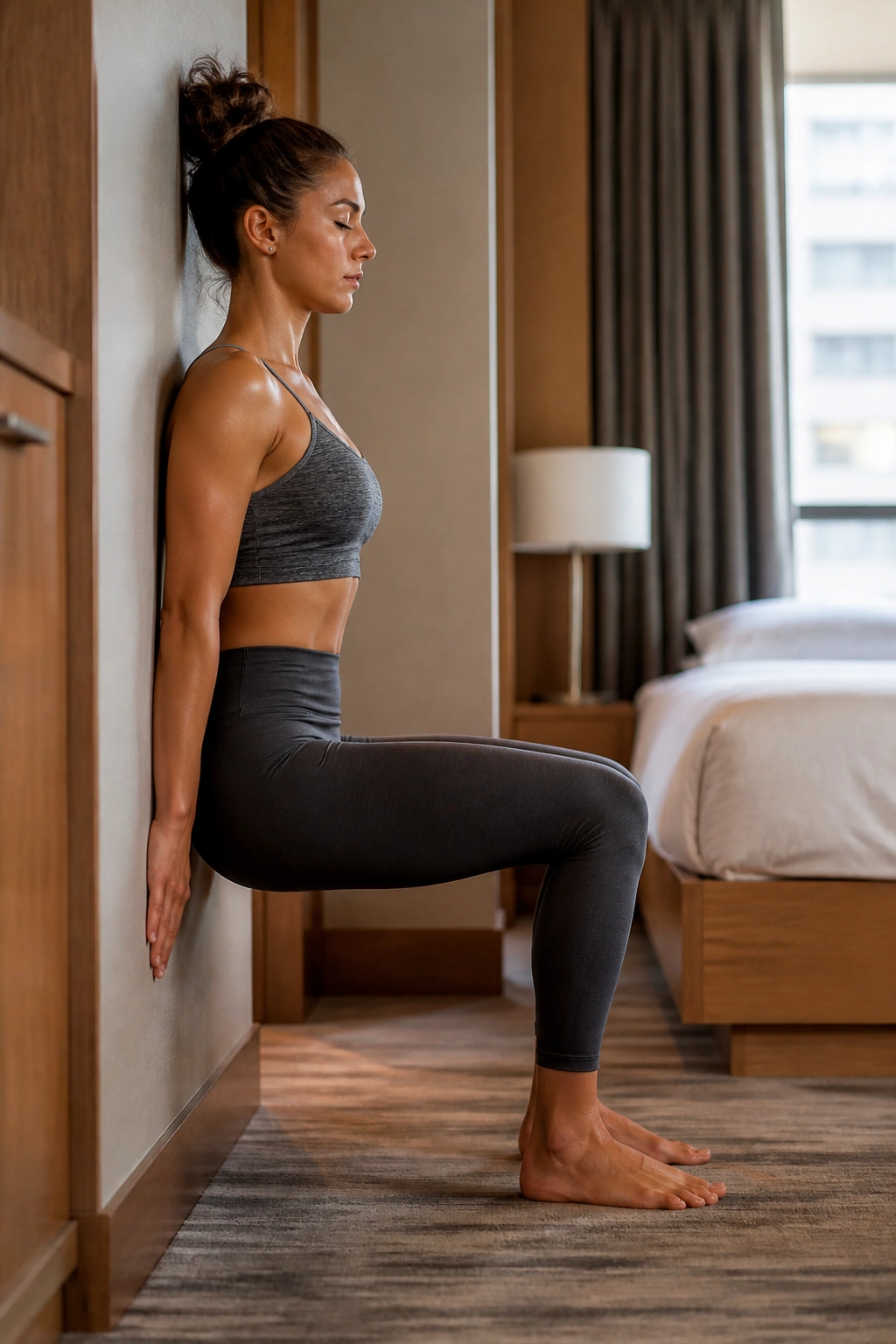
You do not need a studio, a barre, or light weights to get a killer workout. This calendar is built for hotel rooms and small spaces. We focus on isometric holds that use your own body weight for resistance.
When you do not have a barre, use a chair, a wall, or even the edge of a bed—just ensure it is stable. Because you lack props, the mental focus must increase. You have to create the tension in your own muscles. Squeeze your glutes harder. Engage your core deeper. This calendar is surprisingly challenging because you have nowhere to hide.
13. The Total Body Transformation
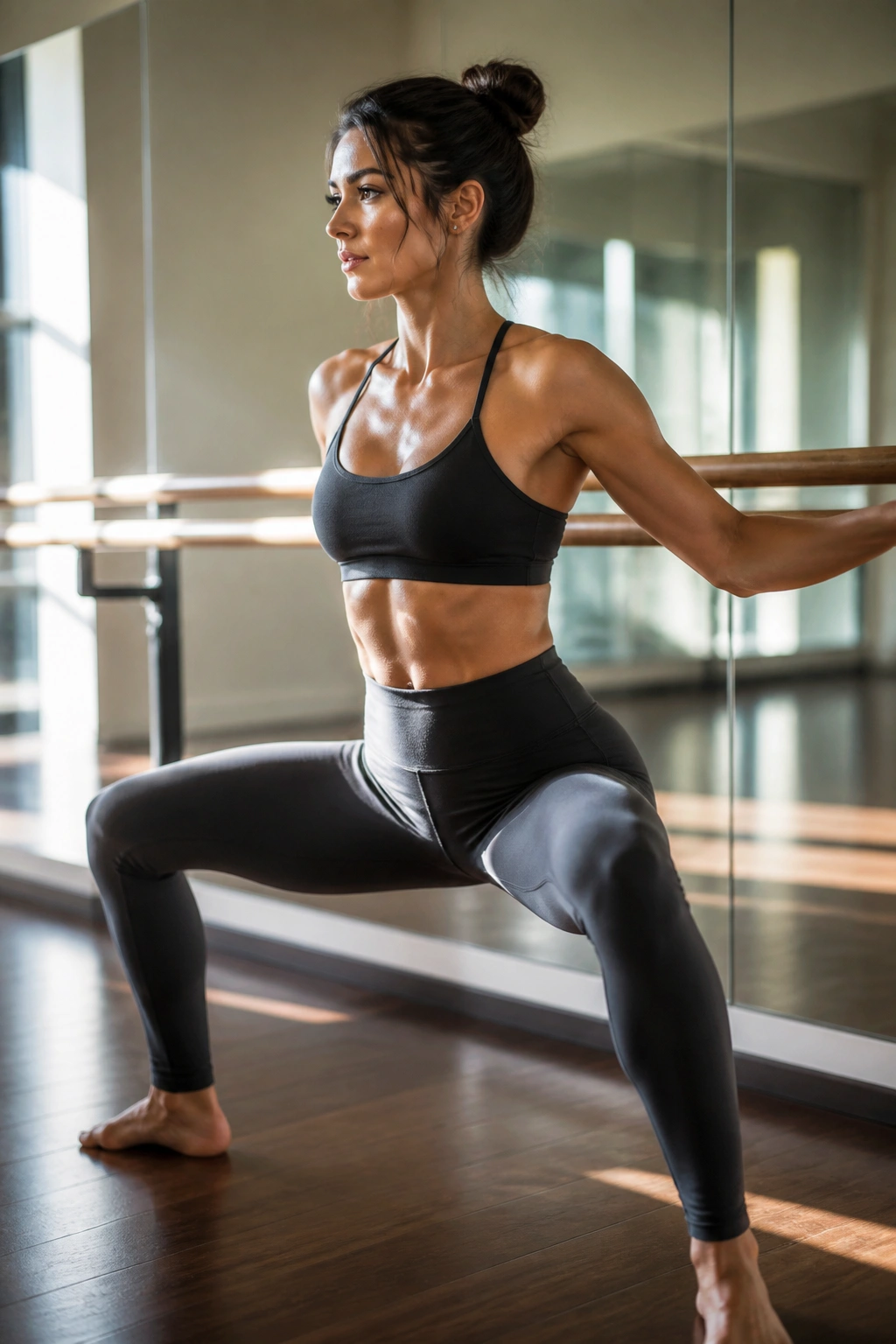
This is the “no excuses” calendar. It is a four-week cycle that hits every muscle group, every day, in different ways. It cycles through strength, endurance, cardio, and flexibility. It is designed for someone who is already comfortable with barre basics and wants to level up their fitness.
Expected Progress
- Week 1: Adaptation and endurance building.
- Week 2: Increased resistance (heavier weights or longer holds).
- Week 3: Tempo changes (slow movements vs. fast pulses).
- Week 4: Peak intensity and endurance.
It is intense, but the variety keeps the body from plateauing. You will notice significant changes in your stamina and muscle tone by the end of the month.
14. The Stretching and Recovery Week
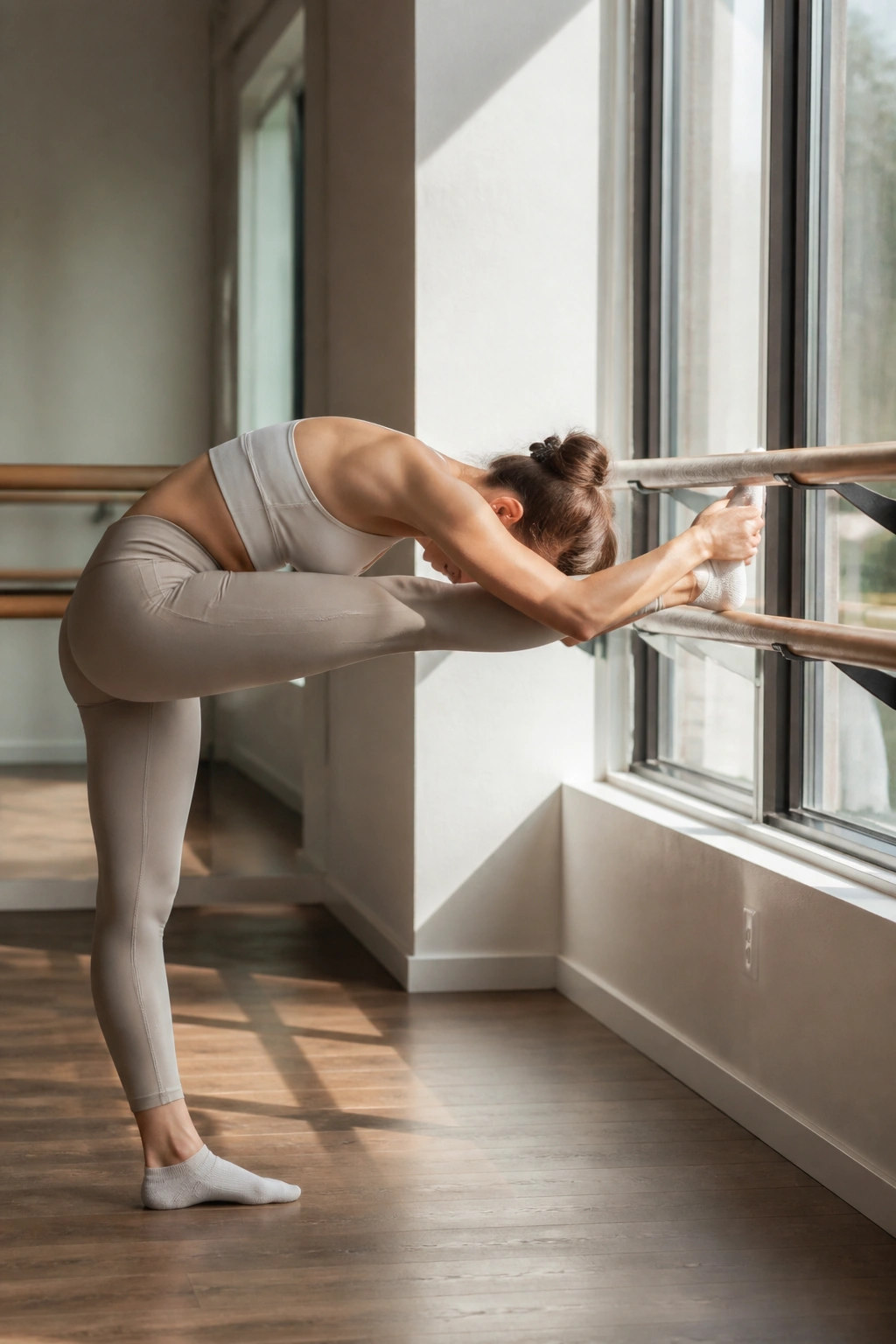
Sometimes the most productive thing you can do is stop grinding. This calendar is specifically for weeks when you feel burnt out, sore, or mentally drained. It focuses entirely on restorative movement.
We use the barre as a tool for support to help us sink deeper into poses, allowing the nervous system to calm down. It is about lengthening the muscles and calming the breath. If you have been hitting your workouts hard, take this week. Your muscles actually grow and repair during rest, not during the work.
15. The “Office Chair” Desk-Friendly Routine
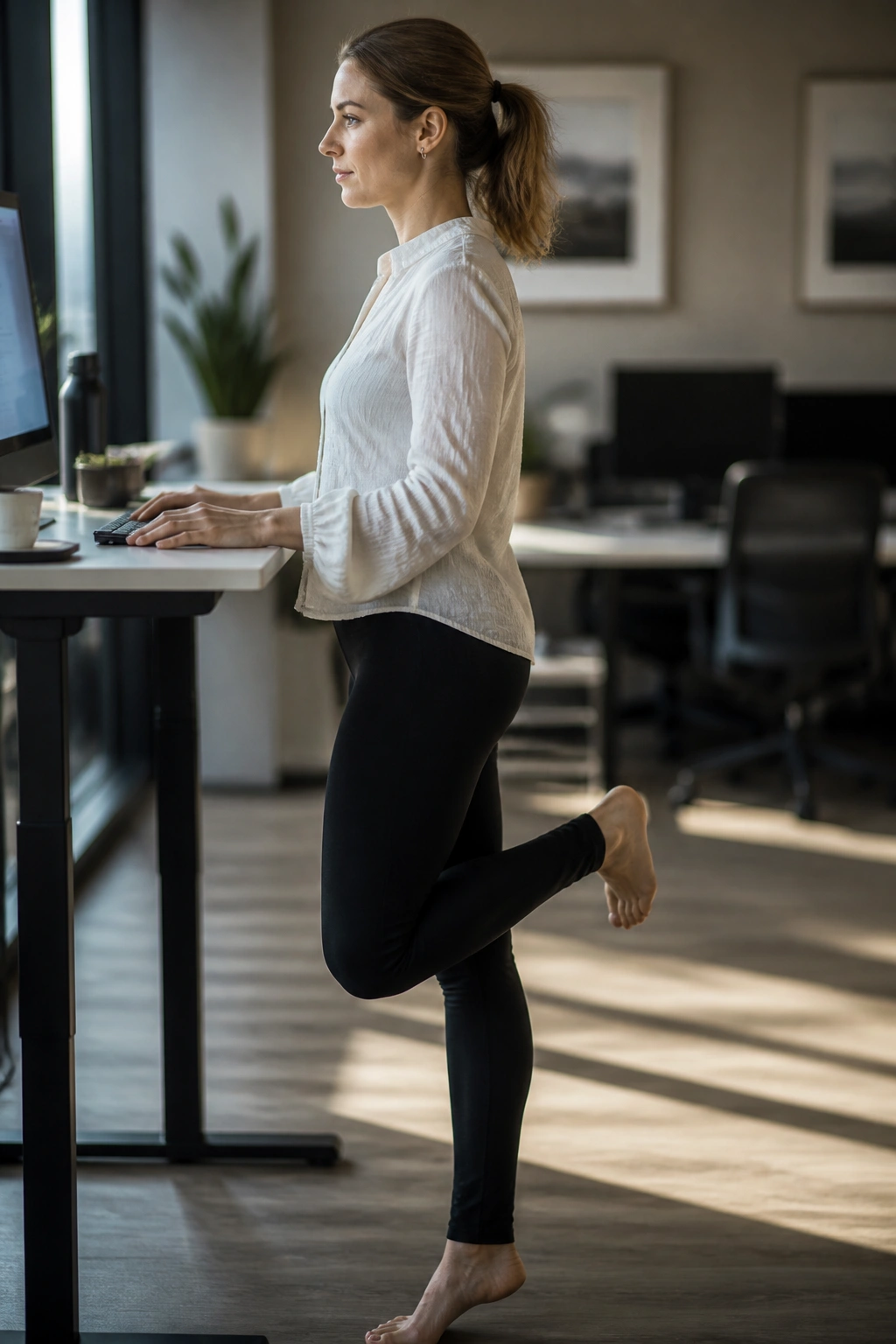
Can you do barre at your desk? Not a full class, but you can certainly engage the muscles. This calendar provides a series of subtle exercises you can perform while sitting or standing at your standing desk.
Think of it as “hidden” fitness. Leg lifts under the desk, glute squeezes while typing, and spinal twists. This calendar is about combating the sedentary lifestyle. It won’t give you a dancer’s physique on its own, but it will keep your circulation moving and prevent the stiffness that comes from sitting for eight hours.
16. The Dancer’s Leg Extension Focus
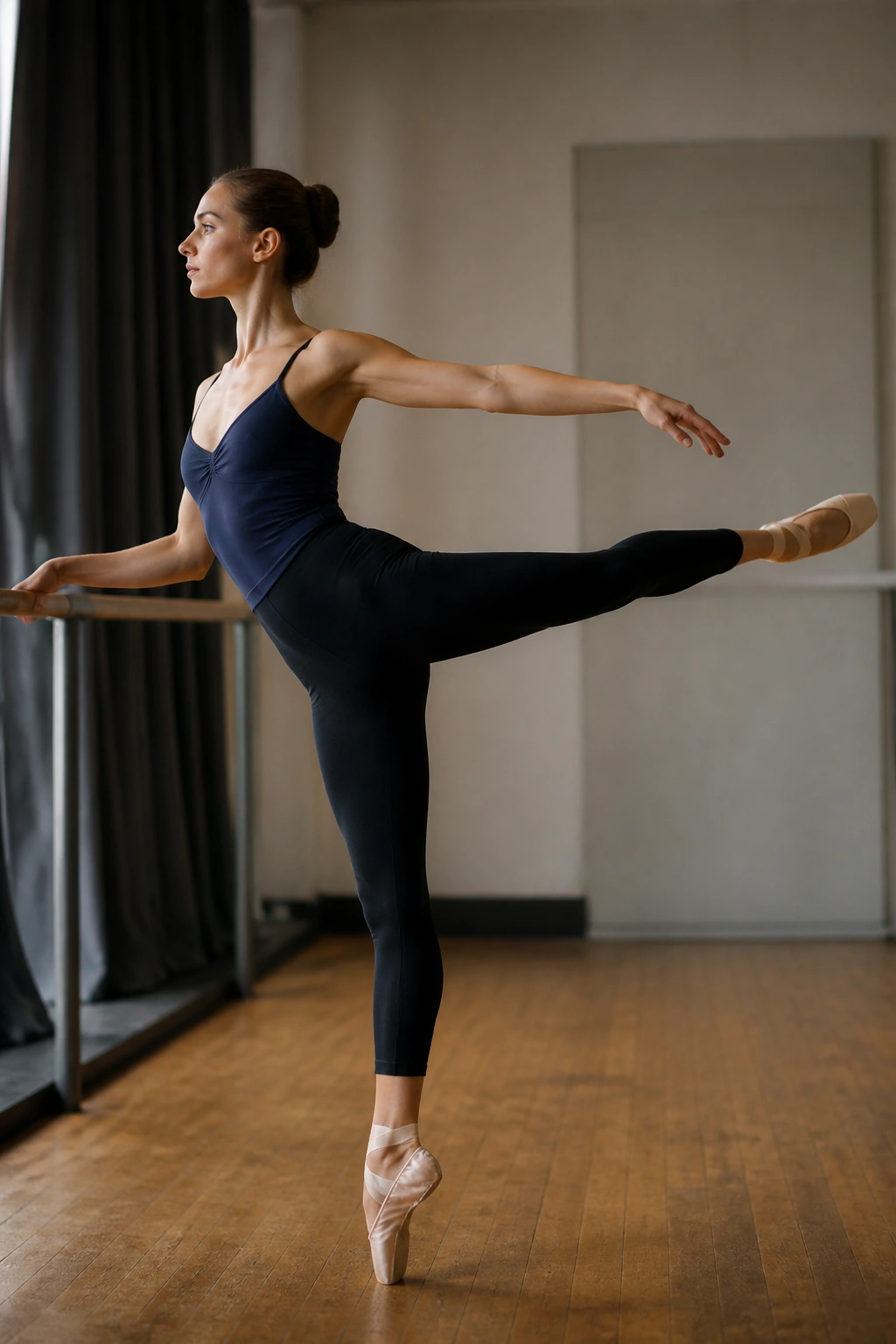
If you have ever admired the long, sweeping lines of a ballet dancer, this calendar is the one for you. It prioritizes the “attitude” and “arabesque” positions. The focus is on the turnout—the external rotation of the hip—and the extension of the leg.
You will need to pay close attention to your form here. Dancers don’t just kick; they reach through their toes. They engage their core to stabilize their torso while the leg works independently. This is a very targeted, aesthetic-focused routine that will make your legs feel long and strong.
17. The Mind-Body Connection
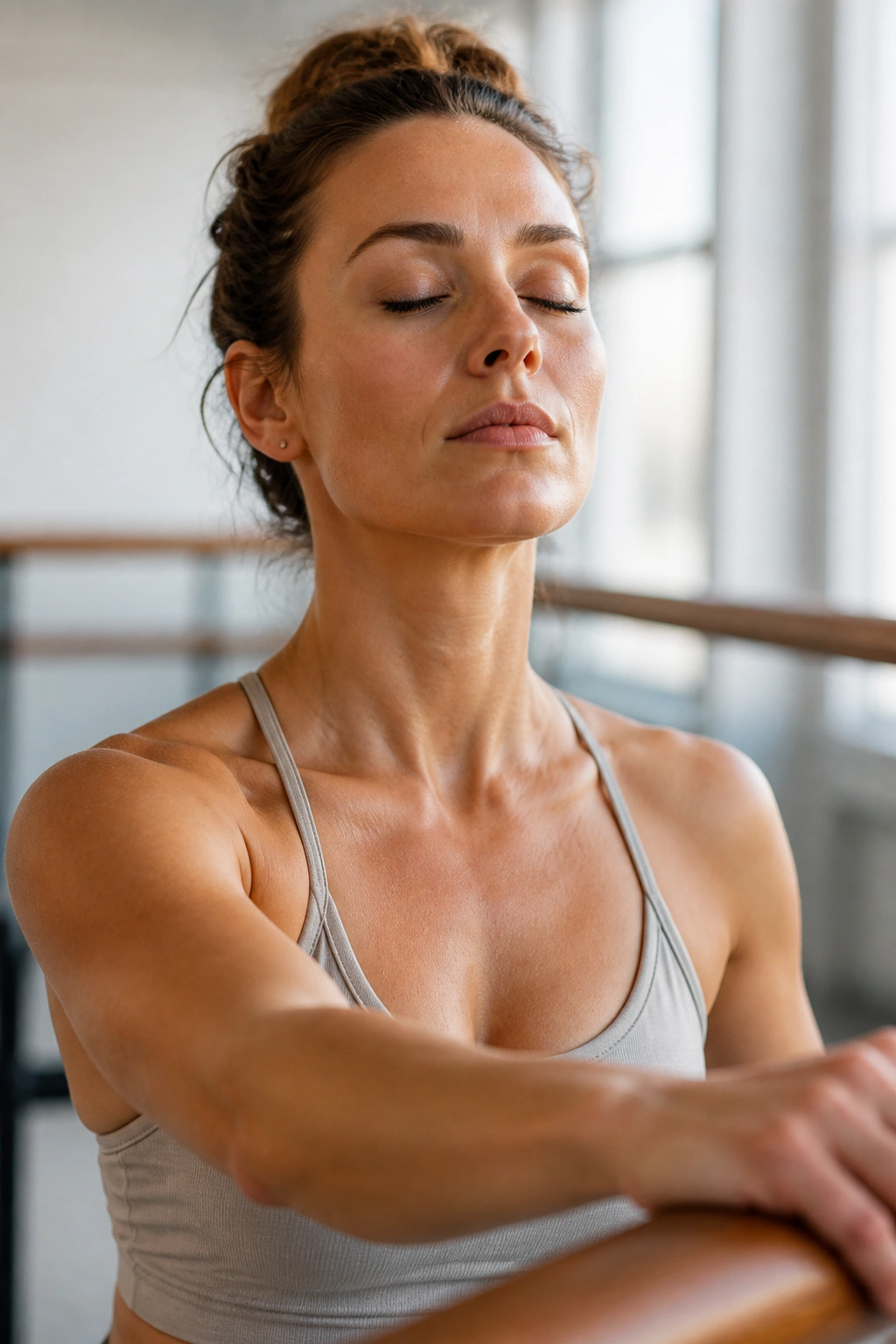
This calendar is less about burning calories and more about proprioception—the awareness of your body in space. We move slowly. Very slowly. Sometimes, a single lunge might take a full minute to complete, with breath-synchronized movement.
It is meditative. You learn to control the movement from the inside out. You will find that this helps with your mental focus throughout the day. When you finish, you don’t feel depleted; you feel aligned, calm, and centered.
18. The Pre-Event Toning Burst
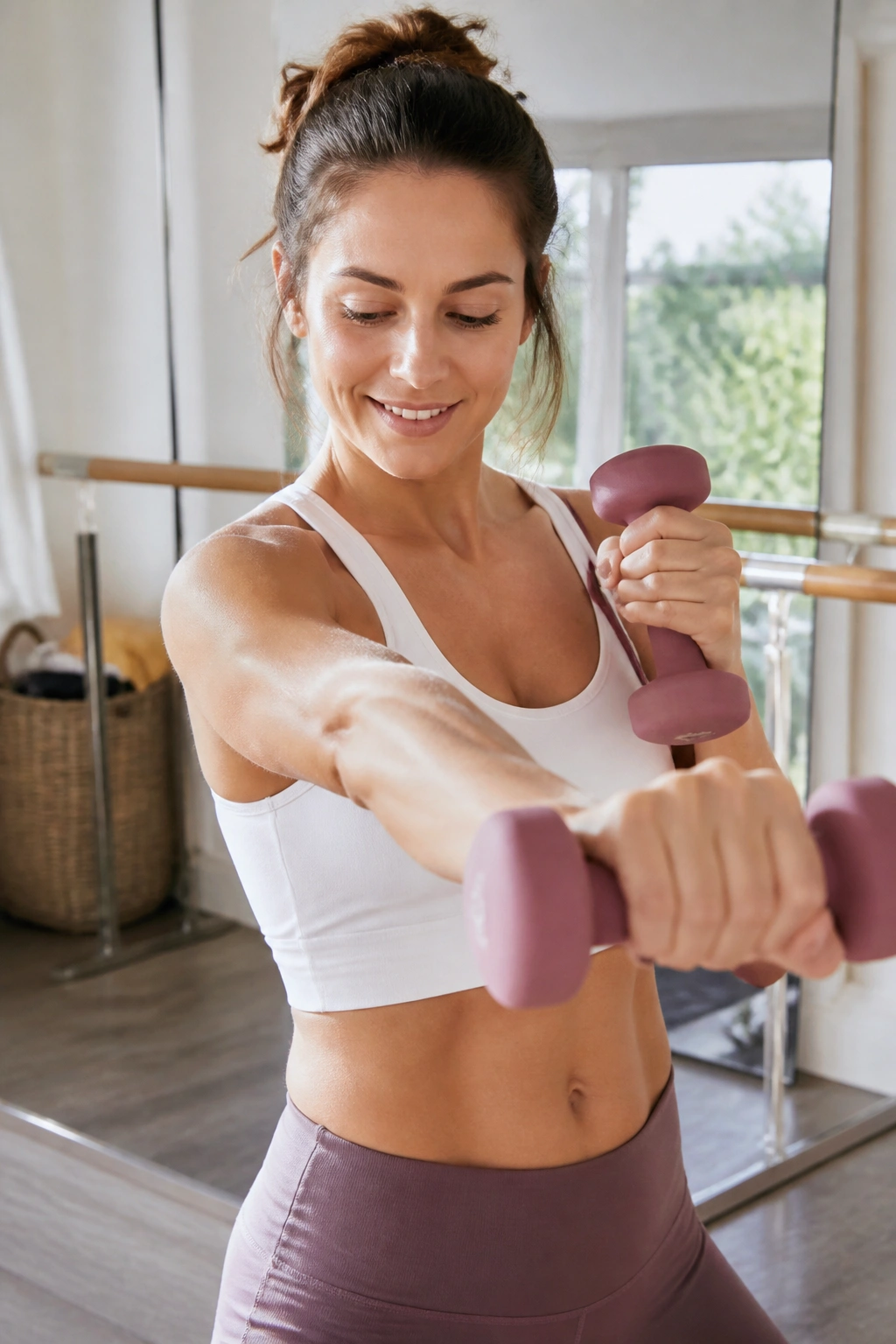
Do you have a wedding, a beach trip, or a big event coming up in a few weeks? This calendar is a short-term, high-frequency program designed to help you feel confident. It focuses on the areas people usually want to tone: the arms, the shoulders, and the core.
It is not a sustainable long-term plan, but it is excellent for a quick boost. It involves daily 30-minute sessions that alternate between upper-body focus and core-stability work. Stay hydrated and prioritize your sleep while doing this one; it’s an intense burst.
19. The Consistency Habit Builder
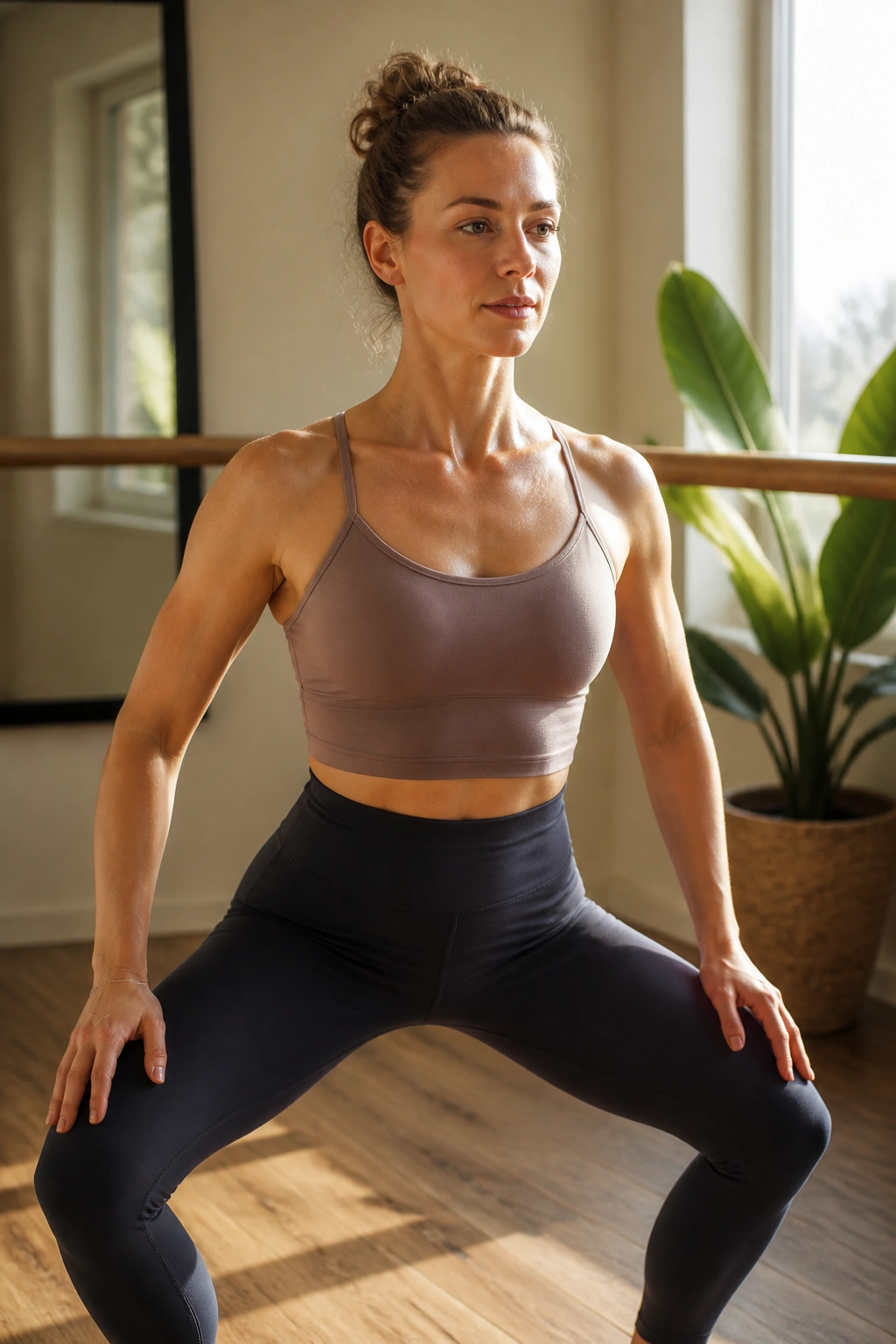
The hardest part of any workout routine is just starting. This calendar does not care about intensity; it cares about showing up. The goal is simple: do something for 10 minutes every day for 30 days.
It could be a walk, a stretching routine, or a few sets of pliés. The objective is to cement the habit of movement. By the end of the month, the “workout” part of your day will feel as non-negotiable as brushing your teeth. That is a superpower.
20. The Heavy-Strength Barre Hybrid
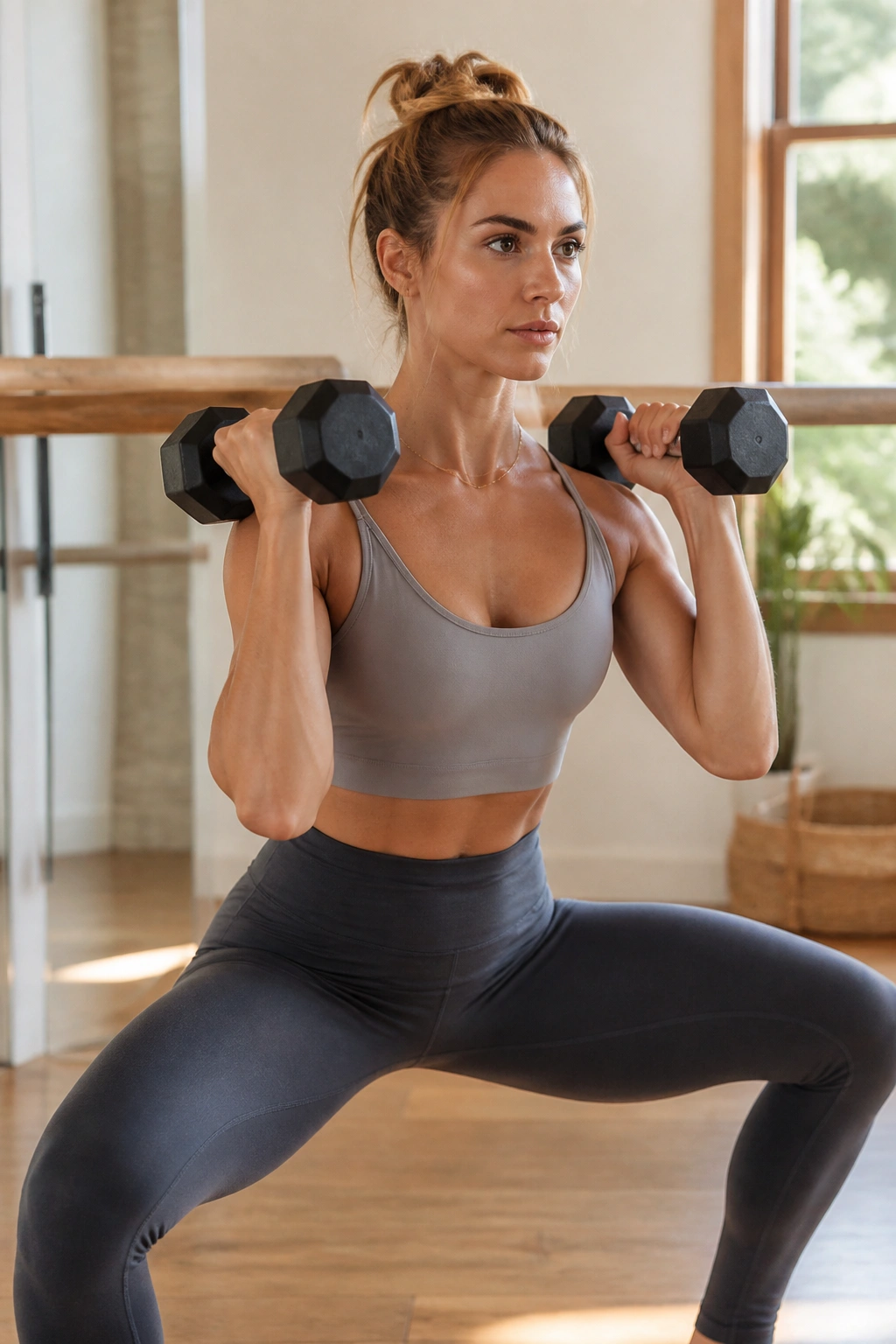
We often think of barre as high-rep, low-weight. This calendar flips the script by incorporating heavier weights to focus on strength training, while keeping the barre-based precision.
Use a set of weights that feels genuinely heavy—something that makes the last few reps of a set challenging to finish with good form. This combination builds denser muscle tissue than standard barre. It is an excellent way to break out of a plateau if your body has stopped responding to light, repetitive movements.
21. The Pelvic Floor & Inner Core Focus
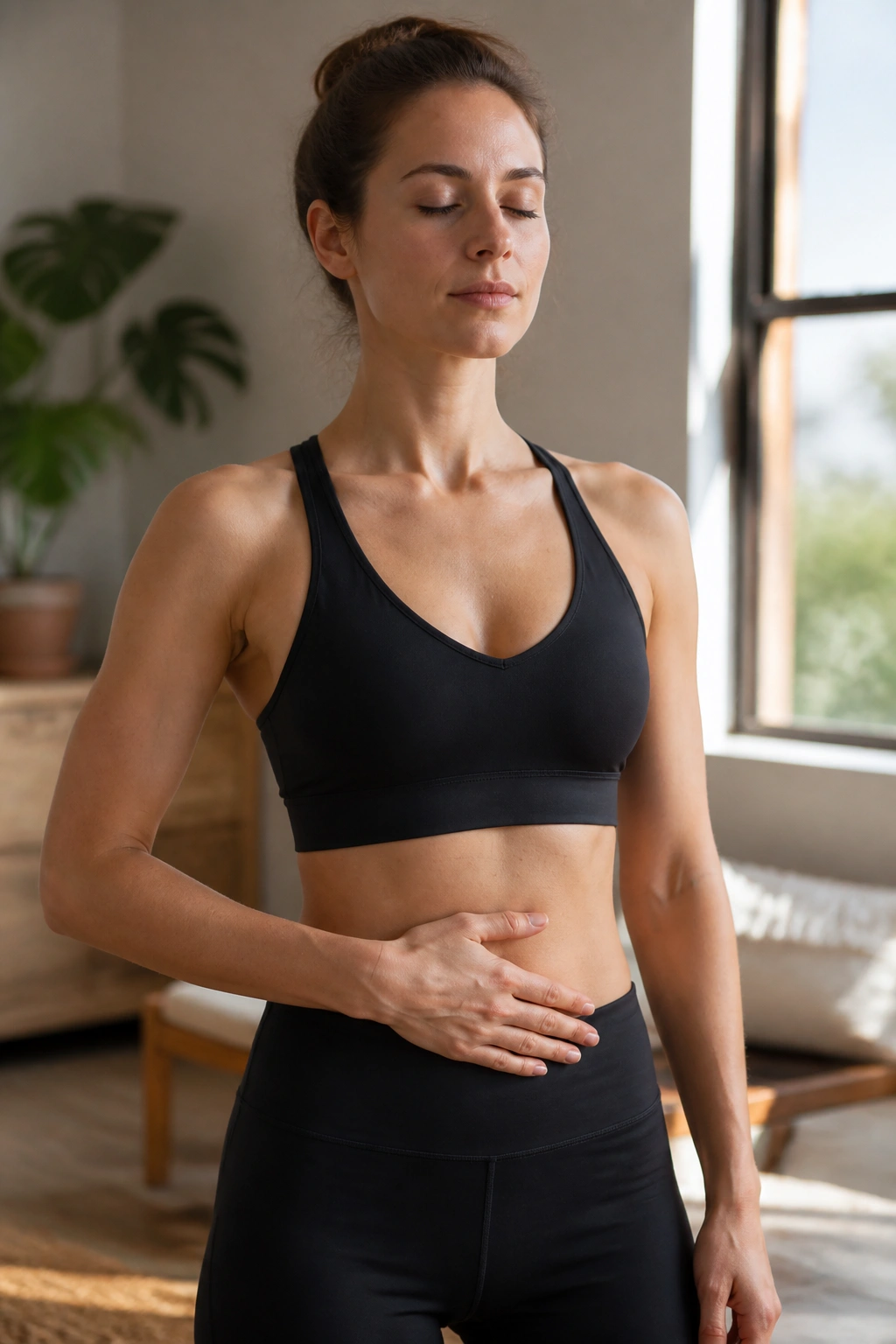
The pelvic floor is the hidden foundation of all movement. This calendar addresses the “inner unit”—the muscles that support the spine and organs. It is incredibly functional training.
Expect a lot of work involving breath coordination. You will learn to exhale on the exertion, pulling the pelvic floor up as you move. It is quiet, internal work that doesn’t look like much from the outside, but it is the most important foundation for every other movement you do, in and out of the studio.
22. The “Better Sleep” Evening Routine
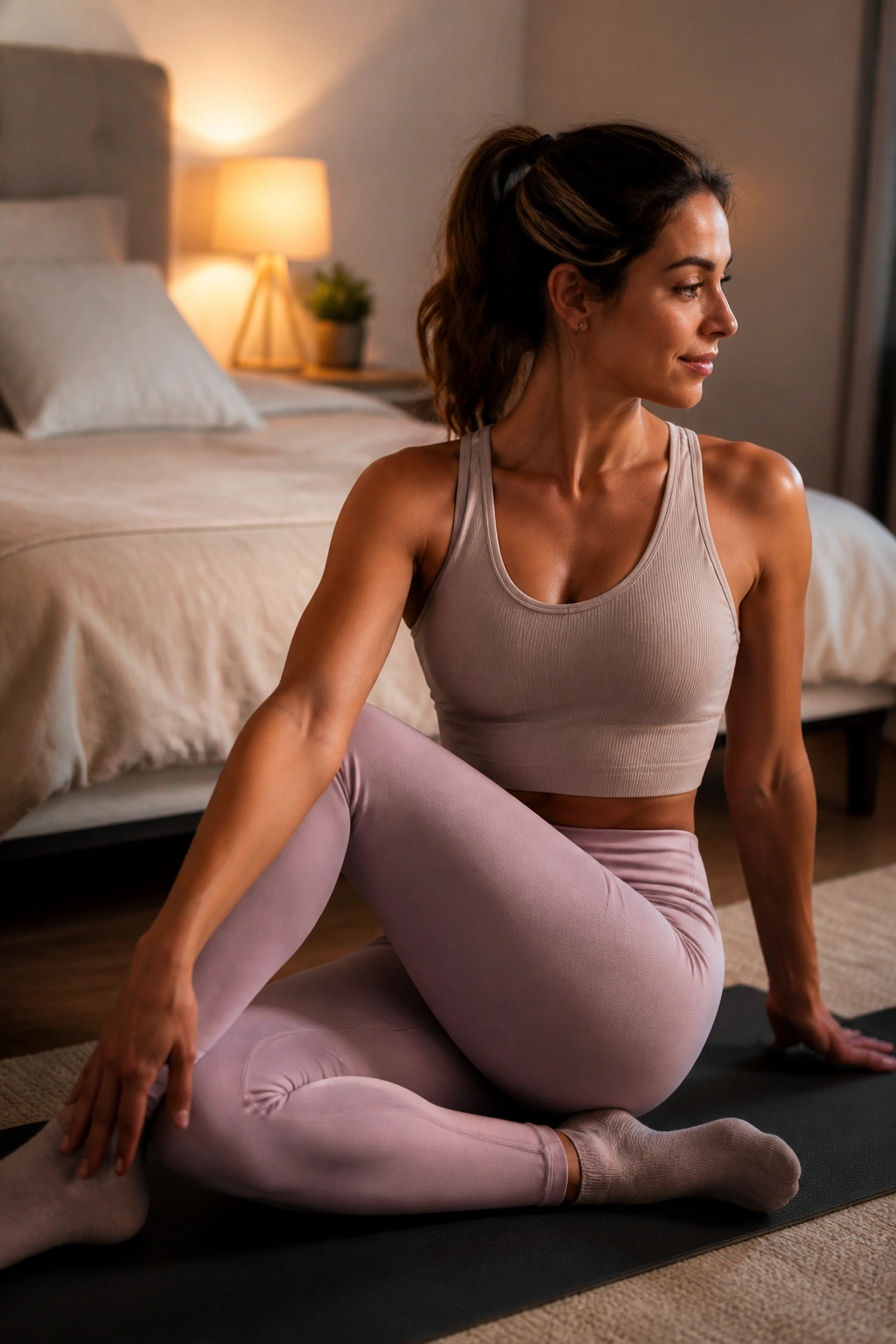
Exercise right before bed can sometimes keep you up, but this calendar is designed specifically to wind the body down. It is soft, gentle, and focuses on long holds and deep breathing.
We use the barre for supported twists and gentle chest openers that counteract the stress of the day. You should finish this routine feeling physically tired but mentally tranquil. It creates a ritual that signals to your brain that the day is over and it is time to rest.
23. The Morning Energizer
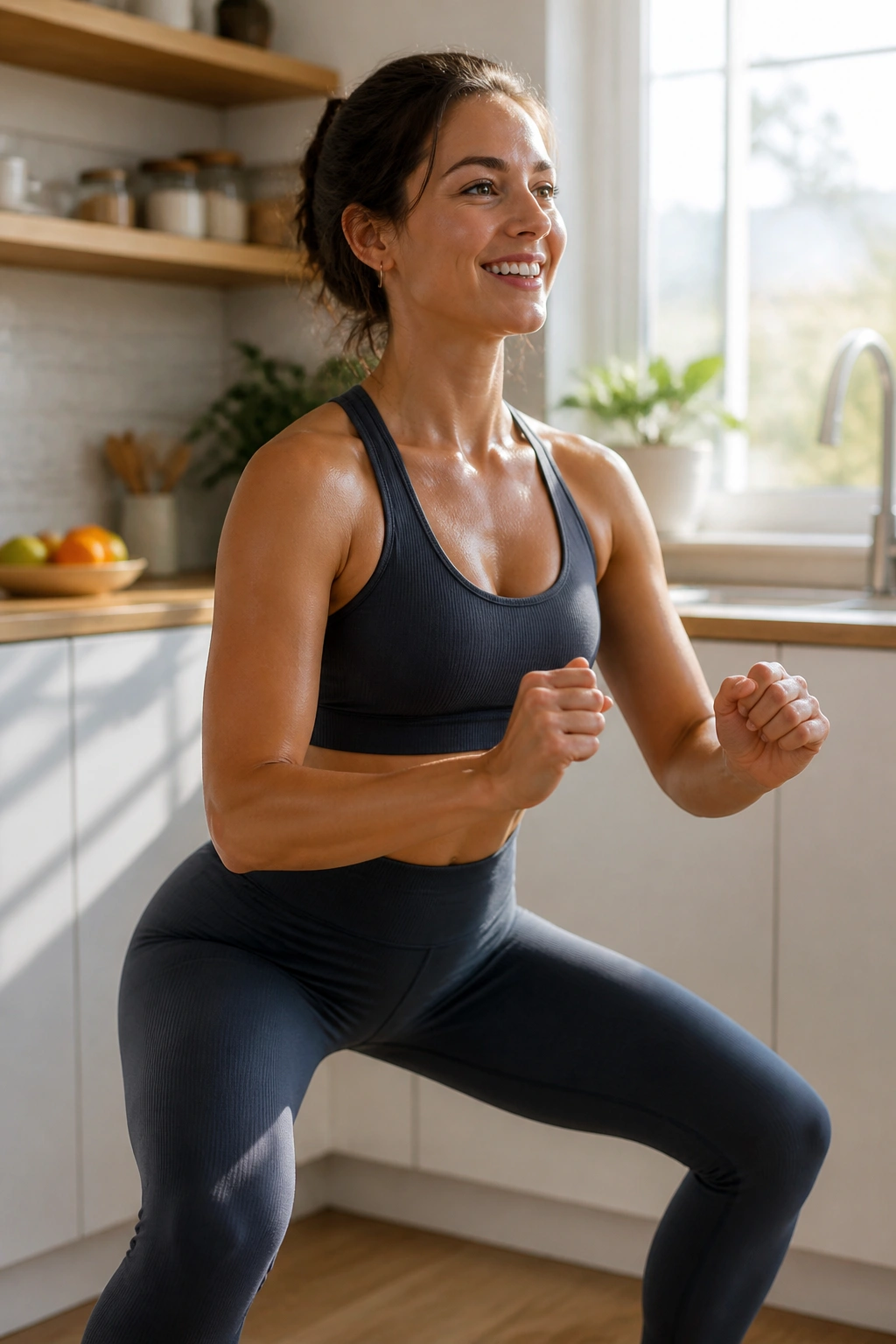
This calendar is the opposite of the evening routine. It is designed to wake up the nervous system. We use quick pulses, brisk movements, and upright postures to get the blood flowing immediately.
You don’t need a heavy workout here. You just need to get the heart rate up slightly and get the joints moving through their full range of motion. It is the best way to avoid that “groggy” morning feeling and step into your day with confidence.
24. The 30-Day Progress Builder
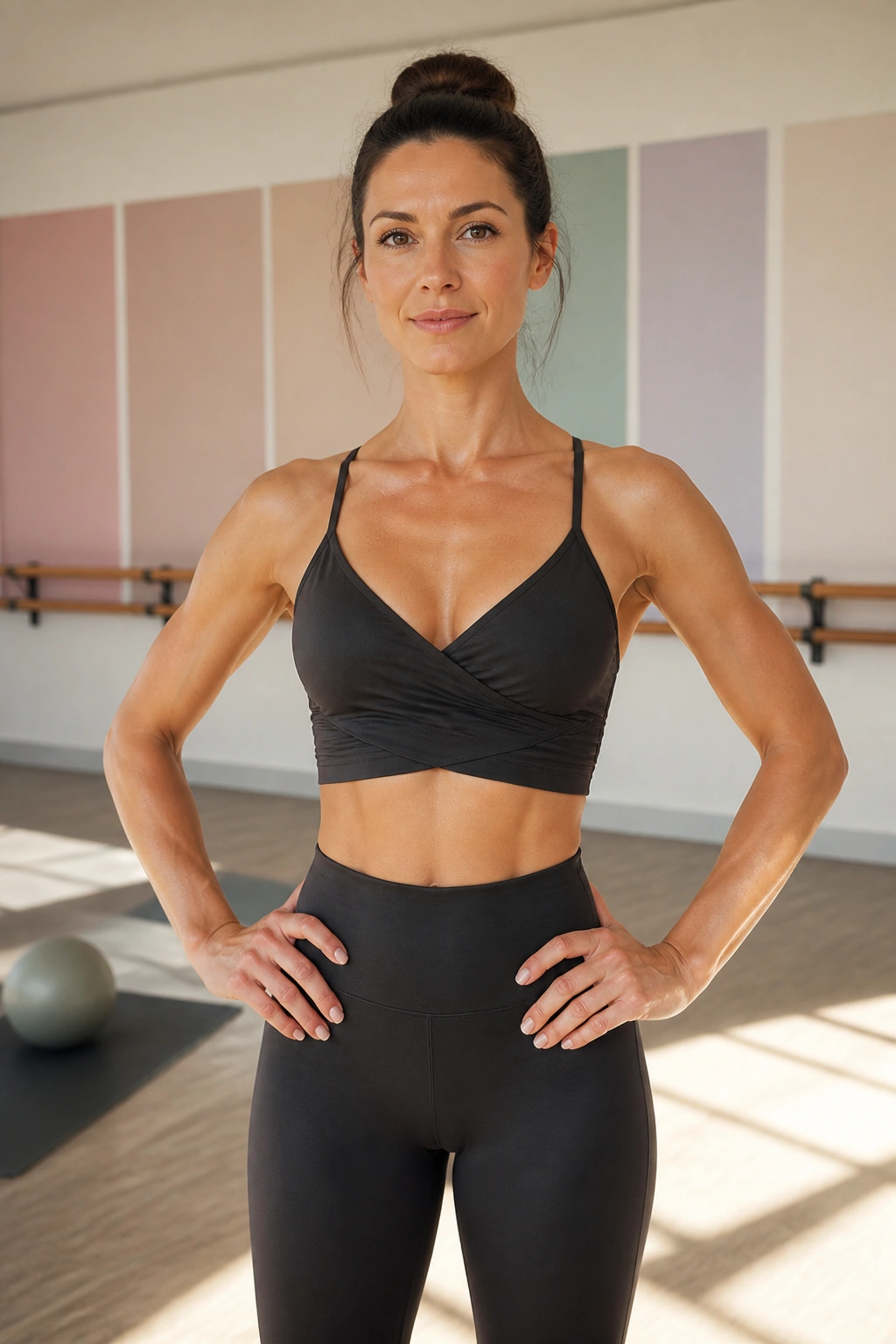
This is a standard, balanced 30-day calendar that rotates focus to ensure you never get bored. Each week has a theme: Week 1 is Foundation, Week 2 is Strength, Week 3 is Cardio, and Week 4 is Flexibility.
It is a perfect introduction to how a well-rounded barre practice should feel. You get a taste of everything, which helps you decide what you want to focus on for your next 30 days. It is comprehensive and manageable for most fitness levels.
25. The Maintenance and Longevity Calendar
Once you have mastered the basics and built the strength, you need a routine that keeps you there without burning you out. This is your “forever” calendar. It is balanced, sustainable, and hits the sweet spot between effort and recovery.
It focuses on maintaining the posture, strength, and flexibility you have built. You can repeat this calendar indefinitely. It acknowledges that fitness is not a race to a finish line; it is a long-term practice of taking care of the one body you have. Listen to your body, adjust the intensity when you need to, and just keep moving.
Final Thoughts
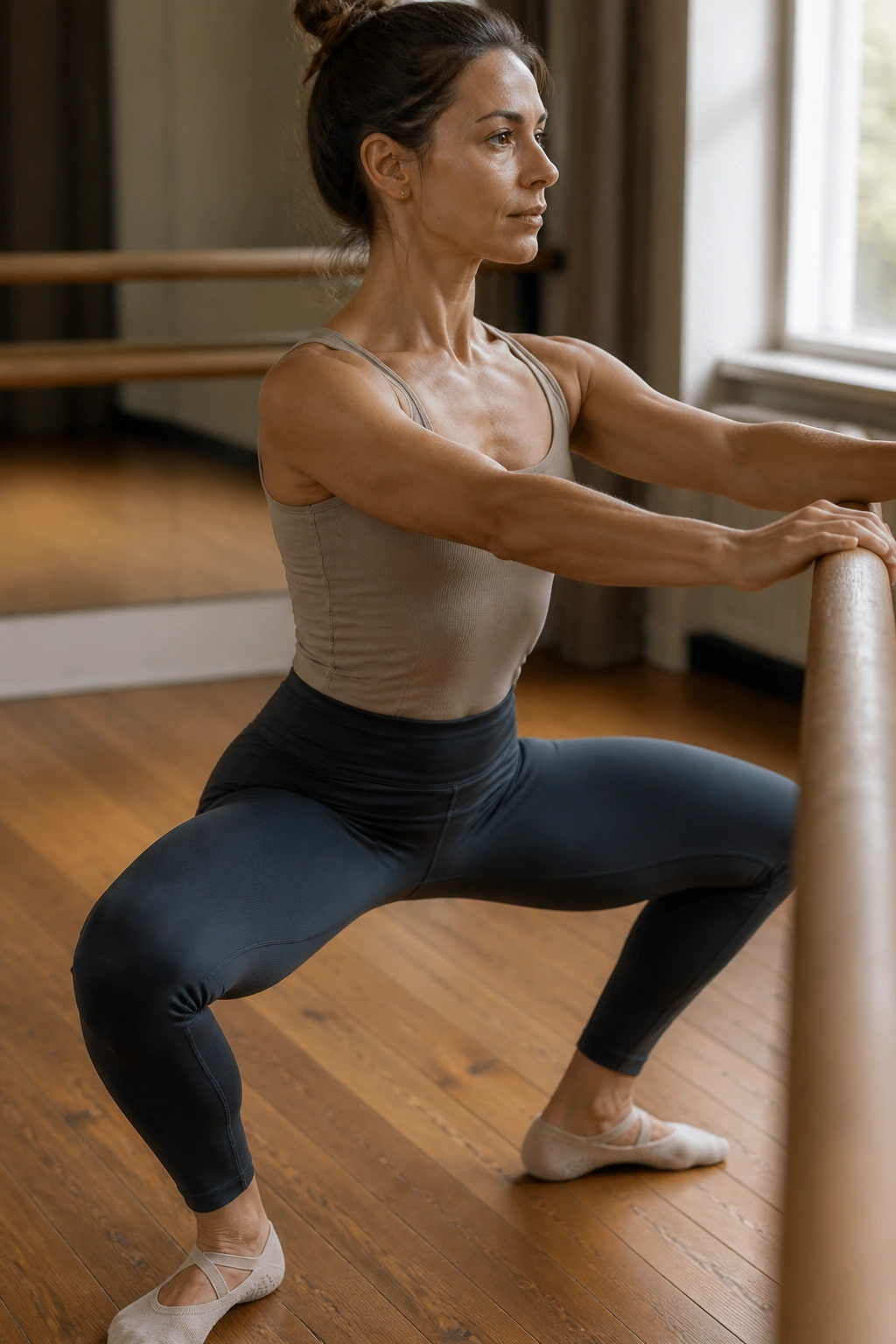
Barre is a practice that rewards those who stay in the “shake.” It is easy to want to skip the hard part, to straighten your legs when the burn starts to bite, or to speed up the reps when your muscles get tired. But if you hold through that discomfort, you are doing more than just sculpting your physique. You are teaching your nervous system to stay calm under physical stress. You are building resilience.
Choose a calendar that fits where you are right now, not where you think you “should” be. If you are starting fresh, build the foundation. If you are bored, add the intensity. The beauty of this modality is that it is infinitely scalable. Whether you are leaning against a professional studio barre or using the back of a kitchen chair, the principles remain the same. Respect the movement, stay consistent, and give your muscles the time they need to adapt. The results are not hidden in a secret, magical exercise; they are hidden in the quiet, consistent work you do every day.
