



Strong pulling training changes the whole look of a lift day. And for back and bicep workouts for women, the payoff goes far beyond appearance: better posture, stronger grip, more stable shoulders, and a lot less “my arms quit before my back did” frustration.
The mistake I see most often is simple. People treat back work like a pile of random rows and treat biceps like an afterthought. That leaves a lot on the table. Your back works in two big patterns — vertical pulls and horizontal pulls — and your biceps help on almost every one of them, so the smartest sessions are built with that in mind.
A good pulling day feels crisp, not chaotic. You should know whether a movement is meant to train the lats, the upper back, the rear delts, or the elbow flexors, and you should load it accordingly. If you keep the reps honest, control the lowering phase, and stop yanking with your lower back, these exercises can carry a whole program.
1. Wide-Grip Lat Pulldown
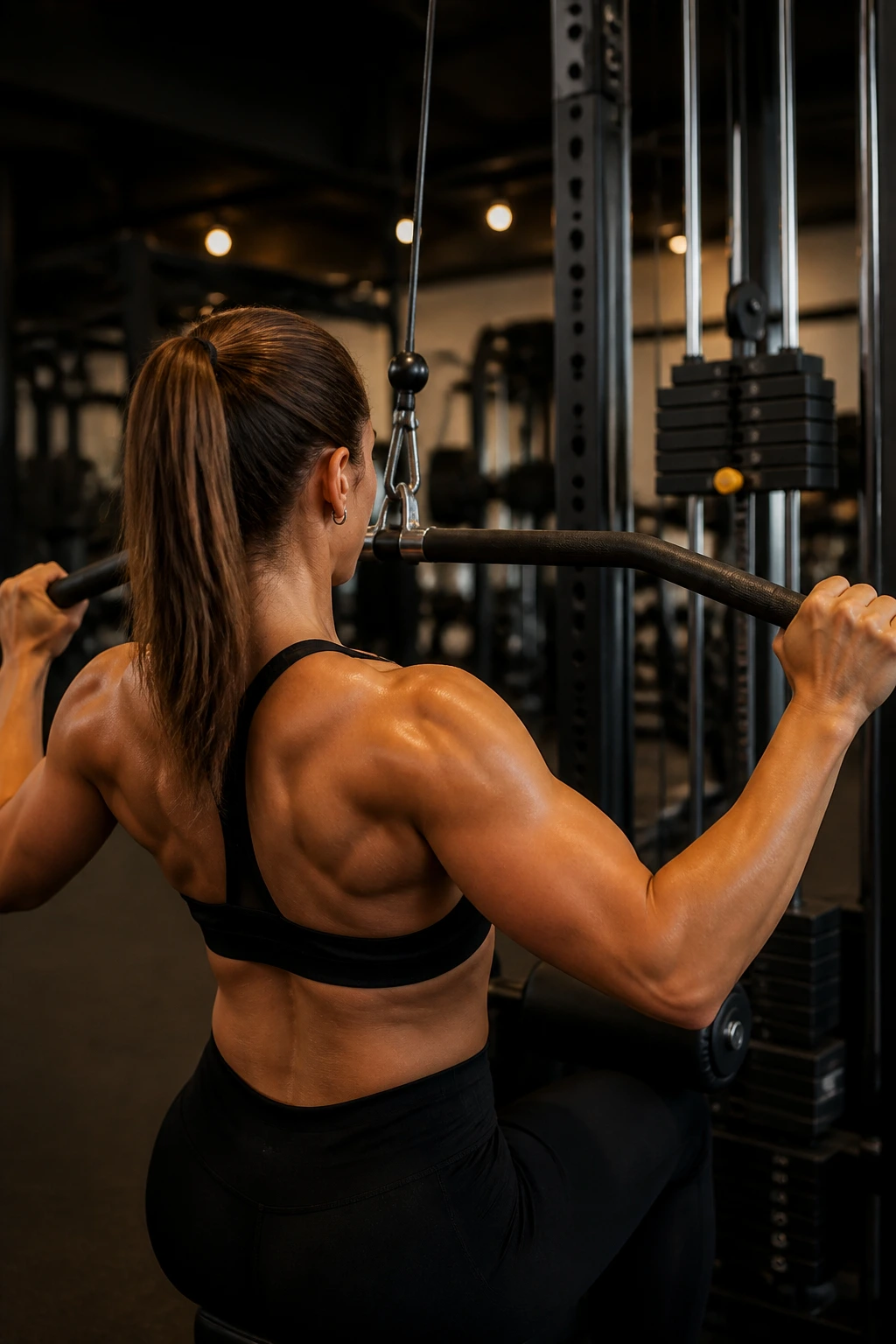
A wide-grip lat pulldown is a clean first choice when you want your back to do the work without a lot of body English. The wider hand position shifts the emphasis toward the lats and upper outer back, and it also gives you a good place to practice pulling your elbows down instead of just hauling the bar with your hands.
Why It Belongs Early in the Workout
The machine takes balance out of the equation, so you can focus on scapular depression — that means dropping your shoulders away from your ears before you bend the elbows. That small move changes the whole rep.
- Use 3 to 4 sets of 8 to 12 reps.
- Pull the bar to the upper chest, not the stomach.
- Keep your chest tall and your ribs from flaring hard.
- Stop the bar when your elbows start drifting behind your torso and your shoulders want to shrug.
One good cue: think “elbows to pockets,” not “hands down.”
2. Seated Cable Row
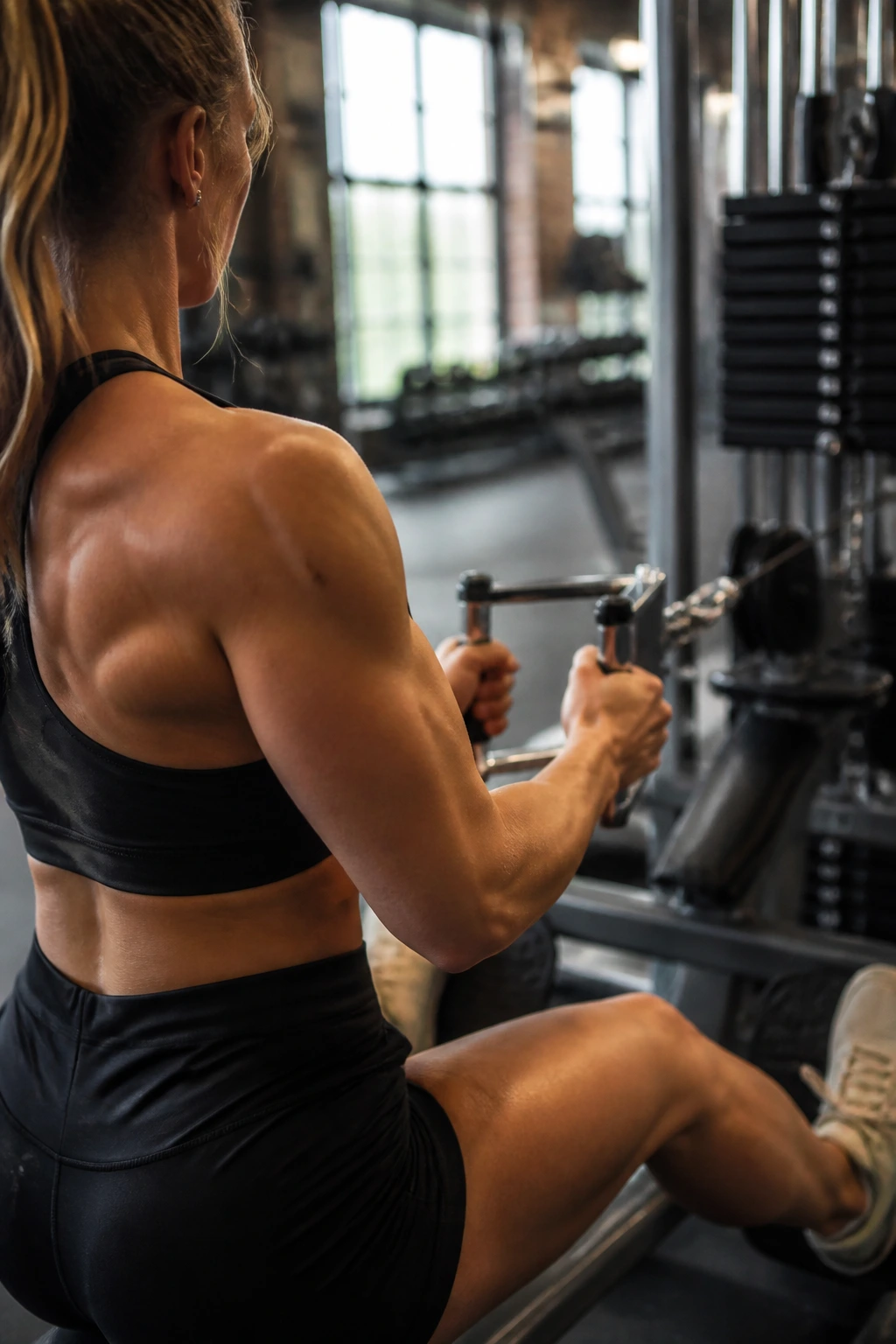
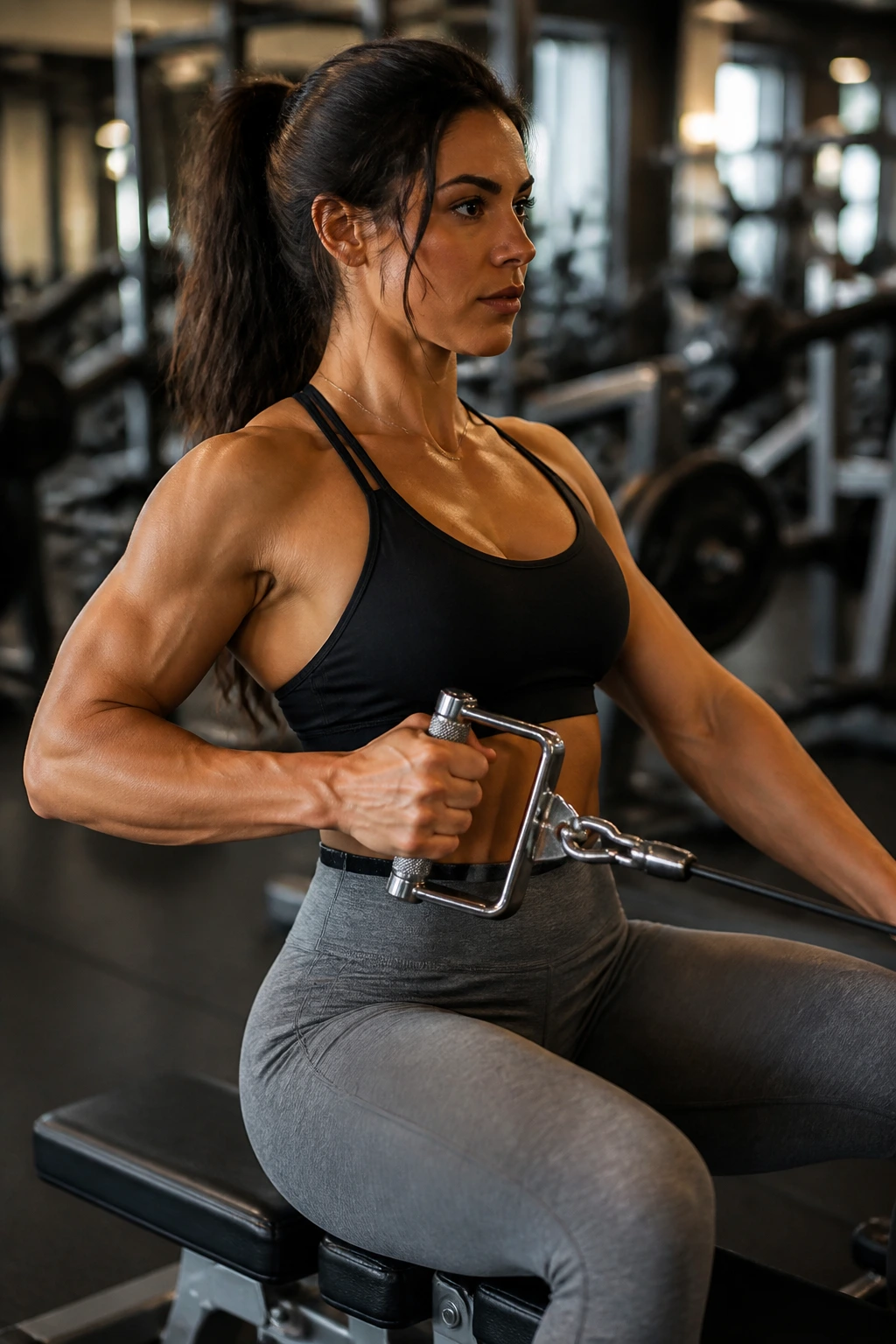
A seated cable row is one of those exercises that looks plain until you do it with real intent. Then it becomes obvious why people keep coming back to it. The cable gives steady tension through the whole pull, which is a big deal if you want your mid-back, rhomboids, and biceps to share the load instead of turning the set into a half-rep shrug.
A strong seated row starts with the torso steady and the shoulder blades moving first. Then the elbows follow. If you yank the handle straight back without setting your shoulders, the movement gets sloppy fast and your lower back ends up doing work it never signed up for.
I like this one for lifters who want posture work without gimmicks. It’s honest. Load it with 3 to 4 sets of 8 to 10 reps, pause for a beat when the handle reaches your waist, and let the cable stretch you forward under control on the way back.
3. Assisted Pull-Up
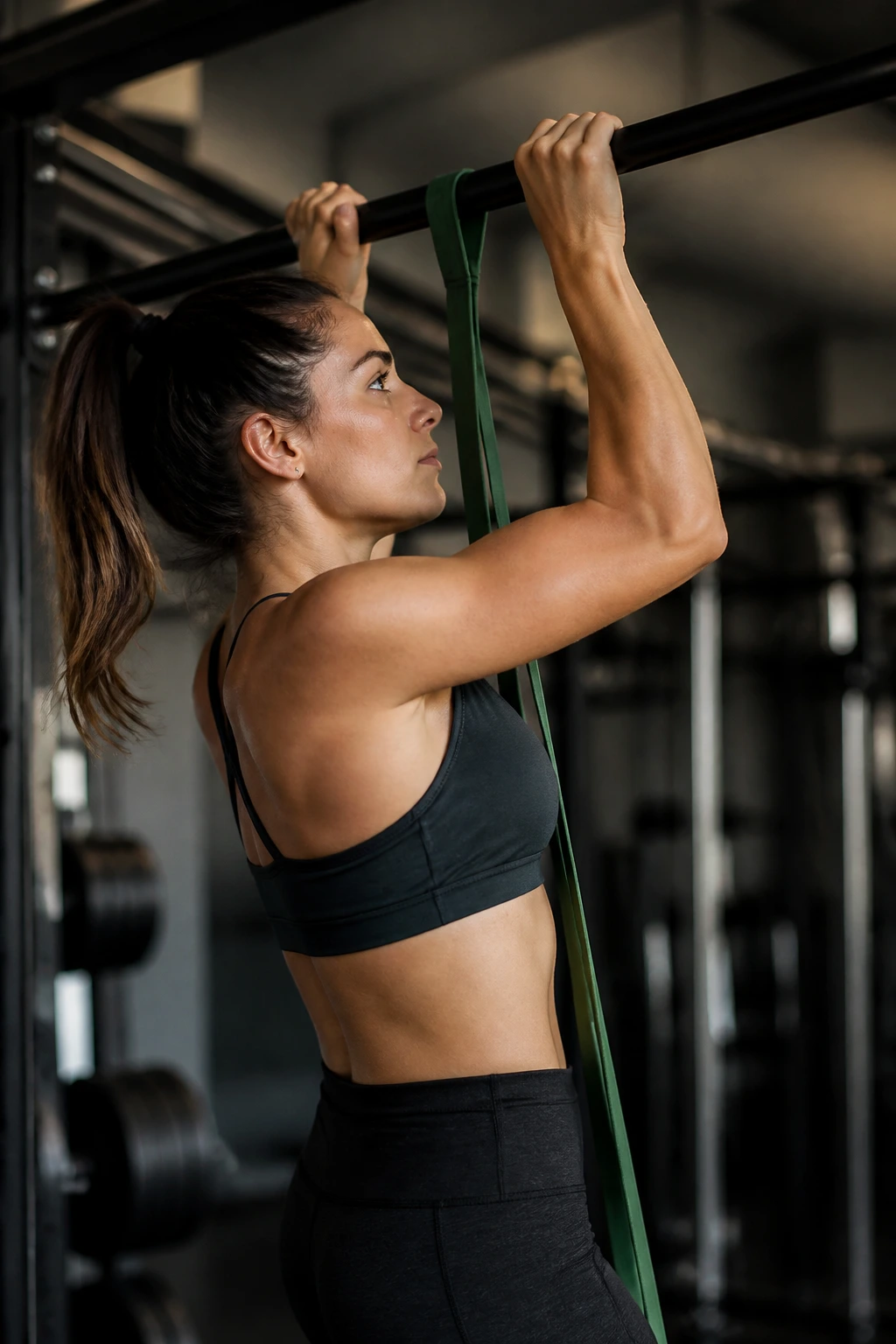
Can you build a stronger back without doing pull-ups? Sure. But if you can train the pull-up pattern, you should. Assisted pull-ups let you practice the real thing with less bodyweight to move, which means better lat recruitment, better grip strength, and a cleaner path toward unassisted reps.
How to Use It
Use a machine or a band that gives you enough help to keep the rep smooth. If the assist is too heavy, you stop learning the movement. If it’s too light, you turn the set into a half-kip and lose the point.
- Start with 3 sets of 5 to 8 reps.
- Keep the torso still.
- Lower yourself for 2 to 3 seconds on each rep.
- Finish with your chin over the bar, not your neck craned forward.
Tiny detail, big payoff: if your elbows flare out hard, the rep usually turns into a shoulder problem instead of a back one.
4. One-Arm Dumbbell Row
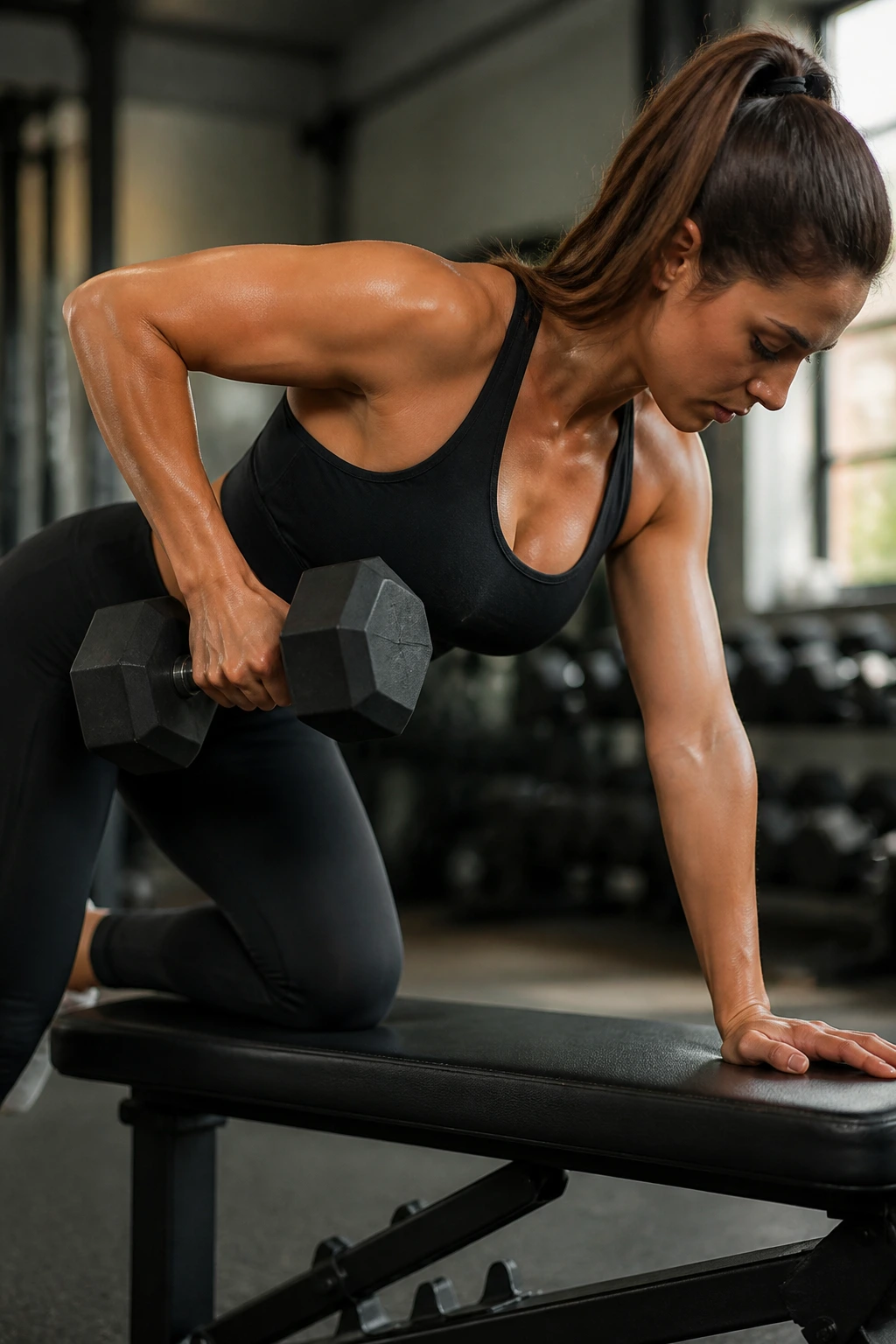
Picture the dumbbell hanging just below your shoulder while your other hand stays planted on a bench. That setup looks simple, and that’s exactly why it works so well. One-arm dumbbell rows let you focus on one side at a time, which helps when one lat or one upper-back side is stronger than the other.
What to Watch For
The mistake is to twist the torso and call it a row. Don’t. Keep your ribs quiet and pull the dumbbell toward your hip, not up toward your armpit. That elbow path shifts the work toward the lat instead of the upper trap.
- Use a bench and keep your spine long.
- Row for 8 to 12 reps per side.
- Let the shoulder blade stretch at the bottom.
- Keep the neck relaxed.
If your lower back starts talking, the weight is too heavy or your torso angle is too loose. That’s the whole story.
5. Chest-Supported Row
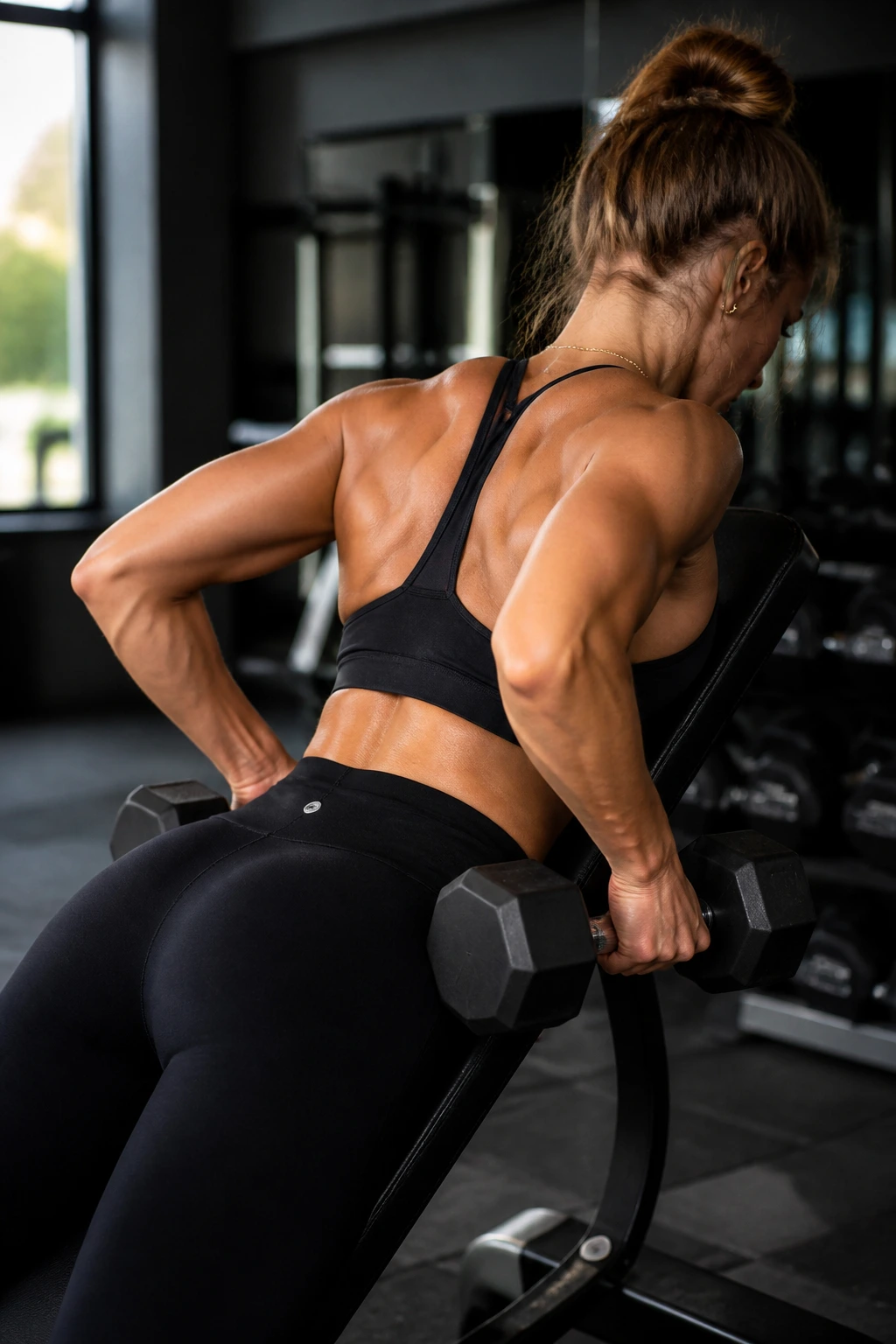
Chest-supported rows are the move when you want your back trained hard and your lower back left out of the mess. A machine version works, and so does an incline bench with dumbbells. I like this variation for days when you want clean reps and don’t feel like spending half the session bracing like a powerlifter.
The support changes the feel in a good way. You can pull with more control, pause at the top, and stop cheating with momentum. That makes it easier to feel the mid-back squeeze and the biceps assisting without the rest of the body stealing the show.
Use 4 sets of 8 to 12 reps and hold the top position for one full second. If the dumbbells bang together or your chest pops off the pad, the load is too much. Simple. And a little boring, honestly, which is why it works.
6. Straight-Arm Pulldown
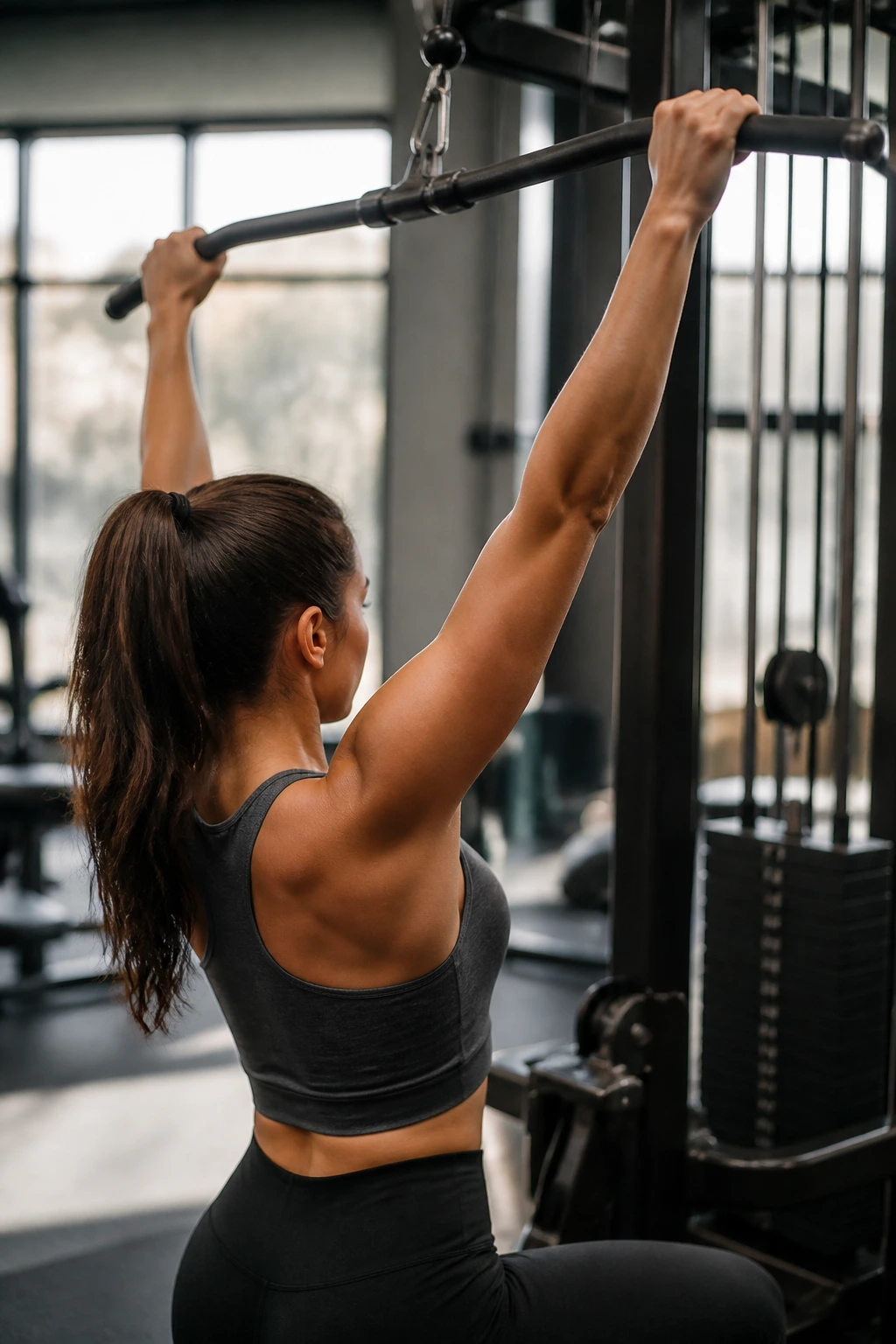
Unlike rows, straight-arm pulldowns train the lats with almost no elbow bend. That matters. A lot of lifters can row all day and still never learn what their lats actually feel like. This movement fixes that gap by teaching shoulder extension in a way that stays easy to read.
The cable should move in a smooth arc from above your head to your thighs. Keep your arms long, soften the elbows, and think about pulling your upper arms down and back without turning it into a triceps press. If you feel this in your forearms more than your sides, the weight is probably too heavy.
Best Use
- Use 3 sets of 12 to 15 reps.
- Keep a soft bend in the elbows.
- Stop when the handles reach the tops of your thighs.
- Squeeze the lats for a second at the bottom.
I reach for this one when someone needs better lat connection before bigger back work.
7. Dumbbell Pullover
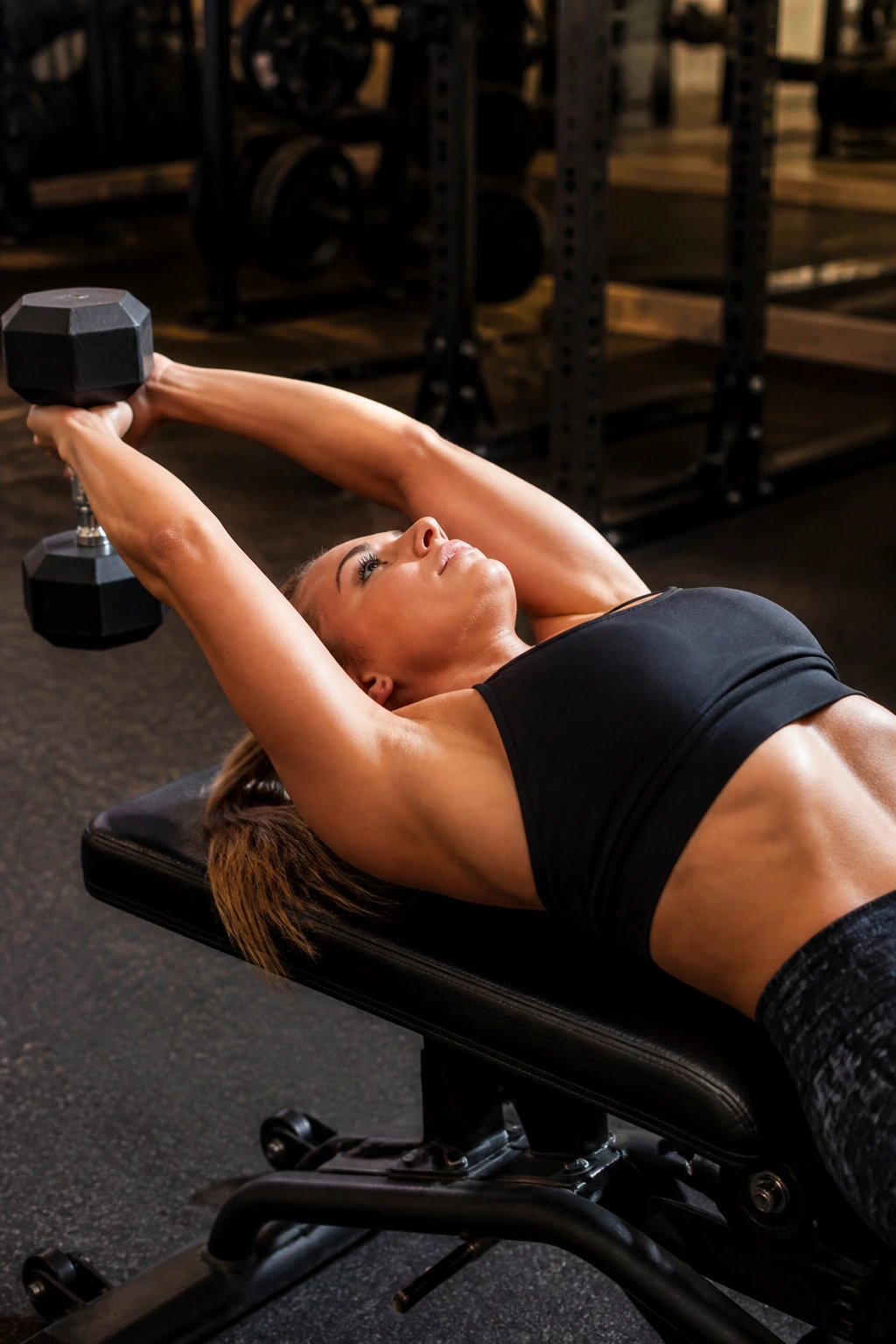
The dumbbell pullover has a bit of old-school gym charm, and I’m not mad about that. Done well, it gives you a long stretch through the lats and a nice bit of ribcage control, too. Done badly, it becomes a shoulder crank with a dumbbell in the middle of it.
The key is range. Lower the dumbbell only as far as your shoulders can stay calm and your ribs can stay down. That usually means stopping a little earlier than people expect. You are not trying to force the deepest stretch possible.
Use 3 sets of 10 to 12 reps on a bench, with slow lowering and a controlled pull back over the chest. If your elbows bend and bend more every rep, you’ve quietly turned it into something else. Keep them nearly fixed.
8. Inverted Row
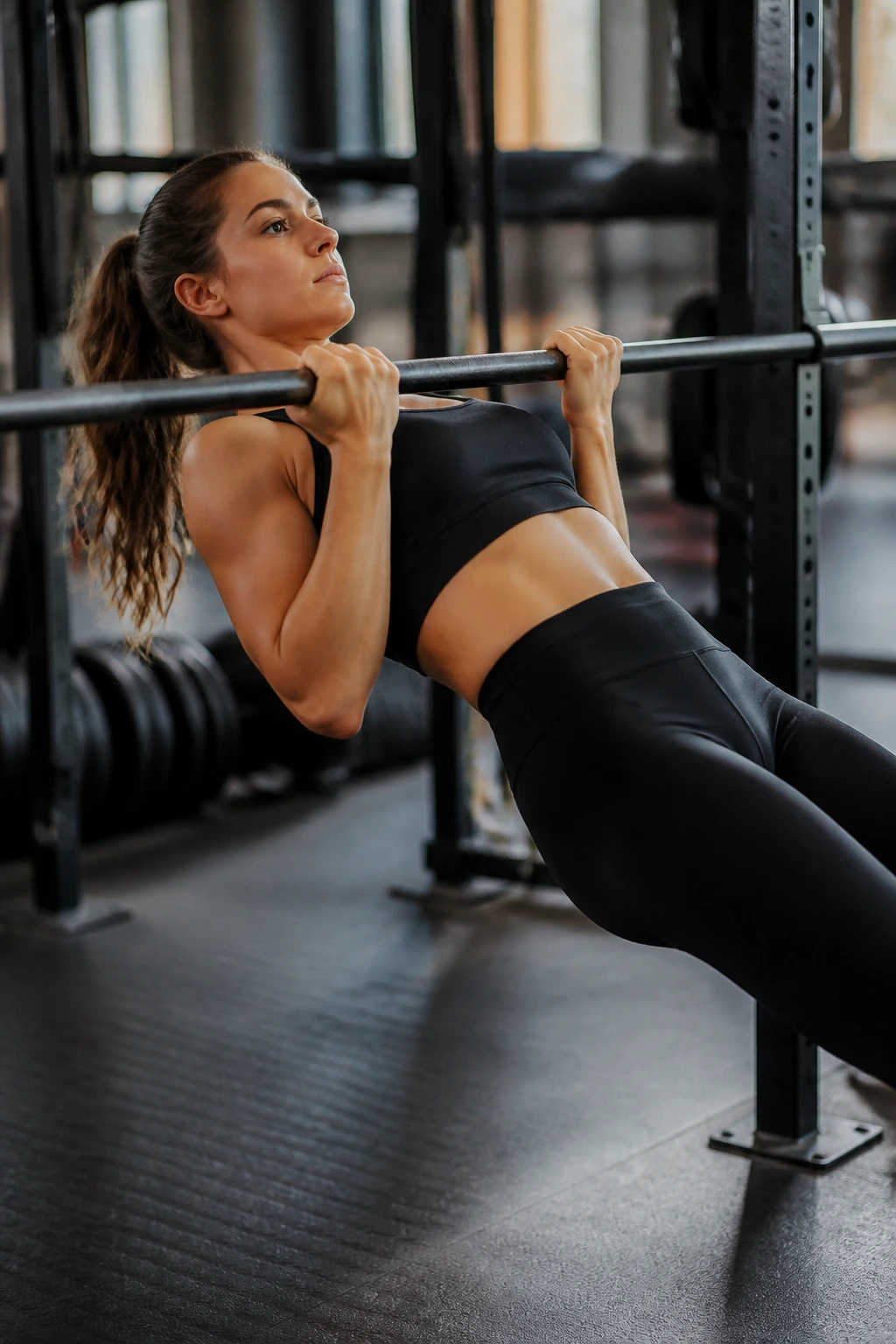
An inverted row looks easy until your body is the one providing the resistance. Then it gets honest fast. This is a bodyweight pull that builds the upper back, lats, and biceps while also teaching your torso to stay tight under load.
You can make it easier by keeping the bar higher and your knees bent, or make it harder by extending the legs and lowering the body angle. That built-in scaling is one reason I like it for mixed-level training groups.
What to Feel
- Drive the chest toward the bar.
- Keep the body in one long line.
- Pull with the elbows, not the hands.
- Pause for 1 second at the top.
If the hips sag, the rep stops being a row and starts being a complaint.
9. Single-Arm Cable Row
Can one-arm cable rows fix asymmetry? Often, yes — at least enough to matter. The cable keeps tension honest, and the single-side setup makes it harder to hide a weaker lat or a side that doesn’t like to finish the pull.
The best version is not a dramatic twist. Keep the torso mostly square, let the shoulder blade move forward at the start, then row the handle toward the lower ribs or hip. That path is where the lat usually feels strongest. If you pull high, the upper back takes over more.
How to Use It
Use 3 sets of 10 to 12 reps per side. Try a slight pause at the end of each rep, especially on the weaker side. If one side burns out sooner, do not rush past it. Match the other side to the weaker one for the day. That’s the point of unilateral work.
10. Barbell Bent-Over Row
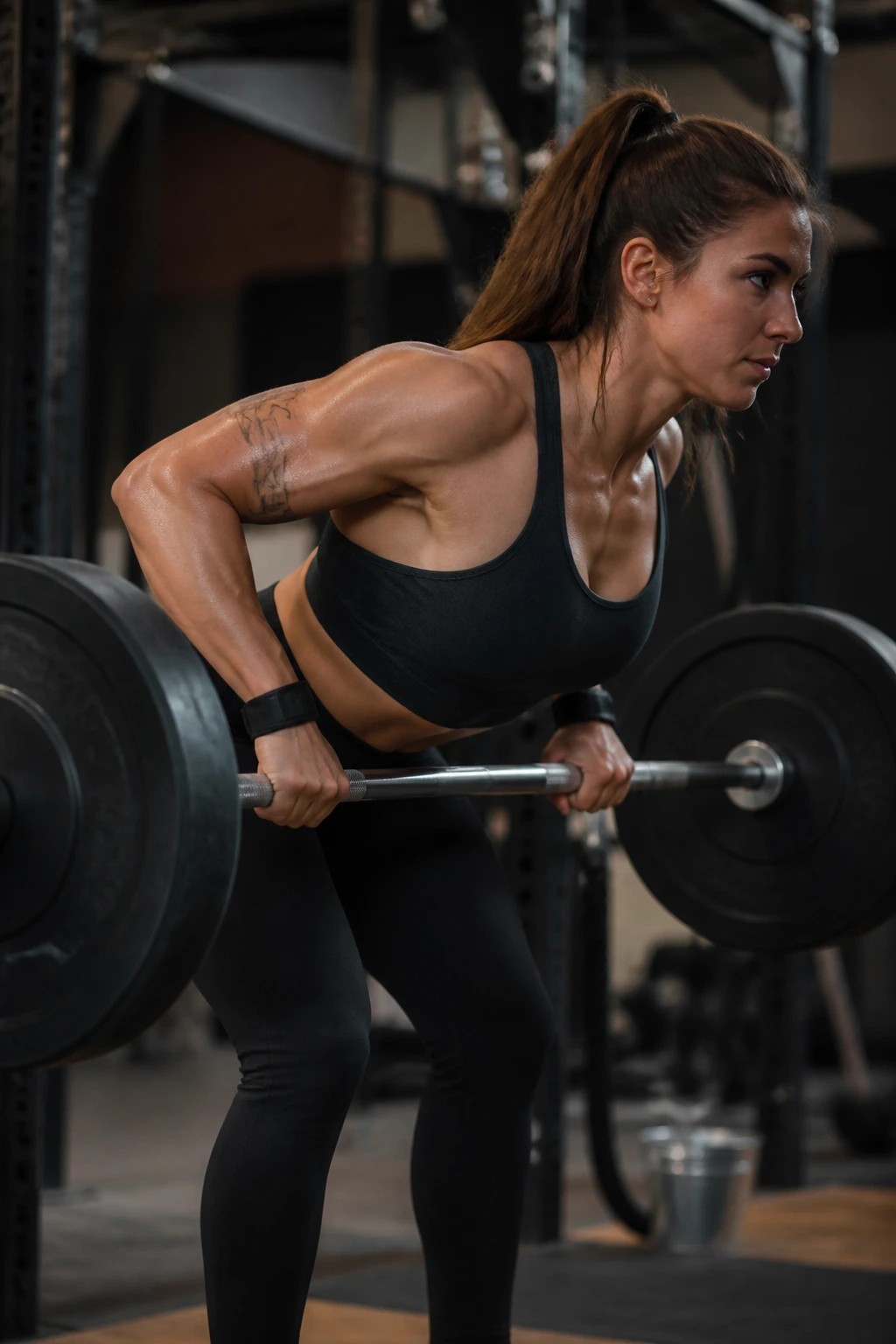
A barbell bent-over row is one of the best tests of whether your back work is real or just decorative. You have to hinge, brace, and pull without turning the exercise into a standing shrug. That’s harder than it sounds.
A good row starts with the hips back and the torso fixed at a strong angle. From there, the bar travels toward the lower ribs or upper stomach. The movement should be powerful, but not jerky. If the chest pops up on every rep, you’re stealing from the back to move the load.
Use 4 sets of 6 to 8 reps and keep a strict rest of about 90 seconds. I like this one earlier in the session, before grip fatigue starts leaking into everything else.
11. Machine High Row

The machine high row is a nice compromise between brute force and clean mechanics. It gives you enough support to load the upper back hard, but the angled pull pattern still asks the lats, rear delts, and mid-back to do real work.
What makes it different is the path. Your elbows travel a little wider and higher than a standard row, which shifts some emphasis toward the upper back. That can be useful if your posture tends to round forward or if your shoulder blades feel sleepy in regular rows.
Use 3 to 4 sets of 8 to 12 reps. Keep your chest glued to the pad, pull hard, and hold the squeeze for one count. The machine should feel like work, not like you’re leaning on it for a nap.
12. Face Pull
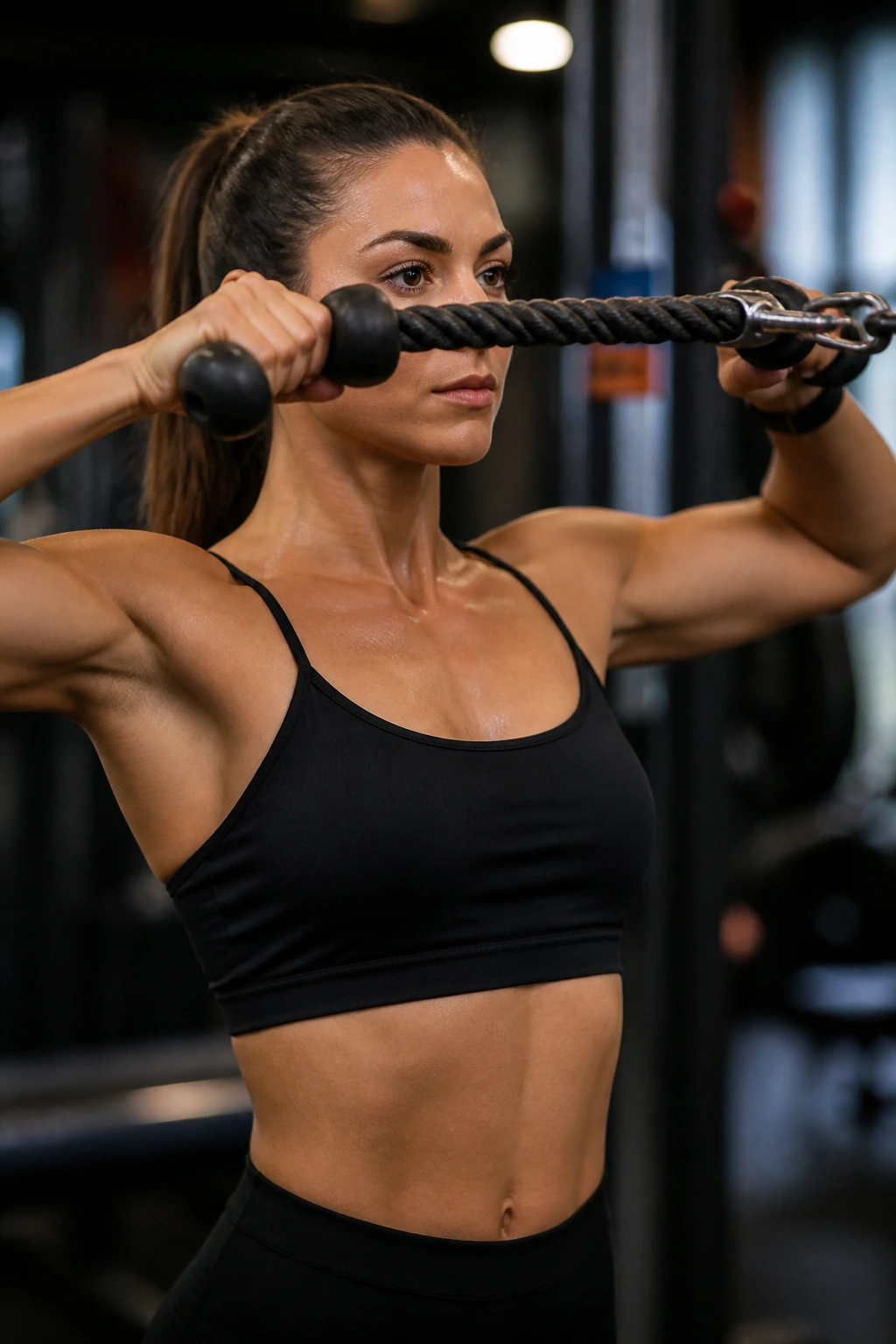
Face pulls clean up a lot of weak spots that show up in back training. They hit the rear delts, upper traps, and the small external rotators that help keep shoulders from rolling forward all day. If your upper body spends time at a desk, this one earns its place.
The rope should travel toward your face or forehead while your hands finish slightly apart, not low by your chest. That finishing position matters because it teaches the shoulders to open instead of collapse inward. Keep the load light enough to stay crisp.
What Makes It Different
Unlike a row, a face pull is less about moving heavy weight and more about shoulder position. That’s why it pairs well with pressing days, too.
- Use 3 sets of 12 to 15 reps.
- Pull with the elbows high.
- Finish with the rope near eye level.
- Do not crank your neck forward to meet the cable.
13. Reverse Fly

A reverse fly is small, but it is not minor. It targets the rear delts and the upper-back muscles that help your shoulders sit where they belong. Most people need more of this, not less, because pressing and daily life both love to pull the shoulders forward.
You can do it with dumbbells bent over, on a machine, or with cables. Cables give you steadier tension, while dumbbells make the bottom stretch more obvious. I usually choose the version that lets the lifter stay strict for the full set.
Quick Form Check
- Keep a soft bend in the elbows.
- Raise the arms out and slightly back.
- Stop before the traps take over.
- Use 2 to 3 sets of 12 to 15 reps.
If you feel a lot of neck tension, the range is probably too big or the weight too heavy. That one sneaks up fast.
14. Kettlebell Row
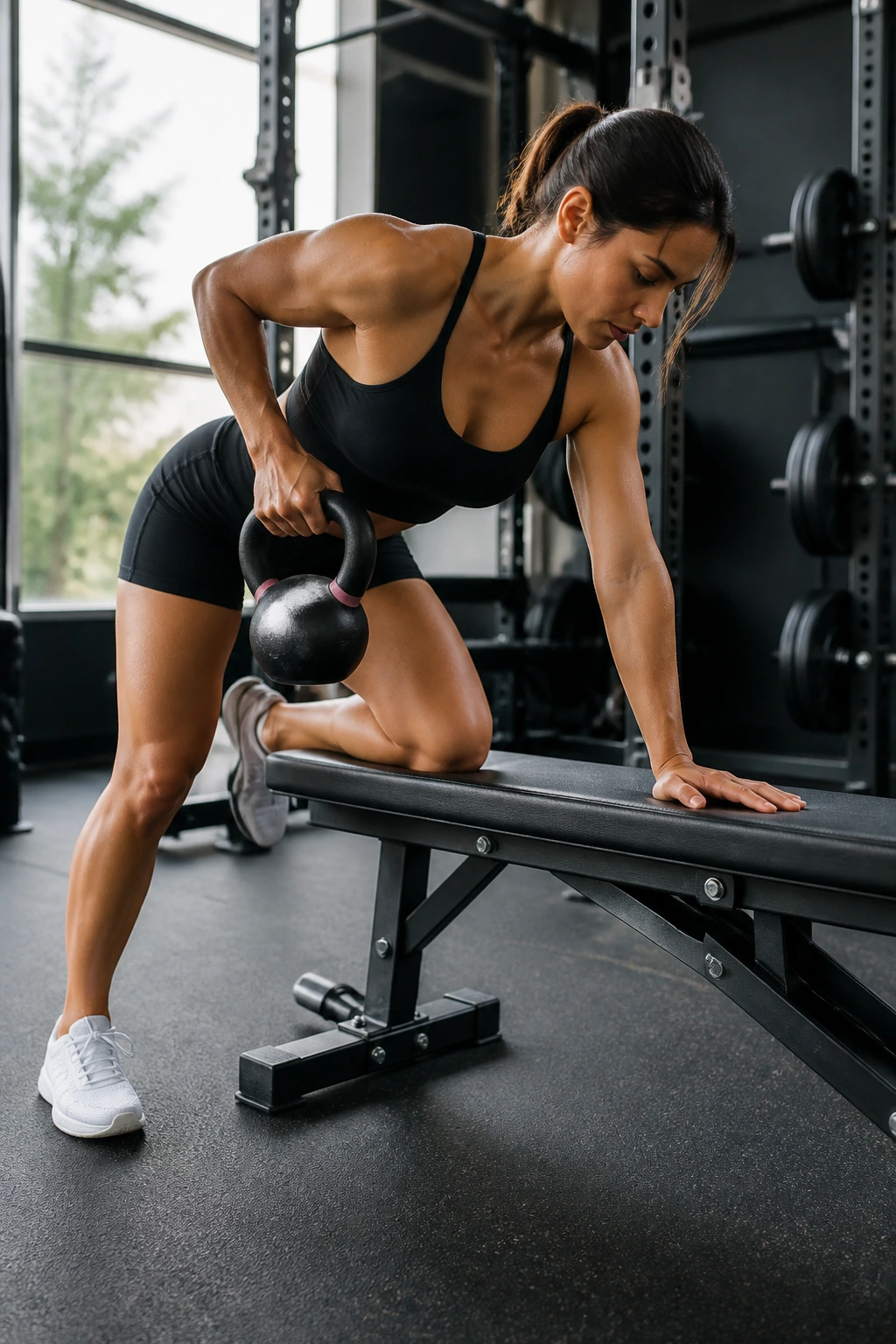
A kettlebell row has a different feel from a dumbbell row because the weight hangs lower and shifts a little more freely. That slight imbalance wakes up the grip and the core while the back still does the real pulling.
The handle position also changes the wrist angle, which many people find easier to live with than a straight dumbbell handle. You can do this one from a bench, from a split stance, or with the free hand braced on a rack. Keep the torso still and pull toward the hip.
Use 3 sets of 8 to 10 reps per side. If the kettlebell swings and bangs against your forearm, slow down and shorten the pull. Clean reps beat rough ones here.
15. Renegade Row

Can you row from a plank without turning the whole thing into a wobble? That’s the test. Renegade rows are part upper-back work, part anti-rotation drill, which makes them a smart choice when you want your trunk to stay quiet while one arm moves.
The feet need to be a little wider than a regular plank stance, especially at first. That gives you enough base to row without twisting wildly. Keep the hips square to the floor and move one dumbbell at a time.
How to Make It Work
- Start with lighter dumbbells than you think.
- Do 3 sets of 6 to 8 reps per side.
- Row slowly, then place the weight down without slamming it.
- If your hips rock hard, widen your stance or drop to an incline bench version.
This one punishes ego fast. Good.
16. Dead Hang Scapular Pull-Up
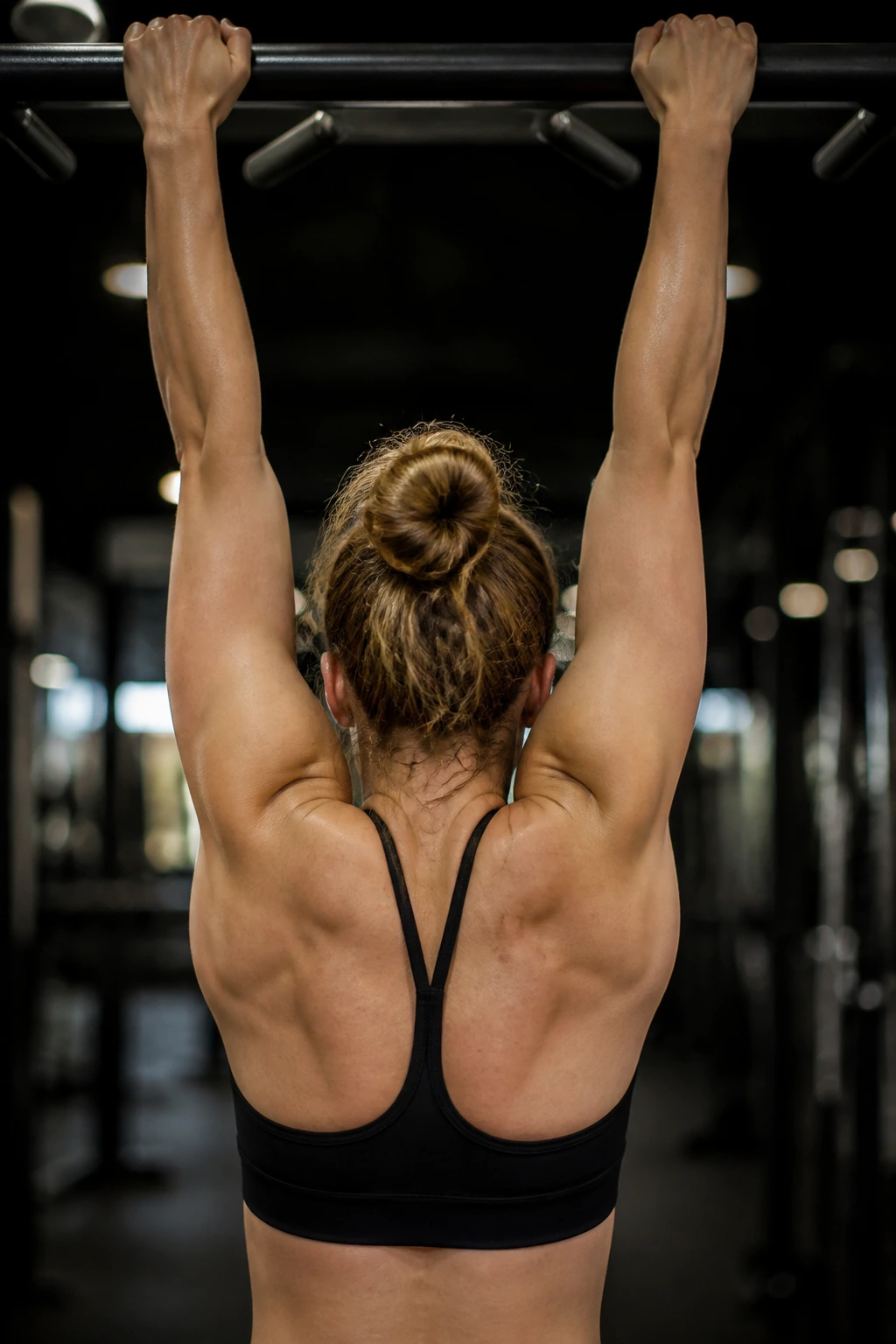
Dead hangs look boring until you realize how many people can’t control their shoulder blades even for two seconds. A scapular pull-up is the tiny version of a pull-up: arms stay straight, and the shoulder blades move down and back. That’s it.
It sounds small because it is small. And small is good here. The point is to teach the lats and lower traps how to start the pull before the elbows bend. That helps with pull-ups, pulldowns, and even rows.
Use It Like This
- Hang for 20 to 30 seconds if you need grip practice.
- Or perform 6 to 10 controlled scapular reps.
- Keep the elbows locked.
- Avoid swinging.
If the shoulders creep up toward the ears, reset. The movement should feel like a clean shrug downward, not a flail.
17. EZ-Bar Curl
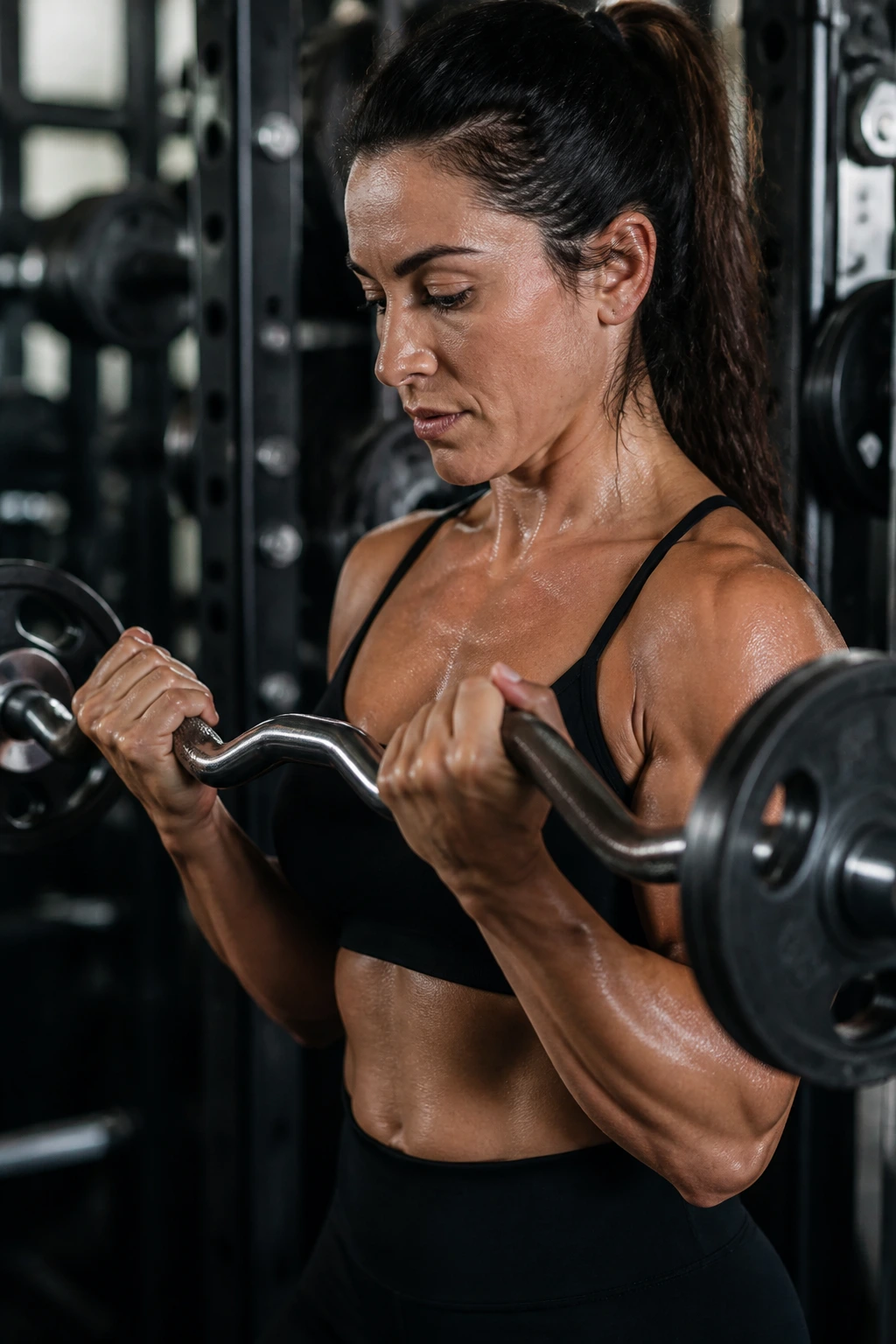
The plain old curl still matters. An EZ-bar curl gives the biceps a fixed path and takes some strain off the wrists compared with a straight bar. That makes it a useful main curl when you want to load the arms without annoying your joints.
Use a grip that feels natural — a little wider or a little narrower depending on your elbow comfort — and keep the upper arms still. The bar moves, the shoulders do not. If the torso sways back and forth, the set has drifted into cheating territory.
Good Curl Cues
- Curl for 3 sets of 8 to 12 reps.
- Lower the bar for 2 to 3 seconds.
- Stop just short of locking the elbows at the bottom.
- Keep the wrists neutral, not bent back.
That second-half lowering phase matters more than most people think. It’s where the biceps get taught to hold on.
18. Incline Dumbbell Curl

Why do incline curls feel harder than regular curls? Because they put the biceps in a stretched position at the bottom, which changes the work a lot. The long head of the biceps has to handle a longer range, and that usually means the exercise feels brutally honest.
Set a bench to about 45 to 60 degrees, let the arms hang back a little, and curl without letting the shoulders roll forward. The top of the rep should feel smooth, not rushed. I like to use a slower lowering phase here because the stretch position can get sloppy if you rush it.
Use 3 sets of 10 to 12 reps. If the elbows drift forward, you lose the point and shorten the stretch.
19. Hammer Curl

A hammer curl is one of the best ways to train the brachialis and brachioradialis, two muscles that often get ignored until grip or arm thickness starts looking underbuilt. Neutral grip is the whole trick. Palms face in, dumbbells travel straight up, and the wrists stay happy.
This move is also friendly to people who hate how straight-bar curls feel on their elbows. That alone makes it worth keeping around. I like it after rows, when the biceps are already warm and the forearms can actually help.
Keep It Clean
- Use 3 sets of 10 to 12 reps.
- Avoid swinging the upper body.
- Pause briefly at the top.
- Lower under control.
Simple note: if your wrists ache on regular curls, hammer curls are usually a better bet.
20. Preacher Curl
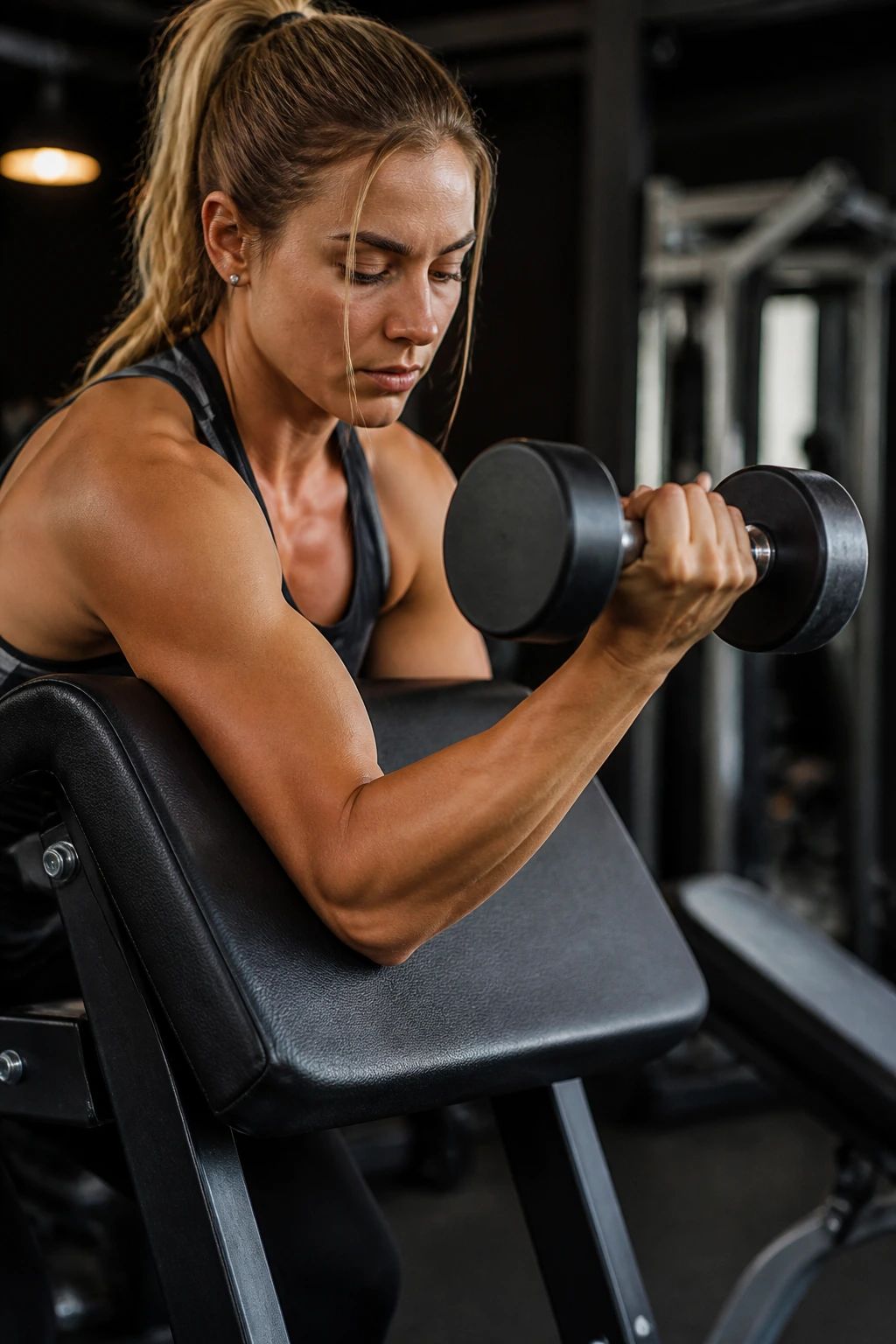
Preacher curls force honesty. There’s nowhere to hide, because the arm support takes away most of the cheating that people use on free-standing curls. That’s why they burn so hard when done right.
The pad should support your upper arms while the elbow stays fixed in place. Start with a weight you can lower cleanly all the way down without bouncing off the bottom. That bottom bounce is where elbows get cranky and form gets lazy.
Use 3 sets of 8 to 10 reps and stop one rep before form starts to break. If the last inch of the curl turns into a shrug, the dumbbell or bar is too heavy for the day. Preacher curls reward patience more than bravado.
21. Cable Curl
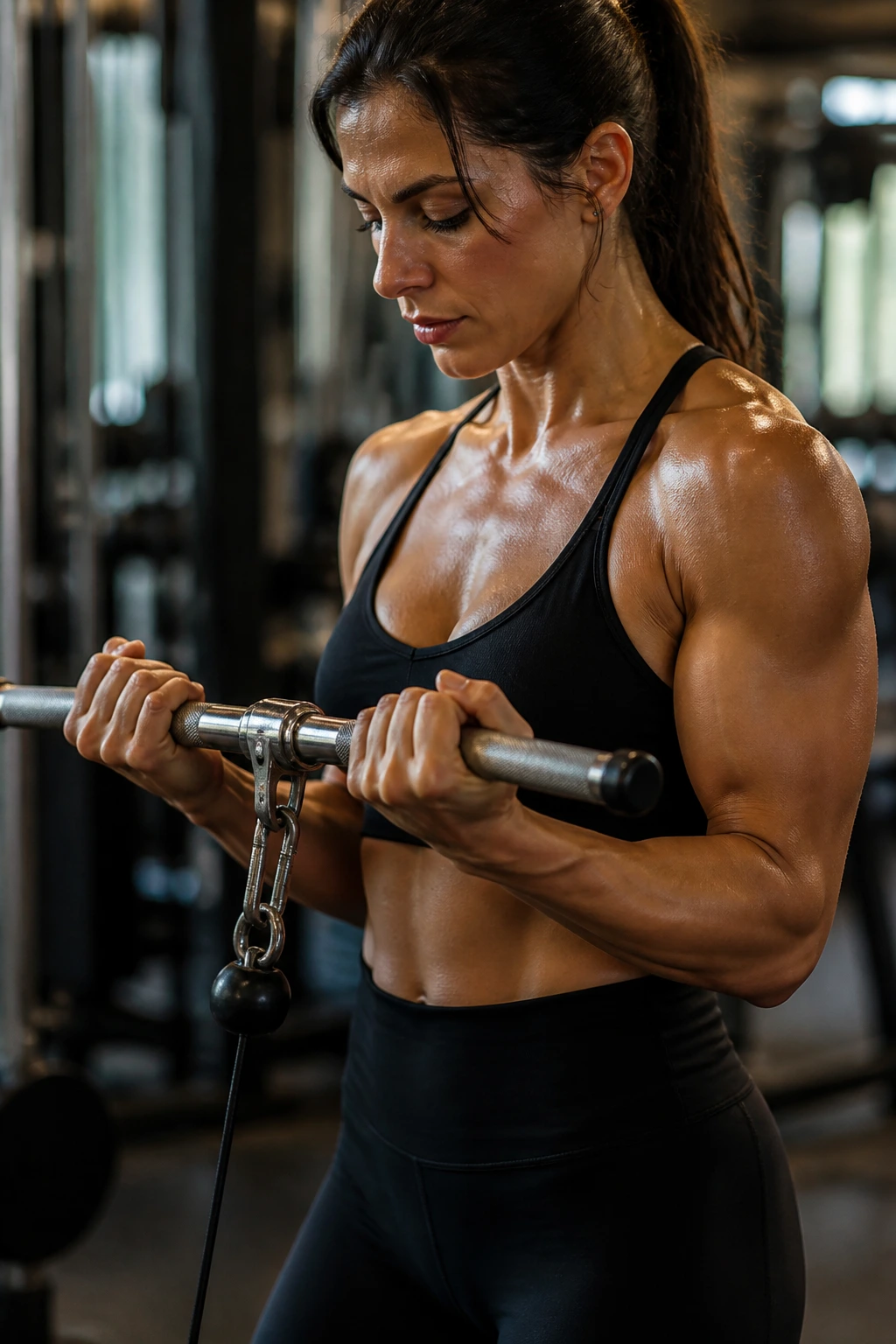
A cable curl keeps tension on the biceps through the whole range, which is the big reason people like it. Free weights get easier at the top and bottom; cables don’t. That steady pull can make a set feel cleaner and more controlled.
The handle can be a straight bar, rope, or even a single D-handle if you want to work one arm at a time. Keep the elbows pinned close to the sides and do not let the shoulders creep forward to help out. That tiny cheat kills the tension.
How to Get the Most From It
- Use 3 sets of 12 to 15 reps.
- Squeeze hard at the top for one count.
- Lower slowly for 2 to 3 seconds.
- Keep the torso tall.
Cable curls are not flashy. They work anyway.
22. Concentration Curl
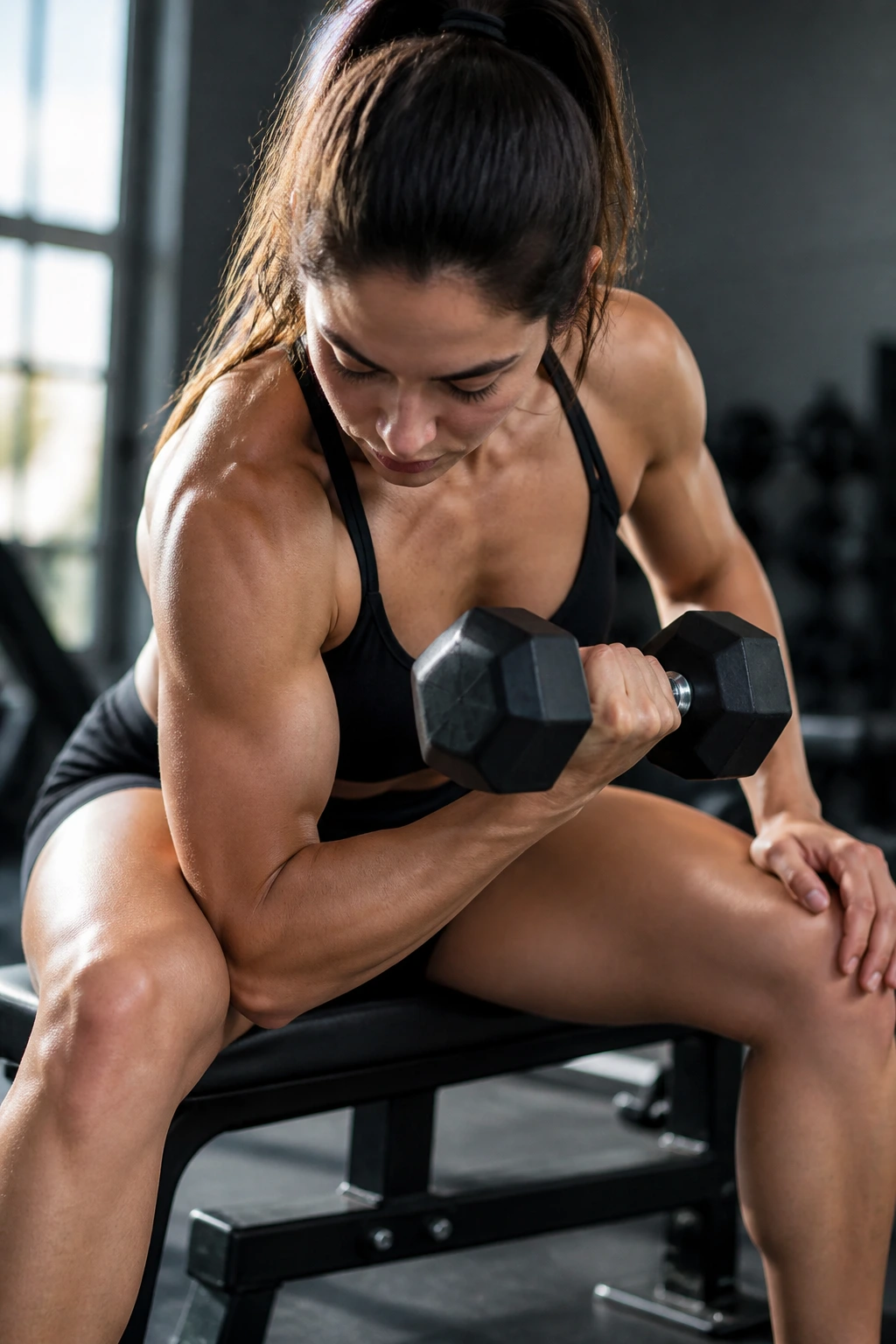
A concentration curl is a finish-your-work kind of move. One elbow braces against the inner thigh, the arm curls in a tight path, and the biceps get a chance to contract without a lot of interference from the rest of the body.
The best part is how obvious the rep feels. You can see whether the curl is clean, and you can feel when the squeeze is real. That makes this a useful choice after heavier pulling or if you want to end a session with something controlled and simple.
What to Focus On
- Use 3 sets of 10 to 12 reps per arm.
- Keep the torso still.
- Turn the palm up as you curl.
- Lower slowly and keep the elbow planted.
It is not the most glamorous exercise on the list. It is, however, one of the easiest to do correctly once you slow down.
23. Zottman Curl
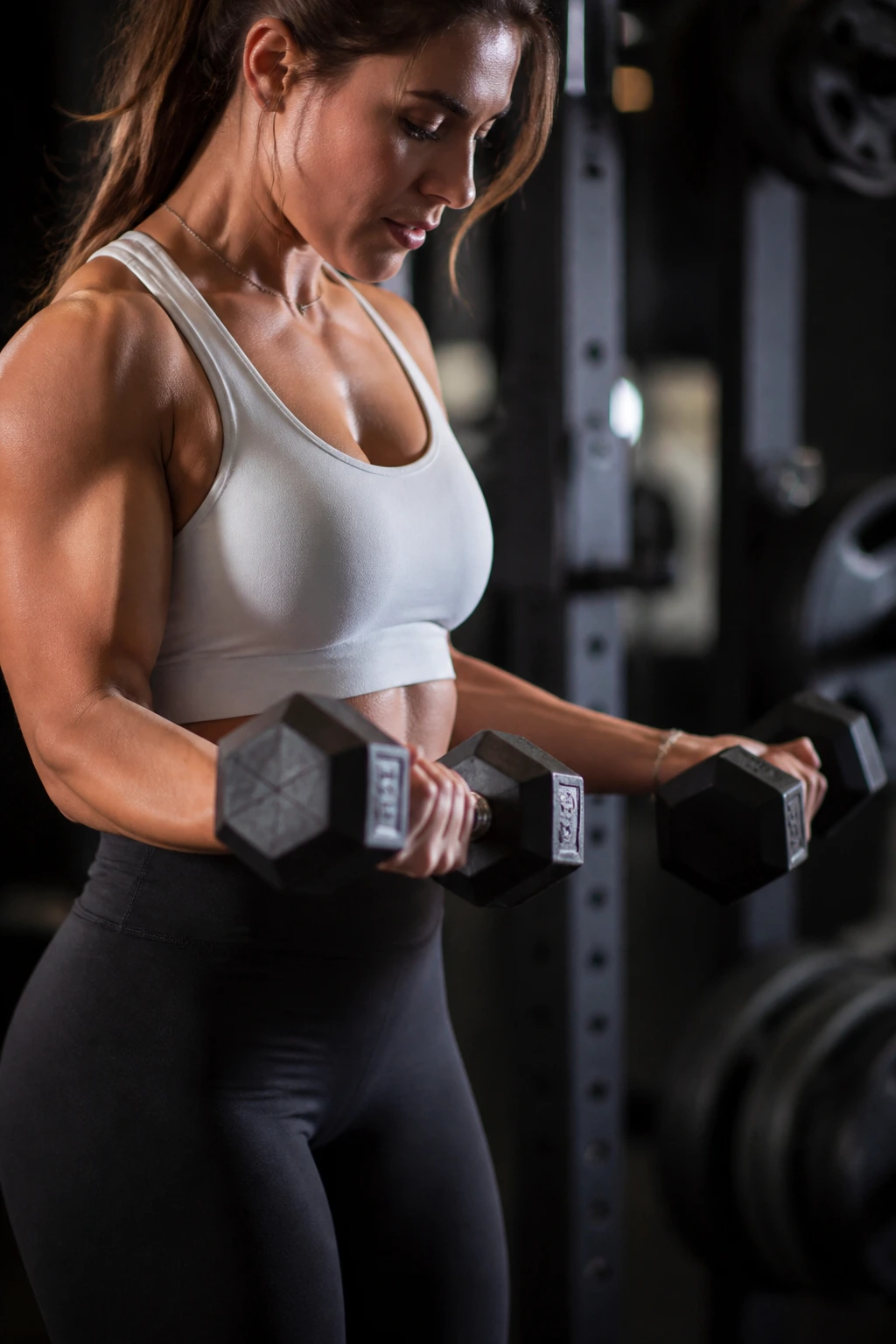
A Zottman curl does two jobs in one rep: the way up looks like a regular curl, and the way down hits the forearms with a pronated grip. That combination gives you biceps work plus grip and forearm work without adding another exercise.
The key is control. Curl up with palms facing you, rotate at the top, then lower with palms facing down. That eccentric phase is where the forearms start to complain, which is the whole reason the exercise exists. Use lighter dumbbells than you’d grab for hammer curls.
Use 3 sets of 8 to 10 reps. If the wrist rotation feels sloppy, cut the load. A cleaner Zottman curl beats a heavy mess every time.
24. Drag Curl
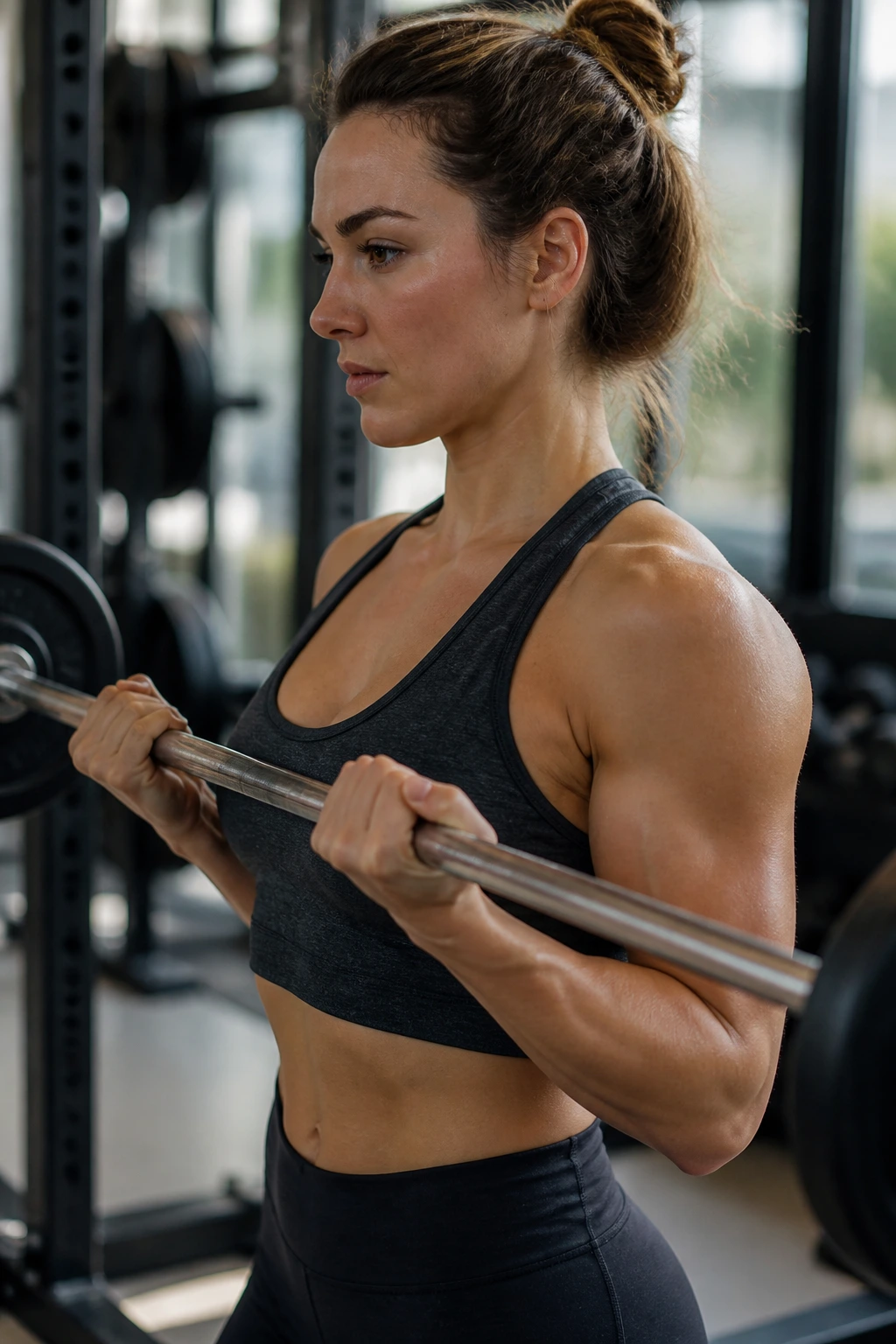
A drag curl looks odd the first time you see it, but the mechanics make sense fast. Instead of swinging the elbows forward like a standard curl, you drag the bar or dumbbells up along the torso while the elbows move back. That changes the leverage and keeps the biceps under a slightly different kind of tension.
Why It Stands Out
Compared with a regular curl, a drag curl reduces the urge to turn the rep into a shoulder lift. The movement feels shorter and stricter, and that is exactly why it can light up the biceps so well.
- Use 3 sets of 8 to 12 reps.
- Keep the bar close to the body.
- Let the elbows travel back, not forward.
- Stop before the shoulders start helping.
If you want a curl variation that feels strict without being fussy, this is the one I keep in the toolbox.
25. Back-and-Biceps Giant Set
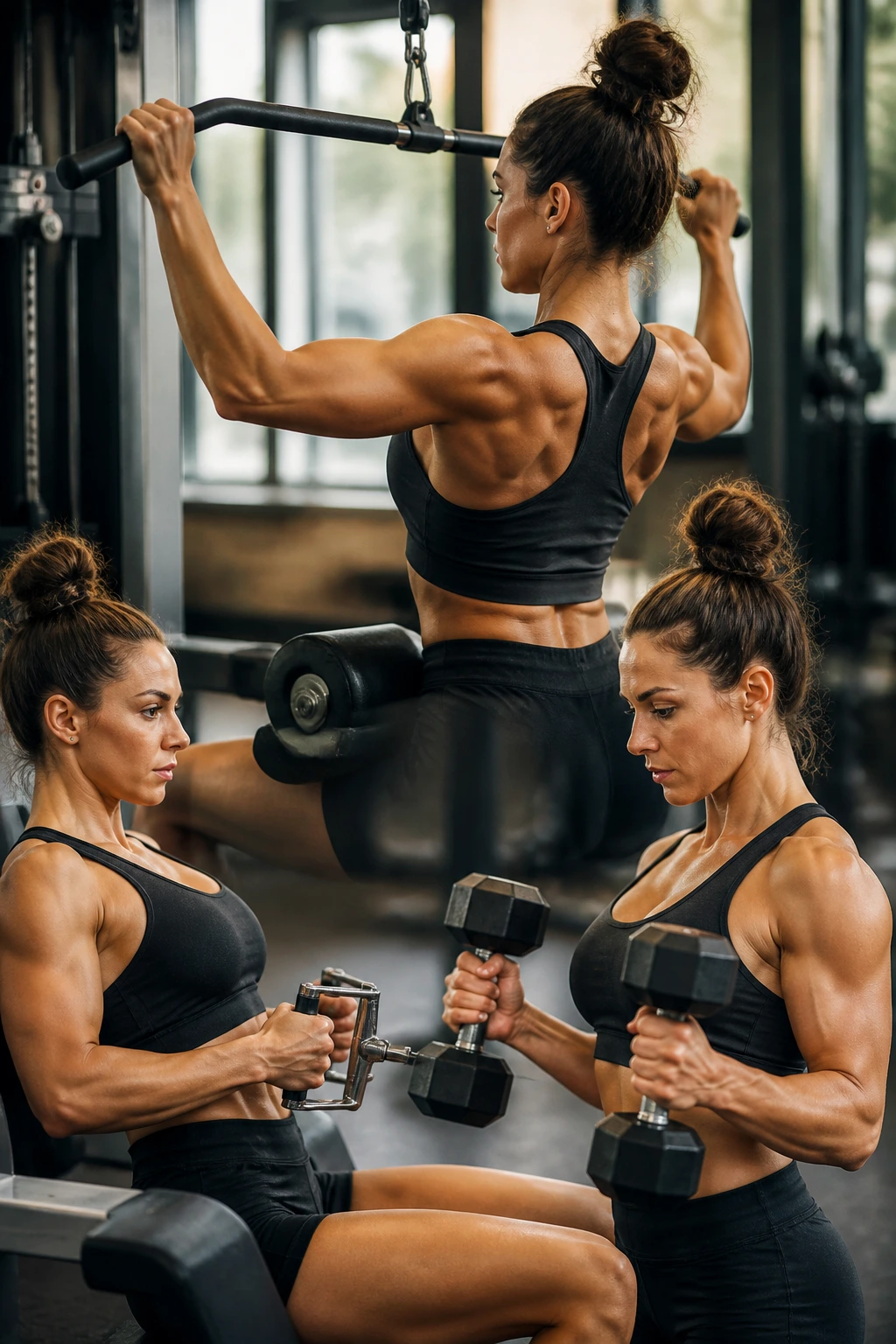
A giant set is a smart way to tie the whole pulling day together when you want one workout that feels complete without dragging on forever. I like using one vertical pull, one horizontal pull, and one curl in a row, then resting and repeating. That gives the lats, upper back, and biceps a neat little reminder that they are supposed to work together.
Here’s a solid version: lat pulldown, seated cable row, and hammer curl. Do each for 10 reps, move from one to the next with only 15 to 30 seconds between exercises, then rest 90 seconds after the third move. Run 3 rounds. Keep the weights moderate enough that the last round stays clean.
Why I Like This Finish
You get back volume, arm volume, and a small conditioning hit without turning the session into chaos. It also teaches you something useful: if your biceps are dying before your back is finished, the load is probably too heavy or your form is too loose.
A lot of back and bicep workouts for women work best when they end this way — not with random extra sets, but with a tight little block that leaves you tired in the right places and still moving well.
