



A tight core isn’t built by smashing endless crunches until your neck is sore. The ab workouts that matter most teach your torso to resist motion, brace hard, and keep your pelvis and ribs from drifting out of line when you move.
That shows up everywhere. Deadlifts feel cleaner. Carries stop wobbling. Even a long walk feels better when your midsection isn’t flopping around like an afterthought.
Some people need more flexion work, like crunches and reverse crunches. Others need anti-extension drills, anti-rotation drills, and loaded carries, because a strong midsection does more than help your shirt fit a little better. It keeps your lower back from doing a job it never asked for.
The mix below covers floor work, hanging work, weighted work, and a few moves that don’t look flashy at all. Good. Those are the ones that usually earn their place.
1. Dead Bug
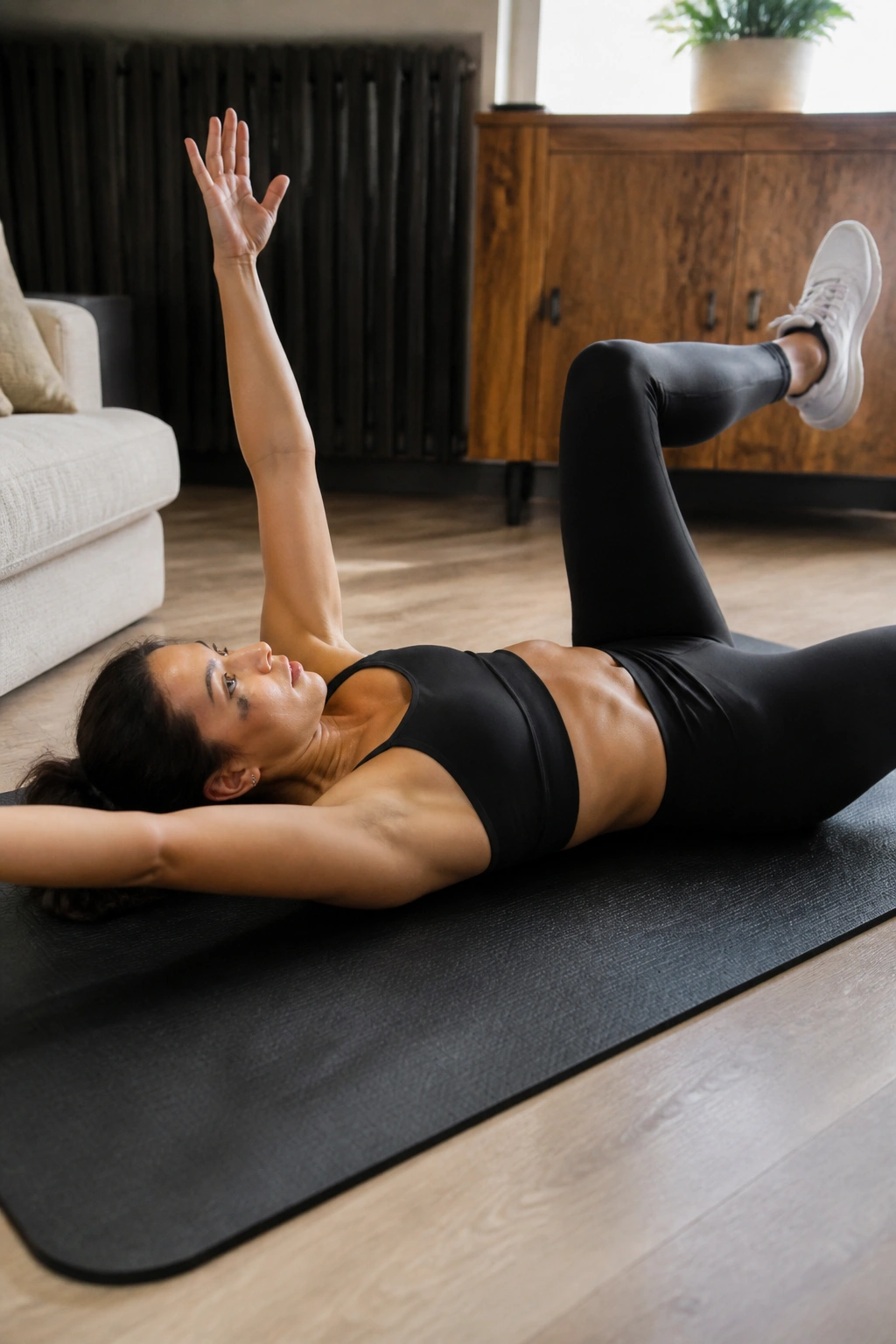
The dead bug looks too easy until you do it slowly and realize your low back wants to pop off the floor. That’s the point. This drill teaches you to hold a braced position while your arms and legs move in opposite directions, which is a fancy way of saying it teaches control.
What to focus on: keep your lower back gently pressed into the floor, exhale as the leg extends, and move only as far as you can without losing that contact.
- 2 to 4 sets of 6 to 10 reps per side
- Use a slow 3-second reach on each rep
- Stop the set the moment your ribs flare
Best cue: imagine you’re flattening your waistband into the floor without crushing your breath. That little bit of pressure makes the move work.
2. Forearm Plank
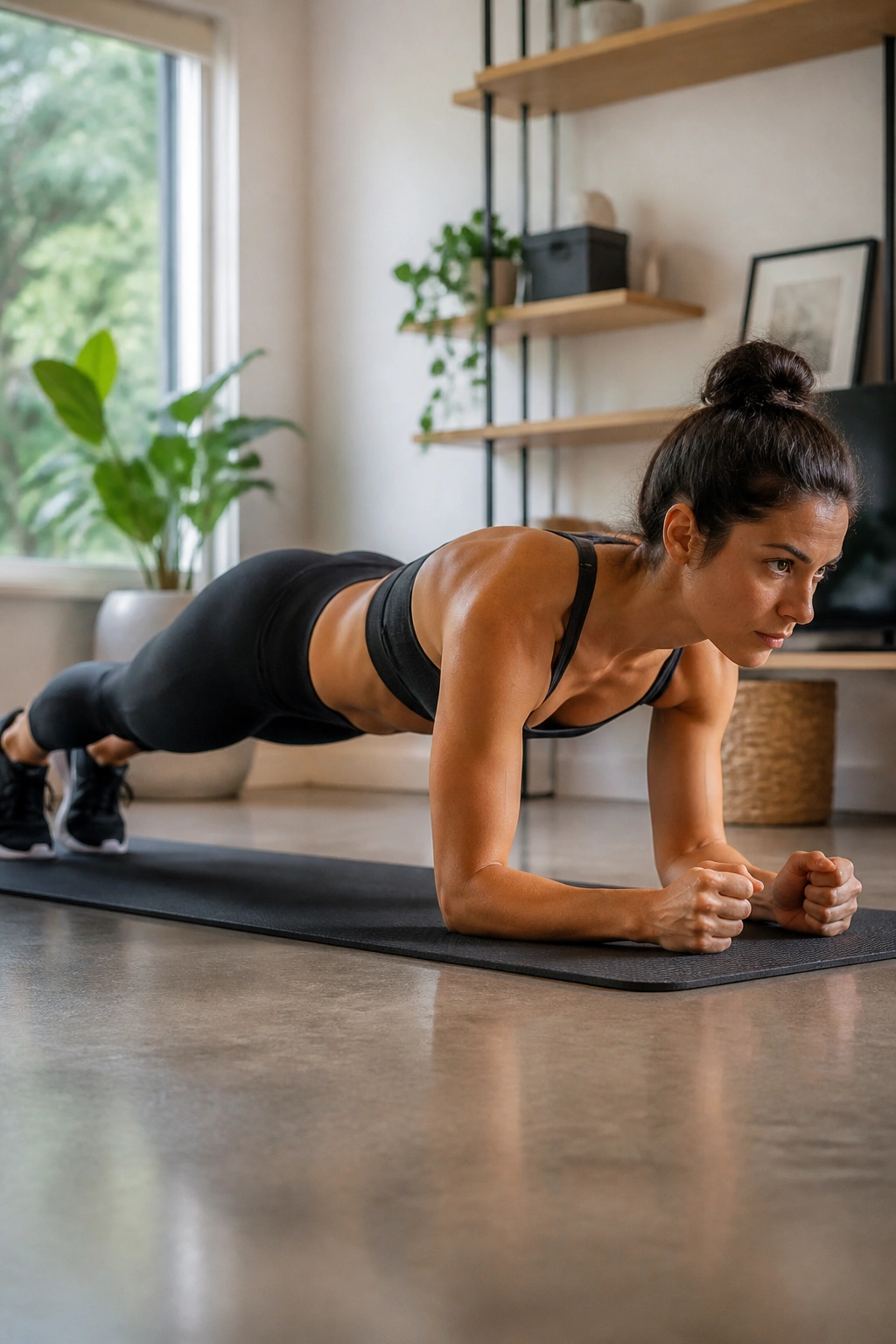
Can a plank be boring and useful at the same time? Absolutely. The forearm plank is still one of the cleanest ways to train anti-extension, which means your abs learn to stop your lower back from sagging when fatigue shows up.
The trick is not to “hold a plank.” The trick is to build a hard, steady line from head to heels. Squeeze your glutes, pull your elbows toward your toes without actually moving them, and keep your ribs tucked.
Start with 20 to 30 seconds if your form fades fast. A sloppy 90-second plank is usually less useful than three crisp 25-second holds.
3. Side Plank
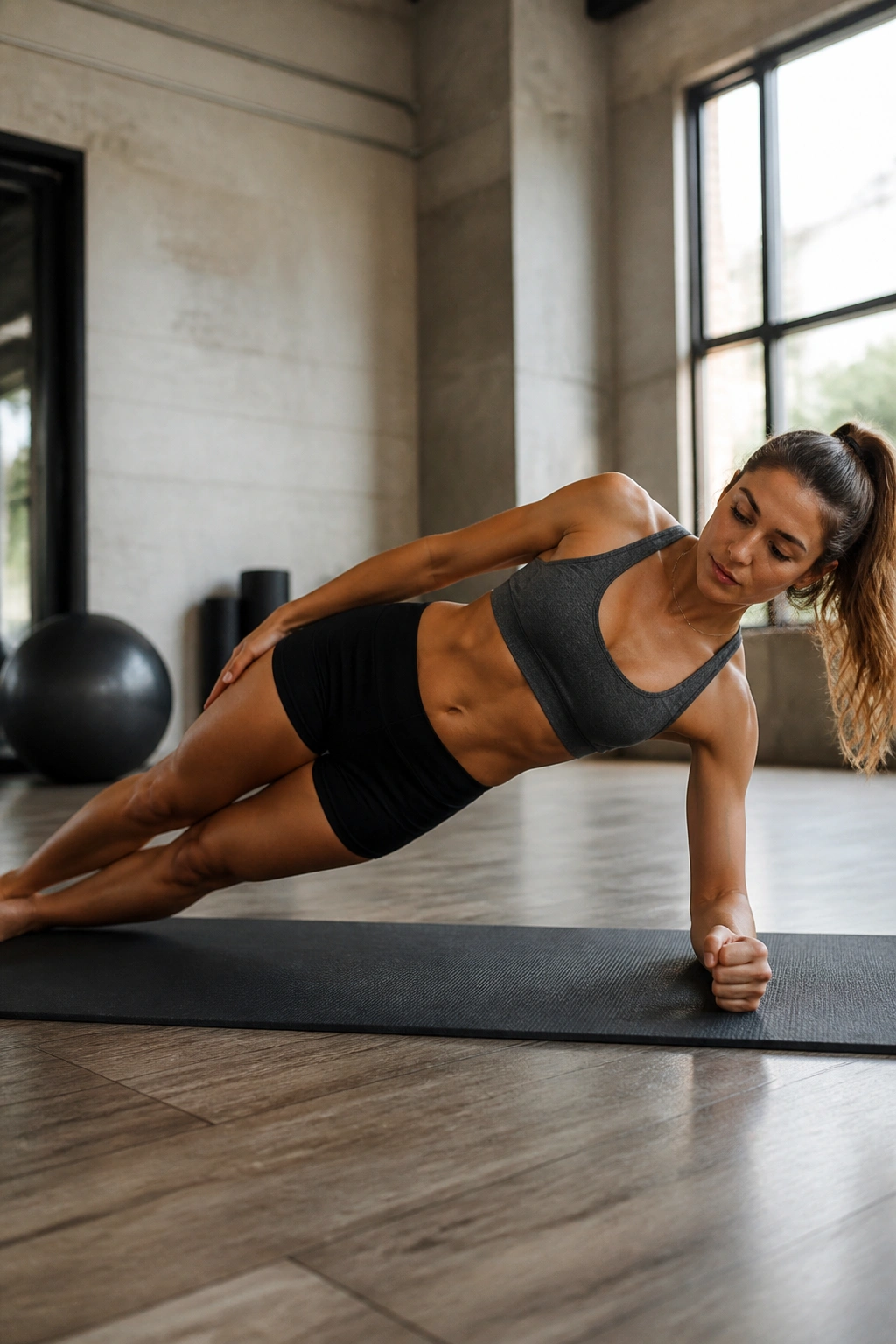
A front plank gets the spotlight, but the side plank does some of the gritty work people often miss. It hits the obliques, yes, but it also wakes up the glute medius and teaches your body to stay stacked instead of tipping to one side.
Why It Earns Its Spot
This move is one of the best tests of side-to-side control. If your shoulder collapses or your hip drifts backward, the whole chain gets messy. Keep your feet stacked or staggered, press the floor away, and think about lifting your bottom rib toward your top hip.
Start with 15 to 25 seconds per side. If that feels easy, raise the top leg or add a reach-through.
A tiny bend in the knees can make the first version more honest. Fancy is not the goal here.
4. Reverse Crunch
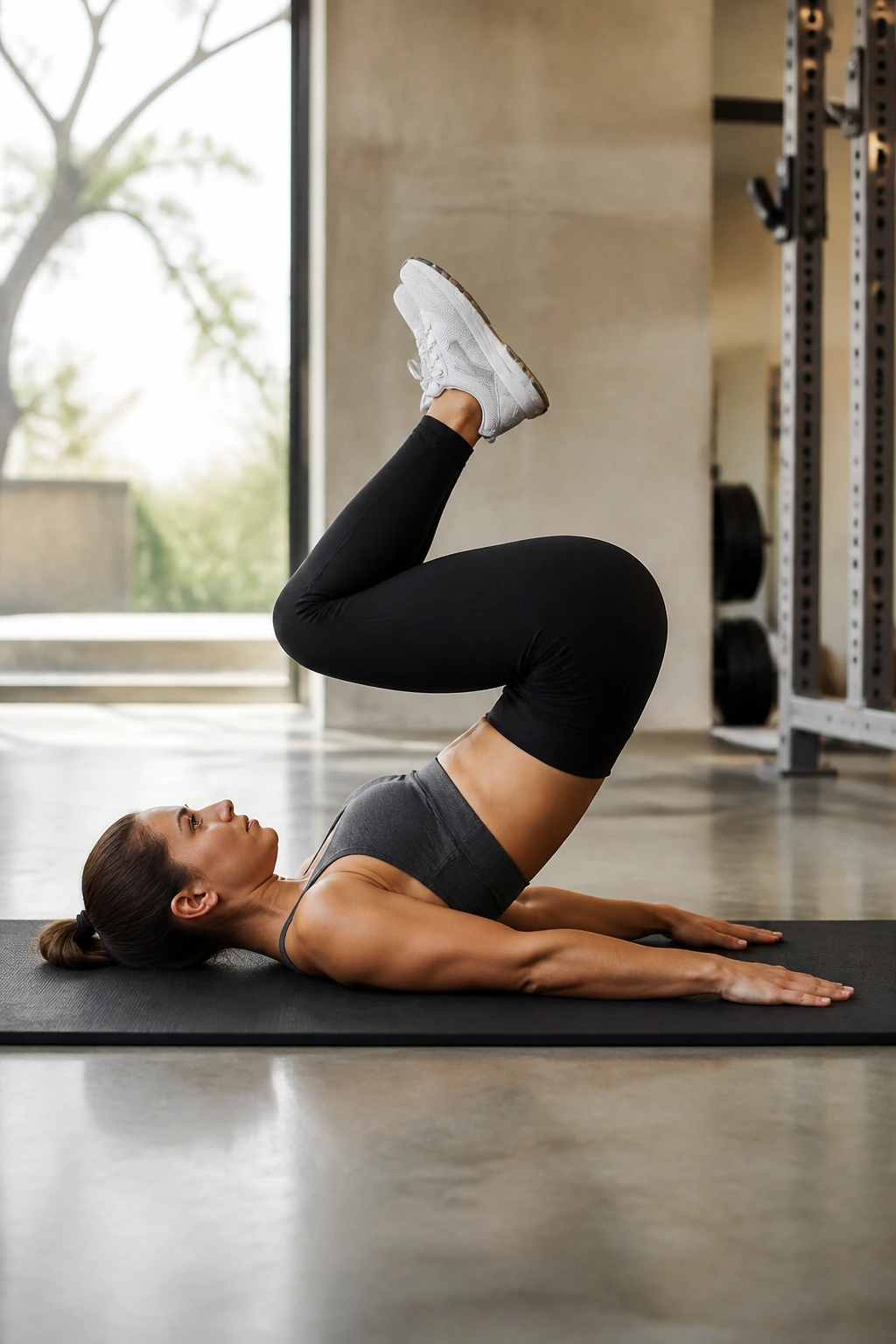
The reverse crunch is one of those ab workouts that looks tame on paper and then lights up the lower abs when done right. The important part is the curl of the pelvis, not the swing of the legs.
You want to bring your knees toward your chest, then tip your tailbone up so the hips leave the floor a little. That small lift matters more than a huge fling. If your momentum carries the rep, the abs don’t get much of the work.
Try 8 to 15 reps for 2 to 4 sets. Slow down on the way down. That lowering phase is where a lot of the work hides.
5. Bicycle Crunch
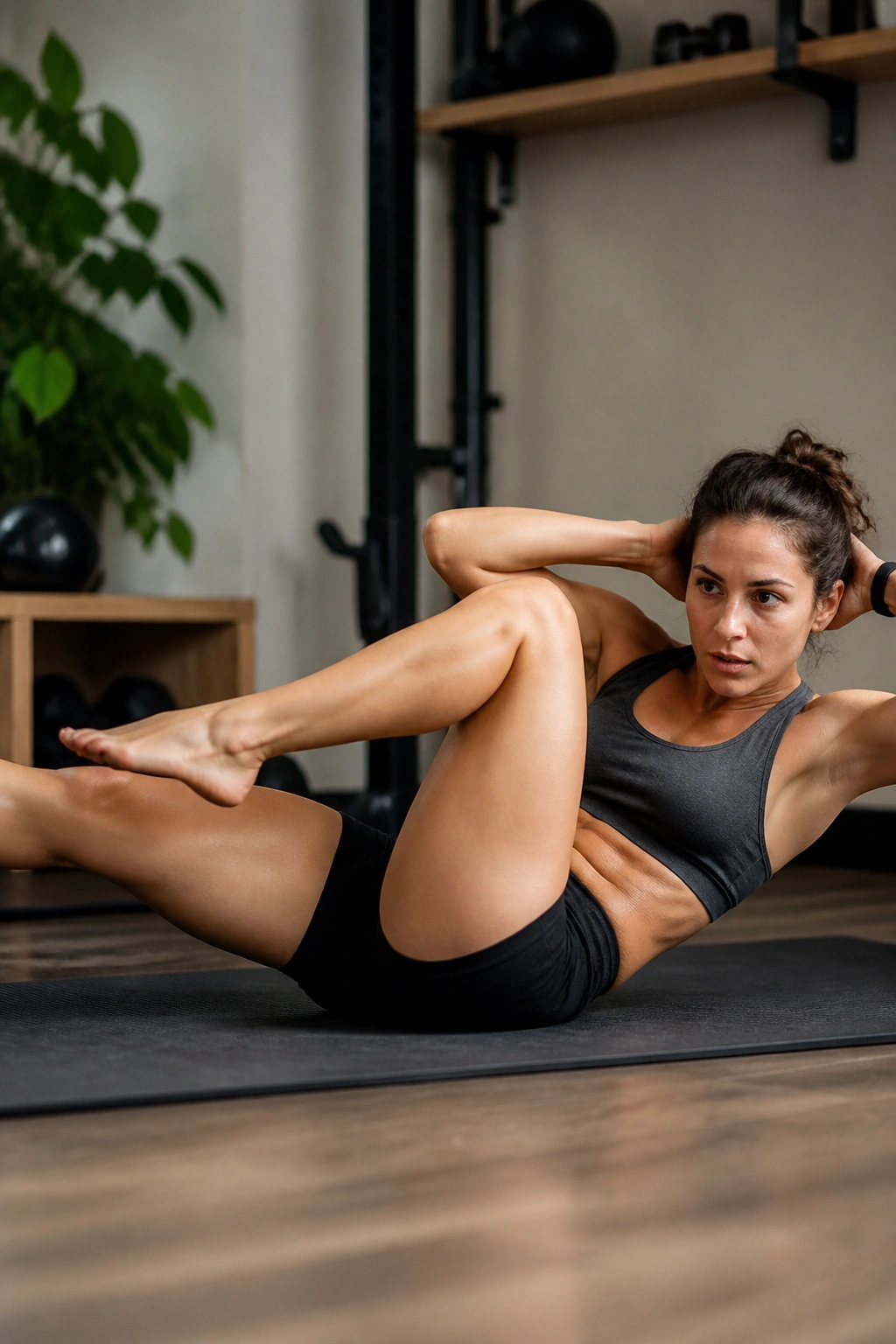
People rush bicycle crunches so badly that they turn them into a neck-and-hip flexor circus. Done properly, they’re a strong oblique drill with a little spinal rotation baked in.
What Makes It Different
The key is the twist through the torso, not the elbow-to-knee scramble. Reach one shoulder blade off the floor, rotate through the ribs, and keep the opposite leg long enough to matter. If you move too fast, the legs start steering and the abs lose the job.
A controlled set of 10 to 20 reps per side usually tells you more than a wild 50-rep burn. Burn is cheap. Control is better.
Do this: pause for half a second on each side and actually feel the twist before switching.
6. Hollow Body Hold
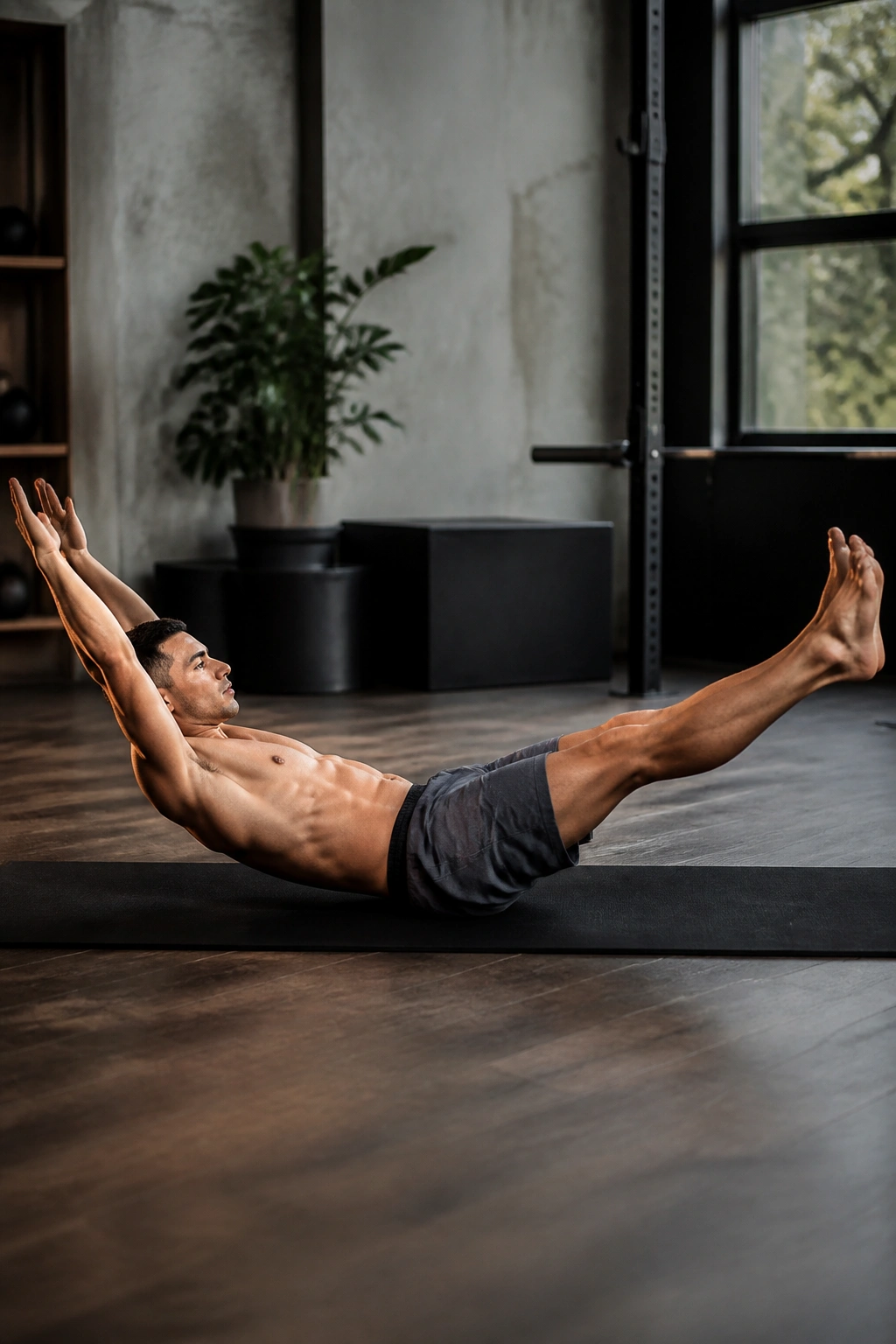
The hollow body hold is a gymnast-style core drill, and it earns respect fast. Your lower back stays pinned to the floor while your shoulders and legs hover, which makes the abs work hard without much room to cheat.
Can you make it easier? Yes. Bend the knees. Keep the arms overhead only if your ribs can stay down. The goal is a long, tight shape, not a heroic low back arch.
Hold for 10 to 30 seconds at first. If the hold gets shaky, shorten it. A shorter hold with clean form beats a longer hold that turns into a backbend.
7. Hanging Knee Raise
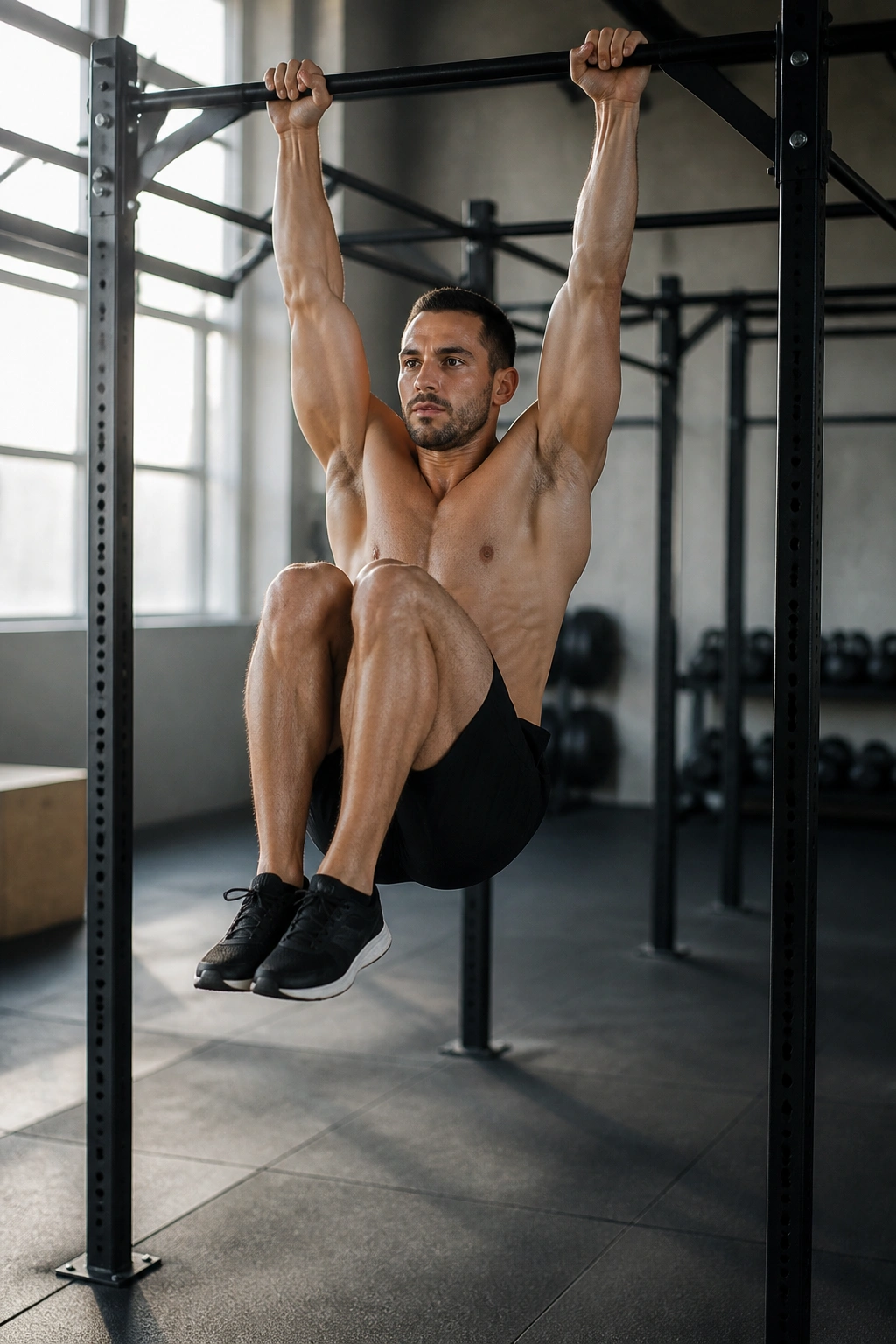
The first thing you notice on hanging knee raises is the swing. The second is how much better the move feels once you kill that swing and let the abs do the lifting.
Grip the bar, set your shoulders down, and bring the knees upward with a small pelvic tuck at the top. Don’t just drag the thighs up and call it a day. The curl matters.
- 3 sets of 6 to 12 reps
- Pause at the top for 1 second
- Lower under control instead of dropping
If your hands slip or your shoulders shrug hard, you’ll turn it into a grip exercise by accident. Fine if that’s your plan. Not so fine if you wanted your abs to do the work.
8. Hanging Leg Raise
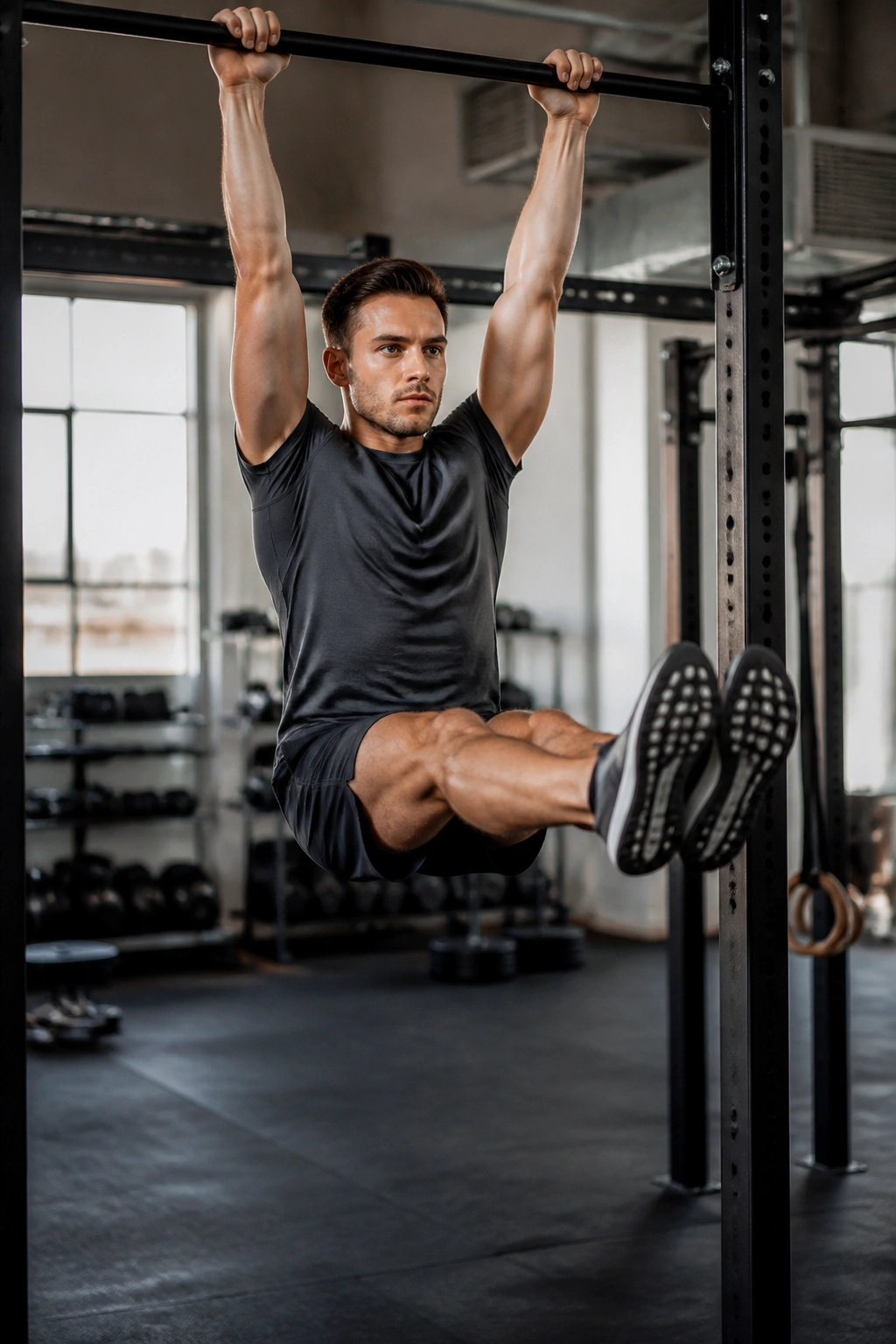
Straight-leg raises are a harsher version of the knee raise, and they’ll tell the truth about your core strength fast. They also expose tight hamstrings, weak hip control, and sloppy bracing in one go.
That isn’t a bad thing. It just means you need to respect the progression. Keep the legs slightly bent if straight legs cause your back to arch or your body to swing. Bring the legs up only as high as you can without losing control at the bottom.
This is one of those moves where fewer clean reps matter more than a long ugly set. Five to eight strong reps can be plenty.
9. Ab Wheel Rollout
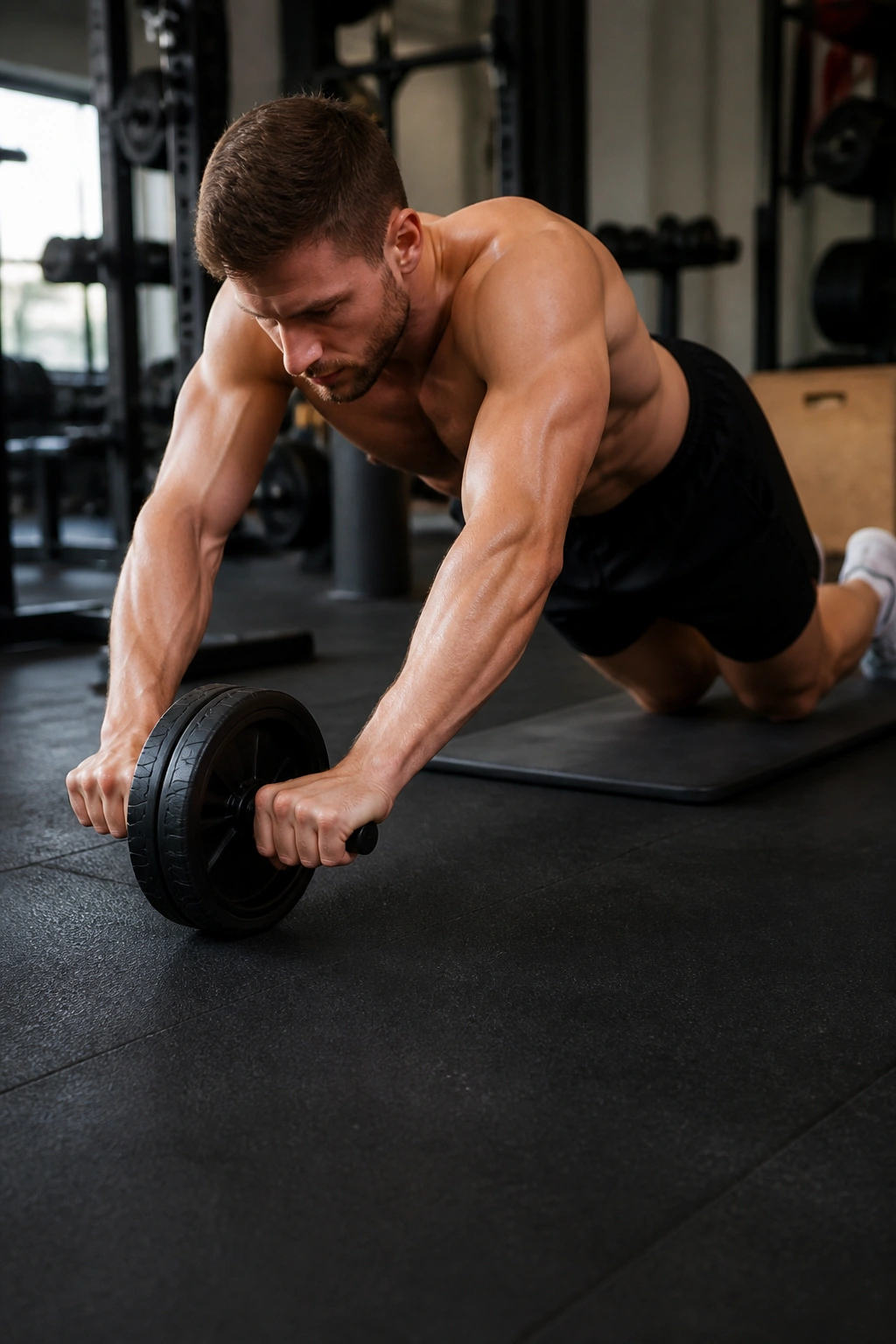
A lot of people find the ab wheel rollout on the floor and then discover they were not quite ready for it. Fair enough. It’s one of the hardest anti-extension exercises in the room because your arms extend while your torso fights to stay stacked.
How to Keep It Honest
Start on your knees and roll forward only a few inches if needed. Keep the ribs pulled down, squeeze the glutes, and think about moving your whole body as one unit. If your lower back caves, the range is too long.
- Begin with 2 to 3 sets of 4 to 8 reps
- Use a short range before chasing distance
- Exhale on the rollout, not at the bottom
I like this move more than most people do because it forces you to earn every inch. No drama. Just work.
10. Cable Crunch
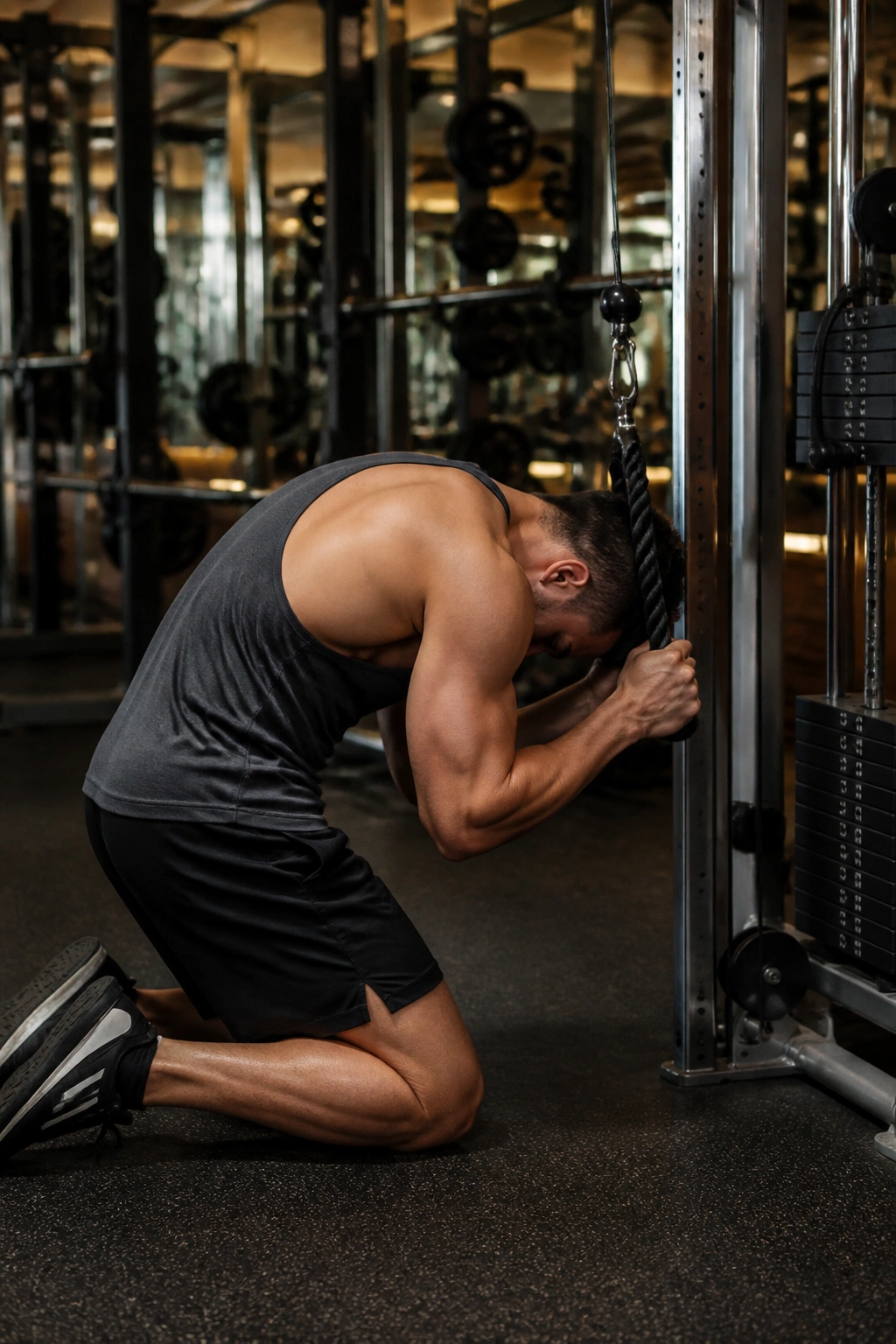
Weighted spinal flexion has its place, and the kneeling cable crunch is one of the cleaner ways to load the abs directly. This is not a neck pull or a hip hinge. It’s a curl from the ribs down.
Set the rope high, kneel a step or two back, and round your upper spine while keeping your hips mostly still. The weight should help you fold, not yank you downward. If your hips travel back to cheat the rep, the stack is wrong.
Use 8 to 15 reps with a load that lets you pause briefly at the bottom. That little pause is where the abs stop pretending and start working.
11. Pallof Press
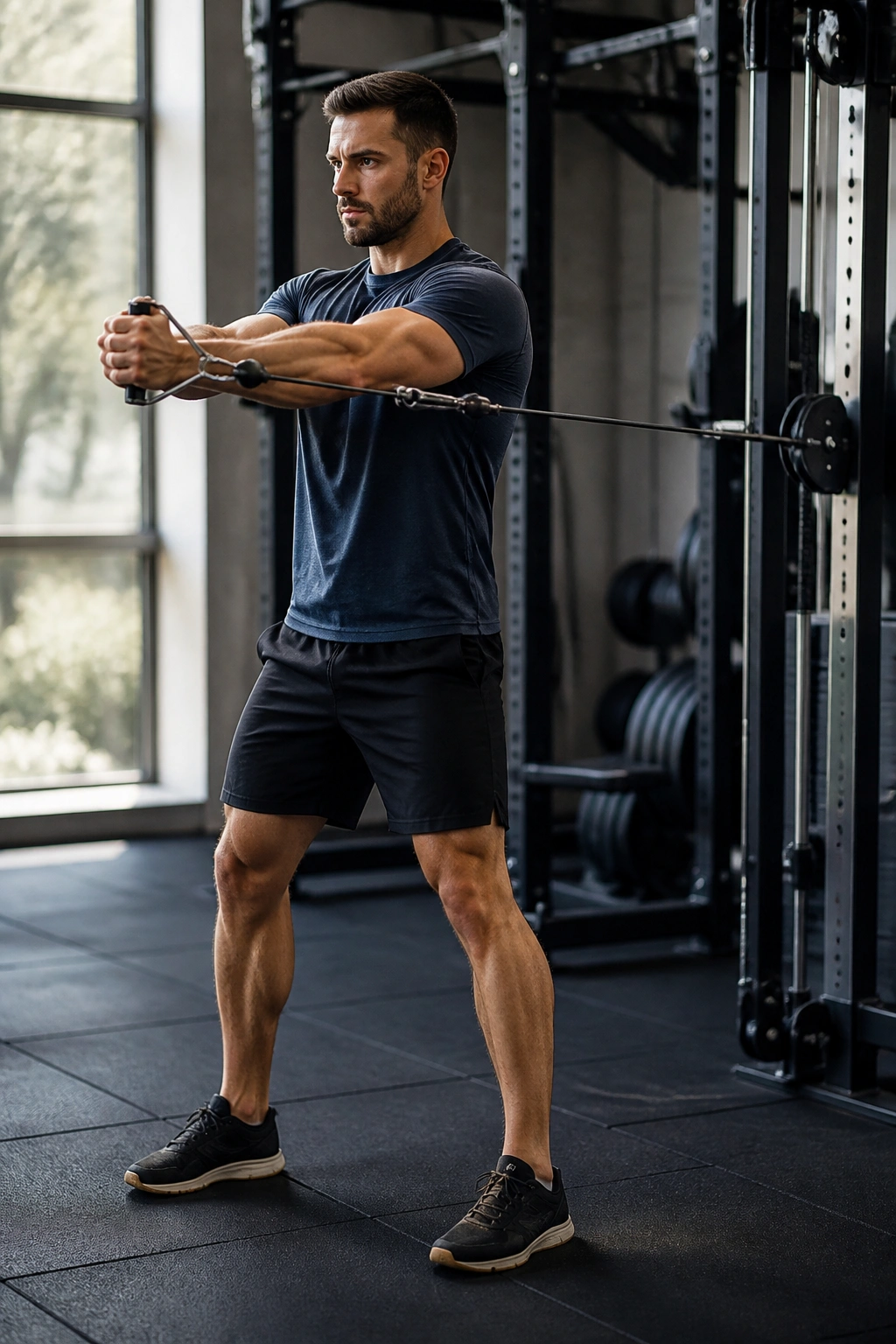
Why does a move where you barely move your body count as an ab workout? Because the Pallof press trains anti-rotation, which is one of the most useful jobs your core does in real life.
Stand sideways to a cable or band, press the handle straight out from your chest, and resist the twist trying to pull you toward the anchor point. Your feet stay rooted. Your hips stay quiet. Your torso does the refusing.
- 2 to 4 sets of 8 to 12 presses per side
- Or hold each rep for 10 to 20 seconds
- Keep the chin level and ribs stacked
If you have only one “quiet core” drill in your plan, this is a strong candidate.
12. Mountain Climber
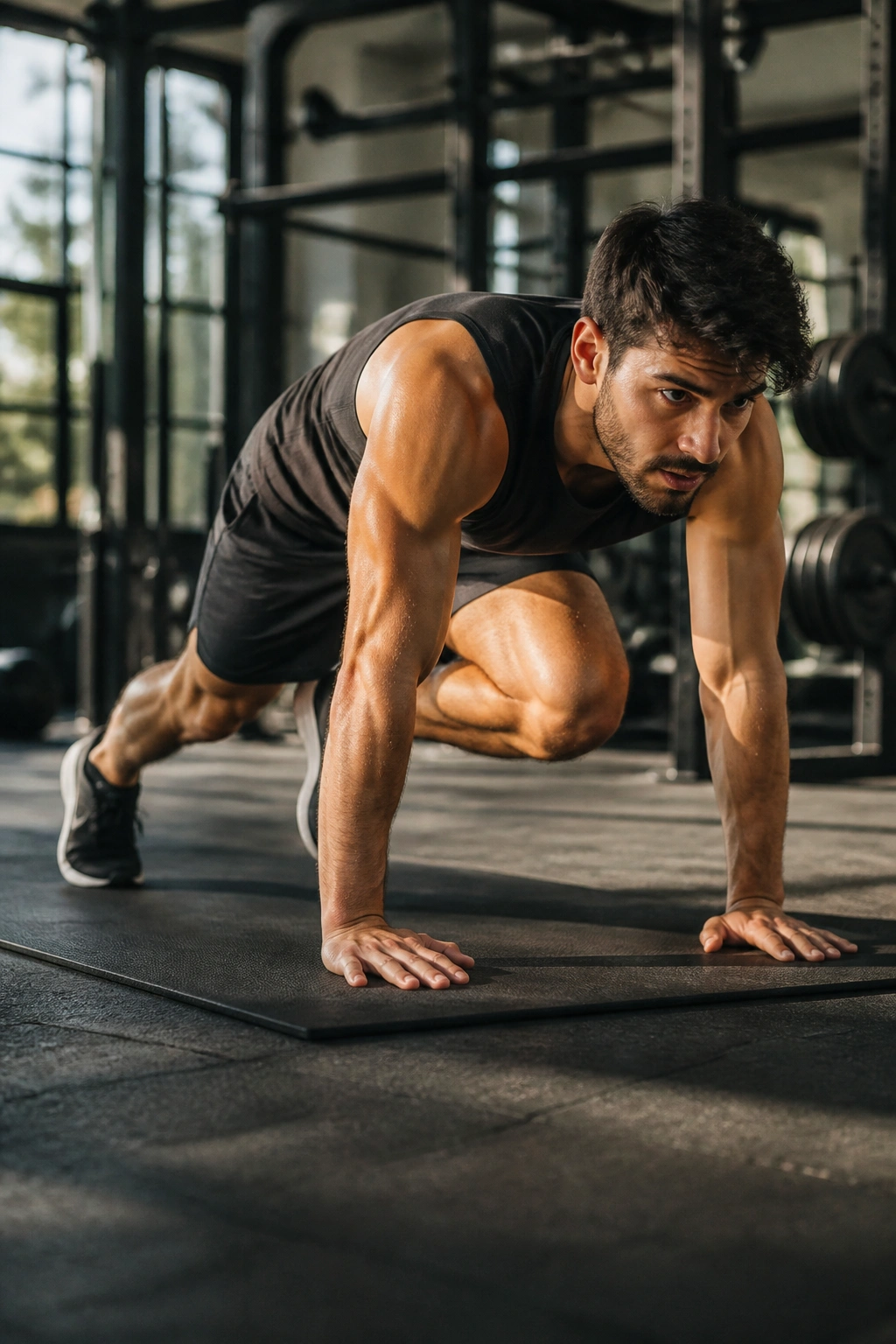
Mountain climbers can be a sloppy cardio move or a sharp core drill. The difference is pace. Fast and wild turns them into noise. Slow and controlled turns them into a brutal brace test.
What to Watch For
Keep the shoulders over the hands, draw one knee toward the chest, and stop the hips from rocking side to side. A small, deliberate knee drive is enough. You do not need to sprint to feel your midsection light up.
- 20 to 40 seconds per set
- Rest 30 to 45 seconds
- Stay low in the hips
If your back feels it more than your abs do, slow the tempo and shorten the range. The move gets better almost immediately when you clean it up.
13. Toe Touch Crunch
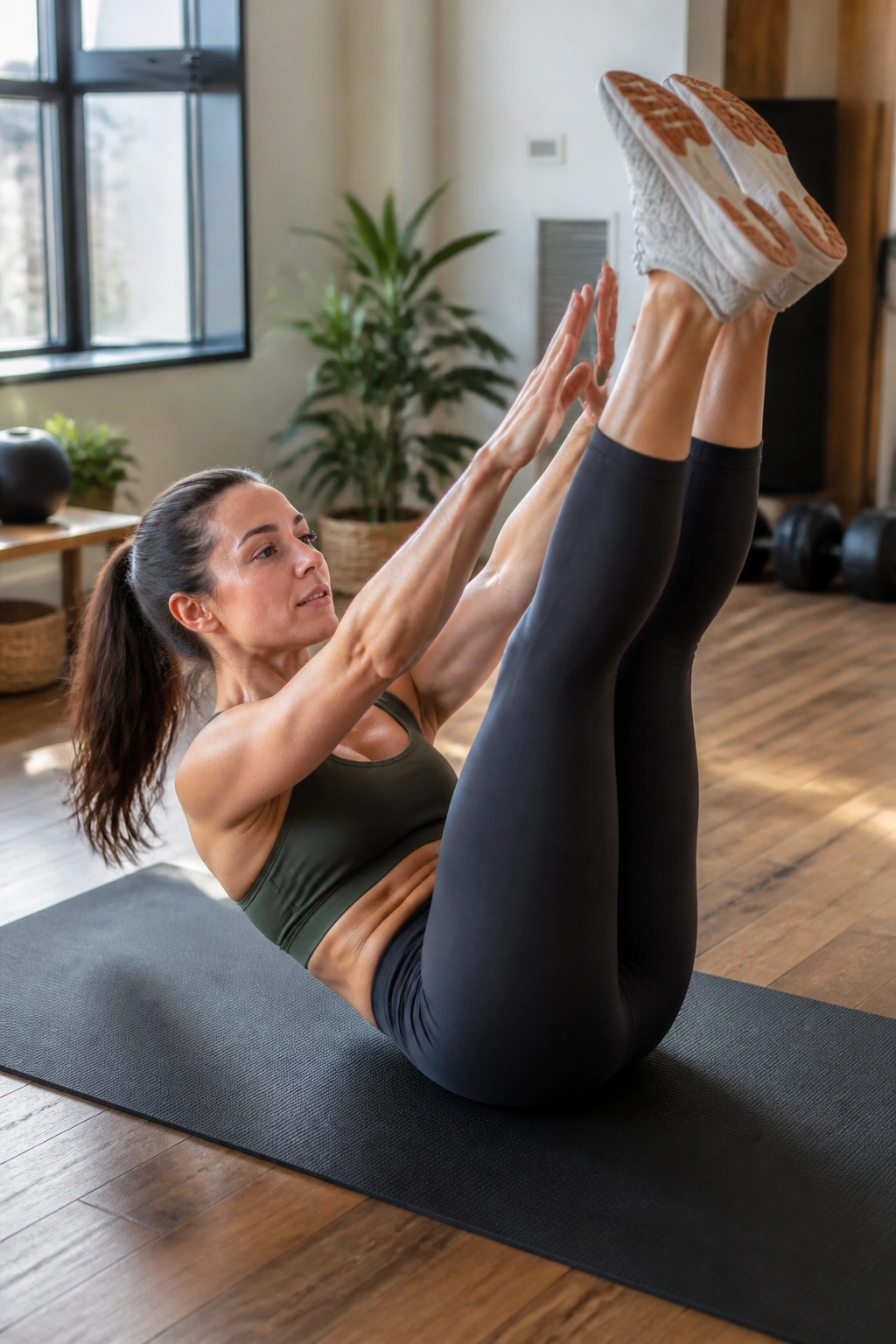
The toe touch crunch is simple, old-school, and still useful when done with discipline. It hits the upper abs hard, especially when you keep the movement crisp instead of flinging your arms toward the ceiling.
Lie on your back, legs up, and reach toward your toes by curling your shoulder blades off the floor. The legs can stay straight or slightly bent. What matters is the rib cage curling upward without the neck doing extra work.
A lot of people try to touch their toes and end up jerking through the hips. Skip that. Reach high, not wildly, and let the abs do the shortening.
14. Russian Twist
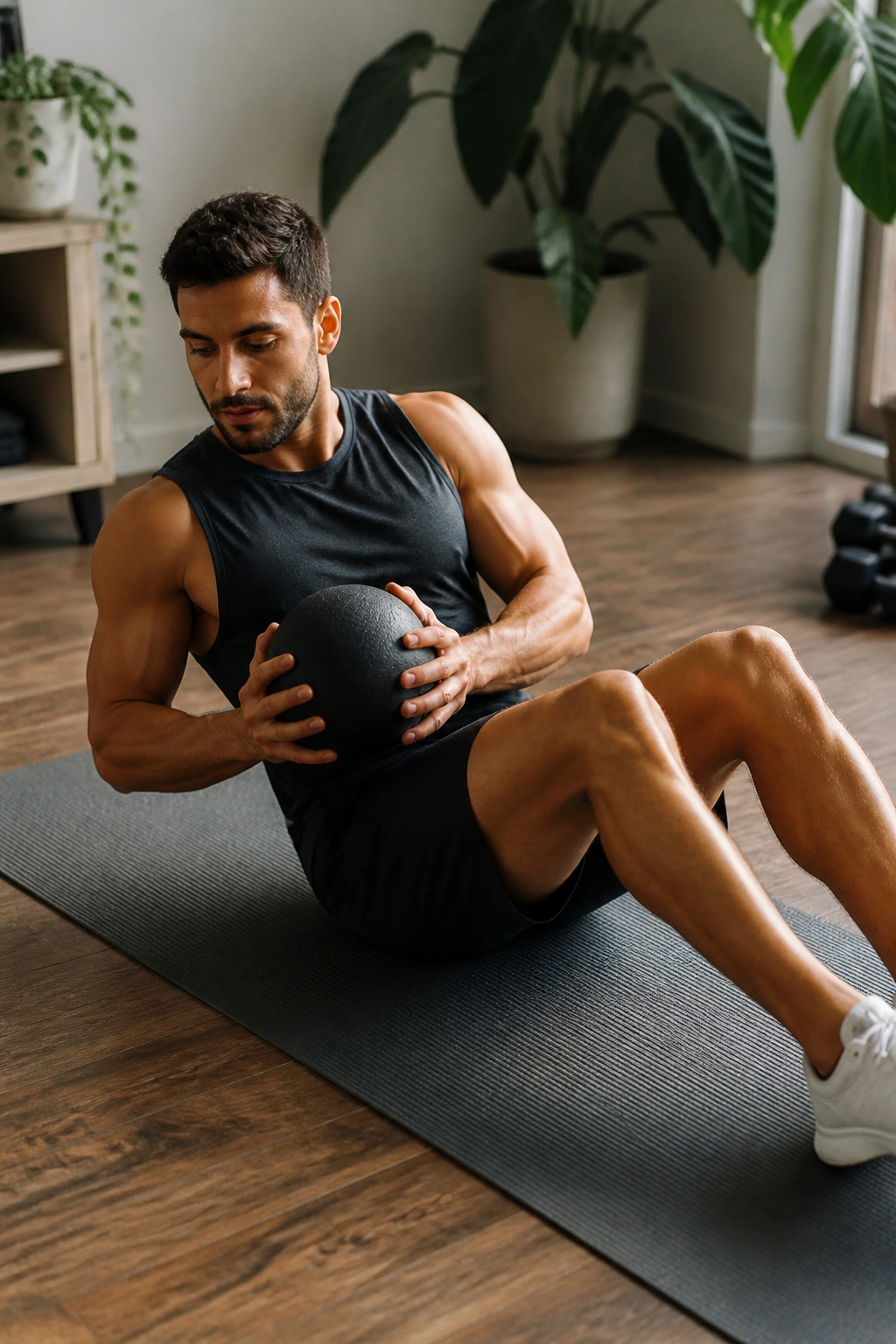
Russian twists are overused, underused, and often done badly all at once. The move itself is fine. The sloppy version is what gets people in trouble.
A Better Way to Think About It
Rotate through the torso, not just the arms. Keep the chest proud, lean back only as far as you can control, and move the hands as a unit from side to side. If your spine rounds and the motion turns into a fling, the abs stop leading.
A lighter medicine ball or plate is usually enough. Heavy twisting gets ugly fast.
Who it suits: people who want oblique work and can keep the movement slow.
Who should wait: anyone whose lower back starts talking back during rotation.
15. Flutter Kicks
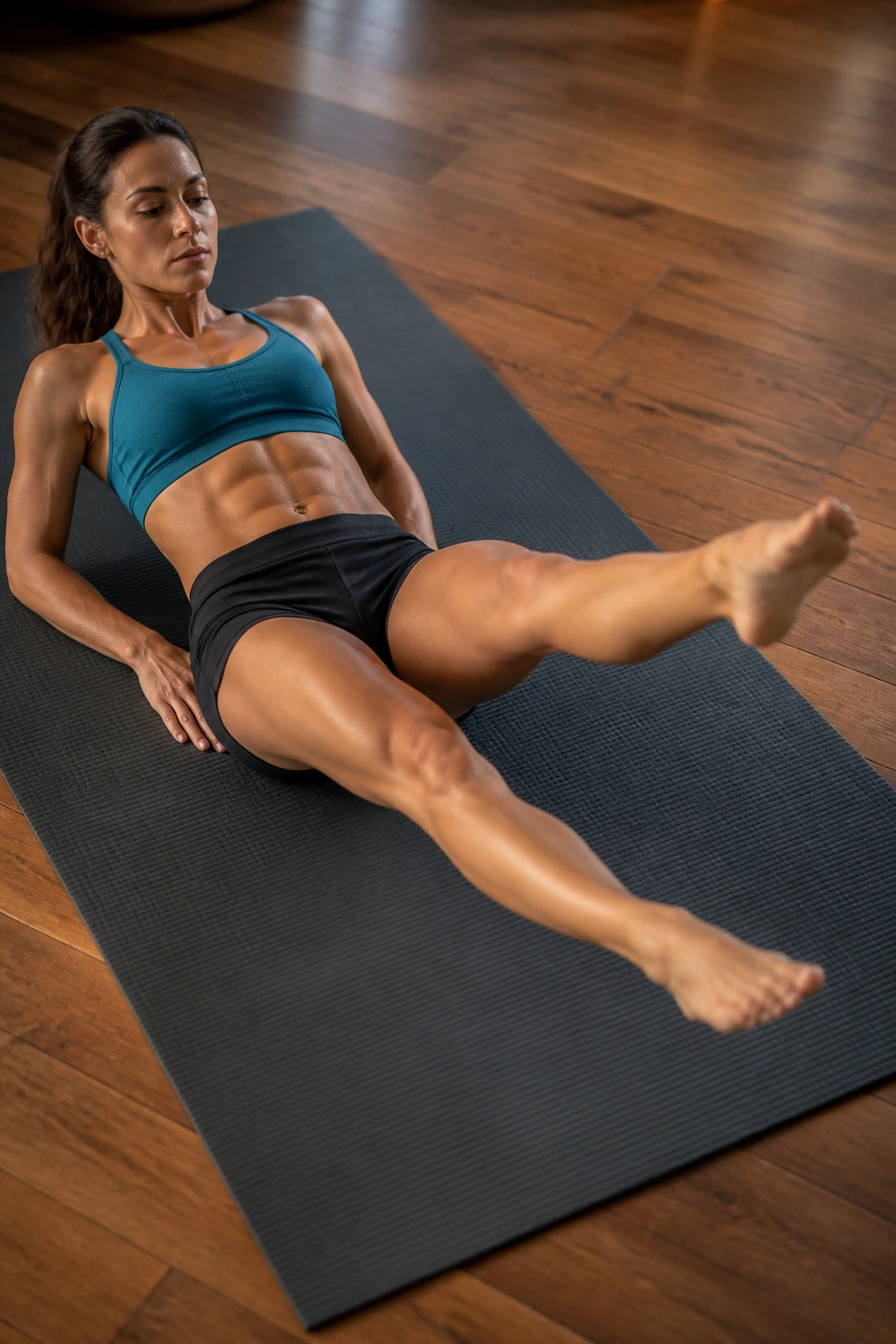
Flutter kicks look almost trivial until your hip flexors and lower abs start arguing with each other. The secret is to keep the motion small and the low back glued to the floor.
Lift both legs a few inches, then kick them in short, alternating beats. If the legs drop too low, the lower back arches. If the kicks get too high, the abs miss some of the load. The sweet spot is annoyingly narrow, which is why the exercise works.
- 20 to 40 seconds
- 2 to 4 rounds
- Hands under the hips if needed for support
A steady exhale helps more than people think. It keeps the ribs from popping up mid-set.
16. Bird Dog
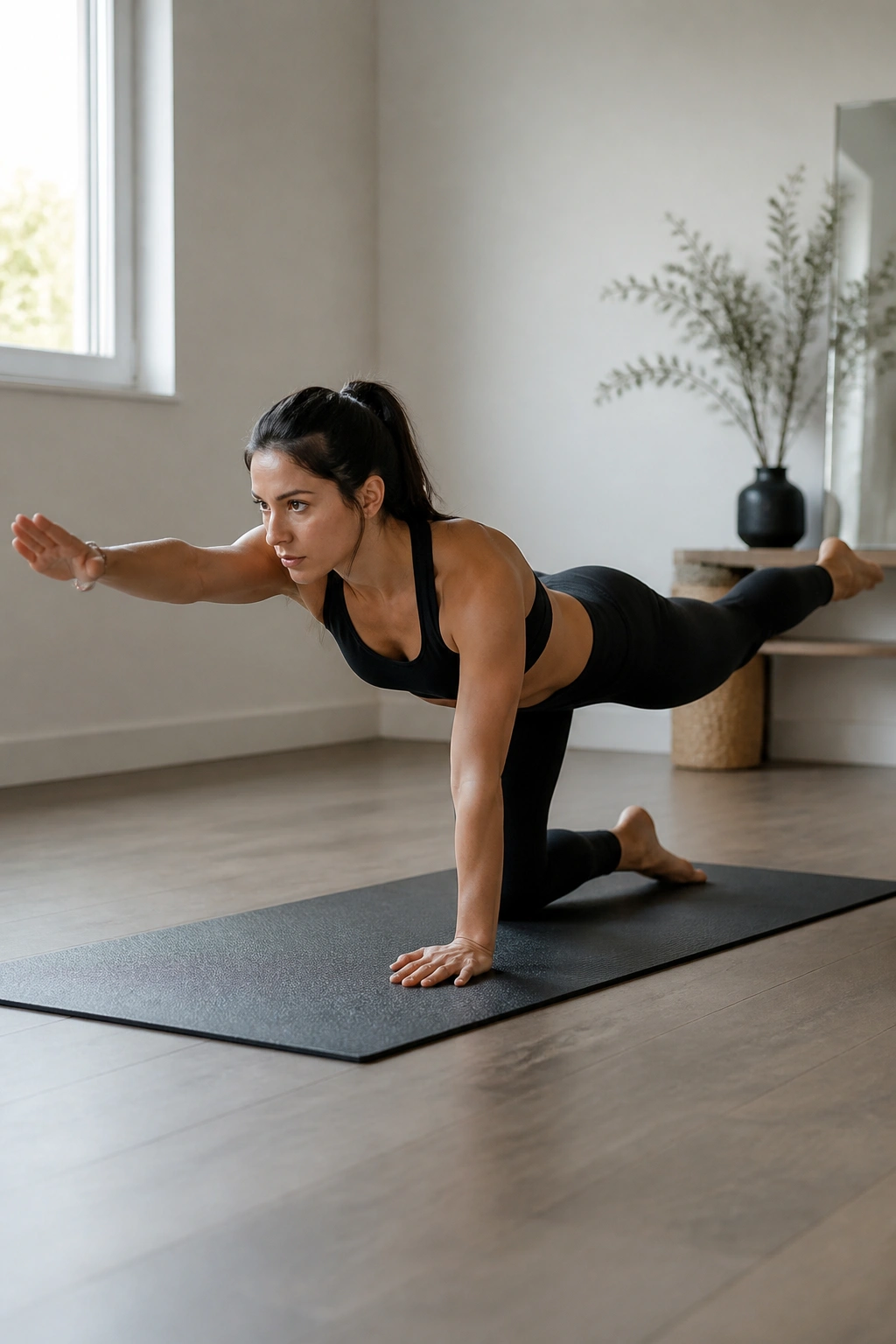
The bird dog is not flashy. It also fixes things that flashy work often misses. It trains your core to hold still while opposite limbs reach away, which is one of the cleanest ways to build trunk control.
Start on hands and knees, extend one arm and the opposite leg, and keep the pelvis square to the floor. The reach should feel long, not high. A proud, level back matters more than how far the foot travels.
What Makes It Useful
The pause is the money. Hold for 2 to 3 seconds at full reach, then come back without collapsing into the starting position. That pause teaches control in a way rushed reps never do.
If you want a gentler drill that still has teeth, this one belongs near the top of the list.
17. Stability Ball Crunch
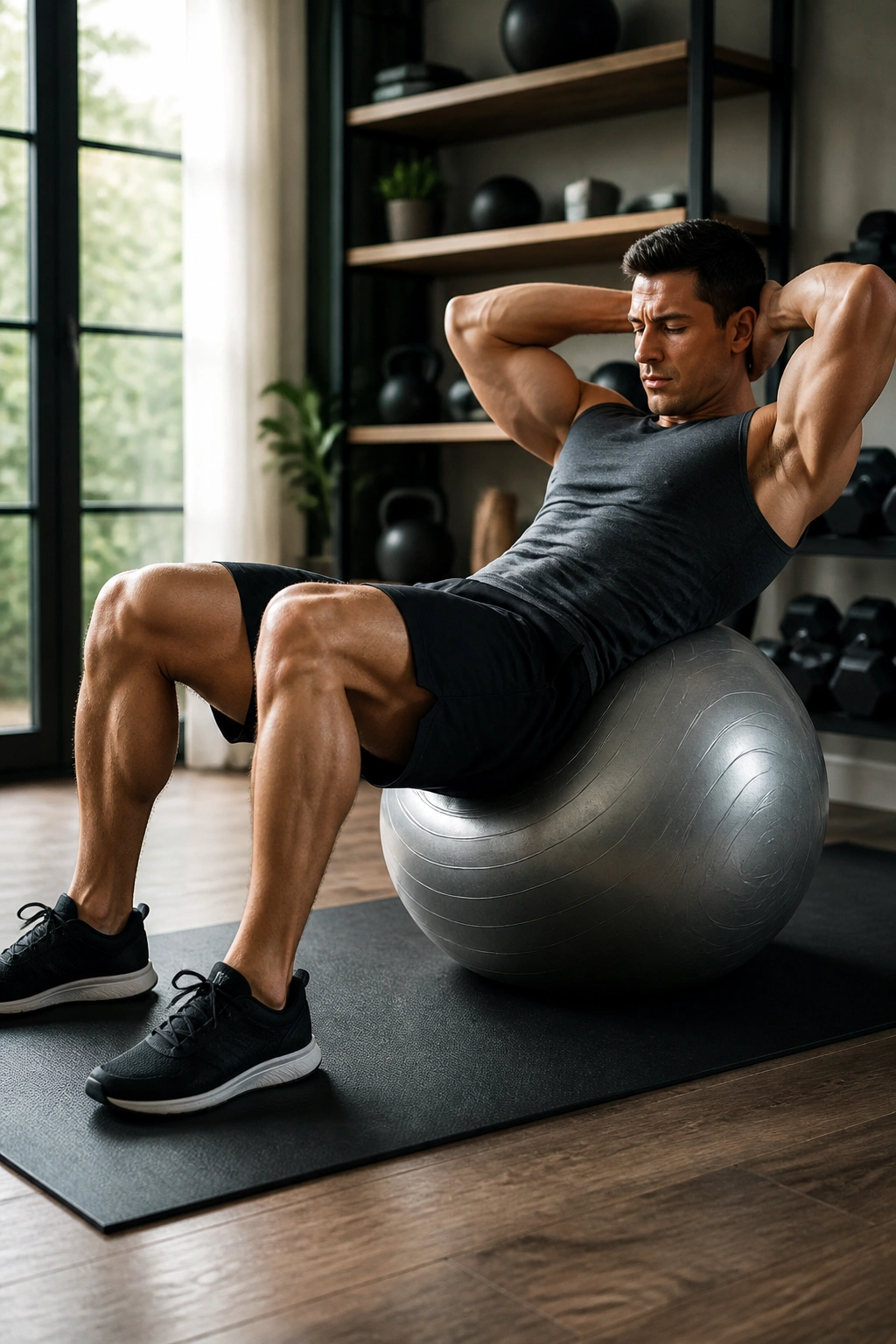
A stability ball crunch gives you a deeper range than a floor crunch, which is useful if you can keep the motion honest. The ball also forces a little more control through the mid-back, which makes the rep feel cleaner when you do it right.
The Science Behind It
Lie with your lower back supported on the ball, feet planted, and curl the ribs toward the hips. Don’t throw yourself backward over the ball. That just turns the move into a weird stretch-rebound pattern.
Use a moderate ball size and keep your feet wide enough to stay planted. If your neck starts doing the work, the ball is probably positioned too low.
I like this one as a middle ground between old-school crunches and heavier cable work.
18. Jackknife Sit-Up
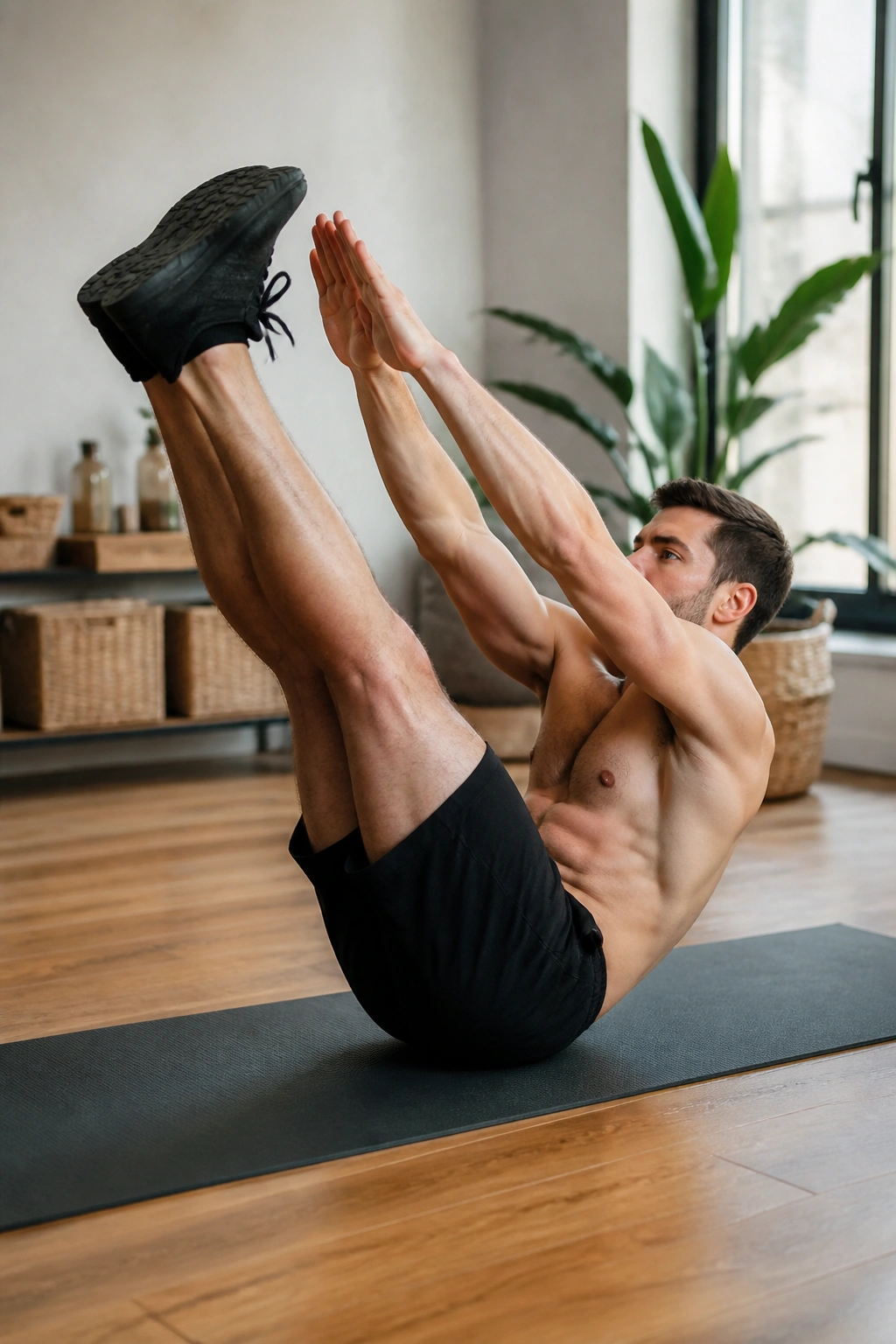
Jackknife sit-ups combine the upper and lower body in one sharp fold, and they demand timing. When the move clicks, it feels clean and powerful. When it doesn’t, it feels like your hip flexors are trying to steal the whole show.
The goal is to bring the hands and feet together in the middle by folding at the waist. Start slow. If you can’t coordinate both ends of the body without rocking, shorten the range and focus on the curl first.
This is a strong option for people who want a more athletic crunch pattern. It’s also a reminder that “hard” doesn’t always mean better. Form still decides the value of the rep.
19. Weighted Sit-Up
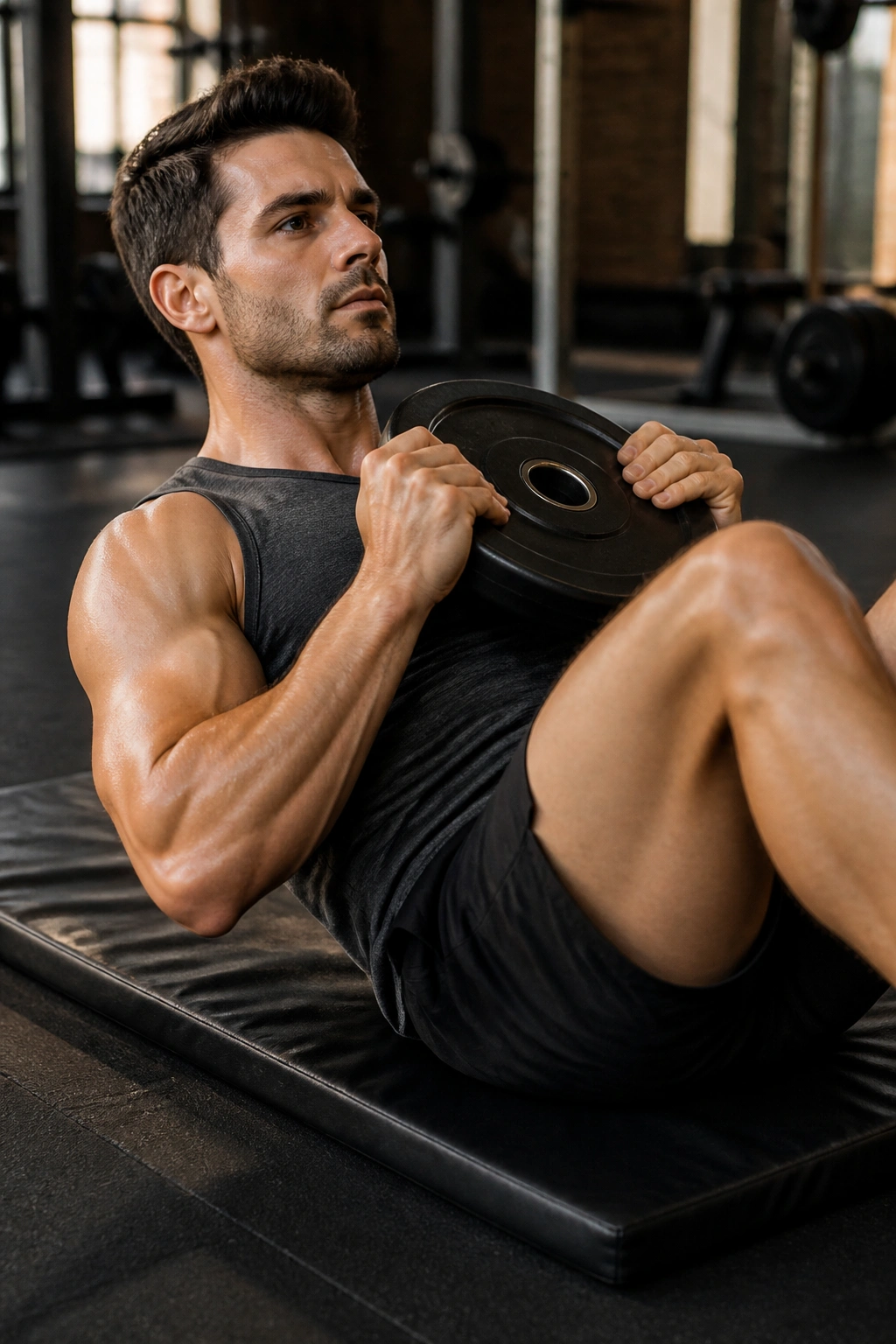
A weighted sit-up is old-school core training, and I mean that in the best way. Add a plate or dumbbell, and the movement becomes a true strength exercise instead of a casual burn.
Keep the weight close to the chest or held at arm’s length if your lower back tolerates it. Roll up segment by segment instead of jerking yourself upright. The descent matters too. Slow down as you lower to the floor, because that’s where a lot of people lose the tension they just built.
- 2 to 4 sets of 6 to 12 reps
- Use a load you can control without bouncing
- Anchor the feet only if it helps keep the form clean
If you’ve outgrown bodyweight crunches, this is a natural next step.
20. Kneeling Cable Wood Chop
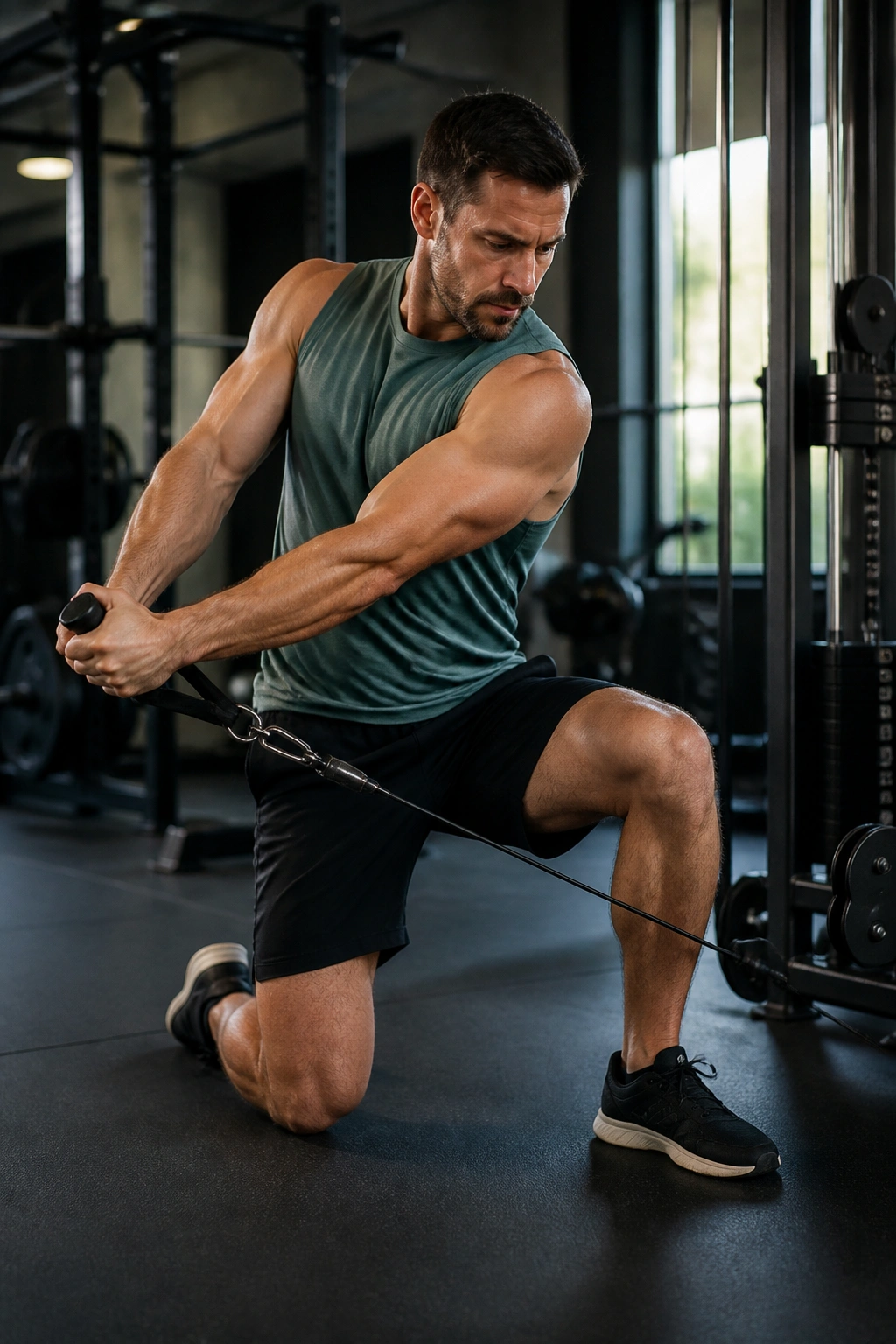
A cable wood chop brings diagonal force into the picture, which is exactly why it belongs in a core plan. Real-life movement rarely happens straight forward and straight back. Your trunk has to control angles.
How to Use It
Set the cable high for a high-to-low chop or low for a low-to-high pattern. Pull the handle across your body while letting the torso rotate under control, then resist the cable as you return. The hips can move a little, but they should not spin freely.
The chop works best with steady tension and a moderate weight. If you yank the handle and finish in one lunge, you’ve missed the point. Smooth is better here.
A set of 8 to 12 reps per side usually lands well. You should feel the sides of the waist working, not your shoulders taking over.
21. Side Bend
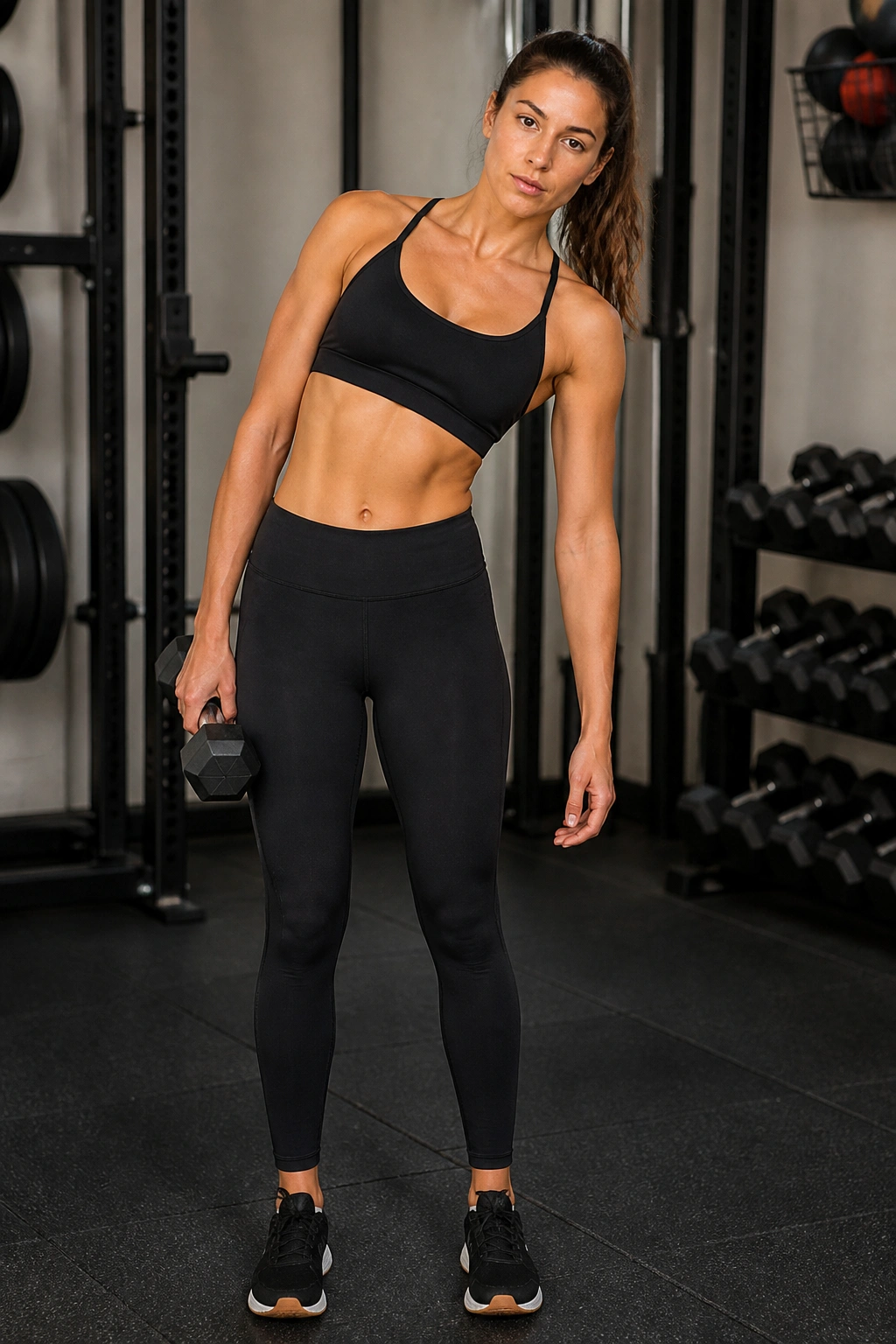
The side bend is one of the most underrated dumbbell moves for the obliques. People skip it because it looks too plain. Then they notice how hard it is to keep the torso tall under load.
Is it a flashy exercise? Not at all. Does it hit the side of the midsection in a way that’s hard to fake? Yes, and that’s why I keep it in rotation.
Hold a dumbbell in one hand, stand tall, and lean only a small distance to the side before pulling yourself back to center. No forward bend. No twist. The motion should stay in one plane.
A moderate load and a slow return are enough. Chasing huge weight here usually turns it into a sloppy lean.
22. Plank Shoulder Tap
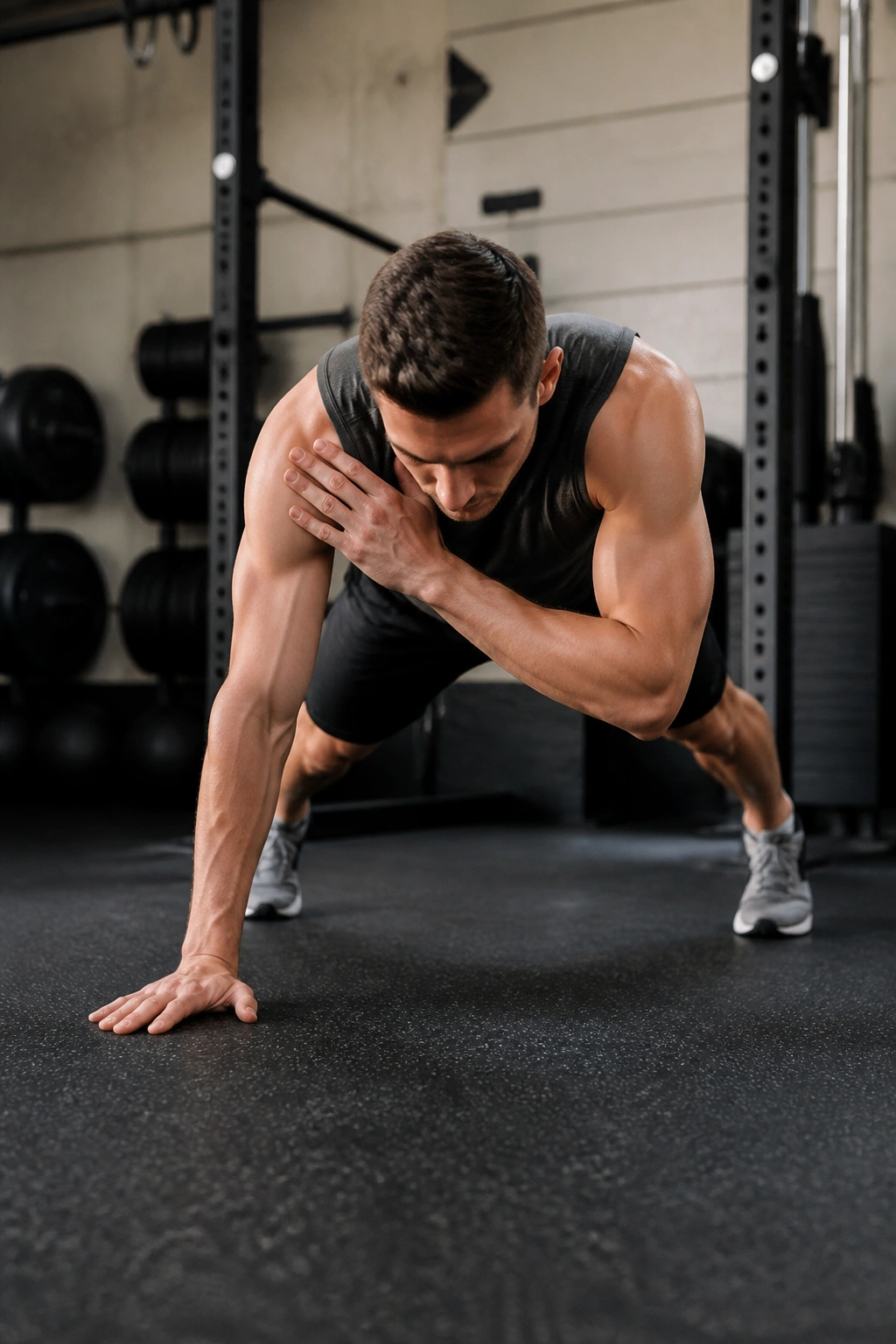
The plank shoulder tap is the kind of move that exposes hidden wobble fast. Every time one hand leaves the floor, the core has to stop the torso from shifting.
Place your feet a little wider than a standard push-up stance, then tap one shoulder with the opposite hand while trying not to sway. Keep the hips level and the legs active. If the body rocks hard, widen the stance more.
- 10 to 20 taps per side
- Move one hand at a time
- Keep the head still
It’s part anti-rotation, part anti-shift, and part patience test. Rush it and the whole point disappears.
23. Body Saw
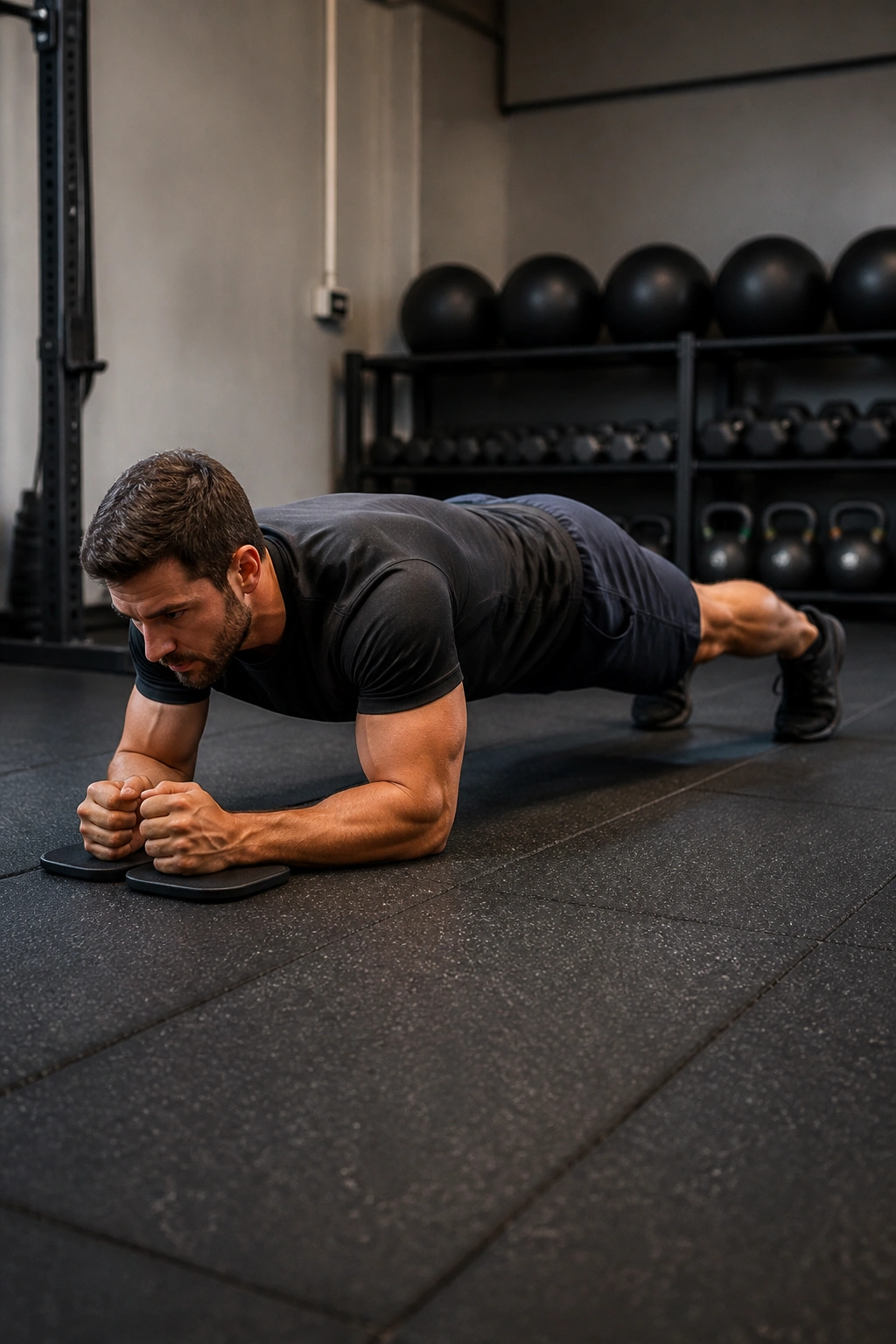
The body saw is mean in the best possible way. It looks like a tiny plank variation, but it creates a strong anti-extension challenge because your body glides forward and back while the midsection tries to stay rigid.
Place forearms on sliders, towels, or a smooth floor, then move your body a few inches back and forth from the shoulders. Keep the glutes tight and the ribs down. The motion should be small enough that your lower back never feels like it’s hanging out unsupported.
A lot of people go too far on the first rep and lose the stack. Don’t. A short, controlled glide hits harder than a big sloppy sweep.
24. V-Up
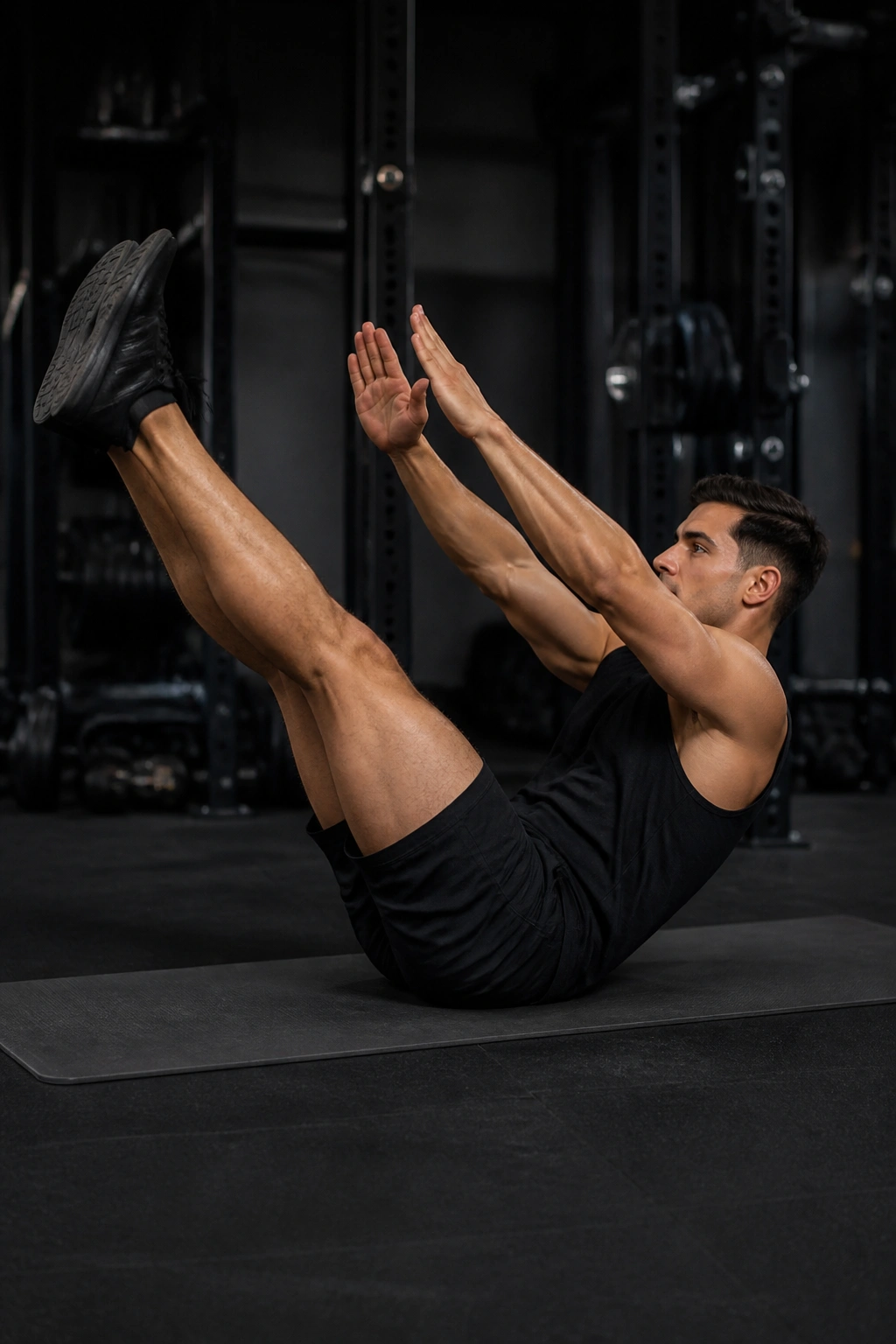
V-ups are a full-body fold that asks the upper and lower abs to meet in the middle. They’re harder than they look, especially once fatigue creeps in and the legs start dragging the pace around.
What Makes Them Work
Start flat, then lift the legs and torso together so the hands reach toward the feet. Try to keep the motion crisp. If you can’t get both ends up at once, tuck the knees slightly and keep the fold clean.
The best sets stay neat from start to finish. Once the lower back starts peeling off the floor in a jerky way, stop. That’s usually the cue the set has gone past its useful range.
I prefer these as a moderate-rep finisher, not the first thing out of the gate.
25. Suitcase Carry
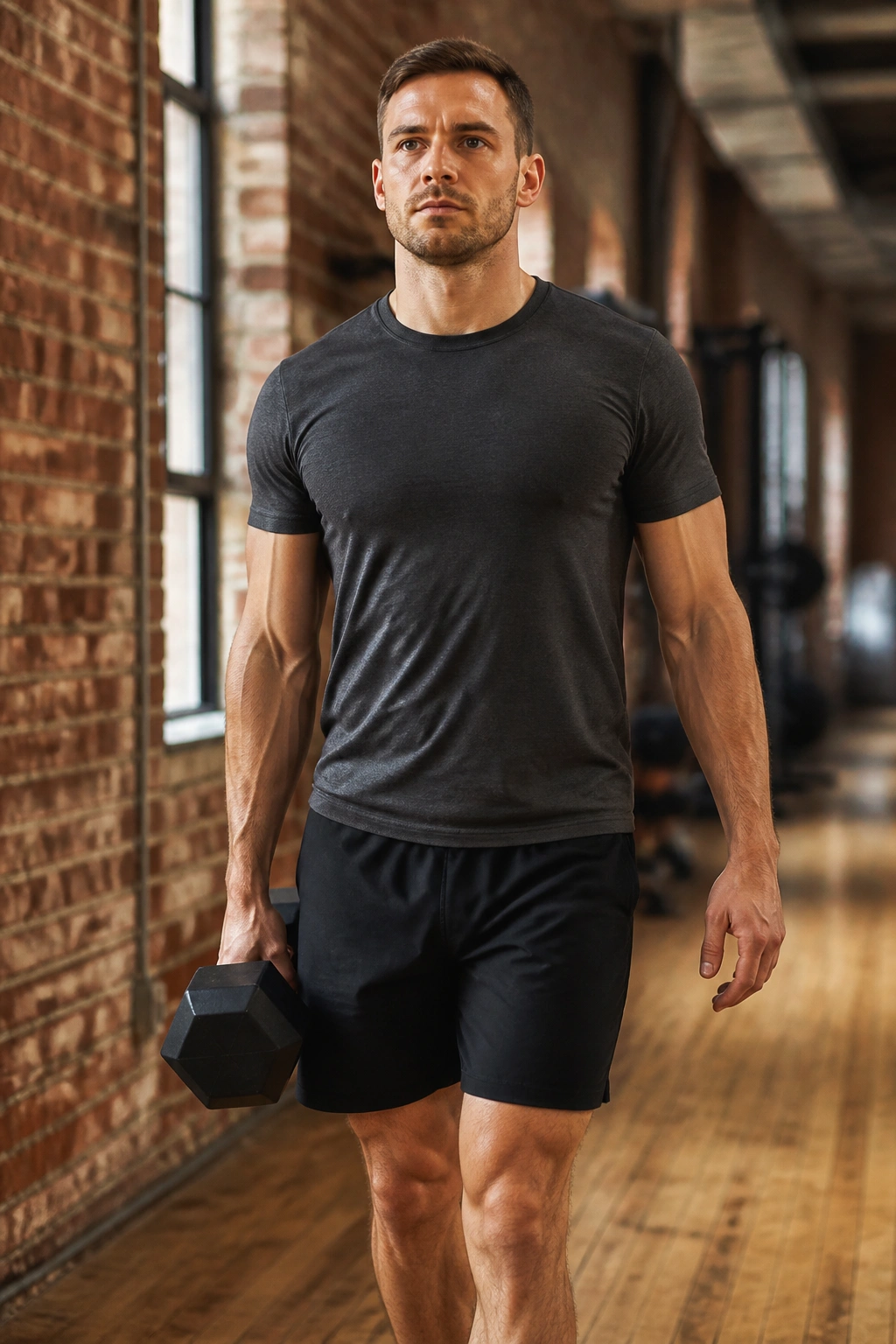
One dumbbell. One side. Zero room to fake it. The suitcase carry is one of the best real-world core drills because it teaches your body to stay tall under uneven load, which is what happens when you carry groceries, a suitcase, or a loaded gym bag.
Walk slowly and keep the ribs stacked over the pelvis. Don’t let the weight drag your shoulder down or push your torso sideways. Short, controlled steps work better than long strides. If you drift, the load is too heavy.
- 20 to 60 yards per side
- 2 to 4 rounds
- Use a weight that makes posture hard, not broken
If you want a tighter-feeling core, this one pays off in a way people notice outside the gym. It isn’t glamorous. It is useful. And useful wins more often than flashy does.
