



Most men don’t need more exercise variety. They need fewer exercises done with better load, better bracing, and a little more respect for how the body actually moves when life gets messy. That is the whole point of functional strength workouts for men: build force you can use for picking things up, carrying them, climbing stairs, pushing a heavy sled, or keeping your trunk solid when everything else is trying to twist you apart.
Mirror muscles are fine. Useless strength is not. A workout that leaves you sweaty but doesn’t teach your hips, back, grip, and shoulders to work together is missing the point, and you can usually feel that difference the moment you try to move an awkward object. Good training shows up when you’re tired, when the load is odd, and when your body has to stay honest.
The best sessions below lean on the patterns that matter most: hinge, squat, push, pull, carry, rotate, and brace. Some are barbell-heavy. Some need only a kettlebell, a sandbag, or a pull-up bar. A few look almost plain on paper, then turn out to be far more demanding than they seem.
1. Trap-Bar Deadlift and Heavy Hold Finisher
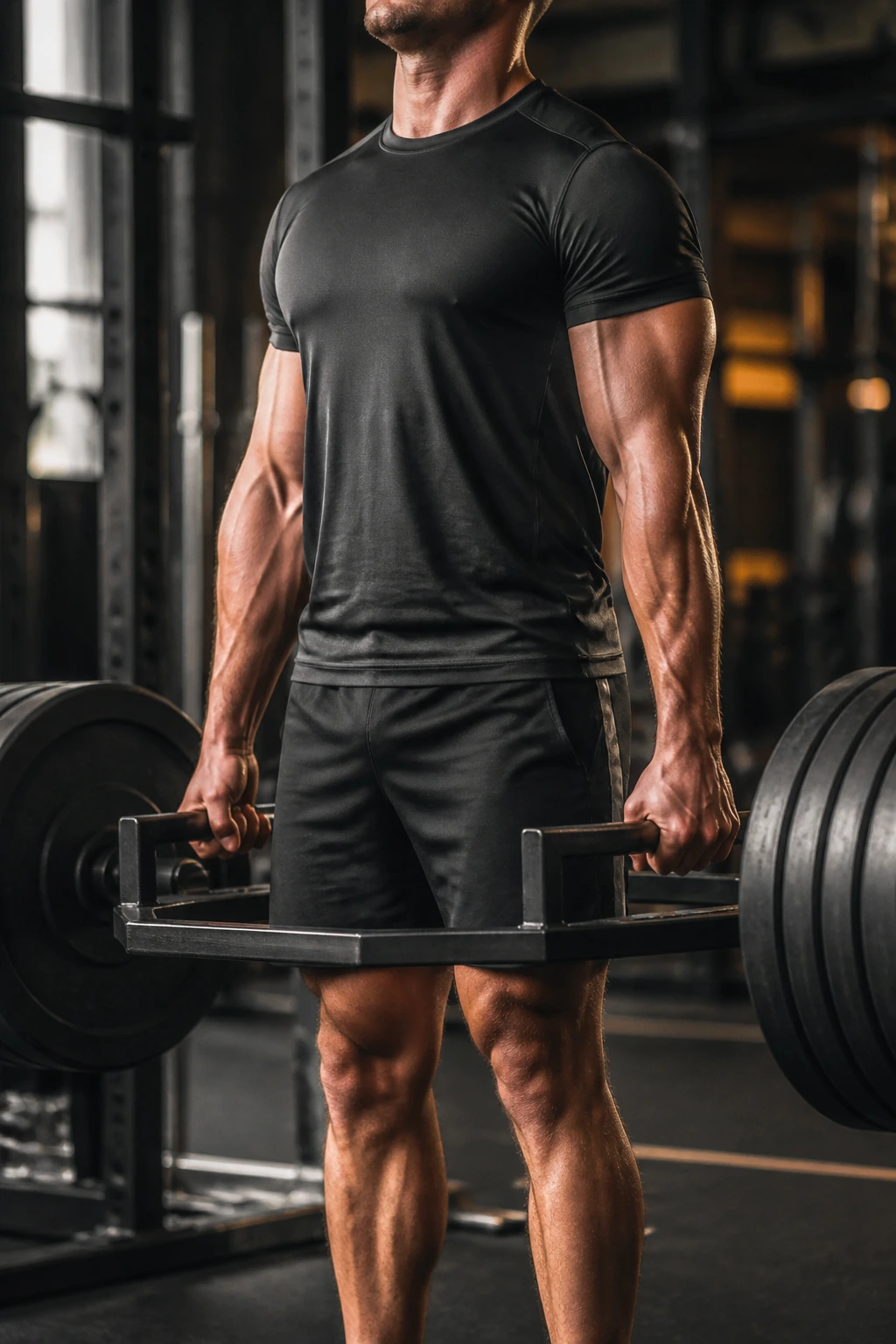
The trap bar earns its place fast. Load sits closer to your center of mass, the handles are easy to grip, and the movement teaches you to push hard through the floor without turning the lift into a lower-back contest. That makes it one of the cleanest strength builders for men who want power that carries over outside the gym.
Run 5 sets of 3 reps with a weight that feels heavy but crisp, then finish each set with a 10- to 20-second hold at lockout. Rest about 2 minutes between sets. Keep your ribs down, wedge your feet into the floor, and stand up like you’re trying to move the whole building, not just the bar.
The hold is the part people skip. Don’t. It trains grip, posture, and the habit of finishing a lift tall instead of collapsing at the top. That matters when you’re carrying groceries, a suitcase, or a piece of furniture that never feels balanced.
If you only have room for one heavy lower-body lift on a busy week, this is the one I’d keep.
2. Front Squat and Front Rack Carry
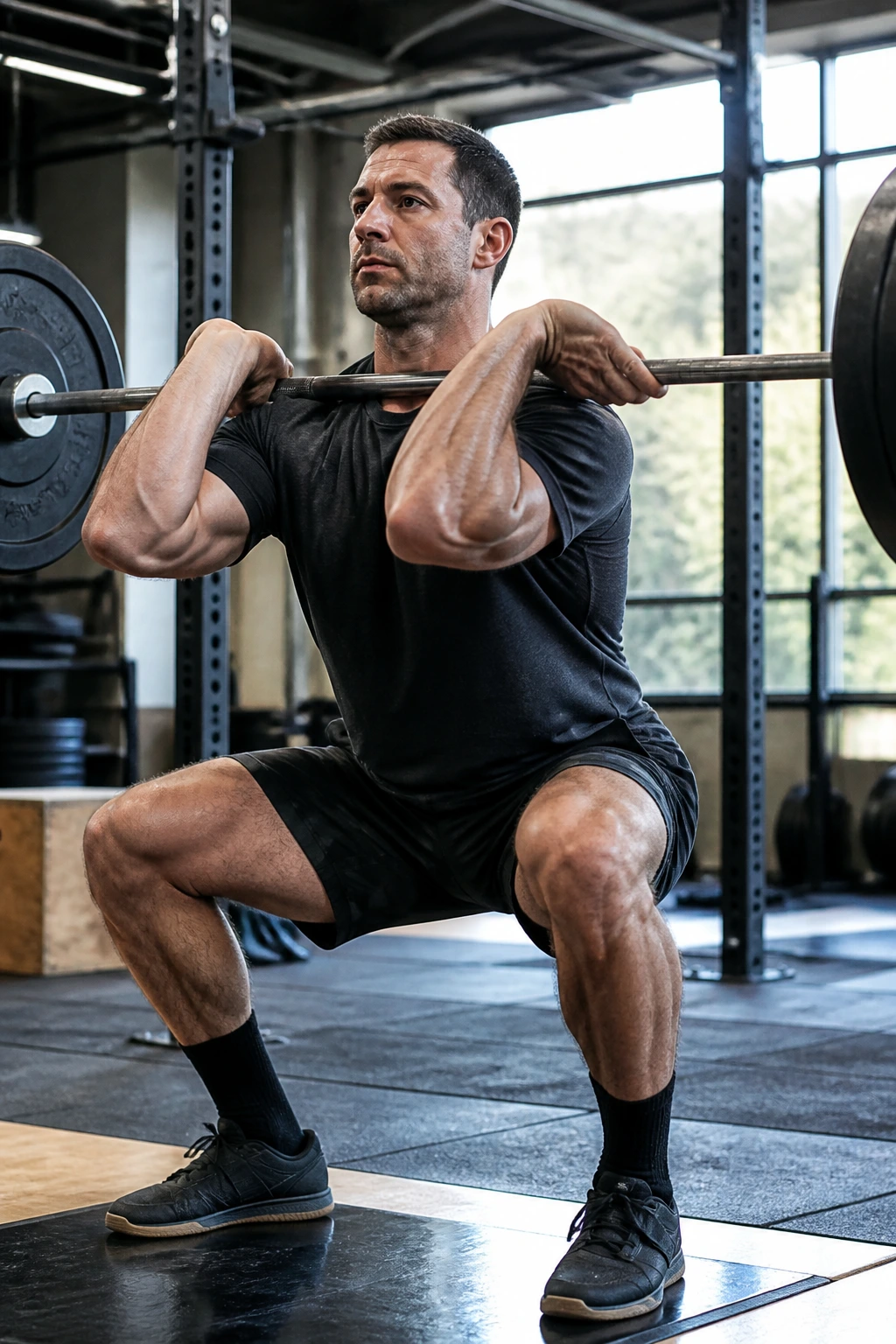
Front squats punish sloppy posture in the nicest possible way. The bar sits on the front of the shoulders, so your upper back has to stay tight and your torso has to resist folding. That makes the lift excellent for building usable core strength instead of just brute leg power.
How to Run It
- 4 rounds
- 5 front squats
- 20 to 30 meters front rack carry
- 90 seconds rest
The carry is where this turns from a leg exercise into a full-body lesson. If your elbows drop, the rack position gets miserable fast. If your midsection softens, the whole thing leaks energy. So stay tall, keep your chest up, and breathe behind a hard brace.
This session is especially good for men who spend a lot of time sitting, because front-loaded work wakes up the upper back and trunk in a way back squats sometimes do not. It also teaches you to stay organized under a load that wants to fold you forward. Small detail. Big payoff.
3. Kettlebell Swing Intervals
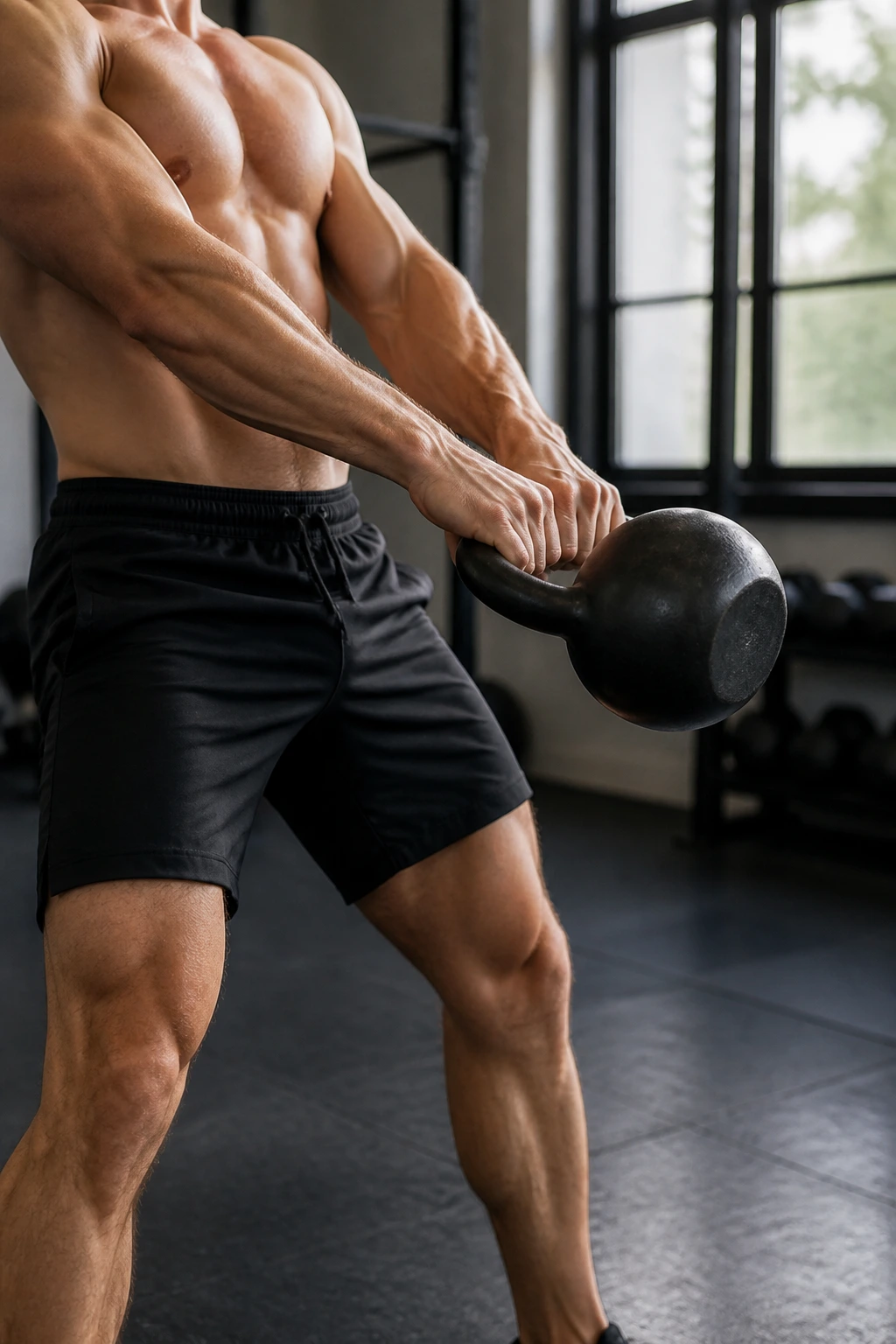
Why do swings belong in a functional strength plan? Because they teach explosive hip drive without asking you to grind through endless reps. The bell is just a messenger. The hips do the work.
Use 10 rounds of 15 swings, resting 45 to 60 seconds between rounds. Choose a kettlebell that feels snappy, not crushing. The rep should look the same from the first swing to the last one. If the bell starts turning into a squat, the load is too light or your hinge is gone.
How to Keep the Swing Honest
- Hips back on the backswing
- Shins close to vertical
- Arms stay loose
- Bell floats from snap, not a front raise
- Stop the set when speed drops
Swings are terrific when you want power, grip, and a bit of conditioning in the same package. They also teach a useful skill that a lot of lifters miss: producing force fast without turning every rep into a maximal strain. That matters more than people think.
4. Pull-Up and Chest-Supported Row Strength Block
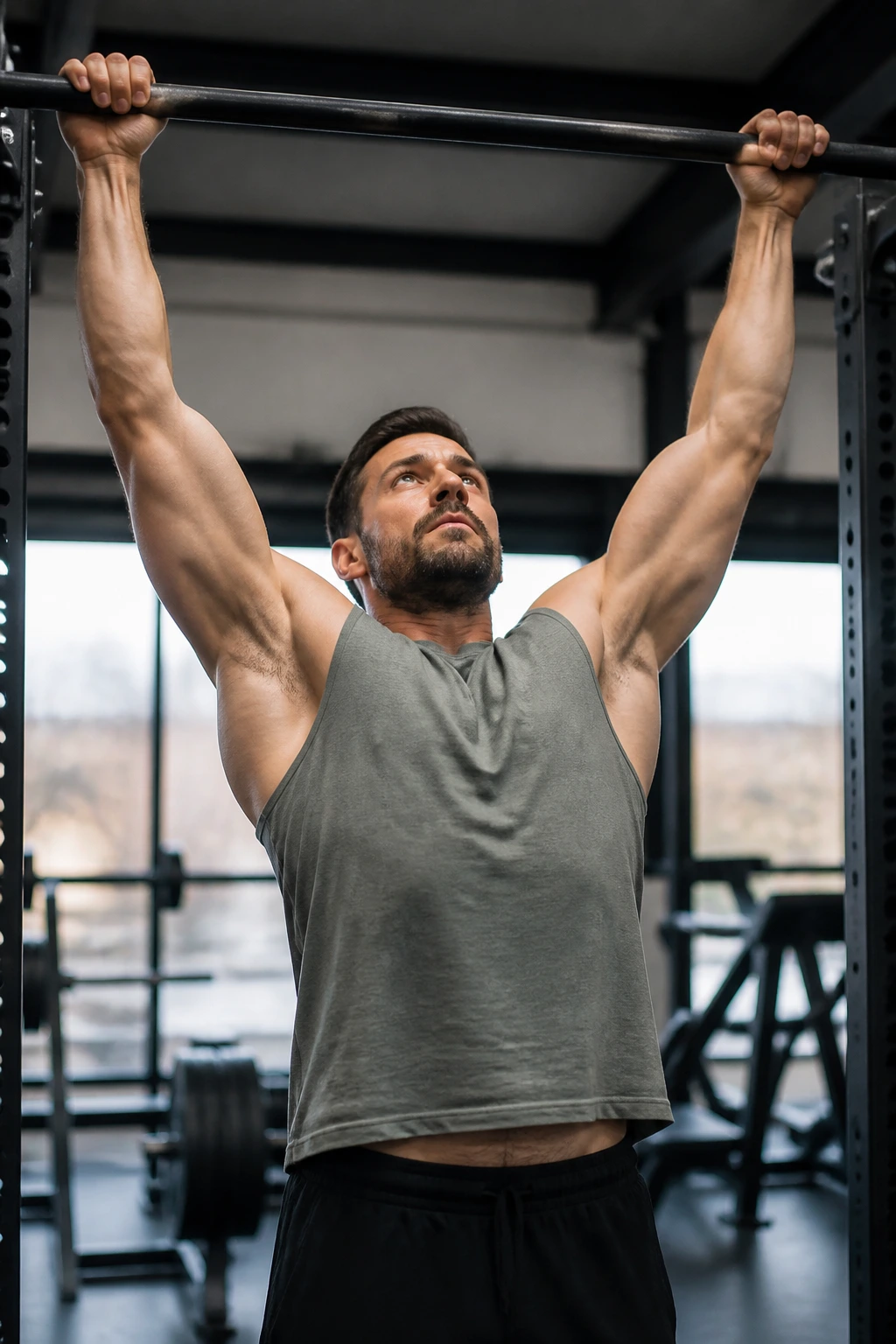
Strong backs keep everything else honest. Pull-ups build the ability to move your body through space, while chest-supported rows let you load the upper back hard without cheating with your hips or lower back. Together, they make a pair that is hard to beat.
Do 5 sets of 4 to 6 pull-ups, then 5 sets of 8 rows with dumbbells, a barbell, or a machine that supports your chest. Rest 90 seconds between movements. If the pull-ups are clean, add a small weight. If they are ugly, use assistance and own the range of motion first.
The practical benefit is simple: better shoulder position, better grip endurance, and a back that holds together when you carry, hinge, or press. A lot of men chase chest work and then wonder why their shoulders feel cranky. This is part of the answer.
I like this pairing because it gives you vertical pulling and horizontal pulling in the same session without making the workout bloated. Tight, heavy, and useful.
5. Sandbag Bear-Hug Carry Circuit
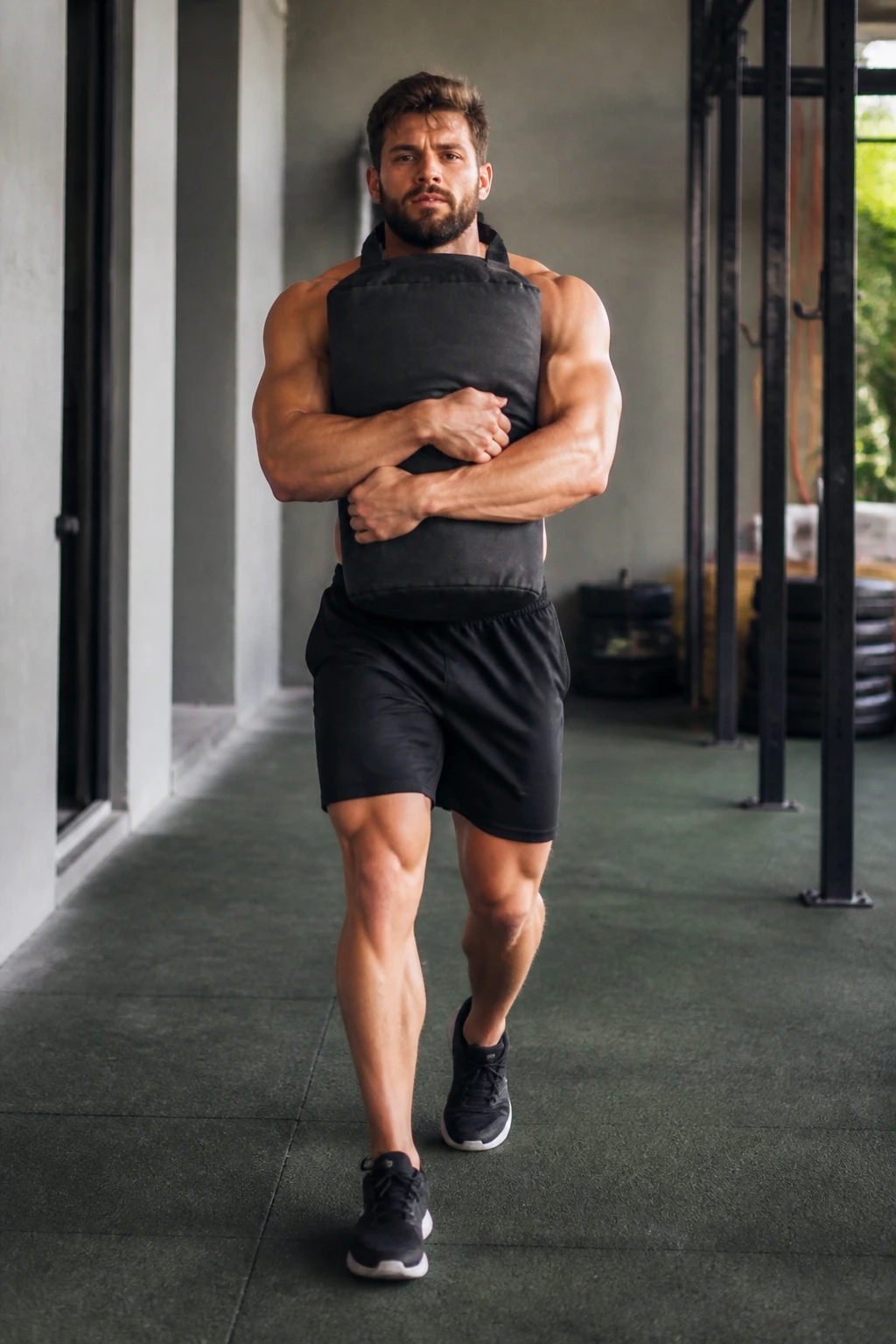
A sandbag teaches humility. It shifts, sags, and fights back in all the places a barbell does not. That’s exactly why it deserves a spot here. Real life hands you awkward loads, not perfect ones.
Set up 4 rounds of the following:
- 40-meter bear-hug carry
- 6 bear-hug squats
- 30-second march in place
- 60 to 90 seconds rest
Keep the bag high on your torso, squeeze it hard, and stay upright. If the bag slides down, reset before you keep going. The goal is not to survive chaos; it is to stay organized inside it.
This workout is gold for men who want trunk strength with teeth. It hits the abs, upper back, forearms, and hips at once, and it does it in a way that feels close to moving a heavy box, a sack of soil, or a tired child who suddenly refuses to walk.
One of the best parts? You do not need huge loads. A moderate sandbag that feels annoying at first is usually enough.
6. Bulgarian Split Squat Ladder
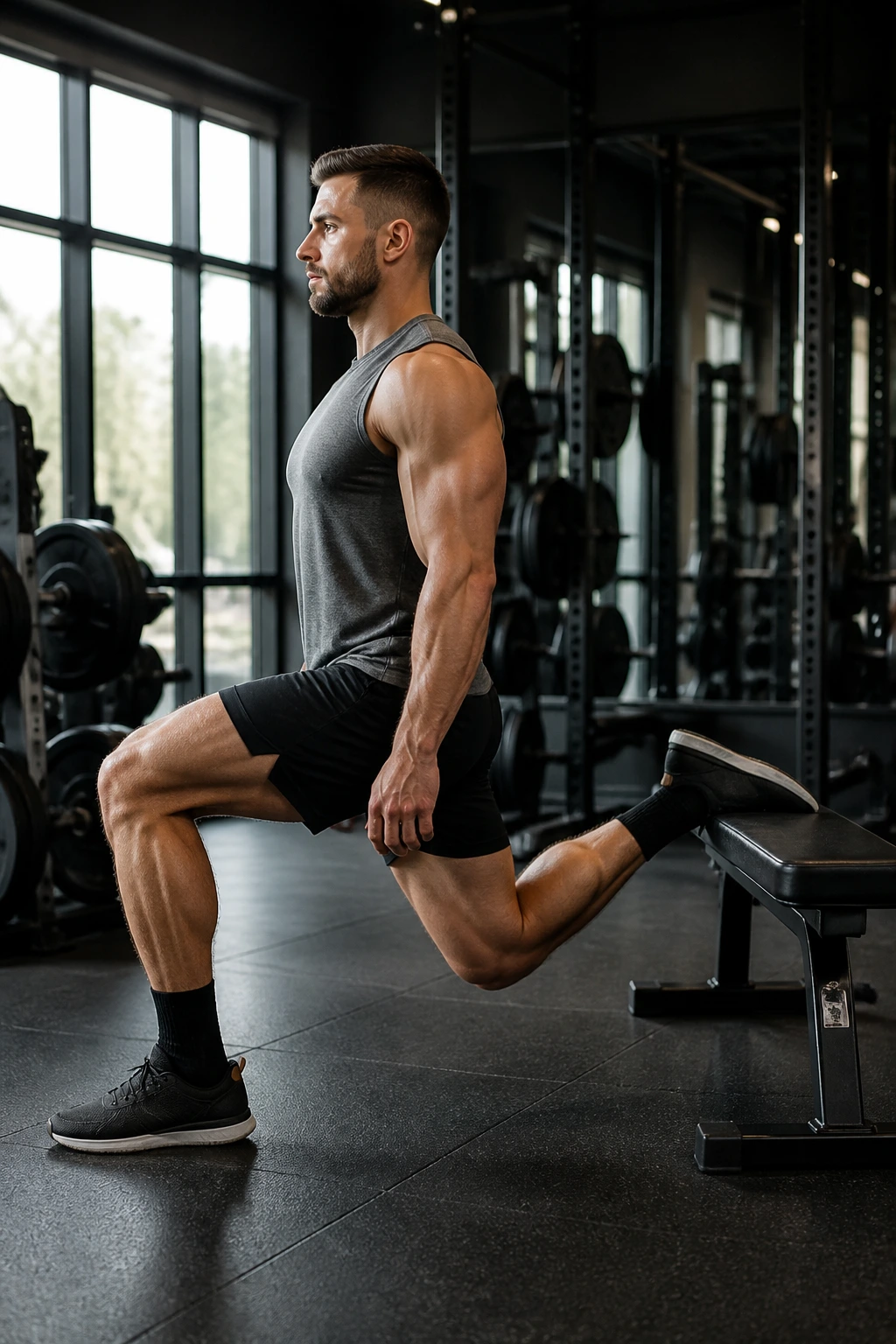
A back squat can hide a weak side for a while. A Bulgarian split squat won’t. That is why I rate it so highly for functional strength. One leg works at a time, balance matters, and the hips have to stay square while the front leg does the real job.
Run a ladder of 6, 8, and 10 reps per leg, using dumbbells or a barbell held in front rack position. Rest 60 to 90 seconds between legs. Start with the weaker side, then match the exact number on the stronger side. No bonus reps. No heroics.
The burn is part of the package, but the real prize is force production through one leg at a time. That helps with running, climbing, cutting, and getting up and down off the floor without wobbling like a newborn deer.
This is also one of the best choices for men who sit a lot. The rear hip gets opened, the front leg gets stronger, and the trunk learns to keep everything centered. Clean reps only. Sloppy split squats are just expensive lunges.
7. Landmine Press and Rotation Session
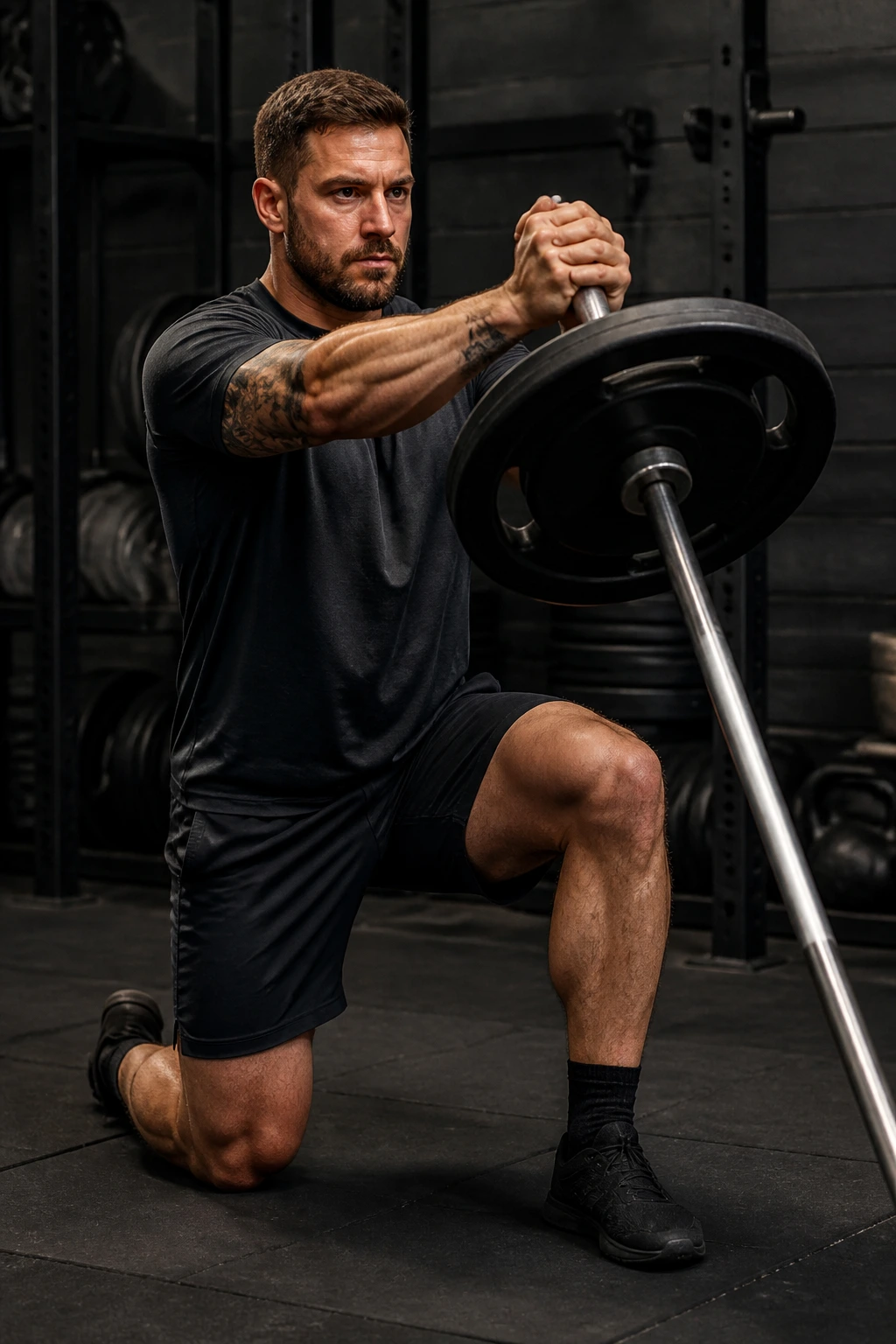
The landmine press hits a sweet spot between strict overhead work and chest pressing. The angled path is friendlier on the shoulders, and the setup lets you press hard while teaching the torso to resist twisting. That is a useful skill. A very useful one.
What Makes It Different
Use 4 sets of 6 reps per side for the press, then add 3 sets of 8 controlled rotations from the same half-kneeling position. Keep the ribs stacked over the hips. If your lower back starts taking over, the load is too heavy or your stance is too loose.
What I like here is the blend of strength and control. You’re not just shoving weight overhead; you’re doing it while owning your midsection and staying square. That carries over to reaching, throwing, loading shelves, and any job where one side wants to win.
Landmine work also tends to feel good on cranky shoulders, which is more common than a lot of lifters like to admit. It is not magic. It just respects the joint a little more than some straight-line pressing does.
8. Push-Up, Dip, and Plank Density Day
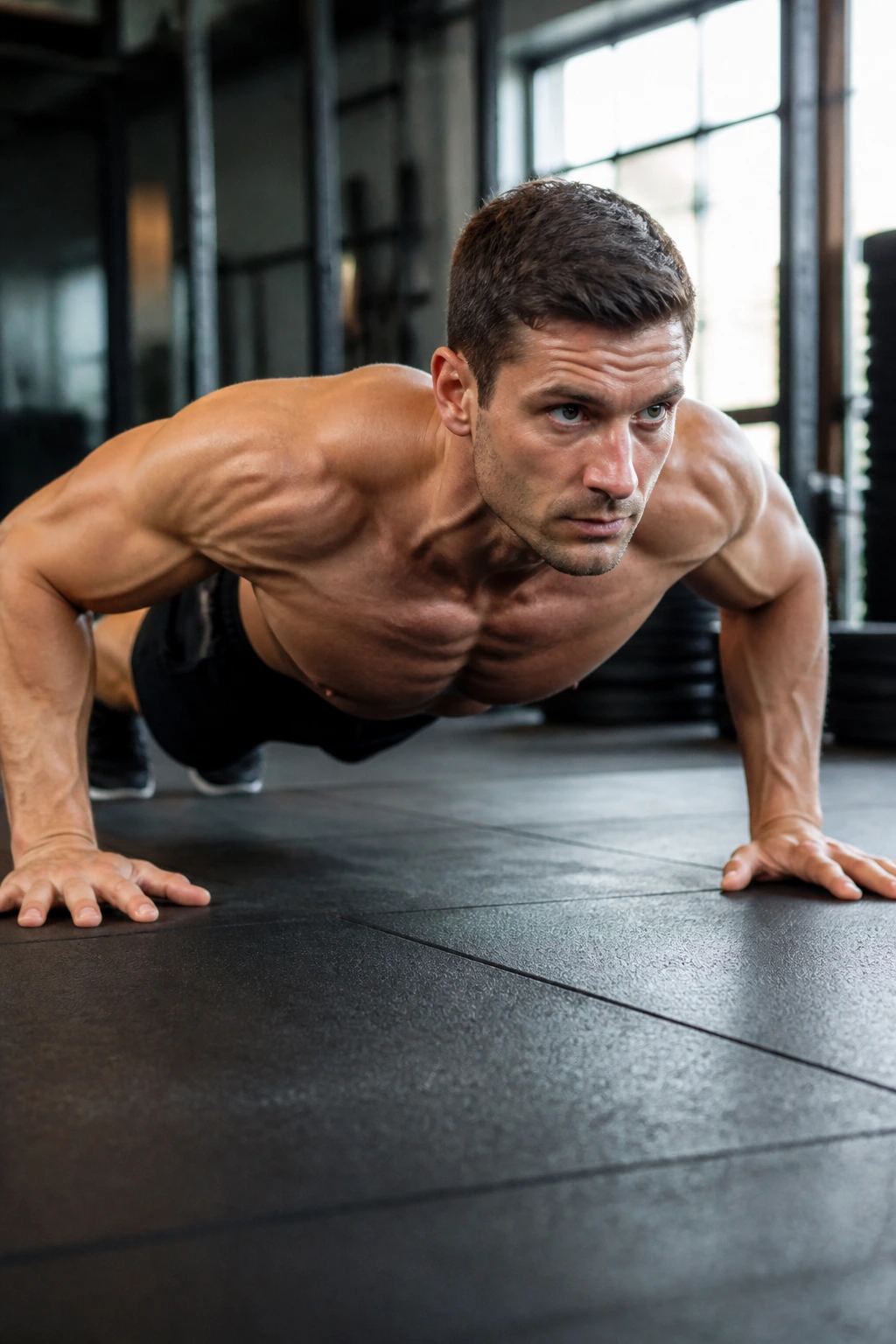
Bodyweight work gets dismissed by men who like to load everything, and that’s a mistake. Push-ups, dips, and hard planks build a lot of strength if you stop treating them like a warm-up and start treating them like a real session.
Density Format
Set a timer for 20 minutes and cycle through:
- 10 to 15 push-ups
- 5 to 8 dips
- 30 to 45-second plank
Repeat as many quality rounds as you can. Keep the reps clean, not frantic. If your hips sag on the push-ups or your shoulders shrug in the dips, cut the reps and protect the pattern.
This session builds pressing endurance, trunk stiffness, and shoulder control without needing a rack or a pile of plates. It’s also easy to adjust. Harder version? Add a vest. Easier version? Use incline push-ups and bench dips until your form is solid.
No fancy setup. No excuses. Just work.
9. Sled Push and Drag Sprint Workout
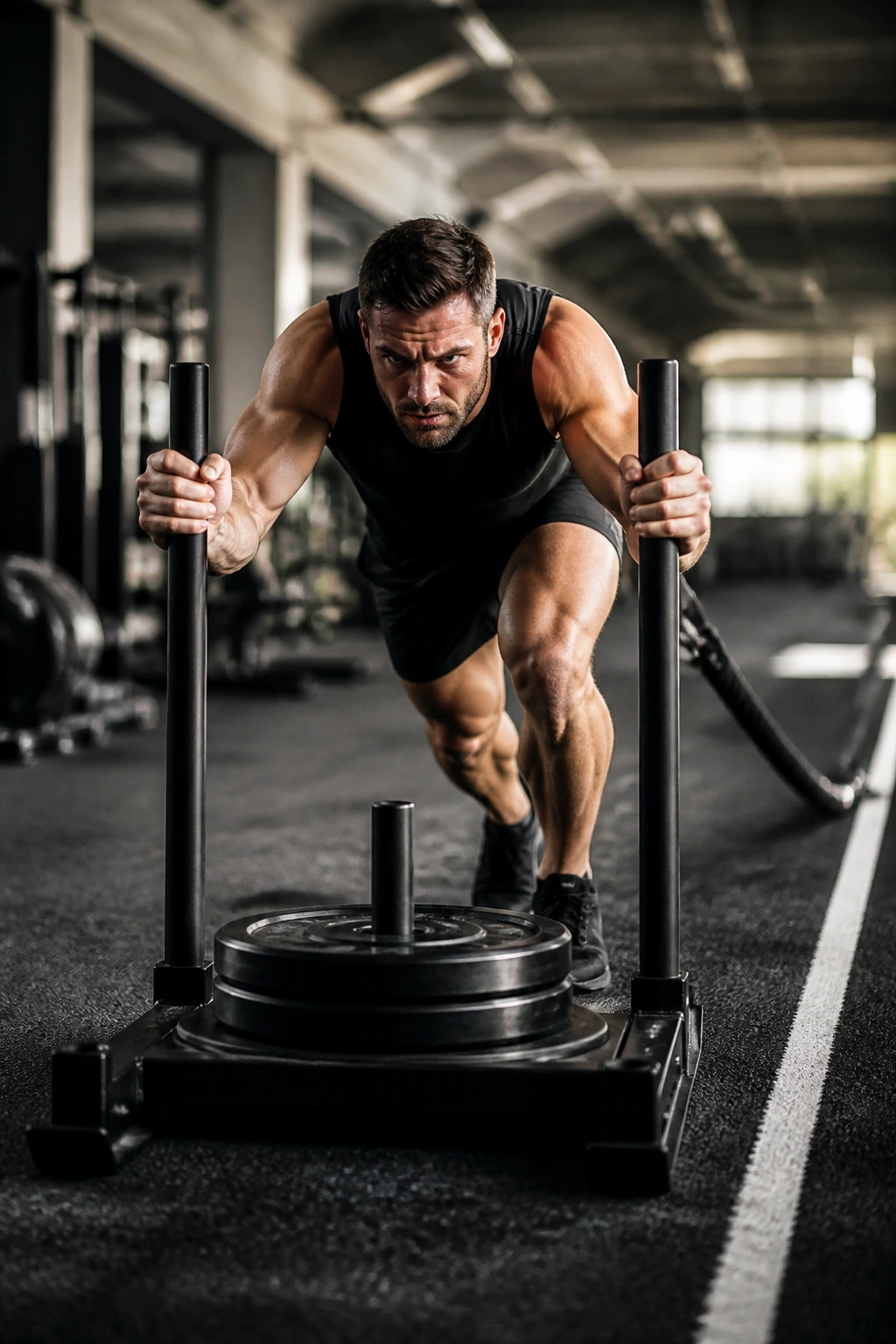
If you hate sled work, that usually means it’s doing its job. A sled push is honest. No eccentric damage, no bouncing, no hiding behind momentum. Just force, floor pressure, and a heart rate that climbs fast.
Run 8 to 10 pushes of 15 to 20 meters, then alternate with 6 to 8 drags back using a rope or harness. Rest 60 to 90 seconds between runs. Load the sled enough that each push feels hard but keeps moving. If it stalls, it’s probably too heavy for the speed you want.
What makes sleds useful is the carryover. You get leg drive, conditioning, and a little grit without beating up your joints the way repeated sprinting sometimes can. That matters when you want to train hard and still walk normally later.
I also like sleds because they don’t ask for a perfect skill ceiling. Push, breathe, recover, repeat. Simple enough to understand. Hard enough to matter.
10. Turkish Get-Up Practice
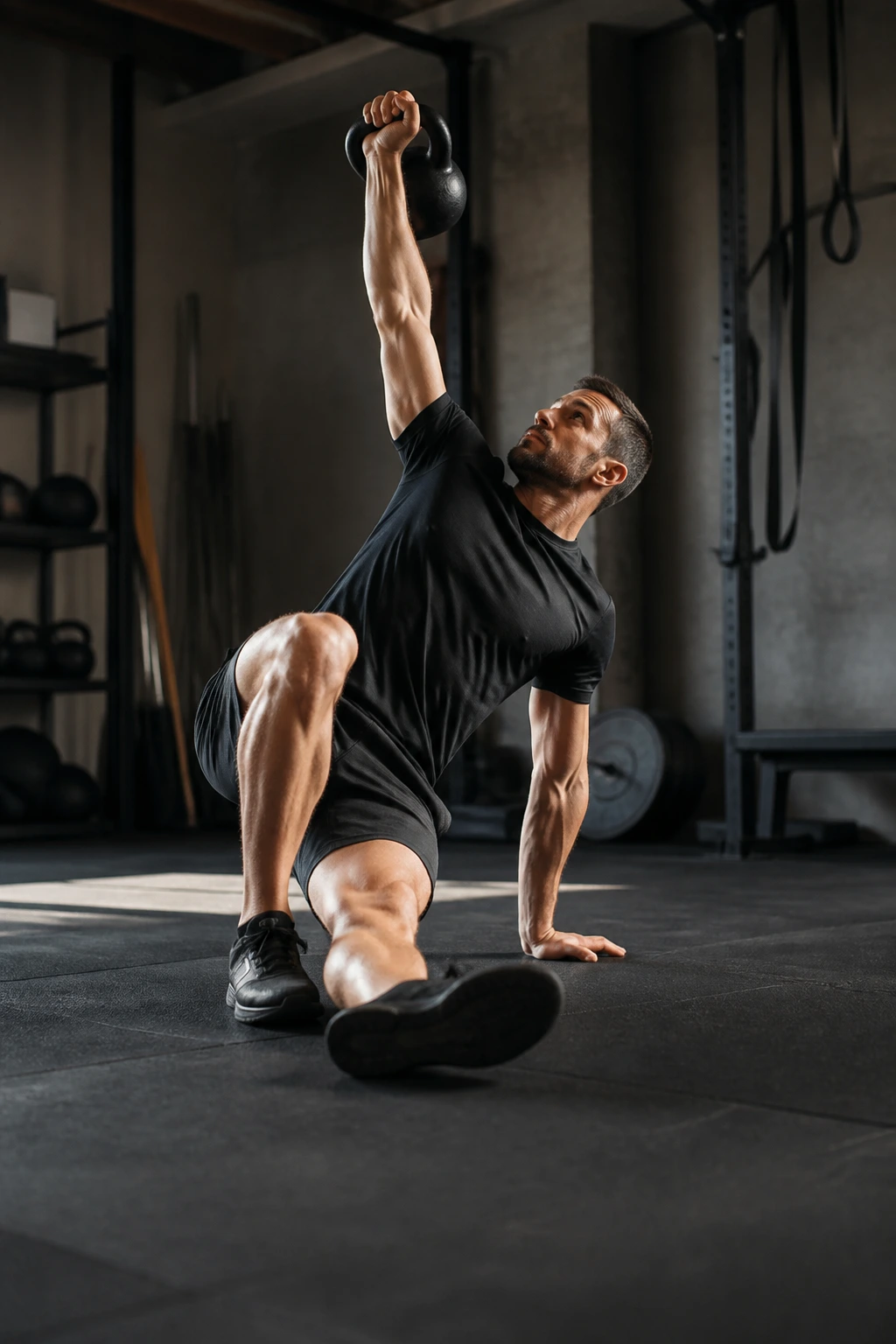
Why do so many good coaches keep coming back to the Turkish get-up? Because it is one of the few lifts that asks the whole body to cooperate from the floor to standing and back again. Grip, shoulder control, trunk tension, hip movement, and balance all show up in one rep.
How to Use It
Do 3 to 5 reps per side with a light to moderate kettlebell, resting fully between reps. Move slowly. The point is not speed; the point is control. Keep your eyes on the bell during the early phases, lock the shoulder in place, and own each transition before moving on.
A get-up done well feels deliberate, almost calm. A get-up done badly feels like a dropped plate in slow motion. There is no reason to rush that process.
This is a smart choice for men who want strength that does not fall apart when the body has to shift from lying down to standing, which, frankly, is a more useful skill than many gym lifts admit. It also exposes weak spots fast. That can sting a little. Good.
11. Barbell Complex for Work Capacity
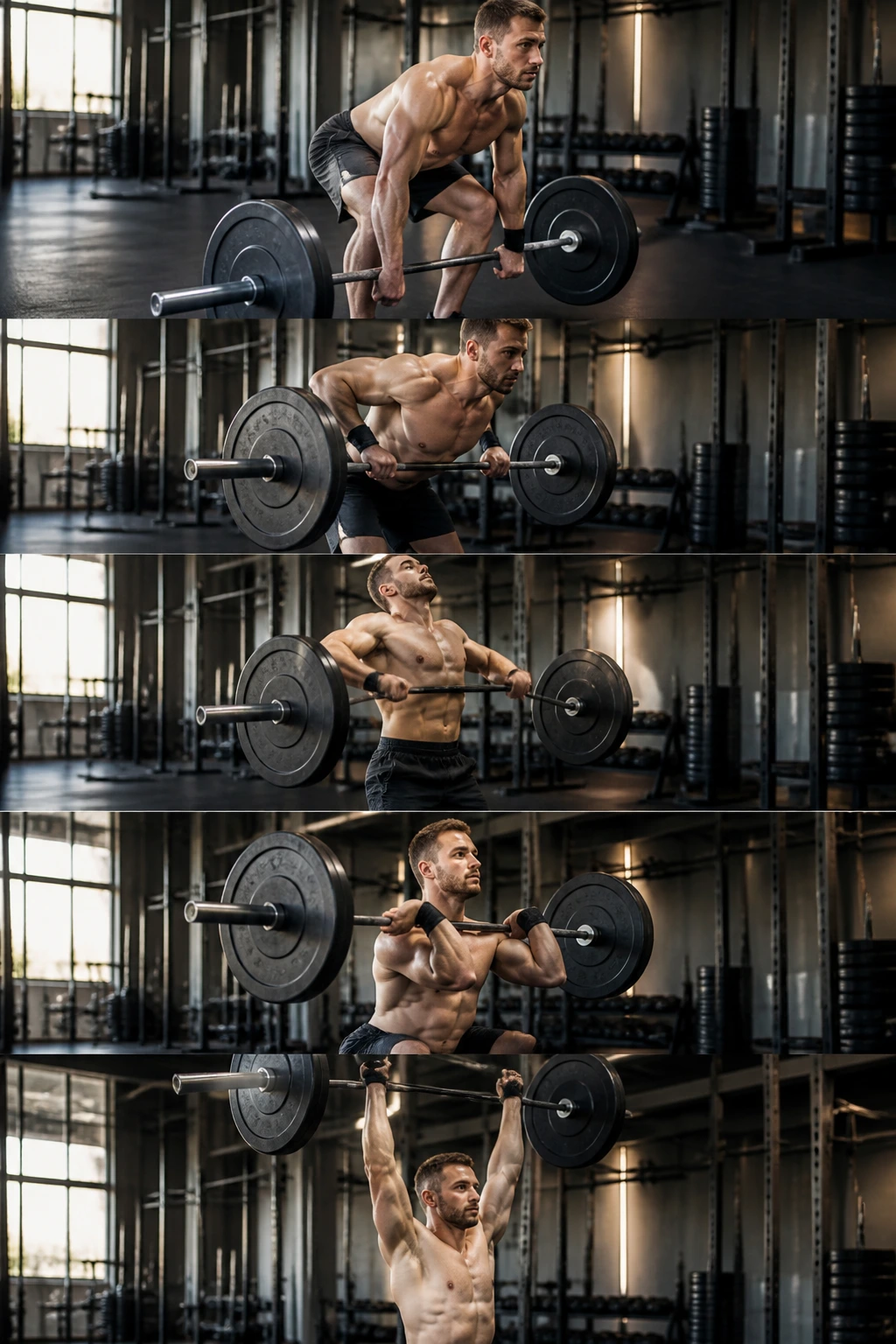
A barbell complex is old-school in the best way. One bar, one load, no setting it down between movements. You learn very quickly whether your grip, breathing, and posture can hold together when the work starts stacking up.
Use a light-to-moderate bar and run 4 rounds of:
- 6 Romanian deadlifts
- 6 bent-over rows
- 6 hang cleans
- 6 front squats
- 6 push presses
Rest 2 minutes between rounds. The weight should let you move smoothly from one exercise to the next without stripping the bar or grinding through ugly reps.
The value here is not maximal strength. It’s strength under fatigue, and that matters when you need the body to keep performing after the first few hard minutes. Your legs, lungs, and upper back all get dragged into the same job.
Pick a load that leaves room for speed. If the last two movements fall apart, you went too heavy.
12. Farmer’s Carry and Grip Finisher
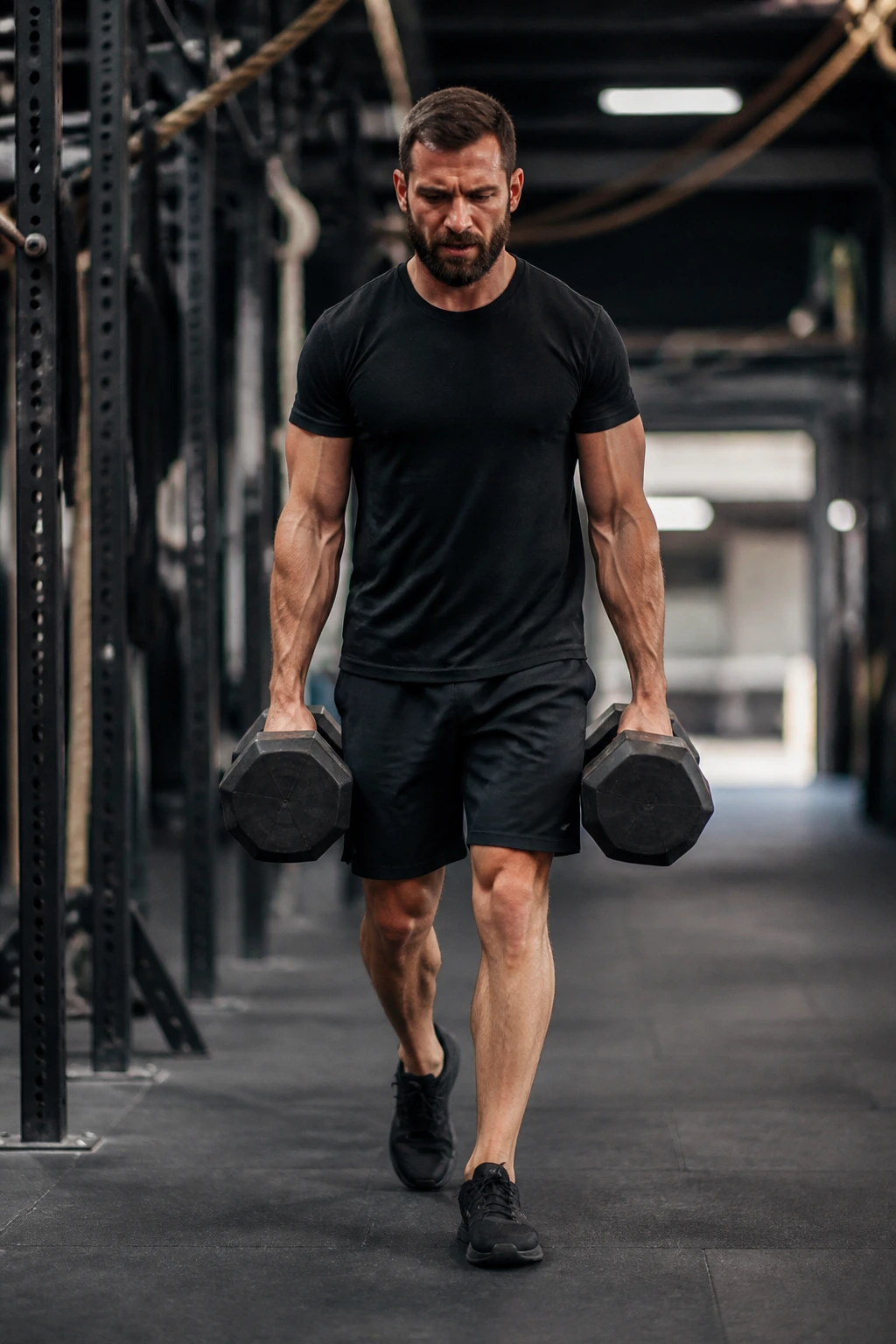
Farmer’s carries are one of those exercises that look plain until your hands start giving you a lecture. Heavy implements, upright posture, and a simple instruction: keep moving. It is hard to fake.
Use 4 to 6 carries of 30 to 40 meters with heavy dumbbells, trap bar handles, or kettlebells. Then finish with 2 suitcase carries per side for 20 meters each. Rest only long enough to keep your grip and posture intact.
The carry teaches more than grip. It asks your shoulders to stay packed, your ribcage to stay quiet, and your steps to stay even. That’s why this shows up in so many good strength programs. The effect is obvious once you try to haul something awkward up a driveway or through a parking lot.
I’d rather see a man get strong at carrying heavy weight than spend forever doing hand grippers and hoping for the best. Grip strength is useful when it’s attached to the rest of the body.
13. Chin-Up and Core Ladder
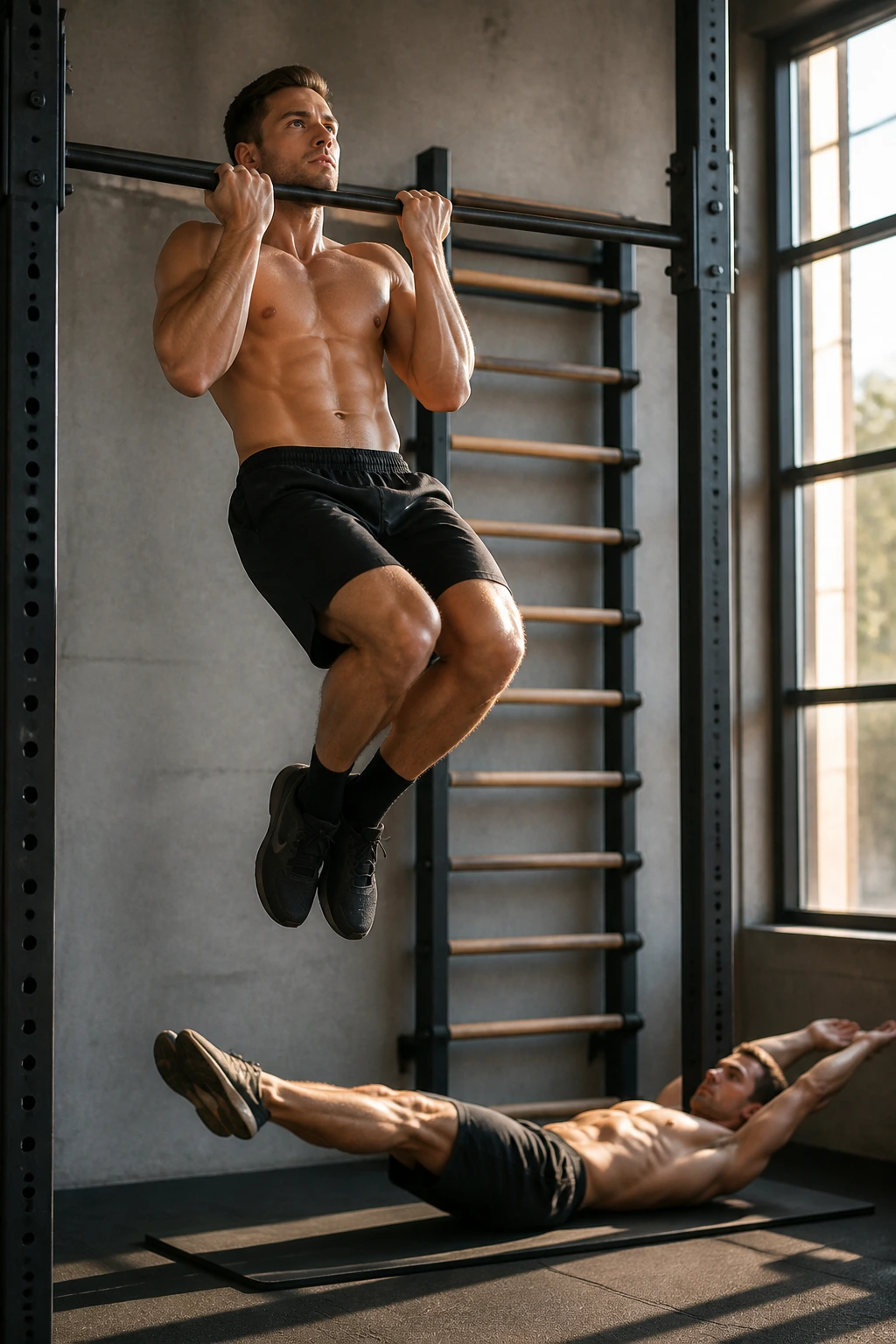
Chin-ups give you a slightly different pull than overhand pull-ups. The underhand grip tends to bring the biceps in more, and many men can accumulate cleaner reps that way before adding weight. That makes them a smart choice when you want back strength plus a little arm work that doesn’t feel like vanity.
Why the Ladder Works
Run a 1-2-3-4-5 ladder and then come back down if you still have clean reps left. Between each rung, hold a 20-second hollow body position or dead bug variation. Keep the torso tight and the legs controlled.
This works because it builds volume without turning the session into a sloppy marathon. You get multiple quality exposures to pulling, then you force the midsection to stay braced while the upper body recovers. That’s a useful combination for men who want more than a bigger arm pump.
If your chin-up bar is strict and your form is honest, this one stays relevant for a long time. It is the sort of session that quietly changes the way your upper body feels when you carry, climb, or brace under a load.
14. Dumbbell Clean and Press EMOM
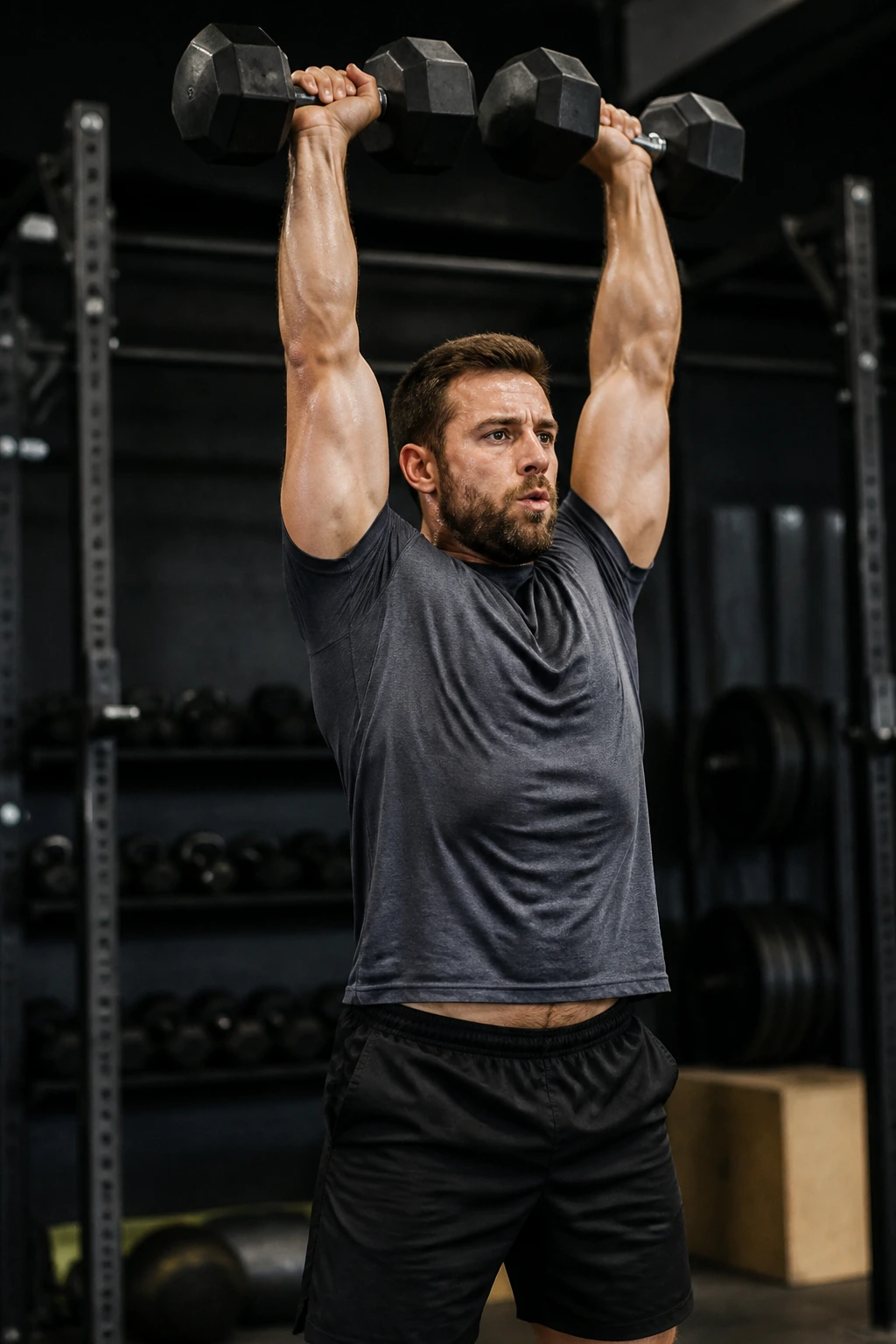
Clean-and-press work has a satisfying bluntness to it. You pick the weight from the floor, drive it up, and then press it overhead while staying balanced. Nothing extra. No fluff.
EMOM Format
Set a timer for 10 minutes. At the start of each minute, do 4 clean-and-press reps per side with moderate dumbbells, then rest for the remainder of the minute. If you’re breathing too hard to start the next round with good form, the weight is too ambitious.
The clean matters here. Don’t curl the dumbbells. Snap them up with the hips, catch them cleanly at the shoulders, then press with a hard midsection. A sloppy clean turns the exercise into a different thing, and not a better one.
I like this format because it teaches repeated power output without letting the pace become random. You know exactly when work starts and exactly when it ends. That makes it easy to track progress, which is handy when you want your training to mean something.
15. Zercher Squat Session
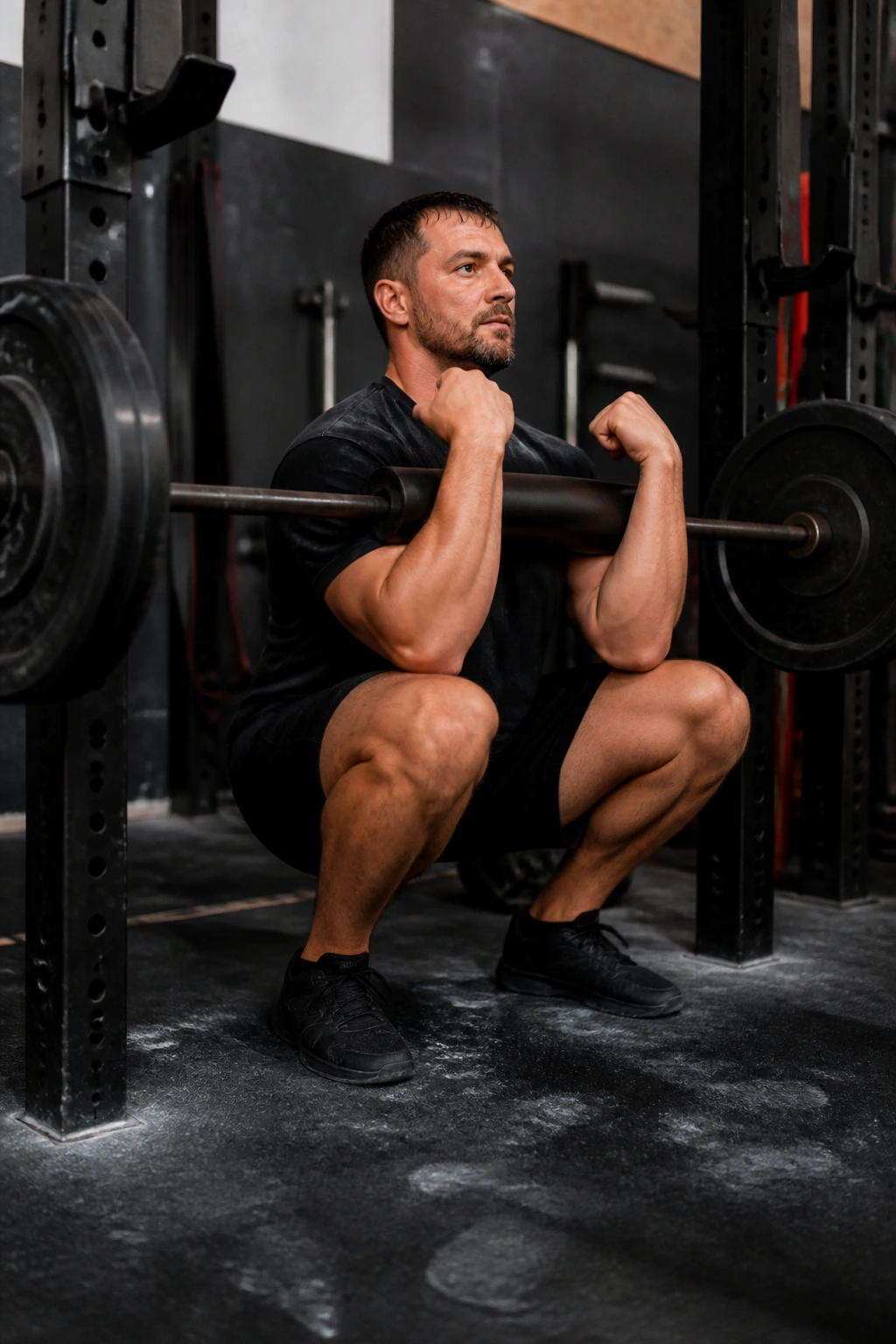
Zercher squats look uncomfortable because they are uncomfortable. The bar sits in the crooks of your elbows, which forces the upper back, trunk, and hips to stay tight while the load pulls you forward. That forward pull is the point.
Do 5 sets of 5 reps with a manageable load and 2 minutes rest. Use a pad or towel if your arms need it, but do not turn the setup into a pillow fight. Keep the elbows close, brace hard, and sit between the hips without collapsing.
This lift teaches a kind of ugly strength that carries over well to real life. Carrying a heavy object in front of you, picking something up from a low shelf, loading bags into a truck—those tasks all ask for the same forward-facing brace. Zerchers train that pattern directly.
It also lights up the quads without losing the trunk. That combination is rare enough to deserve attention.
16. Battle Rope and Medicine Ball Power Circuit
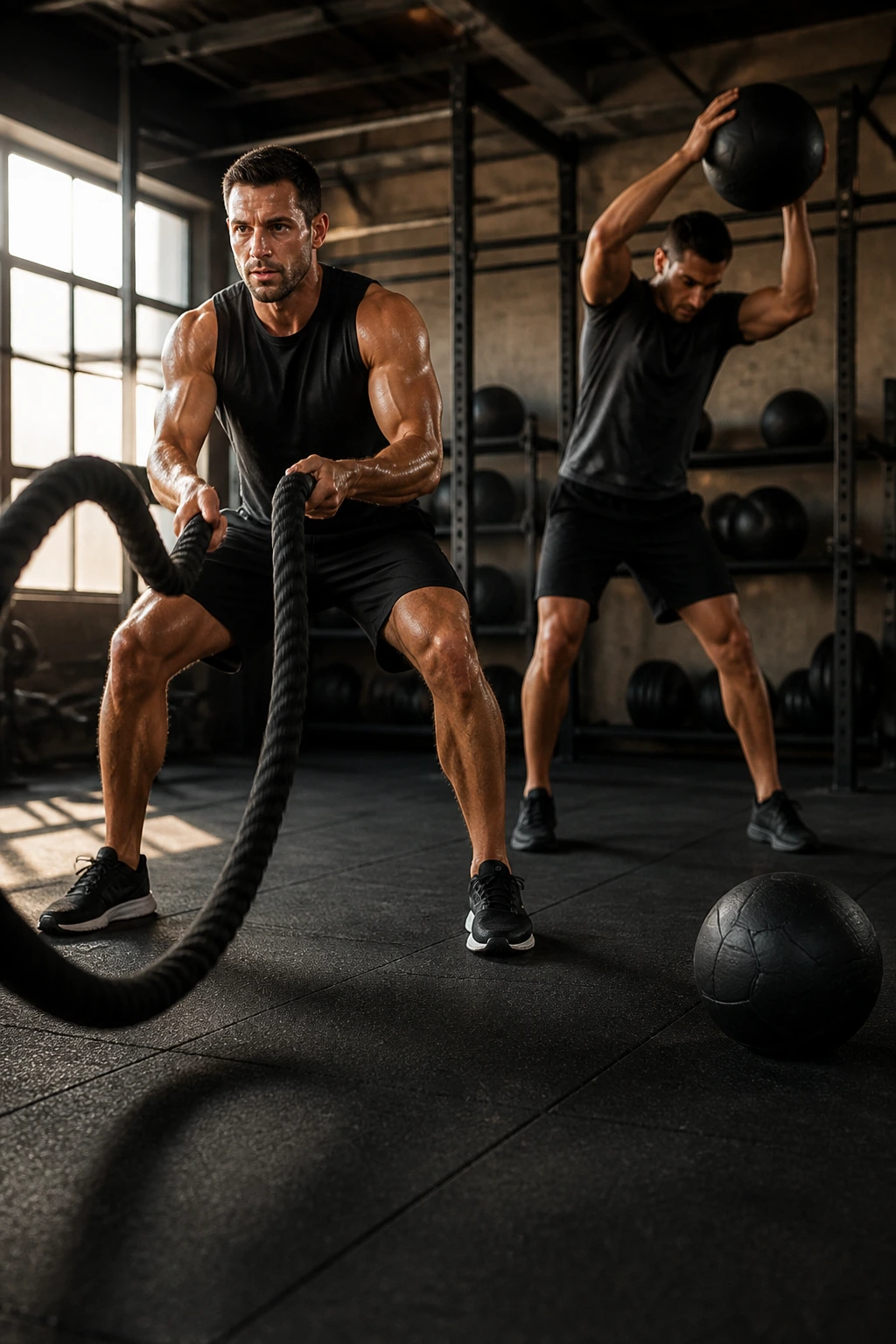
Power work does not have to mean max barbell lifts all the time. Sometimes it means learning to express force fast while the body stays coordinated. Battle ropes and medicine balls do that well.
Run 5 rounds of:
- 30 seconds battle ropes
- 10 medicine ball slams
- 8 jump squats
- 60 seconds rest
Pick a rope speed that keeps your shoulders active and your trunk steady. For the slams, hinge hard and hit the floor with intent, then reset. The jump squats should be crisp, not sloppy and deep for the sake of looking tough.
This kind of session is excellent when you want a hard conditioning hit that still feels tied to force production. You’re not just chasing sweat. You’re teaching the body to produce and release force in short bursts, which matters in sports, yard work, and the kind of sudden effort life likes to throw at you.
Short. Sharp. No wasted motion.
17. Ring Row and Push-Up Suspension Workout
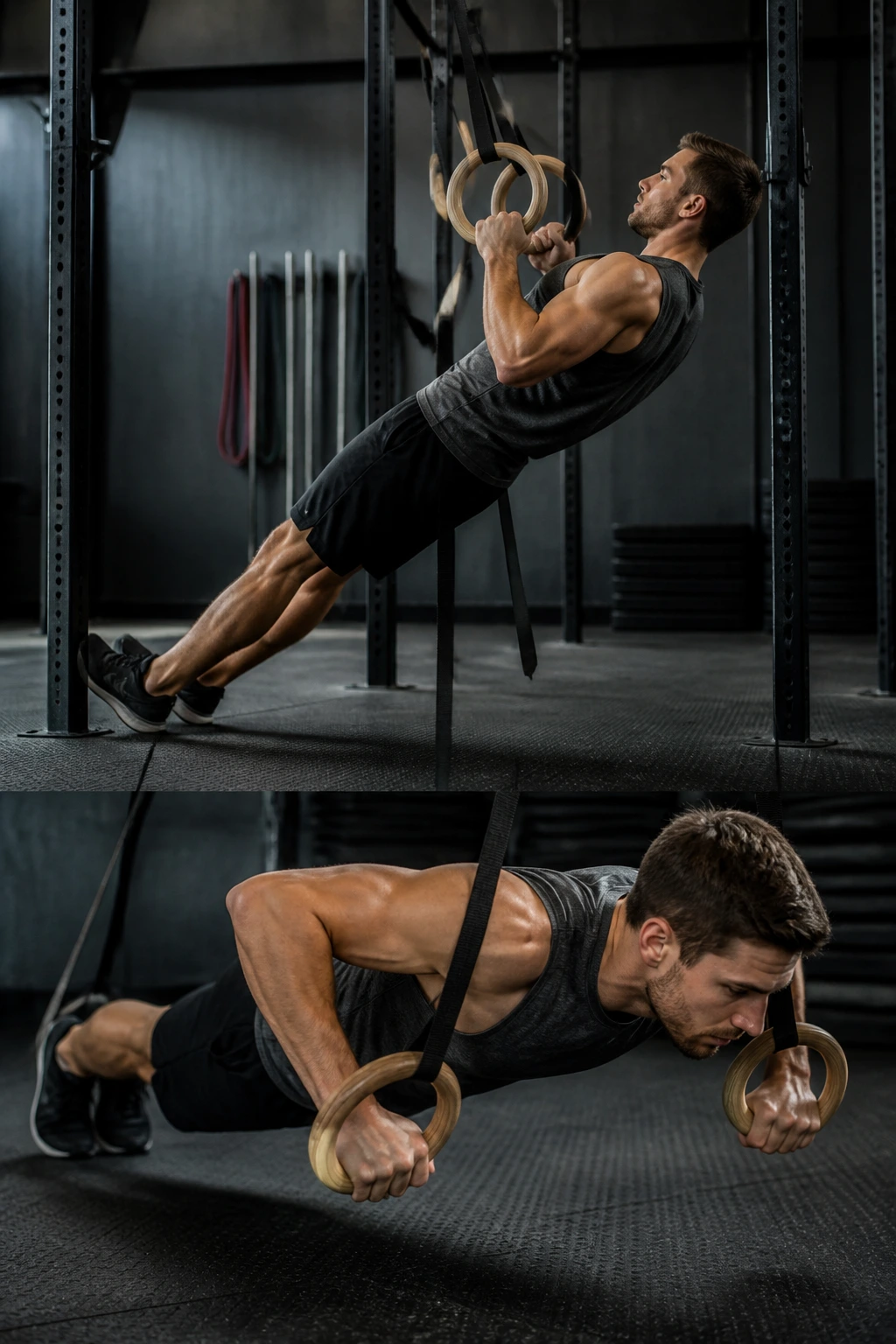
Why use rings when a floor and a barbell already exist? Because rings make your joints work a little harder to find good positions. That extra freedom can be a gift if you keep the reps controlled and don’t turn every movement into circus training.
What to Focus On
Use 4 sets of 8 ring rows, 4 sets of 8 ring push-ups, and 3 sets of 20 to 30 seconds of body saws or ring planks. Rest 60 to 90 seconds between sets. The rings should stay smooth and quiet; if they swing all over the place, slow down.
The real value here is shoulder control. Rings let your hands rotate naturally, which often feels better than fixed bars for pressing and pulling. They also expose weak links fast. If one side leaks force, you’ll feel it immediately.
This is a good day for men who want upper-body strength without pounding the joints. Clean ring work makes you earn every rep. No cheating. No bouncing. Just honest tension.
18. Stair Sprints and Step-Up Load Carry
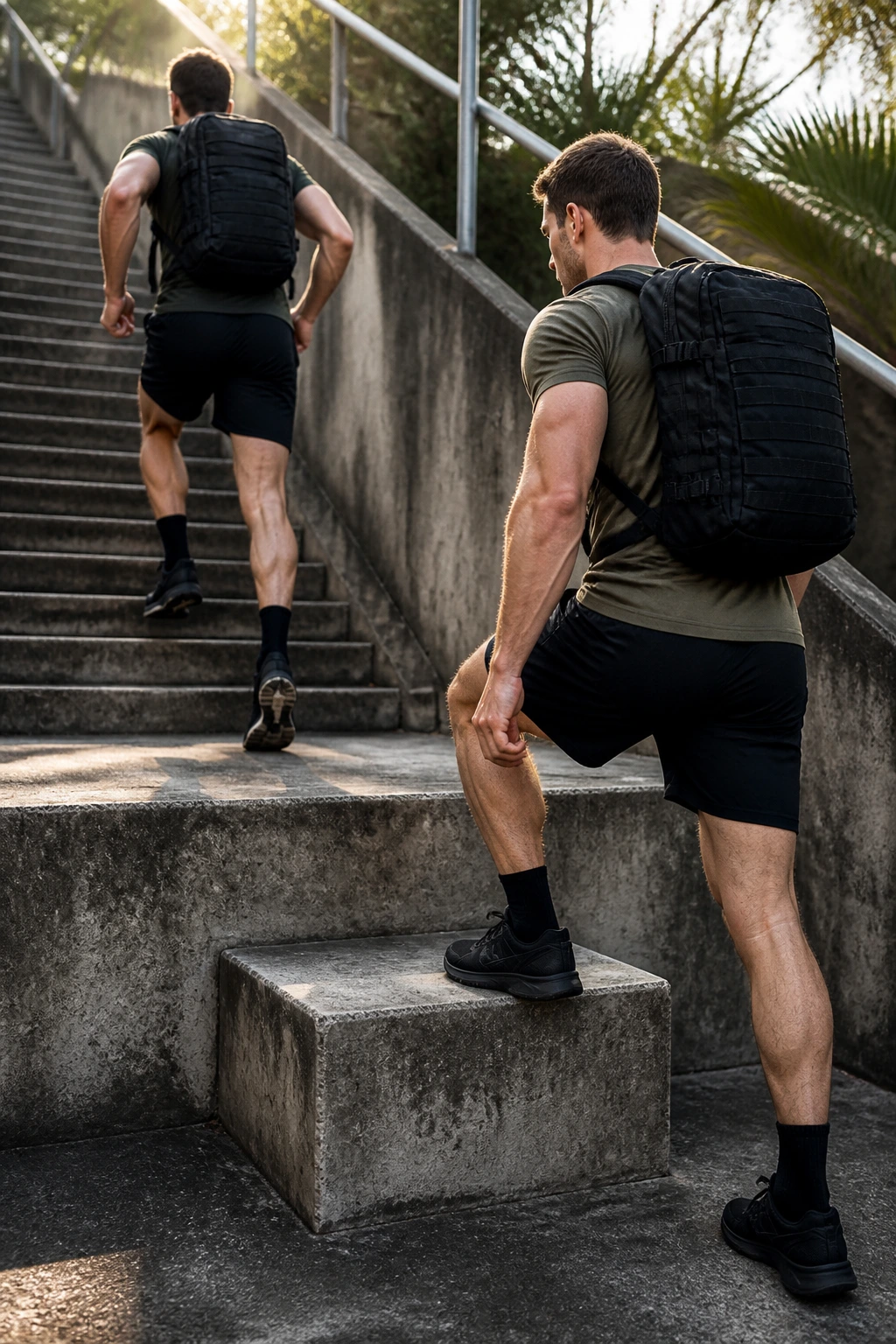
Stairs are rude. That’s why they work so well. They force a hard knee drive, strong foot pressure, and a cardiovascular demand that climbs fast without needing much space.
Use 6 to 10 stair sprints of 10 to 20 seconds each, walking down for recovery. Then pair them with 3 sets of 10 weighted step-ups per leg holding dumbbells or a rucksack. Rest 90 seconds between rounds.
The step-up matters because it slows the pattern down after the sprint. You get power first, then control. That contrast helps build legs that can move, not just legs that can lift a bar in a straight line.
This workout is useful when you want lower-body conditioning that still feels tied to strength. It’s also a nice option for men who train outside or have access to a stairwell and not much else. Bare bones. Effective.
If your knees feel shaky on step-ups, lower the box and clean up the setup before you add load.
19. Hip Hinge, Anti-Rotation, and Suitcase Carry
If there’s a quiet hero in functional training, it’s the anti-rotation workout. The body spends a lot of time resisting force from the side, not just producing it forward. This session trains that exact job.
Why the Side Load Matters
Do 4 rounds of:
- 8 Romanian deadlifts
- 10 Pallof presses per side
- 30-meter suitcase carry per side
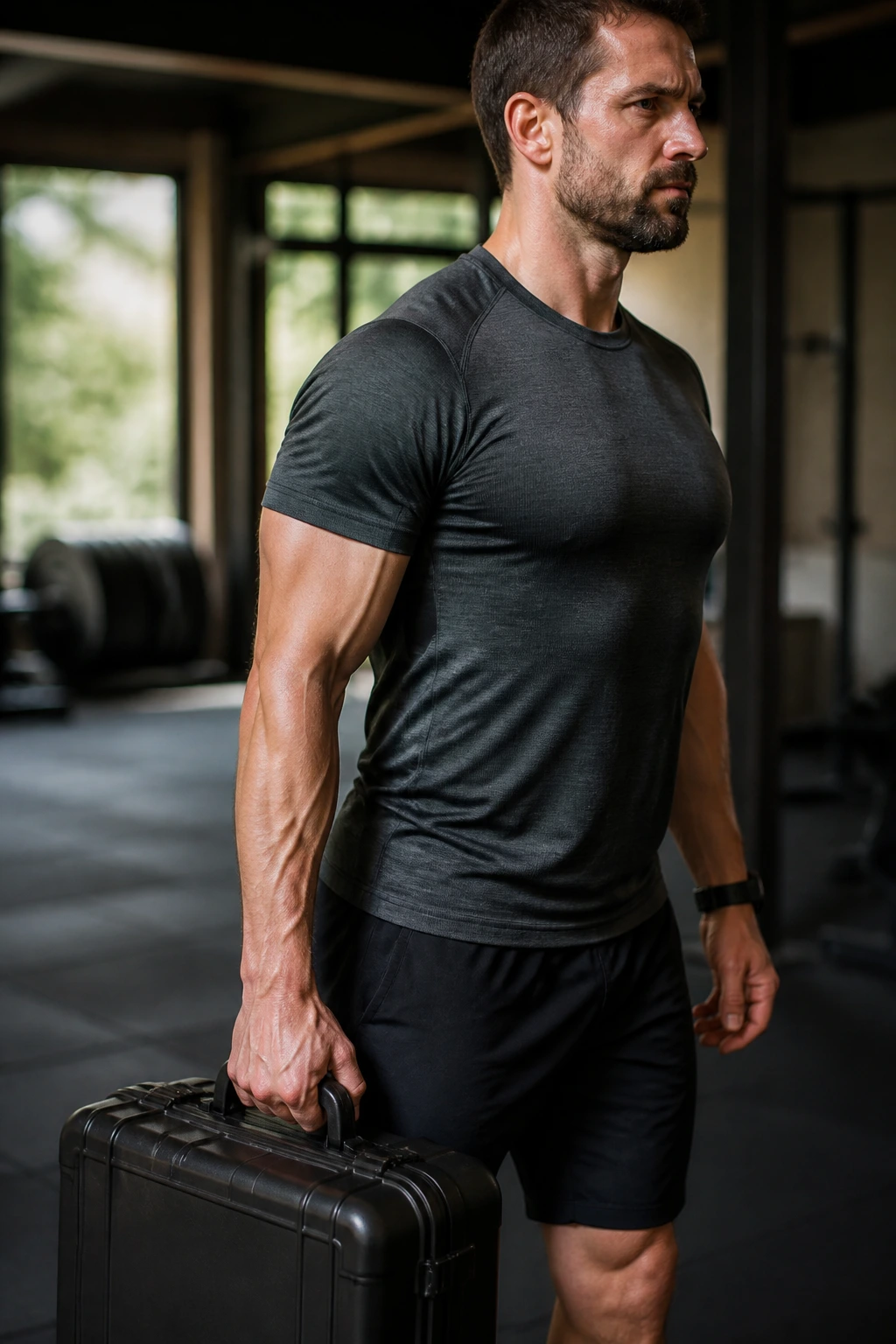
Use a load you can control without leaning. The suitcase carry is the big lesson here. One side gets hammered, the trunk has to stop the body from tipping, and the hips have to keep walking in a straight line.
That skill carries over to carrying a loaded grocery bag, walking with a tool box, or simply moving through the day without twisting around your own weight. It is not flashy. It is useful, which is better.
This workout also tells the truth about asymmetry. If one side feels much harder, good. You just found something worth training.
20. Overhead Squat Mobility Strength Session
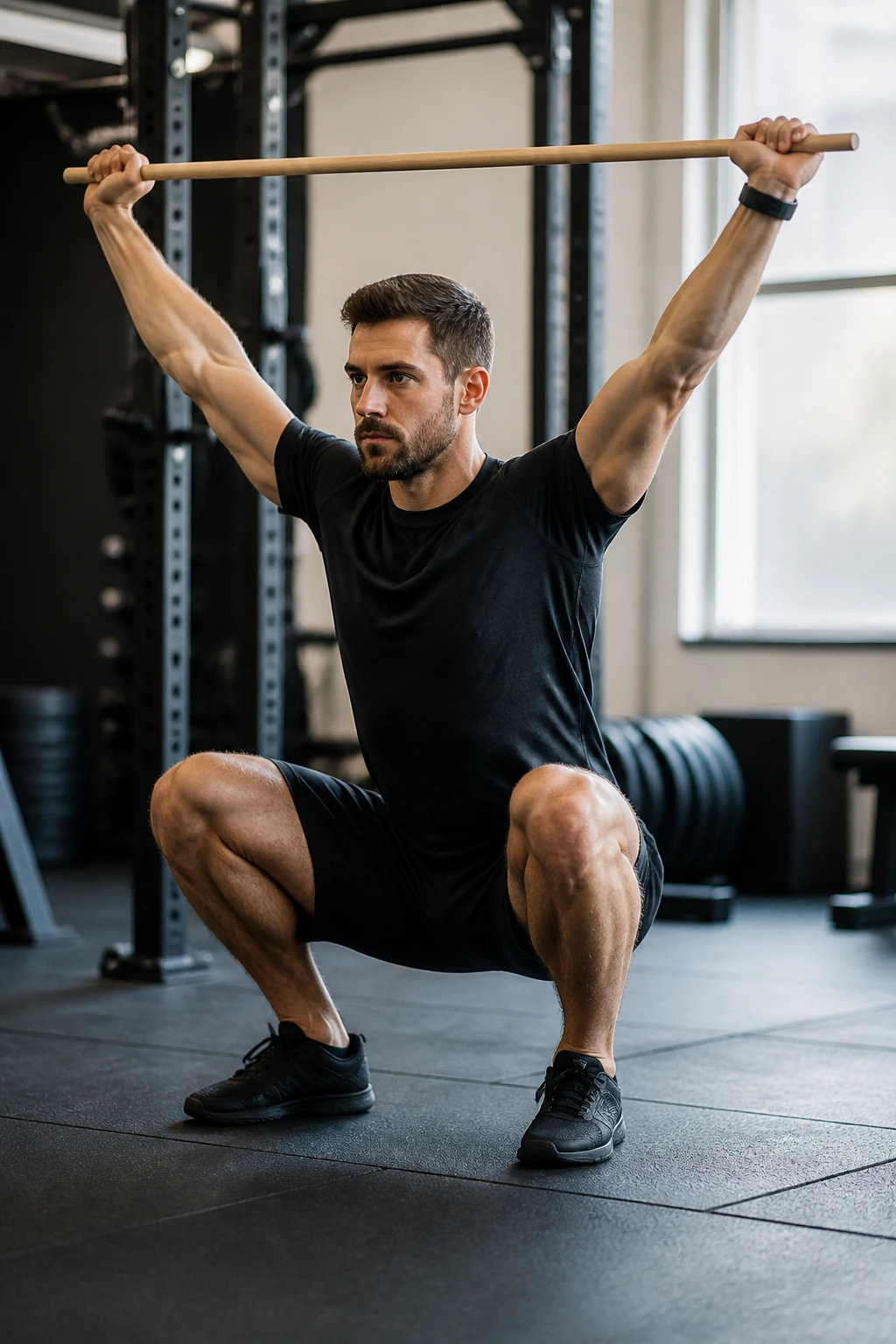
Overhead squats are not for showing off. If you treat them like a circus move, they’ll punish you for it. If you treat them like a slow test of mobility, balance, and overhead control, they become a sharp tool.
Start with a dowel or empty bar and work 3 sets of 5 reps. Add a light load only if you can keep the arms locked, the chest open, and the heels planted. Then finish with 2 sets of 20-second overhead holds in the bottom position or a partial squat.
What this reveals is simple: whether your ankles, hips, thoracic spine, and shoulders can all cooperate at once. A lot of men discover the answer is “not yet,” which is fine. That’s useful information, not a failure.
I like this session because it builds strength through positions most lifters avoid. Not every useful lift feels natural. Some of them feel awkward for a reason, and the reason is usually that your body needs more control in those ranges.
21. Mixed-Modal AMRAP with Rucksack
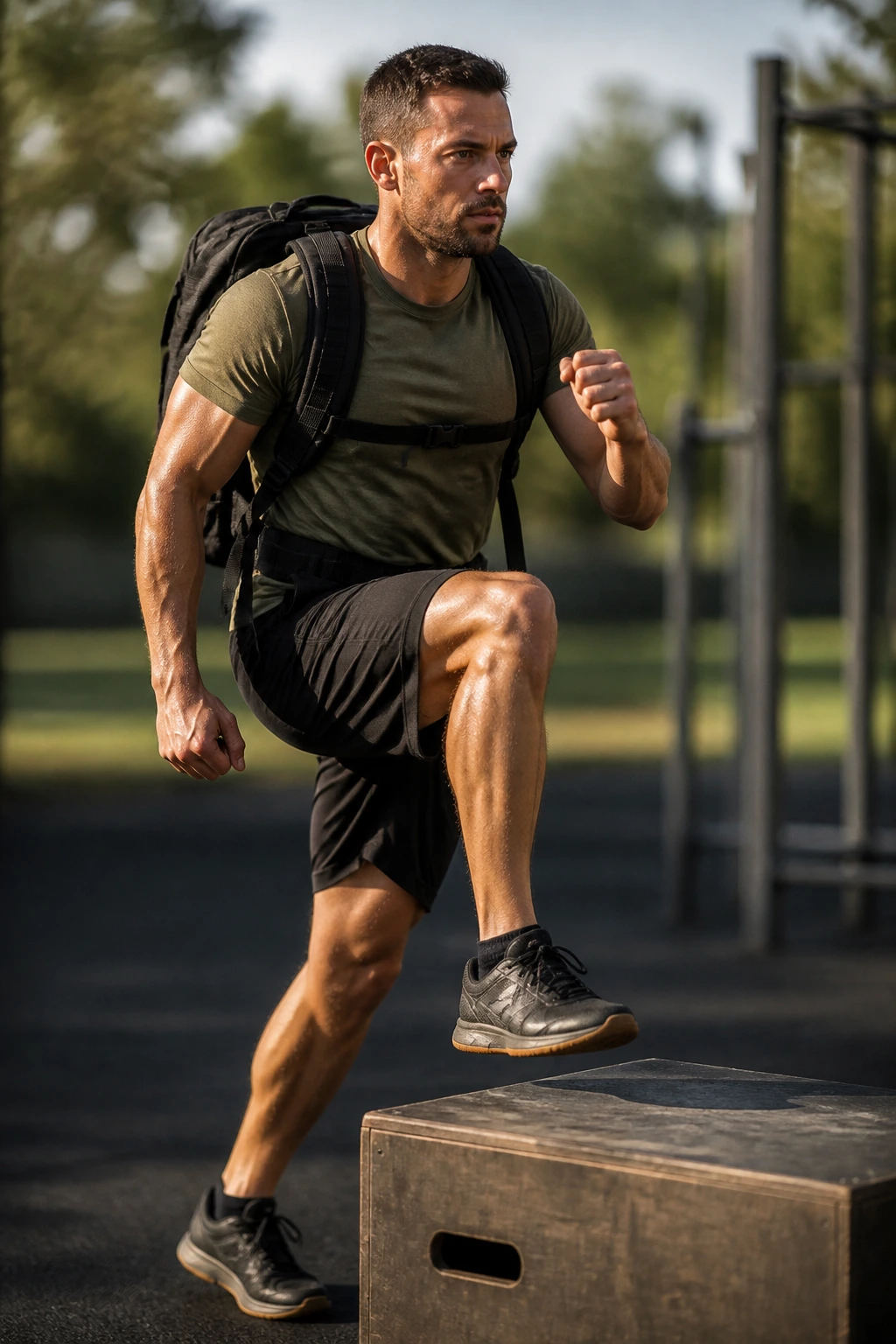
A rucksack changes the feel of a workout fast. Throw one on, and even simple moves start asking more from your trunk, hips, and breathing. That makes it a great tool for a mixed-modal session that looks a little like field work.
Set a timer for 15 minutes and repeat as many quality rounds as you can of:
- 10 rucksack step-ups
- 8 push-ups
- 10 air squats
- 20-meter bear crawl
- 20-meter loaded carry
Keep the pace steady, not frantic. The crawl is there for shoulder stability and trunk control; the carry keeps posture honest; the step-ups and squats make the legs work under fatigue. Everything connects.
This kind of workout is useful when you want something that feels athletic without needing a bunch of machines. It works in a garage, a park, or a bare gym corner. The gear is simple. The work is not.
A good rucksack session leaves you feeling as though your body remembered how to move in layers again.
22. Full-Body Density Circuit
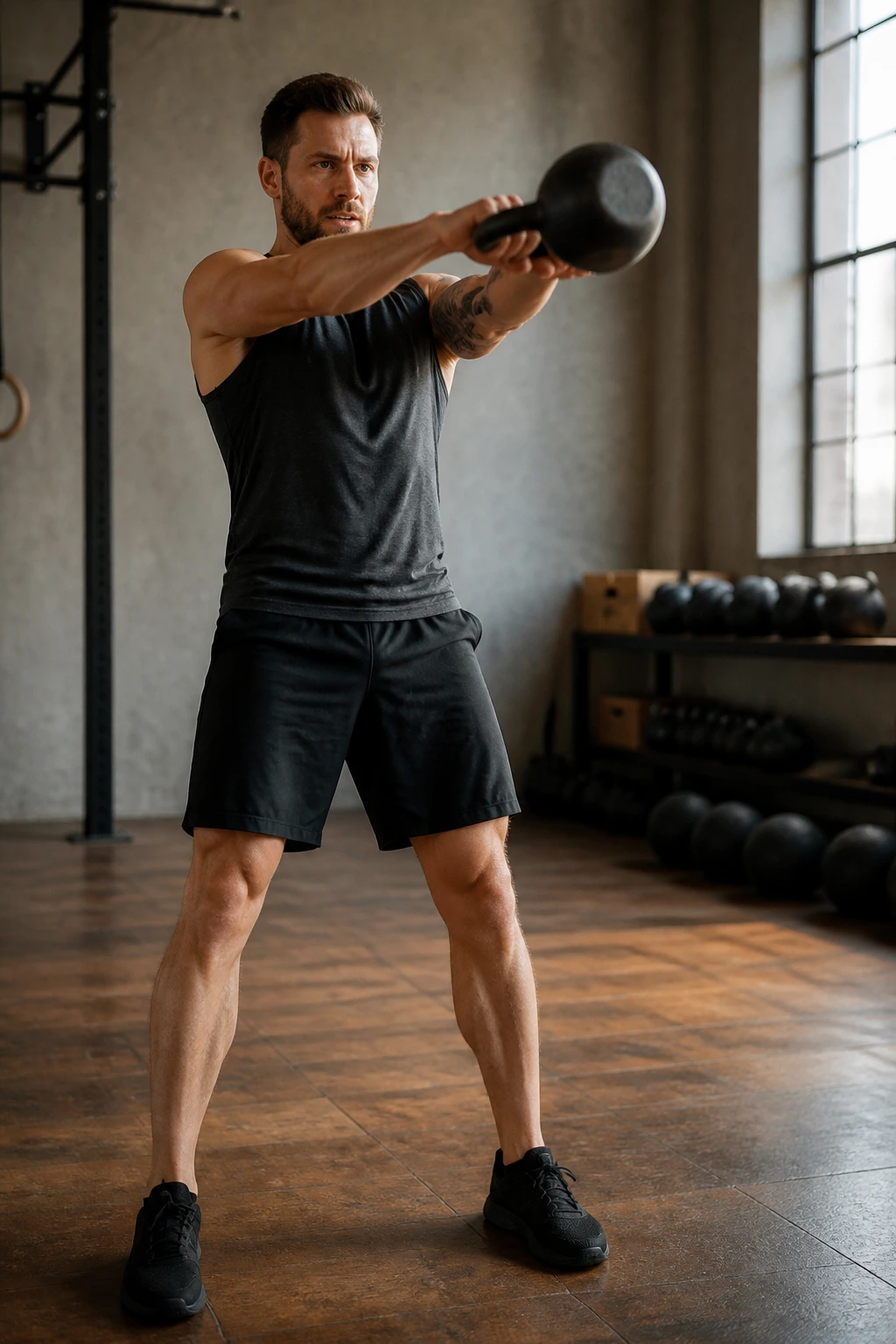
This is the one I’d use when someone wants a hard, balanced session and doesn’t want to think too much about it. Press, pull, hinge, squat, carry. That’s the whole story, and it’s a good one.
The Circuit
Set a timer for 12 minutes and cycle through:
- 8 goblet squats
- 6 push-ups
- 8 dumbbell rows per side
- 12 kettlebell swings
- 20-meter farmer’s carry
Move with clean form and short rests only when needed. The weight should be moderate enough to keep the round smooth but heavy enough that you’re paying attention by minute five. If your grip slips early, drop the load. If your posture gets sloppy, slow down.
The appeal of a density circuit is simple: it gives you a broad dose of strength, conditioning, and movement quality without needing a complicated setup. That makes it a strong finish to the list and a practical anchor for weeks when training time is tight.
Run it once a week, or slot it in when your body wants work but your brain wants less noise. Both happen.
Pick three of these workouts and rotate them through the week. Choose one heavy lower-body session, one carry or rotation day, and one power or bodyweight day, then keep adding small amounts of load, reps, or distance before you start hunting for something fancier. The men who get stronger for real usually do less talking and more honest work.
