



Your body does not always need more punishment. Sometimes it needs a cleaner kind of effort: a little sweat, a little range of motion, some honest breathing, and enough load to remind your muscles how to work without leaving you trashed.
That’s what makes a real total body reset different from a random hard workout. You want to feel looser at the end, not wrecked. Hips should open up. Shoulders should sit lower. Your breathing should settle faster after effort, not stay ragged for the rest of the afternoon.
I have little patience for workouts that call themselves “reset” sessions while behaving like a boot camp with prettier music. A good reset session can be calm, but it should still have a pulse. It should wake up your legs, your trunk, your back, and your head at the same time.
The 18 workouts below do that in different ways. Some build heat. Some clear stiffness. Some sharpen coordination. Some are almost boring on paper, which is usually a sign they work better than the flashy stuff.
1. Brisk Walk With Arm Swings

A brisk walk with arm swings looks almost too simple to matter, and that is exactly why it works. Most people are already walking; the reset happens when you make the walk intentional, tall, and fast enough to change your breathing.
How to keep it honest
Take 20 to 30 minutes and walk at a pace where you can still talk, but not ramble. Every few minutes, let your arms swing freely for 20 to 30 steps, then settle them back into a normal stride. Keep your ribs stacked over your hips. Don’t hunch.
A walk like this greases the whole machine. Calves warm up. Your hip flexors stop acting like old rusted hinges. The upper body gets a little rotation without strain. And if you’ve been glued to a chair, this is often the first thing that makes you feel like a person again.
Best use: early morning, after a long work stretch, or between harder training days.
Small trick: finish the last 3 minutes with a slightly longer stride and nasal breathing if you can manage it. That little shift makes the session feel more like a reset and less like a stroll to nowhere.
2. Bodyweight Squat and Reach Flow
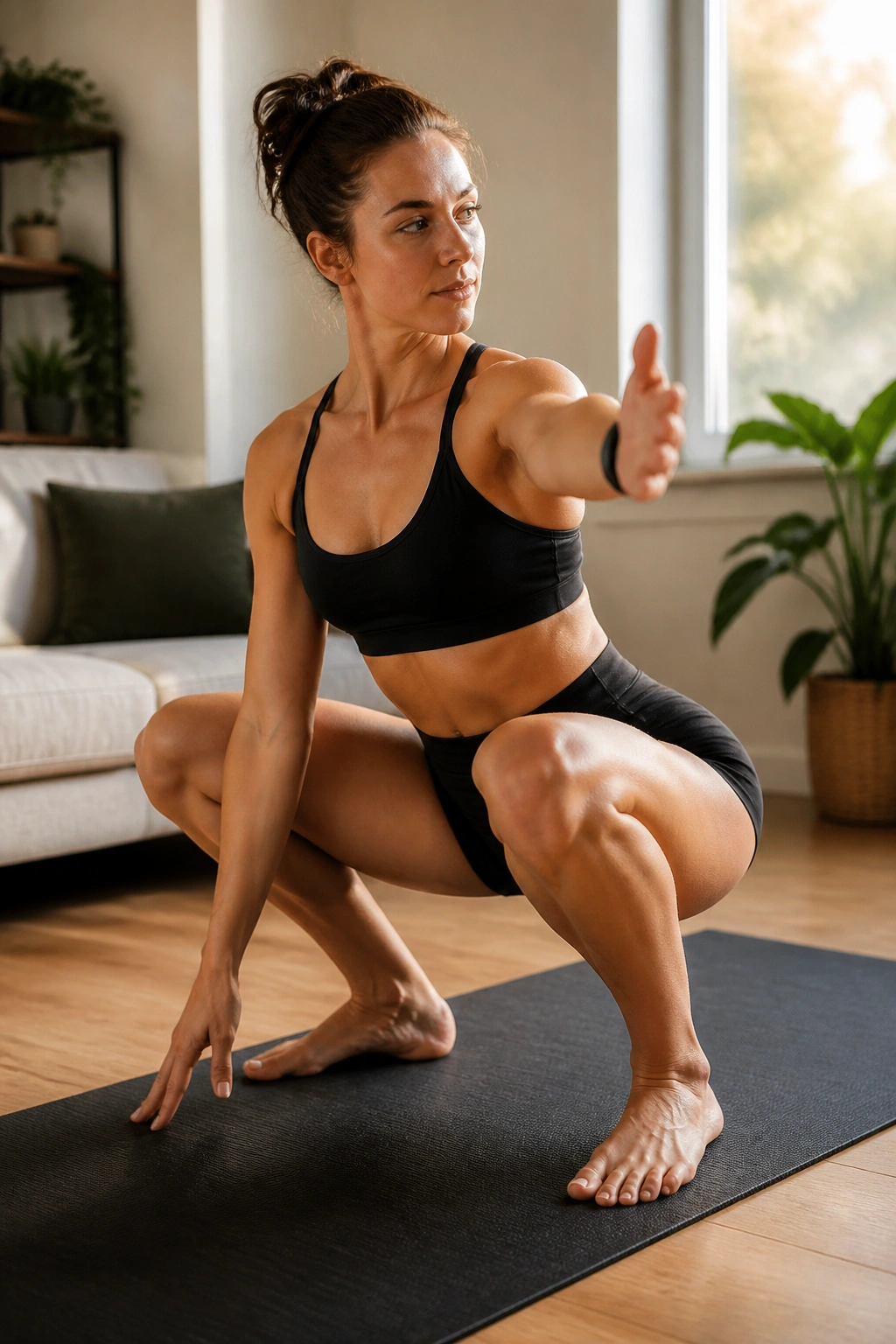
Why does a bodyweight squat and reach flow feel better than another round of random reps? Because it gets your joints moving through the same patterns you use in real life: sit, stand, reach, brace, and balance.
A clean 8-minute loop
Try 5 rounds of this:
- 8 air squats
- 6 reverse lunges per side
- 5 reach-throughs per side from a standing hinge
- 4 slow overhead reaches while standing tall
Keep the pace smooth. Not fast. The point is to make your hips, ankles, and upper back all show up in the same session. If your knees feel cranky, shorten the squat depth and focus on a stable foot tripod: big toe, little toe, heel.
The magic here is not intensity. It’s coordination. A lot of “reset” work fails because it only mobilizes one area at a time. This one ties the lower body and upper body together, which is why it leaves you feeling more organized afterward.
3. Mobility Ladder for Hips, Spine, and Shoulders
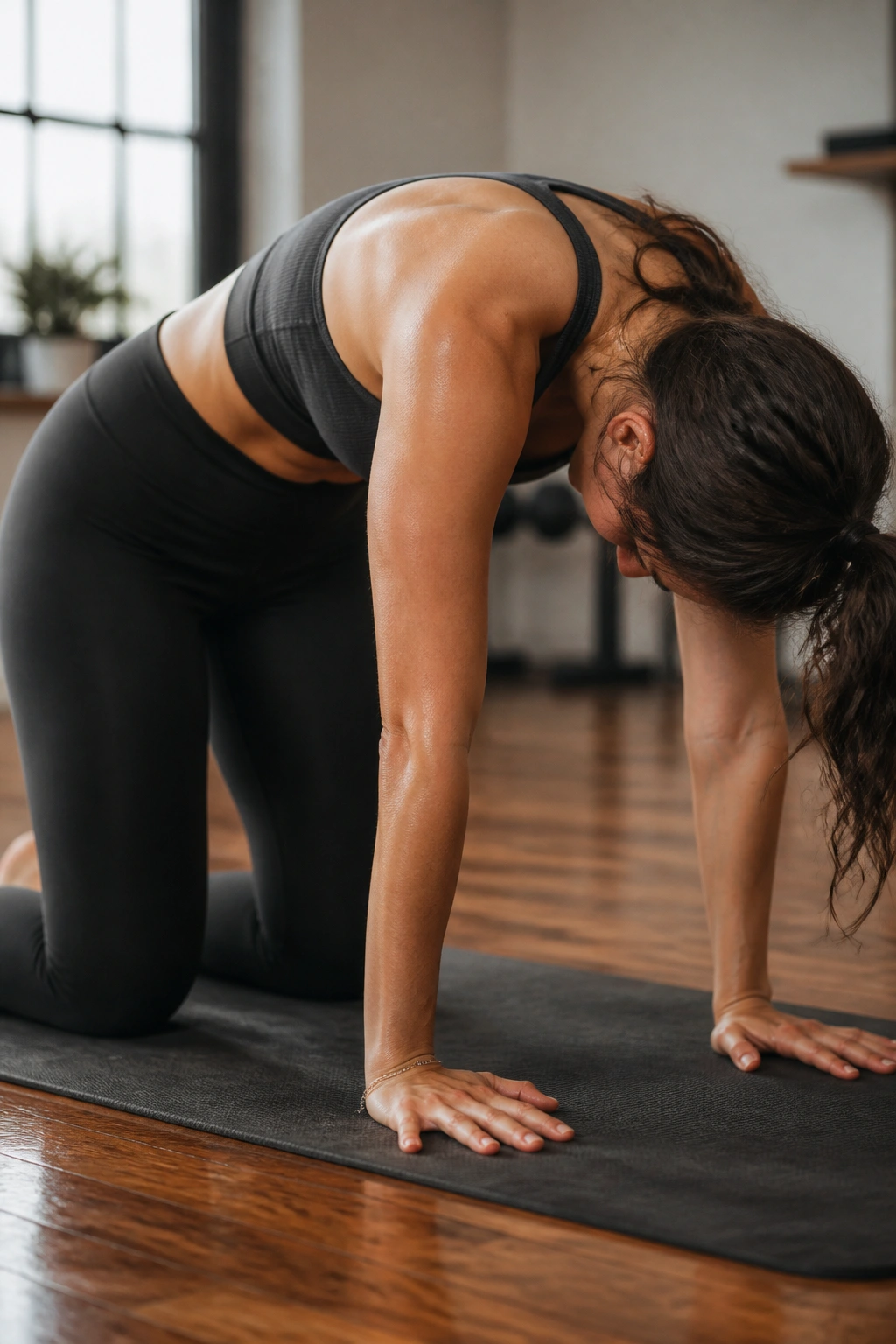
Picture this: your lower back feels tight, your hips feel square, and your shoulders sit up around your ears. A mobility ladder is the opposite of that mess. It nudges each piece back into place, one at a time, without turning the session into a stretch marathon.
Start with cat-cow for 6 slow reps, then move to world’s greatest stretch for 4 reps per side. Add thoracic rotations for 5 per side, ankle rocks for 10 reps, and shoulder circles for 10 forward, 10 back. That’s enough for a useful session. You do not need a parade of fancy movements.
- Keep every rep slow enough to feel where the sticky spots are.
- Breathe out on the hardest part of each stretch.
- Stop short of pain. You want tension, not a wrestling match.
- Repeat the whole ladder once if you feel stiff enough to need it.
This kind of work is underrated because it doesn’t leave a dramatic sweat ring on the floor. Fine. It leaves you moving better, which is harder to brag about and much more useful.
4. Zone 2 Bike Ride

Hard sessions get all the attention. A Zone 2 bike ride gets the job done without making a scene, and that is why I like it for a reset. The effort stays steady, the joints get a break, and your legs get circulation without the pounding of running.
Keep the ride at a pace where you can speak in short sentences. If your breathing turns sharp and choppy, ease off. 30 to 45 minutes is enough for most people. A cadence around 80 to 95 rpm feels smooth for many riders, though comfort matters more than chasing a number.
The real win here is how your body feels afterward. Your thighs feel worked, but not carved up. Your back often feels better because you’ve been moving through a stable position instead of locking up at a desk. And the steady rhythm has a calming effect that people usually notice only after they stop.
This is not the workout you brag about. Good.
It is the one you repeat.
5. Kettlebell Complex of Hinges, Cleans, and Carries
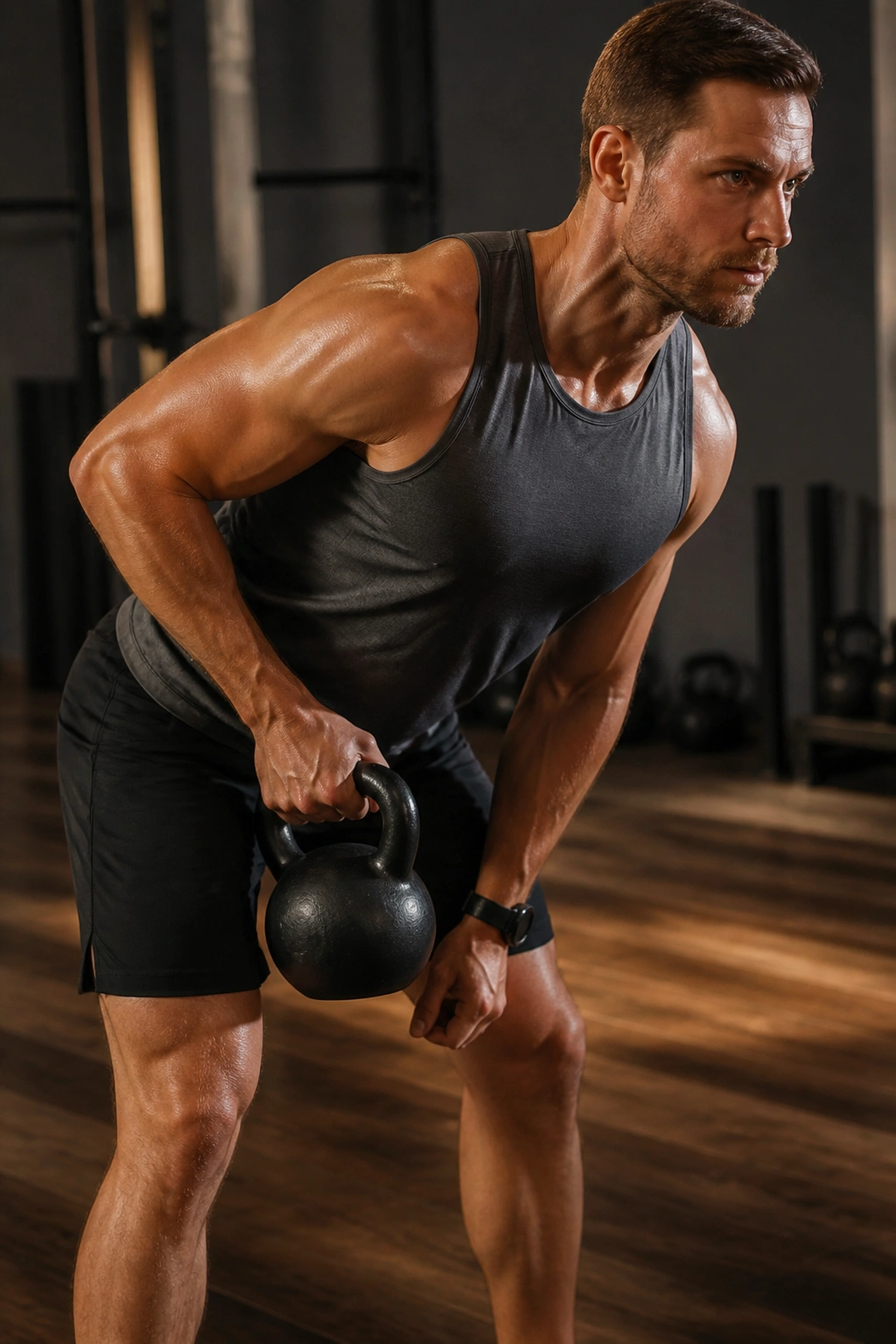
A kettlebell complex earns its place fast because it mixes strength, grip, and conditioning in one tidy package. You get the hinge, the rack position, the squat, and the carry — all of it inside a single flow that feels athletic instead of random.
One round looks like this
Use a light to moderate kettlebell and complete:
- 6 deadlifts
- 5 cleans per side
- 5 front squats
- 20 to 30 meters of suitcase carry per side
Rest 60 to 90 seconds between rounds. Do 3 to 5 rounds total.
The clean part is where people get sloppy. Keep the bell close. Let the hips do the work. The carry is the quiet finisher that ties everything together, because your trunk has to resist leaning while the load hangs off one side.
If your grip is failing before your legs do, the bell is probably heavy enough. If your lower back starts to complain, the bell is too heavy or your hinge is off. That’s the line to respect.
6. Pilates Core Reset
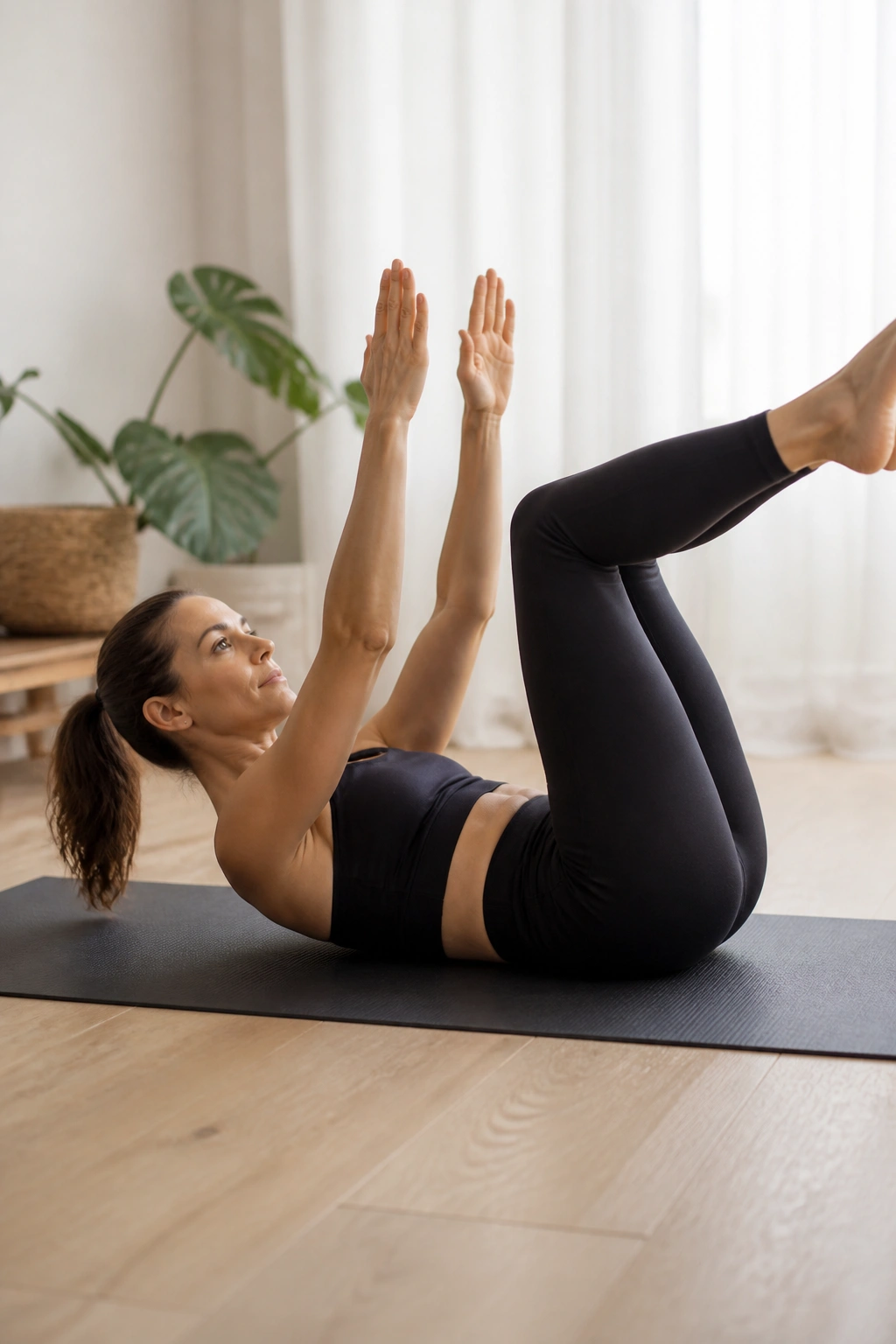
Your core should feel awake, not cranked. A Pilates core reset does that better than most people expect because it asks for control before effort. Slow breathing. Careful bracing. Clean positions.
Start with dead bugs, 6 reps per side. Add glute bridges for 10 reps, side planks for 20 to 30 seconds per side, and bird dogs for 6 slow reps per side. Keep each movement smooth enough that you could pause halfway and not wobble like a chair with a broken leg.
Your midsection should feel long, almost zipped together from ribcage to pelvis. That sensation matters. It tells you the workout is making you more organized, not just more tired.
One reason this reset style works so well is that it helps after both hard training and lazy weeks. Strong abs are useful, sure. Better trunk control also helps your back, hips, and posture when you stand up, carry groceries, or do literally anything for more than ten minutes.
7. Rowing Intervals
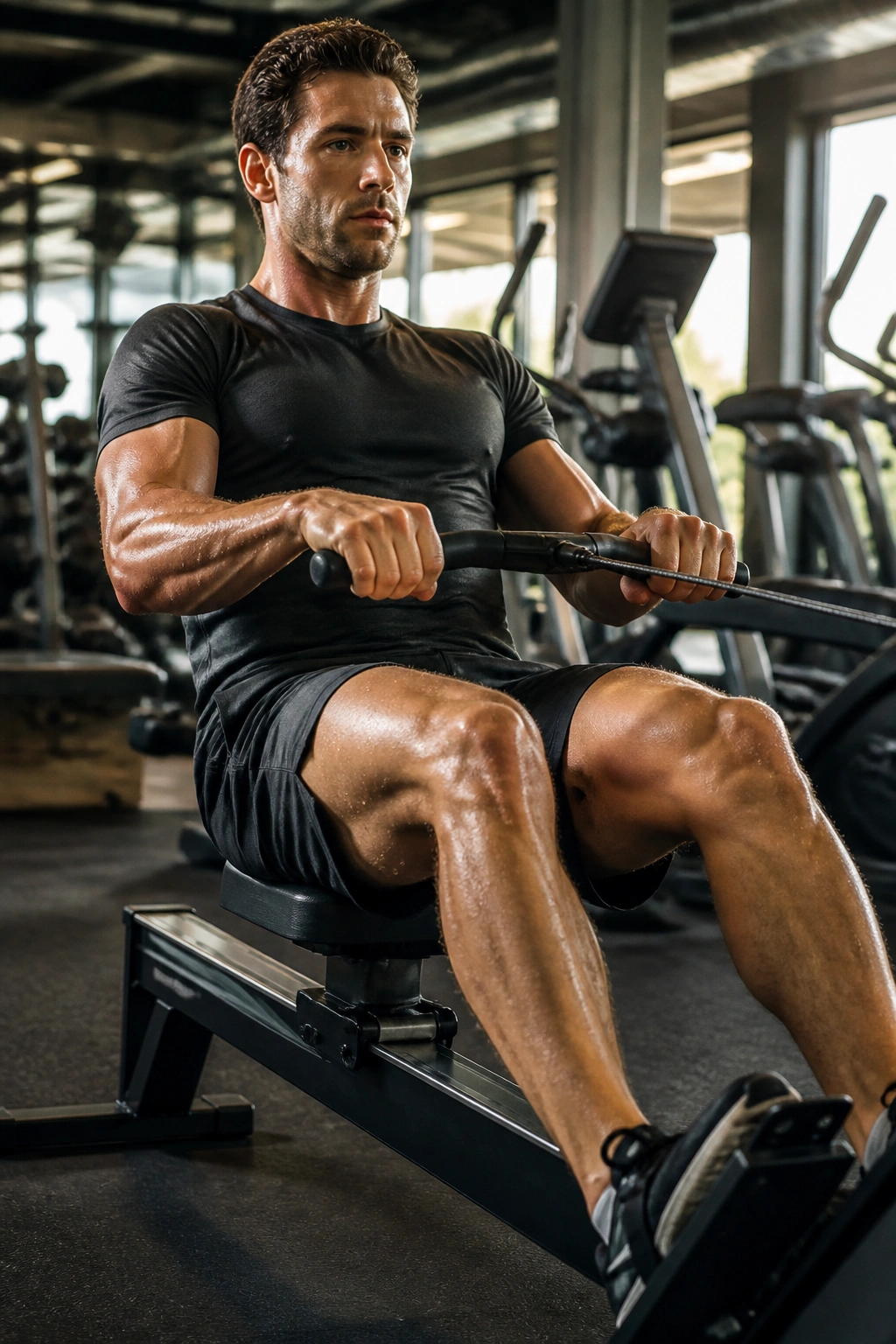
Rowing is the rare machine that can make your lungs work without beating up your joints. That alone makes it a smart choice for a total body reset, especially if you want sweat and rhythm in the same session.
What to watch for
Use 6 rounds of 500 meters at a firm but controlled pace, with 90 seconds of easy rowing between rounds. If that feels like too much, switch to 10 rounds of 1 minute on and 1 minute off. Keep the stroke smooth. Drive with the legs first, then the hips, then the arms.
Rowing is different from running because it asks for power and timing in a compact space. The seat keeps impact low, but your back, legs, and shoulders still have to cooperate. When that sequencing gets sloppy, the workout turns into a tug-of-war. When it’s clean, it feels like a moving full-body brace.
I like rowing resets for people who need a strong hit of work without the abuse. That includes sore calves, cranky knees, and days when your head wants a sharper session but your body wants mercy.
8. Sun Salutation Yoga Flow
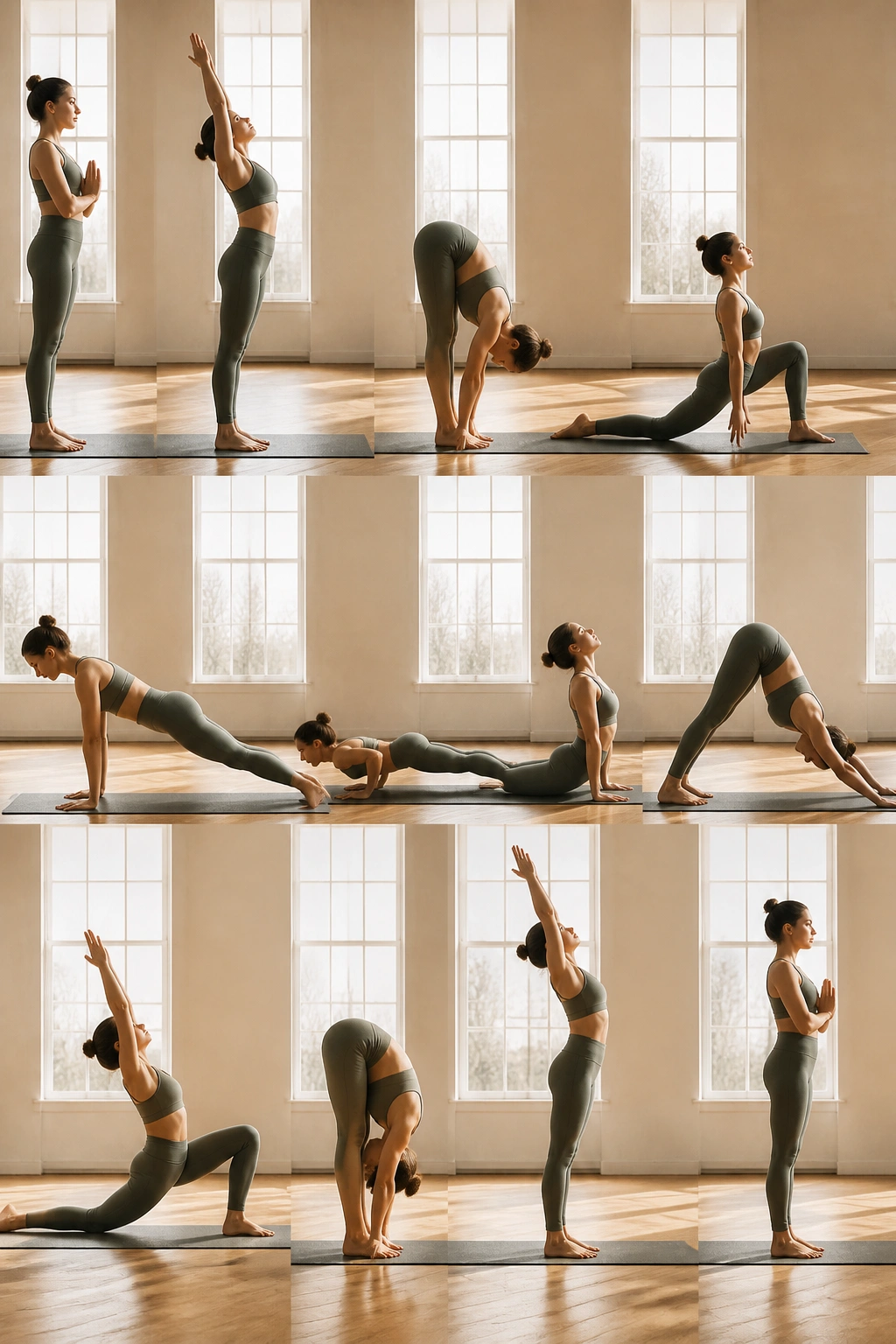
Can a sun salutation yoga flow count as a real workout? Yes, if you stop treating it like a sleepy warm-up and start moving with enough purpose to raise your heart rate.
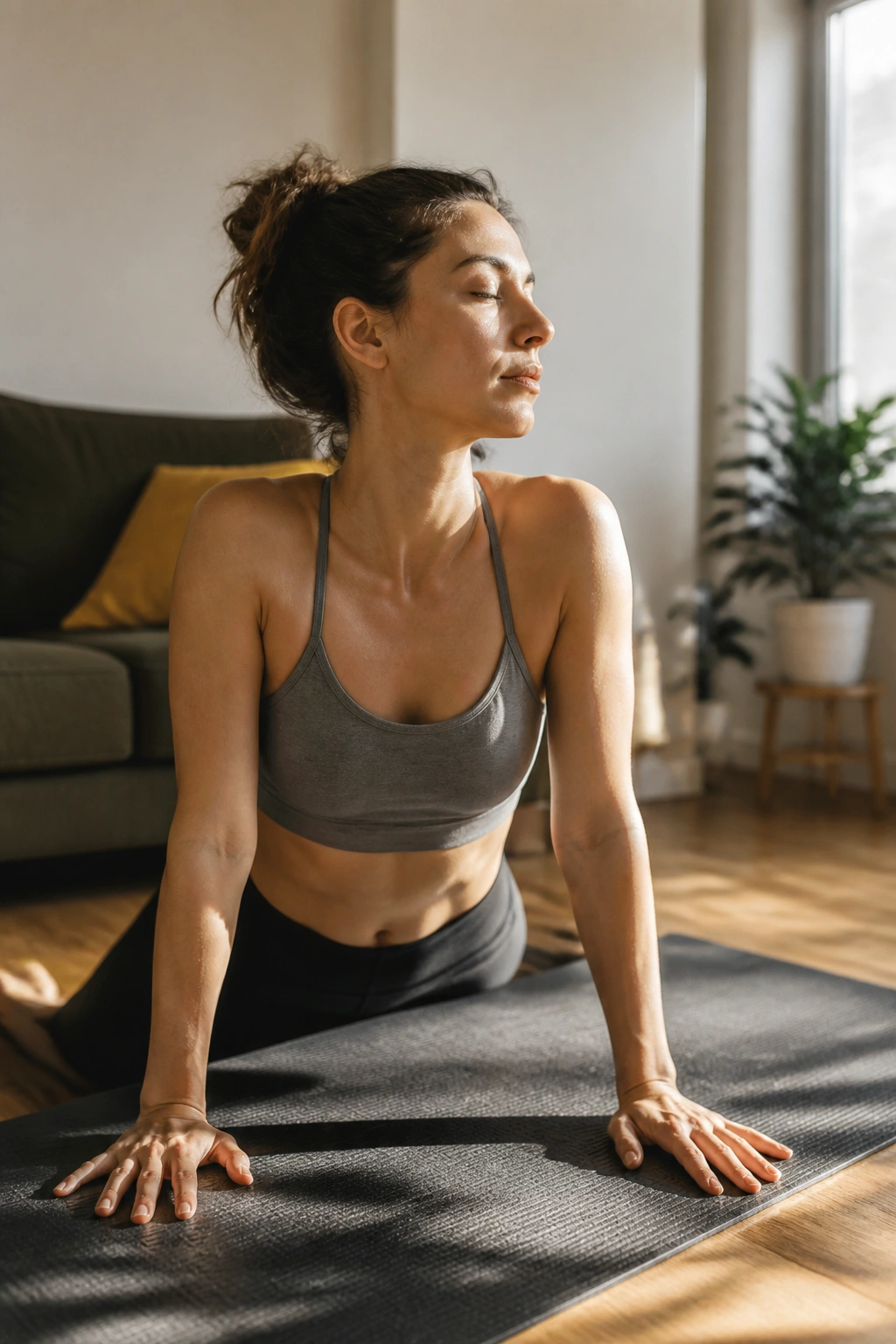
Begin with 5 to 10 rounds of a simple flow: mountain pose, forward fold, half lift, plank, lower down or step back, cobra or upward dog, downward dog, then step back to standing. Move with your breath. One breath per shape is a decent place to start.
Breath first
Exhale as you fold. Inhale as you lengthen. That rhythm matters more than making the shapes look polished. If your hamstrings are tight, bend your knees a lot. If your shoulders hate plank, take the knees down.
The best part of this reset is how it changes your state. You come in stiff and scattered. You come out warmer, longer through the spine, and less glued to whatever was sitting on your chest. It is a gentle workout, yes, but not a lazy one.
9. Resistance Band Full-Body Circuit
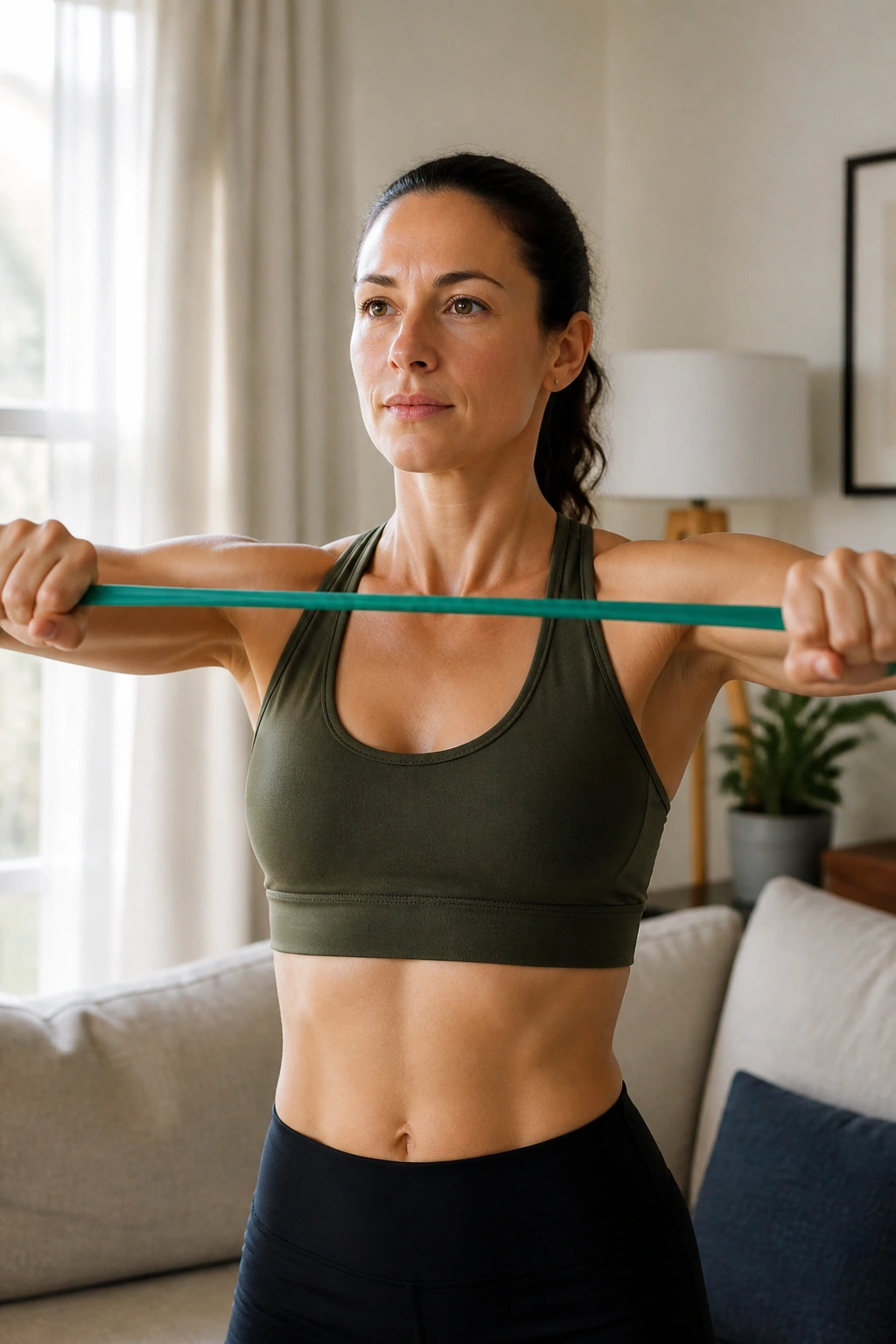
The first time you see a resistance band full-body circuit, it can look almost too light to matter. Then you do three rounds and realize your shoulders, glutes, and upper back all have opinions.
Use bands for pull-aparts, lateral walks, rows, Pallof presses, and overhead presses. Pick 10 to 15 reps for most moves and 8 to 12 steps per direction for the lateral work. Keep the circuit moving with short rests, about 20 to 40 seconds between exercises.
- Pull-aparts wake up the upper back.
- Lateral walks remind the glutes how to stabilize.
- Pallof presses train the trunk to resist twisting.
- Rows bring posture back online.
- Presses finish with a little shoulder work.
The beauty here is portability. A couple of bands can turn a hotel room, garage, or living room into a decent reset session. And because the resistance curve rises as the band stretches, the work feels smooth rather than jerky. That’s a good thing on days when joints feel cranky.
10. Ruck Walk With Hills

Rucking is glorified walking, and that is the point. A ruck walk with hills gives you loaded movement without asking for the kind of coordination that a technical lift demands.
Use a backpack or ruck that sits close to the body. Start with about 10 to 20 percent of your bodyweight if you’re experienced, and less if you’re not. Walk for 20 to 40 minutes, ideally on a route with a few hills or inclines. Keep your posture tall. If you start leaning forward like you’re hiking through a storm, the load is too much.
This kind of session wakes up the feet, calves, glutes, and upper back in a way that feels practical. It also trains your body to carry things, which is more useful than it sounds until you have to move boxes, luggage, or a stubborn bag of dog food.
One more thing: rucking punishes sloppy posture quickly. That’s useful feedback. The moment your stride shortens and your shoulders round, cut the load or cut the distance.
11. Swim Laps With Easy Breathing

Swimming is not soft. A few easy laps will remind you of that the hard way. A swim lap reset gives you full-body effort with built-in relief for the joints, which is a nice trade on days when running or jumping feels like too much.
Try 10 to 20 lengths at an easy to moderate pace, resting 15 to 30 seconds between repeats. If you like structure, alternate two lengths steady with one length easy. Keep the breathing calm. The water punishes panic fast.
What makes swimming special is the way it spreads the work out. Shoulders pull. Lats engage. Core stays on. Legs keep kicking in the background. You leave the pool feeling used, but not hammered by impact.
The catch is that sloppy technique can drain you fast. If your neck tenses, your kick gets wild, or you feel like you’re fighting the water instead of sliding through it, slow down. Smooth strokes beat thrashing every time.
12. Dumbbell Tempo Circuit
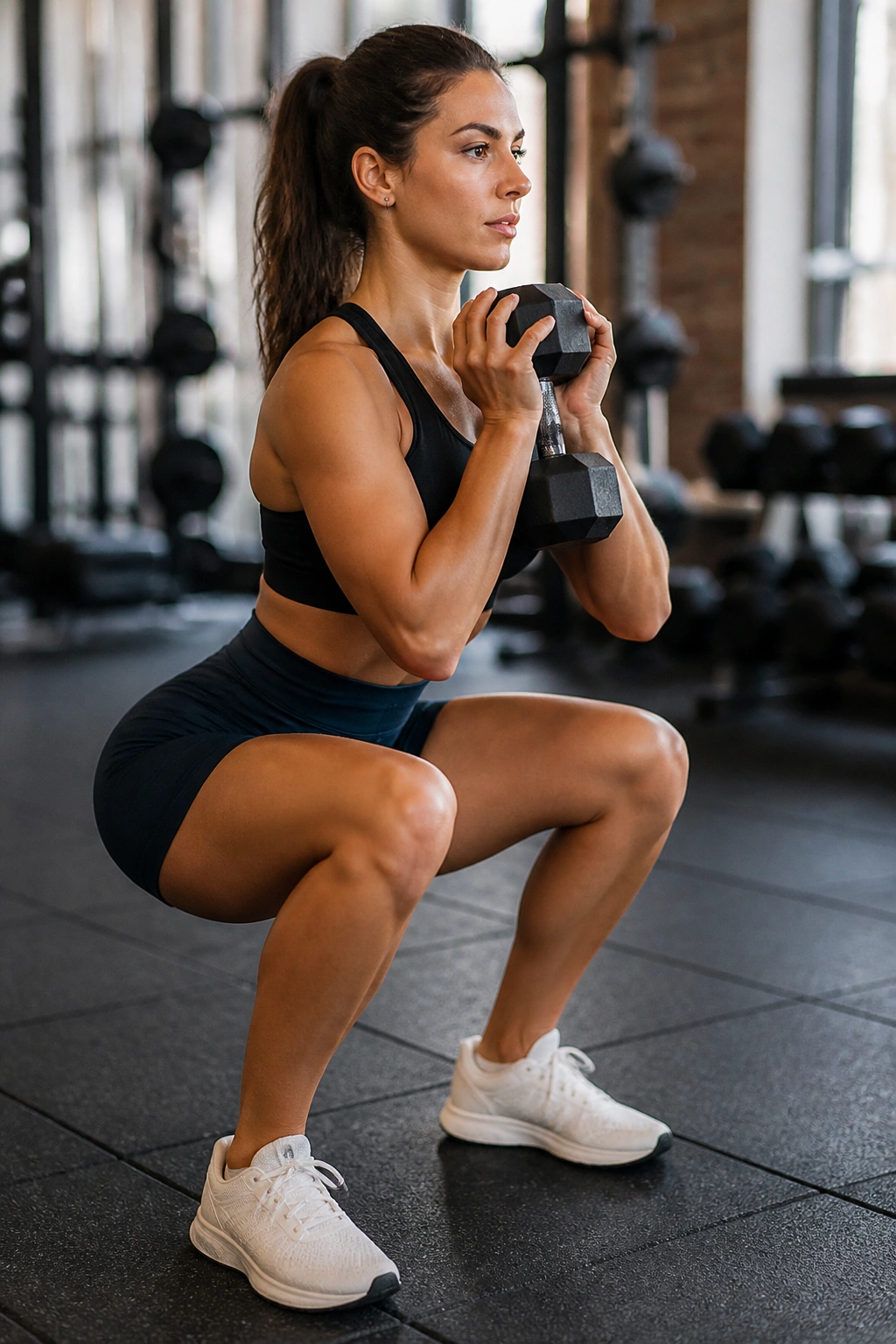
How heavy should dumbbells be for a reset workout? Heavier than a shrug, lighter than ego. A dumbbell tempo circuit works because slowing the reps down makes moderate weight feel much more honest.
Use goblet squats, floor presses, bent-over rows, and split squats. Try 3 seconds down, 1 second pause, 1 second up on each rep. Do 8 reps per exercise for 3 rounds, resting 45 to 60 seconds between moves.
Tempo rules
The slow lowering phase is the whole point. That’s where the muscle has to control the weight instead of letting momentum cheat. The pause strips out the bounce. The lift back up should stay crisp but not rushed.
This style is especially good when you want to train without frying your nervous system. You still feel the work. Your legs still burn. Your upper body still has to brace. But the controlled pace keeps the session from turning sloppy.
A tempo circuit also teaches you where your form breaks down. If your knees cave on the way up, or your back arches on presses, the pace exposes it immediately. That feedback is worth a lot.
13. Jump Rope Rounds
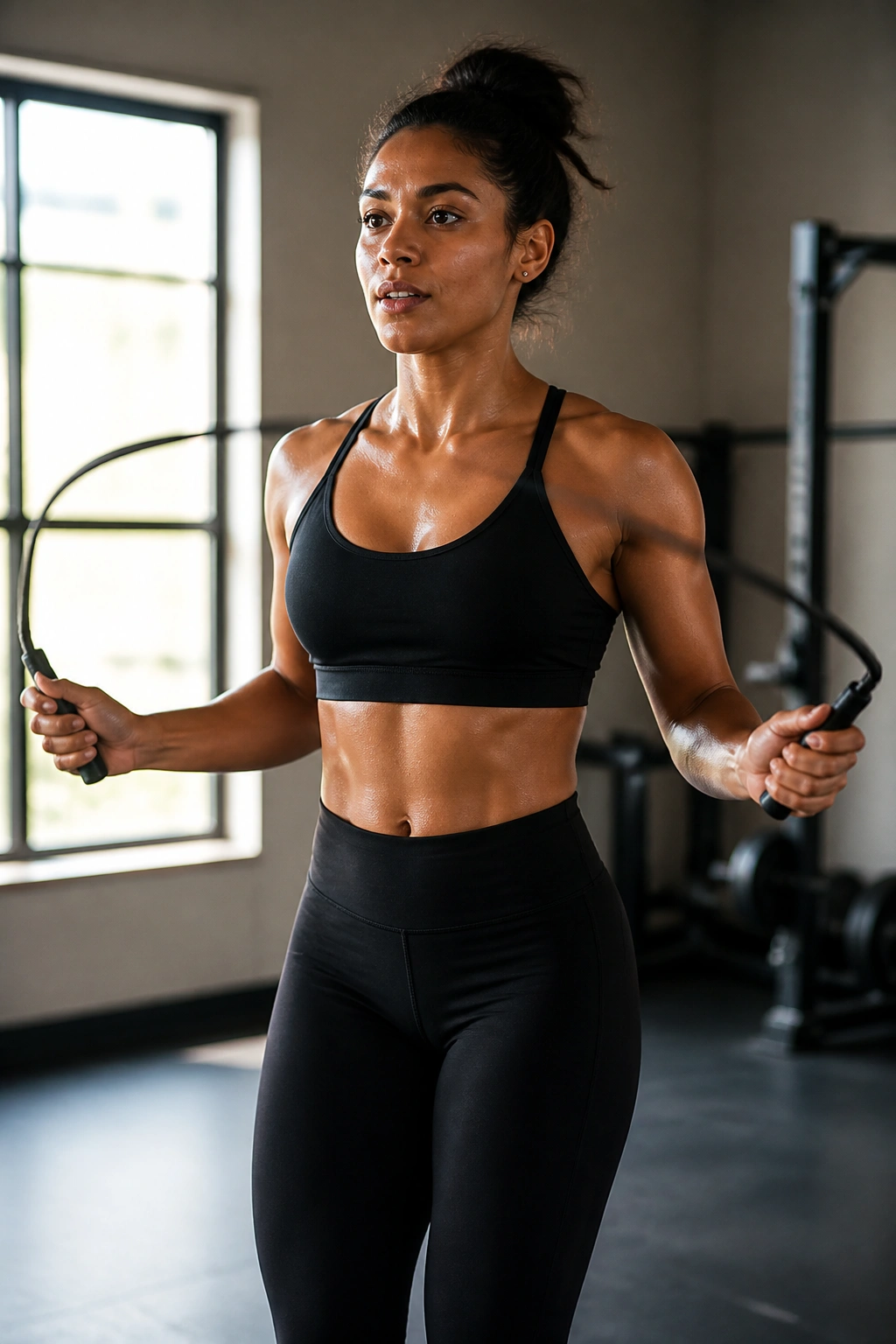
The heavy bag isn’t required for jump rope rounds to feel serious. A rope, a bit of floor space, and some patience are enough. Two minutes in, your calves will know the truth.
Start with 20 seconds on, 40 seconds off for 10 rounds if you’re rusty. If you’re comfortable, move to 30 seconds on, 30 seconds off. Stay light on the balls of your feet, let your elbows stay close, and keep the jumps small. You are trying to rebound, not leap.
This reset hits coordination as much as conditioning. That matters. Feet, ankles, calves, shoulders, and timing all have to cooperate. You also get a quick mental lift from the rhythm, which feels oddly tidy when the rest of the day has been a mess.
If your shins complain, shorten the bouts and use a softer surface. And if your jumps get big, your form is slipping. Tiny jumps. Quiet feet. That’s the money.
14. Dead Bug and Carry Stability Session
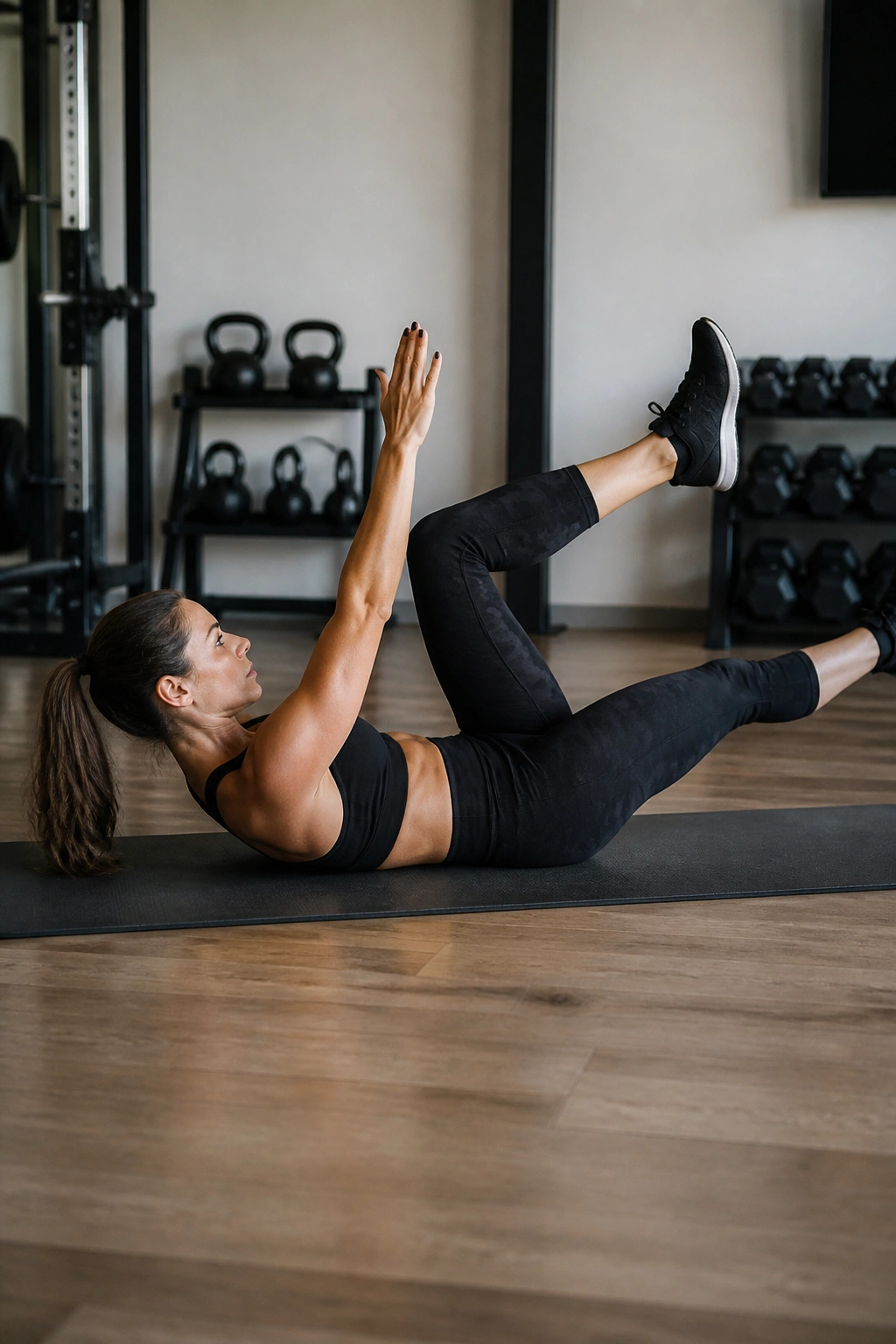
A stability session can leave you more switched on than a sweaty circuit. That’s not a cop-out. It’s a sign your trunk is finally doing its job.
Pair dead bugs, suitcase carries, front rack carries, and side planks. Keep the work crisp: 6 to 8 dead bugs per side, 20 to 40 meters per carry, and 20 to 30 seconds on each side plank. Rest just long enough to stay clean.
What you’re chasing here is control under load. The dead bug teaches your ribs and pelvis to stay stacked. The carries make your body resist tipping. The side plank keeps the side body honest. None of it looks dramatic. All of it matters.
I like this kind of reset when someone feels “off” but not injured. Back a little tight, core a little lazy, shoulders a little forward — that sort of day. You finish feeling taller, which is a nice change from the collapsed feeling that comes from too much sitting.
15. Shadow Boxing Footwork Rounds

Boxers do not shadow box because it looks cool. They do it because footwork, timing, and balance can fall apart fast when nobody is paying attention. A shadow boxing footwork round brings all of that back.
Set a timer for 3-minute rounds with 30 to 45 seconds of rest. Spend one round on jabs and movement, one on pivots and slips, and one on simple combos like jab-cross-step back. Keep your hands up, your knees soft, and your breaths short.
- Move after every combo.
- Keep the stance narrow enough to pivot.
- Stay light, but not bouncy.
- Turn the hips a little on the cross.
- Reset your feet before you throw again.
This works as a reset because it taxes your brain and body together. You’re not just getting cardio. You’re learning to coordinate under fatigue, which gives the session a sharper edge than a plain jog around the block.
If you have a mirror, use it. Not to admire yourself. To catch the slouch before it turns into a habit.
16. Stair Climb Intervals

How many stairs does it take to wake up your legs? Fewer than you think. A stair climb interval session turns a basic staircase into a full-body reset that hits the glutes, calves, heart, and even the trunk if you move well.
Start with 30 seconds up, 60 seconds easy for 8 to 12 rounds. Walk back down or rest at the bottom. Keep the stride deliberate. If the steps get sloppy and you start stomping, the pace is too hot.
A clean interval structure
You want enough effort to breathe hard by the end of each uphill push, but not so much that your form falls apart in the first five rounds. The trick is consistency. The last interval should look a lot like the first.
Stairs have a blunt honesty that I appreciate. They reveal weak glutes, lazy ankles, and a habit of rushing. They also give you a fast sweat without any equipment, which makes them a useful fallback when the day gets messy.
If your knees dislike stairs, shorten the bouts and use a gentler incline or a lower step. No hero points for grinding through bad form.
17. Turkish Get-Up Practice
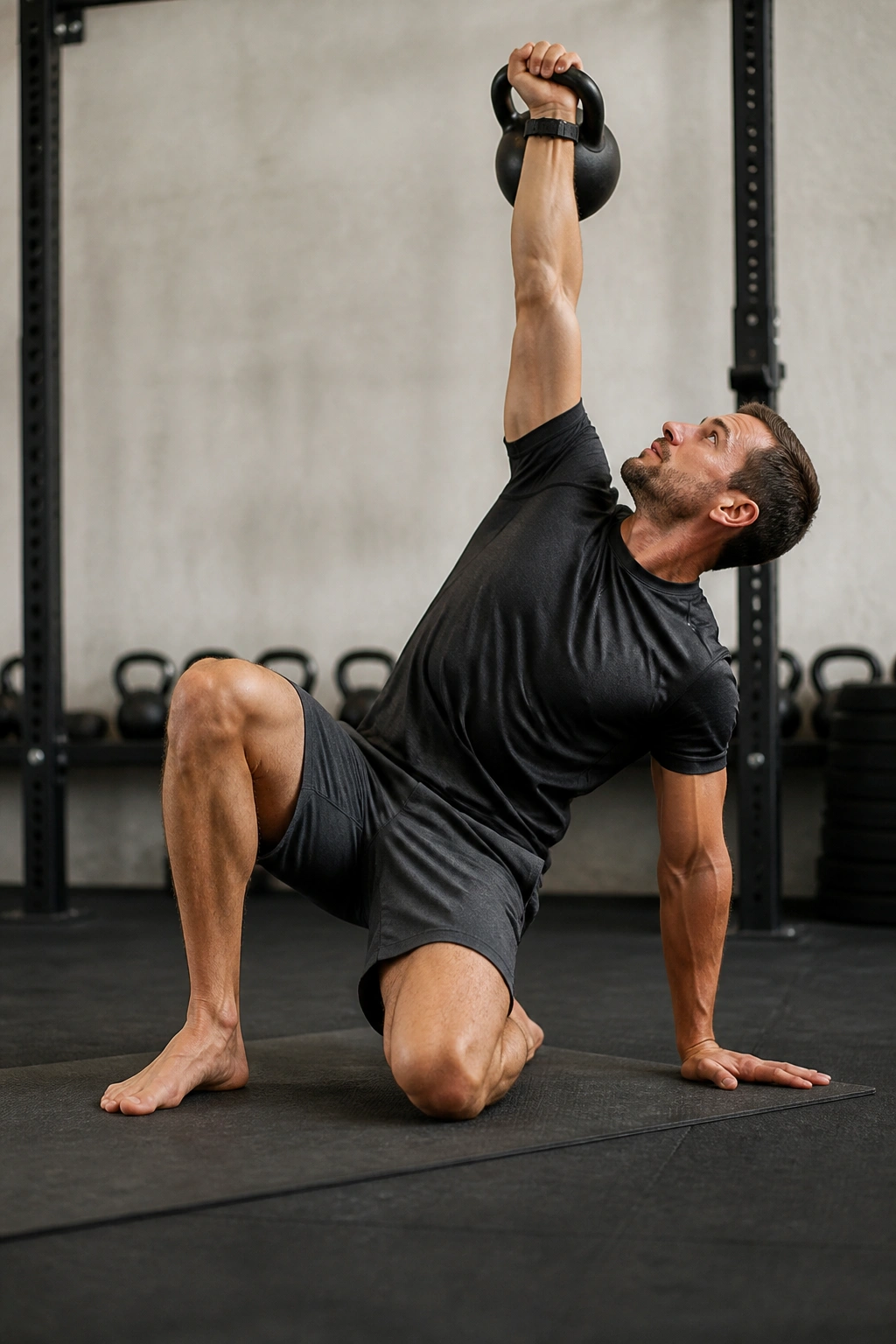
A Turkish get-up looks slow because it is supposed to be slow. That slow pace is what makes it one of the best full-body reset patterns in strength training. You get shoulder stability, trunk control, hip mobility, and balance all at once.
Use a light kettlebell or even a shoe balanced on your fist if you’re learning the pattern. Do 1 to 3 reps per side, resting fully between reps. Every part should feel deliberate: roll to elbow, hand, tall sit, bridge, sweep the leg, half-kneel, stand, then reverse the steps on the way down.
The value here is not the weight. It’s the control. A good get-up exposes every weak link in the chain, and it does so without speed hiding the mistakes. If the shoulder shakes or the hip bridge feels awkward, that’s useful information.
I would never call this a beginner’s party trick. It asks for patience. But when it clicks, the whole body feels better organized, and that’s a rare feeling after a strength session.
18. Restorative Floor Sequence
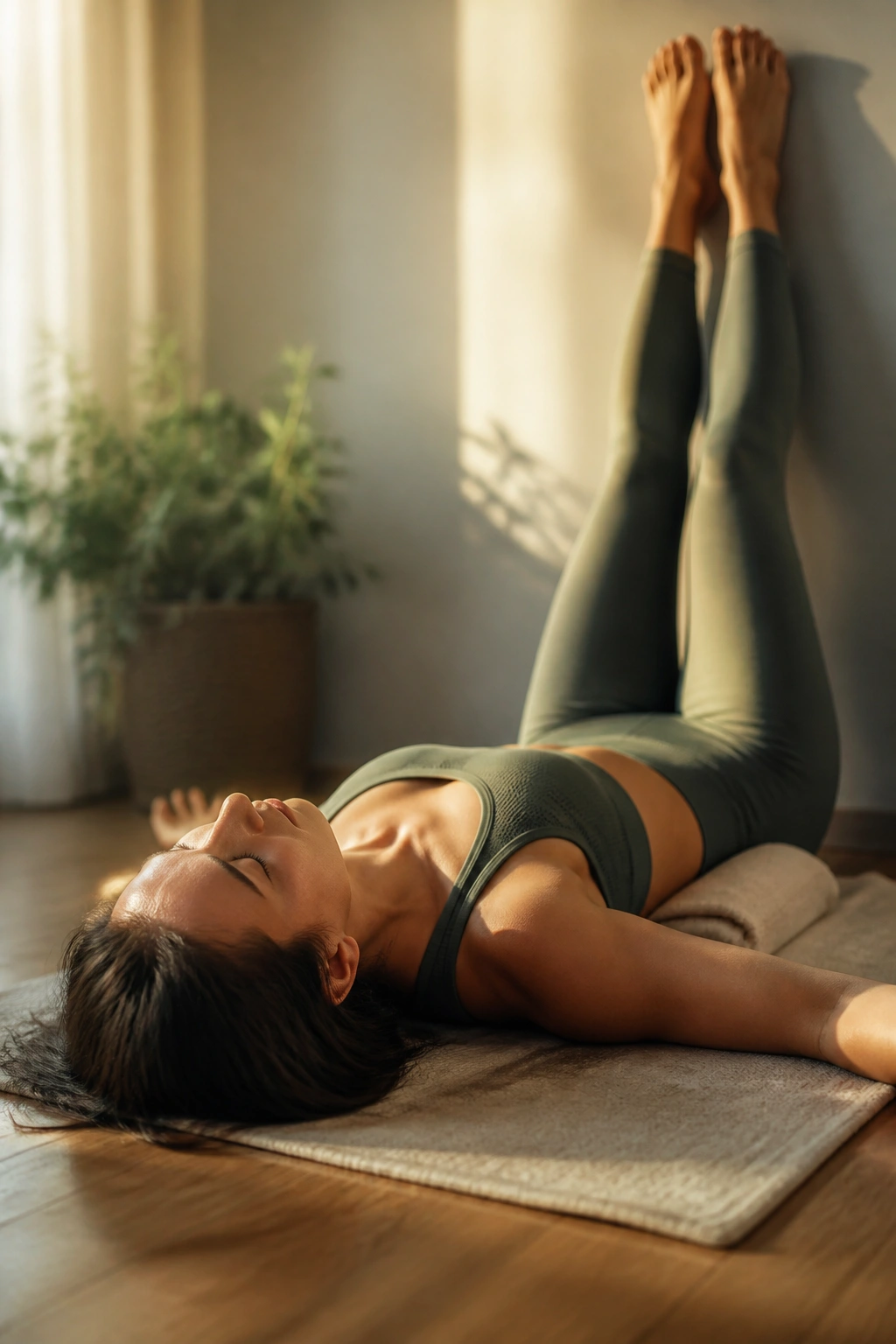
Finishing on the floor is not a downgrade. A restorative floor sequence can be the part that makes the whole reset stick, especially after a hard week or a string of stiff mornings.
Try 90/90 breathing for 2 minutes, then legs up the wall for 3 to 5 minutes, a supine twist for 30 to 45 seconds per side, and a child’s pose with side reach for 30 seconds per side. Keep the breaths slow enough that your ribs actually move. If your jaw is clenched, you’re still holding on too tightly.
This is where the nervous system starts to get the memo. The body shifts from work mode toward recovery mode, and that shift matters more than people think. If you skip the downshift, you can finish a workout and still feel wired.
A lot of people want their reset to end with a bang. I prefer the opposite. A quiet finish often does more for tomorrow than one more round of sweaty effort. And if you ever feel like your body is carrying stress you cannot name, this is the session I’d choose first.
Keep the Reset
The best reset workout is the one that leaves you better than it found you. That sounds obvious, but it gets forgotten fast when people chase exhaustion like it’s a badge of honor.
If your body feels beat up, start with the walk or the floor sequence. If you need a stronger push, reach for the bike, the rower, the kettlebell complex, or the stairs. Save the more technical work — the get-up, the band circuit, the tempo lifts — for days when your focus is decent and your joints are cooperating.
A real reset is not about proving anything. It is about getting your body back into a shape that feels usable, steady, and alive. That’s enough.
