



Two weeks is not enough time to rewrite your body, but it is enough time to lose belly fat in 2 weeks if you stop feeding the habits that built it. A flatter waist in 14 days usually comes from three places: a small amount of actual fat loss, less water retention, and less food sitting in your gut at the end of the day.
No one can peel fat off one body part like an orange. Your body decides where it lets go first, and the stomach is often stubborn. Annoying? Absolutely. Useful to know? Even more so, because it keeps you from wasting time on endless crunches and miracle fixes that do almost nothing.
What works is less glamorous. A tight calorie deficit. More walking. Better sleep. Strength training that keeps muscle on your frame while the scale edges down. That lines up with the same basics public-health groups keep circling back to: eat a little less than you burn, move more, and recover enough to keep going.
Some of the changes below are workout-based. Some are food-based. A few are just plain boring, which is exactly why they work.
1. Create a Calorie Deficit to Lose Belly Fat in 2 Weeks
If you want the waistline to move, this is where everything starts. You cannot out-train a calorie surplus, and no amount of ab work changes that. A modest daily deficit is what pushes your body to use stored fat, including the stubborn stuff around the midsection.
Keep the cut sane. A deficit of about 300 to 500 calories a day is enough for a visible nudge without turning you into a tired, ravenous mess. Bigger cuts can drop scale weight fast, but they also flatten your workouts, make you cranky, and trigger rebound eating the second you get bored or stressed.
What a workable deficit looks like
- Drop one sugary drink a day.
- Trim starch portions by a half-cup.
- Remove one snack you eat out of habit.
- Swap one rich sauce for mustard, salsa, or yogurt-based dressing.
That kind of change sounds small. It adds up fast.
If you already eat fairly clean, the deficit usually comes from smaller portions, fewer bites between meals, and tighter control on drinks and desserts. If you have diabetes, are pregnant, or have a history of disordered eating, talk to a clinician before pushing food down hard. Body fat loss should not come at the cost of your health.
2. Lift Weights Like You Mean It

Crunches do not build a flatter waist. Squats, presses, rows, and hinges do more for the look of your middle because they keep muscle on your frame while you’re in a deficit. That matters. When muscle stays, the body looks tighter at the same scale weight.
Use full-body training three times a week if you can. Heavy enough to matter, controlled enough to keep form clean. You do not need a circus of machines. A squat pattern, a push, a pull, and a hinge cover most of the ground.
The movements that earn their keep
- Goblet squat or barbell squat
- Romanian deadlift or hip hinge
- Push-up or dumbbell press
- Row of some kind
- Farmer’s carry or suitcase carry
Aim for 2 to 4 sets of 6 to 12 reps on the main lifts. Stop one or two reps before your form falls apart. That last part counts. Sloppy reps are not extra credit.
And yes, you may feel hungrier after lifting. That is normal. Protein and a real meal after training help keep that from turning into a snack raid.
3. Walk After Meals to Lose Belly Fat in 2 Weeks
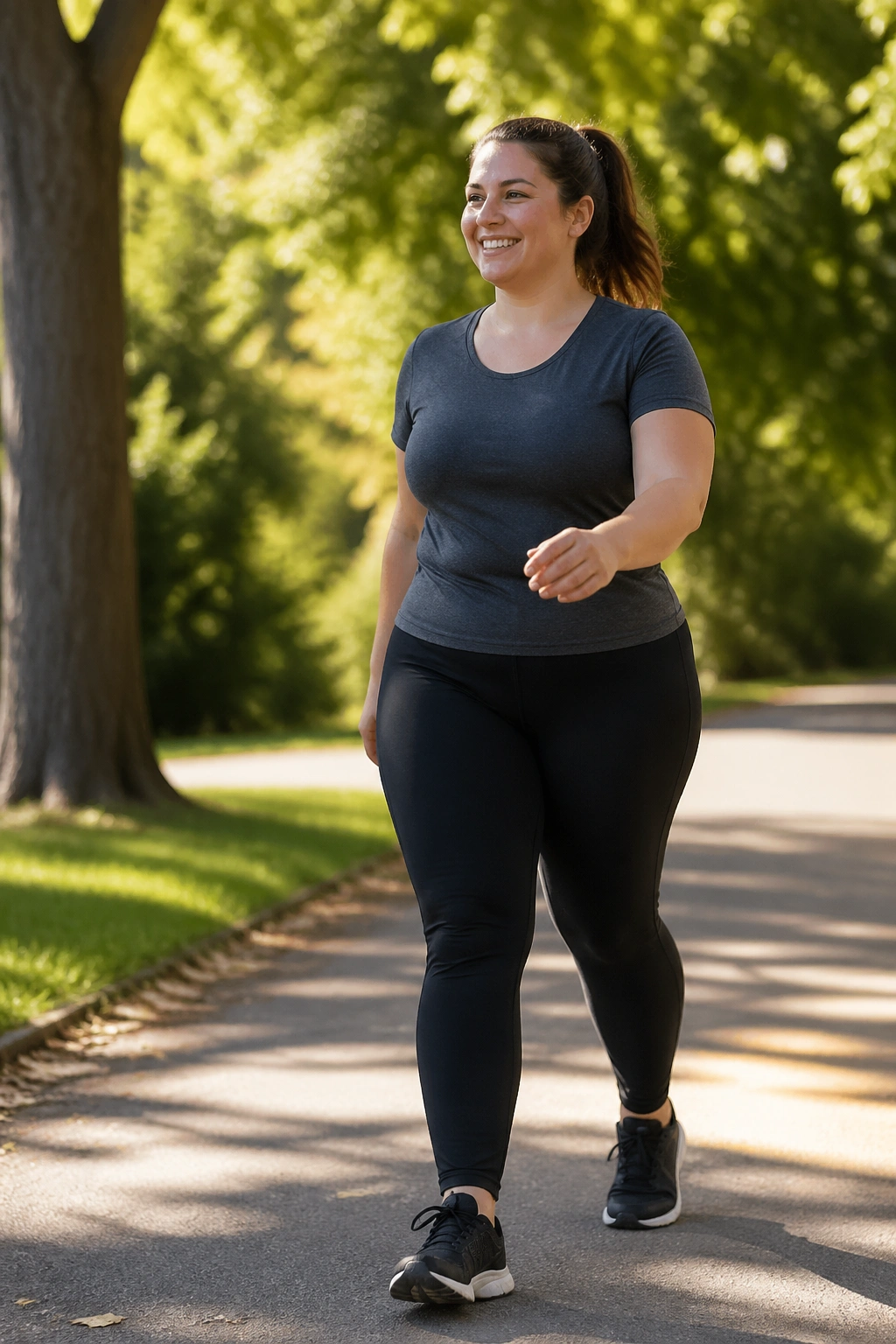
A ten-minute walk after dinner can do more for your waistline than another round of fruitless ab work. It is easy, it is low-impact, and it helps keep you from turning into a couch brick right after eating. That is a bigger deal than people think.
Post-meal walking helps with blood sugar control, nudges digestion along, and makes you burn a bit more energy without frying your nervous system. It also has one other perk nobody puts on a poster: it gets you out of the kitchen.
How to use it
- Walk 10 to 15 minutes after your biggest meal.
- Keep the pace easy enough to talk.
- Do it after lunch too if your day allows it.
- Leave the phone in your pocket if you tend to scroll and slow down.
That’s it. No fancy zone, no performance tracker, no “walking challenge” nonsense. Just consistent movement after eating.
A lot of people underestimate this because it looks too simple. Fine. Simple often wins.
4. Use Short Interval Sessions, Not Endless Cardio

Forty-five minutes of miserable cardio is not the only path. Short interval work can burn a lot in a little time, and it’s easier to repeat when life gets messy. That repeatability matters more than heroics.
A clean interval session is short, hard, and controlled. Think bike, rower, incline treadmill, sled pushes, or hill sprints if your joints handle them well. The point is to push hard for a brief burst, recover, then do it again without turning the workout into a death march.
What a solid interval workout looks like
- Warm up for 5 minutes.
- Work hard for 20 to 30 seconds.
- Recover for 60 to 90 seconds.
- Repeat for 6 to 10 rounds.
- Cool down for 3 to 5 minutes.
Twice a week is enough for most people. More than that, and recovery starts taking a hit, especially if you’re also lifting. If running beats up your knees, use a bike or rower. No prize exists for suffering on the wrong machine.
5. Put Protein on Every Plate
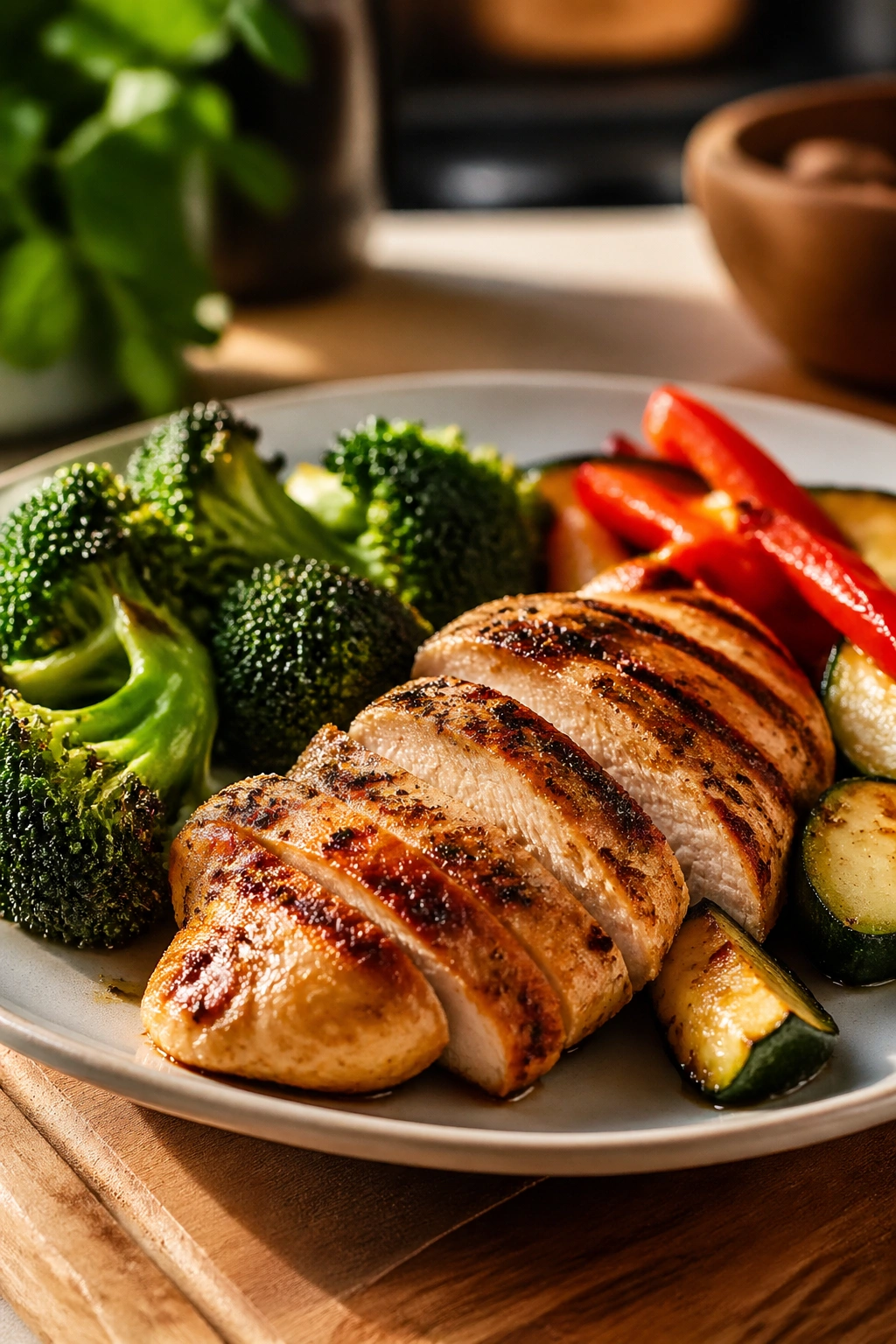
Why does protein matter so much when you’re trying to shrink your waist? Because it helps you stay full, protects muscle, and makes it easier to hold a calorie deficit without feeling like you’re being punished.
That last bit is the real reason it works. A high-protein breakfast changes the rest of the day. So does a lunch that actually contains enough protein to matter. If you’ve ever eaten a carb-heavy meal and then started hunting for snacks an hour later, you already know the problem.
Good protein anchors
- 3 eggs with Greek yogurt
- Chicken breast or thighs
- Salmon, tuna, or shrimp
- Tofu, tempeh, or edamame
- Cottage cheese
- Lean beef
- Beans paired with another protein source
A simple rule helps: 25 to 35 grams per meal for most adults trying to lose fat. You do not need to hit a number with laboratory precision. You do need to stop letting meals end at “toast and coffee.”
Protein makes the rest easier. That is the whole game.
6. Cut Liquid Calories and Alcohol
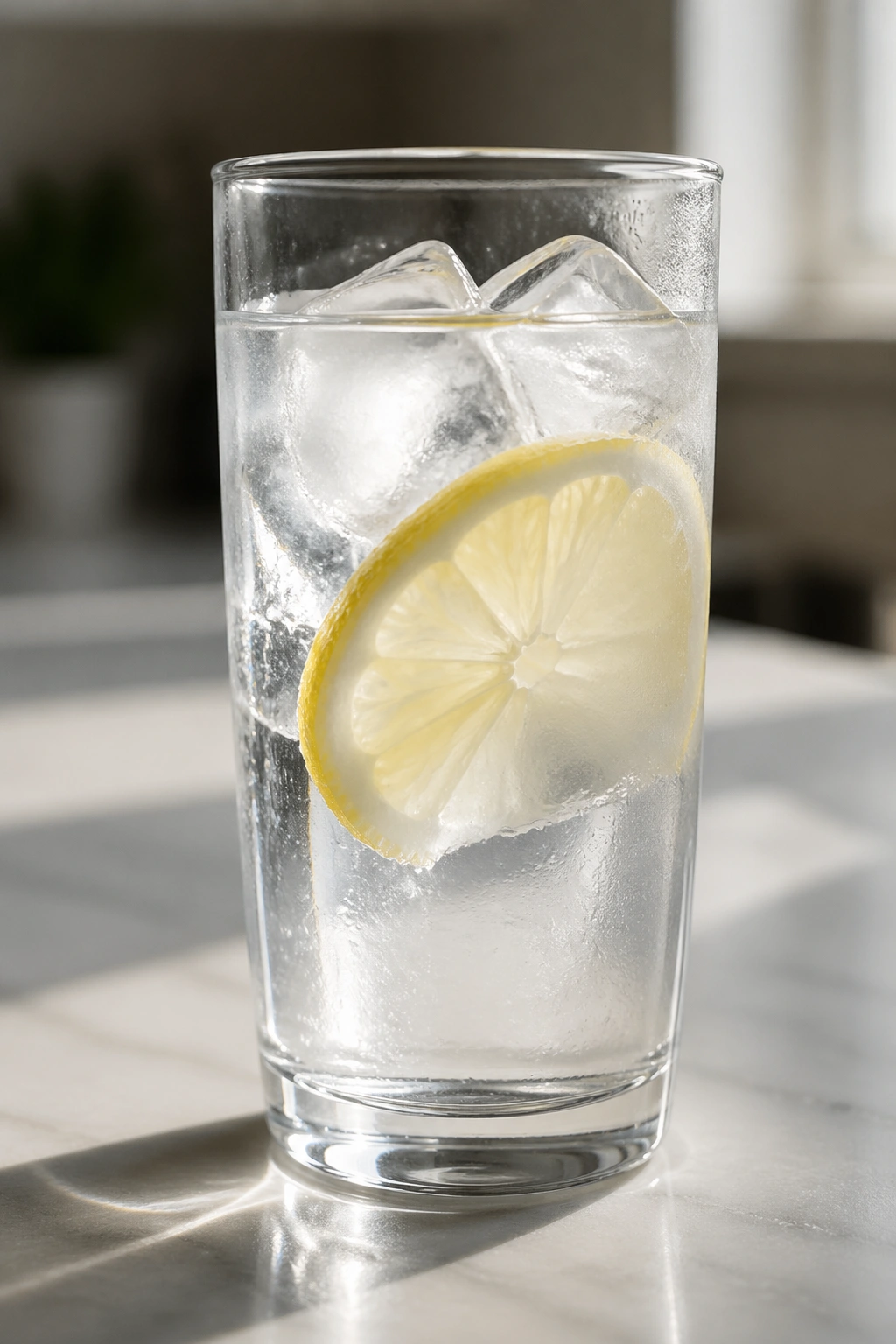
The easiest calories to miss are the ones you drink. A latte with syrup, a fruit juice, a beer, a cocktail, a sweet tea—none of these feels like a meal, but they can blow a hole in your daily deficit fast.
Alcohol is the sneaky one. It does not just bring calories. It also tends to loosen food choices, slow down sleep quality, and make the late-night snack drawer look like a good idea. That combination is rough on belly fat loss.
Easy swaps that keep the damage down
- Black coffee or coffee with a splash of milk
- Sparkling water with lemon or lime
- Diet soda if you like it
- Unsweetened tea, hot or iced
- Zero-proof versions of your usual drink
You do not need to swear off every drink forever. Just stop pretending that three “small” cocktails are harmless. They aren’t. They add up, then the chips do too.
7. Sleep Enough to Lose Belly Fat in 2 Weeks

Bad sleep makes the next day ugly. Appetite goes up. Cravings get louder. Training feels harder. Decision-making gets sloppy, which is how “one cookie” turns into half the box.
Sleep also affects how much water you hold and how well you recover from workouts. If you are sleeping five or six hours and trying to train hard on top of that, your body is fighting you in ways the scale doesn’t always show right away.
The sleep rules that matter
- Aim for 7 to 9 hours.
- Keep the room dark and cool.
- Put the phone away 30 to 60 minutes before bed.
- Wake up at roughly the same time each day.
- Don’t use caffeine so late that it steals the next night.
A one-sentence truth: fat loss gets easier when sleep stops being a mess.
This is not glamorous advice. It works anyway.
8. Build Meals Around Fiber, Not Random Snacks
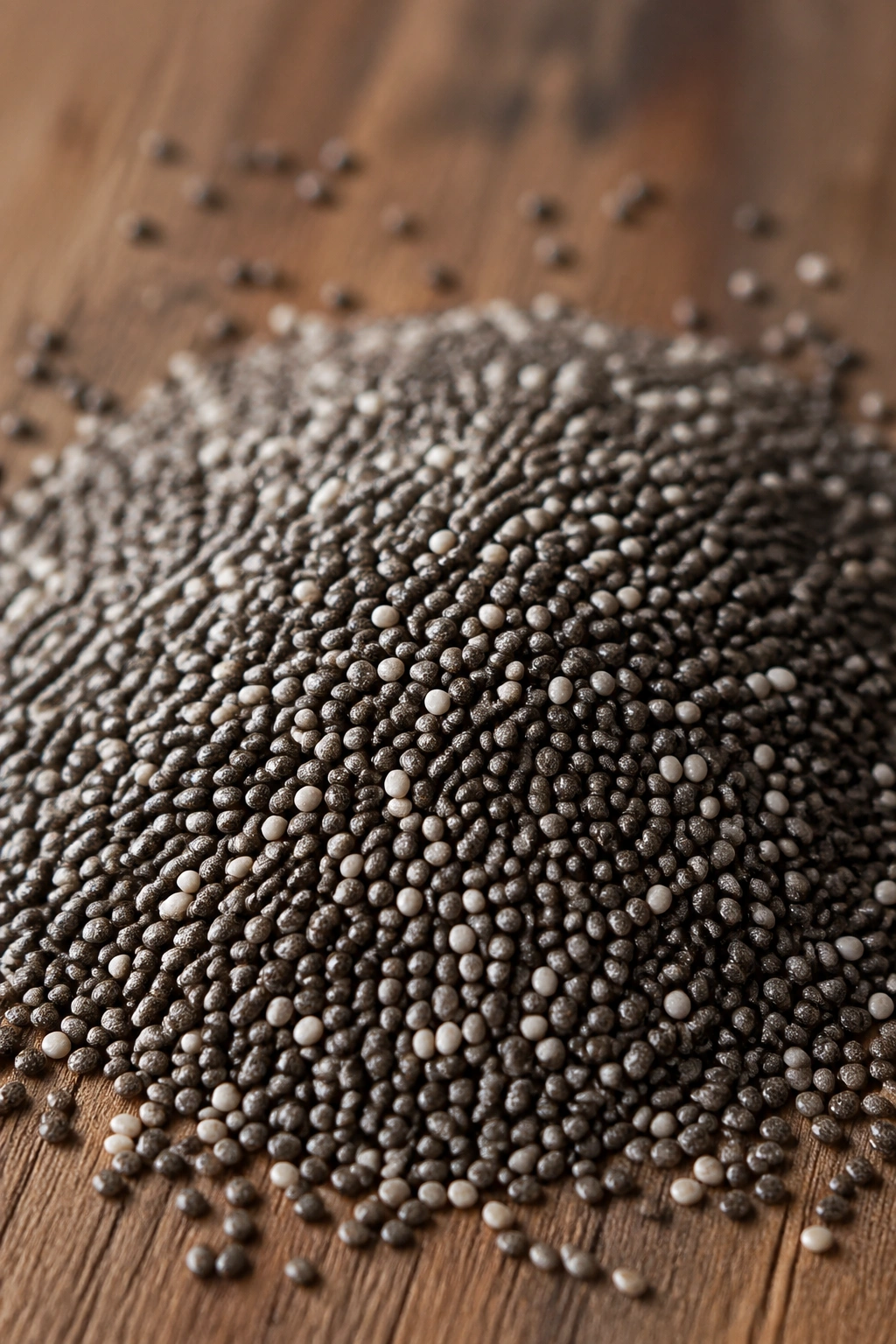
Fiber is one of those things people nod at and ignore until they realize it keeps them full for hours. That is what you want when you’re trying to tighten your waist in a short stretch of time. Fullness beats willpower almost every time.
Fiber slows digestion, helps steady hunger, and makes a smaller plate feel more like a real meal. It also pushes you toward foods that take longer to eat, which is not a minor detail. Fast eating usually leads to overeating.
The fibers that fill you up
- Oats
- Beans and lentils
- Berries
- Apples and pears
- Broccoli, carrots, and leafy greens
- Chia seeds and flaxseed
Aim for 25 to 35 grams a day if your gut handles it well. If you barely eat fiber now, don’t jump from zero to a mountain of beans overnight unless you enjoy being bloated and miserable.
Add it slowly. Drink water with it. Your stomach will thank you.
9. Shrink the Snack Window
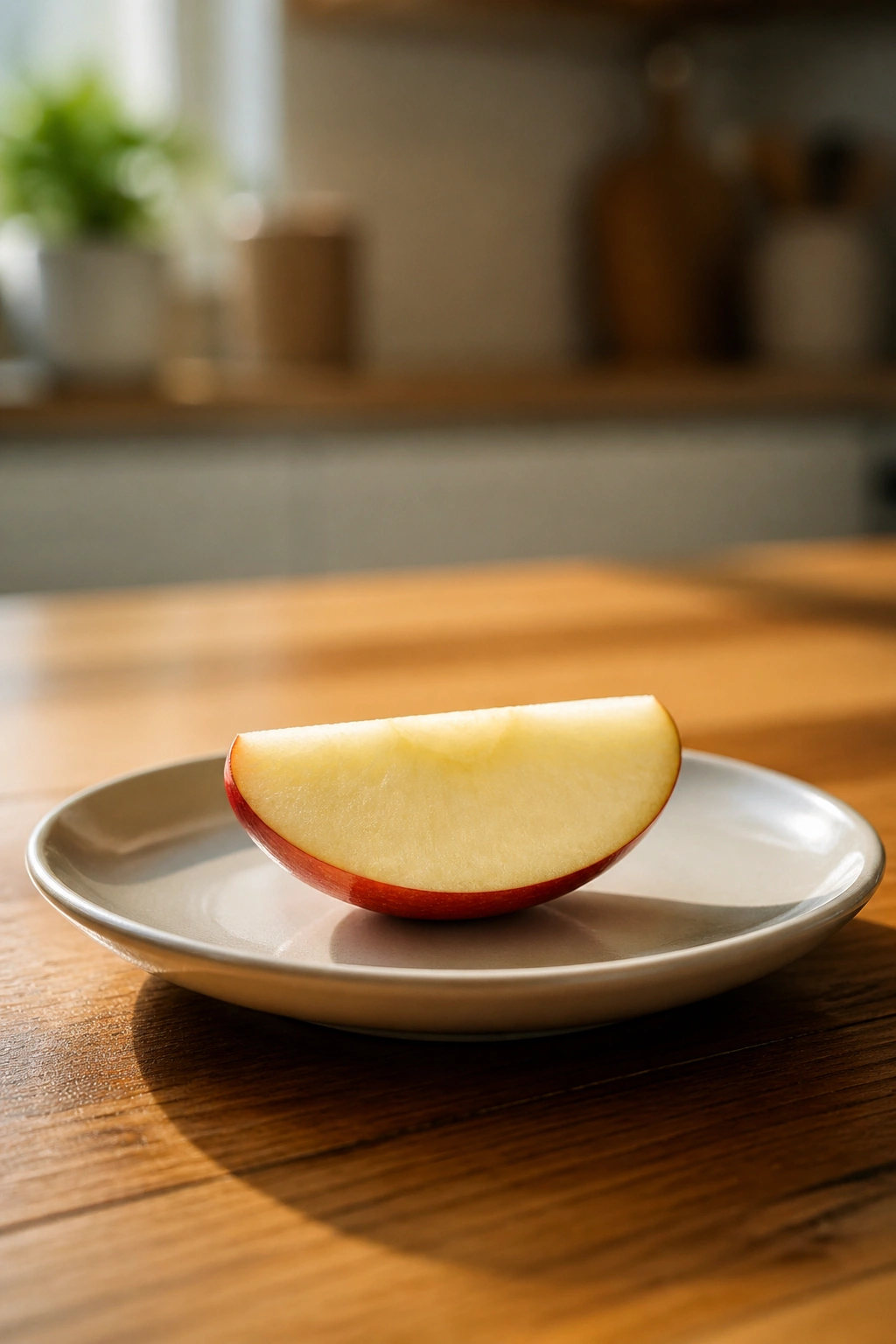
Snacking is not evil. Mindless snacking is. There is a big difference between a planned snack and picking at food all day because the fridge is nearby and your brain is tired.
A short stretch of tighter eating usually beats a long stretch of random bites. Three meals and one planned snack work better than seven half-meals pulled from bags, boxes, and whatever is left on the counter. Those little bites are expensive in calories and cheap in satisfaction.
Keep this simple:
- Eat meals at actual meals.
- Put snacks on a plate.
- Stop eating straight from the bag.
- Try a 2 to 3 hour buffer before bed if late-night eating is your weak spot.
You do not need to become strict in some dramatic way. Just make food more deliberate. That tiny shift can pull your total intake down without feeling like punishment.
10. Train Your Core for Bracing, Not Spot Loss

Core work does not melt belly fat. That myth refuses to die. What core work does do is improve posture, help you brace better during lifts, and make your midsection hold shape more firmly while your body fat drops.
Think of it as support work. A strong brace can make your stomach look flatter because you’re standing and moving better. That isn’t magic. It is alignment.
Best core moves for a tighter-looking middle
- Front plank, 20 to 45 seconds
- Side plank, 15 to 30 seconds per side
- Dead bug, 6 to 10 reps per side
- Farmer’s carry, 30 to 60 seconds
- Pallof press, 8 to 12 reps per side
Three short core blocks a week is plenty. More isn’t always better, and endless crunches can be a waste if the rest of your plan is sloppy. Use the core to support the bigger lifts. That’s where it earns its place.
11. Raise Your Daily Steps Before You Add More Gym
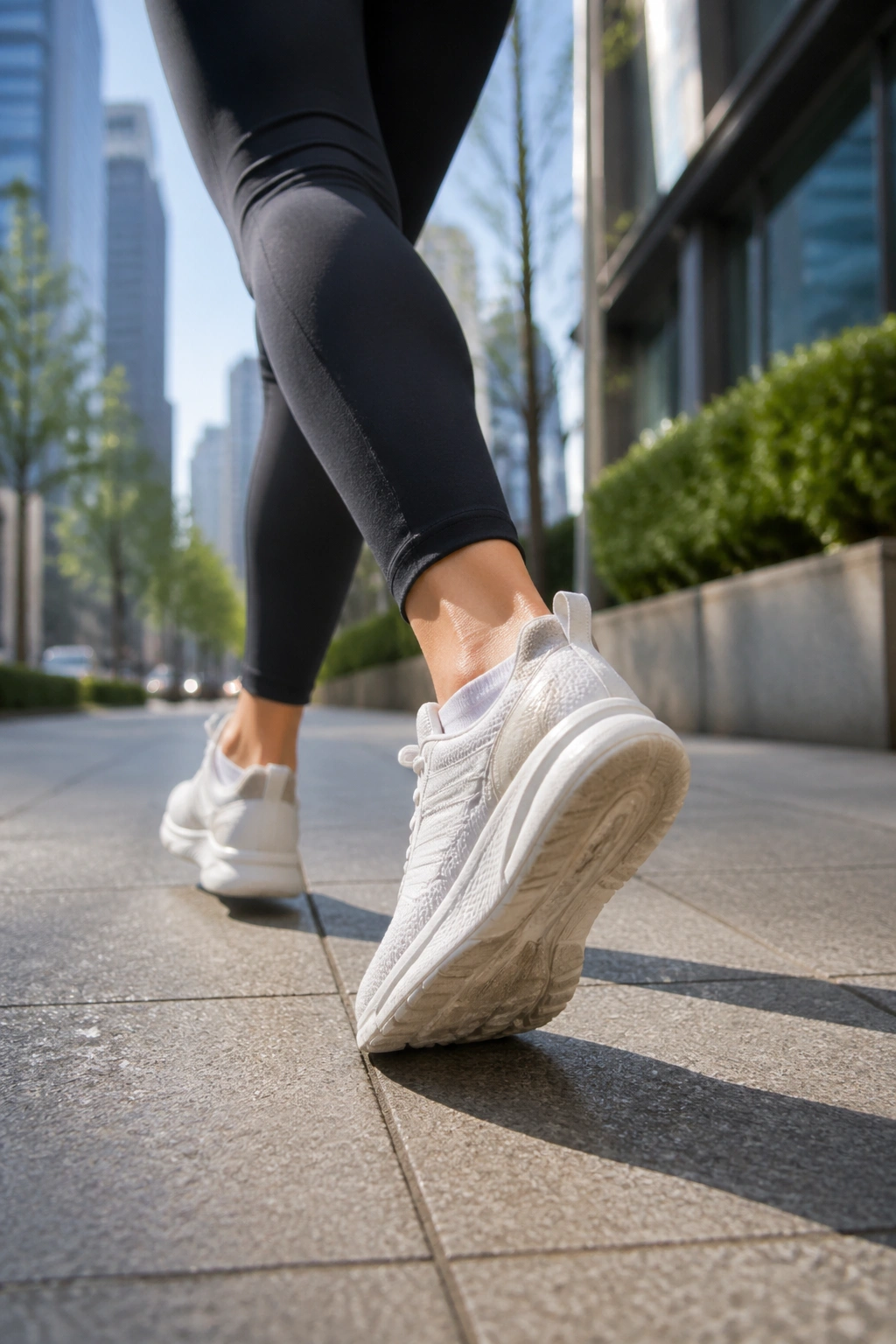
If you sit most of the day, a gym session alone often isn’t enough. Daily movement matters more than people want to admit because it adds up outside the one hour you spend training.
This is where step counts help. Going from 3,000 steps to 8,000 steps is a real change. It burns more energy, helps manage appetite, and keeps you from feeling welded to a chair.
Easy ways to add steps
- Walk during one phone call a day.
- Park farther away.
- Take the long route to the restroom or coffee machine.
- Stand up every hour for 3 to 5 minutes.
- Do one lap around the block after lunch.
You do not need a perfect tracker reading. You need a higher floor. If your baseline is low, even a couple thousand extra steps can change how your waist responds over 14 days.
12. Tame Bloat, Don’t Confuse It With Fat

A puffy stomach at night is not the same thing as a softer waist in the morning. That distinction matters. If you panic over every bloated dinner belly, you end up making dumb decisions that have nothing to do with actual fat loss.
Sodium, carbonated drinks, giant late meals, and some highly processed foods can all make your stomach feel fuller and puffier than it needs to. Some people also react badly to certain dairy or sugar alcohols. Others just eat too much too late and feel it.
What can help quickly
- Keep very salty restaurant meals to a minimum.
- Ease up on fizzy drinks if they bloat you.
- Eat slower.
- Finish dinner a little earlier.
- Watch the foods that always make you feel swollen.
This is not about chasing a totally flat stomach every second of the day. That is not real life. It is about knowing the difference between bloat and fat so you don’t mistake one for the other.
13. Drink Water Before You Eat
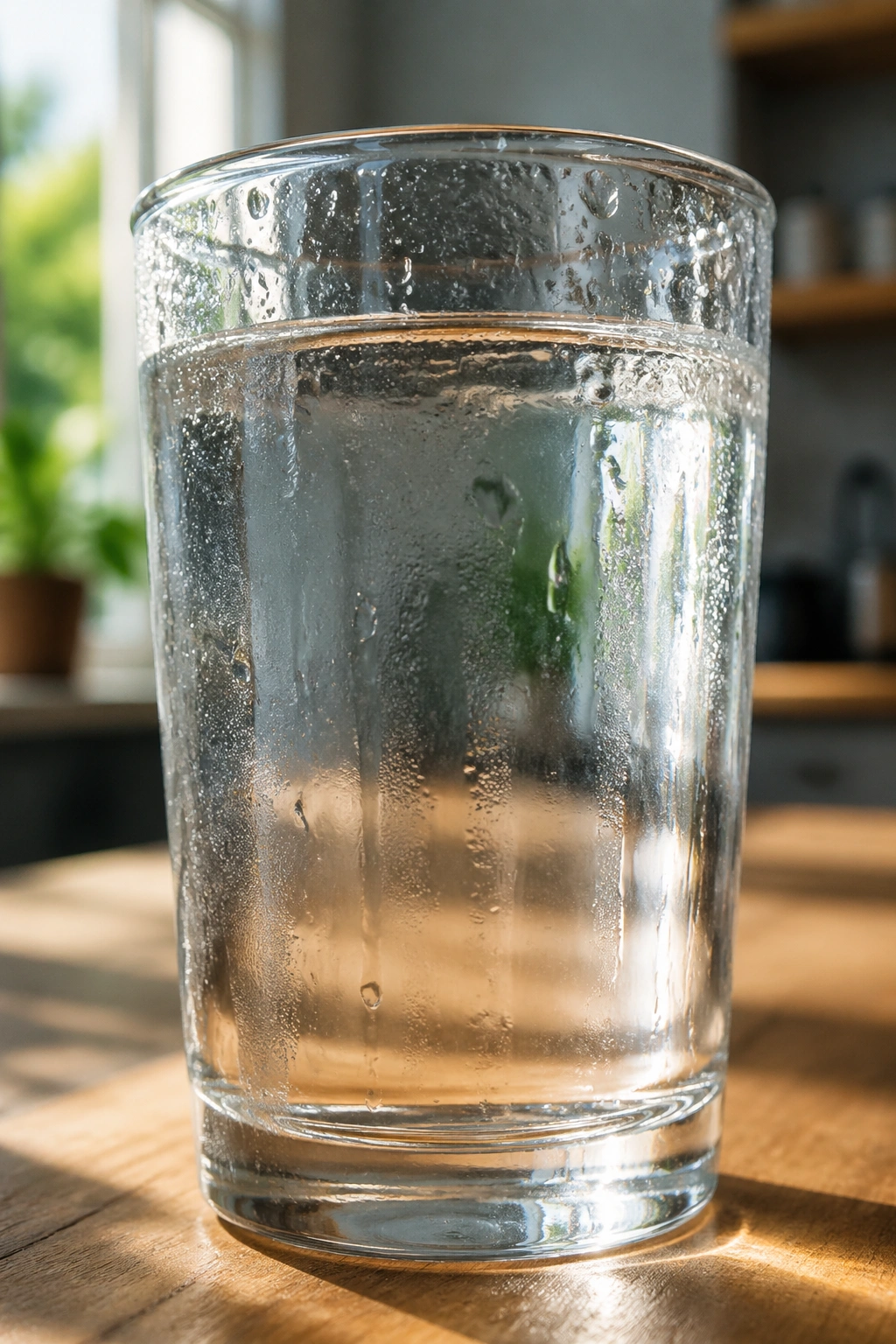
Can water help with belly fat? Not by itself. Still, it helps in a sneaky way because it can take the edge off hunger and keep you from arriving at meals half-feral.
A lot of people think they need a better appetite trick when they mainly need better hydration. Start the day with water. Drink some before meals. Keep a bottle nearby during workouts. That is the unglamorous version, and it works well enough to matter.
A simple water habit
- Drink 16 to 20 ounces on waking.
- Have another glass 10 to 20 minutes before meals.
- Sip during training.
- Keep a bottle on your desk or in the car.
Do not chug so much right before bed that you spend the night making bathroom trips. That just steals sleep, and poor sleep makes the next day harder. Everything connects.
14. Use the Plate Formula
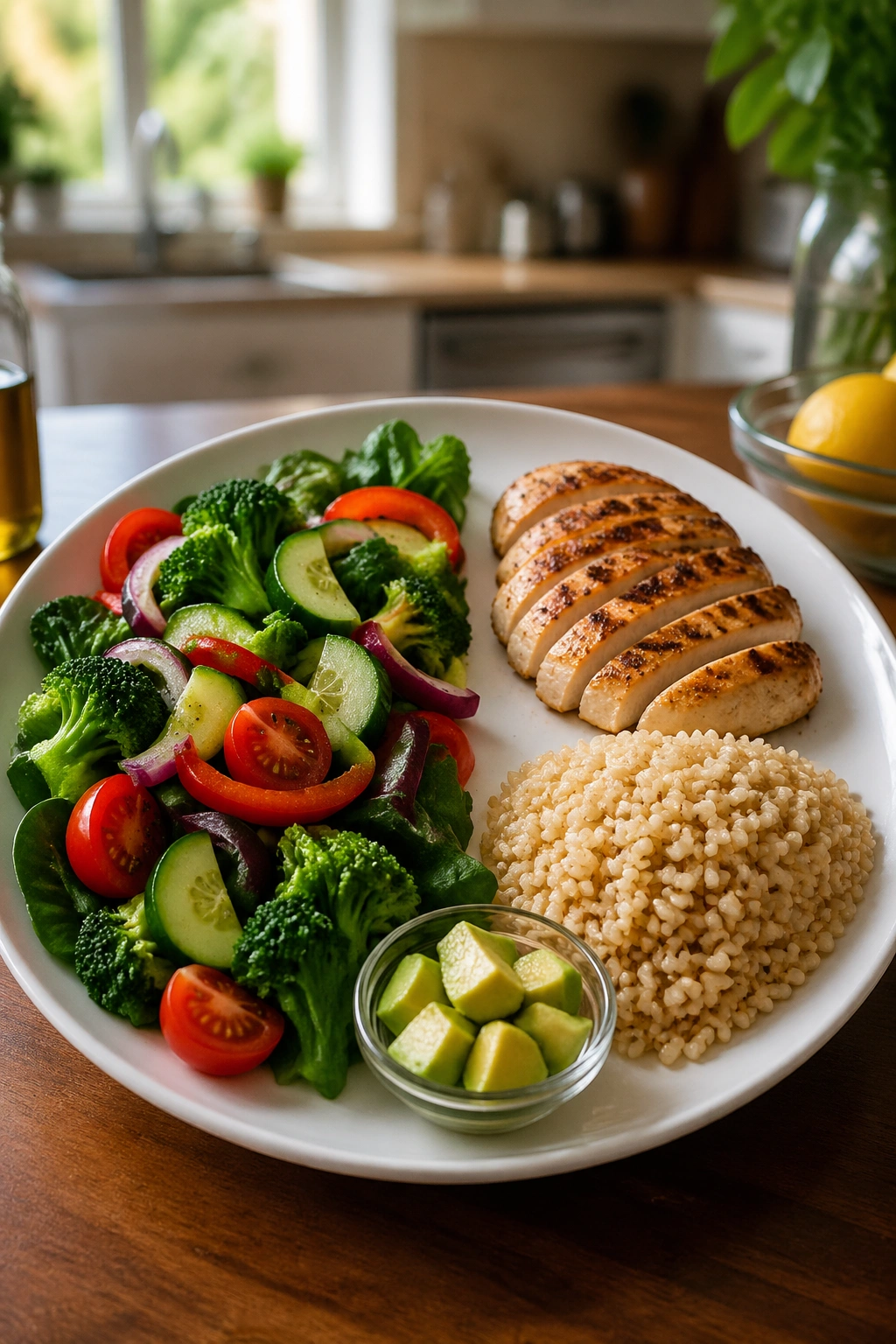
You do not need a food scale for every meal. Sometimes a simple visual rule beats precision because you can stick with it under pressure, in restaurants, or on a tired Tuesday night when your brain is done.
Use a plate that looks roughly like this: half vegetables, one quarter protein, one quarter carbs, plus a small fat source. That arrangement quietly controls calories while keeping meals filling and balanced.
A plate that works
- Half: broccoli, salad, peppers, green beans, or mixed veg
- Quarter: chicken, fish, tofu, turkey, eggs, or lean meat
- Quarter: rice, potatoes, oats, fruit, or beans
- Small fat: olive oil, avocado, nuts, or cheese
This is one of those methods that looks too plain to matter. Then you use it for four days and realize your snacking drops because the meals actually hold you. Funny how that happens.
15. Handle Stress Before It Turns Into Snacking

Stress does not burn belly fat. It usually does the opposite. It makes people restless, hungry, tired, and a little less honest about what they’re eating.
That doesn’t mean you need a spa day and a journal with gold edges. It means you need a fast way to interrupt the stress-to-snack loop. Five minutes is enough to change the next choice.
A 5-minute reset
- Walk outside for a block or two.
- Take 10 slow breaths with a longer exhale.
- Stretch your hips, chest, or lower back.
- Drink a glass of water.
- Step away from the screen and stand up.
Stress management is not some fluffy side note. It affects sleep, appetite, and how likely you are to raid the kitchen at 9:30 p.m. because the day felt ugly. Fix the loop, and the waistline usually cooperates more easily.
16. Put Workouts Where You Can Actually Repeat Them

The best workout time is the one you reliably hit. That sounds almost too simple, which is why people ignore it and keep missing sessions because they are chasing the “perfect” hour.
Morning works for some people because nothing has had a chance to go wrong yet. Lunch works for others because it breaks up the day. After work can be fine too, if the couch doesn’t swallow you whole the second you sit down.
Make the schedule real
- Lay out clothes the night before.
- Put shoes by the door.
- Book the session on your calendar.
- Keep one backup workout ready for busy days.
Consistency beats cleverness. A decent 30-minute session done three times a week beats a fantasy plan that only happens when life is neat and quiet. Life is rarely neat and quiet.
17. Use Full-Body Circuits for a Tight 20-Minute Burn

A full-body circuit gives you a lot in a short window. You get your heart rate up, you keep the muscles working, and you can finish before the excuses pile up. That makes it easier to repeat, which is the part that matters.
Try five moves, back to back, with short rests. Keep the weights light enough to maintain form, but not so light that you’re just waving dumbbells around. The goal is steady effort, not drama.
Sample circuit
- Goblet squat — 10 reps
- Push-up or dumbbell press — 8 to 12 reps
- Dumbbell row — 10 reps per side
- Romanian deadlift — 10 reps
- Mountain climber or brisk march — 30 seconds
Repeat for 3 rounds with 30 to 45 seconds between moves if needed. That’s often enough to leave you warm, a little winded, and not wrecked for the rest of the day.
Circuits are not magical. They are efficient. There’s a difference.
18. Keep Carbs, But Choose Ones That Earn Their Keep
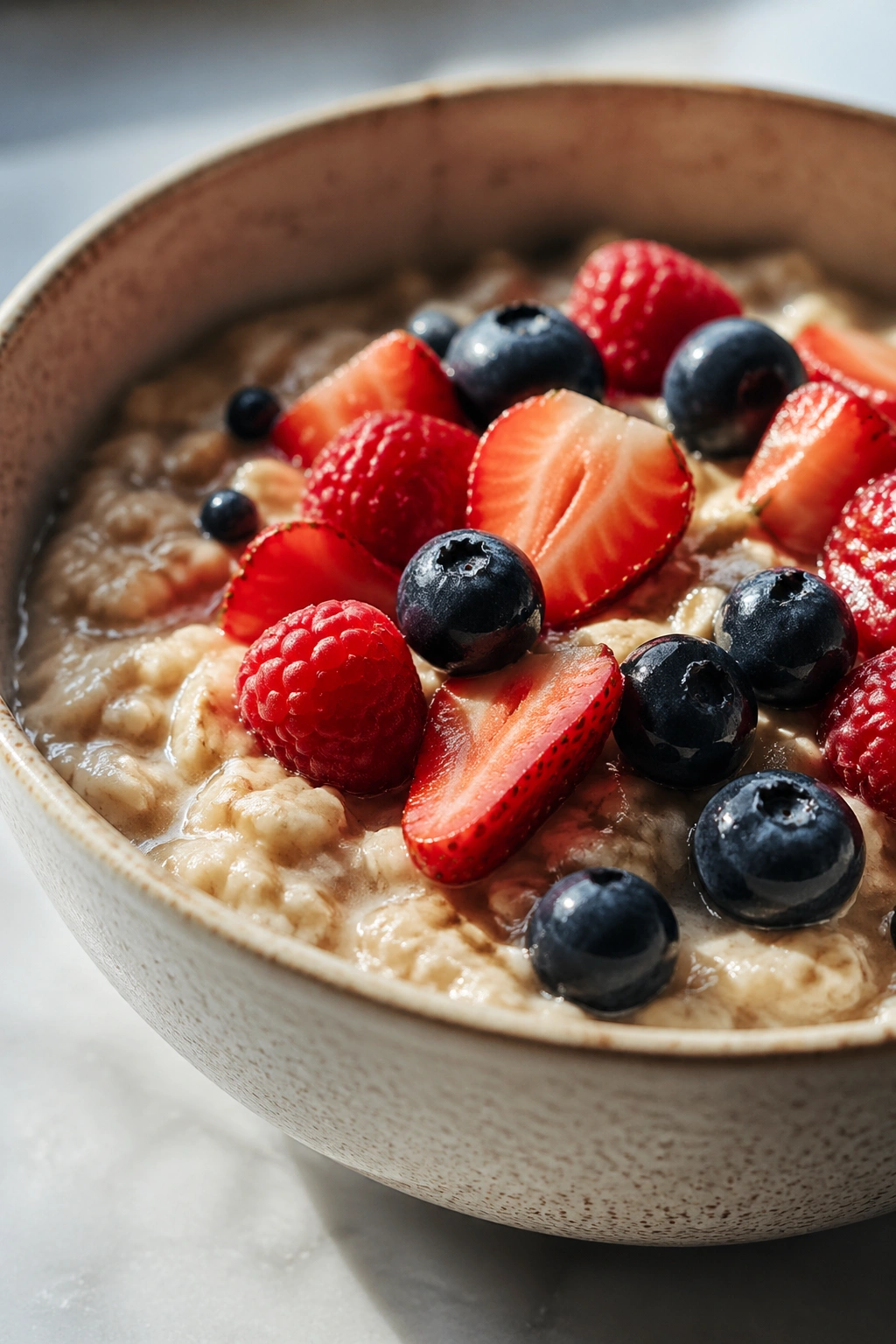
Cutting every carb can make the scale drop fast, but it often backfires. You feel flat in workouts, cranky in the afternoon, and weirdly drawn to snack foods you normally wouldn’t care about. That is a lousy trade.
Better carbs do a better job of keeping you full and fueled. Potatoes, oats, fruit, rice, and beans give you energy without the same mindless-eating trap as pastries, chips, or a random bag of crackers you “meant to portion out.”
A smarter carb strategy
- Put more carbs near workouts.
- Choose potatoes or rice over pastries.
- Pick fruit when you want something sweet.
- Keep portions smaller on low-activity days.
- Pair carbs with protein, not by themselves.
You don’t need to fear carbs. You need to stop letting them show up in giant, unplanned piles. That’s a different problem.
19. Track Waist, Weight, and Clothes Fit the Same Way
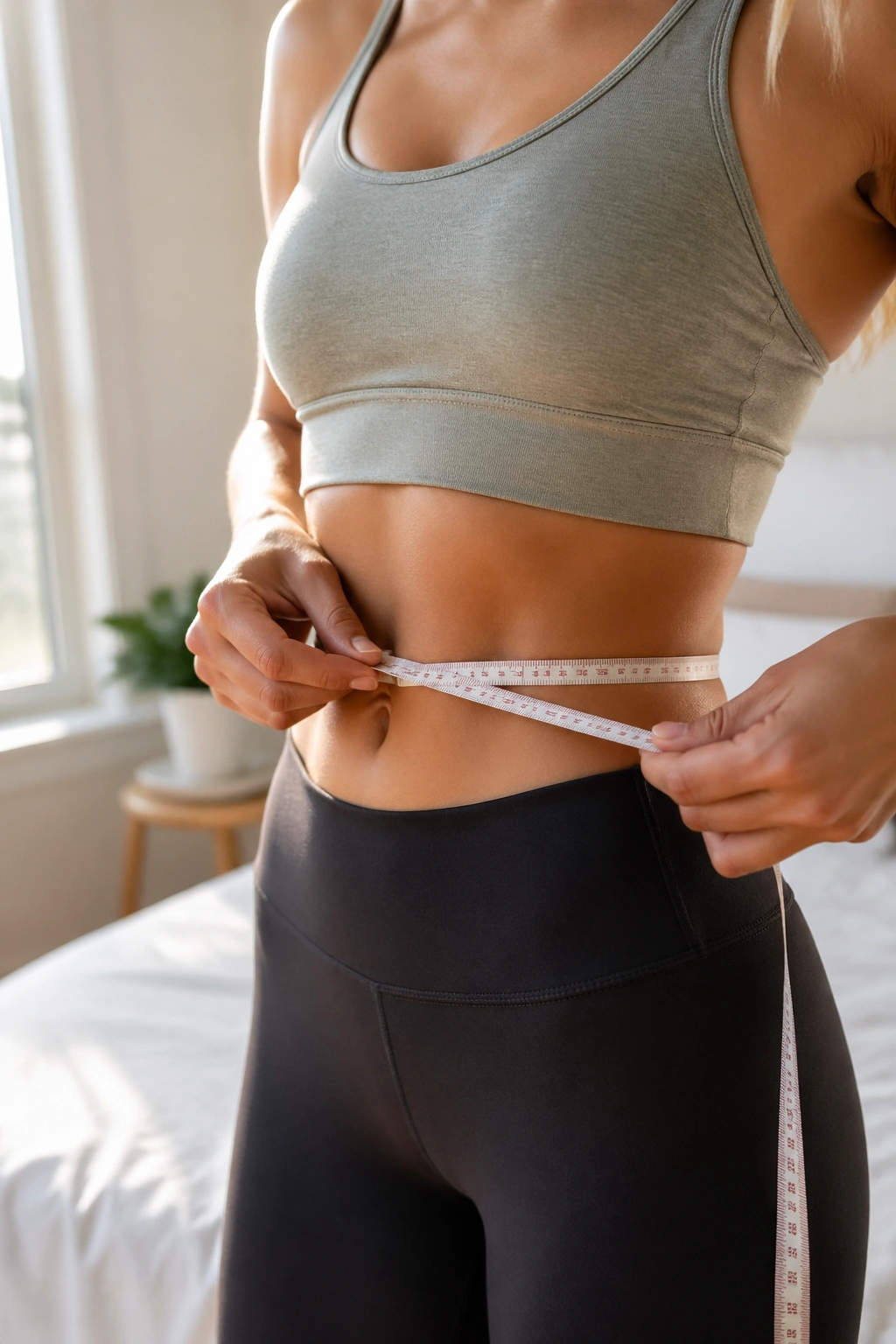
Scale weight is useful, but it lies by omission. Water shifts, salt swings, and a hard workout can all hide actual progress. The waist often tells the cleaner story.
Measure at the same spot each time, ideally in the morning after the bathroom and before breakfast. Use a soft tape measure. Keep it snug, not crushing the skin. If you want a more honest picture, record the number and how one pair of pants fits.
What to track
- Waist at the navel
- Waist at the narrowest point
- Morning body weight
- How your jeans or belt fit
- How you feel after meals
Do this 2 to 3 times a week, not eight times a day out of nerves. You’re looking for direction, not courtroom-level proof on every single morning. The body changes in little jumps, then sits for a bit, then moves again.
20. Keep Weekends From Erasing the Week

Friday night can wipe out Monday through Thursday faster than people realize. A couple of drinks, a heavy restaurant meal, dessert, and brunch the next day can easily erase the deficit you worked hard to create. Brutal, but true.
The fix is not becoming a monk. It is putting a fence around the damage. Pick one meal, not two days. Eat protein earlier in the day. Keep a walk or workout on the calendar so the weekend doesn’t become one long nap with snacks.
Weekend guardrails
- Keep one indulgent meal, not an indulgent day.
- Eat a protein-heavy breakfast.
- Walk before you go out.
- Split dessert if you want it.
- Stop eating when you feel satisfied, not stuffed.
A lot of people lose more progress on Saturday night than they make from Monday to Friday. That’s the part nobody wants to hear. It still matters.
21. Pick Recovery Over Punishment

More is not always better. If you stack hard lifting, HIIT, low sleep, and a harsh calorie cut, your body starts pushing back. Performance drops. Hunger rises. Soreness sticks around. The plan starts feeling like a fight.
Recovery is not laziness. It is what lets you keep training without falling apart. One or two lighter days a week can make the hard sessions better, and better sessions beat a pile of tired ones.
Signs you’re pushing too hard
- Sleep gets worse
- You dread every workout
- Soreness lingers for days
- Your lifts fall off
- You keep getting weird cravings late at night
If that sounds familiar, back off a little. A brisk walk, mobility work, or an easy bike ride can keep the momentum going without draining you. A flat-out exhausted body is not a fat-loss machine. It’s a stress machine.
22. Make the Next 14 Days Boring and Repeatable
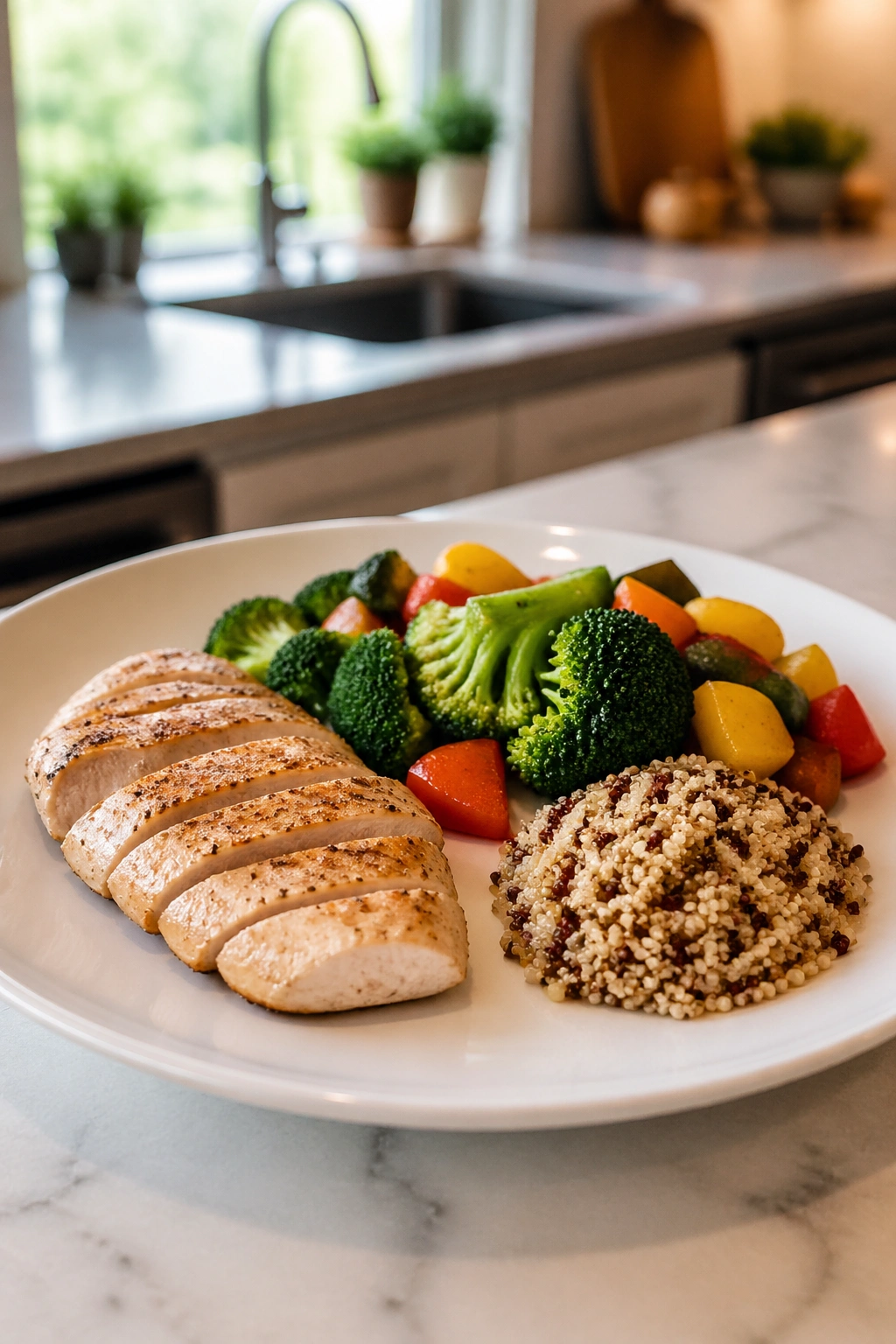
The fastest way to lose belly fat in 2 weeks is to stop chasing complicated fixes and run a plan you can actually repeat. That means the same breakfast most days, the same training pattern, the same walking habit, and a sleep routine that doesn’t get shredded by midnight scrolling.
You do not need perfect. You need predictable. A tighter waist usually comes from a handful of small choices repeated enough times to matter: lift, walk, eat enough protein, keep the deficit modest, and stop letting weekends and drinks erase the work.
Pick your next 14 days on purpose. Three strength sessions. Two short interval workouts. A walk after dinner. Protein at every meal. A real bedtime. That’s not flashy, but flashy is usually what fails first.
