



A pre-workout snack that feels too light is basically a promise with no fuel behind it. The first hard interval will remind you fast.
Endurance work asks for a different kind of fuel than a heavy lift. You want carbs that refill muscle glycogen, a little fluid or sodium when sweat is part of the picture, and a snack that settles quietly instead of sitting like a brick.
That is why the best pre workout foods for endurance are often plain, almost boring things: bananas, oats, rice, toast, beets, yogurt, dates. The right choice depends on timing as much as taste. Eat too close to training and even a good food can turn annoying.
Some of these options work in 20 to 30 minutes. Others need an hour or more. A few are better before long runs, rides, or demanding cardio sessions than before a short burst of effort.
1. Bananas
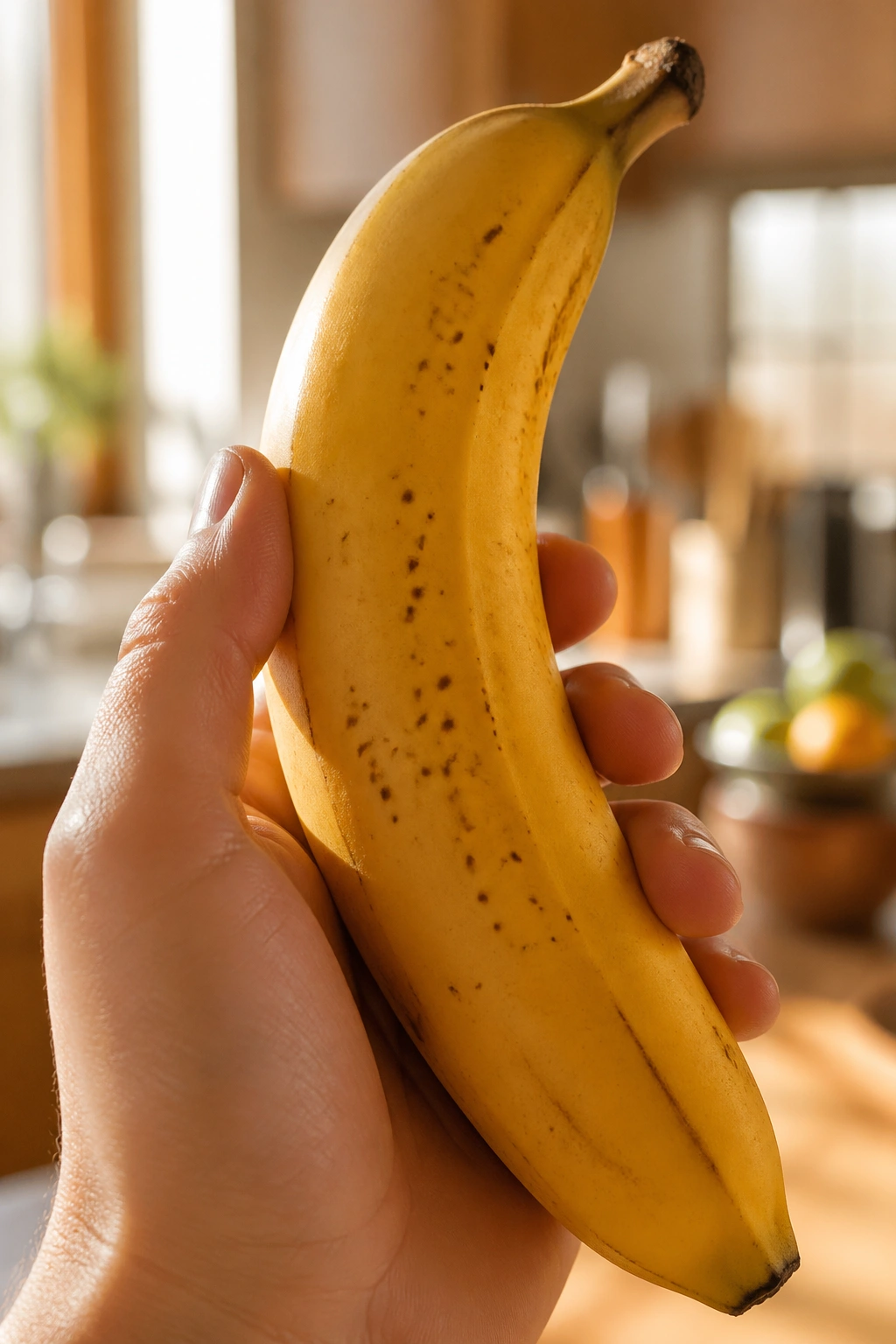
Bananas are the snack most people think of first, and for once the obvious choice earns its keep. A medium banana gives you quick carbohydrates, a soft texture, and enough potassium to matter without making the snack feel heavy.
Why runners keep coming back to it
A ripe banana is easy to chew, easy to digest, and easy to carry. That matters more than it sounds. Before endurance work, the last thing you want is a snack that needs a knife, a fork, and a recovery nap.
A medium banana usually brings about 25 to 27 grams of carbs, which is enough to top up energy without overfilling your stomach. Riper bananas tend to work better close to workout time because they’re softer and a little sweeter.
- Eat it 30 to 60 minutes before training if you want something light.
- Pair it with a few crackers or a slice of toast if the session is long.
- Choose a banana with some brown speckles for quicker digestibility.
- Add a small pinch of salt if you sweat a lot.
Best move: keep bananas for the days when you need fuel fast and do not want to think about it.
2. Oatmeal
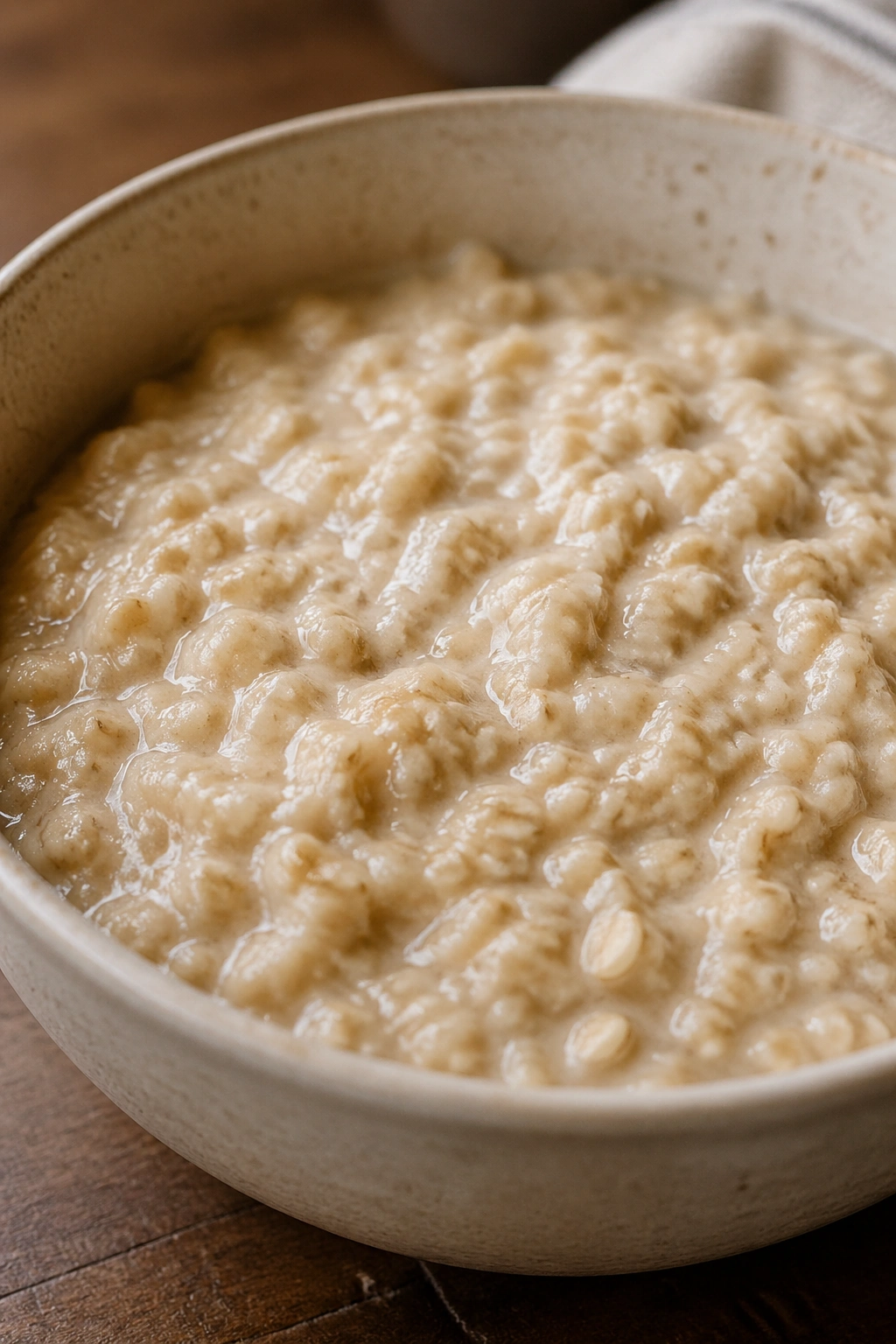
Warm oats sit in that sweet spot between quick fuel and steady fuel. They’re not flashy. They don’t need to be. A bowl of oatmeal gives you carbs that hang around long enough to matter during longer cardio sessions.
Why It Works for Longer Sessions
Oats contain beta-glucan fiber, which slows digestion a bit and helps the energy last. That’s a plus when you’re heading into a run, ride, or hike that won’t be over in 20 minutes. The trick is portion size. Too much oats, and you’ll feel like you ate a brick.
A 1/2 cup dry serving is enough for many people before training, especially if you add banana slices or a drizzle of honey. Keep the toppings simple. Heavy nut butters, lots of seeds, and huge piles of berries can make the bowl harder to tolerate right before exercise.
How to use it
- Make it with water or milk, depending on how your stomach handles dairy.
- Stir in honey, maple syrup, or chopped dates for faster carbs.
- Add cinnamon for taste, not for magic.
- Eat it 60 to 90 minutes before a long session.
Tip: if your workout starts sooner than that, skip the big bowl and go smaller. Oats reward patience.
3. Toast with Honey
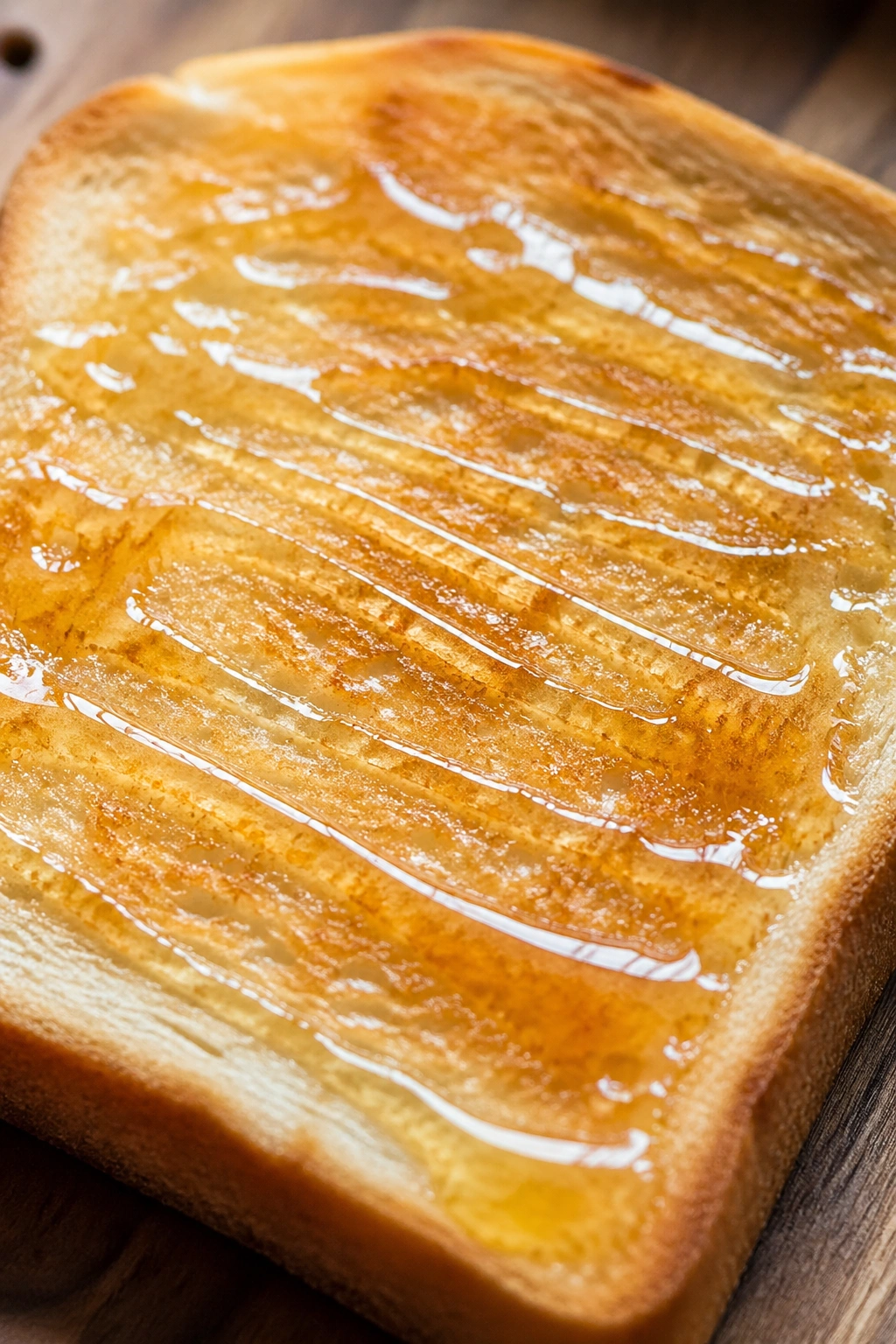
Plain toast earns its place because it is easy to digest and quick to convert into energy. That’s the whole appeal. You do not need a complicated breakfast when your legs are about to do real work.
White toast is usually the safer bet closer to workout time than dense seeded bread. It’s lower in fiber, which means less chance of that heavy, sloshy feeling once you start moving. Honey adds fast carbs and a little moisture, which makes the whole thing go down easily.
I like this choice for people who train early and don’t want a full meal. Two slices with a thin layer of honey can be enough to take the edge off hunger without making you feel full. If you need more, add a sliced banana instead of reaching for butter.
This is one of those snacks that looks too plain to matter. Then you’re halfway through the workout and glad you ate it.
4. Greek Yogurt
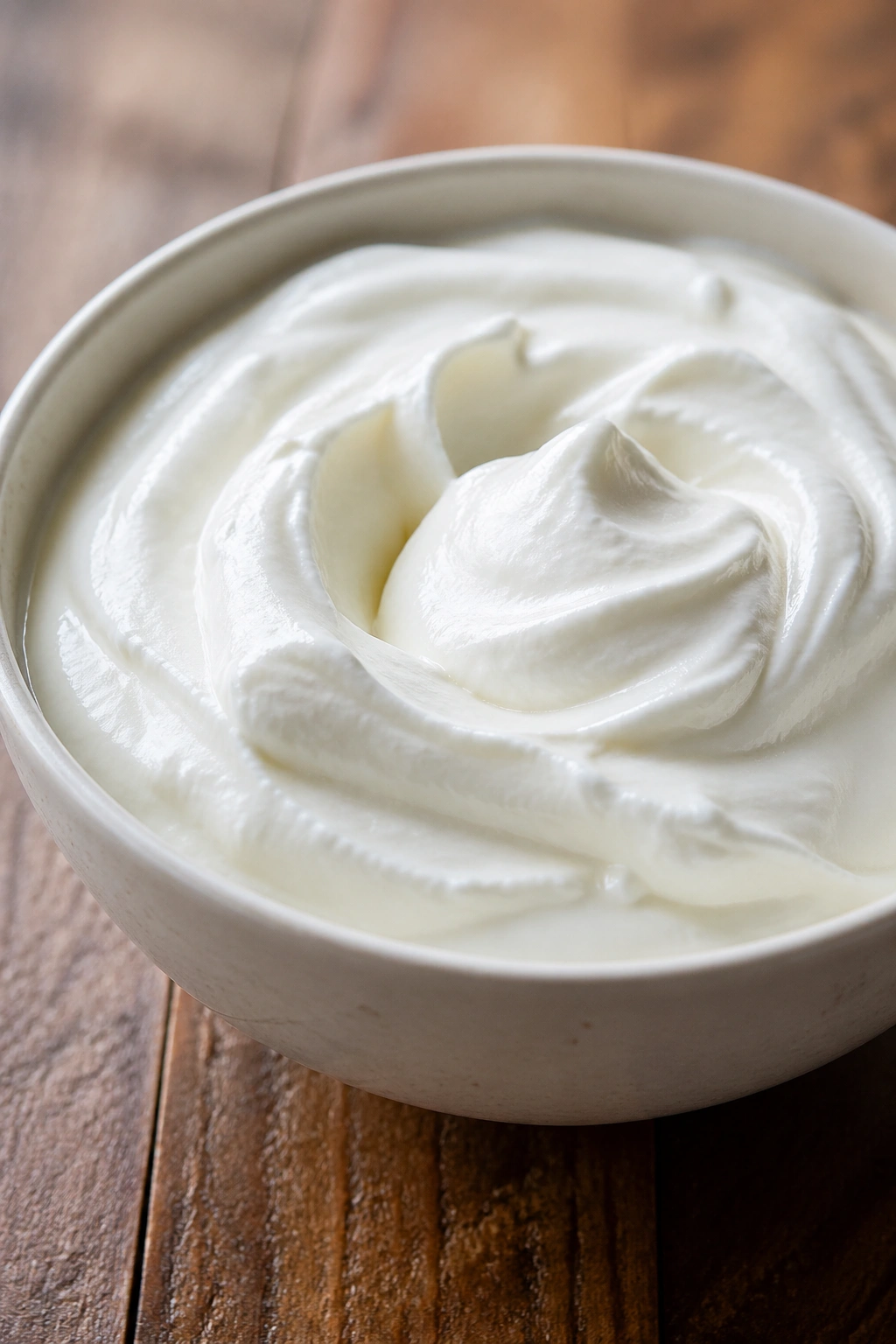
Why does Greek yogurt show up on endurance snack lists when it is known for protein? Because protein is part of the picture, not the whole story. Mixed with fruit or honey, it gives you carbs plus a little protein, which can help if your session is long and you need something more staying-power than juice.
Greek yogurt is thicker than regular yogurt, so texture matters here. Some people love that spoonable feel. Others hate it before exercise. If you’re in the second group, keep the portion small or thin it with a little milk so it slides down easier.
How to use it
- Choose plain Greek yogurt and add your own sweetener.
- Stir in berries, banana, or a teaspoon of honey.
- Keep the portion around 3/4 cup to 1 cup.
- Eat it 45 to 90 minutes before training.
If dairy sits well with you, this is a strong pre workout food for endurance. If not, skip it. There is no prize for forcing yogurt before a run.
5. Rice Cakes
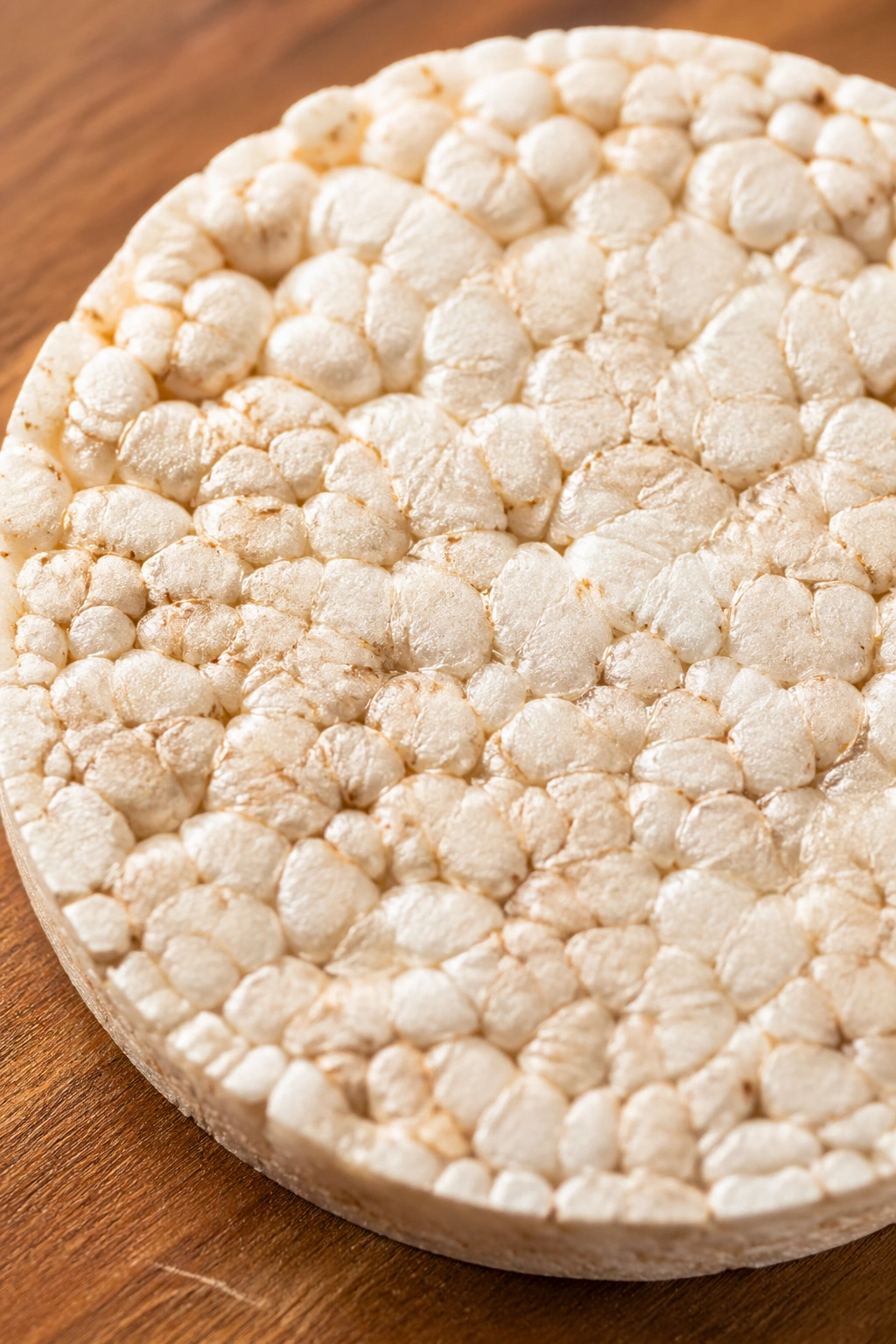
Rice cakes are the definition of light fuel. Dry, crisp, and not trying to be clever. That’s why they work. They give you fast carbs without much fiber or fat, so they tend to disappear quickly in the stomach.
A plain rice cake is almost too simple on its own, which is exactly why it plays so well with jam, honey, or a thin swipe of nut butter. Jam and honey are the faster choices close to training. Nut butter makes more sense when you have more time.
I reach for rice cakes when I want a snack that won’t fight back. They’re handy before a spin class, a track session, or any workout where you want quick energy and zero fuss. They also travel well, which matters more than people admit.
Two to four rice cakes with a little jam is a very normal, very useful pre-workout snack. No ceremony required.
6. Dates
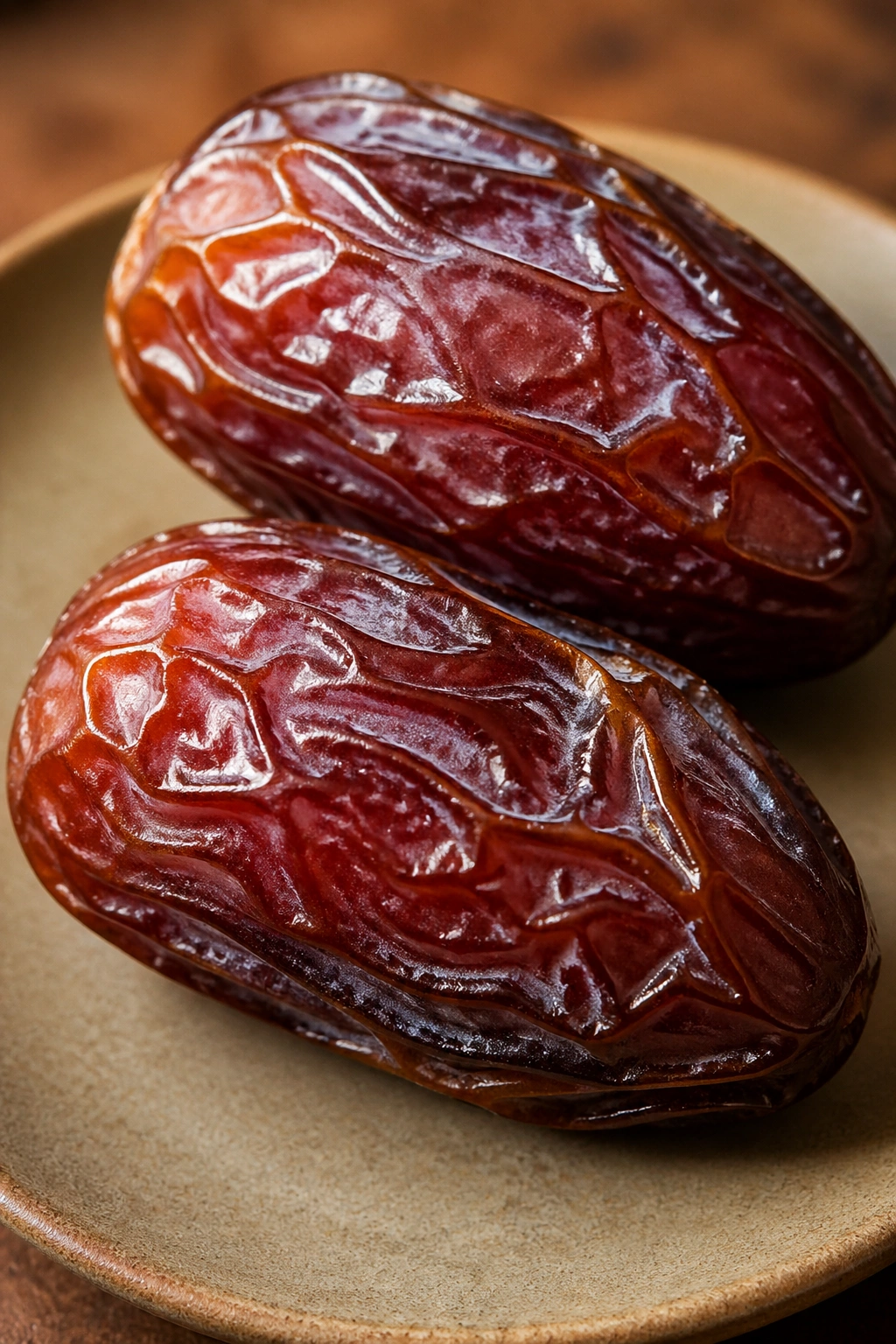
Unlike a sports gel, dates give you a quick carb hit with some chew. That sounds like a small difference. It isn’t. Chewing can feel more satisfying, and for a lot of people it makes the snack easier to trust.
Medjool dates are especially useful because they’re soft, sweet, and packed with carbohydrate. A couple of them before endurance work can provide fast energy without needing a fork or a blender. If you train early and hate big breakfasts, dates are one of the most practical fixes.
They do have one small drawback: they’re sticky. Bring water. Seriously. Dates and a dry mouth are a bad pairing.
- 2 to 4 Medjool dates work for many pre-workout situations.
- Pair them with water or a few sips of an electrolyte drink.
- Use them 30 to 45 minutes before a workout if you need fast fuel.
- Choose pitted dates when you’re in a hurry.
7. Sweet Potato
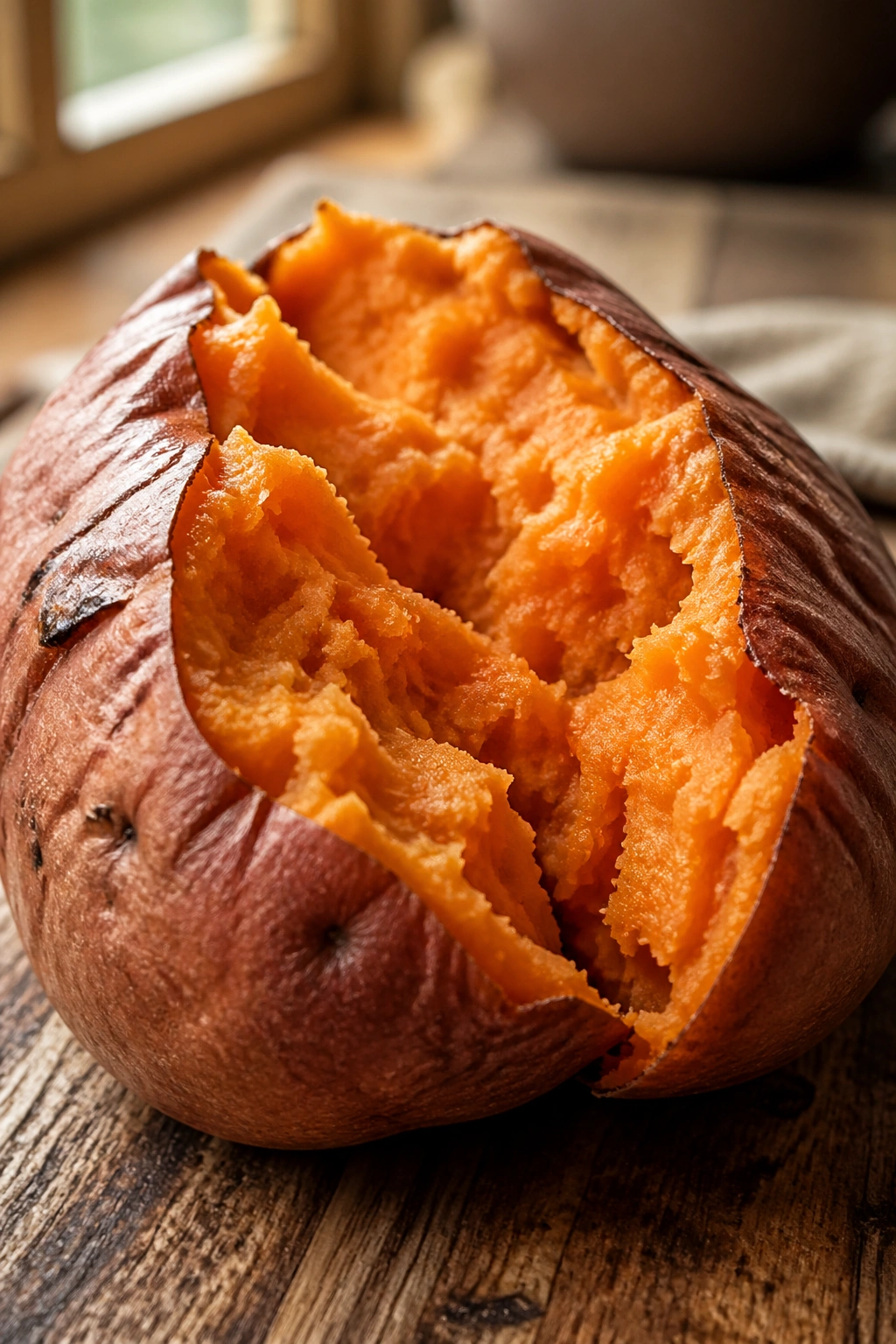
A baked sweet potato looks humble on the plate. Give it an hour or so and it can do real work. That’s the charm here: soft texture, steady carbs, and a little more staying power than a quick sugar snack.
Sweet potatoes are especially useful before longer endurance sessions because they come with fiber and potassium, both of which can be helpful when the workout stretches out. The fiber is also the reason timing matters. Eat too much too close to exercise and you may feel the weight of it.
What to Watch For
- A medium sweet potato gives you a solid carb base.
- Roasting or baking keeps the texture soft and easy to mash.
- A small sprinkle of salt helps if you sweat heavily.
- Cinnamon works better than butter if you need a lighter finish.
This is a better choice 60 to 90 minutes before training than right before you head out the door. Give it a little time and it settles beautifully.
8. Beetroot
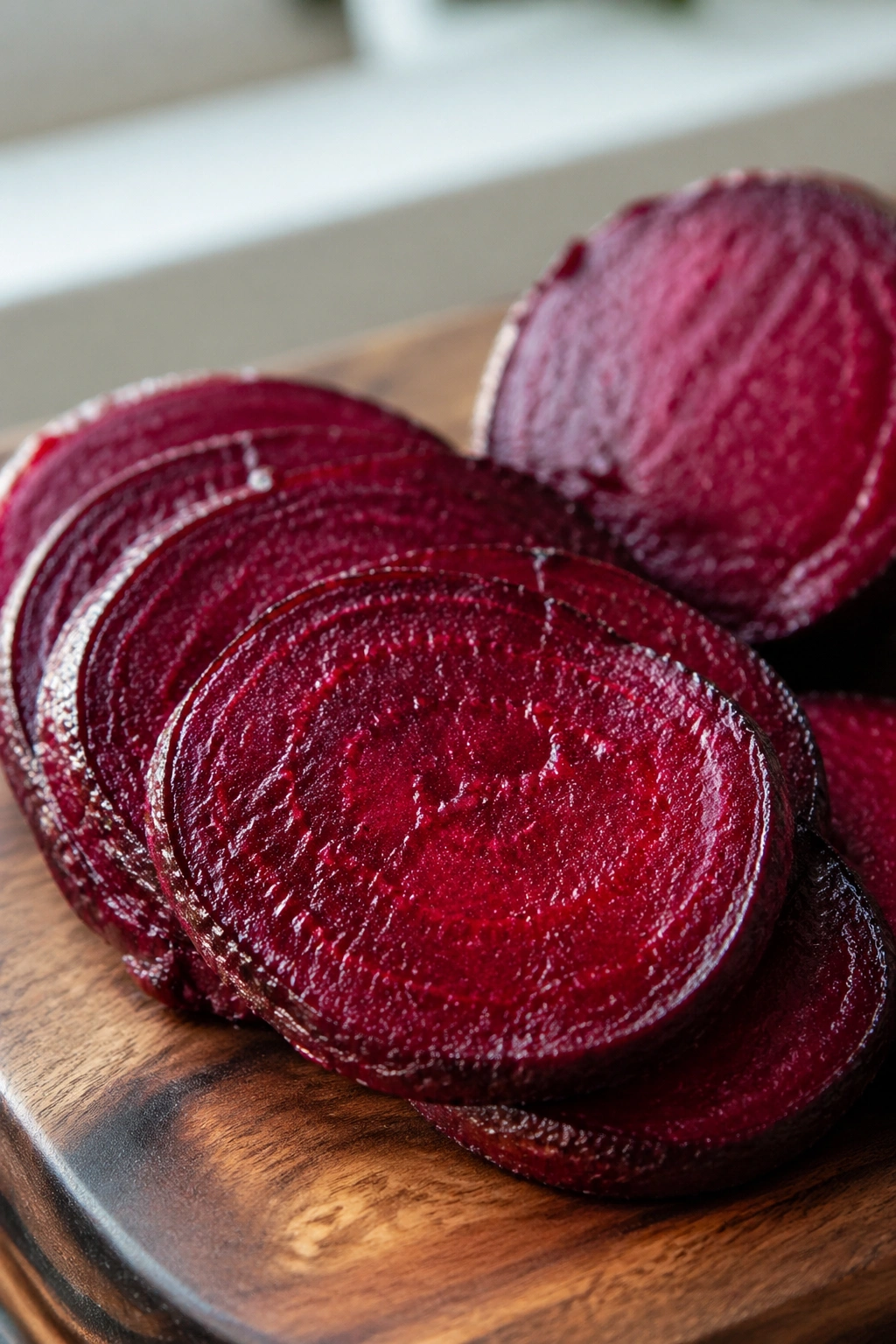
Beetroot is one of the few endurance foods with a reputation that comes from a real physiological angle. It’s rich in dietary nitrates, which the body can convert into nitric oxide. That matters because nitric oxide helps with blood flow and exercise efficiency.
Roasted beets, beet juice, and even vacuum-packed beet slices can all fit before training. The form matters less than the dose and the timing. Juice is faster. Roasted beet chunks are more filling. If you’re heading into a long session, choose the form that fits your stomach, not the one that sounds clever.
What the nitrates do
Beets are often used before runs, time trials, and steady cardio blocks because they may support how hard you can work at a given effort. That does not mean they’re magic. It means they’re one of the few foods with a clear endurance angle beyond “carbs are good.”
- Try beet juice 2 to 3 hours before harder work.
- Roast beets and slice them into a light pre-run bowl with rice or yogurt.
- Expect the bright color in your urine and stool. That part surprises people the first time.
- Keep portions moderate if beetroot usually feels earthy or heavy to you.
9. Applesauce
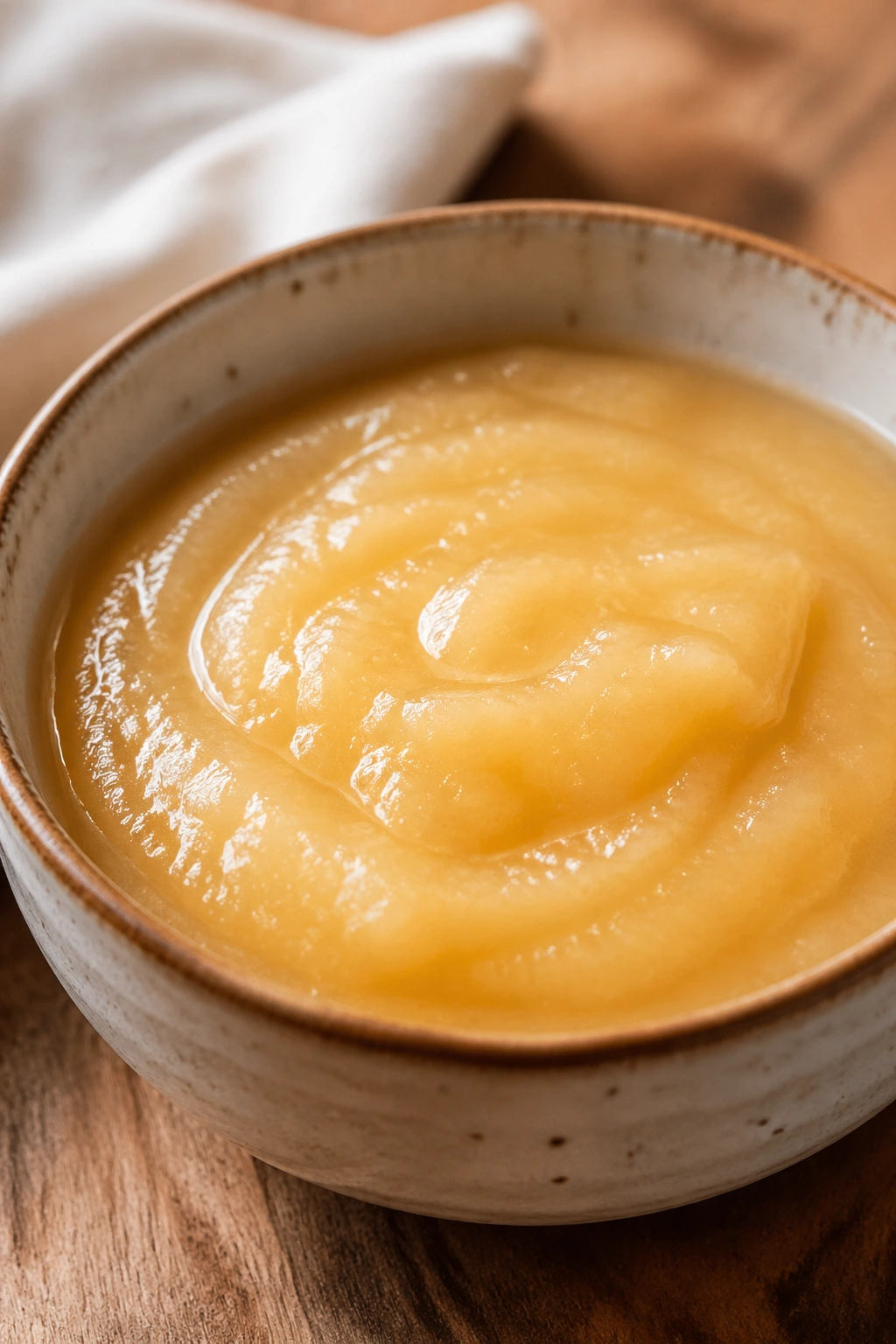
Unsweetened applesauce is one of the easiest carbs to digest before exercise. That’s the main reason people keep using it. It’s soft, mild, and it doesn’t ask much from your stomach.
A single cup or a small squeeze pouch can work well when you want something simple and quick. It’s especially handy if you don’t feel like chewing before a workout. That sounds minor until you’re trying to eat at 6 a.m. and every bite feels like work.
You can keep applesauce plain, or pair it with a few pretzels if you want a little salt. If you need more staying power, stir it into oatmeal or have it alongside toast. Alone, it’s a fast-fuel snack. Combined, it becomes a more rounded pre-workout meal.
This is one of those foods that doesn’t look athletic, but it gets the job done.
10. White Rice
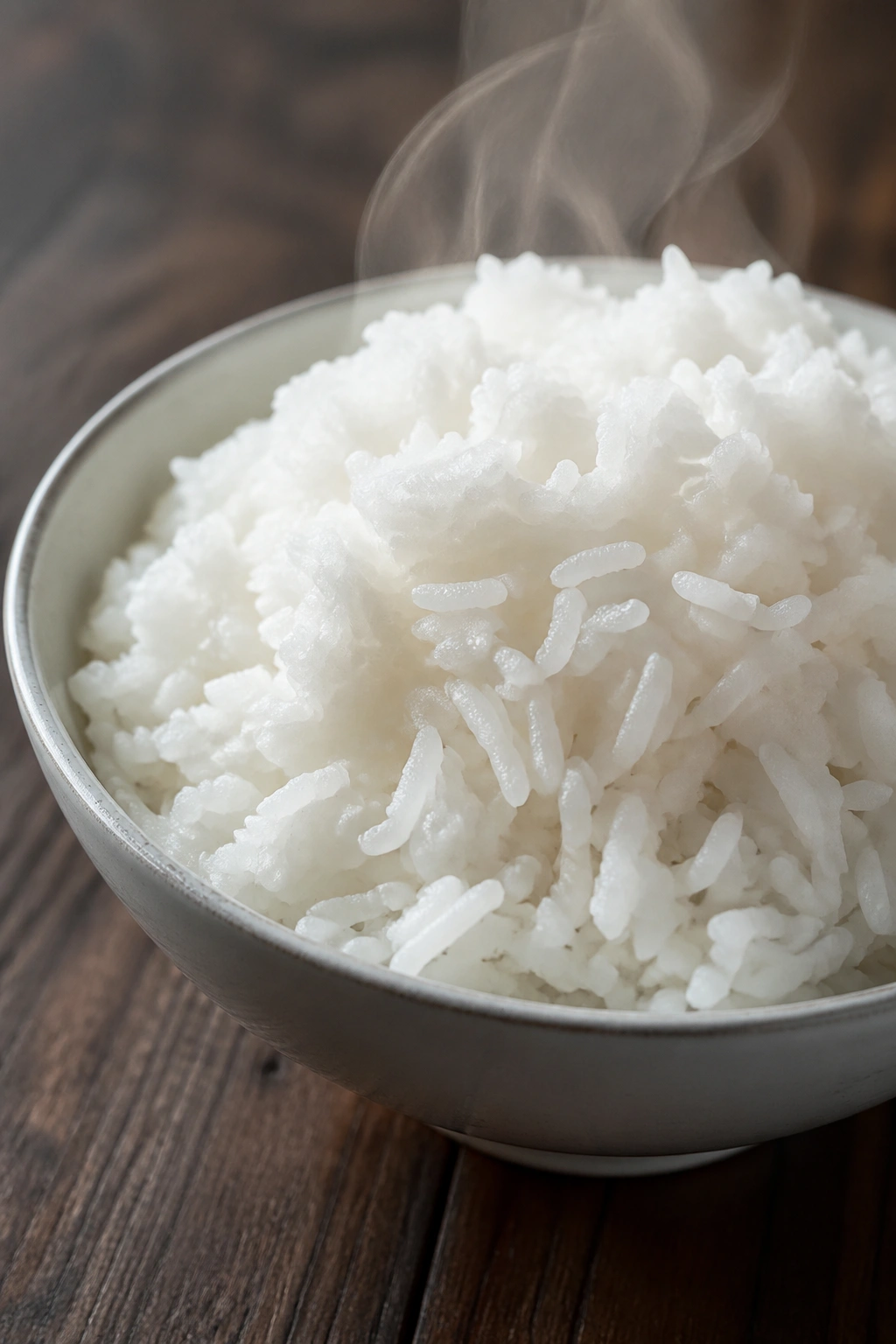
Why do endurance athletes keep returning to white rice? Because it is low in fiber, easy to digest, and excellent at delivering carbs without drama. Simple answers are often the best ones.
White rice works especially well when you have a bit more time before training and want a meal rather than a snack. A bowl with a little salt, soy sauce, or a side of eggs can be enough to carry a long session. Keep the fats low if you are eating close to workout time. Creamy sauces and heavy oils slow things down.
How to build a low-fiber plate
- Start with 1 to 1.5 cups cooked white rice.
- Add a small amount of lean protein if the workout is far enough away.
- Keep vegetables cooked and soft if you include them at all.
- Avoid oversized portions when you have less than an hour.
White rice is not exciting. That is the point. It gives endurance athletes a calm, dependable base to work from.
11. Pasta
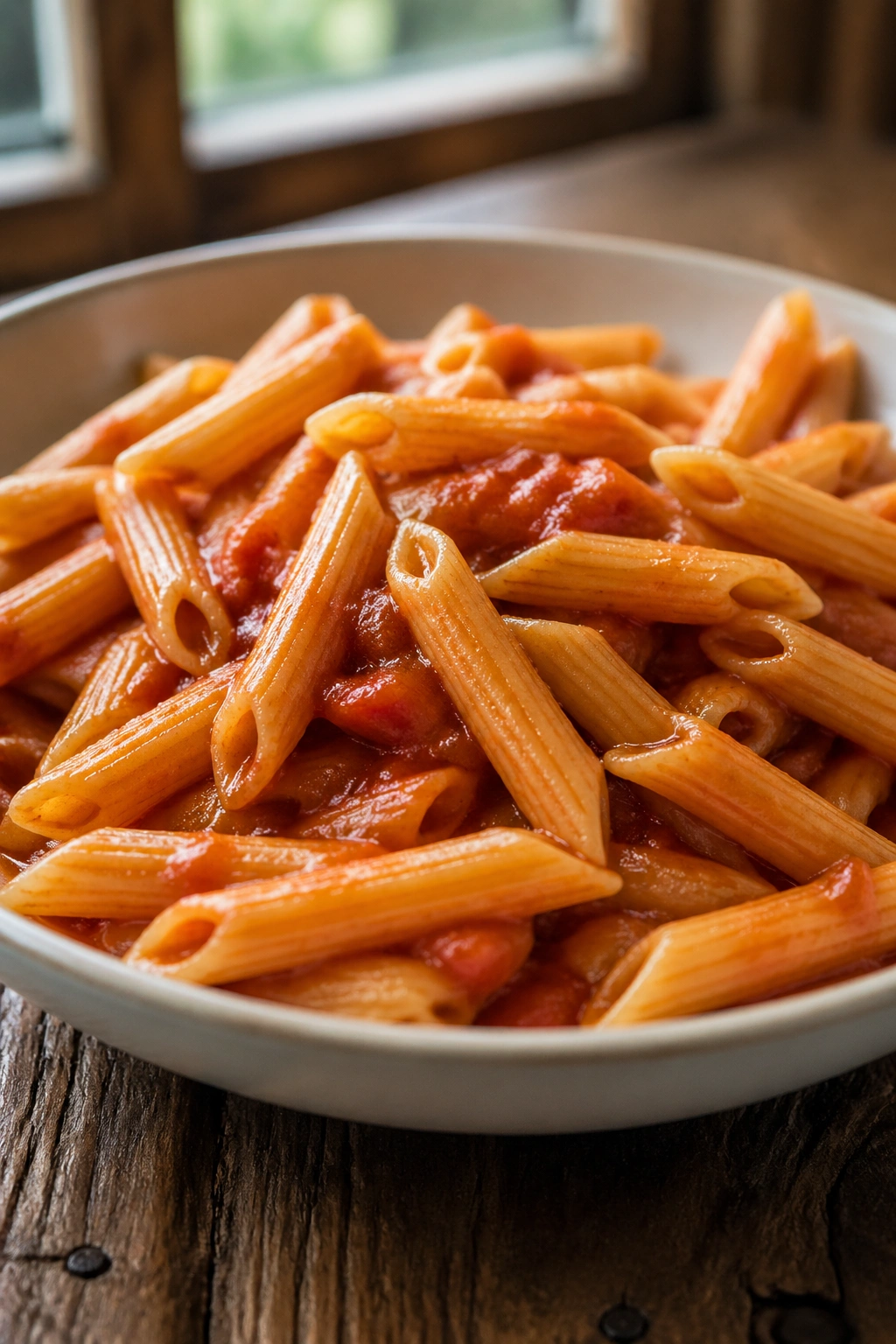
Plain pasta is one of those foods that gets taken for granted because it has been around forever. Before a long run or ride, though, it makes a lot of sense. Cooked al dente, it gives you a dense carb load without a lot of fiber or chew fatigue.
The best pre-workout pasta plate is usually the simplest one. A little tomato sauce. Maybe some salt. Maybe a small amount of olive oil if the meal is far enough ahead of training. Cream sauces and heavy cheese can sit too long, especially if you’re heading out soon after eating.
I prefer pasta when there’s a real meal window, not a rushed snack window. Think 90 minutes to a few hours before hard endurance work. That gives the stomach enough time to empty and the carbs enough time to matter.
A small bowl can calm pre-race nerves too. There’s something reassuring about food that knows exactly what it is.
12. Bagel
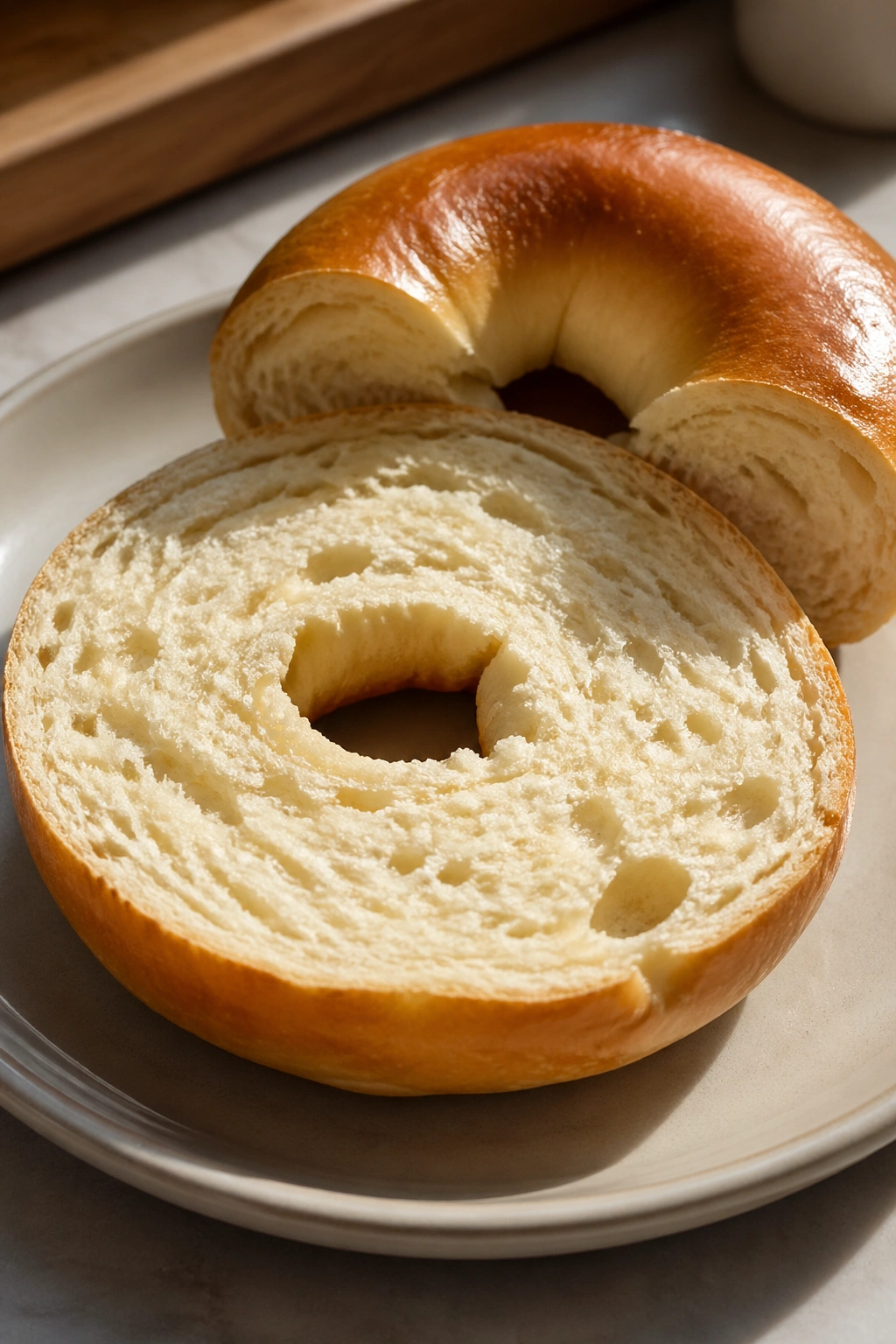
Compared with two slices of bread, a bagel gives you a denser carb load in a form that still feels familiar. That makes it a strong pre-workout food for endurance, especially when you need enough energy to last but don’t want a full plate.
Plain or lightly toasted bagels are the safest choice. Honey, jam, or a thin spread of cream cheese can work depending on how close training is. If you’re eating within an hour, keep the extras light. A loaded bagel with lots of fat can turn into a digestion project.
A bagel is the sort of thing I’d pick for a long run morning, a cycling session, or any day when I know I’ll burn through fuel. Half a bagel may be enough if you’re sensitive to larger meals. A full one makes more sense when the session is long and hard.
Best move: match the size of the bagel to the size of the workout. Not the other way around.
13. Kefir
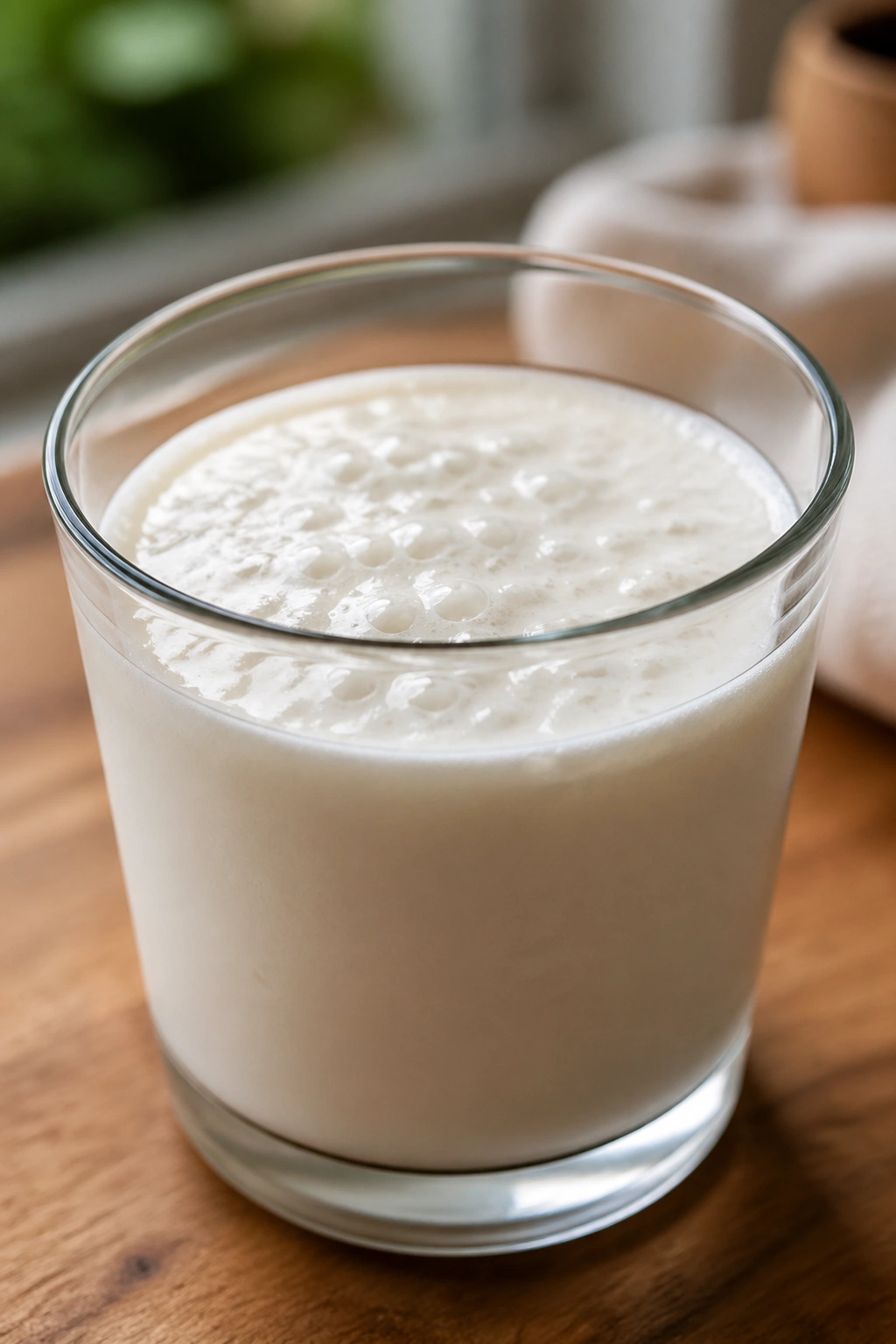
Kefir is a tangy drink with a texture that falls somewhere between yogurt and milk. That may sound odd before training, and fair enough, it is a little odd. But it can work well for people who want something drinkable, lightly sweet, and easier to get down than a solid snack.
Because kefir is fermented, some people find it gentler than regular milk. That does not make it a miracle food, and it does not help everyone. If dairy usually bothers you, skip it. If you tolerate it well, kefir can be a useful base for a pre-workout smoothie or a simple drink with fruit.
What makes it useful
- It gives you carbs and a modest amount of protein.
- It’s easier to sip than chew when you’re short on time.
- It pairs well with banana, berries, or oats.
- A 1-cup serving is usually enough before moderate endurance work.
Kefir is best when you want something light but not empty. That’s a tricky middle ground, and it fits there nicely.
14. Chia Pudding
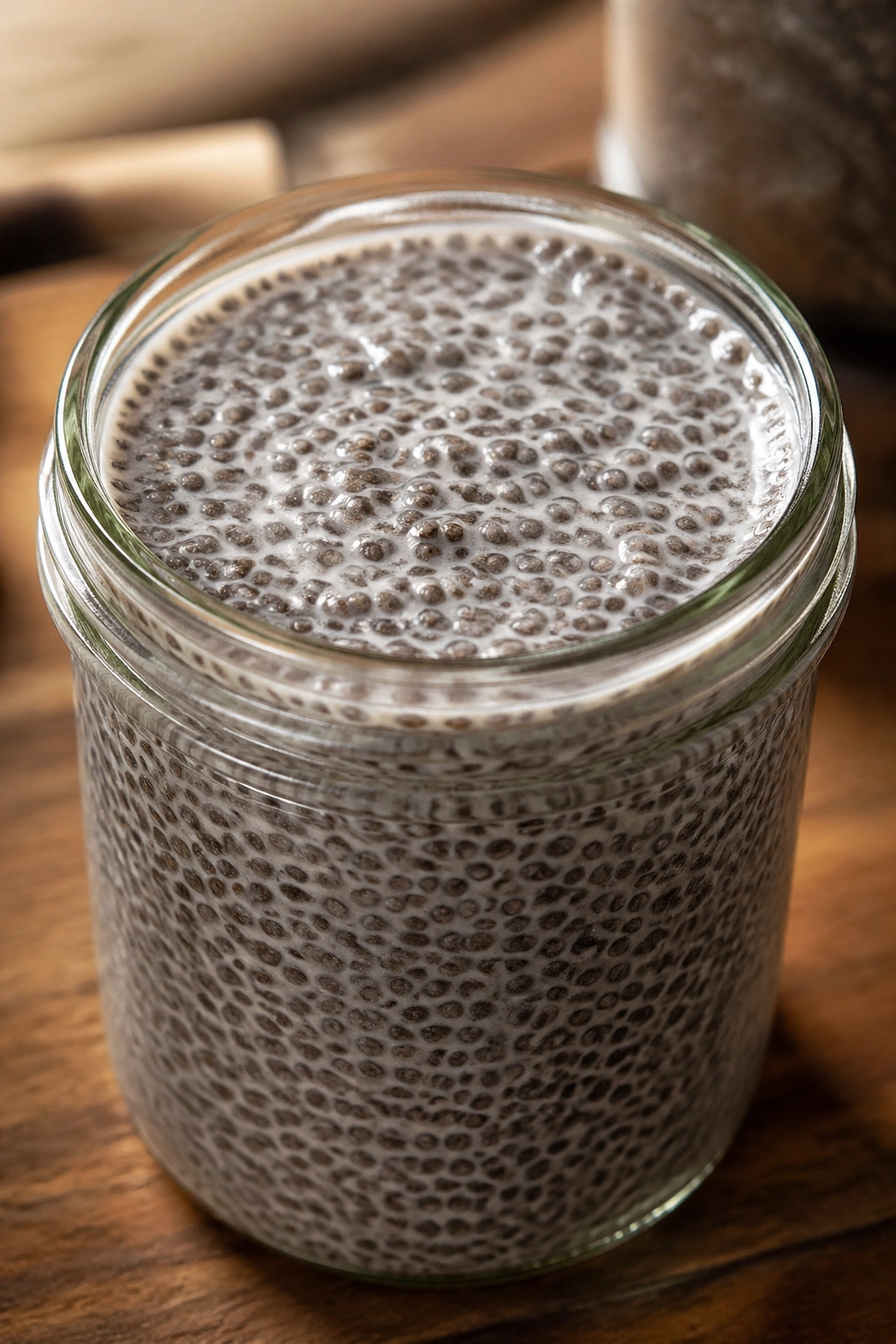
Chia pudding is not the snack to grab ten minutes before a tempo run. Too much fiber, too much gel-like texture, and not enough time to settle. Give it a longer runway and it becomes useful in a different way.
Chia seeds absorb liquid and form a pudding texture, which is why this food feels more like a slow-release snack than a quick carb hit. That can help before longer endurance sessions when you want a steadier trickle of energy. It’s also easy to flavor with honey, banana, vanilla, or berries.
Why It Works
A modest serving made with 1 to 2 tablespoons of chia seeds and milk or yogurt can be enough. If you overload it with seeds, it turns dense and hard to ignore in the stomach. That’s the mistake people make. They hear “healthy” and pour in too much.
- Make it the night before so the texture fully thickens.
- Eat it 90 minutes to 2 hours before training.
- Keep the topping simple: fruit, honey, or a little maple syrup.
- Skip it if high-fiber foods tend to bother you.
This is a smart pre-workout food for endurance when time is on your side.
15. Watermelon
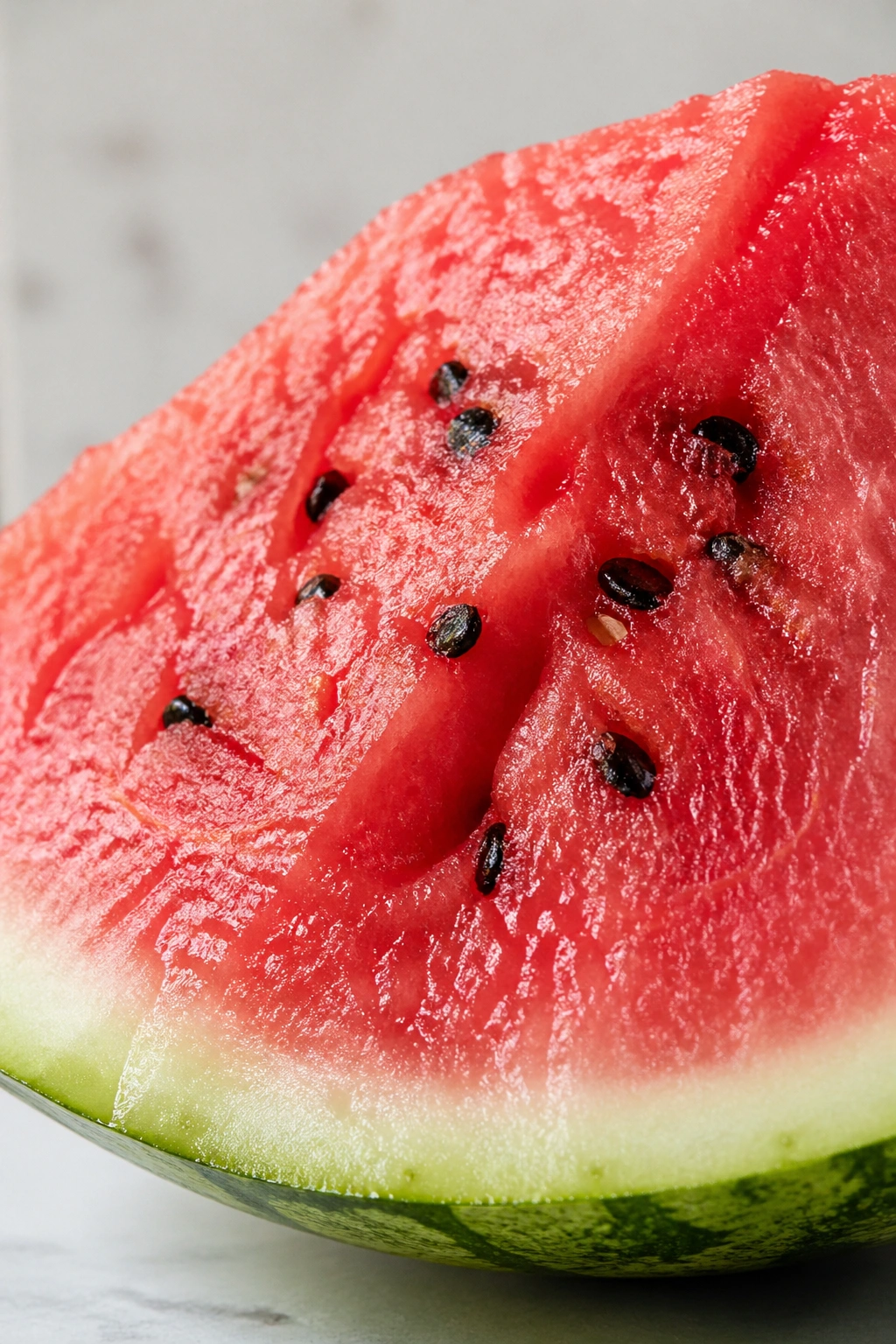
Watermelon is the snack you pick when heat and dehydration matter as much as carbs. It is mostly water, but it still gives you fast sugar and a cool, easy-to-eat texture. That combination matters more than people think on hot training days.
Cubed watermelon is the simplest version. A bowl of it before a long walk, easy run, or outdoor ride can take the edge off thirst without feeling heavy. If you’ve ever tried to train on an empty stomach in warm weather, you already know how quickly that can go sideways.
A small pinch of salt can make it more useful if you sweat a lot. Not enough to turn it savory, just enough to help the body hold onto some fluid. Keep the portion moderate, though. A giant bowl of anything watery can make your stomach bounce around.
Cold, sweet, and easy to chew. Sometimes that’s the whole win.
16. Oranges
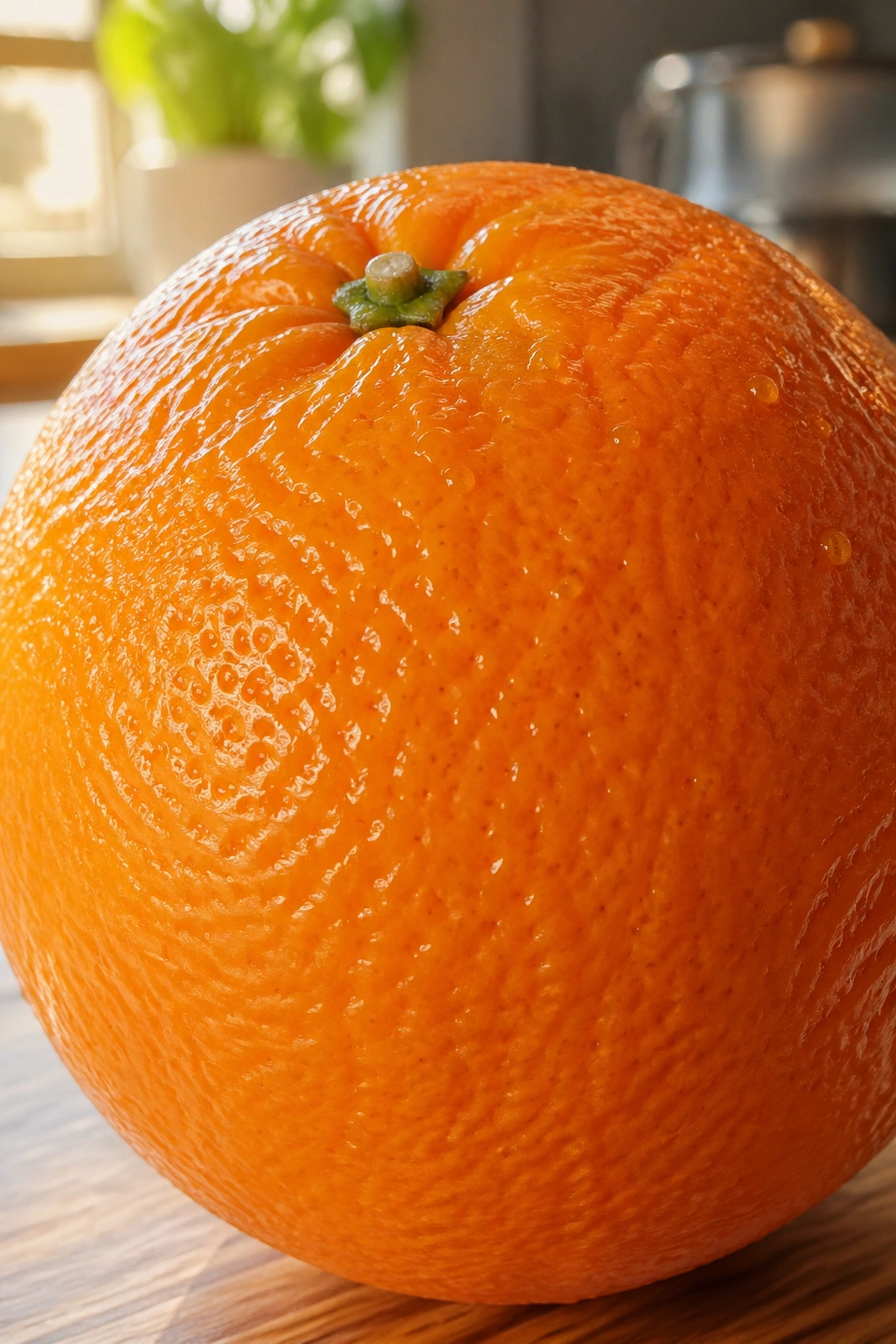
Why does a simple orange belong in a pre-workout lineup? Because it gives you fluid, fast carbs, and a bright, clean taste that wakes up a sleepy appetite. That can matter before endurance work, especially when you need something light and refreshing.
Whole oranges are better than juice for some people because the segments are easier to pace. Juice is faster if you’re in a hurry, but whole fruit gives you a little more chewing time and less sugar shock. I’d choose oranges when I want something that feels hydrating without being heavy.
How to time it
- Eat 1 to 2 medium oranges about 30 to 45 minutes before training.
- If you prefer juice, keep the serving small and drink it slowly.
- Pair with a couple of crackers if you need more staying power.
- Avoid huge amounts if acidic foods tend to bother your stomach.
Oranges are not the boldest pre-workout food. They do not need to be. They’re crisp, simple, and easy to use.
17. Raisins
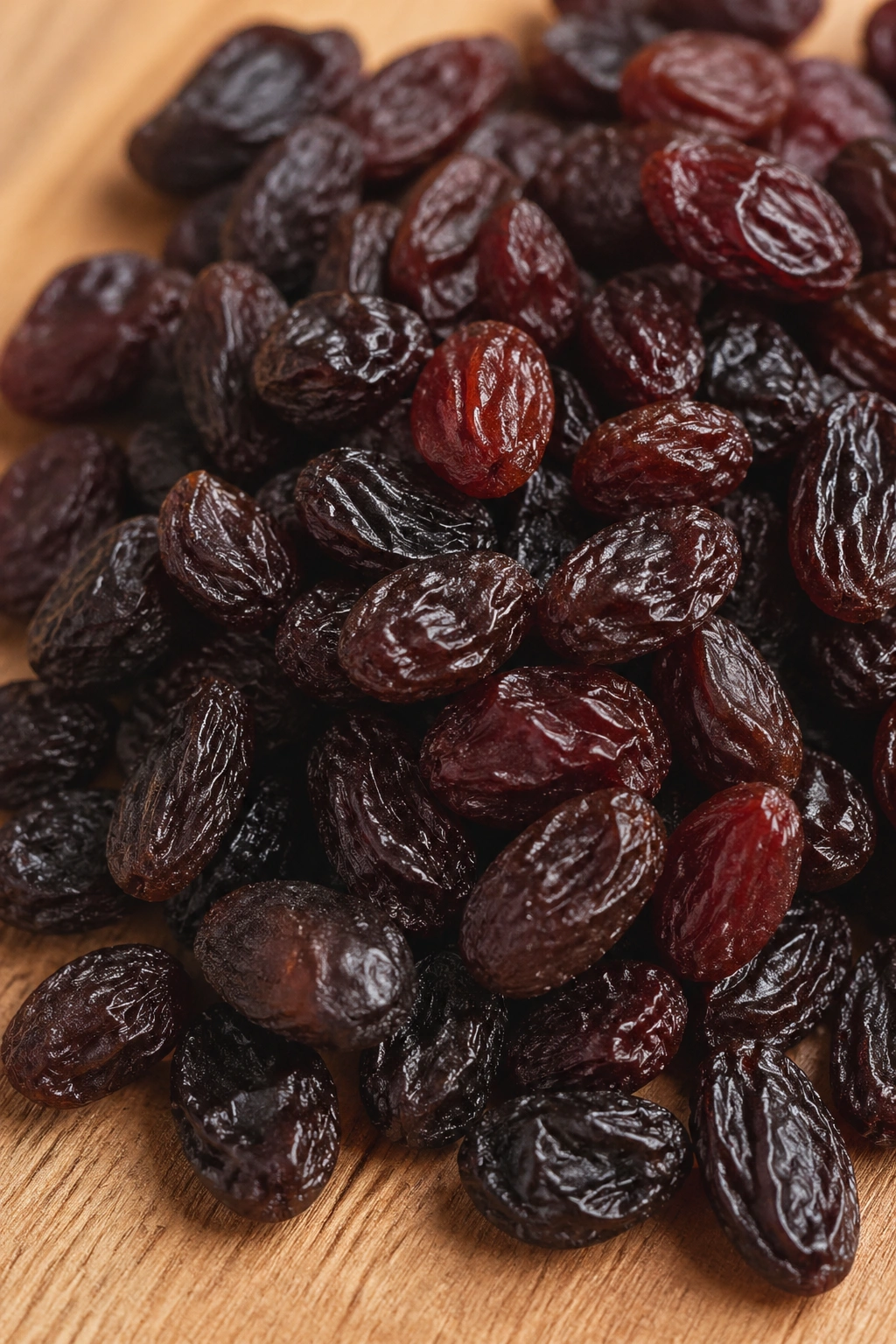
Raisins are tiny, sticky, and far more useful than they look. A small box or handful delivers concentrated carbs in a form that’s easy to stash in a gym bag, a jersey pocket, or the console of a car if you’re not proud of yourself.
Because they’re dried fruit, raisins pack a lot of sugar into a small volume. That makes them efficient before endurance work, especially when you need energy fast and don’t want to feel full. They’re not as flashy as dates, and that is part of the appeal. Less chew, less mess, more practicality.
I like raisins for pre-run fuel when time is short. A 1/4 cup serving is often enough to take the edge off. Drink water with them. Dry fruit without enough fluid can feel irritating, and nobody needs that before a workout.
They’re old-school fuel. Old-school still works.
18. Granola
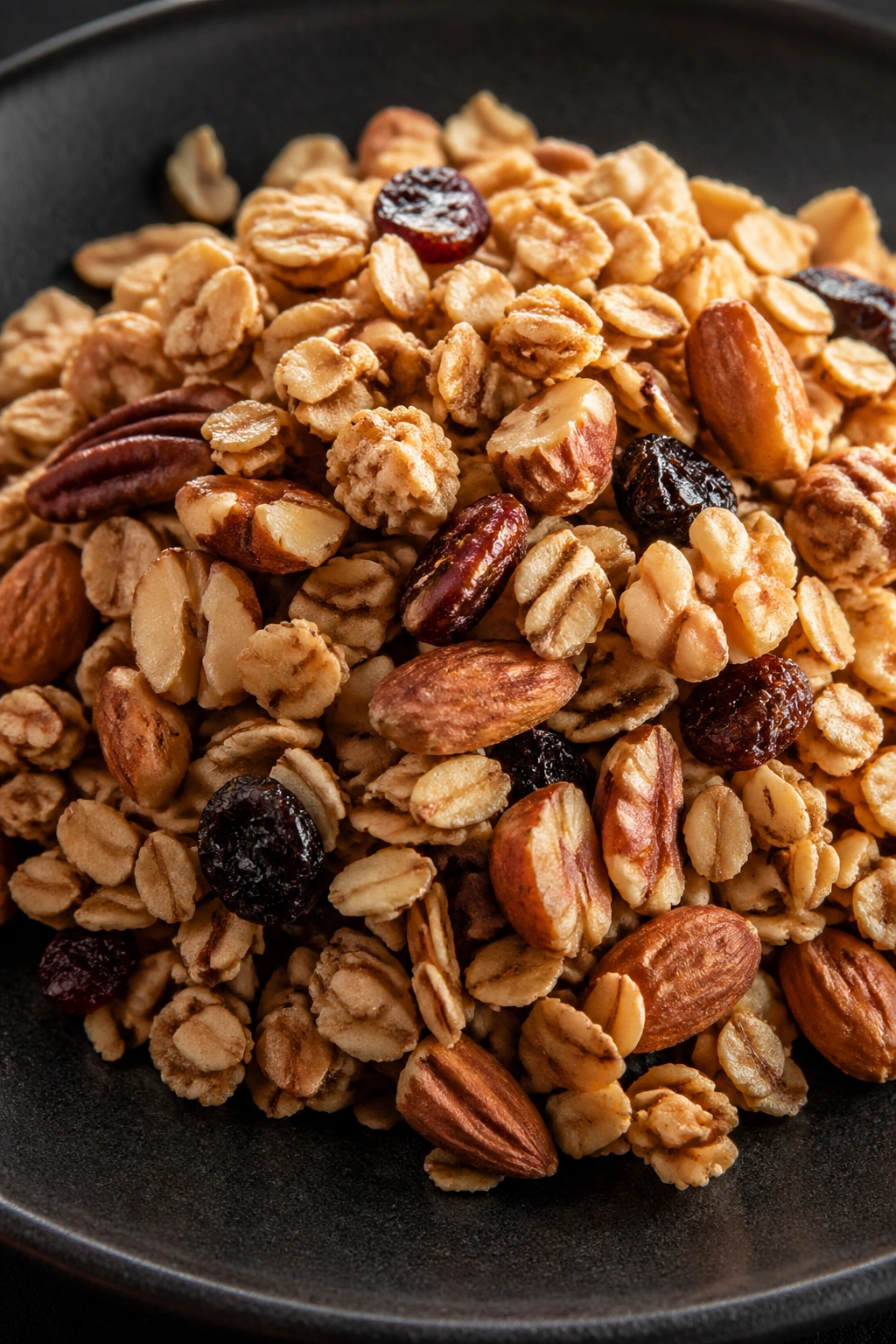
Unlike a candy bar, a small bowl of plain granola with yogurt gives you slower-release energy and a little more staying power. That’s what makes it useful before endurance work. The oats bring carbs, the mix-ins add texture, and the whole thing can be scaled up or down.
The catch is granola quality. Some versions are packed with oil, syrup, and heavy nuts. Those can sit too long if you eat them close to exercise. Better to choose a lighter mix with oats, maybe a few dried fruit pieces, and not much added fat.
What to look for
- Oats as the first ingredient.
- Modest sugar, not a dessert-level coating.
- Small portions: 1/3 to 1/2 cup is usually enough.
- Best used 60 to 90 minutes before training.
Granola can be a good middle ground when you want something more interesting than plain cereal but less heavy than a full breakfast. Keep the portion honest. That’s where it works.
19. Peanut Butter and Banana
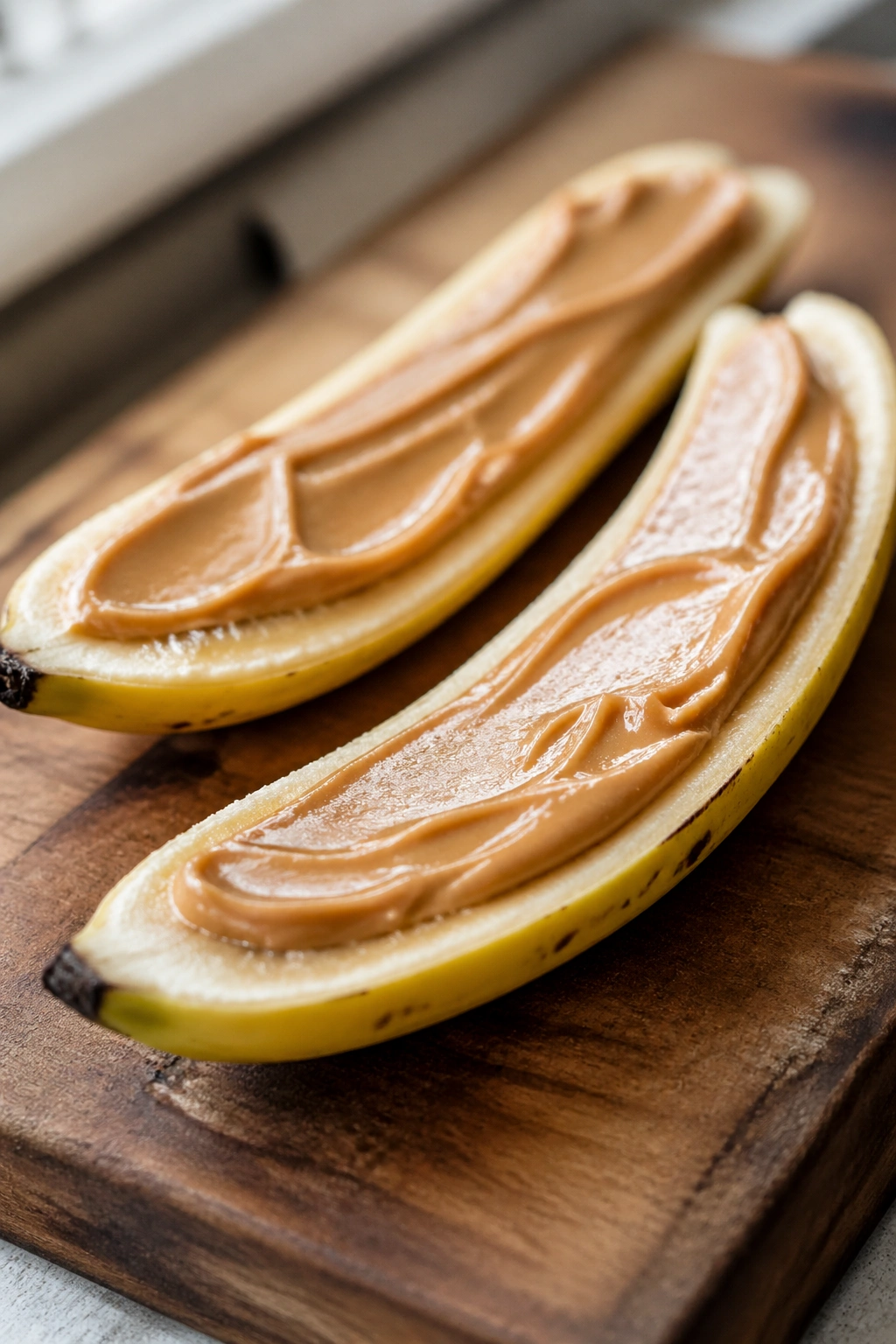
A banana with peanut butter is a classic because it balances quick carbs with a little fat and protein. That combo can be useful before endurance work when you have enough lead time for digestion to keep up. If you eat it too close to training, the peanut butter may sit around longer than you’d like.
The banana handles the immediate energy side. The peanut butter slows things down a bit and makes the snack feel more substantial. That can be helpful before a long ride or a multi-hour hike, less so before a hard run with a tight start time.
Quick details that matter
- Use 1 medium banana with 1 tablespoon of peanut butter.
- Choose smooth peanut butter if your stomach is sensitive.
- Eat it 60 to 90 minutes before exercise.
- Add a pinch of salt or cinnamon if you want more flavor.
This is one of my favorite pre-workout foods for endurance when there’s time to digest. It feels like food, not just fuel.
20. Low-Fat Chocolate Milk
Cold chocolate milk is one of the few pre-workout foods that feels like a treat and still behaves like fuel. You get carbs, a little protein, and fluid in one glass. That makes it useful when chewing is the last thing you want to do.
Low-fat versions are easier to handle than richer ones before exercise. The sugar helps top up energy, and the milk protein gives the snack a bit more staying power. It can work especially well before moderate endurance sessions, or as a bridge between a small snack and a longer workout.
Why it works for some people
- The drinkable texture is easy when your appetite is low.
- A 1-cup serving is often enough for a light pre-workout boost.
- It’s a decent choice 30 to 60 minutes before training if dairy sits well with you.
- It can be chilled, which helps on warm training days.
If dairy bothers your stomach, skip it. That part matters more than the food’s reputation. The smartest pre-workout choice is the one you can digest cleanly and then forget about until the workout is done.
And that’s the real thread running through all 20 of these foods. Endurance fuel does not need to be fancy. It needs carbs that show up on time, a stomach that stays calm, and enough flexibility to fit the session you’re about to do.
