



Trying to lose belly fat for women in their 50s can feel unfair. You can work harder than you did before and still notice more softness around the waist, slower recovery, and a middle that seems to hold on for dear life.
The frustrating part is that the old advice is usually the least useful advice. Endless crunches, random cardio, and eating less until you’re grumpy do not fix much if the real issues are muscle loss, stress, sleep, and a body that prefers to store fat around the abdomen after menopause. Sit-ups are not the answer. Sorry.
Belly fat isn’t only about appearance, either. A thicker waist often reflects a mix of subcutaneous fat and deeper visceral fat, the kind stored around the organs. That’s one reason the best plan for women in their 50s looks a little boring from the outside: strength training, walking, protein, sleep, and a routine that doesn’t fall apart the second life gets busy.
The good news is that the fix is practical. Not magical. Practical. The middle tends to change when you stack enough small, repeatable wins that your body finally gets the message.
1. Lift Heavy Enough to Tell Your Body to Keep Muscle
The quickest way to change your shape is not to chase exhaustion. It’s to keep or build muscle while the fat comes off.
That matters more after 50 than most people want to admit. Muscle is metabolically active tissue, which means it helps you use more energy during the day, and it also gives your body a firmer look as the waist shrinks. If you lose weight without lifting, a chunk of that loss can come from muscle and water, and the result is often a smaller number on the scale with no real change in how your middle looks.
Three strength sessions a week is a solid place to start. Two works if that’s all you can handle. Four can work too, but only if recovery is holding up and your joints are happy.
A simple rule helps: if the last few reps feel easy, the weight is probably too light. You want enough challenge that the final rep looks clean but not casual. That is where the change happens.
2. Make Compound Lifts the Center of the Week
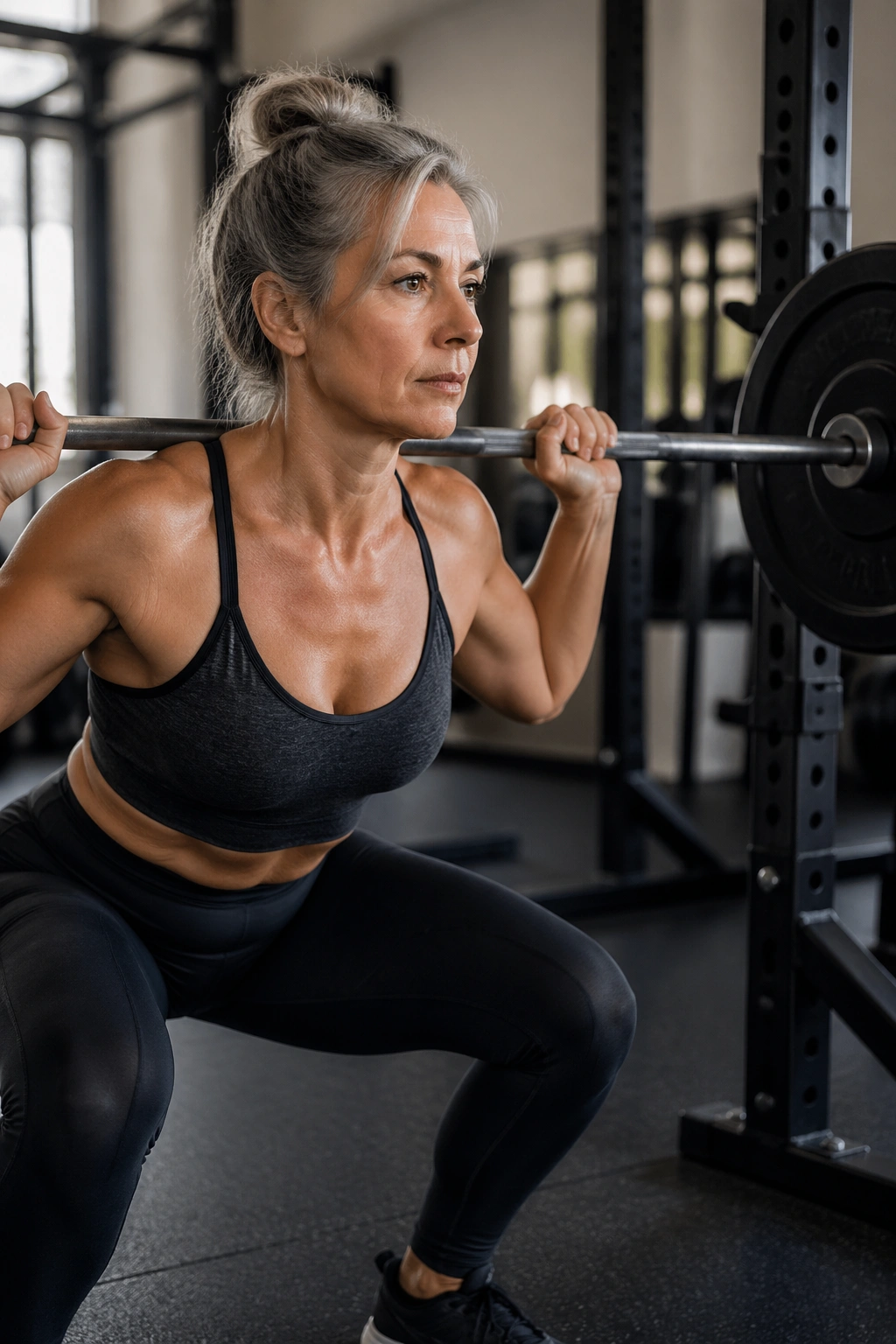
What actually moves the needle? Squats, hinges, presses, and rows. The big stuff.
A Simple Full-Body Template
- Squat pattern: goblet squat, leg press, or sit-to-stand from a bench
- Hinge pattern: Romanian deadlift, hip hinge with dumbbells, or kettlebell deadlift
- Push pattern: dumbbell chest press, incline push-up, or machine press
- Pull pattern: seated row, one-arm dumbbell row, or lat pulldown
Use 2 to 4 sets of 6 to 12 reps for each move. Rest long enough to catch your breath. If every set leaves you gasping and sloppy, the weight is probably too heavy for the day.
Compound lifts work because they ask more muscles to show up at once. That means better training stimulus in less time, and less of the “I did 40 minutes of fluff and nothing changed” feeling. They also help with the real-life stuff nobody puts on a fitness poster: carrying groceries, climbing stairs, getting up off the floor, and keeping your back from complaining.
Simple is not boring when it works. Simple is efficient.
3. Take a 10-Minute Walk After Meals

A short walk after eating is one of those habits that sounds too easy to matter. Then you try it for a couple of weeks and notice dinner doesn’t sit so heavily, your energy feels steadier, and the evening snack attack gets a little quieter.
The timing helps. A walk after a meal gives your muscles a chance to use some of the glucose from that meal instead of letting it sit around and spike your blood sugar higher than it needs to go. You do not need power-walking pace. A normal, comfortable stroll is fine.
How to Use It
- Walk 10 to 15 minutes after your biggest meal
- If dinner is the only meal you can pair with a walk, start there
- Keep the pace easy enough that you can talk in full sentences
- If the weather is ugly, march around the house or pace during phone calls
This is especially useful for women in their 50s because it is gentle on joints and easy to repeat. No special gear. No calendar drama. Just a habit that quietly helps the waistline over time.
4. Raise Your Daily Step Count on the Boring Days
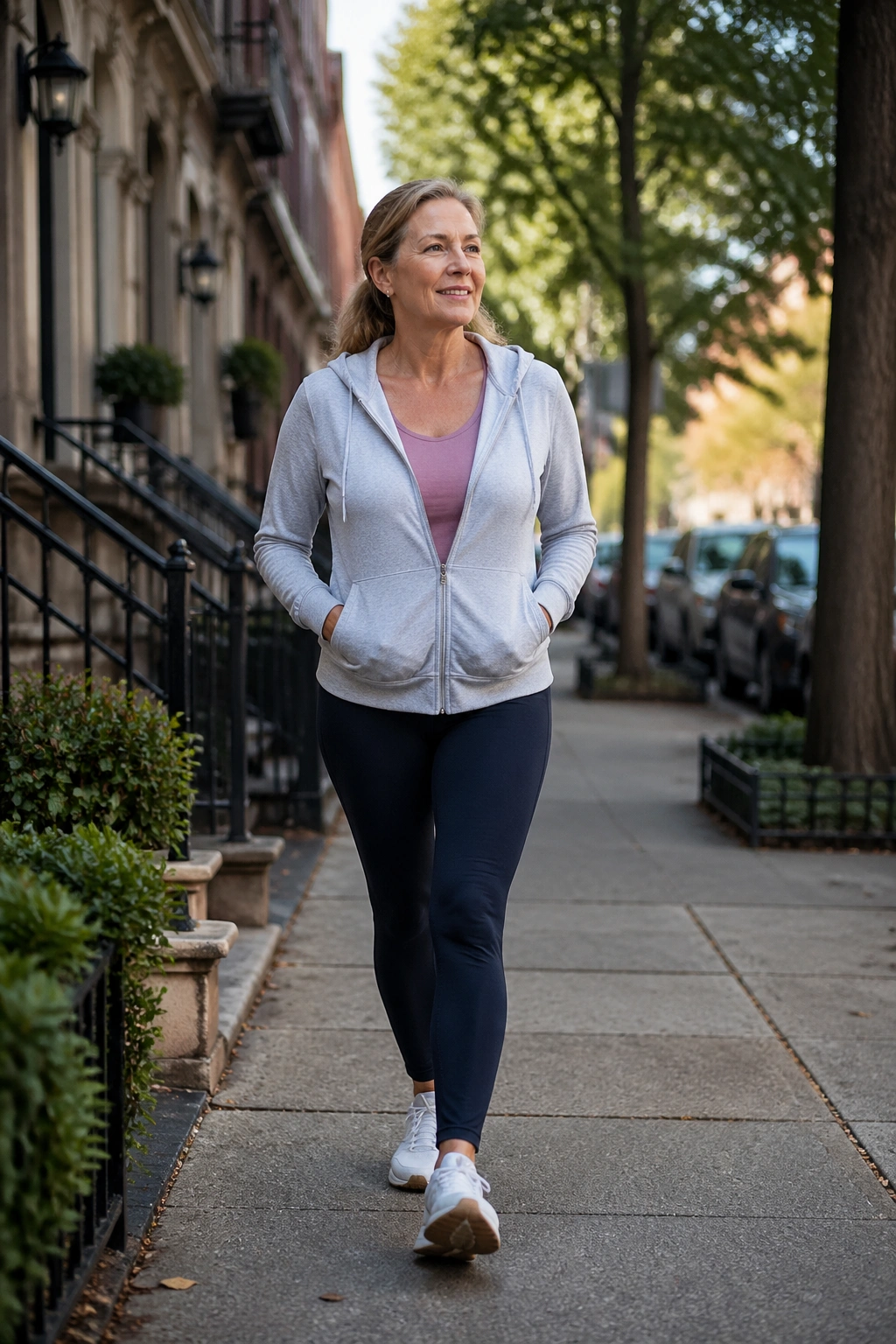
A workout does not erase an otherwise sedentary day. That’s the part most people want to skip.
Your step count matters because all the small bits of movement outside the gym add up. This is the part of fat loss that gets ignored far too often: the walk to the car, the trip to the kitchen, the errands, the stairs, the lap around the block after lunch. When those pieces disappear, calorie burn drops faster than people expect.
The nice thing is that you do not need some dramatic number. Start with your current average and add 1,500 to 2,000 steps. That alone can change a week. Put a little more walking into places that already exist: parking farther away, taking the long hallway at work, pacing during a podcast, doing one extra loop around the grocery store instead of waiting in the car.
Workouts matter. Daily movement matters more than most people think.
If you sit for long stretches, this one deserves extra attention.
5. Add Short Interval Sessions Once or Twice a Week
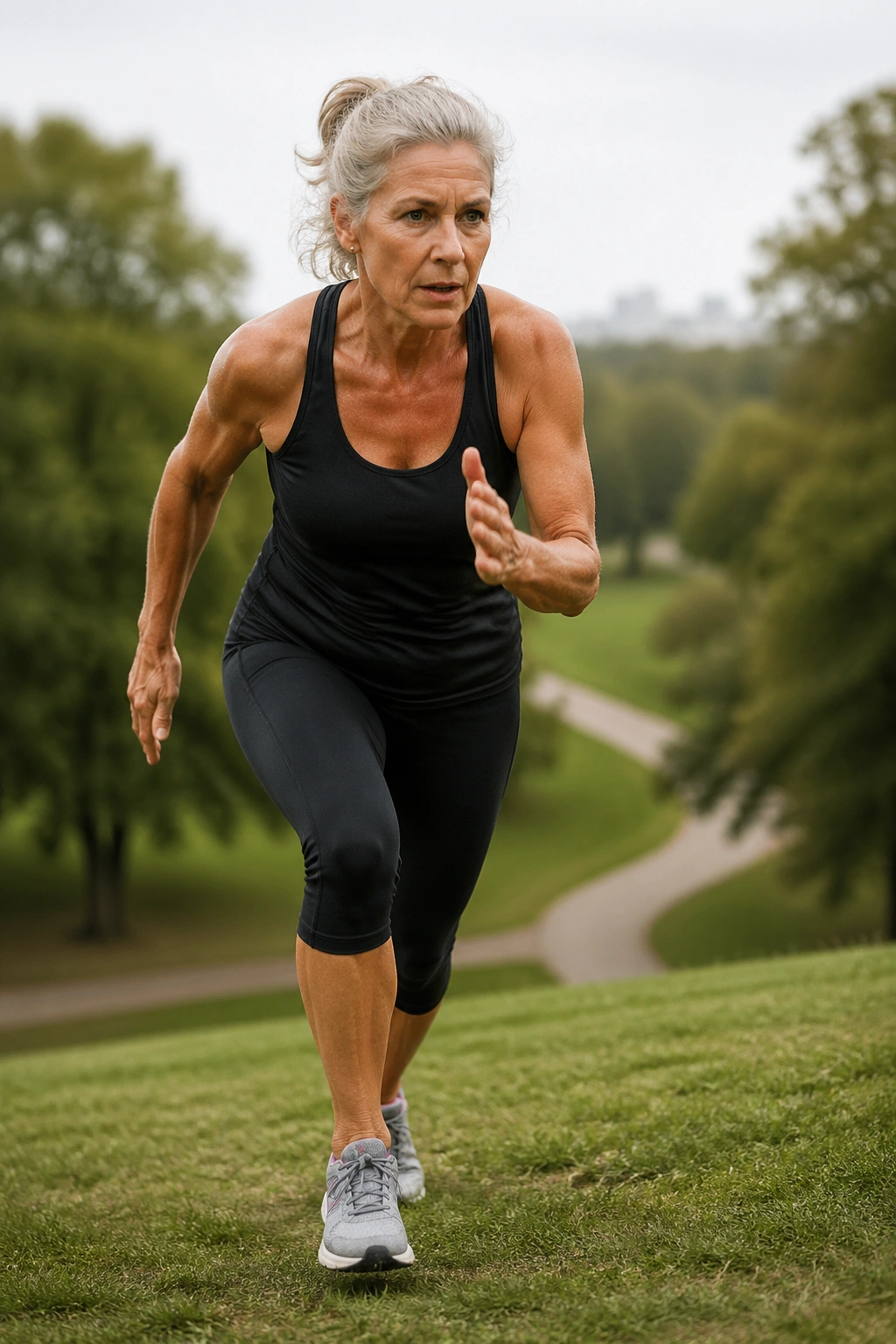
Intervals are not the same as punishment. They are just a way to do a little hard work, then recover, then repeat.
The format is simple. Push hard for a short burst, back off, then do it again. A bike, rower, incline treadmill, or even a brisk hill walk can work. For a lot of women in their 50s, intervals are easier to stick with than long, sweaty cardio sessions because they finish faster and feel less draining.
A good starting session looks like this:
A Practical Interval Example
- Warm up for 5 minutes
- Work hard for 30 seconds
- Recover for 90 seconds
- Repeat 6 to 8 times
- Cool down for 5 minutes
“Hard” means breathing fast and working at about an 8 out of 10. Not a sprint-to-collapse effort. You should finish feeling challenged, not wrecked.
Do this once a week if you’re new to it. Twice if your body handles it well. More is not always better here. If your recovery is already shaky, intervals can start to steal energy from strength training and sleep, and that’s a bad trade.
6. Stop Treating Crunches Like Fat-Loss Work
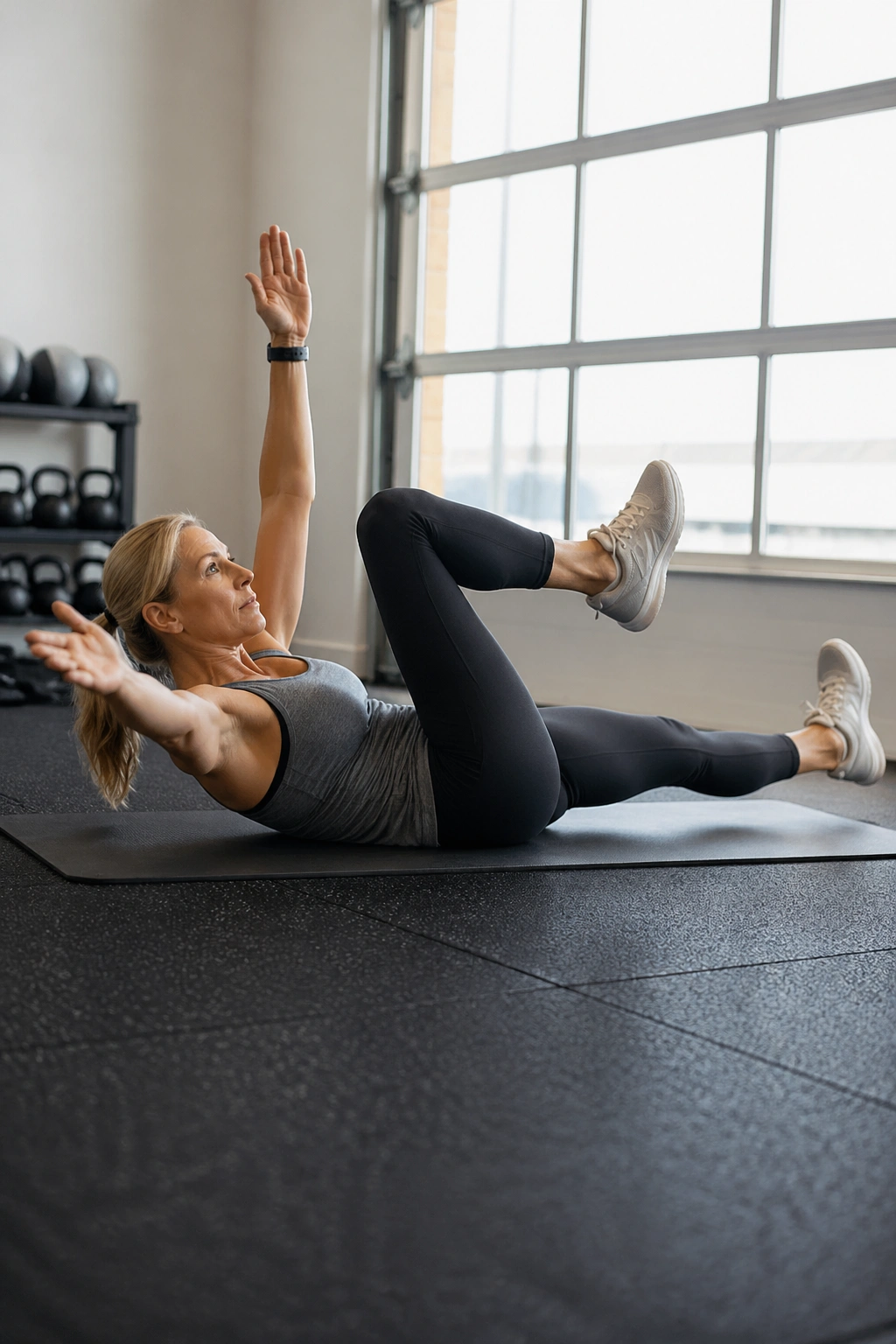
Crunches are a core exercise. They are not a belly-fat strategy.
That distinction matters. You can strengthen your abs all day long and still carry the same layer of fat over the middle if overall fat loss is not happening. Spot reduction is a stubborn myth, and honestly, it keeps women busy doing the wrong thing.
Core work still has a place. A stronger core helps with posture, balance, and back support. It can also make your waist look a little neater because you stand better and brace better. That’s useful. Just not the same as fat loss.
Better core moves include:
- Planks
- Dead bugs
- Bird dogs
- Pallof presses
- Farmer carries
These train the trunk to resist movement, not just curl forward. That matters more in real life, and it tends to be friendlier on the neck than endless crunches on a mat.
If you enjoy crunches, fine. Keep them. Just don’t pretend they are the main event.
7. Put Protein on Every Plate
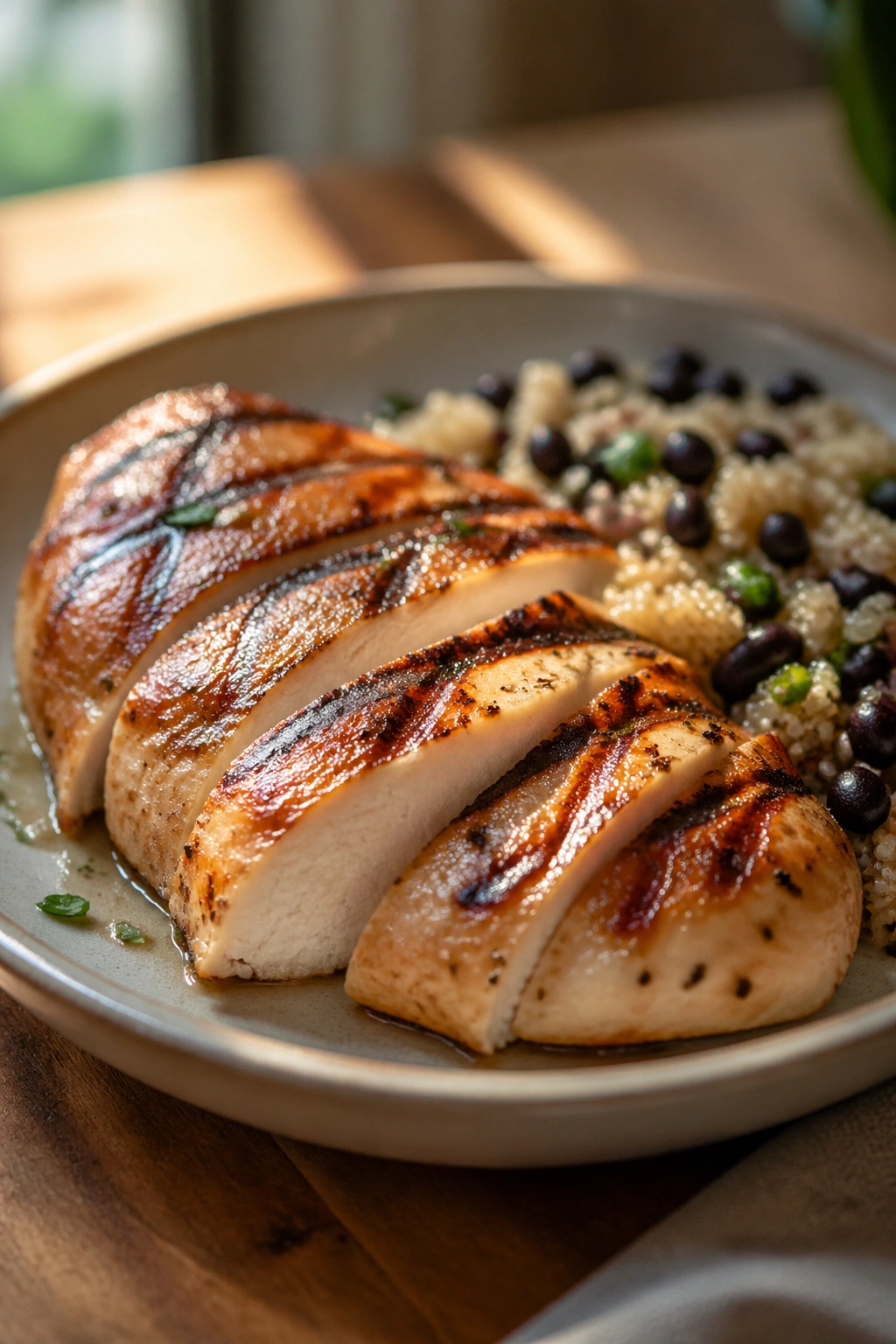
If breakfast is toast and coffee, hunger usually shows up wearing work boots.
Protein is a big deal for women in their 50s because it helps with fullness, supports muscle repair after training, and makes it easier to hold onto lean mass while losing fat. The older you get, the less room there is for sloppy eating patterns that leave you under-fueled in the morning and ravenous at night.
A simple target is 25 to 35 grams of protein at each meal. You do not need to hit that number perfectly every single time, but it is a strong anchor. Eggs, Greek yogurt, cottage cheese, chicken, tuna, salmon, tofu, tempeh, lean beef, and protein-rich milk all get the job done.
Easy Protein Swaps
- Greek yogurt instead of flavored yogurt
- Eggs plus cottage cheese instead of toast alone
- Chicken or tofu on top of a big salad
- Tuna or salmon with a baked potato and vegetables
- A protein smoothie only when it actually replaces a real meal, not adds on top of one
Protein is not flashy. It’s one of the least dramatic parts of the plan, and one of the most useful.
8. Let Fiber Do More of the Heavy Lifting
Why do some meals keep you full for four hours while others leave you prowling the kitchen in 45 minutes?
Usually fiber.
High-fiber foods slow down digestion, stretch the stomach a bit more, and help meals feel bigger without loading them with extra calories. That matters when you want to lose belly fat and still eat like a human being. It also helps with blood sugar steadiness, which can make cravings less loud later in the day.
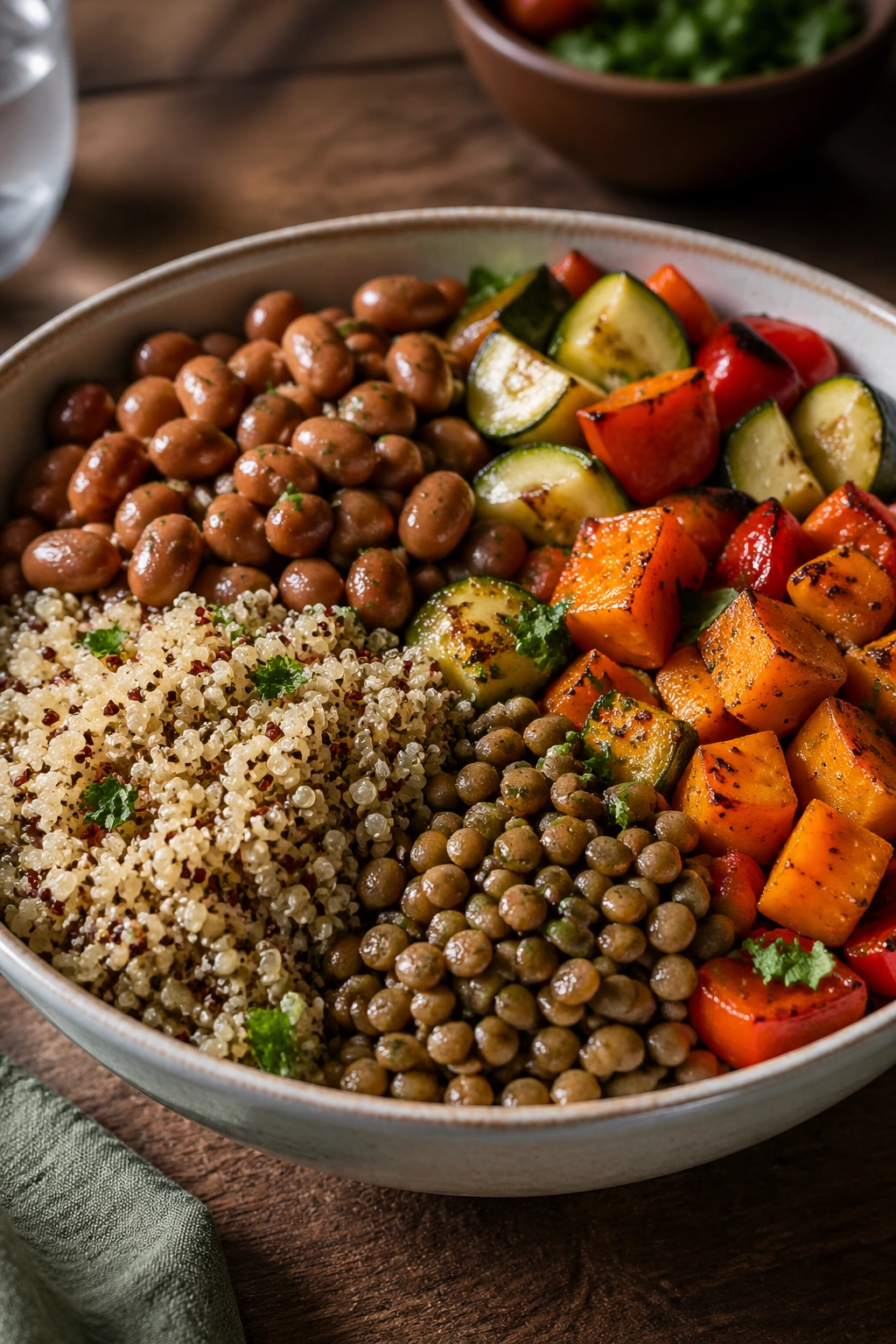
The best source is ordinary food. Beans, lentils, oats, berries, apples, pears, broccoli, Brussels sprouts, cabbage, carrots, chia seeds, and whole grains all pull their weight. You do not need some expensive powder with a glossy label.
What a Fiber-Friendly Plate Looks Like
- Half the plate: vegetables
- One quarter: protein
- One quarter: potatoes, rice, quinoa, beans, or another slow-digesting carb
- A little fat for flavor, not a lake of it
Start by adding one more cup of vegetables to lunch or dinner. That alone can change how full you feel by evening. And if fiber has been low for a while, build up gradually so your stomach does not throw a fit.
9. Keep Alcohol From Blunting Your Progress
Wine is not harmless just because the glass looks elegant.
Alcohol brings calories, tends to lower food judgment, and can mess with sleep quality in ways that show up around the waist. Even one or two drinks can make it easier to snack more, train less sharply the next day, and wake up less rested than you thought you would.
You do not have to quit forever unless you want to. But if belly fat is the problem you actually care about, alcohol deserves a real look. The women I’ve seen make the most steady progress usually treat it like an occasional choice, not a nightly habit.
A few practical rules help:
- Drink with food, not on an empty stomach
- Keep pours measured
- Leave some nights alcohol-free
- Pick the drinks you genuinely like, not the ones you sip because they’re there
No drama. No moral speech. Just honesty. If the waist is stalling, the second glass may be part of the problem.
10. Sleep Like Recovery Depends on It

A bad night shows up at the waist faster than people like to admit.
Sleep affects hunger, energy, workout quality, and the kind of patience you bring to food choices at 8:30 p.m. When sleep is short or broken, the body tends to lean harder on quick calories, and the next workout often feels like you’ve already done half of it before you arrive. That is a miserable place to train from.
Women in their 50s also deal with sleep disruption from hot flashes, lighter sleep, bathroom trips, stress, and a brain that likes to wake up and start thinking about everything. Annoying? Yes. Common? Also yes.
Sleep Fixes That Actually Help
- Keep the room cool and dark
- Set a regular bedtime and wake time
- Stop caffeine earlier in the day if you’re sensitive
- Put the phone away 30 to 60 minutes before bed
- Keep a fan nearby if temperature swings wake you up
You do not need perfect sleep hygiene. You need sleep that is good enough to support training and appetite control. That’s the bar.
11. Use Stress Relief That Lowers the Food Noise

Stress does not magically create belly fat from thin air. But it can push you toward the exact habits that make belly fat stick around: poor sleep, skipped workouts, random snacking, and a constant feeling that you deserve a treat.
That is the real problem. Not some mystical cortisol monster. Just a nervous system that is tired of being pushed around.
The fix has to be practical. A five-minute breathing drill is fine if you’ll actually do it. A walk after work is even better if it helps you stop raiding the pantry before dinner. So is writing down the three things that are buzzing around in your head before you change into workout clothes. Some women prefer a quick shower, a podcast, or a quiet drive with no phone noise. Pick the thing you will repeat.
A Better Reset
- 10 minutes of walking
- 4 slow breaths in, 6 slow breaths out
- One page of journaling
- A no-phone stretch break
- A light workout before the evening chaos starts
The goal is not enlightenment. The goal is to lower the chances that stress runs your food choices.
12. Cut Liquid Calories Before You Cut Meals
A 300-calorie drink disappears in minutes and rarely fills you up.
That is the problem with liquid calories. Juice, sweet coffee drinks, creamy shakes, and “healthy” smoothies can sneak a lot of energy into the day without giving you much fullness back. If you want to lose belly fat, this is one of the easiest places to tighten things up.
Water is the obvious default, but not the only one. Unsweetened tea, black coffee, sparkling water, and plain water with lemon all work fine. If you love a smoothie, make it a real meal: protein, fruit, maybe some spinach, and enough texture that you have to slow down a little.
The big mistake is treating a smoothie like a side dish when it is actually the size of lunch. That’s not a moral failure. It’s just easy to do.
A Simple Swap List
- Soda → sparkling water
- Fancy coffee drink → coffee with milk or a smaller portion
- Juice → whole fruit
- Sweet smoothie → protein-heavy smoothie with less fruit and more texture
Small cut, big payoff. This is one of those changes that quietly trims the day without making you feel deprived.
13. Choose Low-Impact Cardio When Your Joints Fight Back
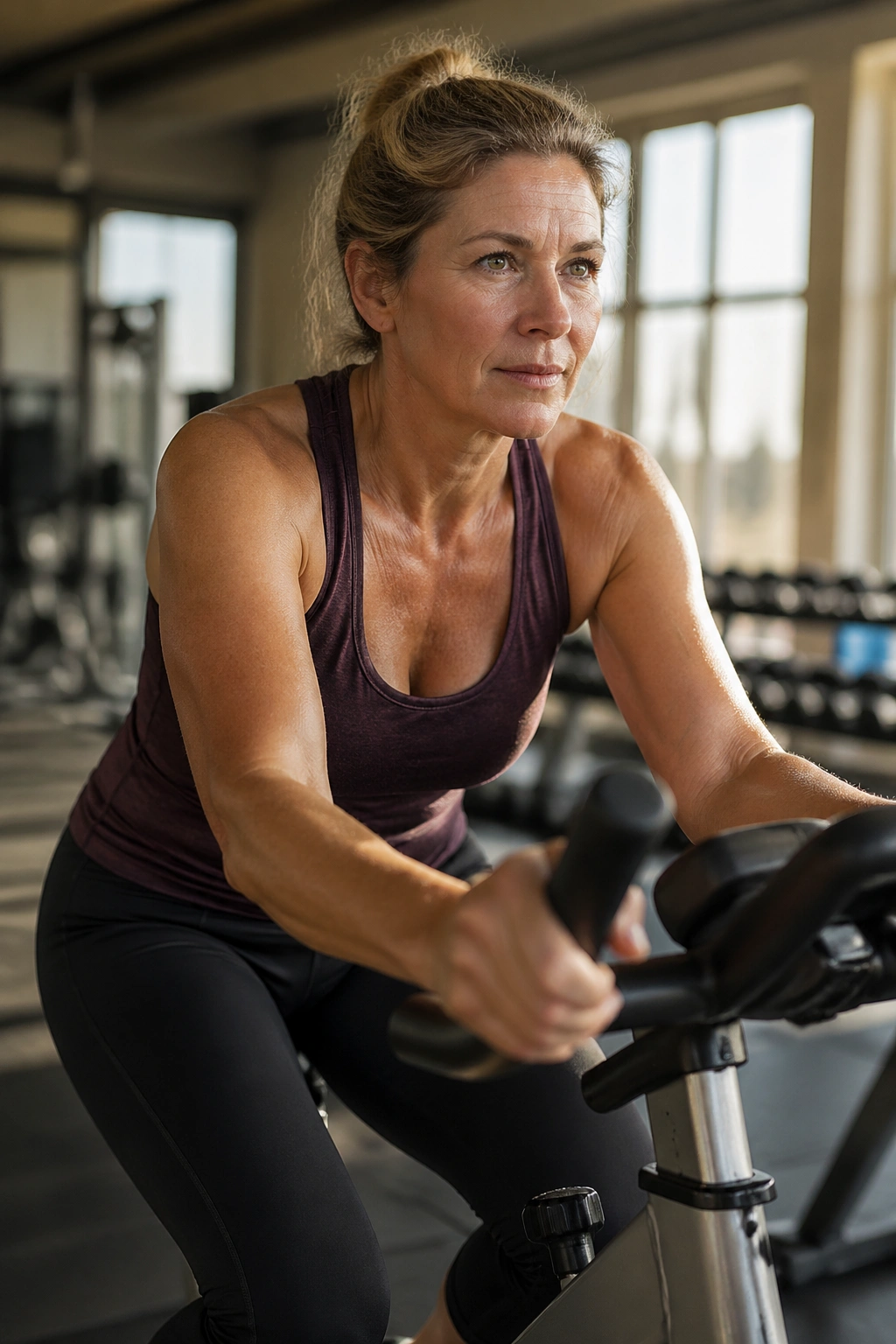
If your knees, hips, or feet complain, the answer is not to white-knuckle your way through pounding cardio.
Use lower-impact options instead. Incline walking, cycling, rowing, elliptical work, swimming, water walking, and even fast-paced hiking can all raise your heart rate without beating up the joints the way repeated jumping often does. That matters because consistency beats bravado every time.
Incline walking is a favorite for good reason. It asks your glutes and hamstrings to work, raises the heart rate, and usually feels less harsh than running. A bike is another solid choice, especially if your back likes steady support. Rowing is great too, but form matters there, so it pays to start light.
Good Low-Impact Picks
- 20 to 40 minutes on a bike
- Treadmill walk with a 4 to 10 percent incline
- Rowing intervals with a calm, controlled stroke
- Swimming laps or water walking
- Outdoor brisk walks with small hills
Low-impact does not mean low-result. It means you can keep showing up.
14. Train Your Legs Hard Enough to Matter
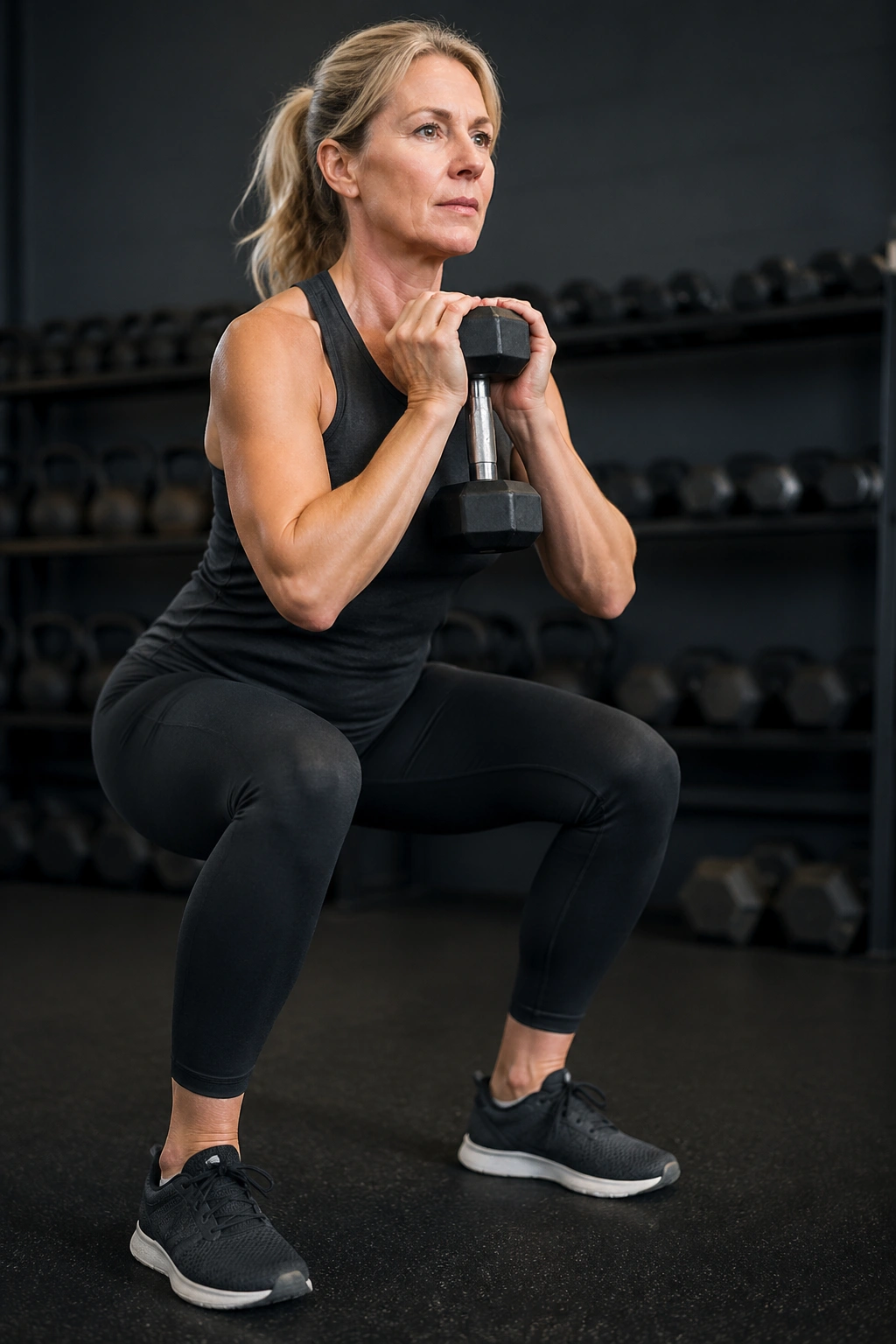
The lower body holds some of the biggest muscles in the body, and those muscles are worth your attention.
Glutes, quads, hamstrings, and back muscles do a lot of the heavy lifting in daily life and in the gym. When you train them properly, you get more than a calorie burn. You get better posture, more stability, and a shape that looks firmer through the hips and waist.
Best Lower-Body Moves
- Split squats
- Goblet squats
- Step-ups
- Romanian deadlifts
- Hip thrusts or glute bridges
- Cable pull-throughs
Do not race through them. Use a controlled lowering phase, pause when needed, and pick a load that makes the last few reps feel earned. That is where the body gets the signal to hold onto muscle.
A lot of women under-train their lower body because it feels hard or awkward. Fair. But awkward is not a reason to skip the work that changes the shape of the middle.
15. Treat Recovery Days as Part of the Plan
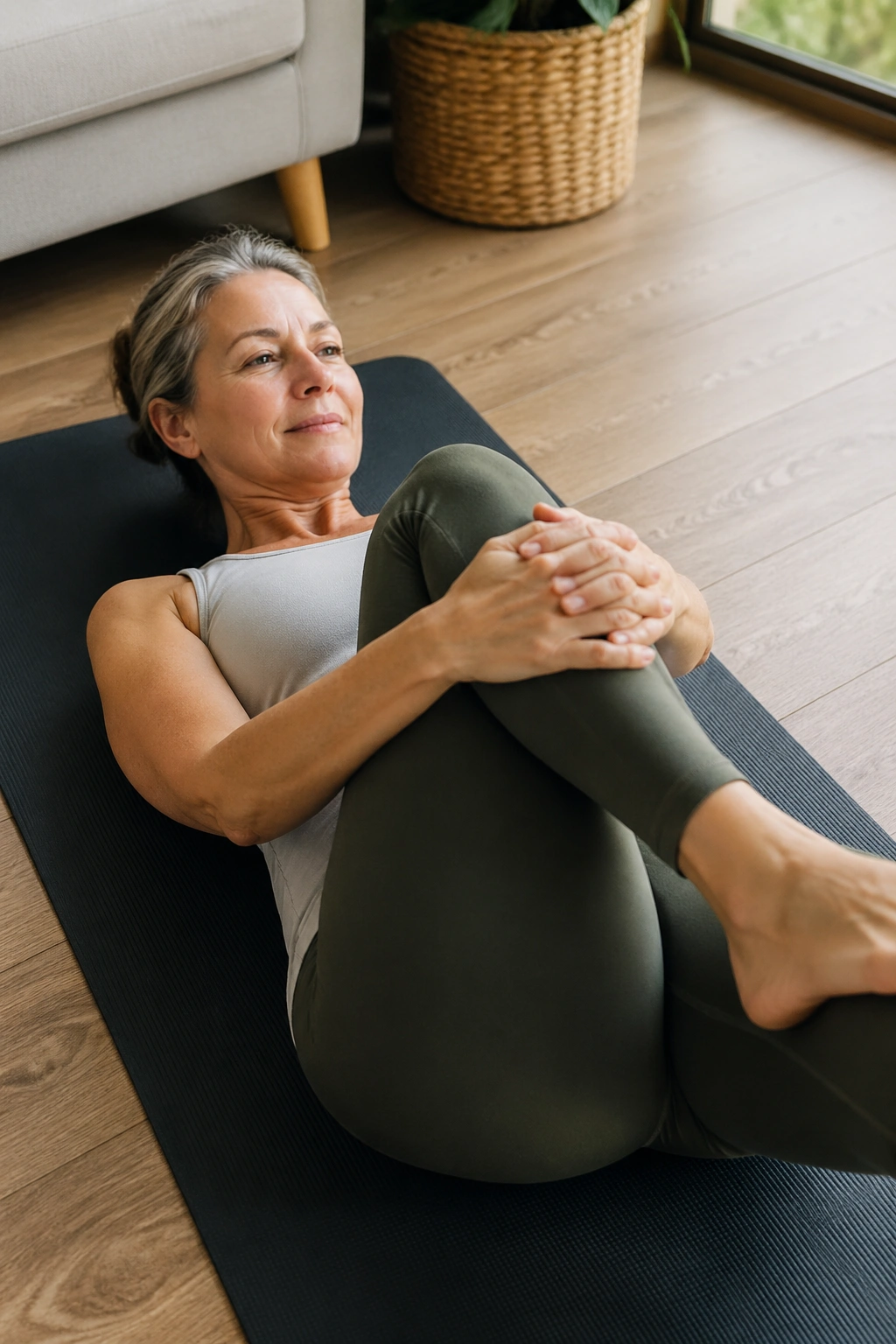
The day after a hard leg session can feel rude. Stairs become personal.
That soreness is not a badge of honor. It’s a sign that your body needs time to repair tissue and settle down. Recovery matters even more when sleep is lighter, hormones are shifting, or you’re coming back from a long stretch of not training much.
Active recovery is usually enough. Walk. Stretch lightly. Do mobility work. Take an easy bike ride. Move, but don’t pile on another hard session just because you feel impatient.
A useful rule is to leave about 48 hours between tough lower-body workouts if you’re still getting used to training. Some women handle more; some handle less. The point is to recover well enough that the next session is good, not limping.
More soreness is not the goal. Better training is.
If recovery falls apart, progress often does too. That’s the part people hate hearing, because it sounds less heroic than “go harder.” Still true.
16. Use a Modest Calorie Deficit, Not a Crash Diet
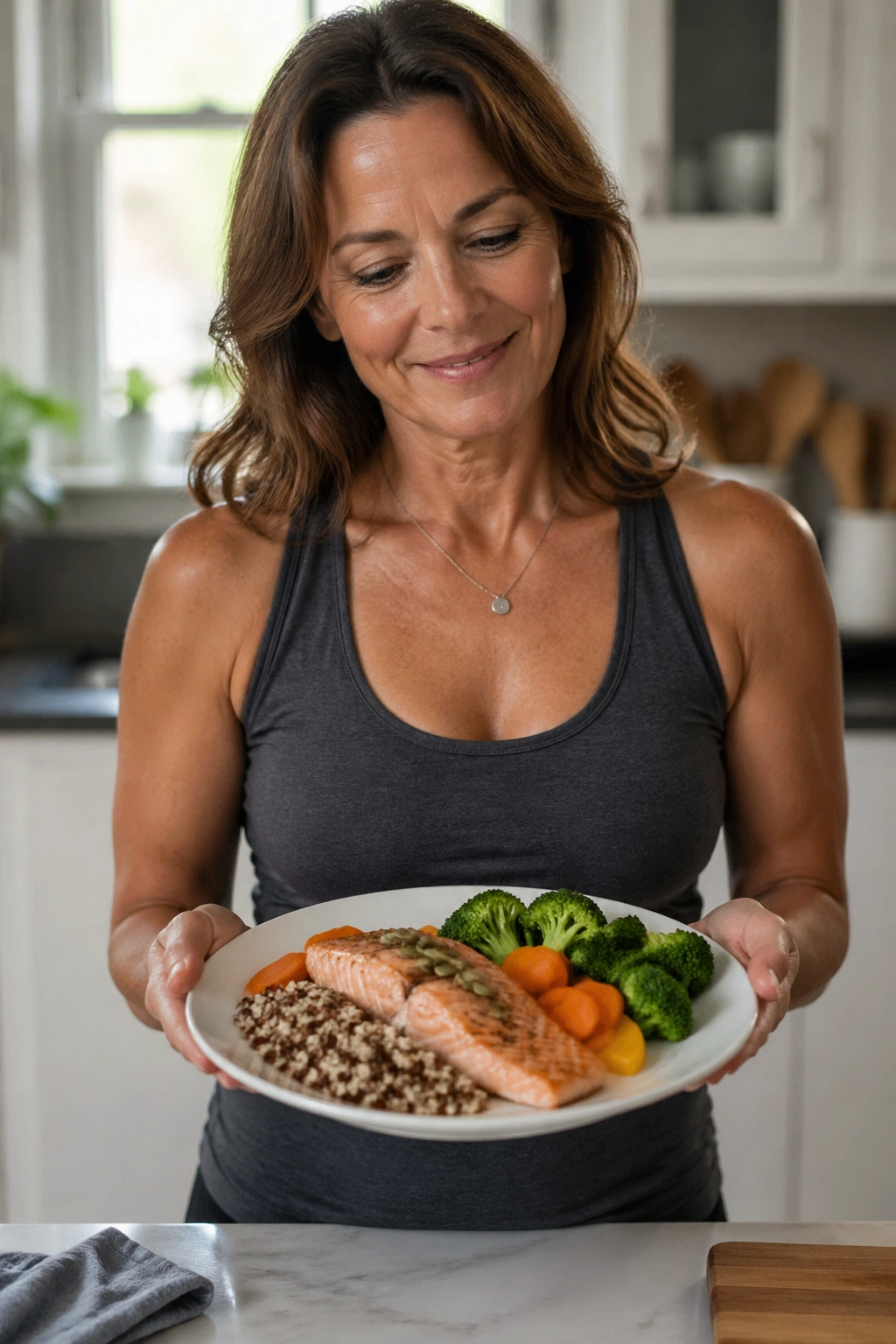
Crash diets make the waist look worse before they make it smaller.
Here’s why. If you cut food too hard, you often lose muscle, feel flat in the gym, and end up hungrier than before. The body also gets less cooperative about holding onto energy when it thinks food is scarce, which is not the setup you want in your 50s.
A modest deficit is calmer and far easier to live with. That usually means trimming enough calories to lose slowly while keeping protein high, training hard enough to protect muscle, and not turning every meal into a sad little punishment. You should still have energy for walking, lifting, and sleeping.
Signs you’ve cut too hard:
- You’re irritable all day
- Workouts feel weaker fast
- Hunger is loud by midafternoon
- Sleep gets worse
- You start thinking about food constantly
That is not discipline. That is under-fueling.
A smaller deficit, handled patiently, usually works better for belly fat than aggressive restriction ever does.
17. Break Up Long Sitting Stretches

If your lower back tightens after three straight hours in a chair, your body is telling you something.
Long sitting blocks are sneaky. They do not feel as obvious as skipping a workout, but they still reduce total daily movement and can leave your hips, back, and glutes feeling sleepy and stiff. Over time, that matters for how much you move, how you train, and how you carry yourself.
The fix is tiny, which is part of why it works. Set a timer. Every 30 to 60 minutes, stand up and move for 2 to 5 minutes. Walk to the mailbox. Do 10 bodyweight squats. March in place. Carry a laundry basket. Take the stairs once.
You are not trying to “burn off” sitting. You are trying to interrupt it enough that your body does not lock into one position for half the day.
Easy Break Ideas
- 10 squats
- 20 calf raises
- A quick hallway walk
- Shoulder rolls and hip circles
- One trip up and down the stairs
Those little interruptions add up. They also make the rest of your training feel a lot better.
18. Make Home Workouts Count When Life Gets Messy
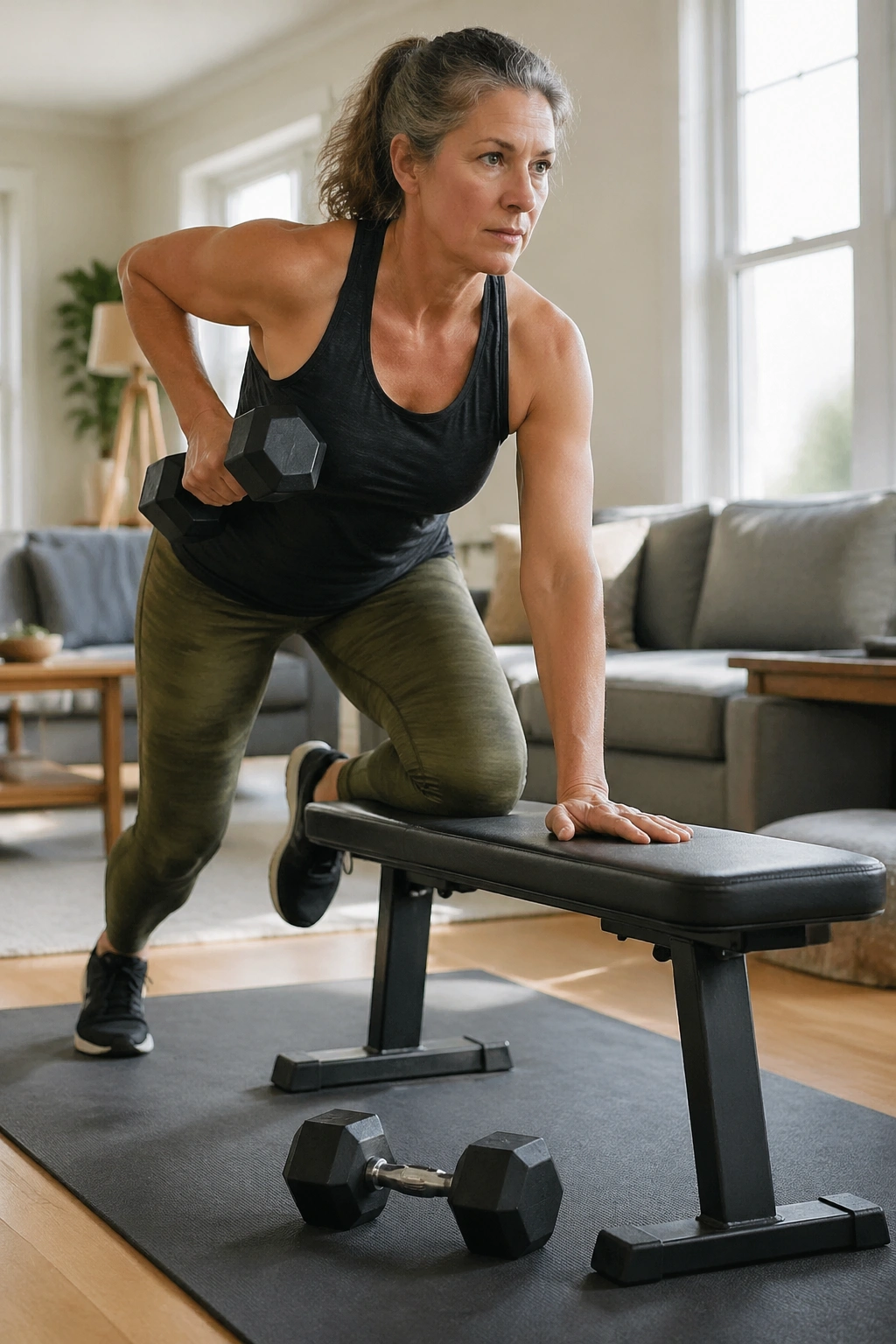
A 20-minute dumbbell session at home beats the perfect gym plan you never get to.
That’s the whole argument here. Convenience keeps women consistent, and consistency changes body composition. If the gym commute eats an hour, or if your schedule falls apart by late afternoon, a short home workout can keep the week on track without demanding a full production.
Keep it simple: one squat pattern, one push, one pull, one hinge, one carry or core move. That is enough to maintain momentum and build strength if you progress it over time.
A No-Drama Home Circuit
- 10 goblet squats
- 10 dumbbell rows per side
- 8 incline push-ups or chest presses
- 10 Romanian deadlifts
- 30-second plank or farmer carry
Do 3 rounds with enough rest to keep form clean. Increase the weight or reps when the workout starts feeling easy.
Home workouts are not a compromise if they keep you training. They are a smart answer to real life.
19. Ask About Hormones, Thyroid, Medications, and Sleep Apnea

What if you are doing the work and the belly still is not budging?
Then it is time to look at the bigger picture. Menopause can shift fat storage toward the abdomen, and that change is normal. But thyroid issues, sleep apnea, insulin resistance, some medications, and other health problems can make progress much harder than it should be. A sudden change in waist size, especially when it comes with fatigue, hair loss, constipation, bloating, or disrupted sleep, deserves a conversation with a clinician.
This is not about hunting for excuses. It is about ruling out things that can quietly block progress.
If a medication seems to have changed appetite or weight, ask about alternatives. If sleep is poor and snoring is loud, get screened. If periods, bloating, or abdominal discomfort are unusual, that needs attention too. Sometimes the answer is training and food. Sometimes it’s training, food, and a medical fix in the background.
Do not guess when a checkup could save months of frustration.
20. Track Waist, Strength, and Waistband Fit Instead of Only the Scale
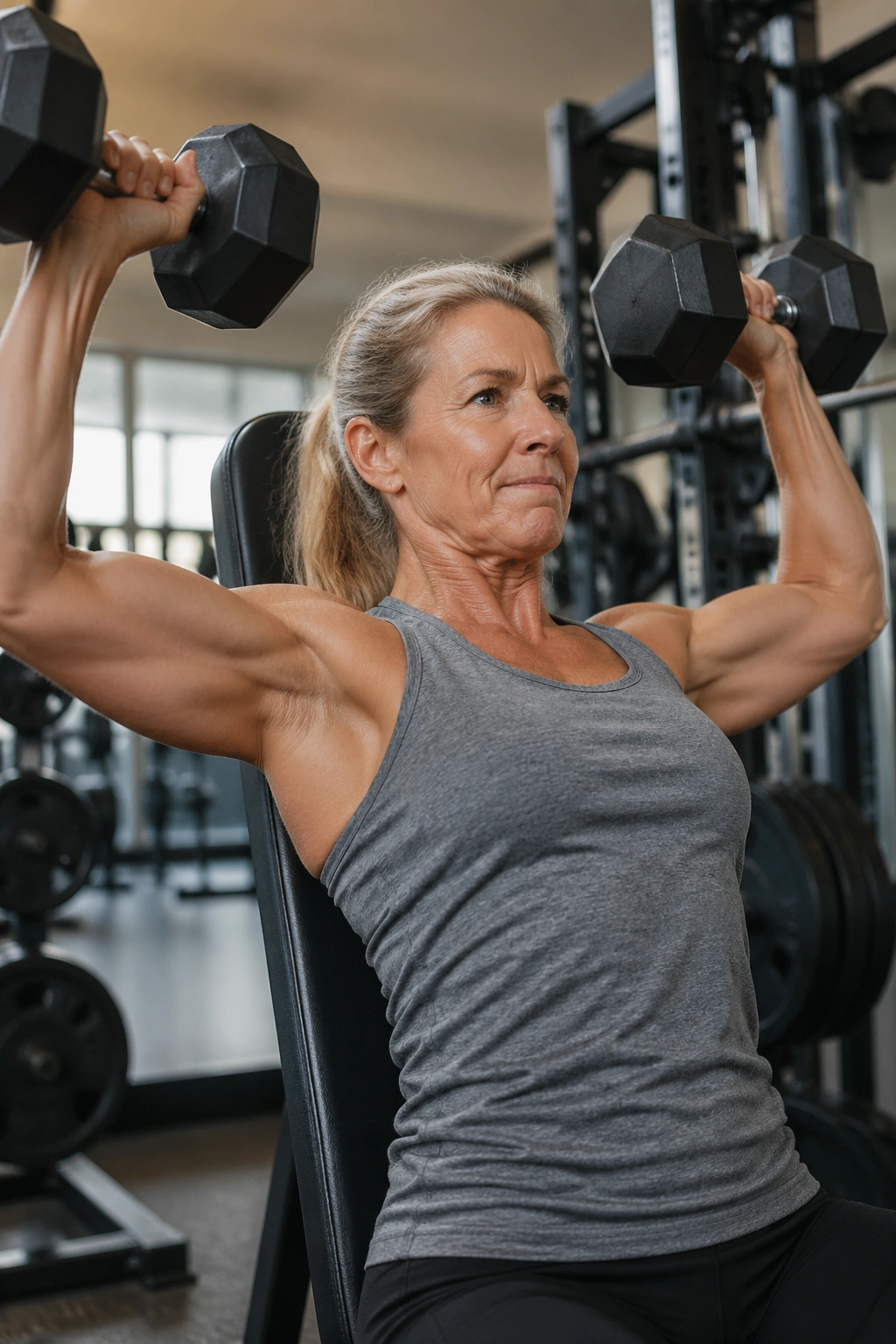
The scale is noisy. Your waist measurement is usually less dramatic and a lot more honest.
If you want to know whether belly fat is changing, measure around the narrowest point or just above the belly button, using the same tape position each time. Do it once every 2 to 4 weeks, not every day. Daily measurements get messy fast because food, salt, stress, and hormone shifts can move the number around for reasons that have nothing to do with fat loss.
Also track how your body performs. Are you lifting more than you were a month ago? Are walks easier? Do your jeans close without the little struggle dance? Those details matter.
The truth usually shows up in three places: the tape, the weights, and your clothes.
And when those three start lining up, the plan is working even if the mirror takes its time catching up. Keep the routine plain enough to repeat on a tired Tuesday. That is where the waist changes, and that is where the whole thing finally starts to feel less like a battle and more like a habit.
