



Your morning drink can quietly decide how the rest of your day goes. If you’re hunting for morning drinks that burn belly fat fast, the blunt answer is that no cup, mug, or shaker bottle can melt fat off your waist by itself. Belly fat comes off when your body spends more energy than it takes in over time, and the first thing you drink can either help that process or sabotage it before breakfast is even over.
That matters more than people think. A 16-ounce café mocha, a glass of orange juice, and one “healthy” smoothie can stack up 300 to 600 calories without filling you up for long, which is a rough trade at 7 a.m. Swap those for drinks that hydrate you, raise protein, add fiber, or make a morning workout feel easier, and the math starts looking different in a hurry.
I’m skeptical of anything sold as a fat-burning miracle. Still, some drinks earn a place in a leaner morning routine because they solve real problems: dehydration after sleep, mid-morning hunger, sugar cravings, and low training energy. Protein helps. Soluble fiber helps. Unsweetened tea and coffee can help. Giant juice bombs dressed up as wellness? Not so much.
And a small detail that gets missed all the time: after a night of sleep, you’re often a bit dry, your appetite signals can be messy, and your first choice tends to spill into the next one. Start with the right drink, and breakfast usually gets easier too.
What Morning Drinks That Burn Belly Fat Fast Can Actually Do
Let’s clear out the nonsense first. No drink can spot-reduce belly fat. Your body does not peel fat from one area because you stirred lemon into water or added cinnamon to coffee.
What these drinks can do is support the habits that move fat loss along. That usually means one of four things:
- Cut liquid sugar that adds calories fast and fills you up poorly.
- Add 20 to 30 grams of protein, which tends to lower hunger later in the morning.
- Add soluble fiber, which slows digestion and helps you stay full.
- Support better training, so your walk, lift, ride, or interval session feels less miserable.
That’s the frame I’d use for every “belly fat” drink claim you hear.
A drink earns its keep when it helps you eat less without feeling punished, makes your morning workout easier to stick with, or replaces something that was quietly wrecking your calorie budget. A plain latte made with unsweetened soy milk can do that. A shaker with whey can do that. A cup of ginger tea might help too, though mostly because it stops you from reaching for sweet stuff when you wake up puffy and hungry.
The boring answer wins here. Repetition beats novelty.
How to Use Morning Drinks That Burn Belly Fat Fast Without Extra Sugar
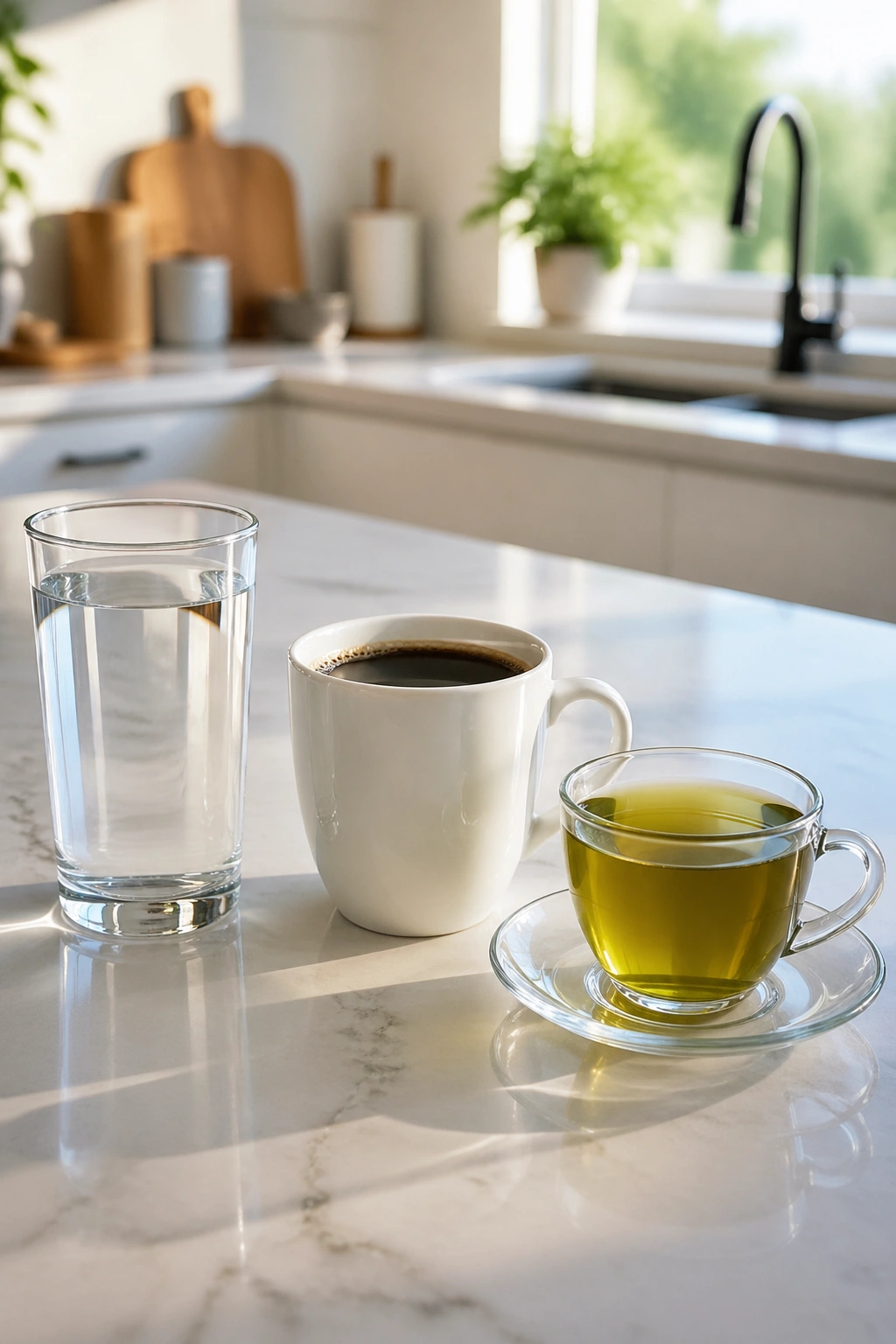
Most people do not need 20 new drinks. They need two or three reliable ones they can rotate without thinking.
Start with a simple filter: if a drink gives you sugar without much protein, fiber, or staying power, it probably does not belong in a fat-loss morning. That includes fruit juice, sweetened cold coffee drinks, and smoothies that use banana, honey, dates, granola, and nut butter like they’re free.
Portion size matters too. A morning drink should usually fall into one of three lanes:
Low-calorie hydration lane
Water, tea, black coffee, ginger tea, cinnamon tea. These help most when they replace sweeter drinks.
High-satiety lane
Protein coffee, whey shakes, Greek yogurt smoothies, cottage cheese shakes. These work well when breakfast is rushed or when you finish a morning workout and need something fast.
Fiber lane
Chia water and psyllium drinks are useful if hunger hits hard by 10 a.m. and your usual breakfast disappears too quickly.
One more thing. If you have reflux, diabetes, kidney disease, or you take medication that can interact with fiber supplements, be a little choosy. Apple cider vinegar and psyllium are not “more committed” options; they are tools, and tools need the right job.
1. Plain Water
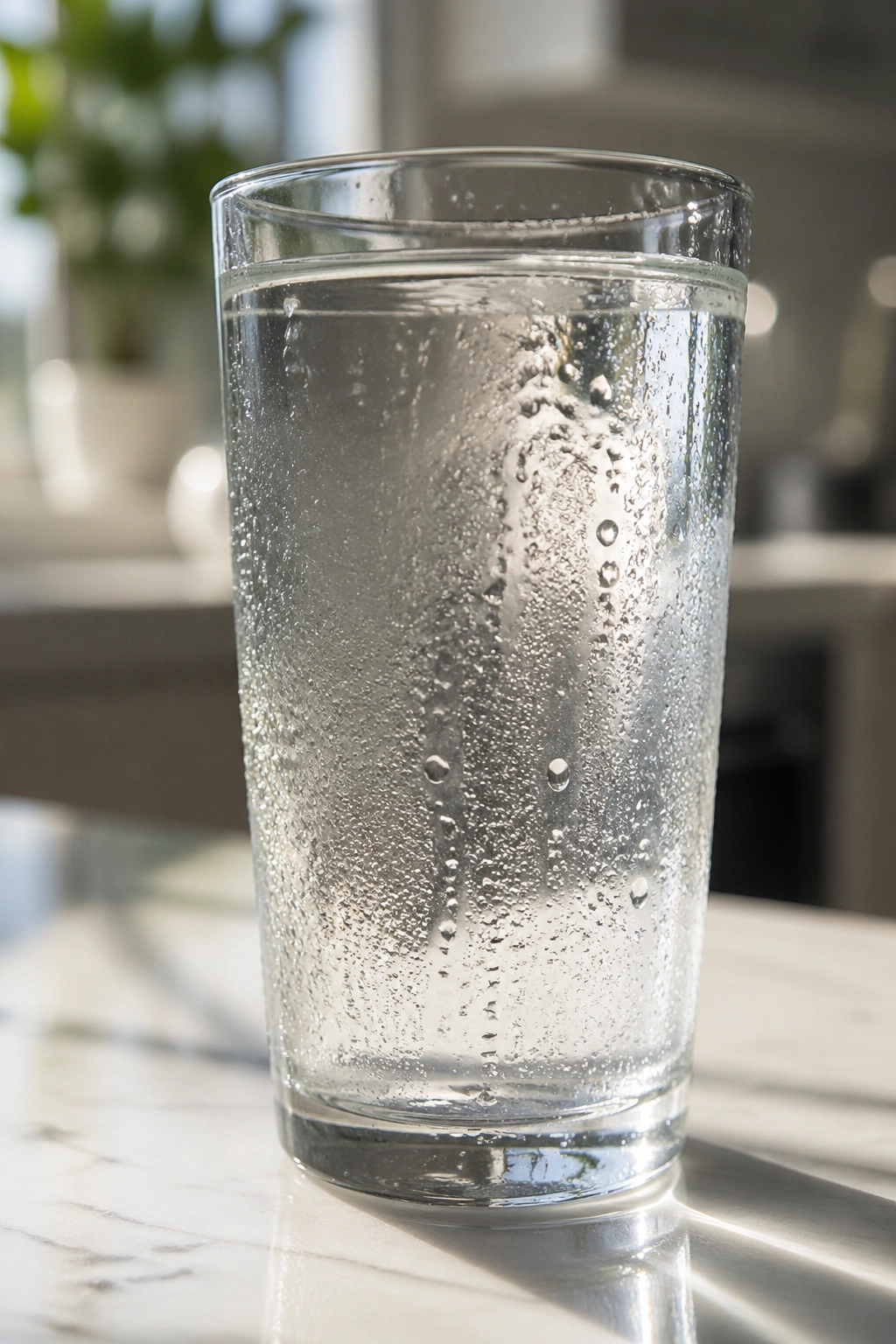
The most overlooked fat-loss drink is still plain water.
After sleep, you have gone hours without drinking. That mild dehydration can blur into hunger, which is one reason breakfast can get weird fast—suddenly toast turns into toast and cereal and whatever pastry is on the counter. A tall glass of water does not burn fat in some magical way, but it can calm appetite enough to help you make a smarter first meal.
There’s another reason I keep plain water near the top of any list like this: it replaces calorie-heavy drinks better than anything else because it asks nothing from you. No blender. No powders. No steeping time. If your usual morning starts with 12 ounces of juice or a sweet coffee drink, swapping to 16 to 20 ounces of water right after waking can cut 100 to 300 calories before your day has even started.
Drink it first. Then decide if you still want coffee or breakfast.
If you train early and sweat a lot, add a small pinch of salt to 16 ounces of water or pair your water with a salty breakfast. Cold water, room-temp water, bottle, glass, mason jar—I do not care. Pick the version you’ll keep doing.
2. Black Coffee
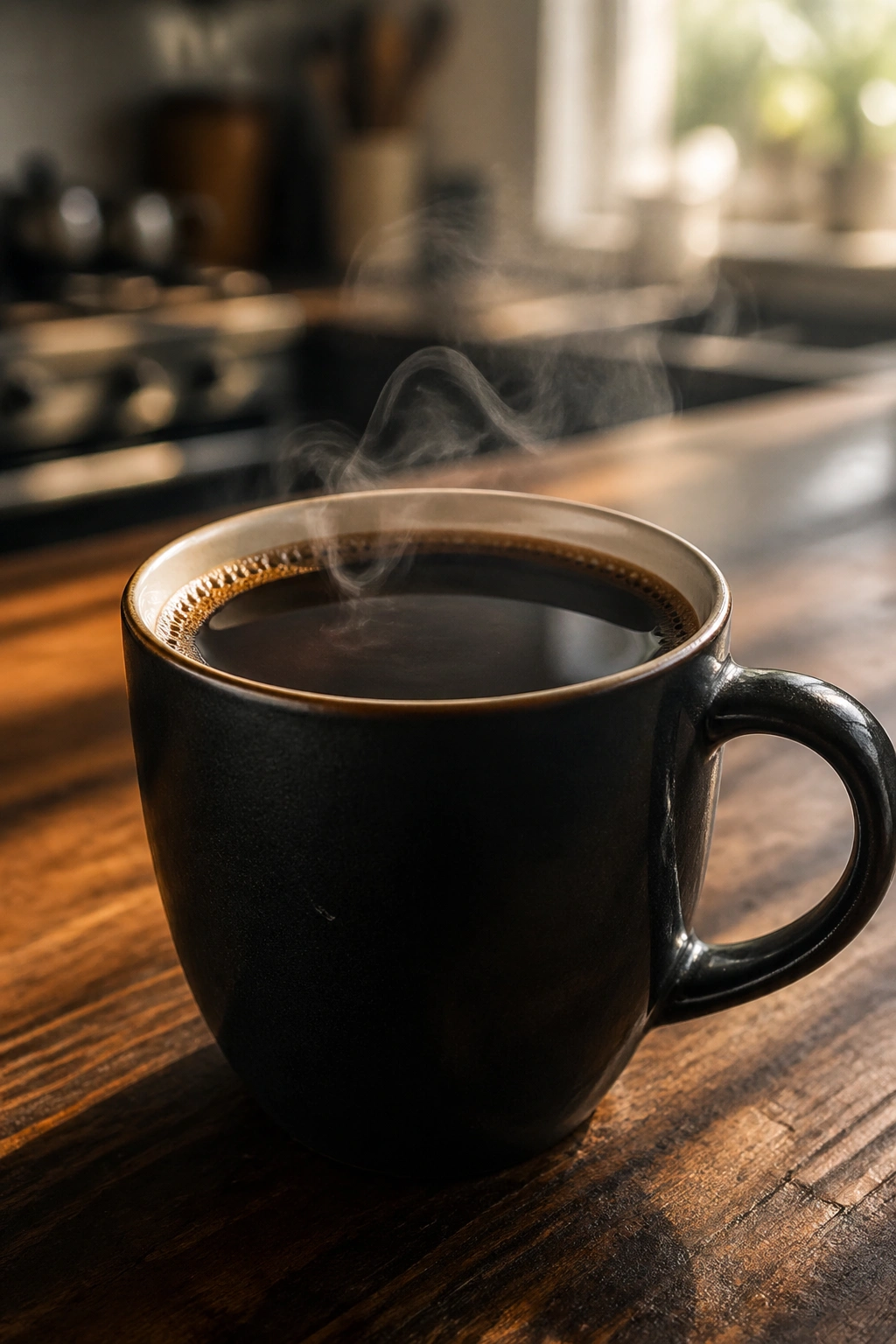
Why does unsweetened coffee show up in almost every workable fat-loss routine? Because caffeine can raise alertness, nudge energy expenditure, and make exercise feel easier to start, which matters when your alarm went off too early and the couch is winning.
A standard 8-ounce cup of brewed coffee has about 80 to 100 milligrams of caffeine. That is enough for many people to feel more awake and, in some cases, a little less hungry for a while. If you walk, lift, or do intervals in the morning, coffee can help you train harder, and better training usually beats hunting for a miracle ingredient.
Coffee’s downside is obvious too. Add sugar, flavored syrup, whipped cream, or half a cup of sweet creamer, and you can turn a useful drink into dessert before 9 a.m. I see this all the time: people think they’re “only having coffee,” but the cup is carrying 250 calories and barely any protein.
How to use it without wrecking the point
Drink 8 to 12 ounces black about 30 to 60 minutes before a workout or with a protein-rich breakfast. If black coffee feels harsh, use a splash of milk or unsweetened soy milk and stop there.
If coffee makes your stomach burn, your hands shake, or your anxiety spikes, do not force it. Tea or protein coffee often lands better.
3. Green Tea
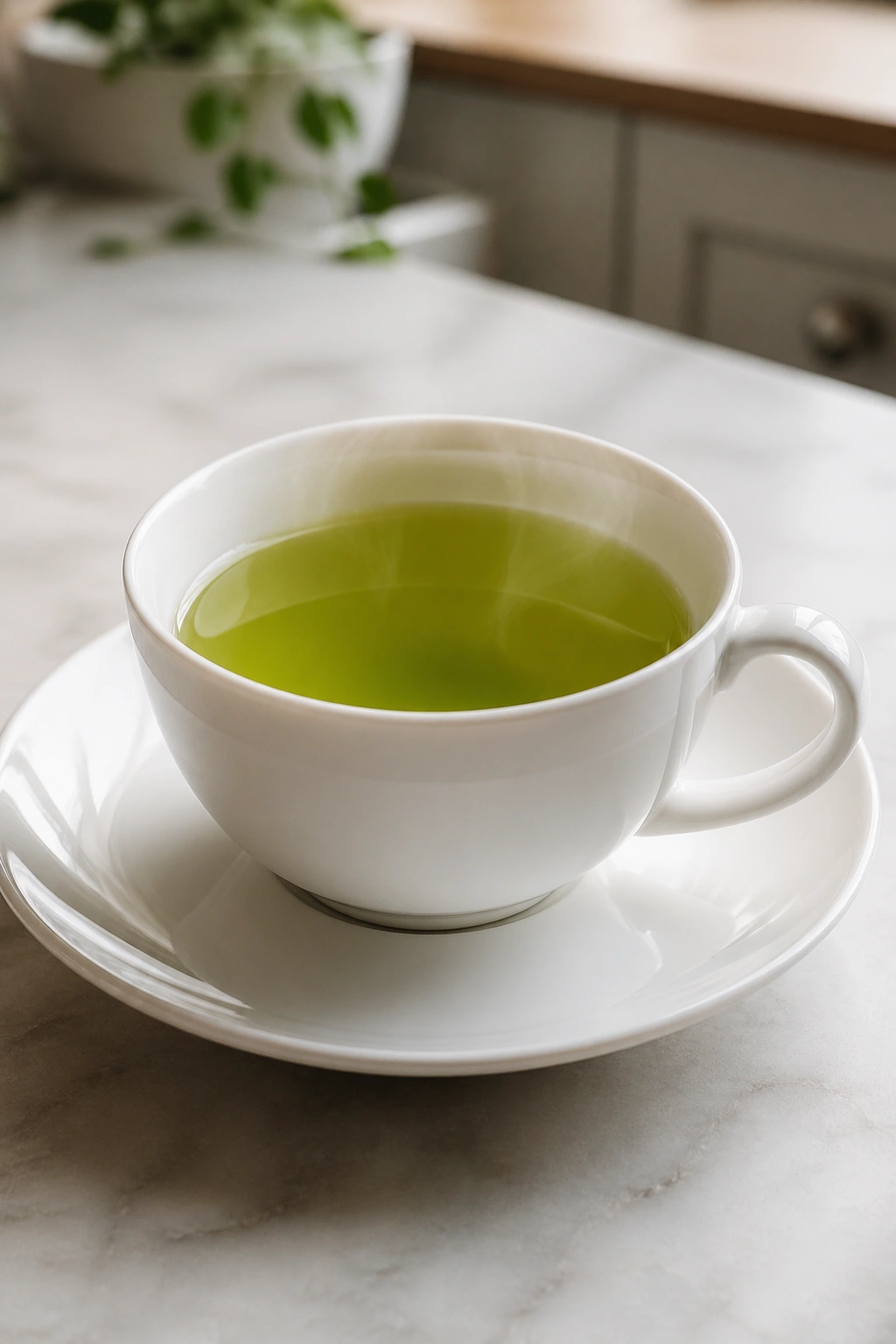
There’s a reason green tea keeps hanging around long after diet fads burn out. It is low in calories, easy to repeat, and gives you catechins plus a smaller dose of caffeine than coffee, which some people handle far better.
The catechin people talk about most is EGCG, a plant compound studied for its role in fat oxidation. The effect is not dramatic—nothing here is dramatic, honestly—but green tea can be a smart swap when your old morning drink was sweet, creamy, and easy to overdo. It works best as a repeatable habit, not a one-time fix.
A good cup also tastes better than the scorched, bitter versions that scare people off. Use water that is hot but not boiling.
Quick details that matter
- Steep 1 tea bag or 1 teaspoon of loose leaves in 8 to 10 ounces of water at about 175°F for 2 to 3 minutes.
- Caffeine usually lands around 20 to 45 milligrams per cup, depending on the tea and steep time.
- Drink it unsweetened, or add a squeeze of lemon if plain green tea tastes flat to you.
- Skip bottled green tea with sugar unless you have checked the label line by line.
A mug of green tea will not strip belly fat off your body. What it can do is replace a sugar-heavy drink, keep calories near zero, and give you a gentler lift than coffee.
4. Matcha
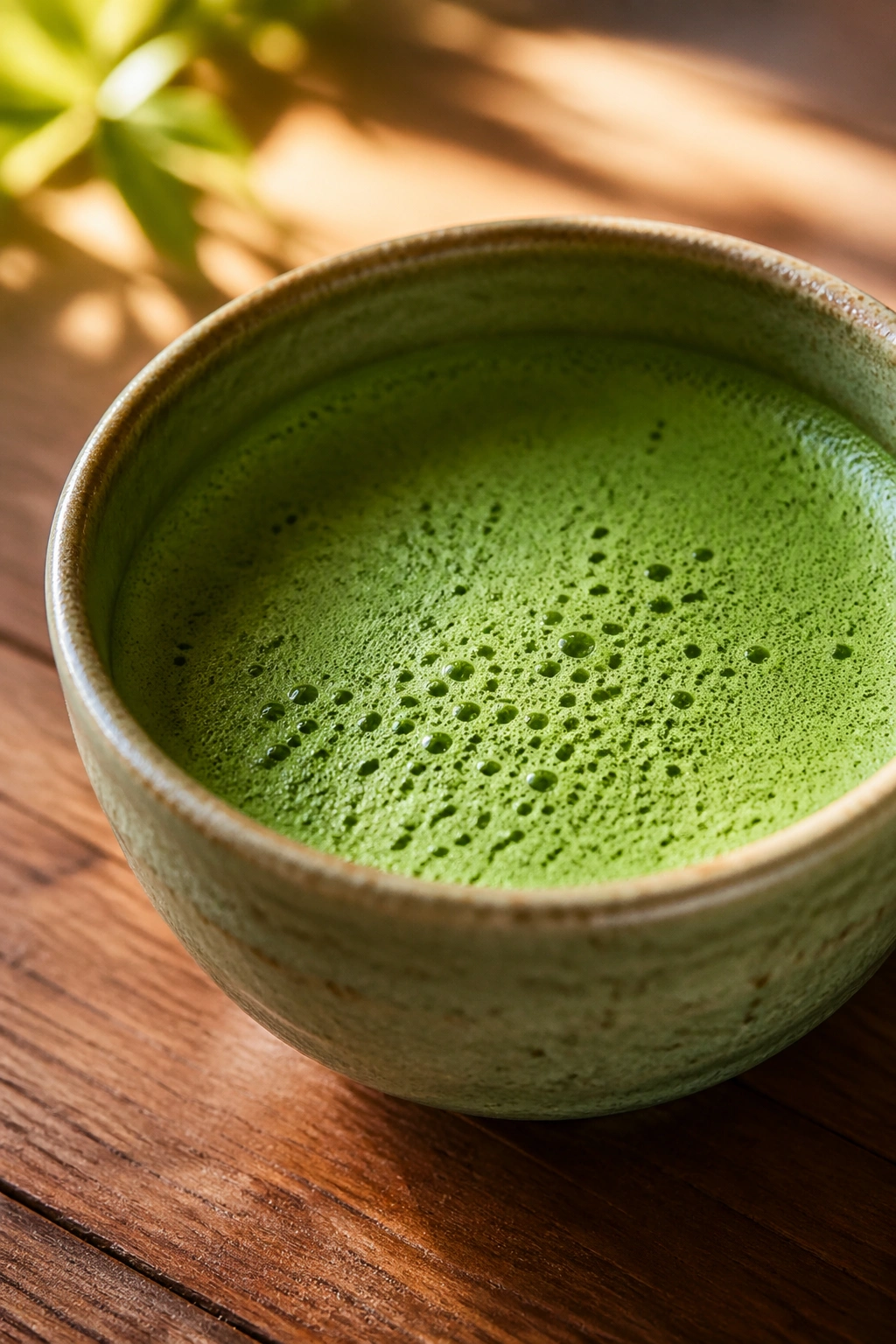
Bright green, earthy, a little grassy when it’s made well—matcha feels more substantial than regular green tea because you drink the powdered leaf itself. That means you get the whole tea, not only the water it steeped in.
This is one of the few morning drinks that can feel like a ritual and still make sense for fat loss. A basic matcha made with 1 teaspoon of powder and 8 to 10 ounces of hot water gives you caffeine and catechins in a form that often feels steadier than coffee, partly because matcha also contains L-theanine, an amino acid linked with a calmer kind of alertness.
You do need to watch how it’s served. Café matcha drinks are often loaded with sweetened powder, syrup, or oat milk plus sugar, which turns a useful drink into a stealth milkshake. Make it at home and you stay in control.
Whisk the powder with a splash of water first so it does not clump. Then add the rest of the hot water, or use unsweetened milk if you want something creamier. I like it plain, maybe with cinnamon, and I think that’s where matcha works hardest: it feels more indulgent than plain tea without the calorie blowback.
If coffee makes you wired, matcha is one of the better morning pivots.
5. Oolong Tea

Unlike green tea, oolong sits in the middle ground—more robust than green tea, lighter than black tea, and often easier for coffee drinkers to get into because it has a deeper, toastier flavor.
That flavor matters more than nutrition charts suggest. If you do not enjoy a drink, you will not keep choosing it over your old sugar-heavy standby, and adherence is the whole game. Oolong gives you moderate caffeine, usually around 30 to 50 milligrams per cup, plus tea polyphenols that have been studied for fat oxidation and metabolic support.
This is the tea I recommend to people who say green tea tastes thin and matcha tastes like a lawn clipping. Fair complaint, by the way.
Who tends to do well with it? People who want a lighter alternative to coffee without losing that “morning drink” feeling, and people who snack less when they have something warm and slightly stronger than green tea. Brew it for 3 to 5 minutes and drink it plain before breakfast or with eggs, yogurt, or oats.
You won’t see magic from one cup. Drink it often enough, and it becomes one more clean, low-calorie choice that keeps your mornings from drifting into sugar.
6. Yerba Mate
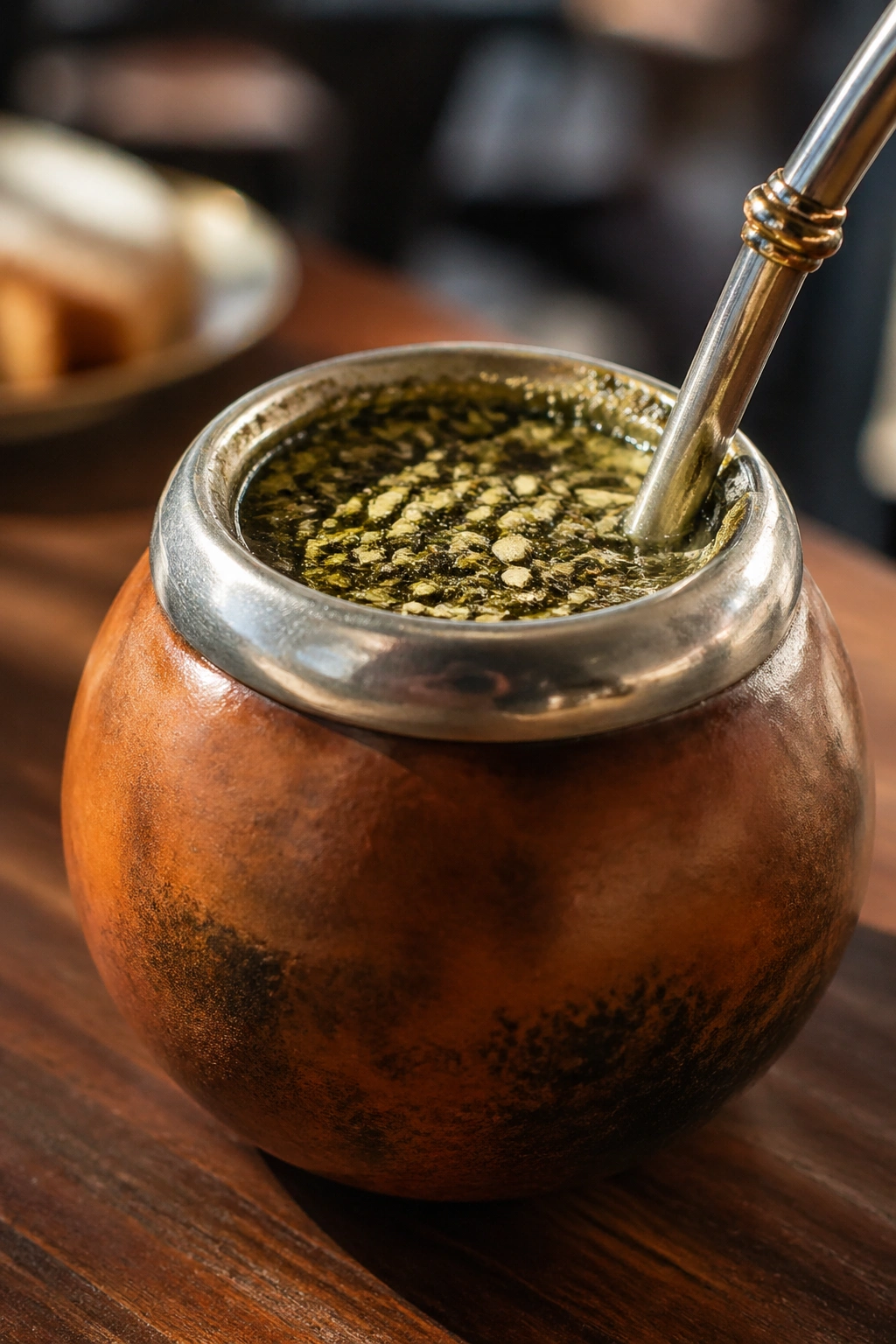
Need more kick than green tea, but coffee turns your pulse into a drum solo? Yerba mate is worth a look.
Mate has a punchier feel than standard tea and often lands in that useful middle zone: more energizing than green tea, less intense than a large coffee. The drink contains caffeine and plant compounds that can support alertness and, in some people, appetite control. That can help if your hardest stretch is the hour between breakfast and lunch.
What makes it different
Yerba mate tends to feel functional. It is not a dainty tea. It has a grassy, slightly smoky edge, and when it’s brewed strong you know it. For early exercisers, that can be a plus.
Fast facts
- Brew 8 to 12 ounces and drink it unsweetened.
- Caffeine varies, though a cup often lands near 40 to 80 milligrams.
- It works well before a morning walk, bike ride, or gym session.
- Let it cool a bit before drinking; scalding-hot beverages are rough on your throat and esophagus.
Tip: if you are trying mate for fat loss, skip the canned sweetened versions. Those often carry enough sugar to wipe out the whole point.
7. Protein Coffee
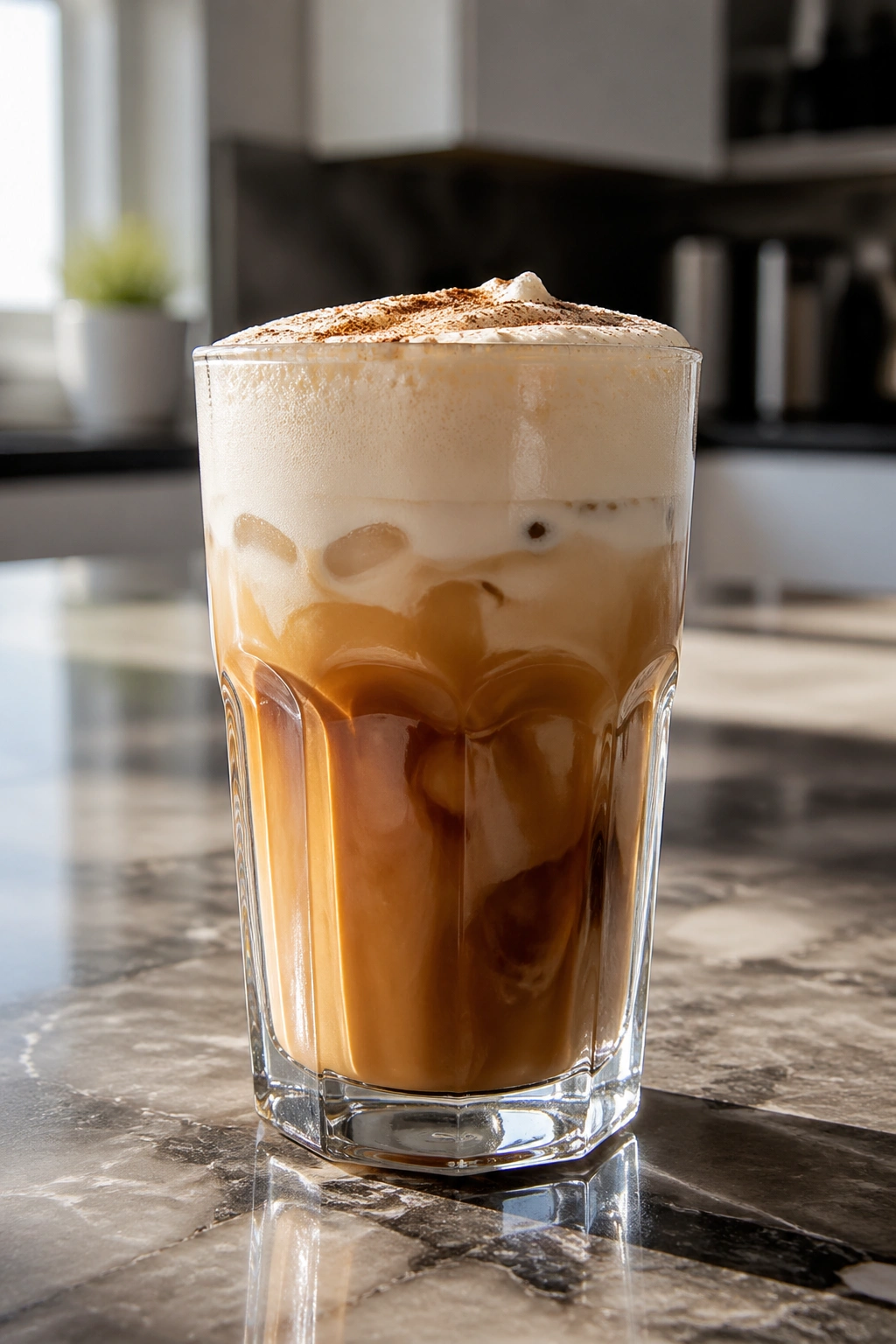
If black coffee leaves you raiding the kitchen at 10 a.m., protein coffee fixes the part that coffee alone cannot.
This is one of my favorite practical options on the list because it solves two morning problems at once: low energy and low satiety. You keep the caffeine from coffee and add 20 to 30 grams of protein, which tends to curb hunger far better than caffeine by itself. Controlled breakfast studies keep landing in the same neighborhood here: higher protein in the first meal usually means less hunger later.
The trick is making it taste like coffee, not chalk. Use 8 ounces of cooled coffee or 1 to 2 espresso shots, add 1 scoop whey isolate or a ready-to-drink high-protein shake, then pour over ice. If you want it hot, mix the protein separately with a little cool liquid first so it does not clump or turn grainy.
What not to do? Turn it into a coffeehouse dessert. Syrup, whipped topping, sweet cream, and caramel drizzle are fun, sure, but they move the drink out of fat-loss territory in a hurry. Keep it lean and useful.
For busy mornings, protein coffee has an edge over plain coffee because it can buy you two or three extra hours before hunger starts bargaining with you.
8. Whey Protein Shake
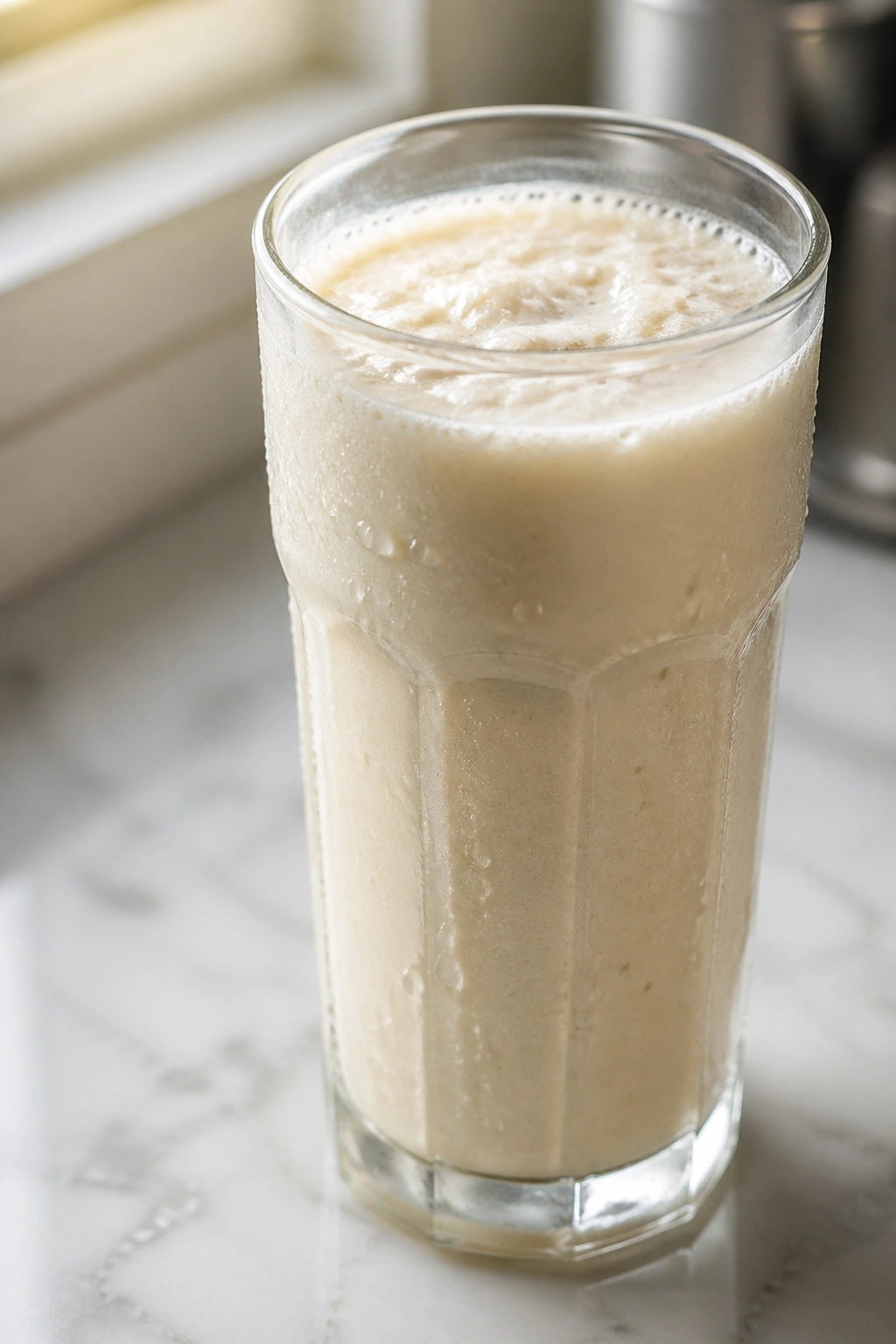
Can a basic whey shake help with belly fat? Yes—when it replaces a weaker breakfast or acts as a clean post-workout meal, not when it gets piled on top of eggs, toast, and a muffin.
Whey works because it is fast, portable, and rich in amino acids that help muscle repair. That matters for body composition. When you keep muscle while losing weight, your body looks and performs better, and your calorie burn stays in a healthier place than it does during sloppy crash dieting.
A good morning whey shake is boring in the best way: 1 scoop whey isolate or concentrate, 10 to 12 ounces of water or milk, and ice. Done. You can add cinnamon or unsweetened cocoa. If you trained hard and need more carbs, half a banana works. If your goal is appetite control, keep the shake thick and cold.
Best use case
This shines after an early workout or on rushed workdays when you know breakfast will otherwise be coffee and whatever you find in a drawer. Look for a powder with 20 to 25 grams of protein and low added sugar.
If dairy bothers you, a soy or pea protein shake can fill the same role.
9. Greek Yogurt Berry Smoothie
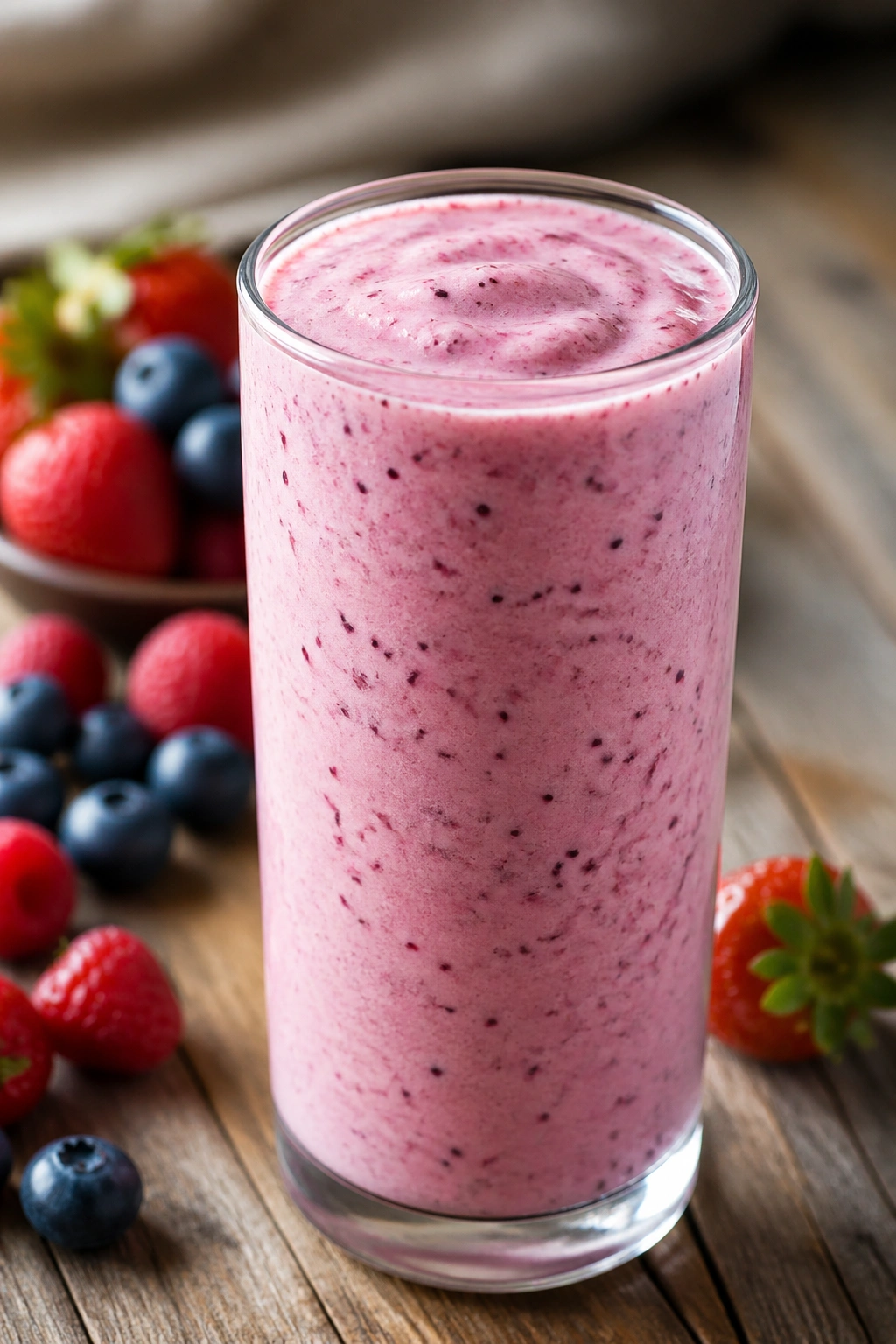
I like smoothies, but I do not trust them. Too many end up with more sugar than a soda and not enough protein to keep hunger away. A Greek yogurt berry smoothie is one of the cleaner ways to do it right.
The backbone is plain Greek yogurt, which brings protein and thickness without needing ice cream-shop tricks. Berries pull in fiber and flavor with less sugar than mango juice, dates, or giant banana-heavy blends. A drink like this can work as breakfast, not only as a sidekick to breakfast.
Here’s a solid formula:
- ¾ to 1 cup plain Greek yogurt
- ½ to 1 cup frozen berries
- 1 tablespoon ground flaxseed or chia
- Water or milk to loosen
- Ice, if you want it thicker
Blend until smooth, and stop there unless you need extra calories after a hard workout. No honey. No juice. No “healthy” granola scattered into the blender.
The reason this one helps is plain: protein plus fiber slows the whole morning down. You stay full longer, cravings back off, and you are less likely to drift into pastries because your first meal disappeared in 20 minutes.
10. Plain Kefir Smoothie
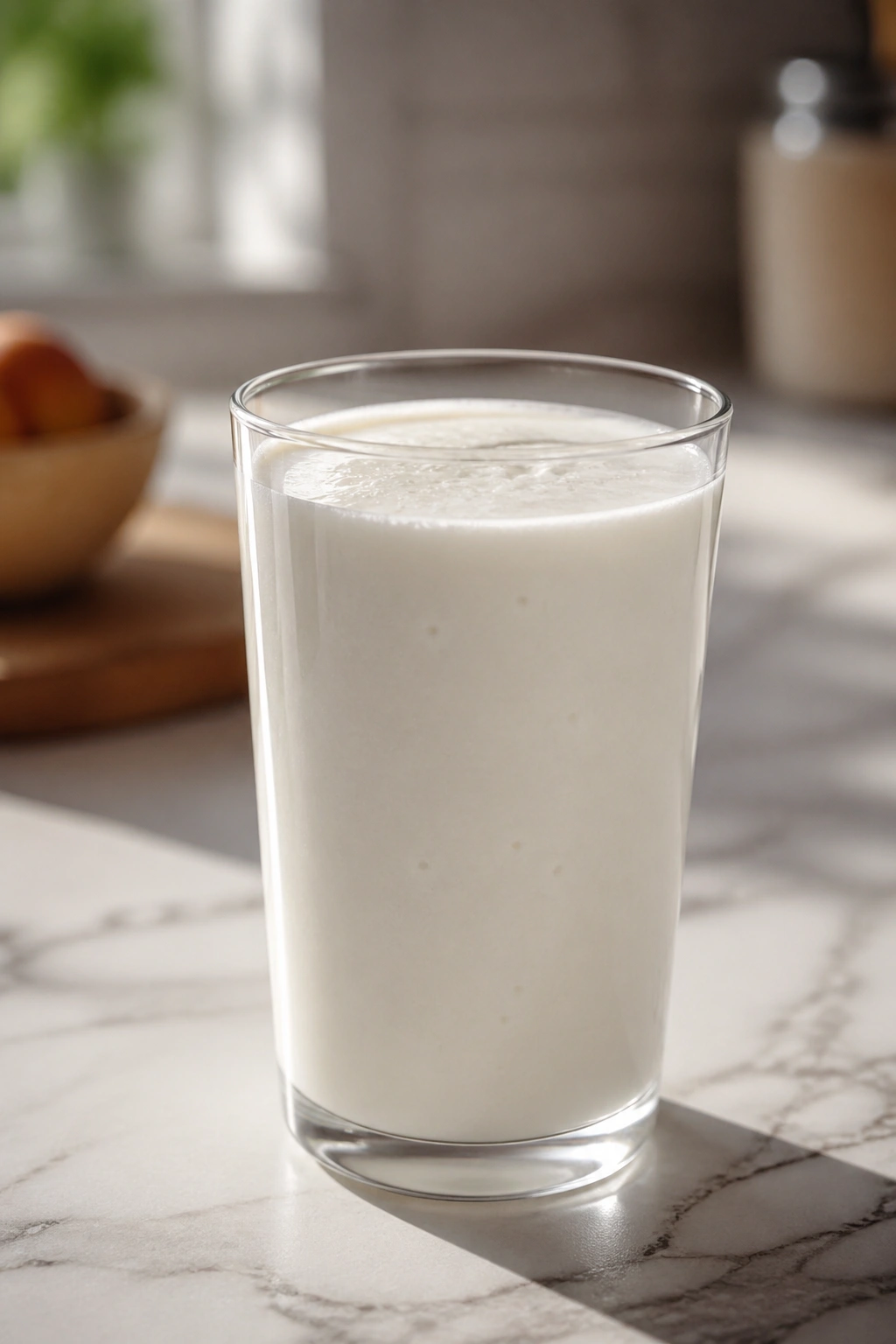
Kefir is the tangy cousin that Greek yogurt forgot to call. It’s thinner, drinkable, and fermented, which makes it useful for people who want a breakfast drink with protein plus probiotics and do not want something as heavy as a full smoothie bowl.
I would not sell kefir as a fat burner. That is sloppy. What it can do is give you a 9- to 11-gram protein base per cup, offer a fermented food that some people find easier on digestion, and replace sweeter bottled breakfast drinks that do far less for satiety. If your stomach feels off in the morning, plain kefir often goes down easier than a dense meal.
Flavor matters here. Plain kefir is tart. Some people love that. Others take one sip and make a face. Blend 1 cup plain kefir with ½ cup berries and a little ice, or go in a savory direction with cucumber, mint, and lemon.
Read the label before you buy it. Flavored kefir can carry a surprising sugar load. Plain is the safer choice if your goal is trimming calories and controlling hunger.
11. Chia Seed Water
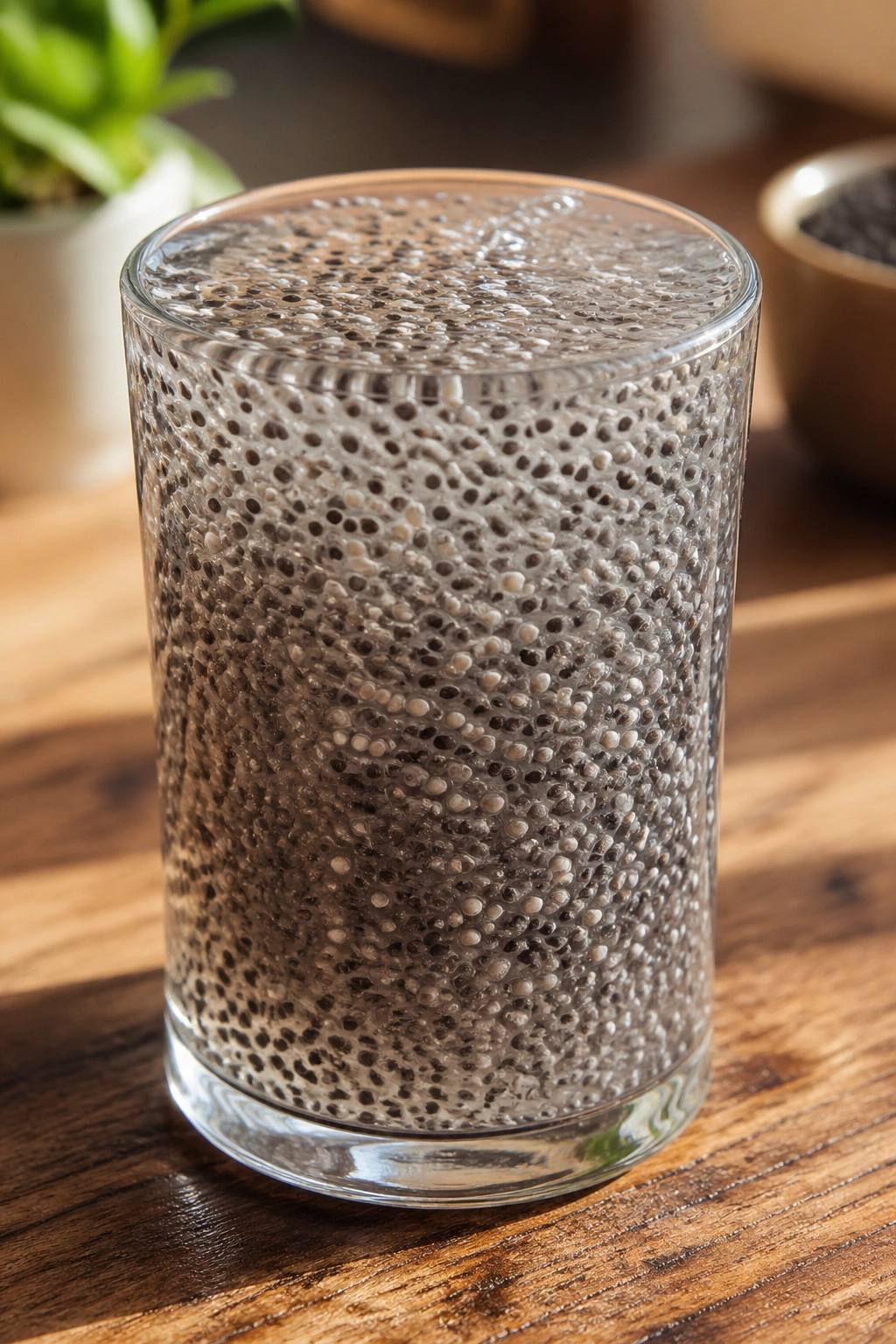
Unlike juice, chia water slows things down instead of rushing sugar into your system. That’s the point.
When chia seeds sit in liquid, they form a gel because of their soluble fiber. That thickness can help you feel full for longer, which makes chia water useful for people who wake up hungry and then spend the whole morning grazing. It is not glamorous, though. Texture is the make-or-break factor. Some people enjoy it. Some do not want to drink anything that feels slightly slippery.
Who gets the most from it? People with a decent stomach for fiber and a habit of getting hungry again one hour after breakfast. If that’s you, 1 tablespoon of chia seeds in 12 ounces of water, left to sit for 10 to 15 minutes, can do more than another low-protein granola bar ever will.
Drink more water alongside it during the day. Fiber without enough fluid can backfire.
I would skip chia water right before intense exercise, because a gel-like drink in a bouncing stomach is not ideal. For desk mornings or long meetings, though, it’s a sharp tool.
12. Psyllium Husk Drink
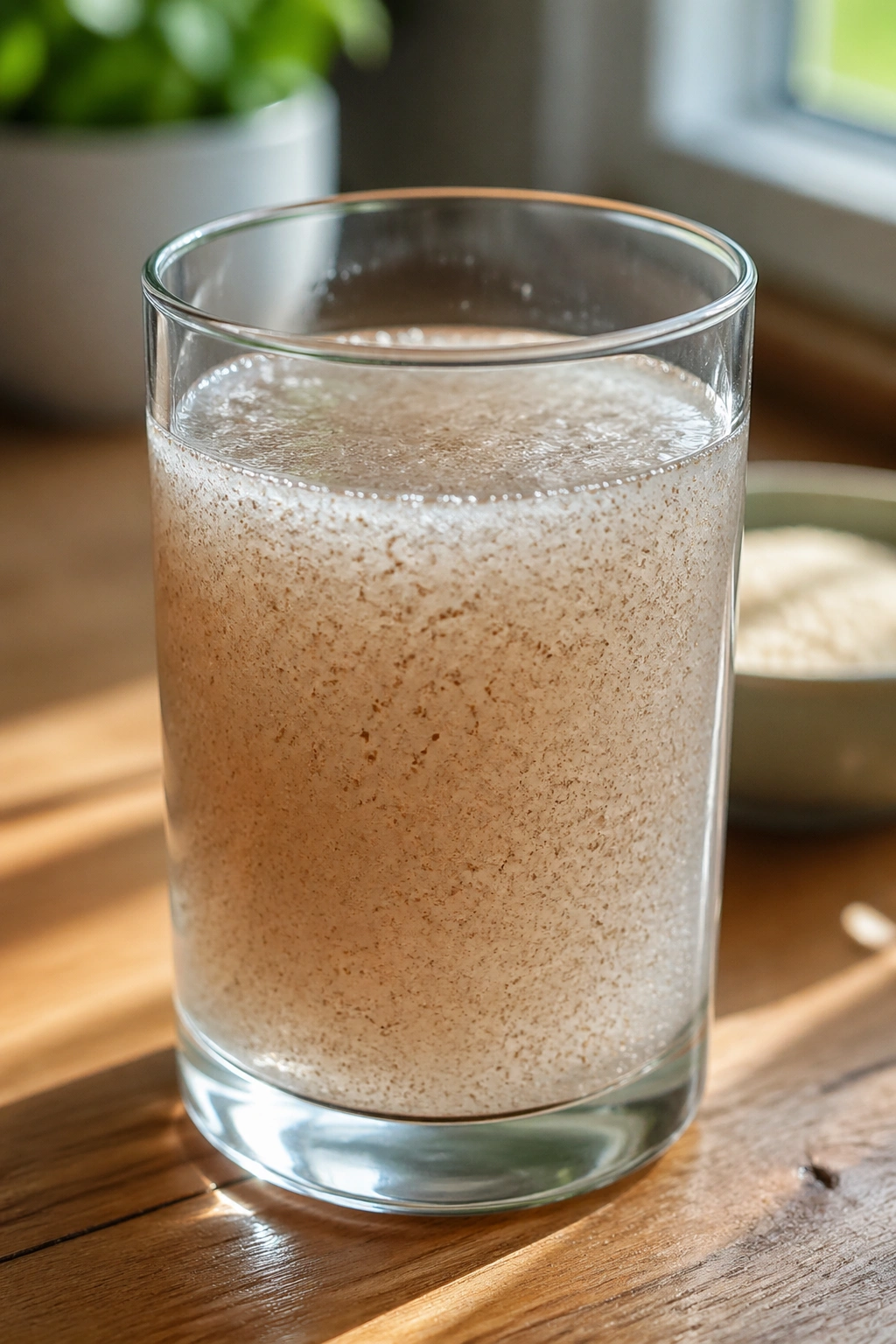
This one is less trendy and more clinical, which is exactly why I respect it. Psyllium husk is one of the most useful forms of soluble fiber for appetite control and better blood sugar response, and it does not need fancy branding to work.
Mixing it is easy. Drinking it at the right moment is the part that matters.
Why soluble fiber helps
Psyllium thickens in liquid and in your gut. That can slow digestion, help you feel fuller, and smooth out the rise and fall that pushes some people toward second breakfast. It’s also one of the fibers linked with cholesterol benefits, which is a nice side effect if you need it.
Use it carefully
- Start with 1 teaspoon in 10 to 12 ounces of water.
- Stir fast and drink it right away before it thickens too much.
- If your stomach handles it well, work up toward 1 tablespoon.
- Leave at least 2 hours between psyllium and medications unless your clinician has told you otherwise.
Warning: do not take psyllium dry. It needs enough fluid, full stop.
For hunger control, a psyllium drink before breakfast can be more useful than another cup of coffee.
13. Apple Cider Vinegar Water
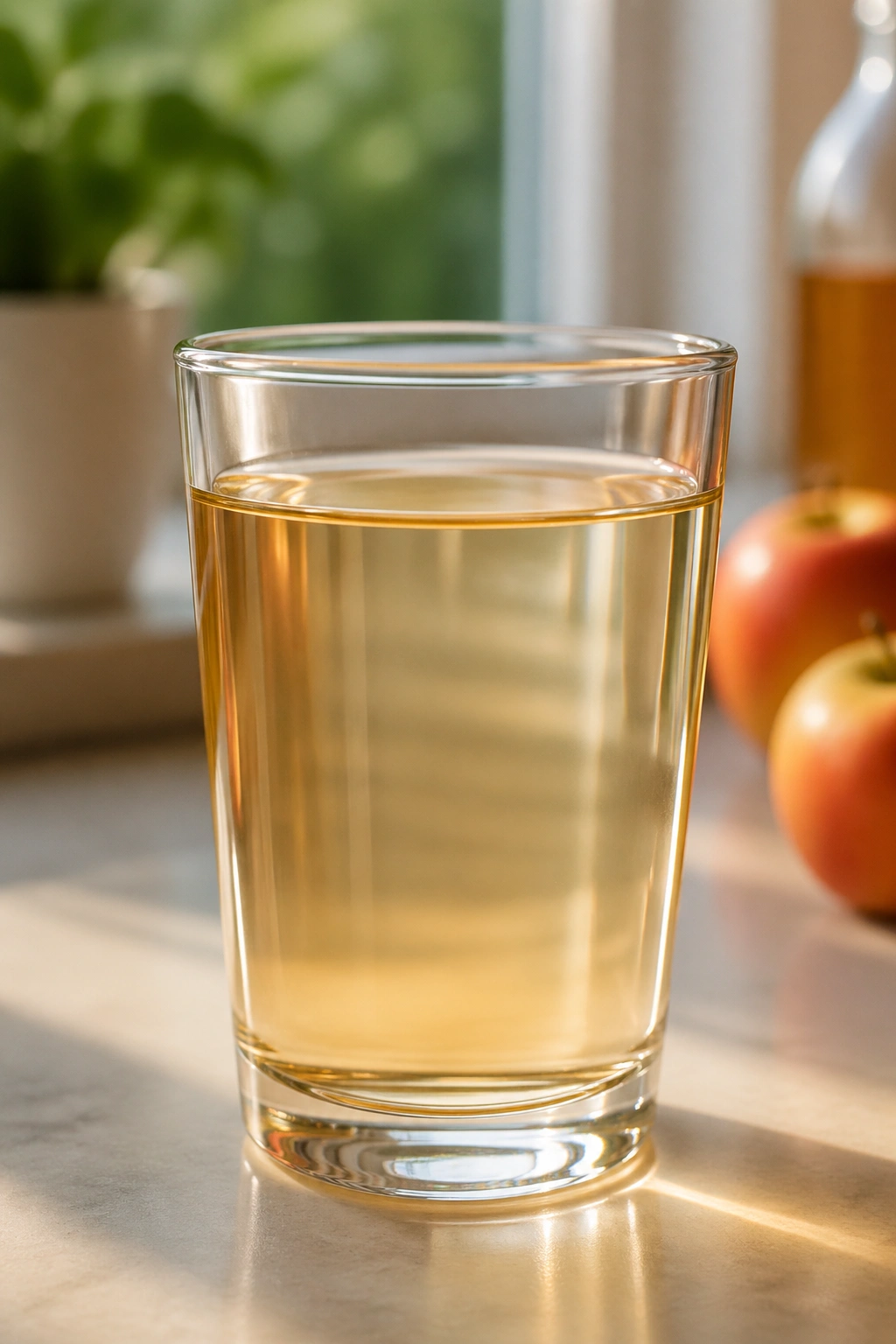
This one gets oversold. Apple cider vinegar is not a cheat code, not a belly-fat eraser, and not something you should knock back straight like a punishment shot.
What vinegar may do, in modest doses, is help blunt the blood sugar rise from a meal and increase fullness a bit in some people. That can be useful if your breakfast tends to be carb-heavy or if you notice that toast alone leaves you hunting snacks too soon. The effect is small. Small can still matter when the habit is easy and cheap.
The safe way to use it is boring and sensible: mix 1 to 2 teaspoons of apple cider vinegar into 12 ounces of water. Sip it, do not chug it. Use a straw if you want to protect your teeth, and rinse your mouth with plain water afterward.
Do not push the dose higher thinking more will work faster. It can irritate your throat, bother your stomach, and flare reflux. If acidic drinks already wreck your morning, skip this one.
I’m including it because it can fit a fat-loss plan. I’m also telling you it sits well below protein drinks and fiber drinks for usefulness.
14. Ginger Tea
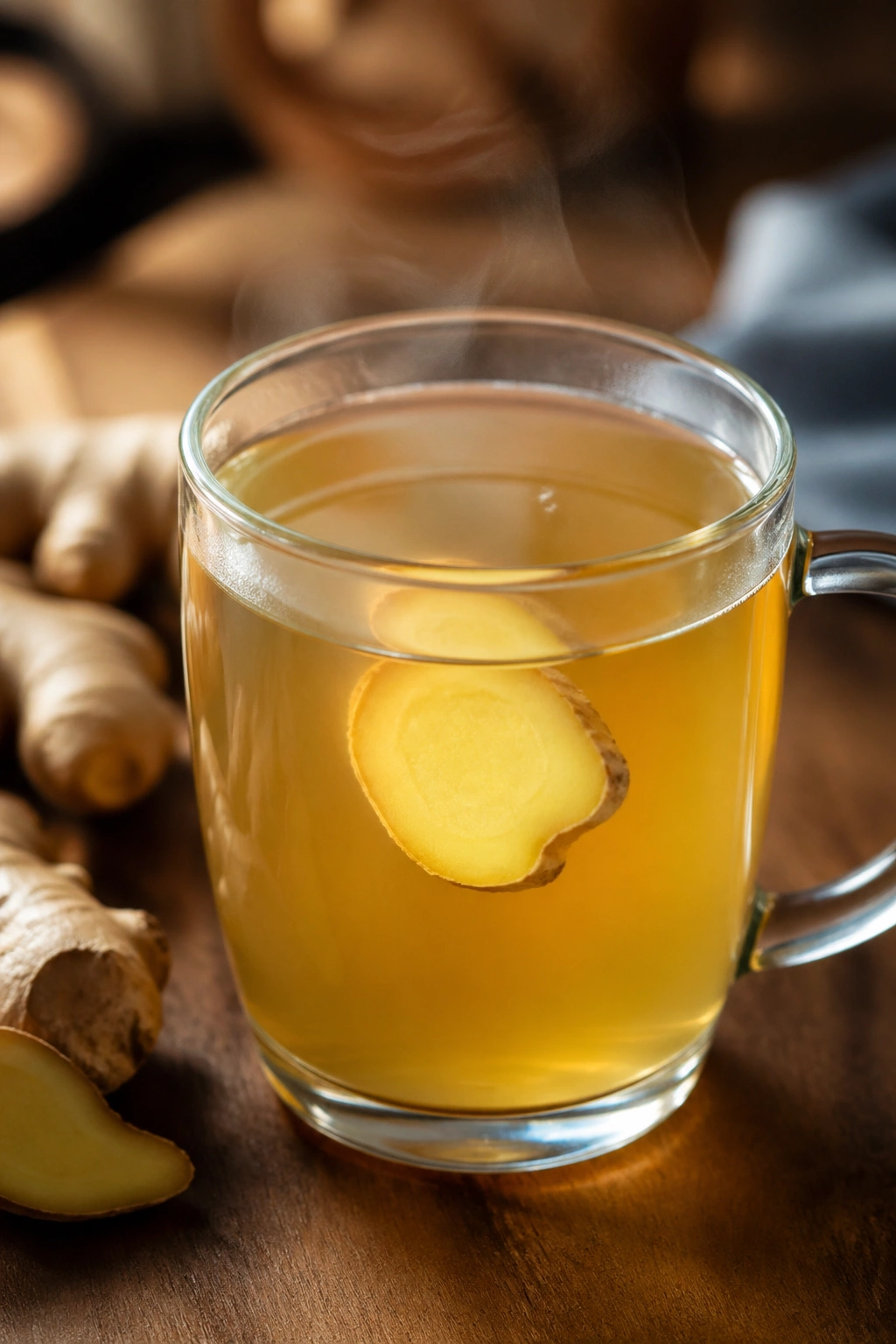
Can a zero-calorie herbal tea help with belly fat if it has no protein and no caffeine? Indirectly, yes. Directly, not much.
Ginger tea earns its place because it is warm, sharp, satisfying, and often helpful on mornings when you wake up puffy, a little queasy, or not ready for a heavy breakfast. That is different from burning fat, and the difference matters. Still, if ginger tea keeps you from reaching for a sugary pastry and a sweet latte, it has done real work.
Fresh ginger has a bite that wakes you up better than bland herbal tea. Slice a 1- to 2-inch knob of ginger, simmer it in 10 to 12 ounces of water for about 10 minutes, and drink it plain or with lemon. The smell alone tells you when it’s ready—bright, spicy, clean.
When it makes the most sense
Use ginger tea after a salty dinner, on bloated mornings, or before a brisk walk when food sounds heavy. I like it as a reset drink, not as a nutrition anchor.
If you need satiety, pair it with eggs, yogurt, or a protein shake. Ginger tea by itself is support, not structure.
15. Cinnamon Tea
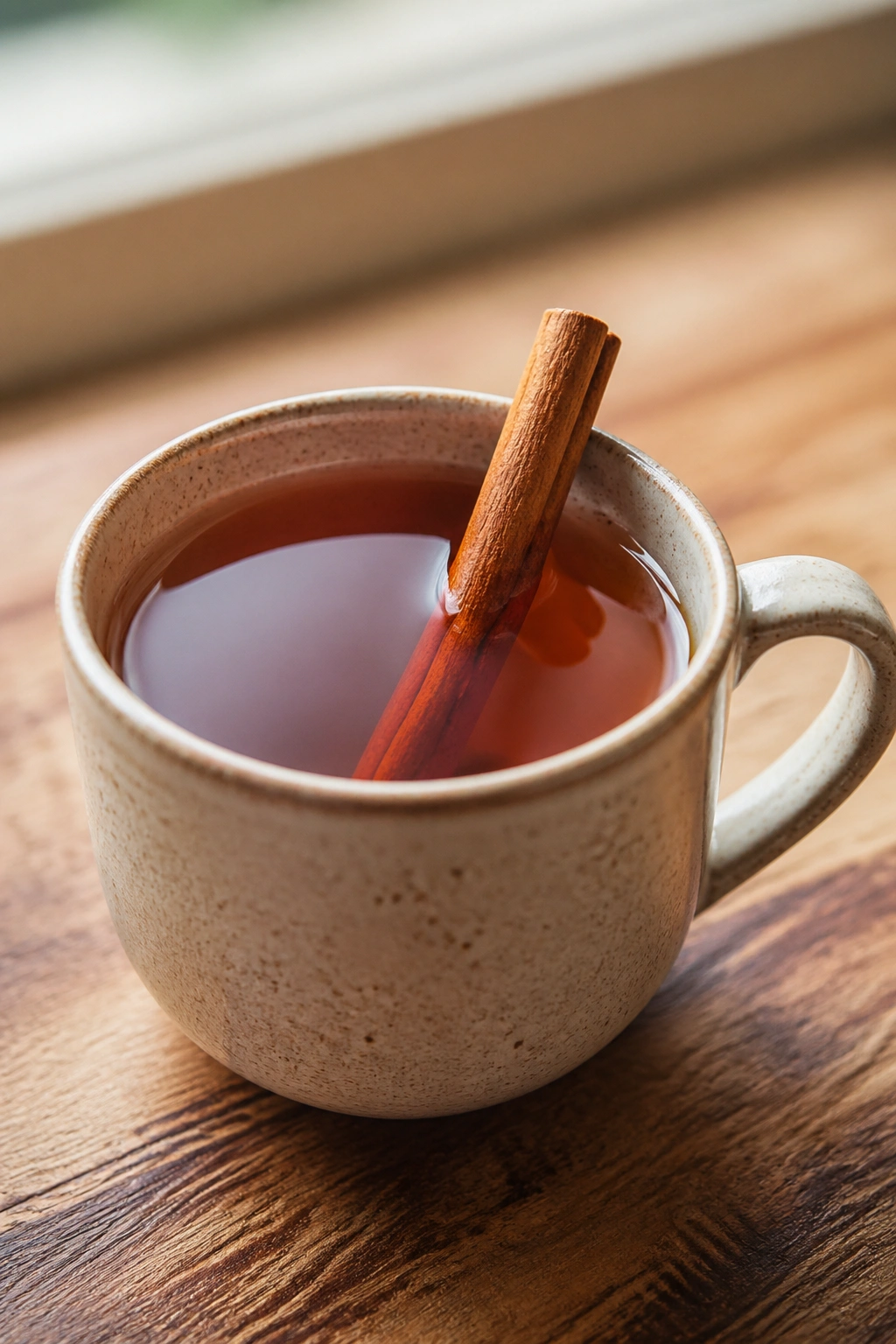
A mug of cinnamon tea smells like breakfast before breakfast exists, and that turns out to be useful. Flavor helps compliance. If a drink feels satisfying without sugar, you are far more likely to keep choosing it.
Cinnamon also has a small body of research behind it for blood sugar support, though the effect is not massive and the dose matters. I use it here less as a metabolic hero and more as a smart way to make low-calorie drinks taste fuller. That sounds humble because it is. Humble habits stick.
A few details matter:
- Use 1 cinnamon stick or ½ teaspoon Ceylon cinnamon in hot water.
- Simmer or steep for 8 to 10 minutes.
- If you drink cinnamon often, Ceylon is a better regular choice than cassia because it is lower in coumarin.
- It pairs well with black tea or coffee if you want more body without sugar.
This is a strong option for people trying to break a sweet coffee habit. You still get warmth and aroma, and your calorie count stays close to zero.
16. Unsweetened Soy Latte
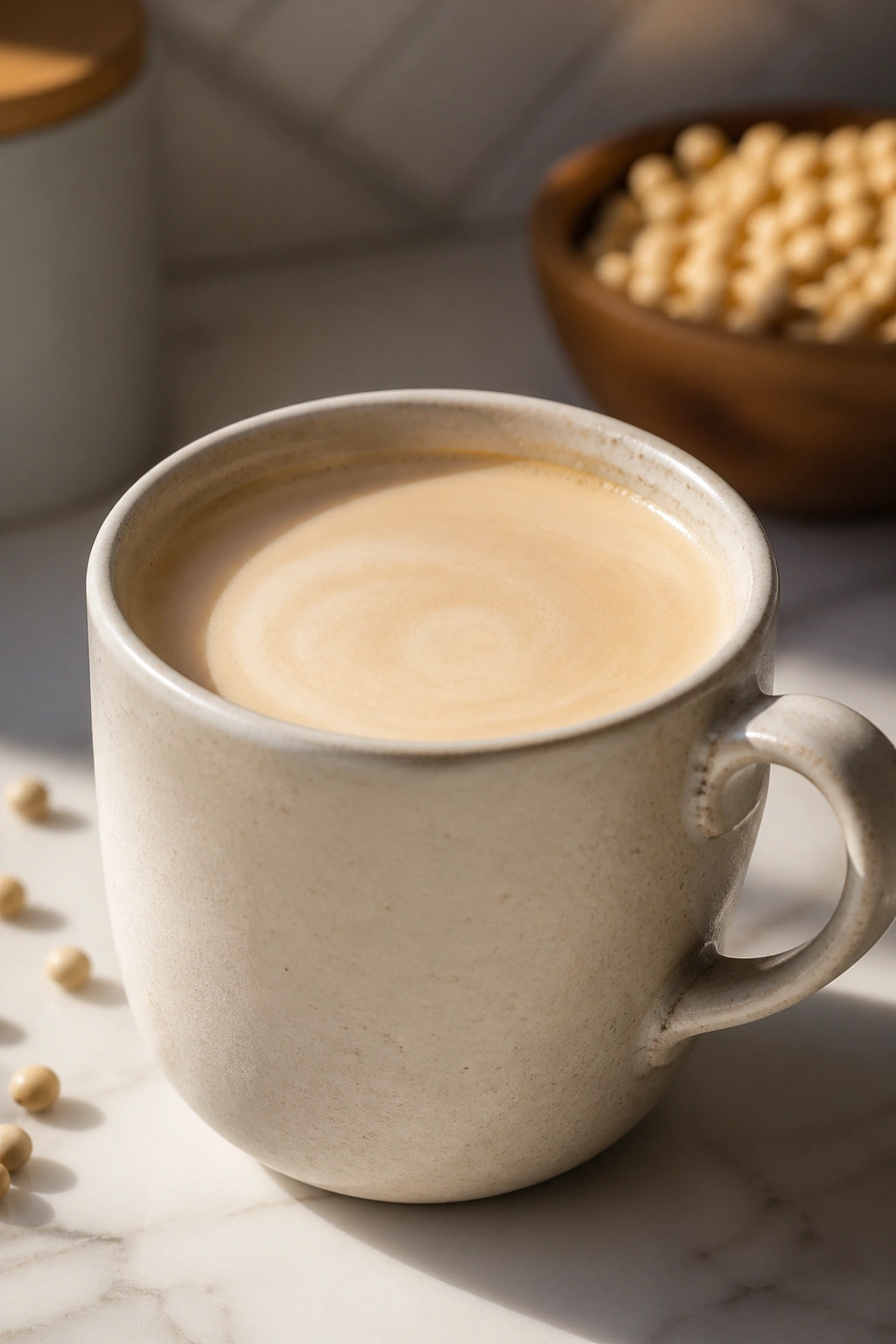
People reach for almond milk by reflex, but for fat loss and satiety, soy milk usually makes more sense. One cup of unsweetened soy milk often gives you 7 to 8 grams of protein. Unsweetened almond milk often gives you 1 gram. That gap matters.
A soy latte can be a clean middle-ground drink when black coffee feels too harsh and a full protein shake feels like too much. Use 1 or 2 espresso shots with 8 ounces of unsweetened soy milk, hot or iced, and you have a drink with enough body to feel like breakfast support rather than flavored water.
I also like soy lattes for one practical reason: they travel well through hectic mornings. You can take one out the door, get a bit of protein in, and avoid the 9 a.m. scramble for a muffin.
No, soy does not magically cause belly fat. That myth has hung around far too long. Check the carton, avoid added sugar, and you’re fine.
The trap is the café version with vanilla syrup and sweetened soy milk. Make it plain and this drink becomes a far smarter daily move.
17. Cottage Cheese Breakfast Shake
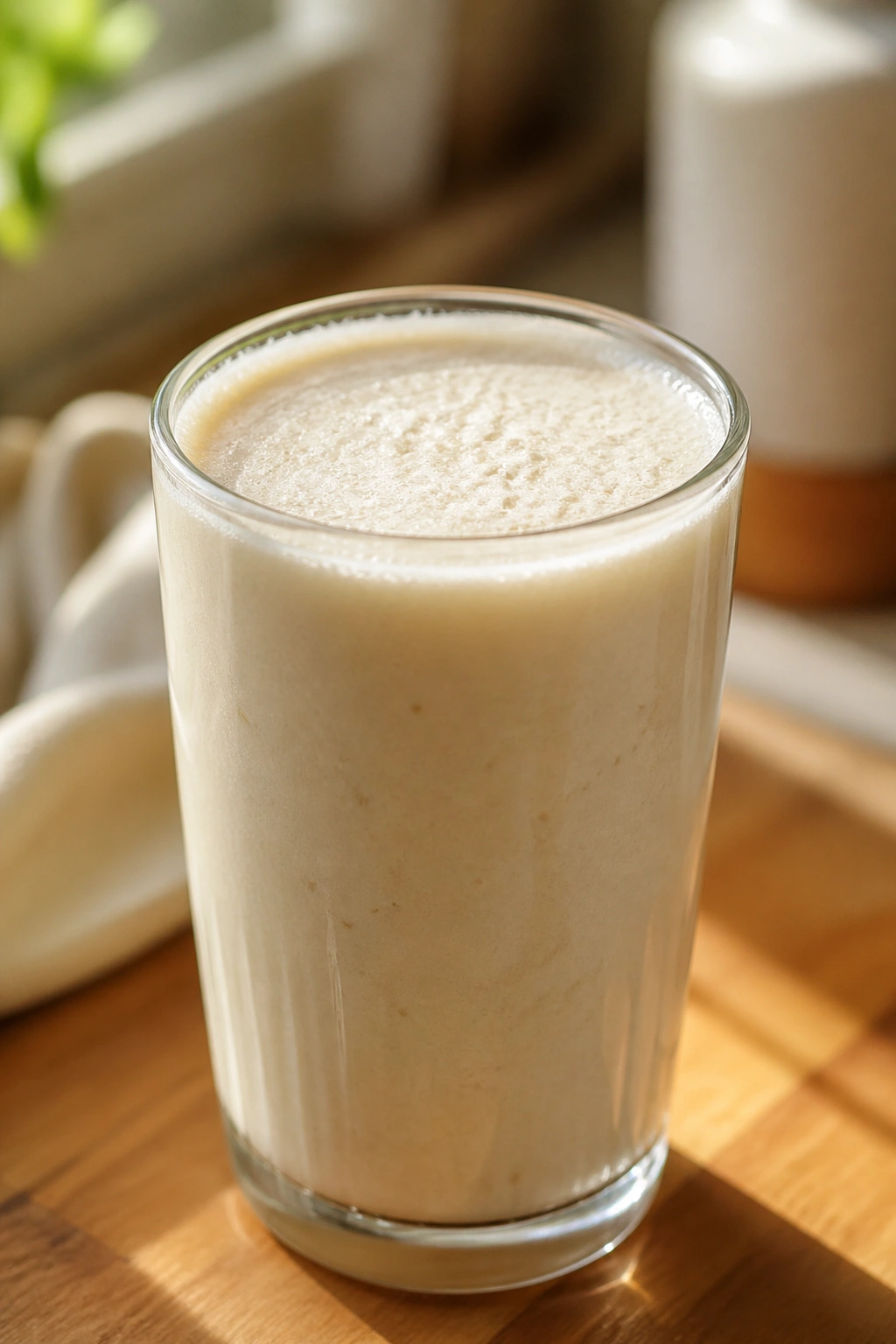
Unlike whey, which disappears fast, cottage cheese gives you a slower, thicker protein drink because it is rich in casein. That makes it useful when you want a breakfast shake that sticks with you.
This one surprises people. Blended cottage cheese does not taste like lumpy diet food. Done right, it turns smooth and creamy, almost like a richer yogurt shake, with a mild flavor that works well with fruit, cinnamon, or cocoa. Use ½ cup cottage cheese for around 14 grams of protein, or go to 1 cup if you want a stronger meal.
Who is this best for? People who stay hungry on thin smoothies, people trying to keep calories controlled at lunch, and anyone who wants a cheaper alternative to fancy ready-to-drink protein products.
Blend it with berries, ice, and water or milk. Add vanilla if you like. What I would not add is half the pantry. Nut butter, honey, granola, juice—those extras can push a solid fat-loss shake into dessert territory fast.
If Greek yogurt makes you hungry too soon, try cottage cheese. It has more staying power than most people expect.
18. Spinach-Berry Flax Smoothie
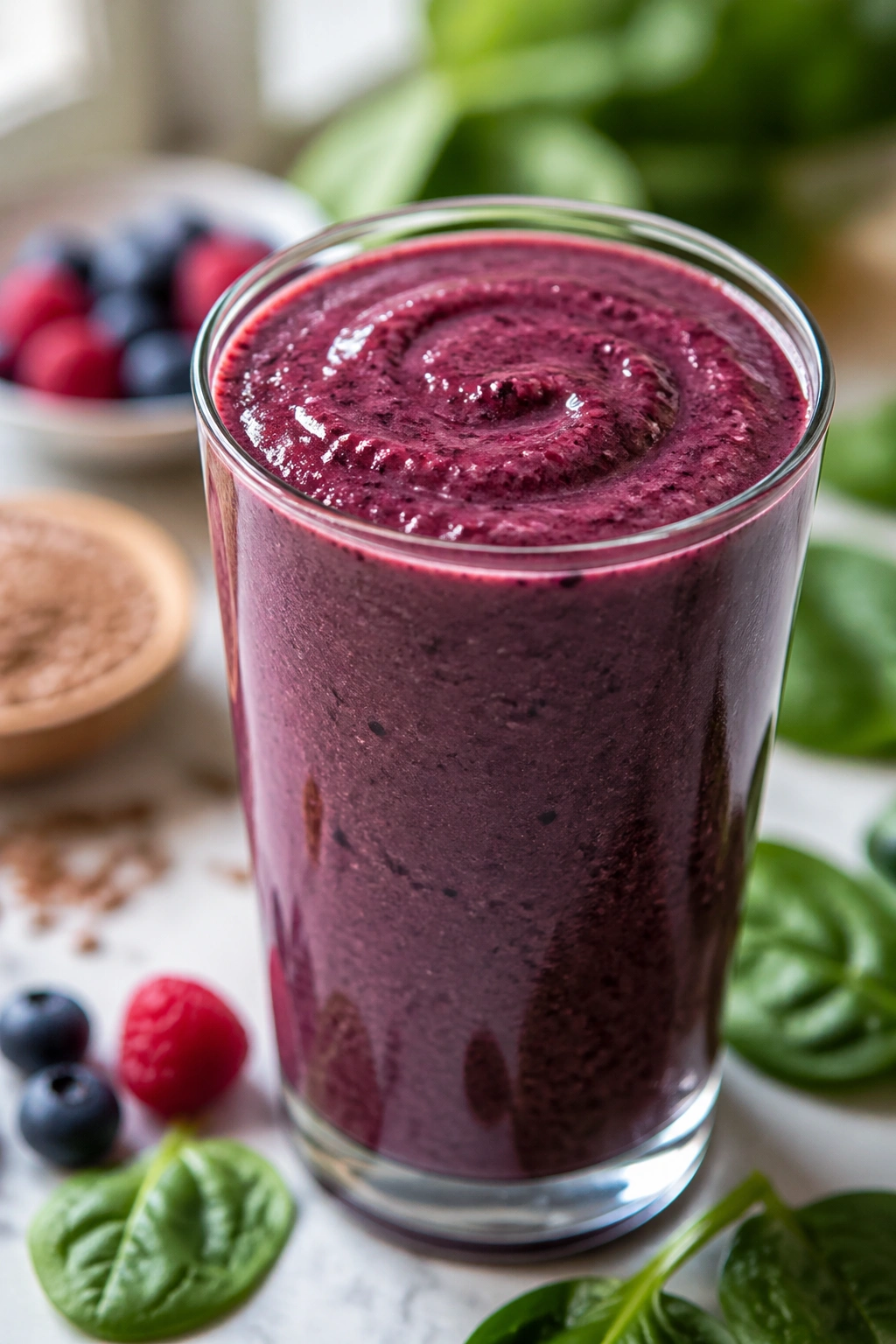
You can build a smoothie that helps fat loss, or you can build one that quietly acts like melted pie. The spinach-berry-flax version stays on the right side of that line.
Spinach adds volume and micronutrients without much sugar. Berries bring flavor and fiber. Ground flaxseed adds thickness and healthy fats, which can help the drink feel more meal-like. The color ends up deep purple, not swamp green, so do not let the spinach scare you off.
Why this combo works
The drink is bulky without being heavy, and that matters for appetite. A large glass of something cold, thick, and fiber-rich tends to slow down the urge to keep eating.
A clean formula
- 1 packed cup spinach
- ½ to 1 cup frozen berries
- 1 tablespoon ground flaxseed
- Water, ice, and lemon juice
- Optional: Greek yogurt or protein powder if this is replacing breakfast
Tip: if you skip the protein, do not expect the smoothie to carry you for long. Fiber helps, but protein is what usually keeps the hunger monster from waking back up by mid-morning.
19. Beetroot Pre-Workout Drink
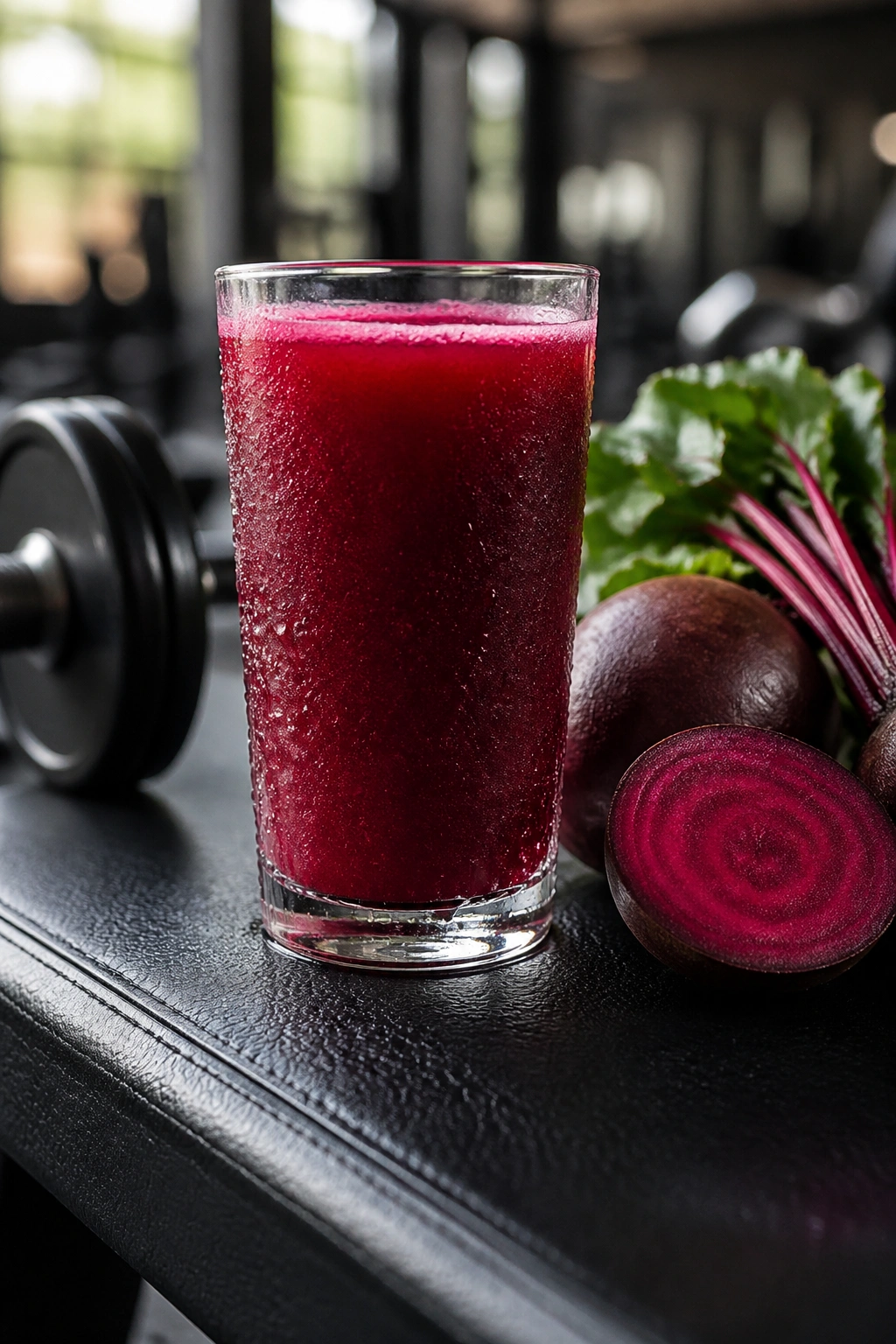
A beet drink earns its spot through performance, not magic. It can help your workout, and the workout helps your waistline.
Beetroot is rich in dietary nitrates, which your body can turn into nitric oxide. That process may help blood flow and exercise efficiency, especially in endurance-style training and hard intervals. Translation: your morning ride, brisk walk, or circuit session may feel a bit less punishing, and that makes consistency easier.
Timing matters here more than with most drinks on this list. Beetroot tends to work best about 2 to 3 hours before exercise, which is awkward for some early-morning schedules. If you can make it fit, use 4 to 8 ounces of beet juice or blend 1 small cooked beet with water and lemon.
Do not expect it to melt fat while you sit at a desk. That is not the deal. The value is that better workouts often lead to better calorie burn, better fitness, and stronger habit momentum.
One odd detail so you do not panic later: beets can tint urine or stool pinkish-red. It looks alarming the first time. It usually is not.
20. Cocoa Protein Shake
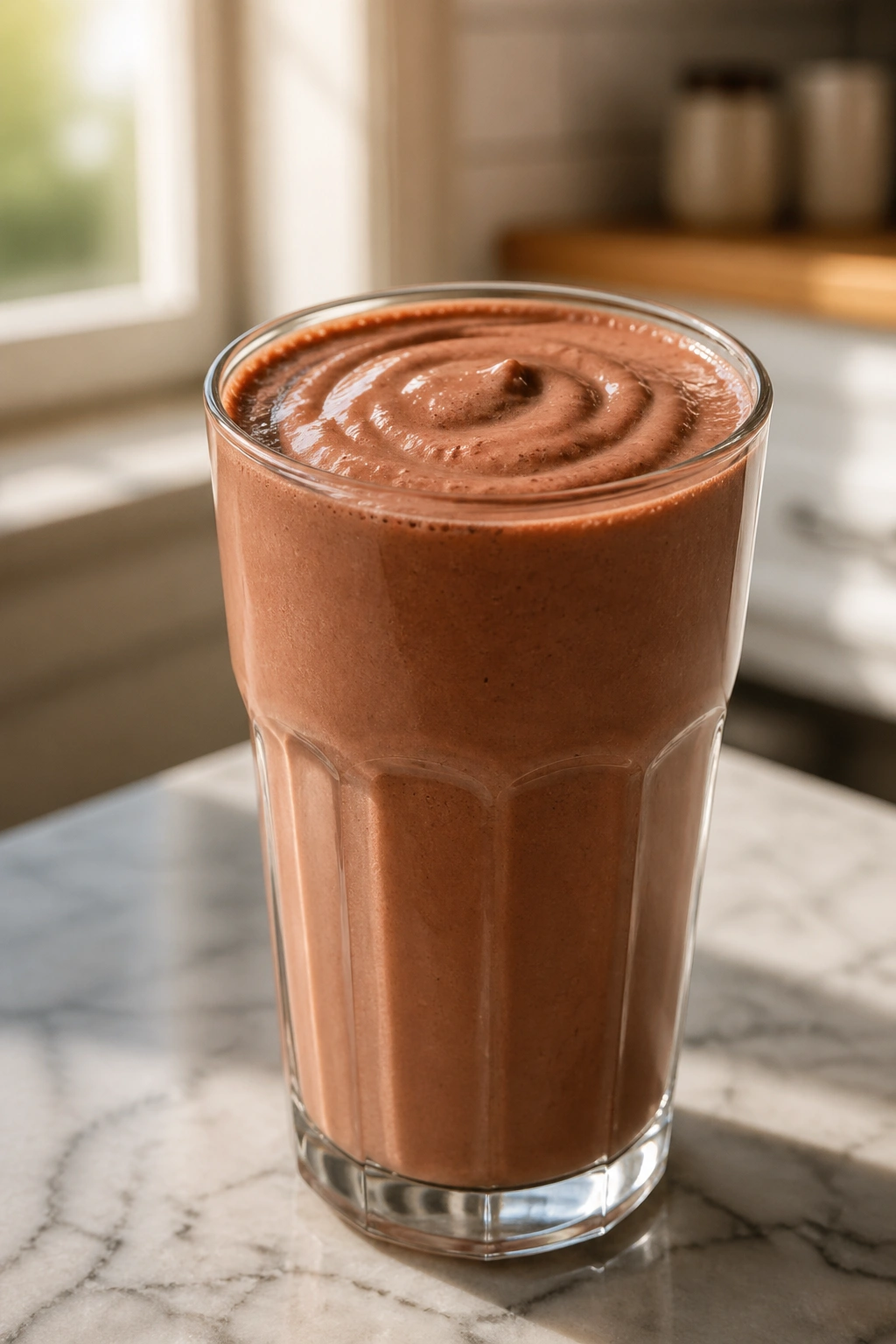
Need something chocolate in the morning without turning breakfast into a milkshake shop order? A cocoa protein shake is one of the cleanest ways to scratch that itch.
Unsweetened cocoa powder brings deep chocolate flavor for little sugar, and that can save people who keep falling into mocha drinks, chocolate pastries, or “healthy” cacao smoothies packed with dates. Pair cocoa with protein and the drink starts doing two jobs: it tastes satisfying and it buys you some fullness.
Build it right
Use 1 scoop chocolate or vanilla protein powder, 1 teaspoon unsweetened cocoa, 8 to 12 ounces of milk or unsweetened soy milk, and ice. A tiny pinch of salt helps the chocolate taste fuller. Cinnamon works too.
If you need a thicker shake, blend in a few ice cubes or use casein protein. If you need a post-workout option, whey is the easier pick. If sweet cravings are your main problem, this drink can be more useful than plain vanilla because it feels like a treat without carrying café-drink calories.
The weak version of this idea is the bottled chocolate drink with 25 grams of sugar. The good version is the one you build yourself.
Which Morning Drinks for Belly Fat Pair Best With Workouts
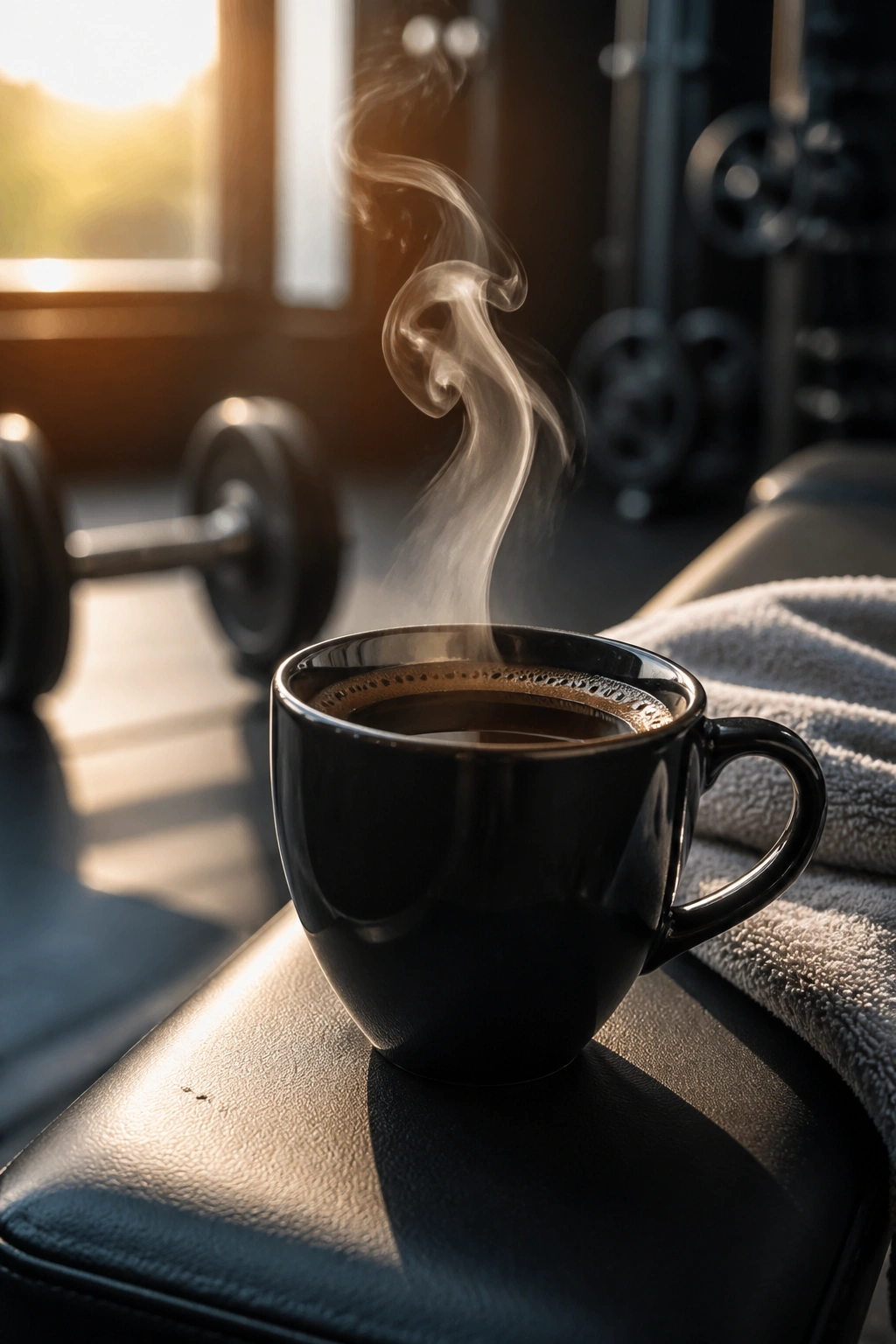
Not every drink fits every morning. Workout days change the ranking.
If you train before breakfast and want a lift, coffee, matcha, yerba mate, and beetroot are the standouts. Coffee and mate work faster. Beetroot is more of a planned move because it needs lead time. Matcha is the gentler option when coffee makes training feel too edgy.
If you finish a workout and need something that actually keeps you full, go higher in protein. The strongest picks are:
- Protein coffee
- Whey protein shake
- Greek yogurt berry smoothie
- Cottage cheese shake
- Cocoa protein shake
Those are the drinks that support muscle repair and cut the odds of a rebound snack attack an hour later.
Desk-bound mornings are a different story. If you’re not training and you mainly need appetite control or a cleaner calorie budget, water, green tea, oolong, ginger tea, chia water, and psyllium make more sense. Less calories. Less fuss. Less chance of turning your drink into a second breakfast by accident.
That’s usually the sweet spot: match the drink to the morning you actually have, not the one you imagine yourself having.
Start Small
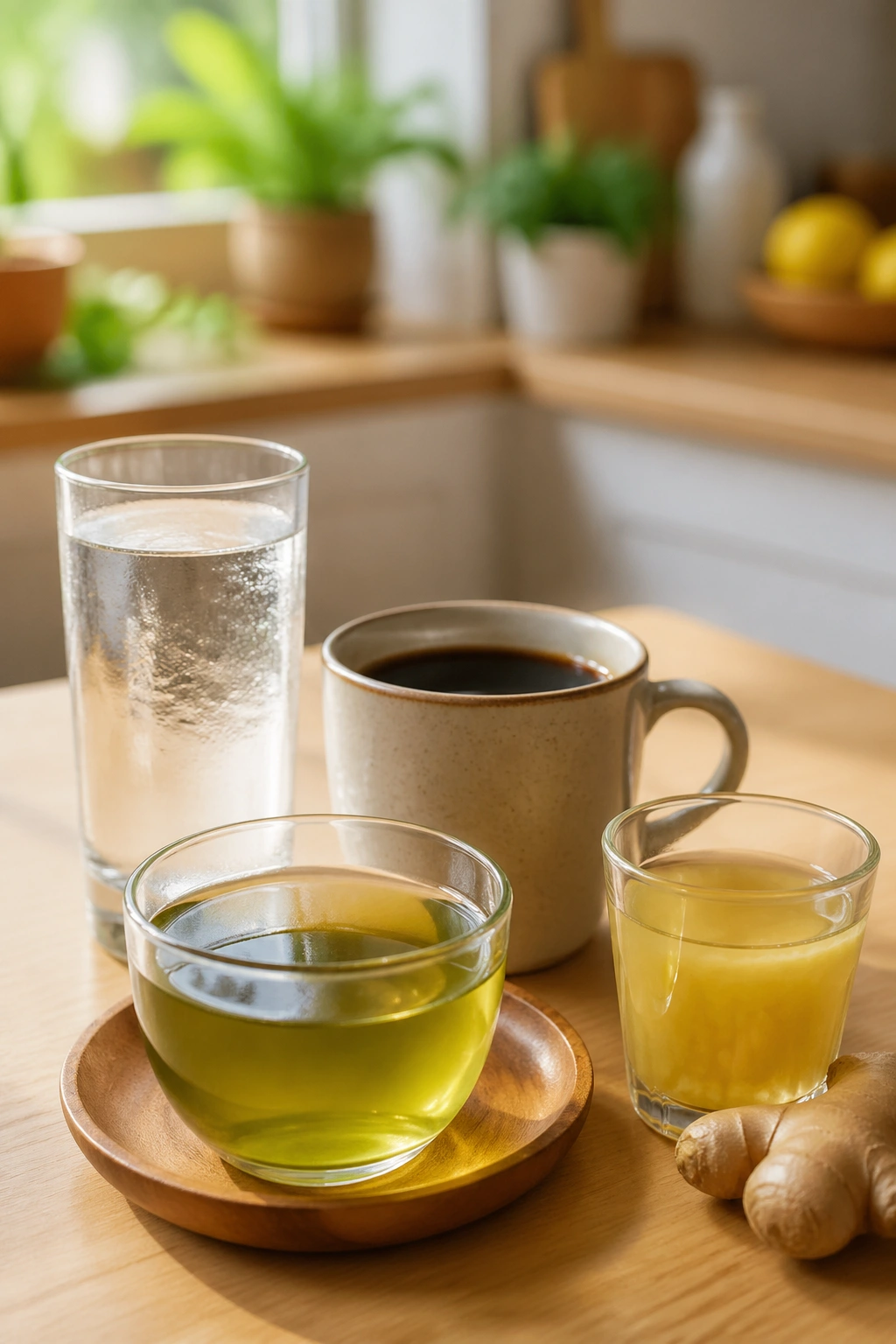
The fastest win here is rarely some exotic ingredient. It’s usually replacing a sugary drink, getting 20 to 30 grams of protein into the morning, or using fiber and hydration to stop hunger from running the show before lunch.
Pick one drink for rushed mornings, one for workout mornings, and one for calmer days at home. That’s enough. More than enough, honestly.
My own bias is simple: if belly fat is the goal, I would build around water, unsweetened coffee or tea, and one high-protein option you can make half-awake. The flashy stuff can stay on the shelf. The repeatable stuff is what changes your waistline.
