



The stubborn middle usually shows up last and leaves last.
That is why belly fat diet plans for women over 50 need to be calmer, steadier, and a lot less dramatic than the internet likes to make them sound. Crash diets, cabbage soups, and punishing little meal plans do not do much except make you tired, irritable, and back in the snack drawer by nightfall.
A tighter waist after 50 usually comes from a mix of things: less muscle than before, a slower daily burn, more stress sitting in the body, sleep that gets choppy, and a habit of eating in ways that don’t leave much room for fullness. Hormones matter too, especially through the menopause transition, but they are not the whole story. The good news is that food still has a lot of say here. Protein, fiber, and a sane meal rhythm can make a waistline behave much better than random restriction ever does.
No meal “burns belly fat.” That part gets exaggerated all the time. What works is a pattern that keeps hunger down, supports muscle, and cuts the easy excess that sneaks in through bread baskets, sugary drinks, afternoon grazing, and dinners that are bigger than they look on the plate.
1. Mediterranean Plate Reset
If you want one eating pattern that rarely feels like punishment, start here. A Mediterranean-style plate gives you olive oil, fish, beans, vegetables, fruit, nuts, and plain yogurt without turning every meal into a math problem. It is one of the easiest belly fat diet plans for women over 50 because the food tastes like dinner, not discipline.
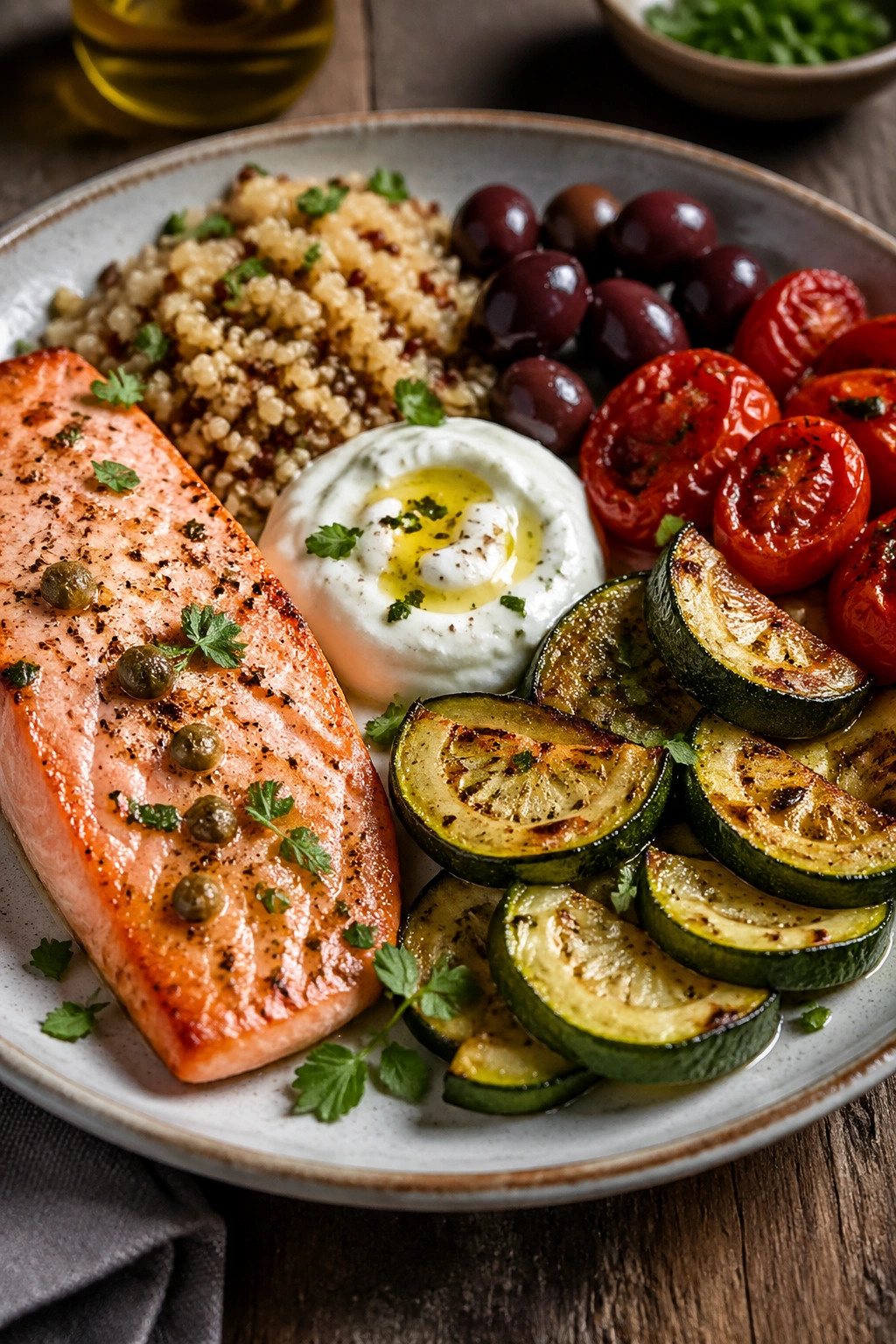
The trick is in the portions. Think half the plate vegetables, a palm or two of protein, and a modest scoop of starch. A salmon dinner with roasted zucchini, tomatoes, and a little quinoa will do far more for your waist than a giant pasta bowl with a side salad no one touched.
This plan also handles cravings well. Fiber and healthy fat slow things down, so you’re not prowling the pantry an hour later. Keep the bread basket small, go easy on cheese-heavy add-ons, and let the flavor come from herbs, lemon, garlic, and a spoon of olive oil rather than a mountain of creamy sauce.
2. Protein-Packed Breakfast Anchor
What happens when breakfast is mostly toast, cereal, or a muffin? You’re hungry again fast. A better move is to make the first meal of the day carry 25 to 30 grams of protein. That usually means eggs, Greek yogurt, cottage cheese, tofu, or a protein smoothie built with real food, not candy in a shaker.
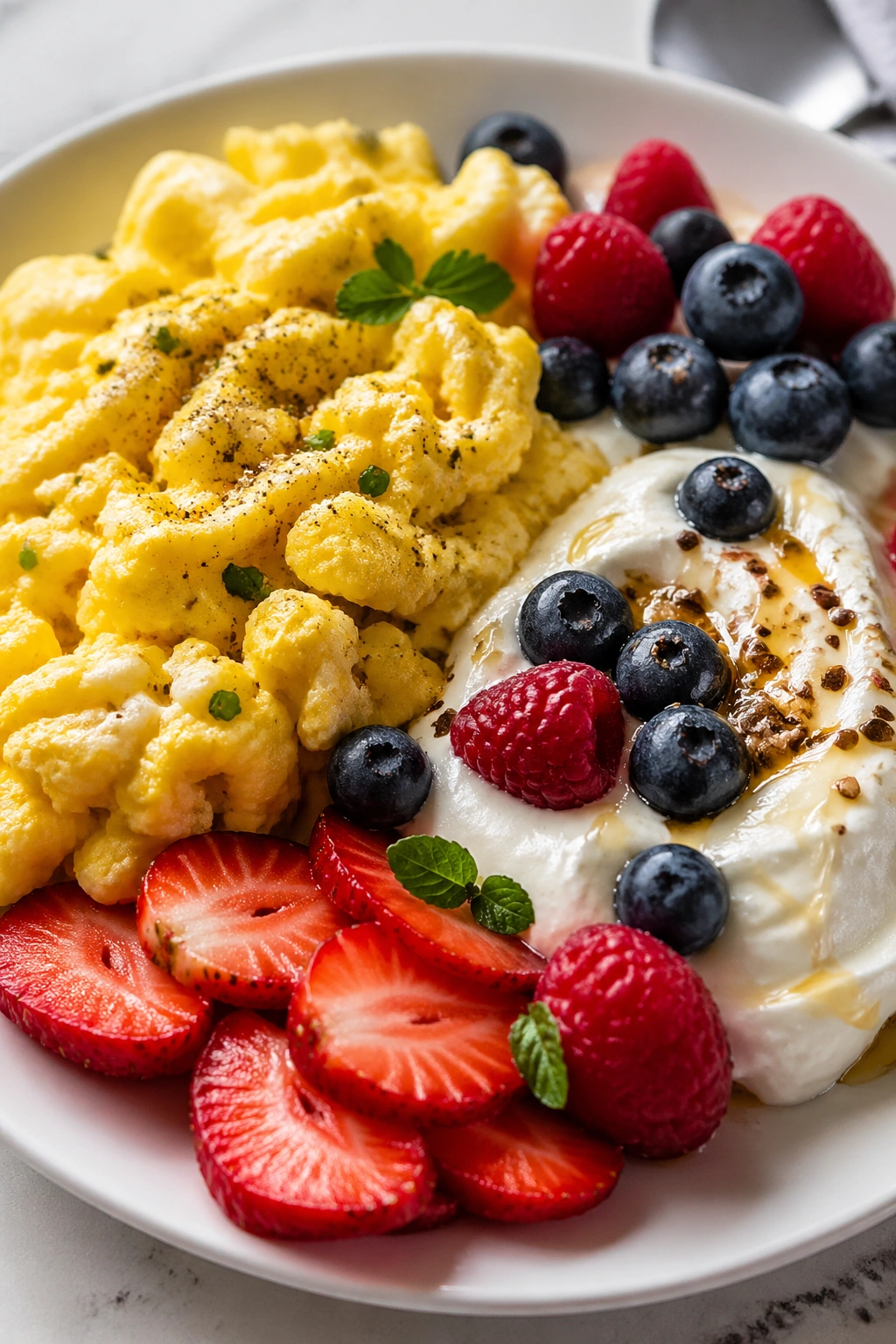
A good target looks like this: two eggs with a cup of plain Greek yogurt and berries, or cottage cheese with sliced peaches and walnuts, or a tofu scramble with spinach and a slice of whole-grain toast. Small breakfast. Big difference.
What to aim for
- 25 to 30 grams of protein at breakfast
- At least 1 serving of fruit or vegetables
- One slow carb, like oats or whole-grain toast, if you want it
- Minimal added sugar
Best tip: if you love a sweet breakfast, keep the sweetness, but attach it to protein. Yogurt with berries beats a pastry every time.
3. Fiber-First Lunches
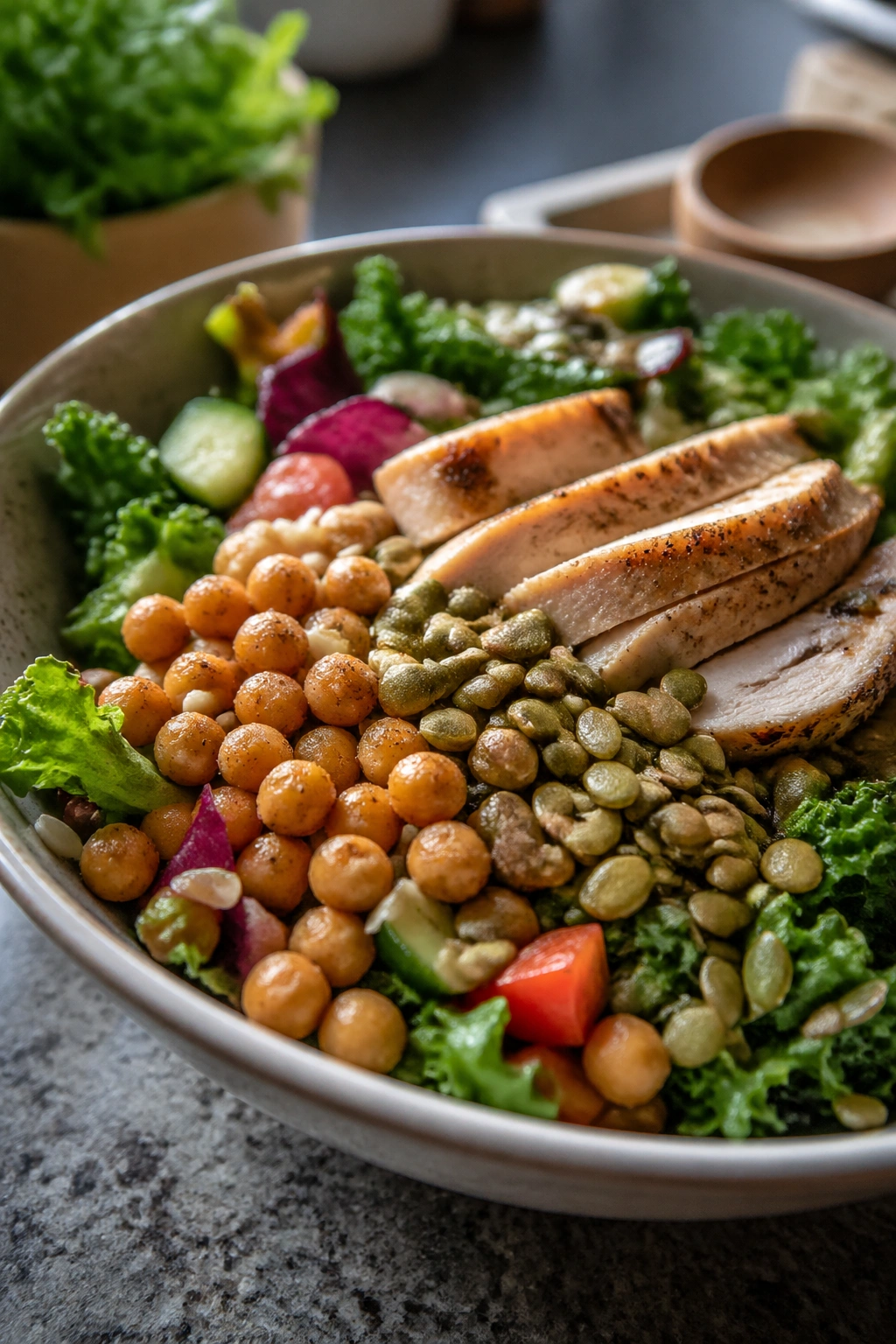
A lunch that forgets fiber is usually a lunch that forgets you. By midafternoon, your stomach is talking back, and the vending machine starts looking suspiciously polite. A fiber-first lunch plan fixes that by building meals around beans, lentils, vegetables, fruit, and whole grains.
Think beyond salads that look pretty and leave you hungry. A real lunch might be a bowl with 2 cups chopped greens, 1 cup crunchy vegetables, 1/2 cup chickpeas, 4 ounces chicken, and a spoon of pumpkin seeds. That mix gives you texture, volume, and enough staying power to get through the afternoon without wandering into snack territory.
You do not need to eat rabbit food. Add roasted sweet potato, brown rice, or a piece of fruit if that helps. The point is to make lunch hold the center of the day so dinner does not arrive with a desperation problem.
4. Lower-Sugar Morning Routine
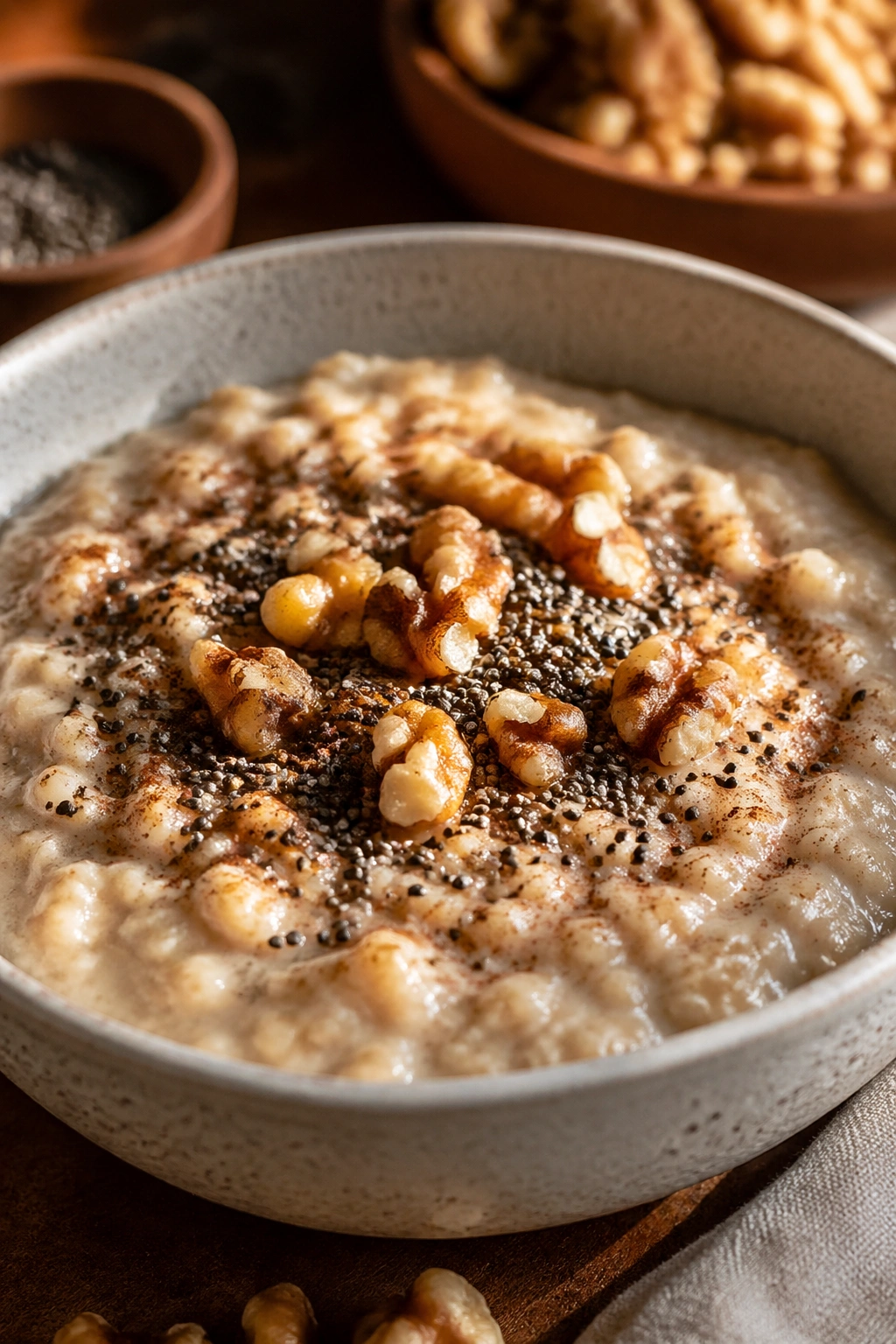
A sweet breakfast can be sneaky. It feels light, then three hours later you’re eyeing someone else’s leftovers. That is why a lower-sugar morning routine helps so much with belly fat around the middle. Less added sugar at breakfast tends to mean fewer blood sugar swings and fewer food cravings before lunch.
You do not have to ban sweetness. Just move it into a supporting role. Oatmeal with cinnamon, chia seeds, and chopped walnuts works better than a bowl of frosted cereal. So does plain yogurt with berries and a spoonful of ground flaxseed. Even whole-grain toast can stay, if you pair it with eggs or peanut butter.
A lot of women over 50 feel better when breakfast is savory at least most days. The body seems to settle down. Energy is steadier. That frantic little urge to snack at 10 a.m. gets quieter, which is worth a lot on its own.
5. Lean Protein and Vegetable Dinners
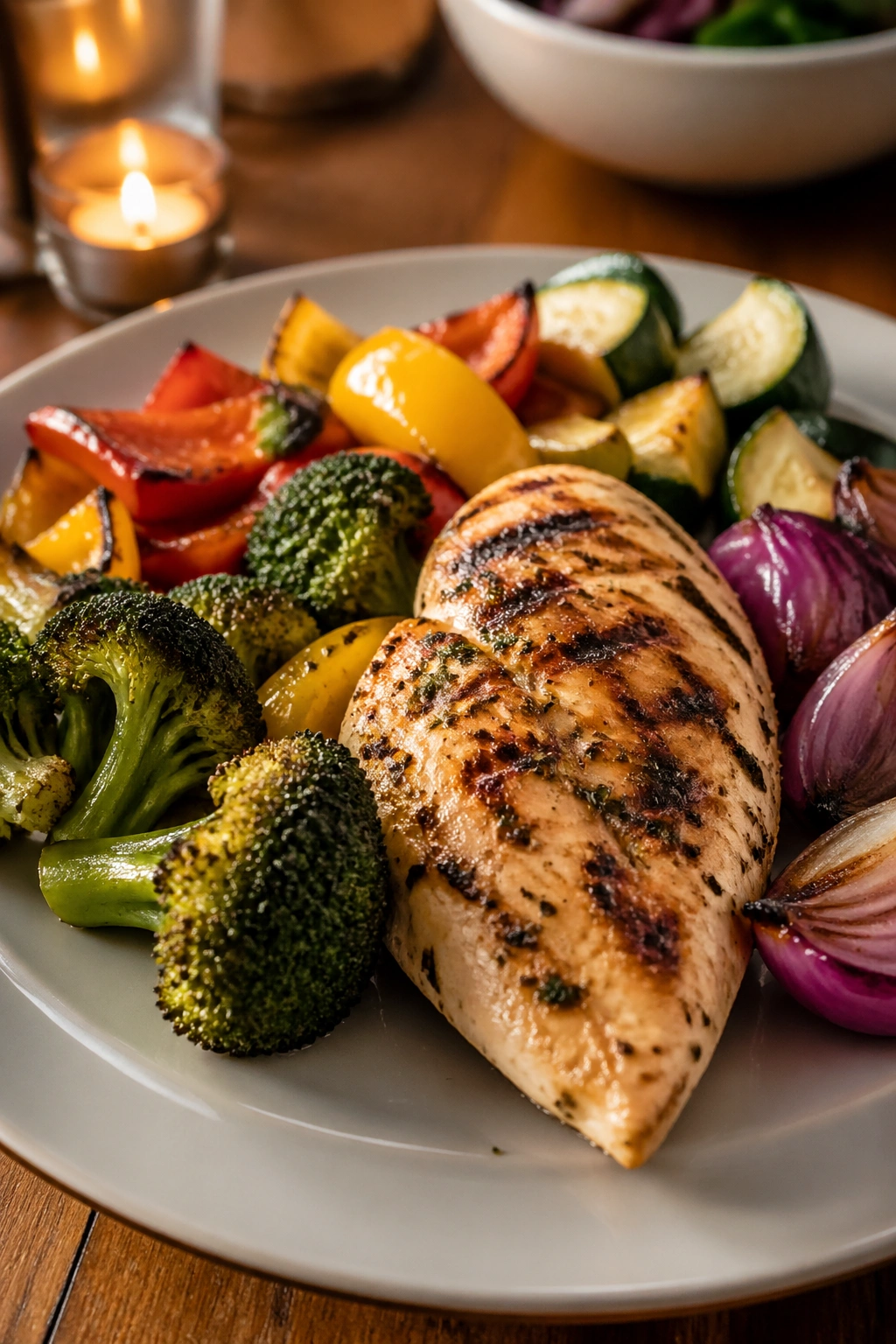
Dinner is where many waistlines get ambushed. Not by anything dramatic. By ordinary stuff: a heavy starch, a second glass of wine, some bread while the pan finishes cooking, and a plate that quietly grows too large. A lean-protein dinner plan trims that back without making supper boring.
Build dinner around 4 to 5 ounces of protein and at least 2 cups of vegetables. Chicken, turkey, white fish, salmon, tofu, shrimp, and lean beef all work. Then add one sensible starch if you want it: half a cup of rice, a small potato, or a slice of crusty bread.
Roasted broccoli, chicken thighs, and a baked sweet potato. Shrimp with peppers and cauliflower rice. Turkey meatballs with green beans and a spoon of marinara. These are plain meals in the best sense. They do the job.
6. Lower-Carb Evening Plan
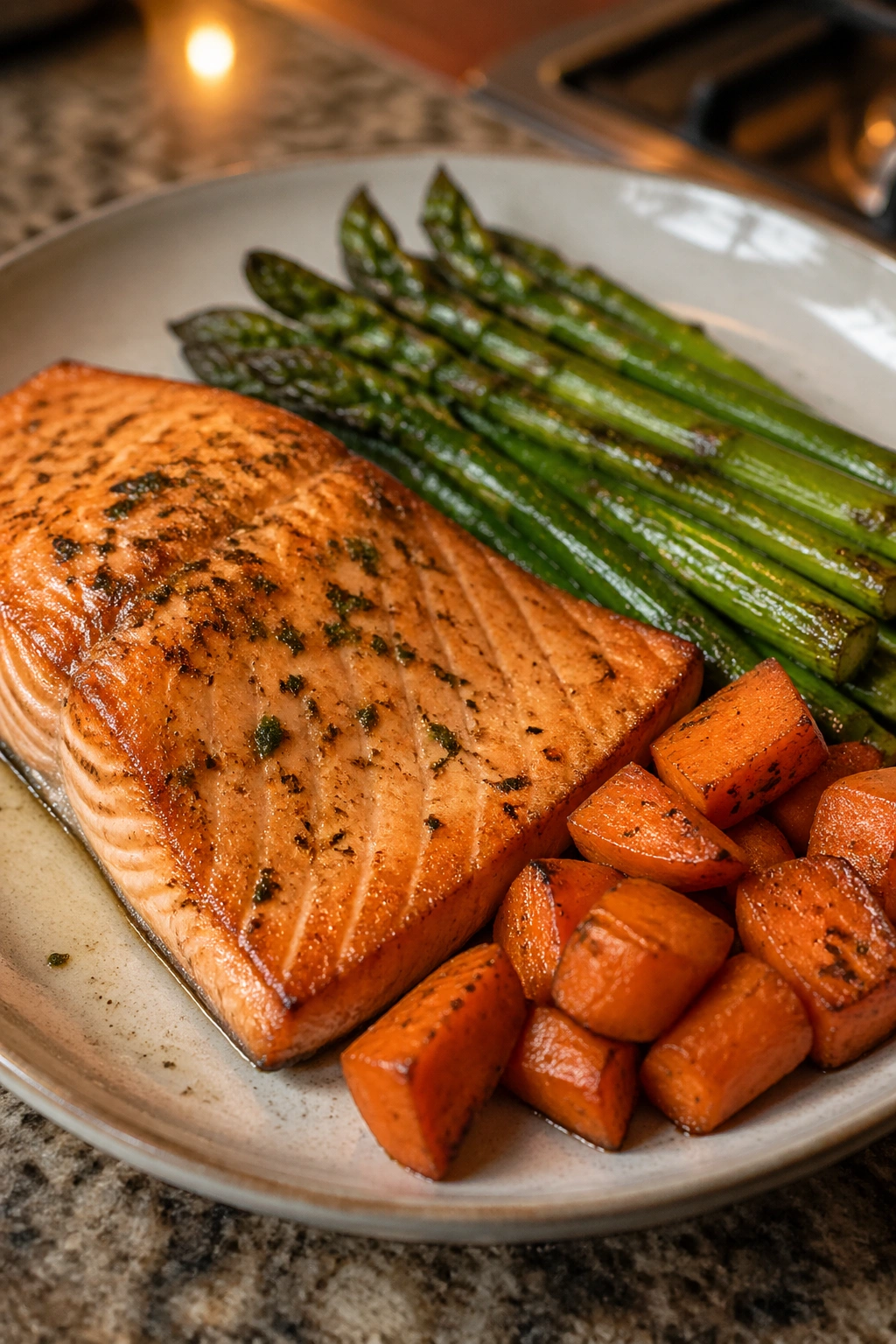
A lot of women sleep and snack better when dinner gets lighter on starch. Not zero-carb. Just lower-carb enough that the meal feels steady instead of sleepy and heavy. That can help with evening grazing, which is often where belly fat creeps in one handful at a time.
Use carbs where they earn their keep
A small portion of carbs earlier in the day, when you are moving around, often makes more sense than a big mound of them at 8 p.m. At dinner, try salmon with asparagus and a small serving of roasted carrots, or chicken with sautéed spinach and half a baked potato. If you love rice, keep it to 1/2 cup cooked and make the vegetables the larger pile.
The goal is not fear. It is timing and portion size. Evening hunger feels different when dinner has enough protein and fat to settle things down, but not so many starches that you crash, then reach for crackers before bed.
7. DASH-Inspired Salt-Smart Eating
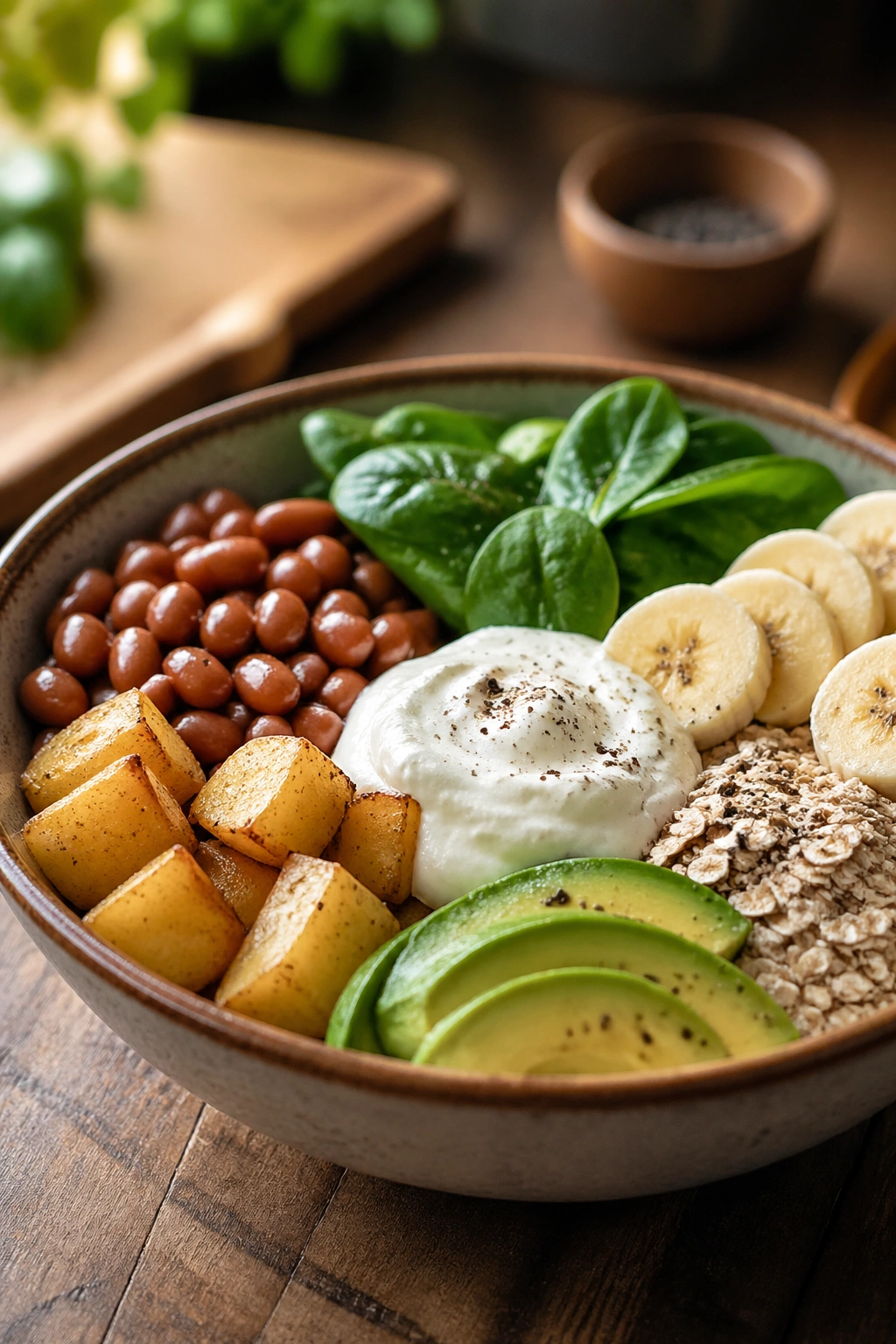
Sometimes the belly issue is not just fat. It is puffiness. A salty day can make the middle feel tighter, softer, and more swollen by evening. A DASH-style plan, built for blood pressure and rich in potassium, is one of the cleanest ways to reduce that bloated look while still eating normal food.
Choose foods that naturally carry more potassium and less sodium: beans, potatoes, yogurt, bananas, spinach, squash, avocado, and plain oats. Then cut back on packaged soups, deli meat, frozen meals, and salty snack foods that make you thirsty and puffy at the same time.
A home-cooked chicken bowl with tomatoes, cucumbers, and rice will usually leave you feeling better than a takeout sandwich and chips. Not glamorous. Just true.
8. A Gentle Eating Window
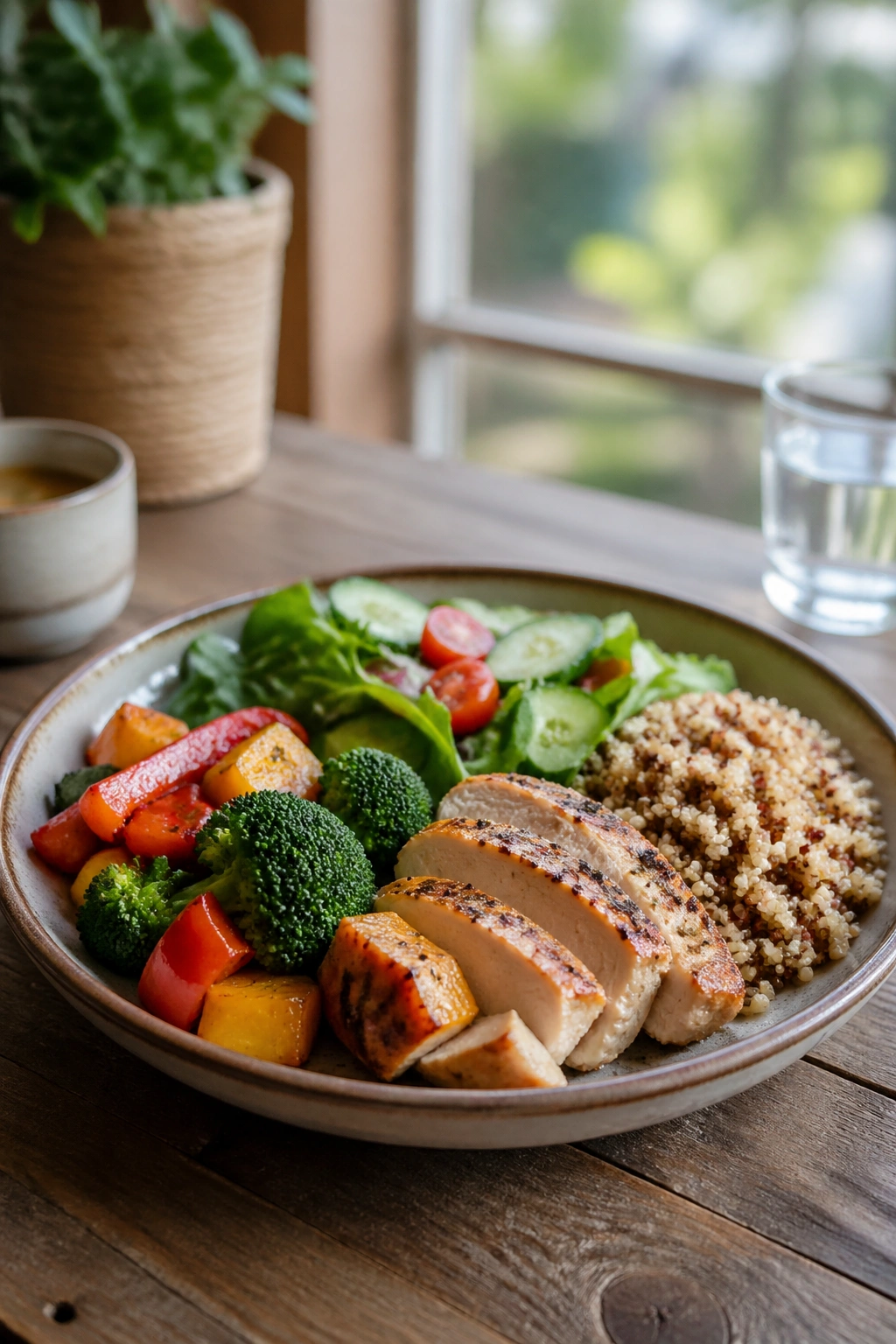
Some women do well with a simple eating window, especially if late-night snacking is their main trouble spot. The gentlest version is a 12-hour window: breakfast at 7 a.m., dinner finished by 7 p.m. That is not aggressive fasting. It is just a cleaner rhythm.
This works best when it feels easy. If you are starving by bedtime, the window is too tight or the meals are too small. A lot of people make the mistake of shrinking eating hours while also cutting protein, and then they act surprised when the plan falls apart by day three.
Skip this style if you have blood sugar medication, a history of disordered eating, or a schedule that makes meals irregular. For everyone else, a regular stop time for food can take a surprising amount of pressure off the evening.
9. Soup-and-Salad Meals
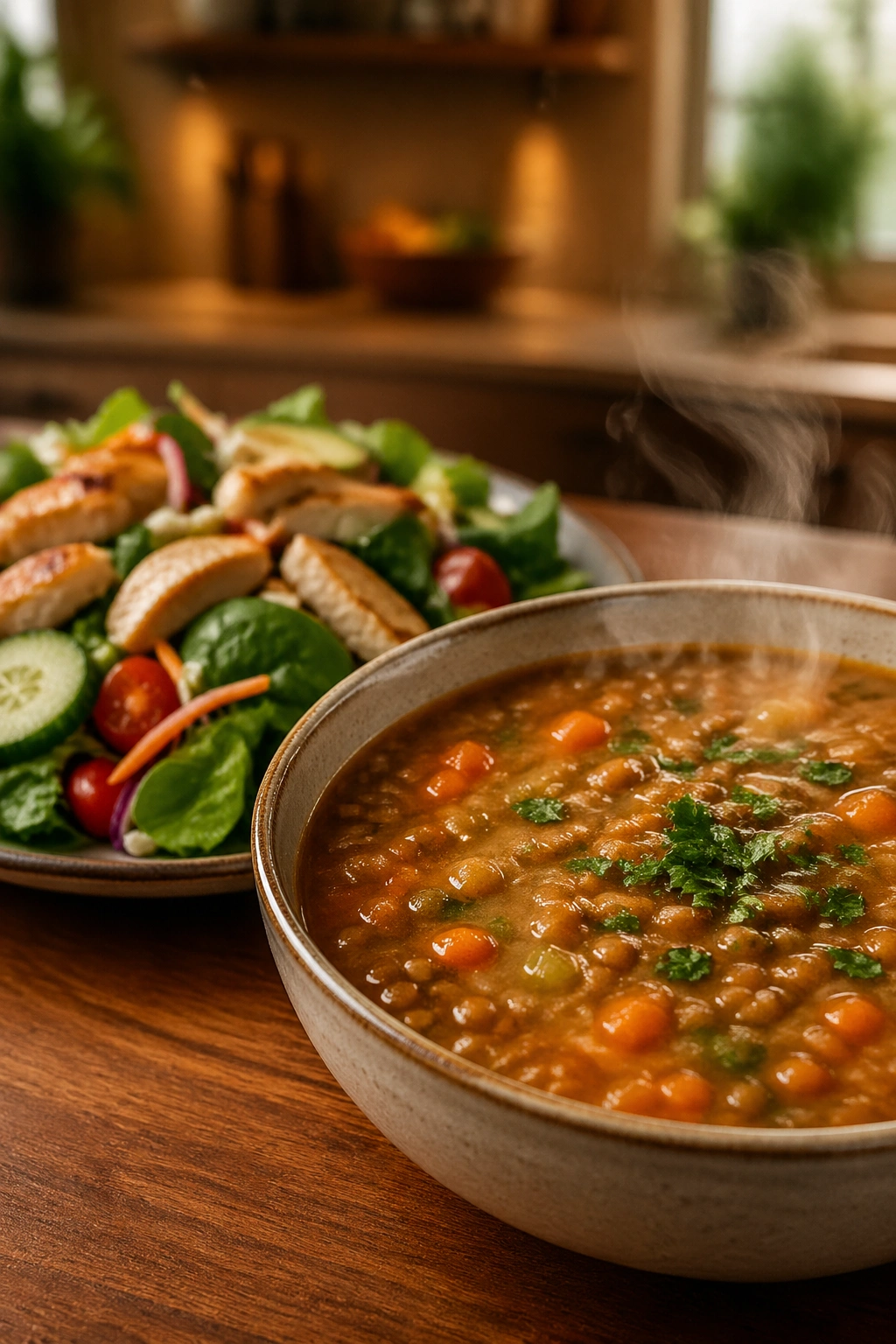
Soup and salad sounds like diet food until you do it right. Then it becomes one of the smartest belly fat diet plans for women over 50 because it gives you volume, warmth, and protein without a calorie pile-up. The hot broth and crunchy greens do a lot of heavy lifting for fullness.
The best version is not a tiny bowl and a few sad leaves. Make a real soup, like lentil, chicken vegetable, or bean soup, and pair it with a salad that includes protein. Add grilled shrimp, tuna, eggs, tofu, or leftover roast chicken. Dress the salad with a measured spoon of olive oil and vinegar, not a flood of creamy dressing.
A bowl of soup before the main meal can also slow you down. That matters. Fast eating usually means eating more than you meant to.
10. Batch-Cooked Chicken and Veggie Boxes
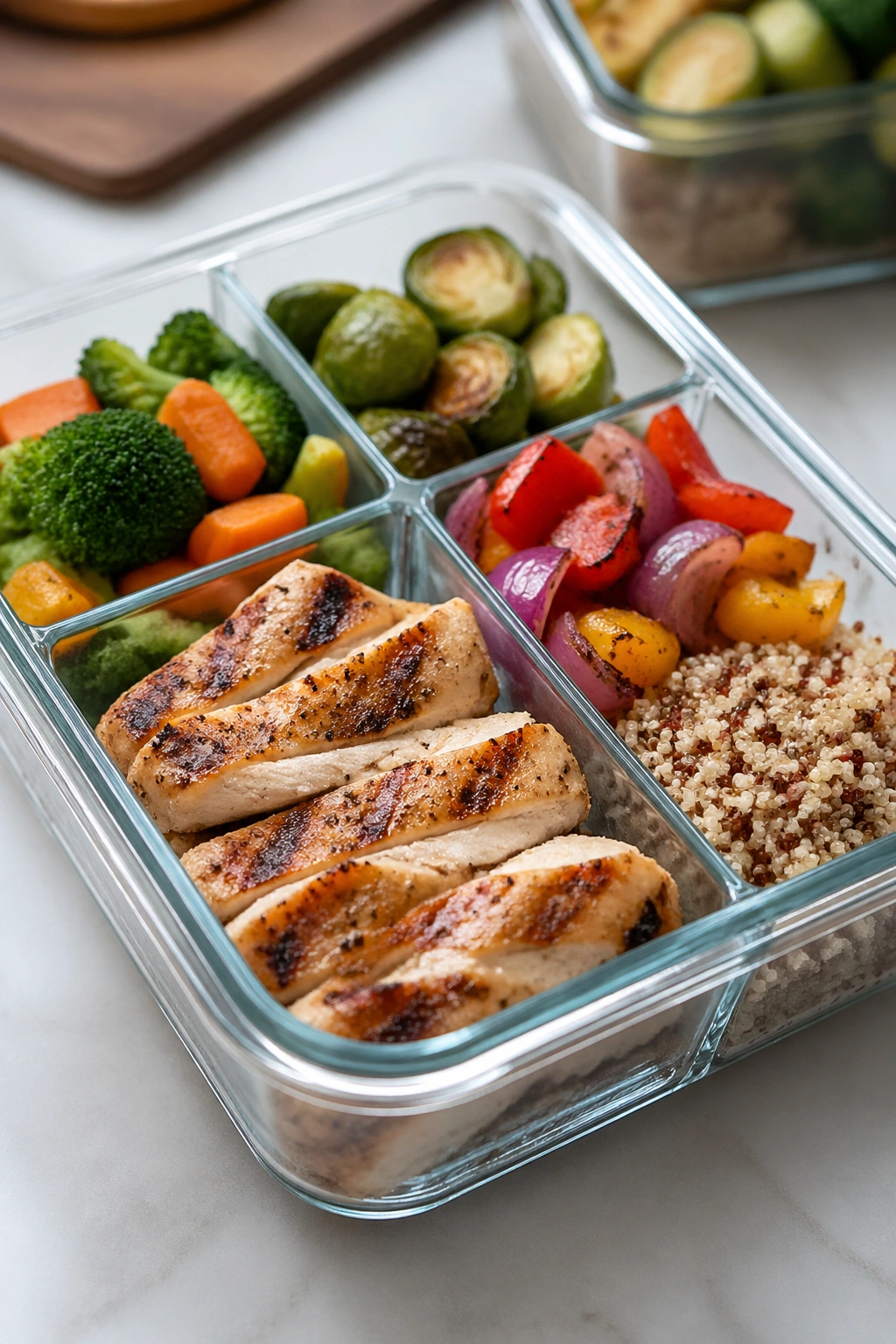
If your week goes sideways when you get tired, this plan is gold. Roast a tray of chicken and two trays of vegetables, then portion them into containers with a little grain or bean on the side. You get dinner that is already waiting, which means takeout has to try harder.
Keep it practical. Chicken breast or thighs, broccoli, carrots, Brussels sprouts, peppers, onions, and one starch such as quinoa or brown rice. A simple sauce helps a lot—pesto, tahini lemon dressing, salsa, or yogurt herb sauce. Bland food gets abandoned. Tasty food gets eaten.
Easy box formula
- 4 to 5 ounces protein
- 2 cups vegetables
- 1/2 cup grains or beans
- 1 to 2 tablespoons sauce
That box format saves decision-making. And decision-making, honestly, is where a lot of diet plans go to die.
11. Smart Snacking Rules
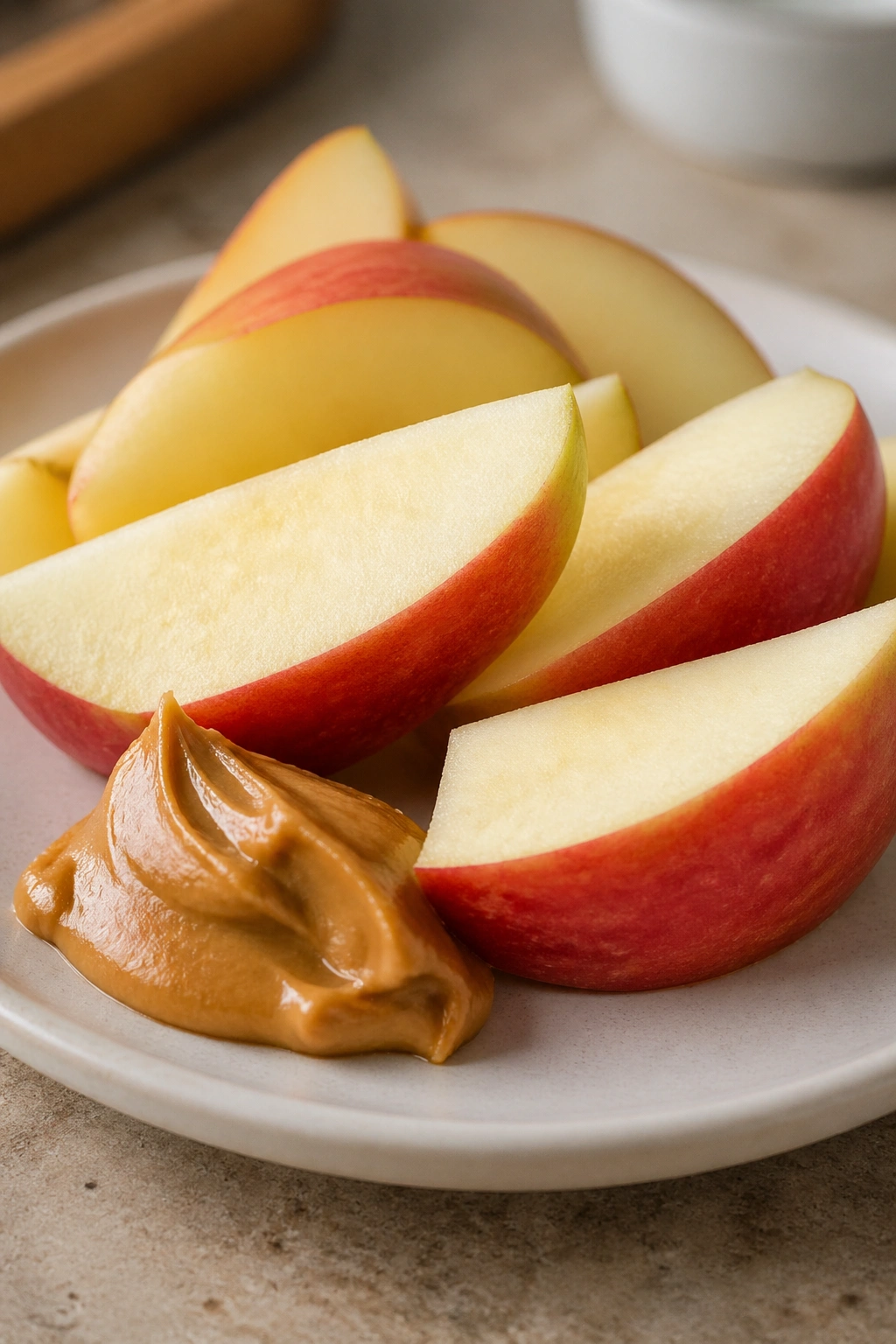
Snacking is not the villain. Random snacking is. If you are hungry between meals, a planned snack can keep you from arriving at dinner feral and overeating everything in sight. The trick is to make the snack earned, not accidental.
Pick one snack with protein plus fiber: apple with peanut butter, Greek yogurt with cinnamon, cheese and an orange, edamame, or hummus with carrots. Aim for something in the 150-200 calorie range if weight loss is the goal. Tiny cookies from the office kitchen are not a strategy.
If you snack out of boredom, change the cue, not just the food. Tea helps. A short walk helps more. A snack bag on the couch does not help.
12. Lower-Bloat, Lower-Sodium Meals
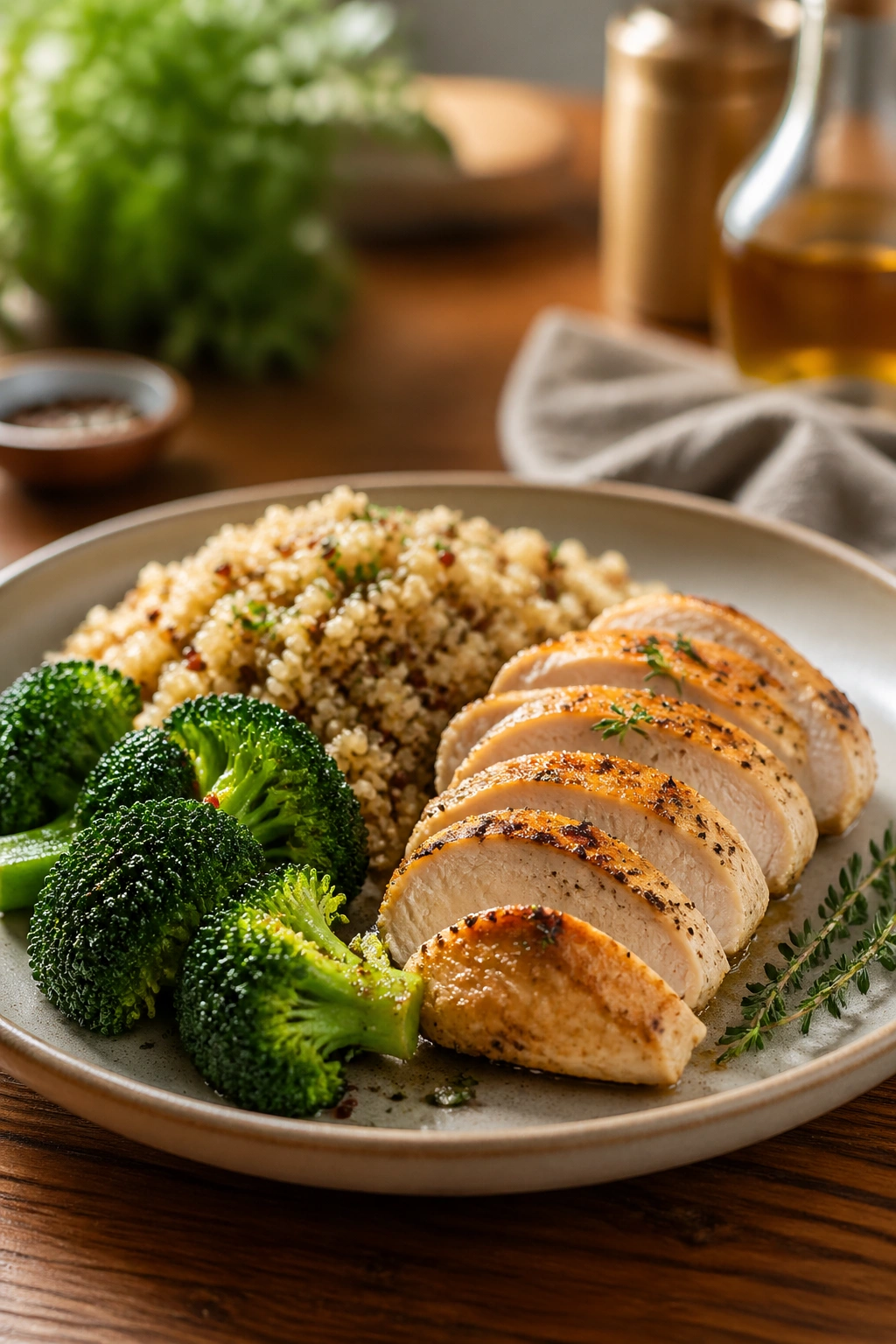
A flatter stomach can come from less water retention, not just less fat. That distinction matters. Some meals make you feel puffy within hours, and the usual suspects are sodium, alcohol, carbonated drinks, and giant late-night portions.
Home-cooked food gives you more control. Rinse canned beans. Buy unsalted nuts. Use herbs, garlic, lemon, pepper, and vinegar for flavor. Choose plain yogurt over flavored versions that sneak in sugar and sodium. And if a restaurant meal leaves your rings tight and your stomach full of air, that is not your body failing. That is a salty plate doing what salty plates do.
One small habit helps a lot: drink water through the day instead of trying to “fix” thirst at night with a giant glass and a bag of pretzels. That pattern backfires every time.
13. Whole-Grain Portion Control
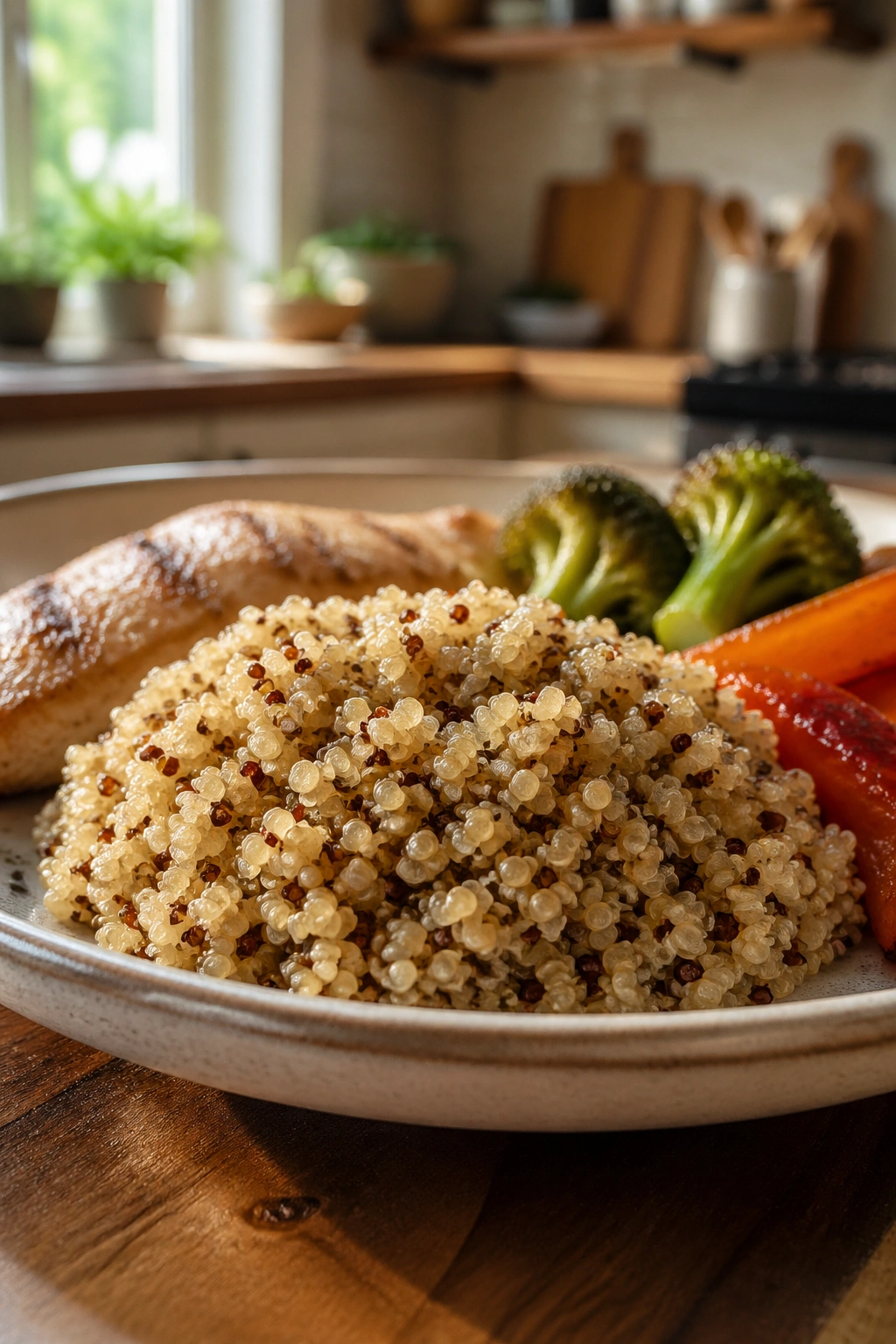
Whole grains are useful, but the serving size matters. Brown rice, oats, quinoa, barley, farro, and dense whole-grain bread bring fiber and more staying power than refined grains, yet they can still stack up fast. A “healthy” grain bowl can turn into a calorie bomb if the bowl is mostly grain.
A better plate keeps grains in the supporting role. Try 1/2 cup cooked rice or quinoa, one slice of dense bread, or a small potato. Pair that with protein and vegetables, and the meal behaves much better. A salmon bowl with broccoli and 1/2 cup farro is a different animal from a mountain of rice with a token piece of fish on top.
A useful rule
If the grain is the first thing you notice when you look at the plate, there is probably too much of it.
14. Menopause-Friendly Calorie Cut
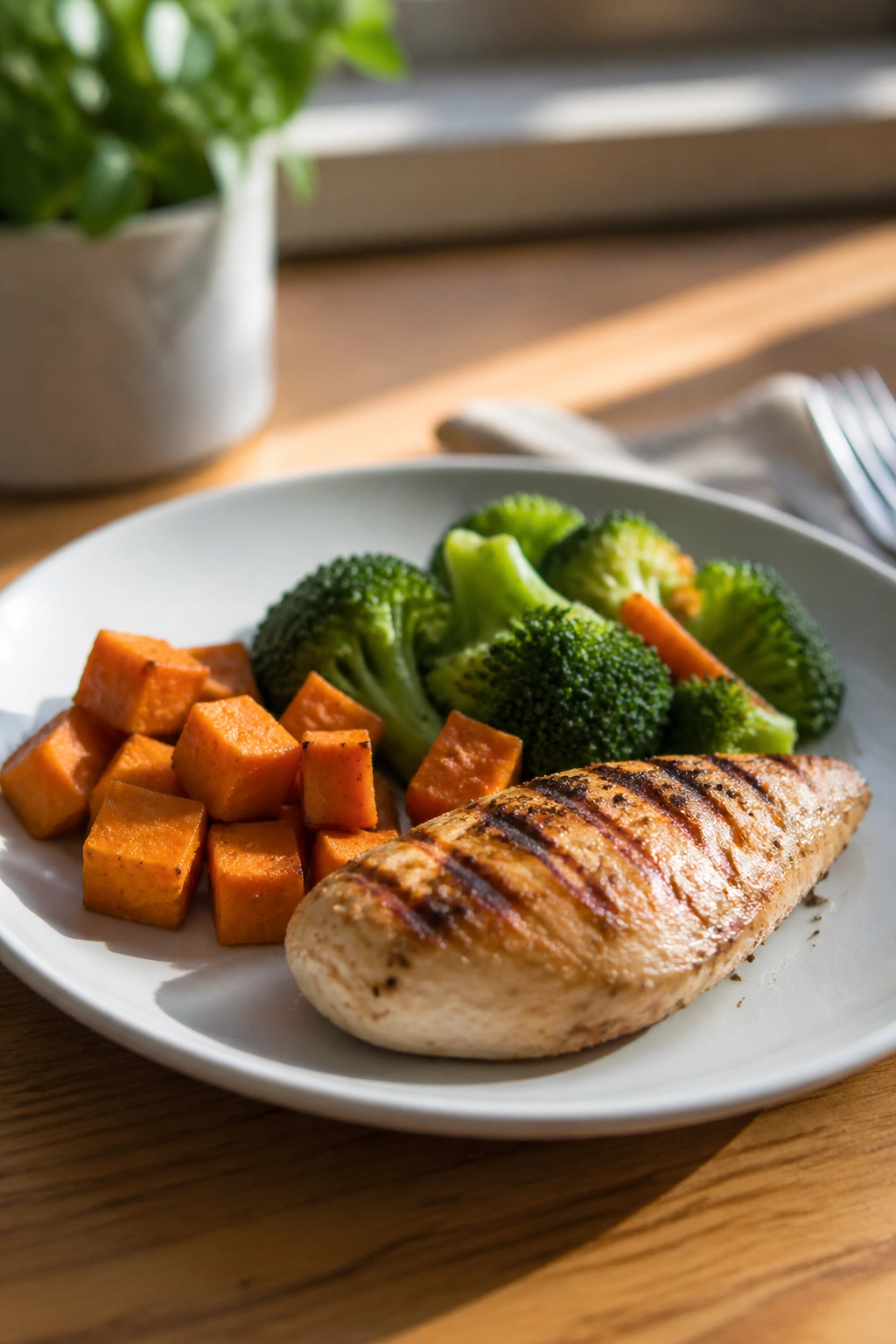
This is the one people often want to skip because it sounds too plain. But a small calorie cut, done without drama, can make a real difference around the middle. After menopause, many women need fewer calories than they did earlier in life, and muscle loss can make the old portions stop fitting the same way.
Do not slash meals. That backfires. Trim in small pieces instead: one less tablespoon of oil, one smaller scoop of rice, half the dessert, or one snack removed from the day. Little cuts add up without making you feel trapped.
Keep protein high while you do it. That is the part many diets miss. If calories go down and protein goes down too, you can lose muscle along with fat, and that is not the trade you want.
15. Plant-Forward Protein Meals
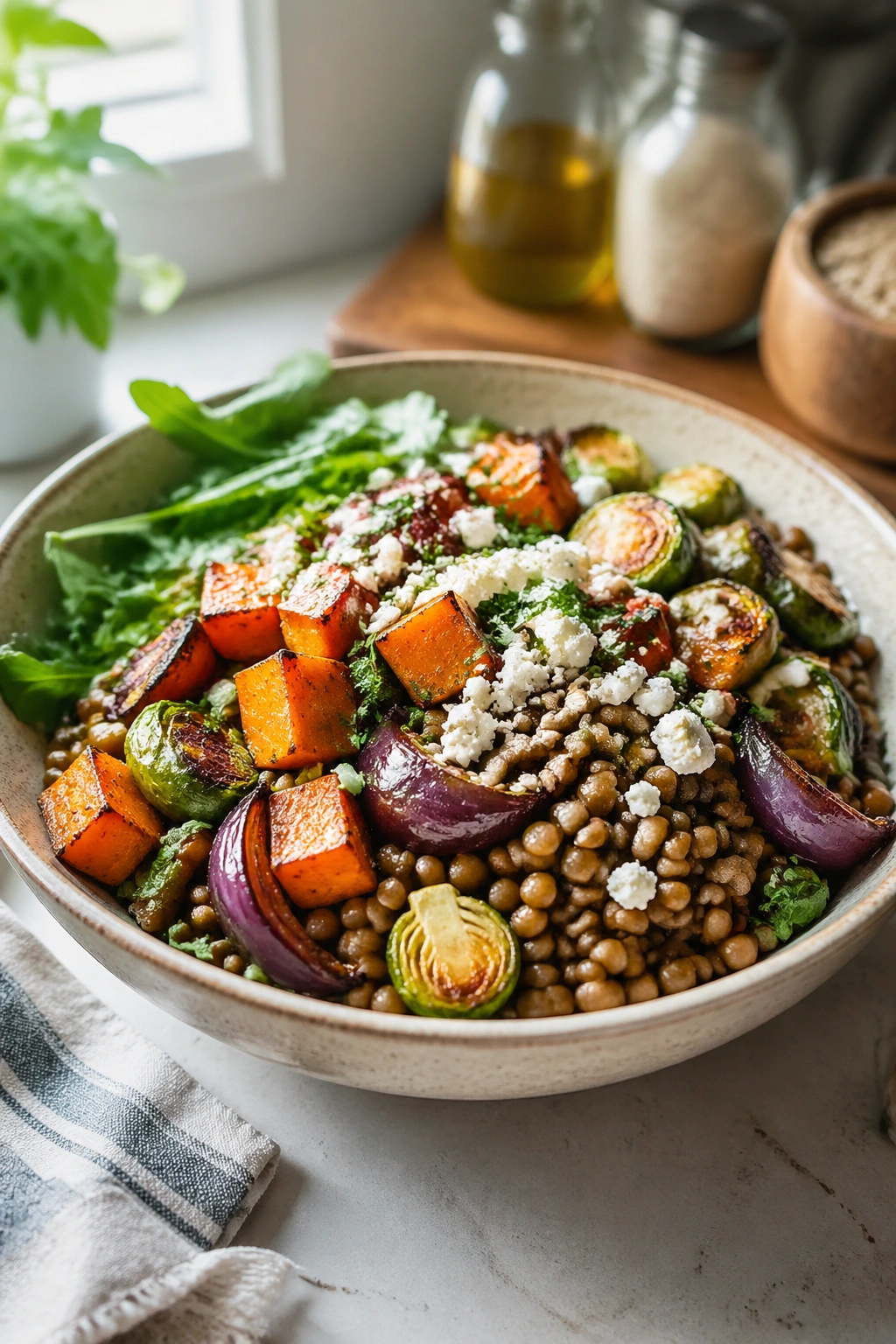
A plant-forward plan is not code for sad salads and constant hunger. Done well, it gives you beans, lentils, tofu, tempeh, edamame, nuts, seeds, fruit, and vegetables in meals that still feel like meals. The fiber helps. So does the volume.
A bowl of lentils with roasted vegetables and feta. Tofu stir-fry with broccoli and mushrooms. Black bean tacos with cabbage slaw. Chickpea pasta with spinach and tomato sauce. These meals bring a lot of food volume for the calories, which is part of why they help with waist loss.
The catch is protein. Plant meals need planning, not guesswork. If you go plant-forward, be sure each meal still has a clear protein anchor, or you’ll end up hungry and disappointed.
16. Weekend-Without-Rebound Plan
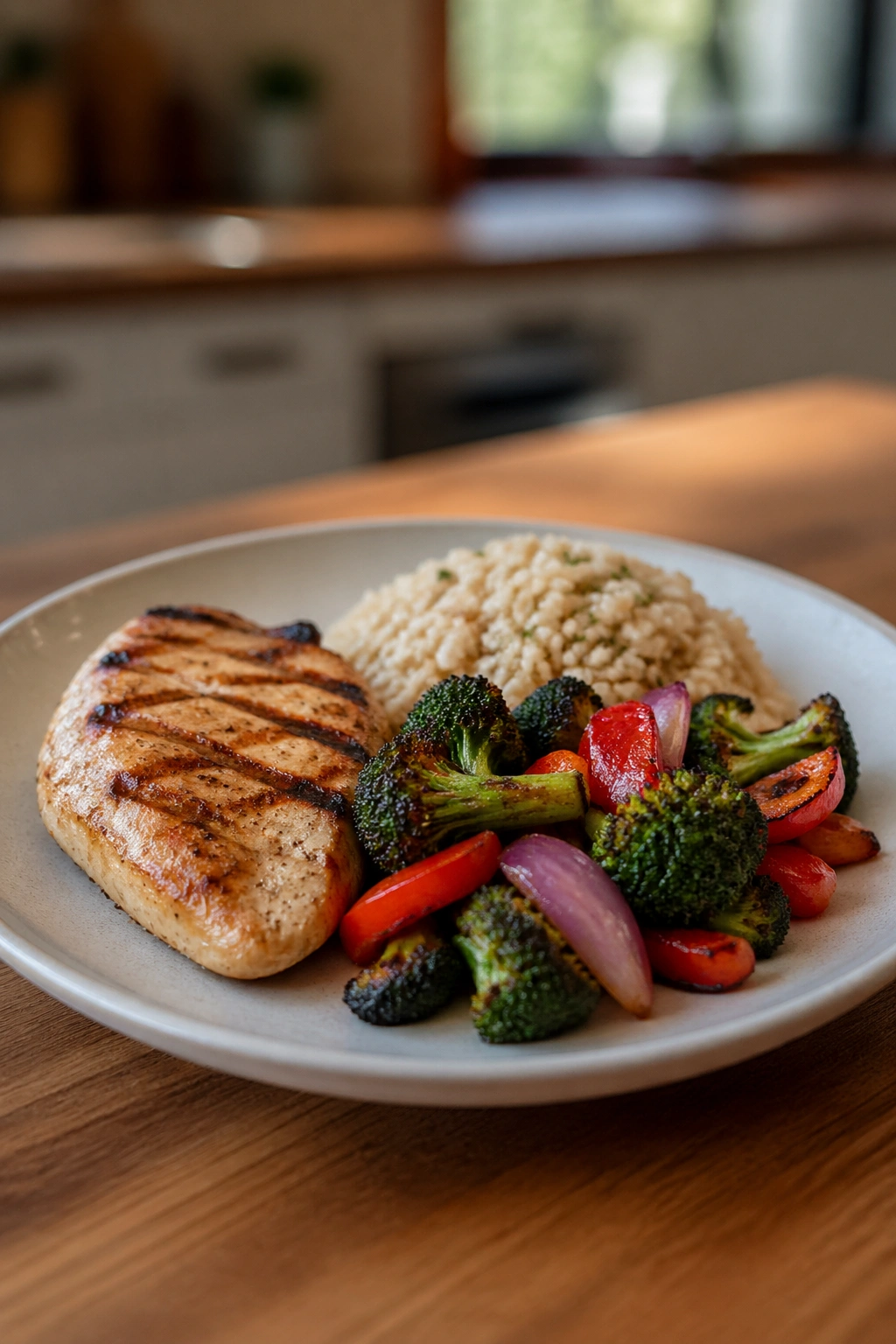
A lot of people do fine from Monday to Friday and then lose the whole week on Friday night and Saturday brunch. Sound familiar? The fix is not guilt. It is structure. Keep your routine mostly steady on weekends, but leave room for one enjoyable meal or one dessert you actually want.
Do not turn one plate of fries into a full reset. That mindset is expensive. Eat your usual breakfast, get some protein at lunch, and then enjoy the dinner or brunch you like without chasing it with extras you did not even want much.
I like this plan because it feels adult. Normal, even. You are not “starting over” on Monday. You are just returning to the pattern that already works.
17. Three-Meal, No-Grazing Routine
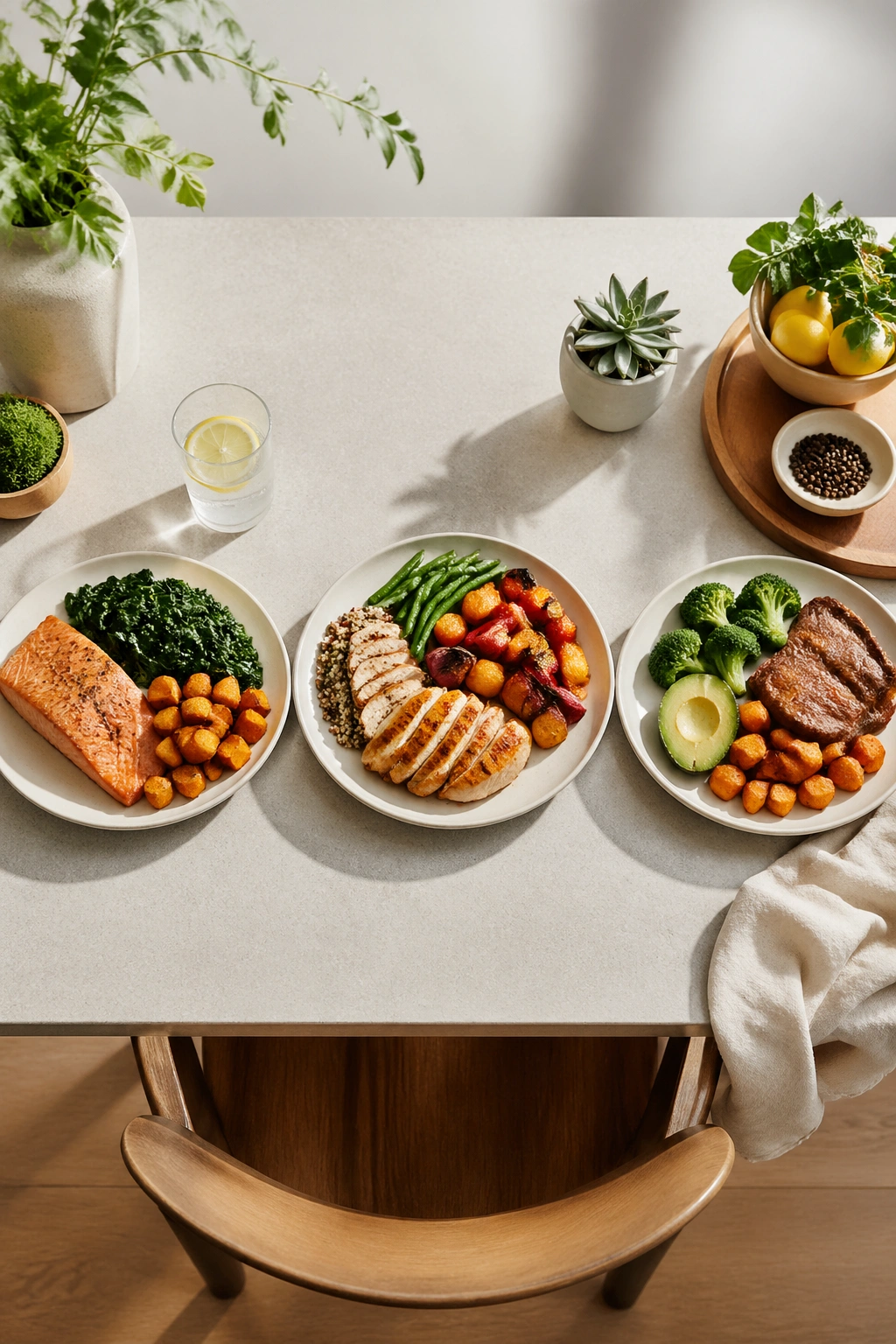
Some women simply do better when they stop nibbling all day. Three real meals, spaced out, can calm food noise and keep calories from leaking through the cracks. Breakfast, lunch, dinner. That’s it unless hunger gives you a clear reason otherwise.
Each meal should include protein, vegetables or fruit, and enough fat or starch to make it satisfying. A meal that is too light tends to boomerang. Then the pantry gets raided, and somehow the day turns into crackers, cheese, and a spoonful of peanut butter eaten standing up.
No one needs a heroic schedule here. Just meals that are big enough to count. Coffee and a cookie do not count as lunch.
18. Blood-Sugar Steady Plates
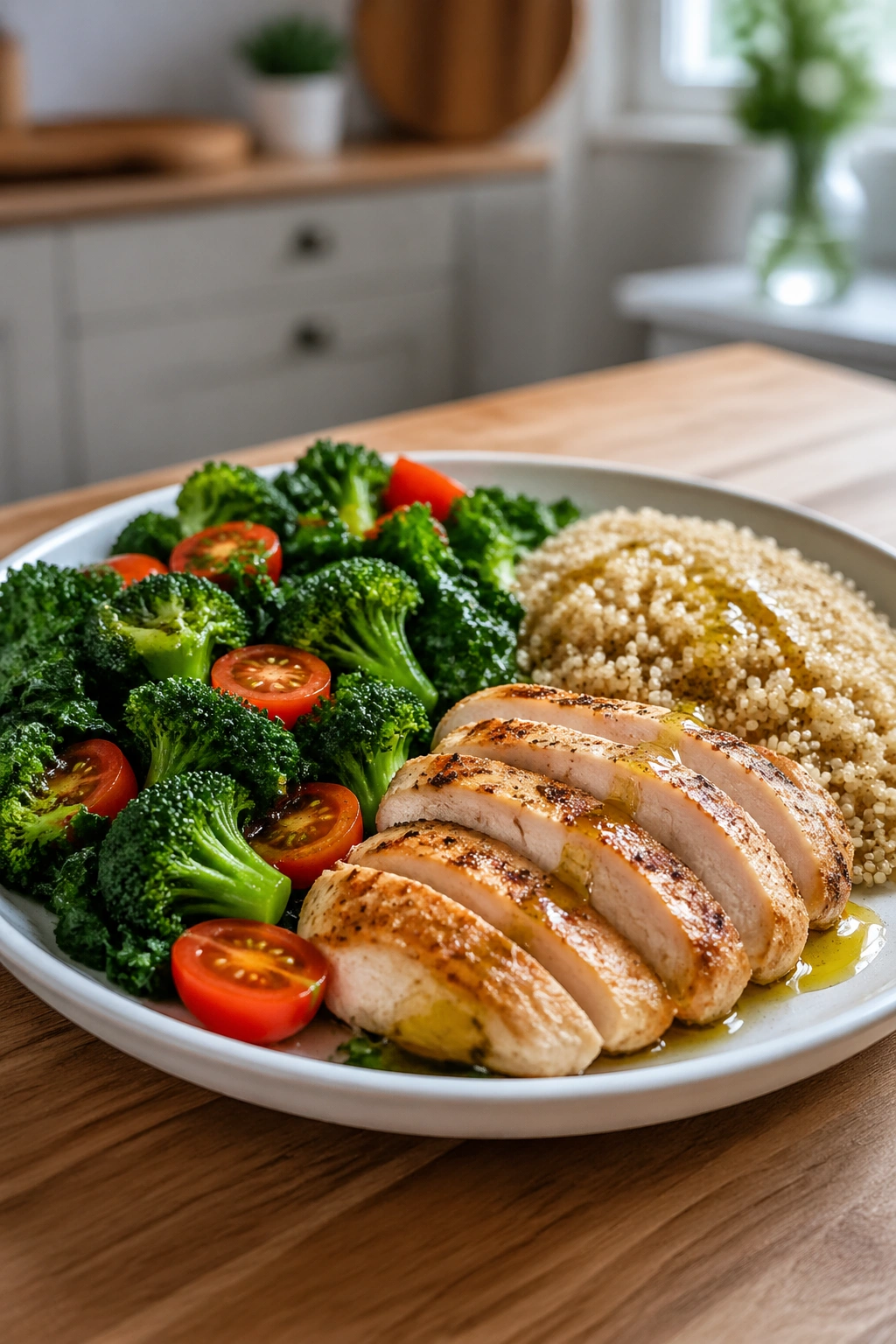
If cravings, afternoon crashes, or “I could eat everything in the house” evenings are part of your pattern, a blood-sugar steady plate can help. The shape is simple: half non-starchy vegetables, one-quarter protein, one-quarter smart starch, plus a little healthy fat. That balance tends to keep hunger quieter.
How to build the plate
- Half plate: broccoli, salad, greens, zucchini, peppers
- One-quarter plate: chicken, fish, eggs, tofu, beans, Greek yogurt
- One-quarter plate: oats, quinoa, sweet potato, brown rice, fruit
- Fat: olive oil, avocado, nuts, seeds
This is a smart style for women who notice that a bagel breakfast or white pasta lunch makes them crash hard afterward. If you take blood sugar medication, talk with a clinician before changing your eating pattern. That part matters.
19. Travel and Restaurant Recovery Plan
Meals away from home are where a lot of good intentions get flattened. Not because the food is evil. Because portions are large, sauces are heavy, and the meal has a way of becoming appetizer, entrée, dessert, and drinks if nobody pays attention.
The recovery plan is plain: eat normally before the event, choose one indulgence you actually care about, and stop pretending every dish has to be sampled. If the restaurant meal is the big event, keep breakfast and lunch lighter but still real—protein, fruit, yogurt, eggs, something like that. The next meal goes right back to normal.
A nice trick: ask for sauce on the side and box half the entrée before you start eating. That’s not deprivation. That’s self-defense with a napkin.
20. Maintenance Without the Bounce-Back
The best plan is the one you can repeat on a tired Tuesday. Not the one that looks clean on paper. For women over 50, that usually means building a few anchor habits and letting them carry the work: protein at each meal, vegetables on the plate, a planned treat instead of random snacking, and a stopping point at night so the kitchen can close.
If you want a simple maintenance pattern, pick three breakfasts, three lunches, and three dinners you can actually live with. Rotate them. Repeat them. Tweak the portions instead of blowing up the whole plan when the scale stalls for a week. That kind of boring consistency is what makes a smaller waist stick around.
And that is the part people miss. Not every plan needs to be dramatic to work. The quiet ones usually last longer.
