



Belly fat is stubborn, but it is not mysterious. Crunches do not melt it off, and doing 200 ab reps a day while eating and sitting the same way usually changes very little. What does move the needle is less glamorous: a tighter calorie intake, more daily movement, real resistance training, and a few habits that keep your appetite from running the show.
The waist tends to lag behind other places when fat loss starts, which is annoying but normal. Your face may slim first. Your clothes may feel looser before the mirror gives you a clear yes. A tape measure around the navel tells a cleaner story than the scale, especially when salt, soreness, and water retention are doing their little tricks.
Thirty days is enough time to see a smaller waist if the basics line up. Not magic. Not a detox. Just a month of doing the boring things with enough consistency that your body has no choice but to respond. The first useful move is also the least exciting one.
1. Start With a Small Calorie Deficit
If you want to lose belly fat, you need to eat a little less than you burn. Not a crash diet. A 300 to 500 calorie daily deficit is usually enough to start shifting body fat without making you miserable or sending you into a weekend rebound.
The mistake people make is going too hard on day one. They cut their food in half, get cranky, train badly, then raid the pantry at night. A smaller deficit is duller, but it works longer. Keep your meals familiar and trim the easy stuff first: extra oil, giant portions of starch, sugary drinks, and mindless snacks between meals.
A plate-based approach helps if counting calories makes you act weird around food. Keep protein on the plate, load up vegetables, and let starch take the smaller slot. That alone can shave a few hundred calories a day without making dinner feel punishing.
2. Walk After Every Meal
A 10- to 15-minute walk after eating looks almost too simple to matter. It matters. Post-meal walking helps with blood sugar control, adds steps without beating up your joints, and gives you a clean way to chip away at belly fat without needing a gym.
I like this one because it works with real life. You do not need a perfect schedule. You just need shoes and a loop around the block, the office, or your building. Three short walks can turn into 30 to 45 extra minutes of movement a day, and that adds up faster than people expect.
Keep the pace brisk enough that you can talk, but not stroll. If you finish lunch and immediately collapse on the couch, this is the fix. Not glamorous. Very effective.
3. Lift Weights Three Times a Week
Strength training is one of the best ways to lose belly fat without looking flat and stringy when the weight comes off. Muscle burns more energy than fat at rest, and heavy lifting tells your body to keep the good tissue while it drops the extra.
A simple three-day full-body plan is enough. Think squat, hinge, push, pull, and carry. Thirty to 60 minutes per session works fine if you stay focused and do not turn every rest period into a phone break. Big movements matter because they use more muscle at once and give you more return per minute.
Do not chase a marathon gym session. Chase a repeatable one. If you leave the gym tired, a little sweaty, and able to come back two days later, you are doing it right.
4. Use Short Interval Training Twice a Week

Intervals are useful because they let you work hard without needing an hour on a treadmill. A clean setup is 20 to 30 seconds hard, then 60 to 90 seconds easy, repeated for 8 to 12 rounds. That can be on a bike, rower, hill, sled, or even a fast run if your joints handle it.
The catch is that more is not always better. Too many hard sessions leave your legs cooked, your hunger louder, and your recovery sloppy. Twice a week is plenty for most people who also lift and walk. Keep the effort sharp, then stop while you still have some gas in the tank.
Intervals are not magic fat burners. They are a useful tool for burning calories, improving conditioning, and making the whole month feel more athletic.
5. Stop Drinking Your Calories

Liquid calories are sneaky because they do not fill you up the way food does. Soda, sweet coffee drinks, juice, sports drinks, and alcohol can stack up fast, and a few hundred extra calories a day can erase the deficit you worked for at lunch.
Water is the easy default. Black coffee works if you like it. Unsweetened tea is fine too. If you want flavor, use lemon, mint, or a zero-calorie sparkling water. The point is not purity. The point is removing calories that do not help you feel full.
This is one of those changes that looks tiny on paper and turns into a real waistline difference by the end of the month. Boring swap. Good payoff.
6. Eat More Protein at Breakfast
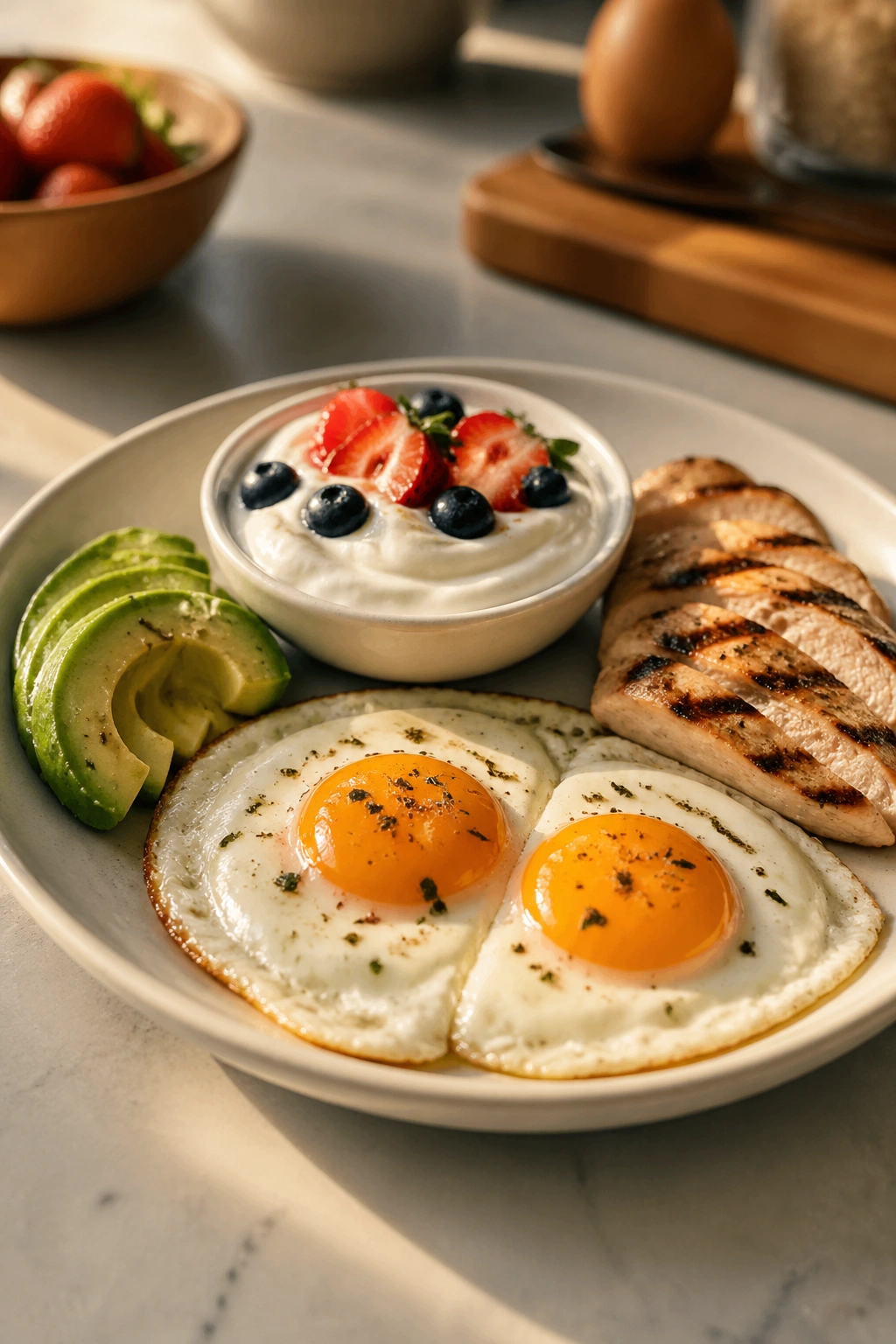
A breakfast with 25 to 35 grams of protein can make the whole day easier. Eggs, Greek yogurt, cottage cheese, turkey sausage, tofu scramble, or a protein shake all work. The common thread is simple: protein keeps you fuller longer than a pastry or a bowl of cereal that disappears in ten minutes.
Why It Helps
Protein tends to calm hunger later in the day, which makes the afternoon snack attack less likely. It also gives your body raw material for recovery if you train in the morning or later in the day. That matters when you are trying to lose belly fat without losing muscle.
Easy Ways to Build It
- 3 eggs plus 1 cup of Greek yogurt
- 1 scoop protein powder blended with milk and berries
- Cottage cheese with fruit and chia seeds
- Tofu scramble with vegetables and salsa
A protein-first breakfast does not need to be fancy. It just needs to hold you until lunch.
7. Put Fiber on Every Plate
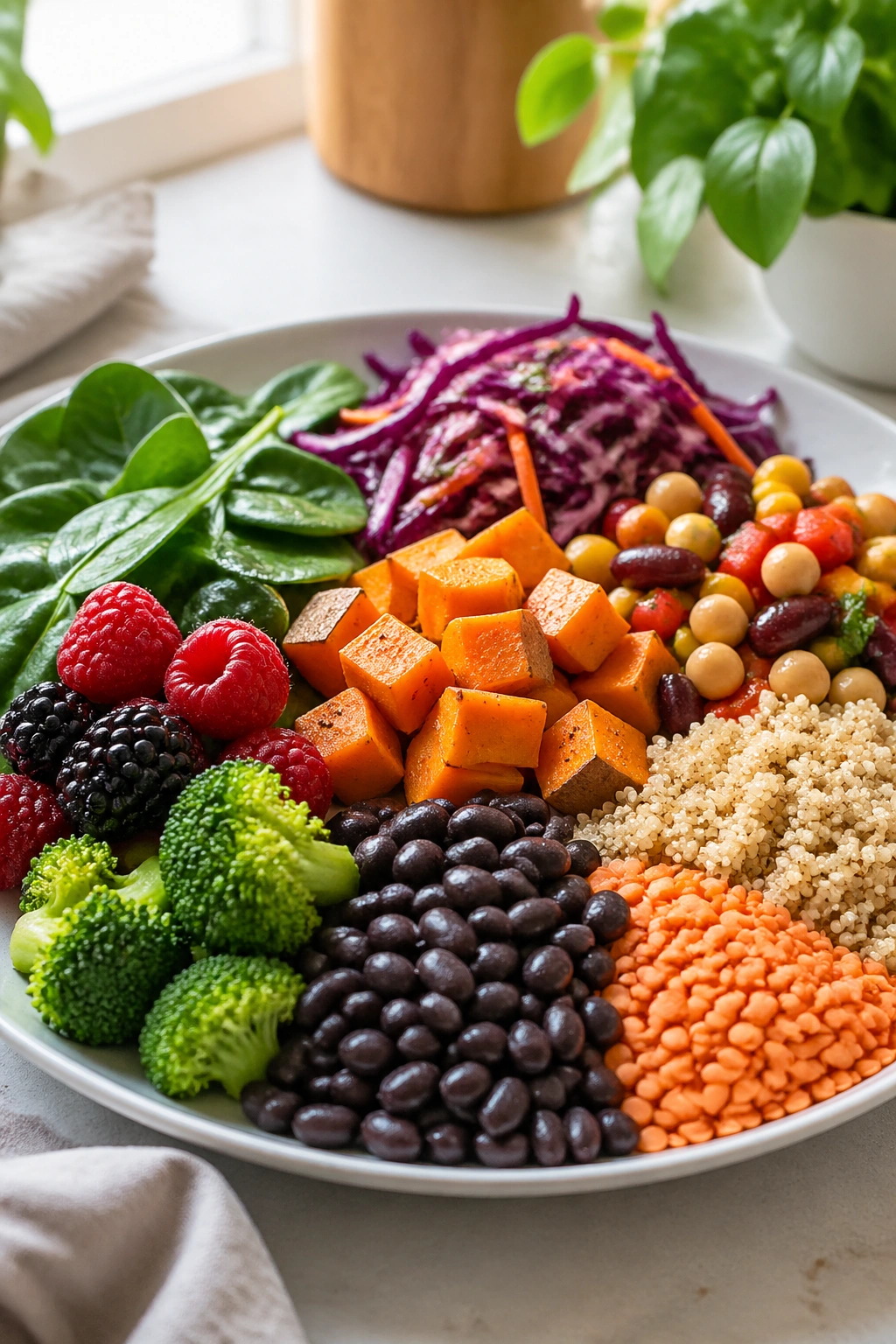
Fiber slows digestion, helps you feel full, and makes it easier to stay inside a calorie deficit without feeling like food is the enemy. Beans, lentils, oats, berries, apples, vegetables, and chia seeds are all useful here.
I like the idea of building meals around fiber instead of treating it like an afterthought. If lunch is chicken, rice, and a sad tomato slice, that is a missed chance. Add a real vegetable. Add beans. Add a piece of fruit after the meal if you still want something sweet.
Aim for 25 to 35 grams a day if your digestion handles it well. If you jump from very low fiber to very high fiber overnight, your stomach may complain. Increase it over a few days and drink enough water.
8. Break Up Long Sitting Blocks

Sitting for hours at a time is a quiet fat-loss killer. You may train hard for 45 minutes and then spend the rest of the day barely moving. The body does not care much about your one workout if the remaining 15 hours are parked in a chair.
Set a timer and stand up every hour. Walk to get water. Take the stairs. Pace during a phone call. Five minutes is enough. Do that six or seven times and you have added real movement without carving out a new workout.
This is one of those habits that feels almost too small to matter. Then your step count rises, your back feels better, and your energy stops crashing so hard in the afternoon.
9. Use Compound Lifts Instead of Tiny Isolation Work

Biceps curls are fine. So are leg extensions. But if your goal is to lose belly fat, compound lifts give you more work for the time you spend. Squats, deadlifts, presses, rows, pull-ups, and lunges hit big muscle groups and burn more energy than tiny single-joint movements.
That does not mean isolation work is useless. It just means it should not crowd out the basics. If you have 45 minutes, spend most of it on movements that train multiple muscles at once. You will usually get better strength gains, more calorie burn, and a better return on effort.
A session built around four or five compound lifts is enough. Keep the sets honest, rest long enough to keep your form clean, and leave the gym with work done instead of a laundry list of half-finished exercises.
10. Add Incline Walking on Low-Effort Days
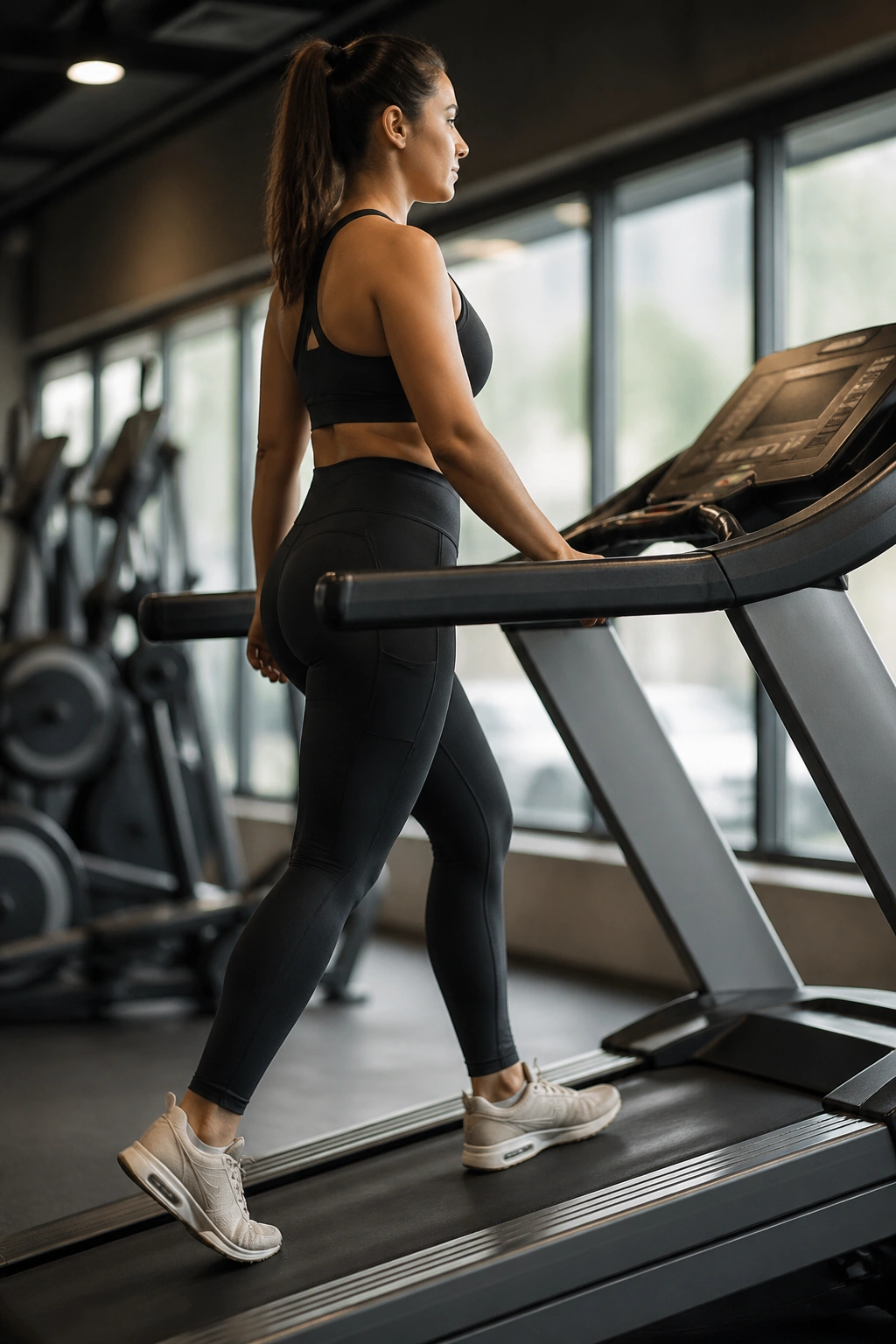
Incline walking is one of the cleanest ways to burn calories without smashing your joints. A treadmill at 5 to 12 percent incline turns a basic walk into a real workout, and your heart rate climbs without the impact that comes with running.
This is especially useful on days when you are sore from lifting or intervals. You still move. You still burn energy. You do not wreck recovery. That balance matters when you are trying to stay consistent for 30 straight days.
If the treadmill bores you, make it more interesting with a podcast or a playlist and keep the pace steady for 20 to 40 minutes. Your legs should feel worked, but not trashed.
11. Keep One Rest Day Truly Easy

Rest days can turn into silent sabotage. You tell yourself you are “recovering,” then you barely move, snack all day, and sleep badly because your body got less sunlight and less motion than it needed. That is not recovery. That is drift.
A better rest day still has structure. Walk for 20 to 30 minutes. Do a little mobility work. Stretch your hips, calves, and upper back. Maybe get outside for ten minutes in the morning. Keep it easy, but do not make it a nothing day.
Your body drops fat more willingly when it stays active enough to keep appetite and energy in a sane range. Recovery is supposed to help the plan, not erase it.
12. Sleep Seven to Nine Hours

Poor sleep makes belly-fat loss harder because hunger tends to feel louder when you are tired. People also move less, crave quicker food, and lose patience with small setbacks when they are running on fumes. Sleep is not a side note. It is part of the plan.
What Helps Most
- Keep the room dark and cool
- Stop heavy screens 30 minutes before bed
- Eat your last big meal a few hours before sleeping if that helps your stomach settle
- Keep caffeine earlier in the day
- Wake up at roughly the same time each morning
Even one or two short nights can make the next day feel hungrier and sloppier. Protect your sleep like it matters, because it does.
13. Cut Back on Alcohol
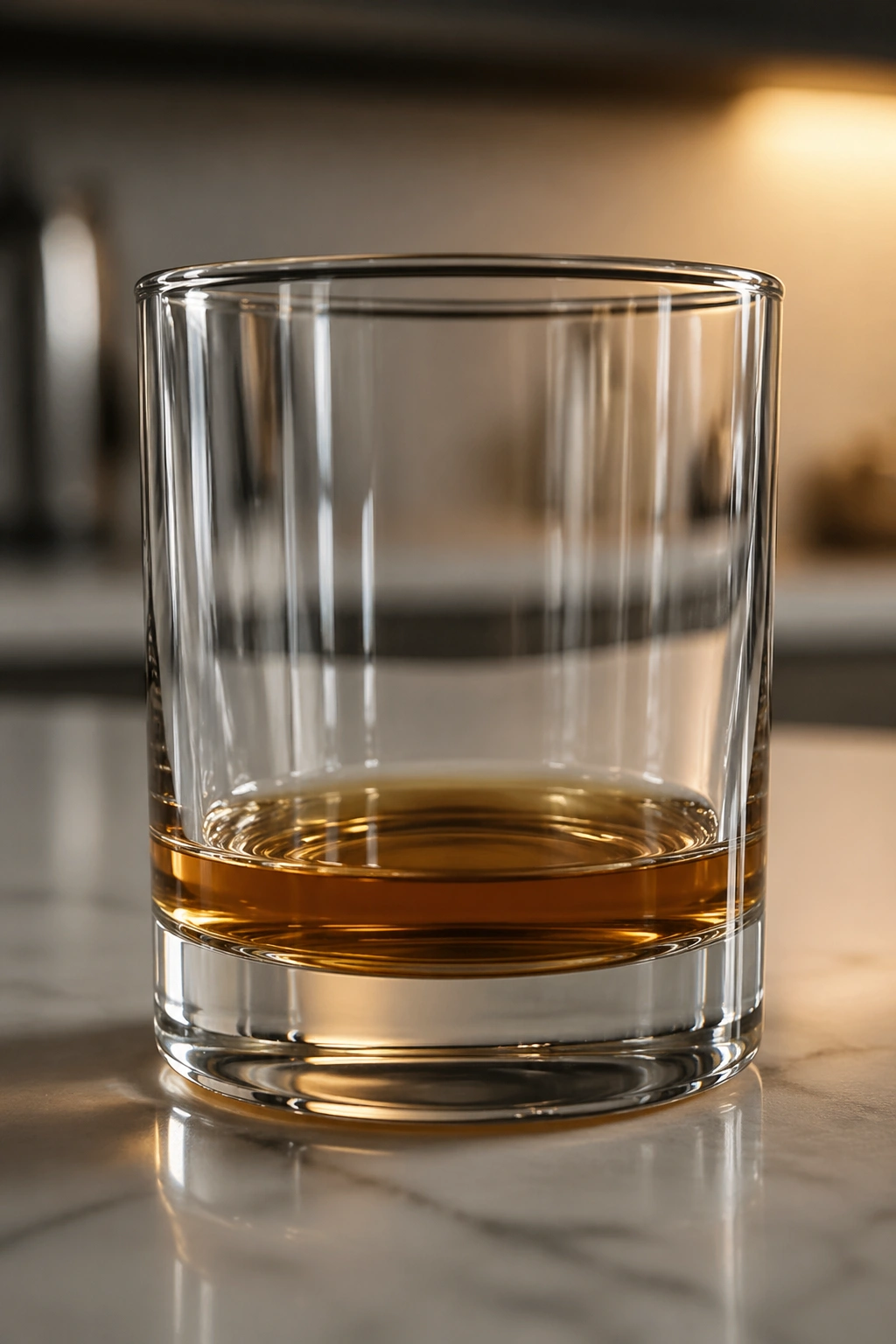
Alcohol is one of the easiest ways to erase a week of decent effort. It adds calories, lowers inhibition, and often leads to salty food at the wrong hour. A few drinks can turn into a full evening of extra eating without much pleasure to show for it.
You do not need to swear off it forever. Just be honest about the tradeoff. If you are serious about losing belly fat in a month, keep drinking tight: fewer days, fewer drinks, and no automatic “because it’s Friday” habit.
Dry nights make the whole thing easier. So does choosing one drink instead of four. The goal is not moral purity. The goal is keeping your calorie budget from leaking out through the glass.
14. Build Dinner Around Protein and Vegetables
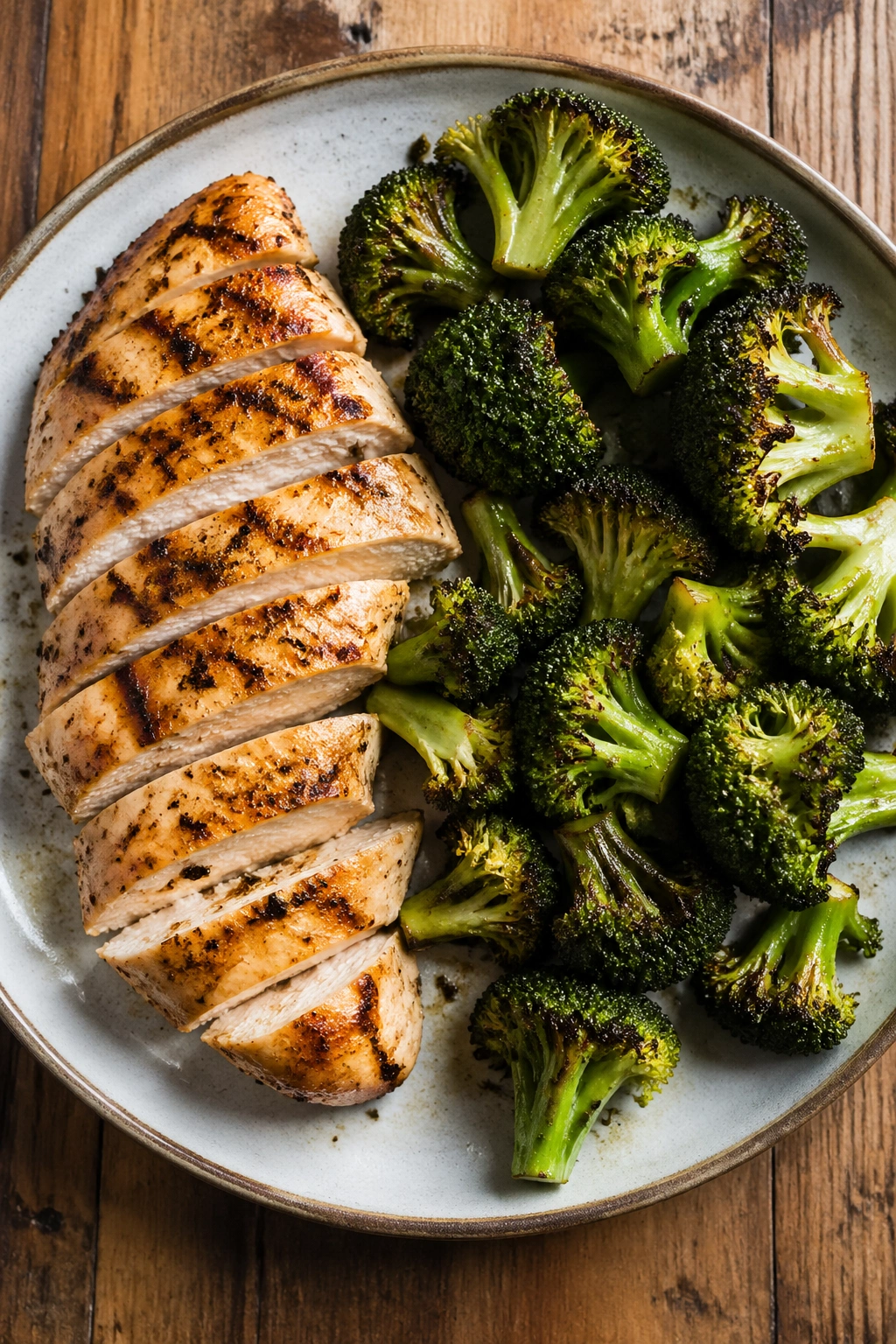
Dinner is where many people quietly blow the day. They eat light early, get ravenous at night, then face-plant into whatever is fast and comforting. A steadier dinner can stop that slide before it starts.
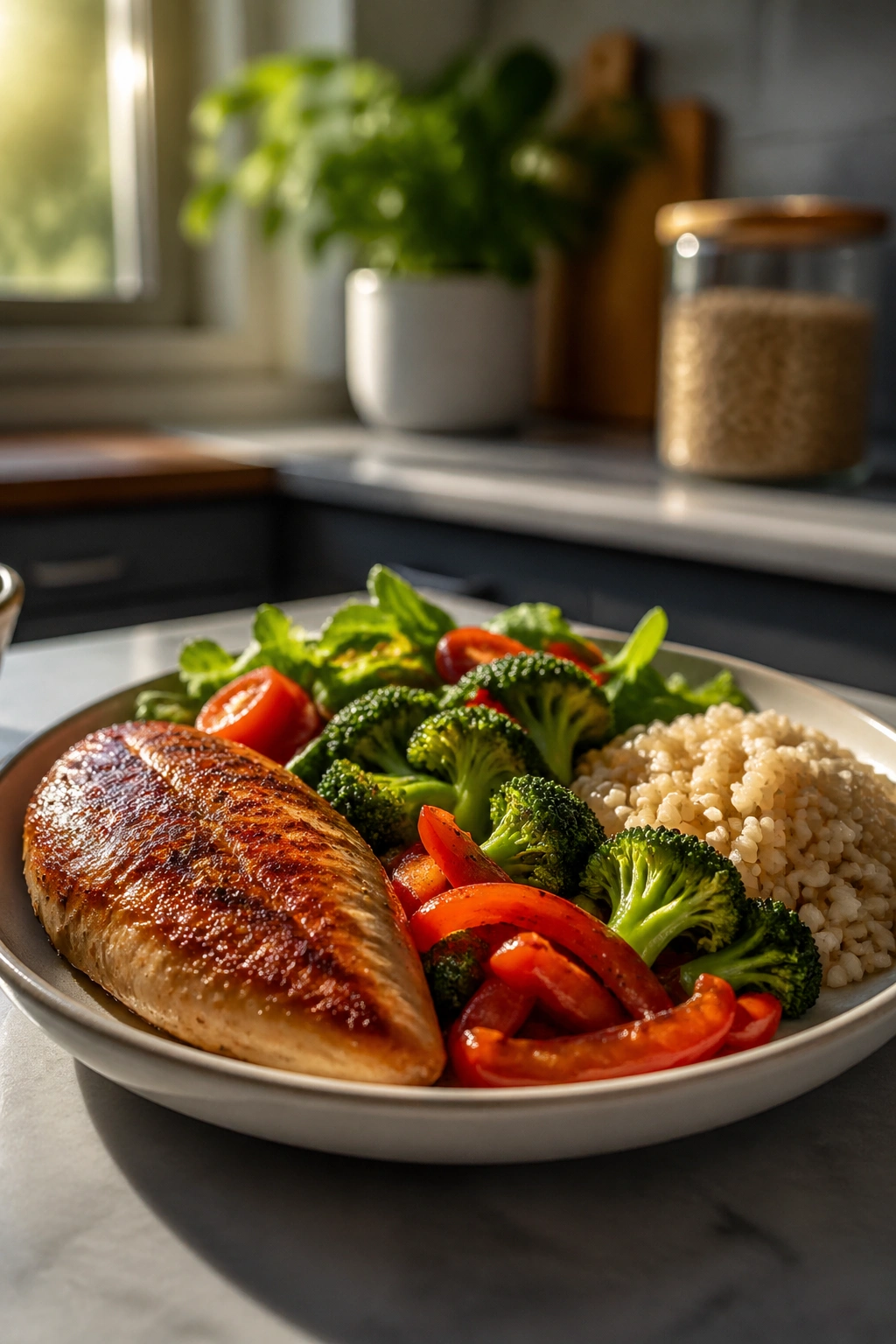
Aim for 30 to 40 grams of protein and at least one big serving of vegetables. Chicken and roasted broccoli. Salmon and asparagus. Lean beef with peppers and onions. Tofu with stir-fried greens. The exact food matters less than the structure.
If you still want carbs, keep them. Rice, potatoes, or pasta are not the villain here. Just keep the plate balanced so you feel full without needing a second dinner an hour later.
15. Use a Food Scale for One Full Week
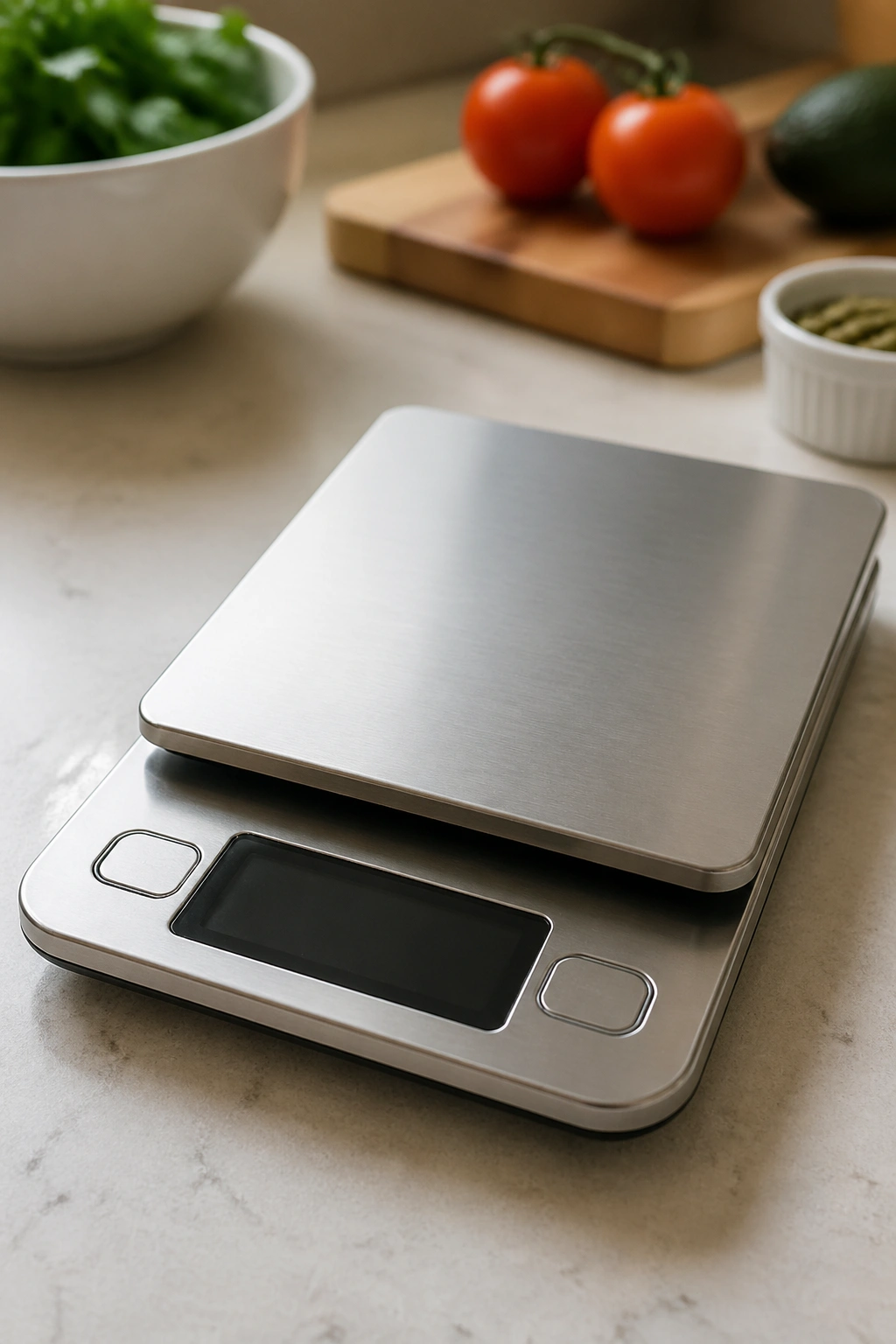
This one feels annoying for about 20 minutes, then useful for the rest of the month. Most people are off on portions more than they think, especially with oils, nuts, cereal, cheese, peanut butter, and dressings. A food scale exposes those sneaky calories fast.
What to Measure
- Cooking oil and butter
- Rice, oats, pasta, and bread
- Nuts and nut butters
- Cheese
- Sauces and salad dressing
You do not need to weigh food forever if you hate it. One focused week can teach your eyes what a real serving looks like. After that, many people can eyeball portions much better and still stay on track.
16. Add Loaded Carries to Your Routine

Loaded carries are underrated. Grab a pair of dumbbells or kettlebells, stand tall, and walk with them for 20 to 40 meters or 30 to 60 seconds. Farmer’s carries, suitcase carries, and front-rack carries all train your core, grip, shoulders, and posture at the same time.
They also make you feel like you are doing something useful, which is more satisfying than another set of crunches. The trunk has to brace while you move, and that bracing carries over to better lifting and better body control.
If you only do one carry, start with the farmer’s carry. Simple. Brutal in a good way. Easy to add after strength training.
17. Train Your Core to Resist Motion

A lot of core work is too obsessed with bending and twisting. If your goal is a tighter middle, you want a core that holds position under load. Planks, dead bugs, side planks, Pallof presses, and carries all do that job well.
Better Core Choices
- Plank: 20 to 45 seconds with a flat back
- Dead bug: slow reps, lower back glued down
- Side plank: hold both sides evenly
- Pallof press: resist rotation with a cable or band
This is not about chasing a burn for the sake of a burn. It is about building a midsection that behaves better when you squat, pick things up, walk fast, or carry groceries. The look follows the function.
18. Keep Emergency Snacks Ready
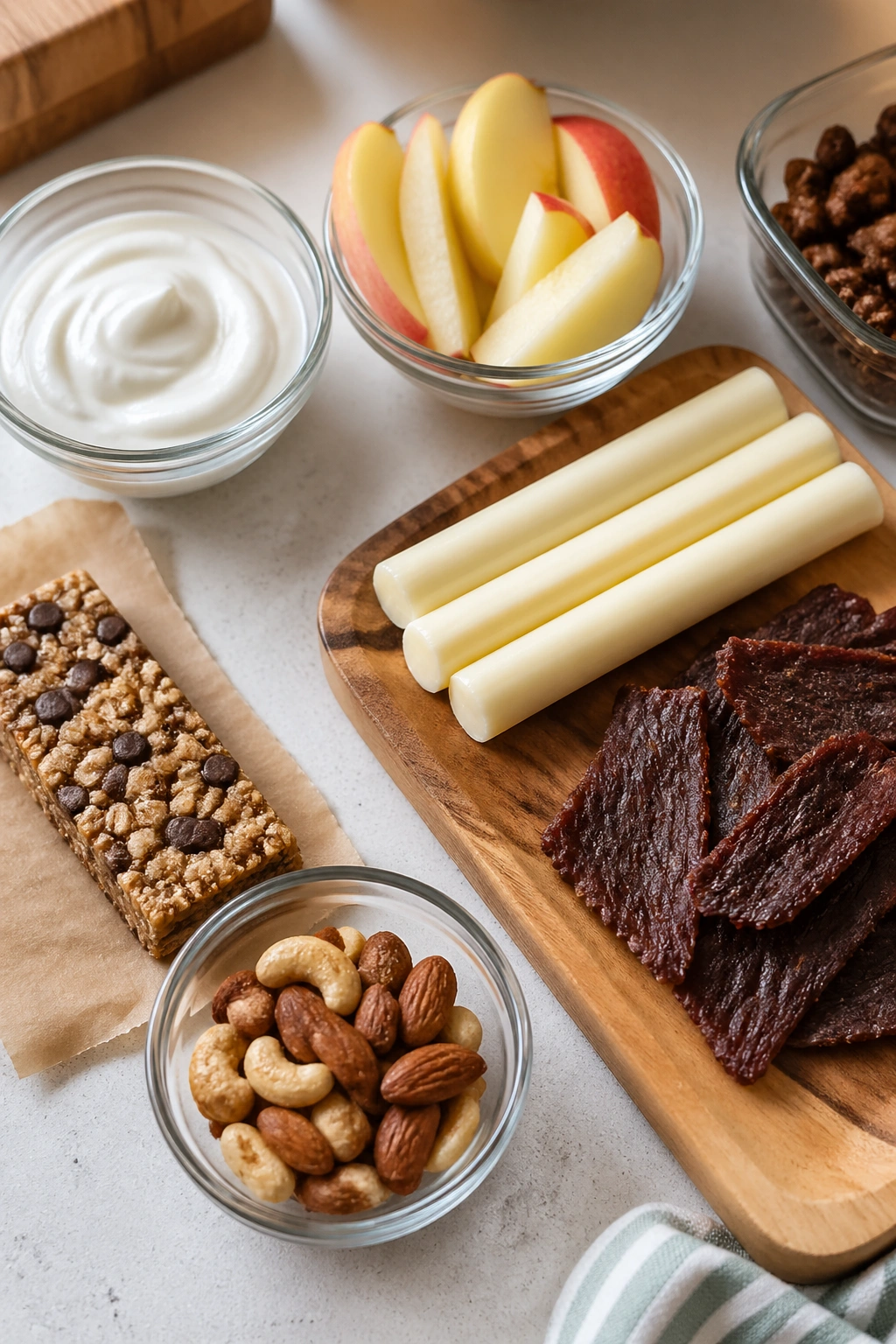
Hunger does not care about your plans. If you go too long without a decent option nearby, the nearest vending machine starts looking like a solution. That is where the plan falls apart.
Stock 3 or 4 fast snacks that are actually decent. Greek yogurt. Fruit. String cheese. Beef jerky. A protein bar with a sane calorie count. Pre-portioned nuts if you can stop at one portion, which is harder than it sounds.
The point is not to snack all day. The point is to prevent emergency eating from turning into a drive-thru run. A little preparation saves a lot of regret.
19. Make Your Weekend Look Like Your Weekday

A decent Monday through Friday can vanish if the weekend turns into a calorie festival. Extra drinks, restaurant portions, sleeping half the day, and skipped workouts can wipe out the deficit you built all week. That is the trap.
Keep the anchors. Train on the same days if you can. Hit your step target. Eat a normal breakfast and lunch. Save the bigger meal for one dinner instead of two or three.
This is not about living like a robot. It is about keeping your weekly average from swinging so hard that your waist never gets the memo. A steady weekend matters more than a perfect Tuesday.
20. Finish a Workout With Jump Rope or a Bike Sprint

A short finisher can push calorie burn up without turning the whole session into cardio soup. Jump rope works well if your calves and ankles tolerate it. A stationary bike works if you want less impact. Keep it short and sharp: 30 seconds on, 30 seconds off for 6 to 10 rounds.
The trick is to stop before form gets sloppy. When your feet start slapping like wet towels or your shoulders hunch up, the quality is gone. Ten clean minutes is better than twenty ugly ones.
This is a good place to keep things playful. Punch the pace, breathe hard, then get on with your day.
21. Drink Water Before Meals

A glass or two of water before eating can take the edge off hunger. Not because water is magical. Because your stomach gets a little volume before the food arrives, and that can keep portions from drifting upward.
A practical amount is 12 to 16 ounces about 10 to 15 minutes before a meal. If you already drink enough water, the effect may be modest. If you tend to run dry all day, it can help more than you expect.
I like this one because it costs nothing and takes no gear. Keep it simple. Water first, then food.
22. Slow Down at Mealtimes

Fast eating makes it too easy to overshoot fullness. Your brain needs time to catch up with your stomach, and if you are inhaling dinner in six minutes, that signal arrives late. Then you sit back and wonder why you still want dessert after a huge plate.
Try making meals last 15 to 20 minutes. Put the fork down between bites. Chew a little more. Stop eating when you feel comfortable, not stuffed. That small pause is often the difference between a sane dinner and a bloated one.
This is one of those habits that sounds trivial until you watch it save a few hundred calories without any sadness attached.
23. Track Your Waist, Not Just Your Weight

The scale can be a liar on short time frames. Salt, stress, sore muscles, and digestion all move it around. Your waist measurement is usually a cleaner signal if you want to know whether belly fat is actually changing.
Measure at the navel and, if you want more detail, one inch above it. Do it once a week in the morning under the same conditions. Keep the tape snug, not crushing skin. Write the number down. Patterns beat memory every time.
Progress photos can help too, especially when the scale stalls. A waistline that shrinks while body weight wobbles is still progress. Trust the tape.
24. Push Your Legs Hard

Leg training burns more energy than people expect because the lower body holds a lot of muscle. Squats, split squats, lunges, Romanian deadlifts, and step-ups all ask a lot from the body, which is useful when you want fat loss without losing shape.
Good Leg-Day Staples
- Squat variation
- Hinge variation
- Single-leg work
- Calf work if you want it
- A short carry or finisher
You do not need to destroy your legs every session. You do need to train them hard enough that the work matters. A solid leg day can leave you breathing heavier than an arm day ever will, and that is not a bad thing here.
25. Add Zone 2 Cardio

Zone 2 sounds technical, but the feel is simple: you can talk in short sentences, but you would not want to sing. Brisk walking, easy cycling, rowing, or an incline treadmill all fit. The intensity is low enough to recover from and high enough to burn useful calories.
How to Use It
- 30 to 45 minutes
- 2 to 4 sessions per week
- Keep the pace steady, not erratic
- Use it on days between harder workouts
This kind of cardio pairs well with strength training because it builds your weekly calorie burn without wrecking your legs. A lot of people try to do every session at the redline. That gets old fast. Zone 2 keeps the engine humming.
26. Swap Ultra-Processed Snacks for Real Food
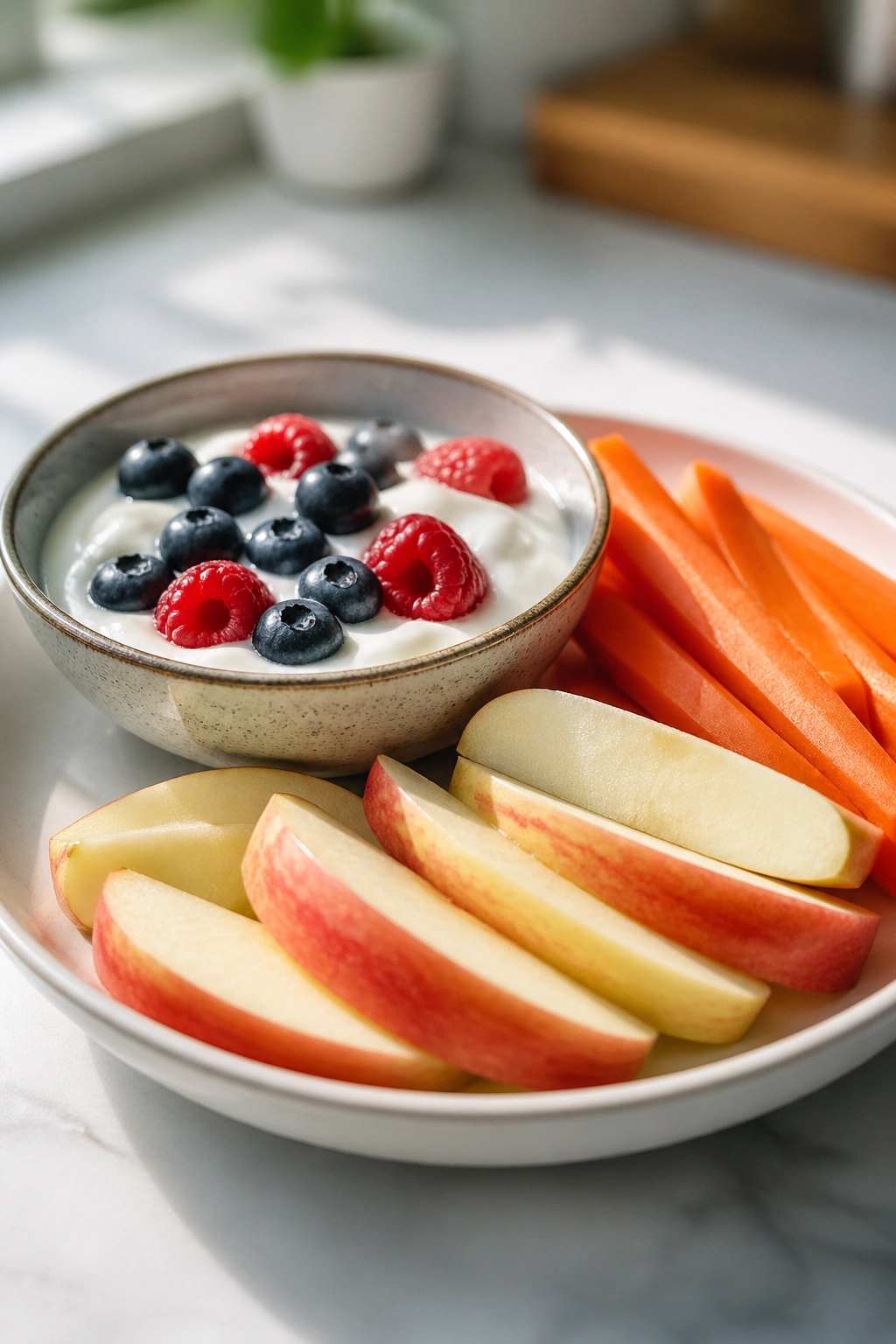
Chips, cookies, candy, and snack cakes are easy to overeat because they are designed to disappear fast. They are not evil. They are just a poor fit for a month where you want your waist to shrink.
Swap in foods that take longer to eat and leave you fuller. Apple slices with peanut butter. Greek yogurt with berries. Carrots with hummus. Air-popped popcorn. A boiled egg and fruit. These are not fancy, but they keep the afternoon from turning into a scavenger hunt.
The key is to make the better choice the easy choice. If the only snack you can reach is sugar, sugar wins. If decent food is sitting at eye level, the day gets simpler.
27. Use a Five-Minute Reset When Stress Pushes You to Snack

Stress does not always show up as panic. Sometimes it shows up as grazing. You finish a hard work block, feel wrung out, and reach for something crunchy because your brain wants relief, not food.
A short reset can interrupt that pattern. Walk for five minutes. Breathe slowly through your nose. Step outside and look at something that is not a screen. Then decide whether you are actually hungry or just fried.
This sounds small because it is small. Still, small is enough when the problem is a habit loop. A few calm minutes can save a random 400-calorie snack you never needed.
28. Stop Treating Cheat Days Like a Reward
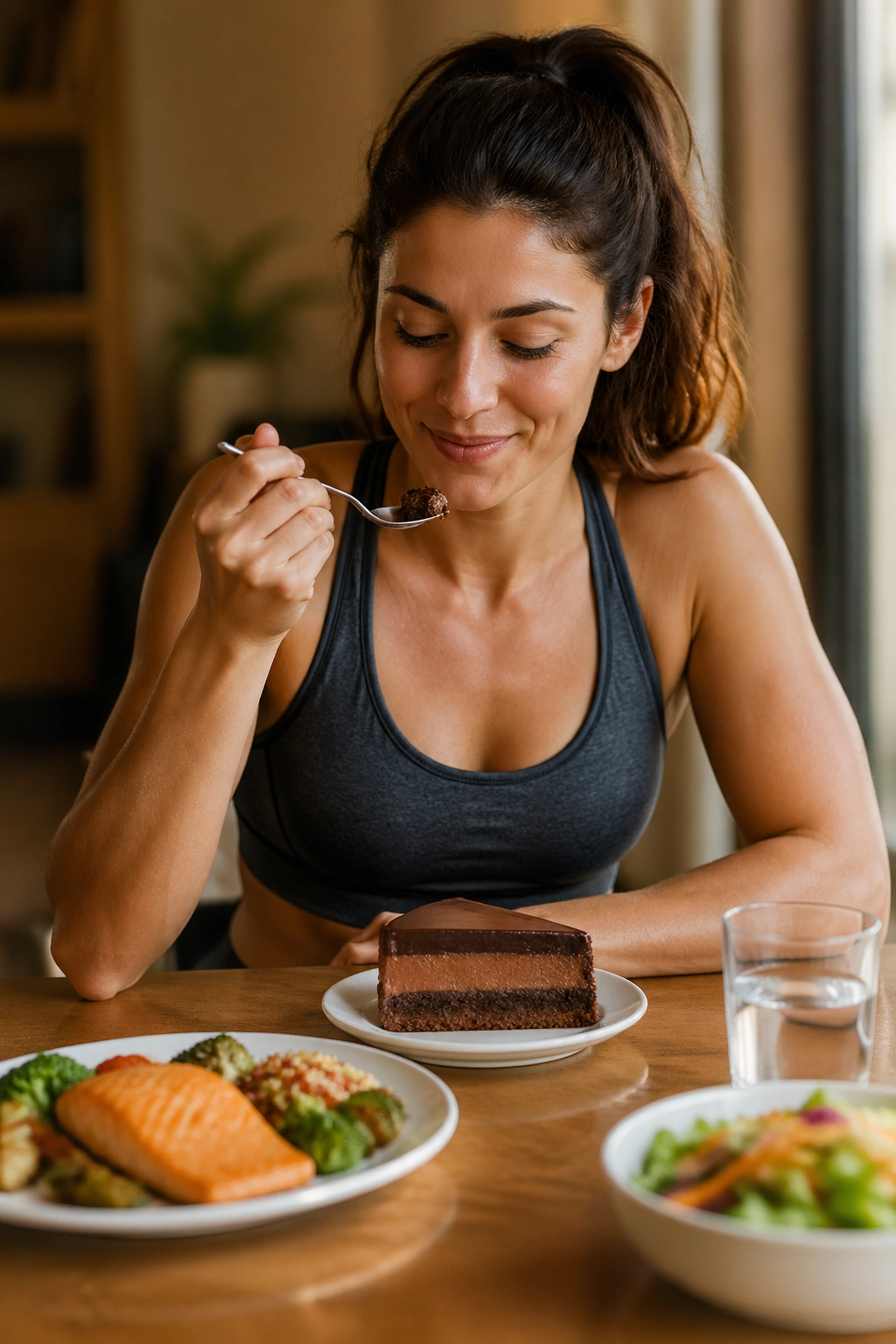
The phrase “cheat day” makes people act like nutrition is a courtroom drama. It usually leads to overeating, then guilt, then more overeating because the day is already blown. That is a bad deal.
A better setup is one planned treat meal. Eat the thing you want, enjoy it, then go right back to normal at the next meal. A single large meal can fit into a fat-loss month. A full day of loose eating often cannot.
If you know weekends are your weak spot, put your treat meal there and keep the rest of the day solid. Structure beats permission slips.
29. Pick a Workout Schedule You Can Repeat
The best workout split is the one you can actually keep. Three full-body days. Four shorter sessions. Two lifting days and two cardio days. The exact layout matters less than whether you can repeat it without negotiation every morning.
Put the sessions on the calendar. Pack your gym bag the night before. Keep the same start time if possible. The less friction you create, the less chance you have to skip because you “didn’t feel ready.”
Novelty is fun for about a week. Repetition is what trims the waist. A plan that looks dull on paper is often the one that finally works.
30. Stay Boring Long Enough for It to Work

The last piece is patience, and I know how dull that sounds. A month of consistent walking, lifting, protein, sleep, and sane portions does not need flair. It needs follow-through. That is what changes the shape around your middle.
If you keep switching plans every four days, your body never gets a clear signal. Pick the basics, keep them steady, and let the numbers do their slow work. The waist usually responds after the habits settle, not before.
Boring wins here. The person who walks after lunch, trains three times a week, and stops drinking calories is usually the one who ends the month with a smaller waist and less noise in their head.
Final Thoughts

The fastest path to lose belly fat is not a secret workout. It is a month of ordinary actions done on purpose: walk more, lift with intent, eat enough protein, and stop leaking calories through drinks and snacks.
A tape measure will tell you more than a hype-driven mirror check. If your waist is moving down, you are on the right track even when the scale is moody. Keep the plan steady, keep the meals sane, and give the body a reason to let go of the extra middle fat.
