



Good home workout videos do one thing well: they remove excuses without making you feel chased around your own living room.
That sounds simple, but it isn’t. A good session needs clear cues, a pace you can keep up with, and enough structure that you’re not pausing every 90 seconds to wonder what comes next. If you’ve ever tried a follow-along workout that moved too fast, skipped the warm-up, or treated every viewer like an advanced athlete, you know exactly how fast motivation can evaporate.
The nicest thing about video workouts at home is how flexible they can be. Some days call for low-impact cardio and a little sweat. Other days are better for dumbbells, a mat, and a workout that leaves your legs humming. The best options also respect the small stuff: apartment floors, creaky knees, short attention spans, and the fact that some people want noise-friendly movement while others want something that feels almost meditative.
So the real trick is not finding one “perfect” workout. It’s building a small stack of reliable options you can pull from depending on your mood, your equipment, and how much energy you’ve got left.
1. Low-Impact Cardio for Small Spaces
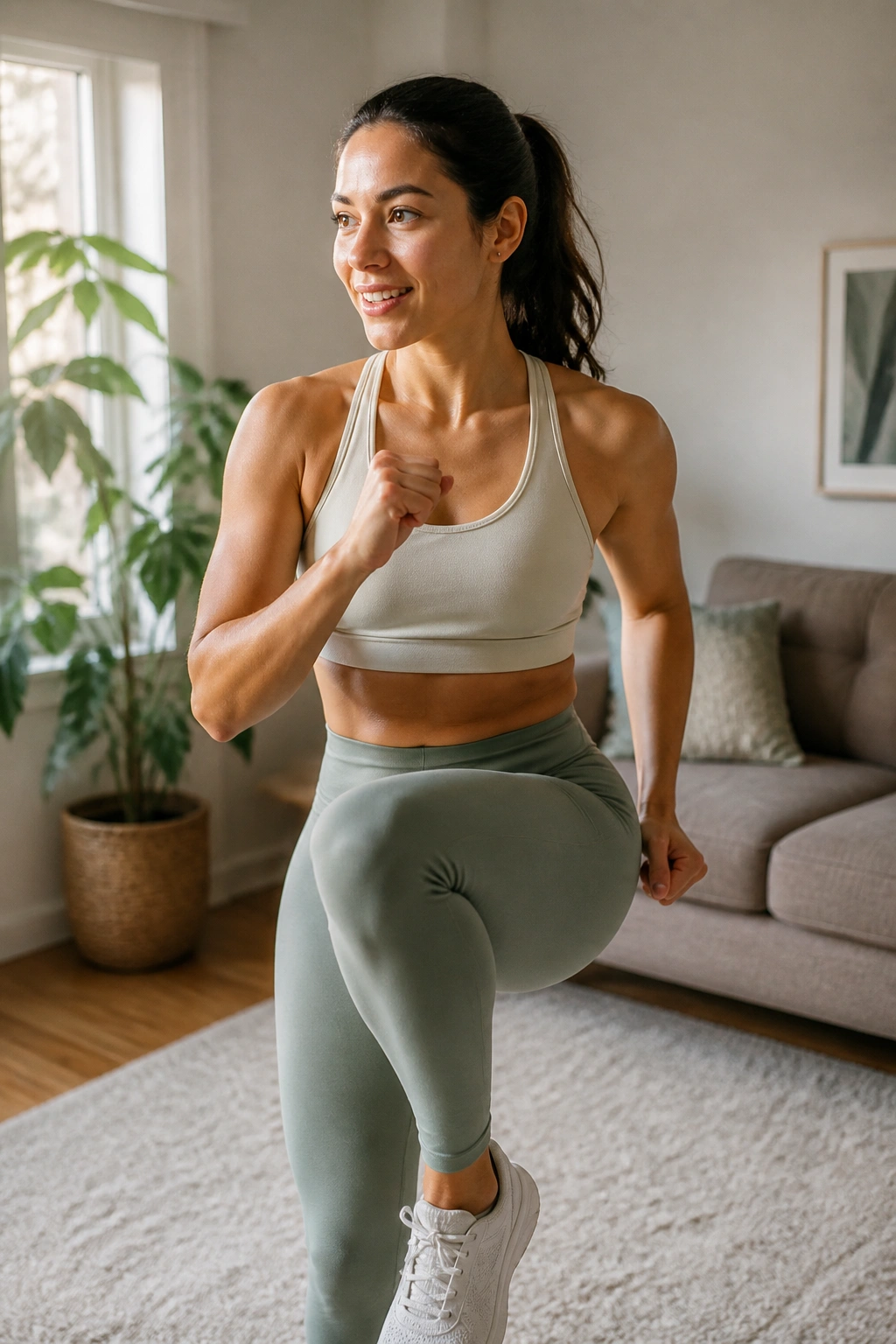
Low-impact cardio is one of the smartest home workout choices because it gives you a sweat without the pounding. Step-touches, knee lifts, skaters without the jump, and fast marching can raise your heart rate without rattling the floor or irritating angry joints.
I like these videos for mornings and for those weird in-between days when you want to move but do not want to deal with burpees. A good instructor keeps the choreography simple, repeats combinations often, and gives you an easy option before the move gets spicy. That makes all the difference.
What to watch for
- Clear cueing before each change.
- No endless spin-ups or fancy footwork.
- Options for one arm, then both arms.
- A pace that lets you breathe through your nose for part of the workout.
Best fit: beginners, apartment dwellers, and anyone coming back after time off.
2. Beginner Bodyweight Circuits That Build Real Confidence
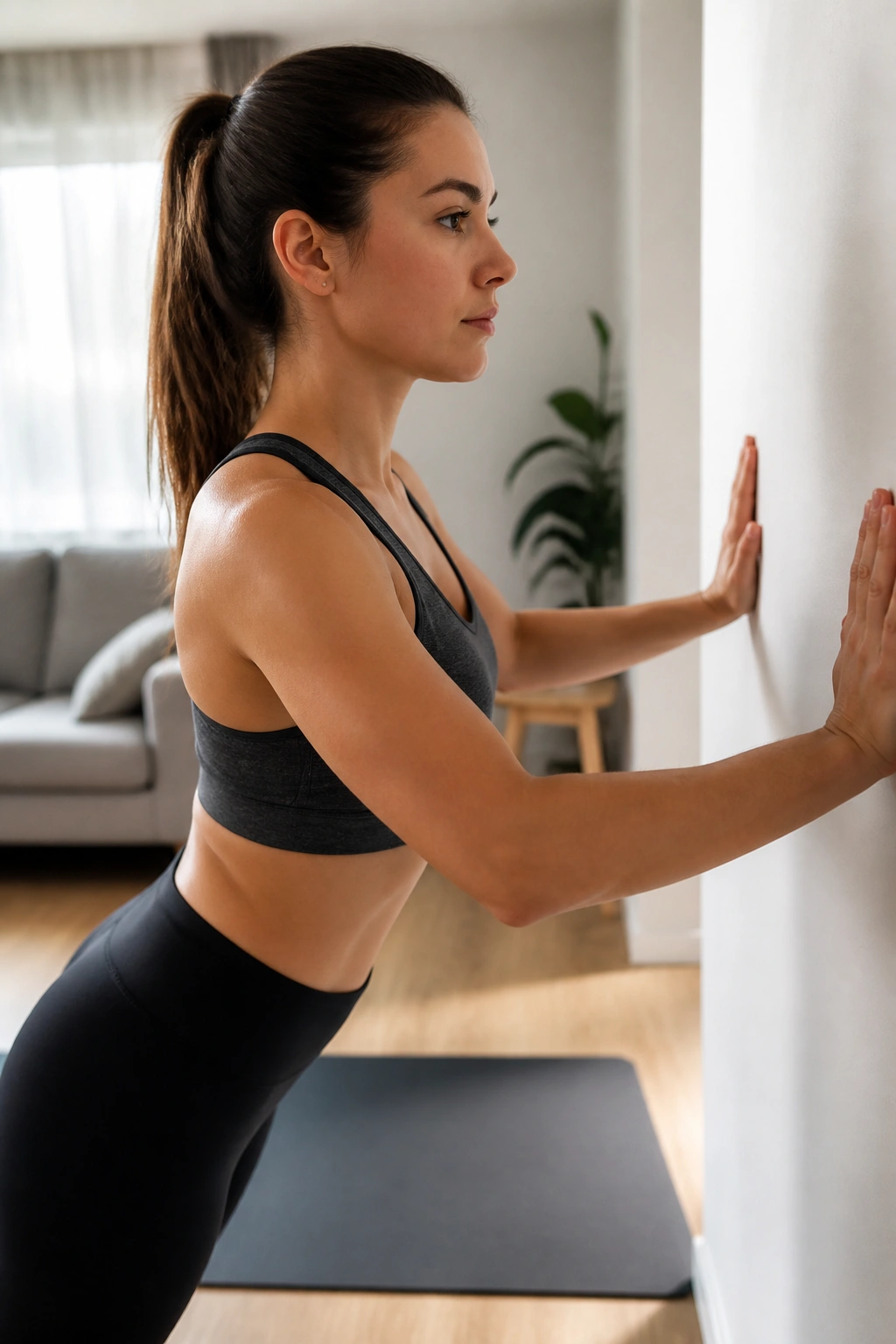
A good beginner bodyweight circuit can do more for your fitness than a fancy routine with too many moves. Squats, wall push-ups, glute bridges, dead bugs, and planks on the knees sound plain, but they teach the basics your body keeps using later.
The best versions keep the work periods short enough that your form stays tidy. I prefer something like 30 seconds on and 30 seconds off, or even 20 and 40 if someone is brand new. That little bit of recovery keeps the workout from turning into a form collapse festival.
Why it works
You learn to hinge, brace, push, and squat without the distraction of weights. That matters. If you can control your own bodyweight, dumbbells become a lot less intimidating.
Pro tip: if a beginner video skips the warm-up and goes straight into a plank, I’d pass.
3. Yoga Flows for Tight Hips and Hamstrings
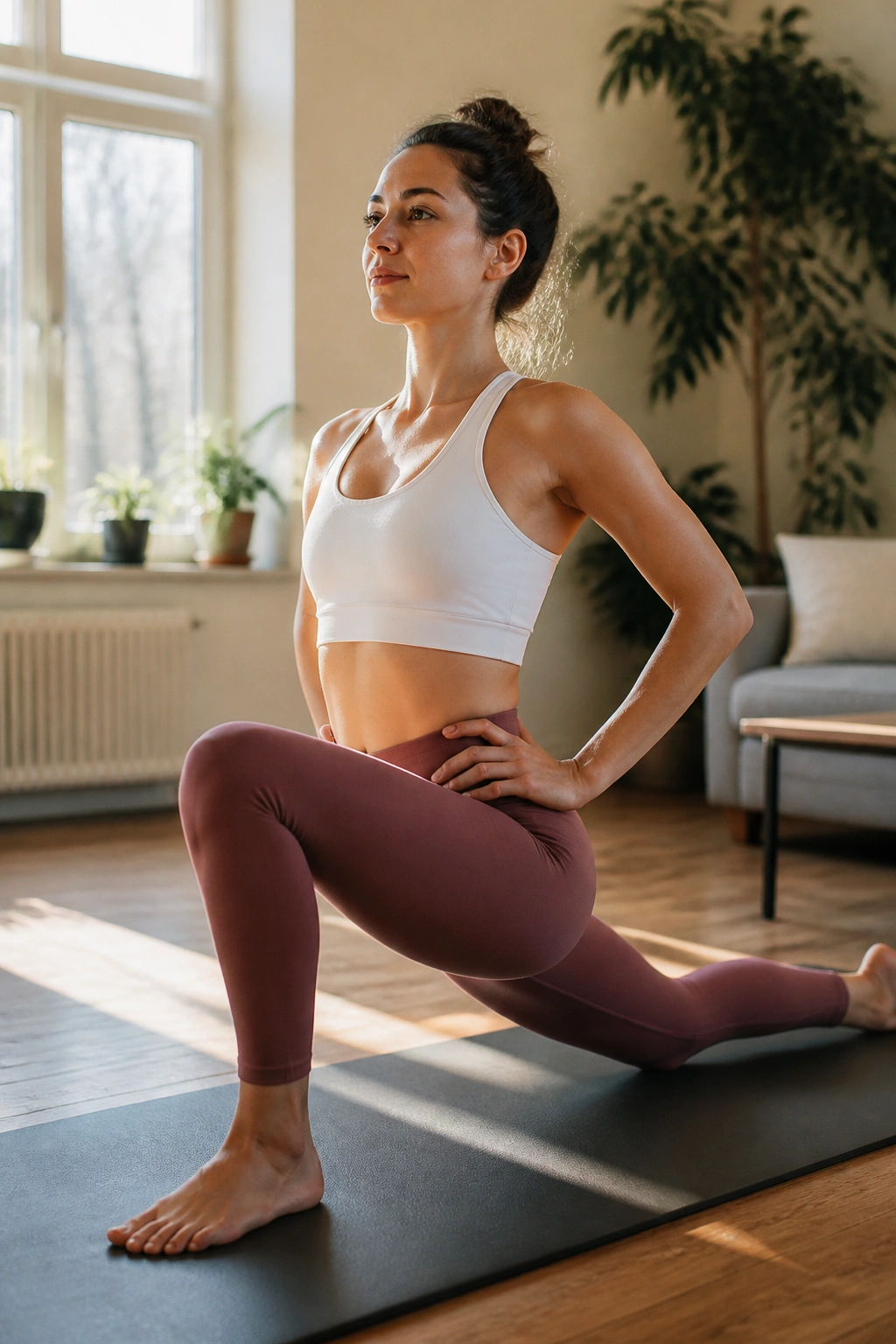
Why do some yoga videos feel calming while others feel like a race? Pace. A beginner-friendly flow gives you time to settle into the pose, breathe, and actually notice where your body is holding tension.
The best home yoga workouts for all levels usually repeat the same few shapes: cat-cow, downward dog, low lunge, half split, figure-four, and a gentle twist. That repetition helps tight hips and hamstrings open up without forcing them. You should finish feeling looser, not like you fought your way out of a pretzel.
What makes a good flow
- Holds long enough for the stretch to matter.
- Simple transitions that don’t require gymnastics.
- Options to keep knees down.
- Instructions about where to put your weight, not just what the pose is called.
Best fit: stiff desk workers, runners, and anyone who wants a calmer workout day.
4. Dance Cardio for the Days You Need Energy
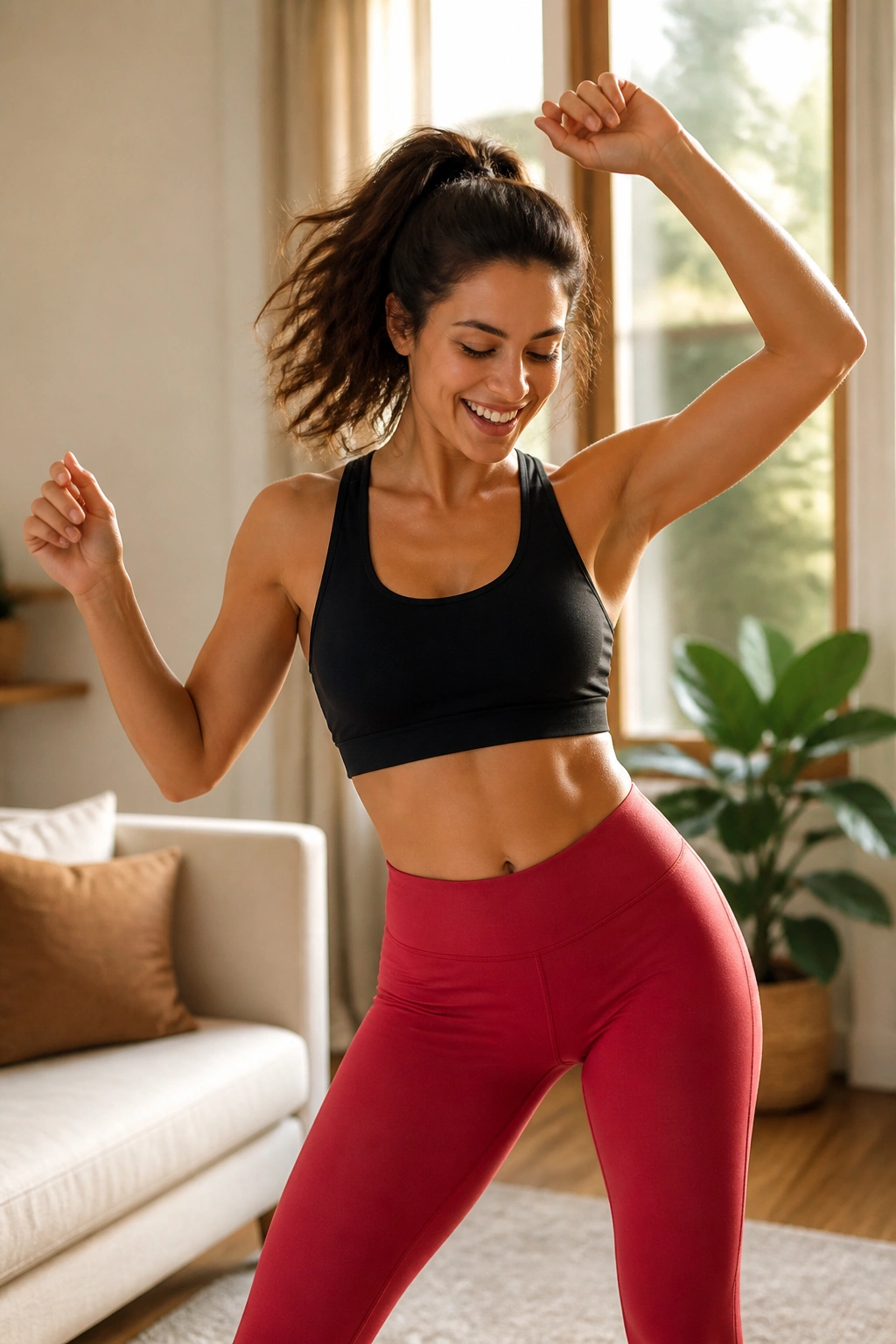
Some workouts feel like exercise. Dance cardio feels like you accidentally found a better mood.
That’s why it’s such a strong home option. If the instructor keeps the steps simple—march, grapevine, mambo, reach, repeat—you can focus on moving instead of decoding choreography. The magic is in the rhythm. Once your brain stops overthinking, your body does the work almost on its own.
I’d choose dance cardio when motivation is low but I still want a genuine sweat. It’s also one of the best videos for people who get bored quickly. Thirty minutes can fly by when the moves keep changing and the music has some punch.
No jumps required. That’s the part many people love. A solid dance video can raise your heart rate, wake up your legs, and leave you grinning a little, which is not a bad bargain for a living-room workout.
5. Dumbbell Full-Body Strength Training
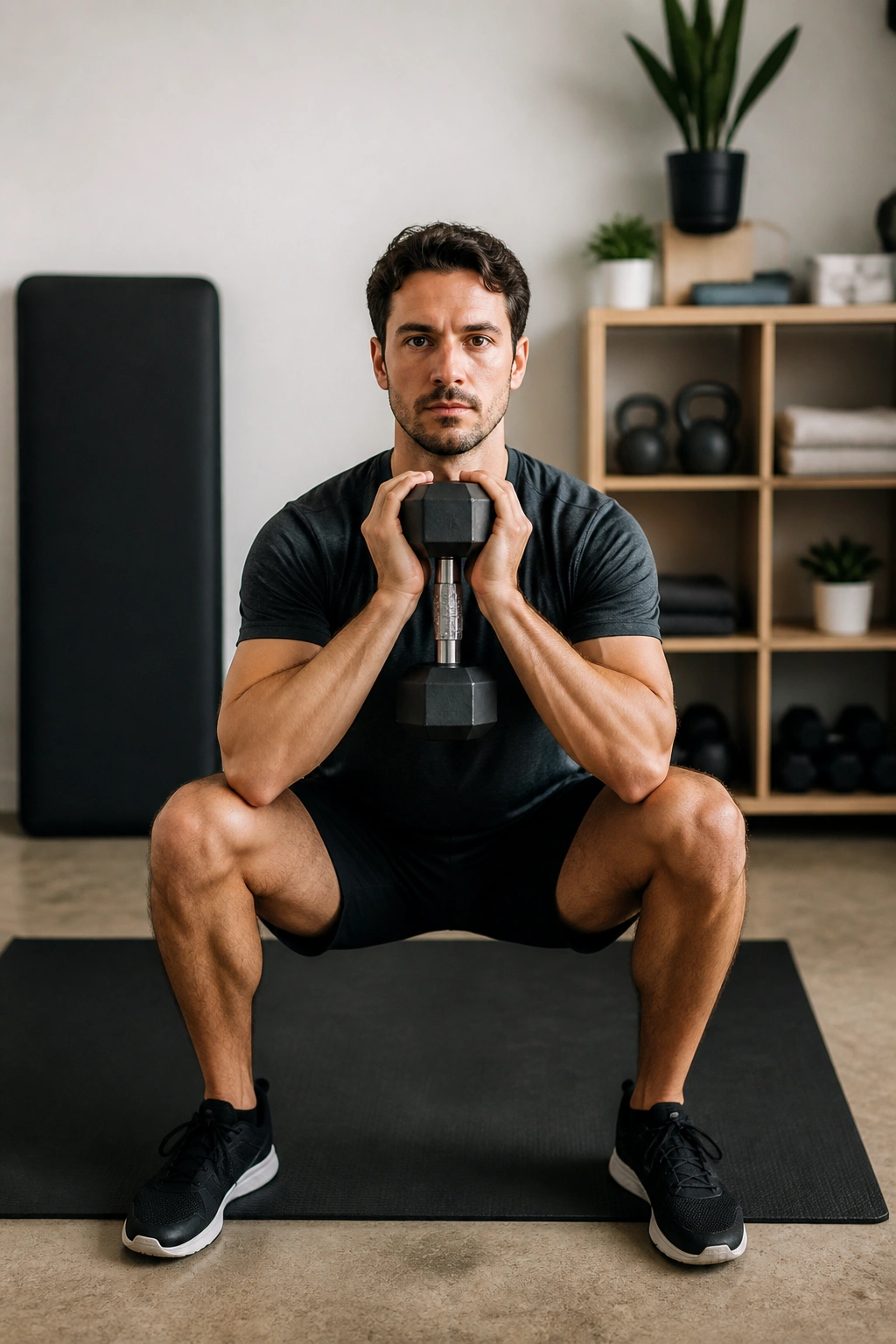
A dumbbell workout at home is the most efficient way to cover a lot of ground in one session. A squat, row, press, hinge, and lunge can hit nearly every major muscle group if the programming is smart.
The best videos don’t chase speed for its own sake. They give you enough time to set your feet, brace your middle, and move with control. That’s where the real strength work happens. I’d rather do eight clean reps than 15 sloppy ones every single time.
Pick a video that uses movements like these:
- Goblet squats
- Romanian deadlifts
- Bent-over rows
- Shoulder presses
- Reverse lunges
A pair of moderate dumbbells is usually enough. For many people, 5 to 15 pounds works for upper body, while legs can handle more. Start lighter than your ego wants. Your joints will thank you later.
6. Pilates Mat Workouts for Deep Core Control
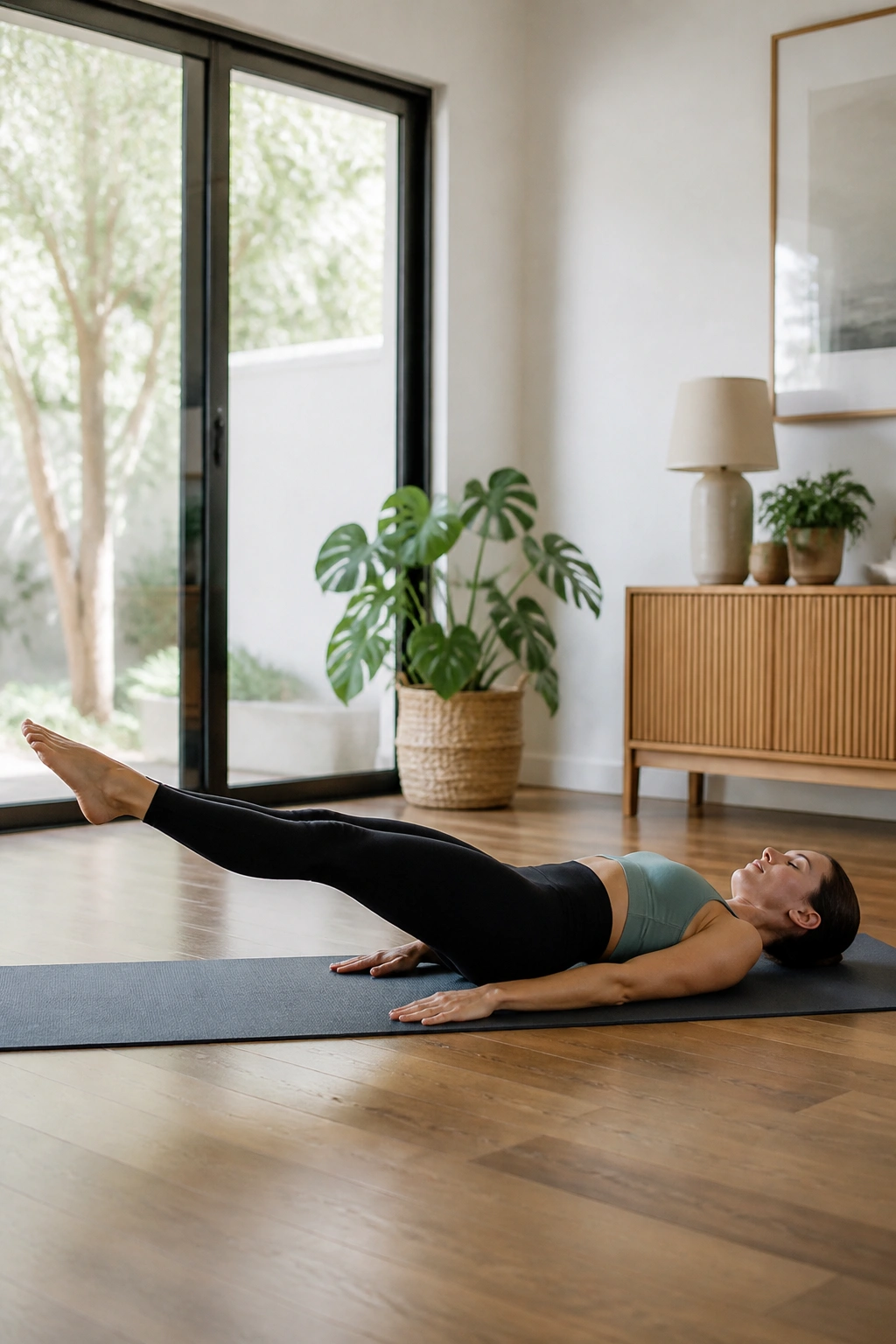
Pilates gets dismissed sometimes as “just core work,” which is lazy thinking. Good Pilates mat videos train posture, control, breathing, and that deep midsection support that makes everything else feel easier.
The move quality matters here more than the burn. Slow leg lowers, toe taps, hundred variations, side-lying leg lifts, and bridge holds should feel precise. If the workout is done well, your abs won’t just feel tired; your whole center will feel more organized.
Good cues to hear
- “Keep your ribs heavy.”
- “Move slower than you want to.”
- “Let the lower back stay quiet.”
- “Use the exhale to tighten the middle.”
Best fit: beginners who want low-impact work, and stronger exercisers who need a reset from jumping and heavy lifting.
7. Walking Workouts That Fit in a Hallway or Living Room
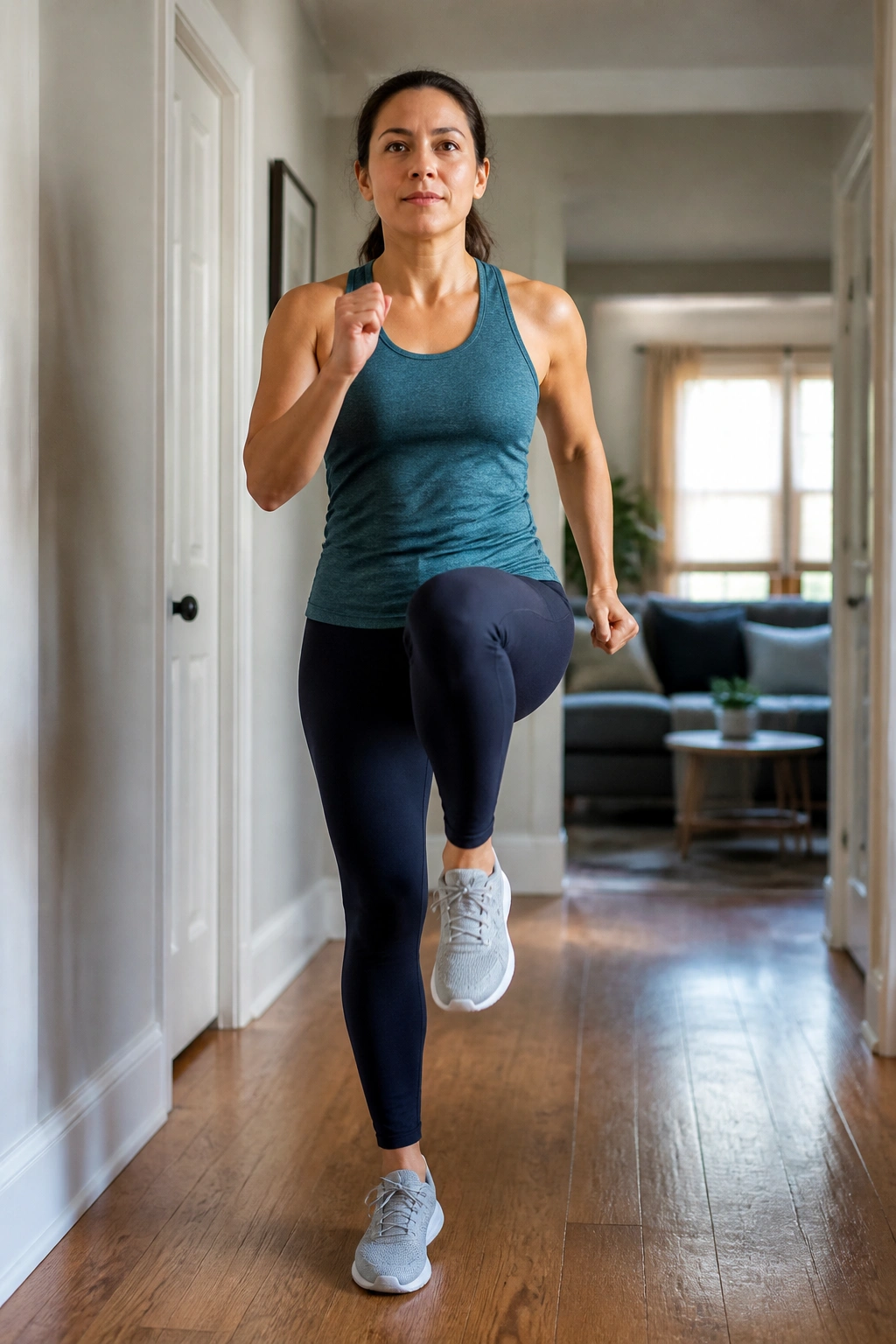
Can a walking workout count if you never leave the house? Absolutely. In many ways, indoor walking videos are the easiest way to stay consistent because there’s almost no setup and almost no dread.
The better ones mix marching, side steps, heel digs, knee drives, and light arm patterns so you’re not just pacing in place like you’re on a phone call. They work especially well on days when you want movement but not stress. A 20-minute walking session can leave you warm, loose, and better focused without wiping you out.
How to spot a good one
- The instructor keeps the steps simple.
- There’s room to march in place without jumping.
- The video offers low and lower-impact choices.
- The music stays steady enough that you can settle in.
If your living space is tiny, this is one of the safest bets in the whole list.
8. HIIT Intervals for Short, Sweat-Heavy Sessions
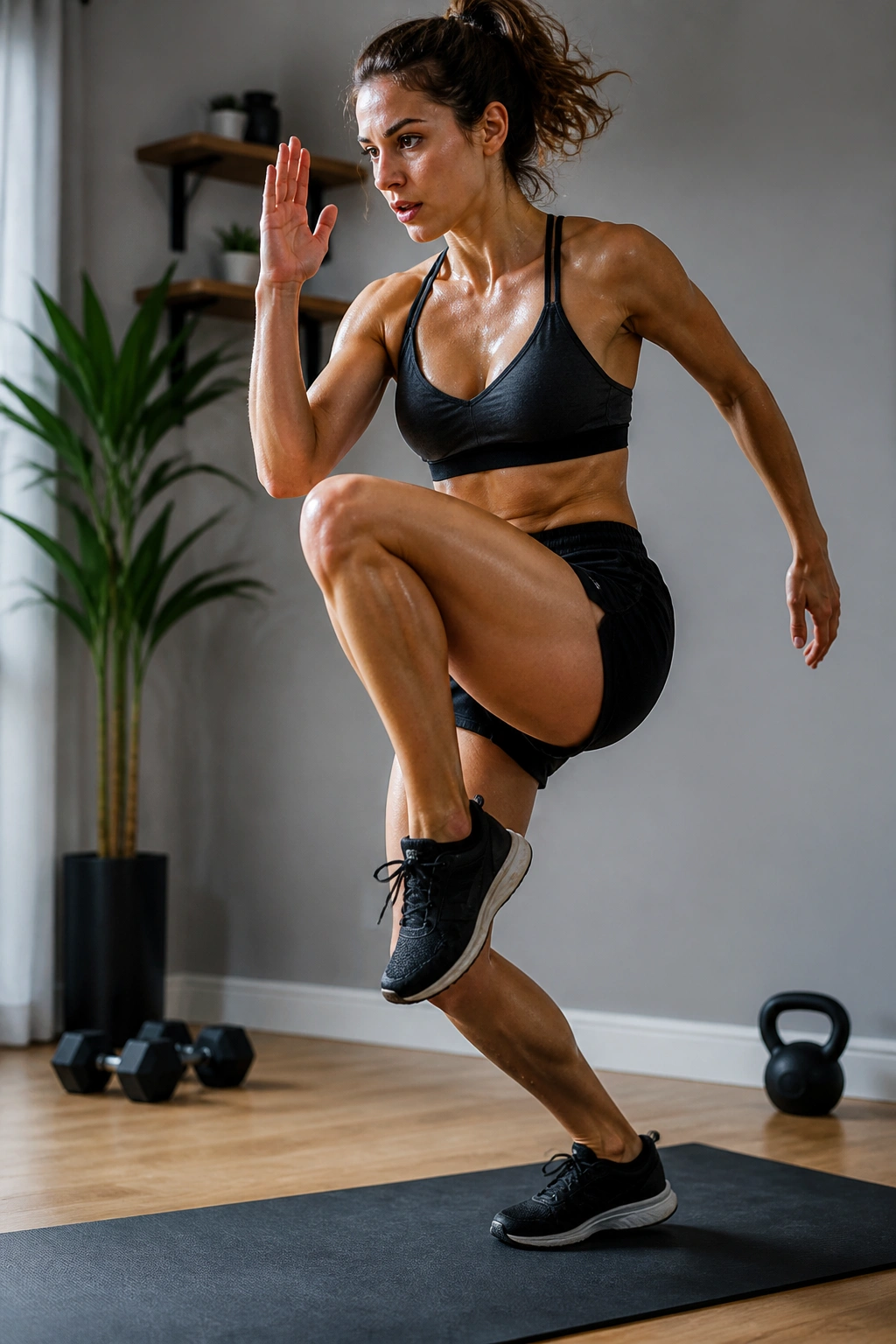
HIIT does not have to mean chaos. The best home interval videos use a clear pattern—say 20 seconds of work and 10 to 20 seconds of rest—so you can push hard without feeling lost.
That structure is the whole point. You can give more effort because you know a rest is coming. A good HIIT video keeps the exercise list short, maybe four to six moves repeated across several rounds. Think squat jumps if you want impact, or squat to reach, mountain climbers, and fast step-backs if you don’t.
This style is better for intermediate exercisers than total beginners, though a thoughtful instructor will always show a lower-impact version. If they don’t, that’s a bad sign.
Best for: people who want a quick, sweaty workout and don’t mind a little discomfort.
9. Mobility Flows for Stiff Shoulders and Upper Back
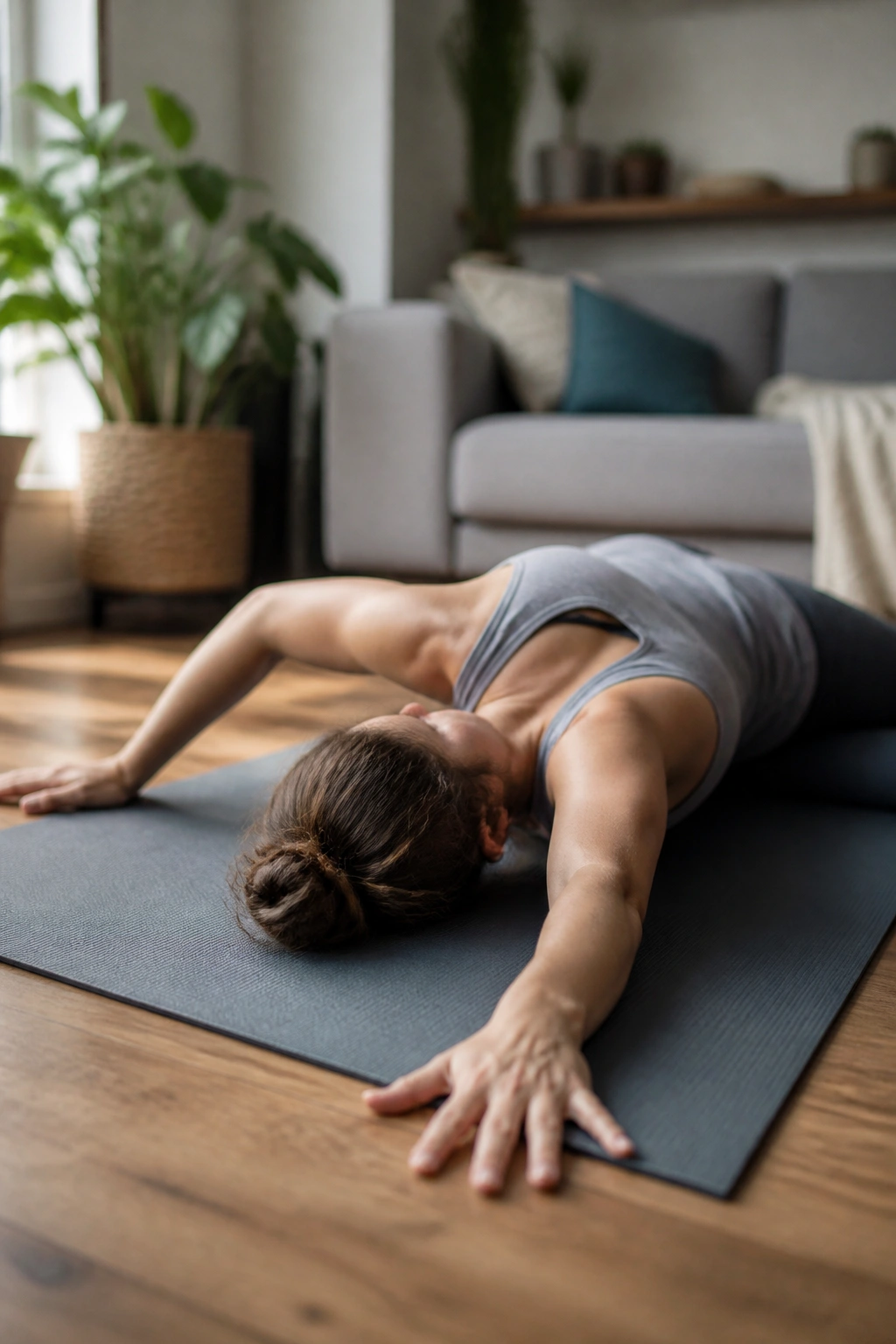
A mobility video sounds boring until your shoulders feel like old hinges. Then it feels like mercy.
These sessions are not about stretching as far as you can go. They’re about moving joints through useful ranges again. Shoulder circles, wall slides, thoracic rotations, cat-cow, child’s pose reaches, and open-book twists can make a surprising difference if you sit a lot or lift weights often.
The best movements to look for
- Thread-the-needle
- Wall angels
- Hip circles
- Cat-cow with slow breathing
- Thoracic openers on the floor
I’d choose a mobility video on rest days, after long travel, or after upper-body training. It’s gentle, yes, but not pointless. A good 10- to 15-minute session can change how the rest of your day feels.
10. Kickboxing Cardio for Stress Relief
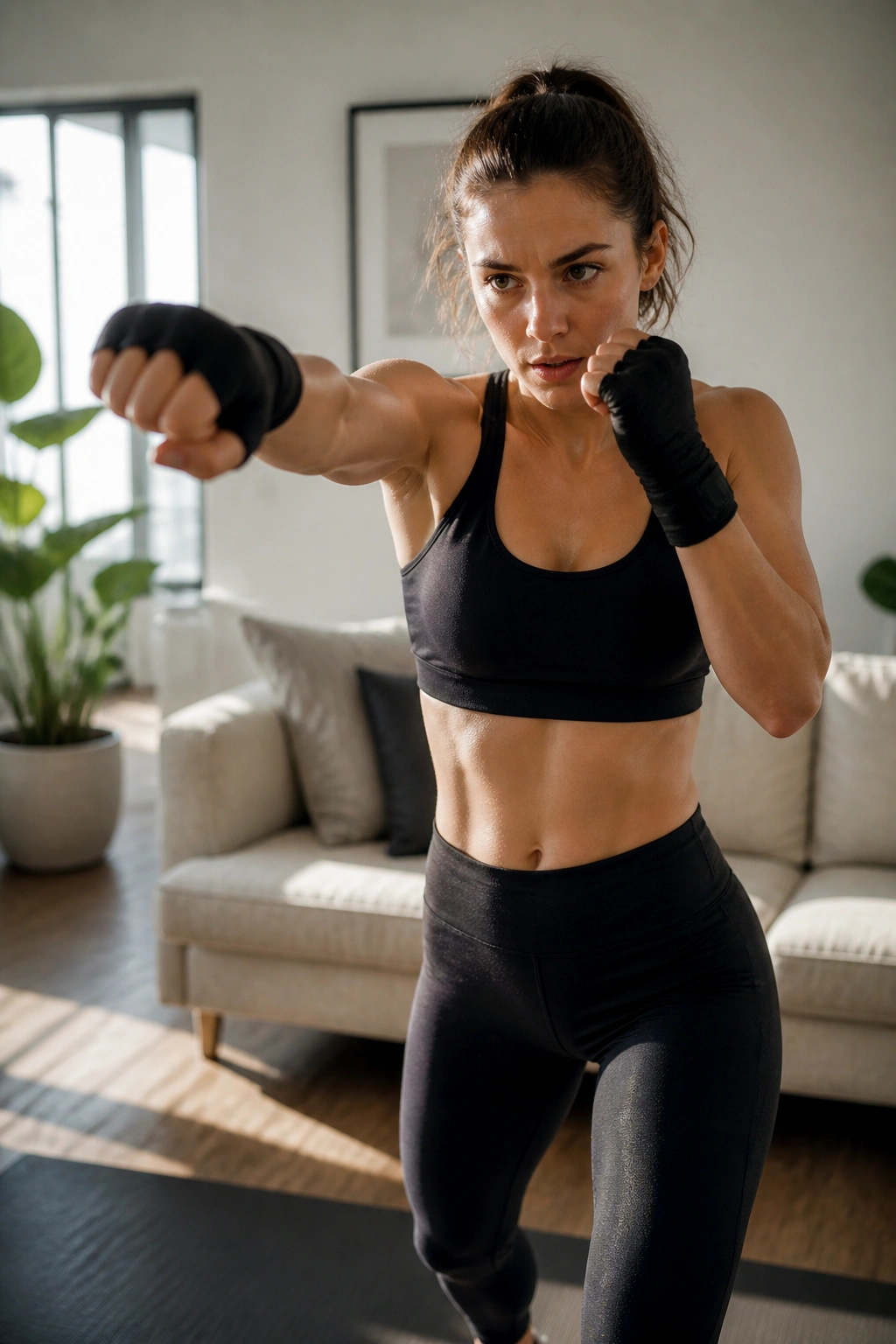
If your day has been a mess, kickboxing cardio can be a healthy way to burn off the static.
The combination of punches, knee strikes, and quick footwork gives you a clear target. Jab-cross, hook, knee. Jab-cross, squat, pivot. It’s simple enough to follow, but lively enough that boredom doesn’t creep in. Good kickboxing videos also keep the stance work clean so you’re not twisting awkwardly through your lower back.
I like this style for people who want cardio without the airy, dance-heavy vibe. It feels more direct. A little sharper. And when the instructor builds combinations slowly before speeding them up, the workout becomes much easier to follow.
Best fit: intermediate beginners and anyone who likes a workout with attitude.
11. Barre Workouts for Legs, Glutes, and Balance
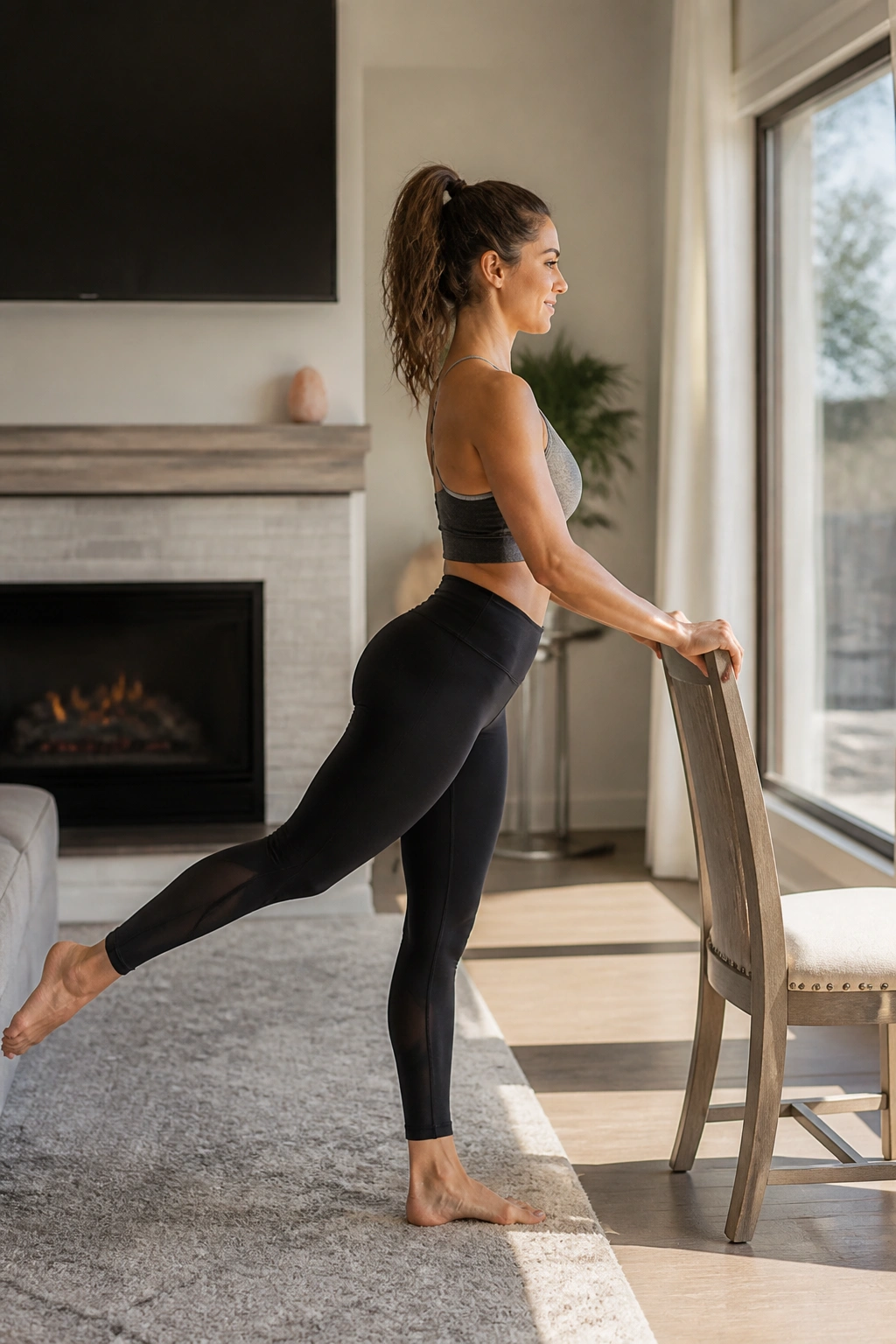
Why do barre workouts burn so much when the movements look tiny? Because tiny movements done with control and repetition are sneaky. There’s nowhere to hide.
The best barre videos lean on pulses, holds, and small-range leg work. You’ll see pliés, arabesque lifts, heel raises, and little postural tweaks that make your outer thighs and glutes light up fast. It’s not about heaviness. It’s about staying put long enough for the muscles to complain.
What to expect
- Lots of isometric holds.
- Small movement, big shake.
- A strong focus on posture and balance.
- Very little equipment, often just a chair or light weights.
Barre is a smart choice if you want lower-body work without jumping or heavy loading. It also pairs well with other workouts because it doesn’t beat you up quite the same way a heavy strength day can.
12. Upper-Body Strength with Light Weights
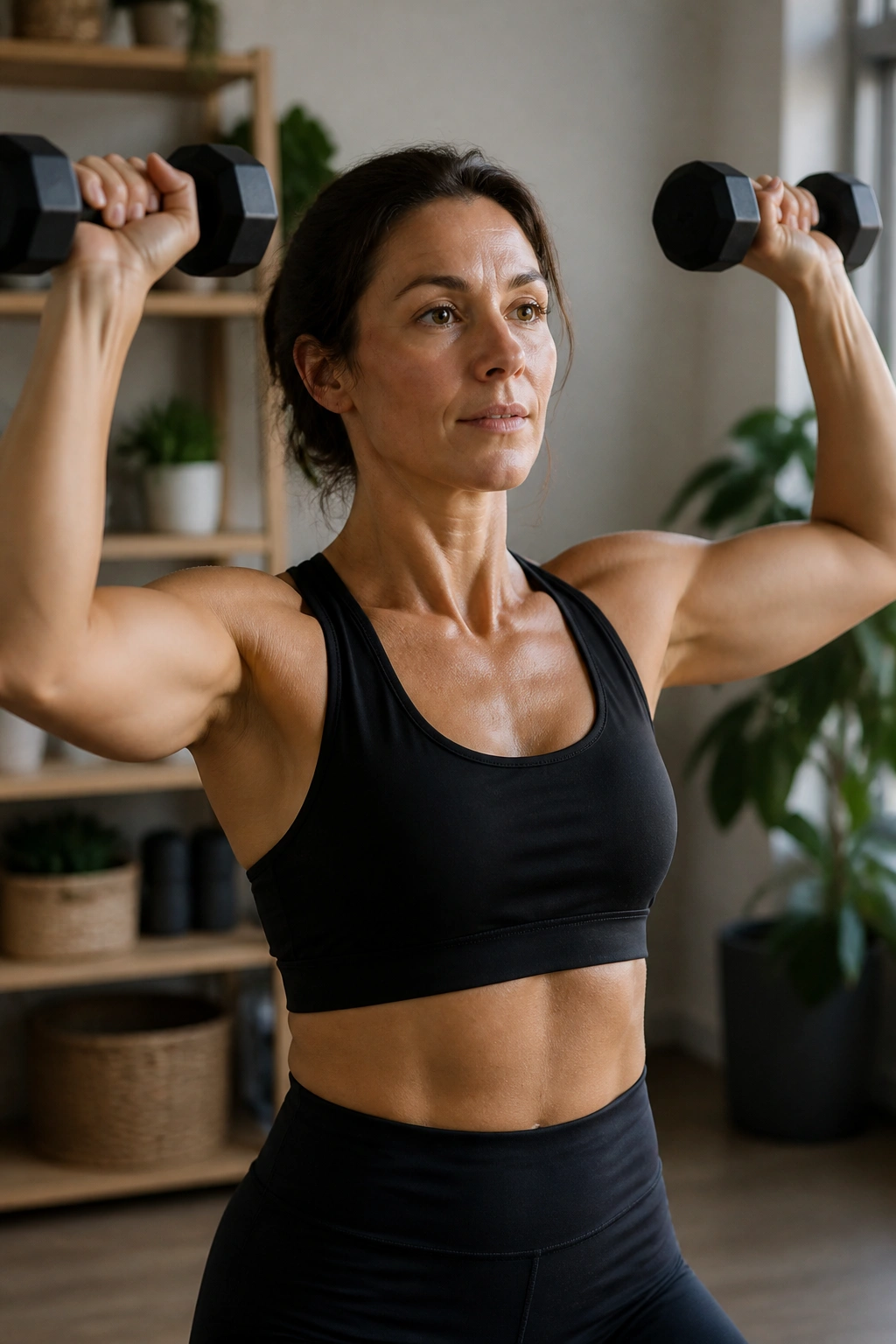
Light weights get dismissed by people who think every workout needs to be brutal. That’s a mistake. For shoulders, arms, and upper back, lighter dumbbells let you work cleanly for more reps, which is exactly the point in a lot of home videos.
A strong upper-body session will usually include shoulder presses, lateral raises, rows, curls, triceps work, and maybe a push-up variation. The key is control. If you’re swinging the weights to finish the rep, the load is too heavy or the pace is too fast.
I like videos that build in short pauses at the top or bottom of each move. Those pauses make small dumbbells feel harder without wrecking your form. A pair of 3- to 8-pound dumbbells is enough for many people, especially if the workout is written well.
13. Lower-Body Strength with Squats and Lunges
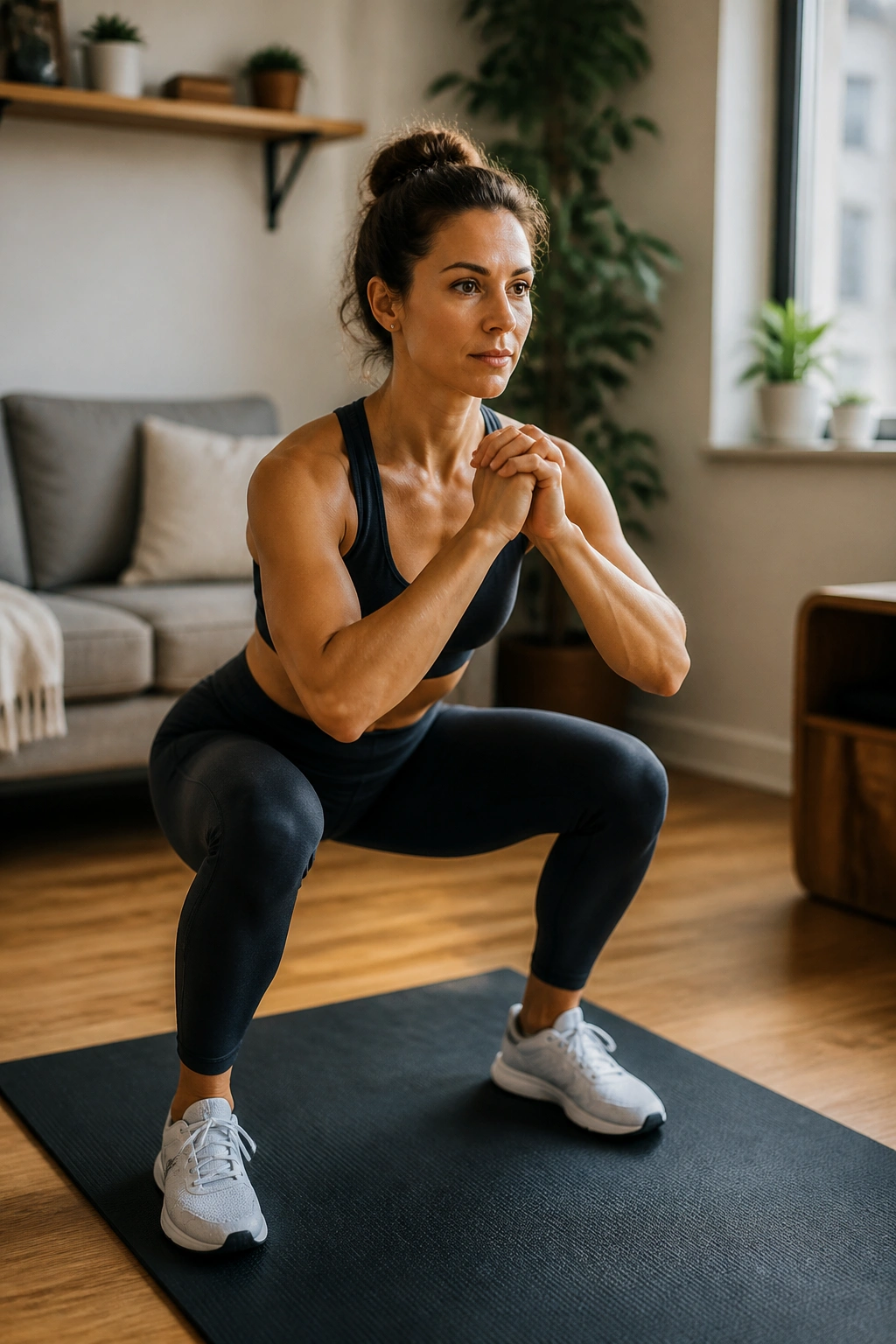
A lower-body workout at home does not need fancy gear. It needs smart choices. Squats, reverse lunges, split squats, bridges, calf raises, and deadlifts can cover a lot of ground if the video stays focused.
What separates a good session from a random leg mashup is the order. I like to see larger compound moves first, then single-leg work, then glute finishers. That way you’re fresh when form matters most and tired when the burn section starts.
Useful swaps for beginners
- Chair squat instead of a deep free squat.
- Reverse lunge instead of a forward lunge.
- Glute bridge instead of a one-leg bridge.
- Calf raise with a wall for balance.
The best lower-body videos cue your knees, feet, and torso clearly. That’s not flashy, but it keeps the workout useful instead of just tiring.
14. Recovery Stretching for Rest Days
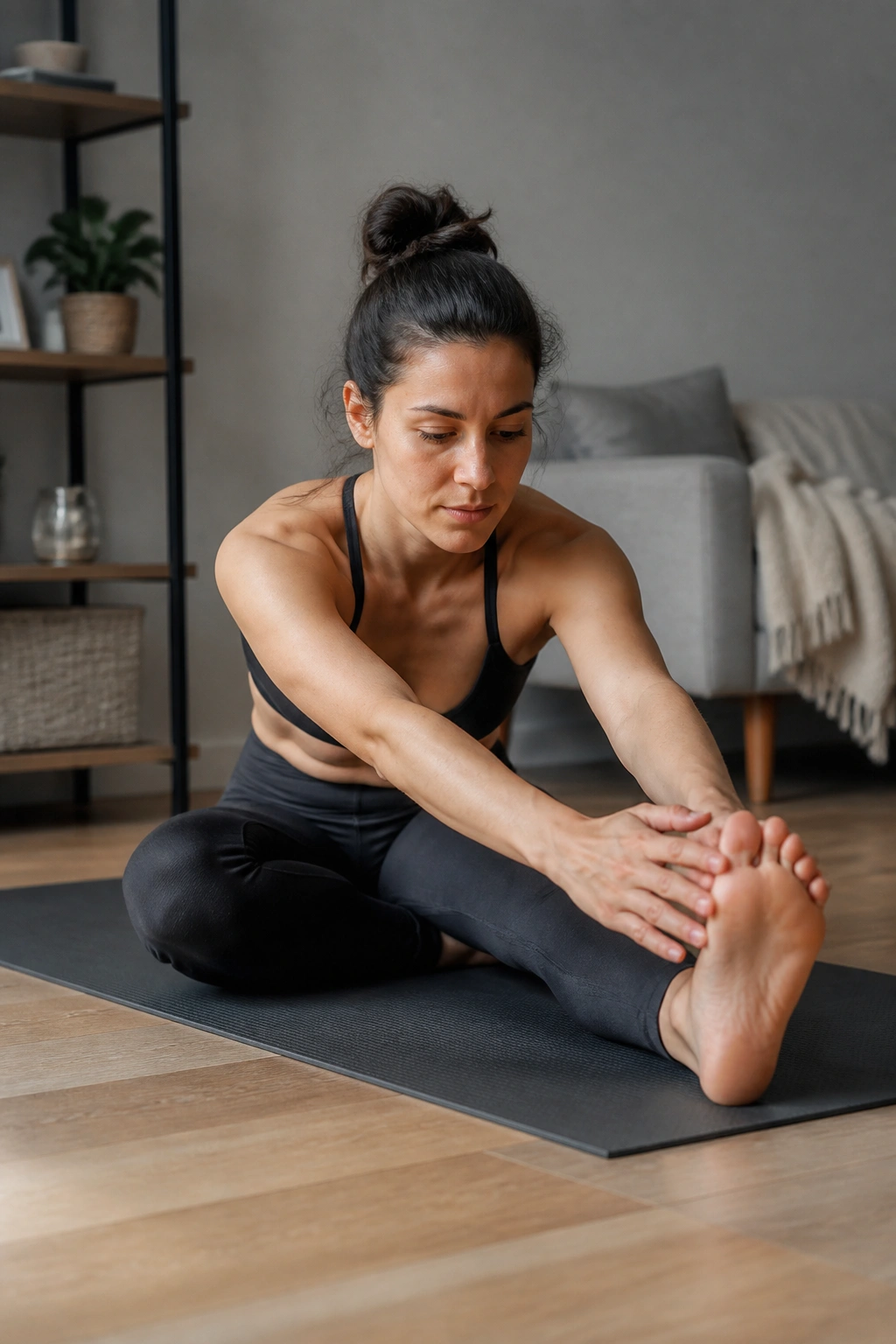
Not every workout has to leave sweat on the floor. Some of the best home videos are the ones that help you feel normal again.
Recovery stretching is where you go when your hips are tight, your hamstrings are grumpy, or your body wants a little kindness after harder sessions. Long holds, slow breathing, and simple positions like hamstring stretches, quad stretches, figure-four, and child’s pose can take the edge off without stealing energy from tomorrow.
This is one of those workout styles people underestimate until they skip it for a few weeks. Then stiffness sneaks in. Then everything feels a bit more annoying. A 10-minute stretch video can be enough to keep that from snowballing.
Best served: after leg day, after travel, or before bed.
15. Chair Workouts for Limited Mobility or Low-Energy Days
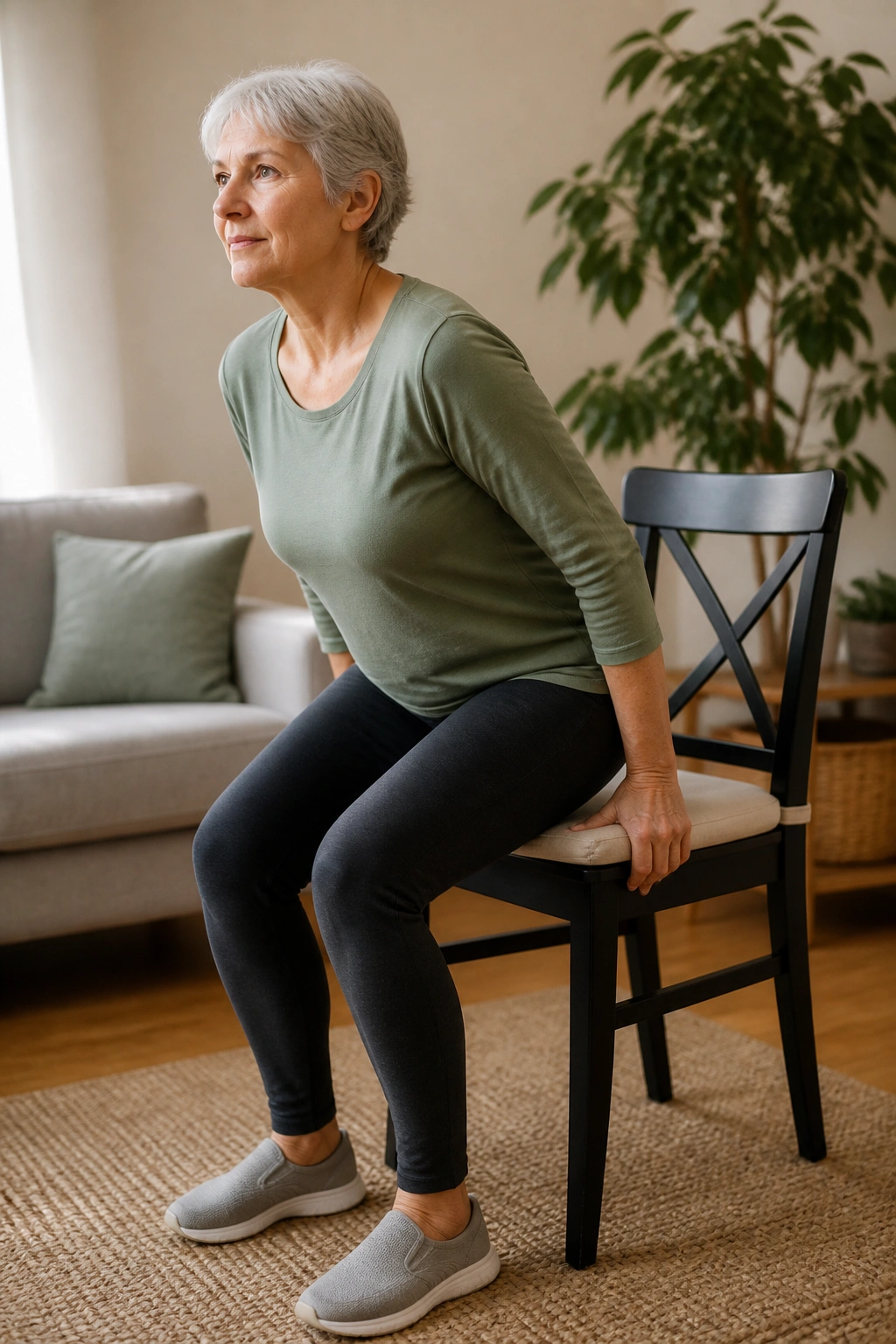
A chair workout is one of the most practical home video formats out there, and it deserves more respect than it gets.
The seated version of exercise can still challenge the shoulders, core, hips, and legs. Seated marches, arm reaches, punches, ankle taps, and sit-to-stands from a sturdy chair can raise your heart rate without requiring a lot of floor work. For some people, that’s the difference between moving and skipping movement entirely.
Look for these details
- A stable, armless chair.
- Clear instructions about where to sit and how far forward.
- Options to stay seated for the whole video.
- No fast transitions that make balance harder than it should be.
Chair workouts are also useful for older adults, people returning from injury, and anyone having a very low-energy day. No drama. Just movement that meets you where you are.
16. Core Workouts That Protect Your Neck
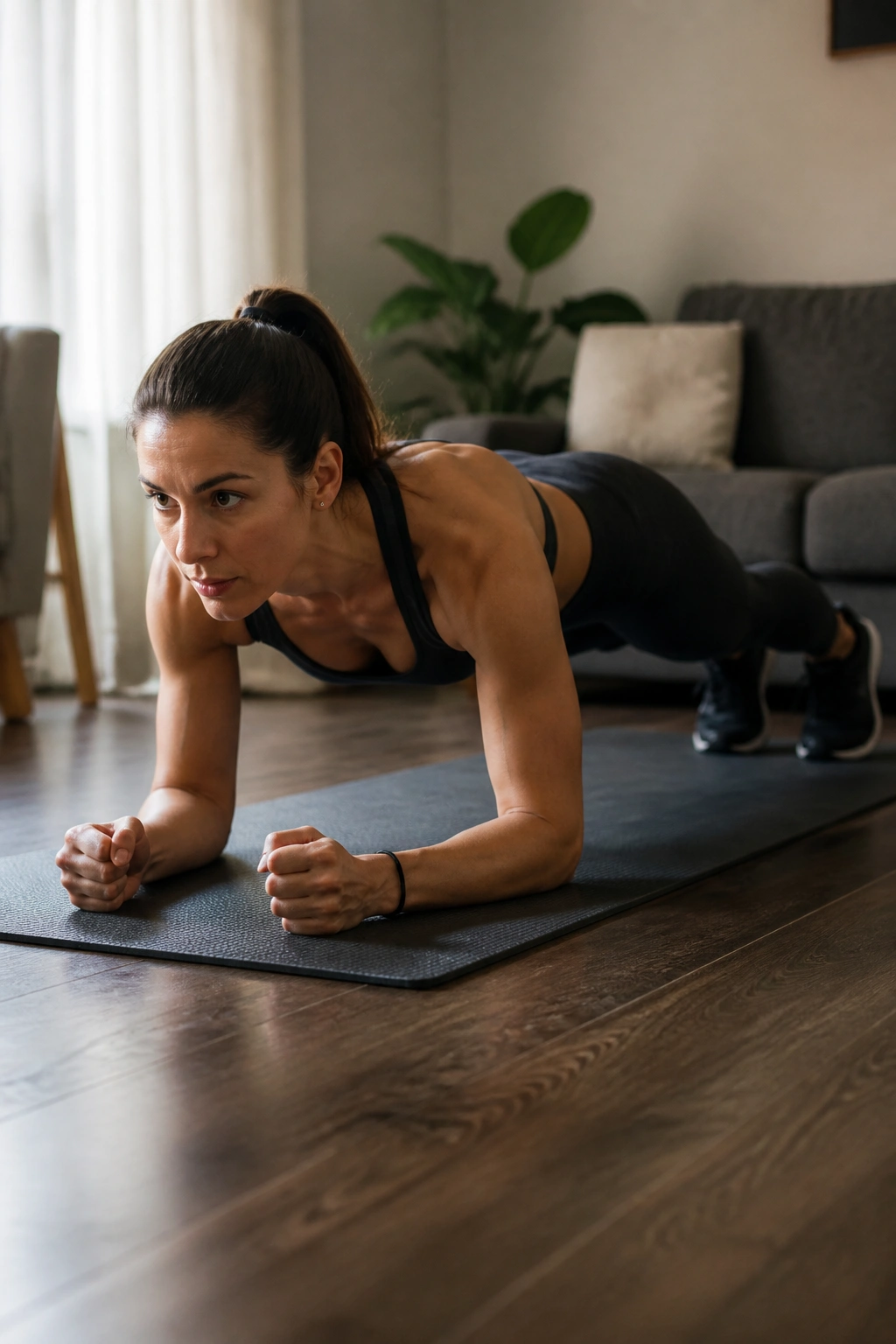
If a core workout leaves your neck sore, the video probably isn’t teaching the work well.
The strongest home core sessions use moves like dead bugs, bird dogs, heel taps, forearm planks, side planks, and controlled leg lowers. These train the center without pulling your head forward a hundred times. That matters. The point is not to crank through crunches until your abs surrender. The point is to build usable trunk strength.
Good signs in a core video
- The instructor talks about exhaling during effort.
- There’s a reminder to keep the chin slightly tucked.
- Planks can be done from the knees or a wall.
- The pace is slow enough to keep the lower back quiet.
If your neck tends to take over, skip the frantic crunch marathons. Choose a video that values control. Your back will usually feel better too.
17. Resistance Band Workouts for Extra Tension
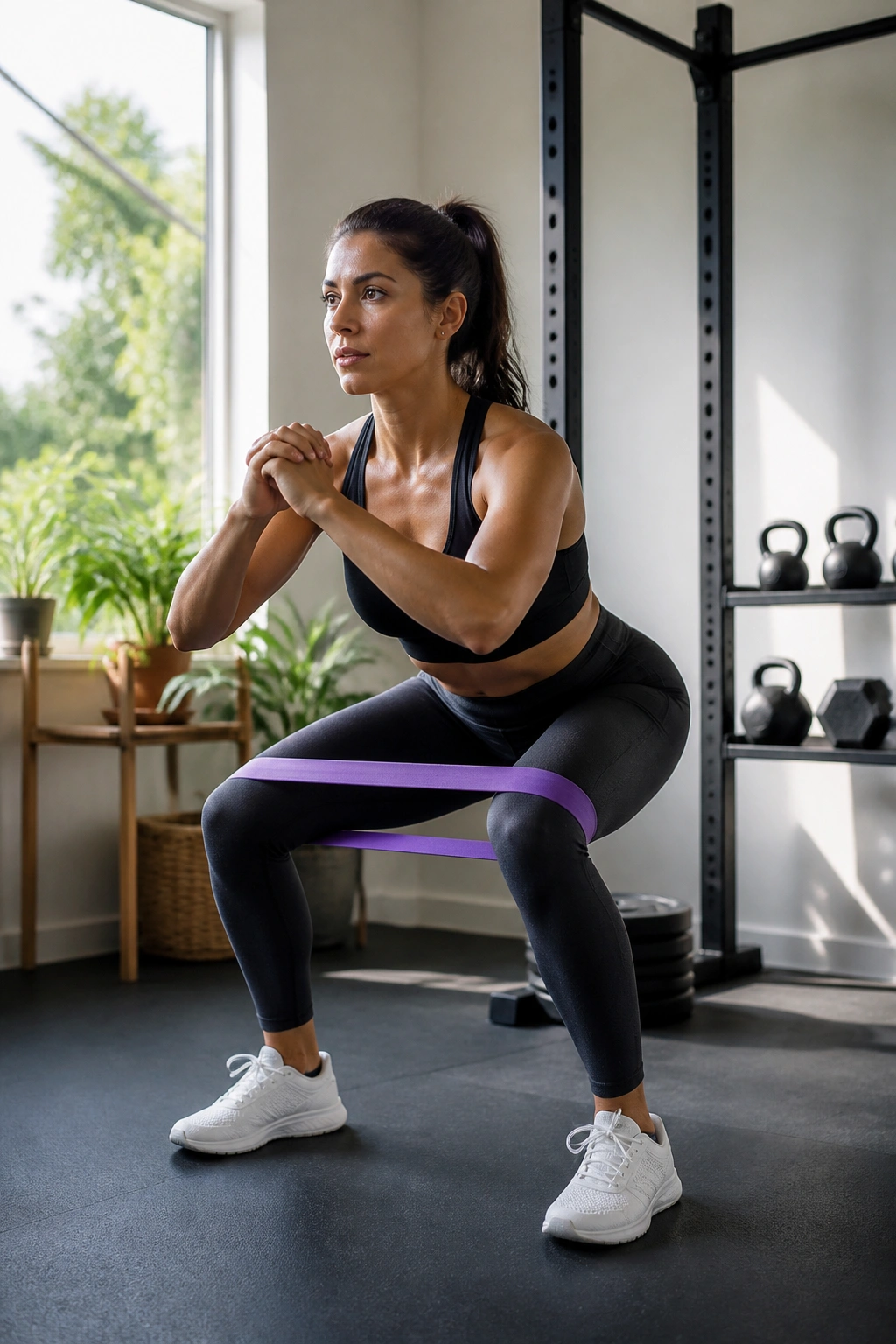
Resistance bands are one of the cheapest ways to make a home workout feel more complete. They’re light, easy to store, and far more useful than people expect.
A good band workout can hit the glutes, back, shoulders, and core with very little setup. Mini bands are great for lateral walks and glute bridges. Long loop bands work well for rows, presses, and assisted hinges. The trick is choosing a band with enough tension to make the last few reps honest, not impossible.
I prefer these videos when I want a low-joint-stress strength day. The band gives you resistance through the whole motion, which feels different from dumbbells. Sometimes better. Sometimes humbling.
Best fit: beginners who want a simple way to add challenge, and experienced exercisers who want variety.
18. Tabata Intervals for Time-Crunched Days
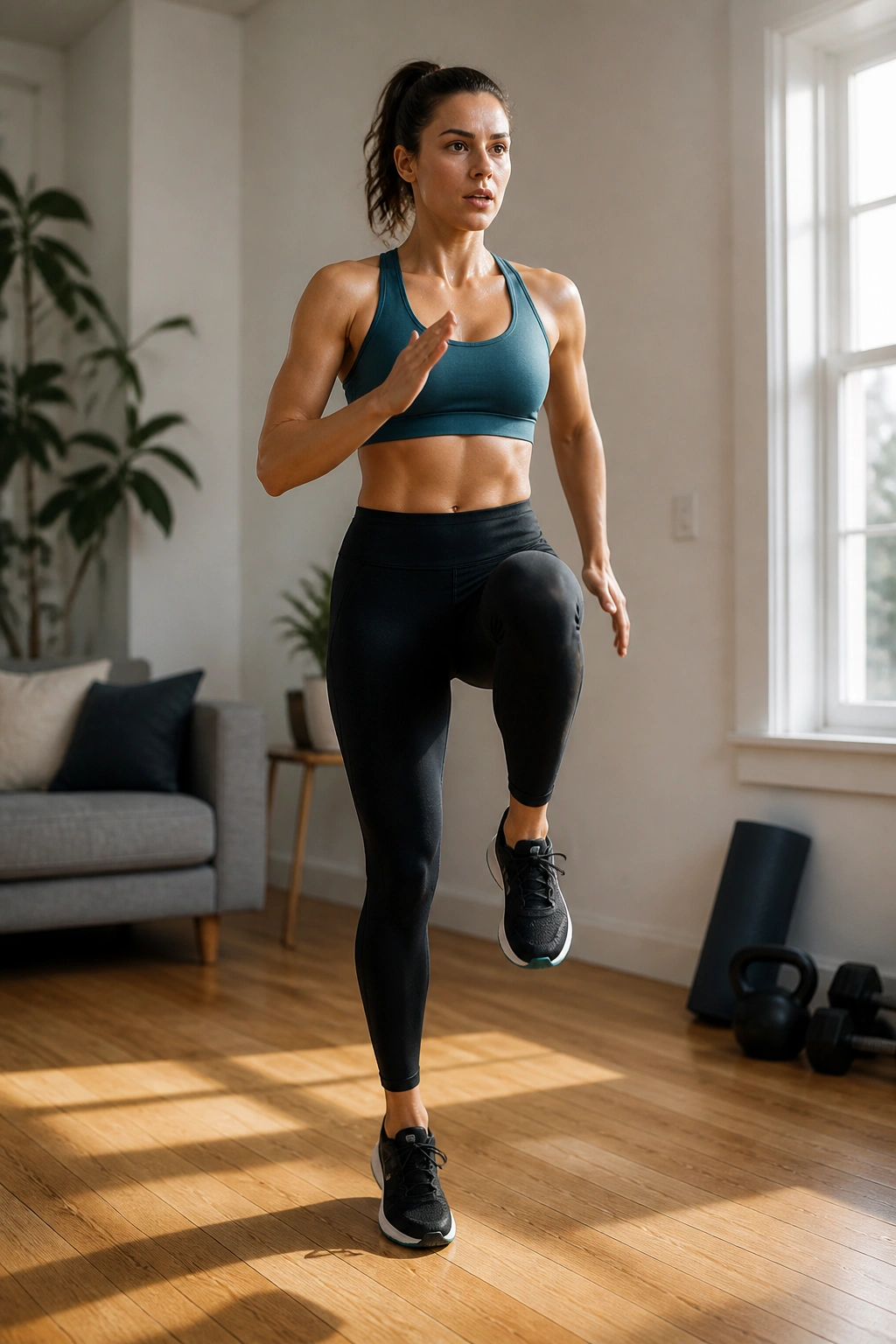
Tabata sounds tiny until you try it properly. Then those 20-second blasts and 10-second rests start feeling very real.
The classic setup uses eight rounds of one move or a small cluster of moves. Good video workouts use that structure carefully so you don’t waste seconds changing direction or searching for the next cue. They’ll often pair explosive moves—like high knees, squats, punches, or skaters—with brief recovery windows that keep the pace high.
A smart Tabata video should
- Stick to one clear timer.
- Use only a few exercise patterns.
- Offer low-impact swaps.
- Avoid cramming in too many different moves.
This style is not ideal for beginners unless the instructor is generous with modifications. But for people who already know the basics, it’s one of the quickest ways to get a hard session done without spending half the morning on it.
19. Family-Friendly Movement Breaks
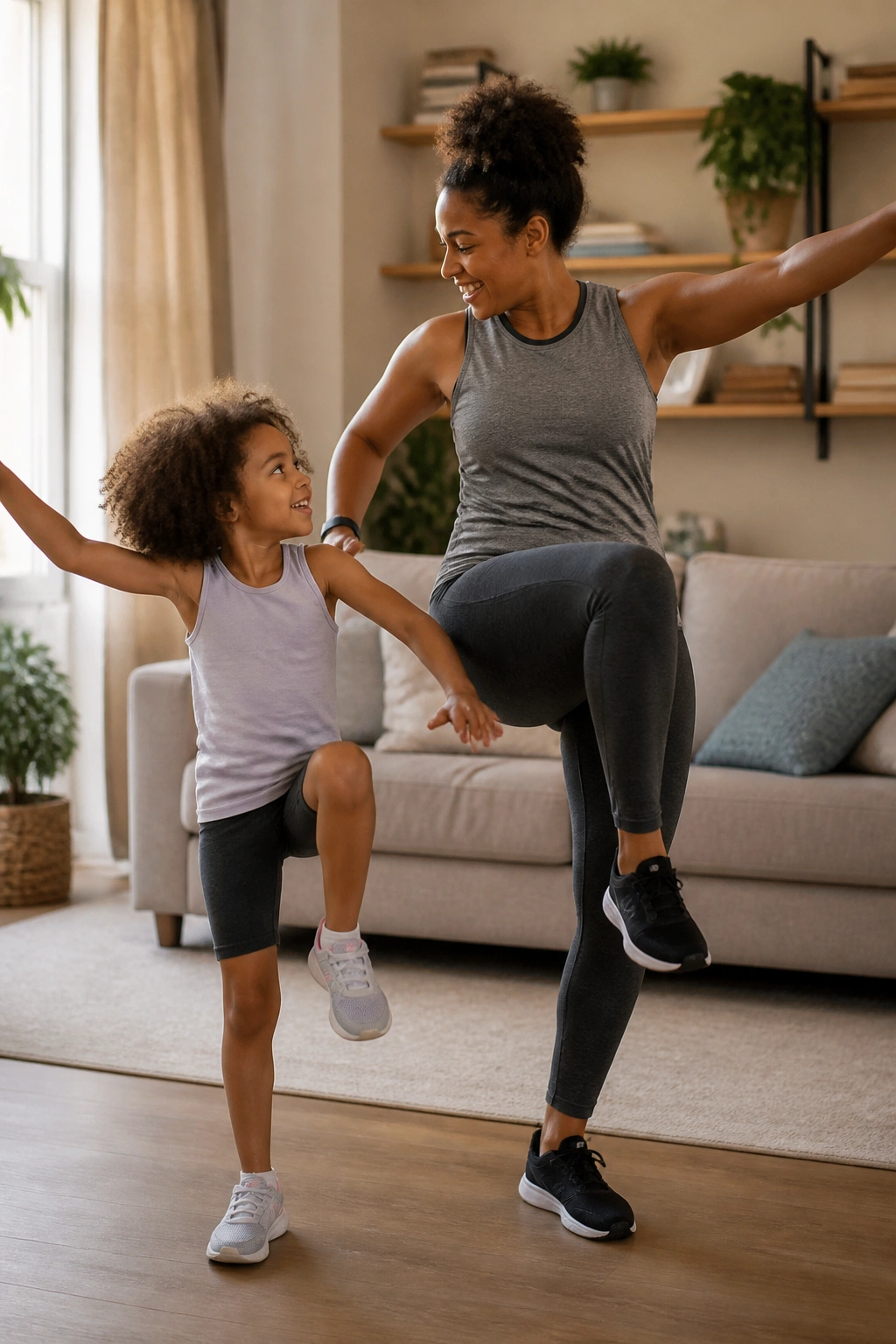
A good family movement video is less about “training” and more about getting everyone off the couch without a fight.
These workouts usually keep the moves playful: marching, reaching, animal walks, balance poses, pretend boxing, and easy dance steps. The best ones don’t talk down to adults or make the routine too babyish. They just keep the energy light and the instructions simple enough that kids can jump in without a lesson.
I like these on rainy days or after too much screen time. They’re short on purpose. Eight to 12 minutes can be enough to reset the room. And if the video gets one child giggling and one adult breathing harder than expected, that’s a win.
No one needs perfection here. Just motion.
20. Advanced Full-Body Challenges for When Basics Feel Easy
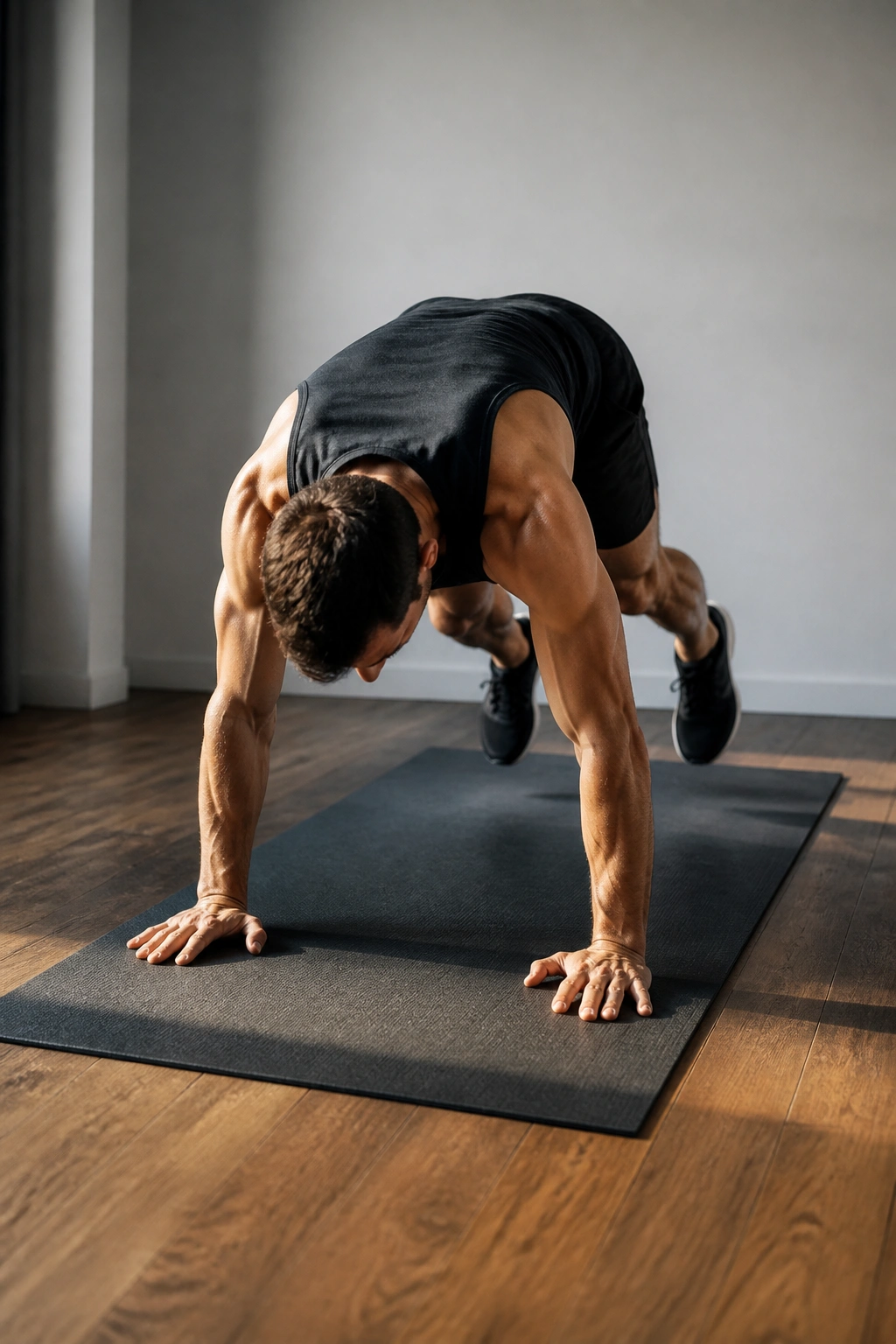
Sometimes you want a workout that asks more of you. Not always. But sometimes.
Advanced home videos usually mix compound strength moves with faster tempo, tougher balance demands, or more athletic patterns like burpee variations, push-up to plank, jump lunges, renegade rows, and mountain climbers. The good ones still respect form. The bad ones just move fast and hope that counts as intensity.
If a beginner video taught you the basics, this is where that work pays off. You should be able to brace your core, keep your knees tracking well, and recover between rounds without completely falling apart.
Best fit: experienced exercisers who want a challenge and don’t mind feeling smoked for a bit.
21. Shadow Boxing Cardio Without Equipment

Shadow boxing is one of my favorite home cardio formats because it’s simple, silent enough for most apartments, and much harder than it looks.
A solid video will teach you to plant your feet, rotate your torso, and keep your guard up while you punch. Jab, cross, hook, uppercut. Then add slips, knees, or quick footwork. The whole workout becomes a mix of rhythm and coordination, which keeps it interesting in a way a basic marching session sometimes doesn’t.
What to look for
- Short combinations repeated often.
- Footwork that stays light and controlled.
- Clear reminders to rotate from the hips.
- Options to keep impact low.
This is a good choice when you want cardio that feels sharp rather than bouncy. It also trains balance and timing in a nice, sneaky way.
22. Steady-State Low-Impact Sweat Sessions
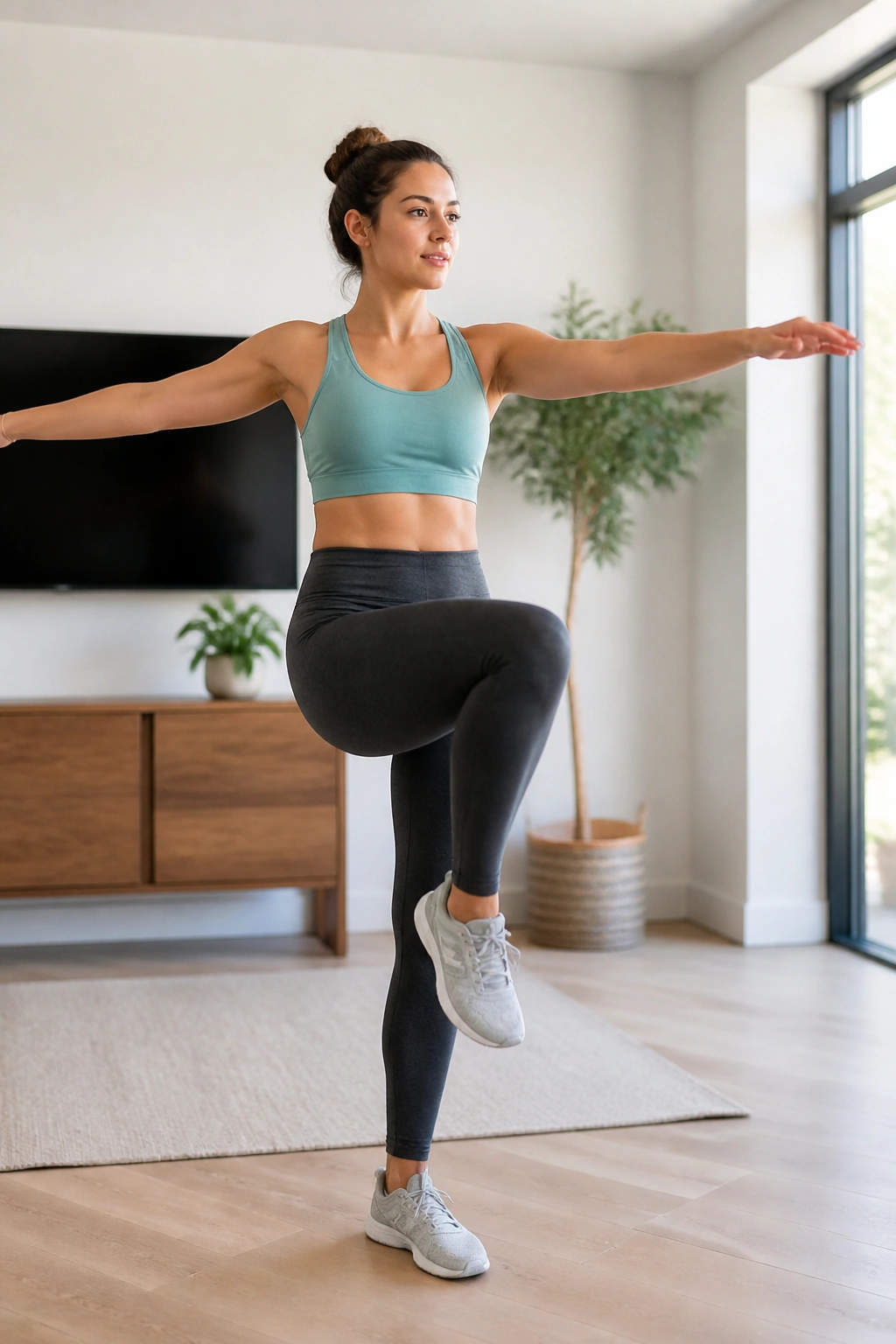
Not every good workout has to be a sprint. A steady-state video that keeps you moving at one manageable pace for 20 to 45 minutes can be gold, especially when you’re tired but still want to show up.
These sessions often use a mix of marching, step patterns, light squats, arm reaches, and maybe a few low dumbbell movements. The pace stays consistent. No panic. No crazy spikes. That makes them easy to finish, which is more useful than people admit. Finishing matters.
I reach for this style on days when I want to move, breathe a little harder, and not spend the rest of the afternoon recovering. It’s also friendly for newer exercisers because the rules stay stable from start to finish. If you want a workout that feels doable but still productive, this is the one I’d keep near the top of the stack.
A good home workout library is built from options like these, not from one magic routine. Pick the kind of effort you can actually repeat, and your couch stops winning quite so often.
