



When you strip away the marketing noise surrounding weight loss, the biology of belly fat reduction comes down to a few fundamental constants: metabolic support, blood sugar stabilization, and the consistent consumption of nutrient-dense, high-volume foods. Soup—specifically homemade, vegetable-forward broth-based soup—is perhaps the single most effective tool for managing body composition without feeling restricted. It provides massive volume for very few calories, keeping the stomach stretched and satisfied, while simultaneously flooding the system with the hydration and electrolytes required for efficient metabolism.
The reason most people fail to see results with their diet isn’t a lack of willpower; it’s a failure of hunger management. When you eat solids, you are eating for density. When you eat a soup that is predominantly liquid and fiber-rich vegetables, you are eating for volume. This trick of the mind and the digestive system is powerful. By front-loading a meal with a warm, savory bowl of broth, you effectively occupy significant real estate in your stomach before you even touch your main entrée. This is not about deprivation or “detox” in the pseudo-scientific sense of flushing out imagined toxins; it is about providing the body with the high-fiber, low-glycemic support it needs to naturally regulate insulin levels and shed visceral fat.
A recurring mistake in the world of “weight loss soups” is the reliance on overly processed canned bases, excessive cream, or under-seasoning. If a meal tastes like a punishment, you will not eat it for more than three days. These recipes are designed to be substantial, flavorful, and deeply satisfying. They lean on aromatics like fresh ginger, garlic, herbs, and high-quality spices to do the heavy lifting that fat usually handles. When you make your own broth—or even just use a clean, sodium-conscious store-bought version—you control the entire architecture of the meal.
The Science of Volumetric Eating and Belly Fat
Before you start chopping vegetables, it is vital to understand why soup works differently than other meals. The primary mechanism is satiety. Research has consistently demonstrated that liquid-heavy meals consumed before solids can significantly lower total calorie intake during the subsequent course of the meal. This is because the stretch receptors in your stomach trigger satiety signals to the brain well before you have consumed the same number of calories you would have through solid food alone.
Furthermore, these soups are naturally packed with fiber. Fiber acts as a regulator for blood sugar. When you consume a high-fiber, low-fat soup, you avoid the insulin spikes that are notoriously linked to abdominal fat storage. Most of these recipes emphasize cruciferous vegetables, leafy greens, and legumes, which are the gold standard for gut health. A healthy gut microbiome is increasingly linked to easier weight management. By focusing on these ingredients, you are not just managing your current caloric intake; you are actively optimizing your digestive system to process nutrients more efficiently.
How to Build a Foundation for Flavor
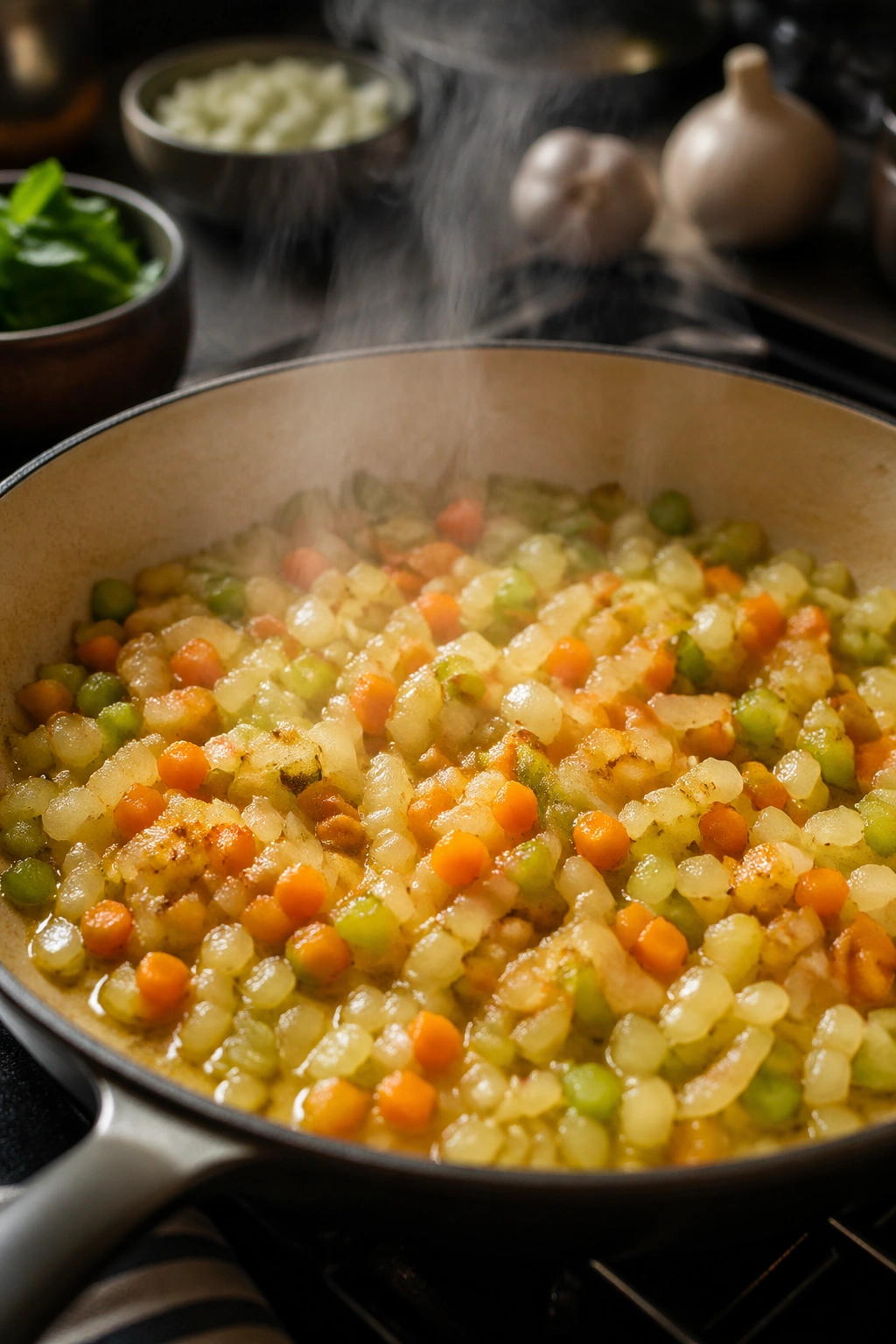
Most people find healthy soup bland because they fail to layer flavors. You cannot simply boil vegetables in water and expect a gourmet experience. You must build a foundation. Start with a classic mirepoix (onions, carrots, celery) or soffritto (garlic, onion, herbs) and sweat them in a small amount of healthy oil or a splash of water until they are translucent and fragrant. This process releases the essential oils and sugars in the vegetables, creating a savory depth that forms the backbone of the entire dish.
Seasoning is another critical area where home cooks often miss the mark. Do not be afraid of acid. A squeeze of lemon juice, a splash of apple cider vinegar, or a dash of hot sauce at the end of the cooking process brightens the entire profile. Acid cuts through the earthiness of vegetables and makes the soup feel “alive” on the palate. If a soup tastes flat or dull, the solution is almost always a pinch of salt or a splash of acid, not more ingredients.
1. Green Goddess Vegetable Soup
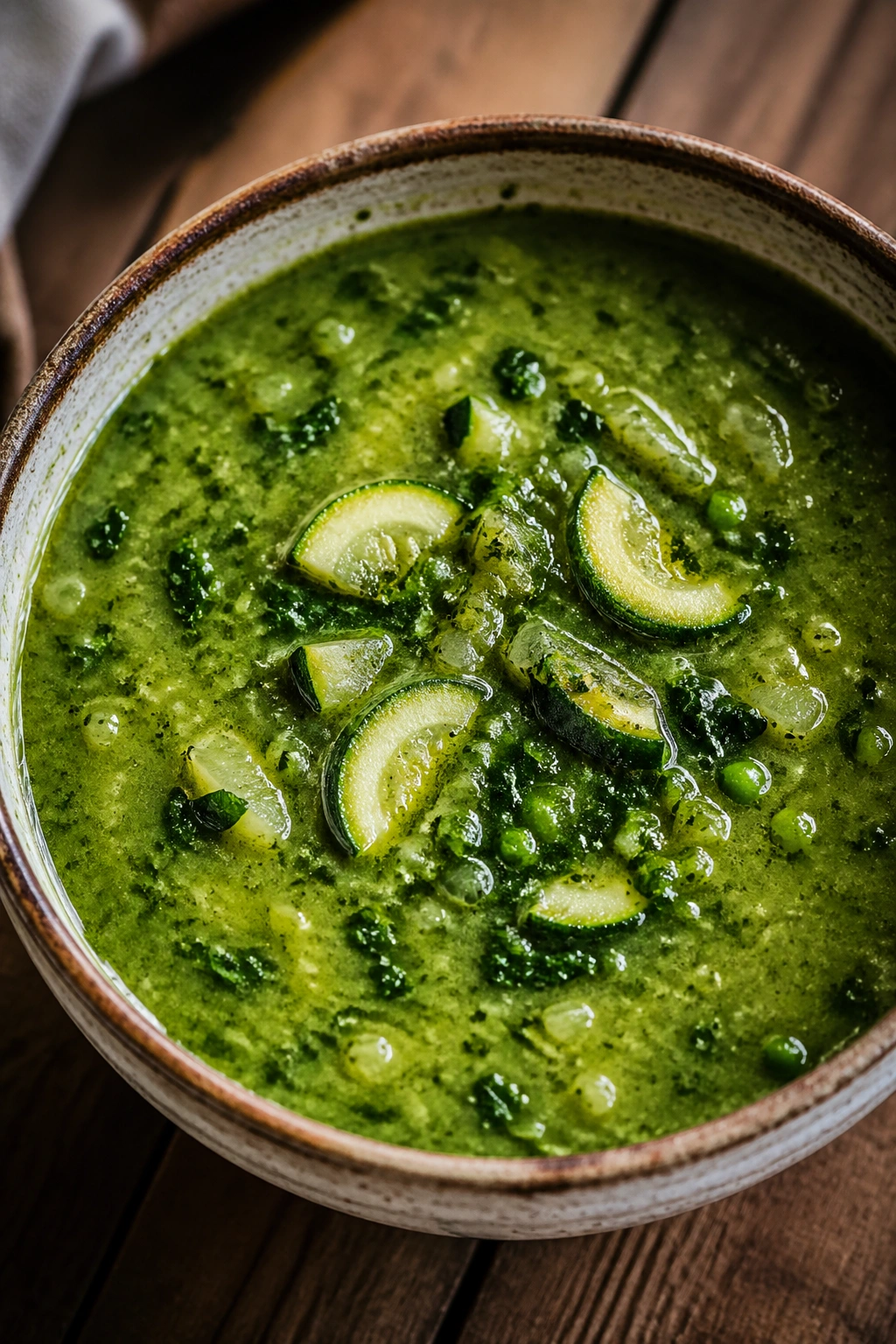
This soup is a masterclass in using chlorophyll-rich greens to create a satisfying, light, yet incredibly nutrient-dense meal. It focuses on zucchini, spinach, and peas—ingredients that provide creaminess without the need for dairy. The secret here is blending only half of the mixture, which leaves you with a beautiful texture: a velvety base with small, chewable bits of vegetable throughout.
Yield: Serves 4 Prep Time: 15 minutes Cook Time: 25 minutes Total Time: 40 minutes Difficulty: Beginner — simple chopping and blending, no advanced techniques required.
For the Soup Base:
- 1 tablespoon extra virgin olive oil
- 1 medium yellow onion, diced
- 3 cloves garlic, minced
- 2 medium zucchinis, chopped into half-moons
- 4 cups vegetable broth (low sodium)
- 1 cup frozen peas
- 2 cups fresh baby spinach
- 1 tablespoon fresh lemon juice
- 1/2 teaspoon dried thyme
- Salt and cracked black pepper to taste
Preparation and Cooking:
- Heat the olive oil in a large pot over medium heat. Add the diced onion and cook until soft and translucent, about 5 minutes.
- Add the minced garlic and thyme, cooking for another minute until fragrant.
- Toss in the chopped zucchini and sauté for 4–5 minutes, allowing it to soften slightly.
- Pour in the vegetable broth, increase the heat to bring to a boil, then reduce to a simmer. Cover and cook for 10 minutes, until the zucchini is fork-tender.
- Stir in the frozen peas and fresh baby spinach. Cook for just 2–3 minutes until the spinach is wilted and the peas are bright green.
- Use an immersion blender to process about half of the soup directly in the pot. You want a chunky-creamy hybrid texture.
- Remove from heat, stir in the fresh lemon juice, and season with salt and pepper. Serve immediately.
Pro-Tip: If you have fresh herbs like basil or parsley, stir them in right at the end. The residual heat will soften them, but the flavor will remain bright and fresh.
2. Turmeric-Spiced Lentil Soup
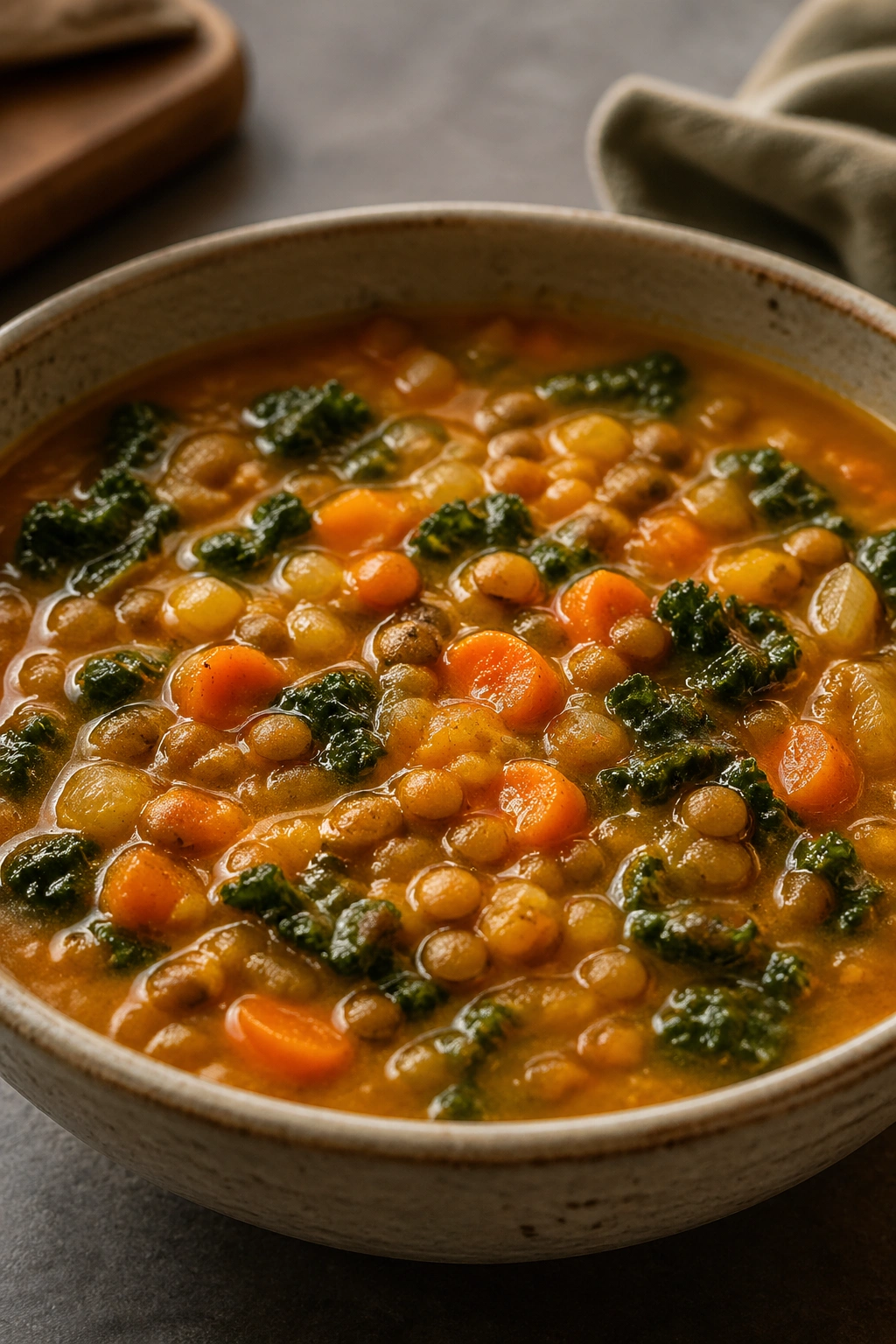
Lentils are the unsung heroes of belly fat loss. They are packed with both protein and fiber, a combination that keeps your blood sugar stable for hours. The addition of turmeric provides a warm, earthy profile, and black pepper is essential here—it actually helps the body absorb the curcumin found in turmeric. This is a robust, filling soup that can easily serve as a standalone dinner.
Yield: Serves 6 Prep Time: 10 minutes Cook Time: 40 minutes Total Time: 50 minutes Difficulty: Beginner — the lentils cook right in the broth, so no pre-cooking is necessary.
For the Soup:
- 1 tablespoon coconut oil
- 1 large onion, chopped
- 3 carrots, sliced into rounds
- 2 teaspoons ground turmeric
- 1 teaspoon ground cumin
- 1/4 teaspoon cayenne pepper (optional, for heat)
- 1 1/2 cups dry brown or green lentils, rinsed
- 6 cups vegetable or chicken broth
- 1 can (14 oz) diced tomatoes, undrained
- 2 cups chopped kale, stems removed
Instructions:
- Warm the coconut oil in a large heavy-bottomed pot over medium heat. Sauté the onion and carrots for 6–8 minutes until the carrots begin to soften.
- Add the turmeric, cumin, and cayenne. Toast the spices for 1 minute until fragrant.
- Add the rinsed lentils, vegetable broth, and diced tomatoes. Bring the mixture to a boil.
- Reduce the heat to low, cover, and simmer for 30–35 minutes, or until the lentils are tender but not mushy.
- Stir in the kale during the final 3 minutes of cooking. It should be tender but still retain a vibrant green color.
- Taste and adjust seasoning with sea salt and more pepper if needed.
Storage: This soup improves in flavor overnight. Keep in an airtight container in the fridge for up to 5 days. Lentils absorb liquid, so you may need to add a splash of water when reheating.
3. Spicy Cabbage and Ginger Broth
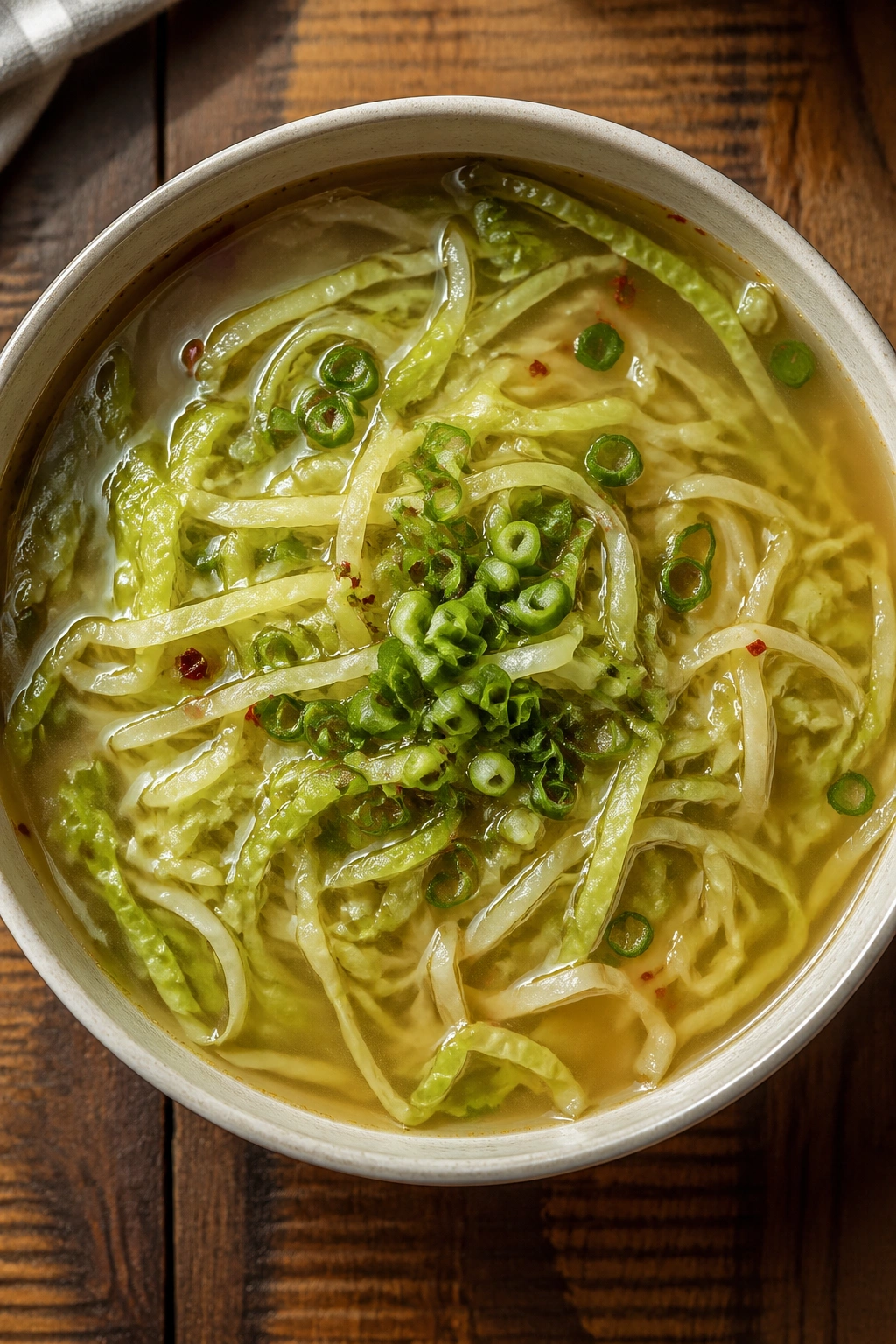
Cabbage is incredibly low in calories but very high in bulk, making it a perfect weight-loss vegetable. This soup is inspired by Asian flavor profiles, using fresh ginger to kickstart digestion and a bit of chili paste for metabolic heat. It is a very “clean” soup that feels restorative after a day of heavy eating.
Yield: Serves 4 Prep Time: 10 minutes Cook Time: 20 minutes Total Time: 30 minutes Difficulty: Beginner — quick sauté and a short simmer.
For the Soup:
- 1 teaspoon toasted sesame oil
- 1 tablespoon fresh ginger, grated
- 2 cloves garlic, smashed
- 4 cups vegetable broth
- 4 cups green cabbage, shredded
- 1 tablespoon soy sauce or tamari
- 1 teaspoon chili garlic sauce (or sriracha)
- 2 green onions, thinly sliced for garnish
Preparation:
- Heat the sesame oil in a pot over medium-high heat. Add the ginger and garlic and sauté for 30 seconds until the aroma fills the kitchen.
- Pour in the broth, soy sauce, and chili garlic sauce. Bring to a boil.
- Add the shredded cabbage. It will look like a lot, but it will wilt significantly.
- Reduce the heat to a simmer and cook for 10–12 minutes until the cabbage is tender.
- Taste for salt. The soy sauce and broth provide a salty base, so you likely won’t need much extra.
- Serve in bowls topped with fresh green onions.
Serving Suggestion: This is a light soup. If you are extremely hungry, add a soft-boiled egg on top for extra protein.
4. Roasted Tomato and Basil Essence
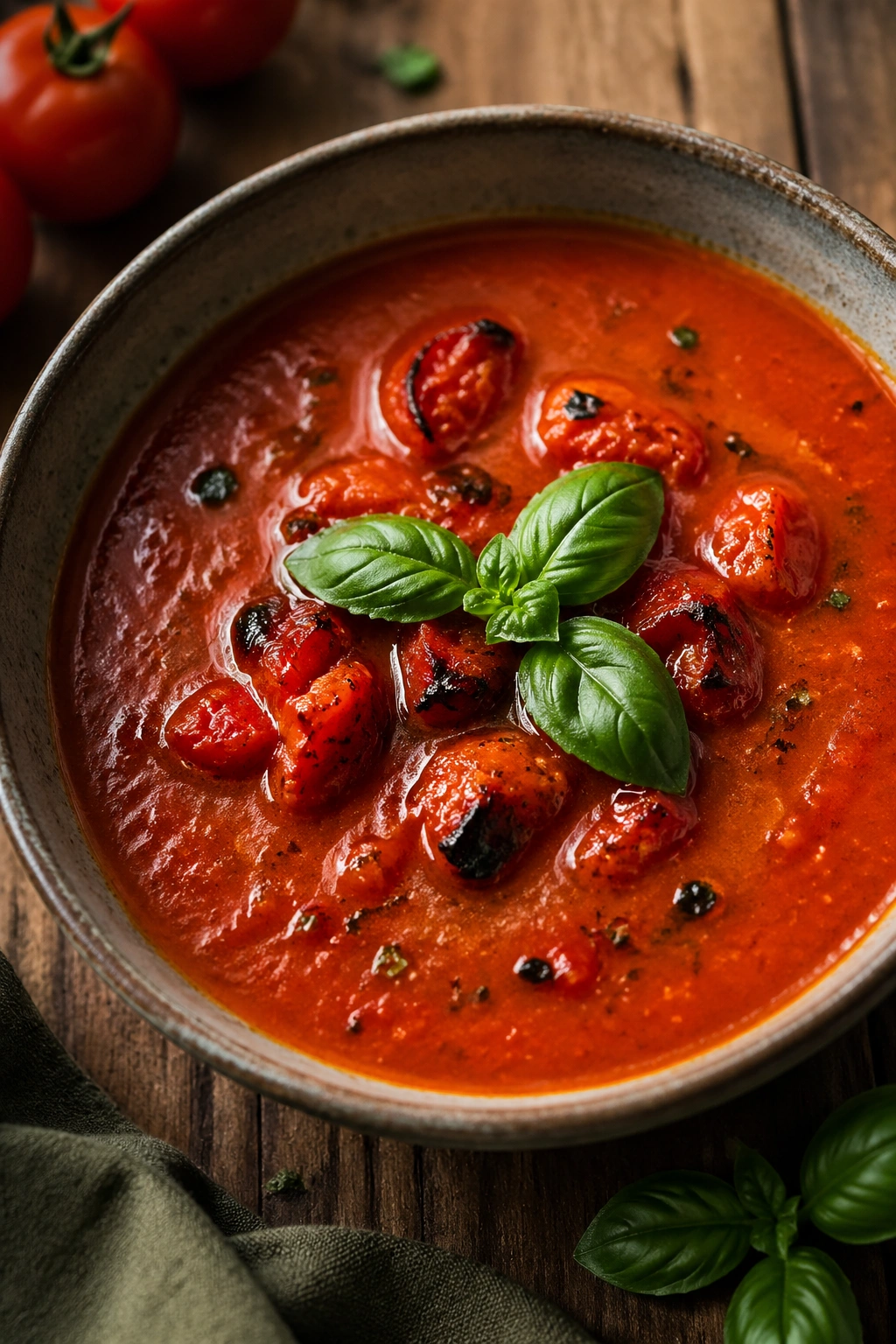
Many store-bought tomato soups are essentially sugar-laden desserts. This version relies on the deep, concentrated sweetness of roasted tomatoes. By roasting them first, you intensify the flavor, allowing you to skip heavy cream or sugar entirely.
Yield: Serves 4 Prep Time: 15 minutes Cook Time: 45 minutes Total Time: 1 hour Difficulty: Intermediate — requires roasting time, but the effort is minimal.
For the Base:
- 2 lbs vine-ripened tomatoes, halved
- 1 large onion, quartered
- 4 cloves garlic, peeled
- 2 tablespoons olive oil
- 2 cups vegetable broth
- 1/2 cup fresh basil leaves
- Salt and cracked black pepper
Instructions:
- Preheat the oven to 400°F (200°C). Arrange the tomatoes, onion, and garlic on a baking sheet. Drizzle with 1 tablespoon of olive oil and season generously with salt and pepper.
- Roast for 30–35 minutes until the tomatoes are blistered and the edges of the onion are starting to brown.
- Transfer everything from the baking sheet into a large pot. Add the vegetable broth.
- Use an immersion blender to puree until completely smooth.
- Simmer over low heat for 10 minutes to marry the flavors.
- Stir in the fresh basil leaves right before serving so they stay bright.
Make-Ahead Tip: You can roast the vegetables and store them in the fridge for 2 days before finishing the soup.
5. Miso Mushroom Clearing Soup
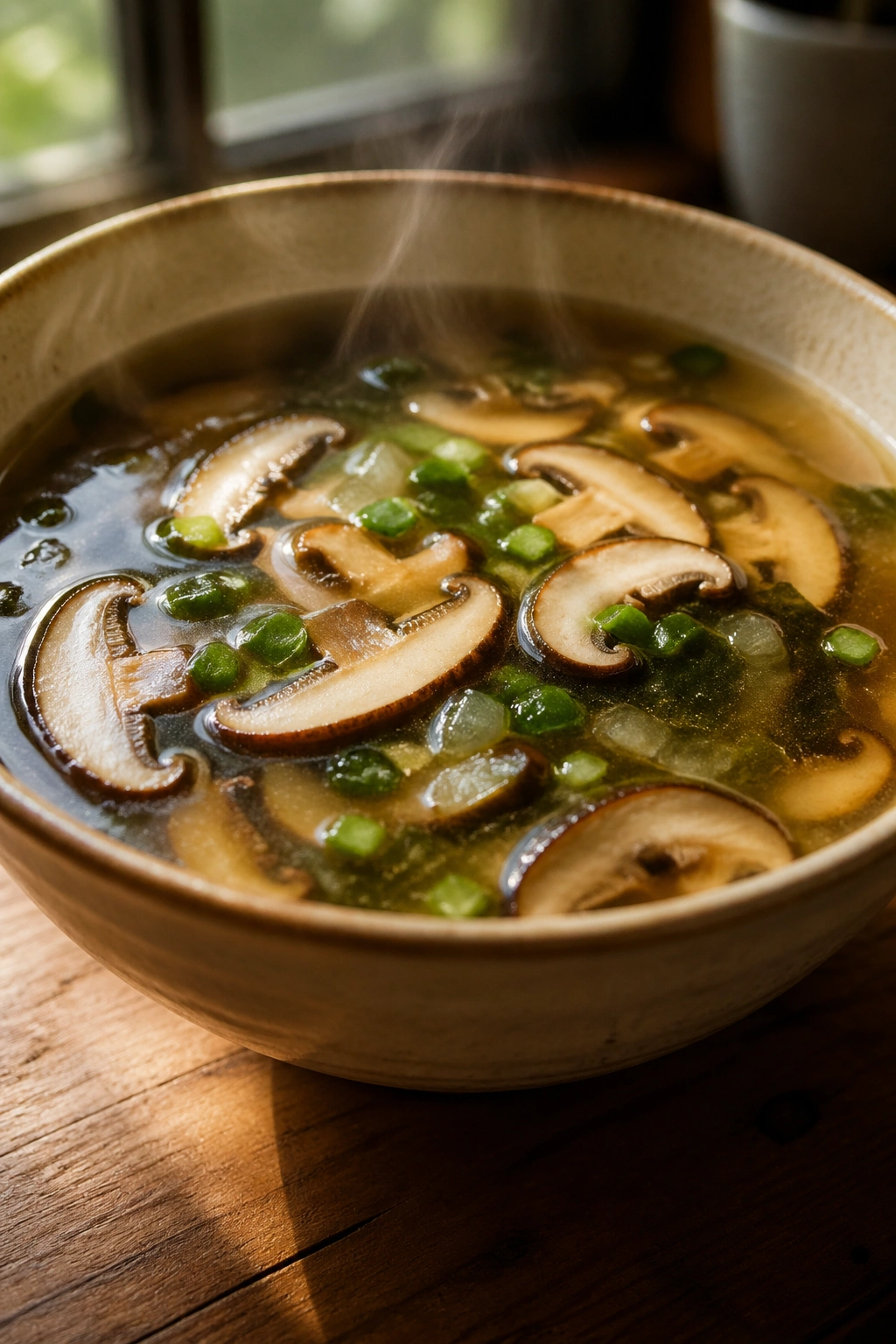
Mushrooms are a powerhouse of umami flavor without the calorie count of meat. This soup is light but intensely savory, thanks to the miso paste. Miso is a fermented product that is excellent for gut health, making this a perfect “detox” style option.
Yield: Serves 4 Prep Time: 10 minutes Cook Time: 15 minutes Total Time: 25 minutes Difficulty: Beginner — very fast and requires minimal prep.
For the Broth:
- 5 cups water (or light kombu dashi)
- 8 oz shiitake mushrooms, sliced
- 1 tablespoon ginger, minced
- 2 cups baby bok choy, chopped
- 3 tablespoons white miso paste
- 1 tablespoon soy sauce
Steps:
- Bring the water and ginger to a simmer in a large pot.
- Add the shiitake mushrooms and simmer for 5–7 minutes until tender.
- Add the bok choy and cook for 2 minutes until just wilted.
- Place the miso paste in a small bowl and ladle a bit of the hot broth into it. Whisk until smooth (this prevents clumps).
- Pour the miso mixture back into the pot. Do not let the soup boil once the miso is added, or it will lose its probiotic benefits and flavor.
- Serve immediately.
Best Served: This soup is best eaten fresh. It does not reheat as well as others because the miso profile is delicate.
6. Kale and White Bean Protein Soup
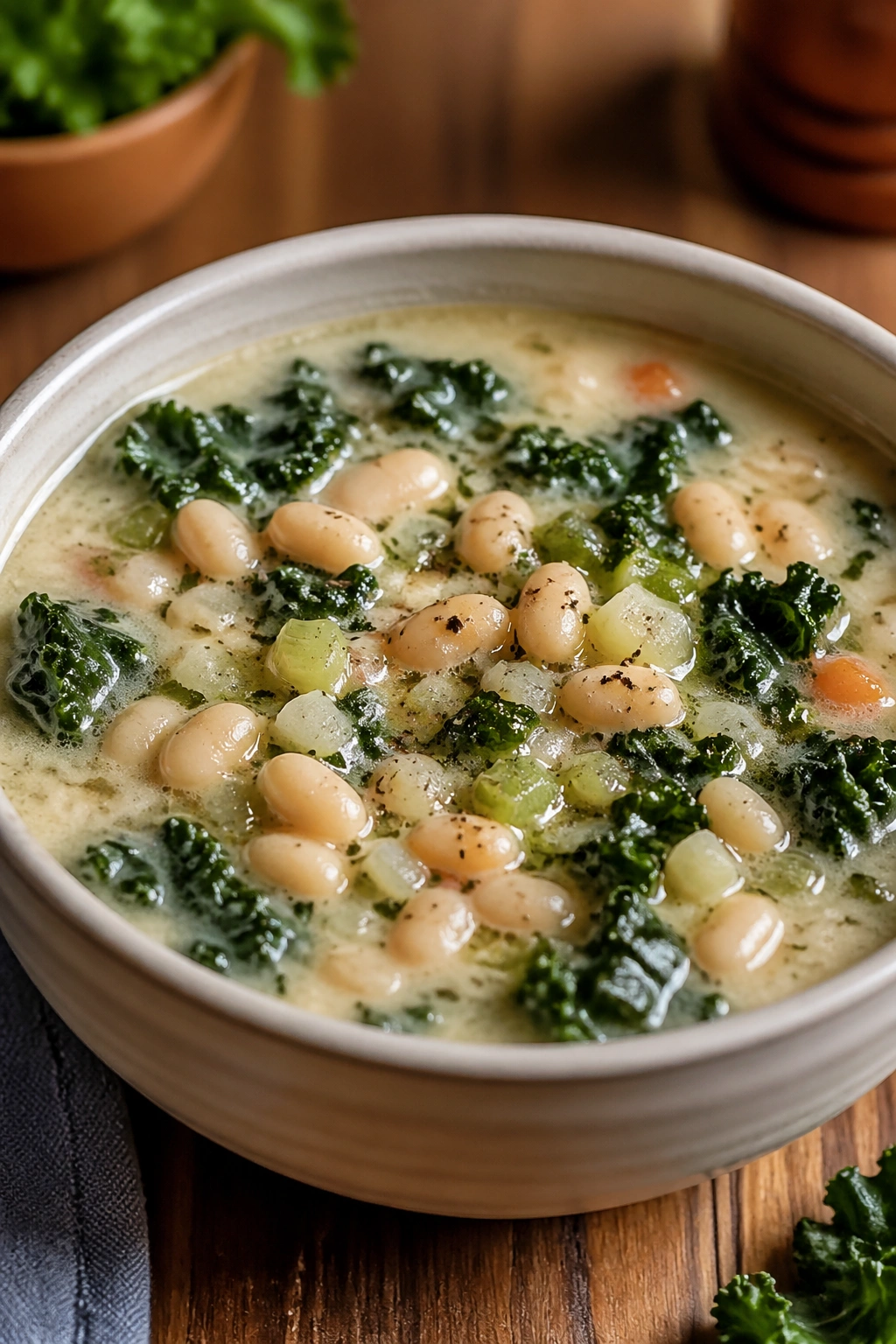
White beans (cannellini or navy) add a creamy, satisfying texture and a significant dose of protein and fiber. This soup is hearty enough that you won’t even think about side dishes.
Yield: Serves 6 Prep Time: 10 minutes Cook Time: 25 minutes Total Time: 35 minutes Difficulty: Beginner.
For the Soup:
- 1 tablespoon olive oil
- 1 onion, diced
- 2 carrots, diced
- 3 cloves garlic, minced
- 6 cups vegetable broth
- 2 cans (15 oz each) cannellini beans, rinsed and drained
- 4 cups kale, chopped
- 1 teaspoon dried rosemary
- Salt and pepper to taste
Preparation:
- Sauté the onion, carrots, and garlic in olive oil until soft.
- Add the broth, rosemary, and one can of the beans.
- Simmer for 15 minutes.
- Using an immersion blender, blend this mixture partially—just enough to thicken the broth with the beans.
- Add the remaining whole beans and the kale. Simmer for 5 more minutes until the kale is tender.
- Season and serve.
Why it works: The partially blended beans create a “cream” base without any dairy, keeping the calories low but the satisfaction high.
7. Clear Chicken and Bok Choy Soup
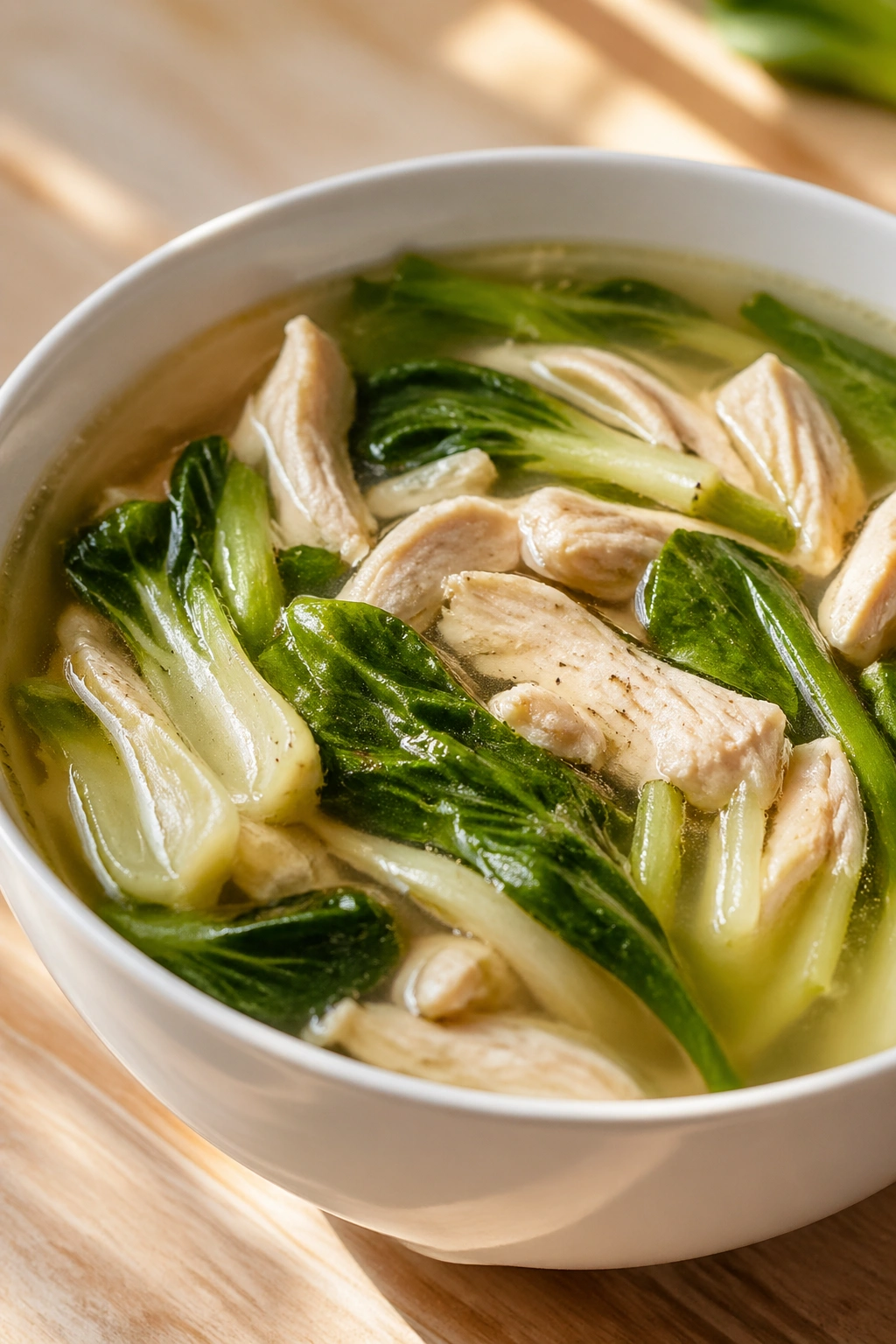
Sometimes the best solution for belly fat is a simple, high-protein, broth-based meal. This soup is classic, comforting, and incredibly effective at keeping hunger at bay.
Yield: Serves 4 Prep Time: 10 minutes Cook Time: 30 minutes Total Time: 40 minutes Difficulty: Beginner.
For the Soup:
- 1 lb chicken breast, cut into thin strips
- 6 cups high-quality chicken bone broth
- 1 tablespoon ginger, sliced into coins
- 2 cloves garlic, smashed
- 3 heads baby bok choy, quartered
- 1 tablespoon soy sauce
- 1/4 teaspoon sesame oil
Instructions:
- Combine chicken broth, ginger, garlic, and soy sauce in a pot. Bring to a simmer.
- Add the chicken strips and cook for 5–7 minutes until cooked through.
- Add the bok choy and cook for 3 minutes until vibrant.
- Remove the ginger coins before serving.
- Finish with a drizzle of sesame oil.
Health Note: Using bone broth adds collagen and extra protein, which supports skin and joint health while you lose weight.
8. Roasted Cauliflower and Garlic Soup
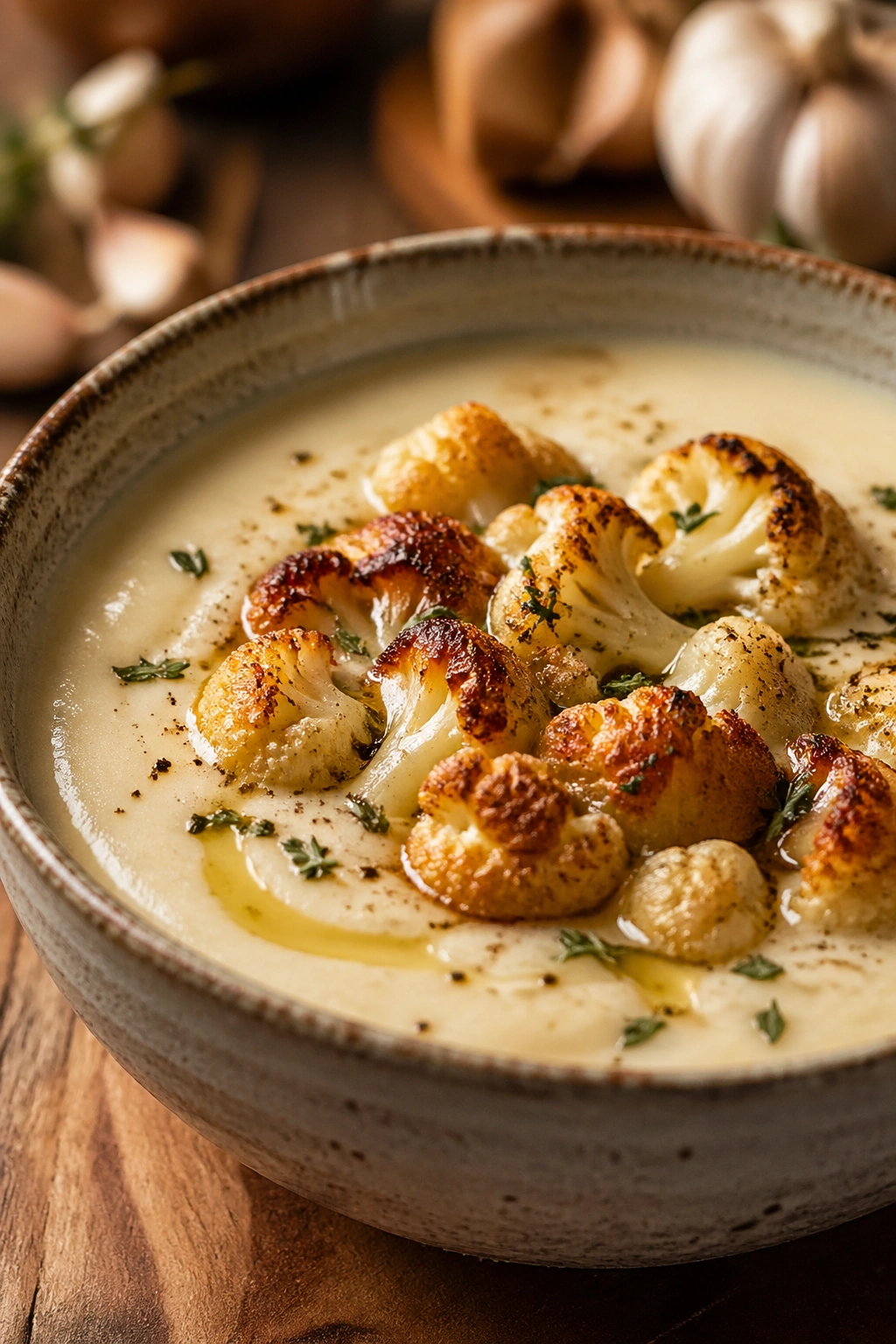
Cauliflower is the ultimate stealth ingredient. When roasted and blended, it creates a texture indistinguishable from potato or cream soup, but with a fraction of the carbohydrates.
Yield: Serves 4 Prep Time: 10 minutes Cook Time: 40 minutes Total Time: 50 minutes Difficulty: Intermediate.
For the Soup:
- 1 head cauliflower, cut into florets
- 6 cloves garlic, whole (skin on)
- 2 tablespoons olive oil
- 4 cups vegetable broth
- 1/2 teaspoon smoked paprika
- Salt to taste
Steps:
- Toss cauliflower and garlic cloves (keep them in their skins) with olive oil.
- Roast at 400°F (200°C) for 30 minutes.
- Squeeze the roasted garlic out of the skins.
- Place cauliflower, garlic, and broth in a pot.
- Blend until completely smooth.
- Season with smoked paprika and salt.
Flavor Tip: A tiny pinch of nutmeg adds an incredible warmth to this soup that complements the cauliflower perfectly.
9. Zucchini and Herb Soup
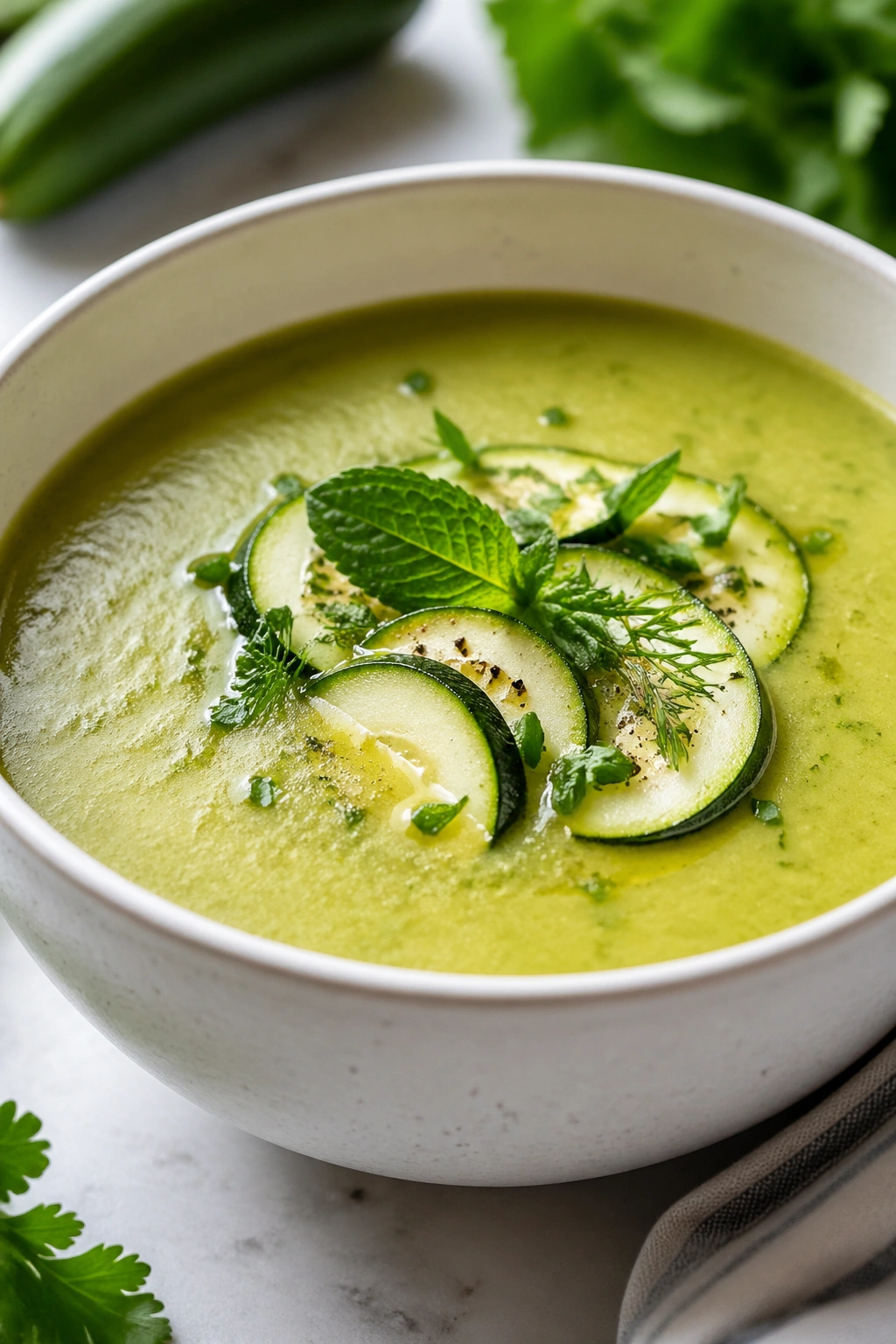
This is a pure “green” soup. It’s light, hydrating, and feels like a spa meal in a bowl. It’s perfect for warm days when you want something comforting but not heavy.
Yield: Serves 4 Prep Time: 10 minutes Cook Time: 20 minutes Total Time: 30 minutes Difficulty: Beginner.
For the Soup:
- 1 tablespoon butter or olive oil
- 1 large onion, chopped
- 3 large zucchinis, sliced
- 4 cups vegetable broth
- 1 cup fresh herbs (mix of basil, parsley, and mint)
- Salt and lemon juice
Instructions:
- Sauté onion in the oil.
- Add zucchini and sauté for 5 minutes.
- Add broth and simmer until tender (10 minutes).
- Remove from heat and stir in all the fresh herbs.
- Blend until smooth.
- Add a squeeze of lemon juice to finish.
The Mint Secret: Do not skip the mint. It sounds unusual for a vegetable soup, but it provides a cooling, refreshing edge that makes this dish memorable.
10. Roasted Butternut Squash and Chili Soup
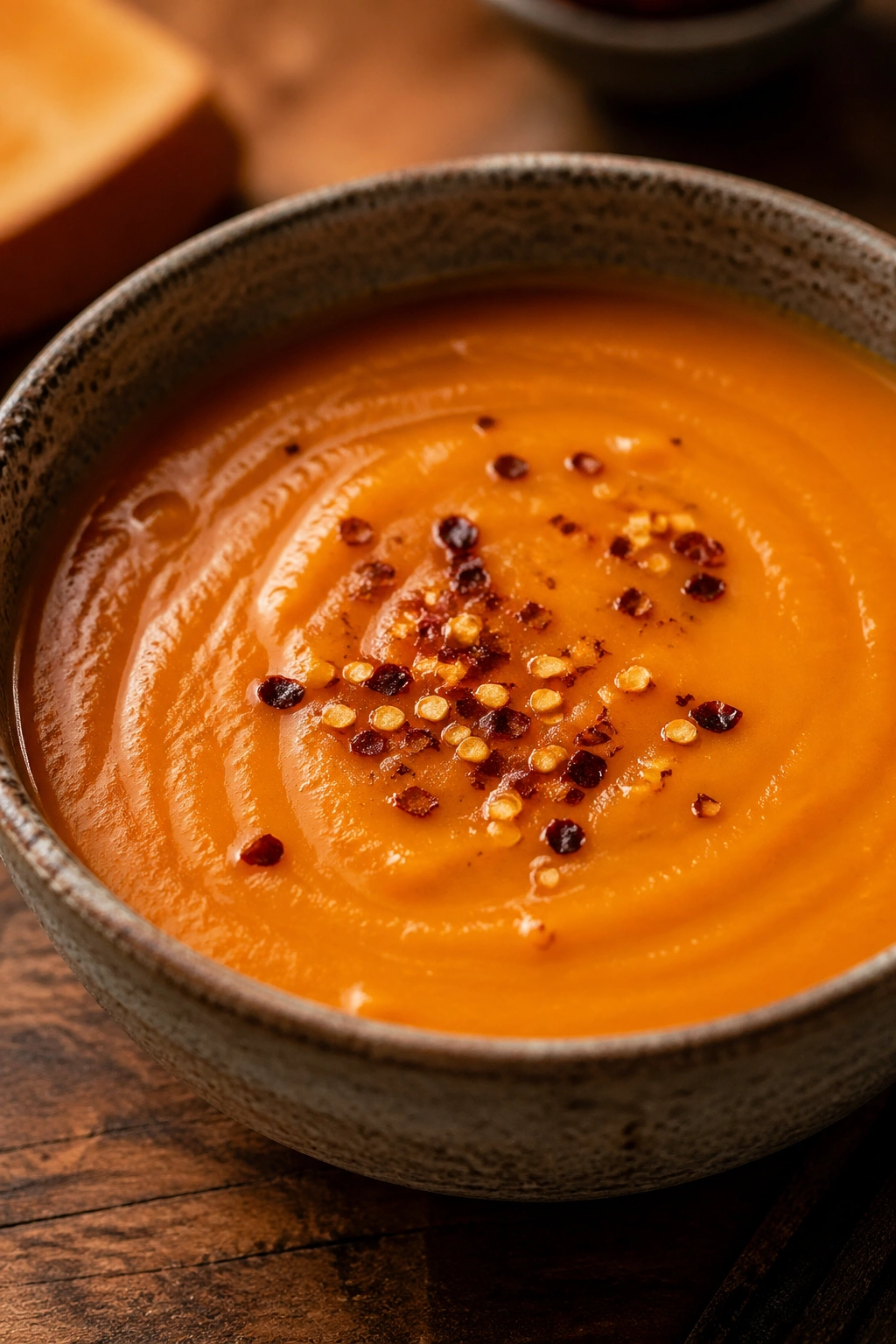
The sweetness of the squash balances the heat of the chili, making this a complex and satisfying meal. Squash is high in fiber and beta-carotene, which is excellent for supporting your body during weight loss.
Yield: Serves 6 Prep Time: 15 minutes Cook Time: 45 minutes Total Time: 1 hour Difficulty: Intermediate.
For the Soup:
- 1 medium butternut squash, peeled and cubed
- 1 tablespoon olive oil
- 1 teaspoon chili flakes
- 1 onion, chopped
- 5 cups vegetable broth
- 1 teaspoon ground cinnamon
Instructions:
- Roast the squash cubes with olive oil at 400°F (200°C) for 30 minutes until soft and caramelized.
- In a pot, sauté the onion and chili flakes.
- Add the roasted squash and broth.
- Blend until smooth.
- Stir in the cinnamon right before serving.
Pairing: Serve this with a few toasted pumpkin seeds on top for a satisfying crunch.
11. Beetroot and Lemon Zest Soup
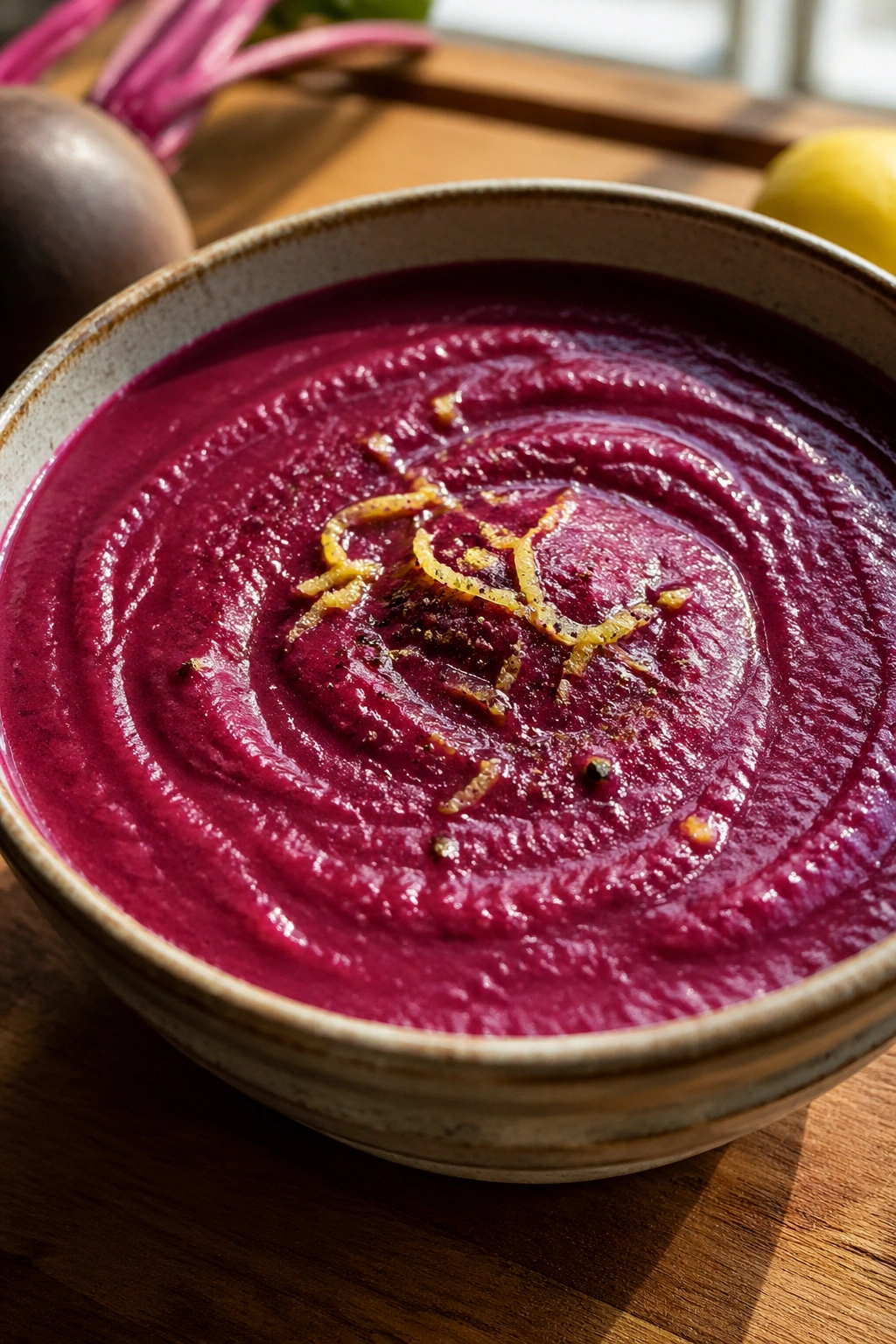
Beets are incredibly vibrant and packed with nitrates, which are great for blood flow and exercise performance. This soup is earthy, slightly sweet, and visually stunning.
Yield: Serves 4 Prep Time: 15 minutes Cook Time: 40 minutes Total Time: 55 minutes Difficulty: Intermediate.
For the Soup:
- 3 medium beets, peeled and chopped
- 1 tablespoon olive oil
- 1 onion, diced
- 4 cups vegetable broth
- 1 tablespoon apple cider vinegar
- Zest of one lemon
Preparation:
- Sauté onion in oil.
- Add beets and sauté for 5 minutes.
- Add broth and simmer for 30 minutes until beets are fork-tender.
- Blend until smooth.
- Stir in the vinegar and lemon zest.
Why it works: The vinegar and lemon zest are essential. Without them, the beet flavor can be too “muddy.” These acids lift the flavor profile significantly.
12. Asparagus and Spinach Soup
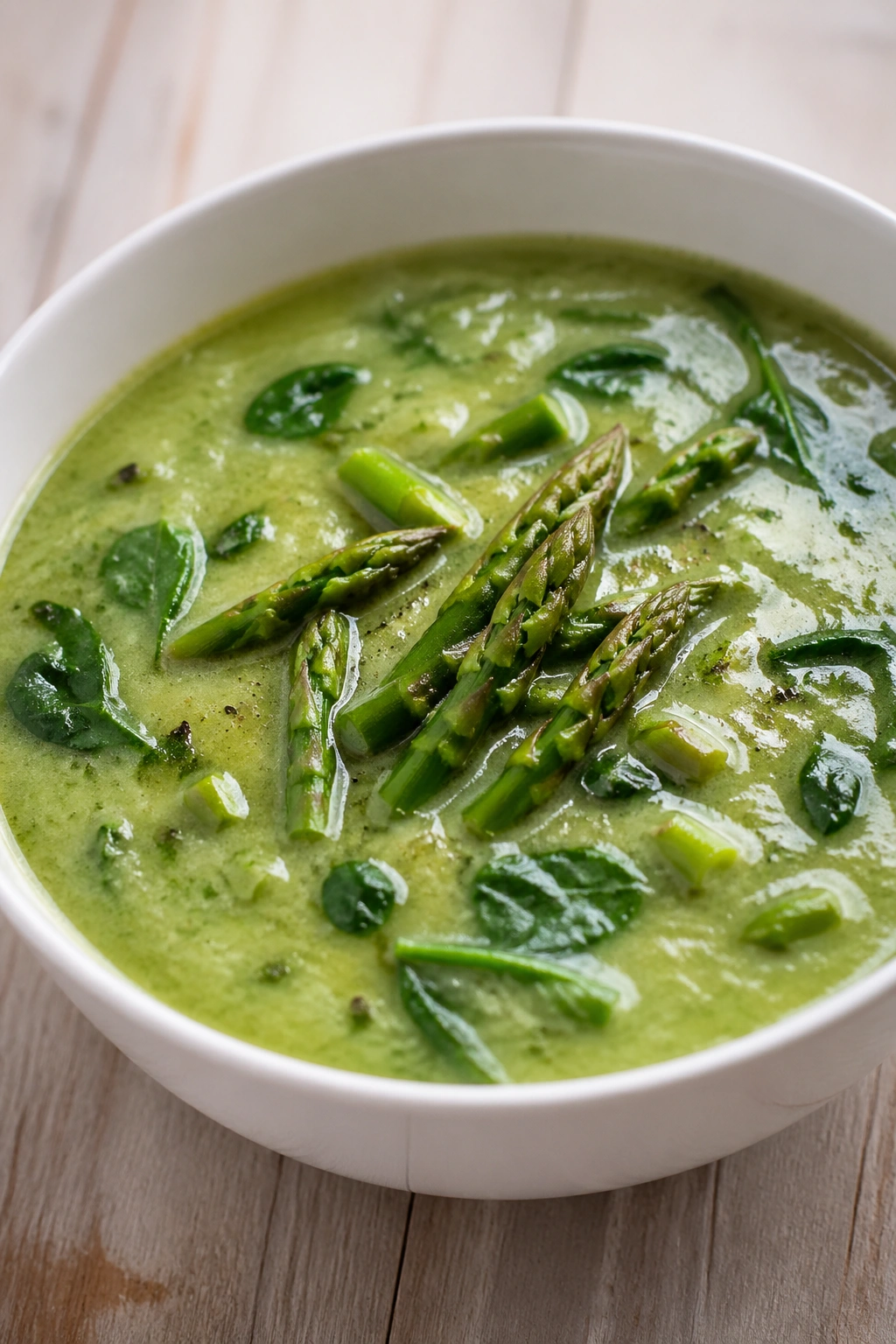
Asparagus is a natural diuretic, which can help reduce water retention—often a major contributor to that “bloated” feeling around the midsection.
Yield: Serves 4 Prep Time: 10 minutes Cook Time: 15 minutes Total Time: 25 minutes Difficulty: Beginner.
For the Soup:
- 1 bunch asparagus, woody ends trimmed, chopped
- 1 onion, chopped
- 2 cups spinach
- 4 cups vegetable broth
- 1/4 cup fresh dill
Instructions:
- Sauté onion.
- Add asparagus and cook for 5 minutes.
- Add broth and simmer for 10 minutes.
- Add spinach and dill; cook for 1 minute.
- Blend until smooth.
Serving Tip: This soup looks beautiful with a dollop of Greek yogurt on top.
13. Black Bean and Lime Soup
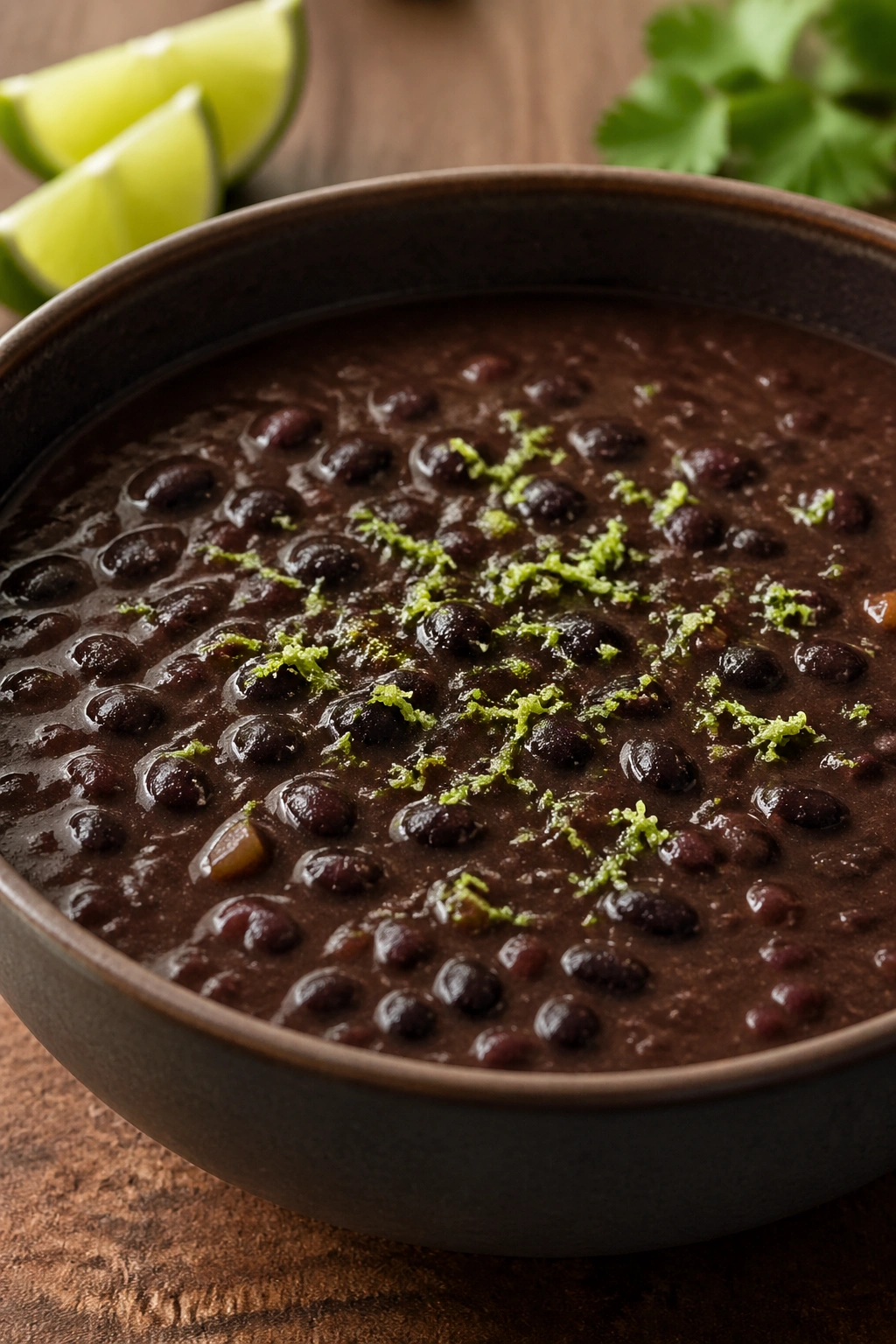
This is a hearty, Mexican-inspired soup. The beans provide a dense protein source that keeps you full for hours, while the lime gives it a bright finish.
Yield: Serves 6 Prep Time: 5 minutes Cook Time: 20 minutes Total Time: 25 minutes Difficulty: Beginner.
For the Soup:
- 2 cans (15 oz) black beans, rinsed and drained
- 1 onion, diced
- 2 cloves garlic, minced
- 1 teaspoon cumin
- 4 cups vegetable broth
- Juice of 2 limes
Preparation:
- Sauté onion and garlic.
- Add cumin, beans, and broth.
- Simmer for 15 minutes.
- Mash about 1/3 of the beans with a fork to thicken the soup.
- Stir in the lime juice and serve.
Pairing: Top with fresh cilantro and a few slices of radish for crunch.
14. Broccoli and Bone Broth
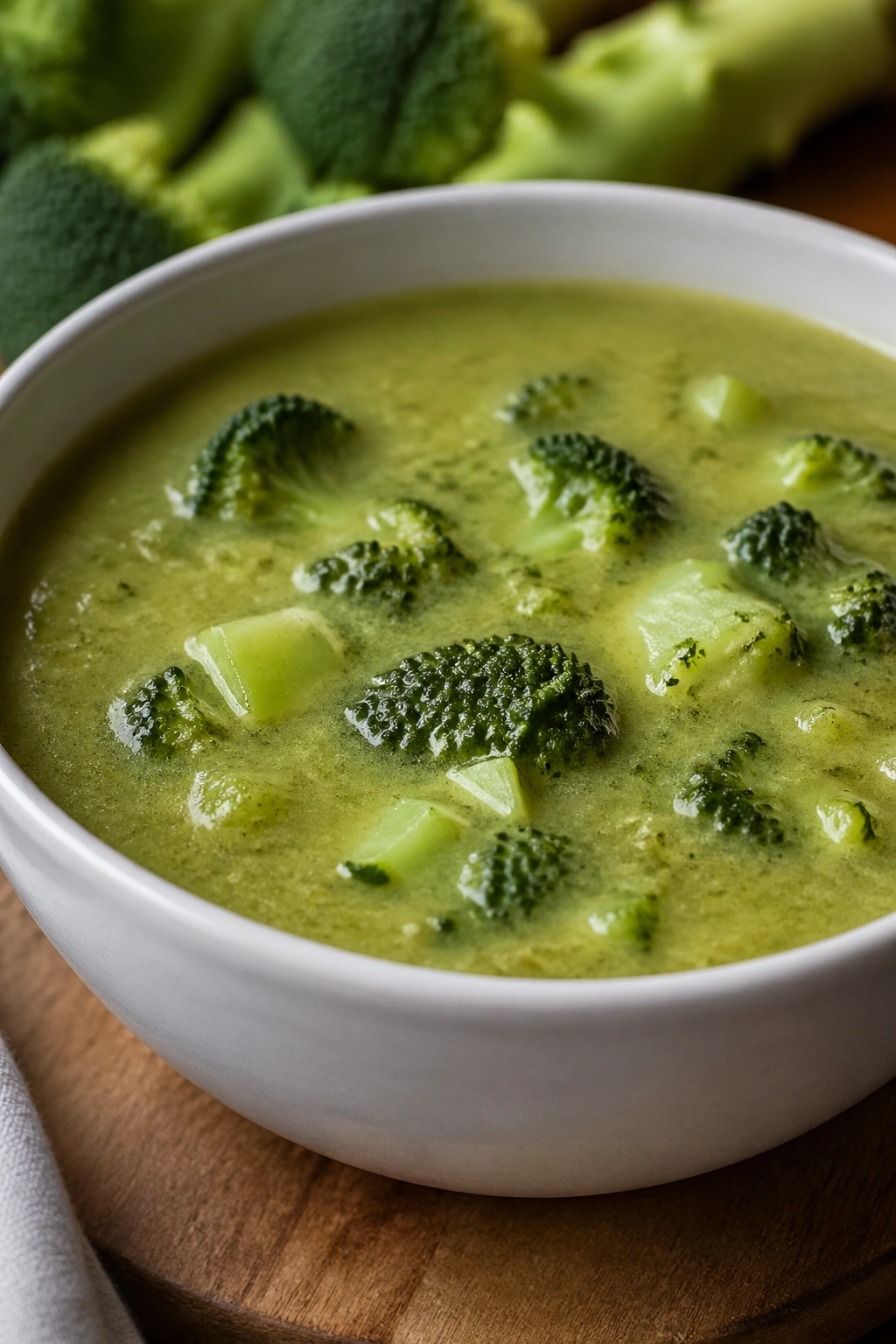
This is perhaps the most “medicinal” of all the soups. Broccoli is a cruciferous vegetable that contains compounds known to support liver detoxification pathways, and bone broth provides gut-healing amino acids.
Yield: Serves 4 Prep Time: 10 minutes Cook Time: 20 minutes Total Time: 30 minutes Difficulty: Beginner.
For the Soup:
- 1 large head of broccoli, chopped (including stems)
- 1 onion, chopped
- 4 cups chicken or beef bone broth
- 1 teaspoon garlic powder
- Salt and pepper
Steps:
- Sauté the onion until translucent.
- Add the broccoli (stems are fine, just chop them smaller than the florets).
- Add the bone broth and garlic powder.
- Simmer for 15 minutes.
- Blend until smooth.
The Stems: Do not discard the broccoli stems. They are just as nutritious as the florets and blend into a very smooth soup texture.
15. Carrot and Ginger Soup
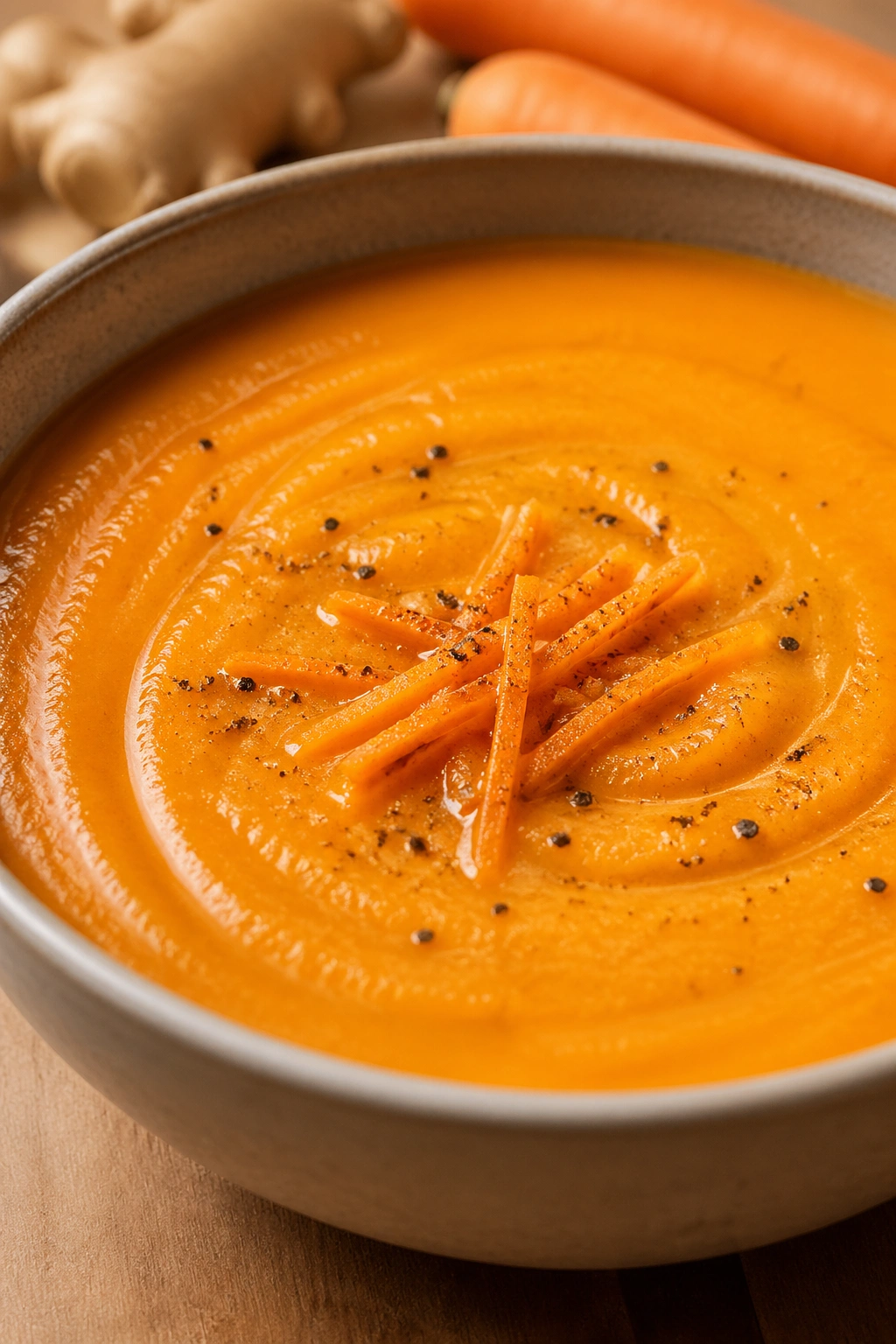
The beta-carotene in carrots is excellent for skin health, and the ginger provides a metabolic kick. This is a classic combination that is naturally sweet without adding any sugar.
Yield: Serves 4 Prep Time: 10 minutes Cook Time: 30 minutes Total Time: 40 minutes Difficulty: Beginner.
For the Soup:
- 1 lb carrots, peeled and sliced
- 1 large onion, chopped
- 2 tablespoons fresh ginger, grated
- 4 cups vegetable broth
Instructions:
- Sauté onion and ginger until fragrant.
- Add carrots and broth.
- Simmer until the carrots are very soft (25 minutes).
- Blend until velvety smooth.
Storage: Carrots have a natural sweetness that intensifies after a day in the fridge. This soup is often better on the second day.
The Bottom Line
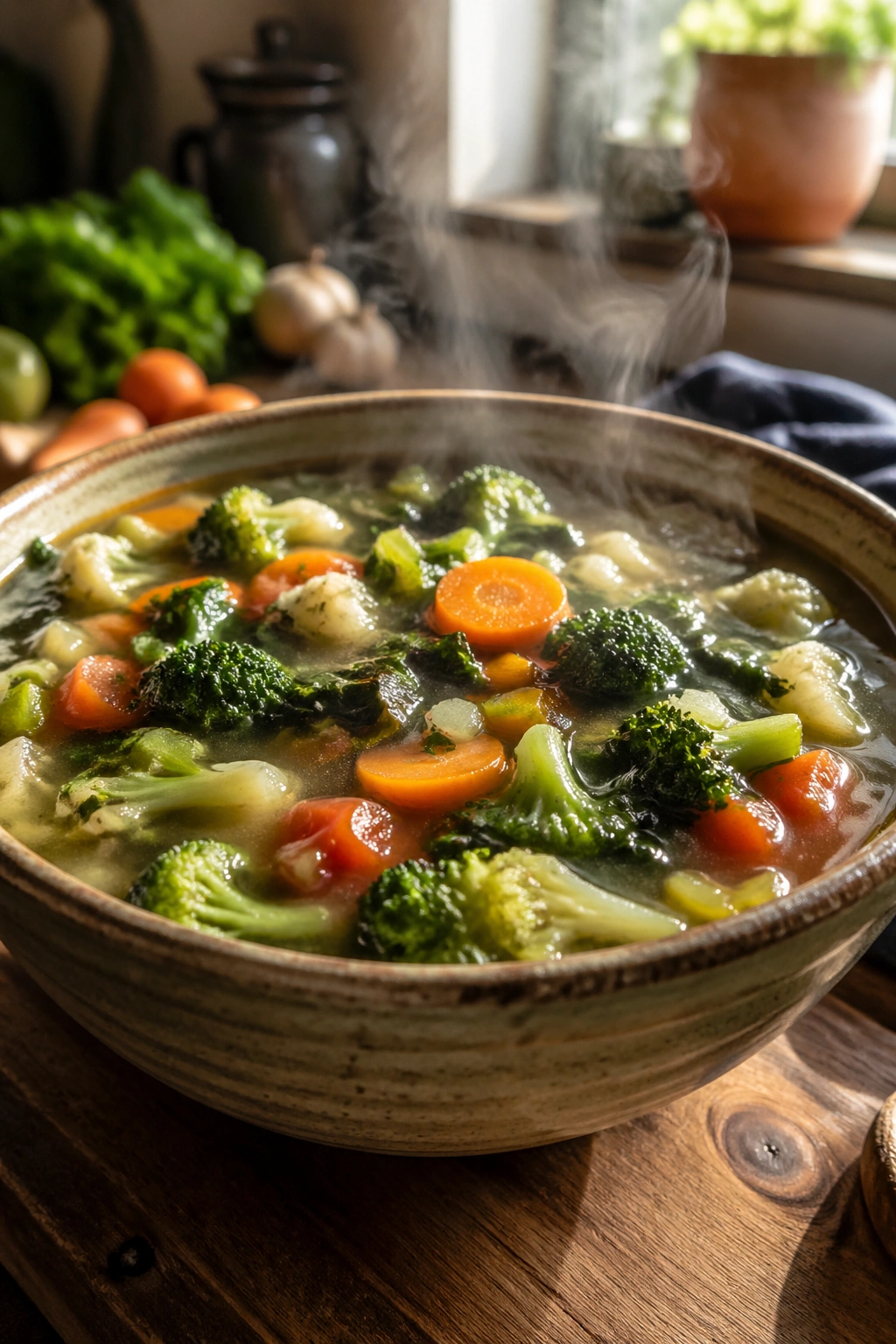
Soup is not a magic pill, but it is one of the most effective habits you can build for weight management. By choosing these broth-based, fiber-rich options, you are filling your plate with high-volume food that works with your body’s natural hunger signals rather than against them. Start by incorporating one of these recipes into your routine a few times a week, and you will likely notice a decrease in the mid-afternoon cravings that often lead to mindless snacking.
Consistency is more important than perfection. You do not need to replace every meal with soup to see results; simply using a bowl of soup as a pre-meal appetizer or a lunch option can shift your daily caloric intake without the psychological toll of dieting. Take these recipes, experiment with the aromatics, and find the ones that you genuinely enjoy. When you enjoy what you are eating, weight loss ceases to feel like a chore and starts to feel like a natural consequence of the habits you have built.
