



If you have spent any significant amount of time in a gym, you know that the lower body is the foundation of everything else. It is easy to skip leg day because it is physically exhausting, mentally demanding, and often leaves you walking like a newborn giraffe for forty-eight hours afterward. Most people avoid it because they lack a clear roadmap. They walk in, do a few sets of squats, get bored or tired, and leave.
That is exactly how you hit a plateau. Your legs are the largest muscle group in your body. They have the highest capacity for growth, and they respond best to a variety of stimulus—not just heavy weight, but volume, tempo, instability, and endurance. To see real progress, you need a rotation of training styles that forces your muscles to adapt week after week.
Here are twenty-two distinct ways to structure your lower body training. These are not just exercises; these are full workout sessions designed to be repeated or cycled into your schedule.
1. The Classic Barbell Strength Foundation
This is the bread and butter of lower body development. If you are serious about raw power and muscle density, you have to prioritize the barbell. The goal here is simple: move heavy weight with perfect form, prioritizing multi-joint compound movements.
The Workout Structure
- Barbell Back Squats: 5 sets of 5 reps (heavy)
- Barbell Romanian Deadlifts: 4 sets of 8 reps
- Barbell Walking Lunges: 3 sets of 10 reps per leg
- Standing Calf Raises: 4 sets of 12-15 reps
Why It Works
By sticking to lower rep ranges, you trigger neurological adaptations that allow you to lift heavier loads. This is not about getting a “pump”; it is about moving weight. Rest for at least three minutes between your heavy squat sets. If you are not breathing hard and feeling a bit jittery from the effort, the weight is too light.
Pro Tip: Always utilize a power rack with safety pins set at the correct height. It provides the psychological safety net you need to actually push your limits on that final rep.
2. High-Volume Dumbbell Hypertrophy Session

Dumbbells allow for a greater range of motion and require more stabilization than a barbell. When you switch to high volume—aiming for 10 to 15 reps per set—you are focusing on metabolic stress and time under tension, which are the primary drivers of muscle growth.
You do not need a heavy rack for this. Moderate weight is your best friend. The goal is to feel the muscle work throughout the entire movement. If you find your form breaking down, drop the weight, not the reps. This session is designed to make you feel the burn in the mid-quads and glutes, specifically around the 12th rep.
If you want to maximize the impact, try to keep your rest periods short—sixty seconds maximum. You want to move to the next set while your muscles are still recovering. This creates a cumulative fatigue that forces the muscle fibers to recruit more efficiently.
3. Explosive Kettlebell Power Circuit
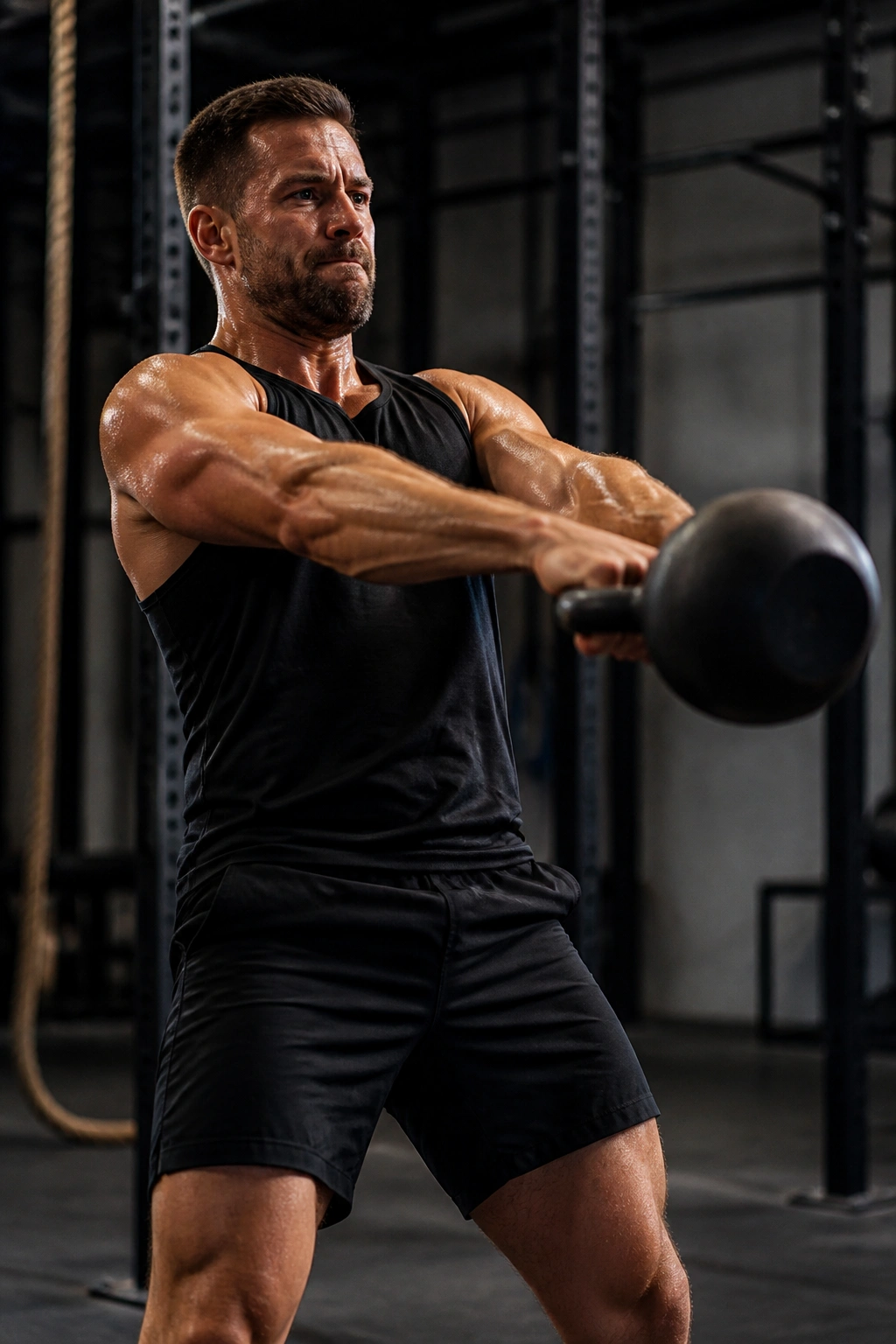
Kettlebells are not just for swinging; they are tools for developing explosive hip power. This session is less about controlled bodybuilding and more about athletic performance. You will be moving quickly, utilizing momentum in a controlled manner, and training your posterior chain to snap into action.
The Routine
- Kettlebell Swings: 5 sets of 20 reps
- Goblet Squats: 4 sets of 12 reps
- Kettlebell Sumo Deadlifts: 4 sets of 10 reps
- Single-Leg Kettlebell RDLs: 3 sets of 8 reps per leg
Keep the transitions between exercises brief. This is essentially a metabolic conditioning session that happens to build thick, strong glutes and hamstrings. If you have only one kettlebell, use it for all movements, adjusting your stance to compensate for the weight.
4. Bodyweight Endurance Burnout
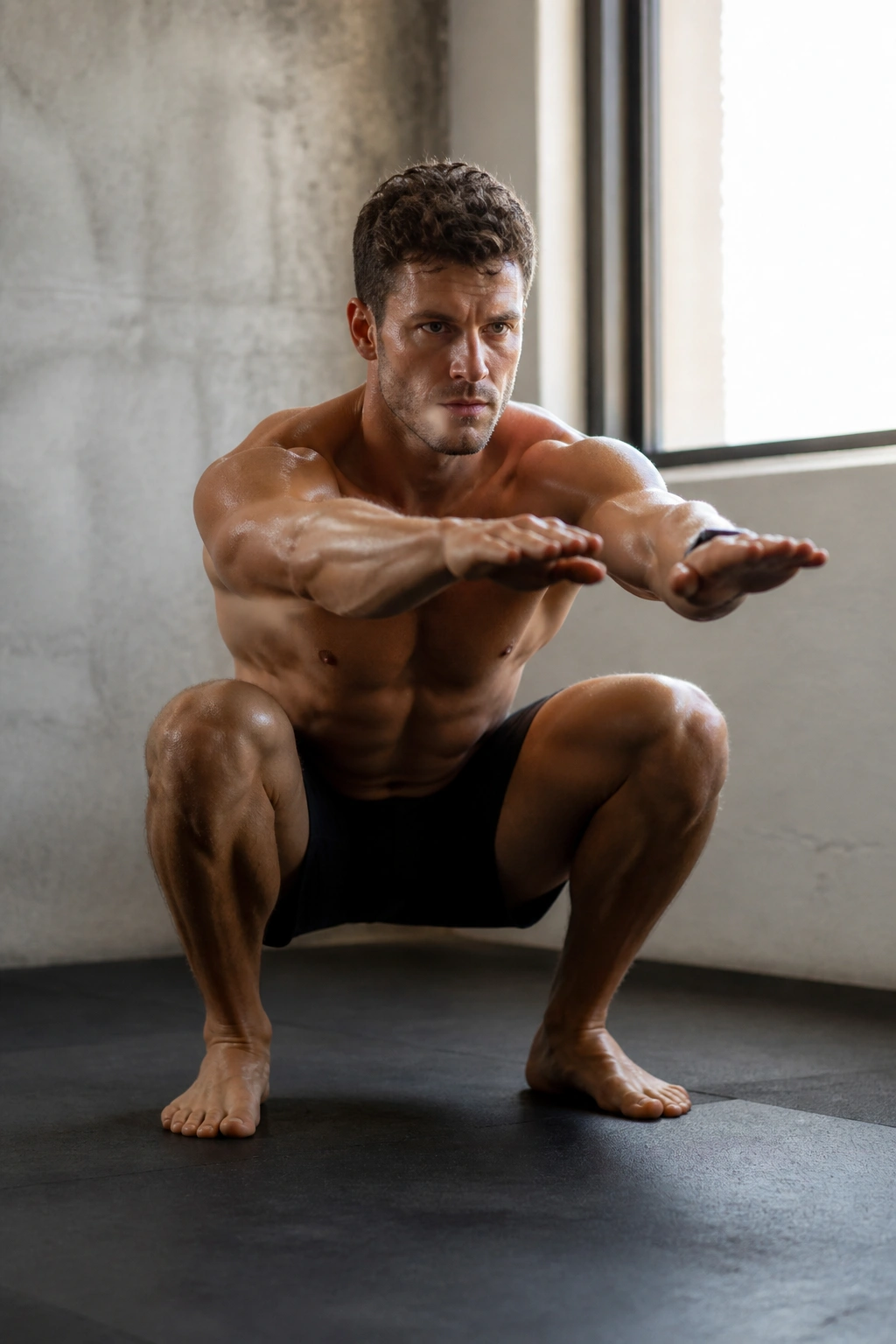
Sometimes the gym is packed, or you are training in a hotel room with zero equipment. That is no excuse. Bodyweight training relies on volume and density to induce muscle failure. You will be surprised at how much fatigue you can generate with just gravity and your own body mass.
Start with 50 air squats as a warm-up. Then, move into jump squats, static lunges, and wall sits. The key to making bodyweight training effective is to eliminate rest. Perform the movements as a giant set: 20 air squats, 20 lunges, 20 glute bridges, then hold a wall sit for 60 seconds. Repeat that cycle five times.
It sounds simple on paper, but by the third round, your quads will feel like they are on fire. The goal is endurance, not strength. You are teaching your muscles to work while flooded with lactic acid.
5. Glute-Focused Resistance Band Routine
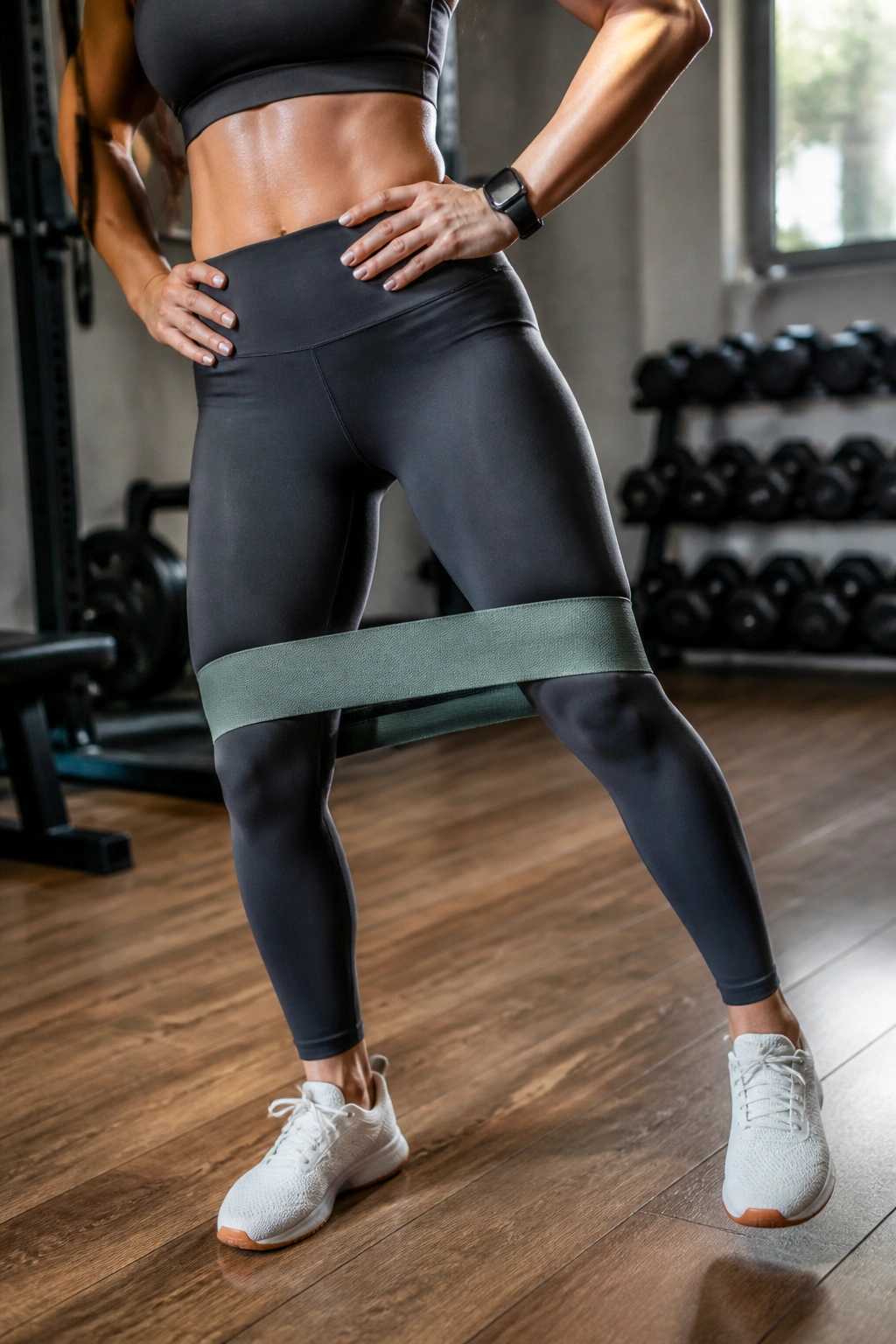
Most people treat bands as an afterthought, using them for a quick warm-up. You should be using them as a primary resistance tool. Bands provide “accommodating resistance,” meaning they get harder as you move through the range of motion. This is perfect for glute isolation.
Wrap a heavy resistance band around your knees for bodyweight squats to force external rotation. Use lighter bands for lateral walks or standing abductions. Because the resistance is constant, you get a peak contraction at the top of every single rep.
This session is perfect for those days when your joints feel beat up. You get the stimulus without the heavy spinal loading of a barbell. Keep your focus on the glute squeeze. If you aren’t feeling your glutes firing, you aren’t doing it right.
6. Plyometric Speed and Agility Day
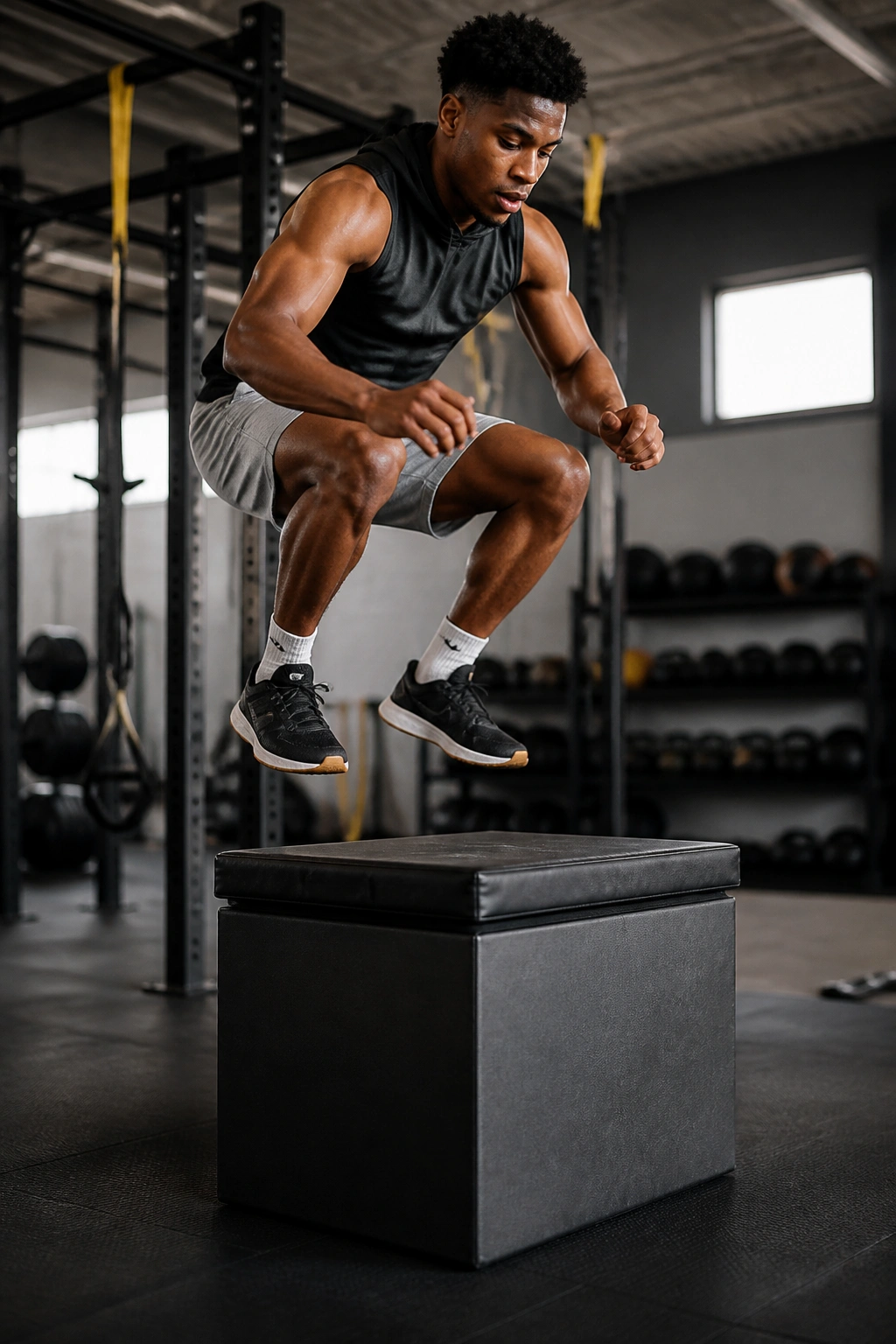
Plyometrics are about teaching your muscles to generate force quickly. If you want to jump higher or move faster on the court or field, you need this day. This is high-impact training, so ensure you have a soft surface and are properly warmed up.
Focus on box jumps, lateral bounds, and split-squat jumps. Do not perform these to failure. The goal is speed, not exhaustion. If your jumps become slow or sloppy, stop the set. Quality of movement is the only thing that matters here.
This workout is surprisingly taxing on the nervous system. You might feel “fresh” while doing it, but you will feel the fatigue in your tendons and ligaments later. Limit this to once a week.
7. Unilateral Stability and Balance Protocol
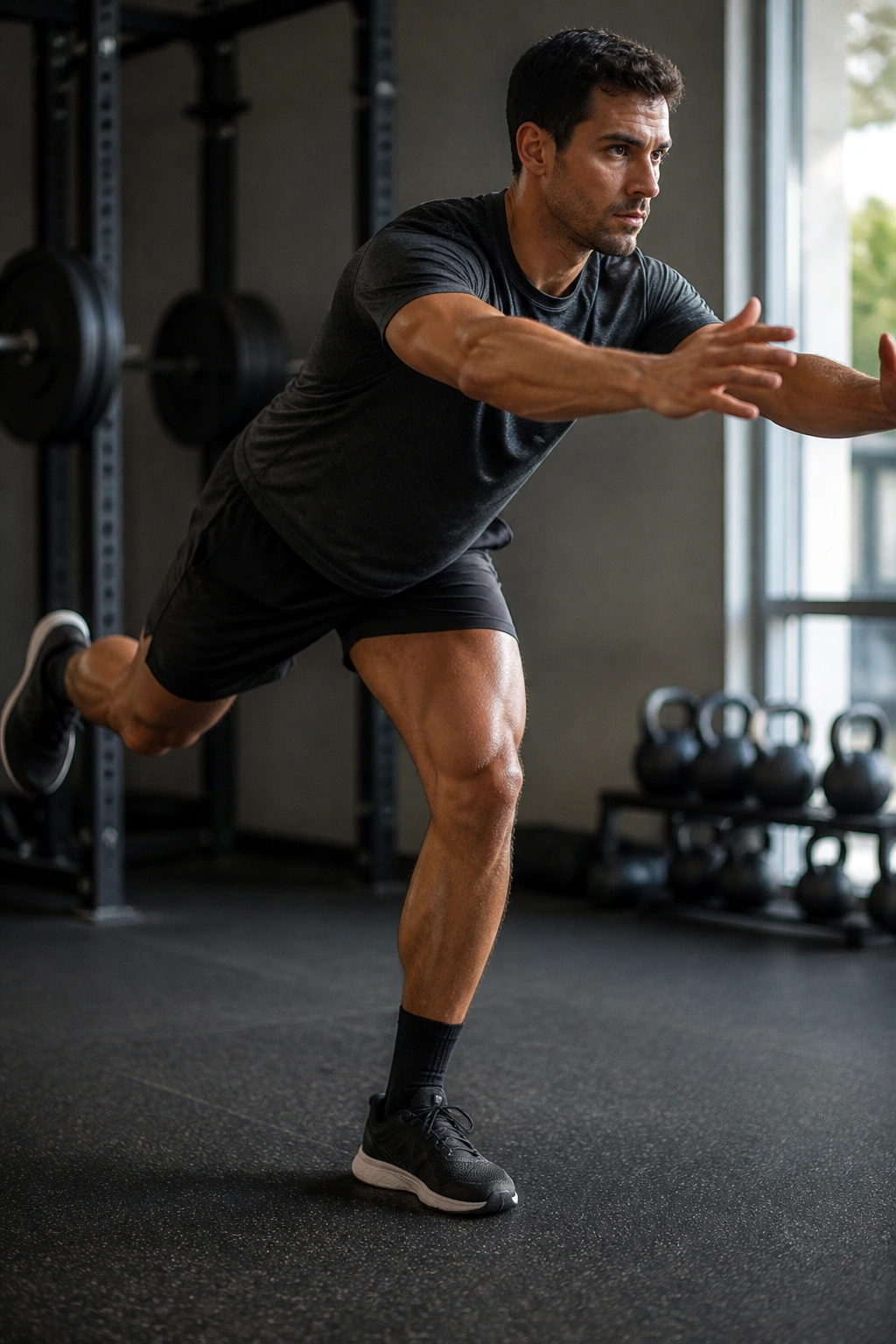
If you always train with both legs at once, you will inevitably develop imbalances. One leg will compensate for the other, and over time, that leads to injury. Unilateral training—working one leg at a time—is the great equalizer.
Key Movements
- Bulgarian Split Squats: 3 sets of 10 reps
- Single-Leg Press: 3 sets of 12 reps
- Step-Ups: 3 sets of 10 reps
- Single-Leg RDLs: 3 sets of 8 reps
This session forces your core to work overtime to stabilize your hips. You will likely find that one leg is significantly weaker or shakier than the other. That is normal. Use this day to bring that weaker side up to speed.
8. The Leg Press and Isolation Finisher
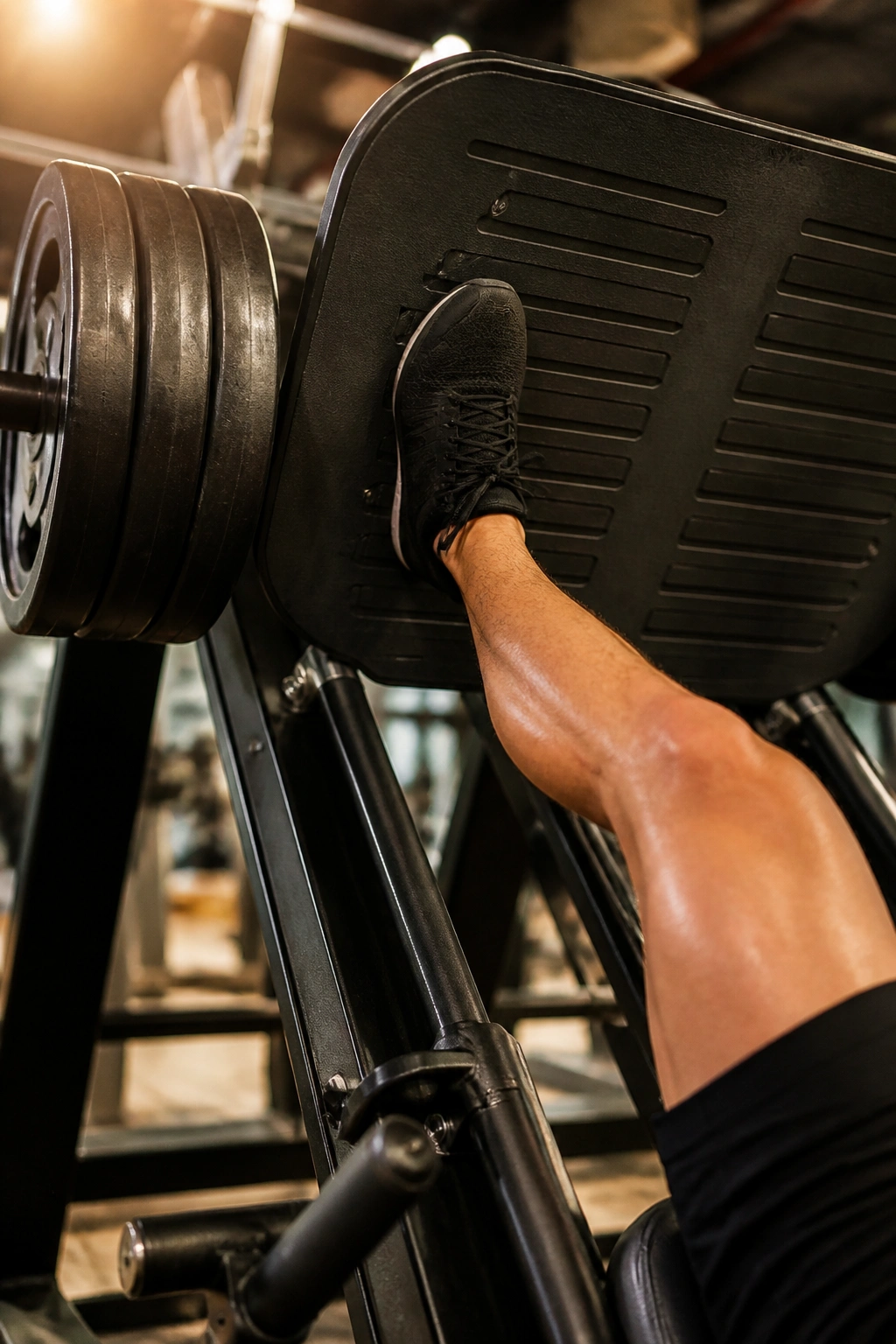
Sometimes you just want to sit down and push weight. There is no shame in utilizing machines. The leg press allows you to load up more weight than your spine could ever handle in a squat. This is pure hypertrophy work.
Focus on foot placement. Placing your feet higher on the platform hits the glutes and hamstrings; lower on the platform hits the quads. After finishing your leg press sets, move immediately to isolation work: leg extensions and leg curls.
This is a “bodybuilding” style session. You aren’t training for athleticism; you are training to make your legs grow. If you finish this session and don’t have a massive pump, you didn’t push hard enough on the leg press.
9. Bulgarian Split Squat Challenge
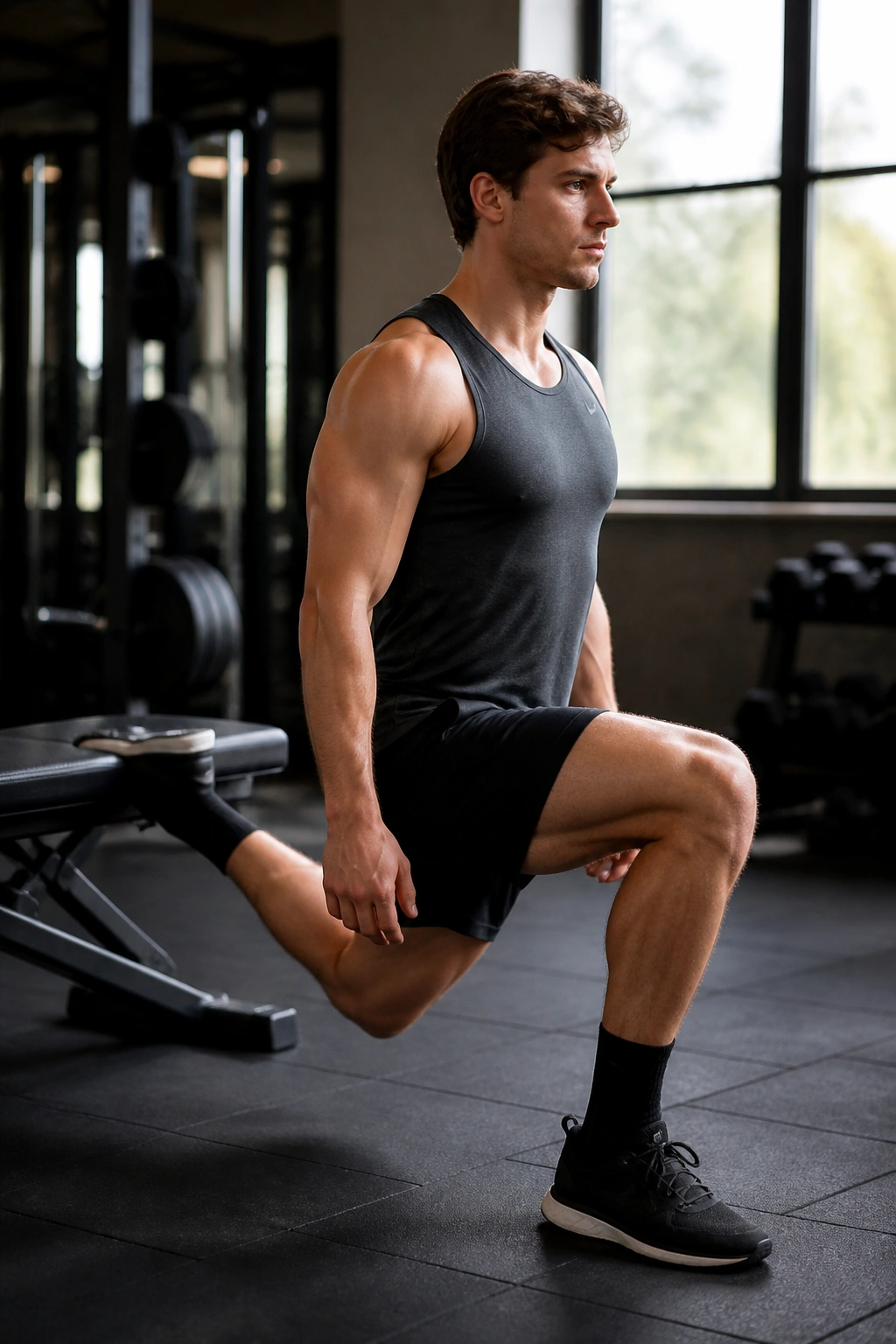
This is arguably the most hated exercise in existence, which is exactly why it is one of the most effective. It is a single-leg squat with your rear foot elevated on a bench. It demands balance, quad strength, and glute activation all at once.
Devote an entire workout to this move. Perform 5 sets of 10-12 reps per leg. Use dumbbells for extra resistance. By the fourth set, your supporting leg will be shaking, and your heart rate will be soaring.
Do not rush. The descent—the eccentric part of the movement—should take a full three seconds. If you just drop down and pop back up, you are missing 50% of the benefit.
10. Heavy Deadlift and Posterior Chain Focus
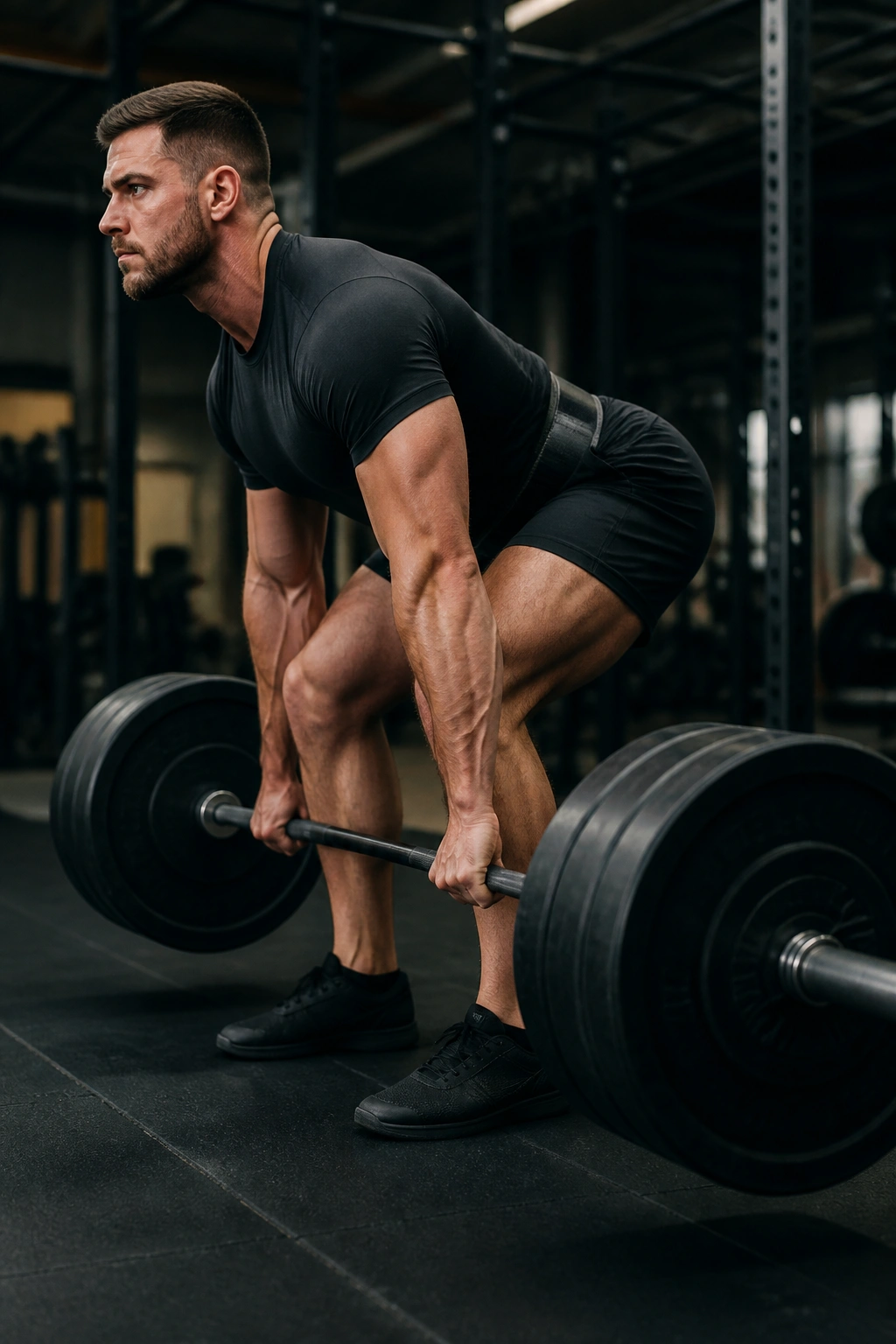
The deadlift is a full-body movement, but the focus here is on the posterior chain: hamstrings, glutes, and lower back. This workout is not for the faint of heart. It requires concentration and a high degree of mental focus.
The Plan
- Conventional or Sumo Deadlift: 3 sets of 5 reps (heavy)
- Stiff-Legged Deadlifts: 3 sets of 10 reps
- Glute Ham Raises (or Nordic Curls): 3 sets to failure
- Back Extensions: 3 sets of 15 reps
This day will leave you feeling drained, but it builds the kind of thick, dense musculature that you simply cannot get from machine work. Ensure your bracing technique—taking a deep breath into your belly and holding it—is flawless.
11. Minimalist Home Workout with Backpack or Sandbag

You do not need a rack full of plates. Grab a sturdy backpack, fill it with books or water bottles, and you have an instant piece of resistance equipment. This is about improvised training.
Perform squats, lunges, and good mornings with the backpack held in front of your chest. This “front-loaded” position forces your core to work much harder than if you had the weight on your back. It keeps your torso upright and saves your lower back from excessive strain.
This workout is fantastic because it teaches you that you can maintain your strength gains anywhere. It strips away the complexity of the gym and leaves you with the raw movement.
12. Tempo Training for Time Under Tension

Tempo training is the secret weapon of elite athletes. It is not about the weight on the bar; it is about how long you stay in the movement. Choose a weight that is about 60% of your maximum, and then control the tempo.
Try a 3-0-3 tempo: three seconds to lower the weight, zero pause at the bottom, and three seconds to lift it back up. Six seconds per rep means a set of 10 takes a full minute. Your muscles will be screaming for oxygen.
This creates immense hypertrophy. It also forces you to learn perfect control of the bar. If you can’t control the weight on the way down, you shouldn’t be lifting it on the way up.
13. The Quad-Dominant Front Squat Focus
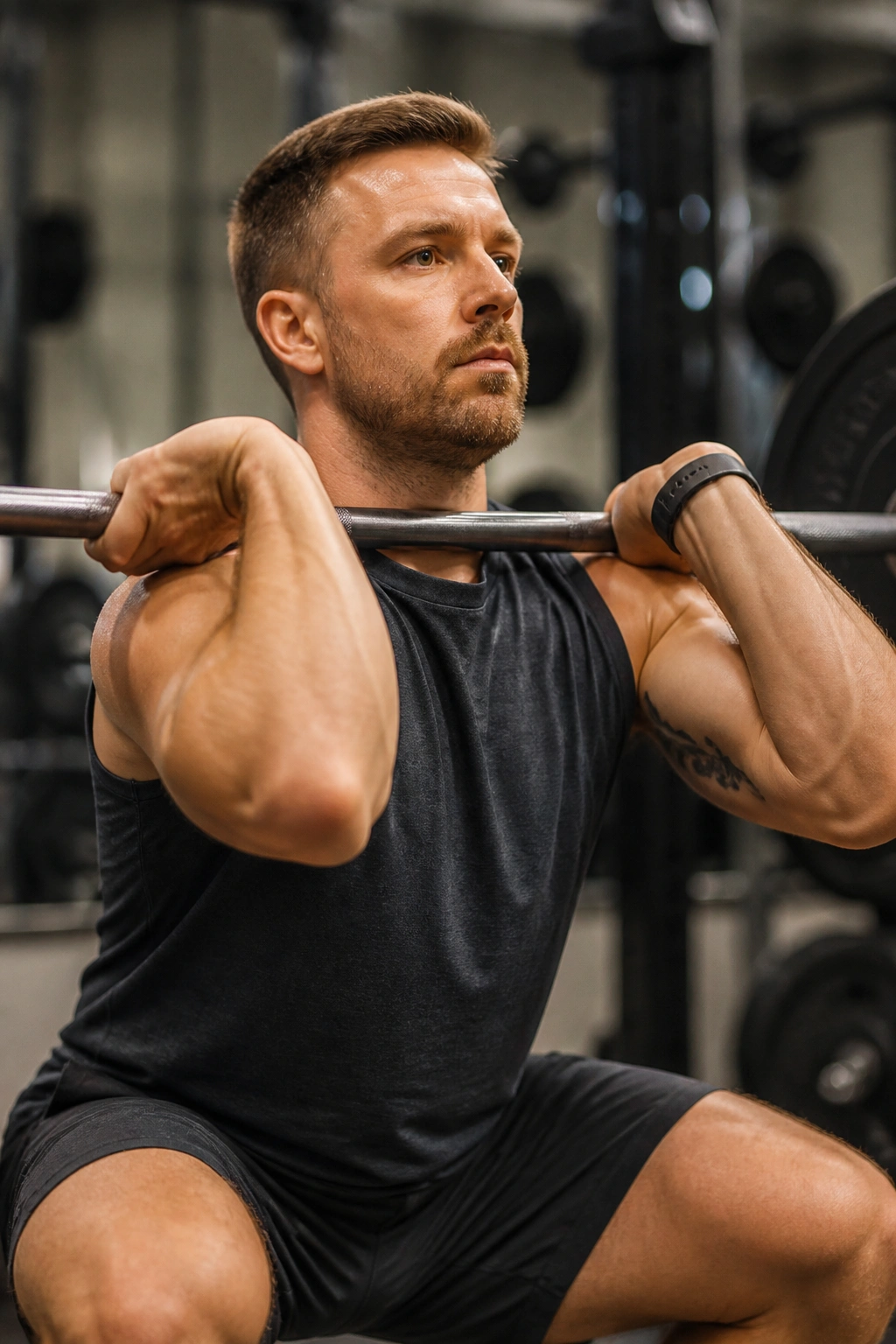
Front squats are superior to back squats if your goal is quad growth and upright posture. Because the bar is in front of your body, you cannot lean forward without dropping the weight. It forces you to stay vertical.
This workout centers on the front squat. Take your time getting into position. Cross your arms and rest the bar on your deltoids, or use the clean grip if your wrist mobility allows.
After your front squat sets, finish with sissy squats or hack squats. This is a quad-focused day, so expect your knees to be working overtime. If you feel pain, stop; if you feel a deep, burning muscular fatigue, keep going.
14. Calf and Hamstring Isolation Day
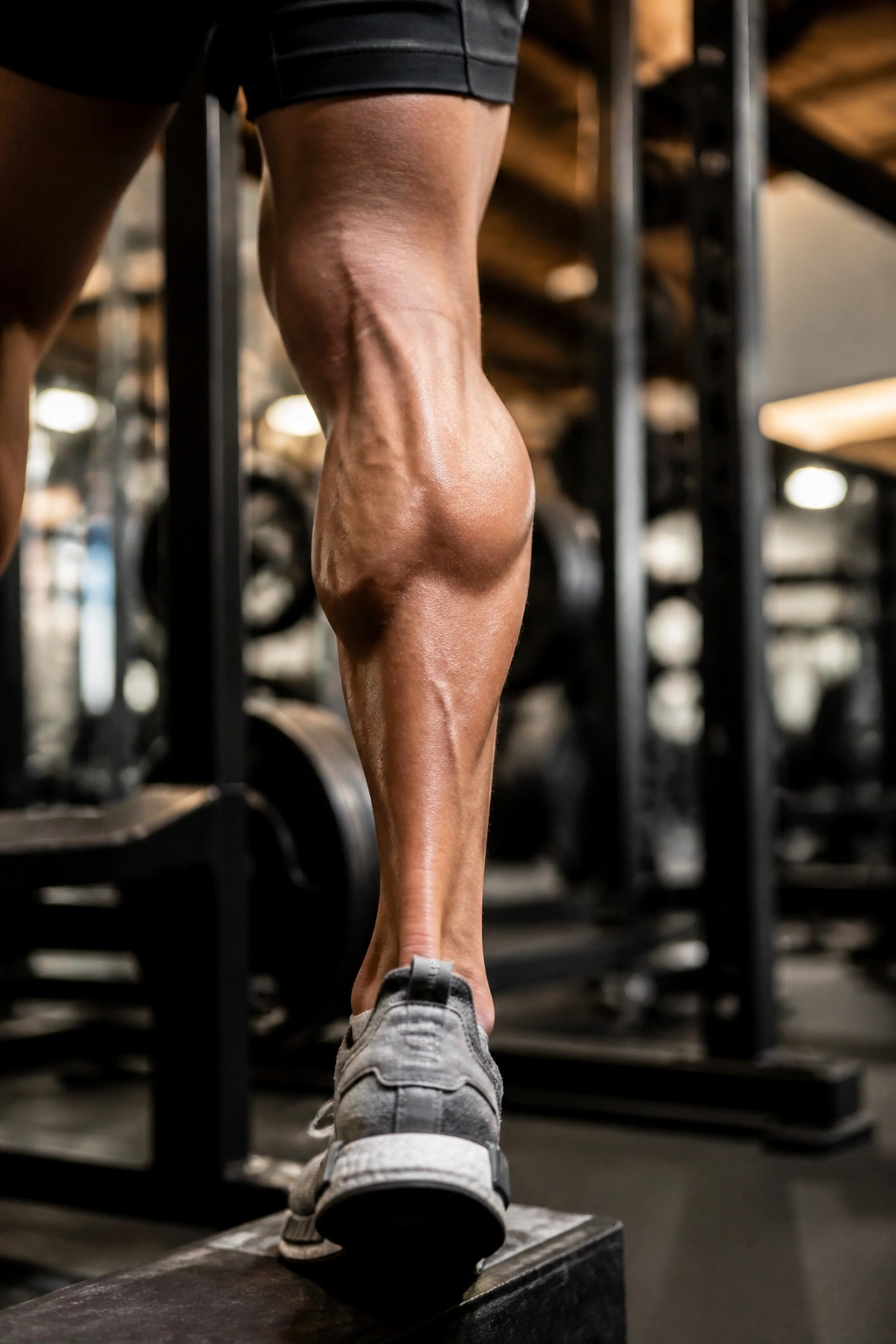
We often neglect the smaller muscles in our lower body. Calves are notoriously stubborn, and hamstrings are often underdeveloped compared to quads. This day is specifically designed to correct those weaknesses.
Exercises
- Lying Leg Curls: 4 sets of 12 reps
- Seated Leg Curls: 4 sets of 15 reps
- Standing Calf Raises: 5 sets of 20 reps
- Seated Calf Raises: 5 sets of 20 reps
Focus on the stretch at the bottom of the movement. For calves, pause for two full seconds at the top of the contraction. It is slow, tedious work, but consistency is the only way to build calf size.
15. Compound Movement Circuit for Fat Loss

If your goal is to burn calories while maintaining muscle mass, circuit training is the way to go. You will perform four or five compound movements back-to-back with no rest, then take two minutes to recover.
Combine squats, deadlifts, lunges, and kettlebell swings. By the time you finish the circuit, your heart rate will be through the roof. This is not for building maximum strength; it is for building work capacity.
Only do this if your form on the compound lifts is rock-solid. When you are gasping for air, your form will naturally start to degrade. If you feel like you are going to compromise your back, stop the set early.
16. Partner-Assisted Resistance Training
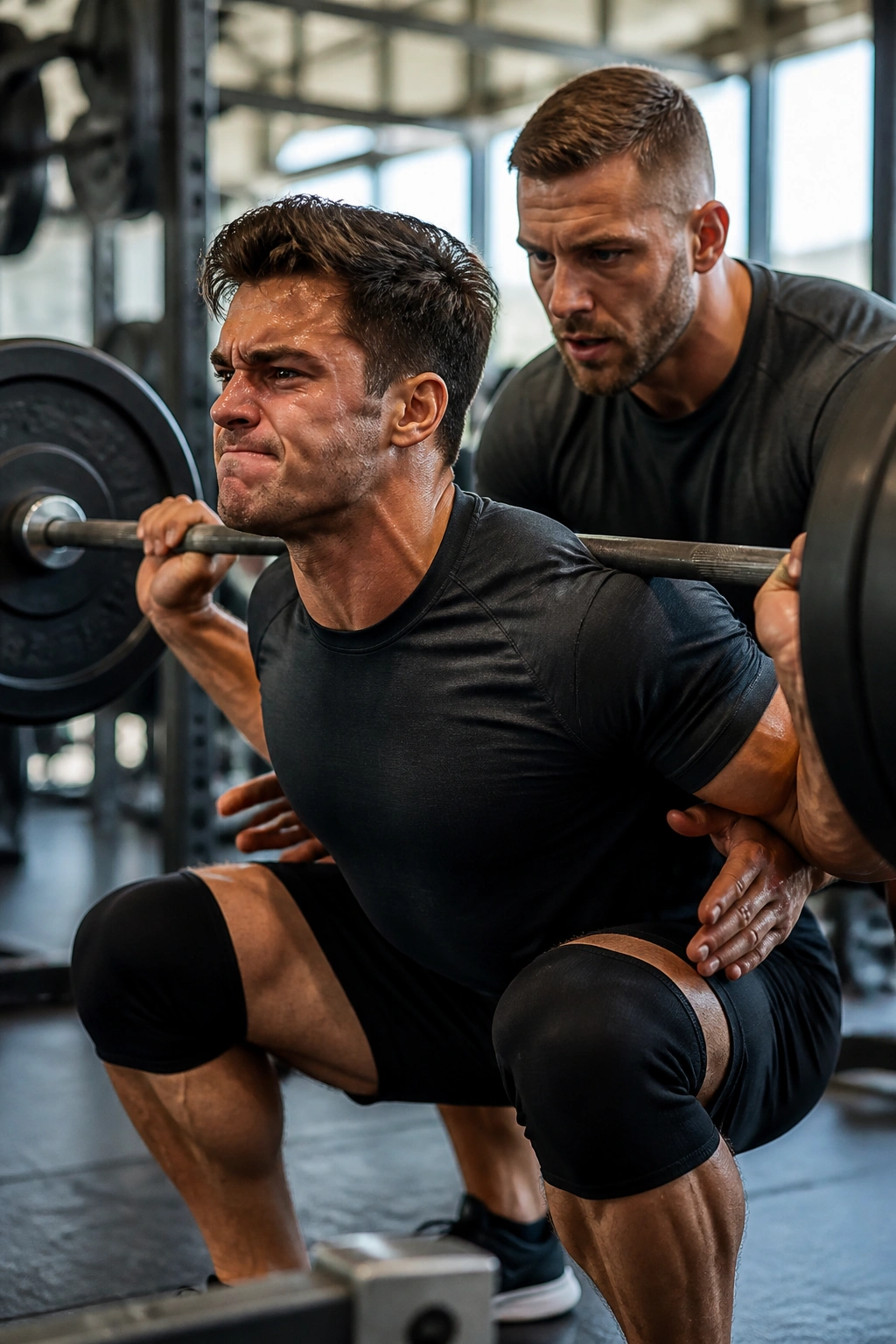
Having a training partner changes the dynamic entirely. They can provide forced reps, eccentric help, or simply the psychological push you need to get one more rep.
Try “I go, you go” intervals. You do a set of 10 squats, your partner does a set of 10, and you repeat. The short rest period between sets makes the workout intense and fast-paced.
If you don’t have a partner, you can use “rest-pause” sets. Perform a set to failure, rest for 15 seconds, and then do as many reps as you can again. It mimics the intensity of having a partner cheering you on.
17. The “No-Equipment” Travel-Friendly Session
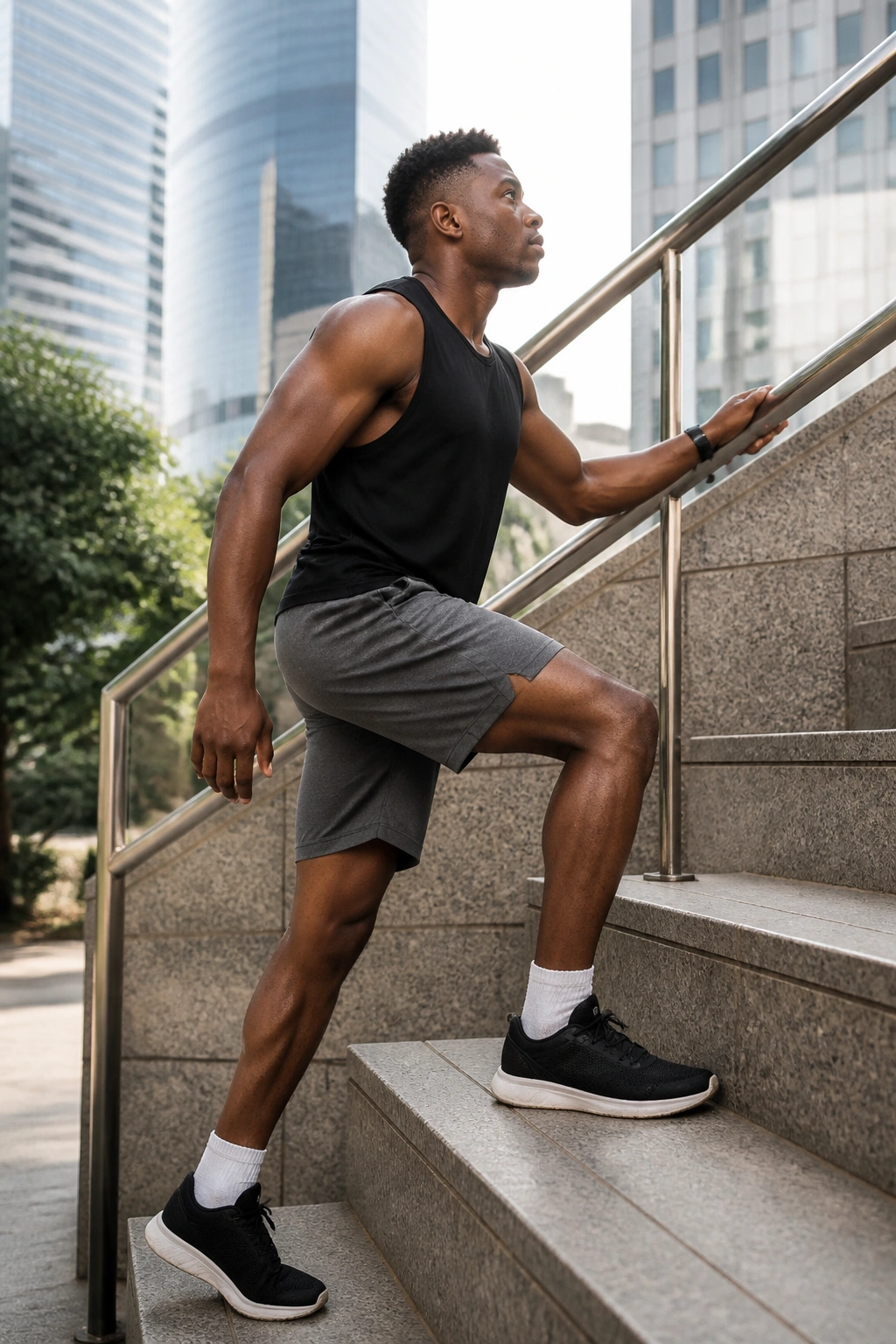
When you are on the road, training becomes a logistical nightmare. Keep it simple. Use your environment. Staircases are gold mines for lower body training.
Find a flight of stairs. Walk up them, run up them, or do single-leg step-ups on the first step. Use the railing for support if you need it. Then do bodyweight squats on the landing.
You can get an incredible leg workout using nothing but a staircase. It’s functional, simple, and hits your quads, glutes, and calves. Don’t worry about “getting a gym session in”—just move your body against gravity.
18. Olympic Lifting Accessory Day
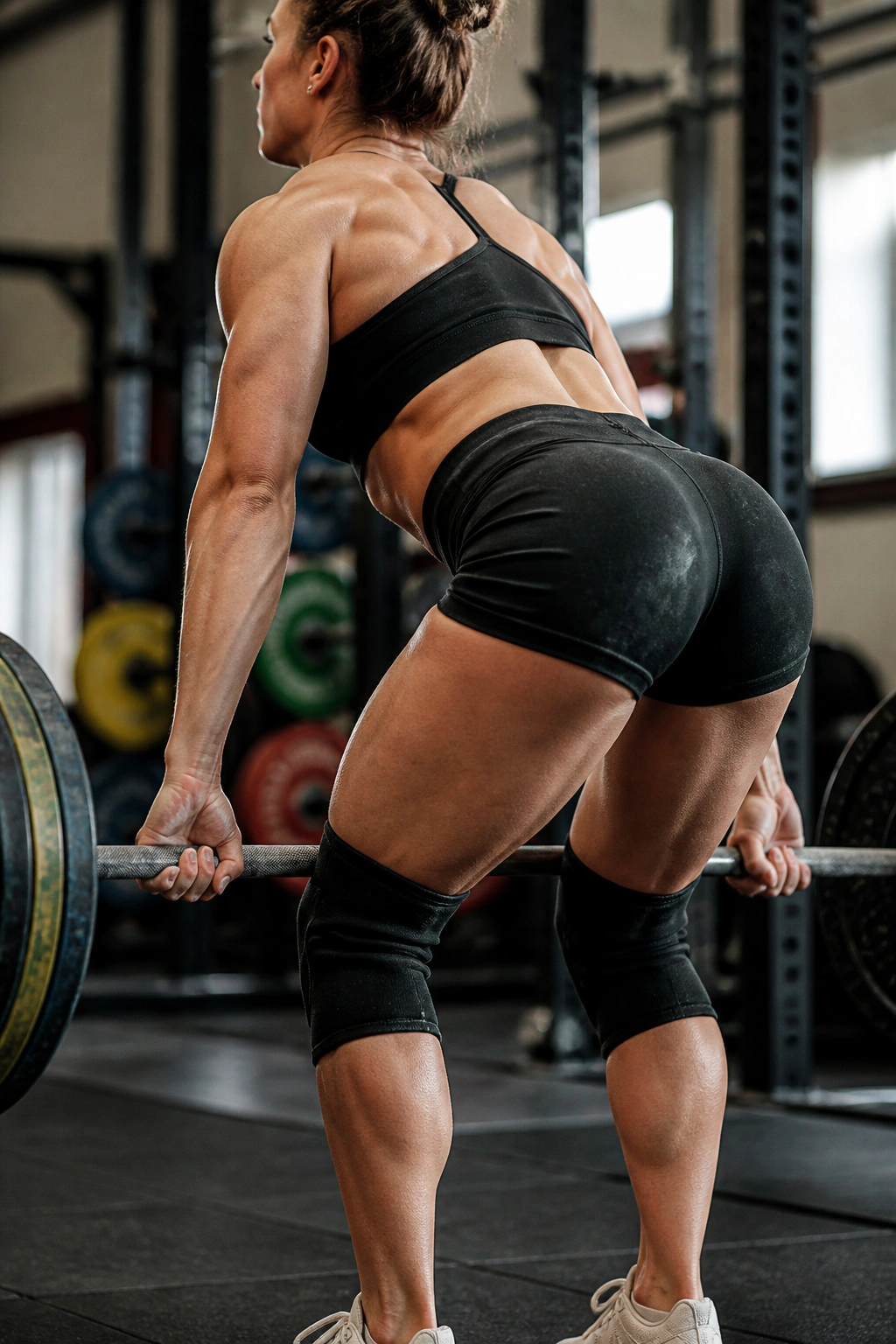
You don’t need to be an Olympic lifter to benefit from their training methods. The snatch and the clean are full-body explosive movements, but their accessories are amazing for leg development.
Focus on the Pull variations. Snatch-grip deadlifts and clean-grip pulls target the hamstrings and the glutes in a way that traditional deadlifts don’t. They require an upright torso and a powerful hip drive.
These movements are technically demanding. Spend time practicing the form with an empty bar before adding weight. The efficiency of your movement is more important here than the weight on the bar.
19. Advanced Eccentric-Focused Routine
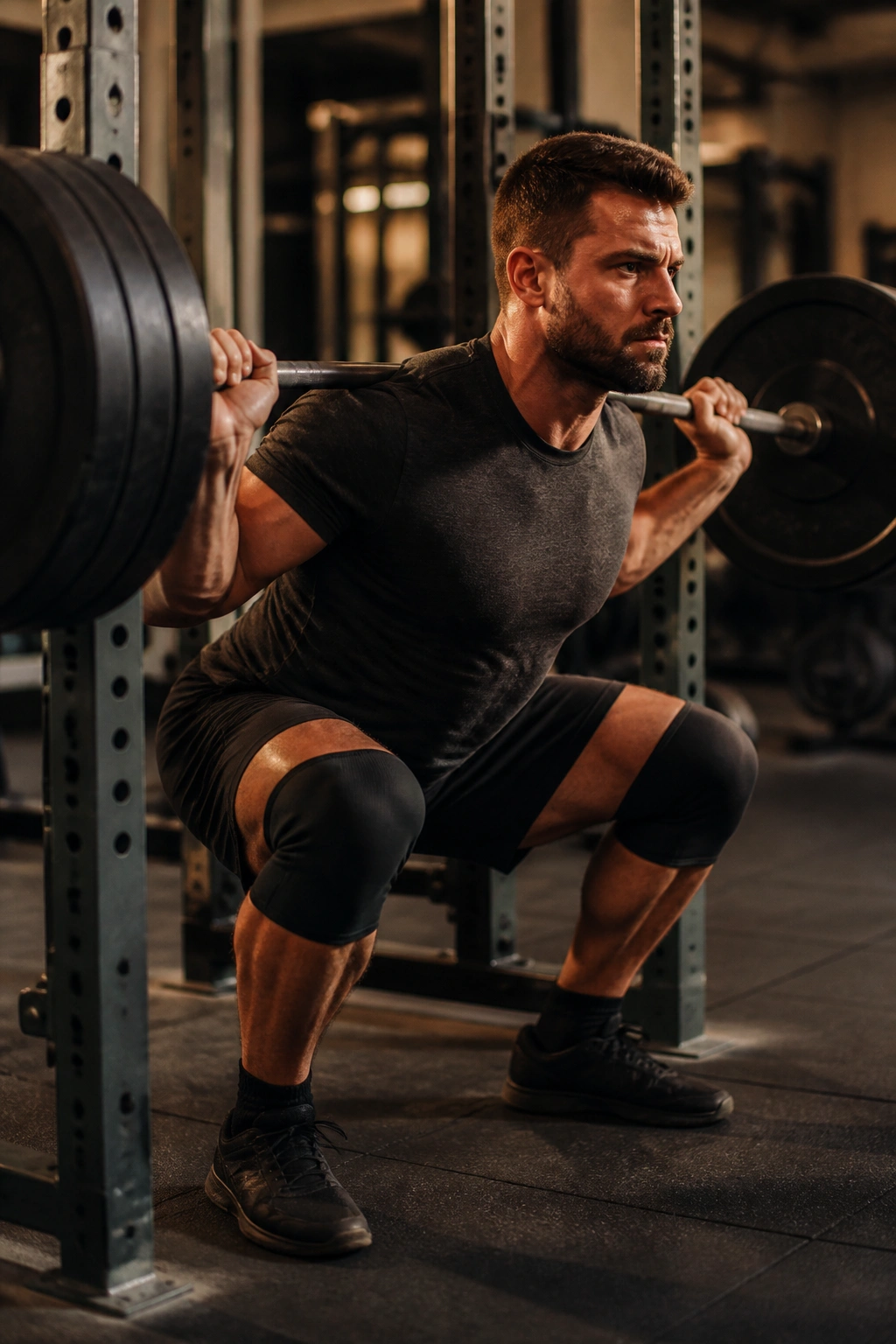
The eccentric phase—the lowering part of the rep—is where the most muscle damage (and therefore growth) occurs. This workout is all about milking the negative.
Take a weight that is 80% of your maximum. Spend five seconds lowering the weight, and then explode up as fast as possible. This applies to squats, lunges, and even leg presses.
You will be sore for days after this. Do not perform this session more than once every two weeks. It is incredibly taxing on the muscle fibers, and they need time to recover and rebuild.
20. Mobility and Active Recovery Flow
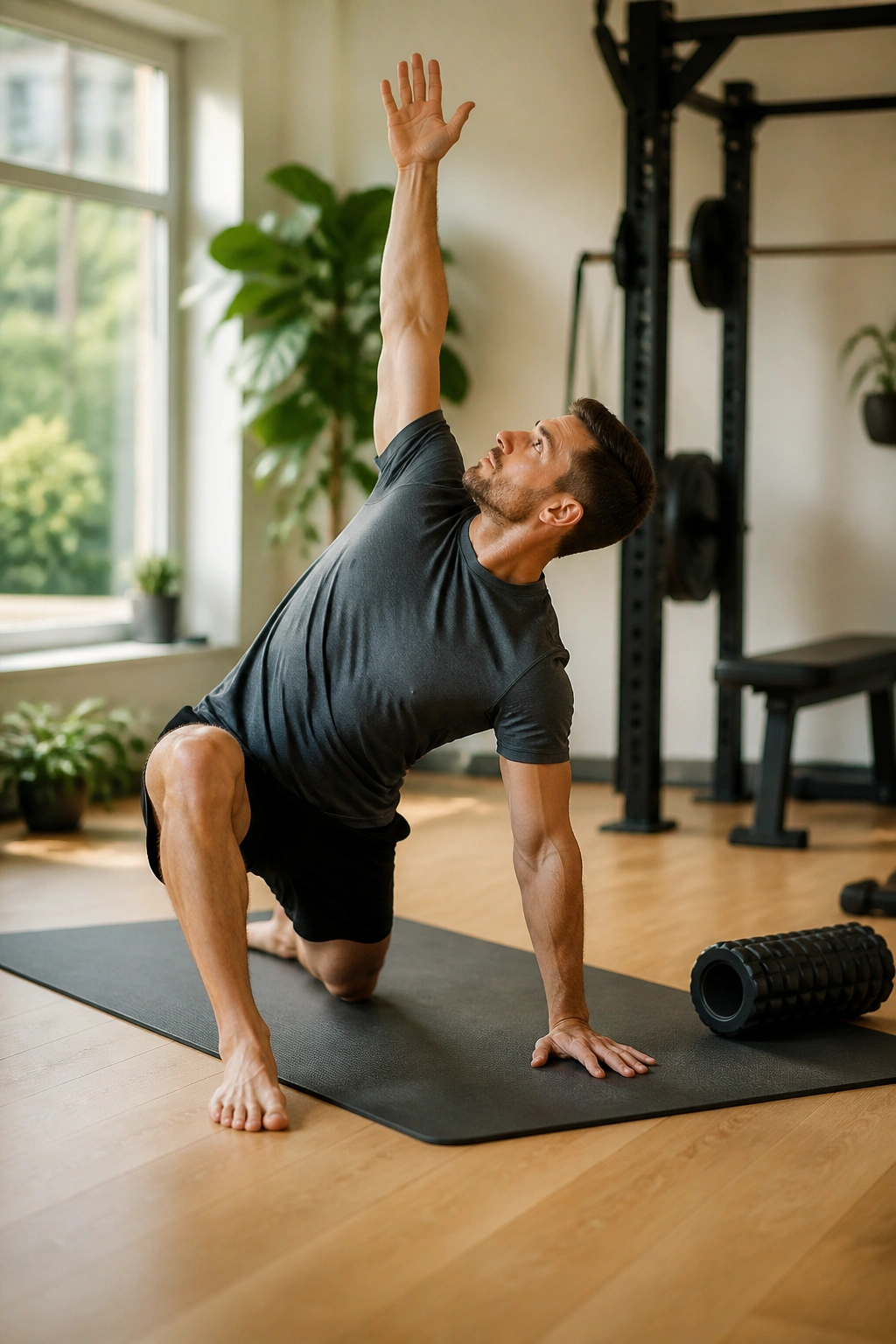
Not every lower body session needs to be a beatdown. Your joints, tendons, and connective tissues need a day to recover. That doesn’t mean you sit on the couch.
Focus on deep, slow movements. Think deep bodyweight squats, world’s greatest stretches, pigeon pose, and soft tissue work with a foam roller. This is about blood flow.
By keeping the muscles loose and the blood moving, you speed up recovery for your next heavy lifting day. It feels less like “work” and more like “maintenance,” but it is arguably the most important workout of the week.
21. Supersets for Maximum Pump

Supersets are a great way to save time and increase intensity. Pair an antagonist pair—muscles that work in opposition. For lower body, that means quads and hamstrings.
Pair a leg extension (quad) with a leg curl (hamstring). Pair a squat (quad dominant) with a Romanian deadlift (hamstring dominant). By the time you switch exercises, the previous muscle group gets a moment to rest.
This keeps your heart rate elevated and fills the muscles with blood. It is an efficient way to get a full lower body stimulus in under 45 minutes.
22. The 30-Minute Efficiency Blast

Sometimes life gets in the way and you only have 30 minutes. That is enough. Do not skip it. Pick two compound movements and one isolation movement.
For example: Back Squats (4 sets of 8), Dumbbell Lunges (3 sets of 10), and Calf Raises (3 sets of 20). If you move with intent and keep your rest periods under 60 seconds, you can crush this entire workout in less than half an hour.
The goal is to get in, get the work done, and get out. It’s better to have a short, focused session than to skip training entirely because you didn’t have an hour to spare.
Final Thoughts
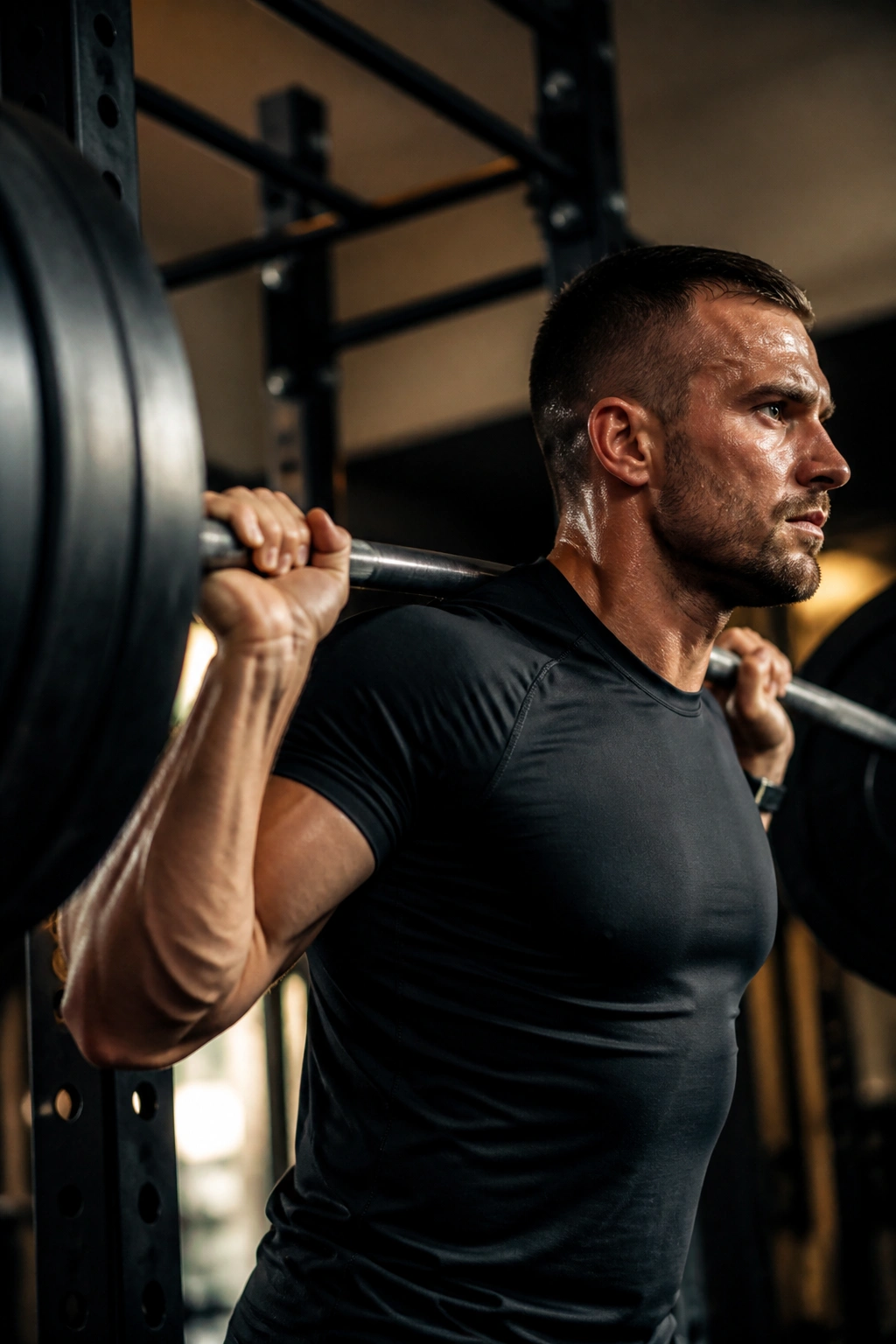
The beauty of having twenty-two distinct workout styles is that you never have to be bored. You can rotate through these depending on how much time you have, what equipment is available, and how your body feels.
Don’t feel the need to reinvent the wheel. Stick to the basic movements—squats, lunges, deadlifts, hinge patterns—and just change the intensity, volume, and tempo. Your legs will respond to the variety. The key is simply showing up and doing the work, even on the days when you would rather be anywhere else. Consistency over time is the only “secret” that actually produces results.
