



Walking into the weight room when you know it is leg day carries a distinct feeling. It is a mix of dread, anticipation, and the quiet understanding that the next hour is going to be uncomfortable. If you are doing it right, you should be questioning your life choices by the time you reach your third exercise. There is no escaping the intensity required to actually build lower body strength; it demands more energy, focus, and grit than almost any other training split.
You don’t need a complicated, convoluted routine to see growth. The best leg days rely on a handful of proven, heavy movements that tax your quads, hamstrings, and glutes in different ways. Whether you are aiming for raw strength, hypertrophy, or functional endurance, the exercises listed below form the bedrock of a serious leg day. Put down your phone, leave your ego at the door, and prepare to move some weight.
1. Barbell Back Squat
This is the cornerstone movement. If you want to build mass in your quads and glutes, nothing replaces the barbell back squat. It forces your entire body to stabilize the weight while your legs perform the heavy lifting. You should set the rack height so you don’t have to go on your tiptoes to unrack the bar. Step back, set your feet shoulder-width apart, and inhale deeply to brace your core before you even think about descending.
Technical Cues for Success
- Keep your chest up: Dropping your chest causes your lower back to take the load, which is a recipe for injury. Focus on a point on the wall slightly above eye level.
- Break at the hips and knees simultaneously: Don’t just collapse your knees forward. Sit back into the movement as if you are lowering yourself onto a chair.
- Drive through the mid-foot: Avoid shifting your weight onto your toes. You should feel your entire foot planted firmly against the gym floor throughout the entire rep.
Pro tip: If you struggle with depth, try widening your stance slightly or placing small weight plates under your heels. This simple adjustment often provides the extra ankle mobility required to hit parallel without sacrificing form.
2. Romanian Deadlift
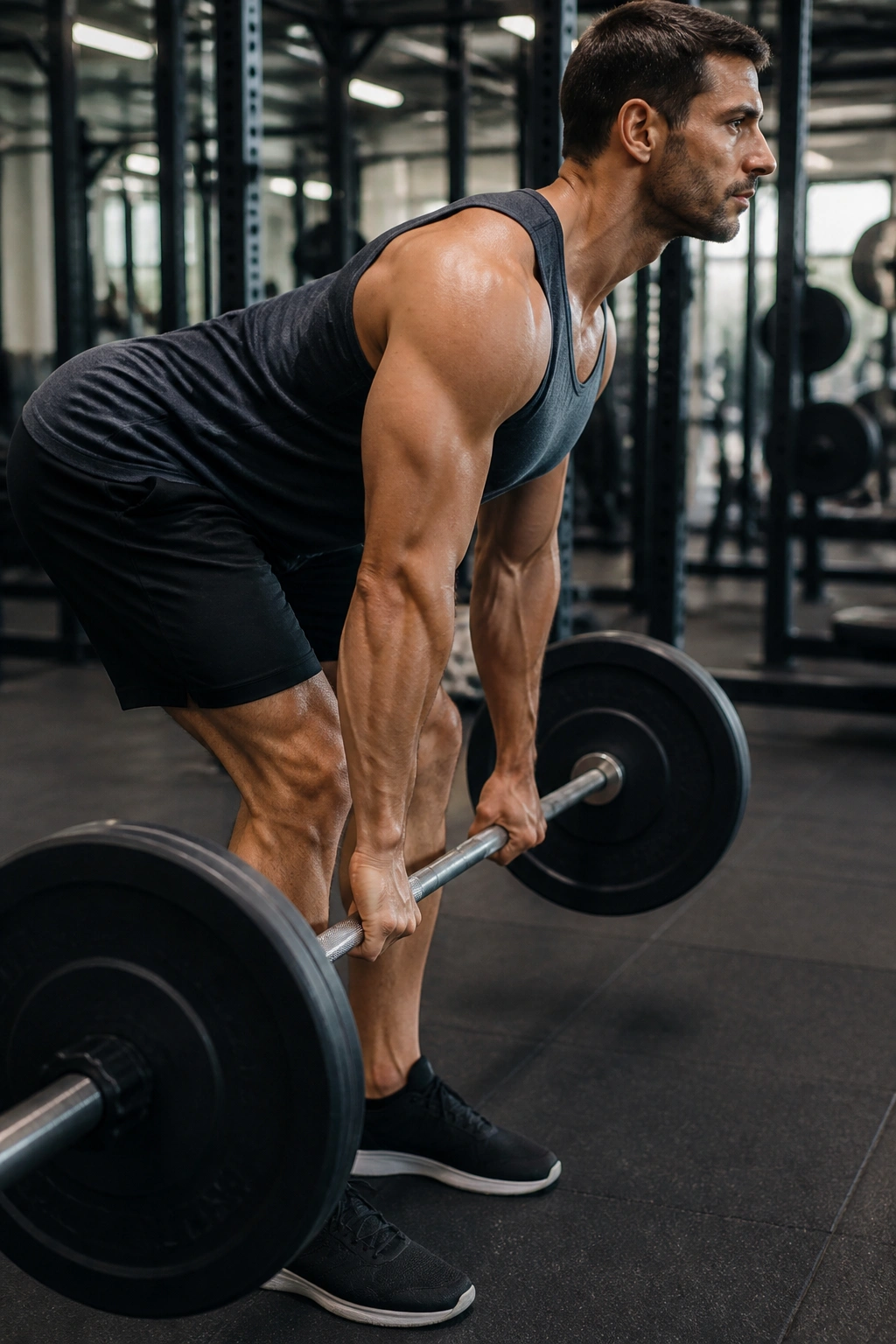
While the squat is a quad-dominant knee-dominant movement, the Romanian Deadlift (RDL) is all about the posterior chain. You are targeting your hamstrings and glutes with a deep stretch. This isn’t a race to see how much weight you can rip off the floor. It is a slow, controlled descent where your goal is to push your hips back as far as possible until you feel a profound stretch in your hamstrings.
Why It Changes Your Leg Development
Most people make the mistake of turning this into a back exercise. If you feel this mostly in your lower back, your hips aren’t going back far enough, or you are lowering the bar too far. The bar should stay glued to your legs the entire time. If it drifts away from your shins, you are immediately putting excessive torque on your lumbar spine. Keep the bar path tight and controlled.
3. Bulgarian Split Squat
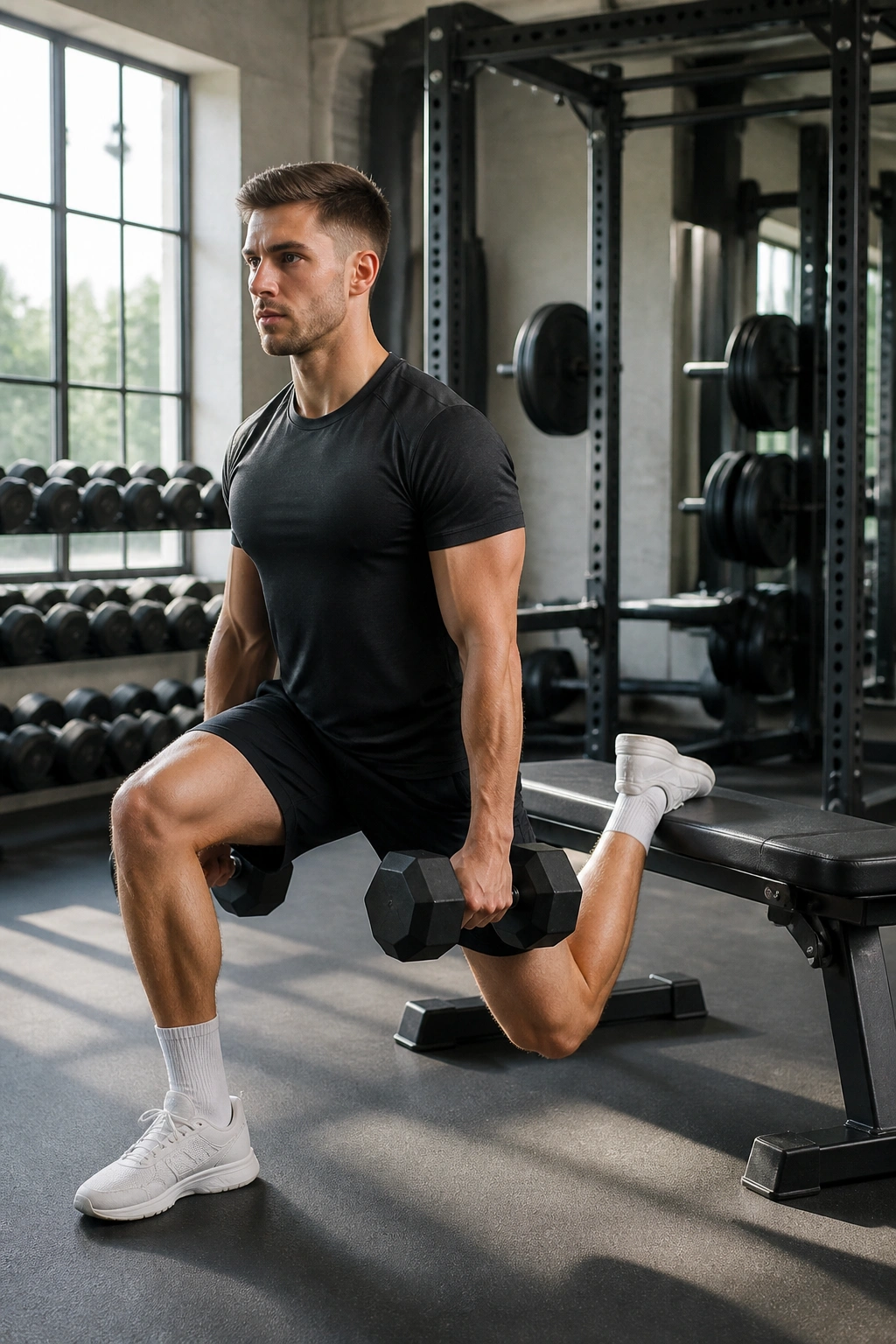
Prepare yourself for the exercise everyone loves to hate. The Bulgarian Split Squat is an absolute equalizer. Because you are training one leg at a time, you cannot compensate with your stronger side. You will quickly find that your balance and core stability are just as much a limiting factor as your leg strength.
How to Execute Properly
Place one foot behind you on a bench or a sturdy box. Keep your torso relatively upright to emphasize the quads, or lean forward slightly to hit the glutes harder. The key here is to control the descent. Don’t just drop into the bottom position; lower yourself for two to three seconds. If you find your balance wobbling, tighten your core and fix your gaze on a non-moving object in front of you. This simple trick usually solves the stability issue immediately.
4. Leg Press
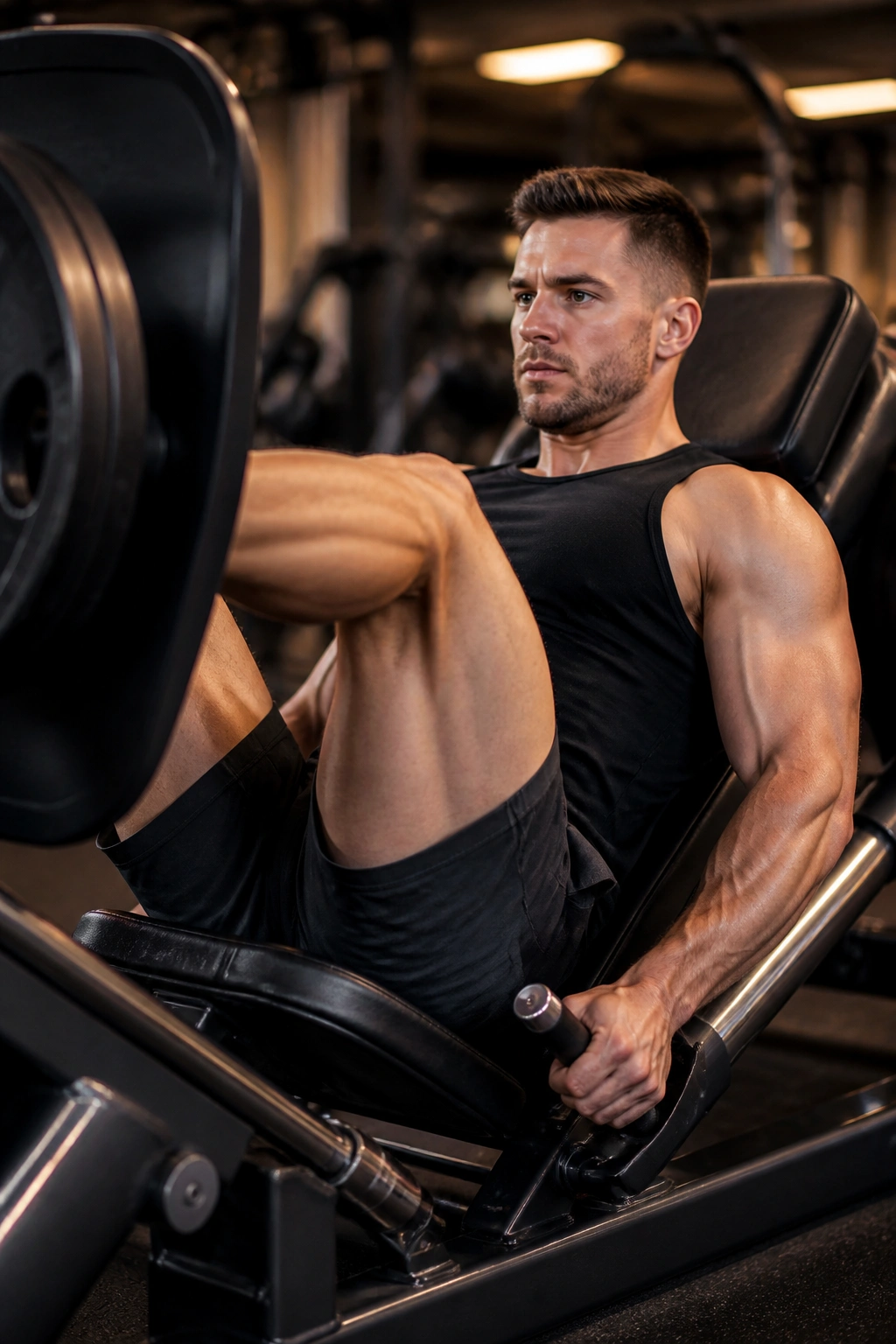
The leg press gets a bad reputation because people load it with every plate in the gym and then perform “reps” that move a total of three inches. That is a waste of time. To get the most out of this machine, you need to use a full range of motion. Lower the sled until your knees are near your chest, provided your lower back doesn’t lift off the pad.
Finding Your Foot Placement
- High foot placement: This forces more hip flexion and targets the glutes and hamstrings.
- Low foot placement: This forces more knee flexion and places the stress directly onto your quadriceps.
- Wide stance: This brings the adductors (inner thighs) into play, helping you build thickness in the inner sweep of your legs.
Avoid locking your knees out at the top. Keep a slight bend in your legs to maintain constant tension on the muscle. This is the difference between letting the machine do the work and forcing your muscles to do it.
5. Walking Lunges
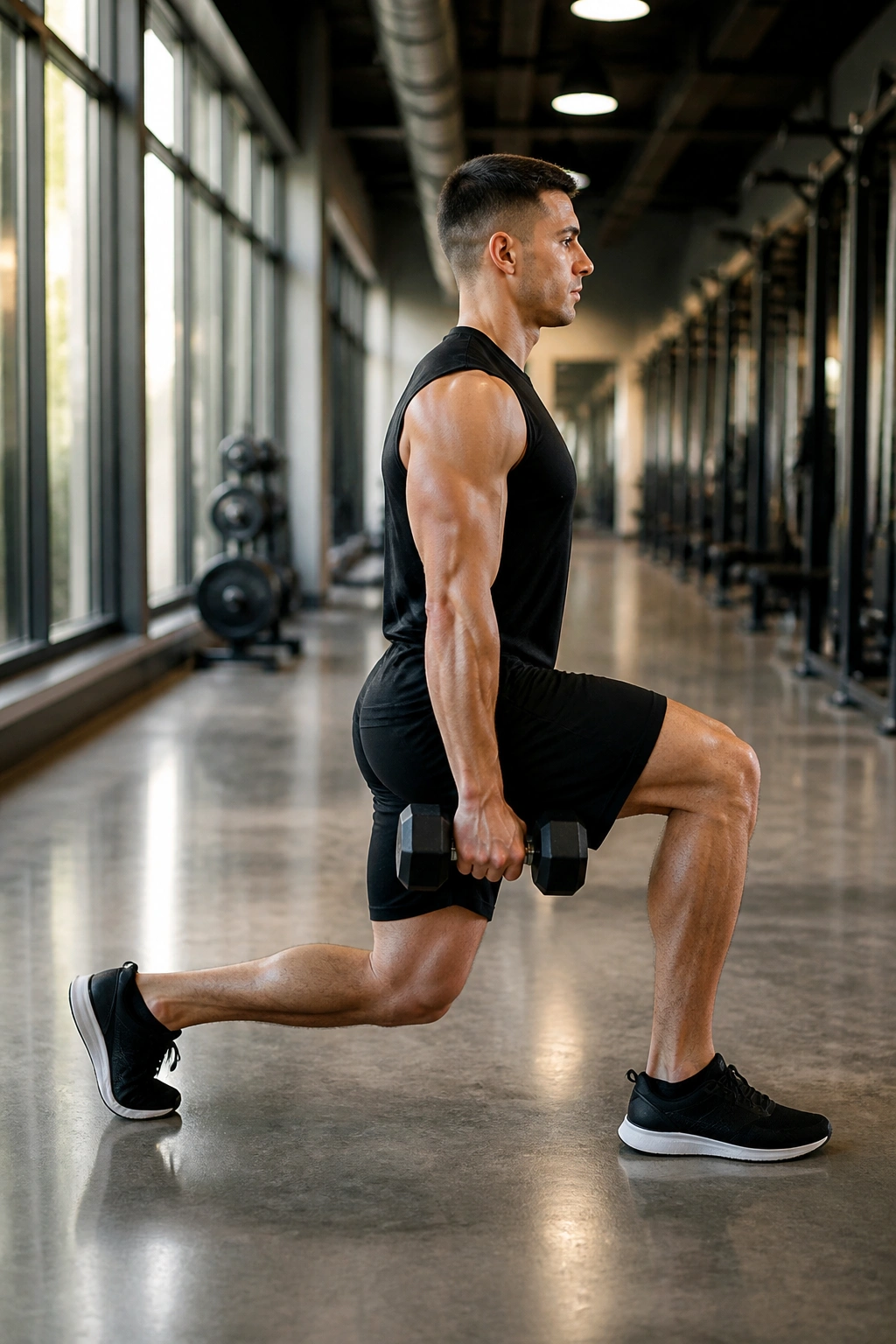
Walking lunges are the ultimate test of endurance and functional movement. They force you to stabilize your body in motion, which is far more realistic to daily life than a stationary lift. You can perform these with dumbbells in your hands or a barbell across your back. If you are new to them, start with bodyweight or light dumbbells to master your balance before adding heavy iron.
The Secret to Longevity
Most people rush through lunges. Take a long stride. If your stride is too short, your front knee will travel way past your toes, which can cause significant joint pain for many lifters. Make sure your front shin remains vertical at the bottom of the lunge. You should feel the burn in your glutes and hamstrings, not just your knee joints. If you feel sharp pain in the knee, shorten the reps and focus on perfect form.
6. Goblet Squats
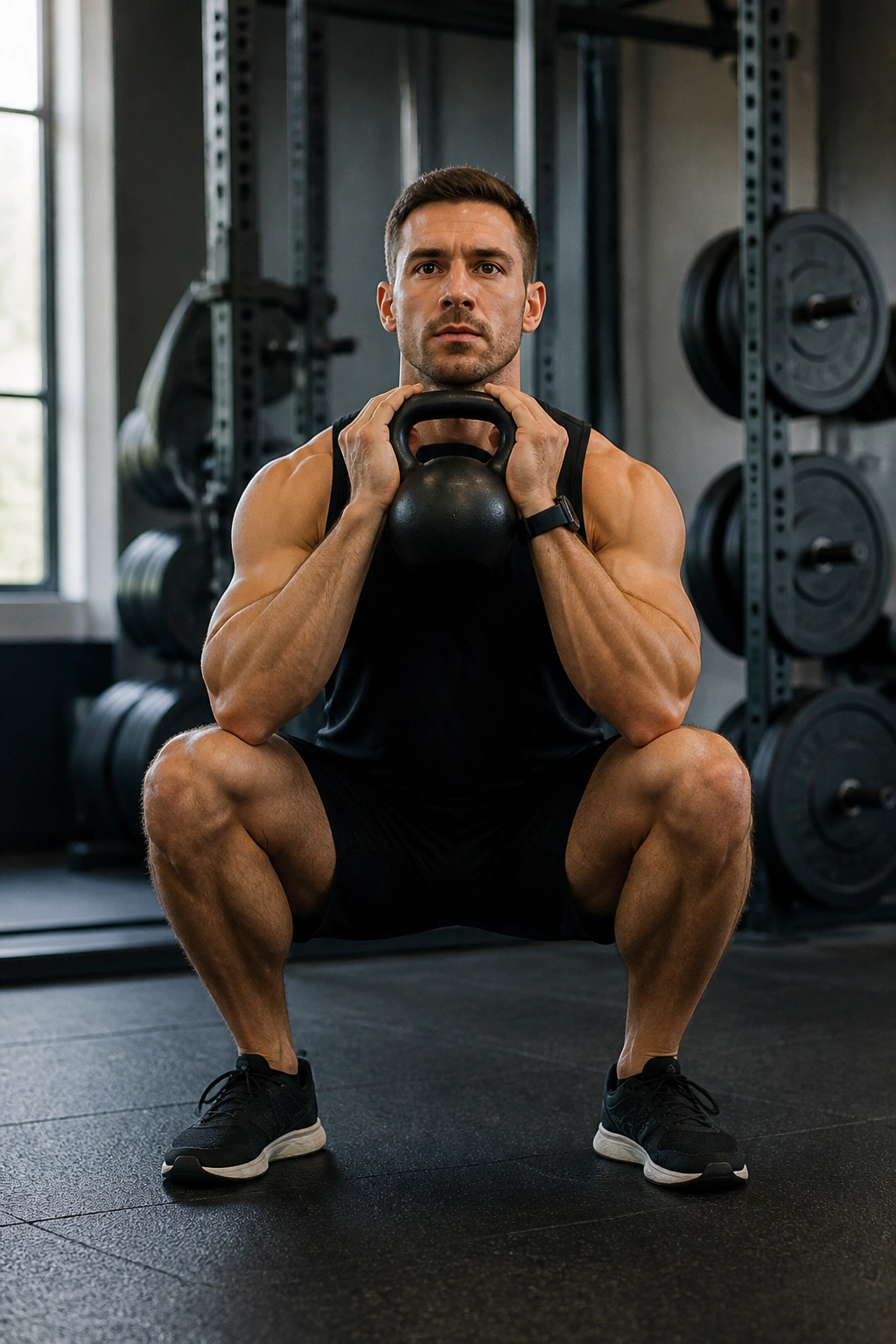
The Goblet Squat is often dismissed as a beginner exercise, but that is a mistake. Holding a heavy dumbbell or kettlebell against your chest forces you to maintain an upright torso, which is excellent for building the upper back and core strength necessary for heavier barbell work. It is essentially a self-correcting squat—if you lean forward too much, you will drop the weight.
When to Use This Movement
Use this as a warm-up to prime your movement patterns, or as a finisher with higher reps to fry your quads. Because your hands are occupied holding the weight, you cannot use your arms to help with momentum. It is pure leg drive. Focus on hitting the deepest depth possible where you can still keep your heels planted on the floor.
7. Leg Extensions
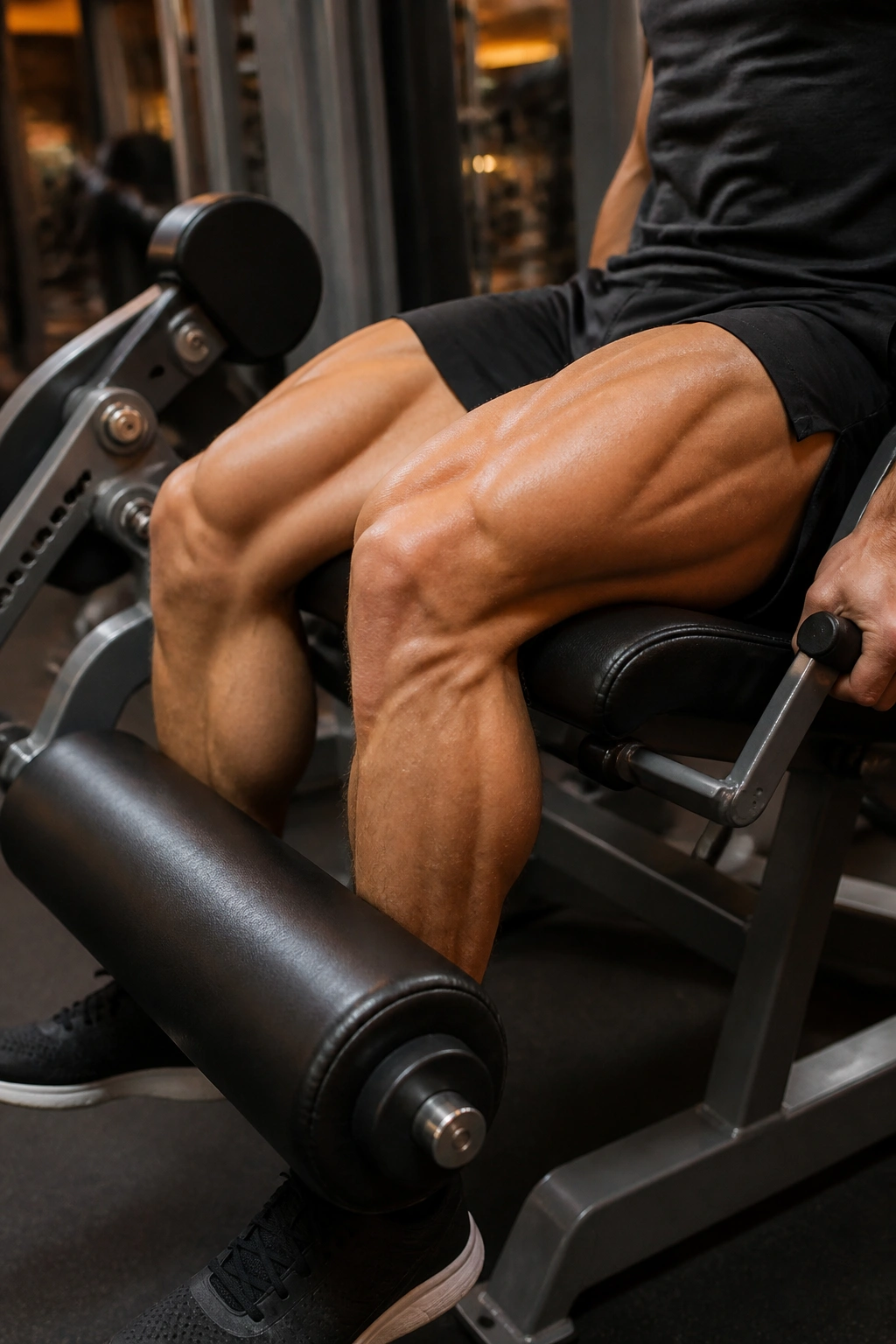
This is one of the few true isolation movements for the quads. You aren’t training for balance or core stability here; you are training to make the quadriceps burn. Set the seat so that your knees align perfectly with the machine’s pivot point. If they are misaligned, you will put unnecessary stress on your knee joints.
How to Maximize Intensity
Don’t use momentum to swing the weight. That is cheating the muscle. Use a slow, controlled tempo. Pause for a full second at the top of the rep, squeezing your quads as hard as you can. On the way down, fight the weight—take three seconds to lower it. This eccentric, or negative, portion of the movement is where much of the muscle-building stimulus happens.
8. Lying Leg Curls
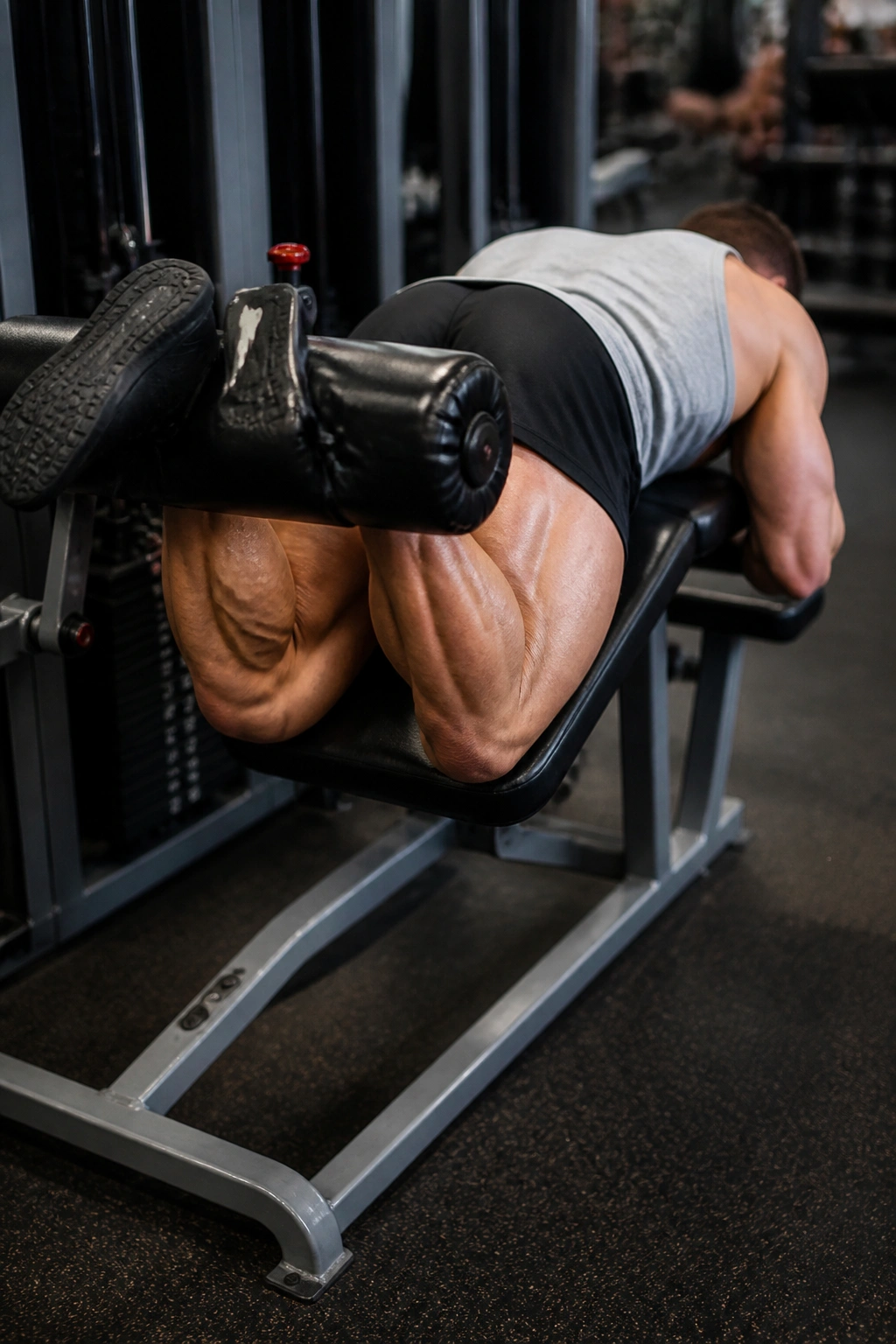
Hamstrings are often neglected because they are harder to “see” in the mirror. Lying leg curls allow you to isolate the hamstrings without worrying about back stability. The biggest mistake here is letting your hips lift off the pad. When you lift your hips, your glutes and lower back take over, and your hamstrings stop doing the work.
Fixing Your Form
Keep your torso glued to the bench. Visualize driving your pubic bone into the pad during the entire set. If you cannot keep your hips down, the weight is too heavy. Drop the stack, focus on the squeeze at the peak of the contraction, and you will get a much better training effect than you would by ego-lifting with heavy weight and bad form.
9. Sumo Deadlift
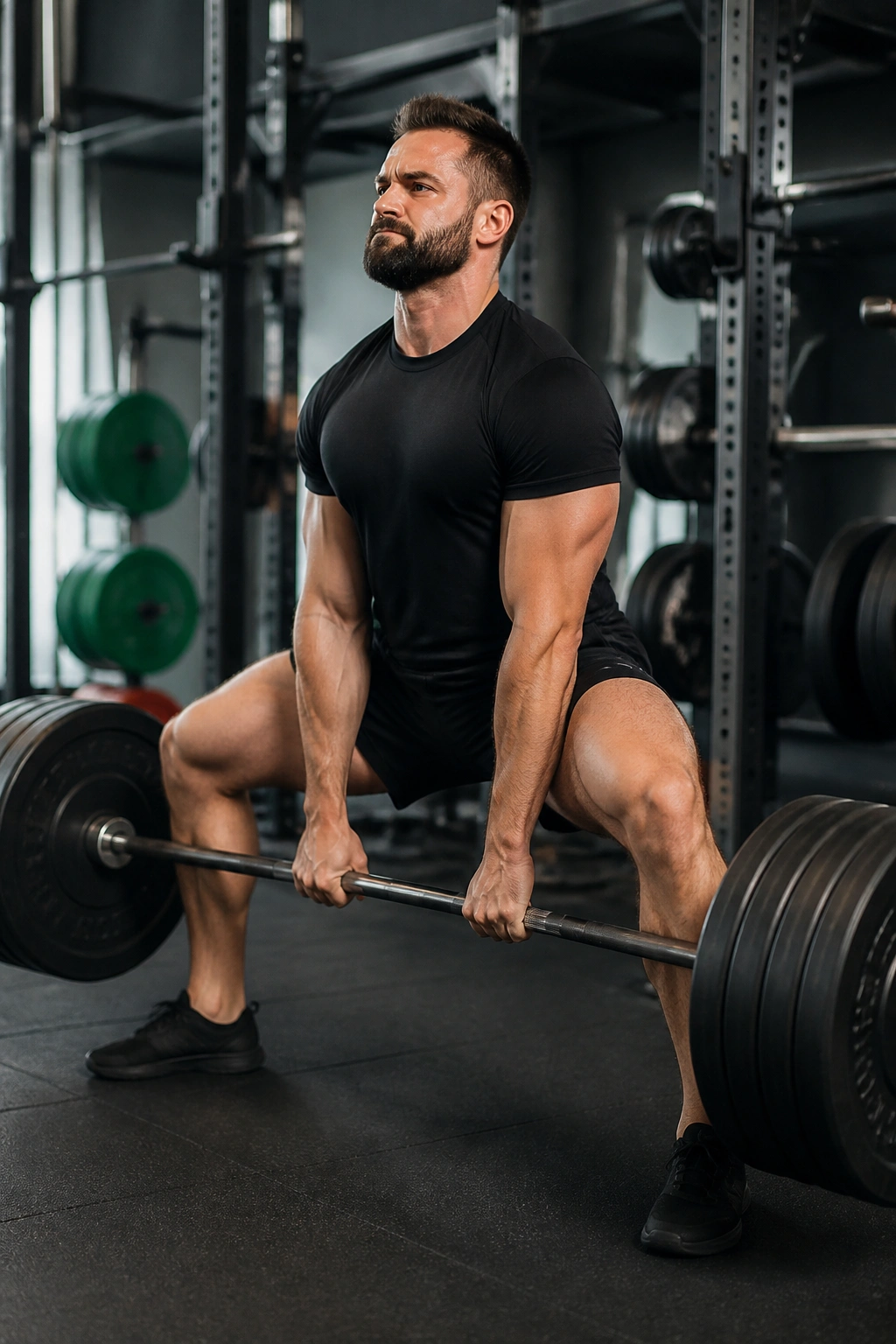
The wide stance of the Sumo Deadlift drastically changes the mechanics compared to a conventional deadlift. It puts significantly more emphasis on the glutes and adductors (the inner thigh muscles) while keeping your torso more upright. This can be a game-changer if you have longer limbs and struggle to keep your back straight during conventional deadlifts.
The Setup
- Stance: Take a wide stance, toes pointed slightly outward.
- Grip: Place your hands inside your legs.
- Drive: Instead of pulling with your back, imagine pushing the floor away from you with your feet.
You will likely find that you can move a good amount of weight here once you get used to the stance. Just ensure your knees are tracking over your toes—do not let them cave inward, as this puts dangerous pressure on the knee ligaments.
10. Glute Bridges and Hip Thrusts
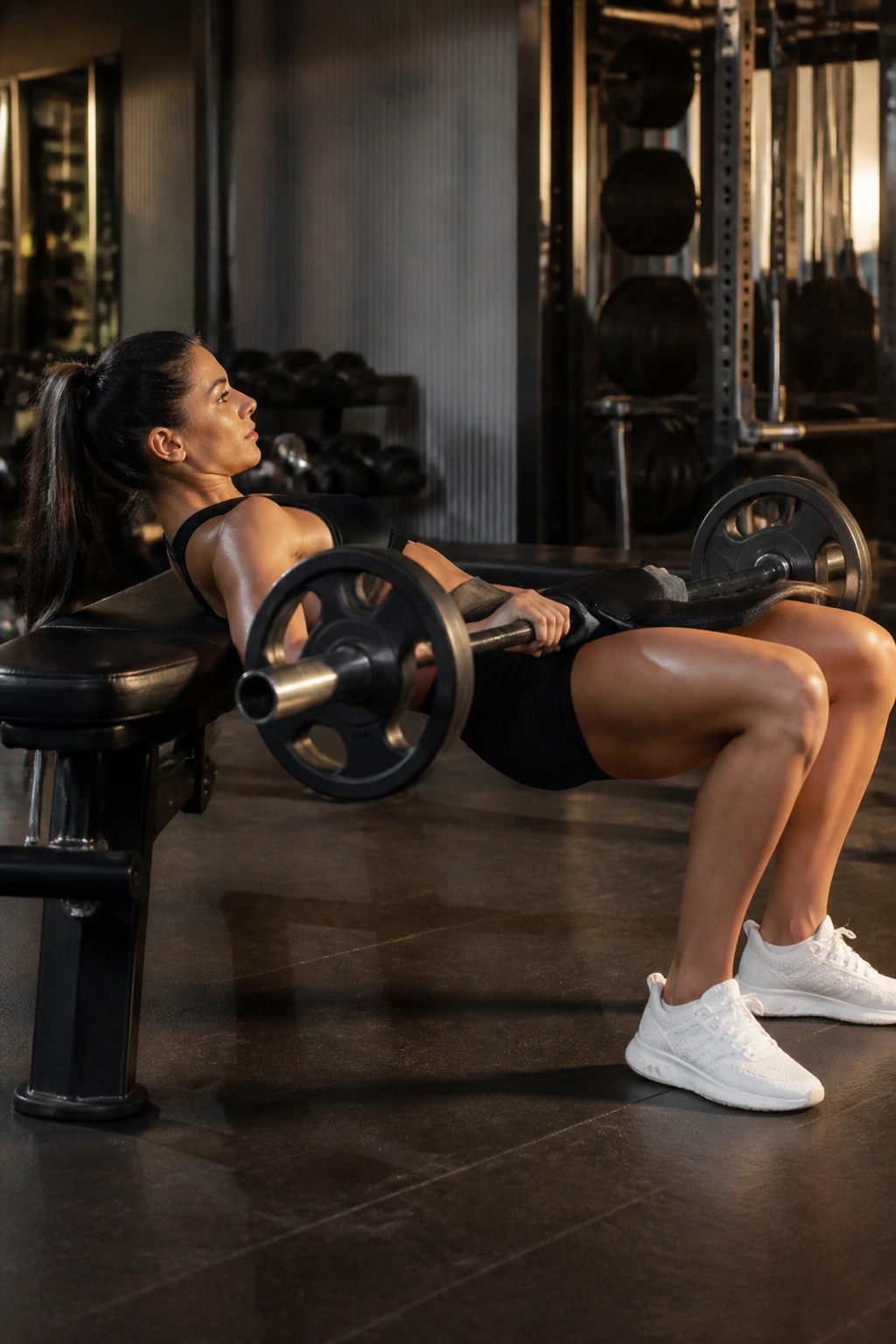
If you want to grow your glutes, you must include a hip extension movement. The hip thrust is widely considered the most effective exercise for isolating the gluteus maximus. The setup is the annoying part: you need a barbell, a bench, and usually a pad to stop the bar from crushing your hip bones.
The Mind-Muscle Connection
This is not about heavy weight; it is about feeling the glutes do the work. Squeeze your glutes at the top of the movement for two seconds. Do not overarch your lower back at the top. If you feel this in your lower back, tuck your chin to your chest and focus on tilting your pelvis forward as you thrust up. It takes practice to isolate the glutes, but once you feel it, there is no going back.
11. Step-Ups
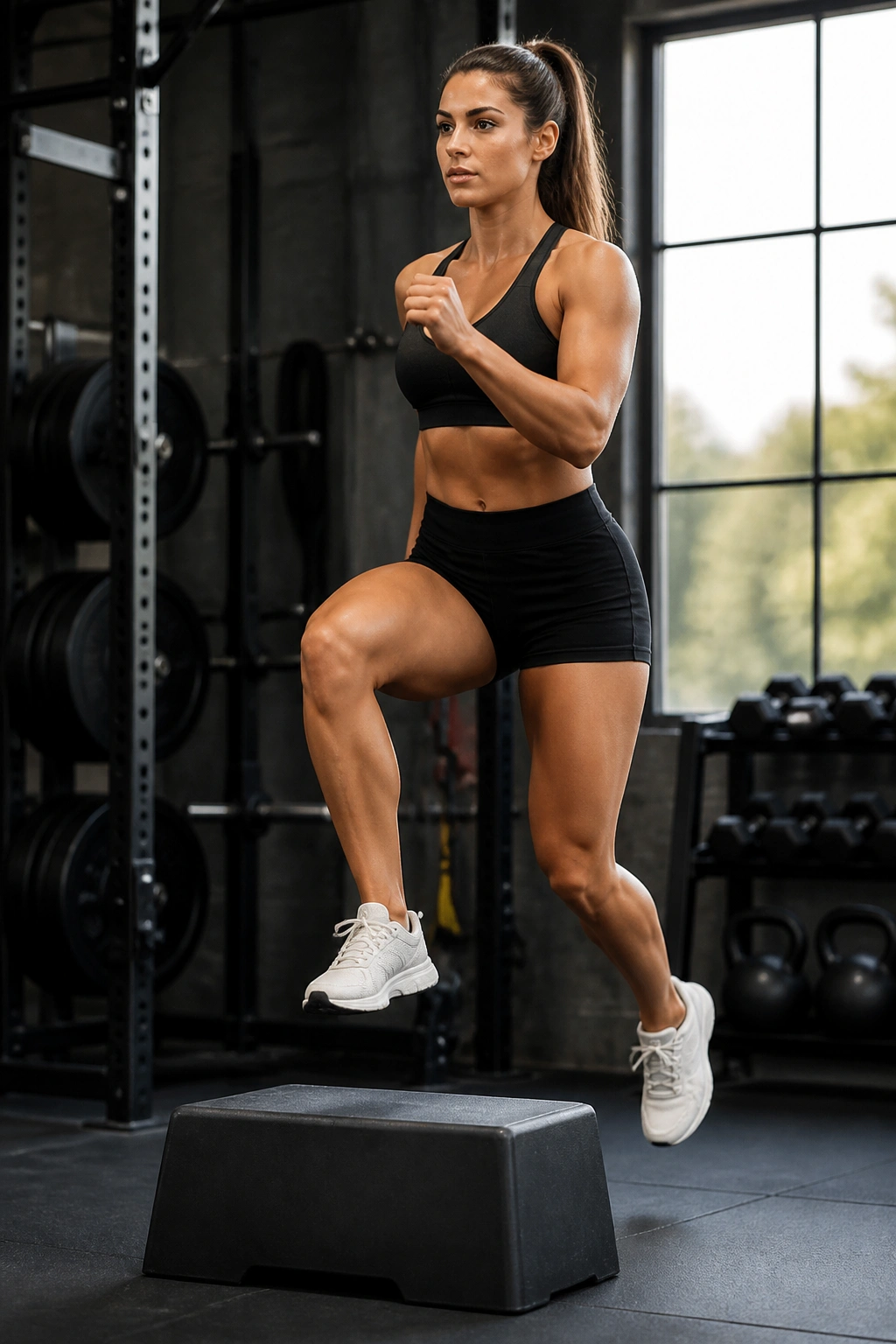
Step-ups are an underrated unilateral exercise. They are incredible for addressing muscle imbalances between your left and right leg. You will need a box or a bench that is roughly knee-height. Anything higher than that may force your hip into an uncomfortable position.
Executing for Maximum Effect
The key to a good step-up is to not use your back leg to push off the ground. Your back foot should only be there for safety—it shouldn’t be doing any work. Drive through the heel of the foot that is on the box. Control the descent as you step back down. The eccentric (lowering) part of the step-up is where you will build the most stability and strength, so take it slow.
12. Hack Squat
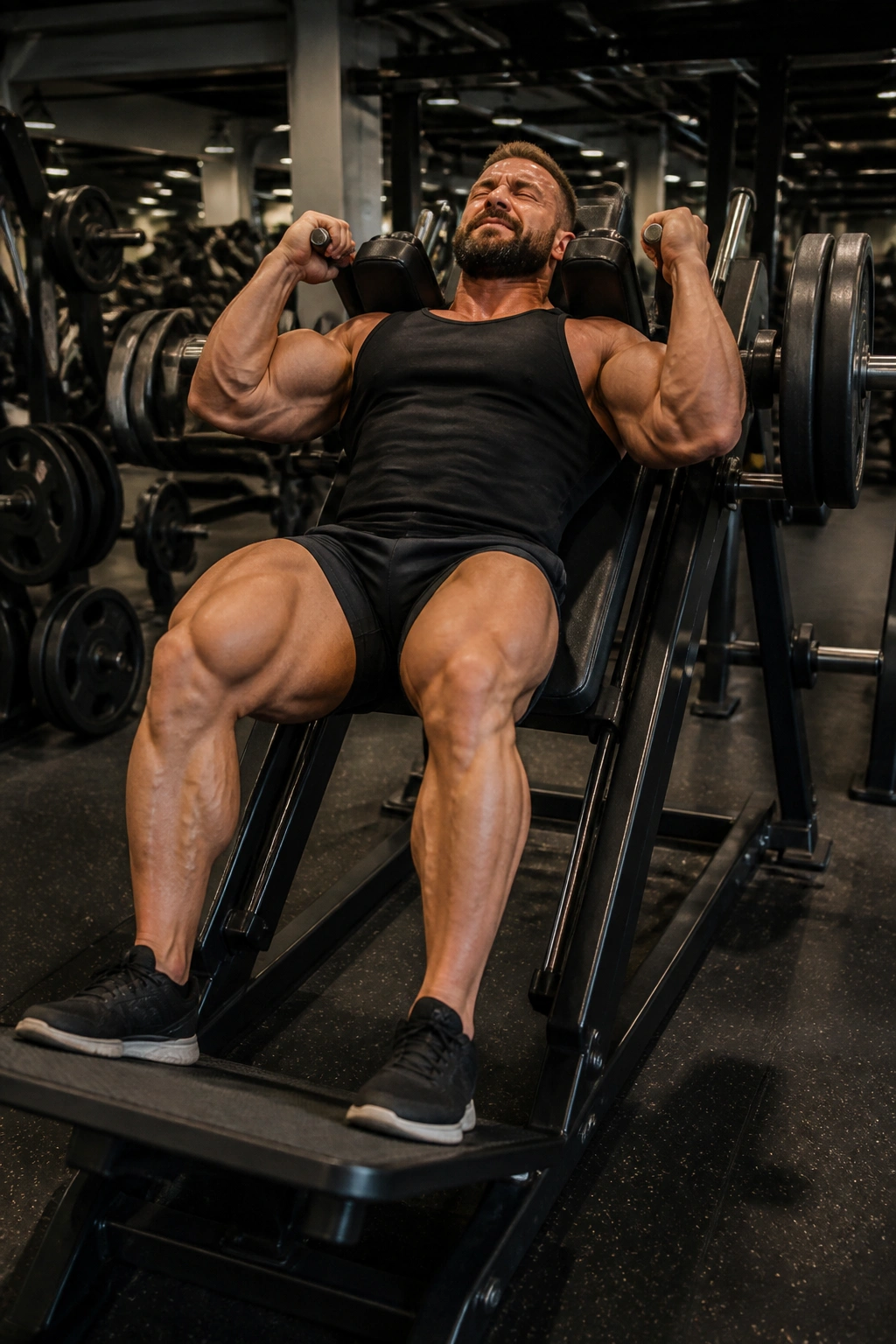
The Hack Squat machine provides a fixed path for your body, allowing you to load your quads heavily without worrying about balancing a barbell. It is essentially a vertical leg press that feels like a squat. Because the machine supports your back, you can push yourself to absolute failure safely, knowing you won’t drop a bar on your neck.
Using the Machine Properly
Place your feet in a position that mimics your squat stance. Avoid having your heels come off the platform at the bottom of the movement. If they do, move your feet up higher on the plate. Because the machine does the stabilizing, you can really focus on the deep, heavy contraction of the quads at the bottom of the movement. This is a great exercise to finish your workout when your core is too tired for free-weight squats.
13. Kettlebell Swings
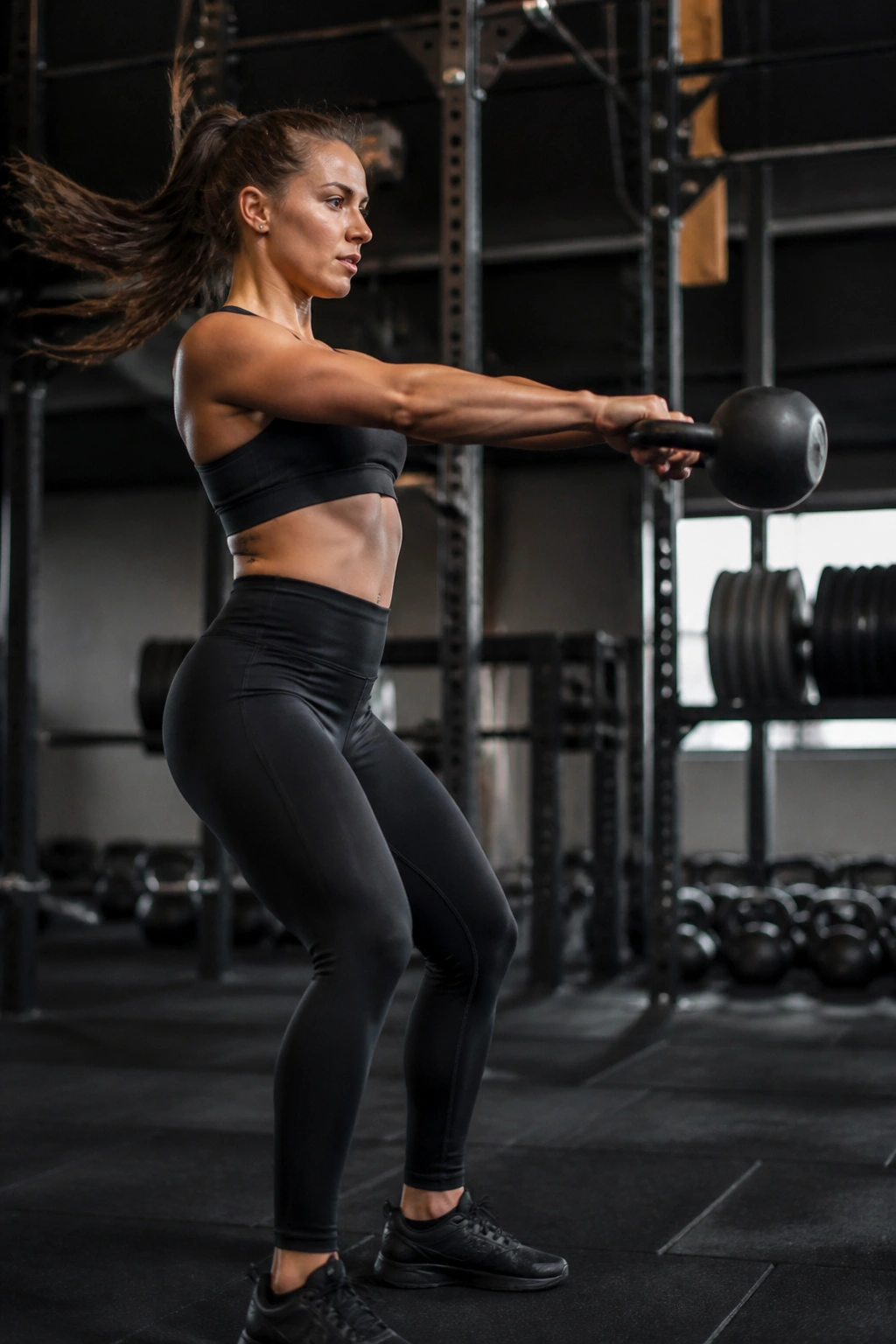
While often categorized as cardio, the kettlebell swing is a powerful hip hinge movement that builds explosive strength in the posterior chain. It teaches you to use your hips to drive power, a skill that translates directly to your squat and deadlift performance. This isn’t a squat; it’s a snap of the hips.
The Mechanics
Your legs should remain fairly straight with just a soft bend in the knees. The power comes from your glutes snapping forward, not from your arms lifting the weight. Your arms are just cables holding the kettlebell. If you are doing these correctly, you will feel it in your glutes and hamstrings almost instantly. Be mindful of your grip—if the bell feels like it’s going to fly out of your hands, you’re using too much arm and not enough hip drive.
14. Seated Calf Raises
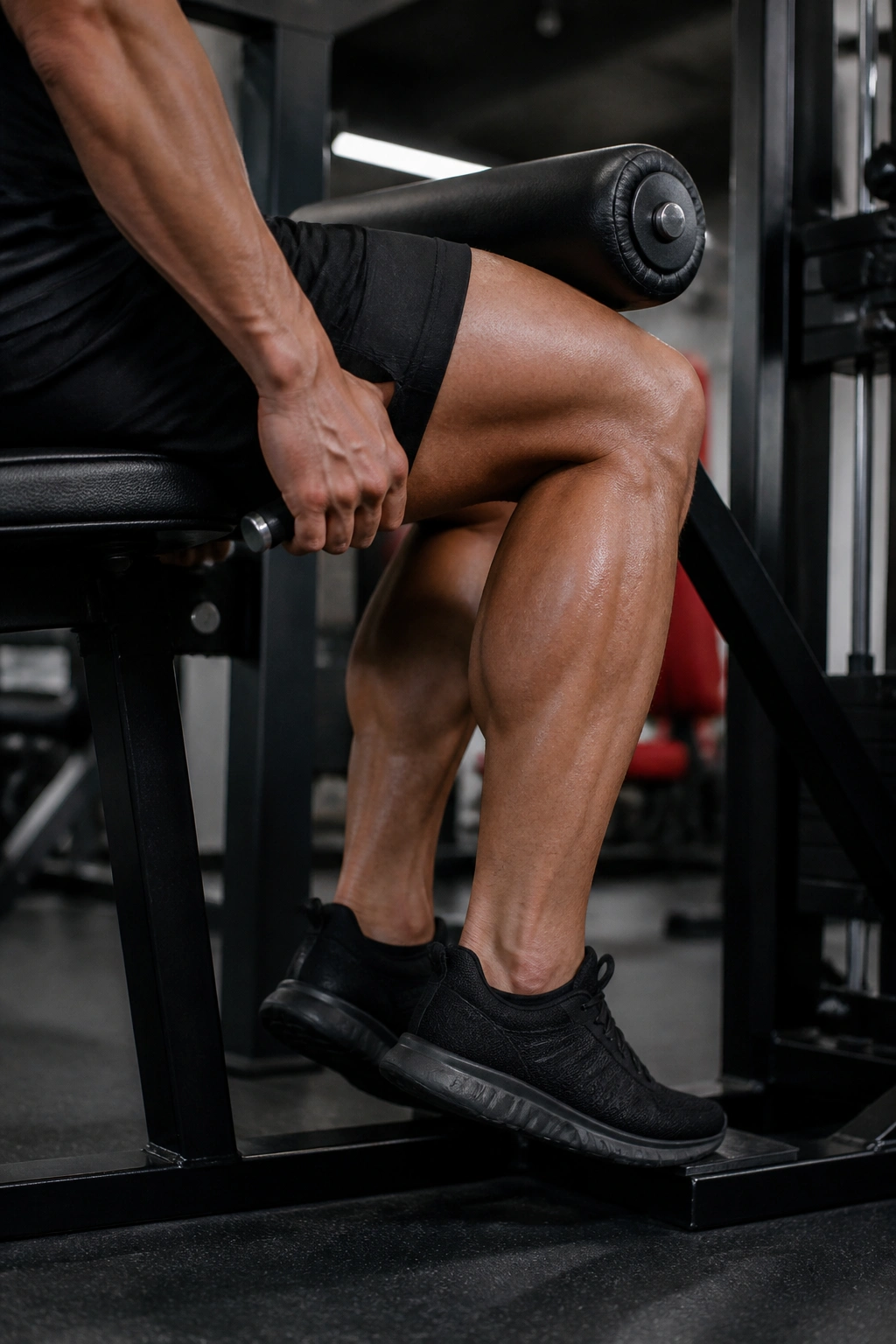
Don’t skip leg day—and certainly don’t skip your calves. The seated calf raise targets the soleus muscle, which is deeper in the calf than the gastrocnemius. The gastrocnemius is more involved when your knees are straight (like in standing calf raises), but the soleus takes over when your knees are bent.
The Secret to Calf Growth
The secret is volume and tempo. Calves are incredibly resilient muscles. They are used to holding your body weight all day long, so doing three sets of 10 reps just isn’t enough. Aim for higher rep ranges—15 to 20 reps per set. Focus on a deep stretch at the bottom and a hard, deliberate squeeze at the top. Don’t bounce. Bouncing uses the Achilles tendon as a spring, which defeats the purpose of the exercise.
15. Box Jumps
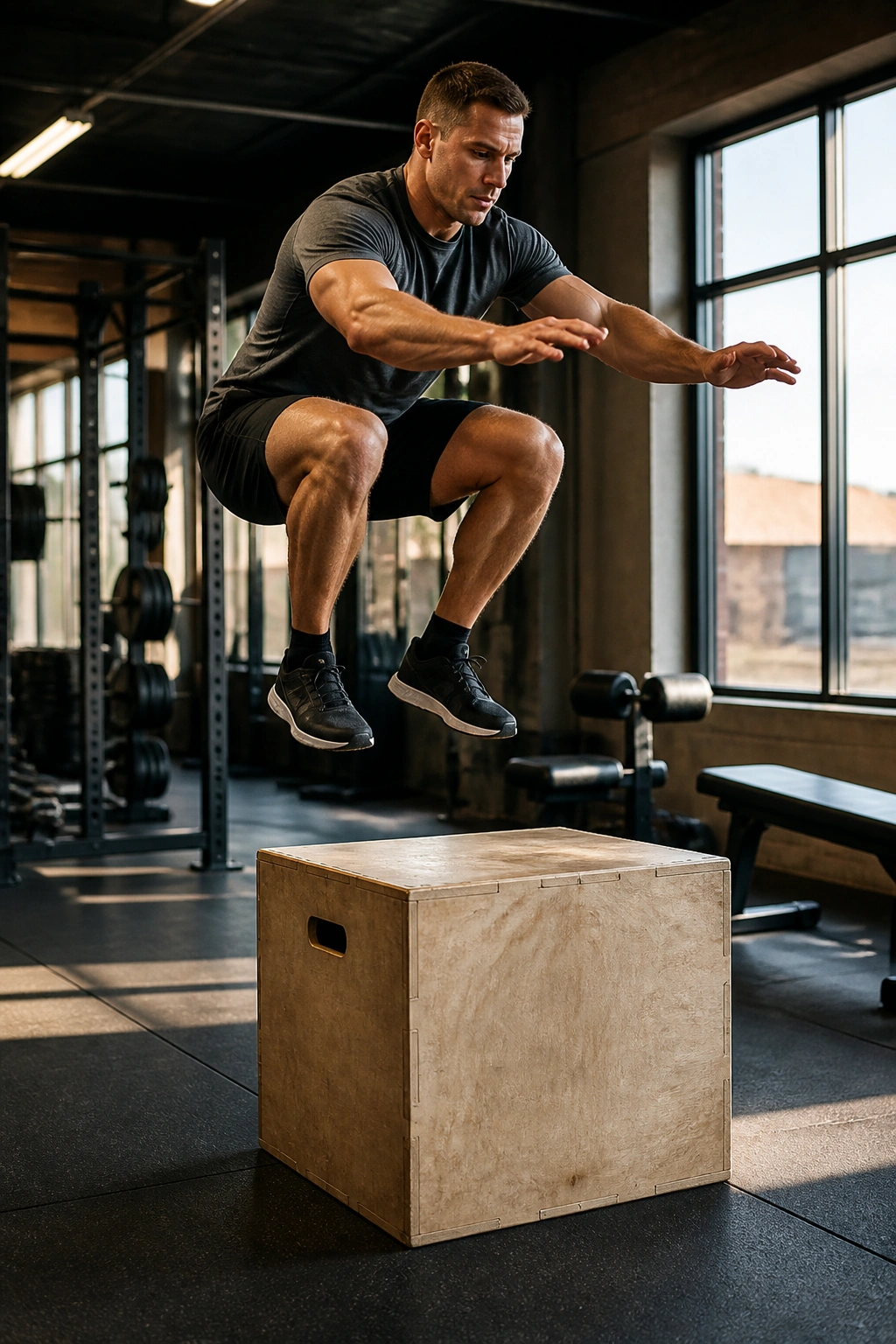
Box jumps are about explosive power and coordination. They force your nervous system to fire quickly, which is a great way to start a leg workout if you aren’t too fatigued. Choose a height that is challenging but allows you to land softly. If you are struggling to clear the height, you are doing too much and increasing your injury risk.
Landing Matters
Always land with both feet flat on the box, absorbing the impact with your legs rather than locking your knees. Your knees should never be caving inward when you jump or land. If you notice your knees buckling, lower the box height immediately. It is better to have perfect form on a shorter box than sloppy form on a high one.
The Bottom Line
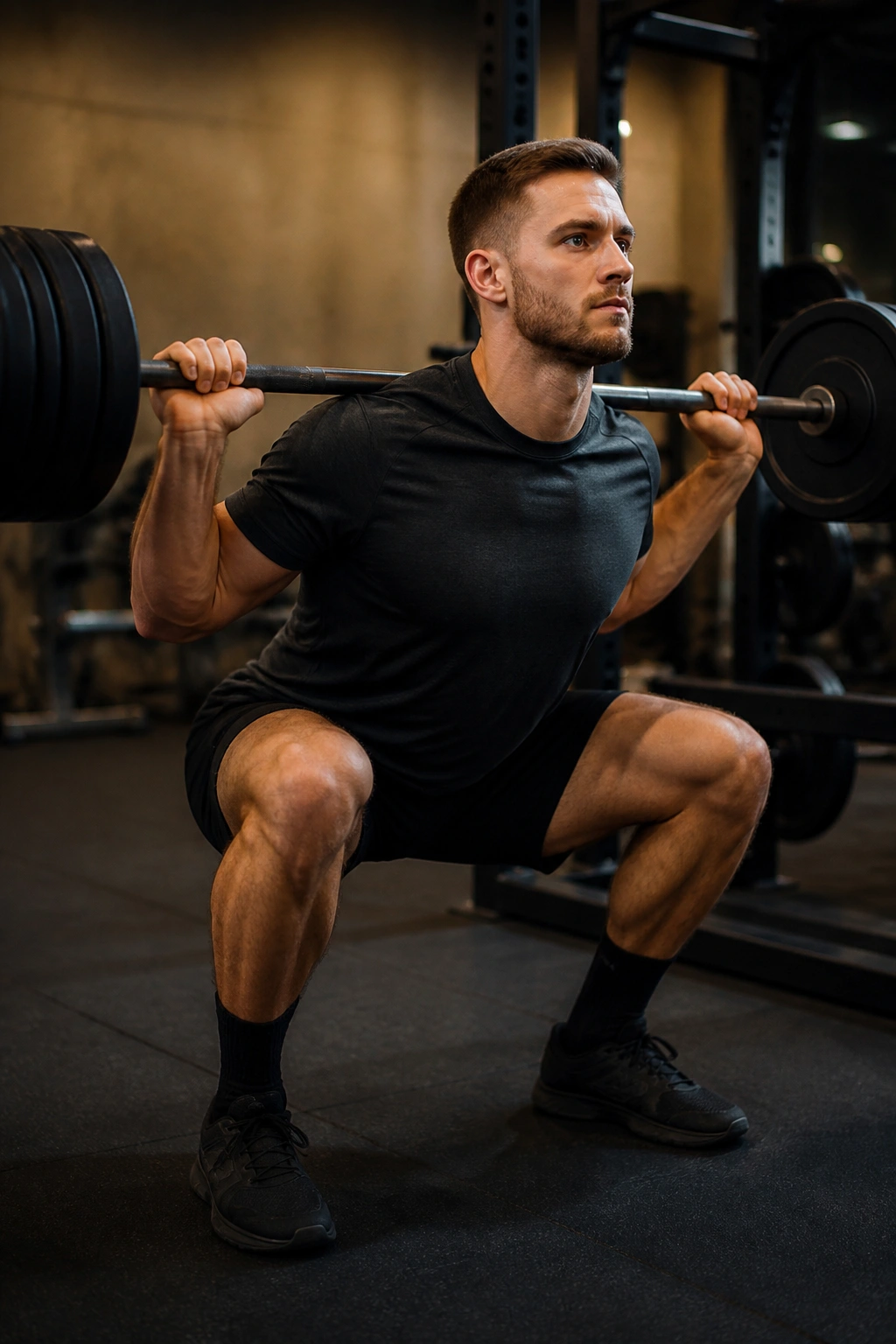
Building a stronger lower body is a process of consistency and intensity. You don’t need to do all fifteen of these exercises in a single session—that would be overkill and likely lead to injury or burnout. Instead, pick a primary compound movement like the back squat or leg press to start, add one or two accessory movements like lunges or RDLs, and finish with an isolation exercise like leg extensions or calf raises.
Listen to your body. Some days you will be stronger; some days the bar will feel heavier than it should. That is normal. The goal is to accumulate enough quality volume over time that your legs have no choice but to grow and get stronger. Track your weights, keep your form strict, and keep showing up. The progress will come, provided you put in the work.
