



Getting a serious leg pump without a squat rack or a leg press machine is not only possible; it is often the catalyst for a different kind of strength—one that focuses on stability, control, and endurance. When you remove the ability to load a barbell with hundreds of pounds, you are forced to confront the mechanics of your movement. You have to pay attention to your tempo, your depth, and the engagement of stabilizing muscles that usually get a free ride in a gym setting.
People often assume that home workouts are inherently easier or less effective than training in a fully equipped commercial facility. That is a dangerous assumption. By manipulating variables like time under tension, unilateral loading, and complex rep schemes, you can stimulate muscle hypertrophy and strength gains that rival heavy lifting. The challenge is not in the equipment; it is in your willingness to push past the comfort zone when the weights are lighter than what you might be used to.
These routines are designed to be standalone sessions. They require minimal equipment—most rely on bodyweight, dumbbells, resistance bands, or household items you likely already have. If you find a routine that feels too easy, the fix is rarely to find a heavier weight; it is almost always to slow down the movement, pause at the bottom of the rep, or shorten your rest periods. Let’s look at how you can transform your living room into a high-performance training ground.
1. The Pure Bodyweight Foundation
This routine is the baseline for anyone starting their home training journey. It relies entirely on gravity and your own biomechanics. The goal here is to master the movement pattern before adding external resistance, which establishes the necessary neural pathways for more intense work later.
Why This Works
By focusing on high-repetition bodyweight movements, you force the muscles to adapt to extended time under tension. You are not just building strength; you are building muscular endurance and improving the connection between your mind and your legs.
The Protocol
Perform this as a circuit with minimal rest between moves. Complete the full circuit 4 times:
- 20 Bodyweight Squats (controlled tempo: 3 seconds down, 1 second up)
- 15 Walking Lunges per leg
- 20 Glute Bridges (hold for 2 seconds at the top)
- 30-second Wall Sit (squeeze your glutes throughout)
Pro Tip: If you can complete this circuit with perfect form without feeling fatigued, do not add weight immediately. Instead, increase the tempo of the eccentric (downward) phase of the squats to 5 seconds. That small change will drastically increase the metabolic stress on your quads.
2. Dumbbell Lunge and Hold Complex
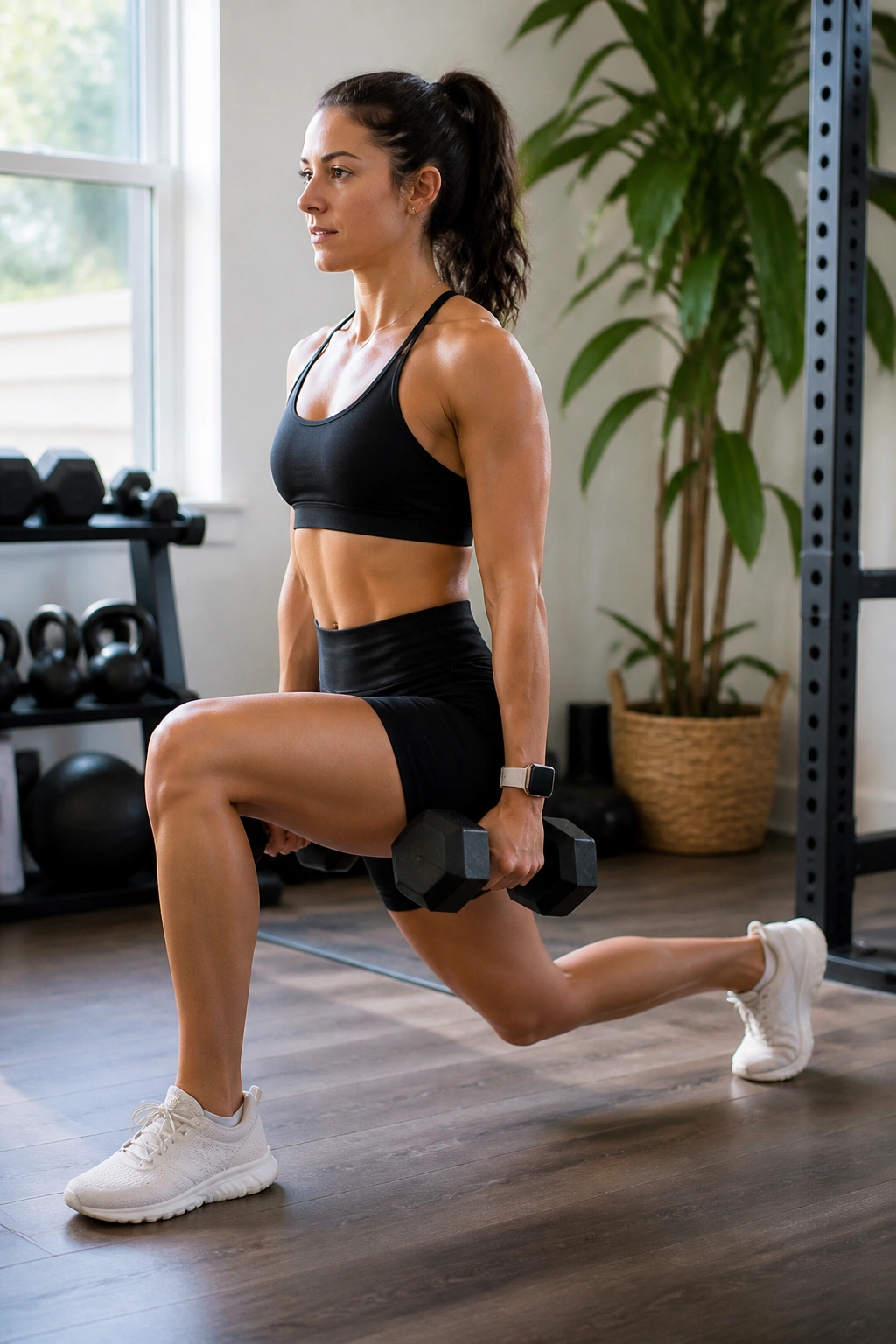
Lunges are one of the most effective ways to train your legs unilaterally, but they are often performed with poor balance. This routine forces stability by adding an isometric hold in the most challenging part of the movement.
Start by holding a pair of moderate dumbbells at your sides. Step forward into a lunge. Instead of pushing immediately back up, hold the bottom position—where your back knee is just an inch off the floor—for a full 3 seconds. That pause eliminates momentum and forces your front quad and glute to do the work.
The Structure
Perform 10 reps on the right leg, then immediately perform 10 reps on the left. Do not switch between legs mid-set. Repeat this for 4 sets total. The fatigue will accumulate rapidly in the hip flexors and quads. If your balance starts to waver, keep your core tight and gaze fixed on a point directly in front of you. This isn’t just a leg workout; it is a stability test.
3. Resistance Band Glute and Hamstring Isolation
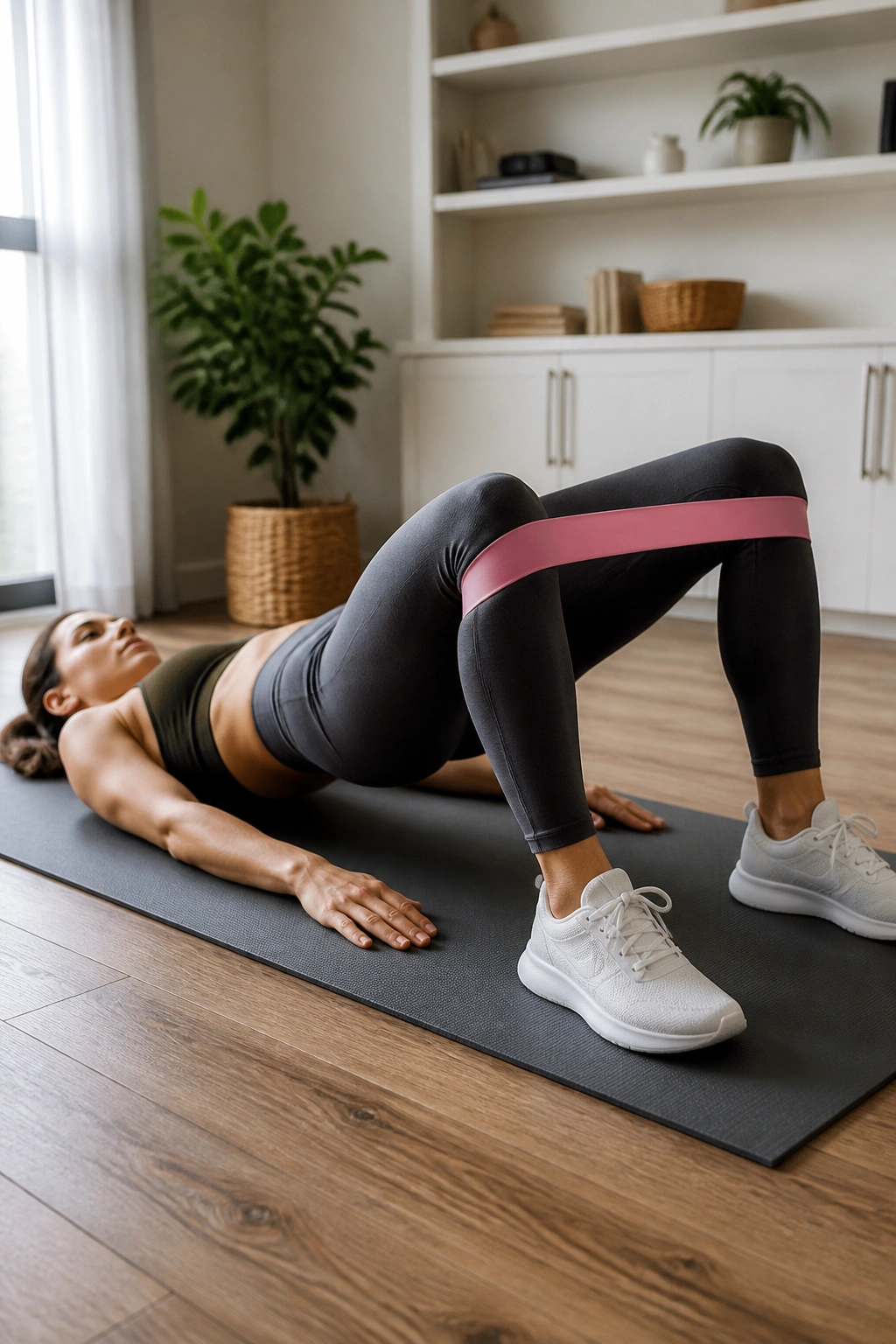
Many people struggle to “feel” their glutes during compound movements. Resistance bands are the ultimate tool to fix this because they provide constant tension that gravity cannot mimic at the top of a movement.
Setting Up the Tension
Place a mini-band just above your knees. Perform your glute bridges by driving your knees outward against the band the entire time. This constant outward pressure engages the glute medius, a small but essential muscle that prevents your knees from caving in during squats.
The Workout
- 3 sets of 20 Banded Glute Bridges (knees pushing out)
- 3 sets of 15 Banded Clamshells per side
- 3 sets of 20 Standing Banded Hip Abductions (using a long band tied to a sturdy anchor)
Focus on the squeeze. At the peak of every single repetition, you should feel an intense contraction in your glutes. If you do not, slow down the movement and reset your hips.
4. High-Volume Squat Endurance Protocol
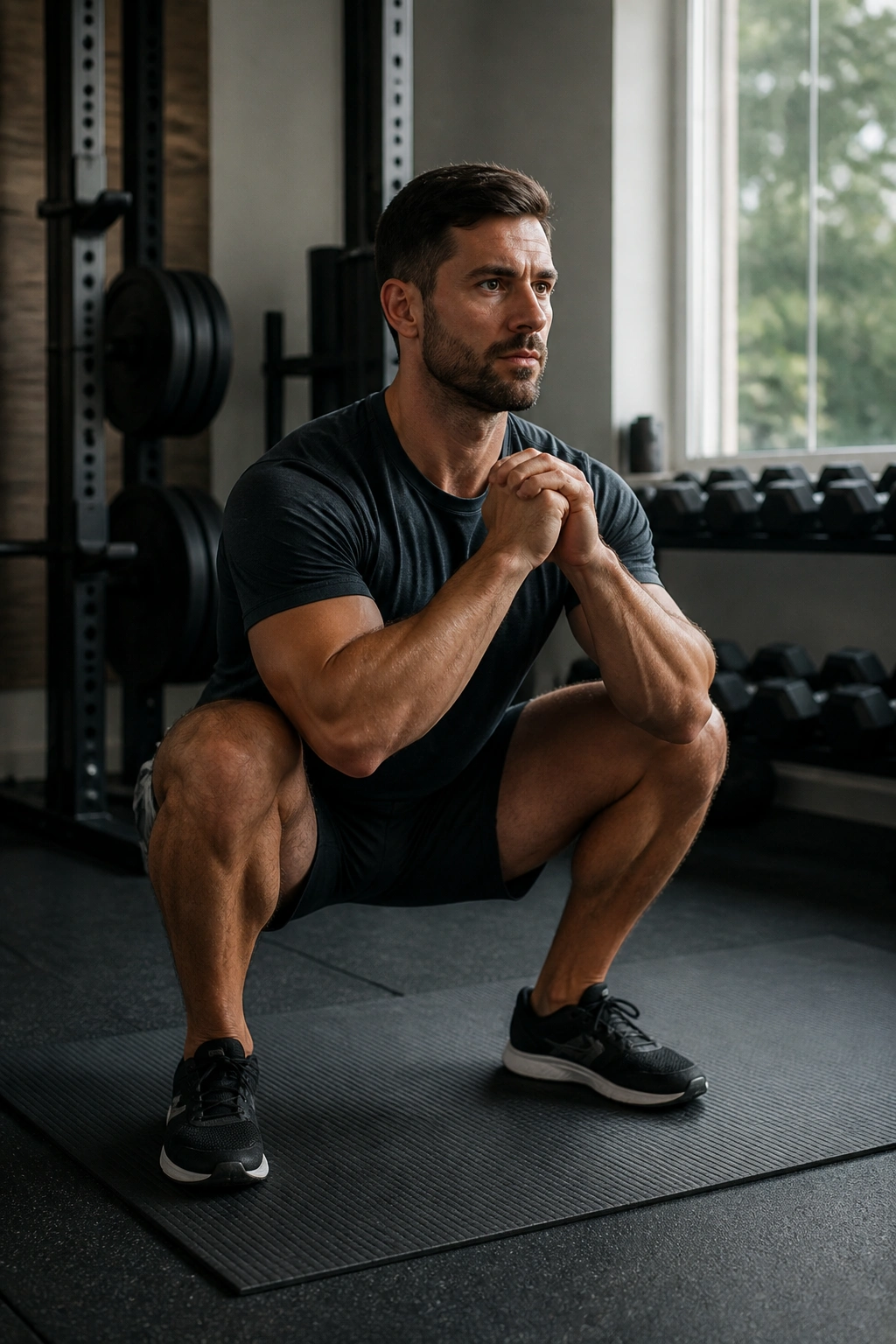
Sometimes, the best way to get stronger is to embrace the burn and push through it. This protocol is designed to tax your anaerobic threshold while maintaining form.
You are going to perform 100 squats. Yes, 100. But the trick is the rest scheme. You must complete these in 5 sets of 20. Between each set, you get exactly 30 seconds of rest. If you find yourself needing to stop before the 20 reps are up, take a deep breath, reset for 5 seconds, and finish the set.
Why This Is Effective
This volume overload triggers a massive release of metabolic byproducts, leading to that heavy, “jelly-leg” feeling. It forces your cardiovascular system to support your muscular system. Do not rush the reps. Each one should be full-depth, hips below knees, with a vertical torso. If your form breaks, drop the reps for that set and focus on quality.
5. Explosive Jump Squat and Plyo Circuit
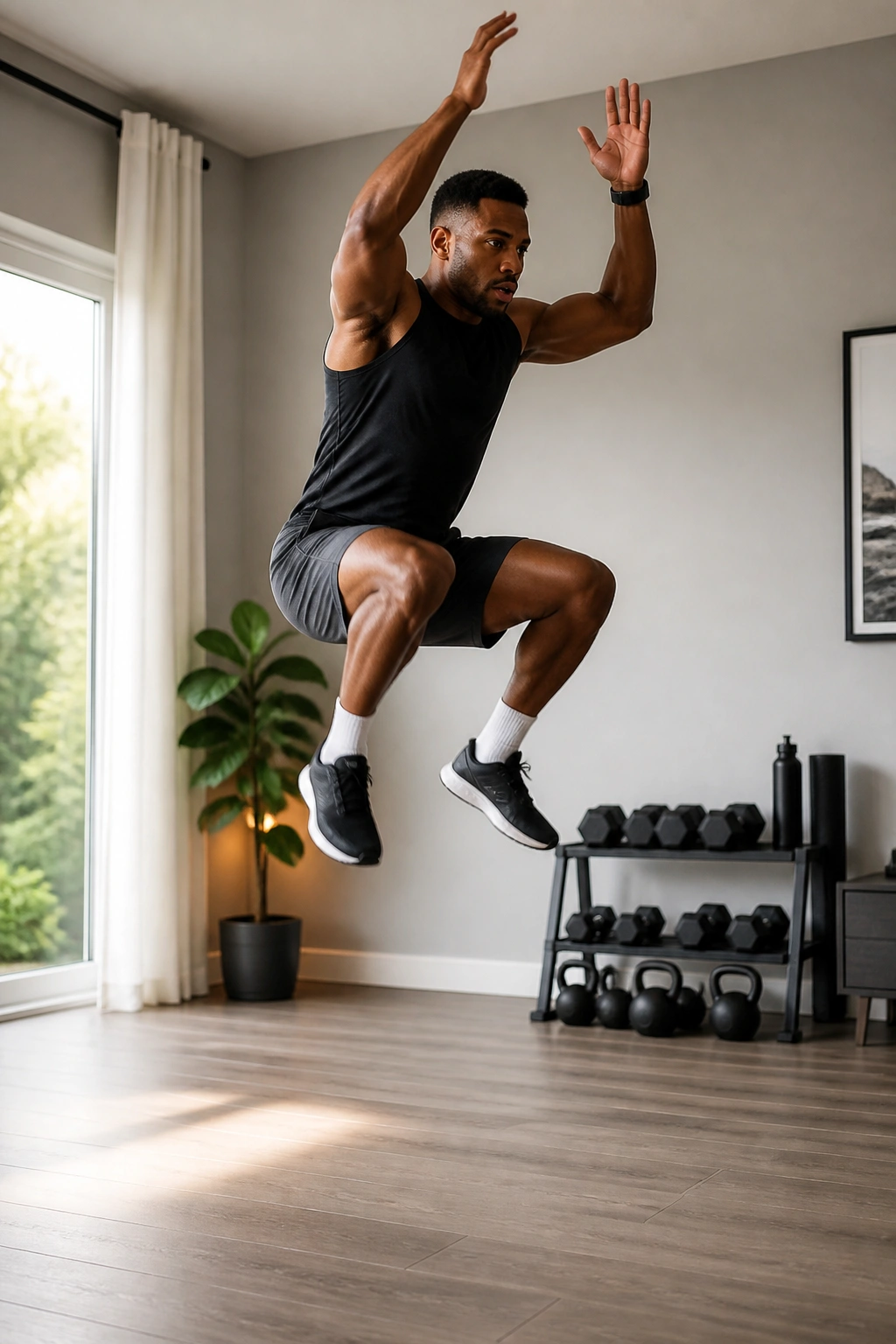
Strength is not just about moving heavy objects; it is about the ability to generate force quickly. This circuit builds explosive power, which will carry over to your heavier lifting sessions when you return to a gym environment.
The Exercises
- 10 Jump Squats (explode up, land softly)
- 10 Skater Jumps (side-to-side bounds)
- 10 Split Squat Jumps (switch feet mid-air)
Do these as a superset. Your heart rate will climb quickly, which is intended. Rest for 90 seconds after completing the full circuit. Repeat 5 times. Landing softly is non-negotiable here. Imagine you are landing on glass and trying not to break it. This forces your muscles to absorb the impact rather than your joints.
6. Kettlebell Swing and Goblet Squat Superset
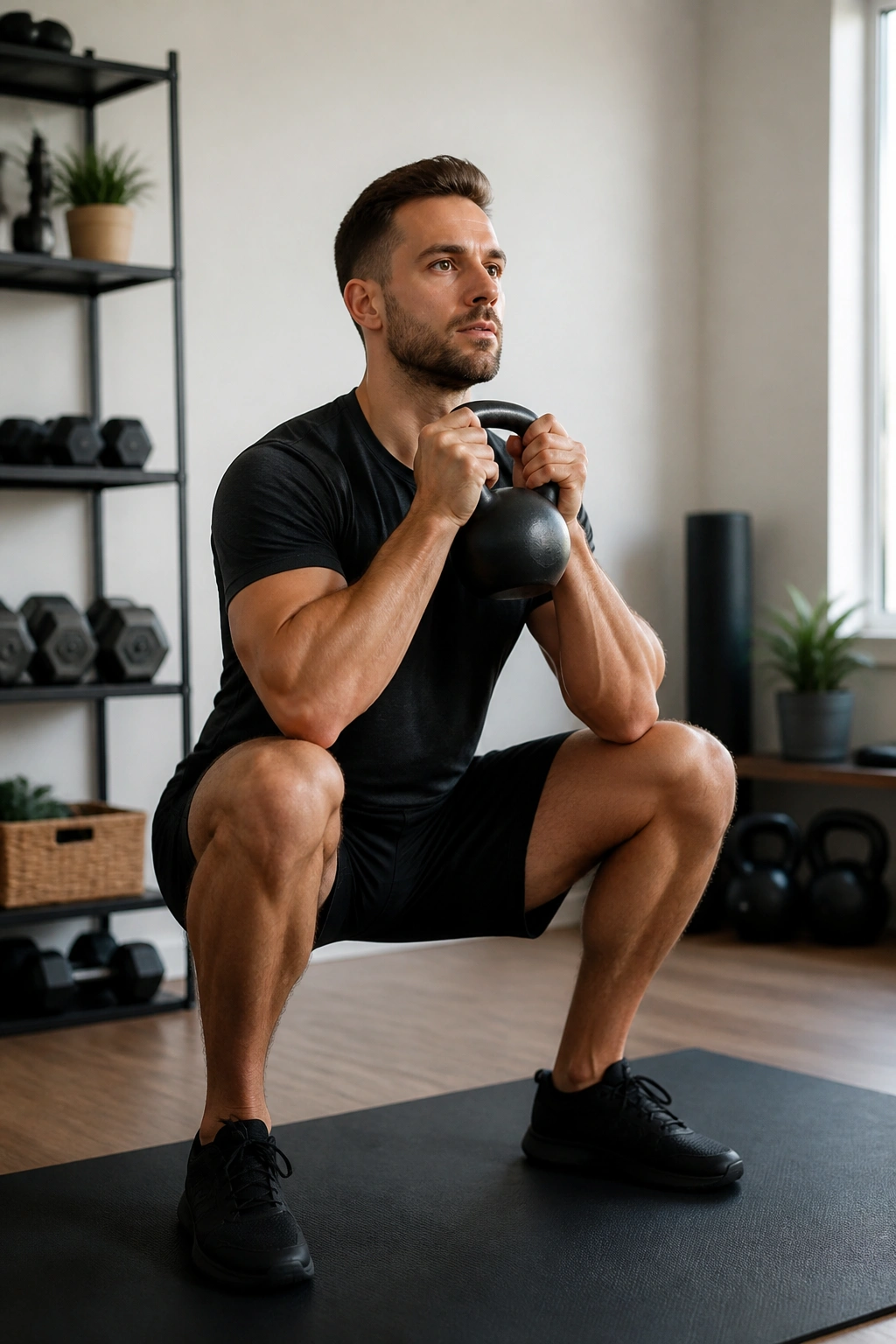
This is a classic pairing. The kettlebell swing works the posterior chain (hamstrings, glutes, lower back), while the goblet squat hits the quads and core. They are a match made in heaven for home training.
The Mechanics
Hold a kettlebell or a single dumbbell at chest height for the goblet squats. Keep your elbows tucked in and your chest proud. For the swings, hinge at the hips—do not squat them. Use your hips to snap the weight forward.
The Workflow
- 15 Goblet Squats
- 20 Kettlebell Swings
- Rest 60 seconds.
- Repeat 5 rounds.
If you don’t have a kettlebell, a heavy dumbbell held vertically by the top “bell” part works just as well. The key is to keep the weight tight to your body during the squat to prevent your lower back from taking over.
7. Unilateral Strength Focus: The Split Squat Method
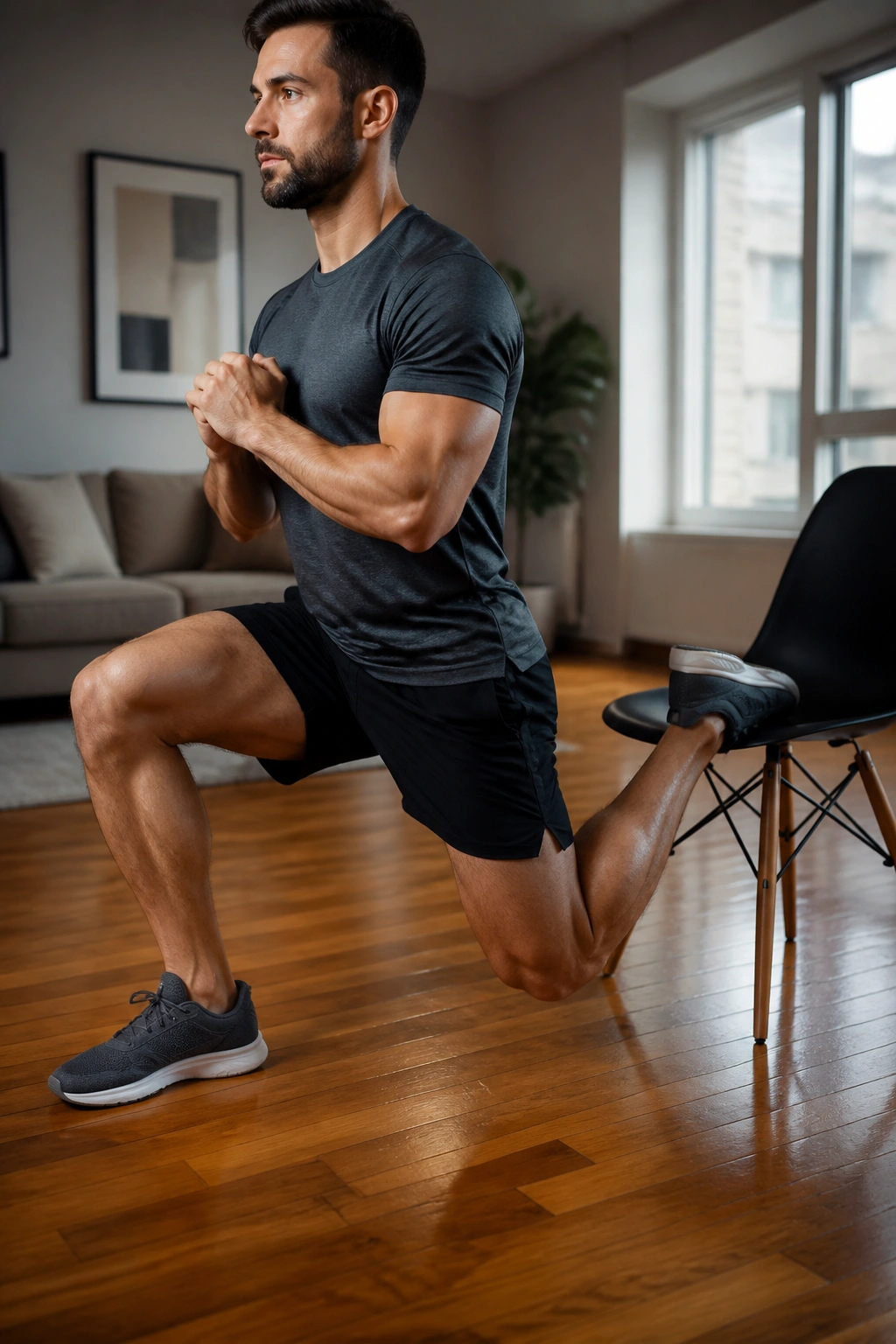
The Bulgarian split squat is often cited as the most effective home exercise for leg development. By elevating your rear foot, you remove the ability to use your back leg for assistance, effectively doubling the load on your front leg.
How to Execute
Find a chair or a couch. Place your rear foot on it, laces down. Step your front foot forward until, when you descend, your front knee is over your ankle. Keep your torso upright—leaning forward targets the glutes more, while staying upright targets the quads.
The Challenge
Perform 12 reps per leg, 3 sets total. On the final set, perform 12 reps, then immediately drop the weight (if you are using any) and perform as many bodyweight reps as you can until failure. This technique is called a drop set, and it is a brutal way to finish off your quads.
8. Low-Impact Strength for Joint Health
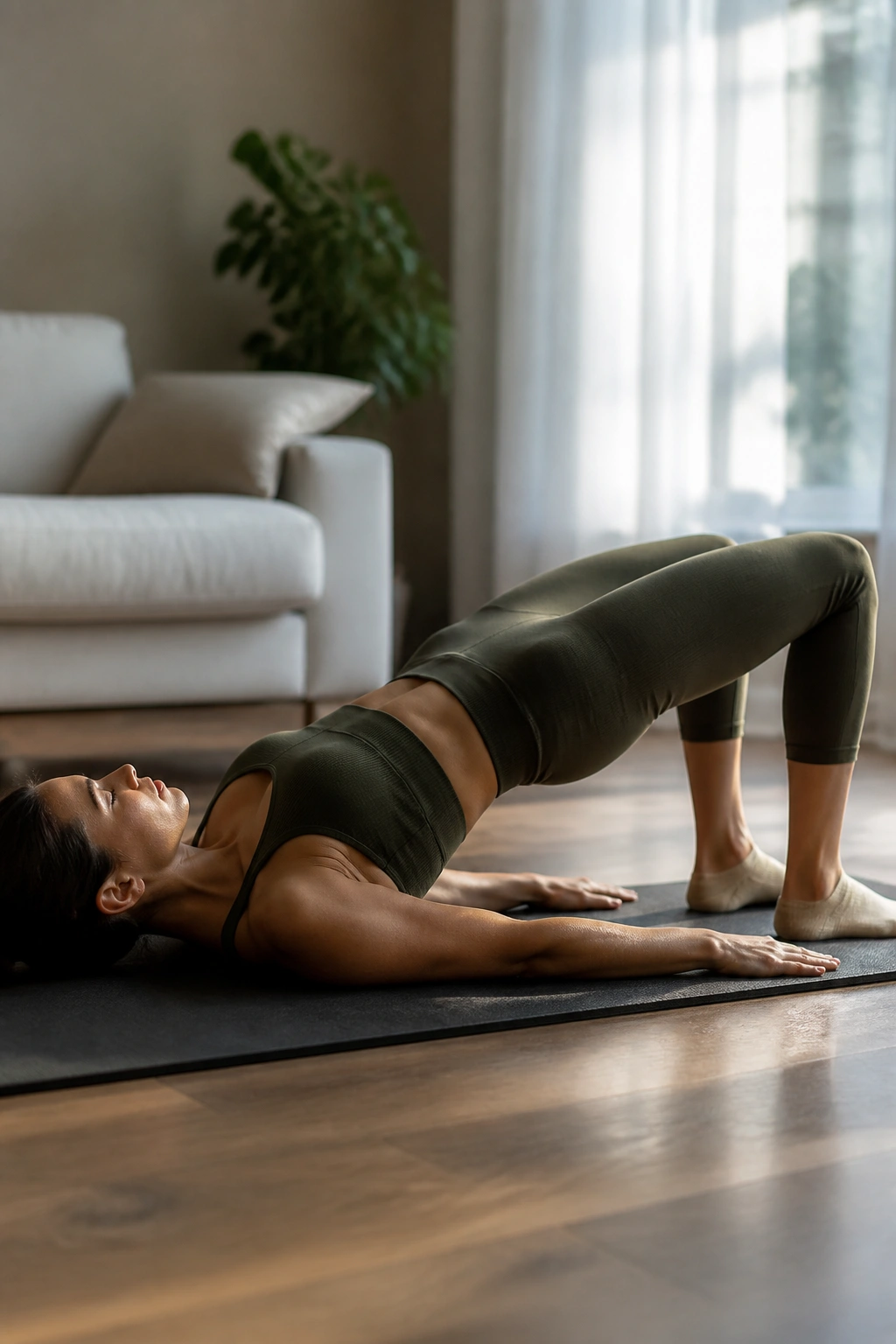
Not every leg workout needs to be high-impact or involve jumping. If your knees are feeling cranky or you simply want to focus on muscular tension without the jarring of plyometrics, this routine is the answer.
Slow and Controlled
- 20 Glute Bridges with a 3-second hold at the top
- 15 Slow-tempo Cossack Squats (side-to-side lunges)
- 10 Single-leg RDLs (no weight, just balance)
Focus on the muscles working. For the Cossack squats, push your hips back and keep your stationary leg straight while the other leg bends. You will feel this deep in the adductors (inner thighs). By slowing the speed, you reduce the shear force on your knees while increasing the time your muscles spend under tension.
9. Lateral Movement and Inner Thigh Focus
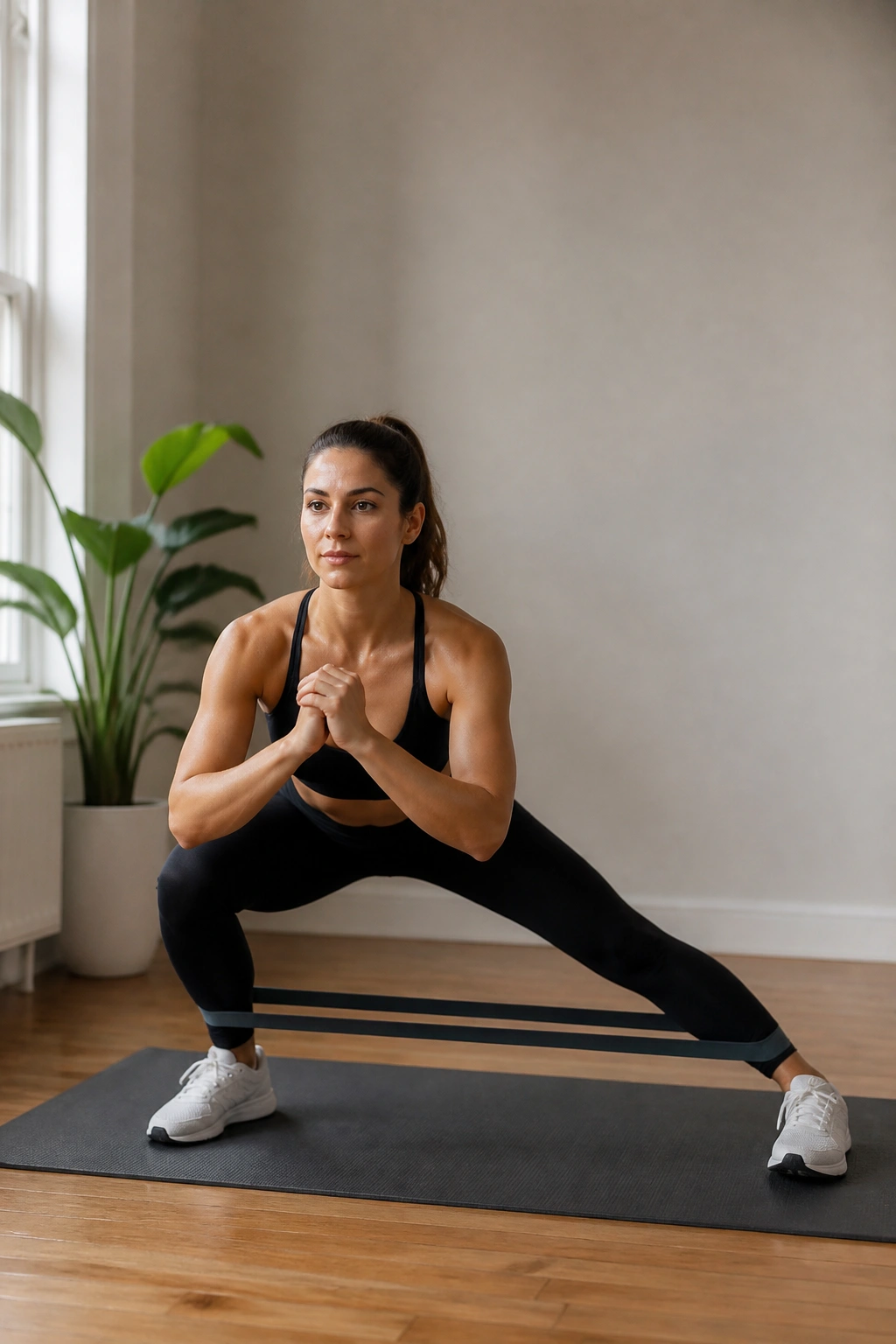
Most traditional leg workouts are sagittal—meaning they move forward and backward. But your legs move in all planes. Ignoring lateral movement creates imbalances that can lead to injury.
Adding Lateral Planes
Start with 3 sets of 15 Lateral Lunges per side. Then, perform 3 sets of 20 Standing Hip Abductions (kicking your leg out to the side). You can use a resistance band around your ankles for the abductions to increase the resistance.
These movements target the glute medius and the adductors. When you move laterally, make sure you keep your chest up and your planted foot flat. If you feel your heel lifting, you are not sitting back into the movement correctly.
10. The Calisthenics Burnout Routine
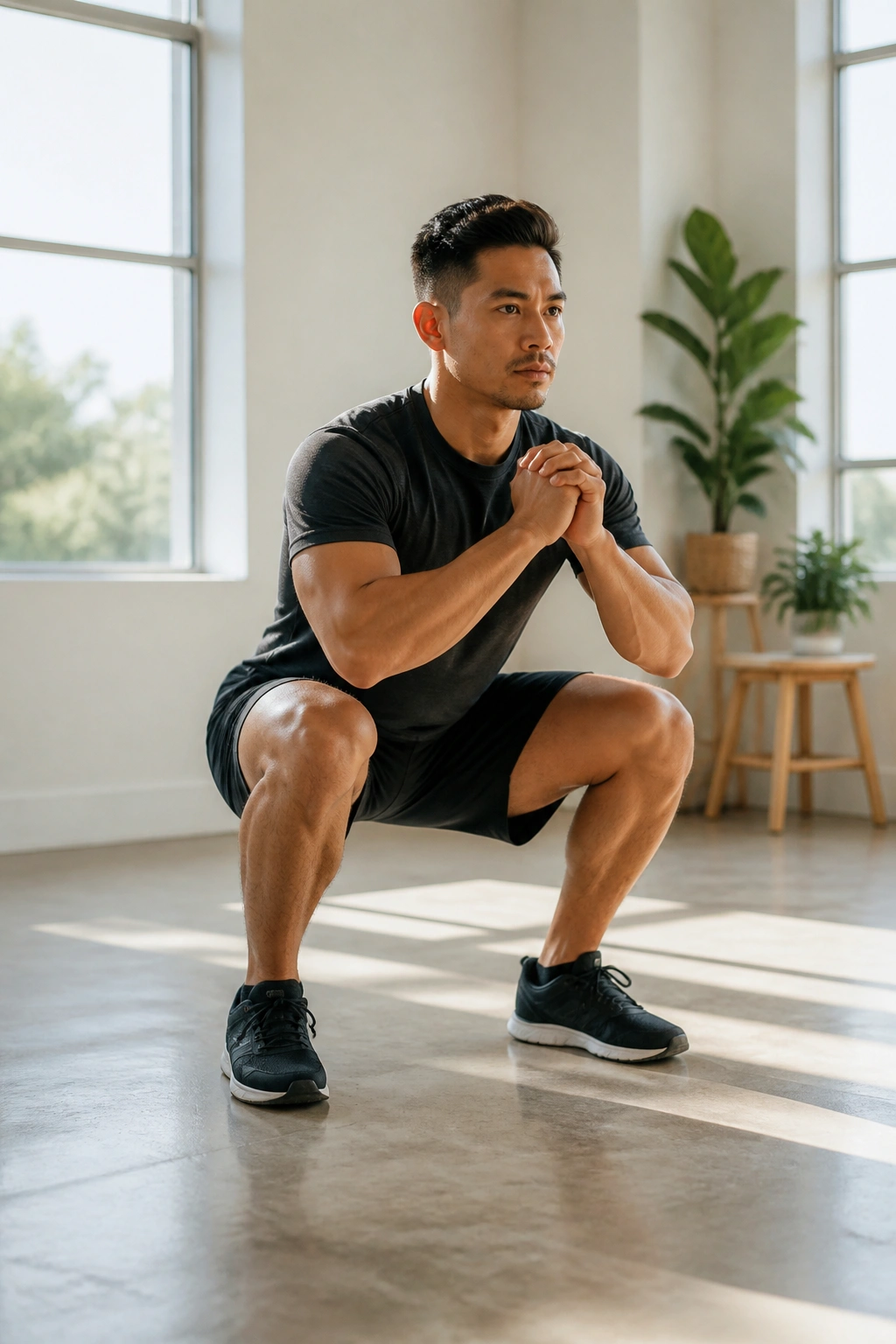
This is a pure bodyweight assault. It is designed to be done anywhere, anytime, without any equipment. It focuses on high-rep endurance and mental toughness.
The Routine
- 50 Bodyweight Squats
- 40 Reverse Lunges (20 per leg)
- 30 Lateral Lunges (15 per leg)
- 20 Jump Squats
- 10 Burpees
Do this as a continuous circuit. No rest between exercises. Once you finish the burpees, rest for 2 minutes. Do this entire sequence 3 times. By the third round, your legs will be shaking. That shake is the sensation of your muscle fibers being completely exhausted. Embrace it.
11. Weighted Wall-Sit Endurance Challenge
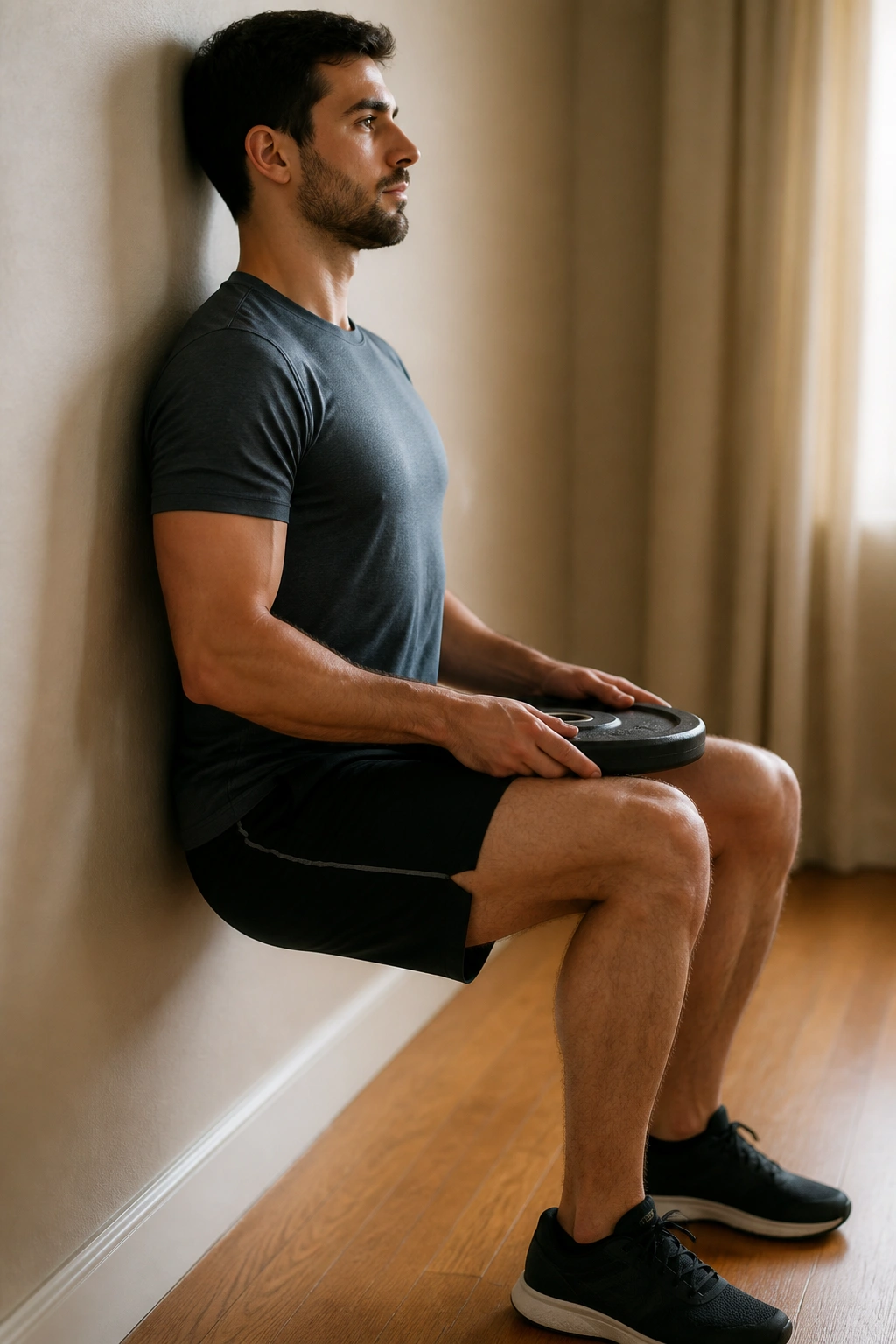
The wall sit is often dismissed as an “easy” isometric exercise, but that is only because people perform it for too short a time or without weight. A weighted wall sit can be incredibly taxing on the quads.
How to Level Up
Hold a weight on your thighs while you perform the wall sit. Keep your back flat against the wall, thighs parallel to the ground, and heels digging into the floor. Aim for 60 seconds per set. If 60 seconds feels easy, you need more weight.
Perform 5 sets of 60 seconds with 30 seconds of rest between. The burning sensation in your quadriceps by the third set will be intense. If your legs start to tremble, focus on your breathing. Deep, controlled breaths will help you survive the set.
12. Heavy Dumbbell Hypertrophy Series
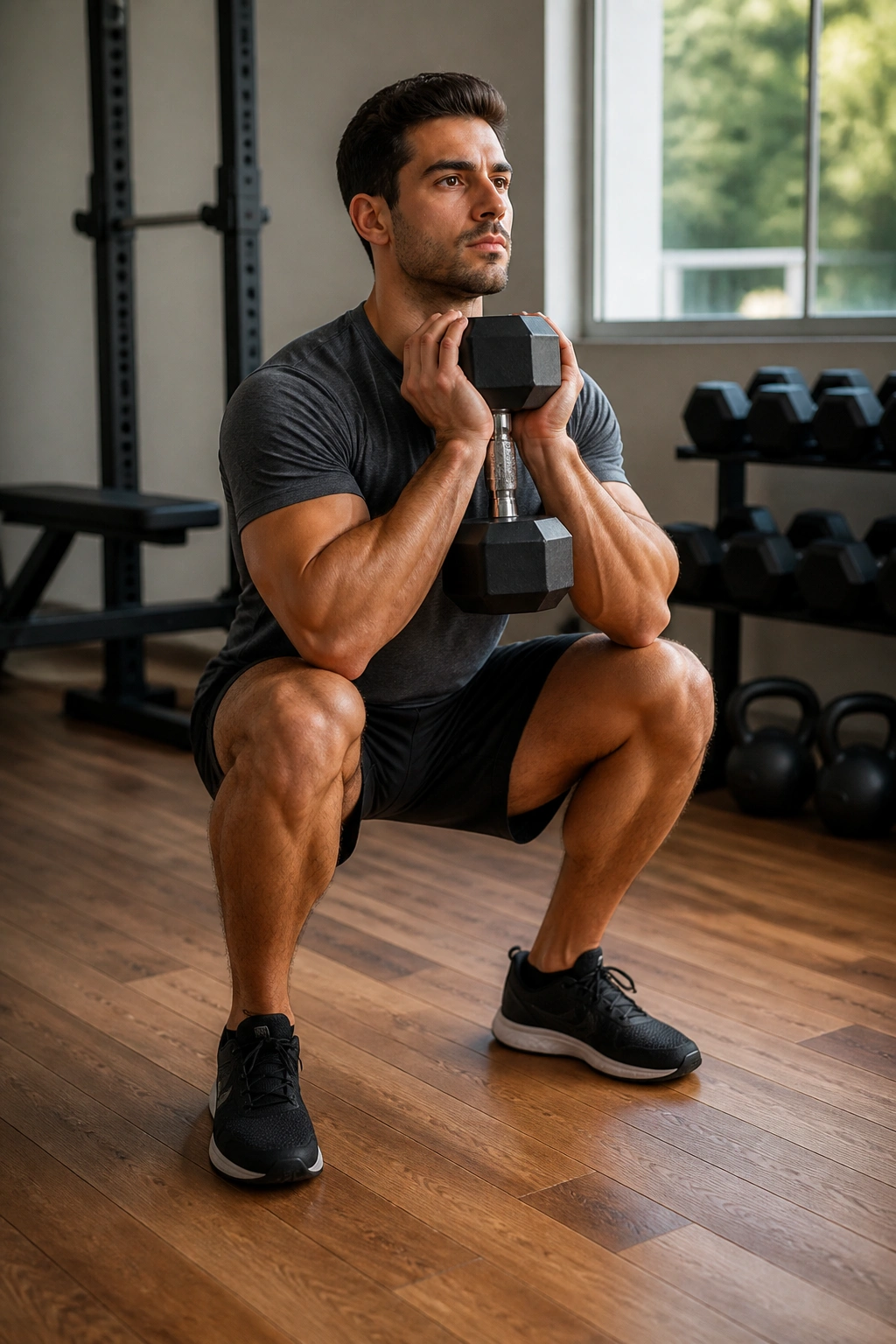
Hypertrophy, or muscle growth, thrives on specific rep ranges and volume. If you have access to a set of heavy dumbbells, this is your primary muscle-building session.
The Setup
- 4 sets of 8-10 Goblet Squats
- 4 sets of 8-10 Dumbbell Romanian Deadlifts (focusing on the stretch in the hamstrings)
- 3 sets of 12 Dumbbell Step-ups (using a sturdy chair)
For the Romanian Deadlifts, keep the weights close to your shins. The goal is to push your hips back until you feel a deep stretch in your hamstrings, then snap the hips forward to stand. Do not round your back. If you feel this in your lower back, your form is off—reset and keep your core tighter.
13. Plyometric Power Development
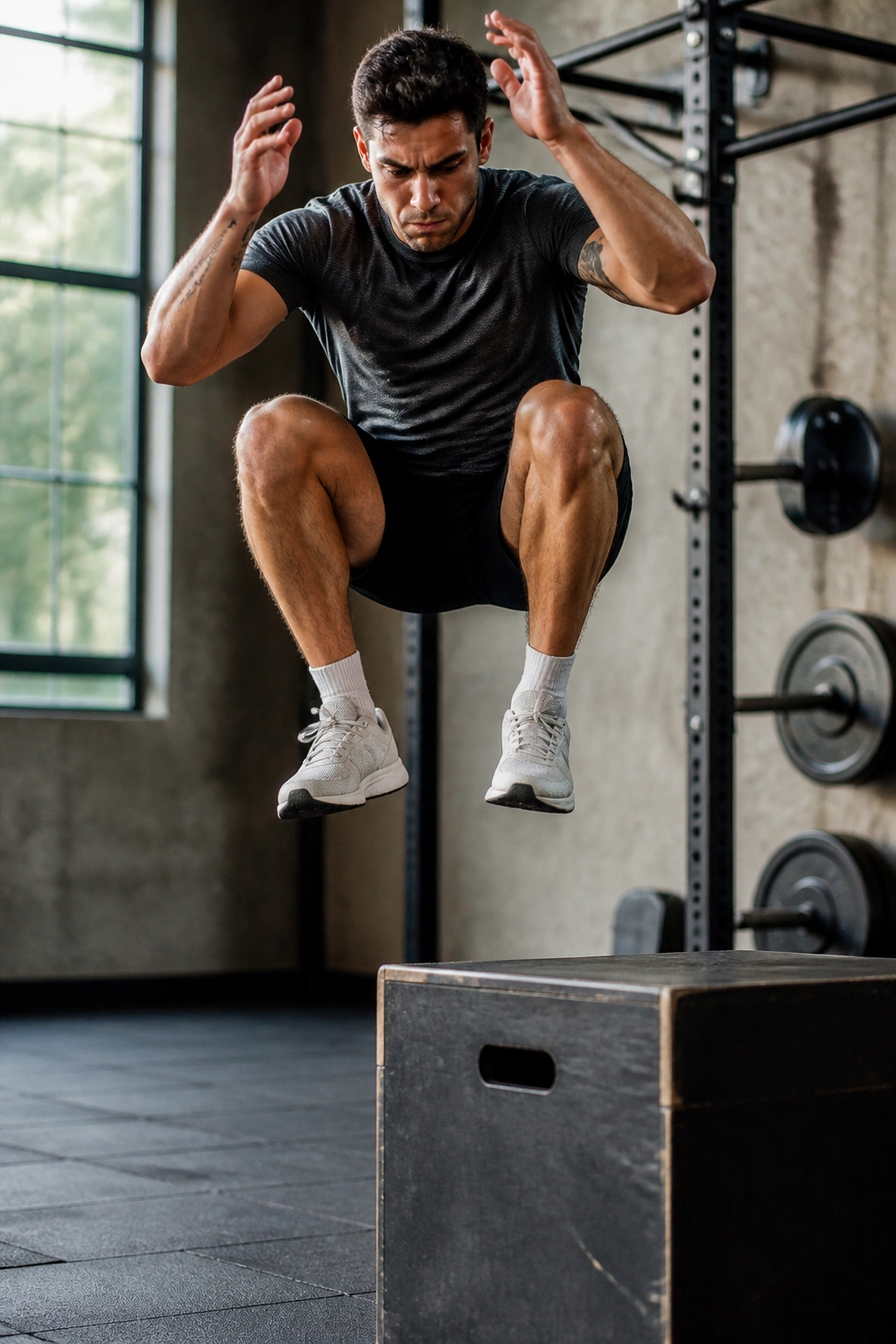
Plyometrics are not just for athletes; they are for anyone who wants to improve their body composition and functional movement. This routine focuses on explosive contraction and rapid relaxation.
The Exercises
- 8 Box Jumps (or broad jumps if you don’t have a box)
- 10 Alternating Lunge Jumps
- 10 Lateral Box Jumps (jumping sideways)
Perform these moves as quickly as possible. The goal is “ground contact time”—the less time your feet spend on the floor, the better. This forces your muscles to contract rapidly. Do 4 rounds. Rest long enough between sets to ensure you can do every rep with 100% explosive intent.
14. Single-Leg Stability and Balance Routine
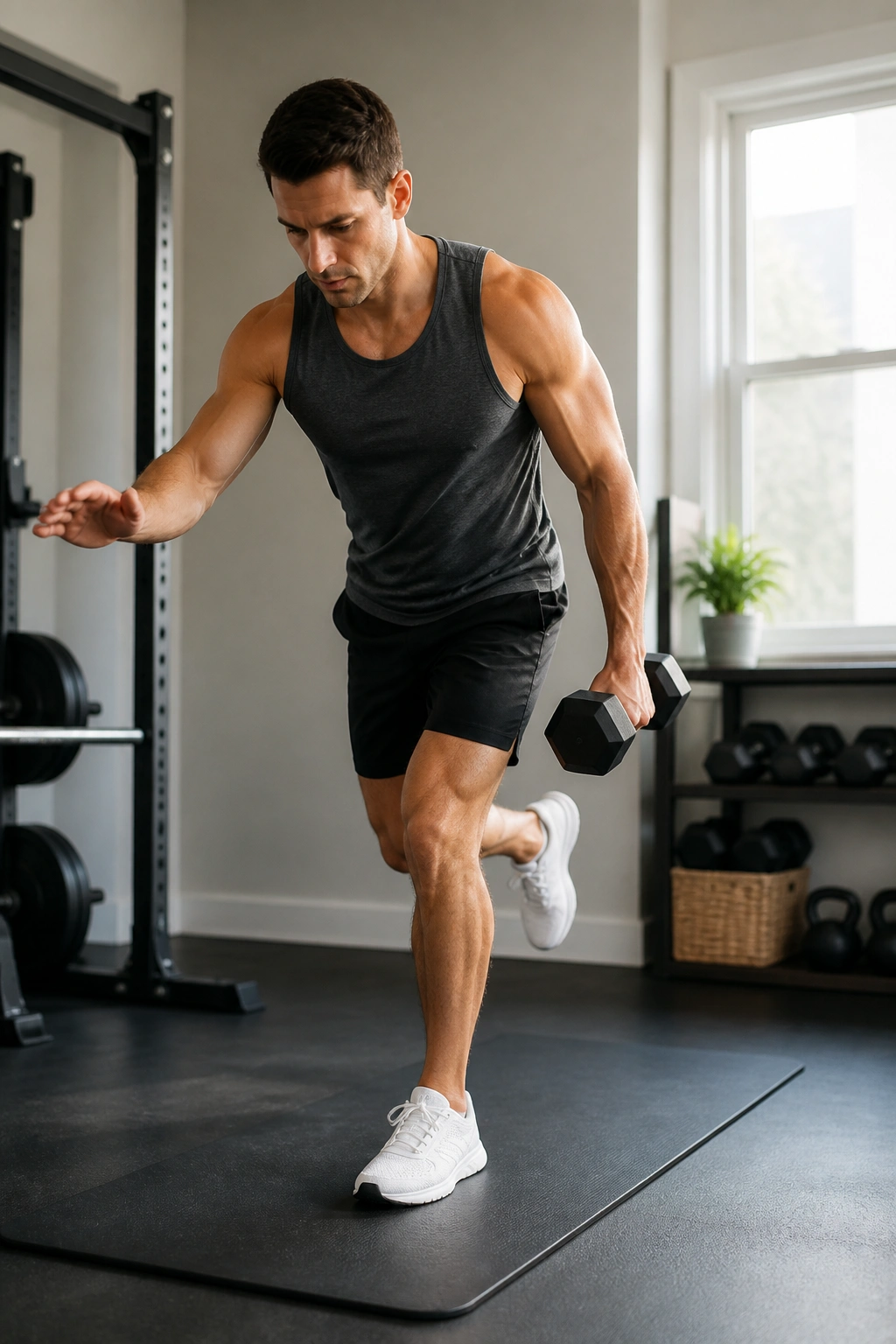
Single-leg work is the best way to correct imbalances between your left and right sides. Everyone has a dominant leg; this routine levels the playing field.
Essential Movements
- 10 Single-leg Deadlifts (holding a light weight)
- 10 Single-leg Glute Bridges
- 10 Pistol Squat Progressions (use a chair to help you sit and stand if needed)
The single-leg deadlift is the star here. Focus on a single point on the floor to maintain balance. If you are wobbling, slow the movement down. The stability you gain from these movements will transfer to your heavy squatting when you eventually return to the gym.
15. The Glute Bridge Pyramid
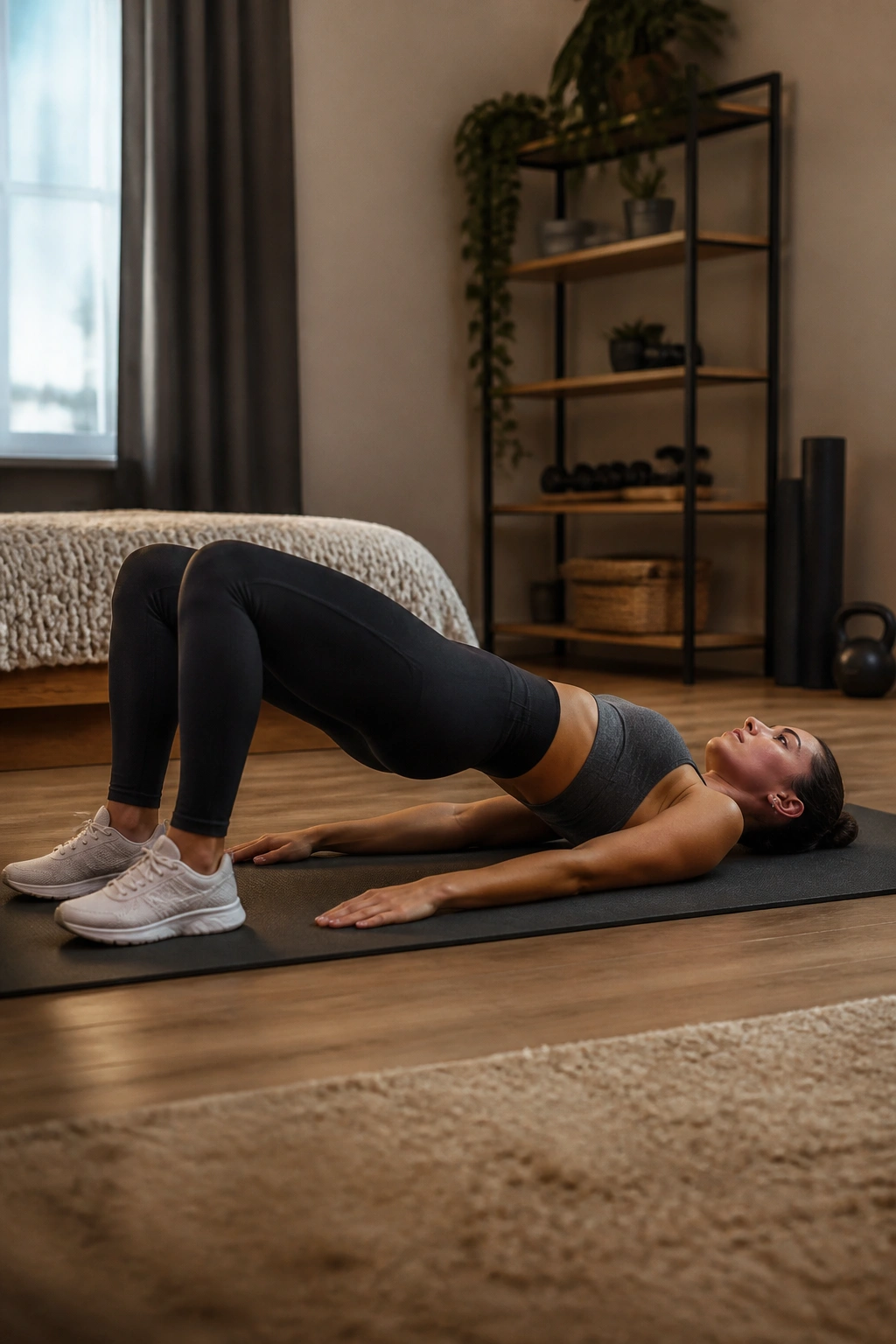
The glute bridge is the single best exercise for glute isolation, but it is often performed with too little volume to trigger real growth. This pyramid changes that.
The Ladder
Start with 10 reps. Rest for 15 seconds. Then do 20 reps. Rest for 20 seconds. Do 30 reps. Rest for 30 seconds. Then work your way back down: 20 reps, 10 reps.
By the time you hit the 30-rep set, the glute activation will be intense. If it becomes too easy, perform these as single-leg glute bridges. The pyramid structure keeps the intensity high while providing just enough rest to allow you to complete the total volume.
16. The “Finisher” Metabolic Leg Session
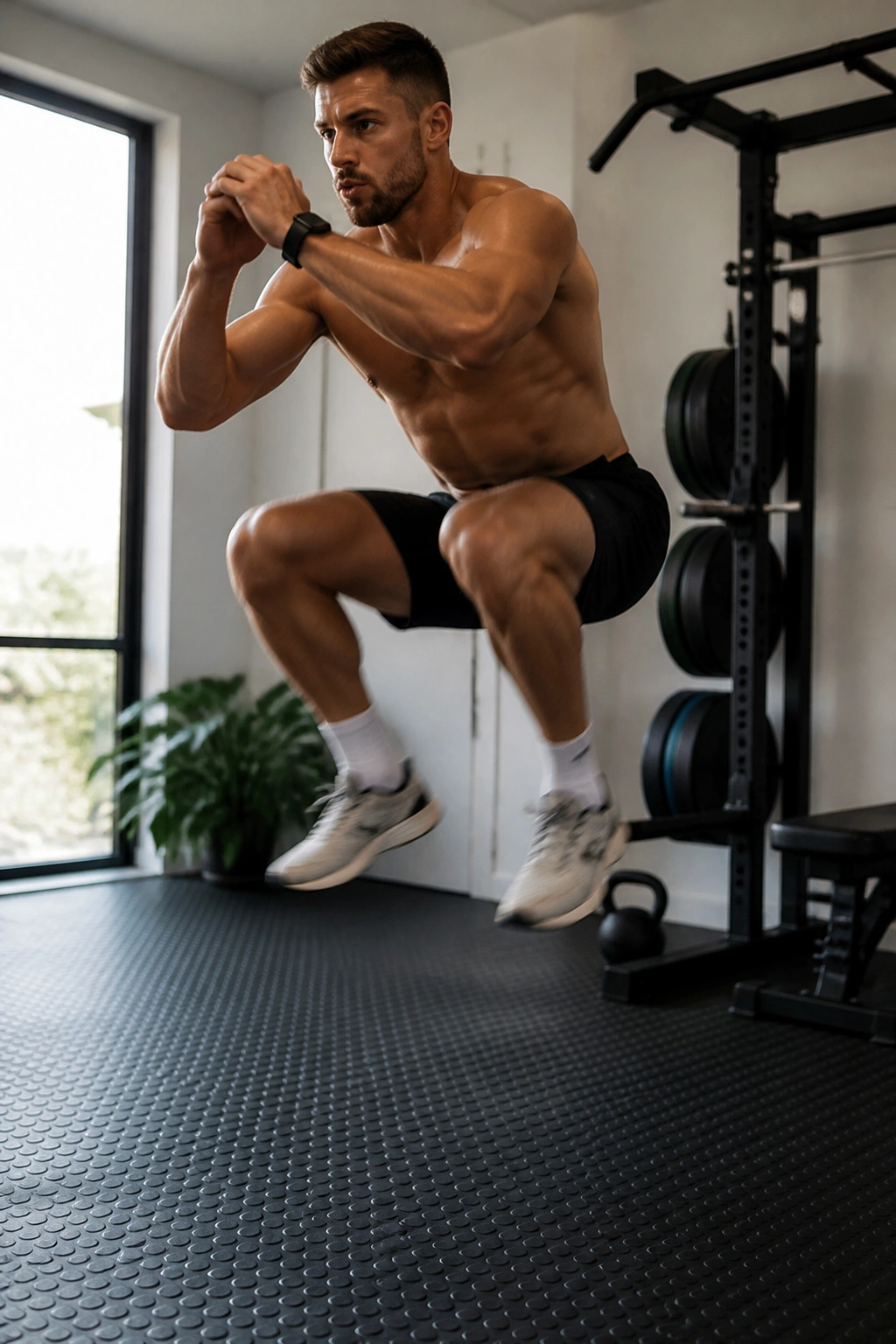
This is a short, sharp routine designed to be performed at the end of another workout, or on its own when you are short on time. It is high intensity, low duration.
The AMRAP Method
Set a timer for 10 minutes. Complete as many rounds as possible (AMRAP) of:
- 10 Jump Squats
- 10 Alternating Reverse Lunges
- 10 Mountain Climbers (per leg)
Keep moving. The goal is to keep your heart rate elevated for the entire 10 minutes. If you have to rest, make it short—no more than 10 seconds. This is a mental game as much as a physical one.
17. Slow Eccentric Tempo Training
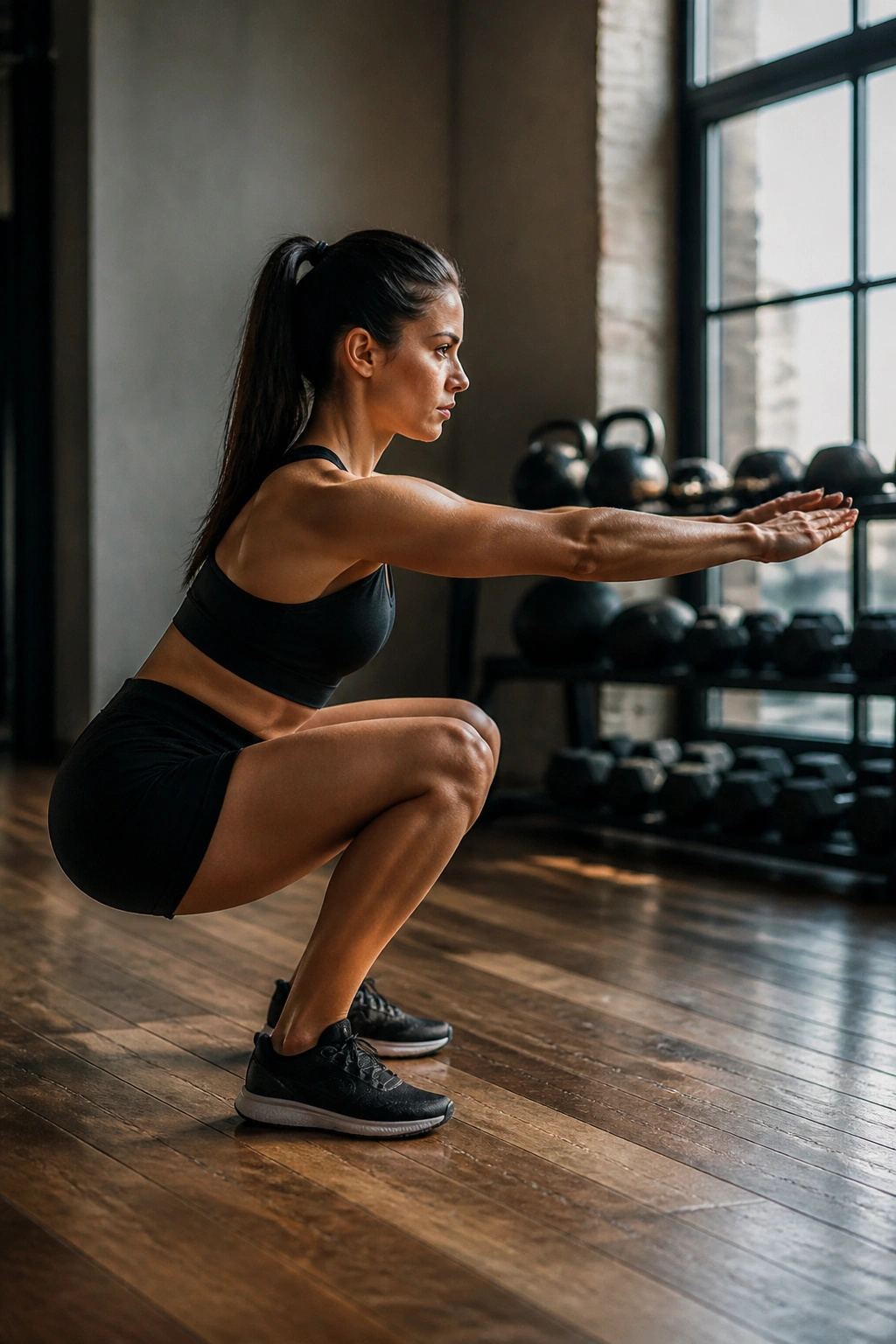
Tempo training is a secret weapon for home workouts. By controlling the speed of the movement, you significantly increase the time your muscles spend under tension, which is a primary driver of hypertrophy.
The Tempo
For squats, lower yourself for 5 full seconds. Hold at the bottom for 1 second. Explode up in 1 second. Repeat this for 10 reps.
The 5-second descent is where the work happens. You will find that you cannot do as many reps as usual, which is the point. The muscles are forced to resist the weight for longer, causing more micro-tears, which eventually lead to growth. Do 3 sets of 10 reps.
18. Variable Tempo Squat and Lunge Matrix
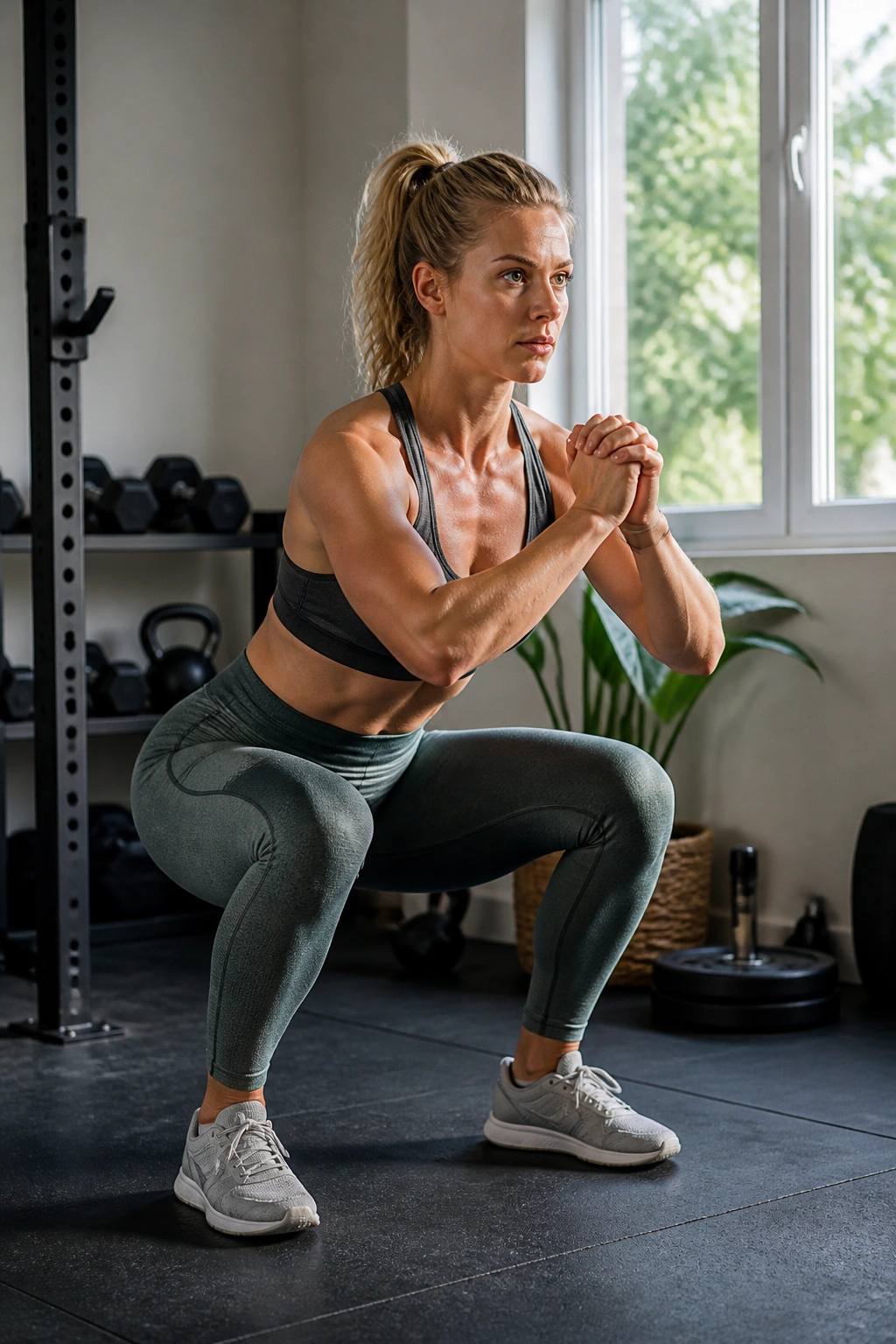
This is a more advanced version of tempo training where you mix different speeds to keep your muscles guessing.
The Pattern
- 5 Reps: 5-second descent
- 5 Reps: Normal speed
- 5 Reps: Pulsing at the bottom (bouncing slightly for 3 seconds before standing)
Perform this matrix for squats, then perform the same matrix for lunges. It forces you to maintain constant focus. If you lose track of the count or the tempo, the effectiveness drops. This is a great workout for when you are bored with standard sets and reps.
19. Minimalist “One Dumbbell” Leg Day
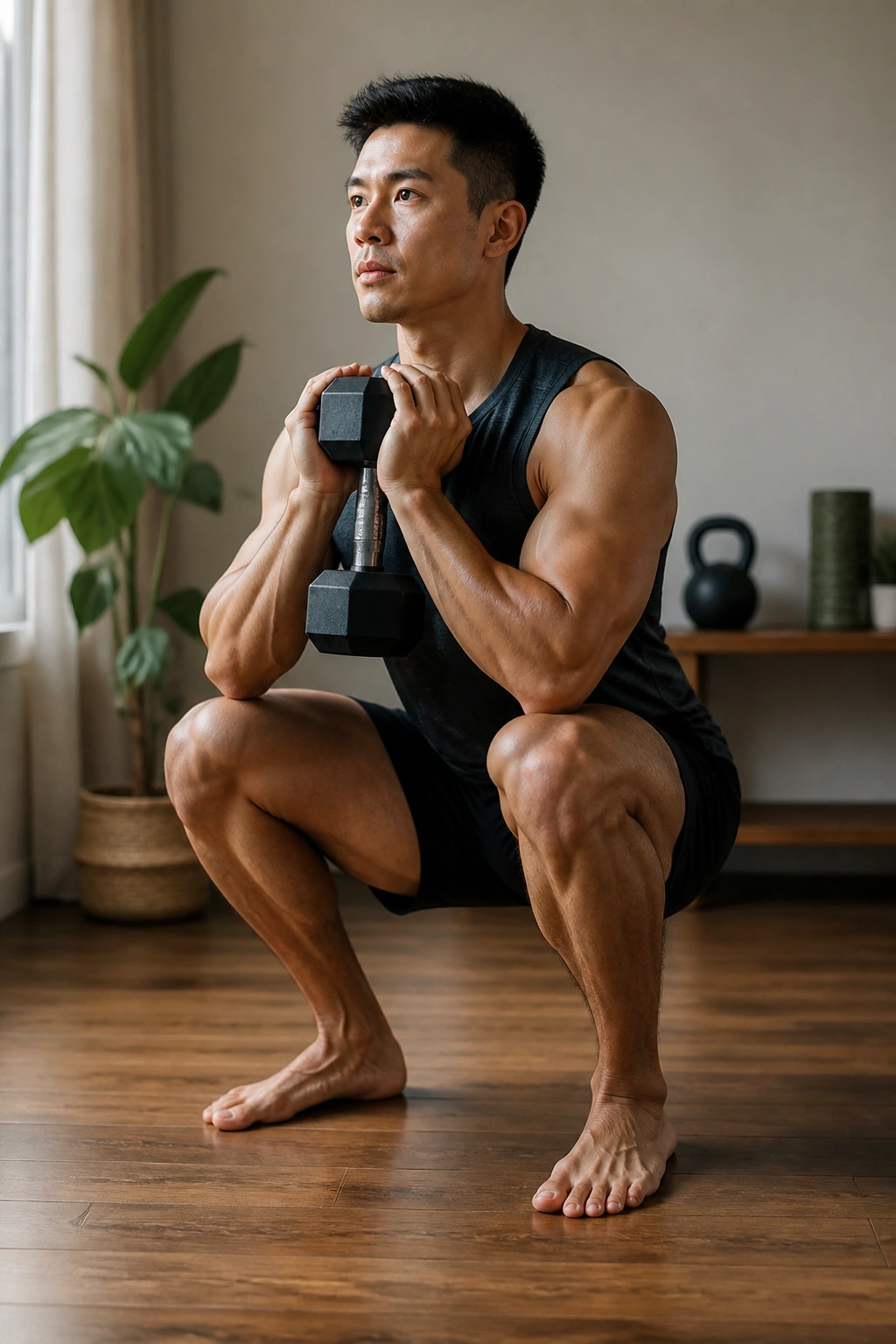
You only need one heavy dumbbell for this entire workout. This is great for travelers or those with limited equipment.
The Sequence
- 15 Goblet Squats
- 15 Single-arm Romanian Deadlifts (on each side)
- 15 Side-to-side Lunges (holding the weight at the chest)
Perform 4 rounds. By holding the weight in one hand for the deadlifts, you add an anti-rotational component to the movement, forcing your core to work hard to keep you upright. This is a full-body challenge disguised as a leg day.
20. The “No-Squat” Posterior Chain Routine
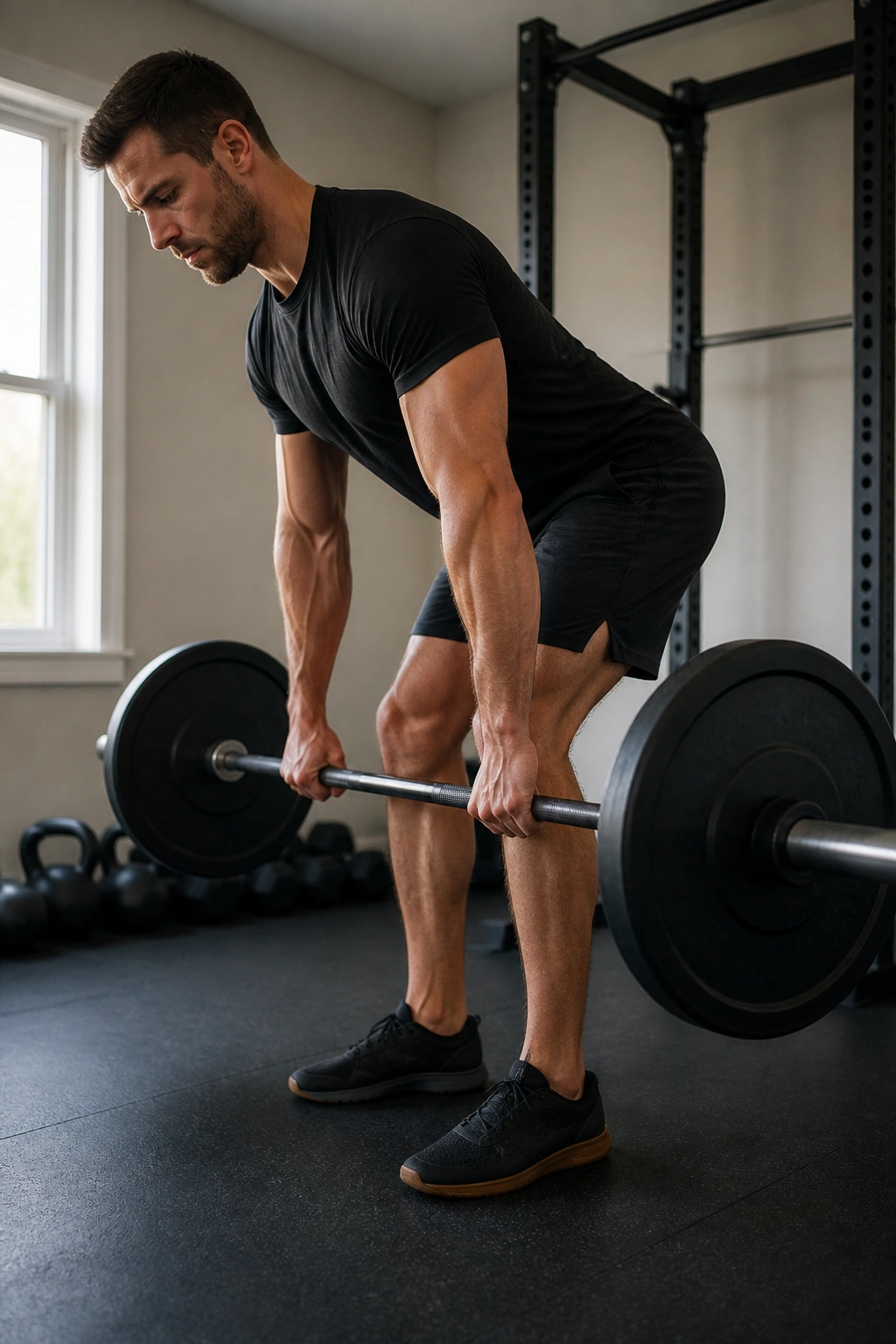
Squats are not the only way to build legs. In fact, if you over-rely on them, you might be neglecting your hamstrings and glutes. This routine ignores squats entirely.
Focused Movements
- 3 sets of 15 Romanian Deadlifts
- 3 sets of 15 Glute Bridges (with a weighted plate or dumbbell on hips)
- 3 sets of 12 Nordic Hamstring Curls (using a couch to anchor your feet)
The Nordic curl is one of the toughest hamstring exercises in existence. If you cannot do a full rep, just lower yourself as slowly as possible, then use your hands to push yourself back up. The eccentric phase is where the strength is built.
21. High-Intensity Interval Leg Blast
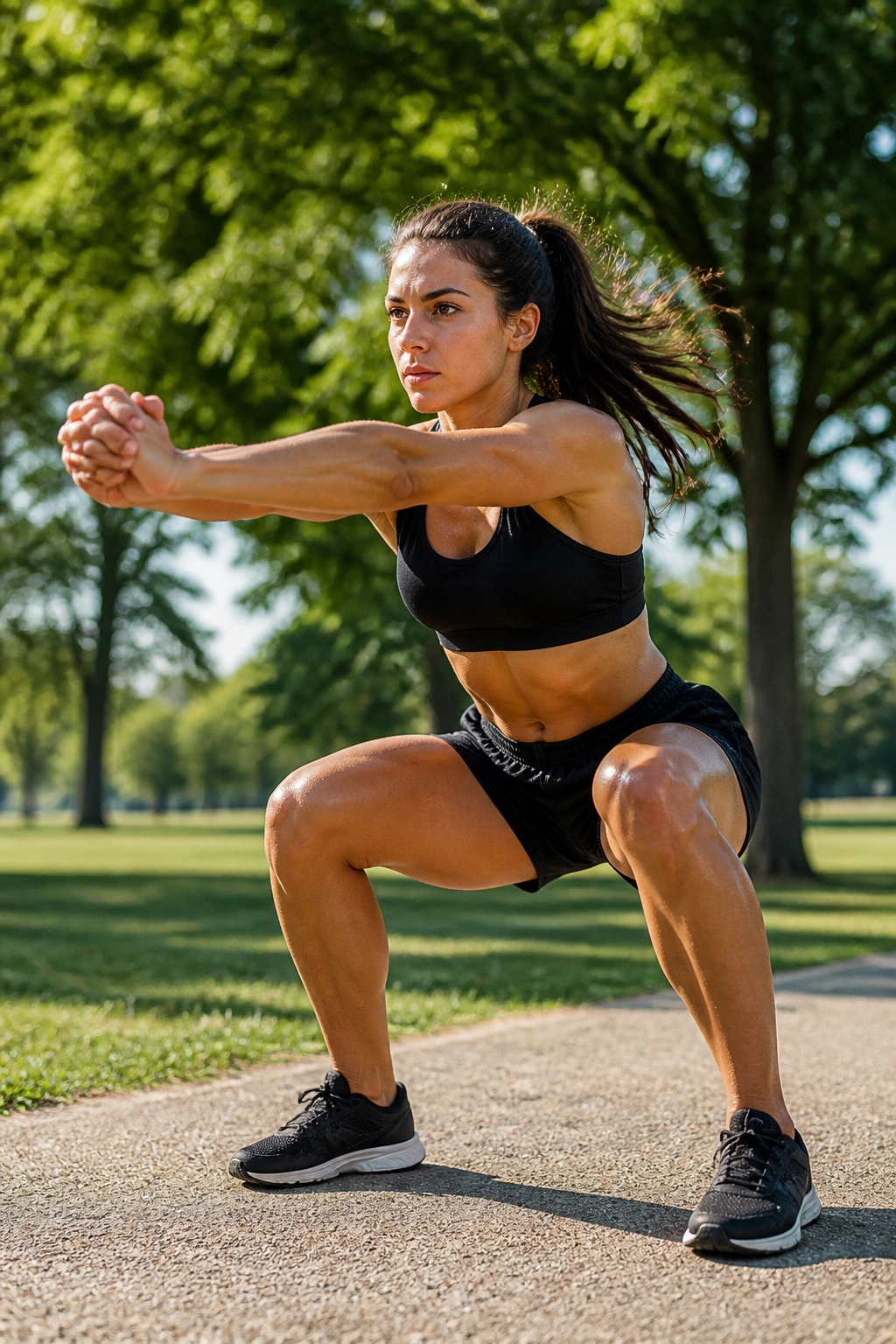
This routine combines strength and cardiovascular work into a single block. It is intense, sweaty, and highly effective for conditioning.
The Interval Scheme
- 45 seconds of Air Squats
- 15 seconds rest
- 45 seconds of Lunges
- 15 seconds rest
- 45 seconds of Wall Sit
- 15 seconds rest
Repeat this cycle 5 times. You have essentially no rest. This kind of training improves your work capacity, meaning that in future sessions, you will be able to perform more reps before fatiguing.
22. Mobility-Focused Strength and Control
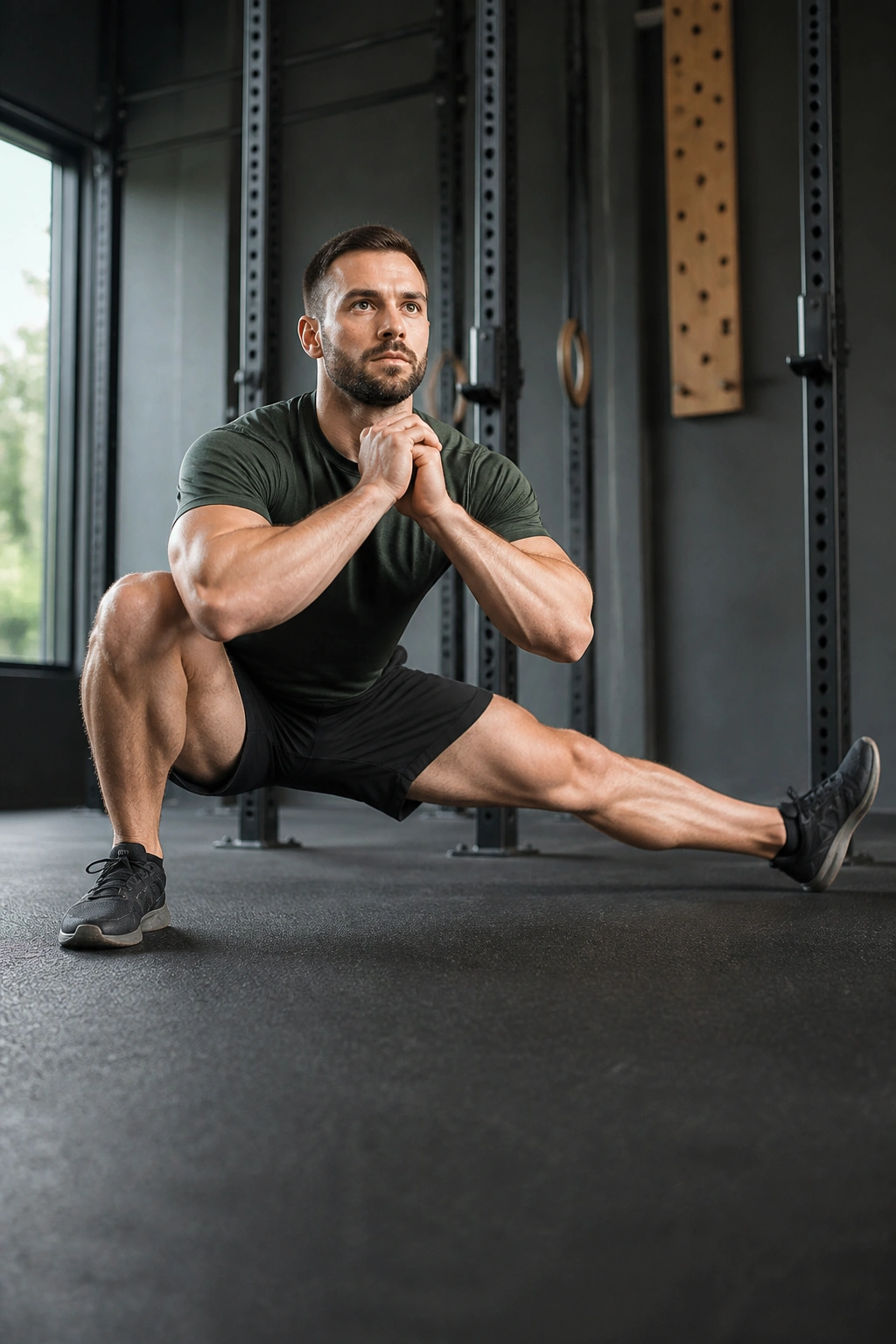
Sometimes the best strength work is simply getting into positions you aren’t used to. This routine focuses on deep ranges of motion.
The Approach
- 10 Deep Cossack Squats
- 10 Slow Tempo Split Squats
- 10 Inchworms (walking hands out and back while keeping legs straight)
This is as much about mobility as it is about strength. By sinking deep into a squat, you force your muscles to engage in their end-range, which is where many people are weakest. Do 3 rounds, focusing on achieving the deepest, most controlled range of motion possible for every single repetition.
Final Thoughts
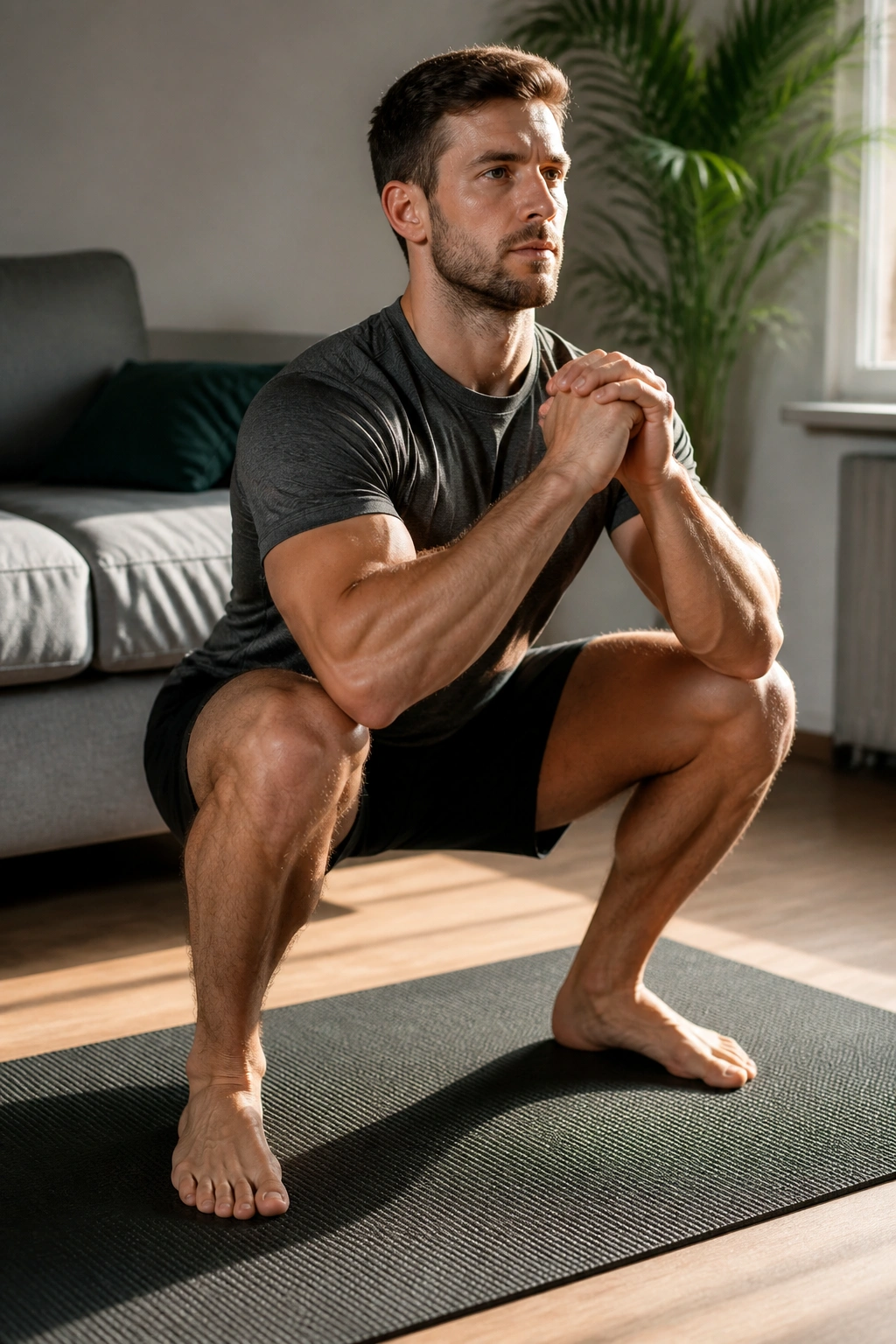
The key to any of these routines is consistency and intensity. It is better to perform three intense sessions a week than six lukewarm ones. Do not be fooled by the lack of heavy barbells—your legs are large, powerful muscles that will respond to stress regardless of how that stress is applied.
If you are just starting, pick one of the bodyweight-focused routines and master the movement. Once you can do it with perfect form, add weight or tempo changes to increase the difficulty. You are the architect of your own progress. Every rep, every pause, and every extra set is another building block toward stronger, more capable legs. Keep your goals clear, monitor your fatigue, and above all, keep moving.
