



A strong core does not start with crunches. It starts with the way you brace, breathe, and stop your ribs from flaring when the load gets real. If your lower back gets cranky during sit-ups or planks, that is usually a clue, not a failure. The trunk wants control first.
And yes, visible abs still depend on body-fat level. That part never goes away. But the work underneath decides how your midsection behaves when you stand, lift, twist, sprint, or carry groceries up a flight of stairs with one arm full and the other trying not to swing wide.
The best core routines train three jobs: resist extension, resist rotation, and keep the pelvis steady while the arms and legs move. That is why a dead bug can teach more than fifty fast crunches, and why a loaded carry can light up your obliques without a single twist. The whole thing is less glamorous than people expect. It works anyway.
1. Dead Bug Core Routine
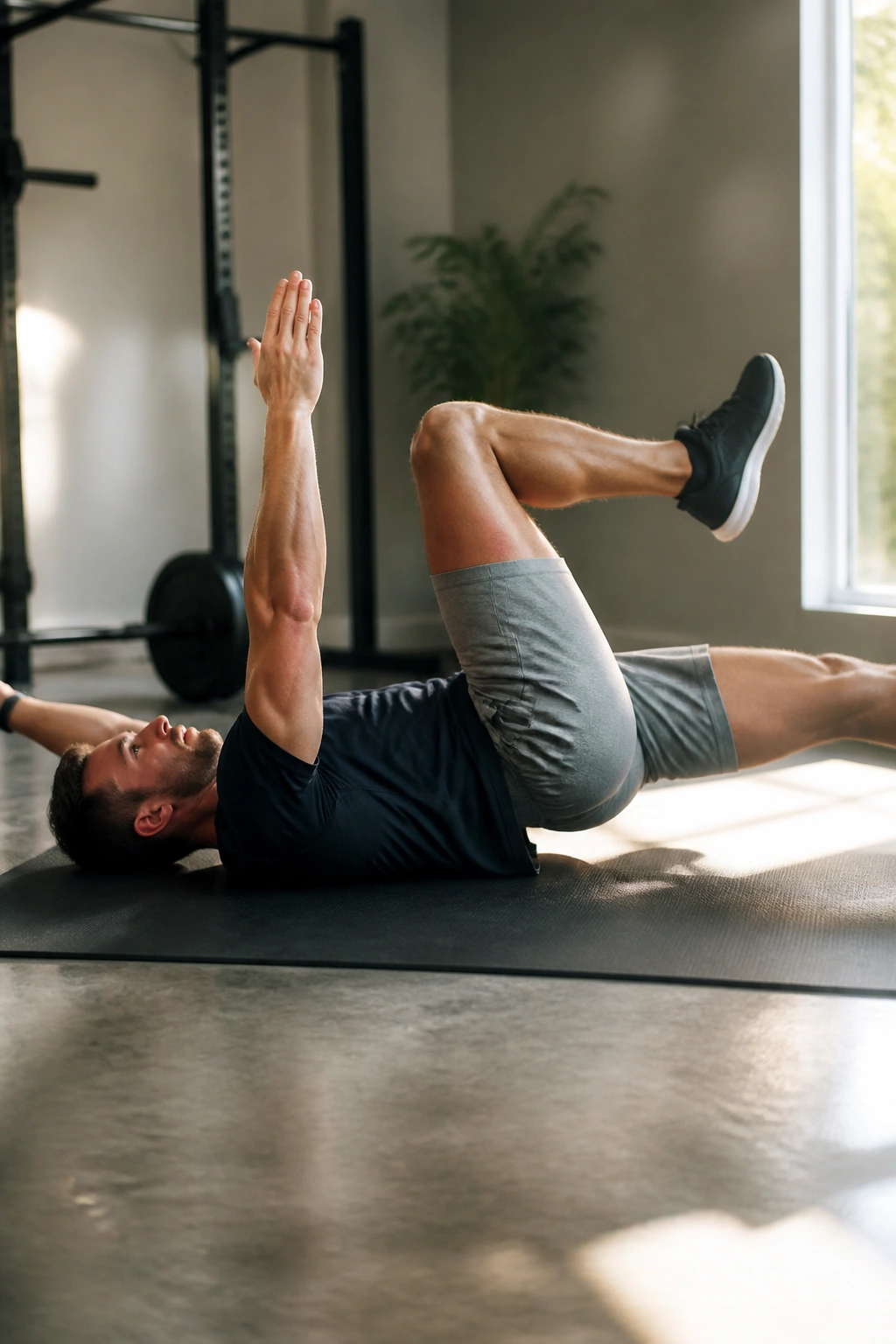
The dead bug is where I start almost every time. It looks almost too easy, until your lower back tries to lift and your ribs start popping up like a tent.
Why It Works
The magic here is not speed. It is control. You are teaching your torso to stay quiet while the opposite arm and leg move away from center, which is exactly what a strong core has to do during walking, running, pressing, and getting out of bed without that weird low-back pinch.
- Lie on your back with knees above hips and arms straight up.
- Press your lower back gently into the floor.
- Extend one leg and the opposite arm slowly.
- Do 2 to 3 sets of 6 to 8 reps per side.
- Stop the moment your back arches.
Pro tip: shorten the lever if needed. A bent knee is not cheating. It is a smarter version of the same drill.
2. Forearm Plank Hold
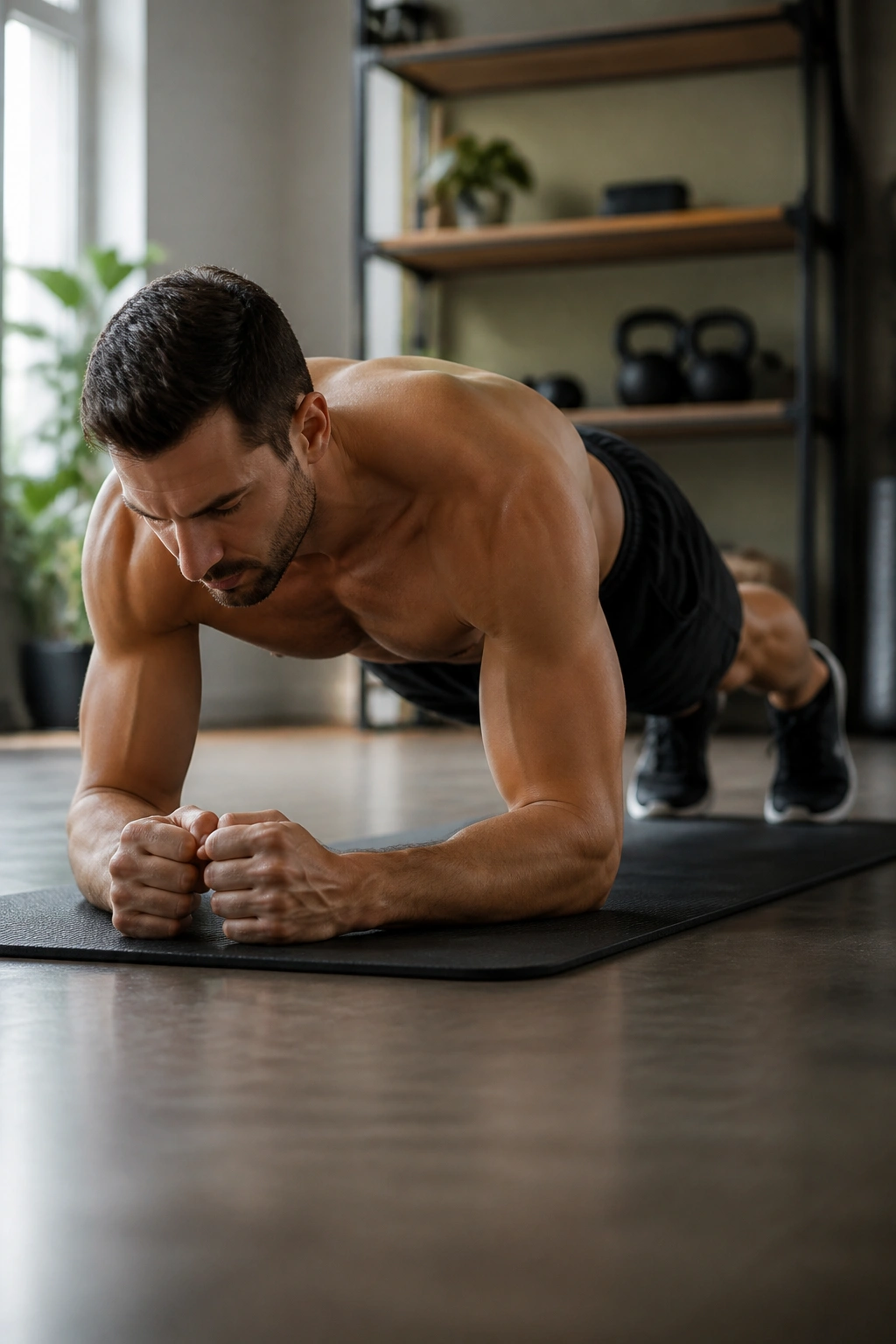
The plank is not dead. The sloppy plank is.
A good forearm plank turns your whole front line into a brace. You should feel your abs, glutes, quads, and even your shoulders working together, not your lower back hanging on by itself. Hold for 20 to 45 seconds at first, then build to cleaner, harder sets rather than turning it into a minutes-long survival contest.
Push the floor away a little. Squeeze your thighs. Tuck the tail just enough to keep the ribs from flaring. That small shape change matters more than another 20 seconds of sagging and hoping.
Do not chase wobble for its own sake. Chase position. When the posture breaks, the set is done.
3. Side Plank Reach
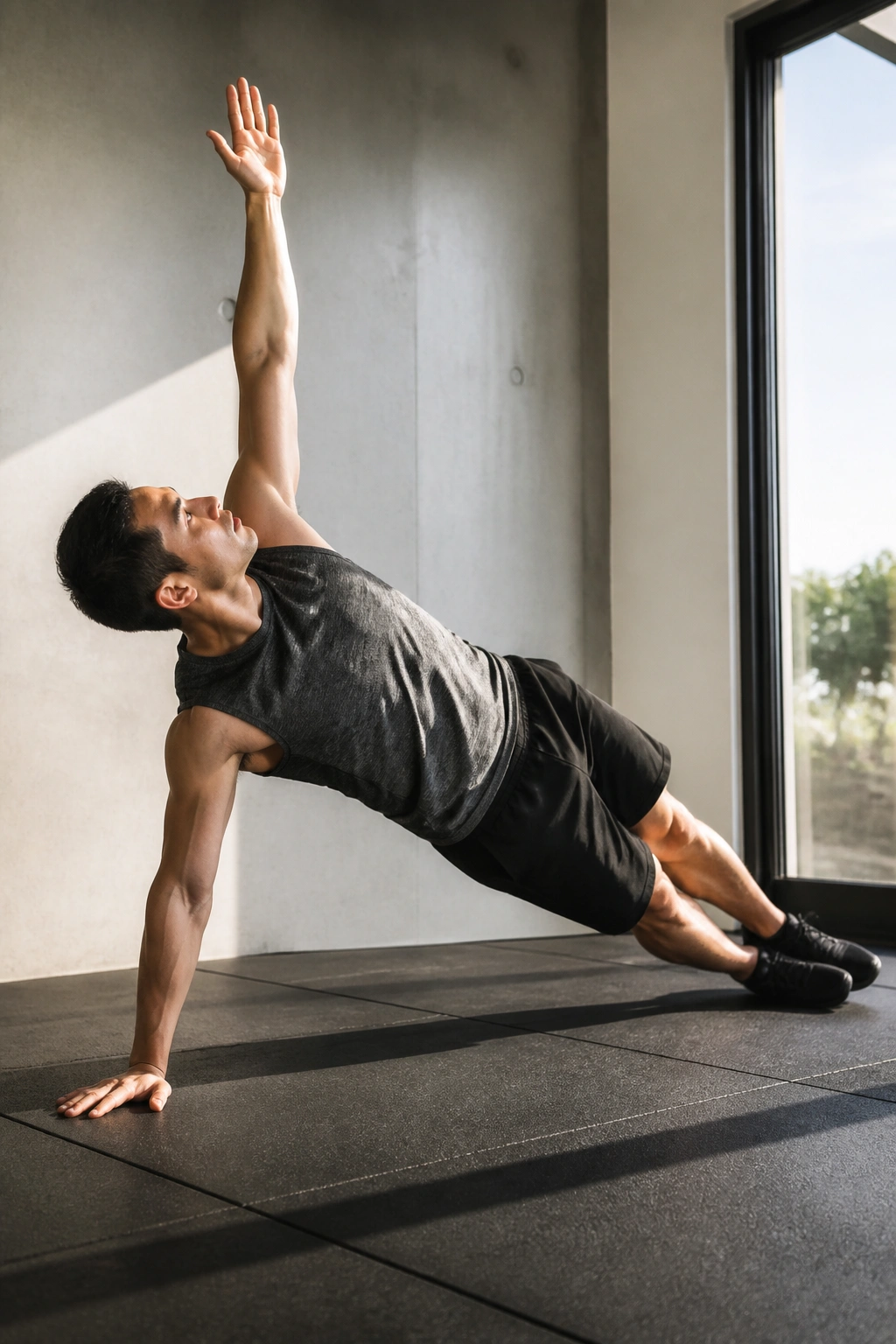
Why does the side plank matter when regular crunches are easier to understand? Because your body does not move in one straight line all day. It leans, shifts, and resists side-bending constantly.
How to Use It
A side plank trains the obliques, the deep side stabilizers, and the glute medius, which helps keep your pelvis level. Start with 15 to 20 seconds per side, or drop the lower knee if full leverage is too much. If you want more challenge, thread the top arm under and then reach it to the ceiling.
The detail that matters most is hip position. If the hips drift back or forward, the exercise turns muddy fast. Keep the body in one long line and breathe into your side ribs. That breath makes the hold feel more real, not less.
Small drill. Big payoff.
4. Bird Dog Pause
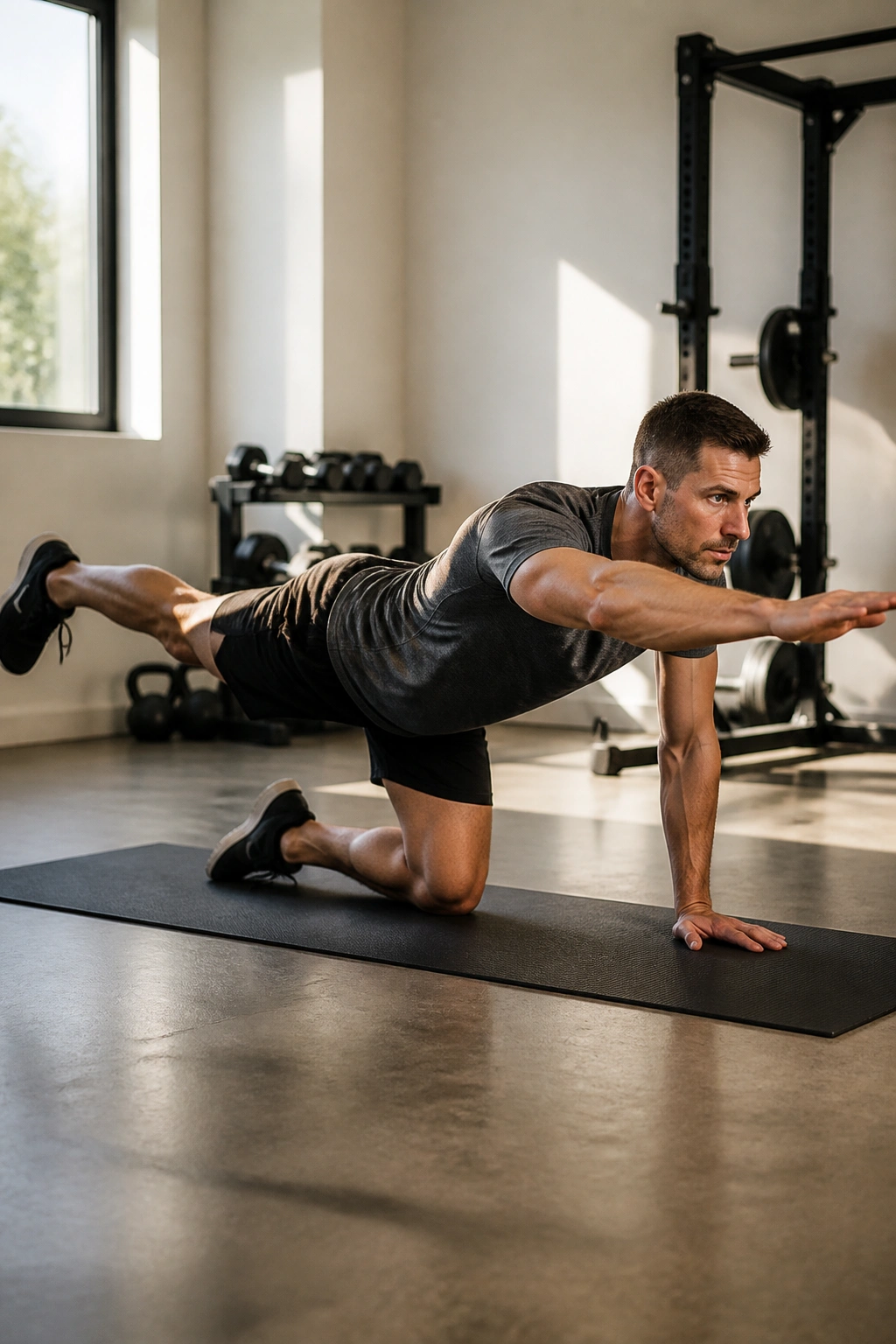
If your low back arches the second you reach an arm and leg out, bird dog is the fix, not the warm-up you skip.
The pause is the point. Reach long with the opposite hand and heel, then freeze for two full seconds before coming back in. That tiny pause strips away momentum and forces your trunk to do its job. Ten slow reps per side is plenty when the form is honest.
What to Watch For
- Keep your hips square to the floor.
- Reach long, not high.
- Exhale before you extend.
- Do not twist open to the side.
- Stop if your shoulder shrugs up near your ear.
It is a quiet exercise. That is why it works.
5. Hollow Body Hold
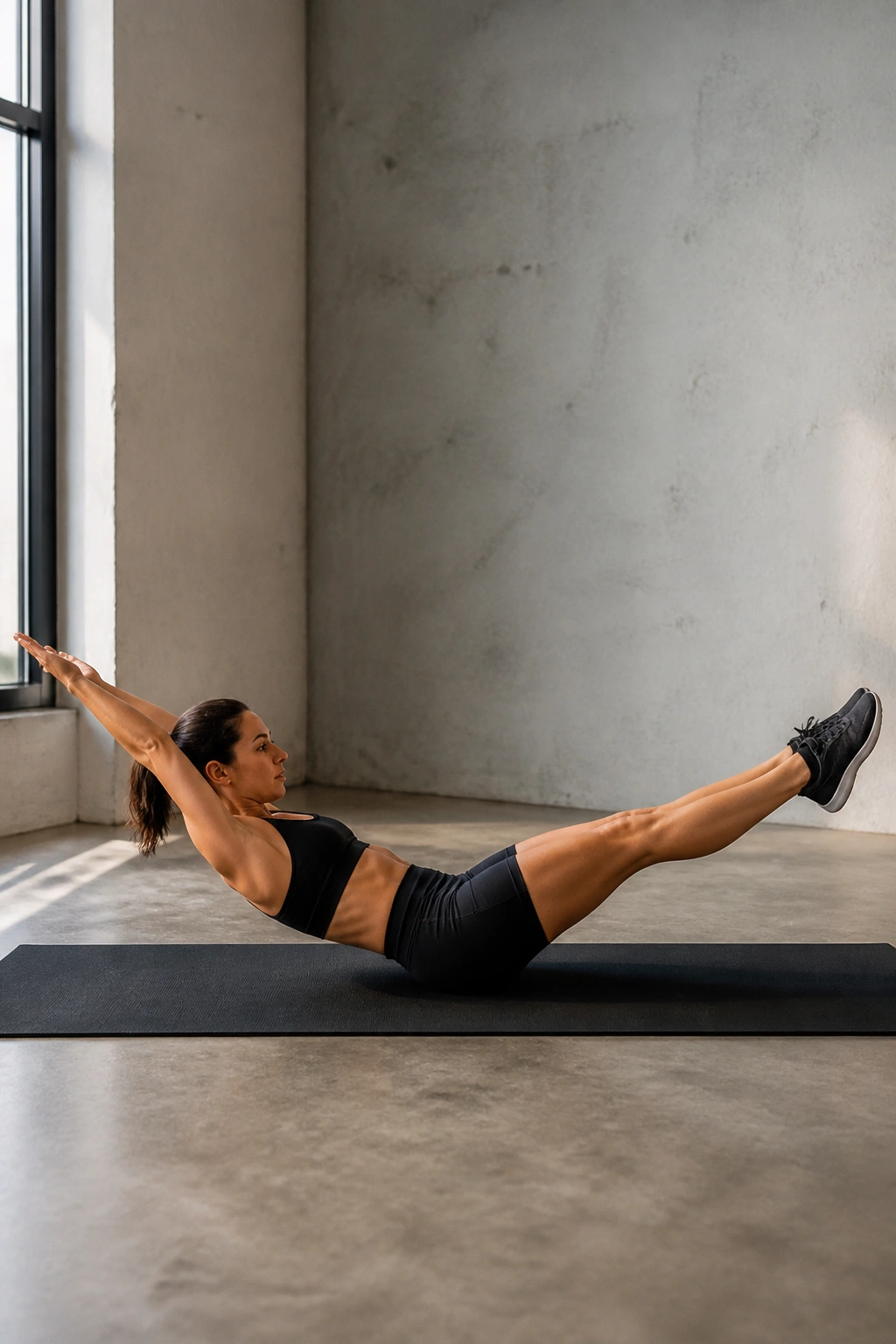
The hollow hold looks simple on paper and mean in practice. That is a compliment.
Gymnasts use versions of it because it teaches the front of the body to stay braced while the limbs hover away from center. The lower back stays pinned, the ribs stay down, and the abs have to keep the whole shape from folding. Start with 10 to 15 seconds. If that is too much, tuck the knees in a little and keep the same body shape.
The people who rush this usually turn it into a neck-and-hip-flexor complaint. Don’t. Keep the chin slightly tucked, breathe through short exhales, and stop before the arch shows up. Clean hollow holds are short. That is fine.
6. Reverse Crunch
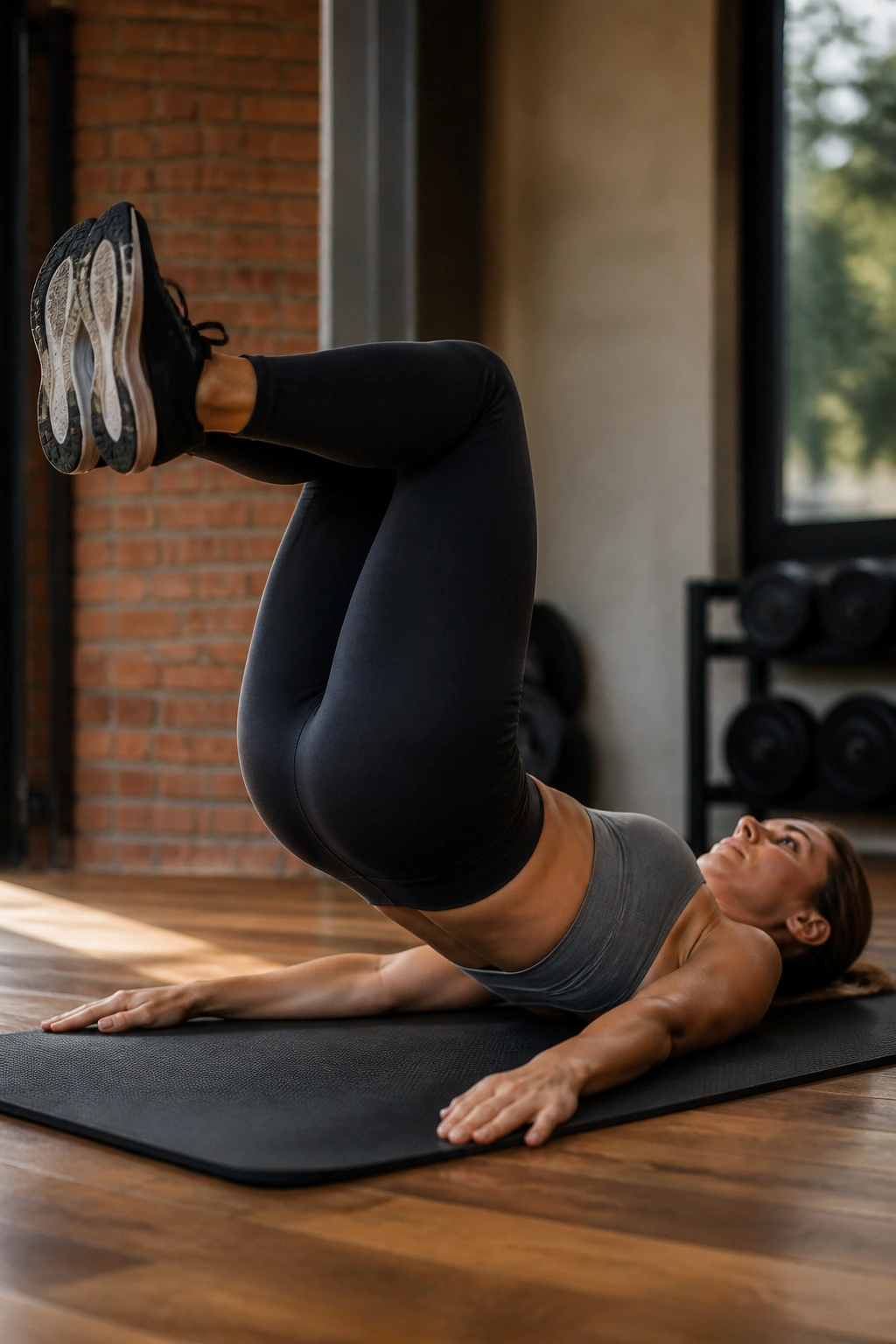
Unlike a regular crunch, the reverse crunch starts by curling the pelvis, not yanking the chest up. That small difference changes where you feel the work.
This one is especially useful if regular crunches just feed your hip flexors. Lie on your back, bend the knees, and bring them in toward your chest. Then curl the tailbone off the floor by squeezing the lower abs. Think of lifting the pelvis, not swinging the legs. Eight to twelve controlled reps is a good start.
Why It Beats Rushing Sit-Ups
The reverse crunch rewards slow tempo. If you kick through the movement, the abs turn into bystanders and the hips take over. Keep the motion small, breathe out as the pelvis curls, and lower with control. That last inch on the way down is where people lose it.
7. Pallof Press
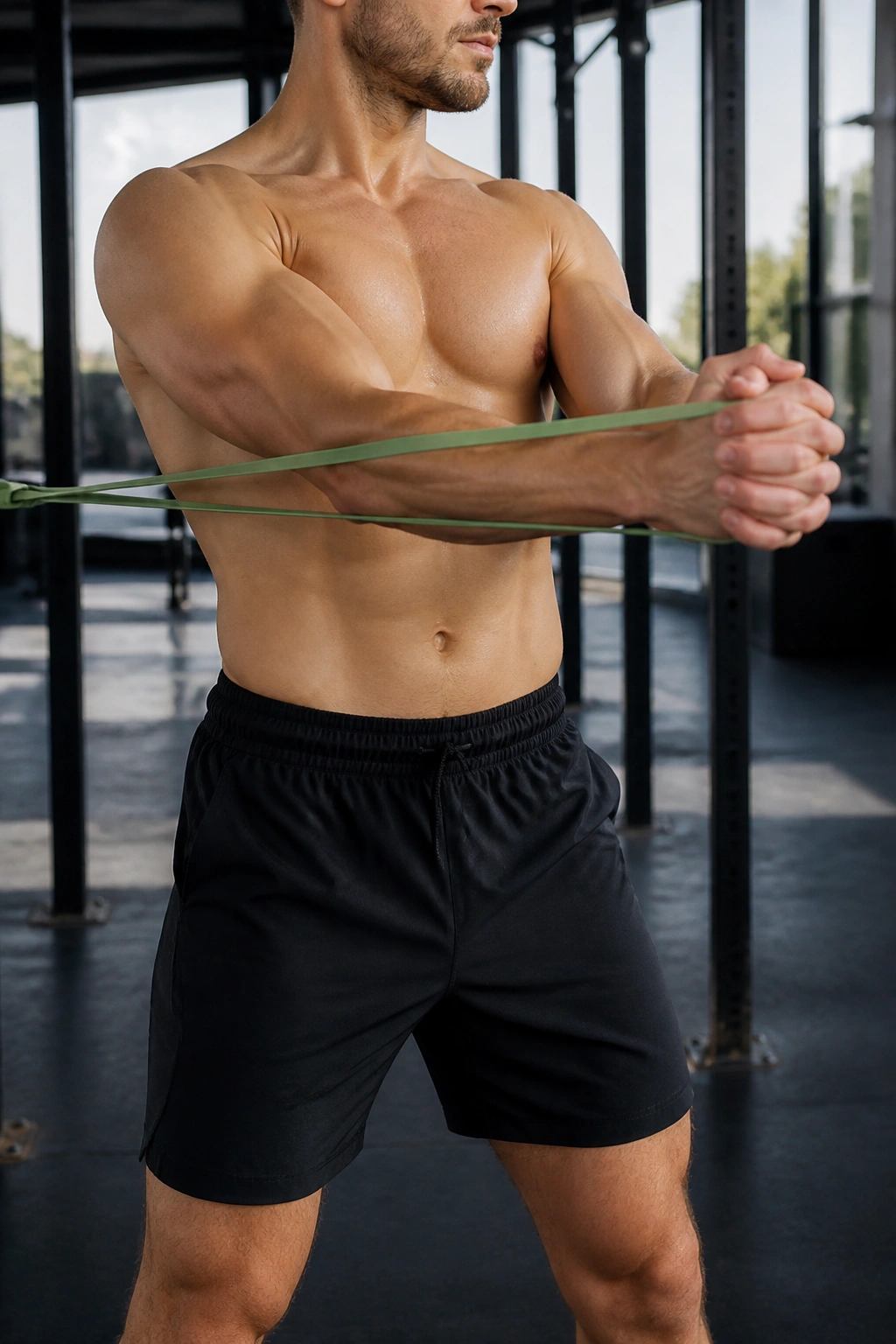
A band can humble you faster than a pile of sit-ups.
The Pallof press is an anti-rotation drill, which means your job is to stop the torso from twisting when the band tries to pull you sideways. Set the band or cable at chest height, stand tall, and press straight out for a one- to two-second hold. Eight to twelve reps per side is enough to make the point.
How to Load It
Use a light band first. If your ribs flare or your hips shift, the resistance is too high. You should feel the obliques and deep core muscles firing to keep your chest and pelvis stacked. The best version looks boring from the outside. That is the sign it’s working.
This is a smart warm-up before heavy lifts, and it also works between sets when you want your core to remember what steady feels like.
8. Bear Crawl
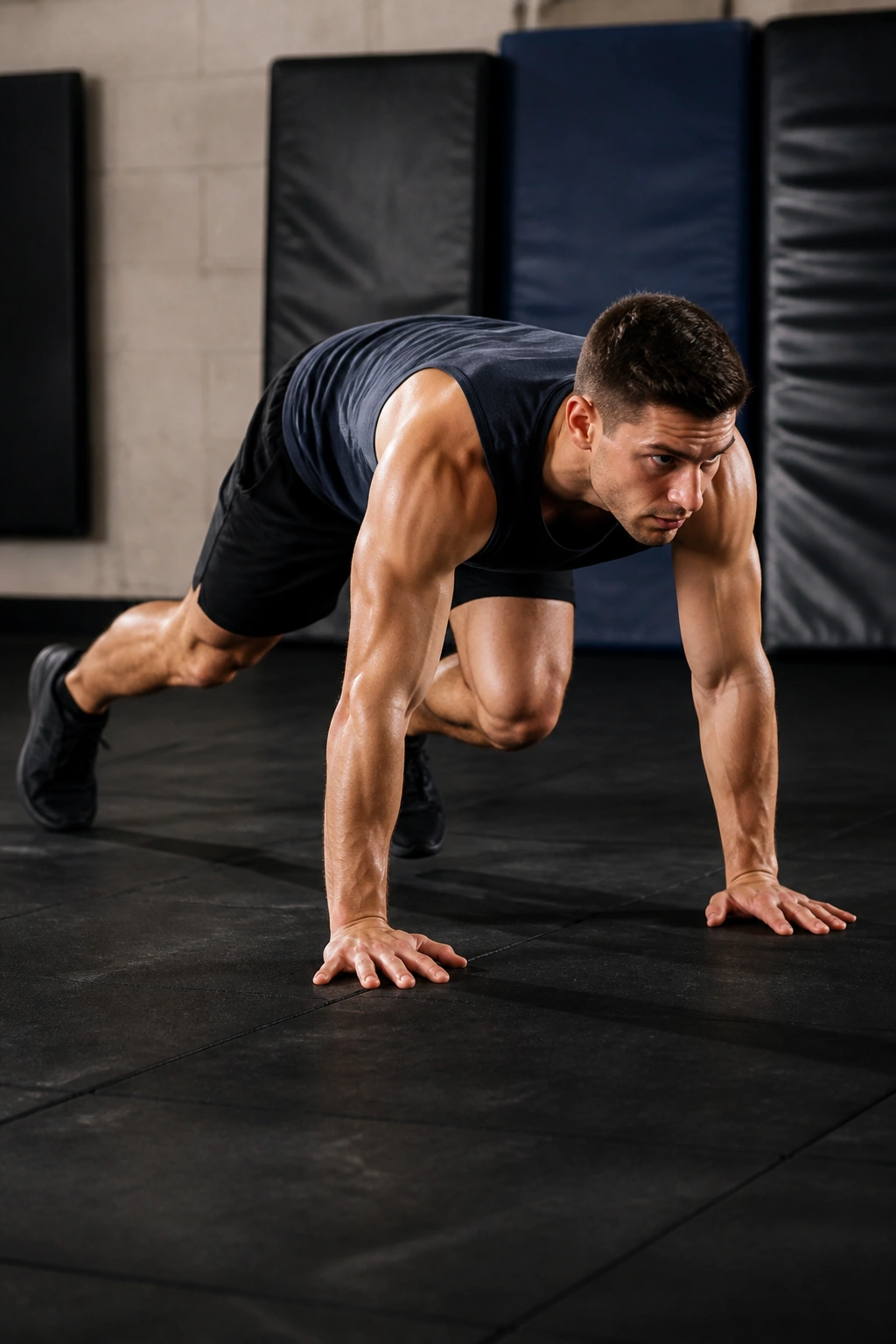
Put your knees an inch off the floor and the exercise gets honest fast.
Bear crawls ask your shoulders, abs, and hips to stay organized while you move. Start on hands and toes, knees hovering low, then crawl forward in opposite-hand-opposite-foot steps. Keep the back flat and the steps small. Ten to twenty steps forward, then back, is enough for most people.
A few things matter here:
- Hands under shoulders.
- Knees just off the ground.
- Quiet hips.
- Short steps.
- Slow breathing.
If you rush, the whole thing turns into a wobble race. And that misses the point. Bear crawls teach body control under movement, which is exactly why they show up in smart core routines.
9. Mountain Climber Slow-Motion
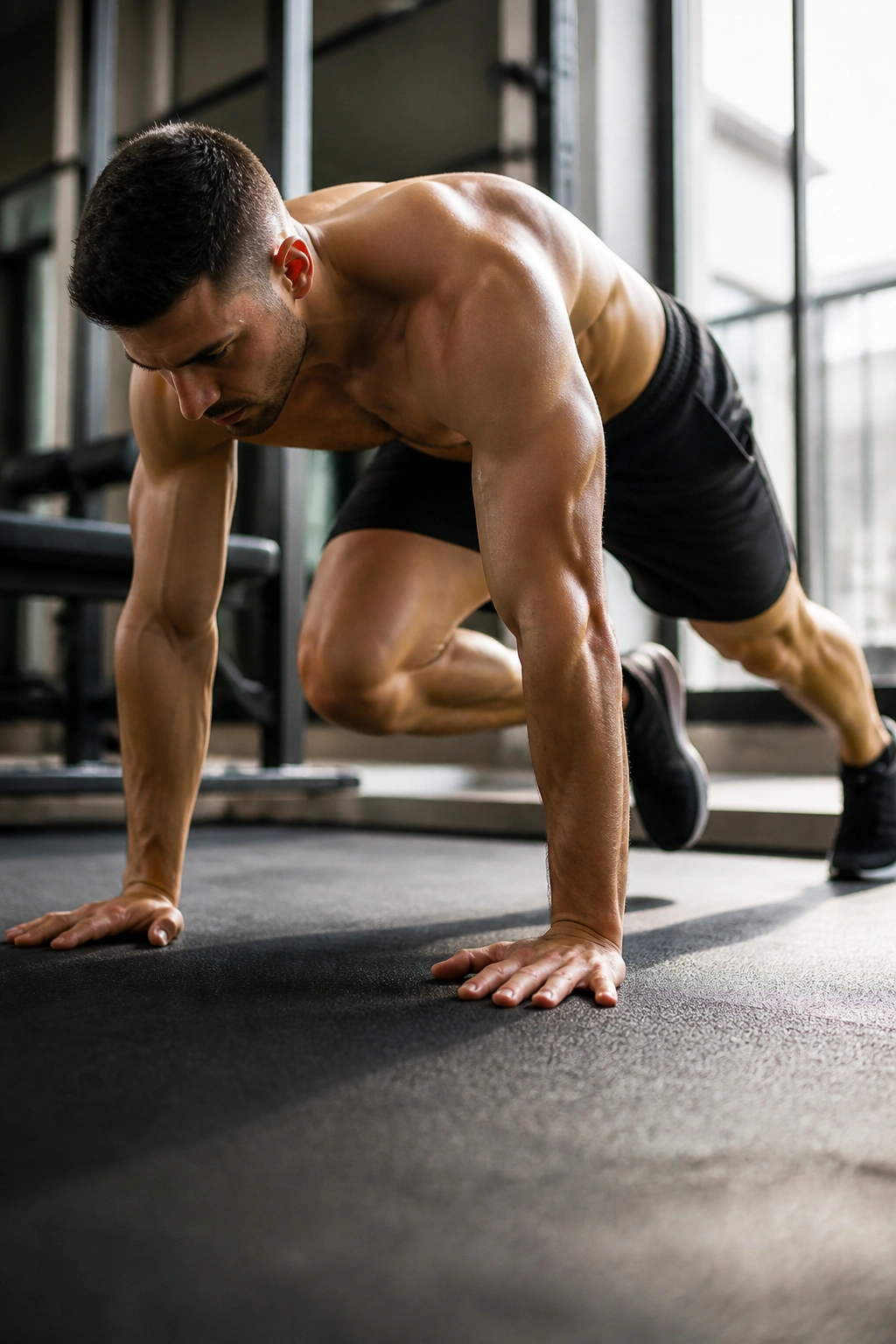
Why do mountain climbers show up in core work when they look like cardio? Because done slowly, they are a bracing drill in disguise.
The fast version is a conditioning finisher. The slow version is about keeping the pelvis from rocking as each knee comes forward. Start in a strong plank, then drive one knee toward the chest without shifting your shoulders. Pause. Return. Alternate sides for 20 to 30 total reps.
How to Use It
Raise your hands on a bench if the floor version feels too hard. That makes it easier to keep the trunk level. Slow climbers hit the lower abs and hip flexors, but only if you refuse to bounce through them. Fast and sloppy is common. Slow and strict is the move that actually teaches something.
10. Suitcase Carry
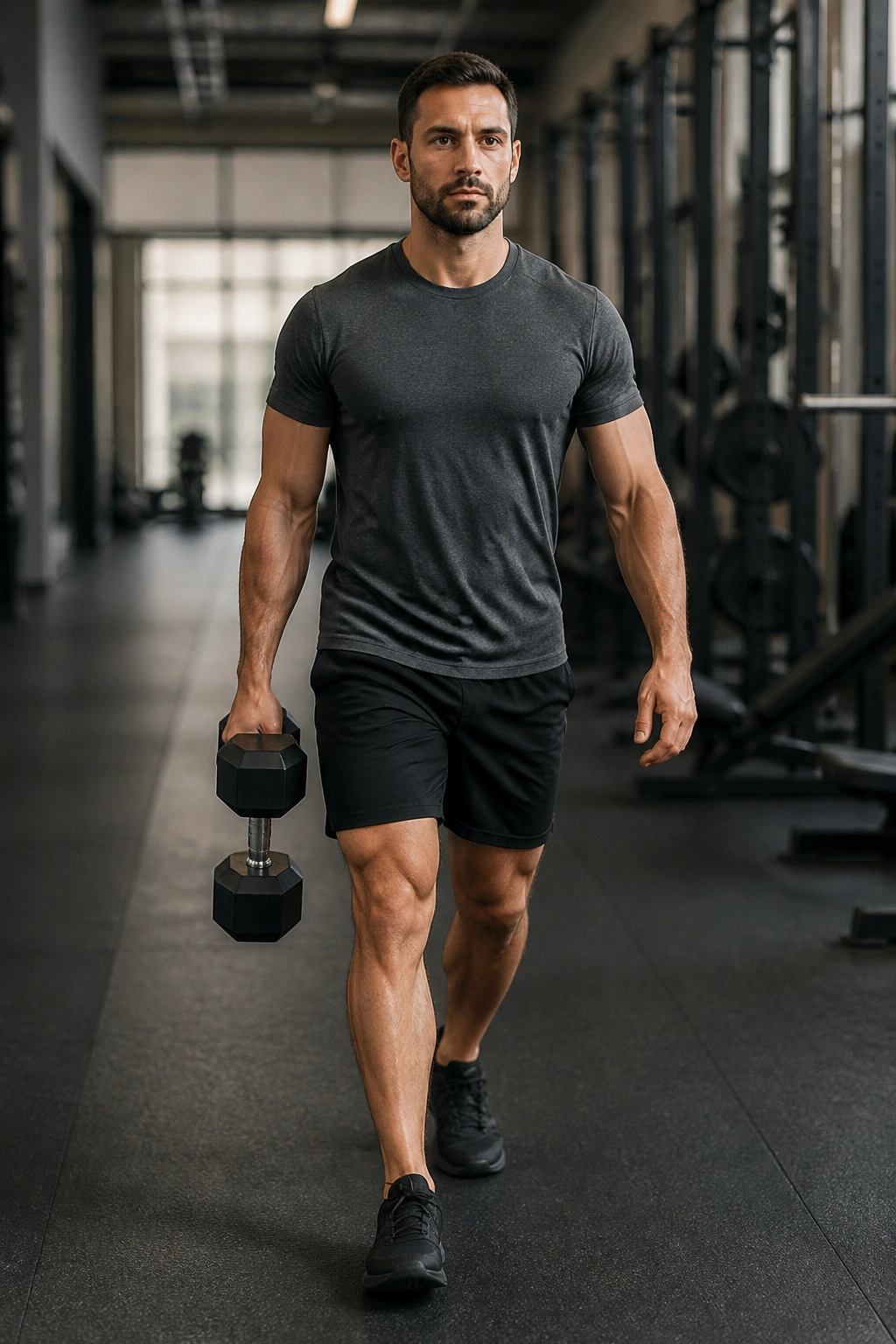
One heavy dumbbell in one hand can light up your side body faster than a machine full of cables.
The suitcase carry is a simple idea: walk while one side of the body works overtime to keep you from leaning. Pick a weight that makes you work for 20 to 40 meters per side without bending at the waist. Stand tall, ribs stacked over the pelvis, and take controlled steps. No swaying. No shrugging.
The nice thing about this drill is how real it feels. It looks like a person carrying a grocery bag or a kid’s backpack, because that’s exactly the kind of strength it builds. If you only keep one carry in your program, this is the one I’d protect.
11. Hanging Knee Raise
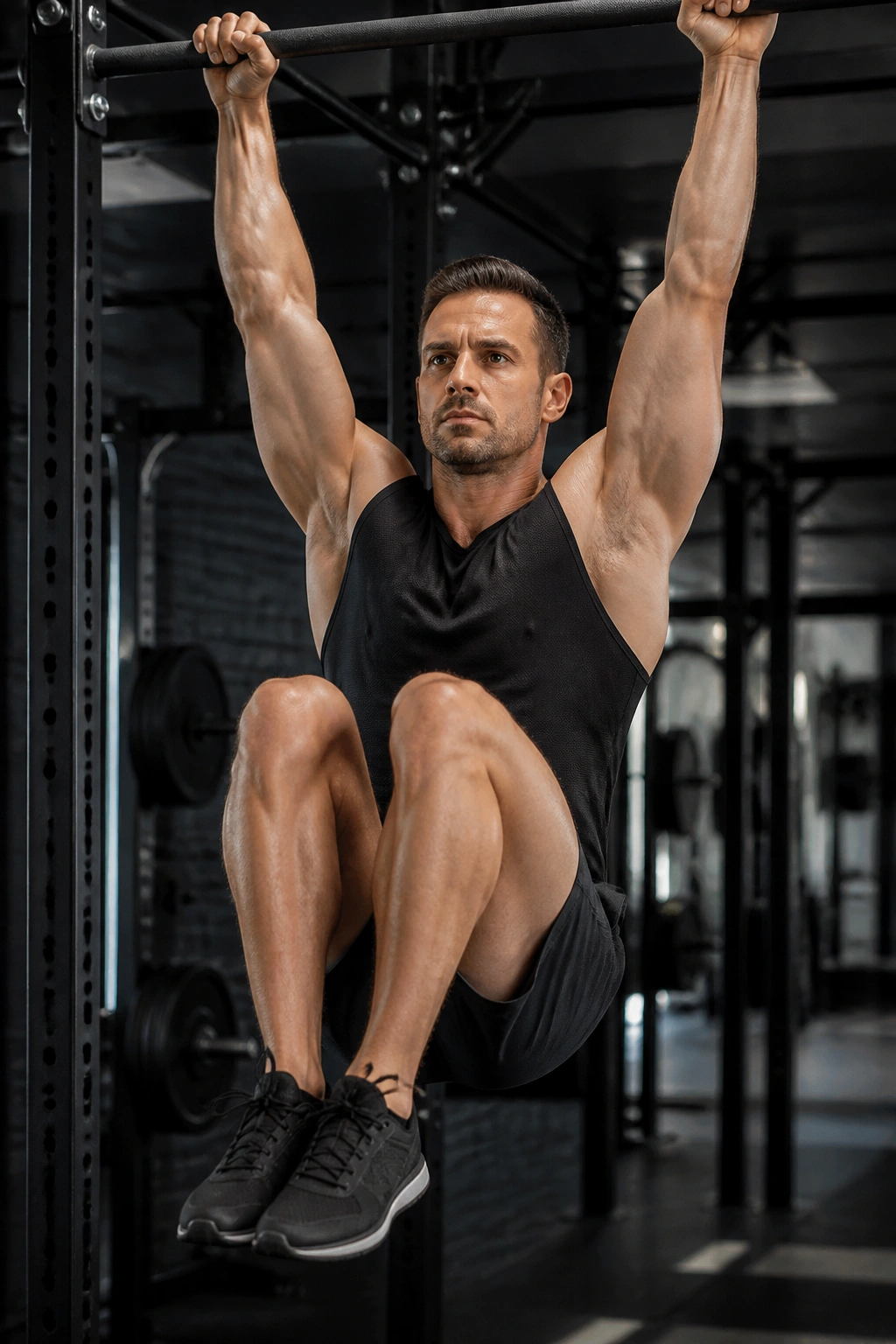
The trick is not height. It is control.
Hanging knee raises train the abs to curl the pelvis while the body hangs from a bar or captain’s chair. Start by setting the shoulders down, then bring the knees up without swinging. At the top, think about tucking the tailbone slightly, not just lifting the thighs. Six to twelve reps done cleanly is a strong set.
If you swing like a pendulum, the grip and hip flexors take over. That’s a common failure point. Slow the lowering phase. Stop a little before the set gets ugly. A smaller, cleaner range beats a bigger mess every time.
12. Ab Wheel Rollout
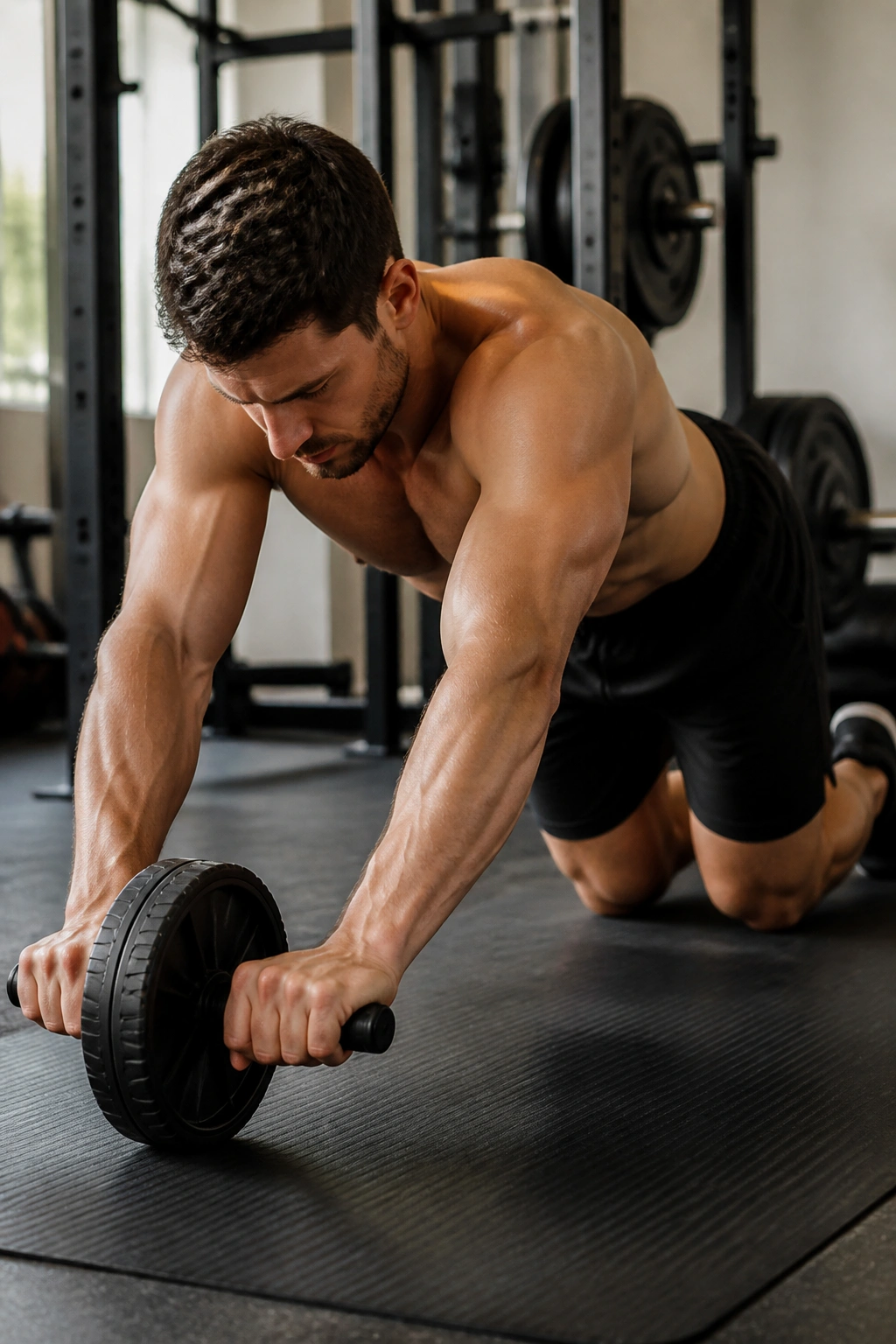
This is what happens when an exercise refuses to lie to you.
The ab wheel rollout is one of the best anti-extension drills around, but it is also brutally direct. Start from your knees if you are new to it, keep the ribs tucked, and roll forward only as far as you can keep the lower back from sagging. Three sets of 5 to 8 reps is plenty.
What to Watch For
If your hips drop, you went too far. If your shoulders collapse, you went too far. If you can only move ten inches and keep shape, that still counts. It counts a lot. Start small, breathe out as you roll forward, and pull back under control with the abs, not with a jerky hip snap.
13. Cable Wood Chop
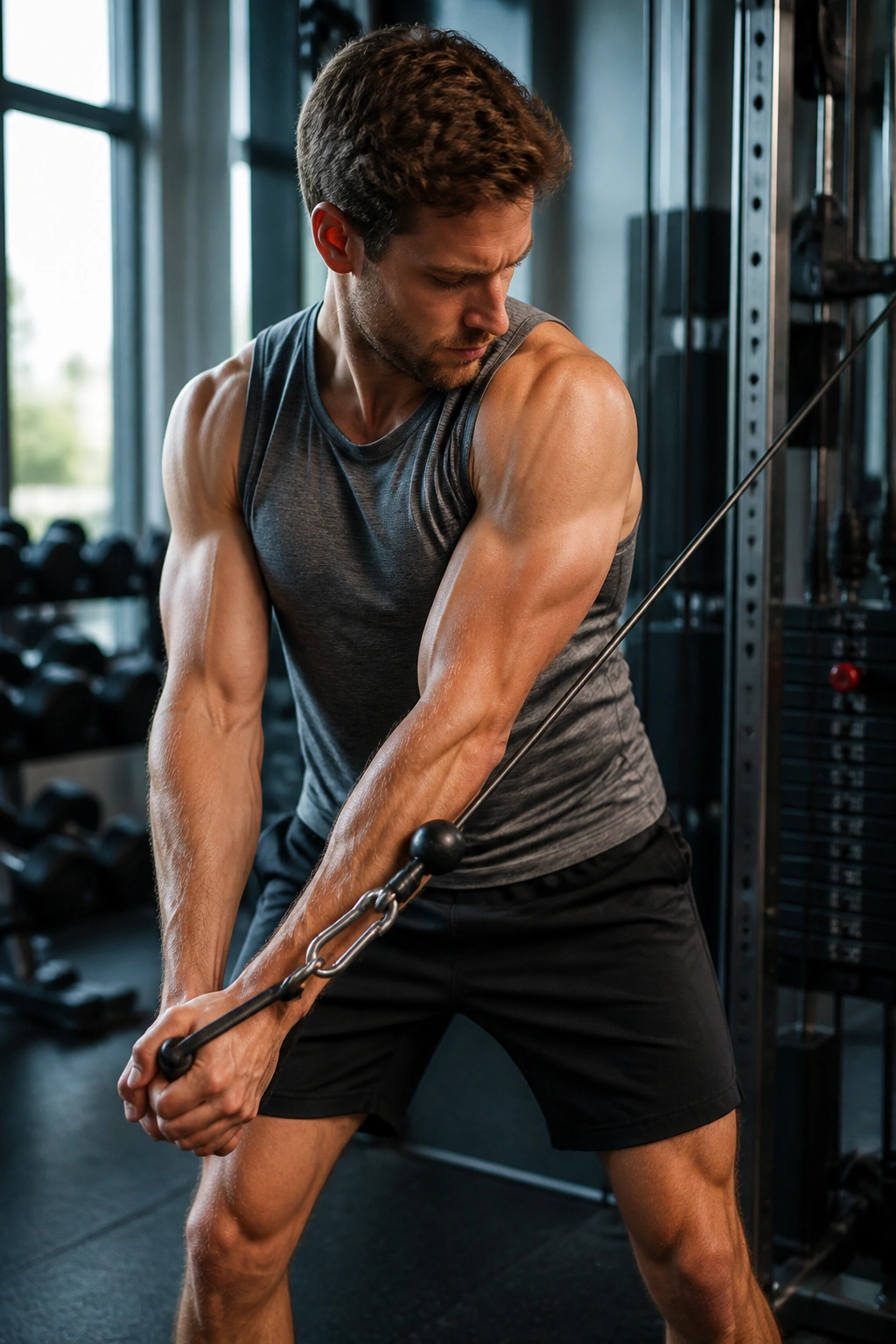
Rotation is fine. Sloppy rotation is not.
The cable wood chop trains the trunk to rotate with control instead of flinging the arms around and calling it core work. You can do it high-to-low or low-to-high, depending on what you want to emphasize. Keep the ribs down, pivot through the feet if needed, and move the handle with intent. Eight to ten reps per side is a clean range.
How to Get the Most From It
Do not turn your shoulders into a whip and your hips into dead weight. The movement should feel coordinated, not wild. A light-to-moderate load is usually enough. If the cable jerks you around, the stack is too heavy. This drill belongs in programs that need rotational strength, especially when a torso has to create power without losing shape.
14. Glute Bridge March
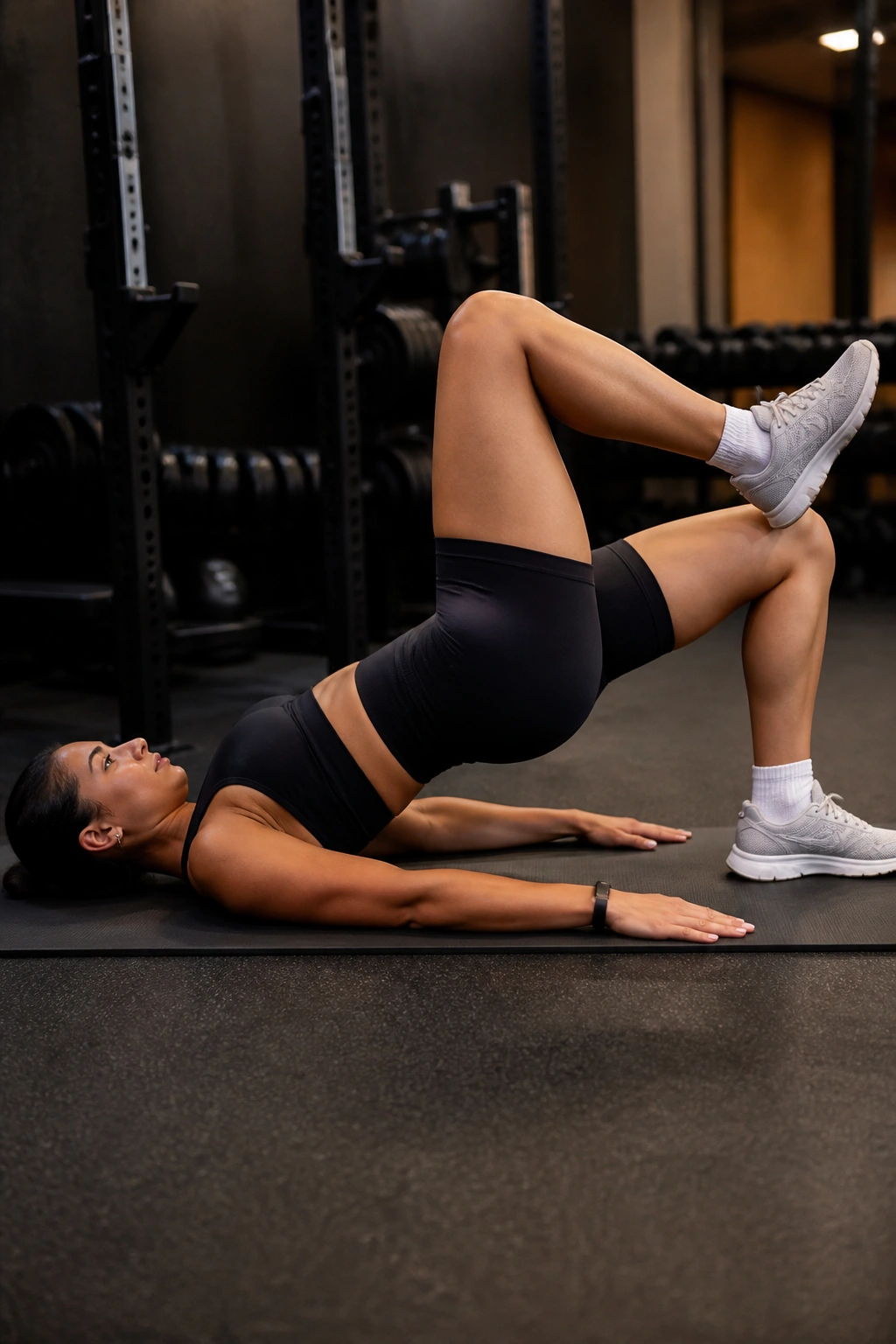
Sitting all day leaves the front of the hips sticky, and the glute bridge march helps clean that up.
Lie on your back, lift into a bridge, and keep the pelvis level while you march one knee at a time. The abs have to stop the torso from rocking, and the glutes have to keep the hips high. Eight to ten marches per side is a solid start.
A few cues make this work:
- Press through the heels.
- Keep the knees pointed forward.
- Do not let the hips drop.
- Exhale as each knee lifts.
- Move slowly enough to notice wobble.
It feels easy for about two reps. Then it starts telling the truth.
15. Turkish Get-Up
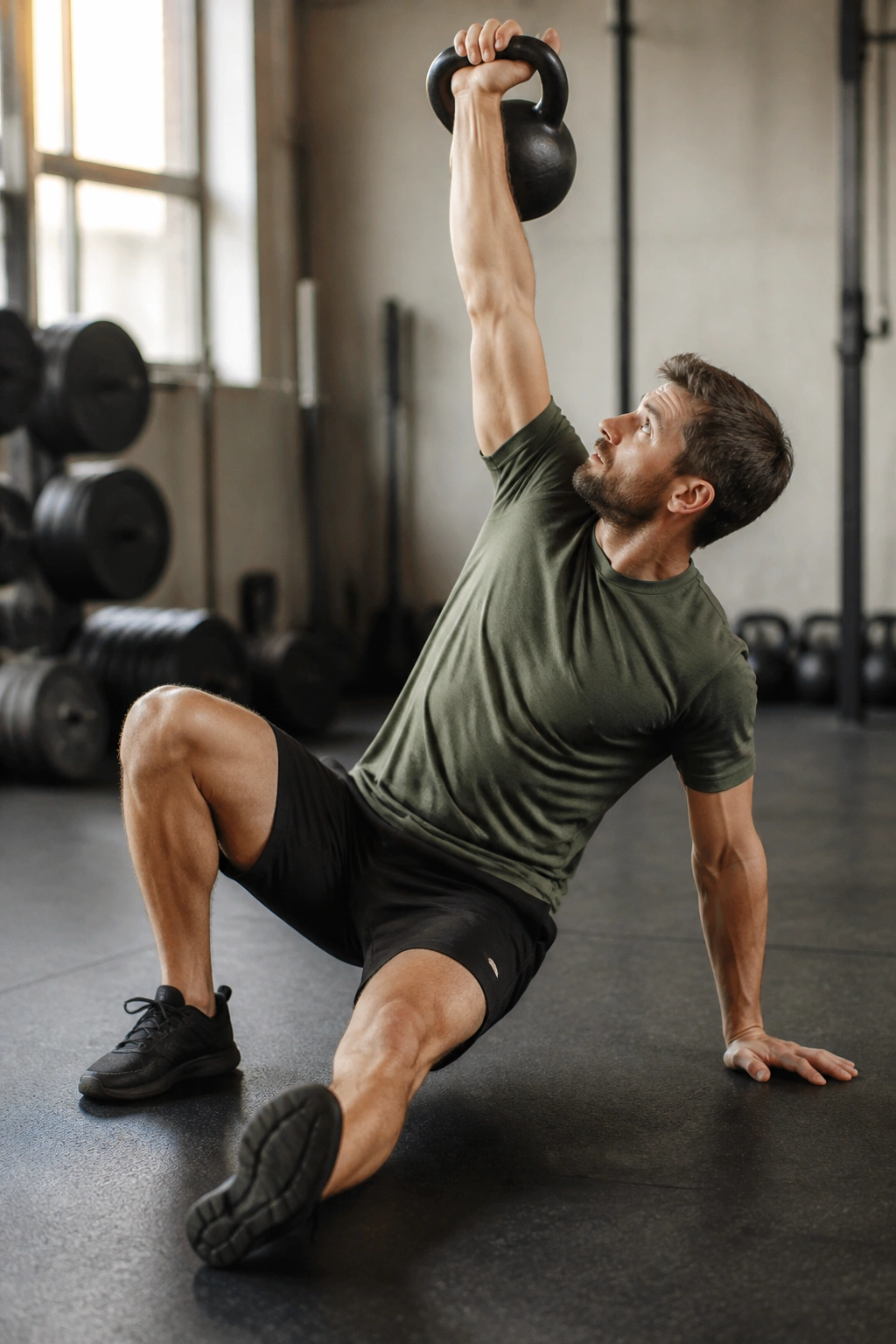
The Turkish get-up is a full-body core routine wearing a strength exercise costume.
It teaches the torso to stay organized through a long chain of positions: roll to elbow, post on the hand, sweep the leg, rise to half-kneeling, then stand. That sounds fancy, but it’s really about owning your body under load. Use a very light kettlebell first. One rep per side can be enough when the path is clean.
Break It Down
Do not rush the get-up. Each transition should feel deliberate. If the shoulder feels shaky or the weight starts to wobble, practice the movement with no load until the sequence is smooth. Once that path makes sense, the exercise becomes less mysterious and a lot more useful. It is one of the few drills that hits the core, shoulders, hips, and balance in one sweep.
16. Stability Ball Stir-the-Pot
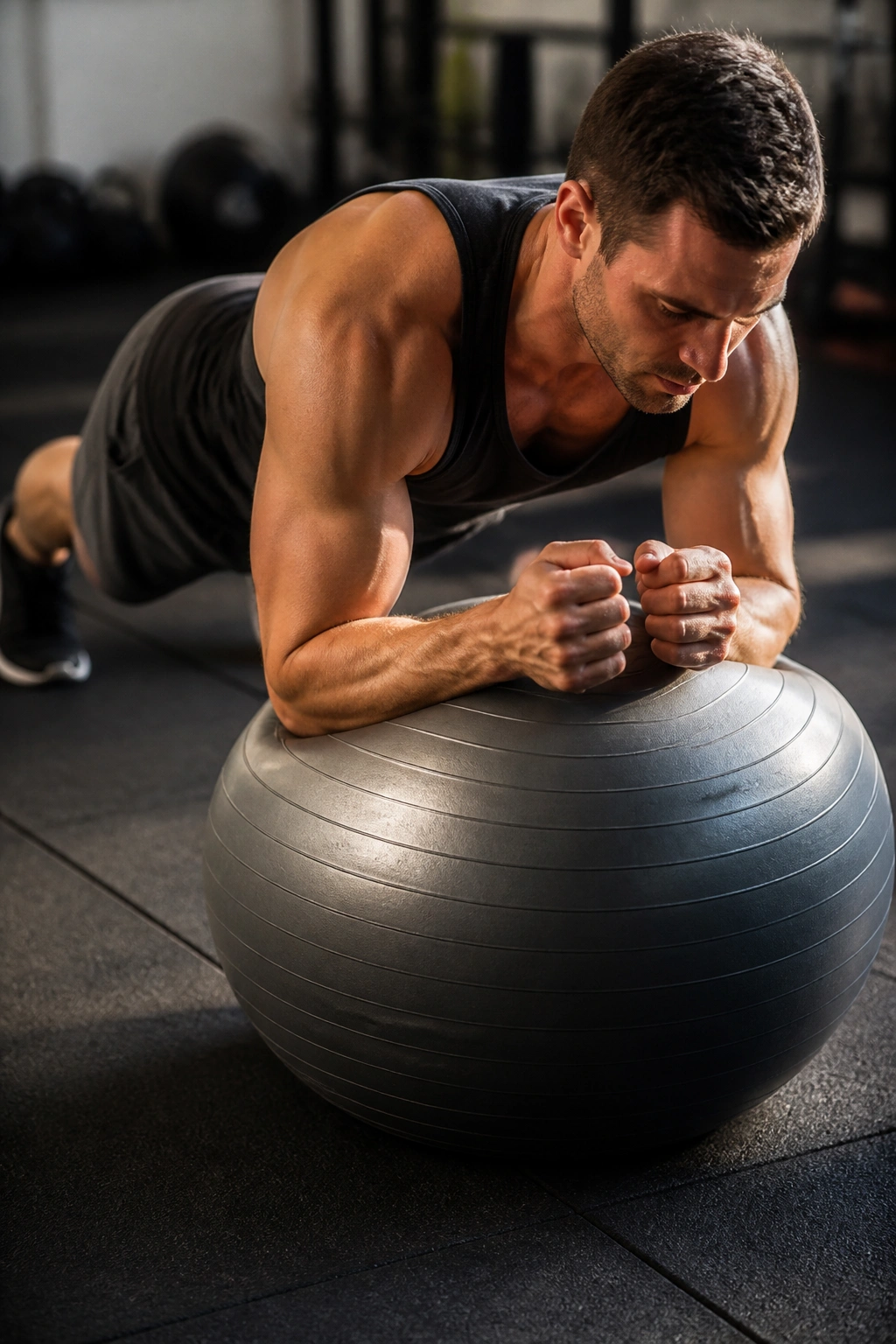
Why does a tiny circle on a ball feel so rude? Because the ball never lets you lock in.
Set your forearms on a stability ball, get into a strong plank, and make small circles with the elbows. The circles should be narrow enough that your lower back never dips or arches. Eight to twelve circles each direction is enough for a set. Bigger is not better here.
How to Keep It Clean
Spread the feet a little wider if you need more balance. Keep the glutes on. Breathe behind the brace instead of holding your breath the whole time. This one is sneaky, and I like that about it. It looks soft and unstable. It is neither. It is a serious anti-extension drill that punishes sloppy shape fast.
17. Toe Tap Crunch
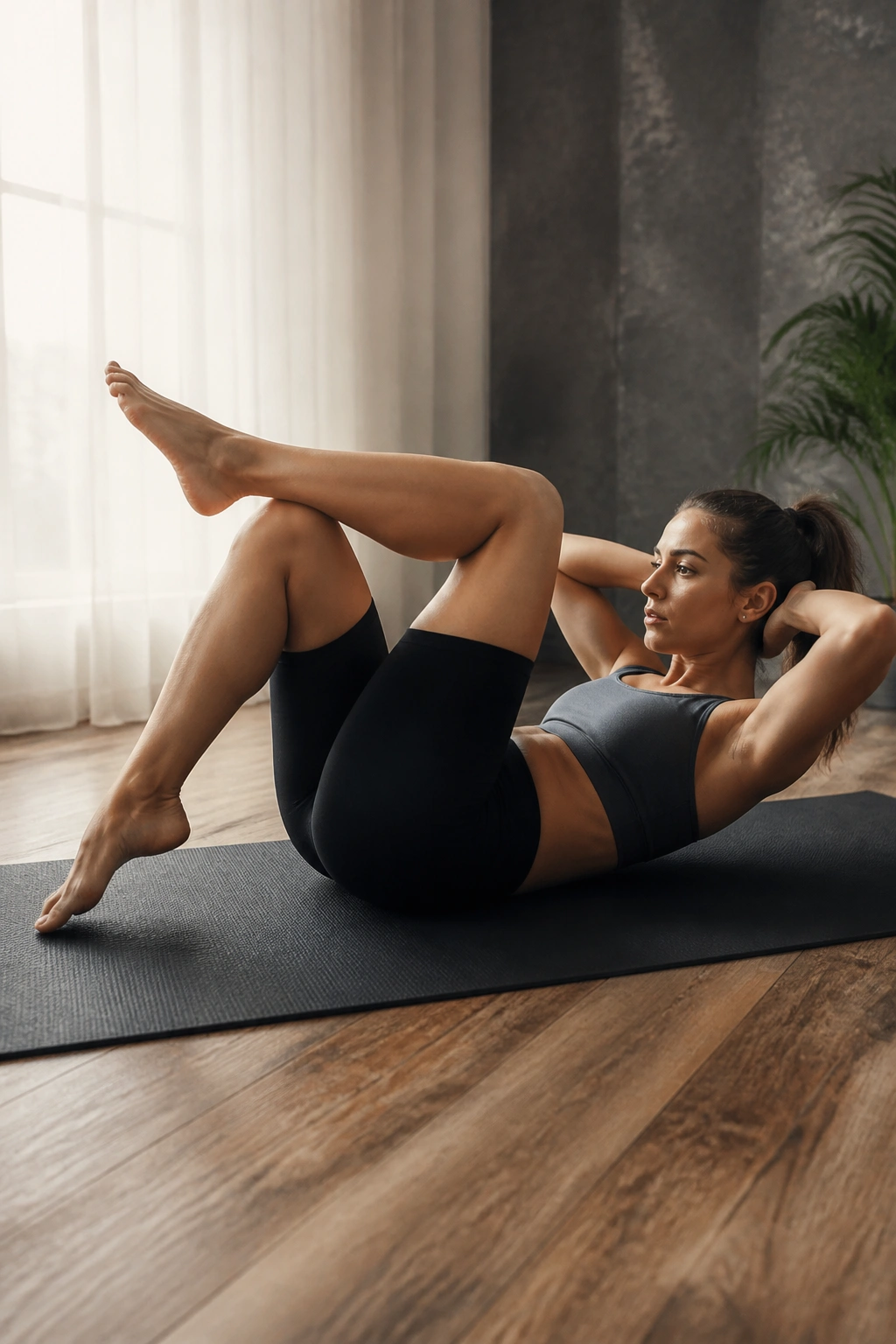
The toe tap crunch is a gentler floor routine that still asks the abs to do real work.
Lie on your back with the legs in tabletop, then lower one toe at a time to tap the floor while keeping the lower back heavy against the mat. The motion should be slow enough that you can feel the midline stay tight. Ten to twelve taps per side is a sensible place to begin.
This is useful for beginners, for anyone coming back from a break, and for people who want a less aggressive flexion exercise than a hard crunch. If the back pops up off the floor, shorten the range. Simple. A smaller tap that stays controlled beats a bigger one that collapses the shape.
18. Superman Hold
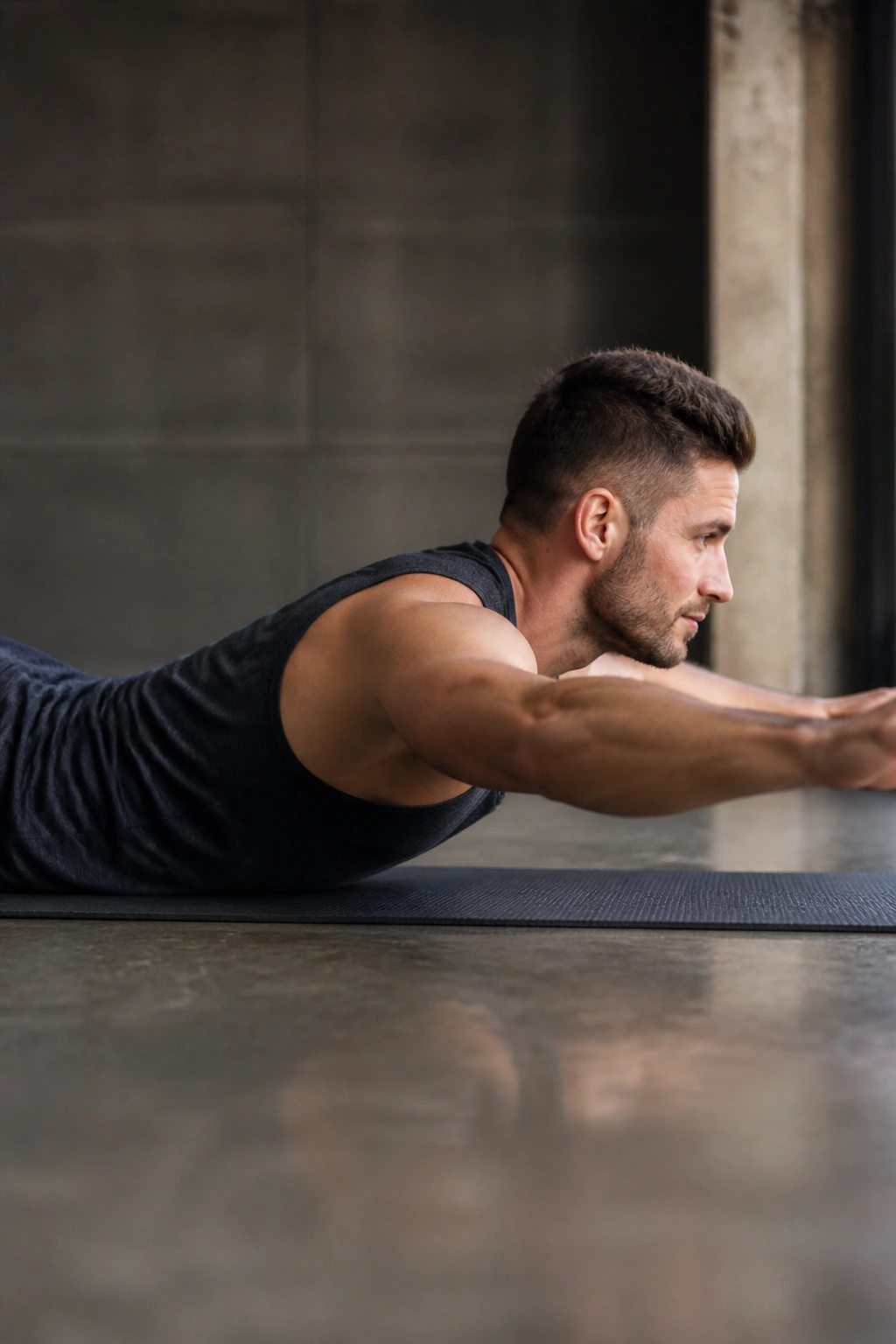
Unlike endless back extensions, a short superman hold builds posterior endurance without turning into a swinging contest.
Lie face down, reach long through the fingers and toes, and lift only a few inches off the floor. The point is tension, not height. Hold for 10 to 20 seconds, rest, and repeat. Two or three rounds is enough for most people. Keep the neck neutral, too. Looking forward hard is a fast way to make the move unpleasant for the wrong reason.
This one earns its place because a strong core is not only about the front. The muscles along the back side matter when you want the trunk to stay balanced.
19. Bicycle Crunch
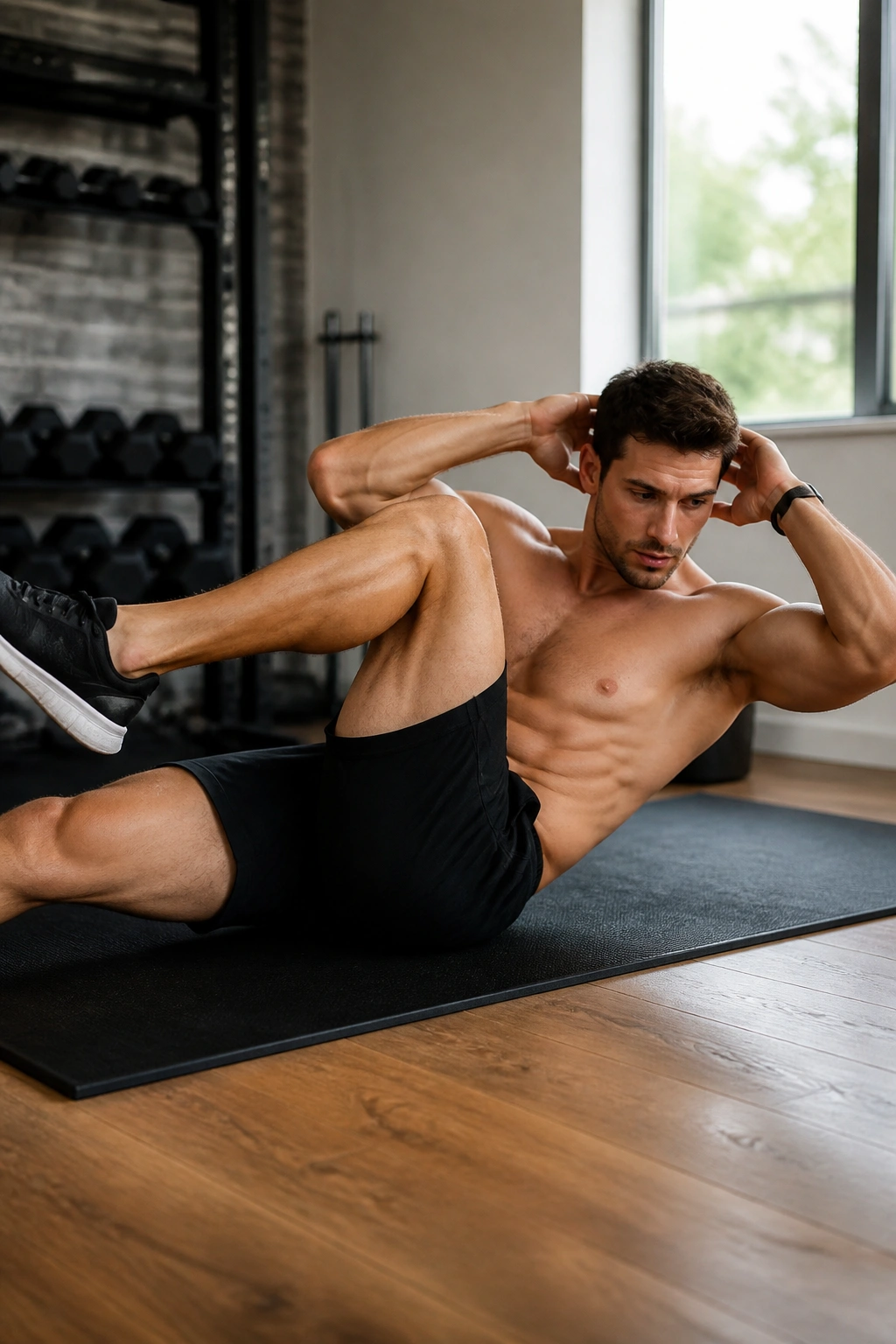
Slow wins here.
Bicycle crunches get a bad reputation because people rush them and turn the movement into a neck tug with flying knees. Done properly, they train rotation through the torso while the legs move in opposition. Keep the elbows wide, exhale as you twist, and aim for 8 to 12 clean reps per side rather than a frantic blur.
What to Stop Doing
- Don’t pull the head forward.
- Don’t yank the knees.
- Don’t race for burn.
- Don’t make the range huge.
- Don’t forget to breathe.
If you slow the exercise down, the obliques show up fast. If you hurry it, everything useful disappears.
20. Side Plank Hip Lift
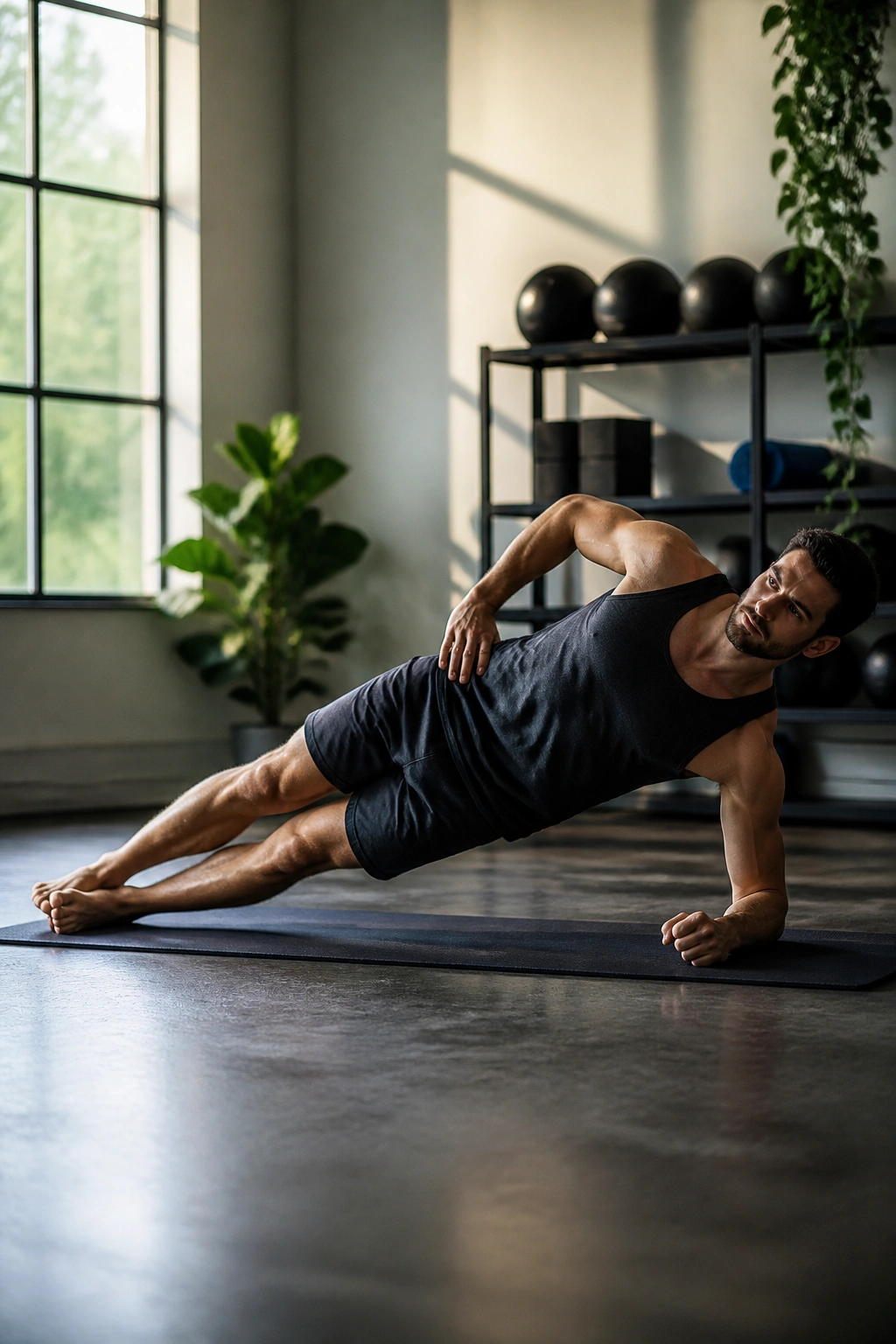
This tiny range move hits harder than it looks.
Start in a side plank, let the lower hip dip a few inches, then lift it back up by firing the obliques and glute medius. That upward squeeze is the part people miss. Aim for 8 to 15 reps per side, or hold the top position for 15 to 20 seconds if you want a simpler version.
The beauty of this drill is the small, honest motion. There is no hiding. If the shoulder collapses or the hip swivels, you’ll know fast. Keep the body stacked and the movement tidy. It is one of the cleanest ways to build side-body strength without needing a machine or a complicated setup.
21. Farmer’s Carry
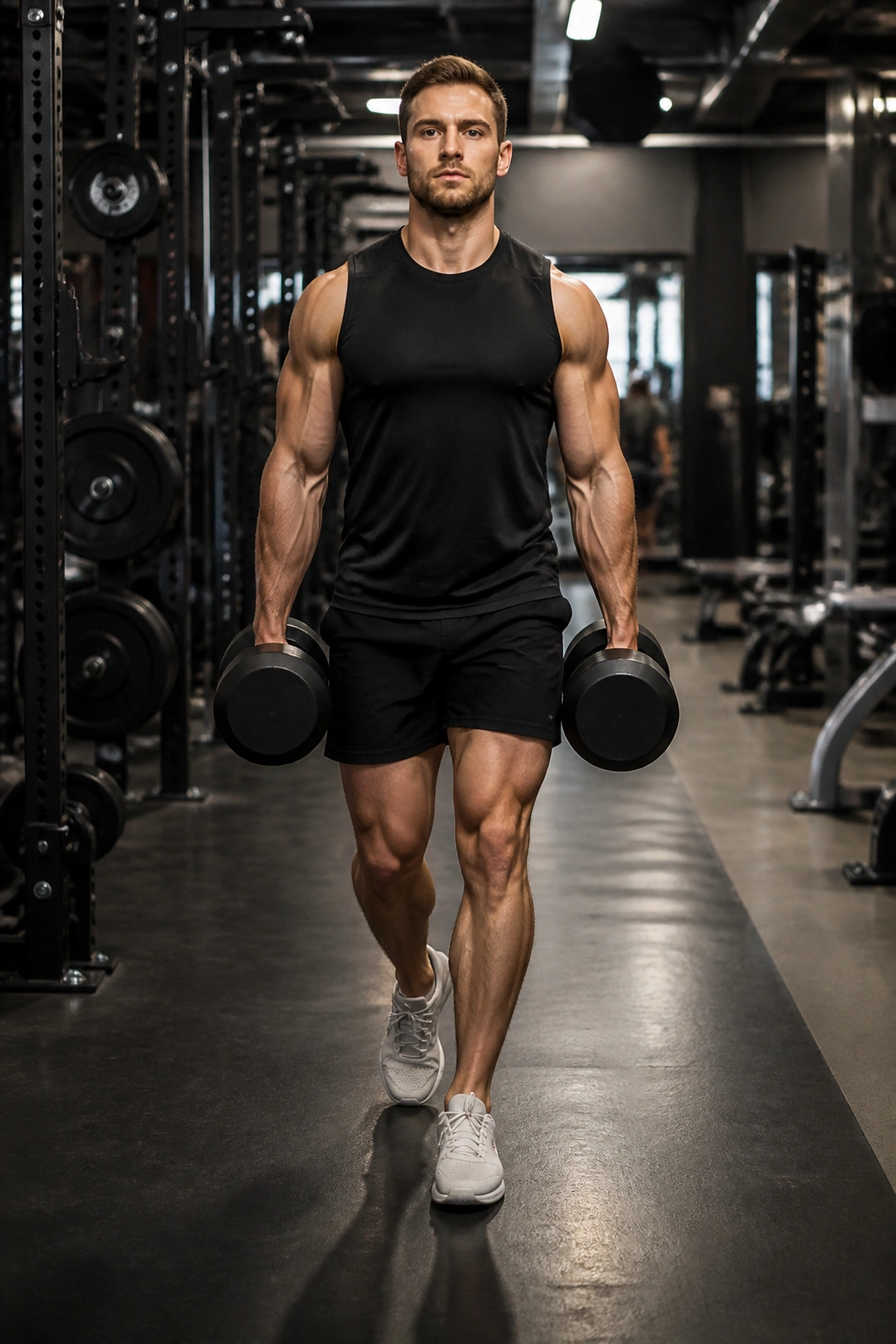
If your gym has dumbbells, you already have a core machine.
The farmer’s carry is simple: grab two heavy weights, stand tall, and walk with control. Your job is to keep the ribs stacked, the shoulders level, and the steps smooth while the load tries to pull you apart. Twenty to 60 meters per round is a good window, depending on the weight.
This one is less about looking athletic and more about becoming harder to knock out of position. Grip strength matters. Posture matters. Even the way your feet land matters. I like farmer’s carries because they punish slouching faster than almost anything else, and they do it without drama.
22. Plank Shoulder Tap Finisher
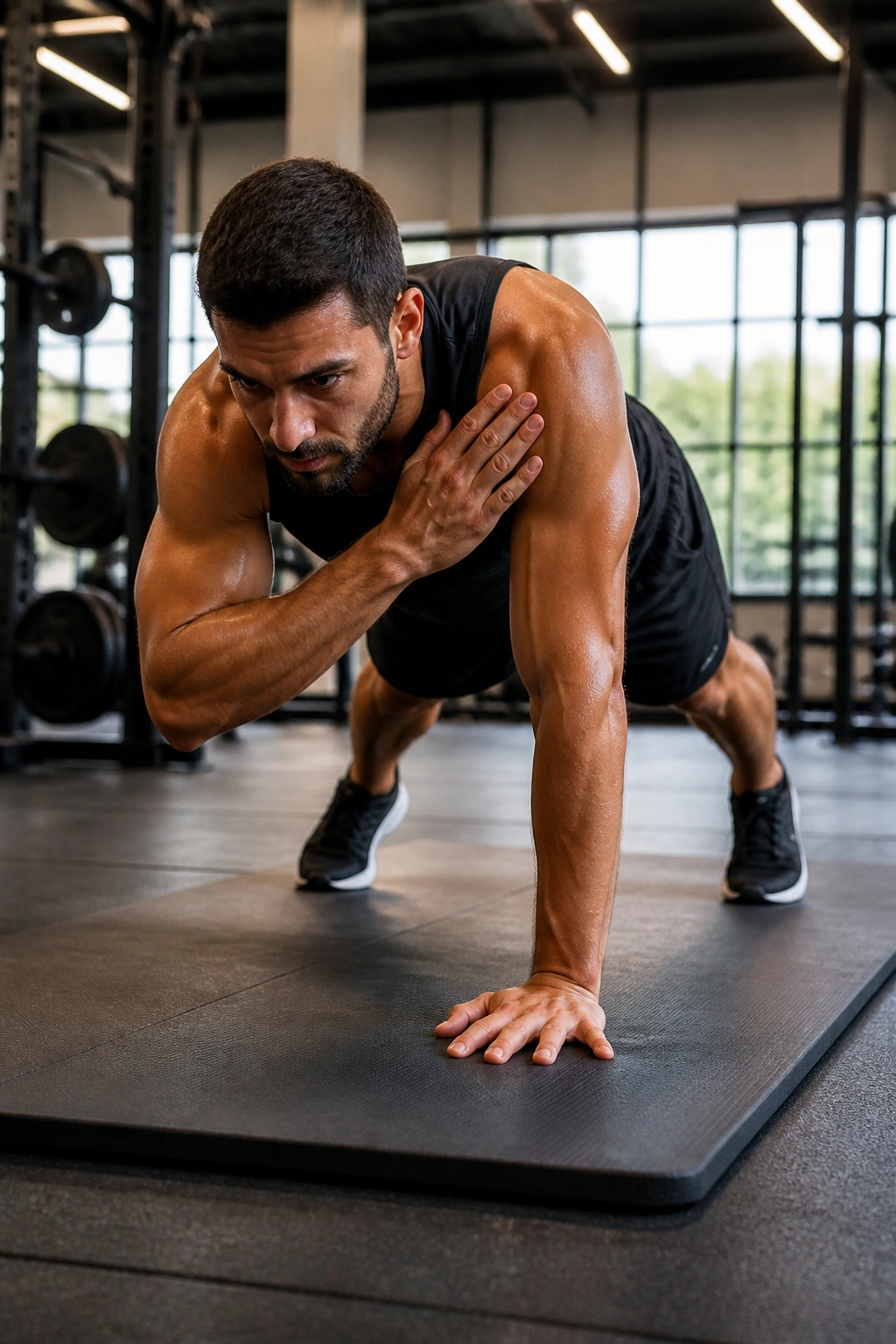
A plank shoulder tap looks mild until your hips start swaying.
Set up in a high plank with the feet a little wider than hip width, then tap one shoulder at a time without letting the torso twist. Ten to twenty taps per side is a strong finisher. If the pelvis rocks, widen the feet a bit more or slow down. The point is to keep the trunk quiet while the hand leaves the floor for a split second.
This is a good closing drill because it ties everything together: anti-rotation, shoulder stability, and front-line bracing. If you want a simple three-move core rotation, pair this with a dead bug and a loaded carry. That combination covers a lot of ground without turning the session into a circus.
