



A strong midsection is built with ab routines that teach your body to brace, resist, and stay steady when your arms and legs are doing something messy. Endless crunches can burn, sure. They can also leave your hip flexors tight, your neck cranky, and your lower back doing more work than it should.
The best core work feels a little boring at first. That’s the good stuff. If your ribs flare, your pelvis tips forward, or your low back arches the second a move gets hard, the exercise is telling you something useful: the core is not the problem to “feel” your way through; it’s the thing to control.
I’ve always liked ab training that looks clean and feels precise. A slow exhale in a dead bug. A quiet plank. A carry that makes you stand taller because one side wants to collapse. Those are the routines that build real strength, the kind you notice when you pick up groceries, sprint for a train, or hold your shape in a hard lift.
The list below sticks to moves and mini-routines that do actual work. Some are beginner-friendly. Some are nasty in the best way. All of them ask your core to do what it was designed to do: hold you together.
1. Dead Bug With a Slow Exhale
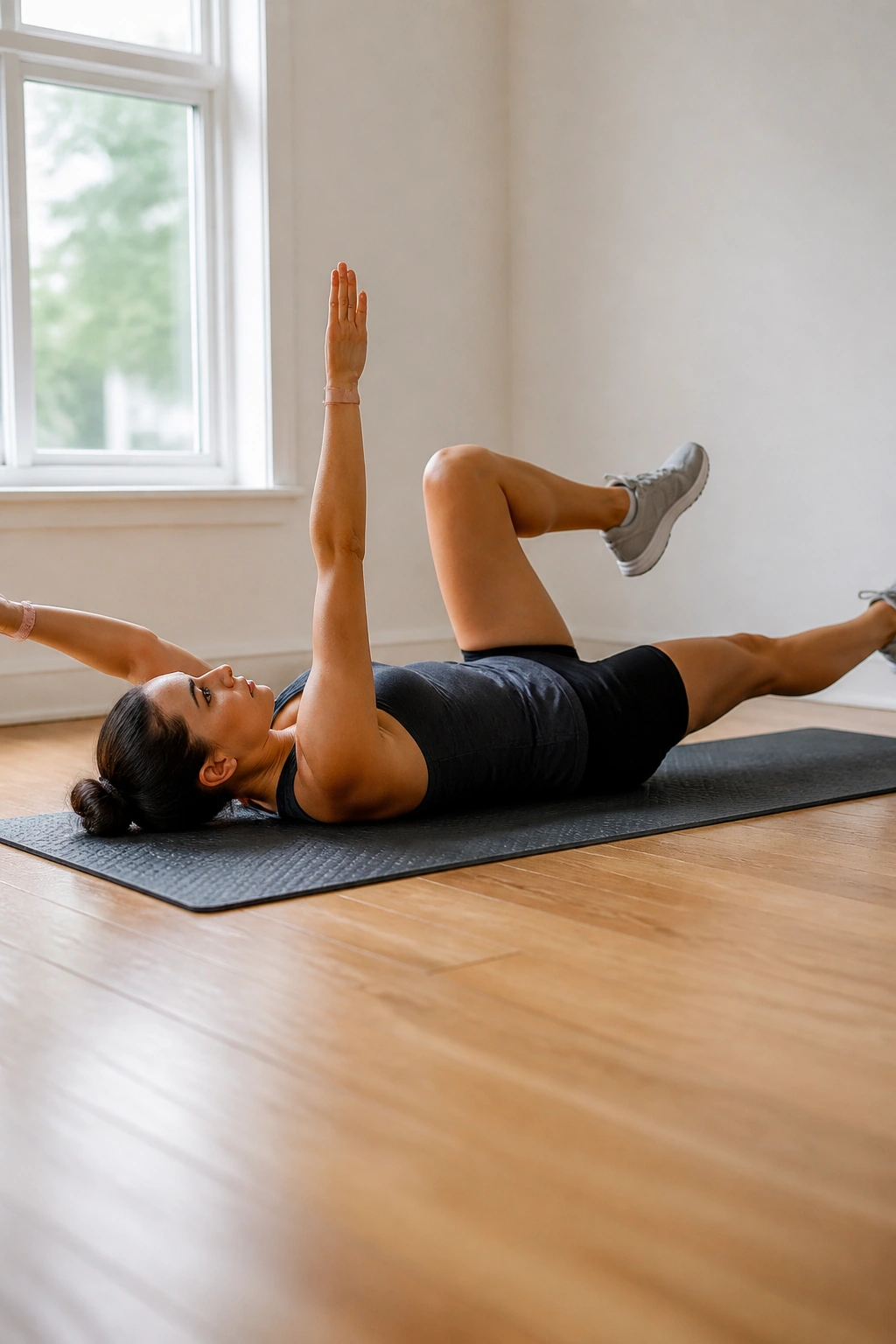
The dead bug is the routine I hand out first when someone wants a stronger core without a lot of drama. It looks easy. It is not easy if you do it correctly. The trick is to keep your lower back gently pressed into the floor while one arm and the opposite leg move away from center.
How to do it
Lie on your back with your arms pointed at the ceiling and your hips and knees bent at 90 degrees. Exhale slowly through your mouth for 4 to 6 seconds as you lower one arm and the opposite leg. Stop before your back arches. Return to the start, switch sides, and move with control for 6 to 10 reps per side.
The slow exhale matters more than people think. It helps your ribs settle down instead of popping up like a tent.
What makes it work
- It trains the deep core muscles that hold your spine steady.
- It teaches you to move your arms and legs without losing your brace.
- It’s easy to scale by shortening the range of motion.
Pro tip: If your lower back lifts, shorten the leg movement first. Don’t chase a big range if the position falls apart.
2. Reverse Crunch With a Pelvic Curl
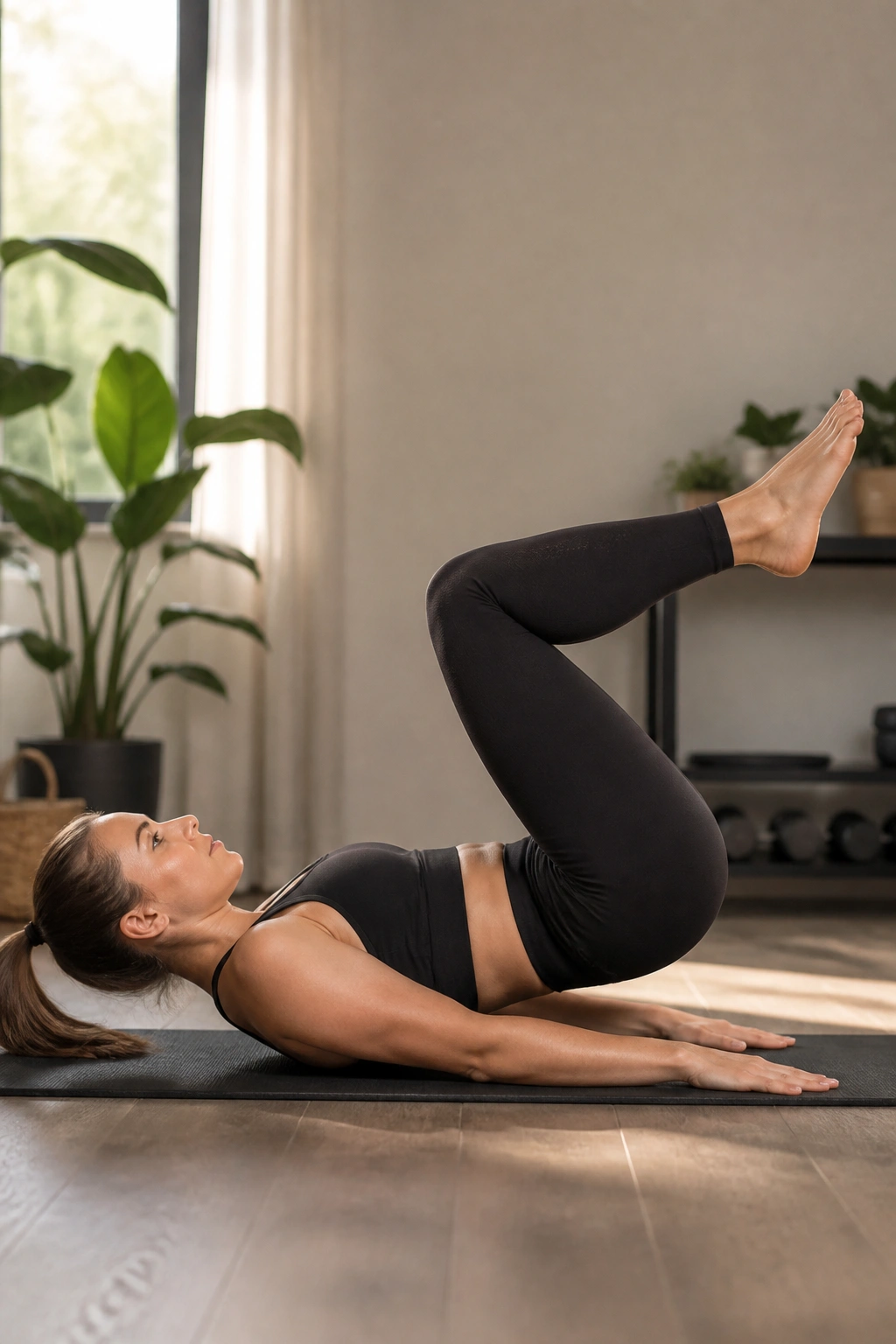
Why do reverse crunches work better than fast floor crunches for so many people? Because they make your abs do the lifting instead of your hip flexors. The motion starts with a small curl of the pelvis, not a wild swing of the legs.
Lie on your back, knees bent, feet off the floor, and press your lower back down. Curl your tailbone toward your rib cage, then lower with control. Think tiny and controlled, not huge and flashy. 8 to 12 reps for 2 to 4 sets is a solid start.
A lot of people throw their feet overhead and call it a rep. Nope. If the hips are rocking and the momentum is doing the work, the abs are mostly watching. Keep the movement short and deliberate, and you’ll feel that lower-abdomen burn turn on fast.
Common mistakes to avoid
- Swinging the legs instead of curling the pelvis
- Letting the lower back arch on the way down
- Using speed to fake strength
3. Hollow Body Hold
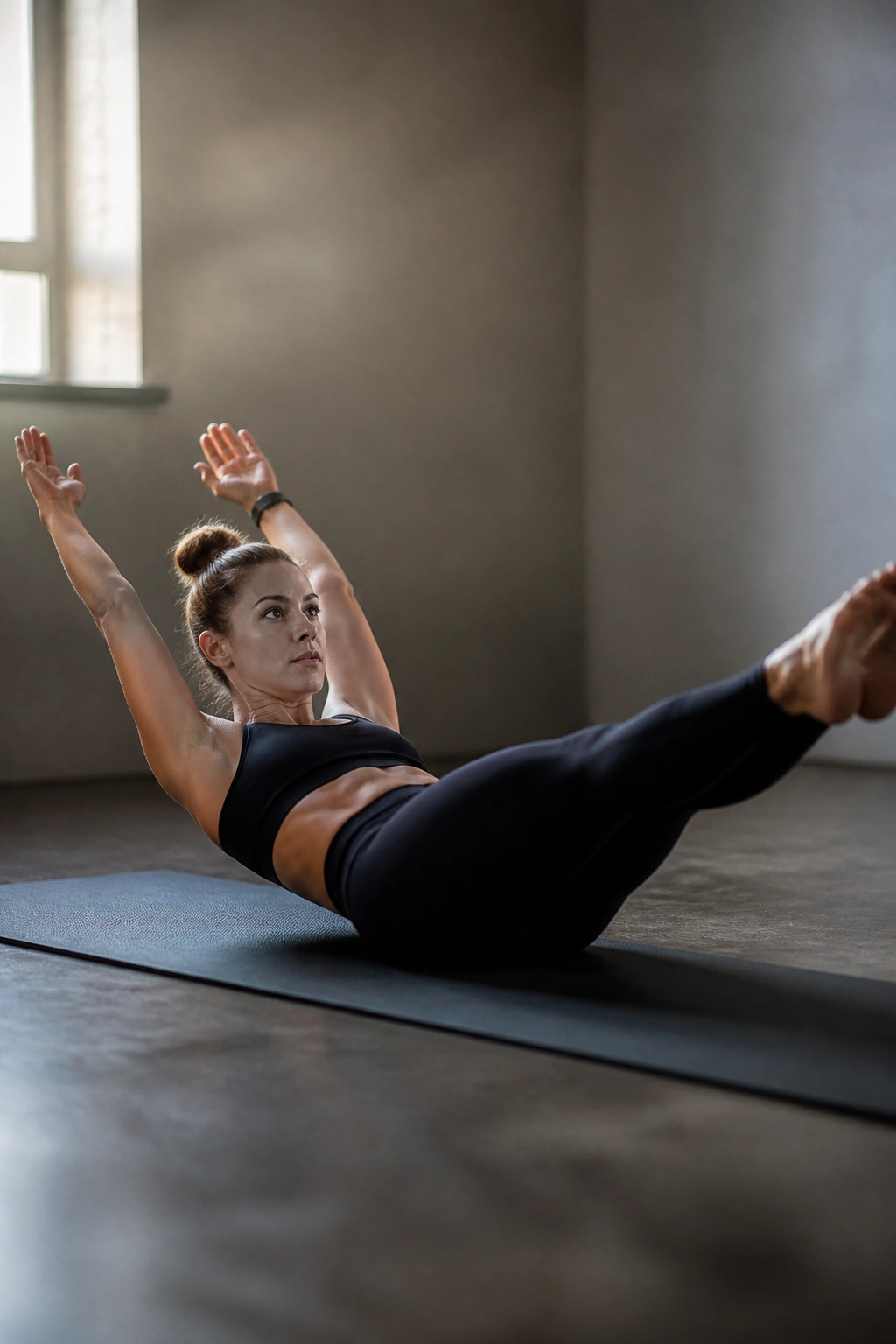
The hollow body hold looks like a gymnastic move because it is one. It also happens to be one of the best ways to teach the whole front side of your torso to stay tight. Your low back should stay glued to the floor. If it doesn’t, the hold is too hard.
Start with your knees tucked if needed. Arms reach overhead, chin slightly tucked, ribs pulled down, legs extended only as far as you can control. Hold for 10 to 30 seconds, rest, and repeat for 3 rounds.
Scaling it back
If the full version feels like a fight, bend the knees and keep the shins parallel to the floor. That version still works. Actually, it works better than a sloppy full version with an arched back.
A good hollow hold feels like your midsection is wrapped in a belt. A bad one feels like a low-back complaint waiting to happen.
4. Forearm Plank Shoulder Taps
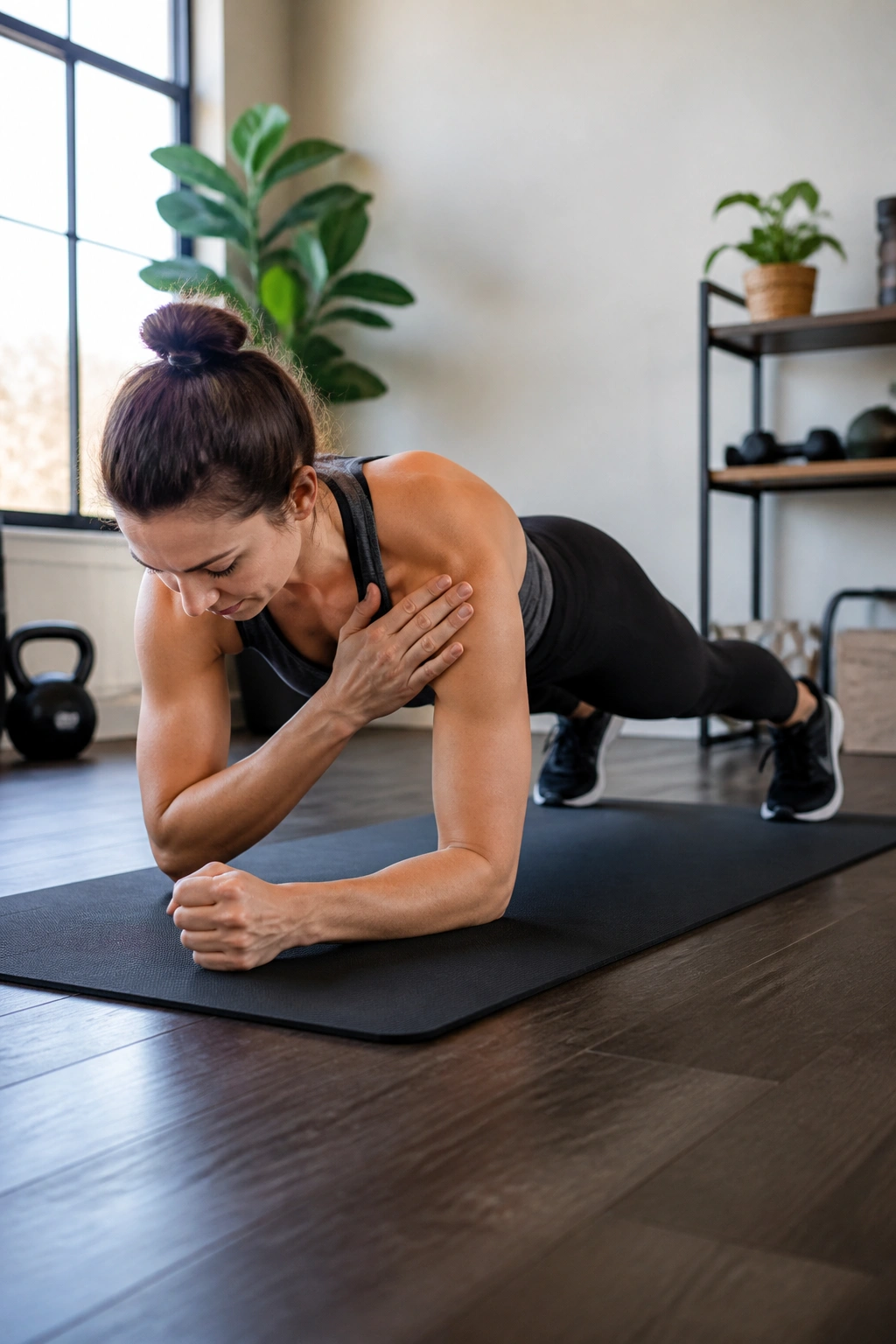
Most plank variations are fine. The ones that force you to resist twisting are better. Forearm plank shoulder taps do that beautifully, because the second one hand leaves the floor, your core has to stop your hips from shifting side to side.
Set up in a forearm plank with your feet a little wider than hip width. Tap one shoulder, then the other, while keeping your hips level. Move slowly enough that nothing sloshes around. 10 to 20 taps total is enough to make the point.
The biggest mistake is rushing. Speed turns this into a mess of rocking hips and half reps. Spread your feet wider if needed. A stable plank with slightly wider feet beats a narrow plank that looks hard but falls apart in five seconds.
What to watch for
- Hips staying square to the floor
- Neck long, gaze slightly ahead of your hands
- Belly tight, not sagging
5. Bicycle Crunch Done Slowly
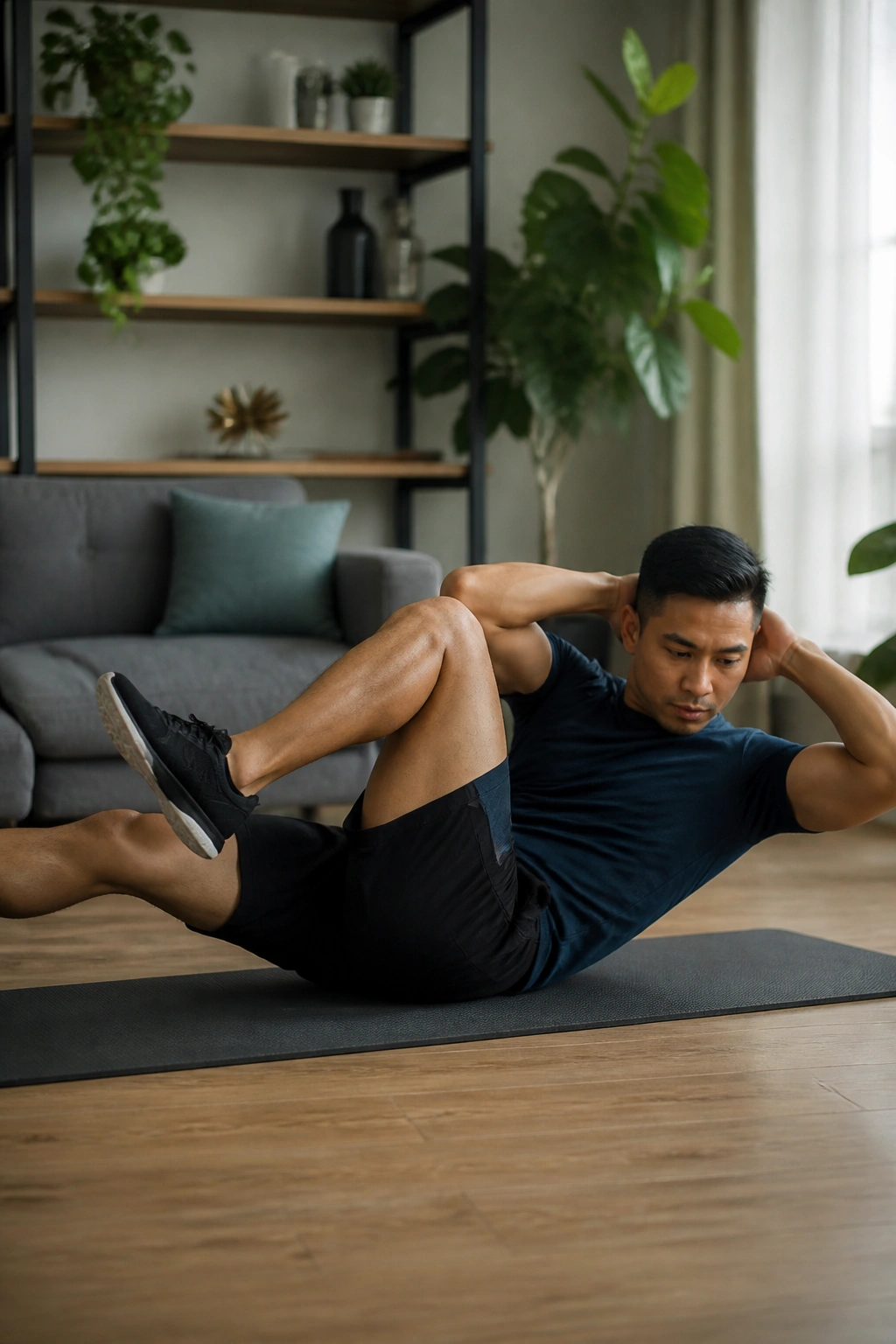
Fast bicycle crunches are the reason a lot of people think this move is trash. Slow them down and the story changes. The goal is not to elbow the opposite knee like you’re trying to win a race. The goal is to rotate through your ribs while keeping your core braced.
Lie on your back, lift your shoulder blades, and move with control. Bring one elbow toward the opposite knee, extend the other leg, then switch. A slow pace of 8 to 12 reps per side is enough.
How to get the most from it
Keep your hands light behind your head. If you’re yanking your neck, you’re cheating the move and irritating your upper back for no reason. Also, don’t let your lower back arch as the extended leg reaches out.
This is a classic for a reason. Done well, it hits the obliques, the upper abs, and the coordination you need to keep your torso organized when your legs are moving fast.
6. Bird Dog With a Pause
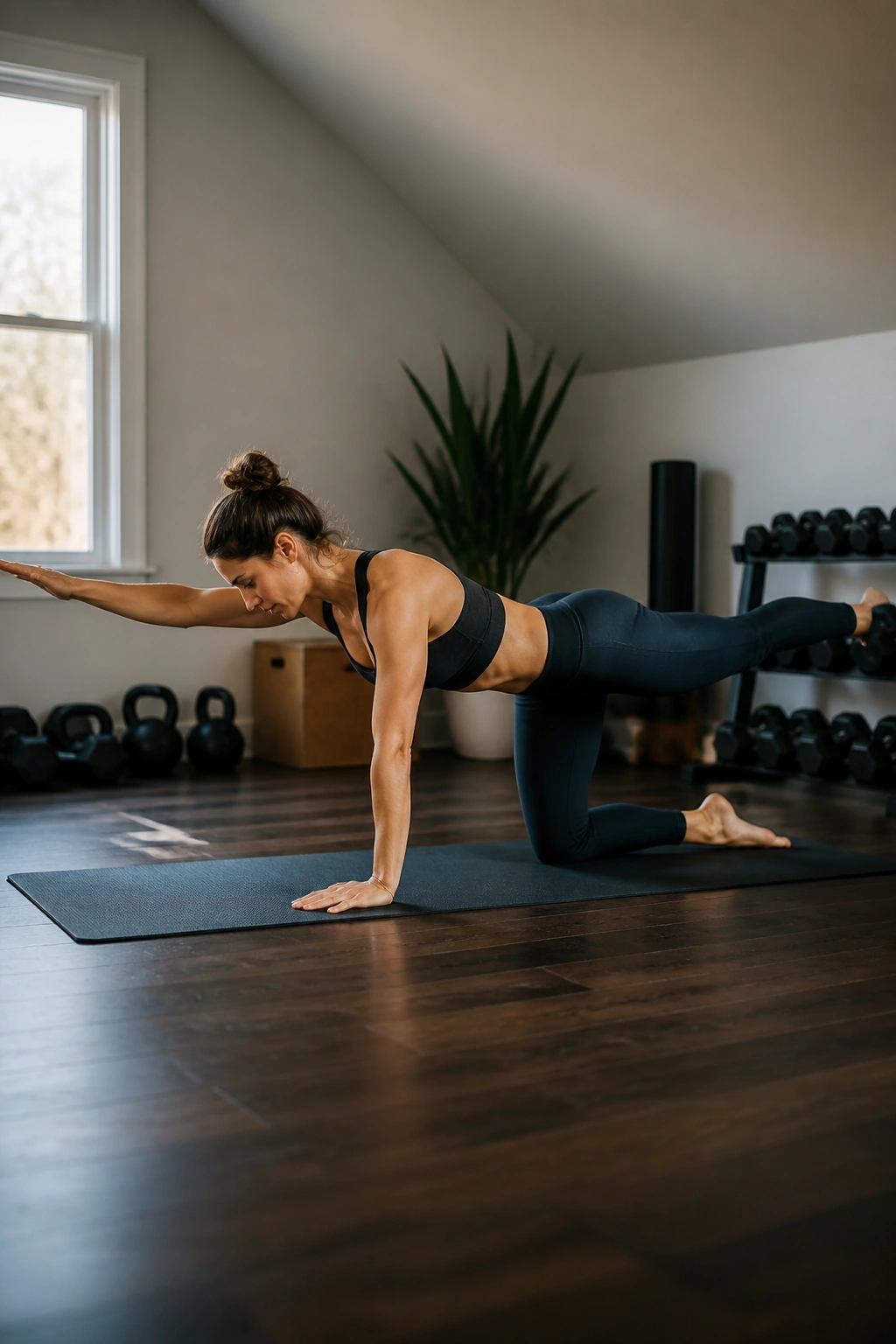
The bird dog doesn’t look like an ab exercise. That’s exactly why I like it. It teaches the body to stay still while one arm and one leg reach away from each other, which is a huge deal if you want a core that behaves under load.
Start on hands and knees. Reach one arm forward and the opposite leg back until both are long, not high. Pause for 2 to 5 seconds, then return without letting your hips twist. Do 6 to 8 reps per side.
That pause is the whole point. If you rush through it, the shoulders and hips start chasing each other around the room. Slow enough, and you feel the abs wake up to hold the spine in place.
Key details
- Hips stay level, not open to one side
- Ribs stay pulled in
- Neck stays long and relaxed
7. Slow Mountain Climbers
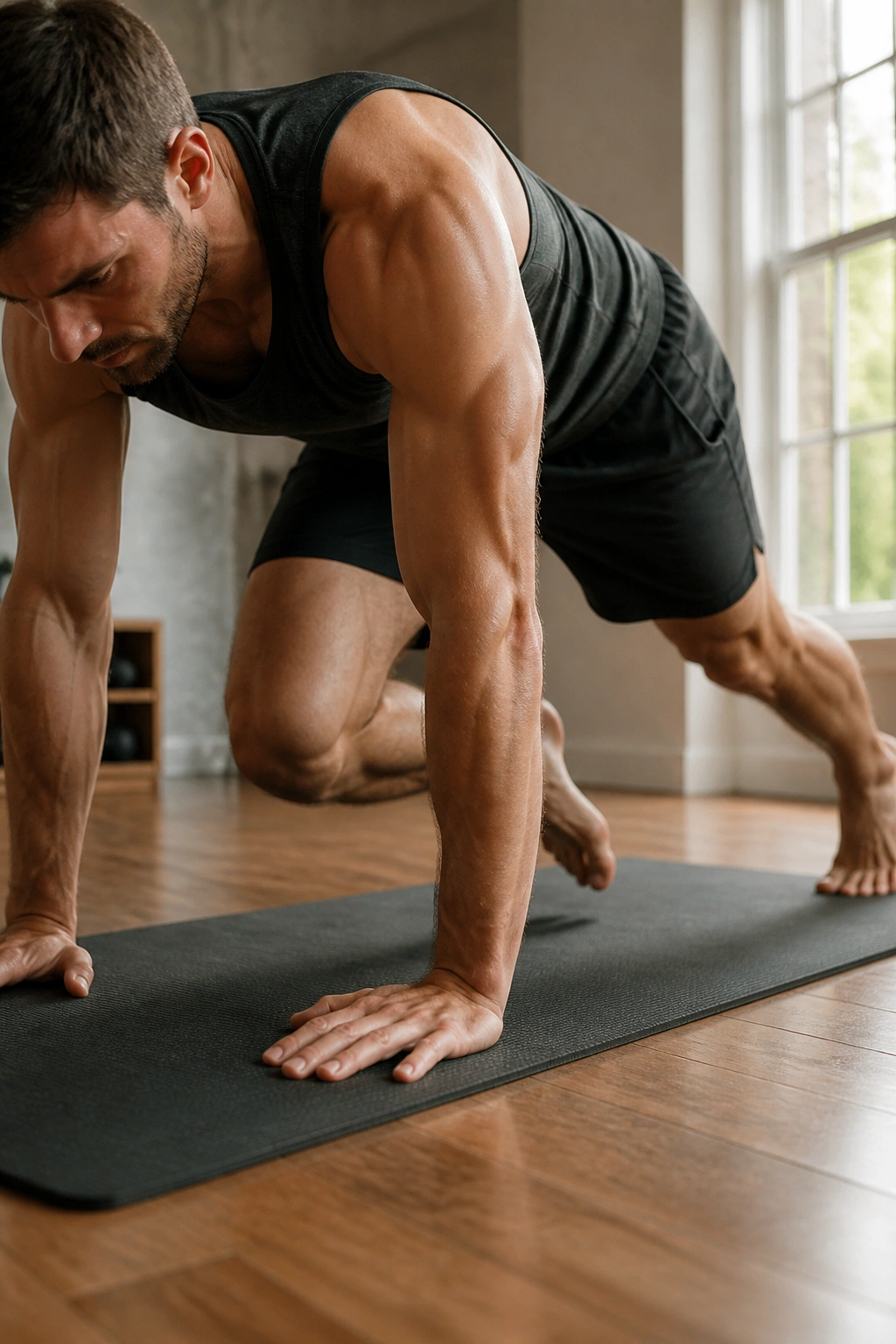
Most people turn mountain climbers into cardio chaos. Fine if that’s the goal. Not great if you want stronger abs. Slowing them down makes your core work to stop your pelvis from bouncing every time a knee drives forward.
Set up in a high plank. Bring one knee toward your chest, set it back down, then switch sides with control. Keep your shoulders stacked over your wrists and your hips low. Work for 20 to 40 seconds or 8 to 12 reps per leg.
The nice thing here is that you’ll feel your core fatigue before your lungs fully fold. That’s a useful line to find.
If your lower back starts sagging, shorten the range or widen your stance. Messy mountain climbers are everywhere. Quiet, controlled ones are harder and far more useful.
8. Side Plank With Hip Lifts
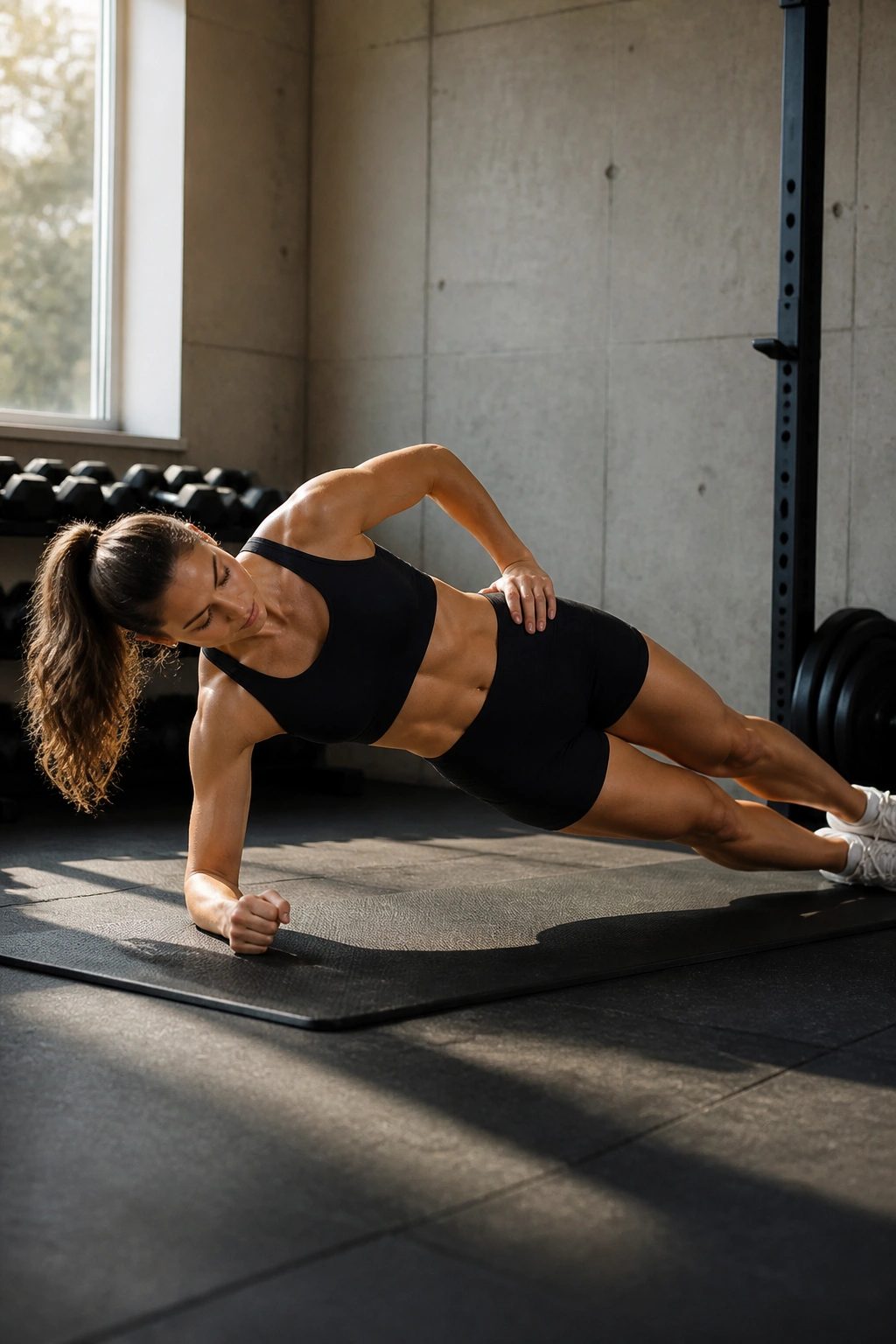
The side plank is one of the cleanest ways to train the obliques and the muscles along the side of your trunk. Add hip lifts and you get a little more movement, a little more burn, and a lot more demand on the stabilizers around the waist.
What makes it different
Hold a side plank on your forearm, feet stacked or staggered if balance is shaky. Lower your hips a few inches, then lift them back to a straight line. 6 to 10 lifts per side is a smart target.
The hips should move like one unit. If your top shoulder rolls forward or your torso folds, the exercise turns into a shruggy mess. Keep the body in one long line and think about pressing the floor away.
What to watch for
- Elbow under shoulder
- Neck neutral, not tilted
- Bottom hip lifted, not collapsed
This one is sneaky. It looks small. It is not small.
9. Hanging Knee Raise
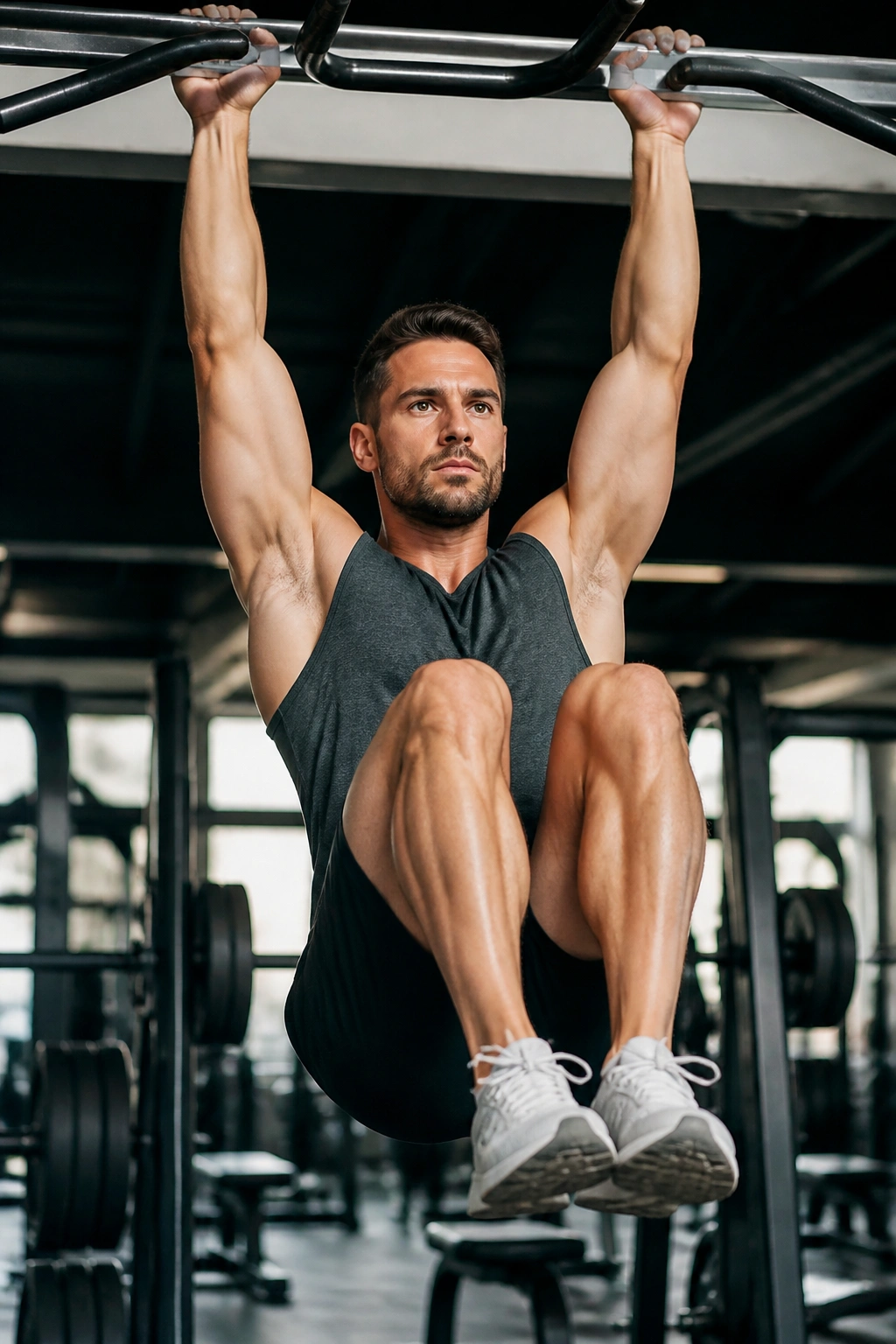
If you have a pull-up bar, hanging knee raises earn their place fast. They train the lower abs while forcing your grip, shoulders, and lats to stay organized. The bar creates honest feedback. Swing too much and the whole body tells on you.
Hang with the ribs down and shoulders active. Bend the knees and lift them toward the chest without kicking. At the top, think about curling the pelvis up a little, not just lifting the thighs. Lower under control for 6 to 10 reps.
The common failure mode is a big swing. That turns the routine into a pendulum. If you need to, start with smaller knee raises and a brief pause at the top.
Some people love straight-leg raises here. I wouldn’t start there. Knees bent is cleaner, safer, and usually harder in the right way because you can keep the torso from cheating.
10. Russian Twist With a Tall Spine
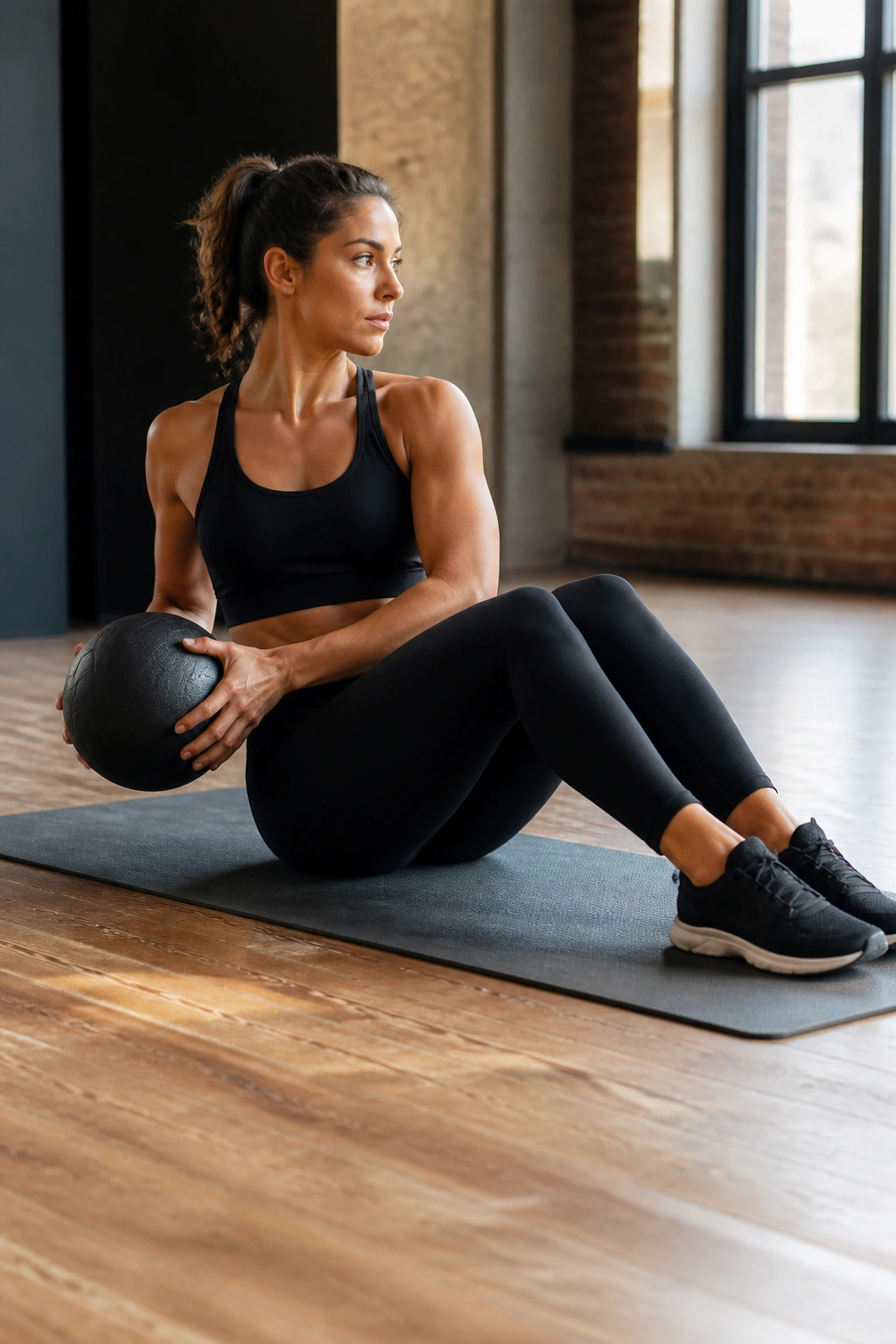
Russian twists get blamed a lot, and not always fairly. Done with control and a tall spine, they train rotation through the torso and help you own that side-to-side movement. Done with a rounded back and a heavy weight, they can become a hip flexor tug-of-war.
Sit with your feet on the floor or lifted slightly if you’re strong enough to keep your back long. Rotate your rib cage side to side and tap the floor or a light medicine ball near each hip. Aim for 10 to 16 total touches.
A better way to think about it
Keep the movement from your torso, not your hands. Your arms are just carrying the load from one side to the other. If your shoulders hunch and your lower back rounds, the twist has gone too far.
For a lot of people, feet down is the smarter version. It gives you enough support to rotate cleanly without turning the rep into a balance contest.
11. Toe Touch Crunch
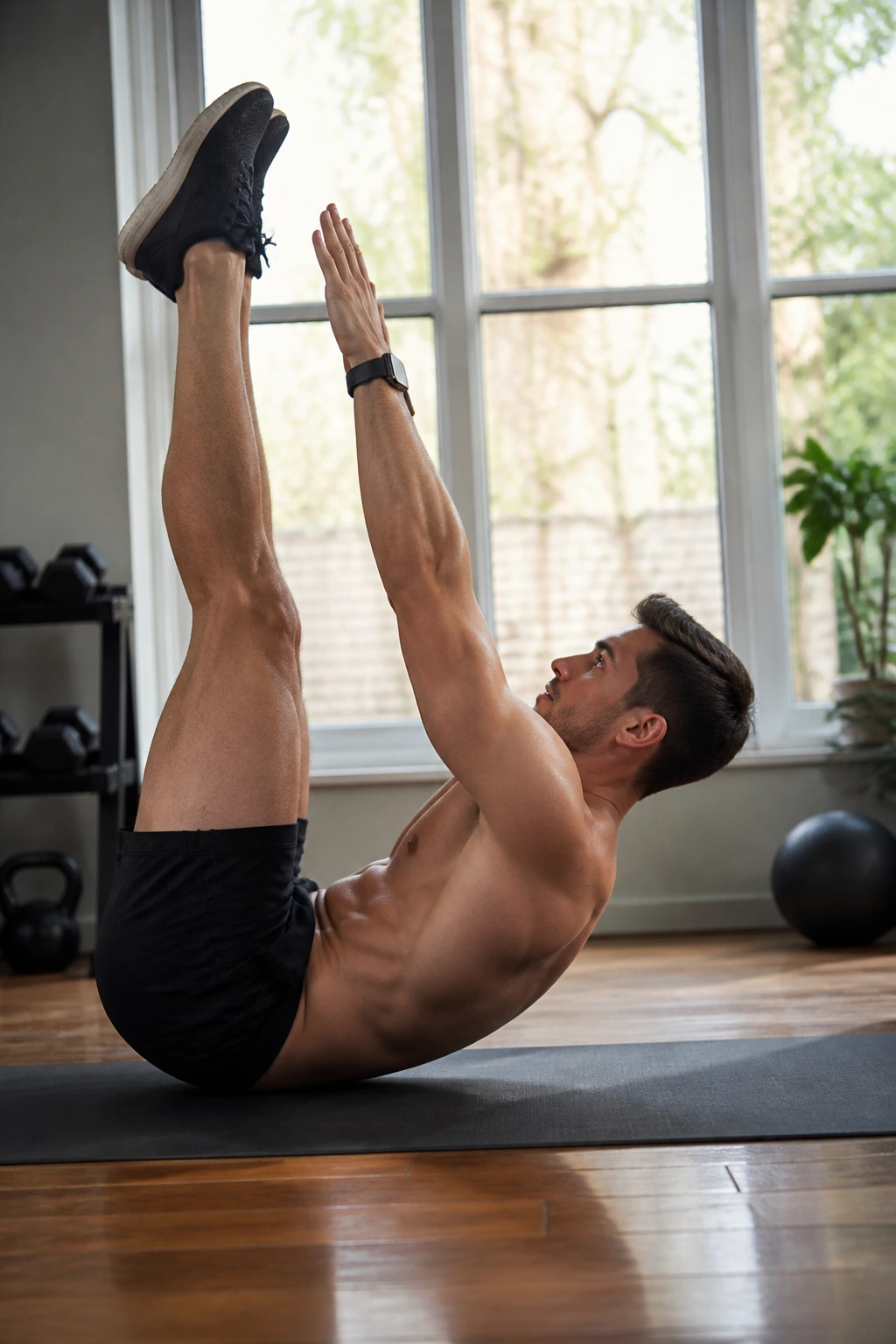
Toe touch crunches are old-school, and I still use them because they tell the truth fast. The reach upward makes your upper abs fire, but only if you keep the movement crisp and don’t fling your legs around to create fake momentum.
Lie on your back with legs raised straight up or slightly bent. Reach your hands toward your toes, lifting your shoulder blades off the floor. Lower with control and repeat for 10 to 15 reps.
The key is small, clean reps. If your chin is jammed into your chest or your neck hurts, back off. Your abs should feel like they’re closing the front of your body, not like your neck is doing a pull-up.
Quick cues
- Exhale as you reach up
- Keep legs still
- Lower slowly, not with a thud
12. Bear Plank Hold
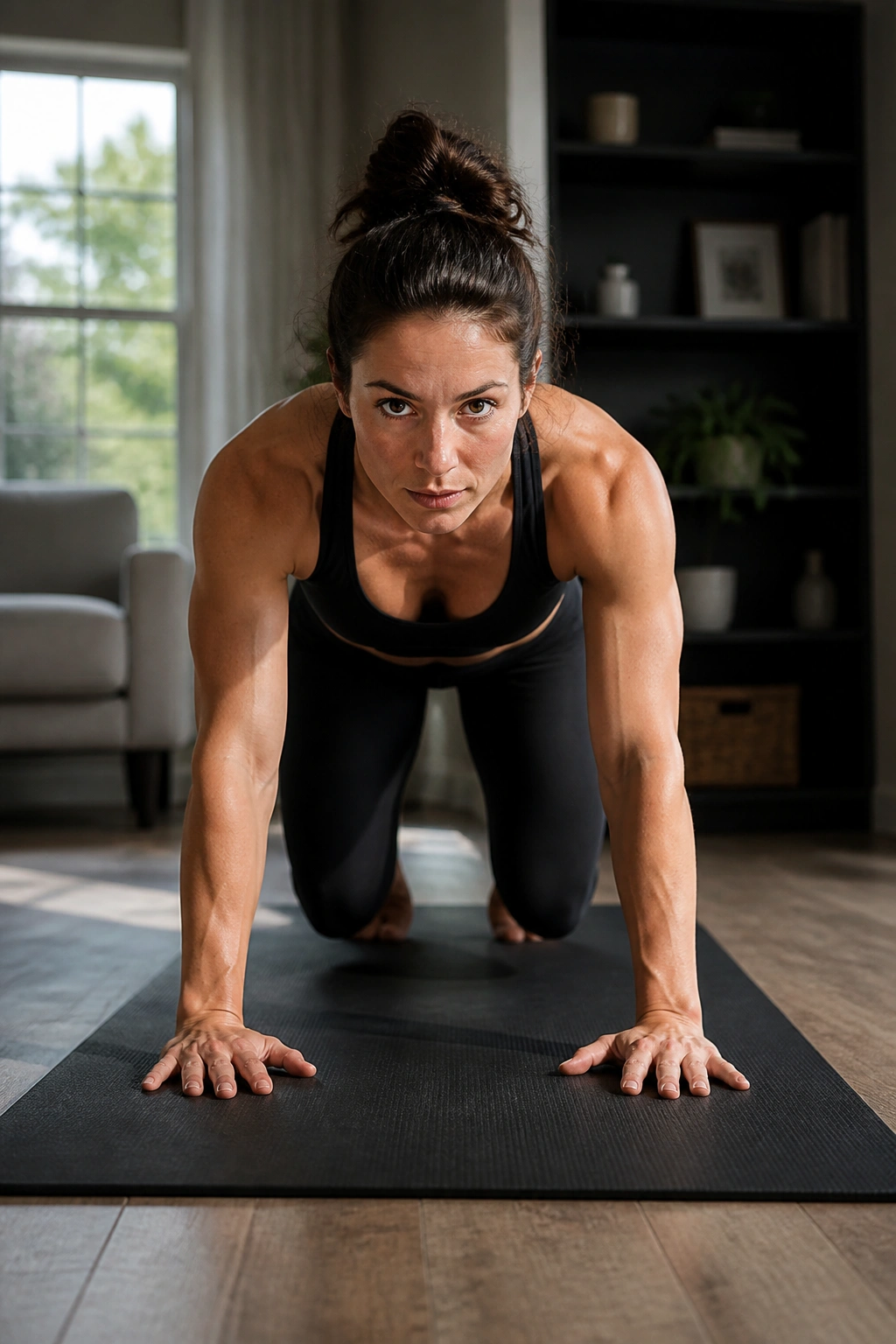
A bear plank is the kind of routine that looks modest until about ten seconds in. Knees hover an inch or two off the floor, back flat, ribs tucked, and the whole body starts shaking if you lose position. That shake is part of the lesson.
Set your hands under your shoulders and knees under your hips. Lift the knees a few inches and hold for 15 to 30 seconds. Keep breathing. Don’t hold your breath like you’re trying to survive a bad idea.
Common mistakes
- Hips too high, which turns it into a lazy plank
- Back sagging, which takes the work out of the core
- Knees drifting too close to the floor
I like this one because it pairs bracing with real-world tension. Your core has to organize the trunk while your hips and shoulders share the load. It feels honest. It is.
13. Stability Ball Rollouts
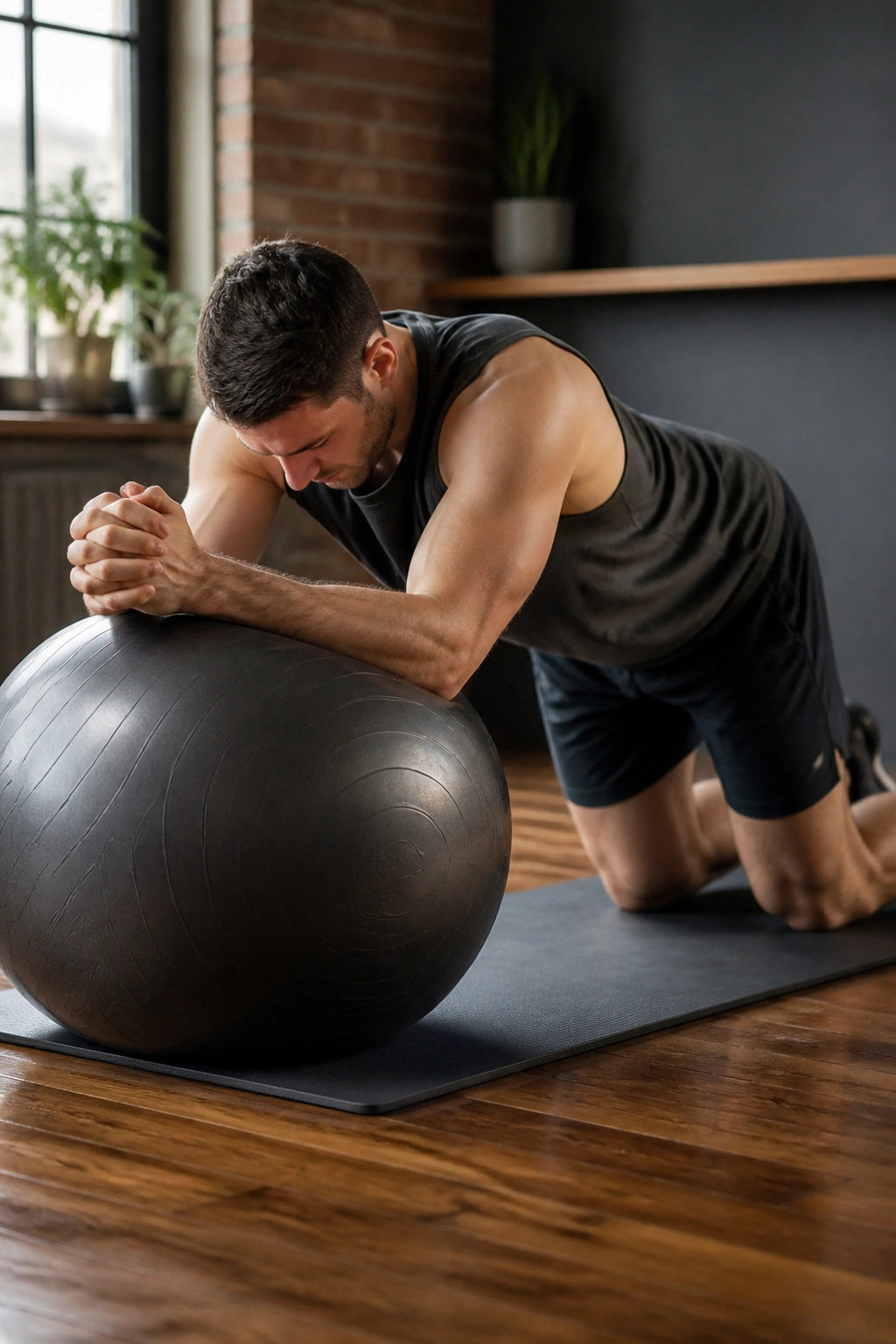
A stability ball rollout is one of the best ab routines for people who want a stronger core without a hundred crunches. It trains anti-extension, which means your abs have to stop your low back from arching as your arms move forward.
Kneel with your forearms on the ball. Roll it out slowly until you feel your ribs start to flare or your back start to dip. Stop there. Pull back using your abs, not a yank from the shoulders. Start with 6 to 10 reps.
How far to roll
Not far. That’s the honest answer. A short rollout done with perfect control beats a long reach that folds your spine in half. If you can go farther and still keep your shape, great. If not, keep the range smaller and own it.
This move can light up the front of your torso in a way that surprises people who think abs are all about curling.
14. Flutter Kicks
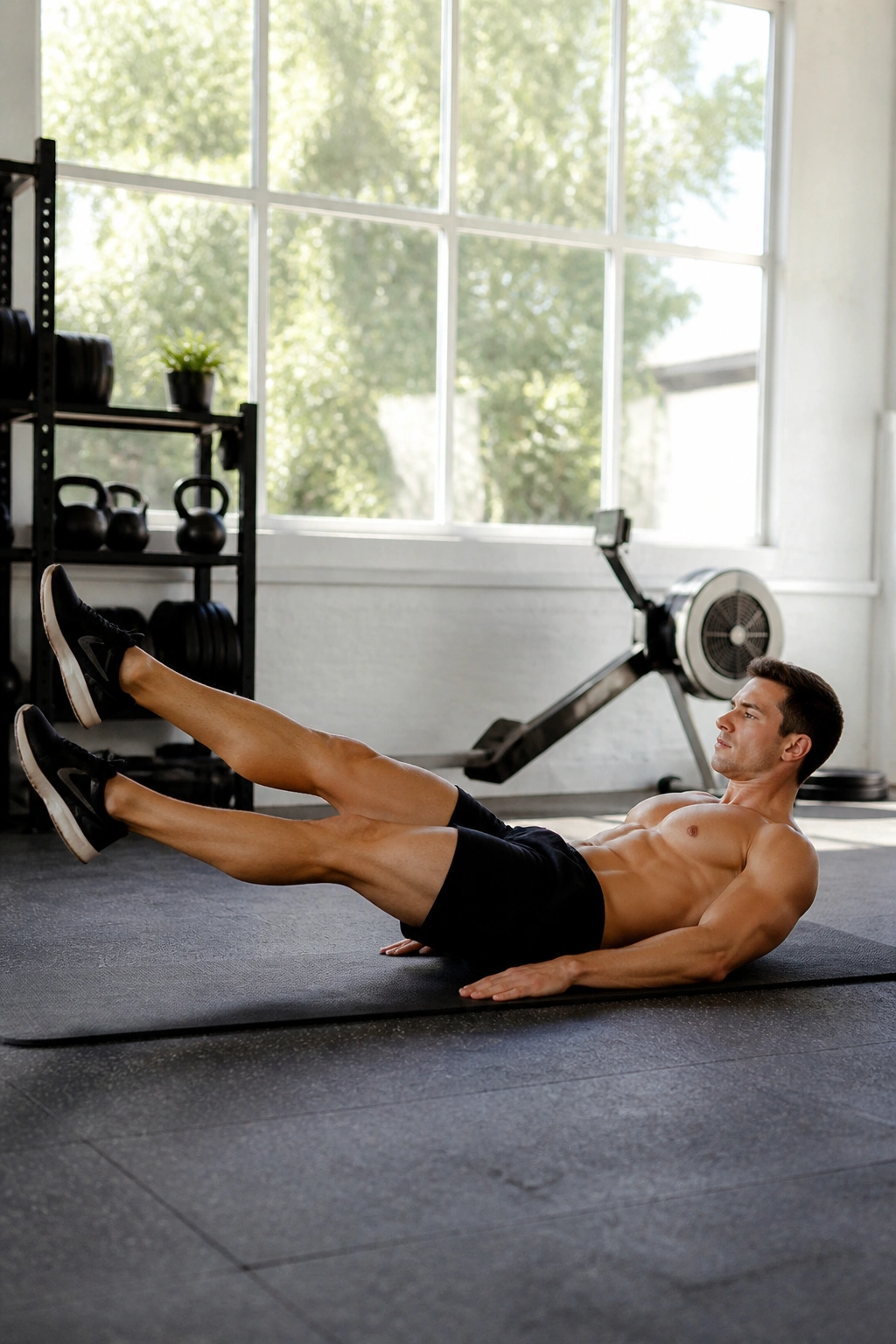
Flutter kicks are simple, brutal, and easy to fake. The difference between a useful set and a wasted one is the low back. If your back arches off the floor, the abs are gone and the hip flexors are taking over.
Lie on your back, hands under your hips if needed. Raise your legs a few inches off the floor and make short alternating kicks. Keep the motion small and the tempo steady for 20 to 30 seconds.
The honest version
A lot of people kick too high. Don’t. Lower is harder and cleaner, as long as the back stays pressed down. If the lower back lifts, bend the knees a little or bring the feet higher.
This routine is not fancy. It works because it forces continuous tension. Hold the position, breathe through it, and keep the kicks small enough that you can stay in control.
15. Cross-Body Dead Bug
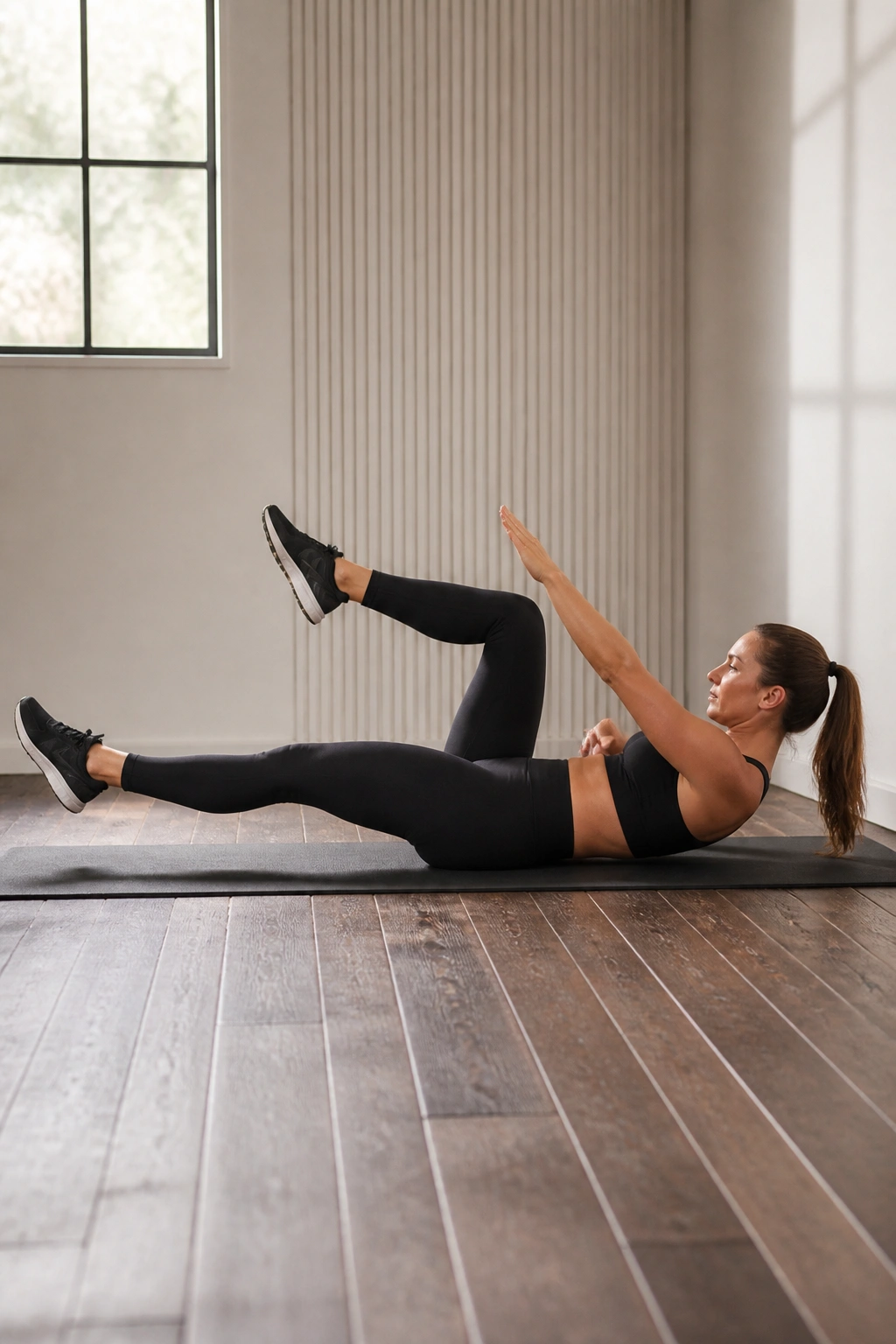
If the regular dead bug feels a little too easy, the cross-body version adds more demand without turning into chaos. The opposite hand reaches toward the opposite knee or thigh while the other arm and leg stay long, and the core has to stop the torso from twisting.
Start on your back with knees in tabletop. Extend one leg and the opposite arm while the other knee and arm stay in place, then switch. Keep the movement smooth for 6 to 8 reps per side.
The win here is control under asymmetry. One side of the body reaches while the other side resists. That’s closer to how real movement works than a lot of flat-floor ab burning contests.
If your shoulder creeps toward your ear, relax it. If your back arches, shorten the reach. Clean rep. Clean rep. That matters more than range.
16. V-Ups
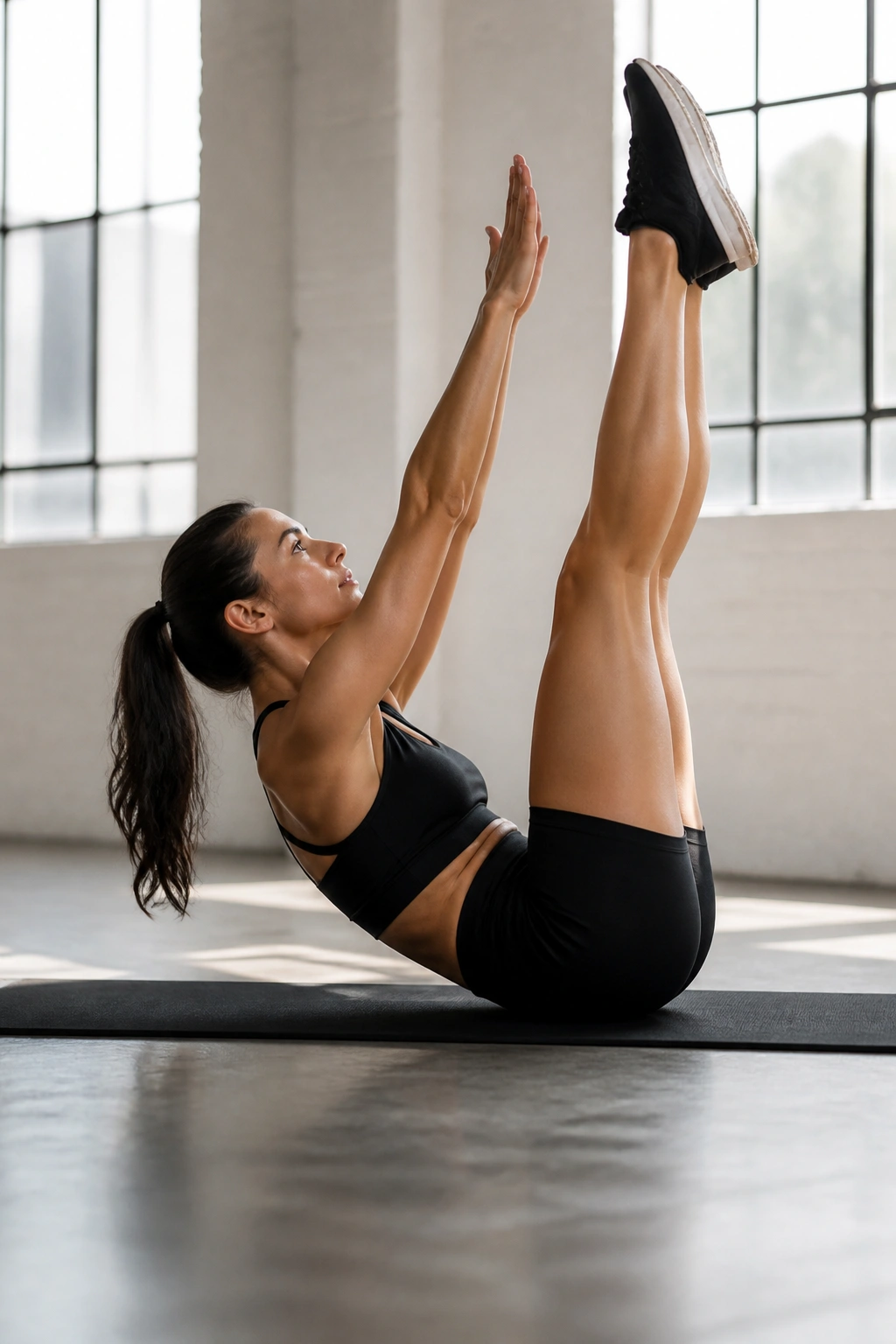
V-ups are one of those routines that expose everything. Weak abs, tight hamstrings, rushed reps. All of it shows up. Done well, they train the upper and lower abs together and force the torso and legs to meet in the middle with real control.
Lie flat, arms overhead. Lift your torso and legs at the same time, reaching hands toward feet. Lower slowly. Start with 6 to 10 reps and use bent knees if the full version is too much.
What makes them hard
The timing. You have to lift and fold at the same time without turning it into a sloppy jackknife. If your lower back feels pinched, shorten the range and keep the movement smooth.
Some people love chasing high reps here. I don’t. Fewer clean reps are better than a pile of rushed ones that yank on the hip flexors.
17. Heel Taps
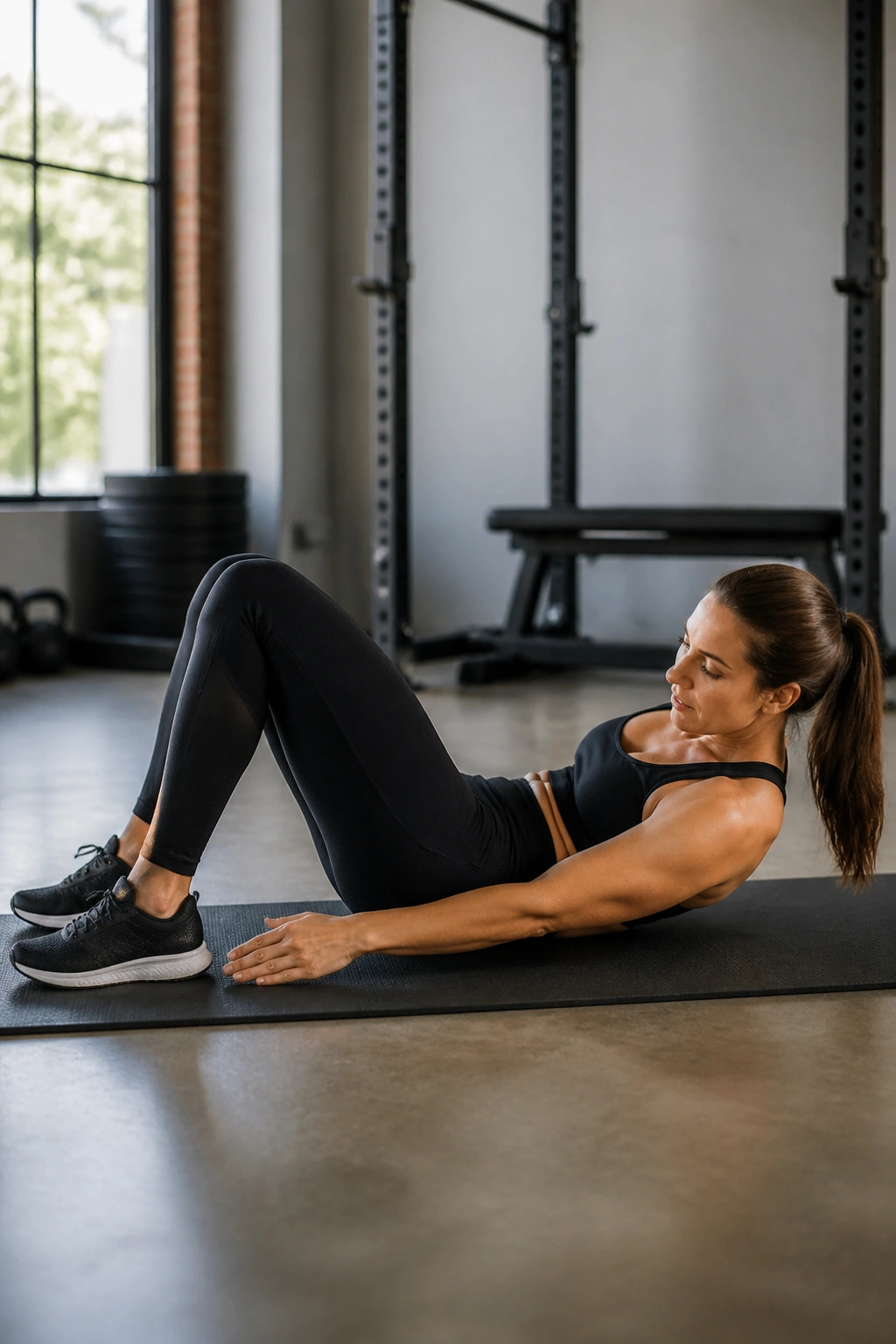
Heel taps are a great beginner routine because they make the abs work while the spine stays on the floor. You lie back, crunch the shoulder blades off the ground, and tap from side to side without letting the torso flop around.
Bend your knees, feet flat, then lift your head and shoulders slightly. Reach one hand toward the same-side heel, then the other. Keep the movement controlled for 12 to 20 total taps.
Why people keep coming back to it
It’s simple enough to learn fast and hard enough to matter. If your neck gets tired, support your head lightly with one hand between sets and focus on a smaller crunch range.
The best version feels like the waist is narrowing as you tap. Not huge. Not dramatic. Just steady, careful work through the sides of the torso.
18. Forearm Plank Marches
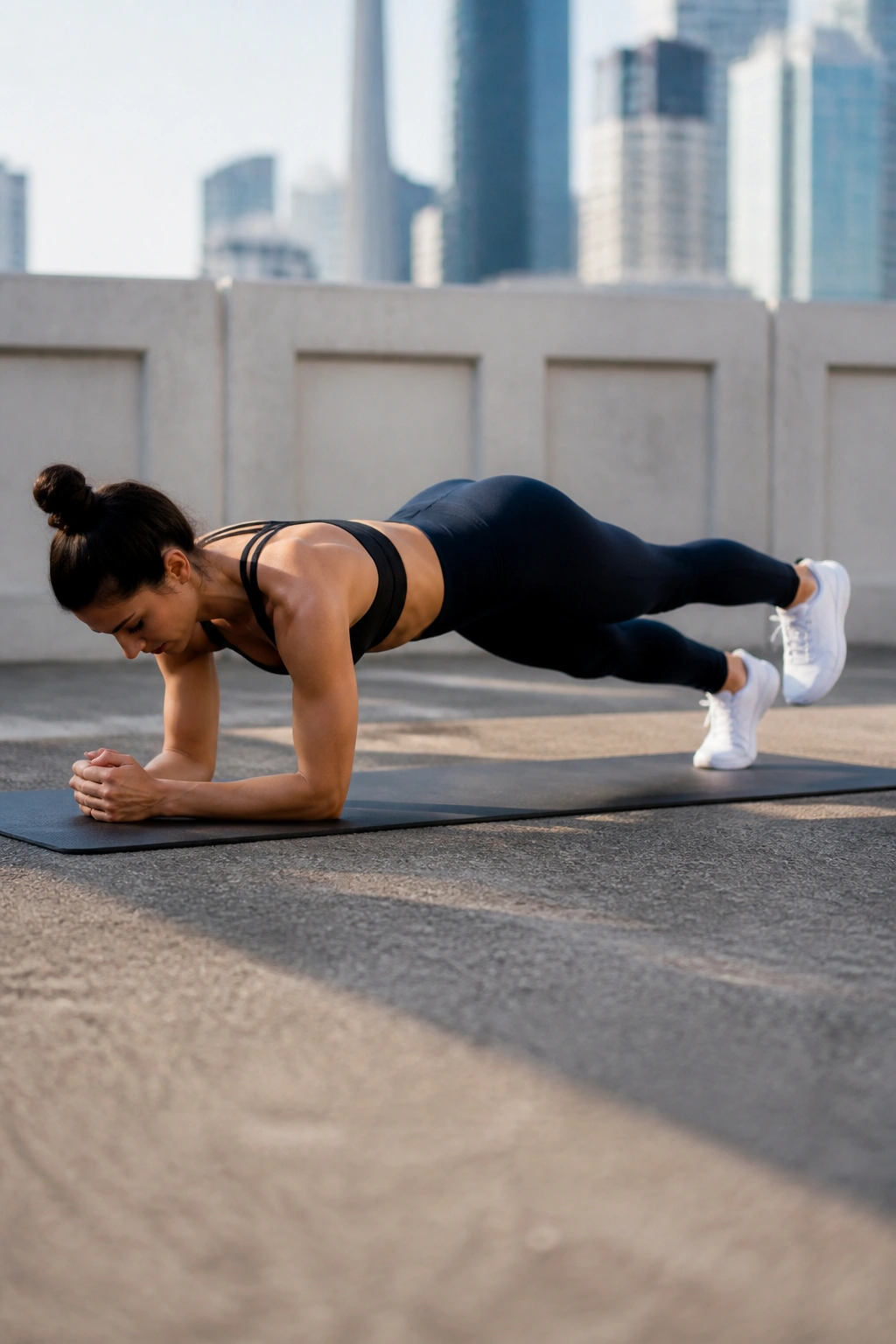
A forearm plank march sounds tame until you try to keep your hips from shifting. Lift one foot an inch, set it down, switch sides, and keep the torso still. That’s the whole game.
Hold a forearm plank with feet hip width or a little wider. March one foot at a time while trying not to rock. Go for 8 to 12 marches per side or 20 to 30 seconds.
What to feel
Your abs should act like the floor of a strong box. The shoulders and glutes help, but the center has to stay glued together. If your pelvis sways, widen your stance and slow the march down.
This is one of those routines that looks a bit boring on paper and feels mean in practice. Good. Boring-looking core work is often the stuff that builds the most useful strength.
19. Windshield Wipers
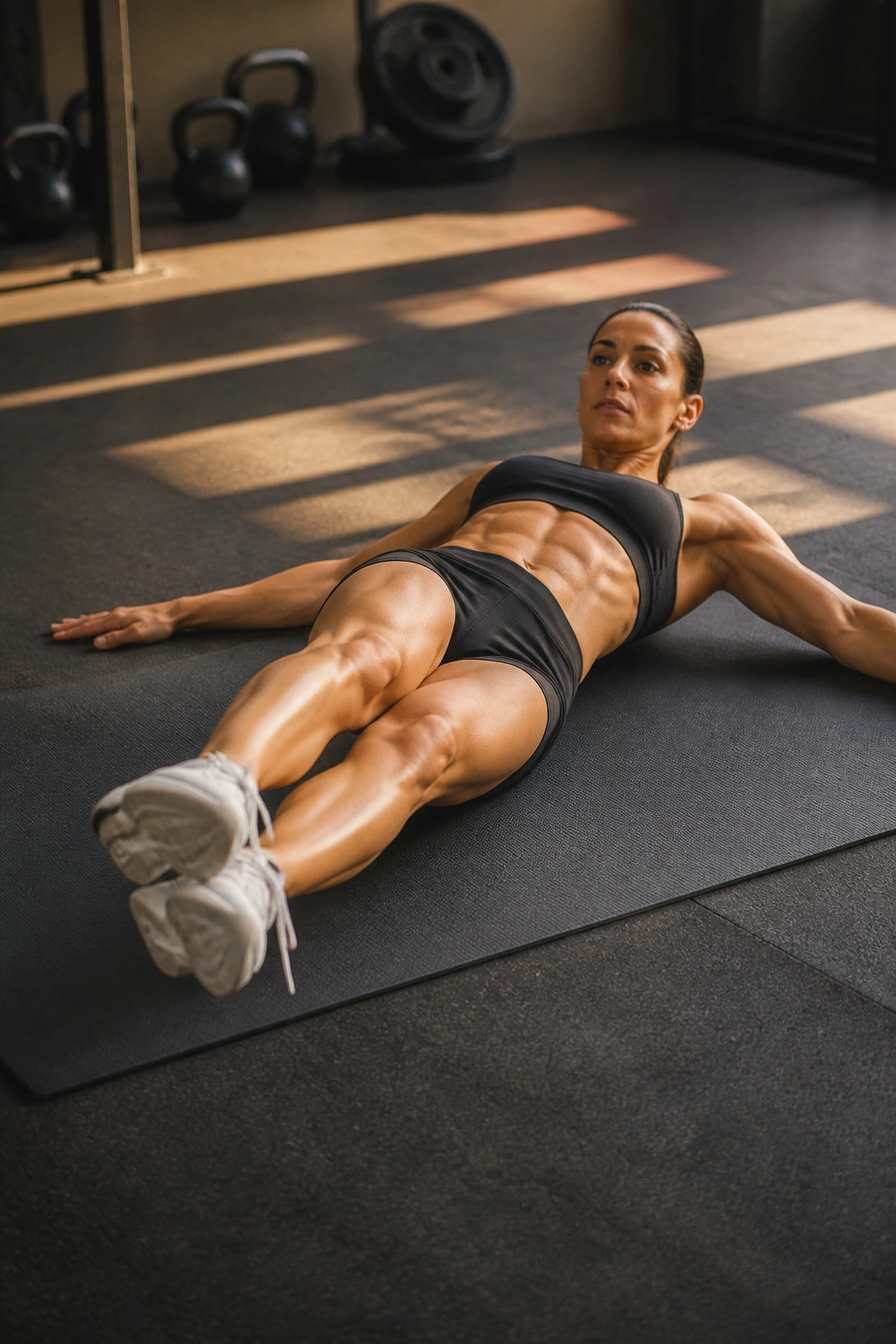
Windshield wipers are advanced, and I mean that in the real sense. If you can’t keep your back from peeling off the floor, regress the movement before you chase the full version. The goal is controlled rotation, not flinging your legs from side to side.
Lie on your back with arms out for support. Lift your legs and lower them slowly to one side, then the other. Keep the motion small at first. 5 to 8 reps per side is plenty.
Safer ways to start
Bend the knees and keep the range short. That version still trains the obliques and the lower abs while making the lever easier to manage.
This routine teaches your torso to brace against rotation and side-to-side motion at the same time. That’s a real skill. It’s also why sloppy reps tend to light up the lower back instead of the abs.
20. Renegade Rows
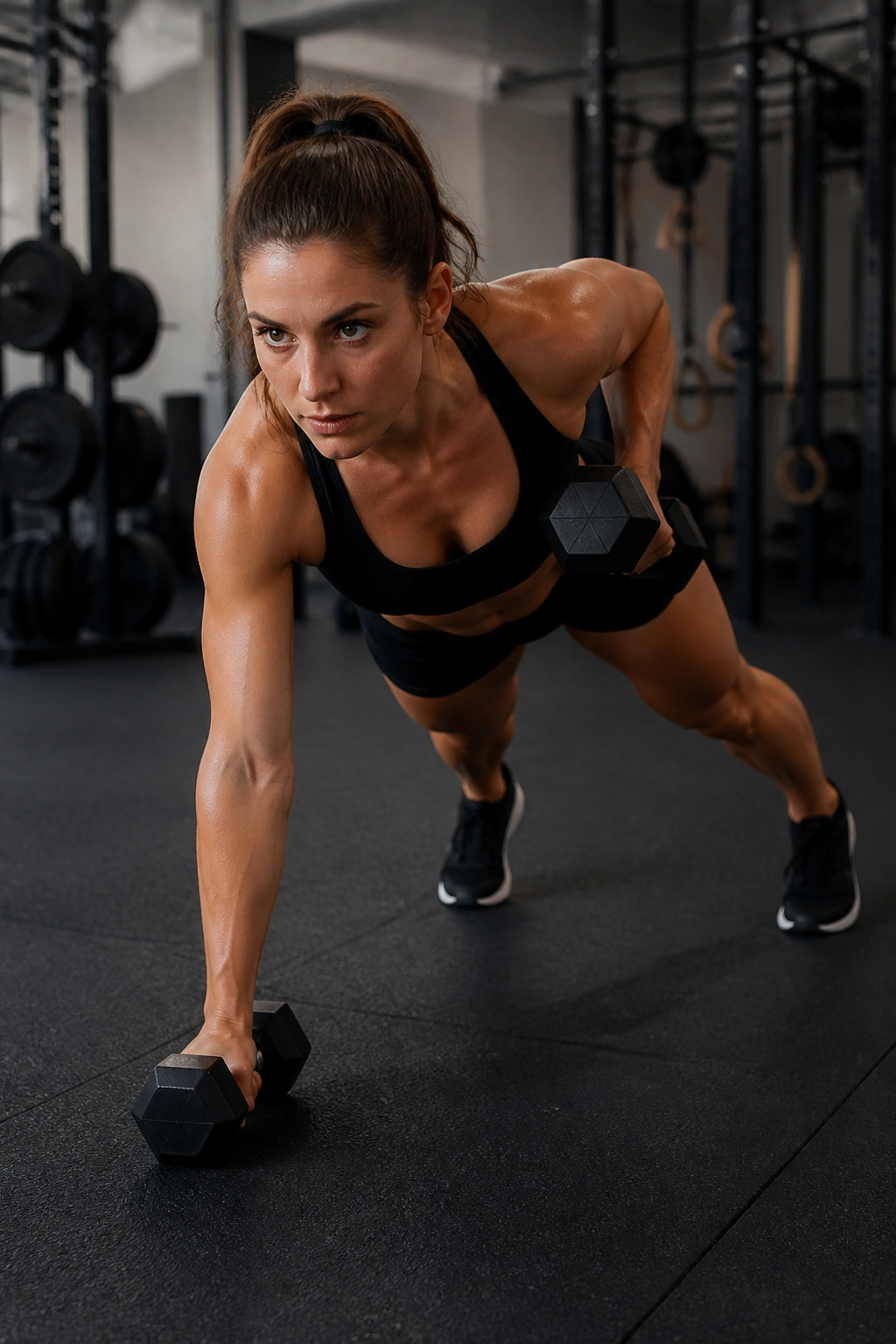
Renegade rows are not “just an upper-back move.” They’re a core routine with a dumbbell attached. Every row asks your torso not to twist while one arm pulls a weight off the floor, and that anti-rotation demand is the whole point.
Set up in a high plank with dumbbells under your hands. Row one weight toward your rib cage, set it down, and switch sides. Keep your feet wider than you think you need. Aim for 6 to 8 reps per arm.
The wider stance matters. Narrow feet make the move harder to stabilize, but they also make it easier to cheat by rotating through the hips. Start a little wider and keep the body square.
If your lower back sags, reduce the load. If your hips sway, slow down. The dumbbell is there to challenge you, not to turn the rep into a circus trick.
21. Suitcase Carries
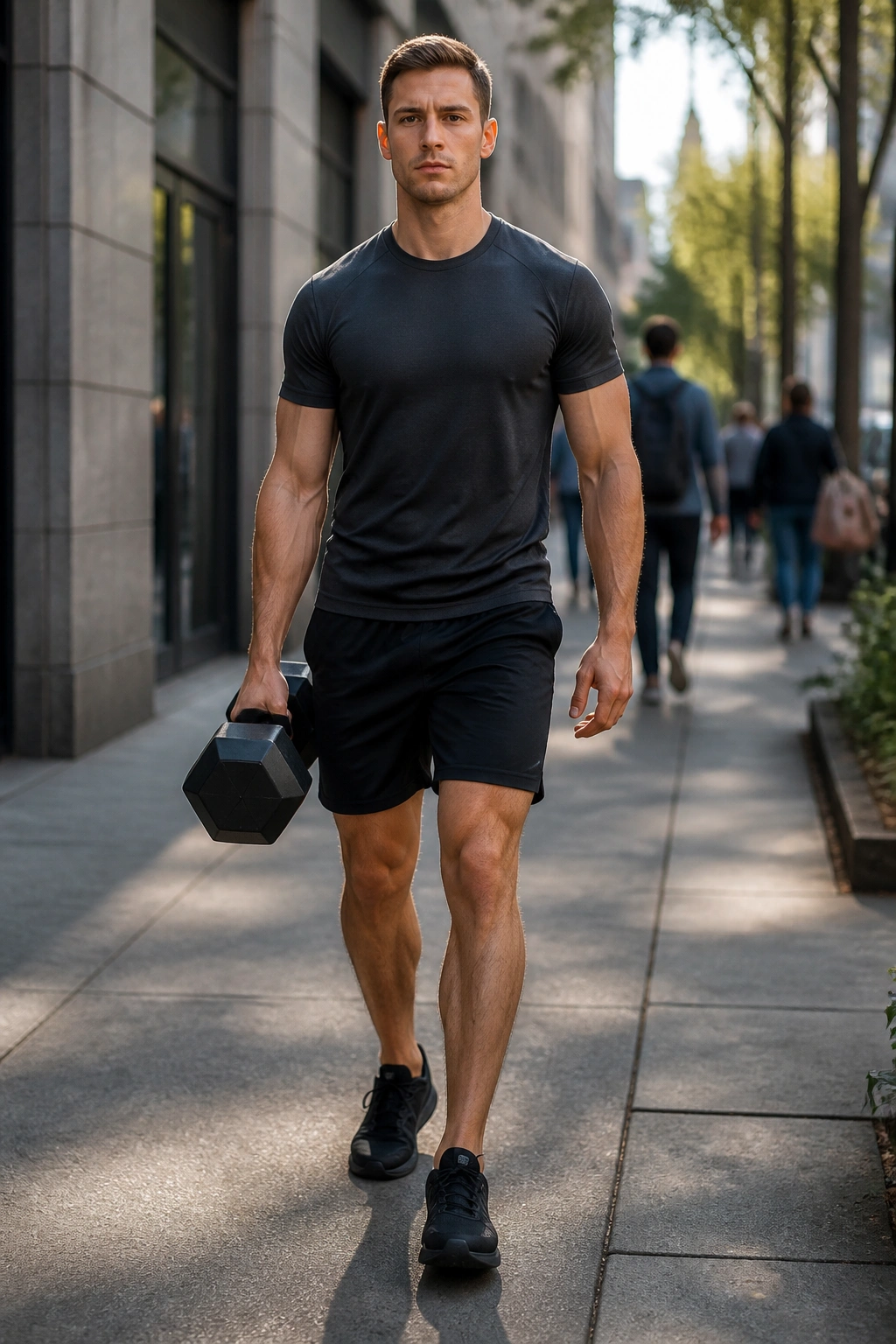
Suitcase carries might be the least glamorous item on this list, and they might also be one of the most useful. You pick up one heavy weight, hold it on one side, and walk without leaning. That’s it. That’s the routine. And it teaches your core to stop you from collapsing toward the load.
Stand tall with a dumbbell or kettlebell in one hand. Keep your ribs stacked over your hips and walk for 20 to 40 meters or 30 to 60 seconds. Switch sides and repeat.
Why I like them so much
They train the obliques, grip, and posture in one shot. The body wants to bend toward the weight. Your job is to resist that bend without hunching or stiffening up like a broomstick.
A good suitcase carry makes you feel taller by the end. A bad one turns into a sideways slump. If you’ve only done crunches, this will feel different fast.
22. Ab Wheel Rollouts
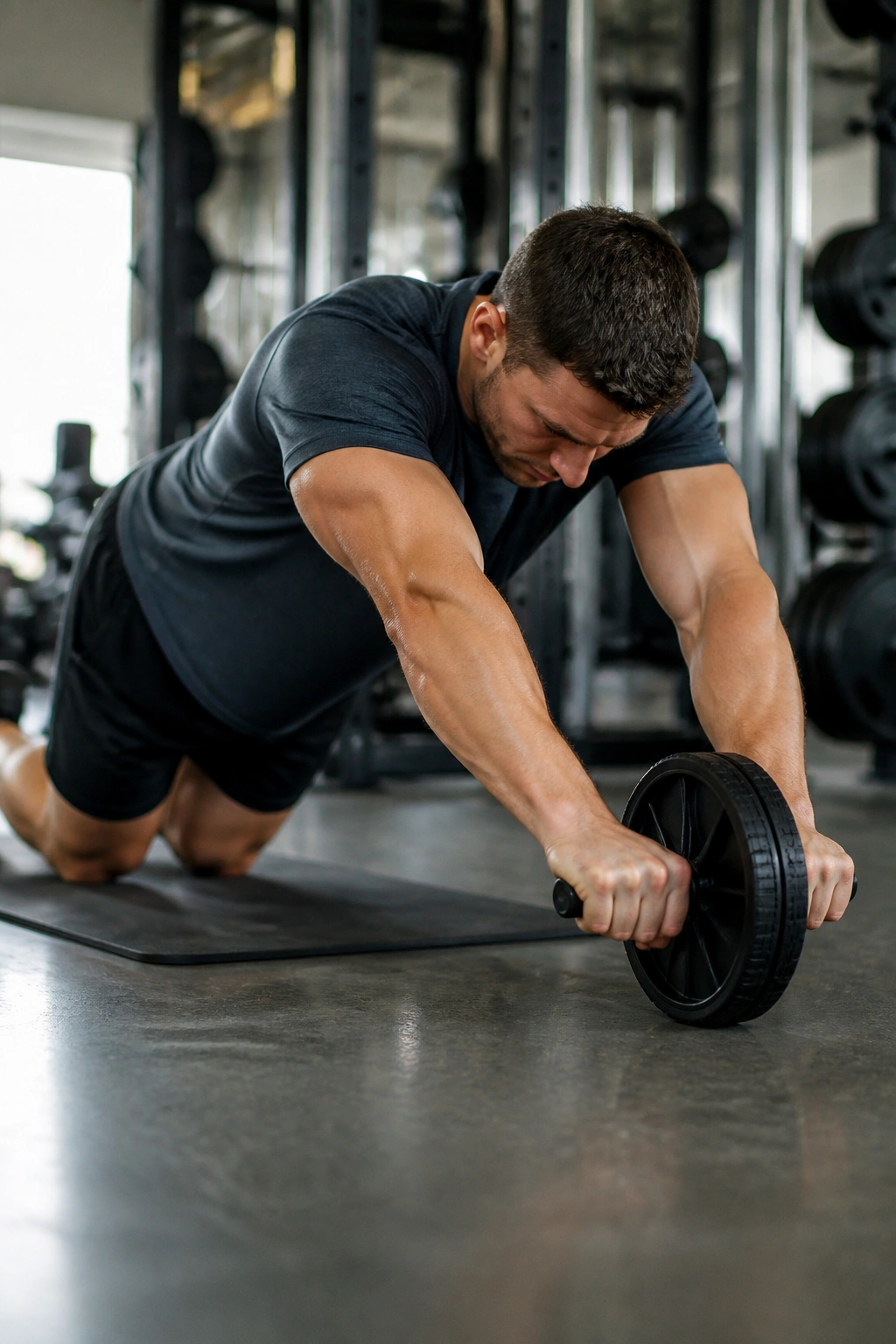
If you want a routine that tells the truth about core strength, the ab wheel is hard to beat. It punishes sloppy bracing and rewards clean body position. The farther you roll, the more your abs have to stop your spine from arching.
Kneel on a mat, grip the wheel, and start with a short rollout. Keep your ribs tucked and your glutes lightly engaged as you roll forward. Stop before your low back changes shape, then pull back using the abs. Start with 5 to 8 reps.
How to stay safe with it
Do not chase distance on day one. A short range with a straight line from head to knees is the whole game. If your back drops, shorten the reach and own the position before you add more.
This one belongs near the top of the list for people who already have some core control. It’s demanding, a little unforgiving, and excellent when you respect it.
A stronger core comes from routines that make you control movement, not just bend your torso over and over. The best mix is usually a few holds, a few anti-rotation drills, and one or two harder moves you can grow into. Keep the reps clean, keep the ribs down, and stop chasing burn as if it were proof of progress. It usually isn’t.
