



Sweat behaves differently in a hot Pilates studio than it does in a standard gym. It becomes a variable you have to account for before you even unroll your mat. The room’s ambient temperature, often pushed into the high nineties or low hundreds, changes the physics of your apparel. You aren’t just looking for something that moves well; you are looking for a technical barrier between your skin and the pool of sweat that will inevitably collect on your mat.
When you walk into a hot barre or Pilates class, the atmosphere is thick, humid, and demanding. Cotton is your enemy here. It holds onto moisture, gets heavy, chafes, and eventually feels like a wet towel clinging to your body. You need synthetic blends that manage heat exchange efficiently. The right gear helps you focus on the deep, pulsing movements rather than tugging at a slipping waistband or wrestling with a bra strap that has lost its tension in the humidity.
1. High-Waisted Leggings
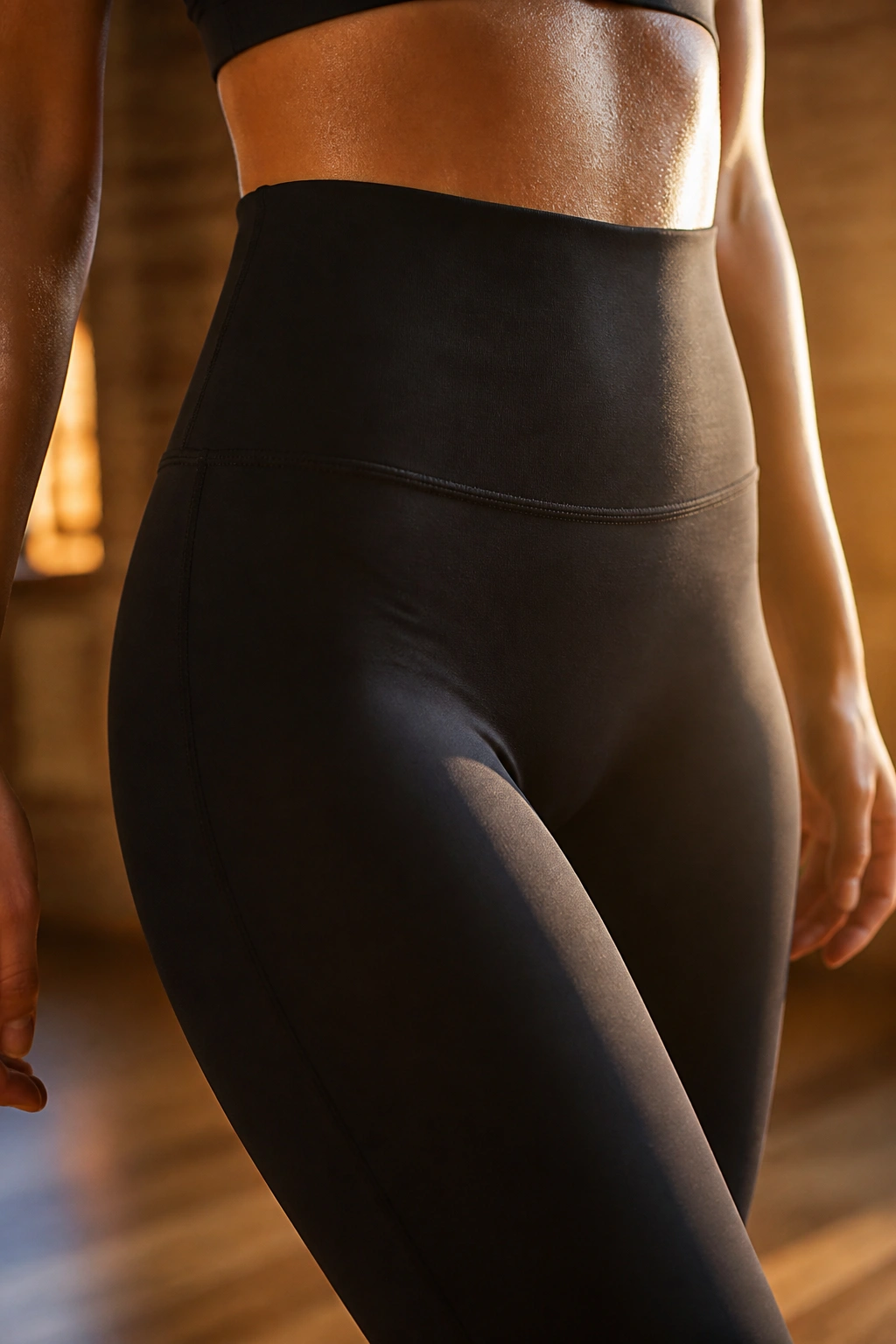
High-waisted leggings are the gold standard for a reason. In the middle of a glute bridge or a high-repetition barre sequence, the last thing you want is a waistband that digs in or, worse, rolls down every time you hinge at the hips. When you are in a hot studio, the sweat can act as a lubricant, making poorly fitted gear slide around with frustrating ease.
Why High-Rise Wins
The extra fabric coverage provides a sense of security during deep lunges and leg lifts. Look for waistbands that feature a hidden silicone strip or a bonded seam; these keep the fabric flush against your skin regardless of how much you move or how much you sweat. The higher cut also prevents that annoying gap between your leggings and your top, which keeps you from having to adjust yourself mid-set.
What to Look For
- Four-way stretch material: You need the fabric to move with you, not against you.
- Compression levels: Moderate compression feels more supportive than loose-fitting leggings that might bunch up.
- Flatlock seams: These reduce friction, which is vital when your skin is already damp from the heat.
Pro tip: Pull your leggings up fully before you step into the hot room. Once you are in the humidity, the fabric tends to conform to your skin, and adjusting a wet, high-waisted legging is a battle you rarely win.
2. Built-in Bra Tanks
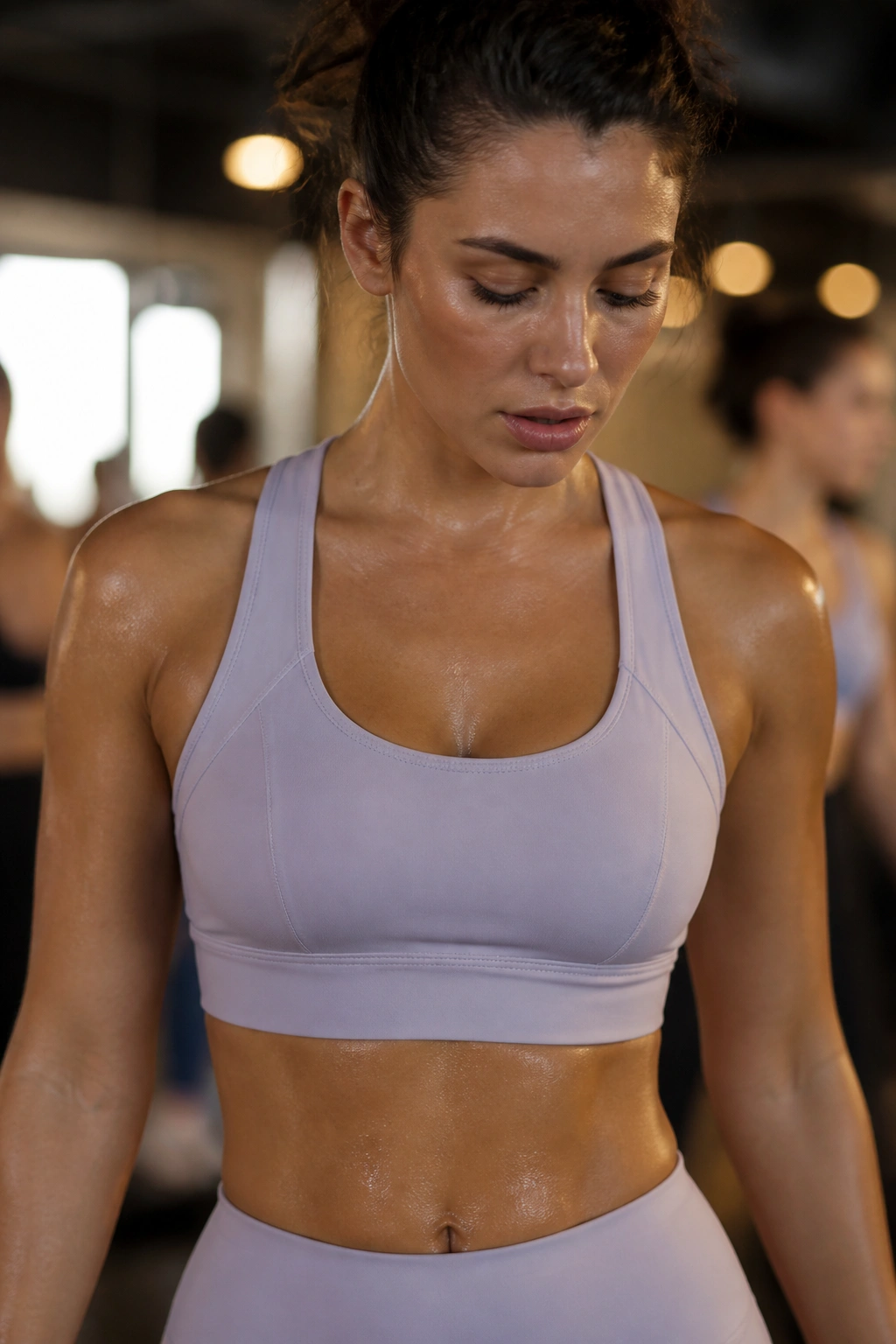
Layering is a logical instinct in colder climates, but in a hot Pilates environment, every extra piece of fabric is just another place to trap heat. This is where built-in bra tanks prove their worth. By combining your top layer and your support layer into a single garment, you eliminate the bulk of a separate sports bra.
The Benefit of Minimalist Design
Less fabric means better airflow. When you wear a standalone bra and a loose tank over it, the space between the two creates a humid micro-climate that makes you feel significantly hotter. A fitted, built-in bra tank hugs your body, allowing the sweat-wicking properties of the fabric to do their job properly by pulling moisture away from your skin immediately.
Styling for the Studio
These tops often feature racerback or thin-strap designs that allow for maximum shoulder mobility. This is crucial for the arm series in barre classes, where range of motion is everything. You want a top that doesn’t restrict your scapular movement or bunch up when you reach your arms overhead for long pulses.
3. Seamless Fabric Leggings
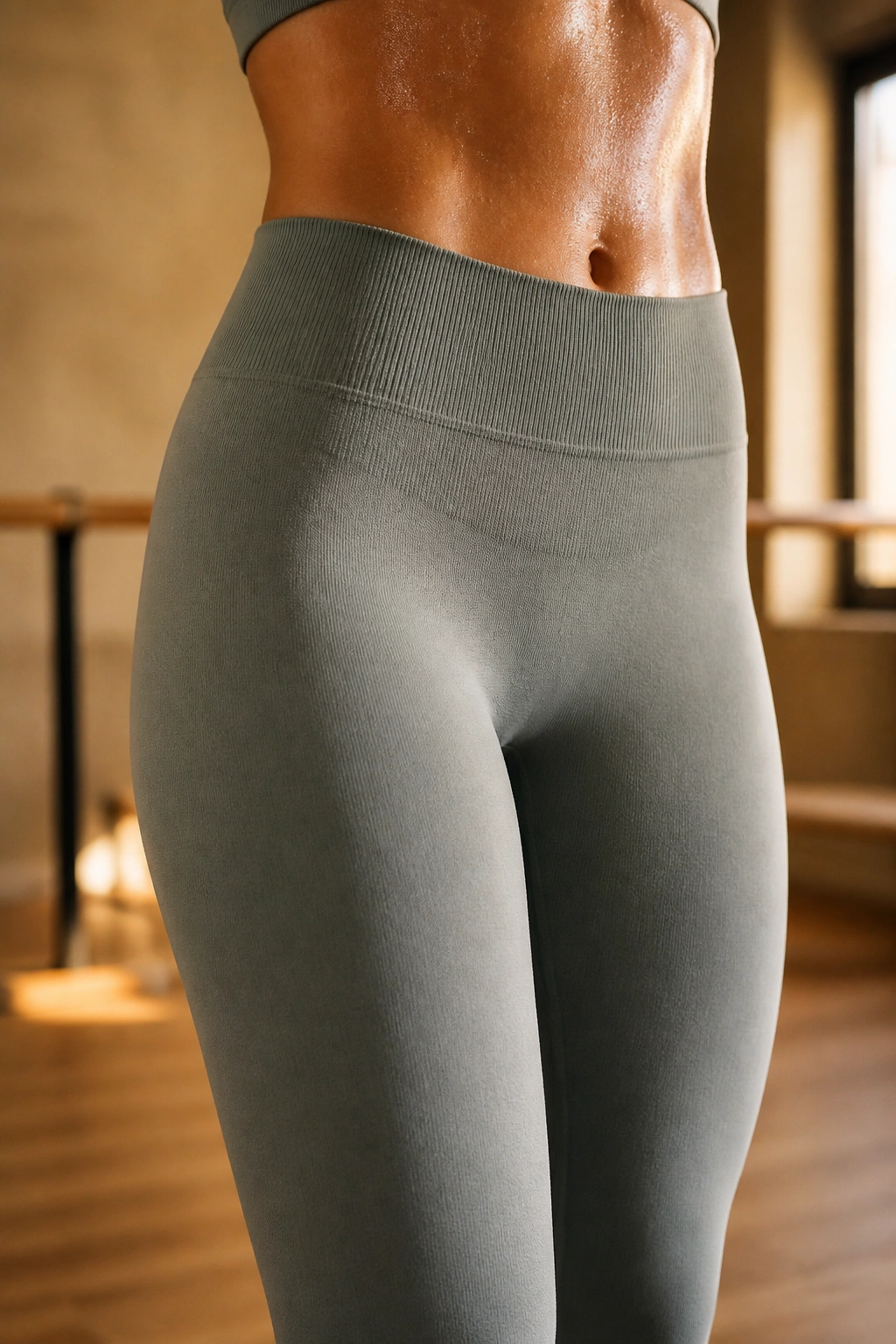
Seamless construction is not just about aesthetics; it is about performance under pressure. Traditional leggings with outer leg seams can sometimes create pressure points, especially during floor work or when you are pressing your knees into a mat for an extended time. Seamless garments remove these bulkier seams, leaving a smooth surface that feels like a second skin.
Avoiding the Chafing Factor
In a hot room, any point of friction becomes a potential site for irritation. A rough seam against a damp thigh can turn into a raw spot by the end of a sixty-minute class. Seamless leggings minimize these contact points, ensuring that the only thing you feel is the burn in your muscles.
Fabric Characteristics
These garments are typically knit rather than cut and sewn. This allows the manufacturer to vary the tension in the weave, providing more support in the waistband and more stretch in the hip area without needing multiple fabric panels. It results in a garment that is lightweight, breathable, and incredibly resilient.
4. Grip Socks
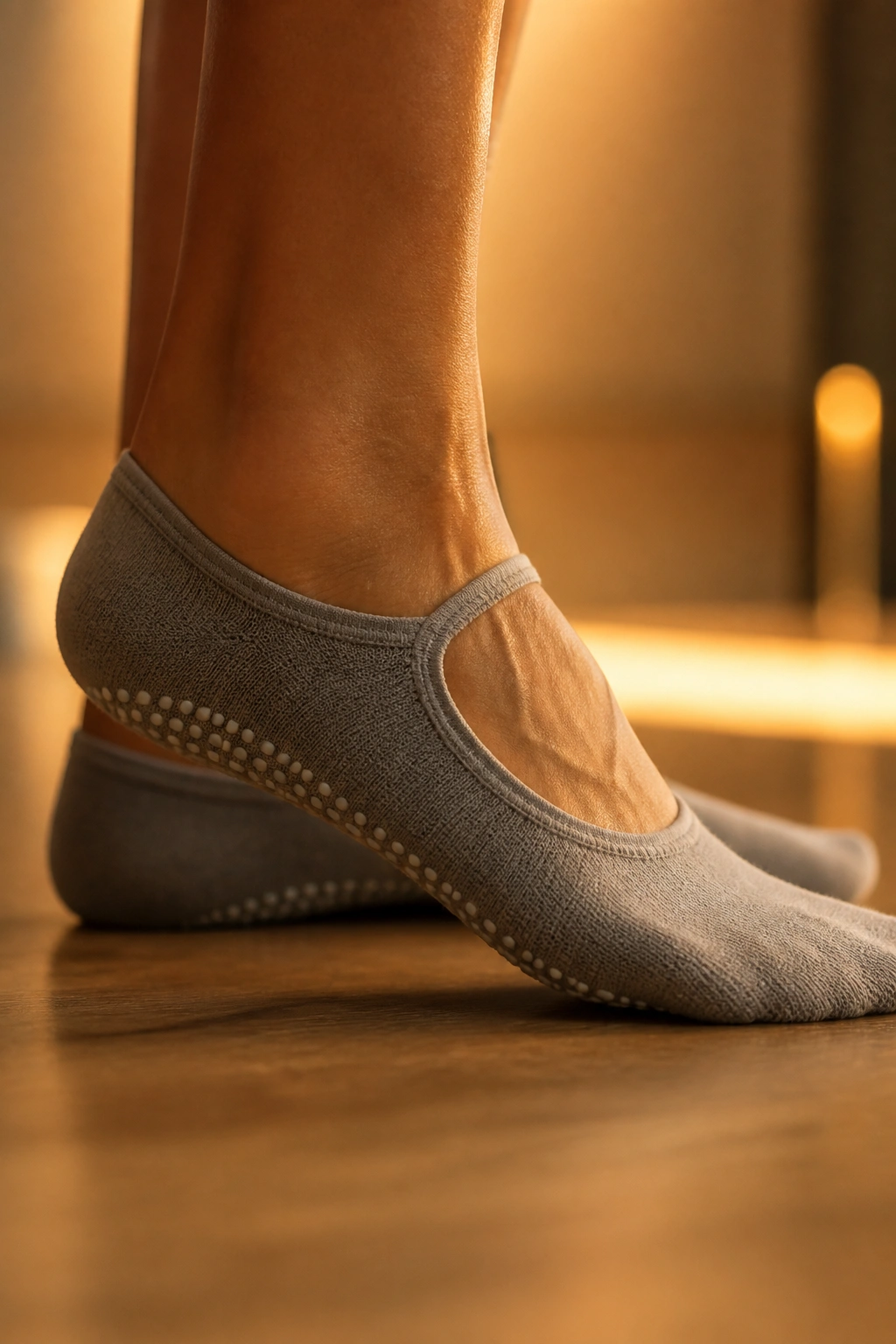
Going barefoot in a hot Pilates studio is common, but it can be dangerous. As you sweat, your feet become slick. If you are doing any movement involving balance or standing stability, your foot can slide out from under you, potentially leading to a strain or a slip. Grip socks provide the necessary traction to keep you planted firmly on the floor.
The Function of the Silicone Tread
The sole of the sock is covered in a pattern of sticky silicone nubs. These act like tiny anchors on the studio floor, giving you the friction you need to push off into a lunge or maintain a steady position in a plank. They allow you to maintain the tactile feedback of being barefoot while gaining the control of a shoe.
Different Styles
You can find these in full-toe or half-toe varieties. The full-toe variety provides more hygiene coverage, which some people prefer, while the half-toe variety keeps the ball of your foot exposed, which can help with balance and grip. Choose based on your preference for sensation versus protection.
5. Bike Shorts
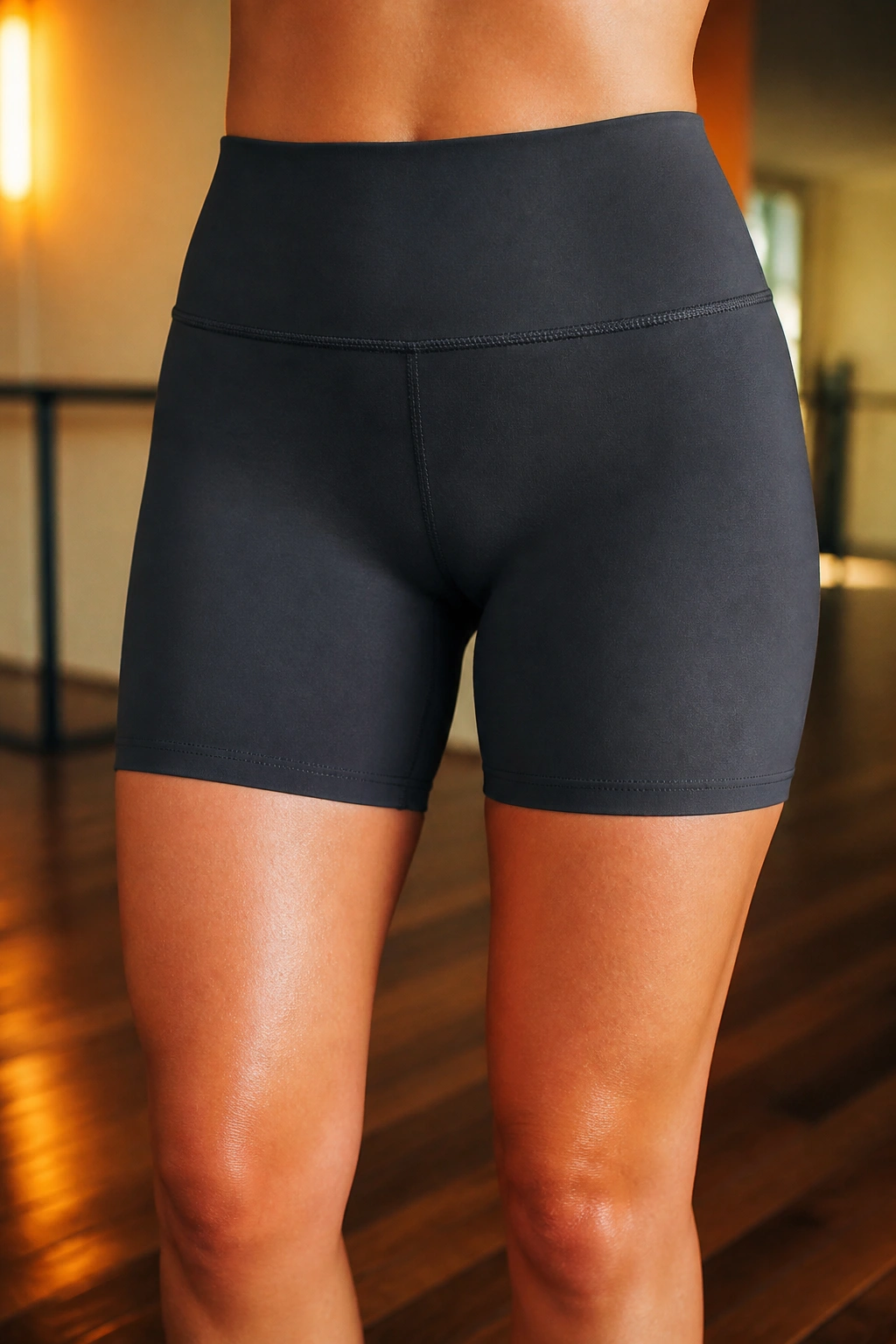
When the humidity levels are high, the less fabric you have on your legs, the better. Bike shorts offer the perfect balance of coverage and cooling. They provide enough protection to prevent thigh chafing during floor exercises while exposing enough skin to help your body regulate its temperature.
Inseam Length Matters
The key to a good pair of bike shorts for Pilates is the inseam. You want a length that sits comfortably mid-thigh, typically between five and seven inches. Anything too short might ride up when you are doing leg lifts, forcing you to constantly pull them down. Anything too long might feel like you are wearing leggings, defeating the purpose of wearing shorts in the first place.
The Roll-Up Test
Before you commit to a pair, do a few deep squats in the mirror. If the hem rolls up, the elastic is too tight or the fit is wrong for your legs. A good pair should stay flat against your quad even as you move through dynamic ranges of motion.
6. Lightweight Cropped Tanks
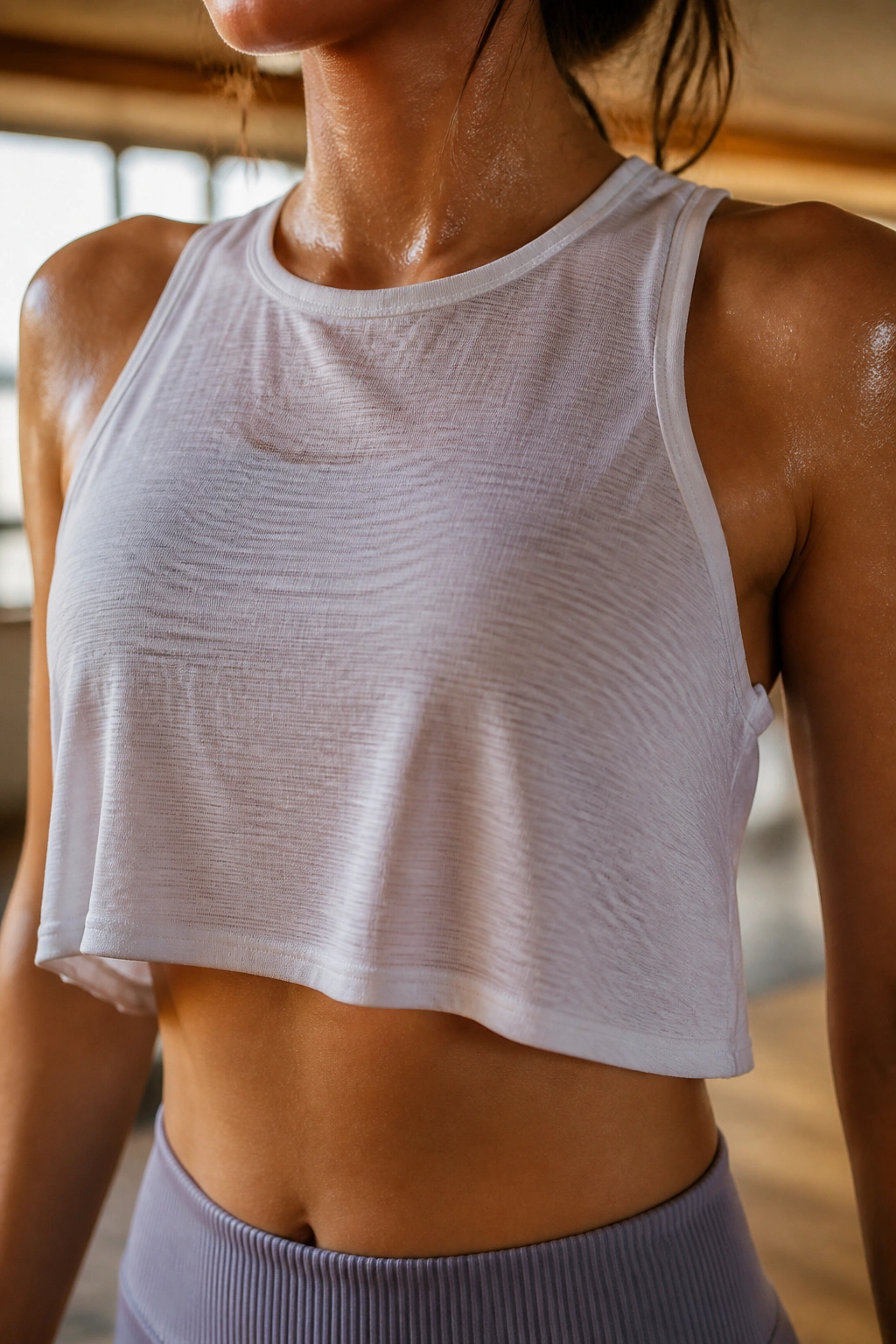
A cropped tank is a staple for a reason. It stops just above the waistband of your leggings, offering just enough coverage without the excess material that usually pools around your hips. This design allows for better ventilation, as the air can circulate around your midsection rather than being trapped under a long shirt.
Freedom of Movement
Pilates relies heavily on core engagement. A cropped top lets you see the movement of your abdominal wall, which helps you monitor your form. It also prevents the fabric from getting in the way when you are doing seated exercises or rolling through the spine.
Fabric Weight
Look for featherlight synthetic blends. You want a fabric that feels almost nonexistent against your skin. If you can hold the fabric up to a light and see a fine, breathable weave, it is likely a great candidate for a high-heat environment.
7. Sports Bras with Crisscross Backs
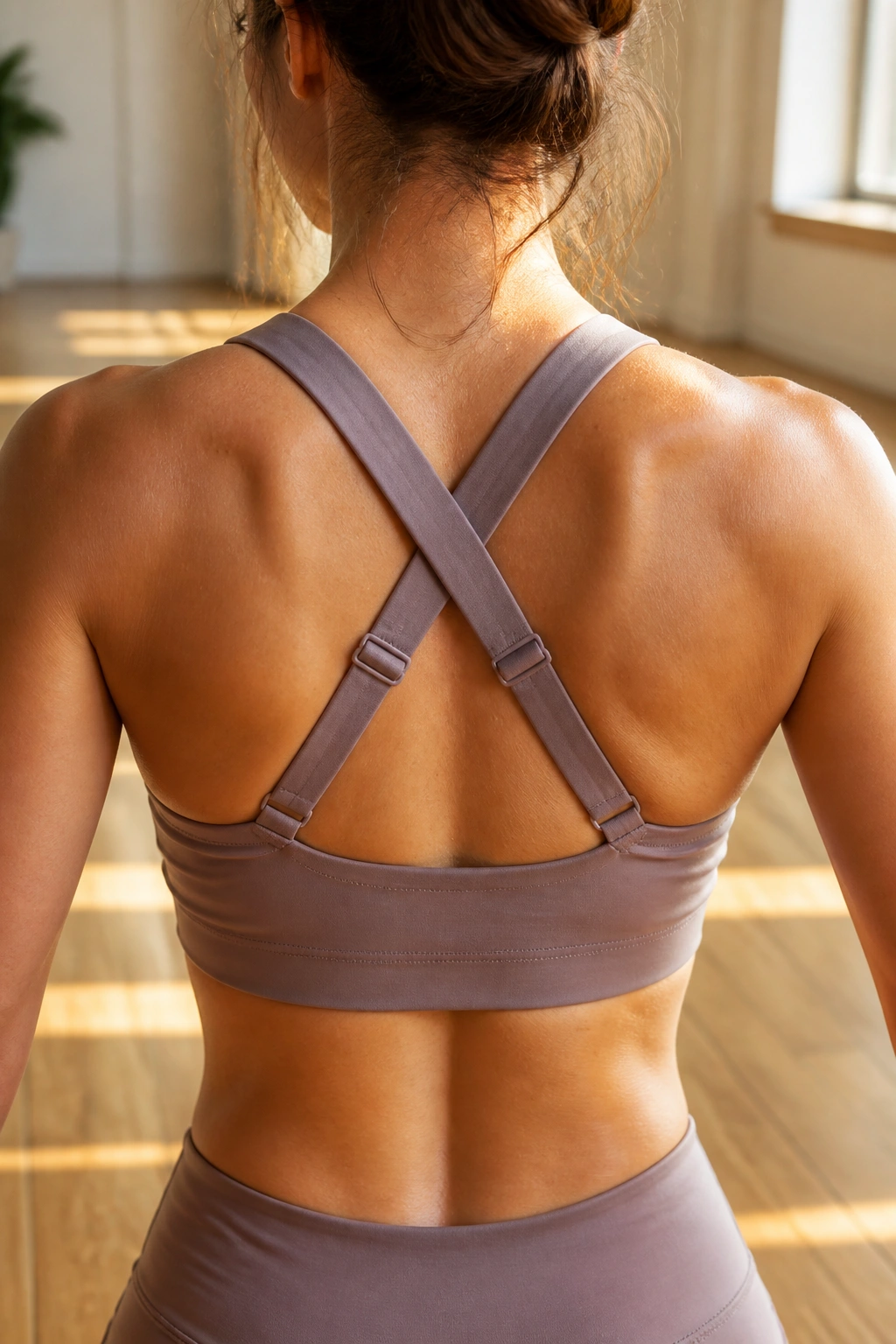
The design of your sports bra can significantly impact your comfort during class. Straps that sit directly on your traps or across your shoulder blades can become a distraction when you are trying to concentrate on your breathing or form. Crisscross backs, however, distribute the tension differently.
Stability and Aesthetics
The overlapping strap configuration provides superior support for your shoulders, pulling the straps away from the neck. This design is particularly effective for barre classes, where you spend a lot of time moving your arms. It prevents the straps from slipping off your shoulders, so you never have to pause to adjust them.
Low-Impact Support
For Pilates and barre, you generally do not need the heavy-duty, high-impact support required for running or jumping. Look for bras with a wide band under the bust and medium-tension fabric. This will keep everything in place without feeling like a constrictive harness.
8. Performance Headbands
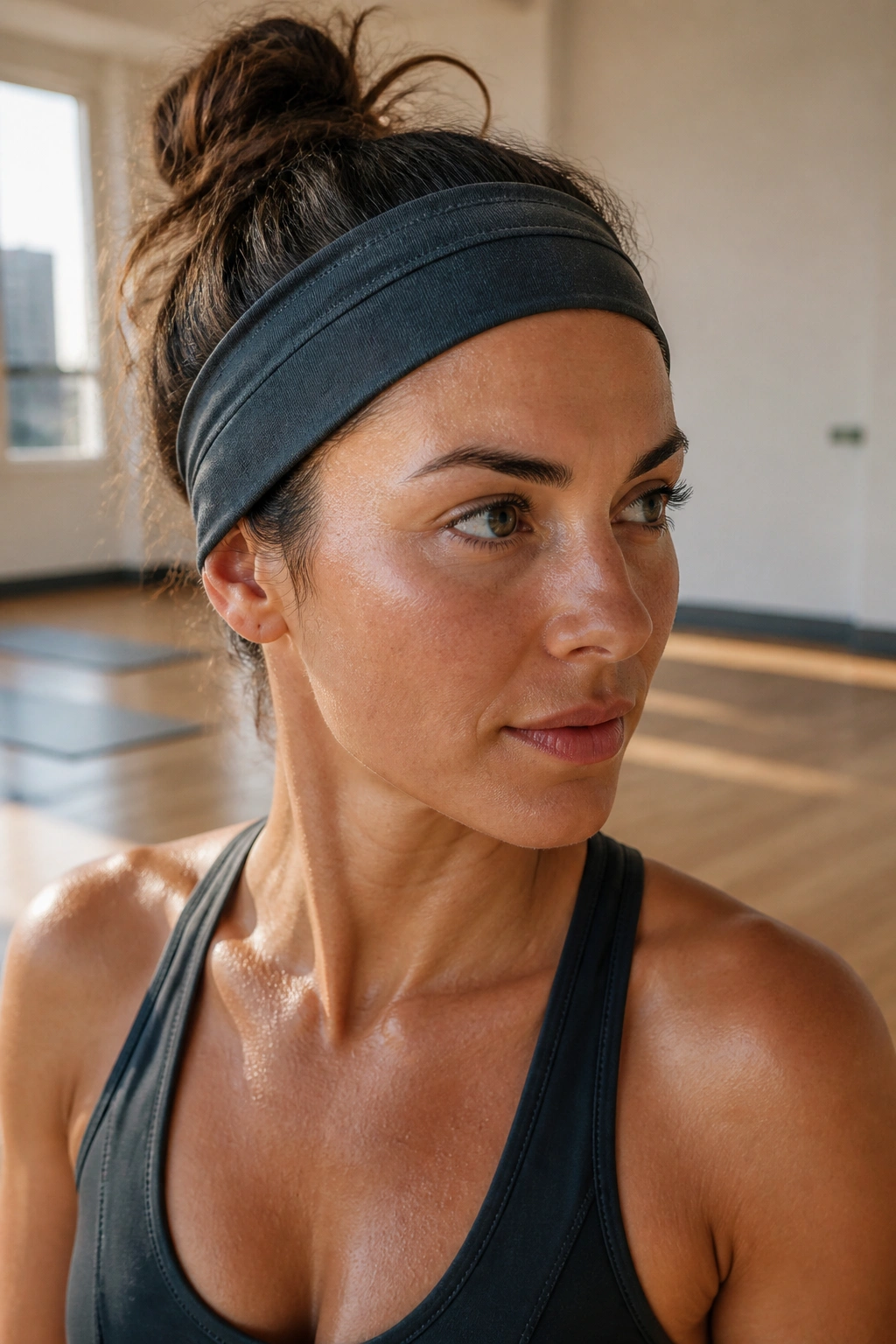
Sweat dripping into your eyes is not just annoying; it ruins your focus. In a hot room, a headband is essential. While a standard cotton headband will soak through in ten minutes, a performance headband is designed to move moisture away from your forehead and hold it in the fabric until it can evaporate.
The Tech Behind the Fabric
Modern performance headbands use specialized wicking polymers. They feel different than cotton—a bit slicker, almost like athletic apparel. They are designed to stay put, even when saturated with moisture, preventing the “sliding headband” effect that can turn into a headache by the end of the session.
Wearability
Choose a headband that is wide enough to cover your hairline but thin enough not to trap excessive heat. You want it to act as a barrier, not an insulator. Some people prefer sweatbands with a silicone grip on the inside to ensure they don’t migrate backward during inversion or forward folds.
9. Wrap-Around Leggings
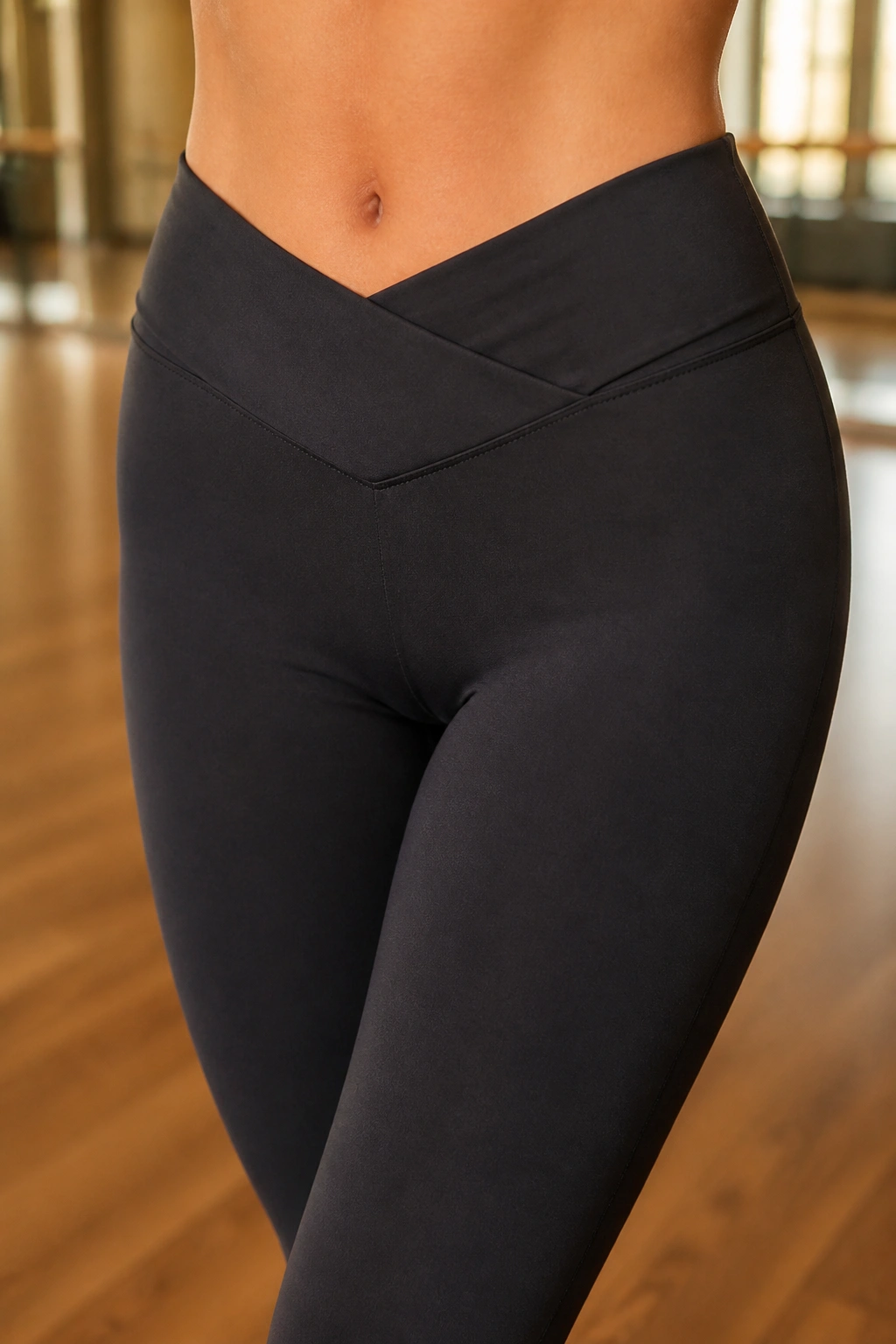
These leggings feature a unique waistband construction that crosses over at the front. It creates a V-shaped silhouette that is both flattering and functional. The wrap-around design helps the waistband stay flat against your stomach, which is helpful if you find that standard elastic waistbands dig into your skin when you sit or bend.
Why They Work for Pilates
The V-shape is visually lengthening, but the real benefit is the distribution of pressure. By crossing the fabric, the waistband creates a secure, custom-feeling fit that conforms to your body without needing a thick, rigid elastic band at the top. This makes them exceptionally comfortable during deep abdominal work, where you need freedom in your core.
Styling Tip
Because the waist is a focal point, these leggings look great paired with a simple, solid-colored crop top. It creates a clean, streamlined look that doesn’t distract from the movements you are performing in the mirror.
10. Mesh-Panel Leggings
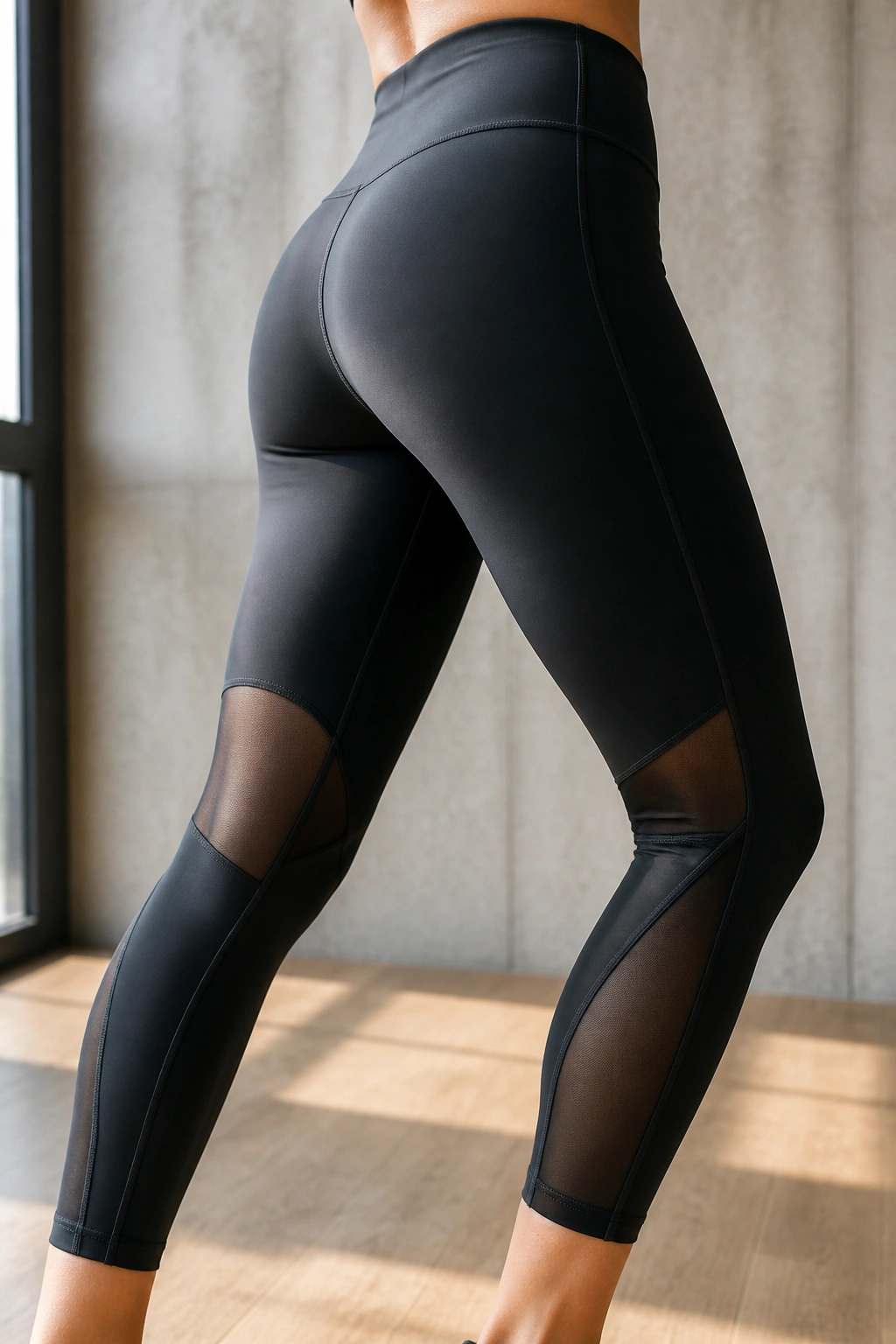
Ventilation is the priority in hot Pilates, and mesh panels are the most literal way to achieve it. These leggings incorporate sections of laser-cut or knit mesh, usually behind the knees or along the calves. These areas are high-sweat zones, and having a direct vent to the air can make a noticeable difference in your thermal comfort.
Heat Dumping
Think of these mesh sections as heat dumps. As you move, the air circulates through the open weave, wicking away the moisture that would otherwise sit on your skin. It is an immediate cooling effect.
Structural Integrity
Do not worry about the durability of the mesh. High-quality athletic mesh is reinforced and resistant to tearing. It should stretch with the rest of the legging, maintaining its shape even after repeated washing and wear. Just ensure the mesh is placed in areas where you do not need maximum compression, such as the back of the knee or the lower shin.
11. Low-Impact Support Bras
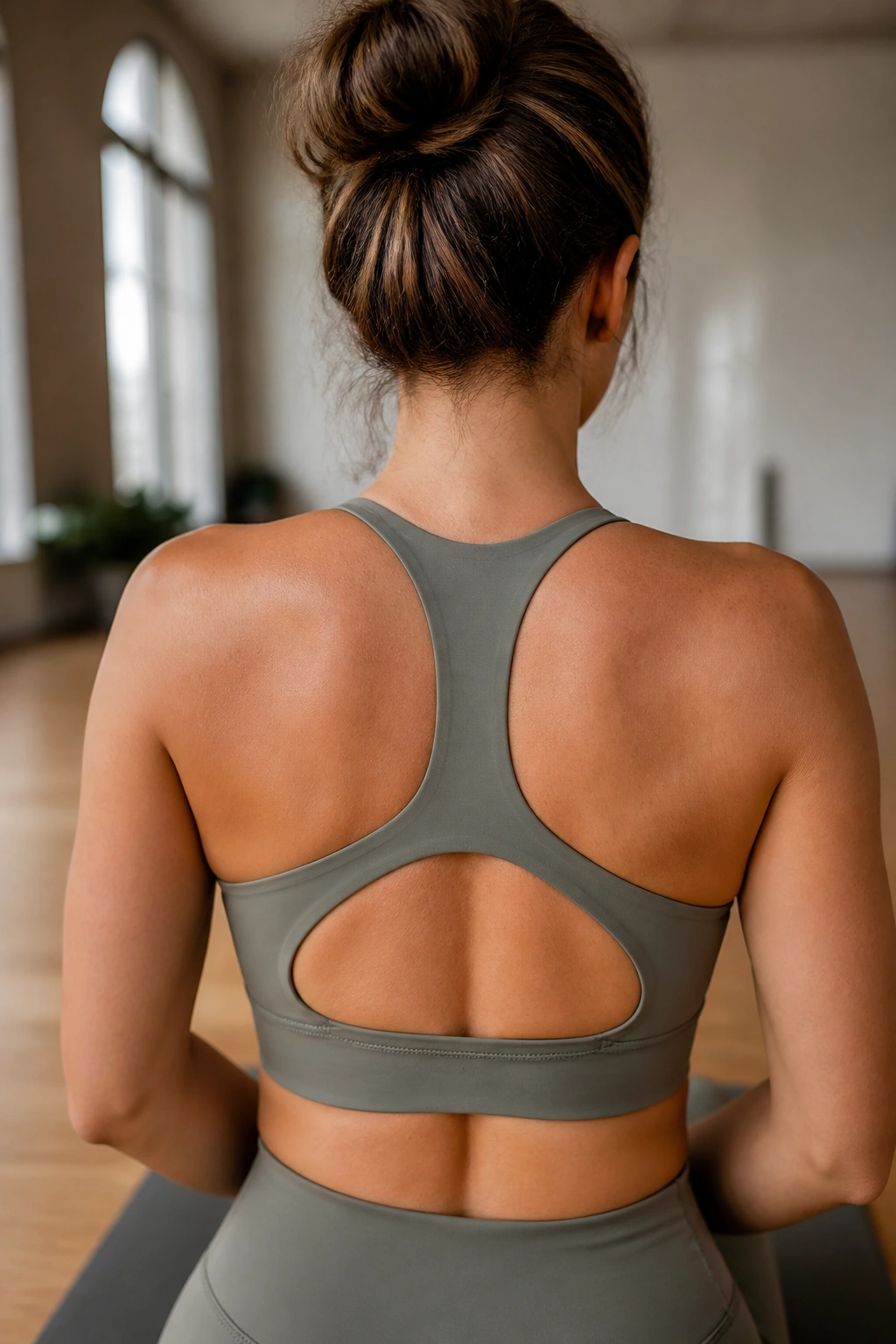
There is a distinct difference between a bra designed for a marathon and one designed for a Pilates mat. Pilates is a low-impact discipline. You are moving with control, not bouncing with high velocity. You don’t need thick padding or heavy-duty structural wires. In fact, those features can be uncomfortable in the heat.
Prioritizing Comfort
Look for bras that use compression and fabric structure rather than molded cups or thick padding to provide support. A “second skin” feel is what you are after. If you choose a bra with removable pads, consider removing them before class in a hot room; pads can trap heat and take longer to dry if they become saturated with sweat.
Breathability
The best bras for this environment feature large cutouts, mesh sections, or open-back designs. The more skin you have exposed to the air, the better your body can manage its temperature.
12. Compression Shorts
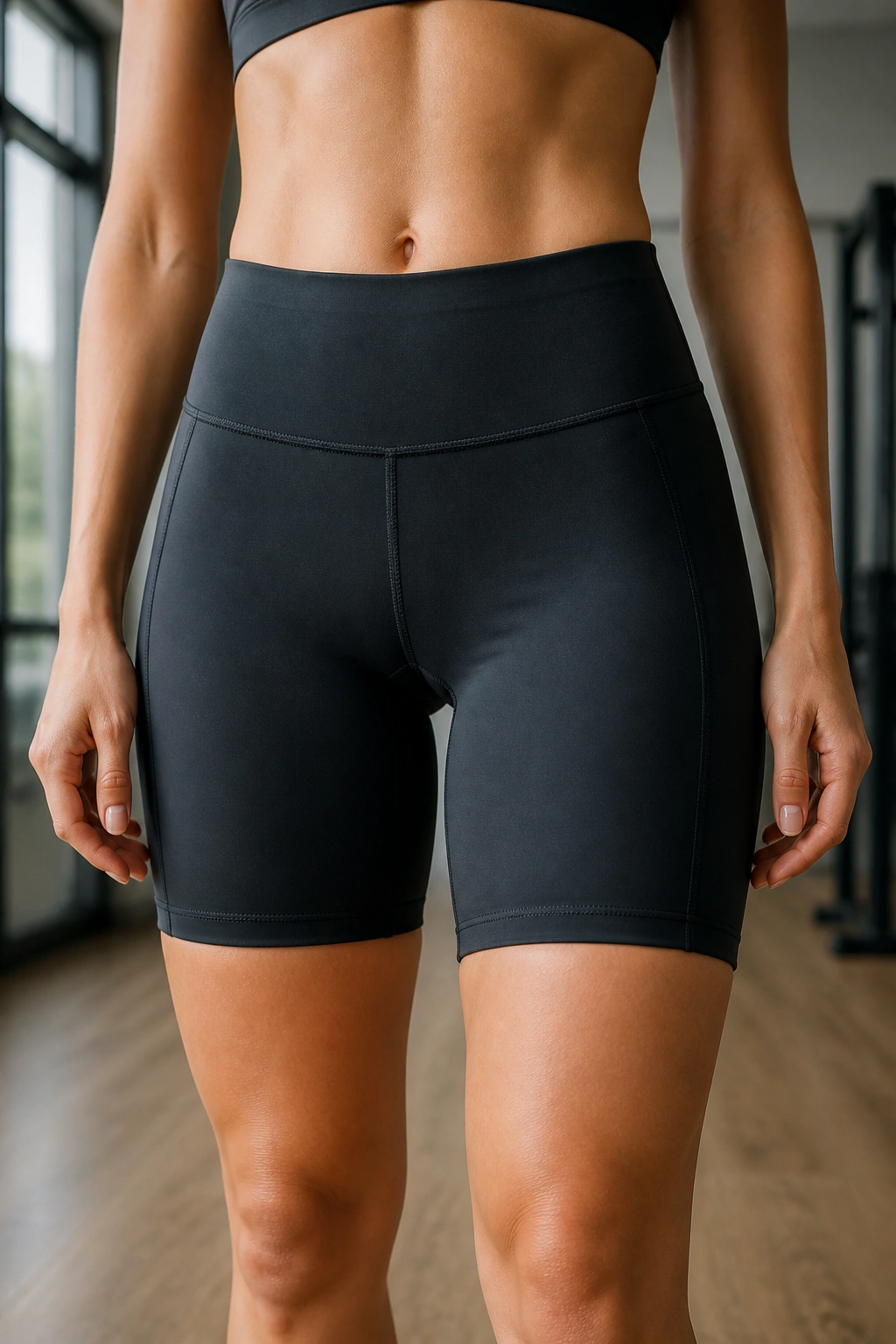
Compression shorts are different from standard bike shorts. While bike shorts are often just fitted fabric, compression shorts are designed with engineered tension to provide support to the underlying muscles. This can be beneficial during long, intense leg-heavy sessions, as the slight pressure can help with blood flow and reduce muscle vibration.
A Supportive Fit
These shorts are usually made from high-density nylon or polyester blends. They feel firm and secure. When you are doing side-lying leg series, this kind of fabric holds everything in place perfectly, preventing any shifting or bunching.
The Feel
If you prefer a locked-in feeling, compression shorts are your best option. They stay exactly where you put them. They act as a foundation, allowing you to move with confidence knowing your gear is completely secure and stable.
13. Moisture-Wicking Fabric
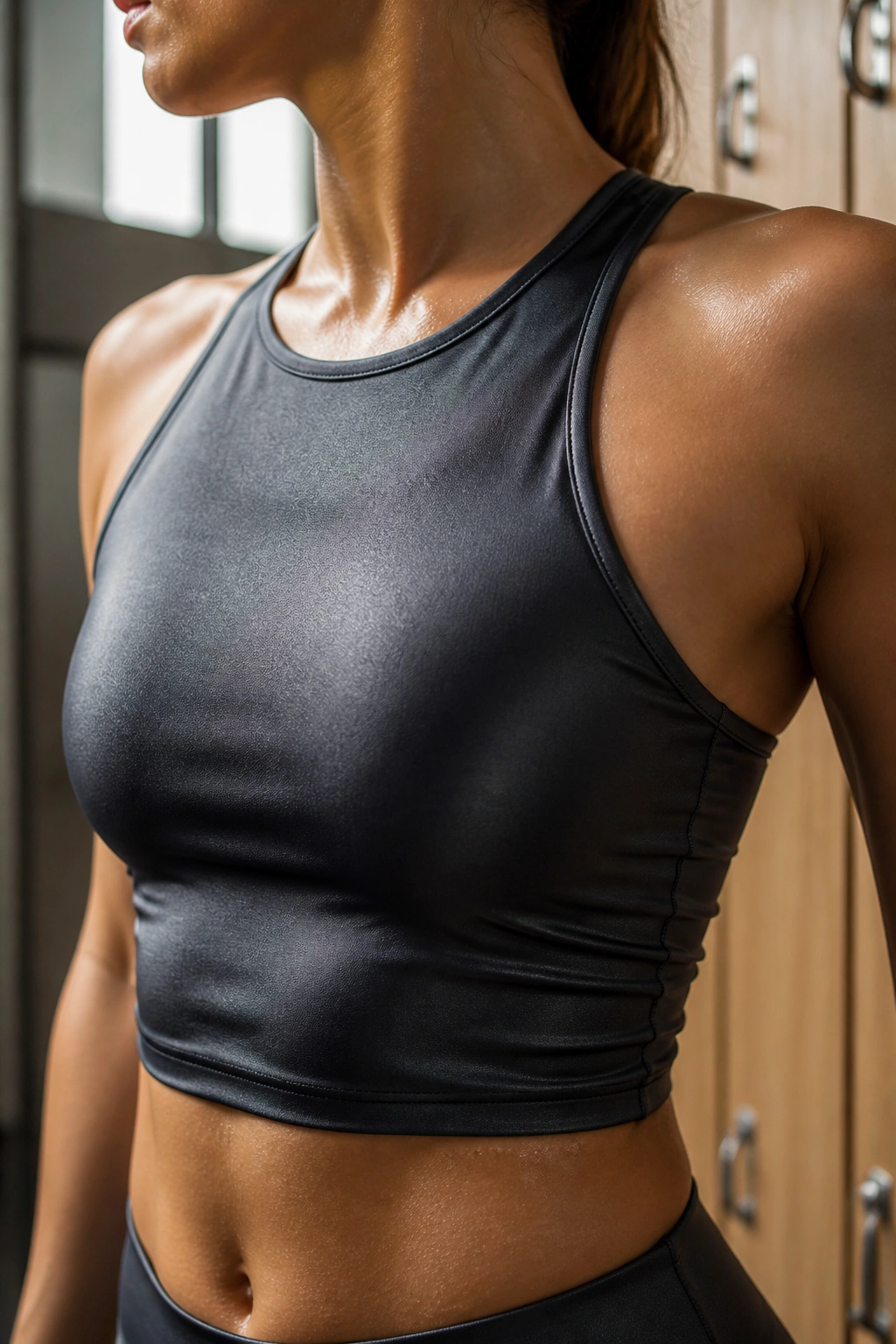
This is less of an item and more of a non-negotiable requirement. Any piece of clothing you take into a hot studio must be made of synthetic materials. Polyester and nylon blends are engineered to pull moisture from the skin to the exterior of the fabric, where it can evaporate.
Why Cotton Is the Enemy
Cotton is a natural fiber that absorbs water. In a hot room, your sweat stays in the fibers, making your shirt heavy, cold, and clingy. It can lead to chafing and makes you feel significantly hotter than you actually are. Synthetic blends stay dry to the touch, or at least dry significantly faster.
Checking the Label
When shopping, ignore the branding and look at the tag. You want to see nylon, polyester, or elastane (spandex). The higher the percentage of these materials, the better the garment will perform in a humid environment.
14. Seamless Thongs
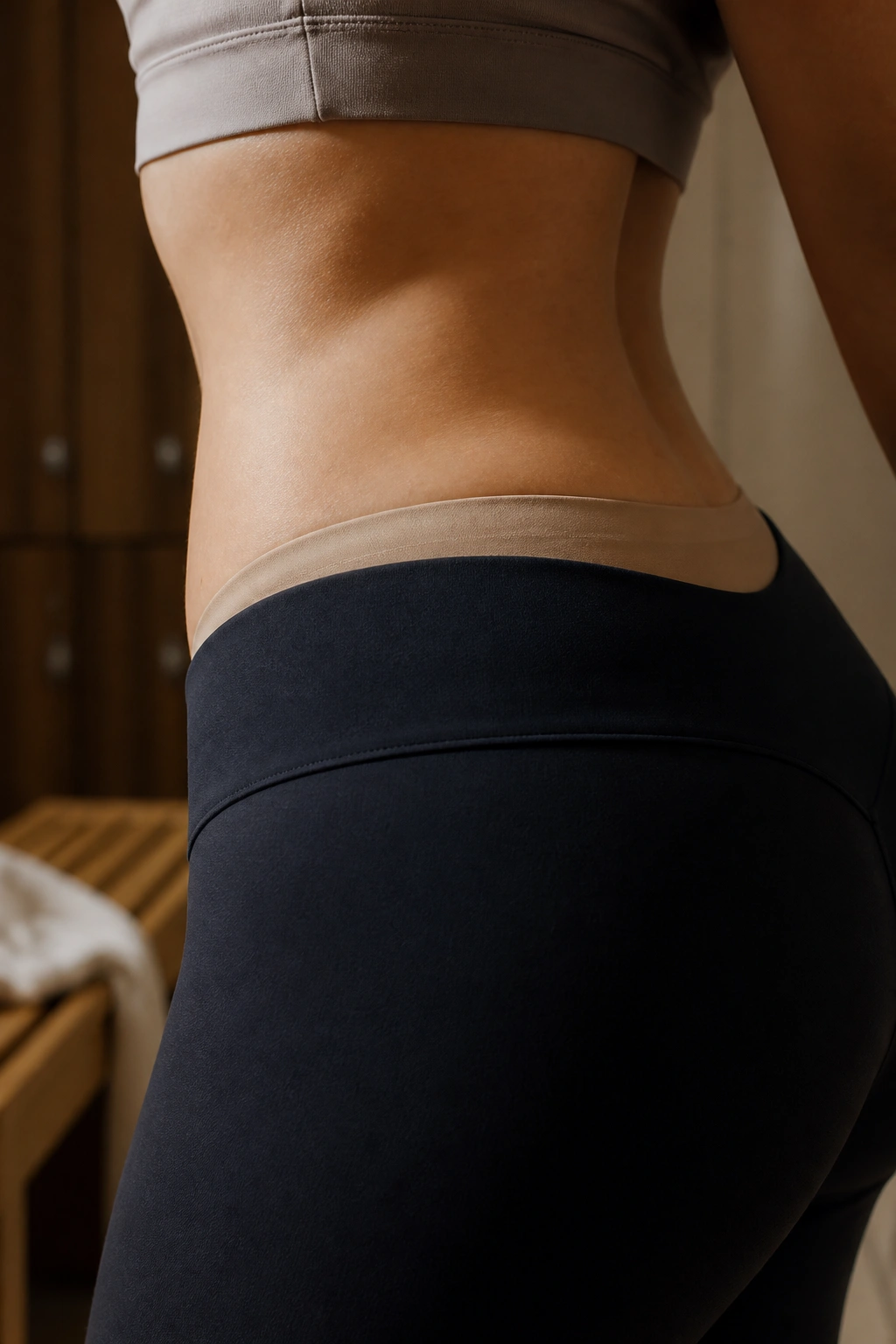
The struggle with panty lines is real, but in a hot Pilates class, the struggle is more about comfort than aesthetics. Wearing traditional underwear with thick seams or fabric that bunches up under your leggings is a recipe for discomfort. A seamless thong is the cleanest solution.
Staying Invisible
Seamless underwear is designed to lay perfectly flat against the skin, eliminating lines under your leggings. Because they are typically made from the same moisture-wicking materials as your workout gear, they won’t hold onto sweat like cotton underwear.
The Function
Pilates involves a lot of hip and leg movement. You want underwear that moves as a single unit with your skin. A seamless thong doesn’t shift, roll, or bunch, meaning you can forget it is even there and focus entirely on your movement.
15. Oversized Tees
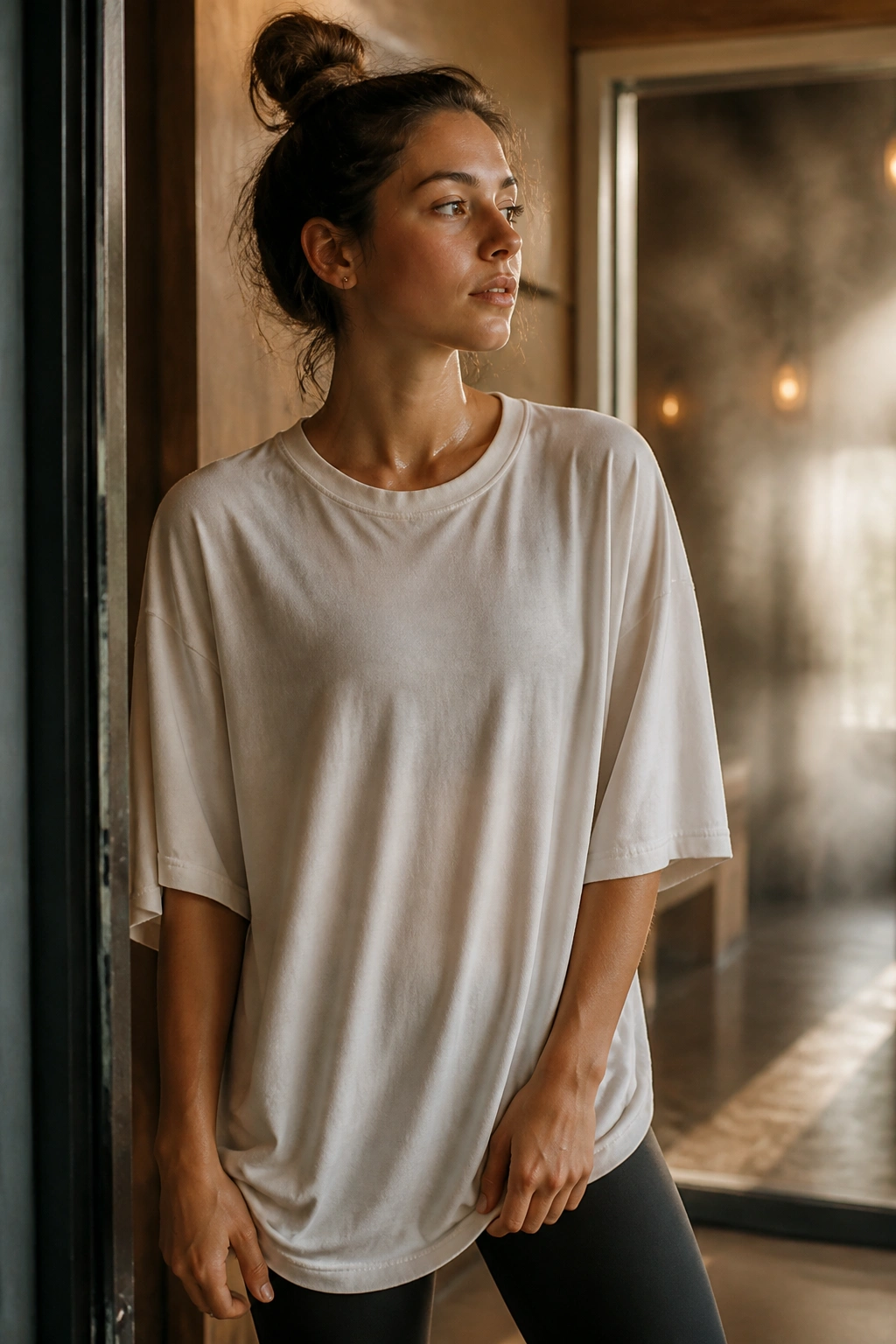
Wait, didn’t I just say to avoid excess fabric? Yes, but only during the workout. An oversized tee is the perfect garment for walking into the studio and for the first few minutes of the warmup. It keeps your muscles warm until the heat of the room takes over.
The Transition
When you arrive, you might feel the chill of the air conditioning. An oversized tee provides a cozy layer that you can easily peel off once your heart rate climbs and the room starts to feel intense. It’s also great for walking to your car afterward, especially if you are sweaty and don’t want to get your car seat damp.
Styling
Choose a soft, lightweight cotton or modal blend for this. It feels good against the skin and is easy to throw in a gym bag. It doesn’t need to be performance-ready; it’s just a comfortable cover-up.
16. Arm Warmers
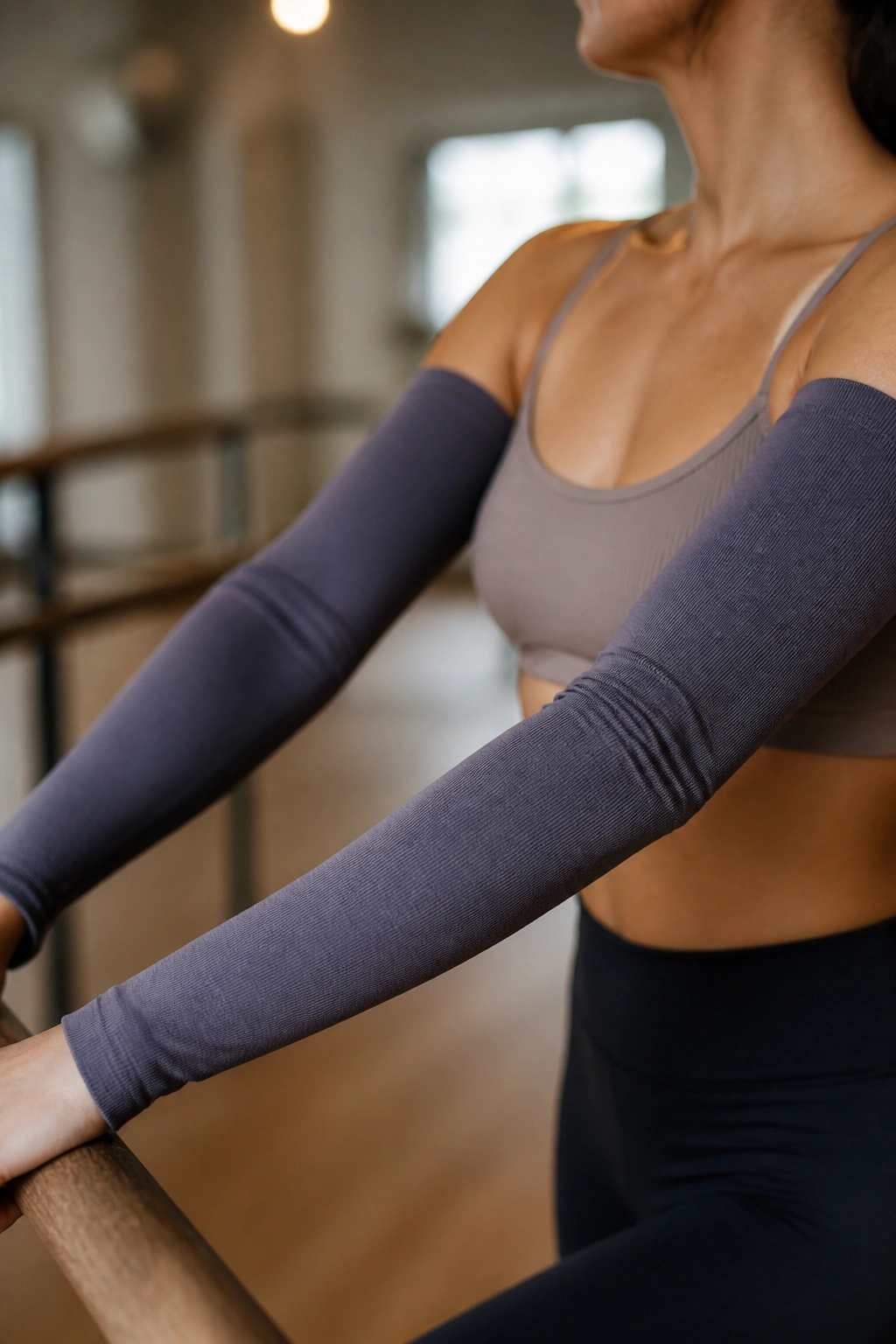
Barre classes often start with arm exercises that don’t immediately get your heart rate up. If the studio is cold before the heaters kick in or before you really get moving, your arms can feel stiff. Arm warmers are a simple, removable solution.
Targeted Warmth
You can slide them on for the warmup and then tuck them into your bag once you start sweating. They cover the forearms and elbows, keeping the joints warm, which is essential for preventing strain during early-class movements.
Why Not a Long-Sleeved Shirt?
A long-sleeved shirt is a commitment. Once you get sweaty, changing out of a long-sleeved shirt is a hassle. Arm warmers take two seconds to remove. They give you the benefit of warmth without the drawback of an entire shirt that you have to peel off over your head.
17. Hair Ties and Clips
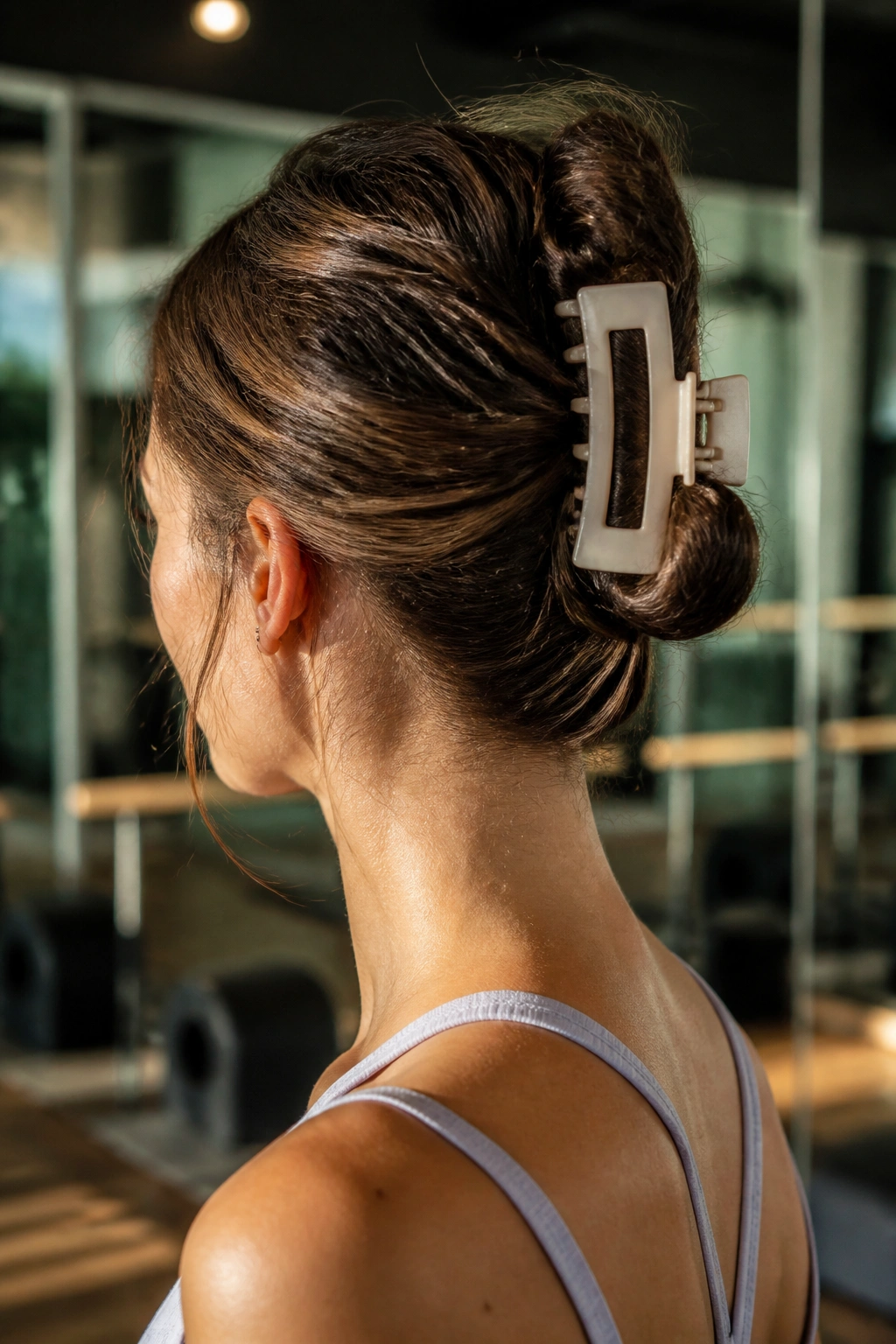
In a hot studio, your hair is going to get wet. You need a system that keeps it off your neck, as hair sticking to your sweaty skin is one of the most distracting feelings imaginable.
The Claw Clip vs. The Tie
A hair tie is the classic choice, but it can pull on your scalp or create a “dent” in your hair. A claw clip, if it’s sturdy enough, can hold your hair up without tension. Just ensure the clip is made of smooth plastic with no sharp edges that could scratch you if you lie on your back.
The “No-Slip” Factor
Look for hair ties with a high rubber content or a textured fabric coating. Standard smooth elastic ties will slide right out of damp, sweaty hair. A spiral tie is also a fantastic option; it grips the hair securely without needing to be tied tightly, reducing tension headaches.
18. Stretchy Mid-Rise Crops
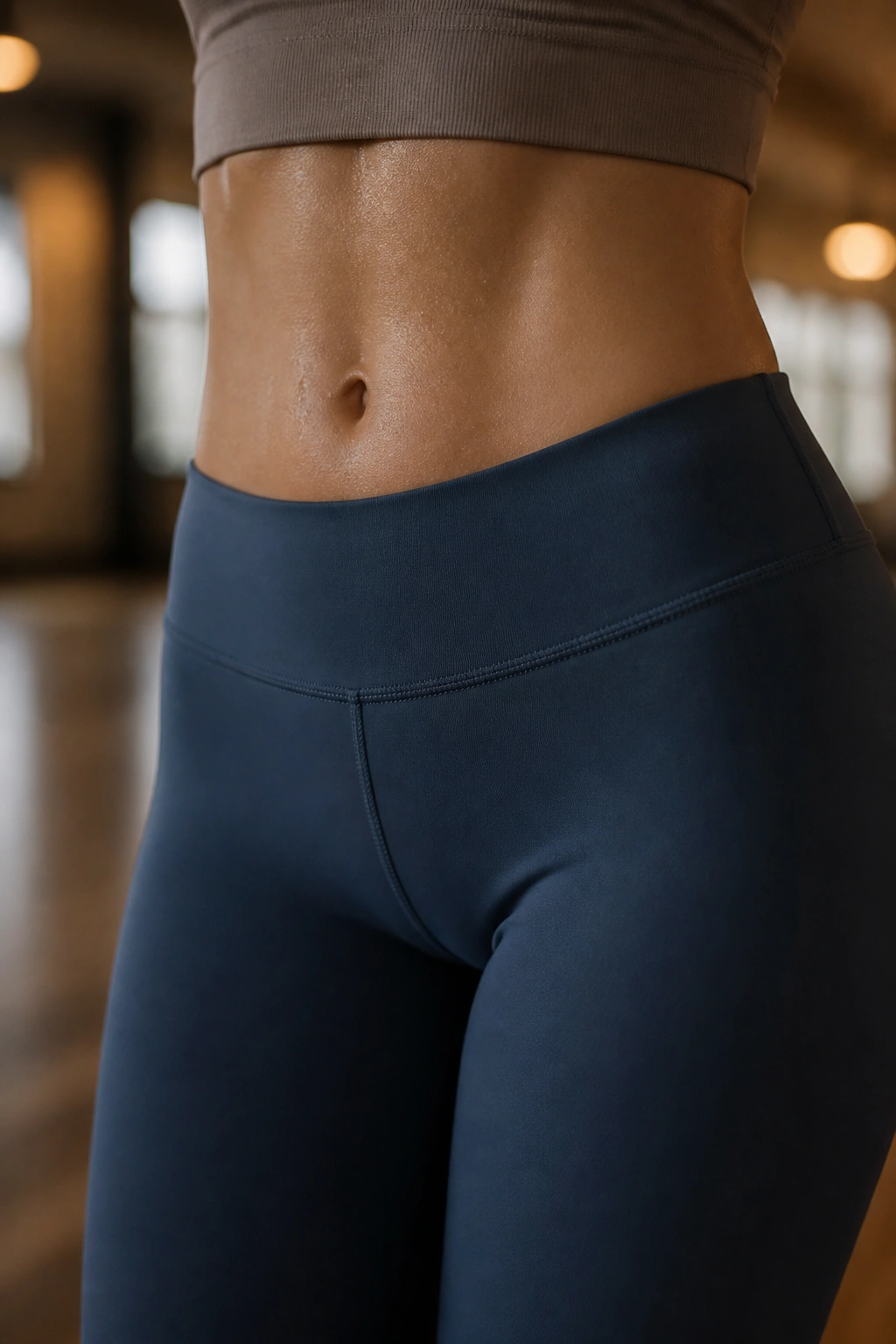
Not everyone loves the feel of a high-waisted legging. If you find the fabric on your ribcage restrictive, a mid-rise crop might be your preference. These sit below the belly button, providing a different kind of freedom.
The Fit
The key with a mid-rise option is ensuring the waistband has enough elastic tension to stay put. Without the natural “anchor” of the waist, a lower-rise legging can slide down during deep squats or hinges. Look for a pair with a reinforced waistband and a slight curve in the fit.
Performance
Cropped lengths are excellent for hot studios because they expose the lower leg, which acts as a heat vent. They are also very practical for barre, where instructors often need to see your ankles and foot alignment to correct your form.
19. Layering Camisoles
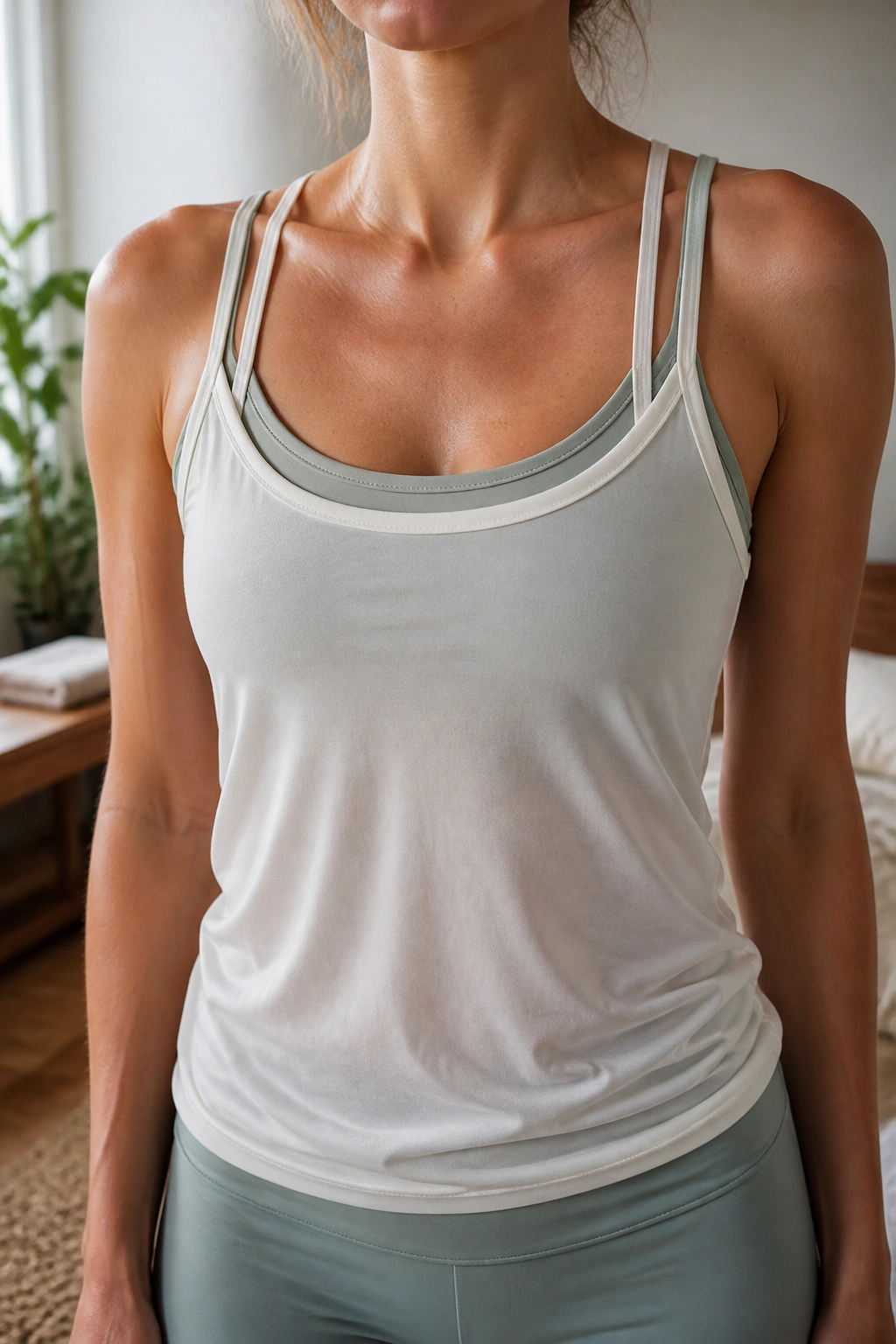
Sometimes you want a bit more coverage without the heat of a full tank top. A thin, spaghetti-strap camisole is a great layering piece. You can wear it under a sports bra or over it, depending on the look and feel you prefer.
Versatility
These are great for when you are transitioning from the studio to the rest of your day. They are easy to pack, take up almost no room in your bag, and can be worn with casual clothes after class.
Fabric Choice
Look for seamless, nylon-blend camisoles. They should be stretchy and light. Avoid heavy ribbed cotton, which will retain moisture and feel clammy against your skin.
20. Unitards
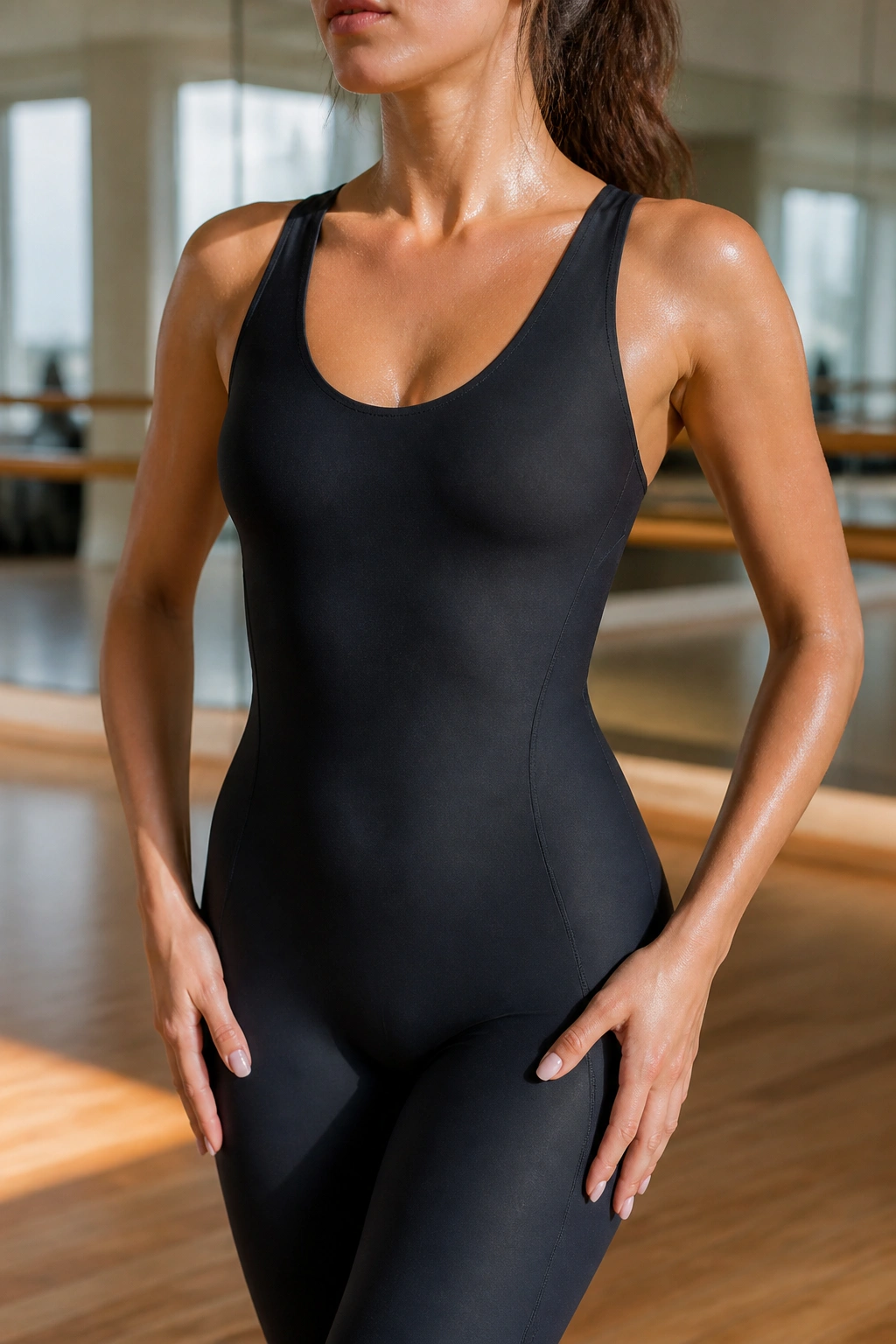
The unitard, or “onesie,” has made a major comeback in the fitness world, and for good reason. It is the ultimate “no-fuss” outfit. With no waistband to roll down and no top to ride up, it stays perfectly in place through every plank, roll, and leg circle.
The Fit
A well-fitting unitard feels like a second skin. It provides uniform compression across your entire torso and legs. Because there is no separation between the top and the bottom, you never have to adjust your clothes mid-class.
Why It’s Great for Heat
The minimalist construction of a unitard means there is very little excess fabric. It is a streamlined outfit that allows your body to regulate its temperature efficiently. Plus, it just looks sleek and professional, which can give you a boost of confidence when you look at your form in the studio mirror.
21. Supportive Ankle Socks
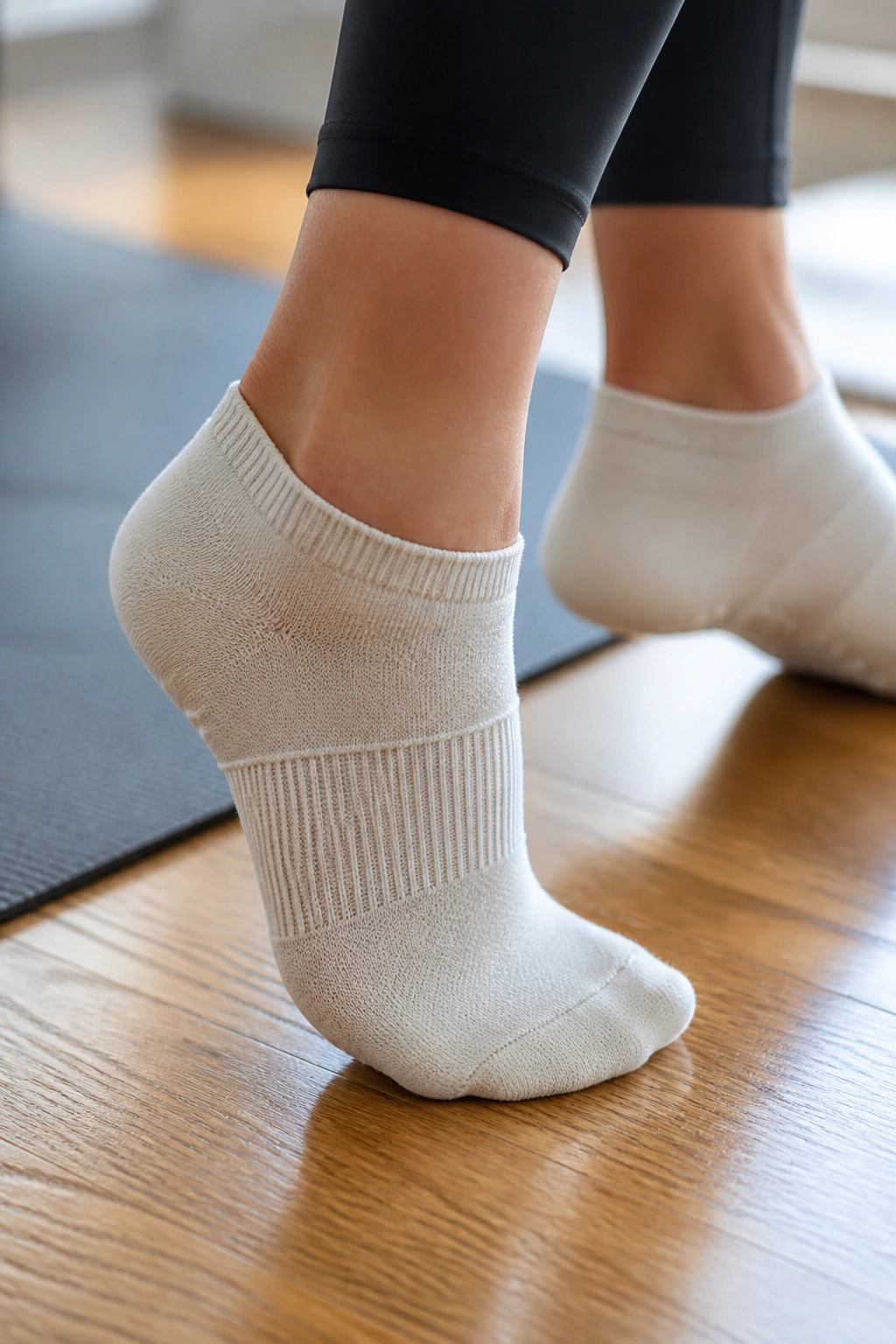
Even if you prefer to be barefoot, there are times when your ankles need a little extra support. Some athletic socks are designed specifically for Pilates, featuring arch compression bands.
Anatomy of the Sock
These are not your average cotton tube socks. They are thin, aerodynamic, and feature extra padding in the heel and ball of the foot. The arch support helps keep the foot stable during balance work.
When to Use Them
If you have sensitive arches or if you feel fatigue in your feet during long barre classes, these socks can provide a subtle layer of support. They aren’t necessary for everyone, but for those who need a bit of extra structure, they are a game-changer.
22. The Post-Studio Wrap
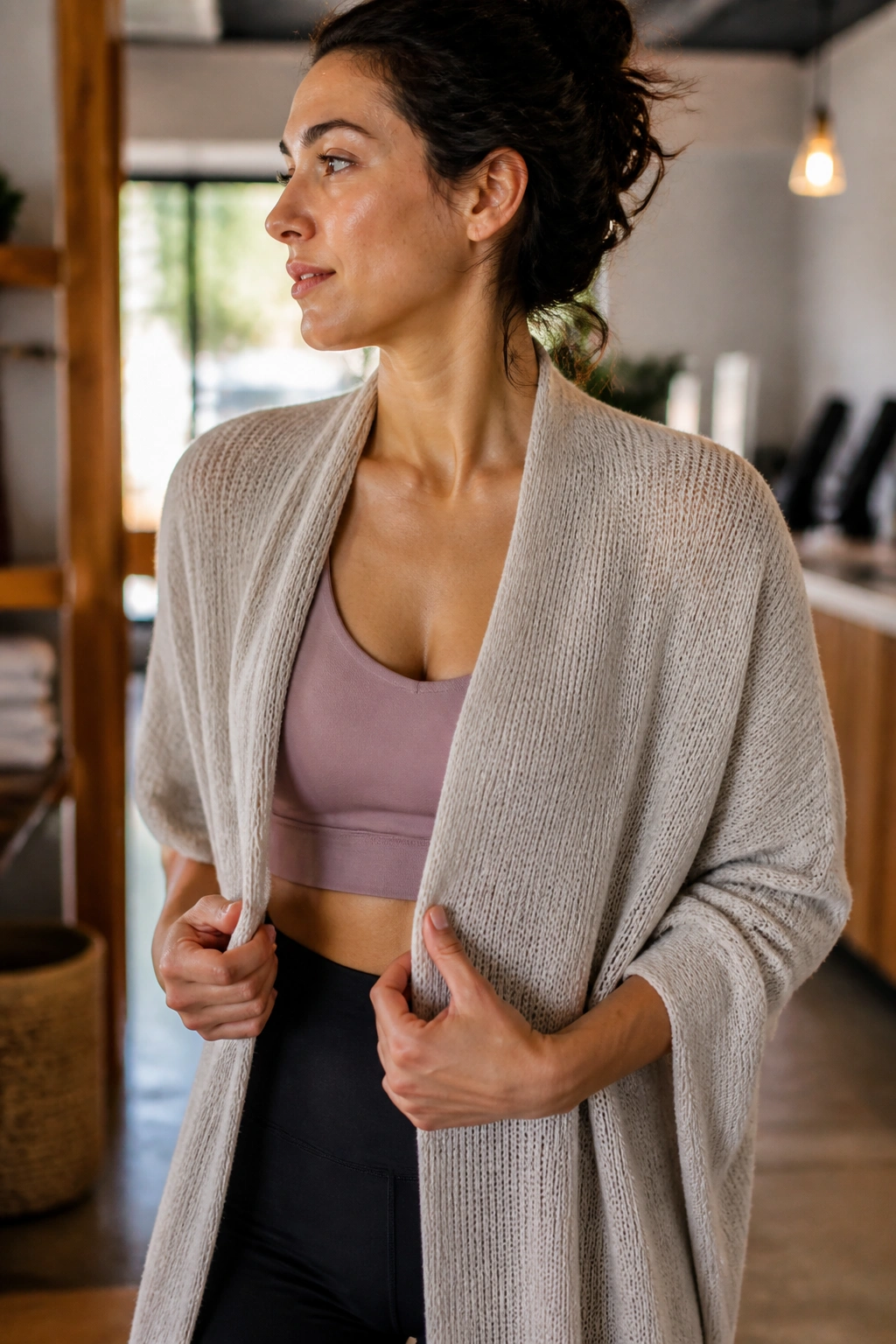
The workout ends, but the cooling down is just beginning. When you step out of a hot studio, your body temperature is still elevated, but the air outside (or in the lobby) might be significantly cooler. A lightweight wrap, cardigan, or oversized sweater is essential for the transition.
The Temperature Drop
Going from 100 degrees to 70 degrees in seconds can be a shock to your system. You don’t want to catch a chill. A wrap allows you to cover up quickly, keeping your muscles warm while you head to your car or walk home.
Material Selection
Look for something breathable like a lightweight knit or a bamboo-blend cardigan. You want to cover up, but you don’t want to immediately trap heat again and start sweating in your post-workout clothes. A wrap is the perfect, adjustable layer for that final exit from the studio.
Final Thoughts
Building the right outfit for a hot Pilates or barre studio is less about fashion and more about engineering. You are creating a system that allows you to move freely, manage your temperature, and maintain focus on your alignment and breath. The goal is to create gear that fades into the background so completely that you forget you are wearing it at all.
Start with your foundation—the high-waisted leggings and moisture-wicking bras—and layer from there. Avoid cotton at all costs, prioritize seamless construction to prevent chafing, and always test your gear for “ride-up” before you hit the studio. When your clothing is dialled in, you stop adjusting your waistband or pulling at your straps and start actually inhabiting the movement. That is when the real work happens.
