



A good Ashtanga yoga sequence should feel like a drumbeat, not a shuffle. Breath lands, feet land, hands land, and the mind stops arguing with the mat.
That’s why daily practice works so well in Ashtanga. Repetition is not the enemy; sloppy repetition is.
Most people do better with a few clean sequences than with a long mash-up of poses they half-remember. Keep the structure simple, let the vinyasa count do its job, and pay attention to the small things: where the gaze goes, how the ribs settle, whether the exhale stays smooth through Chaturanga.
These 22 sequences are built for real life. Some are warm-up-heavy, some are short enough for a crowded morning, and a few are the kind you reach for when the low back feels grumpy and the hamstrings have a chip on their shoulder.
The first place to begin is always the breath.
1. Sun Salutation A
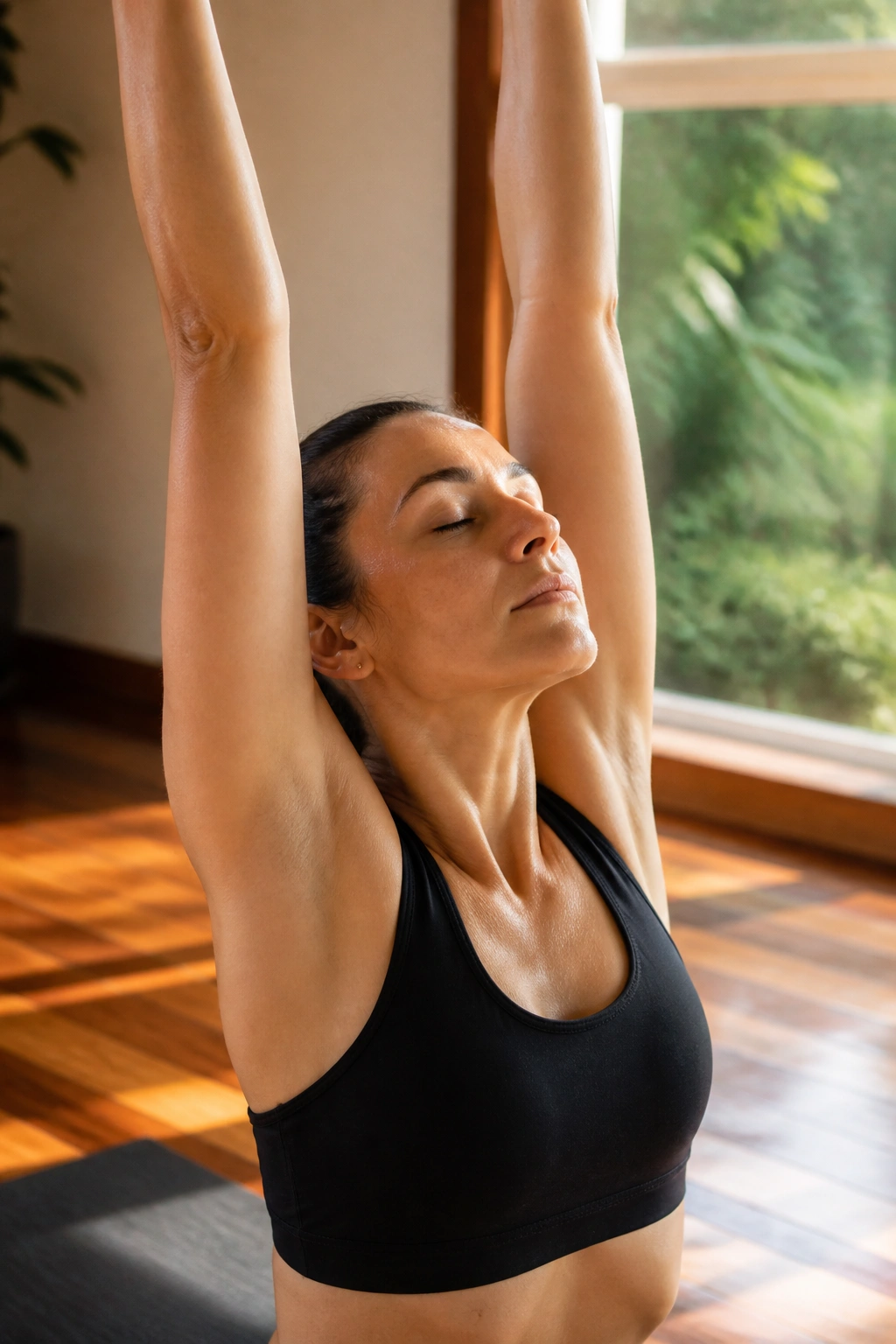
Sun Salutation A is the engine room of most Ashtanga yoga sequences. It wakes up the shoulders, warms the spine, and gives the nervous system a simple job: move with the inhale, fold with the exhale, and stop overthinking everything.
Why it earns first place
Do this sequence for three to five rounds and the body starts to change temperature fast. The trick is to keep the movement clean, not dramatic. If the first round feels clunky, that is normal; the second round usually feels better, and the third tends to tell the truth.
Here’s the basic flow:
- Samasthiti
- Urdhva Hastasana
- Uttanasana
- Half lift
- Chaturanga
- Upward-Facing Dog or Cobra
- Downward-Facing Dog
Hold Downward Dog for five breaths if you want a steadier warm-up. That pause matters. It gives the wrists time to adapt and the hamstrings time to stop complaining.
Keep the elbows close on Chaturanga. Low and controlled beats fast and sloppy every time.
2. Sun Salutation B
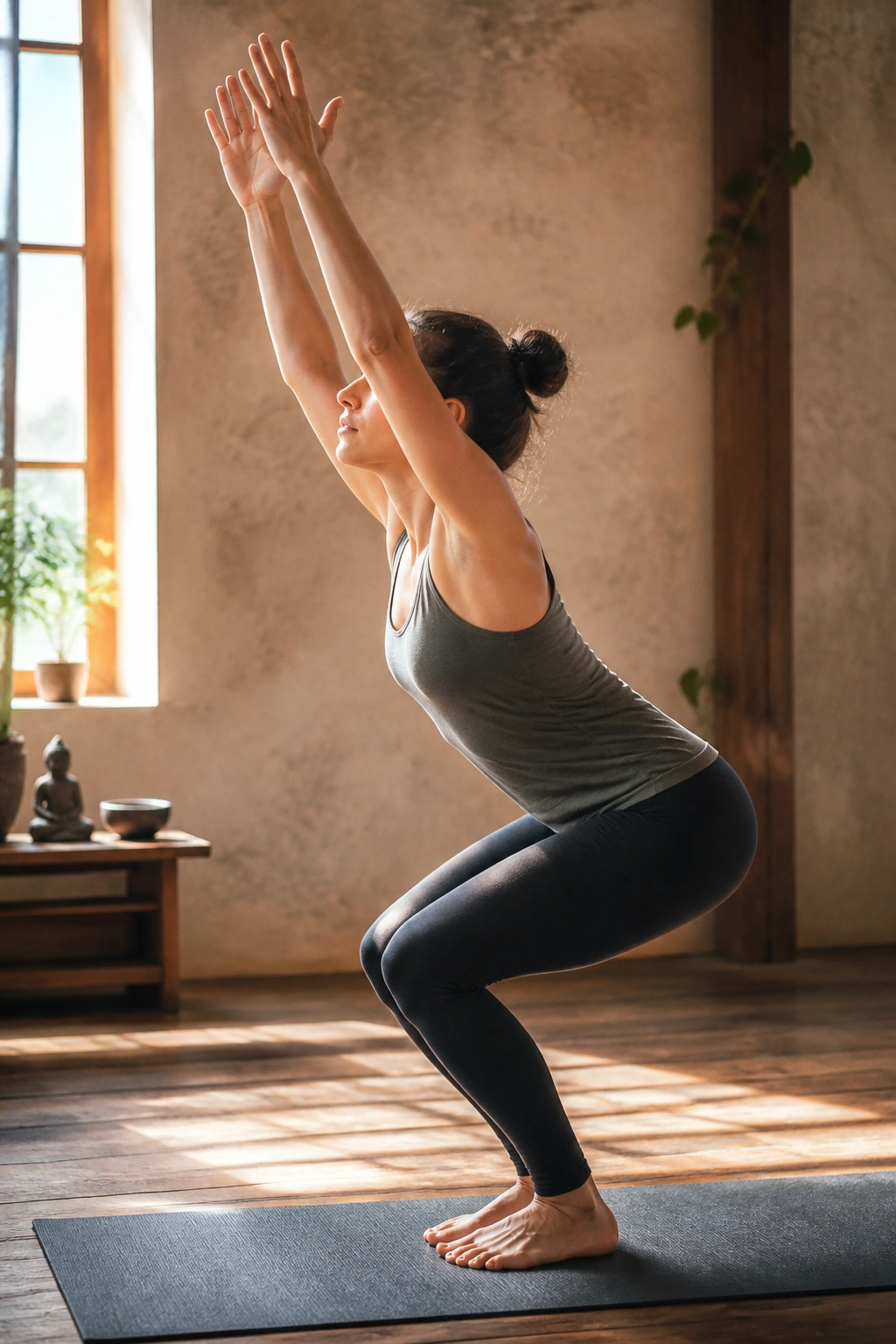
If your legs feel sleepy, this sequence fixes that fast. Chair pose and Warrior I bring heat into the thighs in a way Sun Salutation A does not quite match, and that extra load changes the whole practice.
This is the round that makes the room feel smaller in a good way. You stop drifting and start working.
Move from Samasthiti into Utkatasana, fold, lift halfway, then step or jump back through vinyasa. From there, come into Warrior I on each side, staying with the breath instead of racing ahead of it. The shape is simple. The job is not.
A lot of people rush the transition from lunge to plank. Bad idea. Keep the front knee steady, place the hands with intent, and let the exhale set the pace. If the shoulders start to burn, shorten the hold by one breath and keep the form clean. That still counts as practice. It counts a lot.
3. The Standing Series That Locks In Your Base
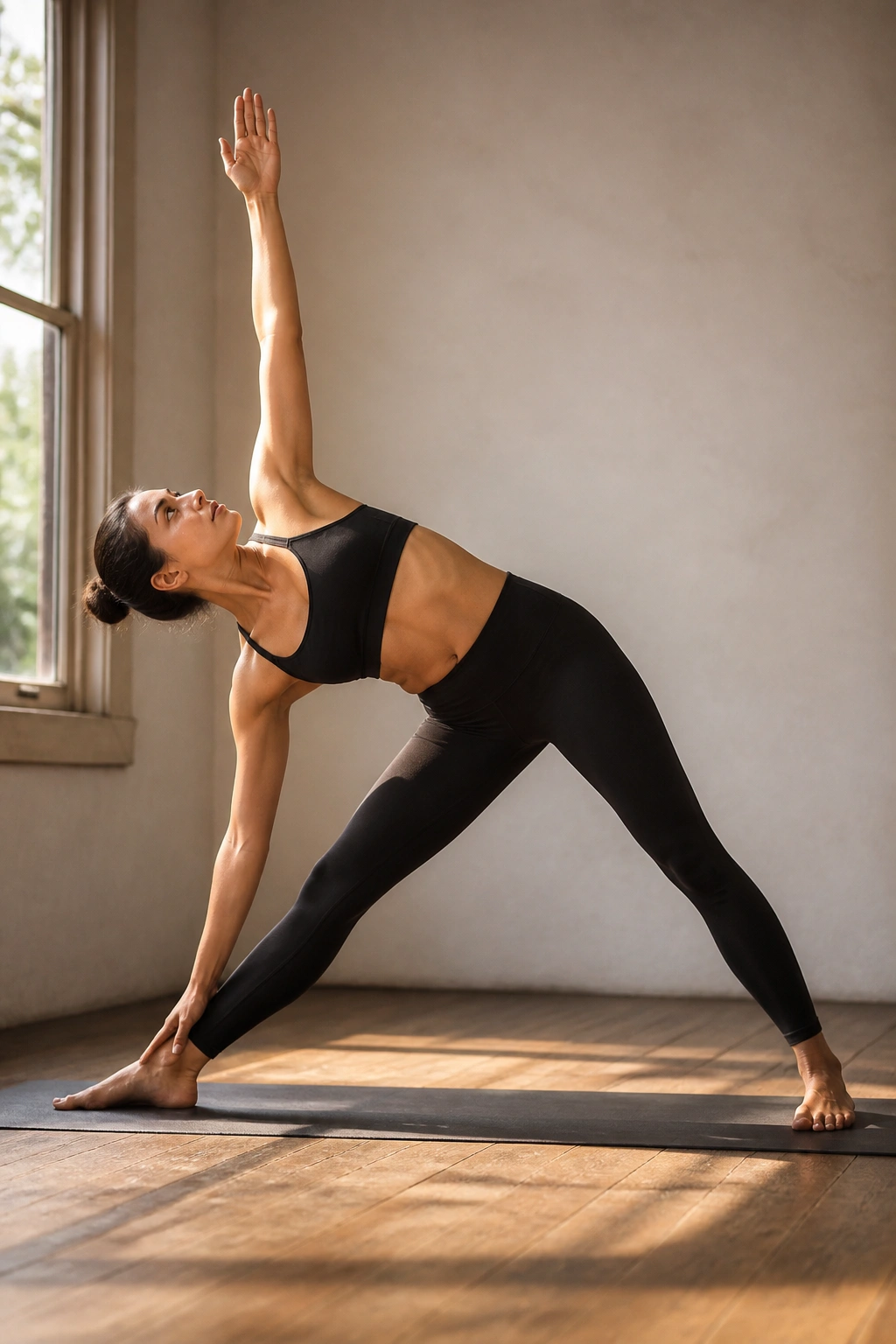
What makes the standing sequence so useful is not just strength. It’s orientation. Your feet learn the floor, your hips learn where to stack, and your gaze point, or drishti, starts to steady the brain.
How to move through it
A traditional standing block often includes:
- Padangusthasana
- Padahastasana
- Utthita Trikonasana
- Parivrtta Trikonasana
- Utthita Parsvakonasana
- Parivrtta Parsvakonasana
- Prasarita Padottanasana
Hold each shape for five breaths if the practice is short. That is enough to feel the line without letting the room go cold.
The big mistake here is gripping the toes and locking the knees. Soften the knees a touch, lift through the arches, and let the pelvis settle before you twist. You want the pose to feel long, not jammed together.
No hurry. Seriously.
4. Bound Half-Lotus Balance
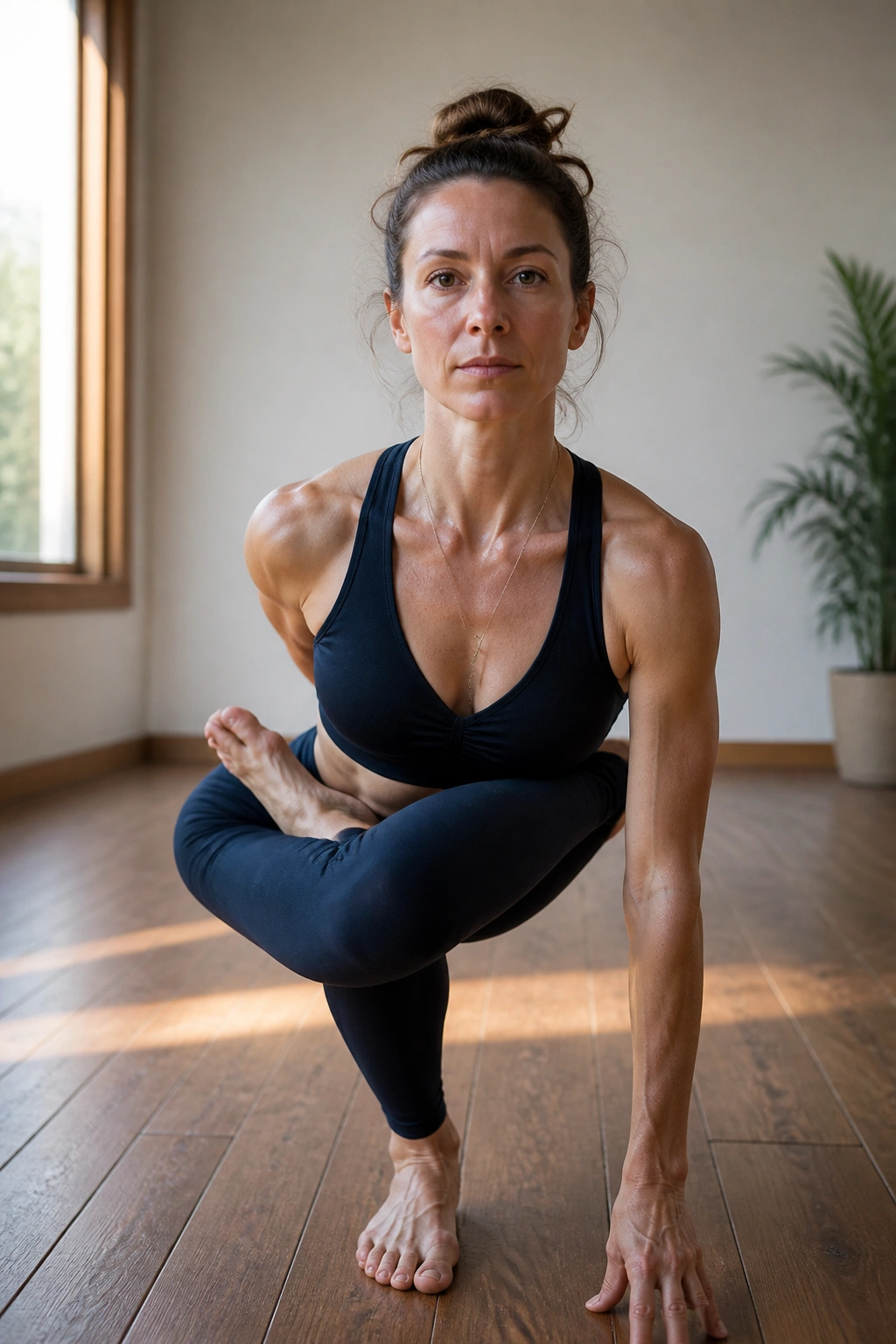
Standing balance work belongs in a daily Ashtanga yoga sequence because it tells you exactly where the wobble lives. If the standing leg shakes, you’ll know. If the hip locks up, you’ll know that too.
Ardha Baddha Padmottanasana is a sneaky little teacher. It asks for balance, hip opening, and a calm front body all at once, which is why it exposes shortcuts so quickly.
Keep the bound foot active and the knee of the lifted leg low enough that you are not forcing anything. If the lotus shape feels cranky, stop earlier. A half-formed pose with good breath is better than a pretty shape that makes the knee sulk for two days.
I like this sequence for mornings when the mind feels scattered. One foot works. Then the other. That’s enough.
5. Low Lunge Hip Openers
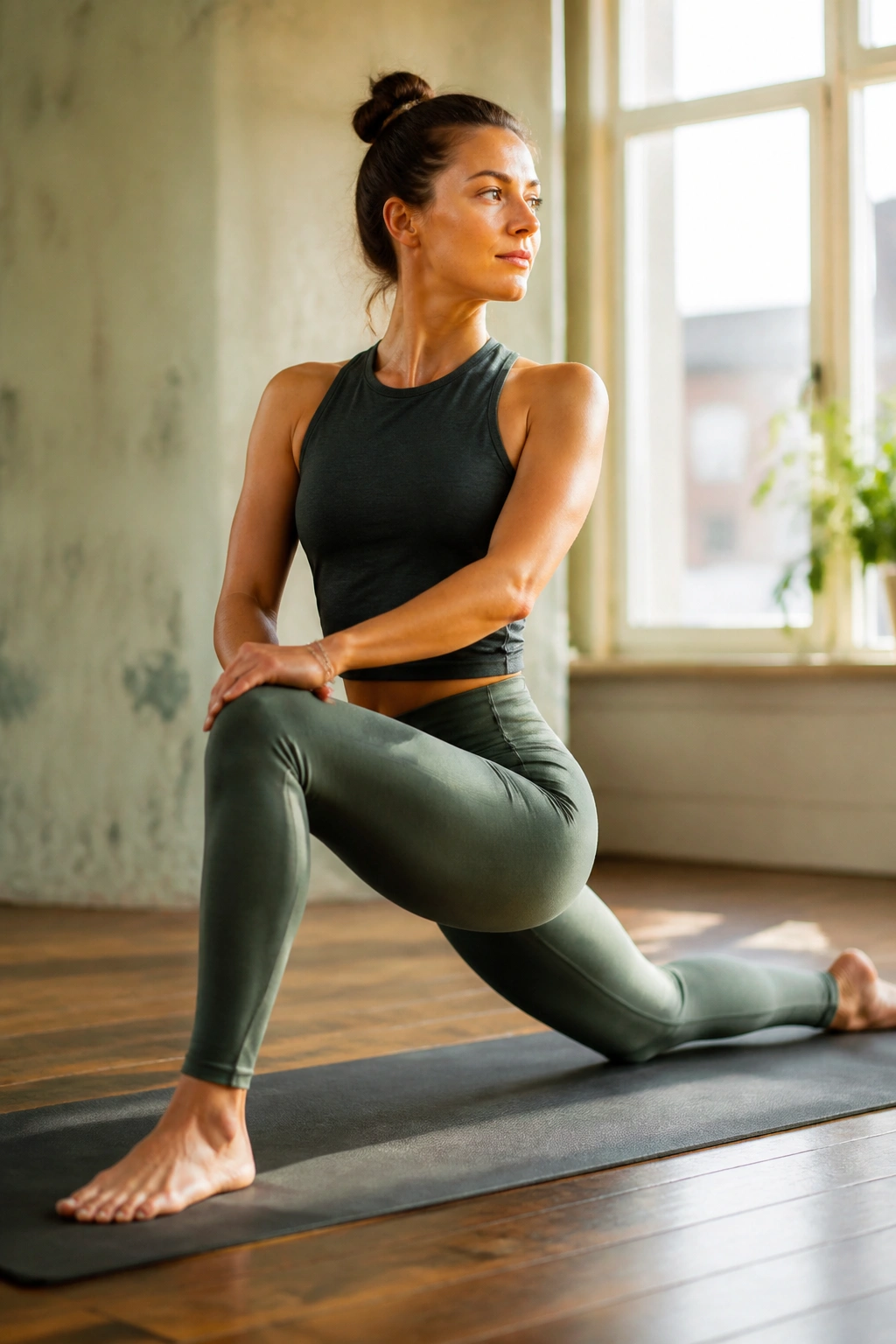
A lot of people want a hip opener that feels heroic. The hips usually want something quieter. Low lunge, half split, and a gentle lizard variation can do more useful work than the deepest stretch in the room.
This block fits nicely after standing work, when the legs are warm and the breath is already moving. Start with Anjaneyasana, shift back into Ardha Hanumanasana, then come forward again. Add a twist if the spine feels stiff. Skip the twist if the low back is sensitive.
Use the back foot like an anchor. Press the top of the foot down and keep the front heel heavy. That keeps the front knee from wandering and gives the hip flexor a cleaner line of pull.
No need to chase depth here. If the front thigh feels like it might cramp, back out a little and breathe longer.
6. Core and Arm Balance Work
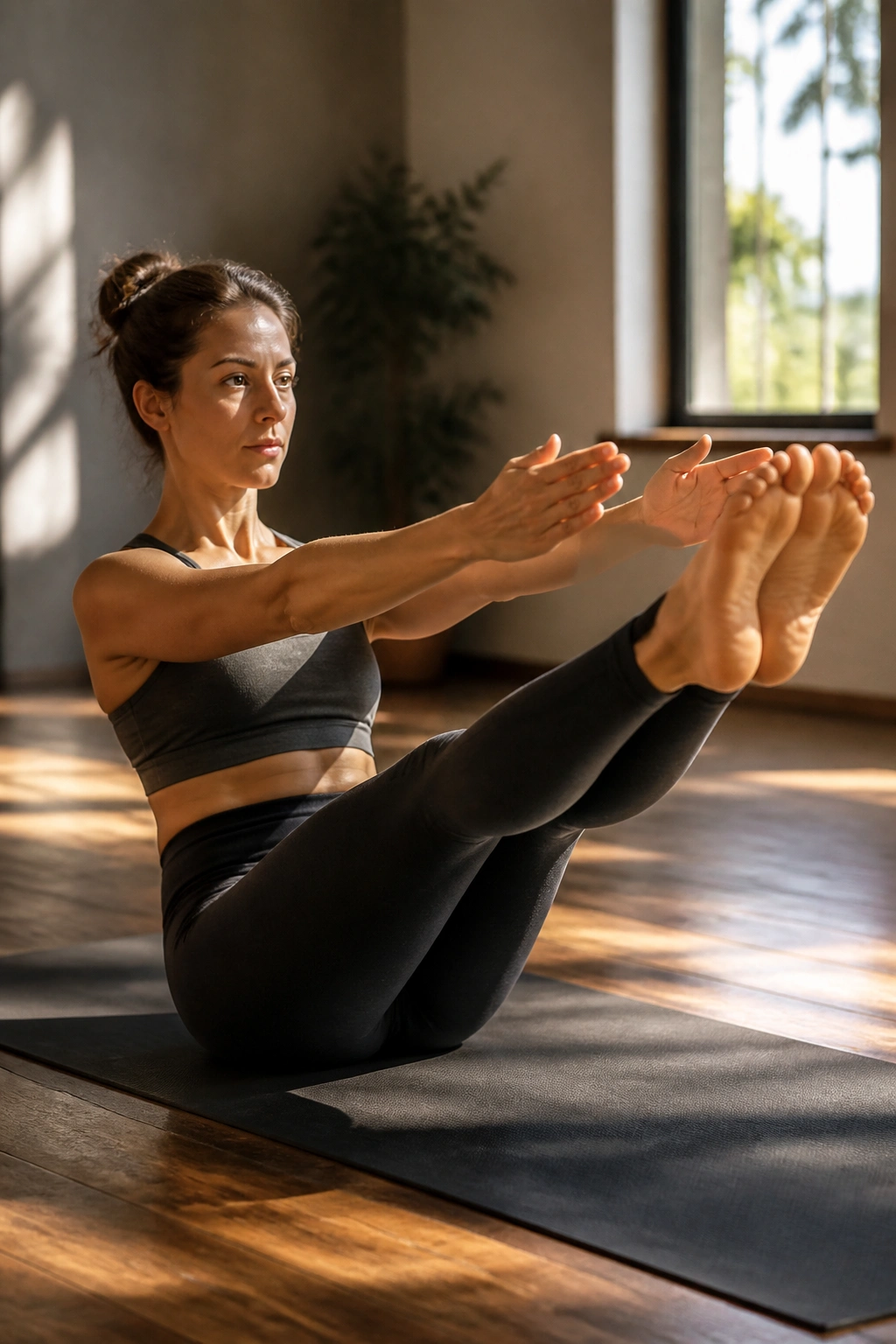
Core work in Ashtanga is not about crunches. It is about making the center so organized that arm balances stop feeling like random acts of courage.
Why the core belongs in daily practice
Navasana, plank, side plank, and jump-through prep all teach the same lesson: the body moves better when the middle stays awake. A lot of shaky Chaturangas are really weak cores in disguise.
A compact sequence can look like this:
- Plank for 3 breaths
- Side plank on each side
- Navasana for 5 breaths
- Knees-to-chest tuck in transition
- Low plank with a controlled lower
If your lower back aches during Navasana, bend the knees and keep the chest lifted. That is not a downgrade. It is a smarter version of the pose.
I care a lot about this block because it changes everything downstream. Even your forward folds get cleaner when the trunk is less floppy.
7. Revolved Twists
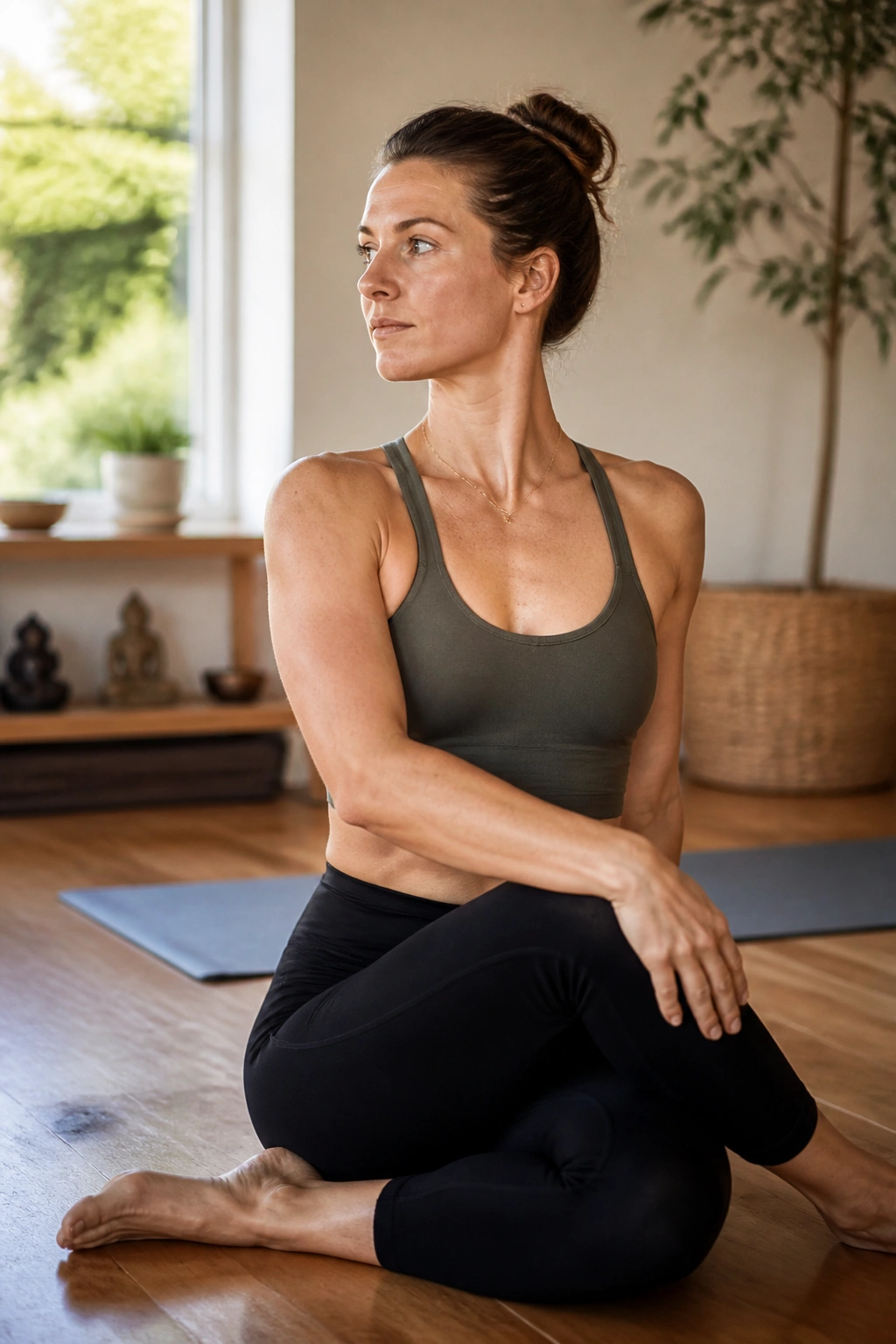
Twists are where the practice starts to feel tidy again. After standing work and core effort, the spine likes a little rotation, especially on days when sitting has made the mid-back stiff.
Marichyasana C, seated spinal twist, and a revolved chair variation can sit nicely in the same sequence. They ask for a long exhale and a patient rib cage. If you yank the shoulder across the knee, the twist turns into a wrestling match. Skip that.
What to watch for
- Keep both sit bones grounded when you can
- Lengthen on the inhale before you rotate on the exhale
- Let the belly soften instead of bracing hard
- Keep the neck last, not first
A twist should feel like a spiral, not a squeeze. If it feels sharp in the low back, back off and come out sooner. Sharp is a warning, not a badge.
8. Hamstring Lengthening
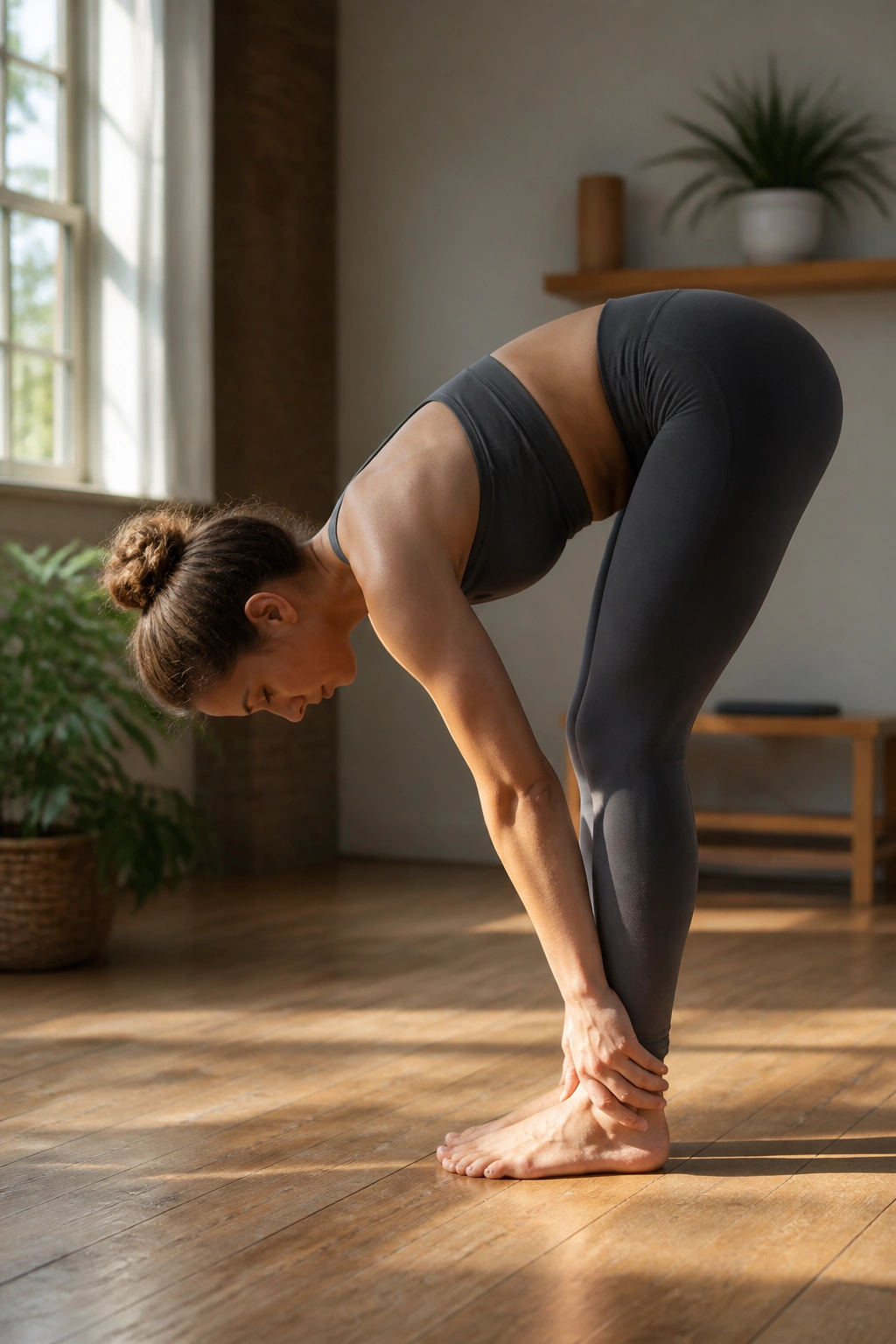
Hamstrings are funny. Tight people think they need more force. Loose people think they need more length. Both often need better alignment first.
Padangusthasana, Padahastasana, and Prasarita Padottanasana make a solid lengthening trio when the legs have already warmed up. The key is to hinge from the hips instead of collapsing through the spine. Bend the knees enough that the pelvis can actually tip forward.
You do not need straight legs to get the benefit. You need honest legs.
A small detail changes everything here: press the feet evenly into the floor and let the weight drift toward the balls of the feet as you fold. That makes the hamstrings work in a less defensive way. If the breath catches, the stretch is too much for the moment.
This sequence is one of my favorites after a lot of walking or standing. Quiet. Simple. Useful.
9. Seated Forward Fold Ladder
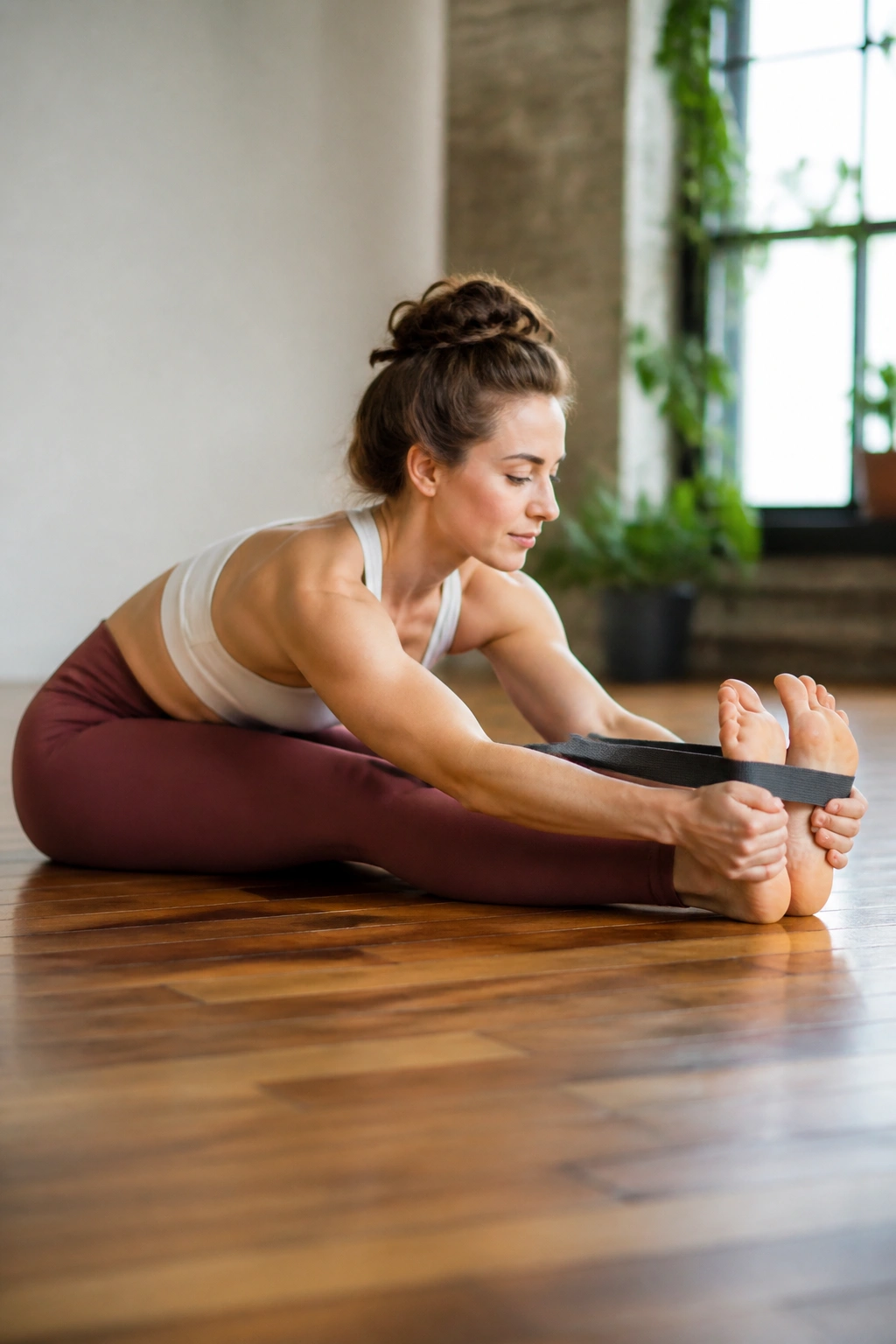
Seated forward folds are where Ashtanga gets patient. Dandasana looks plain, but it sets the shape for the rest of the seated work. Without that long spine, the folds become a slump with ambition.
Start with staff pose, then move into Paschimottanasana, Janu Sirsasana A, and if the body is ready, B and C. Use a strap on the foot if the reach turns into a tug-of-war. That is not cheating. That is sensible.
The point is to keep the front of the body soft and the back of the body long. If the shoulders climb toward the ears, back out a little. If the breath gets small, back out a little more. The fold should feel like an invitation.
Hold each fold for five to eight breaths and let the exhale do more work than the hands. That one habit changes the whole block.
10. Half-Lotus and Hip Prep
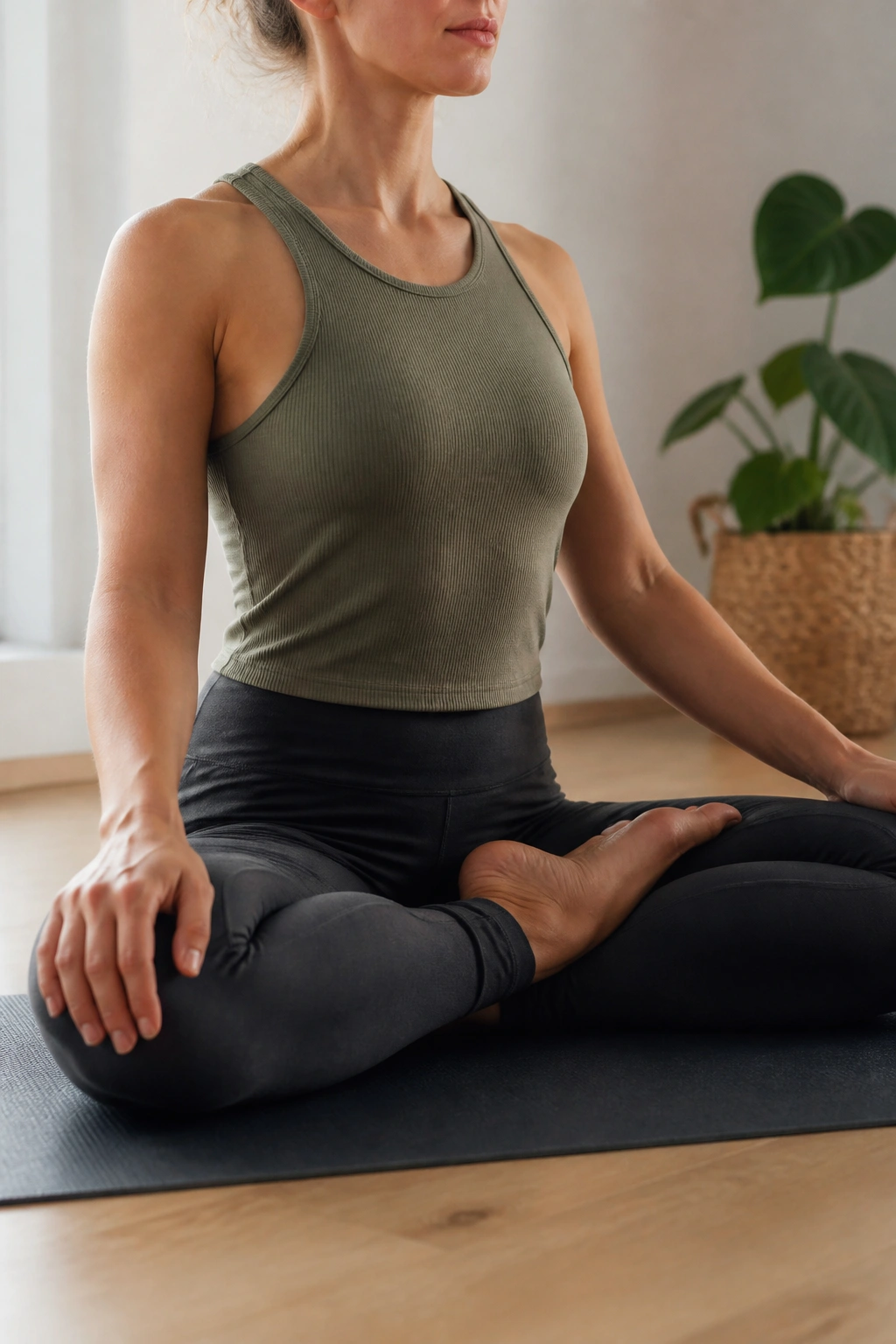
Half-lotus work is useful, but only if the hip opens first and the knee stays safe. That sounds obvious. People still rush it.
Ardha Baddha Padma Paschimottanasana and related seated shapes teach one main thing: the hip must rotate, not the knee twist. Keep the lifted foot snug in the hip crease, and if the knee wants to drift sideways, stop and reset.
A good setup often begins with Baddha Konasana or a simple seated straddle. Then come into the half-lotus fold with a long spine and a calm face. If the top knee refuses to descend, that is fine. Let it be where it is.
The best teachers of this sequence are time and repetition. No dramatic pushing. No heroic yanking. Just a clean shape, a few breaths, and a slow return.
11. Backbend Builder
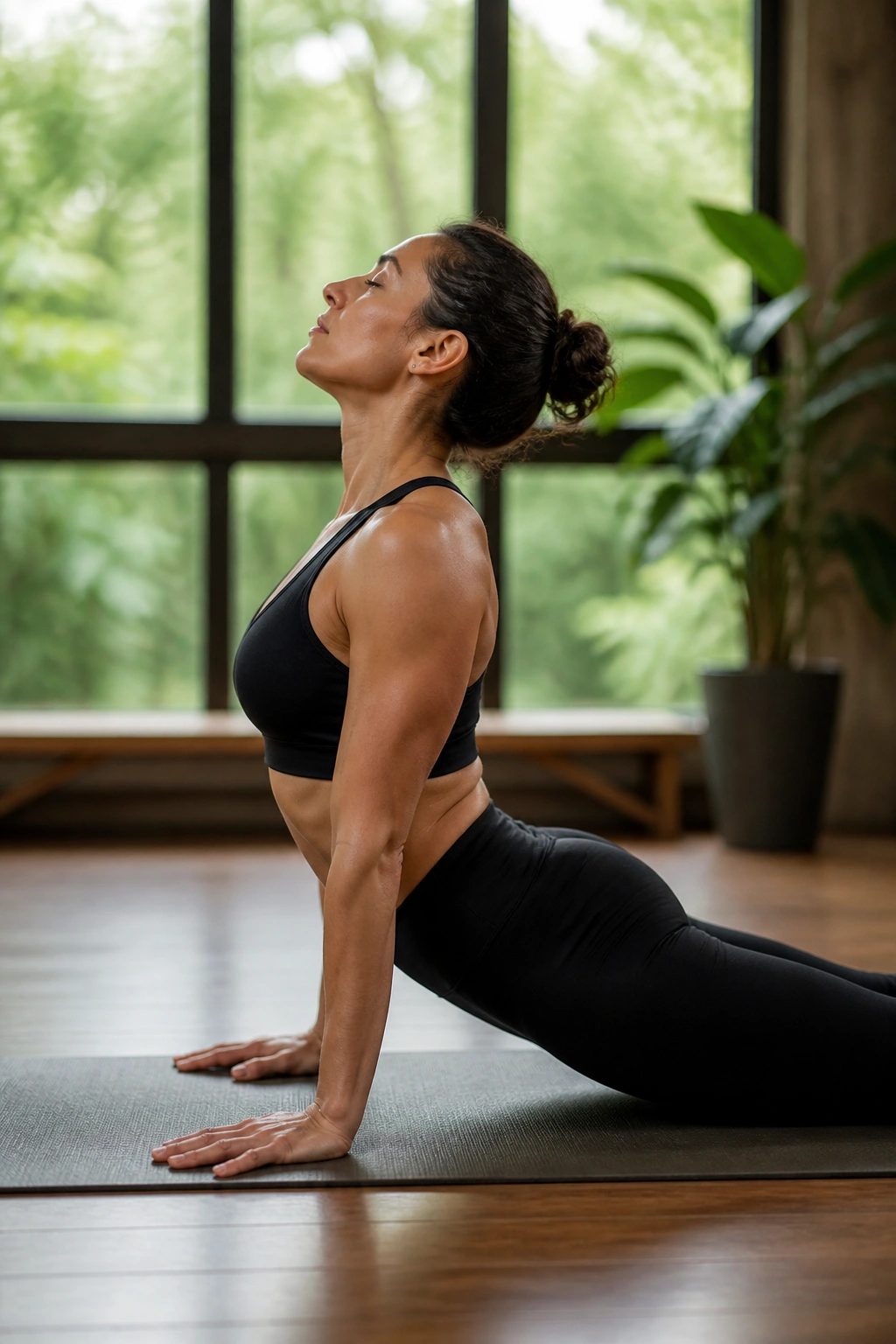
Backbends are where many daily practices either open up or get sloppy. The low back likes support. The upper back likes encouragement. The neck likes to stay out of the fight.
Protect your low back
Start with Cobra, then Locust, then Bow or Bridge, depending on what the spine has to offer that day. Keep the glutes active but not clenched, and let the sternum lift before the head does. That order matters.
A simple block might look like this:
- Bhujangasana for 3 breaths
- Salabhasana for 3 breaths
- Setu Bandha Sarvangasana for 5 breaths
- Optional Urdhva Dhanurasana if the shoulders and wrists are ready
If the low back pinches, come down and rest. The practice is not asking for pain. It is asking for steady extension.
I like backbends best when they feel like opening a door instead of kicking it down.
12. Shoulder and Chest Openers
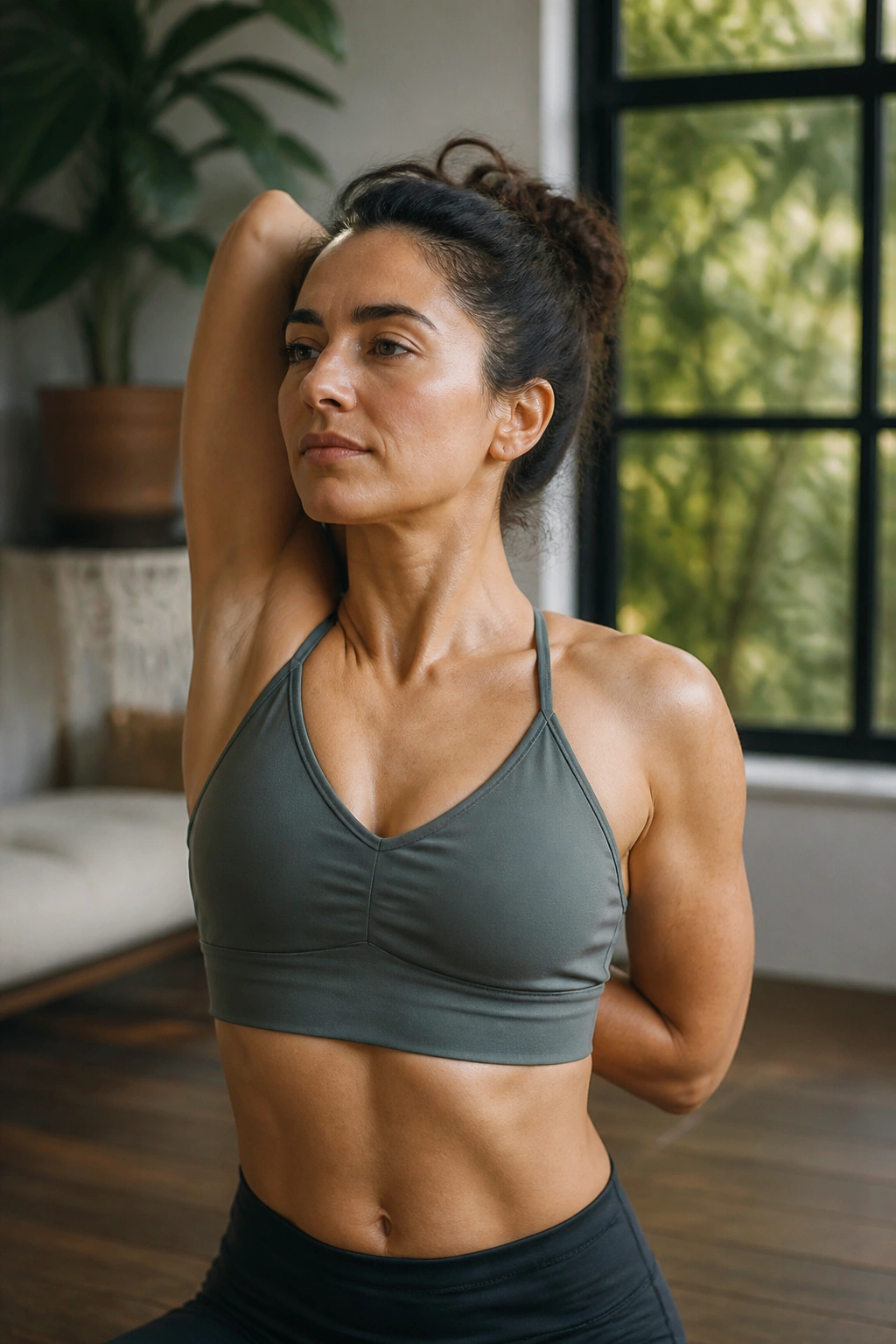
Most people sit with the shoulders rolled forward and the chest slightly collapsed. That posture steals space from the breath, then the breath starts to feel mysteriously shallow. Not mysterious at all, really.
Gomukhasana arms, eagle arms, bound hands behind the back, and dolphin pose can all live in a shoulder-opening sequence. Use a strap if the hands do not meet. The shape is not the point; the opening is.
Hold each position for five slow breaths and keep the neck easy. If the ribs flare forward, the shoulders are borrowing space from the low back. Pull the front ribs in a touch and let the shoulder blades slide down.
This sequence works especially well after desk time. The front of the body feels less compressed, and the breath gets room again. That alone can change how the rest of practice feels.
13. Standing Strength Sequence
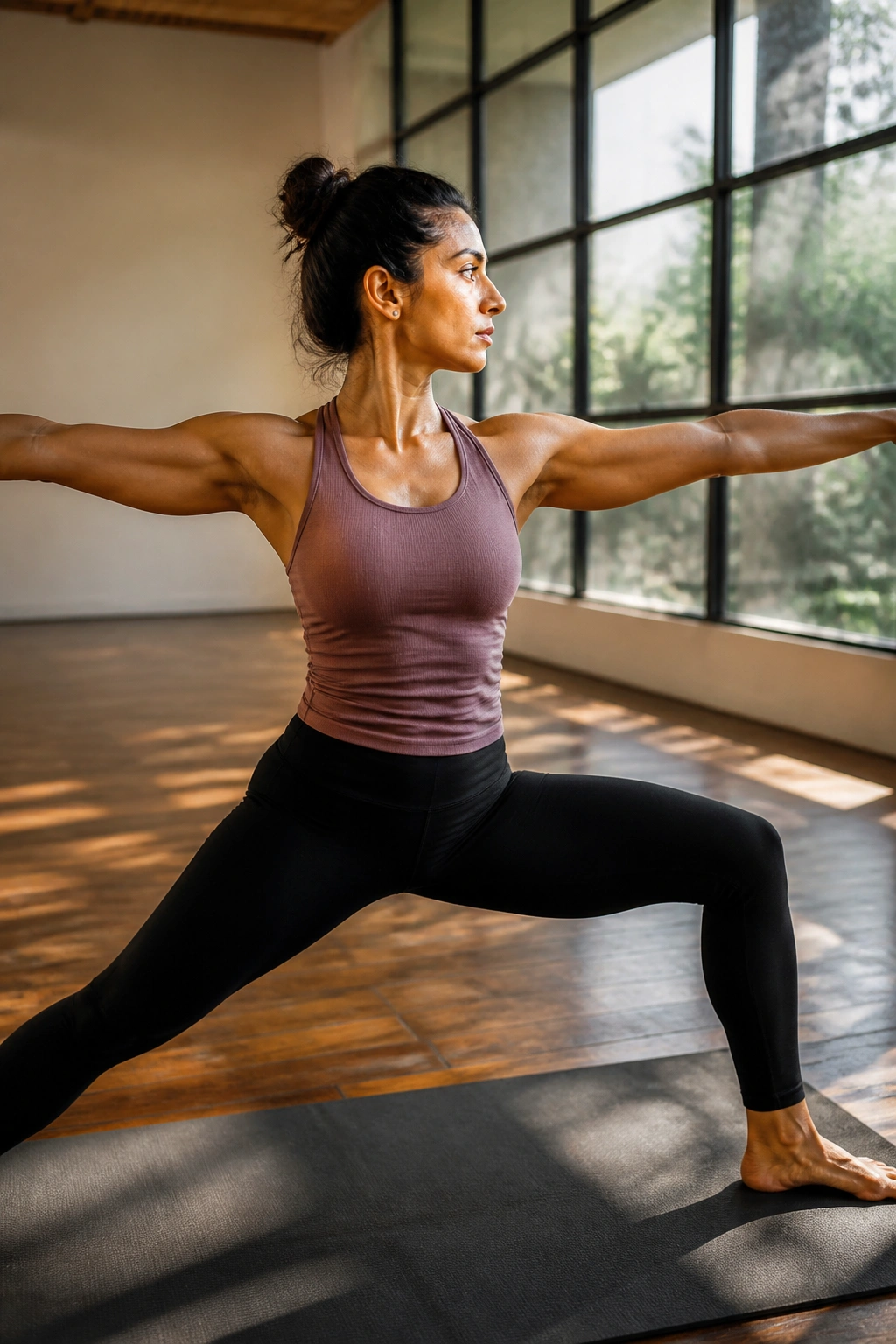
There are days when you want a sequence that builds heat without a lot of fancy transitions. This is that day.
Chair pose, high lunge, Warrior II, side angle, and a controlled return to standing can make the legs burn in a way that feels honest, not theatrical. Add a slow step-back or a light jump only if the shoulders are warm and the wrists feel cooperative.
What makes it work
The value here is tempo. Move deliberately enough that the thighs stay online the whole time. If you rush, the effort drops into the knees. If you stay too loose, the pose stops doing the job.
A good rule: one breath to enter, two to settle, three to work. That rhythm keeps the sequence from turning into a blur.
I reach for this block when I want sweat but not the full standing series. It is straightforward. No fluff.
14. Recovery on Sore Days
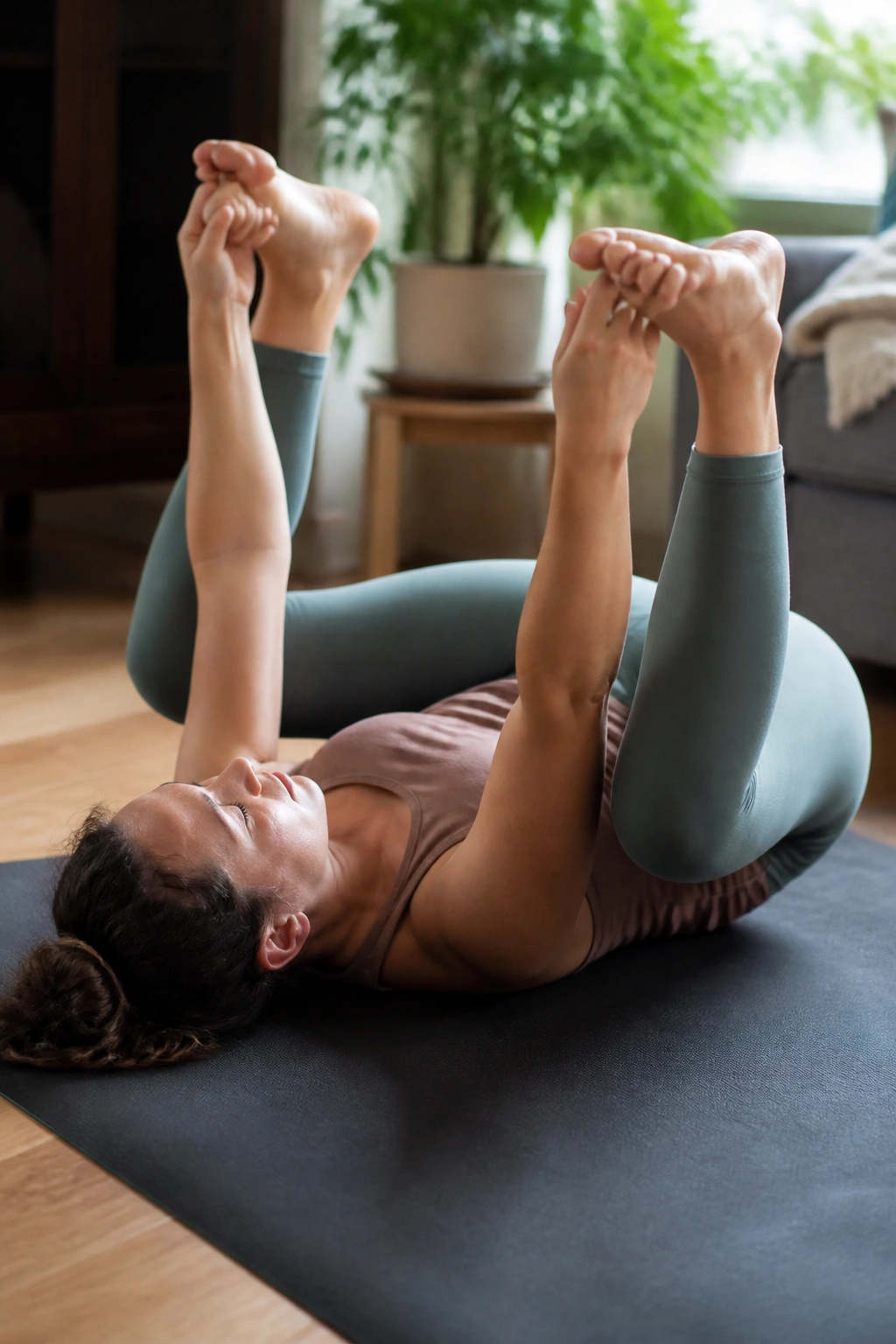
Some days ask for less. Not because you’re lazy. Because the body has a bill to pay.
A recovery sequence can include gentle forward folds, reclining twists, Happy Baby, Legs-Up-The-Wall, and a long savasana. If the wrists are sore, skip the vinyasas. If the lower back feels tight, keep the knees bent in every supine position.
One sentence is enough here: soft breath, low effort, no pride.
The idea is to keep blood moving and let the joints stop arguing. I would rather see ten quiet minutes done well than forty minutes forced through tired tissue. That is not a moral statement. It is just smarter body care.
15. The Desk-Break Reset
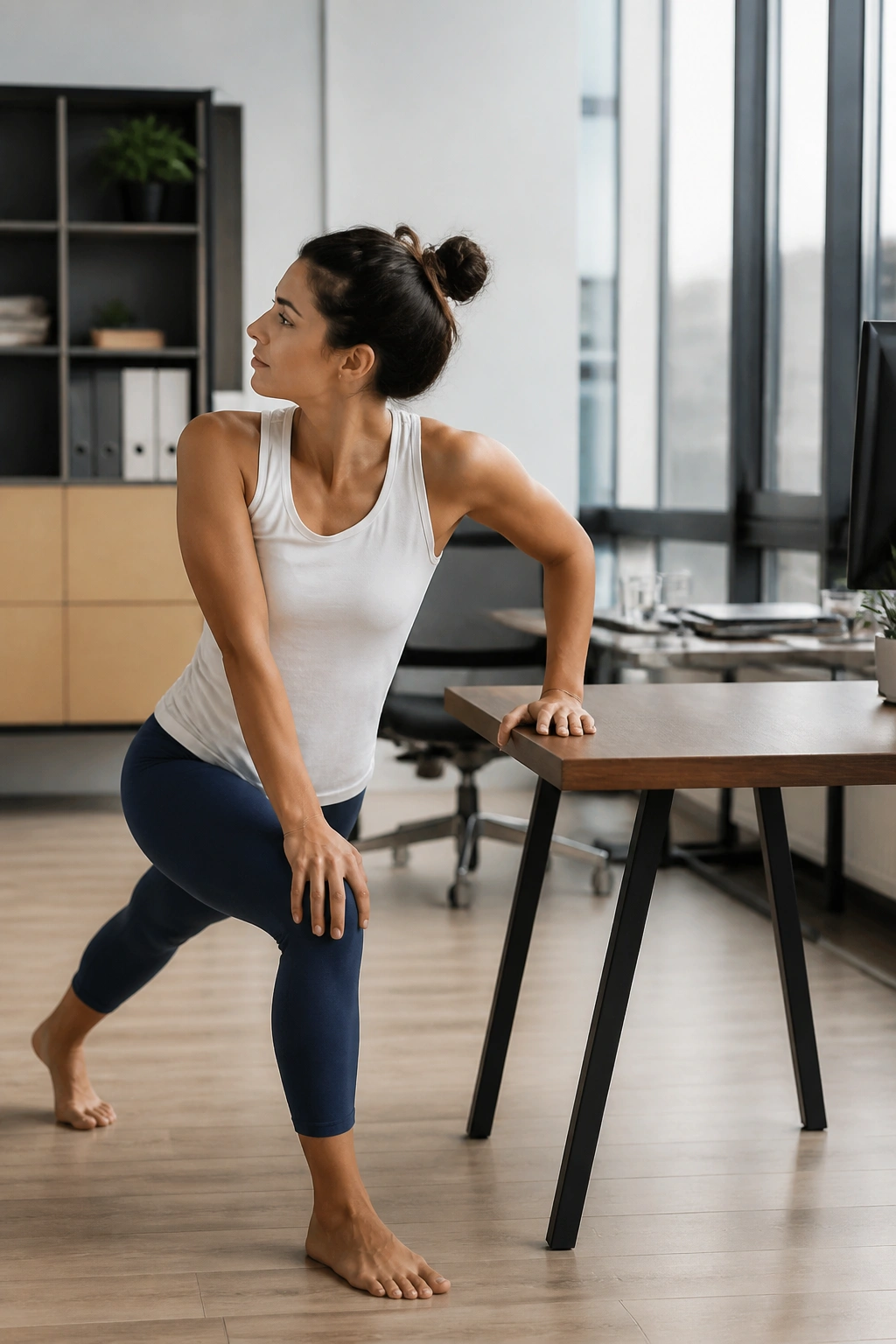
Sitting all day makes the body forget how wide it can be. The desk-break sequence reminds it.
Stand up, roll the shoulders, fold forward with bent knees, step into a short lunge, twist each side, and finish with a standing chest opener. If space is tight, keep the feet hip-width and skip anything dramatic. You do not need a full mat to reset the spine.
A tiny practice like this can clear the fog from the neck and upper back faster than people expect. Three minutes is enough to feel it. Ten minutes feels luxurious.
Use the exhale to drop the ribs. That one cue helps almost every office-body issue I see in this kind of sequence.
16. The Hotel-Room Sequence
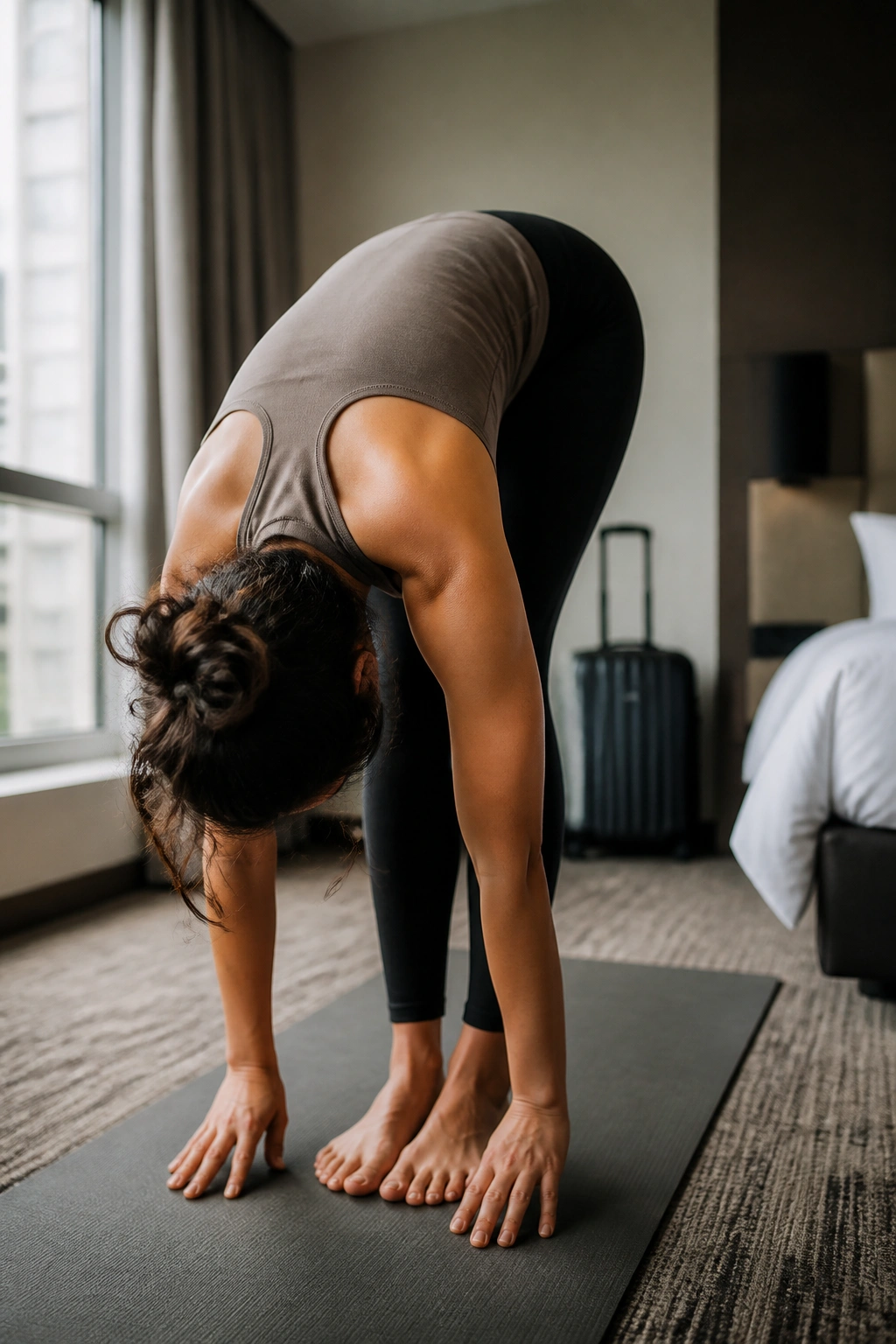
A small room changes how you practice. No huge jumps. No wild arm swings. No excuses either.
This sequence works because it stays compact: Sun Salutation A, standing forward fold, low lunge, seated twist, boat pose, bridge, savasana. If the floor is cold or the mat is thin, fold a towel under the knees for comfort.
The trick in tight spaces is to avoid overreaching. Keep the arms where they can move cleanly. Keep the transitions plain. A clean small practice beats a crowded big one when the room is narrow.
I like this one for travel because it feels familiar without being demanding. The body gets a real signal, and you do not need to rearrange furniture to get it.
17. The 20-Minute Sequence
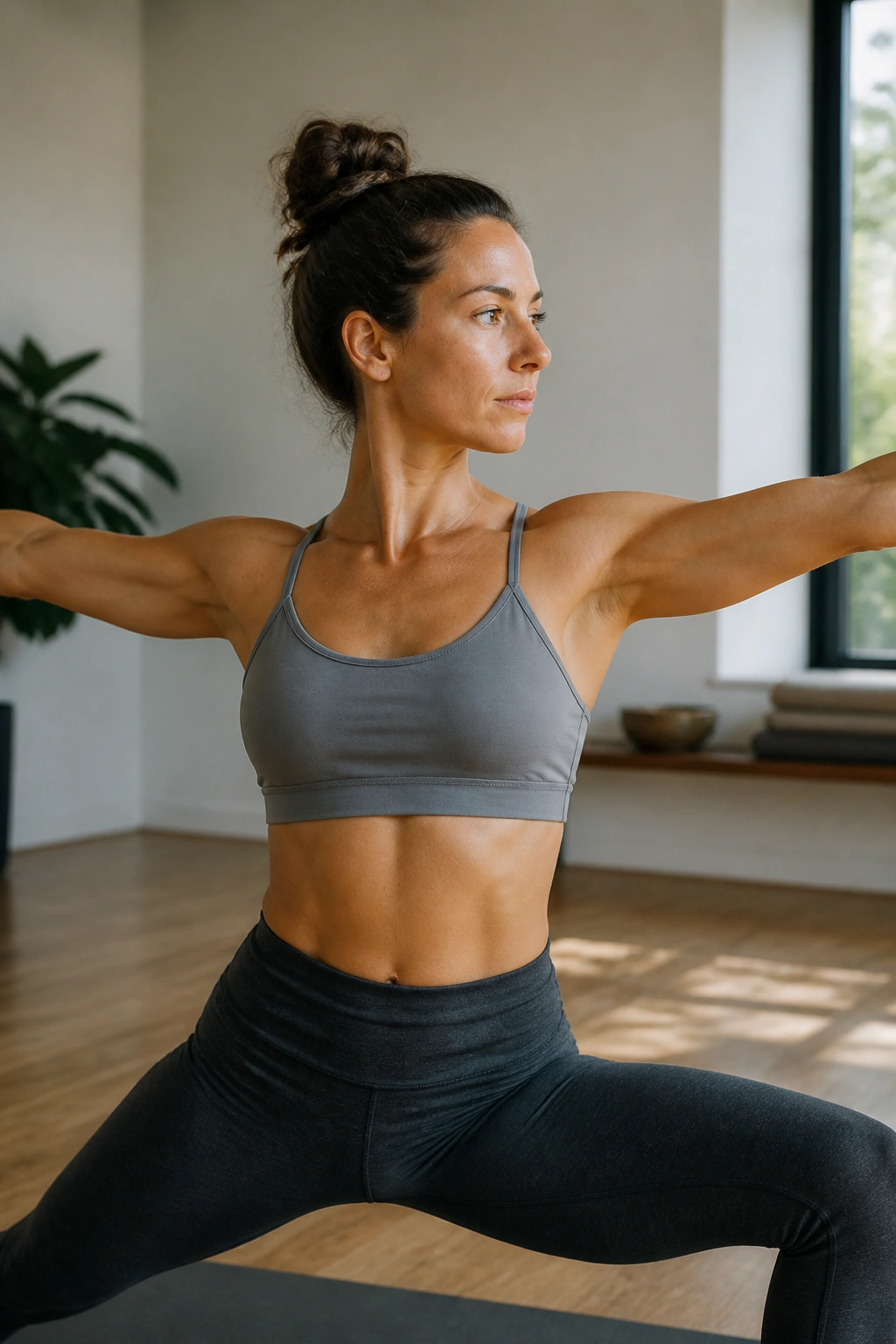
Can Ashtanga yoga sequences fit into 20 minutes without feeling chopped up? Yes, if you stop trying to fit in everything.
A simple structure
- 2 rounds Sun Salutation A
- 2 rounds Sun Salutation B
- 4 standing poses
- 1 twist each side
- 1 forward fold
- 1 backbend
- savasana
That is enough. Really.
The mistake people make is trying to cram in extra poses and then racing through every breath. The better move is to cut the list and protect the tempo. If you keep the vinyasa clear and the transitions calm, the practice still feels like practice, not a rushed checklist.
I use this kind of format when the day is crowded but I still want the spine to open and the legs to work. It does the job without asking for an hour I do not have.
18. The 30-Minute Balanced Sequence
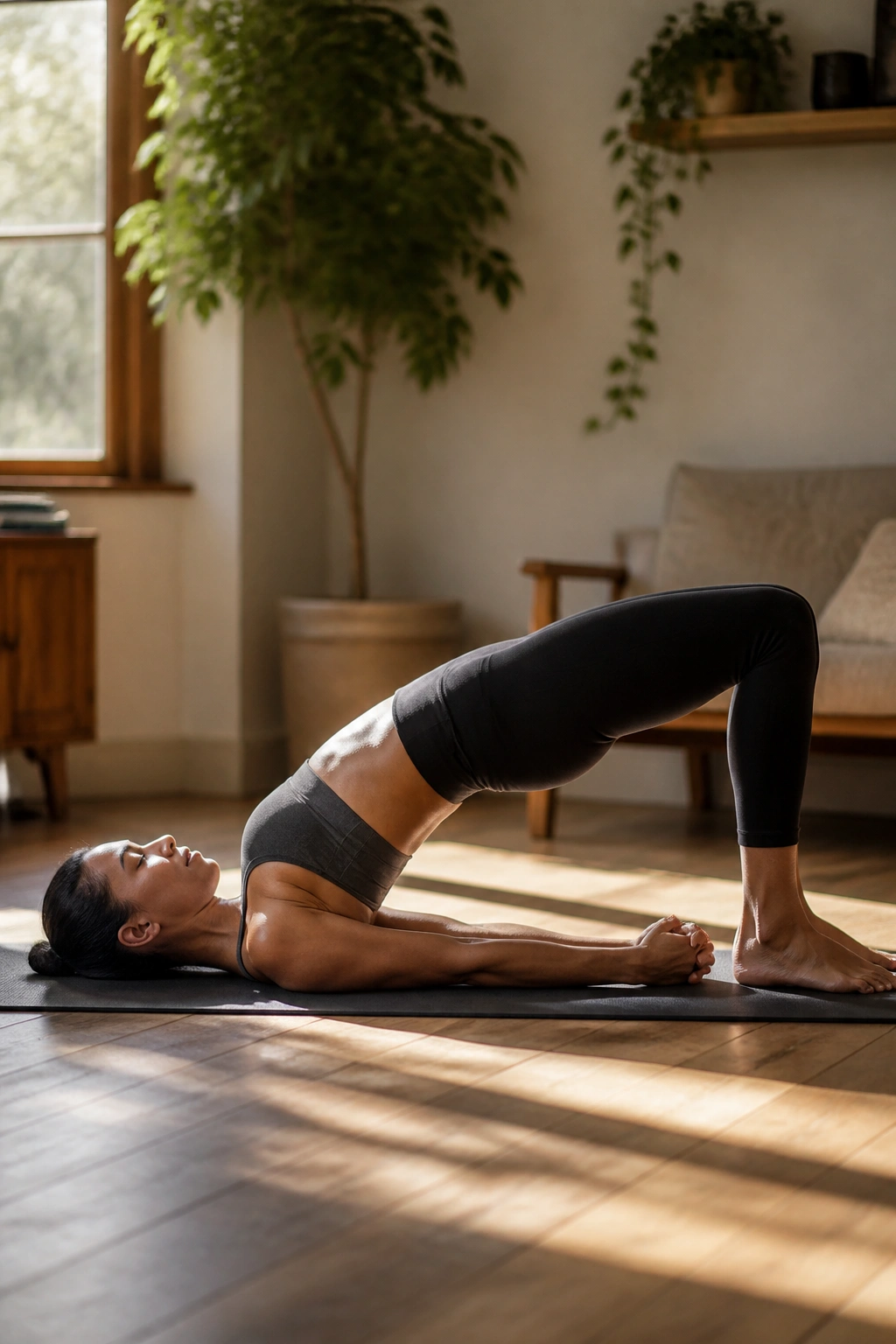
Thirty minutes is a sweet spot. Long enough to breathe, short enough to repeat without drama.
Start with three Sun Salutation A rounds, two Sun Salutation B rounds, then move into the standing sequence and one seated block. Add a backbend and a clean finish. That gives you heat, alignment, and a little softening at the end.
If you practice this way often, the body learns the order fast. That matters. Familiarity lowers friction, and lower friction makes daily practice easier to keep.
I’d call this the most useful length for many people. Not because it is magical. Because it is sustainable.
19. The 45-Minute Full-Body Practice
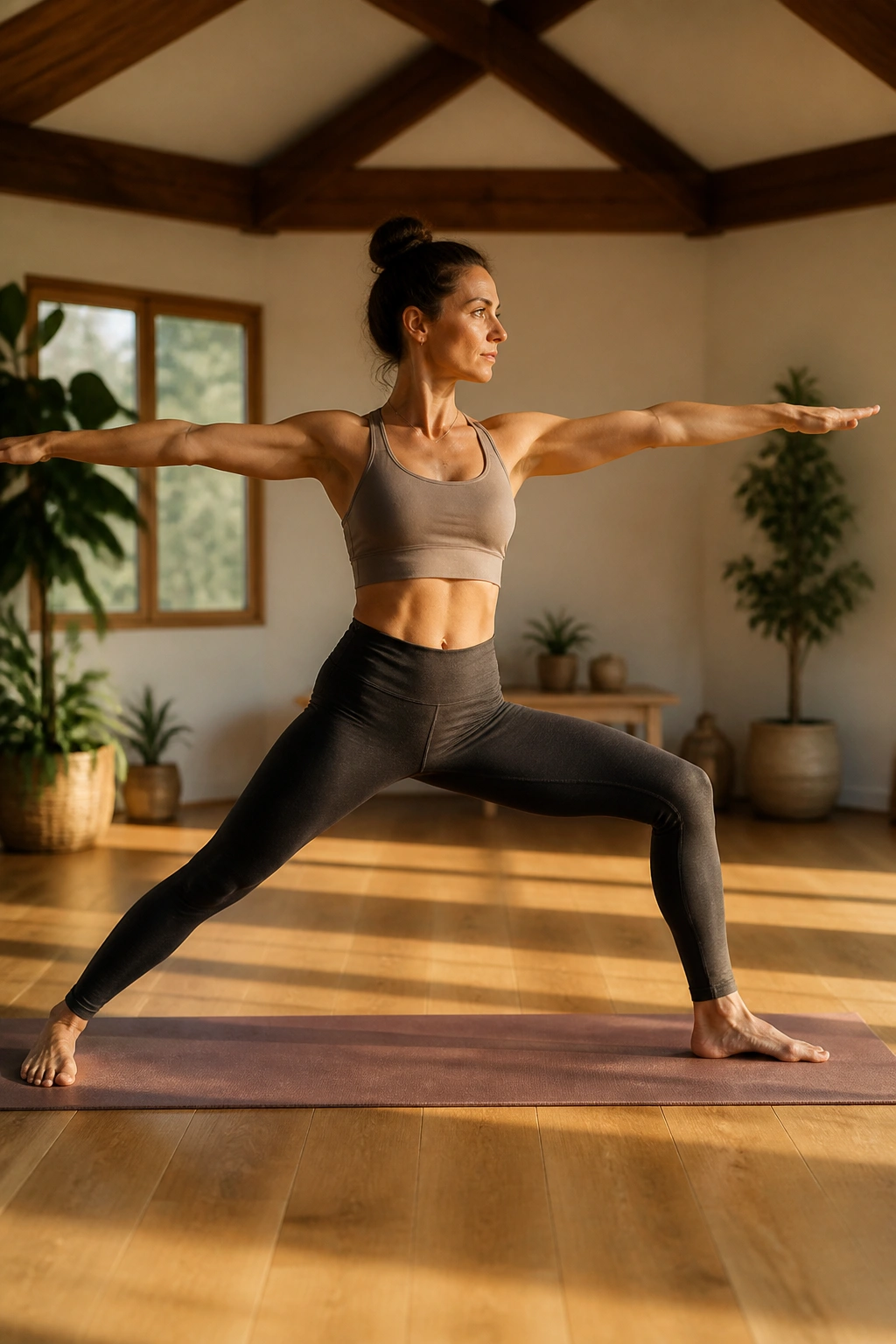
A 45-minute practice gives you room to breathe between sections without drifting off track. You can warm up properly, work the standing block, touch a seated series, and still have enough energy left for a real finish.
In this version, I’d keep the transitions honest and the total number of poses moderate. Better to do six good standing poses and four careful seated shapes than to rush through twelve and lose your breath halfway through.
One useful approach is to pair effort with recovery: standing work, then seated folds; backbends, then a few slower breaths on the floor. That keeps the nervous system from staying stuck in one gear.
This is the version that feels most complete without becoming a full production.
20. Building a Mysore-Style Daily Practice
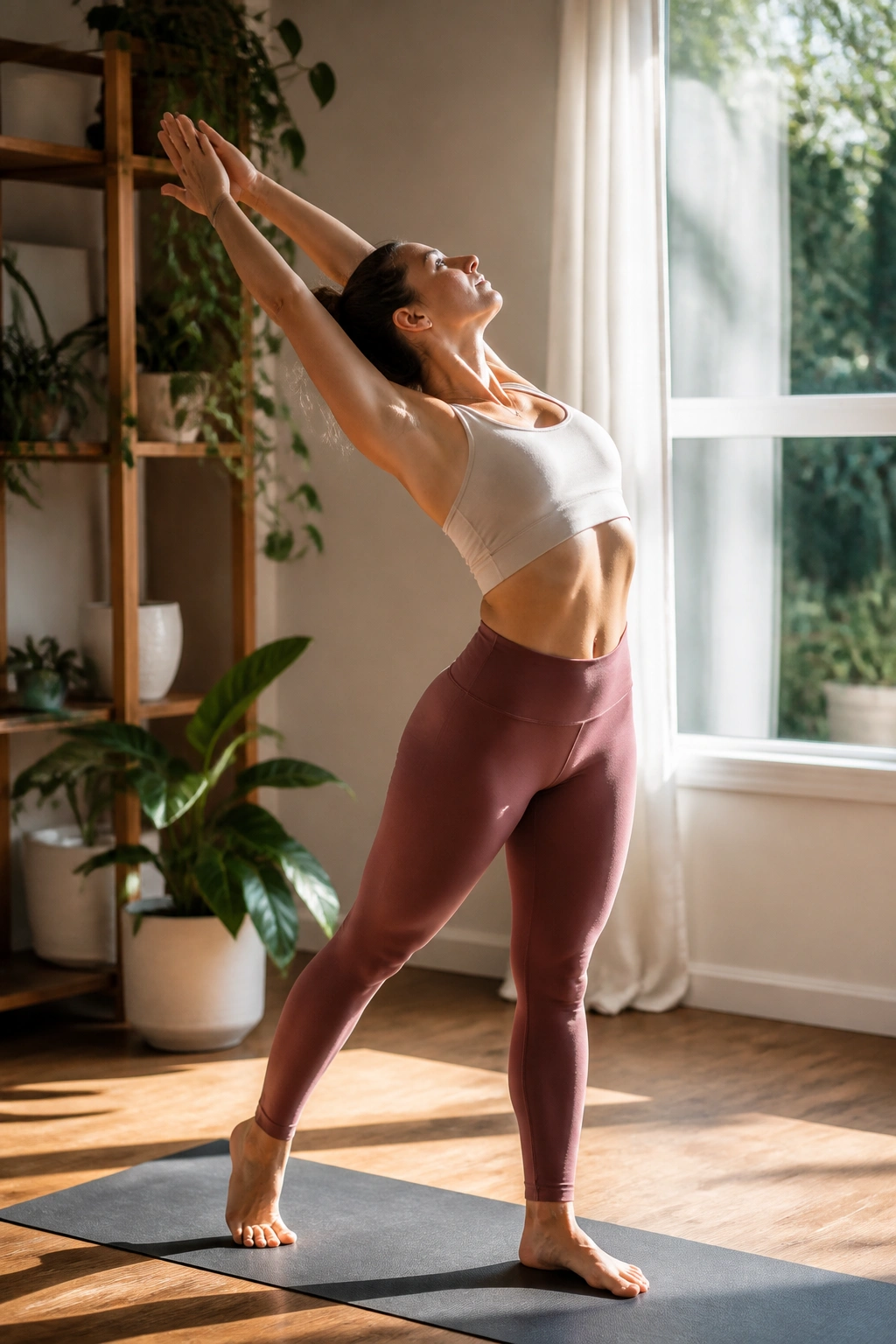
Mysore-style practice is where Ashtanga starts to feel personal. The order stays stable, but the amount you do depends on the breath, the day, and what your teacher has seen in your body.
A simple progression
- Start with Sun Salutation A
- Add Sun Salutation B
- Add the standing sequence
- Add a seated block
- Finish with backbends and savasana
Do not add the next piece until the current one feels steady enough to repeat cleanly. That is the whole game. People often want more shapes before the shape they already know has settled in. Bad trade.
The best part of a Mysore-style sequence is that it respects both discipline and difference. You still practice the same way often enough to learn it, but you do not force the same amount every day. Some mornings call for a long run. Some call for a shorter lap. Both count.
21. Moon-Day Recovery Practice
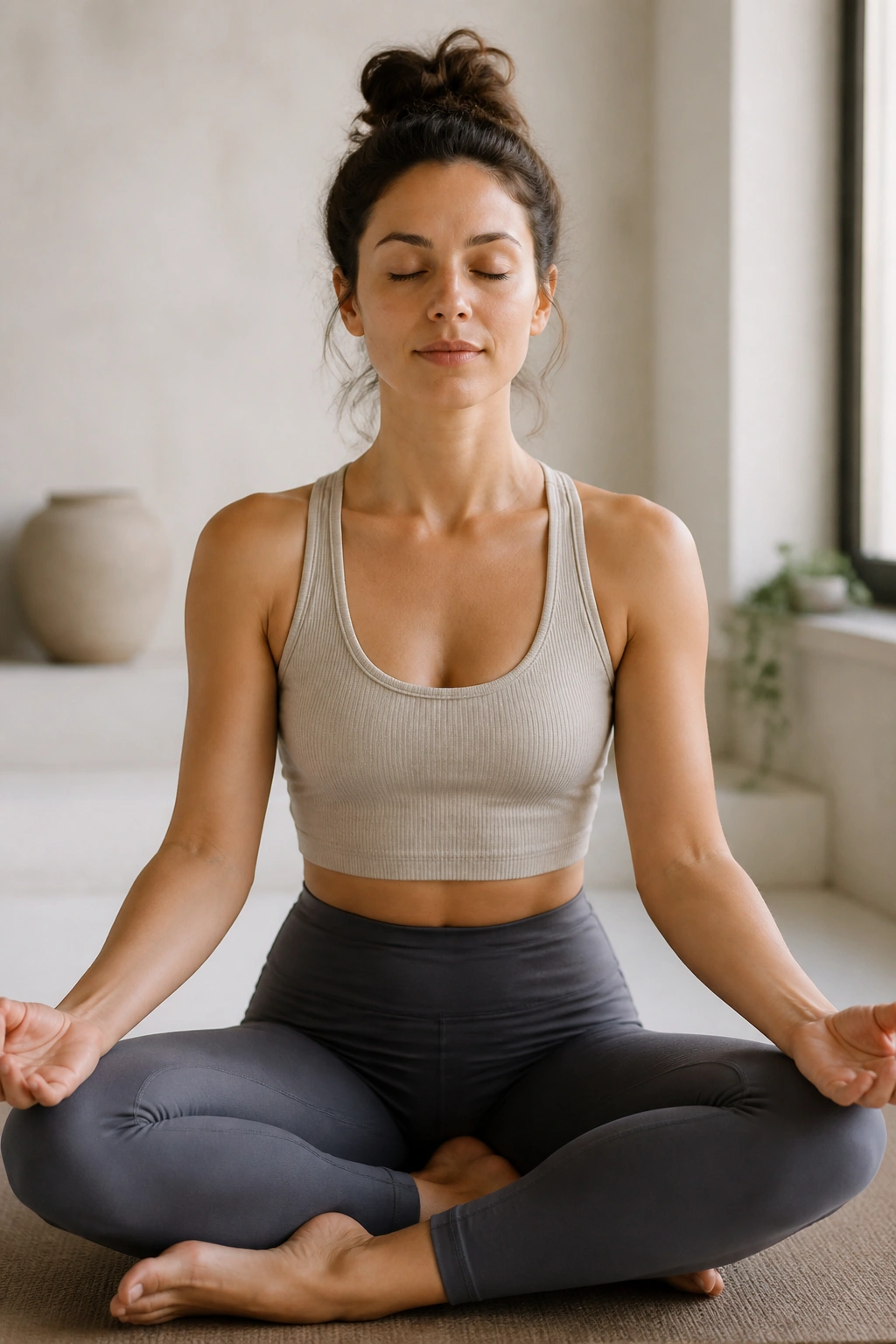
Traditional Ashtanga includes rest days, and that idea makes perfect sense to me. The body does not get stronger by being bullied. It gets stronger by recovering after work.
A moon-day sequence can be extremely gentle: seated breathing, easy forward folds, reclining twists, legs up the wall, and a longer savasana. You can add a few supported bridge lifts if the back feels stiff, but the overall tone should stay soft.
This is the day to keep the breath longer than the movement. Let the exhale stretch out to six or eight counts if that feels natural. The room gets quieter. So do the joints.
One of the smartest things you can do for your main practice is honor the easy day. That is where the next strong day comes from.
22. Closing Breath
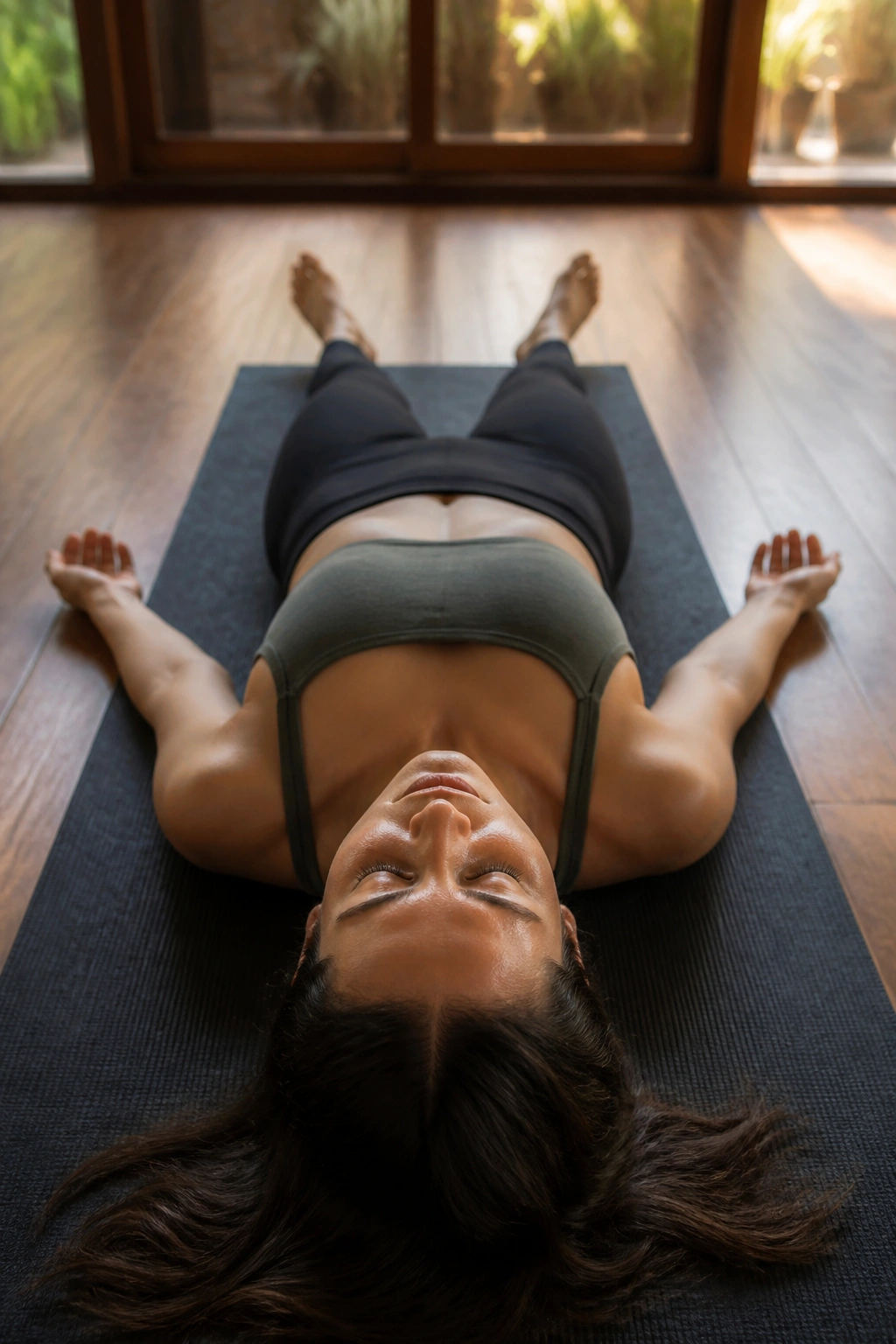
A clean finish matters more than most people think. The ending tells the nervous system whether the work was a fight or a conversation.
A traditional finishing block might include bridge, shoulder stand variations if they suit the body, a gentle supine twist, and then savasana. Keep it orderly. Keep it calm. If your breath is still ragged, stay longer on the floor before you rush out.
I care more about the last three minutes of practice than people usually expect. That is when the body decides whether to carry the session around like tension or file it away as useful work.
The strongest daily practice is the one you can repeat tomorrow without dreading it. That usually means steady sequencing, modest ego, and a finish that gives the breath enough room to settle.
