



Pyramid workouts are one of the cleanest ways to shake a stale training plan without blowing it up and starting from scratch. When the same sets and reps stop moving, changing the ladder under your feet often wakes the lift back up.
What makes a pyramid set useful is that it changes more than one thing at once. Load goes up or down, reps shift, rest can shrink or stretch, and your body has to keep paying attention. That’s a good thing when your squat, press, pull, or conditioning work has gone flat.
The real trick is matching the pyramid to the problem. Strength stalls call for a different setup than muscle-building stalls, and cardio plateaus need a different kind of grind altogether. Some pyramids belong under a barbell. Others belong on a rower, a bike, or a stretch of floor where you can move fast and breathe hard.
Pick the right ladder, and the session feels sharp instead of random. Pick the wrong one, and you just get tired.
1. Back Squat Pyramid Workouts for Lower-Body Strength
Back squats forgive nothing. That is exactly why they respond so well to a pyramid.
Start with a moderate set that feels almost too easy, then add weight in small jumps while the reps come down. A simple version is 10, 8, 6, 4. If you’re used to bigger jumps, keep them modest — 5 to 10 pounds per side is usually enough for most lifters. You want the bar to feel heavier, not sloppy.
How to run it
- Set 1: 10 reps at a load you could handle for 13 or 14.
- Set 2: Add weight and hit 8 clean reps.
- Set 3: Add again and get 6 strong reps.
- Set 4: Add a final time and grind out 4 crisp reps.
The squat pyramid works because the early sets groove depth, bracing, and bar path before the heavier work shows up. By the time the top set arrives, your legs are warm, your torso knows what to do, and the rep doesn’t feel like a cold start under a loaded bar.
Don’t turn the last set into a circus. If your hips shoot up, your depth disappears, or your knees cave, the load is too high for the day. Full stop.
2. Bench Press Descending Pyramid for Stronger Pressing
A descending bench pyramid is the opposite of the squat model, and that is the point. You put your heaviest work first, while your chest, triceps, and upper back are fresh, then strip weight and keep pressing with cleaner speed.
A practical setup is 4, 6, 8, 10. Another good one is 6, 8, 10, 12 if you want more size work and less pure strength strain. After each set, drop about 10% of the bar weight. That’s enough to keep the movement honest without making the later sets feel like warm-up fluff.
The upside is simple: you get a heavy exposure without saving it for the end, when fatigue has already stolen your best rep. The later sets add volume, which is where a lot of stalled benches quietly come back to life.
Use a spotter or safeties. Don’t guess on a rough day and hope the bar will float. It won’t.
3. Deadlift Double Pyramid Sets for the Posterior Chain
Why do deadlifts stall so hard? Because people keep treating them like a straight-line test instead of a skill under load.
A double pyramid gives you a better shot. You build up, hit a middle point where the bar feels heavy but still fast, then come back down before your technique gets mushy. A clean wave looks like 5, 4, 3, 2, 3, 4, 5 with the load climbing to the center and then dropping back the same way.
What the sets look like
- First 5: smooth and controlled
- 4 and 3: heavier, but still snappy off the floor
- 2: your peak focus set
- Back down: same pattern, slightly lighter, with tighter speed
This works because deadlifts punish sloppy fatigue. The middle single or double is not a max-out moment. It is a sharp rep that reminds your nervous system what good tension feels like. Then the lighter way down lets you collect more high-quality reps without turning the session into a lower-back tax audit.
If your brace gets loose before the return trip, stop there. Deadlifts reward respect. Not stubbornness.
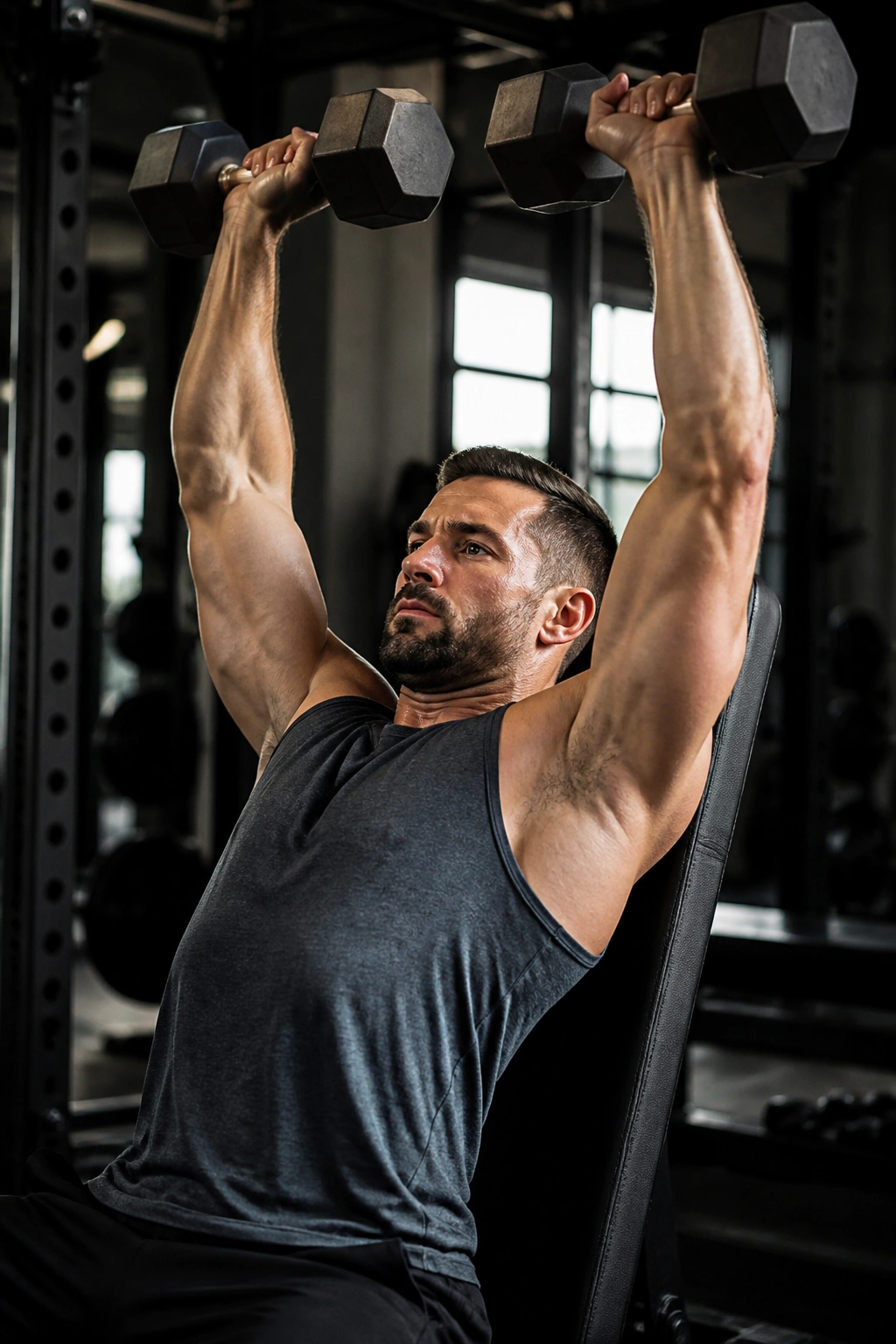
4. Dumbbell Shoulder Press Pyramids That Spare Your Joints
If barbell pressing leaves your shoulders cranky, dumbbells are the quieter fix. Each arm gets its own path, which usually means less fighting against your own structure and more honest pressing.
A classic shoulder pyramid is 12, 10, 8, 6. Start seated if you want the torso locked in; stand if you want more core work and less cheating. Increase the dumbbells in small jumps — usually 2.5 to 5 pounds per hand is plenty.
The best part is how the later sets feel. By set three or four, the front delts are hot, the upper back is braced, and the rep path gets more precise because you cannot hide behind a bar. That is a good kind of inconvenience.
Keep the elbows slightly in front of the body. If you flare them straight out and crank the weights overhead, your shoulders will complain faster than your delts grow. Press smooth. Lower slower. Move on.
5. Pull-Up Pyramid Workouts That Build Real Back Strength
Bodyweight work stalls when the number never changes. Same reps, same rest, same ceiling.
A pull-up pyramid shakes that up fast. If you can already do a few strict reps, try 1, 2, 3, 4, 5, 4, 3, 2, 1. If that’s too easy, wear a small plate between your feet on the middle rungs. If it’s too hard, use a band or assisted machine and keep the same shape.
The point is not to survive ugly reps. It is to keep every rep clean enough that your lats, lower traps, and biceps all get a say. Dead hangs at the bottom, chest up, no wild kicking.
A nice trick here is to rest just long enough to recover your breathing, not long enough to cool down. Two minutes is fine for the higher rungs. Less can work on the early ones. If your chin stops clearing the bar, the pyramid is done for the day. That’s not failure. That’s good judgment.
6. Leg Press Pyramid Sets for Safe Heavy Volume
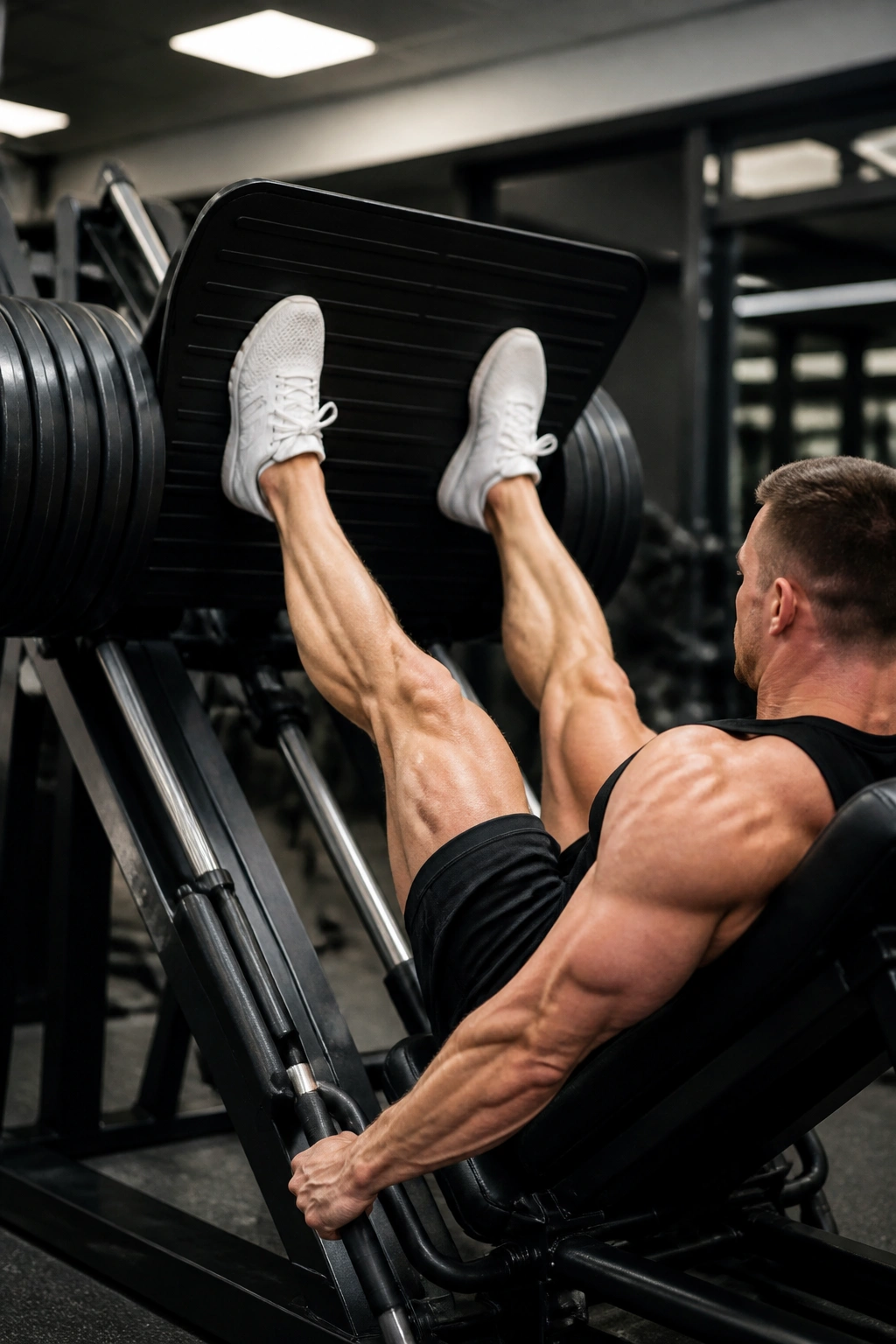
Unlike a barbell squat, the leg press lets you pour on volume without your lower back quitting first. That is why it’s a useful plateau breaker when your legs need more work but your spine is tired of the conversation.
A straightforward leg press pyramid is 15, 12, 10, 8, 6. Keep the foot placement the same through the whole session so the change in difficulty comes from load, not from random setup drift. Add weight each set in small, honest jumps. The sled should move with control, not ricochet off the stops.
Here’s the part most people mess up: they turn the bottom half of the movement into a bounce. Don’t. Lower until your thighs get close to your torso, keep the heels planted, and drive without locking the knees hard at the top.
This pattern is a nice fit for quads that need more direct work. It’s also a decent option after a heavy squat day, when you still want leg volume but your back says, “Absolutely not.”
7. Kettlebell Swing Time Pyramids for Conditioning

A kettlebell swing pyramid is less about reps and more about time under tension. That makes it brutally useful for conditioning, especially when you want your hips, lungs, and grip to complain together.
Try 20 seconds, 30 seconds, 40 seconds, 30 seconds, 20 seconds. Rest for the same amount of time you worked, or a little longer on the 40-second round if your swing speed starts to collapse. Pick a bell that lets you keep the hip snap sharp all the way through. If it starts turning into a front raise, the weight is wrong.
What to watch for
- The bell should float from hip drive, not arm lift.
- Your ribs should stay down.
- Your neck stays long, not craned forward.
- Every rep should feel explosive, not grindy.
This pyramid shines when your conditioning has gone stale but you still want a strength flavor in the session. It’s not fancy. It just gets blood moving fast and teaches you to stay crisp under fatigue, which is a useful skill whether you care about athletics or just want better work capacity.
8. Push-Up Mechanical Pyramids for Bodyweight Progression

Three angles. One movement. That’s the whole idea.
A mechanical push-up pyramid starts with the hardest version you can own with clean form, then drops the difficulty while the reps rise. Think feet-elevated push-ups for 6 reps, then standard push-ups for 8, then hands-elevated push-ups for 10 or 12. You’re changing leverage, not chasing sloppy failure.
That shift matters because the chest, triceps, and core all stay involved, but the leverage change keeps the total work going after the hardest variation starts to bite. It’s a neat way to keep push-ups useful after standard sets stop feeling challenging.
Keep your body in one line and your hands in the same spot through the whole sequence. If your hips sag on the last rung, the pyramid is too ambitious. Use a bench, box, or sturdy rack for the incline if you need it.
Push-up plateaus often come from doing the same set in the same way for too long. Change the angle, and the exercise wakes up.
9. Rowing Machine Pyramid Workouts for Hard-Earned Cardio

A rowing machine leaves no place to hide. That is why it’s so useful for a pyramid workout.
A simple rower pyramid can be based on calories: 8, 10, 12, 10, 8 with equal rest between rounds. If you prefer meters, use 250, 300, 350, 300, 250. Keep your stroke rate controlled, usually somewhere around 24 to 28 strokes per minute, so the work comes from power, not frantic flailing.
A good session looks like this
- Start with a controlled 8-calorie piece
- Add 2 calories each round until the top rung
- Come back down with the same effort and cleaner technique
- Rest long enough to keep the next interval honest
The reason this works is simple: the rower punishes bad rhythm. If you rush the slide or yank too early with the arms, the chain tells on you. A pyramid lets you build into harder breathing without losing form on the first interval.
If your split time falls apart by more than a few seconds, back off. The goal is repeatable power, not one heroic row.
10. Treadmill Speed Pyramids for Faster Legs

A treadmill can feel plain until the speed starts climbing. Then it gets serious fast.
Use a speed pyramid like 1 minute easy, 1 minute moderate, 1 minute hard, 1 minute very hard, then back down the same way. If you like structure, set the incline at 1% to 2% so the run feels more like outdoor ground and less like a conveyor belt stunt.
The beauty here is how it trains pace control. You’re not sprinting from the first second, and you’re not loafing through the hard segment either. You build pressure gradually, then back off before your stride gets sloppy.
Don’t hang on the rails. That ruins the work and usually wrecks your posture. Short, quick arm swing. Tall chest. Fast feet.
A treadmill pyramid is good when your running feels stuck at one boring effort level. It gives your legs a reason to learn speed without asking for all-out chaos every interval.
11. Goblet Squat Density Pyramids for Leg Burn
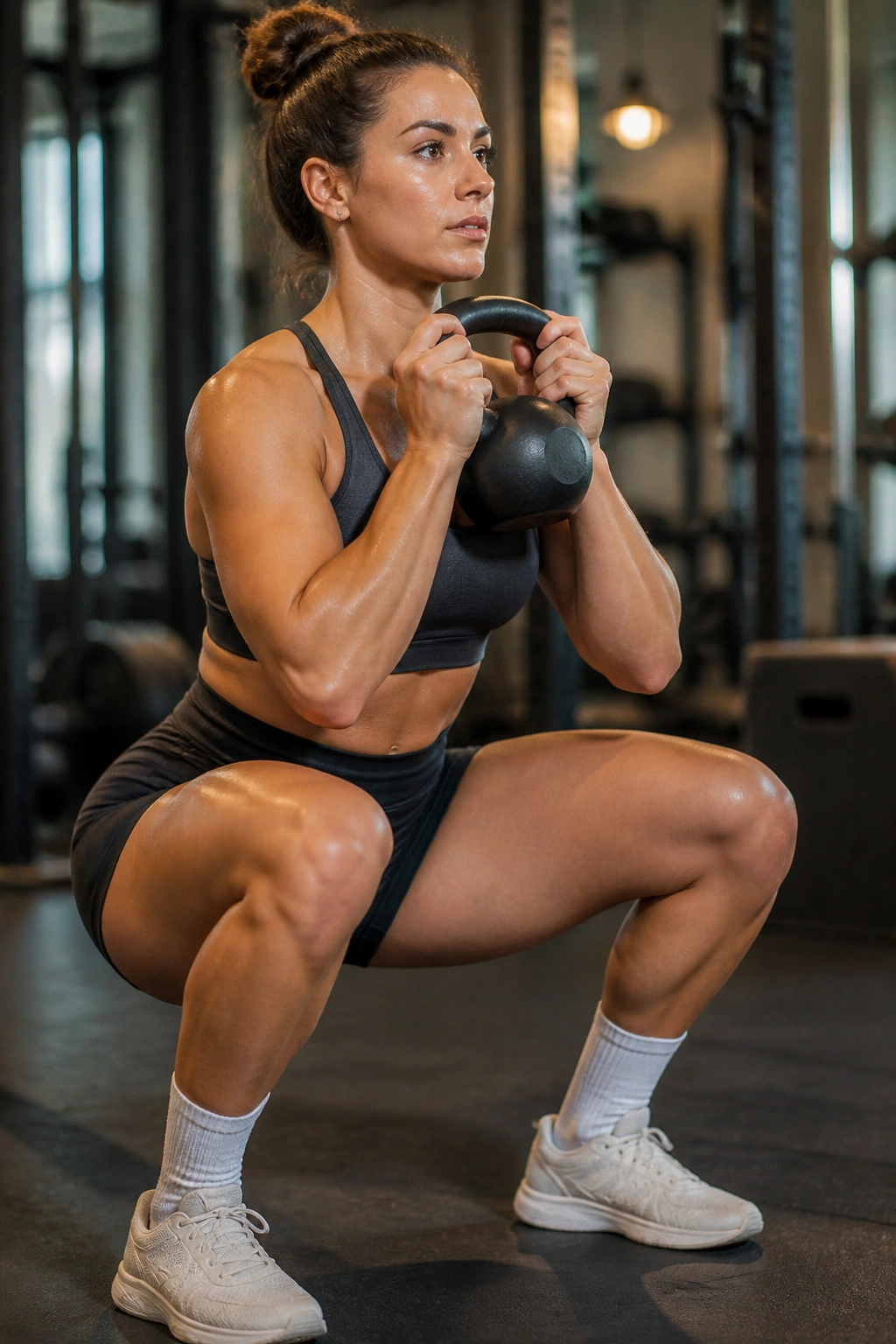
Heavy isn’t the only way to force progress. Sometimes you need a little less load and a little more pressure.
A goblet squat density pyramid does that nicely. Run 10 reps with 90 seconds of rest, then 8 reps with 75 seconds, then 6 reps with 60 seconds, then climb back up: 8 reps, then 10 reps. Keep the dumbbell or kettlebell the same unless the top rung feels too easy, in which case you can nudge the load up next time.
The changing rest is the sneaky part. The first rung feels manageable. The middle starts to trap heat in the quads and upper back. By the time you climb back up, the same weight feels less polite.
Keep the torso tall and the elbows inside the knees at the bottom if your mobility allows it. If your heels lift or your chest collapses, shorten the range a bit and keep the reps honest. A good goblet squat is clean, not theatrical.
This is a smart pick when you want leg work without loading the spine hard.
12. Lat Pulldown Pyramid Sets for Wider-Looking Lats

If your pull-up numbers are stuck, the pulldown stack is not a consolation prize. It’s a tool, and a useful one.
Try 15, 12, 10, 8, 10, 12 with the weight climbing on the way up and dropping on the way back. That gives you a full range of tension without forcing your body to hit the same dead end over and over. Pause for a second when the bar reaches the upper chest. Let the lats do the work. Don’t yank from the biceps.
The pulldown pyramid is especially good when your grip or bodyweight pull strength is lagging. You can focus on scapular movement, smooth control, and a full stretch at the top without turning the whole session into a hanging contest.
Skip behind-the-neck pulldowns. They’re not necessary, and they tend to make people sloppy. Pull to the collarbone or upper chest, keep the torso slightly back, and let the elbows travel down and in.
It’s basic. It works.
13. Walking Lunge Pyramid Sets for Glutes and Balance
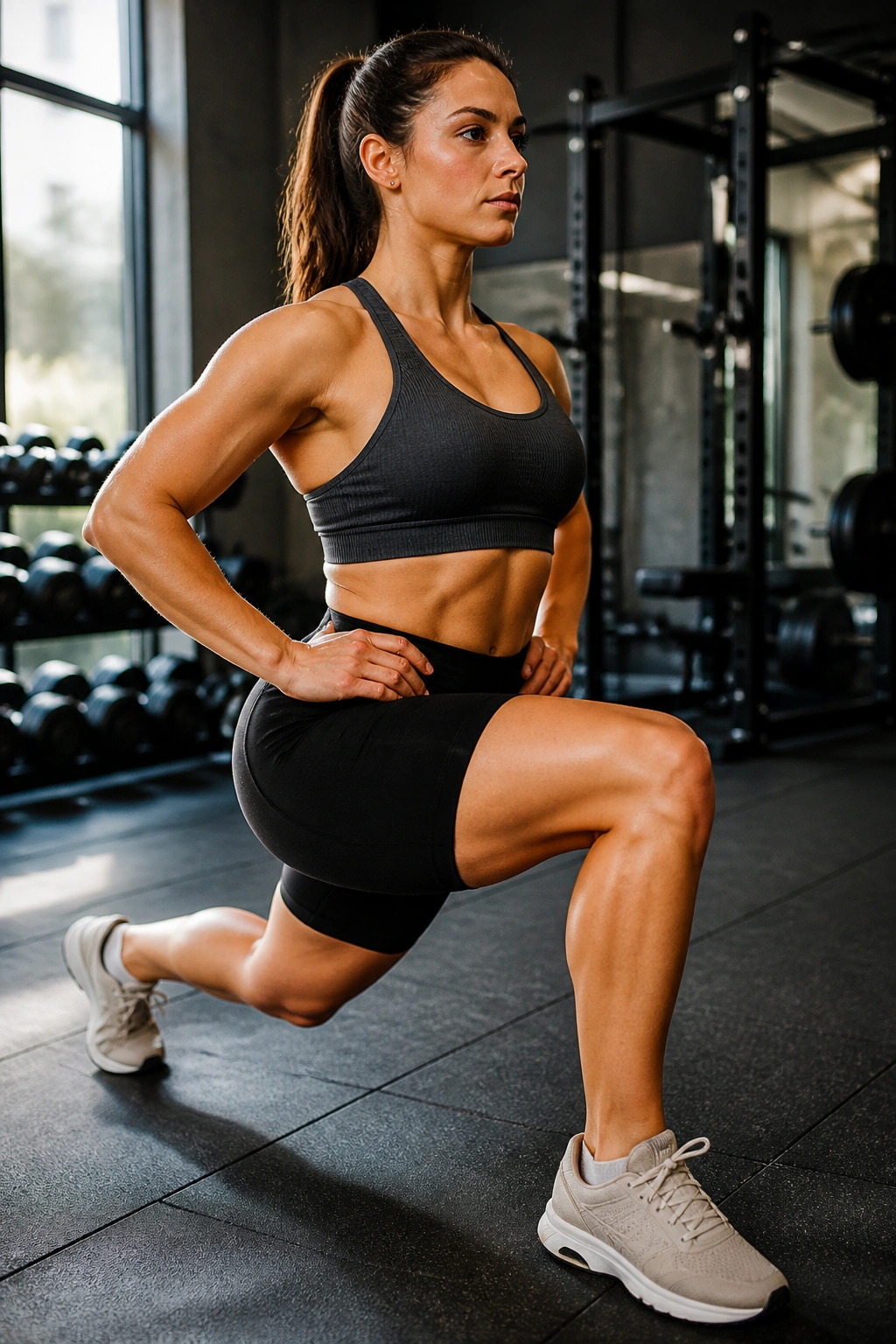
Take ten steps down the gym floor and your legs will tell you whether the plan was smart.
Walking lunges are a beautiful mess when you ramp them in a pyramid. Try 8 steps per leg, 10, 12, then back down to 10 and 8. You can hold dumbbells, a barbell in a front rack, or nothing at all if your balance is the weak point you want to fix first.
How to keep them honest
- Step long enough to feel the glute, not so long that you fold in half.
- Keep the torso tall.
- Let the front knee track over the toes instead of diving inward.
- Push through the whole foot, not just the toes.
The magic here is that the movement hits multiple things at once: quads, glutes, adductors, and the part of your brain that hates unstable work. That makes it useful when straight-line leg work has gone stale.
Walking lunges also expose asymmetries fast. One side usually feels cleaner, stronger, or less wobbly. That’s useful information, even if it’s annoying.
14. Cable Row Rest-Shortening Pyramids for Mid-Back Thickness

Same weight. Less recovery. That simple change can make rows feel brand new.
A cable row pyramid can run on both reps and rest: 12 reps with 75 seconds rest, 10 reps with 60, 8 reps with 45, then 8, 10, 12 while the rest lengthens again. The load can stay fixed for the first half, or you can nudge it up slightly as the reps fall. Either way, the goal is to keep the pull tight and the squeeze clean.
The row itself should finish at the lower ribs or upper belly, not up near your chest. Hold the squeeze for a beat. Then let the shoulder blades reach forward on the way back without rounding like a question mark.
This style is useful when you need back volume but don’t want another heavy hinge day. It gives the upper back, rear delts, and lats a long time under tension without requiring heroic loading.
If the torso starts rocking back and forth, the stack is too heavy. Make the row, not the swing.
15. Burpee and Air Squat Conditioning Pyramids
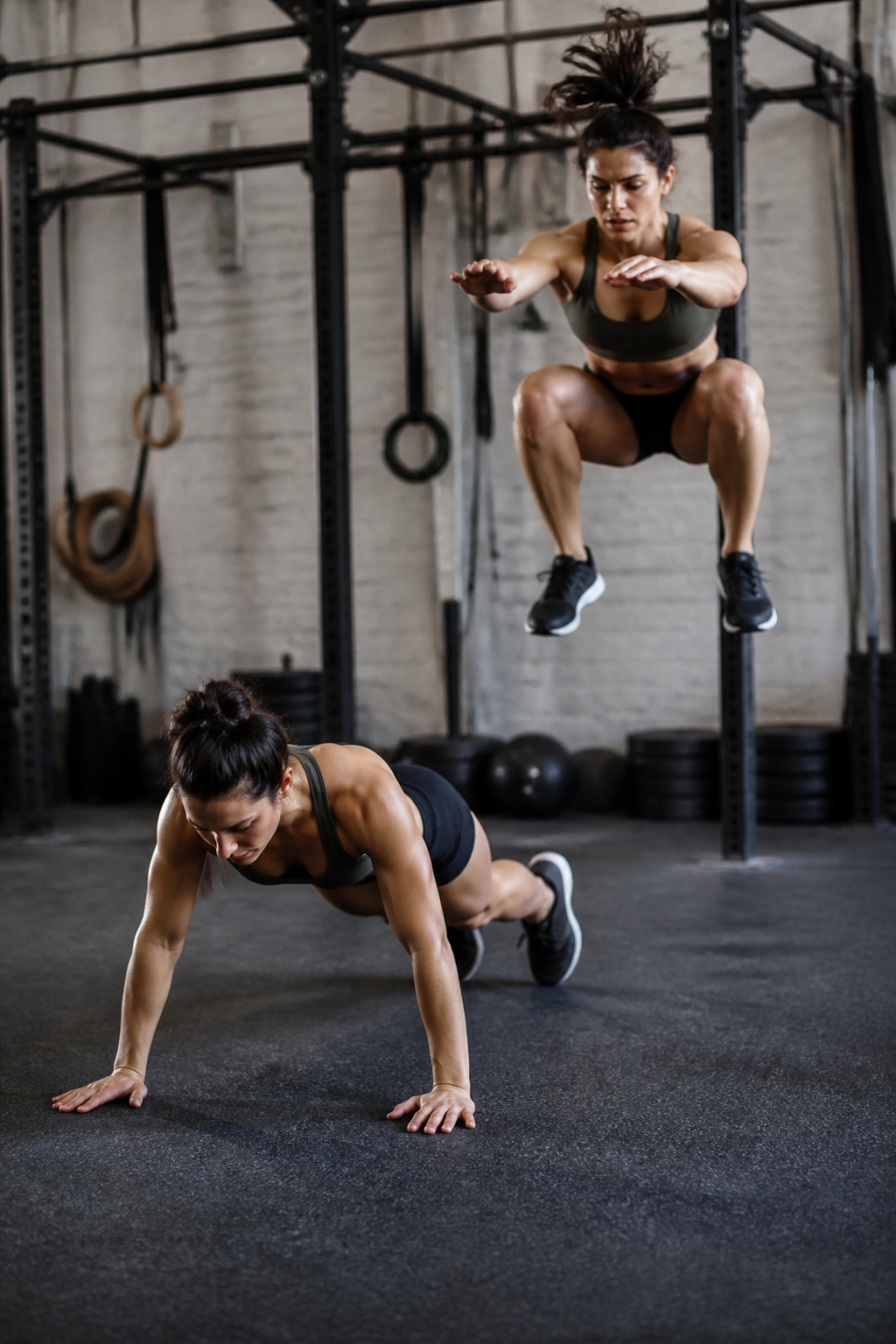
Can a pyramid be brutal without weights? Absolutely.
Use a burpee and air squat pyramid like 2 burpees + 4 air squats, then 4 + 8, 6 + 12, 8 + 16, 10 + 20, and come back down if you still have gas left. If full burpees are too much, step your feet back instead of jumping. That keeps the pattern intact without turning the workout into a joint complaint.
This one is ugly in the right way. The burpees drive heart rate up. The squats keep the legs under pressure. Together they make rest feel shorter than it is. That’s useful if your conditioning has been stuck in the comfortable zone for too long.
Keep the squats crisp. Chest up, heels down, no half reps. On the burpees, avoid the sloppy collapse onto the floor that turns one rep into three separate problems.
It’s simple. It hurts. That combination is why it works.
16. Trap Bar Deadlift Wave Pyramids for Power
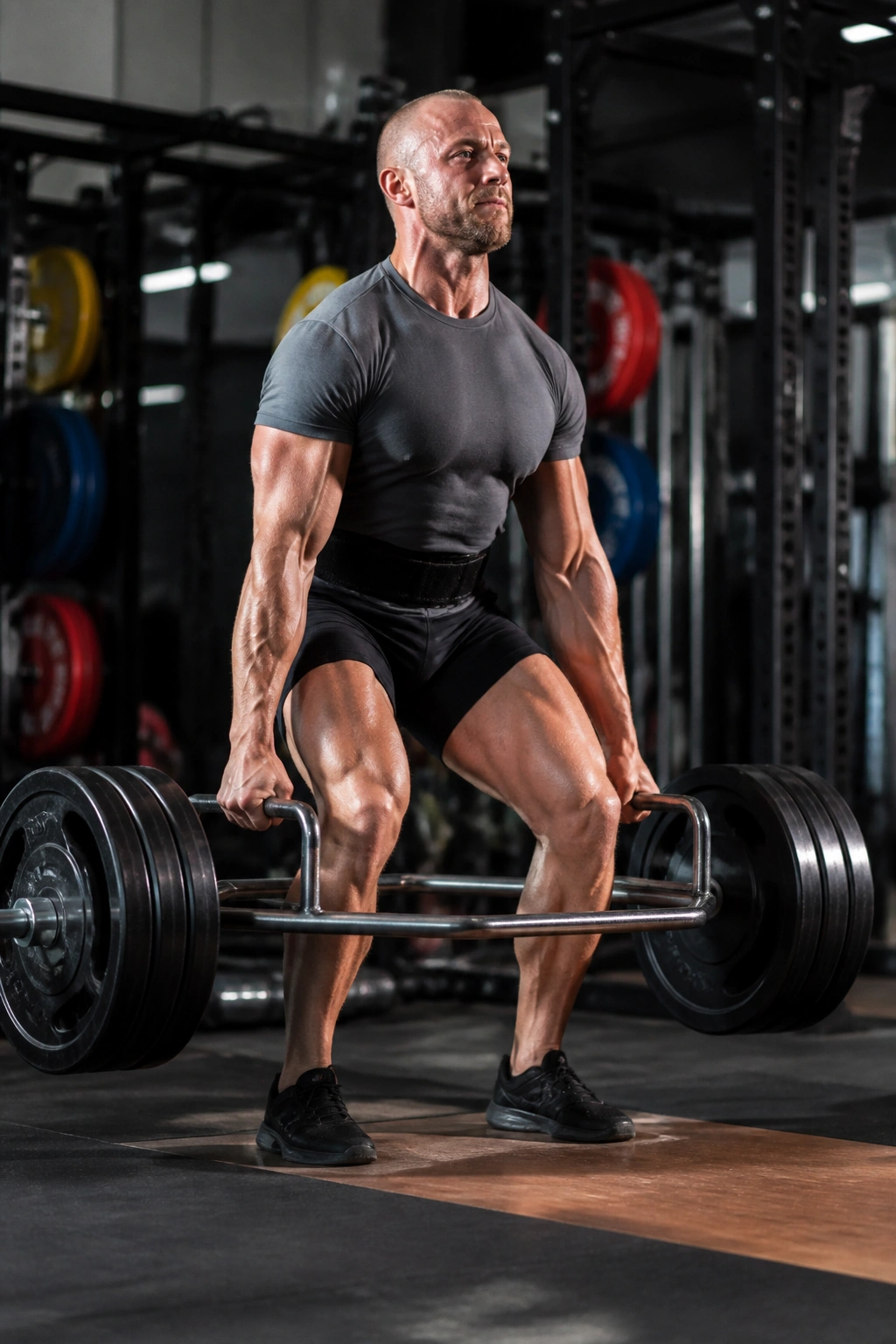
A wave pyramid is kinder than a straight climb, and that is why it often moves better numbers.
The trap bar suits this style well. Try 5 reps, 3 reps, 1 rep, 3 reps, 5 reps with the load rising to the middle single and then dropping back down. The trap bar keeps the hands at the sides, which usually makes the pull feel friendlier on the back and easier to keep centered.
The middle single should be sharp, not a max effort. Think “fast and clean,” not “see stars.” After that top set, the return trip lets you get more useful work while the nervous system is still awake.
Trap bar deadlift pyramids are nice for lifters who need power without the extra technical baggage of a straight bar. You still brace hard. You still push the floor away. You just do it with less drama from setup and bar path.
If the bar slows into a grind, the wave is over for the day.
17. Incline Dumbbell Press Reverse Pyramids for Upper Chest
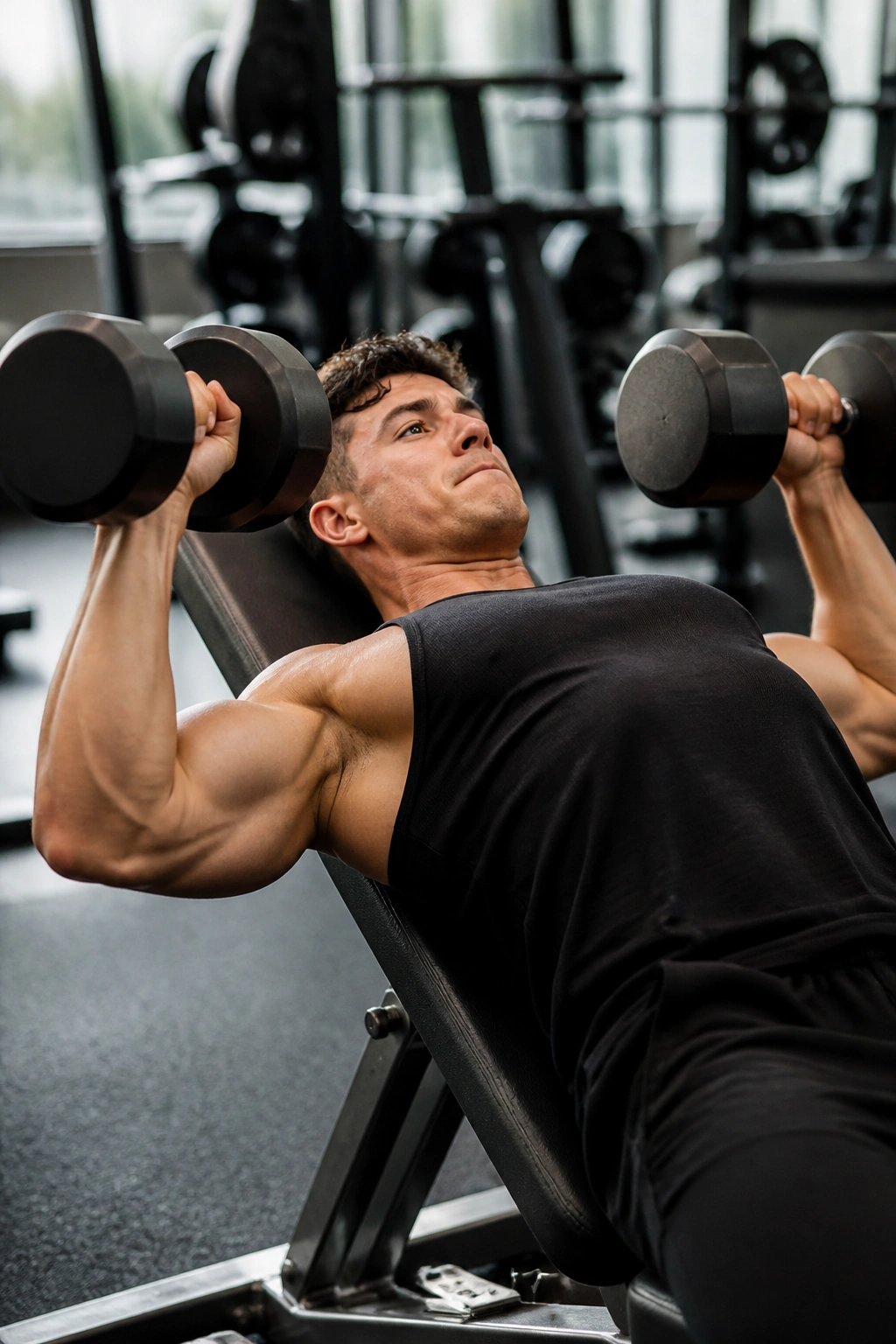
A lot of people chase incline press gains by adding more sets. The better fix is often to put the heaviest set first.
Run a reverse pyramid like 6 reps, then drop the dumbbells by 10% and hit 8, then drop again and get 10. Keep the bench angle around 30 to 45 degrees. Higher than that, and your front delts steal too much of the work.
The reverse order matters because the top set gives you the heaviest overload when the chest is freshest. The lighter back-off sets then give you useful volume without the same joint stress. That mix is hard to beat for a lift that often gets stuck in the middle.
Keep your elbows about 30 to 45 degrees from your torso. If they flare straight out, the shoulders tend to take over. Lower with control, press with intent, and don’t bounce the dumbbells off the bottom.
This is one of my favorite pyramid setups for people whose flat bench has gone stale but who still want more pressing strength overall.
18. EZ-Bar Arm Pyramids for Biceps and Triceps

If you want arm growth without ugly cheating, the curl-and-extension pyramid earns its place.
Pair an EZ-bar curl with an overhead triceps extension and run them as a superset pyramid: 12 and 12, 10 and 10, 8 and 8, 6 and 6. Add weight each round, but keep the wrists neutral and the elbows in a fixed lane. The EZ-bar matters here because it tends to feel friendlier on the wrists than a straight bar.
The reason this hits so well is that the arms get both a pump and a strength stimulus in the same session. Curls light up the elbow flexors. Extensions load the long head of the triceps, which a lot of lifters neglect until their sleeves tell on them.
A few details that save the set
- Don’t swing the curls.
- Don’t flare the elbows on extensions.
- Keep the descent slow enough to feel the muscle lengthen.
- Stop one or two reps before your form turns into a shrug contest.
Arms respond to honesty. This is honest work.
19. Plank Hold Pyramids for a Stronger Brace
How do you make planks hard again when a minute feels like a warm-up?
Change the shape and the time. Run 20 seconds, 30 seconds, 40 seconds, 30 seconds, 20 seconds and rotate variations as you climb. A regular plank works on the first rung. A long-lever plank or RKC plank can sit in the middle. Side planks belong on one of the later rungs if you want more oblique work.
The goal is not to hang around and suffer. It is to teach the brace to stay tight under different loads and slightly different demands. That means ribs down, glutes squeezed, neck long, and no sagging through the low back.
A nice detail: breathe behind the brace. That sounds fussy, but it matters. Short nasal breaths, tight belly, no panic exhale that drops the whole torso.
Plank pyramids are boring in the way good bookkeeping is boring. Necessary. Unflashy. Useful.
20. Bike Sprint Pyramids for Low-Impact Conditioning
The bike is blunt. It gives you exactly what you put into it.
A sprint pyramid on the bike can look like 20 seconds hard, 40 seconds easy; 30 hard, 60 easy; 40 hard, 80 easy; 50 hard, 100 easy; then back down. Pick a resistance that makes your legs work but still lets your cadence stay fast. If the pedals bog down, the resistance is too high.
This style is useful when running beats up your joints or when you want conditioning that doesn’t punish your feet. It also gives you a clean way to layer effort without guessing how hard the interval really was. The longer sprints force you to hold power, not just explode for a few seconds and die.
Keep your upper body quiet. No rocking, no yanking the handlebars like you’re starting a lawn mower. You should feel your legs, lungs, and grip of the saddle, not your shoulders.
A bike pyramid is a sneaky little wrecking ball.
21. One-Dumbbell Full-Body Complex Pyramids

A single dumbbell can do more damage than a whole rack when you string the moves together.
Use one dumbbell and run a complex pyramid built around 8 reps, 6 reps, 4 reps, 6 reps, 8 reps. The move list can be clean, front squat, push press, row, reverse lunge. Keep the same implement in one hand or switch sides halfway through the round if grip balance is the thing you care about most.
The point is not speed for its own sake. The point is to keep moving without setting the weight down, which forces the heart rate up while the legs, back, shoulders, and core all get pulled into the work. It’s a full-body grind in a small package.
A long exhale at the top of each clean or press helps. So does a strong brace before the squat. If the sequence gets messy, reduce the reps before you reduce the discipline. A cleaner complex beats a sloppier, heavier one.
This is a great choice when you want a session that feels athletic instead of isolated.
22. Farmer’s Carry Distance Pyramids for Grip and Core
Not every plateau breaks with more reps. Sometimes the answer is a longer walk.
A farmer’s carry distance pyramid is simple: 20 meters, 30 meters, 40 meters, 50 meters, then back down 40, 30, 20. Use heavy dumbbells, kettlebells, or trap handles if you have them. The load should be tough enough that your forearms light up by the middle of the ladder, but not so brutal that your posture turns into a shrug.
What to load and what to watch
- Choose a weight you can carry without leaning.
- Keep the ribs stacked over the pelvis.
- Walk with short, controlled steps.
- Let the grip get challenged before the lower back does.
Farmer’s carries are underrated because they look too simple. They’re not simple when the handles start digging in and your trunk has to stay quiet while everything else complains. That makes them excellent for grip strength, bracing, and plain old toughness.
If your squats and deadlifts are stuck, this is one of those “small things that helps the big things” exercises.
The Bottom Line

The smartest pyramid workouts are the ones that change one variable hard enough to matter. Load, reps, rest, distance, or speed — pick one and make it count. Don’t pile on three fancy methods at once and call it progress.
Some days call for heavy barbell ladders. Some days call for bodyweight work that burns, or a rower that refuses to let you coast. That’s the useful part of pyramids: they give you a structure that can be brutal, controlled, or somewhere in between.
If a lift has gone stale, stop repeating the same straight sets and hope for a miracle. Put the exercise on a better ladder.
