



A strong midsection does more than make a T-shirt sit better. It keeps your ribs from flaring, your pelvis from tipping forward, and your lower back from doing work it was never meant to do on its own. That matters in squats, runs, carries, overhead pressing, and even the boring stuff — like standing at a counter for too long without feeling wrecked.
Most people treat abs like a body-part burner: 100 crunches here, a plank challenge there, maybe some Russian twists if the mood is right. That gets old fast, and it misses half the job. A smarter setup mixes spinal flexion, anti-extension, anti-rotation, and loaded bracing, because your trunk has to handle all of those jobs in real life.
These ab workout routines are built to be repeated each week without turning into junk volume. Some are gentle and technical. Some make you shake. A few are sneaky and look easy until your breathing gets ragged and your hips start complaining. That mix is the point.
1. Dead Bug With Slow Reach
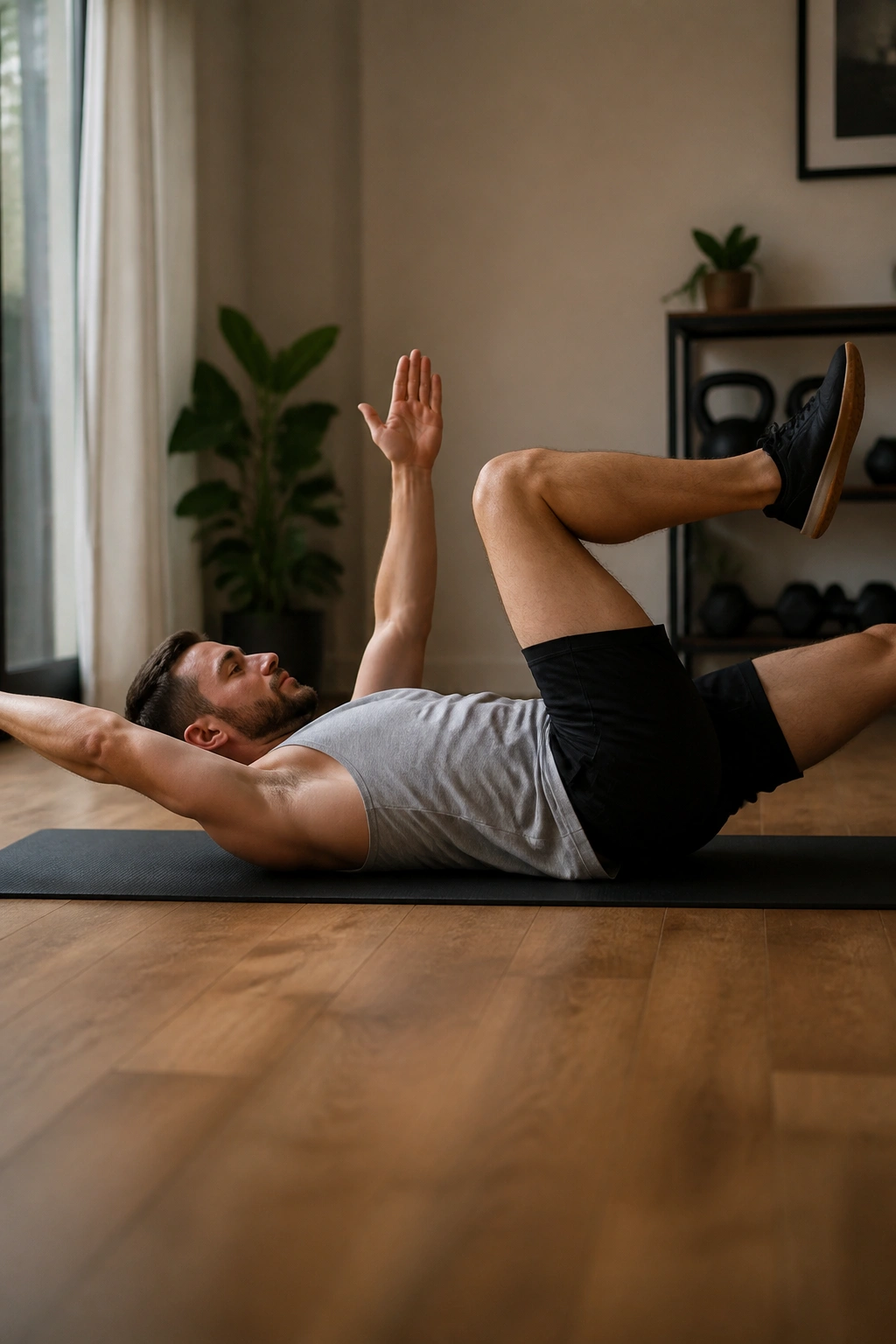
The dead bug is one of those exercises that looks almost too calm to matter, and then your lower back starts arching on rep three. That’s the signal to slow down. The whole routine is about teaching your ribs and pelvis to stay stacked while your arms and legs move away from your center.
Why It Works
Use a 3-second reach on each arm and leg extension. That tiny slowdown makes the trunk do the real work instead of letting momentum cheat for you. I like this one for warm-ups because it wakes up the deep core without frying it before other training.
- Do 2 to 4 sets of 6 to 8 reps per side.
- Keep your low back gently pressed into the floor.
- Exhale as the opposite arm and leg extend.
- Stop the range of motion the second your back arches.
Tiny tip: if your hips keep popping up, bend the knees more. The exercise gets easier, and it gets better.
2. Forearm Plank Hold and Tap
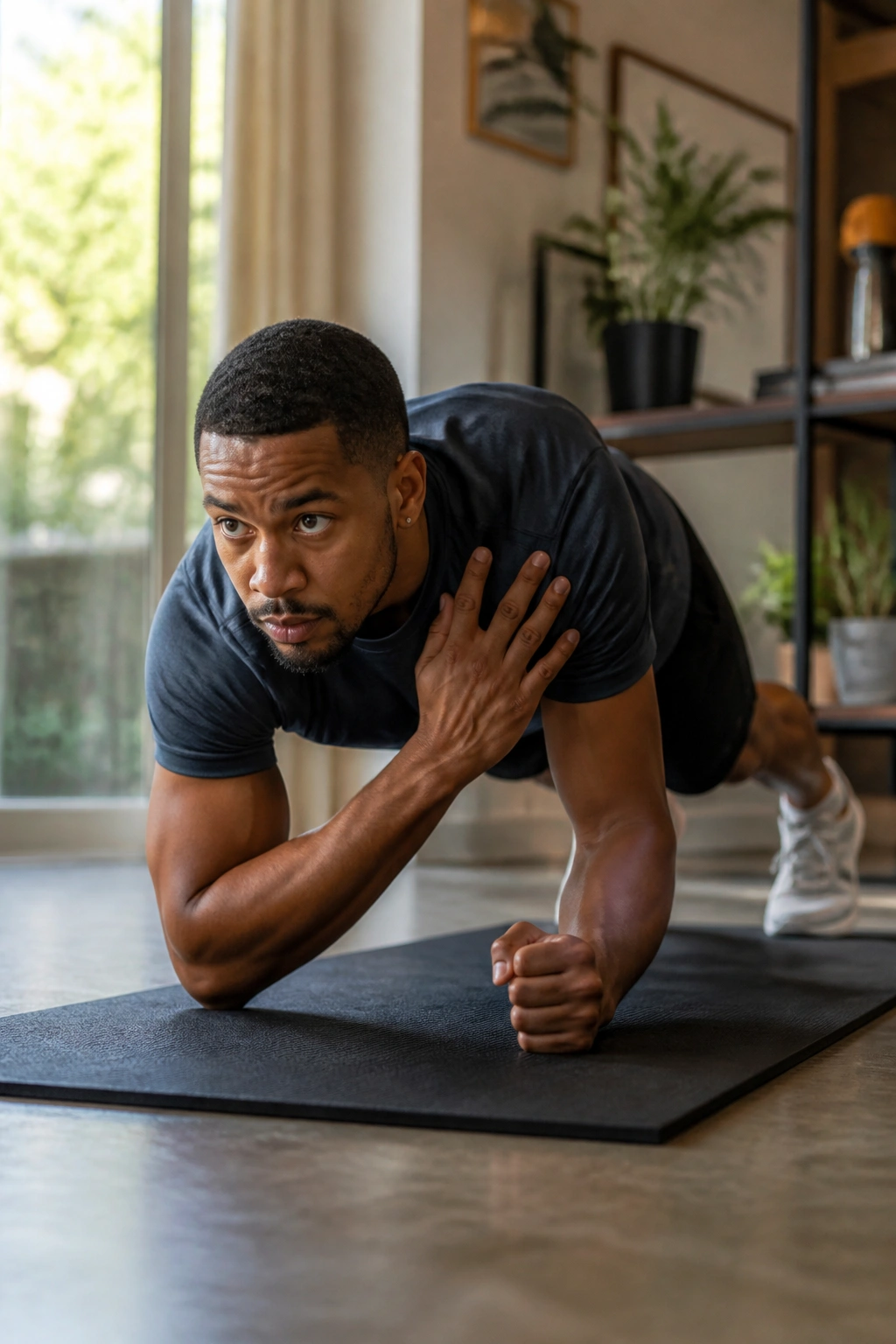
A plain plank is fine. A plank with controlled taps is better, because it punishes the little side-to-side shift most people never notice. You’re not trying to survive this one. You’re trying to keep your body quiet while your shoulders and core argue about stability.
Start in a forearm plank with your feet about hip-width apart. Tap one shoulder with the opposite hand, then return it to the floor without letting your torso roll. If your hips sway like a boat in rough water, widen your feet another inch or two and make the movement smaller.
What to Watch For
- Keep the elbows under the shoulders.
- Press the floor away so the upper back doesn’t sink.
- Think “zip up the ribs” instead of “hold harder.”
- Aim for 20 to 30 taps total, or 3 rounds of 20 seconds.
One clean plank beat a messy one. Every time.
3. Reverse Crunch With a Pause
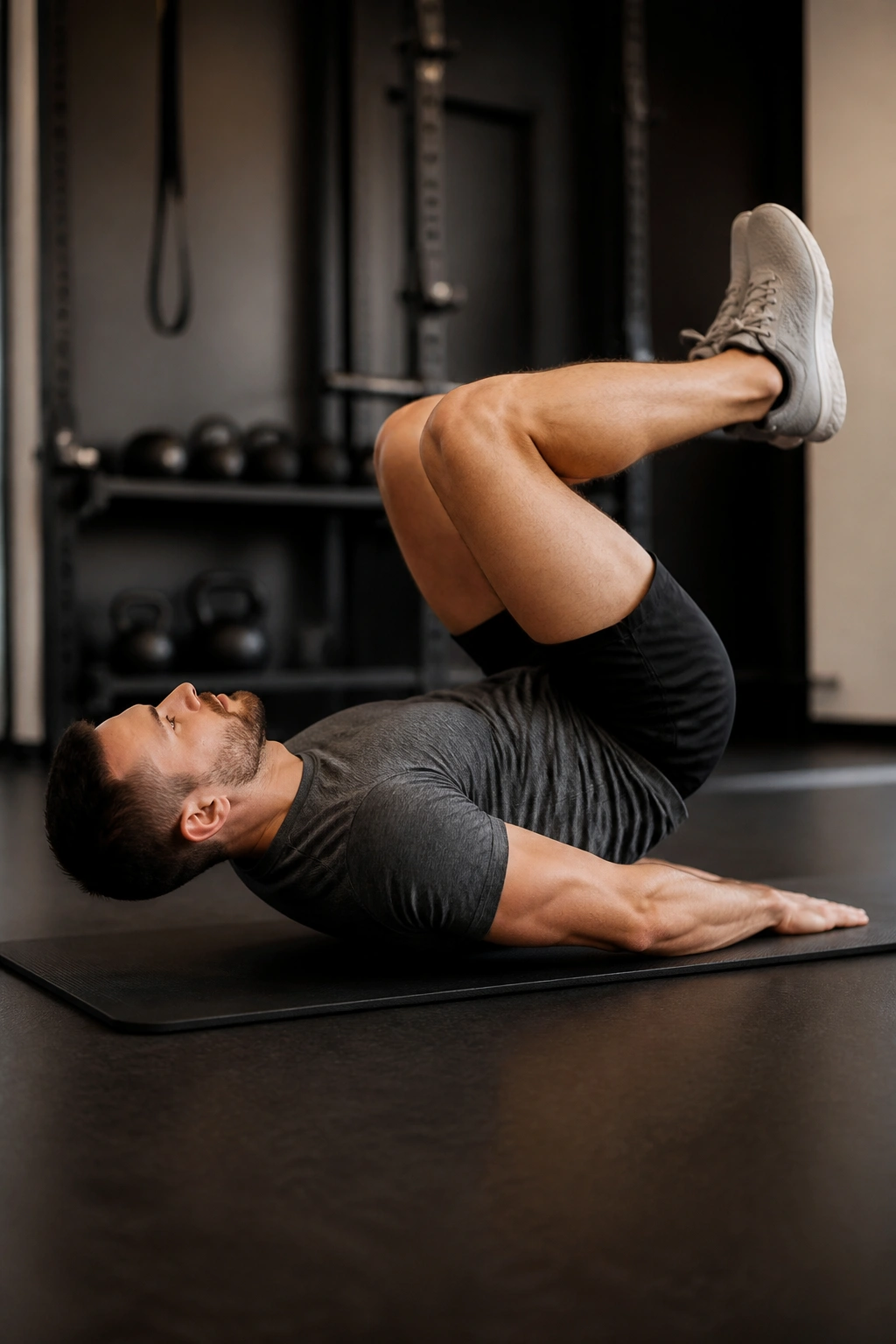
This is the one I reach for when I want the lower half of the abdominal wall to do something useful instead of just burning from fast reps. The pause at the top matters more than the number of reps. Without it, the hips swing and the whole thing turns into a sloppy leg toss.
Lie on your back, bend your knees to 90 degrees, and curl your tailbone off the floor by pulling your knees toward your chest. Hold for one full count at the top, then lower slowly until your lower back touches down again. The descent should feel controlled, not dropped.
Simple Programming
Do 3 sets of 10 to 15 reps with 30 to 45 seconds of rest. If you want more challenge, keep the knees farther from the chest on the way down, but only if your back stays glued to the floor. If it starts arching, shorten the range.
That pause is the whole trick. Don’t skip it.
4. Bicycle Crunch Intervals
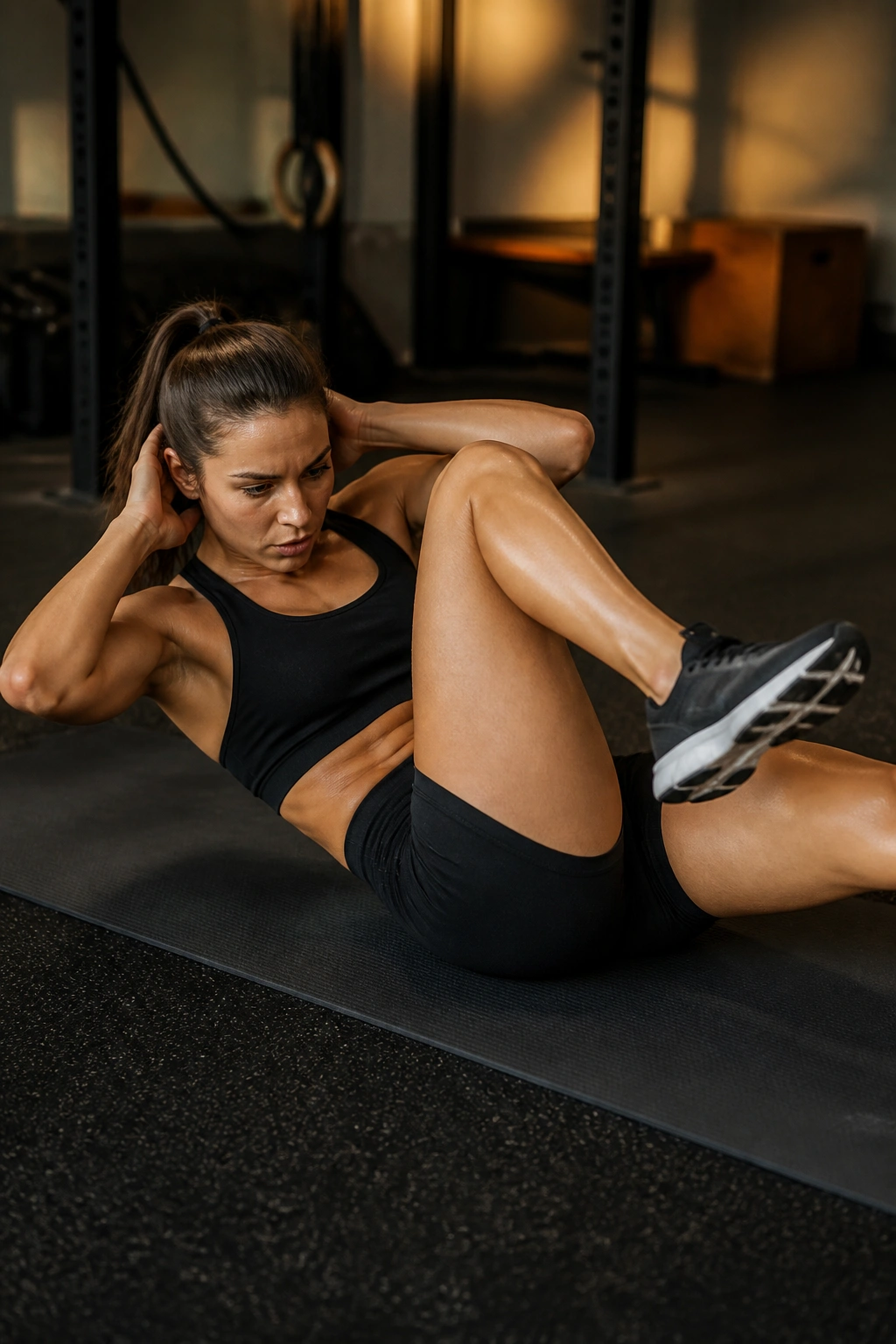
Bicycle crunches are messy when people rush them, and they’re excellent when people slow the twist down. The routine works because each rep asks your rib cage to rotate toward a stable pelvis. Fast, sloppy reps just turn into neck pulling and flailing elbows.
How to Do It Well
Bring one elbow toward the opposite knee, but don’t chase contact so hard that your shoulders shrug. The leg that extends should stay long enough to create tension, not so low that your low back pops off the floor. A lot of people kick the legs like they’re trying to pedal away from a bad idea. That’s not the goal.
Interval Format
- 30 seconds work
- 15 seconds rest
- Repeat for 4 to 6 rounds
If you want a cleaner version, keep both hands lightly behind the head and think about rotating the chest rather than yanking the elbow. Your neck will thank you. So will your obliques.
5. Hollow Body Hold Ladder
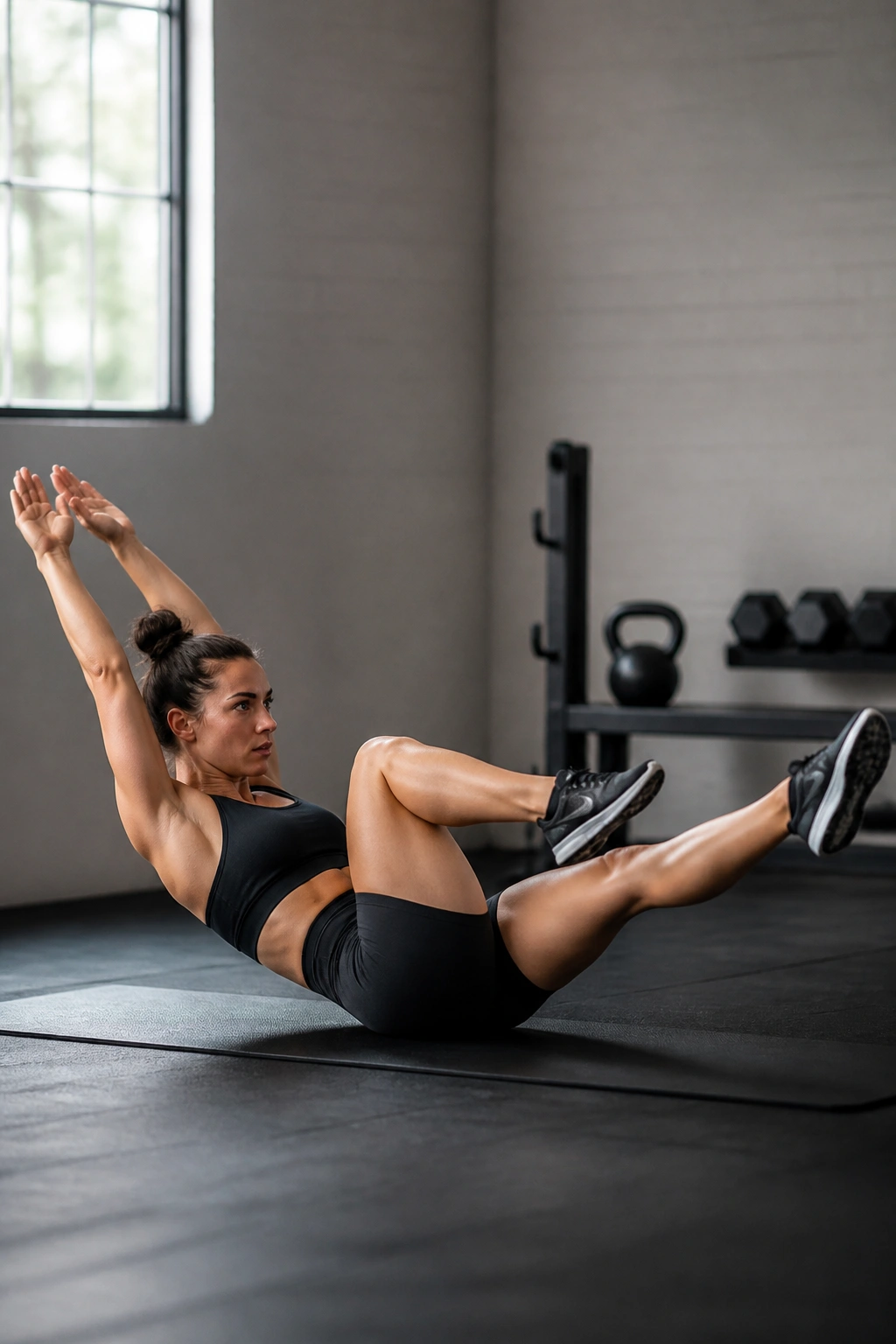
The hollow hold is the one that makes gymnasts look annoyingly calm. It’s also brutally honest. If your ribs flare and your low back lifts, the position is wrong. Simple. Brutal. Useful.
Start with knees tucked, arms overhead, and your lower back pressed into the floor. Then extend one variable at a time: first the arms, then one leg, then both legs straighter as long as the spine stays flat. That ladder approach keeps the exercise honest instead of forcing a full hold you can’t control yet.
Ladder Suggestion
- 10 seconds tucked
- 10 seconds one-leg extended
- 10 seconds full hollow
- Rest 30 seconds
- Repeat 3 rounds
This one is a sneaky finisher after heavier lifting. It also pairs well with dead bugs, which is a little boring on paper and very effective in practice.
6. Side Plank Hip Lift Series
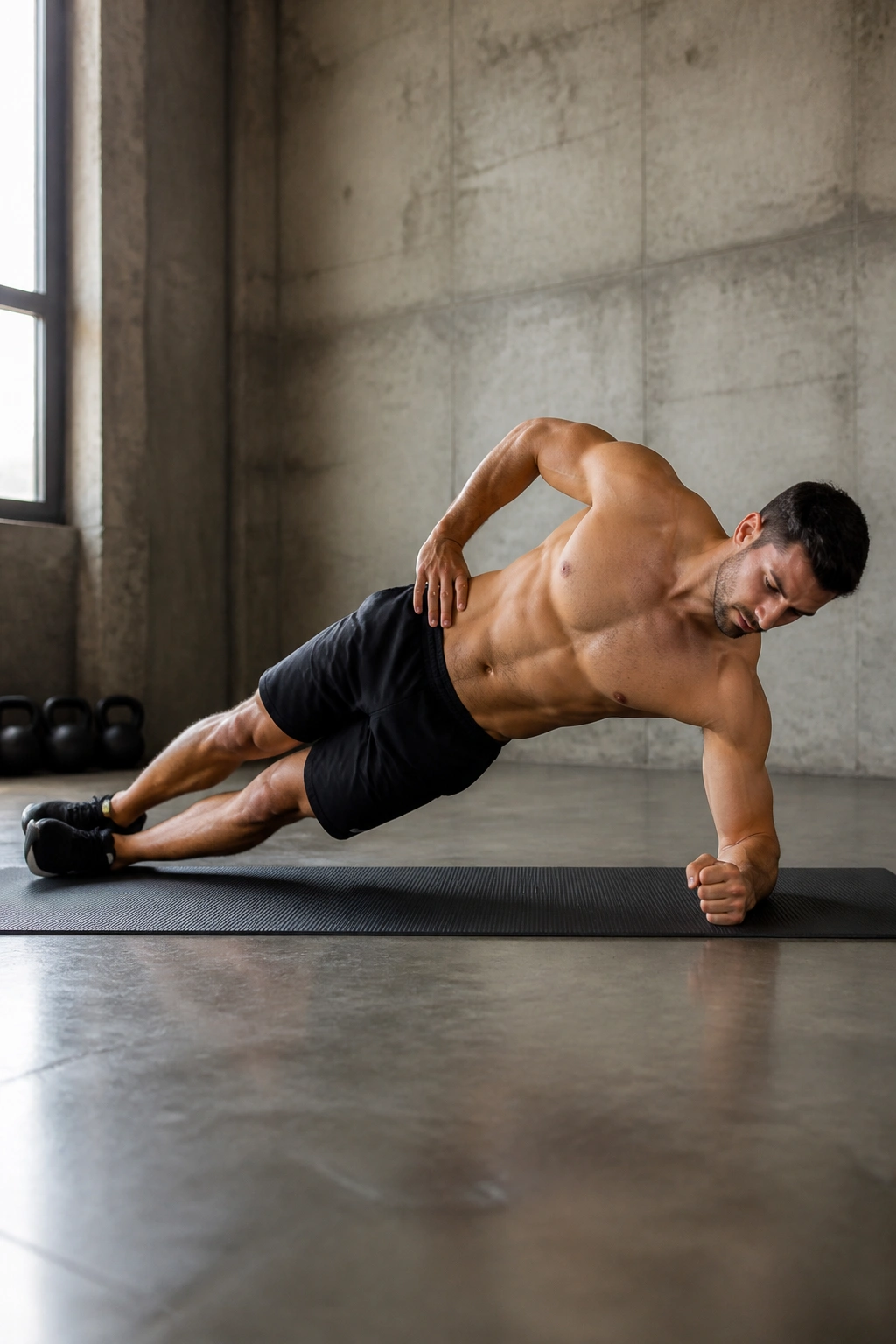
Side planks are already tough. Add a hip lift, and the outer core has to keep the whole trunk from collapsing. This routine hits the obliques and the glute medius at the same time, which is why it helps more than people expect with running and single-leg work.
Stack your feet if you can hold the position with control. If not, put the top foot in front of the bottom foot like a kickstand. Lower the hip a few inches toward the floor, then drive it back up until your body forms one line from ankle to shoulder. Don’t twist open.
How to Structure It
- 8 to 12 hip lifts per side
- Or 20-second side plank hold + 8 lifts
- Do 2 to 3 rounds
The lower body wants to cheat here. Keep it strict. The burn shows up fast, and that’s fine.
7. Mountain Climber Speed Bursts
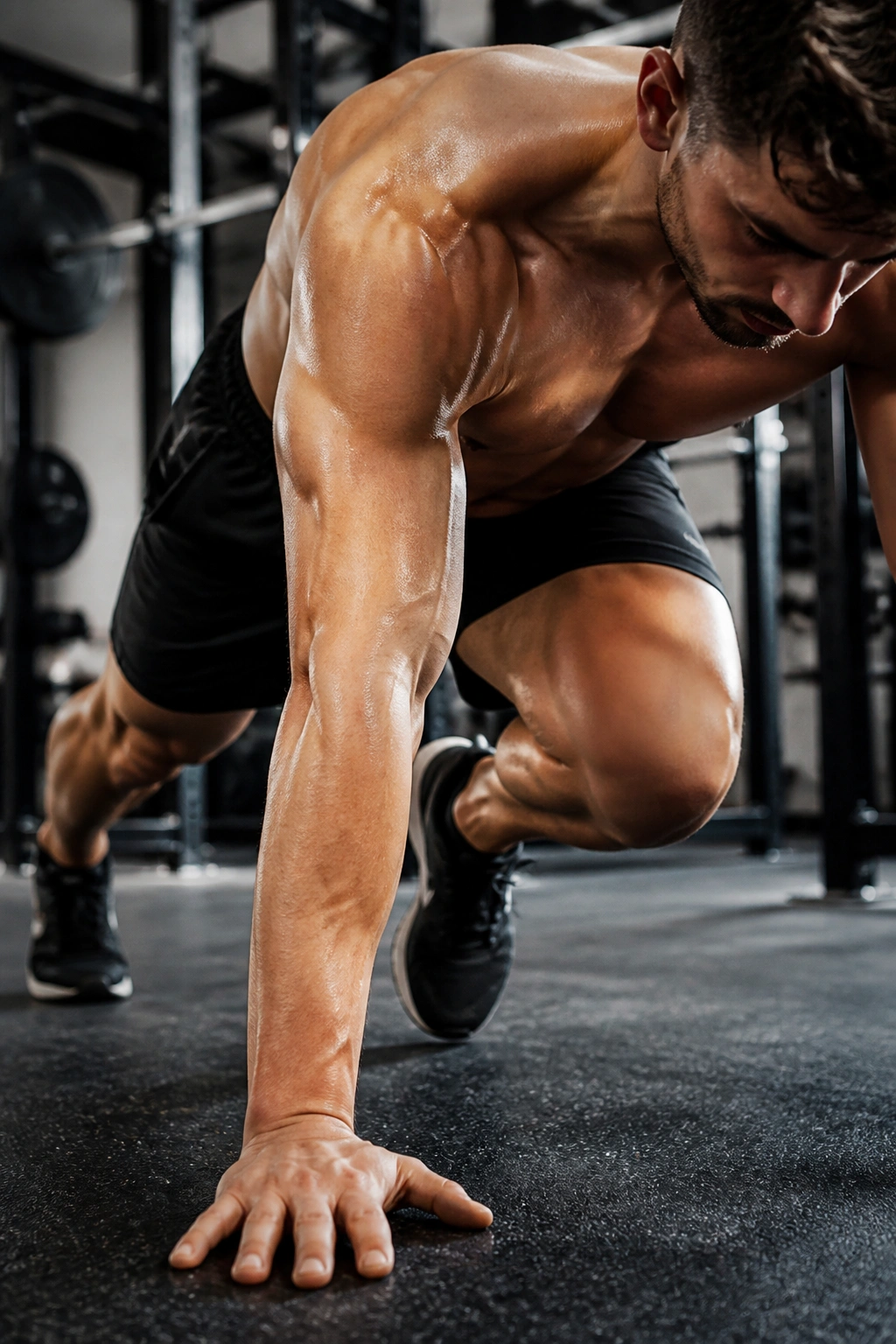
Mountain climbers can be a sloppy cardio drill, or they can be a hard core move that lights up the trunk and hip flexors at the same time. The difference is the hips. If they bounce around, you’re just running in place on your hands.
Set up in a strong high plank. Drive one knee toward the chest, switch, and keep the shoulders stacked over the wrists. Speed matters, but control matters more on the first half of the set. Once your form starts to break, shorten the burst and keep it crisp.
Burst Format
- 20 seconds fast
- 40 seconds easy
- Repeat 6 to 10 rounds
Want a cleaner challenge? Put a towel under your feet on a smooth floor and slide the knees in and out slowly. It’s less flashy and far more brutal.
8. Toe-Touch Crunch Circuit
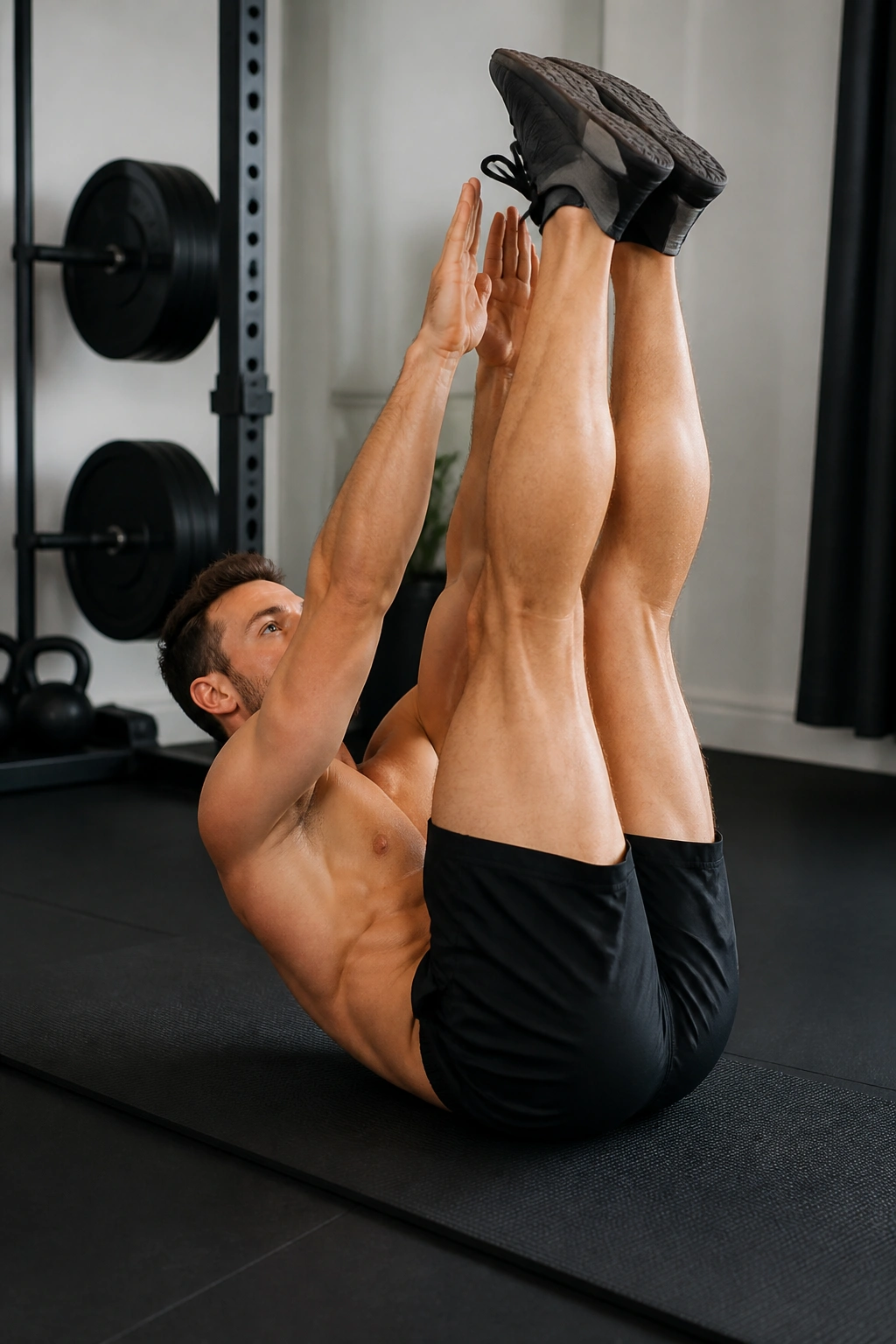
Toe-touch crunches are straightforward, and that’s part of why I like them. There’s no mystery, no fancy setup, no excuse for making them weird. If you can keep your chin neutral and your ribs curling upward, you get a clean abdominal contraction every rep.
Lie on your back with your legs straight up. Reach your hands toward your toes while lifting your shoulder blades off the floor, then lower with control. The key is not trying to touch your toes at all costs. Reach up and crunch, then stop before your neck starts doing the work.
Quick Circuit
- 12 to 20 reps
- Rest 20 to 30 seconds
- Repeat 3 rounds
A small bend in the knees is fine if tight hamstrings pull your pelvis out of position. That’s not cheating. That’s using good form.
9. Bird Dog With 3-Second Pause
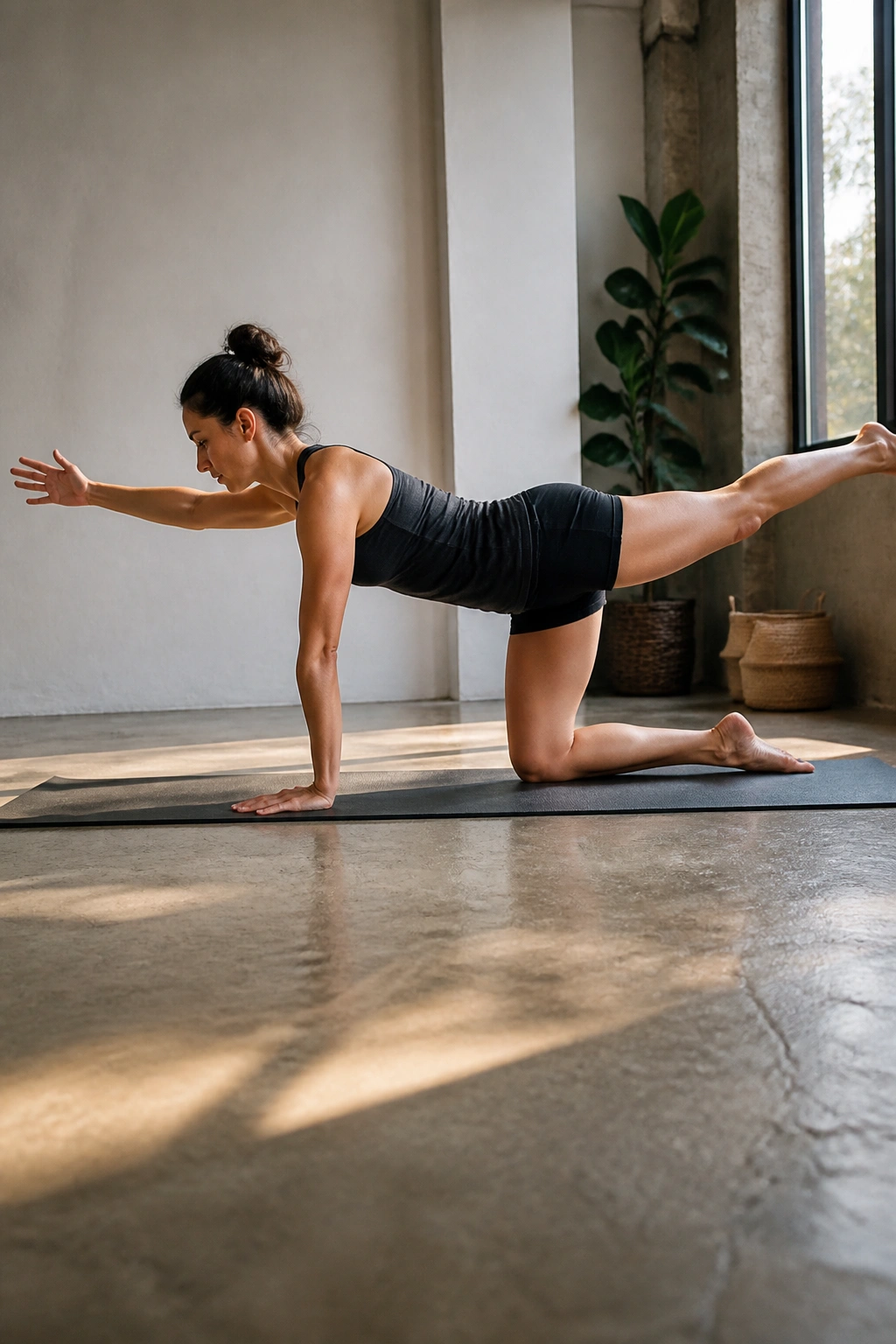
The bird dog is the quiet utility player of core training. Not glamorous. Very useful. It teaches you to keep your trunk steady while opposite limbs move, which is a skill you use constantly when walking, carrying, and lifting.
Start on hands and knees. Reach one arm forward and the opposite leg back, then freeze for three seconds without letting the ribs sag or the hips turn. The pause is the workout. If you rush the rep, you lose the point.
Good Cues
- Imagine balancing a glass of water on your lower back.
- Keep the neck long.
- Reach, don’t throw.
- Hold 3 seconds, then switch sides.
Do 2 to 3 sets of 6 to 8 reps per side. If you want more challenge, slide the hand and foot back to the floor slowly, about a 3-count each way. It gets harder fast.
10. Russian Twist Control Set
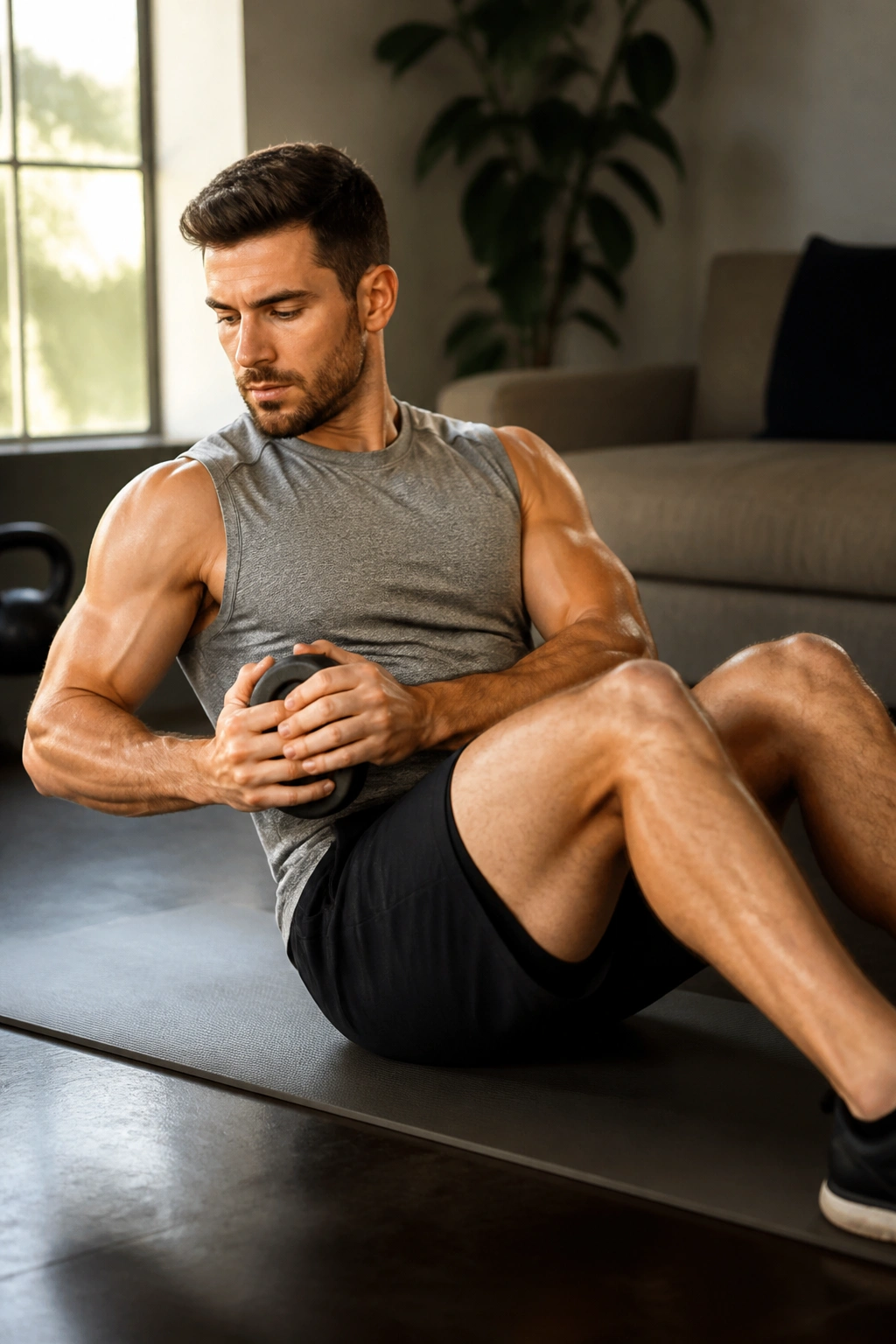
Russian twists get a bad reputation because people fling their arms around and call it core work. Controlled, they’re solid. Sloppy, they’re mostly hip flexion with a little spine rotation glued on top.
Sit with your feet on the floor if you need help staying tall. Lean back a little, brace, and rotate the rib cage side to side. The hands can stay together, hold a dumbbell, or just hover at chest height. I prefer light load first, because heavy twisting with bad posture feels macho and works less than people think.
Use This Format
- 16 to 24 total twists
- Pause for a split second at each side
- Do 2 to 4 rounds
If your low back rounds hard, sit higher and bend the knees. Good position beats extra weight every time.
11. Straight-Leg Lower and Lift
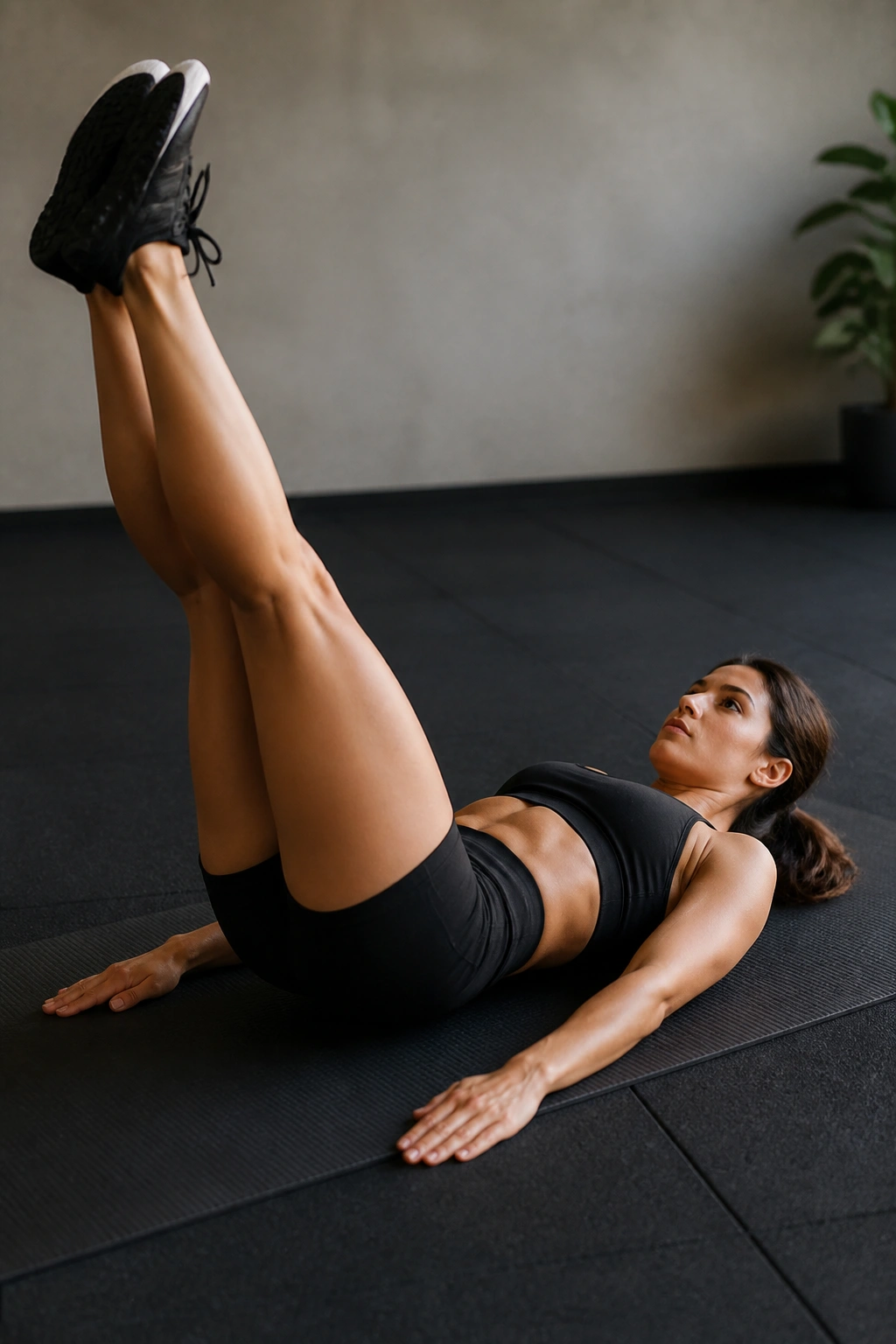
Leg lowers are honest. They expose weak bracing instantly. If your back arches on the way down, the range is too big or your core isn’t ready for that much leverage yet.
Lie on your back and press your hands into the floor beside your hips. Lift both legs up, then lower them slowly until you feel the lowest point you can control without the spine arching. Bring them back up before the back peels off the mat. That’s the clean rep.
A Cleaner Version for Most People
- Bend the knees slightly
- Lower only to a 45-degree angle
- Keep the exhale going on the way down
Do 3 sets of 6 to 10 reps. This one sneaks up on people because it looks tame. It is not tame.
12. Pilates Hundred Breathing Drill
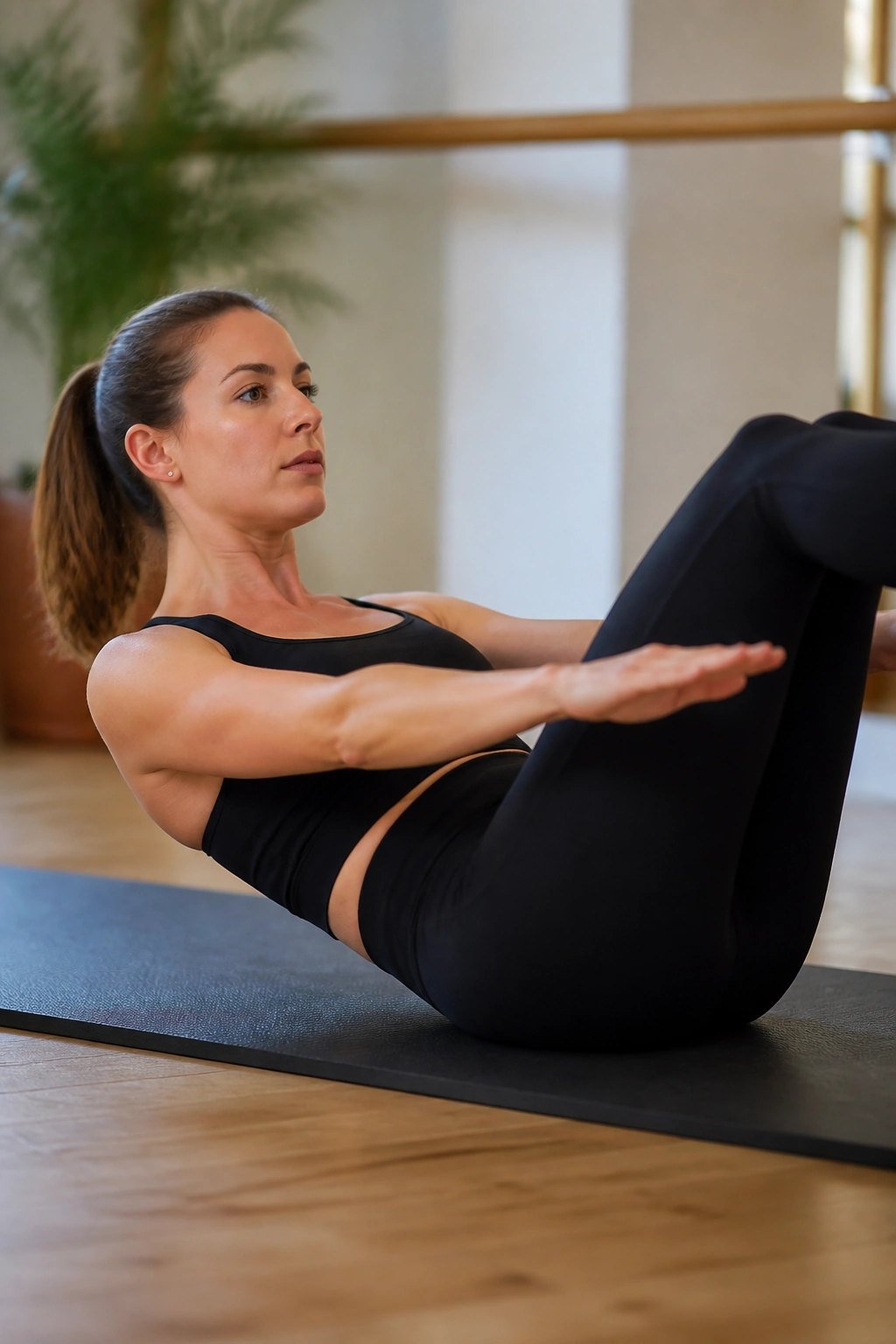
The Pilates Hundred is a breathing drill first and an ab exercise second, which is why it works so well for people who rush everything else. The repetition is the point, but the rhythm matters even more. If your breath gets sloppy, the movement falls apart.
Lift the head and shoulders slightly, reach the arms long, and pump them in short, controlled motions while breathing in for 5 counts and out for 5 counts. Keep the ribs knit down and the neck relaxed. If your neck starts screaming, put your head down and continue the arm pumps with the lower ab brace.
A Practical Way to Use It
- 10 breathing cycles = 1 round
- Do 1 to 3 rounds
- Rest 20 seconds between rounds
This is a nice one on recovery days because it feels like training without beating you up. Don’t dismiss that. Sometimes the quieter drill fixes the biggest problem.
13. Stability Ball Rollout Run
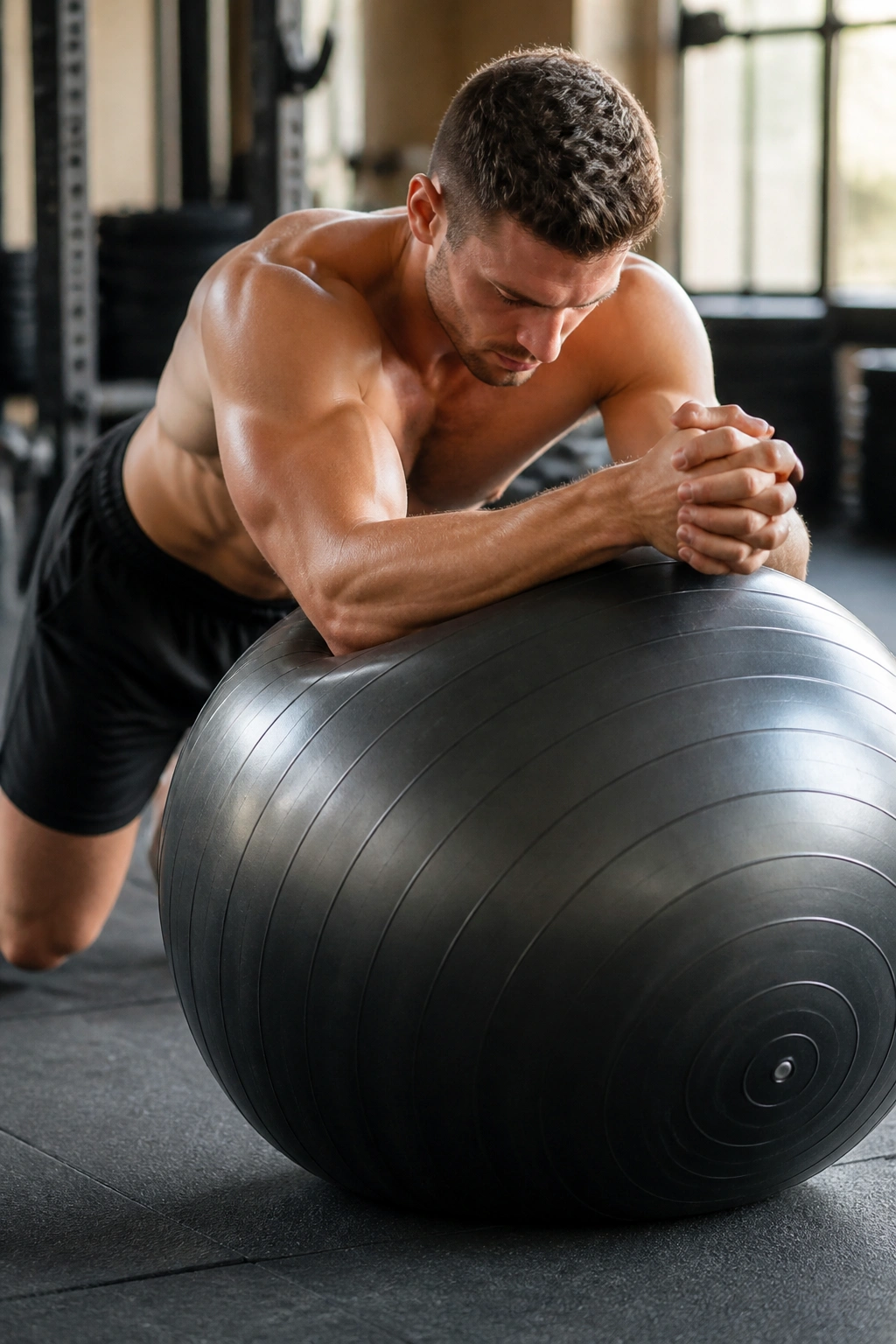
Rollouts on a stability ball look easy until your body starts trembling halfway out. The core has to stop the low back from collapsing as the arms move forward, which makes this one a sharp anti-extension drill. It’s a favorite for a reason.
Start kneeling with forearms on the ball. Roll forward a few inches, then drag the ball back with the abs, not the shoulders. If you can reach a long position without dropping the ribs, extend farther. If not, shorten the range and keep the line tight.
Set It Up Like This
- 8 to 12 reps
- 2 to 4 sets
- Rest 45 to 60 seconds
A wider knee stance makes it easier. A narrow stance makes it harder. That’s not subtle, and that’s the point.
14. V-Up Progression Ladder
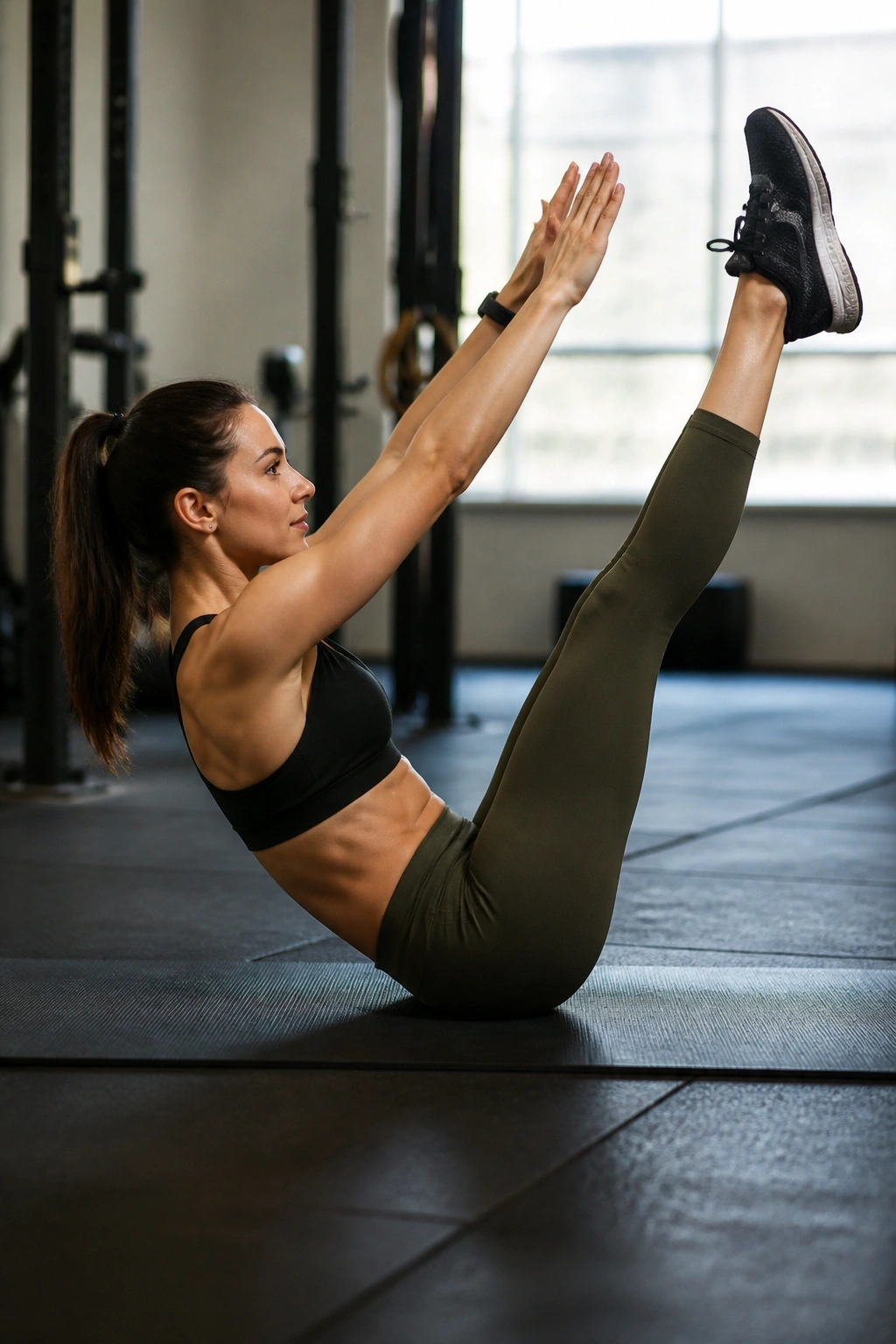
V-ups are dramatic. They also punish sloppy timing and tight hamstrings in a hurry. The trick is not trying to look like a gymnast on rep one. Build the shape in stages.
Start with a tuck-up: knees bent, chest and knees meeting in the middle. Then move to one-leg V-ups, then full V-ups if you can keep the motion crisp. The goal is a clean fold at the hips, not a frantic kick toward your shins.
Progression Ladder
- 8 tuck-ups
- 6 one-leg reps per side
- 6 full V-ups if ready
Use this as a hard finisher once a week. Once. Twice if you enjoy walking downstairs like a wooden puppet.
15. Pallof Press Anti-Rotation Hold
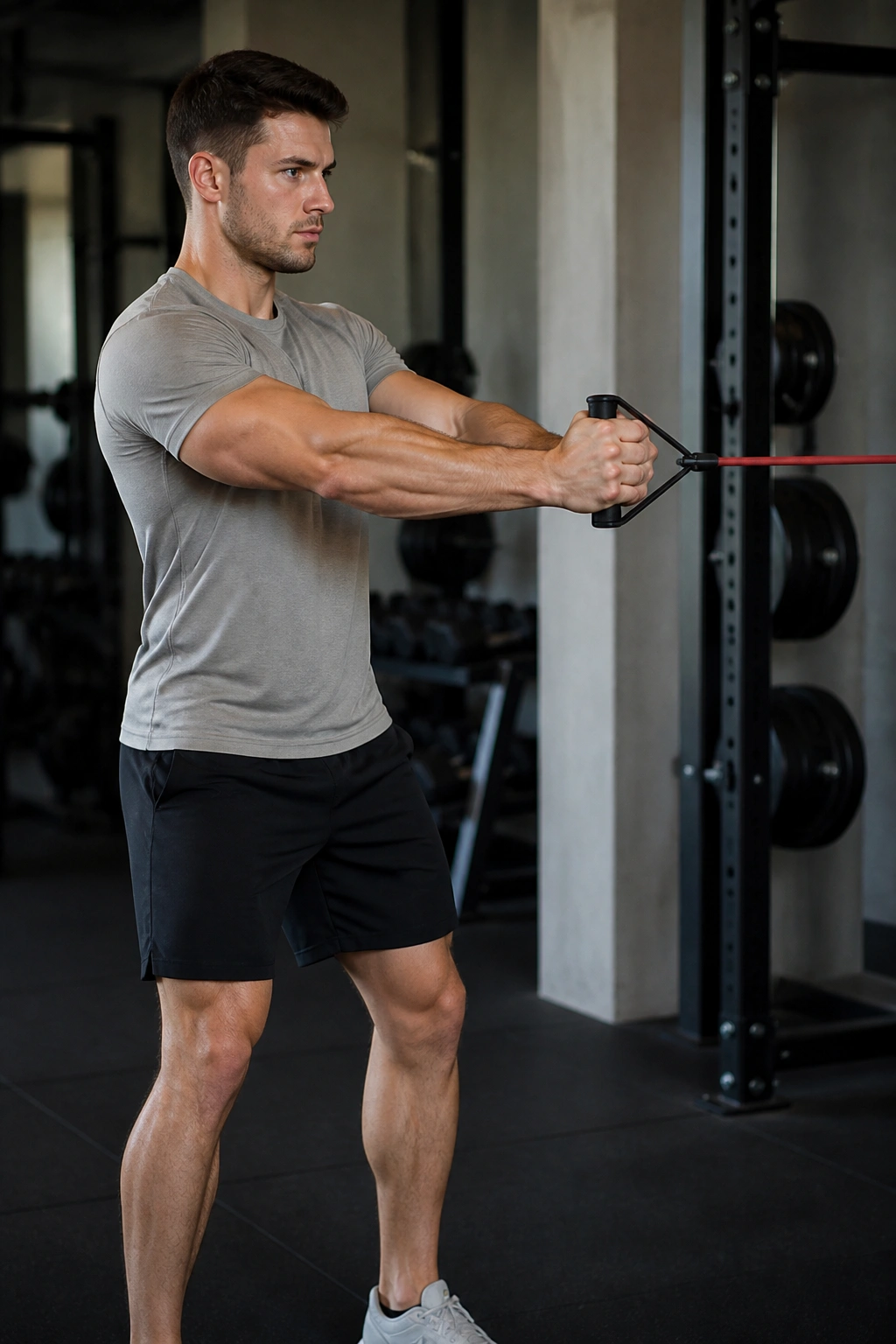
The Pallof press is one of the best ways to train your trunk to resist twisting, which matters more than people think. You’re not trying to rotate. You’re trying to stop rotation from happening at all.
Anchor a band or cable at chest height. Stand sideways to the anchor, hold the handle at your chest, then press it straight out and freeze. If your torso turns toward the machine, the load is too high or your stance is too narrow. Widen your feet and brace harder.
How to Use It
- Press out and hold for 3 to 5 seconds
- Do 8 to 10 reps per side
- Or hold 20 seconds per side
This one plays nicely with heavy lifting days because it doesn’t trash you. It just makes you more solid.
16. Frog Crunch Pulse Set
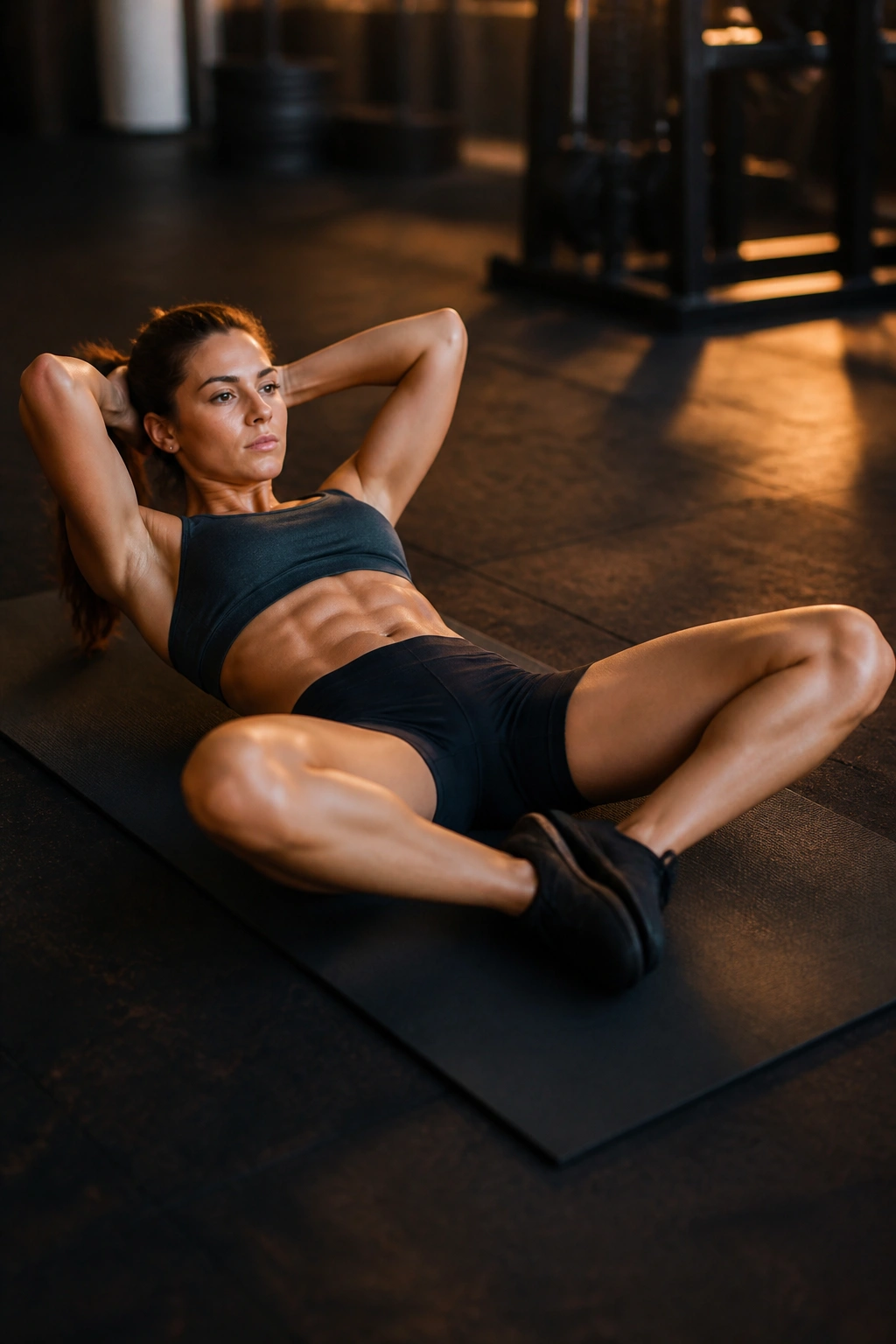
Frog crunches look odd, and I kind of appreciate that. They let the hips stay open while the abs do the curling, which can make the movement feel cleaner for people whose hip flexors hijack every other crunch variation.
Bring the soles of the feet together and let the knees fall out to the sides. Curl the shoulders off the floor and pulse the rib cage toward the pelvis. Keep the movement small. Tiny reps done well will light you up faster than big sloppy ones.
Pulse Structure
- 15 to 25 pulses
- Rest 20 to 30 seconds
- Repeat 3 rounds
If your neck strains, keep one hand behind the head and one across the chest. Small adjustment. Big difference.
17. Plank Shoulder Tap Test
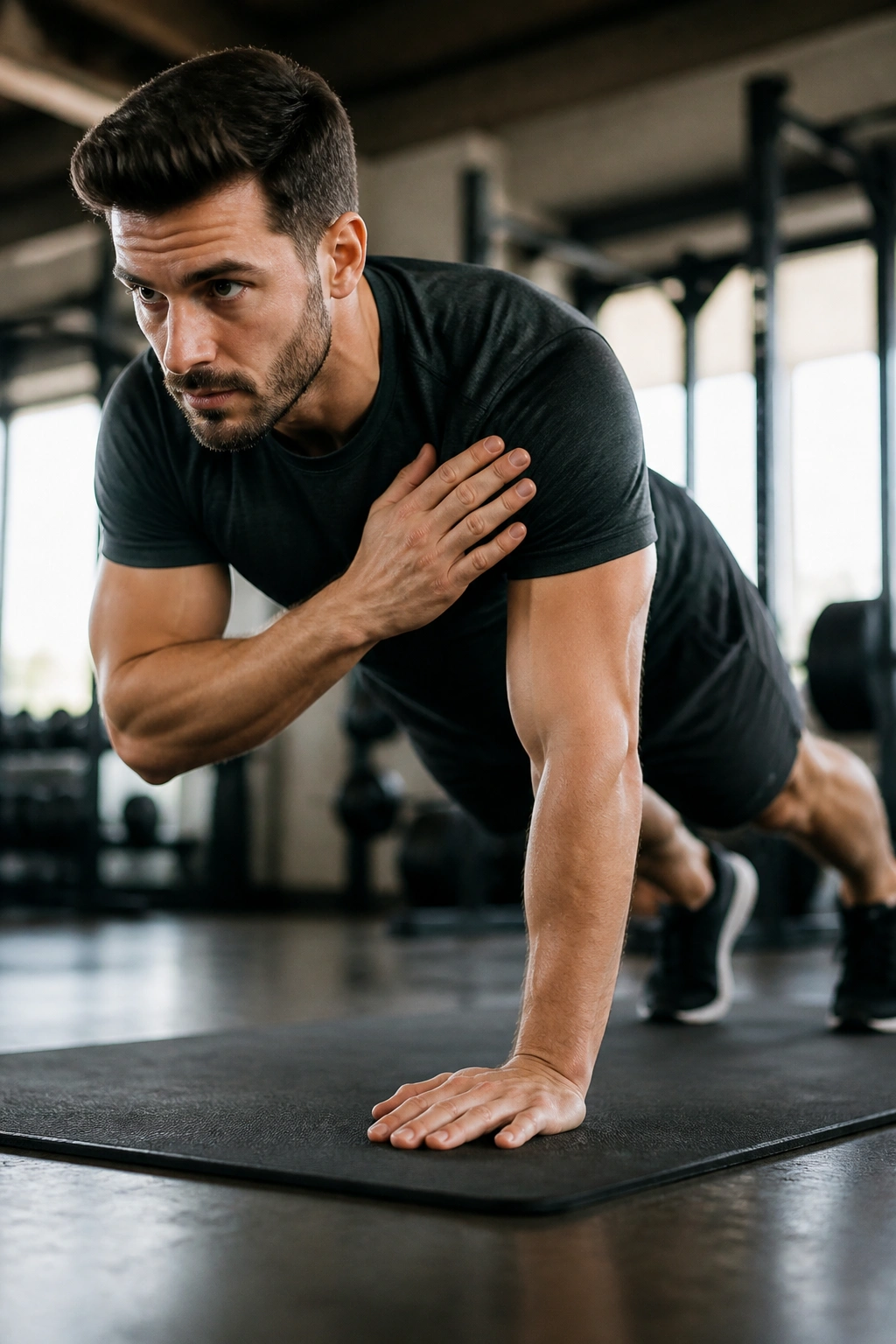
This is a plank that tells on you. The tap itself is simple; the real work is keeping the pelvis from rocking and the shoulders from shifting too far over. It’s one of the cleanest ways to train midline control with almost no equipment.
Assume a high plank, feet a little wider than hip-width. Tap the opposite shoulder with one hand, return it, then switch sides. Move one hand at a time. If you rush and fling both hands around, the body loses the brace and the drill turns into a mess.
Clean Reps Look Like This
- Hips stay level
- Feet press into the floor
- Hands move softly, not hard
- 20 to 30 taps total
Try this after upper-body pushing work. It exposes weak bracing fast, which is annoying and useful.
18. Flutter Kick Ladder
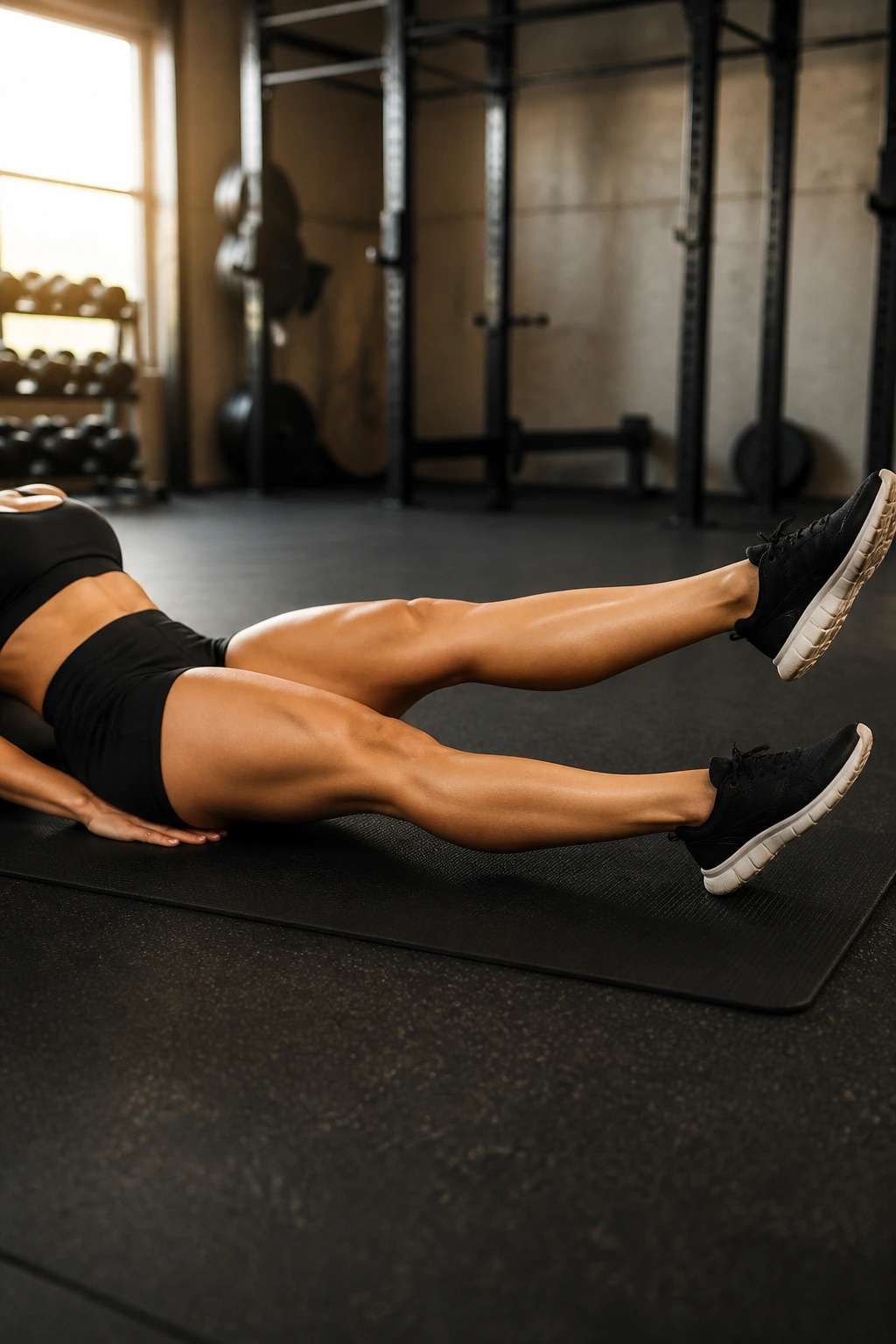
Flutter kicks are famous for making people grin through pain, but the routine is only useful if the lower back stays pinned down. Small kicks work better than giant ones. Huge leg swings just invite hip flexor takeover and a sore back.
Lie on your back, hands under the hips if needed, and alternate short kicks just above the floor. Keep the chest relaxed and the chin neutral. If the back arches, raise the legs a little higher and make the kicks smaller. That’s the fix almost every time.
Ladder Example
- 10 seconds
- 20 seconds
- 30 seconds
- Rest 30 seconds between rounds
Use 3 to 5 rounds. It’s a simple routine, and simple doesn’t mean easy.
19. Kneeling Cable Crunch
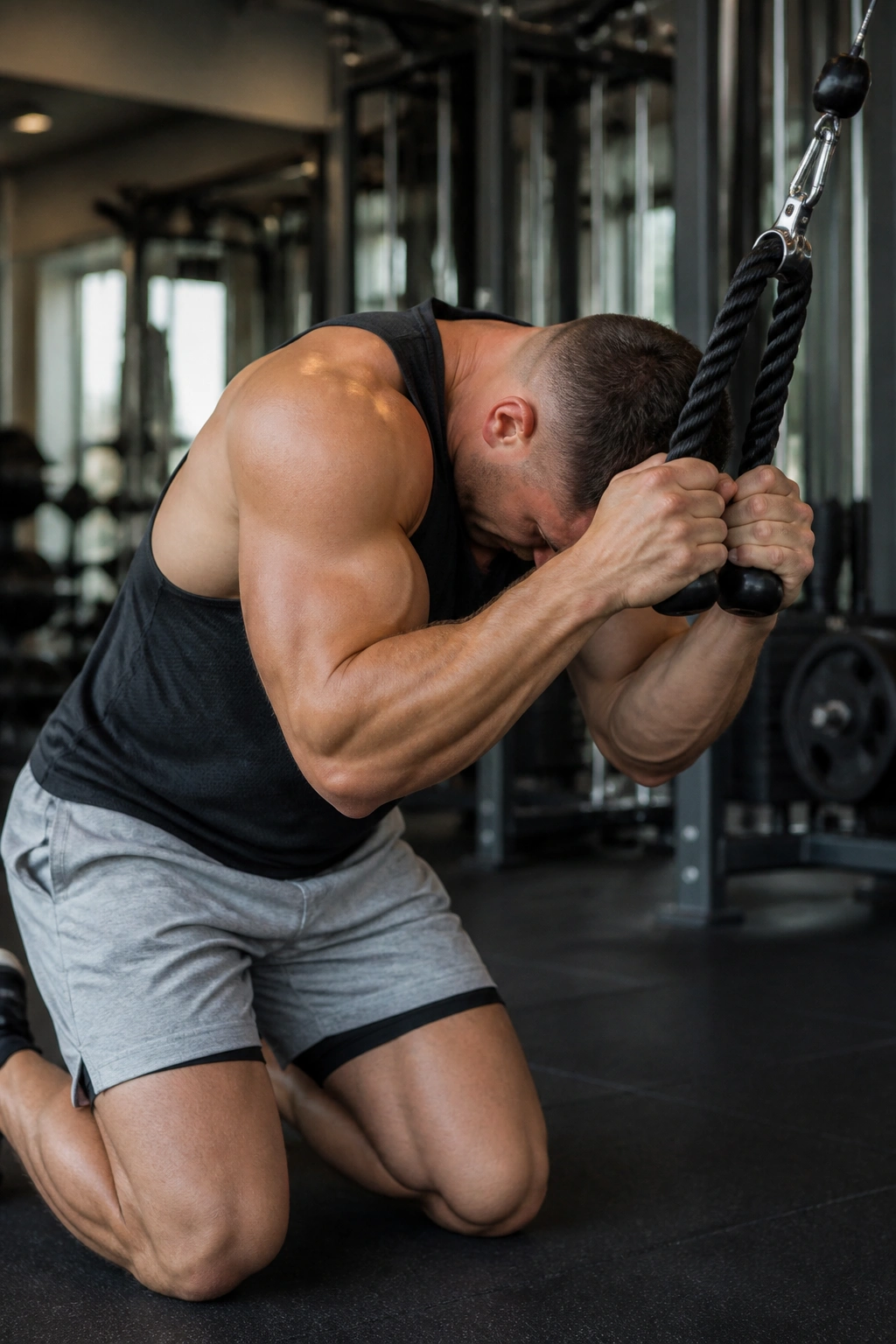
The kneeling cable crunch is the rare ab move that lets you add load without turning it into a circus act. The machine gives you resistance through the whole crunch, and that makes it useful for building actual strength, not just fatigue.
Kneel facing a high pulley, rope in hand, and crunch the rib cage toward the pelvis by rounding the upper spine. Do not hinge at the hips and call it abs. The movement starts high, near the sternum, and ends with the abs folded hard.
Training Notes
- 10 to 15 reps
- 3 to 4 sets
- Choose a load that leaves 1 to 2 clean reps in reserve
If you feel this mostly in your arms, set your elbows a little lower and keep the rope close to the sides of your head. Heavy, controlled, and boring in the best way.
20. Bear Plank Knee Hover
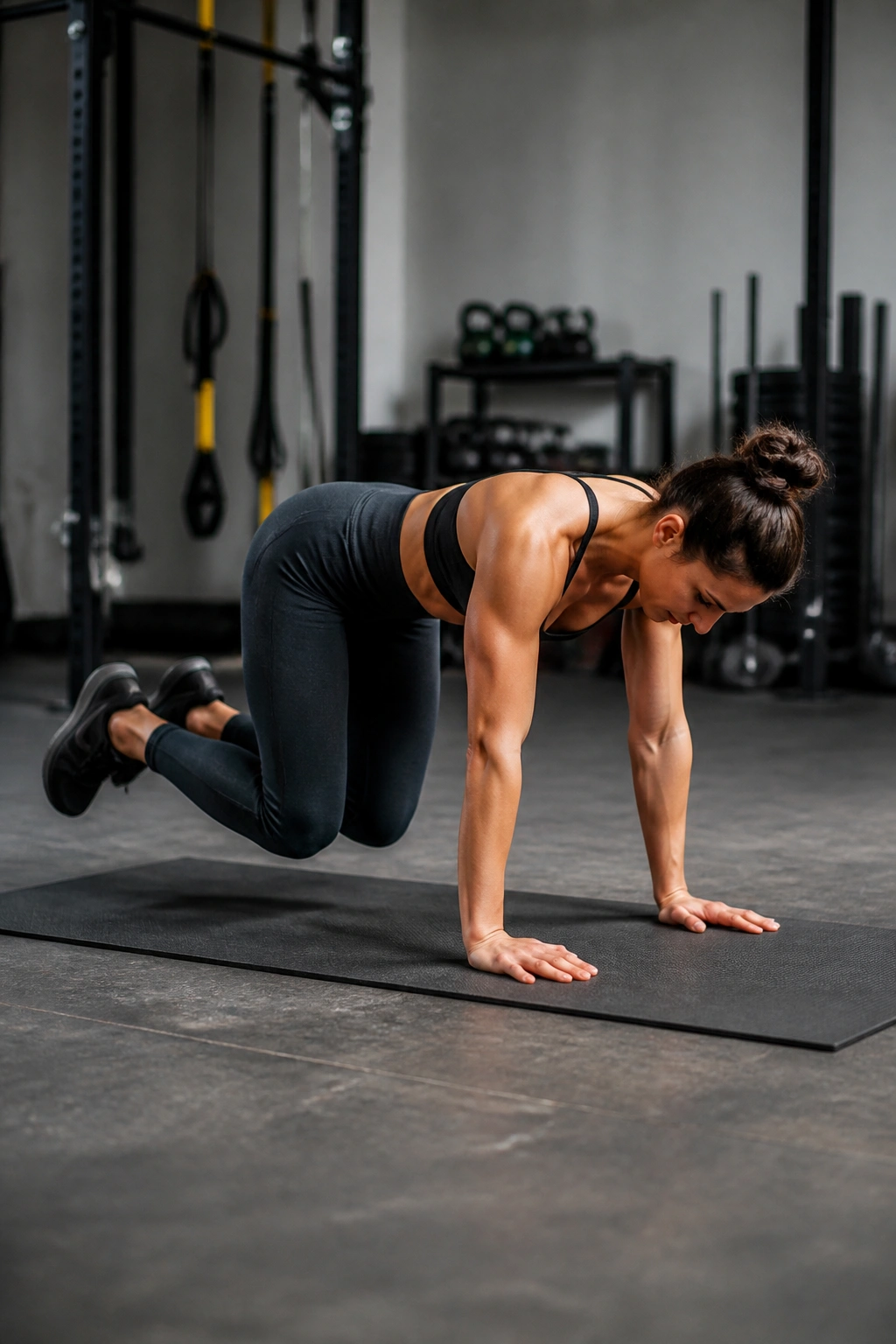
Bear planks are sneaky because the hover looks tiny, but the tension ramps up fast. The knees float an inch or two off the floor while the trunk works to stop the body from folding or twisting. It’s a solid blend of core strength and shoulder stability.
Start on hands and knees, tuck the toes, and lift the knees just off the ground. Hold the position while breathing steadily. If the knees drift too far forward or the back rounds, reset and shorten the hold. The whole shape should feel compact.
Try This Version
- 15 to 30-second holds
- 3 to 5 rounds
- Rest 30 to 45 seconds
I like this one late in a session because it exposes fatigue without needing a lot of space or gear. Which is handy. A floor is enough.
21. Suitcase Carry March
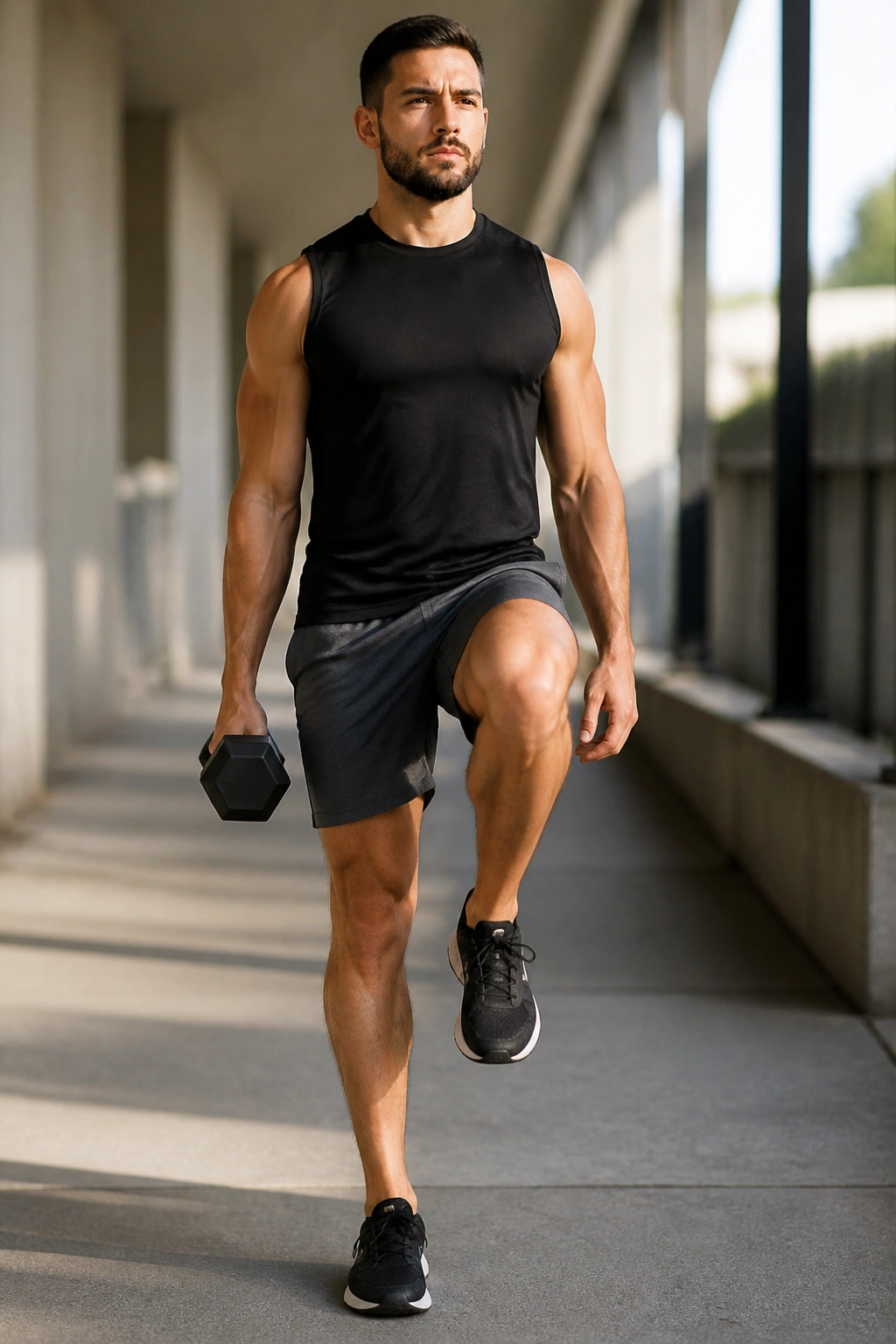
Loaded carries are a gift to core training because they teach the body to brace while moving, which is the whole point of having a trunk in the first place. A suitcase carry is simple: one weight, one side, no cheating.
Hold a dumbbell or kettlebell in one hand and walk slowly. Keep the shoulders level and resist leaning toward the weight. If you want to make it more interesting, march instead of walk, lifting each knee high enough that you have to balance the torso a little harder.
Good Targets
- Walk 20 to 40 steps per side
- Or march for 20 to 30 seconds
- Use a load that feels challenging by the last third of the set
This one is gold for people who want abs that work outside the gym. Not flashy. Very effective.
22. Body Saw Plank Slide
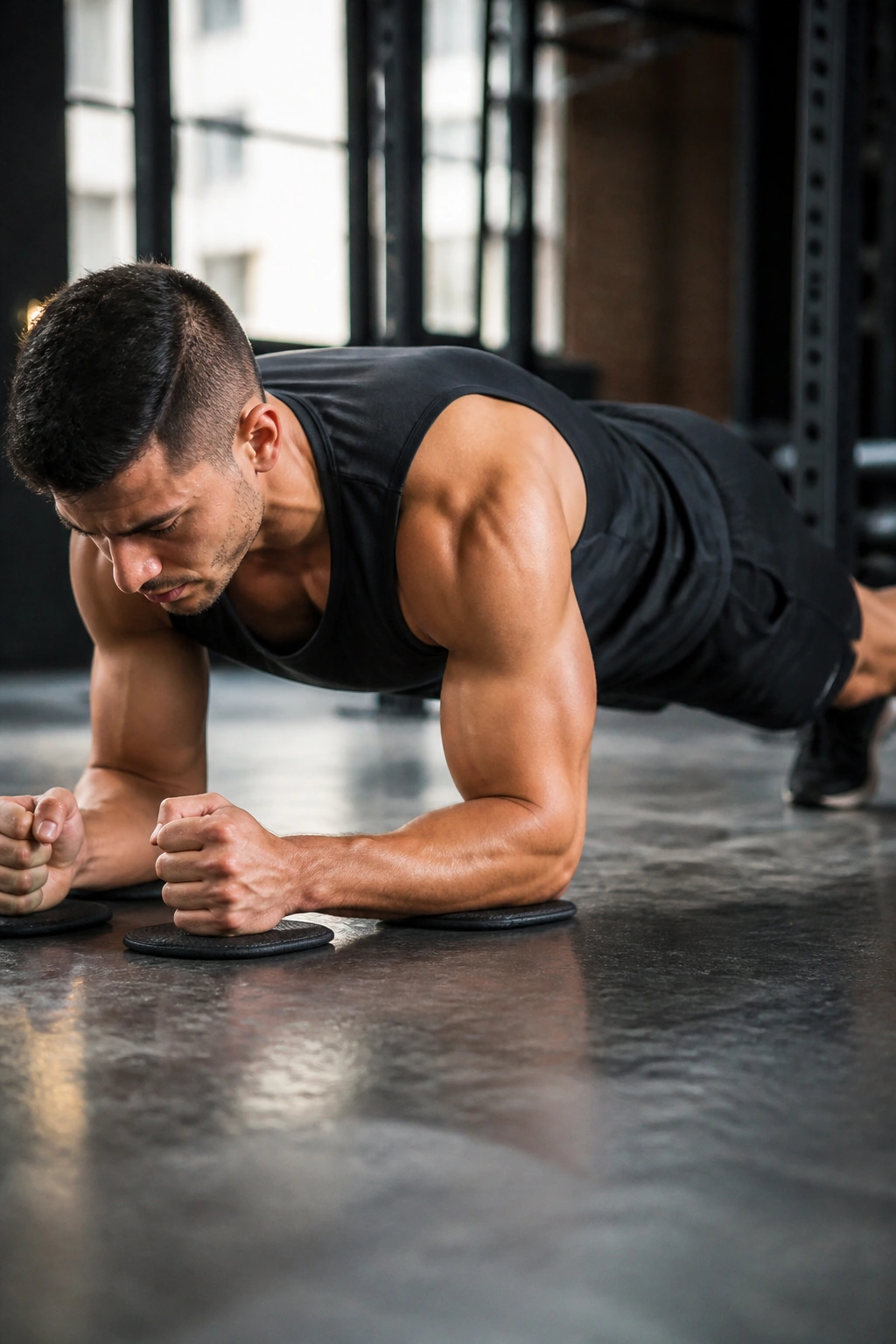
The body saw is mean in a quiet way. You start in a forearm plank, then shift the body backward and forward a few inches while keeping the trunk locked in place. That tiny sliding motion creates a bigger challenge than it looks like it should.
Use sliders, towels on a smooth floor, or a suspension setup if you have one. Move only a small distance at first. If the lower back sags when you slide back, the range is too long. Shorten it and keep the ribs tucked down.
Make It Work
- 8 to 12 slides
- 2 to 4 sets
- Rest 45 seconds
This is a strong last routine to keep in a weekly rotation because it reinforces everything that came before it: bracing, shoulder stability, and control under fatigue. If you can keep this clean after a full week of training, your midsection is doing its job.
A good ab week does not need 500 random reps and a prayer. Pick a few routines that hit different jobs — one flexion move, one anti-extension hold, one anti-rotation drill, one carry, maybe one fast finisher — then repeat them with good form and honest effort. The boring part is usually the part that works.
