



A good twist should feel like a long exhale for your back, not a wrestling match with your spine. When yoga poses for twists are done well, the body looks quiet from the outside and feels spacious from the inside: the ribs get room, the breath gets easier, and the spine gets a clean, organized rotation instead of a cranky yank in the low back.
That matters because plenty of people twist too hard and too soon. They round first, then rotate, then wonder why their lumbar spine feels pinched. The smarter pattern is almost boring — and that’s exactly why it works. Grow tall, ground the pelvis, rotate from the rib cage, and let the breath stay smooth enough that the shape can settle.
Twists are not all the same, either. Some are seated and patient, some ask for standing strength, and a few sneak in a hamstring stretch or a balance challenge while they’re at it. The spinal mechanics change a lot from pose to pose, which is why a random grab bag of “twists” never tells the whole story.
These 20 yoga poses for twists give you a full spread: gentle floor work, classic seated shapes, standing rotations, and a few deeper variations for people who already know how to keep the hips honest. Start at the level that lets you breathe without strain. That part matters more than making the pose look dramatic.
1. Easy Seated Twist
The simplest twist is often the most useful one. Easy Seated Twist gives you a clean read on your spine: if the breath stays wide and the ribs can turn without the shoulders hiking up, you’re in the right range.
How to Set It Up
Sit on a folded blanket so your hips are slightly higher than your knees. That little lift helps the pelvis tilt forward, which gives the lower back less reason to round.
- Cross one shin in front of the other, or sit in a simple cross-legged seat.
- Inhale and grow tall through the crown of the head.
- Exhale and rotate from the lower ribs, not from the knees.
- Keep both sit bones heavy. If one lifts, you’ve probably gone too far.
A small twist done well beats a big one done badly. If the breath gets tight, back off by 10 degrees and see whether the shape improves when you stop forcing it.
This is also a smart place to notice side-to-side differences. Don’t chase symmetry by cranking harder on the stiff side. Just keep it honest, keep it long, and let the twist happen after the length.
2. Bharadvajasana
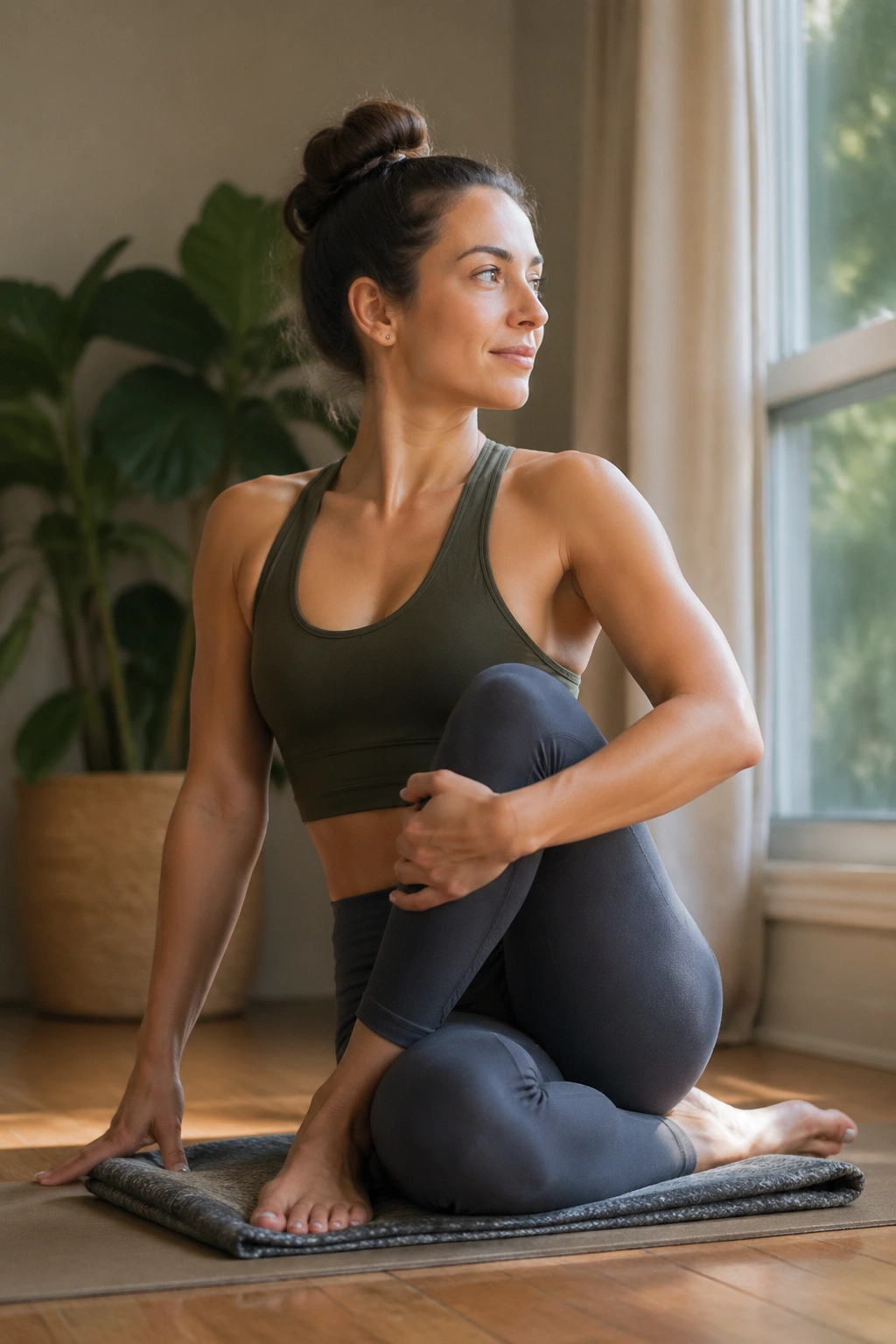
Bharadvajasana looks mild, but it gives a cleaner twist than many flashier shapes. Because the pelvis stays grounded and one foot tucks beside the opposite hip, the torso can turn without as much wobble from the lower body.
The pose is a favorite for a reason. You get rotation through the mid-back, a little opening across the chest, and enough stability to breathe into the shape instead of bracing against it. If your low back hates aggressive twists, this one is usually a friend.
A blanket under the sit bones helps a lot. So does keeping the lifted hand light — no need to yank yourself around by the arm. The head can turn last, or not at all if your neck feels cranky.
One small cue changes everything: press the opposite sit bone down before you rotate. That keeps the pelvis from skidding sideways and helps the twist feel more like a spiral than a collapse.
3. Half Lord of the Fishes Pose
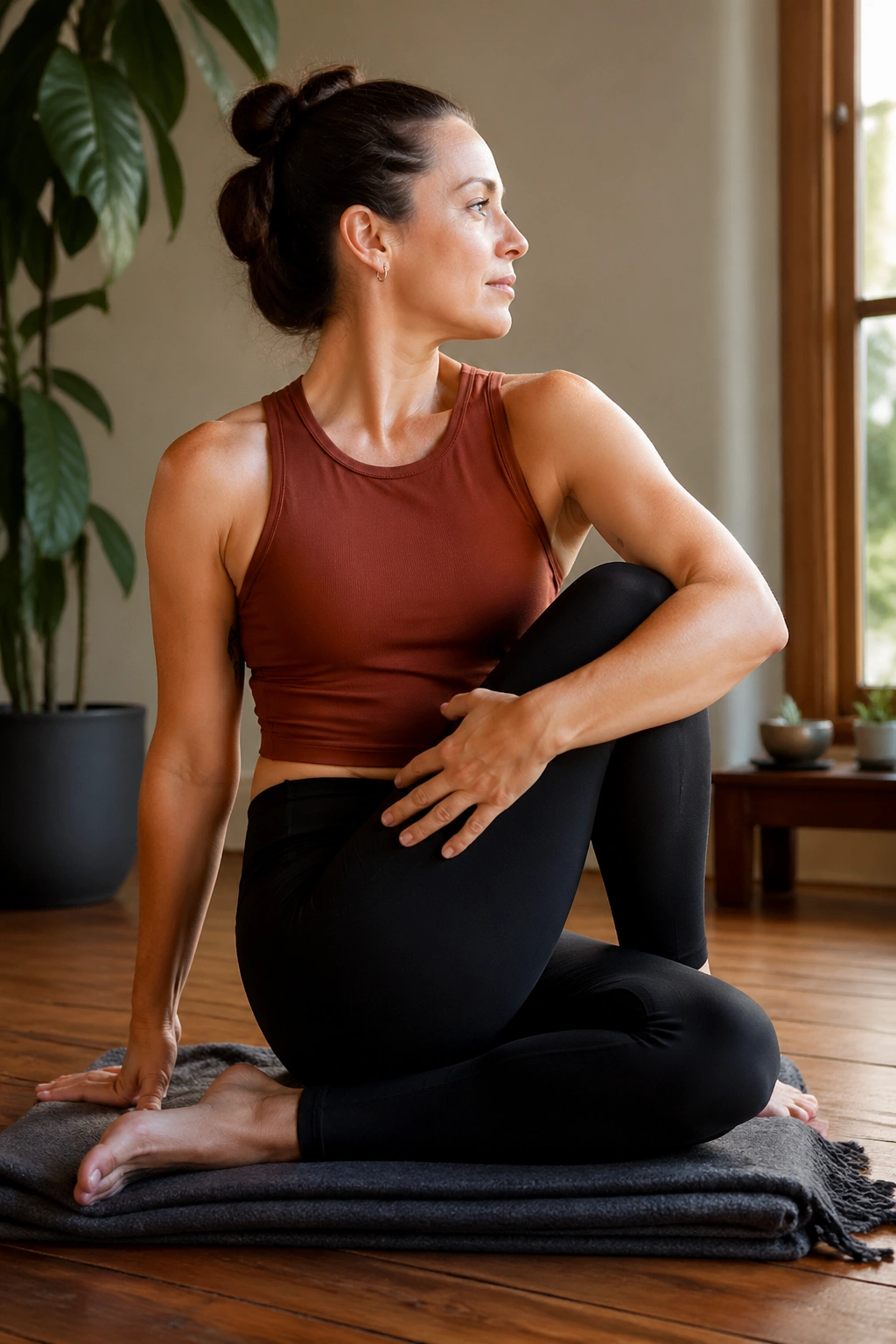
Why do so many teachers reach for Half Lord of the Fishes Pose? Because it gives the spine a real lever without making you stand on one foot or fold into a knot. One leg is tucked, the other knee lifts, and the torso turns around that vertical line like a lid on a jar.
What to Watch For
The common mistake is trying to wring the shoulders around while the pelvis floats. That usually turns the pose into a tug-of-war. Keep the base grounded.
- Sit tall on a folded blanket if the hips are tight.
- Flex the top foot if the knee feels sensitive.
- Hug the lifted knee close before you rotate.
- Keep the sternum broad, not collapsed.
If the bottom shoulder creeps toward the ear, you’ve gone too far. Back off, lengthen again, then twist from the ribs. The spine should feel organized, not compressed.
I like this pose for people who want a twist with clear structure. It gives feedback fast. Good feedback, too.
4. Marichyasana C
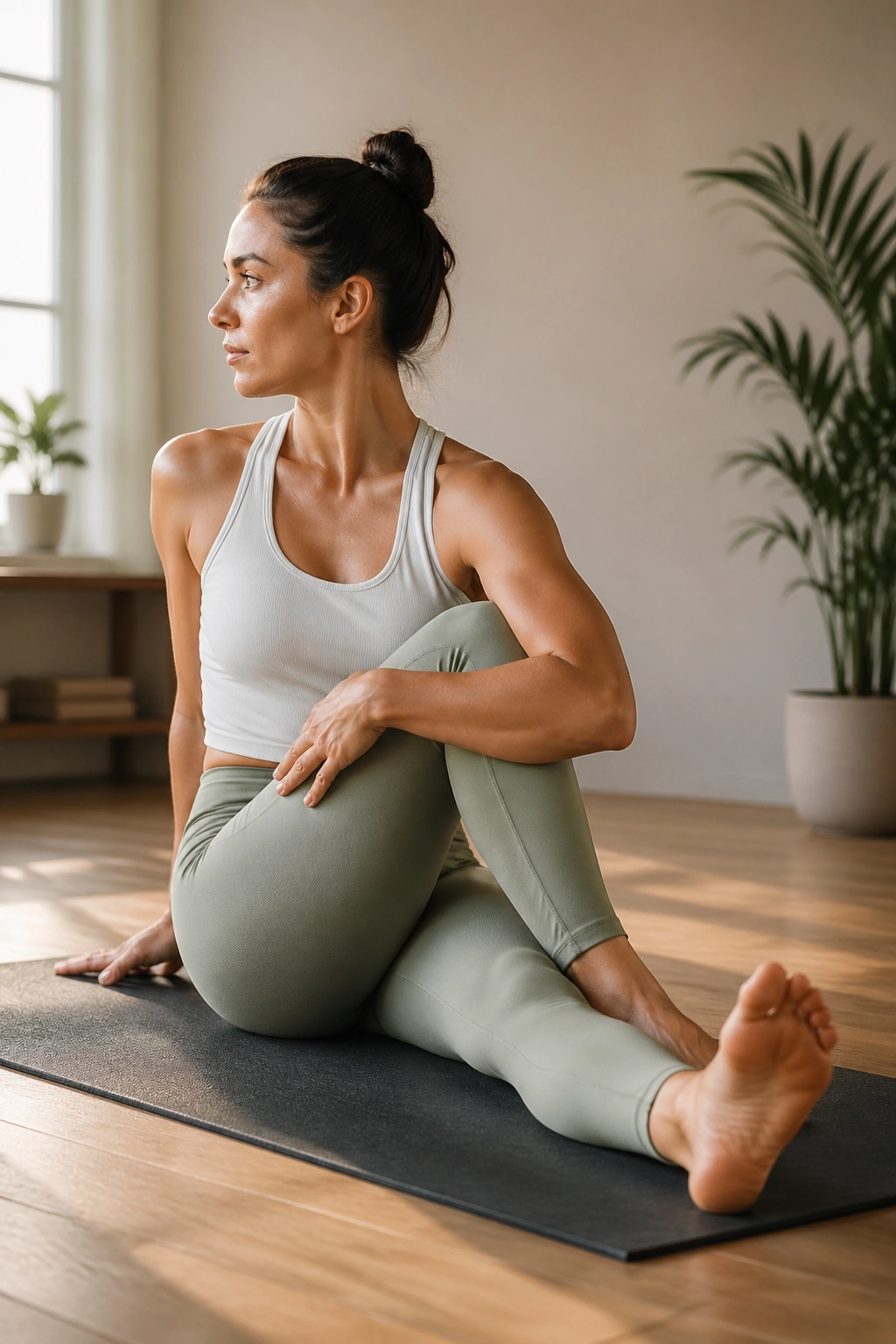
Marichyasana C is the pose that tells the truth. If you rush, it folds into a mess. If you go slowly, it can feel clean, grounded, and surprisingly spacious.
The extended leg asks for hamstring engagement, the bent knee creates a little internal pressure, and the wrap around the torso invites rotation through the middle back. That combination is why this pose can feel deep without needing a giant range of motion. It’s also why the bind should stay optional. A shaky bind is not a prize.
Use This Version First
Start with the torso upright. Hug the bent knee in, root the sitting bones, and let the belly soften on the exhale. If your shoulder won’t wrap comfortably, keep the hand behind you and leave the bind alone.
A lot of people miss the point here and chase the arm position. Don’t. The quality of the twist matters more than the shape of the hands.
If the extended leg starts to pull your pelvis backward, bend that knee a little or sit higher. You’ll get a better rotation, and the back won’t fight you.
5. Revolved Chair Pose
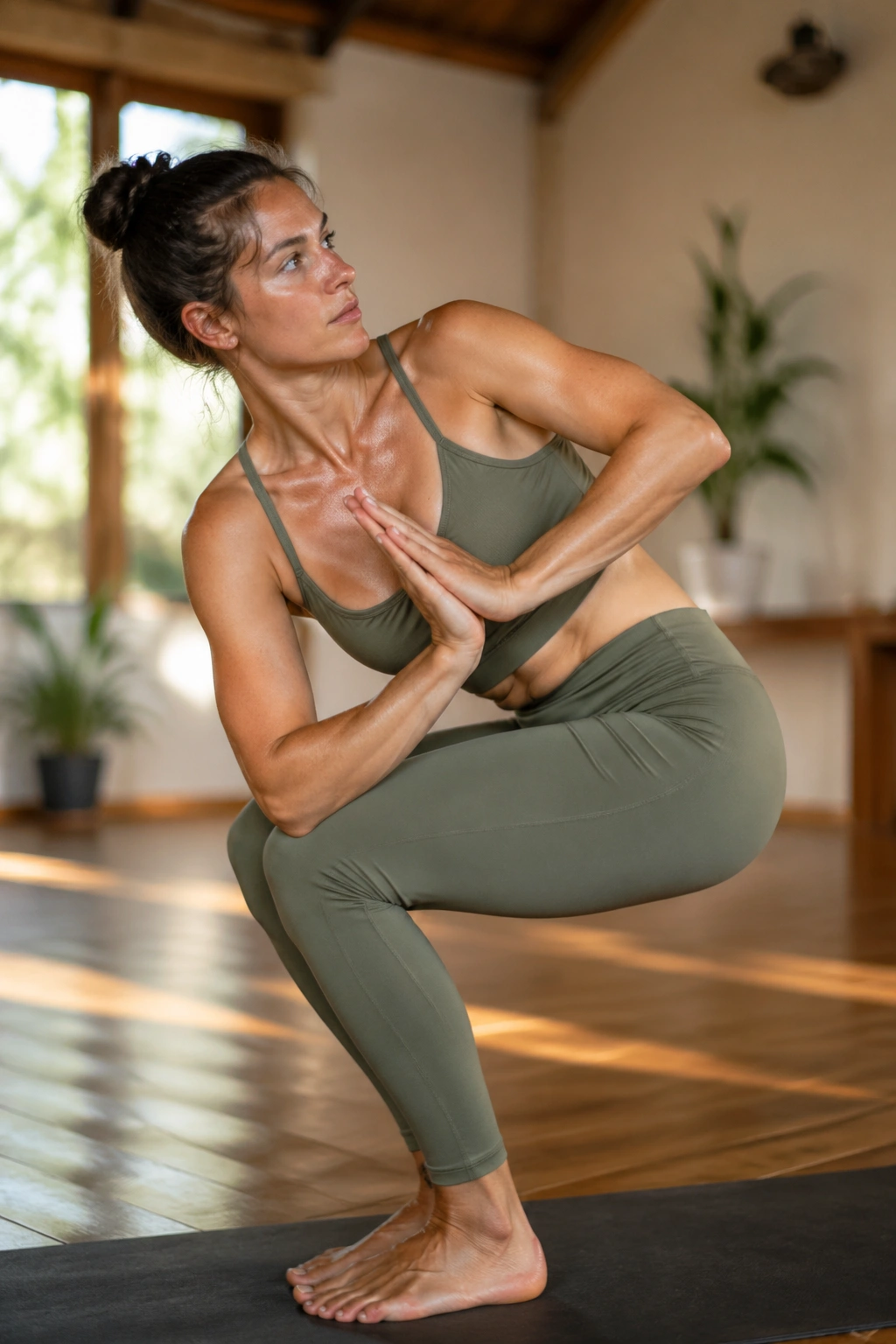
This is where the legs and core start talking. Revolved Chair Pose turns a familiar squat into a real test of balance, midline control, and patience.
The twist comes from a supported base, which means the legs do a lot of the work before the spine even rotates. That can feel intense fast. Thighs burn. The abdomen wakes up. And if you lean too far forward, the whole thing falls apart. Good. That feedback is useful.
Keep the knees even, not one drifting way ahead of the other. Press through the heels, lengthen the spine first, and only then let the rib cage turn. If the arms are in prayer, keep the palms firm without squeezing the shoulders up.
One practical detail: a smaller bend in the knees often gives a better twist. Depth in the squat is not the goal here. Clean alignment is.
6. Revolved Crescent Lunge
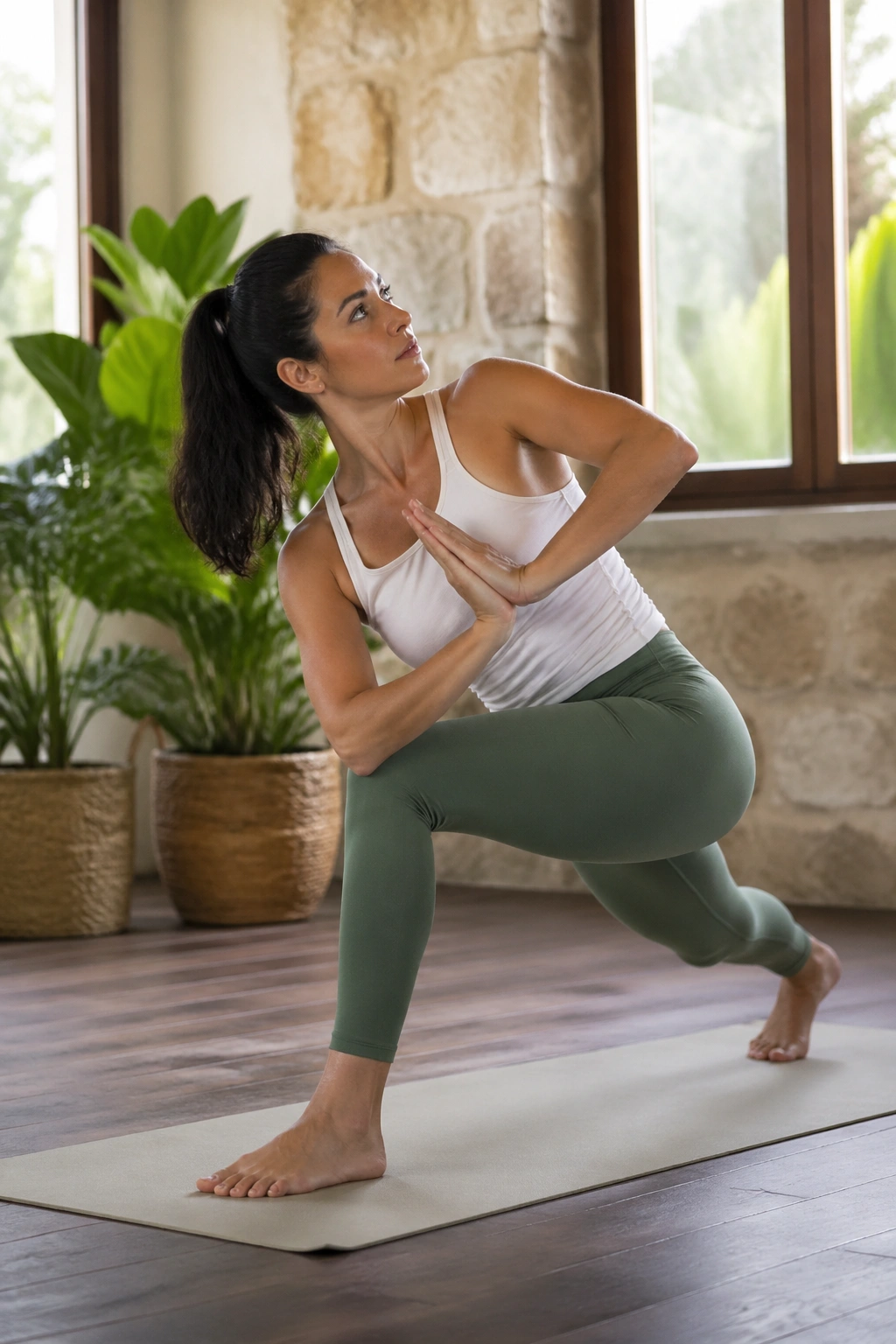
Revolved Crescent Lunge is one of those poses that looks simple until you try to stay in it for five breaths. The back leg stretches, the front thigh works, and the torso has to rotate while the pelvis stays fairly steady. That’s a lot.
Unlike chair twists, this one gives the hip flexors some length too. That matters if you sit all day or if your front of hip feels locked up before practice. A back knee down version is perfectly respectable and often smarter for beginners.
A Good Setup
Keep the back heel lifted and the back leg active. Reach up first, then exhale into the twist. If the lower ribs flare open, bring the front hand to heart center or rest the lower hand on the outside of the front thigh.
The front knee wants to track over the ankle. Not inside it. If the knee caves inward, the twist usually gets messy.
This pose works well early in a sequence because it warms the legs and spine together. It also exposes sloppy habits fast, which is rude but useful.
7. Prayer Twist
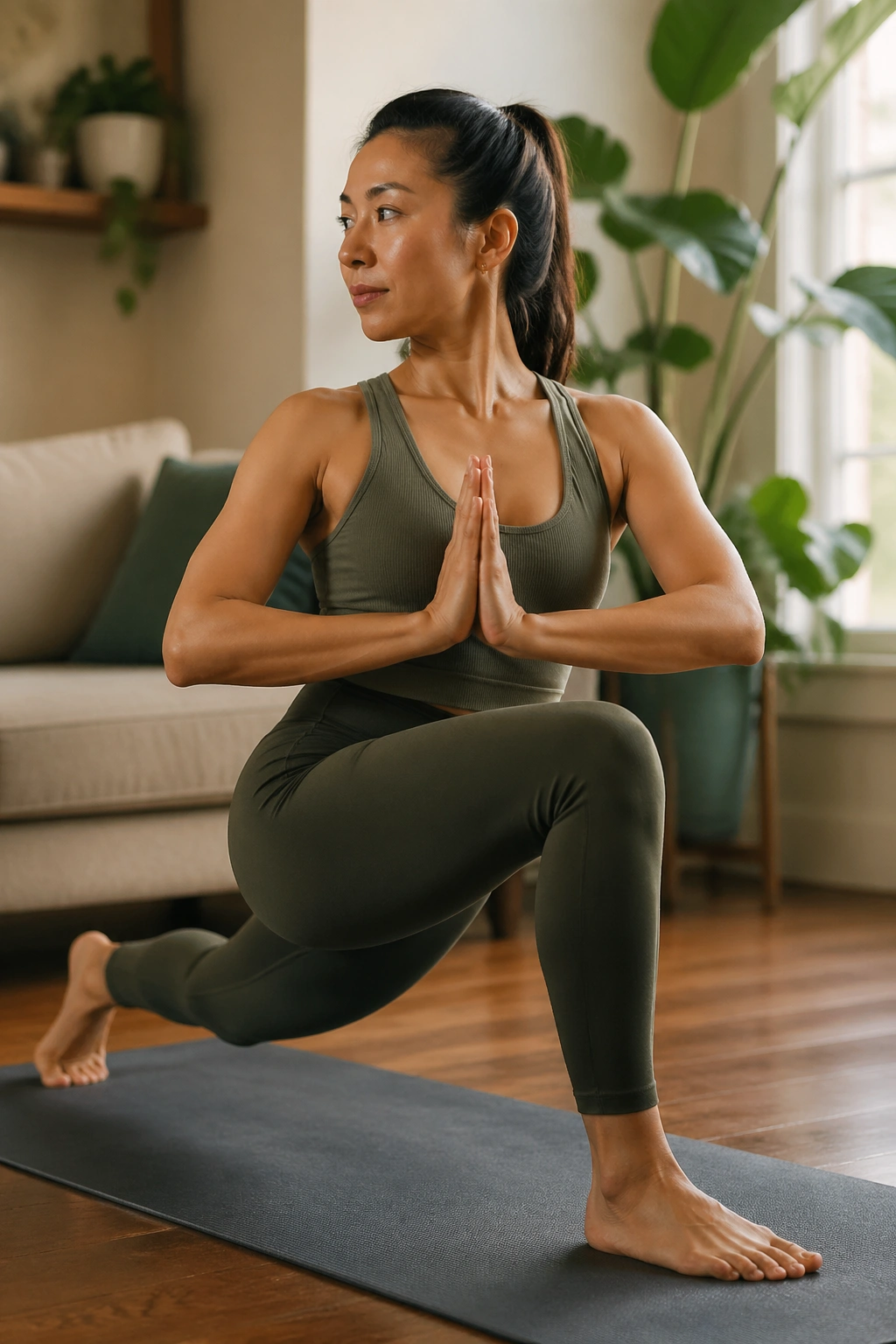
Need a twist that feels steadier than a full lunge bind? Prayer Twist is the answer. Hands at the heart shorten the lever, which makes the pose easier to manage and a little kinder to the shoulders.
The front thigh stays strong, the back leg lengthens, and the chest turns around the spine without having to reach overhead or wrap behind the body. That makes this a good bridge between beginner twists and deeper standing work. It also helps you feel whether the rotation is coming from the ribs or just from the arms.
Here’s the part people miss: the pelvis still matters. If the hips swing wide open, the twist becomes decorative. Keep the front knee pointing where you want the torso to go, and let the back heel reach away.
Small and clean is the point. A prayer twist with honest alignment often feels deeper than a bigger shape done sloppily.
8. Revolved Side Angle Pose
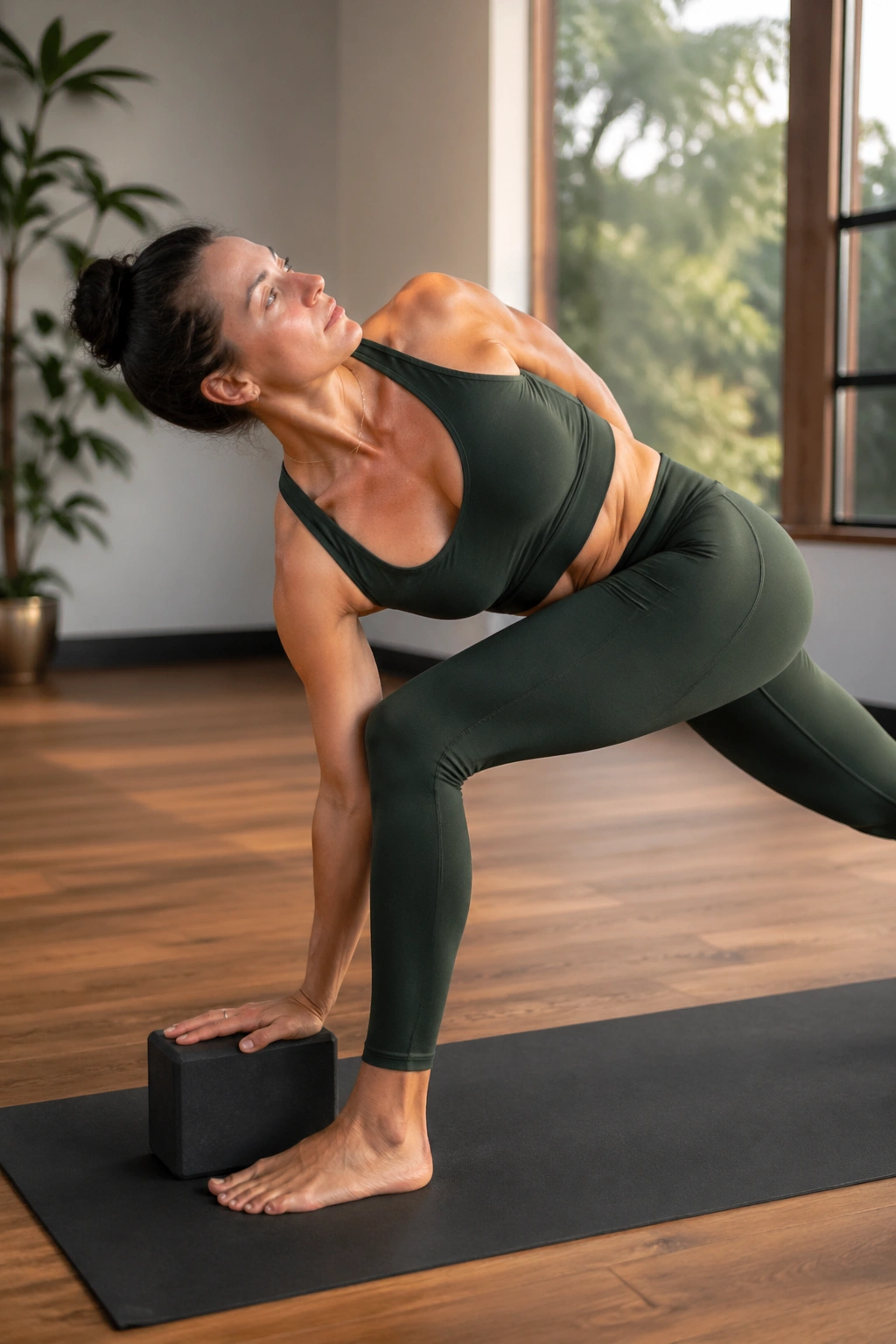
A long line from the back heel to the crown changes everything here. Revolved Side Angle Pose is one of the most satisfying standing twists because it asks for length, leverage, and concentration all at once.
The torso leans forward over the front thigh, then rotates. That forward angle gives the back ribs more room, but it also means the hamstrings and calves have to cooperate. A block under the lower hand is not cheating. It’s smart.
What Makes It Work
The more the spine rounds, the less room the twist has. So set the base first.
- Keep the back leg firm and active.
- Press the front heel down.
- Lengthen before you rotate.
- Use a block if the lower hand can’t reach the floor without collapsing the chest.
This pose is especially useful when your standing sequence starts to feel stale. It adds a sharper line, more balance demand, and a cleaner sense of wrap through the torso. If the twist steals your breath, reduce the angle and rebuild the length.
9. Bound Revolved Side Angle Pose
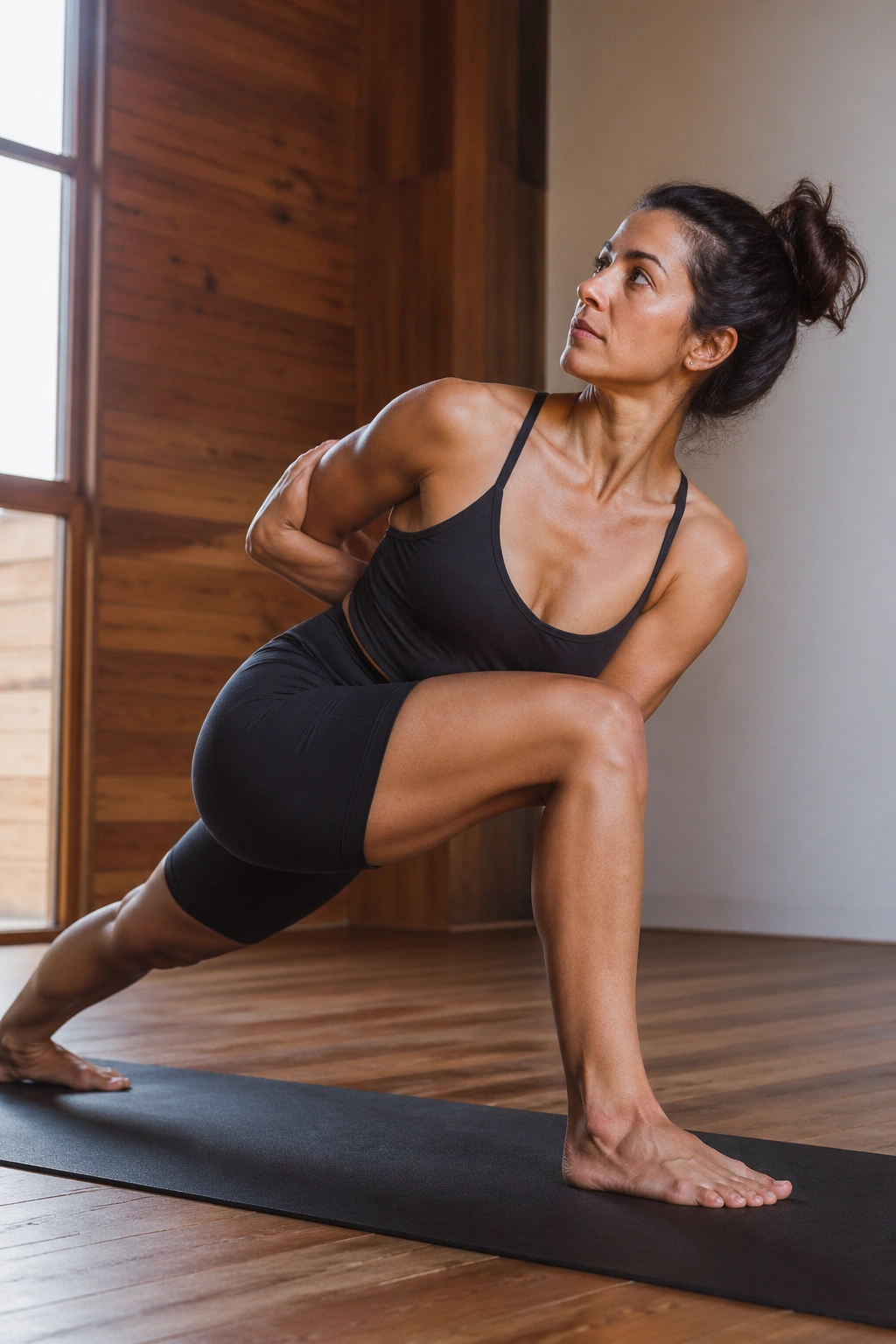
The bind is optional; the torso is not. That’s the cleanest way to think about Bound Revolved Side Angle Pose. If the twist is real, the arms can follow later. If the arms lead, the chest usually closes off.
This is a shoulder-heavy variation, which means it can turn into a circus act if you chase the hand connection too soon. Don’t. Keep the legs rooted, keep the front knee stable, and let the sternum move first. The bind belongs to the twist, not the other way around.
A half bind is often enough. So is staying at prayer and skipping the shoulder wrap entirely. You still get the rotational work through the rib cage and the side body. That counts.
If the lower back tightens, you’re probably twisting from the pelvis instead of the ribs. Back out, inhale, lengthen, and try again. The bind should feel like the last layer, never the first one.
10. Revolved Triangle Pose
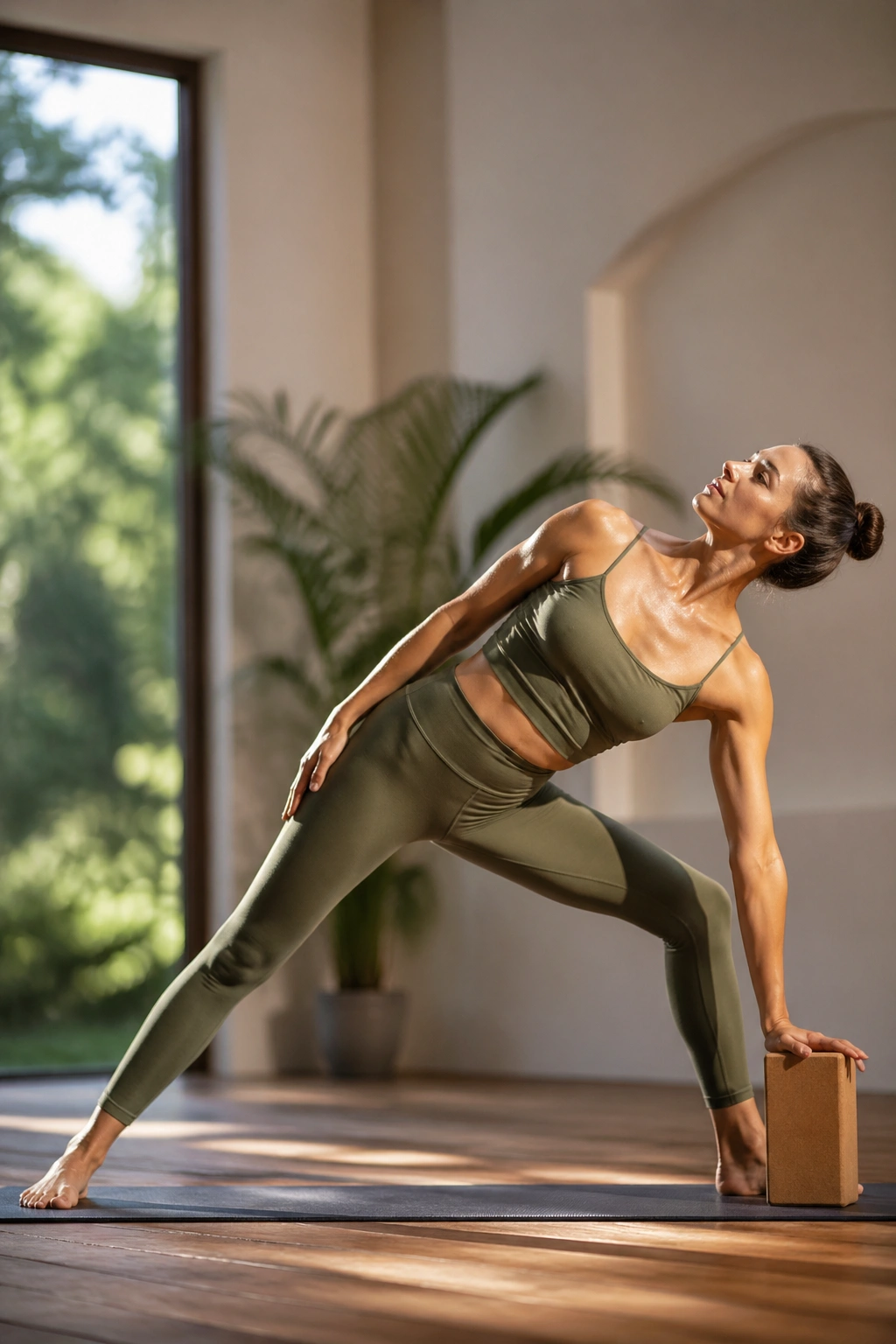
A straighter front leg does not mean a better twist. Revolved Triangle Pose is proof. This pose often feels less dramatic than Revolved Side Angle, but it can be harder because the pelvis wants to drift and the hamstrings want to complain.
The line from the back heel to the top of the head stays long, and that long line is the whole game. If the spine collapses toward the floor, the twist gets pinched. Blocks make a huge difference here, especially on the lower hand side.
What to Watch For
A slight bend in the front knee can save the day. Seriously. The twist usually improves when the front hamstring stops shouting.
- Square the hips as much as you can before rotating.
- Keep the front foot grounded at the big toe mound and the heel.
- Use the top hand as a gentle counterbalance, not a lever.
- Rotate from the rib cage, not from the shoulder blade.
This pose is a little ruthless about alignment. That’s why I like it. It teaches you where the rotation actually lives.
11. Revolved Pyramid Pose
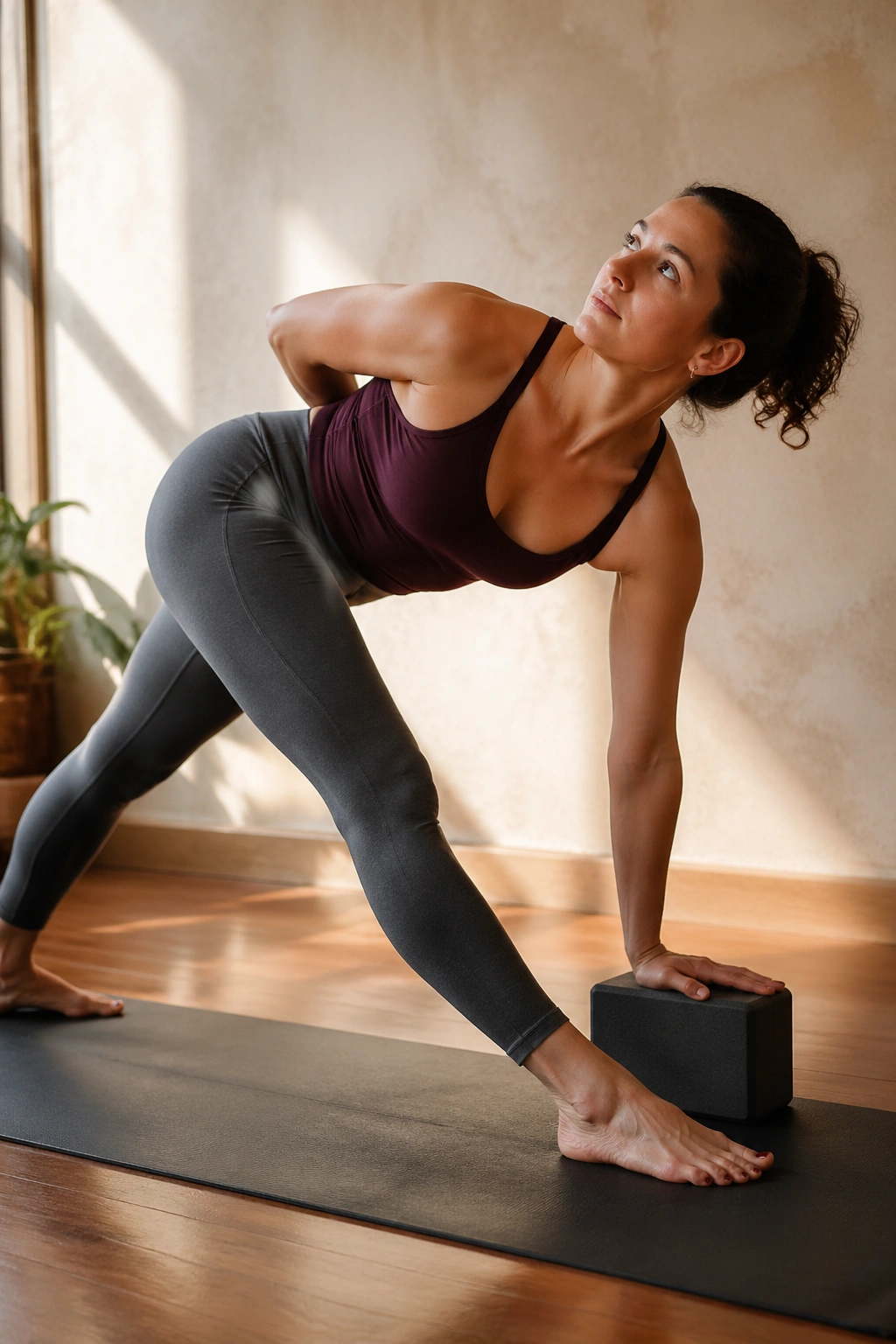
Triangle asks for openness; Pyramid asks for precision. Revolved Pyramid Pose narrows the stance, folds the torso over the front leg, and then layers the twist on top. The result feels quieter than a lunge twist, but often deeper through the hamstrings and upper back.
The front leg stays straighter than in a lunge, which makes the backside of the body work harder. The pelvis also wants to spin open, so the square-hip setup matters. If the back heel is up, anchor it. If the front foot slides around, shorten the stance.
A block under the lower hand is almost always useful. So is keeping the back toes slightly turned in if that helps the hips square. The twist should come after the fold, not before it.
Pyramid is less about range and more about control. If you can stay long through the spine while breathing evenly, the pose starts to feel elegant in a practical way — not showy, just clean.
12. Twisted Lizard Pose
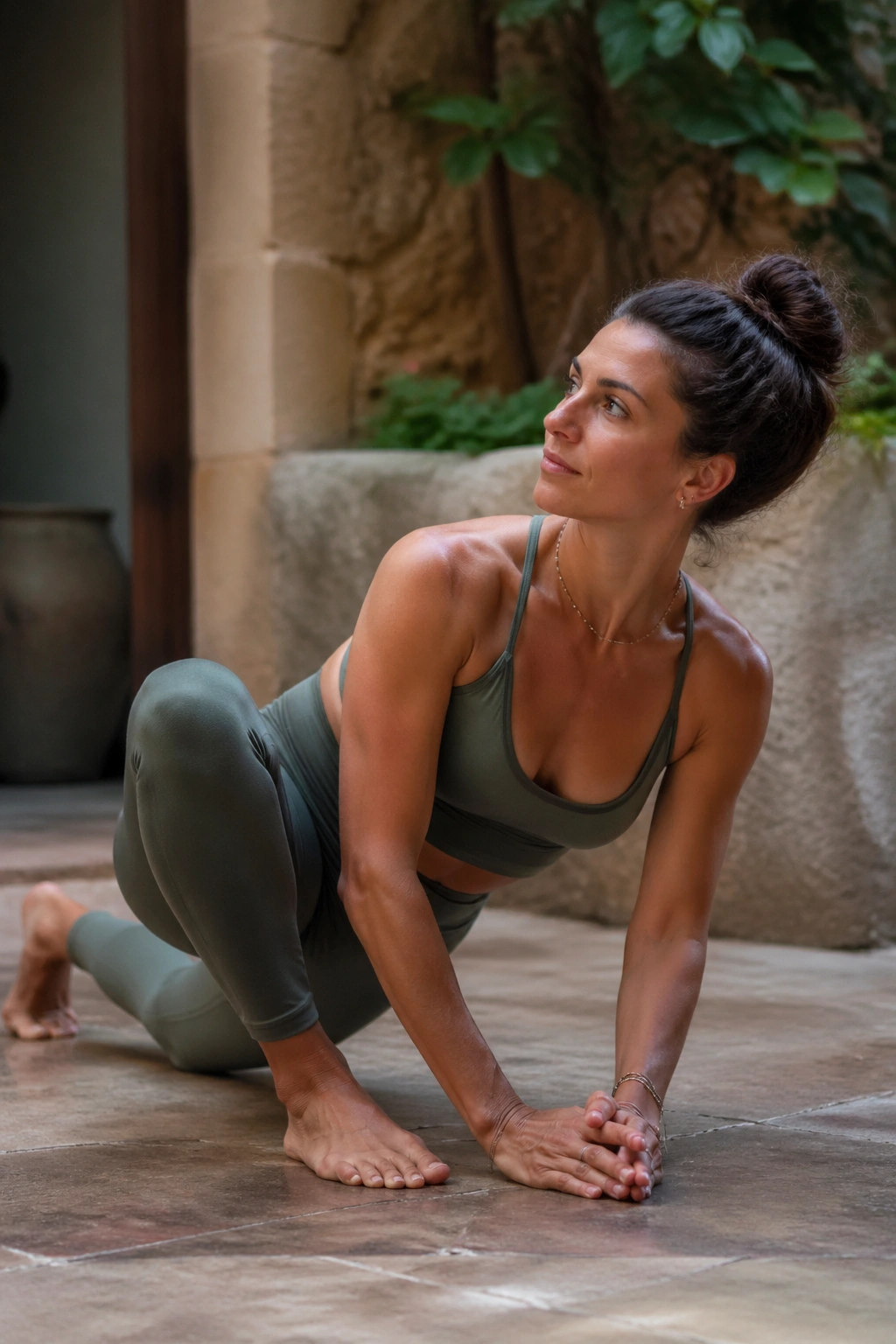
When the front hip is grumpy, Twisted Lizard can be the compromise. You get a low lunge, a hip opening effect, and enough room to rotate the torso without asking the body to do everything at once.
This pose works well for people who sit a lot or who feel pinched in higher standing twists. The low base helps. The front hip opens as the back leg reaches back, and that space often makes the twist feel less forced.
You can keep the back knee down, stay on your hands, or drop to forearms if the shoulders and hips allow it. Choose the version that lets the neck stay long. If the head is craned up, the spine usually isn’t happy.
One useful cue: draw the front hip back as you rotate. That tiny action keeps the pelvis from spilling forward and gives the torso more room to turn.
13. Twisted Half Moon Pose
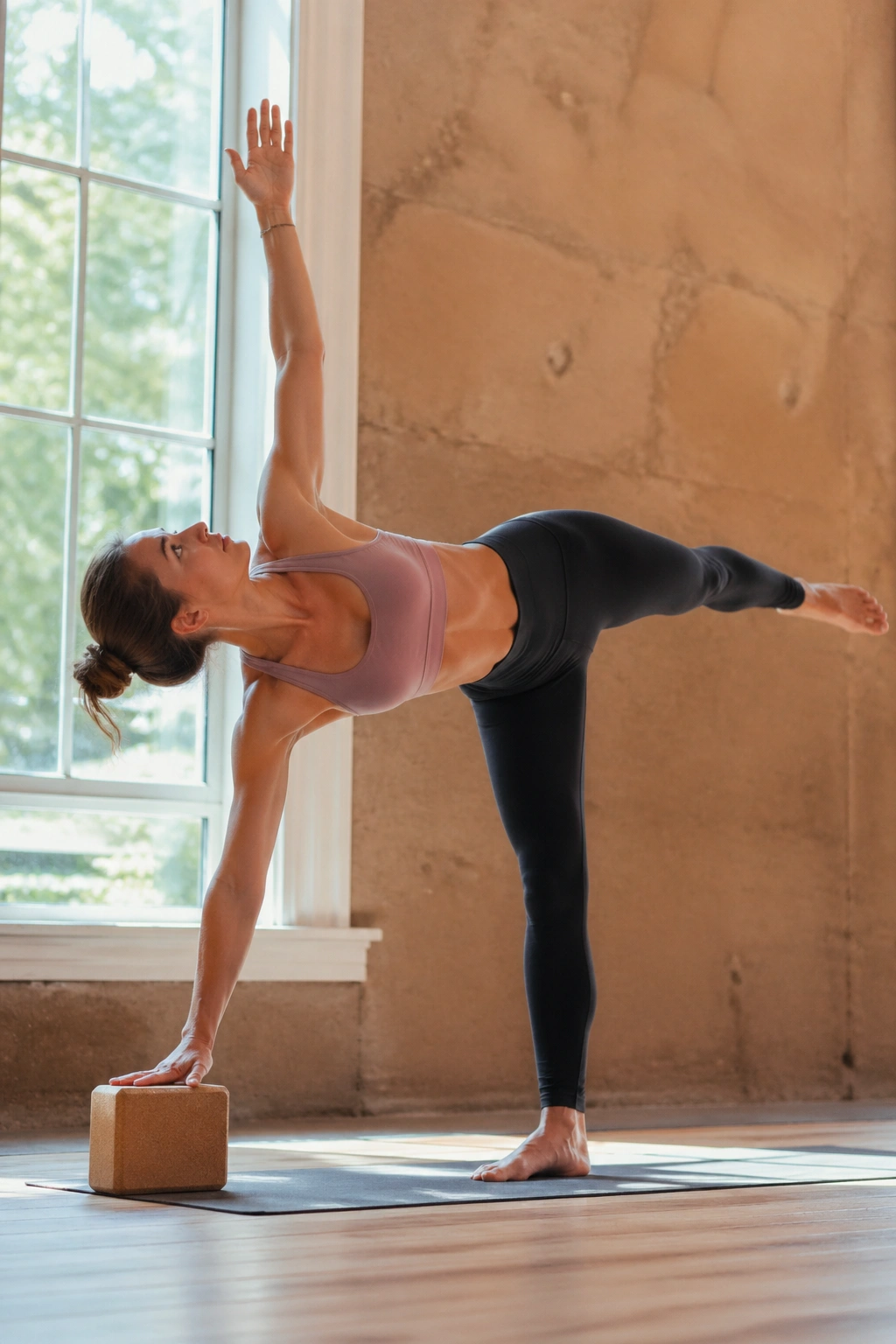
Balance turns the twist into a conversation. Twisted Half Moon Pose asks one leg to hold you up while the spine rotates and one arm reaches in a direction the body doesn’t always love.
That’s why it feels so revealing. If the standing leg is weak, the whole shape shakes. If the pelvis opens too much, the twist becomes shallow. And if you rush the gaze, you’ll wobble before the pose even settles.
A block under the lower hand is a good idea. Sometimes it’s the only reason the chest can stay open enough to breathe. Keep the lifted leg active all the way to the toes, because a lazy back leg makes the twist feel mushy.
How to Keep It Useful
Don’t chase the highest leg or the prettiest line. Chase steadiness.
- Stand on a slightly bent base knee.
- Stack the hips as much as possible.
- Rotate from the mid-back, not the low back.
- Let the gaze come last.
The pose is demanding, but it pays off. You get balance, rotation, and a clean wake-up for the standing side body.
14. Revolved Wide-Legged Forward Fold
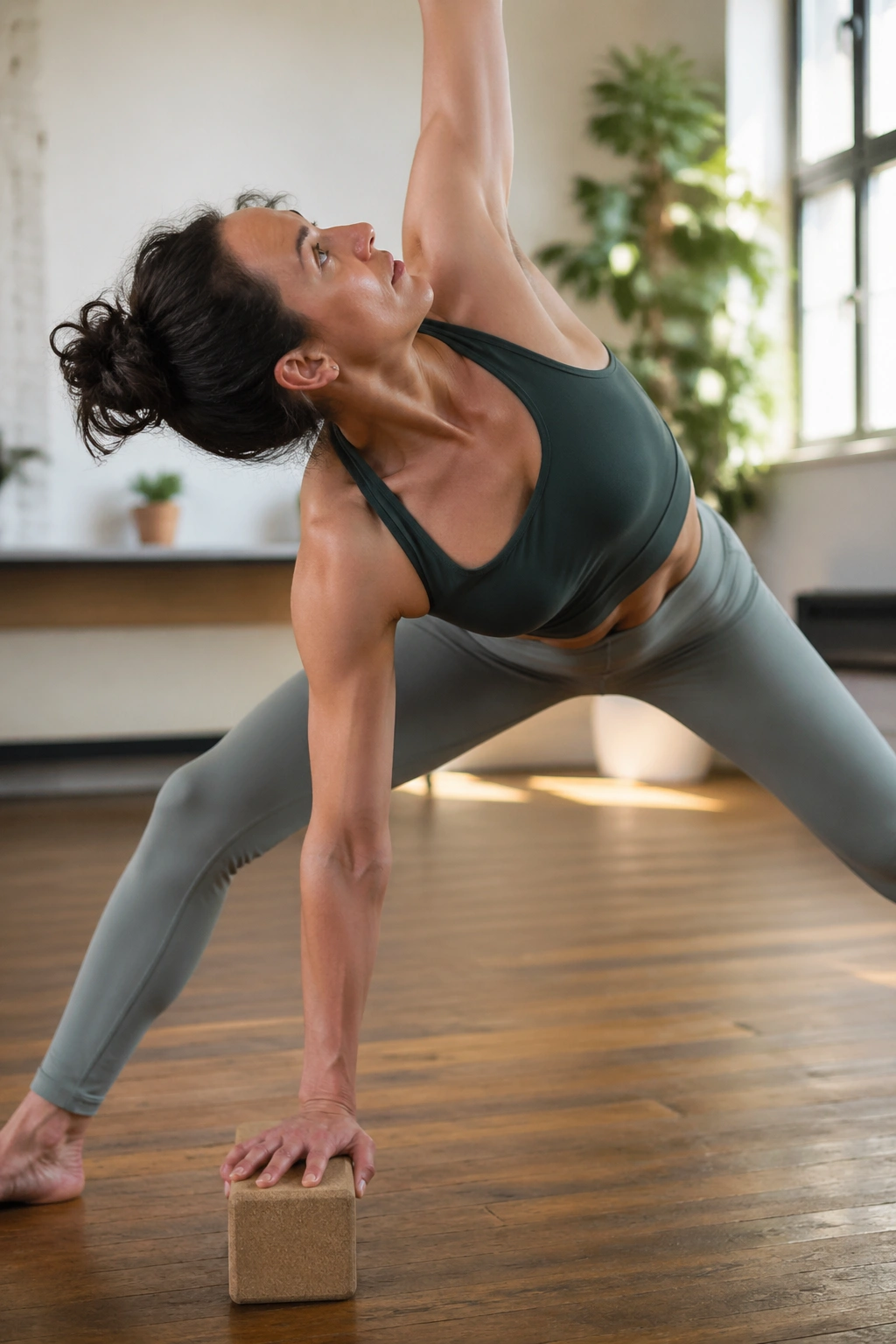
Spread your feet wide and the room feels different. Revolved Wide-Legged Forward Fold gives you a broad base, plenty of hamstring length, and enough space in the pelvis to explore rotation without being boxed in by a narrow stance.
This one can be surprisingly calming. The wide stance gives the body a sense of stability, which helps the spine relax into the twist. One hand can land on the floor or a block, and the other can reach up or back depending on how open the shoulders feel.
The trick is not to dump all the weight into the front of the pelvis. Keep the feet active, lengthen the spine halfway before turning, and use the twist as an extension of the fold rather than a separate event.
A block between the hand and the floor can stop the chest from collapsing. When the back stays long, the neck usually stops fighting.
15. Parivrtta Janu Sirsasana
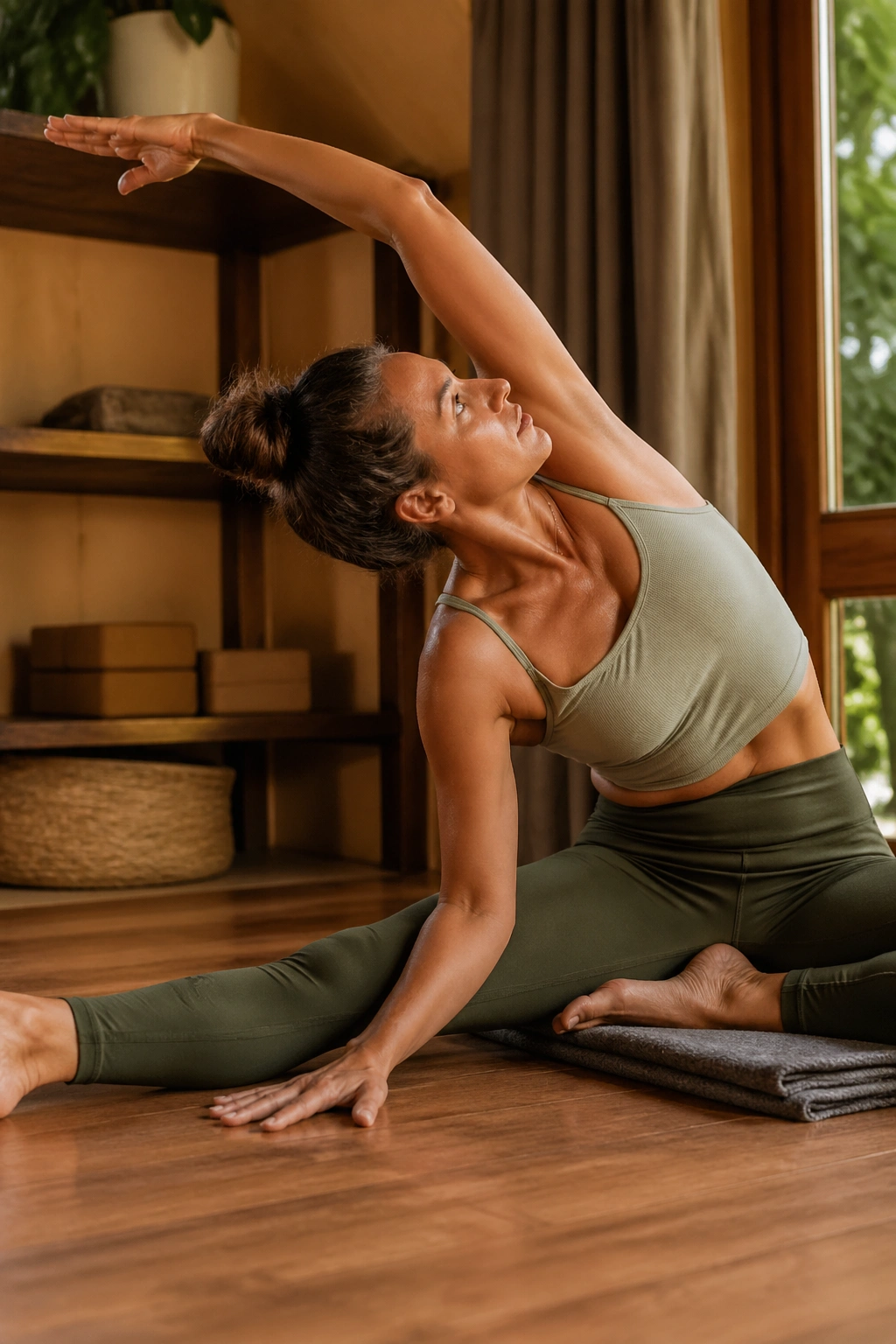
Part side bend, part twist, part hamstring opener — Parivrtta Janu Sirsasana is the pose that reminds you yoga doesn’t always stay in one category. One leg extends, the other folds in, and the torso spirals toward the straight leg.
This is not a speed pose. You need patience here. A blanket under the sitting bones helps the pelvis tip forward, which makes the side body longer and the twist easier to organize. Without that lift, the lower back tends to round and the whole shape gets sticky.
The top arm can reach over the ear while the bottom hand grounds lightly. Breathe into the side ribs that face the ceiling. That’s where the room often appears first.
If the hamstring on the straight leg feels too intense, bend that knee. Nobody gets extra credit for a shaky version. The best version is the one that lets the spine stay spacious.
16. Supine Spinal Twist
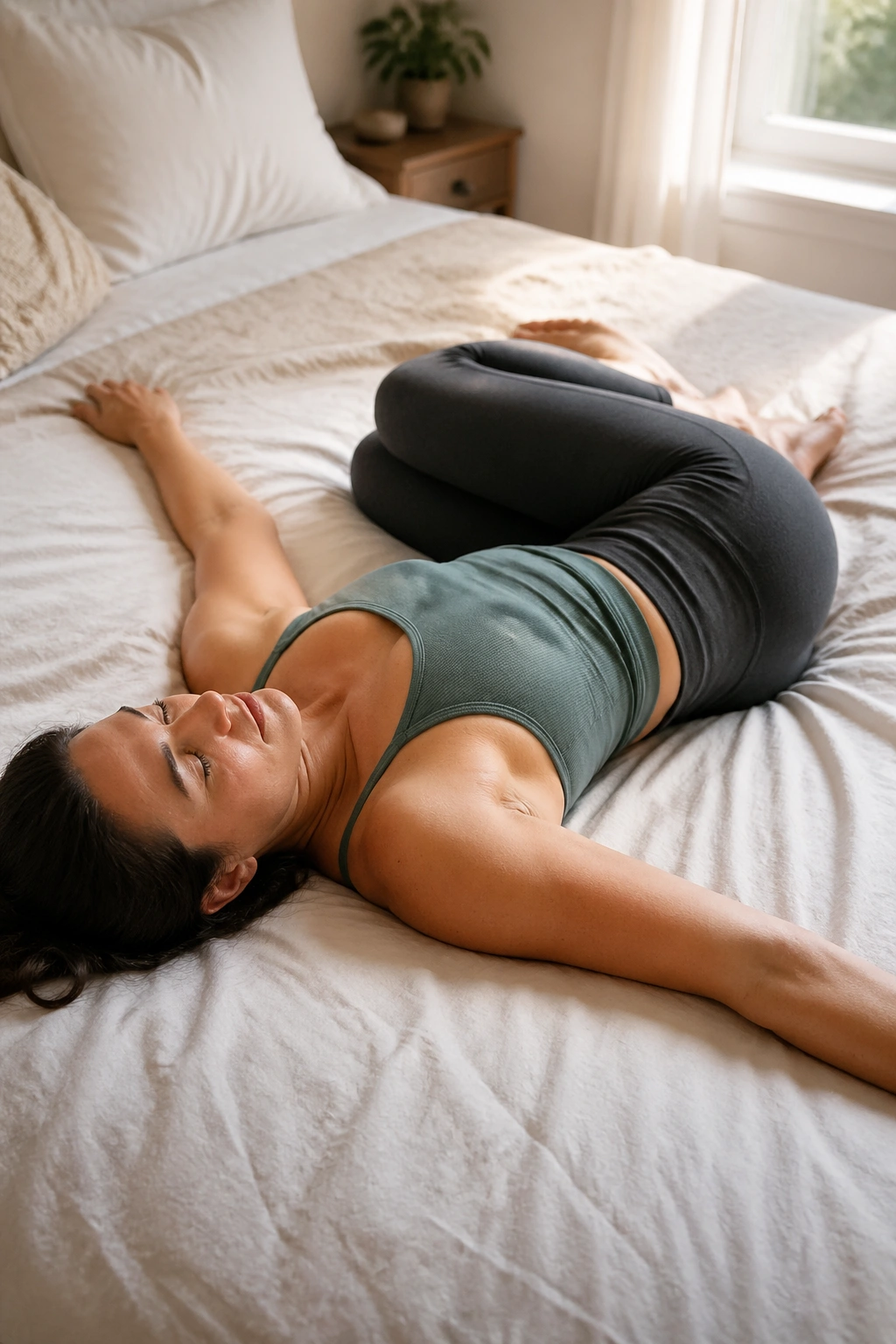
Floor twists are where the nervous system finally gets a chance to stop bracing. Supine Spinal Twist is the quietest pose on this list, and it might be the one people use the most because it’s easy to slot into the end of practice or right before bed.
Lie on your back, draw the knees in, and let them fall to one side while the shoulders stay heavy. That’s the basic shape. There’s no need to force the knees all the way to the floor. A pillow, block, or folded blanket under the knees often makes the pose better, not weaker.
This is a good place to notice what happens when effort drops. The breath gets slower. The ribs feel wider. The low back settles. No heroics.
If one side feels much tighter, keep the stay short and repeat it later. Gentle repetition works better here than long holds with strain.
17. Thread the Needle
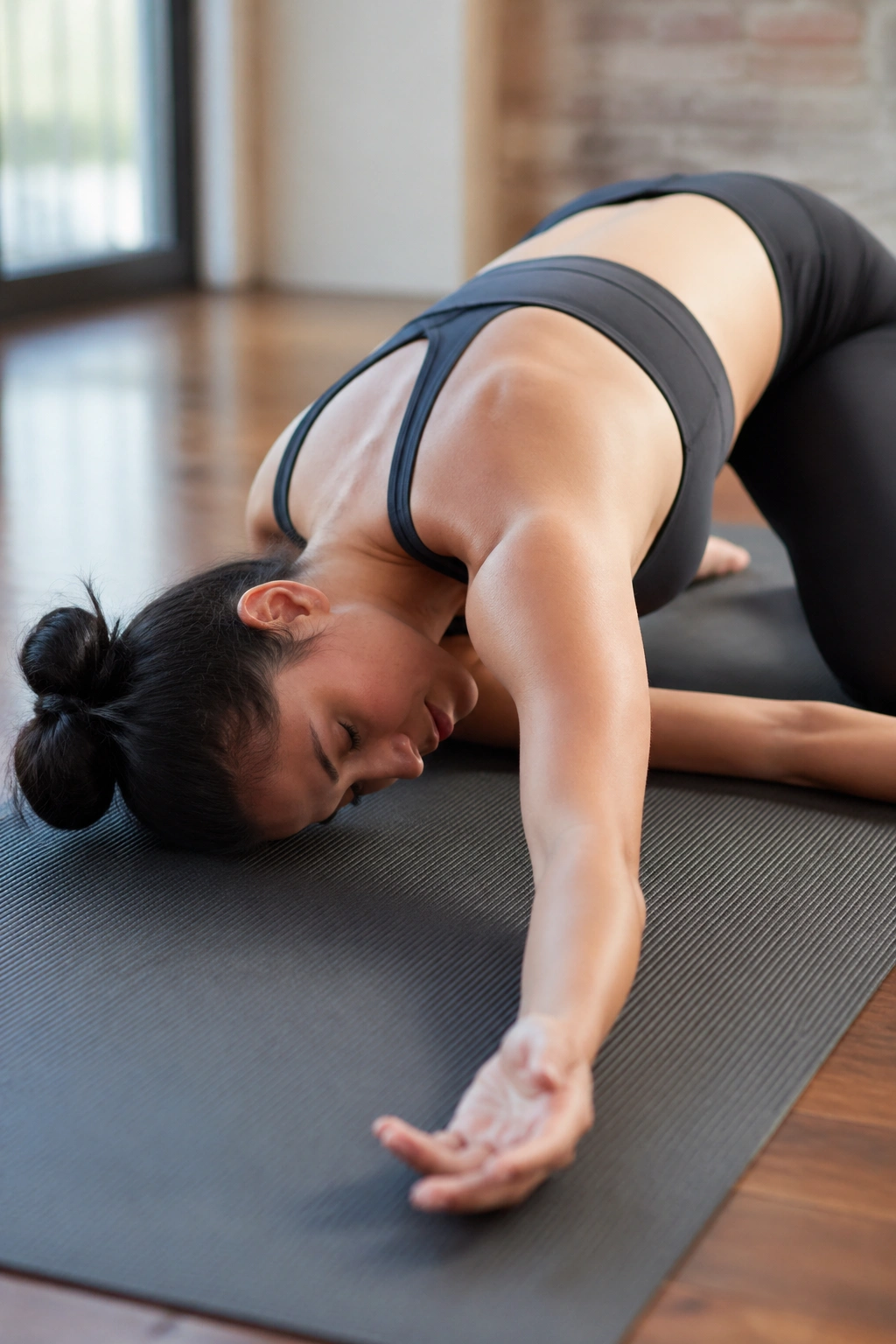
Want a twist that reaches the upper back without making the low back do all the work? Thread the Needle is the answer. From tabletop, you slide one arm under the body and lower the shoulder and head toward the mat.
The pose works on the thoracic spine and the shoulder joint at the same time, which makes it feel different from a classic seated twist. It’s also a decent option for people who don’t love upright twisting because of the neck or hips.
How to Use It Well
Keep the hips relatively square. That’s what separates it from collapsing into a side flop.
- Pad the knees if the floor is firm.
- Reach the top arm forward first if you want more opening.
- Keep the bottom shoulder relaxed, not jammed.
- Breathe into the space between the shoulder blades.
You can hold it for a few breaths or move in and out gently. Either way, the goal is the same: less stiffness between the ribs and shoulder blades, more ease through the upper back. It’s a small-looking pose with a big payoff.
18. Open Book Twist
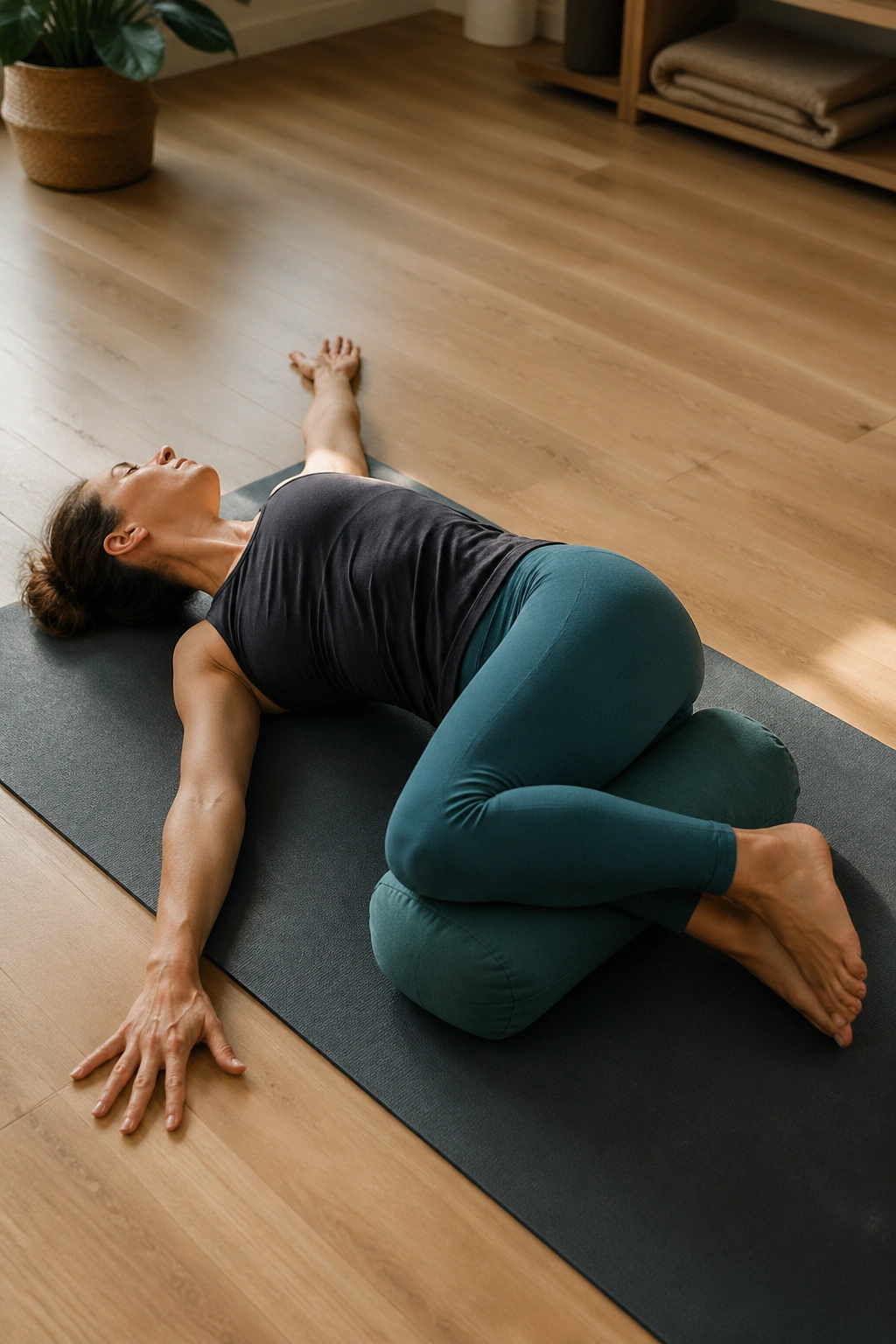
This one looks almost too easy. That’s part of the charm. Open Book Twist is a side-lying rotation where the top arm sweeps open like a page turning, and the chest follows.
Because the pelvis stays stacked and mostly quiet, the thoracic spine gets a cleaner chance to move. That makes this a smart choice for stiff mornings, long sitting days, or anytime the upper back feels welded shut. It’s one of the better floor-based options if you want rotation without loading the wrists or knees.
Keep the knees together or supported by a pillow if they drift apart. Move slowly. Let the top hand trace the floor or hover above it if the shoulder doesn’t love the full range. The breath should feel easy enough that you can hear it.
I like this one as a bridge between stillness and motion. The twist is gentle, but the effect is not subtle.
19. Windshield Wiper Twist
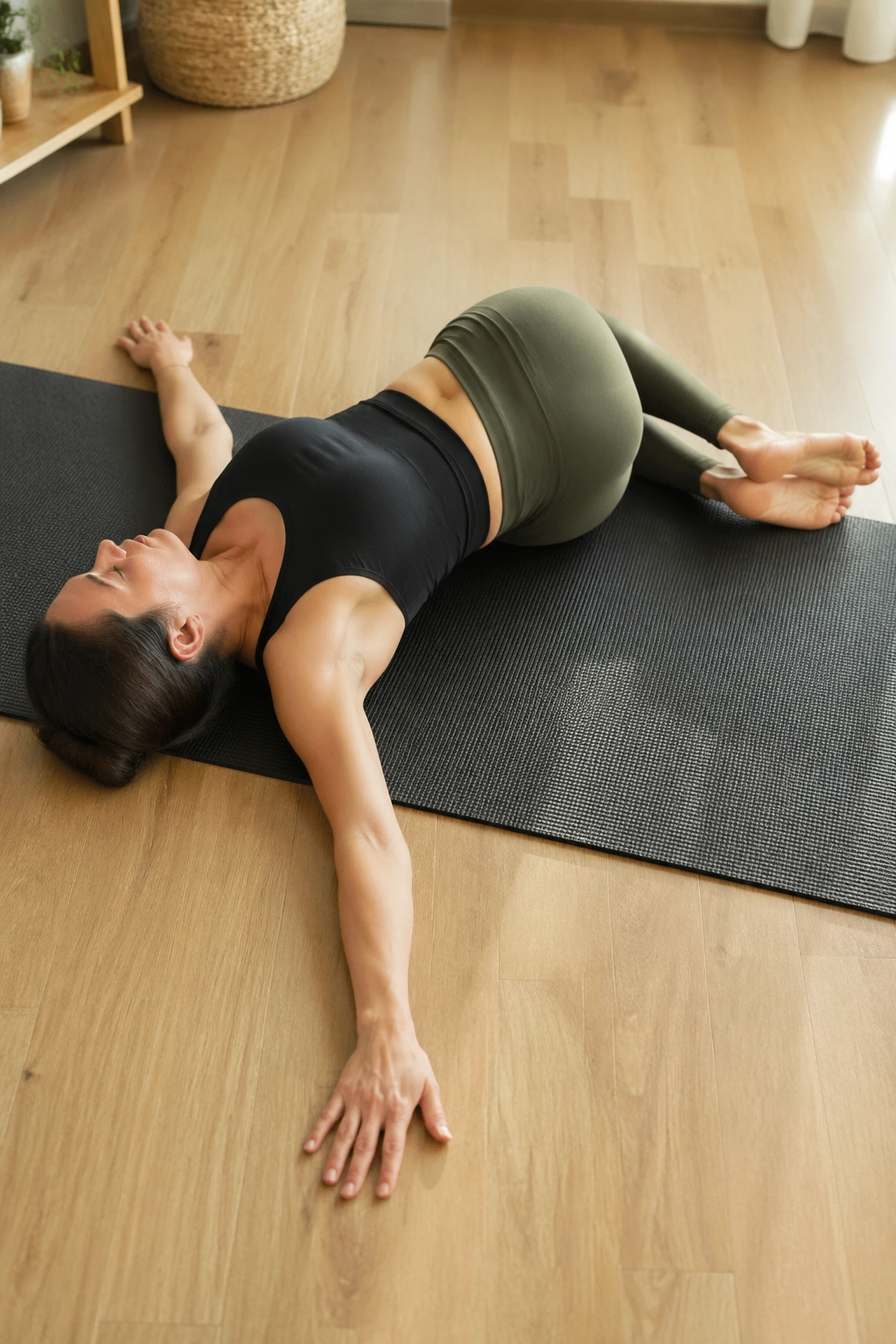
The boring drill is often the one people need most. Windshield Wiper Twist is less of a show pose and more of a moving release: lie on your back, knees bent, and let both legs sway side to side like wipers on glass.
It’s not fancy. Good. Fancy is overrated when your spine feels stale.
This movement is useful because it lets the low back and hips rotate without staying locked in one side. The motion should be smooth, not jerky. Feet can stay as wide as the mat or narrower if that feels better on the lower back. Keep the shoulders relaxed on the floor and let the knees travel only as far as they can go without strain.
Best Time to Use It
It works well between stronger poses, after long standing work, or near the end of practice when you want to downshift instead of stretch hard.
If one side feels tighter, slow the tempo and spend a little more time there. Small pulses with control usually teach the body more than one giant swing.
20. Revolved Hero Pose
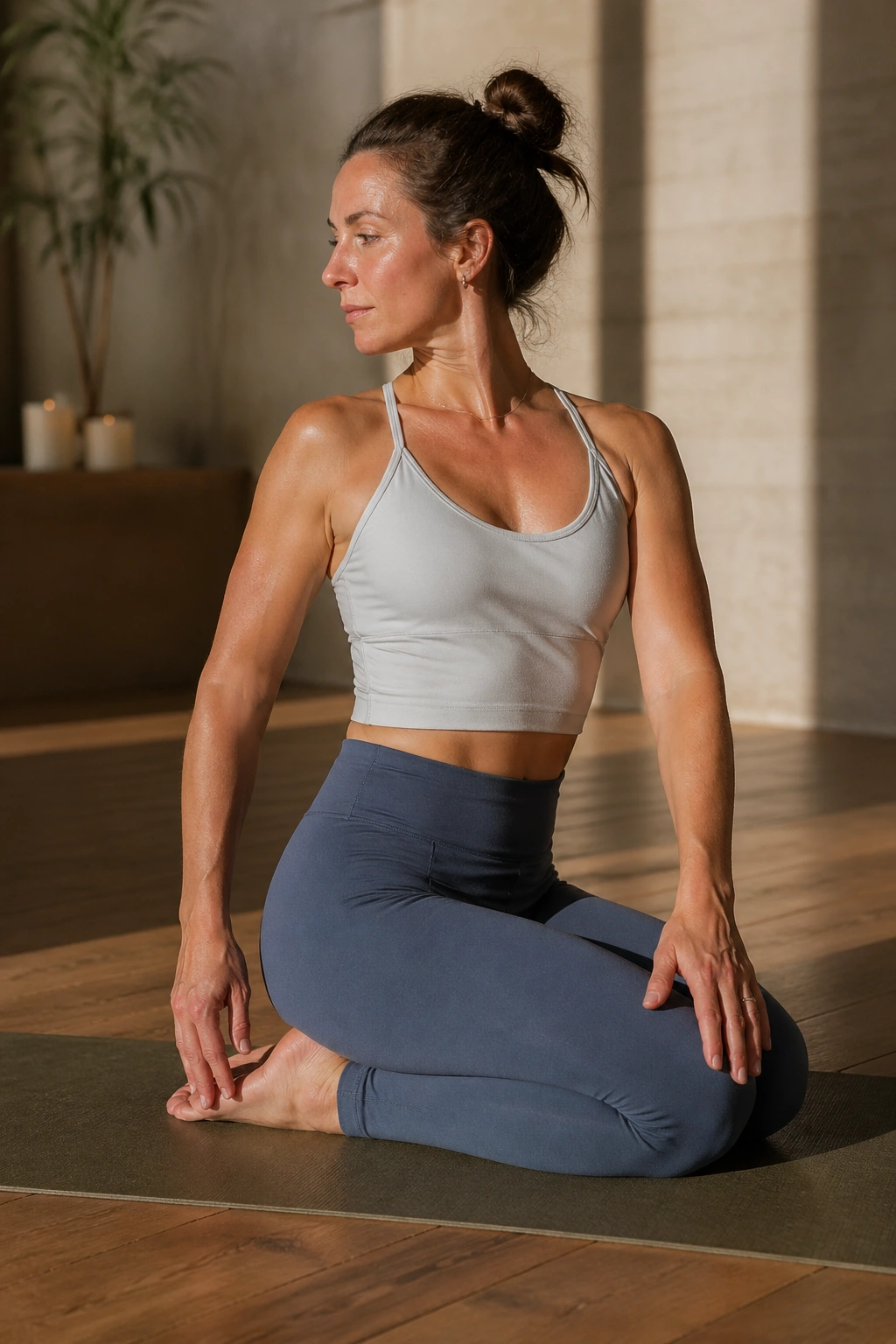
This is a deep seated twist with a catch: the knees need to be on board. Revolved Hero Pose asks you to kneel, sit between or beside the heels, and then rotate the torso around the upright spine.
That can be a beautiful shape for people whose knees and ankles tolerate it. It gives a strong line through the front of the body and a compact, almost meditative twist through the ribs. But if your knees protest, skip it or use a very high support under the seat. No pose is worth angry joints.
A block, bolster, or thick blanket can make this pose much kinder. Keep the twist small at first. The point is not to see how far you can crank the torso around a fixed base. The point is to create enough space that the breath can still move.
If the knees feel sharp, this is the one to leave out. That isn’t a failure. It’s judgment.
Final Thoughts
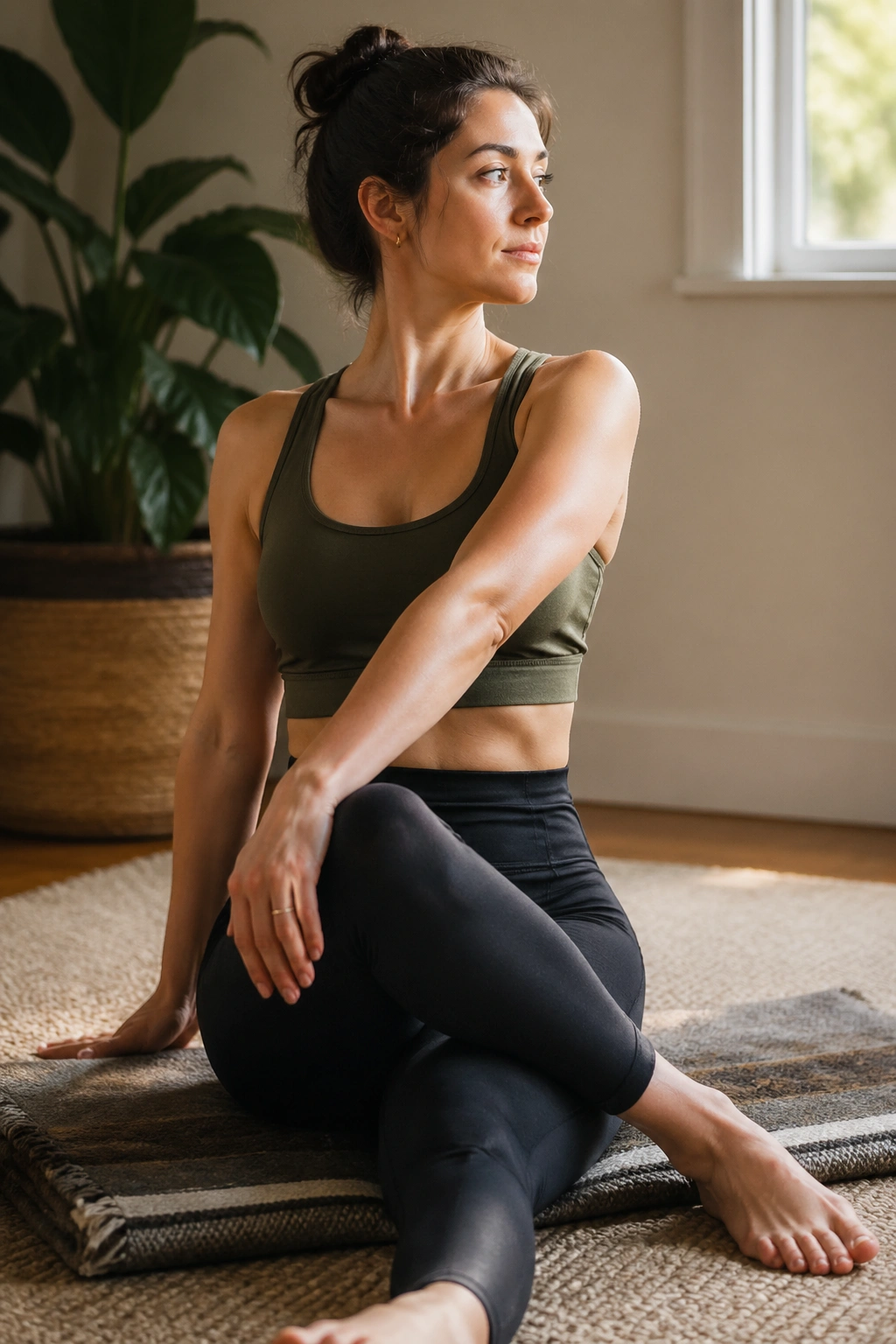
The best twists are rarely the deepest ones. They’re the ones you can breathe through, repeat on both sides, and leave without that wrung-out, pinched feeling in the low back.
A mix of shapes usually works better than chasing one dramatic pose. One seated twist for length, one standing twist for strength, one floor twist for recovery — that covers a lot of ground without beating up the spine. Small changes matter too: a folded blanket under the hips, a block under the hand, a bent knee instead of a locked one.
If a twist feels crowded, shorten it and try again. The spine usually prefers clean space over force.
