



Wedding workout plans for brides to be work best when they fit the dress, the timeline, and the real shape of your life — not some imaginary version where you have two free hours, perfect sleep, and zero stress. That’s the part people miss. A sensible bridal training plan should leave you feeling taller, steadier, and more awake, not dragged through the week with sore hips and a face that looks like it needs a nap.
I’ve seen the same mistake over and over: panic training. Someone gets a fitting, spots a little tightness at the waist or upper arms, and suddenly the plan turns into six days of punishment. Bad idea. You can’t bully your way into looking rested, and you definitely can’t do it if every workout leaves you swollen, exhausted, or nursing sore knees.
The smarter path is built from a mix of strength, cardio, posture work, mobility, and enough recovery to let your body actually adapt. That mix matters. Strength gives shape, walking keeps the stress down, Pilates and mobility clean up the little things that change how a dress sits, and short bursts of higher-intensity work can help if you tolerate them well. The right combination depends on your body, your schedule, and how close you are to the wedding.
If your calendar is messy, your nerves are high, or your dress has a very specific shape you want to support, there’s a plan below that makes sense for you. Pick the one that matches your reality, not your guilt.
1. Four-Day Strength Split for Better Posture
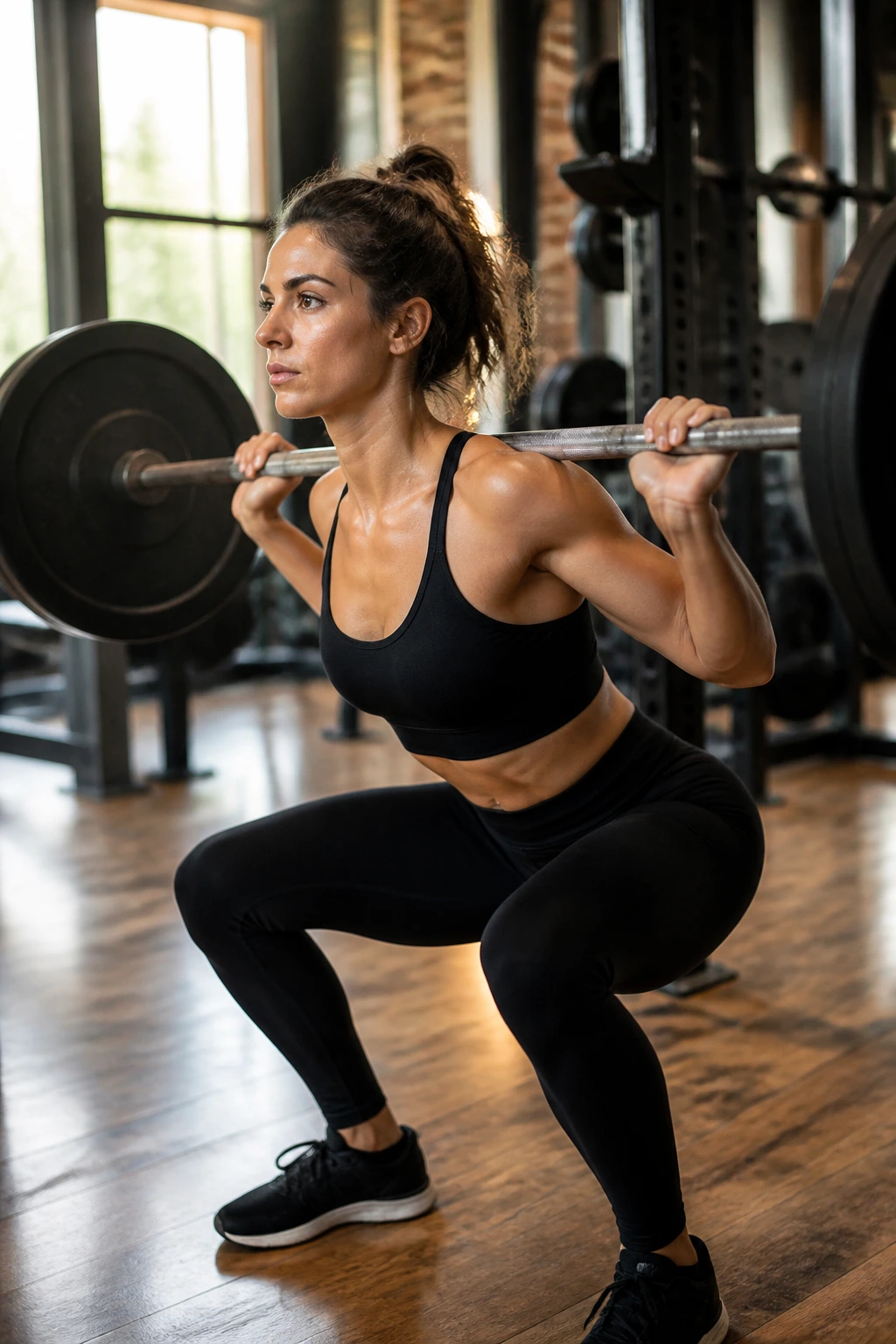
Heavy lifting is not the enemy. It’s often the fix.
A four-day strength split works because it gives your body enough stimulus to change without turning every session into a sweaty chase for exhaustion. Brides usually want better posture, a firmer back line, stronger glutes, and arms that look more defined in sleeveless dresses. Strength training hits all of that, and it does it in a way that tends to stick.
A simple weekly layout
- Day 1: Lower body — squats, Romanian deadlifts, hip thrusts
- Day 2: Upper body — rows, chest press, shoulder press
- Day 3: Rest or a 30-minute walk
- Day 4: Lower body again — split squats, deadlifts, step-ups
- Day 5: Upper body again — lat pulldowns, rear delts, triceps work
Keep most lifts in the 6 to 12 rep range. That’s the sweet spot for building shape without needing marathon sessions. Rest 60 to 90 seconds between sets, and stop with 1 to 2 reps left in the tank on most working sets.
Tip: If you only change one thing, make it posture work. Strong upper back, strong glutes, better stance. That shows up in photos fast.
2. Daily Walks With Two Dumbbell Sessions
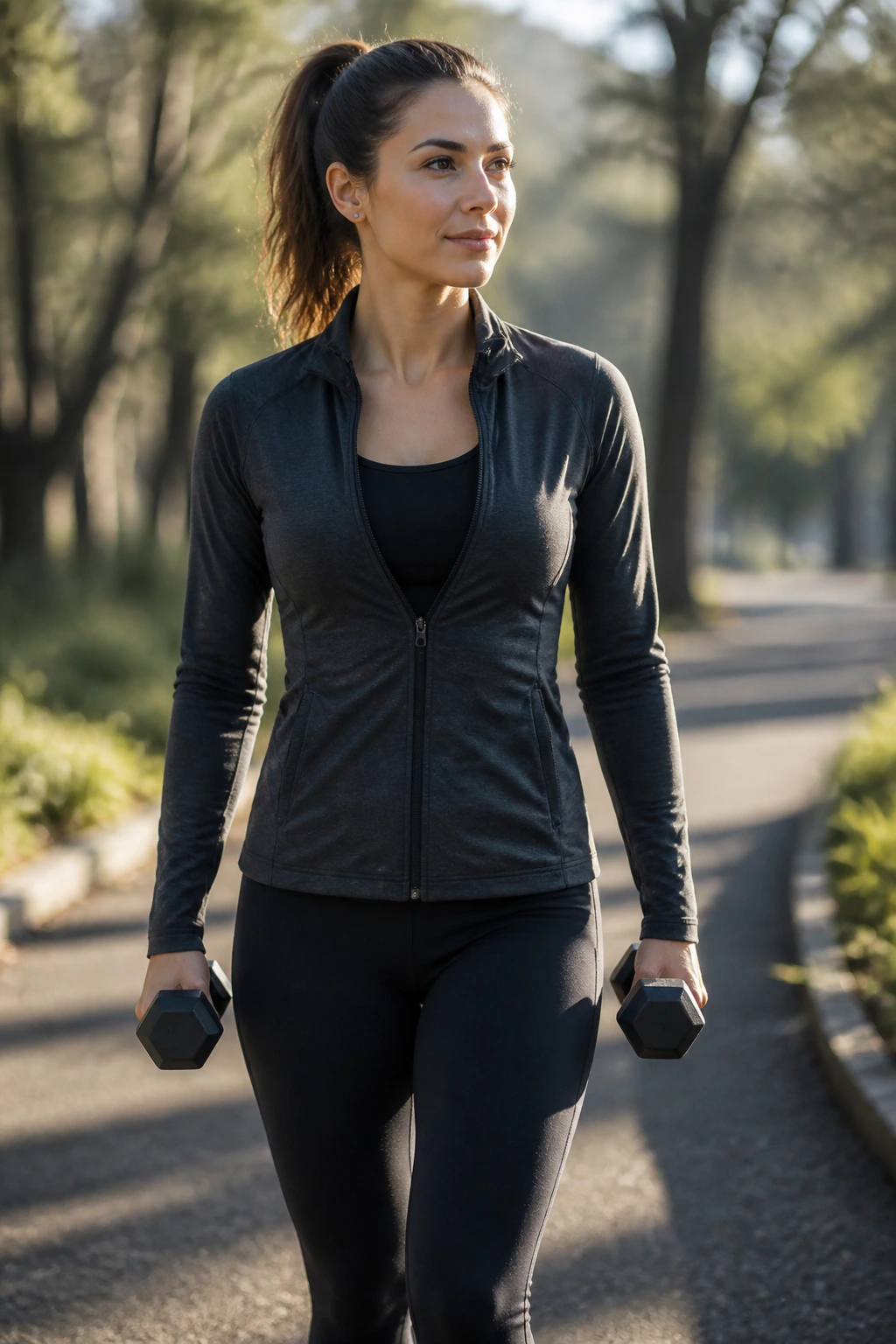
Walking sounds almost too simple, which is exactly why people skip it. Then they wonder why their energy is scattered and their legs feel heavy from too much intense work.
A walking-based plan is quietly brilliant for wedding prep because it keeps stress low while still burning through a solid amount of daily movement. Add two short dumbbell sessions each week, and you’ve got enough strength stimulus to keep muscles from flattening out. It’s the plan for brides who have jobs, errands, fittings, and absolutely no patience for complicated scheduling.
The magic number is usually 8,000 to 12,000 steps a day, but don’t get hung up on the exact count if that number makes you roll your eyes. A brisk 30- to 45-minute walk after breakfast or after dinner already does a lot. Pair that with two 25-minute dumbbell workouts — goblet squats, rows, presses, deadlifts — and you’ve got a routine that is boring in the best way.
Practical use matters here. Walk in shoes you can actually stand in. Keep one pair of dumbbells near your couch so you don’t waste time setting things up. And if the week turns chaotic, protect the walks first. They’re the thing that keeps your head clear when the wedding chatter starts getting loud.
3. Pilates Core and Posture Reset
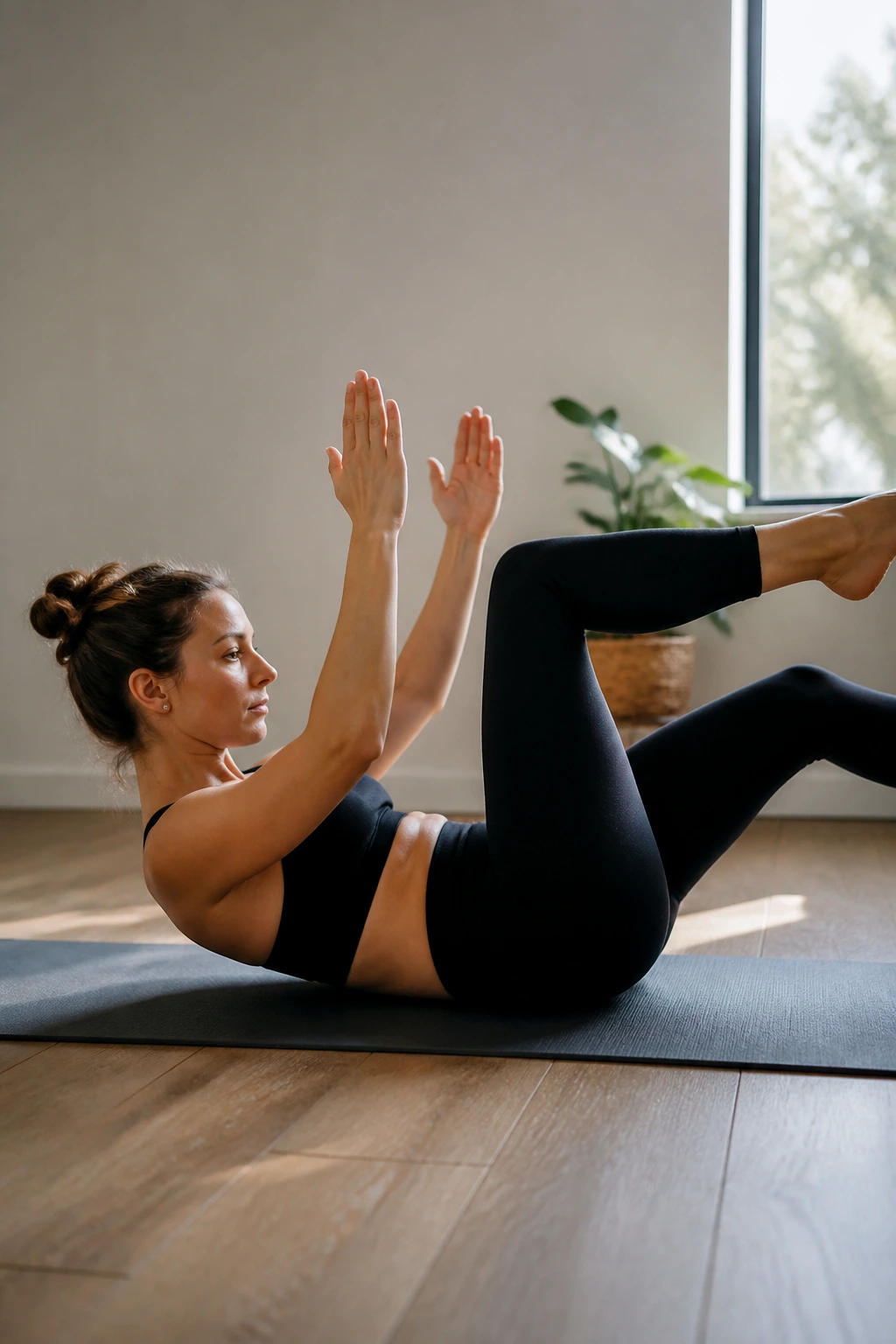
What changes a dress more often than the scale? Posture.
A Pilates-focused plan is less about sweating buckets and more about pulling the body back into better alignment. When your ribs flare, your shoulders round forward, or your pelvis tips the wrong way, clothes hang differently. Not in a dramatic, cinematic way. In a real, annoying way that shows up when you slip into a fitted gown and the fabric tells the truth.
Pilates works well for brides who want a smaller-looking waistline without chasing aggressive fat loss. The reason is simple: better core control, better breathing, better body position. A strong deep core helps you stand with less effort, and that changes how your middle looks in a fitted dress.
How to use it
Try 3 Pilates sessions a week, each around 30 to 40 minutes. Mix in dead bugs, toe taps, side planks, roll-downs, glute bridges, and slow bird dogs. Add one short walk on the days you don’t train. If mat Pilates feels too easy, slow the tempo down and hold the hardest parts longer. That small change makes a big difference.
Do not turn it into a frantic ab burn. That’s not the point. Control is the point.
4. Two HIIT Days and Two Recovery Days

There’s a version of bridal fitness that looks impressive on paper and feels awful in real life: hard cardio every day, no real rest, lots of sweat, not much shape. I’ve never loved that plan.
A better HIIT setup uses two short, sharp sessions a week and protects the rest of your energy. HIIT can be useful if you recover well from it, because it keeps workouts short and can help maintain conditioning without hours on a treadmill. The catch is obvious: too much of it leaves your legs flat, your appetite messy, and your sleep off.
A clean version looks like this: 30 seconds hard, 90 seconds easy, repeated for 8 to 10 rounds. That might be bike sprints, rower intervals, hill walks, or bodyweight moves like mountain climbers and squat thrusts. The whole thing can be finished in 15 to 20 minutes, warm-up included.
Use the recovery days on purpose. Walk. Stretch. Move around the house. Don’t treat recovery like laziness. It’s the part that makes the hard days work, and for a bride, it keeps the face from looking drained in the week before the wedding.
5. Barre Sculpt Plan for Legs and Glutes
Barre looks gentle until your thighs start shaking.
That’s why I like it for brides who want a low-impact plan with a lot of lower-body work. Barre leans on small range pulses, isometric holds, and precise foot placement. It’s not a replacement for heavy strength training, but it can build endurance in the glutes, hips, inner thighs, and calves while keeping joint stress low. For someone who gets cranky knees or hates jumping, that matters.
Most barre sessions run 35 to 50 minutes and include seat work, leg lifts, pliés, and core-focused sections on the mat. If you’re building a weekly routine, two barre classes plus one longer walk can be enough to keep you moving without frying your system. I like it best when it sits beside, not instead of, a little strength work.
The honest downside? Barre is easy to do badly. If you rush through the positions, you miss the point. Slow down. Keep the range tiny. Feel the burn where it’s supposed to be — mostly glutes, thighs, and deep core. That controlled fatigue is what gives barre its usefulness.
6. Dance-Cardio Plan for Brides Who Hate Boring Cardio

Dance cardio wins because it tricks your brain.
Unlike a straight treadmill session, dance-based workouts keep your attention busy. You’re learning steps, matching rhythms, and moving in ways that feel less like a chore. For brides who need cardio but can’t stand staring at a screen for 40 minutes, that’s a real advantage. And yes, it can be a proper workout if you keep the intensity up.
The best part is that dance cardio tends to loosen the upper body. Shoulders soften. Hips open a bit. Your face looks less clenched when the session is over, which sounds small until you notice how often wedding prep makes people look permanently tense.
Pick 2 to 4 sessions a week, each about 25 to 40 minutes. If the class is low intensity, tack on a brisk walk after. If it’s already intense, don’t pile on more. I’d rather see a bride enjoy three sessions she actually finishes than force six sessions she dreads.
And no, you do not need to be a good dancer. You need to keep moving.
7. Lower-Body Emphasis Plan for Dress Days
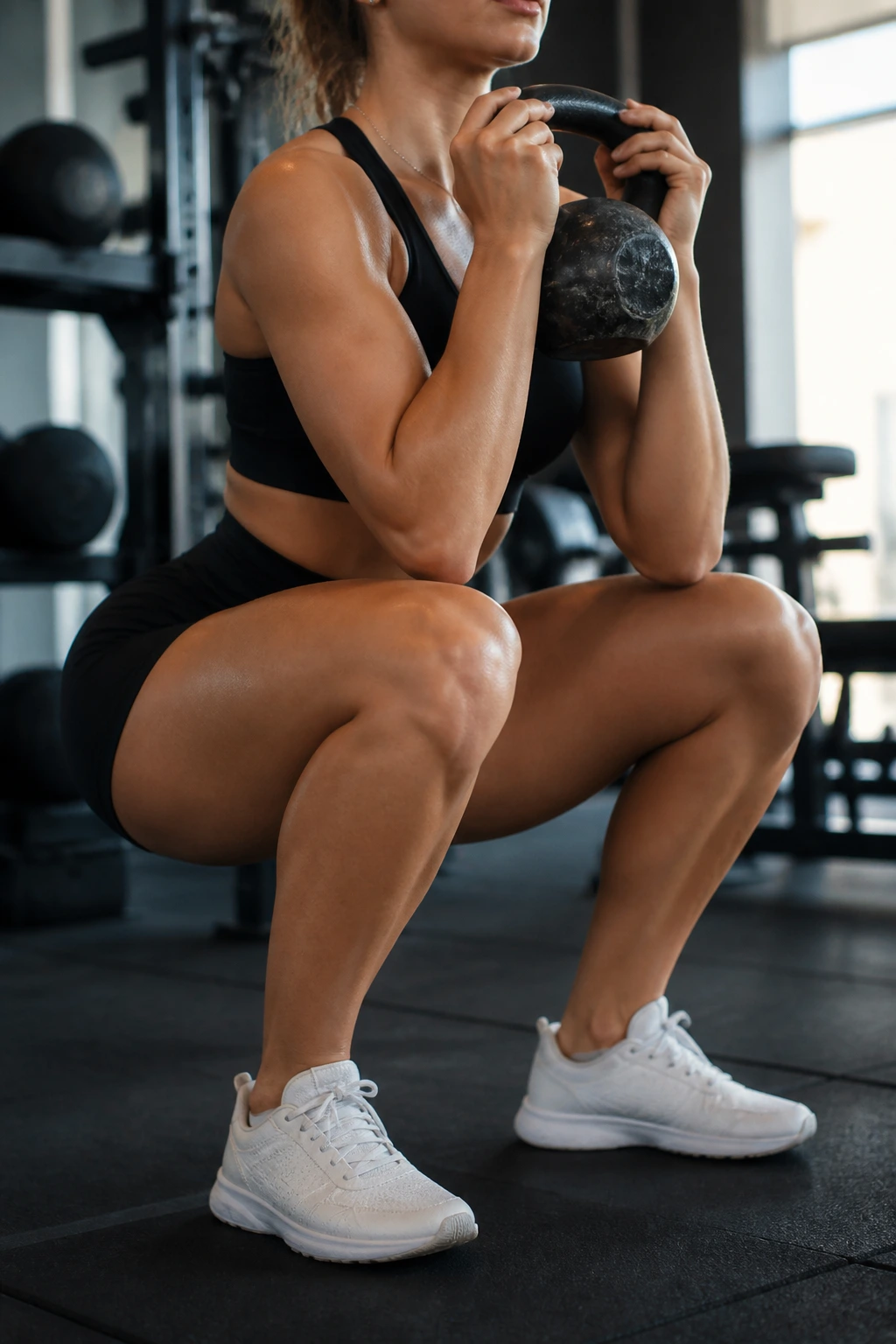
A dress with a slit changes the whole conversation.
When the legs and glutes are the visual focus, I like a plan that gives the lower body two real training days and one lighter movement day. That usually means squats, hinges, lunges, step-ups, calf raises, and a little bit of glute isolation at the end. Not fancy. Just effective.
The best movements
- Goblet squats for quad and glute work
- Romanian deadlifts for hamstrings and back line
- Reverse lunges because they’re friendlier on the knees
- Hip thrusts for glute strength
- Standing calf raises if you want the lower leg to look more finished
Keep each workout around 45 minutes. Three sets per move is enough for most brides. If your legs get wrecked easily, reduce the loading and keep the reps smoother. Soreness is not a badge of honor when you still have fittings, shoes to break in, and a life to live.
The real trick is spacing. Don’t crush your legs the day before a long walk, a fitting, or a flight. That ends badly. Better to train them hard, then let them settle.
8. Upper-Back and Arm Plan for Sleeveless Gowns
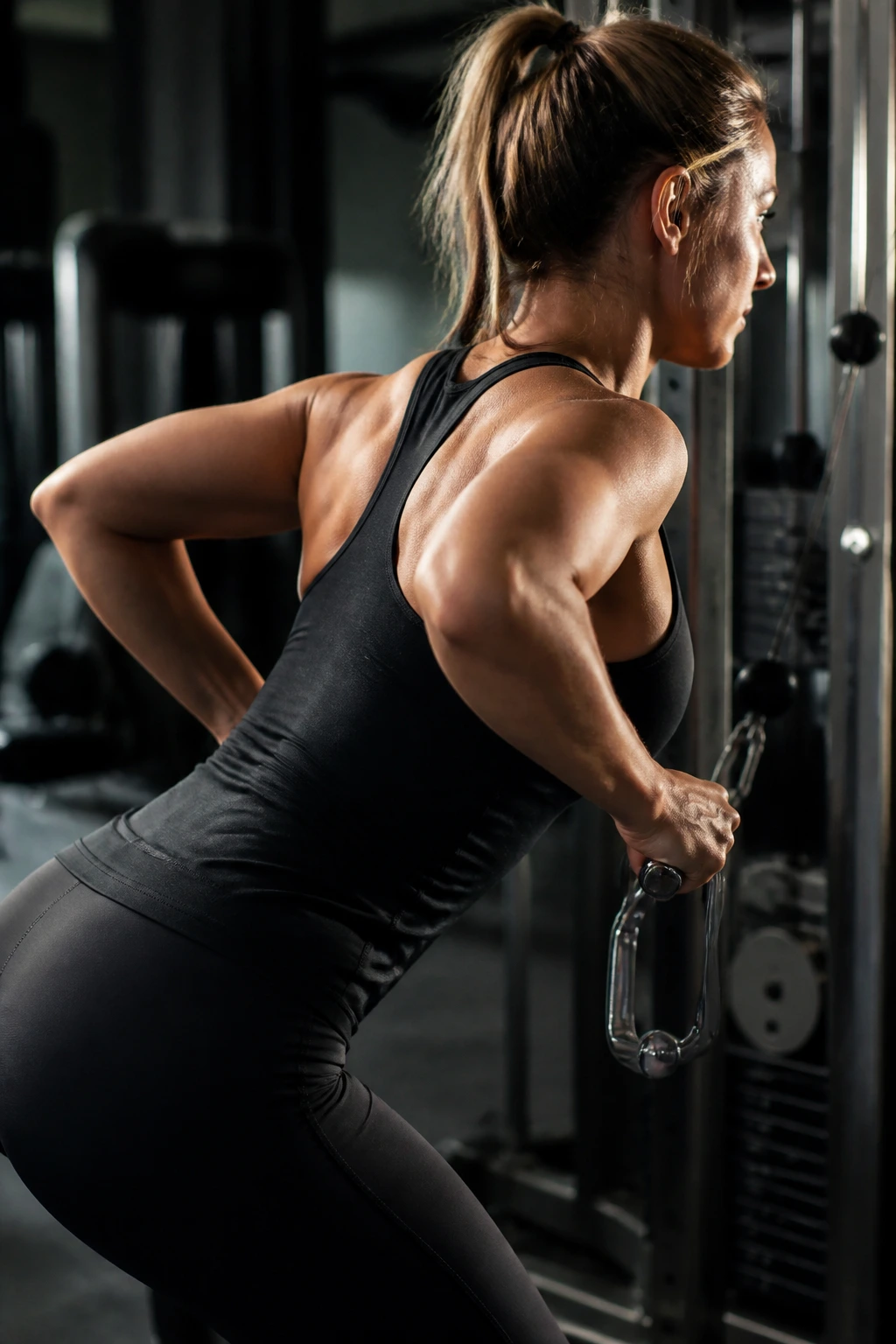
Back work changes posture faster than endless bicep curls. That’s the blunt version, and it’s true.
If your dress shows the shoulders, arms, or upper back, the goal is not skinny arms. It’s a smoother line through the back, better shoulder position, and enough triceps work that your arms feel firmer when you lift them. Rows, face pulls, rear-delt raises, overhead presses, and triceps pushdowns do more for that look than the usual panic routine of tiny weights and endless reps.
This plan works well twice a week, with sessions built around 3 sets of 8 to 12 reps. Keep the weight challenging enough that the last few reps matter. If everything feels light and fluffy, you’re probably doing cardio with dumbbells, and that’s not the same thing.
A small carry move — suitcase carry or farmer carry — helps too. It teaches you to hold your torso tall under load, which carries over into how you stand in a dress. That’s the part people miss. You aren’t just training muscles. You’re training the way you hold yourself.
9. Core Stability Plan for a Stronger Midsection
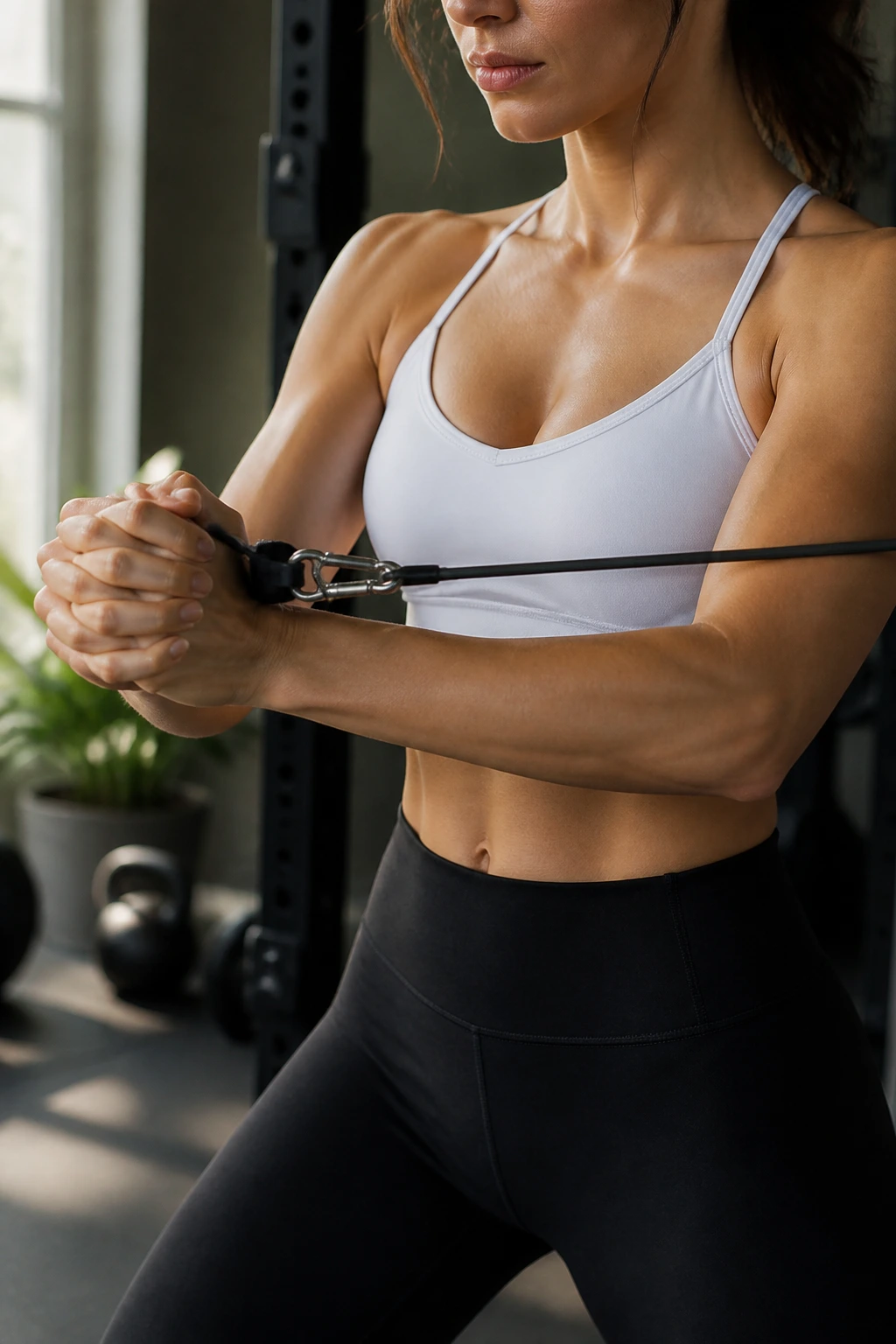
Why does some core work seem to do almost nothing, while a few smart drills make you feel tighter and steadier?
Because the core isn’t just about crunches. It’s about bracing, breathing, resisting rotation, and holding the pelvis and ribs in a better position. That matters a lot for brides. A stronger midsection can make a fitted dress sit cleaner, and it can make you feel less like you’re folding in half every time you sit down for a fitting.
Do 10 to 15 minutes of core work 3 times a week. The best exercises are dead bugs, bird dogs, side planks, Pallof presses, and slow mountain climbers. Keep the movements strict. If your lower back is doing all the work, the drill is too hard or too rushed.
How to use it
Start with one anti-extension move, one anti-rotation move, and one side-body move. That’s enough. You do not need fifty crunches. In fact, fifty crunches is usually the first sign someone has confused effort with progress.
Breathe out fully on the hard part of each rep. That little detail changes the exercise more than people expect.
10. Incline Treadmill Plan for Low-Impact Cardio
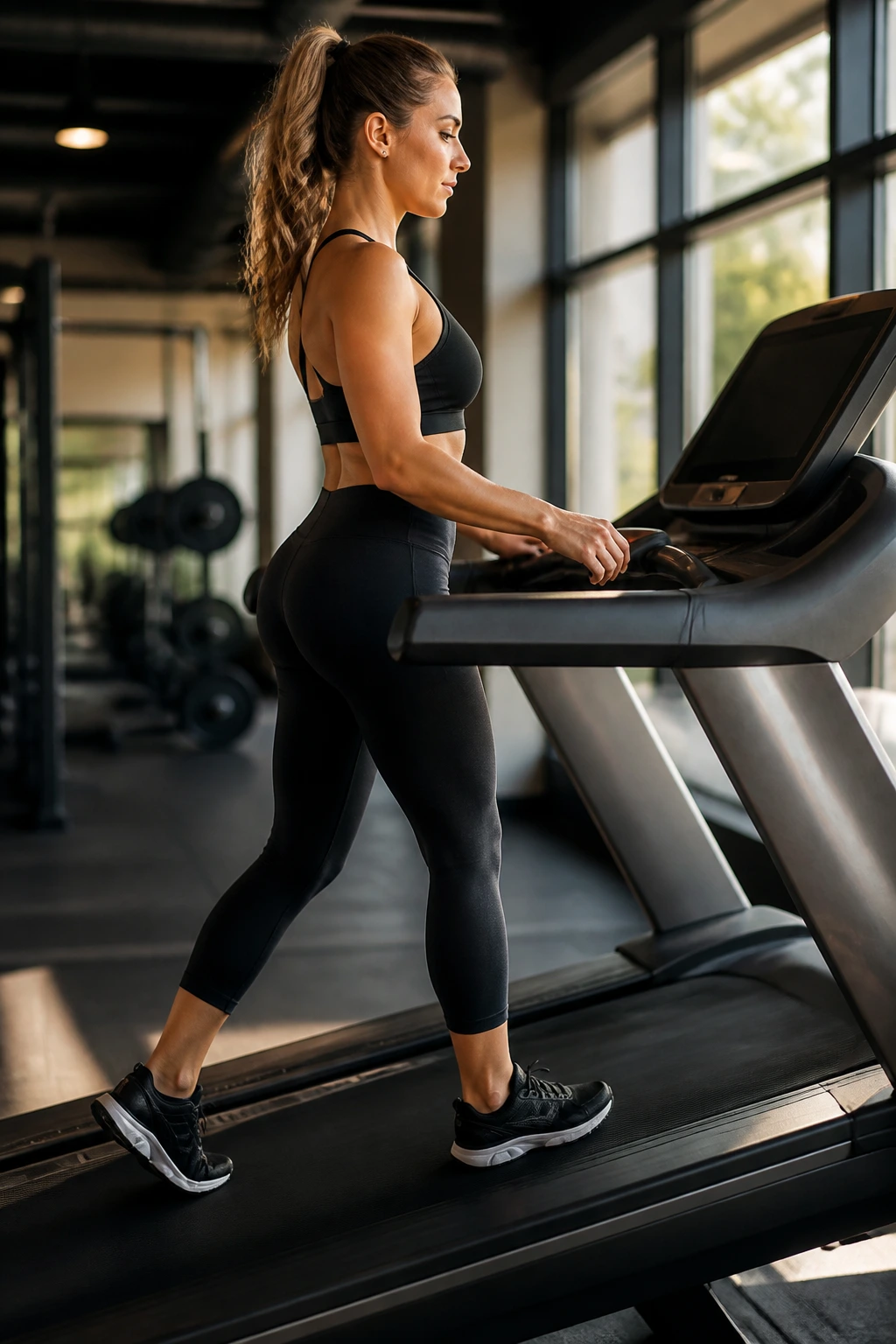
A steep walk can be more useful than a run.
That sounds boring. It also works.
An incline treadmill plan is perfect for brides who want cardio without pounding their joints. Walking at a higher incline raises your heart rate, makes your glutes work harder, and usually feels more manageable than running intervals. It’s also one of the easiest ways to sneak in conditioning during a busy week, because you can watch a show, answer a voice note, or just zone out.
Key details
- Time: 20 to 35 minutes
- Speed: 3.0 to 3.6 mph for most people
- Incline: 6 to 12 percent
- Frequency: 2 to 4 sessions weekly
- Form: keep a light grip, not a death hold, on the rails
If you hang onto the treadmill with both hands, the workout gets much easier than it should be. A light touch is fine. A full lean is not.
This plan suits brides who want to feel more fit without beating up their legs. It’s also easy to pair with a short upper-body lift, which makes the whole week feel more complete.
11. Full-Body Dumbbell Circuit Plan for Busy Weeks
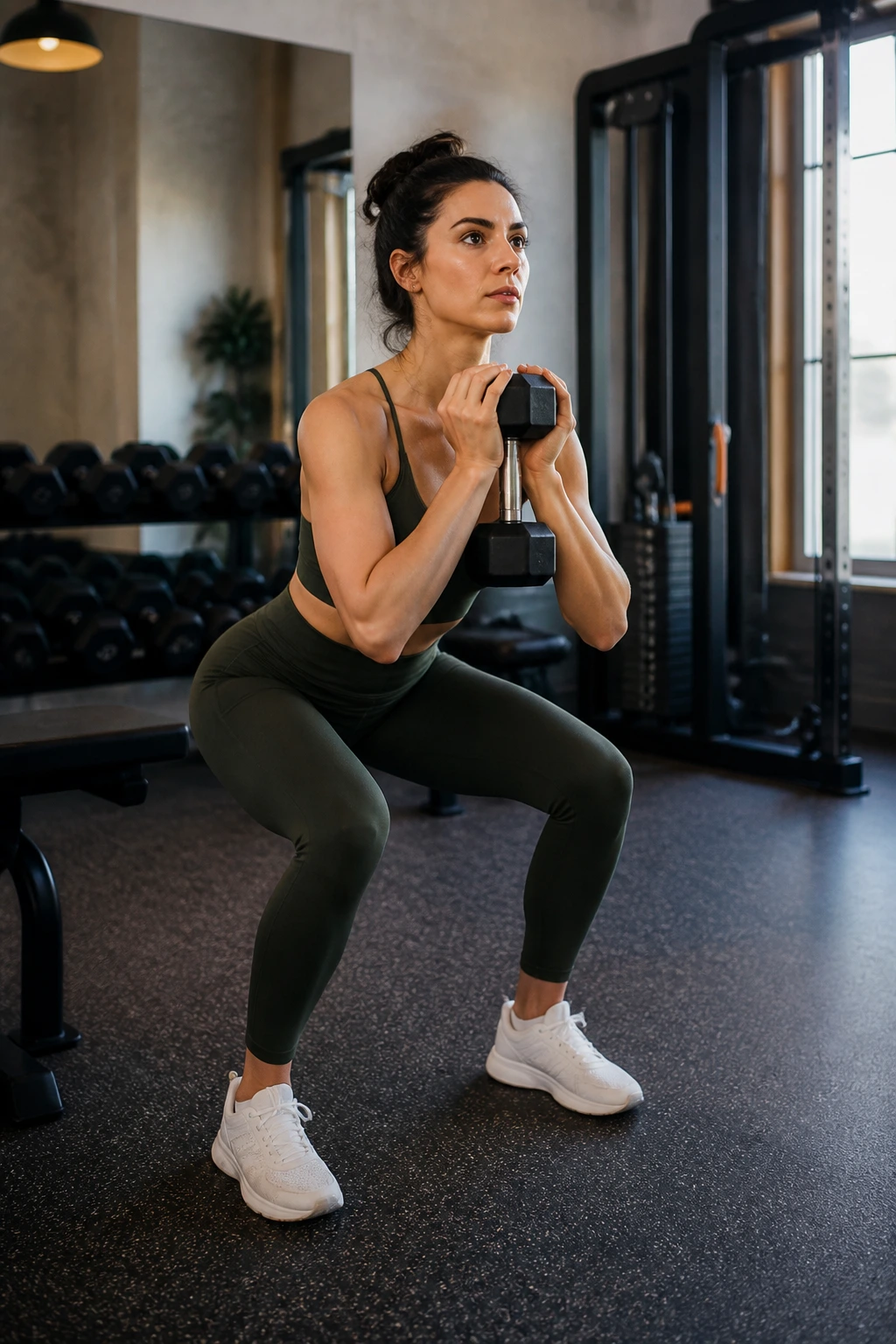
A full-body circuit is what I recommend when life gets messy and the calendar starts winning.
You take 4 to 6 exercises, move through them with short rests, and finish the whole thing in about 30 to 40 minutes. That keeps the heart rate up while still giving you some resistance work. For brides, that combo is useful because it saves time and still gives the body a little shape.
A solid circuit might look like goblet squats, push presses, bent-over rows, reverse lunges, glute bridges, and plank shoulder taps. Do 3 rounds, rest 45 to 60 seconds between moves, and keep the weights moderate. The goal is not to crawl out of the room. The goal is to feel trained, not wrecked.
The nice thing about circuits is that they’re forgiving. Miss a day? Slide the workout to the next morning. Short on time? Cut it to 2 rounds and move on. That flexibility makes a huge difference in bridal season, when a fitting, a work meeting, and a family lunch can all collide at once.
12. Mobility and Recovery Plan for Tight Hips and Shoulders
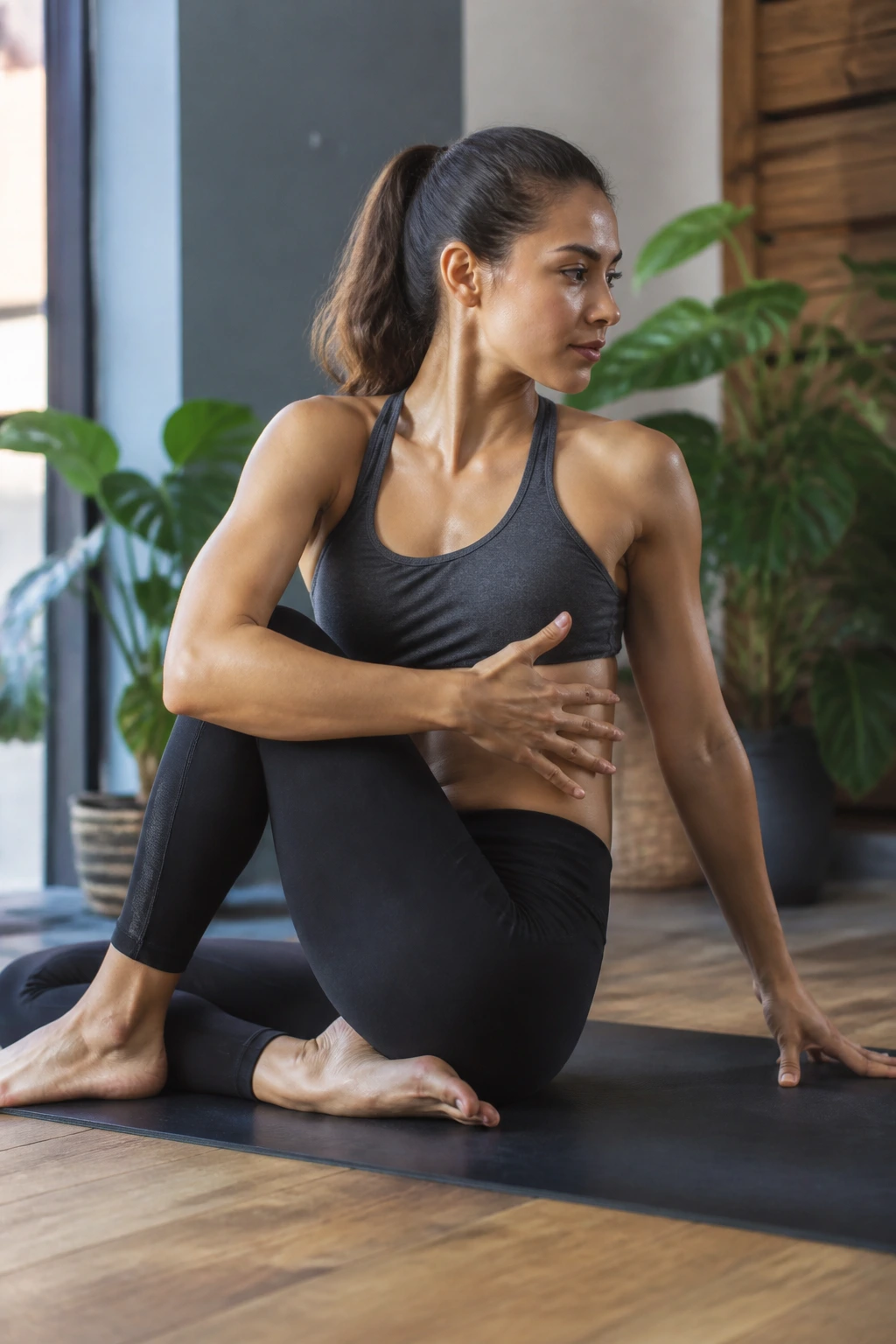
Mobility is the unglamorous part nobody wants to brag about, and yet it may be the thing your body wants most.
If your hips are tight, your shoulders feel stuck, or your lower back gets cranky after long days of standing, a recovery-focused plan can change how the rest of your workouts feel. It won’t replace strength training. It makes strength training work better. That’s the difference.
This plan is usually 10 to 20 minutes a day, plus one longer session of 20 to 30 minutes if the week gets heavy. Use hip flexor stretches, thoracic rotations, shoulder wall slides, deep squat holds, and hamstring flossing. Move slowly. Don’t bounce around like you’re trying to break a record.
Unlike high-intensity training, mobility work doesn’t leave you fried. That’s the point. It’s best for brides who already lift, walk, or dance and need their body to stop feeling stiff all the time. If your dress has a fitted bodice or an open back, better shoulder mobility can make standing naturally feel easier. That alone is worth the 15 minutes.
13. Run-Walk Conditioning Plan for More Endurance
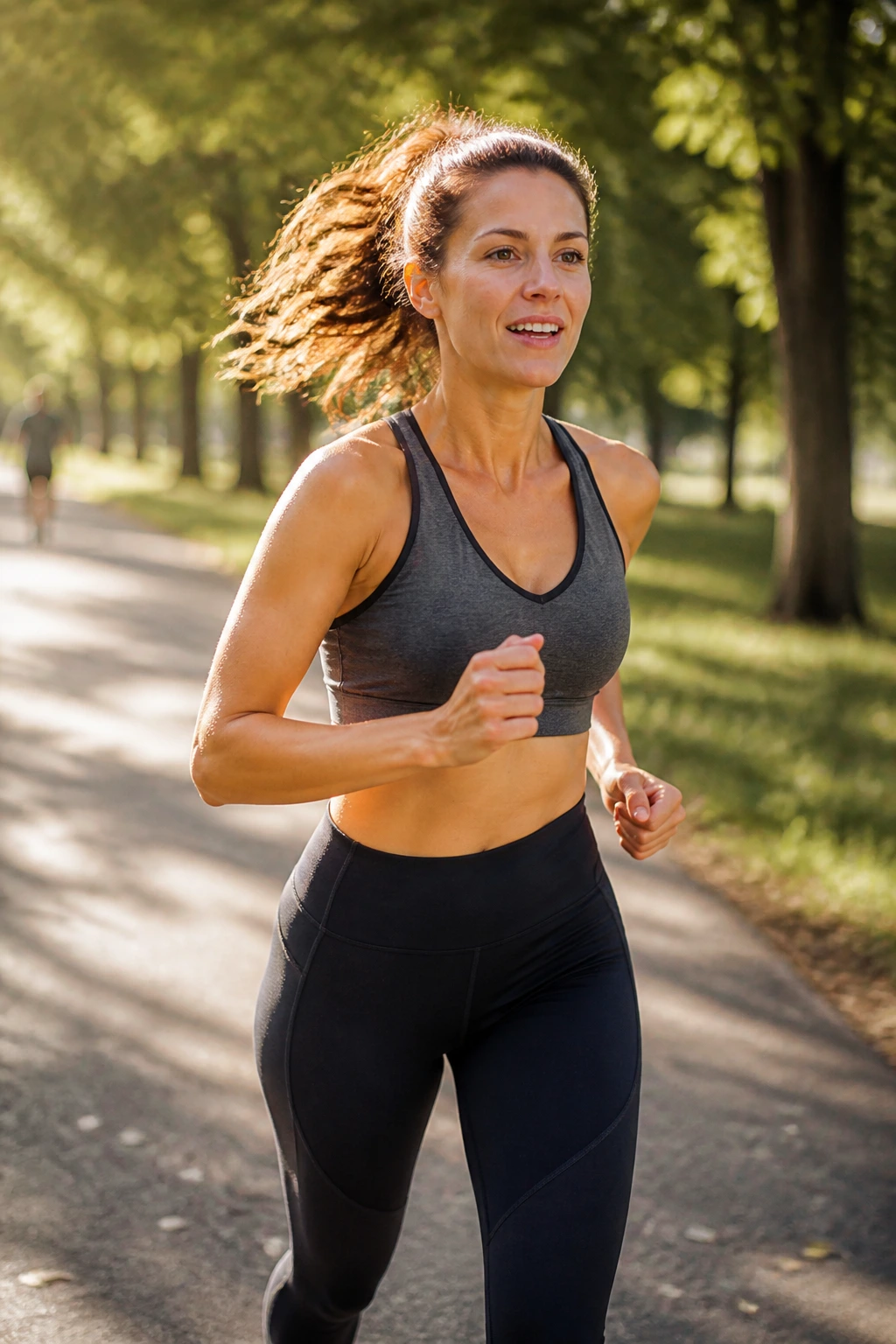
Can you stand, walk, and dance for hours without feeling like your legs quit on you?
That’s what this plan is for.
Run-walk conditioning is useful for brides who want better stamina but don’t want the wear-and-tear of straight running. You alternate short jogs and walking recoveries, which builds cardiovascular fitness without forcing every session to be hard. It’s also a good way to ease in if you’ve been inactive for a while.
A workable starter setup
- Week 1 pattern: 1 minute jog, 2 minutes walk, repeat 8 times
- Week 2 pattern: 90 seconds jog, 90 seconds walk, repeat 8 times
- Later: 2 to 3 minute jogs with equal walk breaks
Keep the sessions at 20 to 30 minutes and run no more than 3 days a week at first. The pace should feel controlled. You should finish thinking, “I could do one more round,” not “never again.”
A tiny detail that matters: shorten your stride. Heavy heel strikes make the whole thing feel rougher than it needs to.
14. Bodyweight-Only Plan for Small Spaces
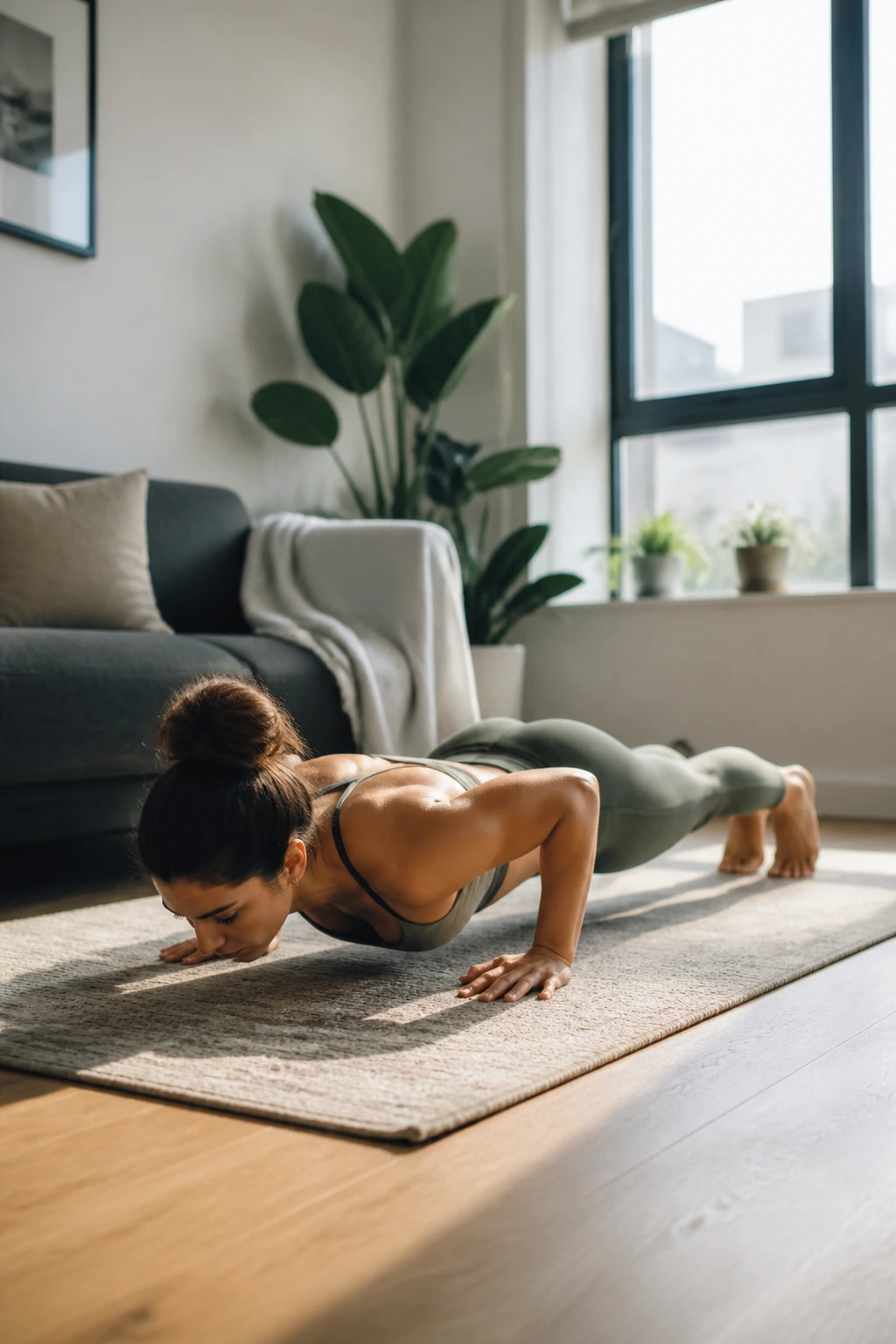
No equipment does not mean no progress. It just means your room needs to earn its keep.
A bodyweight-only plan is one of the best options for brides who live in small apartments, travel often, or don’t want to buy a pile of gear for a short prep period. The trick is to make simple movements harder through tempo, pauses, and unilateral work. Slow split squats. Push-ups with a pause at the bottom. Glute bridges with one leg lifted. That sort of thing.
Three or four sessions a week is enough. Keep the sessions around 25 to 35 minutes, and build them from 5 to 7 moves. If bodyweight starts feeling too easy, use a backpack with books or water bottles. That’s a perfectly normal solution. Fancy is not required.
I like this plan for brides who need flexibility more than novelty. It’s also good during weeks when sleep is bad, food is irregular, or life is simply too loud. No commute to the gym. No waiting for a machine. Just work, then done.
15. Resistance-Band Plan for Travel and Tiny Apartments
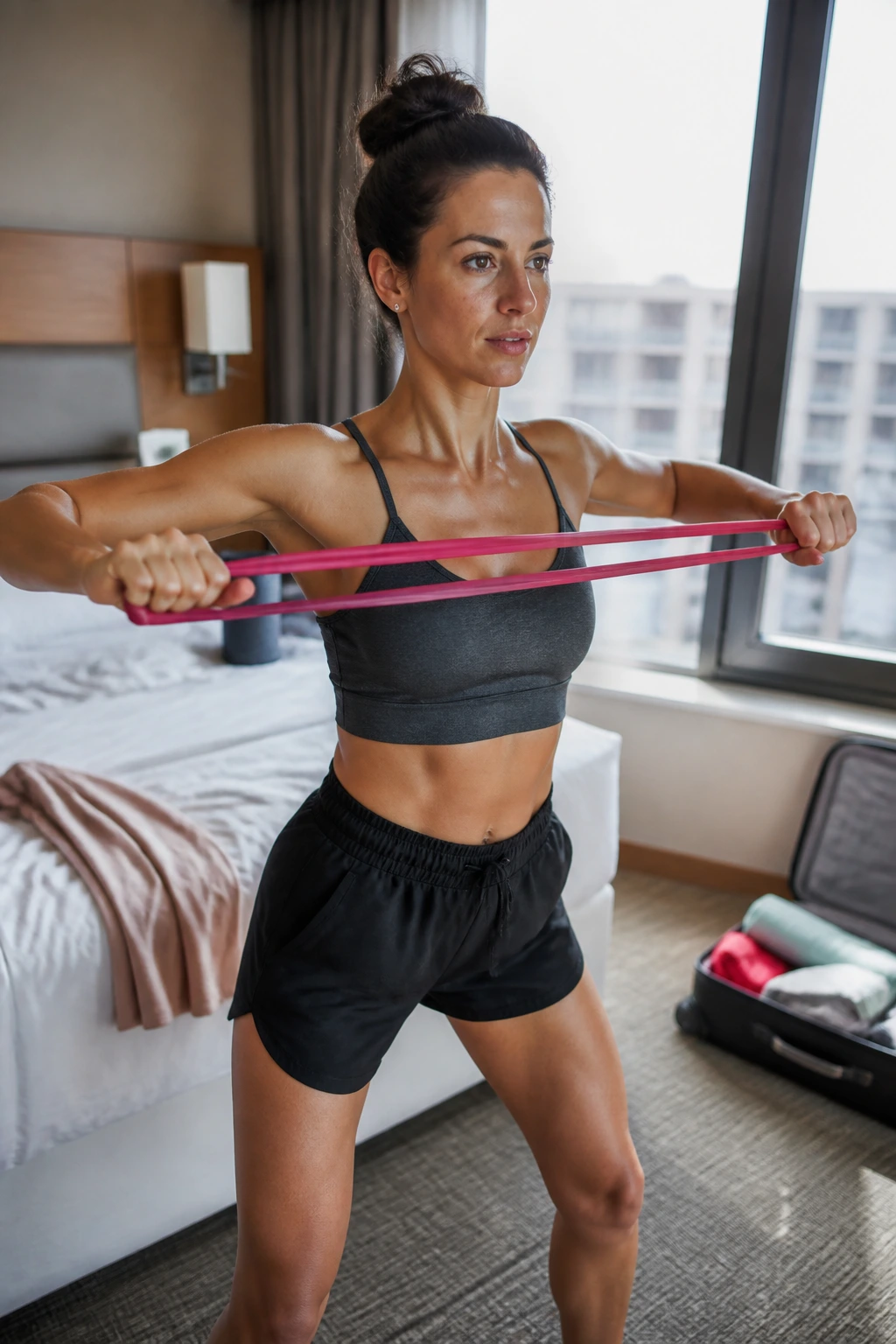
Why do bands earn a spot in bridal training? Because they fold into a drawer and still annoy your muscles in all the right ways.
Resistance bands are ideal for glute work, shoulder work, and warm-ups. They’re light, cheap, and easy to carry in a suitcase. For brides who travel for work or bounce between homes, that matters more than it sounds like it should. A plan built around bands can keep your training from falling apart between flights, hotels, and weird schedules.
How to use it
- Glutes: lateral walks, clamshells, glute bridges
- Back: band rows, pull-aparts
- Shoulders: press-outs, external rotations
- Warm-up: 5 minutes before lifting or walking
The best use of bands is not to replace every heavy lift. It’s to keep muscles awake when you can’t access normal gear. Two or three short sessions a week, plus walking, can hold your momentum surprisingly well.
Bands can feel too easy if you rush. Slow the return phase. That’s where the work is. If the band snaps you back instantly, you’re wasting the point of the exercise.
16. Hotel-Room Travel Plan for Weekend Trips
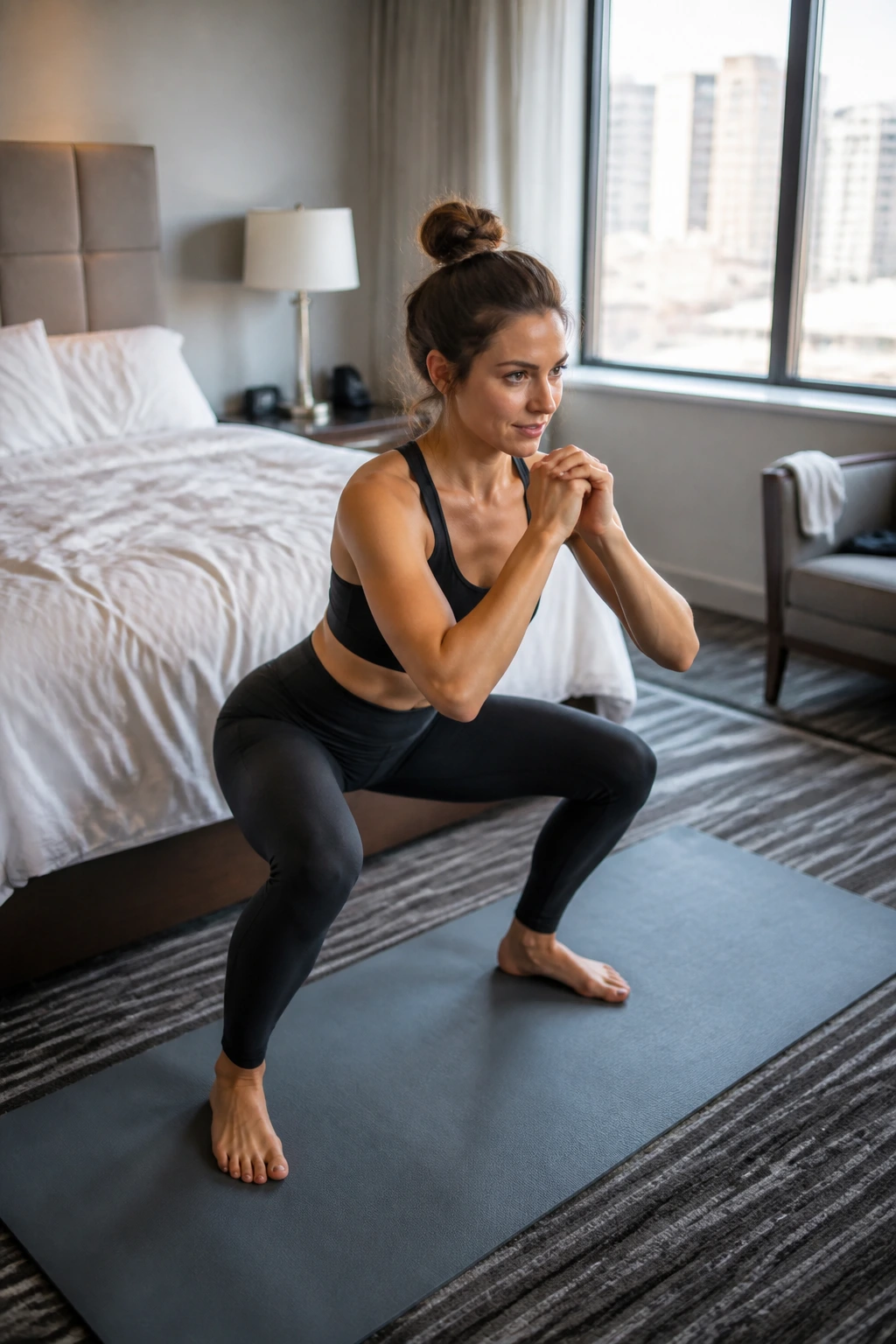
Picture this: you’re away for a fitting weekend, the hotel gym has one treadmill and a broken cable machine, and you still want to move.
That’s when a hotel-room plan saves the day. It’s built around floor space, bodyweight moves, and short timed rounds that don’t disturb anyone below you. Think squats, push-ups, glute bridges, plank holds, dead bugs, and marching in place. No jumping. No equipment. No nonsense.
Keep it to 15 to 25 minutes. That’s enough. A simple format is 40 seconds work, 20 seconds rest, repeated for 3 to 4 rounds. If you’re in a room with thin walls, skip anything noisy and stay on the mat.
A towel can turn into a slider for hamstring curls. A water bottle can become a light weight. A sturdy chair can support split squats or incline push-ups. Not elegant. Effective, though.
The best part? You get back to the trip faster. That matters when the whole point is to enjoy the weekend and not build your life around exercise.
17. Stress-Reset Plan for Brides Who Feel Wired and Tired

Sometimes the body is not asking for more intensity. It is asking you to calm down.
That’s the entire plan here.
A stress-reset routine is for brides whose sleep has gone weird, whose jaw is clenched by lunchtime, and whose workouts have started to feel like one more thing to survive. Heavy training can wait a minute. Gentle movement, breath work, easy walks, and light strength work can do more good than a punishing session when your system feels overloaded.
A good week might include two 20-minute walks, one light full-body lift, one mobility session, and a few minutes of slow breathing before bed. Long exhales help more than people expect. So does getting outside before the day gets loud. Keep the lights down at night and avoid turning the workout into a second job.
This plan isn’t lazy. It’s protective. Brides often ignore that distinction until their bodies start sending louder signals. Tight chest, shallow breath, snappy mood, poor sleep — those are all hints. Listen early.
18. Six-Week Bridal Countdown Plan for Steady Progress
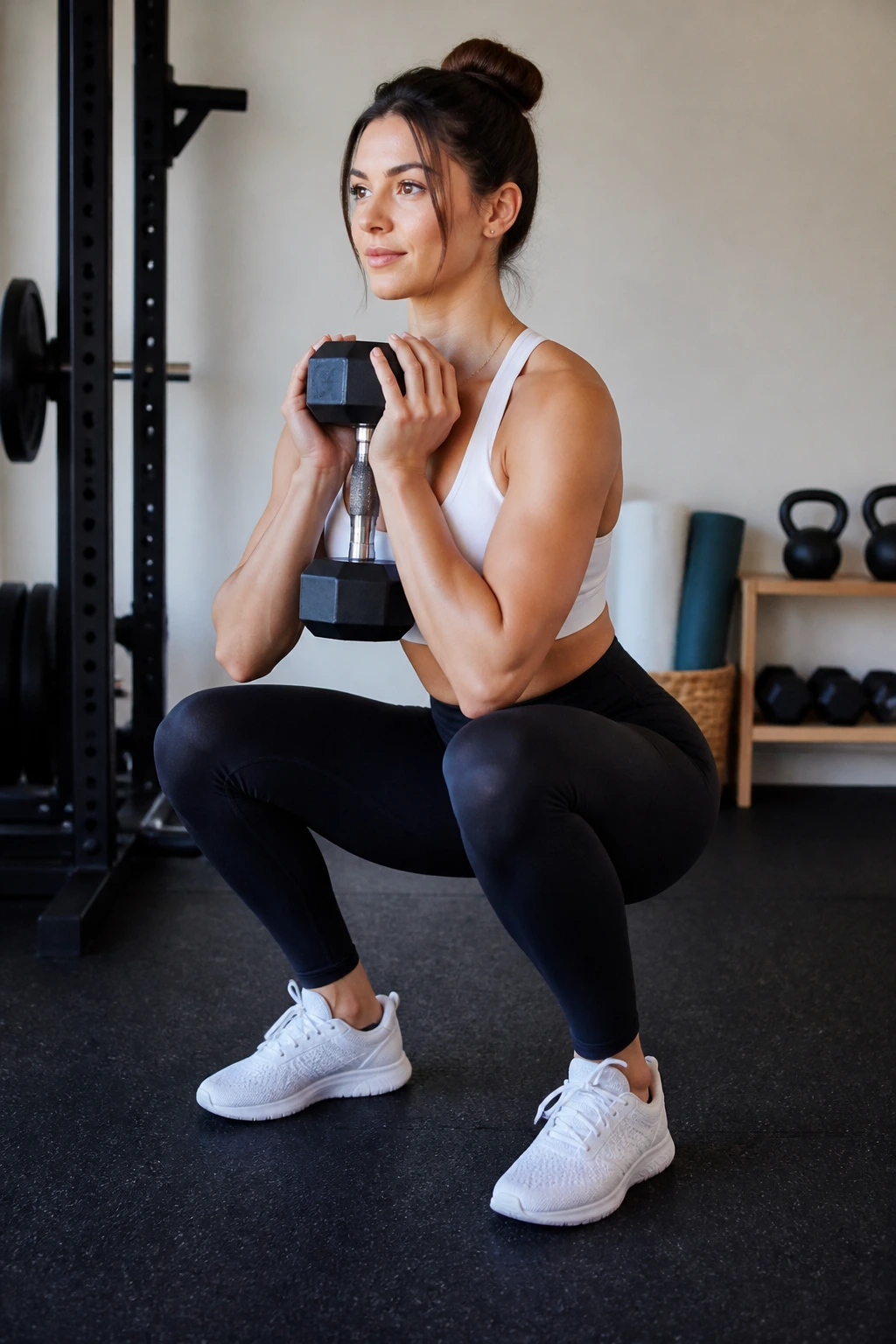
A countdown plan is different from a random workout routine because every week has a job.
For six weeks, you want a rhythm that builds for a while, sharpens a little, then eases off before the wedding. That means 3 strength sessions, 2 cardio or walk days, and 1 mobility day each week. No extreme stunts. No dramatic last-minute overhaul. Just enough structure to let your body respond.
The first two weeks should feel manageable. Think moderate weights, clean form, and leaving a bit in reserve. Weeks three and four can add a little load or one extra set to the main lifts. The final two weeks should pull back on volume so you’re not sore walking into fittings or events. That taper matters more than people think.
Unlike a random plan, a countdown has a clear finish line. It’s best for brides who like structure and want visible progress without trying to cram a whole transformation into a tiny window. If you start this way, you’re less likely to panic later.
19. Eight-Week Balanced Plan for Brides Who Want the Middle Path
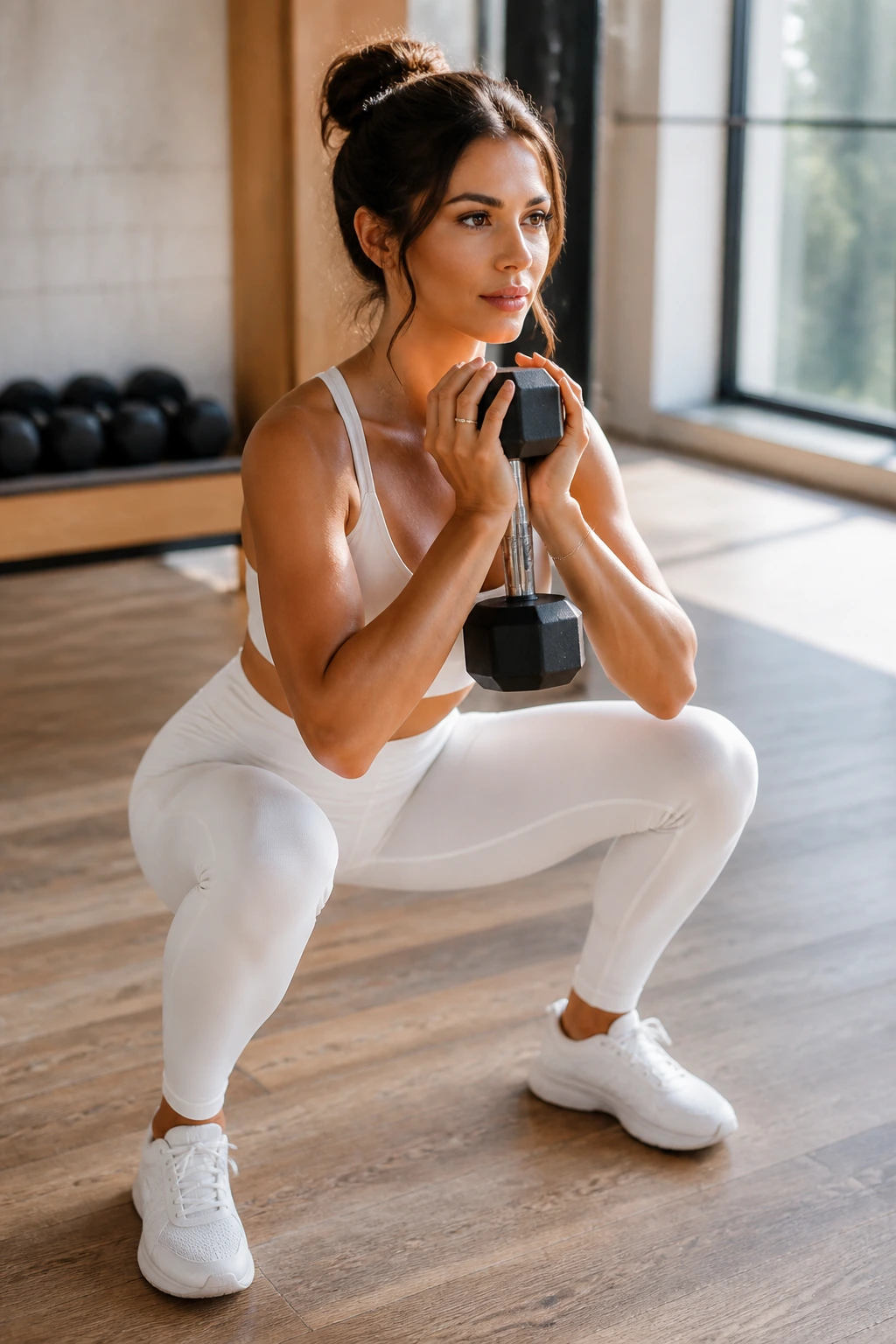
Some brides want strength. Some want cardio. Some want enough recovery that they don’t feel cranky every time someone asks about seating charts.
This plan sits in the middle on purpose.
An eight-week balanced routine usually includes 2 strength days, 2 cardio days, 1 Pilates or mobility day, and 2 lighter movement days. That mix is useful if you want to feel trained without becoming obsessed. It’s also easier to maintain when your schedule changes, because you can shuffle the days around without ruining the whole week.
A simple sample week
- Monday: Lower body strength
- Tuesday: 30-minute walk or incline session
- Wednesday: Upper body strength
- Thursday: Pilates or mobility
- Friday: Cardio intervals or dance
- Saturday: Long walk
- Sunday: Rest
The nice thing about this setup is that it supports shape, energy, and recovery at the same time. Brides who hate extremes usually do better here than with a rigid boot-camp plan. And honestly, that makes the wedding prep feel less like punishment and more like upkeep.
20. Wedding-Week Maintenance Plan for Brides to Be
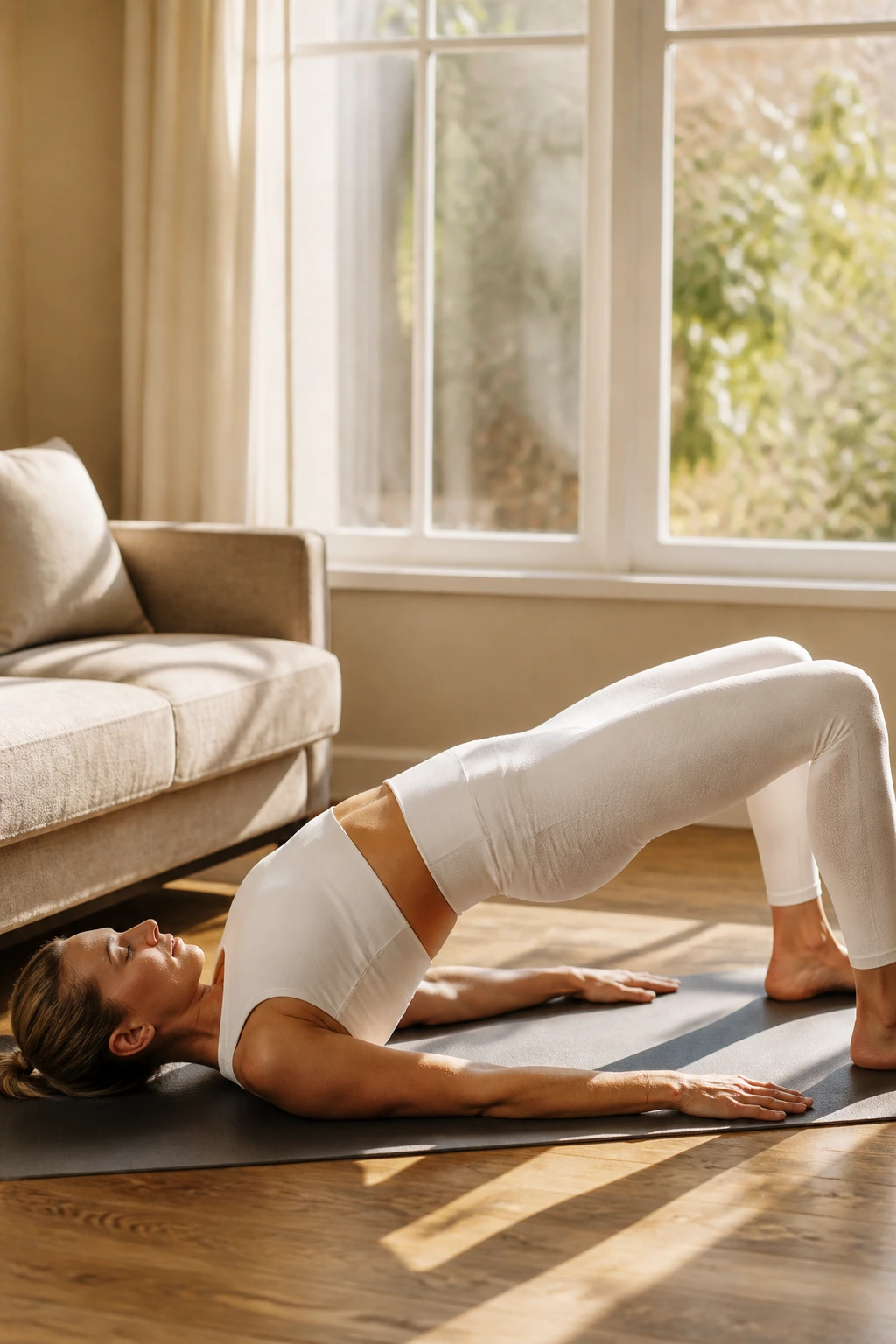
This is not the week to get heroic.
The final stretch before the wedding should be about staying loose, keeping your energy up, and avoiding anything that leaves you sore, puffy, or weirdly tired. A wedding-week plan usually means short walks, light mobility, and one easy full-body session early in the week if your body likes it. That’s enough. More can backfire fast.
Keep the movements familiar. No new classes. No new shoes. No surprise lunges because you suddenly feel ambitious. A 20-minute walk, some hip openers, a few glute bridges, and light shoulder work are enough to keep circulation going without making your legs feel heavy.
If your dress fits well, the goal is not to change your body in seven days. The goal is to make your body feel calm inside it. That means sleep, hydration, easy movement, and nothing that steals recovery. A bride who looks rested usually looks better than a bride who tried to squeeze in one more punishing session.
The Bottom Line
The best wedding workout plans for brides to be are the ones you can repeat without dreading them. That sounds plain, and it is. Plain is useful. A routine that builds posture, strength, and energy will do more for your dress fit than a frantic burst of workouts you can’t keep up with.
If you want the simplest rule, here it is: lift something, walk often, and protect recovery. Everything else is a variation on that theme. Pilates, dance cardio, incline walking, HIIT, bands — they all have a place, but only if they fit your body and your schedule.
Pick the plan that solves your actual problem. Better posture? Stronger back. Tired legs? Less HIIT, more walking. Tight hips? Mobility. The wedding will arrive either way, and it’s a lot nicer to meet it feeling steady than wiped out.
