



Cheap novelty gear gets skipped. Fast.
Fitness gift ideas for workout lovers work best when they solve a real annoyance: sore calves, a cramped home gym, earbuds that fall out on burpees, a bag that smells like old sneakers after two uses. If the present fixes friction, it gets used. If it’s cute but awkward, it gets shoved in a closet.
That’s why the best workout gifts are rarely the flashiest things on the shelf. A pair of 5-pound dumbbells sounds nice until the lifter outgrows them in a week. A random shaker bottle sounds useful until they already own three. The good stuff lands somewhere more practical: gear that saves space, protects joints, makes training smoother, or removes one annoying little barrier between “I should work out” and “I’m actually going.”
There’s also a tiny art to this. Strength people care about load, grip, and adjustability. Runners want comfort, sweat control, and something that doesn’t bounce around. Home exercisers care about storage and whether the thing works in a one-bedroom apartment without becoming a permanent floor sculpture. That’s the lens worth using.
1. Adjustable Dumbbells for Workout Lovers
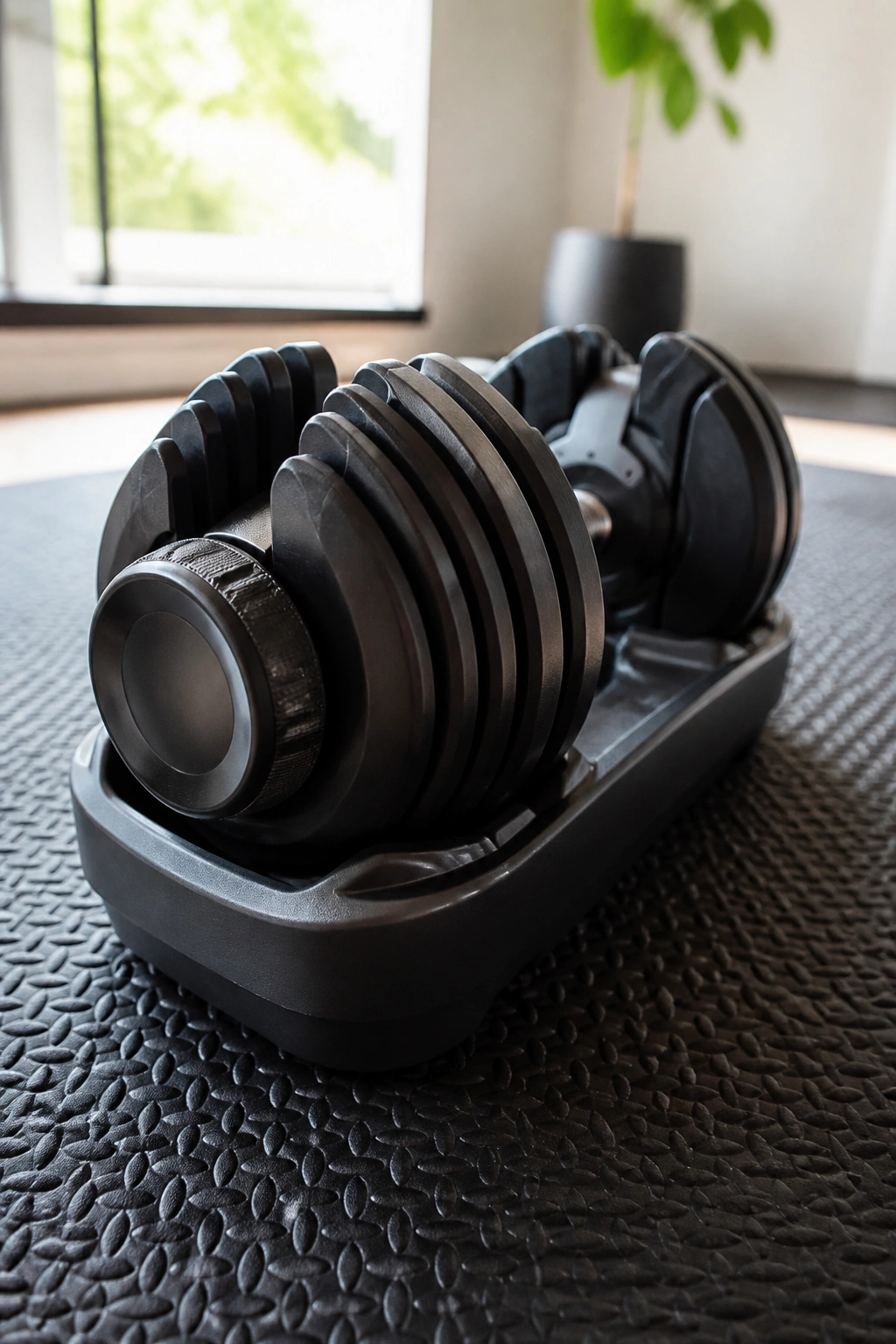
A pair of adjustable dumbbells is one of those gifts that looks plain on paper and feels brilliant in a real home gym. One compact set can replace an ugly stack of fixed weights, which is why people who train at home tend to keep reaching for them. Space matters. So does convenience.
Why They Earn Their Spot
The best sets change in small increments, lock securely, and don’t take forever to adjust. A good dial system or pin system makes the whole thing feel smooth; a clunky one turns every set into a little annoyance. That matters more than people admit.
Look for a weight range that matches the person’s training style. A newer lifter might be happy with a pair that goes from 5 to 25 pounds per hand. Someone who presses, rows, and squats with dumbbells will probably want a much wider range.
- Fast changes between sets save time.
- Secure locks keep the plates from wobbling.
- Compact trays help in small rooms.
- Clear weight markings stop guesswork mid-workout.
Pro tip: If they train both upper and lower body, buy the heavier range. Nobody ever complained that a dumbbell went too high.
2. A Kettlebell That Feels Good in the Hand
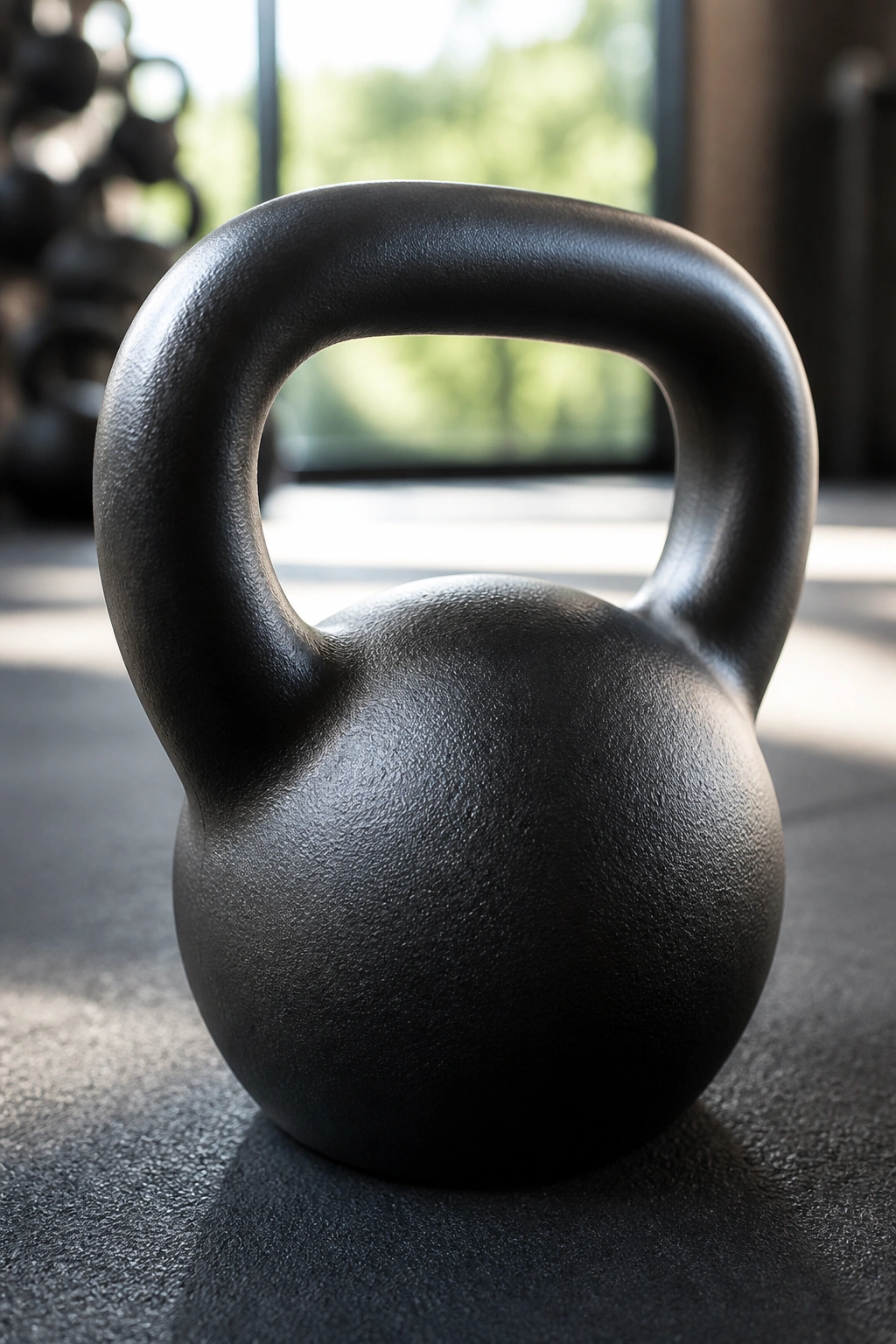
A kettlebell is the gift that makes a tiny corner of a room feel like a serious training space. It is also wildly useful. Swings, goblet squats, deadlifts, carries, presses — one bell covers a lot of ground without needing a full rack.
What people get wrong is buying a bell that looks cool instead of one that fits the person. A beginner often does better with 8 kg, 12 kg, or 16 kg depending on body size and strength. A stronger lifter may want 20 kg, 24 kg, or more. The handle should feel smooth, not sharp, and the base should sit flat without rocking.
Cast iron bells have the classic feel. Competition-style bells use a standardized size across weights, which some lifters love because the shape stays familiar as the load changes. That consistency matters during clean and snatch work. If the person mostly swings and goblet squats, a solid cast iron bell is usually the smarter pick.
Kettlebells are honest. No screens. No app. Just weight, grip, and a little grit. That is part of the appeal.
3. Resistance Bands That Pack Small and Work Hard
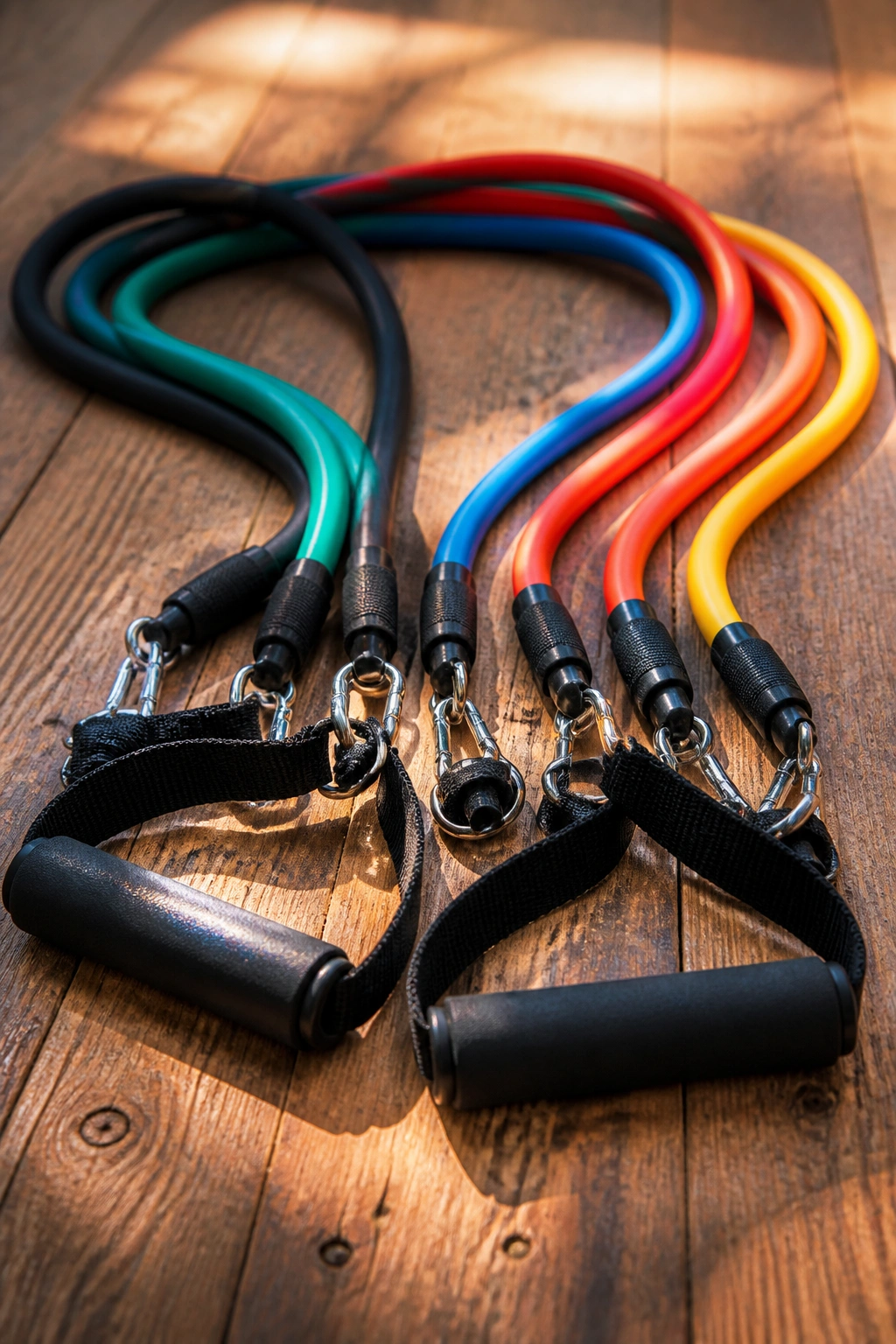
Why do resistance bands show up in so many gym bags? Because they do the boring jobs well. Warm-ups, activation drills, assisted pull-ups, glute work, shoulder rehab, travel workouts — bands handle all of it without taking up much space.
What to Look For
A set with multiple tension levels is the safest bet. Light bands help with shoulder openers and rehab-style moves. Heavier loop bands can assist pull-ups or add resistance to squats and hip work. Tube bands with handles are fine for some people, but loop bands tend to last longer and feel less fussy.
How to Use Them
- Loop bands are best for pull-up assistance and lower-body work.
- Mini bands are good for glute activation and side steps.
- Tube bands suit presses, rows, and light travel sessions.
- Door anchors turn a hallway or bedroom into a usable training spot.
Latex bands stretch differently from fabric ones. Fabric mini bands can feel nicer on the skin and stay put better around the legs, though latex usually gives a cleaner, more direct stretch. If the person is serious about mobility work, a mixed set covers the most bases.
4. A Thick Yoga Mat for Floor Work and Stretching
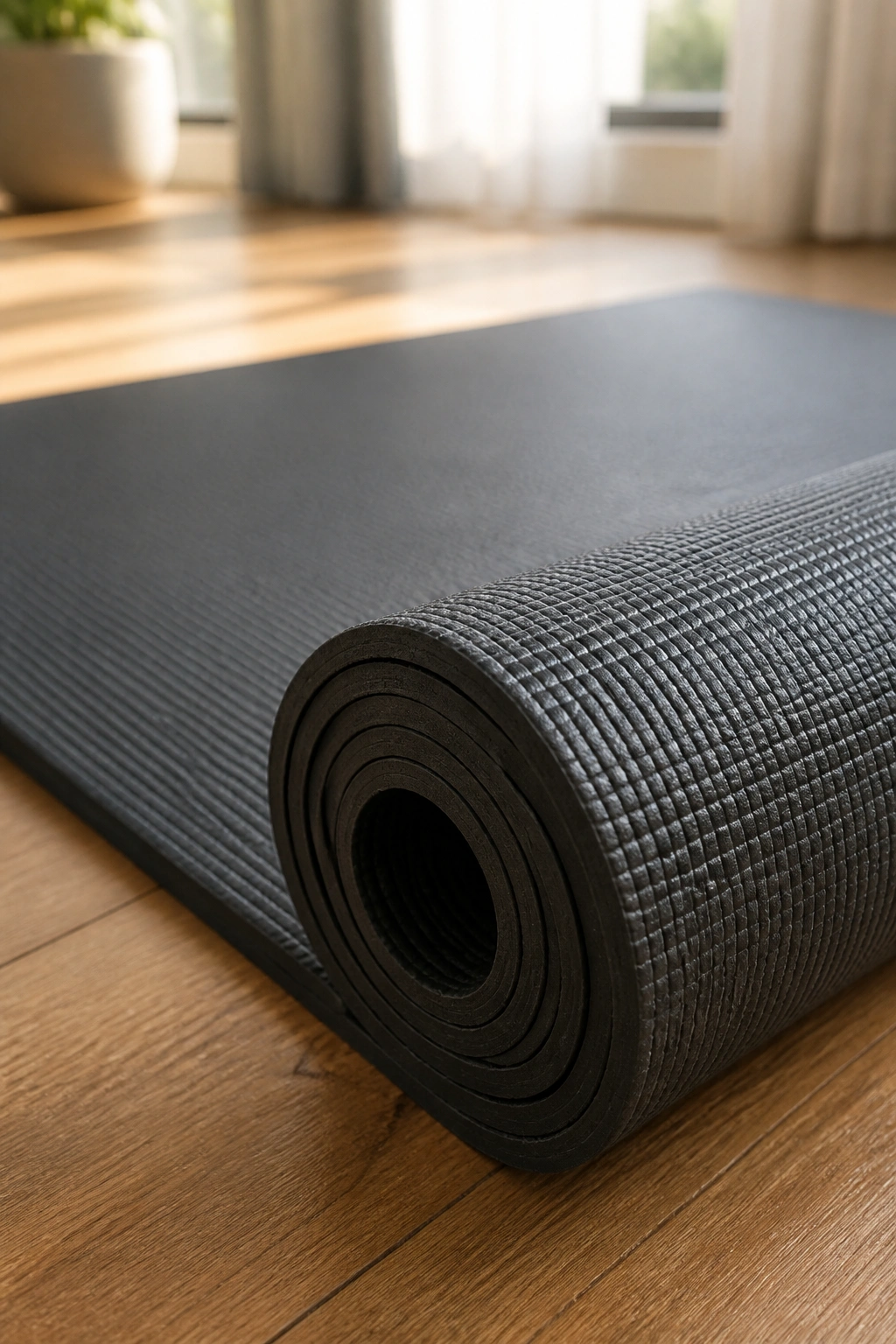
A thin mat can feel like lying on a kitchen floor. That’s the whole story.
Yoga mats make a far better gift when they’re chosen for comfort, not just color. A mat around 5 mm to 8 mm thick gives enough cushioning for kneeling, planks, and long mobility sessions without feeling like a sinkhole. If the person does a lot of Pilates or floor-based core work, extra thickness helps. If they need balance for standing poses, a too-soft mat can get annoying fast.
Texture matters too. A mat with enough grip keeps hands from sliding during sweaty sessions, and a surface that wipes clean easily is worth its weight in gold. Some mats grab better when dry, some when damp, and some feel fine until the first real sweat session. That’s the part worth checking.
A Few Things That Matter
- Length: 72 inches is common, but taller people often prefer 74 to 80 inches.
- Width: A wider mat feels less cramped during side planks and stretches.
- Density: Denser mats usually hold up better than cloud-soft ones.
- Care: Closed-cell surfaces are easier to wipe down after class.
A good mat gets used for yoga, stretching, core work, and the odd living-room workout. That’s a lot of mileage from one rectangle.
5. A Foam Roller and Mobility Ball Set for Tight Muscles
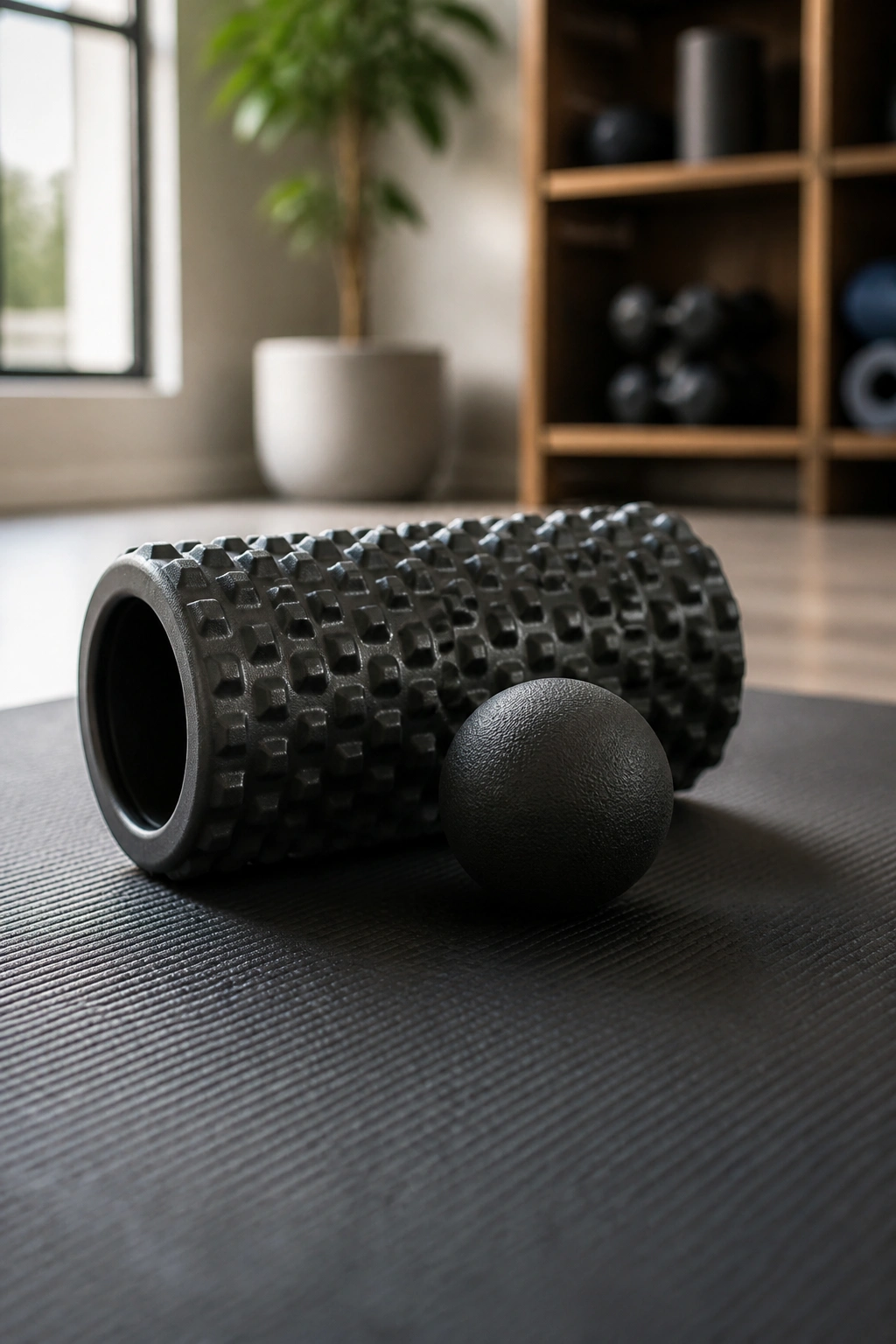
A foam roller is not glamorous. It also gets used more than half the gifts that look better under a tree. If someone lifts hard, runs a lot, or spends all day at a desk, tight calves, stiff glutes, and a cranky upper back show up sooner or later.
The smartest move is to pair a medium-density roller with a small mobility ball. The roller handles larger areas like quads, hamstrings, and lats. The ball gets into the places the roller misses — the glute med, foot arch, upper back near the shoulder blade, that annoying spot between the wall and the body where tension likes to hide. A hard roller can feel brutal on day one, so medium firmness is usually the sweet spot.
I like gifts that solve two jobs, and this one does. The roller loosens the big stuff. The ball goes after the small knots. Used together, they make recovery feel less like a chore and more like maintenance.
A lot of people buy the softest roller they can find, then wonder why it doesn’t do much. Soft is comfortable. Dense is useful. That’s the tradeoff.
6. A Massage Gun for Sore Quads, Calves, and Shoulders
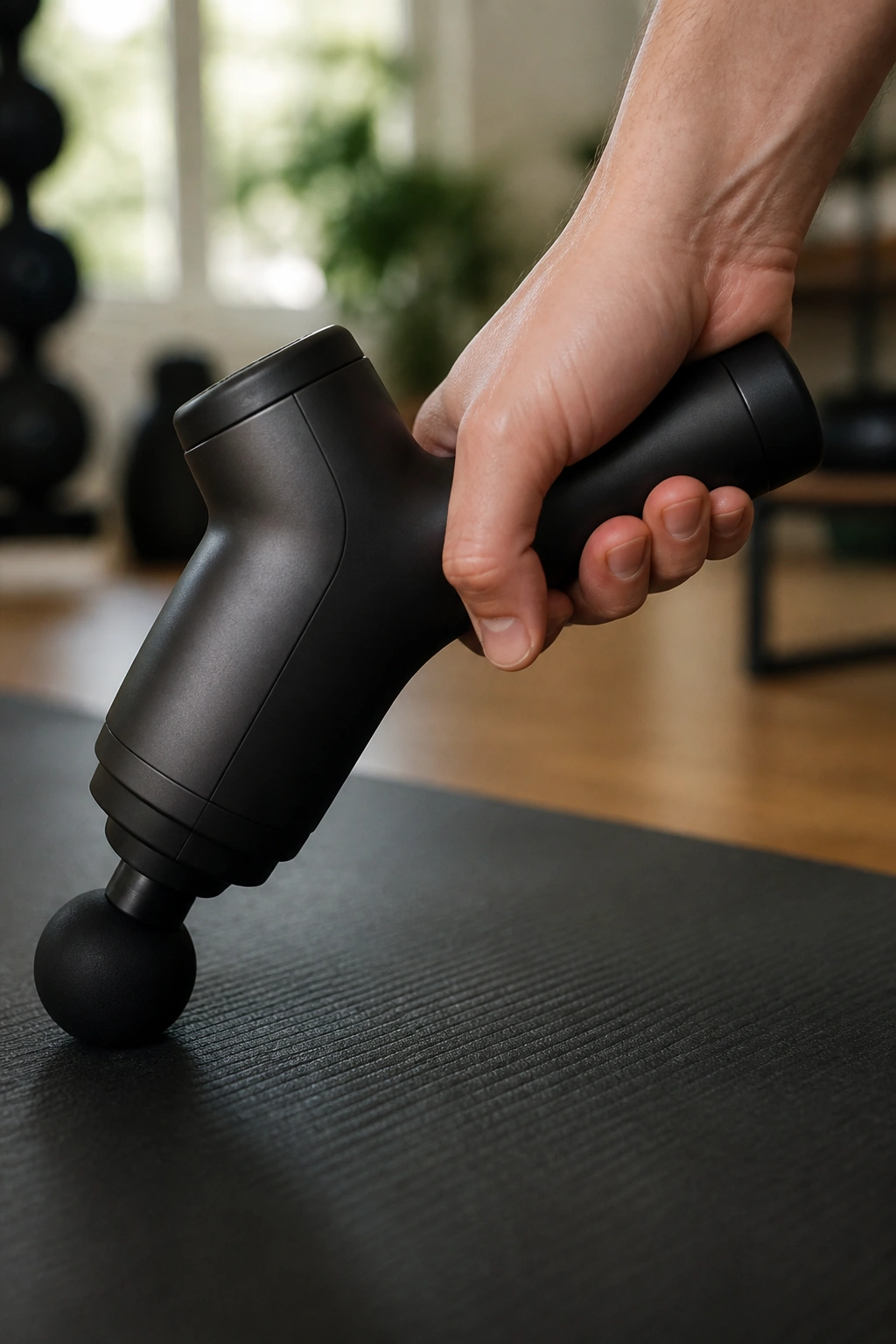
A massage gun is not magic, and that is exactly why it works.
It won’t “fix” a bad training plan. It won’t erase poor sleep or a terrible warm-up. What it does do is give a quick burst of percussive pressure to tired muscle tissue, which can make warm-ups easier and post-workout soreness feel less stubborn. For people who train hard several times a week, that’s enough reason.
Where It Earns Its Keep
The best models have a comfortable handle, several speed settings, and a motor that doesn’t sound like a dentist drill. Battery life matters more than most shoppers realize. If it dies after 20 minutes, the gift feels cheap. A decent unit usually gives a few hours of mixed use.
- Amplitude tells you how deep the head moves.
- Multiple heads help with different muscle groups.
- Low noise makes it easier to use without irritating everyone nearby.
- A sturdy case keeps the attachments from disappearing.
Use it on big muscles: quads, glutes, calves, upper back. Skip bony areas, the front of the neck, and anything that already hurts in a sharp or weird way. A massage gun should feel like firm pressure, not a beating. There’s a difference.
7. Wireless Earbuds That Stay Put Through Burpees
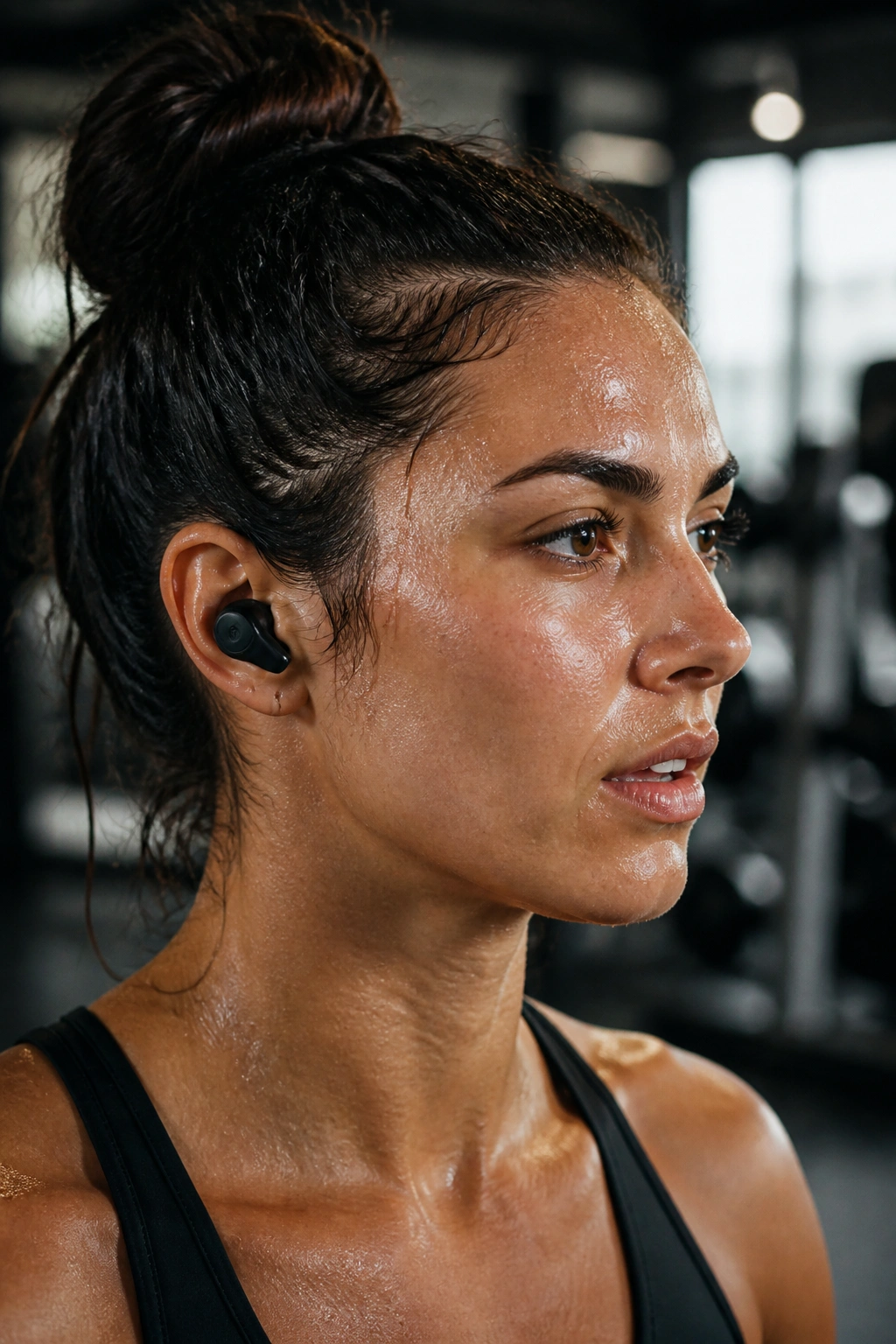
Unlike the headphones people wear to sit on a couch, workout earbuds have one job: stay put and keep playing when the pace gets ugly. That sounds simple. It isn’t.
Good gym earbuds resist sweat, seal well, and don’t fall out when someone jumps, hinges, or turns their head fast. An IPX4 rating is decent for sweat. Higher water resistance is even better if the person runs in damp weather or sweats heavily. Ear tips matter too. A lot. The wrong size makes even expensive buds feel mediocre.
Open-ear styles are worth considering for runners who want to hear traffic, bikes, or other people on the path. For lifters in a loud gym, a tighter seal usually wins. Physical buttons can be nicer than touch controls when fingers are wet or chalky. Tiny detail. Big difference.
What I’d Pay Attention To
- Fit wings or ear hooks for high-movement workouts.
- Battery life that lasts a full training week without constant charging.
- Stable Bluetooth connection that doesn’t cut out in a crowded gym.
- A charging case small enough to live in a pocket.
If the person trains five days a week, earbuds are one of the few gifts they may literally use every day. That’s a good sign.
8. A Gym Bag That Works as a Fitness Gift They’ll Use
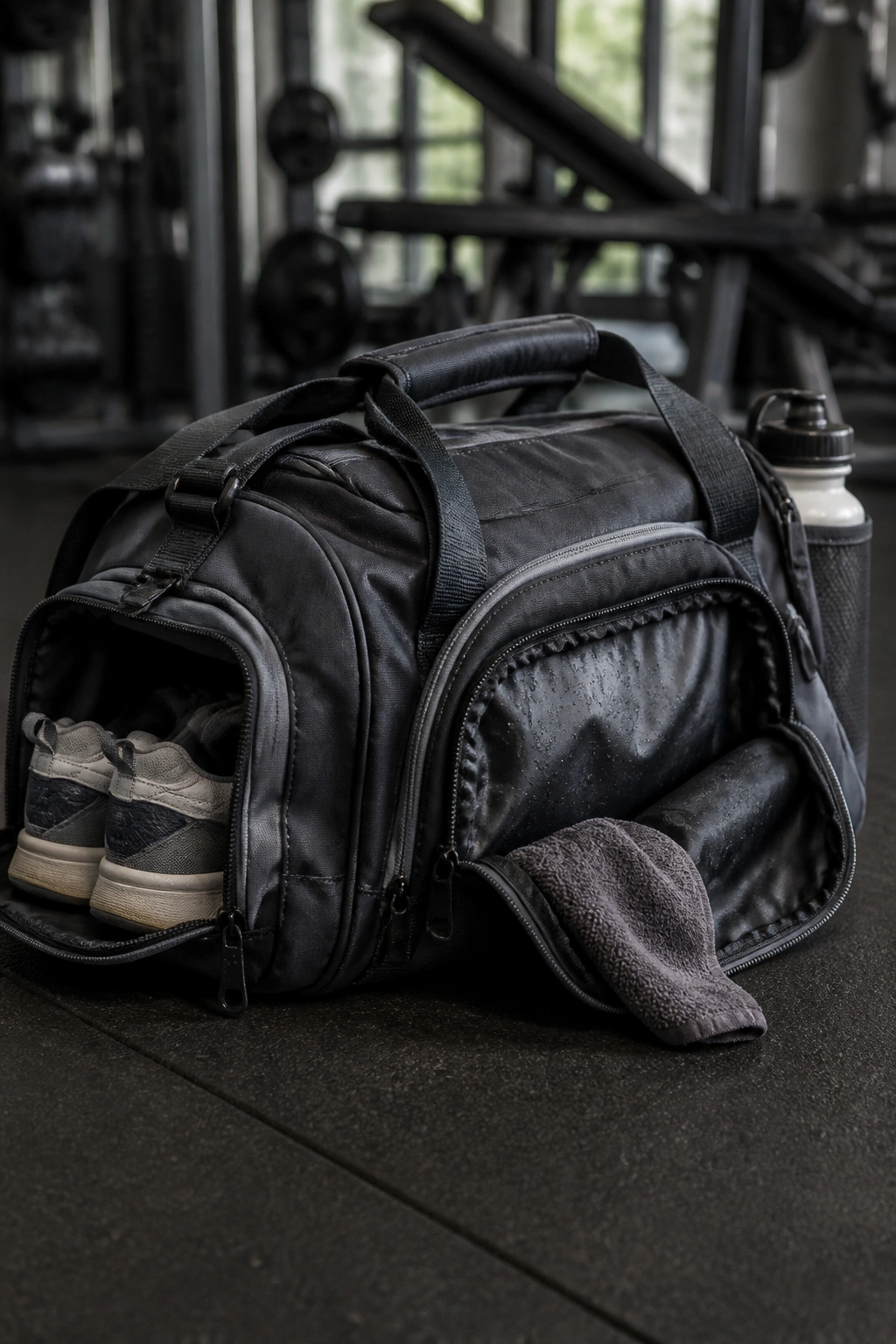
A gym bag sounds boring until you own one that leaks, smells, or swallows your shoes and keys in a single dark pocket. Then it becomes a personal crisis.
The best bags feel organized the second you unzip them. Separate shoe compartments matter. So do wet pockets for sweaty clothes, a padded sleeve for headphones or a watch, and a bottle holder that actually fits a real bottle instead of a tiny backup one. A 30- to 45-liter bag works well for most people who carry shoes, a towel, a change of clothes, and toiletries.
Compartments That Matter
A bag with one giant cavity usually turns into a mess. A few smart pockets make life easier.
- Shoe pocket keeps grit away from clean clothes.
- Wet section traps sweaty gear after training.
- Side sleeve holds a shaker or water bottle.
- Small zip pocket keeps keys and cards from vanishing.
Material matters too. A tough nylon shell wipes clean faster than soft fabric that holds smells. Reinforced straps help if the person hauls the bag across a parking lot, up stairs, or onto a packed train.
A good gym bag is not sexy. It is useful. That is why it wins.
9. A Lifting Belt for Heavy Squats and Deadlifts
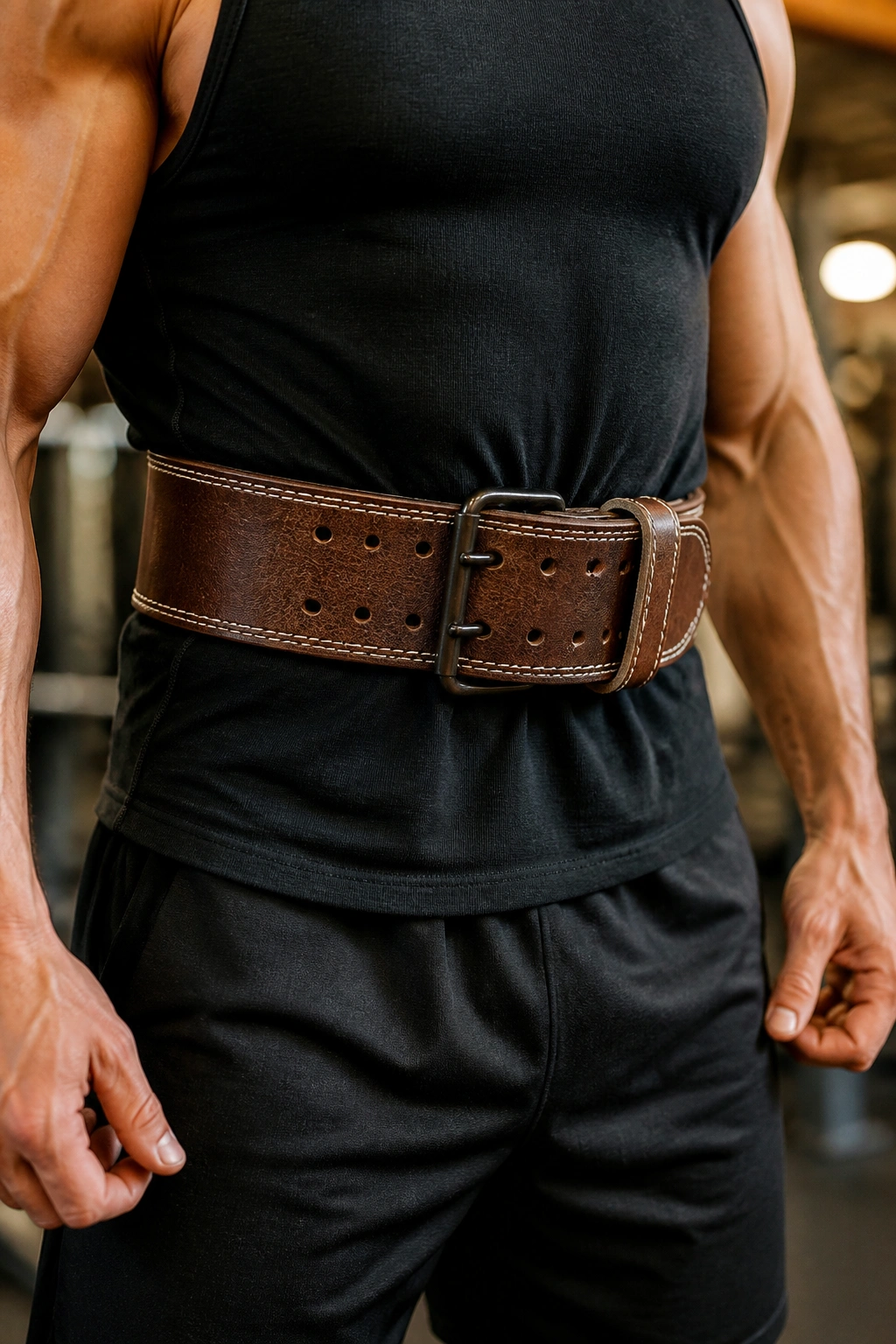
A lifting belt does not lift the weight for you. It gives the torso something solid to brace against. That is the whole point, and it’s a pretty good one.
This gift makes sense for the person who already knows how to squat, deadlift, or press with control. It is not a starter toy. A belt works best when the lifter already understands bracing — taking a breath into the belly and sides, then tightening the trunk before the rep starts. Without that, a belt is just stiff leather around the middle.
The classic sweet spot is a 4-inch belt made from leather, often 10 mm thick. That gives plenty of support without feeling like armor. Lever belts lock fast and feel secure. Prong belts offer a little more room to adjust, which some people prefer if their waist changes across the week or between cuts and bulks.
A cheap floppy belt often frustrates the user. A good one has a firm feel, clean edges, and holes or settings that don’t fight back. If your gift recipient already talks about deadlift form like it’s a second language, this is a strong pick.
10. Wrist Wraps and Lifting Straps for Different Jobs
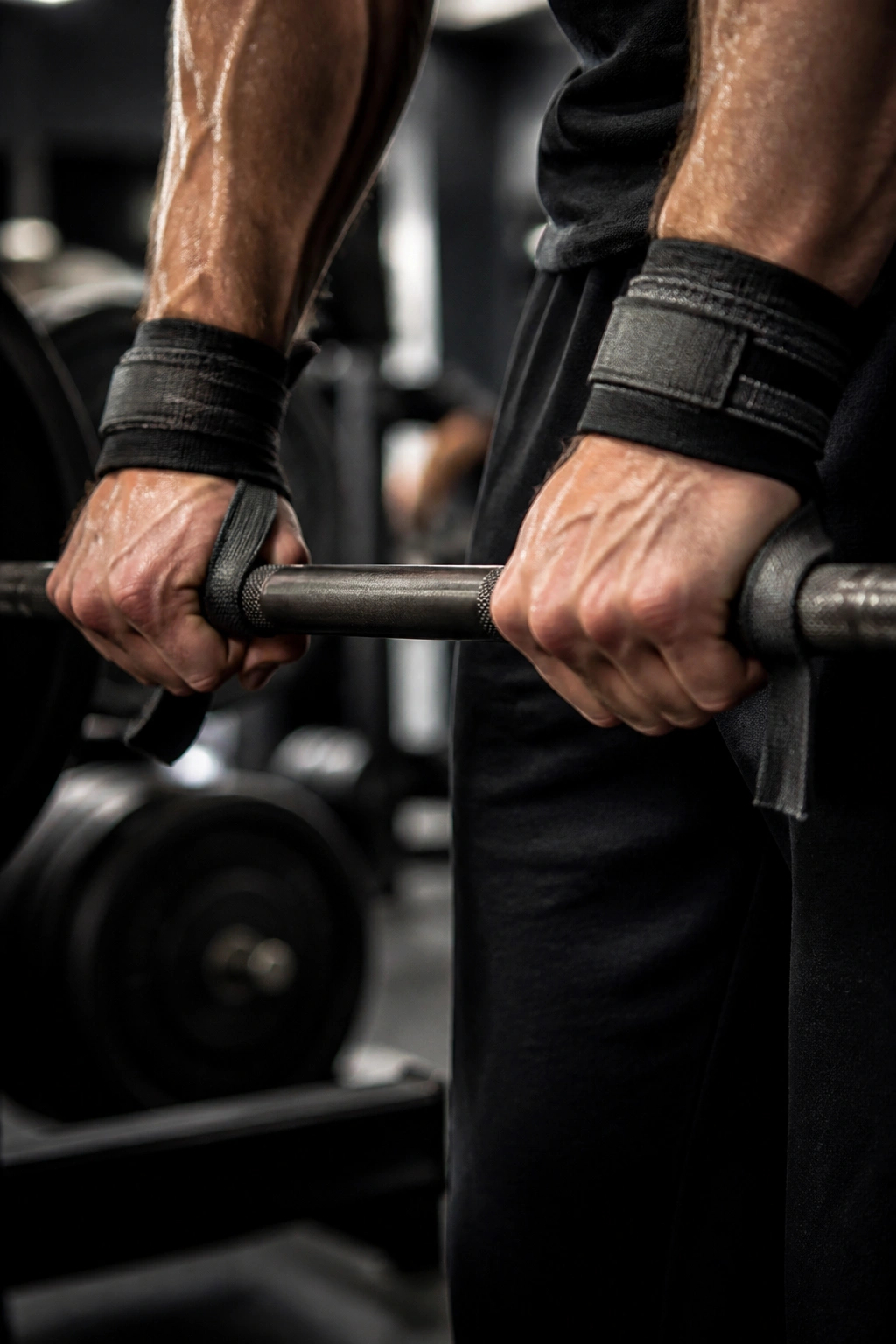
These two get mixed up all the time, which is part of why they make such a nice gift together. Wrist wraps and lifting straps solve different problems, and people who lift regularly usually use both.
Wraps support the wrist during pressing moves — bench press, overhead press, heavy dumbbell work. They help keep the wrist from folding back too much under load. Straps help with grip on pulling movements like deadlifts, rows, pulldowns, and shrugs. If the hands give out before the back does, straps can keep the set going.
The Difference in Plain English
- Wraps go around the wrist joint.
- Straps loop around the bar or handle.
- Stiffer wraps give more support.
- Cotton straps tend to feel softer on the skin.
Length matters. Wrist wraps around 12 to 18 inches work for most lifters. Longer wraps feel more supportive, though they can be fussy if someone hates bulk around the wrist. For straps, look for strong stitching and enough length to wrap securely without slipping.
These are small gifts, which is part of the charm. They cost less than big equipment and often get used every week. Quiet winners.
11. A Jump Rope That Makes Cardio Feel Simple Again
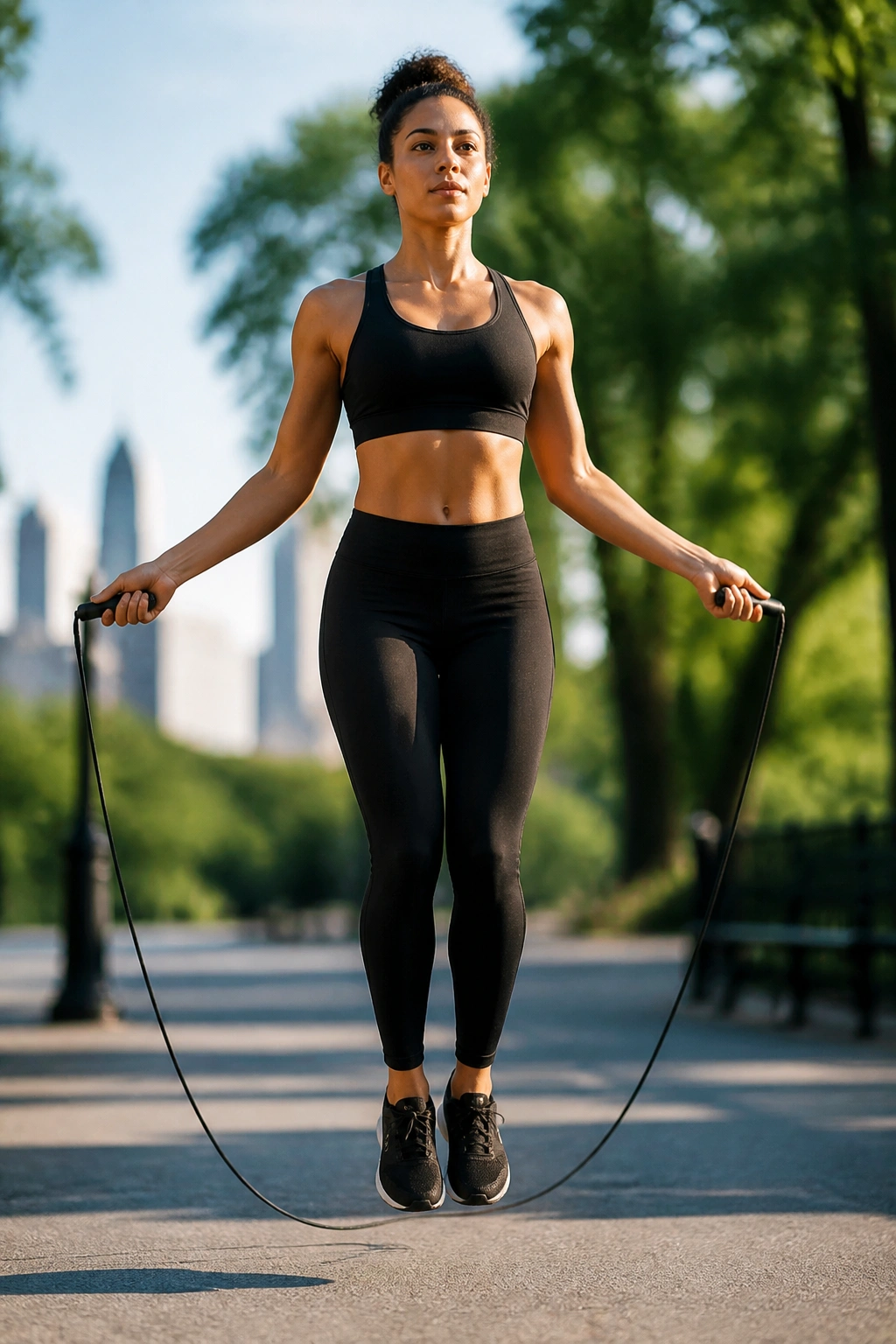
A jump rope is one of the cheapest gifts on this list, and also one of the most punishing if you pick badly. A rope that’s too heavy drags. A rope that’s too light feels wild. A rope that’s the wrong length turns every skip into a calf workout with extra embarrassment.
The sweet spot depends on how they train. Speed ropes with thin coated cable work well for fast intervals and double-unders. Heavier ropes give more feedback and feel friendlier for beginners. Handles should spin smoothly, not scrape or wobble. Bearings help with that. So does a rope that fits the user’s height.
How to Size It
Stand in the middle of the rope and pull the handles straight up. For most people, the handles should land somewhere around the armpits to lower chest. Taller or newer jumpers may want a little extra length.
A jump rope is a great gift for runners who want a rainy-day cardio option, lifters who need a quick warm-up, and anyone who wants a 10-minute workout that doesn’t require much floor space. It’s also easy to toss in a bag. That counts for a lot.
12. A Chest Heart-Rate Monitor for Serious Training Days
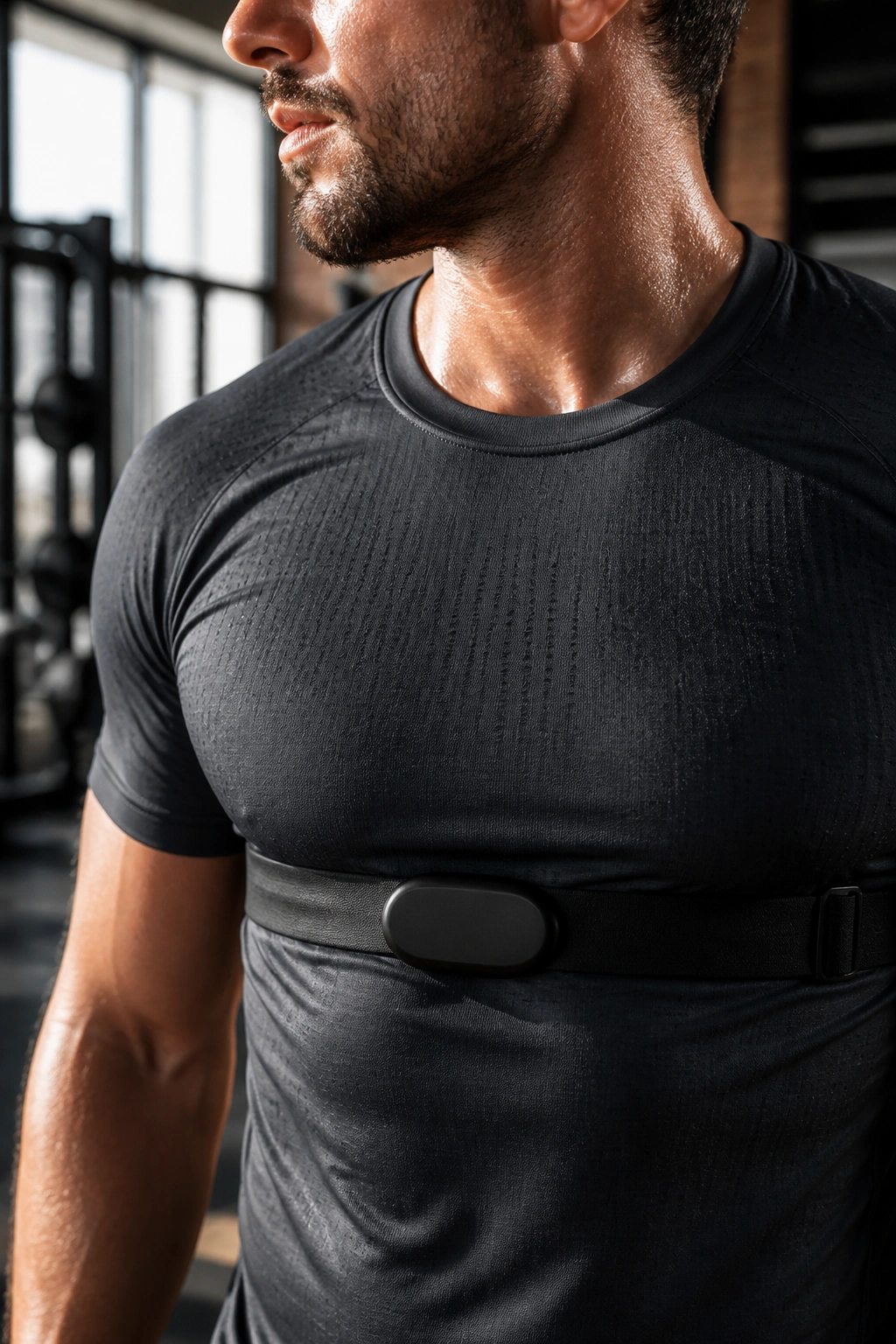
A chest strap beats wrist tracking when the workout gets messy.
Wrist sensors can drift when hands are cold, skin is sweaty, the pace keeps changing, or the arm swings get weird. A chest strap sits closer to the heart’s electrical signal, which is why it tends to read intervals, sprints, and hard cardio more cleanly. If the person does rowing, cycling, HIIT, or tempo runs, that extra accuracy matters.
Who Actually Needs One
People who train by heart-rate zones will notice the difference fast. So will anyone doing intervals where the numbers jump around a lot. A strap should fit snug without pinching, pair easily through Bluetooth or ANT+, and stay put when the shirt gets damp.
- Soft fabric electrodes feel better against the skin.
- Replaceable batteries can be handy.
- Cross-device pairing helps if they use a watch and a bike computer.
- A low-profile buckle keeps it from rubbing.
A chest strap is not a casual gift for someone who walks once a week. It is for the person who likes data and cares when the numbers lie. That person exists. Often.
13. A Weighted Vest for Walking, Bodyweight Work, and Hill Repeats
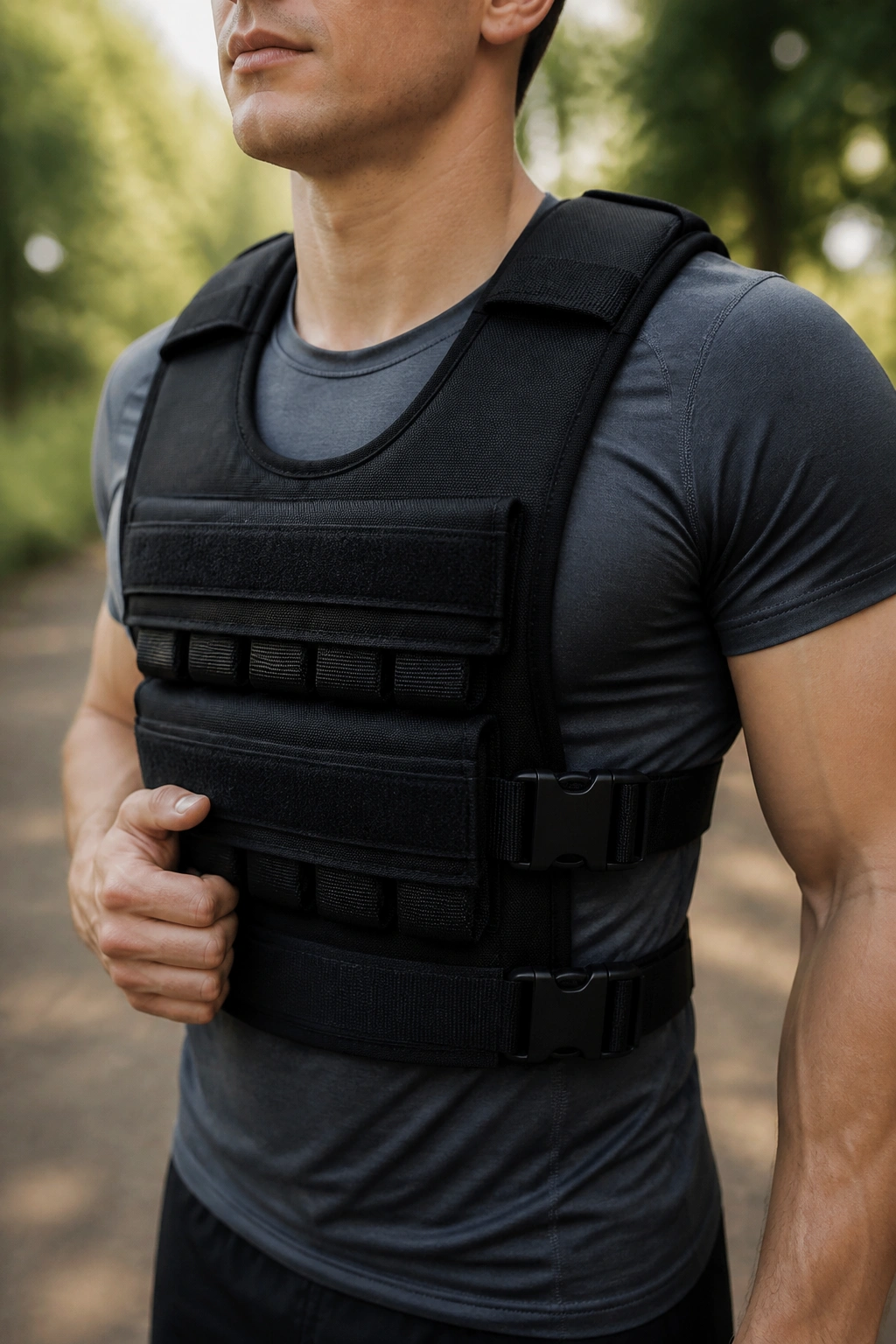
A weighted vest turns ordinary movement into harder work without needing a barbell.
That’s the appeal. Put one on for brisk walks, stair climbing, push-ups, split squats, or simple bodyweight circuits, and the whole session feels heavier. It’s also easier to store than a pile of plates or a sandbag. Some people use them for hiking. Some use them for home conditioning. Some just like the extra challenge.
The best vest spreads weight evenly so it doesn’t slam around when the person moves. Adjustable models usually beat fixed-weight ones because they let the user start light and add load in small chunks. Five to ten pounds is a sensible starting point for many people. Heavy vests can get uncomfortable fast if the fit is bad.
What to Check Before Buying
- Adjustable weight pockets are more flexible than a fixed shell.
- Shoulder padding keeps the straps from digging in.
- Snug side adjustment reduces bounce.
- Breathable fabric helps when the workout gets sweaty.
A vest is not the right gift for everyone. But for the person who already walks a lot or loves bodyweight training, it’s one of the more interesting fitness gift ideas out there.
14. A Doorway Pull-Up Bar for Home Training
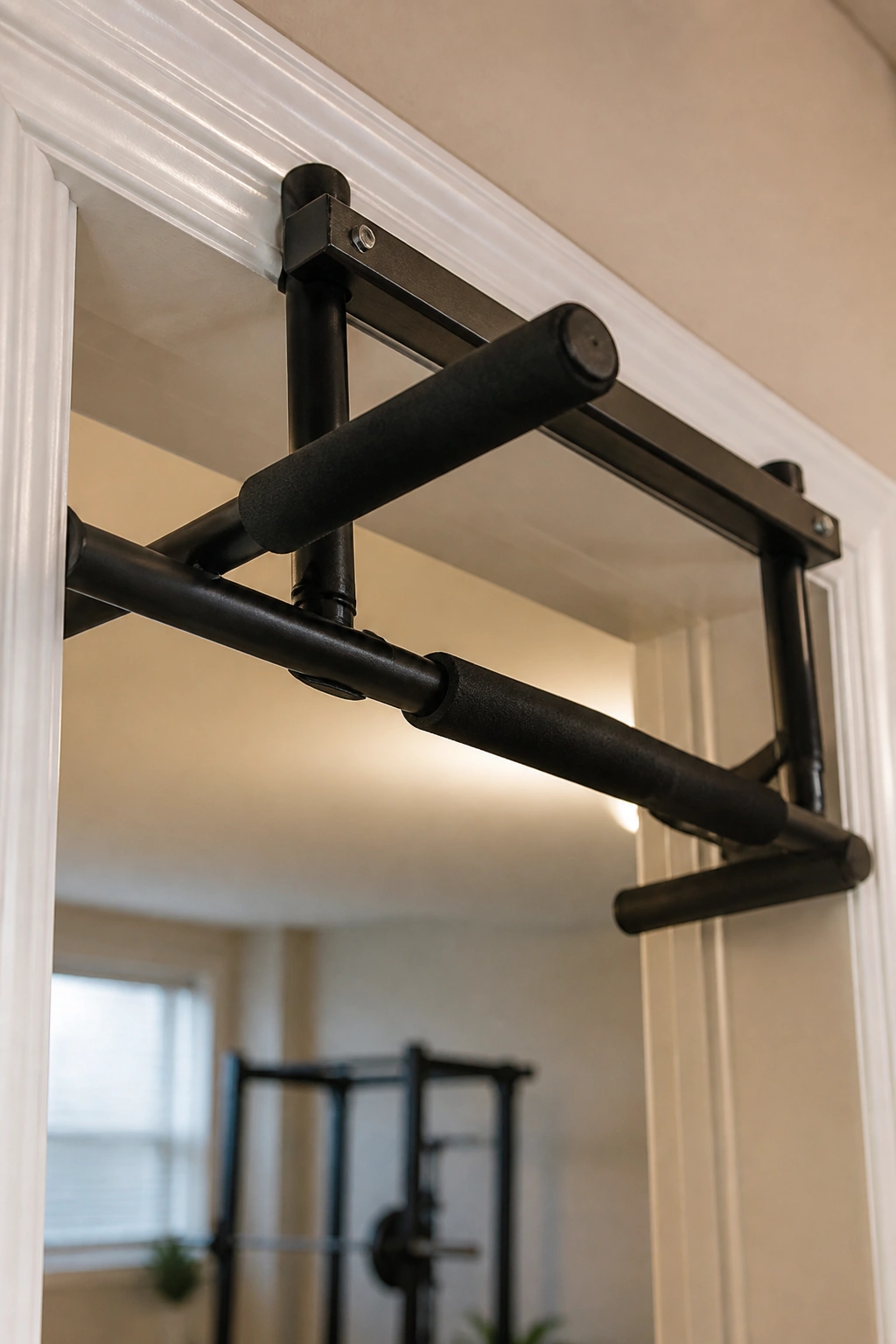
A doorway pull-up bar is the kind of gift that looks small and ends up changing a whole routine.
The simple version clamps or hooks into a door frame so the user can do pull-ups, hanging knee raises, dead hangs, and sometimes rows or L-sits depending on the setup. That makes it a compact strength tool for home workouts. The catch is fit and safety. Door frames differ. Some bars need a very specific width or depth. Some rely on leverage. Some are meant to screw in more permanently.
What to Check Before Buying
- Door frame depth has to match the bar.
- Weight rating should leave a real safety margin.
- Grip positions matter if they want neutral and wide handles.
- Padding on contact points helps protect the frame.
I prefer bars that feel solid before the first rep. If the setup wiggles during a gentle test hang, that is a bad sign. No gift is worth a cracked trim piece or a nervous pull-up session. The ideal one disappears into the background and lets the movement do the talking.
15. A Gift Card for Workout Lovers Who Choose Their Own Gear
A gift card is not lazy when the person already has opinions about grip, fabric, shoe lasts, band tension, and belt stiffness. In that case, it’s respect.
The smartest version is a card for a place they already trust: a specialty running store, a climbing gym pro shop, a sports retailer, or a local training studio with gear they actually use. If they keep talking about needing fresh socks, new straps, or a better mat, you can nudge the amount toward that exact purchase. That little bit of thought makes a card feel deliberate instead of random.
How to Make It Feel Personal
- Pair it with a handwritten note naming the thing they’ll probably buy.
- Slide in one small extra item, like chalk, socks, or a water bottle.
- Pick a store that sells the gear they already use, not a store with a hundred unrelated aisles.
- Add a firm amount rather than a vague “to help out.”
A lot of people think a gift card means giving up. It doesn’t. It means letting the workout lover decide whether they need new shoes, another kettlebell, or the boring black towel they’ve been meaning to replace. That’s a gift that respects the training habit instead of pretending to know it better than they do.
