



Starting a new fitness habit feels like walking into a cold room. You know you need to be there, and you know it will eventually feel comfortable, but the first few minutes are purely about resistance. That is where a two-week challenge comes in. It is short enough to hold your attention, but long enough that your body—and more importantly, your brain—starts to recognize the patterns.
Pilates isn’t about crushing your muscles into exhaustion or hitting a personal best on a treadmill. It is about precision. It is about teaching your muscles to fire in the right order. When you commit to fourteen days, you aren’t just doing a workout; you are retraining your nervous system to support your skeleton. By the third day, the novelty wears off, and the real work begins. By day seven, you start to notice how you sit at your desk or how you walk to your car. By day fourteen, the habit is stuck.
Whether you are looking to fix your posture, tone your legs, or finally understand what a “neutral spine” feels like, the key is consistency. You don’t need fancy equipment, and you certainly don’t need to spend an hour a day sweating through your shirt. You just need fifteen to twenty minutes of focused, deliberate movement. Here are twenty two-week Pilates challenges designed to help you build that consistency, targeting everything from deep core strength to functional mobility.
1. The Core Foundation Challenge
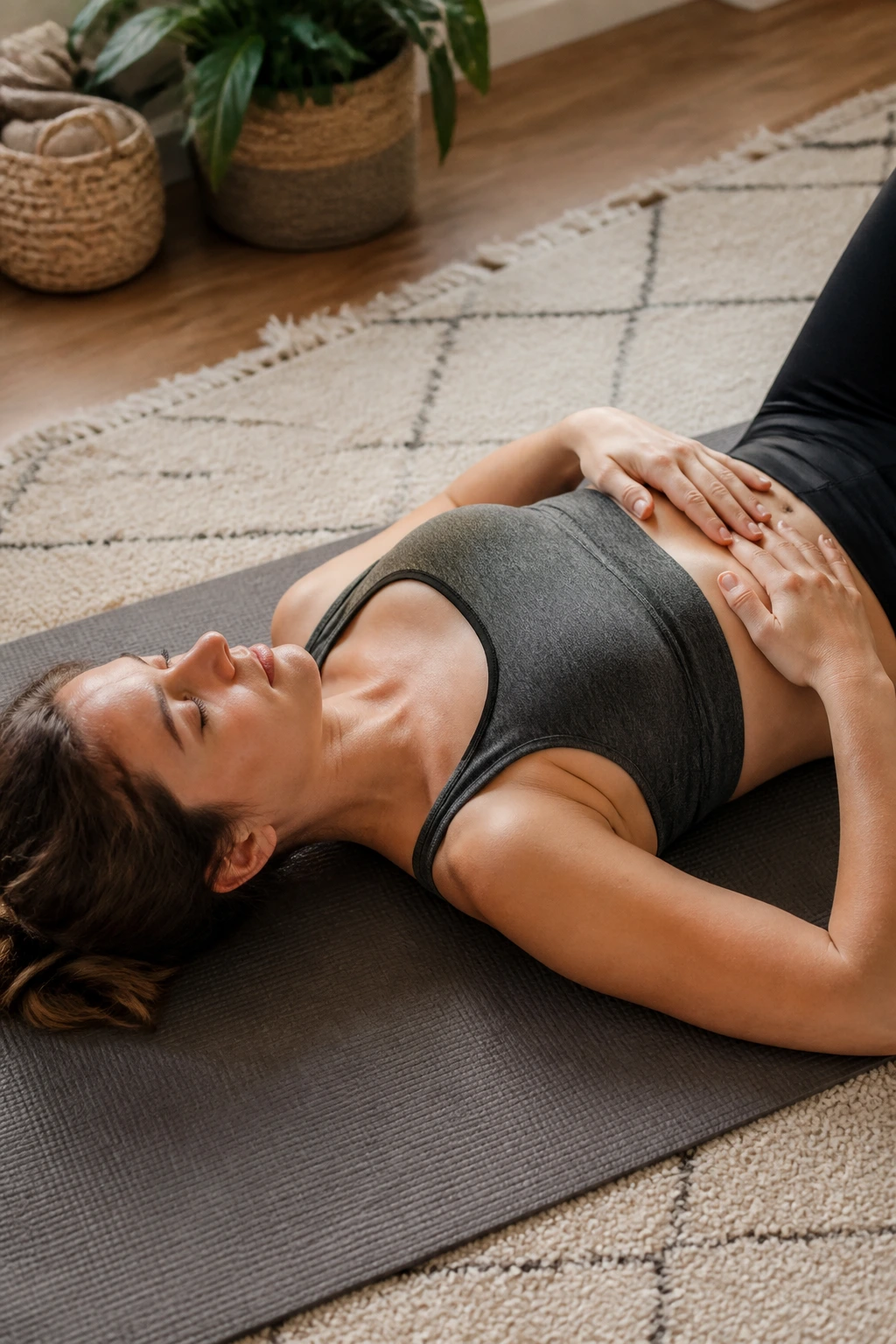
Most people skip the basics because they seem too simple. They want to rush to the advanced ab work, but skipping the foundational layers is exactly why so many people get back pain instead of a stronger core. This two-week challenge focuses exclusively on the “powerhouse”—the deep abdominals, pelvic floor, and back stabilizers.
What to Expect
For the first three days, you will focus almost entirely on breathing. Yes, breathing. Pilates breathing involves inhaling through the nose and exhaling through pursed lips, engaging the pelvic floor as you exhale. It feels strange at first. You will perform the “Hundred” every single day, but we are scaling it down. Week one is about hold times. Week two is about movement integration.
The Daily Routine
- Perform 5 minutes of focused diaphragmatic breathing.
- 50 repetitions of the Hundred (stop at 50 if your neck strains).
- 10 pelvic tilts (focus on the movement of the lumbar spine).
- 10 single-leg stretches.
Pro tip: If you feel your back arching off the mat, stop. Your deep core is disengaging. Reset, flatten your back, and start again.
2. Posture Correction and Desk Relief
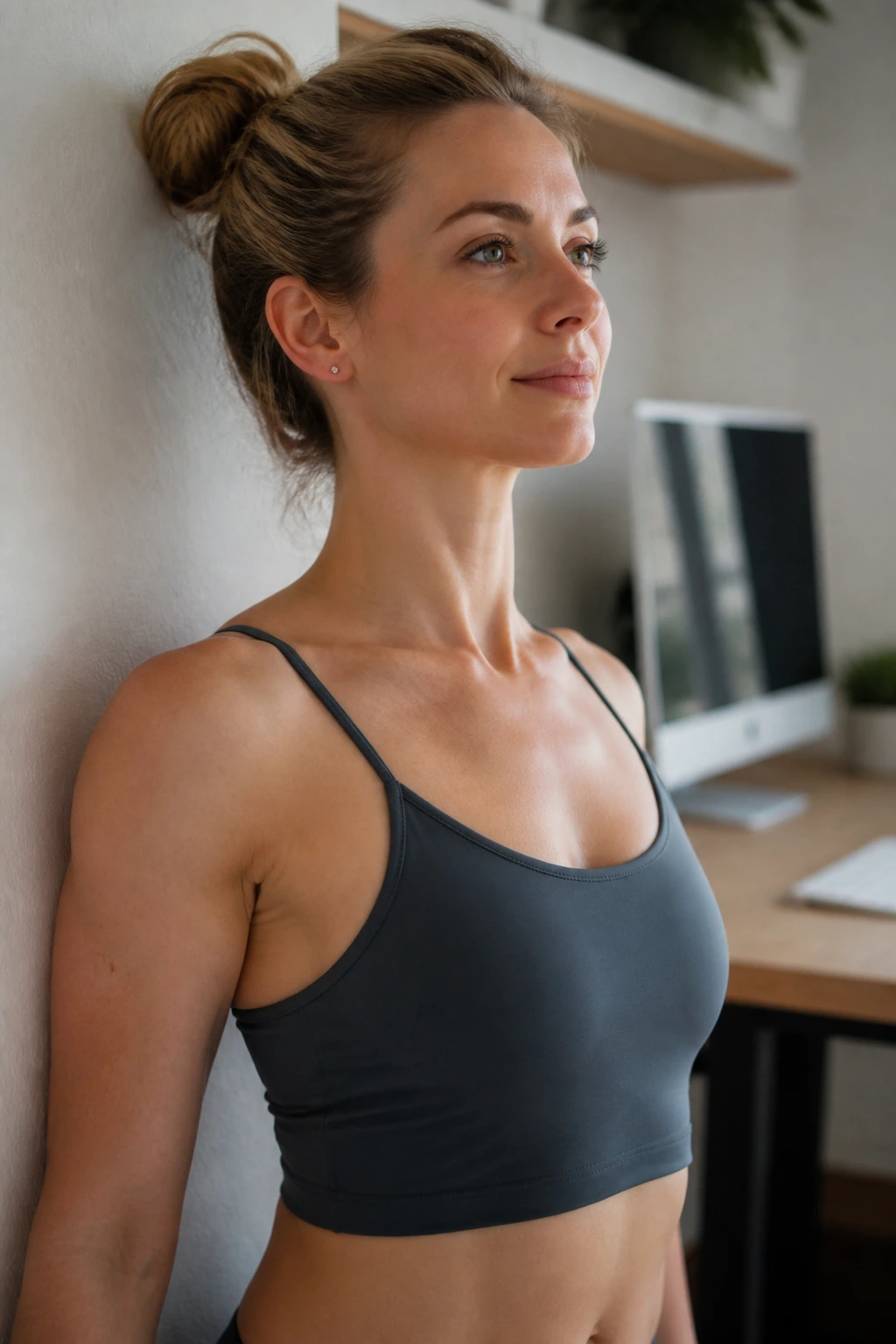
If you spend eight hours a day looking at a screen, your shoulders are likely creeping toward your ears, and your chest is caving in. This challenge is about opening the front of the body while strengthening the back. It is the antidote to the “tech-neck” posture that plagues so many of us.
The Strategy
You are not going to hold a pose for five minutes. Instead, you are going to focus on “scapular stabilization.” This means teaching your shoulder blades to stay down and back, tucked into your back pockets, even when you move your arms.
Routine Elements
- Thoracic extension exercises (lying on the floor and lifting your chest).
- Prone swimming (lying on your stomach and fluttering arms and legs).
- Wall angels (standing against a wall to reset your shoulder alignment).
- Arm circles (with a focus on feeling the muscles under your armpits, the lats, working).
You will likely feel soreness between your shoulder blades by day four. That is the feeling of weak muscles finally getting some attention. Do not stretch it away; let the muscle adapt.
3. Low-Impact Fat Loss Focus
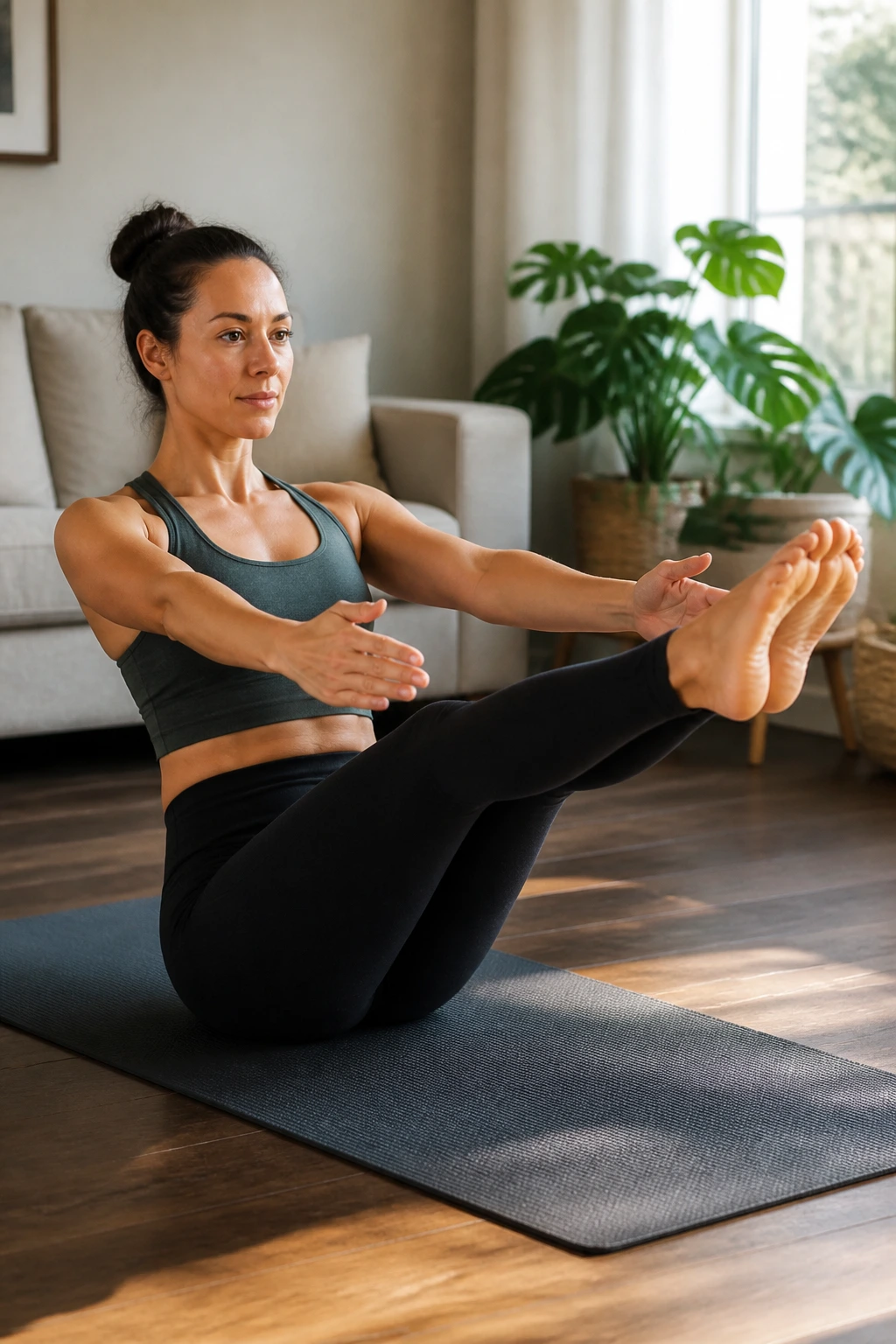
Weight loss in Pilates is a debated topic. It is not high-intensity cardio, so you aren’t going to burn 800 calories in a session. However, by increasing the tempo and reducing rest times between sets, you can absolutely raise your heart rate and build muscle, which drives metabolic change.
How to Make It Effective
You must move continuously. If you stop to adjust your mat or check your phone, your heart rate drops. Treat this fourteen-day block like a flow. Use the “Pilates V” position for your feet to engage the inner thighs, and focus on the eccentric phase of every movement—the slow, controlled lowering.
The Focus Areas
- Quick transitions between exercises.
- Incorporating “pump” movements (small, pulsing motions at the end of a set).
- Focusing on compound movements that use arms and legs simultaneously.
- No extended breaks between moves.
4. Upper Body Toning and Arm Sculpting
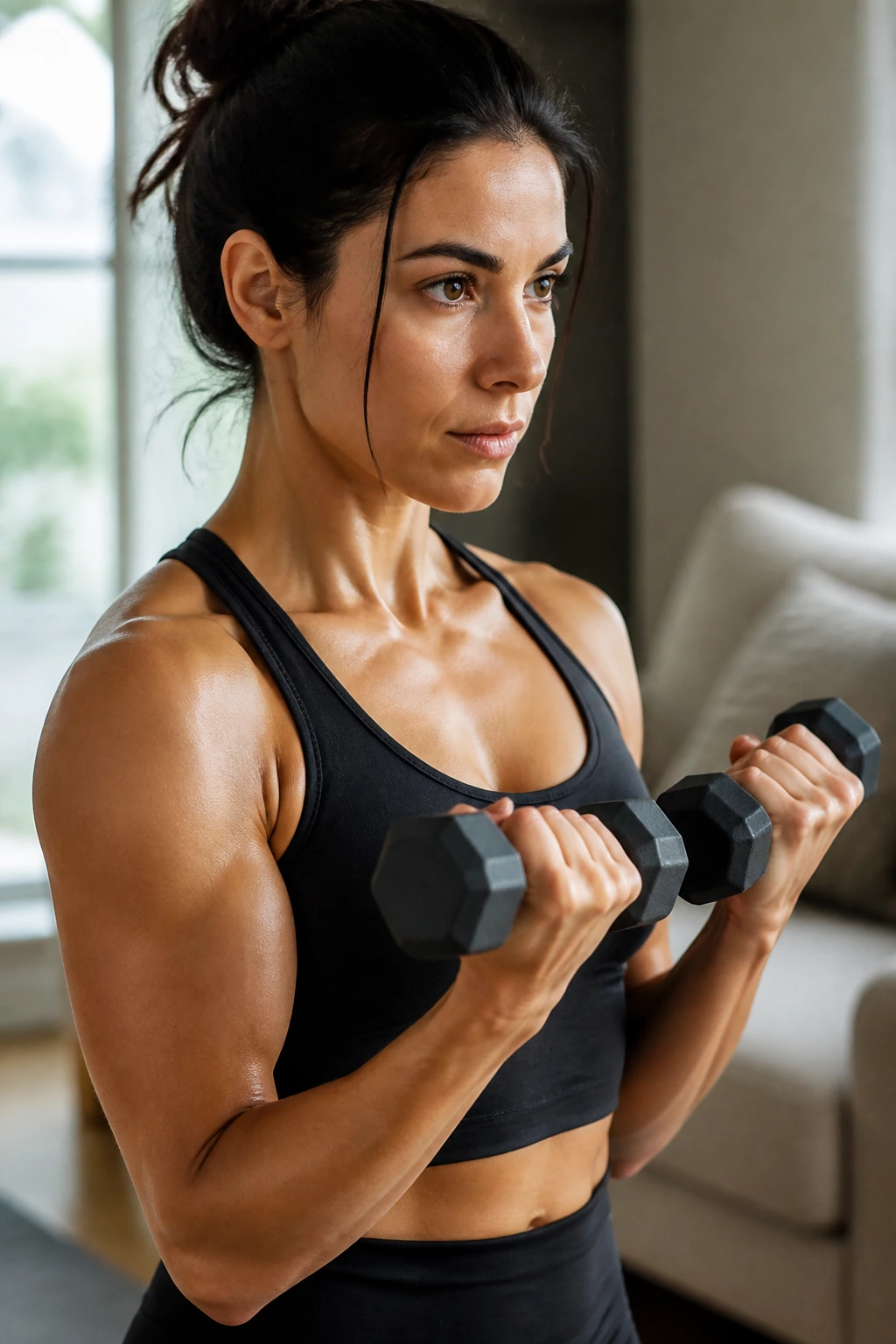
People assume Pilates is only for the abs. They are wrong. If you look at the movements, they are incredibly demanding on the shoulders and arms. This challenge targets the triceps, deltoids, and the upper back. It is perfect for those who want definition without bulk.
The Routine Breakdown
You will need a pair of very light hand weights (1-2 pounds) or just your own body weight. Do not go heavy. Pilates arm work is about endurance and stabilization, not lifting heavy iron.
- Tricep dips using the edge of a chair or mat.
- Plank-to-pike transitions (demands immense shoulder strength).
- Arm pulses in different planes (forward, lateral, overhead).
- Push-ups with elbows tucked tight to the ribs (tricep push-ups).
Warning: You will feel fatigue in your hands and wrists. This is normal. If the joint pain is sharp, stop. If the muscle burn is heavy, keep going.
5. Lower Body Sculpting and Glute Isolation
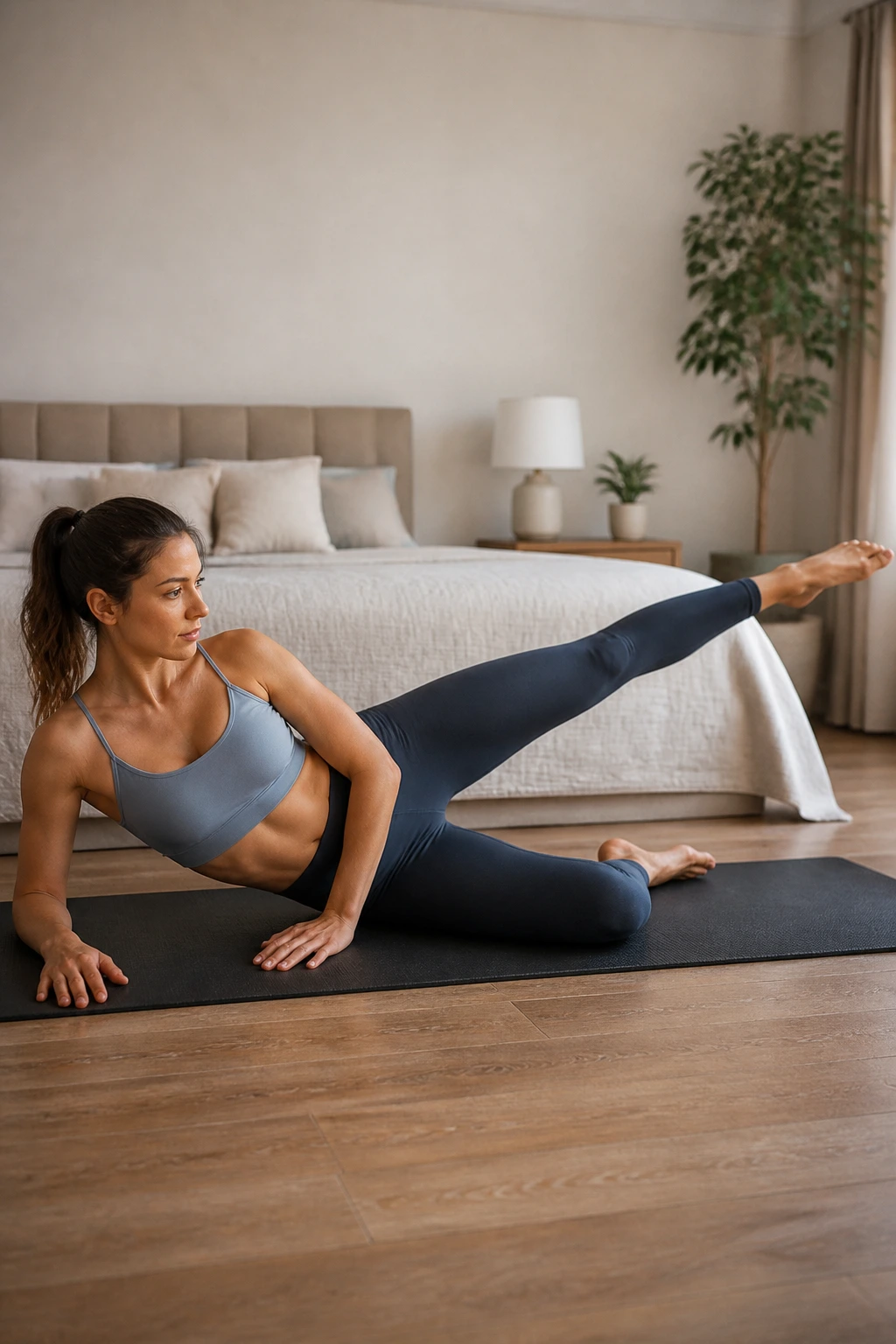
If you want to feel your glutes work, stop doing squats for a moment and get on the floor. Gravity-assisted movements—like side-lying leg lifts—force your hip abductors and glutes to work without putting pressure on your knees.
Why Side-Lying Works
When you lie on your side, you isolate the gluteus medius, the muscle responsible for hip stability and that “sculpted” side-glute look. In this challenge, you will do the “side-kick series” every single day for fourteen days.
Daily Goal
- 20 leg lifts (parallel).
- 20 small circles (clockwise and counter-clockwise).
- 10 “clam” shells (knees bent, feet together).
- 10 bicycle kicks (slow, controlled).
By day ten, you won’t be able to ignore that side burn. It is a game-changer for walking gait and hip health.
6. Flexibility and Mobility Expansion
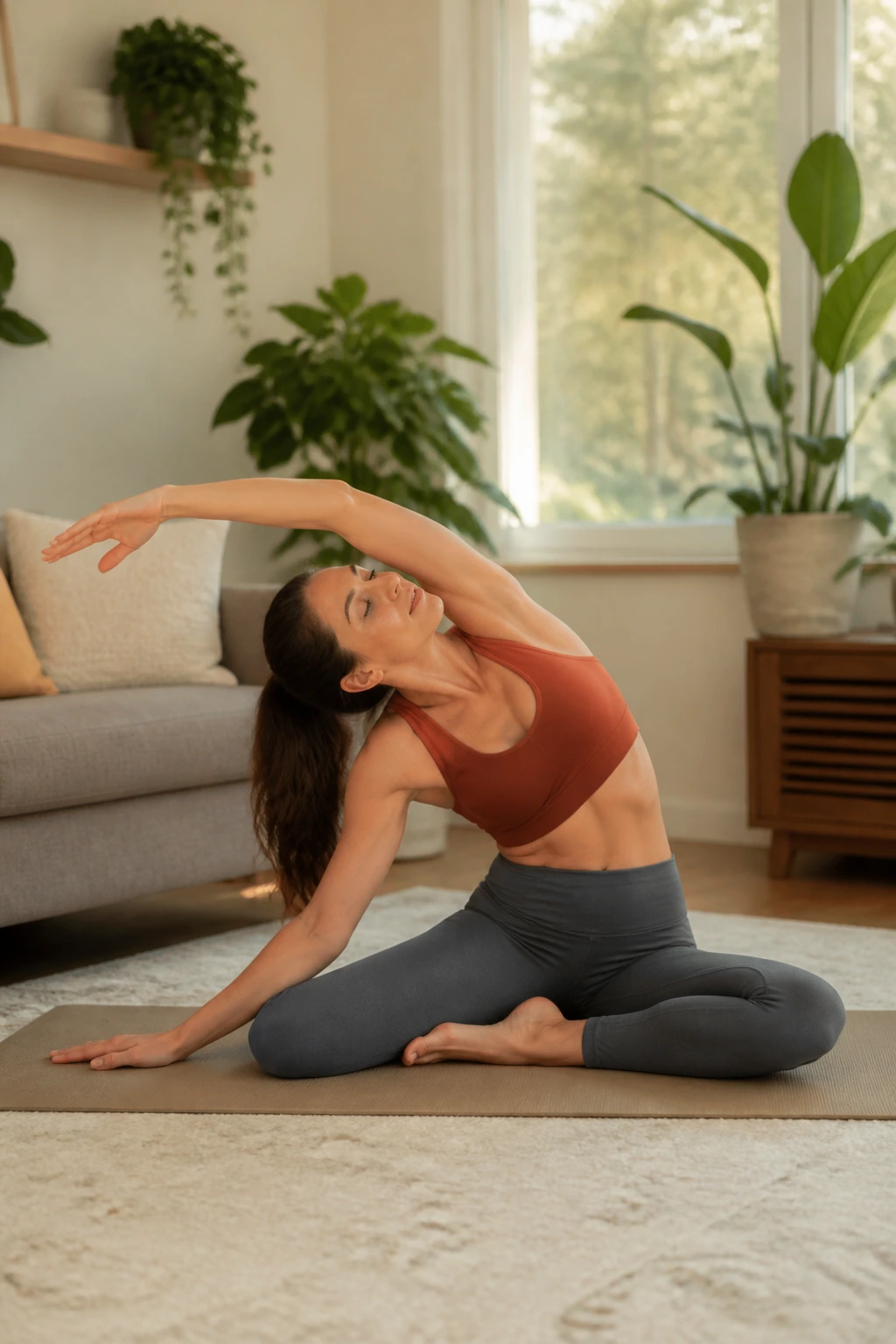
Flexibility in Pilates isn’t about trying to do the splits. It is about restoring the range of motion that sedentary life steals from us. This challenge focuses on the hamstrings, hip flexors, and thoracic spine.
The Approach
The first week is about “passive” release—using gravity to help you stretch. The second week is about “active” flexibility—using your muscles to pull yourself into deeper ranges of motion.
- The Saw (great for hamstring and lower back release).
- The Spine Twist (for rotation).
- Mermaid stretch (side body opening).
- Cat-cow variation (spinal articulation).
Do not force the stretch. If you push into pain, your muscles will contract to protect themselves, and you will become less flexible. Go to the edge of the stretch, hold, and breathe.
7. Back Pain Relief and Spinal Health
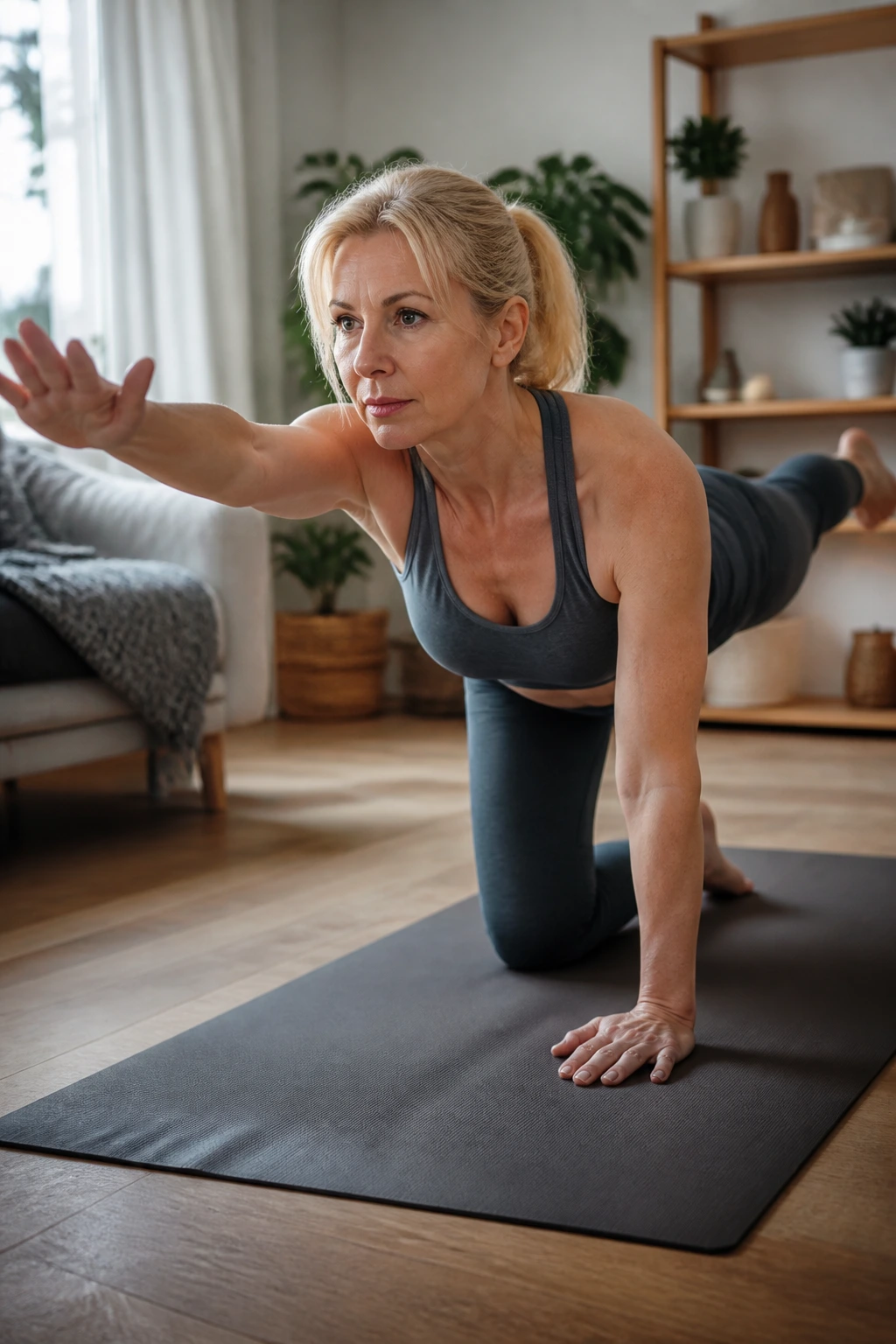
Back pain often stems from an inability to stabilize the spine while moving the limbs. This challenge is designed for anyone who deals with chronic stiffness or minor lumbar ache. It is slow, gentle, and incredibly effective.
Key Principles
- Keep the spine neutral.
- Move from the center, not the extremities.
- Never force a range of motion.
Routine
- Focus on “pelvic clock” exercises (rolling the pelvis to release lower back tension).
- Cat-stretch (focusing on articulating one vertebra at a time).
- Bird-dog (opposite arm, opposite leg reach, maintaining a flat back).
- Gentle bridges (peeling the spine off the floor).
If you are currently in acute pain, consult a professional before starting this. If you are just stiff, this is your best friend.
8. Pelvic Floor Connection
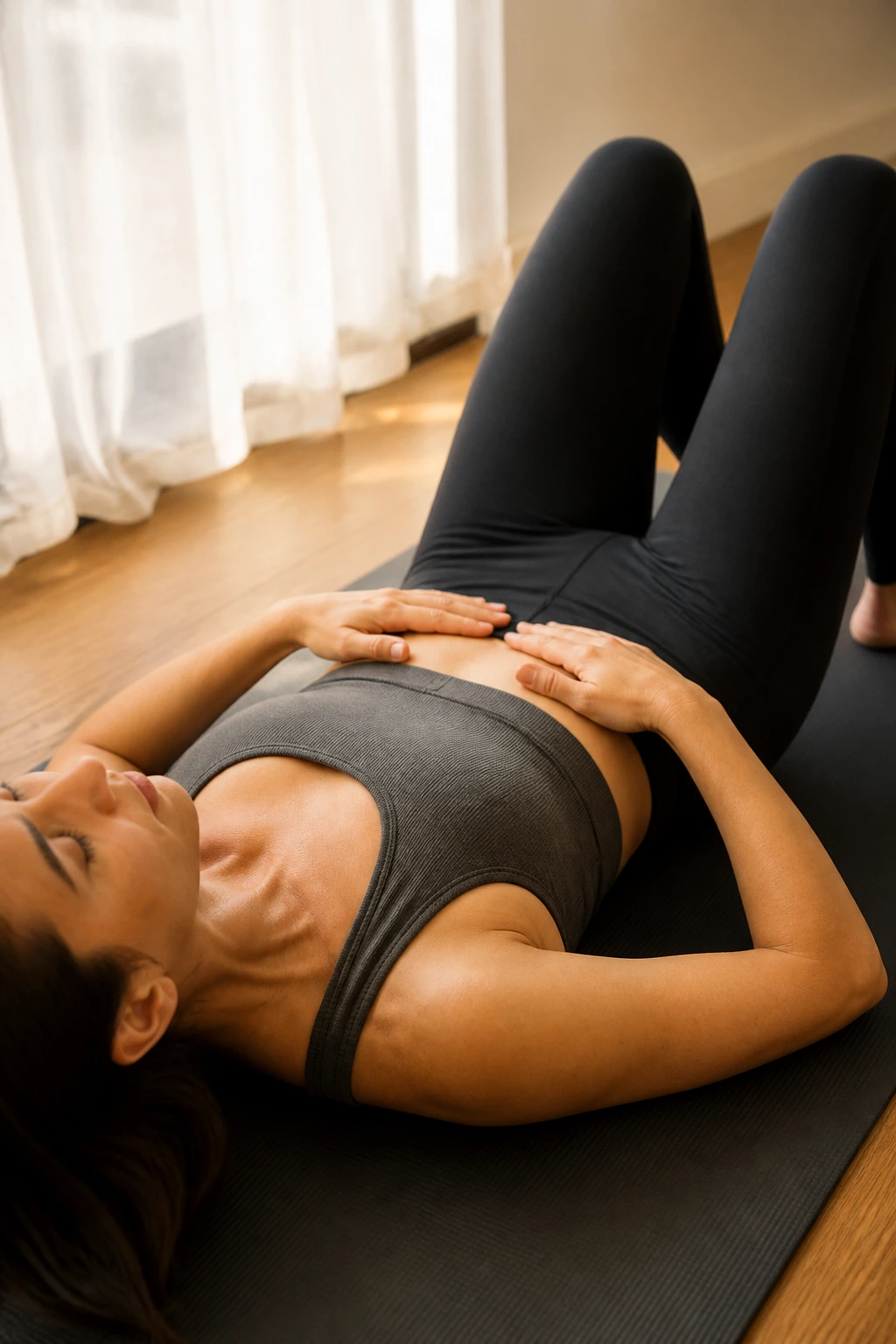
The pelvic floor is the bottom of your core. If it is weak, your deep abdominals have to work ten times harder to compensate. This is crucial for women of all ages, especially postpartum or for those who sit for long periods.
The Focus
This is a subtle, quiet challenge. You might look like you are doing nothing from across the room. That is the point. You are learning to contract the pelvic floor (lifting the muscles like an elevator) and release them fully.
- Pelvic floor activation during exhales.
- Coordination of the pelvic floor with the transverse abdominis.
- Gentle bridges with a squeeze (using a small ball or pillow).
- Leg slides with pelvic floor engagement.
9. Morning Energy Boost (10 Minutes)
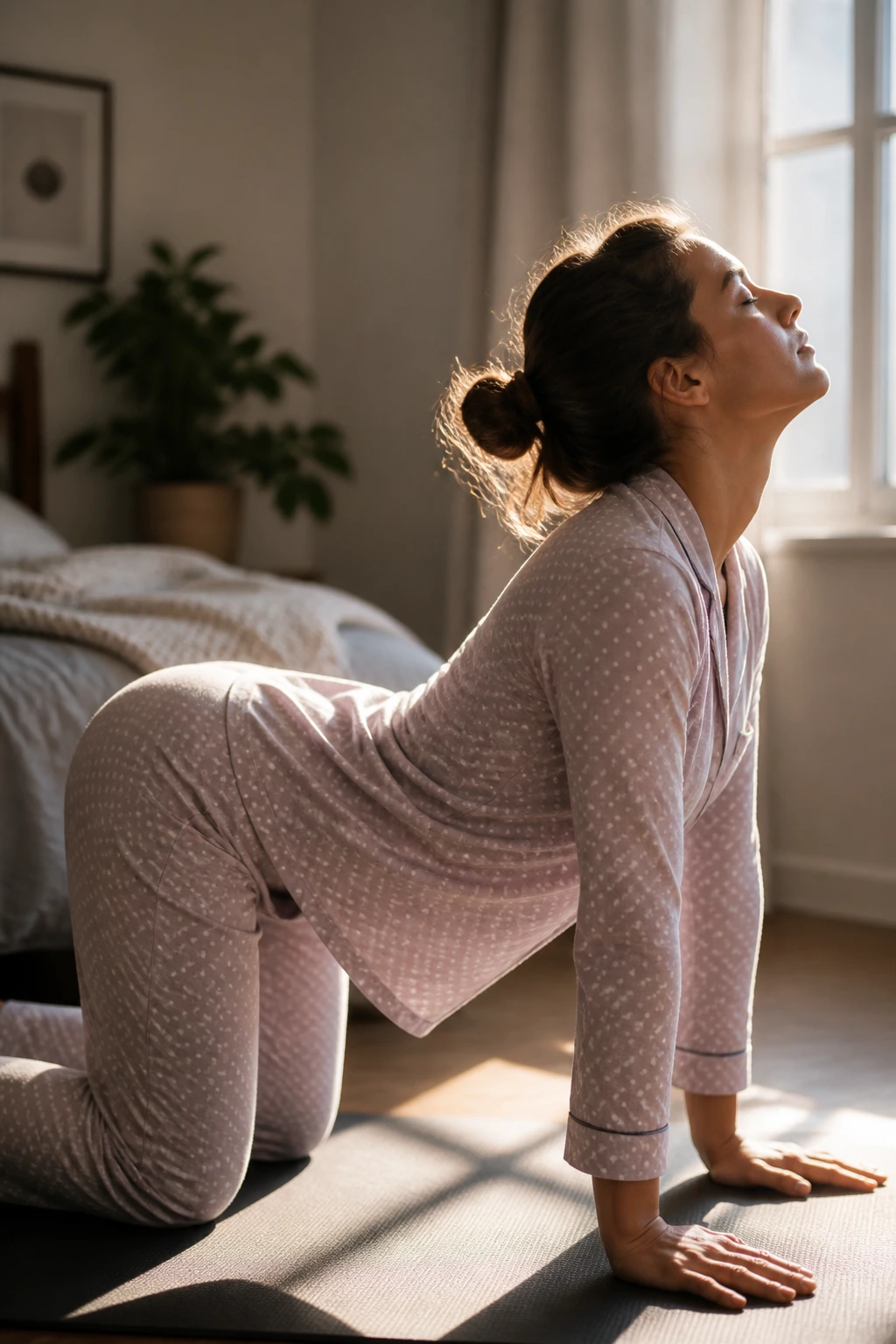
Mornings are for waking up the nervous system. This challenge is short. It is fast. It is meant to be done in your pajamas. The goal is to flush out the stiffness from sleep and get blood flowing to your brain and muscles.
The 10-Minute Sequence
- 2 minutes of cat-cow.
- 2 minutes of the “Hundred” (warm-up).
- 3 minutes of leg circles (wakes up the hips).
- 3 minutes of plank-to-downward-dog.
You aren’t looking for muscle fatigue. You are looking for alertness.
10. Evening Wind-Down
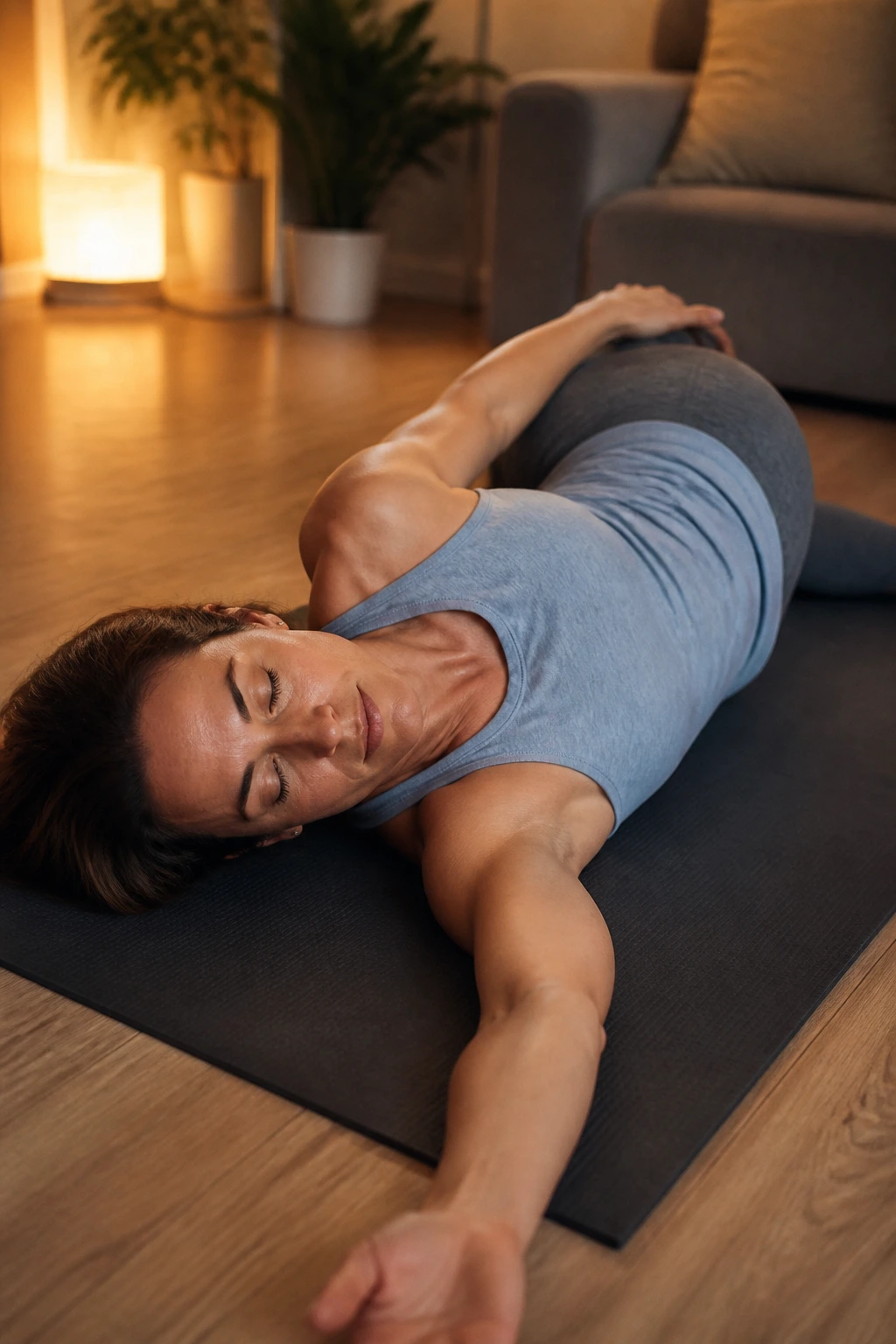
If you struggle to turn off your brain at night, this challenge is your ritual. It moves from active stretching into restorative postures. It is the opposite of the morning challenge.
The Nighttime Ritual
- Spine twist (lying on the floor).
- Child’s pose (with arms extended).
- Leg-up-the-wall stretch (for circulation).
- Deep, belly breathing (focusing on slowing the heart rate).
Avoid any exercises that get your heart rate up. This is about signaling to your parasympathetic nervous system that it is time to sleep.
11. Post-Pregnancy Recovery (Modified)
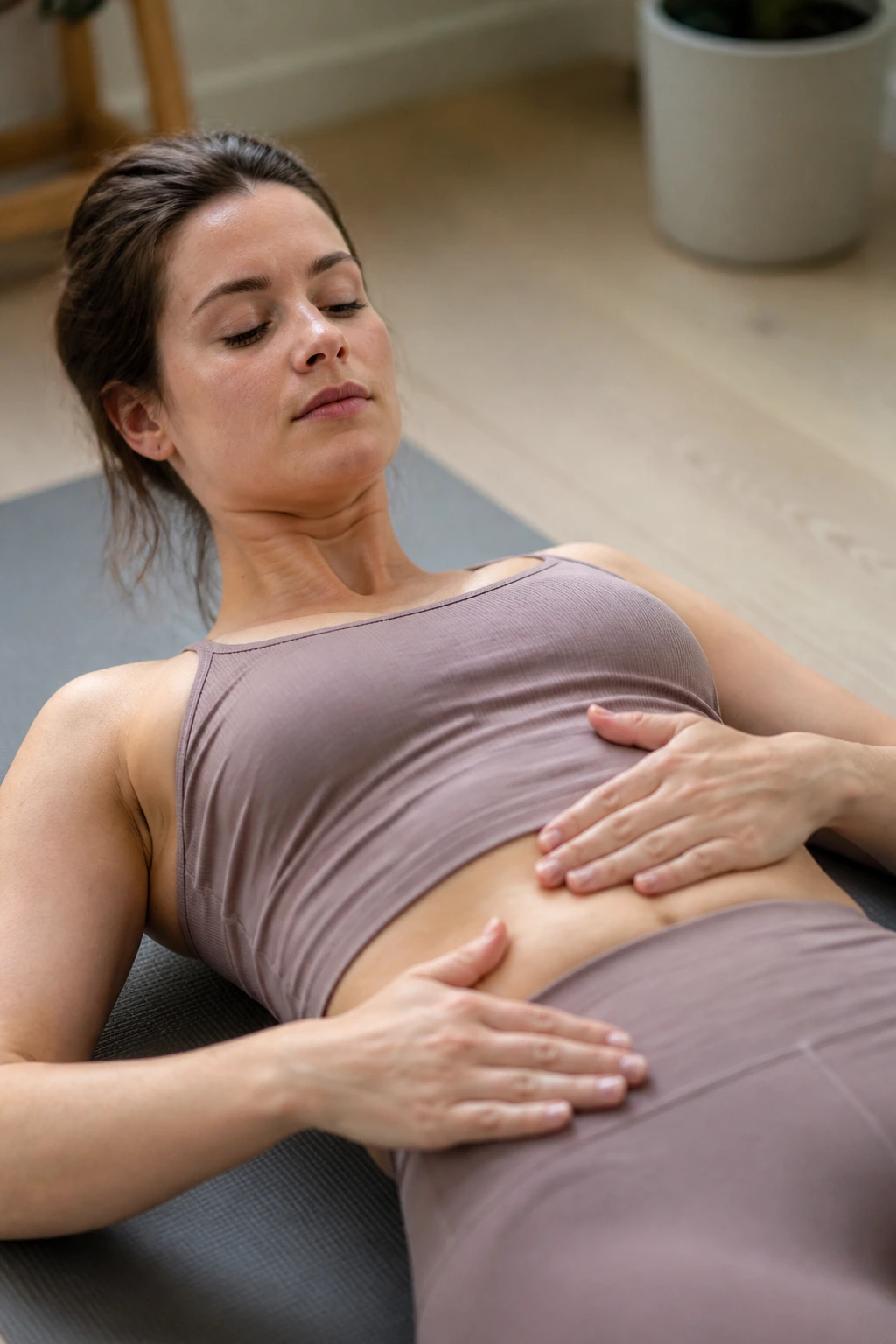
After having a baby, your core is a different landscape. It needs gentle rebuilding, not aggressive crunching. This challenge assumes you have been cleared for exercise by a doctor. It focuses on closing the gap (diastasis recti) and reconnecting with the deep core.
Gentle Cues
- Focus on “knitting” the ribs together.
- Avoid any coning or doming of the belly during movement.
- Everything is done with a neutral spine.
- Short durations—15 minutes is plenty.
12. Gentle Pilates for Stiff Joints
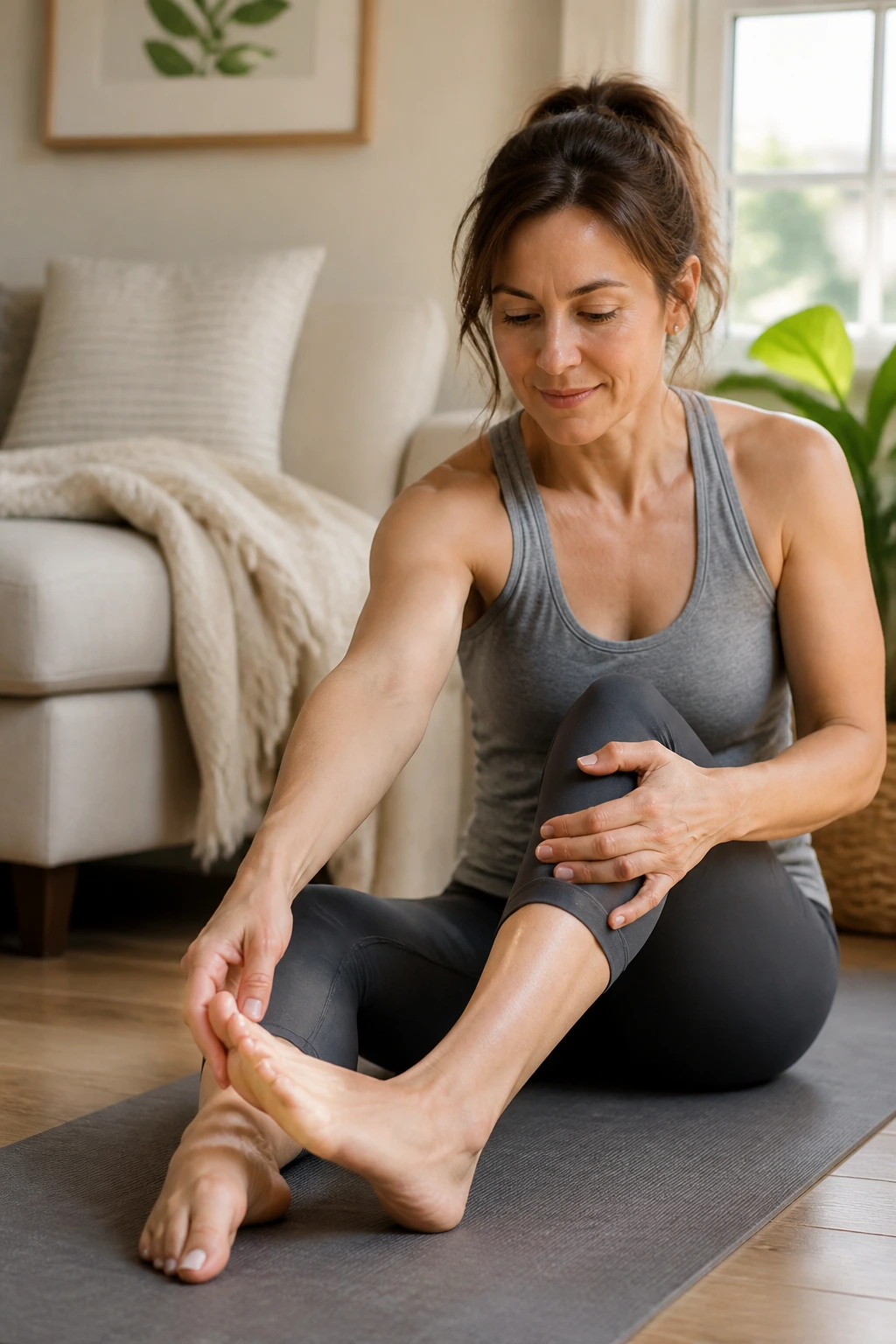
Sometimes, you just need to move without the high-octane intensity. This challenge is for those days when your joints feel rusty. It relies on range-of-motion exercises rather than strength-building.
What to Do
- Focus on joint circles (ankles, wrists, hips).
- Pendulum leg swings.
- Gentle spinal rolling (using a foam roller if you have one, or just a mat).
- Seated movements (often easier on the knees).
Think of this as “oiling” your joints.
13. Mat-Only Travel Challenge
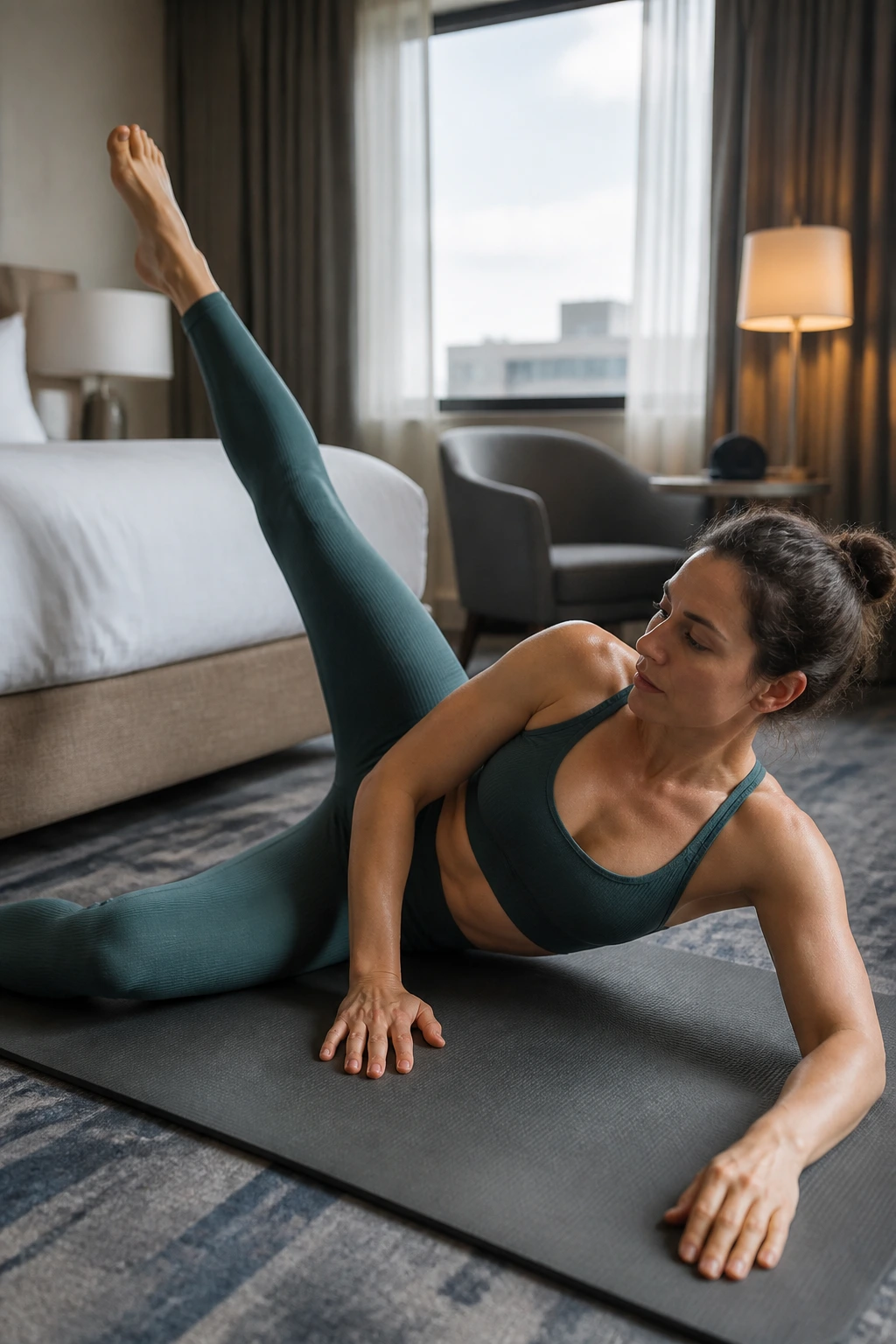
You are in a hotel room or at home with no space. You have a mat, and that is it. This challenge proves that you don’t need a reformer to get a full-body workout.
Equipment-Free Moves
- Single-leg circles.
- Criss-cross (oblique work).
- Double-leg stretch.
- Swan dive (back extension).
Focus on quality. Without the support of a machine, you have to control every ounce of your own body weight. It is harder, not easier.
14. Prop-Based Challenge (Resistance Bands)
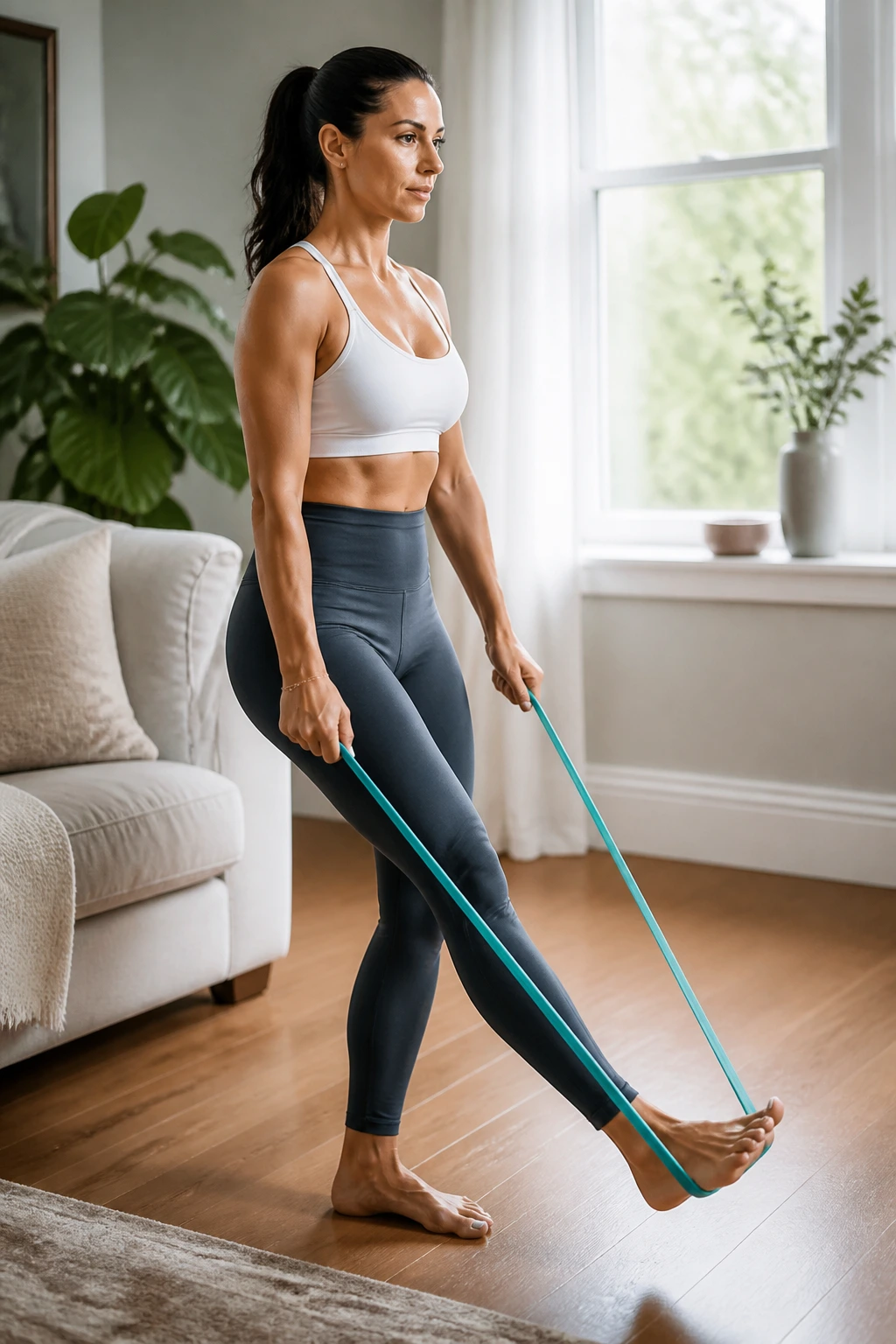
Resistance bands add tension to the movements. When you pull against a band, your stabilizer muscles have to work even harder to keep your limbs steady. It provides immediate feedback on your form.
The Setup
- Use a light-to-medium tension band.
- Wrap it around your feet for footwork.
- Use it behind your back for arm presses.
- Use it around your thighs for glute work (clamshells).
The band forces you to stay in the range of motion where the tension is consistent. No cheating allowed.
15. The “Fusion” Cardio-Pilates Challenge
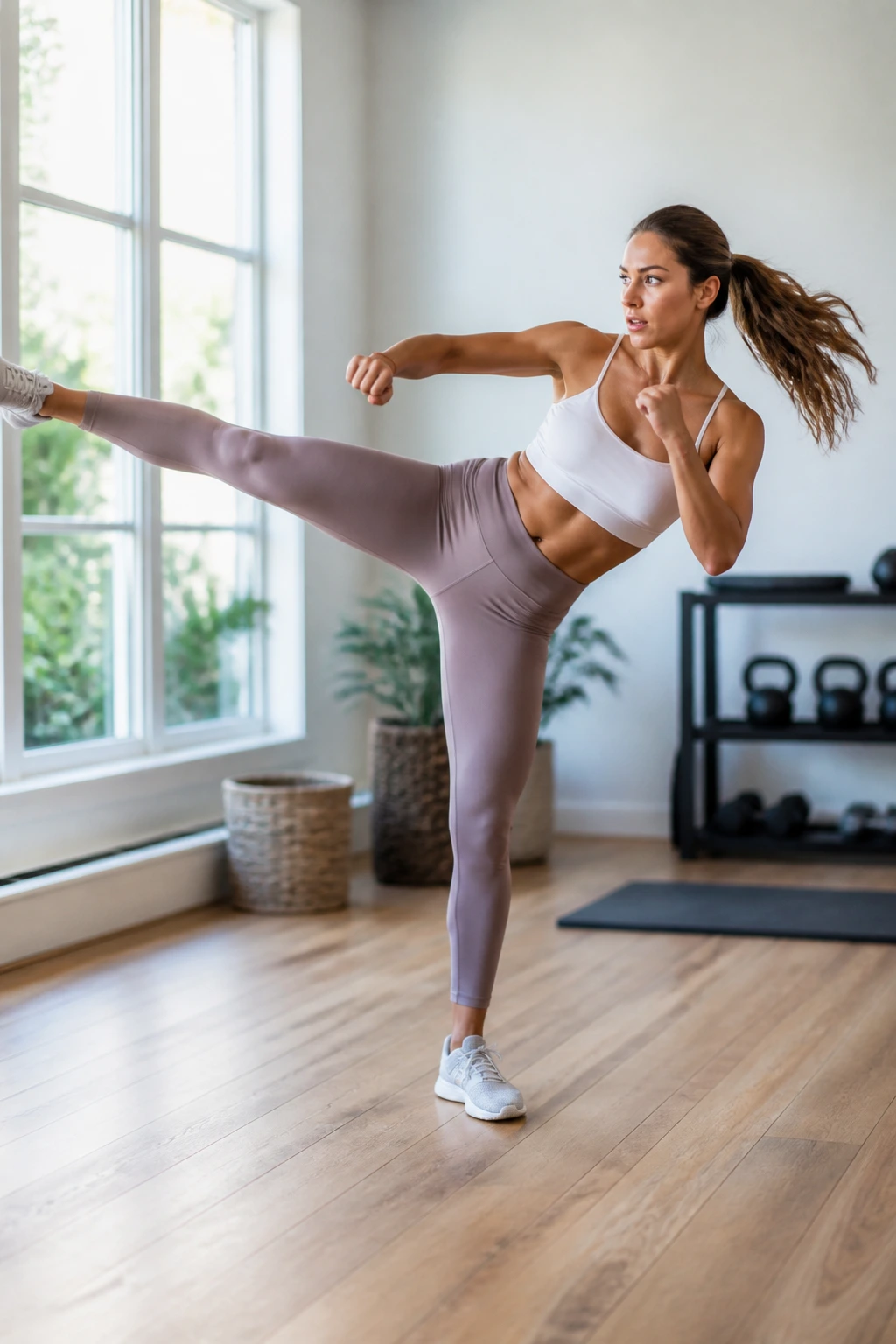
If you feel like you aren’t getting enough cardio, this challenge integrates high-repetition, faster-paced movements. It keeps the Pilates principles (control, precision) but speeds up the tempo.
The Rhythm
- Transition immediately between moves.
- Keep the breathing rhythmic and fast (inhale for two counts, exhale for two counts).
- Incorporate standing Pilates moves like side-kicks and knee lifts.
It is a sweat-inducing fourteen days. Keep a towel nearby.
16. The Desk-Worker’s 2-Week Rescue
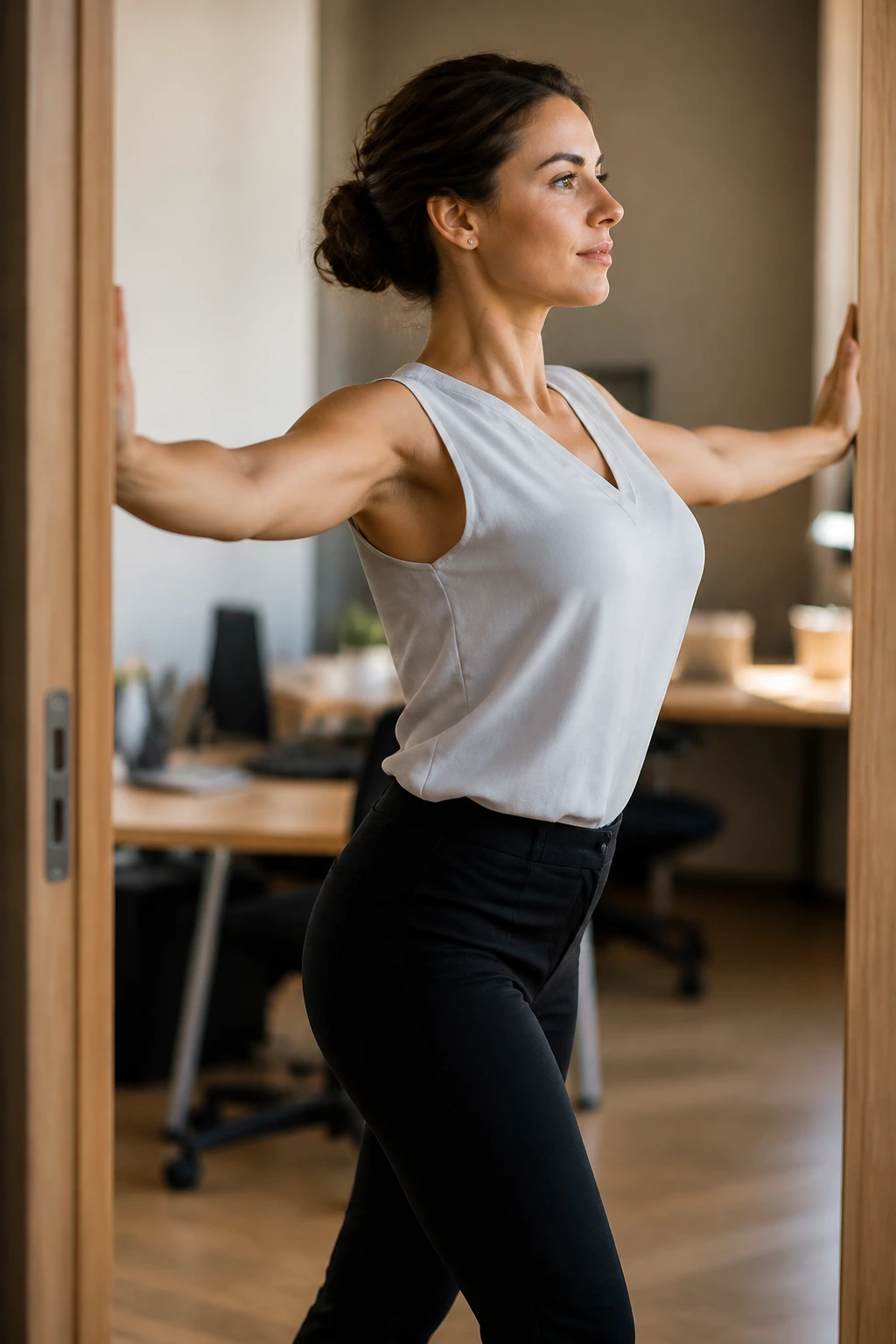
This challenge is specifically for the “office athlete.” It hits the places that hurt after eight hours of sitting: hips, neck, lower back, and chest.
Targeted Relief
- Hip flexor release (lunge stretches).
- Chest openers (using a doorway).
- Neck releases (ear to shoulder).
- Seated pelvic tilts (do these at your desk).
You can sprinkle these into your workday. You don’t need to do them all at once. Break them up.
17. Glute-Focused Strength Challenge
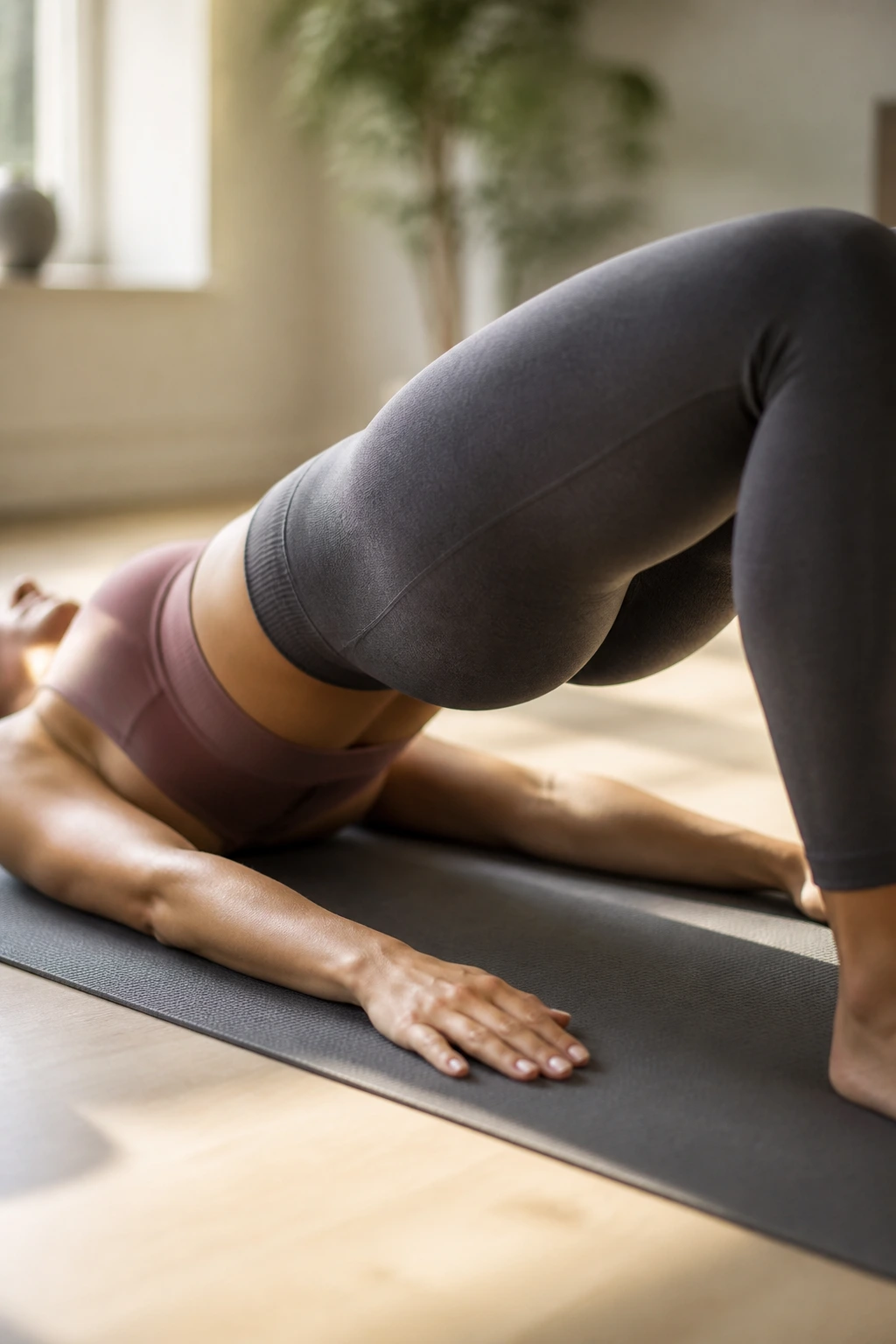
We often neglect the glutes until they start to hurt or stop functioning. This fourteen-day challenge is purely about activating the posterior chain. Bridges, donkey kicks, and fire hydrants.
The Daily Reps
- 30 bridges (bridge up, hold, lower).
- 20 donkey kicks (per leg).
- 20 fire hydrants (per leg).
- 20 straight-leg lifts (per leg).
If you are doing this correctly, your glutes should feel “pumped” and tired by the end of the session. That is the goal.
18. Mindful Flow and Coordination
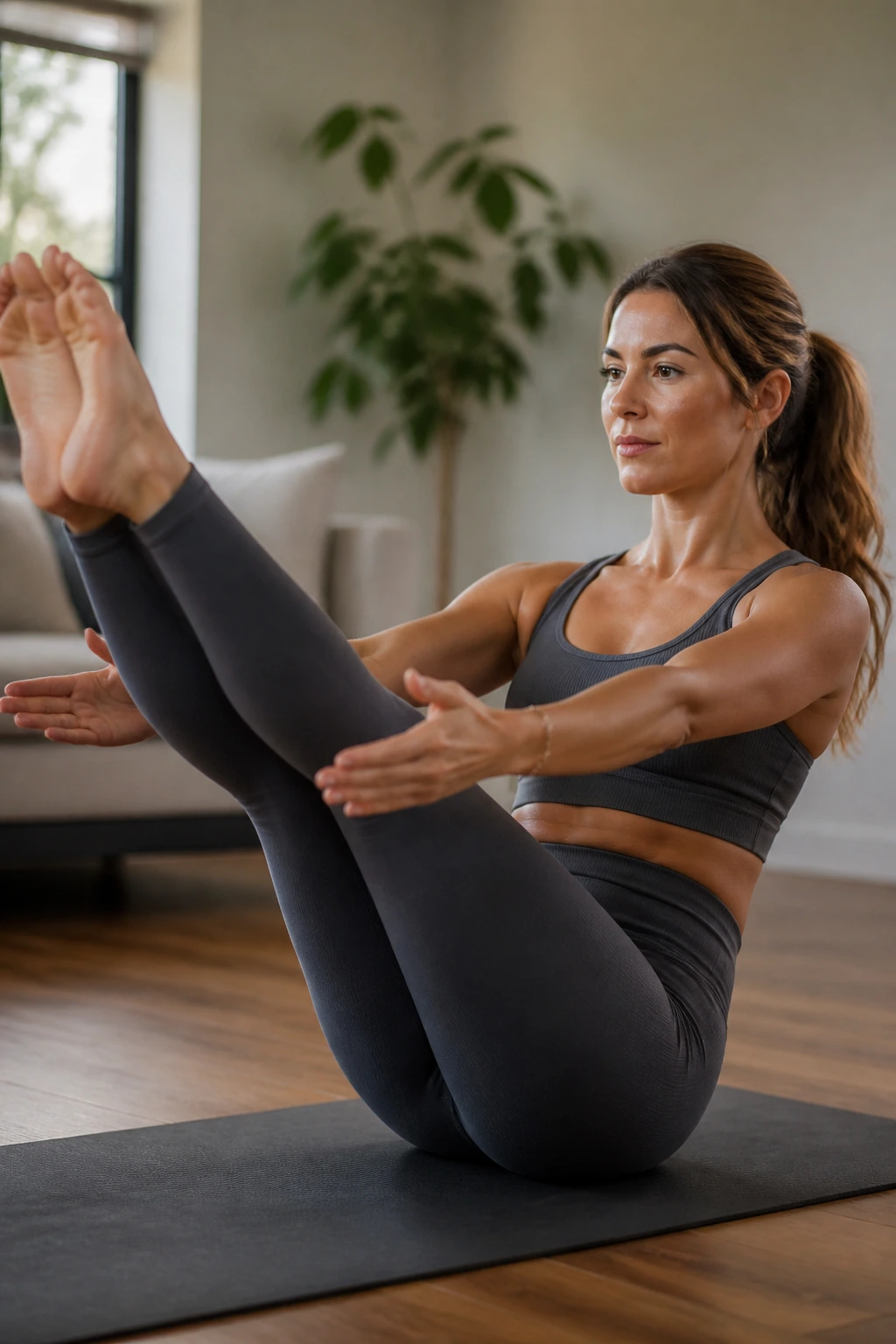
Pilates is a brain workout as much as a body workout. This challenge is about coordination. Can you move your left arm while your right leg extends? Can you rotate your spine while your hips stay square?
Focus on Control
- Take it slow.
- If you fall out of the move, laugh it off and reset.
- Focus on the “flow”—the transition between the movements should be as fluid as the movements themselves.
This is the challenge that connects your mind to your muscle.
19. Full-Body Endurance
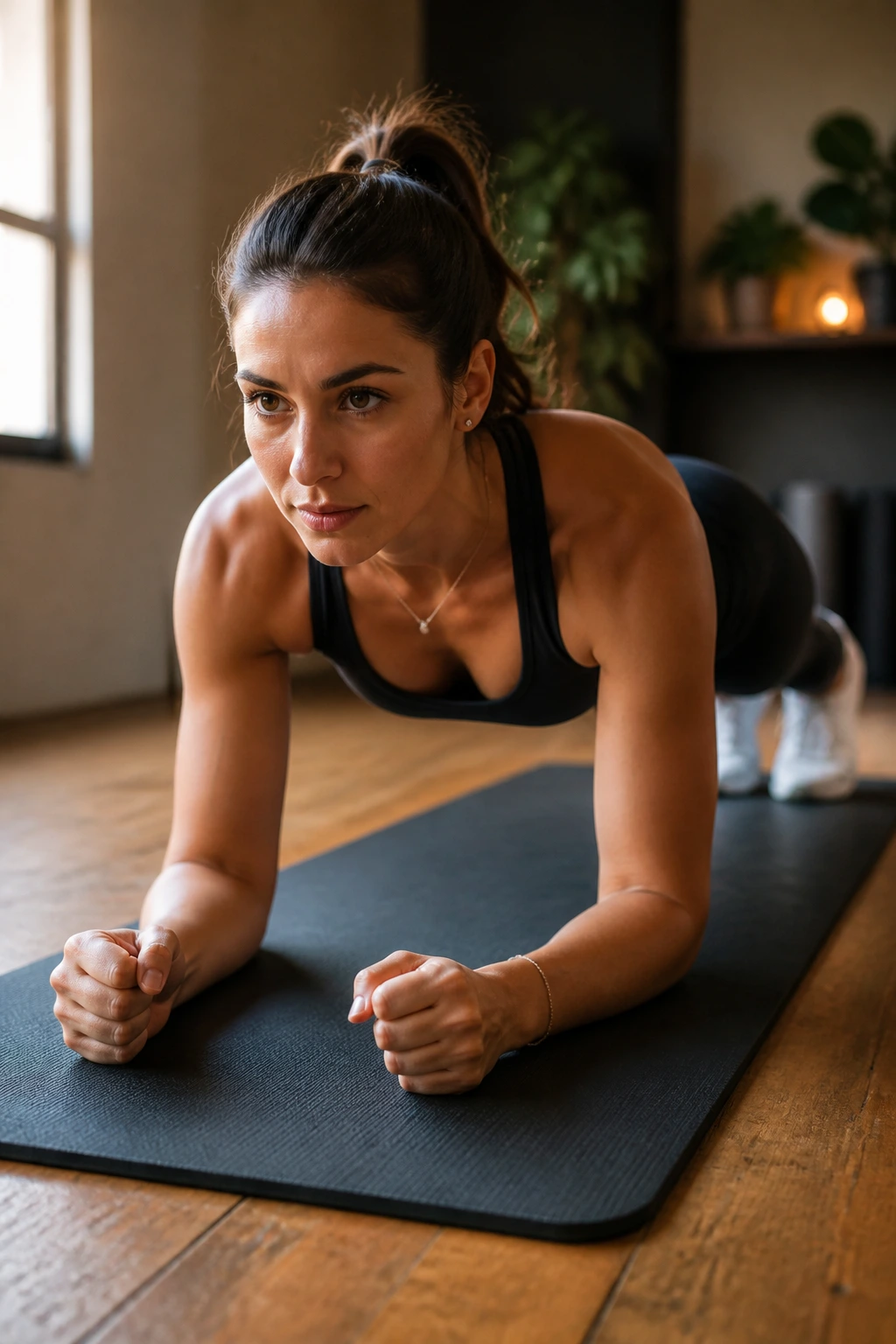
This is the “I want to feel like I did something” challenge. It covers arms, legs, core, and back in every single session. It is the most comprehensive of the group.
The Routine
- Start with full-body warmups (planks, roll-downs).
- Move to the classic “Mat Sequence” (a standard set of 10-12 Pilates exercises).
- End with a full-body stretch.
- Repeat for fourteen days, increasing your hold times by 5 seconds each day.
20. Stability and Balance Challenge
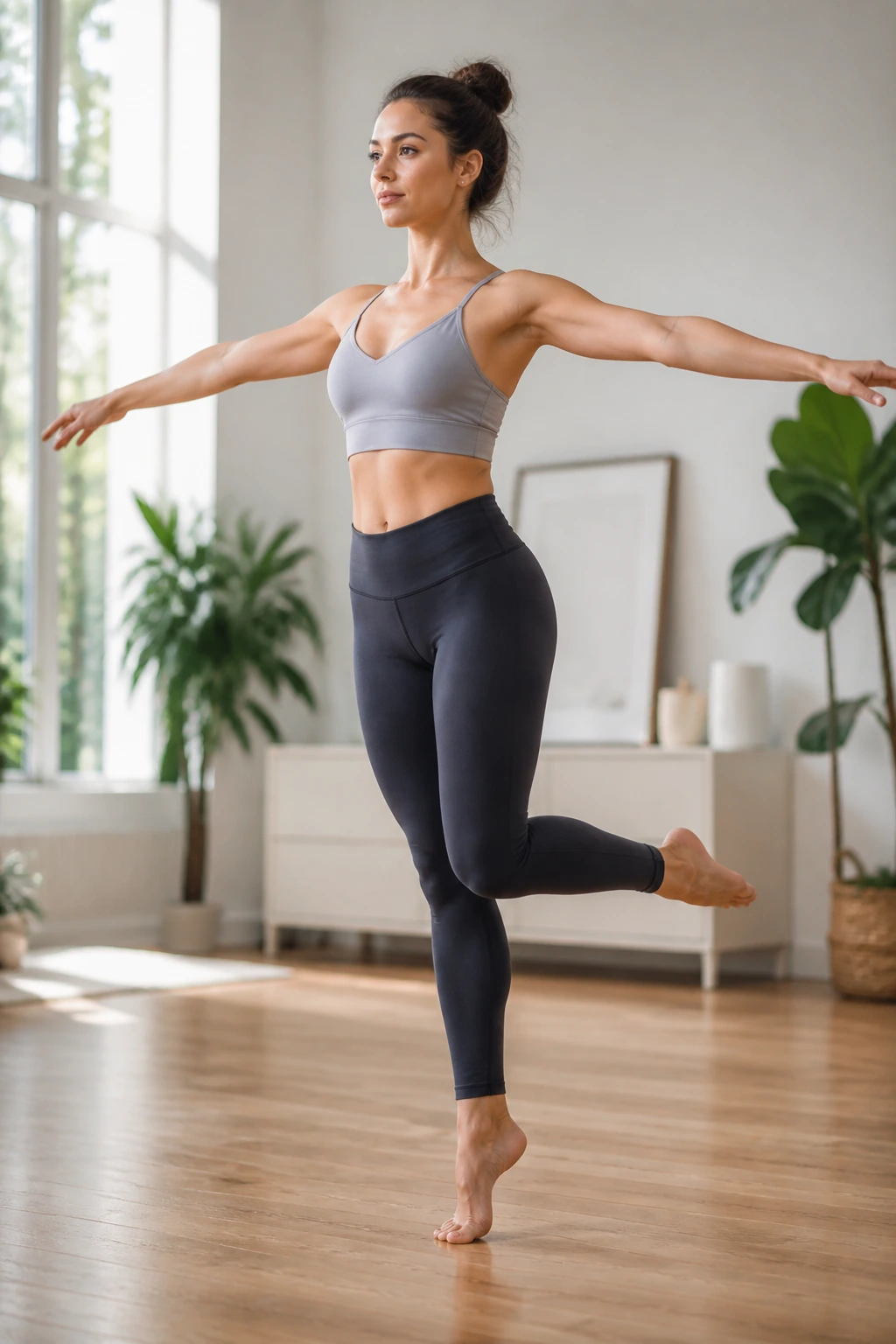
Balance starts to decline as we age, but you can build it back. This challenge is almost entirely standing. It forces your stabilizer muscles in the ankles and hips to fire constantly.
The Balancing Act
- Single-leg standing balance.
- Standing leg circles.
- Standing side-bends.
- Relevé (standing on toes).
If you can’t hold the balance, tap your toe to the floor. The goal is to eventually keep the toe hovering.
The Bottom Line
There is no “perfect” Pilates challenge. The one that works is the one you actually show up for. Two weeks is enough time to feel a change in your body’s tension, your posture, and your awareness. You don’t need to be an expert to start. You don’t need to be flexible to start. You just need to get on the mat.
Pick the challenge that addresses the one thing you complain about the most—whether that’s tight shoulders, weak abs, or aching hips. Stick to it for fourteen days. Don’t skip a day, even if you only have ten minutes. Those ten minutes are better than the zero minutes you would have spent doing nothing. Your body will thank you by feeling a little more open, a little more capable, and a lot more stable.
