



Twelve weeks is long enough to change your numbers and short enough to keep you honest.
That’s why a 12-week workout challenge can work so well when it’s built around one clear goal instead of a random stack of workouts. You can get stronger, leaner, faster, more mobile, or just more consistent — but not all at full speed at once. That’s where most plans go sideways. People try to chase five outcomes, recover from none of them, and then blame the program.
A good challenge has a spine. It tells you what to train, how often, and what to track. It gives you a clean before-and-after comparison: more reps, heavier weights, less fatigue on stairs, better waist measurement, faster mile time, deeper squat, calmer shoulders. Plain things. Useful things.
Pick the wrong challenge and you spend three months sweating without much to show for it. Pick the right one and you finish with proof in the logbook, not just a tired feeling and a hopeful mood. The 20 options below are built for real life, which means they’re repeatable, measurable, and not weirdly complicated.
1. The Foundation Strength Challenge

Three full-body sessions a week can change a lot if you stop guessing and start adding load on purpose.
This challenge is the one I’d hand to someone who wants a clean reset. You squat, hinge, push, pull, and carry, then repeat that pattern for 12 weeks with small, steady jumps. No circus acts. No random “leg day” chaos. The point is to build a base you can actually keep building on.
What the week looks like
- Day 1: Squat, bench press or push-up, row
- Day 2: Deadlift or Romanian deadlift, overhead press, pull-down or pull-up
- Day 3: Front squat or split squat, incline press, one-arm row or carry
Keep most sets in the 5 to 8 rep range. Stop with 1 or 2 reps left in the tank. When you hit the top of the rep range with clean form, add a little weight next time.
That’s the whole trick. Boring? A little. Effective? Usually, yes.
Track three things: the load you use, the reps you hit, and how your body feels on the next day. If your numbers climb and your joints stay quiet, you’re doing it right.
2. The Body-Weight Rebuild Challenge
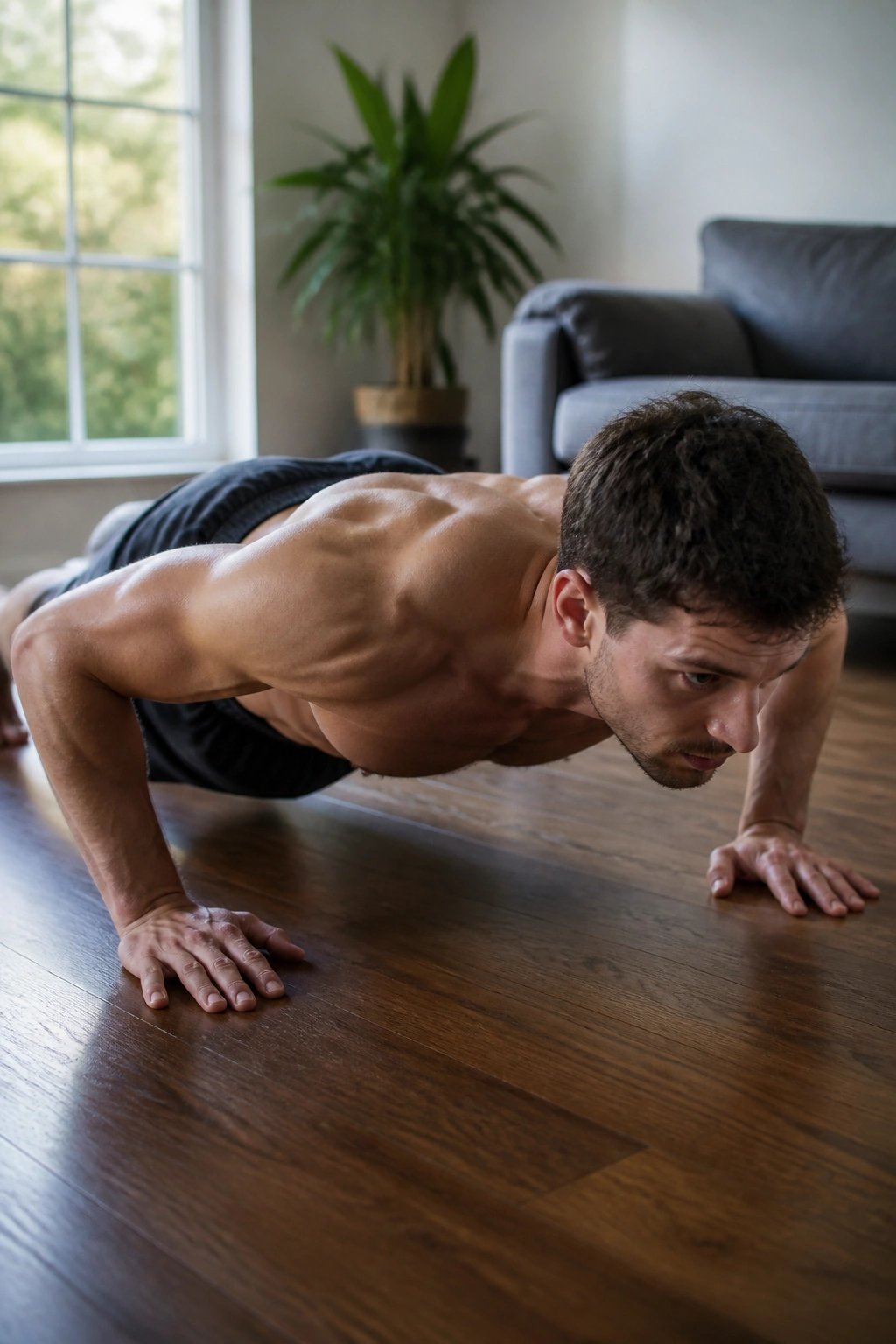
No gym? That doesn’t mean you get a weak 12 weeks.
A body-weight challenge works best when it’s treated like strength training, not cardio in disguise. Push-ups, split squats, rows with a band or sturdy table setup, planks, pike push-ups, glute bridges — these moves can get hard fast when you control the tempo and keep the range of motion honest.
Start where you are. If floor push-ups are ugly, use a counter or bench. If body-weight squats are easy, slow the lowering phase to 3 seconds and pause for 1 second at the bottom. The challenge is to make simple patterns harder without turning them into sloppy reps.
How the ladder grows
A good version uses three phases:
- Weeks 1 to 4: Learn positions and clean up form.
- Weeks 5 to 8: Add reps, slower lowering, or tougher variations.
- Weeks 9 to 12: Reduce rest and test a few honest max-effort sets.
What you get from this isn’t just muscle tone, which is a lazy phrase anyway. You get better control, better balance, and a body that feels less fragile getting off the floor.
3. The Fat-Loss and Walking Challenge

If the scale has been stubborn, this is the challenge I’d reach for first.
The combination is simple: three lifting days, two to four brisk walks a week, and a step count you can live with. Not punishing. Not glamorous. Just hard enough to create a real change in energy use without wrecking recovery.
A brisk walk doesn’t look heroic. Fine. It still works because it adds movement without making you hungrier, sore, or mentally fried. That matters more than people admit. You can lift on Monday, walk on Tuesday, lift on Wednesday, and keep going without feeling like you need a week off by Thursday.
A smart target is 8,000 to 12,000 steps a day, depending on where you start. If that sounds high, begin with your current average and add 1,000 steps. That’s a cleaner move than trying to become a different person overnight.
What to avoid
- Turning every walk into a race
- Skipping strength work and doing only cardio
- Training hard enough to inflate hunger and then ignoring it
The best fat-loss challenge is the one you can repeat without hating your calendar.
4. The Push-Up and Pull-Up Ladder Challenge

Upper-body strength gets easier to measure when the reps are on a ladder.
This challenge is built around two patterns people rarely train with enough intent: pushing your own body away from the floor and pulling your body up or toward a bar. That sounds basic because it is basic, and basic is good when basic is done well.
The ladder format keeps you honest. You might do 1-2-3-4-5 reps, rest, then repeat for several rounds. Or you might use a five-minute timer and collect clean reps without chasing fatigue too far. The point is to build volume without turning form into soup.
If pull-ups are too much, use band assistance, a machine, or slow negatives. If push-ups are too hard, use an incline. If they’re too easy, add a pause at the bottom or elevate your feet. Simple fixes. No drama.
How to get the most from it
Train the skill, not just the burn. A clean pull-up with a full hang and controlled chin-over-bar finish beats a half-rep grind every time. Same with push-ups: chest close to the floor, body rigid, no worming through the middle.
By week 12, you should care less about “feeling it” and more about adding a rep where it counts.
5. The Kettlebell Swing and Carry Challenge

Unlike machine-based training, kettlebells ask your grip, hips, and breathing to work together. That’s why a single bell can cover more ground than people expect.
This challenge is a favorite when you want strength and conditioning in the same room. Swings drive the hips. Goblet squats build depth. Cleans and presses keep the upper body honest. Carries teach you to stay braced while moving, which sounds minor until you realize how much everyday movement depends on that skill.
A simple weekly setup is 3 sessions of 20 to 35 minutes. Use swings, goblet squats, presses, rows, and farmer carries. Rest long enough to keep your form sharp — usually 45 to 90 seconds between sets, depending on the move.
A simple week
- Day 1: Swings, goblet squats, carries
- Day 2: Clean and press, rows, suitcase carries
- Day 3: Swing intervals, split squats, push-ups
The best part is how practical it feels. You finish sweaty, sure, but also stronger in the hands, hips, and trunk. That mix ages well.
6. The Four-Day Muscle Gain Challenge

If you want more size, three random workouts won’t do much for you.
Muscle gain likes repetition, enough food, and a training split that lets you hit each major muscle group more than once a week. A four-day plan is a sweet spot for plenty of people because it gives you enough volume without turning every session into a two-hour ordeal.
The structure can be upper/lower, push/pull, or even two full-body days plus two focused days. What matters is that your main lifts get 3 to 5 hard sets, mostly in the 6 to 12 rep range, while smaller work like curls, lateral raises, and calf raises fills in the edges. Rest 60 to 120 seconds on accessories. Rest longer on heavy compounds.
I like this challenge because it forces discipline without making the gym feel like a second job. Progress happens when you add a rep, add a little load, or clean up the execution so the last set looks the same as the first one.
One warning: don’t chase failure on every set. That’s a fast route to stale workouts and sore elbows.
7. The Mobility and Joint-Friendly Reset Challenge
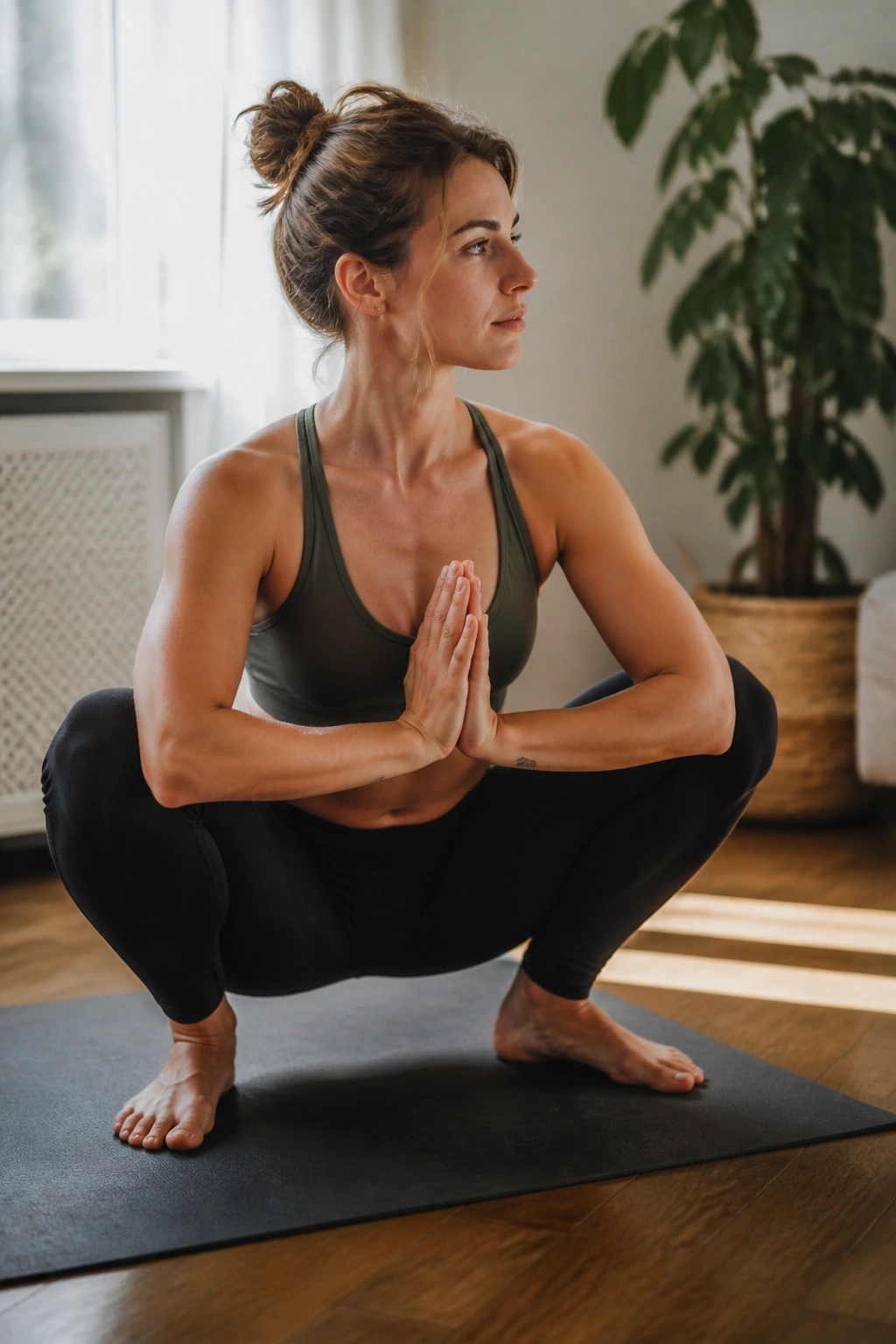
Stiff hips, cranky shoulders, and a lower back that complains after sitting all day? Then training like a demolition crew is a bad idea.
This challenge pairs mobility work with controlled strength. That pairing matters. Stretching alone can leave you loose but not stronger. Strength alone can leave you stronger but still stuck in the same old ranges. Put them together and you get joints that move better because they can also hold position.
Good staples
- Deep squat holds for 30 to 60 seconds
- Thoracic rotations on the floor or bench
- Half-kneeling hip flexor work
- Wall slides and band pull-aparts
- Slow split squats and dead bugs
Keep the sessions short. 10 minutes a day is enough to make a difference if you’re honest about it. Then add 2 or 3 light strength sessions with slow tempo and clean positions. That’s where the change sticks.
This challenge is not flashy. It’s quieter than that. But if your body feels creaky, quiet is a feature.
8. The Home Dumbbell Minimalist Challenge
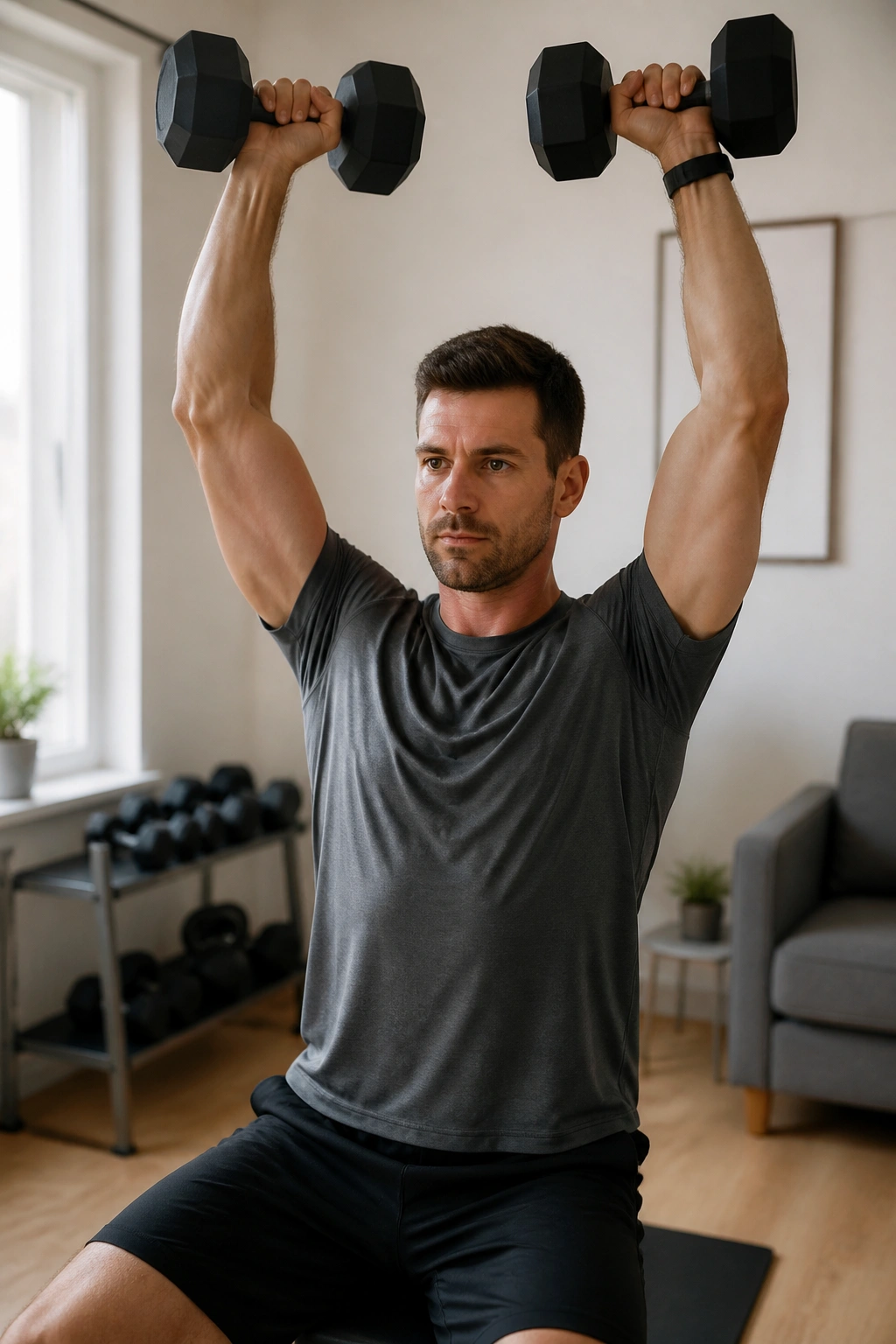
A pair of dumbbells and a small patch of floor can go a long way.
This challenge is for the person who wants structure without buying a pile of gear or rearranging the house. You run three or four short sessions a week, usually 30 to 40 minutes, built around supersets: squat and row, press and hinge, lunge and carry, repeat. That keeps the pace moving and makes a modest weight feel a lot more serious.
Picking the right bells
If a weight lets you do 15 sloppy reps, it’s too light for most of the work here. If you can’t get past 4 controlled reps, it’s too heavy for the main circuit. For a lot of people, an adjustable set or two fixed pairs — one lighter, one heavier — solves most of the problem.
The sneaky benefit is how easy it becomes to repeat. No commute. No waiting for equipment. No excuse about the weather. That sounds small until you realize consistency is the whole point.
Use split squats, floor presses, one-arm rows, Romanian deadlifts, and overhead presses. Add a carry if you have room. The floor will tell you the truth.
9. The Runner’s Strength Challenge

Running gets smoother when the legs and trunk stop leaking force.
This challenge is for people who already run and want fewer aches, better posture late in a run, and more pop off the ground. The work is simple: two strength sessions a week, focused on single-leg patterns, hinge work, calf strength, and trunk control. That’s enough to matter without stealing from your mileage.
The most useful moves are split squats, step-ups, single-leg RDLs, calf raises, side planks, and rows. You don’t need to bury yourself in leg day volume. You need enough strength to hold position when fatigue creeps in around mile 4 or mile 9.
A lot of runners skip calves. That’s a mistake. Calf and foot work pays off in a way you notice when hills stop feeling as rude.
Keep the reps controlled, around 6 to 10 per set on the main lifts. Save the hard breathing for your runs. Strength work should support the engine, not become another race.
10. The Hybrid Strength-Endurance Challenge

You want to lift and move? Then train both on purpose.
This is the challenge for the person who gets bored doing only one thing. It blends two strength sessions with two conditioning sessions that are hard enough to feel useful but not so brutal that you limp through the rest of the week. Think sled pushes, rower intervals, bike sprints, hill repeats, or kettlebell complexes.
Hard, but controlled.
That’s the line.
The mistake people make with hybrid training is trying to win every session. They lift like a powerlifter, then do intervals like they’re being chased, then wonder why they feel cooked. A better approach is to keep the strength work crisp and let conditioning live in its own lane.
A workable week might be:
- Strength A: Squat, press, row
- Conditioning A: 8 rounds of 30 seconds hard / 90 seconds easy
- Strength B: Hinge, pull, lunge
- Conditioning B: 15 to 20 minutes of steady work at a tough but sustainable pace
It’s a good challenge for people who want performance without living in one narrow lane.
11. The Core and Posture Challenge

Crunches are not the whole story. Not even close.
If your midsection only works in spinal flexion, you’re leaving most of the job undone. Real core training teaches you to resist movement — to hold a brace when something tries to twist you, arch you, or pull you sideways. That’s where planks, dead bugs, Pallof presses, side planks, and loaded carries come in.
Why the spine likes bracing
A spine that can stay stacked under load is usually happier than one that keeps folding and flaring out of position. You feel that in standing work, in squats, in carries, and even in the way you sit after a long day. Better posture isn’t magic. It’s the result of better control.
The cleanest version of this challenge uses 3 short core blocks per week, about 10 to 15 minutes each. Mix one anti-extension move, one anti-rotation move, and one carry. That’s enough to be useful without becoming a novelty routine.
- Dead bug: 6 to 10 reps per side
- Side plank: 20 to 40 seconds per side
- Farmer carry: 3 to 5 walks of 20 to 40 meters
Small work. Real payoff.
12. The Barbell Skill Challenge

A barbell challenge works best when the goal is cleaner technique, not hero numbers.
This is the one for people who want to get better at the squat, bench press, deadlift, and overhead press without rushing the load. Twelve weeks gives you enough time to groove the movement patterns, practice bracing, and make the bar path less messy. That matters. A lot.
The structure is old-school for a reason. Main lifts live in the 3 to 5 rep range, done for a few crisp sets. Accessories stay modest: rows, split squats, hamstring curls, triceps work, and rear delts. You want enough practice to improve, not so much fatigue that your form falls apart on the third set.
Video helps here. A phone on the floor or a bench can show you if the bar drifts, if the squat turns into a good morning, or if your bench unracks like you’re fighting a lawnmower.
Be picky about the last rep. If the bar speed turns into a grind every week, the load is too heavy for the challenge you’re actually running.
13. The Glute and Lower-Body Build Challenge
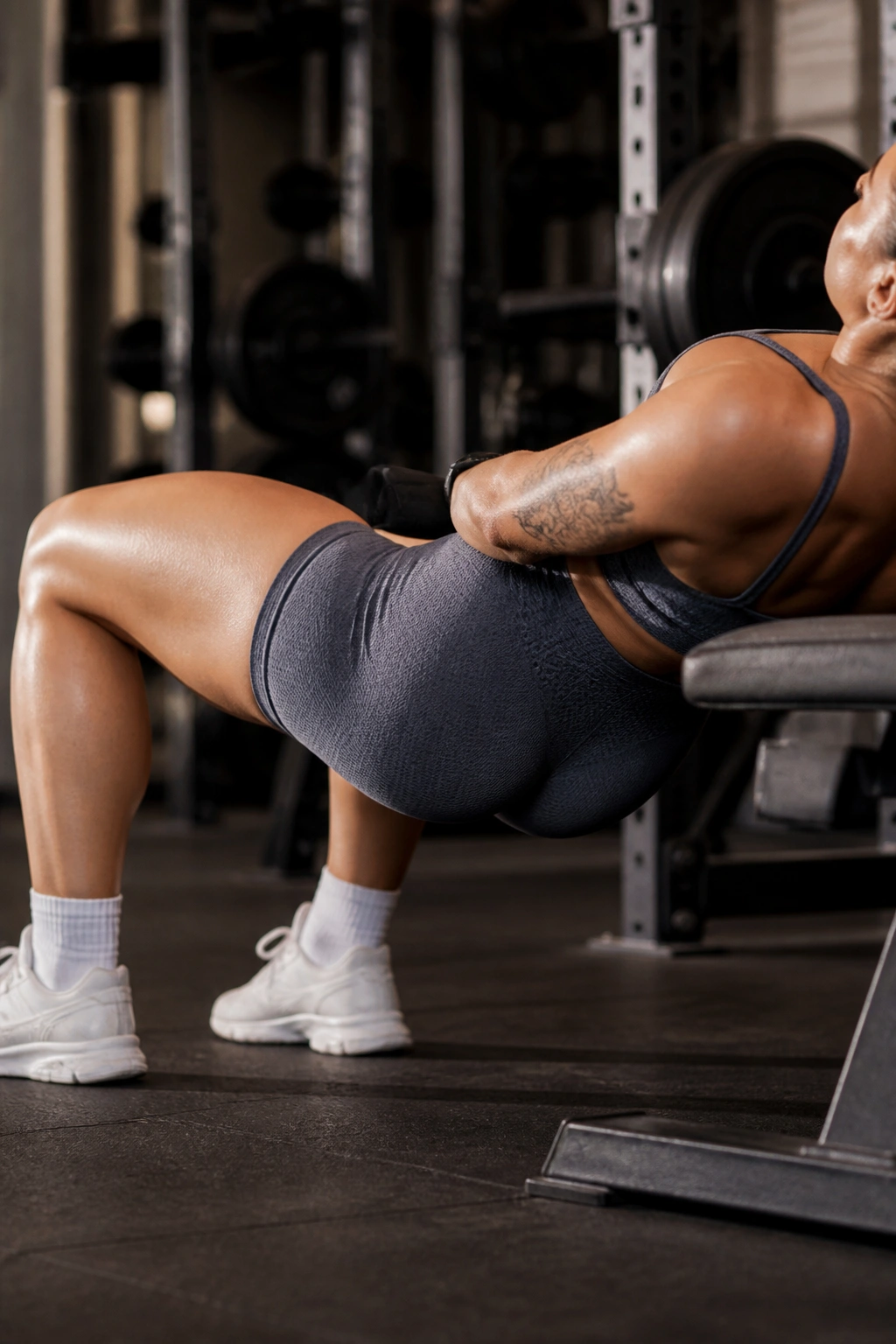
If you want lower-body growth, don’t just squat and hope for the best.
The glutes respond well to a mix of hip extension, single-leg work, and deep knee bend, which is why this challenge uses hip thrusts, RDLs, Bulgarian split squats, step-ups, and squats in the same week. That spread matters. One pattern alone leaves too much on the table.
A strong version runs two lower-body days and one lighter glute accessory day. The main lifts should live around 6 to 10 reps, while the accessory work can stretch to 12 to 20 reps with slower lowering and short rest. That’s where the burn shows up without needing nonsense exercises.
What I’d keep in the mix
- Hip thrusts or glute bridges
- Bulgarian split squats
- Romanian deadlifts
- Step-ups
- Cable kickbacks or band abductions, if you have them
The details matter here. Full range of motion. Controlled lowering. No bouncing through the bottom just to move a prettier number. That’s where a lot of lower-body plans fall apart.
14. The Upper-Body Strength Challenge

Shoulders, chest, back, and arms all want different things. Train them like they do.
This challenge is built for people who want visible upper-body strength without turning every session into another press-fest. The mistake I see most often is too much chest and not enough back. That leaves the shoulders cranky and the posture worse than before. You want pulling volume to keep pace with pushing volume, maybe even a little more.
A solid week includes bench press or push-ups, overhead press, rows, pull-downs or pull-ups, and some direct work for rear delts and triceps. Keep the heavy lifts around 4 to 8 reps. Use accessories in the 10 to 15 rep range.
Weekly layout
- Day 1: Heavy press + row
- Day 2: Overhead press + pull-up or pull-down
- Day 3: Incline press + chest-supported row
That setup gives you enough practice on the main lifts without burying the joints. If your elbows and shoulders feel better at week 10 than they did at week 2, that’s a good sign. If they feel worse, something’s off.
15. The 10,000-Step 12-Week Workout Challenge

If your days are packed, daily steps plus short strength sessions can still move the needle.
This challenge is for the person who needs a plan that survives real schedules. It’s not glamorous. It’s practical. You aim for a step target, usually somewhere between 7,000 and 12,000 steps a day, and you pair that with two or three 20-minute strength sessions each week.
The steps do the quiet work: they keep your joints moving, support calorie burn, and stop the day from turning into one long sit. The strength sessions keep muscle and shape in the picture. That combination is useful if you want to feel better in your clothes, get less winded walking uphill, and keep your energy steadier across the week.
I’d keep the strength work very simple: squat pattern, hinge pattern, push, pull, carry. Two rounds of each. That’s enough. You do not need a spreadsheet that looks like tax season.
The challenge succeeds when it feels almost too easy to start. That’s a feature, not a flaw.
16. The Calisthenics Skill Challenge

Hollow holds, handstands, pistols, and L-sits are their own kind of hard.
This challenge is for people who like skill-based training and don’t mind being humbled by their own body weight. The work is less about chasing exhaustion and more about owning positions. You build tension, balance, and control, then layer in harder progressions over 12 weeks.
A smart order is usually: core shapes first, then support strength, then full skill work. Hollow body holds, scapular pull-ups, pike push-ups, assisted pistols, wall handstands — these come before the sexy versions people post online. That’s not a demotion. It’s the path.
Skill ladder
- Weeks 1 to 4: Holds and positions
- Weeks 5 to 8: Assisted skill reps
- Weeks 9 to 12: Longer holds or cleaner full attempts
The thing I like about calisthenics is that it rewards patience. You can’t fake a handstand with enthusiasm. Your wrists and shoulders either know the position or they don’t. That honesty can be annoying. It’s also useful.
17. The Metabolic Circuit Challenge

Want to sweat hard without turning every session into a half-hearted cardio slog?
Use circuits. Not chaos — circuits.
A good metabolic challenge strings together 4 to 6 movements with short rests, usually something like 30 seconds of work and 20 to 30 seconds of rest. The aim is to keep the heart rate up while the form stays recognizable. Goblet squat, push-up, row, swing, carry, bike sprint. Done. Repeat for 3 to 5 rounds.
The trap is pace. Go too fast and the session becomes sloppy noise. Go too slow and you’ve just done a warm-up with extra sweat. The sweet spot is where breathing is heavy but each rep still looks like you meant it.
A sample circuit
- Goblet squat x 10
- Push-up x 8 to 12
- One-arm row x 10 per side
- Kettlebell swing x 15
- Farmer carry x 30 to 40 meters
Rest 60 to 90 seconds between rounds. Keep the whole thing under 30 to 35 minutes. That’s plenty.
18. The Back-Health and Posterior Chain Challenge

A strong back usually starts with the stuff behind you.
This challenge focuses on glutes, hamstrings, lats, mid-back, and the hinge pattern. It’s a good choice if your job has you sitting a lot or if your training has gotten too front-side heavy — lots of pressing, not enough pulling, lots of quad work, not enough hips. The posterior chain ends up carrying more than its share of the load in real life.
I’d build it around Romanian deadlifts, hip hinges, back extensions, row variations, reverse flyes, and carries. Not all at once. Just enough volume to remind the body that standing tall is a task worth training.
One-sentence truth: your lower back often wants support, not heroics.
That means controlled reps, moderate loads, and no need to chase a max every week. Stay around 6 to 10 reps on the main work and use the accessory moves to clean up the weak links. If your hinge gets smoother and your desk-chair stiffness drops a bit, you’re moving in the right direction.
19. The Active Recovery and Consistency Challenge
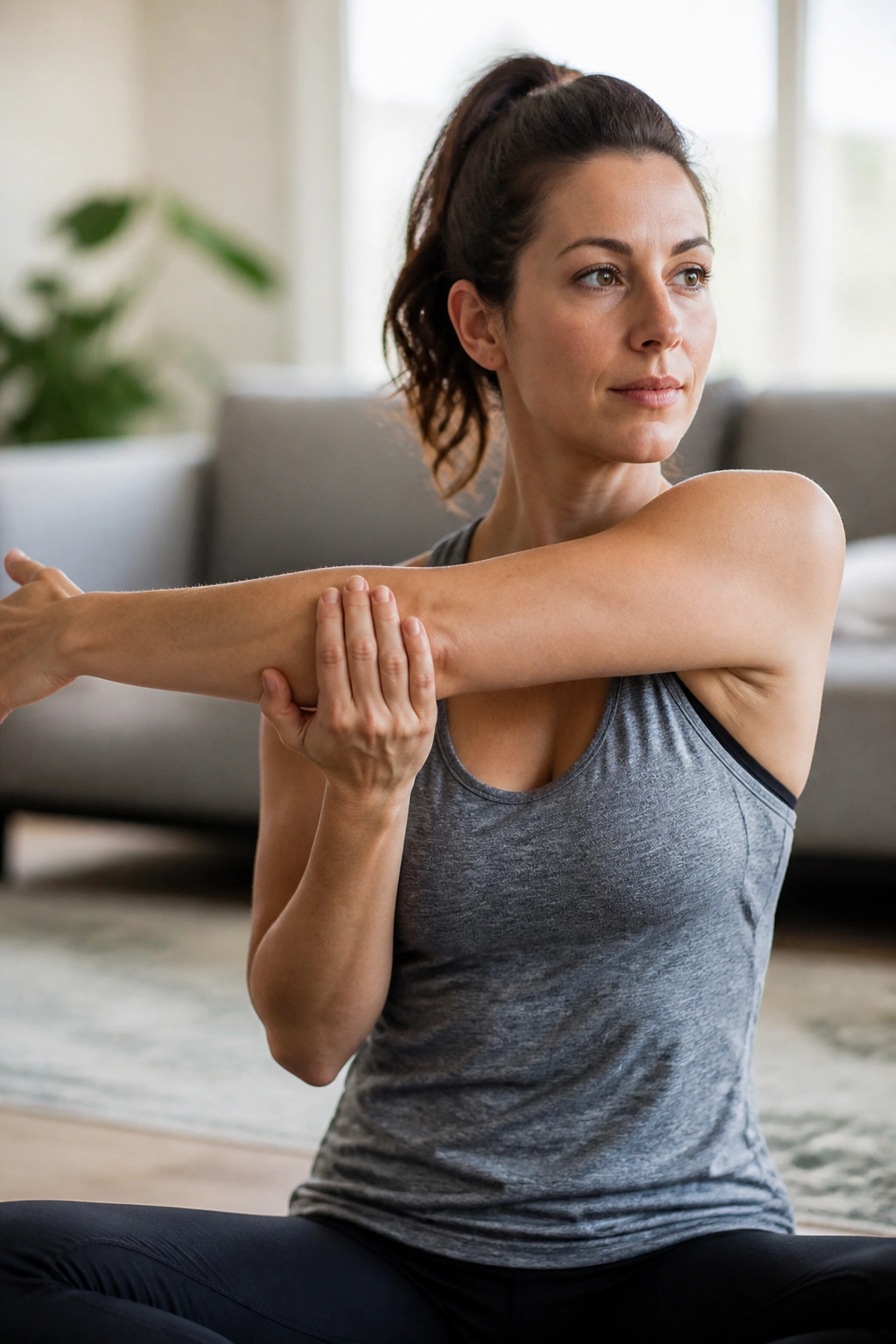
Sometimes the smartest 12 weeks are the least dramatic ones.
This challenge is for the burned-out, the overworked, and the person who’s tired of training like every session has to prove something. The plan is light on purpose: two or three easy strength sessions, two mobility sessions, and regular walks. Nothing heroic. Nothing that leaves you dreading the next day.
Why bother with a softer challenge? Because consistency is still training. A body that keeps moving, keeps getting blood flow, and keeps touching basic strength work usually feels better than one that spends half the month recovering from its own ambition.
Keep the sessions short. 20 to 30 minutes is fine. Use movements that don’t beat you up: split squats, push-ups, rows, dead bugs, carries, gentle hinges. Stop well before the point where everything turns grindy.
This kind of challenge is underrated because it doesn’t advertise itself well. It just quietly gets you back to baseline. And baseline, after a stretch of chaos, can feel like a win.
20. The Busy-Schedule Three-Day Challenge
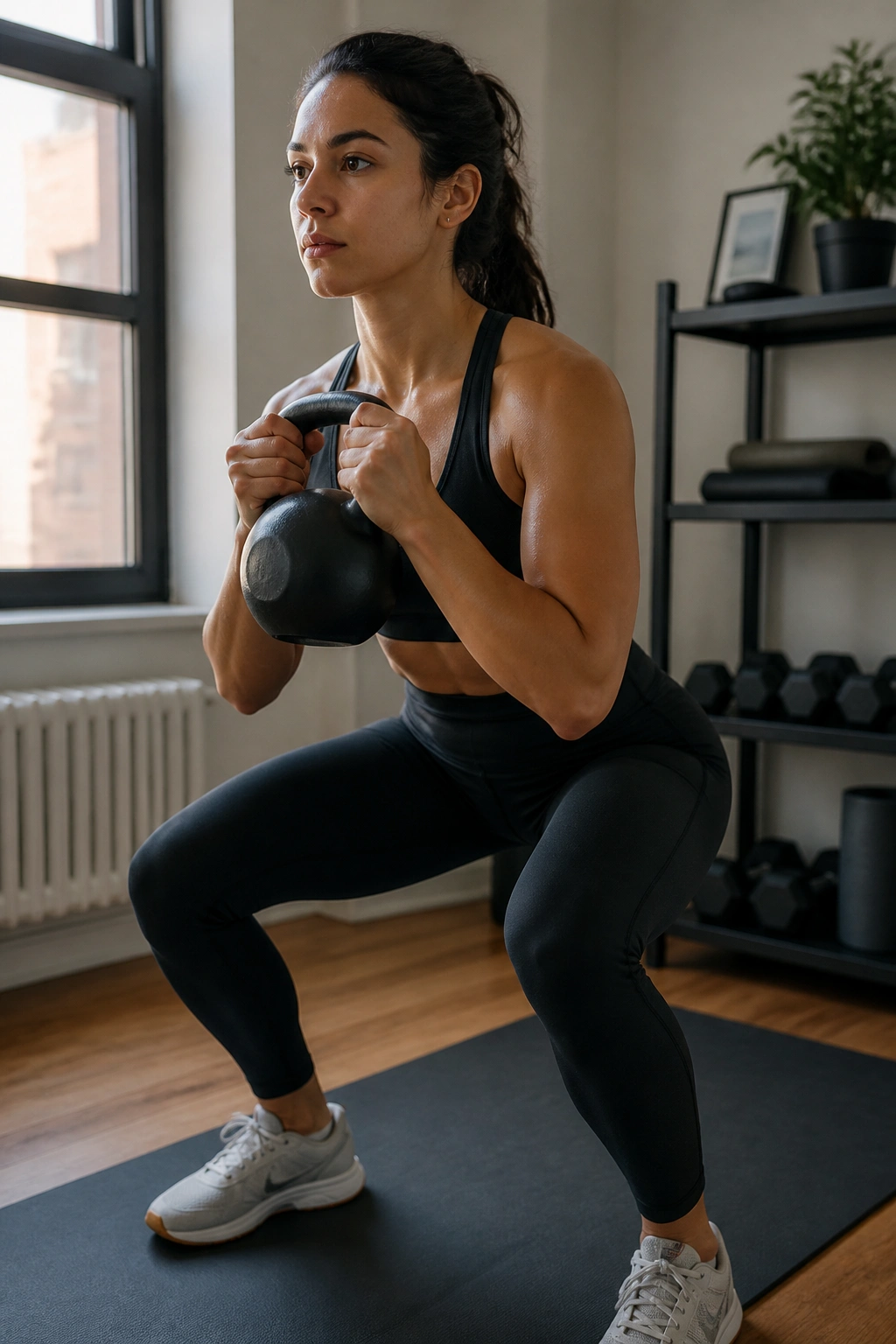
If you only protect three half-hours a week, this is the one I’d pick.
A three-day plan is the cleanest way to make a 12-week workout challenge survive meetings, errands, family stuff, and the general mess of life. You hit the whole body each session, keep the exercises familiar, and progress by adding a rep or a little load when the work feels solid. Nothing fancy. Just enough structure to keep you from wandering.
A bare-bones week
- Day 1: Squat, push, row
- Day 2: Hinge, overhead press, carry
- Day 3: Split squat, pull-down or pull-up, floor press
Keep the workout under 40 minutes. Use 3 sets on the main lifts and 2 sets on the smaller work. Rest 60 to 90 seconds unless the lift is heavy enough to need more. Track the numbers in a notebook or on your phone. That part matters more than people think.
If you want one challenge that balances muscle, strength, and sanity, this is the safe bet. Start light, progress slowly, and keep showing up. That’s the whole game.
