



A pair of dumbbells can do more work than most people give them credit for. With one set of weights, you can hit squats, presses, rows, hinges, lunges, and carries without setting foot near a machine.
That is why total body dumbbell workouts keep earning a spot in real training plans. They fit in a small room, they scale up or down fast, and they do not waste time on fluff. If your dumbbells live under a bed, beside the couch, or in a corner of the garage, that’s enough.
The best sessions are not random piles of exercises. They hit the big movement patterns on purpose: a squat or lunge, a hinge, a push, a pull, and something that makes your core work to keep you honest. Get those five pieces in the same workout and the whole body has to show up.
You do not need a fancy setup to make that happen. You need a clear plan, weights that challenge you, and a little discipline about form when the last few reps start to slow down. The first workout is the plainest one, and honestly, it’s the one most people would do best with on a regular basis.
1. The 20-Minute Total Body Dumbbell Workout
This is the session I’d hand to someone who wants a straight answer and no drama. Five moves, three rounds, 20 minutes if you keep moving, and no part of the body gets to loaf. The weights should feel moderate: heavy enough that the last two reps of each set slow down, light enough that your back doesn’t start bargaining with you.
How It Runs
- 10 goblet squats
- 10 dumbbell floor presses
- 10 bent-over rows
- 8 reverse lunges per leg
- 12 Romanian deadlifts
Rest 30 to 45 seconds after each exercise if you need it, then move on. After the round, take 60 to 90 seconds before starting again. If your breathing is calm after the second round, the dumbbells are probably too light.
Keep your torso tall on the squats and lunges. The workout is short, but sloppy reps sneak in fast when people rush. A clean 20-minute session beats a messy 12-minute sprint every time.
2. The Squat-and-Press Ladder That Builds Fast
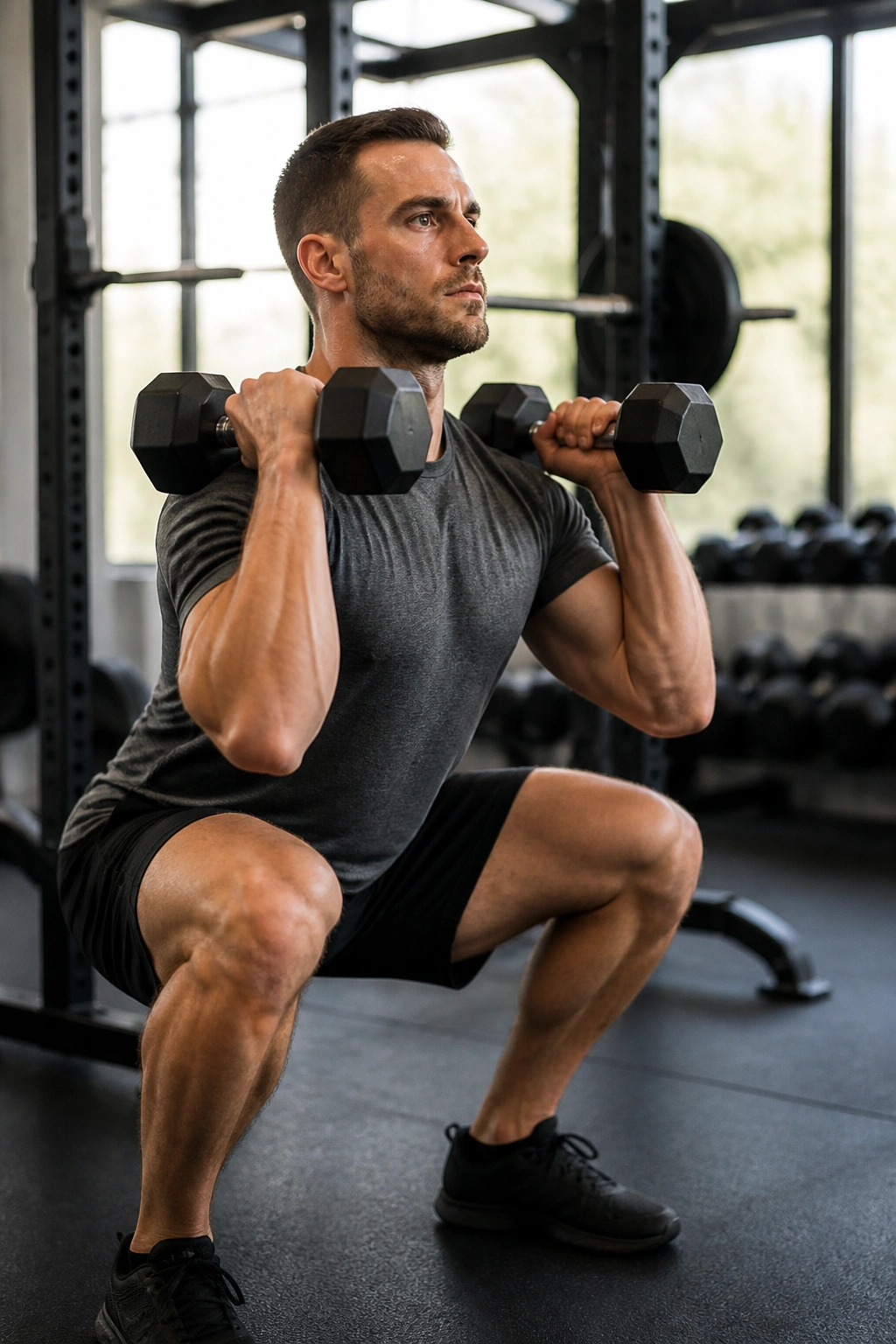
Why does this one work so well? Because the ladder keeps changing the demand just enough to stop you from cruising. Start with 2 reps of each move, then go to 4, 6, 8, and 10, and come back down if you want a longer session. Use a pair of dumbbells for the squat and press, then strip the weight down a little if the overhead part gets ugly.
How to Use It
What you do
- Dumbbell front squat
- Push press
- One-arm row
- Alternating reverse lunge
The front squat and push press make your legs and shoulders share the load. The row keeps the pull side honest, and the lunge cleans up the stuff the squat can miss. I like this format because it creates a rhythm without feeling mechanical.
Take a longer rest, about 90 seconds, after the 8- and 10-rep rounds. That pause matters. Skip it and the workout turns into a cardio test with bad form, which is not the point.
3. The Single-Dumbbell Offset Workout
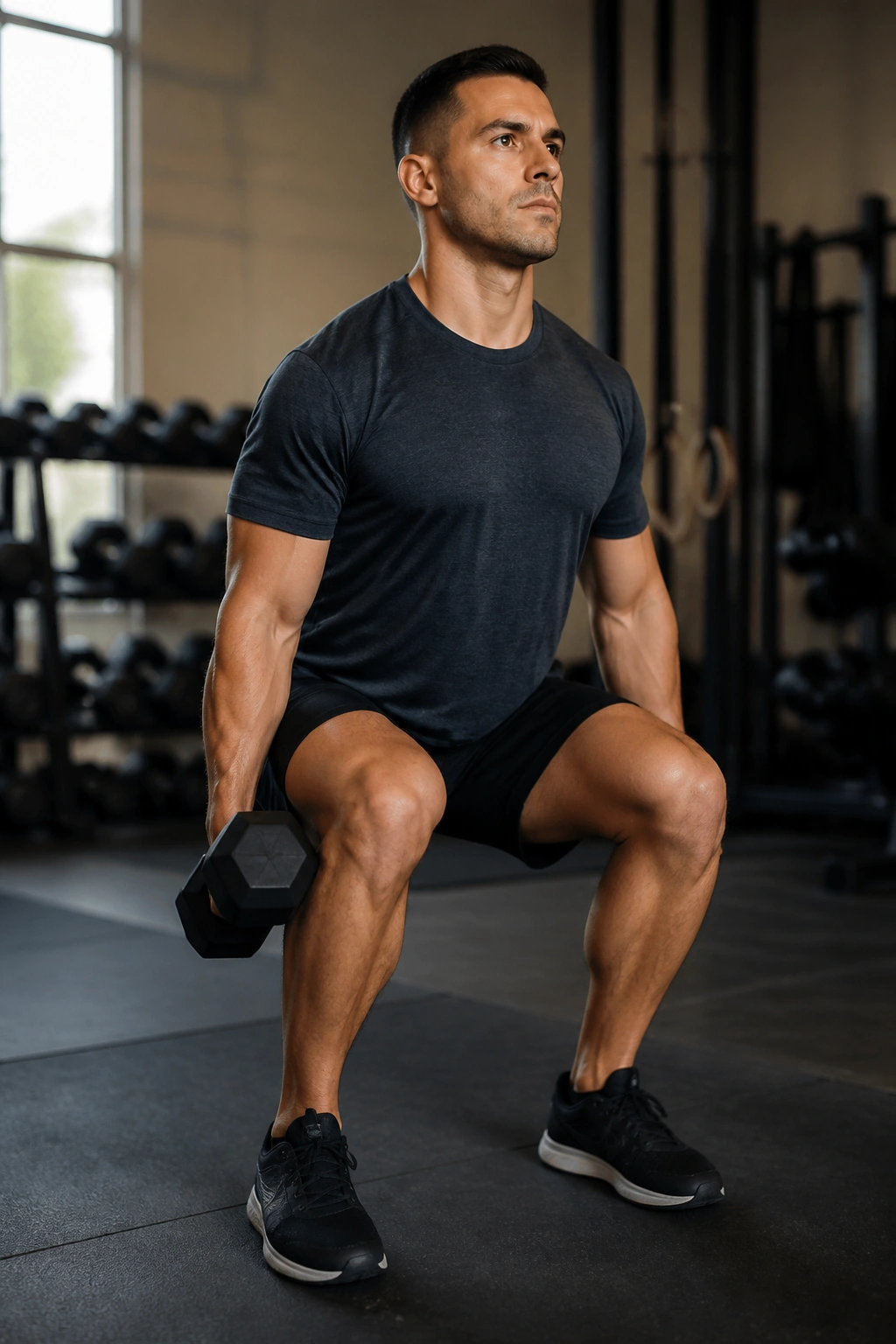
A lot of people think they need matching dumbbells for a serious session. Not true. One dumbbell, held on one side, can expose weak links in your hips, trunk, and shoulders faster than a symmetrical setup.
Start with suitcase squats, single-arm rows, split squats, and a single-arm overhead press. The uneven load makes your core brace harder, and that bracing carries over to just about everything else you do. It also keeps you from cheating with momentum, which is a nice little bonus.
Do 3 sets of 8 to 12 reps per side on each move. Keep the weight in the front rack or at your side long enough to feel the difference. The offset position should feel a little awkward at first. Good. That’s the point.
4. The EMOM Total Body Dumbbell Workout

EMOM means every minute on the minute, and this format is brutal in the best way when you want structure without overthinking. You finish the reps, breathe for the remaining time, then start the next minute. Simple. Mean. Effective.
Minute-by-Minute Setup
- Minute 1: 10 dumbbell thrusters
- Minute 2: 10 bent-over rows
- Minute 3: 12 alternating walking lunges
- Minute 4: 10 dumbbell deadlifts
- Minute 5: 8 dumbbell floor presses
Repeat for 3 to 5 rounds depending on how much gas you have. Pick a weight that lets you finish each minute with 15 to 20 seconds left. If you’re racing the clock every round, the load is too heavy or the reps are too high.
This one gets sweaty fast. It also teaches pacing, which a lot of lifters ignore until the workout forces the lesson on them.
5. The Dumbbell Complex You Don’t Put Down
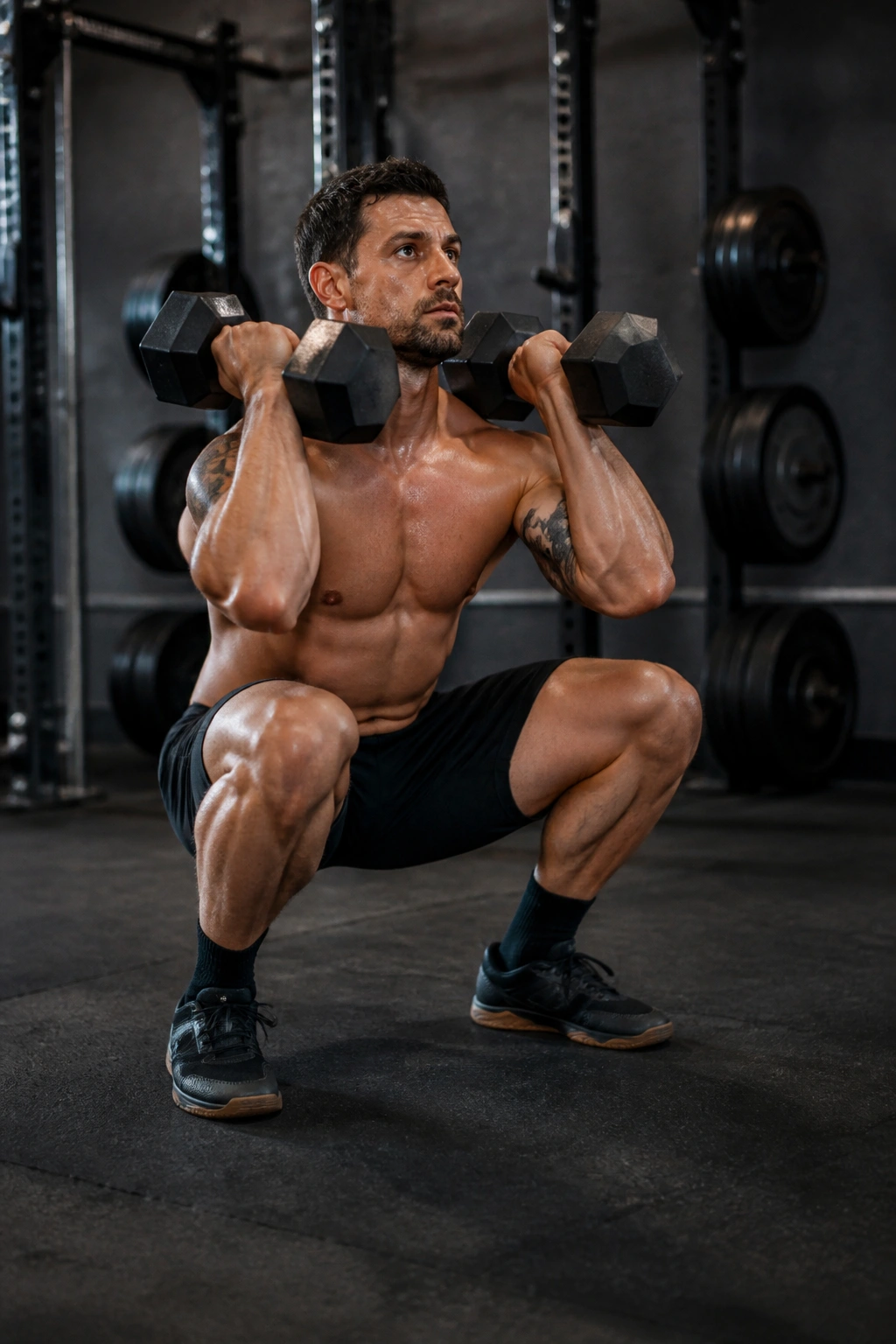
Here’s the cleanest way to make a light pair of dumbbells feel heavy. Don’t set them down. Run the whole sequence as one long chain, then rest at the end. The weights stay in your hands, your grip gets tested, and the whole body has to cooperate.
Use 2 to 4 rounds of this complex:
- 6 Romanian deadlifts
- 6 bent-over rows
- 6 hang cleans
- 6 front squats
- 6 push presses
- 6 reverse lunges per leg
The trick is to pick a weight you could normally use for rows or presses, then leave a little room for the clean and squat. If the dumbbells crash around your wrists or you’re jerking them up, they’re too heavy for the complex.
This format is sneaky. The first half feels manageable, then the front rack work starts stealing your breath. Rest 2 minutes between rounds. Not 30 seconds. You’re not trying to prove anything to the floor.
6. The Beginner-Friendly Three-Block Workout
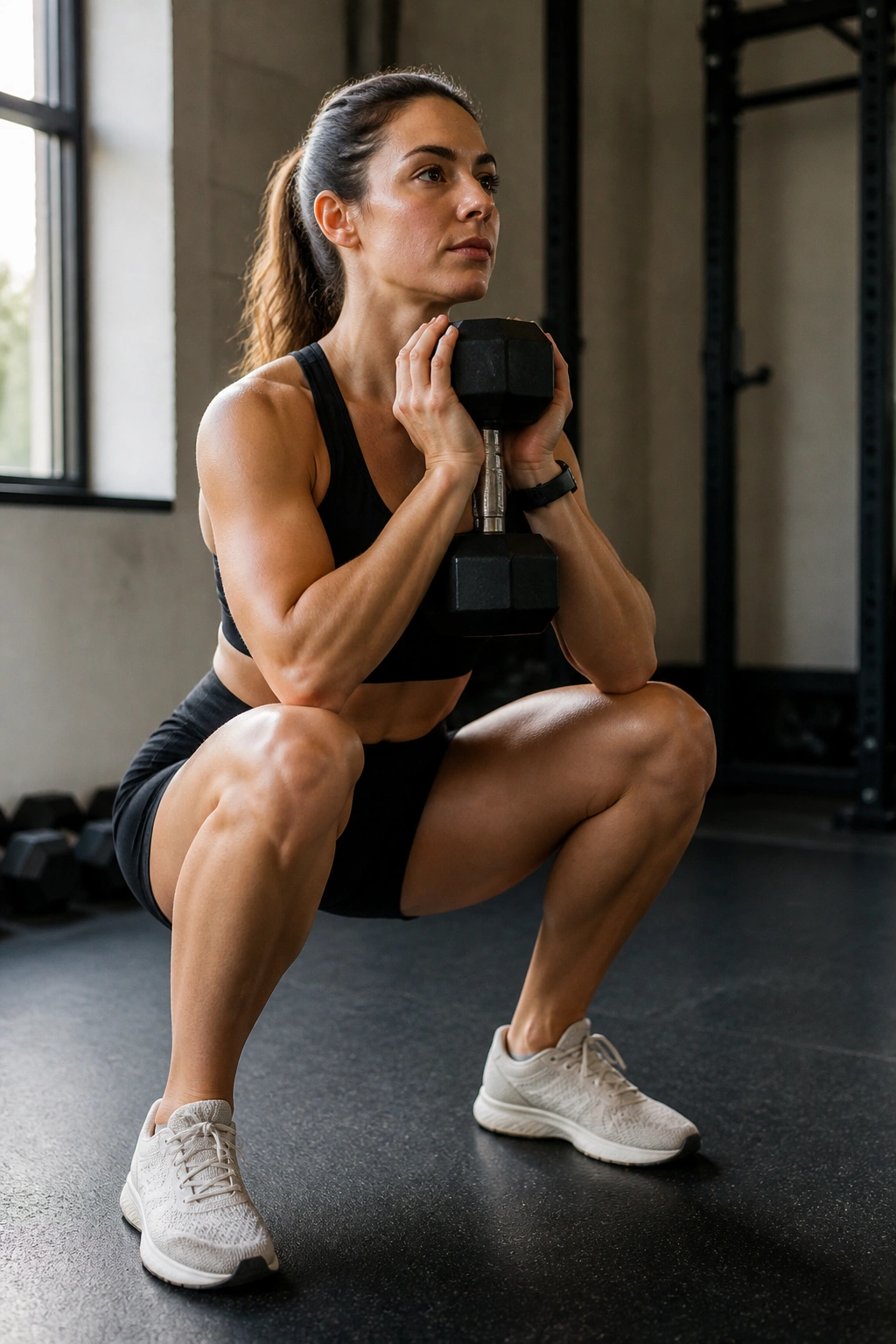
Newer lifters usually need two things: simple moves and clear boundaries. This workout gives both. Each block uses two exercises, and each block has a job. No guesswork. No wandering around the room wondering what’s next.
Block One: Legs and Push
- Goblet squat — 3 sets of 10
- Dumbbell floor press — 3 sets of 8 to 10
Block Two: Pull and Hinge
- One-arm row — 3 sets of 10 per side
- Dumbbell Romanian deadlift — 3 sets of 10
Block Three: Finish Strong
- Farmer’s carry — 3 rounds of 30 to 45 seconds
- Dead bug holding one dumbbell — 3 sets of 8 per side
Use a rest period of 45 to 60 seconds between sets. If your form starts to wobble on the dead bug or the row, shorten the set before you shorten the rest. That’s where beginners get better faster—by ending a set while they still own the movement.
7. The Heavy Strength Circuit
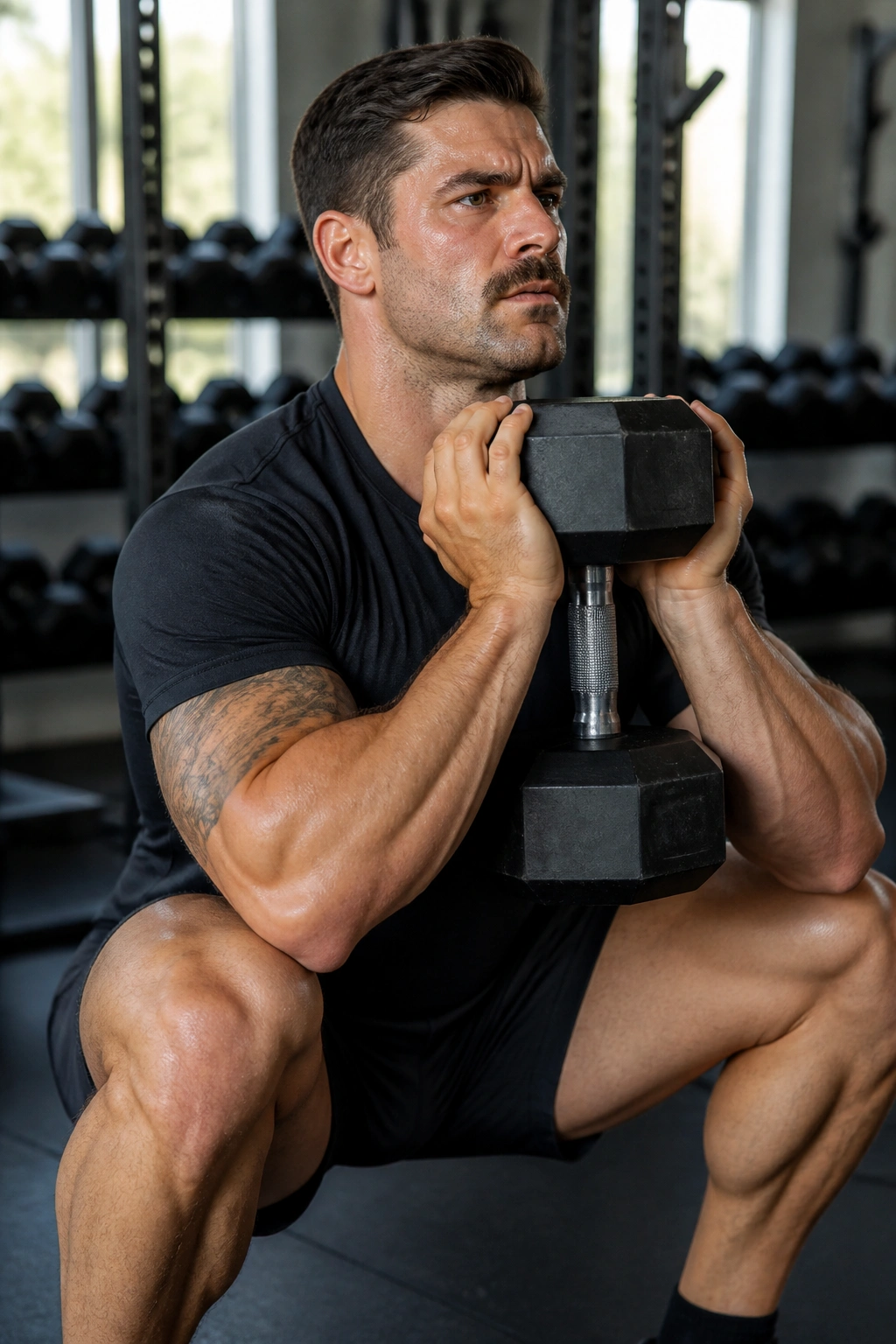
Heavy does not mean reckless. It means you choose loads that force a real grind on the last few reps while still letting you keep the same shape from start to finish. If you want more muscle and not just more sweat, this is the lane.
Run 4 rounds of:
- 6 goblet squats
- 6 dumbbell bench or floor presses
- 8 bent-over rows
- 8 Romanian deadlifts
- 6 split squats per leg
Take 90 seconds to 2 minutes between rounds. That rest is part of the workout, not a sign that you’re doing it wrong. The whole goal is to stay strong enough to keep the reps crisp.
I like this style for people who get bored of endless circuits. It feels more like lifting and less like a bootcamp class. Small difference on paper. Big difference in how your body feels a day later.
8. The Dumbbell MetCon With Carries

What makes this one worth keeping around? The carries. A lot of total body dumbbell workouts never ask your grip, ribs, and posture to hold together under load for long enough. Carries fix that.
The Circuit
- 12 dumbbell front squats
- 10 alternating push presses
- 12 bent-over rows
- 40-yard farmer’s carry
- 10 alternating reverse lunges
Do 3 to 5 rounds, resting 60 to 90 seconds between rounds. The carry should be heavy enough that your shoulders want to creep up. Don’t let them. Keep the dumbbells tight at your sides and walk like you’ve got somewhere to be.
One useful rule: if the carry ruins your posture after 15 yards, the weights are too heavy. If you could text during it, they’re too light. Somewhere in the middle is the sweet spot.
9. The Unilateral Workout That Cleans Up Imbalances
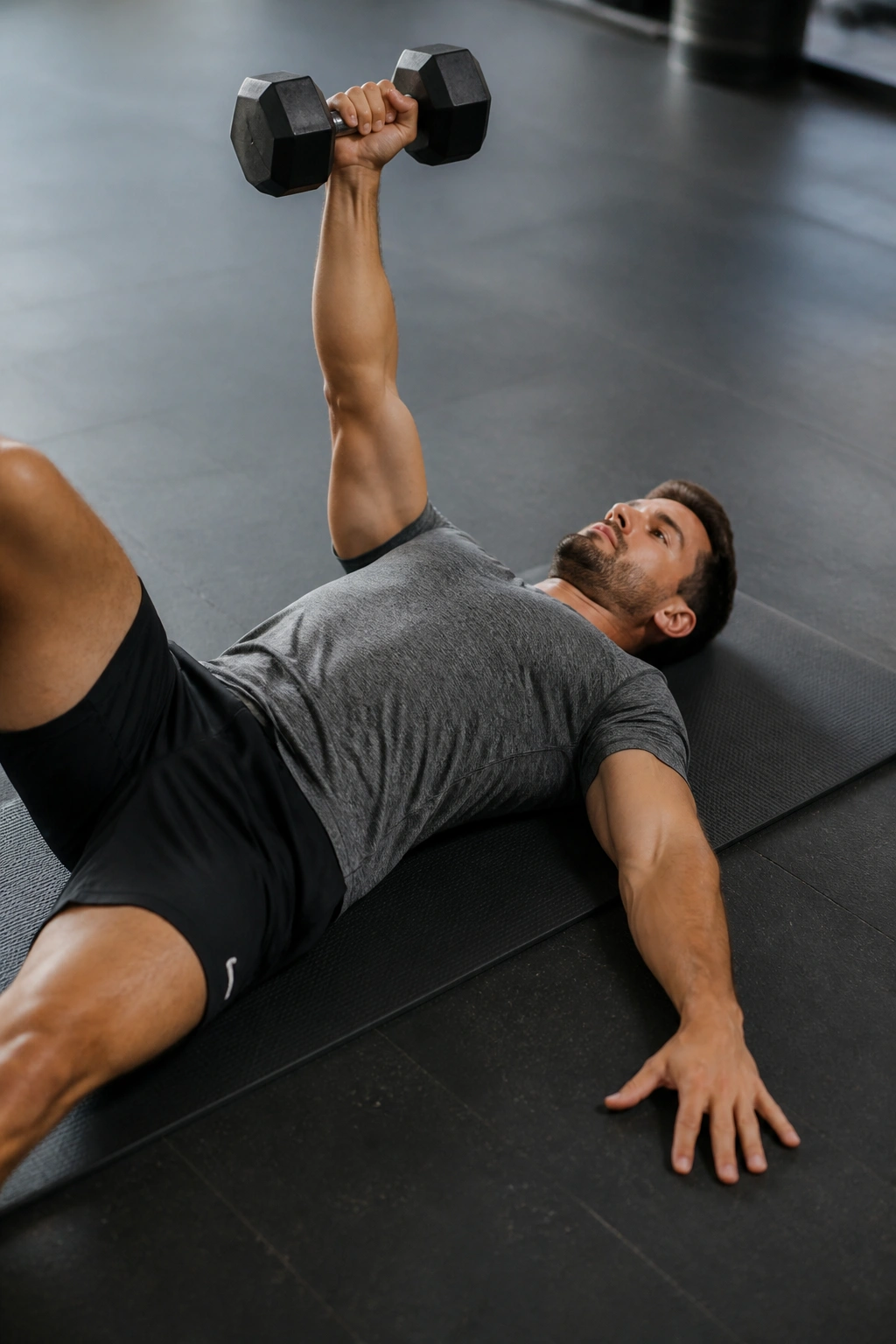
One side usually does more than the other, even if you never notice it in a mirror. This workout puts that on display. Single-arm and single-leg work force each side to earn its reps instead of hiding behind the stronger one.
Why It Stands Out
Use single-arm floor presses, Bulgarian split squats, single-arm rows, and single-leg Romanian deadlifts. Keep the rep ranges at 8 to 12 per side and move slowly enough to stay stacked. If one hip shifts or one shoulder rolls forward, that’s information you can use.
The best part is how much cleaner your form gets after a few rounds. Balance improves. So does control in the hips. And if you ever feel one side burning much sooner than the other, don’t brush that off. That’s the whole reason to train this way.
10. The Floor-Based Total Body Dumbbell Workout

Small room? Low ceiling? No bench? Fine. You can still get a useful session without standing up and down a hundred times. Floor-based work keeps the setup tight and the movement quality high.
Use dumbbell floor presses, glute bridges with a dumbbell, renegade rows, dead bugs, and goblet squats. Run 3 rounds with 10 to 12 reps on the first four moves and 8 to 10 goblet squats at the end. Rest about 45 seconds between exercises.
The floor press is the quiet hero here. It limits your shoulder range a little, which can feel better for people who get cranky shoulders on a full bench press. The glute bridge balances that out by lighting up the back side. Clean setup. Clean work.
11. The Upper-Lower Alternation That Keeps You Moving
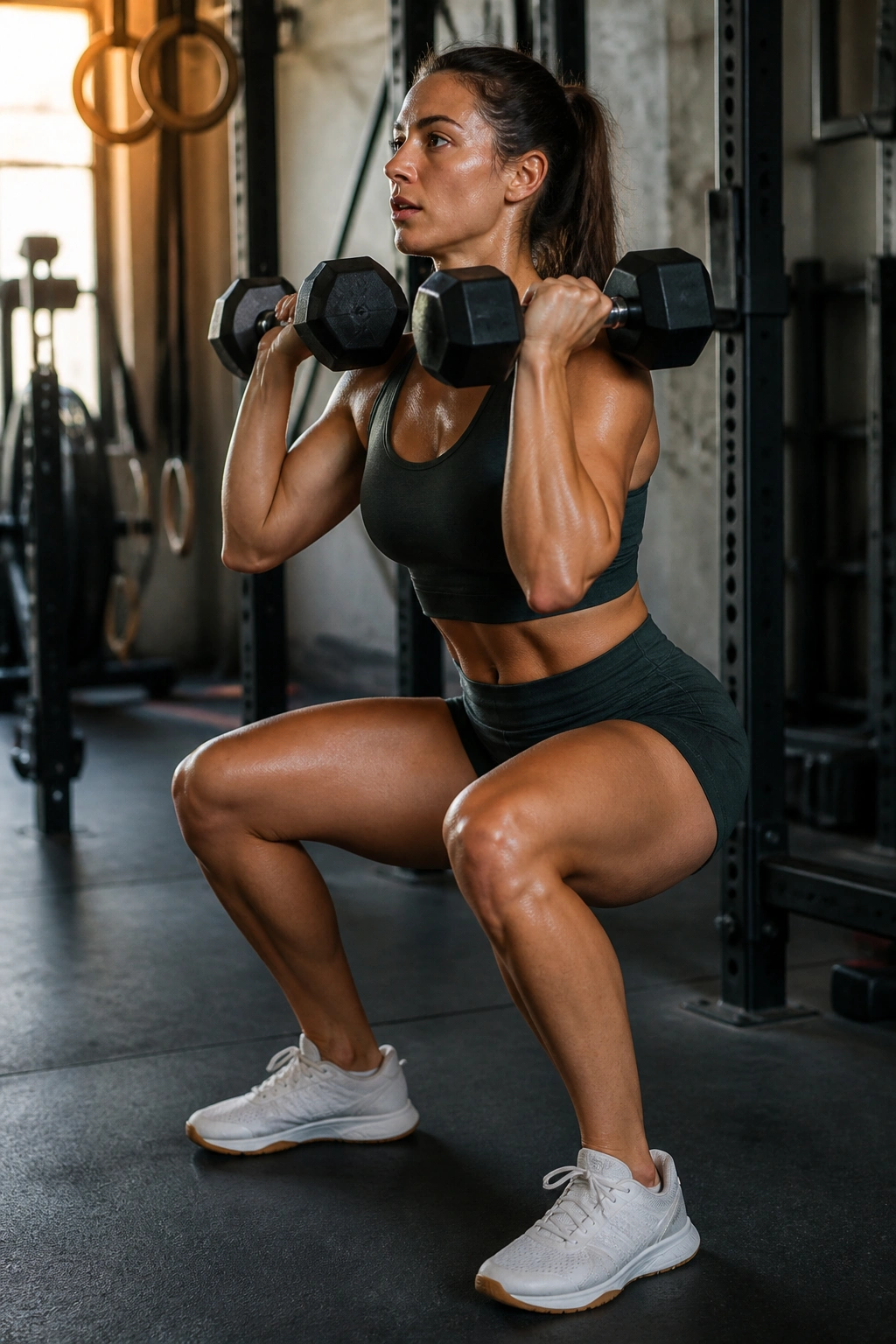
If you hate sitting around between sets, alternate between upper and lower body movements. Your heart rate stays up, but the local muscles get enough breathing room to keep the reps strong. That’s the real trick.
Try this pairing:
- Goblet squat — 4 sets of 8
- One-arm row — 4 sets of 10 per side
- Dumbbell reverse lunge — 3 sets of 8 per leg
- Dumbbell floor press — 3 sets of 10
- Romanian deadlift — 3 sets of 10
- Standing overhead press — 3 sets of 8
Pair the squat with the row, then the lunge with the press. Rest 45 to 75 seconds after each pair. The session feels smoother than a straight list of exercises, and it usually leaves less junk fatigue in your legs and back.
A small note: do not rush the transitions so much that your setup falls apart. A clean start position matters more than shaving 10 seconds off the clock.
12. The Low-Impact Dumbbell Conditioning Workout
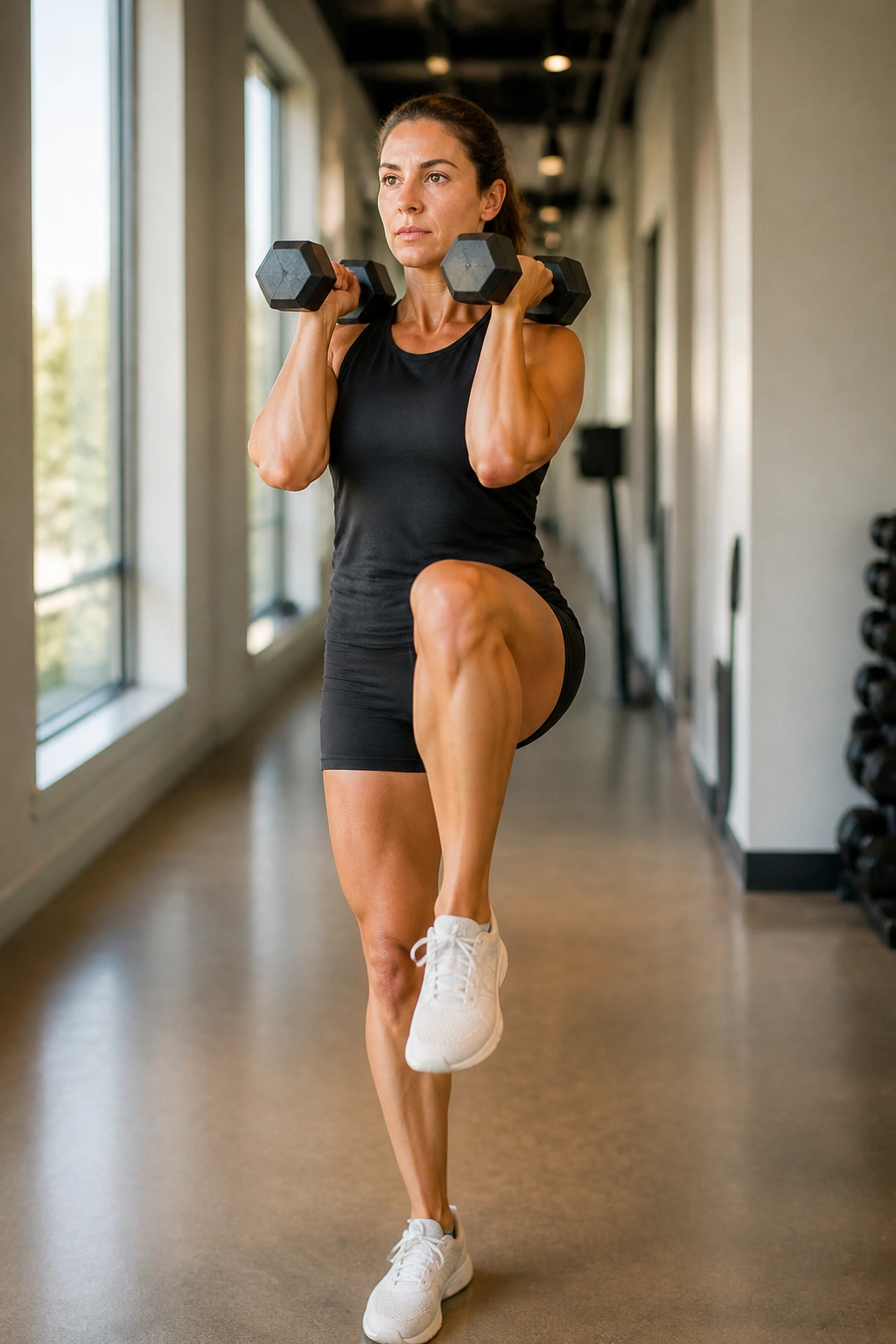
No jumping needed. That matters more than people think. Plenty of sessions chase intensity by throwing in burpees and hops, but you can get a serious conditioning hit with controlled dumbbell work and steady movement.
Move List
- Dumbbell deadlift
- Front rack march
- Alternating step-back lunge
- Dumbbell push press
- Bent-over row
Use 40 seconds of work and 20 seconds of rest for each exercise. Do 4 to 6 rounds, depending on your conditioning. Keep the march tight and the torso tall. The push press gives you a little speed without turning the workout into a joint-beating mess.
This is the one I’d reach for on days when I want to sweat without feeling wrecked afterward. It still asks for effort. It just doesn’t ask for impact.
13. The Posterior-Chain Bias Workout
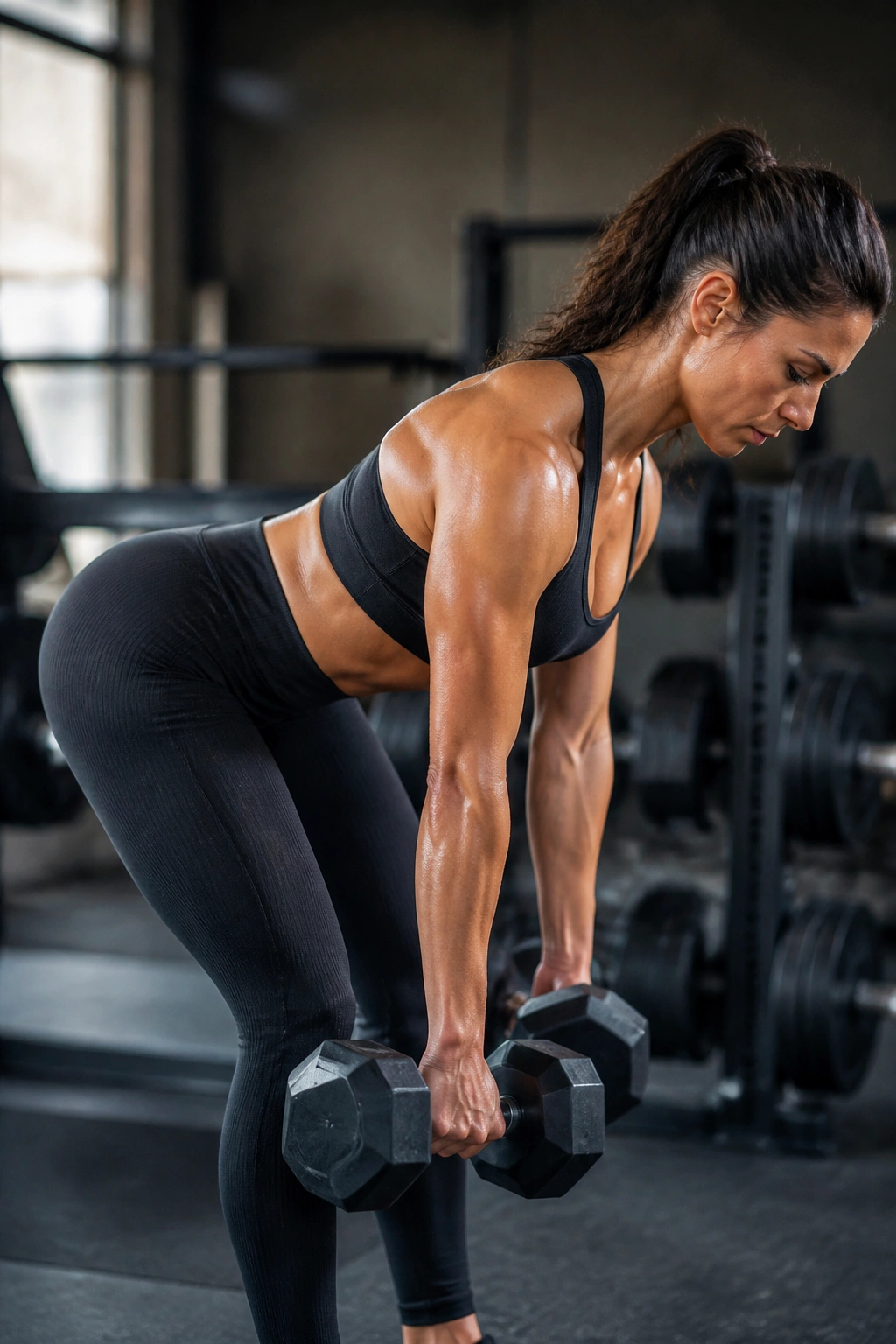
A lot of people live on the front side of their body—quads, chest, shoulders—and barely give the glutes, hamstrings, and upper back the attention they need. This workout fixes that imbalance fast.
Start with Romanian deadlifts, then add dumbbell hip thrusts, one-arm rows, rear-foot-elevated split squats, and farmer’s carries. Go for 3 or 4 sets of 8 to 12 reps on the first four moves, then carry the dumbbells for 30 to 40 seconds at the end.
What to Watch For
- Keep the spine long on the hinge.
- Drive through the whole foot on split squats.
- Pause for 1 second at the top of the hip thrust.
- Let the row finish with the elbow, not the wrist.
This session feels like it lives in the back of the body, and that’s the point. If your hamstrings and glutes are sore the next day, that’s a good sign the load landed where it should.
14. The Ladder Workout That Sneaks Up on You
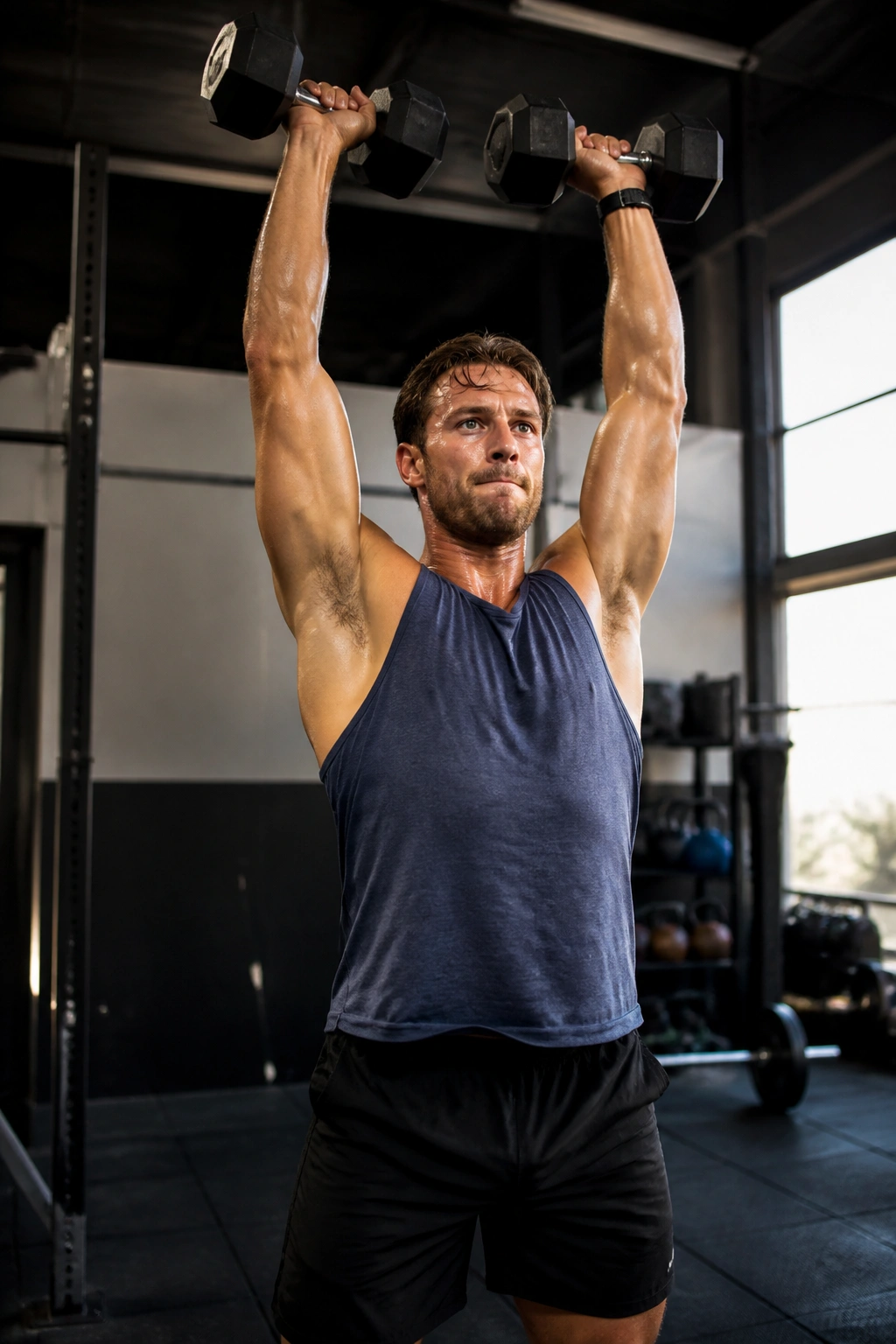
A ladder looks easy when the first rung is tiny. Then the middle rounds hit, and your breathing starts to change. That’s why this format works so well for dumbbells.
Do 2-4-6-8-10-8-6-4-2 reps of these four moves:
- Dumbbell thruster
- Bent-over row
- Goblet squat
- Alternating reverse lunge
Keep the same weight through the whole ladder if you can. If not, drop slightly after the 6- or 8-rep rung. Rest 30 to 60 seconds between rungs. The workout gets longer as the reps climb, then eases back down just enough to make you think you’re recovering faster than you are.
It’s a strange little mind game. Your legs usually notice first, then your shoulders, then your lungs. By the time you reach the top rung, the dumbbells feel honest.
15. The Core-First Dumbbell Workout
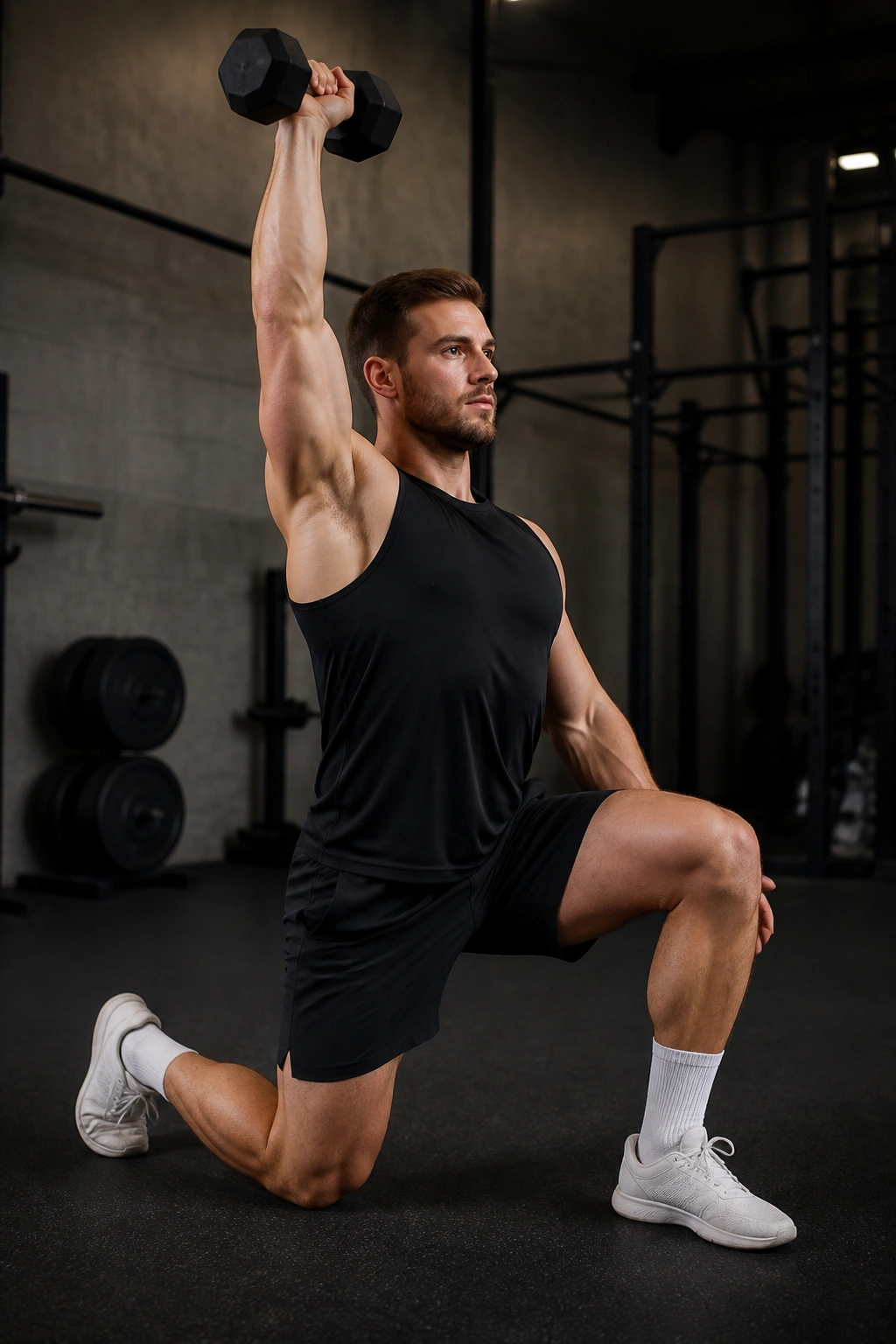
Core training gets mocked because people picture endless crunches. That’s lazy. A stronger core is what lets you press overhead, row harder, and carry heavier loads without folding like a cheap lawn chair.
Use half-kneeling single-arm presses, suitcase carries, dead bug presses, front rack squats, and one-arm rows. Do 3 sets of 8 to 10 reps on the lifts and 30 seconds per side on the carries. The half-kneeling position strips away a lot of cheating, which is why it works so well.
I’d keep the reps controlled here. Two seconds down, one second up. That tempo gives the trunk time to brace instead of bouncing through the motion. The workout feels calmer than a sprint, but it hits harder than it looks on paper.
16. The Strength-Endurance Superset Session

This one sits between classic lifting and conditioning work. You pair a bigger move with a second move that doesn’t completely steal the same muscles, then keep going until the muscles start complaining in a useful way.
Superset A
- Dumbbell front squat — 4 sets of 8
- One-arm row — 4 sets of 10 per side
Superset B
- Dumbbell floor press — 4 sets of 8 to 10
- Romanian deadlift — 4 sets of 10
Finisher
- Farmer’s carry — 3 rounds of 40 seconds
Rest 60 seconds after each superset. That’s enough time to stay sharp and not enough time to cool down. If you’ve ever wanted a workout that feels sturdy instead of frantic, this is a good one to keep in rotation.
The nice part is how balanced it feels. Push, pull, squat, hinge, carry. No gimmicks.
17. The Power Workout With Clean-to-Press Reps
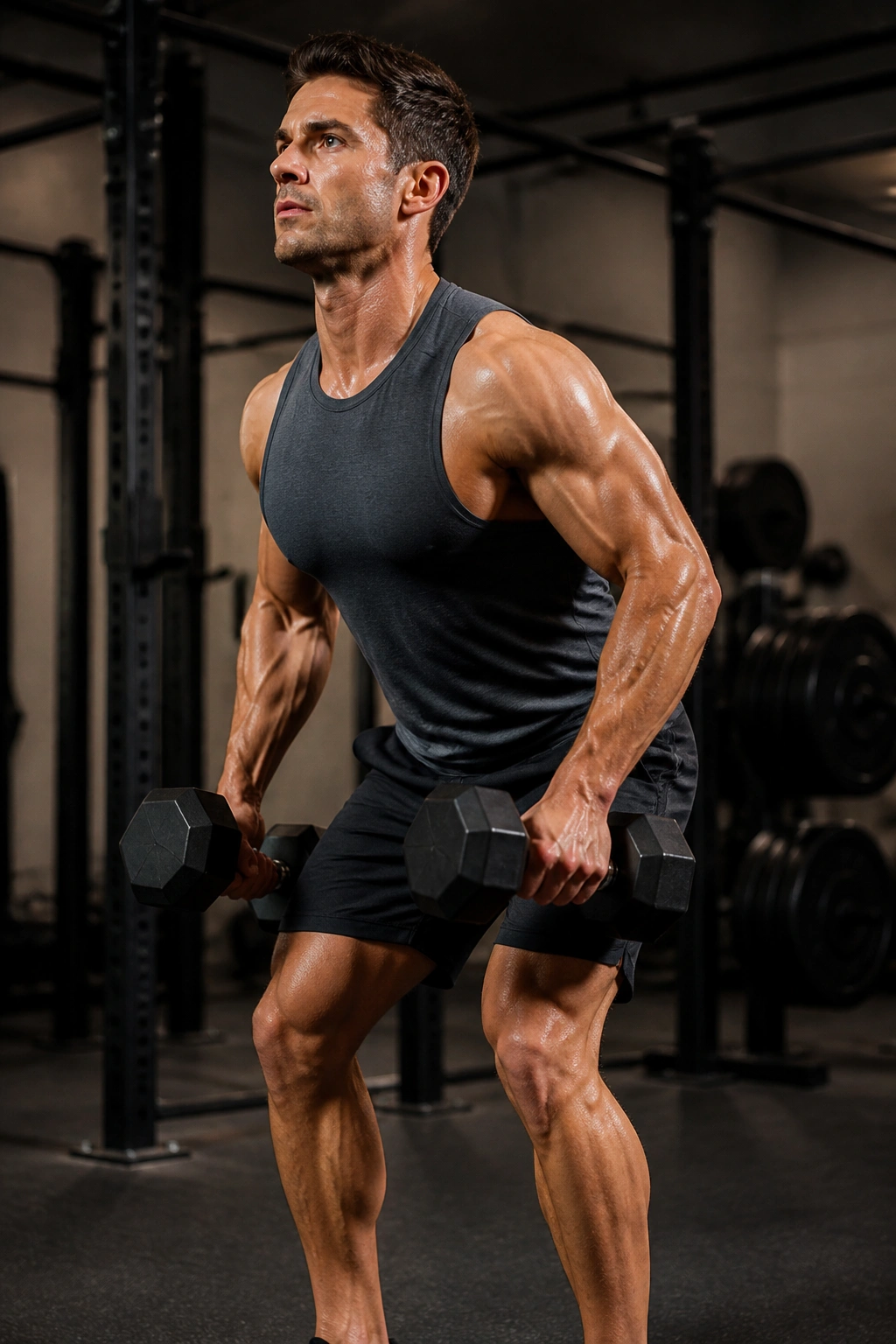
Need a session that feels athletic instead of slow and grindy? Use lighter dumbbells and move them fast with control. Power work should look crisp, not messy. If the dumbbells are banging around, the load is off.
Try dumbbell clean to press, jump-free split squats, one-arm rows, front squats, and suitcase carries. Use 5 sets of 4 to 6 reps on the explosive moves and 8 reps on the steadier work. Rest 90 seconds between sets.
The Big Rule
The rep stops the moment speed drops hard.
That’s the line. Power training is about clean output, not surviving a rep that turns into a shrug and a wobble. Keep the load moderate, keep the path tight, and let the intent be fast even if the dumbbells themselves are not moving at lightning speed.
18. The Travel-Friendly One-Pair Workout
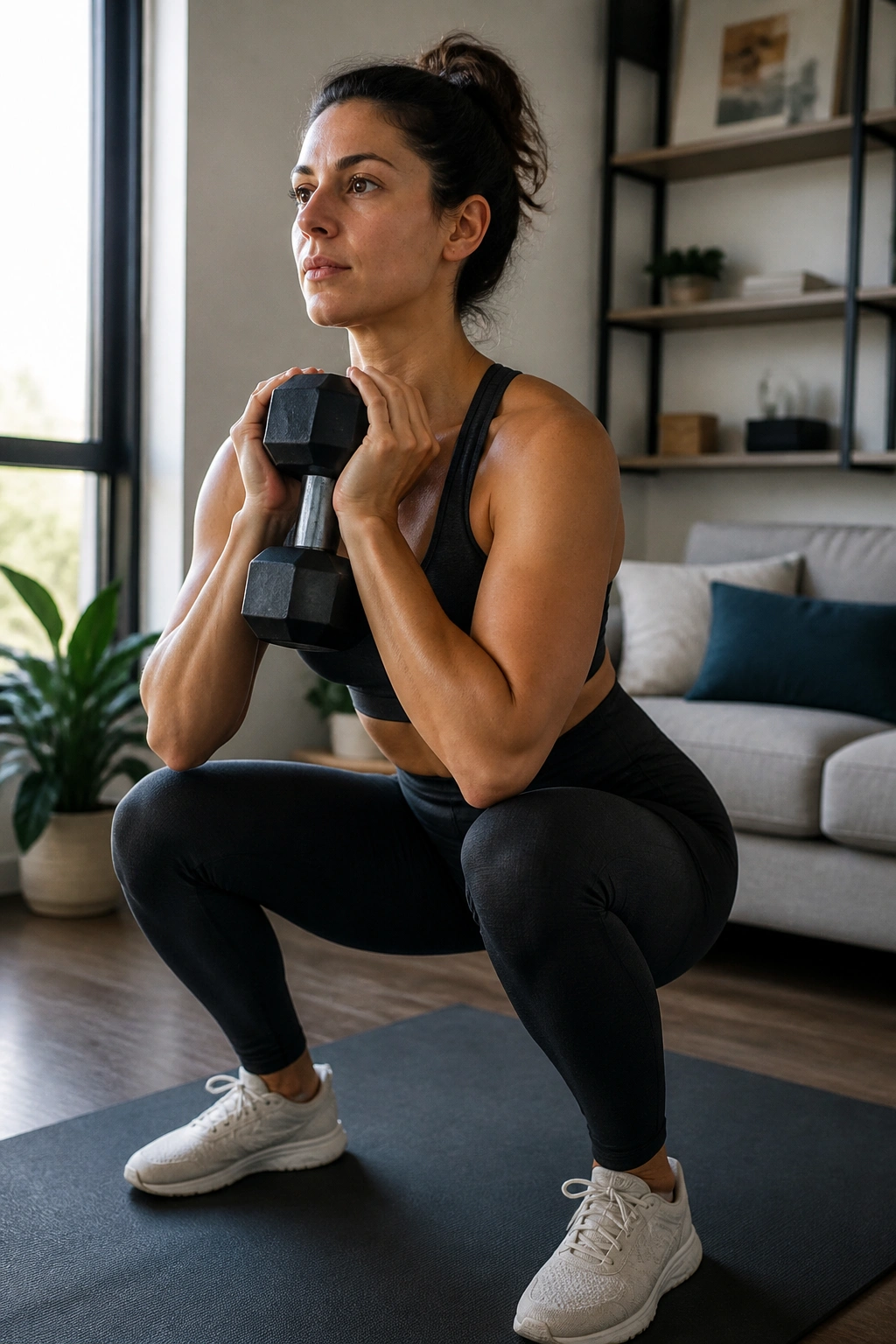
If you’ve only got one pair of dumbbells and limited floor space, stop trying to build a complicated plan around it. Use the tools you have, and make the most of them.
This session uses goblet squats, single-arm rows, floor presses, Romanian deadlifts, and walking lunges or split squats. Do 3 rounds of 10 reps on the first three moves, 12 reps on the hinge, and 8 reps per leg on the lunge pattern. Rest 45 to 60 seconds.
The appeal here is blunt: it works anywhere. Apartment. Hotel room. Garage. Tiny spare room with a fan humming in the corner. I like routines like this because they remove excuses without turning the workout into a circus.
19. The Joint-Friendly Recovery Lift
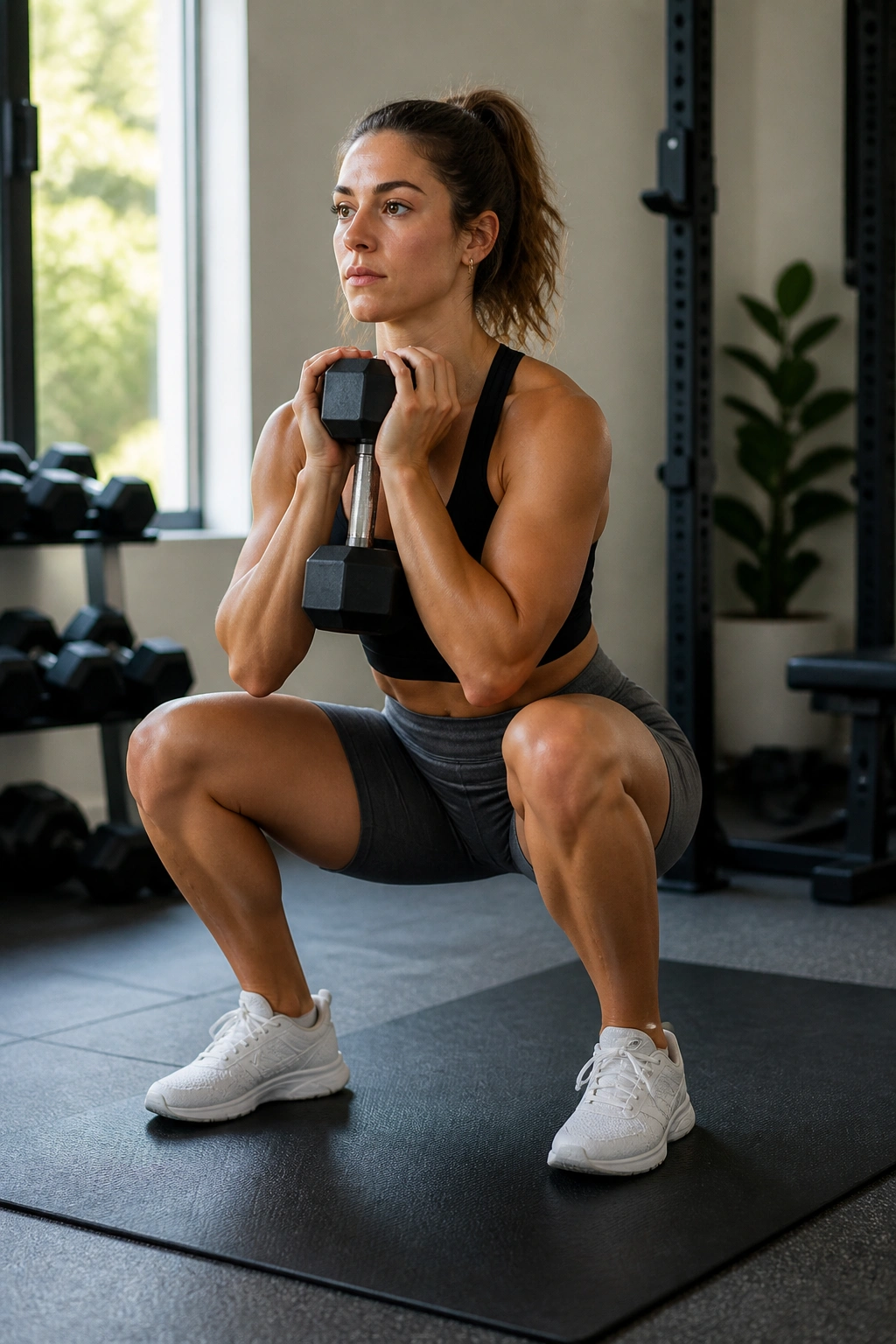
Not every dumbbell workout needs to leave you staring at the ceiling afterward. Some days call for movement, light sweat, and better blood flow. This is the session for that mood.
Use slower reps and lighter loads on goblet squats, supported rows, glute bridges, half-kneeling presses, and suitcase carries. Aim for 2 to 3 sets of 12 to 15 reps with a 3-second lowering phase on each lift. Rest 45 seconds and stay smooth.
The slow lowering matters more than the weight here. It gives the muscles work without pounding the joints. If the session ends with you feeling looser than when you started, you chose the right load.
20. The Density Challenge Workout
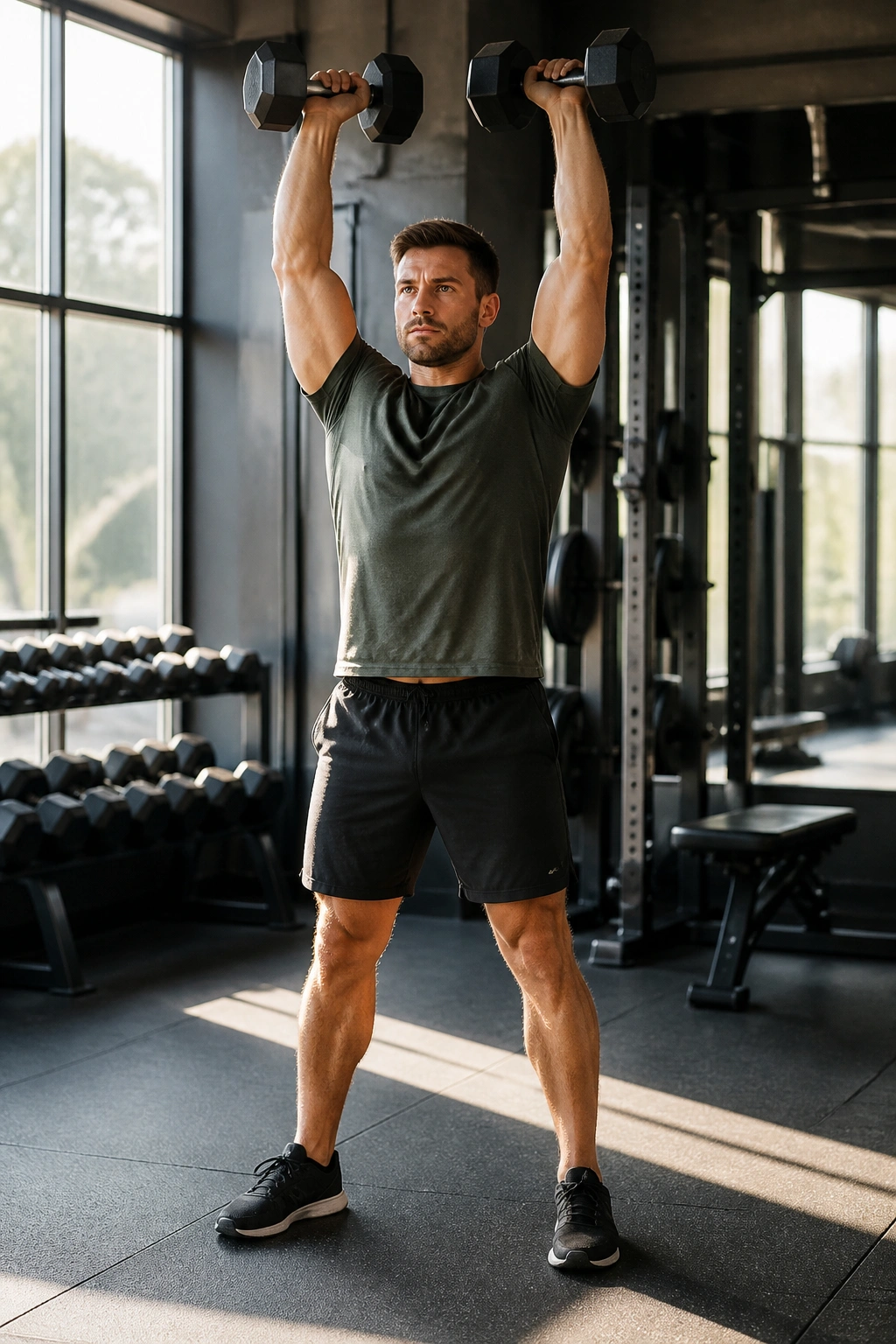
This is the one for people who like a finish line. Set a timer for 20 minutes and cycle through five moves for as many quality rounds as you can manage. Not sloppy rounds. Quality rounds.
Your 20-Minute Loop
- 8 dumbbell thrusters
- 8 bent-over rows
- 10 alternating reverse lunges
- 10 Romanian deadlifts
- 8 floor presses
Use a weight that lets you keep the same shape in round 4 as you did in round 1. If the reps fall apart, slow down and rest 20 to 30 seconds before picking the dumbbells back up. The whole point is to build density—more useful work in the same block of time—without turning the session into chaos.
This one ends the list well because it rewards consistency. You don’t need to win every minute. You just need to keep moving with decent form and a little patience.
Final Thoughts
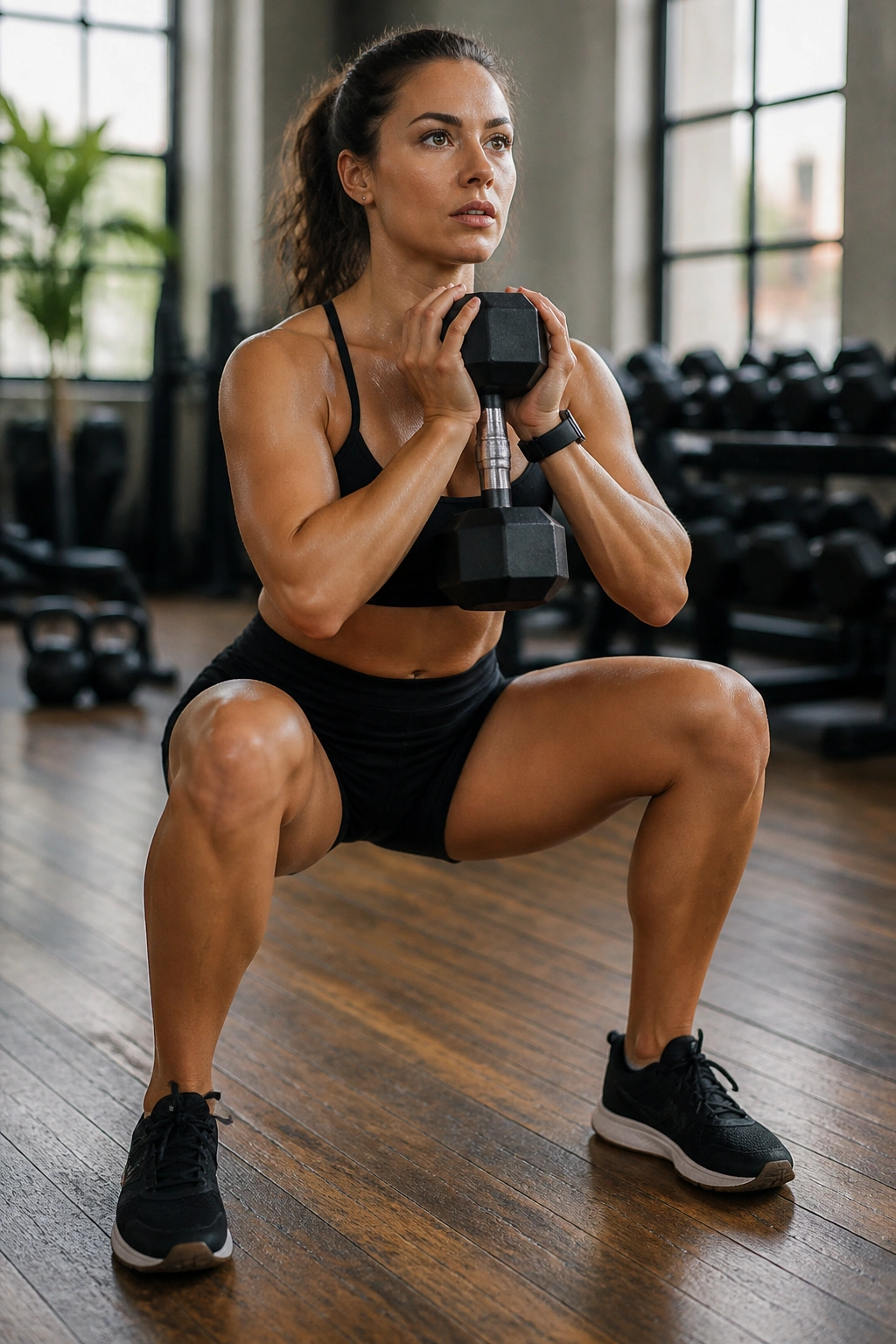
A solid dumbbell session does not need ten different machines or a long setup. A squat, a hinge, a push, a pull, and a carry can cover a lot of ground when you put them together with care.
Pick the workout that matches your day. Short on time? Use the 20-minute circuit. Want more sweat? Grab the EMOM or the density challenge. Need something calmer on your joints? The floor-based or low-impact sessions will do the job without beating you up.
The best part is that these total body dumbbell workouts scale with you. Same basic tools. Different challenge. That’s hard to beat.
