



Thirty minute yoga flows work because they leave out the performance. You do not need a perfect hour, a spotless room, or the kind of motivation that survives a bad commute.
A real daily practice is built from sequences you can repeat on a sleepy morning, a tight afternoon, or the hour before dinner. That’s the whole trick. Thirty minutes is long enough to change your breath, your posture, and the way your hips feel when you stand up — but short enough that you can keep showing up.
I keep coming back to the same idea: the best yoga routine is the one that fits your actual life, not the one that looks noble on paper. Some days ask for heat. Some days ask for floor work. Some days need shoulders, wrists, or low back care more than fancy transitions. And yes, some days you want to sweat a little without spending your whole evening on the mat.
Keep a block, a strap, and a folded blanket nearby if you have them. Useful tools. Not crutches. The first flow below is the plainest and maybe the most useful of the bunch: a wake-up sequence that asks for almost nothing and gives you a lot back.
1. Morning Wake-Up Flow
The first few minutes of the day can feel sticky. This flow is built to change that without shocking your system. It starts on the floor, rises into a few standing shapes, and lands back down before your coffee even cools.
How to Pace It
Spend 5 minutes easing your spine, 10 minutes opening the hips and legs, and 5 to 8 minutes in gentle standing work. Save the last few minutes for a quiet finish, because rushing straight from the mat to the rest of the day defeats the point.
- Cat-cow for 6 to 8 breaths
- Low lunge on each side, 5 breaths
- Half sun salutations, 4 rounds
- Chair pose, 3 slow breaths
- Standing forward fold with bent knees
- Easy twist on the back, both sides
Best tip: keep your knees soft in the first forward fold. Morning hamstrings can be grumpy, and there is no prize for yanking them awake.
2. Desk-Neck and Wrist Reset
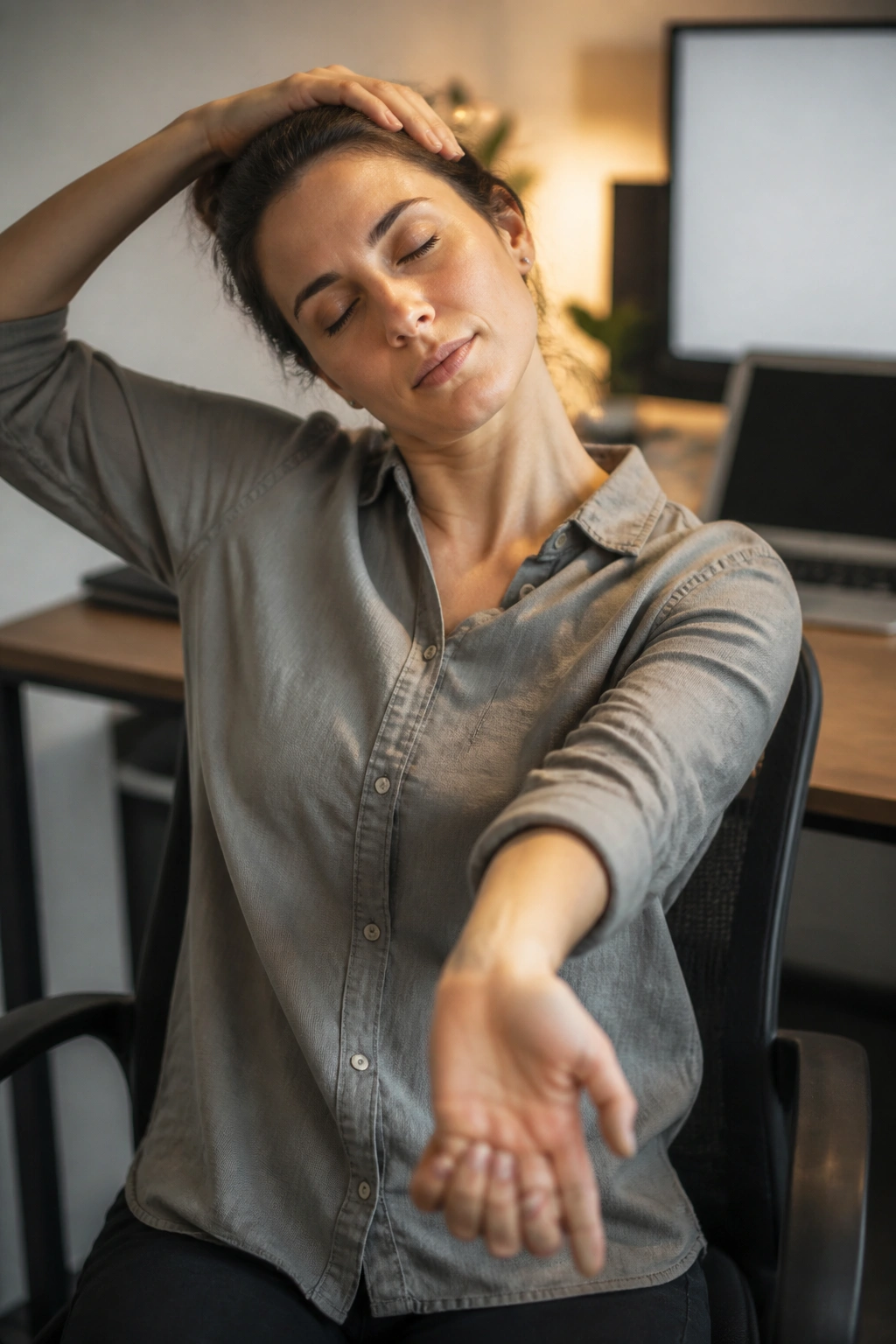
If your shoulders live somewhere near your ears, this is the one to use. It is short, unfussy, and good for the kind of tension that creeps in after too much typing or too many hours in one chair.
Start with tabletop and give your wrists a little love first. Rock forward and back 8 to 10 times, then turn one hand out at a time if the front of the wrist feels tight. After that, move into eagle arms, a few rounds of shoulder rolls, and puppy pose with the chest melting toward the floor. Keep the neck long. No dramatic circles.
Finish with a standing chest opener and a slow side bend on each side. The point is not to crack everything open. The point is to let the upper back stop bracing for a minute.
If your desk work leaves your breath shallow, this flow can help more than a hard workout. It gives your ribs room to move again. That alone changes how your whole day feels.
3. Low-Back Relief Flow
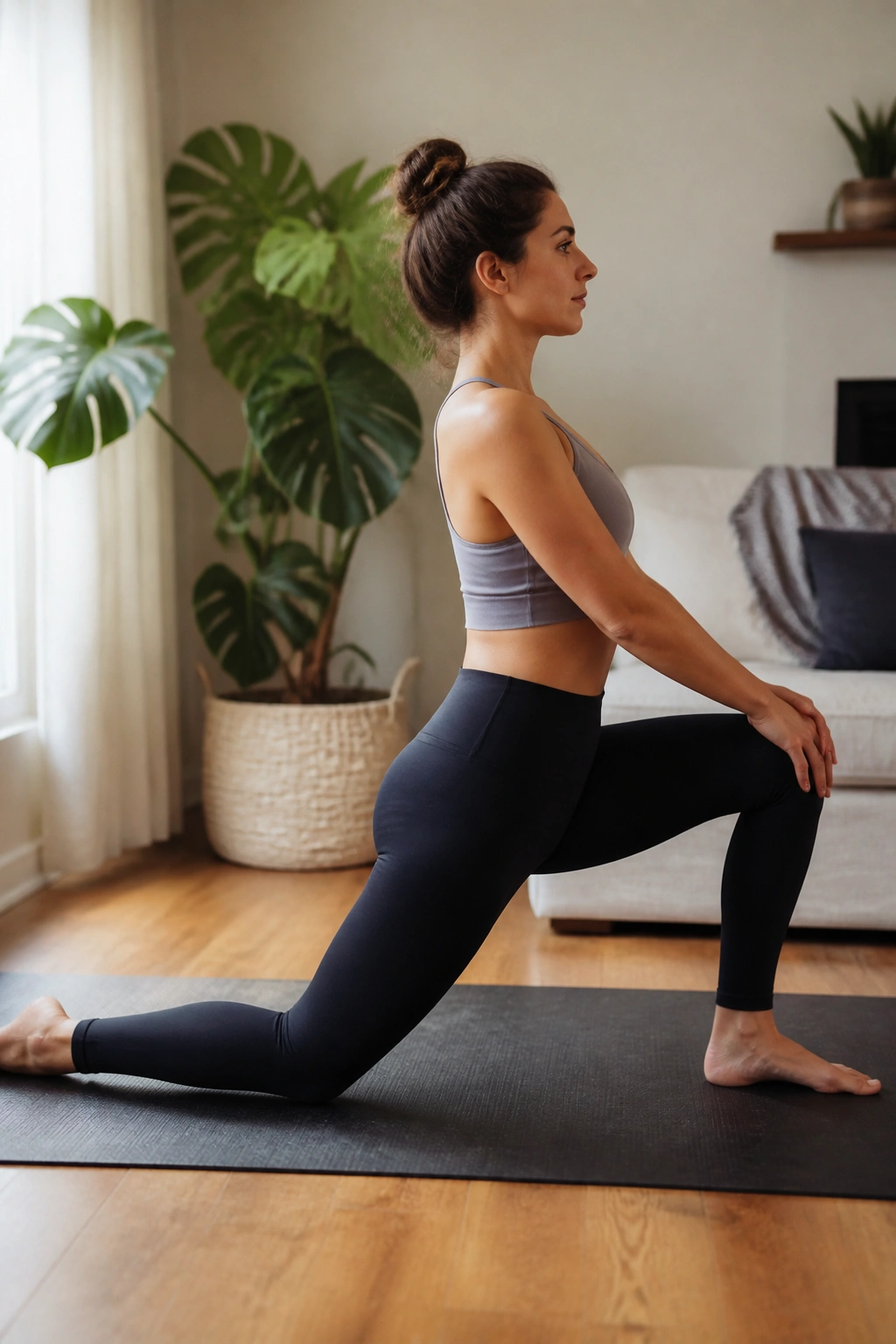
Why does your low back get louder after sitting, even when you did not “do” anything to it? Usually because your hips stopped helping and your spine took over the job. This flow makes the hips pitch in again.
Begin with cat-cow, then move to child’s pose with the knees wide. From there, step into a low lunge and keep the front knee stacked over the ankle while your back heel reaches away. Half split comes next — bend and straighten the front leg slowly, only as far as the hamstrings allow.
How to Move Through It
- Cat-cow: 6 slow rounds
- Child’s pose: 5 breaths
- Low lunge: 5 breaths per side
- Half split: 5 breaths per side
- Supine figure-four: 5 to 8 breaths per side
- Knees-to-chest: 30 seconds
Use a folded blanket under the knees if the floor feels hard. Use blocks under the hands in half split. And do not force a deep twist if the back feels pinchy; a twist should feel like a gentle wring, not a crank.
4. Standing Strength Flow
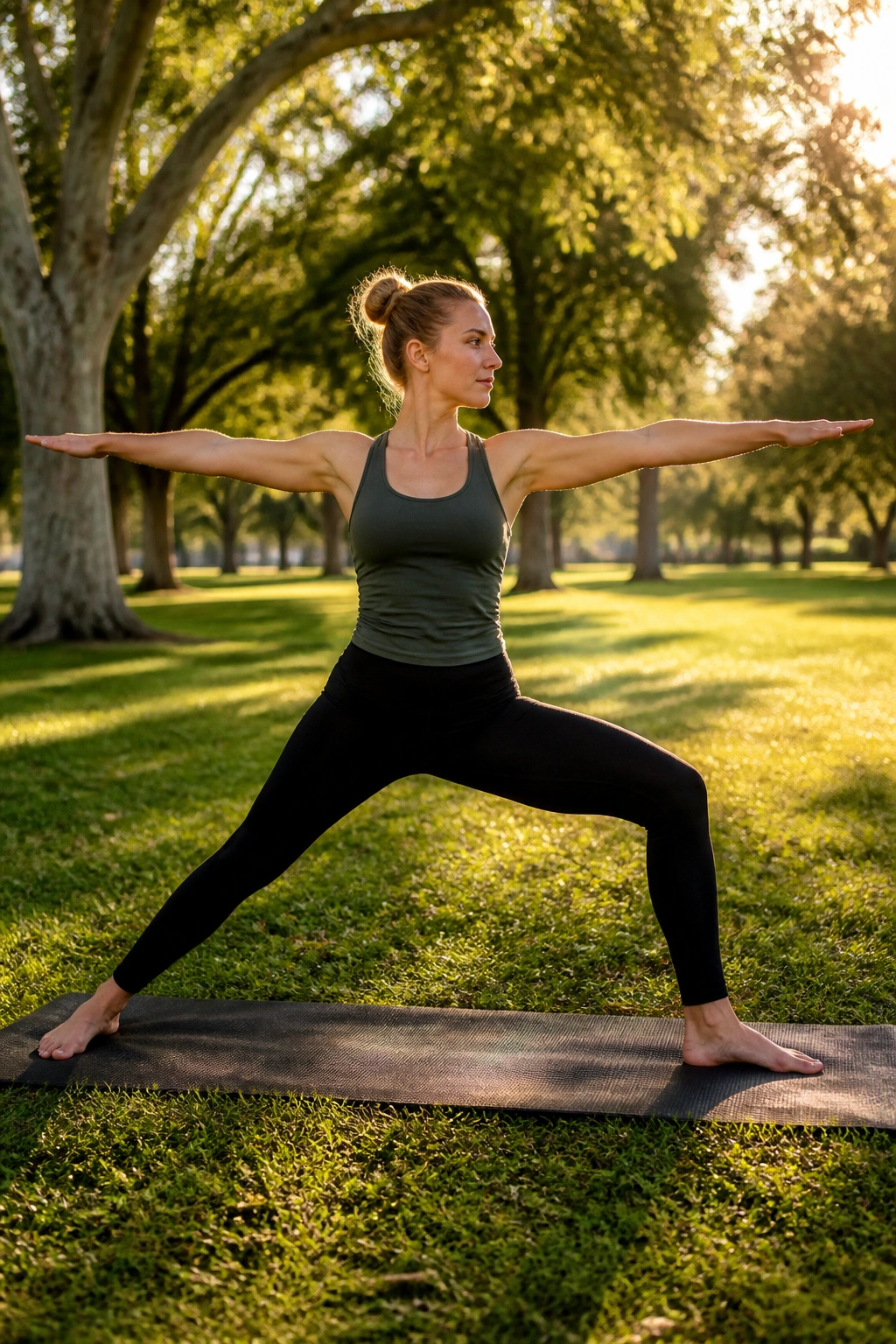
A lot of people want yoga to feel calming, then wonder why they still feel weak and wobbly. Standing work fixes that fast. Feet, thighs, glutes, core, balance — the whole chain wakes up.
Picture this: you have been sitting all day, then you stand up and your body acts surprised. This flow answers that surprise with chair pose, warrior II, side angle, and airplane balance. It is not flashy. It is useful.
- 3 rounds of chair pose with 3 breaths each
- Warrior II on both sides, 5 breaths
- Reverse warrior, 3 breaths
- Side angle with the top arm reaching long
- Airplane balance or warrior III prep
- Goddess pose pulses, 10 slow reps
End with a forward fold and let the legs go a bit floppy. The contrast matters. Strong work feels better when you give it a landing.
5. Hip Opener With Slow Breath
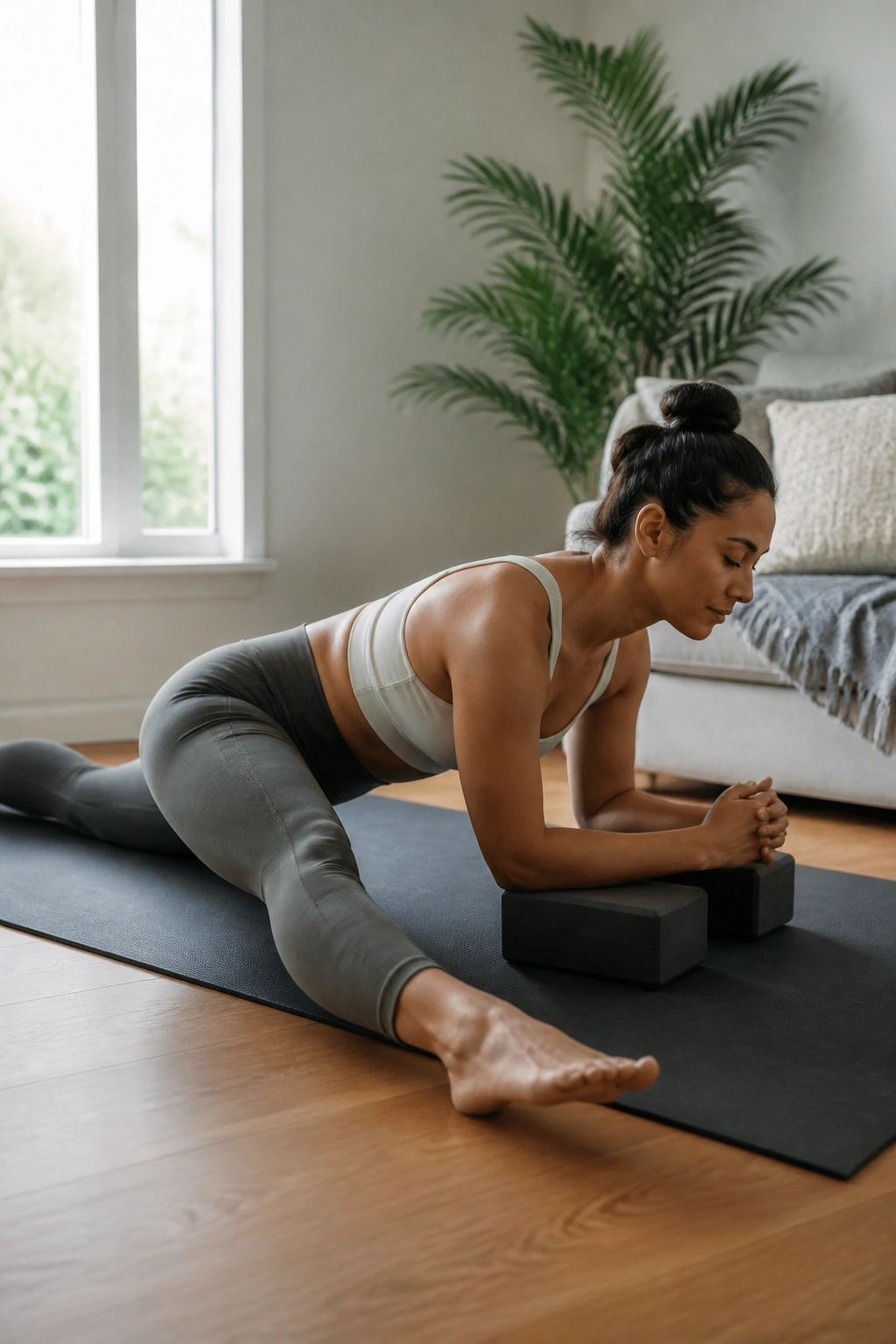
Hips open better when your breath stops fighting them. That sounds obvious, but people skip the breath part all the time and then blame the pose. I prefer a slower practice here, one that gives the joints a chance to soften instead of clamp down.
Start low. Low lunge. Then move into lizard with your hands on blocks or the floor, whichever keeps the shoulders calm. Pigeon can come next, but make it supported if your hips are high or your knees hate the shape. A blanket under the front hip makes a huge difference.
After that, come onto your back for reclined figure-four and happy baby. That last one looks playful, but it can be sneaky intense. Keep your tailbone heavy and your jaw loose. If you’re holding your breath, the stretch is too aggressive.
This is the flow I reach for when the hips feel dull, not injured. There’s a difference. Dull usually wants movement and patience. Injury wants care and less ambition.
6. Hamstring Care Flow
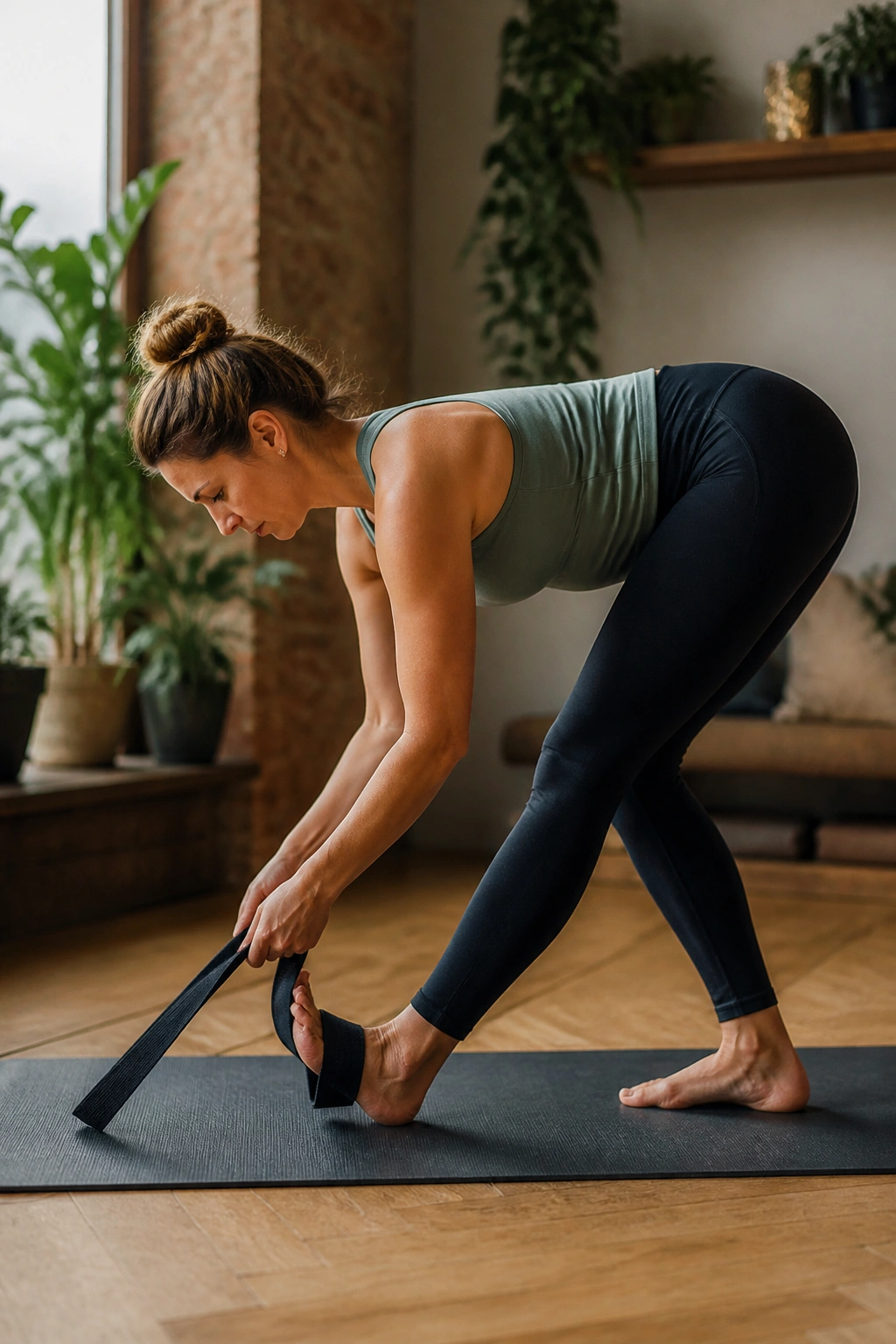
Unlike a hard stretch session, this one is about length without tug-of-war. Tight hamstrings usually do better with bent knees, straps, and a little honesty than with a heroic reach toward the toes.
A standing half fold with bent knees starts things well. Then move to pyramid pose with blocks under the hands and a soft front knee. On the floor, use a strap for supine hamstring stretch and keep the opposite leg bent if your lower back starts arching off the mat. That small bend matters more than people think.
What to Watch For
- A stretch should feel broad, not sharp
- The back of the knee should not complain
- Your pelvis should stay heavy
- A strap helps you keep the shoulders relaxed
- One knee can stay bent and that is fine
Runners and cyclists tend to like this flow. Desk workers do too. If you only have one hamstring routine in rotation, make it this kind — measured, calm, and free of the “push harder” nonsense that usually backfires.
7. Core and Balance Flow
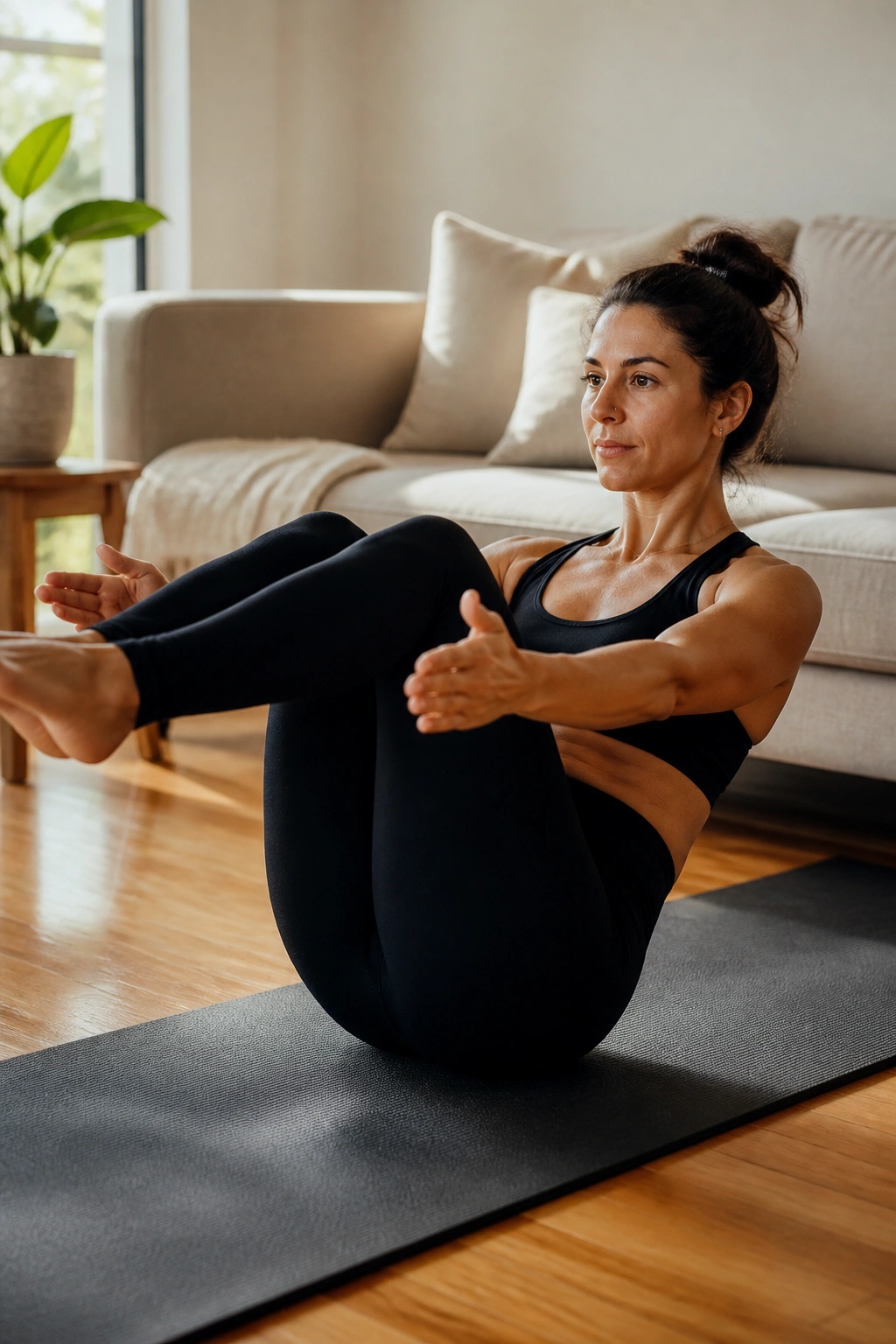
What makes a yoga core sequence work is not endless plank hold misery. It is controlled shifts, clean transitions, and balance shapes that force your middle to pay attention.
Start with plank and hold for 3 breaths. Step to side plank on one side, then lower to forearm if your wrists feel tired. Boat pose comes next, but keep the knees bent if your low back starts to pinch. From there, move to bird dog, standing knee lifts, and tree pose.
How to Use It on Low-Energy Days
- Keep the holds short: 3 to 5 breaths
- Use the wall near tree pose if you wobble
- Drop the knees in plank if the shoulders fade
- Move slowly between shapes
- Finish with a seated fold to calm everything down
This one can feel a little humbling. Good. That is part of the deal. Balance work shows you where you rush, and core work shows you where you collapse. Both are useful. Neither is personal.
8. Shoulder and Upper-Back Release
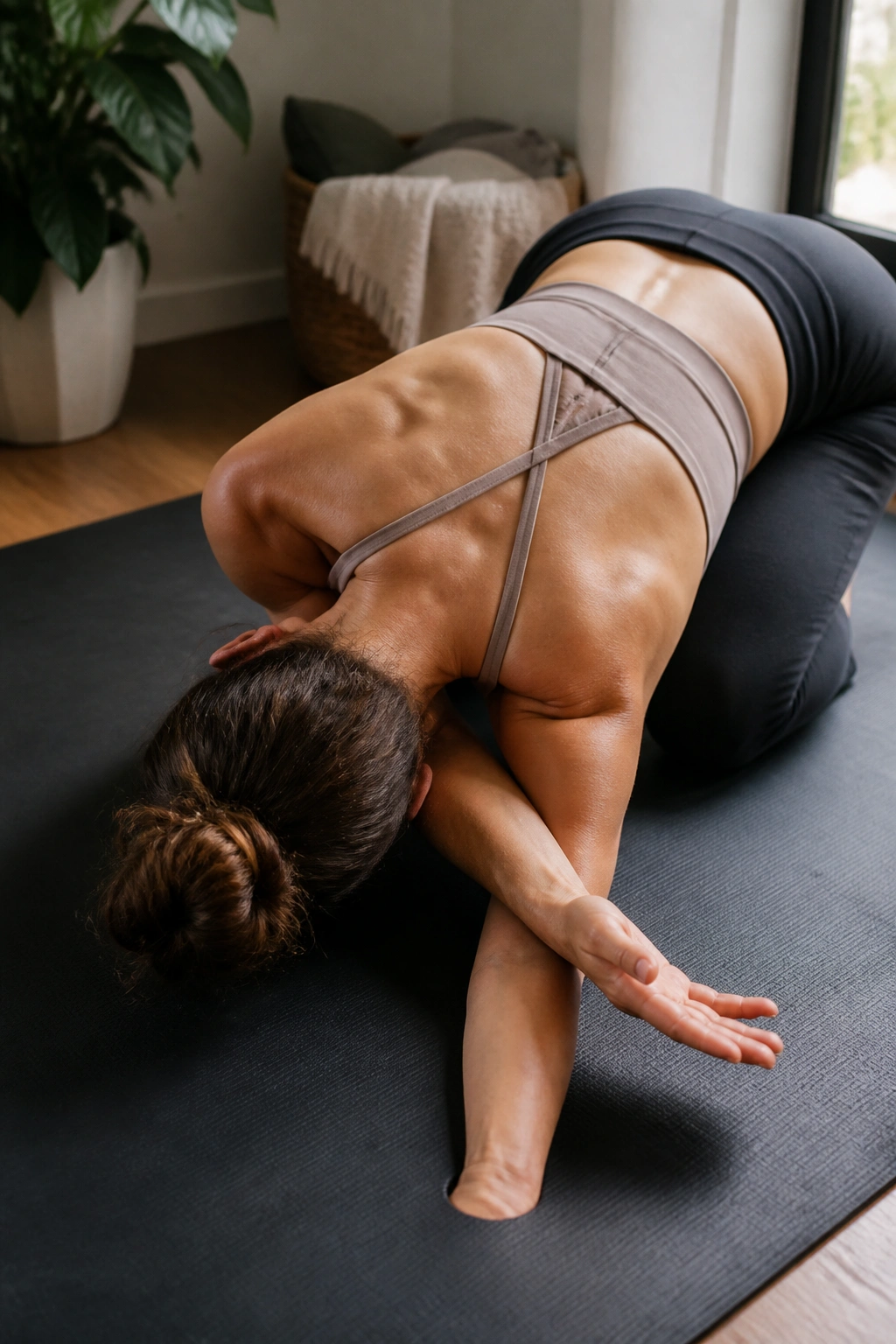
Laptop shoulders hate being ignored. They bunch up around the neck, round the chest, and make even a simple reach overhead feel oddly stiff. This flow gives the upper back a proper exhale.
Use a strap if you have one. Thread the needle on each side, then come into puppy pose with the chest dropping toward the mat. Eagle arms help, too, especially if you hold them high and breathe into the back ribs. I also like a supported fish variation over a folded blanket; it opens the front of the chest without asking for a backbend circus act.
You do not need to yank the shoulders open. You need space between the blades and a little room across the collarbones. That is a quieter change, but it lasts longer.
End with a few slow neck side bends. Keep the chin level. Keep the face soft. Shoulders often release when the jaw gets the message first.
9. Gentle Evening Downshift
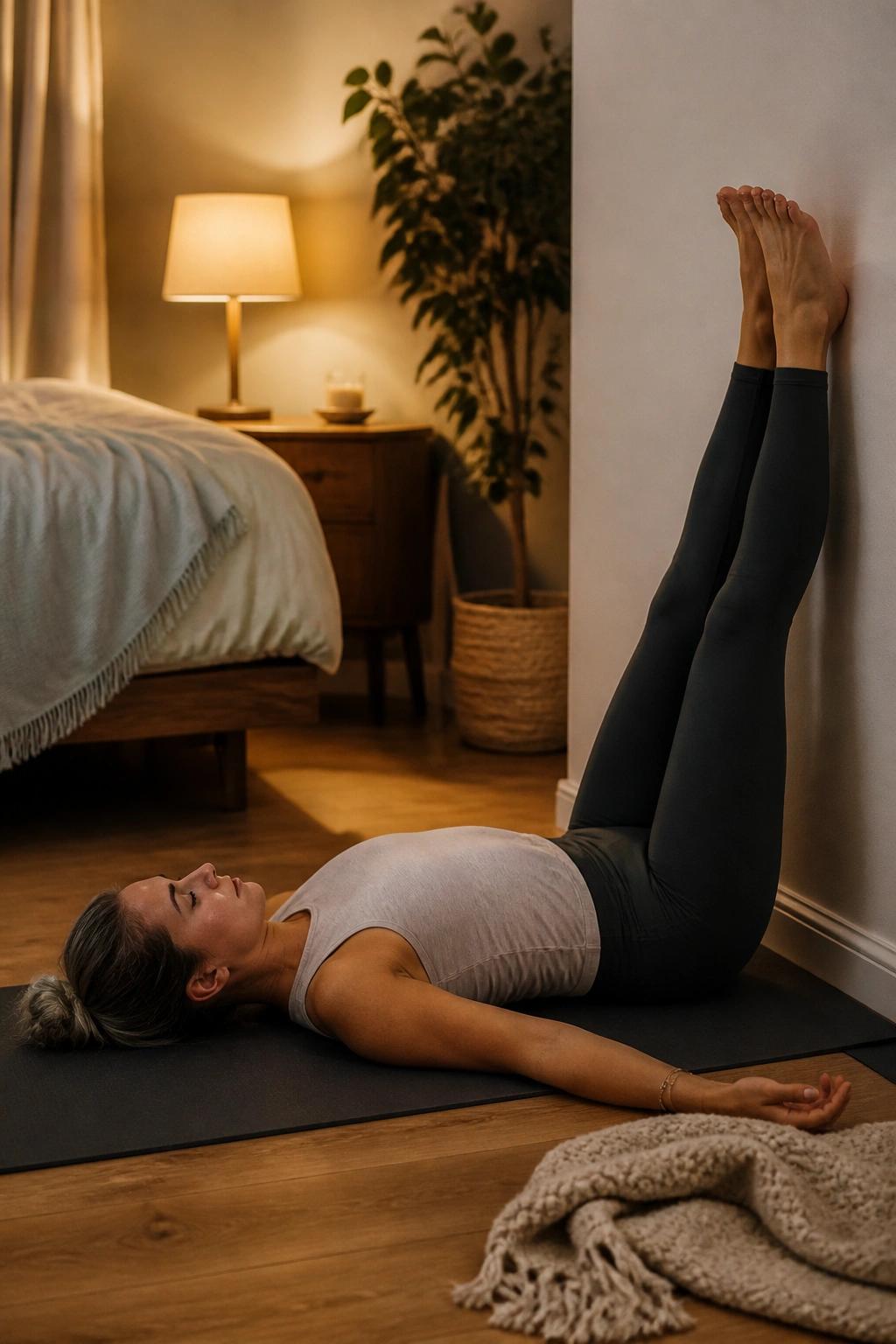
When the day has been loud, your practice should get quieter, not harder. This flow is built for that. The pace is slower, the transitions are smoother, and the whole point is to tell your nervous system that the work is over.
Start with legs up the wall for 2 to 3 minutes. Then move to reclined bound angle, letting the knees fall open only as far as feels easy. A supported child’s pose follows, then a simple seated forward fold with bent knees and a blanket under the hips if needed.
Breathing matters more here than shape depth. Try a count of 4 in and 6 out for several rounds. That longer exhale is boring in the best way. It takes the edge off.
Finish with a supine twist on each side and stay there longer than you think you should. Evening yoga should feel like the day loosens its grip. If you leave the mat still buzzing, the flow was too ambitious.
10. Sweatier Vinyasa Push
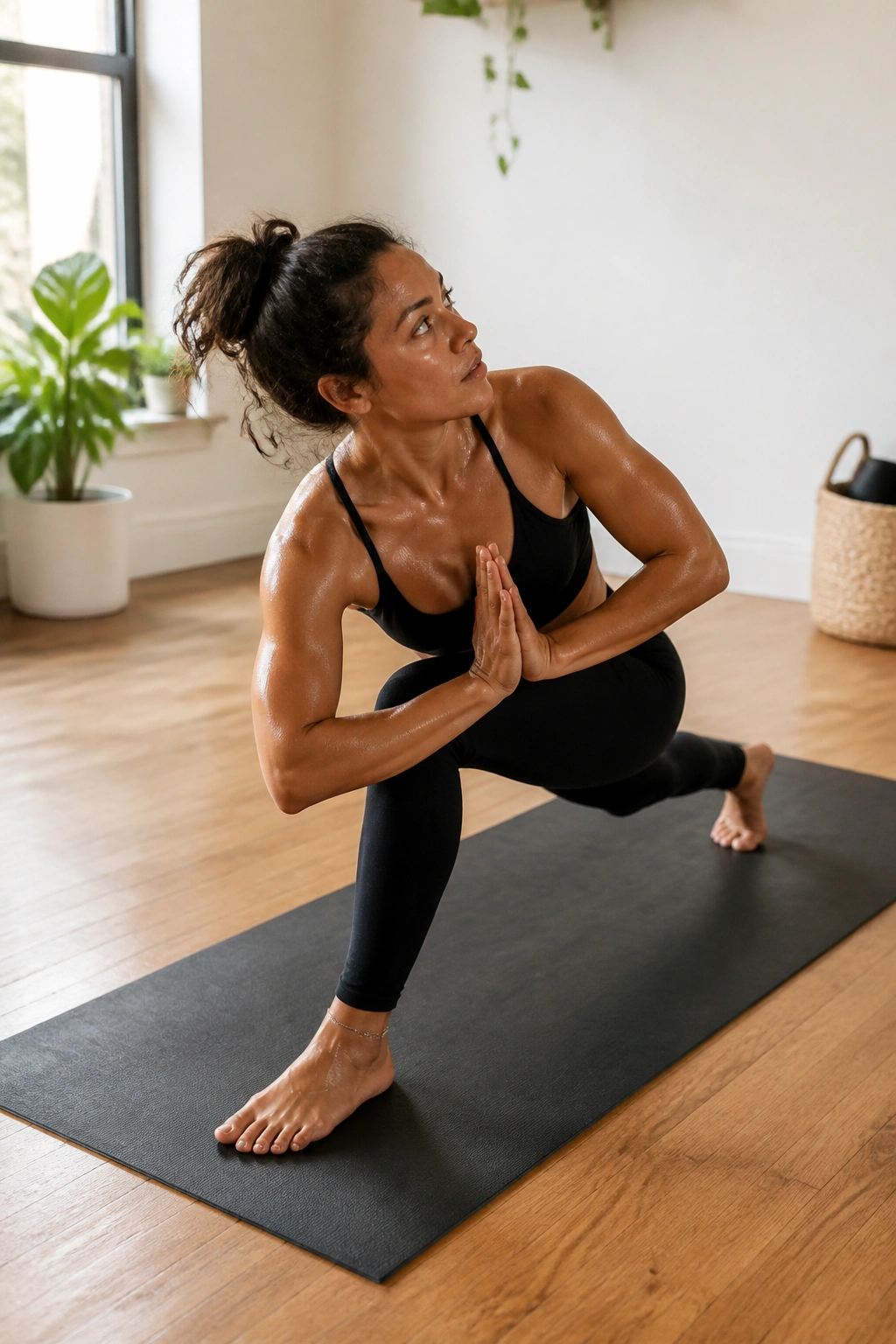
Thirty minutes can still be sweaty. It just has to move. This flow keeps the rest periods short and stacks standing shapes in a way that raises your heart rate without turning the practice into a boot camp.
Start with two rounds of sun salutations. Then run a small loop: crescent lunge, knee drive, high lunge twist, plank, downward dog, and switch sides. Add warrior I or chair between rounds if you want more leg burn. Chaturanga can stay knees-down if your shoulders need the kindness.
A Good Rhythm Looks Like This
- 2 sun salutation rounds
- 2 lunge sequences per side
- 1 balance shape per side
- 1 short plank series
- 1 standing finisher, like goddess or chair
The secret is pace, not chaos. Move decisively, but do not fling yourself between poses. Sloppy transitions chew up energy fast and do nothing for form. A strong sweat flow should leave you tired in the legs and open in the chest, not angry in the wrists.
11. Post-Run Recovery Flow
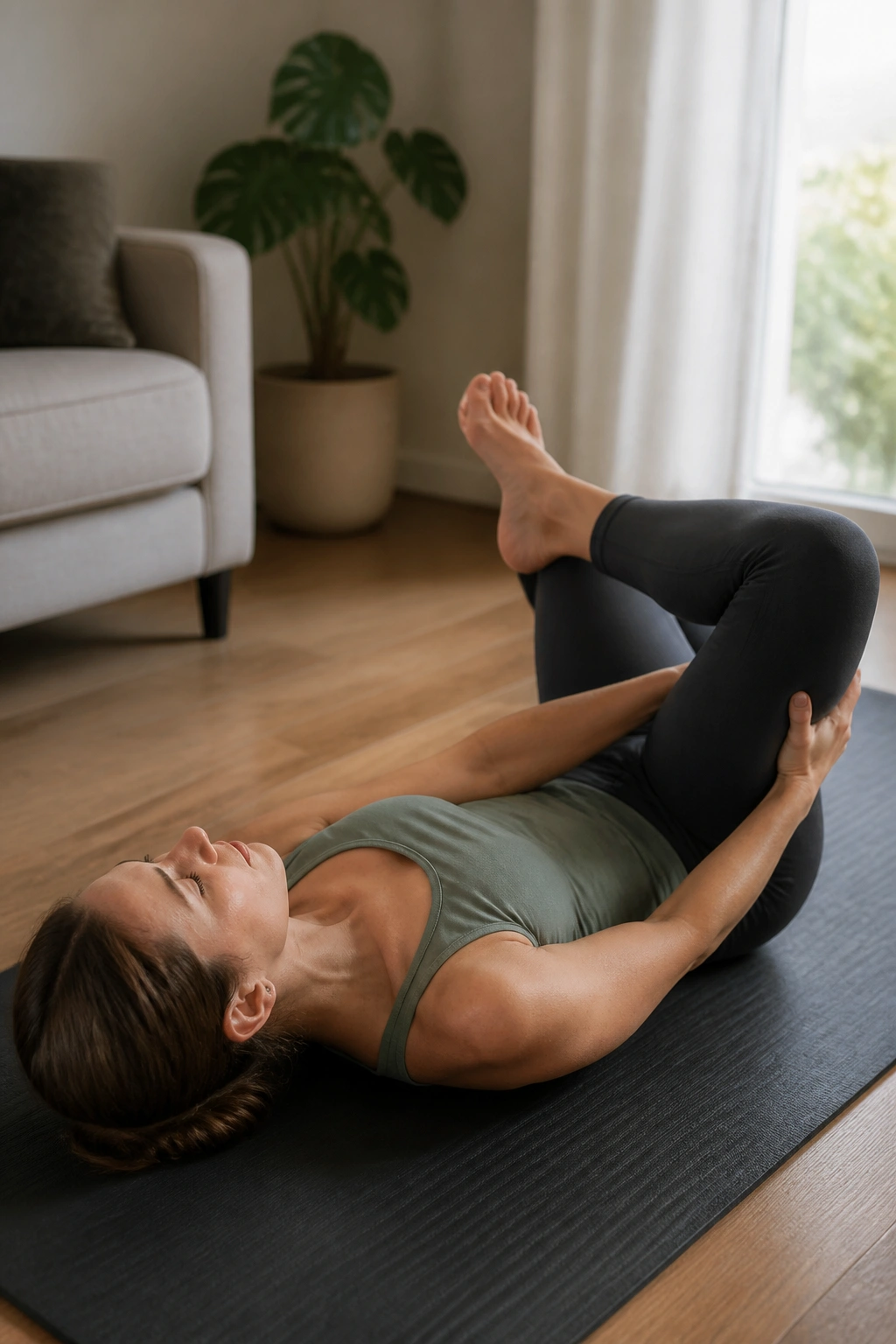
A post-run practice should not pretend your body is fresh. It should meet the exact places that got loaded: calves, hip flexors, quads, glutes, and the little band of tissue that wraps around the outside of the hip.
I like starting with downward dog and pedal the feet slowly for a minute. Then step into runner’s lunge, lower the back knee, and let the hip flexor breathe for 5 slow breaths. Half split comes after that, but keep the front knee soft if the hamstrings are cooked from the run.
Supine figure-four, reclining quad stretch, and a gentle twist close things out. Save deep forward folds for another day if your calves are screaming. They do not need extra drama.
If you run often, this is one of the most useful daily yoga flows you can keep in your back pocket. It helps you recover without flattening you out.
12. Travel-Hotel Room Flow
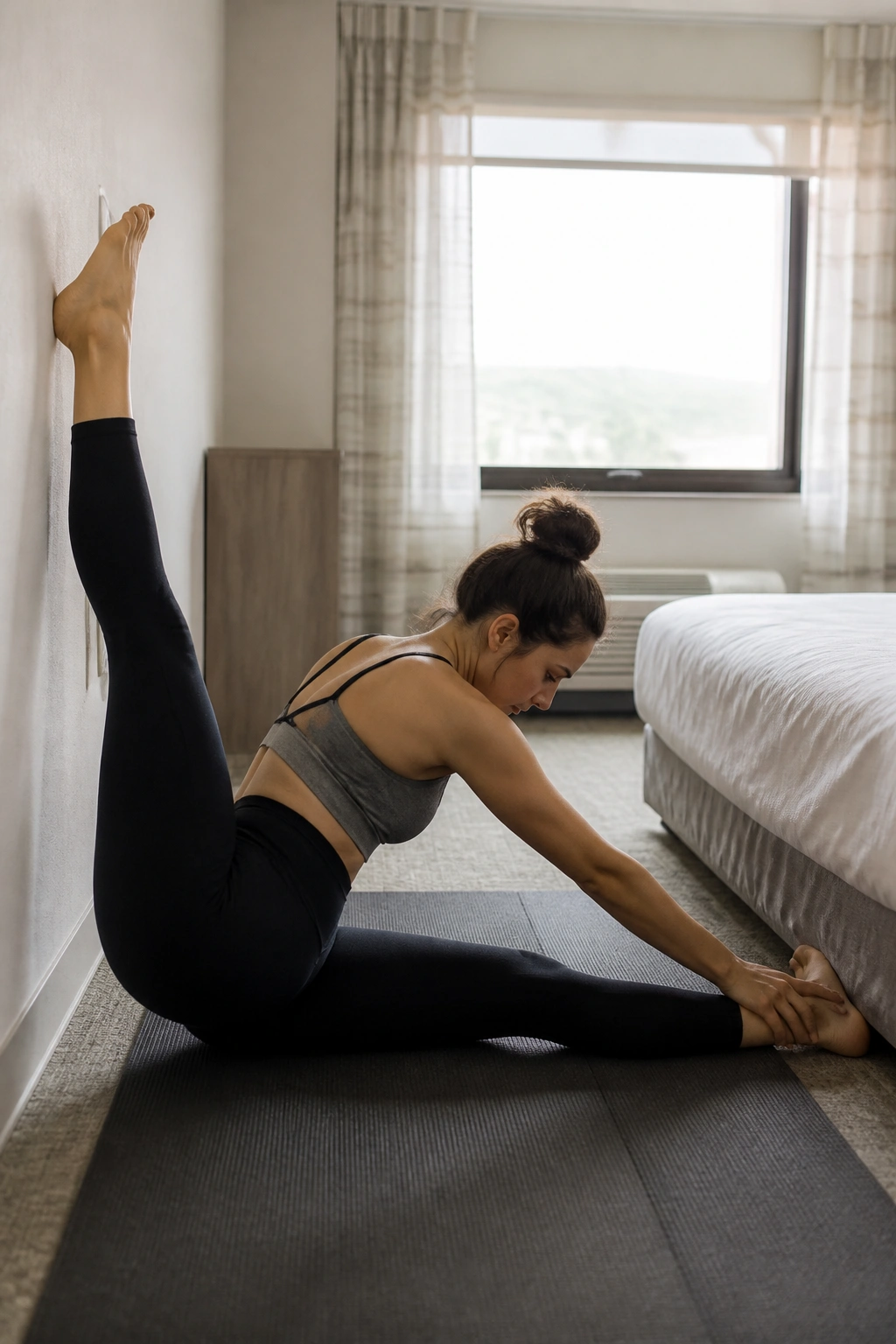
A tiny room can still hold a real practice. That is the difference between something you intend to do and something you actually do. This flow needs a mat, a wall, and maybe the edge of a bed. That’s enough.
Start standing in mountain pose and roll down slowly, one vertebra at a time. Move into a split stance lunge, then switch to a side bend and a simple twist. Use the wall for calf stretches and standing chest openers. The bed can help with seated figure four or a supported forward fold if the floor space feels cramped.
Unlike a studio flow, this one keeps the shapes compact. That makes it good for travel days, long stays, and anyone practicing in a room where the suitcase still lives half-open on the floor.
A wall-assisted hamstring stretch and a few rounds of legs up the wall can turn the whole session into a reset. No props beyond that. No fancy setup. Sometimes that is exactly what you need.
13. Mood-Reset Breath and Fold Flow
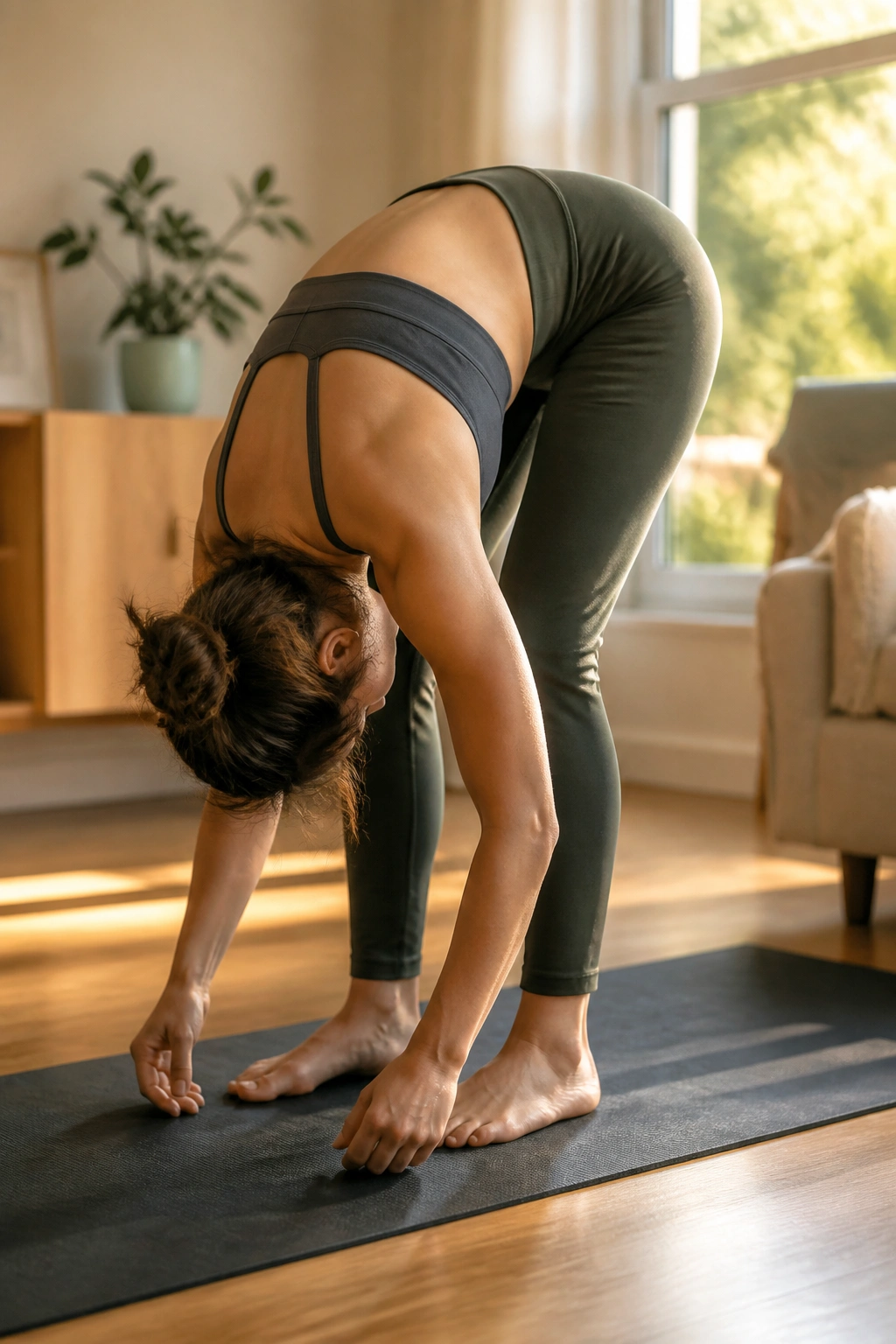
A restless head needs a slower spine. That is the basic idea here. You are not trying to “fix” your mood. You are giving your body enough shape, breath, and stillness that the rough edges start to soften.
Begin with two minutes of seated breathing. Then move into ragdoll forward fold with bent knees and let the arms hang. From there, step into low lunge and hold each side long enough for the breath to settle. Standing forward fold comes next, followed by easy seated twist and a final minute of stillness.
The First Half Matters Most
- 2 minutes of slow breathing
- Ragdoll fold, 5 breaths
- Low lunge, 5 breaths each side
- Easy seated twist, 4 breaths each side
- Quiet finish, eyes closed
If your mind is busy, do not fight it. Give it something plain to follow: inhale through the nose, exhale through the nose, repeat. The practice does not need to be mystical to work. It just needs to be steady.
14. Deep Stretch Floor Practice
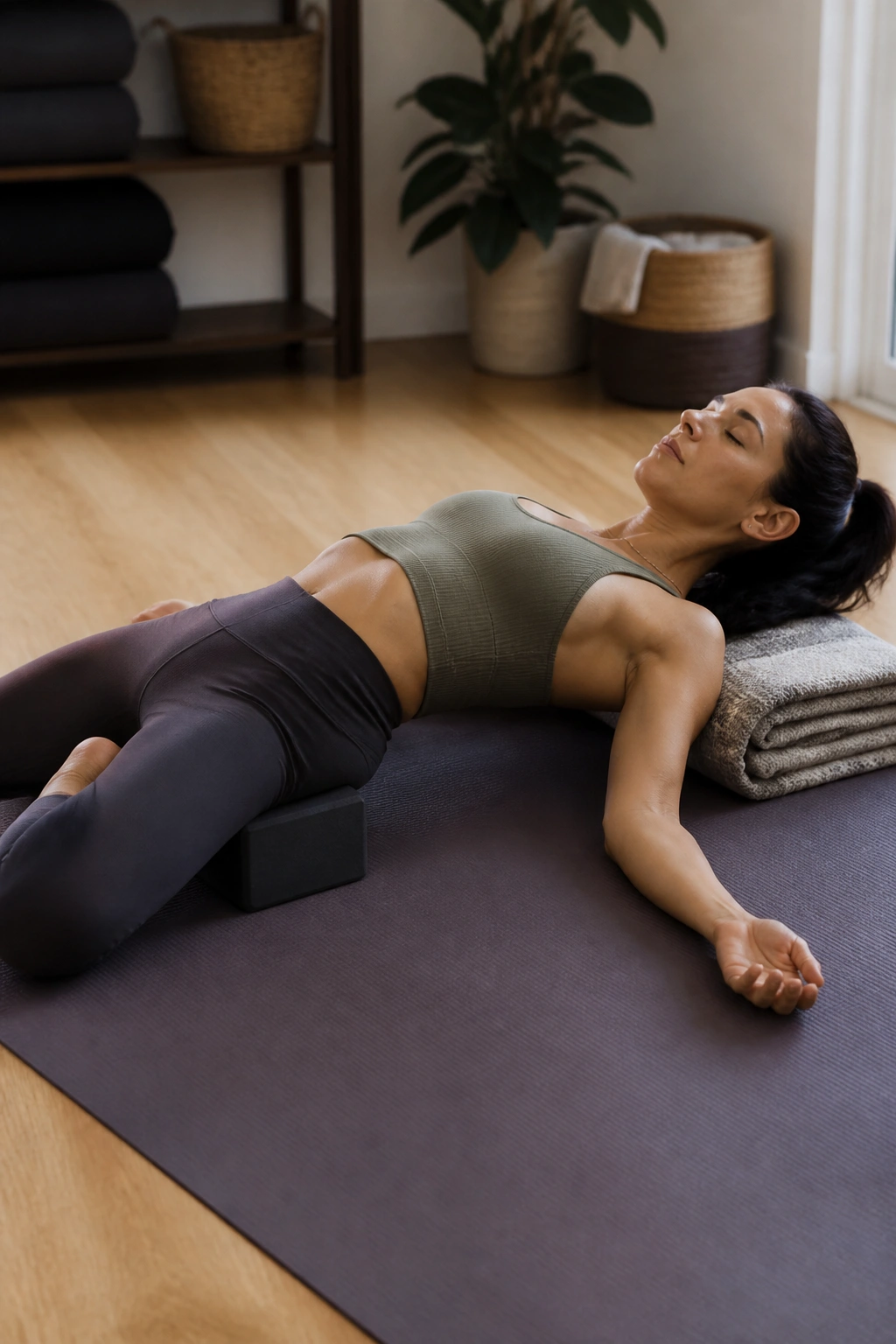
Sometimes the smartest thirty minutes stay close to the ground. Floor work gives you time to settle, and time is the thing most bodies are missing. The floor also removes some of the balancing effort, which means you can spend more energy on the stretch itself.
Begin with a supported bridge using a block under the sacrum if that shape feels good. Move into reclined pigeon, then happy baby, then a long, gentle supine twist. I like finishing with legs up the wall or a short savasana under a blanket. Simple. Quiet. Effective.
Use props generously here. A block under the hip in pigeon. A blanket under the head. A strap for the foot if the hamstrings are tight. The stretch should feel like it opens space, not like it picks a fight.
This is the flow I use when I want to come off the mat feeling longer, but not drained. There is a difference. One feels like care. The other feels like exercise dressed up in yoga clothes.
15. Energy Builder Flow
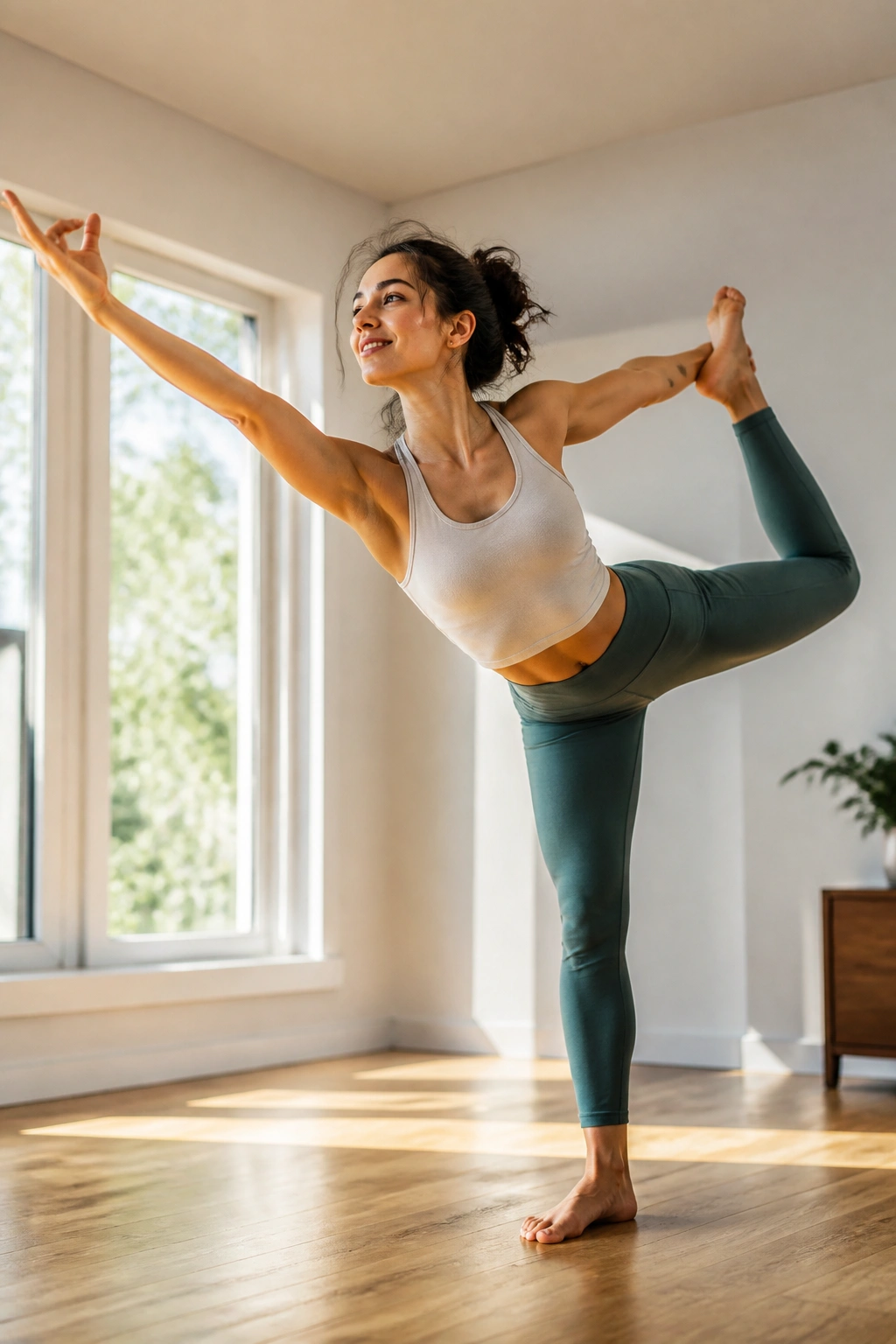
When you need wakefulness, a sleepy stretch session will not cut it. You need standing work, some back extension, and a little heat in the legs. This flow gets that done without turning into a race.
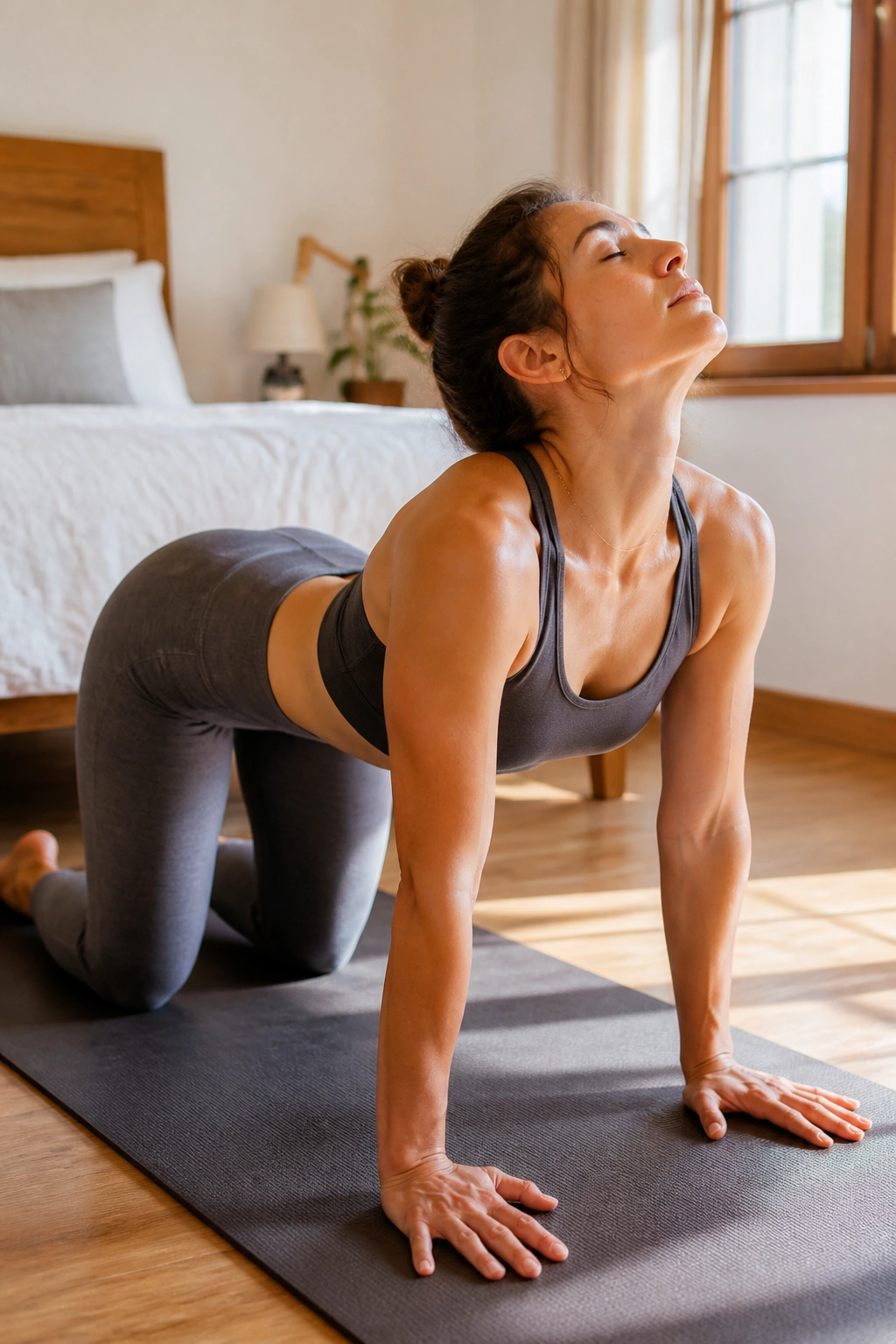
Start with half sun salutations and move into crescent lunge on each side. Add chair pose with a twist, then dancer pose or standing quad stretch for a touch of balance. Locust on the floor can wake up the back body fast, and cobra or upward-facing dog can bring the chest back online.
How to Keep It from Feeling Frantic
- Use 3 to 4 breaths in each standing shape
- Keep the core lightly engaged
- Step, do not leap, between poses
- Leave one full breath between sides
This kind of practice should feel bright, not frantic. If your breathing turns jagged halfway through, slow down a touch. Energy comes from clean effort, not from sprinting between poses like you’re late for a train.
16. Spine-Smoothing Twist Flow
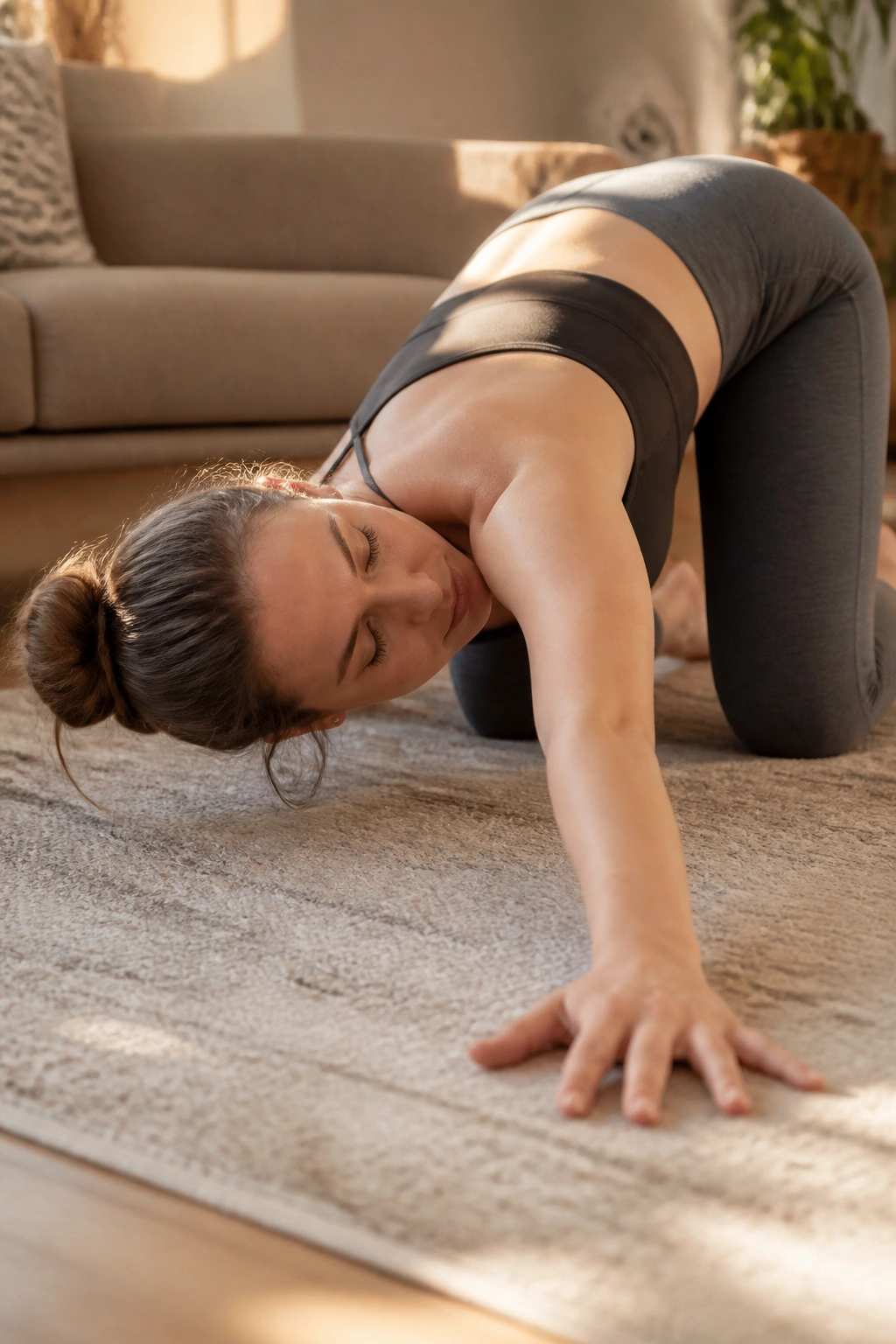
Twists feel best when they are warm and measured. If you rush them, your back usually answers with a no. This flow builds the twist from the ground up, which is a better deal for your spine.
Start on hands and knees with cat-cow, then move into thread the needle on both sides. Low lunge twist comes next, followed by chair twist if your legs have enough heat. On the floor, finish with seated twist and then a supine twist with the shoulders heavy.
A lot of people think twists are about wringing something out. Not quite. They are more about rotation through a long, steady spine and enough breath to keep the ribs from bracing.
The best cue I know is plain: inhale to make space, exhale to turn a little more. No yanking. No bragging rights. Just enough rotation that the back feels organized again.
17. Wall-Assisted Flow
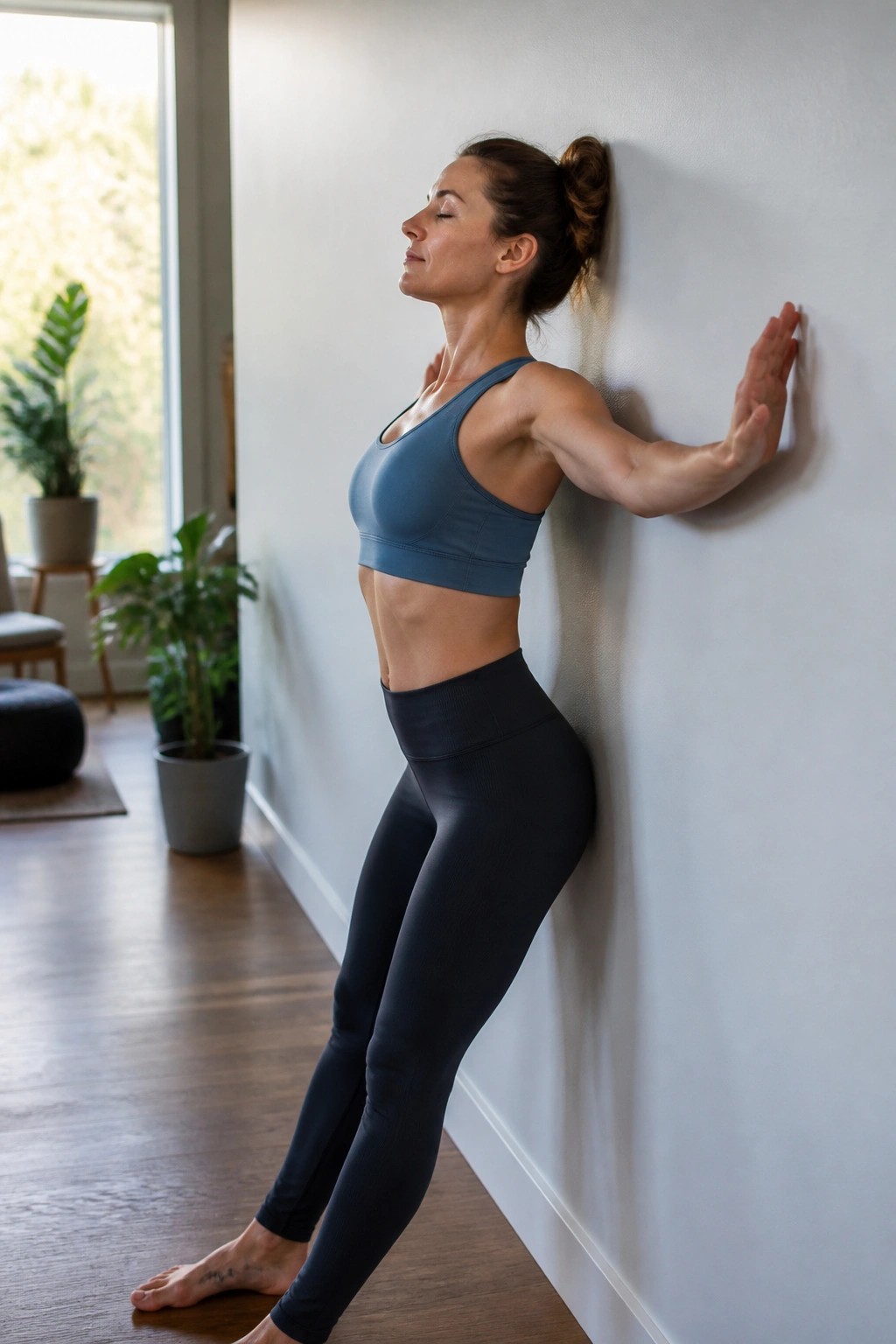
The wall is one of the most underrated yoga props in the room. It gives you feedback, steadiness, and a way to work without wobbling all over the place. That makes this flow useful on tired days and on days when balance feels off.
Start with a wall sit for 30 to 45 seconds if your legs want a little fire. Then move into calf stretches with one foot back and the heel pressing down. Turn toward the wall for a standing chest opener, then lie down for legs up the wall and a supported hamstring stretch.
I also like wall-supported bridge, especially if the lower back feels cranky. It lets the pelvis get some lift without the shape turning into a big effort. A wall can do that. It takes load off where you do not want load and gives it where you do.
This is a very practical practice. Not glamorous. Useful anyway. Those are often the ones that stick.
18. Restorative Support Flow
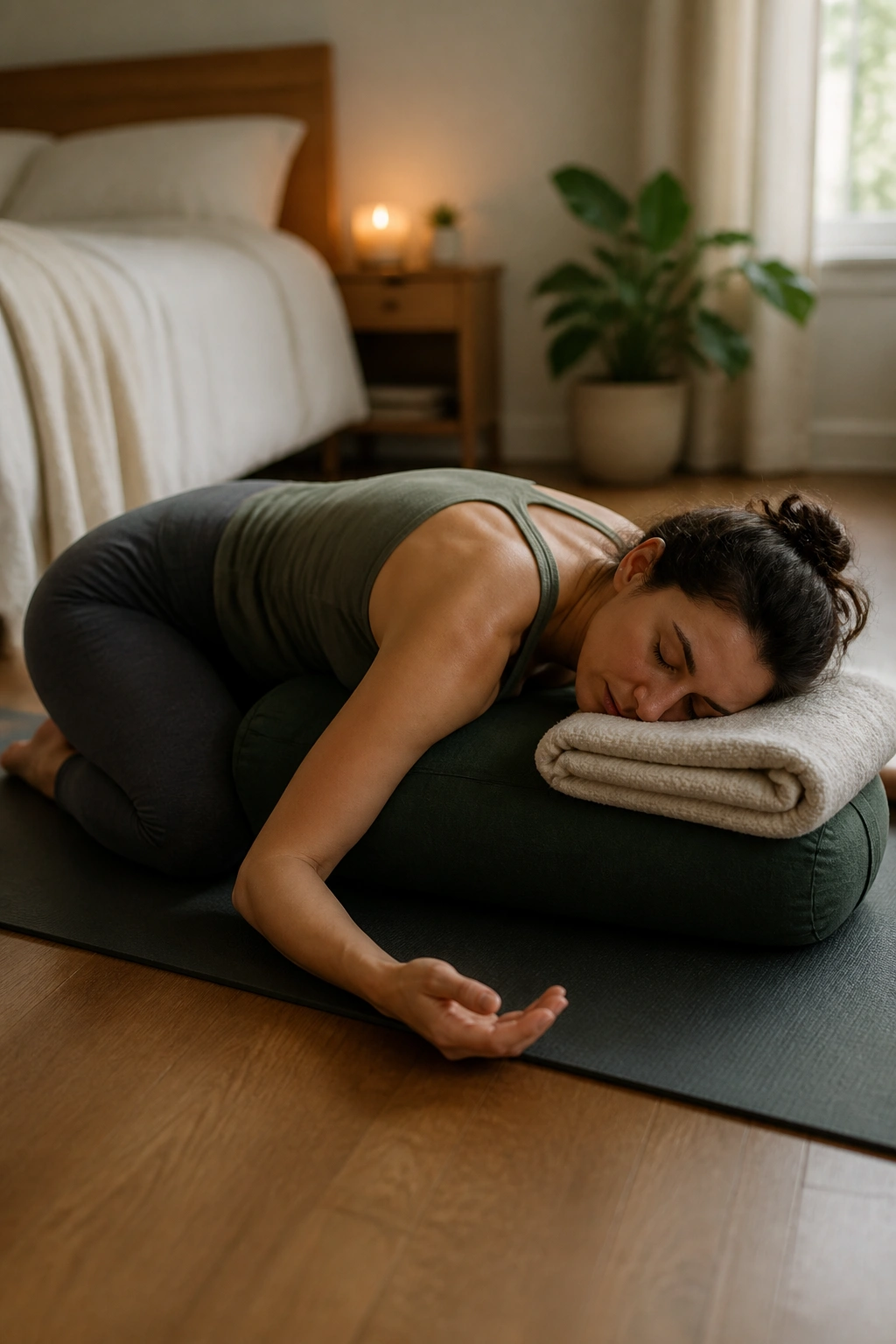
Unlike an active stretch class, this one is about downshifting the entire system. You are not trying to build heat. You are trying to create enough support that the body stops guarding every inch.
Set up with a bolster or folded blanket, two blocks, and a spare blanket if you run cold. Rest in supported child’s pose, then reclined bound angle with the knees propped. Put the legs on a chair or the wall if that feels better than opening the hips wide. Hold each shape for 3 to 8 minutes. Yes, that long.
This is the flow for sore weeks, poor sleep, or the kind of day that leaves you buzzing when you’d rather feel held together. There is almost no performance in it, which is exactly why it works.
Keep the face relaxed. Keep the room quiet if you can. A restorative practice should feel a little like being told to stop doing so much.
19. Beginner Confidence Flow
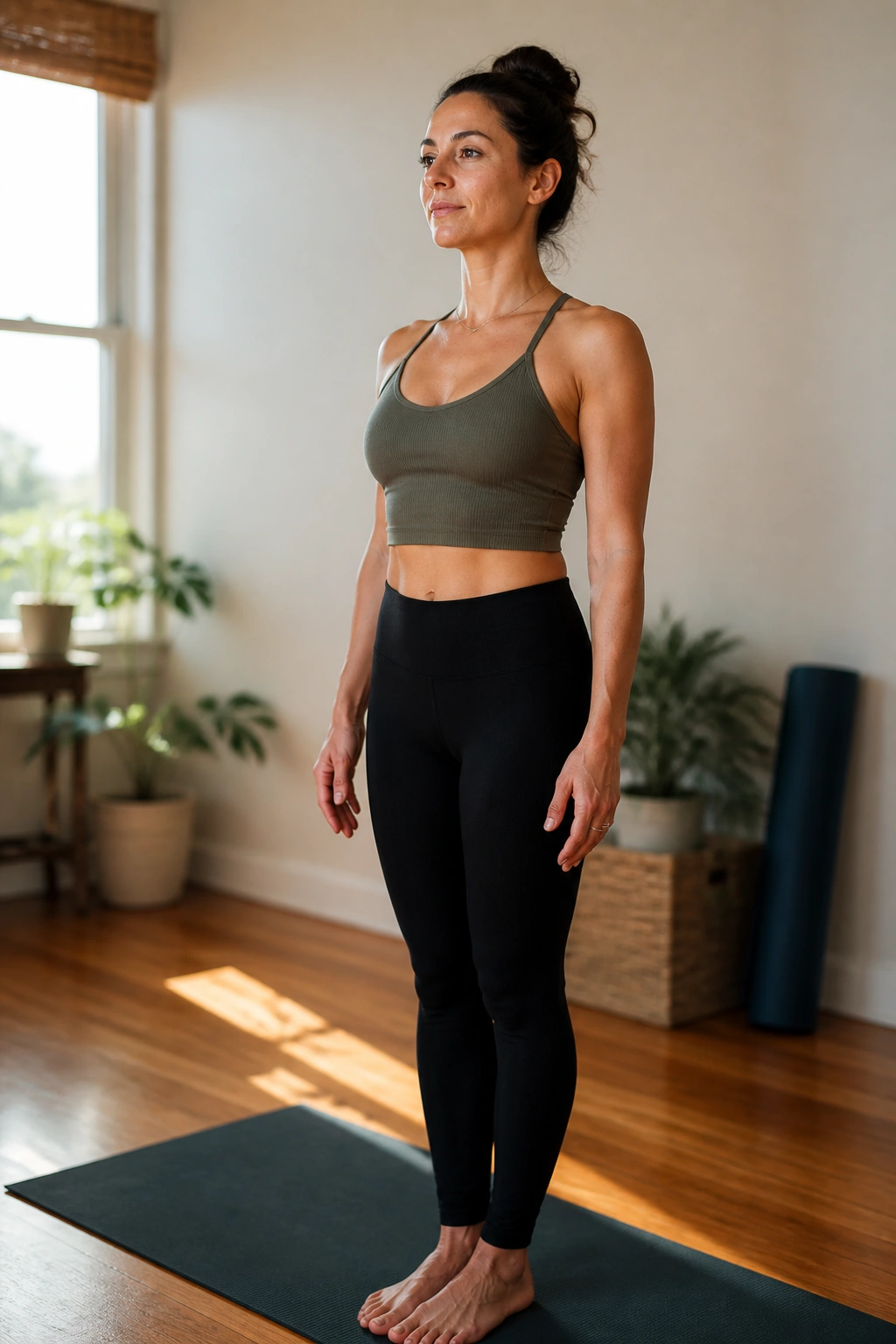
New to daily yoga? Start here. This flow keeps the shapes familiar, the transitions simple, and the chances of getting lost very low.
Begin with mountain pose and three slow breaths. Then move into cat-cow, child’s pose, low lunge with hands on blocks, warrior II, bridge pose, reclined twist, and a long savasana. That’s enough to make a practice feel real without drowning in pose names.
Quick Facts That Help Beginners
- Keep the breath even, not deep and forced
- Bend the knees whenever a fold feels tight
- Use a wall for balance poses
- Hold each shape for 3 to 5 breaths
- Stop before pain, every time
I like this flow because it teaches shape and breath at the same time. It does not demand flexibility you do not have yet. It builds the habit first, then the rest catches up.
20. The Repeatable Default Flow
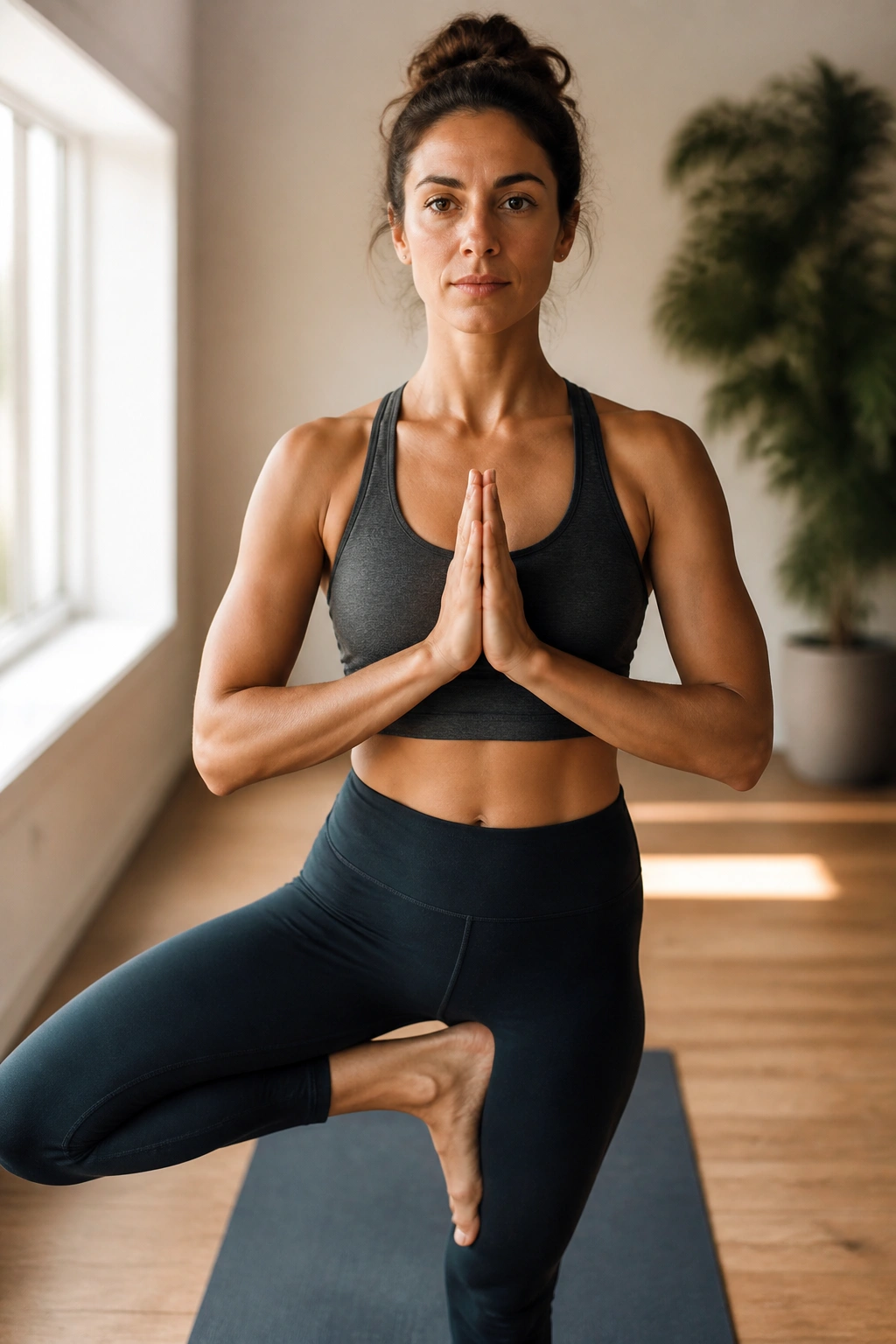
This is the one I would keep when life gets messy. Not because it is the fanciest, but because it covers enough ground to work on almost any day. It has a bit of opening, a bit of strength, a bit of floor work, and a proper finish.
Start with cat-cow and downward dog. Move into low lunge, crescent, half split, warrior II, and a simple balance like tree or standing knee lift. Then come to the floor for bridge, seated twist, and a short forward fold. Finish with savasana for at least 3 minutes.
What I like here is the way it lets you adjust without rewriting the whole session. If you only have 20 minutes, shorten the standing set. If you have 30 and feel good, keep the twist and savasana longer. If your shoulders are tense, swap tree for eagle arms. The structure stays. The details move around it.
That makes this flow the best candidate for a daily yoga practice you can repeat without getting bored or boxed in. It is flexible in the useful sense, not the vague one.
Final Thoughts
Thirty minutes is long enough to matter. That’s the part people miss. You do not need a huge practice to feel the effect of breath, repetition, and a little honest movement.
The smartest approach is to keep a few flows close and use them for different jobs: one for stiffness, one for sweat, one for recovery, one for the end of the day. That way yoga stops being a nice idea and turns into something you can actually do.
Pick one flow for the next few days and repeat it until the shapes feel familiar in your body. Familiar is good. Familiar is where daily practice starts to feel like yours.
