



Thirty minutes is enough to change a day.
That sounds small until you’ve done it. A thirty-minute workout can wake up a stiff back, knock the edge off stress, and leave you feeling like you actually used your body instead of merely carrying it around. The trick is picking sessions that are short, balanced, and easy to repeat without beating yourself up.
A lot of people make the mistake of treating every workout like a test. That works for a week, maybe two, then the wheels come off. The better move is to build a mix of strength, cardio, mobility, and recovery so you can keep showing up without dreading the next session. Some days should feel brisk. Some should feel almost too easy. That’s fine. It’s smarter than trying to redline daily.
The workouts below are built for that rhythm. Some need nothing more than floor space. Some work better with dumbbells, a band, a bike, or a staircase. All of them fit into half an hour, and all of them can live inside a repeatable routine without feeling like punishment.
1. Brisk Walk With Mobility Checks

A fast walk is the workout people underestimate until they actually commit to the pace. If you keep it honest—arms moving, stride purposeful, breathing a little heavier—you can get a solid sweat without the joint pounding that comes with harder cardio.
Start with 5 minutes of easy walking, then spend the next 20 minutes at a brisk pace. Every 5 minutes, stop for 30 seconds and do a quick mobility check: 5 arm circles, 5 hip hinges, 5 calf raises, 5 deep breaths. That tiny reset keeps the walk from turning into dead mileage.
This one works especially well on days when your legs feel flat but you still want to move. It’s gentle enough to repeat daily, and that matters. Consistency beats heroics when the goal is building a habit you can live with.
2. Bodyweight Strength Ladder
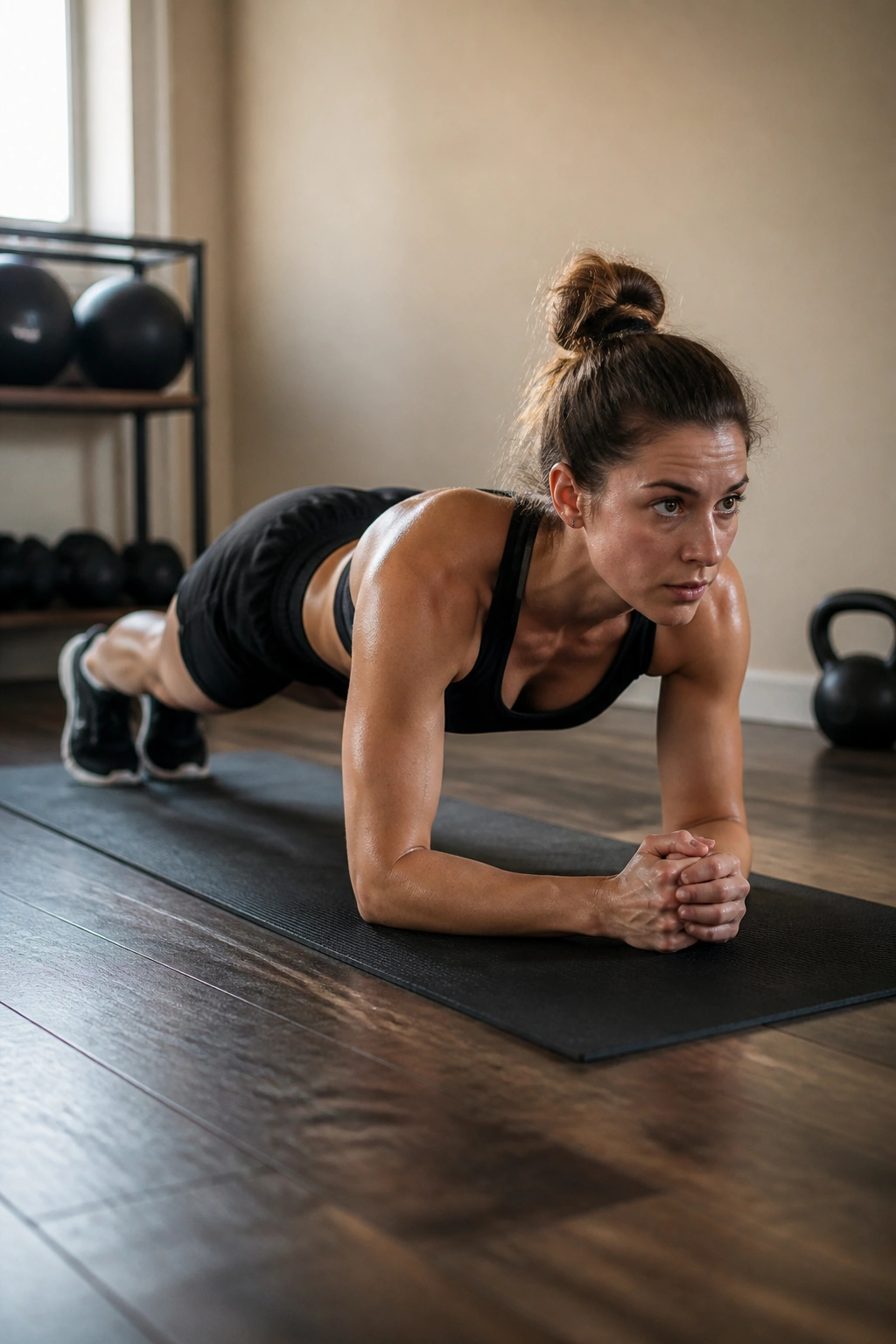
Can a workout with no equipment still feel hard? Absolutely. The key is using a ladder format, where you climb up and back down reps instead of sprinting through random sets.
Try 2 rounds of this: 5 squats, 4 push-ups, 3 reverse lunges per leg, 2 pike push-ups, then reverse the order back up. Rest 30 to 45 seconds between moves. The whole thing takes about 20 minutes, which leaves room for a short warm-up and a calm finish.
Why it works
The ladder keeps your form tighter than a giant burnout set. You’re never so smoked that every rep turns sloppy, and that makes this a good daily repeat option.
- Squats wake up the legs.
- Push-ups load the chest and triceps.
- Reverse lunges challenge balance.
- Pike push-ups add shoulder work without fancy gear.
If floor push-ups are rough, do them with hands on a bench or couch. No shame there. Better reps count more than harder-looking reps.
3. Low-Impact Cardio Intervals
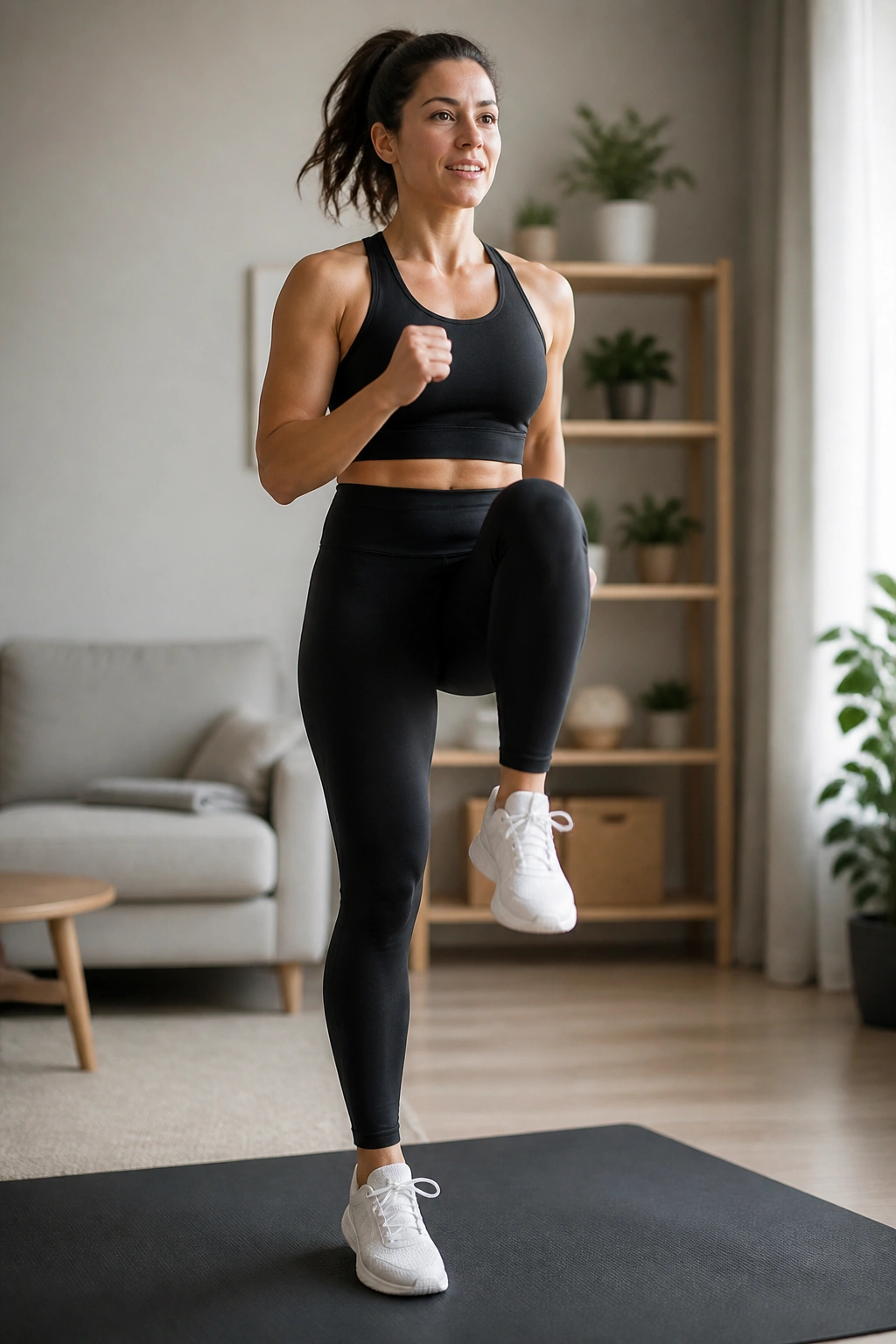
Not every cardio session needs jumping. Some of the most repeatable workouts use marching, step-outs, and quick feet that stay kind to the knees and ankles.
Set a timer for 40 seconds on, 20 seconds off and cycle through marching high knees, step jacks, skaters without the hop, and fast feet in place. Do 4 moves, then repeat the circuit 3 times. Add a 5-minute warm-up and you land right near the 30-minute mark.
The beauty of this one is that you can push the pace without feeling wrecked afterward. That makes it easier to repeat tomorrow. And tomorrow after that.
If you want a stronger dose, swing your arms harder or move your feet faster. If you’re feeling beat up, slow everything down but keep the rhythm. The workout still works.
4. Dumbbell Full-Body Circuit
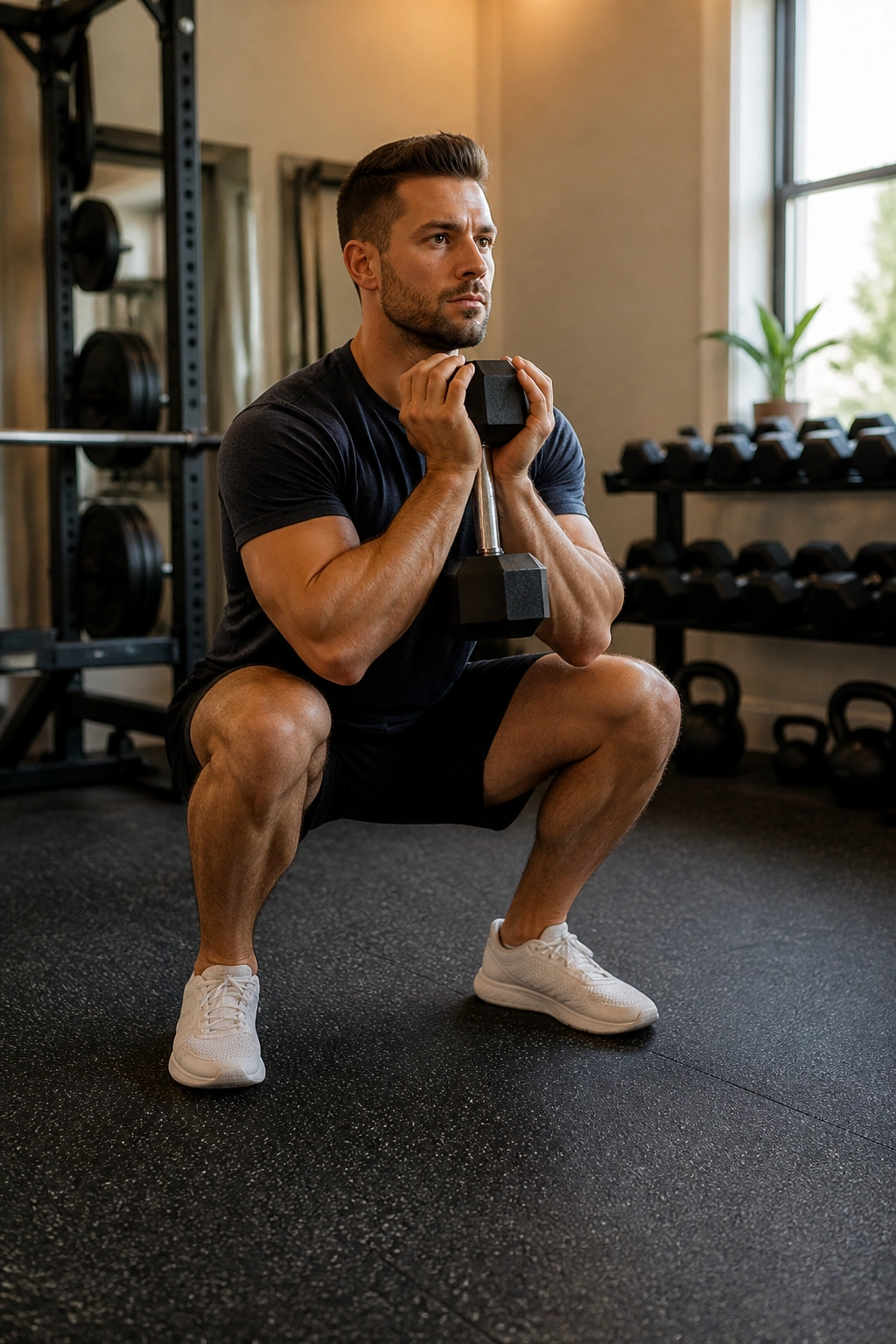
A pair of dumbbells can do a lot of heavy lifting in a very small space. Use a moderate load and move with purpose, not panic.
Do 3 rounds of 8 goblet squats, 8 dumbbell rows per side, 8 Romanian deadlifts, and 8 overhead presses. Rest 45 seconds between exercises if needed, or keep it moving if your form stays clean. The sweet spot is a weight that feels manageable on the first round and honest on the third.
How to keep it repeatable
Don’t chase max effort here. That’s how daily lifting turns into daily soreness. Pick loads that let you finish with one or two good reps still in the tank.
- Squat: chest tall, elbows inside the knees.
- Row: pull toward your hip, not your shoulder.
- Hinge: soft knees, long spine, dumbbells close to the legs.
- Press: ribs down, no leaning back.
A simple circuit like this can be done at home, and it gives you the whole-body feel people usually want from a “real” workout.
5. Yoga Sun-Flow Reset
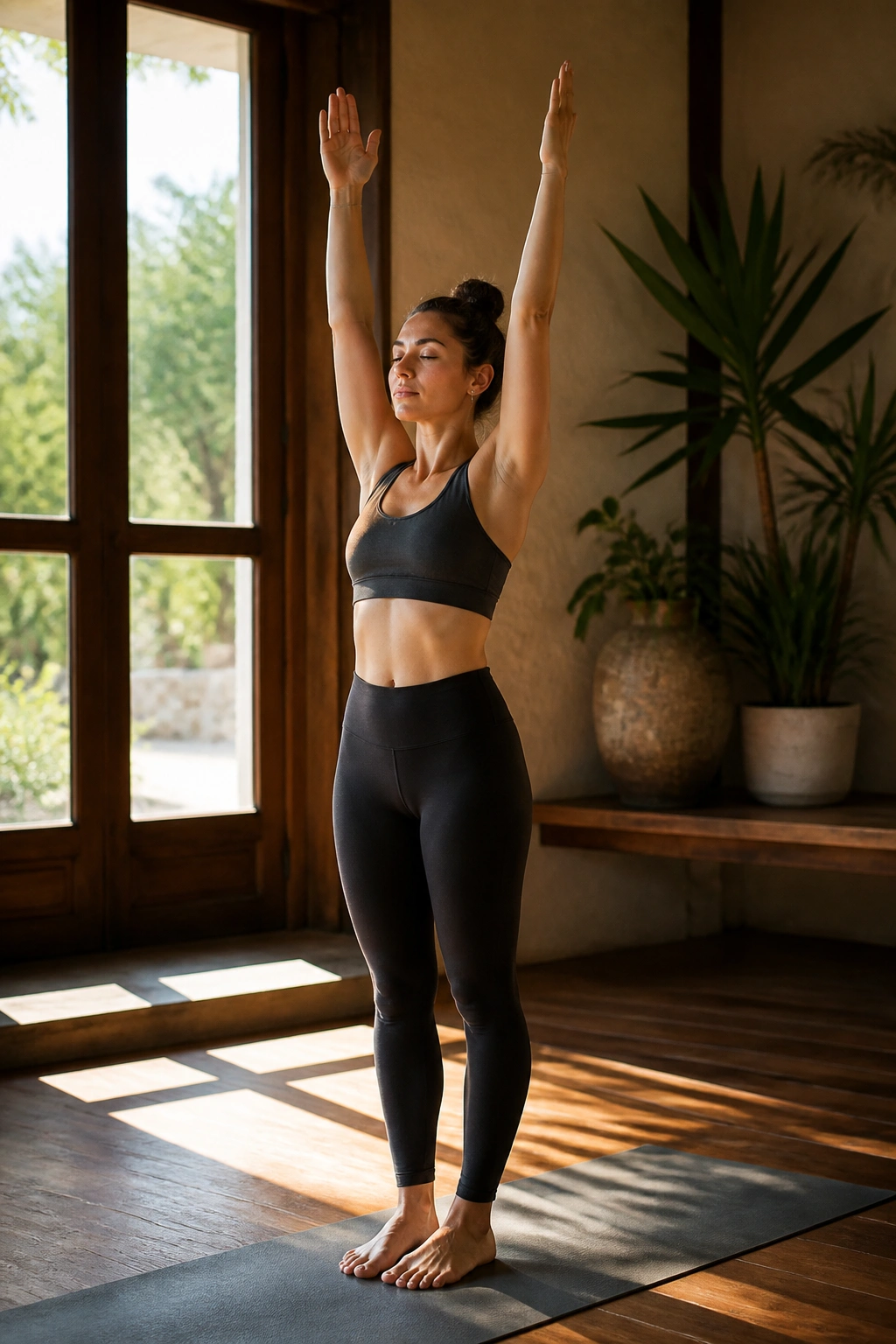
A good flow session doesn’t need incense, fancy music, or a forty-minute commitment. It just needs enough structure to loosen your body without leaving you floppy.
Move through 3 rounds of cat-cow, downward dog, low lunge, half split, plank, cobra, and standing forward fold. Spend about 3 to 5 breaths in each shape. That gives you roughly 20 minutes of work, which fits neatly inside a thirty-minute block once you add a short warm-up and cooldown.
This style of workout earns its keep when your shoulders feel glued to your ears or your lower back is talking back after a long day of sitting. It’s not flashy. It doesn’t need to be.
What makes it worth repeating
The best part is the breathing. Slow nasal breaths can lower the frantic feeling that creeps into a busy day, and the movement keeps your hips and spine from locking down. It’s recovery, but it still counts.
6. Shadow Boxing Rounds

Shadow boxing is sneaky. It looks light until your shoulders start burning and your heart rate climbs.
Set a timer for 6 rounds of 2 minutes, with 30 seconds of rest between rounds. Work simple combinations: jab-cross, jab-cross-hook, slip, step out, repeat. Keep your hands moving even when you’re not punching. That little detail turns it from a lazy flail into a real conditioning session.
A 5-minute warm-up is enough if you’re sensible. Roll your shoulders, twist your torso, bounce lightly on the balls of your feet. Then go.
If you want this to feel daily-friendly, stay relaxed in the face and jaw. Tension makes shadow boxing ugly fast. Clean, light movement wins here. And yes, your lungs will know the difference.
7. Core and Glute Burn
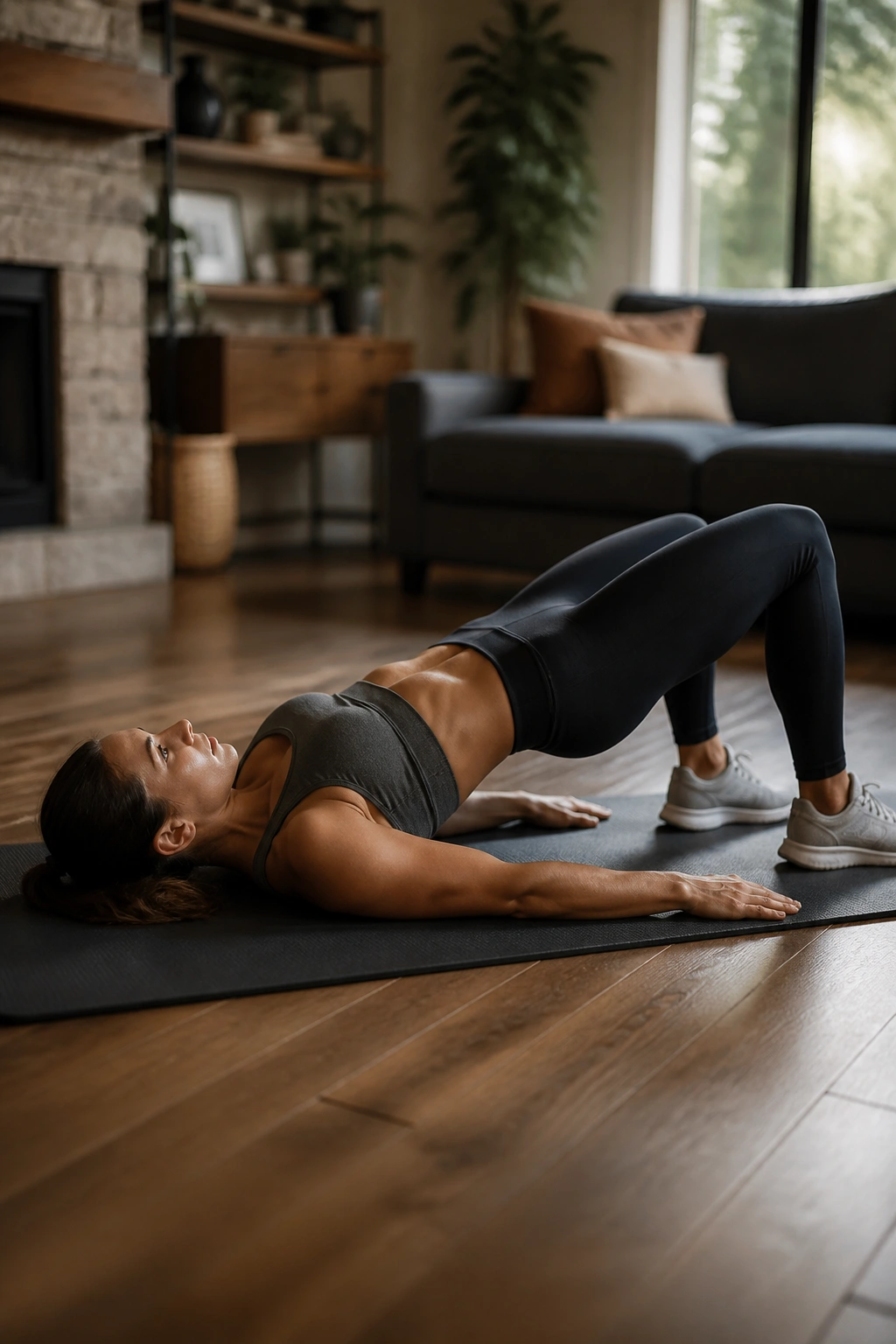
Some workouts leave you sweaty. Others leave you shaky in a very specific way. This is the second kind.
Do 3 rounds of dead bugs, glute bridges, side planks, and bird dogs. Start with 8 to 10 reps for the moving exercises and 20 to 30 seconds per side for the holds. Rest just long enough to keep form sharp—usually 20 to 40 seconds.
The smart way to do it
The core isn’t only about abs. It’s about keeping your trunk steady while your arms and legs move around it.
Dead bugs teach control. Glute bridges wake up the backside. Side planks hit the obliques. Bird dogs train balance without pounding your joints. Put together, they make a very useful daily session, especially if you spend a lot of time sitting.
This is one of those workouts that feels almost too easy for the first five minutes. Then the shaking starts. That’s the point.
8. Stair Climb Repeat
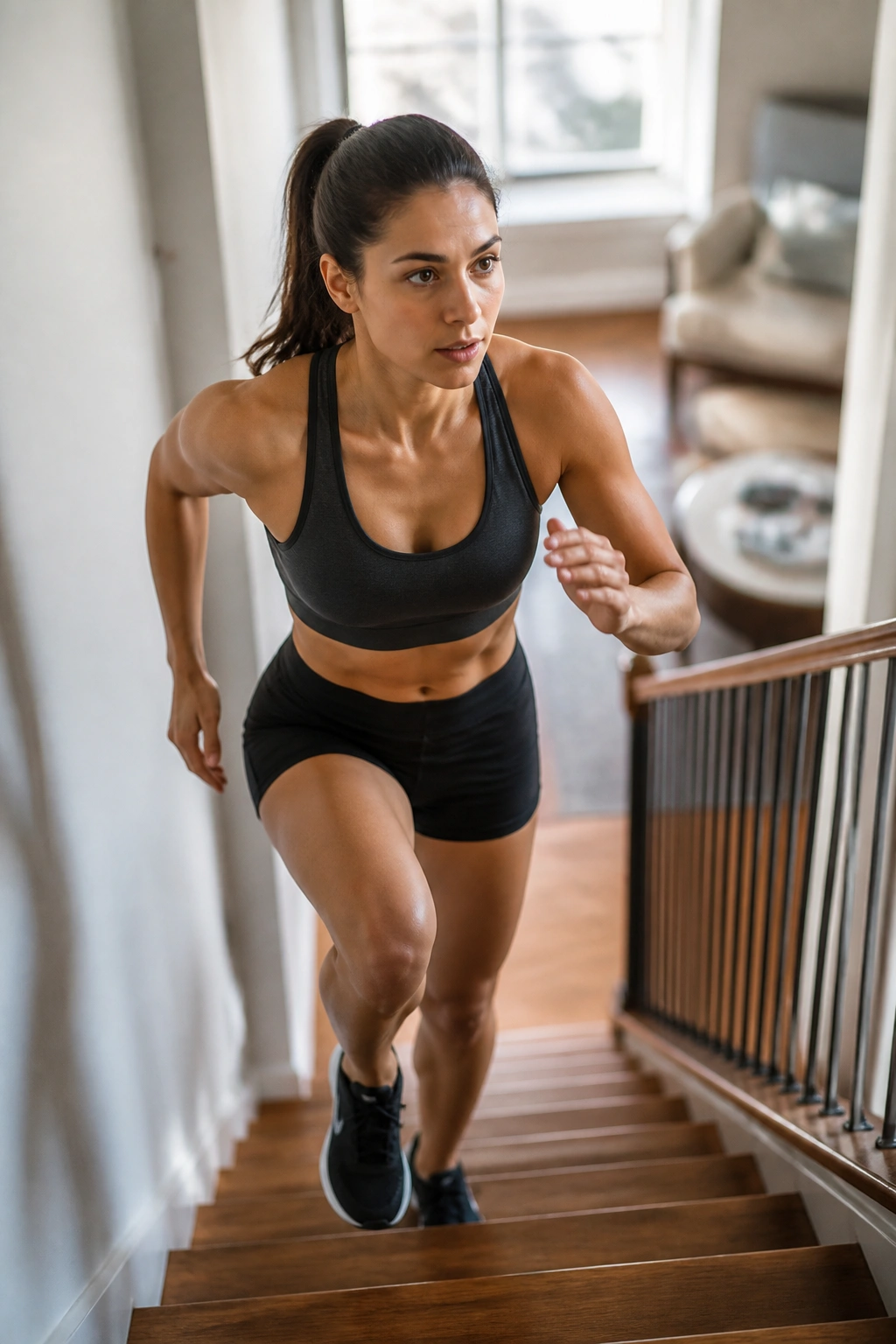
A staircase is a brutally honest piece of equipment. No bells. No gadgets. Just work.
Walk or power up the stairs for 20 seconds, then recover on the way down for 40 seconds. Repeat for 10 to 15 rounds. If the stairs are short, do double steps on the way up or add a bodyweight squat at the top. That keeps the session from getting too clipped.
Use the first few rounds to find a pace that you can sustain. If you charge too hard early, your calves will pay for it. I’d rather see a controlled climb that lasts the full block than a heroic first three minutes and a sad finish.
This one is repeatable because you can dose it. Go easy on light days. Push the top end on days when you want more of a burn.
9. Kettlebell Complex
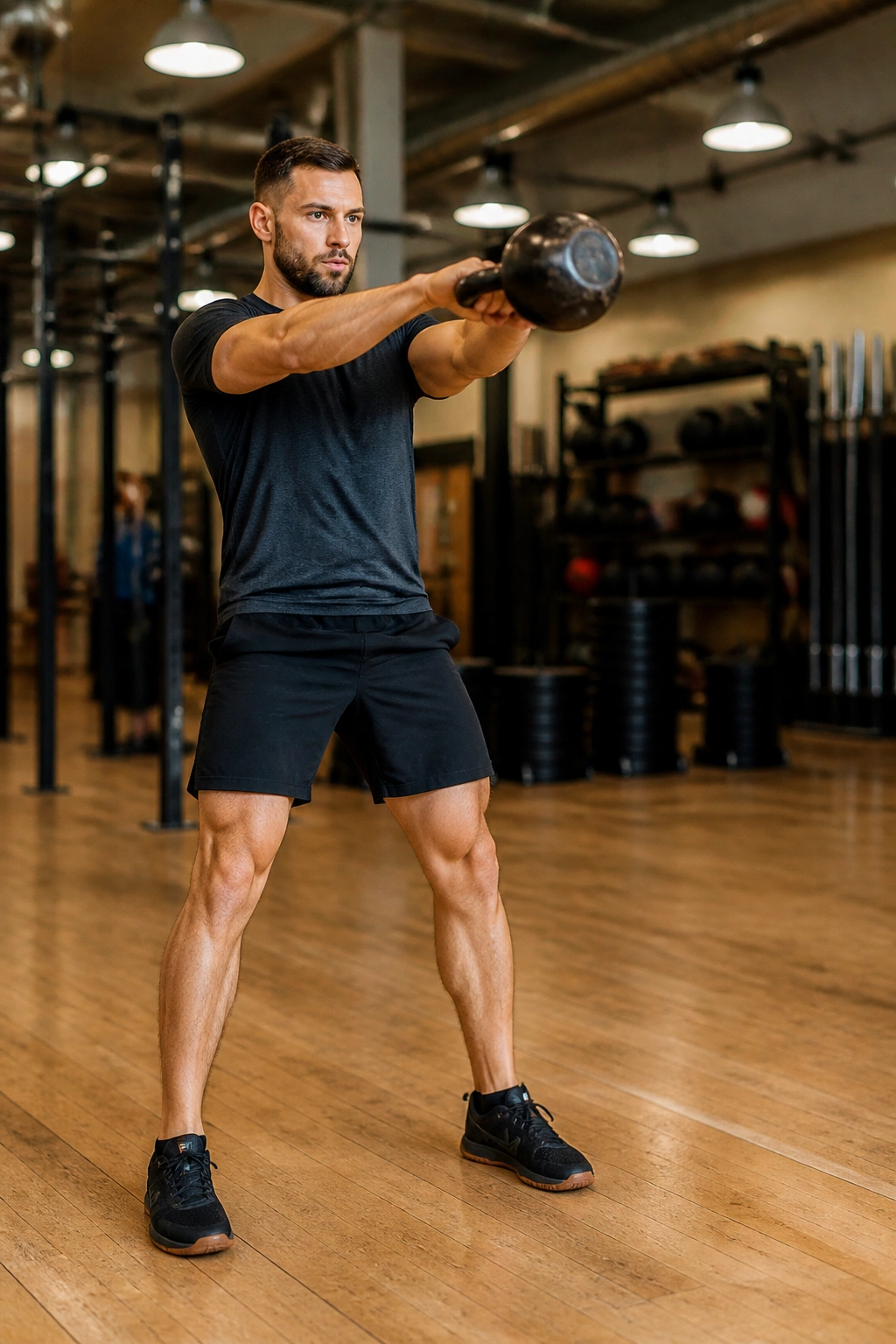
One kettlebell can carry an entire workout if you use it well. The word “complex” sounds fancy, but the idea is simple: one movement flows into the next without putting the weight down.
Try 5 rounds of 6 kettlebell swings, 5 cleans per side, 5 front squats, and 5 presses per side. Rest 60 seconds between rounds. Choose a weight that lets you keep the bell path clean. If your grip starts slipping or your lower back takes over, the bell is too heavy.
How to get the most from it
Keep the swings crisp, not wild. The power should come from the hips. The cleans should feel smooth against the forearm, not like a slammed door. And the presses should stay tight through the ribs.
This is a dense workout, which means it can cover a lot of ground fast. You get strength, conditioning, and coordination in one package. Handy. Efficient. Slightly humbling.
10. Row or Bike Pace Session
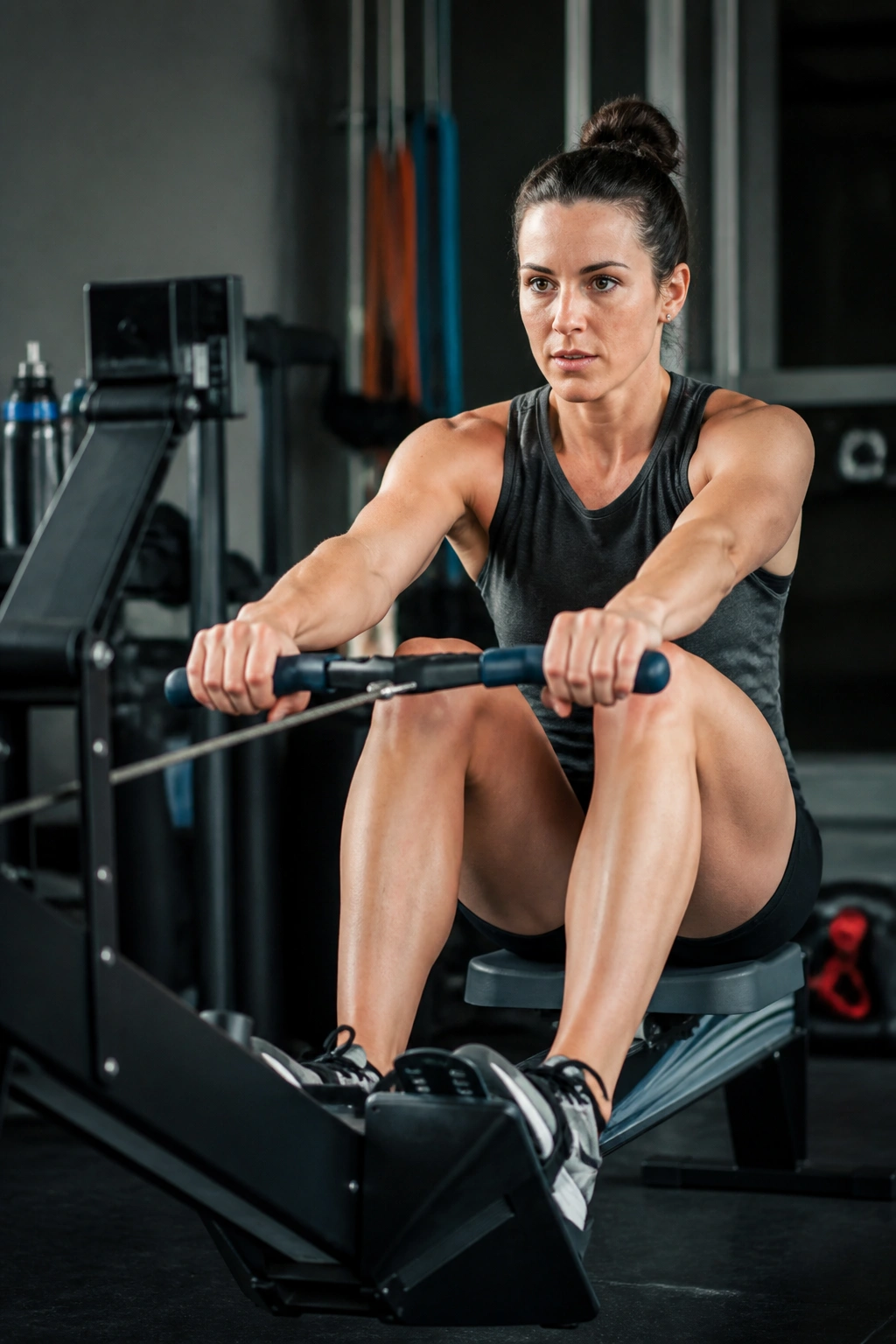
Machine cardio gets a bad rap because people either coast or crush themselves. The sweet spot is somewhere in the middle.
Do 5 minutes easy, then 10 rounds of 30 seconds hard, 30 seconds easy, then finish with 5 minutes steady. On a rower, keep the drive powerful and the recovery smooth. On a bike, drive through the pedals and avoid rocking the torso.
A pace session like this is easier to repeat than a full-out sprint workout because the recoveries are built in. You finish tired, not flattened.
If you’re rowing, think legs first, then torso, then arms. That order matters more than people think. On a bike, keep your shoulders quiet and your hands light. The machine does the work; you just guide it.
11. Push-Up and Row Pairing
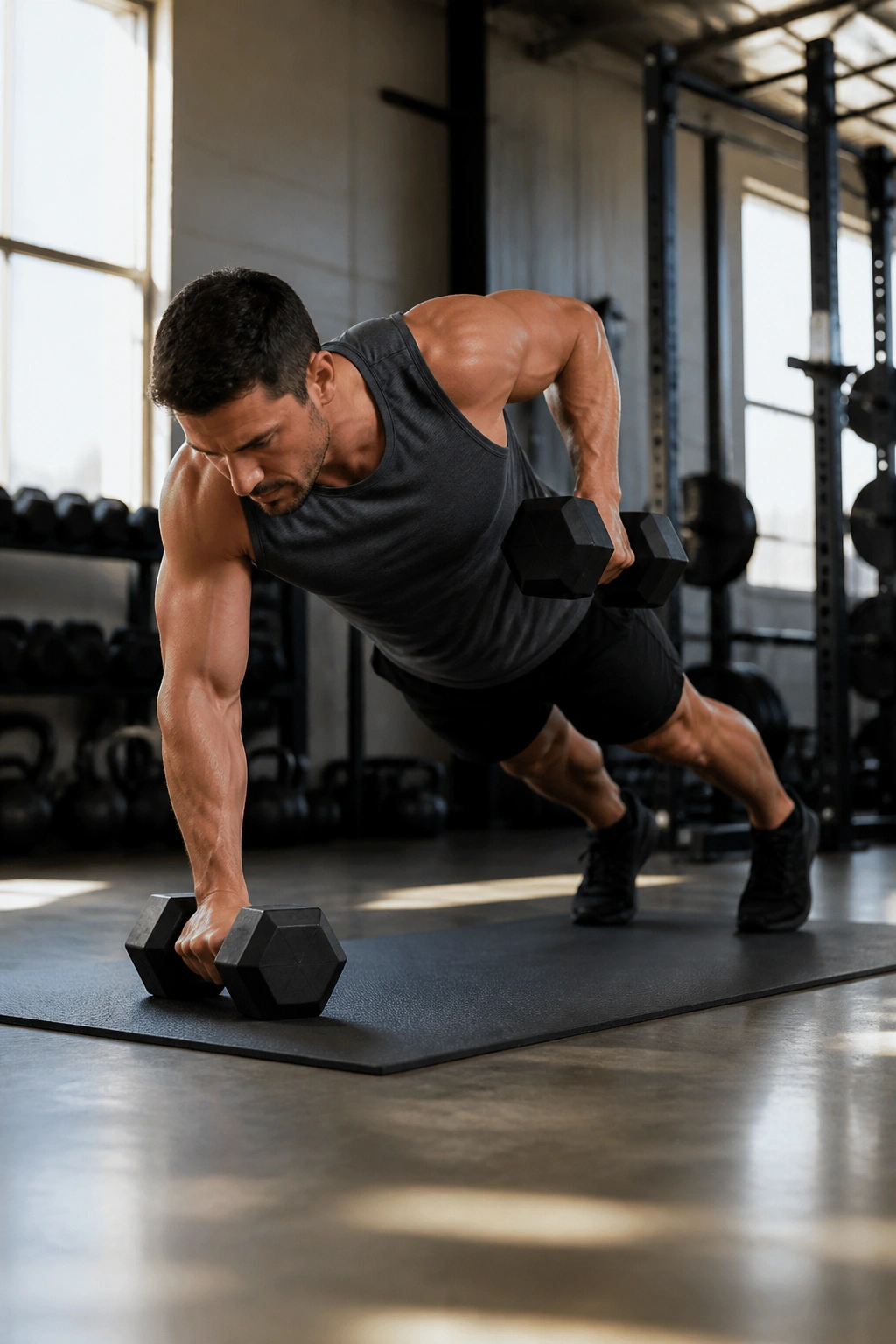
Upper-body workouts go better when you balance pushing and pulling. Otherwise, shoulders get cranky.
Pair push-ups with dumbbell or band rows in a simple alternating set: 10 push-ups, 10 rows per side, rest 30 seconds, repeat for 4 to 5 rounds. If full push-ups are too much, raise your hands on a bench or sturdy chair.
The pairing keeps the chest and back working together, which helps posture more than a chest-only grind ever will. It also makes the workout feel organized, which I appreciate. Random upper-body chaos gets old.
A strong back changes how the rest of the day feels. Cleaner posture at the desk. Less shoulder collapse. Better carryover for almost anything else you do.
12. Lower-Body Hinge Day
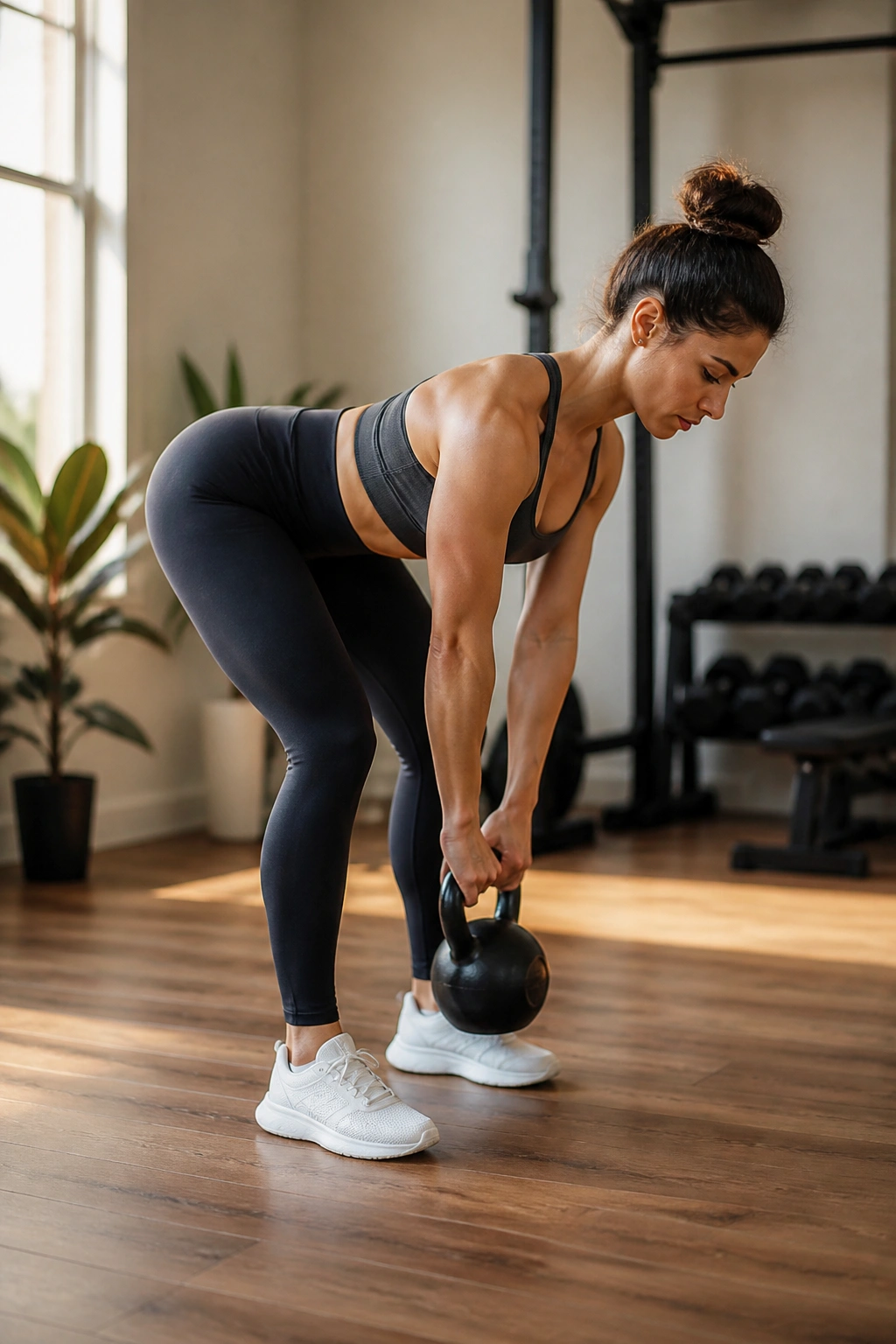
Some days should be about the backside. Glutes, hamstrings, and the muscles that help you stand up tall.
Do 4 rounds of Romanian deadlifts, split squats, and glute bridges. Use 8 to 10 reps for each move and rest about 45 seconds between exercises. If you want a longer session, add calf raises at the end for 15 reps.
What to watch for
The hinge is the star here. Push your hips back, keep a soft bend in the knees, and stop the descent when your spine wants to round. That last part matters. Chasing depth at the cost of shape is a bad trade.
Split squats bring the burn. Glute bridges give you a cleaner squeeze at the top. Together, they make a lower-body day that doesn’t require a barbell, a rack, or a lot of space.
This one can be repeated often if you manage the load. Don’t go max-heavy every time. That’s how a useful plan turns into sore legs and a sour mood.
13. Pilates Mat Control Session
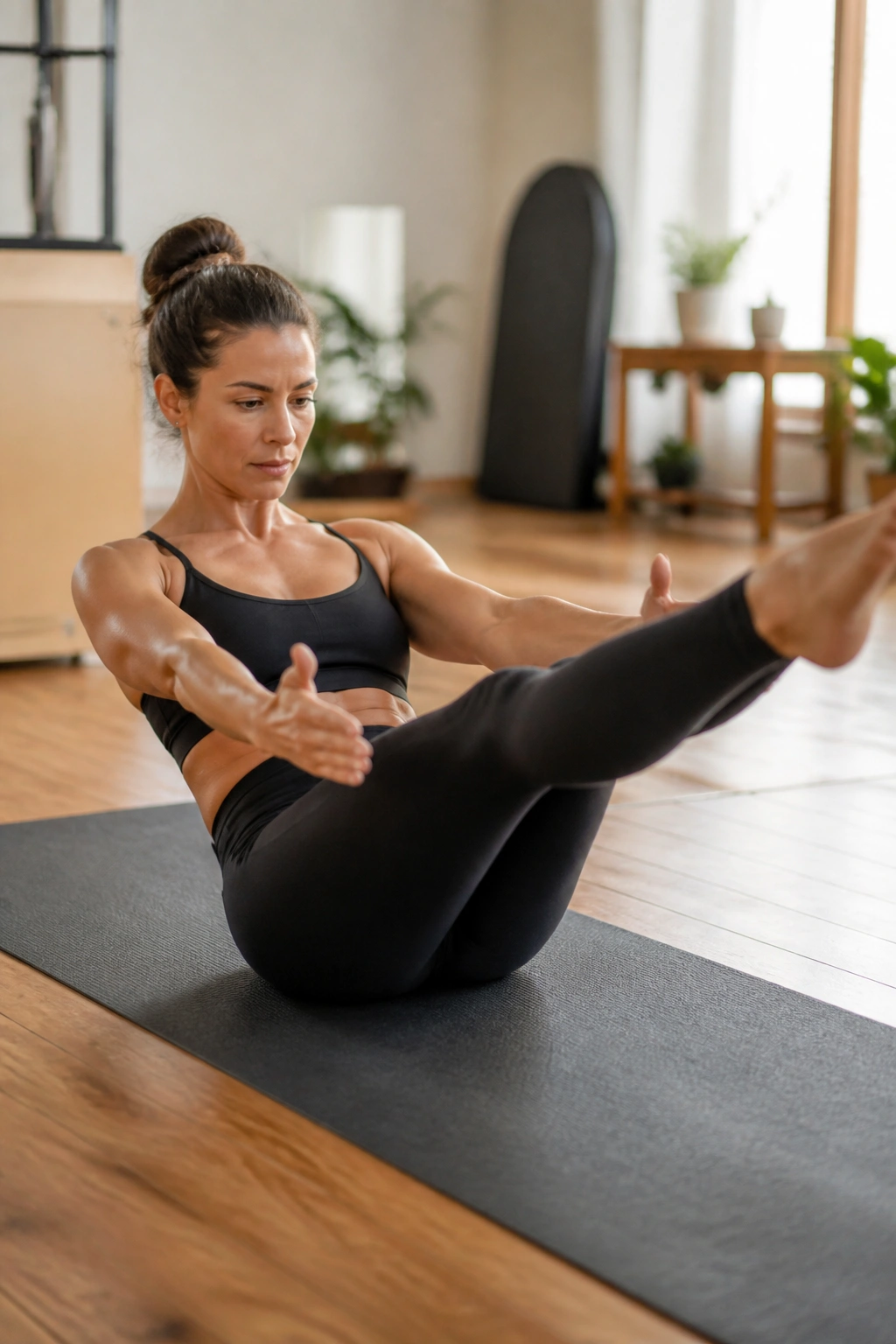
Slow work can be harder than fast work. Pilates proves that point with irritating consistency.
Move through hundreds, leg lowers, single-leg stretches, glute bridge marches, and side-lying leg lifts for 30 to 45 seconds each. Rest 15 to 20 seconds between moves. Keep the motion small and exact. No flinging. No rushing.
The point is control. Your midsection should stay quiet while the limbs move. If your lower back arches or your neck starts doing the heavy lifting, shorten the range and slow down.
A useful cue
Think “smooth floor, quiet ribs.” That’s the feel you want. The session stays gentle enough for daily use, but it still asks for focus. That combination is why it works so well on the days when harder training feels like too much.
14. Incline Walk and Arm Drive
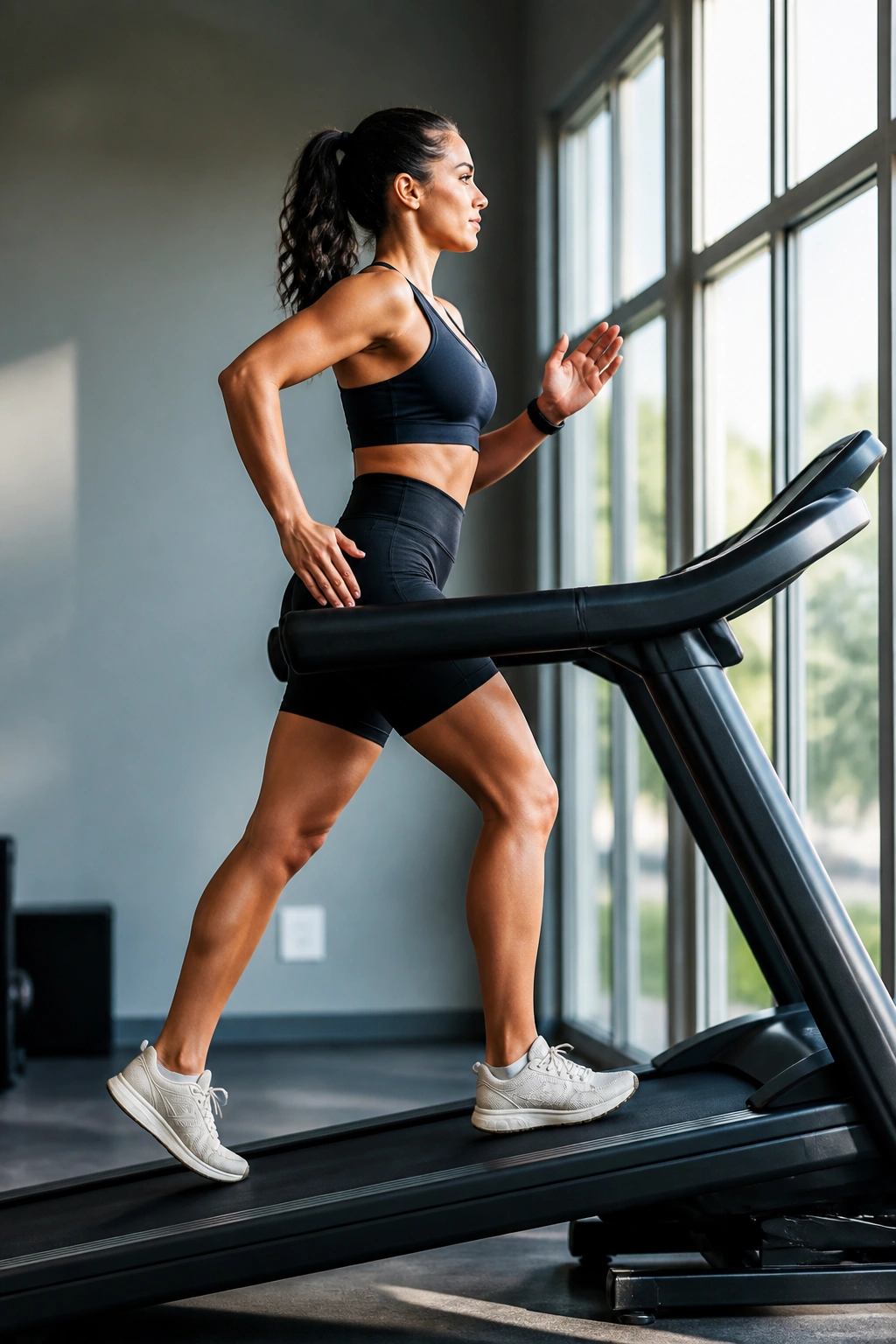
A treadmill incline can turn a plain walk into a sneaky serious workout. Hills do that. They ask more from your glutes, calves, and lungs without the jarring feel of running.
Set the incline between 5 and 10 percent and walk for 20 minutes at a pace that makes you breathe harder but still speak in short sentences. Add 5 minutes flat at the end. While you walk, drive the arms with intent. Not frantic. Just active.
If you’ve got a hill outside, even better. The ground gives your ankles and feet more work than the treadmill does, and that usually feels fresher anyway.
This is one of the most repeatable sessions on the list because the effort is easy to scale. Add incline for more challenge. Lower it for recovery. Simple.
15. Resistance Band Total-Body Circuit
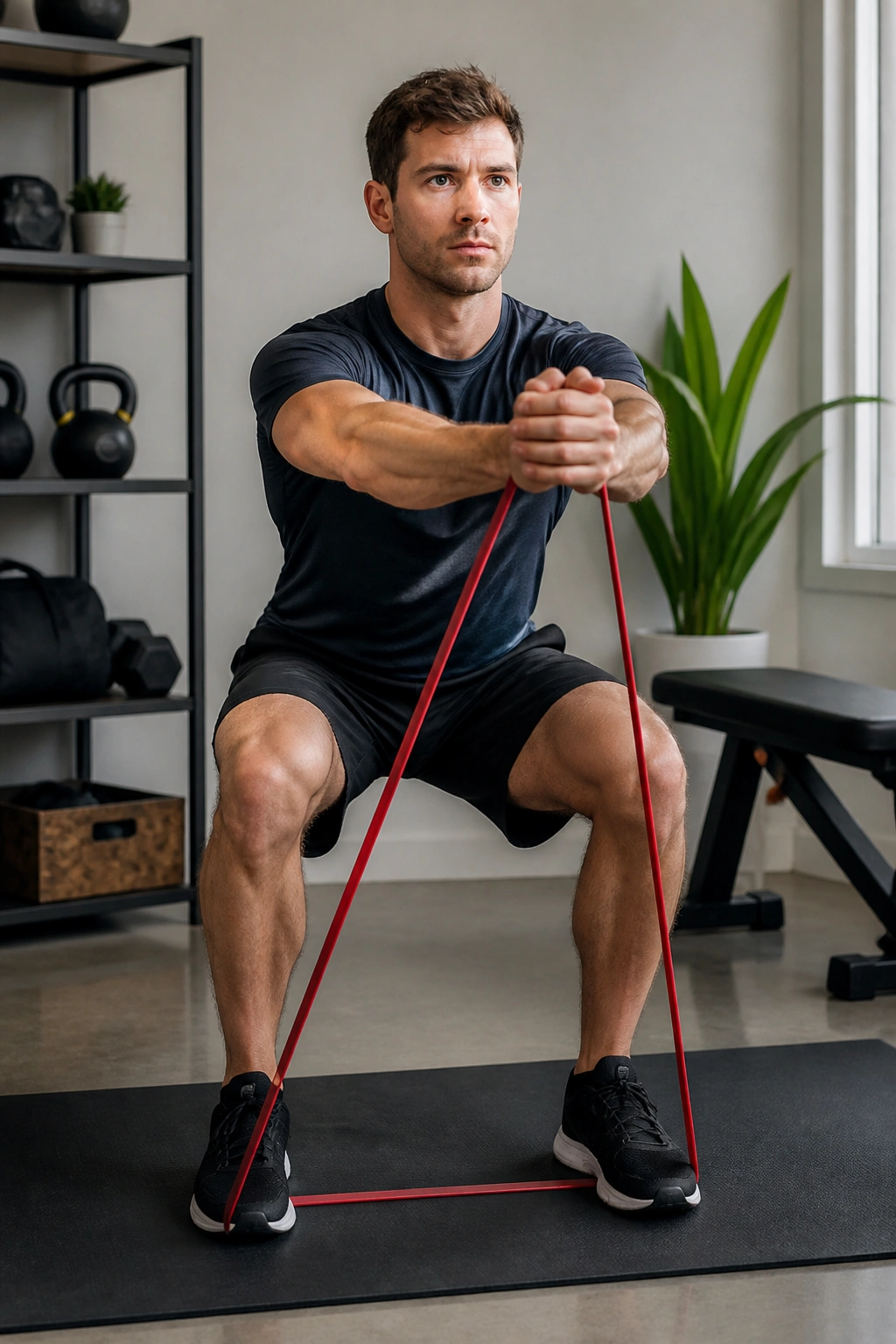
Resistance bands look harmless until you use them for a full circuit. Then they get opinions.
Do 3 rounds of band rows, band squats, band press-outs, lateral walks, and band pull-aparts. Aim for 12 to 15 reps on each move, with 20 to 30 seconds between exercises. Keep the band under tension the whole time. Slack band work is lazy band work.
- Rows: squeeze between the shoulder blades.
- Squats: keep the band just above the knees if you want extra glute work.
- Press-outs: brace the core hard.
- Lateral walks: small steps, no wobbling.
- Pull-aparts: stop before the shoulders shrug.
Bands are cheap, portable, and useful in a way that fancy gear often isn’t. This workout travels well, which makes it easy to repeat even when your day is messy.
16. Sprint Walk Repeats

Short sprints can be great. Badly done sprints are a fast route to sore calves and an annoyed hamstring, so keep the volume modest.
After a thorough warm-up, run 20 seconds hard and walk 70 to 90 seconds. Repeat for 8 to 10 rounds. If you’re on a bike or rower, use the same timing and push the resistance or stroke rate instead of raw speed.
The warm-up matters here. I’m not being dramatic. Cold sprints are a dumb gamble. A few minutes of easy movement, leg swings, and a gradual build make the session much safer.
This is a high-output day, so it should sit next to easier workouts in the week. Daily repeatable does not mean daily maximal. That’s a fast way to wreck the plan.
17. Mobility and Stability Sequence
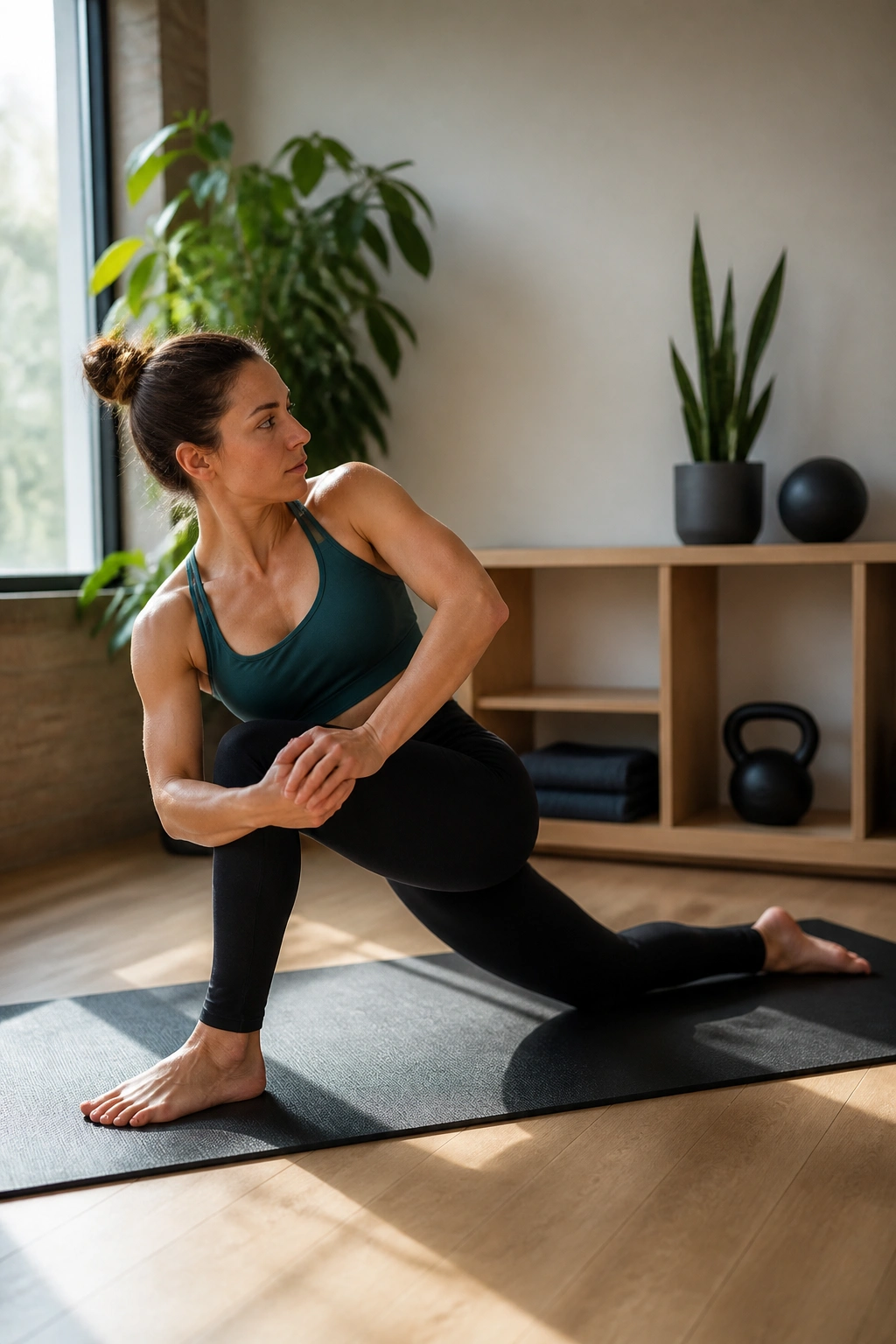
If your body feels stiff in a dozen different places, don’t punish it. Give it a sequence that asks for control first.
Run through ankle rocks, thoracic rotations, hip openers, shoulder CARs, and single-leg balance holds for 30 to 45 seconds each. Do 2 rounds. Move slowly enough that you can notice where things catch or wobble.
Why this belongs in a daily plan
Stability work looks boring because it isn’t flashy. That’s the whole charm of it. The payoff shows up in the workouts that come after: better squat depth, cleaner overhead position, steadier walking, fewer weird little aches.
Use this one after a hard day, before a hard day, or on a day when your brain is fried and your body needs a kinder task. It still counts as training.
18. Upper-Body Density Block
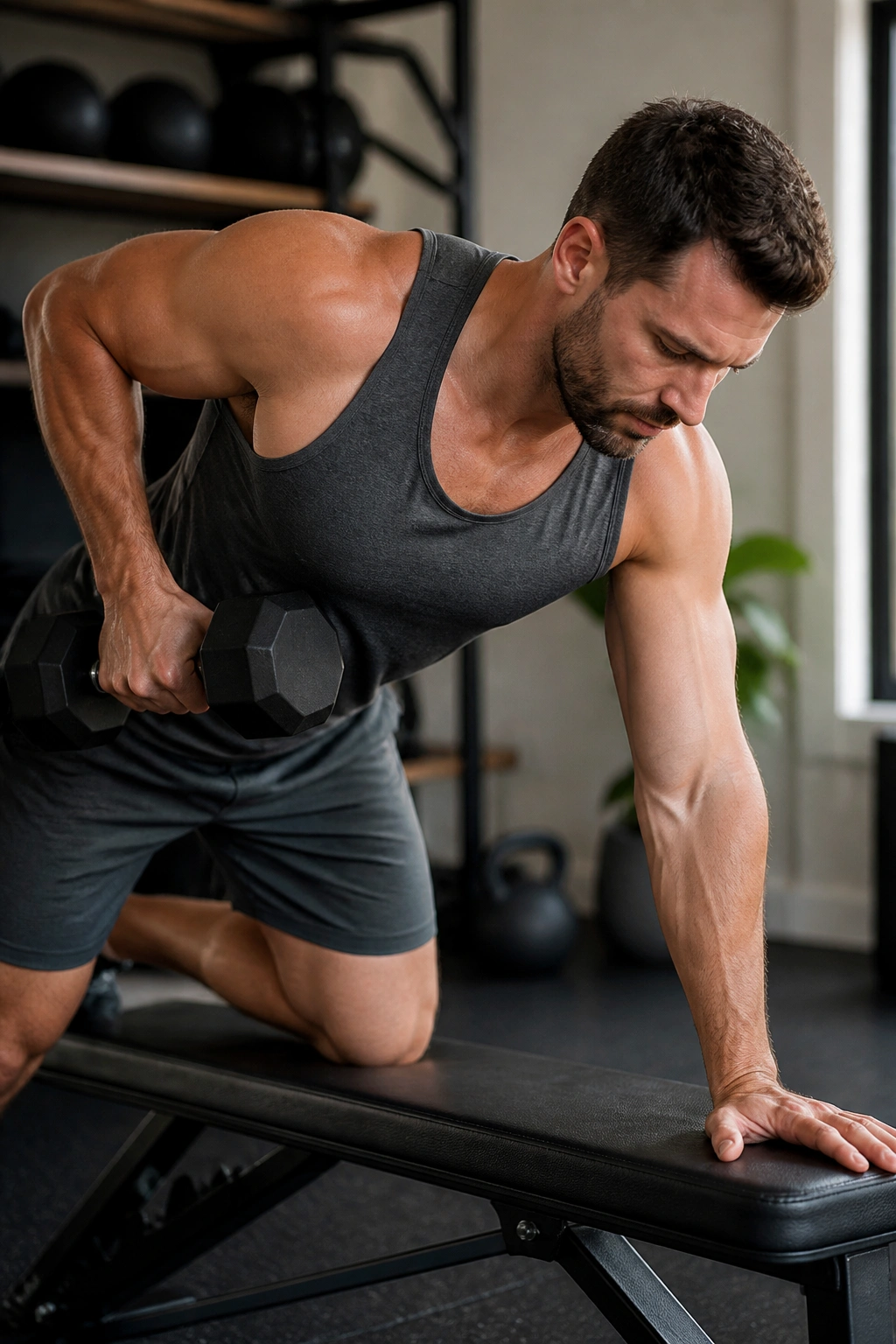
This one is about doing a lot of clean work in a short window. Not sloppy work. Clean.
Set a timer for 12 minutes and cycle through incline push-ups, one-arm rows, shoulder taps, and dead hangs if you have a bar. Keep moving with short rests, but don’t chase speed if your form starts to peel apart. Then finish with a 5-minute easy walk or light bike ride.
What makes it different
A density block measures how much quality work you can fit into a fixed time. That means your pace can improve over time without changing the exercises. Nice and tidy.
It’s especially good when you only have a little energy but still want to touch upper-body strength. The session feels compact, not exhausting. That makes it a smart repeat option during busy stretches when longer workouts keep getting bumped.
19. Tempo Cardio Mix

Tempo work sits between easy movement and all-out efforts. It’s the steady middle lane, and that’s where a lot of useful fitness lives.
After warming up, move for 15 minutes at a pace that feels “comfortably hard”, then take 5 minutes easy, then finish with 5 rounds of 30 seconds a little faster and 30 seconds easy. You can run, bike, row, or power walk uphill.
The point is not to win the workout. The point is to settle into a pace you can sustain without blowing up. That teaches your body how to hold effort without panic.
This style is gold for repeatability because it doesn’t leave you shattered. You finish knowing you worked, but you don’t feel like you need a nap and a rebrand.
20. The Easy Daily Reset Walk
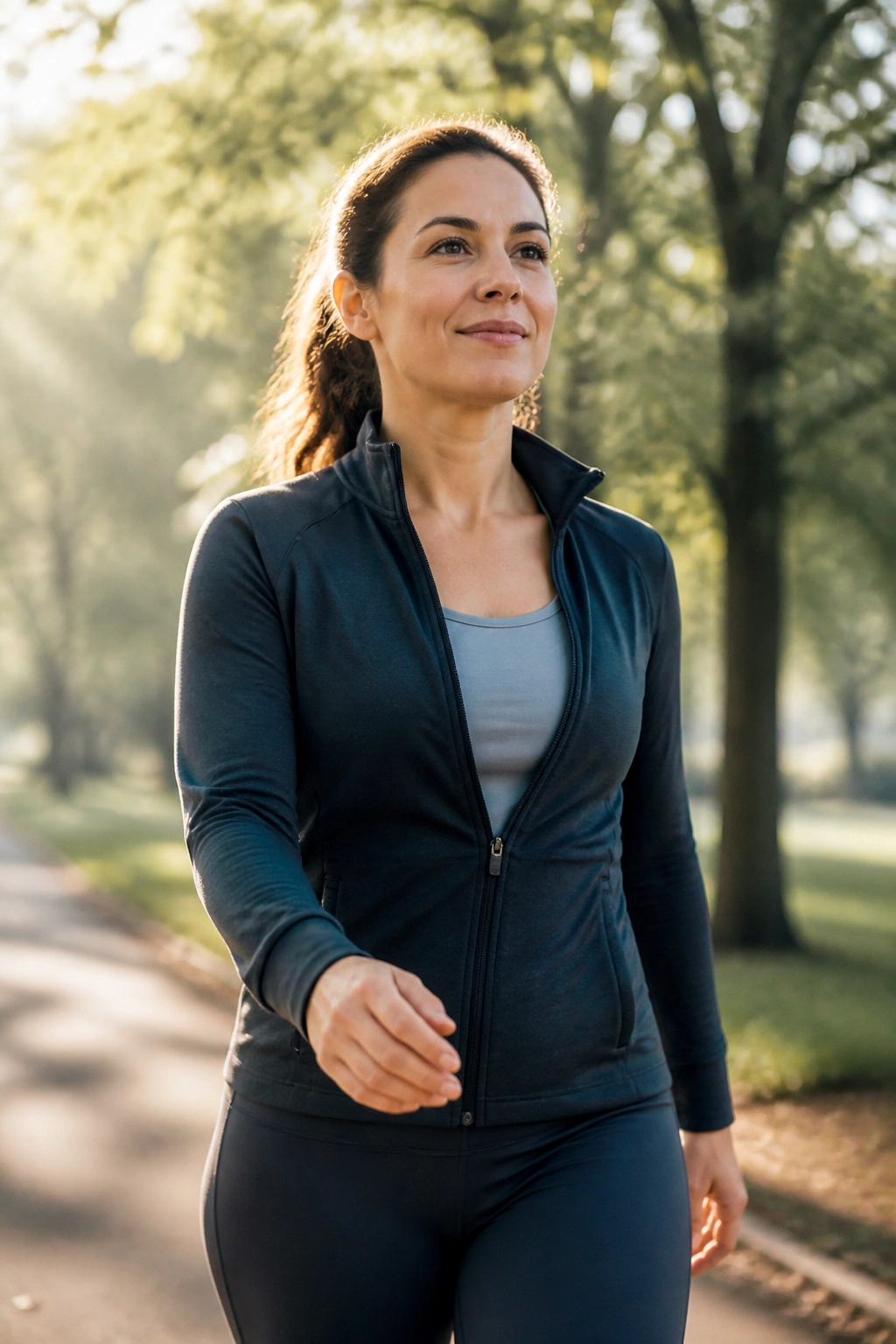
Some days call for the simplest answer possible. Walk, breathe, and get your joints moving again.
Take 20 minutes of easy walking, then spend 5 minutes on gentle stretching: calves against a wall, hamstring fold, doorway chest stretch, and a slow spinal twist. If you need a little more, add 10 bodyweight squats and 10 wall push-ups before you cool down.
This is the workout I’d choose when everything else feels like too much. It protects the habit. It clears the head. It gets blood moving without asking for drama.
Use it after harder sessions, on low-energy days, or whenever your body feels a bit sticky. Simple is not the same as useless. Not even close.
