



Forty-five minutes is enough time to do real work. It is also long enough to waste if you drift between machines, check your phone, and keep changing the plan halfway through.
I like forty-five-minute sessions because they force honesty. You can warm up properly, lift with intent, and still leave with enough gas to function like a human being afterward. That sweet spot matters. A five-minute sprint is too thin, and a two-hour gym marathon turns into a social event for most people.
The best part is that forty-five minutes can be shaped into almost anything: heavy strength, hard intervals, pure conditioning, recovery work, or the kind of mixed session that leaves your shirt stuck to your back. The trick is not cramming more stuff into the clock. It’s choosing a clear job for the day and giving it enough room to work.
1. Heavy Barbell Full-Body Strength
Heavy lifting doesn’t need an hour. It needs a barbell, a timer, and the discipline to stop wandering between sets.
This is the session I’d pick when the goal is plain strength: squat, press, pull, repeat. Keep the warm-up brisk—7 minutes is enough if you move with purpose. Think bodyweight squats, hip hinges, empty-bar presses, and a few rows that wake up your upper back before the real work starts.
How it runs:
- 7 minutes: easy bike, row, or brisk walk, then 2 rounds of 8 air squats, 8 pushups, and 10 band pull-aparts
- 20 minutes: back squat for 4 sets of 5 reps, paired with bench press for 4 sets of 5 reps
- 8 minutes: Romanian deadlift for 3 sets of 8 reps, paired with a 30-second plank
- 10 minutes: farmer carries, sled pushes, or a slow cooldown walk
Use a load that leaves 1 to 2 reps in reserve on each set. If the bar speed gets ugly, the weight is too heavy for a forty-five-minute day. You want enough intensity to matter, not a grind that turns the last set into a survival exercise.
I’m also a fan of pairing the squat and bench only if you keep the rest honest. If your phone is in your hand between sets, the workout is already slipping. Keep it tight. That’s where the payoff lives.
2. Upper-Body Dumbbell Supersets for 45 Minutes

Can an upper-body day feel dense without dragging on? Absolutely. The answer is a handful of dumbbells, a bench, and some superset pairings that don’t waste time.
This plan is the kind I use when I want my chest, back, shoulders, and arms worked without standing around waiting for a rack. It’s efficient in the good sense—not the rushed sense. Give yourself 5 minutes to warm up, then move through paired lifts with controlled rests.
Set up the supersets
- Incline dumbbell press + one-arm dumbbell row
- Seated dumbbell shoulder press + rear delt fly
- Pushups + hammer curls
- Overhead triceps extension + dead bug
Run the first two pairings for 3 rounds each, using 8 to 12 reps per movement. Rest about 45 to 60 seconds between supersets. The last two pairings can live in a short finisher block for another 8 to 10 minutes.
The second movement in each pair should be a little easier than the first. That’s not laziness. It keeps your form clean when fatigue starts creeping in. Neutral grips help too, especially if your shoulders get cranky with straight-bar pressing.
Finish with 5 minutes of easy rowing or incline walking. You’ll know this one worked if your chest feels pumped, your upper back feels warm, and your arms are tired in that honest, “I actually did something” way.
3. Lower-Body Squat and Hinge Day

Leg day gets better when you stop trying to do everything at once. Pick one squat pattern, one hinge pattern, and let them do the heavy lifting.
A forty-five-minute lower-body session should feel dense, not chaotic. Start with 6 minutes of prep: ankle rocks, bodyweight squats, hip openers, and a few glute bridges. Then move into your main work with the kind of focus people usually save for a test they forgot was happening.
A simple sequence works best:
- Front squat or back squat for 4 sets of 5 reps
- Romanian deadlift for 3 sets of 8 reps
- Walking lunge or split squat for 2 sets of 10 to 12 reps per leg
- Standing calf raise for 2 sets of 15 to 20 reps
The nice part about front-loaded work is that it makes light weight feel honest. You don’t need a monster barbell load to make your thighs complain. You just need good depth, steady tempo, and enough control to avoid bouncing around like you’re trying to outrun the floor.
If you’ve got a few minutes left, finish with a wall sit or sled push. Both of those punish the legs without beating up your joints the way sloppy high-rep squats can. And yes, that matters more than the internet likes to admit.
4. Kettlebell Conditioning Circuit

The kettle bell earns its keep here. Not in a flashy way. In a practical, sweaty, lungs-burn kind of way.
This session is built around simple movement patterns that stack up fast: hinge, squat, press, carry, and brace. Use one moderate kettlebell if you’re newer, or two bells if you already know how to keep your ribs down and your back neutral. The bell should feel challenging by the end of a round, but your grip should not fail before your legs and lungs do.
The circuit
- 40 seconds: two-hand kettlebell swing
- 20 seconds: rest
- 40 seconds: goblet squat
- 20 seconds: rest
- 40 seconds: clean and press, alternating sides
- 20 seconds: rest
- 40 seconds: reverse lunge, goblet hold
- 20 seconds: rest
- 40 seconds: suitcase carry or march in place
- 20 seconds: rest
Run that for 4 rounds. It takes about 24 minutes. Pair it with an 8-minute warm-up and a 6-minute cool-down, then use the final 7 minutes for core work or loaded carries.
The swing is the big test. If it starts turning into a squat or a front raise, the bell is too heavy or your hinge is sloppy. Keep the hips snapping, the bell floating, and the torso quiet. That sounds simple. It isn’t, which is why this workout works so well.
5. Incline Treadmill Intervals and Core

A treadmill can be boring or brutal. The incline changes the equation fast.
This workout is ideal when you want a hard cardio block without sprinting flat-out. Use the incline to do more of the work and keep the pace under control. The hard intervals should feel like you’re climbing a hill with purpose, not fleeing something behind you.
Start with 8 minutes of easy walking or light jogging at 1% to 3% incline. Then move into 10 rounds of:
- 1 minute hard at a steep incline, usually 6% to 12%
- 1 minute easy at a lower incline, around 1% to 2%
After that, spend 12 minutes on core work. I like dead bugs, side planks, and mountain climbers because they keep the trunk honest without turning the session into a circus.
A hard minute should still look tidy. If you’re clinging to the rails or stomping around with wrecked posture, back off. The goal is repeatable effort, not one heroic minute followed by nine sloppy ones.
Finish with 5 minutes of walking. Your calves will thank you later, even if they’re cursing you during the last interval.
6. Rowing Pyramid for a Full 45-Minute Session

Rowing is the rare machine that tells the truth. If your legs are lazy or your pull is all arms, the split time exposes it immediately.
This pyramid format gives you a nice blend of power and pacing. It also keeps the clock moving without making the session feel frantic. Spend 6 minutes warming up with easy strokes, then hit the main pyramid:
- 250 meters
- 500 meters
- 750 meters
- 500 meters
- 250 meters
Rest 60 to 90 seconds between pieces. The shorter rows should feel sharp; the longer middle piece should feel controlled but honest. I don’t love all-out rowing unless you’re training specifically for that. Most people get more from a hard repeatable pace than from a few ugly explosions.
Once the rows are done, use 12 minutes for accessory work: hip hinges, glute bridges, Pallof presses, or chest-supported rows. The rower pounds the legs and back enough that a little trunk stability work goes a long way.
Leave the final 7 minutes for walking and breathing. Boring? Maybe. Necessary? Absolutely.
7. Bodyweight EMOM for Home or Travel
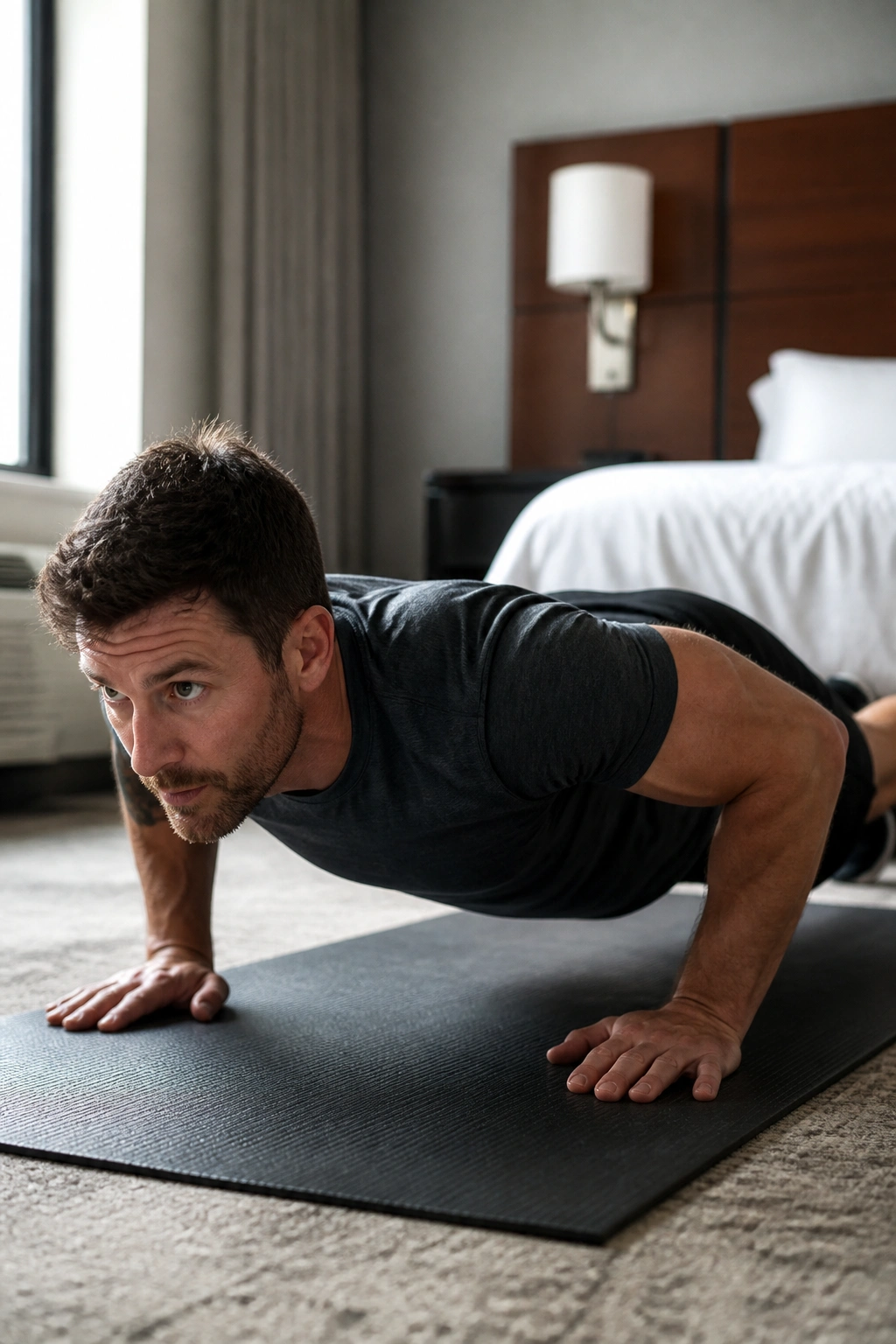
No equipment? Fine. That’s not an excuse, it’s a different tool.
A bodyweight EMOM—every minute on the minute—works well when you’re at home, on the road, or in a hotel room with a floor and not much else. The secret is keeping the reps crisp so each minute leaves a few seconds to breathe. If you cram too many reps into the minute, the workout turns into panic.
A clean 24-minute EMOM
- Minute 1: 12 pushups
- Minute 2: 20 air squats
- Minute 3: 10 reverse lunges per leg
- Minute 4: 30 seconds plank shoulder taps
- Minute 5: 10 pike pushups
- Minute 6: 40 mountain climbers
Repeat for 4 rounds.
Before that, do 5 minutes of joint prep: neck rolls, arm circles, hip circles, calf raises, and a few slow squats. After the EMOM, use 8 minutes for a slow density finisher—wall sits, hollow holds, or a long bear crawl if you want to be humbled in a hurry. Close with 8 minutes of mobility.
Slow the lowering phase on pushups and squats. Three seconds down is enough to make bodyweight work feel a lot less casual. And if your wrists hate plank positions, swap in dead bugs or forearm planks. No drama.
8. Sled Pushes and Carry Circuits

If your gym has a sled, use it. Most people ignore the thing until they try it once and realize how fast it turns a normal afternoon into a hard one.
Sled work is clean. It taxes the legs, lungs, and trunk without the soreness that comes from a ton of eccentric loading. That’s why it’s such a good forty-five-minute option when you want a hard session that won’t flatten you for two days.
Start with 7 minutes of warm-up: brisk walking, glute bridges, bodyweight lunges, and a few light rows. Then run 5 rounds of this:
- 20 meters sled push
- 20 meters sled pull
- 40 meters farmer carry
- 60 seconds rest
After the sled block, spend 10 minutes on split squats and chest-supported rows. Those two are a nice balance—one lower-body burner, one upper-back anchor. Keep the reps around 8 to 10 per side, and don’t rush the rest. Good form makes the work count.
No sled? Do heavy incline treadmill pushes or loaded walking lunges instead. Not identical. Still useful.
The key here is posture. Stay tall. Don’t fold at the waist just because the weight is heavy and your lungs are making rude noises.
9. Tempo Run with Strides

A tempo run is the workout runners avoid until they need it. Then they remember why it matters.
The pace should feel controlled, not frantic. You’re not racing. You’re teaching the body how to sit near a hard effort without falling apart. That’s a useful skill for nearly every runner, even the ones who only lace up a few times a week.
Use 10 minutes to warm up with easy jogging and a few drills: high knees, butt kicks, leg swings, and maybe 2 short pickups. Then settle into 20 minutes of tempo pace. A good tempo effort usually feels like you can speak in short phrases, but you would not want to carry on a long conversation.
After that, do 6 x 20-second strides with 40 seconds of easy walking or jogging between each rep. Strides keep the legs snappy and help the session finish with some spring instead of only fatigue.
Close with 5 minutes of walking. If you finish this workout feeling ragged, you went too hard in the middle. Tempo is supposed to be tough, yes. It should also be repeatable next week, which is the part people often miss.
10. Recovery Lift With Mobility
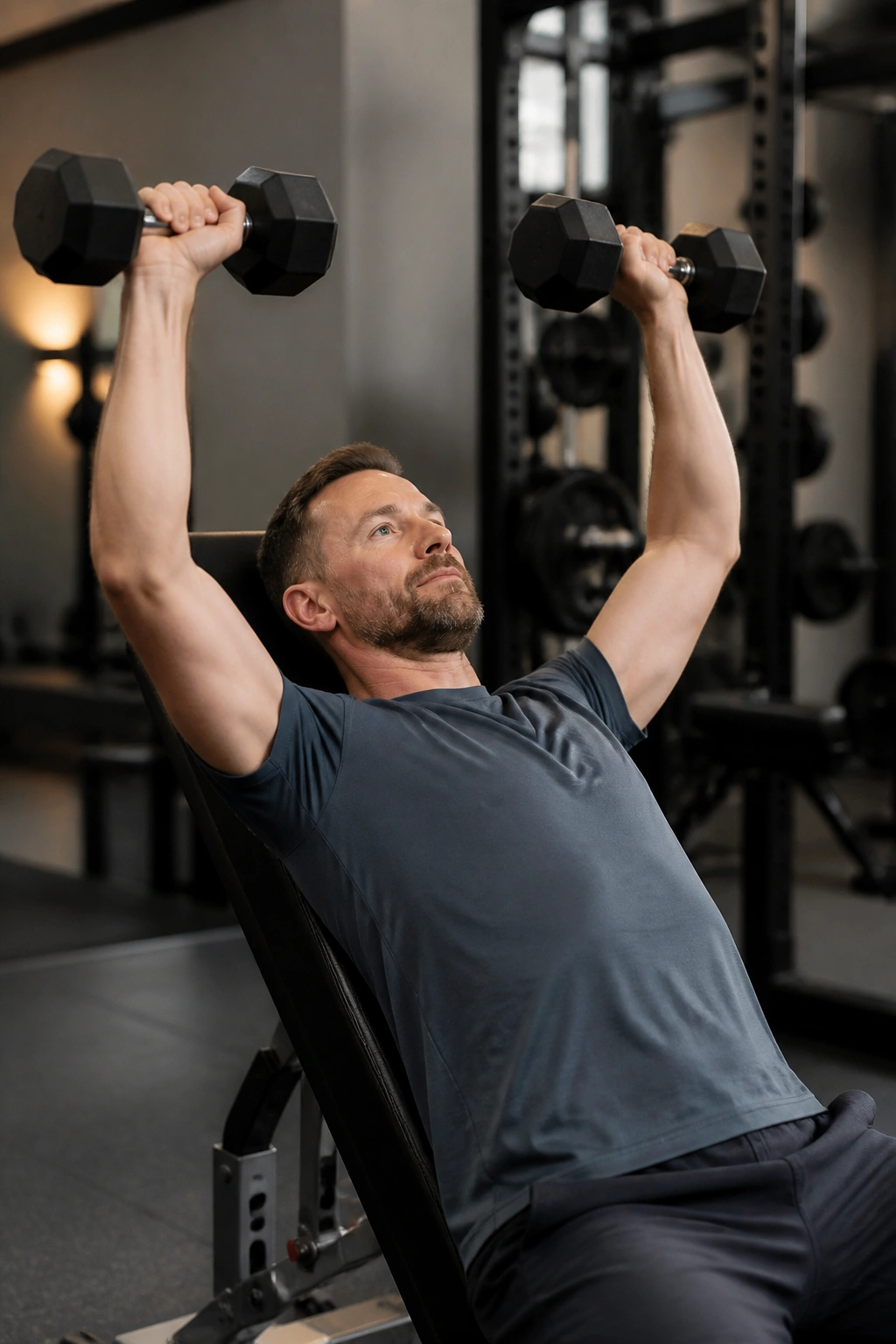
Recovery days get ignored too often. People think every workout has to leave them drenched, bent over, and too tired to make dinner. That’s nonsense.
A recovery lift is still a workout. It just has a different job. The point is to move through range, wake up tissue that’s been sitting too long, and leave the gym feeling better than when you walked in. Use 10 minutes for mobility: hips, thoracic spine, ankles, and shoulders. Nothing fancy. Just clean movement.
Keep the load light and the tempo slow
- Half-kneeling dumbbell press for 3 sets of 8 per side
- Single-leg Romanian deadlift for 3 sets of 8 per side
- Chest-supported row for 3 sets of 10
- Paused split squat for 2 sets of 8 per leg
The whole middle block should take about 18 minutes. Rest just enough to keep form smooth. Then use 10 minutes for loaded carries, light sled drags, or a brisk walk on an incline.
The trick is not to chase fatigue. If your breathing is ragged, you’ve drifted out of recovery territory. These sessions should feel almost suspiciously manageable while you’re doing them. Two hours later, they’re the ones that leave you feeling loose instead of cooked.
11. Backpack Strength Session

A backpack can carry more than groceries. Packed right, it becomes a decent little home gym.
This workout is for the days when leaving the house isn’t worth the hassle, but you still want a real session. Fill a backpack with books, water bottles, or a couple of dense towels. If the straps dig into your shoulders, wrap them with a towel or use the bag as a goblet load instead. Little fixes matter.
Spend 5 minutes warming up with marching in place, squats, shoulder circles, and inchworms. Then run 4 rounds of this circuit:
- 12 backpack front squats
- 10 pushups
- 12 backpack rows
- 15 glute bridges
- 8 overhead presses
Use 45 seconds of work and 15 seconds to transition if you like the timer approach. Or just keep the reps steady and rest 60 seconds between rounds. Either way, keep the bag close to the body so the weight stays manageable.
After the circuit, use 8 minutes for walking lunges, stair climbs, or a simple plank ladder. Finish with 8 minutes of stretching for hips, chest, and calves. Homemade doesn’t mean low quality. It just means the equipment is honest.
12. Boxing Rounds That Actually Count

Boxing rounds are messier than they look. Good rounds are not about swinging harder. They’re about keeping your guard up, feet alive, and breathing under control while your shoulders start to complain.
If you’ve got a bag, use it. If not, shadowboxing works fine. Start with 5 minutes of jump rope, marching, or footwork drills. Then hit 6 rounds of 3 minutes, with 1 minute rest between each round. That gives you a solid 24-minute main block.
Make each round do something different
- Round 1: straight punches and stance resets
- Round 2: jab-cross-hook combinations
- Round 3: body shots and slips
- Round 4: footwork only, then add punches
- Round 5: power shots at a slower pace
- Round 6: free round, but keep clean form
Use the last 8 minutes for core work and shoulder stability—planks, band pull-aparts, and controlled pushups work well. Then cool down for 6 minutes with easy movement and breathing.
Hands should come back to your face every time. Every time. If they don’t, the round gets sloppy fast and the quality drops off. That little discipline changes the session more than most people think.
13. Machine Circuit for the Gym Floor
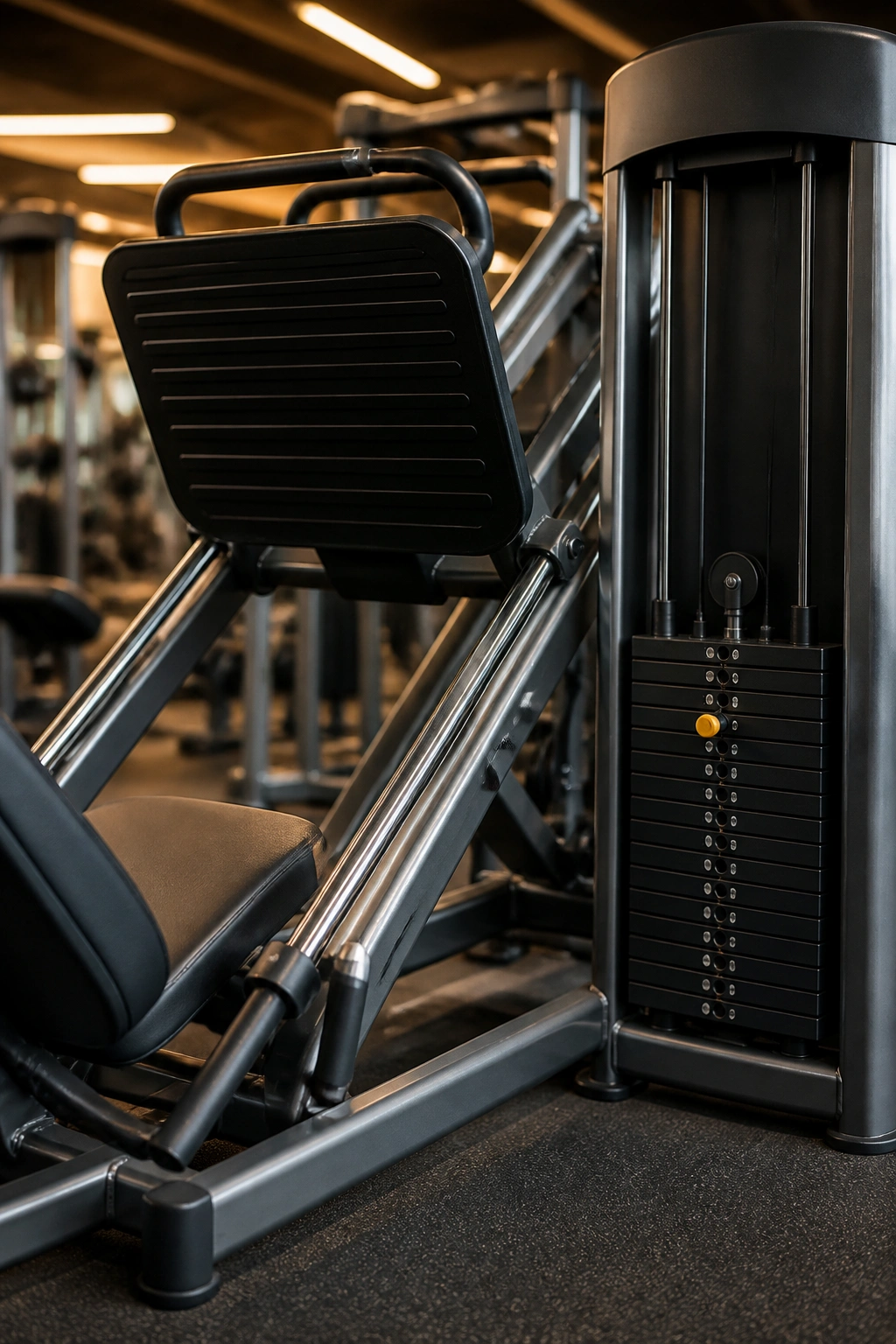
Machines are underrated. Not glamorous. Not exciting in the way a heavy deadlift is exciting. Still useful.
A machine circuit is a good choice when you want steady work without spending half the session setting up or re-racking plates. It also helps if you’re tired, distracted, or trying to avoid the crowded free-weight corner. Build the day around 5 stations and keep the rhythm tight.
Start with 5 minutes of biking or walking. Then run 4 rounds of:
- Leg press for 10 reps
- Chest press for 10 reps
- Lat pulldown for 10 reps
- Seated leg curl for 12 reps
- Cable crunch for 12 reps
Rest 30 to 45 seconds between machines, enough to move with good form but not enough to lose the rhythm. After that, use 8 minutes for one more upper-back or glute accessory, depending on what feels underworked.
The beauty of machines is that they let you keep the load steady. Set the pin once. Keep the range the same. Don’t turn the workout into a guessing game every set. If you’re the kind of person who likes a clean, organized session with less fuss, this one lands nicely.
14. Hill Sprints and Plyometric Jumps

Do hill sprints work without turning the session into a disaster? Yes, if you stop before speed turns sloppy.
The hill gives you a little mercy. It shortens ground contact, limits overstriding, and makes the effort feel powerful instead of chaotic. Start with 10 minutes of warm-up jogging, skipping, leg swings, and a few short accelerations. Then move to the main block:
- 8 to 10 hill sprints
- 10 to 12 seconds per sprint
- Walk back recovery between reps
After the sprints, spend 10 minutes on plyometrics: box jumps, pogo hops, or broad jumps. Keep the reps low. The goal is crisp force, not turning the floor into a pogo stick challenge. If your landings get noisy or your knees cave in, cut it off. That’s your cue.
Finish with 7 minutes of walking and calf work. Hill sprints hit the nervous system hard, so the cool-down matters more than people think. Your legs should feel fast when you finish, not like they were run through a grinder.
This is one of the few workouts where less is often better. A handful of good reps beats a long pile of mediocre ones every time.
15. Mixed-Modal Everything Day

Everything-day workouts are for people who get bored easily. I respect that.
This one blends strength, conditioning, and trunk work into a session that feels full without becoming random. The structure matters. You want one strength block, one hard-conditioning block, and one piece that leaves your midsection honest. Start with 5 minutes of easy cardio and joint prep.
A clean 45-minute mixed session
-
Strength block: 15 minutes
- 3 rounds of 6 goblet squats
- 8 dumbbell presses
- 10 cable or dumbbell rows
- Rest 45 seconds between movements
-
Conditioning block: 15 minutes
- 30 seconds hard on bike, rower, or treadmill
- 30 seconds easy
- Repeat for 15 rounds
-
Core and carry block: 5 minutes
- Farmer carry
- Pallof press
- Hollow hold
-
Cool-down: 5 minutes
- Walk, breathe, and stretch hips and lats
The reason this session works is simple: each block has a different job. Strength first, then engine work, then trunk control. You’re not mixing everything together just to feel busy. You’re giving the body three clean signals and enough time to respond.
If you only have one heavy dumbbell or one kettlebell, use it. The session still works. And if you enjoy a workout that feels a little like assembling the whole menu instead of ordering one dish, this is the one I’d keep in the rotation.
Final Thoughts

A good forty-five-minute workout has a pulse. It starts on time, stays honest, and finishes before your focus starts wandering.
Pick the session that matches the day, not the one that sounds toughest on paper. Heavy barbell work, intervals, carries, boxing rounds—each one has its place, but the best results come from repeating a few of them well instead of bouncing around for novelty.
Keep a timer handy. Write the session down. That small bit of structure turns forty-five minutes from a vague idea into something you can actually build on next week.
