



Maternity skin care can feel strangely personal. One week your face is oilier at the chin and drier at the cheeks, the next week your neck itches after a shower and your old moisturizer burns a little on contact.
That shift is normal enough, but it can still be maddening. Pregnancy changes hormones, water balance, blood flow, and the way skin reacts to products. The first trimester often brings sensitivity and surprise breakouts. The second usually adds pigmentation and a stretching sensation across the body. The third can turn friction, sweat, and swelling into the main event.
A smart routine does not need to be fancy. In fact, the fussy stuff tends to backfire. Most prenatal dermatology advice points toward bland, fragrance-free basics, mineral sunscreen, and a careful eye on ingredients that should stay off the shelf while you’re pregnant. A few small changes can save a lot of irritation.
The fastest place to begin is the bottle you reach for first each morning.
1. Start Your Maternity Skin Care Routine With a Fragrance-Free Baseline
The first trimester is often when skin starts acting picky for no obvious reason. A cleanser that used to feel harmless can suddenly feel sharp, and a scented body lotion can make you wrinkle your nose before it even touches your skin.
Why the first trimester feels so strange
Hormone swings can make skin more reactive, but nausea plays its own little trick. Strong smells can make a product seem worse than it is, and once a cleanser smells “too much,” people tend to use less of it, rinse too fast, or skip moisture afterward. That turns into dryness and irritation.
Keep the routine short. Three products can carry a lot of weight here: a mild cleanser, a plain moisturizer, and sunscreen in the morning.
- Choose fragrance-free products with short ingredient lists.
- Look for ceramides, glycerin, or petrolatum in your moisturizer.
- Skip scrubs, rough washcloths, and anything that leaves your face squeaky.
- If a product stings on contact, stop using it for now.
Best rule: if you can smell the cleanser from across the bathroom, it may be too much for pregnancy-sensitive skin.
2. Read the Active Ingredient Label Before You Buy Anything New
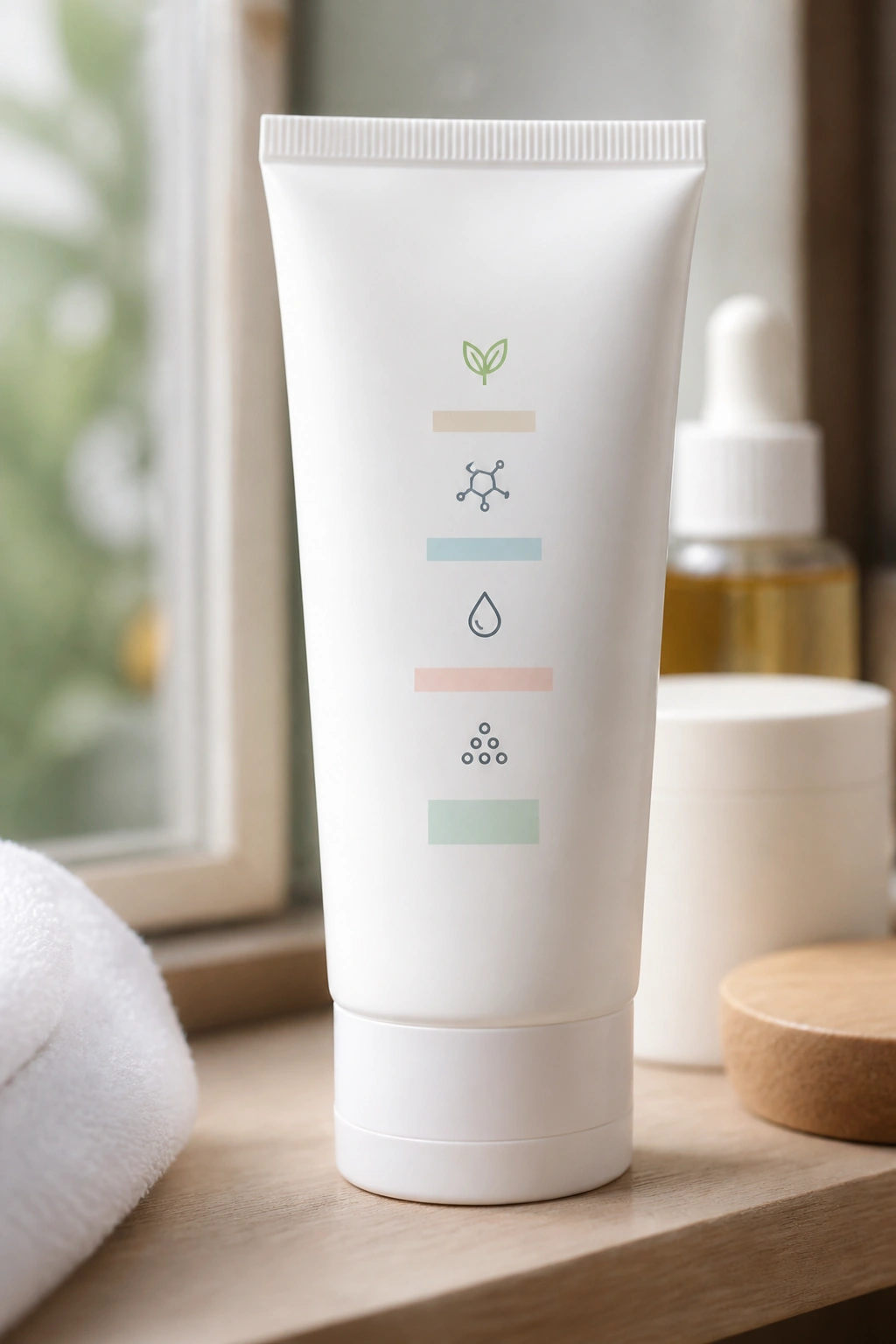
Pregnancy is not the time to trust the front of the box. The marketing says “glow,” “clear,” or “renew,” but the ingredient list tells the real story.
Retinoids are the big one to watch. That includes prescription tretinoin and adapalene, plus retinol and retinal on over-the-counter shelves. Hydroquinone is another ingredient many clinicians prefer to avoid. Strong peel products, high-strength acne treatments, and anything designed to burn off a layer of skin can be a bad bet when your skin barrier is already jumpy.
There are calmer swaps. Azelaic acid is a favorite for acne and dark marks. Niacinamide can help with oil control and redness. A gentle vitamin C serum may suit some people, though sensitive skin sometimes hates it. That is the trick with pregnancy skin: a product can be theoretically fine and still feel awful.
Make yourself a simple note on your phone with ingredients to skip. Then patch test anything new on the inner forearm or behind the ear for a full day before you spread it across your face. One new product at a time. Always. That tiny bit of discipline saves a lot of guessing later.
3. Keep Breakouts Small and Targeted Instead of Scrubbing Them Away
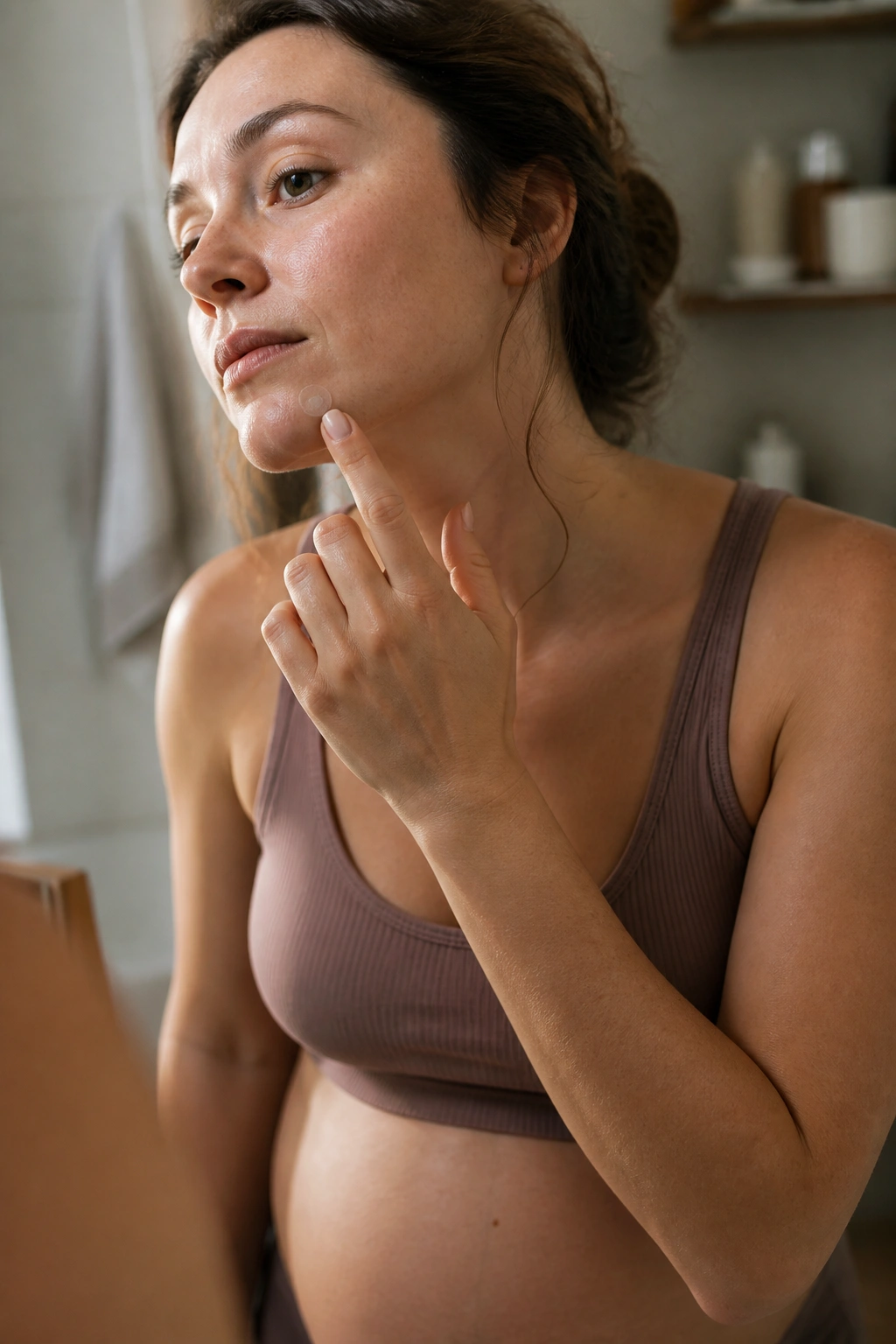
Why do pregnancy breakouts seem to camp out on the chin and jawline? Hormones push oil glands around, and the temptation is to fight back with a cleanser that feels like a power wash. That usually makes things worse.
Acne in pregnancy often wants gentleness, not punishment. A mild cleanser in the morning and evening is enough for most people. After that, a spot treatment on the active pimple is usually smarter than coating the whole face in drying products. Hydrocolloid patches can help with whiteheads and keep fingers away from the area. They do not do much for deep cysts, though, and they are not magic. That’s fine. They still prevent picking.
How to use it without overdoing it
- Cleanse with lukewarm water.
- Dab a thin layer of a pregnancy-approved acne ingredient only on the breakout.
- Leave the rest of the face alone unless it actually needs treatment.
- Use clean hands and stop squeezing.
Picking is the bad habit that lingers. It can leave dark marks that hang around much longer than the original pimple, especially once pregnancy pigment kicks in. That’s annoying, and it’s avoidable. Keep the treatment small, keep the skin barrier intact, and let the zit do its miserable little time on its own.
4. Make Sunscreen a Daily Habit Before Melasma Shows Up
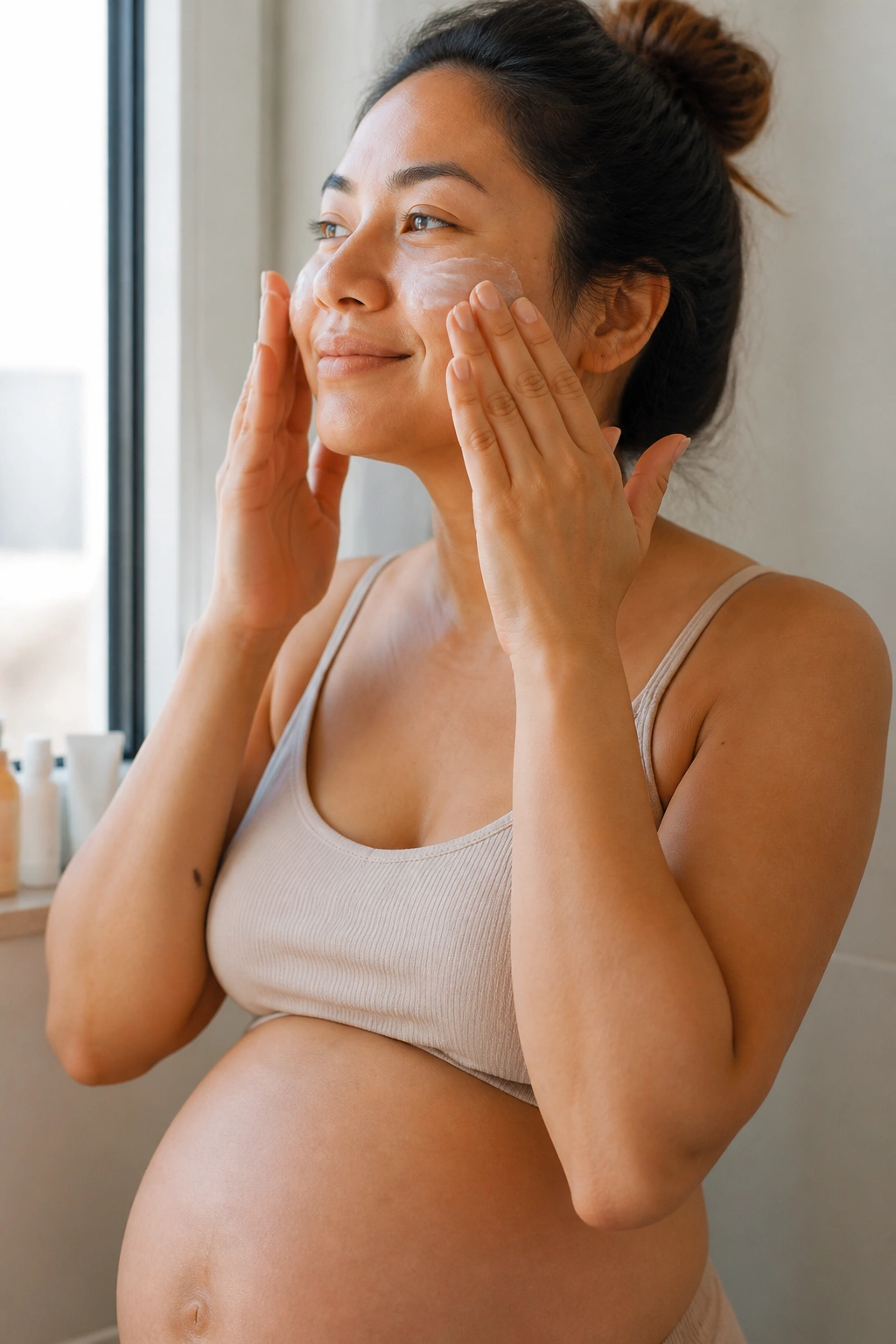
A dark patch across the upper lip or cheeks can appear almost out of nowhere, and once it’s there, it has a stubborn streak. Melasma loves pregnancy hormones, and sunlight gives it a boost.
This is where sunscreen stops being a beach product and becomes a daily tool. Broad-spectrum mineral sunscreen with SPF 30 or higher is the safest default for most pregnant people, especially if your skin is already reactive. Zinc oxide and titanium dioxide sit on the skin and tend to be kinder than some chemical filters when sensitivity is in the picture.
The amount matters more than the brand. Use enough to cover the face and neck evenly — the old “two-finger” method is handy here. Reapply after sweating or prolonged outdoor time. A hat with a real brim helps more than people want to admit. So do sunglasses.
A tinted mineral sunscreen can be worth trying if melasma is a concern, because visible light can make discoloration darker on some skin tones. That little tint sounds cosmetic, but it is doing quiet work.
5. The Maternity Skin Care Fix for Dry, Tight, Flaky Skin
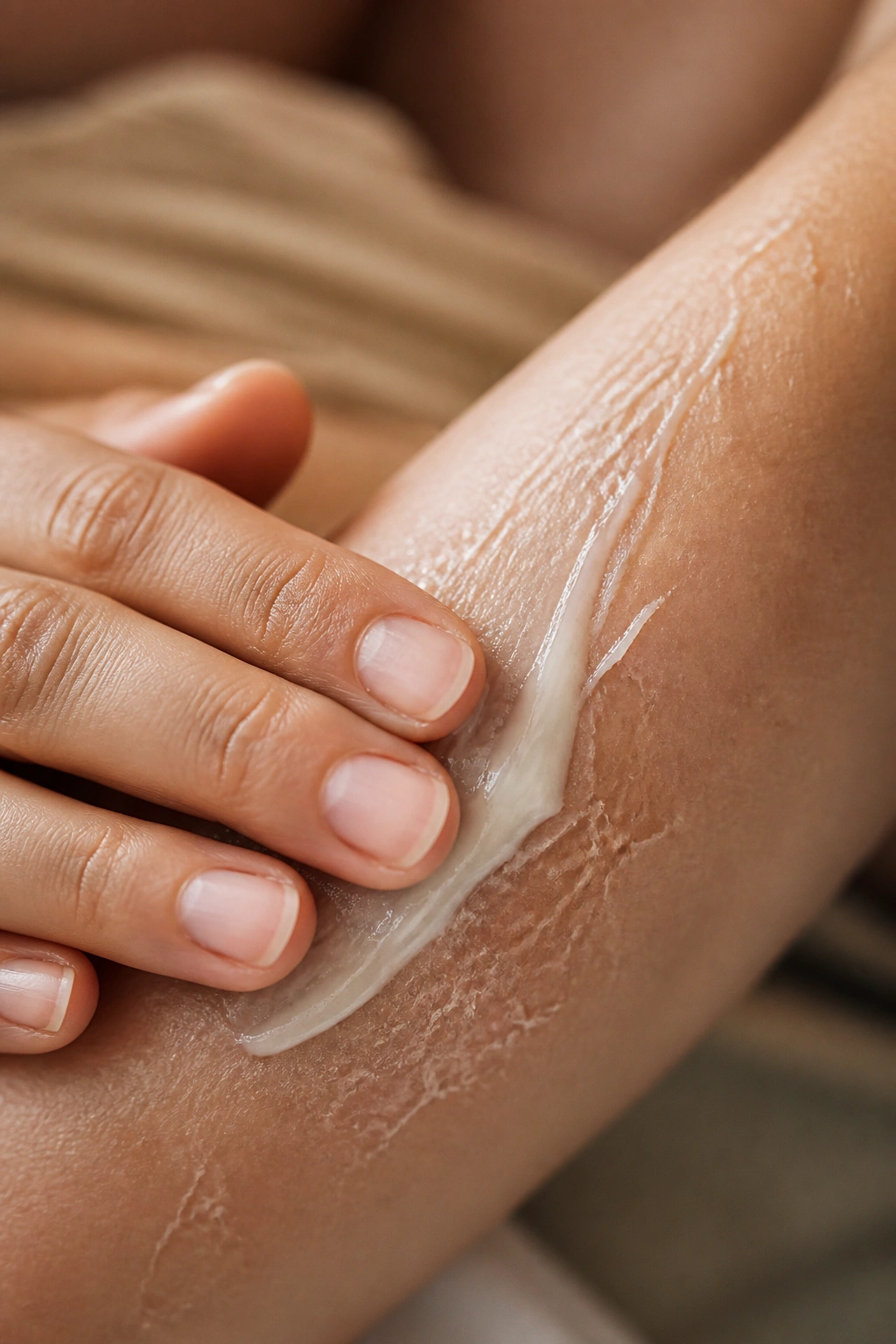
Hot water is sneaky. It feels soothing for thirty seconds, then your shins start whispering complaints by bedtime.
Dryness often shows up early, and it can spread in odd places: cheeks, lips, elbows, the front of the thighs, even the scalp if the skin there is angry enough. What helps most is not a fancy serum. It is a better barrier strategy. Ceramides help repair the skin wall, glycerin pulls water in, and petrolatum seals it there.
The timing matters too. Put moisturizer on within a few minutes after bathing, while skin is still slightly damp. That works better than waiting until everything is bone dry. If a lotion disappears in ten minutes and leaves you tight again, it is not thick enough for your skin right now.
Do not underestimate the value of the boring stuff. A richer cream at night, a lighter one in the morning, and shorter showers can change the whole feel of the week. I like a cream that comes out with a little resistance from the tube. Thin, runny body lotion often sounds better than it behaves.
One sentence can save the day: if skin feels tight after you moisturize, use a thicker product next time.
6. Upgrade Your Body Moisturizer When the Belly Starts to Stretch
Second trimester skin often needs a different texture, not a different philosophy. The belly expands, the breasts change shape, and the skin over the hips and lower back starts feeling pulled from the inside.
Here, a body lotion is usually too light. A cream is better, and an ointment is better still if the skin is cracking or itching. Think of the differences like this:
- Lotion: good for hands or short-term softness, but it evaporates fast.
- Cream: the sweet spot for the belly, breasts, thighs, and hips.
- Ointment: thickest layer, best for sealing water in at night.
No cream erases stretch marks. Genetics, speed of stretching, and skin tone all play a part. But a richer moisturizer can reduce the tight, itchy feeling that makes people scratch. That alone is worth the switch.
If you want one straightforward recommendation, keep a fragrance-free cream in a tub by the bed and another by the shower. Apply it to damp skin, then give the belly and side ribs a slow five-minute pause before dressing. The pause sounds trivial. It is not. It helps the cream stay where it belongs instead of ending up on your shirt.
7. Watch for Itching That Does Not Behave Like Normal Dry Skin

Not every itch is dry skin. Some is, sure. But the kind that keeps coming back, spreads, or wakes you up at night deserves more attention.
The red flags are the strange ones: itching on the palms or soles, itch that gets worse after dark, itch with no rash at all, or itch that ignores moisturizer completely. That can signal something beyond a barrier problem. It may still turn out to be harmless, but this is one of those times when guessing is a bad hobby.
What to watch for
- Itching that is strongest on palms or soles
- Itch paired with dark urine, pale stools, or yellowing skin
- A rash that blisters, spreads fast, or comes with fever
- Skin that gets sore instead of just dry
Plain cool compresses, loose clothing, and fragrance-free lotion may ease simple dryness. If the itch stays odd, persistent, or severe, call your prenatal clinician. That’s the move. The safer path is the boring one, and I would take boring over brave here every time.
8. Swap Harsh Brighteners for Pregnancy-Friendly Glow Helpers
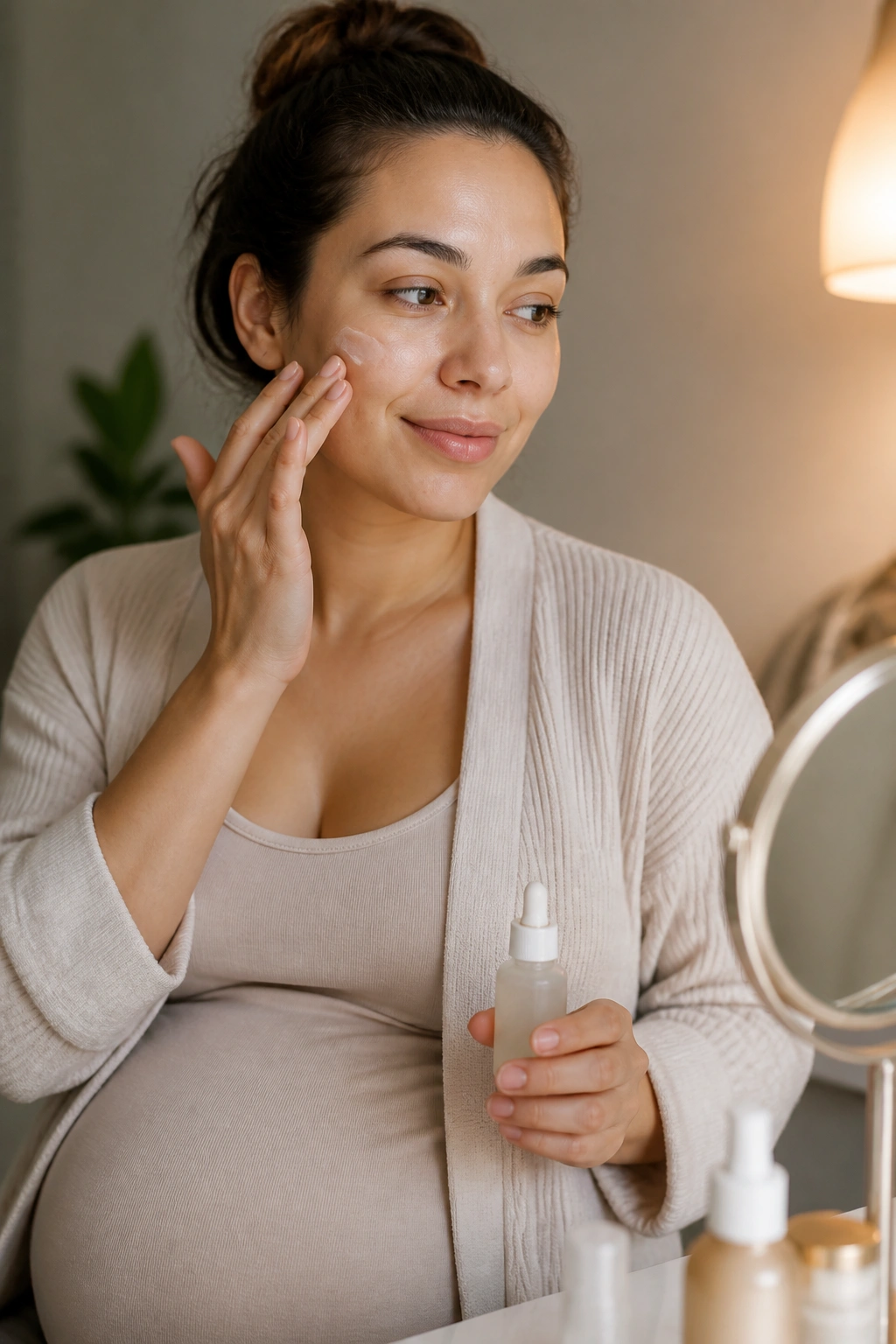
Glow products can help, but the wrong ones make pregnancy skin angry fast. The usual culprit is an ingredient that promises speed and delivers irritation.
Retinoids are off the table for many pregnant people, and hydroquinone is usually avoided too. That leaves better-behaved brighteners that work more quietly. Niacinamide helps with redness and uneven tone. Vitamin C can brighten dullness. Azelaic acid does a nice job with dark spots and pregnancy breakouts, and it tends to be better tolerated than the fiery stuff people often buy first.
The point is not to chase a glassy face. The point is to keep melasma from deepening and post-pimple marks from hanging around forever. A skin-lightening routine that stings is not worth it, because irritation can create more pigment.
Start with one product, not three. Use it on alternate days if your face gets prickly, and pair it with sunscreen every morning. That pair does more useful work than a shelf full of brighteners ever will.
9. Keep a Small Stash of Hand, Lip, and Nose Rescue Products
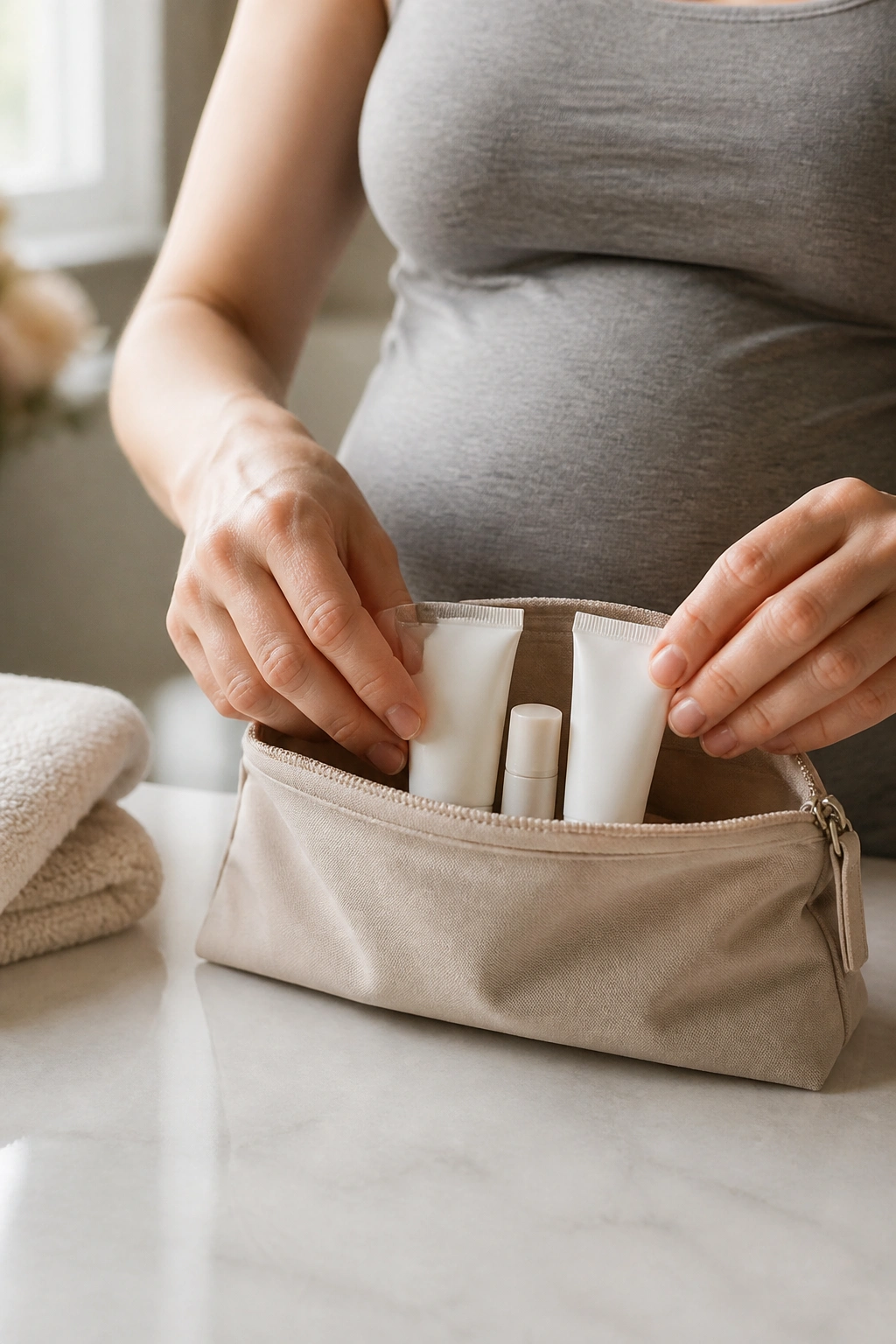
Why do the tiny spots get wrecked first? Because they get washed, wiped, licked, blown, and touched all day long. Hands take the brunt of it. Lips go dry. The sides of the nose crack when you blow it too often or rub at it after a sneeze.
A little rescue kit saves time and stops the spiral where one dry patch turns into three. Keep it small enough that you actually use it.
How to build it
- A petrolatum tube or plain lip balm for lips and nose corners
- A fragrance-free hand cream with glycerin or shea butter
- A small sunscreen stick for lips, cheeks, and the backs of hands
- Soft tissues, not scratchy ones
- A tiny tube you can throw in a tote, car, or desk drawer
The trick is placement. If the cream lives in the bathroom cabinet, you will forget it. Put one tube beside the sink and another near the bed. That way, the fix is where the problem happens.
Tiny patches can make the whole face feel less raw. They are worth the five seconds.
10. Use Lukewarm Water and a Low-Friction Routine to Calm Sensitive Skin

A shower can feel fine while you are in it and terrible ten minutes later. That is often heat plus friction, not some mysterious pregnancy curse.
The fix is boring but effective: lukewarm water, shorter showers, and less rubbing. Keep showers under ten minutes if your skin is dry or itchy. Clean the sweaty or oily zones — underarms, groin, under the breasts — and do not soap the rest of the body like you are sanding a floor. A gentle body wash on the folds is enough.
The low-friction version
- Pat dry with a soft towel instead of scrubbing.
- Skip bath bombs and gritty exfoliants.
- Use a creamy cleanser on the face if foaming washes leave you tight.
- Moisturize while the skin still holds a little water.
- Choose cotton towels and washcloths with a soft feel.
If your skin burns after a shower, that is a clue. Lower the water temperature before you buy another product. Most people reach for more treatment when they need less heat.
11. Massage Belly, Breasts, and Thighs With Plain Emollients Instead of Heavy Fragrance
A lot of third-trimester discomfort comes from friction. The belly brushes the waistband. The inner thighs rub when you walk. The skin under the breasts gets sweaty and tender. None of that is glamorous, and none of it needs a miracle product.
Plain emollients are the workhorses here. A thick cream or ointment with no fragrance can reduce the drag on skin and make stretching feel less sharp. I prefer massage over aggressive rubbing — slow circles, light pressure, enough to spread the product without tugging the skin. That’s it. No fancy moves.
Do not expect a jar of body butter to prevent stretch marks entirely. It will not. What it can do is keep the skin more comfortable, which matters more than people think when you are dealing with a belly that feels tight by lunchtime. If the product smells strong, skip it. Nausea has a nasty memory.
Apply after bathing on damp skin, then add a second thin layer before bed if the area feels itchy. That two-step approach works better than one heavy application that just sits there.
12. Make Sleep-Side Skin Care About Cooling, Elevating, and Reducing Puffiness

By the third trimester, skin care starts blending into comfort care. Sleep gets lighter, the face can look puffy in the morning, and the skin around the eyes or cheeks may feel warm for no good reason.
Cool tools help more than people expect. A clean washcloth dipped in cool water, wrung out, and pressed lightly on the face for five to ten minutes can take down puffiness. A chilled gel mask works too, as long as it is wrapped in cloth and never put straight on bare skin. Extra elevation under the head may also help if your face swells overnight.
What makes the difference
- A cool, not icy compress
- An extra pillow or wedge under the upper body
- Clean cotton pillowcases changed often
- A room that stays comfortably cool
- Less pressure from sleeping face-down or half-twisted into the pillow
This is where small details matter. A rough pillowcase can irritate the cheek line. A hot room can make the face look flushed by morning. A little elevation and a softer surface go further than another serum.
If puffiness becomes sudden or dramatic, especially with headache or visual changes, call your prenatal clinician. Skin can tell the story early, and it is worth listening.
13. Dress Your Skin in Soft Fabrics and Gentle Laundry Care

Skin irritation is not always coming from the skin itself. Sometimes it is the shirt, the bra band, the leggings seam, or the detergent residue sitting right against a sensitive patch.
Pregnant skin often reacts to friction in spots that used to be fine. Waistbands rub the lower belly. Bra seams dig into the ribcage. Inner thighs get grumpy after a walk. That makes clothing part of the skin care plan, whether we like it or not.
Why fabric matters more than another serum
A soft cotton tee can calm the skin more than a new cream can. The same goes for looser underwear, breathable bras, and seam placement that does not cut into the same sore spot every day. Laundry products matter too. Fragrance, fabric softener, and strong scent boosters can leave enough residue to trigger itching.
- Wash new clothes before wearing them.
- Use fragrance-free detergent.
- Skip dryer sheets if your skin is reactive.
- Choose soft, breathable fabrics near hot spots.
- Replace anything that leaves a red line an hour later.
If a waistband or strap leaves a mark that lingers, it is too much pressure for that area right now. That simple test is more useful than the clothing tag.
14. Keep Your Maternity Skin Care Routine Tiny When Energy Drops
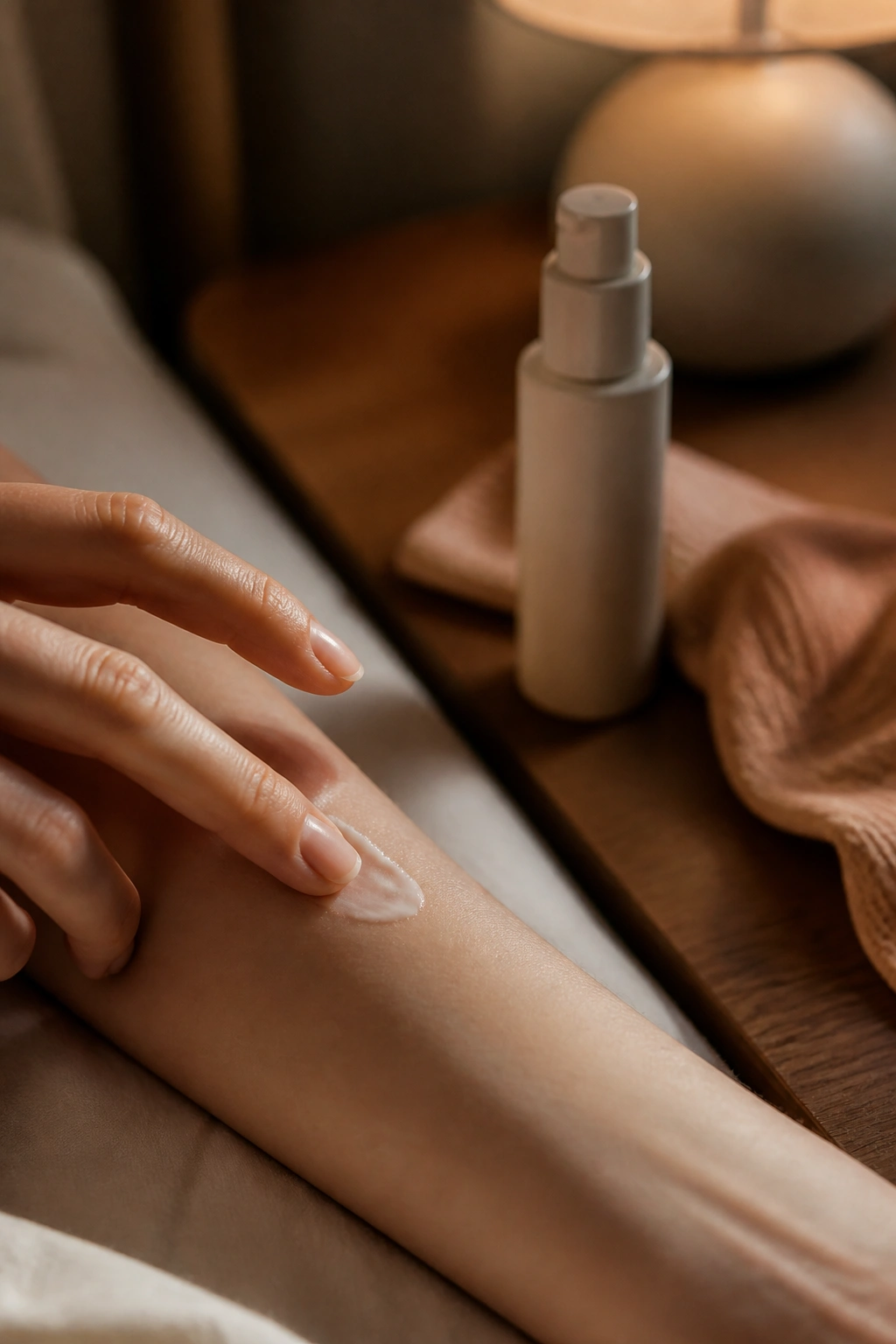
A three-step routine beats a perfect ten-step routine that never happens. Third-trimester fatigue has a way of flattening good intentions, and I would rather see you use fewer products consistently than admire a crowded shelf.
The best nighttime routine is the one you can do half-asleep. Cleanse if you need to. Moisturize while skin is still slightly damp. Put lip balm on the bedside table so you can use it without wandering back to the bathroom at 1 a.m. That sounds tiny, because it is. Tiny works.
If makeup or sunscreen needs to come off, keep a mild cleanser by the sink and a soft towel there too. If your face feels fine, do not overcleanse out of guilt. A stripped face is not a cleaner face. It is a crankier one.
There is something strangely freeing about admitting you are allowed to keep it short. The products should serve your life, not turn into a second job.
15. Know Which Skin Changes Deserve a Call to Your Prenatal Clinician
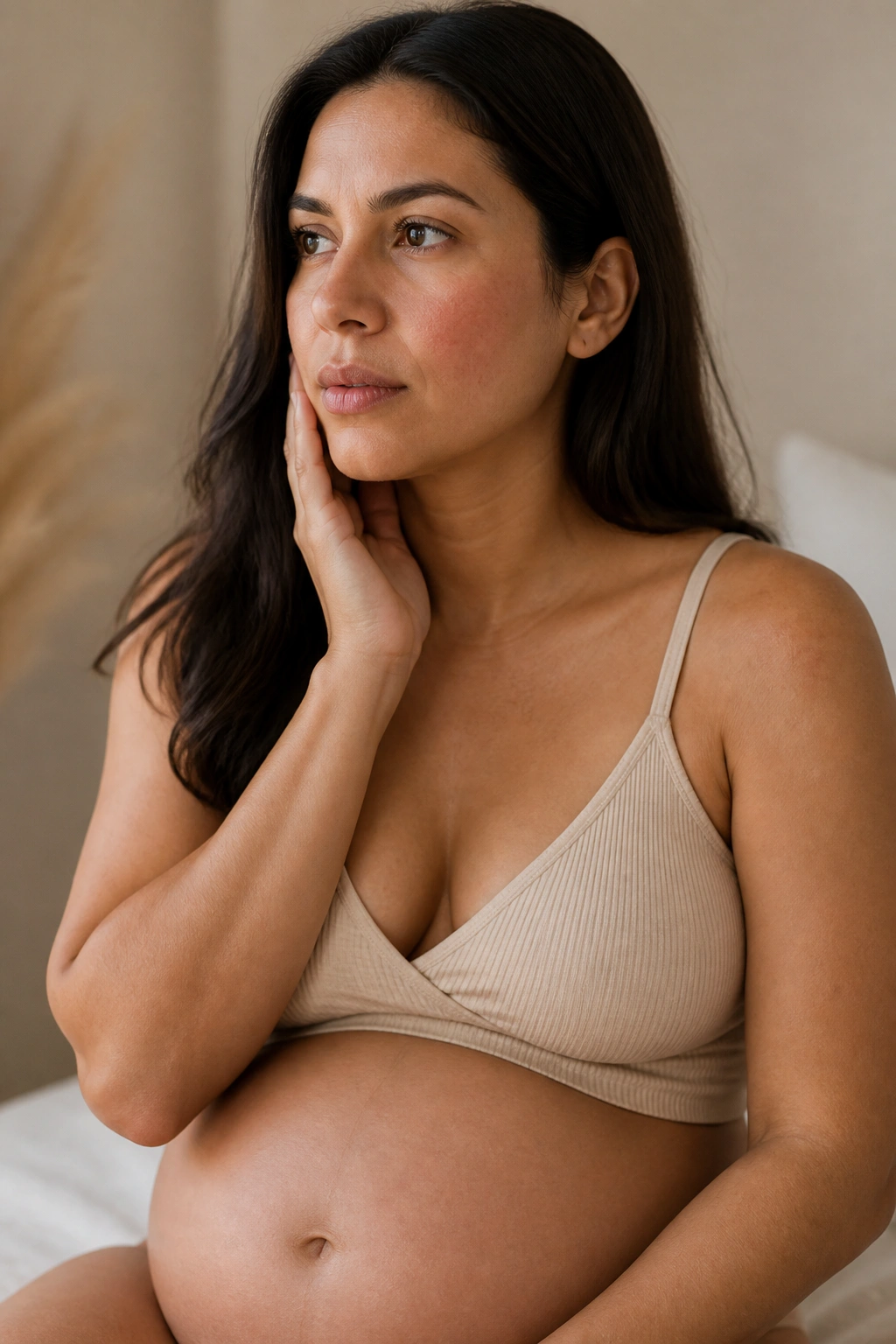
Which skin changes are not worth waiting out? The ones that feel off in a way you cannot explain.
A sudden, severe itch needs attention, especially if it shows up on the palms or soles or refuses to improve with moisturizer. A rash with fever, blistering, open sores, or spreading hives should also be checked. So should new facial swelling after a product, since that can be an allergy rather than ordinary sensitivity.
When to pick up the phone
- Intense itching on palms, soles, or all over the body
- Yellowing skin or eyes
- Dark urine or pale stools
- Rash with fever, blisters, or oozing
- Swelling, hives, or trouble breathing after a product
- Skin changes that come with headache, vision changes, or high blood pressure concerns
A lot of pregnancy skin trouble is harmless and temporary. Still, the line between “annoying” and “needs a check” is not always obvious from the bathroom mirror. If something changes fast, hurts, or comes with symptoms beyond the skin, call. That is not overreacting. That is good judgment.
Skin should be one less thing to wrestle with during pregnancy, not another puzzle to decode at 10 p.m. Keep the routine calm, keep the ingredients plain, and let your skin be a little less busy than the rest of life.
