



A brand-new gym visit gets awkward faster than people admit. You can have the membership card, the motivation, and a decent plan, then waste ten minutes hunting for a lock, discovering your bottle leaked in the car, or realizing your socks are cotton and already damp before the warm-up ends.
The whole mystery of what to pack for your first day at the gym shrinks the moment you stop thinking like a shopper and start thinking like a person trying to finish a workout without fuss. Gym bag essentials are mostly boring on purpose: a bag that opens easily, shoes that match the session, something to drink, something to wipe sweat, and a few small things that save you from the locker-room scramble.
I like the first gym bag to feel spare, not stuffed. One pocket for keys, one for the bottle, one for the things you know you’ll reach for every time. Anything beyond that should earn its place.
Start with the bag itself.
1. A Gym Bag That Fits Your Life
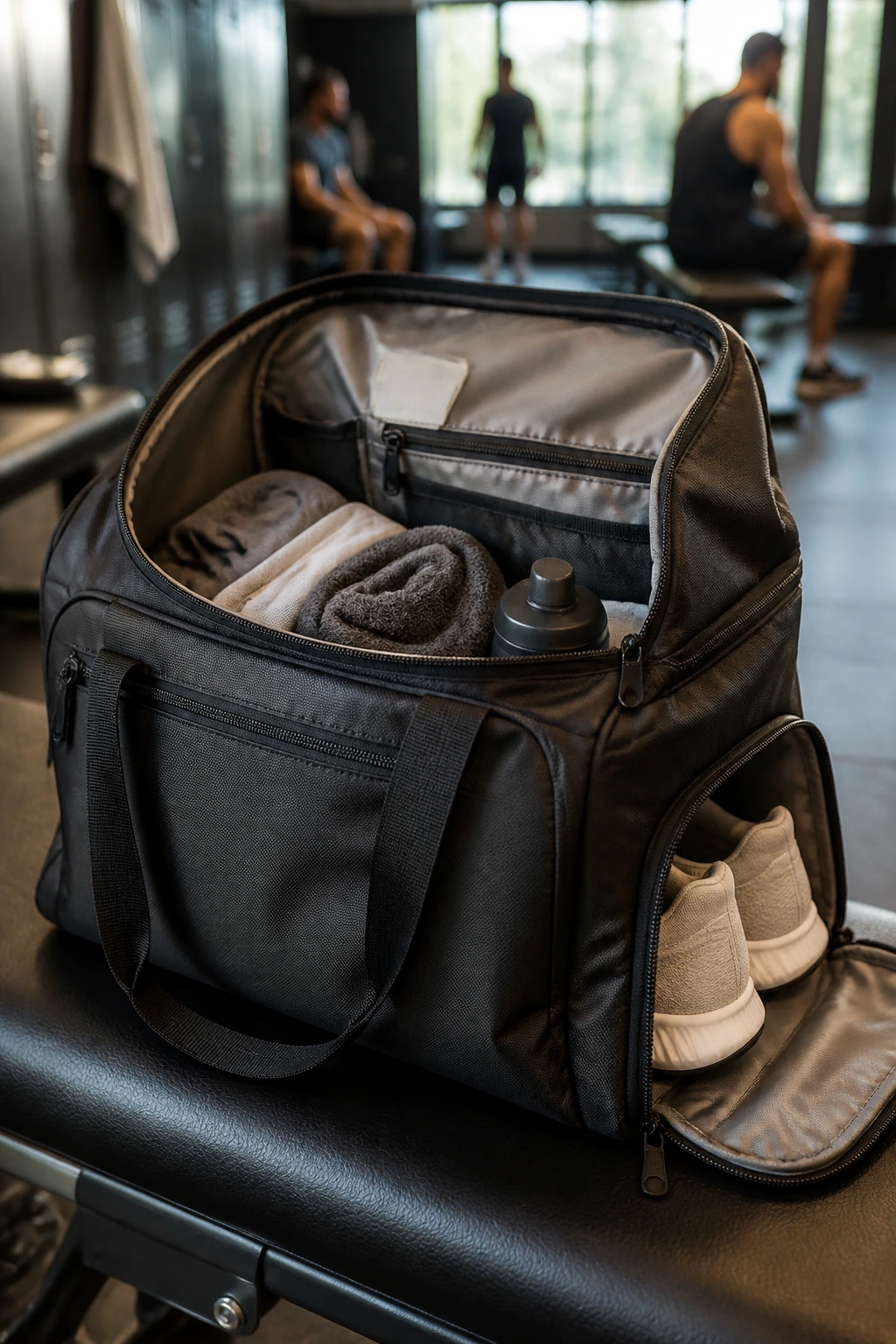
A good gym bag should disappear into the background. If you have to wrestle with it every time you unzip it, the bag is already doing too much. A small duffel or backpack around 20 to 30 liters is usually enough for shoes, clothes, a bottle, and the few extras that keep the day from getting messy.
What I look for
- A wide zipper opening so you can actually see what’s inside.
- One small pocket for keys, headphones, or a locker token.
- A lining that wipes clean with a damp cloth.
- A separate shoe section if you hate dirt mixing with clean clothes.
A giant duffel sounds impressive until you start packing like you’re moving house. Don’t. Extra space turns into extra junk fast — old receipts, a wrinkled shirt you’ll never wear, three chargers you didn’t mean to bring.
The best beginner bag is the one you can repack in under two minutes. That matters more than brand names or fancy straps. If the opening is wide and the bag sits upright on a bench, you’ll use it without thinking.
2. A Water Bottle You Can Trust
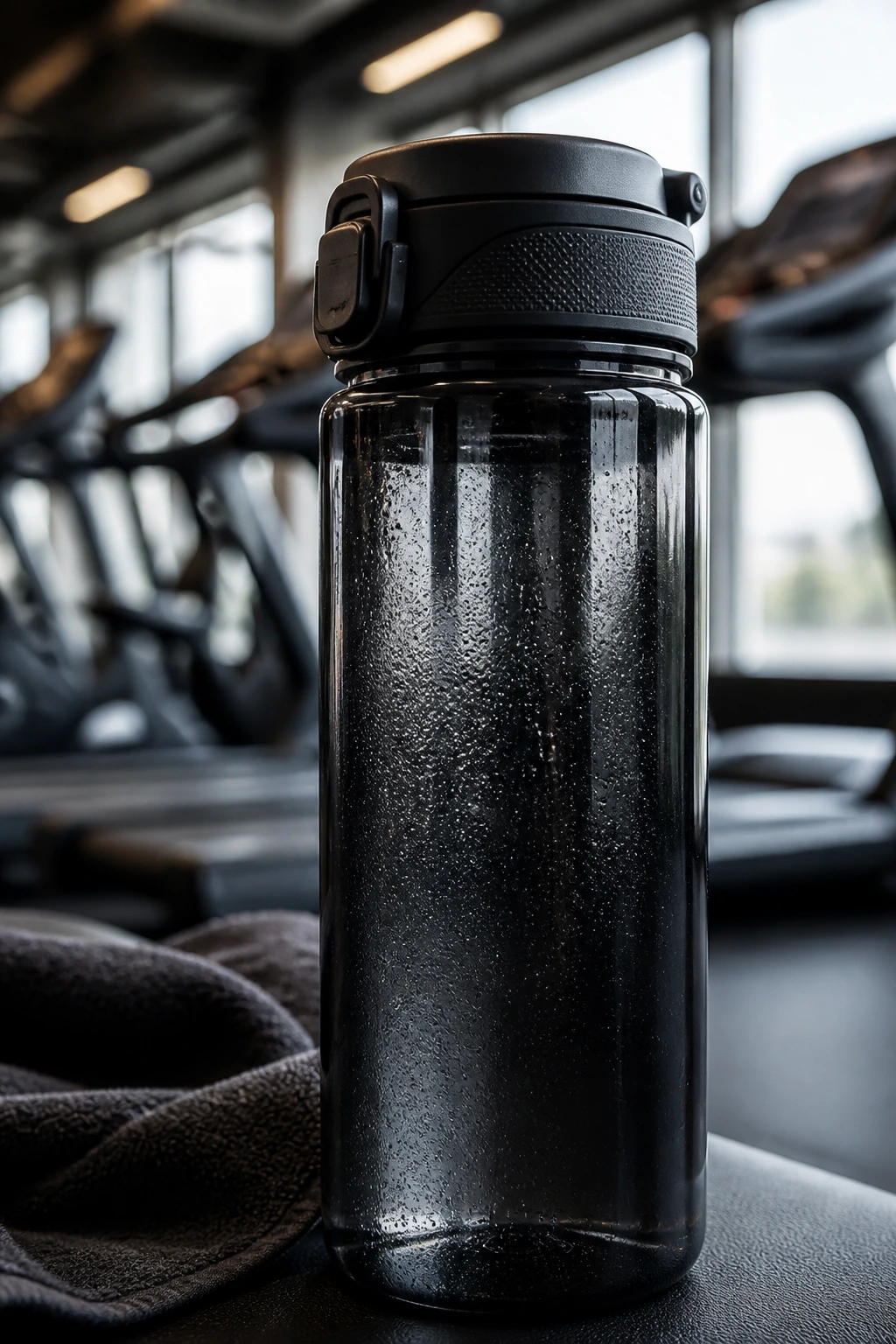
What size actually makes sense? For most first-day gym sessions, 24 to 32 ounces is a sweet spot. Smaller bottles run out too fast if you sweat hard. Bigger ones get clunky, especially if you’re moving between cardio machines and the weight floor.
A leak-proof lid matters more than the material. Stainless steel keeps water cold longer, but a solid plastic bottle is lighter and often easier to toss into a bag. Either is fine. A bottle that drips into your socks is not fine.
Quick things to check before you pack it
- The cap should close with a firm click.
- The mouth should be wide enough for ice if you like cold water.
- The bottle should fit in the side pocket of your gym bag.
- You should be able to wash it without a weird brush routine.
A lot of people forget how often they’ll reach for water during a first workout. More than you think. A good bottle gives you one less excuse to wander around the gym instead of finishing your sets.
3. Shoes Built for the Work You’re Doing
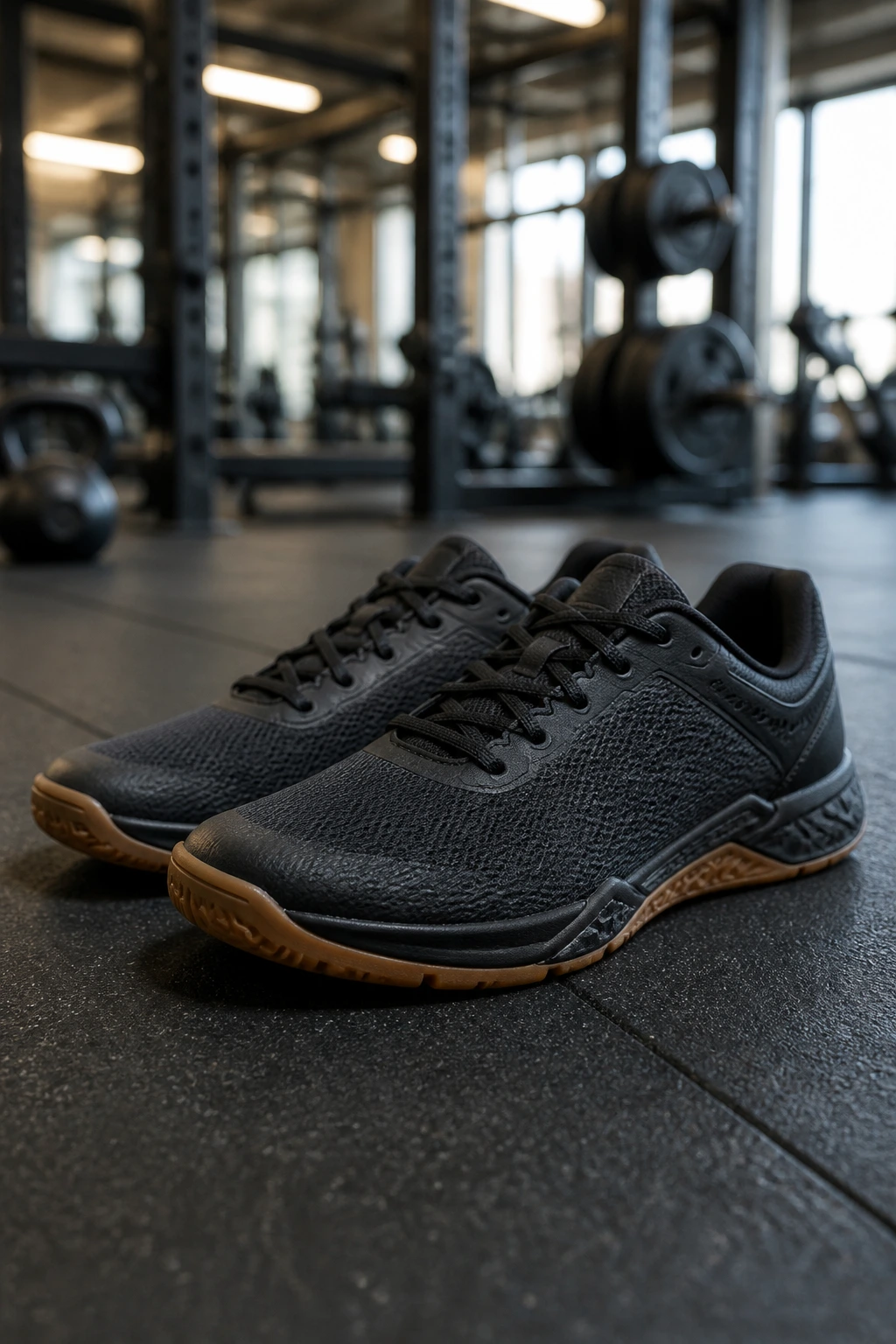
Your everyday sneakers are not always gym shoes. That sounds fussy until you try doing lunges in a pair that twists under your foot or feels squishy when you try to stand up with weight in your hands. A shoe should match the kind of training you’re doing, even on day one.
If your first visit is mostly treadmill walking and light cardio, a cushioned trainer works fine. If you’re using dumbbells, machines, and bodyweight moves, look for a cross-trainer or a shoe with a flatter, steadier base. The wrong shoe can make a simple exercise feel awkward. The right one stays out of your way.
Fit details that matter
- Leave about a thumb’s width in front of your longest toe.
- The heel should not slip when you walk fast.
- The toe box should let your toes spread a little.
- The sole should feel stable, not marshmallow-soft, for lifting.
Nope, you do not need three pairs of shoes for a first session. You need one pair that fits, grips, and doesn’t pinch when your feet swell a little during exercise. That’s it.
4. Socks That Keep Your Feet Dry
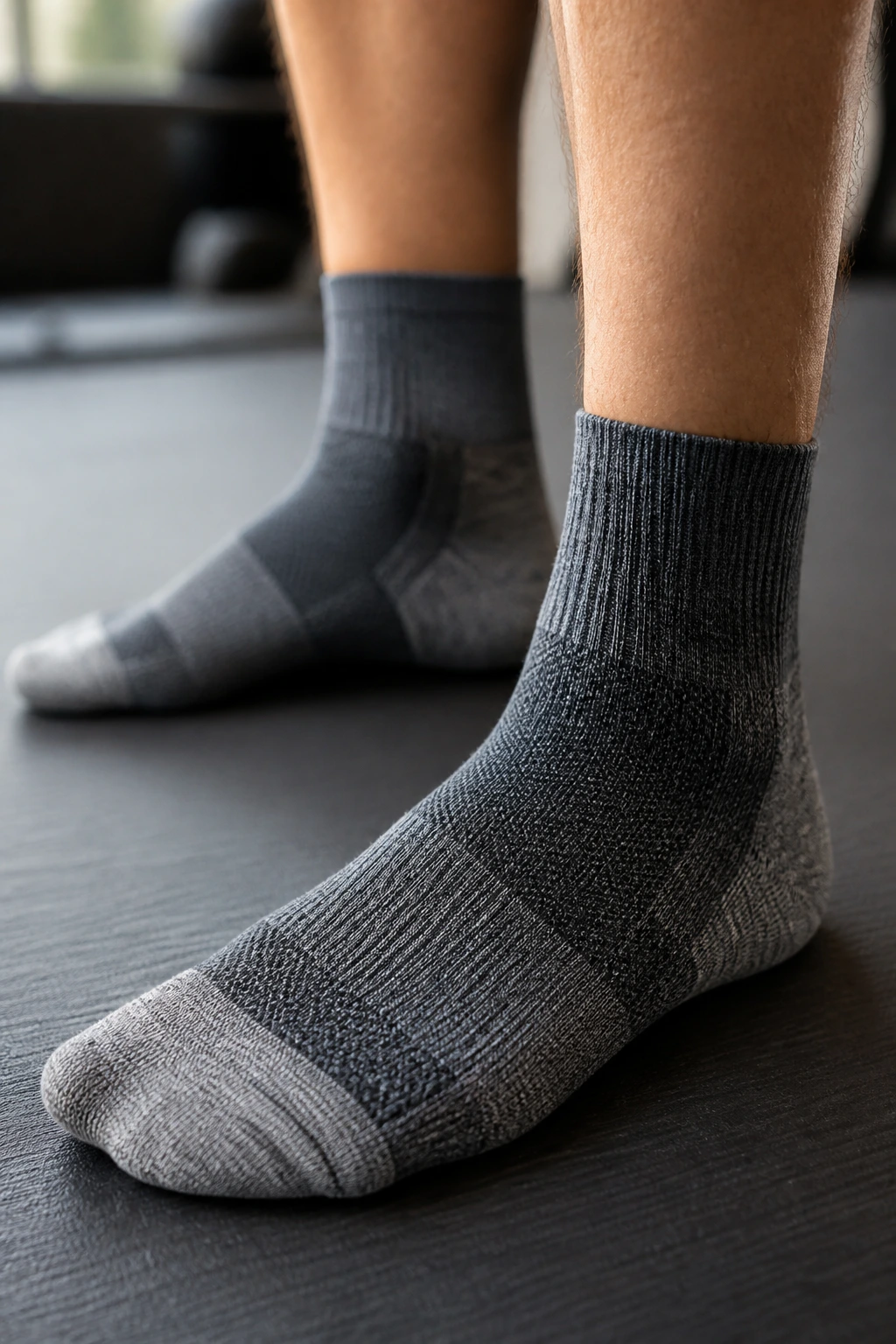
The wrong socks can ruin a short workout. Cotton holds sweat, gets heavy, and starts rubbing in all the places you wish it wouldn’t. A pair made from synthetic moisture-wicking fabric or a wool blend feels drier and usually gives you fewer hot spots after a mile on the treadmill or a few rounds on the rower.
I’d pack one clean backup pair too. That sounds excessive until you spill water on the first pair or realize the drive to the gym was longer than you expected and your feet already feel damp. Small problem. Easy fix.
Seam placement matters. A thick toe seam can bother you more than the sock material itself. If you’ve ever felt a little pebble sensation that turned out to be a bad seam, you know exactly what I mean. It’s annoying in a very specific way.
A low-cut sock works for some shoes. A crew sock can feel better if you’re doing deadlifts or anything that rubs your ankle. Pack the version that matches your shoes, not the version that looked cheapest in the drawer.
5. Clothes You Can Move In
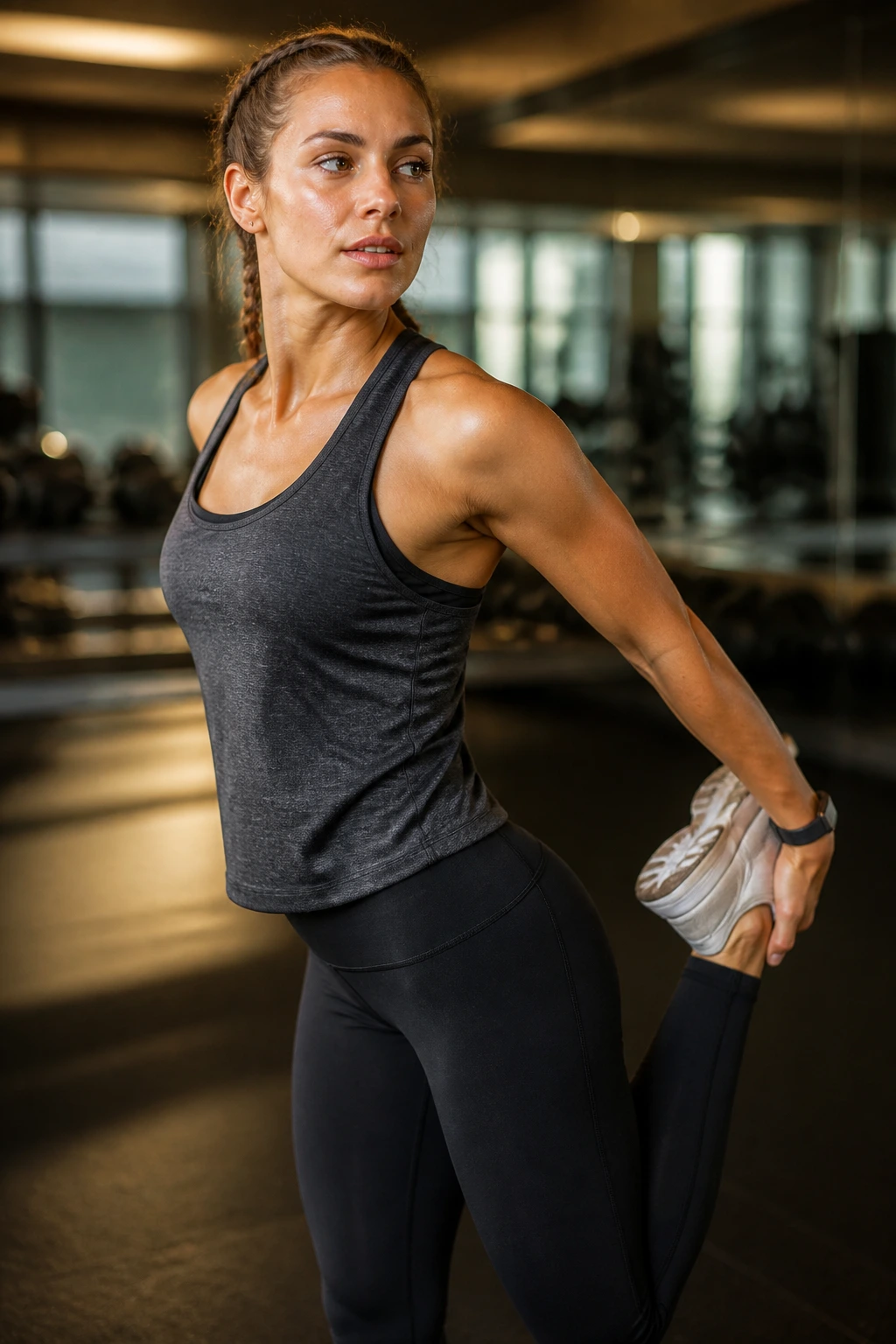
Gym clothes do not need to be flashy. They need to bend, stretch, and keep you from tugging at hems between sets. A shirt that rides up when you reach overhead or leggings that roll at the waist will distract you more than a hard workout does.
A solid beginner outfit is usually simple: a top that breathes, bottoms that stay put, and underwear that doesn’t shift around when you squat or climb stairs. If you want a quick test at home, do five bodyweight squats, reach your arms overhead, then hinge at the hips like you’re setting down a grocery bag. If the outfit feels annoying there, it will feel worse under fluorescent lights and gym mirrors.
What to look for before you leave
- Fabric that dries fast and doesn’t cling.
- Waistbands that stay flat when you sit.
- Seams that don’t rub the inner thigh or underarm.
- A spare shirt if you know you sweat a lot.
One more thing. Dark colors hide sweat better, but that’s not the main point. The main point is comfort. If you’re fidgeting with your clothes, you’re not focused on the workout.
6. A Small Towel for Sweat and Machines
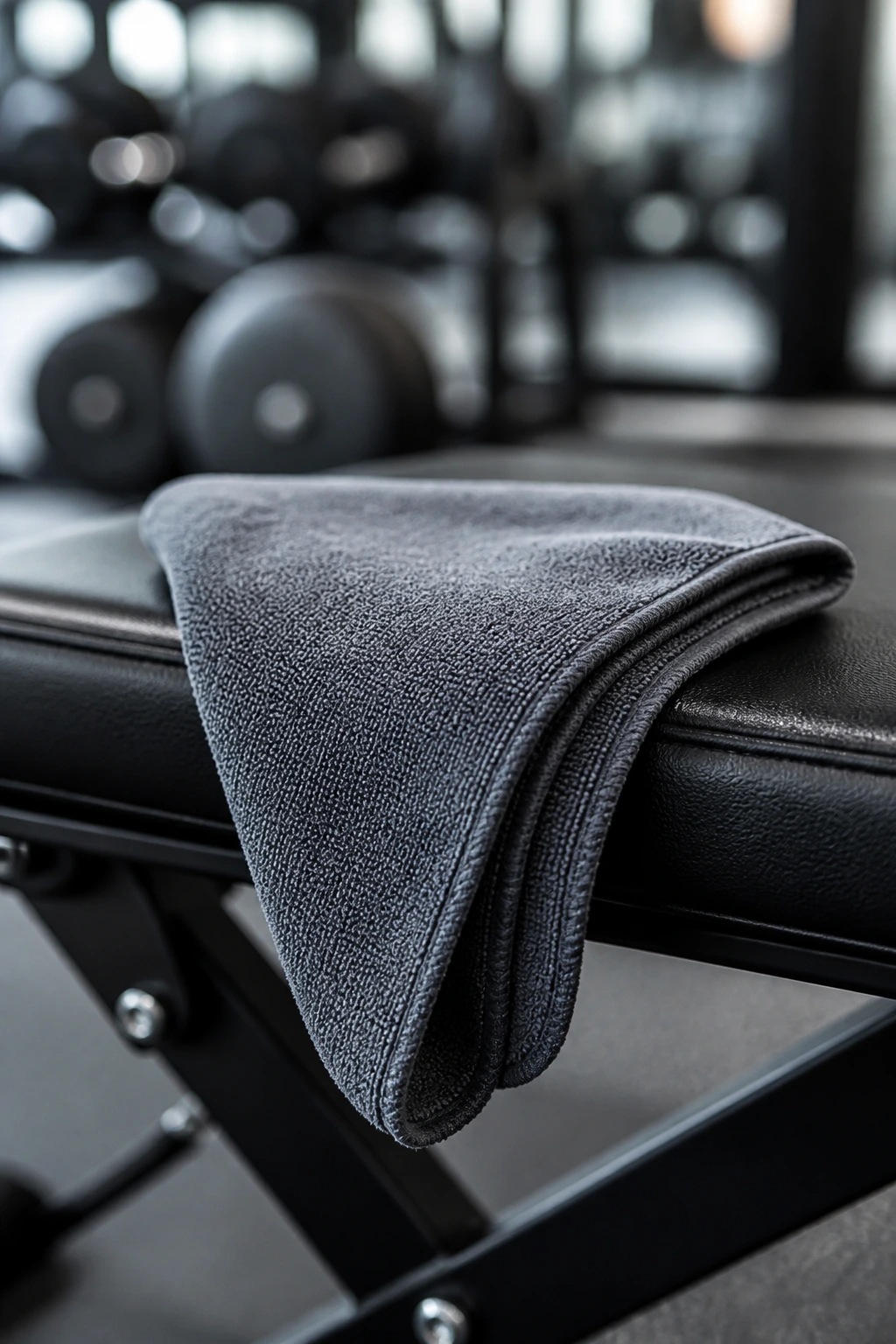
A hand-sized towel sounds minor until you need one. Sweat has a way of showing up where it’s least welcome: forehead, palms, bench pads, machine handles, and that awkward spot where your glasses sit if you wear them. A small microfiber or cotton towel solves most of that without taking much space.
Some gyms provide paper towels or wipes. Fine. Still bring your own if you sweat much. Microfiber dries quickly and feels light in the bag. Cotton is softer on skin. I lean cotton if I’m wiping my face a lot, microfiber if the towel is mostly sitting in the bag until I need it.
Not every gym requires a towel, but wiping down equipment is basic courtesy. And, honestly, it’s nicer for you too. Grabbing a machine handle with dry hands feels better than grabbing one that’s slick with someone else’s workout.
If you only pack one extra textile besides your clothes, make it this.
7. A Lock for Your Locker
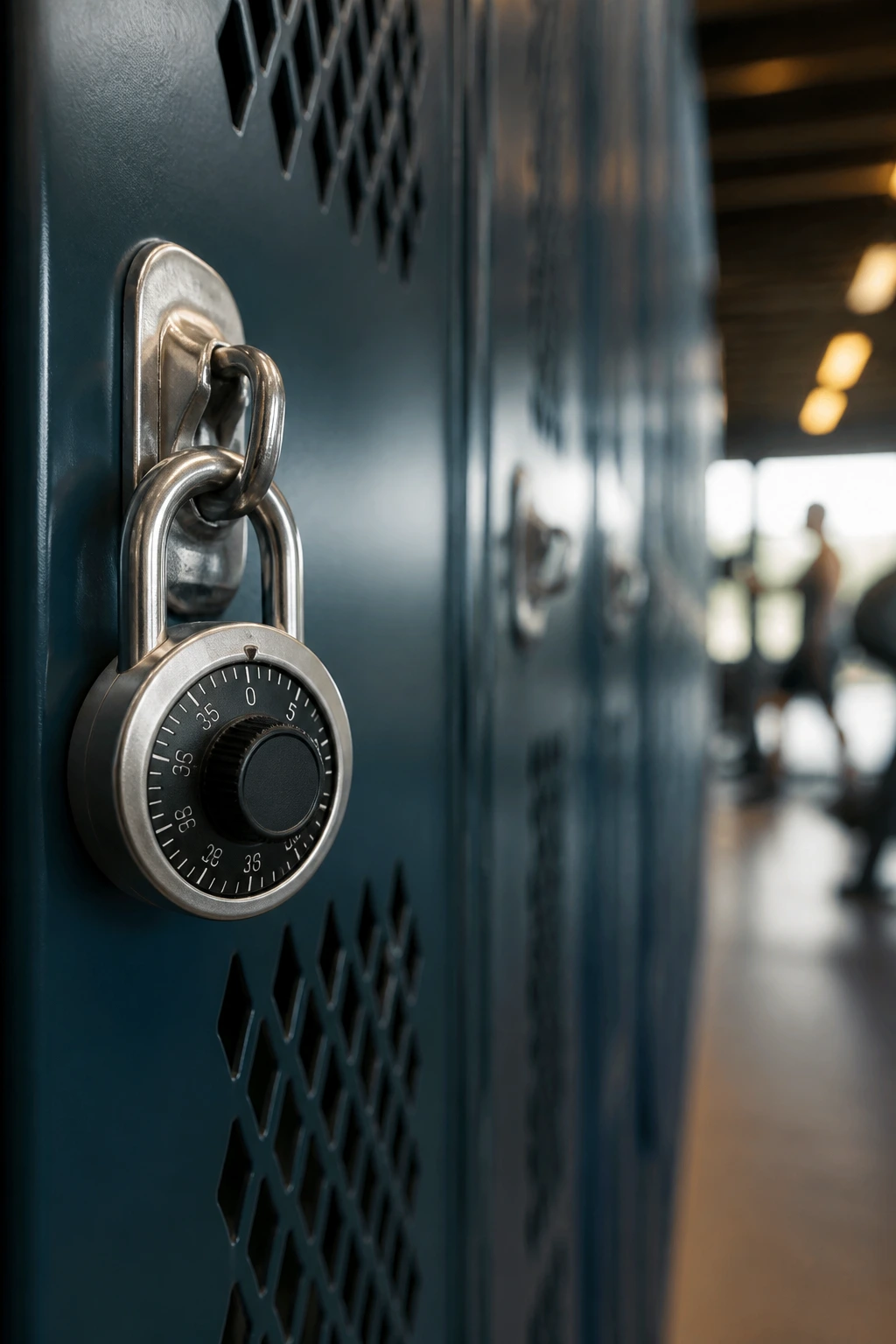
A locker lock is one of those tiny things that matters more on the day you forget it. Some gyms use built-in locks, some ask you to bring your own, and some leave the whole thing up to you. A small 3-digit or 4-digit combination lock is easy to pack and hard to lose if you set the code once and leave it alone.
I prefer combination locks over key locks for one simple reason: fewer little metal things to misplace in a bag pocket or car seat. If the locker has an odd latch, a flexible cable style is often easier to work with than a chunky square lock.
A few practical checks
- Test the code at home before you go.
- Make sure the shackle fits your locker.
- Don’t choose a code you’ll forget under pressure.
- Keep the lock in the same pocket every time.
Skip the shiny novelty lock. Really. You want something plain, easy to twist, and sturdy enough that you won’t think about it while you train. Boring is good here.
8. Headphones That Stay Put
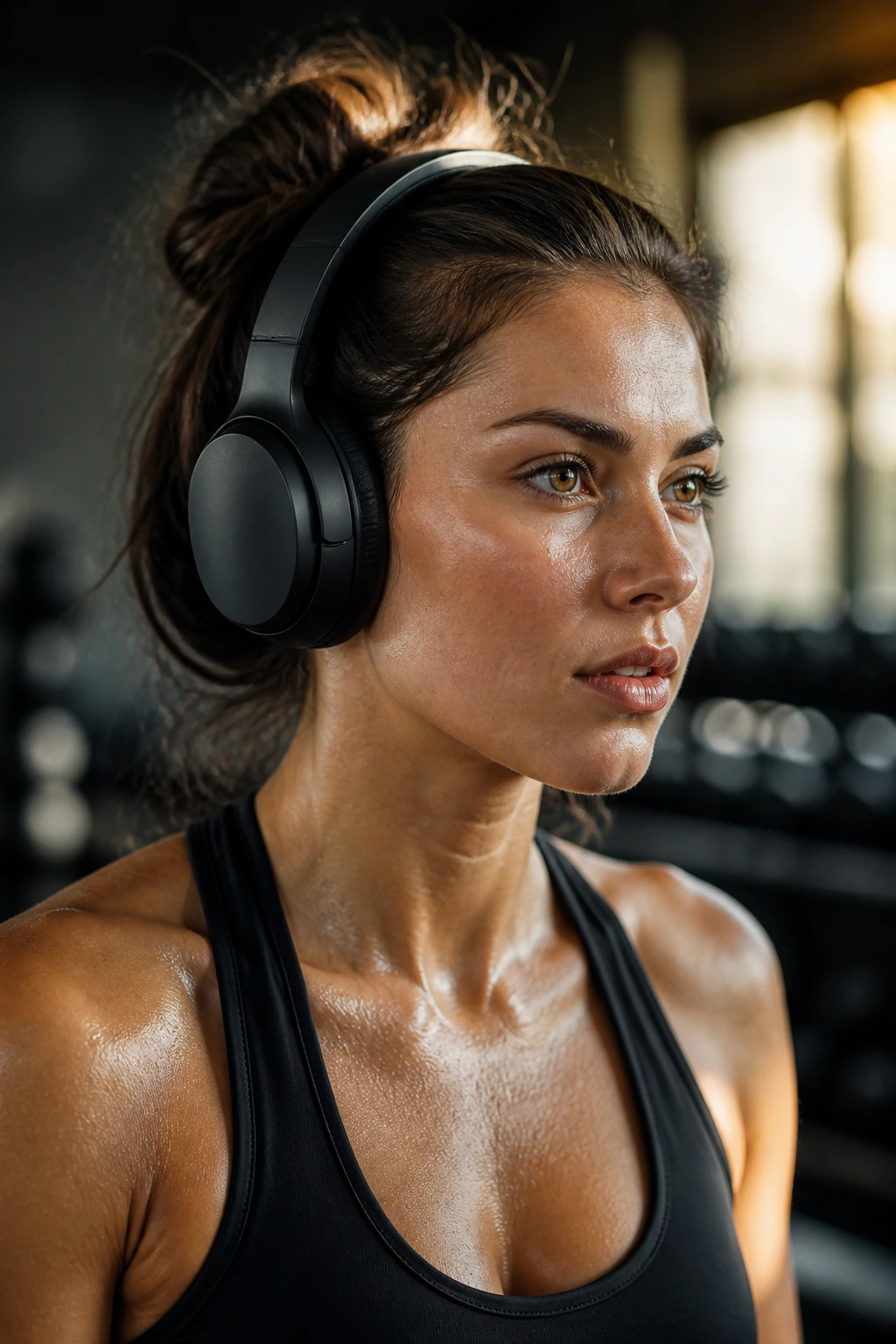
A gym can be noisy in a way that’s hard to explain until you’re inside one. Music from the speakers. Weights dropping. People talking near the dumbbell rack. Air vents. A rower squeaking. Good headphones carve out a little bubble so you can focus on your own session.
Earbuds and over-ear headphones solve different problems. Earbuds are smaller and easier to pack. Over-ear pairs usually stay in place better if you move a lot or hate the way earbuds slide out when you sweat. If you lift, walk, and do short cardio bursts, either can work. If you know your ears get irritated fast, test the fit at home before you build a whole routine around them.
How to choose a pair for gym use
- Battery life should cover a few sessions between charges.
- The fit should stay steady when you nod, bend, or turn.
- Buttons should be simple enough to use without looking.
- Wired headphones should have a short cable so it doesn’t snag.
And one blunt thought: keep the volume sane. Missing a cue from a trainer or not hearing someone ask to work in on a machine is a bad trade for louder bass.
9. Your Phone, Kept Simple
Your phone is not just for scrolling between sets. It can be your timer, your music player, your workout log, your emergency contact tool, and the thing that stores your membership barcode if your gym uses one. That makes it useful. It also makes it easy to get distracted by a notification every twelve seconds.
I’d pack the phone, but I’d also pack a plan for how you’ll use it. Put the barcode in a place you can find fast. Turn off alerts you don’t need. Keep it in a zip pocket, not loose in your hand while you’re walking around. A phone dropped on rubber flooring survives better than one dropped under a bench, but neither version is fun.
The small detail most beginners miss is how often the phone becomes a crutch. You open it to check a set, then half your warm-up is gone. Keep it useful, not sticky.
If you want music, timers, and a quick camera shot of your machine settings, the phone is fine. Just give it a job.
10. ID, Membership Card, and Payment Method
What happens if the front desk needs proof you belong there? You don’t want to find out with both hands full and no card in sight. Pack your ID, membership card or barcode, one payment card, and your keys in the same place every time, preferably a pocket that zips shut.
Some gyms use an app. Some still check a physical card. Some want a photo ID when you sign in. A screenshot of your membership code is handy, but I’d still keep the real card or your ID in the bag if the gym uses it. Phones die. Signal drops. Apps freeze at the worst times.
Keep it organized like this
- ID in the front pocket or wallet.
- Membership barcode in the phone wallet or a screenshot folder.
- One debit or credit card.
- A single key ring for home or car keys.
One small card case can save a lot of fumbling. That sounds dull. It is dull. It also keeps the beginning of your workout from turning into a desk-side scavenger hunt.
11. Hair Ties, Clips, or a Sweatband
Two hair ties are better than one. Three is not crazy. A tie snaps. A clip slides out. A sweatband that looked fine in your bathroom mirror can feel loose after ten minutes of deadlifts or cycling. Pack a backup and you’ll never have to yank your hair back with a rubber band from an old receipt pile.
This matters even if your hair is short. A simple headband keeps bangs off your face, sweat out of your eyes, and loose strands from sticking to your forehead while you move. If you’ve ever tried to do a set while brushing hair away with one shoulder, you know how distracting that gets.
Some people prefer spiral ties because they hold without pulling as much. Others like a plain elastic because it’s easy and cheap. I’d bring whatever you already trust rather than chasing a new style on day one. The gym is not the place to discover that a cute clip has no grip.
12. A Light Layer for the Walk In and Out
The gym floor may be warm, but the hallway, parking lot, or early-morning commute often is not. A thin zip-up hoodie, light sweatshirt, or long-sleeve top earns its place because it keeps you from shivering before you warm up and helps on the way home when your sweat starts cooling.
I would skip the giant fleece unless the weather demands it. Bulky layers hog space, trap heat, and make the bag feel stuffed before you’ve packed anything useful. A lighter layer folds flatter and slips off fast when you’re ready to train.
A zip front is nicer than a pullover if you want to take it off without messing up your hair or getting stuck in the collar for half a minute. Small detail, but that little fight with a sweatshirt can annoy you more than it should.
This is the kind of item that feels unnecessary until the first cold walk from the car. Then it suddenly feels genius.
13. A Written Workout Plan
Walking into a gym with no plan is how people end up circling machines and pretending to think. Bring a written workout plan, a notes app page, or a screenshot of the session you meant to do. Even a short list is enough: warm-up, main lifts, a couple of accessories, done.
What to write down
- The exercises in order.
- How many sets and reps you’ll do.
- Rough rest times, like 60 or 90 seconds.
- Machine settings, if you already know them.
- Any form cue you tend to forget, such as “keep ribs down” or “slow on the way down.”
A paper note works better than people expect because it doesn’t send you off into messages, news, or social media. If you use your phone, keep the workout visible and the rest of the apps out of sight.
A first gym session should feel simple, not improvisational. The goal is not to impress anyone. The goal is to leave knowing what you did and what to change next time. That little bit of structure saves a lot of wandering.
14. A Resistance Band for Warm-Ups
A light resistance band takes almost no space and solves three boring problems at once. It helps you warm up, wake up sleepy muscles, and move joints through a little range before you start the real work. A mini loop band or long light band is enough; you do not need the heavy version that feels like wrestling tubing.
Three places it earns its spot
- Glute activation: side steps, clamshells, or bridge pulses before lower-body work.
- Shoulder prep: band pull-aparts or external rotations before pressing.
- Easy mobility: gentle pull-throughs or assisted stretches if you’ve been sitting all day.
If you’re only planning treadmill walking, you can skip the band. That’s the honest answer. If you’re touching dumbbells, barbells, or machines, a band gives you a quick way to turn stiff into ready without taking up half your warm-up.
A light band is the one you’ll actually use. Heavy bands often sit at the bottom of the bag like a small punishment device.
15. A Post-Workout Snack
A snack is not always necessary, but it’s smart to pack one if you’re training before a meal, coming straight from work, or doing a longer session that leaves you shaky afterward. The easiest choices are plain ones: a banana, a protein bar, applesauce pouch, trail mix, or a small yogurt if you have a fridge nearby.
I like snacks that don’t leak, crumble into dust, or smell strong enough to annoy people in the locker room. Hard-boiled eggs are fine in theory. In a gym bag, they are a gamble I usually pass on.
The idea is not to eat a giant meal in the parking lot. It’s to keep your energy steady so you don’t leave the gym feeling hollow and snappish. A small snack can help bridge the gap between exercise and your next real meal.
If you’re not hungry after a short session, fine. Leave it out. But if your workouts tend to happen around a messy schedule, a packed snack is one of the easiest wins in the whole bag.
16. Hand Sanitizer or Wipes
Gym surfaces are touched by a lot of hands in a short amount of time. That’s not a dramatic statement. It’s just how shared equipment works. A small bottle of hand sanitizer with at least 60% alcohol or a pack of gym wipes gives you a quick way to clean up before you eat, drive, or touch your face.
I’d keep the sanitizer in the bag pocket you reach first. Wipes are useful too, especially if you want to clean your phone, wipe a bench before sitting down, or deal with a sticky machine handle. Unscented wipes are usually the safest bet if your skin gets irritated.
One detail people forget: sanitizing your hands after touching equipment and then grabbing your phone keeps the phone cleaner too. Small thing. Big difference over time.
You don’t need to turn into a disinfecting zealot. You just need one fast way to clean up between the workout floor and the rest of your day.
17. A Shower Kit if You Plan to Rinse Off
Planning to shower at the gym? Pack a tiny kit instead of tossing loose bottles into your bag. A simple toiletry pouch with travel-size shampoo, body wash, deodorant, and a comb handles most situations. If the locker room has shared showers, add flip-flops or shower shoes. That part matters more than the fancy soap.
A good basic shower kit looks like this
- Travel-size shampoo and body wash.
- Deodorant.
- Face wash or cleanser if you use one.
- A comb or small brush.
- Shower shoes or flip-flops.
- A compact lotion if your skin dries out fast.
If you’re not showering there, don’t pack the whole kit out of guilt. That’s unnecessary weight. But if you’re going straight to work, school, or somewhere else, this little pouch keeps you from feeling sticky and half-finished for the rest of the day.
I’d also keep the kit in a bag that closes well. Wet locker-room counters have a way of finding weak zippers.
18. Clean Underwear and Fresh Socks
Fresh underwear and socks are the kind of backup that makes you feel civilized. If you shower after training, they are non-negotiable. If you don’t shower, they can still save you after a sweaty session, a long commute, or an unexpectedly brutal cardio block that leaves your clothes damp in the wrong places.
Pack them in a separate pocket or a small pouch so they stay dry. That sounds obvious until a water bottle leaks or a damp towel gets tossed beside them. Dry socks in a bag feel like a gift. Wet socks in a bag feel like a problem you’ll remember all day.
If you wear a sports bra, compression layer, or other fitted underlayer, a clean backup can be worth packing too. Not because you’re being dramatic. Because comfort matters once you’ve already worked hard.
This is one of those items that seems small on paper and huge in practice. A dry change after training changes the whole mood of the trip home.
19. A Wet Bag for Used Clothes
A sweaty shirt tossed straight into your clean bag can make everything smell off by the time you get home. A wet bag, zip pouch, or small reusable laundry bag keeps damp clothes, towels, and shower items from touching the dry stuff. It’s a simple fix that solves a surprisingly annoying problem.
A waterproof pouch works best if you’re dealing with soaked clothes. A mesh bag is fine for dry items, but mesh is not what I’d use for a sweaty top unless you want the rest of the bag to smell like the locker room by dinner. A gallon-size zip bag works in a pinch, though a reusable version feels nicer and lasts longer.
What belongs in it
- A sweaty shirt.
- Used socks.
- A damp towel.
- Shower shoes if they’re still wet.
This is one of those “little adulting” things that pays off quickly. Your clean shirt stays clean, your car stays less funky, and you don’t spend the evening airing out your whole bag on the floor.
20. A Small Training Log for Next Time
A notebook or notes app turns a first gym visit into the start of a routine. You do not need pages of journaling. You need a few lines that tell you what you did, what felt hard, and what machine setting or dumbbell weight you should remember next time. That makes the next session easier in a very real way.
I’d write down the basics right after training while the details are still fresh: treadmill speed, dumbbell weight, number of sets, seat setting on the leg press, whether your shoulders felt weird on one machine. Those small notes save time later. They also keep you from guessing and repeating the same awkward setup over and over.
A tiny notebook fits in the front pocket of many gym bags. A phone note works too, though paper wins when your hands are sweaty and your battery is low. Either way, keep the log simple enough that you’ll actually use it.
The best packing habit is not adding more stuff. It’s making the bag easy to repeat. Leave the useful items together, remove the things you never touched, and pack it the same way next time. That’s how a first gym visit starts feeling normal, one small pocket at a time.
