



A gym bag earns its keep in tiny, annoying moments. The missing hair tie. The wet shirt that soaks the rest of your stuff. The deodorant that rolled under the car seat and disappeared. A good gym bag stops those problems before they start, and that matters more than people admit.
For women, the details get even more specific. Hair gets sweaty and tangled. Sports bras are not optional. Period stuff needs a home. Shoes can smell like a hockey locker after leg day, and a flimsy tote turns into chaos fast.
The best gym bag essentials are not flashy. They’re the boring, useful things that keep a workout from turning into a small logistical disaster. If you have ever stood in a locker room wishing you had one clean sock, one snack, or one charging cable, you already know the feeling.
What belongs in that bag depends a little on your routine, but the core list is pretty stable. Some items save time. Some save comfort. A couple save your sanity. And one or two are the difference between leaving the gym feeling put together and leaving in a damp, cranky mood.
1. A Gym Bag With Separate Wet and Dry Pockets
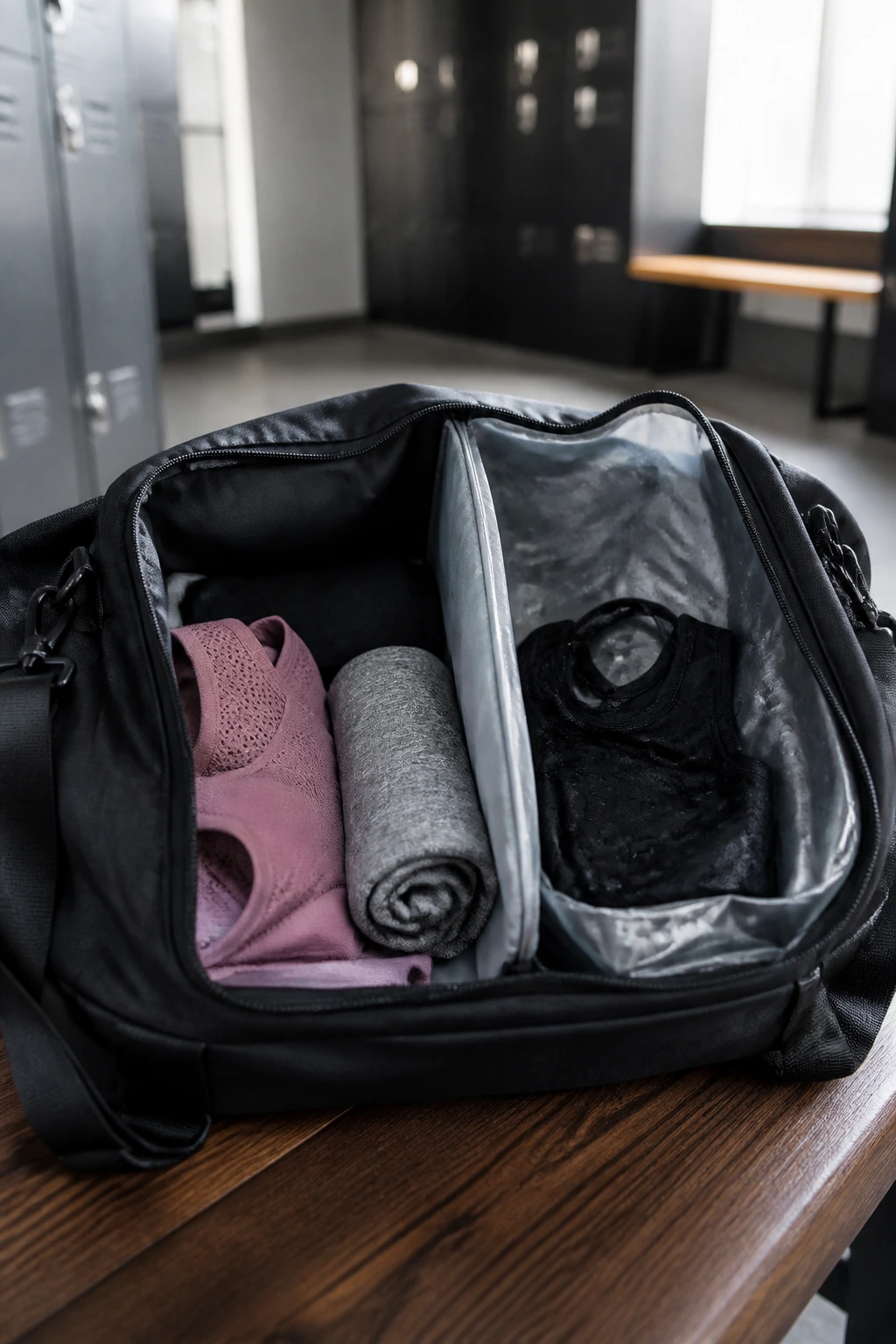
A cheap tote can work for one class. After that, it starts showing its limits fast. A real gym bag gives every sweaty thing its own place, and that alone makes the whole routine easier.
What to Look For
Separate compartments matter more than people think. A zip pocket for shoes, a lined section for damp clothes, and at least one small pocket for keys or a phone keeps the bag from turning into a pile of mixed-up stuff.
- A bag in the 20- to 30-liter range works well for most people.
- A wide top opening makes it easier to find things fast.
- Wipe-clean lining is worth it if you carry wet clothes or a water bottle that leaks.
- A sturdy shoulder strap matters if you walk, bike, or commute after training.
- A bottom panel that stands up on its own keeps the bag from collapsing into the floor.
I like a bag that feels a little overbuilt. Not heavy. Just solid. If the zipper is thin and the straps feel like they belong on a grocery sack, skip it. That kind of bag always fails at the worst moment.
2. A Reusable Water Bottle
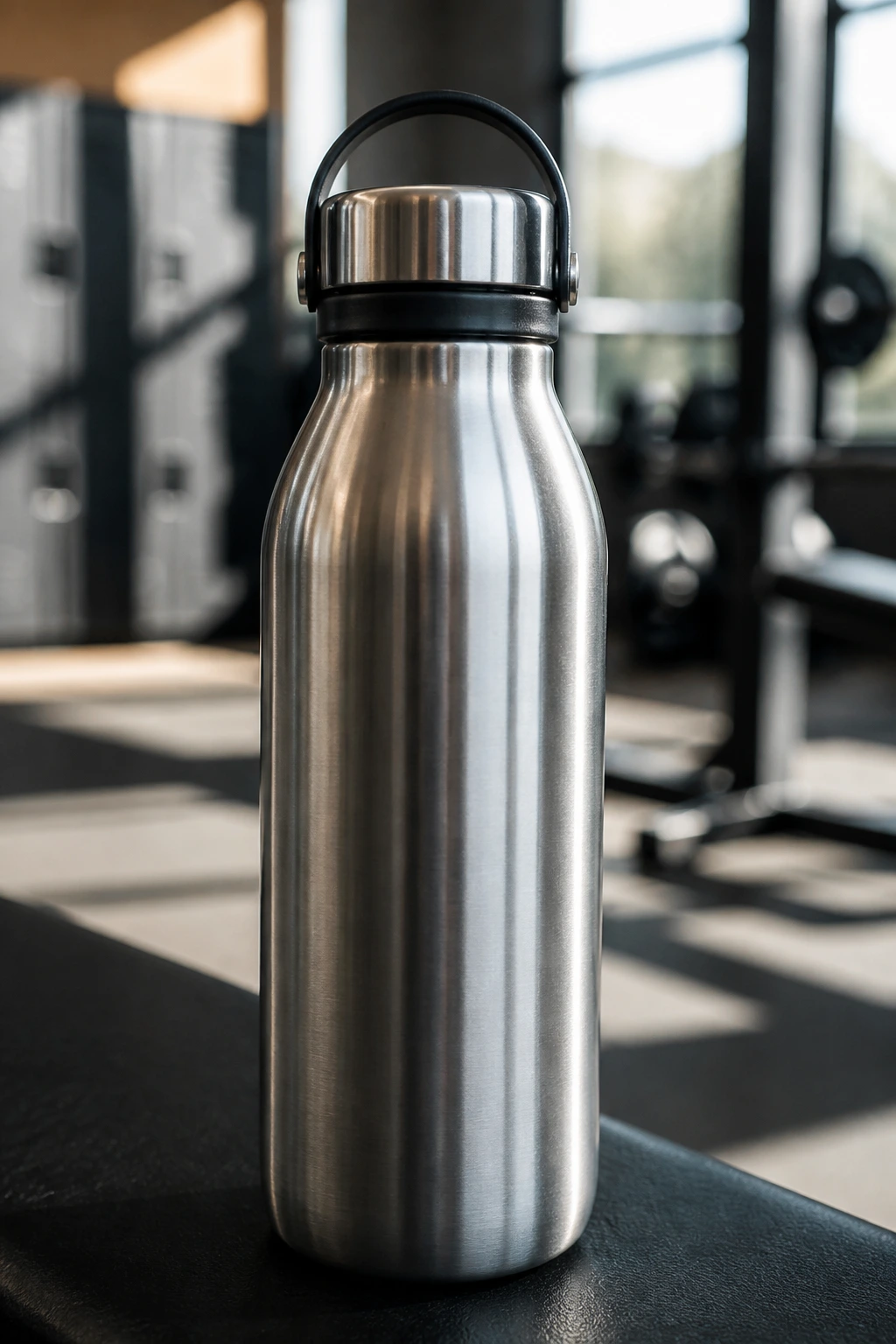
A dry workout feels harder than it should if your bottle is empty. Weirdly, a good water bottle changes the whole rhythm of the session. You drink more when it is easy to reach, and you usually recover better when you are not waiting until you feel awful.
Twenty-four to thirty-two ounces is the sweet spot for most gym visits. If you take long classes or sweat a lot, go bigger. If you hate carrying bulk, a slimmer bottle is fine as long as you refill it.
How to Choose the Right One
A stainless-steel bottle keeps water cold longer, which is nice after a tough workout. A lighter plastic bottle weighs less in your bag. A straw lid works well if you sip between sets. A wide-mouth bottle makes it easier to add ice or electrolyte tablets.
The one thing I would not tolerate is a lid that drips. Wet leggings, wet notebooks, and wet hair ties are not charming. They are just annoying.
Keep the bottle in an outside pocket if the bag has one. That sounds obvious, but it saves you from digging through a pile of shoes and towels every time you get thirsty.
3. A Quick-Dry Towel
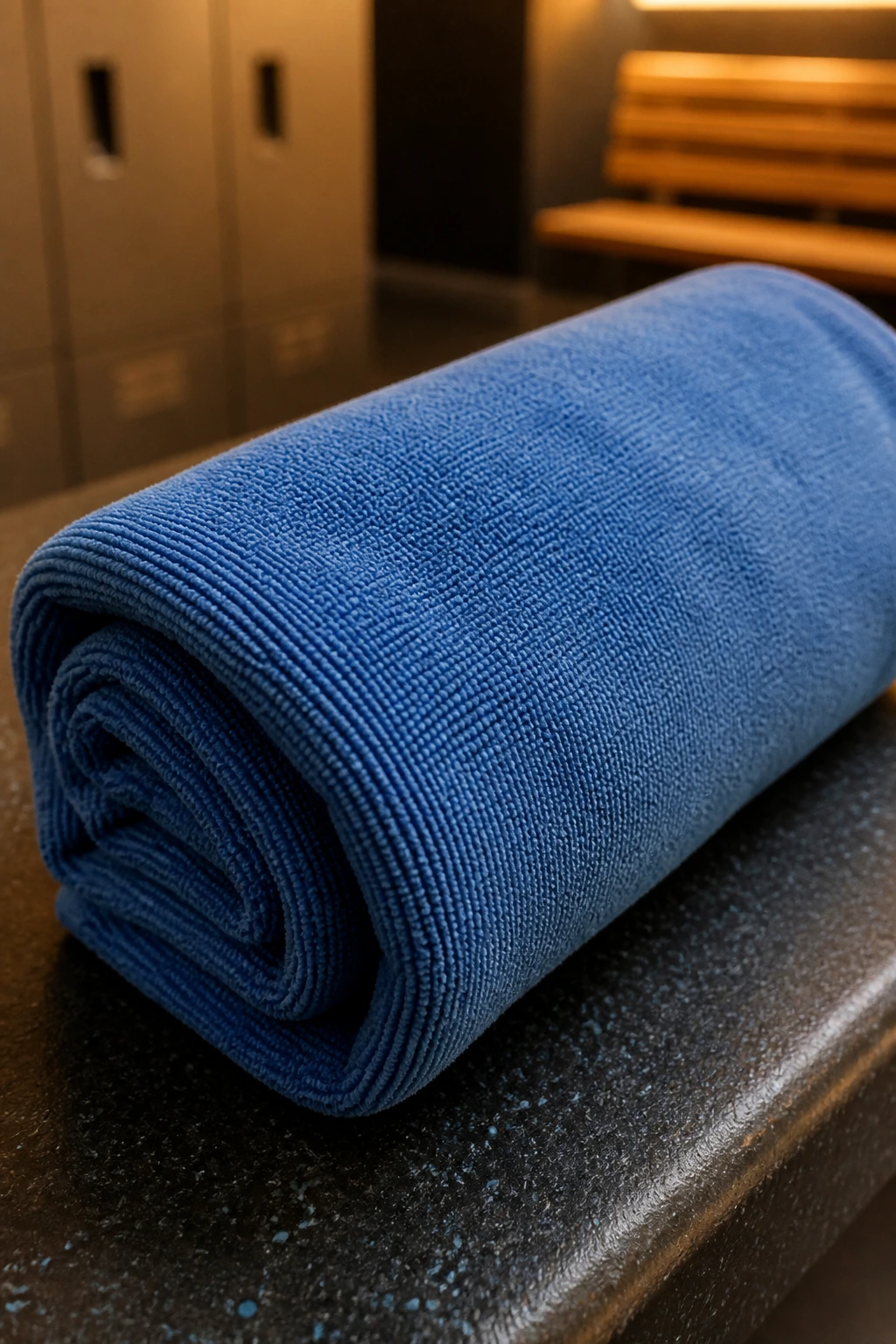
The wrong towel makes a small mess feel bigger. A thick bath towel is fine at home, but in a gym bag it takes up too much space and stays damp for ages. A quick-dry towel is smaller, lighter, and much easier to live with.
I use one for wiping sweat off my face and another for the bench or mat when the workout gets messy. That second use matters more than people expect. Nobody wants to lie down on a slick bench that looks clean but feels a little sticky.
Small Details That Help
- Microfiber towels dry faster than cotton.
- A size around 12 x 24 inches is enough for most wipe-down jobs.
- A hang loop makes it easy to dry in a locker or on a hook.
- A second towel is handy if you shower at the gym and do not want to use the same one for everything.
One sentence of hard-earned advice: do not leave a damp towel crumpled at the bottom of the bag. It will smell off by the next day, and then the whole bag starts smelling like that too.
4. A Spare Sports Bra
This is one of those items people forget until they need it, and then it feels painfully obvious. A spare sports bra saves you from strap slips, sweaty bands, and the day you decide to squeeze in a workout after wearing the wrong bra all morning.
The best backup bra is not the fanciest one you own. It is the one you can trust when the first choice is digging into your ribs or offering zero support. If you do high-impact classes, keep a medium- or high-support style in the bag. For yoga, a soft compressive one may be enough.
A bra with adjustable straps or a hook closure is easier to change quickly. Seamless fabric helps if you hate bulky lines under your shirt. And yes, it should be one you can actually breathe in. No one wants to spend a lift session thinking about a band that feels too tight.
Store it flat in a clean zip pocket if you can. Once a sports bra gets tossed around with sneakers and a wet towel, it loses its fresh feel fast.
5. An Extra Pair of Socks
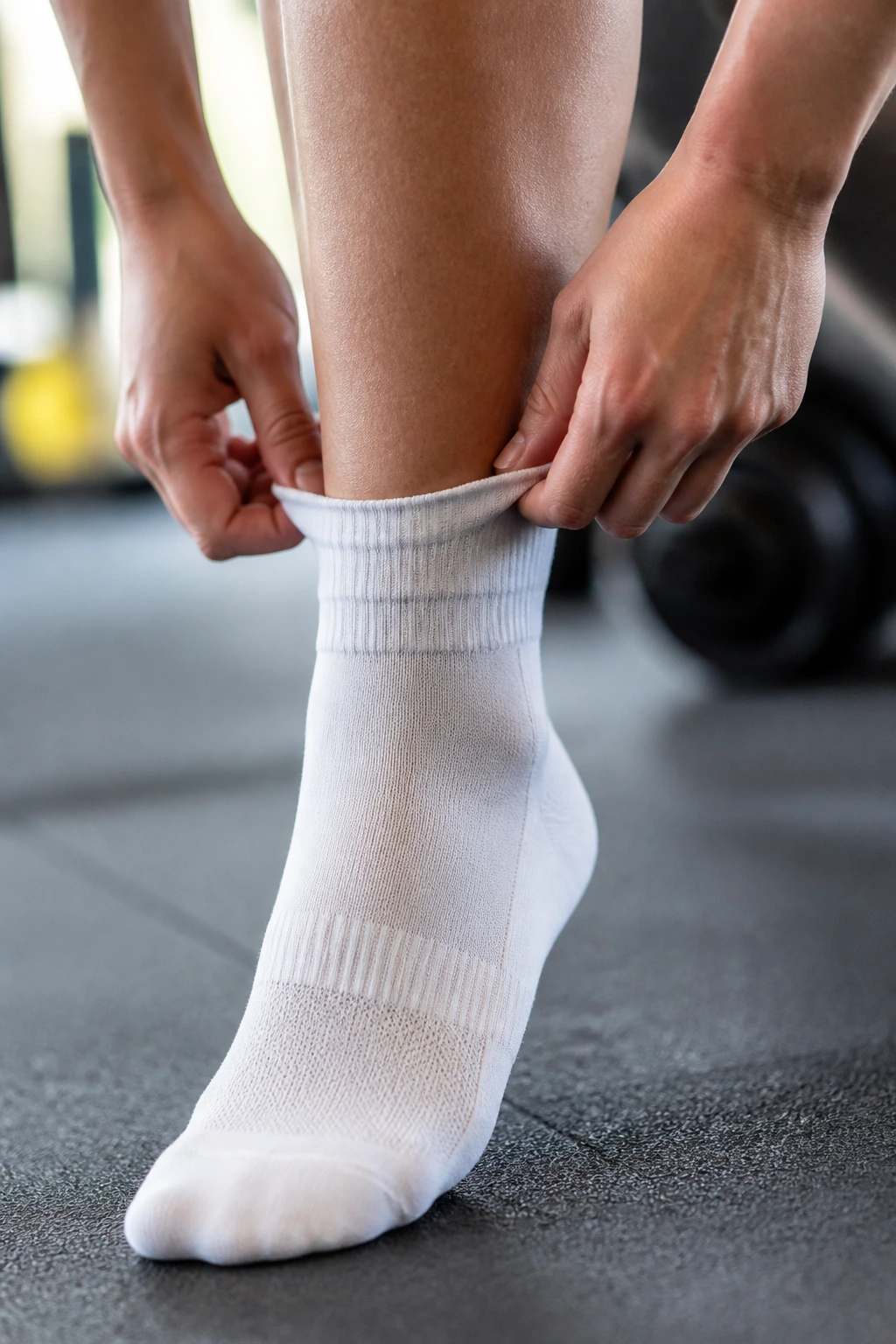
Socks are boring until they are the only thing standing between you and a blister. Then they become the smartest item in the bag.
Sweaty feet change how your whole workout feels. A dry pair of socks gives you a reset if your first pair got soaked on the way in, if your shoes rubbed your heels, or if you want to leave the gym and go somewhere without feeling grimy. That last part matters more than people admit.
Why Dry Feet Matter
A good backup pair should be:
- Moisture-wicking, not thick and sleepy like old cotton.
- Crew length if your shoes chew up your ankles.
- Slightly cushioned at the heel and toe.
- Folded flat so they do not take up space.
Merino blends are nice if you hate sweaty feet. Synthetic performance socks dry faster. Either way, one clean pair tucked into a side pocket can rescue a whole day.
I always think socks are a tiny thing until I forget them. Then I remember they are not tiny at all.
6. A Clean Workout Top or Tank
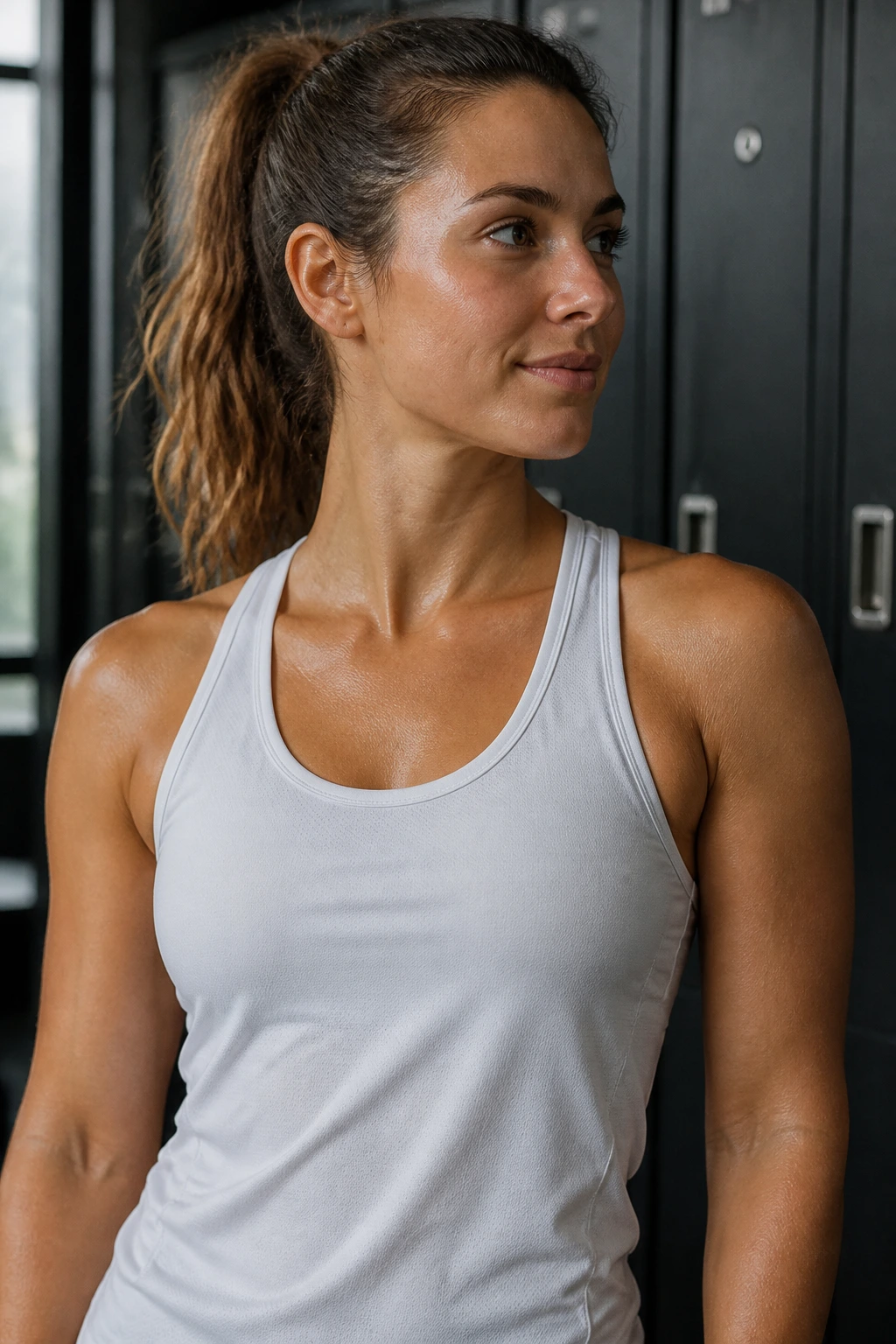
A fresh top sounds almost too obvious to mention, but it changes how you feel the minute you pull it on. A shirt that is already damp, stretched out, or smelled up from yesterday makes the whole workout feel less pleasant before you even warm up.
Choose something that folds small and does not wrinkle into a mess. A moisture-wicking tank or a lightweight tee works best for most people. If you like layering, pack one thin top and one looser shirt so you can pick based on the class.
One trick I like: keep the spare top in a separate pouch or even a large zip bag. That keeps it cleaner and makes it easy to grab when you are changing fast. You do not need a closet in your gym bag. You need one shirt that feels fresh when the rest of the bag does not.
If you often go from the gym to errands, a darker color helps. Light gray looks nice until it shows every splash mark and stretch wrinkle.
7. Hair Ties, Clips, and a Headband
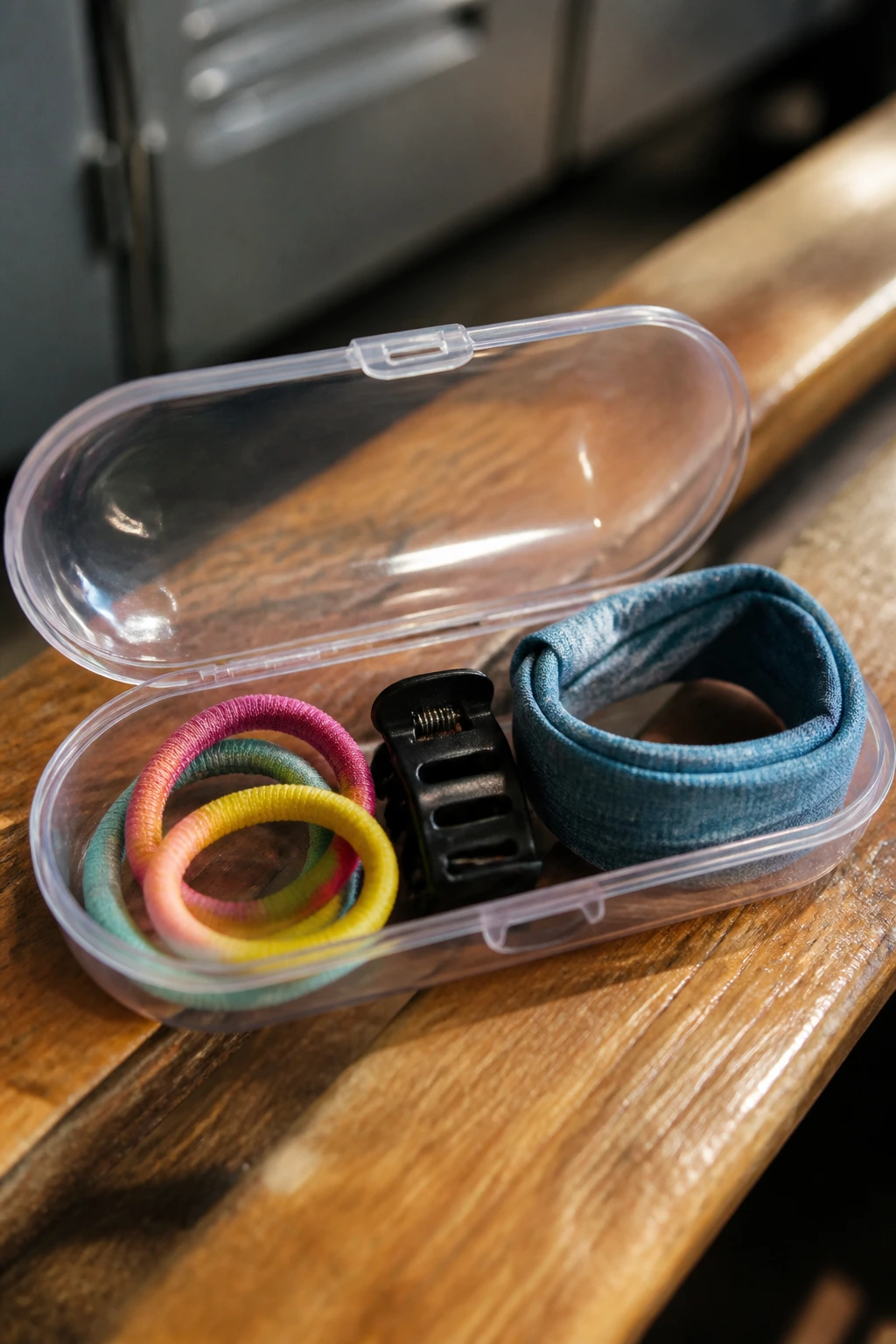
Hair management is its own sport. One hair tie is not enough, and anybody with long hair knows why. Elastic breaks. Clips slip. The one band you trusted disappears into the pocket universe at the bottom of the bag.
Keep a tiny stash instead of a single backup. Three hair ties, one claw clip, and one sweatband cover most situations. If your hair is thick or curly, snag-free ties are kinder. If your hair is fine and slippery, spiral ties tend to hold better. A fabric headband is useful on days when the sweat is getting into your eyes and you are sick of pushing hair back every 30 seconds.
How to Pack Them
- Put them in a small pill case or coin pouch.
- Keep one clip separate so it does not tangle with elastics.
- Replace stretched-out bands before they snap mid-workout.
- Add a wide headband if you do spin, hot yoga, or anything that leaves your hairline soaked.
A backup hair system is not vanity. It is the difference between finishing your workout and spending half of it fussing with your bangs.
8. Deodorant in Travel Size
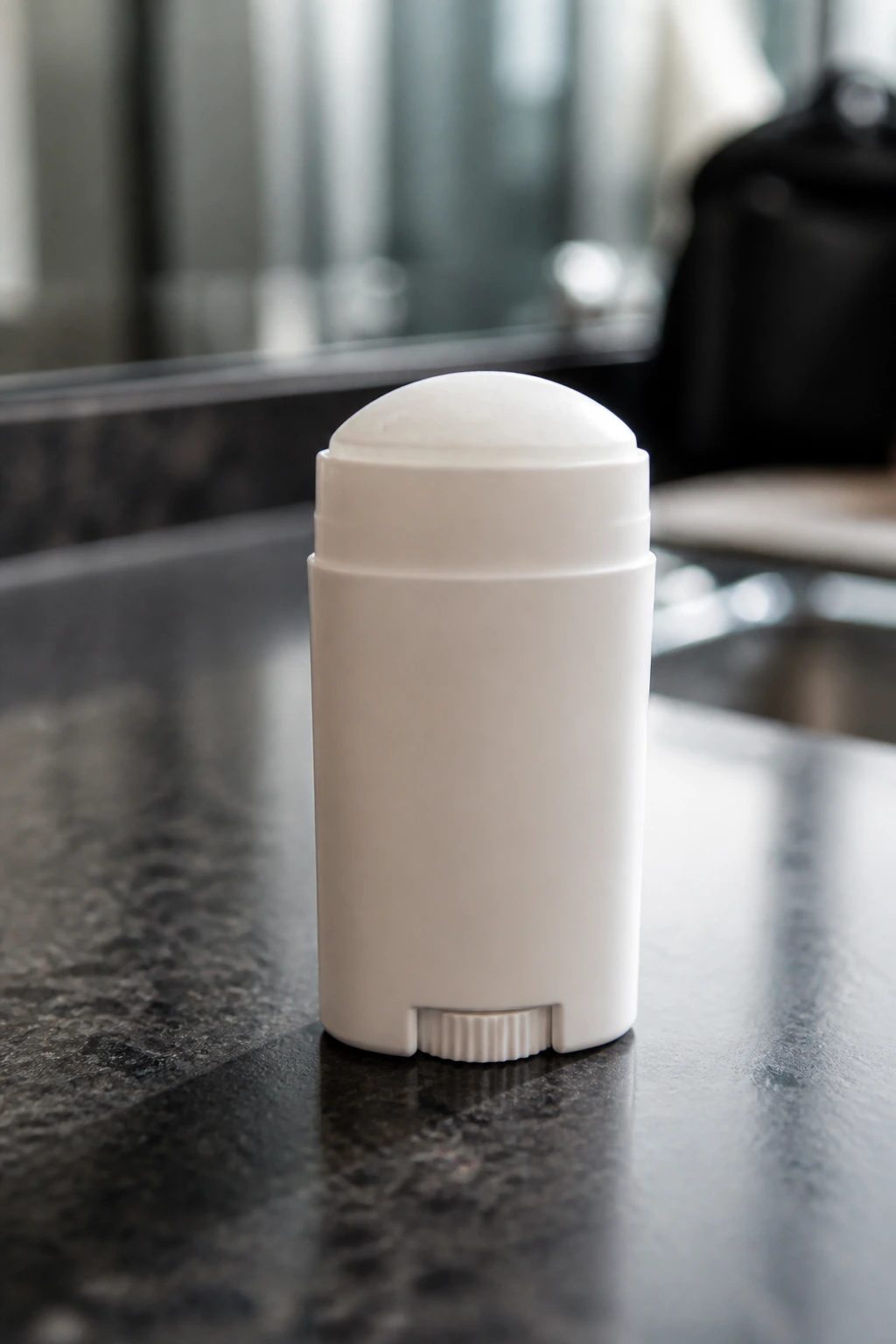
Yes, it belongs in the bag. No, you do not want to be hunting for it after class while you are already sweaty and annoyed.
A travel-size deodorant fits easily and covers the gap between “I exercised” and “I need to sit in a car or grab coffee without being self-conscious.” Stick deodorants are usually less messy in a bag than sprays or roll-ons. If your skin gets irritated, look for an unscented version and skip anything heavily perfumed. Strong scent plus sweat is not a great mix.
Some people keep an antiperspirant in the bag and use it before the workout. Others only carry deodorant for after. Either way works. The important part is that it is there when you need it, not in the bathroom drawer at home.
One small habit helps a lot: put the cap back on tightly. A loose cap means deodorant smudges on your pouch, your towel, and anything else nearby. Ask me how I know. Actually, don’t.
9. Body Wipes or Face Wipes
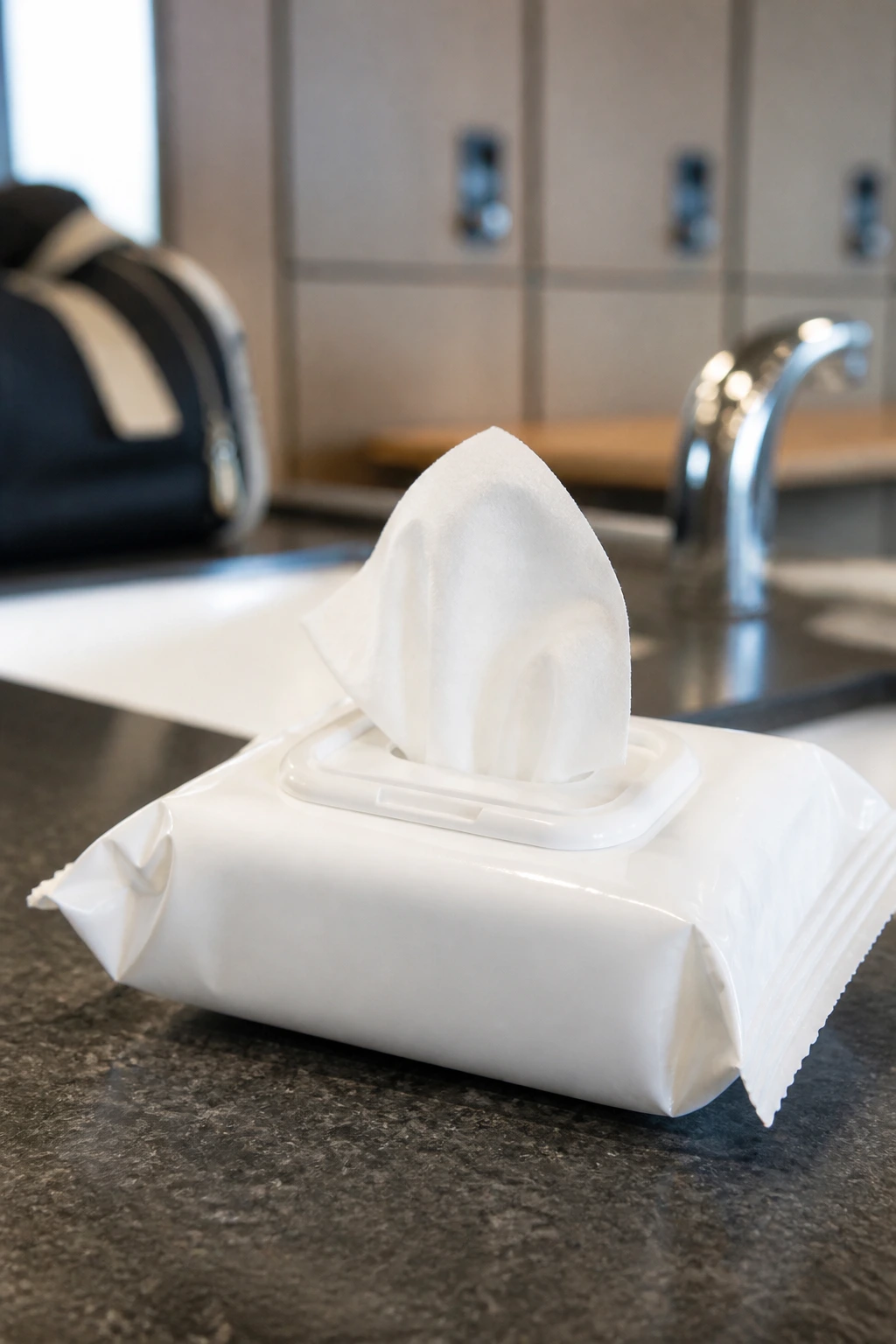
There are days when a shower is not happening, or not happening right away, and body wipes become the difference between manageable and miserable. They are not a substitute for a real wash. They are a practical bridge.
Unscented wipes are easiest to tolerate. Alcohol-free is gentler on skin, especially on your face or neck. Keep them in a sealed pack so they do not dry out after two uses. And please, use one wipe for the sweaty areas that matter most: underarms, chest, neck, hands, and the back of the knees. Face wipes can handle your face. The same wipe should not do everything.
A few things to look for:
- Individually wrapped wipes if you want the cleanest, travel-friendly option.
- A resealable pack if you will use them over several workouts.
- Gentle ingredients if your skin turns red easily.
I like wipes for that half-hour between workout and real life. Enough said.
10. A Small Locker Lock
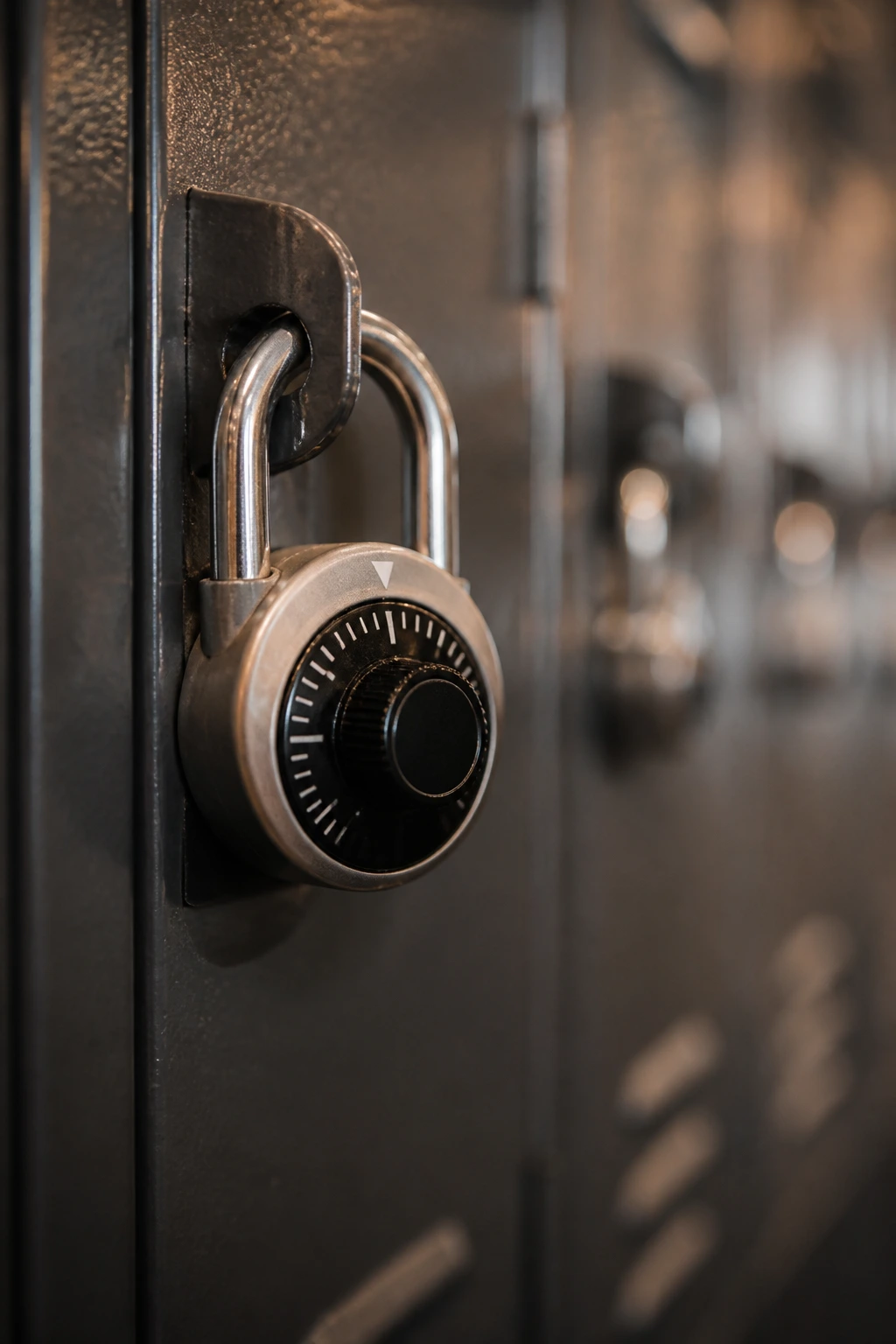
A locker lock is not glamorous. It is just smart. If your gym has lockers, carrying your own lock saves time and removes one more thing from the list of excuses.
A combination lock is easiest for most people because you do not have to keep track of a tiny key. If you prefer a key lock, put the key on a short loop or carabiner so it does not vanish into your bag. The best lock is the one you can open without standing there like you forgot your own birthday.
Pick a size that fits the locker hardware at your gym. Some spaces take standard padlocks easily. Others are cramped and annoying. If the lock feels awkward in your hand or the dial is hard to read, it will become one more thing you resent carrying.
This is one of those items people skip until the locker room is packed and all the spare locks are gone. Then it stops feeling optional very quickly.
11. Headphones or Earbuds
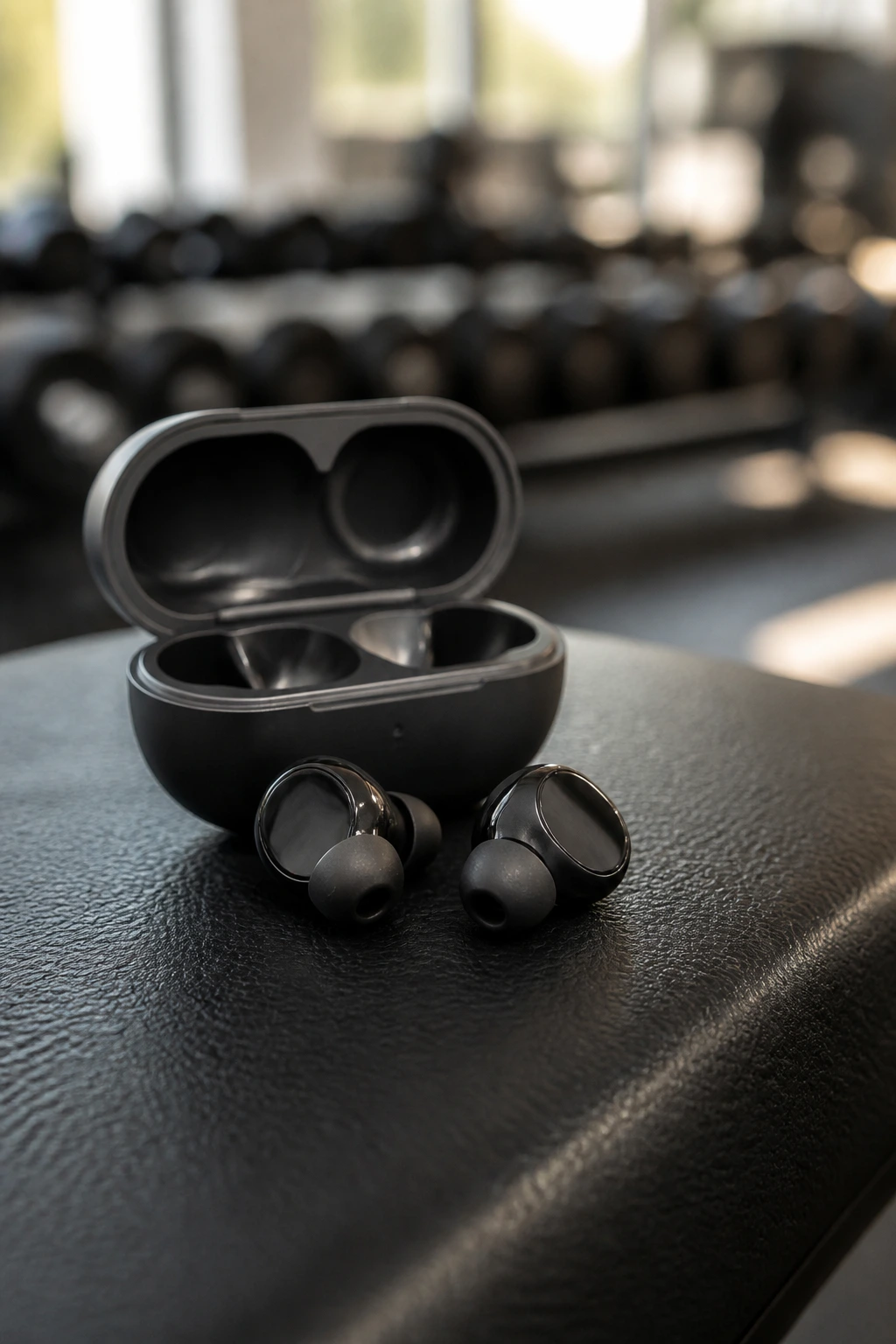
Music changes the mood of a workout fast. So does a dead battery. So does realizing your headphones are still sitting on the kitchen counter.
Earbuds are compact and easy to throw in a side pocket. Over-ear headphones stay put better for some people, especially during lifting or walking on a treadmill. Wired headphones still have one advantage: they do not need charging. That is not romantic, but it is true.
Pick the Style That Matches Your Training
If you run, you may want earbuds with a snug fit and a case that locks shut. If you lift, you might prefer a model that lets you hear the room a little better. If your workouts are long, battery life matters more than sound quality polish. If you sweat a lot, look for water resistance and wipe the ear tips down after use.
A tiny detail that helps: keep a microfiber cloth in the same pouch. Sweat and earphones do not get along, and a quick wipe keeps them from getting grimy.
12. A Portable Charger
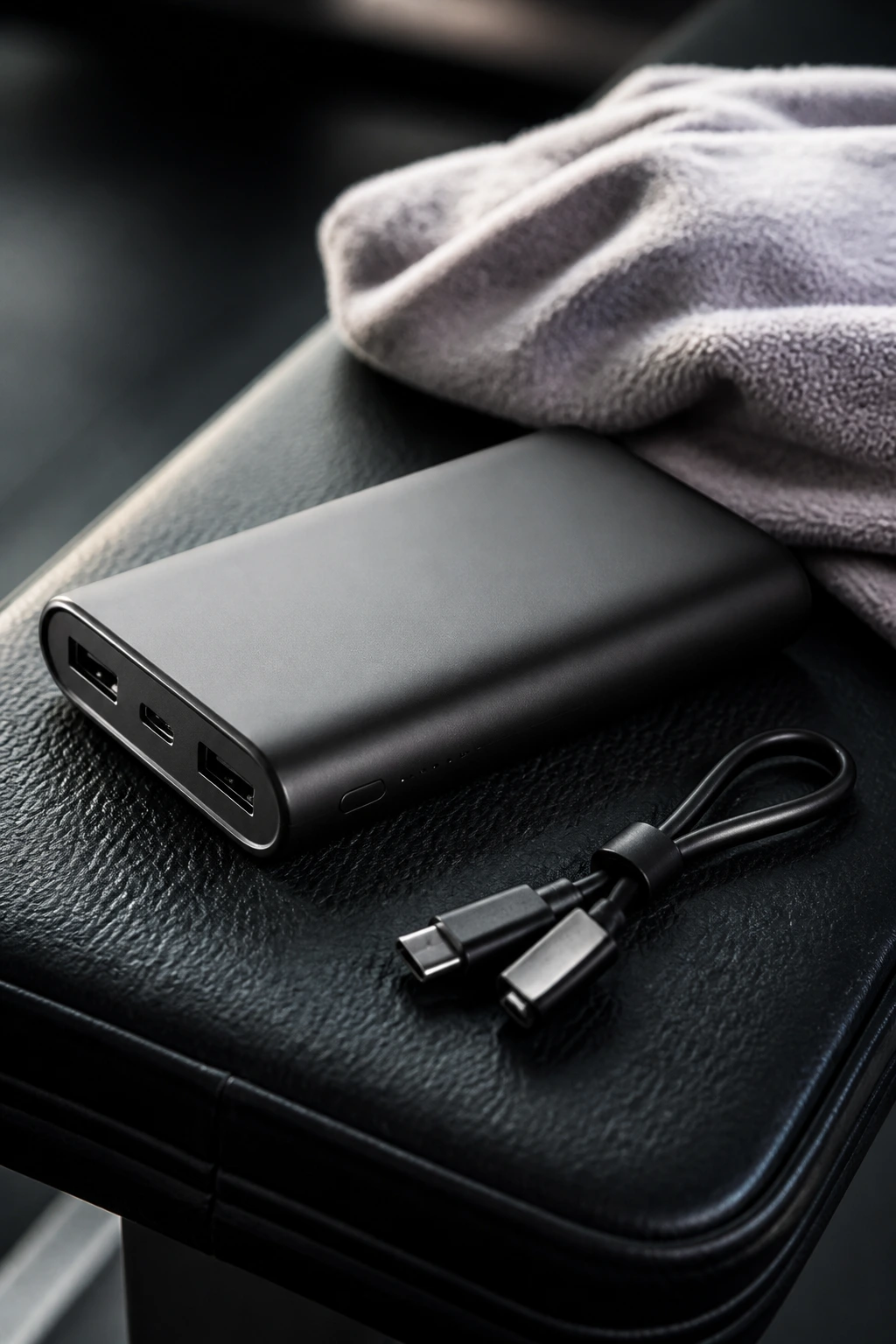
A dead phone during a gym day is more than an inconvenience. It can mess with your workout tracking, your ride home, your music, and your plans afterward. A portable charger solves that in one small brick.
A 10,000 mAh power bank is a sweet spot for most gym bags because it gives you a good amount of charge without taking over the whole pocket. If your bag is small, go lighter. If you keep your phone on you for several hours, a larger charger may make sense.
Keep a short cable with it, ideally 6 to 12 inches, so the cord does not tangle around everything else. If you toss a charger in the bag and forget about it for weeks, test it once in a while. A dead power bank is almost as useful as no power bank at all.
One thing people miss: a charger in your gym bag should be treated like gym gear. Charge it. Put it back. Keep the cable with it. Tiny routine, big payoff.
13. A Toiletry Pouch With the Small Stuff
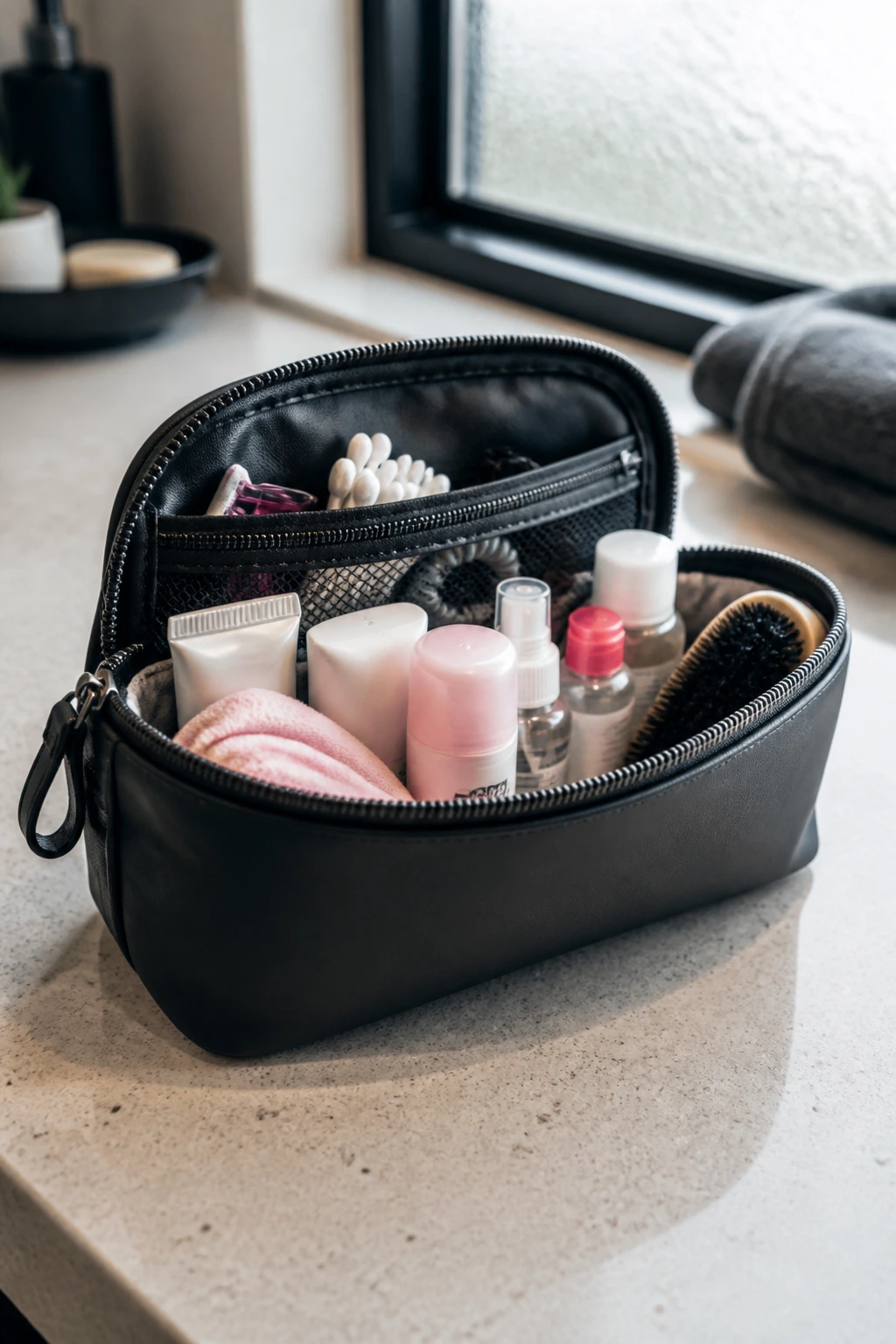
Loose beauty and hygiene items make a bag messy fast. One pouch fixes that, and it also makes you look more organized than you probably feel at the end of a hard session.
A small pouch, about 1 liter or less, is enough for the basics. The point is not to bring your whole bathroom. The point is to keep the little things together so they stop rolling around.
What Belongs Inside
- A mini face wash or cleansing wipe
- A small moisturizer
- Dry shampoo if you go straight to errands
- A compact comb or brush
- Lip balm
- Hand cream in cold weather
- A few floss picks if you like to freshen up after lunch workouts
Some people add sunscreen, mascara, or setting spray. Fine. Pack what you actually use. A pouch stuffed with things you never touch is just dead weight.
I like a pouch with a wipe-clean lining and a zipper that opens wide enough to see everything at once. Fishing around for a lip balm while the locker room is noisy is a silly little annoyance, but it is still an annoyance.
14. Shower Sandals or Flip-Flops
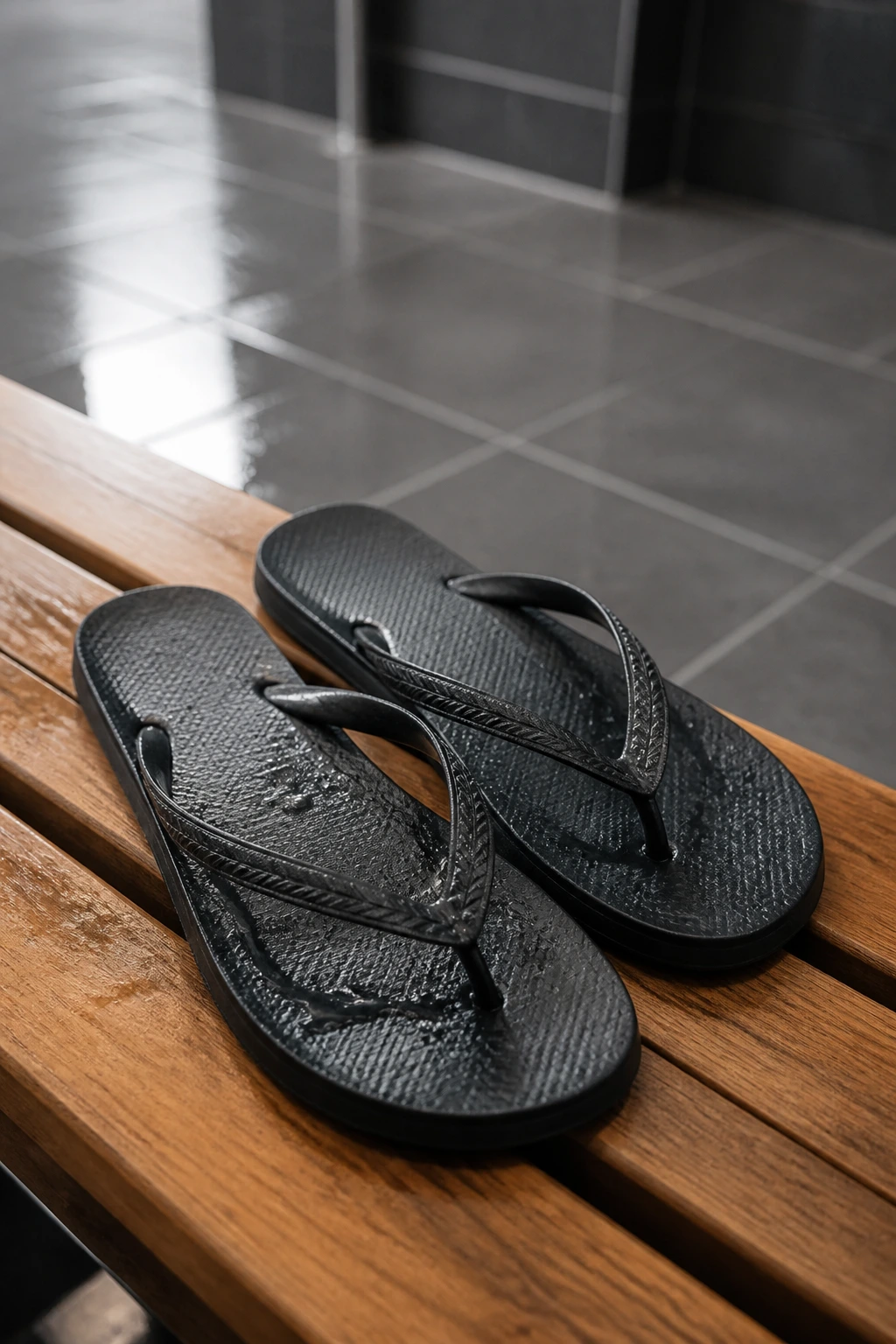
If you shower at the gym, this is not optional in my book. Locker room floors are not where I want bare feet, and I do not think that is a controversial opinion.
Rubber shower sandals or simple flip-flops protect your feet and dry fast once you rinse them off. Closed fabric slides get gross. Heavy house slippers are the wrong tool. You want something light, grippy, and easy to toss back into the bag.
A Few Useful Traits
- A textured sole helps on wet floors.
- Open design dries faster.
- A pair that can be rinsed under the tap is easier to keep clean.
- Pack them in a side pocket or a mesh shoe bag so they do not touch your clean clothes.
If you never shower at the gym, you can skip this one. That honesty matters. Not everyone needs every item on every day. But if you use locker room showers even once a week, the sandals are worth the tiny space they take.
15. Resistance Bands or Mini Loop Bands
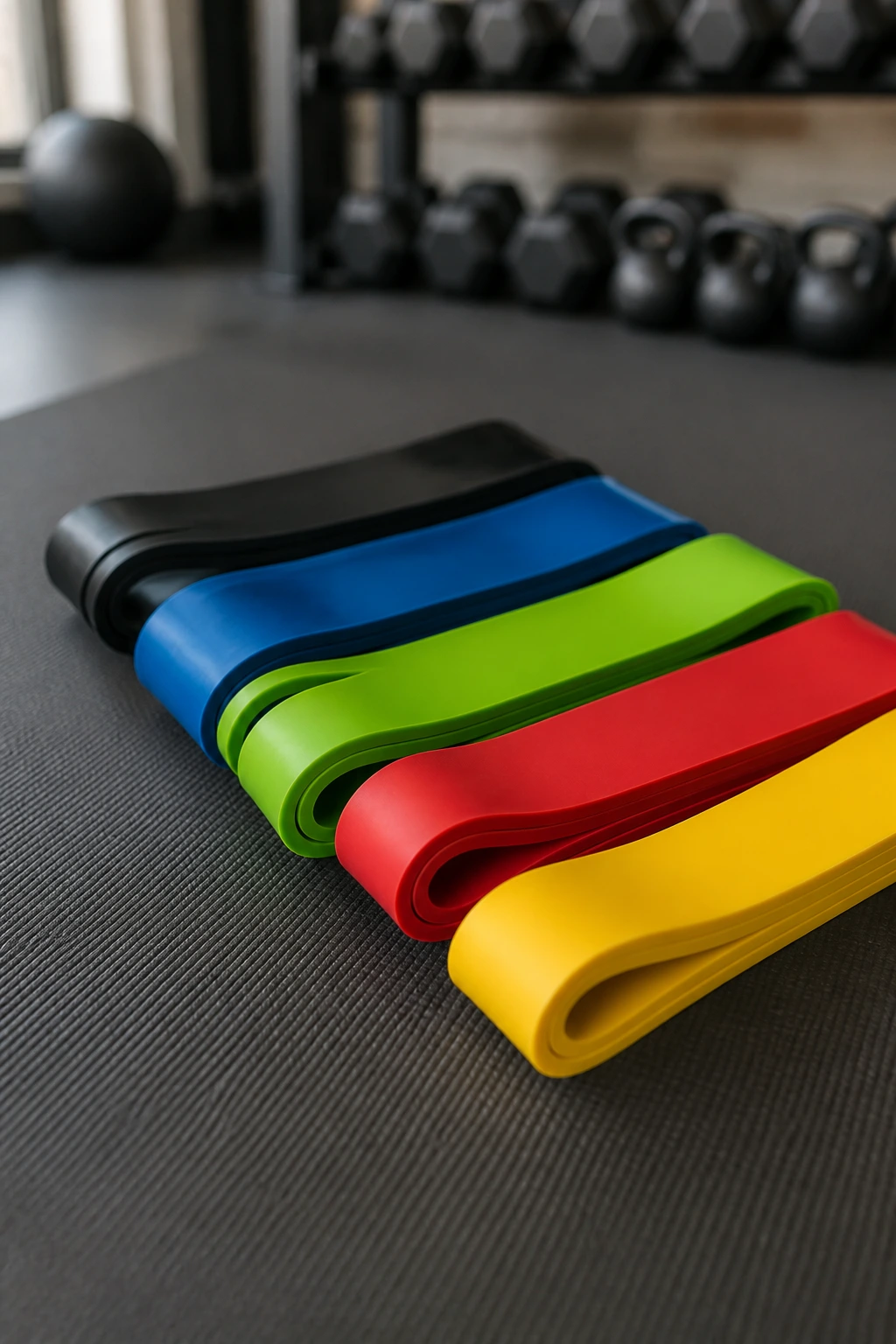
These are small enough to forget about and useful enough to miss when they are gone. Resistance bands help with warm-ups, glute work, shoulder activation, and those awkward travel workouts where the equipment is crowded or terrible.
A light, medium, and heavier mini loop band cover a lot of ground. Long flat bands are useful too if you do mobility work or want a pull-apart warm-up before lifting. They weigh almost nothing, and they fit into the tiny spaces other gear leaves behind.
Resistance bands are one of the few gym bag items that do more than one job. They wake up muscles before a session. They give you a fallback when the cable machine is busy. They can make stretching a little more useful, which is not always saying much, but still.
Keep them in a small mesh pouch so they do not pick up lint from socks or snag on zipper teeth. After a while, you will start using them without thinking about it, and that is usually the sign you packed the right thing.
16. A Post-Workout Snack
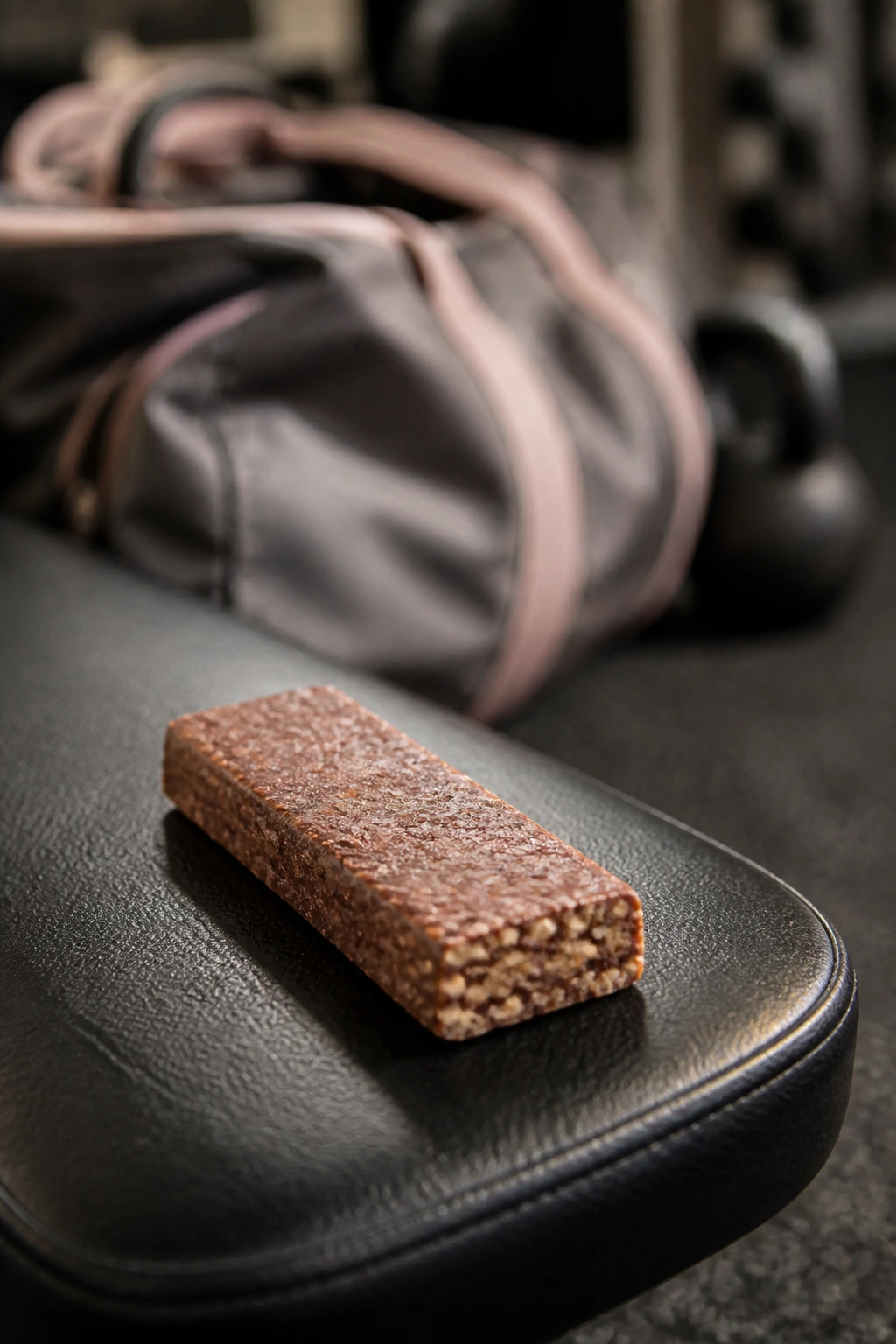
Hunger does ugly things to a mood. If you leave the gym shaky and then need to drive, stand in line, or run errands, a small snack in the bag can be a lifesaver.
Aim for something shelf-stable and easy to eat in a hurry. A protein bar with 15 to 20 grams of protein is a solid option. So is a banana, a packet of peanut butter, roasted chickpeas, jerky, or a small trail mix. If your workout is long or hard, pairing protein with a carb tends to feel better than only protein alone.
What to Pack
- Bars that do not melt easily
- Snacks that are not crumbly enough to wreck the bag
- A portion you can eat in under 2 minutes
- Something you actually like, not the sad emergency bar nobody wants
I would avoid anything that leaves a sticky wrapper or a puddle in hot weather. Chocolate-filled bars look fine in the store and become a mess in a gym bag. Learned that one the annoying way.
17. A Reusable Laundry Bag
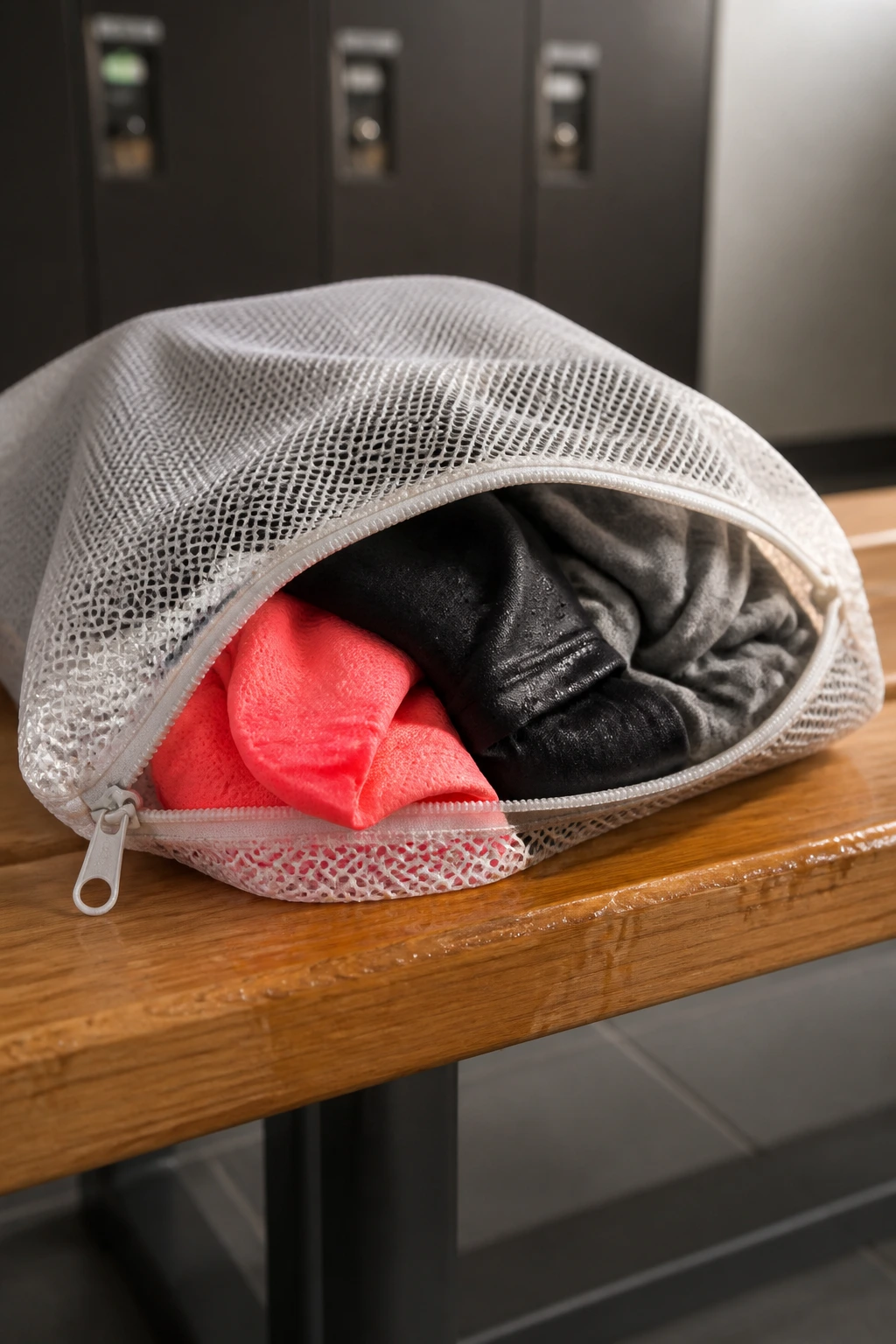
Sweaty clothes have a smell all their own. Toss them in with clean gear and the whole bag starts to carry it. A reusable laundry bag solves that before the smell gets comfortable.
A simple mesh bag works if your clothes are only damp. A zippered wet bag is better if you have soaked leggings, a sports bra, or a towel that needs to stay contained. Some people like a drawstring laundry sack. I prefer a zip closure because it keeps the rest of the bag cleaner.
The beauty of this item is that it keeps the clean zone clean. Fresh top on one side, used clothes on the other. No mystery odors. No guessing which sock pair is dirty and which one is a backup.
If you go from gym to work or class, this matters even more. You can separate the sweaty pile immediately, and that little habit saves a lot of friction later.
18. Period Products You Trust
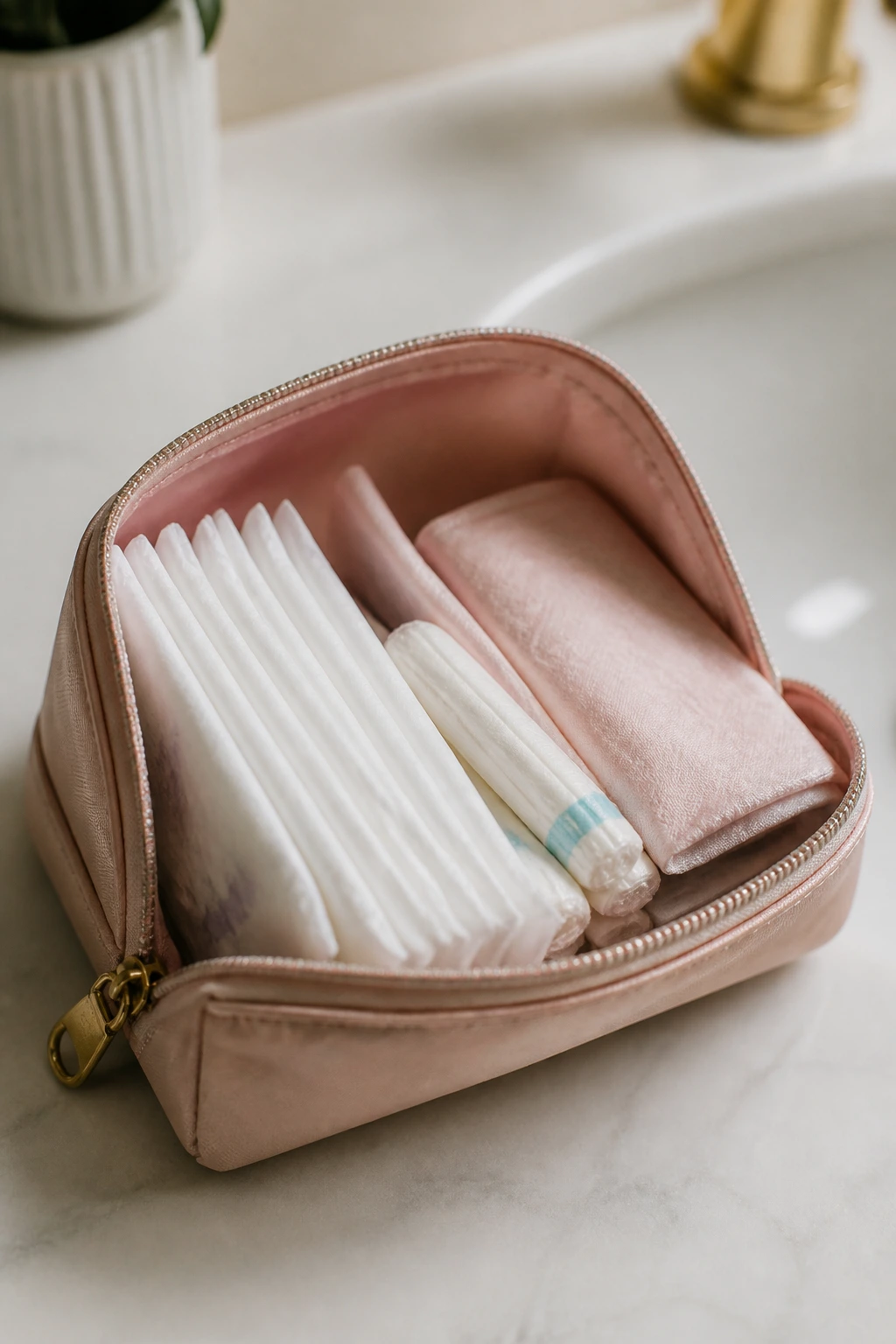
This one is not decorative, and it should not be an afterthought. Period products belong in a gym bag because bodies do not always line up with schedules, and workouts are not the place you want to improvise.
Keep a small, private stash that matches what you actually use. Pads, tampons, liners, a menstrual cup case, spare underwear if that helps you feel safer. Put them in a zip pouch so they are not crushed or floating around under a water bottle.
A Smart Little Backup Kit
- 1 or 2 pads or tampons, even if you do not think you need them
- A liner for backup on lighter days
- Spare underwear in a sealed bag if that makes sense for you
- A stain wipe if you like having one nearby
The whole point is to remove stress. Gym floors, car seats, and locker rooms are not forgiving places to realize you are out of supplies. If you have ever had that awkward moment, you probably do not need persuading.
19. ID, Transit Card, and a Little Cash
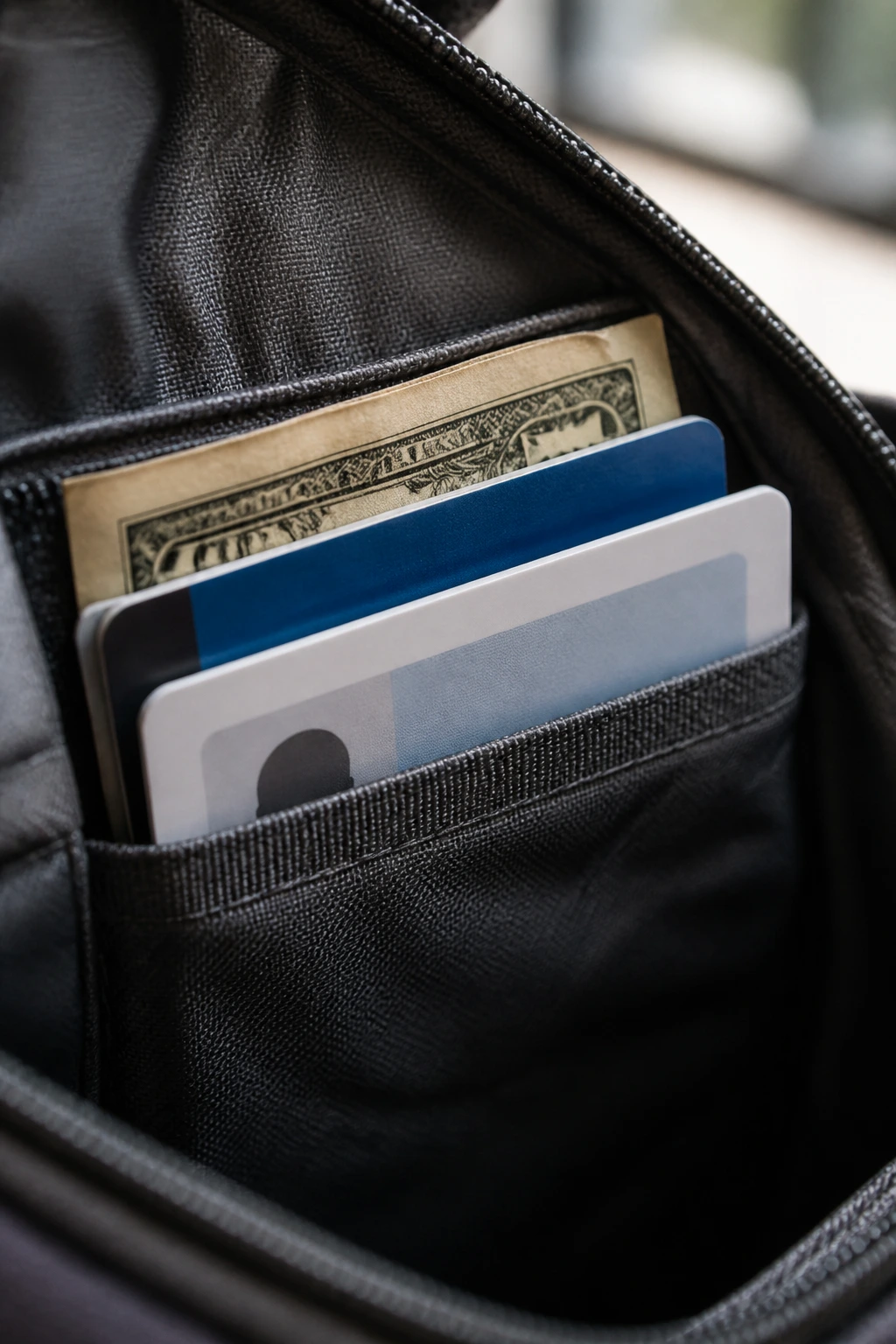
A gym bag often turns into your whole out-and-about setup. You head to training, then you grab coffee, then you stop somewhere else, and suddenly your wallet is somewhere irrelevant. Keeping a few essentials in the bag saves you from that scramble.
Put your driver’s license or ID, gym membership card if you still use one, a transit card, and a small amount of cash in a flat pocket. A simple card sleeve or zip wallet is enough. You do not need your entire wallet stuffed in there unless you want the bag to become a mobile junk drawer.
A little cash still helps in places where cards are awkward or a vending machine only takes bills. That sounds old-school, but it keeps working. I also like having an emergency debit card in a separate spot if I know I will be out longer than planned.
One clean pocket for your essentials beats digging through five compartments while standing in the parking lot.
20. A Tiny First-Aid Kit
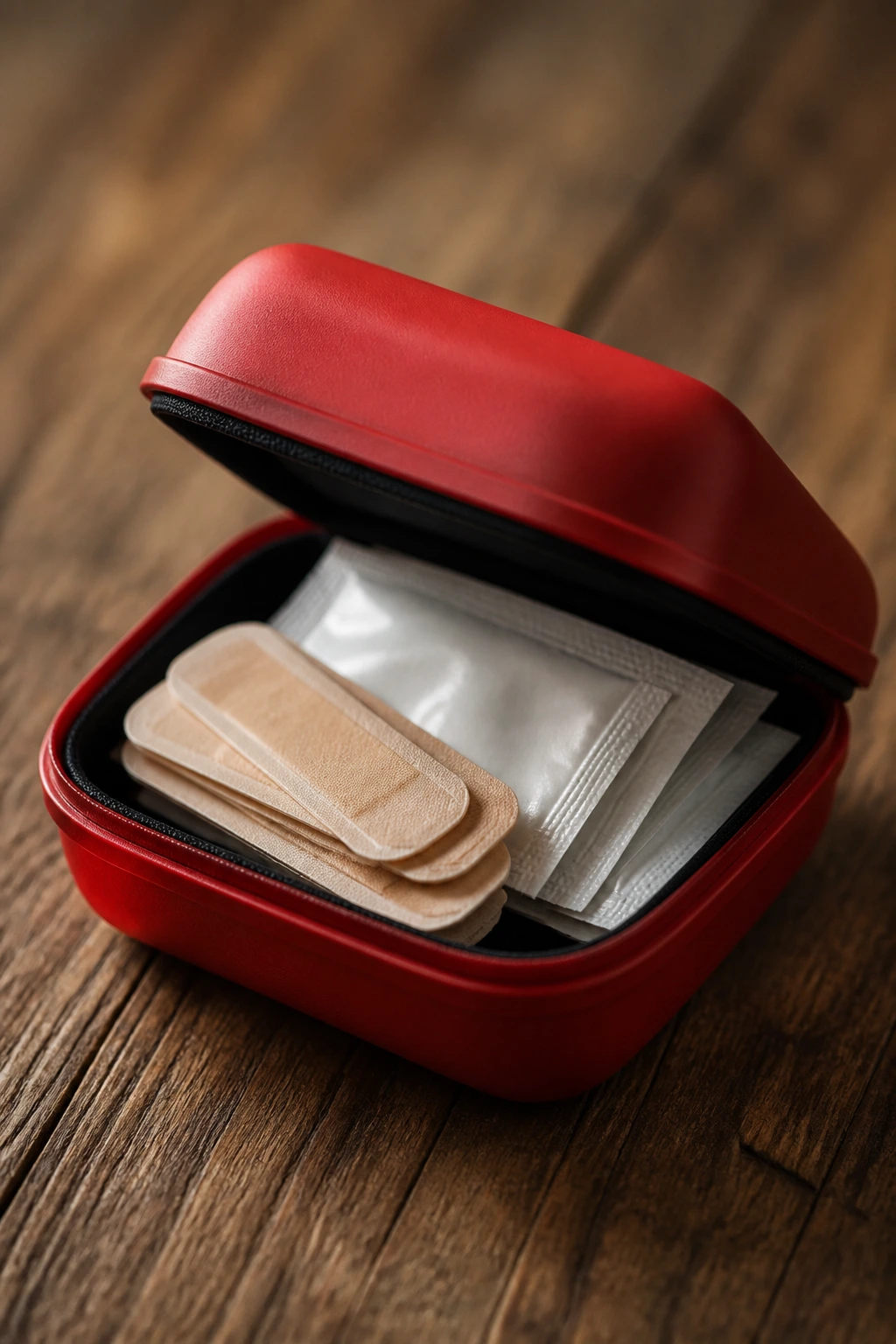
A small first-aid kit is not dramatic. It is practical. Blisters happen. Tiny cuts happen. Ripped nails happen at the exact time you wish they would not.
Keep the kit lean. A few adhesive bandages, blister patches, a couple of alcohol wipes, a safety pin, and the pain relief you normally use if you choose to keep it in your bag. Put everything in a hard case or a sturdy zip pouch so it does not get crushed.
Why It Matters More Than It Sounds
- Bandages help with rubbed heels and small scrapes.
- Blister patches can save a long walk home.
- Alcohol wipes clean a nick before it gets ignored.
- A safety pin fixes a broken strap in seconds.
I would not turn a gym bag into a medicine cabinet. That gets heavy fast. Keep it tiny and focused. If something small goes wrong, you can handle it without hunting around or giving up on the rest of your day. That is the whole point of a smart gym bag, really: fewer annoyances, fewer excuses, and a smoother exit when you are done.
