



Most postpartum workout plans fall apart for a simple reason: they start too big.
A new body does not want a bootcamp. It wants breathing room, a little circulation, and a steady way back to movement that does not make your pelvis feel heavy or your abdomen dome like a tent. That’s true after a vaginal birth, a C-section, or the kind of delivery that leaves you sore in places you did not know could ache.
The first year is a strange mix of healing, repetition, and improvisation. Some days you get ten clean minutes and feel human again. Some days you are doing calf raises while bouncing a baby on your hip and calling that a win. Both count.
The best postpartum workout plans respect that mess. They build strength in layers, pay attention to scar tissue, the pelvic floor, and the deep core, and leave enough room for real life to interrupt. Tiny work done often beats heroic workouts done once.
1. Postpartum Workout Plan for the First Week: Breathing, Circulation, and Tiny Wins
The first week is not the time for heroics. It’s the time to remember that standing up, walking to the bathroom, and taking a full breath are all part of training again.
If your body feels tender, shaky, or strangely foreign, that’s normal. Start with a plan that looks almost too small. That’s the point. Your job is to wake up the tissues, not test them.
- 3 to 5 minutes of diaphragmatic breathing in bed or on the couch, 2 to 4 times a day
- 10 ankle pumps and 10 toe circles on each foot to keep circulation moving
- 5 slow pelvic tilts while lying on your back or propped on pillows
- Short house walks to the sink, bathroom, or hallway, stopping before you feel wiped out
- A symptom check after each bout: heavier bleeding, pulling at the incision, dizziness, or a dragging feeling means back off
A lot of people want to skip straight to “real exercise.” Don’t. The first week is where you build the habit of noticing what your body says. That alone is useful.
2. Walking Loops That Build Stamina Without Spiking Fatigue
Walking is the most underrated postpartum workout plan, and I’ll die on that hill.
Not because it’s glamorous. It isn’t. Because walking is often the first thing that gives you a little energy back without asking your pelvic floor to handle impact. Ten minutes around the block can feel like a miracle after a long day indoors, especially when sleep is broken and your shoulders are living somewhere near your ears.
Start with 5 to 10 minutes at a pace where you can talk in full sentences. If that feels easy, add another 5 minutes two days later. If it feels like too much, cut it in half. The walk should leave you warmer, not shaky.
The trick is to keep the posture honest. Tall chest, soft ribs, relaxed jaw. If you’re pushing a stroller, don’t lean hard into the handlebar; that can turn the whole walk into a weird shoulder shrug. Think smooth, not fast. Boring works here.
3. Pelvic Floor Reconnection With the Exhale

Can you train the pelvic floor without clenching every muscle in your body? Yes. And you should.
A useful pelvic floor postpartum workout plan is gentle, almost sneaky. You’re teaching timing first, then strength later. On the exhale, imagine the muscles around the sit bones and lower belly lifting up and in by about 20 percent effort, not 100. Then let go fully on the inhale. That release matters.
How to use it without overdoing it
Do 5 to 8 slow breaths before a walk, after feeding, or before bed. If you like structure, try two sets of 5 breaths with a minute of rest between. You can add a light pelvic floor lift to standing tasks like brushing your teeth or waiting for the kettle.
A useful rule: if squeezing makes your jaw clench or your butt tighten, you’re doing too much. The goal is control, not gripping. Some people need more relaxation than contraction at first, especially if they feel tight, guarded, or sore. That’s not failure. It’s information.
4. Rib Cage, Hips, and Spine Mobility for the Slumped-Over Days
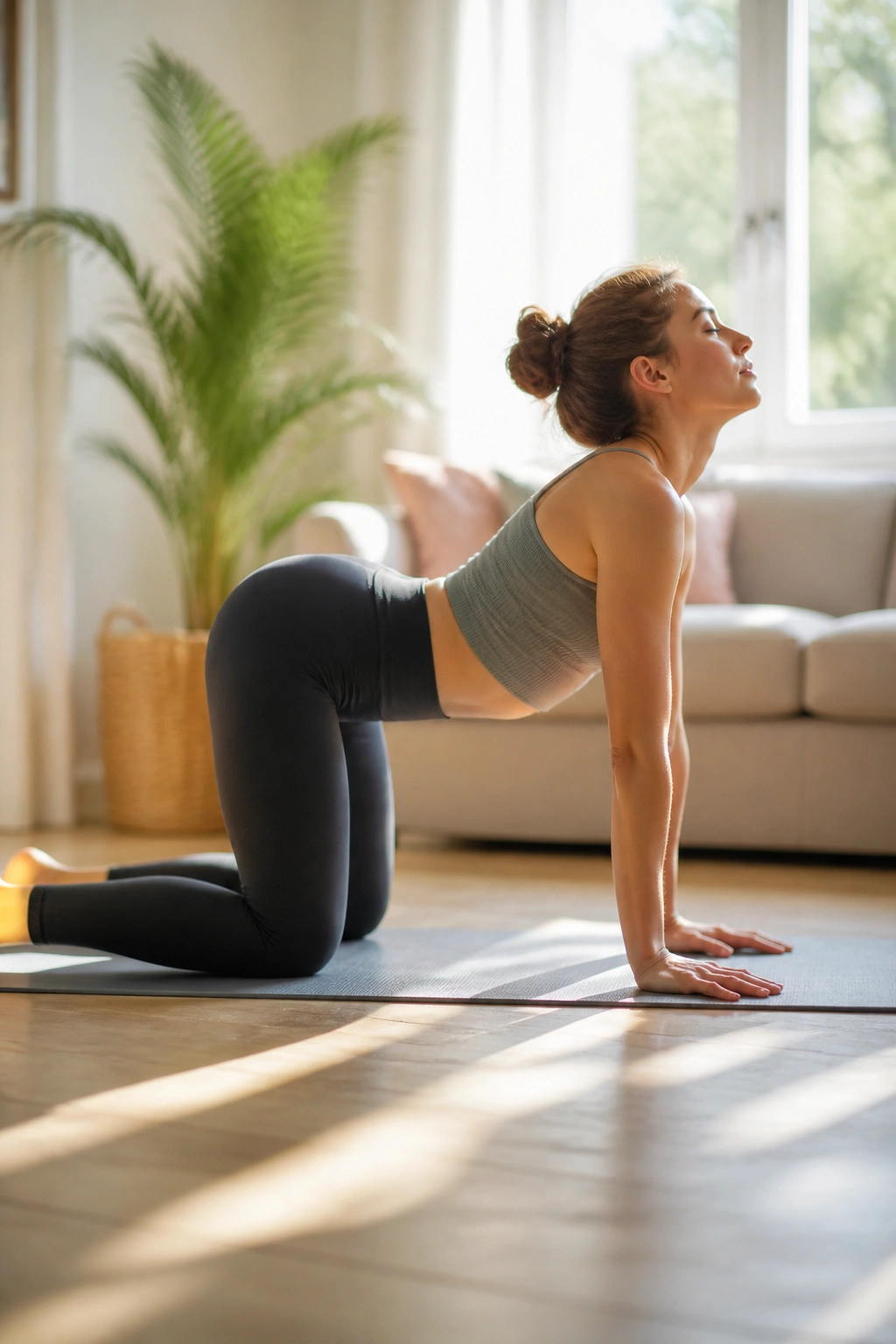
Baby care folds you forward. A lot. You rock, lift, feed, burp, carry, repeat. After a while your rib cage stiffens, your hips feel sticky, and your back starts complaining in little, rude ways.
A mobility plan is the cleanest fix I know. Not because it builds big strength. Because it lets your body move without feeling rusted together. Try cat-cow for 6 slow reps, open-book rotations for 5 reps per side, and hip rocks on hands and knees for 8 reps. Add ankle circles and gentle side bends if your lower back feels locked up.
The best part? You can do this in eight minutes. Less if the baby wakes up early. More if you’re lucky and nobody needs you for a minute.
A small detail makes a big difference: move through ranges that feel smooth, not forced. If a twist pinches your scar or a stretch causes a pulling sensation down low, shorten it. Your body is not a yoga pose. It’s a recovery project.
5. Deep Core Reconnection on the Floor
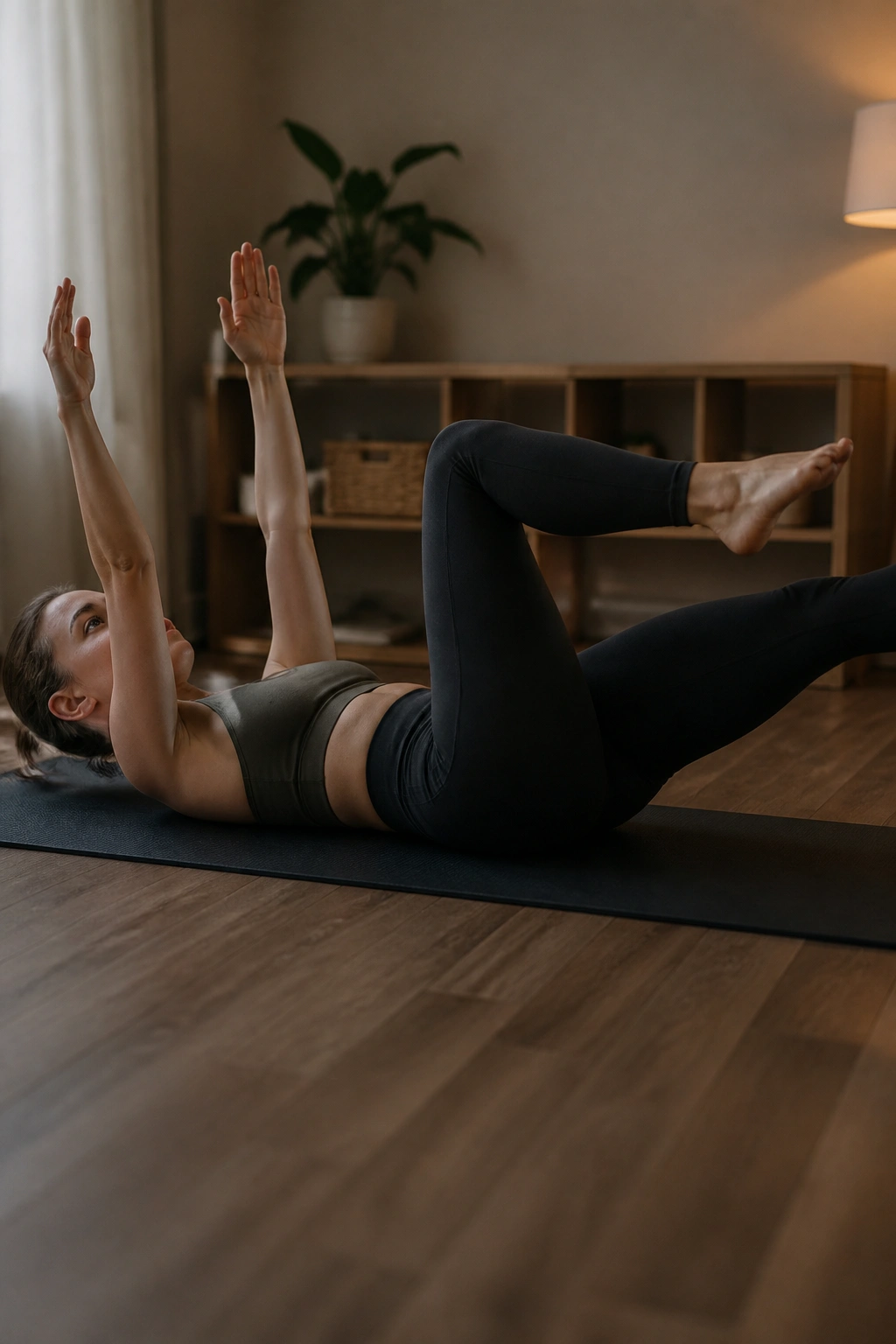
The belly does not need crunches yet.
What it needs is deep core work that teaches pressure control. That means learning how to brace lightly, breathe, and keep the front of the abdomen from bulging out when you move. If you see doming down the midline, the exercise is too hard for now.
What a useful core session looks like
- Heel slides: 6 reps per side, slow and controlled
- Bent-knee fallouts: 6 reps per side, keeping the pelvis still
- Dead bug arm reaches: 6 reps per side with a full exhale
- Bird dog holds: 5 seconds per side, 4 to 6 reps
- Side-lying breathing: 5 breaths per side to finish
Keep the whole thing under 10 minutes. Two rounds is enough for most beginners. If your abdomen feels shaky afterward but not sore or pressured, you’re in the right zone.
Tip: if the center line of your stomach pops up like a little ridge, shorten the range immediately.
6. Stroller Walk Intervals for the Mid-Phase Rebuild
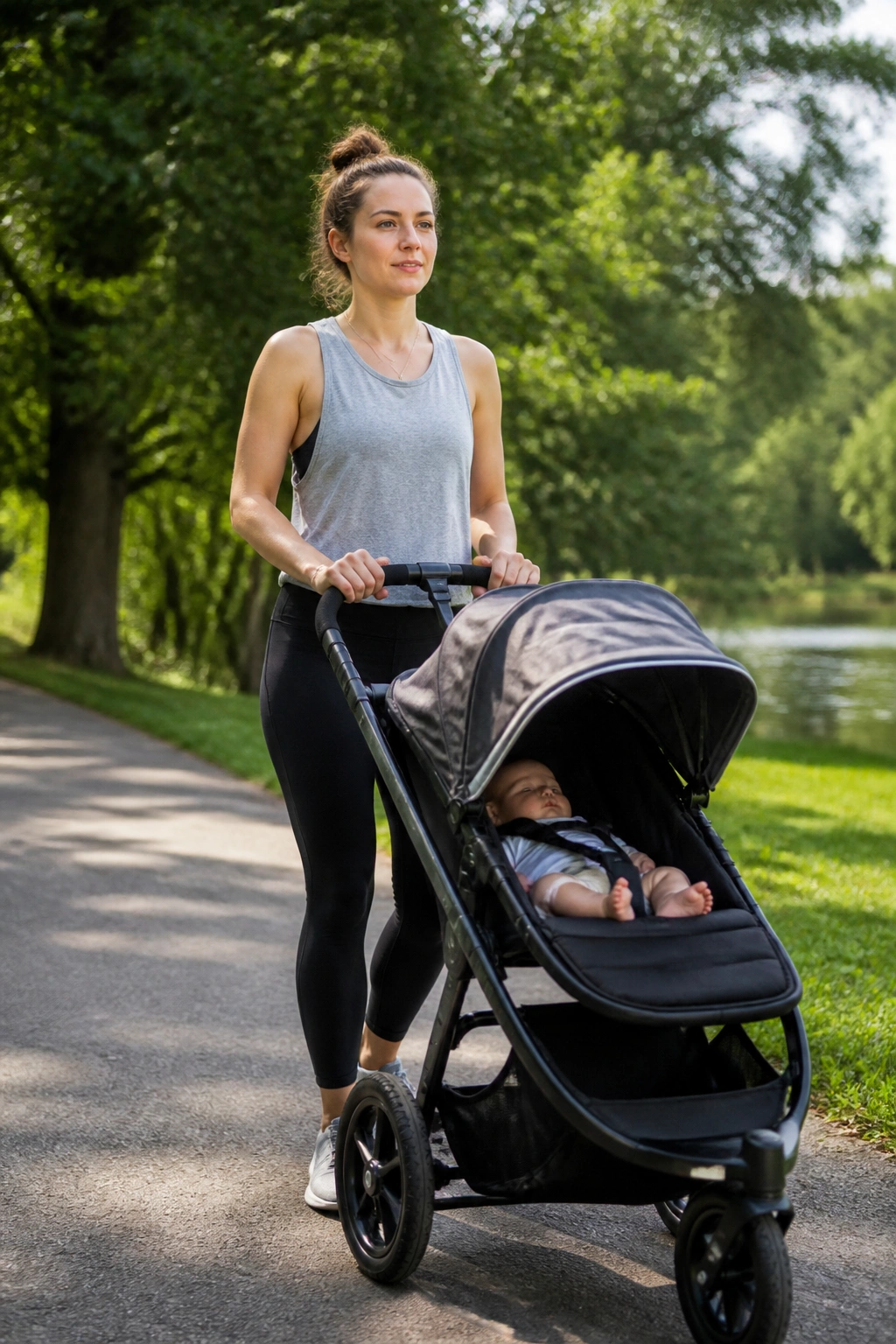
Stroller intervals are a better cardio plan than most people think. They sit in the middle between a lazy walk and a hard workout, which is exactly where a lot of postpartum bodies need to live for a while.
Unlike a long, meandering stroll, intervals give you a little more fitness work without pounding your joints. They’re best for someone who feels restless, hates staring at the clock, and wants a clear target. A simple version is 1 minute brisk, 2 minutes easy, repeated for 6 to 8 rounds. That gives you 18 to 24 minutes with warm-up and cool-down included.
If you want to make it easier, keep the brisk parts at a pace where your breathing gets deeper but stays controlled. If you want to make it harder, add a small hill or increase the brisk section to 90 seconds. Not both at once.
This is one of those postpartum workout plans that sneaks up on you. It feels mild while you’re doing it, then you realize your energy is better later in the day.
7. Bodyweight Strength Circuits That Fit Between Feeds
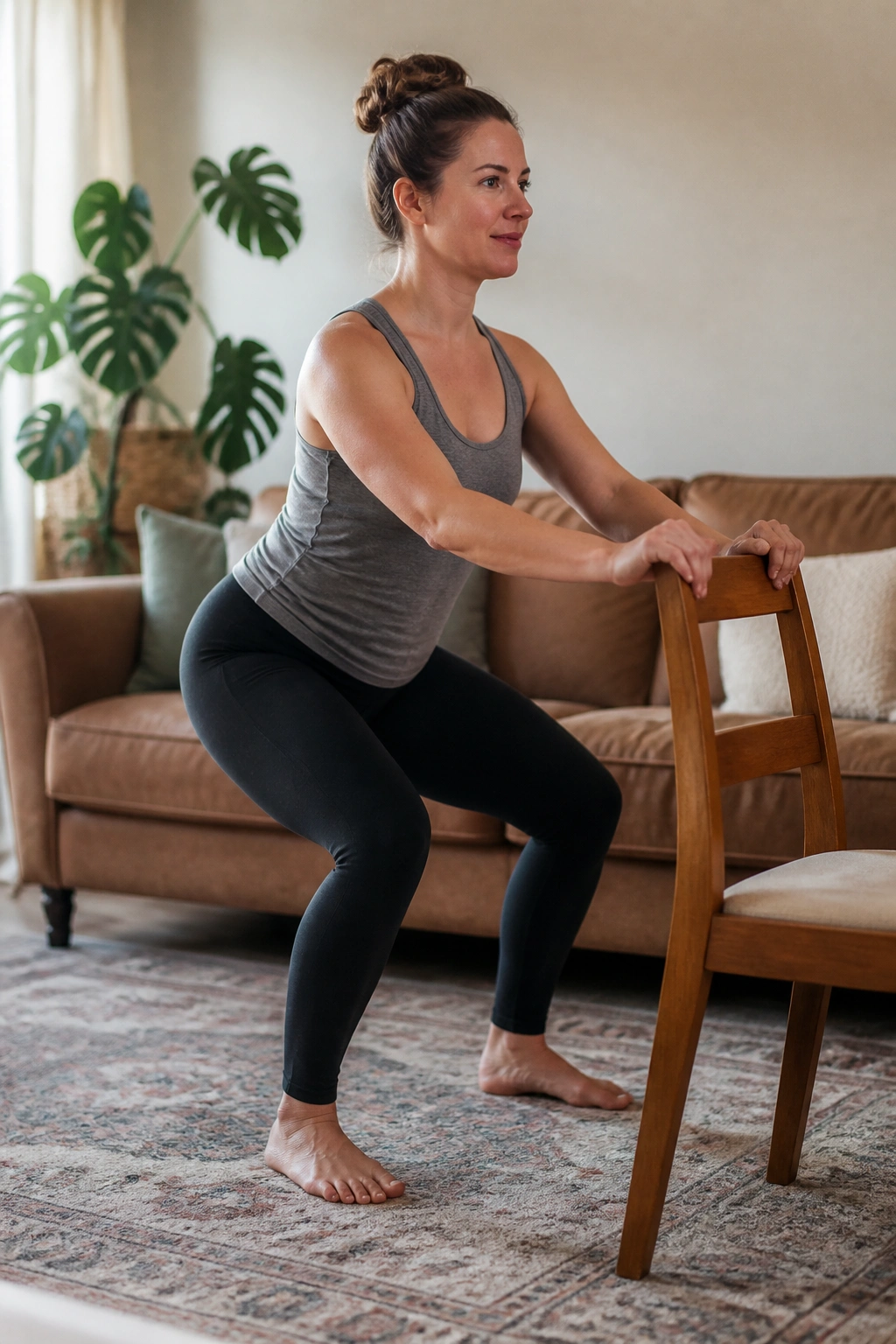
Picture this: one hand on a baby, the other on a laundry basket, and your back making a complaint noise every time you bend over. That’s usually the moment bodyweight strength starts to matter.
A simple circuit fixes a lot of small aches because it teaches your legs, hips, chest, and back to work together again. Try chair squats, wall push-ups, glute bridges, band rows, and bird dogs in a loop. Do 30 seconds on, 30 to 45 seconds off, for 2 to 4 rounds.
Key details to keep it useful
- Use a chair or couch for squats if depth feels sketchy.
- Keep wall push-ups at an angle that lets your ribs stay stacked.
- Pause at the top of each glute bridge for 2 seconds.
- Row with a band anchored at chest height.
- Stop the circuit if you feel pelvic heaviness or see midline doming.
This plan works because it’s plain. No jumping. No fancy setup. Just the kind of movement that makes getting off the floor less annoying.
8. Recovery Yoga for the Nervous System and Tight Hips
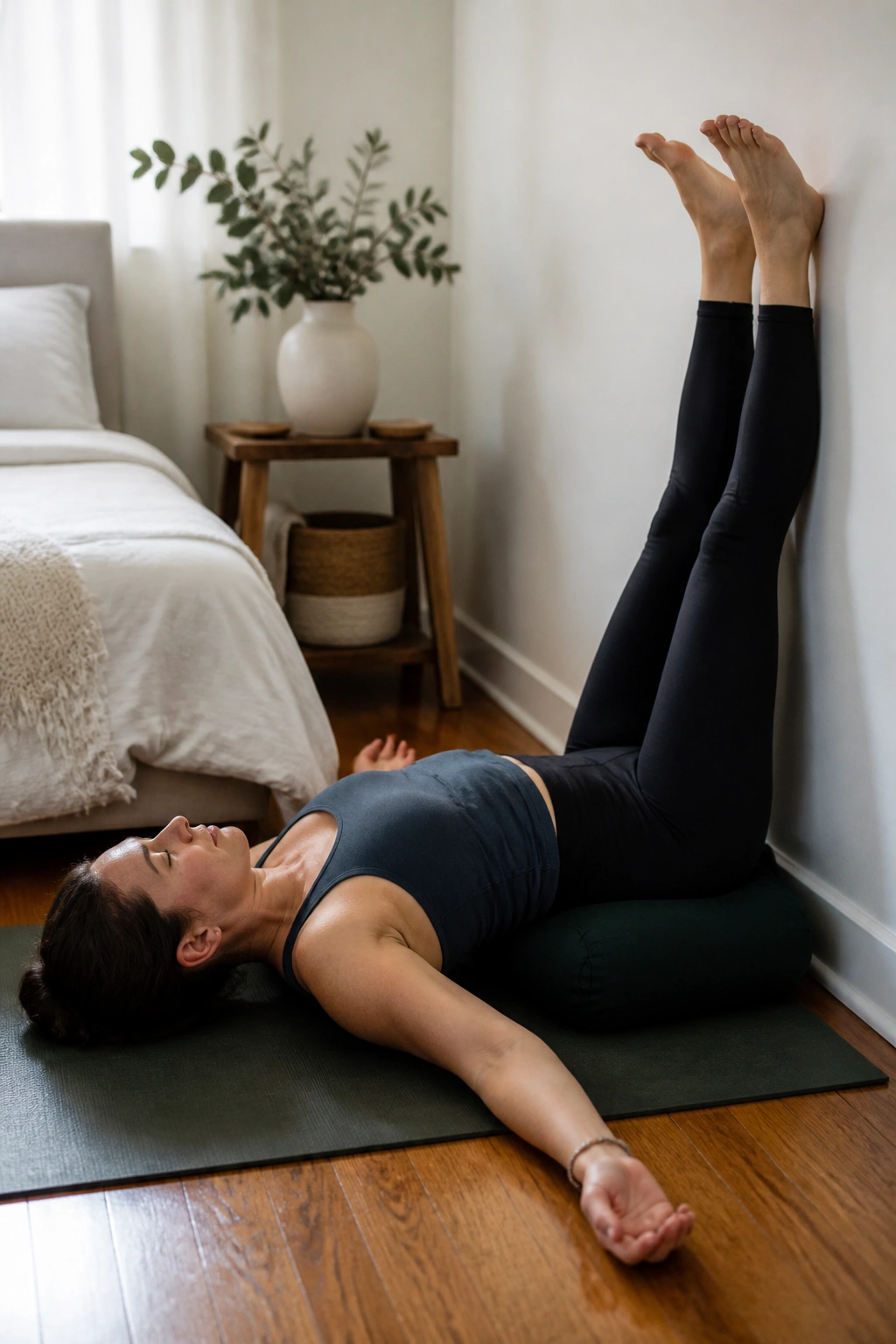
Recovery yoga is not about touching your toes.
It’s about calming a body that has spent months braced, pulled, slept on badly, and held together by caffeine and adrenaline. On the days when everything feels loud, a slow yoga session can settle your breathing and soften the spots that get hard from carrying a baby all day.
I like a short sequence with supported child’s pose, half-kneeling hip flexor stretches, thread-the-needle, and legs up the wall. Hold each shape for 30 to 60 seconds, breathing through the nose if you can. If your knees or wrists complain, pad them. No prize is given for suffering.
This kind of work is especially good when sleep has been rough. It won’t make you stronger in the gym sense. It does make you more movable, and that matters more than people admit.
9. Glutes and Upper Back Work for Carrying, Lifting, and Feeding
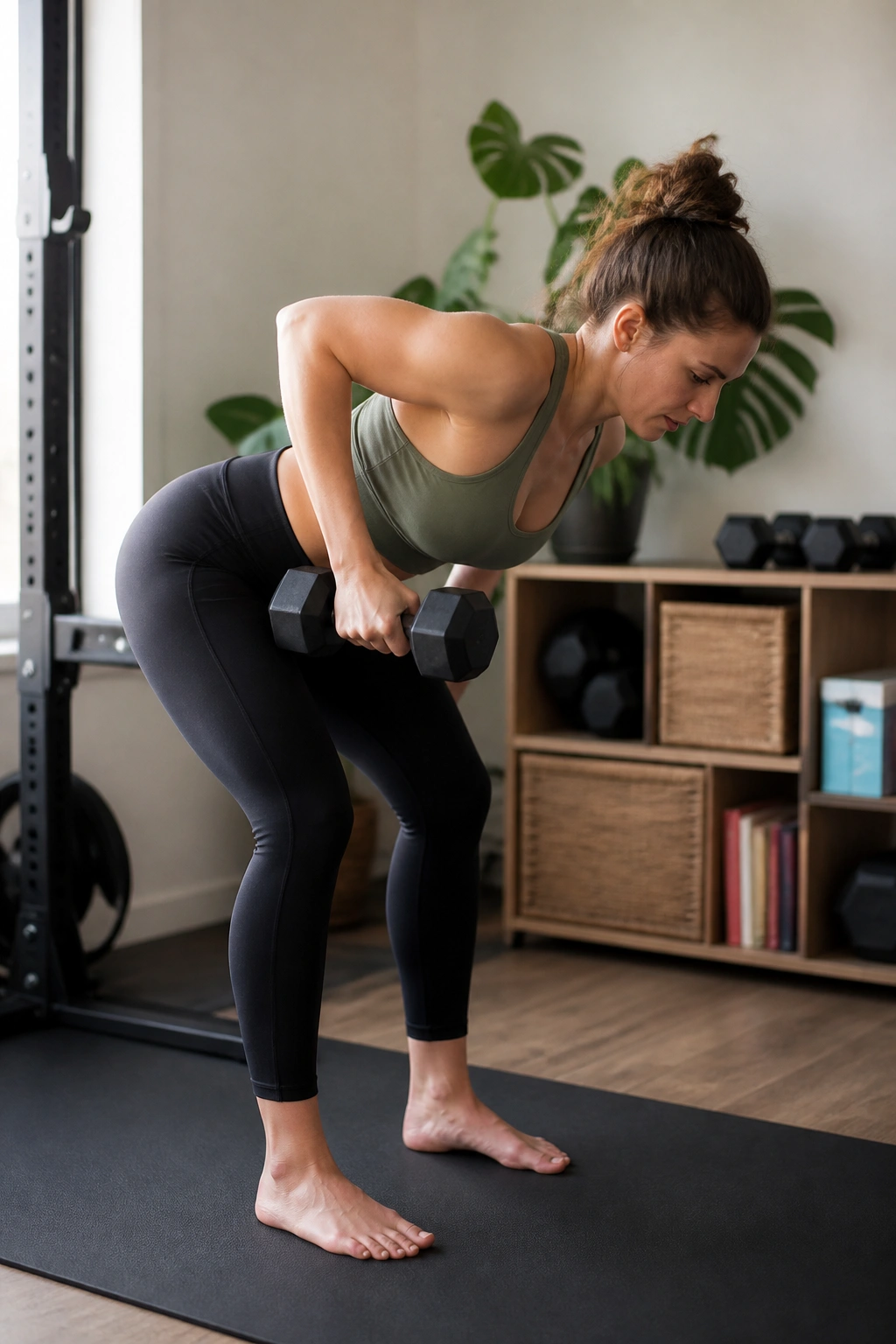
Why do glutes and upper back matter so much after birth? Because life turns into a long series of carries, lifts, and forward bends.
Your glutes keep your pelvis from taking over every step. Your upper back keeps your shoulders from folding forward every time you nurse, bottle-feed, or hold a sleeping baby for twenty minutes too long. That’s not a cosmetic issue. It’s a pain issue.
How to use it
Pick 4 moves: step-ups, band pull-aparts, suitcase carries, and hip hinges with a light dumbbell or kettlebell. Do 2 sets of 8 to 10 reps for the first two moves and 3 carries of 20 to 30 seconds per side. The loads should feel annoying, not heavy.
If you want a simple test, notice how your shoulders feel afterward. Better? Good. Hunched and cranky? The weights were too big or the volume too high. Tiny adjustments matter here.
10. Postpartum Workout Plan for Light Dumbbells and Real Strength
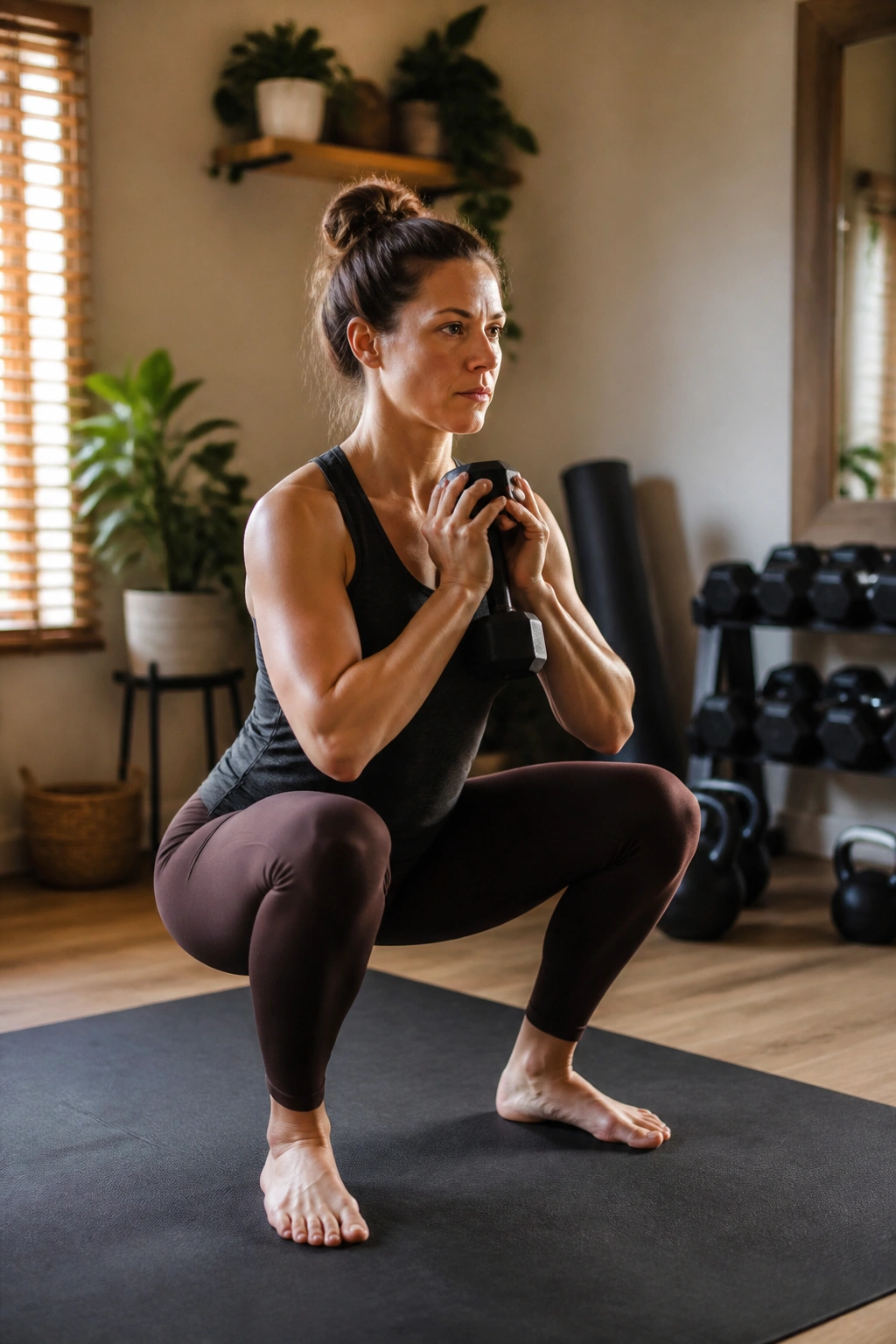
Light dumbbells are where many postpartum workout plans should live for a while. Not forever. Long enough to get clean reps, steady breathing, and some actual strength back without turning the workout into a fight.
A good two-day dumbbell routine might use goblet squats, Romanian deadlifts, floor presses, one-arm rows, and half-kneeling presses. Stick to 2 to 3 sets of 6 to 10 reps with a load you can move without holding your breath through the whole set. The last two reps should feel challenging, not ugly.
The floor press is a quiet star here. It protects the shoulders, gives the chest and triceps work, and keeps you from over-arching the back. The Romanian deadlift does the opposite of what tired postpartum posture wants, which is why I like it so much.
If you only have 20 minutes, do one lower-body lift, one push, one pull, and call it enough. That’s a real session. Not a watered-down one.
11. Return-to-Running Prep Without the Guesswork
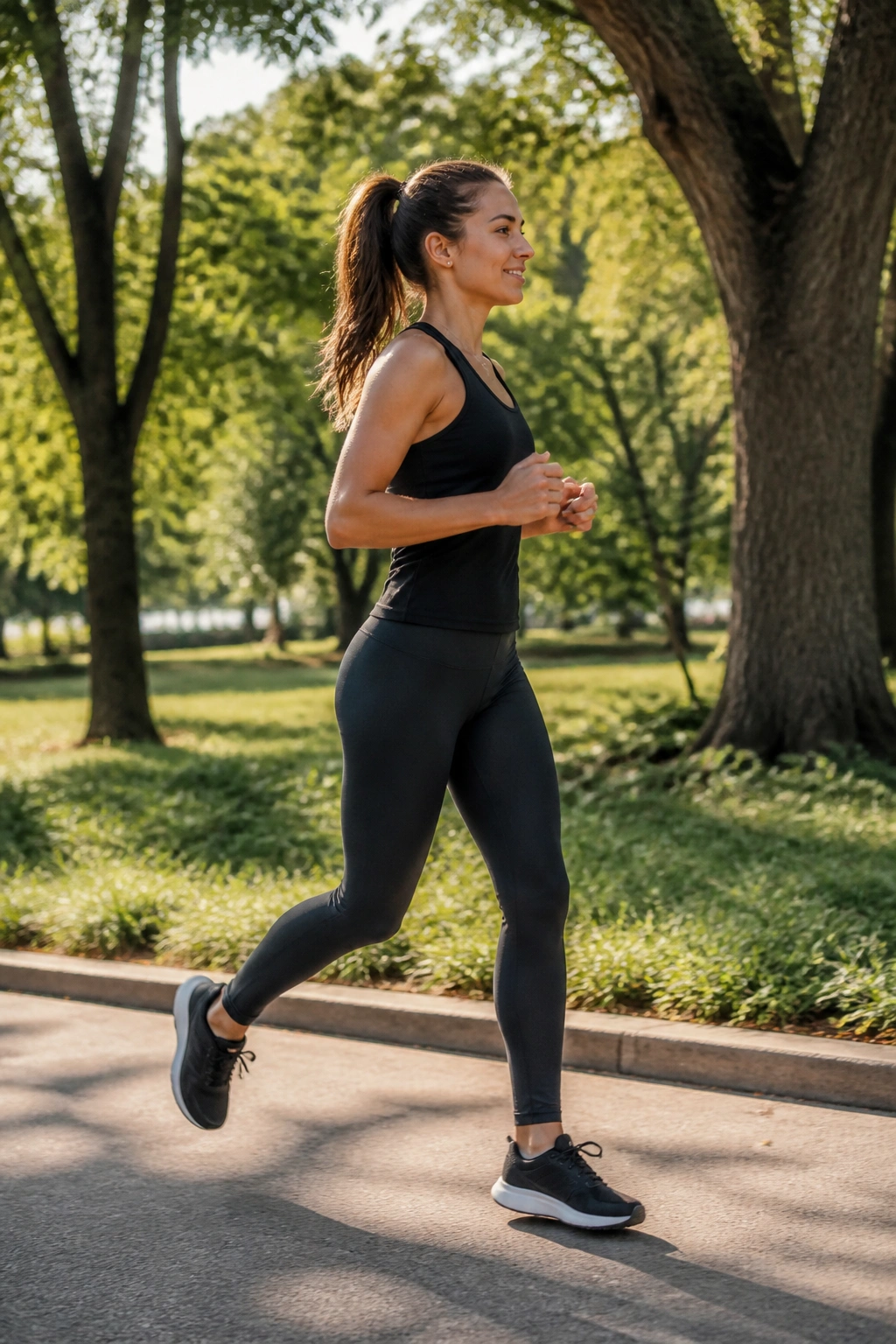
Can you jog yet? Only if your body says yes in more than one way.
Three green lights before any run
- No leaking when you cough, laugh, or speed up
- No heaviness, dragging, or bulging in the pelvic floor or midline
- No pain or pulling that lingers after brisk walking or strength work
Once those are solid, start with walk-jog intervals. A fair first session is 3 minutes walking, 1 minute easy jogging, repeated for 6 rounds. That keeps the total impact low while letting you notice how your body reacts. If symptoms show up, you went too far too soon.
How to use it
Do the run prep on a flat surface. Keep the pace embarrassingly easy. A run after birth should feel too slow, too short, and too controlled. If it feels like a test, it’s already too much.
Tip: if you need to brace hard to stay upright, you’re not ready for more running yet.
12. Two-Day Dumbbell Split for Busy Mornings
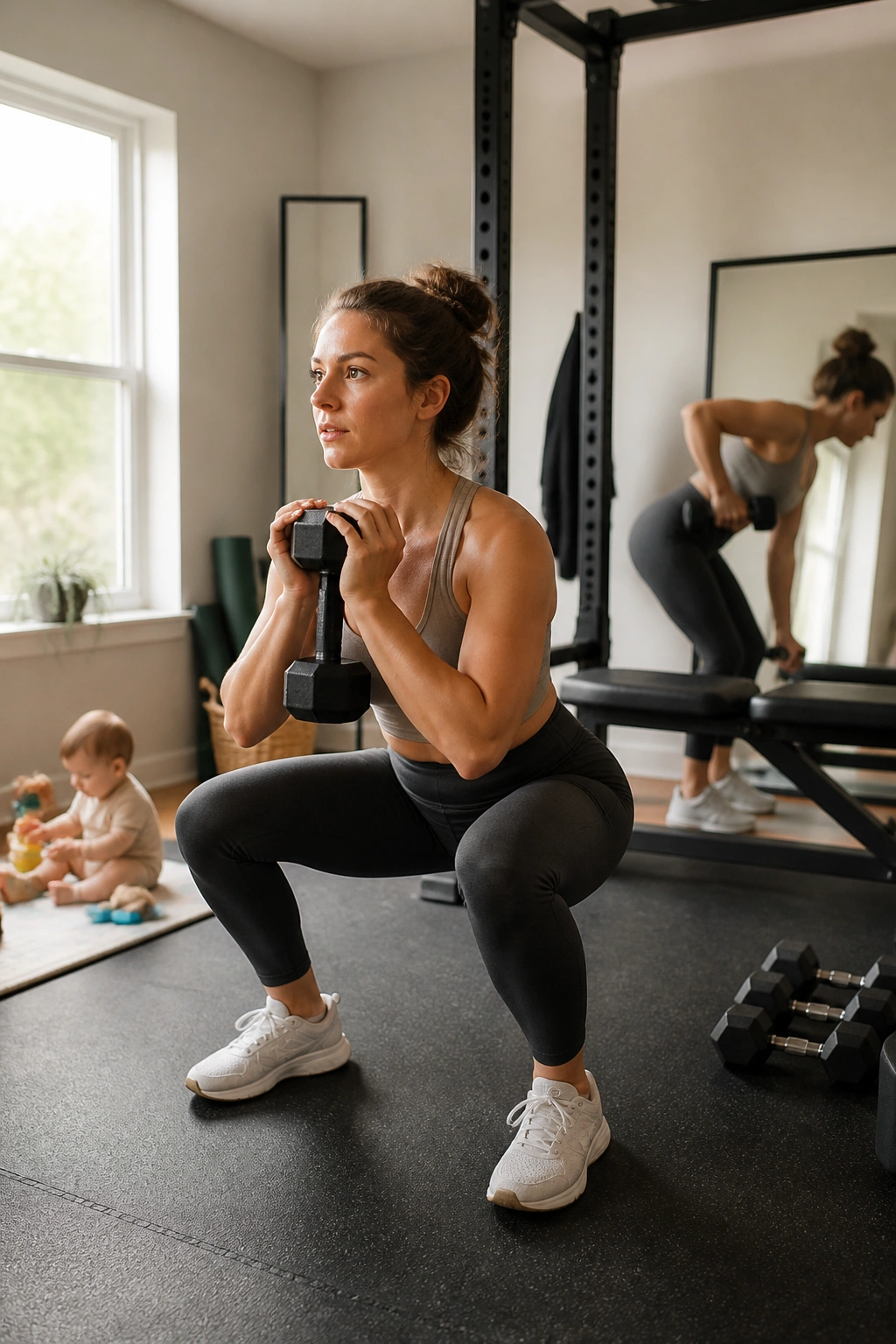
A two-day split works better than people expect because it lowers the mental load. You do not have to decide what the “perfect” full-body session is. You just show up for Day A and Day B.
Compared with random workouts, a split gives you a clean structure. Day A can be lower body plus carries, and Day B can be upper body plus core. That’s a nice setup if your recovery is decent but your time is thin.
For Day A, use goblet squats, deadlifts, reverse lunges, and farmer carries. For Day B, use rows, presses, band pull-aparts, and side planks. Keep each day around 30 to 35 minutes. No need to chase exhaustion.
This plan suits the person who wants to feel like they train again, not just “move around.” It’s tidy. It works. And it leaves enough in the tank to handle the rest of the day.
13. Push, Pull, and Carry Gym Sessions for a Stronger Back
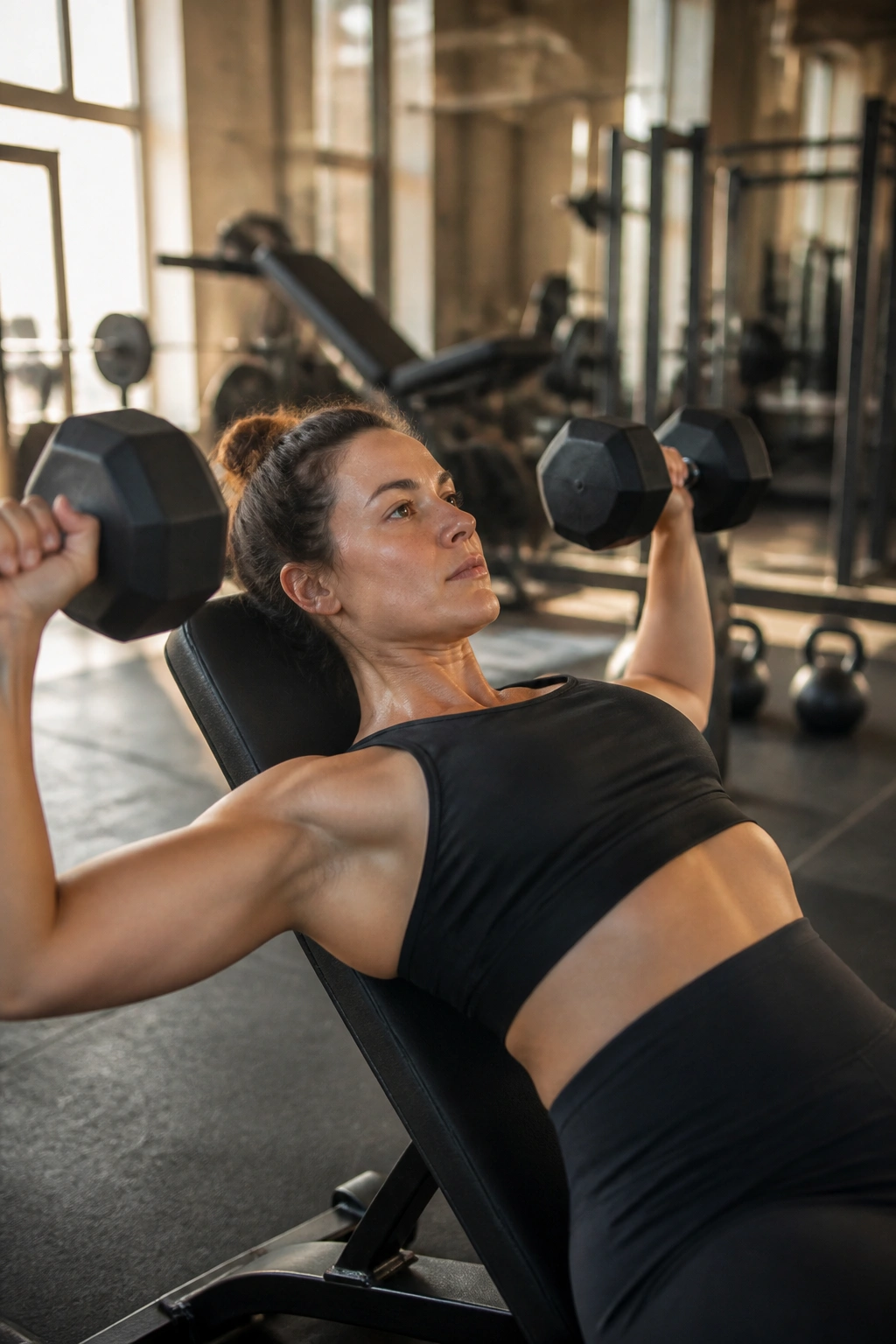
I like this plan for the point when home workouts start feeling too small.
The gym gives you better tools for the same goal: stronger posture, better load tolerance, and less back grumbling from all the lifting and feeding. A push-pull-carry session is especially good if you miss having a real training day. It feels like a workout without needing circus-level energy.
Key details
- Push: incline dumbbell press or machine chest press, 2 to 4 sets of 8 reps
- Pull: chest-supported row or lat pulldown, 2 to 4 sets of 8 to 10 reps
- Carry: farmer carry or suitcase carry, 4 walks of 20 to 40 seconds
- Leg work: leg press or split squat, 2 to 3 sets of 8 reps
Keep rests at 60 to 90 seconds. You should leave with a little energy left, not drag yourself to the car like you ran a marathon. That’s especially true if you’re still sleep-deprived, which most people are.
14. Postpartum Workout Plan for Core Training Without Doming
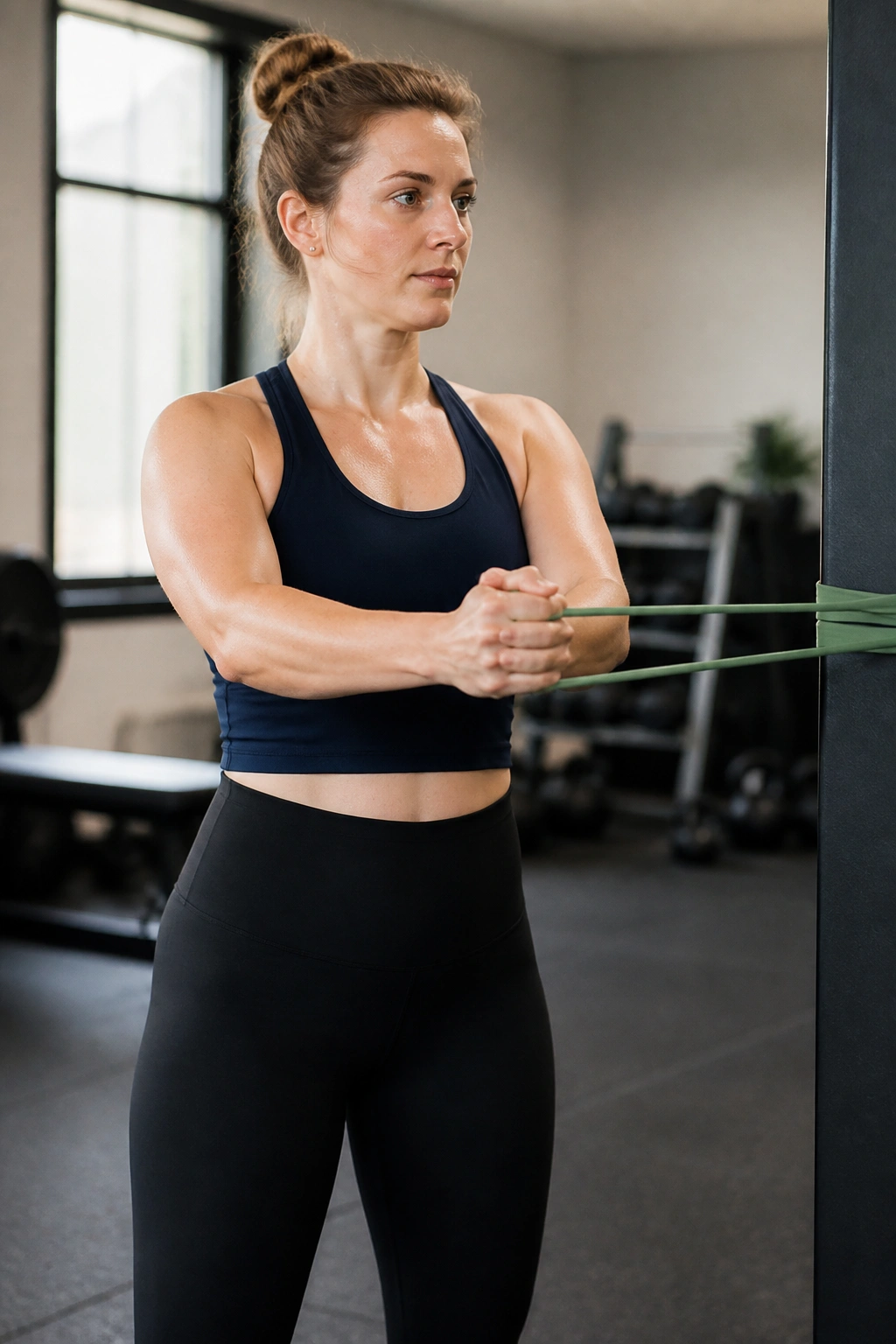
Core training after birth is not about doing more. It’s about doing fewer things that make your midline bulge.
If your stomach domes during a crunch, plank, or heavy lift, that’s a sign to change the move, not a sign to “push through.” A smart plan uses anti-rotation and anti-extension work: Pallof presses, dead bugs, side planks from the knees, and suitcase carries. These teach the torso to hold shape while the limbs move.
The useful version of this work is calm. Slow exhale. Ribs stacked over pelvis. Small range. If you can keep the belly flat enough that it doesn’t cone upward, you’re on the right track.
I’d use this plan 2 times a week, paired with walking or light strength. It’s not flashy, and that is one reason it works so well. The body gets to practice control without being asked to perform.
15. Cardio Intervals Without Jumping
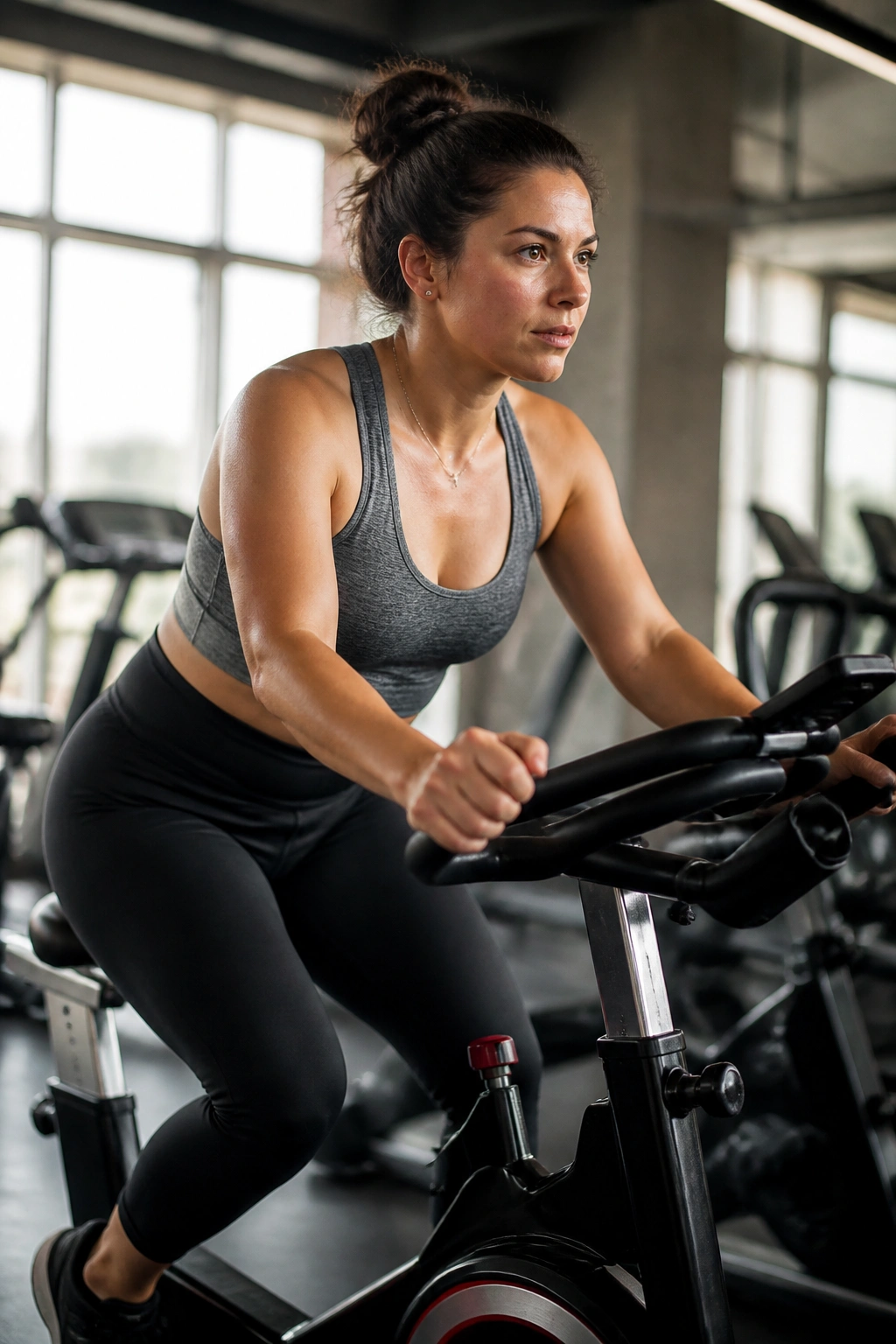
Can you get sweaty without jumping? Absolutely.
This is the plan for the person who wants a little bite in the workout but does not want burpees, jump squats, or anything that feels like a bad bet for the pelvic floor. A bike, incline treadmill, rower, sled, or even shadow boxing can do the job.
How to build the interval
Start with 20 seconds hard, 40 seconds easy, repeated for 8 to 10 rounds. If that feels too spicy, stretch the easy part to 60 seconds. The “hard” part should feel like you’re working, not gasping. Your form still has to look clean.
This kind of cardio fits best once you can tolerate walking, strength work, and daily lifting without symptoms. It gives you a sweatier day without the impact cost of jumping. That balance matters more than most people think.
The cleanest sign that you picked the right intensity: you can recover enough to talk again by the next interval. If you need forever to catch your breath, trim the work interval or lower the resistance.
16. Single-Leg Balance and Hip Stability Work
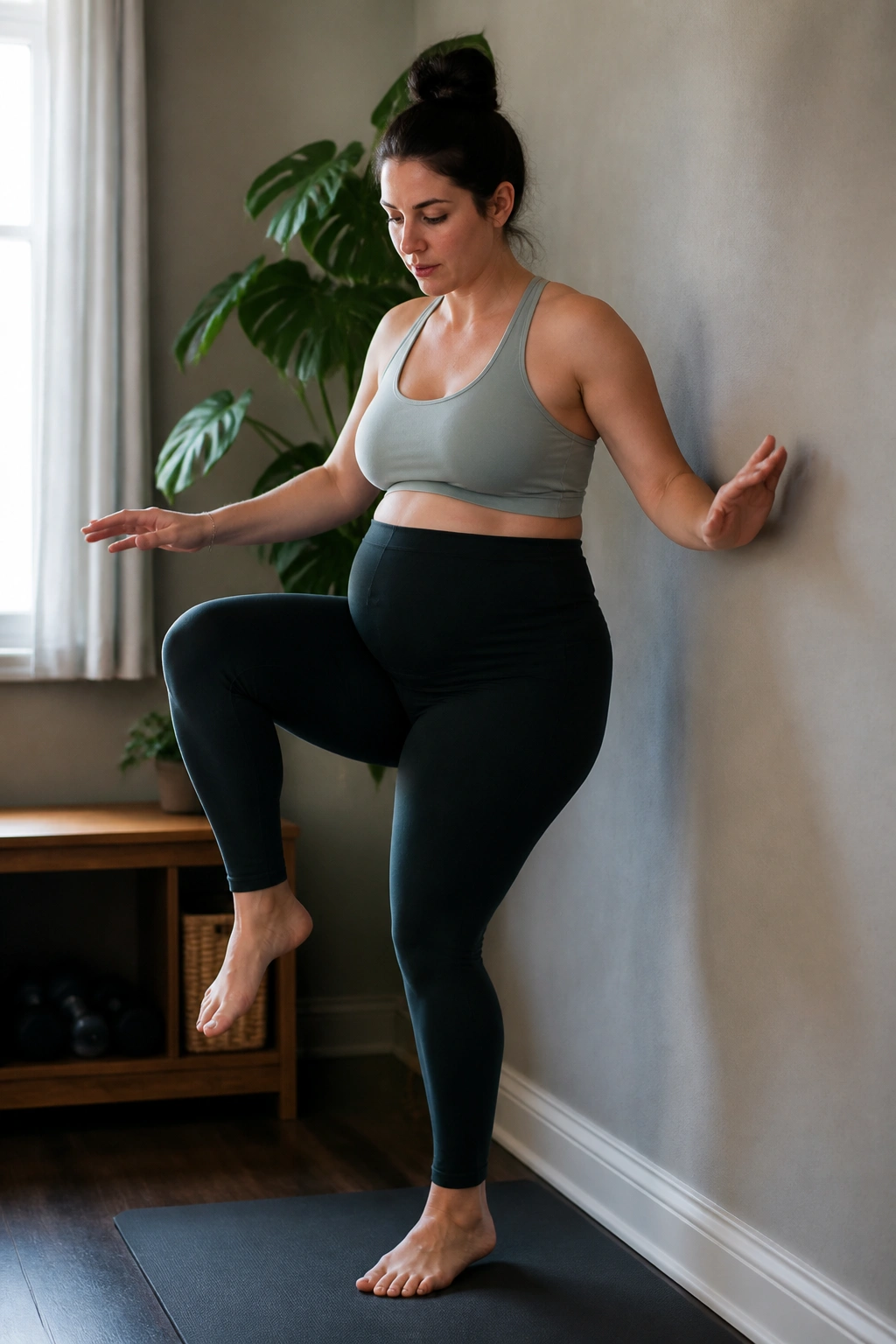
Single-leg work is where postpartum bodies often reveal their weak spots. One hip feels different from the other. One foot wobbles. One side of the pelvis gets cranky when you carry groceries or hold a child on one hip.
That’s not a flaw. It’s a training cue.
Use step-downs, supported single-leg Romanian deadlifts, lateral band walks, and calf raises. Keep the support nearby at first. A wall, countertop, or rack is fine. Do 2 to 3 sets of 6 to 8 reps per side. Slow is better than heroic.
The real point here is control. You’re training the hips to stop collapsing inward and the foot to stay honest on the floor. That helps with stairs, uneven sidewalks, and the awkward twists that come from turning while holding a baby carrier.
This plan works well between the softer rebuilding work and the heavier gym days. It fills a gap.
17. Heavy Strength Days for When the Basics Feel Easy
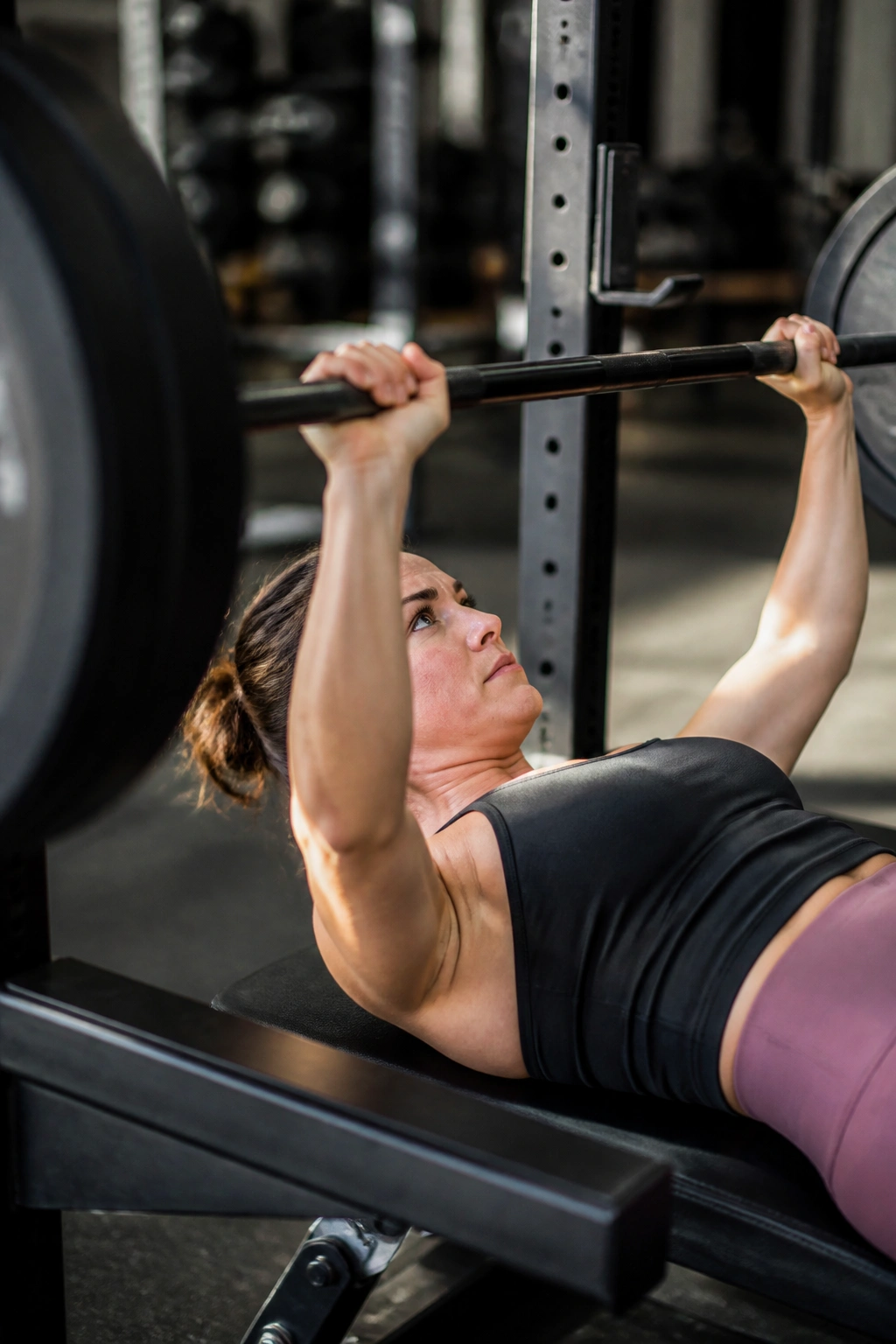
Heavy does not mean reckless.
It means the basics feel steady, the pelvic floor is behaving, and you’re ready to put some real load on the body again. A heavy day can be one of the best postpartum workout plans because it gives a clear signal to the muscles and bones: we’re back to work.
What the shape of a heavy day looks like
- Squat or leg press: 3 sets of 4 to 6 reps
- Hinge or trap bar deadlift: 3 sets of 4 to 6 reps
- Press: dumbbell bench, landmine press, or machine press, 3 sets of 5 to 6 reps
- Row or pulldown: 3 sets of 6 reps
- Carry or sled push: 3 short efforts
Rest 2 to 3 minutes between the bigger lifts. That gives the nervous system time to settle and keeps the form from falling apart. If you have to hold your breath the whole time, the load is too high.
Tip: the set should feel strong, not frantic.
18. Low-Impact HIIT That Keeps the Pelvic Floor Happy
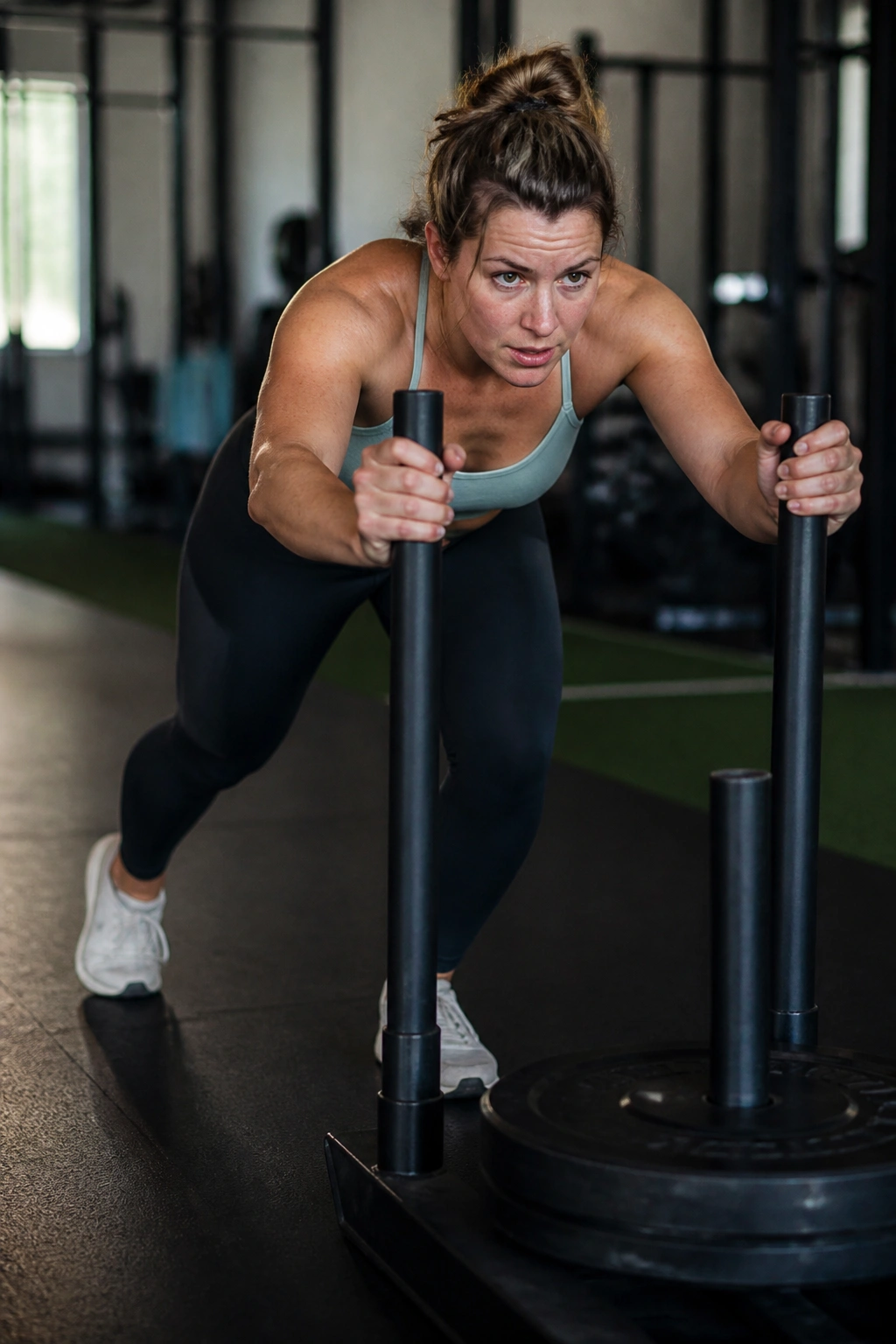
The old version of HIIT was all jumping and chaos. That is not the only way to train hard.
Low-impact HIIT is a better fit for many postpartum bodies because it keeps the effort up while lowering the pounding. Think sled drags, bike sprints, kettlebell deadlifts, battle ropes, and fast step-ups. Use 15 to 25 seconds of work and 45 to 60 seconds of recovery for 6 to 12 rounds.
Unlike high-impact circuits, this version lets you keep your torso more stable. That matters if your core still gets confused under pressure. It also means you can get a workout done without needing a long recovery afterward, which is handy when your day already feels full.
Best for the person who misses sweating and misses feeling athletic, but does not want to gamble with leaking, heaviness, or post-workout regret. That’s a fair standard.
19. Sports-Return Drills for Cutting, Turning, and Landing

A stroller walk is not the same thing as being ready to sprint after a ball or twist through a dance step. Sports ask for braking, turning, landing, and changing direction fast. Your first year postpartum is the time to rebuild those pieces on purpose.
Start with marches, skips, side shuffles, low hops, and “hop and stick” drills where you land and hold for two seconds. Add medicine ball throws if you want rotation without impact. Keep the total session short, around 15 to 20 minutes, and leave plenty of rest between efforts.
What to watch for
- The landing should feel quiet, not thuddy.
- The pelvis should stay level.
- The abdomen should not dome on effort.
- You should not feel heaviness the next day.
If any of those show up, step back to walking, strength, or low-impact intervals. Sports return is not a race. It’s a stack of small, boring wins that build the body’s trust again.
20. Postpartum Workout Plan for Maintenance Through the Rest of the Year
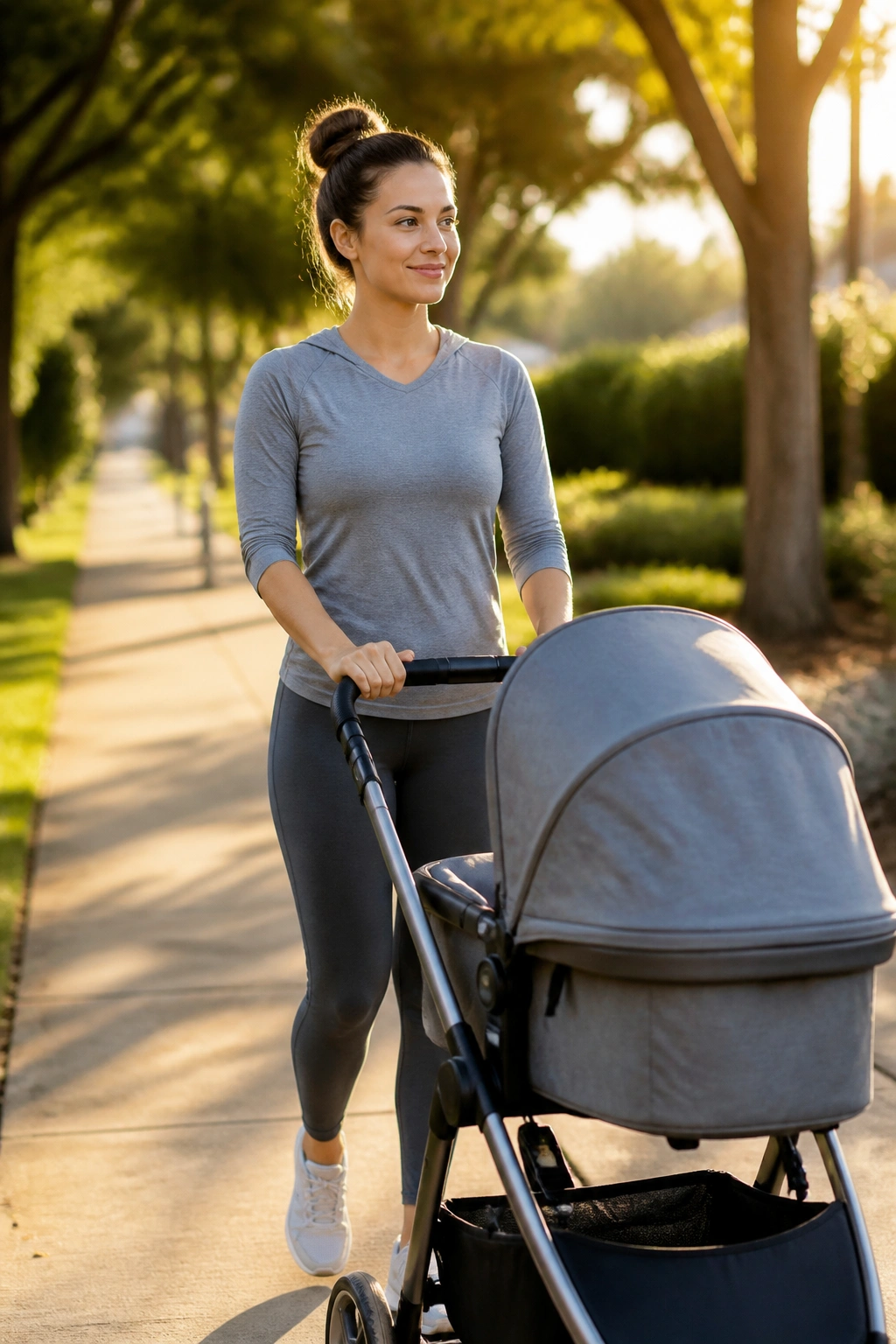
The best long-game plan is the one you can actually keep.
By this point, the goal is not to prove recovery. It’s to keep strength, cardio, and mobility on the schedule in a way that survives naps, school runs, work, and the random disasters of family life. A useful maintenance week might look like 2 strength days, 2 cardio days, 1 mobility session, and 1 long walk. That’s enough for progress without turning exercise into a second job.
You can make one strength day heavier and the other more moderate. You can swap a walk for a stroller interval session. You can shorten the mobility work to 8 minutes and still count it. The plan should bend before you do.
A final honest note: some weeks will be clean, and some will be ugly. The ugly weeks are not a sign that you’re behind. They are part of the first year, and a decent postpartum workout plan leaves room for that reality.
The body you live in now can get strong again. Not by force. By showing up in the right dose, then doing it again when you can.
