



If your “fat-burning tea” tastes like melted candy and comes in a neon pouch, leave it on the shelf. The best teas that burn belly fat for women are far less flashy: plain teas and herbal infusions that can help with appetite, energy use, blood sugar swings, digestion, water retention, and the late-night snacking that chips away at fat loss.
Tea will not melt abdominal fat on its own. Nothing does. Belly fat comes off when your daily habits line up for long enough—food intake, strength training, walking, sleep, stress, and time. What tea can do is make those habits easier by replacing a 150-calorie coffee drink, giving you a steadier pre-workout lift, or helping your stomach settle after a salty dinner.
I’ve learned to separate the useful cups from the gimmicky ones by what happens after you drink them. Green tea brewed with water that’s too hot turns sharp and bitter in a hurry. Peppermint after dinner can calm a tight, overstuffed belly. A “detox” blend loaded with senna, on the other hand, sends you to the bathroom and teaches you nothing about losing body fat.
Some teas deserve a regular place in a waist-loss routine. Others are there for hype, not help.
What Teas That Burn Belly Fat for Women Can Actually Do
No tea targets one body part. If your waist is shrinking, that is because your total body fat is coming down, not because one drink found a shortcut to your midsection. Women often notice belly fat hanging on longer than they’d like, partly because hormones, stress, sleep, and life stage can all influence where fat gets stored.
Still, tea earns its place. Plain unsweetened tea has near-zero calories, which makes it one of the easiest swaps you can make if soda, sweet coffee, juice, or nightly wine has crept into the routine. A few teas also bring caffeine, catechins, theaflavins, chlorogenic acids, or digestive herbs that may help with energy expenditure, fullness, workout output, or bloating.
A few useful ways tea can help:
- Cut liquid calories without feeling deprived, since hot tea has body and flavor that plain water sometimes lacks
- Support a mild rise in energy use when caffeine and plant compounds work together, as they do in green tea and matcha
- Reduce snacky eating by giving your mouth and hands something to do between meals
- Ease bloating and water retention, which matters if your stomach feels puffier than your body-fat level alone would explain
- Build a better evening routine, especially when poor sleep is driving cravings the next day
One blunt warning. If a tea leans hard on laxatives, it is not a belly-fat tool. It is a bathroom product. The flatter stomach you get from that kind of blend is temporary gut emptying, not fat loss, and women who use those teas often end up dehydrated, crampy, and annoyed.
How to Drink Teas That Burn Belly Fat for Women Without Adding Sugar
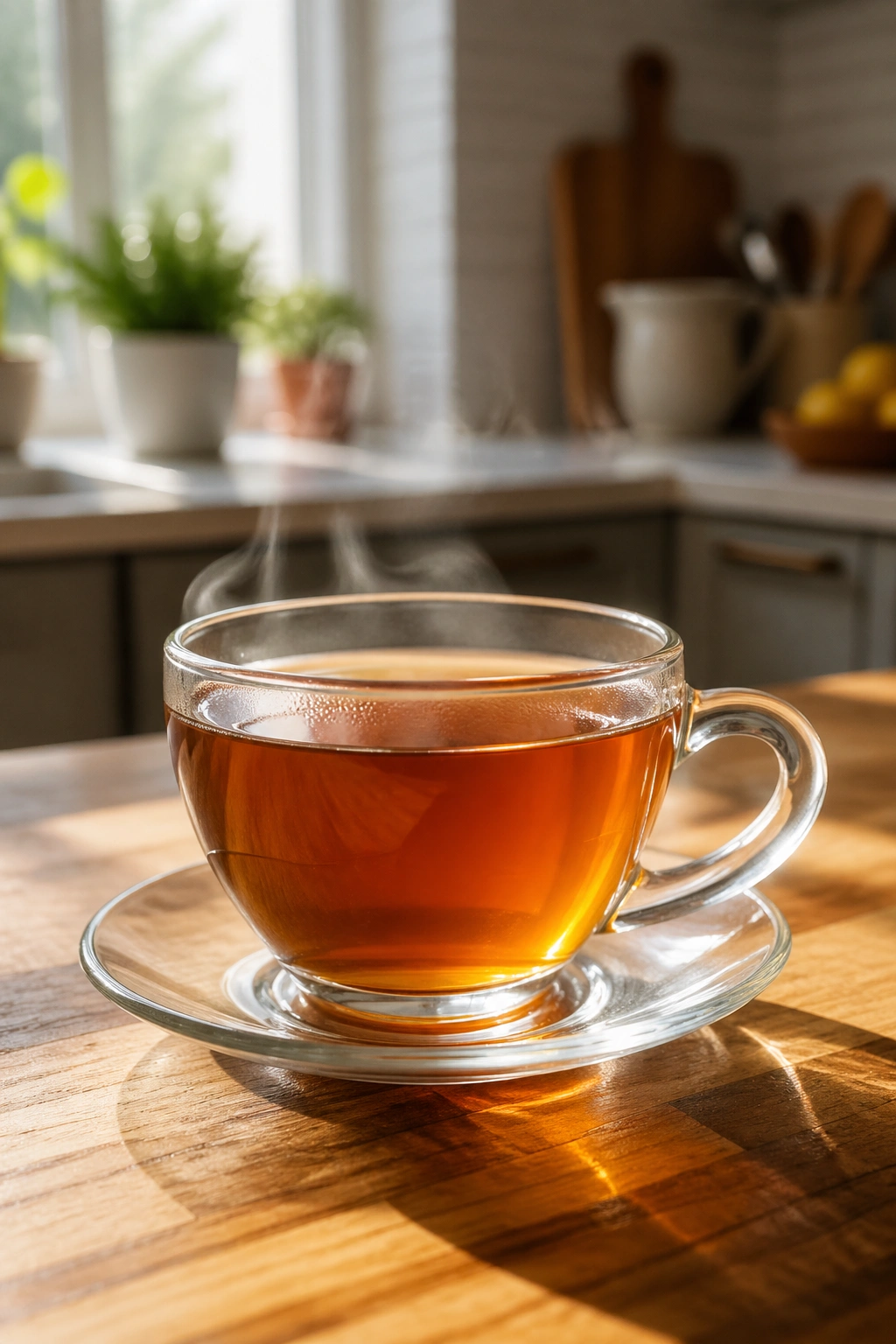
A tea habit works best when it fits the rest of your day. Two to four cups is a sensible range for most women, with the caffeinated cups front-loaded earlier and the calming herbal cups saved for later. You do not need twelve jars on the counter.
Morning and Pre-Workout Cups
This is where green tea, matcha, black tea, oolong, and yerba mate tend to shine. Drink one cup with breakfast or about 30 to 60 minutes before a walk, lifting session, or bike ride if caffeine sits well with you. A cup before movement often feels cleaner than a syrupy energy drink, and it costs you almost no calories.
Afternoon Craving Control
The rough stretch for many women hits between lunch and dinner. Energy dips, stress piles up, and the snack drawer starts calling your name. Oolong, peppermint, hibiscus, rooibos, fennel, or cinnamon tea can bridge that gap, especially if you pair the tea with a protein-rich snack instead of trying to white-knuckle hunger.
Evening Reset
Poor sleep can push appetite up the next day. That matters. Chamomile, lemon balm, tulsi, spearmint, and turmeric tea fit better after dinner when you want ritual without caffeine.
Sugar changes the math fast. One tablespoon of honey adds about 64 calories. Two tablespoons of sweetened creamer can add another 60 to 80. Do that twice a day and the “healthy tea habit” turns into a dessert habit with a tea bag floating in it.
A few of the options below are herbal infusions rather than true tea from Camellia sinensis. I’m including them because people drink them as tea, and because belly-fat support is often indirect anyway—better sleep, fewer cravings, less bloat, steadier energy. If you’re pregnant, breastfeeding, taking blood thinners, using diuretics, or managing thyroid or blood-pressure medicine, check with your clinician before making concentrated herbal teas a daily thing.
1. Green Tea
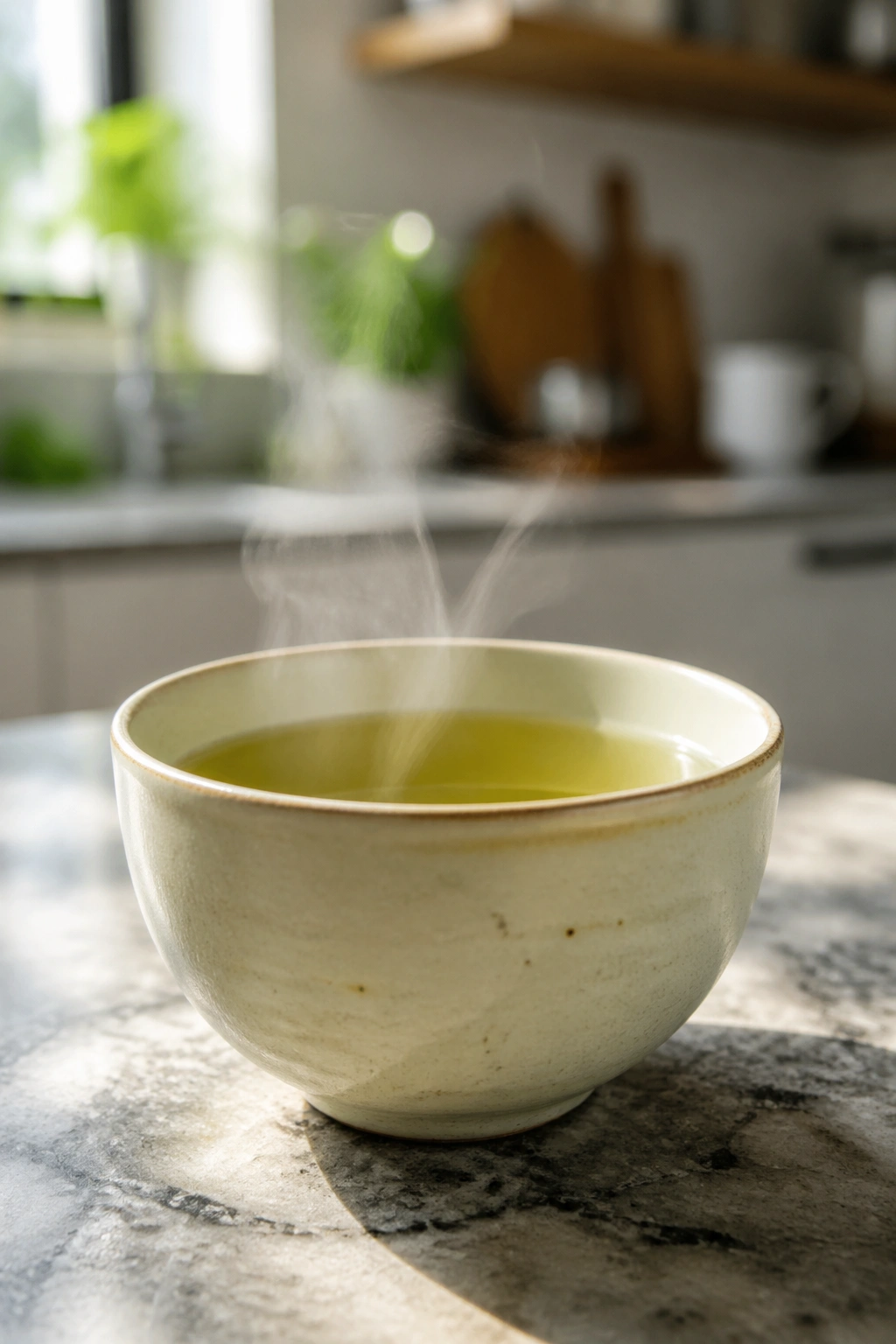
Green tea has the best track record of the bunch when people talk about tea and body fat. Not a miracle track record—more like small, useful help. Trials on green tea catechins paired with caffeine tend to land in that modest zone, with slight changes in weight and waist size rather than dramatic before-and-after stories.
Why it earns the first spot
The combo that matters here is EGCG plus caffeine. EGCG is a catechin, one of green tea’s best-known plant compounds, and caffeine can nudge energy use and workout performance. Together, they give green tea a stronger case than most “slimming” teas sold on promises alone.
Quick use notes
- Brew it at about 175°F (80°C), not a rolling boil
- Steep for 2 to 3 minutes if you want less bitterness
- Drink 1 to 3 cups a day if caffeine agrees with you
- Pair it with a walk, strength workout, or a protein-based breakfast for better appetite control
Best use: a midmorning cup that replaces a sweet latte and keeps your energy from sagging.
2. Matcha
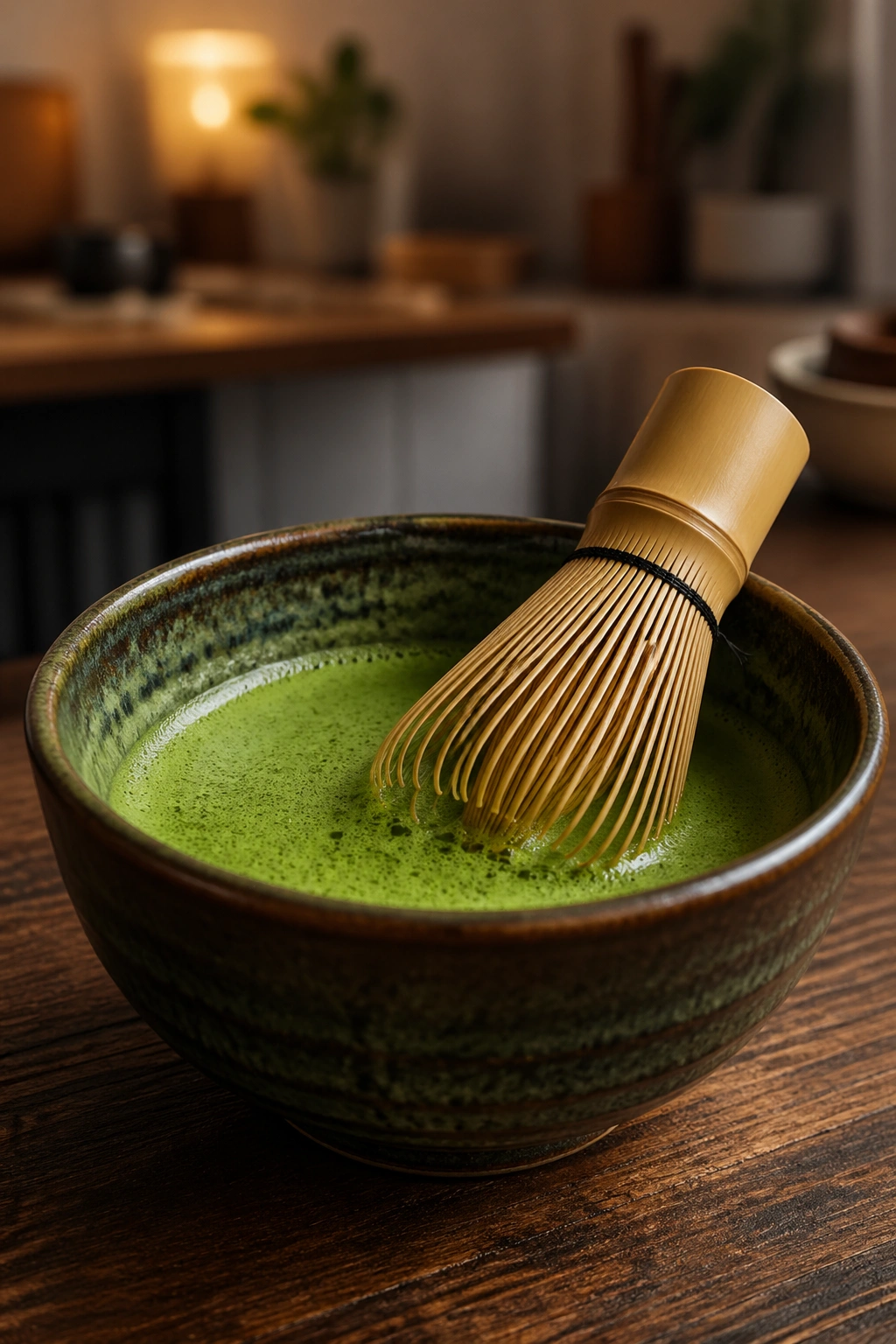
Matcha hits harder than regular green tea because you drink the whole leaf in powdered form rather than only the water that passes through it. That usually means more caffeine, more catechins, and a thicker, fuller cup that feels almost like a snack if you make it right.
A basic bowl uses 1 teaspoon matcha whisked into 2 to 3 ounces of 175°F water, then topped with more hot water if you want it thinner. The taste should be grassy, a little sweet, and faintly creamy—not harsh. If it tastes like lawn clippings and regret, the water was too hot or the powder was cheap.
I like matcha most for women who want a pre-workout tea without the jolt of coffee. It can sharpen focus before lifting, intervals, or even a long walk, and that matters because better training effort adds up. A stronger workout does more for belly fat than any tea ever will.
Empty-stomach matcha can feel rough for some people. Nausea, jitters, that hollow shaky feeling. If that sounds familiar, drink it with breakfast or alongside something with protein.
3. Oolong Tea
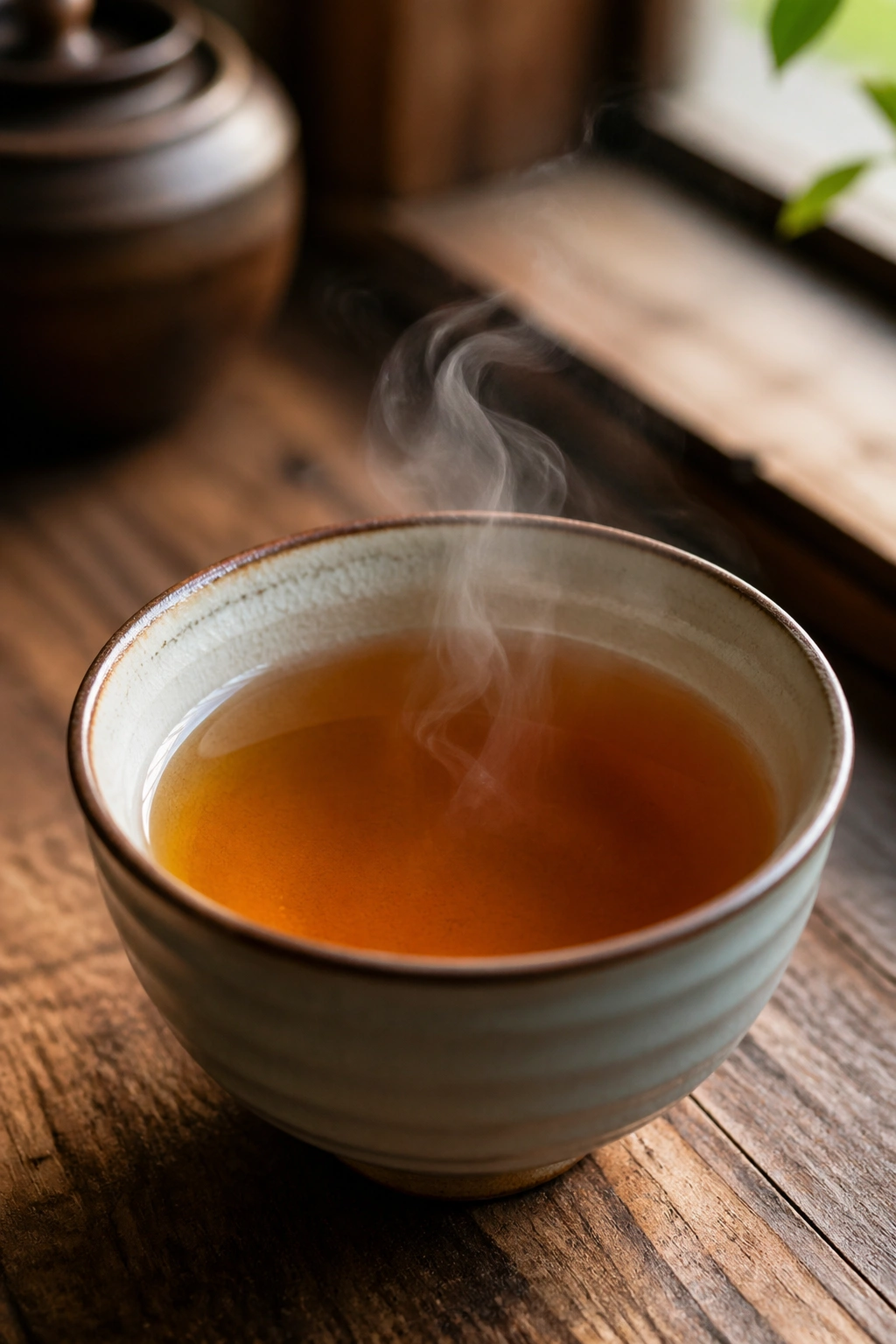
Why does oolong feel lighter than coffee but more noticeable than green tea? Part of it is the middle-ground oxidation. Oolong sits between green and black tea in how it’s processed, and that gives it a flavor range that can run floral and buttery or roasted and toasty.
Some small trials and reviews have linked oolong to fat oxidation and weight-management support, though the changes tend to be modest. Still, it’s a tea I come back to because it is satisfying in a way that helps. You’re less likely to follow a good cup of oolong with a sugary “treat drink” 20 minutes later.
For women who want something caffeinated but not quite as sharp as coffee, oolong often lands in the sweet spot. It works well in the afternoon when you need a lift but do not want your evening sleep wrecked.
Brew it this way
Use water around 190°F (88°C) and steep for 3 to 5 minutes. Rolled oolongs can handle multiple infusions, and the second steep is often the best one. If you like iced tea, oolong holds up well cold without turning flat.
4. Black Tea
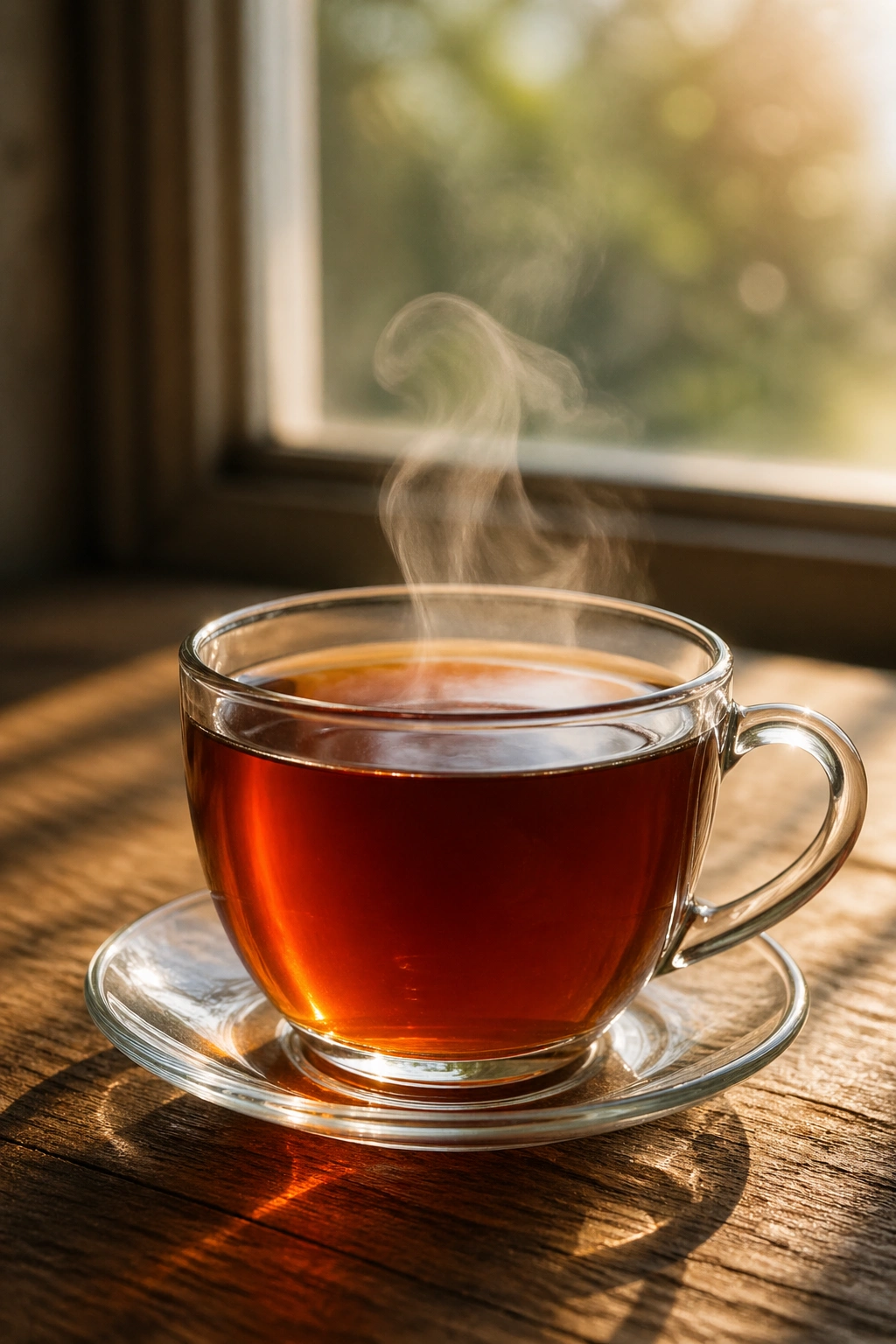
There’s a reason black tea keeps showing up at breakfast tables. It has backbone. Black tea tastes substantial, which is useful when your goal is to cut calories without feeling like you’re living on air and good intentions.
Its plant compounds are different from green tea’s. Black tea is rich in theaflavins and thearubigins, created during oxidation, and those compounds have been studied for effects on gut bacteria, metabolism, and body-weight regulation. The evidence is not as flashy as green tea’s reputation, though black tea still belongs in the conversation.
A strong morning cup can take the place of a sugar-loaded café drink, and that swap alone can matter more than the tea’s own chemistry. I’ve seen women stall their fat loss with “healthy” drinks that quietly carry 200 calories before breakfast.
A few practical details:
- Steep 3 to 4 minutes for a full cup without too much bite
- Drink it hot with breakfast or iced in the afternoon
- Try it with lemon before you reach for sugar
- If you add milk, keep it light enough that tea still tastes like tea
Black tea is less glamorous than matcha. It’s also easier to stick with.
5. White Tea
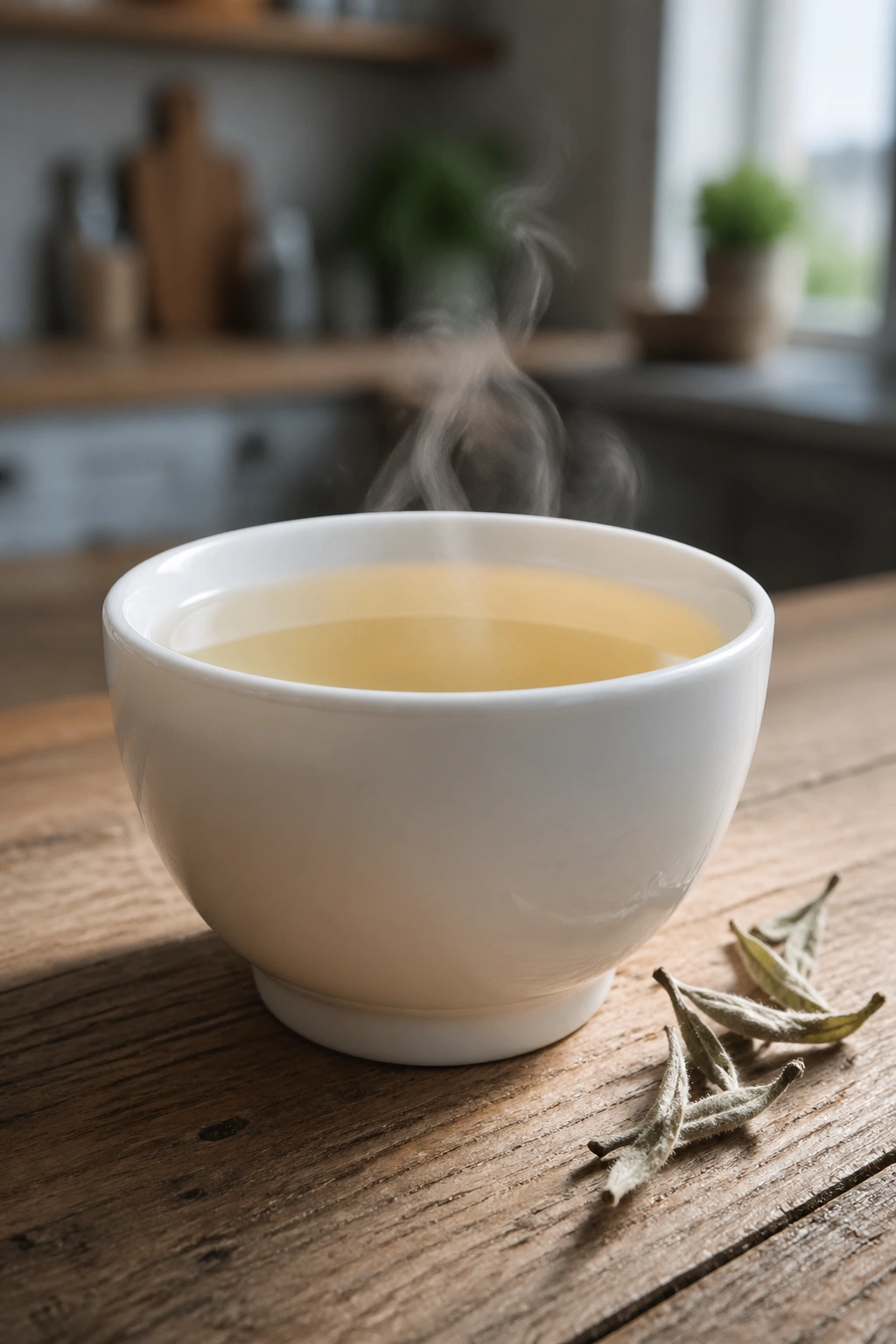
White tea gets overlooked because it tastes soft, and soft does not sound like a fat-loss drink. That’s a mistake. A tea you enjoy enough to drink often beats a “stronger” tea you force down twice and abandon.
The leaves are minimally processed, which helps white tea keep a gentle, fresh profile. Some lab work has pointed to compounds in white tea that may support fat-cell breakdown and limit new fat-cell formation, though cell studies do not equal a smaller waist on their own. Real life is messier than a lab dish.
What white tea does brilliantly is make hydration feel easy. Women who hate plain water often do better with a light tea that never turns harsh. Better hydration won’t burn body fat by itself, though it can reduce the foggy hunger people sometimes mistake for needing a snack.
Look for Silver Needle if you want the most delicate cup, or White Peony if you want more body. Use water around 175 to 185°F and give it 4 to 5 minutes. A heavy hand ruins it. White tea is one of those cups where patience tastes better than force.
6. Pu-erh Tea
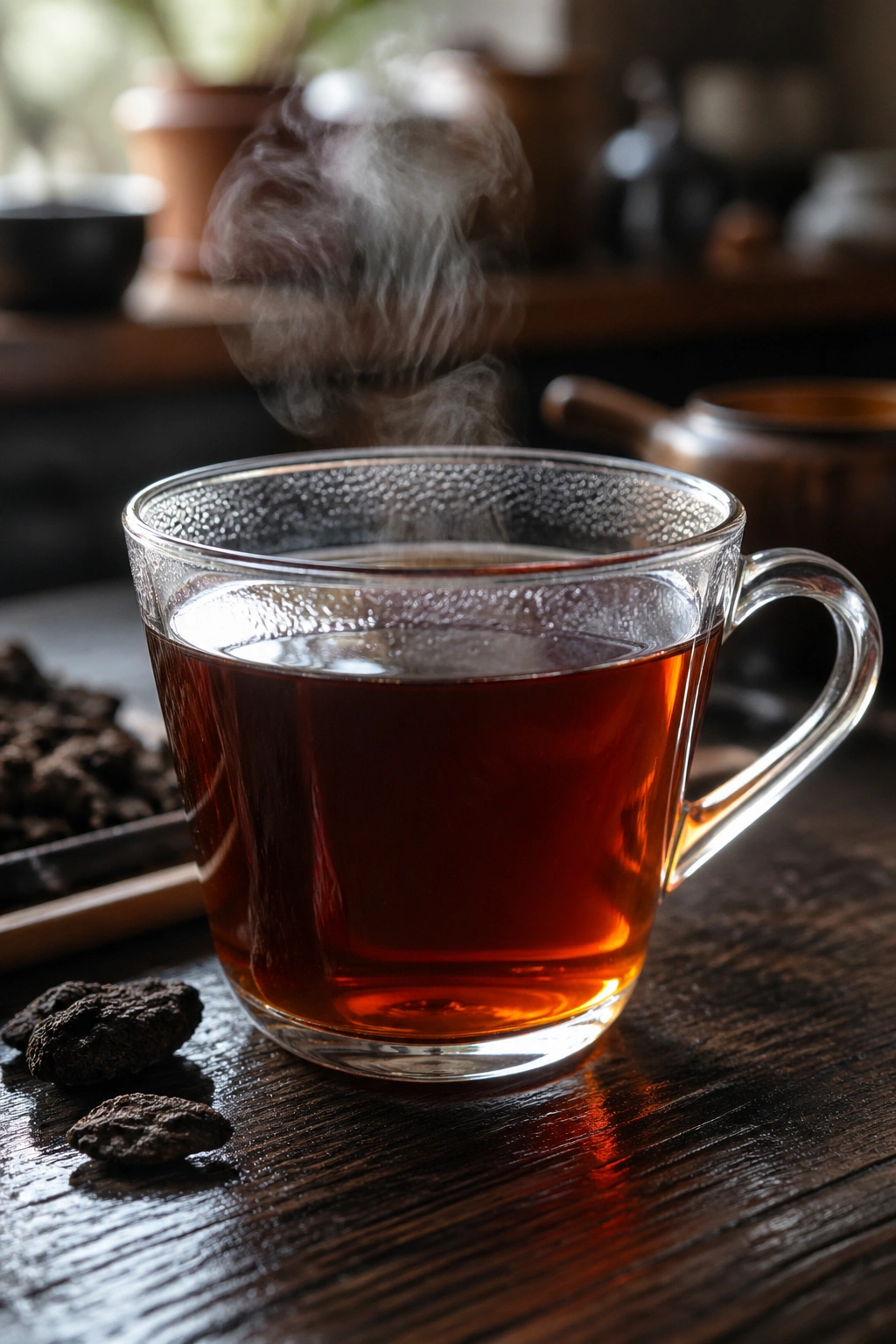
Unlike green tea’s grassy lift, pu-erh is dark, earthy, and almost brothy. Some cups smell faintly like damp leaves after rain; others lean woody or mellow-sweet. If you love bold flavors, pu-erh can feel far more satisfying than lighter teas, which matters when you’re trying to trim calories and still feel fed.
Pu-erh is a fermented tea, and that sets it apart. A few human and animal studies have linked it to changes in blood lipids, appetite, and weight control, though the evidence is still much thinner than the marketing around it. I would not buy pu-erh only for fat loss. I would buy it if you want a sturdy tea that replaces cream-heavy coffee drinks and keeps you full through the morning.
It also works well after heavier meals. There is something about its depth that makes it a smart follow-up to takeout, restaurant food, or holiday leftovers when your stomach feels like it needs a reset.
Brew it with near-boiling water, around 205°F, for 2 to 3 minutes. If you buy loose-leaf pu-erh, a quick rinse of the leaves before brewing can clean up the flavor.
7. Yerba Mate
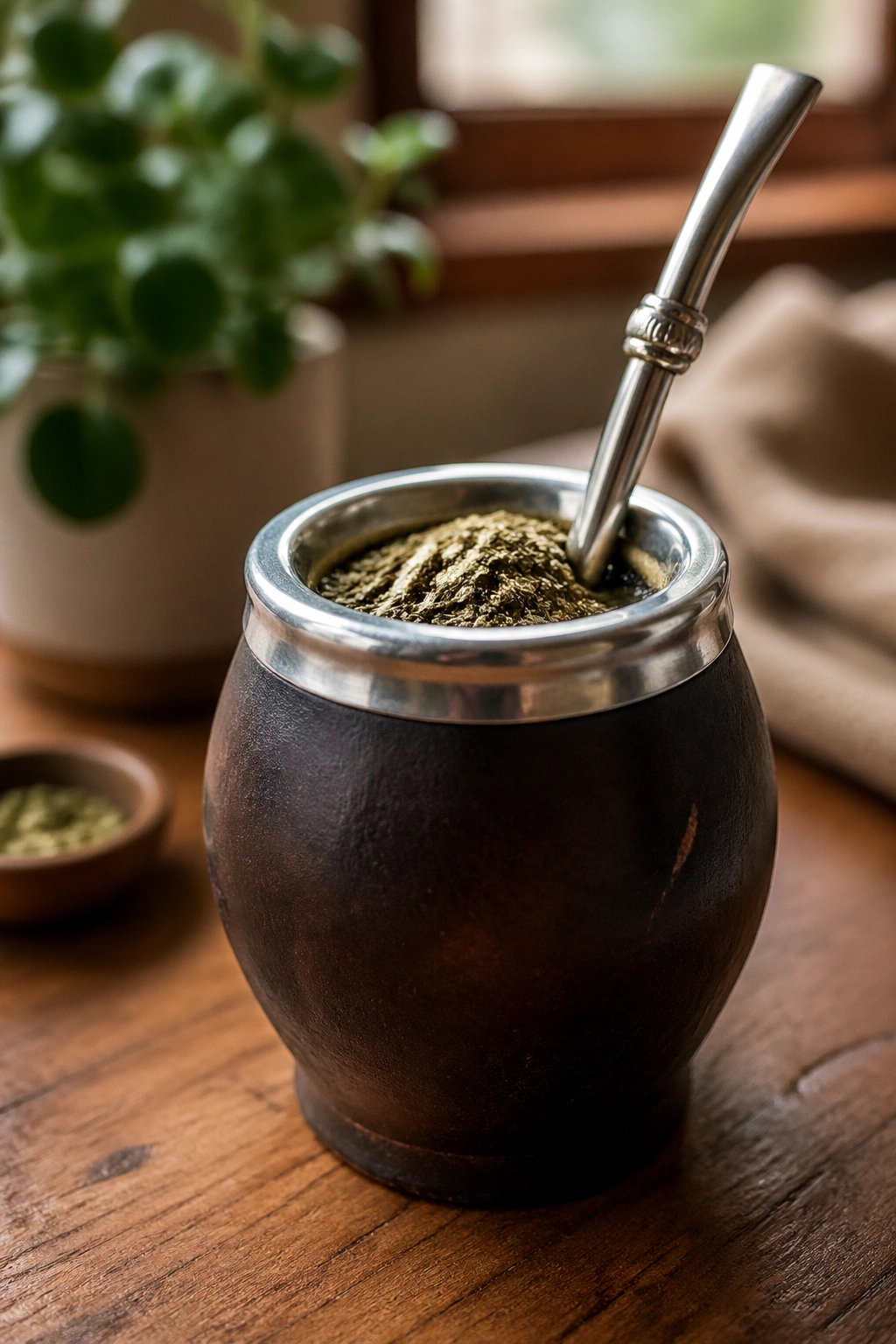
Yerba mate is not a true tea, but it belongs here because it behaves like one in your day. It can feel cleaner than coffee and stronger than standard tea, which makes it a useful tool for women who want alertness without a sugar bomb from the coffee shop.
What makes it different
Mate brings caffeine plus chlorogenic acids and other polyphenols. That mix may help with appetite, energy, and workout drive. Some studies have also linked yerba mate to improved feelings of fullness, which is a bigger deal than it sounds when your hardest hours are late afternoon and post-dinner.
Practical details
- Start with 1 cup, not 3, if you’re sensitive to caffeine
- Brew with water around 160 to 170°F so it stays smooth
- Drink it before training or during the midafternoon slump
- Skip it late in the day unless you fall asleep easily
Best fit: women who want a stronger fat-loss-support drink without leaning on canned energy beverages.
8. Ginger Tea
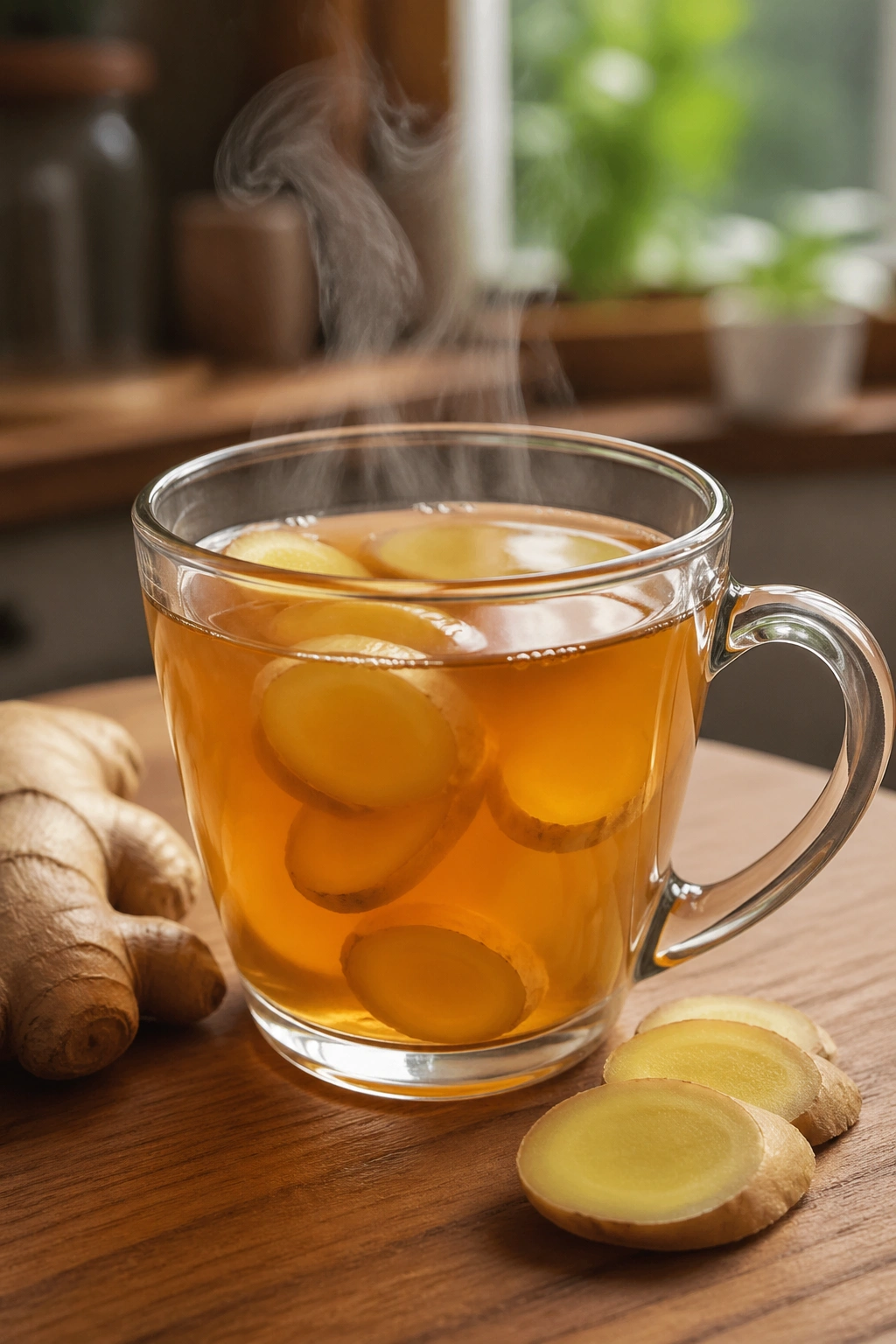
Ginger tea does not melt fat, but it earns its place fast when your stomach feels heavy, puffy, or off. Fresh ginger has a sharp heat that seems to wake up digestion, and that alone can help you stay on track after a big meal instead of writing the whole day off.
There’s also some evidence tying ginger to appetite control, blood sugar handling, and thermogenesis, though the effect size is not huge. Think of ginger as support, not horsepower. It smooths out the rough edges of a diet phase.
The best cups come from fresh sliced ginger simmered for 10 to 15 minutes, not dusty tea bags that smell like cardboard. I like about 1 to 2 inches of sliced root per mug. It should smell warm and peppery, with a bite at the back of your throat.
Drink it after meals, on cold mornings, or when cravings feel tangled up with stomach discomfort. A sour, bloated belly leads people to snack in weird ways. Ginger helps break that loop.
9. Peppermint Tea
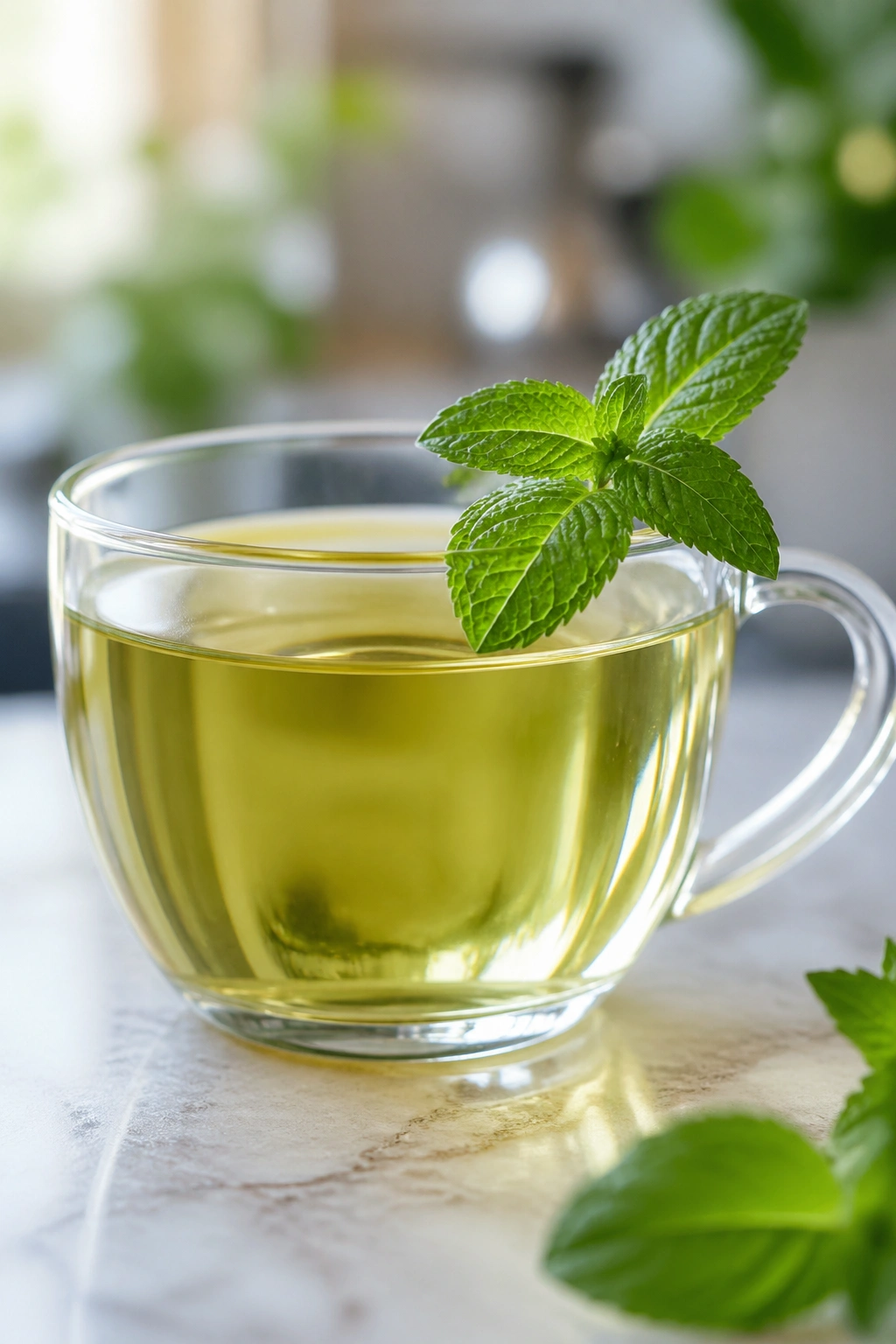
Can a minty, caffeine-free tea help your waistline? Yes—when your problem is appetite noise, not low energy. Peppermint tea won’t raise calorie burn much, but it can settle digestion and put a clean finish on a meal, which makes dessert easier to skip.
The smell does some work here too. Strong mint can cut through that “I need something else” feeling after dinner. Sometimes the craving is hunger. Sometimes it’s boredom, a habit, or the wish for a taste change. Peppermint scratches that itch without bringing calories along for the ride.
It shines after heavy meals, restaurant food, and nights when your stomach feels stretched and gassy. I’d brew it covered for 5 to 7 minutes so the volatile oils stay in the cup instead of floating off into the kitchen.
Best timing
Try it 15 to 30 minutes after dinner. One warning: if you deal with acid reflux, peppermint can make it worse by relaxing the lower esophageal sphincter. Great for some women, a bad trade for others.
10. Hibiscus Tea
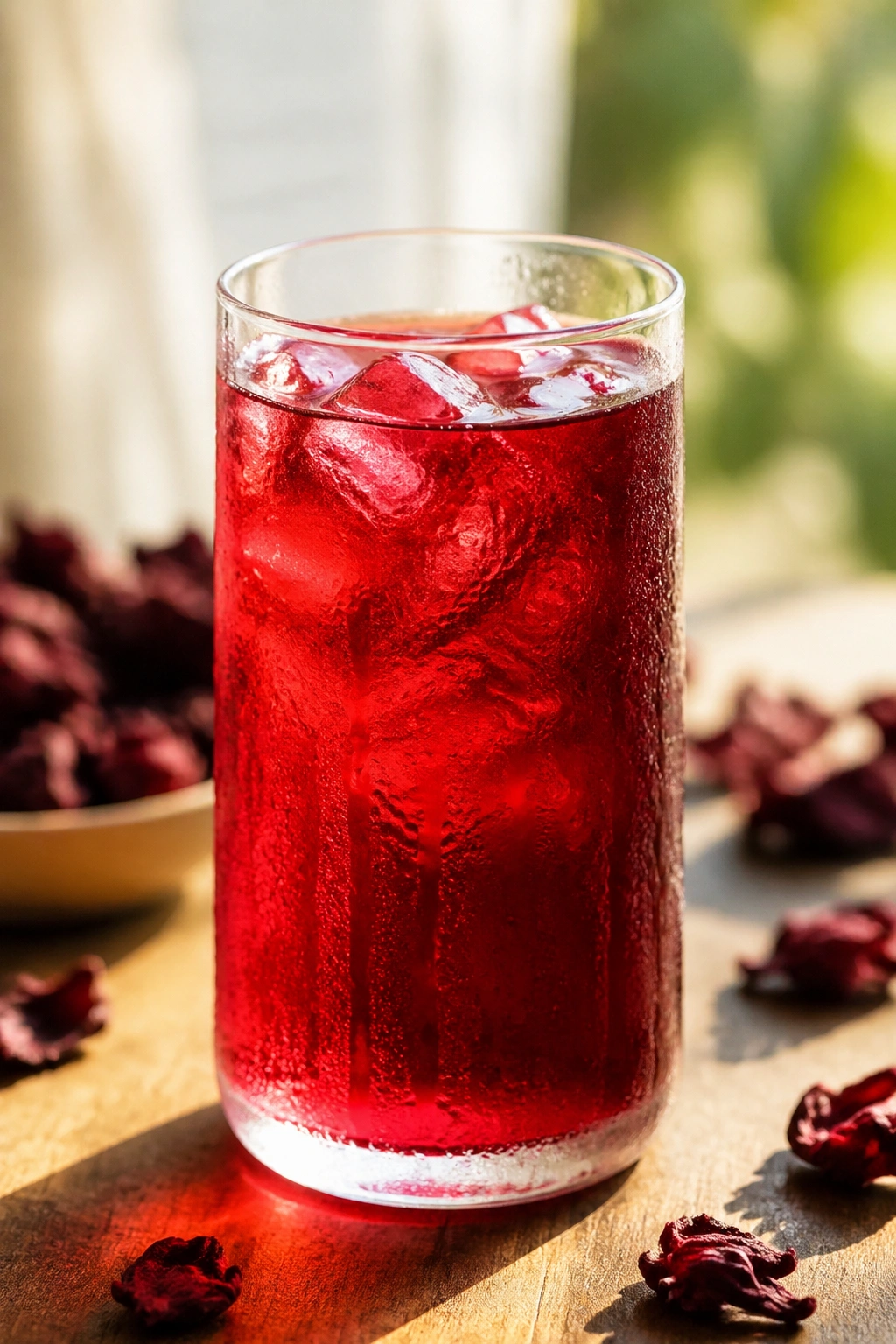
Picture the nights when you wake up feeling puffy from a salty dinner, or the week when your rings feel tight and your stomach looks more swollen than your food log suggests. Hibiscus tea is made for that kind of day.
It’s tart, ruby red, and sharp in a way that almost reads like juice, which is useful if you’re trying to ditch sweet drinks. Hibiscus brings anthocyanins and other polyphenols, and it has a reputation for helping with blood-pressure support and mild water-balance issues. That does not mean fat is vanishing. It means your body may look and feel less inflamed and waterlogged.
Quick details worth knowing:
- Use 1 tablespoon dried hibiscus per 10 ounces water
- Steep for 5 to 10 minutes depending on how tart you like it
- Drink it hot or chill it for an iced afternoon tea
- Add a squeeze of lemon if you want more bite, not sugar
Hibiscus is one of my favorite swaps for juice because it feels lively. You are not stuck with flat diet-food flavors here.
11. Cinnamon Tea
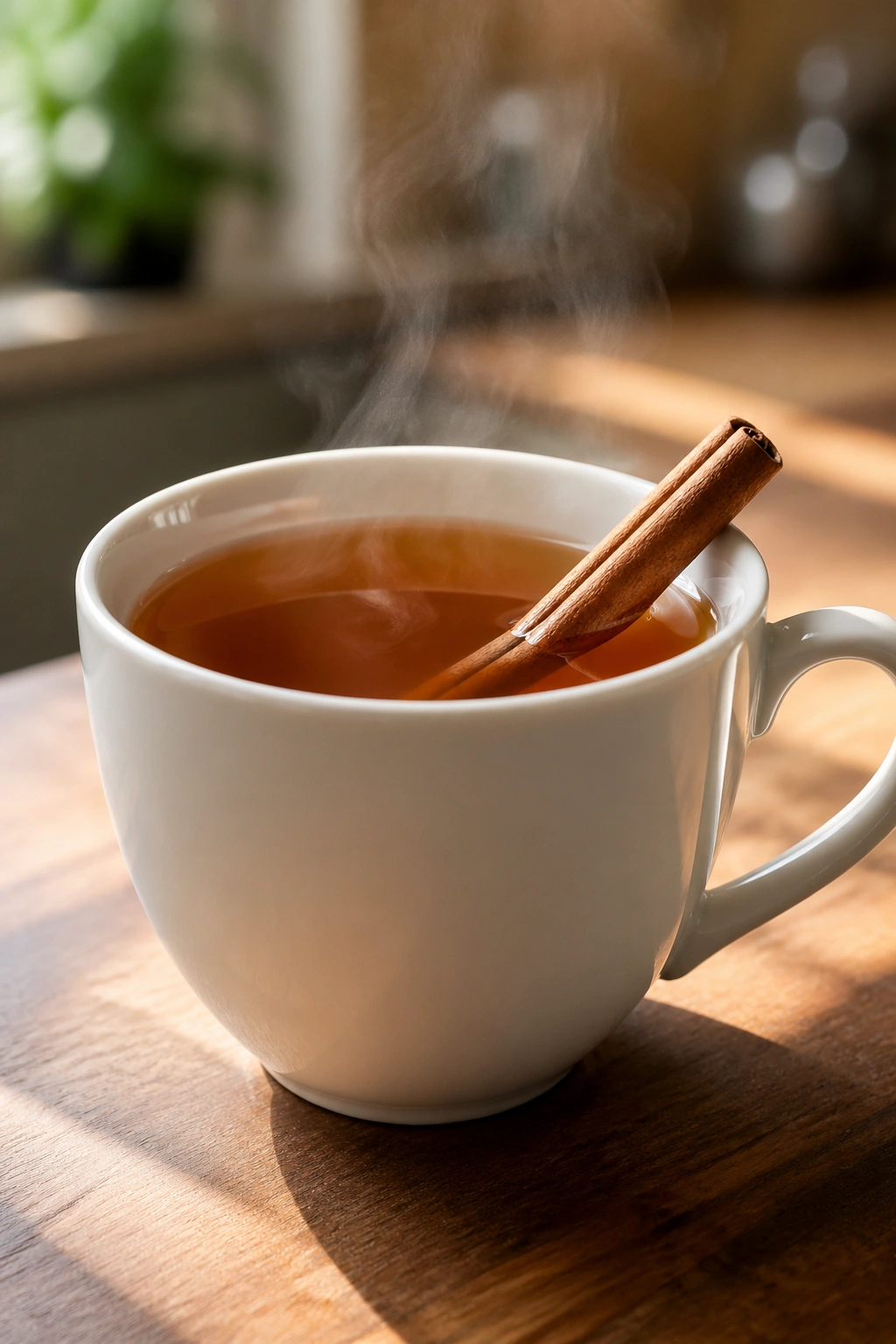
Cinnamon tea can help in a sneaky way: it makes sweet cravings back off without feeding them. The aroma alone has that bakery edge, and when you’re trying to eat in a calorie deficit, smell matters more than people admit.
Some evidence points to cinnamon helping with blood sugar response and insulin sensitivity, which makes it interesting for women whose hunger spikes hard after carb-heavy meals. It will not erase the effect of eating pastries for lunch, but it can support steadier energy if the rest of your meals are built well.
Make it with a cinnamon stick simmered for 10 minutes if you want a clean, true flavor. Tea bags work, though they often taste flatter. If you drink cinnamon tea often, Ceylon cinnamon is the smarter choice over Cassia because it contains less coumarin.
I like cinnamon tea in the late afternoon, right when a sweet coffee sounds tempting. It gives you warmth, a little natural sweetness, and a pause. Sometimes a pause is enough.
12. Dandelion Tea
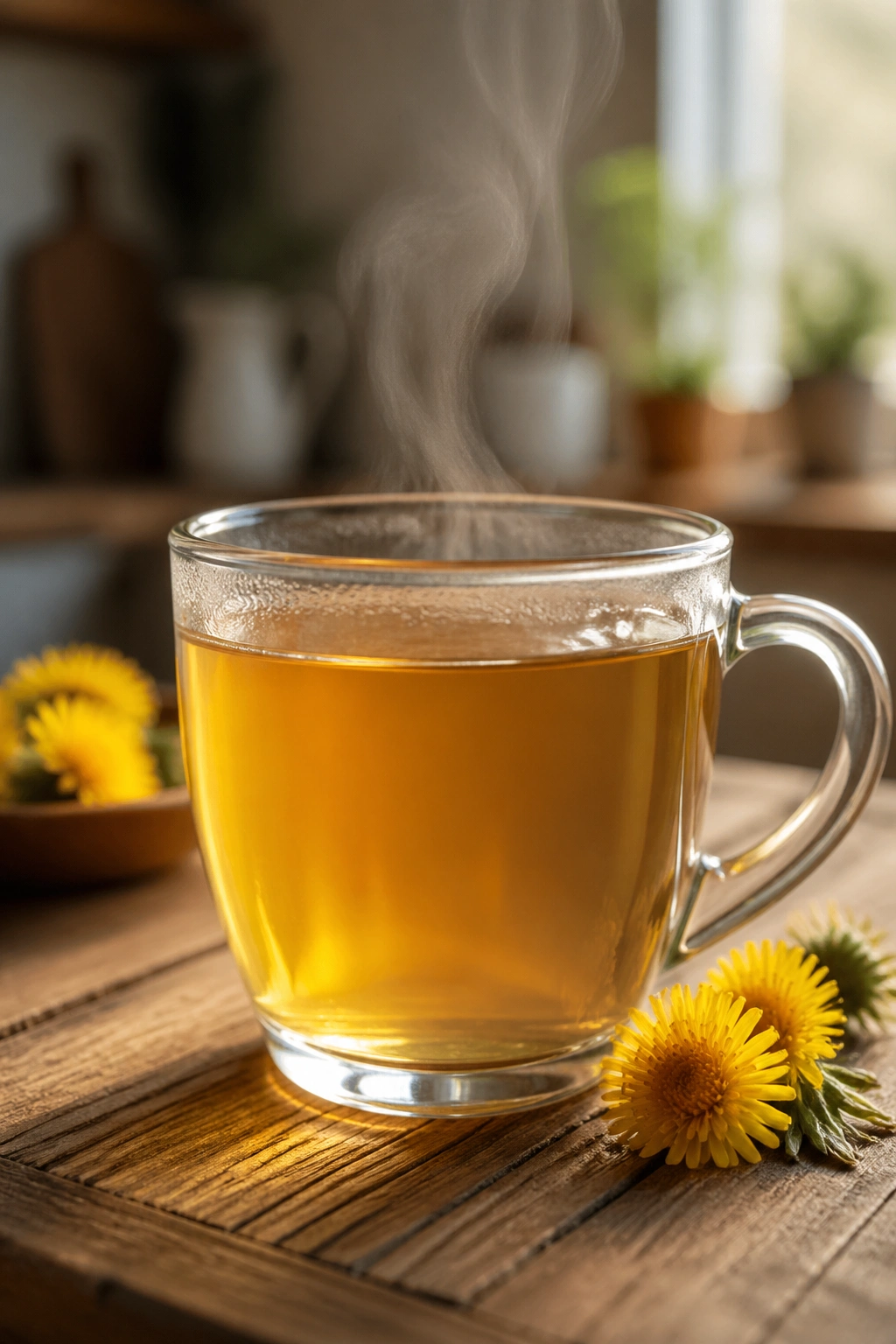
Unlike harsh “detox” teas, dandelion tea is less about forcing your body and more about easing puffiness. That distinction matters. If your belly feels swollen from sodium, constipation, or cycle-related water retention, dandelion can help you feel less bloated without the drama of a laxative blend.
Dandelion leaf has a mild diuretic reputation, while dandelion root is more bitter and earthy, often used for digestive support. Neither one is a direct fat burner. Still, women often confuse water retention with fat gain, especially after travel, restaurant meals, or hormonal shifts. A tea that helps you shed that water can make the scale and mirror feel less chaotic.
Who tends to like it most? Women who wake up puffy, carry a lot of sodium bloat, or want a post-weekend reset that doesn’t involve punishment. If that’s you, dandelion earns a spot in the cupboard.
Steep the leaf like a standard herbal tea for 5 minutes, or simmer the root for 10 minutes if you want more depth. If you already take diuretics or deal with kidney issues, get medical advice first.
13. Fennel Tea
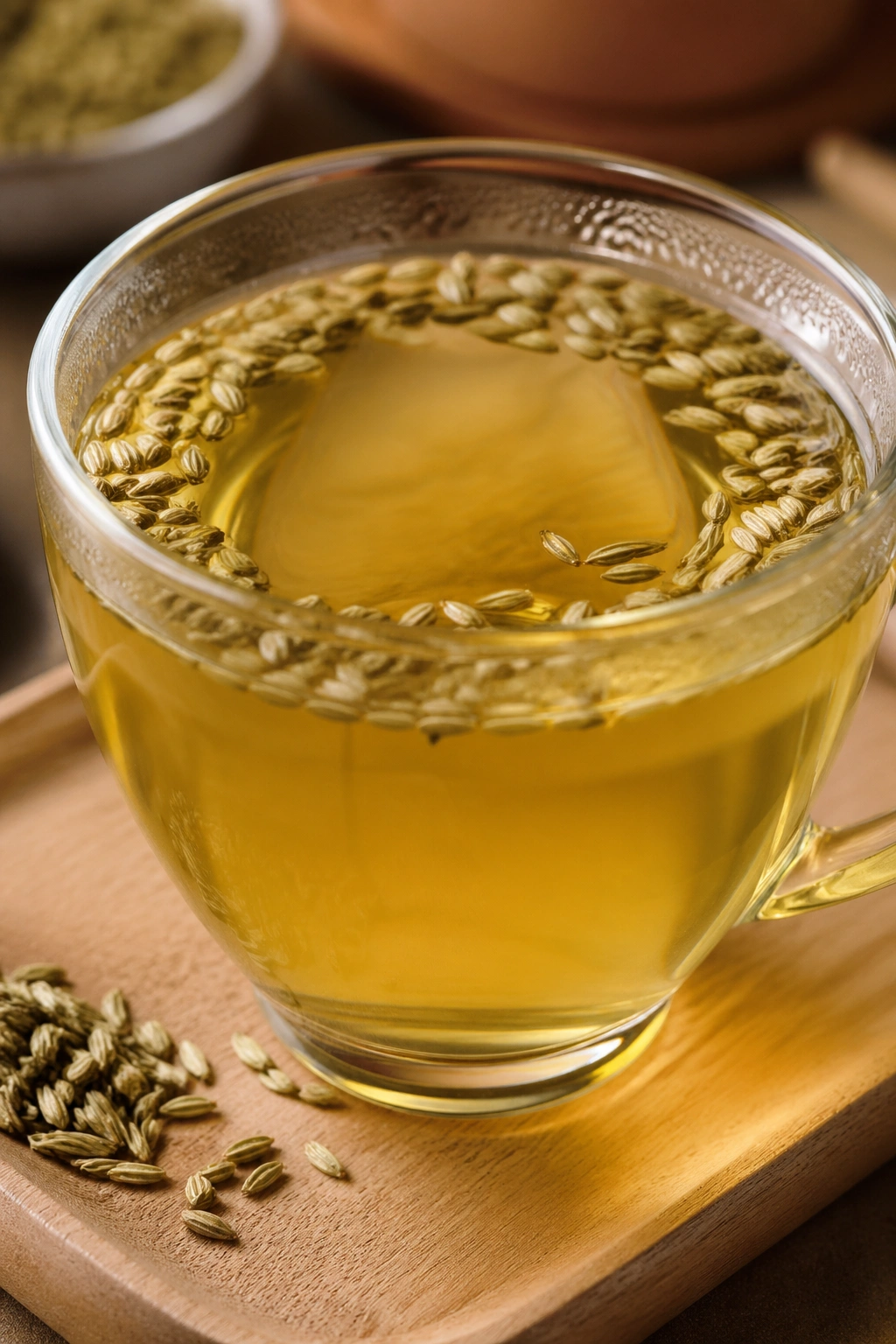
Fennel tea is one of those old-school remedies that sticks around because it works for a plain, annoying problem: gas and belly distension after meals. If your waist feels larger at night than it did in the morning, digestion may be part of the story.
What it does after a meal
Fennel seed has an anise-like sweetness and a gentle carminative effect, which means it can help move gas along and calm intestinal cramping. No, that is not glamorous. Yes, it matters. Looking leaner and feeling leaner are not the same thing, but both keep motivation alive.
Best way to make it
- Lightly crush 1 teaspoon fennel seeds before brewing
- Steep in hot water for 8 to 10 minutes
- Drink it after meals that leave you tight or belchy
- Try it after beans, cruciferous vegetables, or rich restaurant food
Good pick for: women whose “belly fat” is partly a bloating issue that ramps up by evening.
14. Rooibos Tea
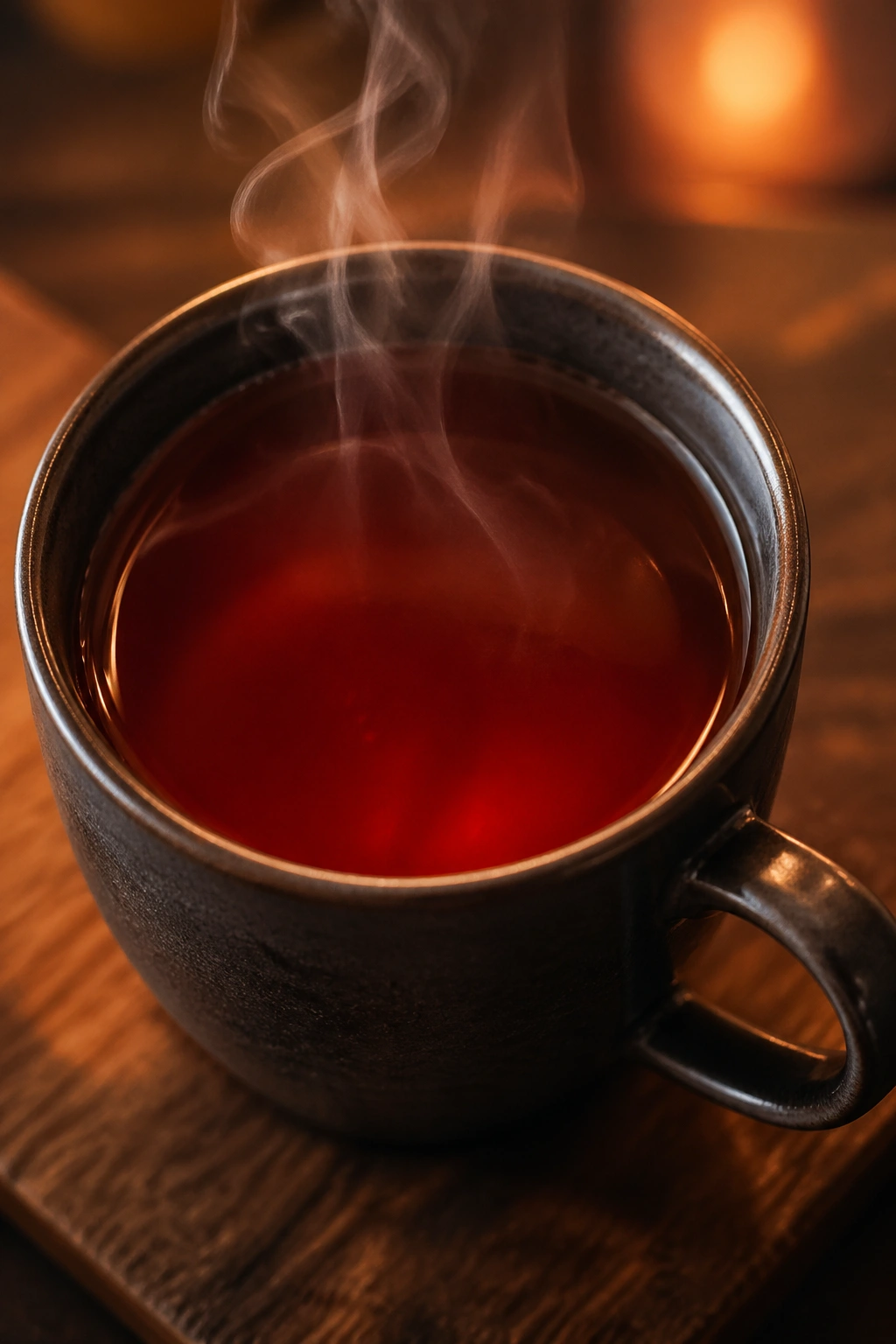
Rooibos solves a problem caffeine can’t. It gives you a dark, comforting cup at night without setting your sleep on fire. For women who want something richer than chamomile but still caffeine-free, rooibos is a smart move.
It also tastes naturally sweet, which is useful when dessert cravings hit. A plain cup of rooibos can scratch that itch better than thin herbal teas that feel like warm water with perfume in them. That sweeter profile is one reason it helps with belly-fat goals: it makes lower-calorie evenings easier to stick to.
Rooibos contains polyphenols, including aspalathin, and some early research has looked at links to blood sugar handling and fat metabolism. The bigger benefit in daily life is more practical. It can replace hot chocolate, sweet chai, or late coffee-house runs that add sugar, cream, and habit calories.
Use boiling water and give it 5 to 7 minutes. Rooibos is forgiving. You can brew it strong without much bitterness, which is one more reason people keep drinking it.
15. Chamomile Tea
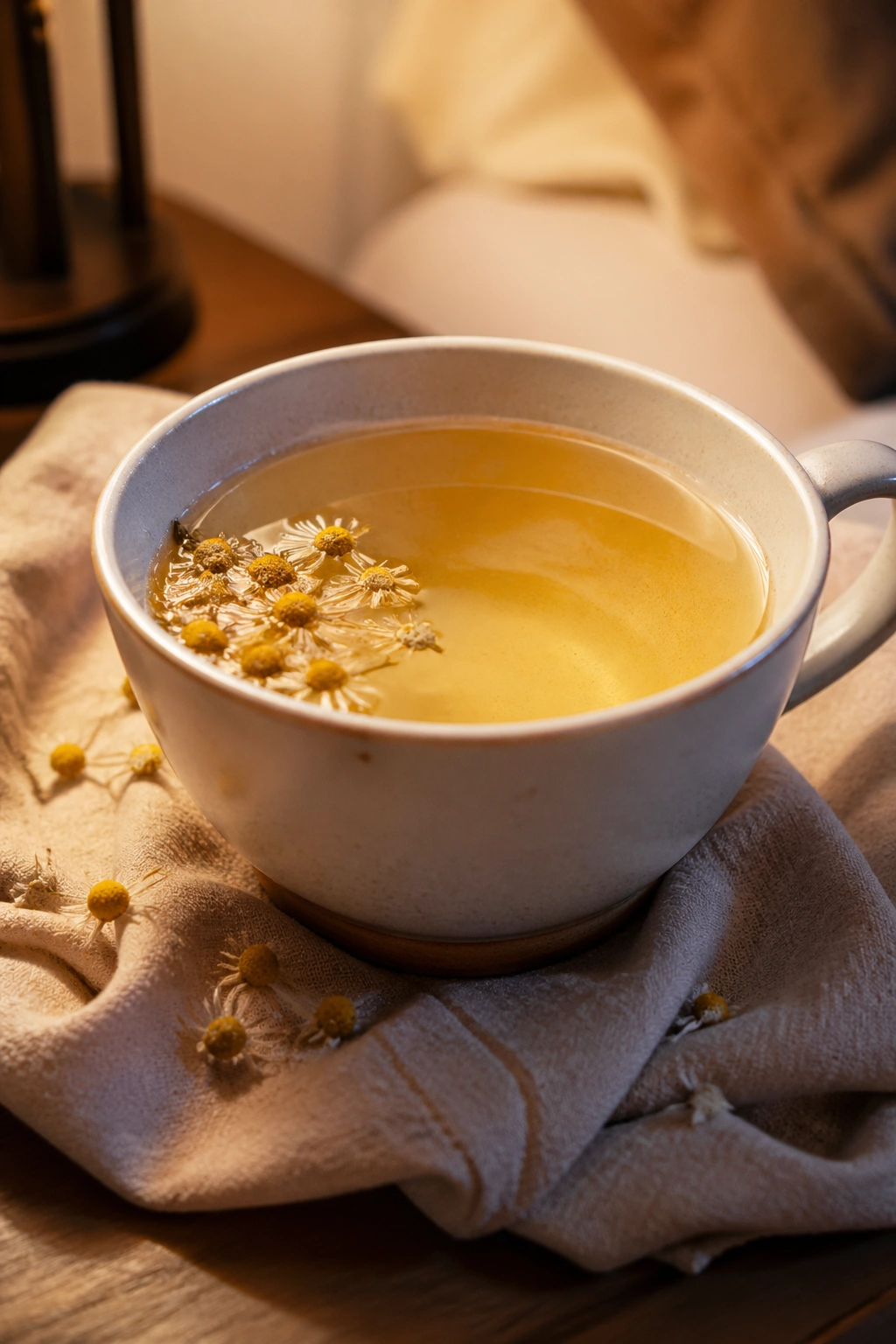
How does a sleepy bedtime tea connect to belly fat? Through sleep, appetite, and stress eating. Women who sleep poorly often feel hungrier the next day, crave more fast carbs, and drag through workouts they would normally handle fine.
Chamomile helps by setting a tone. The smell, the warmth, the tiny ritual of making it—those things matter more than nutrition culture likes to admit. If your evenings are loud, restless, and snack-heavy, chamomile can become the line between dinner and “the kitchen is closed.”
The tea itself is floral and apple-like. Brew it 5 minutes, covered, so the aroma stays put. If the cup tastes flat, use more flowers or a better bag; weak chamomile is a sad drink.
A night routine that works
Drink it 45 to 60 minutes before bed, dim the lights, and stop grazing. That pairing is the point. Chamomile will not burn fat while you sleep, though a calmer night may help you eat and train better the next day.
16. Spearmint Tea
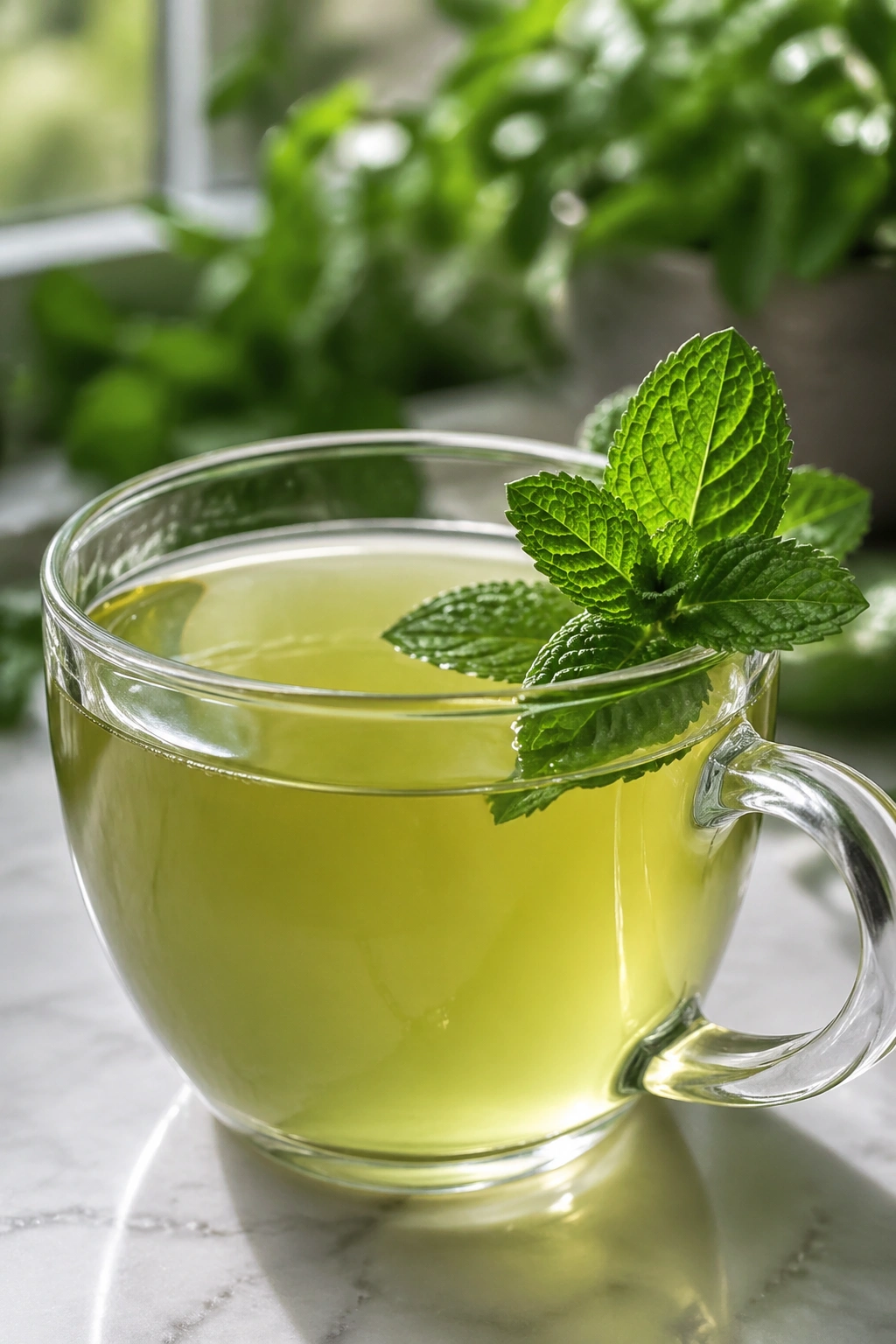
Some women keep spearmint around for the taste. Others keep it around because hormones can make appetite, bloating, and body composition feel harder than a calorie chart suggests. Spearmint won’t fix all of that, though it has drawn interest for its potential effects on androgen levels in women.
That angle matters most for women dealing with hormonal issues that come with stubborn weight gain around the middle. I am not calling spearmint a treatment. I am saying it’s one of the few herbal teas with a women-specific reason to look a little closer.
A few practical points:
- Spearmint tastes softer and sweeter than peppermint
- Brew for 5 to 7 minutes for a full cup
- It works well between meals when cravings feel wired to stress or cycle changes
- Drink it consistently for a while before judging it
The cup itself is pleasant and easy, which helps. A tea you actually want to drink has a better chance of affecting your habits.
17. Turmeric Tea
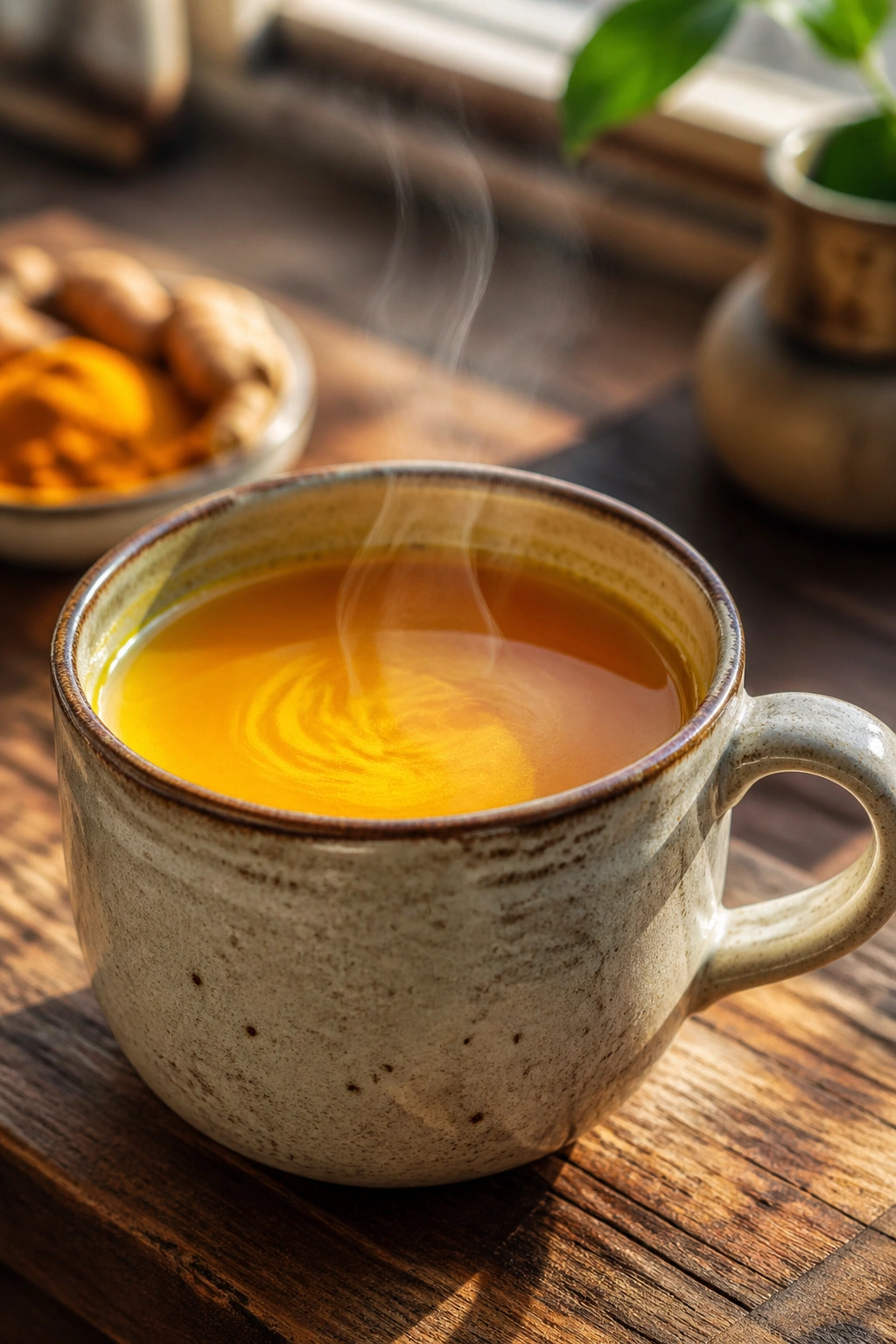
Turmeric tea earns its place through a side door. It can help recovery and inflammation-related discomfort, and that matters because sore, achy women skip workouts, move less, and sleep worse. Those are the real losses.
The active compound in turmeric is curcumin, though curcumin is not absorbed well on its own. That’s why many turmeric teas include black pepper or are best taken with a meal that contains some fat. If your tea is plain turmeric powder in hot water, the taste will be flat and the payoff smaller.
Use fresh turmeric slices or about ½ teaspoon ground turmeric, simmered for 10 minutes, then add a pinch of black pepper. The cup should smell earthy and warm, with a faint bitterness. A little ginger helps.
This is not a “drink this and wake up leaner” tea. It is more of a support cup for women who train hard enough to care about staying consistent.
18. Tulsi Tea
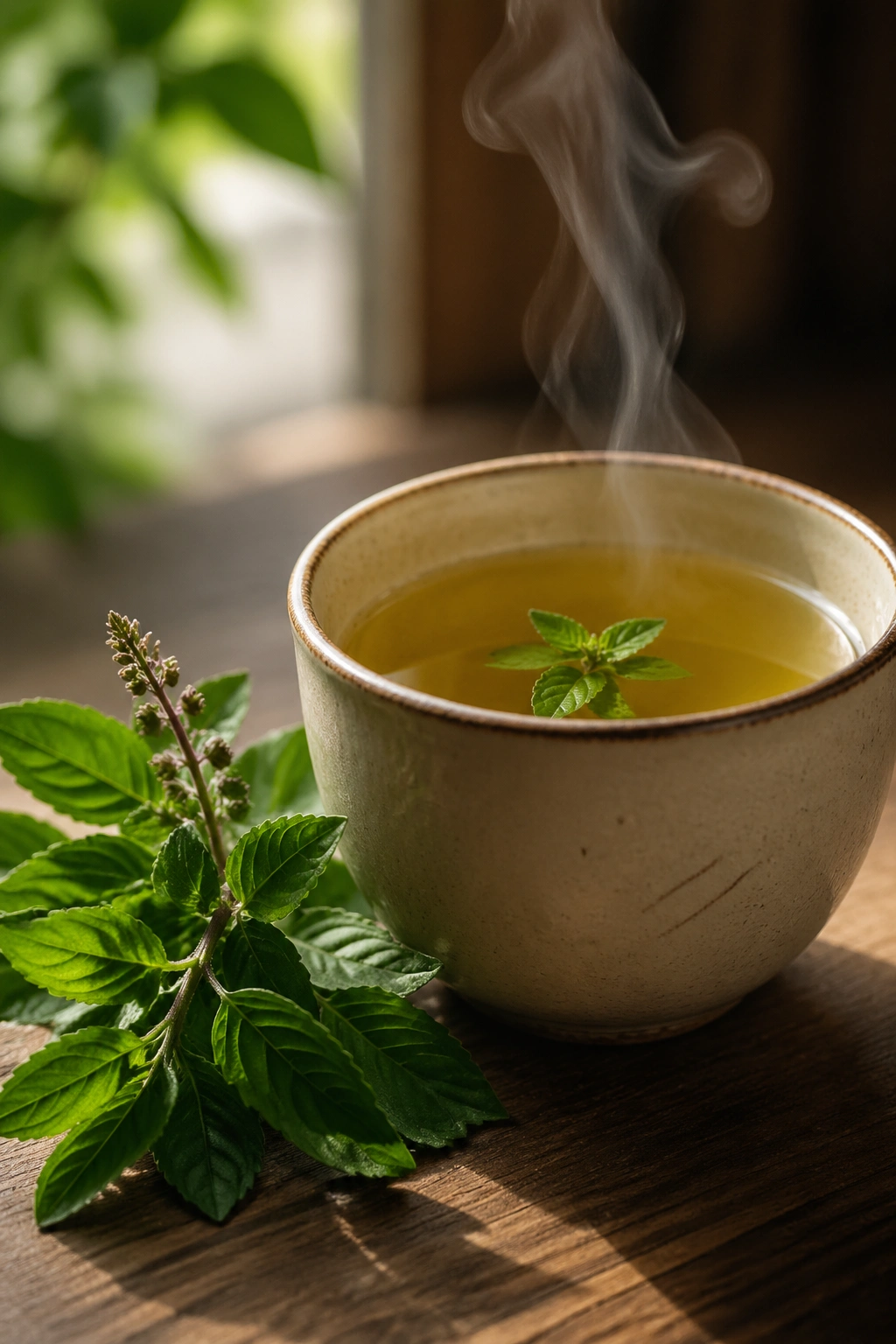
Unlike chamomile, tulsi doesn’t make everyone sleepy. It tends to sit in that calm-but-alert lane, which is useful if stress is pushing you toward belly fat through cravings, poor sleep, and constant grazing.
Tulsi—often called holy basil—has a clove-pepper aroma and a slightly savory edge. Tradition has long placed it among stress-support herbs, and small human studies have looked at benefits for mood and tension. The direct fat-loss evidence is thin. The indirect use is easy to see: fewer stress snacks, less evening chaos, better choices when your brain feels cooked.
This is a tea I reach for on packed workdays when I want to take the volume down without getting drowsy. It feels grounding, and sometimes that’s what a rough diet phase needs.
Brew it 5 minutes and drink it in the late afternoon or early evening. If chamomile feels too sleepy and black tea feels too wired, tulsi fits the gap.
19. Lemon Balm Tea
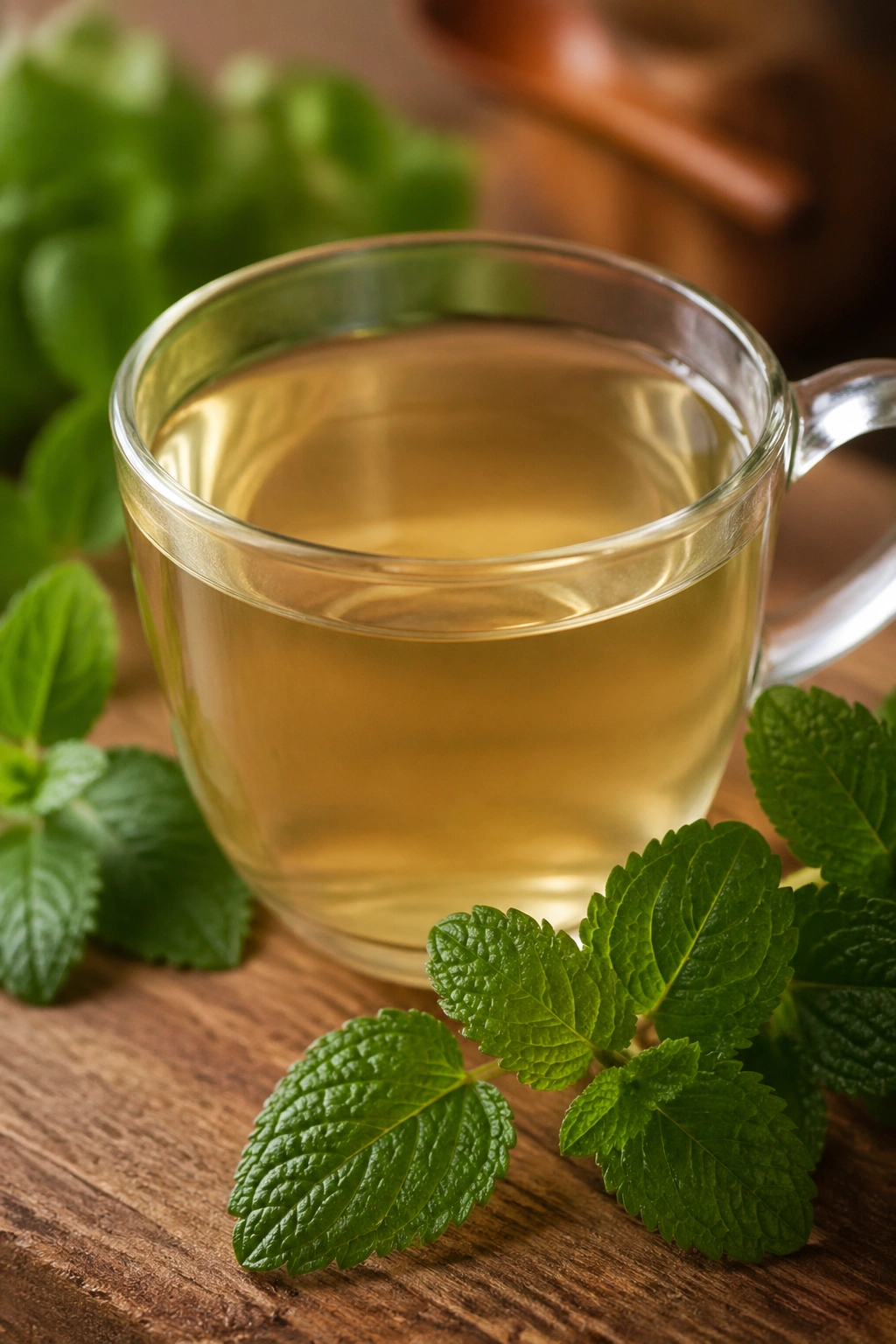
Lemon balm smells bright, soft, and a little citrusy—like someone crushed a lemon leaf between their fingers. That scent alone can change the mood of an evening, which sounds small until you realize how many diet slips happen because the day felt chaotic and food became the reward.
Why it helps more than people expect
Lemon balm is often used for calm, tension, and sleep support. Those may sound like side benefits, though they connect straight back to appetite. Women who unwind with tea instead of roaming the pantry at 9 p.m. are making a fat-loss move, whether they frame it that way or not.
Best ways to use it
- Brew 5 to 8 minutes for a fuller lemon-herb flavor
- Drink it after dinner or during the hour before bed
- Combine it with chamomile if you want a softer nighttime blend
- Keep it plain; sugar defeats the point
Smart use: swap it in on nights when “I’m hungry” is code for “I’m fried.”
20. Rosehip Tea
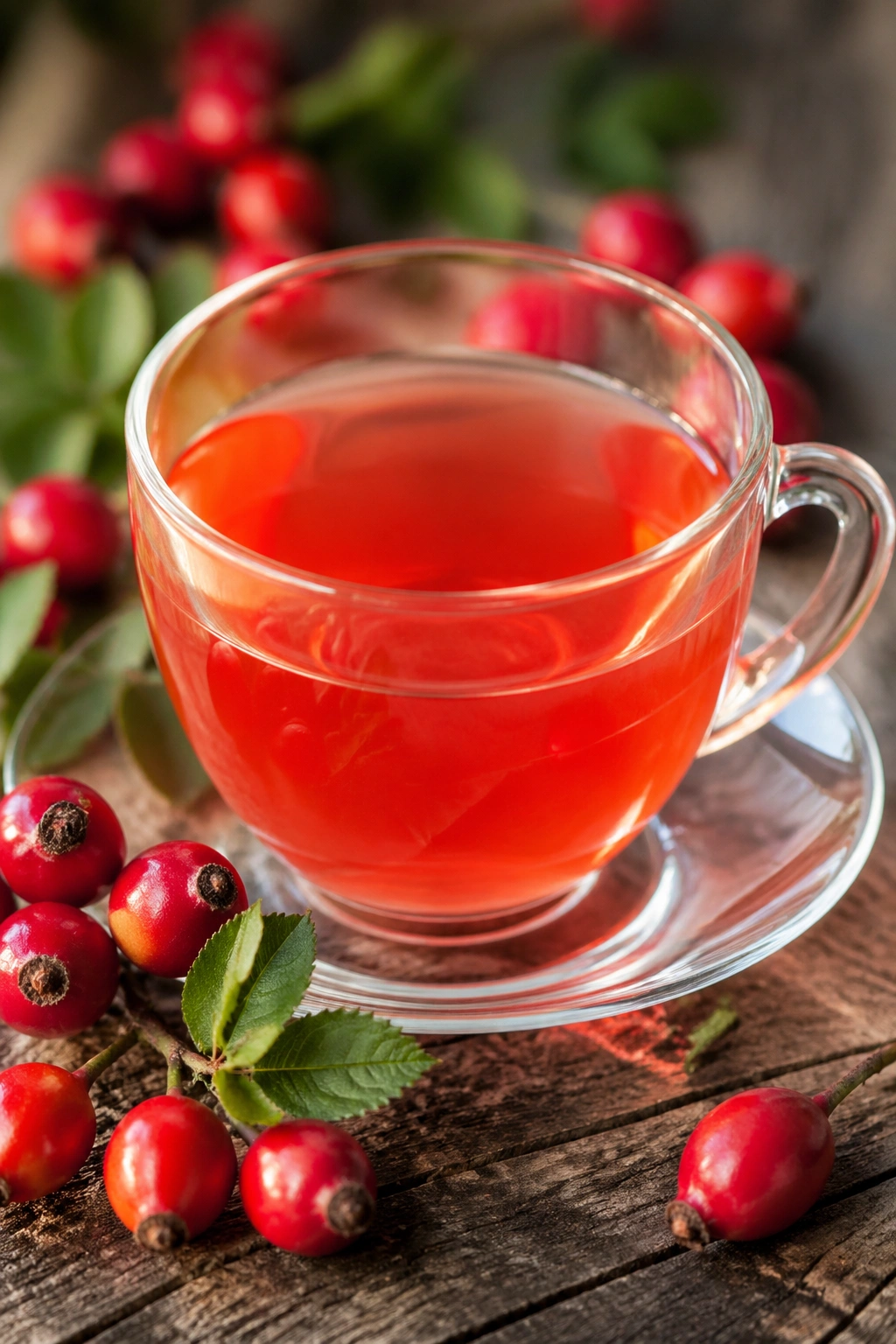
Rosehip tea has more going on than a tart vitamin C kick. It is fruity, sharp, and refreshing enough to stand in for juice or sweet iced drinks, which already gives it a practical edge for belly-fat goals.
Rosehips also contain polyphenols, and there has been interest in a compound called tiliroside for links to fat metabolism. The human evidence here is far from settled, so I would not oversell it. What I would say is that rosehip is one of the better choices when you want a cold, bright drink that feels like a treat but keeps calories near zero.
Use crushed dried rosehips and steep them 10 minutes, or simmer them gently if you want a deeper, tangier cup. Strain well—the tiny hairs inside whole rosehips can be irritating if they end up in the drink.
For women who miss fruit punch, sweet tea, or juice, rosehip is a strong replacement. Sometimes fat loss is less about finding a magic food and more about swapping out the stuff that was quietly working against you.
Final Thoughts
If I were setting up a tea routine for waist loss, I would not buy all 20. I’d pick one morning tea, one afternoon tea, and one evening tea that fit my habits. Green tea or matcha for energy. Hibiscus, rooibos, or peppermint for the danger zone between lunch and dinner. Chamomile, tulsi, or lemon balm when the kitchen needs to close.
The women who get the most from tea usually use it as a behavior tool, not a miracle cure. They drink it instead of calories. They use it to train a little harder, snack a little less, sleep a little better, and feel less bloated after meals that would have thrown them off.
That’s enough. Small edges, repeated often, can change a waistline more than any flashy pouch with a fake promise on the label.
