



Night eating has a way of hiding in plain sight. A cookie here, a salty snack there, one oversized glass of wine while you scroll in bed—and by the time you’re trying to lose inches from your waist, that late window keeps showing up as the weak spot.
The best bedtime teas that help burn belly fat do not melt stomach fat while you sleep. No honest person should tell you that. What they can do is far more useful: help you sleep longer, cut the urge to snack after dinner, calm a bloated stomach, and replace drinks that quietly add 120, 200, sometimes 300 calories to the end of your day.
That matters.
Short sleep has been linked with higher hunger hormones, more cravings for sugar and refined carbs, and bigger waist measurements. Add stress to the mix—work, family, a brain that keeps spinning at 11 p.m.—and the belly-fat problem stops being about willpower alone. It becomes a nighttime routine problem.
A warm mug is not a magic fix. Still, when the tea matches the problem you’re dealing with—bloating, stress eating, sugar cravings, restless sleep—it can pull more weight than people expect.
How Bedtime Teas That Help Burn Belly Fat Fit Into a Real Weight-Loss Routine
No tea can spot-reduce belly fat. That myth needs to go.
Waist fat comes down when your body spends more time in a calorie deficit, your protein intake stays solid, your training makes sense, your stress does not run the whole show, and your sleep stops getting wrecked night after night. A bedtime tea helps at the edges of that process, which is exactly where habits either stick or fall apart.
Sleep is part of the fat-loss math
When sleep gets short, hunger often gets louder. Ghrelin tends to rise, leptin tends to drop, and late-night restraint gets shaky fast. A cup of the right herbal tea will not fix a 4-hour sleep schedule, though it can help you build a softer landing before bed—less stimulation, less grazing, less kitchen wandering.
Bloating and belly fat are not the same thing
A swollen stomach after dinner can come from gas, sodium, a heavy meal, or constipation. That is not the same as abdominal fat, even if your waistband feels tighter. Some nighttime teas work best because they help your gut settle, which makes you look and feel leaner by morning while the longer fat-loss process keeps moving in the background.
The swap matters more than the herb
If your tea replaces ice cream, sweet coffee, alcohol, or a second dinner, the habit can work fast. If it comes with 2 tablespoons of honey and a pile of cookies, the herb is not the issue.
One tablespoon of honey adds about 64 calories. Do that every night and your “healthy tea” starts acting like dessert.
The Bedtime Tea Habits That Help Burn Belly Fat Without Adding Extra Calories
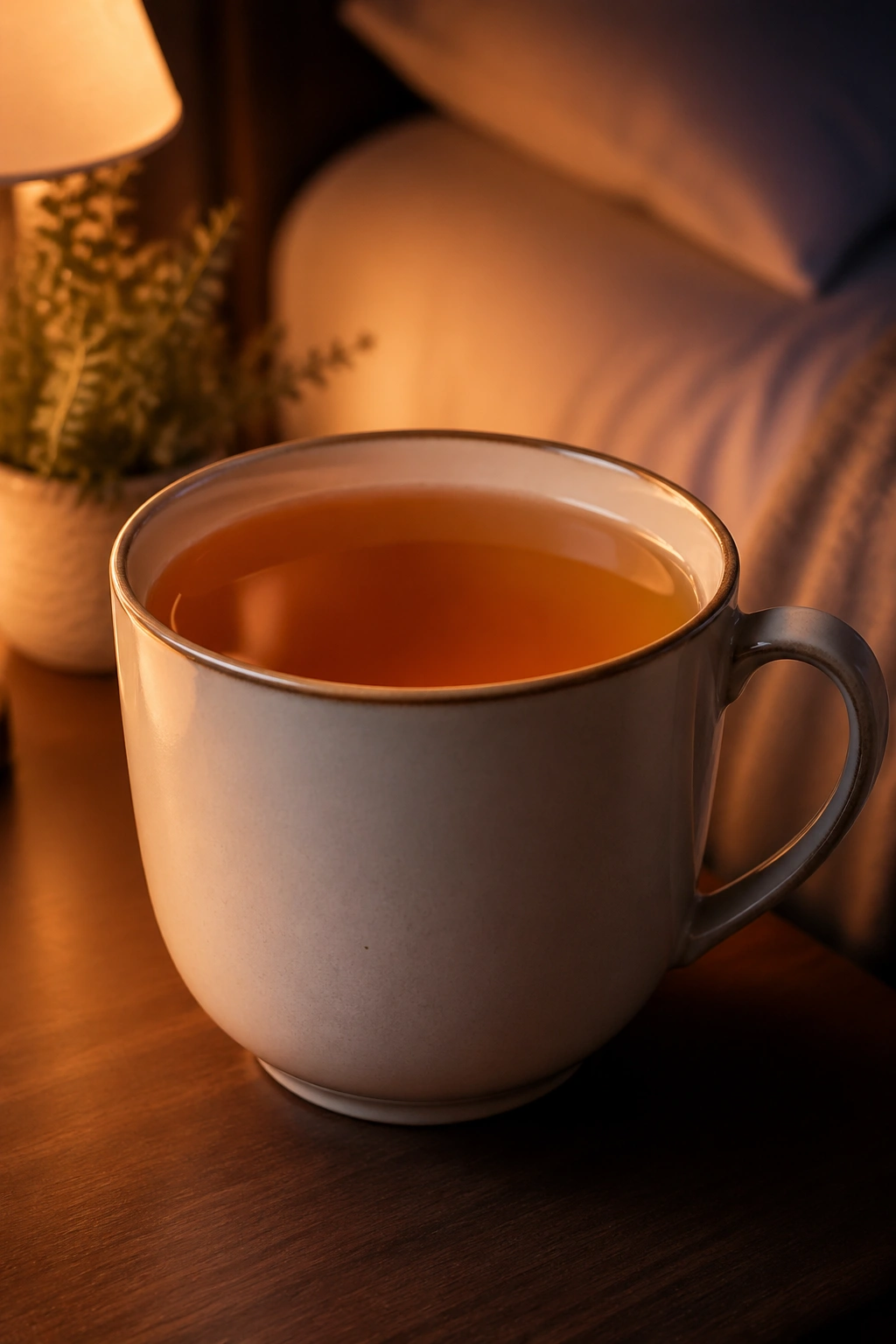
Start with 8 to 12 ounces, not a huge travel mug. Drink it about 60 to 90 minutes before bed so you are not waking at 2 a.m. for the bathroom.
Keep the tea plain when you can. If you want sweetness, use a small amount and measure it once or twice. Most people pour more than they think.
A few ground rules make the habit work better:
- Choose caffeine-free teas for most nights. Decaf green tea is the exception here, and even then, only if trace caffeine does not mess with your sleep.
- Cover the cup while steeping when the tea contains fragrant oils, like peppermint, lemon balm, or lavender. Those oils are part of the point.
- Match the tea to the problem. Bloating calls for peppermint, fennel, or ginger. Stress calls for chamomile, lemon balm, tulsi, or passionflower.
- Skip heavy add-ins like sweetened creamers, sugary syrups, or condensed milk.
- Check for medication issues if you use blood thinners, sedatives, diabetes medication, thyroid medication, or diuretics. Herbs are foods, but some act like more than foods.
Pregnant readers should be extra careful with herbal blends. Not every “sleep tea” belongs in every cup.
1. Chamomile Tea for Better Sleep and Fewer Late Snacks
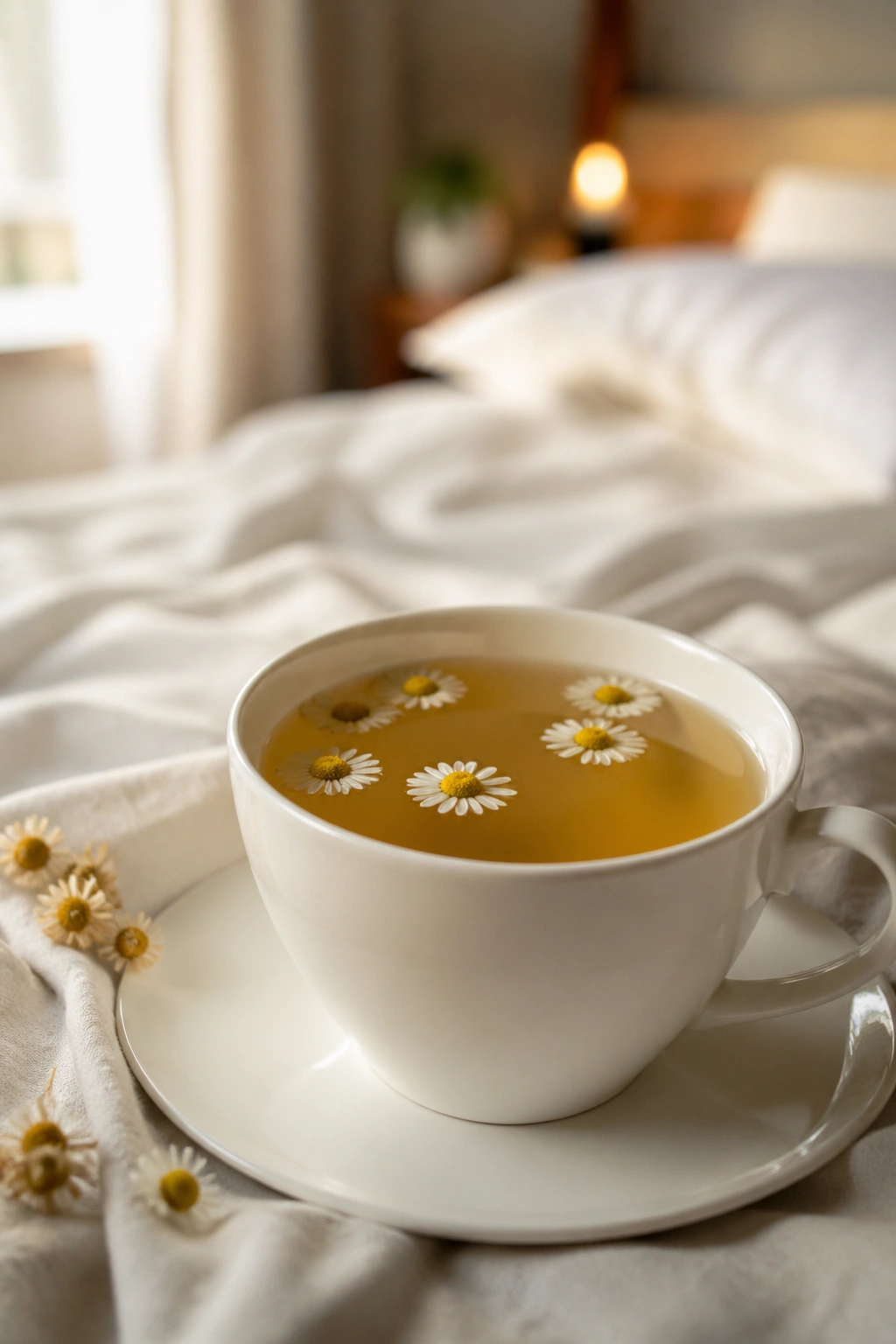
Chamomile earns its place the old-fashioned way: it makes bedtime feel like bedtime. The smell is soft and a little apple-like, the flavor is gentle, and the whole thing signals “kitchen closed” without much effort.
That matters more than it sounds. Belly fat often hangs on because the day never really ends. You finish dinner, then dessert appears, then a handful of cereal, then something salty because the sweet thing made you want salt. Chamomile interrupts that chain.
Why chamomile helps at night
The main edge here is sleep support, not calorie burning. Better sleep makes it easier to control appetite the next day, and it can lower the odds of stress-driven snacking at night. Chamomile also feels soothing on an unsettled stomach after a heavy dinner.
Quick facts
- Best for: Stress eating, mild insomnia, “I want something after dinner” habits
- How to brew: Steep 1 tea bag or 1 tablespoon dried flowers in 8 ounces of hot water for 5 to 7 minutes
- Flavor: Light, floral, faint apple note
- Best add-in: A thin slice of lemon or nothing at all
- Skip it if: You have a ragweed allergy and herbal teas tend to bother you
Best move: keep chamomile unsweetened for a week before deciding it needs honey. Most palates adjust fast.
2. Peppermint Tea for the Bloated, Tight-Waistband Feeling
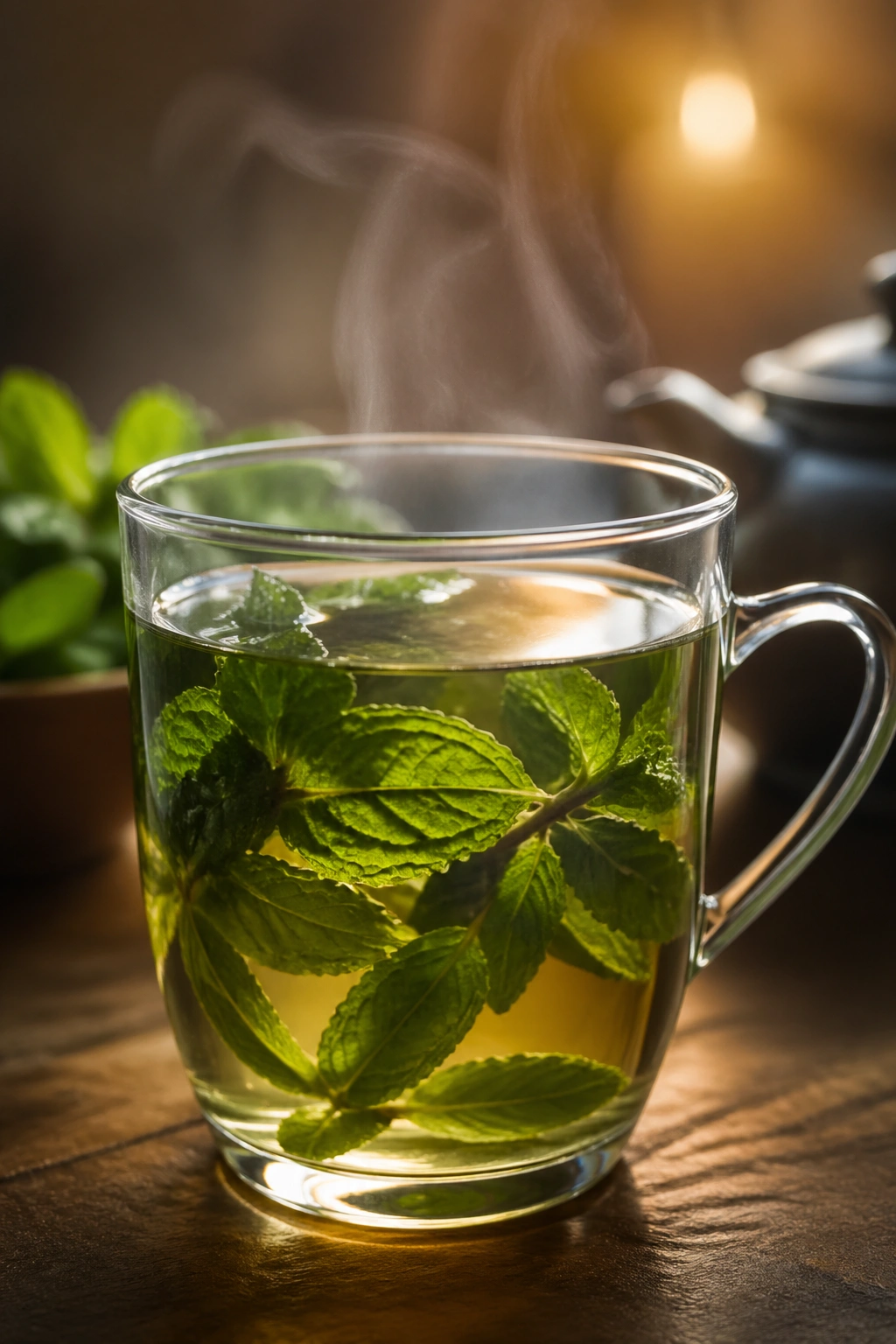
Peppermint is the fast fix for a stomach that feels puffed up after dinner.
Not belly fat. Bloat. There is a difference, and peppermint is one of the few bedtime teas where you can often feel that difference within the same evening. The steam hits your nose before the cup reaches your mouth, and that cooling mint note can shut down the “meal still going” feeling that keeps dessert cravings alive.
Peppermint has long been used to relax digestive muscles. That is one reason peppermint oil shows up in gut care for people with IBS symptoms. A mug of peppermint tea is milder than an oil capsule, though it still has that settling effect after a rich meal, a restaurant dinner, or one of those “healthy” bowls packed with beans, onions, and raw vegetables that your stomach did not appreciate.
One catch: peppermint can make acid reflux worse in some people because relaxed muscles are not always good news when stomach acid wants to travel upward. If you get heartburn when you lie down, drink it earlier or choose chamomile instead.
A practical way to use it? Brew 8 to 10 ounces after dinner, sip slowly, and treat the minty finish like the signal that eating is done. That ritual helps as much as the herb sometimes.
3. Ginger Tea for Digestion, Warmth, and Appetite Control
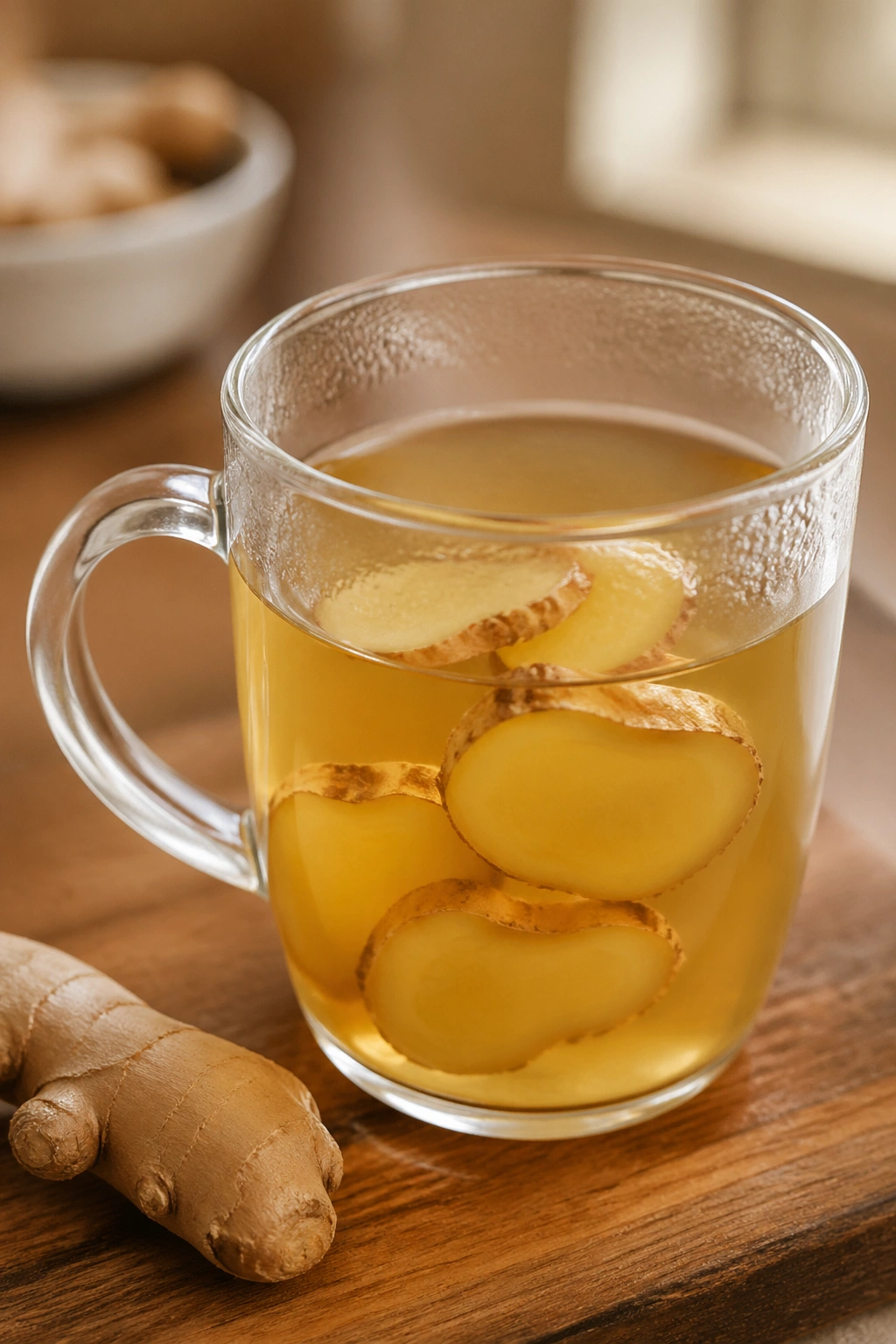
Why does ginger keep showing up in every smart nighttime tea list? Because it does work on the stomach in a concrete, physical way.
Ginger can help food move through the digestive tract more comfortably, and that makes a difference after a heavy dinner. It is also warming, sharp, a little spicy—useful when your late-night hunger is half real hunger and half a craving for stimulation.
A bland tea can feel easy to ignore. Ginger does not.
The spice has also been linked with better blood-sugar handling and a small rise in the thermic effect of food, though I would not oversell that part. The bigger win for belly fat is behavioral: a hot, strong ginger tea can replace sweet nighttime snacks better than a weak, watery herbal blend ever will.
How to make it taste like something you’ll want again
Use 6 to 8 thin slices of fresh ginger or 1 tablespoon grated ginger for 10 ounces of water. Simmer or steep it for 8 to 10 minutes. If you want a rounder flavor, add a pinch of cinnamon.
If the tea burns too hard, shorten the steep time. If it tastes like warm dishwater, use more ginger.
One caution—ginger can be a little much for people on blood thinners or for anyone with a touchy stomach lining. Small amounts are the safer lane.
4. Rooibos Tea When Sweet Cravings Hit After Dinner
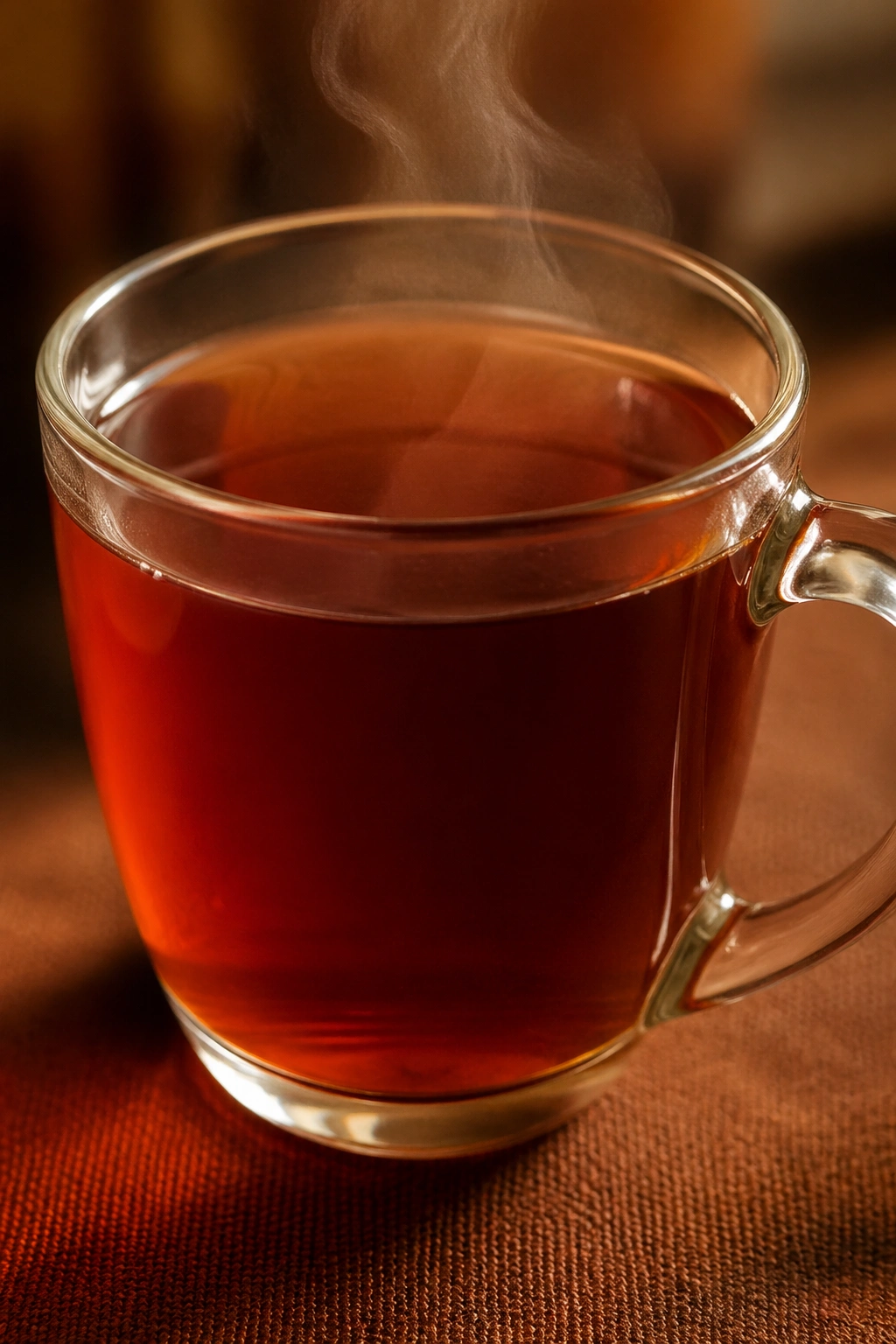
Picture the kind of night when you want tea, though black tea sounds too sharp and coffee would be a terrible idea. Rooibos fits that slot better than almost anything.
It has a reddish color, no caffeine, and a naturally round taste that can lean vanilla, nutty, even faintly sweet without any sugar at all. That alone makes it useful for belly-fat loss. When a tea tastes comforting on its own, you are less likely to turn it into a dessert project.
Rooibos also contains plant compounds such as aspalathin, which has drawn interest for blood-sugar and fat-metabolism support. The practical benefit is less dramatic than the lab language, but the tea does have a good reputation for helping people get through evening cravings without needing a snack.
A strong rooibos can stand in for black tea at night. Add cinnamon, a slice of orange peel, or a splash of unsweetened milk and it starts feeling like a treat.
- Brew time: 5 to 7 minutes
- Best use: Replacing sweet tea, cocoa, or a second dessert
- Caffeine: None
- Taste note: Smooth, earthy, a little woody
- Works well with: Cinnamon, ginger, vanilla, cardamom
Rooibos is the one I would hand to someone who says, “Herbal tea tastes thin.” This one doesn’t.
5. Cinnamon Tea for the Person Who Always Wants Something Sweet
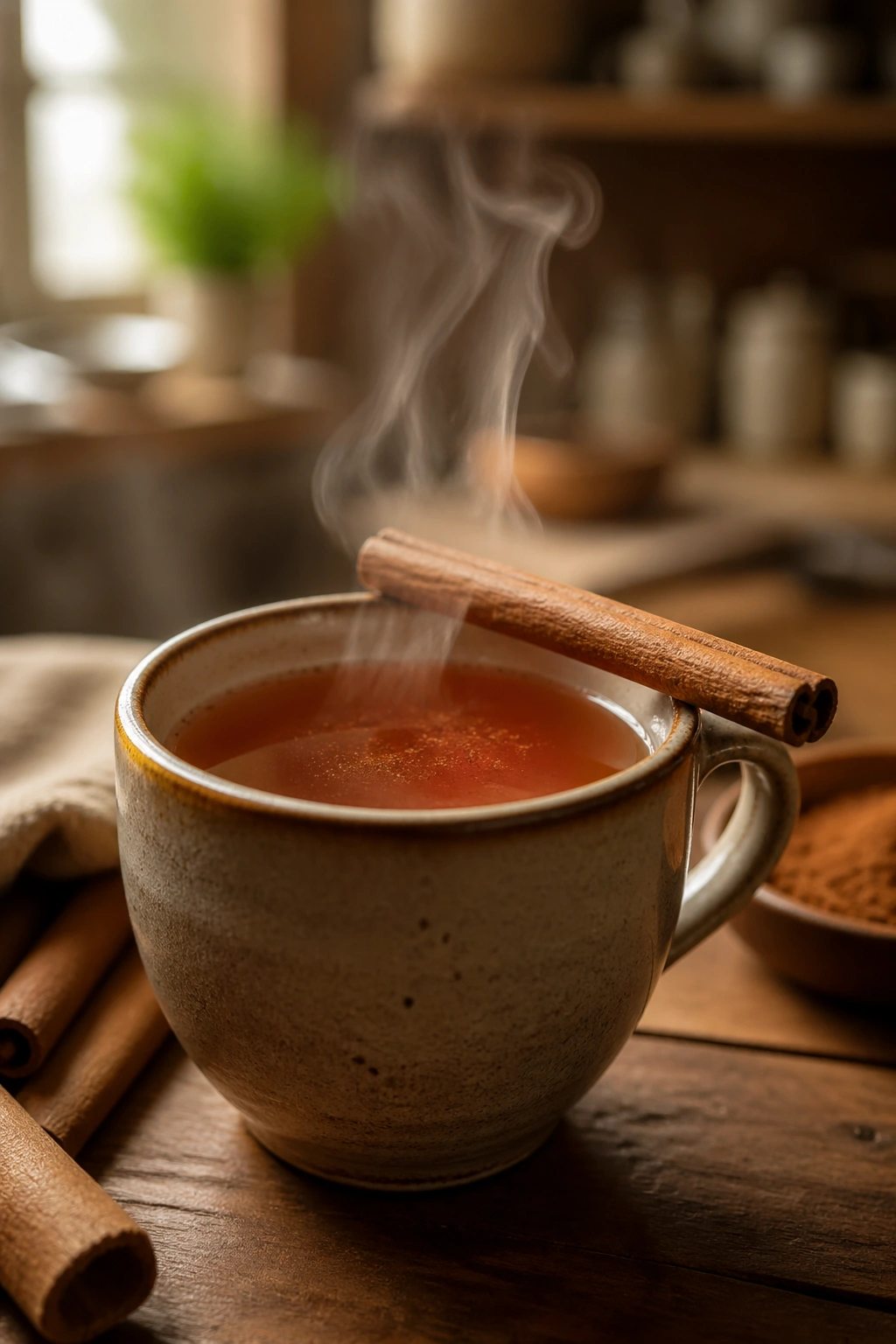
Cinnamon tea is less about the leaf and more about the message your mouth gets. You finish dinner, then you want a cookie. A hot cup that smells like baked apples, oatmeal, and warm spice can cut that urge in a way plain water never will.
That sensory piece counts. Smell drives appetite more than most diet advice admits.
Cinnamon has also been tied to steadier blood sugar in some settings, which is one reason it keeps showing up in weight-loss conversations. I still would not call it a fat burner on its own. The stronger case is that cinnamon makes low-calorie evenings easier to stick with.
Use 1 cinnamon stick or 1 teaspoon cinnamon chips in 10 ounces hot water and steep for 10 to 15 minutes. Ground cinnamon works in a pinch, though it leaves sludge at the bottom of the cup and the texture is not pleasant.
One detail people miss: Ceylon cinnamon is the safer pick for frequent use because it contains less coumarin than cassia cinnamon. If you drink cinnamon tea most nights, that switch is worth making.
Leave sugar out if the goal is belly-fat loss. Cinnamon already does half the dessert work for you.
6. Lemon Balm Tea for Stress Eating and a Busy Brain
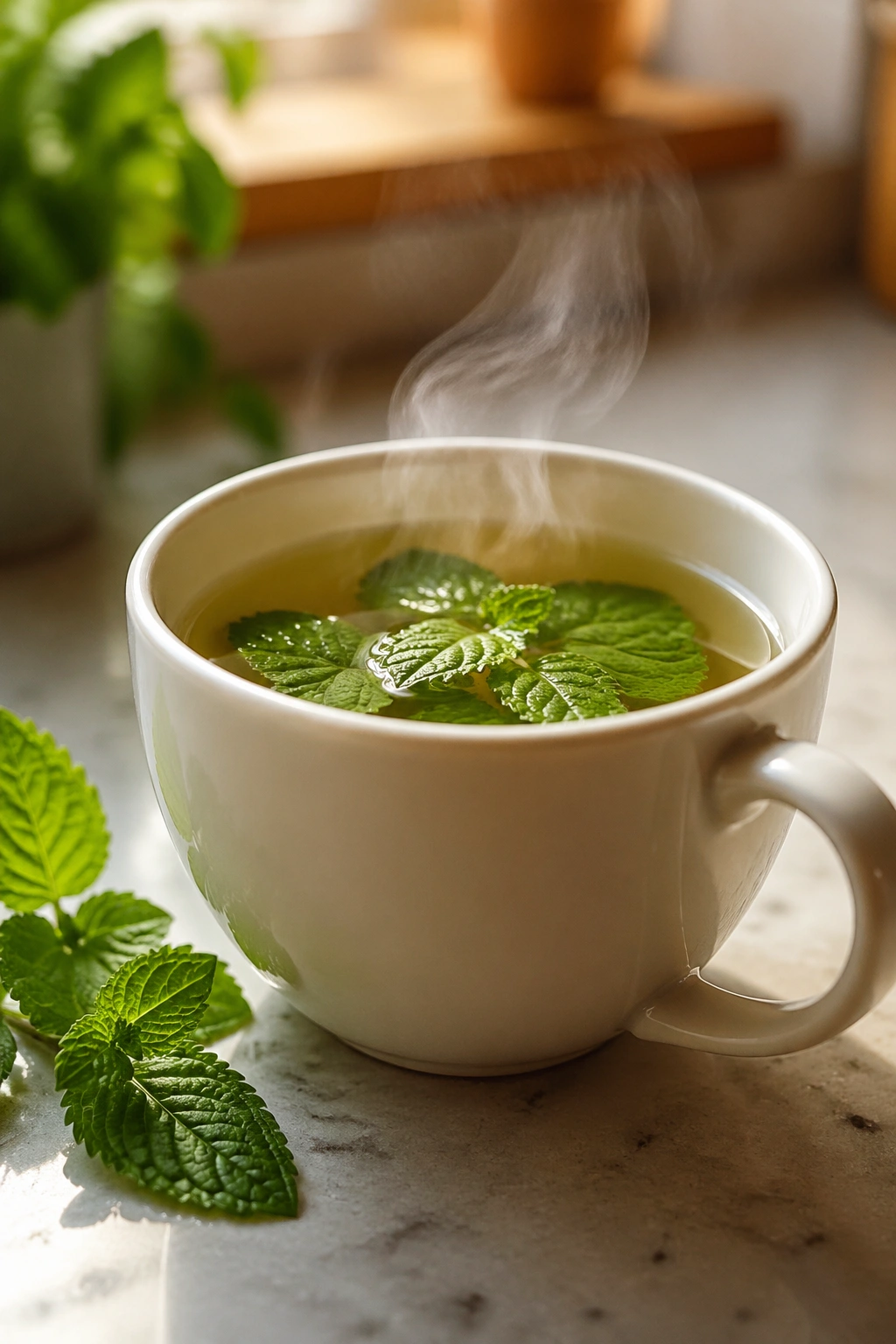
Unlike chamomile, which feels soft and sleepy, lemon balm often helps the mind unclench first. That distinction matters for the person who is not hungry at night so much as wired, restless, annoyed, and pacing toward the pantry.
Lemon balm belongs to the mint family, though the taste leans lemony-herbal instead of minty-cold. It has been used for calm, tension, and sleep support for a long time, and it fits beautifully into a bedtime routine built around stress control.
The belly-fat link is indirect but real enough: less tension often means fewer “reward snacks,” fewer glasses of wine poured out of pure mental static, and a better shot at deep sleep. Cortisol is not the whole belly-fat story, though it is part of it, especially when stress keeps your appetite high late at night.
Who tends to like lemon balm most? People who can fall asleep physically but keep thinking in loops.
Use 1 to 2 teaspoons dried lemon balm in 8 ounces hot water for 6 to 8 minutes. The flavor fades if you under-steep it. A lid helps hold the aroma in the cup where you want it.
One caution: if you use thyroid medication, talk with your clinician before making lemon balm a nightly habit. Herb-drug interactions are not rare.
7. Turmeric Tea for Inflamed, Restless Evenings
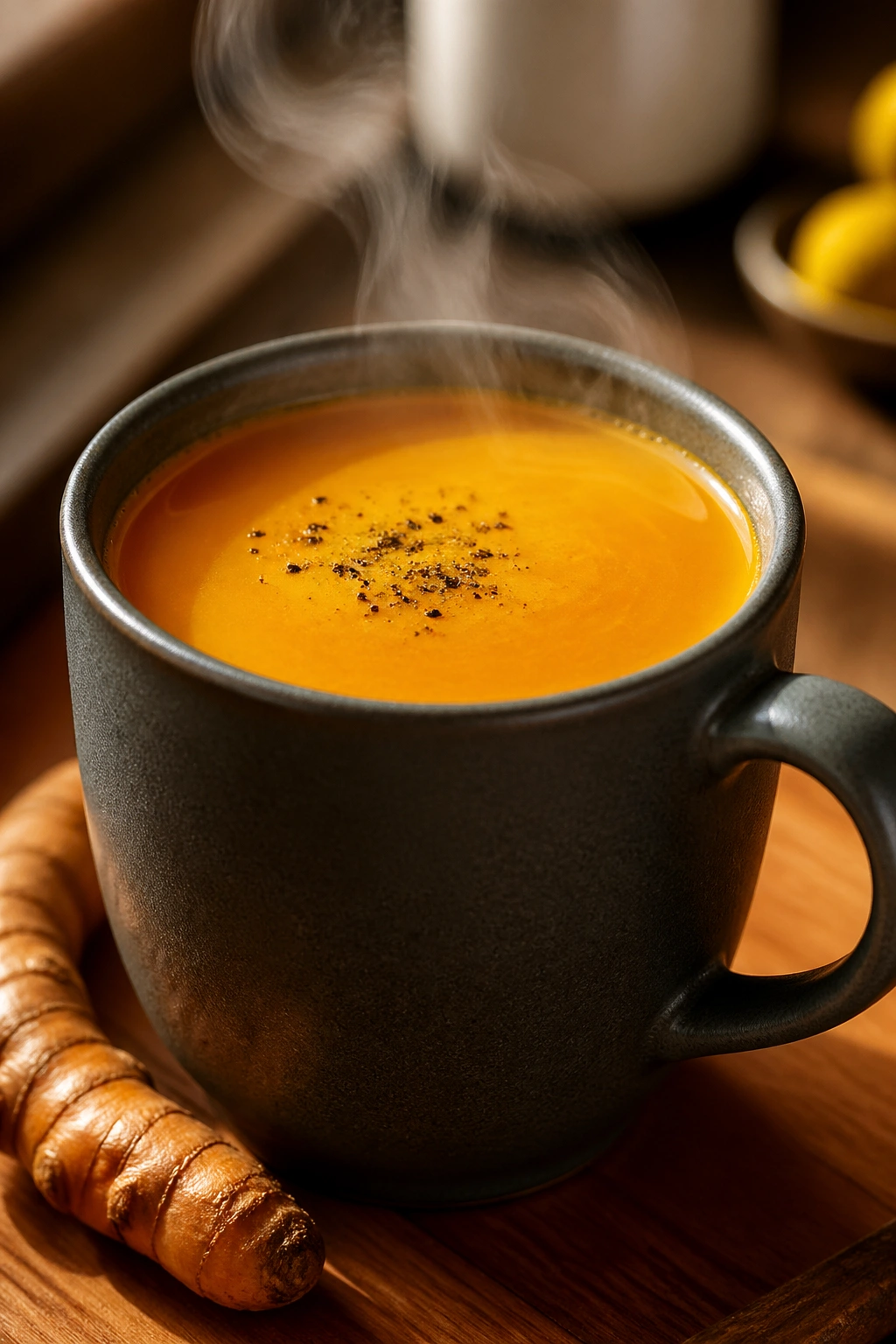
Turmeric is not a sleepy tea in the classic sense. It is a body-calming tea—good on nights when soreness, stiffness, or a heavy meal makes you feel swollen and off.
That is a different problem, and it needs a different mug.
Why turmeric earns a spot
Curcumin, the main compound in turmeric, has been studied for its anti-inflammatory effects. Belly fat is tied with low-grade inflammation, especially when sleep, food quality, and stress all run rough. A cup of turmeric tea will not erase that, though it can be part of a lower-friction evening routine—less soreness, less kitchen grazing, less “I want something comforting” eating.
A better bedtime version
For a light tea, simmer 1/2 teaspoon ground turmeric in 10 ounces water for 5 to 8 minutes, then add a pinch of black pepper. Pepper helps curcumin absorption.
For a creamier version, use part unsweetened almond milk or dairy milk, though watch the calories. A mug can stay around 25 to 50 calories if you keep it modest. It can also drift far higher if you start pouring sweeteners and full-fat coconut milk like you are making dessert.
- Best partner spice: Ginger
- Taste: Earthy, warm, slightly bitter
- Best for: Heavy-body fatigue, post-workout evenings, rich dinners
- Use caution if: You have gallbladder trouble or take blood thinners
Best move: keep turmeric tea thin at night. Rich “golden milk” can turn into a calorie trap fast.
8. Fennel Tea for Gas, Fullness, and a Puffy Midsection
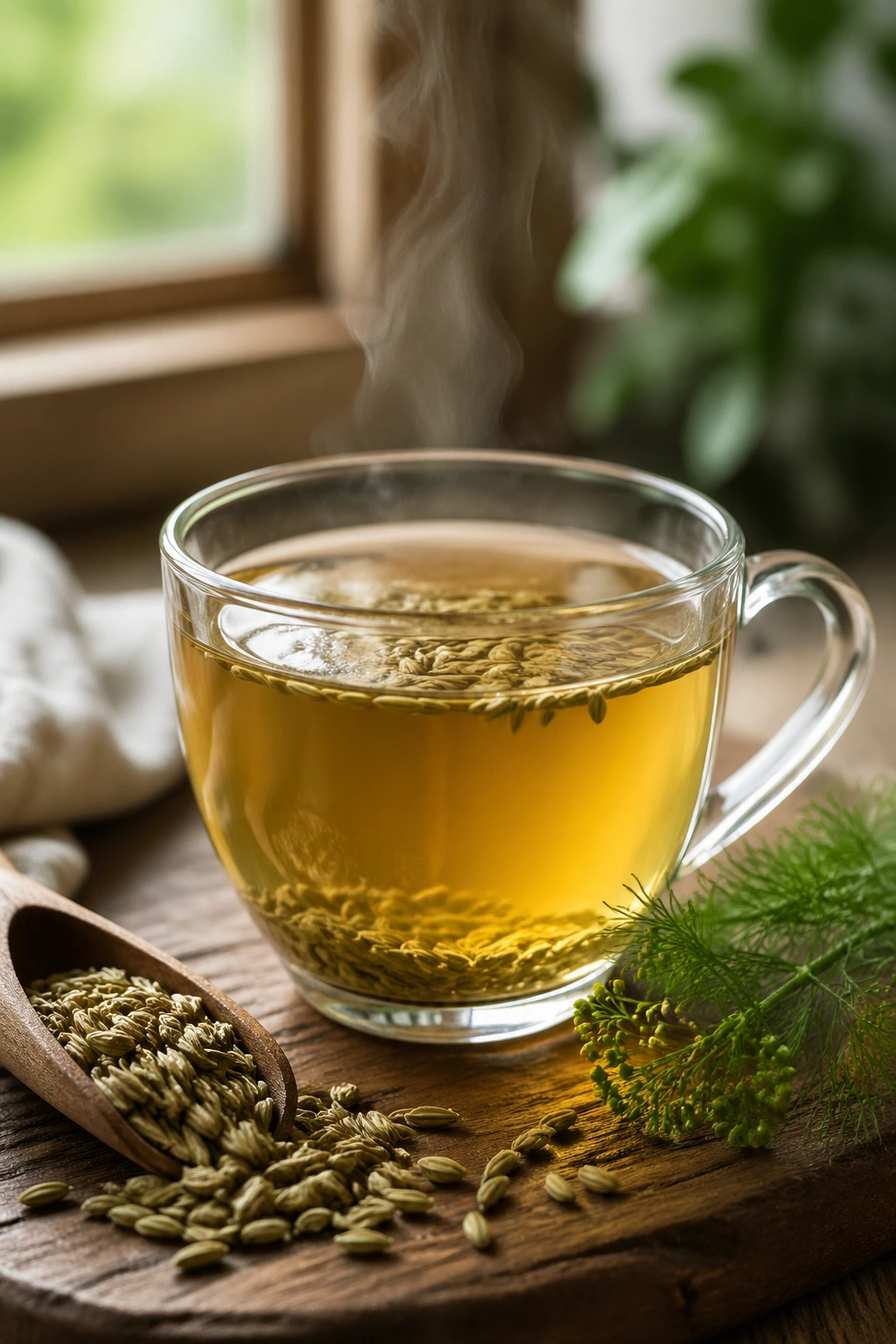
When your stomach feels stretched tight after broccoli, lentils, onions, or a restaurant meal with more salt than your body wanted, fennel can be a quiet lifesaver.
The taste surprises people. It leans sweet and licorice-like, not grassy. That makes it easier to drink than some digestion teas, and the seeds have a long track record in after-dinner use because they can ease gas and cramping.
Fennel does not work by “boosting metabolism.” It works by helping your gut settle. That matters if the thing making your belly look larger tonight is trapped gas rather than body fat. Sometimes you need fat-loss advice. Sometimes you need your dinner to stop staging a protest.
Crush 1 teaspoon fennel seeds lightly with the back of a spoon, pour over 8 to 10 ounces boiling water, and steep 7 to 10 minutes. Crushing the seeds first makes a big difference. Whole seeds can produce a weak cup.
People who dislike licorice flavors may never love fennel. Fair enough. Ginger or peppermint is the safer bet for those palates.
9. Dandelion Root Tea for Water Retention and Heavy Meals
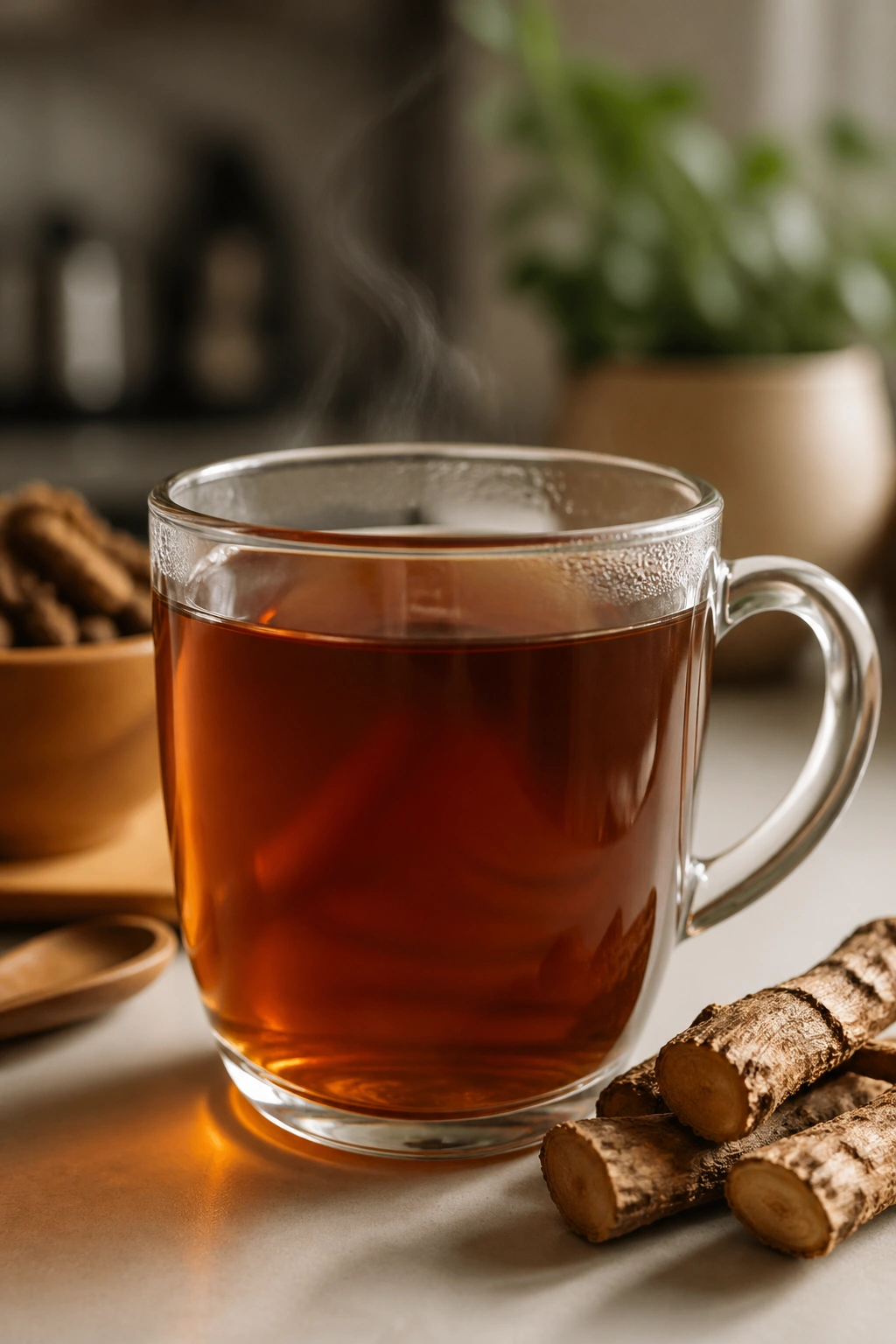
Want something that feels closer to coffee than flowers? Roasted dandelion root tea is the nighttime answer for a lot of people.
The flavor is dark, toasty, faintly bitter, and satisfying in a way lighter herbal teas are not. That makes it useful for anyone trying to drop an after-dinner latte, a sweet cold brew, or a nightly drink habit that is adding more calories than expected.
Dandelion root has a long history as a digestive and mild diuretic herb. Translation: it may help you feel less waterlogged after a salty meal. That is not body-fat loss, though it can make your stomach feel flatter by morning and keep the scale from bouncing around as much from fluid retention.
How to brew it without making it harsh
Use 1 tablespoon roasted dandelion root for 10 to 12 ounces water and steep for 8 to 10 minutes. If the bitterness bites too hard, add cinnamon instead of sweetener.
A caution belongs here. Dandelion can interact with diuretics and may not suit people with gallbladder issues. If that sounds like you, pick rooibos or chamomile and move on.
The best use for dandelion root is as a replacement drink. The tea itself matters. The coffeehouse calories you skip matter more.
10. Tulsi Tea for Evenings Driven by Stress, Not Hunger
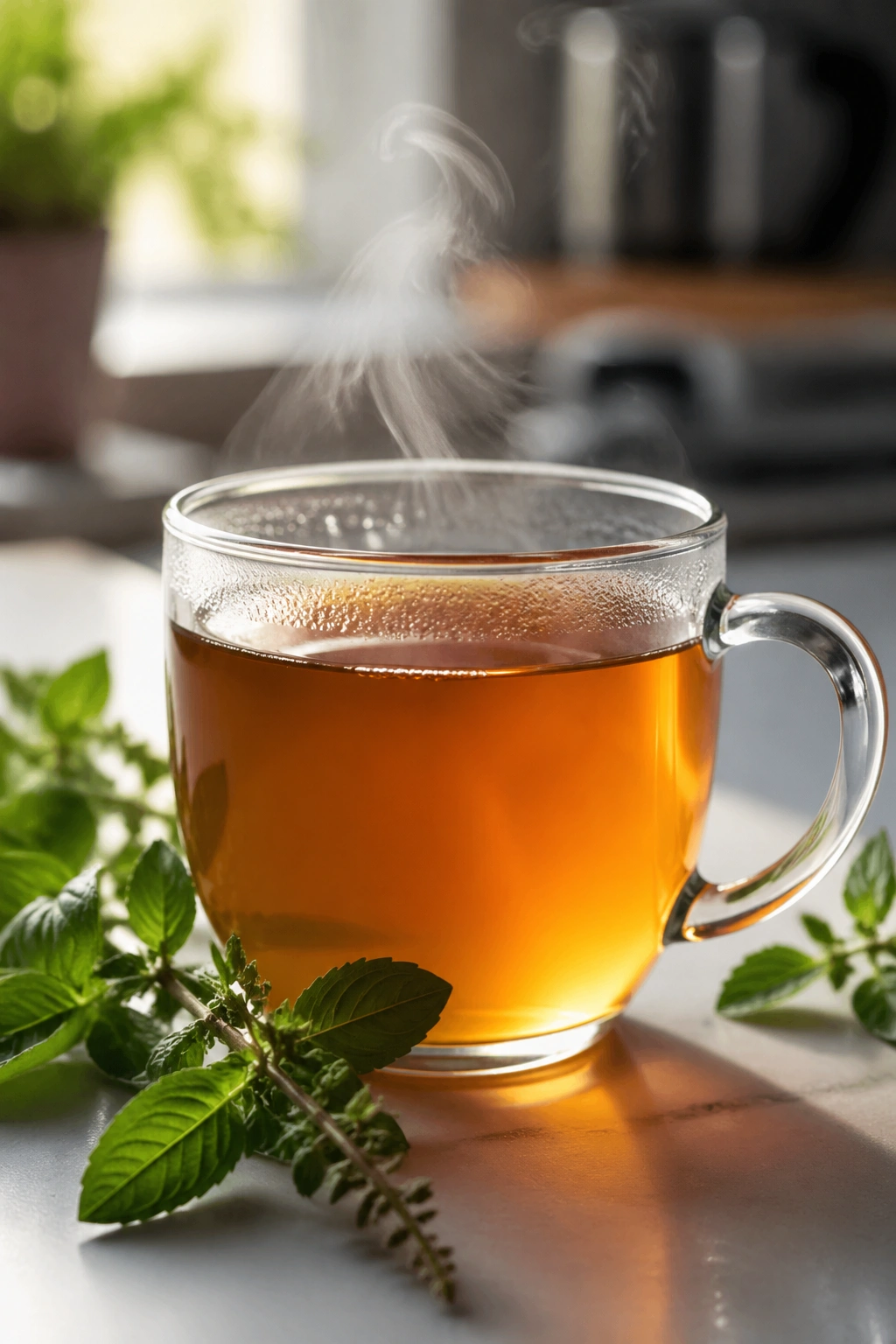
Some late-night eating has nothing to do with hunger. You had a draining day, your shoulders are up near your ears, and your brain wants a reward. Tulsi—also called holy basil—fits that kind of night.
In traditional use, tulsi is linked with stress support and steadier energy. The taste is distinct: clove-like, peppery, slightly sweet, a little green. Not cozy in the same way chamomile is cozy. More clear-headed. More “take a breath.”
That can help if stress keeps pushing you toward crunchy, salty, high-calorie snacks. One strong tulsi tea after dinner can create a pause between emotion and eating, and that pause is where smarter choices usually happen.
- How to brew: 1 tea bag or 1 tablespoon dried tulsi in 8 ounces hot water for 5 to 7 minutes
- Best for: Stress cravings, mental clutter, emotionally loaded evenings
- Flavor profile: Spiced herb, mild clove, faint mint
- Works well with: Ginger or cinnamon
- Use caution if: You take medication for blood sugar, blood clotting, or fertility-related treatment
Tulsi is not for everyone taste-wise. Still, for stress eaters, it can hit the target better than sweeter, softer herbs.
11. Lavender Tea for Tension You Can Feel in Your Jaw and Shoulders
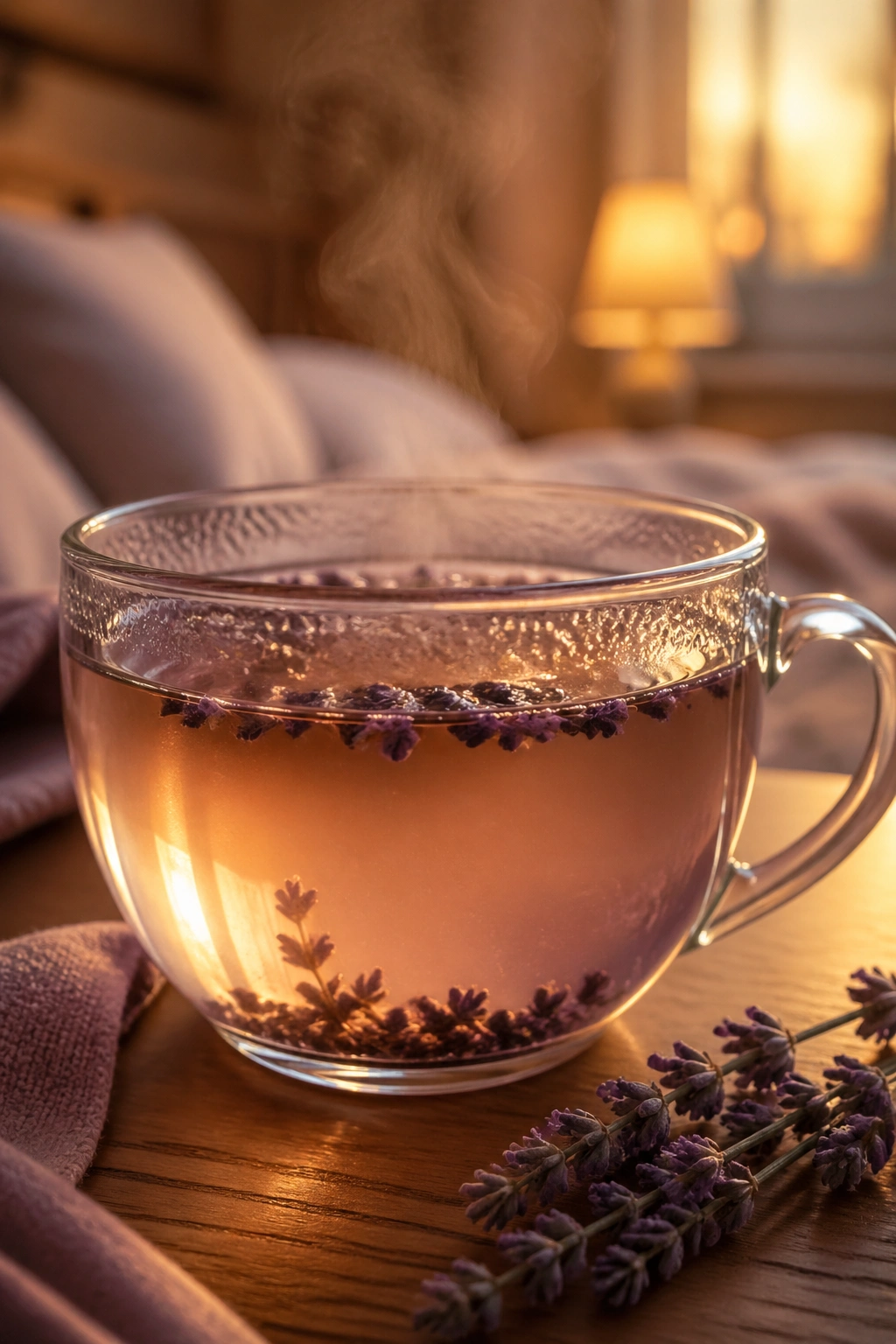
Lavender can go wrong fast. Use too much and the cup tastes like soap. Use the right amount and it feels like someone turned the volume down on the room.
That is why it belongs here.
Lavender is not a digestion tea first. It is a tension tea. The people who benefit most are the ones who carry stress physically—tight jaw, stiff neck, shallow breathing, restless legs under the covers. That kind of tension often leads to needless snacking because eating becomes another way to settle the body.
Keep the brew light: 1 teaspoon dried lavender buds in 10 ounces hot water for 4 to 5 minutes. Longer than that, and the flavor can get sharp. Pairing it with chamomile is often better than drinking lavender alone, though a straight lavender tea can work if you like a floral cup.
One practical note: buy culinary-grade lavender from a trusted tea or herb source. Decorative potpourri lavender belongs nowhere near your mug.
Lavender is a mood tea more than a metabolism tea. On the right night, that is enough.
12. Passionflower Tea for Nights When You’re Tired but Cannot Settle

Unlike valerian, which can feel heavy, passionflower tends to be gentler. That makes it useful for people who want help drifting off but do not want to wake up dull and foggy.
The key belly-fat link again comes back to sleep. Poor sleep makes high-calorie food feel urgent. One bad night can do that. A week of bad nights can wreck a good fat-loss plan. Passionflower helps by making the drop into sleep smoother for some people, especially when the problem is mental restlessness rather than stomach discomfort.
A good way to think about it: chamomile is the comforting blanket, passionflower is the quiet room.
Use 1 tea bag or 1 tablespoon dried passionflower in 8 ounces hot water for 6 to 8 minutes. Sip it about an hour before bed and see how you feel the next morning before making it a nightly habit.
Passionflower deserves a caution label. If you use sedatives, anti-anxiety medication, or sleep medication, do not pile this on without checking first. Sleepy herbs can stack.
13. Lemon Verbena Tea for a Fresh, Clean Finish After Dinner
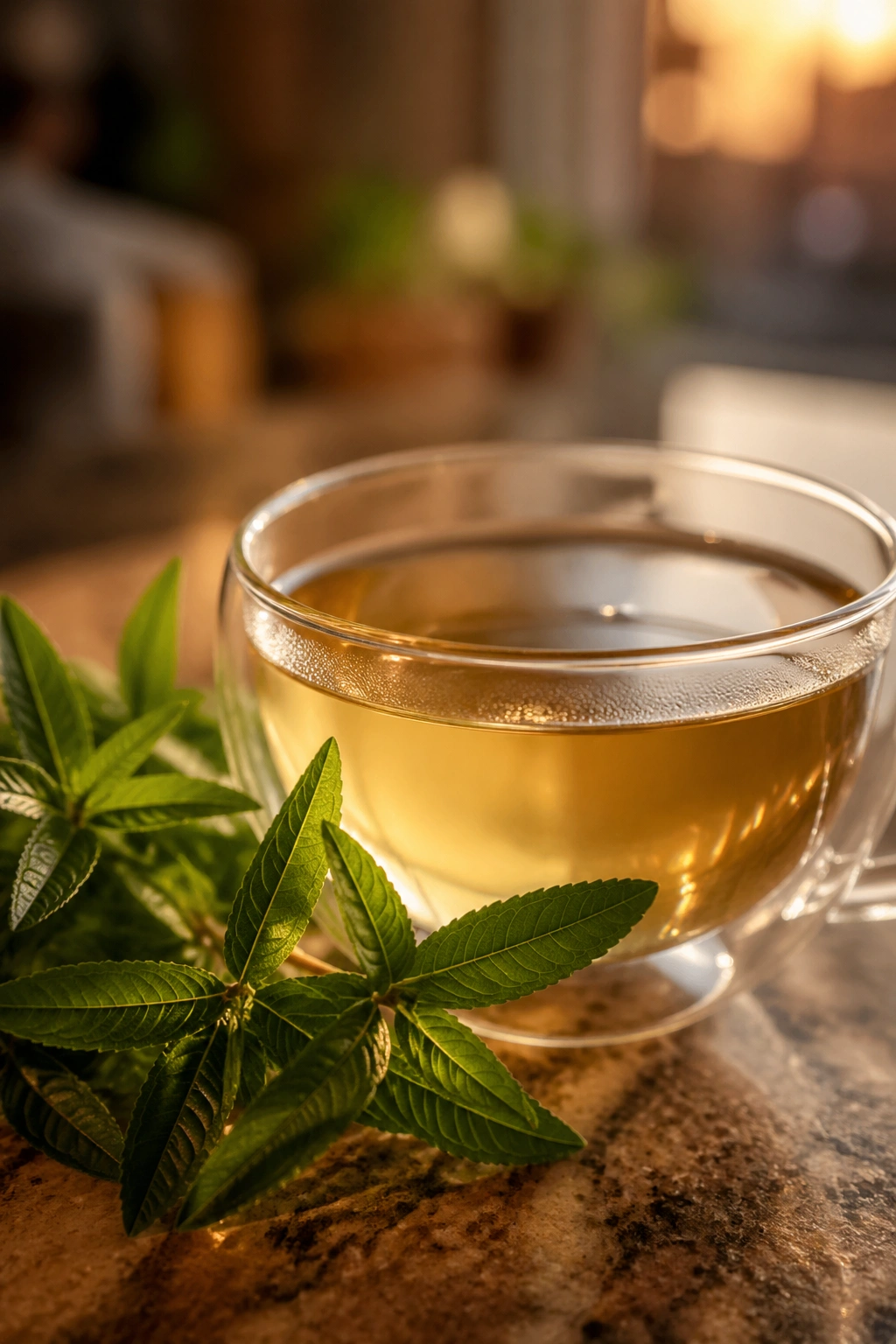
Lemon verbena smells bright the moment hot water hits it—more lemon peel than lemon juice, more garden than candy. That clean citrus edge can shut down the appetite for dessert better than softer teas can.
It also has a calm, settled quality that makes it work after a rich meal. Less bloat, less lingering food taste, less urge to keep eating because dinner still feels unfinished. That is a sneaky pattern, by the way. A lot of nighttime overeating is not hunger at all. It is a craving for closure.
Why this one feels lighter than other nighttime teas
Lemon verbena gives you the refreshing feel of citrus without caffeine and without the heaviness of creamy bedtime drinks. That matters if you want something clean and crisp before bed rather than sweet or spiced.
Quick use notes
- Brew: 1 tablespoon dried leaves or 1 tea bag for 5 to 7 minutes
- Best for: Heavy dinners, dessert cravings, mild stress
- Flavor: Bright, lemony, slightly grassy
- Pairs well with: Ginger or a sliver of fresh lemon peel
- Good time to drink: About 75 minutes before bed
Best move: choose lemon verbena when you want the feeling of a reset, not a sedative.
14. Hibiscus Tea for the Person Who Wants Something Sharp, Not Sleepy
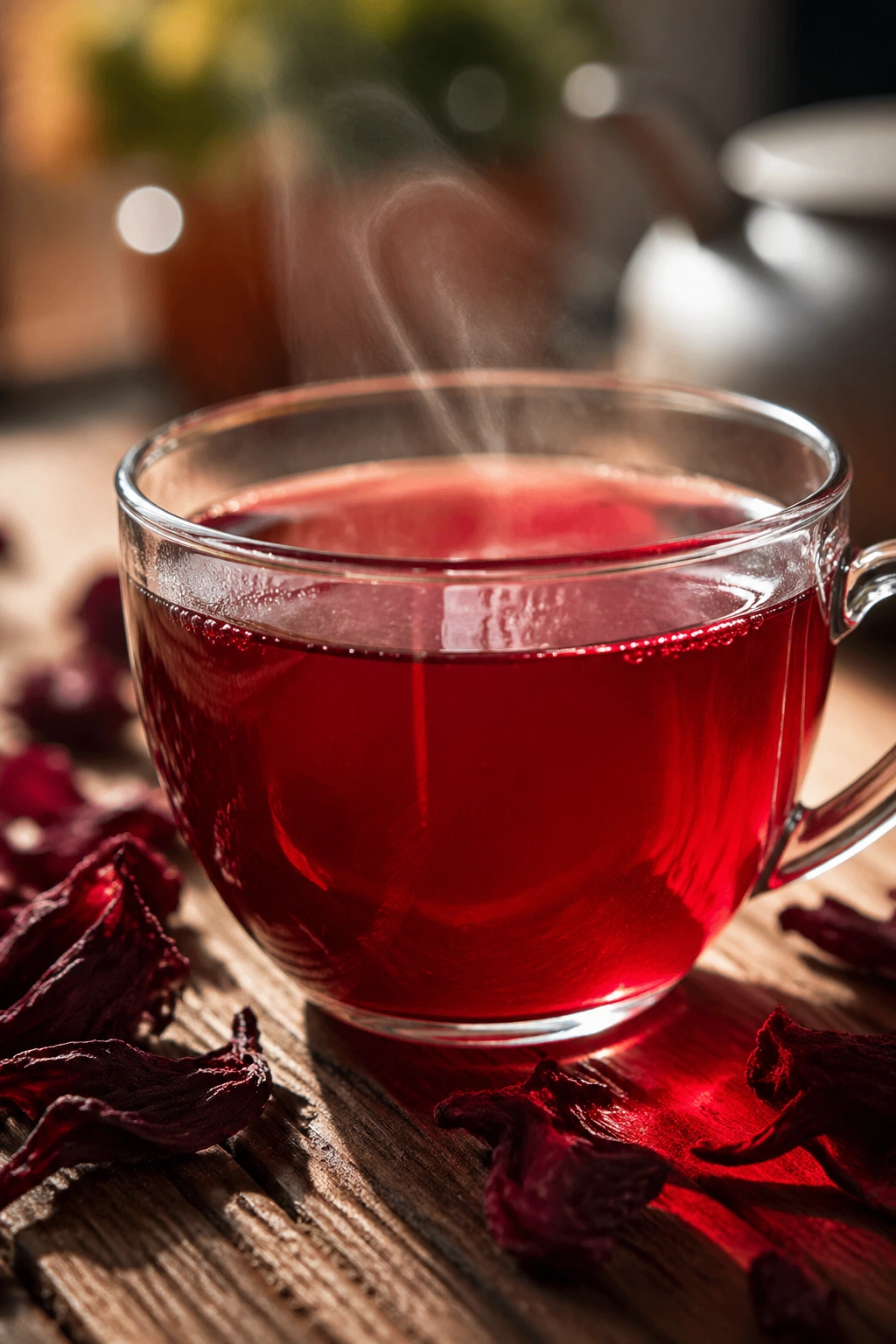
A tart tea can kill a sugar craving faster than a soft floral one. That is hibiscus in a sentence.
The bright ruby color does not hurt either. More than one person sticks with hibiscus because it feels like a treat, and habit compliance matters more than a perfect herb on paper. If you hate drinking something, you will not keep doing it long enough for the routine to help.
Hibiscus has been studied for blood-pressure support and may help with fluid balance. The bedtime angle is more practical than dramatic: it is caffeine-free, bold-tasting, and strong enough to replace sweet evening drinks. A warm mug can work, though some people like it cooled and unsweetened after dinner, then switch to water before bed.
A warning belongs here. Hibiscus can be too acidic for people with reflux or sensitive stomachs, especially late at night. If tart drinks trigger heartburn, skip this one and move toward rooibos, lemon balm, or chamomile.
Use 1 to 2 teaspoons dried hibiscus in 8 ounces hot water for 5 to 6 minutes. Longer steeping brings more tang and a deeper red color.
15. Decaf Green Tea for a More Direct Metabolism Angle
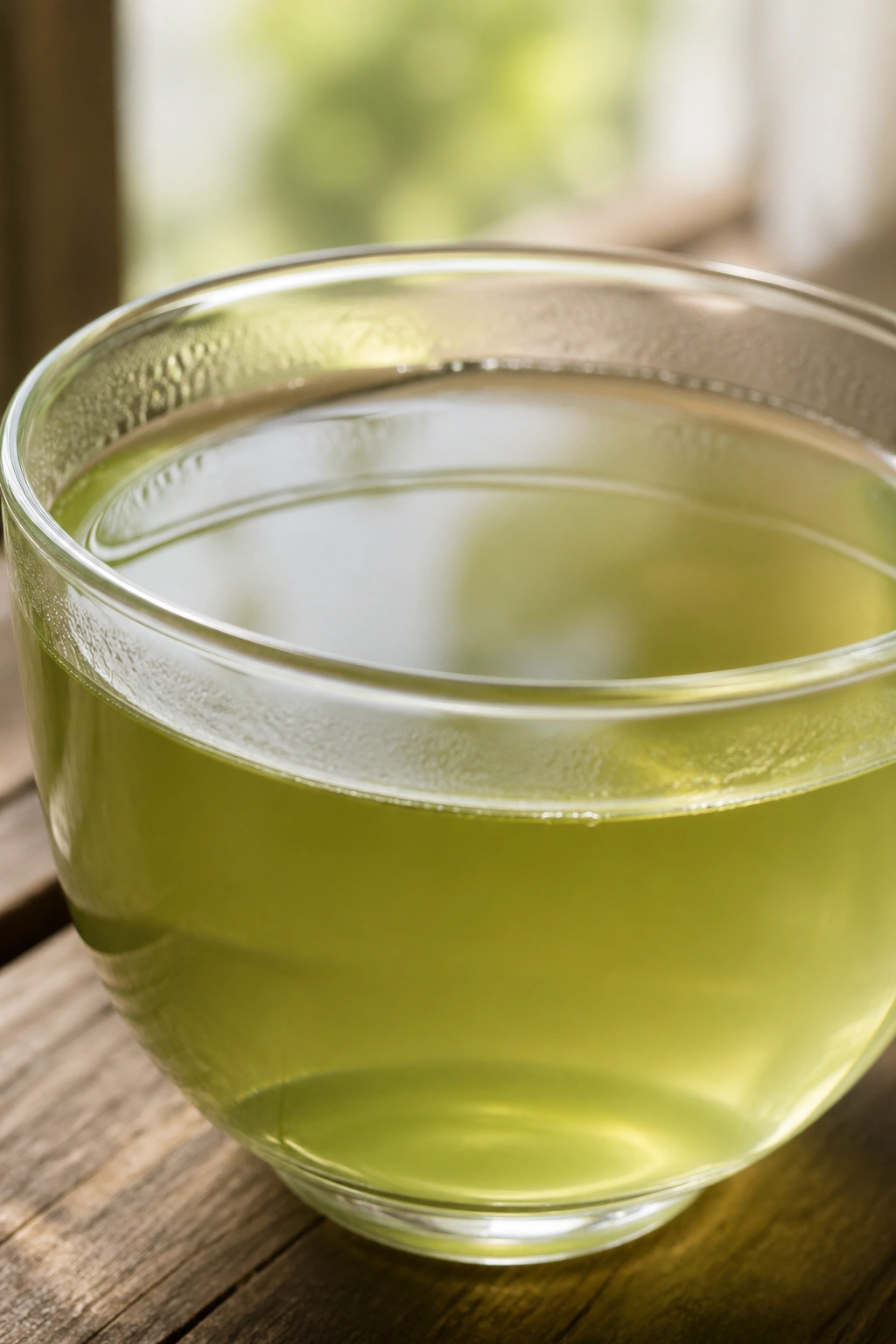
Does decaf green tea belong on a bedtime list? For some people, yes—and it is the one tea here with the most direct link to fat-loss research because of its catechins, especially EGCG.
That does not make it a night miracle. The effect is modest. Still, if you want a tea that has a clearer metabolism connection than chamomile or lavender, decaf green tea is the strongest candidate.
The catch is sleep. Even decaf green tea can contain a small amount of caffeine, often 2 to 5 milligrams per cup, sometimes more. Plenty of people sleep fine with that. Some do not. If you are caffeine-sensitive, one late cup can erase the sleep benefits that matter more for belly fat than the catechins do.
How to use it without hurting sleep
Choose a true decaf green tea, not a low-caffeine one. Brew it a touch cooler—around 175°F to 185°F—for 2 to 3 minutes so it stays smooth instead of bitter. Drink it 90 minutes before bed, not as you climb under the covers.
If you tolerate it, decaf green tea can be the bridge between a metabolism-focused tea habit and a sleep-friendly nighttime routine. If you do not, move on. Chamomile will beat a wired night every time.
Final Thoughts
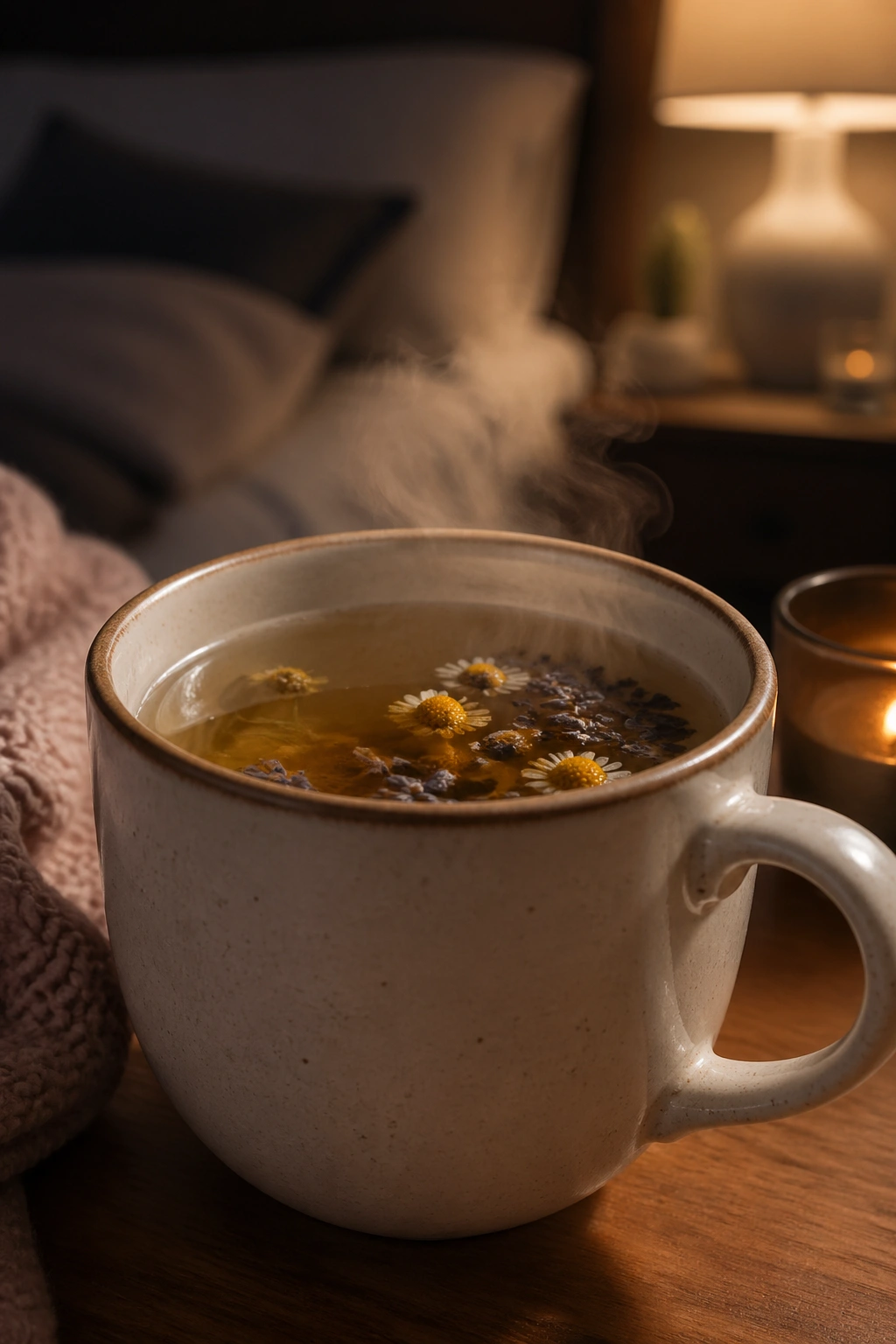
The best nighttime tea for belly fat is not the tea with the flashiest label. It is the one that solves the reason your evenings go off track.
If your problem is bloating, start with peppermint, fennel, or ginger. If your problem is stress and sleep, look at chamomile, lemon balm, tulsi, lavender, or passionflower. If sweet cravings keep showing up after dinner, rooibos, cinnamon, lemon verbena, or hibiscus tend to pull more weight.
Keep the habit plain, keep the timing smart, and give one tea a full week before you decide it belongs in your night routine. A smaller waist is often built from boring, repeatable choices. A warm mug before bed can be one of them.
