



Running on a treadmill for an hour while watching the clock is a miserable way to spend your time. Most people quit cardio not because they are weak, but because they are bored. There is a specific kind of frustration that comes from logging miles without seeing the body composition changes you actually want. If you want to melt fat and build a functional, athletic physique, you need to stop thinking about steady-state endurance and start focusing on metabolic demand. Full-body movements require your heart, lungs, and muscles to work in sync, creating a caloric burn that lasts long after you have finished your final rep.
When you move your entire body through space, you aren’t just taxing your cardiovascular system; you are forcing your core to stabilize, your posterior chain to fire, and your upper body to assist in coordination. This is how you change your body. You stop isolating muscles and start teaching them to communicate. The workouts that follow are designed to be uncomfortable, efficient, and brutally effective. They prioritize compound movements that recruit the maximum number of muscle fibers per second.
Do not expect these to be easy. If you are breathing easily, you are not burning at the rate you need to reach your goals. The goal is intensity, which is defined by how much work you can cram into a set amount of time. You will find that these movements require focus. You cannot zone out during a heavy set of thrusters or a fast-paced round of mountain climbers. That mental engagement is exactly why these exercises work. They force you to be present, and they deliver results that simple walking simply cannot match.
1. Burpees
The burpee is often misunderstood as a simple jump-down, jump-up movement, but when executed with proper form, it is the ultimate full-body metabolic finisher. You start standing, drop into a plank position, perform a push-up, jump your feet back to your hands, and explode upward into a jump. This sequence hits your chest, shoulders, core, quads, and hamstrings simultaneously.
Why It Works for Calorie Burning
The efficiency of the burpee comes from the vertical displacement. You are taking your body from a horizontal position near the floor to a fully extended position in the air, then repeating. The constant change in elevation forces your heart rate to spike immediately because your blood has to work against gravity to pump from your head to your toes.
Essential Technique Tips
- Keep a tight core: As you kick your feet back into the plank, do not let your hips sag. Sagging hips lead to lower back strain, which will stop your workout before your lungs do.
- Full range of motion: If you skip the push-up or the full jump, you are losing half the calorie-burning potential. Touch your chest to the floor.
- Control the landing: When you jump up, land softly on the balls of your feet. Heavily slamming your heels into the ground is a recipe for joint issues over time.
2. Jump Rope

There is a reason professional boxers, who require supreme conditioning, never stop jumping rope. It is not just about footwork; it is about keeping your entire upper body engaged while your legs move at high speed. It trains your calves, quads, and shoulders while demanding intense focus from your core for stabilization.
The Mechanics of Efficiency
The beauty of the jump rope is the feedback loop. You cannot fake it. If you lose focus, the rope hits your shins, and you stop. This instant consequence forces a high level of mental alertness that keeps your heart rate elevated in a way that just running on a track does not. You are actively engaged every single second.
How to Scale the Intensity
- Double unders: Instead of one rotation per jump, pass the rope under your feet twice. This drastically increases the metabolic demand.
- High knees: While jumping, lift your knees toward your chest. This turns a simple cardio exercise into a high-intensity core workout.
- Interval timing: Try to jump as fast as you can for 30 seconds, then rest for 30 seconds. Repeat this for 10 minutes. The rest interval is what keeps the total output high.
3. Mountain Climbers

Mountain climbers are deceptive. They look like they should be a core exercise, but if you do them at a sprinting pace, they become a full-body cardio nightmare. You are in a plank position, driving your knees into your chest one by one, keeping your hips steady. The constant shifting of weight creates an immense challenge for your obliques and shoulders.
Why They Burn Calories
You are holding an isometric plank the entire time while simultaneously performing high-speed hip flexion. This creates a conflict: your body wants to stay still, but your legs are sprinting. This conflict is where the fat-burning magic happens. Your central nervous system has to work overtime to keep your torso stable while your limbs are moving at a rapid clip.
Keys to Execution
- Avoid the bounce: Many people bounce their hips up and down as they switch legs. This takes the tension off your core and wastes energy. Keep your back flat as a board.
- Drive from the glutes: Do not just move your legs. Think about forcefully driving your knee toward your elbow. The power should come from your hip flexors and glutes.
- Wrist placement: Keep your hands directly under your shoulders. If your hands creep forward, you put unnecessary stress on your rotator cuffs.
4. Battle Ropes
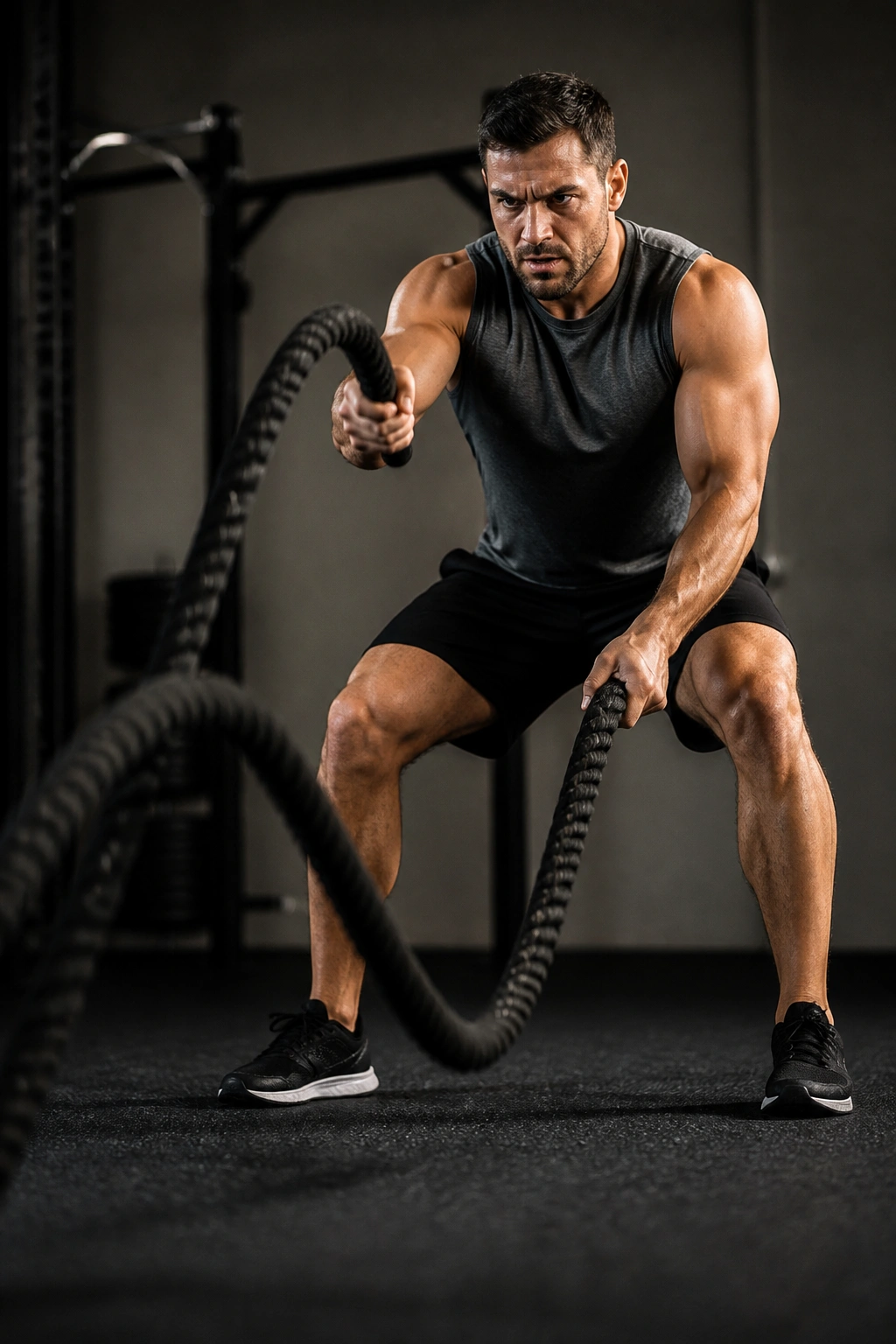
Battle ropes are often used as a finisher, but they should be a staple in any calorie-burning program. The sheer amount of muscle mass involved—shoulders, back, chest, core, and glutes—makes this a unique cardio tool. You are creating waves with heavy, thick ropes, and the energy required to fight the momentum of those ropes is astronomical.
The Power of Unilateral Training
You can perform waves with both arms simultaneously, or you can alternate, which forces your core to work to prevent your torso from rotating. Every time the rope hits the ground, you have to stabilize against the force. This full-body resistance is why battle ropes leave you gasping for air within 60 seconds.
Common Mistakes to Avoid
- Weak stance: If you stand with straight legs, you lose power and hurt your lower back. Sit into a shallow squat with your weight in your heels.
- Short waves: Do not just flick your wrists. Use your whole body. Drive the motion from your shoulders and lats. The waves should travel all the way to the anchor point.
- Holding your breath: Because it is a strength-based cardio movement, people tend to hold their breath. Exhale forcefully on every power stroke.
5. Kettlebell Swings

The kettlebell swing is the king of the posterior chain. It targets your glutes, hamstrings, back, and shoulders, but it is truly a cardiovascular exercise. You are using explosive power to launch a weight forward, and your heart rate will climb faster during a set of 50 swings than it will during a 500-meter jog.
The Hinge vs. The Squat
The biggest mistake people make is turning the swing into a squat. The swing is a hinge. Your knees should have a slight bend, but the movement should come from pushing your hips back and snapping them forward. If your quads are burning more than your glutes, you are doing it wrong.
Why This Burns More Fat
It creates an “afterburn” effect. Because the swing works so many large muscle groups at once, your body requires more oxygen to recover, which keeps your metabolism elevated for hours after you leave the gym.
- Pro tip: Choose a weight that challenges your grip and explosive power. If you can do 100 reps without stopping, the weight is too light. Aim for sets that make you want to quit at rep 20.
6. Rowing Machine
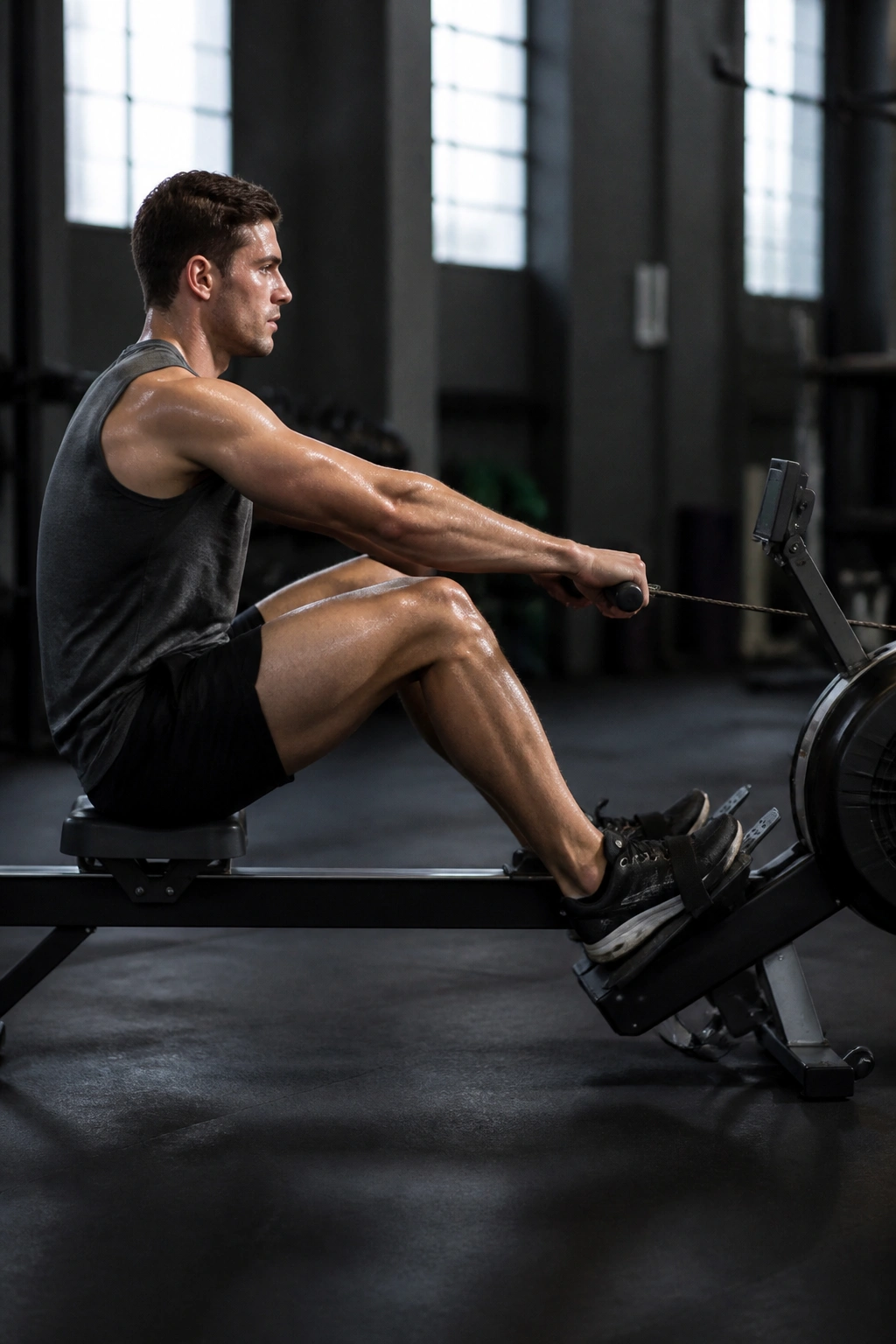
There is no cheating on a rowing machine. You are moving your body weight plus the resistance of the flywheel. It is a full-body movement that relies on your legs for the drive, your core for the transfer, and your back and arms for the finish. It is arguably the most efficient machine in the gym for total body conditioning.
The 60/20/20 Rule
Proper rowing form follows a specific ratio: 60% legs, 20% core, 20% arms. Most beginners try to pull with their arms first, which is a fast track to fatigue and zero calorie burn. Push with your legs, lean back slightly with your core, and finally pull with your arms.
Why Rowing Wins
- Zero impact: It is friendly to your joints, making it sustainable for long-term weight loss.
- Constant tension: Unlike lifting weights where you have rest periods between reps, the rower keeps the tension on throughout the entire stroke.
- Total muscle engagement: From your quads down to your toes, every inch of you is working.
7. Thrusters

If you want a workout that makes you question your life choices, thrusters are the answer. A thruster is a combination of a front squat and an overhead press. You take a barbell or dumbbells, drop into a full squat, and as you stand up, you use that momentum to press the weight directly overhead.
The Metabolic Tax
By moving the weight from the floor to the overhead position, you are involving every muscle in your body. It is the ultimate compound movement. The legs drive the weight, the core stabilizes the spine, and the shoulders and triceps lock it out. The sheer volume of blood that must be pumped to support this movement is immense.
Important Safety Note
- Shoulder mobility: If you do not have the mobility to press overhead without arching your back, stop. Use lighter weights or focus on your mobility work first.
- Squat depth: Do not cut the squat short. Hit parallel or lower to ensure you are actually using your legs to power the press.
8. Box Jumps

Explosive power is a fantastic calorie burner. Box jumps require you to propel your entire body weight upward and land safely on a stable platform. This forces your nervous system to recruit maximum muscle fibers instantly. It is high-intensity, high-reward.
Focusing on Mechanics
Landing is just as important as jumping. Land softly on the box with your whole foot. If you land on your toes, you are putting unnecessary stress on your ankles and Achilles tendons.
Making It a Workout
- Don’t step down: The jump is the cardio part, but stepping down is the rest. Jump up, and jump down.
- Use your arms: Swing your arms forcefully as you jump. This generates momentum and engages your upper body, turning a leg exercise into a full-body event.
- Height matters: A box that is too high will break your form and lower the intensity. Pick a height that allows you to be fast and fluid.
9. Medicine Ball Slams
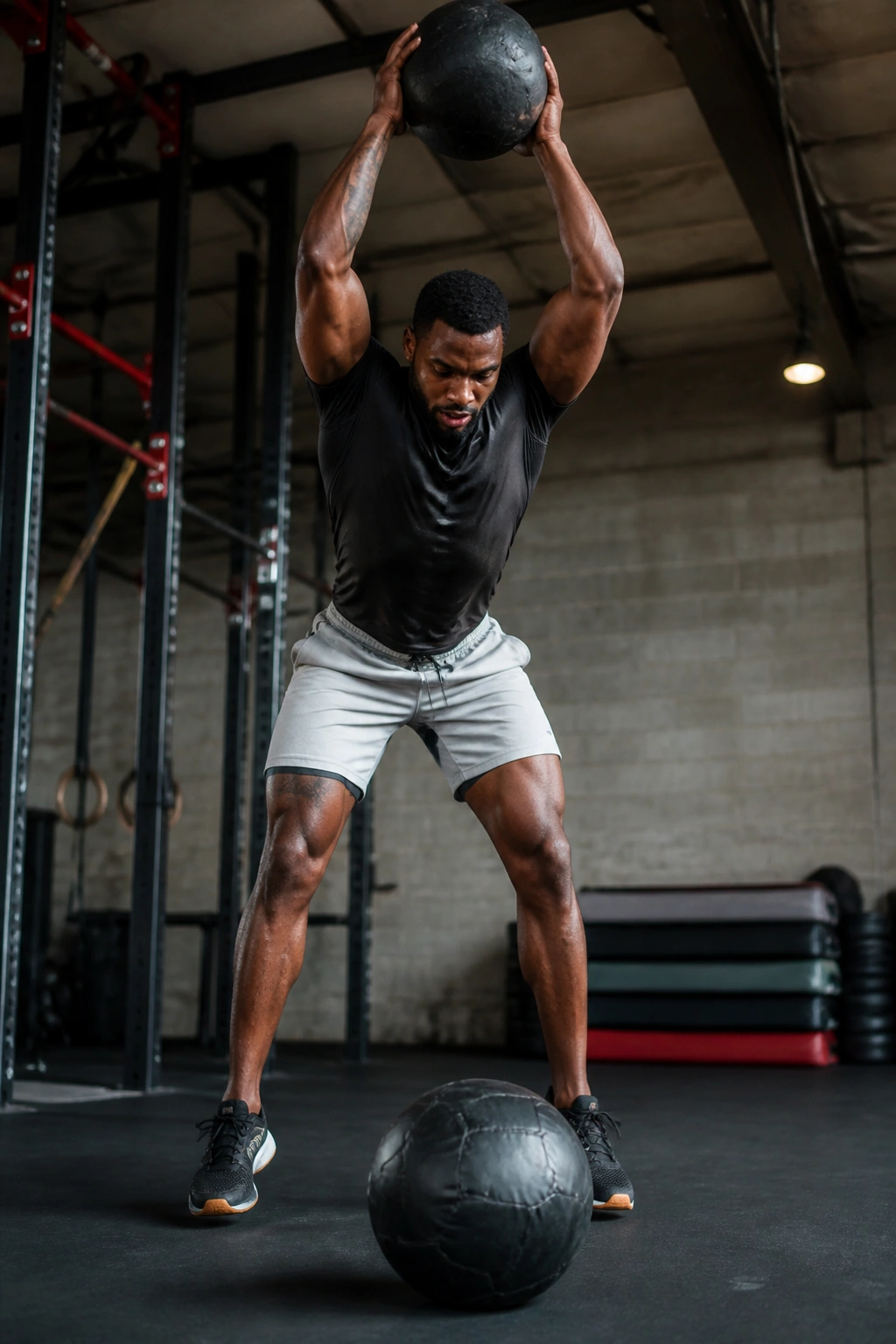
Medicine ball slams are excellent for releasing frustration and torching calories. You lift the ball overhead, fully extending your body, and then slam it into the floor with maximum force. It works your lats, shoulders, core, and glutes.
The Physics of the Slam
The harder you slam, the more calories you burn. This sounds simple, but it requires intent. Every rep should be maximal effort. If you are just going through the motions, you are not getting the cardiovascular benefit.
Core Engagement Strategy
As you bring the ball down, think about crunching your abs. You are not just letting gravity do the work; you are actively pulling your torso down, using your abdominal muscles to generate the speed of the ball. This is what separates a shoulder exercise from a full-body cardio movement.
10. Swimming

Swimming is the unsung hero of weight loss. Because water is roughly 800 times denser than air, every movement you make is met with resistance. You are effectively performing resistance training and cardio simultaneously. It is full-body, low-impact, and incredibly demanding.
Why It Burns So Much
Your body has to regulate its temperature, move against resistance, and coordinate breathing. Even just staying afloat takes energy. Freestyle and butterfly strokes offer the best metabolic return because they use the most muscle mass.
The Beginner’s Trap
Most people swim too slowly to get a cardio benefit. Use a stopwatch. Set intervals—swim 50 meters, rest 30 seconds, and repeat. If you just drift back and forth, you aren’t doing the work. Push yourself to maintain a consistent speed that makes you struggle for air by the end of the set.
11. Jumping Jacks
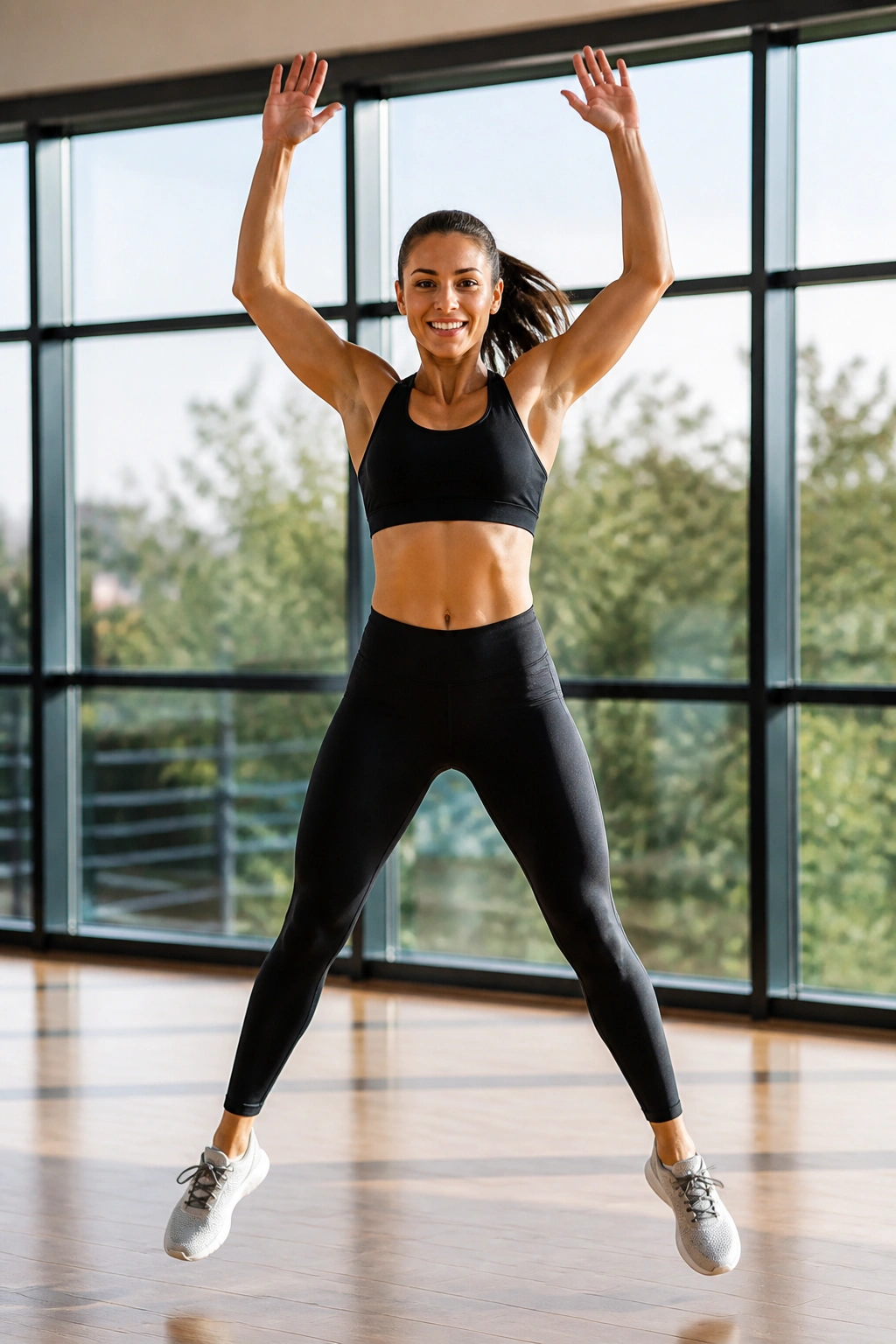
Do not overlook the classics. Jumping jacks are a perfect example of a full-body movement that requires no equipment and can be done anywhere. They raise your heart rate quickly, work your shoulders and legs, and can be ramped up in intensity to match elite conditioning standards.
Elevating the Standard
To make them more effective, focus on the range of motion. Touch your hands above your head. Don’t just clap lazily. Fully extend. When you jump your feet out, make it a wide, powerful movement.
Why They Are Effective
They rely on a steady, rhythmic pattern that keeps the heart rate elevated. You can perform these in bursts or as a continuous movement for long durations. They are the ultimate “no excuses” exercise. If you are traveling or stuck at home, this is your primary tool for metabolic maintenance.
12. Sprint Intervals

Sprinting is the most primal form of cardio. It requires your entire body to explode forward. It burns a significant number of calories in a very short timeframe. The key to making it effective is the interval structure.
The Science of Intensity
You cannot sprint for long. That is the point. Sprint at 95% of your maximum effort for 20 seconds, then walk for 40 seconds. Repeat this for 15 to 20 minutes. This is not jogging; this is full-out, arms-pumping, lungs-burning work.
Body Engagement
- Pump your arms: Your arm swing dictates your leg speed. Keep them moving.
- Torso posture: Lean slightly forward. Don’t stay perfectly upright, or you will lose power.
- The cool down: Never just stop. Walk for a few minutes after your last sprint to let your heart rate settle.
13. Stair Climbing

Walking up stairs is a vertical assault on your legs and lungs. It is effectively a series of single-leg lunges performed under load. Gravity is working against you the entire time, and you have to lift your body weight up every single step.
Maximizing the Stair Climber
If you are at the gym, use the machine, but don’t lean on the rails. Leaning on the rails cuts your caloric burn by half or more. Keep your torso upright. You should be able to take your hands off the rails and maintain your balance. If you can’t, the machine is too fast.
The Technique
- Full foot contact: Don’t just walk on your toes. Place your whole foot on the step to engage your glutes and calves.
- Step height: Keep your stride consistent.
- Active arms: If you aren’t holding the rails, swing your arms naturally. It adds a layer of coordination and upper-body effort.
14. Renegade Rows

Renegade rows are a hybrid exercise that combines a push-up, a plank, and a dumbbell row. You are in a push-up position with your hands on dumbbells, perform a row with one arm, then the other, and then do a push-up. It is a fantastic tool for building core stability while driving the heart rate through the roof.
Why It Works
It keeps the body in a constant state of tension. You have to stabilize your entire body with one arm while the other pulls the weight. It forces the core to fire to prevent rotation. It is one of the best movements for people who have limited time but want a full-body stimulus.
The Stability Challenge
- Wide stance: Keep your feet wider than shoulder-width. This provides a stable base and allows you to row without rocking your hips.
- Neutral neck: Don’t look up. Keep your gaze at the floor between the dumbbells to keep your spine neutral.
- Controlled tempo: Do not rush the row. Squeeze your lat at the top and lower the weight slowly.
15. Bear Crawls

The bear crawl is a functional movement that looks like child’s play but feels like a workout. You are on your hands and knees (knees hovering off the floor) and crawling forward. It forces your shoulders, core, and legs to work in perfect synchronization.
The Full-Body Integration
Because you have to move opposite limbs (right hand, left leg), you are training your brain and body to coordinate under stress. This forces your core to lock in to protect your spine. It is deceptively difficult to maintain good form for more than 30 seconds at a time.
Training Tips
- Keep it low: Don’t let your hips rise into the air. Keep them low and flat.
- Small steps: Take short, controlled steps. Long strides will force your hips up.
- Go backward: Once you master forward crawling, reverse the movement. Crawling backward adds a whole new dimension of challenge to your shoulders and quads.
16. Jump Squats

Jump squats are the plyometric version of a standard squat. You descend into a squat and explode upward, leaving the ground. It builds explosive power and spikes the heart rate instantly.
The Landing Logic
The most important part of a jump squat is the landing. You must land softly, immediately transitioning into the next squat. If you land with locked knees or heavy feet, you are asking for trouble.
Why It Torches Fat
Plyometric movements require your muscles to contract and expand rapidly. This creates a high metabolic demand. Your body has to move a lot of mass very quickly, which is a massive energy expenditure. It is an excellent way to finish a leg workout or to perform as a circuit on its own.
17. Shadow Boxing

You don’t need a heavy bag to get a cardio workout. Shadow boxing requires you to move your feet, twist your core, and throw punches, all while keeping your balance. It is a fantastic full-body workout that improves coordination and builds endurance.
The Rhythm
The trick is to keep moving. Bounce on your toes, slip, weave, and throw combinations. Don’t just stand still and punch. If you aren’t sweating in five minutes, you aren’t moving enough.
Why This is Underrated
It’s mental. You have to think about your combinations, your head movement, and your footwork. This mental engagement makes the time pass faster than any treadmill session. It works your shoulders, back, and core, and the continuous movement keeps your heart rate in the aerobic zone.
18. The Assault Bike

If you walk into a gym and see someone looking utterly exhausted on a bike that uses both arms and legs, they are on an assault bike. It is arguably the most brutal cardio machine ever invented because it relies on air resistance. The harder you pedal, the harder it gets.
The Resistance Factor
Unlike a standard stationary bike where you can coast, the assault bike forces you to work against the wind resistance constantly. You are pushing with your legs and pulling/pushing with your arms. It is a total-body synchronization that provides no relief.
The Protocol
- Tabata: 20 seconds of all-out effort, 10 seconds of rest. Do this for 8 rounds. You will be finished in 4 minutes, and you will not want to do another round.
- Steady state: You can also ride for 20 minutes at a moderate pace, but keep a consistent RPM. It is a different kind of burn, but equally effective for endurance.
19. High Knees

High knees are a simple movement, but perform them at a sprint pace, and they become a metabolic firestorm. You are essentially sprinting in place, driving your knees up to waist height while pumping your arms.
Why They Work
They require a massive amount of hip flexor engagement and core stability. If you are lazy with your form—just tapping your heels—you get no benefit. You must drive those knees up with intent.
Integration Strategy
- Use them as a connector: If you are doing a circuit, put 30 seconds of high knees between each strength exercise to keep the heart rate up.
- Focus on speed: It’s not about how high you can get your knees, but how fast you can cycle them. Quick, sharp steps are the key to the calorie burn.
20. Burpee Pull-ups

This is the ultimate evolution of the burpee. You perform a burpee, jump up to a pull-up bar, perform a pull-up, and drop back down into your next burpee. It combines the pushing power of the burpee with the pulling power of the pull-up.
The Difficulty Factor
This move is demanding. It hits every major muscle group: chest, shoulders, triceps, lats, biceps, core, glutes, and quads. It is, by definition, the most comprehensive cardio exercise you can perform.
Technical Advice
- Find a bar height: If the bar is too high, you waste energy jumping. If it is too low, you have to squat too deep. Find one that allows for a challenging but controlled jump.
- Break it down: If you are a beginner, do the burpee, stand up, do the pull-up, and then reset. Don’t try to link the jump and the pull-up until you have the conditioning to handle it.
- Don’t compromise: If your pull-ups become sloppy, stop. It’s better to do 5 high-quality reps than 20 sloppy, dangerous ones.
The Bottom Line

Cardio doesn’t have to be a boring slog. The most effective workouts are the ones that demand your full attention and push your body to perform multiple functions at once. Whether you prefer the raw intensity of the assault bike or the technical precision of jump rope, the key is intensity. You need to push yourself to that point where your lungs are burning, your muscles are screaming, and you have to focus on nothing but the next movement.
Remember that consistency is more important than perfection. You don’t need to do all 20 of these exercises in one session. Pick three or four, create a circuit, and perform them with high intensity for 20 to 30 minutes. Listen to your body, focus on your form, and don’t be afraid to be uncomfortable. That discomfort is exactly where the change happens. Stop measuring your progress by how long you can last, and start measuring it by the intensity you can sustain. That is how you get results.
