



Belly fat is stubborn in a boring way. It does not care how clean your Monday was if Friday turns into takeout, snacks, and a couple of extra drinks.
Intermittent fasting can help, but only when it makes your eating pattern tighter instead of looser. The people who do well with it usually keep meals predictable, hit enough protein, and keep moving between meals, not because they are perfect, but because their day has fewer food decisions to fight through.
Waist size often changes after sleep, stress, and meal timing get steadier. Scale weight can bounce around from water and salt; a tape measure around the navel tells a better story when belly fat is the thing you care about.
That is the real trick: make fasting boring, repeatable, and hard to sabotage. The first tip starts there.
1. Pick a Fasting Window You Can Repeat Every Day for Belly Fat
A boring fasting window beats a heroic one.
That sounds almost too plain, but plain works. A clean 12:12 or 14:10 schedule can do more for your waistline than a sharp 16-hour fast that keeps getting broken by late breakfasts, rushed lunches, and one rebellious snack raid at 9 p.m. Consistency matters because belly fat responds to your habits, not your mood on a Tuesday.
Why repetition beats intensity
A fasting plan that changes every day tends to backfire. One morning you skip breakfast. The next day you eat at 7 a.m. because you were starving. Then you “make up for it” later and the whole rhythm gets messy.
Pick a window you can keep on workdays, rest days, and weekends. If 8 p.m. to 10 a.m. feels smooth, keep that. If you do better starting later, that works too. The best fasting schedule is the one you can repeat without white-knuckling it.
What a good window looks like
- It gives you a clear start and stop time.
- It leaves room for two solid meals.
- It does not make you lightheaded, shaky, or furious.
- It fits your social life without turning dinner into a disaster.
Tip: Set two phone alarms — one to close the kitchen, one to open it. That tiny bit of structure helps more than people expect.
2. Break the Fast With Protein, Not Pastries
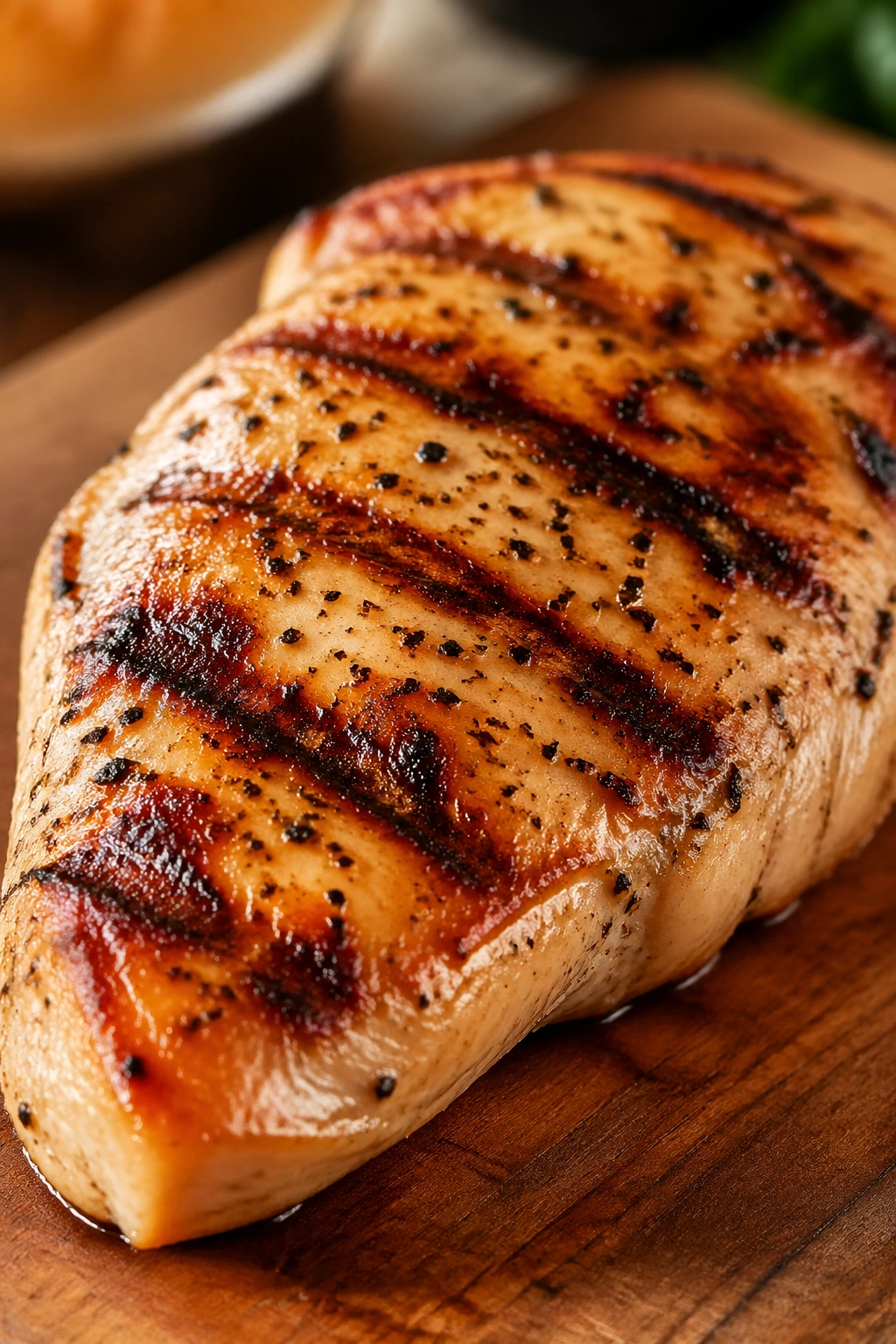
Why does the first meal matter so much? Because the meal that ends the fast often sets the tone for the next six hours.
If you break a fast with toast, muffins, or a sugary coffee drink, hunger usually comes roaring back before you are ready. Protein changes that. A first meal with 25 to 40 grams of protein tends to feel calmer in the stomach, and it makes it easier to stay off the snack spiral that so often follows a long fast.
A smart first meal is not fancy. Eggs and vegetables. Greek yogurt with berries and chia seeds. Chicken, rice, and a pile of greens. Tofu with roasted vegetables and avocado. You want enough protein to slow things down, enough fiber to keep the meal from disappearing too fast, and enough volume that you can feel you ate something real.
A simple first-meal formula
- Protein: 25 to 40 grams
- Fiber: vegetables, berries, beans, oats, or chia
- Carbs: enough to feel satisfied, not stuffed
- Fat: a small amount for staying power
Skip the idea that fasting means you “deserve” a treat first. That mindset has wrecked more fat-loss plans than bad workout programs ever did. Start steady, and the rest of the day gets easier.
3. Put Strength Training Inside the Plan, Not Around It

Fasting trims weight. Lifting shapes what stays.
That distinction matters. If you only fast and never train, the scale may move, but you can lose muscle along with fat, which is not the trade most people want. Strength training helps protect muscle while your body uses stored energy, and that matters a lot when the goal is a tighter waist, not just a smaller body.
You do not need a fancy gym setup. Two to four sessions a week is enough for a lot of people. Squats, lunges, push-ups, rows, deadlifts, overhead presses. Those basic moves do the heavy lifting — literally. Keep the sessions to 30 to 45 minutes if that helps you stay consistent.
The best lifts for a fasting plan
- Squats or goblet squats
- Romanian deadlifts or hip hinges
- Push-ups or dumbbell presses
- Rows of any kind
- Lunges or split squats
- Planks, carries, and anti-rotation work
If you train fasted and feel fine, fine. If you feel flat, train closer to your eating window and have protein after. That small adjustment can make the whole plan feel less miserable. And miserable plans tend to die in a drawer.
4. Walk After Meals and On Lazy Days

A 15-minute walk after dinner can do more for belly fat than a punishing workout you skip three times a week.
That is not glamorous, which is part of why it works. Walking after a meal helps use glucose more smoothly, keeps you from crashing into the couch, and nudges your daily calorie burn without making your appetite explode later. It is also one of the easiest ways to stay active during a fasting plan when your energy is low.
I like the post-meal walk because it does not ask for much. No gear. No playlist. No reason to negotiate with yourself. Put on shoes, walk around the block, come back. If you live in a place where that feels awkward, pace indoors for 10 minutes, climb stairs, or take the long route while doing a phone call.
A few things make this habit stick:
- Walk after your largest meal first.
- Keep the pace brisk enough that your breathing changes a little.
- Aim for 10 to 20 minutes, not an hour.
- Treat it like a normal part of dinner, not exercise theater.
The people who keep belly fat off usually move more in small, dull ways. That is the whole secret. Dull, repeated, effective.
5. Keep Liquid Calories Out of the Fast
Drinks can wreck a fasting plan faster than most people admit.
Black coffee, plain tea, and water are one thing. A “small” latte with syrup, sugar in the coffee, juice at lunch, or a smoothie you sip because it feels healthy — that is different. Those calories add up, and they usually do it without giving you the same fullness you’d get from solid food.
The fix is not complicated. Keep your fast clean enough that your body knows food is not on the table yet. If you need caffeine, black coffee is the easiest path. Tea works too. Sparkling water scratches the “I want something” itch more than plain water does for a lot of people.
Common drink traps
- Flavored coffees
- Cream-heavy drinks
- Fruit juice
- Sweetened iced tea
- Sports drinks with sugar
- “Healthy” smoothies that drink like dessert
If you want a fast that actually helps belly fat, make your beverages boring. Boring drinks are underrated. They do not trigger the same hunger rebound, and they keep you from turning a fasting window into a slow-motion snack.
One small caveat: if plain coffee makes you jittery or ravenous, cut back. No fat-loss plan is worth shaking through the morning.
6. Make the First Meal Hard to Overeat
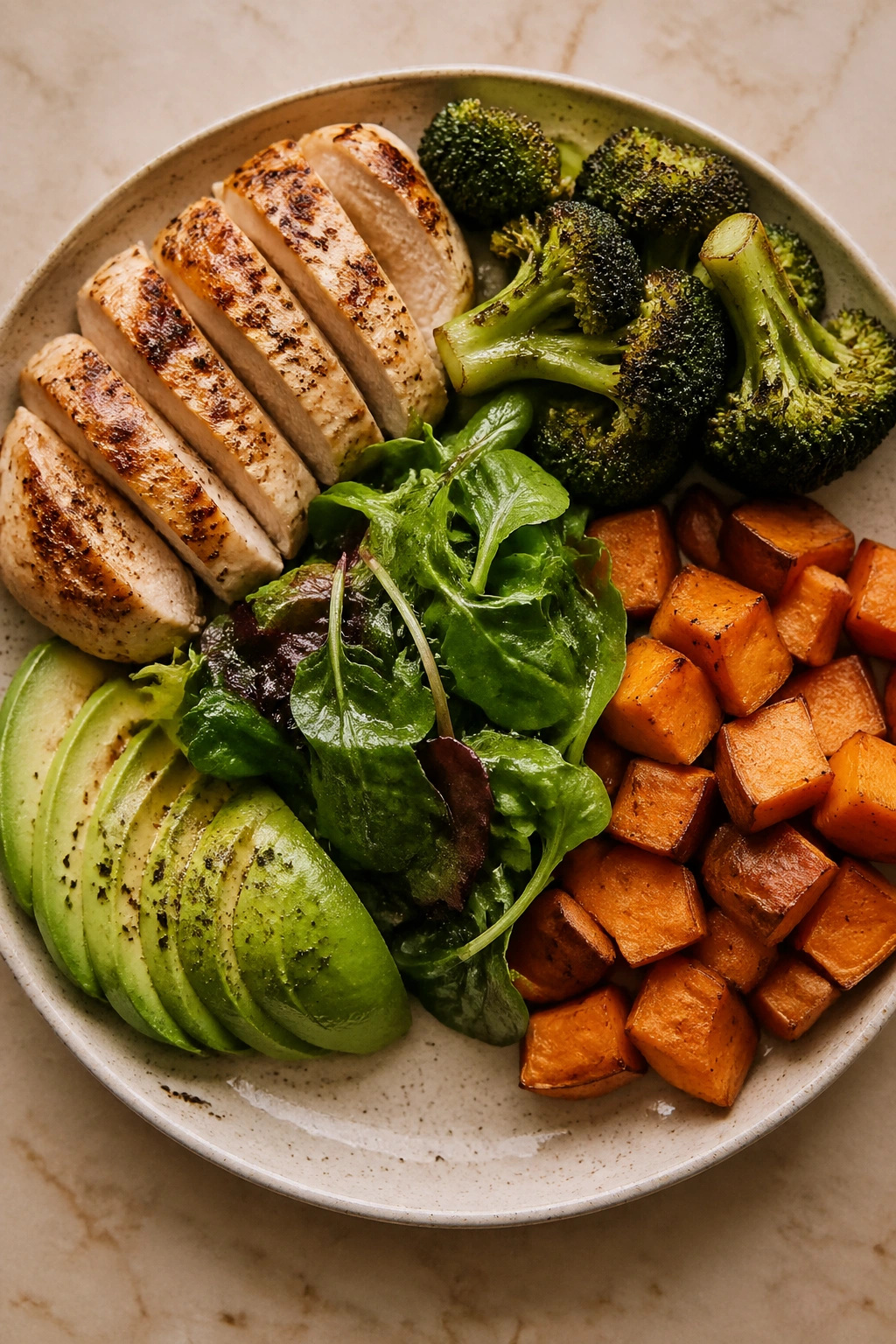
Break your fast with a meal that feels solid in your hands and calm in your stomach.
That matters because the first meal after fasting is where a lot of people lose control. They go in hungry, eat fast, and end up chasing the same satisfaction with more food 30 minutes later. A better first meal slows you down on purpose. It should have protein, fiber, and enough chew that you cannot inhale it in three bites.
A good first plate usually looks like this
- One palm to two palms of protein
- One to two fists of vegetables
- One cupped hand of starch if you need it
- One thumb of fat, not a flood of it
Think eggs with spinach and tomatoes. Think salmon with roasted broccoli and potatoes. Think lentil soup with chicken on the side. Think Greek yogurt with berries and nuts if you want something fast.
A messy, sugary first meal often leads to a second meal that is bigger than it should be. A steady first meal does the opposite. It gives your brain a clear signal: food is here, and you do not need to keep hunting.
I also like meals with texture. Crunch, chew, and a little salt go a long way. Liquids slide through too fast. That is the problem with smoothie-heavy plans — they feel healthy, then leave you rifling through the pantry.
7. Do Not Turn the Eating Window Into a Buffet
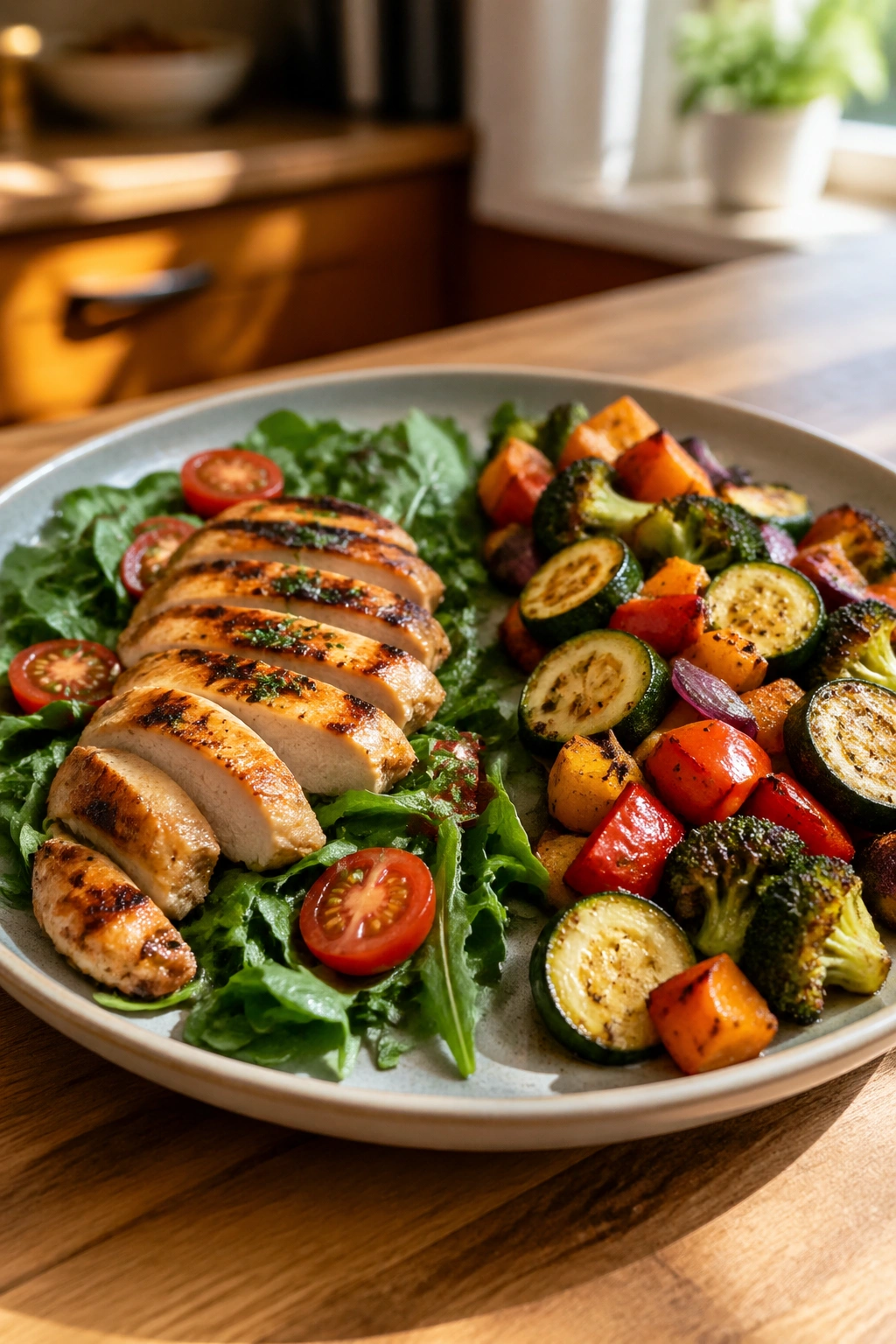
An eight-hour eating window is not a permission slip.
That is the trap. Some people fast all morning, then use the feeding window as an excuse to graze constantly. A snack here, a handful there, dinner that stretches out for two hours, dessert because “I earned it,” and suddenly the calorie deficit is gone. Belly fat does not care that you technically fasted if the eating window erased the math.
The fix is structure. Two meals and one planned snack works well for a lot of people. So does two meals and no snack if your meals are large enough. What usually fails is open-ended eating. Open-ended eating is where chips disappear, then cheese, then “a few bites” of leftover pasta, and you never quite feel done.
Guardrails that help
- Decide your meals before the window opens.
- Put food on a plate instead of eating from packages.
- Leave a 2- to 3-hour gap between meals.
- Pick one dessert or one snack, not five.
- Close the kitchen at the same time each night.
If the window feels too loose, shrink the decision-making. Less freedom can help here. Strange, but true. People often need fewer options, not more willpower.
8. Sleep Enough to Keep Hunger Quiet

Sleep loss makes fasting feel harder than it is.
Anyone who has slept five hours and then tried to fast the next morning knows the feeling. Hunger gets louder. Cravings get bossier. Your brain starts negotiating over pastries like it has a personal grudge against discipline. That is not weakness. It is a tired nervous system looking for quick energy.
Seven to nine hours is the sweet spot for most adults. More than the exact number, though, is the consistency. A short night here and there happens. The pattern matters. If you keep going to bed late, belly fat loss usually slows down because appetite control gets sloppy.
A few sleep habits that help
- Keep your bedroom cool and dark.
- Stop heavy eating a couple of hours before bed.
- Cut caffeine early if it keeps you wired.
- Put the phone away when you start feeling sleepy.
- Wake up at about the same time each day.
I also think people underestimate how much sleep affects exercise quality. A rough night can turn a decent workout into a slog, and that makes the whole fasting plan feel heavier. Fix sleep and the rest of the program gets cleaner. Not glamorous. Very effective.
9. Use Water, Salt, and Plain Drinks Wisely

Is it hunger, or are you a little dry and under-salted?
That question matters more during fasting than people realize. Mild dehydration can feel a lot like food cravings. Headache. Foggy brain. A hollow feeling in the stomach. Sometimes the fix is not lunch — it is water and a bit of sodium.
If you sweat a lot, walk a lot, train fasted, or live in a hot climate, pay attention to fluids. Water alone is often enough. Sometimes a zero-calorie electrolyte drink helps. A pinch of salt in water can do the trick too, though that is not something everyone enjoys.
Signs you may need fluids instead of food
- Dry mouth
- Dark yellow urine
- Headache
- Lightheadedness when standing
- That odd “empty but not hungry” feeling
Be careful if you have blood pressure issues or have been told to watch sodium. That is one of those cases where a general tip needs a real-life adjustment.
Plain drinks are underrated in fat loss. They keep the fast stable, and stable is what you want. The plan should feel boring in the best possible way.
10. Track Your Waist, Not Just the Scale, When Belly Fat Is the Goal

The scale can lie with perfect confidence.
One salty dinner, one hard leg workout, one bad night of sleep, and your weight can jump around without any real change in body fat. That is why a waist measurement is more useful when belly fat is the target. A soft tape measure around the navel gives you a steadier picture of what is actually happening.
Measure the same way each time. Same spot. Same time of day. Same level of effort — breathe out normally, do not suck in your stomach, and do not pull the tape so tight that it digs into your skin. Once a week is enough for most people. Daily measurements turn into noise.
A simple tracking setup
- Waist at the navel
- Body weight 2 to 4 times a week
- Front and side photos every couple of weeks
- Pants fit as a reality check
I like waist tracking because it tells the truth faster than the scale does. If the tape is moving down but weight is stuck, you may be holding water. If both are stuck for a few weeks, the plan needs a tweak. That is useful information, not failure.
11. Prep Meals Before Hunger Hits
The worst time to decide what to eat is when you are already hungry.
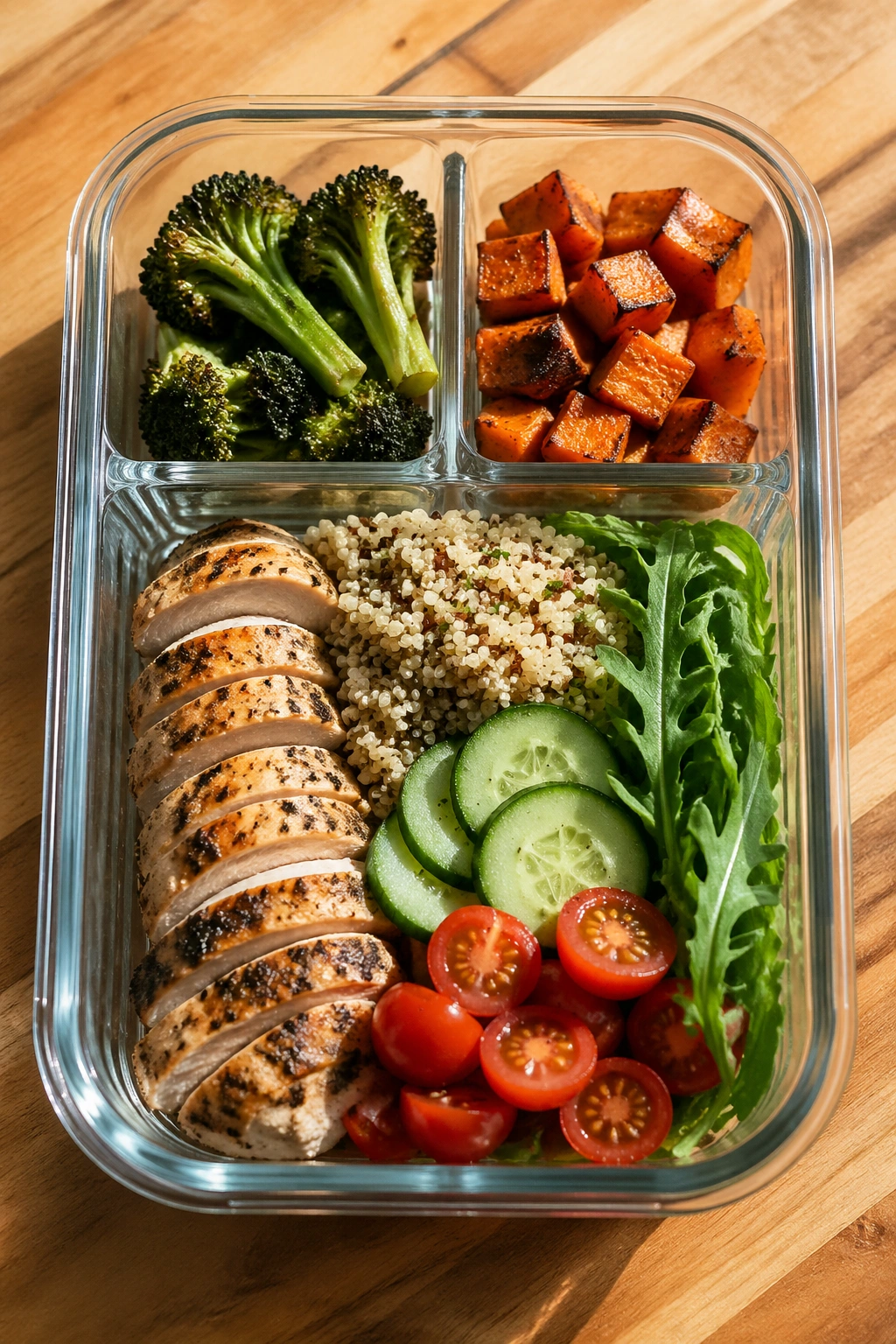
That is where meal prep saves fasting plans. If your first meal after a fast is not ready, you are far more likely to grab whatever is closest — crackers, cereal, leftover fries, a bag of chips, the usual suspects. Prepping food ahead of time removes that weak moment from the day.
I do not mean you need a fridge full of identical containers. A few building blocks are enough. Cook some chicken, roast a tray of vegetables, make rice or potatoes, boil eggs, wash greens, or keep Greek yogurt and berries on hand. Then you can combine them fast without thinking too hard.
Useful prep staples
- Cooked chicken, turkey, tofu, or beans
- Roasted vegetables
- Rice, potatoes, oats, or quinoa
- Boiled eggs
- Greek yogurt
- Fruit
- Chopped salad greens
- Salsa, mustard, hot sauce, and other low-calorie flavor
One good prep session can carry you for several days. That means your fasting window opens into a meal that is already waiting. Huge difference. Hungry people make bad choices fast.
12. Keep Stress and Snacking From Teaming Up

Stress and belly fat are not strangers.
When life gets loud, eating gets sloppy. People skip the fast, break the fast too early, or treat the eating window like a pressure valve. A rough email, a tense commute, a tired afternoon — all of it can end with snacks you did not plan on. That is why stress control belongs in a fasting plan. It is not self-care fluff. It is part of the math.
Quick resets that stop the spiral
- A 10-minute walk
- A shower
- Five slow breaths before opening the fridge
- A glass of water
- A short stretch break
- Turning off the phone for 15 minutes
None of those are fancy. Good. Fancy habits rarely survive stressful days.
I also like the idea of naming the problem before you eat. Are you hungry, tired, irritated, bored, or avoiding something? If it is not real hunger, eating often makes the feeling worse, not better. That may sound blunt, but blunt is useful when the pantry is calling your name.
Stress will happen. The trick is not to let it become an automatic food cue.
13. Time Carbs Around Your Workouts
Carbs are not the enemy here. Poor timing is.
If you train hard, a well-placed carb meal can help your workout, keep you from dragging through the session, and reduce the rebound hunger that sometimes follows exercise. That matters when you are trying to lose belly fat and still keep your energy up. Starving yourself around training often leads to a larger snack later.
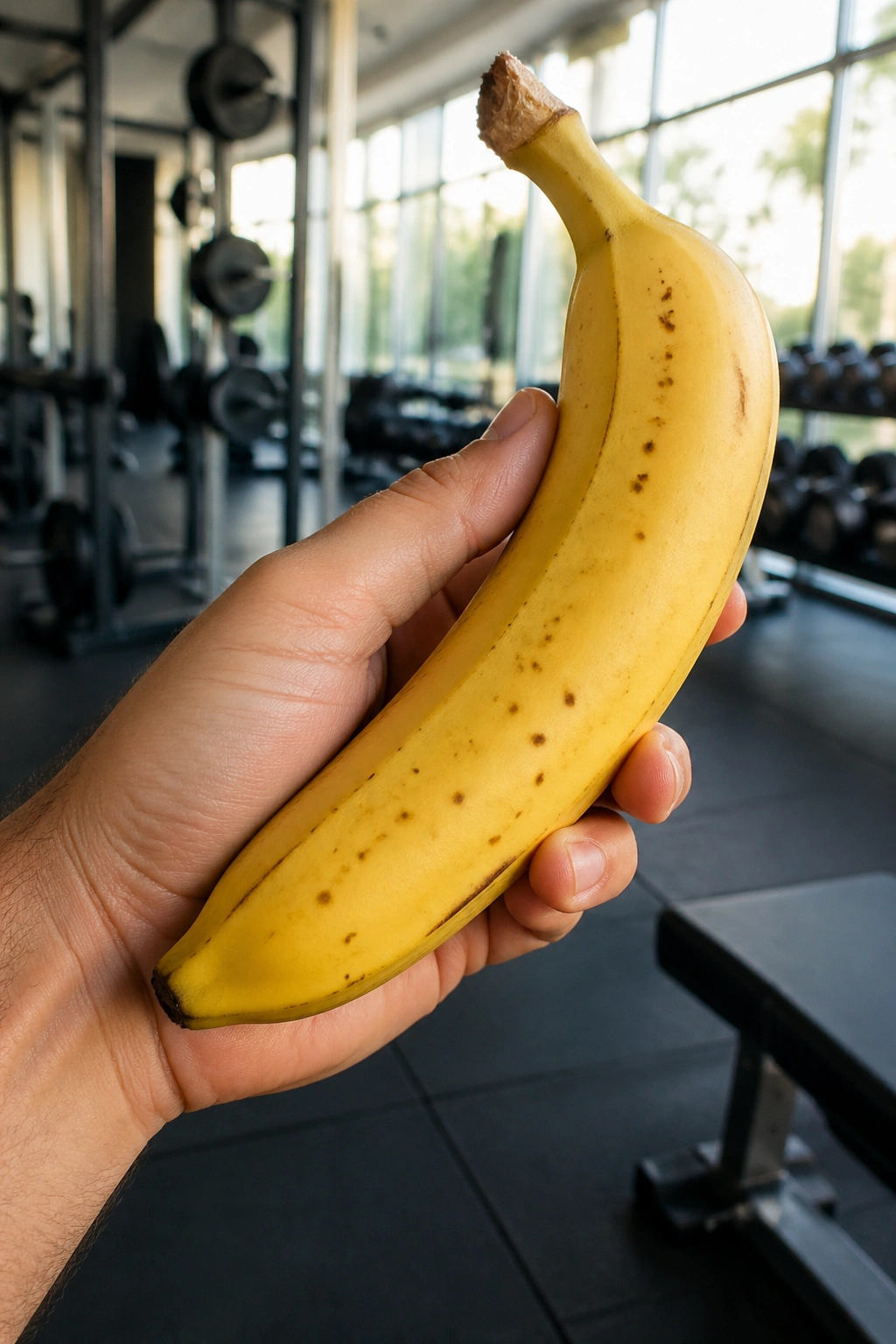
Think of carbs as a tool. A banana before lifting, oats with protein after, rice with chicken, potatoes with fish — those are useful, ordinary meals. You do not need giant carb loads. You do need enough to support the work you are asking your body to do.
A simple timing rule
- Hard workout soon? Eat a small carb portion before training.
- Long gap before eating? Keep the session lighter.
- Finished lifting? Pair carbs with protein within your eating window.
- Rest day? Keep carbs steady, not random.
This is one of those spots where fasting and workouts need to meet in the middle. If your sessions feel flat, do not blame the workout first. Look at fuel timing. Sometimes the answer is a banana, not a whole new program.
14. Know When to Ease Up if Belly Fat Stops Moving

A stall does not always mean you failed.
Sometimes it means the plan has gotten stale. If your waist has not changed for three or four weeks, look at the actual habits before you slash calories harder. Did your portions creep up? Did your steps fall off? Did your sleep get worse? Did the fast become shorter, looser, or easier to break?
Pick one lever and change it. That is the part people skip. They change everything at once, then cannot tell what worked.
What to adjust first
- Add 1,500 to 2,000 daily steps
- Tighten the eating window by 1 hour
- Remove one snack from the day
- Increase protein at both meals
- Add one strength session each week
- Cut back on restaurant meals for 10 days
If you are already training hard and eating well, a plateau can also be water retention. Hard leg sessions, more salt, stress, and poor sleep can all hide progress for a bit. So look at the tape measure, not a single weigh-in, before you panic.
Belly fat loss is often slow in the middle and obvious at the edges. The middle is where patience matters.
15. Skip Fasting When Your Body Says No

Fasting is a tool, not a badge.
If it makes you dizzy, obsessed with food, unable to train, or unable to think straight, the plan is too aggressive. Same goes if you are on glucose-lowering medication, pregnant, recovering from an eating disorder, or dealing with a medical issue that needs regular meals. In those cases, the safe move is to talk with a clinician before pushing harder.
Even without a medical flag, some people do better with a gentler approach. A 12-hour overnight fast may be enough. A 14-hour fast may fit better than 16. If you are waking up shaky or bingeing at night, scale back. That is not quitting. That is adjusting.
Signs to back off
- Frequent dizziness
- Poor workout recovery
- Obsessive food thoughts
- Binges after the fast ends
- Irritability that does not improve
- Repeated headaches that water does not fix
One of the stranger truths about fat loss is that a slightly easier plan can produce better waist changes than a harsh one. The body tends to cooperate more when it is not being bullied.
Final Thoughts

The best intermittent fasting tips for belly fat are usually the least dramatic ones. A steady window, enough protein, real movement, and meals that do not trigger a second round of eating will beat a flashy plan that collapses by Thursday.
If you want the waistline to change, keep the day predictable. Train a little. Walk more than feels necessary. Sleep enough that hunger stays quiet.
And if the plan starts feeling like a fight, make it easier before you make it stricter. That tiny shift keeps people going long enough to see the waist measurement move.
