



Your shoulders don’t need dumbbells to work hard.
They need control. They need clean movement, a little patience, and a plan that doesn’t treat every overhead motion like a chest press in disguise. The best shoulder exercises without weights often look simple from the outside, then surprise you halfway through the first set when your delts, upper back, and rotator cuff all start talking at once.
That’s the part most people miss. Shoulders are not one big muscle doing one big job. They’re a joint, a blade of bone gliding over ribs, and a cluster of smaller stabilizers that quietly keep your arm where it’s supposed to be. If you only train them with heavy pressing, they can feel stiff and cranky. If you train them with bodyweight work, they usually move better and hold up better.
Small circles. Slow holds. Controlled planks. A few floor-based moves that look almost too easy until your form slips. That mix is what makes shoulder work without weights worth doing, especially if you want stronger overhead reach, better posture, and fewer of those awkward pinchy moments when you reach for something on a high shelf.
Pick a handful of these and run them in a circuit. Keep the reps clean, keep your ribs down, and stop before the movement gets sloppy. The first few are the easiest to dismiss—and that is exactly why they belong first.
1. Arm Circles for a Warm Shoulder Groove
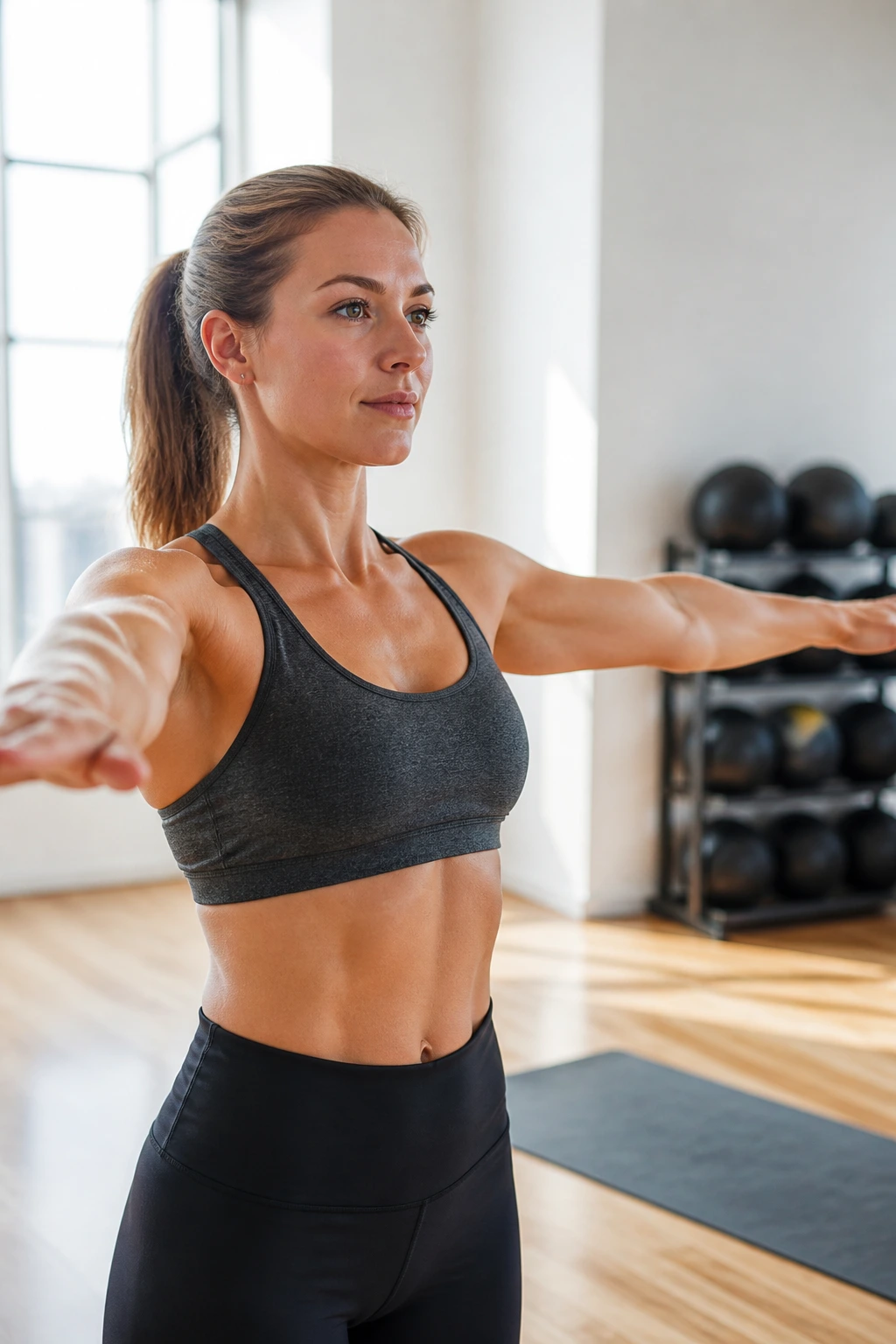
Tiny circles wake up more than they look like they should. A good set of arm circles brings heat into the front delts, rear delts, and the small muscles that keep the shoulder joint centered when you move overhead.
Stand tall, lengthen through the crown of your head, and let the arms float out to shoulder height. Make the circles small at first. Small is the point. If you shrug your shoulders up toward your ears, the movement turns into a neck exercise, and that is not the goal.
How to do them
- Hold both arms straight out at shoulder height.
- Make 10 slow circles forward, then 10 backward.
- Shrink the circles for another 10 each way if your shoulders feel stiff.
- Keep your palms facing down or slightly forward.
- Stop if you feel pinching at the top of the joint.
A one-minute set is enough for most warm-ups. If you want to use arm circles as a standalone drill, do 2 rounds and breathe out on every backward circle. The easiest mistake is making the circles too big too soon. Keep them tidy, then let the range open up a little as the shoulder starts to loosen.
2. Shoulder Rolls That Ease the Upper Traps
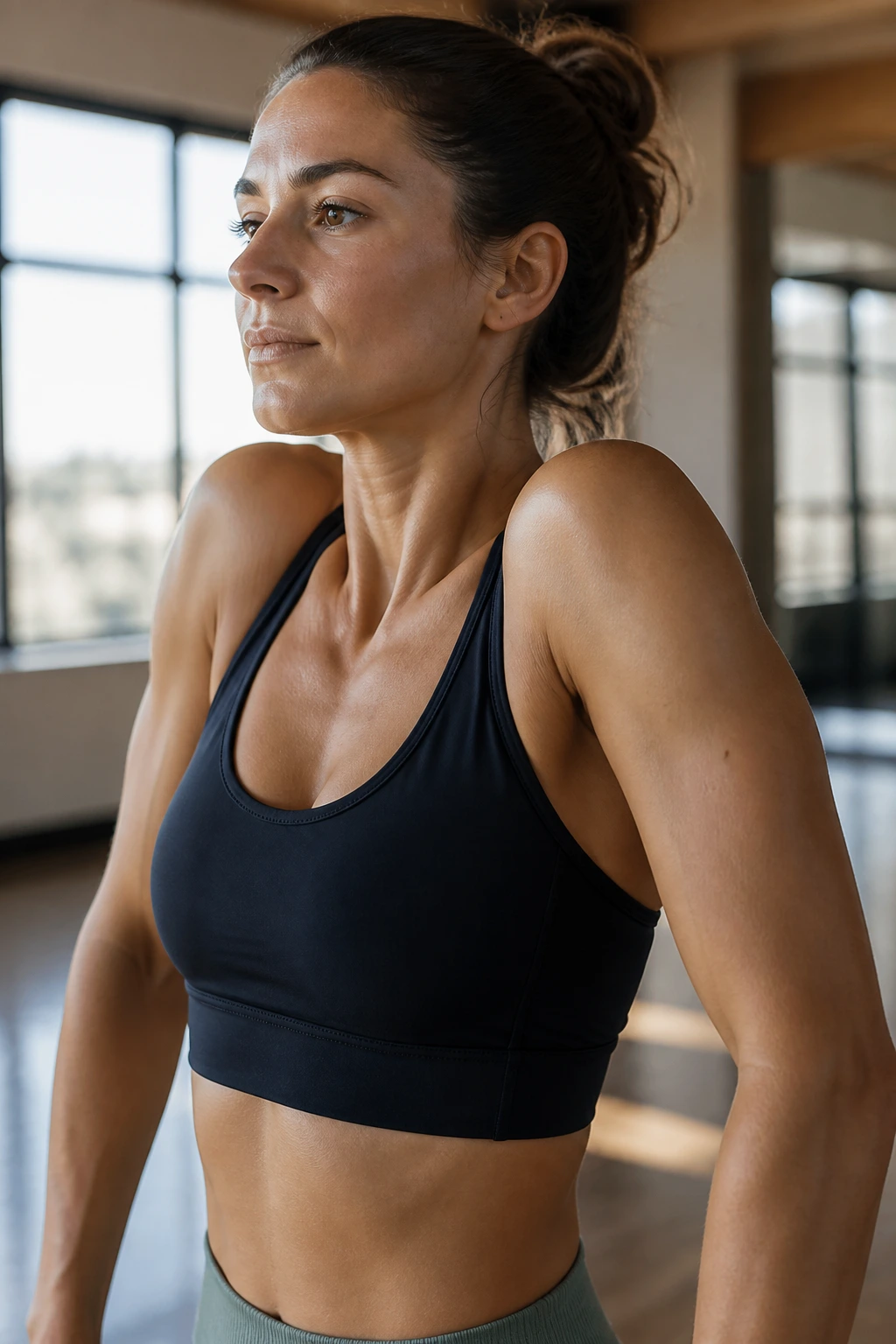
Why bother with shoulder rolls when they look like something your gym teacher made you do in grade school? Because they still work, and they’re one of the easiest ways to tell your upper traps to calm down.
Roll both shoulders up, back, and down in one smooth arc. Slow them way down. If you rush, the movement turns into a shrug with no real finish. Done well, shoulder rolls give you a cleaner neck line and a better feel for where your shoulder blades sit when you’re standing or walking.
You can do these seated, standing, or even between harder sets of bodyweight work. Ten backward rolls are usually better than twenty sloppy ones. I like backward rolls more than forward rolls for warm-ups because they open the chest a bit and stop the whole upper body from folding inward.
A small detail matters here: keep the rib cage still. If your whole torso sways with every roll, you’re borrowing motion from the wrong place. Two sets of 10 backward rolls, then 5 forward if you want them, is plenty.
3. Wall Angels for Cleaner Overhead Reach
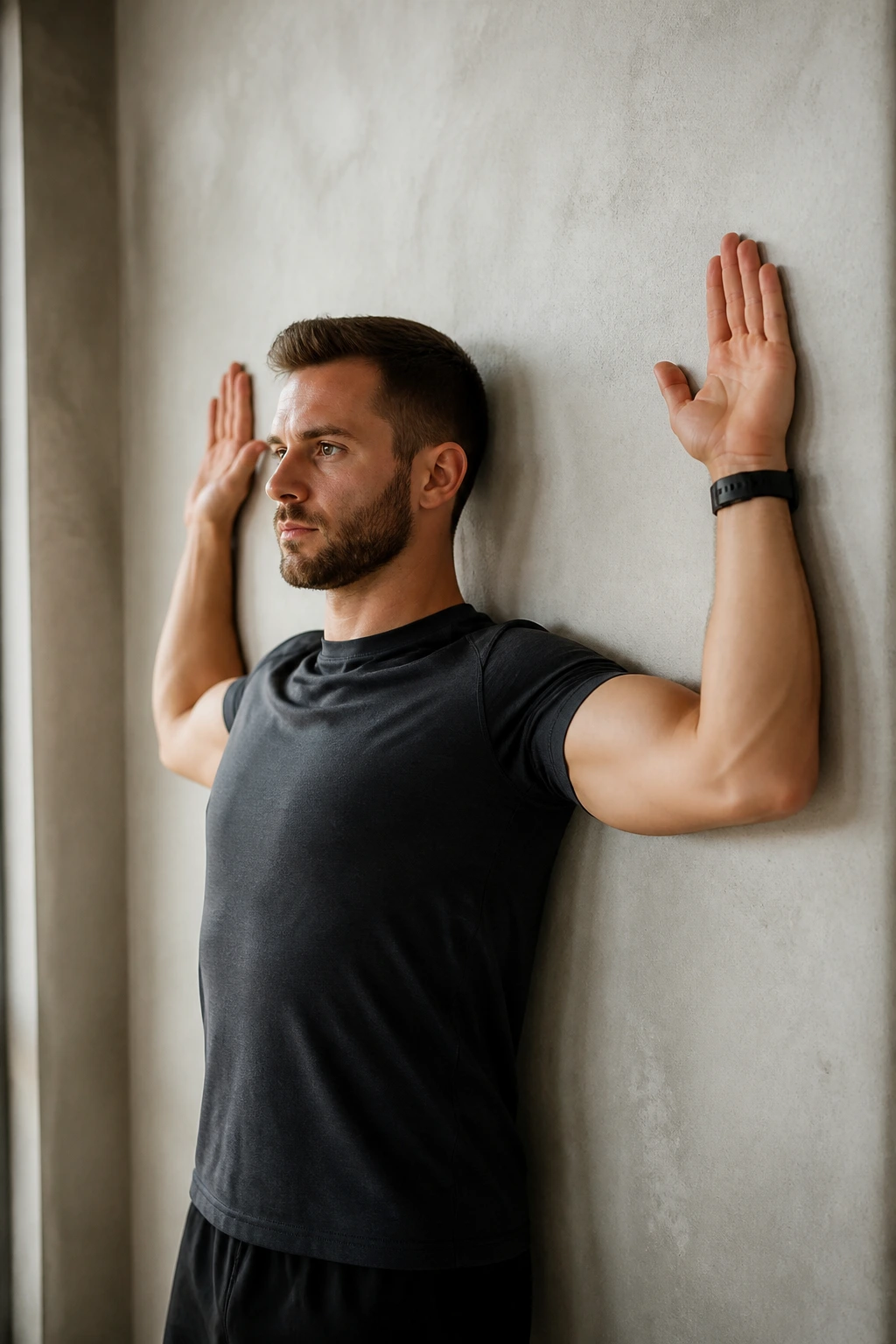
Wall angels are humbling. They look gentle, then your lower back starts arching, your wrists peel off the wall, and suddenly you understand how tight your upper body has been all week.
Stand with your back against a wall, feet a few inches forward, and press the back of your head, upper back, and tailbone toward the surface. Lift your arms into a goalpost shape with elbows bent at about 90 degrees. Slide the arms up and down while keeping as much contact with the wall as you can manage.
What good reps feel like
- The ribs stay down instead of flaring.
- The neck stays long.
- The shoulder blades glide, not jam.
- The movement feels smooth, not forced.
If your wrists or elbows can’t touch the wall, don’t panic. Back the feet out a little and work in the range you actually own. Six to 8 slow reps are enough. Forcing the range usually makes the shoulder blade dump forward, which defeats the whole point.
4. Scapular Push-Ups That Teach the Shoulder Blades to Move
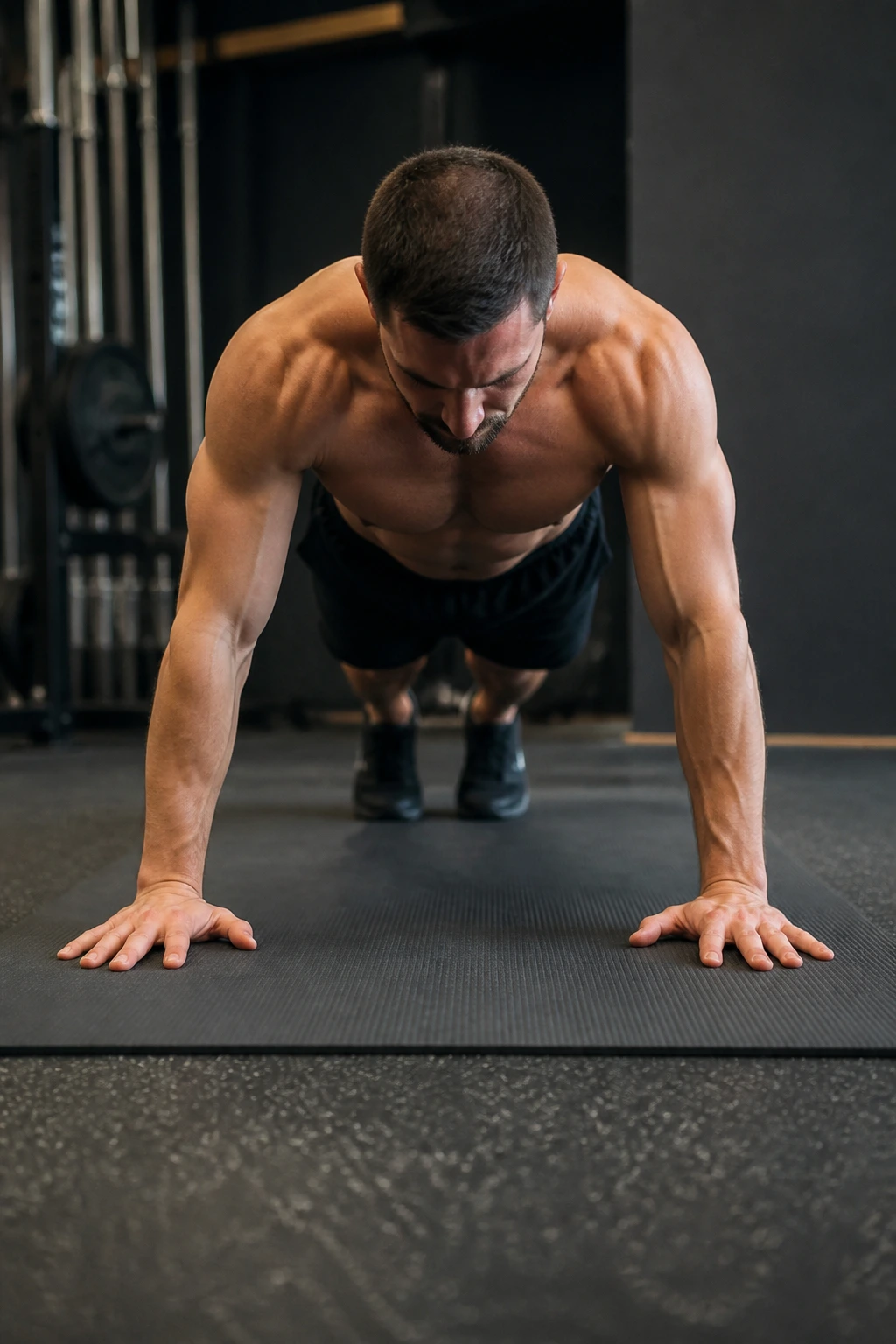
These are not push-ups. That matters.
Scapular push-ups keep the elbows locked while the shoulder blades slide together and apart. That means the serratus anterior gets to work, which helps the shoulder stay stable when you press, plank, or reach overhead. You can do them from a high plank, or scale them to a wall if the floor version is too much right now.
Start in plank with hands under shoulders and body in a straight line. Let the chest sink a little between the shoulders, then press the floor away so the upper back rounds just a bit. The arms stay straight the whole time.
Do not bend the elbows.
That is the mistake people make when they try this move fast. You want motion at the shoulder blade, not a mini push-up. Aim for 8 to 15 controlled reps. If your neck takes over, widen your hands a touch and reset. Smooth shoulder blades beat loud effort every time.
5. Pike Push-Ups for Real Overhead Strength
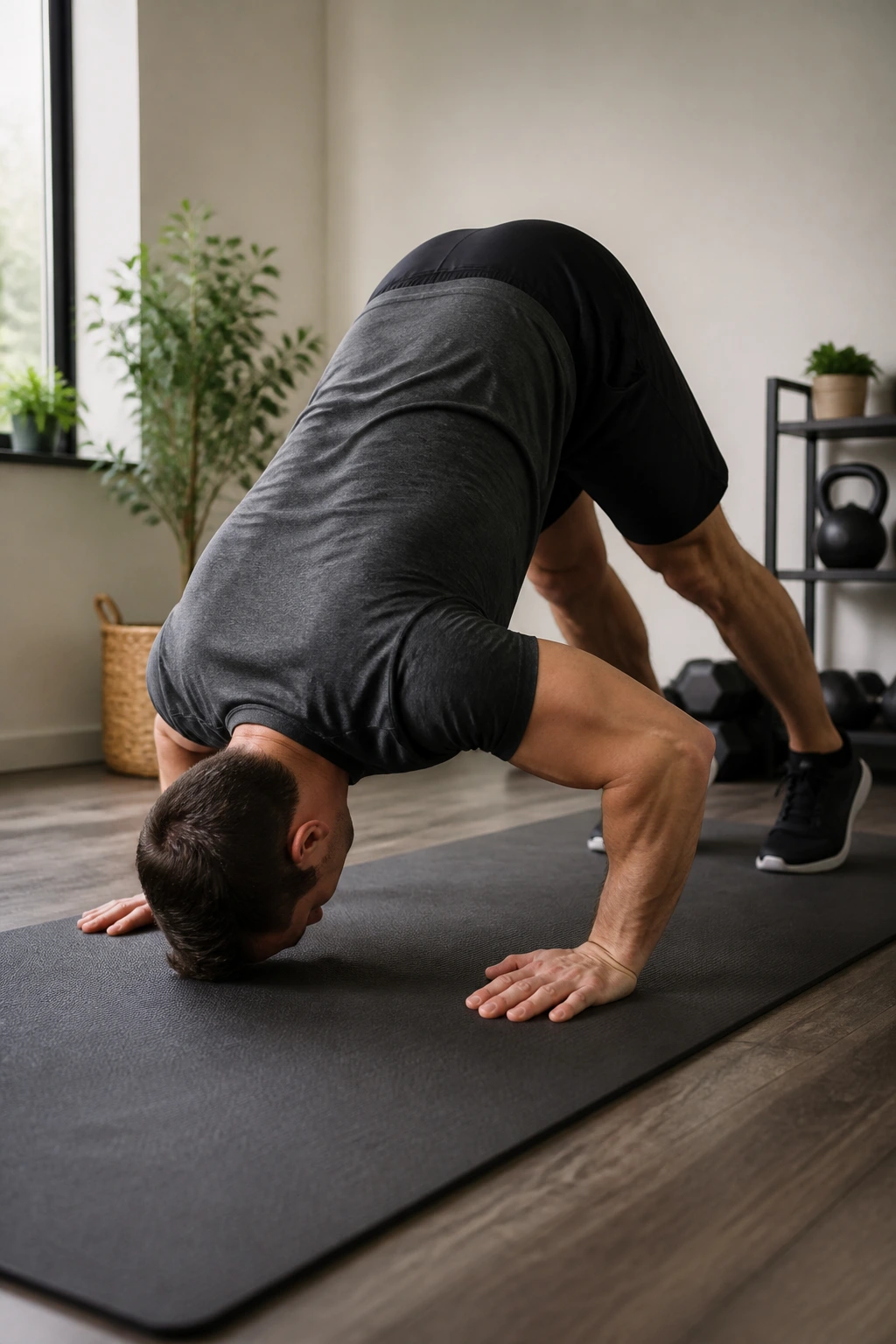
If you want a shoulder move without weights that actually feels like work, this is the one. Pike push-ups load the front delts hard and ask your shoulders to push your body through a real overhead path, not just a fake version of one.
Set up in a pike position with hips high, hands about shoulder-width apart, and heels reaching toward the floor. Bend the elbows and lower the head toward the ground between your hands, then press back up. Keep the elbows angled slightly back rather than flaring straight out to the sides.
Three cues that matter
- Aim the top of your head toward the floor, not your forehead.
- Keep the hips high the whole time.
- Press through the floor like you mean it.
Start with 3 to 8 reps. Knees bent is fine. So is a shorter range. What you do not want is a collapsed midsection and a sloppy neck. The move should feel demanding in the shoulders, not like a weird fold through the lower back. If you can’t control the lowering, shorten the range before you chase more reps.
6. Plank Shoulder Taps for Anti-Rotation Control
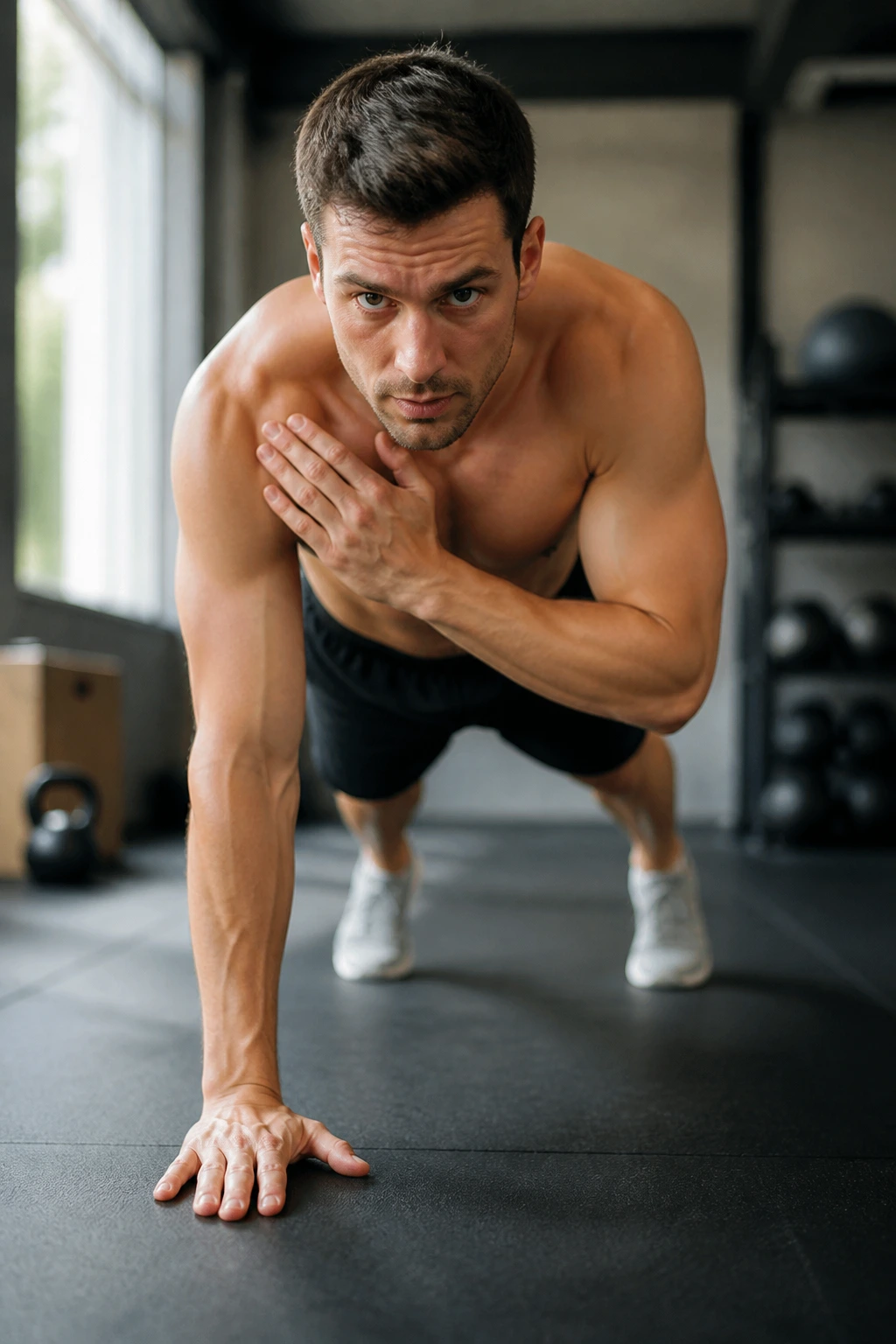
Compared with a regular plank, shoulder taps make you honest. The body wants to sway, rotate, and shift side to side the second one hand leaves the floor. That little battle is the whole reason this move belongs in a no-weights shoulder routine.
Set up in a high plank with feet about hip-width apart. Lift one hand and tap the opposite shoulder, then place it back down and switch sides. Keep the hips as still as you can. If you feel your whole body rocking, widen your feet a little and slow down.
A clean tap is more useful than a fast one. Ten taps per side is a good starting point, though 20 total can work if your form stays tidy. You’ll feel this in the shoulders, but also in the core and the little stabilizers around the shoulder blade. That is the good stuff. The goal is stability under load, even if the “load” is only your bodyweight.
7. Downward Dog to Plank for a Moving Shoulder Stretch
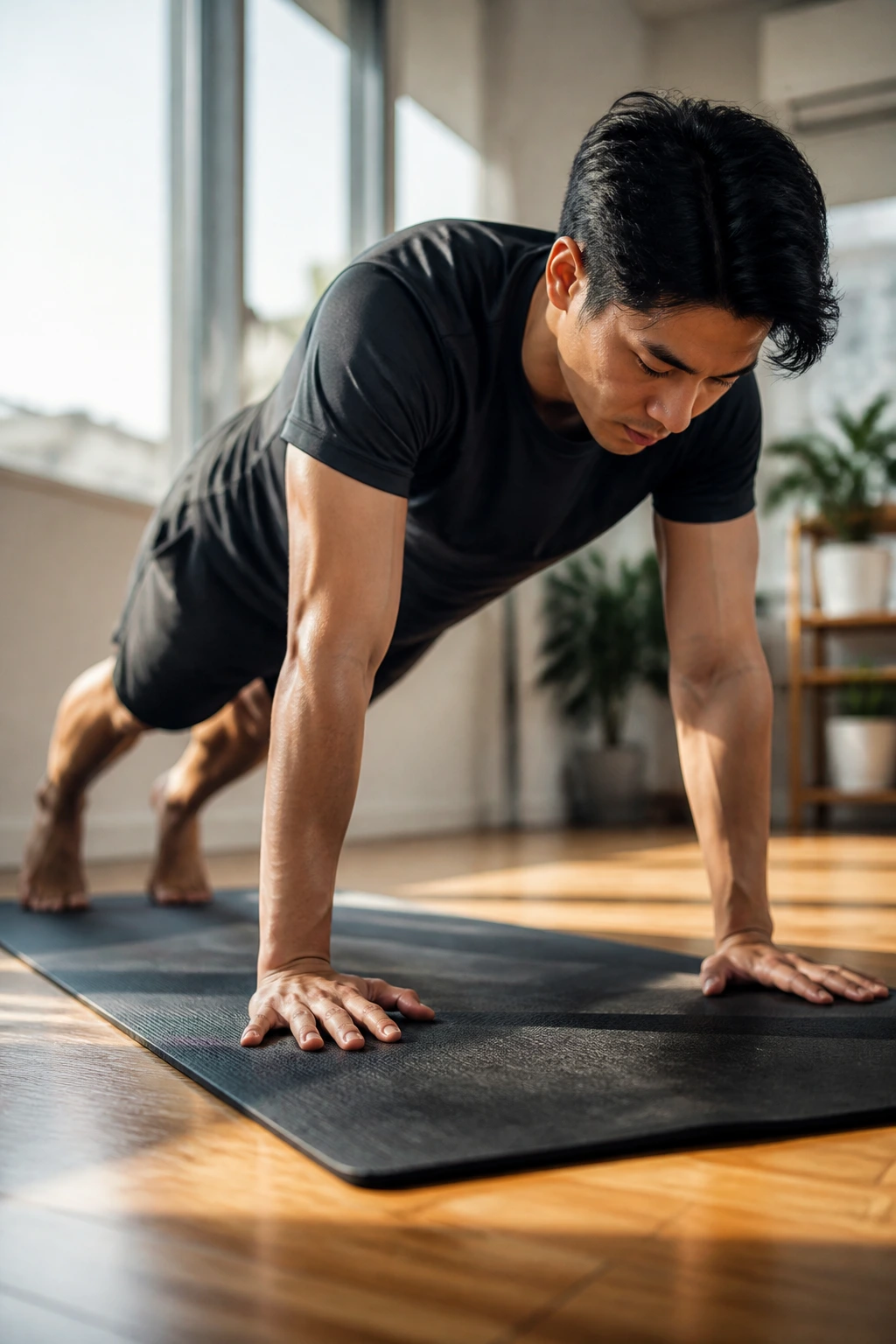
The stretch changes as soon as you press the floor away. In downward dog, the shoulder opens into flexion and the upper back lengthens. In plank, the shoulder has to hold you steady. Moving between the two gives you a nice mix of mobility and strength.
Start in downward dog with hands pressing firmly into the mat and hips reaching up and back. Shift forward into plank until your shoulders stack over your wrists, then push back again. Keep the movement slow enough that you can feel where your shoulder is working.
How to move between the two shapes
- Breathe out as you shift forward.
- Keep the elbows straight but not locked hard.
- Press the chest back toward the thighs in dog.
- Move for 5 to 8 slow rounds.
This is a good drill when your shoulders feel stiff but not injured. If the wrists complain, do it with your hands on a bench or counter. If the low back starts sagging in plank, shorten the forward shift and keep your ribs tucked. A controlled transition tells you more than a rushed one ever will.
8. Prone Y Raises for Lower Trap Strength
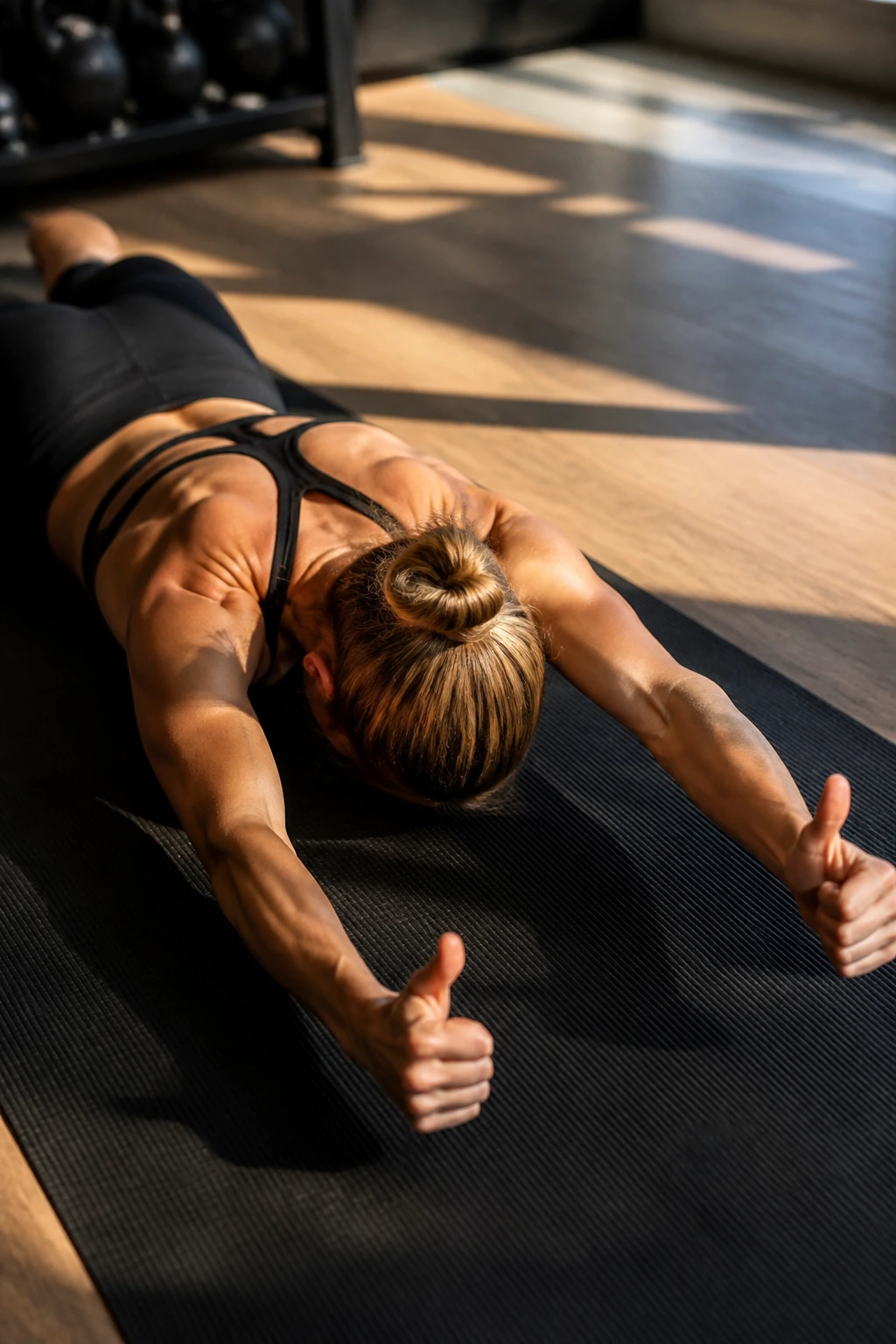
A set of 8 slow Y raises can light up the lower traps before you finish the first round. That’s the fun of floor-based shoulder work: the movement looks tiny, but the muscles doing the job are not tiny at all.
Lie face down with your forehead on a towel or mat. Reach your arms overhead in a Y shape with thumbs pointing up, then lift them a few inches off the floor. Keep the neck relaxed and the chest glued close to the ground. You are trying to lift the arms, not yank the ribs up with them.
Quick cues
- Thumbs stay up.
- Arms rise 2 to 4 inches.
- Shoulders stay away from the ears.
- Lower with control.
If you feel the upper traps grabbing first, lower the range. That usually fixes it. Slow reps are better than high reps here. Eight to 12 clean lifts is enough, and a two-second hold at the top makes the work more honest. You should feel the effort low on the shoulder blades, not jammed into the neck.
9. Prone T Raises for Rear Delts and Mid-Back
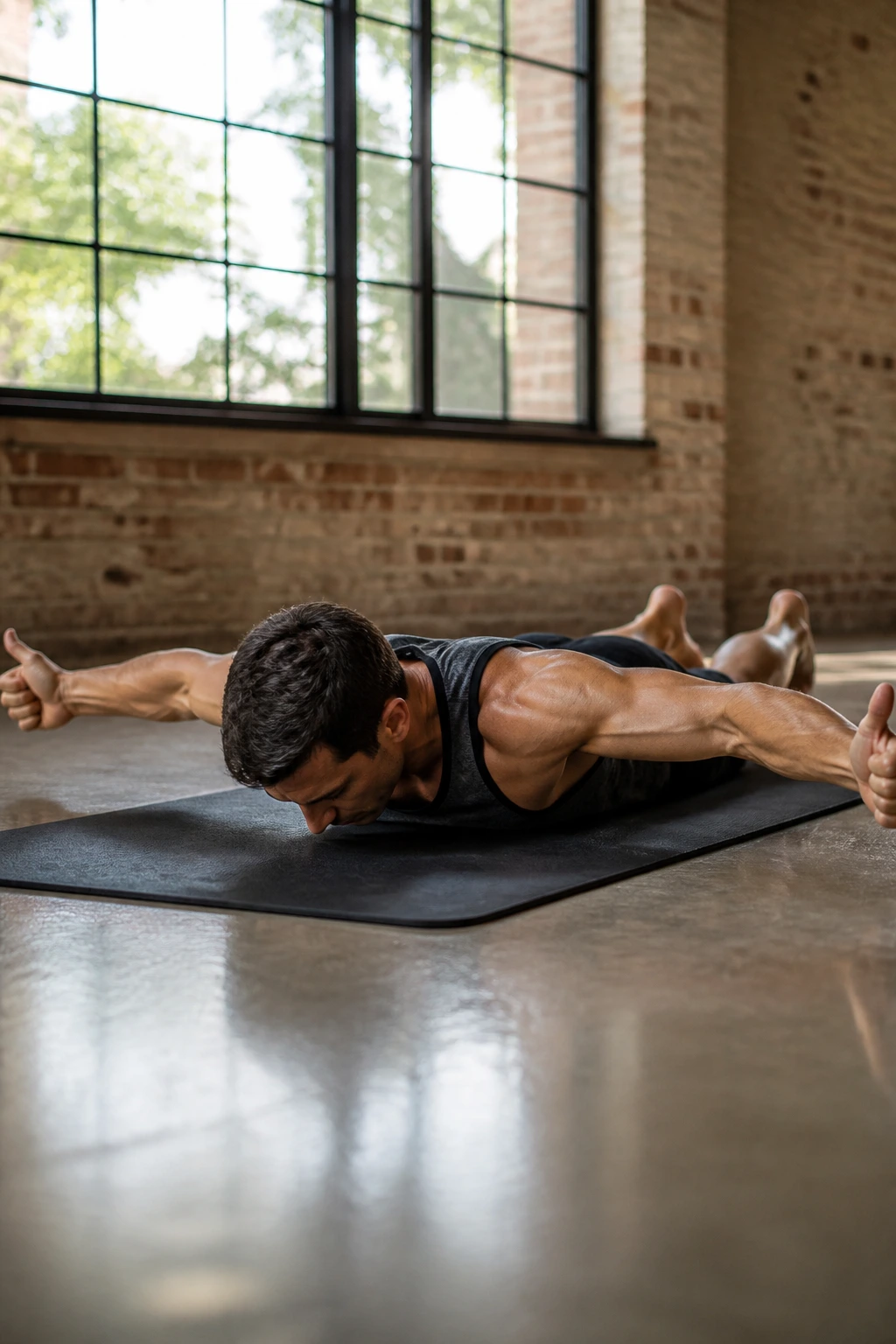
This one is small, and that is the point. Prone T raises train the rear delts and the muscles between the shoulder blades without asking for a giant range or any equipment at all.
Lie face down again, this time with arms stretched out to the sides in a T shape. Lift both arms slightly off the floor, then lower them slowly. Keep the thumbs pointing up if your shoulders prefer that position. It usually feels friendlier than forcing the palms flat.
The move should feel clean and controlled, not wild. If your chest starts pumping off the mat, you’ve gone too far. Do 8 to 12 reps and pause for a second at the top of each one. The lift is tiny; the control is the point.
I like this one in a superset with wall angels or prone Y raises because the three moves hit slightly different lines of pull. You can feel the shoulders settle into place without any dramatic noise, which is exactly why the drill works.
10. Prone W Raises for Rotator Cuff and Posture
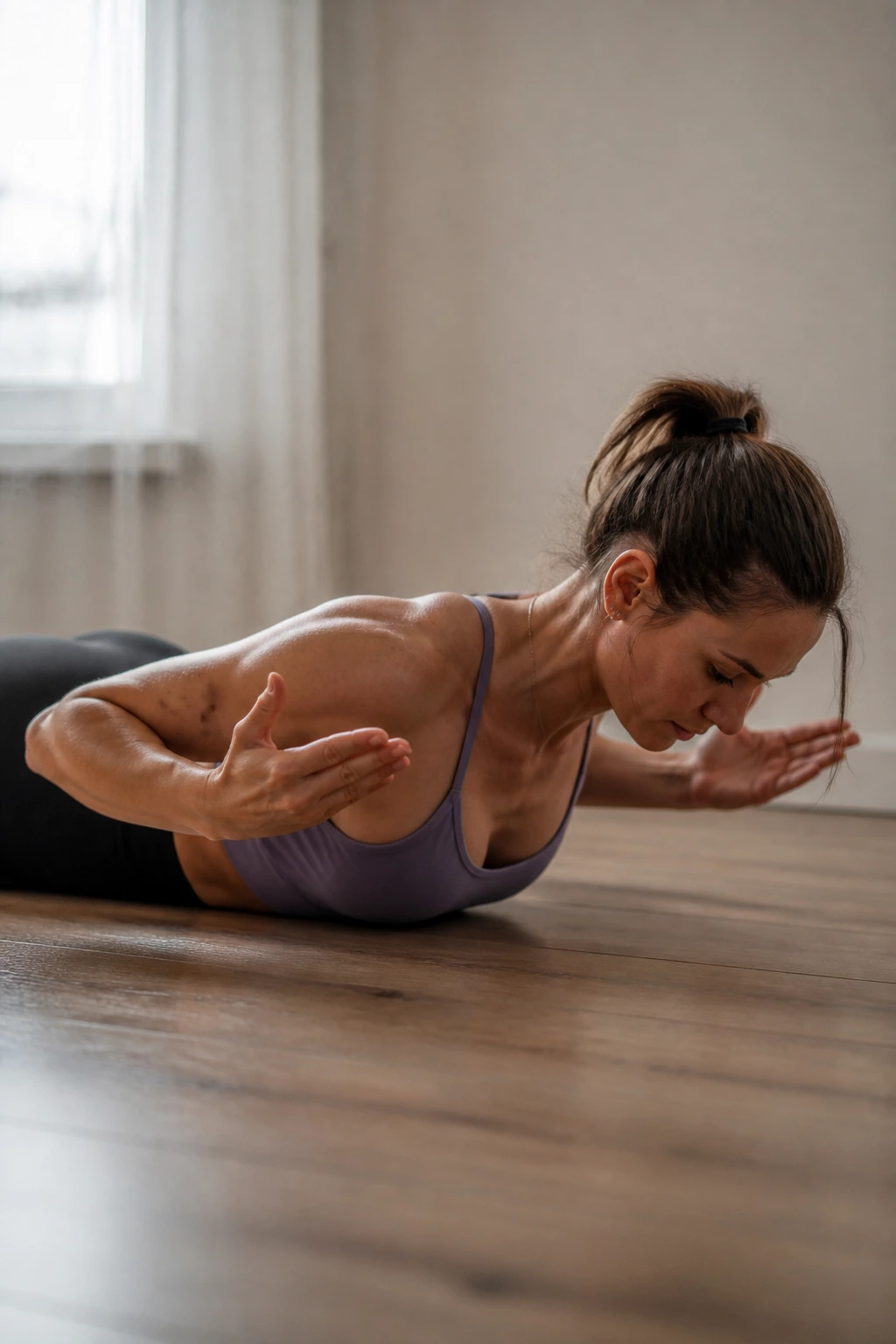
If your shoulders drift forward a lot, W raises feel like a reset. They combine a little external rotation with scapular control, and that makes them useful for anyone who spends time typing, driving, pressing, or just slumping into the couch like a tired folding chair.
Lie face down with elbows bent and tucked close to your sides, forming a W shape. Lift the chest and hands a little off the floor while squeezing the shoulder blades down and back. Keep the neck long. The elbows should not flare out to the sides.
A slow tempo matters more than a big range. Six to 10 reps is plenty, and you can hold the top position for 2 seconds if you want more challenge. If your lower back arches hard, make the lift smaller. This is a shoulder drill, not a backbend contest.
The nice thing about W raises is that they often feel better after a few reps, not worse. That’s a sign the movement is organizing the upper body rather than just burning it out.
11. Reverse Snow Angels for a Smooth Shoulder Sweep
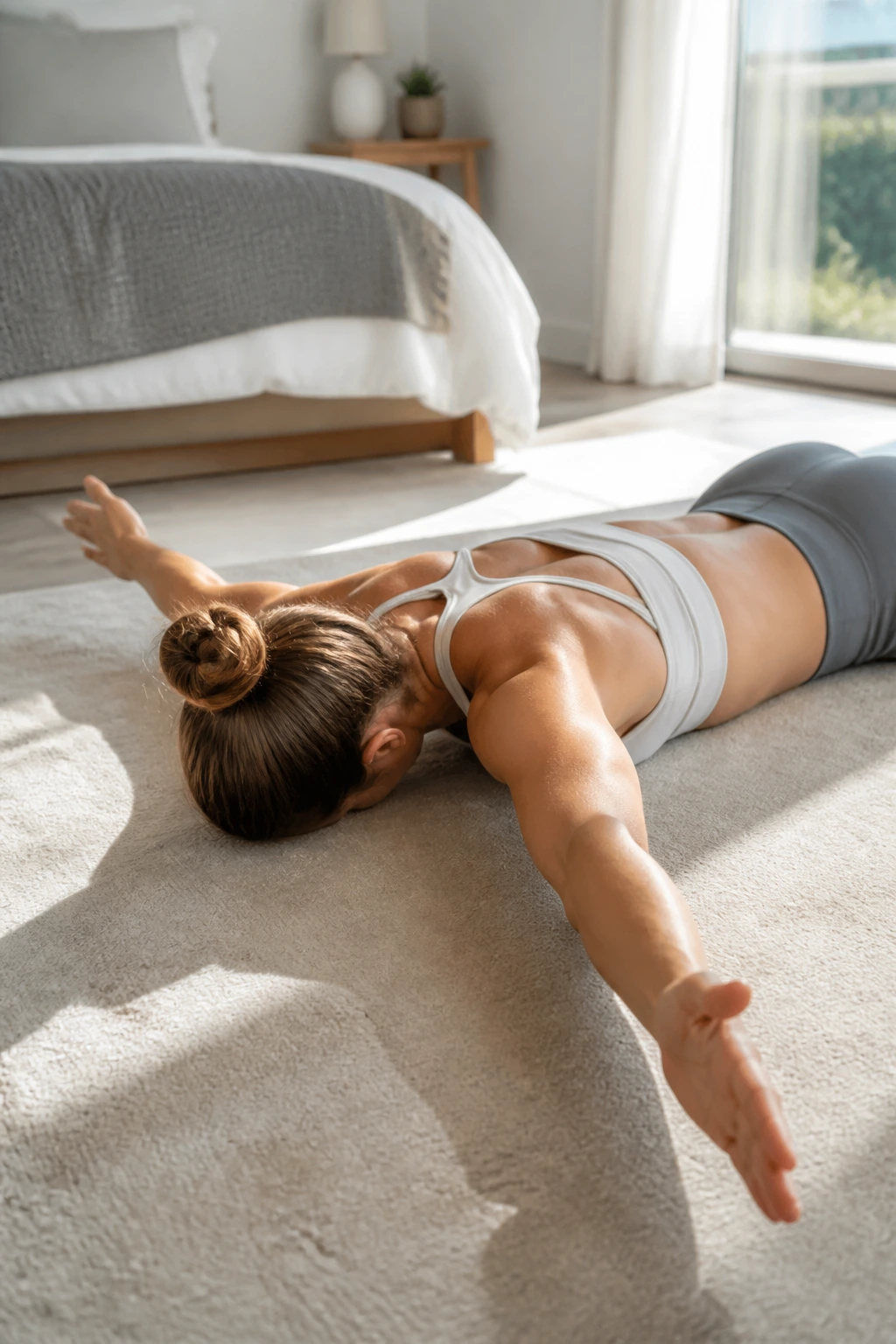
Reverse snow angels look almost too easy until your rear delts start complaining. The motion is long, slow, and a little sneaky, which is why it’s such a useful bodyweight shoulder exercise.
Lie face down with your arms by your sides. Sweep them out and around in a wide arc until they reach overhead, then return to the start without letting the hands crash into the floor. Keep the chest quiet and the neck relaxed. The movement should feel like a controlled glide, not a fling.
What to watch for
- Don’t shrug.
- Don’t rush the arc.
- Keep the hands hovering.
- Stop before the low back starts doing the work.
Five to 8 slow sweeps can be enough, especially if you hold each reach for a beat at the top. If the shoulders feel pinchy overhead, shorten the range and stay in the pain-free zone. A clean sweep through a smaller arc beats a sloppy sweep through a bigger one.
12. Wall Slides With Lift-Off for Overhead Control
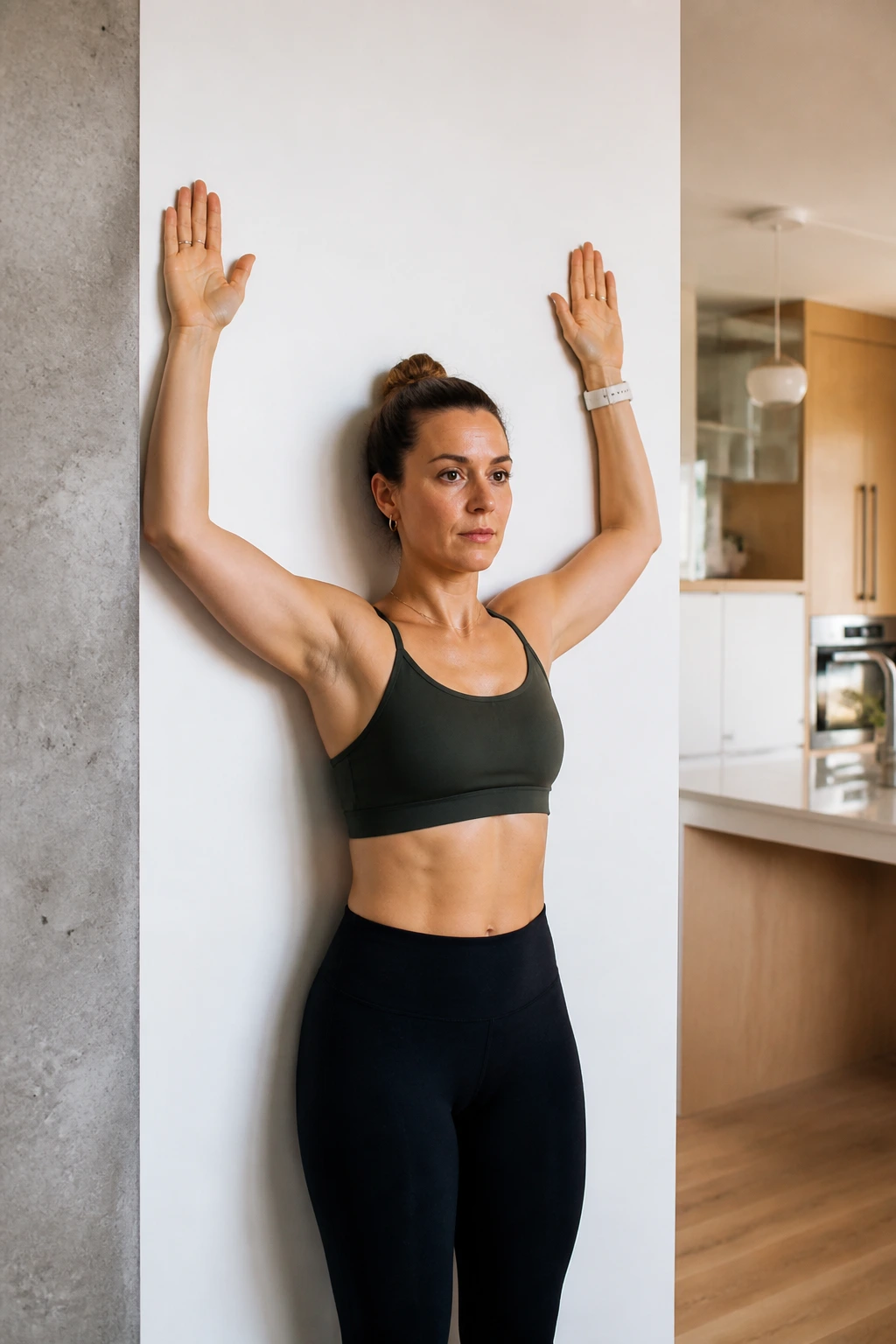
Why does this move feel easier than it should at the start and harder at the top? Because wall slides ask your shoulders to open, your rib cage to stay quiet, and your lower traps to help out at the same time. That is a lot to ask from a simple-looking drill.
Stand with your back against a wall and your elbows bent so the forearms rest against it. Slide the arms upward while keeping the forearms, wrists, and upper back close to the wall. At the top, gently lift the hands a little away from the wall for a tiny lift-off, then lower back down.
The lift-off is the useful part. It teaches the shoulder to finish overhead without shrugging or arching the back. Six to 10 reps is a good range. If your ribs pop up, step the feet forward and reduce the lift-off.
This is one of those exercises that pays back fast if you do it cleanly. The motion feels simple. The control is not simple at all.
13. Wall Handstand Hold for Serious Shoulder Loading
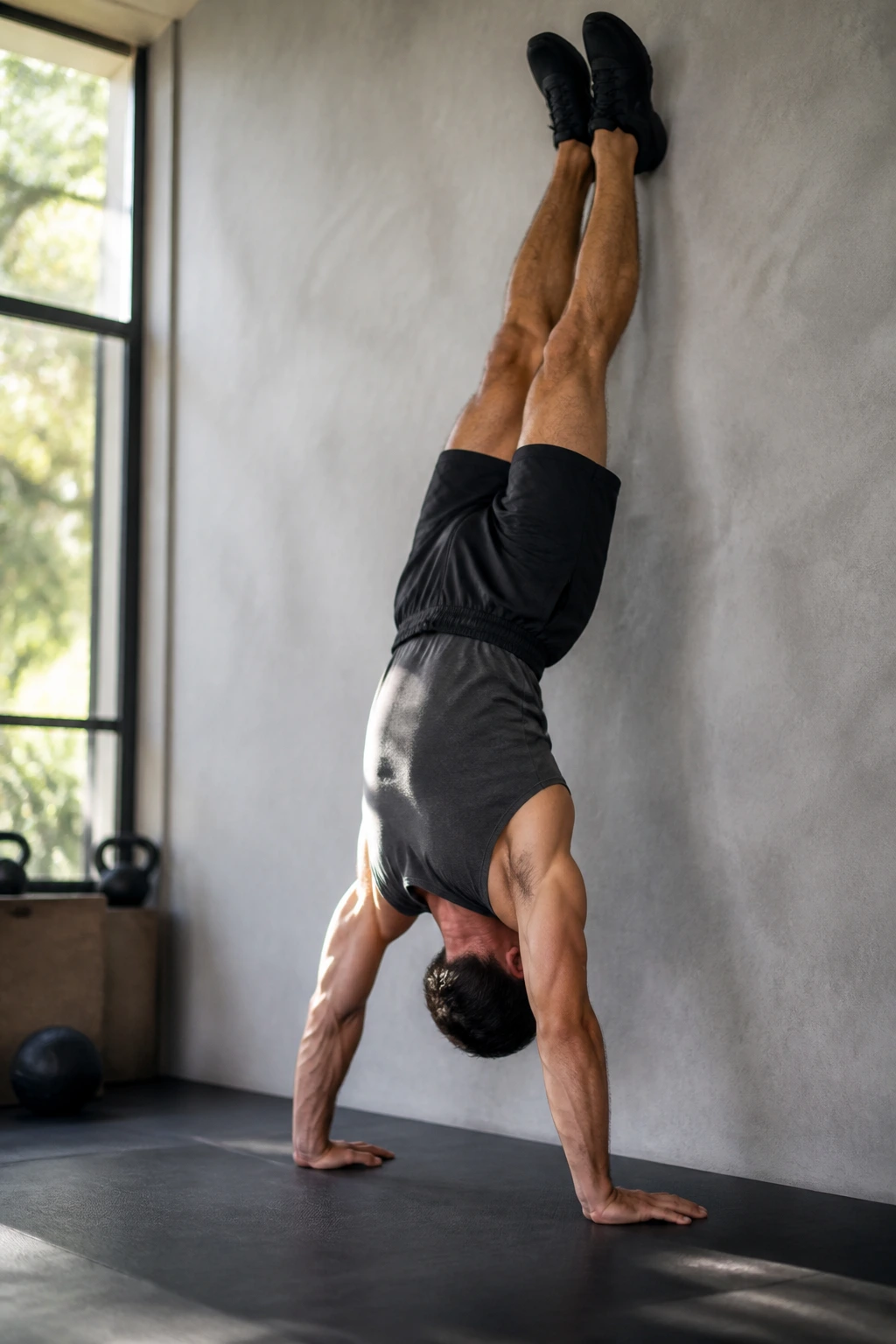
You do not need a full handstand to get useful shoulder work from the wall. Even a short pike or a feet-on-wall hold can light up the front delts, serratus, and upper back in a way that regular floor drills simply do not.
Kick up to the wall carefully, or walk your feet up if you prefer a slower entry. If a full handstand is too much, keep the hips bent and stay in a pike with feet supported on the wall. Hold 10 to 20 seconds at first and focus on pushing tall through the shoulders.
The big cue here is elevation without collapse. You want the shoulders active and pressing away from the floor, not sinking into the ears in a floppy way. Take a long breath before each hold. It helps more than people think. If your wrists or neck feel sketchy, back off and use the pike version.
This is one of the few bodyweight shoulder exercises that can feel oddly athletic without any equipment at all. Respect it.
14. Dolphin Pose for Shoulder Endurance
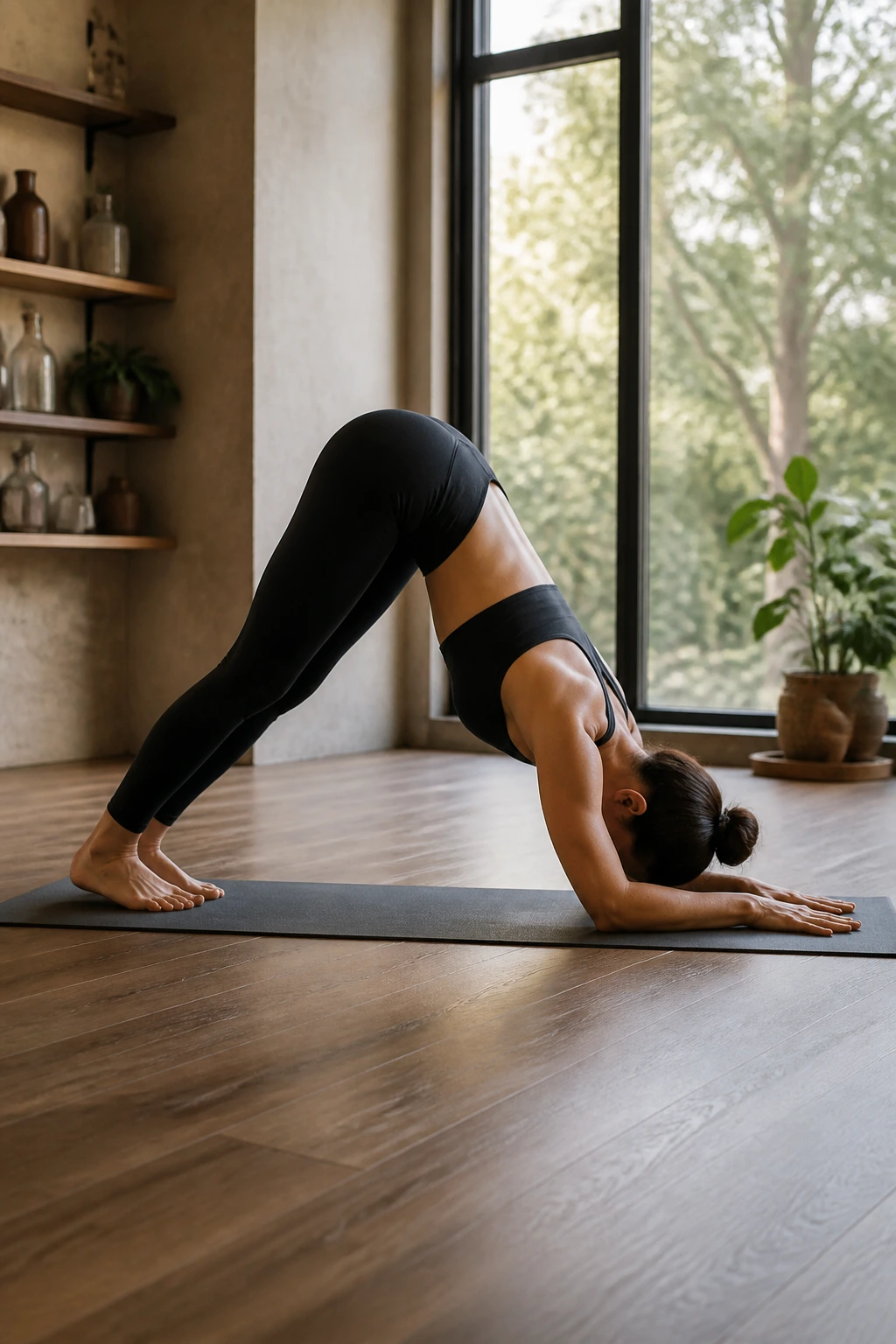
Forearms down, hips up, shoulders pressing away from the floor. Dolphin pose looks calm from the outside, then your upper body starts shaking a little and you remember why it belongs in shoulder work.
Start on your forearms with elbows under shoulders and hands flat. Lift the hips toward the ceiling, then press the chest back toward the thighs. You can hold the position, or rock forward and back a few inches to create a little more work through the shoulders.
It is spicy in a sneaky way.
Hold for 20 to 40 seconds, or do 5 to 8 controlled rocks. Keep the forearms grounded and avoid dumping the head between the arms. The shape should feel strong through the shoulders and long through the spine, not jammed into the neck. If you feel pressure in the front of the shoulder, shorten the hold and keep the elbows closer together.
15. Reverse Plank Hold for Shoulder Opening
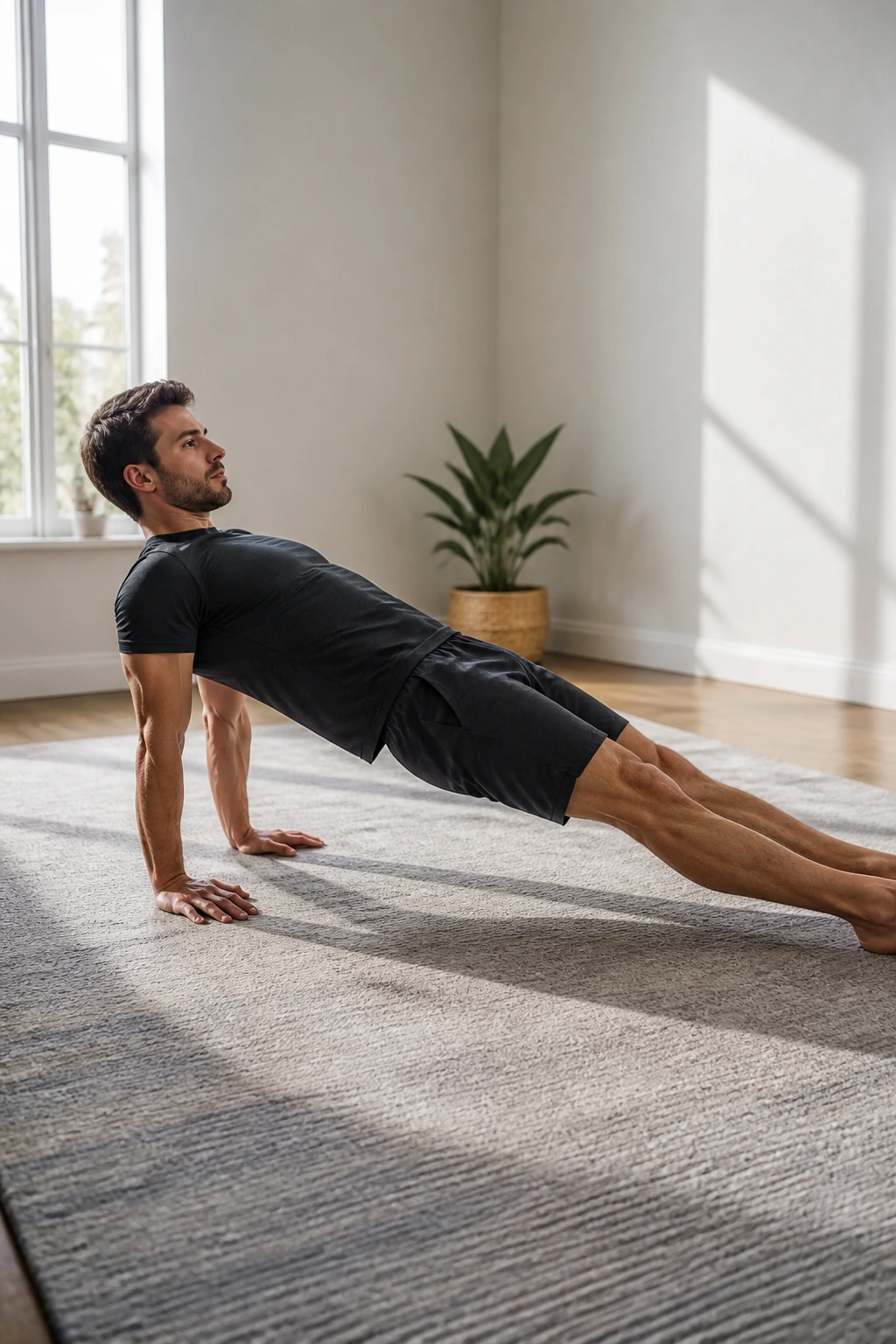
Sitting all day tends to close the front of the body, and reverse plank pushes back against that in a pretty direct way. It opens the chest, loads the back of the shoulders, and asks your glutes to show up too, which is a nice bonus.
Sit with your legs straight out in front of you and place your hands on the floor slightly behind your hips. Press through the hands and heels, lift the hips, and hold the body in one long line. The chest should stay proud, and the shoulder blades should feel like they’re sliding into a steadier position.
A few form details
- Fingers can point slightly out if wrists are tight.
- Hips stay lifted, not sagging.
- Squeeze the glutes to protect the low back.
- Hold for 15 to 30 seconds.
If the wrists hate this, reduce the angle of the hands or use a shorter hold. The shoulder benefit is real only when the body stays straight. A bent, collapsing reverse plank is mostly a hip exercise with bad manners.
16. Isometric Wall External Rotation for Rotator Cuff Strength
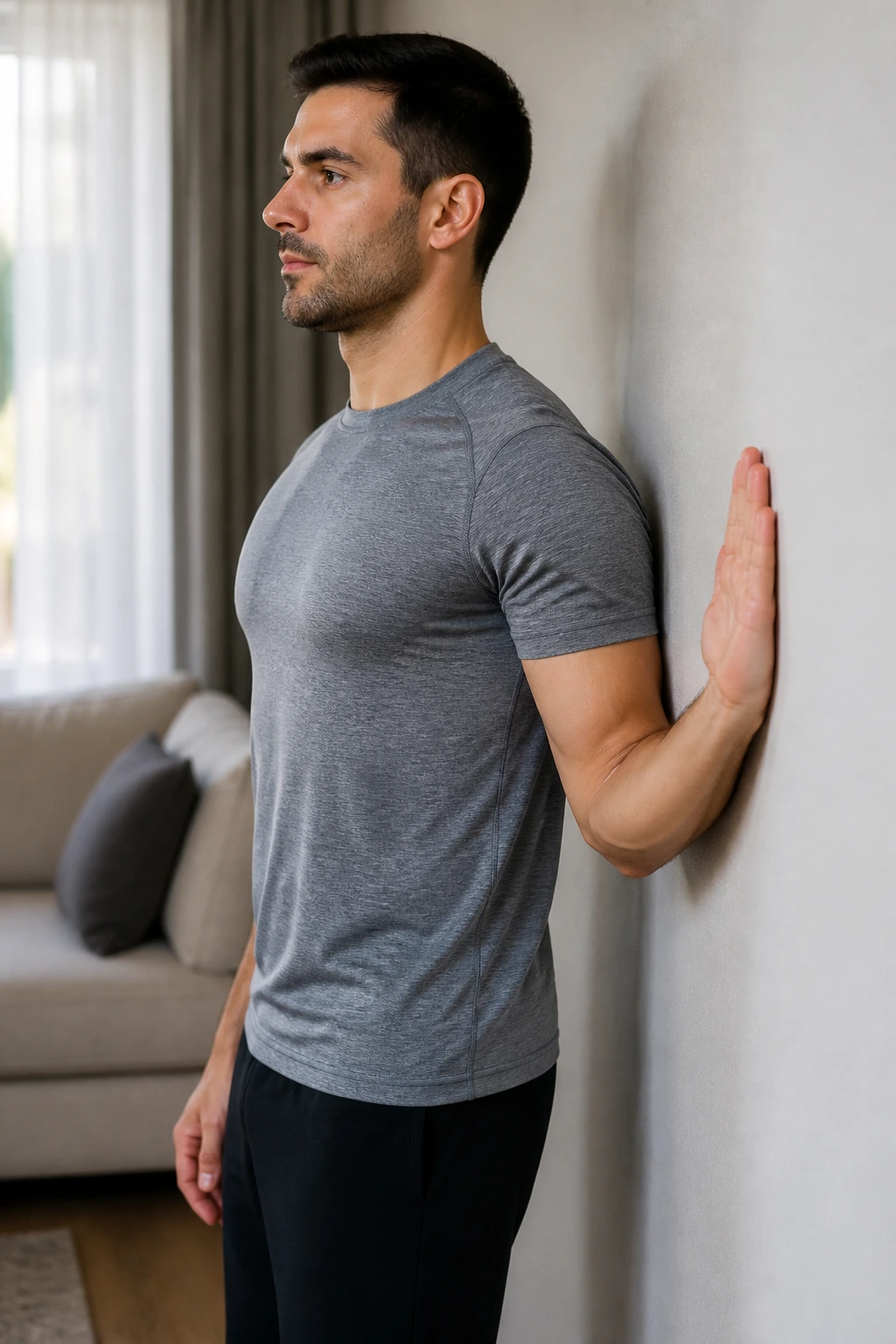
Can a shoulder exercise be useful if nothing moves? Absolutely. Isometric work is a quiet little hammer for the rotator cuff, and wall external rotation is one of the easiest versions to do without equipment.
Stand beside a wall with your elbow bent at 90 degrees and tucked against your side. Press the back of your hand into the wall as if you’re trying to rotate the forearm outward, but don’t let it move. Hold that pressure for 10 to 20 seconds, then relax and repeat.
How hard to press
- Start at about 30 to 40 percent effort.
- Breathe while you hold.
- Keep the shoulder down, not shrugged.
- Feel the work in the outer shoulder.
Three to 5 holds per side is enough. If you’re pushing so hard that your neck clenches, back off. The rotator cuff likes steady tension more than brute force. This is one of the best no-weights shoulder drills for people who want joint-friendly strength without a lot of fuss.
17. Thread the Needle for Rotation and Release
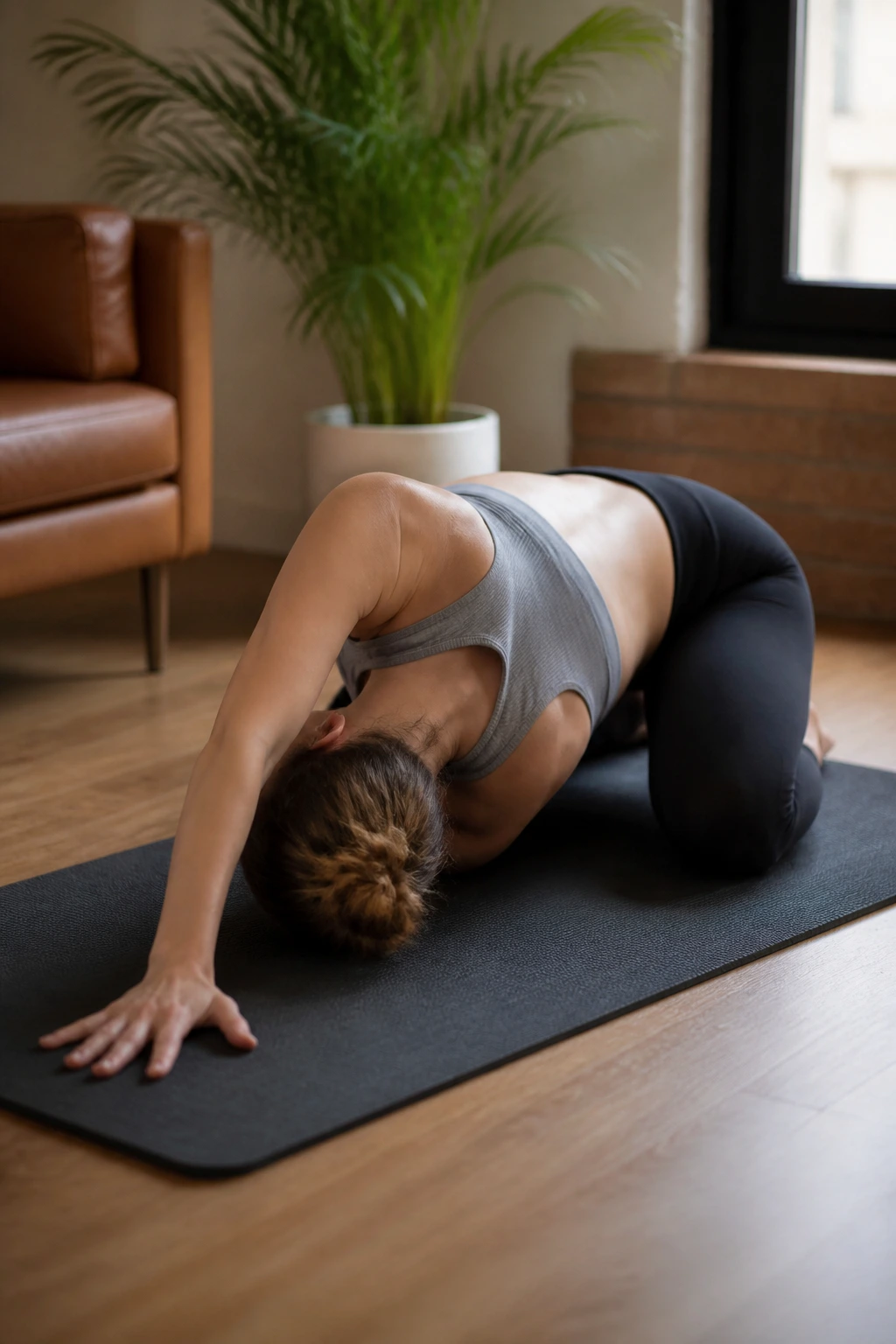
After pressing or planking, this is the move that untangles the upper back. Thread the needle gives the shoulder some rotation and lets the scapula move in a way that often feels better than static stretching alone.
Start on all fours. Reach one arm under your body and lower the shoulder and side of the head toward the floor. Let the other hand stay planted. You can hold the stretch for 15 to 20 seconds, or slowly unwind and repeat the reach for a few reps per side.
The key is to keep it smooth. If you twist so far that the lower back collapses, the shoulder does less work and the spine does more than you asked. Keep your hips mostly stacked over the knees and rotate through the upper back first. A small, honest reach is better than a huge one that turns into a wobble.
I like this one between harder sets because it brings back a bit of motion without asking for much energy.
18. Puppy Pose Shoulder Reach for Overhead Length
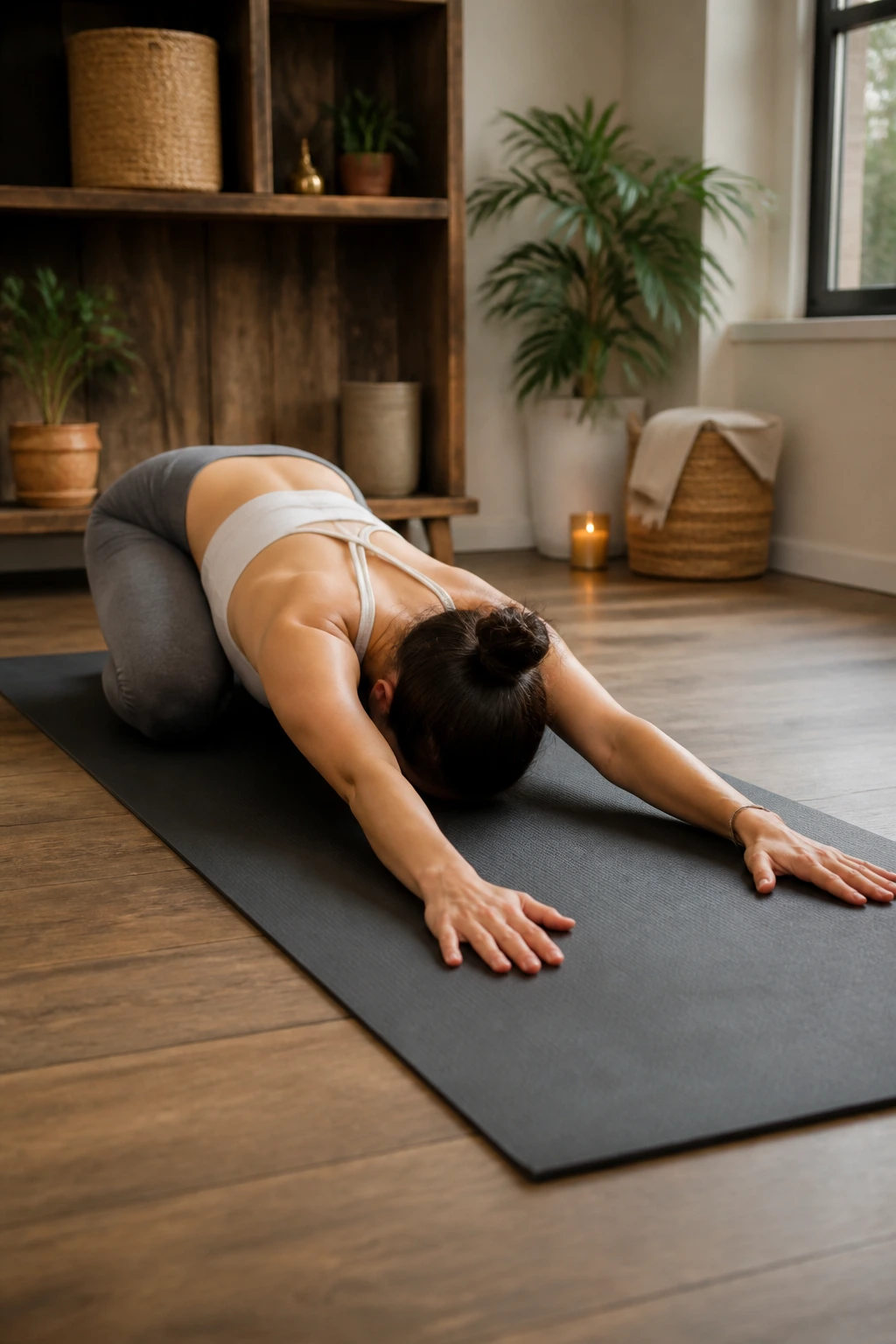
Puppy pose is one of the cleanest overhead shoulder opens you can do on the floor. It reaches the arms long, encourages the chest to soften toward the mat, and gives the shoulders space without the same compression some overhead positions create.
Start on all fours, then walk the hands forward while keeping the hips over the knees. Lower the chest toward the floor and keep reaching the arms out in front of you. You can stay with your forehead near the mat, or rest the chest a bit lower if it feels good.
Breathe into the sides of the ribs. That makes a difference. If the front of the shoulder pinches, pull the hands back a few inches and shorten the stretch. Hold for 20 to 40 seconds, or pulse gently in and out of the position. Do not force the elbows flat if the joint is telling you to back off.
This one is less about strength and more about restoring the shape overhead work needs. That matters more than people like to admit.
19. Bear Crawl Hold Shoulder Taps for Hardcore Stability
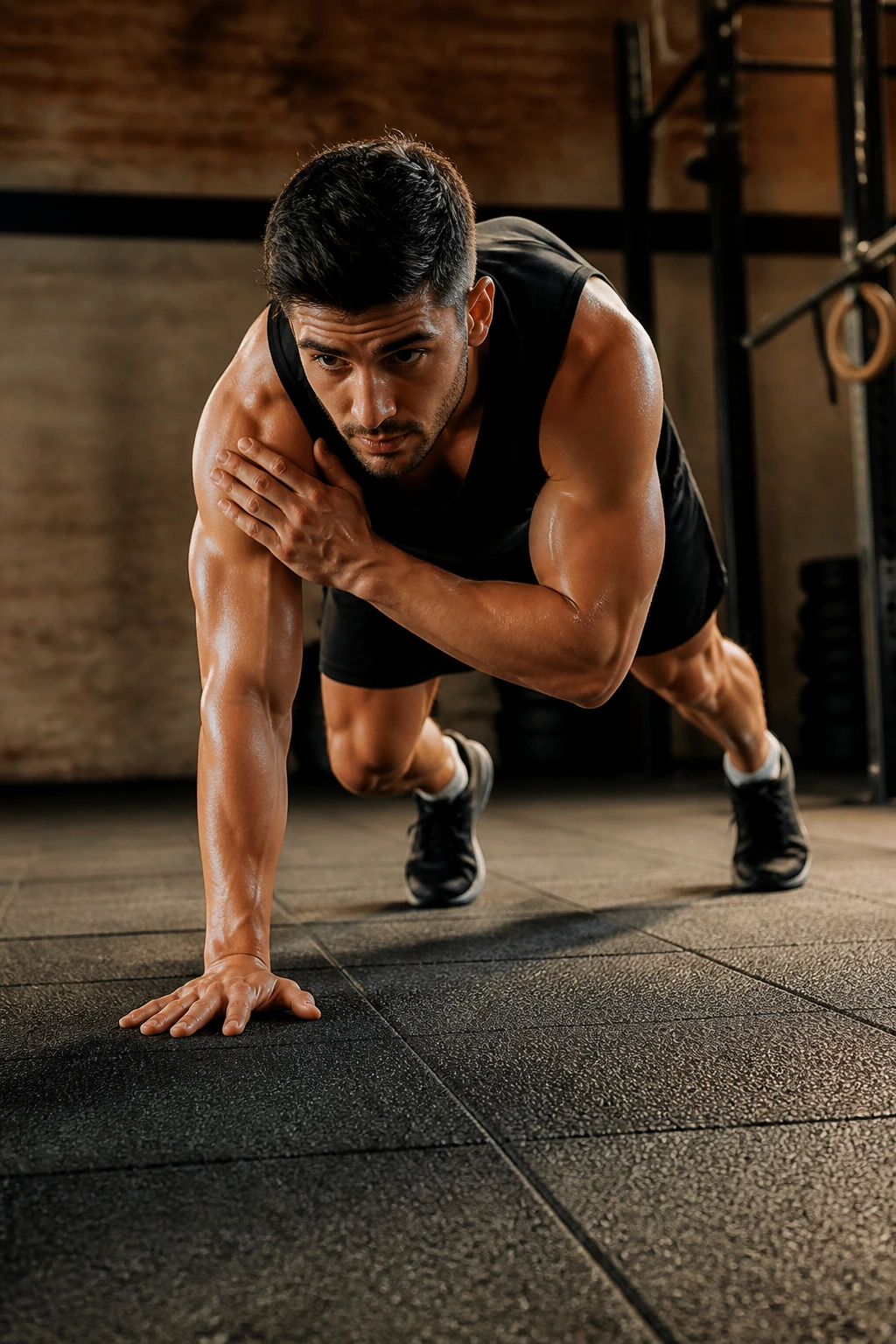
This is where shoulder control gets honest fast. A bear crawl hold strips away the comfort of a full plank and makes the shoulders, core, and hips negotiate with each other in real time.
Start on hands and knees, then hover the knees about 1 to 2 inches off the floor. Keep the back flat and tap one shoulder with the opposite hand, then switch sides. Move slowly. If the torso swings, the challenge shifts away from the shoulders and into chaos, which is not the same thing.
It will feel harder than it sounds.
Do 6 to 12 taps total at first, or hold the bear position for 10 to 20 seconds before tapping if you want more of a challenge. Keep the knees quiet and the gaze a little ahead of the hands. The win here is stillness under pressure, not speed. If you can do that, the shoulder has to earn every inch.
20. Prone Cobra Hold for a Stronger Finish
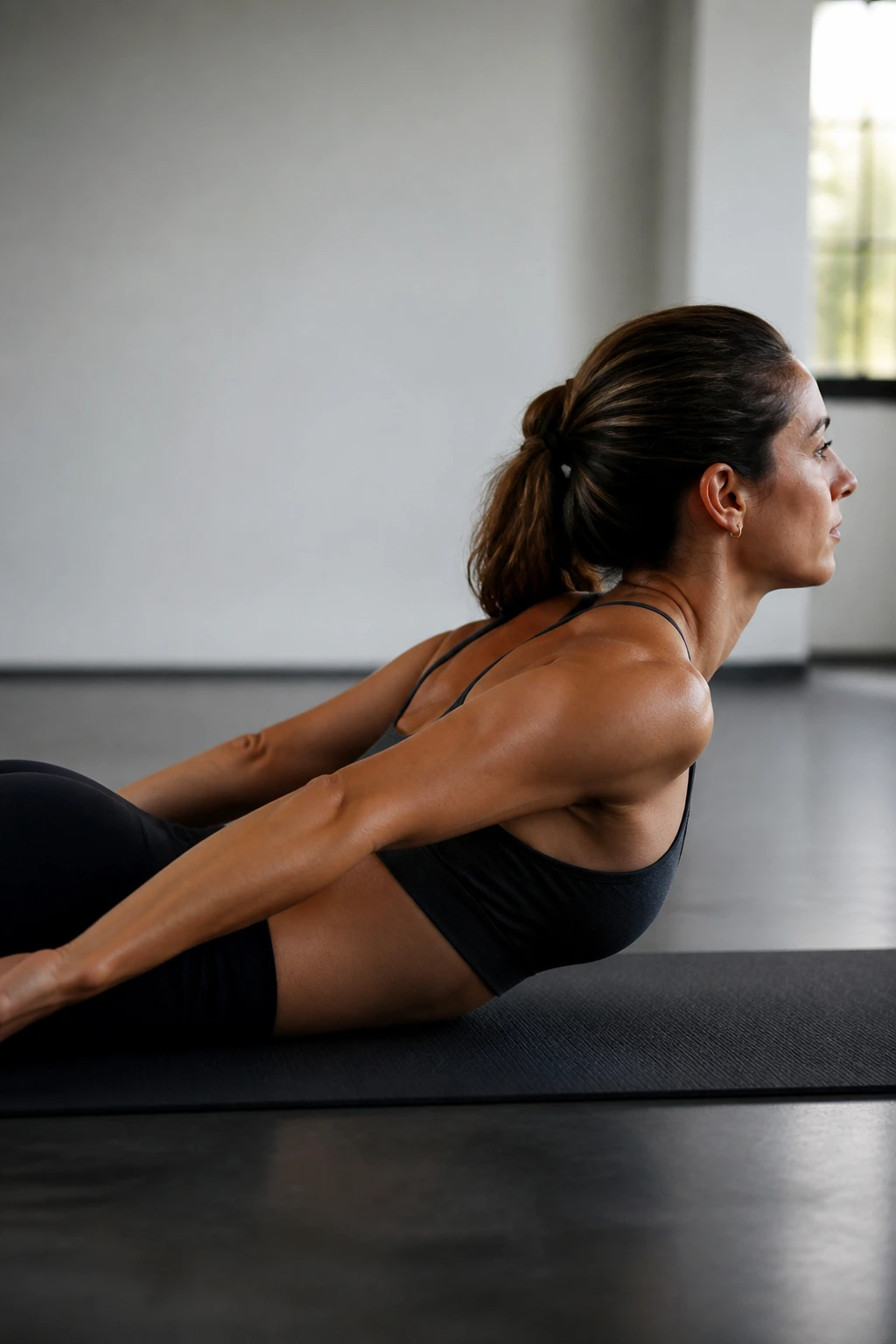
Prone cobra is tiny, and that tiny shape teaches a lot. It asks the shoulder blades to settle down and back while the chest lifts just enough to create tension, not a giant back arch.
Lie face down with your arms by your sides and your palms turned slightly up or toward your thighs. Lift the chest a little, draw the shoulder blades gently toward the back pockets, and hold. Keep the neck long and the face relaxed. The movement should feel clean, almost quiet, with a steady burn across the upper back and rear shoulders.
Hold for 10 to 20 seconds, rest, and repeat 3 to 5 times. If your lower back complains, lift less and tighten the glutes. If the neck tightens, lower the chest an inch. The work belongs in the upper back and rear delts, not in a jammed lower spine.
A simple way to build a no-weights shoulder session is to pair one mobility move, one plank-based drill, and one prone hold. That gives you range, control, and endurance without needing a single dumbbell. And if your shoulders are the type that like a little extra care, that mix tends to pay off fast.
