



Stubborn belly fat in women usually isn’t one bad meal or one lazy week. It tends to show up when several things start pushing in the same direction — hormones, stress, sleep, training, food choices, and plain old genetics.
A woman can be doing a lot “right” and still feel like her waistline is the last thing to budge. That’s because the body does not lose fat in a neat, fair order. Some people lean out in the face and arms first. Others lose from the legs first. And for a huge number of women, the midsection hangs on until the end.
Annoying? Yes. Mysterious? Not really.
Sometimes the belly isn’t even fat in the way people think it is. Bloating, constipation, water retention, and posture can change the way the stomach looks by a full inch or two. That is why so many women swear they “gained belly fat overnight” after a salty meal, a short night, or a rough stretch of stress.
Once you know what is actually driving the change, the whole thing becomes easier to fix. The reasons below are the ones I see most often, and a few of them are sneakier than people expect.
1. Hormonal Shifts That Push Fat Toward the Middle
Hormones matter a lot here. Estrogen helps influence where the body stores fat, and when that balance shifts, the abdomen often becomes a favored landing spot. That can happen during monthly cycle changes, after pregnancy, during perimenopause, or around menopause — and it can make belly fat feel extra stubborn even when food and exercise are fairly steady.
That shift is not a personal failure. It is biology doing what biology does, which is to be slightly rude about where it stores energy.
The waistline often changes before the scale does. Some women notice their rings still fit, their legs look the same, and yet their jeans button with less kindness than they used to. That pattern usually points to fat distribution, not some dramatic overnight change in body size.
The practical response is boring, but it works: keep lifting weights, keep protein steady, and stop letting sleep slide. Hormones are harder to “outwork” than people like to admit, so the best move is to build habits that make the body less likely to store fat around the middle in the first place.
2. Stress That Keeps Cortisol Too High
Stress and belly fat are a messy pair. Not every stressful week adds abdominal fat, but a long stretch of pressure can make cravings louder, sleep worse, and recovery weaker — which is where the trouble starts.
What Cortisol Does to Your Appetite
Cortisol is not evil. It helps the body deal with real demands. The problem is chronic stress, the kind that never really shuts off. That kind of stress can push you toward quick energy, salty snacks, late-night eating, and skipping the walk or workout you meant to do.
Your body remembers that pattern. So do your habits.
A lot of women describe it the same way: the stomach feels tighter, the cravings hit harder, and the whole week seems to revolve around coffee, deadlines, and whatever snack is closest. That is a clue, not a coincidence.
How to Calm the Pattern
- Take a 10- to 20-minute walk when your head feels full.
- Keep caffeine earlier if it leaves you wired or shaky.
- Use a simple breathing drill: inhale for 4 counts, exhale for 6, repeat for 2 to 5 minutes.
- Do not train hard every single day when your sleep is already bad.
A calmer nervous system does not melt fat by magic. It does make better food choices and better workouts much easier to repeat.
3. Blood Sugar Swings and Insulin Resistance
If belly fat seems to cling to the middle while hunger keeps bouncing around, blood sugar may be part of the picture. Insulin resistance does not mean you are doomed, and it does not only affect women with a large amount of weight to lose. It can show up as afternoon crashes, intense carb cravings, and that weird feeling of being full and hungry at the same time.
Women with PCOS, a family history of diabetes, or a long stretch of low activity often notice this pattern first. The body handles carbs less smoothly, insulin stays higher for longer, and fat loss around the waist can slow down.
Signs Your Blood Sugar May Be Driving the Problem
- You get shaky, tired, or snacky a few hours after eating.
- Breakfast with pastries or sweet coffee leaves you hungry fast.
- Carb-heavy meals without protein do not hold you for long.
- Your energy drops hard after lunch.
The fix is not to fear carbs. It is to pair carbs with protein, fiber, and some movement. A bowl of oats is one thing. Oats with Greek yogurt, berries, and chia is a very different story. So is white toast versus toast with eggs and avocado. The body behaves differently when the meal slows digestion and feels more complete.
4. Poor Sleep That Changes Hunger and Storage

A short night shows up on the waistline faster than most women expect.
Sleep loss can increase hunger, make cravings louder, and make the next day’s food decisions feel louder and messier. It also tends to reduce workout quality, which matters more than people think. A sloppy workout after three bad nights is not the same as a solid session after a full night of rest.
The body also gets worse at handling blood sugar when sleep is poor, which means the “I just need one snack” feeling can turn into an entire evening of grazing. And yes, that can eventually add up around the middle.
A few changes usually help:
- Keep a consistent sleep and wake time as often as life allows.
- Make the bedroom darker and cooler.
- Avoid late heavy meals if they leave you restless.
- Leave your phone out of reach when you’re trying to wind down.
No, one short night does not create belly fat by itself. But a pile of short nights can absolutely slow fat loss and make the waistline look softer than it really is.
5. Hidden Calories From Drinks, Oils, and Snacks
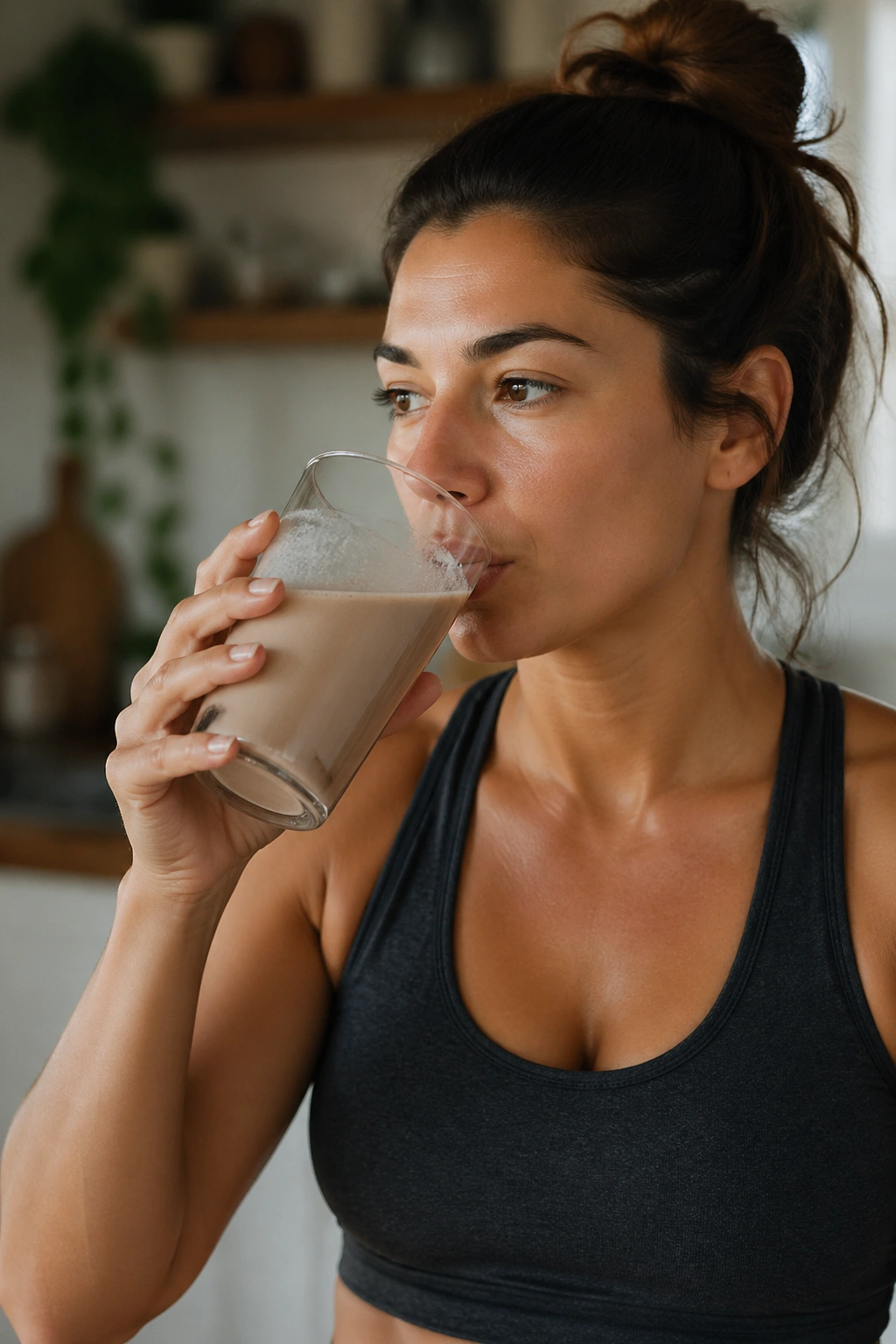
Liquid calories are sneaky.
A woman can eat a decent-looking breakfast, a solid lunch, and a “healthy” dinner, then quietly add another few hundred calories through coffee drinks, juice, wine, handfuls of nuts, cooking oil, and little bites taken while making dinner. None of those foods is poisonous. They just disappear fast.
A tablespoon of oil is about 120 calories. A couple of pours can turn a light pan of vegetables into a much richer meal than intended. Smoothies can do the same thing when they start with fruit, nut butter, oats, and honey and end up closer to dessert.
The same thing happens with snacks that never feel like a real snack. A few crackers here, a square of chocolate there, a spoonful of peanut butter while standing at the counter — it adds up.
A smarter approach is simple:
- Measure oils when you cook for a while and see how much you actually use.
- Pick one planned snack instead of grazing on random bites.
- Treat drinks as part of the day’s food, not free extras.
That alone can unstick a lot of stubborn belly fat.
6. Not Eating Enough Protein

Protein is one of the easiest fixes people ignore. It helps keep you full, supports muscle, and makes weight loss feel less like a battle with your own stomach. When protein is too low, many women end up hungry again two hours after eating, which is a terrible setup for belly-fat loss.
Why Protein Changes the Picture
Protein takes more work to digest than carbs or fat. It also helps preserve lean muscle when you are eating less overall. That matters because muscle is part of what keeps your body shape tight while fat comes off.
Without enough protein, a calorie deficit can leave you flatter, softer, and hungrier than you wanted. That is how people end up saying, “I lost weight, but my stomach still looks soft.” Usually, something in the meal pattern is off.
Easy Ways to Raise It
- Add eggs or Greek yogurt to breakfast.
- Build lunch around chicken, tuna, tofu, beans, or turkey.
- Include a palm-sized protein at dinner.
- Keep a simple backup snack like cottage cheese, jerky, edamame, or a protein shake.
A lot of women do better when each meal has around 25 to 35 grams of protein. Not every meal has to be perfect, but the day should not be built on toast, coffee, and whatever is easiest.
7. Skipping Strength Training and Relying on Cardio Alone
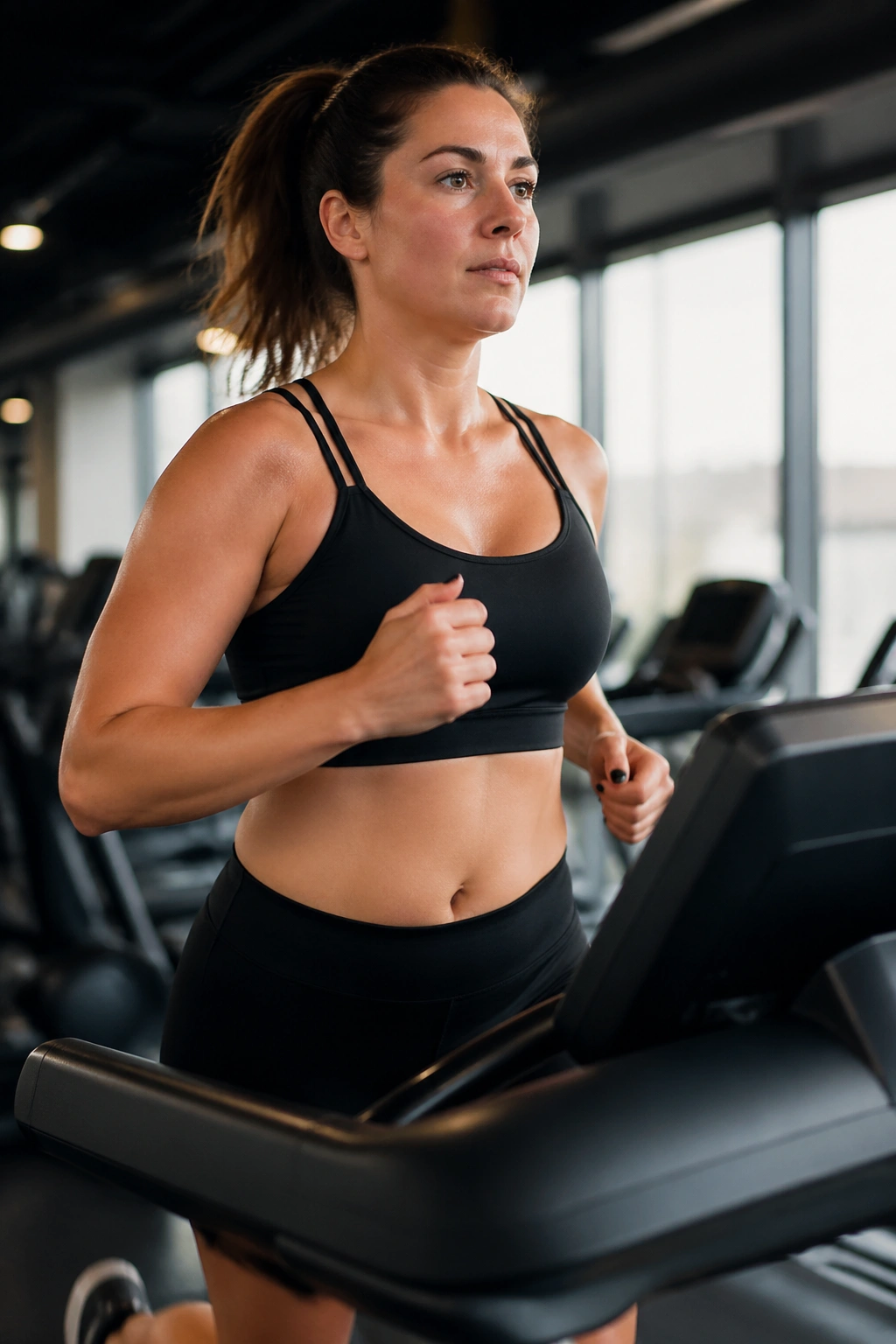
Cardio helps. It really does. But cardio alone usually does not give women the tight midsection they want.
The reason is simple: strength training preserves and builds muscle, and muscle changes how the body looks as fat comes off. Cardio burns calories during the workout. Lifting helps shape the body the rest of the day. They are not the same thing.
A woman who only walks, runs, or bikes may still lose weight, but the waistline often looks softer for longer because there is less muscle support underneath. That is why the best weight loss workouts for stubborn belly fat usually include some kind of resistance work.
You do not need to live in the gym. Three solid full-body sessions a week can be enough if they include compound moves like:
- Squats
- Hinges or deadlifts
- Rows
- Push-ups or presses
- Carries
A lot of people hate this answer because it sounds too plain. It is plain. It also works.
8. Crunches Alone and the Spot-Reduction Myth

Two hundred crunches will not peel belly fat off the stomach.
That is the myth that keeps a lot of women stuck. Ab exercises build the muscles under the fat layer, which is useful, but they do not pull fat off one exact spot. The body does not work that neatly. It loses fat from where it wants, when it wants.
I still see people attacking their lower belly with crunches, then wondering why the waistline hasn’t changed. The problem is not effort. The problem is choosing a tool that was never designed for fat loss in the first place.
What to Do Instead
Focus on core work that teaches the body to brace and stabilize:
- Dead bugs
- Planks
- Side planks
- Pallof presses
- Loaded carries
Those moves help your midsection look firmer because they improve posture, control, and trunk strength. They are not magic either. They just do more than endless curl-ups ever will.
The best core work supports your lifts, your posture, and your daily movement. That is a much better return on time.
9. Sitting Too Much and Low Daily Movement

A desk job can undo a decent workout faster than people expect.
Daily movement outside the gym — often called NEAT, or non-exercise activity — plays a bigger role in calorie burn than most people realize. Walking to the car, standing at the counter, cleaning the kitchen, pacing on a phone call, taking the stairs — all of that matters. When those small movements disappear, belly fat tends to stick around.
What This Looks Like in Real Life
You train for 45 minutes, then sit for 9 hours. That is the pattern.
The workout helps. The sitting still fights back.
A simple fix is to add short movement breaks:
- Walk for 5 to 10 minutes after meals.
- Stand up at least once every hour.
- Take calls while walking.
- Park a little farther away.
- Keep a water bottle across the room so you have to get up for it.
None of that is glamorous. It is also one of the most overlooked reasons women hold onto abdominal fat. The body likes frequent movement, not just a single burst once a day.
10. Ultra-Processed Foods That Make Overeating Easy
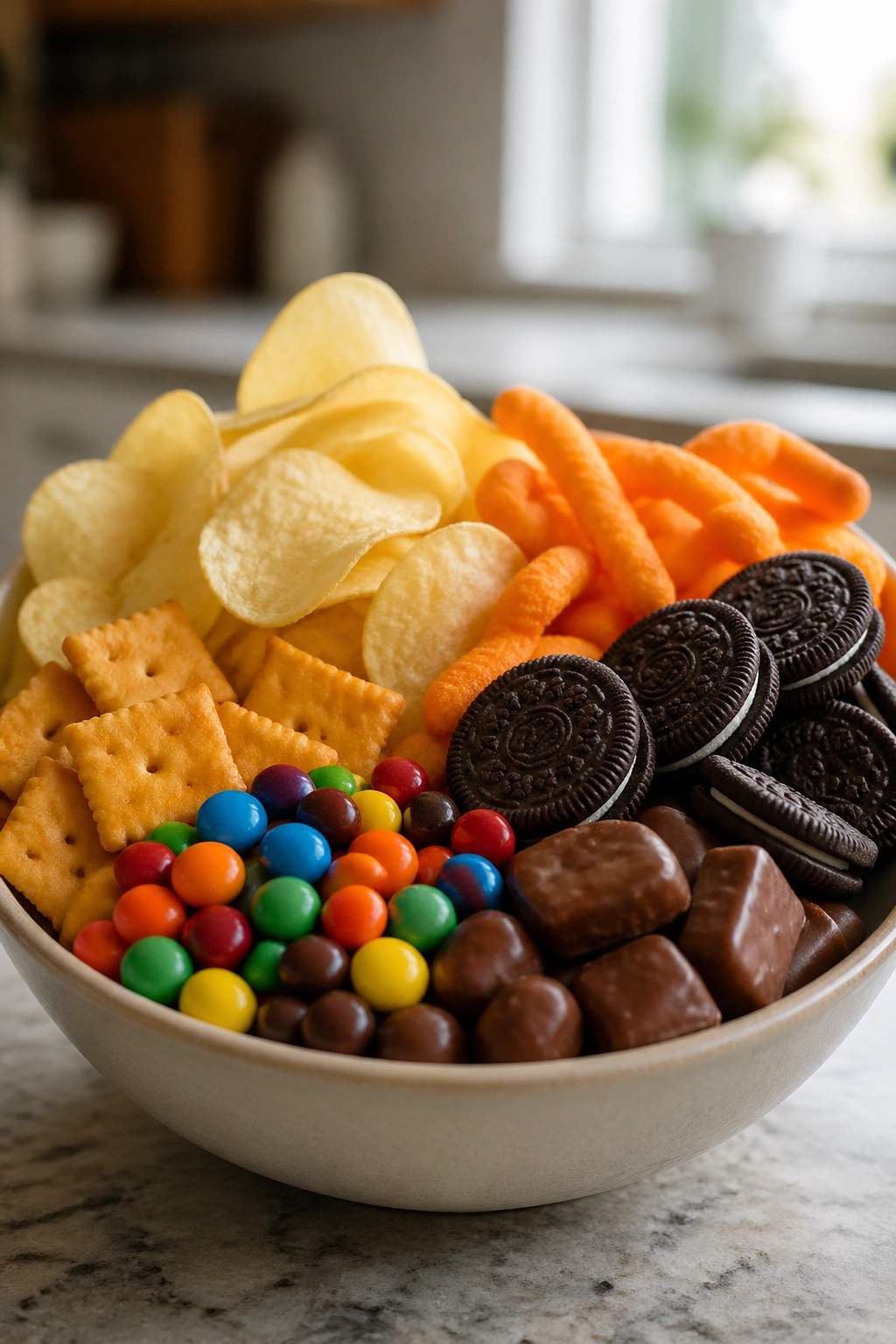
A bag of chips can disappear faster than a bowl of chicken and vegetables. That matters.
Ultra-processed foods are often built to be easy to chew, quick to swallow, and hard to stop eating. They tend to be low in fiber and not very filling for the calories they bring. So a woman can eat “not that much” by volume and still take in more energy than she meant to.
Frozen meals, packaged pastries, flavored crackers, sugary cereal, and snack bars that read like a chemistry set can all fit into a normal life. The issue is not that these foods exist. The issue is that they make portion control feel fuzzy.
A better rule is to build most meals around protein, produce, and one starch or fat source. That creates meals that take longer to eat and keep hunger steadier. If a food can be inhaled in three bites and leaves you hunting for more, it probably isn’t doing your waistline any favors.
You do not need to ban all packaged food. You do need to notice which ones quietly wipe out your calorie budget.
11. Perimenopause and Menopause Changing the Waistline

Middle-age belly fat is a real thing, and it is not imagined.
As estrogen shifts downward, the body often becomes less happy about storing fat in the hips and thighs and more willing to store it around the abdomen. Muscle mass can also drift down if strength work gets neglected, and that makes the midsection look softer even when body weight hasn’t changed much.
Why the Waistline Shifts
Lower estrogen does not act alone. Sleep gets lighter for many women. Stress tolerance drops. Recovery takes longer. If appetite rises even a little, the waist can show it first.
What Helps Most
- Lift weights with a plan, not randomly.
- Keep protein high at breakfast and lunch.
- Walk often, especially after meals.
- Keep alcohol modest if it affects sleep or appetite.
Do not crash diet through this phase. That usually makes muscle loss worse, and muscle is one of the best tools you have for keeping the waistline in check. A slower, steadier approach usually wins here.
12. Bloating and Constipation That Mimic Belly Fat

Sometimes the problem is not fat at all. It is a belly that is carrying gas, stool, or both.
That sounds blunt, but it matters. A bloated abdomen can look like weight gain even when body fat has not changed much. Many women notice the difference because the stomach is flatter in the morning and more swollen by evening. That timing is a clue.
Signs It May Be Bloating
- Your waist changes a lot during the day.
- Tight clothes feel worse after meals.
- You feel gassy, gurgly, or heavy after certain foods.
- Bowel movements are infrequent or hard to pass.
The fix is usually about digestion, not dieting harder. Eat slower. Chew food properly. Get enough fiber, but increase it gradually if you are low. Drink enough water. Walk after meals. If certain foods hit you hard — dairy, sugar alcohols, large amounts of raw veg, carbonated drinks — track them for a week and notice the pattern.
If bloating is painful, persistent, or paired with major bowel changes, it deserves medical attention.
13. Salt, Water Retention, and a Puffier Midsection
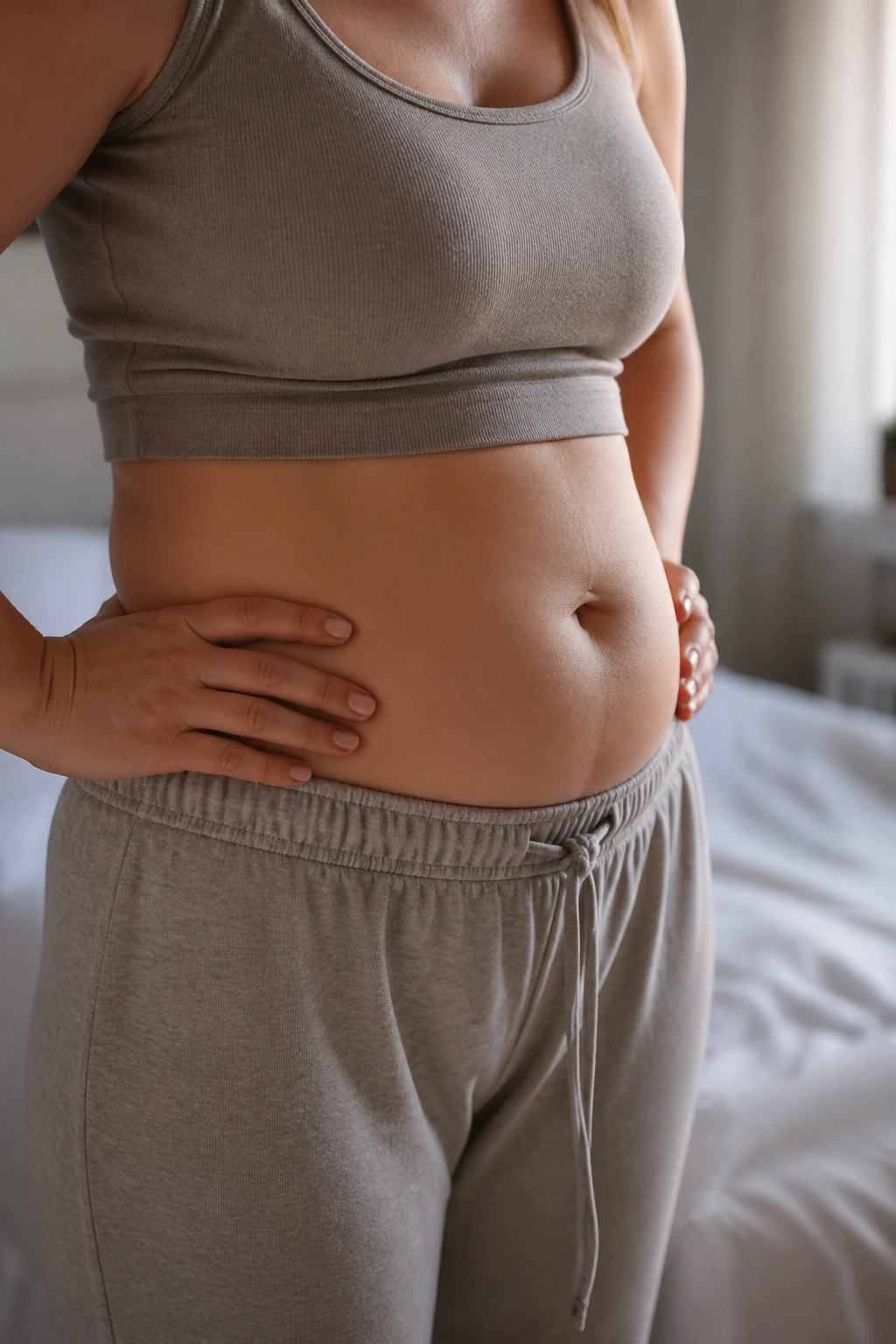
One salty meal can change the way the stomach looks by morning.
That does not mean you gained body fat. It means the body is holding more water, which is normal after a high-sodium meal or a stretch of eating more packaged food than usual. Restaurant food, takeout, sauces, deli meats, chips, and frozen meals are the usual suspects.
A woman may wake up, look in the mirror, and swear her belly got bigger overnight. Often it is just fluid. The waistband feels tighter, the face can look a little fuller, and the scale may jump too. Then things settle down after a day or two of normal meals and movement.
Potassium-rich foods help balance that out:
- Bananas
- Potatoes
- Beans
- Yogurt
- Leafy greens
Water helps too. So does moving around. A bloated, puffy stomach is miserable, but it is not the same as true fat gain.
14. Eating Too Little, Then Rebounding Hard

Can eating too little make belly fat stick around? Yes, and it happens more often than people want to admit.
Severe restriction tends to create a rough cycle. Food gets cut too hard, energy drops, workouts suffer, cravings climb, and then the rebound eating comes in hard. Sometimes it looks like “good during the week, wild on the weekend.” Sometimes it looks like skipping meals all day and raiding the pantry at night.
The body also does not love losing muscle while eating very little. That can make the waist look softer even after weight drops. So the plan that seems strict and disciplined on paper often backfires in real life.
A steadier calorie deficit works better:
- Eat regular meals.
- Keep protein up.
- Don’t slash carbs so low that workouts fall apart.
- Leave room for foods you actually like.
One harsh diet rarely fixes a stubborn belly. It usually just creates a new problem a few weeks later.
15. Overtraining and Not Recovering Enough

More exercise is not always better.
When women pile on hard workouts, keep rest days thin, and never back off, the body can start acting tired and inflamed. Sleep gets worse. Hunger rises. Performance drops. Water retention creeps up. The belly can look softer even while the effort level is sky-high.
What Overtraining Can Look Like
- You feel sore most of the time.
- Your workouts keep getting weaker.
- Resting feels harder, not easier.
- You wake up tired even after a full night.
A lot of people respond by adding more cardio, which is the wrong move if recovery is already slipping. What the body often needs is a calmer week, not another punishing session.
Try this instead:
- Keep 1 to 2 true rest days each week.
- Use easier walks on recovery days.
- Drop one hard session if your sleep falls apart.
- Eat enough to support training.
Recovery is not laziness. It is part of the work.
16. Genetics That Favor Abdominal Fat Storage
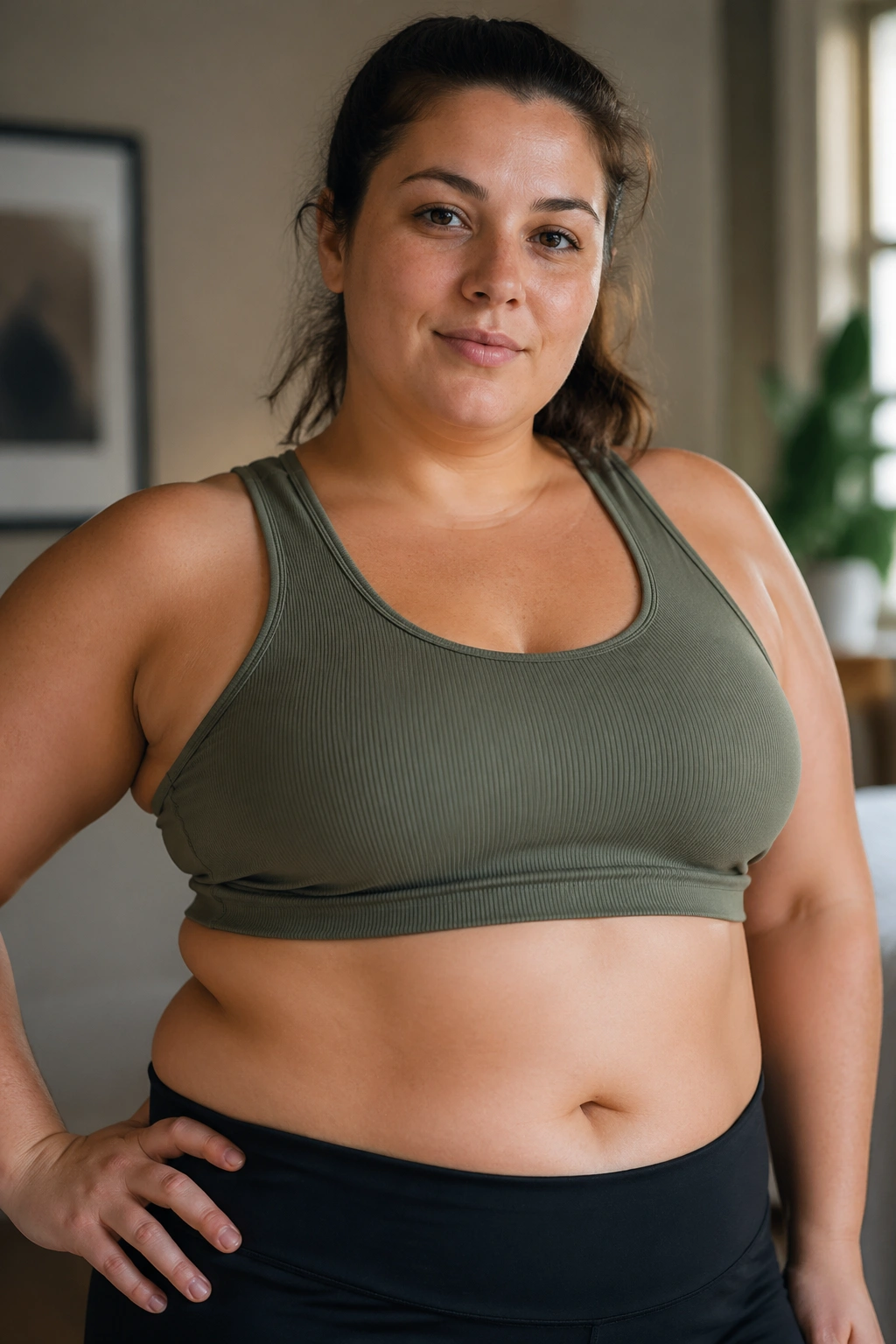
Some women are built to store more fat in the middle. That is frustrating, but it is real.
Family shape matters. So does how your body prefers to lose fat. One woman may keep her legs lean until the end and carry more in the belly. Another may do the opposite. Neither pattern is a sign that someone is failing harder than the other. It is just where the body likes to keep reserves.
Comparisons are a trap.
A friend’s waistline is not your blueprint. Her genetics, hormone pattern, height, muscle mass, and fat distribution may be totally different from yours. You can still make progress, but the timeline may look different, and the belly may be the last place to change.
A better way to track progress is with:
- Waist measurements
- How clothes fit
- Strength in the gym
- Energy and hunger
- Progress photos taken in the same light
That gives you a clearer picture than the mirror on a rough morning.
17. A Weak Deep Core and Poor Posture
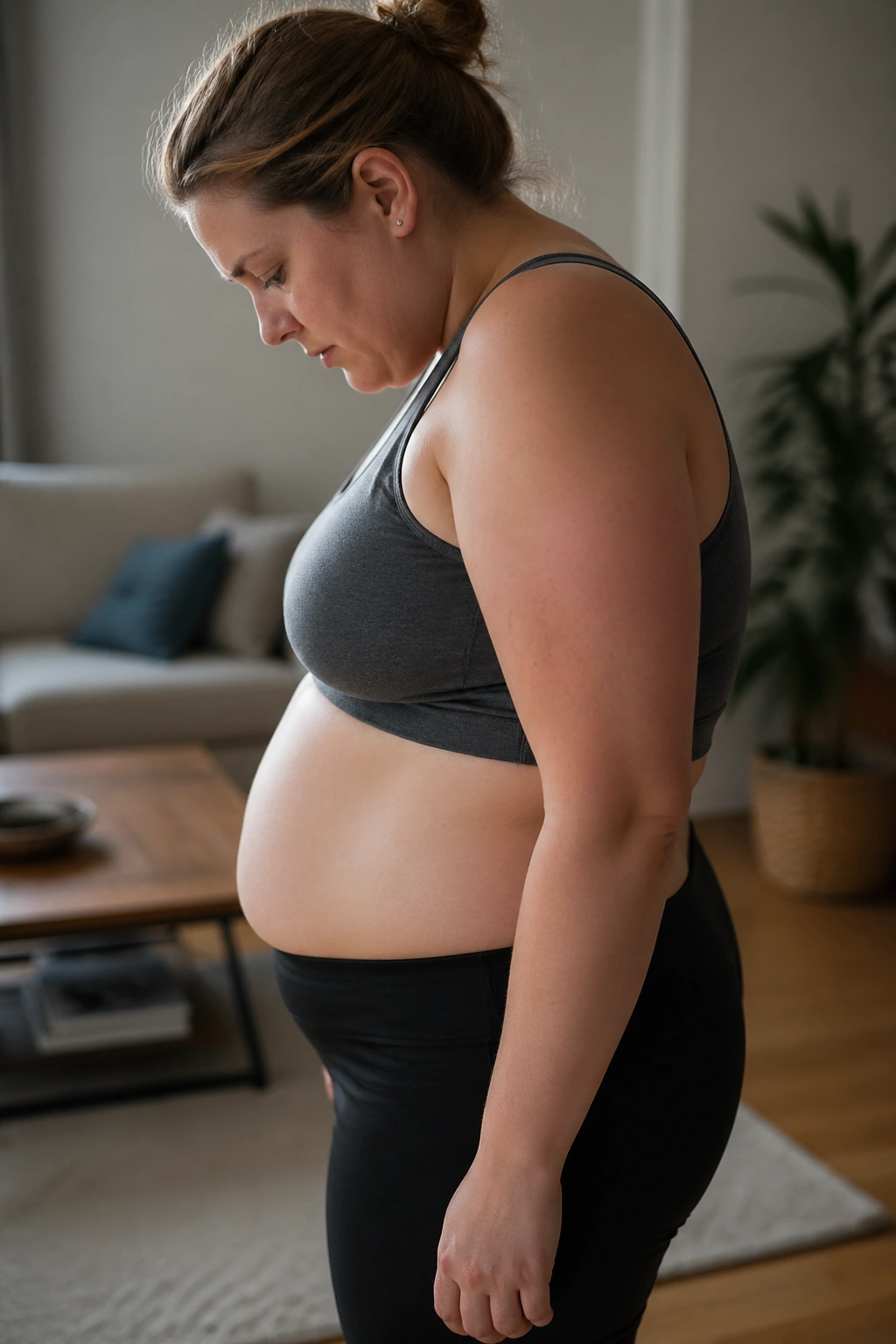
Sometimes the stomach looks bigger because the body is holding itself badly, not because it gained fat.
Anterior pelvic tilt, rib flare, weak glutes, and a lazy deep core can push the belly forward. The abs may not be weak in every sense, but they may not be doing enough to hold the trunk in a stacked position. A woman can be slim and still have a belly that seems to stick out because the posture is off.
What Usually Helps
- Dead bugs to teach control
- Glute bridges for hip support
- Side planks for lateral stability
- Breathing work that teaches the ribs to settle down
- Carrying groceries or weights with a tall, braced torso
A strong core is not just visible abs. It is control when you stand, walk, lift, and breathe. That matters for both the look of the midsection and how it feels in daily life.
18. Medications or Medical Conditions That Affect Weight

Not every stubborn belly has a lifestyle explanation.
Hypothyroidism, PCOS, insulin resistance, and some other medical issues can make weight loss harder, especially around the middle. Certain medications can also change appetite, fluid retention, or fat distribution. Steroids, some antidepressants, and other prescriptions can play a role.
Do not stop a medication on your own. That is the wrong move.
What you can do is pay attention to the pattern. If belly fat seems to appear along with fatigue, cycle changes, hair loss, cold intolerance, major acne, swelling, or a sudden shift in appetite, it is worth talking to a clinician. Sometimes the issue is simple. Sometimes it takes lab work and a real conversation.
A stubborn belly is not always a willpower issue. Sometimes it is a signal.
19. Too Little Fiber to Keep You Full and Regular
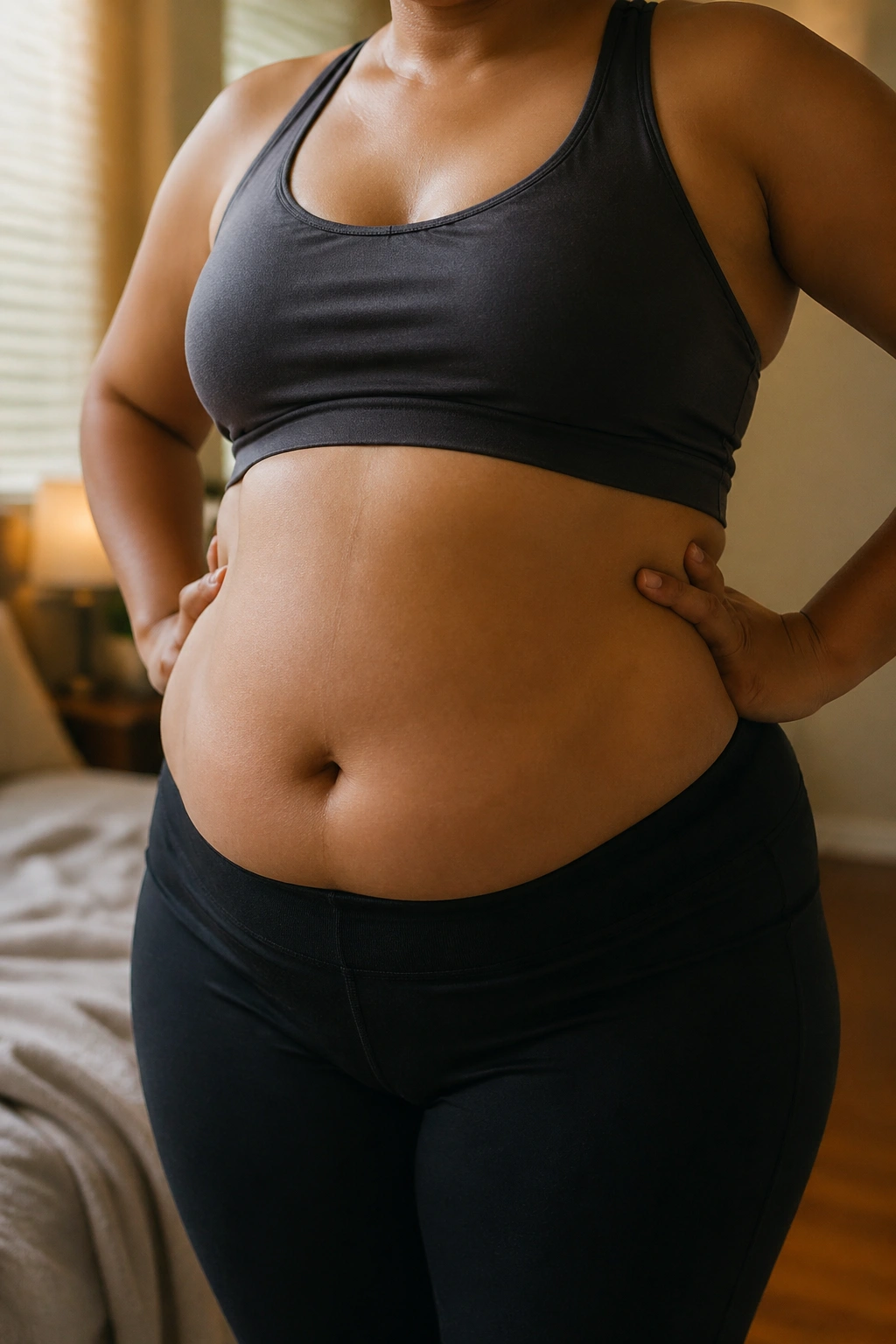
Fiber helps more than people give it credit for.
It slows digestion, helps with fullness, supports more even blood sugar, and keeps bowel movements moving along. When fiber is too low, women often feel hungrier between meals and more bloated or constipated. That combination can make the stomach look and feel worse, even if total calories are not wildly off.
Easy Fiber Moves
- Add berries or chia to breakfast.
- Put beans or lentils into lunch or dinner.
- Keep vegetables on the plate at least once or twice a day.
- Choose oats or whole grains more often than refined versions.
If you are low on fiber, do not jump from almost none to a giant salad at every meal. That just creates gas and discomfort. Build up gradually and drink enough water with it. Many women do well around 25 to 35 grams a day, but the better move is to increase slowly and notice how your stomach responds.
20. Inconsistent Habits That Undo Your Progress

A lot of stubborn belly fat comes from one simple pattern: weekdays that look disciplined and weekends that wipe out the deficit.
That pattern is sneaky because it feels harmless in the moment. A hard workout Monday. A clean lunch Tuesday. A few drinks Friday. Restaurant food Saturday. A late snack here, a missed walk there. The whole thing does not look dramatic day by day, but it can erase a week of effort.
The same thing happens with sleep and training. Four decent nights, then two short ones. Three solid lifts, then a week with no weights at all. The body responds to the pattern, not your intention.
A few anchor habits can fix that:
- Keep protein high at breakfast.
- Walk after one meal a day, even on busy days.
- Lift on the same 2 or 3 days each week.
- Protect one or two sleep habits that you never skip.
Consistency does not need to be perfect. It does need to be boring enough to repeat.
Final Thoughts

Belly fat in women usually comes from a stack of causes, not one clean answer. Hormones, stress, sleep, protein, movement, digestion, and genetics all leave fingerprints on the waistline.
The smartest next step is to stop guessing. Look at the pattern: Is the belly softer after bad sleep? Bigger after salty meals? Worse when stress runs high? Flat in the morning and puffier by night? Those clues tell you a lot.
Pick one or two levers and work them for a couple of weeks. Protein at each meal. More walking. Better sleep. Strength training instead of endless crunches. Small changes, repeated often, tend to beat dramatic plans that collapse by Friday.
