



Visceral belly fat is the deep stuff that sits around your organs, not the soft layer you can pinch. That matters because crunches, waist trainers, and little detox rituals do almost nothing to it.
A person can look “not that heavy” and still carry a thick waist from visceral fat. That’s one reason doctors pay attention to waist size, blood pressure, triglycerides, and blood sugar together; the belly is sometimes the clue, not the whole story.
The fix is annoyingly ordinary. Eat a little less than you burn. Move more, especially with walking and strength work. Sleep enough that your appetite settles down. Keep alcohol, sugary drinks, and late-night snacking from quietly piling on calories.
That sounds plain because it is plain. Visceral fat responds to habits that change energy balance, insulin demand, and daily movement, not to flashy tricks. The 20 approaches below are the ones that earn their keep because they fit real life, not a perfect spreadsheet.
1. Start With a Small Calorie Deficit
A mild calorie deficit is the boring answer, and that’s why it works. If you want visceral belly fat to move, your body has to use stored energy more often than it replaces it.
Crash dieting looks dramatic for a week, then people rebound hard. Hunger goes up, training gets sloppy, and the first thing to return is usually the food that was cut too aggressively. A smaller deficit is easier to live with, which matters more than people want to admit.
What a Mild Deficit Looks Like
- Cut about 250 to 500 calories a day by trimming portions, not by starving.
- Keep protein and vegetables high so meals still feel solid.
- Drop one calorie-dense habit first: the extra snack, the sugary drink, the heavy pour of oil, or the second dessert.
Visceral fat tends to respond well when the deficit is steady. You do not need to feel wrecked to make progress.
2. Lift Weights Three Times a Week

Why does lifting matter when the fat sits deep in your belly? Because muscle changes the way your body handles glucose, and that has a direct effect on abdominal fat storage.
Strength training also helps you keep lean tissue while you lose fat. That matters. If you only diet and do endless cardio, the scale may fall, but part of that drop can come from muscle and water, not just fat.
The Most Useful Lifts
- Squats or leg presses
- Hip hinges like deadlifts or Romanian deadlifts
- Rows
- Push-ups or chest presses
Start light. Seriously. Two or three full-body sessions a week is enough for most people to make a real dent over time, especially if the sets are hard enough that the last few reps feel slow. You do not need a bodybuilder split to shrink a waist.
3. Take a 10-Minute Walk After Meals
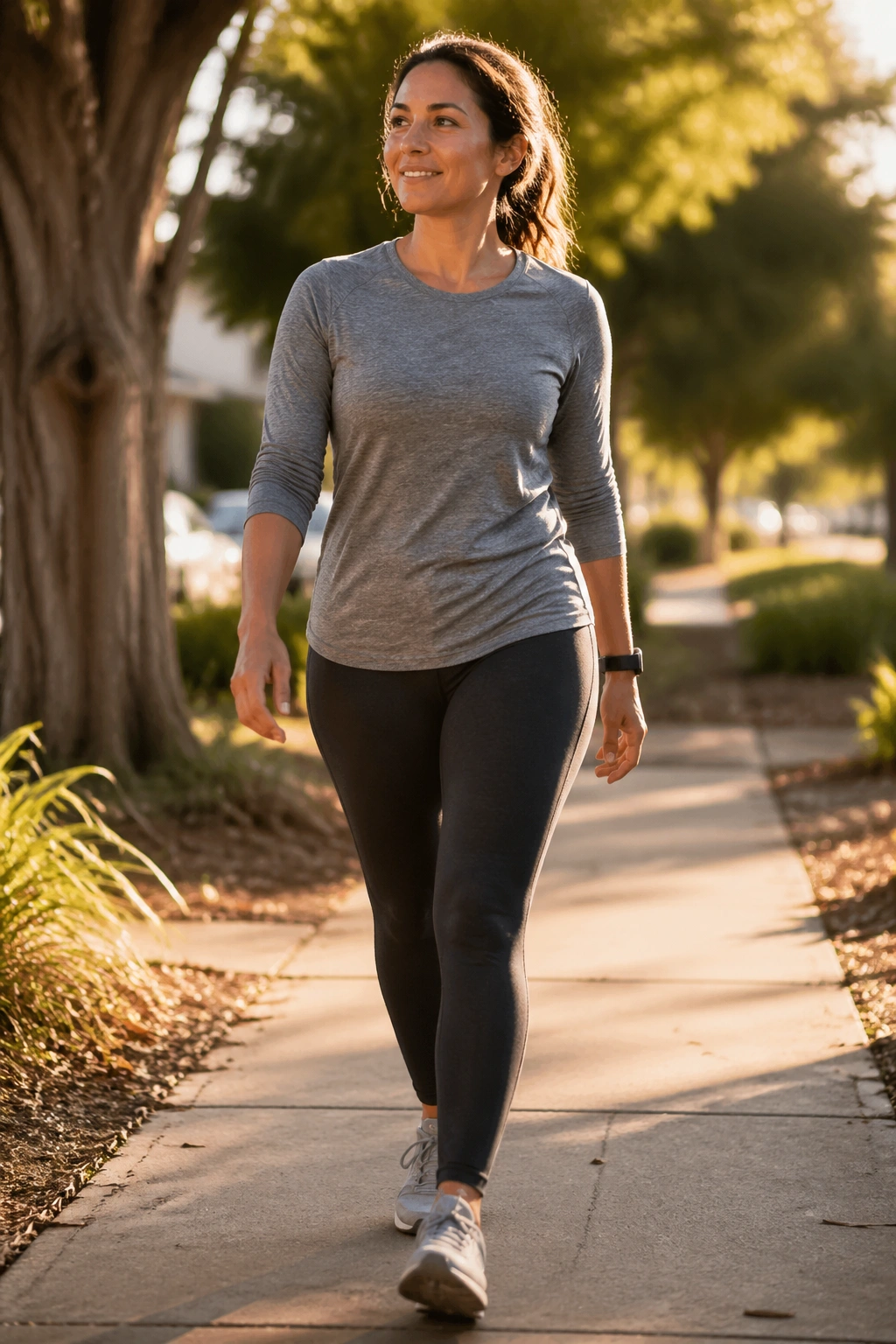
Picture dinner plates still on the table and your shoes already on. That little walk after eating does more than burn a few calories.
A 10- to 15-minute stroll after lunch or dinner helps lower the size of the post-meal blood sugar rise, which is useful when visceral fat is part of the picture. It also keeps you from parking on the couch and drifting straight into snack mode.
The pace does not need to be fancy. A normal, comfortable walk is enough. If you’ve got a hilly street or a few stairs in the house, even better. The point is to keep moving while the meal is being digested, not to turn dinner into a workout.
4. Put Protein at the Center of Each Meal
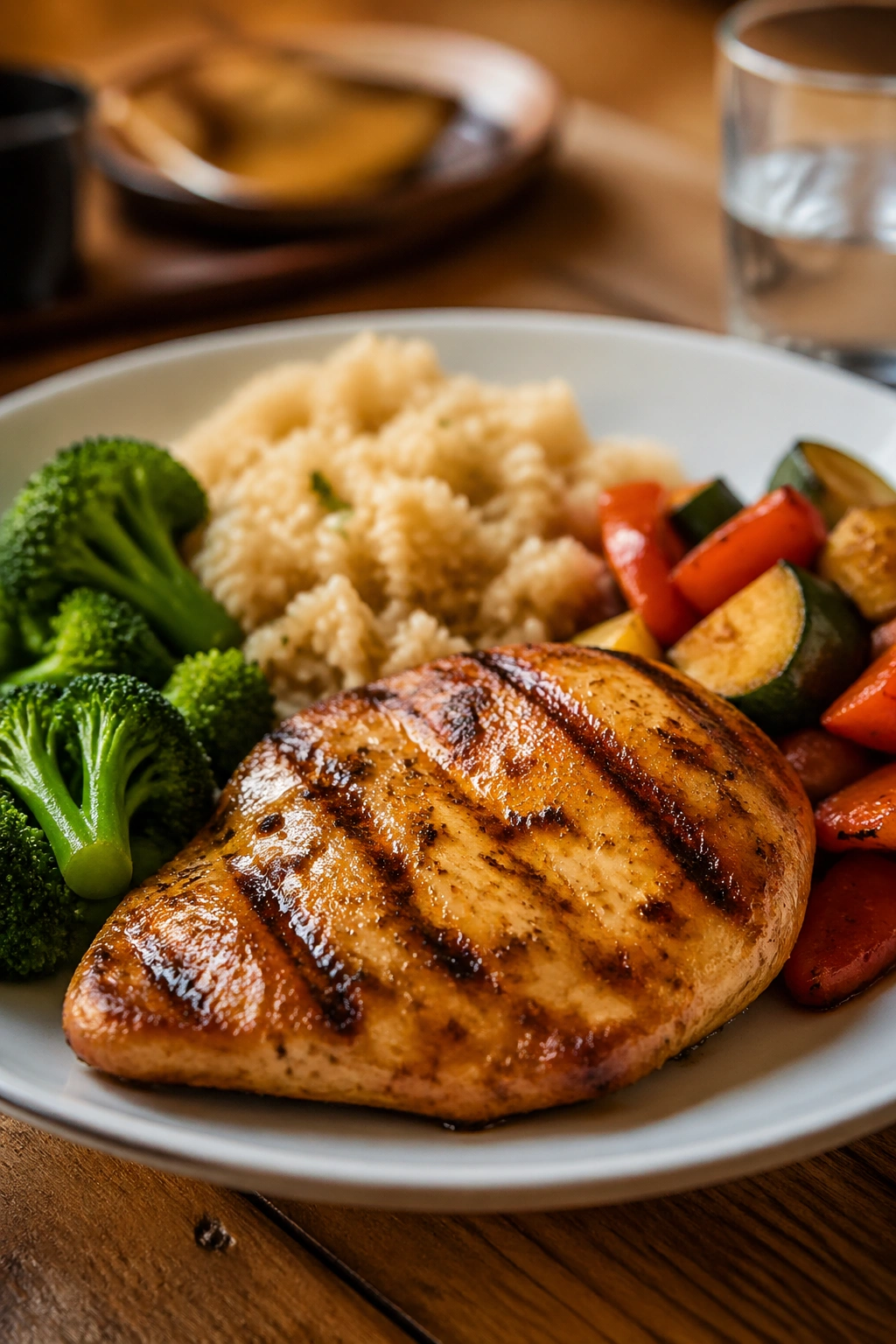
Protein is the brake pedal on appetite. When breakfast, lunch, and dinner each have a solid protein anchor, you usually end up eating less without white-knuckling it.
A practical target for many people is 25 to 35 grams of protein per meal. That might be 3 eggs with Greek yogurt, a chicken salad with beans, tofu with rice and vegetables, or cottage cheese with fruit and nuts. The exact food matters less than the amount.
Easy Protein Anchors
- Greek yogurt or skyr
- Eggs
- Chicken, turkey, fish, lean beef
- Tofu, tempeh, edamame
- Cottage cheese
- Beans paired with grains
Not every meal has to be perfect. But when protein is missing, belly fat loss gets harder because hunger shows up earlier and portions creep upward.
5. Bring Fiber Up to a Real Number
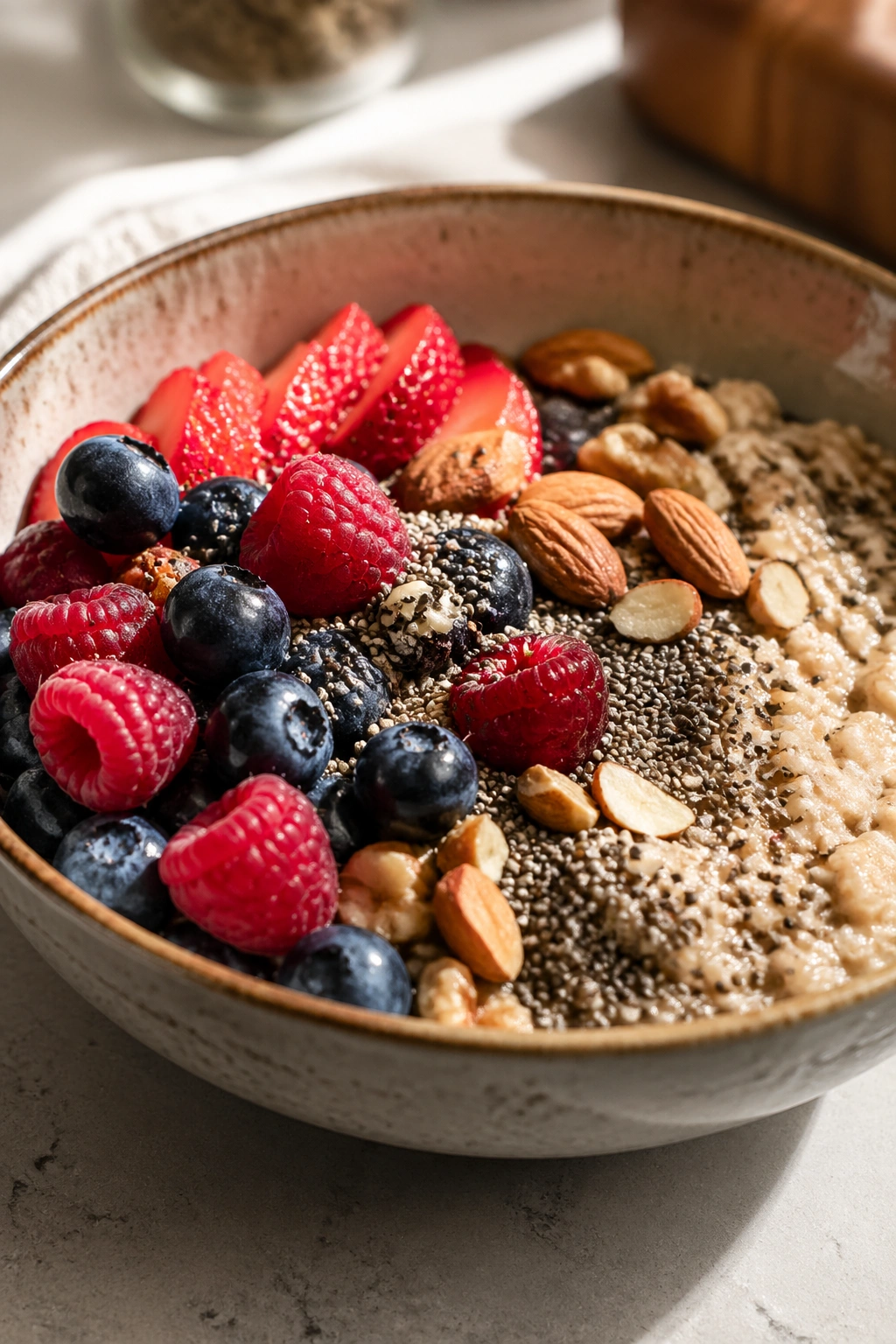
Fiber sounds dull until you see what it does to the rest of the day. It slows digestion, helps you feel full, and makes it harder to raid the kitchen an hour after dinner.
Aim for roughly 25 to 38 grams a day, depending on body size and food tolerance. Most people are nowhere near that. They think they are eating “pretty healthy,” then you look at the plate and it’s all refined starch with almost no roughage.
How to Raise It Without Bloating
- Add a piece of fruit to breakfast.
- Put vegetables on at least two meals.
- Use oats, beans, lentils, chia seeds, or whole grains more often.
- Increase fiber over a week or two, not overnight.
Drink water with the fiber. That part gets skipped a lot, and then people blame the oats. The oats were fine.
6. Protect Your Sleep Like It Matters

A short night can make a normal kitchen feel like a snack trap. Your appetite gets louder, your patience gets shorter, and a 9 p.m. urge for chips can feel urgent when it isn’t.
Sleep loss tends to push people toward more calorie-dense food and less movement the next day. That combination is rough on visceral fat. A tired person also trains worse, walks less, and reaches for quick energy more often.
Three Sleep Habits That Help
- Keep a steady bedtime and wake time.
- Make the room dark and cool.
- Put the phone down before the bed becomes a scrolling chair.
Seven to nine hours is the range most adults do best with. If your sleep is chopped up, fix the basics first before chasing fancier diet tactics.
7. Lower Chronic Stress Before It Lowers Your Willpower

Skip the idea that stress only lives in your head. It shows up in your food choices, your sleep, and the way you bail on movement when the day gets messy.
Stress does not “cause” belly fat by magic, but it makes the habits that drive belly fat easier to fall into. People snack when they are tense. They skip workouts. They sleep less. They drink more. Then they act surprised by the waistline.
Low-Drama Stress Tools
- A 20-minute walk with no podcast.
- Five minutes of slow breathing.
- Writing down tomorrow’s to-do list before bed.
- Saying no to one extra obligation.
You do not need a spa day to lower stress. You need one or two repeatable habits that stop every hard day from turning into a food event.
8. Cut Alcohol Back Harder Than You Think You Need To

A nightly pour adds up faster than most people want to admit. Alcohol brings calories, loosens food restraint, and often leads to salty snacks that pile on even more.
It also tends to mess with sleep quality, which loops right back into appetite and fat gain. That’s the part people miss. The drink itself is only half the story. The later bedtime and worse sleep are the other half.
Try this instead:
- Pick a few alcohol-free days every week.
- Use a smaller glass.
- Alternate each drink with sparkling water.
- Stop at two if you know three turns into four.
If you like a ritual, keep the ritual. The point is to shrink the calorie load and protect your sleep, not to become a monk.
9. Replace Sugary Drinks With Zero-Calorie Habits

Coffee drinks can hide as breakfast, and soda can vanish so fast you barely register it. Liquid sugar is slippery because it does not fill you up the way food does.
A 16-ounce soda can carry 40 grams or more of sugar, which is a lot of fast calories for no fullness. Sweet tea, juice, sports drinks, and flavored coffees can do the same thing in a softer voice.
A cleaner swap looks like this:
- Water with lemon or cucumber
- Plain seltzer
- Unsweetened tea
- Black coffee or coffee with a splash of milk
If you want flavor, add mint, citrus, or ice. Don’t overthink it. Removing one or two sugary drinks a day can change the calorie math without making meals feel stricter.
10. Add Interval Training Once or Twice a Week

Intervals sound aggressive because they are. A short burst of hard effort followed by easy recovery gives you a lot of work in a small time block.
You do not need to sprint like an athlete. A bike, rower, hill walk, or even brisk uphill treadmill intervals can do the job. What matters is the pattern: hard enough to breathe heavy, then easy enough to recover, then repeat.
A Simple Starter Workout
- Warm up for 5 minutes.
- Work hard for 30 to 60 seconds.
- Recover for 60 to 120 seconds.
- Repeat 6 to 10 rounds.
That’s enough for most beginners. One or two interval sessions a week can improve fitness and help your body use carbs better, which is useful when abdominal fat is stubborn. Keep the rest of your cardio easy.
11. Stop Sitting for Long Stretches
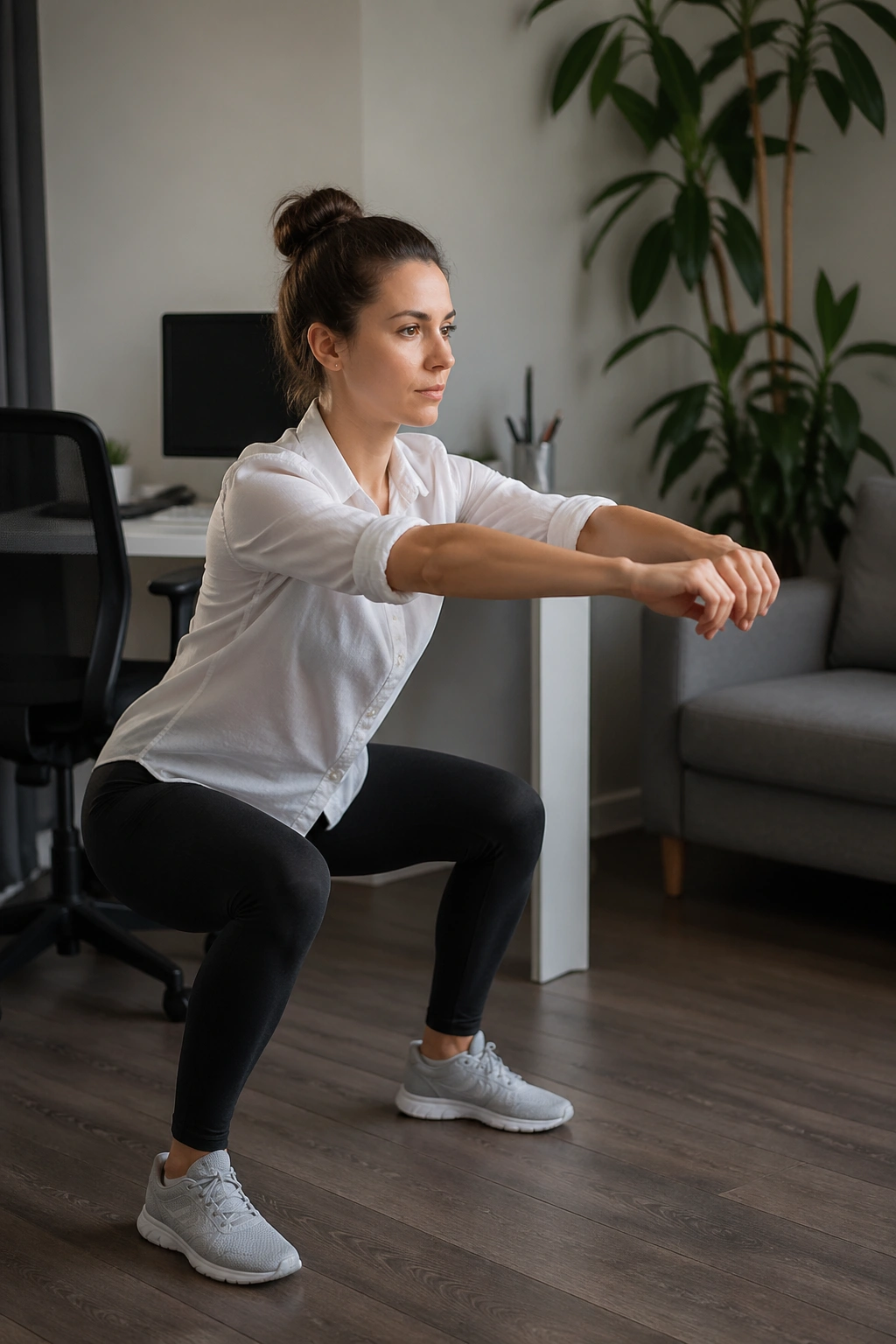
Sitting for six hours straight is its own problem. Even if you train, the rest of the day still matters.
Long sitting drains your daily energy use and turns movement into an event instead of a habit. The fix is not glamorous. Stand up every 30 to 60 minutes. Walk to get water. Take the stairs. Do a minute of bodyweight squats if nobody is watching.
Tiny breaks add up faster than people expect. Your waist does not care whether movement came from a gym app or a hallway loop. It only cares that your body kept doing something besides folding in half all day.
12. Eat a More Whole-Food, Mediterranean-Style Plate
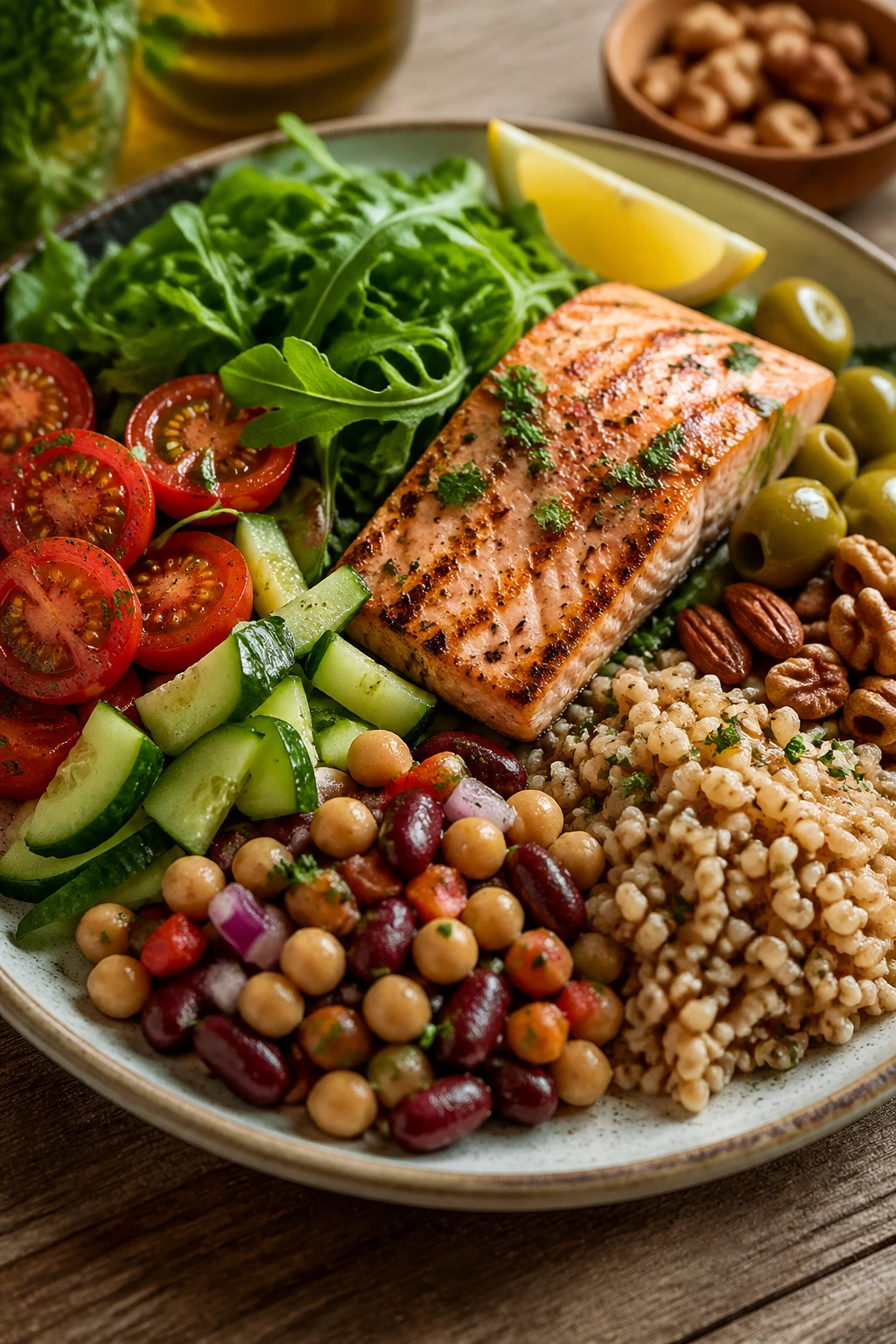
The old pattern still wins: vegetables, fruit, beans, fish, olive oil, nuts, and enough starch to keep you sane. That kind of plate usually brings fewer calories per bite and more fiber, which is a nice combination when visceral fat is the target.
A lot of people say they eat “healthy,” then lunch is a sandwich, a bag of chips, and a sweet coffee. That isn’t a disaster. It’s just not the same as a plate built from real food with some texture to it.
A Plate That Works on a Tuesday Night
- Half the plate: vegetables
- One quarter: protein
- One quarter: potatoes, rice, oats, or another starch
- A small amount of olive oil, nuts, or avocado
You don’t need to eat like you’re on vacation by the Mediterranean coast. You just need food that fills you up without turning every meal into a calorie bomb.
13. Make Beans and Lentils a Regular Swap
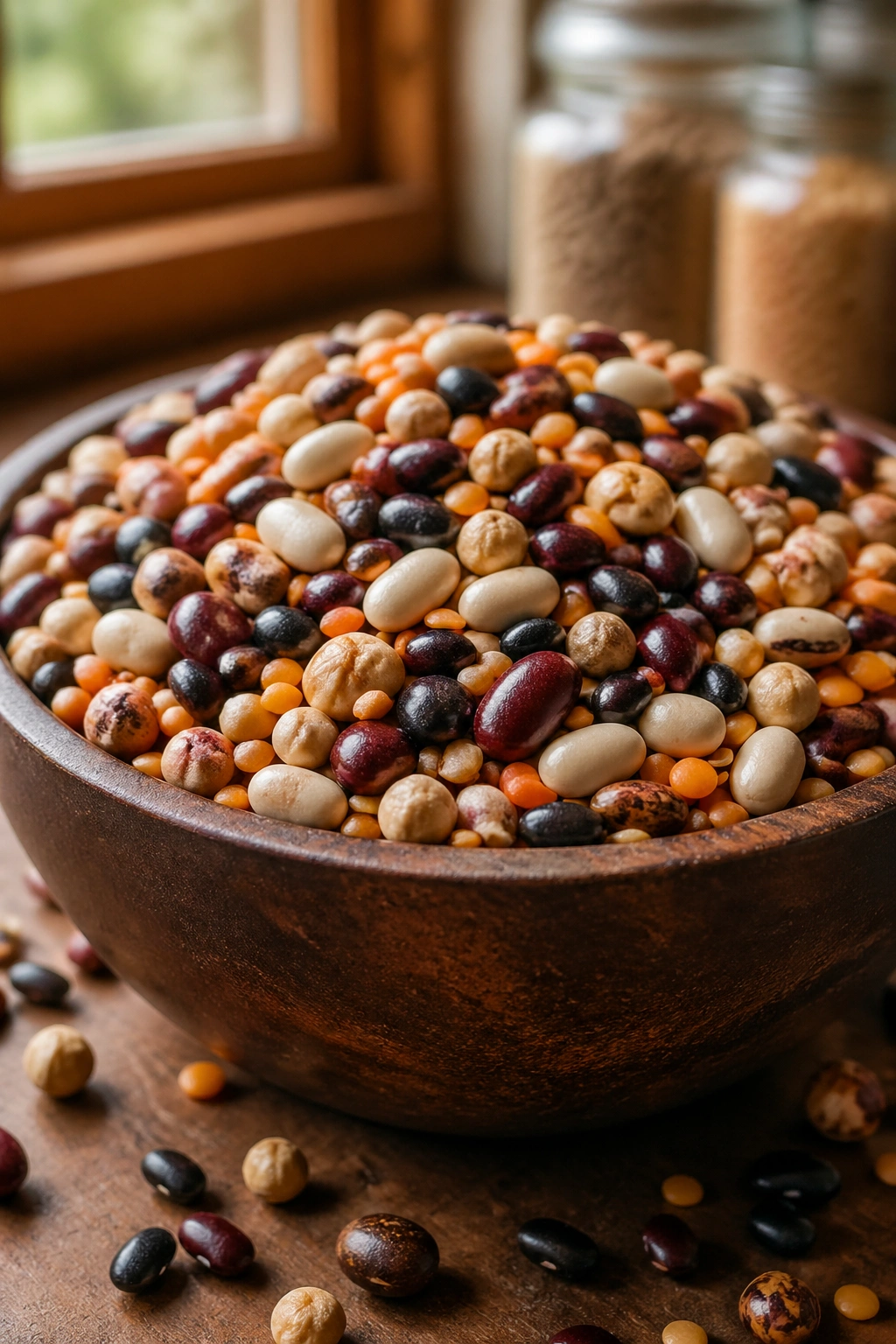
Beans are cheap, filling, and a little underrated. They bring fiber and protein together, which is one of the best pairings for belly fat loss.
A cup of lentils in soup can replace a meat-heavy meal without leaving you hungry. Chickpeas on a salad give you chew and staying power. Black beans in tacos make a small dinner feel like a meal instead of a snack wearing a hat.
Try a few of these:
- Lentils in chili or soup
- Chickpeas on a chopped salad
- Black beans in tacos or burrito bowls
- White beans mashed into toast or mixed into pasta
Rinse canned beans if you want to cut the sodium and make them easier on your stomach. That small step matters more than people think.
14. Cook More Meals at Home
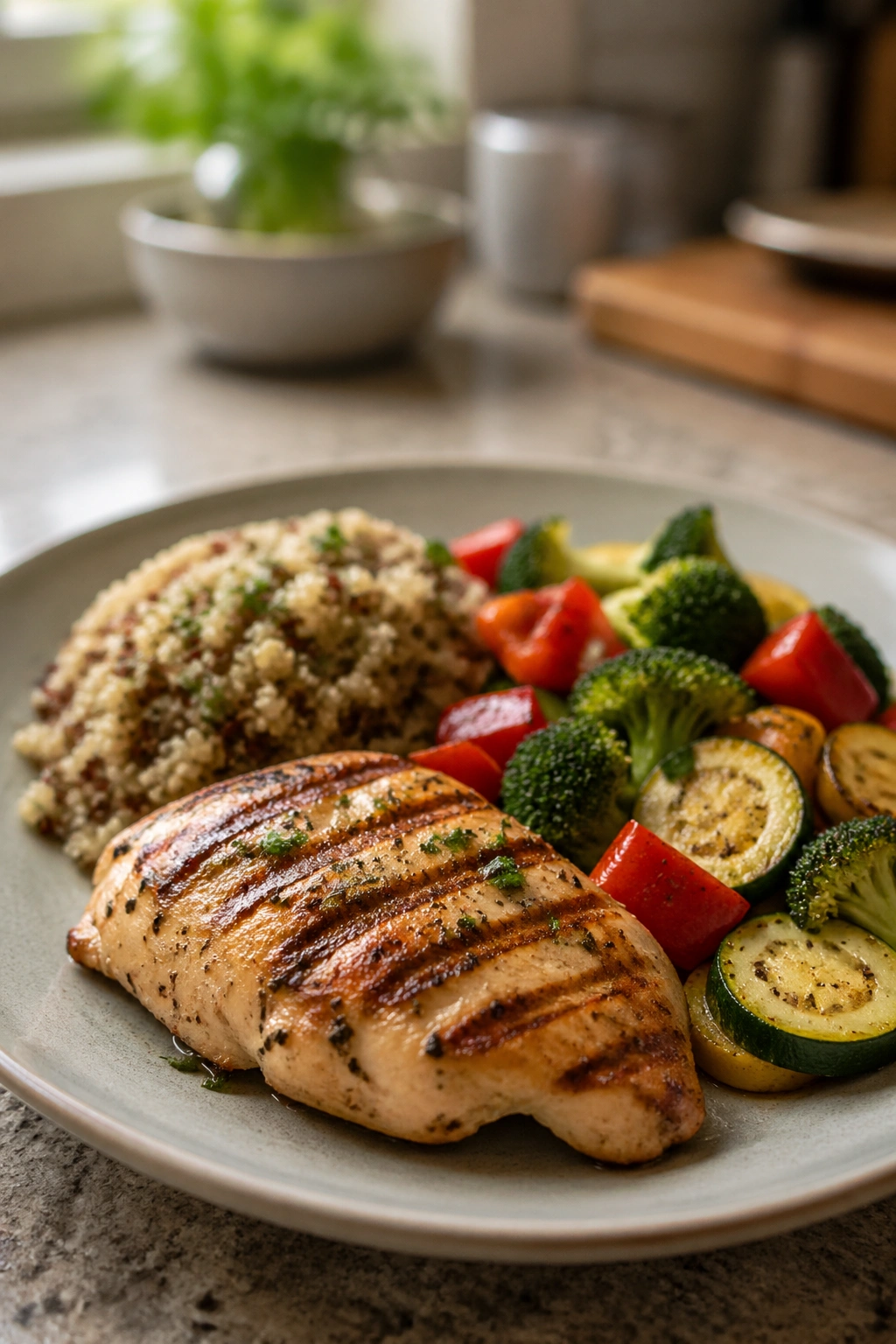
Restaurant portions make home cooking look tiny by comparison. They also hide oil, butter, sugar, and salt in ways that are easy to miss until your jeans start speaking up.
Cooking at home does not have to mean elaborate meals. A sheet-pan dinner, a pot of soup, or scrambled eggs with vegetables can beat takeout for belly fat loss simply because you control the amount. You decide how much oil goes in. You decide whether the rice bowl gets one cup or three.
Start with three home-cooked meals a week. That’s enough to change the trend if those meals are built from protein, vegetables, and a sane starch portion. Leftovers help. So does keeping a few blunt tools around: frozen vegetables, canned beans, bagged greens, and a couple of good sauces.
15. Use Smaller Plates and Slower Eating
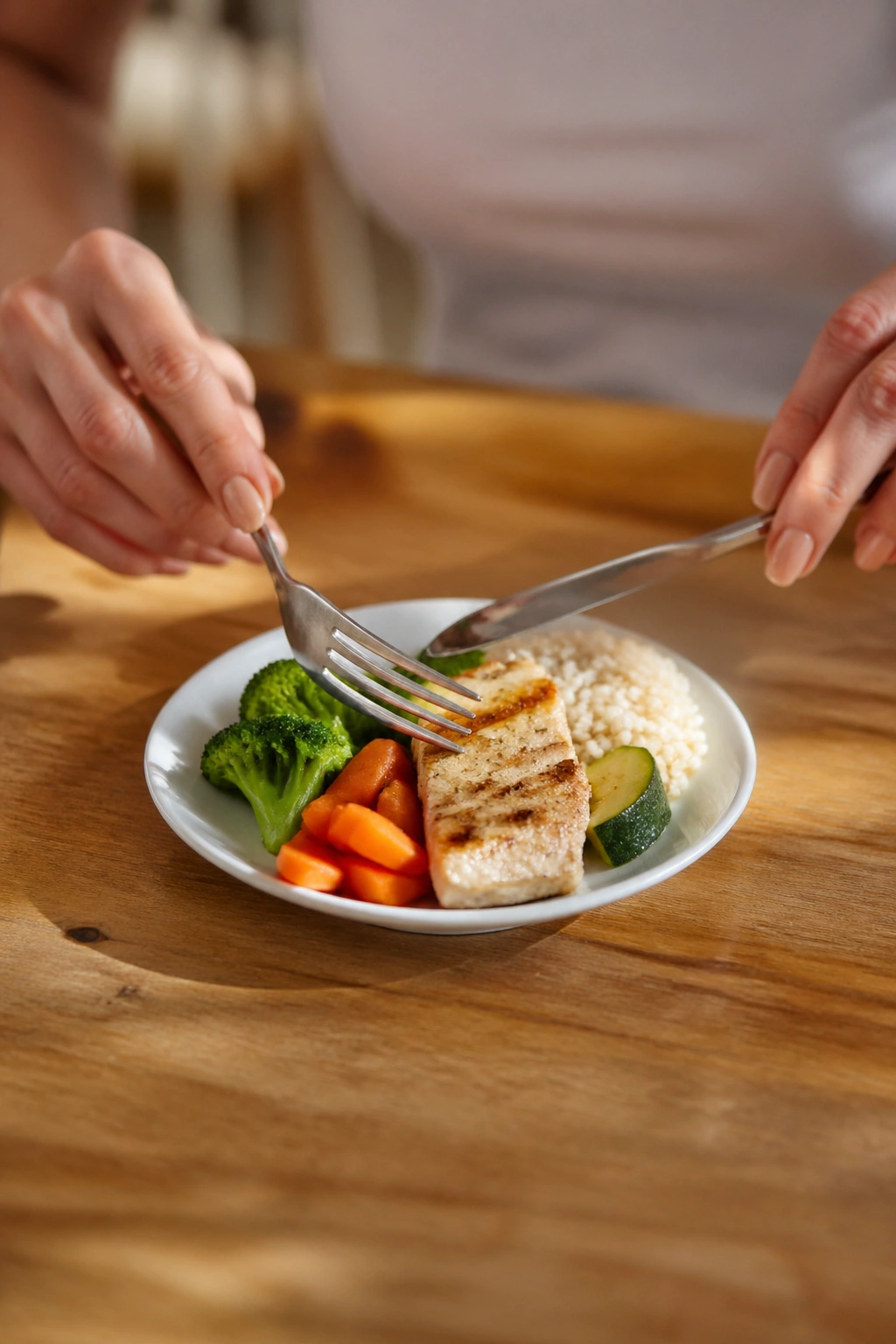
A smaller plate does not magically burn fat. It does, however, make a normal portion look more satisfying, which can keep you from piling on extra food you never needed.
Your fullness signal takes time to arrive. If you eat fast, you can outrun it. That’s how a regular dinner turns into a second round of crackers or dessert before your body has had a chance to say, “Enough.”
Two Small Rules
- Use a 9- to 10-inch plate instead of a big dinner plate.
- Put the fork down between bites and aim for 15 to 20 minutes at the table.
Eat seated, not standing in the kitchen. And if your first serving was enough, leave the rest in the pan. You don’t need to clean the plate just because it’s there.
16. Keep Meal Timing Predictable
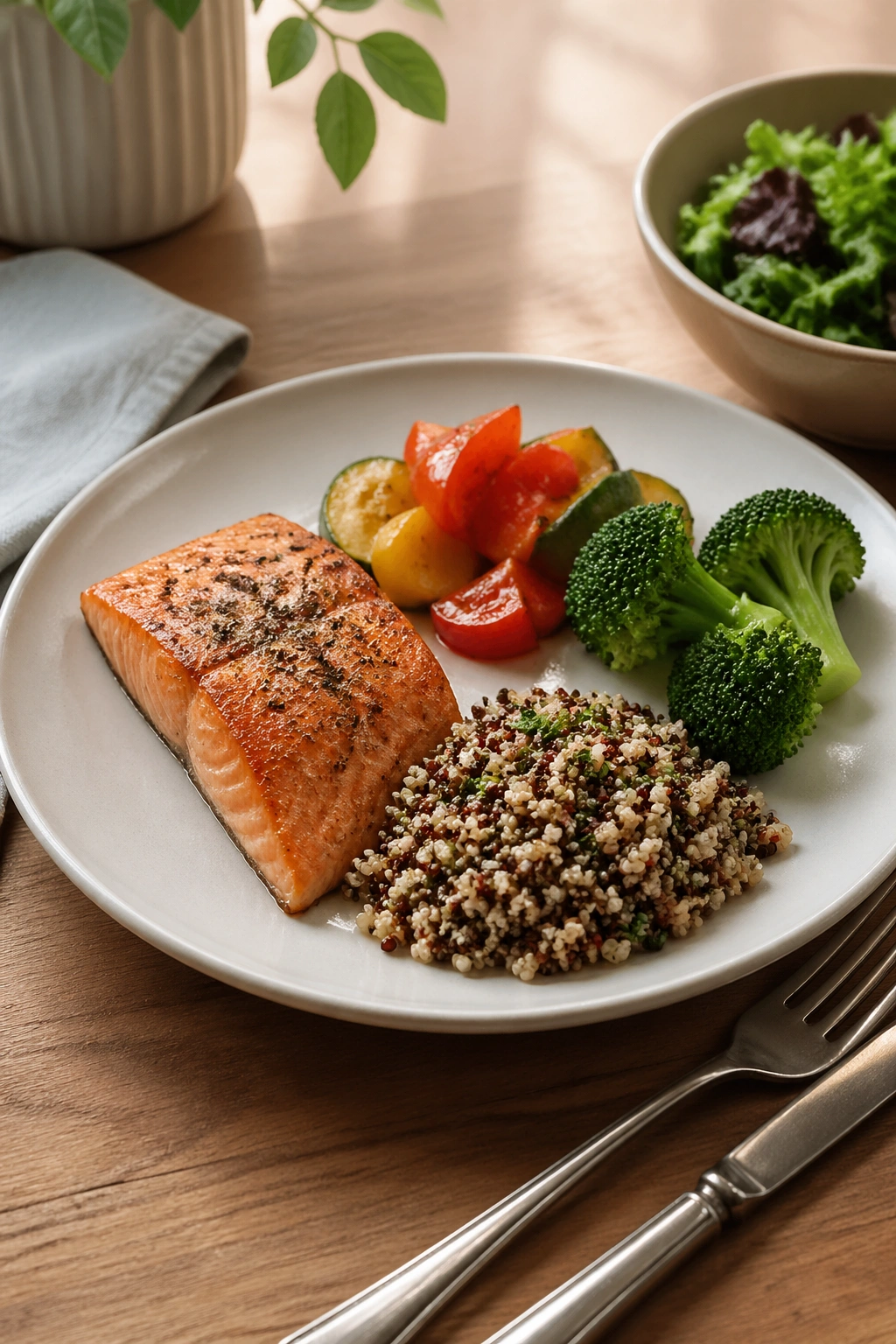
Late-night eating is often a schedule problem, not a character flaw. People get hungry because they skipped lunch, worked too late, and then walked into the kitchen half-tired.
Regular meal timing helps keep hunger from swinging all over the place. You don’t need a rigid fasting plan to get the benefit. You need a routine that keeps breakfast, lunch, and dinner from turning into random events.
A Simple Schedule
- Eat breakfast around the same time most days.
- Leave enough time between lunch and dinner so you’re not ravenous.
- Put a stop point on kitchen snacking at night.
Some people do well with a small evening snack. Fine. The problem is unplanned grazing, not a planned yogurt or piece of fruit. Keep the pattern calm, and appetite usually follows.
17. Measure Your Waist, Not Just Your Weight

The tape measure tells a cleaner story than the bathroom scale. Body weight jumps around with salt, carbs, bowel contents, sore muscles, and water retention. Waist size is a better clue when visceral belly fat is the thing you’re trying to change.
Measure at the navel, relaxed, once a week, same time of day. Don’t suck in. Don’t flex. Just be consistent. If you want, write it down with your body weight so you can see the trend instead of guessing from one bloated morning.
What to Watch
- Waist measurement
- Weekly weight average
- How your clothes fit
- Energy after meals
A shrinking waist with a stubborn scale is still progress. That happens more often than people think, especially when strength training is part of the plan.
18. Get Morning Light and a Steady Wake Time

Step outside and the light hits your eyes before coffee. That sounds too simple to matter, but your body clock pays attention fast.
Morning light helps anchor sleep timing, and sleep timing affects appetite, energy, and the urge to snack late at night. A steady wake time does the same job. When sleep drifts all over the place, hunger often follows the chaos.
Try this:
- Spend 10 to 20 minutes outside soon after waking.
- Keep your wake time close from day to day.
- Open the curtains early instead of living in a dim cave until noon.
If you work indoors, even a short walk around the block helps. Nothing flashy. Just enough daylight to tell your body the day has started.
19. Leave Room for Planned Treats
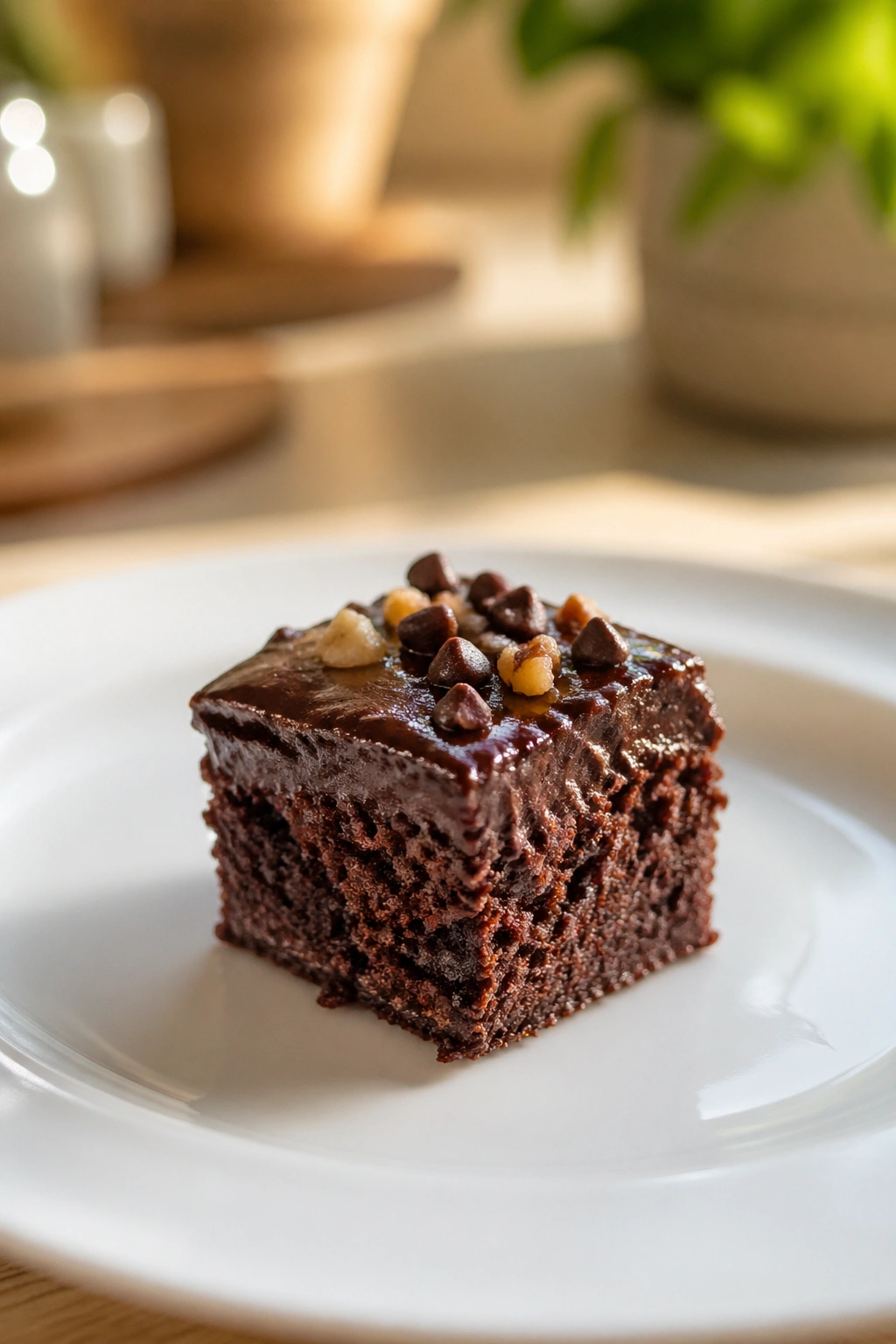
Cutting sweets out forever is where a lot of plans break. People last a while, get fed up, then eat half a box of something because they feel boxed in.
A planned treat is calmer than a forbidden one. A small dessert after dinner, a piece of chocolate with coffee, or a scoop of ice cream on a chosen night can keep the rest of the week from turning into a revenge binge.
- Put the treat on a plate, not in the package.
- Eat it after a meal, not as a desperate snack.
- Keep the portion small enough that you can enjoy it without starting a second round.
This is not about being “good.” It’s about making your plan livable. People usually do better with a little room than with a fake-perfect rulebook.
20. Build a Routine You Can Repeat

A plan you can repeat beats a perfect plan you abandon. That’s the part that decides whether visceral belly fat actually moves.
Pick a few non-negotiables and keep them boring: two strength sessions, daily walks, a protein-heavy breakfast, and sleep that doesn’t get wrecked every other night. Then leave room for normal life. A missed workout does not ruin anything. A bad weekend does not erase the work you’ve done.
A Floor You Can Keep
- 2 strength workouts a week
- 1 daily walk after a meal
- 1 protein anchor at breakfast
- A stable wake time
- Fewer liquid calories
If you keep that up for long enough, the waist usually starts telling the story before the scale does. That’s the real signal to watch, because visceral fat is the kind that responds best when the basics stay in place long enough to matter.
Final Thoughts
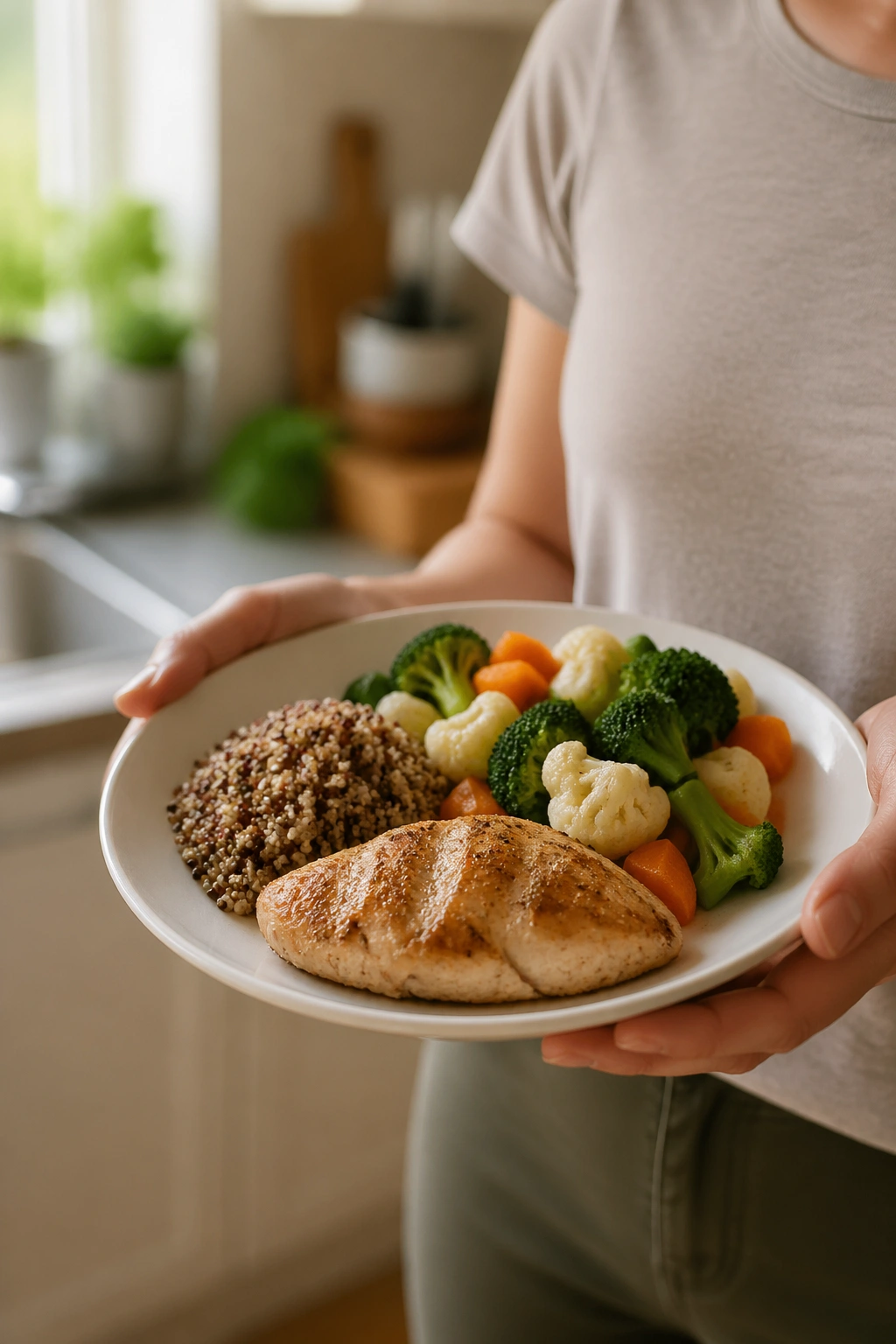
Visceral belly fat doesn’t respond to drama. It responds to a few stubborn habits repeated long enough to change how your body handles food, movement, and sleep.
The smartest move is not chasing some perfect flat-stomach routine. It’s picking the few habits you can keep on an ordinary week, then doing them with enough consistency that your waist has a reason to shrink.
