



Pull day workouts for women get stale fast when every session turns into the same cable row, the same pulldown, and a rushed rear-delt finisher you half pay attention to. The problem is rarely effort. It’s sameness.
A good pull day should build your lats, mid-back, rear delts, lower traps, and grip without beating up your lower back every time you train. It should also make sense for your equipment, your experience level, and how much recovery you actually have left after lower body work. Simple. Not easy, but simple.
Women do not need some special “light” version of back training. They need solid movement choices, clean form, and enough variety to keep progressing without turning every workout into a copy of the last one. If you want a stronger-looking back, better posture under load, and more pull-up power, the exercise menu matters.
Pick four to six moves from the list below for a normal pull session: one vertical pull, one row, one unilateral movement, one rear-delt or upper-back accessory, and maybe one finisher if you still have gas in the tank. That mix covers a lot of ground.
1. Wide-Grip Lat Pulldown
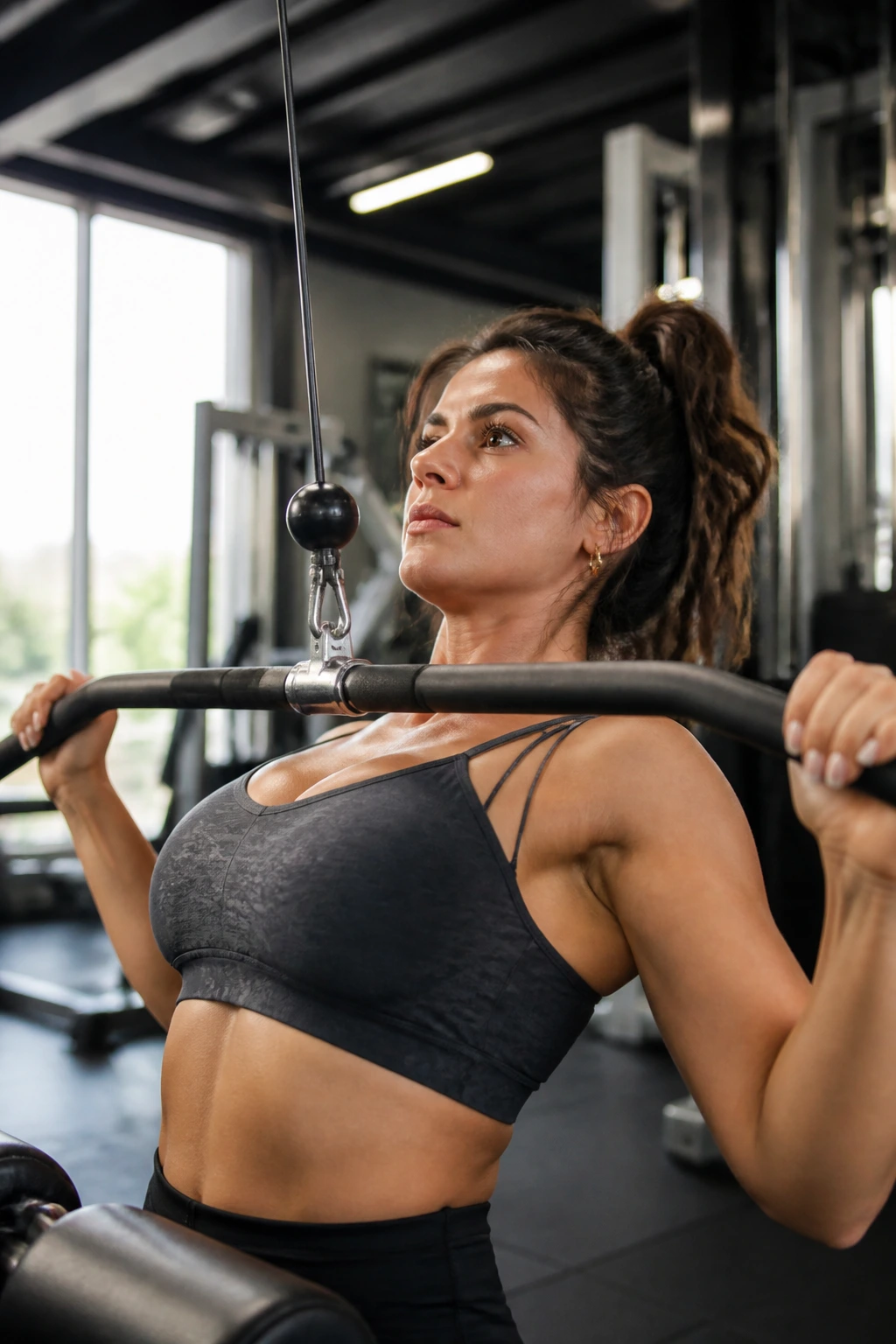
This is the easy place to start if you want a back exercise that feels straightforward but still earns its keep. The wide-grip lat pulldown teaches you how to pull with your elbows instead of turning every rep into a biceps curl with a fancy name.
What It Trains
Your lats do most of the work here, with help from the teres major, lower traps, and biceps. If your goal is that broader upper-back look, this move belongs near the front of the workout.
A few clean reps beat a stack of sloppy ones. Set the thigh pad tight enough that you do not float off the seat, lean back only a little, and pull the bar to the upper chest without jerking your whole torso. Do not yank the bar behind your neck. That old habit tends to shorten the range where the lats actually work and can irritate the shoulders.
- Good rep range: 8 to 12
- Best cue: drive elbows down and slightly back
- Common mistake: turning the last few inches into a shrug
Tip: If your grip slips before your back gives out, use straps and keep the work where you want it.
2. Assisted Pull-Up
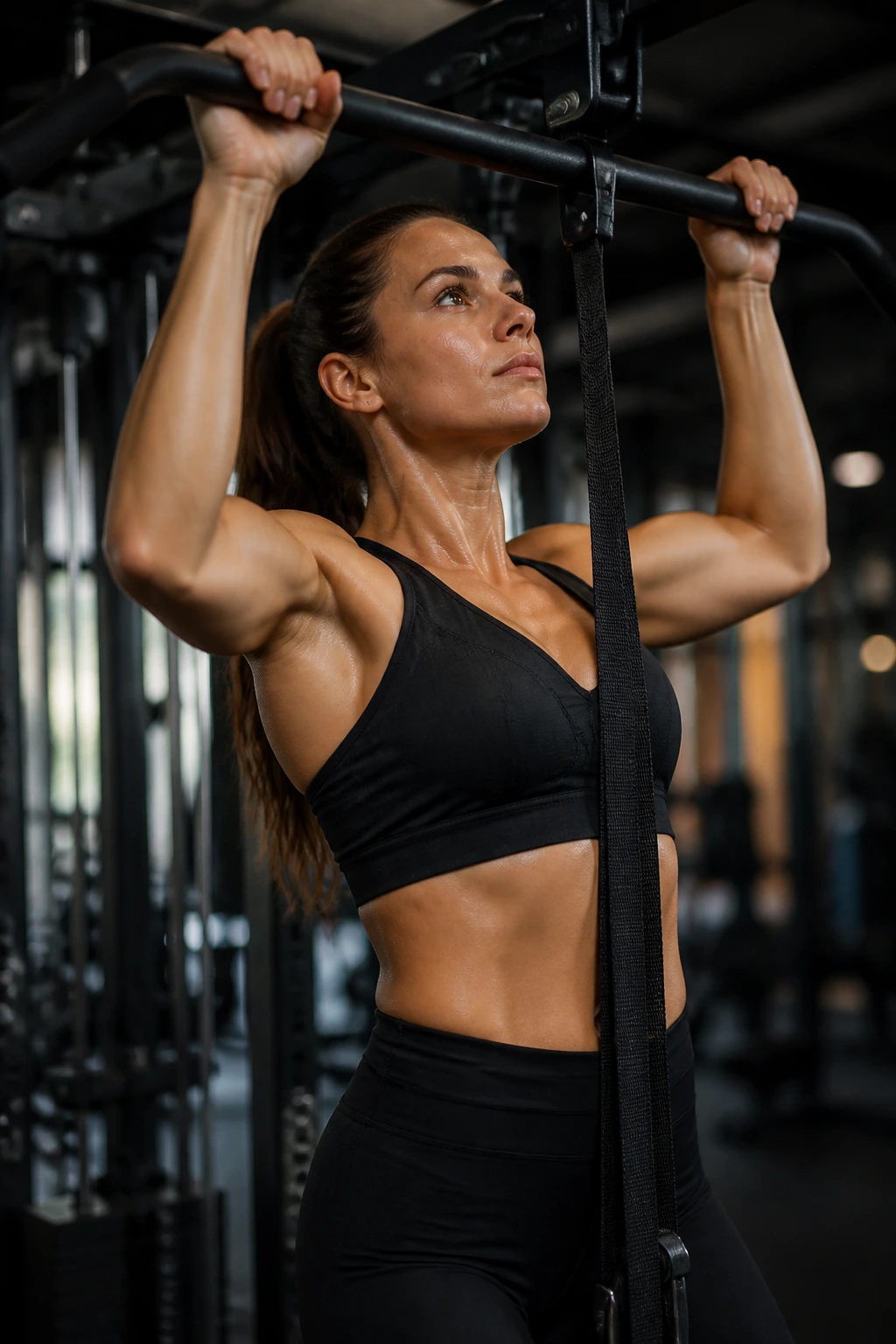
The assisted pull-up is the move that makes people sit up straighter when they see it on a program. It looks basic. It is not easy. And that’s exactly why it pays off.
If you want to build toward real pull-ups, this is one of the cleanest ways to get there without guessing. The machine or band assistance lets you practice the full pattern: dead hang, scapular set, pull, lower, repeat. Keep the descent slow. Two seconds down is a good start. Three is even better.
You’ll feel your lats, upper back, and arms working together, which is the point. A lot of women discover they are stronger than they thought once the assistance level drops a little and the reps start to look tidy. That moment is useful. It tells you the pull-up is not some mystical event. It is a skill.
Run it for 3 to 5 sets of 4 to 8 reps, and trim the assistance gradually. Small changes matter here.
3. Neutral-Grip Lat Pulldown
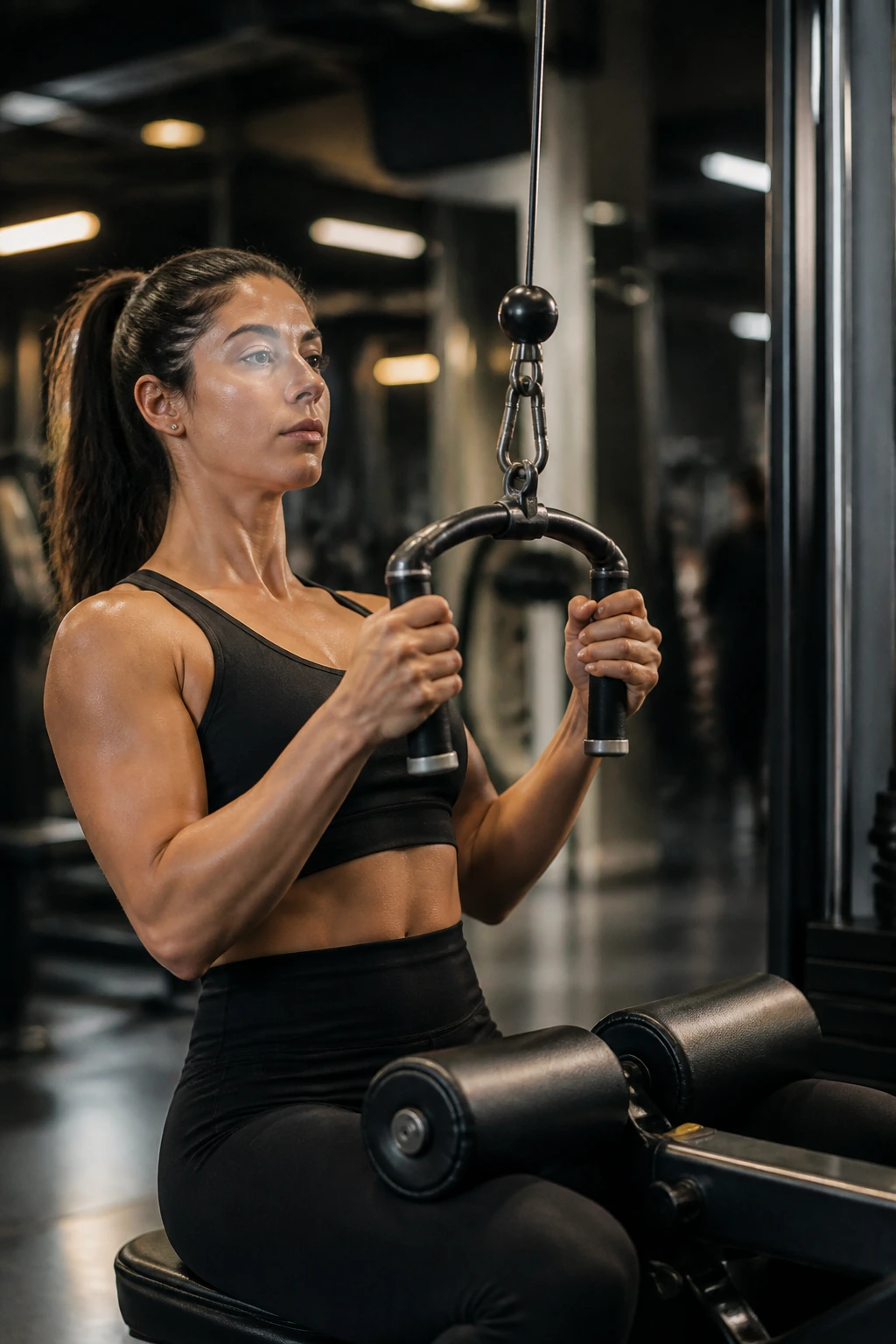
Why does a neutral grip feel easier on the shoulders? Because it usually is. Palms facing each other put the arms in a friendlier position, and for a lot of lifters that means cleaner pulls and less crankiness at the front of the shoulder.
This version still hits the lats hard, but it often lets you pull with a little more control than a very wide grip. Keep your chest tall, let the shoulder blades rise at the top, then pull the handles down to the upper chest or collarbone area. The movement should feel smooth, not dramatic.
How to Use It
Use this when a standard pulldown bugs your shoulders, or when you want a vertical pull that you can load without feeling beat up. It fits nicely in the middle of a pull day because it gives you back work without asking your lower back for anything extra.
Try 3 sets of 8 to 12 reps. If the last two reps turn into a swing, the weight is too heavy.
4. Seated Cable Row
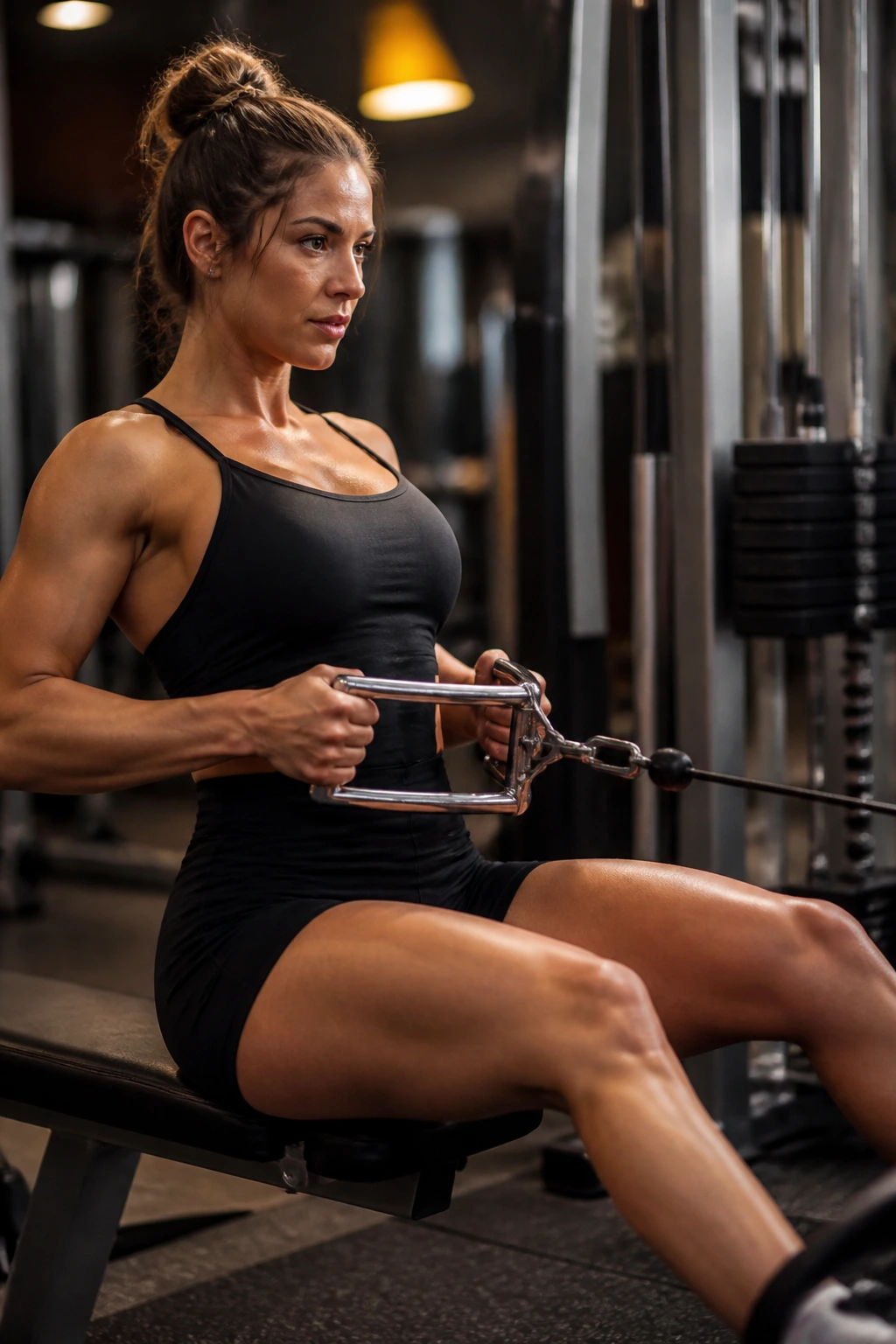
A seated cable row is the kind of exercise that quietly saves a session when your lower back is tired from deadlifts, squats, or life in general. The machine does the balancing for you, which means the back muscles can work without a bunch of extra noise.
Set your torso tall, keep a small bend in the knees, and pull the handle toward your lower ribs. Pause for one second when the shoulder blades squeeze together. That pause matters. Without it, people tend to fling the handle back and call it work. It isn’t.
- Best handle: close neutral grip or V-handle
- Rep range: 8 to 12
- Good cue: chest stays proud, shoulders stay down
- Watch for: rocking backward to fake extra load
If you like training hard but not sloppy, this one earns a permanent place in the rotation. It is simple, honest, and easy to progress.
5. Chest-Supported Dumbbell Row
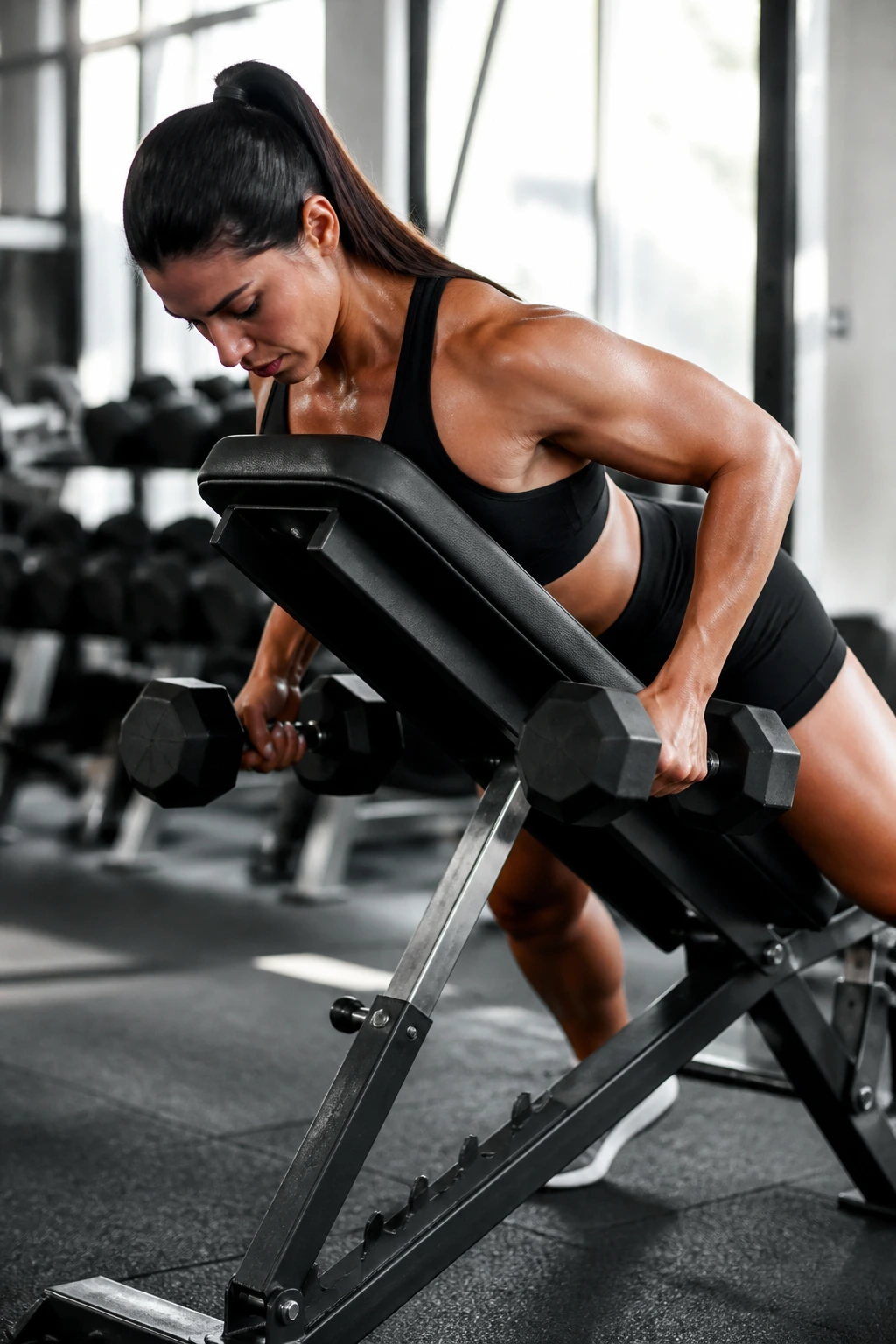
If you want rowing volume without the lower-back fatigue, this is the one I keep coming back to. Chest support removes a lot of cheating, which can feel annoying for about ten seconds and then very useful for the next two months.
Set the bench at roughly 30 to 45 degrees, lie chest-down, and row the dumbbells with a short pause near the top. Pull the elbows toward your hips if you want more lat bias, or a bit wider toward the ribs if you want more upper-back emphasis. Either way, the bench keeps you honest.
The nice part is how fresh your body feels afterward. You can row hard, get a real pump in the upper back, and still have something left for later exercises. That matters on longer pull days, especially if you’re pairing this with pull-ups or heavy cable work.
Try 3 to 4 sets of 8 to 12 reps. If your neck starts creeping up toward your ears, the dumbbells are too heavy or you’re rushing.
6. Barbell Bent-Over Row

A barbell row is not subtle. It asks for a hinge, a brace, and a little nerve. That is why so many lifters respect it and why so many others avoid it when they already feel cooked.
Unlike a supported row, the barbell version makes your hips, hamstrings, and spinal erectors contribute. That’s useful if you want more total-body tension and the option to load heavy. Hinge until your torso is around 30 to 45 degrees from parallel, brace like you’re about to be tapped in the stomach, and pull the bar toward the lower ribs or navel.
The catch is obvious: form can go sideways fast if the weight jumps too high. Use a load you can control without turning the final reps into a standing shrug. If your lower back is already fatigued, save this for a day when you have more juice.
Best used for 4 sets of 6 to 8 reps. Heavy. Clean. No wobble.
7. Underhand Barbell Row
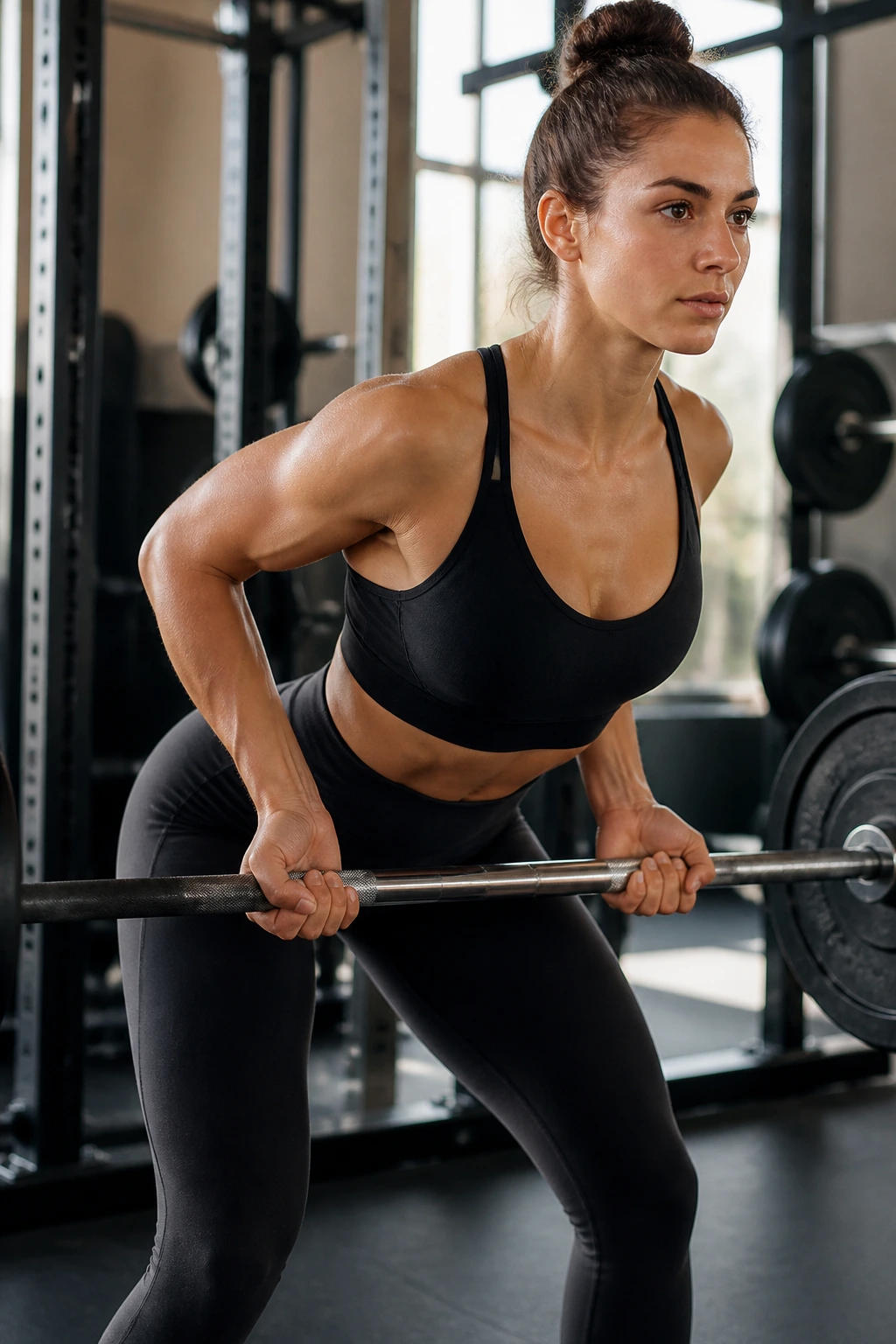
The underhand barbell row is the cousin people overlook until they feel how different it is. Palms up changes the line of pull, and that often shifts more work toward the lower lats and biceps.
Why It Feels Different
The grip lets many lifters keep the elbows tucked a little closer, which can make the row feel more direct through the lats. It also tends to make the lift feel shorter and a bit more controlled, which is useful when you want clean reps instead of a full-body heave.
Keep your wrists straight and your torso locked in place. If your elbows drift wide and your upper back takes over, you’ve lost the point of the movement. And if your wrists or forearms complain, that’s useful feedback too. Not every grip suits every body.
- Good for: lower-lat emphasis
- Usually best at: 6 to 10 reps
- Use straps if: grip limits your back work
Best cue: pull the bar toward your lower stomach, not your chest.
8. T-Bar Row
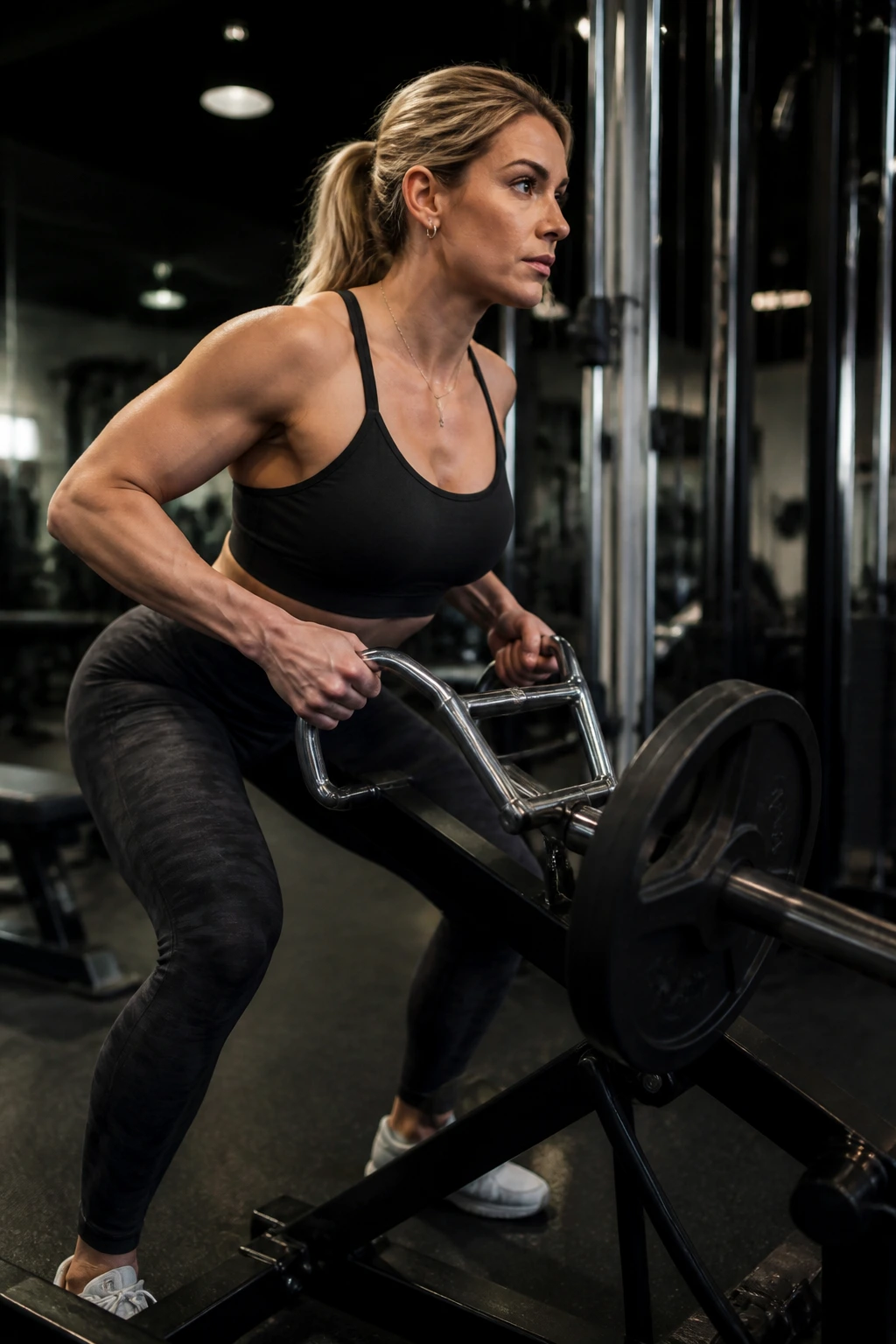
A T-bar row feels heavy in a clean way. That’s the appeal. You can load it hard without balancing a barbell in a shaky bent-over hinge, which makes it a favorite for lifters who want serious back work without turning the movement into chaos.
If your gym has a chest-supported machine version, great. Use it. If not, the landmine setup works fine too. Either way, keep your neck neutral and pull the handles toward the midsection with a solid squeeze at the top. The goal is thickness through the mid-back and lats, not a race to bounce the plates off the floor.
The best thing about this movement is how honest it feels. You know when the weight is too much. The machine will tell on you. So will your grip. So will your torso.
Try 3 to 4 sets of 8 to 12 reps. If you want this to count, slow the lowering phase down instead of chasing ugly momentum.
9. Machine High Row
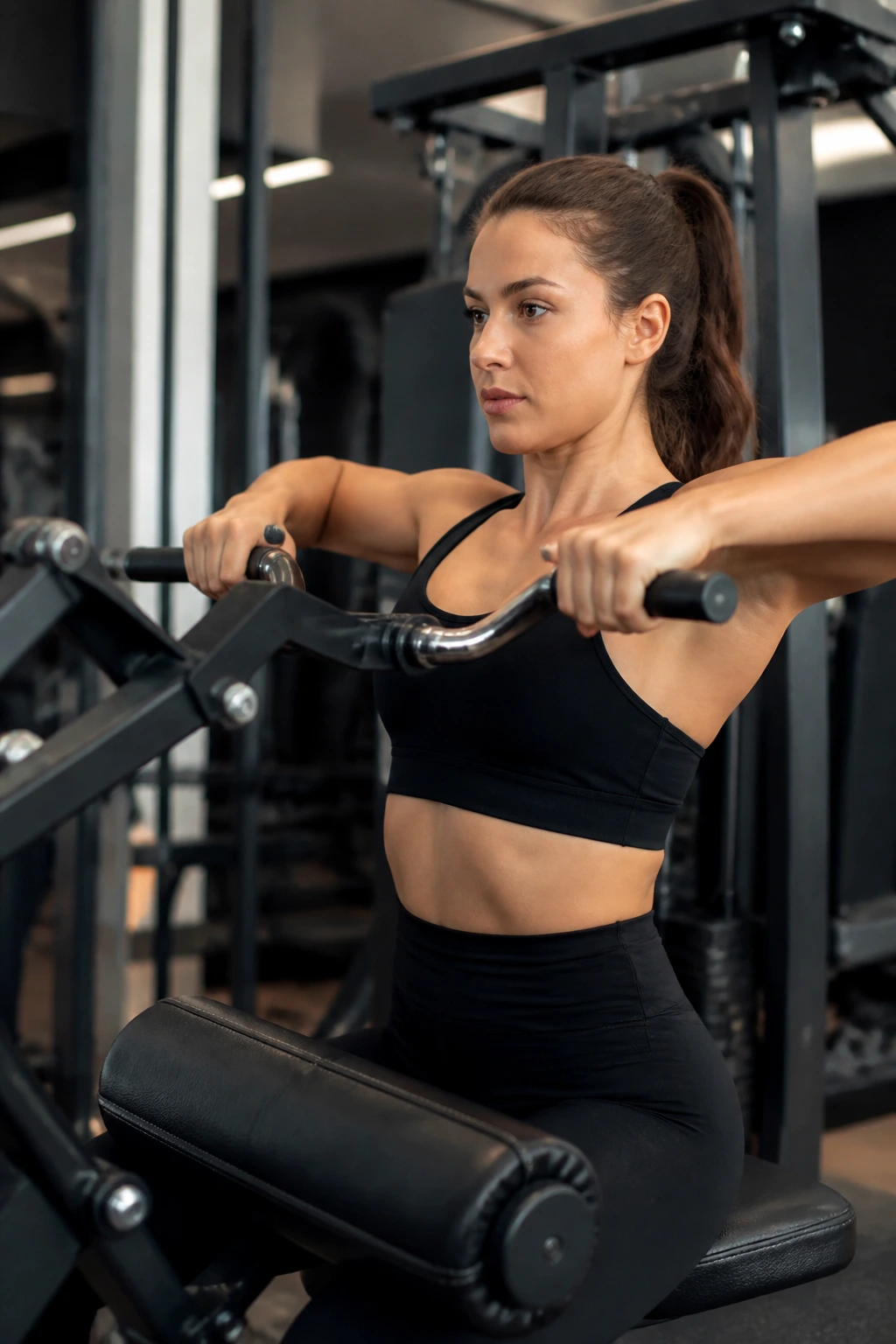
Why do so many good pull days include a high row now? Because it hits the upper back in a way that plain rows often miss. The elbow path sits a little higher, so the rear delts, mid traps, and upper lats get more of the party.
The key is not to turn it into a shrug. Pull the handles toward the upper chest or face line, keep the shoulders away from your ears, and finish with a hard squeeze between the shoulder blades. You should feel the upper back, not just your traps getting noisy.
How to Use It
This is a strong middle-of-the-workout lift, especially if you spend a lot of time slumped forward during the day. It gives you that upper-back fullness without needing a ton of setup. If your gym has one, use it.
I like 3 sets of 10 to 12 reps here. It’s a good spot for controlled volume, and the machine usually lets you stay clean without wasting energy on balance.
10. Meadows Row
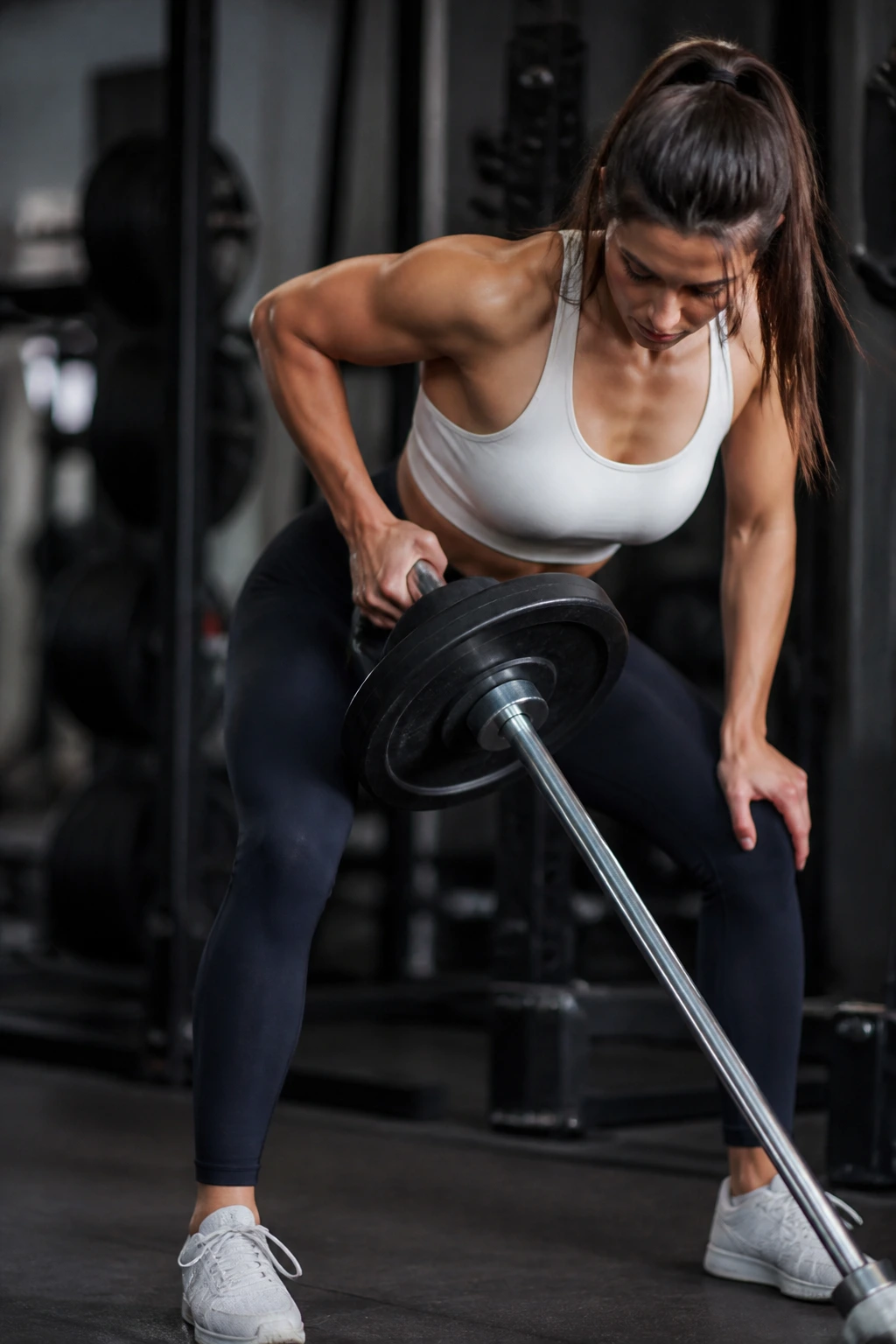
A Meadows row is basically a landmine row with attitude. One side at a time, a slight angle through the torso, and a much less cramped path than a dumbbell row in some setups.
The beauty of it is how it exposes side-to-side differences. One arm always tells on you. One side finds the groove faster, one side wants to twist, one side pulls harder. That’s normal. Use it.
Set yourself up beside the landmine, hinge slightly, and row the bar toward the back pocket with a strong elbow drive. Keep the free hand braced on the leg or bench. The body angle matters a lot here; if you stand too upright, the line of pull gets awkward.
- Best for: lat bias and asymmetry work
- Try: 10 to 15 reps each side
- Good cue: let the shoulder blade stretch at the bottom
A little grind is fine. A lot of twisting is not.
11. One-Arm Cable Row
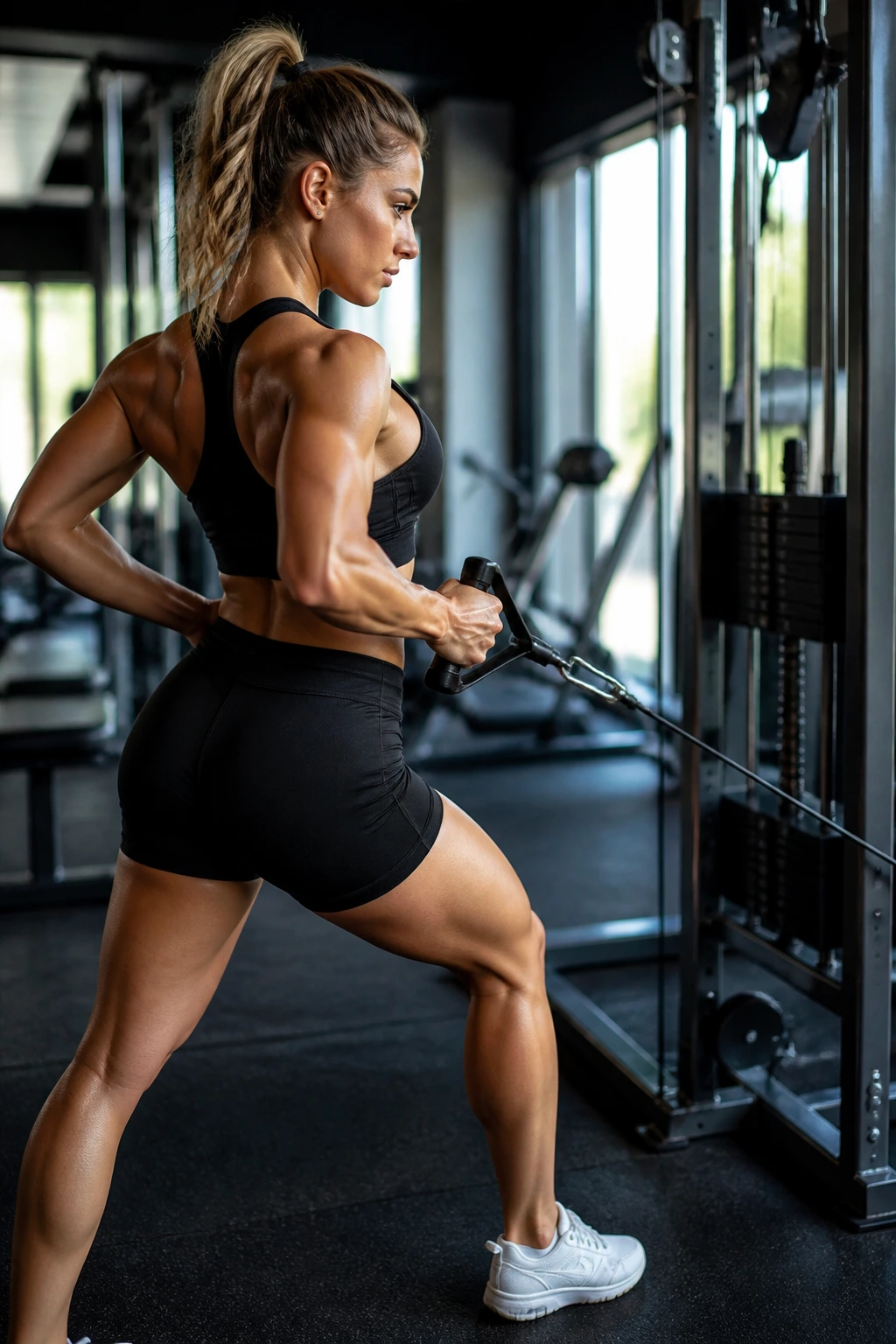
The one-arm cable row is one of those exercises that looks ordinary until you realize how useful it is. The cable keeps tension on the muscle the whole way through, and the unilateral setup helps you clean up side-to-side gaps.
Stand a step back from the stack, hold the handle in one hand, and let the shoulder blade reach forward before you row. Then pull your elbow back and in, finishing near the hip or lower ribs depending on your arm angle. You can allow a small amount of torso rotation at the start, then square up as you finish. That little bit of natural movement often feels better than locking yourself into a rigid pose.
This is a good one for people who want back work without loading the spine much. It also pairs nicely after a heavier row, because the setup is easy and the burn is easy to find.
Use 3 to 4 sets of 10 to 12 reps per side. Clean reps only. No leaning like you’re trying to start a lawn mower.
12. Renegade Row

The renegade row is half upper-back exercise, half anti-rotation test. It looks athletic because it is. It also has a nasty habit of exposing weak core control fast, which is why people either love it or hate it.
Compared with a standard row, the load has to stay lighter because you’re supporting yourself in a plank. That is not a flaw. It is the whole point. Keep your feet a bit wider than you think you need, squeeze your glutes, and row one dumbbell at a time without letting the hips roll open.
If you want to challenge your back and core in the same set, this is a clean choice. If your main goal is pure back size, don’t make it your heavy cornerstone lift. It works better as a smart accessory than as a max-effort showcase.
Try 2 to 4 sets of 6 to 8 reps per side. Light enough to stay square. Heavy enough to matter.
13. Inverted Row
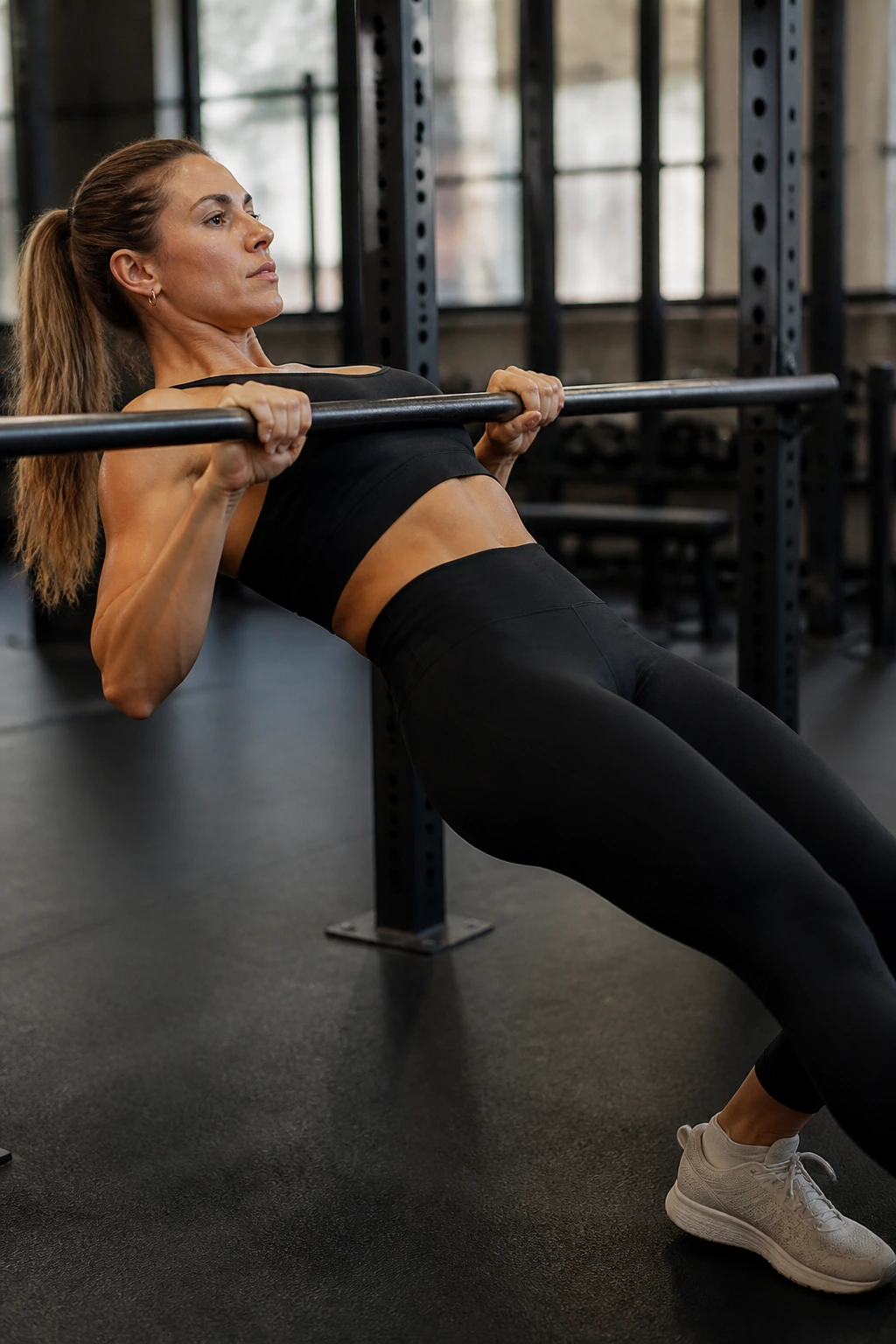
The inverted row is one of the most underrated back builders in the room. No fancy machine. No big stack. Just your body angle and a bar, which is humbling in the nicest possible way.
Why It Feels So Good
It teaches you to move your body as one piece while the upper back and lats pull you up. Beginners get a clean entry point into horizontal pulling, and stronger lifters get a solid bodyweight challenge without needing load plates. If the bar is waist height, start with knees bent. If that feels easy, walk your feet farther out or put them on a bench.
Keep your body straight, squeeze the glutes, and pull the chest toward the bar rather than craning the chin. The range should feel smooth. The top position should feel earned.
How to Use It
Use it for 3 sets of 8 to 15 reps, depending on how steep your body angle is. It’s also a nice warm-up bridge before heavier rows if you want to wake up the upper back first.
14. Straight-Arm Pulldown
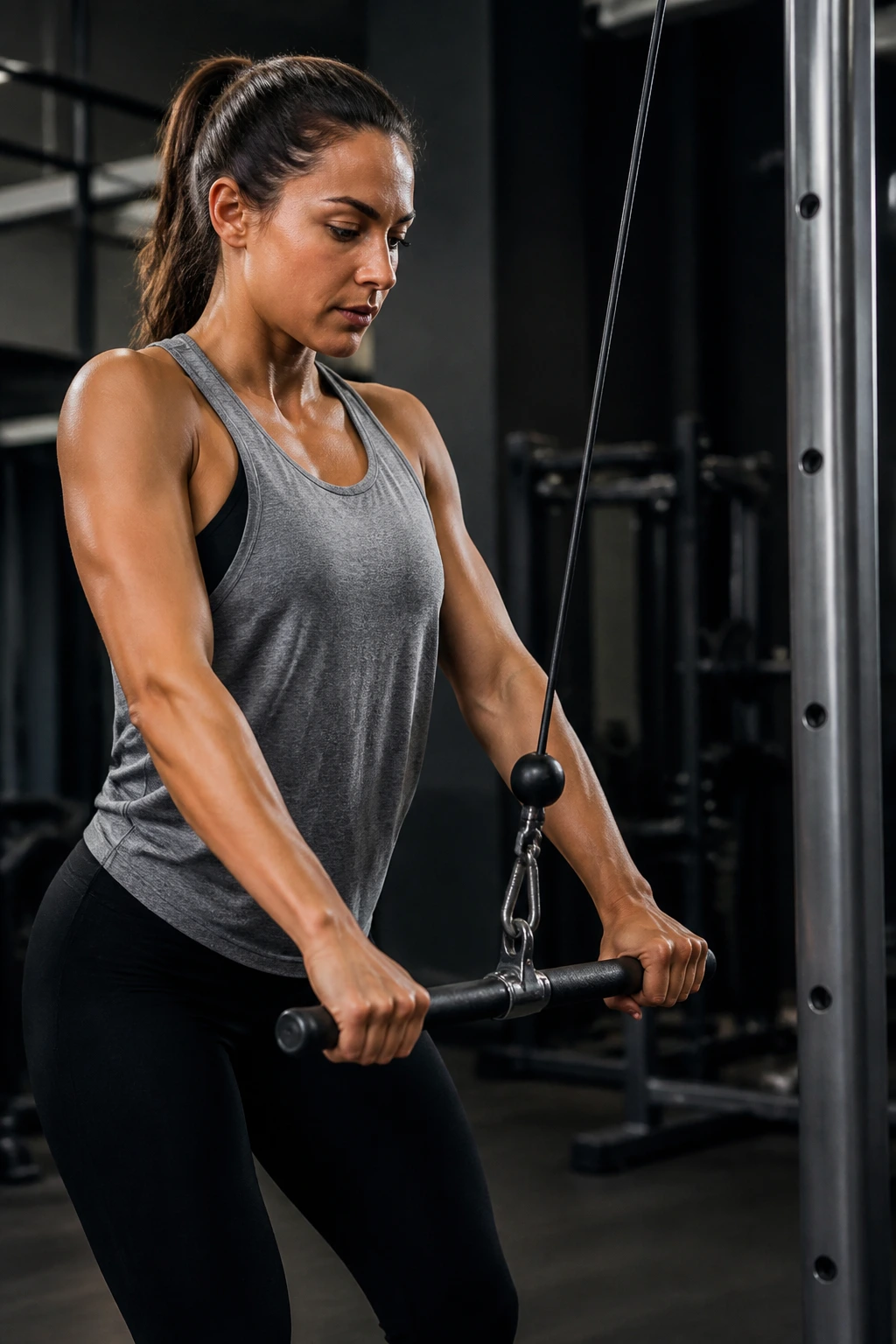
The straight-arm pulldown is where the lats get to work without the biceps stealing the spotlight. That alone makes it worth keeping around.
Stand facing a high cable, hinge slightly at the hips, and keep a soft bend in the elbows. Pull the bar or rope down toward your thighs in a smooth arc. The arms stay mostly fixed; the shoulders and lats do the real work. If you start bending the elbows a lot, the exercise turns into something else.
This move pairs well after big pulls because it gives the lats more volume without much fatigue to the lower back or grip. It’s also a nice choice for women who want that underarm-to-waist line to feel stronger and more connected.
You’ll usually get the most out of 3 sets of 12 to 15 reps. Control the return. Let the cable pull you up slowly instead of snapping the stack back.
15. Dumbbell Pullover
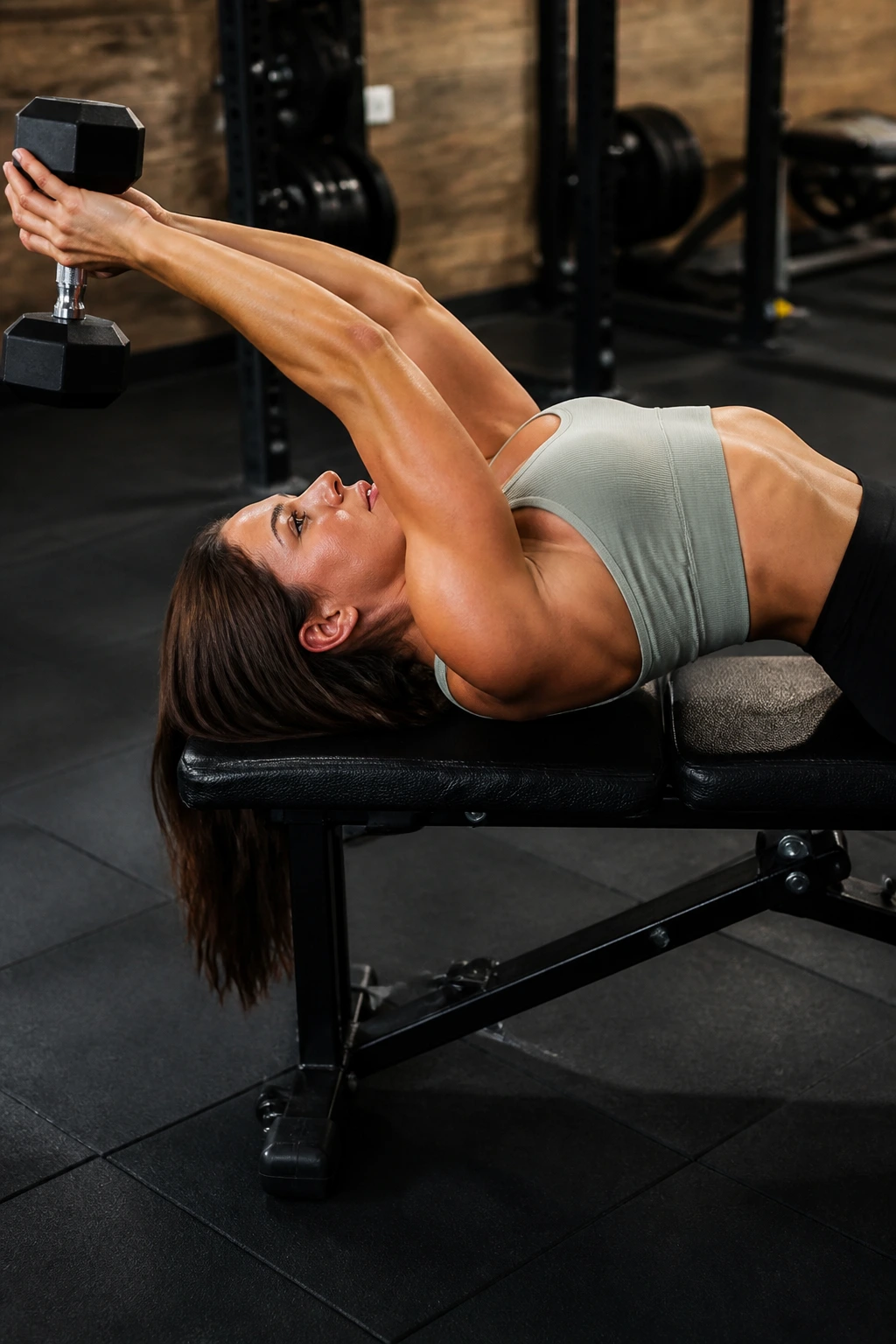
Why keep an old-school dumbbell pullover on a pull day? Because it loads the lats in a long range and teaches you to keep the ribs down while the arms travel overhead. That combination is useful, and it feels different from rows in a good way.
Lie across a bench with your upper back supported, hold one dumbbell with both hands, and lower it behind your head until you feel a stretch across the lats and chest. Stop before your shoulders start pinching or the weight gets wobbly. Then pull the dumbbell back over the chest in a smooth arc. No rush.
How to Use It
Use a moderate load and move slowly. This is not the place to prove anything. It works best as a controlled accessory, especially if you want more lat length and some extra serratus work.
A solid range is 2 to 3 sets of 10 to 12 reps. If your elbows flare wildly, lighten it and tighten the path.
16. Face Pull

A face pull is the kind of move your shoulders thank you for later. It looks small, but it does a lot: rear delts, mid traps, and the external rotators all get involved.
Set the rope at about upper-chest or face height, pull toward the forehead, and finish with the thumbs turning back and the elbows high. That extra external rotation is the part people skip when they rush through it. Don’t skip it. It’s what makes the movement feel like shoulder care instead of just another row.
- Use lighter weight than ego wants
- Rep range: 15 to 20
- Best tempo: smooth pull, one-second squeeze, slow return
- Common mistake: shrugging up hard at the top
This is a smart finisher after heavier rows and pulldowns. It also works well on days when your upper back feels flat and your shoulders need better positioning.
17. Reverse Fly

The reverse fly is tiny compared with a barbell row, and that’s exactly why it matters. The rear delts are small muscles. They need controlled work, not chaos.
You can do this bent over, chest-supported, or on a reverse fly machine. I like chest support when the gym is busy because it takes lower-back fatigue out of the equation. Keep a soft bend in the elbows, open the arms wide, and think about moving from the back of the shoulder, not from the hands. If you feel your traps taking over, the weight is probably too heavy.
This exercise is slow, not explosive. A two-second lift and a two-second lower works well. You should feel a clean burn around the back of the shoulders and the upper edge of the shoulder blades. That’s a good sign.
Try 2 to 4 sets of 12 to 20 reps. Light dumbbells are normal here. Heavy ones usually turn into a shrug-fest.
18. Scapular Pull-Up
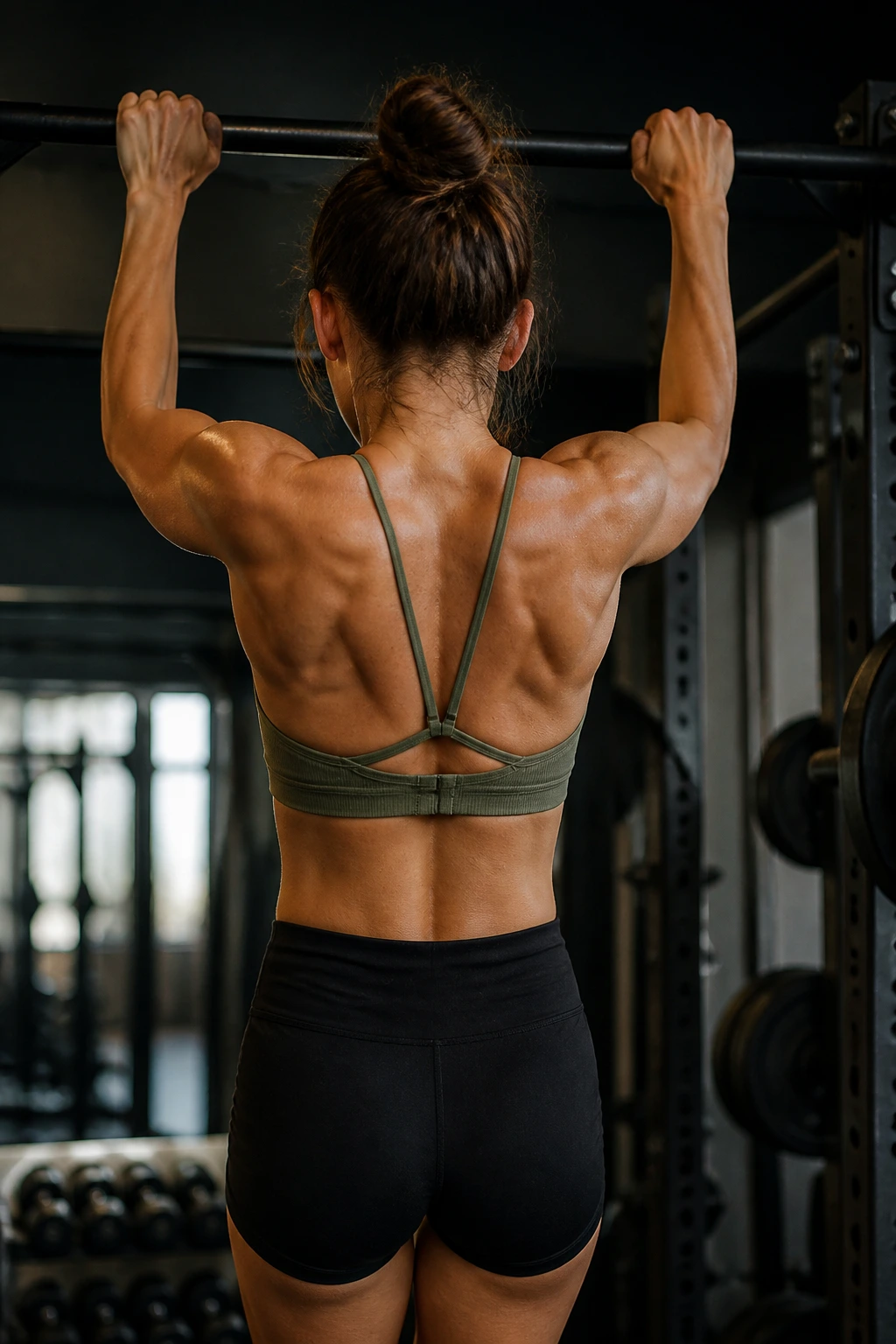
A scapular pull-up is not a full pull-up. That’s the point. It teaches your shoulder blades to move before your elbows do, which is a skill a lot of people rush past.
Hang from a bar with straight arms, then pull the shoulder blades down and slightly together without bending the elbows. Your body rises a little, maybe only an inch or two. Then lower back to the dead hang with control. It’s small work, but it builds the control you need for cleaner pull-ups and better hanging strength.
Compared with a regular pull-up, the load is lower and the focus is sharper. You’re training the starting position instead of fighting through a full rep. That makes it useful for beginners, but also for stronger lifters who want better shoulder mechanics.
Use 2 to 3 sets of 5 to 8 quality reps or short holds of 10 to 20 seconds. If your neck tightens, relax and reset.
19. Kroc Row
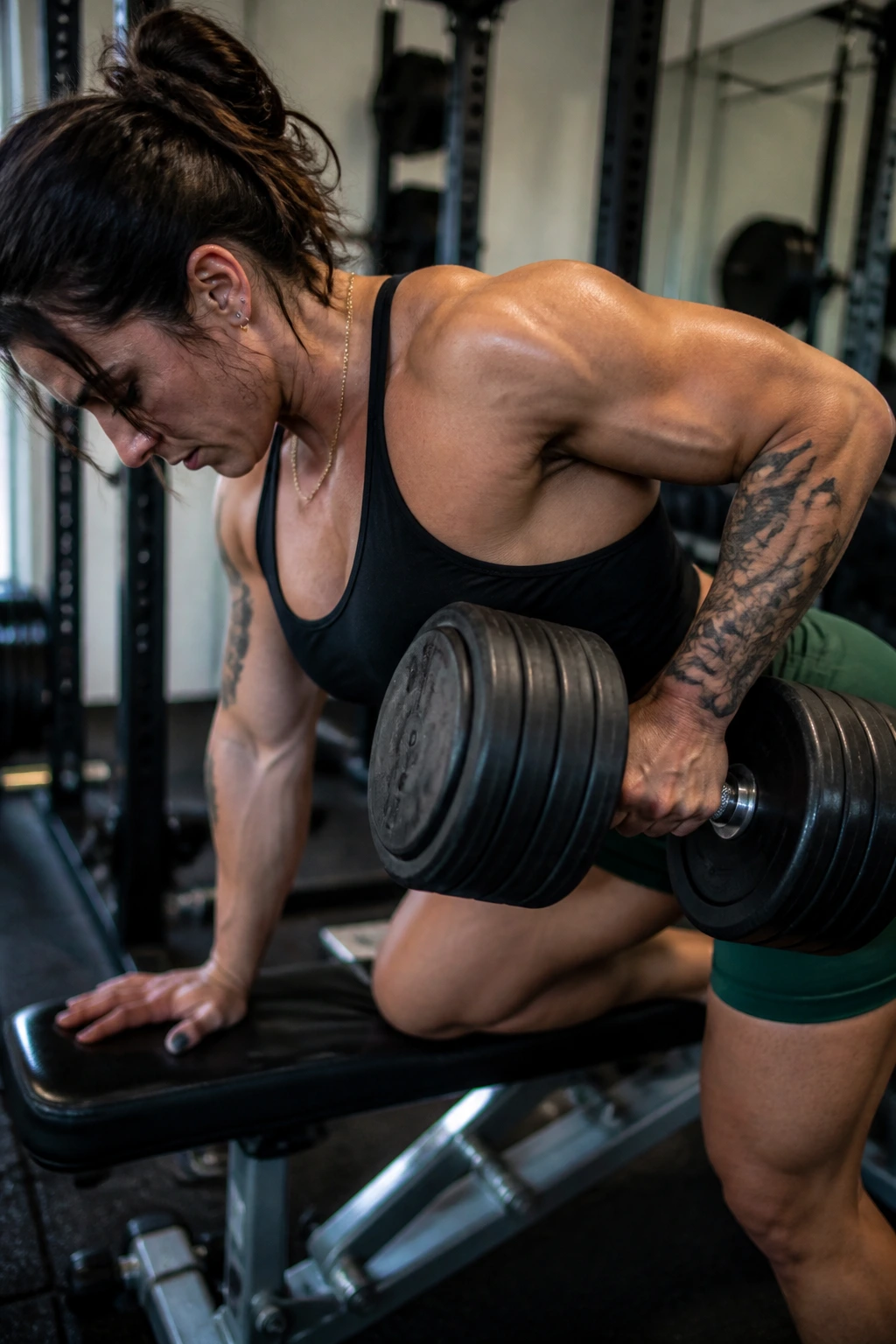
The Kroc row is heavy, ugly in the honest way, and oddly useful. It is a high-rep one-arm dumbbell row done with enough load to make the grip and upper back work for their dinner.
When to Use It
This is not your first exercise of the day unless you are built differently from most people I’ve trained with. Put it later in the workout, when the back is already warm and the dumbbell starts to feel like a real job. Use straps if grip is the limiting factor. That is a smart choice, not a cheat.
You will see a little torso movement. Fine. What you do not want is a full-body swing that turns the row into a standing heave. Brace, row hard, lower under control, and let the set get messy only at the very end.
- Best rep range: 15 to 25 per side
- Good for: grip, upper-back volume, lat density
- Watch for: twisting so hard you lose the hinge
My take: keep the ego in check and let the set get hard, not theatrical.
20. Prone Y-T-W Raises
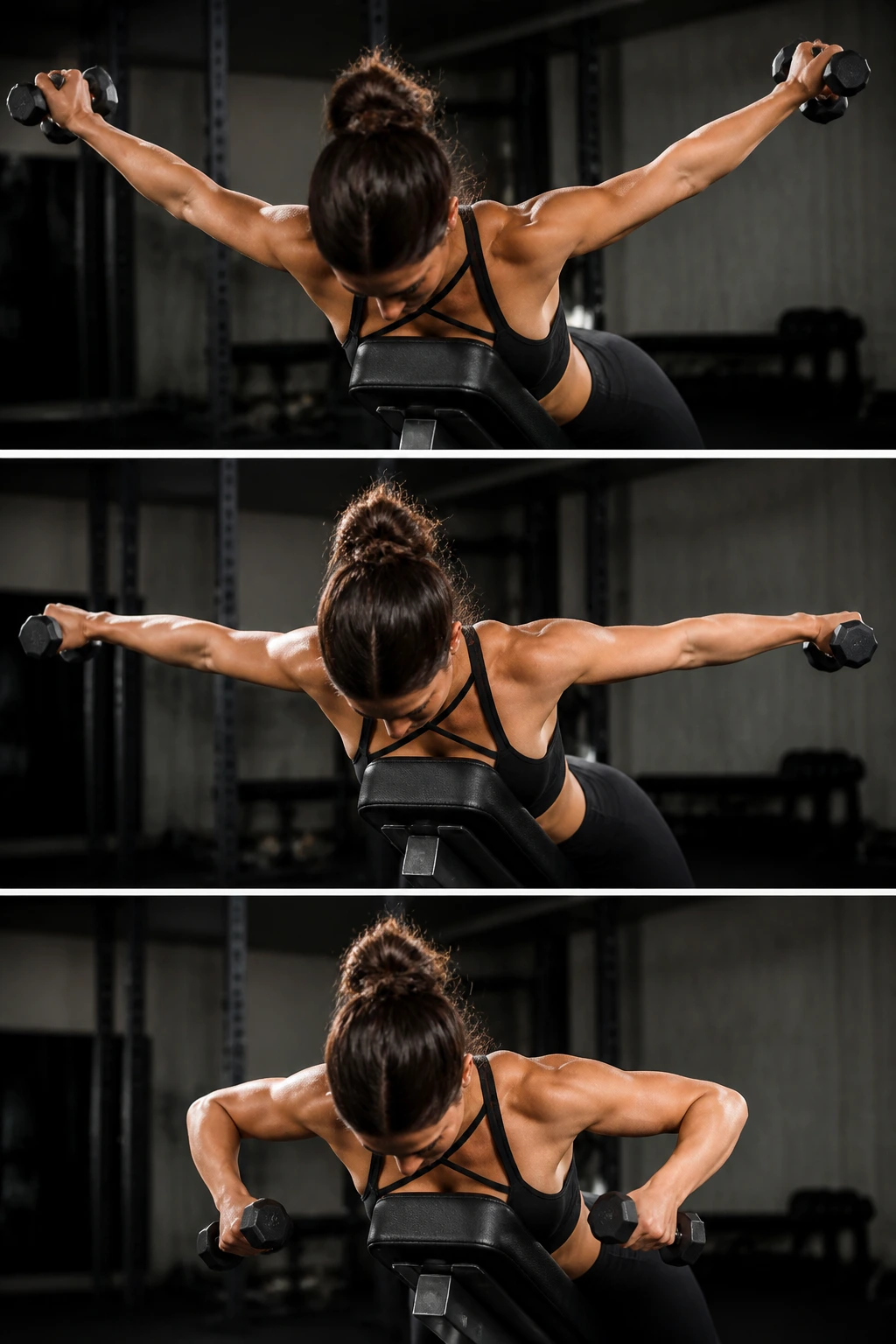
Prone Y-T-W raises look tiny on paper and feel bigger than they look. That usually means they’re doing something useful. The movement trains lower traps, rear delts, and the small stabilizers around the shoulder blade in a way that heavier pulling never quite covers.
Lie face down on an incline bench or flat on the floor and raise your arms into a Y, then a T, then a W. Keep the motion slow. Keep the weights absurdly light, or skip weights entirely at first. The goal is control, not fatigue theater. If your neck starts taking over, reset and lower the load.
This is a strong finish to a pull day, especially for women who want better shoulder posture, cleaner overhead position, or just a little more upper-back balance after rows and pulldowns. It’s also a nice warm-up sequence on days when the shoulders feel stiff.
Try 2 to 3 rounds of 6 to 10 reps in each position. Small range. Clean lines. Quiet burn.
If you string four or five of these moves together in a smart order, the whole session starts to make sense. A vertical pull, a solid row, one unilateral drill, one rear-delt move, and one controlled finisher will do far more for your back than wandering around the gym doing ten half-hearted sets of whatever is open.
