



A first pyramid workout should feel steady, not theatrical. If the first set leaves you wrecked, the ladder is too steep, and the whole session turns into a lesson in surviving your own enthusiasm.
Pyramid training plans for beginners work because they build effort in small steps. You might start with higher reps and lighter weight, then nudge the load up as the reps fall, or flip that order with a reverse pyramid when you want the hardest set first. Either way, the structure keeps you honest. It gives you a clear next move, which matters more than people think when you’re still learning how a squat, press, or row should feel.
No heroics.
What beginners usually need is not a flashy split or a brutal finisher. They need a repeatable pattern, weights that leave a little room in the tank, and enough structure to notice progress from one week to the next. That is where pyramid sets earn their place. They are easy to track, hard to fake, and adaptable enough to work with dumbbells, machines, cables, bands, or nothing but your own bodyweight.
The only real catch is that not every pyramid shape fits every goal. A reverse pyramid for pressing looks nothing like a time-based cardio ladder, and a leg-focused pyramid needs a different kind of patience than a core sequence or a conditioning circuit. The plans below cover the useful versions, the beginner-safe versions, and the ones I would actually hand to someone who wants results without turning the gym into a science experiment.
1. The Classic Full-Body Dumbbell Pyramid

Three dumbbells, one bench, and a simple ladder. That is enough for a very solid start.
This is the kind of pyramid training plan that makes sense on day one because it covers the big movement patterns without dumping too much volume on any single lift. Use a goblet squat, a dumbbell floor press or flat bench press, and a one-arm dumbbell row. Run them for 12 reps, 10 reps, 8 reps, then back up to 10 and 12 with the same exercises. The lighter first set teaches form, the middle set gives you some work, and the top set feels like a challenge without becoming a grind.
Why It Feels Manageable
The first rule is simple: pick a weight that leaves 2 reps in reserve on the opening set. If the first round already feels like a test, you started too heavy. Beginners do better when the session feels like practice with purpose, not a fight for survival.
- Goblet squat: 12 / 10 / 8 / 10 / 12 reps
- Dumbbell floor press: same ladder
- One-arm row: same ladder
- Rest: 60 to 90 seconds between sets
Best tip: keep the same weight for the full ladder on your first few sessions. Add load only when the last set looks as clean as the first.
2. Reverse Pyramid Push Day for New Lifters
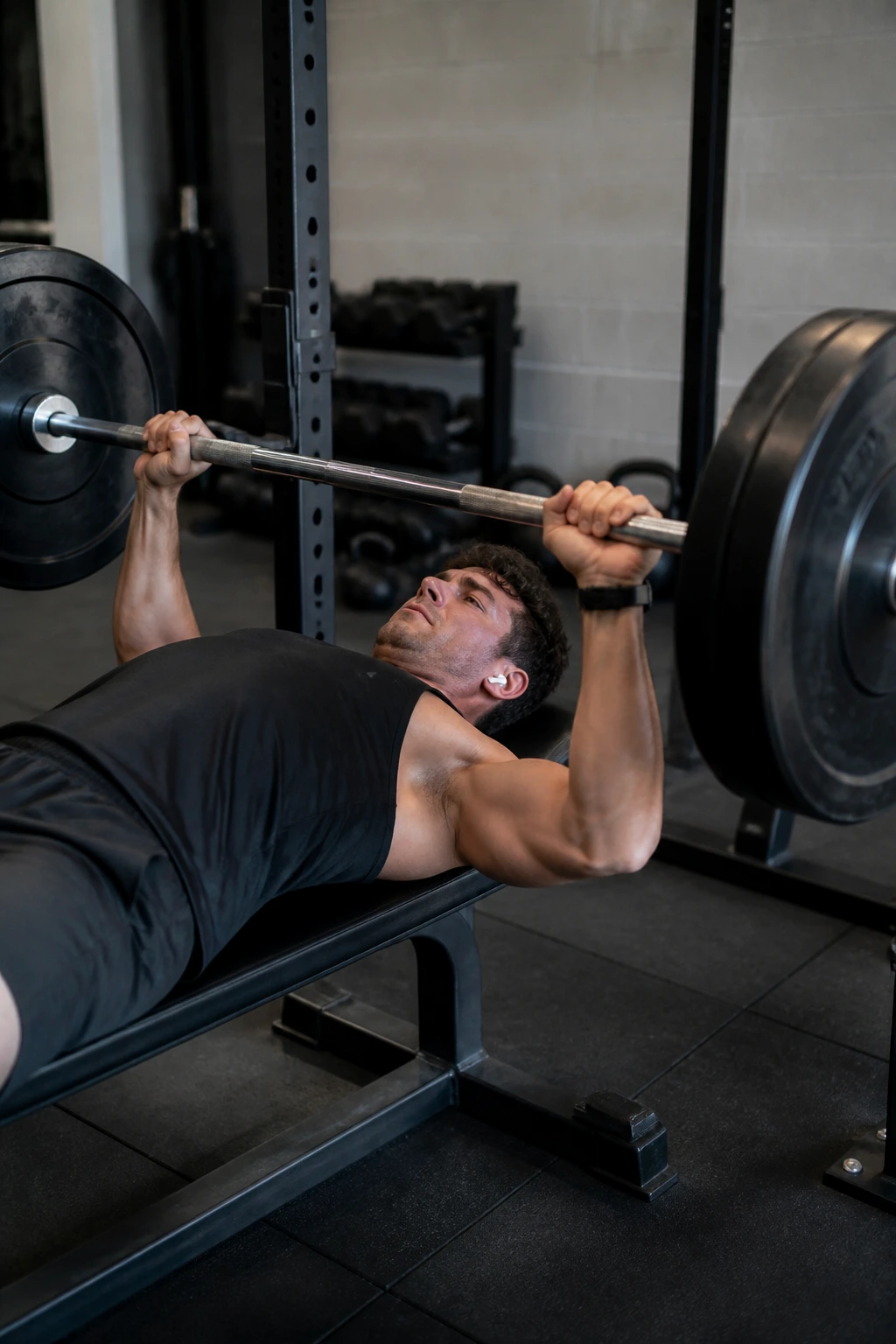
Starting heavy first is easier than most beginners expect.
A reverse pyramid puts the hardest set near the top of the workout, right after a warm-up. That sounds backwards until you try it. Your muscles are fresh, your focus is sharp, and you do not spend the whole session saving your best effort for later. For a push day, use a flat bench press, incline dumbbell press, and seated shoulder press. After a solid warm-up, hit 8 reps, then 10, then 12 as the load drops a little each time.
The nice part is psychological. There is no slow climb toward the scary set. You meet it early, finish it, and spend the rest of the workout building quality work around it.
Do not turn this into an ego lift. The first working set should feel heavy, not sloppy. If your elbows flare wildly or the bar drifts all over the place, the weight is too much. A clean reverse pyramid beats a messy one every time.
3. Goblet Squat Pyramid for Legs and Glutes
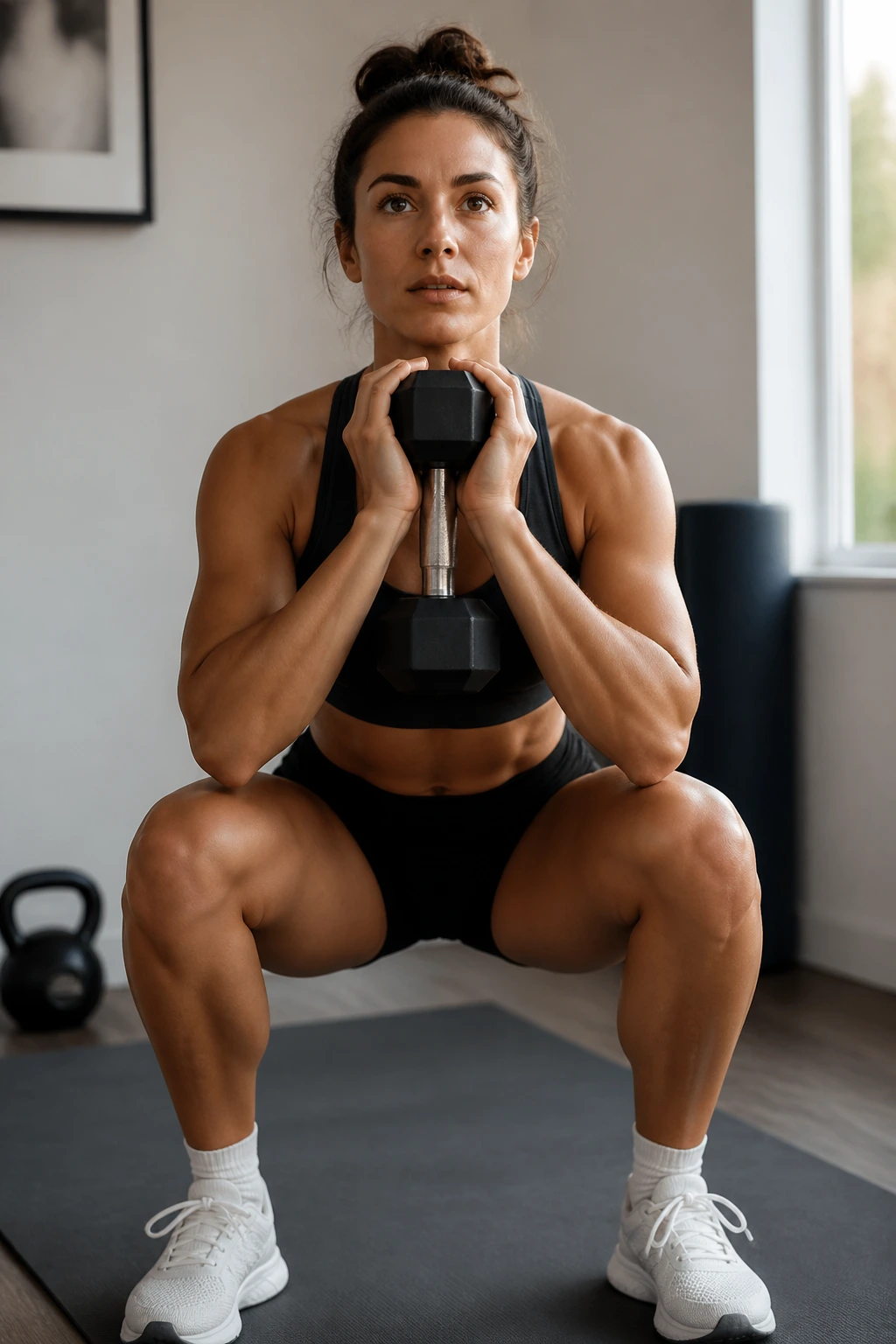
Why does a goblet squat pyramid work so well for beginners?
Because the front-loaded hold teaches posture almost by accident. The weight sits near your chest, which encourages a tall torso and makes it harder to cheat with a lazy lean. That matters when you are learning leg work, especially if your ankles, hips, or lower back are not used to coordinated loading. Try 15, 12, 10, 12, 15 reps with a dumbbell or kettlebell goblet squat, then add a Romanian deadlift and glute bridge on the same ladder if you want a fuller lower-body day.
How to Run It
Use the squat first, then the hinge, then the bridge. That order gives your legs the most demanding work while your form is still sharp.
- Goblet squat: 15 / 12 / 10 / 12 / 15
- Romanian deadlift: 12 / 10 / 8 / 10 / 12
- Glute bridge: 15 / 12 / 10 / 12 / 15
If your heels lift off the floor, shorten the range a little or put your heels on a small plate. Simple fix. Big difference.
4. No-Equipment Bodyweight Pyramid Session

A living room floor can carry a beginner farther than people think.
This version is built for the days when you have no weights, no machines, and not much patience for excuses. Use push-ups, air squats, reverse lunges, and planks in a pyramid of 5, 8, 10, 8, 5 or 10, 12, 15, 12, 10, depending on your current level. If full push-ups are rough, use a wall, counter, or knees. That is not a downgrade. It is the right version for the job.
The bodyweight pyramid works because it teaches control before load. You learn how to lower, brace, and breathe without the distraction of equipment. That is useful even if you later move to dumbbells or barbells.
Watch the tempo. If your reps turn into flailing, shorten the set and keep the movement crisp. A clean set of eight beats a sloppy set of fifteen.
5. Simple Machine-Gym Pyramid for Confidence

Machines are not cheating. They are relief.
For a lot of beginners, a machine pyramid is the easiest way to get honest training done without worrying about balance, setup, or whether the bar is drifting into bad positions. A leg press, chest press, seated row, and lat pulldown cover a huge amount of ground. Run them in a 12-10-8-10-12 pattern, or keep every exercise at 3 sets of 10 if you want a gentler start.
The win here is consistency. The machine gives you a fixed path, which makes it easier to notice when the weight feels lighter or the movement gets smoother. That kind of feedback matters more than people admit.
I like this setup for nervous lifters, older beginners, or anyone coming back after a long break. It is not glamorous. It is dependable, and dependable builds momentum fast.
6. The 10-8-6-8-10 Double Pyramid Setup

This is the one I reach for when someone wants structure but does not want a long workout.
A double pyramid climbs down and back up again. You start with 10 reps, move to 8, then 6, then return to 8 and 10. For beginners, keep it to one main lift — a dumbbell bench press, goblet squat, or cable row — and one accessory move. The main lift gets the full ladder. The accessory gets 2 or 3 straight sets of 10 to 12 so the session does not drag.
What the Numbers Mean
The middle set is the hardest one, but not by a mile. That matters. You are building confidence under load without forcing a max-effort day.
When to Use It
Use this when you want a clean progression and you only have 30 to 40 minutes. It works well if your energy is decent but not amazing, which is most days, honestly.
7. Upper-Body Pull Pyramid for Better Posture

If your shoulders feel rounded from desk work, this plan will probably feel like relief.
A pull-focused pyramid puts the back, rear delts, and upper back in charge. Use a chest-supported row, lat pulldown, and face pull in a 12-10-8-10-12 ladder. That mix gives you both heavy-ish pulling and the smaller stabilizer work that keeps shoulders from feeling cranky. The chest-supported row is especially helpful for beginners because it removes a lot of cheating.
- Chest-supported row
- Lat pulldown
- Cable or band face pull
Keep your neck long and your ribs down. If you shrug through every rep, the exercise turns into a trap-dominant mess and you miss the point. Better to use a little less weight and feel the mid-back do the work.
8. Kettlebell Conditioning Pyramid for Short Workouts

Can a kettlebell pyramid feel like strength and cardio at the same time? Yes. If you do it right.
Use a kettlebell deadlift, goblet squat, two-hand swing, and suitcase carry in a short ladder like 8-6-4-6-8 or 10-8-6-8-10. The deadlift and squat teach the hinge and squat patterns. The swing adds speed, but only if your hinge already looks clean. The suitcase carry finishes the job by forcing your trunk to stay tight while your grip works.
Skip the swing until the deadlift feels boring. That is the honest version. A shaky swing teaches bad habits fast.
This plan is great for people who want a sweat without random jumping around. Keep the rest short, about 45 to 60 seconds, and stop the set before your lower back starts trying to do the whole job.
9. Resistance Band Pyramid for Home Training

Bands look easy until the last few reps stretch them into a fight.
That is what makes them useful. A resistance band pyramid gives you an easy entry point and a harder finish because the band gets tighter as you move farther from the anchor. Use band rows, chest presses, squats, and pull-aparts in a 15-12-10-12-15 pattern. The higher reps are not a gimmick; they make sense because bands usually load the end range better than dumbbells do.
The biggest mistake is anchoring the band badly or stepping out too far too soon. Start with a stance that lets you keep the shoulders down and the wrists neutral. Then inch the tension up across the ladder.
Good band work feels smooth at the start and mean near the end. If every rep feels identical, the tension is probably too light.
10. Time-Based Pyramid Intervals for Easy Tracking
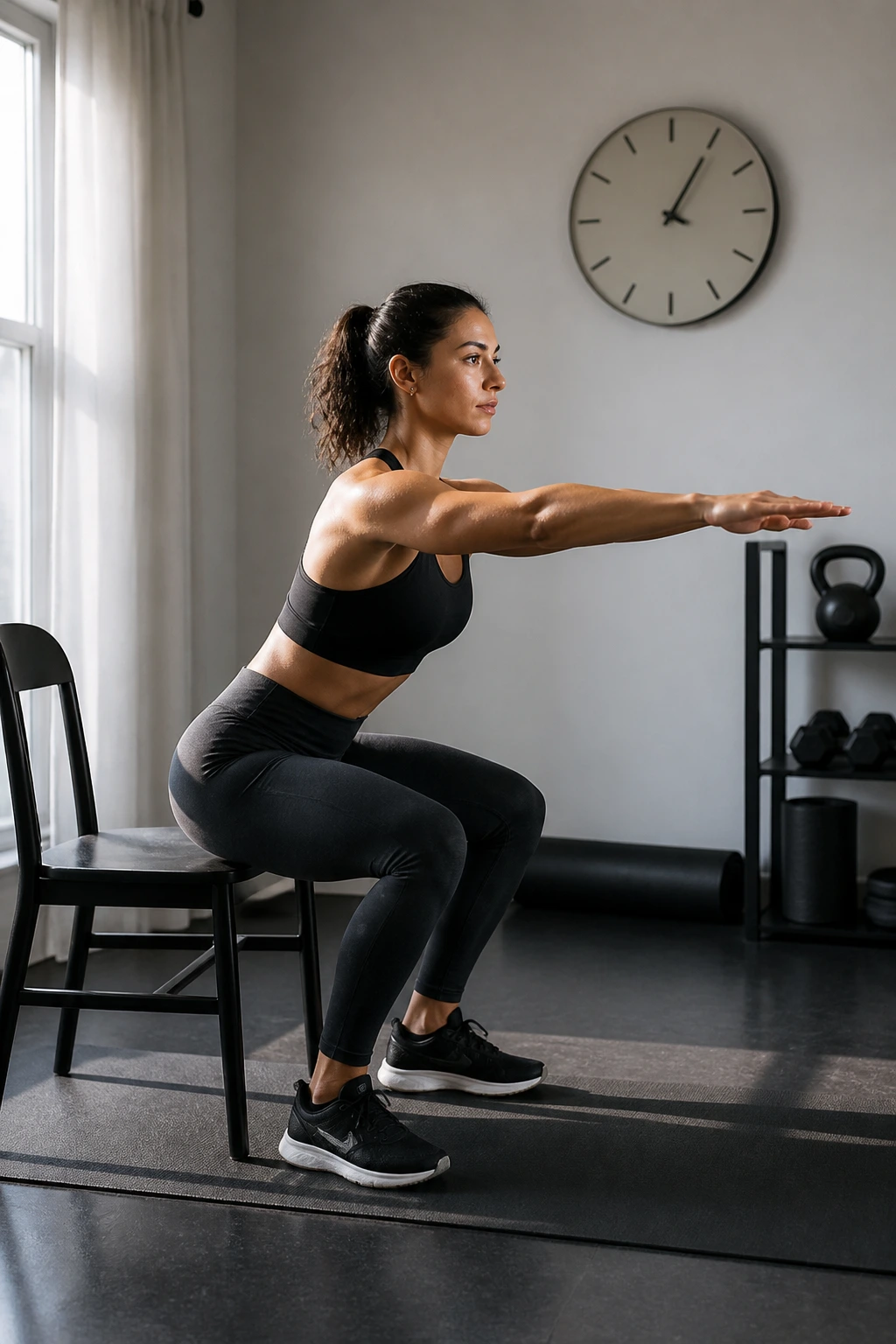
Twenty seconds feels short when your legs start to burn.
That is the appeal. A time pyramid is easier to follow than rep counting if you get lost in numbers. Pick four moves — squat to chair, marching high knees, incline push-up, mountain climber — and work for 20, 30, 40, 30, 20 seconds with 30 to 45 seconds of rest. The middle interval is the hard one, but the short bookends keep the workout approachable.
A Simple Stopwatch Template
Use the same pattern for each exercise, then move on.
- 20 seconds work
- 30 seconds work
- 40 seconds work
- 30 seconds work
- 20 seconds work
This style is useful if you train in a small space or hate counting reps. It also keeps your pace honest. When the clock is running, you can’t hide inside lazy half-reps.
11. Push and Pull Split Pyramid Across Two Days

Two sessions. Cleaner recovery. Less confusion.
A two-day split is one of the easiest ways to make pyramid training feel organized instead of crowded. On day one, focus on push patterns: bench press or push-up, overhead press, and triceps work. On day two, focus on pulls: row, pulldown, and face pull. Each main lift can use a 12-10-8-10-12 pyramid, while the smaller moves stay at 2 sets of 12.
That setup gives each movement a little room to breathe. You are not trying to hammer every muscle in one long session, which is a relief if your schedule is messy or your recovery is still catching up.
I’d keep the days nonconsecutive. Tuesday and Friday works. Monday and Thursday works. Back-to-back days can work too, but beginners usually do better with a day between them.
12. Beginner Barbell Pyramid With an Empty Bar
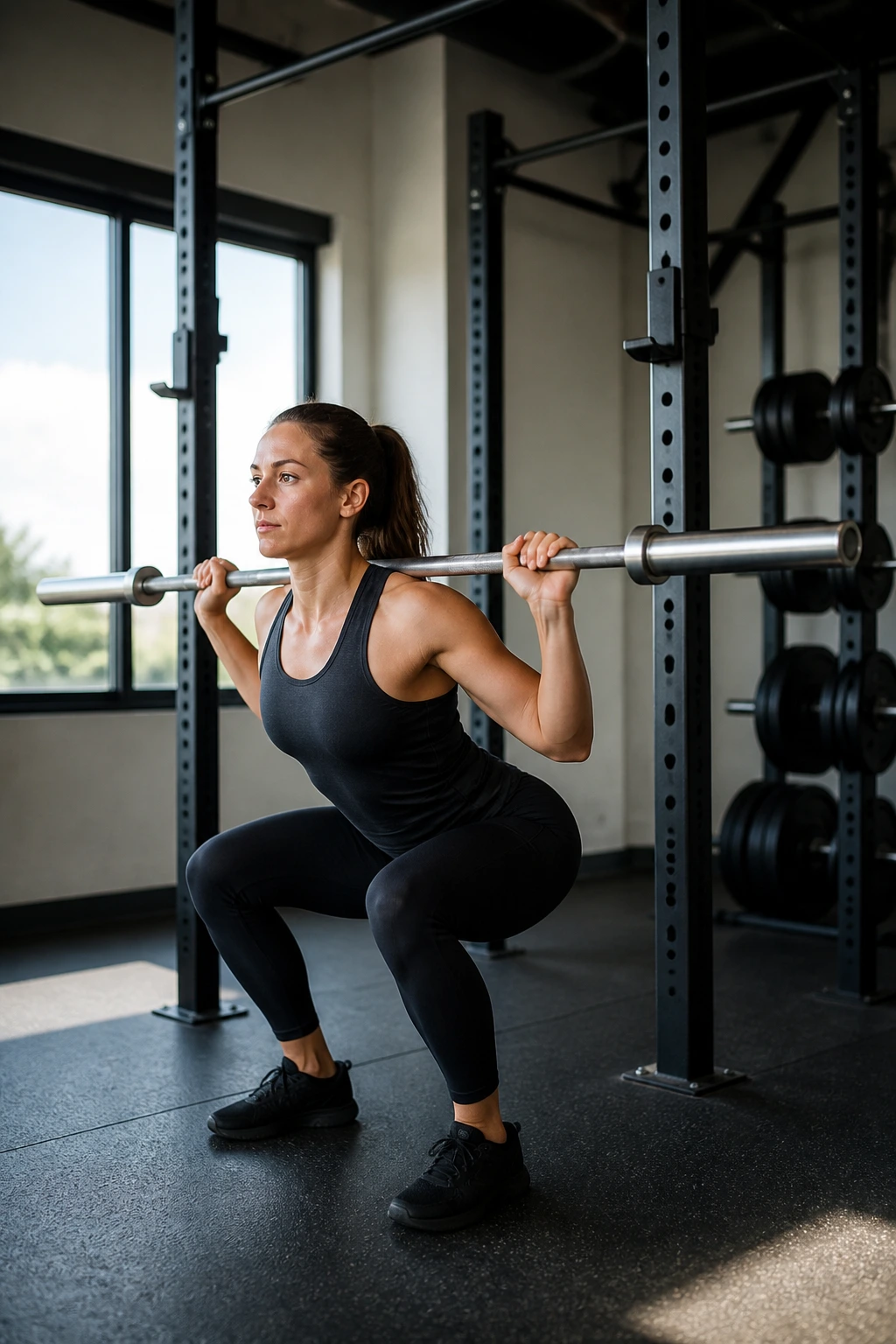
The empty bar is not a joke. It is the point.
Barbell training can look intimidating because the equipment feels serious, but a beginner barbell pyramid should start with movement quality, not load. Use the empty bar for a squat, bench press, or Romanian deadlift, then add small jumps — 5 to 10 pounds per side if the gym allows it. A useful ladder is 8-6-5-6-8 or 10-8-6-8-10, depending on the lift.
A Safe Starting Ladder
- Empty bar x 8 reps
- Small add-on x 6 reps
- Same add-on x 5 reps
- Back down x 6 reps
- Finish x 8 reps
The point is to rehearse the lift while fresh, then give yourself one slightly heavier set before you cool down. For a beginner, that is plenty. If the bar path gets crooked, stop adding weight and clean up the movement first.
13. Core Stability Pyramid for Bracing and Balance
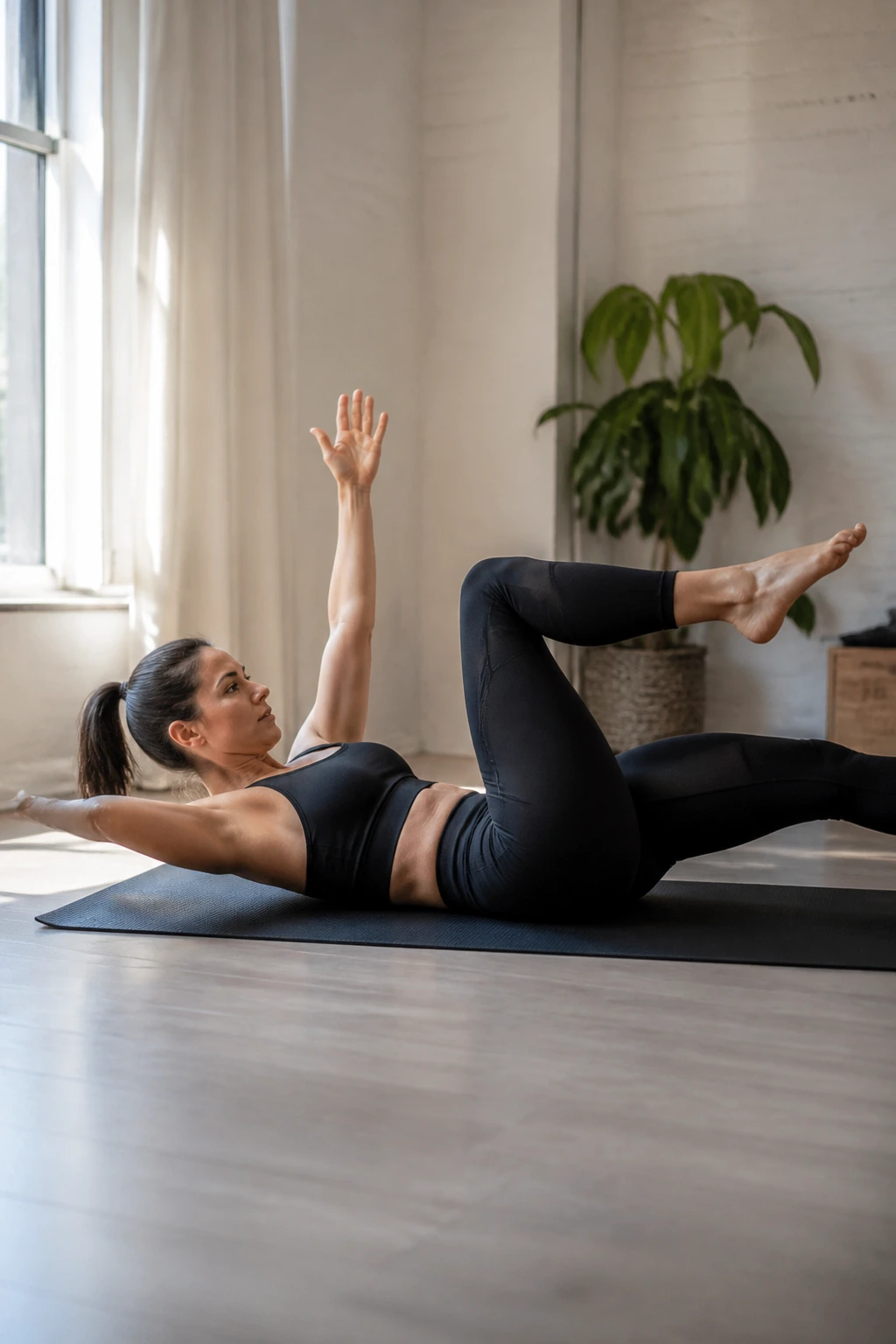
Core work does not have to mean a hundred crunches on the floor.
A good core pyramid is built around bracing, breathing, and anti-rotation. Use dead bugs, planks, side planks, and Pallof presses in a ladder like 8-10-12-10-8 reps or 20-30-40-30-20 seconds if you prefer time. The goal is not a burn for its own sake. The goal is to keep the ribs stacked over the pelvis while the limbs move.
A lot of beginners rush core work and then wonder why their low back feels tired during squats and hinges. Slowing down helps. So does exhaling fully before each rep.
The Sequence That Works Best
Start with the dead bug, move to the plank, then finish with the side plank or Pallof press. That order goes from simple to demanding without frying your grip or shoulders first.
14. Split Squat and Hinge Pyramid for Lower-Body Strength
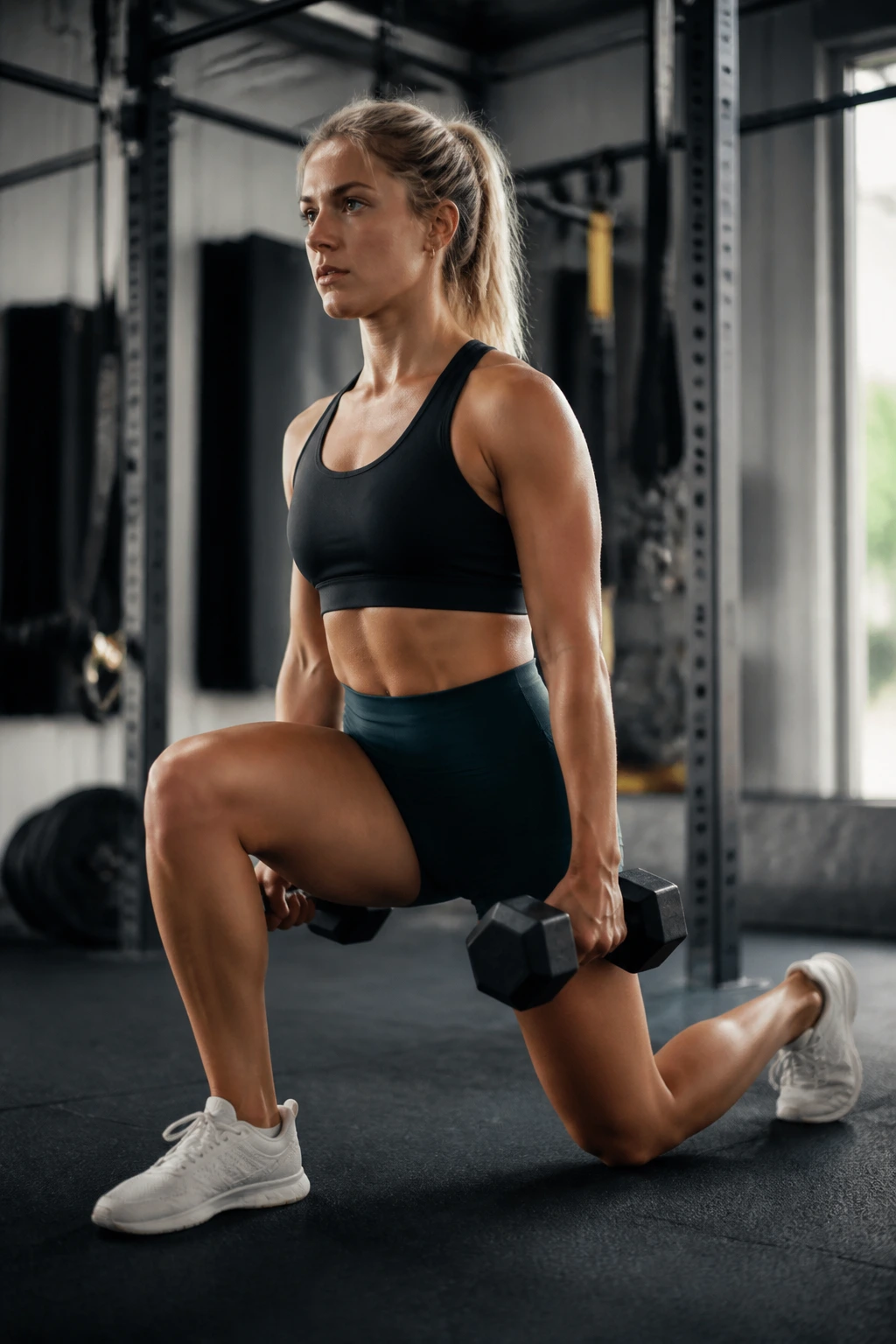
One leg at a time is humbling. Also useful.
Split squats and hinges expose weak spots fast, which is exactly why beginners should not avoid them forever. Use reverse lunges, split squats, Romanian deadlifts, and hip thrusts in a pyramid like 10-8-6-8-10. If balance is shaky, hold onto a rack lightly or use bodyweight for the first round.
The reason this plan works so well is that each leg has to earn its own balance. You cannot hide one side behind the other. That makes the glutes, quads, and hamstrings wake up in a way bilateral squats sometimes do not.
A simple tweak helps a lot: keep the front foot flat and push through the whole foot, not just the toes. It sounds small. It changes the whole rep.
15. Shoulder-Friendly Press Pyramid With an Incline or Landmine

If overhead pressing makes your shoulders pinch, pick a friendlier angle.
An incline dumbbell press or landmine press gives the shoulders more room to move than a straight overhead barbell press. That makes this pyramid useful for beginners who want to build pressing strength without forcing an ugly range of motion. Try 12-10-8-10-12 on the main press, then add lateral raises or cable presses for 2 sets of 12.
The landmine path feels natural because the bar travels on a diagonal, not straight up and down. I like that for new lifters because it teaches pressing without making the shoulder joint feel boxed in.
Keep your grip neutral if you can, and stop each set before your lower back starts arching to help. That compensation shows up fast, and it is not doing you any favors.
16. Cardio Pyramid on Bike, Rower, or Treadmill

Three minutes can feel long when the interval gets serious.
A cardio pyramid is a clean way to build work without guessing. Use a bike, rower, or treadmill and move through 30-45-60-45-30 seconds at a hard-but-controlled pace. Recovery can be equal or slightly longer than the work intervals. Beginners should keep the effort at about 6 or 7 out of 10, not all-out. You want to breathe hard, not lose your form or your wits.
The nice thing about this setup is that it teaches pacing. You learn what “strong” feels like before you hit the point where technique falls apart. That matters on the rower especially, where sloppy pulling shows up fast.
If your calves or grip give out before your lungs do, you probably went too hard too soon. Back off a notch and try again next session.
17. Mixed-Movement Circuit Pyramid for Full-Body Conditioning
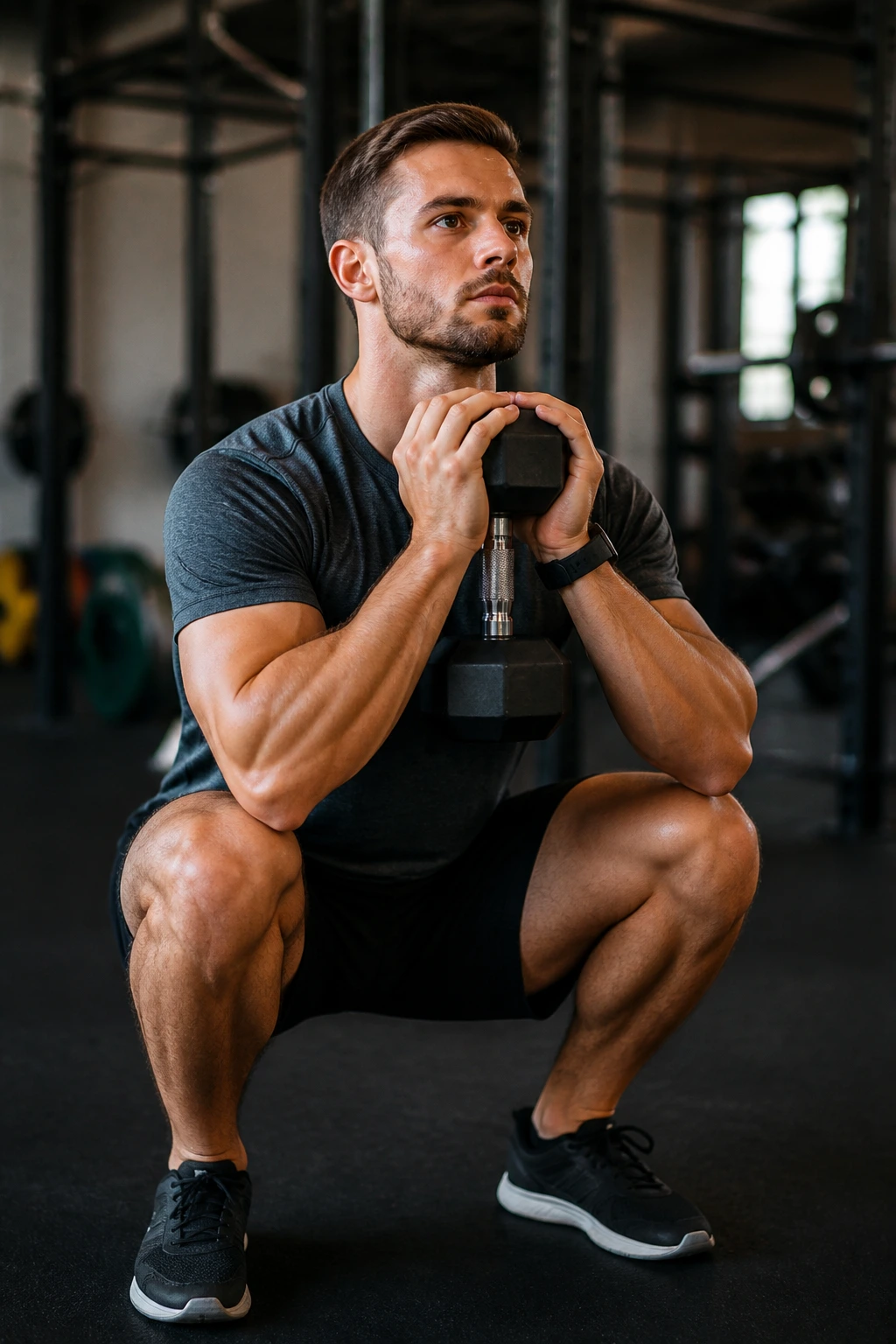
This is the one I use when a beginner gets bored fast.
A mixed-movement circuit pyramid keeps the whole body engaged by rotating through a squat, push, pull, hinge, and carry. Use 5 reps, 8 reps, 10 reps, 8 reps, 5 reps on each move, or shorten it to three movements if time is tight. A simple version might be a goblet squat, incline push-up, and dumbbell row. A fuller version adds a Romanian deadlift and farmer carry.
Sample Circuit
- Goblet squat
- Incline push-up
- Dumbbell row
- Romanian deadlift
- Farmer carry
Keep the loads modest and the rest short. The goal is to finish with a solid sweat and clean movement, not to stumble through a giant circuit like it is a punishment. If the form breaks on round three, you picked too much work for that day.
18. One-Dumbbell Home Pyramid for Tight Spaces
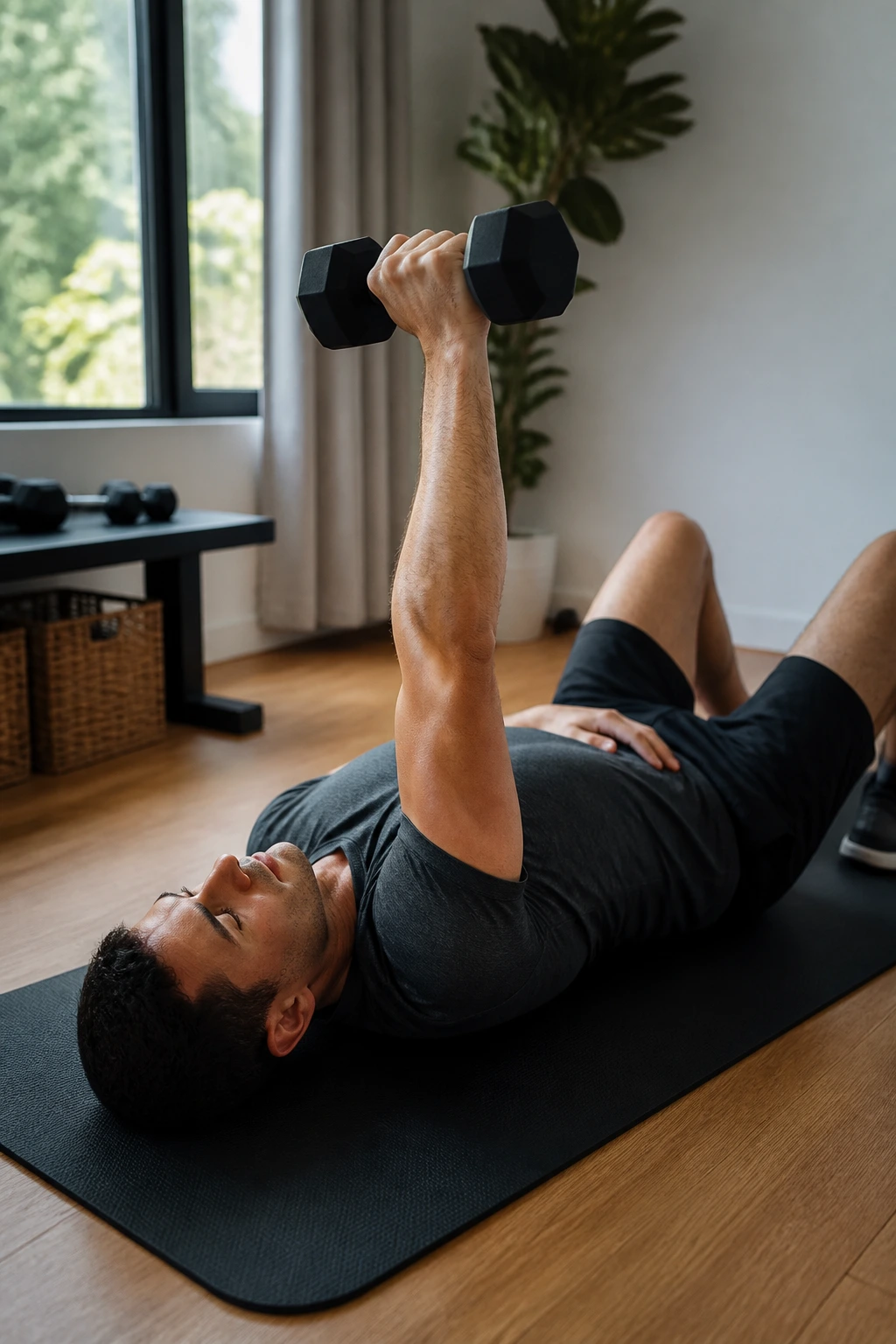
One dumbbell can do more than people give it credit for.
This plan is built for a tiny apartment, a crowded bedroom, or anyone who owns one adjustable dumbbell and a little floor space. Use single-arm floor press, split squat, one-arm row, and single-leg Romanian deadlift in a pyramid like 12-10-8-10-12. Because you only have one load, switch sides carefully and keep the reps matched.
The one-dumbbell version is sneaky good for beginners because it forces coordination. You learn how to brace on one side while the other side works. That is a useful skill long after the workout is over.
- Floor press on the right, then the left
- Split squat on each leg
- Row from a stable hinge
- Single-leg Romanian deadlift with a light hand on a wall if needed
Do not rush the side changes. Catch your breath, reset your stance, then go again.
19. Incline Walk and Stair-Climber Pyramid for Low-Impact Conditioning
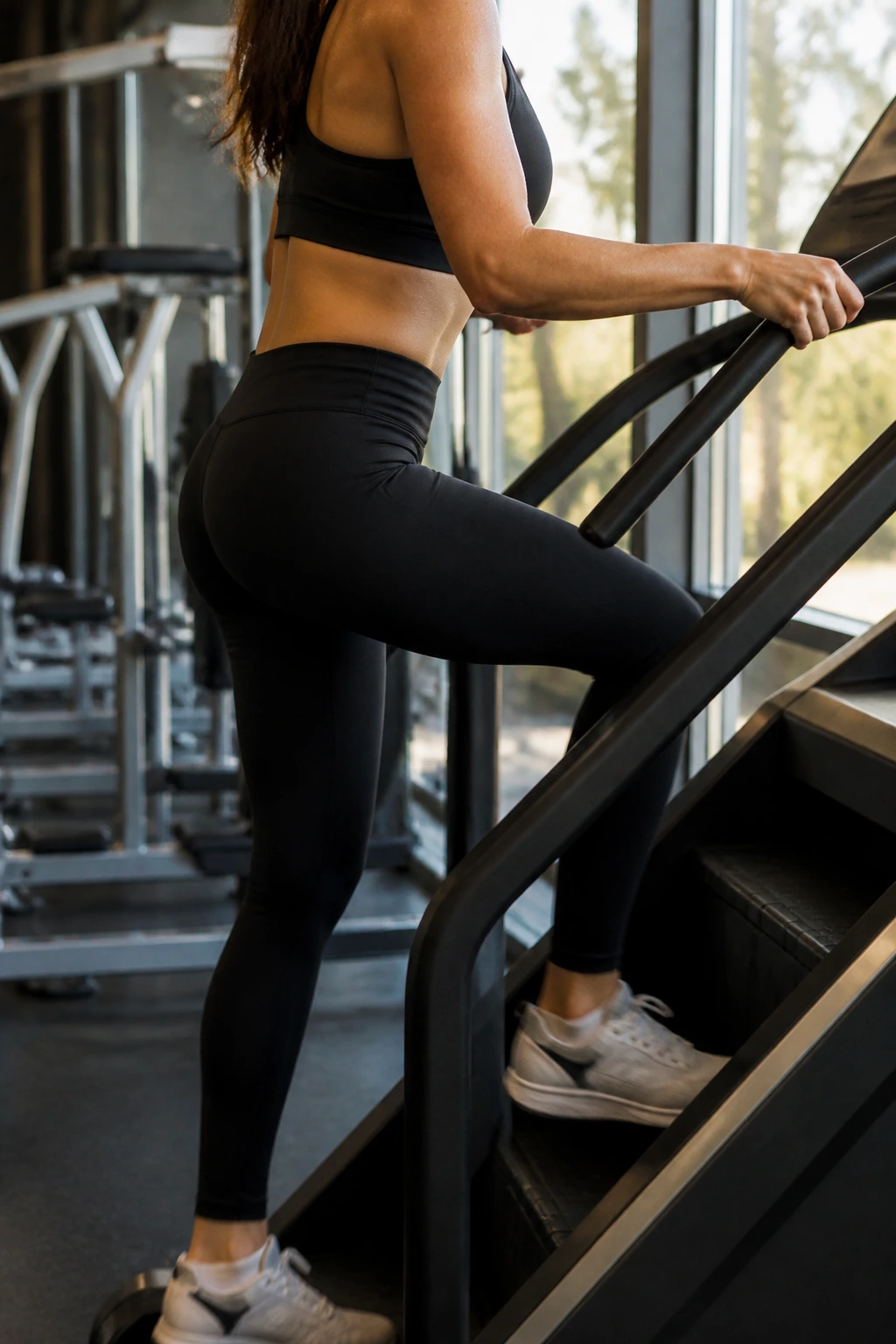
Low impact does not mean easy.
An incline walk or stair-climber pyramid is a good pick when your joints want a break but your lungs still want work. Use the treadmill incline or the stair machine in a ladder like 5 minutes easy, 3 minutes moderate, 2 minutes hard, 3 minutes moderate, 5 minutes easy. If you prefer shorter bouts, use 2-4-6-4-2 minutes instead. The middle block should feel like you are working, not sprinting.
How Hard It Should Feel
Aim for a pace where you can talk in short sentences during the easier pieces and only spit out a few words during the top piece. If you are bouncing on the rails or stomping the steps, slow down.
This is a smart beginner choice because it builds aerobic work without the pounding that comes from running. Your calves will know the difference, by the way. So will your knees.
20. Two-Day Weekly Pyramid Plan for Consistent Progress

If you only train twice a week, this is the simplest place to start.
Day one can be a lower-body and push focus: goblet squat, dumbbell press, and glute bridge in a 12-10-8-10-12 ladder. Day two can be a pull and hinge focus: row, Romanian deadlift, and face pull or band pull-apart with the same pattern. That gives you full-body coverage without making either workout too long or too hard to recover from.
The best beginner pyramid plan is usually the one you can repeat without dread. That sounds unglamorous. It works anyway.
Keep the sessions 35 to 50 minutes, use loads that leave a little gas in the tank, and add weight only when your last set looks as tidy as your first. If you stay consistent with that for a few weeks, the numbers will start to move in a way that feels real, not random.
