



The first year after birth is messy in a way that catches people off guard. A lot of postpartum health tips sound neat on paper and fall apart the minute you’re running on broken sleep, one-handed snacks, and a body that feels both familiar and strange.
That isn’t a failure of willpower. It’s recovery.
Some people heal fast and feel almost like themselves again in a few weeks. Others need a long stretch of time before their energy, hormones, pelvic floor, joints, and mood settle into something steady. All of that can be normal. The hard part is that the healing doesn’t happen in one neat block. Bleeding fades before the fatigue does. The incision calms down before the shoulders stop aching. The baby sleeps for two hours, and you still can’t quite remember how to relax your jaw.
The useful version of postpartum care starts small. Protect the healing tissue. Eat enough. Sleep in shifts if you can. Move in layers, not leaps. And pay attention to the warning signs instead of waiting for a problem to get loud.
1. Treat the First Six Weeks as Recovery Time, Not a Challenge
The first stretch after birth is healing time first and everything else second. That’s true after a vaginal birth, a C-section, a tear, or a delivery that looked “easy” from the outside and still left your body wiped out.
What recovery looks like in real life is not dramatic. It’s slow walking. It’s bleeding that gradually lightens, soreness when you sit too long, and a strange feeling that even simple tasks take effort. If you had stitches or an incision, the outside can look fine while the deeper tissue is still grumpy.
What recovery actually feels like
- You may bleed for weeks. That normal postpartum bleeding is called lochia, and it can change from red to pink to brown before it stops.
- Stiffness, pelvic pressure, and lower belly soreness can show up after standing or carrying the baby too long.
- A C-section can make twisting, getting out of bed, and even laughing feel awkward for a while.
Give yourself permission to do less than you think you “should.”
Heavy lifting can wait.
2. Sleep in Shifts, Not in Dreams
What happens when you keep trying to “just push through” on three broken hours of sleep? Usually, everything gets harder at once. Pain feels sharper. Your patience gets thin. Food choices get random. Even small decisions can feel weirdly heavy.
The fix is not magical, and it’s not about getting a perfect night. It’s about protecting chunks of sleep wherever they appear. If someone can take a shift with the baby, give yourself a real block — three or four uninterrupted hours can make a huge difference. If that’s not possible, nap with the house half-finished. Dishes can wait. So can folding laundry.
How to make sleep shifts less chaotic
- Keep one person “on duty” while the other sleeps, even if that duty is only from 8 p.m. to midnight.
- Put water, snacks, burp cloths, and phone chargers next to the bed before you lie down.
- Lower the lights at night. Bright overhead light wakes your brain up more than you want it to.
And if sleep is impossible because of panic, racing thoughts, or a heart that won’t slow down, bring that up with your doctor. Not later. Sleep loss is common; constant fear is a different thing.
3. Eat for Blood Sugar, Not Just Cravings

A cold piece of toast eaten over the sink is not a meal plan.
Postpartum hunger can be loud, especially if you’re breastfeeding, pumping, or simply burning through energy while recovering. The trick is to build meals that include protein, carbs, and fat so your blood sugar doesn’t swing all over the place. That shaky, ravenous feeling is often your body asking for steadier fuel, not more willpower.
Think in combinations. Eggs with avocado toast. Greek yogurt with fruit and granola. Rice with salmon and olive oil. Soup with beans and bread. None of that is fancy. That’s the point.
Easy meal formulas that actually work
- Protein + carb + color: chicken and potatoes with carrots, or tofu with rice and cucumber.
- Snack meal: cheese, crackers, an apple, and a handful of nuts.
- Hot bowl: oatmeal with nut butter, banana, and cinnamon.
- Fast plate: hummus, pita, hard-boiled eggs, and sliced peppers.
If you wait until you’re shaking, you’ll eat anything within reach.
That’s expensive, exhausting, and avoidable.
4. Set Up a Hydration Habit That Actually Sticks
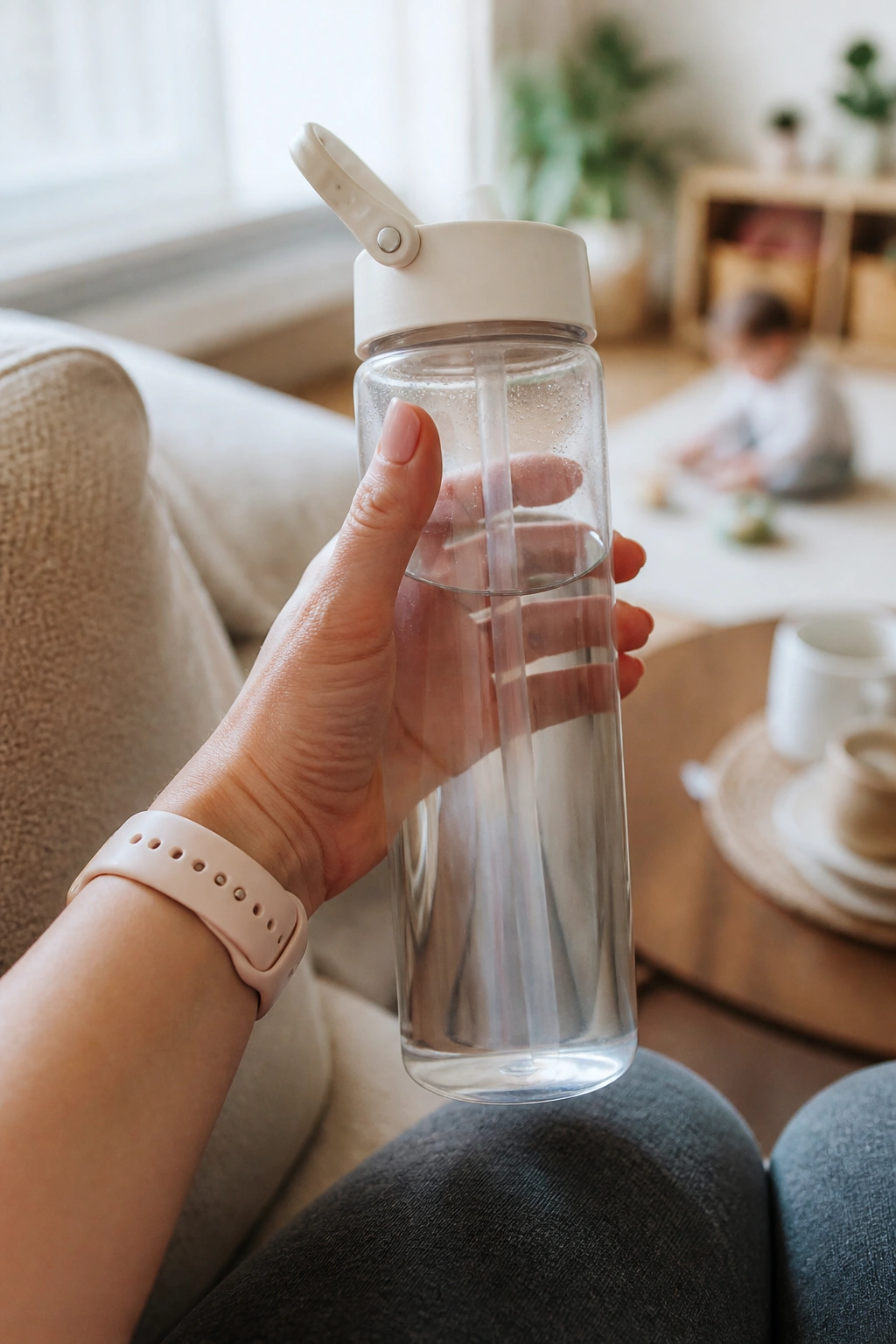
Chugging one giant bottle at 7 p.m. is not a hydration plan.
A better one is boring. Keep a water bottle in the places you already sit: the couch, the bed, the nursery, the car. Drink a glass every time you feed the baby or sit down to pump. If plain water feels hard to swallow, add ice, lemon, cucumber, or use a straw bottle so it goes down faster.
Breastfeeding can make thirst feel immediate. Even if you are formula feeding, healing still takes water. Dark urine, headaches, a dry mouth, or that scratchy “I forgot how to feel hydrated” feeling are all clues that you’re behind.
A few small habits help more than one giant effort:
- Fill the bottle before bed.
- Put a glass beside the sink so you drink while washing your hands.
- Use a marked bottle if that helps you keep track without thinking about it.
No grand strategy required.
Just keep water where your hands already go.
5. Know the Bleeding, Pain, and Fever Signs That Need Attention

Postpartum bleeding is expected. Heavy bleeding is not something to shrug off. That line matters, because new parents sometimes get told to “watch it” without being told what counts as a real problem.
The same goes for pain. Soreness is normal. Pain that gets worse instead of better, or pain paired with fever, foul-smelling discharge, chest symptoms, or a pounding headache, needs a call.
Call your doctor, midwife, or urgent care if you notice:
- Soaking through a pad in an hour or less
- Clots bigger than a golf ball
- Bleeding that had slowed down and then suddenly picks up again
- Fever of 100.4°F / 38°C or higher
- Foul-smelling vaginal discharge
- Chest pain, shortness of breath, or a racing heart
- One-sided leg swelling or leg pain
- Severe headache, vision changes, or swelling that feels out of step with the rest of recovery
Trust the change in pattern. If something gets worse instead of better, that’s your cue.
6. Start Pelvic Floor Work With a Gentle Breath Check

Why do so many people rush straight to Kegels and still feel off? Because the pelvic floor is not just about squeezing. Sometimes it needs coordination. Sometimes it needs relaxation first. And sometimes it needs a professional to look at what is actually happening down there instead of guessing.
A good starting point is simple: breathe low into your ribs and belly, then notice whether your pelvic floor softens on the inhale and lifts slightly on the exhale. No force. No clenching your butt or jaw. If you feel pulling, pain, heaviness, or pressure, you may need a pelvic floor physical therapist rather than more random exercises from the internet.
What a good first step feels like
- The breath moves low and slow.
- Your belly softens instead of bracing.
- There is no sharp pain.
- You are not straining to “find” the muscle.
That’s enough for day one.
More effort is not always better here.
7. Rebuild Your Core Before You Chase Ab Workouts
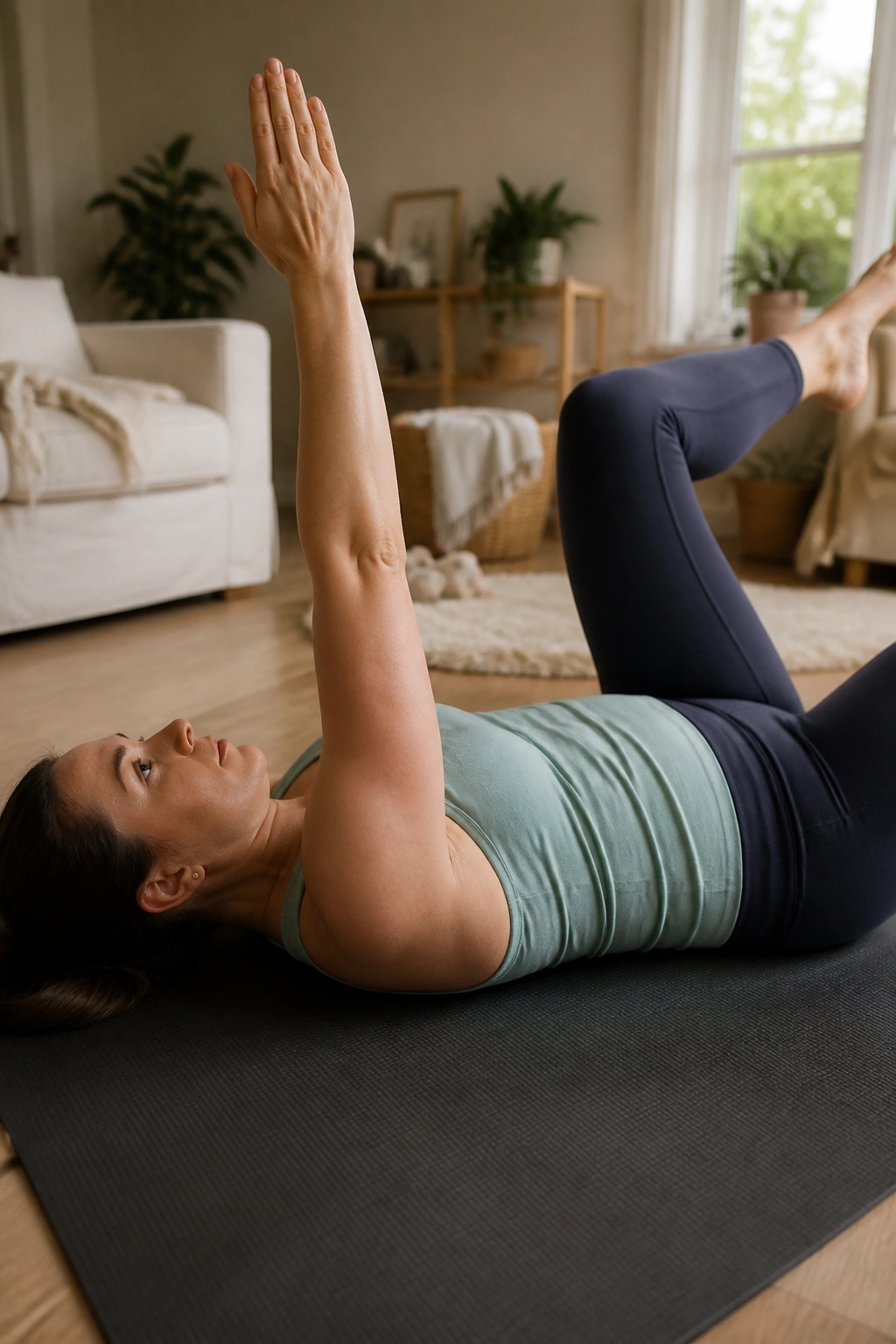
Crunches are the wrong starting point for most postpartum bodies.
That sounds harsh, but it saves people from making their midsection angrier than it already is. After birth, the deep core has to relearn pressure control. The goal is not a flat stomach by force. It’s a belly that can brace, breathe, and support lifting without doming or bearing down.
If you notice a ridge along the midline of your belly when you sit up, that’s a sign to slow down. A lot of people call this diastasis recti, though the bigger point is practical: if your core bulges, strains, or feels weak when you load it, start with gentler work.
Skip these for now if they cause doming or pain
- Full sit-ups
- Double leg lifts
- Aggressive planks
- Fast twisting core moves
- Anything that makes you hold your breath
Start with breathing, dead bug variations, bird-dog holds, and standing carries that let your torso stay calm.
Boring beats injured.
8. Return to Exercise in Small, Boring Steps
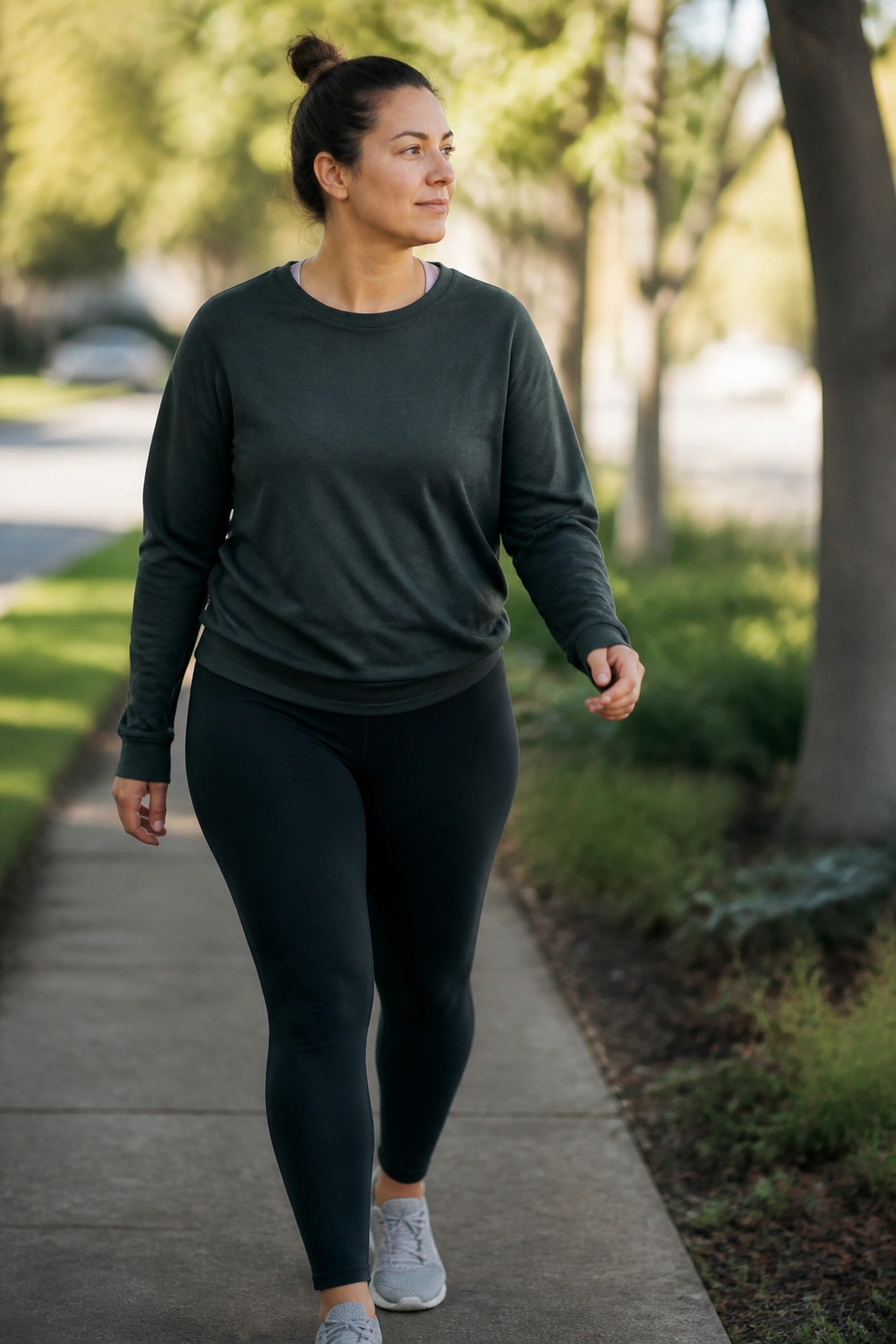
A 10-minute walk around the block counts. A five-minute walk counts. Standing up, stretching your calves, and doing a few slow squats while the baby naps also counts.
The mistake is jumping from couch life to hard workouts because you miss movement and want to feel “normal” again. I get that. But postpartum exercise works better when you progress by tolerance, not ambition. If a workout makes you leak urine, feel pelvic heaviness, increase bleeding, or leave you sore for two days, that is too much for that moment.
A simple progression looks like this:
- Walking and mobility for a few minutes at a time.
- Light bodyweight strength like sit-to-stand, wall pushups, and supported lunges.
- Longer sessions or higher impact only when the lower levels feel easy and symptoms stay quiet.
You do not need to earn movement by suffering through it.
You need to recover enough to keep going.
9. Keep C-Section or Perineal Care Simple and Clean

If you had a C-section, your incision wants calm, dry, low-friction care. If you had vaginal tearing, swelling, or an episiotomy, your perineum wants the same thing in a different form. The details vary, but the spirit is identical: gentle care, clean hands, no rough treatment.
Loose underwear helps. So do pads that aren’t rubbed raw by synthetic seams. A peri bottle can make bathroom trips less miserable after a vaginal birth. Ice packs may help early on, while warm sitz baths can feel better later if your clinician says they’re okay. And scented wipes? Skip them. They usually do more harm than good.
Signs the area needs a call
- Redness that spreads
- Drainage or pus
- A wound that opens
- Strong worsening pain
- Fever with local tenderness
Healing tissue is picky.
Treat it that way.
10. Feed Your Baby Without Starving Yourself

A lot of parents keep feeding the baby and forget to feed themselves.
That habit looks noble from far away and miserable up close. If you’re breastfeeding or pumping, your body is doing extra work and often asking for extra calories and fluid too. Even if you’re formula feeding, recovery still burns through energy faster than a normal day at your desk ever did.
Build a snack basket where you actually sit. Protein bars, nuts, trail mix, crackers, yogurt drinks, cut fruit, shelf-stable milk, peanut butter, and granola all earn their place. If the only food in reach is a crust of bread and three stale crackers, you’ll eat like a person in a hostage movie. Not ideal.
The point is not perfection. It’s fewer long gaps between meals.
Eat before you crash.
11. Check Iron, Protein, and Calcium Before You Feel Drained

Fatigue is not always just sleep deprivation. Sometimes it’s low iron from blood loss, not enough protein for tissue repair, or meals that are too thin to keep up with breastfeeding and healing.
If you feel dizzy when you stand, short of breath on small stairs, unusually pale, or wiped out in a way that sleep doesn’t fix, ask about iron testing. A simple blood check can catch anemia, and that matters because postpartum anemia can make every task feel twice as hard. Don’t guess for weeks when one test could give a clearer answer.
Food that earns its keep
- Iron: red meat, lentils, beans, tofu, spinach, fortified cereal
- Protein: eggs, yogurt, chicken, fish, cottage cheese, tempeh
- Calcium: milk, yogurt, cheese, fortified plant milks, canned salmon with bones
Pair iron-rich foods with vitamin C when you can — peppers, citrus, strawberries, tomatoes.
Small details. Big difference.
12. Protect Your Mood as Carefully as Your Incisions

Sadness after birth is not always “just hormones,” and it is not something you need to hide until it becomes unbearable.
The baby blues can bring tears, irritability, and emotional swings in the first stretch after delivery. But if your mood keeps sinking, panic keeps showing up, sleep feels impossible even when the baby sleeps, or you start having scary intrusive thoughts, that deserves real care. Not a pep talk. Care.
Signs to take seriously
- Feeling hopeless, numb, or panicky most of the day
- Crying a lot without knowing why
- Rage that feels bigger than the situation
- Trouble bonding that doesn’t ease
- Intrusive thoughts that scare you
If you have thoughts of harming yourself or the baby, call emergency services or a crisis line right away.
No waiting. No shame.
13. Accept Help in Specific, Useful Forms

“Let me know if you need anything” is a nice sentence and a lousy system.
When people are tired, sore, and half-awake, vague offers are hard to use. Specific help is easier to accept. Ask someone to drop off dinner on Tuesday, take out the trash, fold the baby laundry, or hold the baby for 20 minutes while you shower without hearing a tiny voice through the bathroom door.
Better ways to ask
- “Can you bring soup and fruit on Friday?”
- “Can you stay for one hour while I nap?”
- “Can you load the dishwasher?”
- “Can you walk the dog for three days?”
- “Can you sit with the baby while I go to my appointment?”
People often want to help and just need a job.
Give them one.
14. Beat Constipation and Hemorrhoids Early
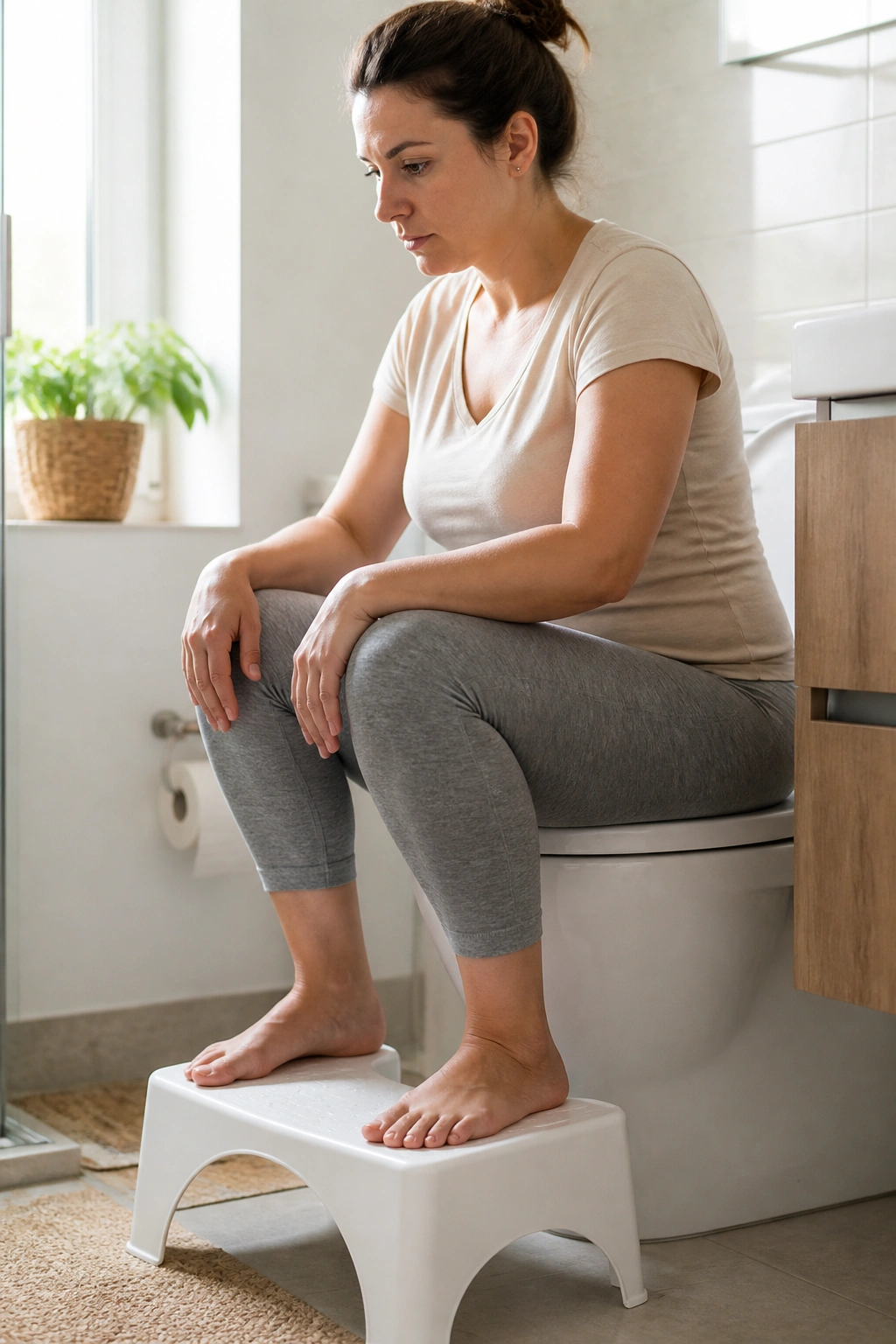
Nobody likes this topic. Everybody needs it.
Constipation after birth is common. So are hemorrhoids. Pain meds, dehydration, less movement, and the simple fear of pushing can all slow things down. The fix is not heroic. It’s water, fiber, easy movement, and not straining like you’re trying to win a prize.
Prunes, pears, kiwi, oats, beans, vegetables, and whole grains can help. So can a footstool in front of the toilet to raise your knees a bit. If your doctor gave you a stool softener, use it the way they said instead of waiting until things are miserable. That tiny delay can turn into a much bigger problem.
Practical helpers
- A warm drink in the morning
- Short walks
- Enough water with every meal
- Not ignoring the urge to go
Seriously.
Don’t white-knuckle this one.
15. Keep Postpartum Checkups and Bring a Real Question List

When was the last time you walked into an appointment with a real list instead of a vague hope that “everything’s fine”?
Postpartum visits are worth showing up for, even if you feel awkward or half-dressed or like your brain has gone missing somewhere between diaper changes. This is the time to ask about bleeding, pain, bladder leaks, sex, contraception, exercise, mood, and sleep. If you had high blood pressure, diabetes, a complicated tear, a C-section, or a rough mental health stretch, bring that up too.
Questions worth writing down
- Is this bleeding pattern normal?
- When can I return to running, lifting, or yoga?
- What’s happening with this pain or pressure?
- Why am I leaking when I cough?
- Which birth control fits breastfeeding or recovery?
- Do I need a pelvic floor referral?
If you forget the list at home, open your phone and start there.
Half-baked questions still beat none.
16. Save Your Back, Wrists, and Shoulders During Baby Care

A lot of postpartum pain has nothing to do with the pelvis and everything to do with carrying a tiny human in bad positions for hours.
You feed the baby hunched over. You lift the car seat with one hand while twisting with the other. You rock the baby on the same hip because it’s easier in the moment. Then your neck starts tightening, your wrists ache, and your upper back feels like plywood. Small habits. Loud consequences.
Three small fixes that help
- Bring the baby to you, not your shoulders to the baby.
- Use pillows under arms and elbows during feeds.
- Switch sides when carrying, even if one side feels easier.
A changing table at waist height helps. So does keeping diapers, wipes, and extra clothes where you don’t have to bend like a folding chair.
Your spine will thank you.
17. Make Space for Intimacy, Dryness, and Birth Control

Sex after birth can feel fine, strange, painful, or completely off the table for a while. All of those can be normal. Hormone shifts, breastfeeding, stress, stitches, scar tissue, and the plain fact that you’re touched out can change the whole picture.
Dryness is common, especially if estrogen runs low. A good lubricant helps more than pushing through discomfort ever will. If something hurts sharply, stops you from relaxing, or leaves you tense for hours afterward, that’s a reason to slow down and ask for help. Pelvic floor therapy can be useful here too.
Birth control deserves a real conversation as well. Some methods fit breastfeeding better than others. Some are easy to forget when your sleep is split into fragments. Pick something you can actually live with, not something you’ll resent.
Pain is not a personality test.
It’s a signal.
18. Get Outside for Light, Air, and a Short Walk

Morning light on your face. A few minutes of air that does not smell like diapers. That can change a day more than people admit.
You do not need a long hike or a polished fitness plan to benefit from leaving the house. A short walk to the mailbox, a loop around the block, or standing on the porch while the baby naps can help your body clock, your mood, and your sense that the day has edges instead of one long blur. If you’re healing from a C-section or a tear, keep the walk short and flat at first.
The nice thing is how little this asks for.
Open the door. That’s step one.
19. Build a Tiny Home Routine You Can Repeat on Bad Days

A postpartum routine should survive a rough night. If it only works when the baby is cheerful and you’ve slept eight hours, it’s not a routine. It’s a fantasy.
Keep it small. Ten to fifteen minutes is enough for many days, and on bad days even five minutes counts. Think of the routine as a floor, not a ceiling: a minimum set of movements that keeps your body from stiffening up and your confidence from slipping away.
A simple baseline
- 1 minute of slow breathing
- 1 to 2 minutes of pelvic floor relaxation or gentle contractions
- 5 minutes of walking, even inside the house
- 5 sit-to-stands or chair squats
- 5 wall pushups or countertop presses
If that feels easy for a week or two, add a little more. Maybe a few extra minutes of walking. Maybe a light resistance band. Maybe a second round. But keep the base version so small you can do it while tired.
Consistency beats drama here.
Every time.
20. Keep an Emergency List for Symptoms You Shouldn’t Ignore

Write the numbers down before you need them.
A postpartum emergency list lives on your phone, on the fridge, or both. It should include your OB-GYN, midwife, hospital, nearest urgent care, and the person who can get to you fast if you need help. If you have older kids, pets, or no backup at home, add the plan for that too. Sleep deprivation makes normal thinking slippery. A written plan cuts through the fog.
Put these symptoms on the list too
- Heavy bleeding or large clots
- Fever
- Chest pain or shortness of breath
- One-sided leg swelling or pain
- Severe headache or vision changes
- Foul-smelling discharge
- Incision opening, pus, or spreading redness
- Thoughts of self-harm or harming the baby
One more thing: make the call early if something feels wrong.
The bravest move is often the boring one — asking for help before a small problem turns into a big one.
