



The first shower after birth can feel like a small expedition. Your body may shake, your stitches may throb, and the idea of standing long enough to wash your hair can seem laughable. That is exactly why postpartum care routines matter: they cut the day into pieces small enough to survive.
Recovery after a vaginal birth or a C-section is not tidy. There may be bleeding, swelling, sore nipples, a tender incision, constipation, sweaty sleep, and a baby who wants to feed right when you finally sit down. None of that means you’re doing it wrong. It means your body is healing from a major event.
The best routines are boring on purpose. A filled water bottle, a peri bottle, a stool softener, a five-minute walk, a mood check, a clean shirt — these things sound small until you realize how much they spare you from wrestling with simple tasks while exhausted. The first routine is the one people resist: do less than feels productive.
1. Build a Do-Less First-Week Routine

The first week is not for catching up. It’s for staying fed, clean, and out of trouble.
Pick three anchors and repeat them every day: eat something with protein, wash or wipe the parts that need it, and rest before you feel wrecked. That may sound too simple, but simplicity is the point. A newborn turns the clock into a mess, so a tiny routine gives the day some shape.
Everything else is optional. Emails, folded laundry, the pile of tiny gifts on the table — all of it can sit there while you recover. If a task does not help with feeding, resting, or hygiene, it does not belong on your must-do list yet.
A narrow routine also helps other people help you. When someone asks what they can do, you can answer fast: bring food, run a load of towels, take the trash out, or sit with the baby while you shower. That kind of clarity saves energy you do not have to spare.
- Keep one bottle of water where you nurse or rest.
- Put fresh pads, underwear, and pain relief in one basket.
- Choose one tiny “reset” task per day, not ten.
- Ignore the urge to make the house look normal.
Small routines beat big intentions when you’re healing and sleep-deprived.
2. Protect the Perineum or Incision Before It Starts Burning

Soreness that feels “normal” can turn miserable fast if you sit on hard chairs, skip rinsing, or keep pulling on your body without thinking.
If you had a vaginal birth, the gentle basics matter most. A peri bottle with lukewarm water after using the toilet can keep urine from stinging stitches or torn tissue. Pat dry, don’t rub. Ice packs wrapped in a thin cloth can help during the first day or so, while warm sitz baths may feel better later if your clinician says they’re fine.
If You Had a Vaginal Birth
A few habits make a real difference:
- Change pads often so moisture doesn’t build up.
- Wipe front to back.
- Use plain, fragrance-free pads and wipes.
- Sit on a soft cushion if hard chairs make you wince.
If You Had a C-Section
The incision wants calm, not drama. Keep the area clean and dry the way your discharge instructions say, and wear underwear that sits above the cut instead of rubbing across it. A pillow pressed gently against your abdomen when you cough, laugh, or stand up can take the edge off that sharp pulling sensation.
The little stuff matters here. That burning, tugging feeling usually shows up after you’ve been too active, sat too long, or forgotten the basics. Protect the sore spot before it starts shouting.
3. Keep a Water Bottle and Snack Tray Within Arm’s Reach
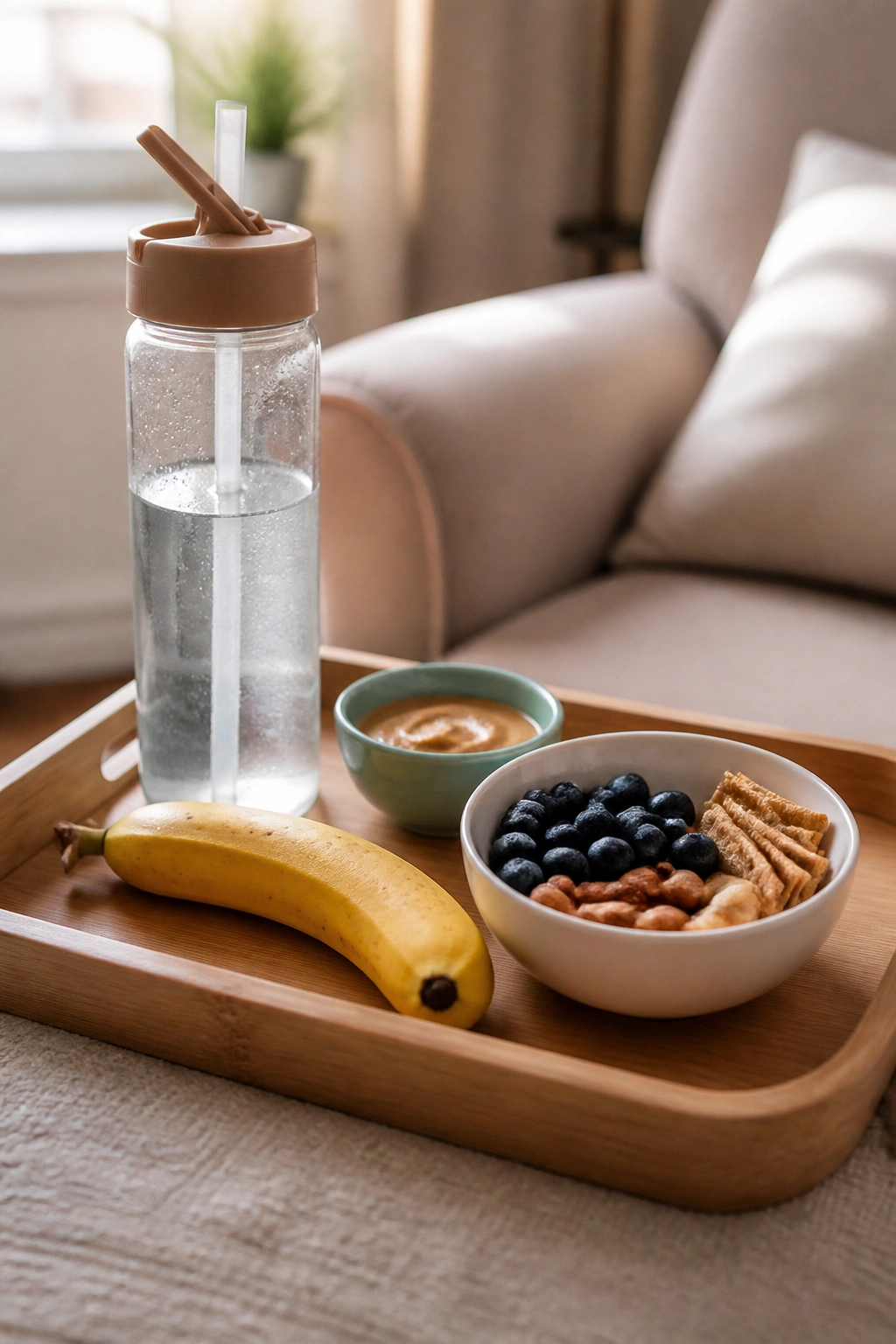
Why does thirst hit so hard after birth? Because your body is juggling recovery, blood loss, sweat, and maybe milk production, all while you’re barely sitting still.
A water bottle in another room is useless. Put one beside the bed, one by the chair, and one wherever you feed the baby most often. Add snacks that are easy to eat with one hand and do not turn into a mess if you forget them for ten minutes.
What to Stock on the Tray
- A large reusable water bottle with a straw.
- Crackers, toast, or rice cakes for quick carbs.
- Cheese sticks, yogurt, or hard-boiled eggs for protein.
- Nuts, trail mix, or nut butter packets.
- Fruit that does not need much prep, like bananas or grapes.
- Oat bars or other high-fiber snacks if constipation is creeping in.
The best postpartum snack is the one you’ll actually eat at 3 a.m. when you’re half-awake and the baby is fussing. Fancy food sounds nice on paper. Real life calls for foods you can unwrap, eat, and forget about for a few minutes.
Keep a backup stash near your nursing or pumping spot. A hungry parent gets irritable fast, and nobody needs that extra layer of misery.
4. Take Pain Medicine on a Schedule You Can Trust
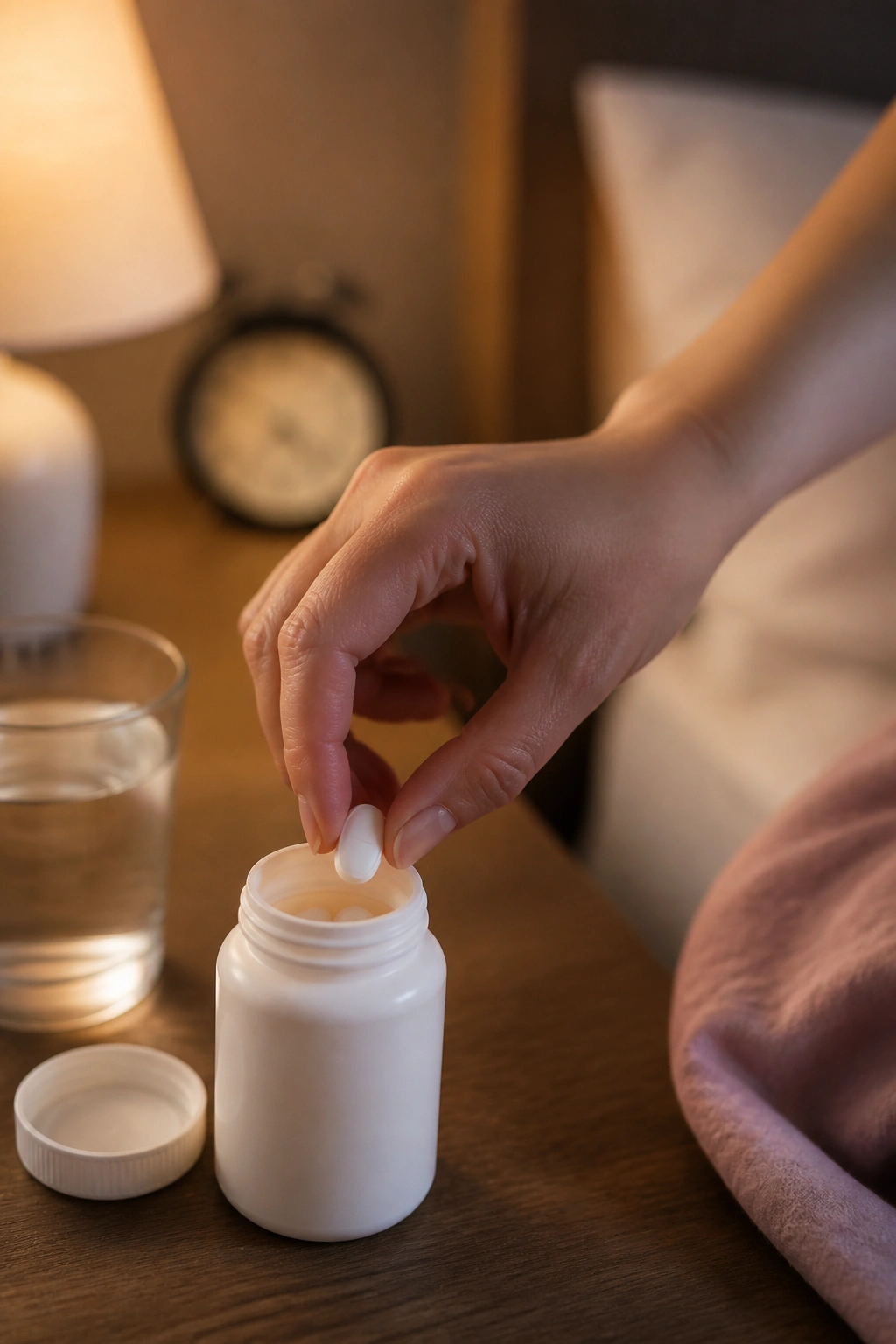
Waiting until pain is loud is a bad plan.
If your clinician sent you home with a pain plan, follow it before discomfort spikes. That might mean taking approved medicine on a schedule for a few days instead of trying to “tough it out.” Once the pain is high, it’s harder to settle, harder to sleep, and harder to move in a way that helps you heal.
Ice packs can help with swelling after a vaginal birth. A warm pack on the shoulders or upper back can ease the weird tension that comes from hunching over a baby all day. For a C-section, gentle bracing with a pillow when you get up or cough can make the incision feel less angry.
Do not mix medicines or change doses on your own if you have been told to avoid certain drugs, or if you have blood pressure issues, ulcers, kidney concerns, or a specific surgical plan. Follow the discharge sheet, not the random advice of whoever is being loud in a group chat.
Pain control is not a luxury. It’s part of recovery, and it often helps you move, breathe, and rest enough to heal properly.
5. Treat Your First Bowel Movements Like Part of Recovery

No, you do not need to muscle through it.
A lot of people are scared of the first poop after birth because it can feel like everything down there is fragile. Add iron supplements, pain medicine, dehydration, and maybe a few tears or stitches, and constipation turns into a very real problem. The fix is usually less dramatic than the fear.
What Usually Helps
- Ask whether a stool softener is appropriate for you.
- Drink enough water to keep your urine pale yellow.
- Eat fiber from oats, fruit, beans, vegetables, or chia.
- Put your feet on a small stool so your knees are above your hips.
- Exhale instead of holding your breath when you go.
If you feel like you’re straining, stop and reset. Straining is not brave. It just makes the pelvic floor and incision area work harder than they need to.
A little trick that helps more than people expect: go when the urge shows up, not an hour later when you’re juggling baby clothes and a phone call. Delaying only makes the stool harder and the whole experience worse.
If several days pass without a bowel movement, or you’re in sharp pain, ask your care team what they want you to do.
6. Walk the Hallway, Not a Marathon

Short walks help with circulation, gas, stiffness, and the weird fog that comes from being inside too long.
A good postpartum walk is tiny. It might be a lap around the living room, a slow trip to the mailbox, or ten minutes down the hall and back. That’s enough. The point is to wake the body up, not test it.
A Good Walk Ends Before You Feel Done
You want to stop while you still feel steady. If your bleeding gets heavier afterward, your incision pulls, or you feel dizzy, the walk was too much. Back off and try less next time.
That applies even if you’re the type who normally loves exercise. This is not the week to prove anything. Your body already did the big work.
A few gentle walks during the day can also help your mood, which is no small thing when sleep is chopped into pieces. Keep shoes near the door, no-fuss. If getting dressed for a walk turns into a project, it stops being useful.
The best rule is blunt: move a little, then quit early. That rhythm usually serves recovery better than pushing through discomfort because you think you should do more.
7. Breathe for Your Pelvic Floor Before You Chase Kegels

Strong doesn’t come first. Relaxed comes first.
A lot of people hear “pelvic floor” and think Kegels, but that’s too simple. After birth, some bodies need strengthening, sure. Others need release, coordination, and a chance to stop clenching every time they stand up or pick up the baby. Breathing is where that starts.
Try This Three-Minute Reset
Lie down or sit supported. Inhale through your nose and let your ribs widen. Exhale slowly and notice your belly soften. Imagine the pelvic floor dropping on the inhale and gently lifting on the exhale, without squeezing hard.
That tiny motion can tell you a lot. If the area feels tight, burning, or guarded, hammering it with endless Kegels may be the wrong move. If leaking shows up when you cough or sneeze, you may need different work altogether.
A pelvic floor physical therapist can be a lifesaver here. Not because everything is broken, but because postpartum bodies are complicated. Tight, weak, sore, and numb can all show up in the same body at the same time.
Breathing is not flashy. It is, however, one of the cleanest ways to remind your core and pelvic floor that they don’t need to brace for war all day.
8. Sleep in Shifts and Let Other People Hold the Night

Three straight hours can feel luxurious.
That is not a joke. When you’re waking up every couple of hours, a shift system can change the whole mood of the house. One adult handles the baby while the other gets a solid block of sleep, then you swap. Even a few nights of that can make you feel more human, and a more human parent usually recovers better.
You may need earplugs, a dark room, a different bed, or a very clear rule that the sleeping person is not to be bothered unless the house is on fire. That sounds severe until you’ve lived through a night of half-sleep and endless “just one more thing.”
If you’re alone, the same idea still helps. Pick one protected rest window and guard it. That might mean napping while the baby naps, even if the sink is full. The sink can wait. Your nervous system is the part that gets expensive to ignore.
A few hours of real sleep won’t erase postpartum chaos. It does make the chaos easier to carry.
9. Wash, Rinse, and Change the Small Things Often
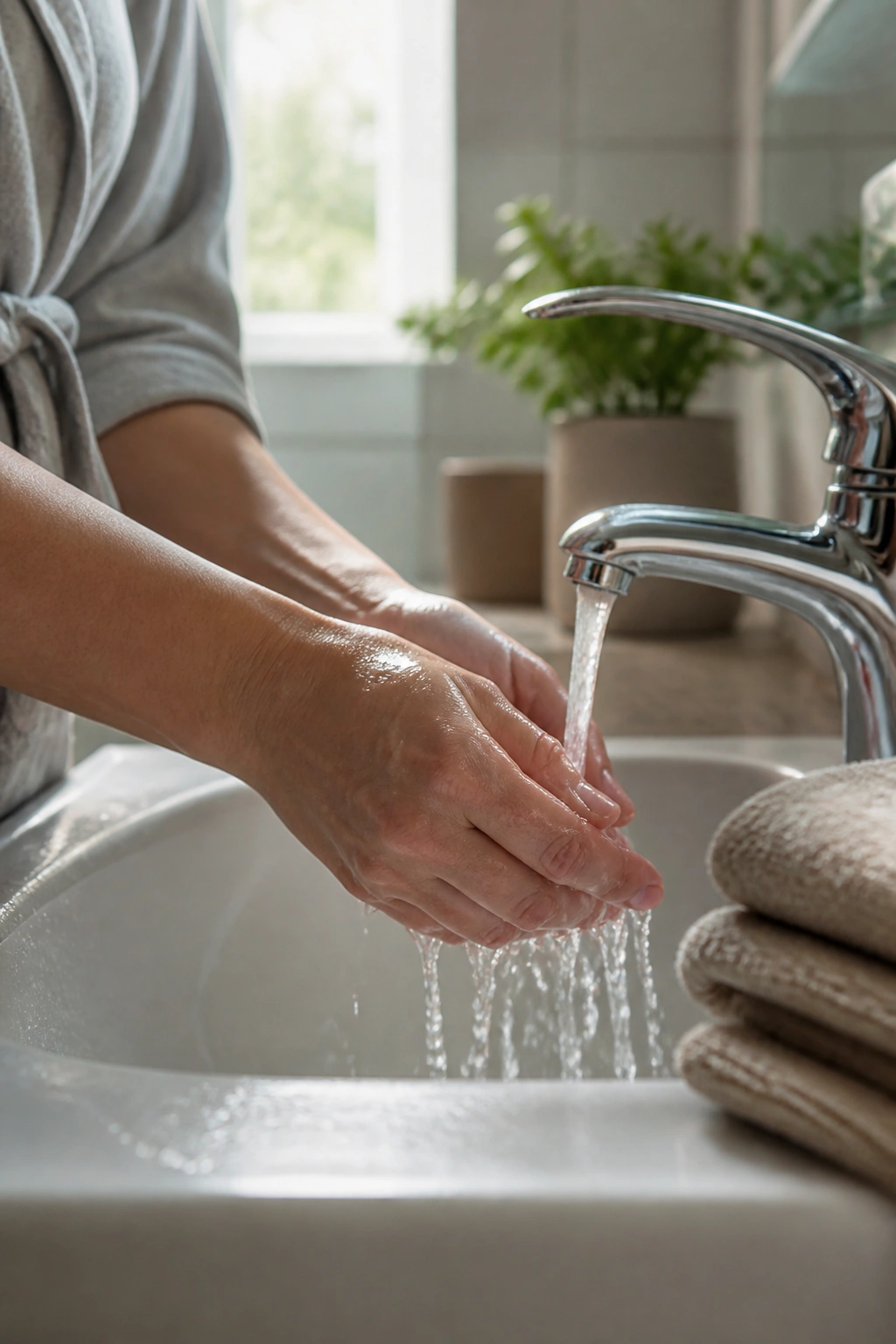
Clean does not mean scrubbed raw.
The body after birth can be sweaty, leaky, and tender all at once, so the goal is simple hygiene without irritating already-sensitive tissue. Wash your hands before touching the baby, change pads when they’re wet, rinse after bathroom trips if that helps, and pat dry instead of rubbing.
If you had stitches or an incision, follow the cleaning instructions exactly as they were given. Don’t guess. Don’t improvise with harsh soap because it feels “extra clean.” Fragrance-free, gentle basics usually win.
- Change pads before they feel soaked.
- Keep a clean towel just for this job.
- Use plain water or approved rinsing tools.
- Wash pump parts, bottles, or nipples as directed.
A daily shower can help if it feels doable, but a full spa routine is not the assignment here. A quick rinse, fresh clothes, and clean underwear are enough on hard days.
The little hygiene jobs matter because they keep discomfort from snowballing into irritation, odor, or skin trouble. Postpartum care routines work best when they prevent a problem before it starts.
10. Learn the Difference Between Normal Bleeding and a Warning Sign

Bleeding after birth is expected. Soaking through a pad every hour is not.
The bleeding, called lochia, usually changes over time. It often starts red, then shifts toward pink or brown, then gets lighter and more watery. A little increase after activity can happen, especially if you’ve been standing too long or lifting too much. That part isn’t shocking.
What you do want to watch is a sudden jump in heaviness, large clots, a foul smell, dizziness, or bleeding that soaks through a pad quickly. Heavy bright-red bleeding, chest pain, fever, or faintness need prompt medical attention. Do not brush those off because you’re tired.
Keeping a small pad count in your head is useful. If you’re changing them far more often than yesterday, that’s a clue. If the flow had lightened and then gets heavier again, call.
Bleeding checks may feel grim, but they’re one of the clearest ways to know whether recovery is moving in the right direction. A five-second glance can save you from ignoring a real problem.
11. Build Meals Around Protein, Iron, and Fiber
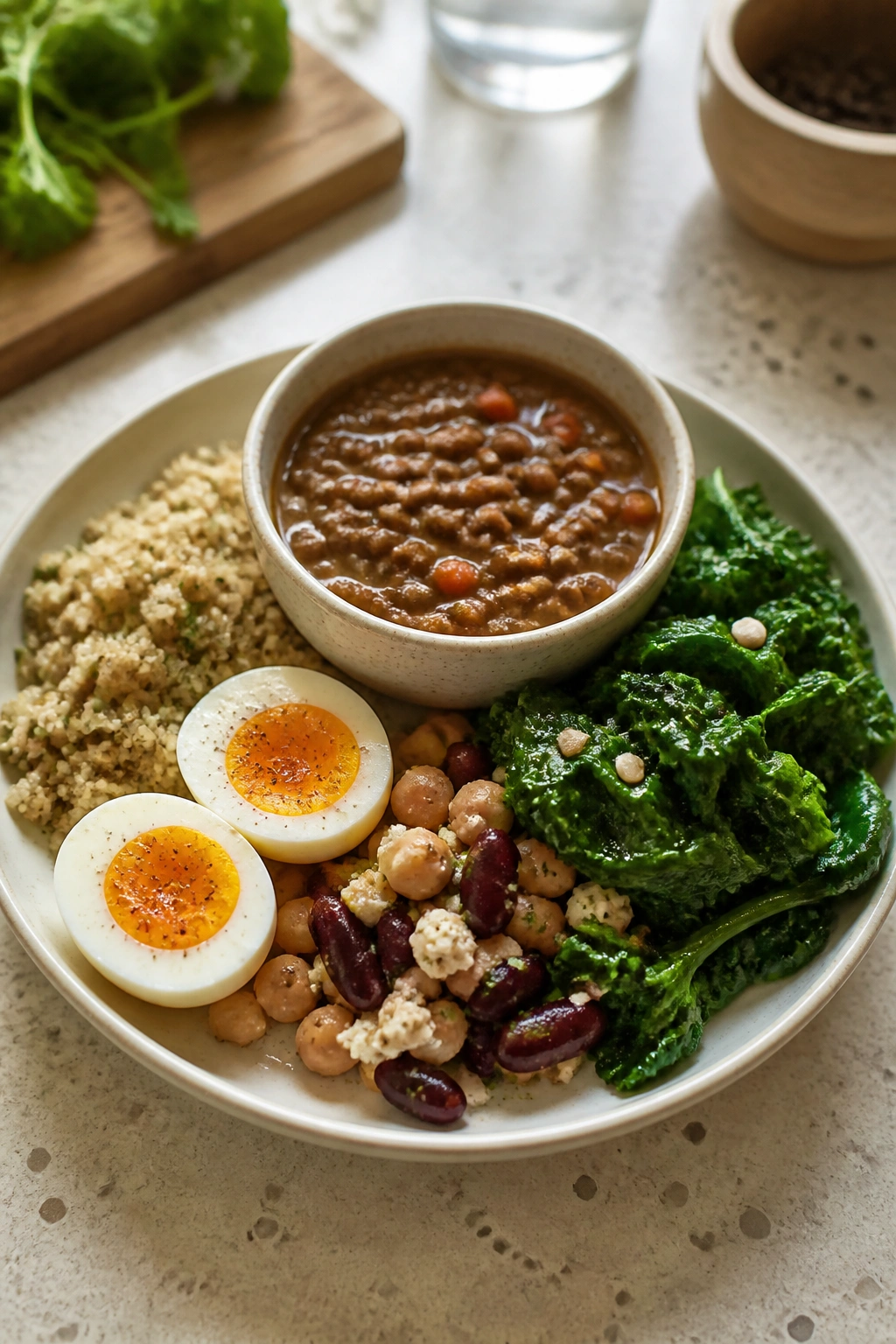
Food after birth is not about perfect eating. It’s about repair.
Your body has tissue to heal, blood to replace, and maybe milk to make. That means protein matters, iron matters, and fiber matters more than people expect. A plate built from random crackers and coffee won’t carry you very far.
Meal Ideas That Require Almost No Thinking
- Scrambled eggs with toast and fruit.
- Greek yogurt with oats, berries, and nut butter.
- Lentil soup with bread and a piece of cheese.
- Rotisserie chicken with rice and roasted vegetables.
- Oatmeal cooked with milk and topped with nuts and banana.
If you eat meat, iron-rich foods like beef, dark poultry, or sardines can help. If you don’t, beans, lentils, tofu, spinach, and fortified cereals can do a lot of the job. Pairing iron with vitamin C — think oranges, strawberries, tomatoes, or bell peppers — helps your body use it better.
I’m a fan of food that can be eaten one-handed, reheated fast, and not ruined if you get interrupted. That is the real test.
A decent meal doesn’t need to be pretty. It needs to keep you upright.
12. Accept Help for the Jobs That Eat Your Energy

Laundry is not a moral test.
That sentence should be taped to the fridge in a lot of houses. People often offer to help, then wait to be told something dramatic and baby-related. Hand them a boring job instead. Boring help is useful help.
If someone asks what they can do, give them one clear task: bring soup, fold towels, empty the trash, load the dishwasher, take the dog out, or sit with older kids while you lie down. “Let me know if you need anything” is a nice phrase and a terrible plan.
Make a Short Help List
- One person for food.
- One person for errands.
- One person for school pickups or rides.
- One person for cleaning or laundry.
You do not need to host visitors well, either. If a guest wants to hold the baby, fine. If you’d rather they clean the kitchen, say that. Most people are relieved to have a job that actually matters.
Recovery gets easier when you stop treating every task as yours alone. Some of the most healing postpartum care routines are really support routines in disguise.
13. Check Your Mood Like You Check Your Bleeding

Are you crying for no clear reason, snapping at everyone, or feeling strangely numb? Don’t wave it off.
A daily mood check can be as simple as asking yourself two questions at the same time each day: Am I sleeping at all? and Do I feel like myself? If the answer is no for more than a passing moment, pay attention. The baby blues can pass on their own, but persistent sadness, panic, rage, dread, or intrusive thoughts need support.
Signs That Deserve a Call
- You feel hopeless or empty most of the day.
- Panic keeps showing up.
- You can’t sleep even when the baby sleeps.
- Scary thoughts keep returning.
- You don’t feel safe being alone with your thoughts.
If you ever think about hurting yourself or the baby, get urgent help right away. That is not a moment for toughness. It is a moment for outside support, fast.
Mood care belongs in postpartum routines because mental health and physical healing are tied together. Sleep loss, pain, hormone shifts, and stress can all pile on the same nervous system. Checking in early is wiser than waiting until you’re in the weeds.
14. Make Feeding Sessions Easier on Your Shoulders, Back, and Nipples

A bad feeding setup can ruin a perfectly ordinary afternoon.
Whether you’re breastfeeding, pumping, bottle-feeding, or doing some mix of all three, your body shouldn’t have to fight the chair. Bring the baby up to you, not the other way around. Support your elbows. Put your feet flat or on a small stool. Tiny changes can save your neck.
Small Fixes That Matter
- Use a pillow to raise the baby to breast height.
- Keep water and snacks within reach.
- Loosen your grip on the shoulders and jaw.
- If pumping, check flange fit and suction level.
- If nipples are sore, ask about latch support or nipple-safe care.
A lot of discomfort comes from setup, not from “bad luck.” A pump that’s the wrong size can chew up your nipples. A latch that’s shallow can make every feed feel sharp. A chair that forces you to hunch can make your back feel older than it is.
If feeding is painful, don’t just push through and hope. That’s one of those places where help pays off quickly. A lactation consultant or clinician can fix things that feel impossible when you’re staring at them alone.
15. Dress for Comfort Before You Dress for Looks

Your body is swollen, tender, leaky, and not interested in being pinched by a waistband.
That’s normal. The clothes that win after birth are the ones that do not rub, squeeze, or require a wrestling match to get off when you need the bathroom. Soft high-waisted underwear, loose pants, stretchy dresses, and bras that actually fit the shape you have now tend to be the stars here.
- Choose underwear that clears the incision or padding.
- Keep one easy nursing bra near the bed.
- Use slip-on shoes if bending feels rough.
- Avoid stiff waistbands that hit sore spots.
Compression garments can feel supportive for some people, but only if they’re comfortable and your clinician says they’re fine. Too-tight gear can make swelling, incision pain, or pelvic pressure worse. If something leaves a deep mark after a few minutes, it’s too much.
A small “leave the house” outfit helps too. Not because you need to go anywhere, but because decision fatigue is real. When the brain is tired, simple clothes are a kindness.
16. Return to Exercise in Layers, Not Leaps

A postpartum walk is not the same thing as a workout plan.
That’s the part people skip over when they’re eager to feel like themselves again. The body may look ready from the outside while the core, pelvic floor, joints, or incision are still saying no. A sensible return to exercise starts with walking, breathing, and basic mobility — not crunches, jumping, or heavy lifting.
A Sensible Sequence
- Start with breathing and gentle posture work.
- Add short walks that leave you feeling fine afterward.
- Try light mobility, like shoulder rolls and hip circles.
- Move to basic strength only when the body is quiet.
- Save impact, sprints, and heavy loading for much later.
Watch for clues that you’re doing too much. Leaking, heaviness, doming across the abdomen, sharper bleeding, or pain that lasts into the next day usually means you moved ahead too fast. That is not failure. It’s feedback.
I like the rule that says your effort should feel like work in the muscles, not stress in the joints or pelvic floor. That line is useful because it keeps you honest. If a movement leaves you shaky, breathless, and sore in the wrong places, it doesn’t belong yet.
Recovery and training are not enemies. They just need to happen in the right order.
17. Keep a Running Note of Questions, Symptoms, and Wins

At 2 a.m., your brain will abandon you.
That’s why a notes app or small notebook beside the bed can save a lot of confusion later. Write down symptoms, meds, bleeding changes, feeding issues, headaches, mood shifts, and anything that feels off. Then you don’t have to remember it while holding a baby with your shirt half on.
A list also helps you spot patterns. If the same headache keeps returning, or the incision looks red in the same place, you’ll have details instead of a vague “something seems weird.” Clinicians can work with details. “It hurts” is useful; “it hurts more when I stand after feeding, and it started three days ago” is better.
What to Track
- Time and amount of pain medicine taken.
- Bleeding changes and clot size.
- Bowel movements.
- Feeding issues or nipple pain.
- Sleep stretches and mood swings.
- Any fever, chills, headaches, or incision changes.
I also like to jot down one or two wins. First shower. First walk. First time the baby latched without tears. Those notes matter more than they sound like they should, especially on days when recovery feels slow.
18. End the Day by Setting Up the Next One
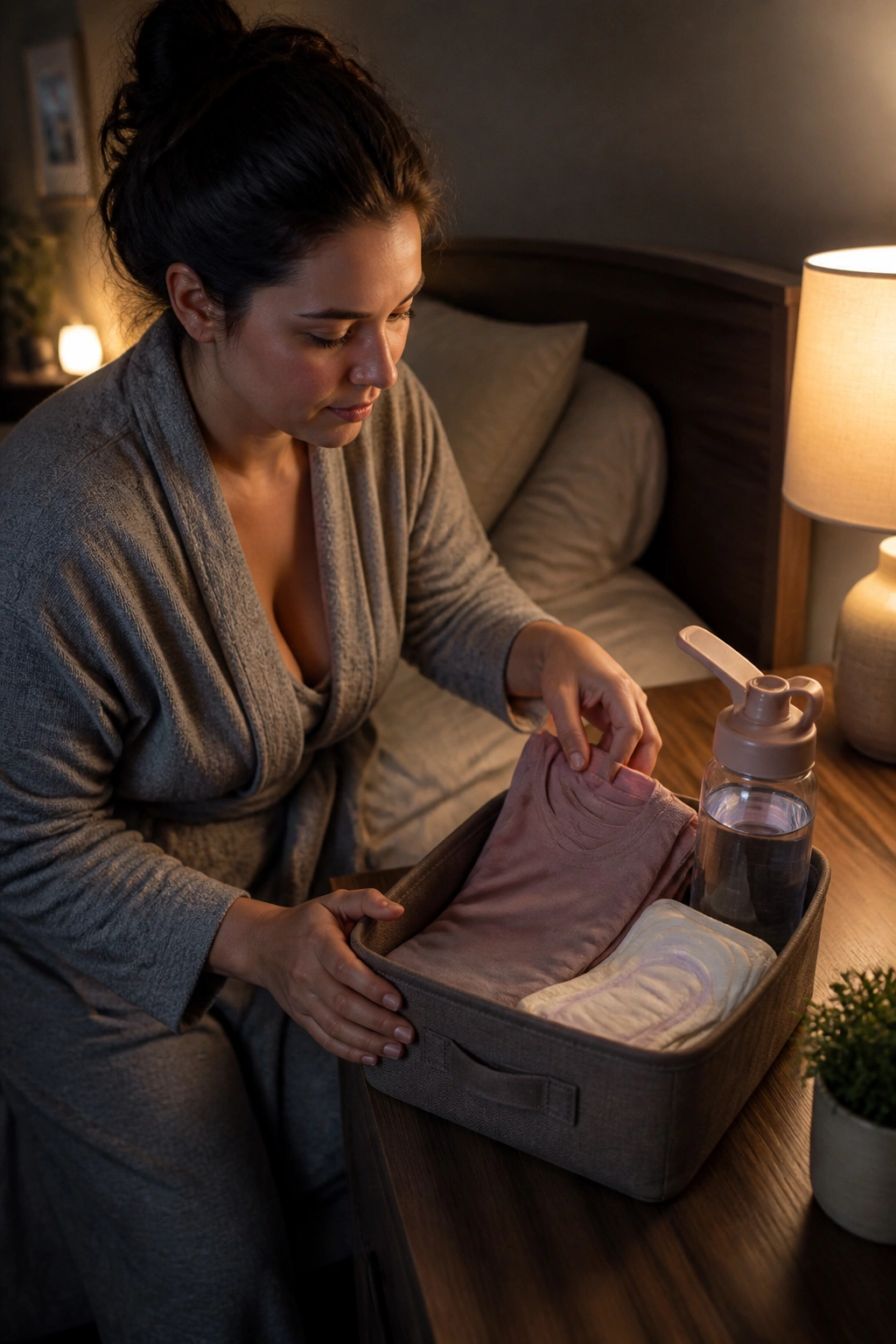
The easiest morning routine starts the night before.
Before bed, fill the water bottle, restock pads, set out a clean shirt, and put snacks somewhere you can reach without waking the whole house. Charge the phone. Put the burp cloth where you usually need it. That little setup takes maybe five minutes and saves you from fumbling through the dark when the baby wakes hungry and your brain is half offline.
The same idea works for any part of postpartum recovery. If you know the next dose of approved medicine is due in the morning, set a reminder. If feeding is always a scramble, line up the pillow and wipes ahead of time. If getting to the bathroom is awkward, make sure the path is clear and the night light works.
One tiny habit can change the feel of the whole night.
Healing after birth is made of ordinary repeats: rinse, restock, eat, breathe, sleep when you can, and ask for help without dressing it up. The routines are small because the body is doing something huge. Treat it that way, and the day usually gets a little easier to carry.
