



The sensation of true core engagement is difficult to describe until you have actually felt it. It is not about sucking your stomach in; it is about finding that deep, internal corset of muscle—the transverse abdominis—and holding it firm while your limbs move independently. For women, Pilates offers more than just a toned waistline. It provides a blueprint for how to move your body through space with intentionality, resilience, and strength. Whether you are recovering from an injury, trying to manage stress, or simply looking to build functional power that translates to real-world movement, there is a specific sequence to help you get there.
The beauty of this method lies in its adaptability. You can practice it in a luxury studio with a reformer, or you can find the same level of intensity on a mat in your living room with nothing more than a towel. When you stop viewing Pilates as a static “stretching” workout and start seeing it as a system of controlled, resisted movement, the results shift from superficial to foundational.
There is a significant difference between a generic exercise class and a program designed with specific anatomical goals in mind. A high-intensity circuit is rarely the right answer when your nervous system is fried, just as a gentle restorative flow might not give you the muscular fatigue you crave after a long week. The following list of twenty plans is designed to meet you wherever you are, prioritizing form, mechanics, and actual physical outcomes over trends or buzzwords.
1. The Core-Focus Mat Routine
This is the bedrock of the entire practice. You do not need anything except a bit of floor space and enough focus to isolate muscles you likely ignore during high-impact training. The goal here is “centering”—the idea that every movement starts from the deep muscles of the torso before traveling to your arms and legs.
The Mechanism of Stability
When you perform exercises like the Hundred or the Double Leg Stretch, you are training your body to maintain a neutral spine under load. If your lower back arches off the mat, you have lost the engagement. You are no longer working your abs; you are stressing your lumbar spine.
- The Hundred: 10 cycles of breathing (inhale for 5 counts, exhale for 5 counts).
- Single Leg Stretch: 10 repetitions per side, focusing on keeping the torso completely still.
- Double Leg Stretch: 10 repetitions, reaching arms and legs away from the center while keeping the ribs anchored.
- Criss-Cross: 10 repetitions, focusing on the rotation of the ribcage, not the pulling of the neck.
Pro tip: Imagine you are trying to squeeze a marble between your navel and your spine. If you can maintain that tension without holding your breath, your engagement is effective.
2. Low-Impact Prenatal Pilates
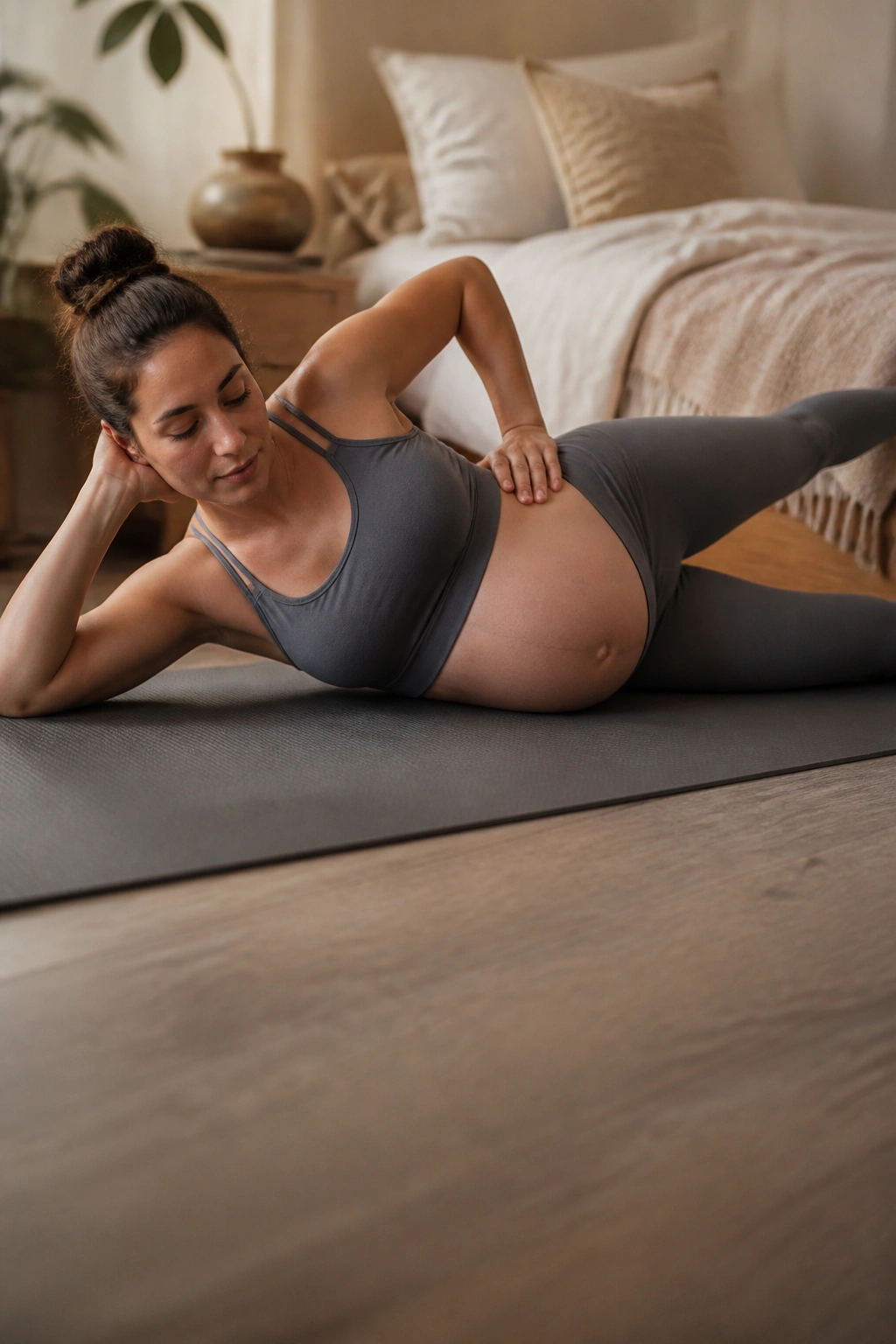
During pregnancy, your center of gravity shifts, and your ligaments loosen due to hormonal changes. This plan is designed to maintain core strength without putting undue pressure on the abdominal wall or the pelvic floor. The focus here is on breath work and maintaining postural integrity.
You should prioritize side-lying exercises to prevent supine hypotension—the discomfort that comes from lying flat on your back for too long. Focus on hip stability and glute strength, which will be essential for pelvic health as your pregnancy progresses.
- Pelvic Tilts: Gentle rocking of the hips to release lower back tension.
- Side-Lying Leg Lifts: Keeping the top hip stacked directly over the bottom hip to avoid rolling.
- Cat-Cow: Mobilizing the thoracic spine to combat the forward-slumping posture often associated with carrying extra weight in the front.
Always listen to your body. If a movement causes any pulling or discomfort in your abdominal wall, stop immediately. Your goal is maintenance and preparation, not pushing to failure.
3. The 15-Minute Morning Energizer
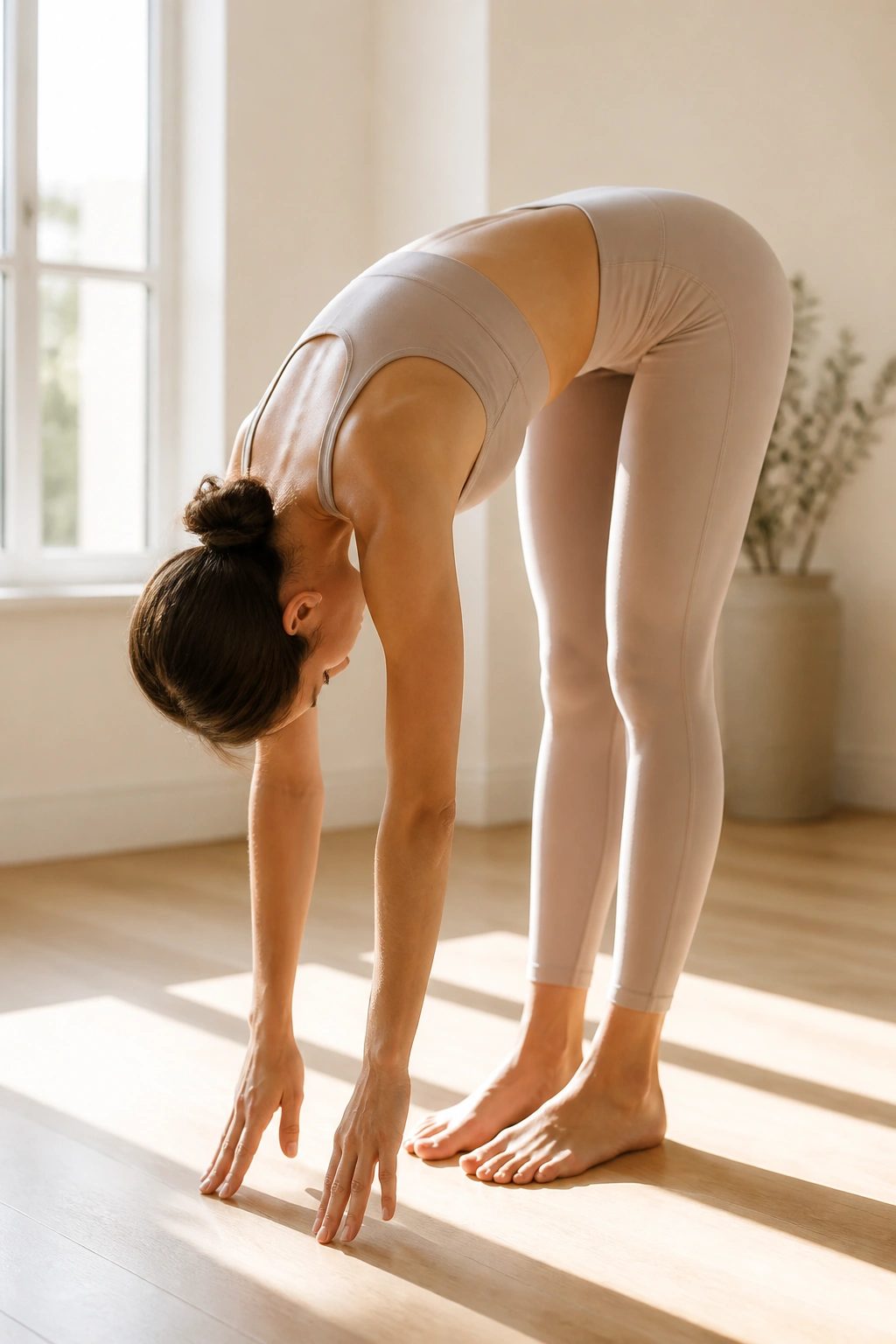
When you have limited time, you do not need to aim for exhaustion. You need to wake up your nervous system and mobilize your joints. This sequence acts like a cup of coffee for your muscles, getting the blood flowing and setting a tone of stability for the day ahead.
Start with seated breathing to reset your diaphragm, then move immediately into full-body movement. Do not stop to rest between exercises. Keep the pace steady and the movements fluid.
Flow Sequence
- Roll Downs: Standing tall, articulate your spine one vertebra at a time until your hands reach the floor.
- Plank to Pike: Move from a strong plank into a downward-facing V shape, stretching your calves and hamstrings.
- Bird-Dog: On your hands and knees, reach opposite arm and leg long to engage the stabilizers.
- Swimming: Lying on your stomach, flutter your arms and legs to wake up the posterior chain.
Why it works: By hitting the front, back, and sides of the body in under twenty minutes, you prime your metabolism and improve your posture before you even reach your desk.
4. Pilates for Posture and Spine Alignment
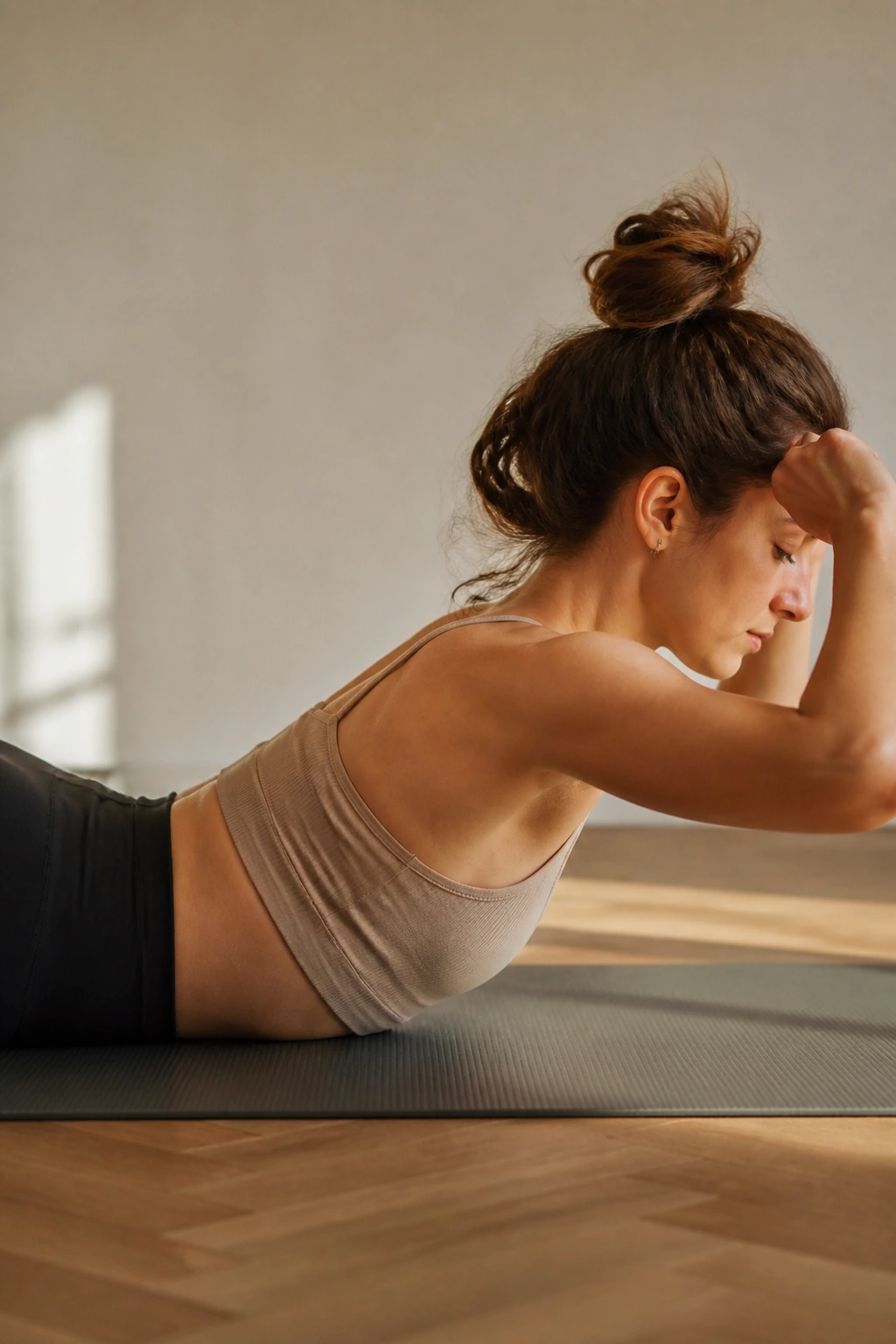
If you spend your day hunched over a keyboard or looking down at a phone, your chest muscles are likely tight, and your upper back muscles are weak. This plan targets the “tech neck” phenomenon by emphasizing scapular retraction and thoracic extension.
You need to actively fight the urge to slump. Think of your spine as a stack of blocks. If the middle blocks are misaligned, the whole tower feels the strain.
- Thoracic Extensions: Lying on your stomach with hands under your forehead, gently lift your chest using your mid-back muscles.
- Arm Circles: Keep your shoulders glued down, away from your ears, as you sweep your arms in large, controlled circles.
- Chest Openers: Use a doorway or a wall to gently stretch the pectorals while maintaining an engaged core.
Do not force the range of motion. It is better to move two inches with control than six inches by compromising your alignment.
5. Reformer-Style Floor Work
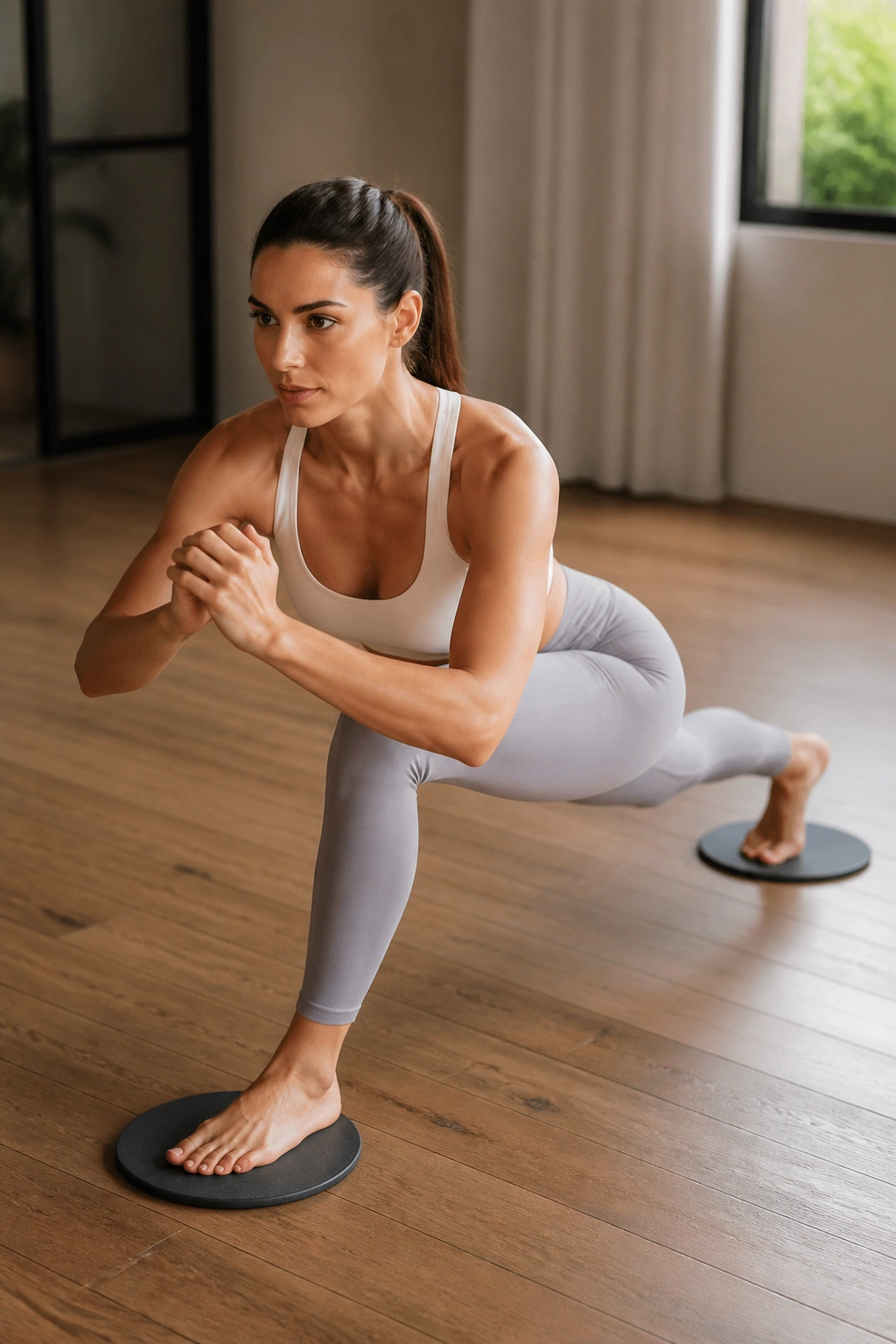
You do not need a three-thousand-dollar piece of equipment to get the benefits of reformer Pilates. You can simulate the resistance and the “slide” using a set of gliders or even a pair of fuzzy socks on a hardwood floor.
The primary difference between standard mat work and reformer-style work is the constant resistance against the muscles. By using sliders, you force your body to work during both the eccentric (lengthening) and concentric (shortening) phases of the movement.
- Sliding Lunges: Place one foot on a glider and slide it back while lowering into a deep lunge.
- Sliding Pikes: From a plank position, pull your feet toward your hands to engage the deep abdominals.
- Hamstring Curls: Lying on your back, slide your heels in toward your glutes to activate the back of the legs.
Warning: The sliders significantly increase the demand on your stability. Keep your movements slow and deliberate; if you lose control, you are moving too fast.
6. The Glute and Hamstring Sculptor
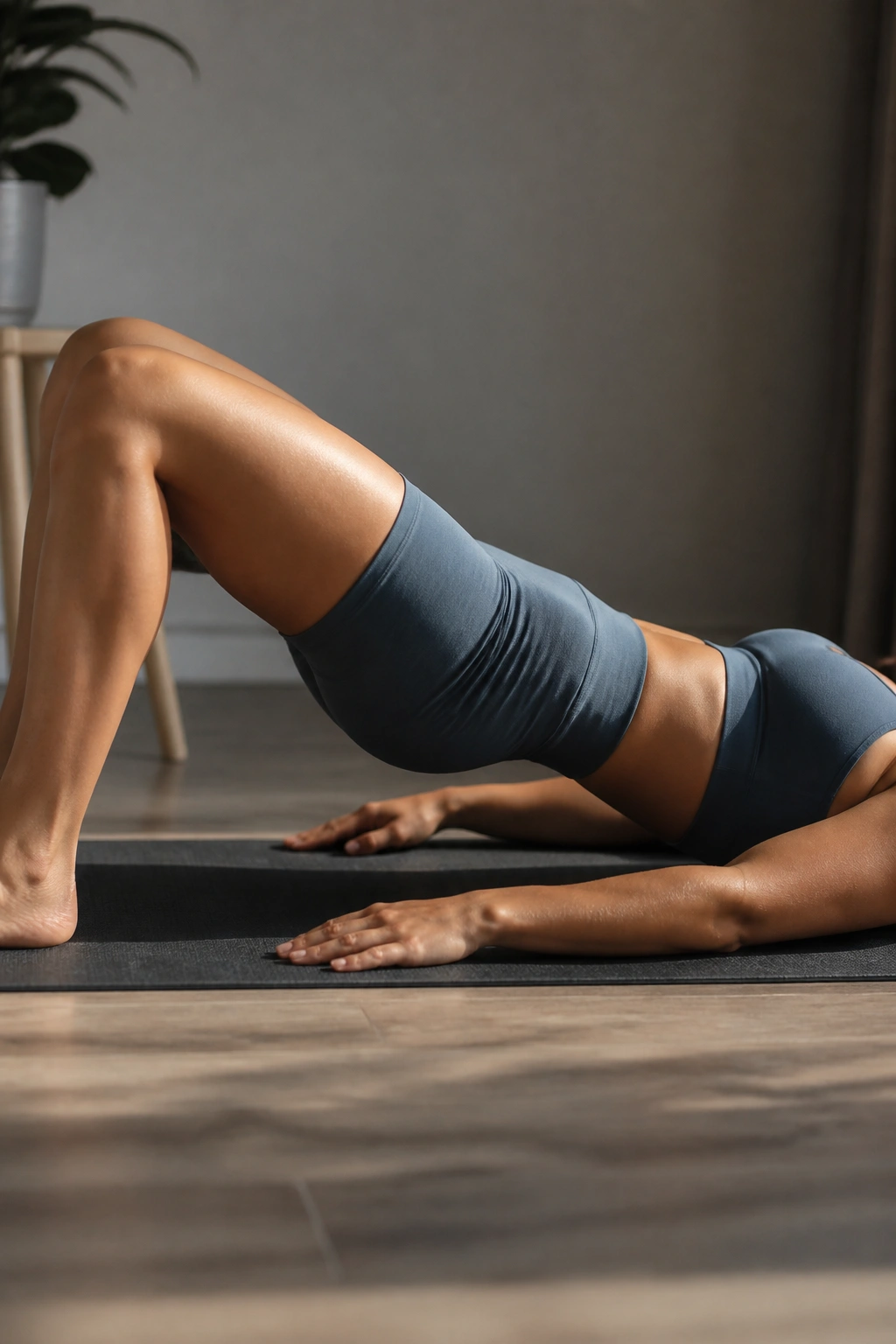
Glute strength is about more than aesthetics; it is essential for lower back health. When your glutes are weak, your lower back picks up the slack, often leading to chronic aches. This plan isolates the posterior chain through controlled, repetitive movements.
The key to glute activation is resisting momentum. Do not swing your leg. Squeeze your glute to initiate the lift, hold it for a heartbeat at the top, and lower with resistance.
- Bridge Variations: Start with feet flat, then advance to single-leg bridges.
- Clamshells: Lying on your side, knees bent, lift the top knee while keeping the heels together.
- Donkey Kicks: On hands and knees, press the sole of your foot toward the ceiling.
Focus on the mind-muscle connection. If you don’t feel the burn in your glutes, check your form. Often, simply adjusting the angle of your hip or the placement of your foot can change the entire activation pattern.
7. Pilates for Lower Back Relief
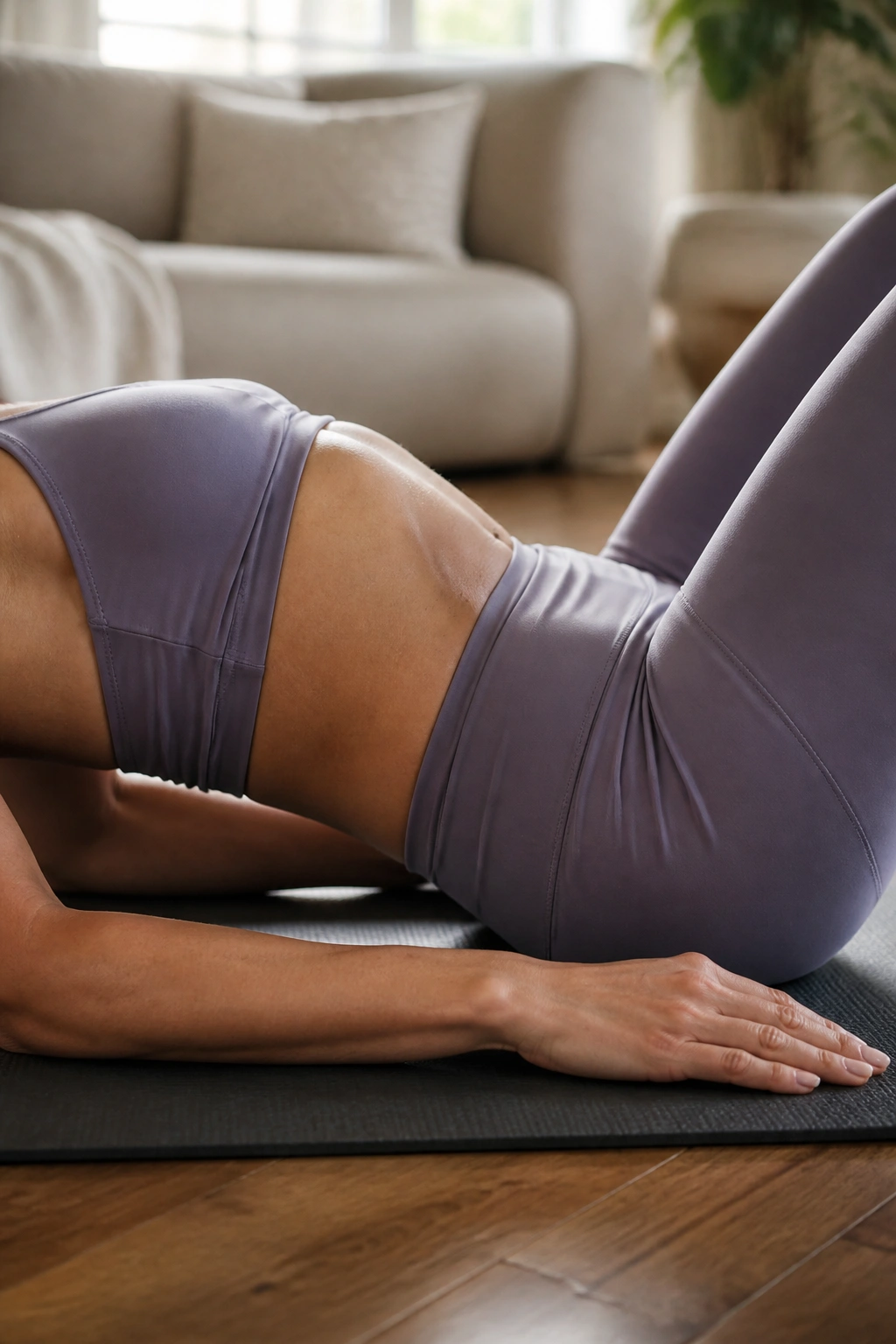
Lower back pain often stems from a lack of support from the surrounding musculature. This plan is restorative rather than taxing. It uses gentle mobilization and non-threatening core engagement to create space in the vertebrae.
If you are currently experiencing acute pain, please consult a professional before starting any exercise program. These movements are intended for maintenance and managing chronic stiffness.
Gentle Mobilization Sequence
- Cat-Cow: Spend at least two minutes here, moving slowly with your breath.
- Child’s Pose: Reach your hands forward to create space in the lats and lower back.
- Pelvic Tilts: Laying on your back, gently rock the pelvis back and forth, focusing on the release of tension in the lumbar region.
- Knee-to-Chest: Hug your knees gently, one at a time, to release tightness in the hips.
The Golden Rule: Never push into pain. If a movement feels “sharp,” you are doing too much. The goal is to feel a gentle stretch, not a defensive reaction from your muscles.
8. High-Intensity Pilates (HIIP)
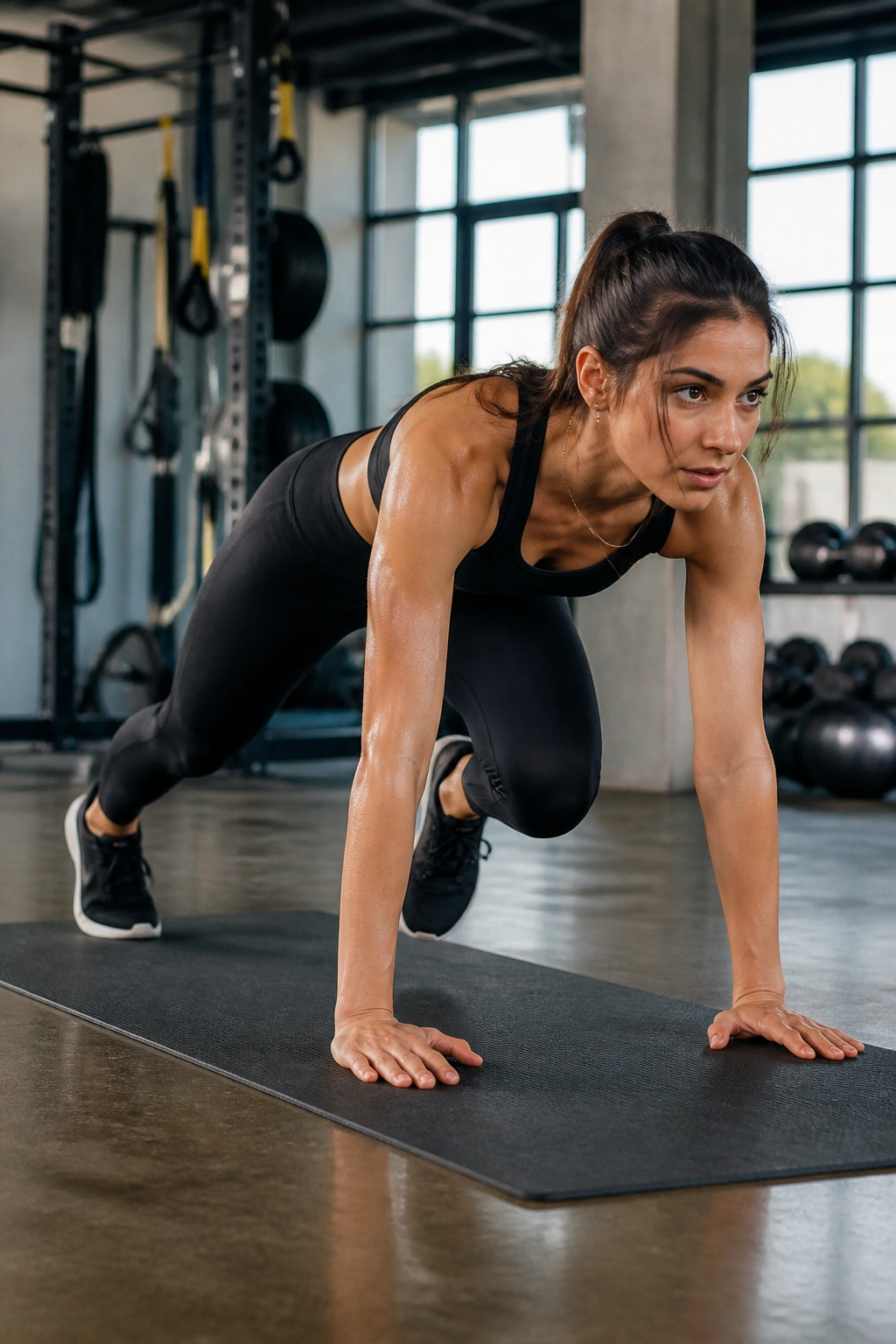
High-Intensity Pilates—or HIIP—borrows the interval timing of traditional HIIT workouts but applies it to controlled, low-impact Pilates movements. This is about elevating your heart rate while maintaining the integrity of the exercise.
The secret to HIIP is speed combined with precision. You want to maintain the technique of a slow Pilates move but execute it with enough pace to challenge your cardiovascular system.
- Mountain Climbers in a Plank: 30 seconds on, 15 seconds off.
- Jump Squats (or Squat-to-Toes): Explosive upward movement with controlled landing.
- Bicycle Crunches: Fast, controlled rotation of the torso.
Because this plan is taxing, keep the total duration under 30 minutes. The objective is to build endurance and burn calories without the joint-pounding impact of jumping on concrete.
9. Travel-Friendly No-Equipment Series
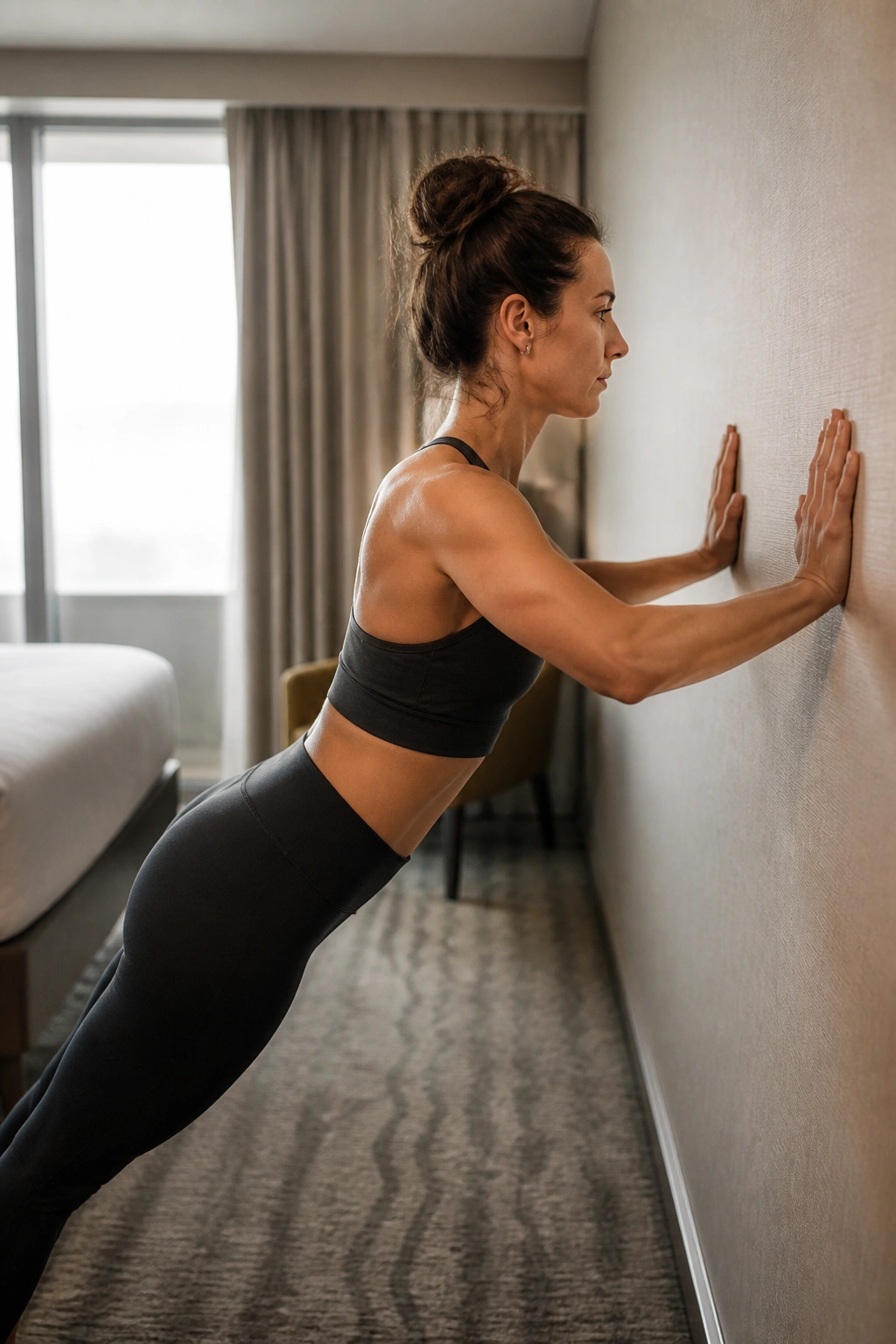
When you are in a hotel room or visiting family, you might not have access to props. This plan utilizes your body weight and the walls. The wall is an underrated Pilates prop; it provides a fixed, stable surface that allows you to focus purely on the muscular contraction.
You can get an incredibly challenging workout in just ten minutes using this method. Do not underestimate the power of simple leverage.
Wall-Supported Moves
- Wall Sit with Arm Pulses: Hold the sit and pump your arms as if pressing against springs.
- Wall-Supported Pushups: Stand further away from the wall to increase the angle.
- Wall-Supported Leg Circles: Lay on your back with feet against the wall, creating a solid anchor for your hip mobility work.
Pro tip: Use the wall to measure your progress. If you can sit lower or hold longer than you did the last time, you are building genuine strength.
10. The Senior-Friendly Mobility Flow
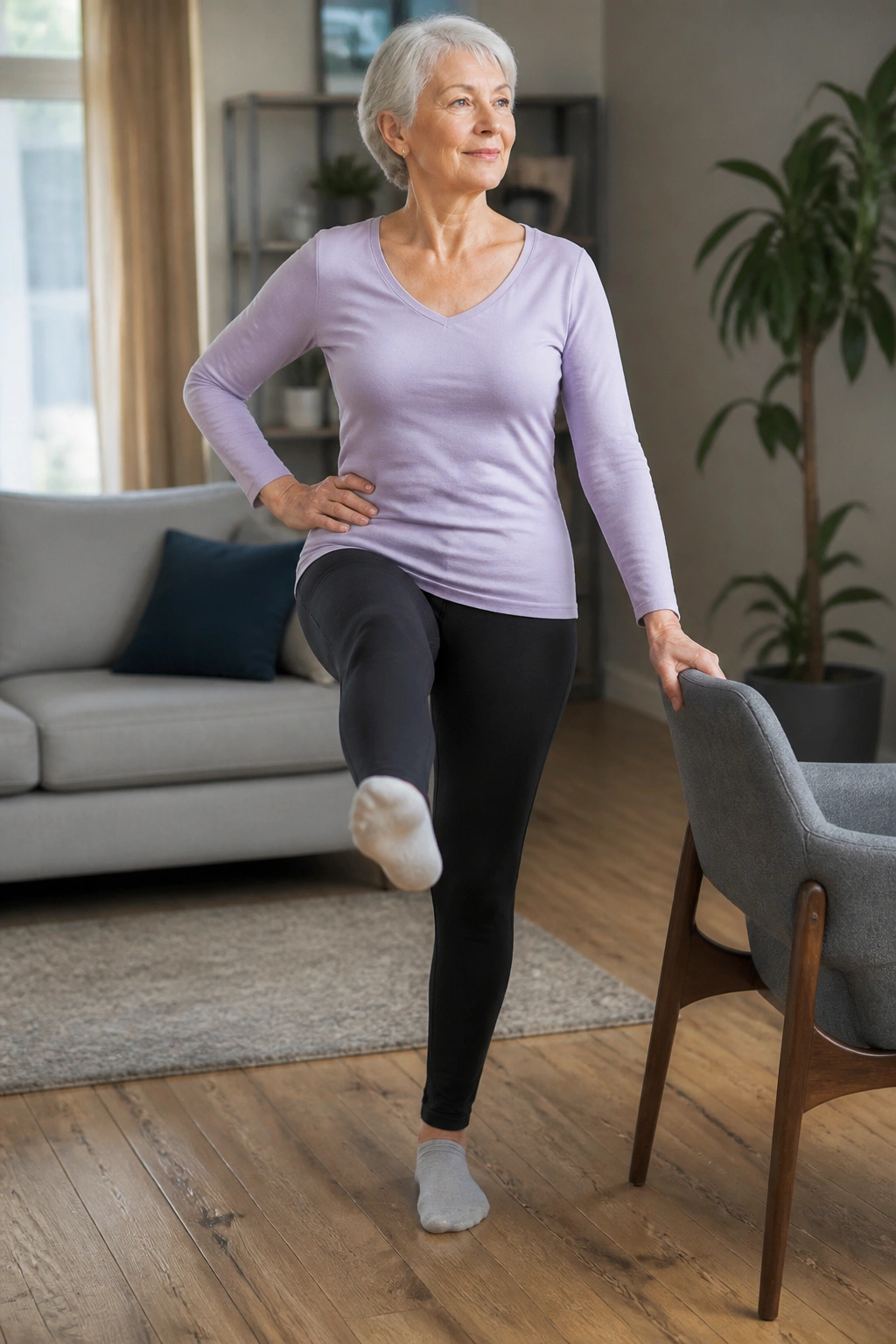
As we age, balance, bone density, and joint mobility become the priority. This plan moves away from floor work and emphasizes standing balance, seated stability, and gentle range-of-motion drills. It is excellent for anyone who prefers to stay off their knees.
Balance training is a massive part of this routine. By strengthening the stabilizers in your ankles and hips, you reduce the risk of injury in daily life.
- Seated Spine Twists: Keeps the spine supple without putting weight on the joints.
- Standing Leg Lifts: Use a chair for balance if needed, focusing on hip abduction.
- Ankle Circles and Flexing: Maintains foot health, which is essential for walking stability.
Why it matters: Movement is medicine. By consistently working your joints through their full range, you stave off the stiffness that typically accompanies inactivity.
11. Pelvic Floor Strengthening Plan
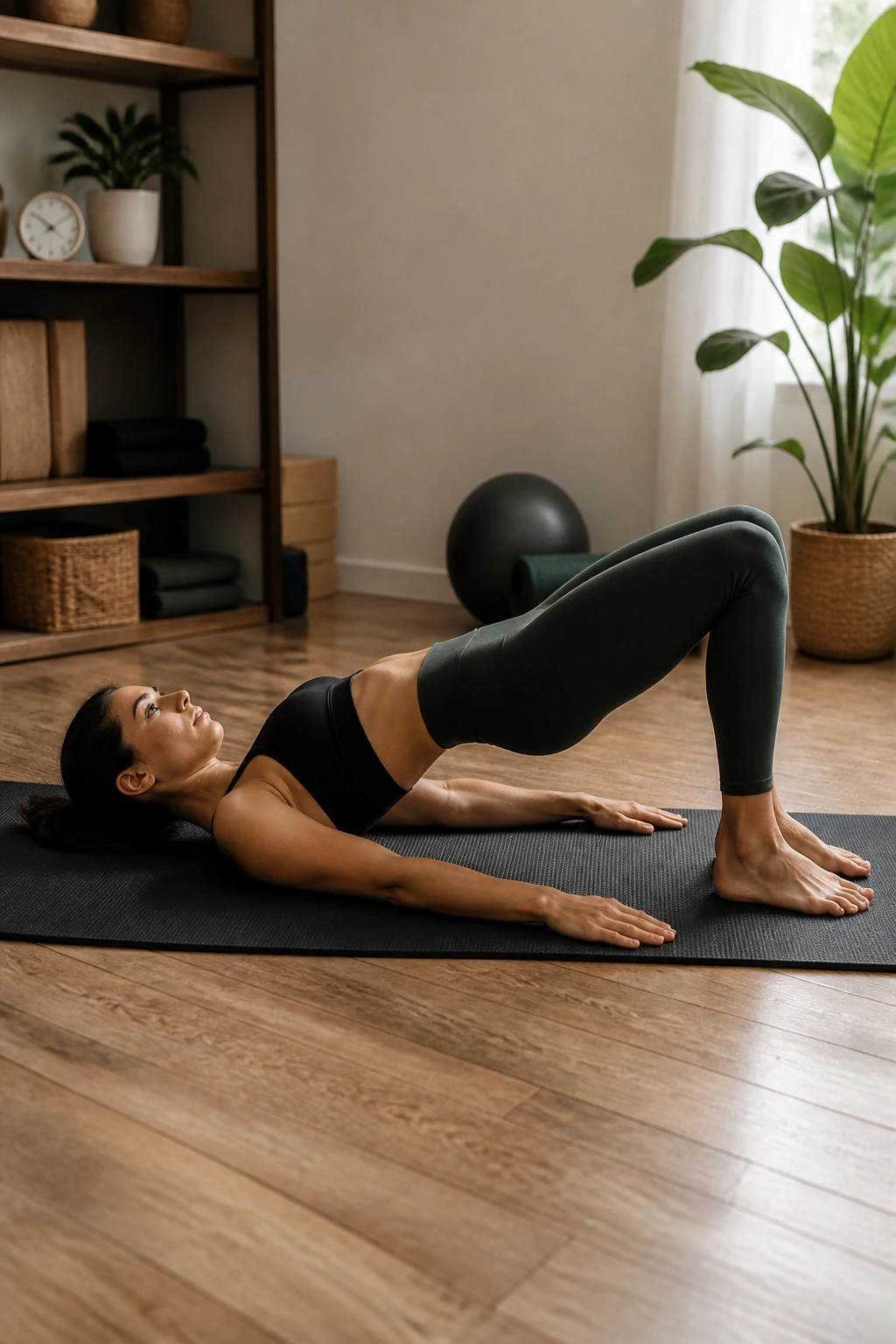
The pelvic floor is the bottom of your core “canister.” If it is weak or overly tight, you may experience back pain, hip issues, or incontinence. This plan is not about intensity; it is about precision and timing.
Many people struggle to find these muscles. Imagine you are trying to stop yourself from passing gas while also trying to stop the flow of urine. That subtle lift and squeeze is the activation point.
- Bridge with Kegel Engagement: Add a deliberate pelvic floor lift at the top of every bridge.
- Supine Marching: Keep the core engaged and the pelvic floor lifted while you slowly lift one leg at a time.
- Breath-Work Integration: Focus on exhaling as you engage, which helps connect the diaphragm to the pelvic floor.
Warning: Do not overdo the engagement. You are looking for a gentle, controlled recruitment, not a death grip.
12. Office-Worker Desk Decompression
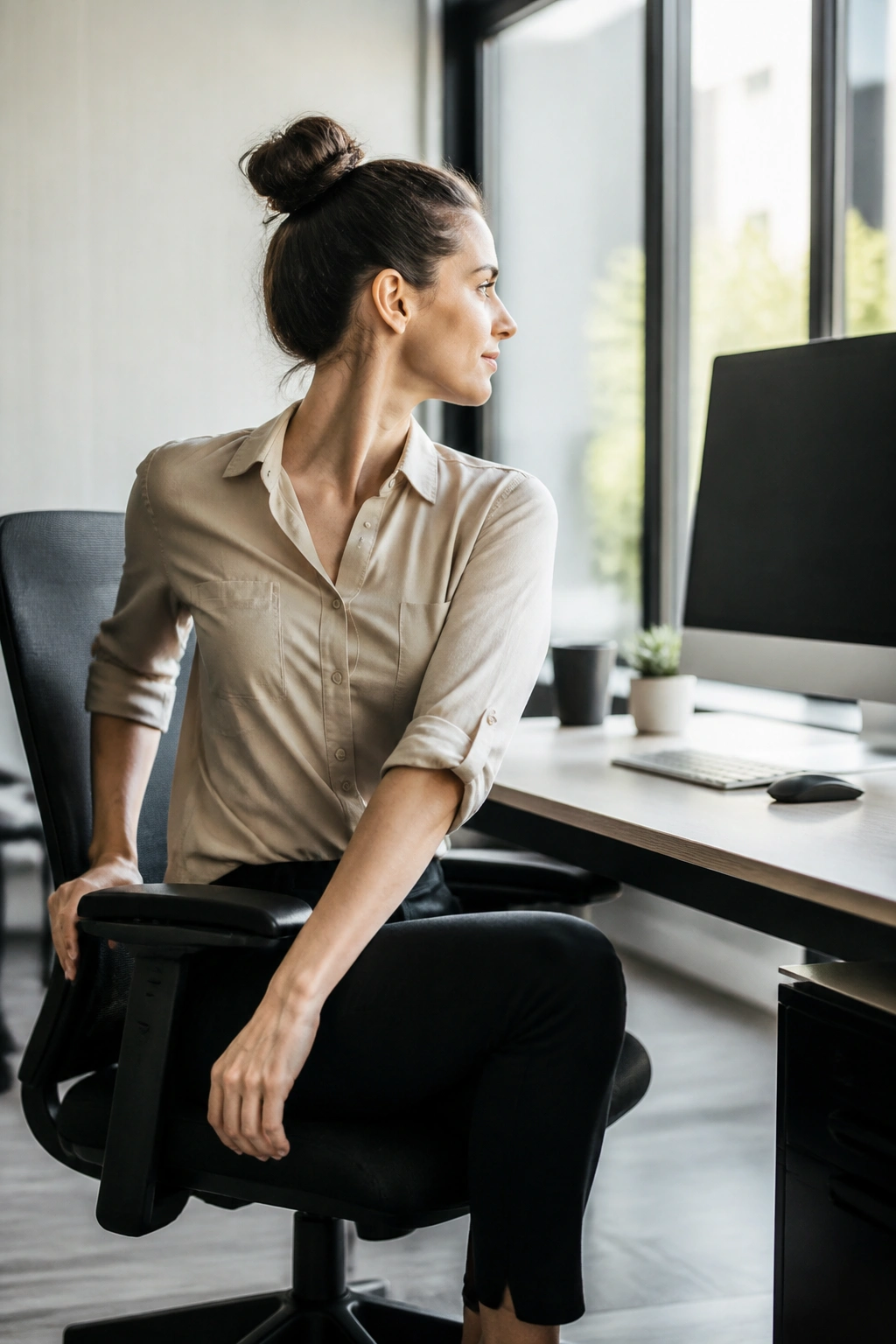
You do not have to leave your desk to do this. These movements are designed to be done in comfortable office attire. If you catch yourself slouching, use these as a circuit to “un-do” the hour of sitting you just endured.
The biggest issue with desk work is the hip flexors. They stay in a shortened position all day. This routine focuses on opening those lines of tension.
- Seated Cat-Cow: Use the back of your chair to support your spine as you move.
- Neck Releases: Slow, deliberate ear-to-shoulder stretches.
- Shoulder Rolls: Large circles to release tension in the traps.
- Seated Twists: Grasp the back of your chair and rotate, using your arm for leverage.
This is not a replacement for a full workout, but it is a massive tool for pain management and productivity.
13. The Full-Body Sculpt and Tone
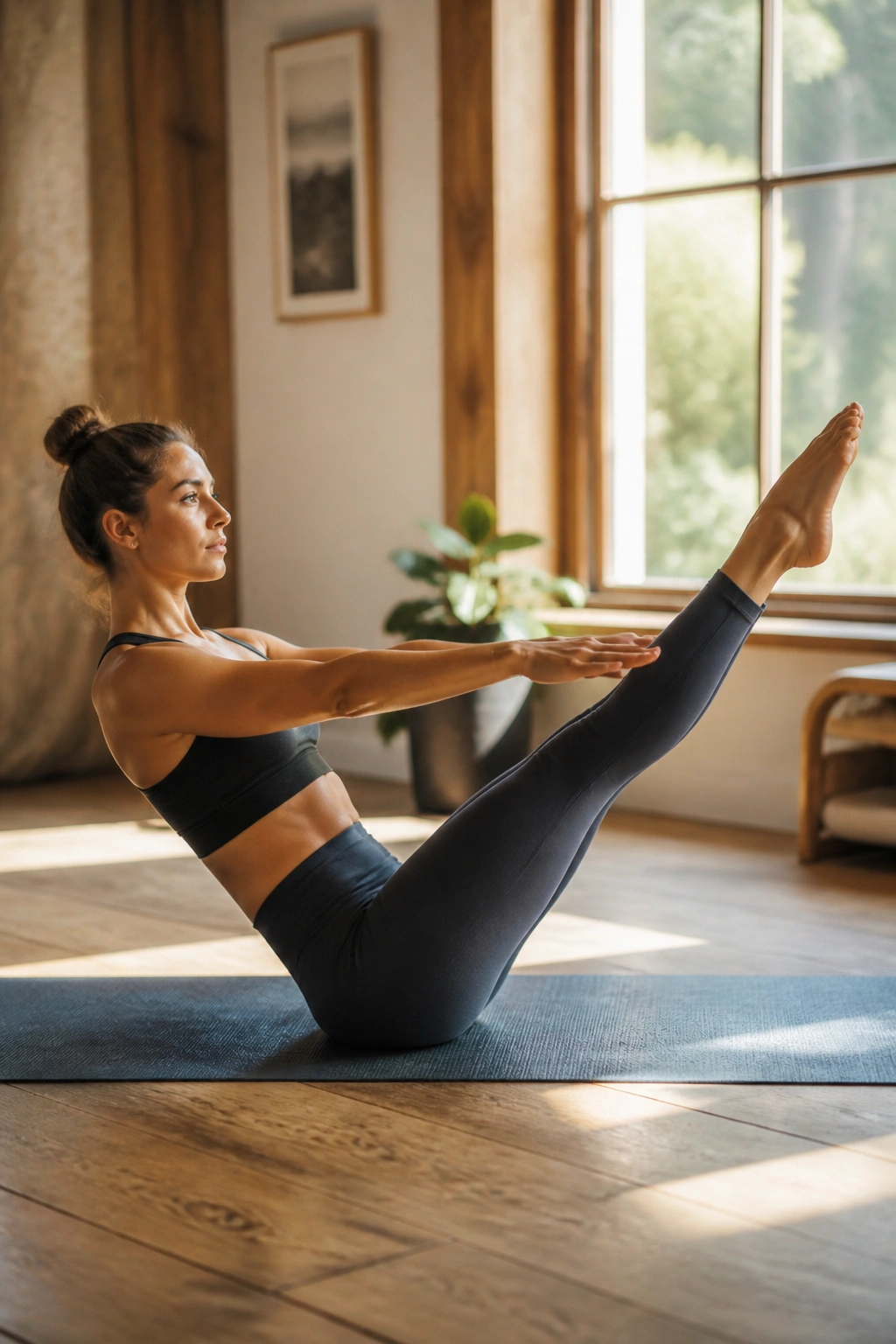
This is the “classic” Pilates experience. It hits the abs, arms, glutes, and back in one cohesive, 45-minute flow. It is designed to leave you feeling firm, lengthened, and energized.
The structure here is integration. You are rarely using one muscle group in isolation. You are using the arms while the legs hold a pose, or moving the legs while the core stabilizes the torso.
- The Hundred: To start the fire.
- Roll-Up: For spinal articulation and abdominal control.
- Single Leg Circles: For hip mobility.
- Teaser: To test your total-body control.
Pro tip: If you find the Teaser too difficult, start with your knees bent and feet flat on the floor. The goal is to articulate your spine up, not to throw your legs into the air.
14. Pilates for Runners and Athletes
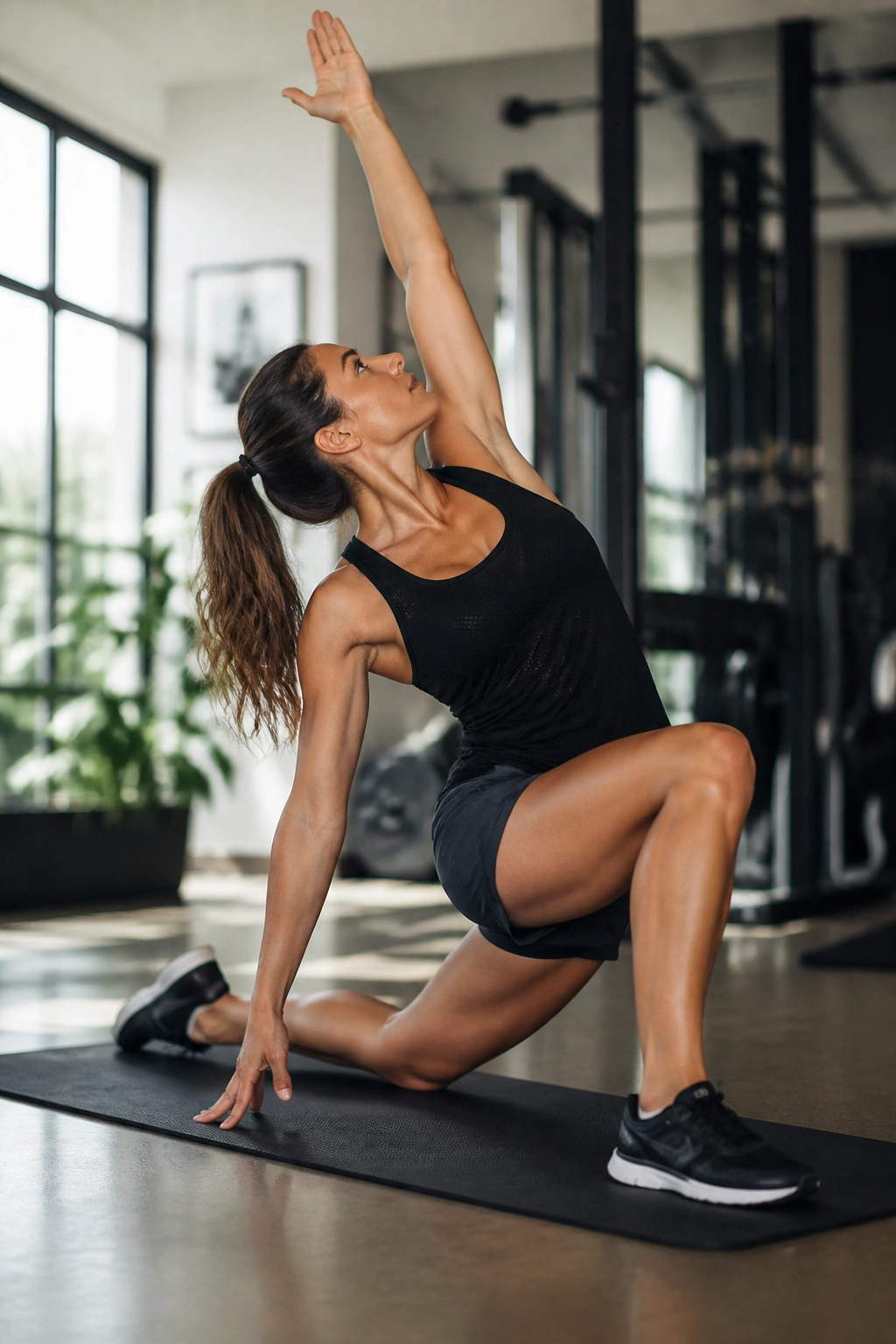
Runners often have very tight hip flexors and quads, but weak glutes and hamstrings. This creates an imbalance that eventually leads to injury. This plan focuses on opening the front of the body while strengthening the posterior chain.
It is specifically designed to be a “recovery and maintenance” routine. It won’t build bulk, but it will build the structural integrity needed to run harder and recover faster.
- Runner’s Lunge with Reach: Deep stretch for the hip flexors.
- Hamstring Bridges: With feet on a stability ball, if available.
- Side-Lying Leg Series: Specifically for the gluteus medius, which stabilizes the hip during the running gait.
Insight: If you are a runner, treat these exercises as part of your “training,” not just something you do when you are sore. A balanced athlete is an injury-resistant athlete.
15. The Deep Abdominal Engagement Program
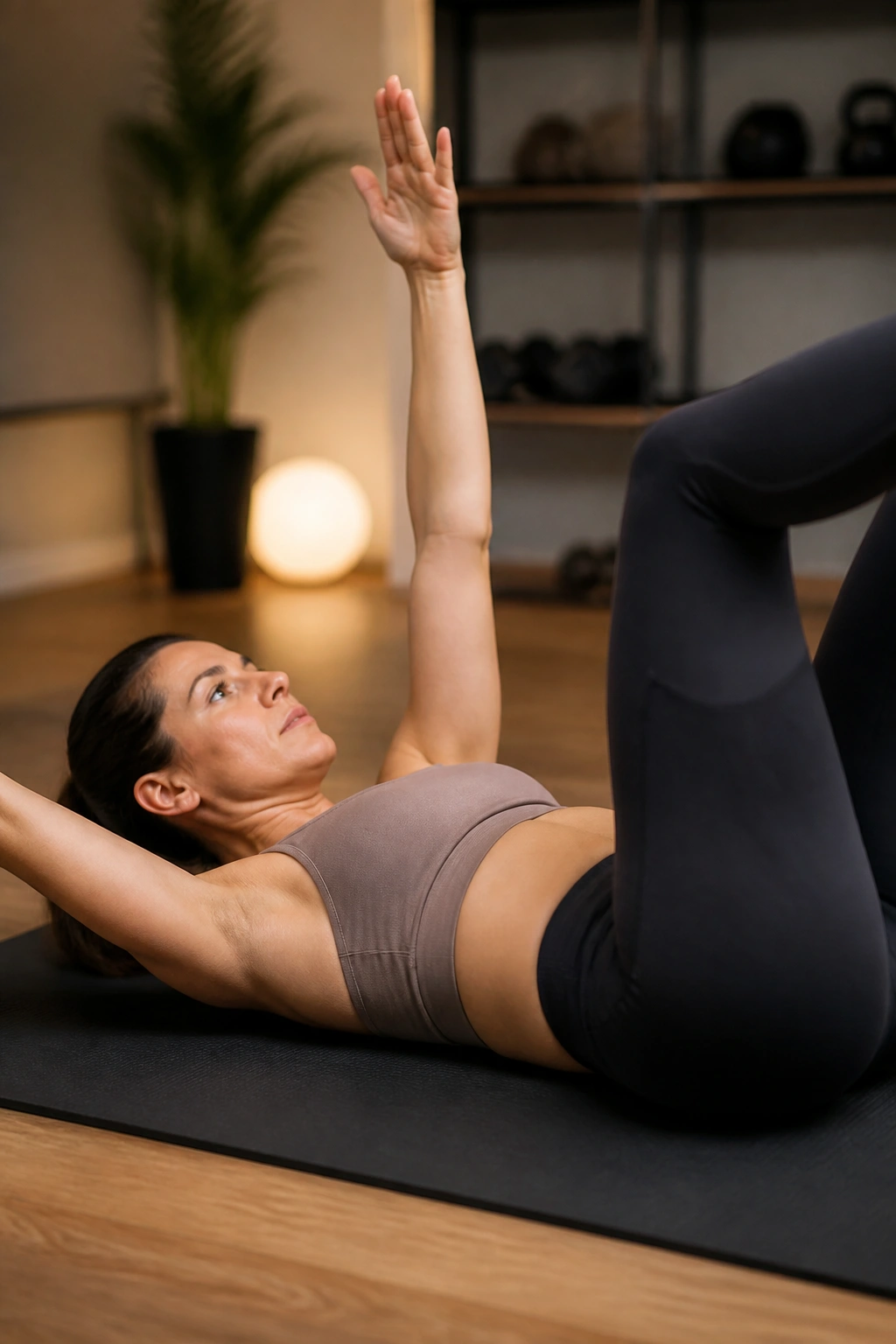
Many people think the abs are the “six-pack” muscle (rectus abdominis). While that is part of it, the deep abdominal work involves the transverse abdominis, which wraps around your waist like a corset. This plan is entirely dedicated to that layer.
You will not be doing crunches here. Crunches put a lot of pressure on the neck and often encourage you to use your hip flexors instead of your abs.
- Dead Bug: Maintain a flat back against the floor while lowering opposite arm and leg.
- Tabletop Leg Taps: Keeping the knees at 90 degrees, tap the toes to the floor.
- Plank Variations: Focus on pulling the belly button in toward the spine, resisting gravity.
Why it works: When your deep abdominals are strong, your posture improves instantly. You don’t have to “try” to stand tall; your body naturally holds itself that way.
16. Evening Wind-Down and Relaxation
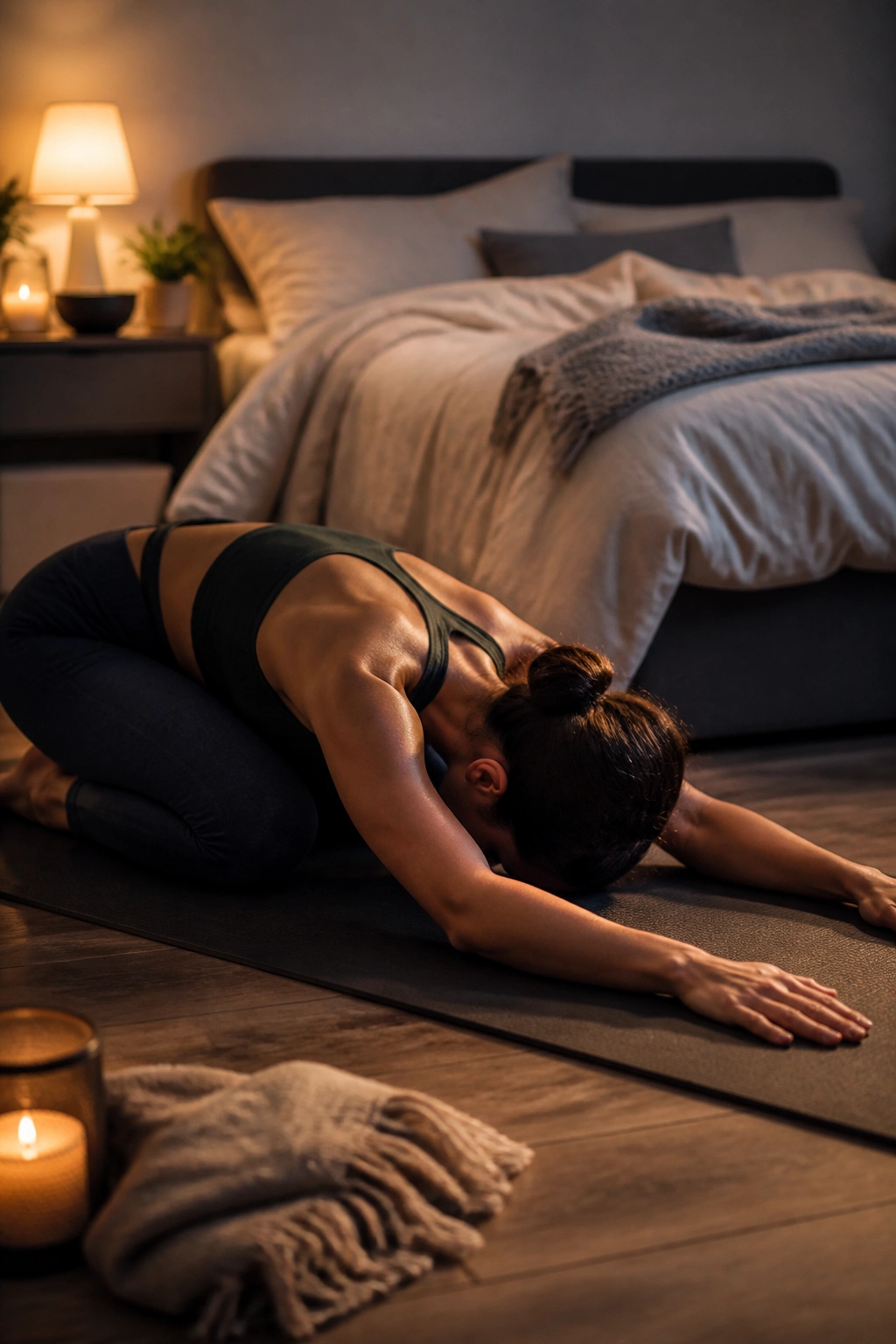
This is not a workout; it is a transition ritual. Use this before bed to shift your nervous system from the sympathetic (fight or flight) state into the parasympathetic (rest and digest) state.
Move slowly. Dim the lights. The goal is to release the tension of the day and signal to your body that it is time to recover.
- Child’s Pose: Hold for at least two minutes.
- Spinal Twists: Lying down, let your knees fall gently to one side.
- Breathing: Inhale for a count of four, hold for a count of four, exhale for a count of six.
- Legs up the Wall: A classic restorative position that encourages lymphatic drainage and calms the heart rate.
The result: You will sleep better, and you will wake up with less stiffness the next morning.
17. Upper Body and Arm Definition
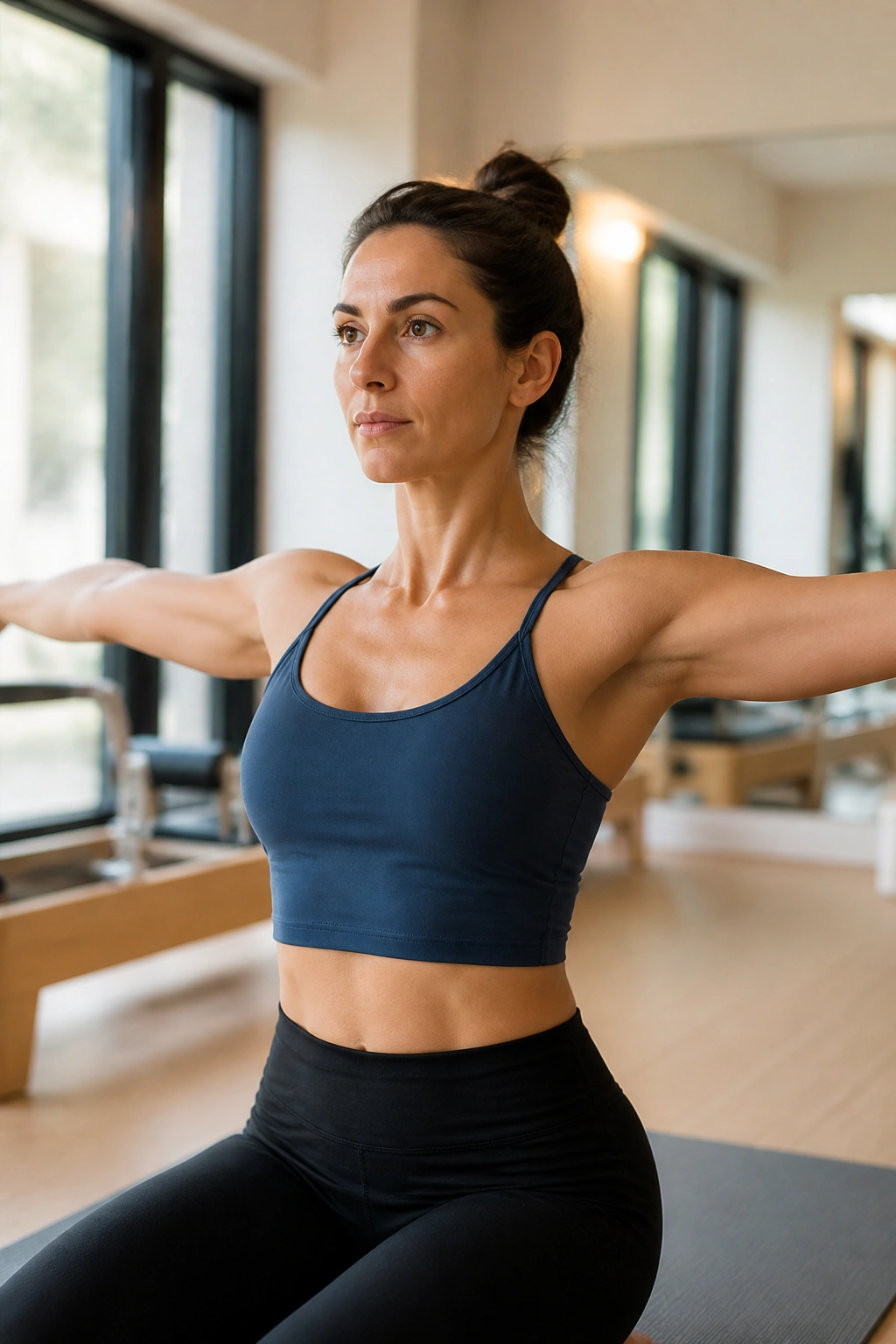
Pilates arms are known for being lean and toned, not bulky. This is because you are working with high repetitions and low weight (or just gravity), focusing on the long, lean muscles of the shoulders and triceps.
The secret is the back. If you do not engage your lats and mid-back, your shoulders will creep up to your ears, and you will just be working your neck.
- Arm Circles: Keep the arms straight and reach long through the fingers.
- Tricep Pulses: Arms behind you, pulse upward with control.
- Pushups: Even a modified version (on knees) is incredibly effective if your form is impeccable.
Focus: Imagine your arms are made of lead. Move them as if you are pushing through thick water. This creates the internal resistance that makes the exercises effective.
18. Stability and Balance Challenge
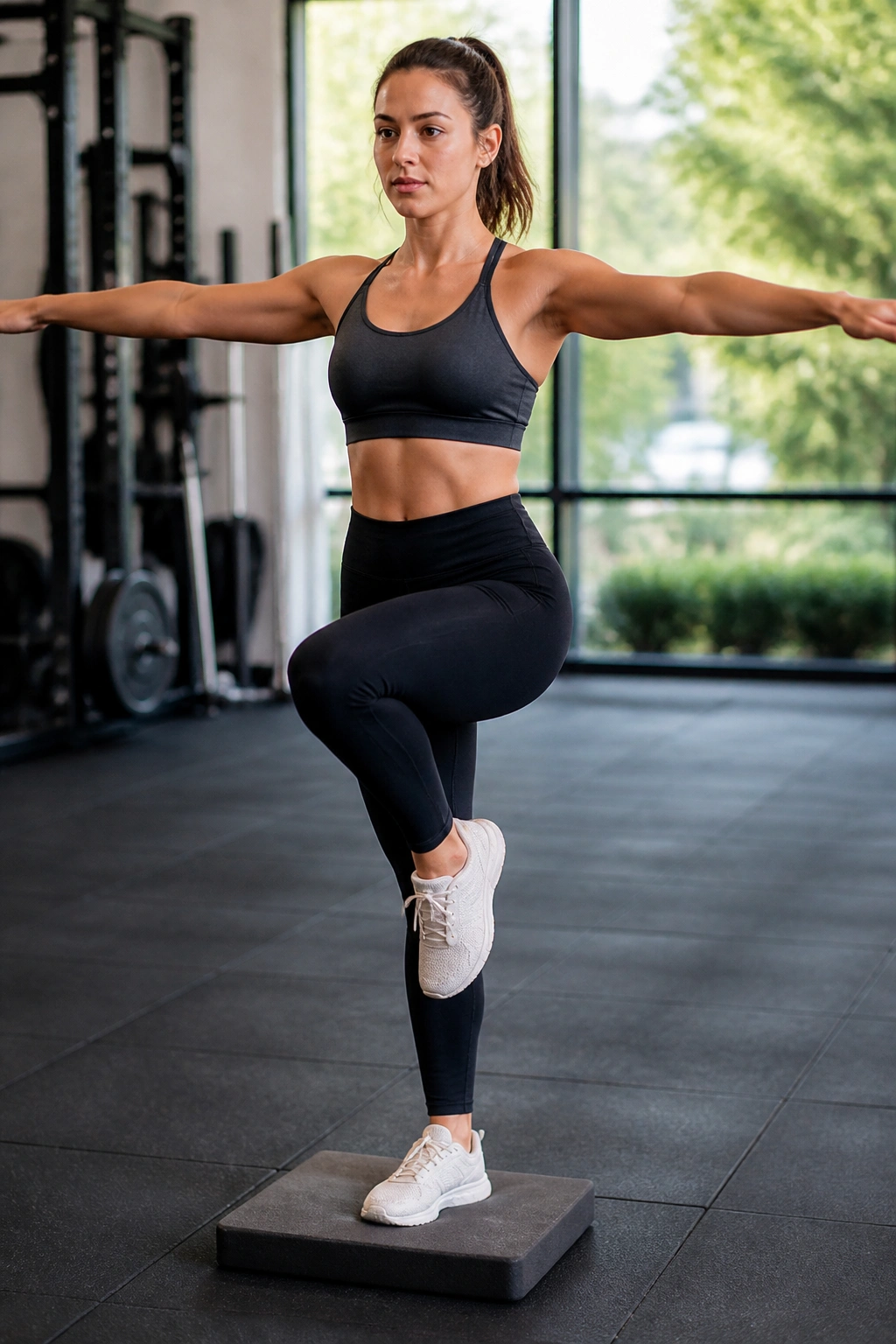
Stability is the ability to maintain control while your body is challenged by movement. This plan involves standing on one leg or using uneven surfaces. It forces your stabilizer muscles—the tiny muscles around your ankles, knees, and hips—to do the work.
This is essential for women, as balance naturally starts to decline with age if not trained.
- Single-Leg Balance: Stand on one leg and perform arm movements.
- Step-Ups: Onto a secure bench or chair.
- Side-Lying Balance: Lie on your side and lift both legs off the floor simultaneously, balancing on your hip.
Pro tip: It is okay to wobble. The wobble is where the growth happens. Every time you catch your balance, your nervous system is learning to stabilize more efficiently.
19. Pilates for Period Pain Relief
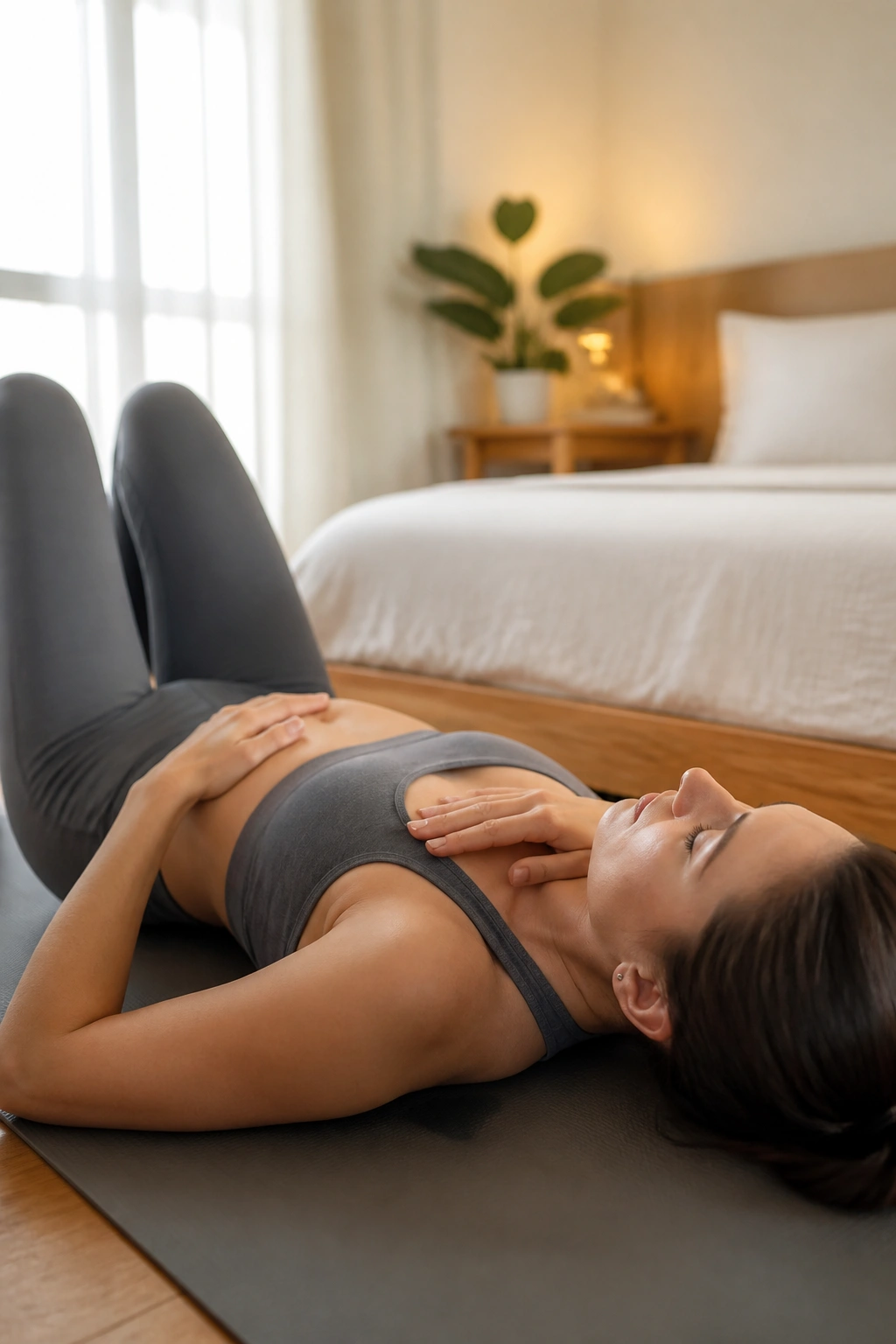
During the menstrual cycle, the body needs gentle movement, not heavy exertion. This plan focuses on increasing blood flow to the pelvic region without aggravating cramps.
Avoid inversions (like the full Shoulder Stand) if you are feeling very uncomfortable. Stick to floor-based work that allows the belly to remain soft and uncompressed.
- Gentle Hip Circles: Lying on the back, draw circles with your knees.
- Butterfly Stretch: Feet together, knees apart, to open the hips.
- Child’s Pose: Wide knees to create space for the abdomen.
- Diaphragmatic Breathing: Focus on deep, belly-expanding breaths to relax the pelvic floor.
Observation: You will find that gentle movement often alleviates cramping more effectively than lying completely still. Keep it slow.
20. Advanced Contrology Circuit
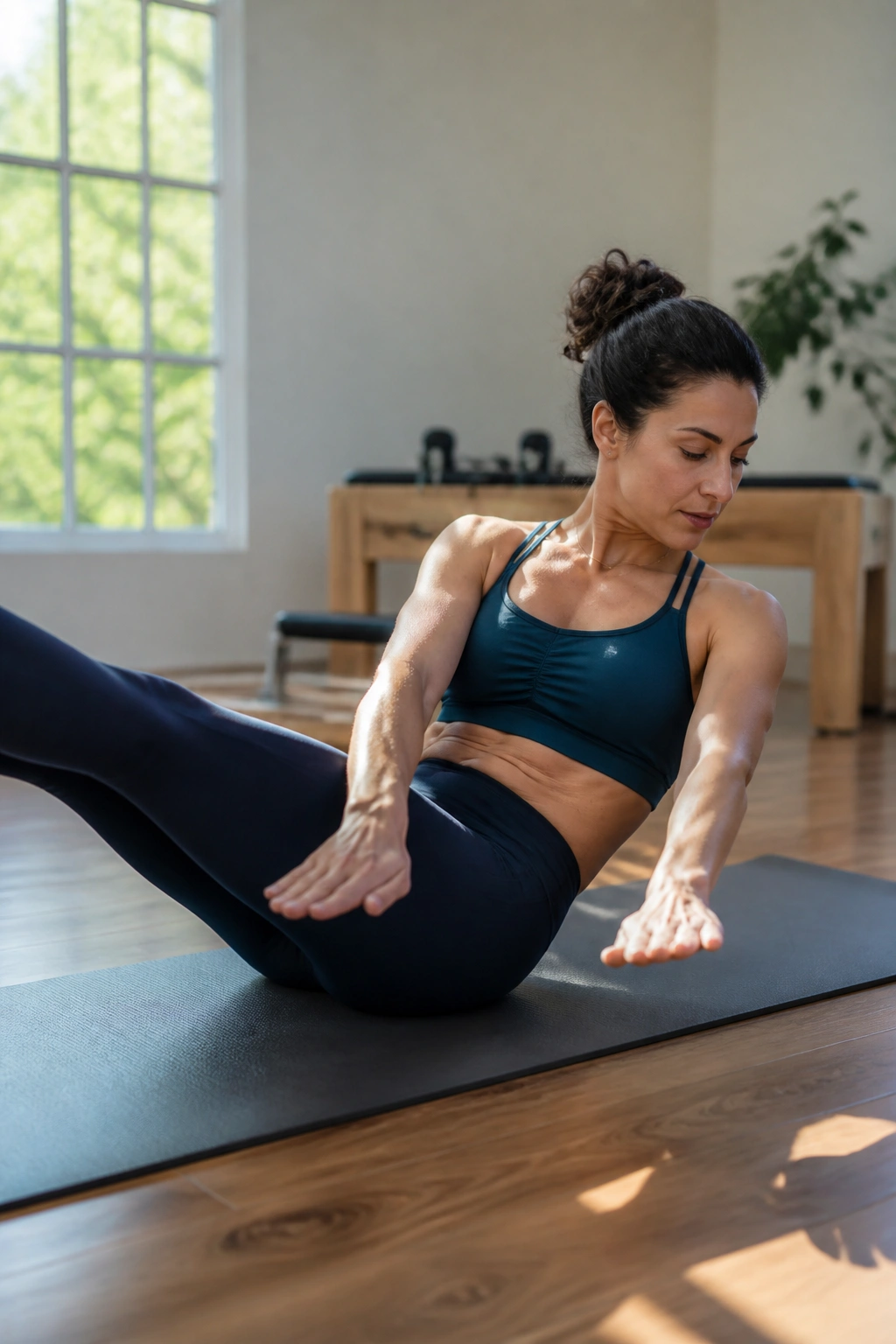
Joseph Pilates originally called his method “Contrology”—the science of control. This final plan is for those who have mastered the basics and want to test their limits. It requires a high level of core endurance and spinal mobility.
Do not attempt this if you cannot perform the foundational exercises (the Hundred, Roll-Up, etc.) with perfect form. This circuit is fast and demanding.
- Teaser to Pike: A fluid, explosive movement of the entire body.
- Open Leg Rocker: Requires immense core control to balance at the top of the rock.
- The Boomerang: A complex sequence that combines spinal flexion, extension, and intense core work.
This is the “final boss” of mat Pilates. If you can perform this circuit with total control and zero momentum, your core strength is exceptional.
Final Thoughts
The specific plan you choose should depend on your goals, your available time, and how your body feels that day. Some days require the intensity of the Advanced Contrology Circuit; other days, your body needs the gentle, restorative flow of the Evening Wind-Down. That is the true value of Pilates. It is not just a workout; it is a system of movement that teaches you to listen to yourself.
You do not need to be perfect to see results. You need to be consistent. Even a fifteen-minute session, done with total presence, is more effective than an hour of distracted, low-quality movement. Start where you are, honor the feedback your body gives you, and remember that strength is a process, not a destination.
