



The burn starts deep in your lower abdomen. It isn’t the sharp, stabbing pain of a bad gym workout; it’s a slow, shaking intensity that feels like you’re finally waking up muscles you’ve ignored for years. That’s the hallmark of authentic Pilates. It doesn’t matter if you are stepping onto a mat for the first time or if you have been practicing for a decade—the mechanics remain the same. The goal is precision, control, and a mind-body connection that transforms how you move through your day.
Finding the right instruction online can be a daunting task. The sheer volume of content is staggering, and much of it lacks the technical rigor required to actually see physical changes or improve your posture. You need videos that emphasize form over flash. You need instructors who explain the “why” behind the movement rather than just shouting cues. When you find the right routine, everything clicks. Your shoulders drop, your breath steadies, and your core engages without you having to force it.
The following selection of workout video types represents the essential building blocks of a complete practice. These aren’t just random clips; they are the fundamental categories of training that build strength, endurance, and mobility from the ground up.
1. The 15-Minute Morning Wake-Up Flow
Waking up stiff is a universal experience, but it doesn’t have to be the baseline for your day. A morning Pilates flow should act as a reset button for your spine and hips. The best videos in this category focus on articulation—specifically the cat-cow series, pelvic curls, and gentle spinal twists. You want a session that avoids high-impact movements and instead prioritizes lengthening the muscles that tightened up while you slept.
What to Look for in These Videos
The instructor should prioritize breath work immediately. You aren’t looking for a sweat-drenched HIIT session here; you are looking for an intentional connection to your core. The pace should be steady, not hurried. If the instructor moves through the movements too quickly to allow for full exhalation, skip it.
Why This Works for Longevity
Most back pain stems from prolonged stillness, either in a chair or in bed. By introducing gentle movement early, you lubricate the joints and signal to your nervous system that it is time to be alert. Aim for a video that includes a series of “roll downs” where you slowly peel your spine off the floor, one vertebra at a time. It is the single most effective way to gauge how your body feels before the day gets hectic.
2. Foundational Mat Pilates for Total Beginners
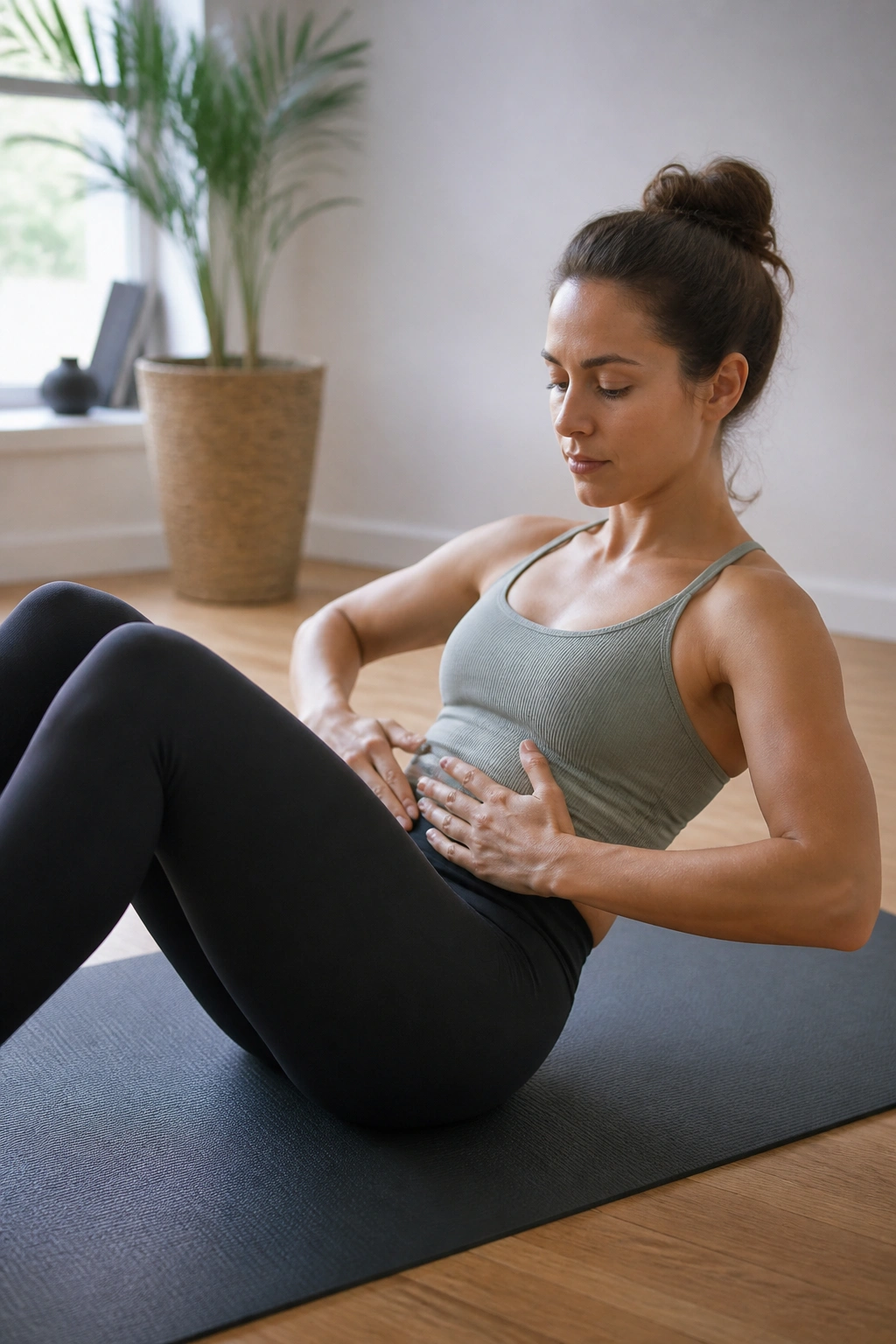
If you have never practiced Pilates, do not start with a “sculpt” or “advanced” video. You will inevitably compensate by using your neck or your hip flexors, which leads to soreness in all the wrong places. A truly great beginner video spends the first five minutes explaining the neutral spine and the “rib-to-hip connection.” This is non-negotiable.
The Mechanics of the Neutral Spine
Your spine has natural curves. A beginner class must teach you how to maintain those curves while your limbs move independently. If a video tells you to “flatten your back into the floor” for every single exercise, it is outdated instruction. Modern, functional Pilates acknowledges that your spine should remain neutral during most exercises to keep the core firing correctly.
Essential Moves to Master
Look for a video that emphasizes the “Pelvic Clock” exercise. It teaches you to rock your pelvis forward and backward, finding the sweet spot where your abs are active but your lower back is supported. If the instructor doesn’t break down how to breathe into the back and sides of your rib cage, find another video. That lateral breathing is the engine of the entire practice.
3. Pilates for Lower Back Relief and Mobility
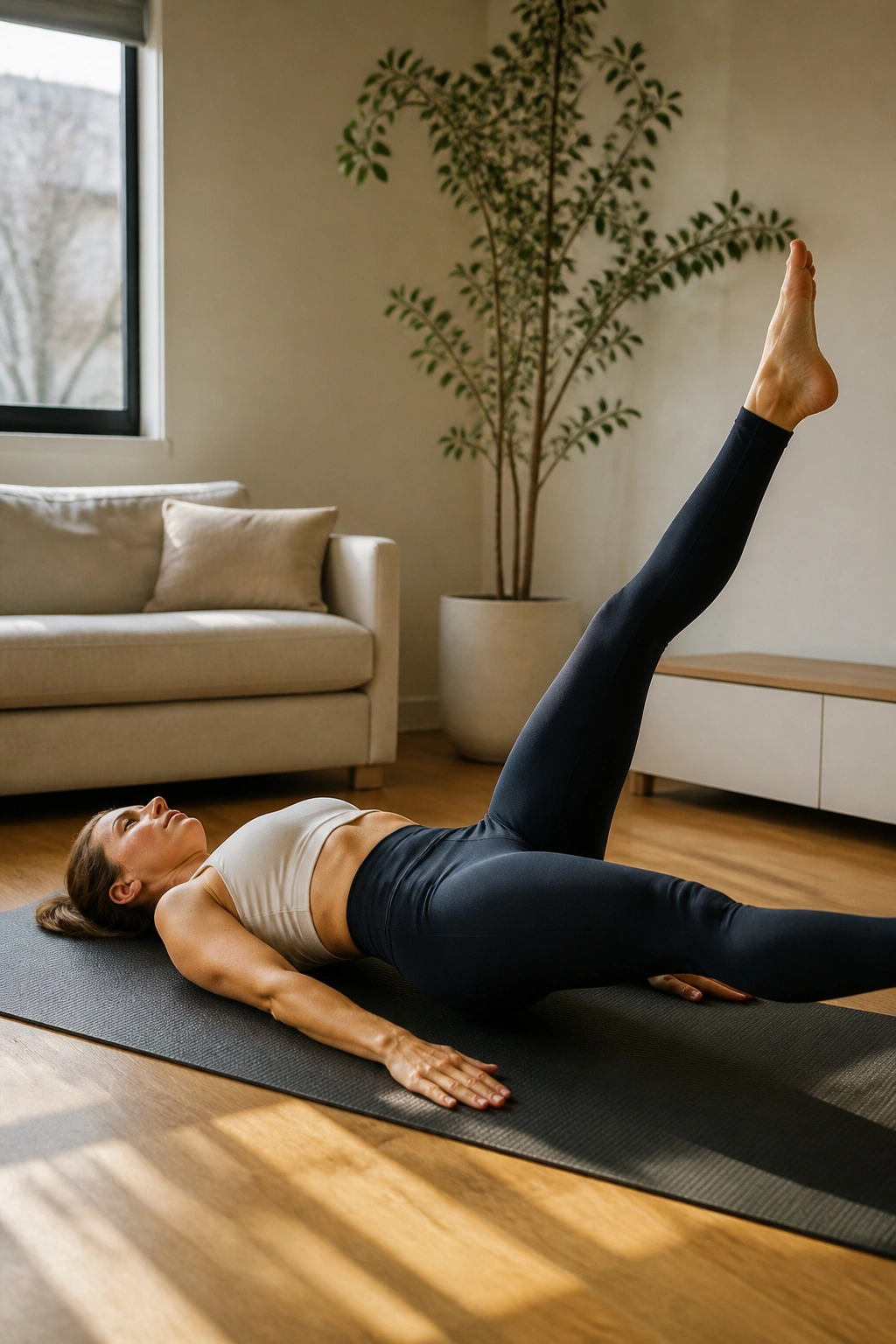
Lower back pain is often a symptom of weak abdominals and tight hamstrings. A focused video for back relief should feel more like physical therapy than a traditional workout. The movements should be slow, controlled, and deeply restorative. This is not the time for fast pulses or explosive movements.
Understanding the Psoas Connection
Many back pain videos miss the psoas muscle entirely. You want a video that incorporates leg circles and “single leg stretch” variations, but with an emphasis on keeping the pelvis completely still. When your pelvis wiggles, your lower back takes the load. The instructor should constantly remind you to anchor your sacrum into the mat.
A Practical Tip for Success
If you are doing a move like the “saw” or “spine stretch,” do not worry about reaching your toes. The goal is spinal decompression. Imagine a string pulling the crown of your head toward the ceiling. When you hinge forward, you are lengthening the spine, not trying to fold your body into a pretzel. If your back feels tight, bend your knees. There is no prize for straight legs if your back is rounding.
4. Intermediate Core-Stabilization Challenge
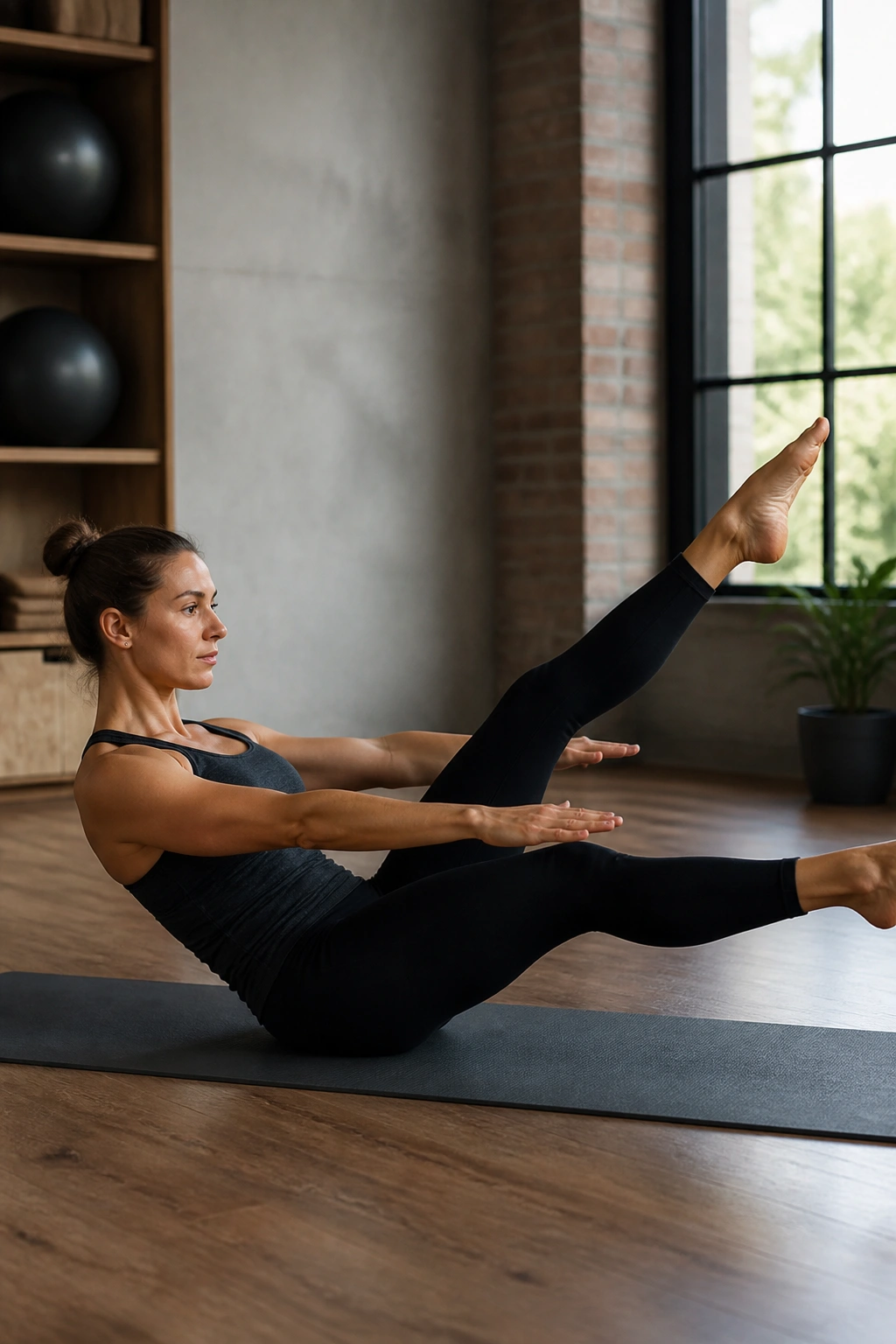
Once you have the basics of breathing and pelvic placement, you can increase the complexity. An intermediate video should challenge your stability by moving your arms and legs away from your center of gravity while you attempt to keep your torso perfectly still. This is where the real “Pilates burn” comes from.
The Hundred and Beyond
The classic “Hundred” exercise is the litmus test for this level. A good instructor will offer modifications: feet on the floor, tabletop position, or legs extended at a 45-degree angle. They should explain that you can change the position to suit your strength, but the rigidity of the core must never falter. The movement comes from the arms; the stability comes from the deep abdominal muscles.
Why Speed Is the Enemy
At this level, instructors often fall into the trap of speeding up to create a cardio effect. Resist the urge to go faster. True stabilization happens when you slow the movement down to a crawl. When you extend your leg, take four counts to do it. When you pull it back, take four counts. The resistance you create against your own body weight is the secret sauce.
5. Posture Correction and Shoulder Release
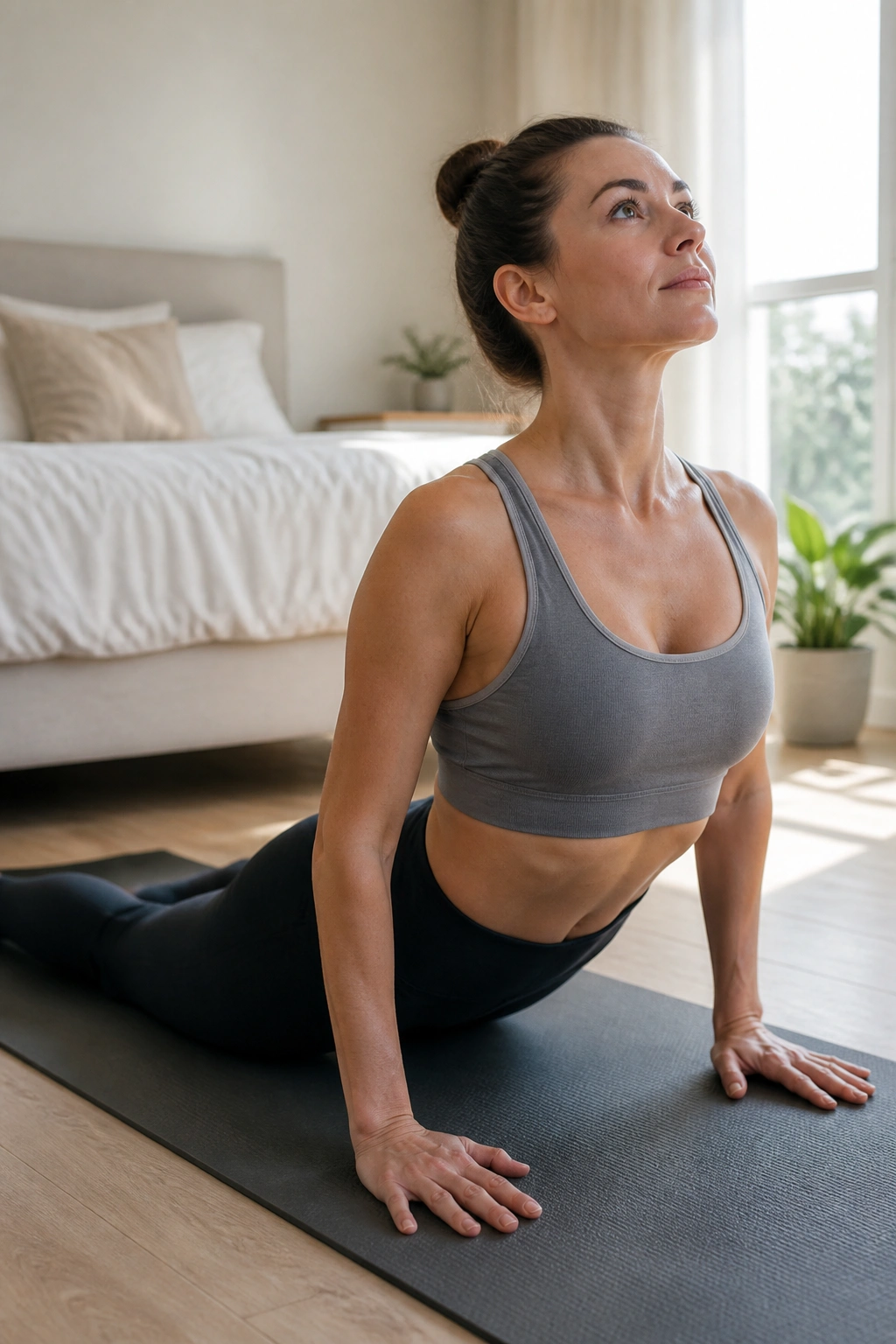
We live in a culture of “tech neck.” Our shoulders are perpetually hunched forward, our chest muscles are tight, and our upper back muscles are weak. A specialized posture video should address the thoracic spine—the mid-back area that allows for rotation and extension.
Opening the Chest
Look for videos that include “swan” or “dart” variations. These prone (lying on your stomach) exercises are vital for reversing the slouch. The instructor should emphasize pulling the shoulders down and away from the ears. If you feel tension in your upper traps during these moves, you are likely shrugging. Focus on using your lats to pull the shoulders back.
The Importance of Scapular Stability
Your shoulder blades should move smoothly along your rib cage. A great instructor will mention “scapular packing,” which means keeping your shoulder blades flat against your back rather than winging out. This is the difference between a workout that builds strength and one that creates impingement. Always prioritize form over range of motion.
6. Full-Body Pilates with Small Props
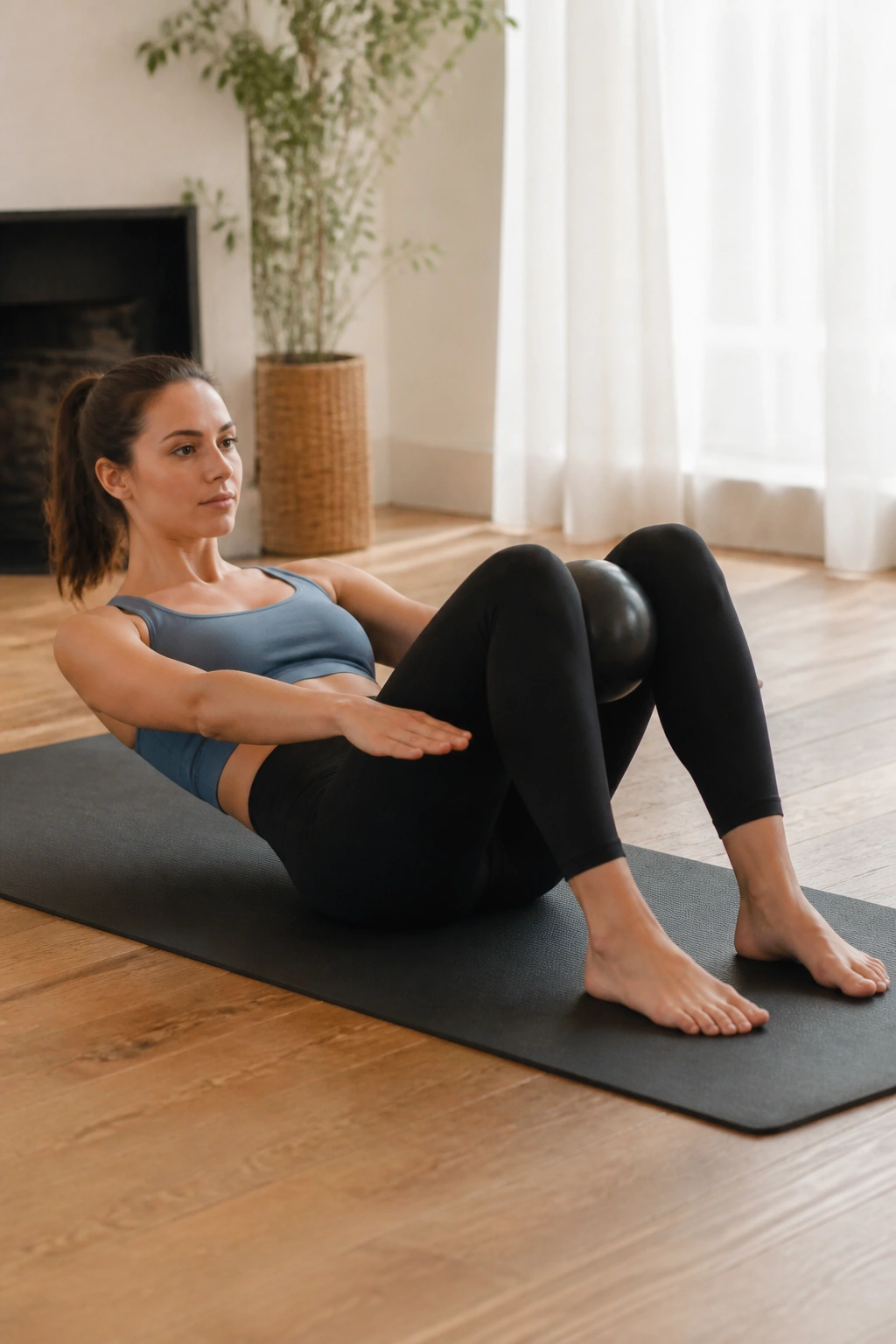
Props like the Magic Circle (or Pilates ring), soft balls, and resistance bands are not just gimmicks. They provide tactile feedback that helps you engage specific muscle groups. If you are struggling to “feel” your inner thighs or your deep core, a video that uses a small squishy ball between the knees can be an absolute revelation.
Why Props Change the Game
When you squeeze a ball between your knees, you activate the adductors, which are directly linked to your pelvic floor. This creates a chain reaction of stability up through your core. A video that utilizes a resistance band helps you understand how to resist against tension, which mimics the experience of being on a heavy-duty Pilates Reformer machine.
Selecting the Right Routine
Do not buy a dozen props before watching the video. Look for a class that uses one specific prop—either a ball, a band, or a circle—and stick to it. The instructor should explain why the prop is there. If the prop seems to be just sitting there while you do crunches, it isn’t being used correctly. It should be an active participant in every movement.
7. Pre-Natal and Safe Movement Sequences
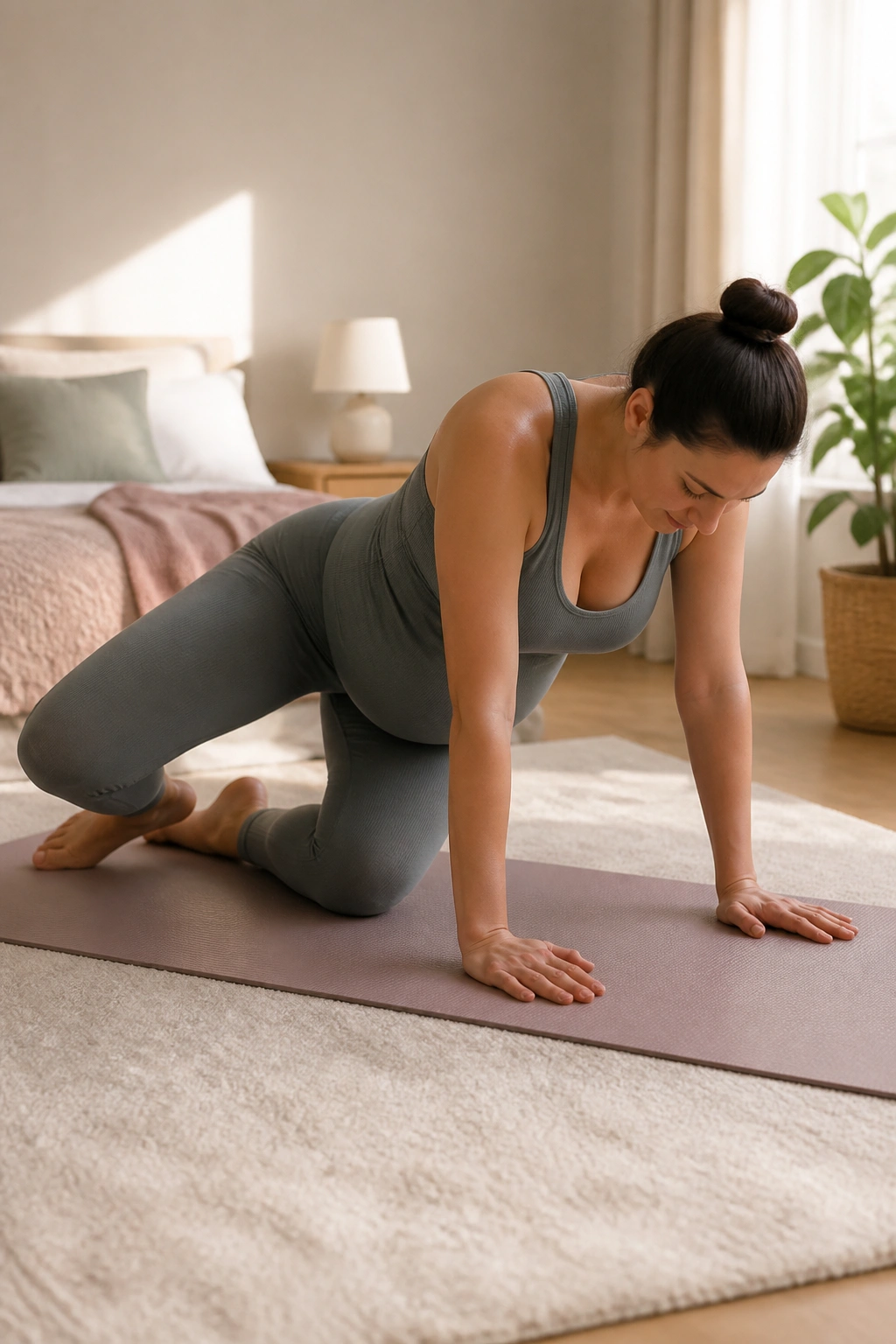
Pilates is widely regarded as one of the safest forms of exercise during pregnancy, but it requires significant modification. You need videos that move away from prone (stomach-down) exercises and prioritize opening the hips and supporting the pelvic floor.
The Shift in Focus
During pregnancy, your center of gravity changes, and your ligaments loosen due to hormonal shifts. A high-quality pre-natal video will never push you to your absolute limit. Instead, it focuses on maintenance. Look for exercises done on hands and knees (quadruped position) and side-lying series that strengthen the glutes, which will help with hip stability during the later stages of pregnancy.
Crucial Safety Markers
The instructor should frequently remind you to listen to your body. There is no one-size-fits-all approach. If a move doesn’t feel right, you should stop. Avoid any moves that cause “coning” (the doming of the abdominal wall). This is a clear signal that the pressure is too high for your core to handle, and you should switch to a simpler variation.
8. Advanced Pilates Sculpt for Athletic Performance
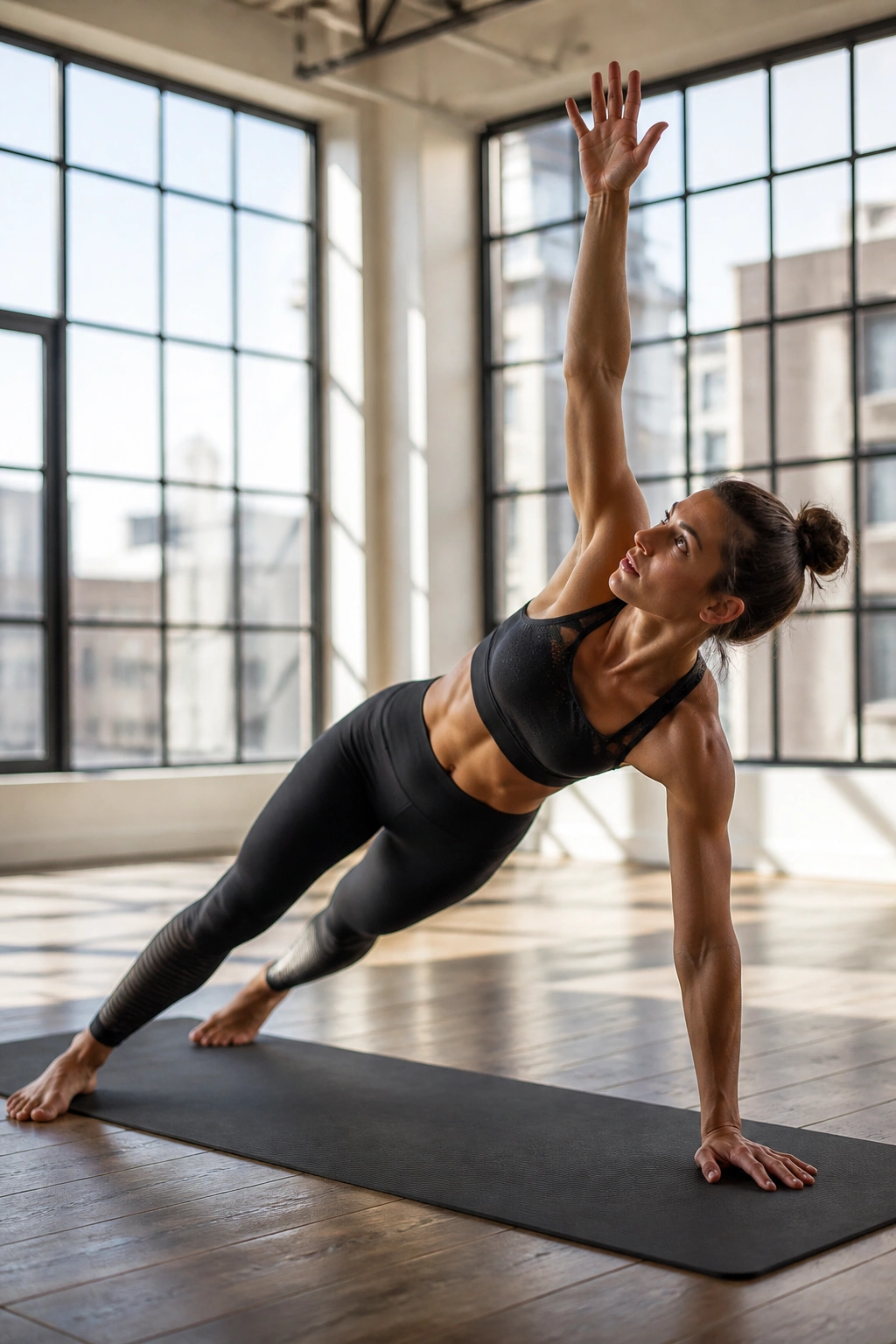
This is for when you are strong, confident, and crave a challenge. An advanced Pilates sculpt video incorporates elements of full-body coordination that test your endurance. We are talking about planks with rotation, leg pull series, and complex sequencing that transitions from one move to the next without a break.
The “Flow” Factor
In advanced sessions, the “flow” is everything. The transitions should be seamless. You should be moving from a plank to a push-up to a pike, and then directly into a lunge. This requires you to stay engaged for the entire 30 or 40 minutes. It is exhausting, but it is also where you build functional athletic power.
Why This Builds Resilience
Athletes use these routines to correct imbalances. If you are a runner, your quads are likely taking over. If you are a cyclist, your hip flexors are overactive. An advanced Pilates routine forces the smaller, stabilizing muscles—the glutes, the deep obliques, the serratus anterior—to work. It cleans up your movement patterns, which makes you faster and less prone to injury in your other sports.
9. Low-Impact Pilates for Joint Health
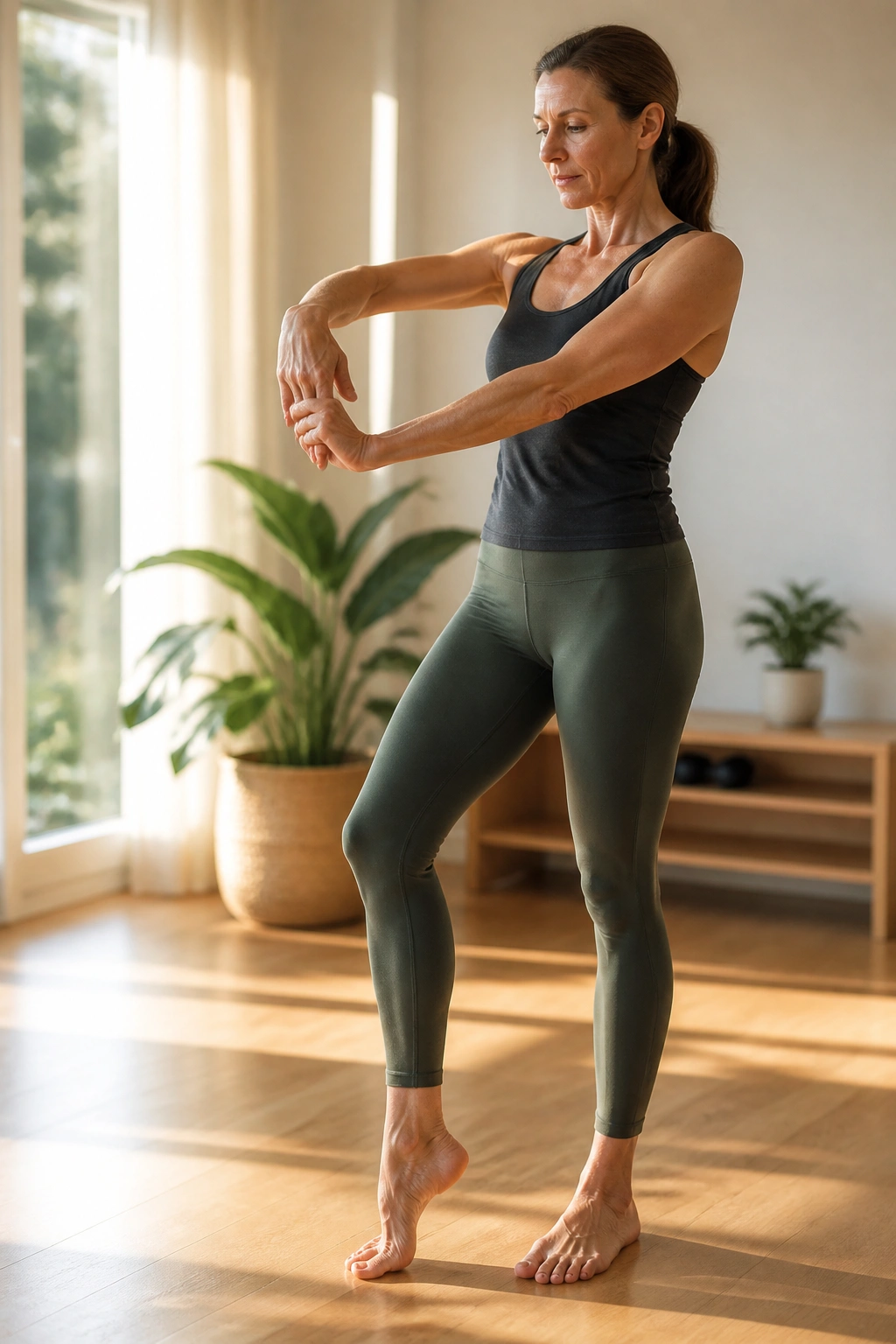
Sometimes the body just needs to move without being punished. Low-impact Pilates is about synovial fluid movement, joint articulation, and blood flow. These videos are often slower, featuring “footwork” sequences and ankle mobility exercises that you might find in a traditional rehabilitation setting.
Respecting Your Limitations
There is no shame in choosing a low-impact day. In fact, consistently doing low-impact work is often more sustainable than jumping into high-intensity workouts every single day. Look for videos that feature extensive foot articulation (pointing and flexing) and wrist stretches. These are the joints that take a beating in most standard workouts, and they deserve focused attention.
What to Expect
You will not end these sessions gasping for air. You will end them feeling “oiled” and loose. The goal is to improve your range of motion. If you have been dealing with stiff ankles or knees, look for a video that focuses on “standing Pilates,” where you work on balance and weight distribution while upright. It’s incredibly effective for knee stability.
10. Pilates for Runners (Hip Opener Focus)
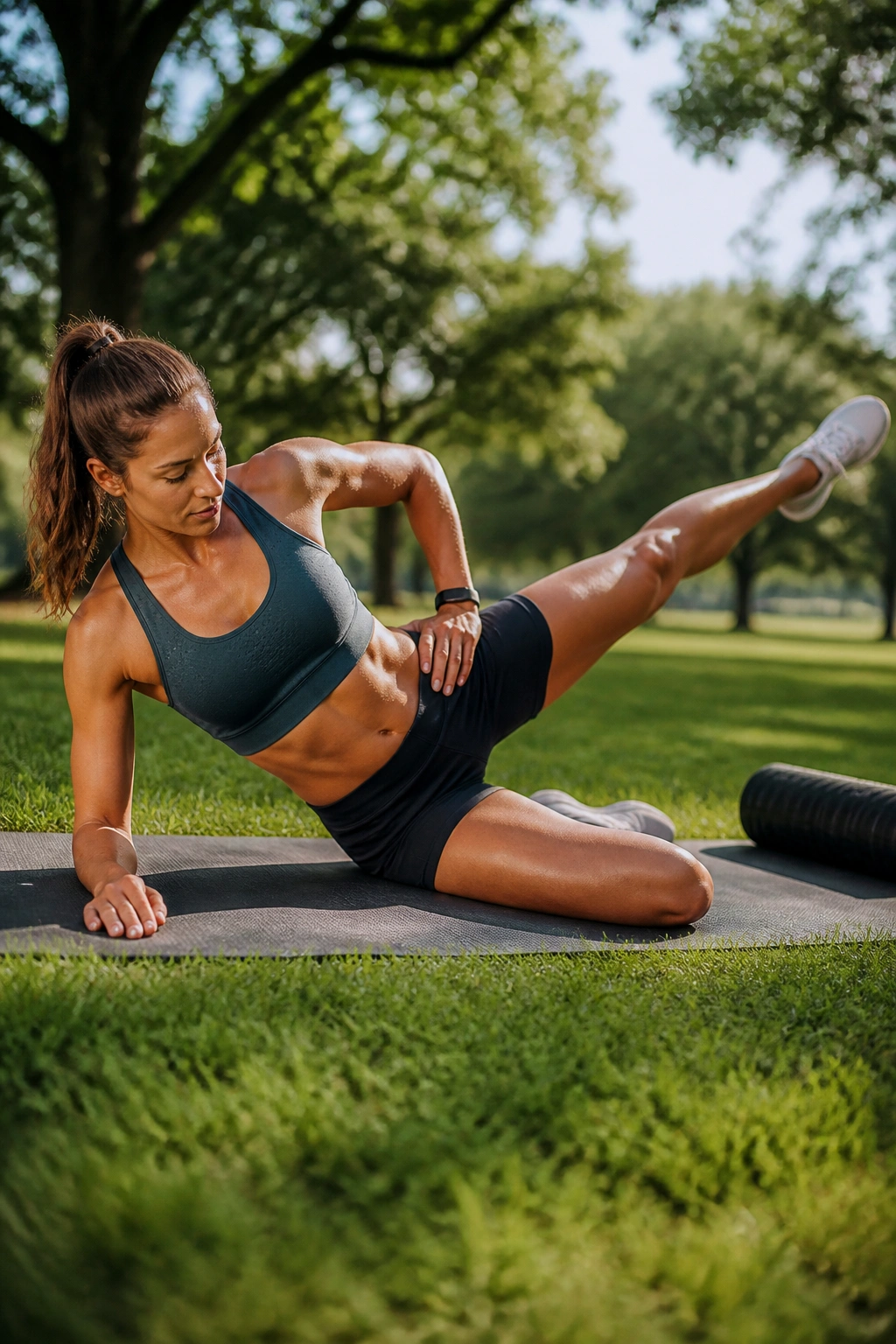
Runners are notorious for tight hips and glutes that don’t always fire correctly. A Pilates for runners video should be highly specific to the sagittal plane—meaning, forward and backward movement. It should prioritize hip flexor lengthening and glute strengthening.
The Hip Flexor Trap
If your hip flexors are too tight, they “tug” on your lower back, causing that familiar ache after a long run. The best Pilates videos for runners will include side-lying leg kicks where you focus on kicking back without arching the spine. This teaches your glutes to do the work of extending the leg, taking the pressure off the lower back.
Lateral Stability
Runners move forward, but injuries often happen because we lack lateral (side-to-side) stability. Look for routines that include side-leg lifts, clamshells, and standing balance work. These moves force the hip abductors to stabilize the pelvis. A strong pelvis means a more efficient gait and fewer IT band issues.
11. High-Intensity Pilates (HIIT Style)
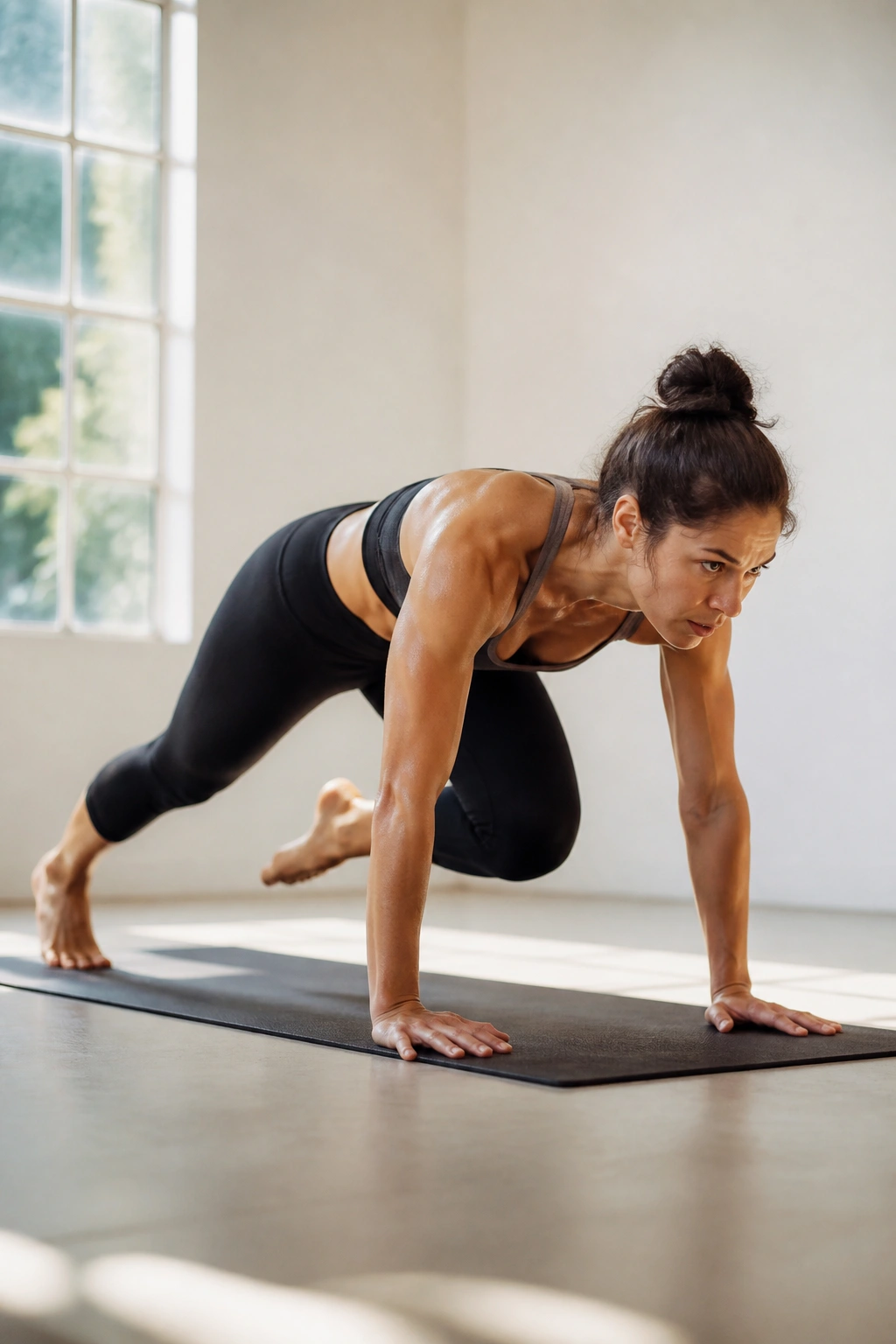
Yes, Pilates can be high-intensity. This format blends the precision of traditional moves with the speed of interval training. You might do 45 seconds of mountain climbers followed by 45 seconds of controlled “hundreds.” It’s an effective way to get your heart rate up without the jarring impact of box jumps or heavy running.
The Trade-off
The danger here is form breakdown. When you add intensity, your muscles will naturally want to cheat. They will look for the path of least resistance. You have to be the guardian of your own form. If you cannot maintain a neutral spine during the high-speed portion, slow down. It is better to do five reps with perfect, trembling control than twenty reps with a sagging back.
Who Is This For?
This is for the person who feels like “traditional” Pilates is too slow but doesn’t want to thrash their joints with heavy plyometrics. It provides the cardiovascular benefits of a HIIT workout with the muscular endurance benefits of Pilates. Use these sparingly—perhaps once or twice a week—to supplement your steadier practice.
12. The 30-Minute “No Equipment” Lunch Break
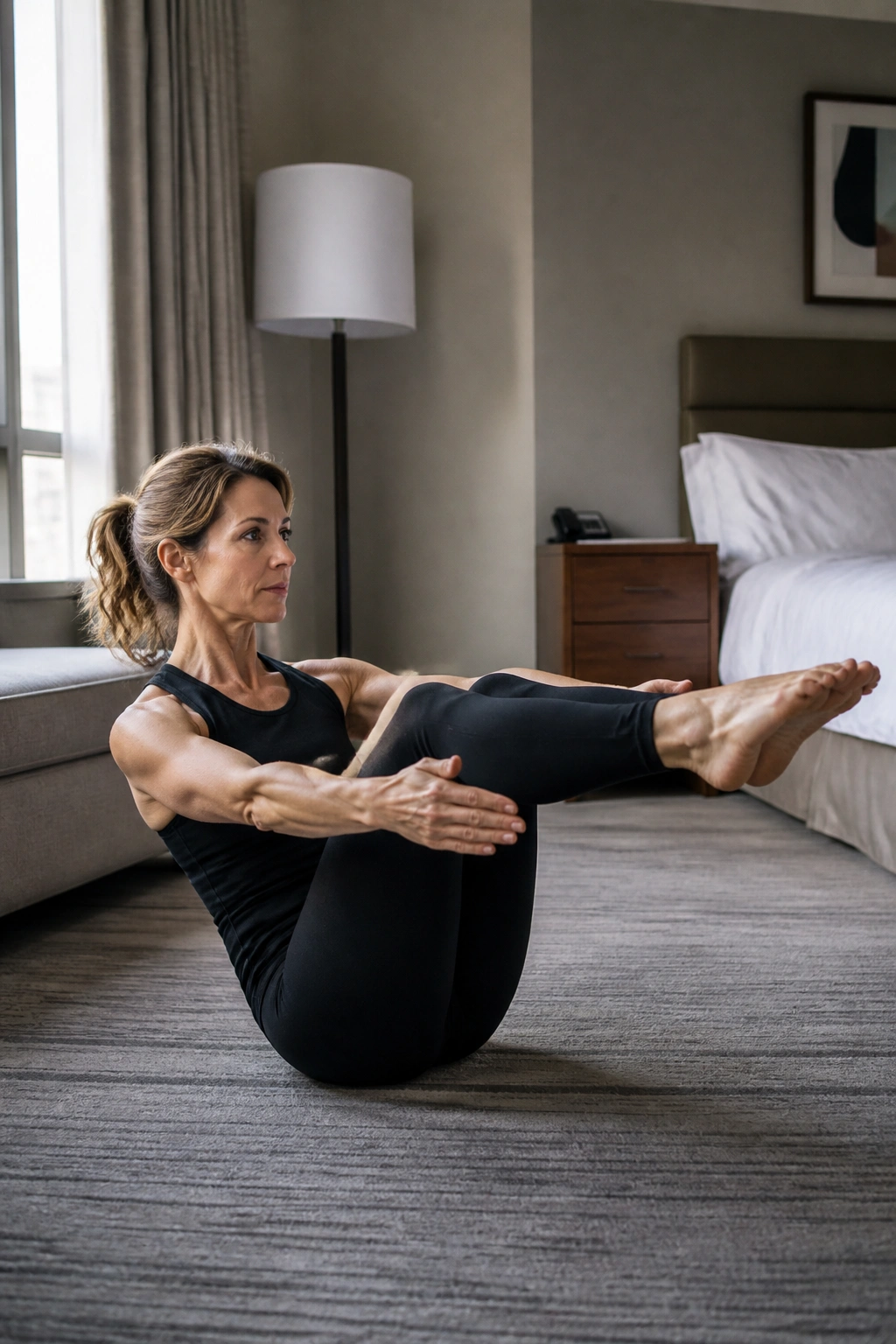
We all have days where we can’t make it to a gym or a studio. The 30-minute no-equipment video is the most valuable tool in your arsenal. You should be able to do this in a hotel room, a living room, or a carpeted office floor. It needs to be a self-contained, total-body system.
Maximizing Efficiency
In a 30-minute session, there is no time to waste. A great video here starts with a quick warm-up (two minutes) and moves immediately into a full-body sequence. Look for routines that cycle through abdominal work, back extension, side-lying glute work, and a final push-up or plank series. It covers all the bases.
The Importance of Audio Cues
Since you are likely doing this in a travel or limited-space setting, pick a video with excellent audio cueing. You shouldn’t have to strain your neck to look at the screen every few seconds to see what the instructor is doing. The instructor should describe the move in detail before you perform it, allowing you to focus on the floor or the wall.
13. Focused Glute and Leg Sculpting Series
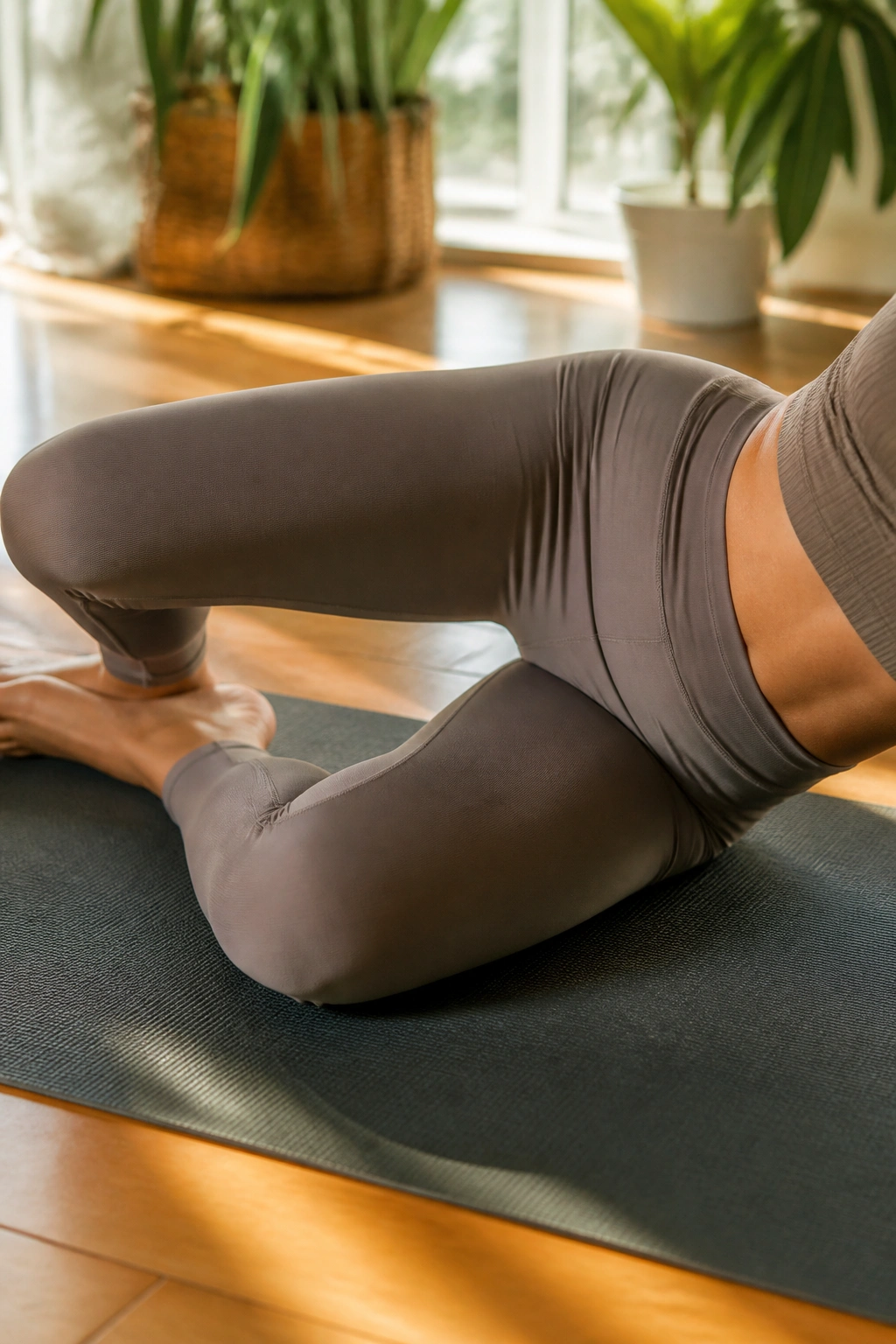
If you want to isolate the posterior chain, this is the way to do it. These videos are heavy on the side-lying series—clamshells, leg circles, donkey kicks, and fire hydrants. The secret to these moves is the connection between the movement and the pelvic stability.
Don’t Swing the Leg
Most people do these moves by swinging their leg wildly. That’s a mistake. The magic happens in the control. If you are doing a leg circle, imagine you are moving your leg through honey. The slower you go, the more your glute medius has to work to stabilize the pelvis. The moment you speed up, you lose the isolation.
Why This Matters for Posture
Strong glutes are the best remedy for weak posture. When your glutes are firing correctly, your pelvis stays in a neutral position, which naturally aligns your spine. A video that targets these muscles isn’t just about aesthetics; it’s about structural integrity. Look for routines that include at least 10 minutes of dedicated side-lying work on each leg.
14. Mobility and Stretching Cooldowns
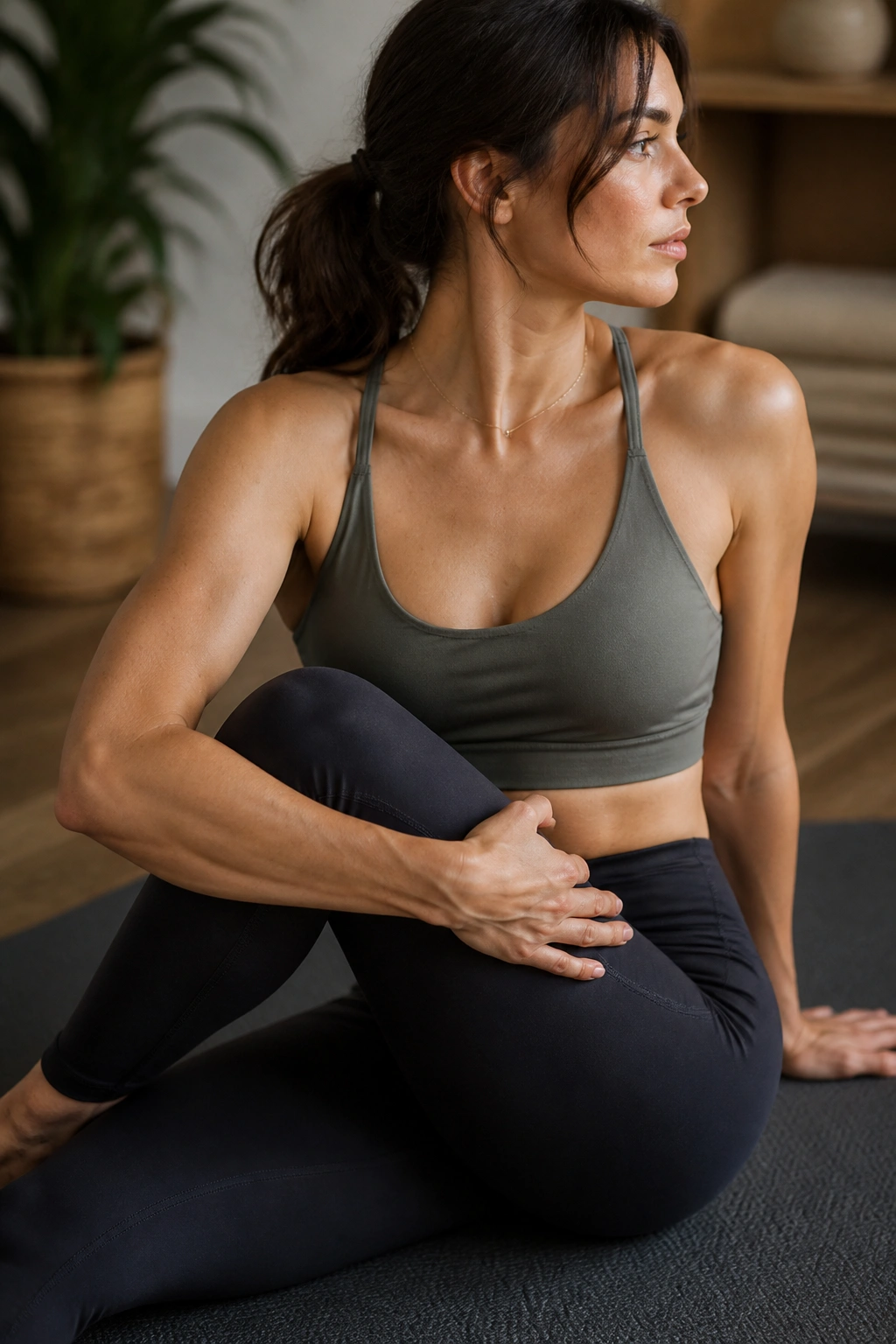
You should never skip the cooldown. After you have worked your muscles, they are pliable and ready to be lengthened. This is the time to correct the “shortening” that occurs after a strenuous workout. These videos should be slow, rhythmic, and focused on deep breathing.
Fascial Release
The best cooldowns involve more than just static holding. They involve movement while stretching. For example, doing a cat-cow variation or a dynamic twist where you inhale and exhale through the range of motion. This helps release the fascia—the connective tissue that wraps around your muscles—which can get tight and sticky after hard work.
Finding the Right Intensity
You shouldn’t feel pain during these sessions. You should feel a “productive discomfort.” If you are holding your breath to survive the stretch, you are pushing too hard. Ease off. The nervous system will only allow a muscle to lengthen if it feels safe. Deep, slow, belly breaths are the signals that tell your body, “It’s okay to let go.”
15. Pilates for Improved Balance and Stability
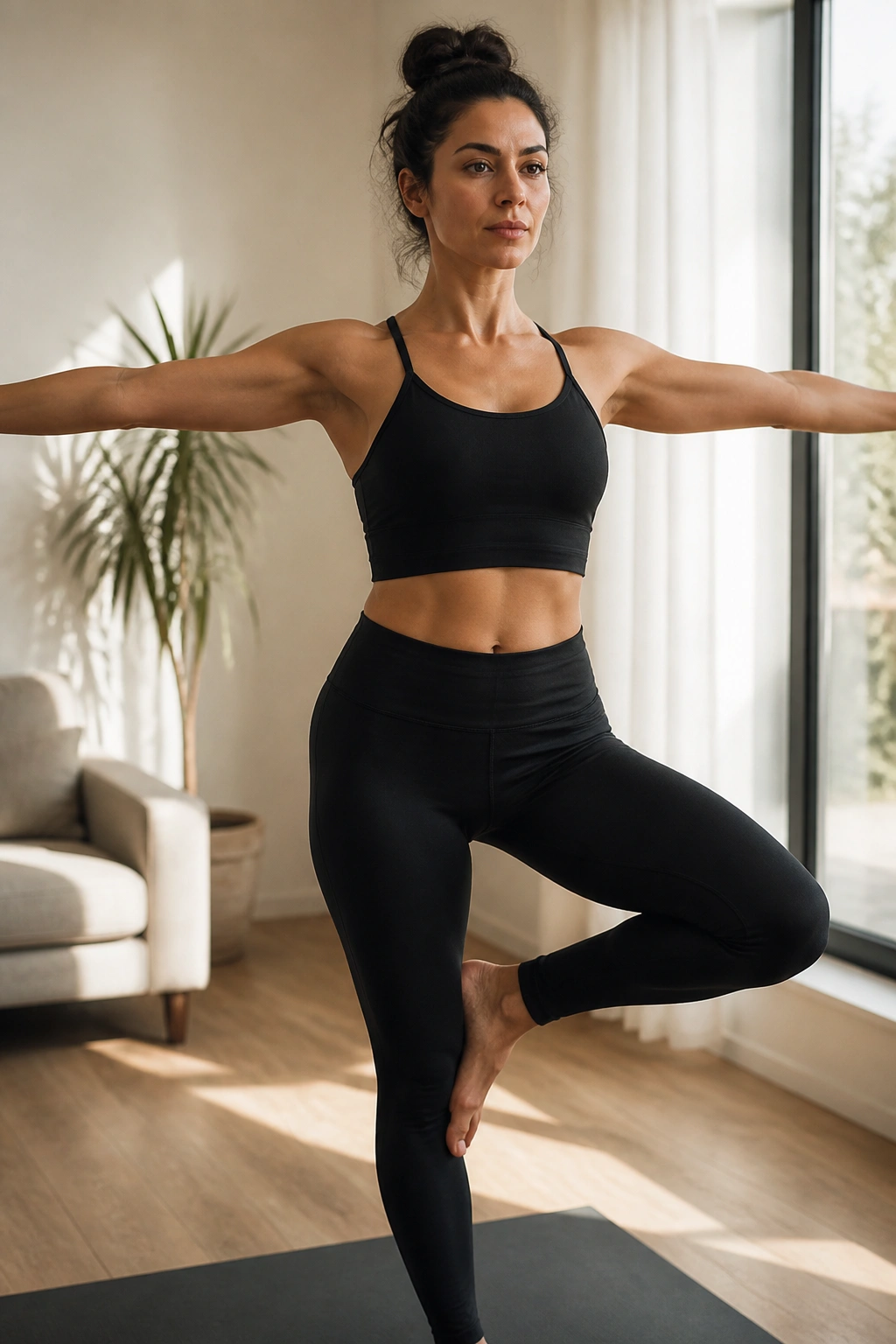
As we age, balance becomes the most critical physical skill we possess. It requires a combination of core strength, ankle stability, and proprioception—your body’s ability to know where it is in space. Videos focusing on balance usually involve standing Pilates work.
Standing Work vs. Mat Work
Standing Pilates is deceptively difficult. It forces you to stabilize your core while your center of gravity is higher, which is much harder than lying on the floor. You will be doing lunges, balancing on one leg, and performing arm movements while standing. It is a fantastic way to train your body for real-world activities.
The Wobble Is Good
If you feel wobbly, don’t get frustrated. That wobble is the workout. It’s your neurological system firing rapidly to recruit stabilizing muscles that don’t usually get used when you are sitting or lying down. The more you wobble, the more you are training your body to be resilient. Keep the focus soft, find a point on the wall to stare at, and breathe through the instability.
Final Thoughts
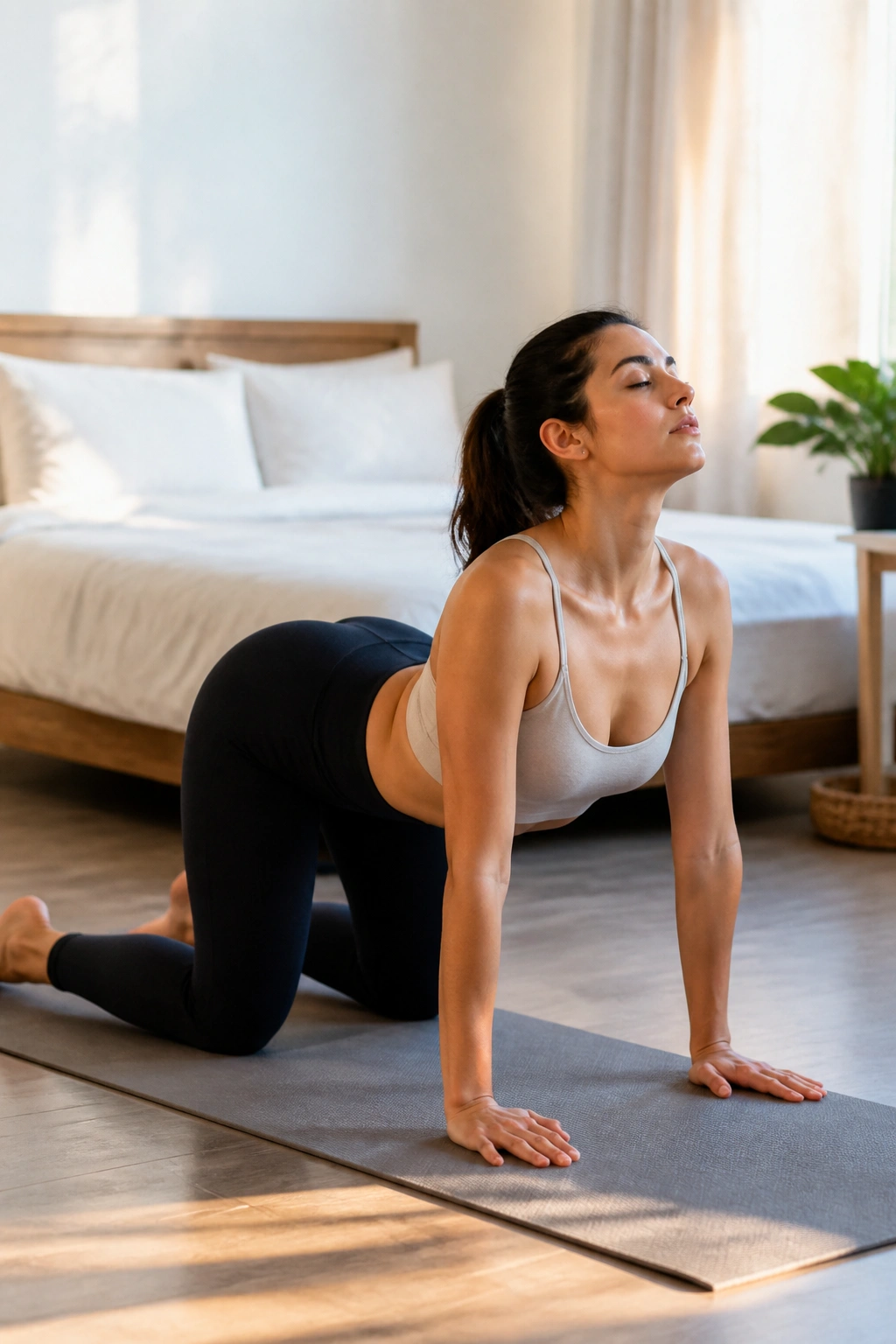
The beauty of this practice is that it meets you exactly where you are. Whether you have fifteen minutes or an hour, whether you are rehabilitating an injury or looking to push your athletic limits, there is a sequence that fits. Do not feel pressured to “master” these routines overnight. Pilates is a long game. The progress is measured in inches and degrees—in the way you sit at your desk, the way you carry your groceries, and the way you hold your breath when you are stressed.
Consistency will always outperform intensity. Pick two or three of these video types that resonate with what your body needs right now, and stick with them. You don’t need a massive library of workouts; you need a few high-quality patterns that you can execute with near-perfect form. When you stop chasing the “new” and start focusing on the internal, that is when the real transformation happens. Keep your focus internal, keep your breath deep, and trust the process. You are building a stronger, more resilient body, one repetition at a time.
